SANDY & BILL VERNON have provided a number of wonderful photos from their stay at Delphi earlier this year. The images convenientlycoincide with various categories already posted, to which the headings below link (supposedly – I will sort out any problems in due course, the general rh policy being to upload pictures first then worry about details later…)
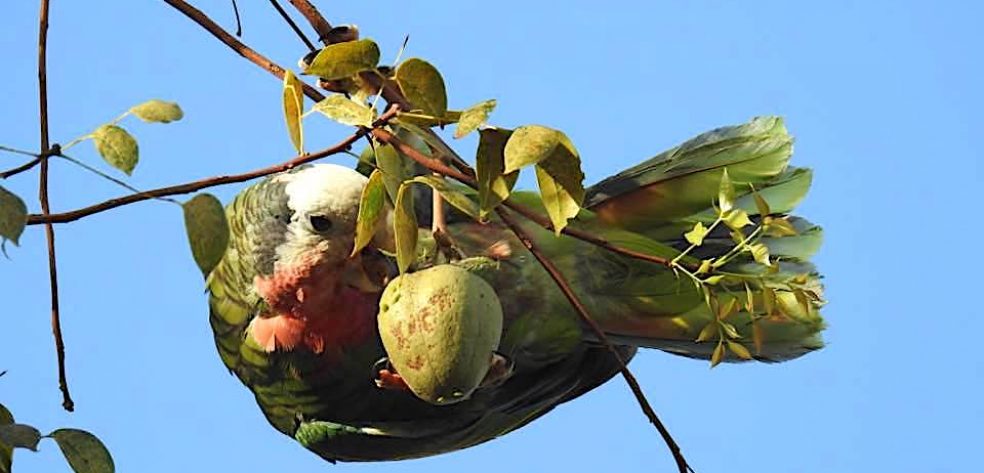
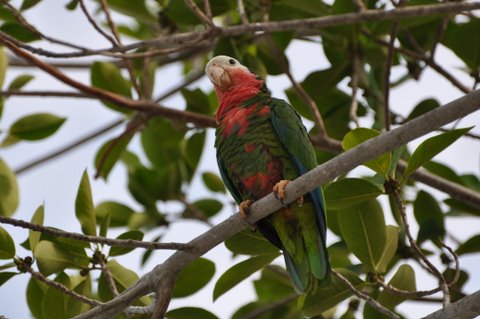
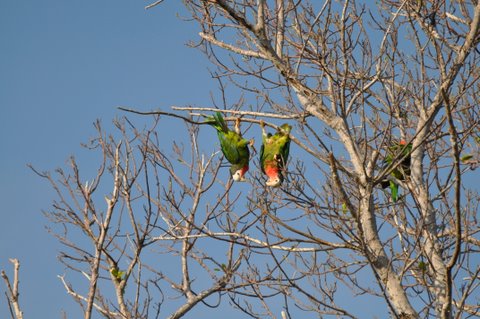
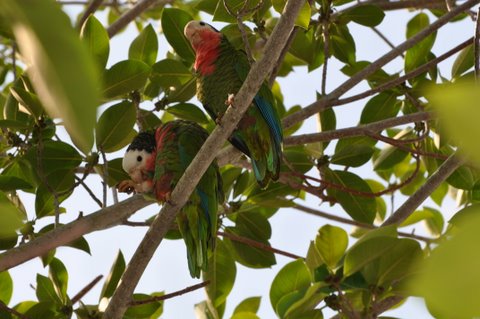
ABACO PARROTS(including some extraordinary acrobatics)
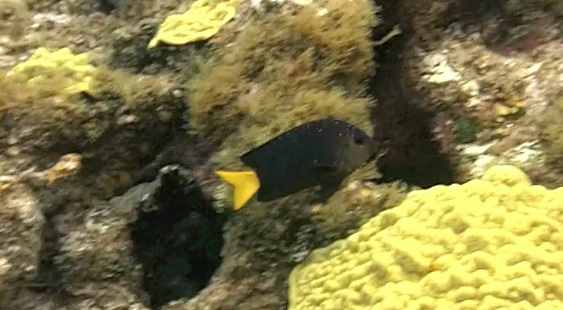
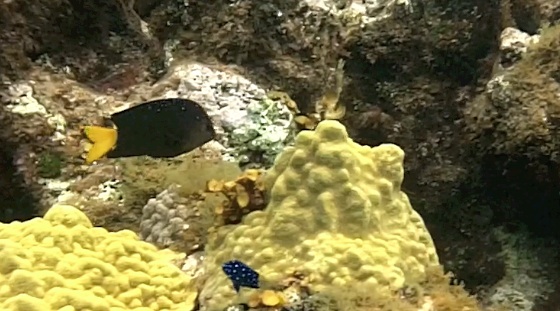
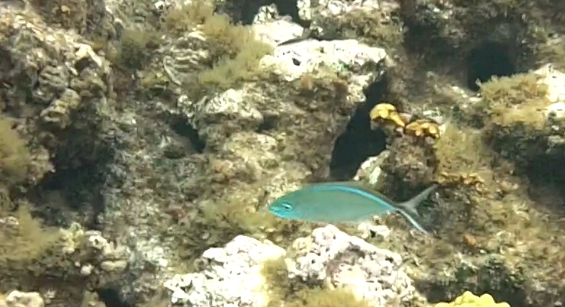
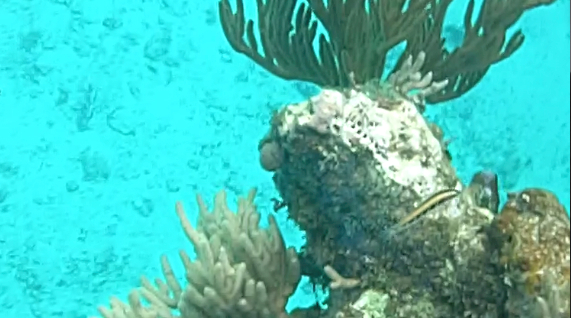
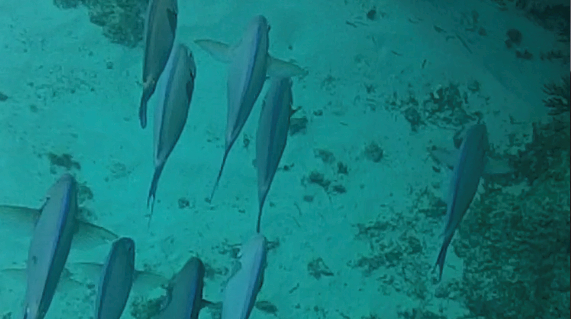
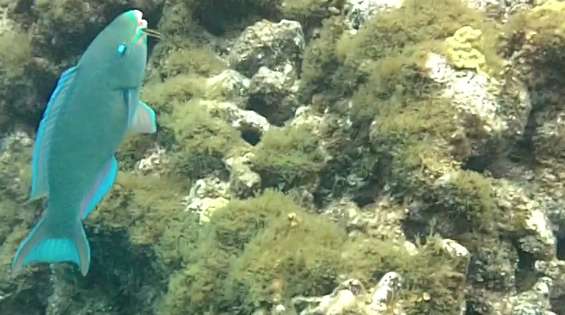
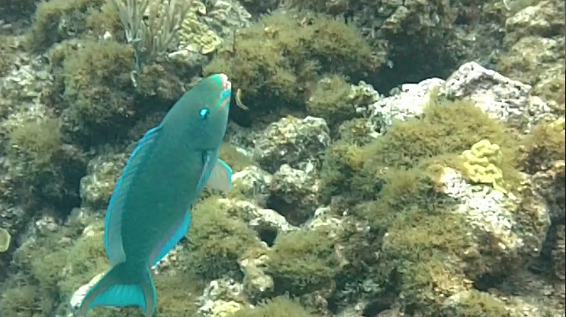
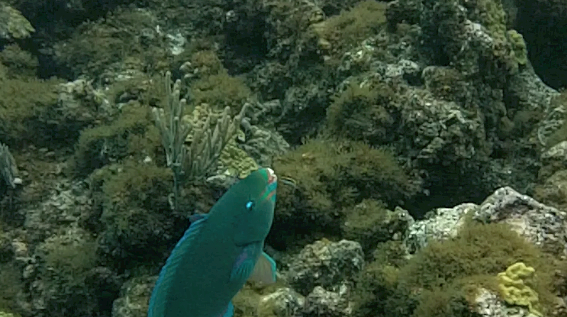
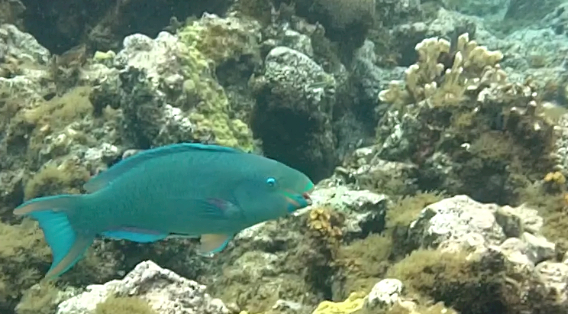
Here are some more stills of reef fish taken from the video of our reef-snorkelling trip to Fowl Key with Abaco Above and Below. I’ll add the fish IDs gradually. The first batch are images of individual fish; the second batch is a sequence showing a queen parrot fish feeding on small fish (?gobies) – images that I’d expect David Attenborough to describe in his quiet and breathy way as “really quite extraordinary”, especially if he has seen the general standard of pics in this blog…
BLUEHEAD WRASSE (Thalassoma bifasciatum)
YELLOWTAIL DAMSELFISH (Microspathodon chrysurus)
YELLOWTAIL DAMSELFISH & Juvenile (I hadn’t noticed the baby yellowtail until I examined the video)
First I thought it best to look up in the dictionary the meaning of the word ‘Sound’ in relation to ‘Cherokee Sound’ – it has such a poetic name. Sound: a long arm of the sea forming a channel between the mainland and an island or islands; or connecting two larger bodies of water.
“No one knows for sure where ‘the place’ got its name but one theory is that it was named after a local wild cherry tree and according to some old-English sailing charts was identified as ‘Cherry Cay’ (cay pronounced ‘key’ locally). Another story about the first settler being an old Indian woman who was supposed to have come from the Cherokee Nation in North Carolina during the American Revolution, and she named the settlement after her ancestors.” By Lee Pinder, Cherokee Sound, Abaco.
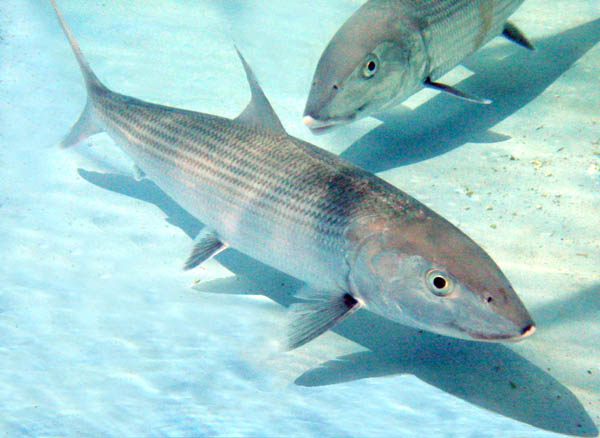
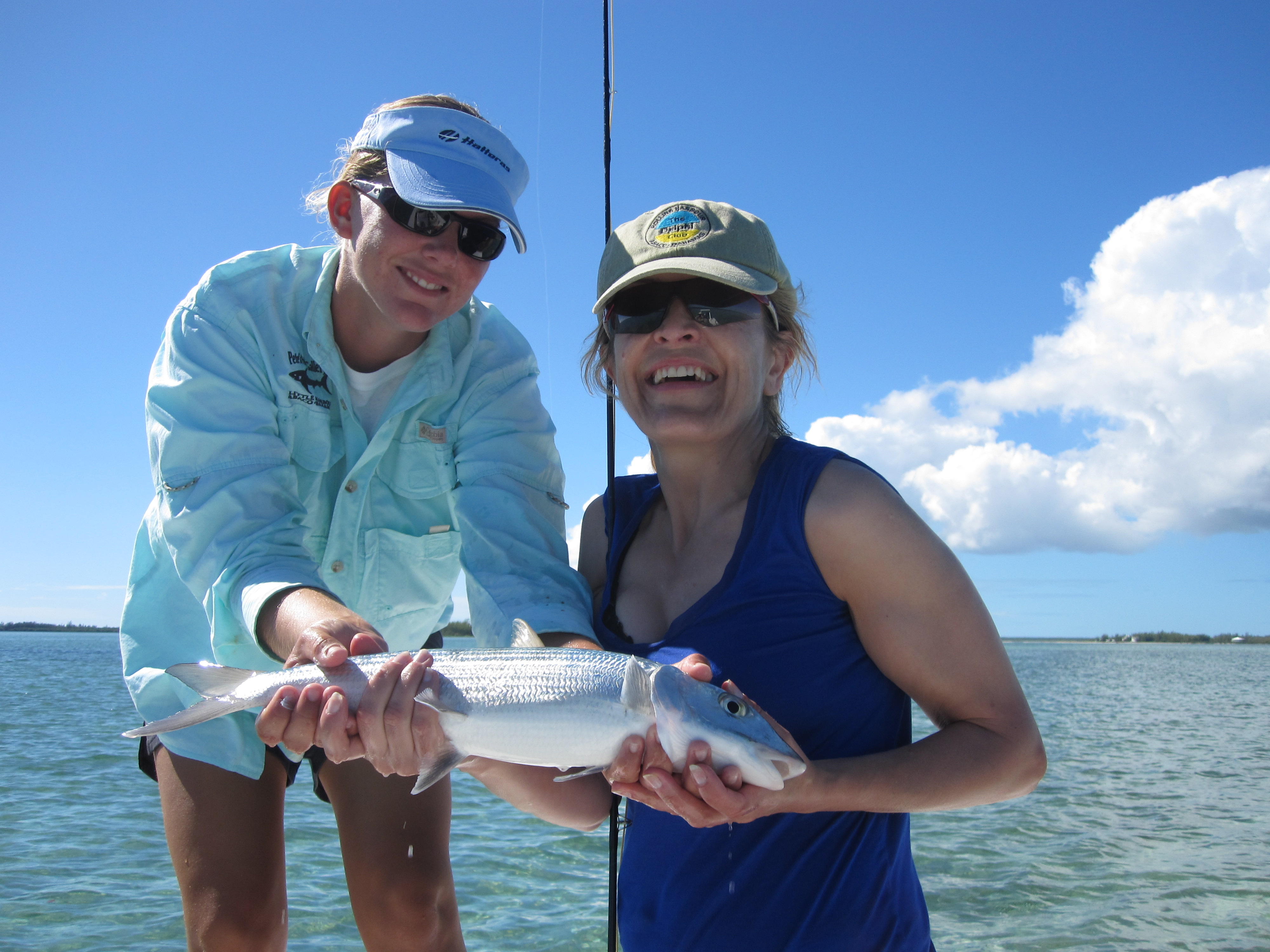
About 40 kilometres or 25 miles south of Marsh Harbour, capital of Abaco, is the seaside settlement of Cherokee Sound. It is only fifteen minutes from the superb Delphi Fishing Club at Rolling Harbour where we were based. We set off for a day’s fishing at Cherokee, the home to fewer than 150 families, where most make their living fishing for crawfish, bonefish guiding and taking parties out deep sea fishing. Some of the finest bonefish guides live at Cherokee and none better than young Dana Lowe, daughter of Delphi’s senior guide Donnie Lowe. She has learnt since childhood from her experienced father and knows every inch of the complex waters, and where best to fish under various tide and cloud conditions (perish the thought, it is almost always gloriously sunny).
Dana has developed her own relaxed approach to guiding, and takes a missed opportunity in her stride, seldom getting upset by a client’s failure to engage with the incredibly spooky fish in the Sound. She calls clearly to the fisherman on the bow from her poling platform high above the 40 horse-power Yamaha at the stern of the 14 ft skiff:Fish 40 yards off, prepare to cast(and a minute later) give me 40 (feet) at 11 (o’clock, the bow is always 12). The angler has sufficient line stripped from the reel and with one false cast and a slight single haul lands the fly in the fish’s path.
After a momentary pause she quietly asks (with reference to the line): ‘strip, strip, stop, strip, raise the tip, GOT IT’ as the fish yields to the temptation of the inviting fly – and in a moment, like a bat-out-of-hell is 100/120 yards off, heading for the horizon! Then it pauses and turns which is the start of a real good angling experience until it gives up and is released from the barbless hook to rejoin its pals and recount the experience, often being honoured with leadership of the shoal. Such is the order of nature!
Dana is at one with her surroundings and encourages her guests to take in all that Cherokee has to offer. At low tide she loves to have her guests wade in bare feet on the silvery golden flats, sand as far as the eye can see, and cast to the occasional meandering fish or even a shoal of them. Easy to visualise the silvery sand, the blue green of the water, and the royal blue sky off set by soft fluffiness of the pure white clouds and almost uninterrupted sunshine. I love the lunch stops on a little mangrove island under the limited shade of a coconut tree, and the opportunity to collect a few shells for my nieces. I particularly like the sand dollars that have the appearance of engraved roman coinage, but are transparent porcelain white. And the various shades of pink of the conch shells are much liked by our local jeweller for engraving most appealing cameos. From the boat again she can show you, in season, the Ospreys nesting in their very square constructions of straw and wattle, green turtles snorting, and a plentiful number of ray, shark and barracuda cruising sinisterly around and with no evil intent to the peaceful anglers! As the evening draws in we call it a day and say our goodbyes to Cherokee Sound. Dana brings us back to the little jetty where our jeep from Delphi is awaiting us and we wave our fond farewell for another year and watch as Dana punts quietly out into the bay to her lovely home further along the shore line. The slow-paced tranquil daily life here feels as if it has not changed for many years and we hope, if that is fair to the residents, that it remains so for years to come.
Trish Findlater June 2011
AND FINALLY…unknown to Trish, rh was on the other skiff with a camera. For an independent view of what was going on in this idyllic placeCLICK HERE
Our Island-hopping trip with Kay – see previous posts [links later] – held the chance of an encounter with dolphins. The frankly dodgy weather – rain, cloud etc – seemed to have dashed that hope. As we entered the approaches to Marsh Harbour, we (I) had given up all thought of seeing any dolphins when suddenly… dolphins to starboard. A small pod, not very close, of 3 or 4 adults and at least one calf. They did what dolphins do for a short time, while gradually moving away from us into the murk. There was naturally huge excitement on board at this unexpected sighting.
So as Marsh Harbour came into view, we had ticked off the full day’s list: reef-snorkelling at Fowl Cay; island-hops to Lubbers (with lunch), Elbow and Man o’ War Cays; and rounded off with the dolphins. Without going overboard in any sense, this was 6 hours of wonderful adventure, and highly recommended as a top quality day’s outing. And you can even get an Abaco Above and Below t-shirt at the end of it all to prove you have done it.
* * *
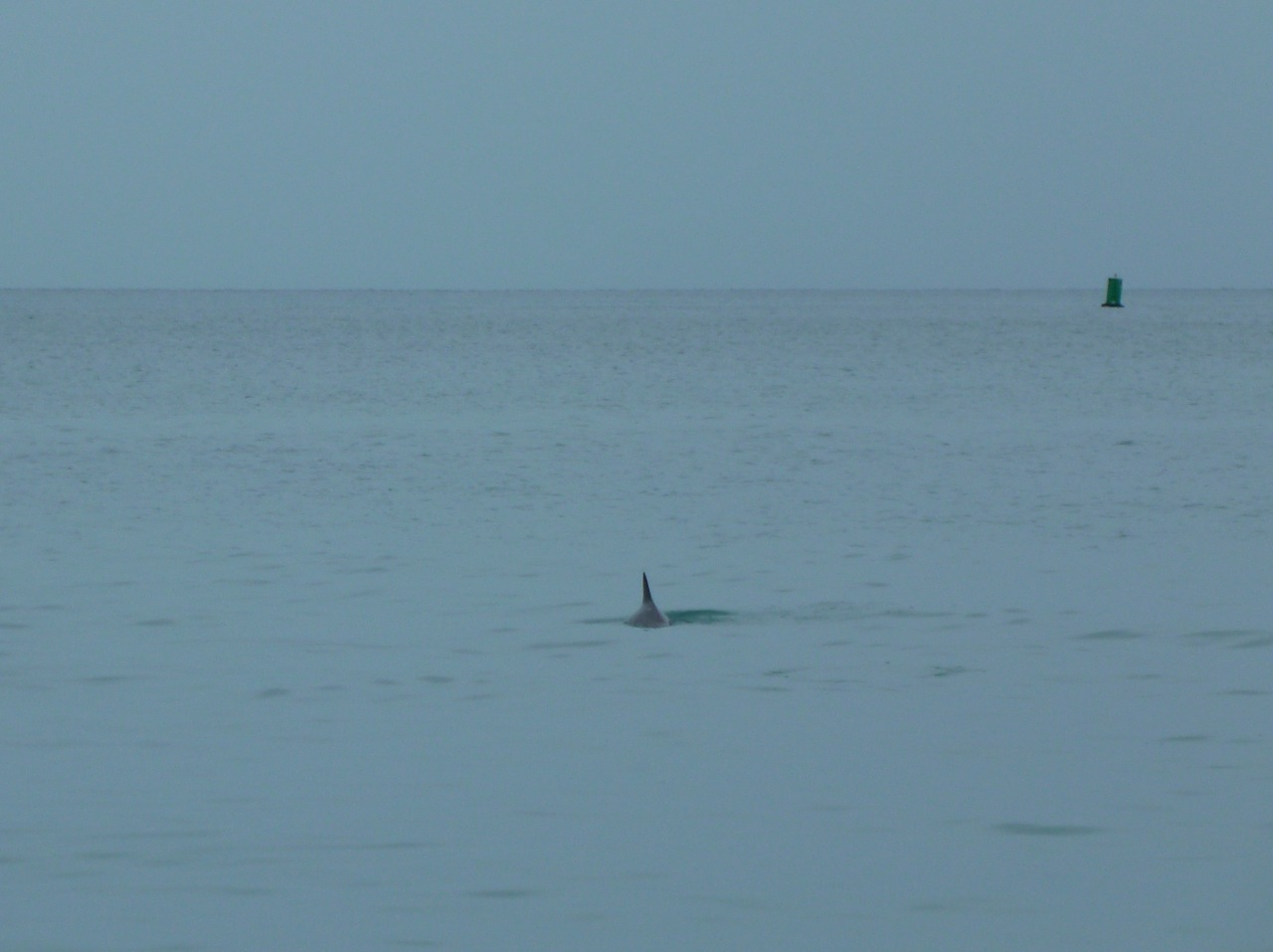
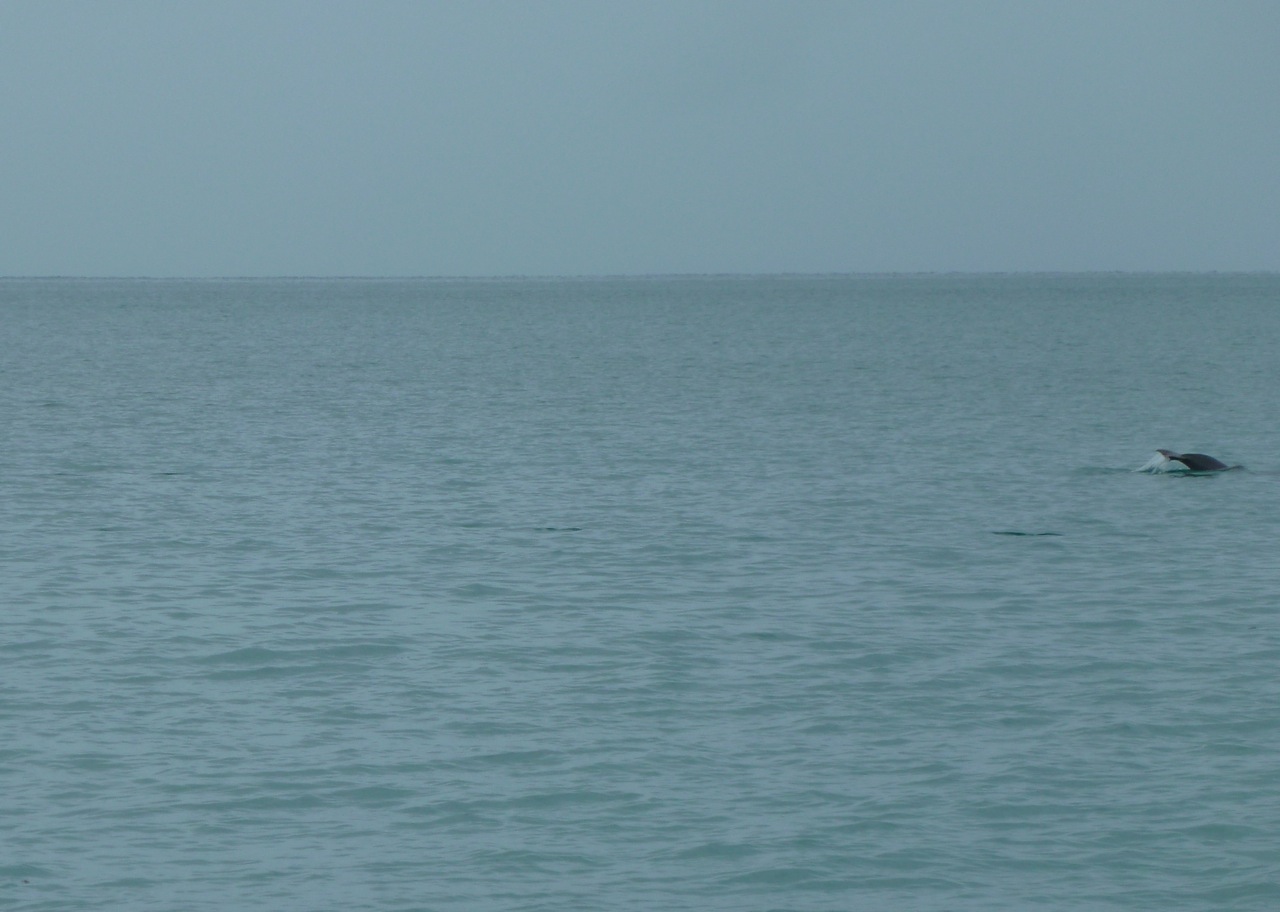
I have been uncharacteristically reticent, I notice, about showing the proof of the dolphin encounter. And for a very good reason. These may be the worst quality images of dolphins you will EVER see. You may in fact be better off looking at a cartoon… For what they are worth, here are two photos (of several worse ones…)
A DOLPHIN
ANOTHER DOLPHIN
A MORE CONVINCING DOLPHIN
DELPHI DOLPHINS You don’t have to go out in a boat to see dolphins. They have been seen from the verandah at Delphi, quite close to the beach – as have turtles and large rays. It’s worth having an occasional scan with the amazing autofocus binoculars that are kept in the Great Room
At last I have got round to the hummingbirds. It’s quite simple. There are only two species of hummingbird on Abaco. The endemic variety is the Bahama Woodstar, one of only 3 endemic bird species on Abaco (the others are the Bahama Yellowthroat and the Bahama Swallow). The settled migrant is the Cuban Emerald.
BAHAMA WOODSTAR
Calliphlox evelynae
Male and female Bahama Woodstars (Photo Credit: Phil Brown – and VG too)
These hummingbirds are found throughout the Bahamas. They do not migrate, although are occasional vagrants in SE Florida. They breed all year round, the main season being in April. The female lays 2 elliptical white eggs, which she incubates for 15-18 days. As with humans, the female is mainly responsible for childcare while males go drinking at the nectar bar and hang out with their mates.
This BW was one of a small group at Hole-in-the-Wall. They were completely unconcerned by our presence, and we could get within arm’s length of them. Woodstars, though tame in human terms, can be aggressive and territorial. They are plentiful throughout the Bahamas except on Grand Bahama, Abaco and Andros. Significantly those are the only islands where the Cuban Emerald is found in any numbers. As with the native red and import grey squirrel problem in the UK, the migrant emerald is aggressive towards the woodstar, which is consequently rare where emeralds are abundant.
Here is their call (credit Jesse Fagan Xeno-canto)
Addition April 2012Here is a seriously cute female Woodstar photographed by Ann Capling at Bahama Palm Shores, close to Ocean Drive – a really pretty little bird
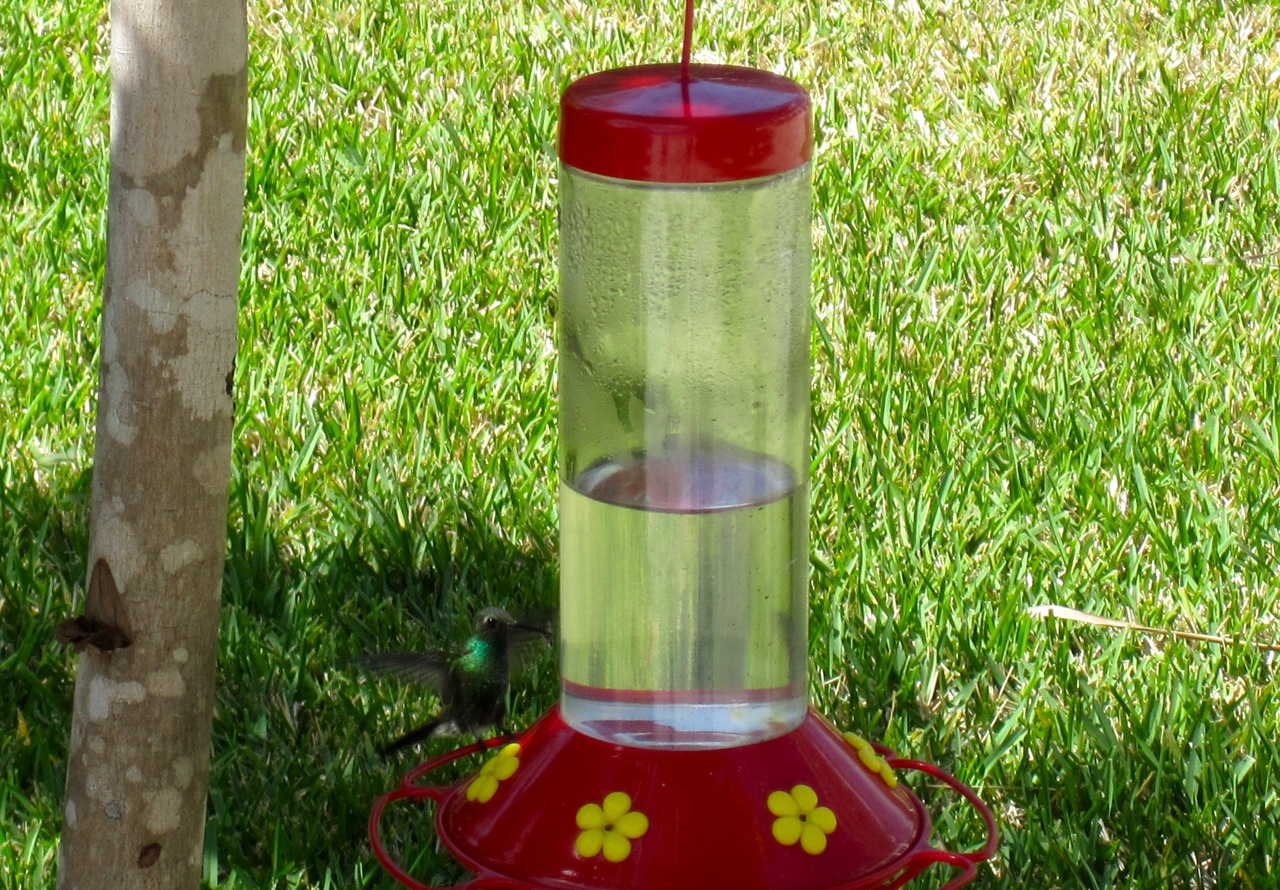
At Delphi, you’ll frequently see emeralds, especially now that feeders with sugar water have been hung up for them. The pool area is a very good place to watch them. But there are occasional woodstars to be seen as well – in the coppice on the drives for example, and even on the feeders. The vague blur to the left of the feeder below is a woodstar in the millisecond between me pointing the camera and it flying away… Don’t bother to click to enlarge it – it’s a useless photo, I know, but it is evidence even at the lowest level
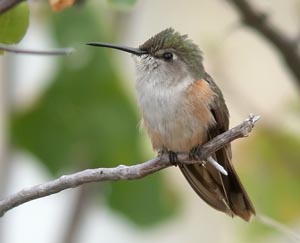
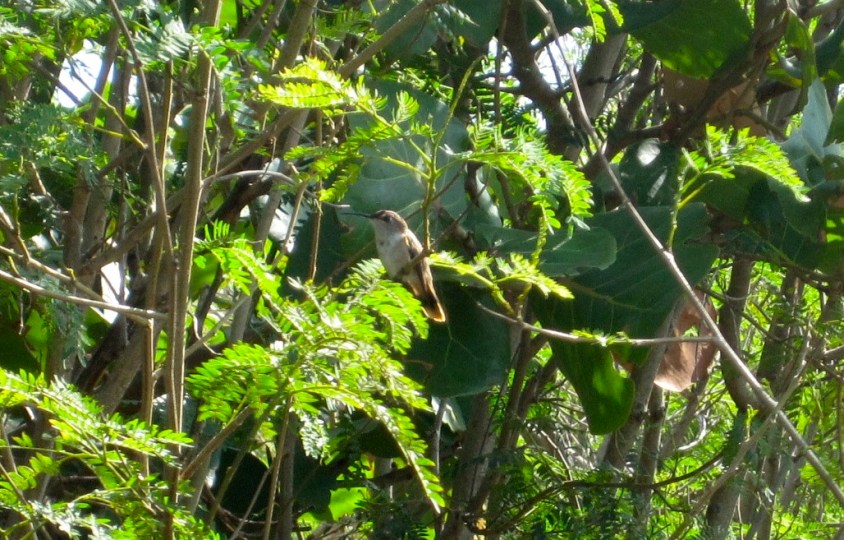
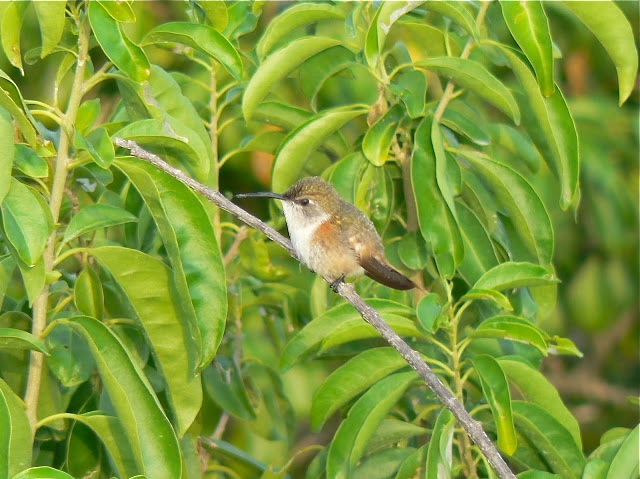
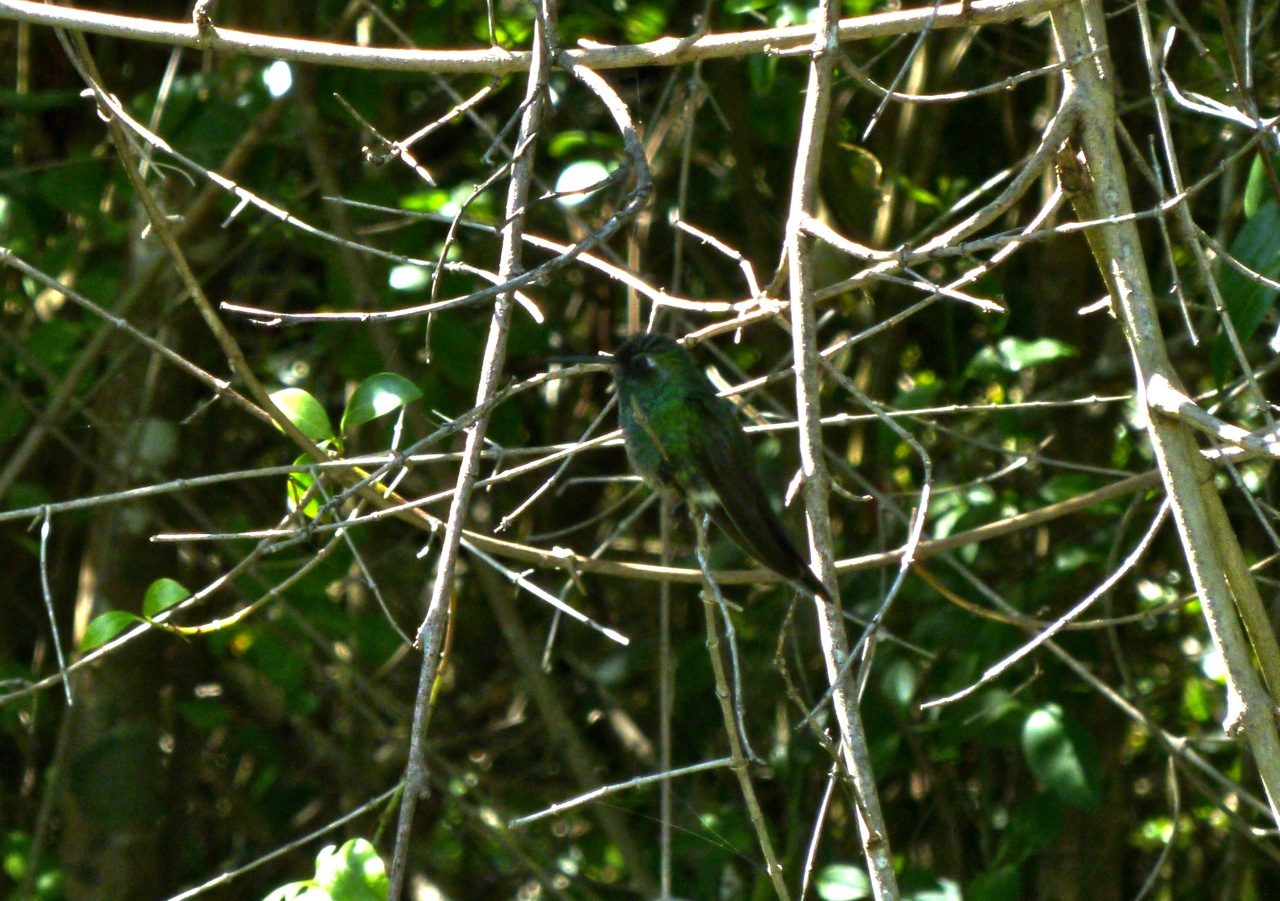
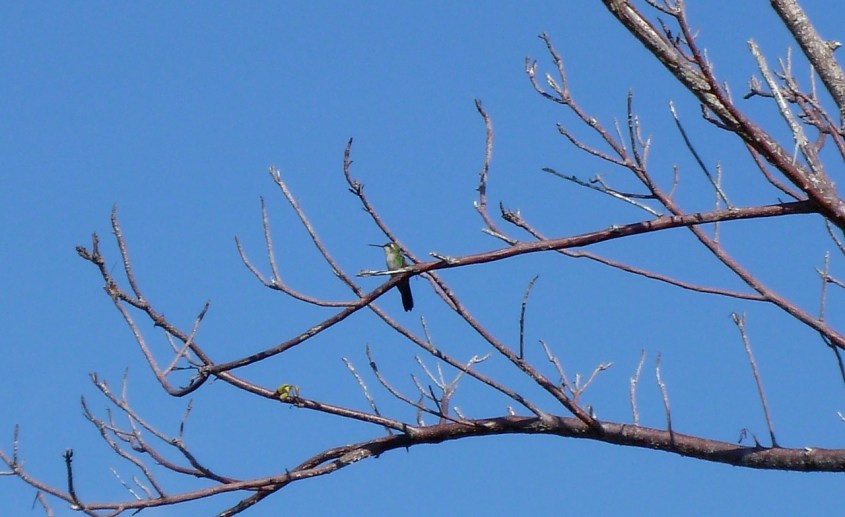
CUBAN EMERALDChlorostilbon ricordii
There’s probably a great deal to be written about the emeralds, but not by me. Or not now, anyway. The little you need to know from me is already covered above, and I haven’t yet discovered whether their childcare arrangements differ significantly from the woodstars. Probably not. So I’ll put in a selection of photos, and remark that it is strange how quickly they can change from sleek and slender birds to small rather cold and dispirited looking bundles of feathers. Both states are depicted below. Here’s what to listen for (credit Xeno-canto.org)
Delphi – pool feeder
Delphi – pool feeder
Delphi – pool feeder
Delphi – far side of pool
Delphi – near pool
Delphi – front drive
Delphi – front drive
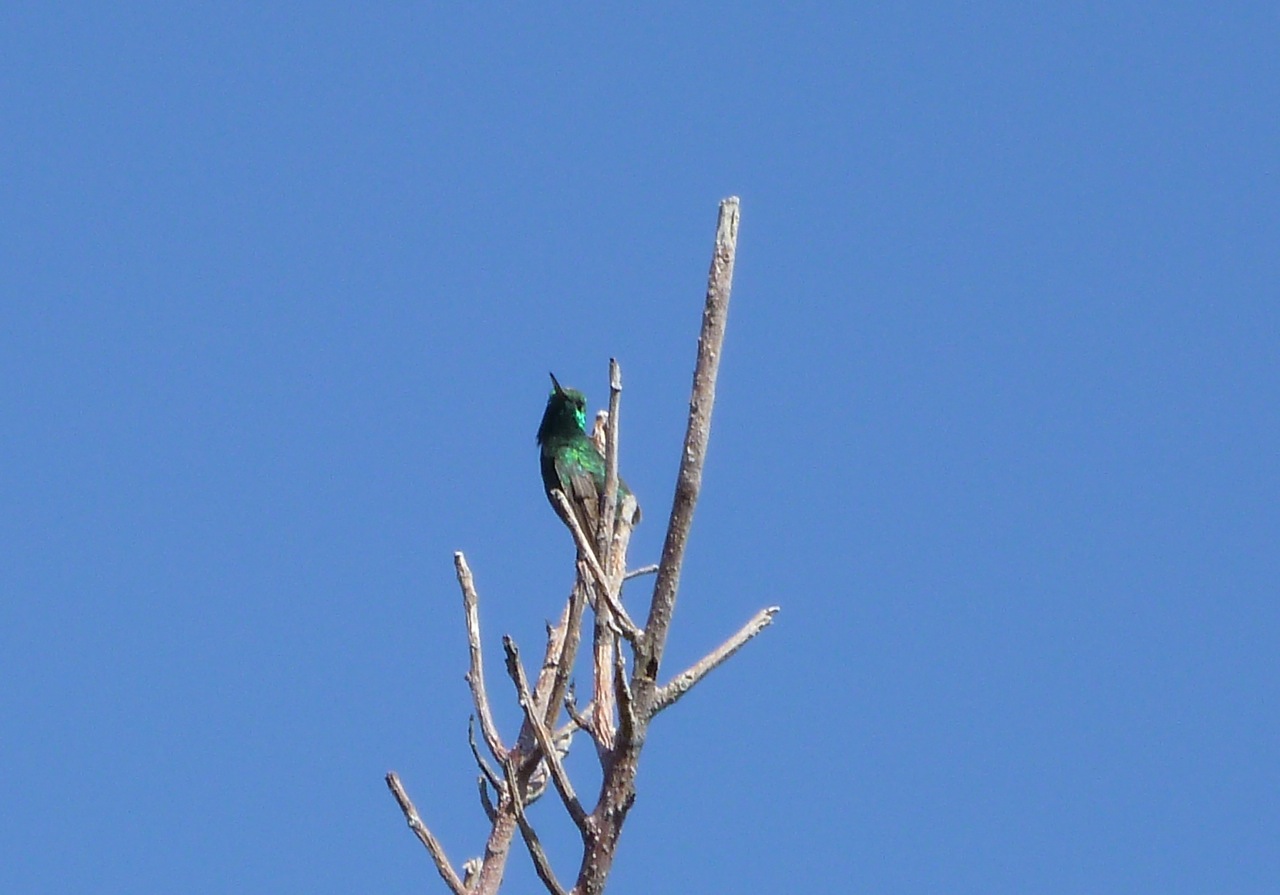
All the above birds were photographed at Delphi. We saw emeralds elsewhere, of course – in the pine forest, flicking across the logging tracks; on other Cays. The best sighting was during our day trip reef-snorkelling and island-hopping with Kay Politano, when we had an excellent lunch for 14 at Cracker P’s on Lubbers Cay (see future post about this and the island-hops). There was a bird feeder by our table, to which emeralds came and went throughout the meal. Here are some photos – I wanted to get them hovering, and kind of succeeded. More or less.
By which I mean, of course, Plovers and Ruddy Turnstones on the Delphi beach, but let’s just keep an eye on the individual ‘hits’ tally for this provocatively titled post…
A single Wilson’s Plover – February 2010
Four Ruddy Turnstones at the north end of the beach, on the lethal coral – March 2011
(thanks for the ID correction Margaret – see comments below)
Two Ruddy Turnstones – March 2011
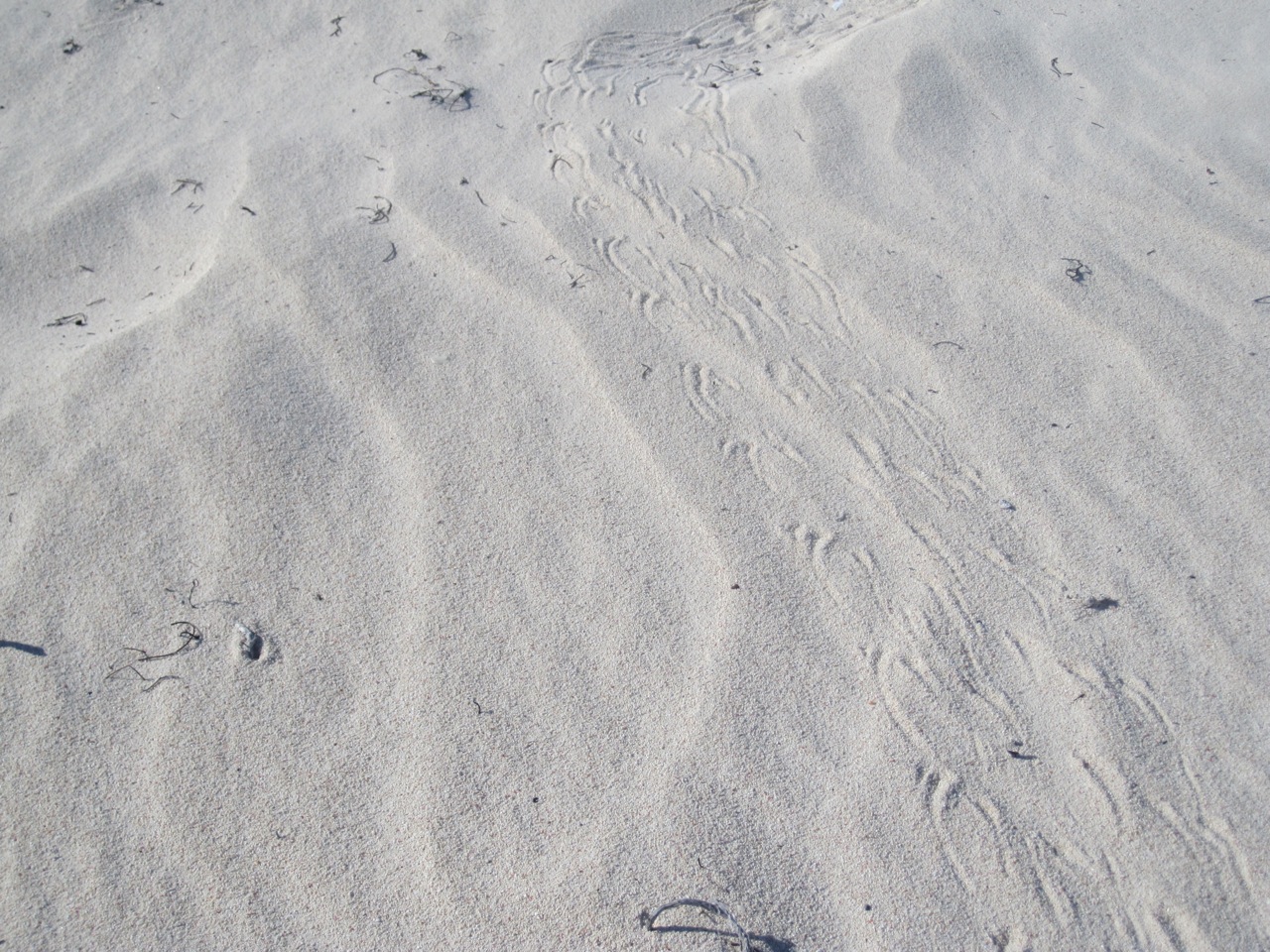
An inviting track to be followed (quite some distance, as it turned out)
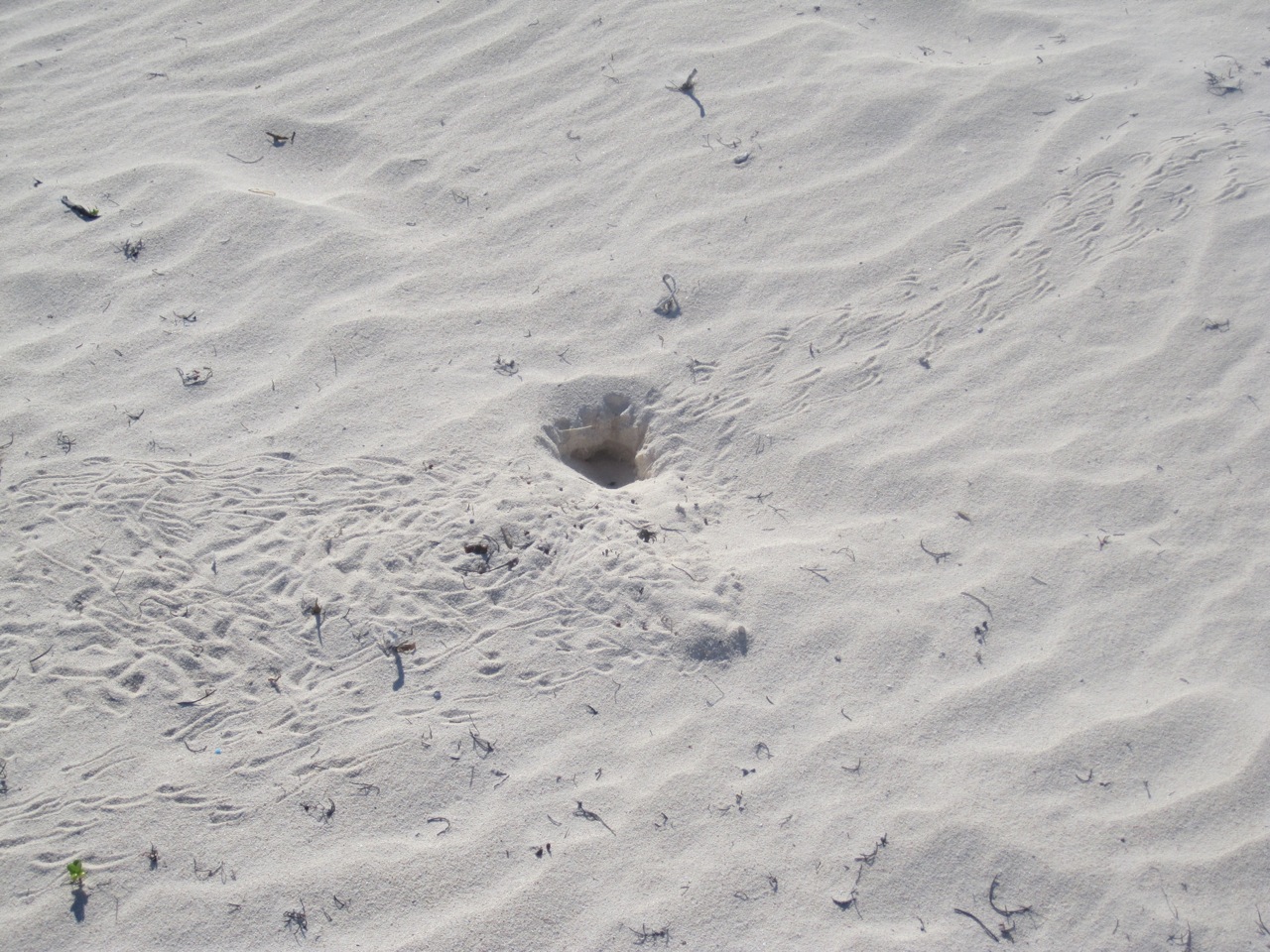
The end of the track – a crab’s home
Finally, his ‘n’ hers rods – evidence of a perfect Rolling Harbour afternoon
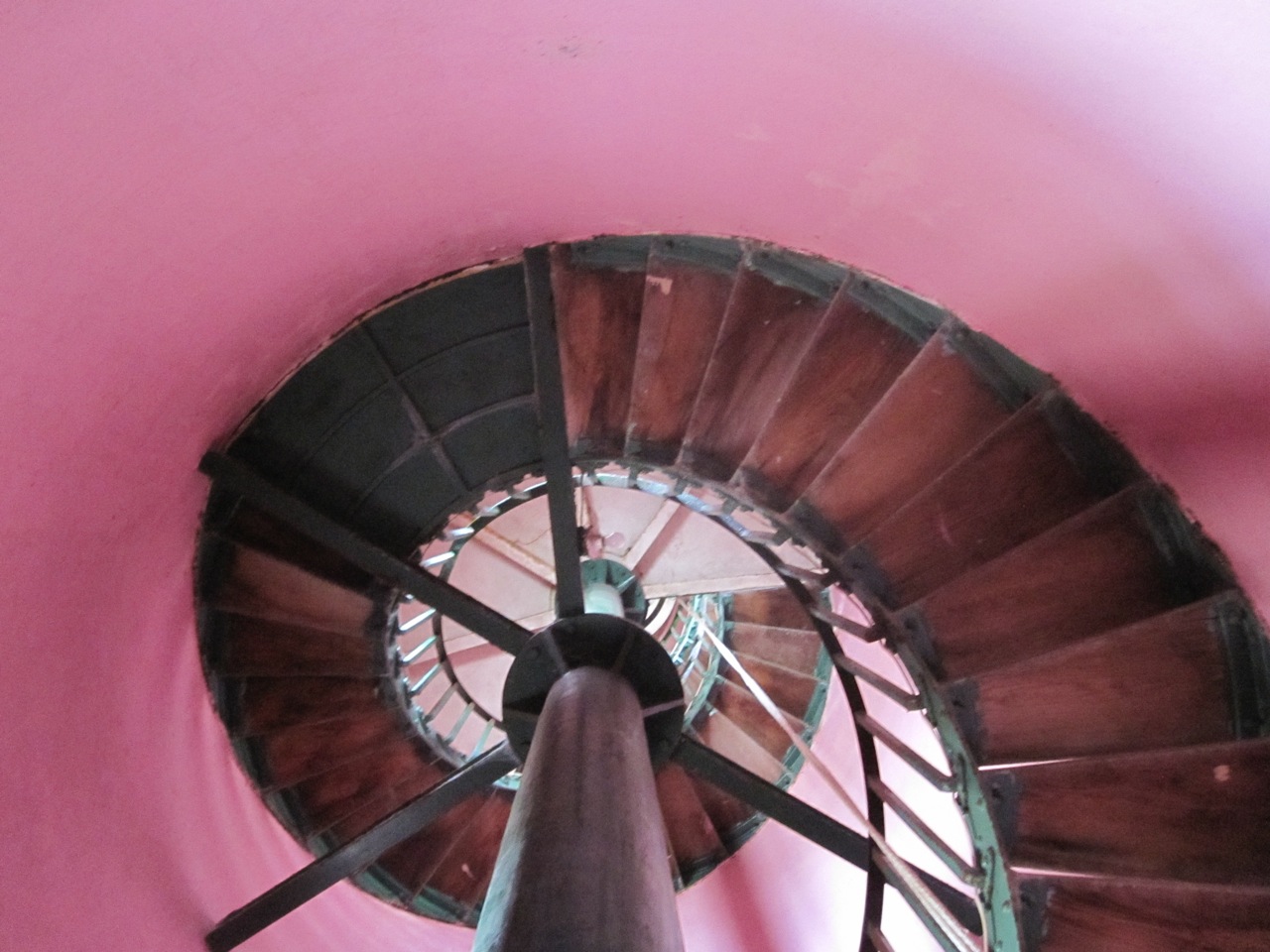
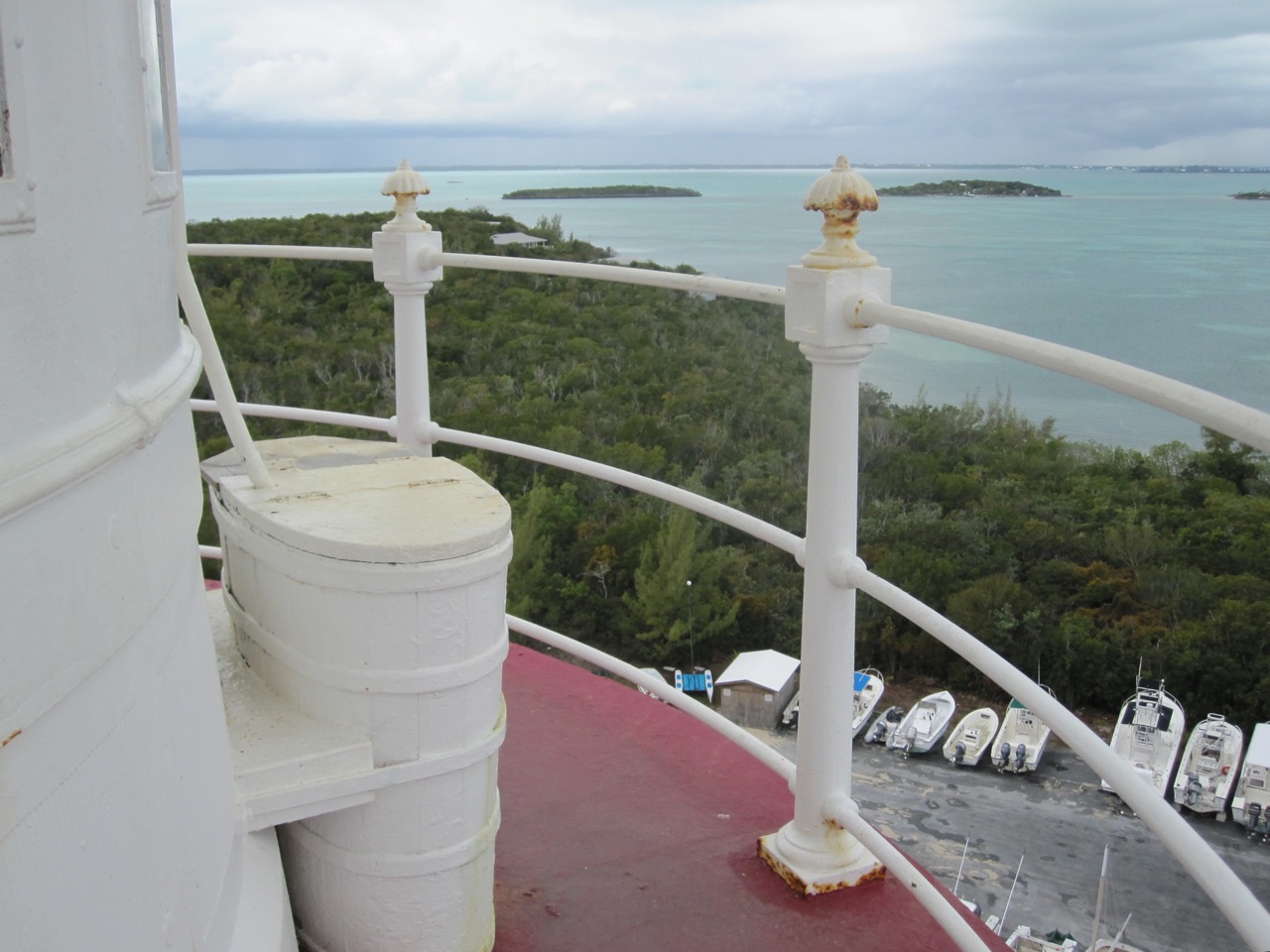
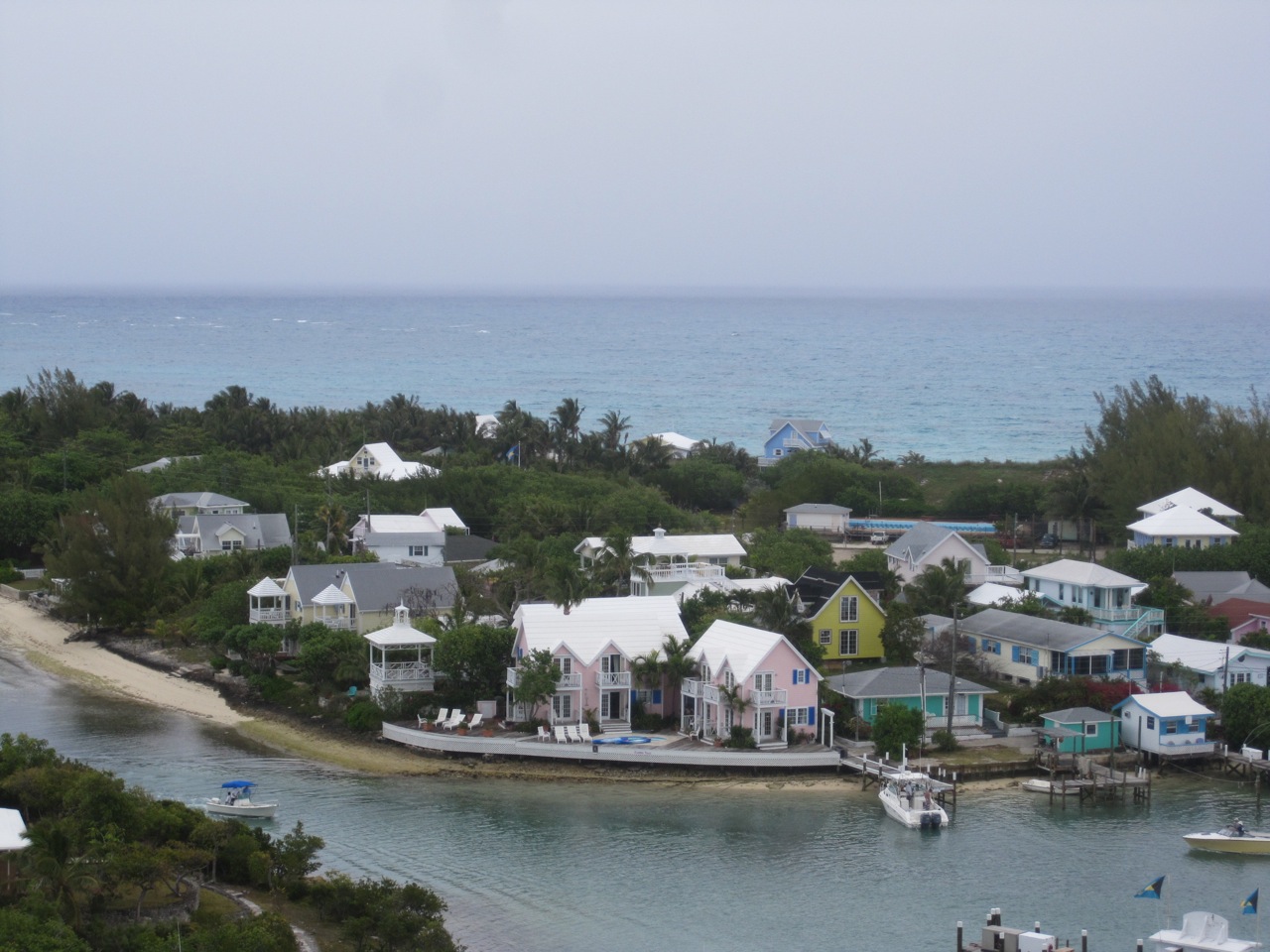
Our visit to Elbow Cay was one part of our day’s Island Hopping / Reef Snorkelling expedition with Kay Politano. In Hope Town, while most of the party wandered round the streets (and shops…)Mrs Rolling Harbour took the boat across the harbour to the Hope Town Lighthouse. This must be the best known landmark of Abaco – ‘iconic’, perhaps, in the modern sense of the word. The weather on the day was pretty poor, with thick cloud and intermittent rain and drizzle. Which is a pity, because the photos would have looked even better with sunshine and blue sky…
All Photos: Mrs Rolling Harbour
HOPE TOWN LIGHTHOUSE FACTS
(click on Coordinates below for position and Hope Town info)
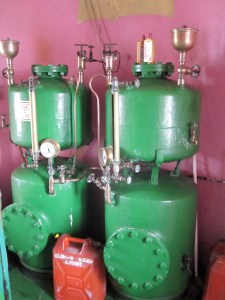
The Hope Town Lighthouseis one of only three Manual Lighthouses left in the World. It has a spring mechanism that has to be hand cranked every few hours to maintain the sequence of five white flashes every 15 seconds. The lamp burns kerosene with a wick and mantle. The light is then focused as it passes through the optics of a first order (largest size) Fresnel lens which floats on a bed of mercury.
A Fresnel lens(pron. ‘Fray-nel’) is a type of lens originally developed by a French physicist Augustin-Jean Fresnel specifically for lighthouses.Compared to conventional bulky lenses, the Fresnel lens is much thinner, larger, and flatter, and captures more oblique light from a light source, thus allowing lighthouses to be visible over much greater distances. Fresnel’s lighthouse lenses ordinarily fell into six orders based on their focal length, first order being the largest (wiki-assist)
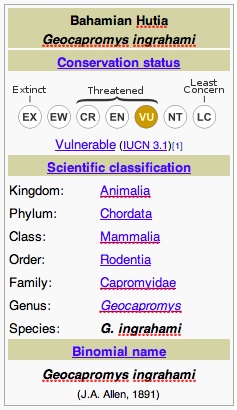
HUTIAS are cavy-like rodents of the Caribbean Islands. They range in size from 20 to 60 cm (8 to 24 in), and can weigh up to 7 kg (15 lb). Twenty species of hutia have been identified, of which half may now be extinct. Their tails vary from vestigial to prehensile. They have stout bodies and large heads. Most species are herbivorous, though some eat small animals. Instead of burrowing underground, they nest in trees or rock crevices. Of extant species, only a few are common; most have become vulnerable or endangered. In Cuba they are hunted for food, and are often cooked in a large pot with wild nuts and honey. One of the recipes is hutia stew: sauté with green peppers, onions, tomato sauce and lots of garlic. (Source: Wiki)
Photo WWF/ G. Clough
The Bahamian species of Hutia is endemic to the Bahamas. It is listed as a vulnerable species. Its natural habitats are moist forests, dry shrubland and rocky areas. Hutias are a nocturnal species, remaining underground during the day. Two subspecies became extinct in modern times. The Crooked Island Hutia (G. i. irrectus) and the Great Abaco Hutia (G. i. abaconis) were mentioned by early European voyagers, and are believed to have become extinct by 1600. This is thought to be due to land clearance rather than direct hunting. However, they are found elsewhere in the Bahamas – the Exumas, for example.
You will need: swimming kit; sweatshirt (it can be cold on the boat after snorkelling); stuff for Island Hopping later on, inc. camera, money etc; snorkel practice in the pool if you haven’t used one for (say) 20+ years – use the Club gear; Ian Took’s slim ‘Fishes of the Caribbean Reefs’. NB there is limited room on the boat, so you’ll need a bit of a nifty towel work to preserve modesty when changing…
Kay Politano of Abaco Above and Below in Marsh Harbour pencils in an unspecified number of places for a day’s island-hopping and reef-snorkelling while I find out how many non-fishing-that-day Delphi guests might be interested. Seven sign up, and one morning we all set off to Marsh Harbour. In Kay’s shop we try on our flippers, marvel at the scuba possibilities (a completely implausible proposition for most of us…), then we troop off to the marina and Kay’s reassuringly powerful and safe-looking catamaran. It takes 12 passengers; the other 5 are already aboard. We set off towards a threatening-looking weather front; rain later is a certainty…
Kay and rh at the controls
Passing by several Cays, we arrive at Fowl Cay Marine Preserve and drop anchor. We don our flippers, wrestle with our masks and snorkels, and in turn drop off the back of the boat (ok, stern, is it?) into warmish water, under thick grey cloud. My practice in the Delphi pool has paid off, and soon I am wheezing and gurgling my way towards the reef with my head (mostly) under water, a situation I generally avoid.
I am completely unprepared for what I find when I get to the reef. David Attenborough’s favourite production team has kindly arranged for a wide variety of bright fish, some electrically charged, to come up close and inspect me, an intruder in their world. I’ll spare you the colour-supp superlatives and graphic intensifiers – you’re probably blasé and have seen it all before – but I am totally gobsmacked, even with my mouthpiece in place. It’s all real! It’s even better than TV! And don’t get me started on the coral…
Sergeant Major
Parrot Fish
Blue Tang / Ocean Surgeonfish
Blue Chromis
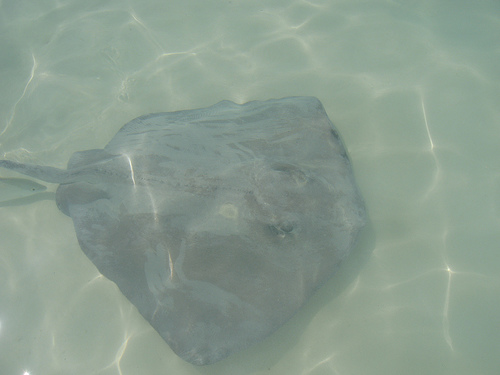
Sting Ray
While I gasp and bubble my way around, I keep a small waterproof video camera running (see GADGETS review). My swimming is feeble at the best of times, but somehow it all seems to be coming together – my flailing limbs, the laboured breathing, the reef, the fish and the footage. We circle round the reef – occasional pale figures appear in my lateral vision – for about 25 minutes, then return to the boat and the struggle to remove our flippers… Everyone is excited about what they have seen (some saw barracudas).Who cares that it’s started drizzling… we are wet already and it’s off to Lubbers Cay for lunch; see forthcoming Island-Hopping Post. And see MARINE LIFEpage for more reef fish photos taken on this expedition.
ADDITION April 2012 I notice there have been a few specific searches ‘what is the plural of Sergeant Major?’ Good question. The strict grammatically correct answer is, I suspect (as with the military rank), ‘sergeants major’ because it’s the sergeants who are plural and the ‘major’ is a qualifier to distinguish from other degrees of sergeant (were there sergeants minor, for example). It’s the same with courts martial – not ‘court martials’. BUT it sounds all wrong and pernickety. I reckon the whole fish is a sergeant major. If there are 2 or more, you’ve got some sergeant majors to play with.
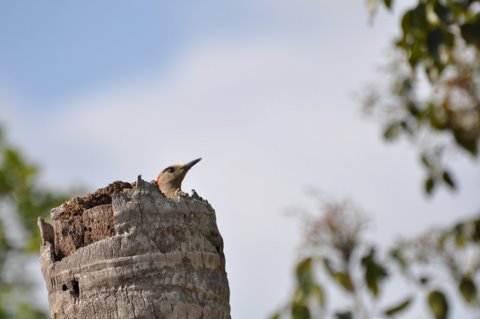
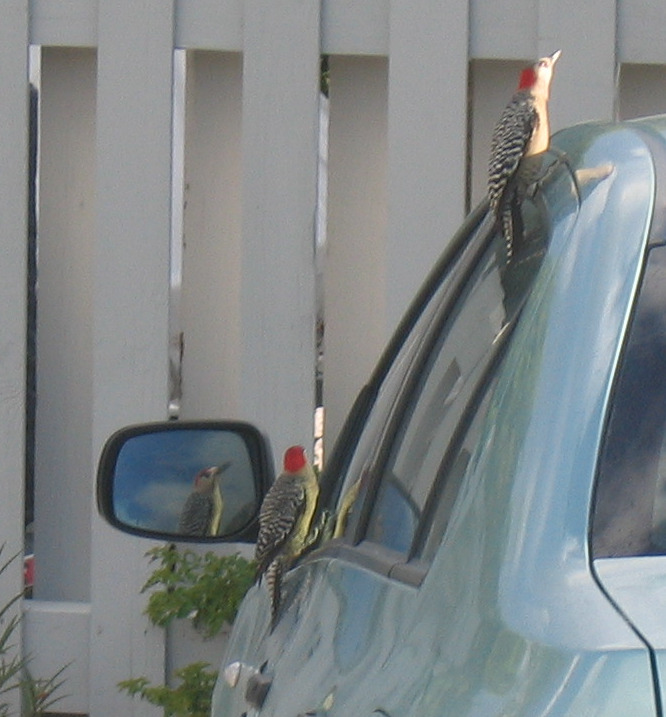
The nesting box has clearly been a big hit, now that the woodpeckers have deigned to move in. And they are getting a bit cheeky. David Rainford has sent a great photograph of them as they play with the Club car, preen in the mirror etc… More of David’s photos will be posted shortly inCONTRIBUTIONS
A TRIP TO CHEROKEE & LITTLE HARBOUR(revised Oct 2012)
YOU WILL NEED camera; binoculars; possibly swimming kit; a car with (if you are going to get seriously stuck in at Pete’s Pub) a non-drinking driver; good appetite; and if you get weather like we did, something waterproof to wear…
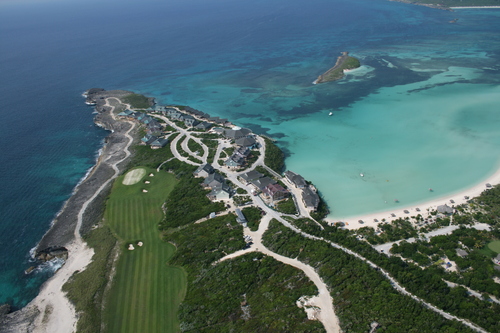
ROUTE Turn right at the end of the drive, head north past Bahama Palm Shores until you get to the right-hand turn to Cherokee / Little Harbour / Winding Bay. Take the made-up road to the end, following the right-hand bend that will bring you to Cherokee. You will pass the Abaco Club, Winding Bay, a Ritz-Carlton enterprise. It doesn’t need any meagre publicity from this quarter – just ask Sandy what you have to do to play golf there, eat there, use the spa, buy a cabana and so forth.
ABACO CLUB, WINDING BAY
Photo Credit: Simon Rodehn
Continue to CHEROKEE, park and have a wander round this charming settlement. It poured when we went and we were barely able to leave the car… so any description I could give is obscured by extreme wet, low cloud and yes, a touch of gloom. Not even any birds to report. Explore for yourself, why not. Thanks to Simon Rodehn for his fine aerial views of the Abaco Club Cherokee (and see his aerial view of LITTLE HARBOUR at the end of this post).
CHEROKEEPhoto Credit: Simon Rodehn
After you have had a look round Cherokee, drive back the way you came, past the Abaco Club, until you get to a right-hand junction with a sign to Pete’s Pub and Little Harbour. This is described on the map as ‘dirt road’, which doesn’t do justice to some of the impressive rocks en route. However, with care it is easily negotiable by car. Carry on until you get to Pete’s, which is a good place to leave the car and explore from.
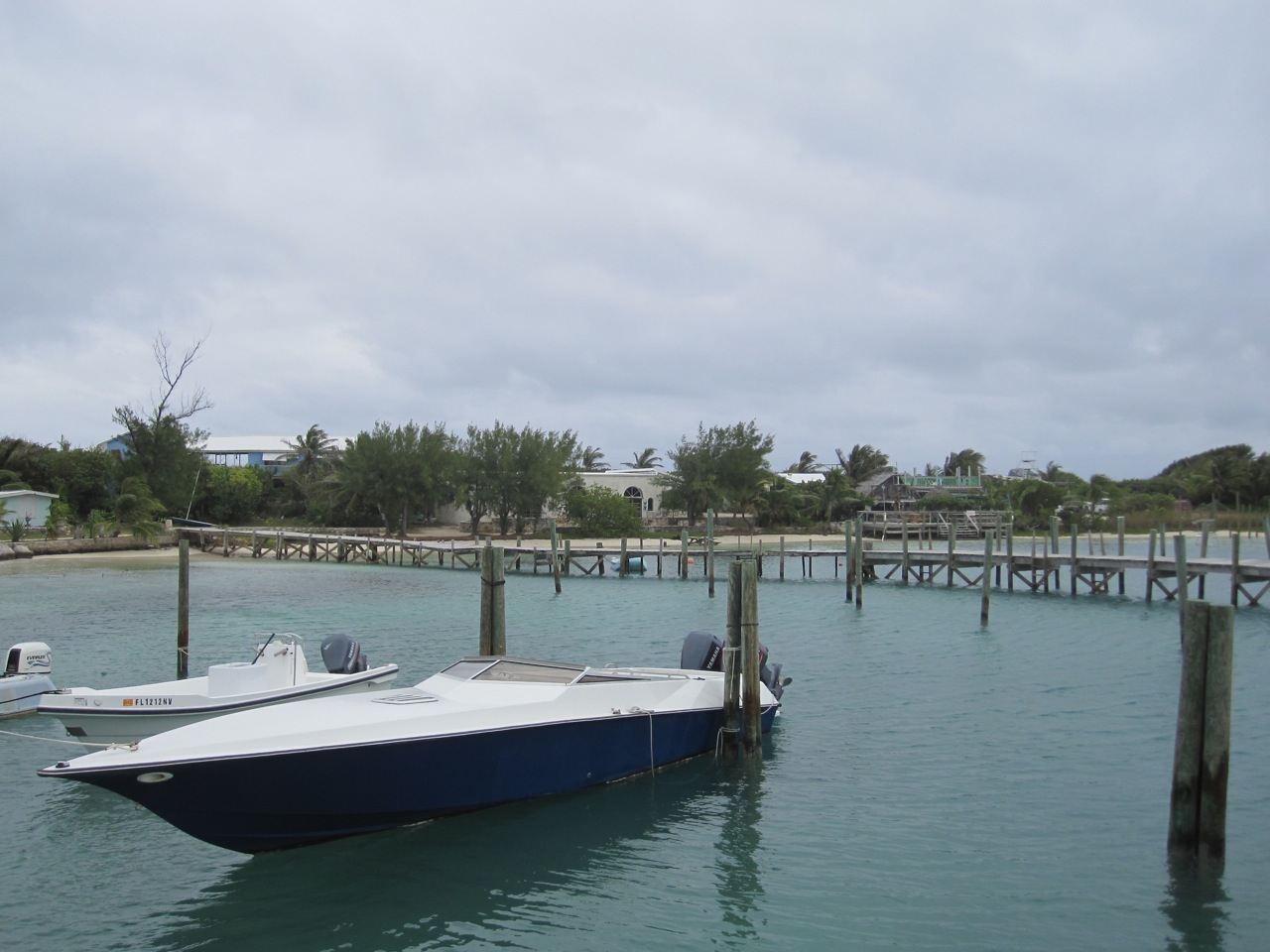
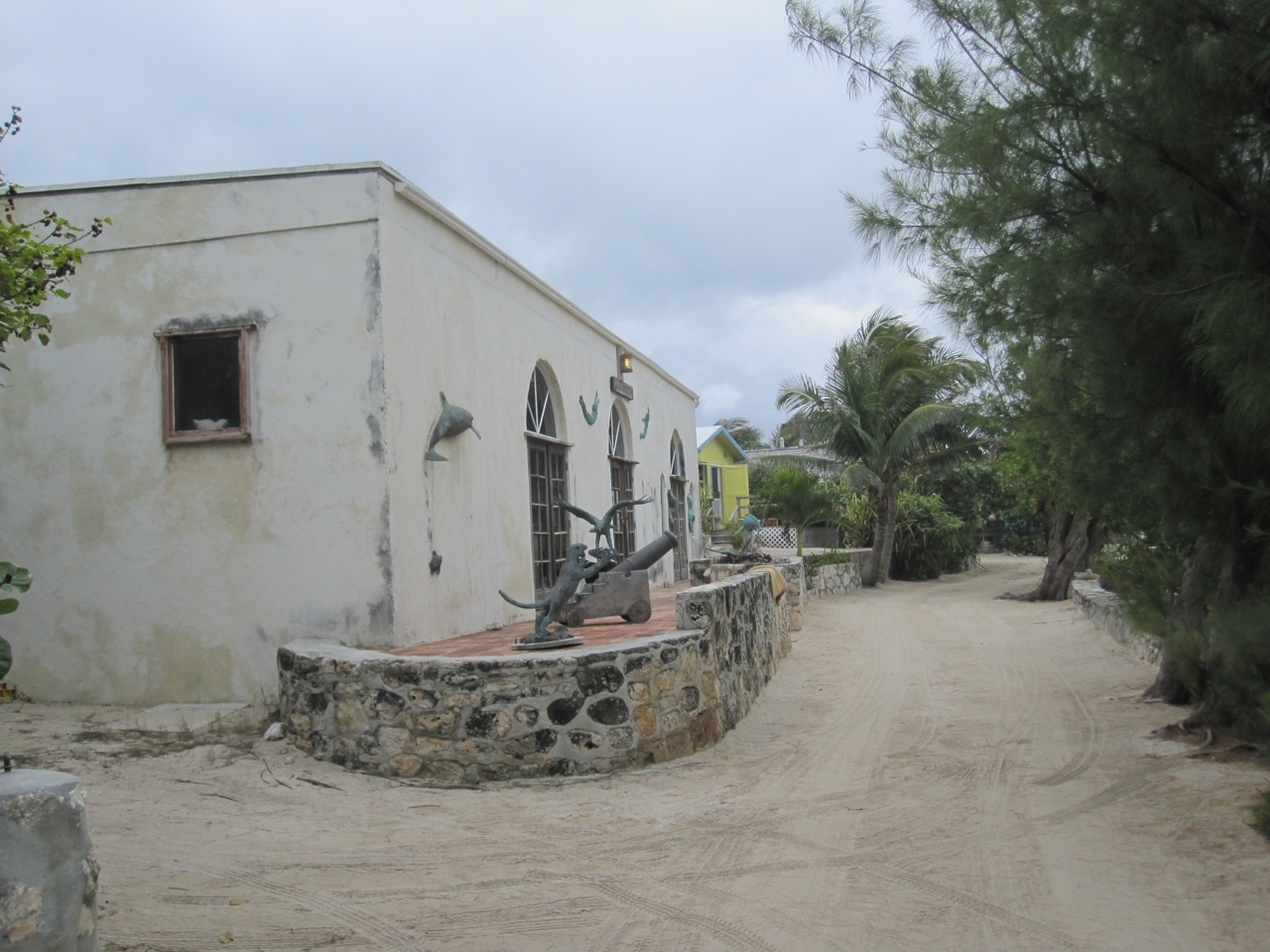
LITTLE HARBOUR is a good place to wander round. Nice boats for a start; the renowned Johnston’s Foundry, with examples of its work scattered round; the Gallery, which is well worth investigating; a shell-strewn beach on the back-side (as it were). And Pete’s Pub for excellent sustenance at the end of it all… fresh fish of many kinds, and a lot more besides. Here are some pictures – I haven’t attempted to photoshop them to disguise the fact that the weather that day was… inclement. Bleak, even. On a sunny day, when you go, it will surely look better…
MAIN STREET, LITTLE HARBOUR
PETE’S PUB
PETE’S PUB – BRING YOU OWN TEE
THE GALLERY, LITTLE HARBOUR
THE BEACHShells, but no idea about the swimming: thwarted by drizzle!
PETE’S PUB & GALLERY Here is the direct link to Pete’s, where you will find all the info you could wish for about the Pub, the Foundry, the Johnston family, cottage rental, fishing and the locality generally. There are also plenty of excellent pictures, so check it out for a far sunnier view than I have provided here.


























 CUBAN EMERALD























 ROLLING HARBOUR ABACO

You must be logged in to post a comment.