Unknown's avatar

THE GREATER ANTILLEAN BULLFINCH ON ABACO


THE GREATER ANTILLEAN BULLFINCH ON ABACO

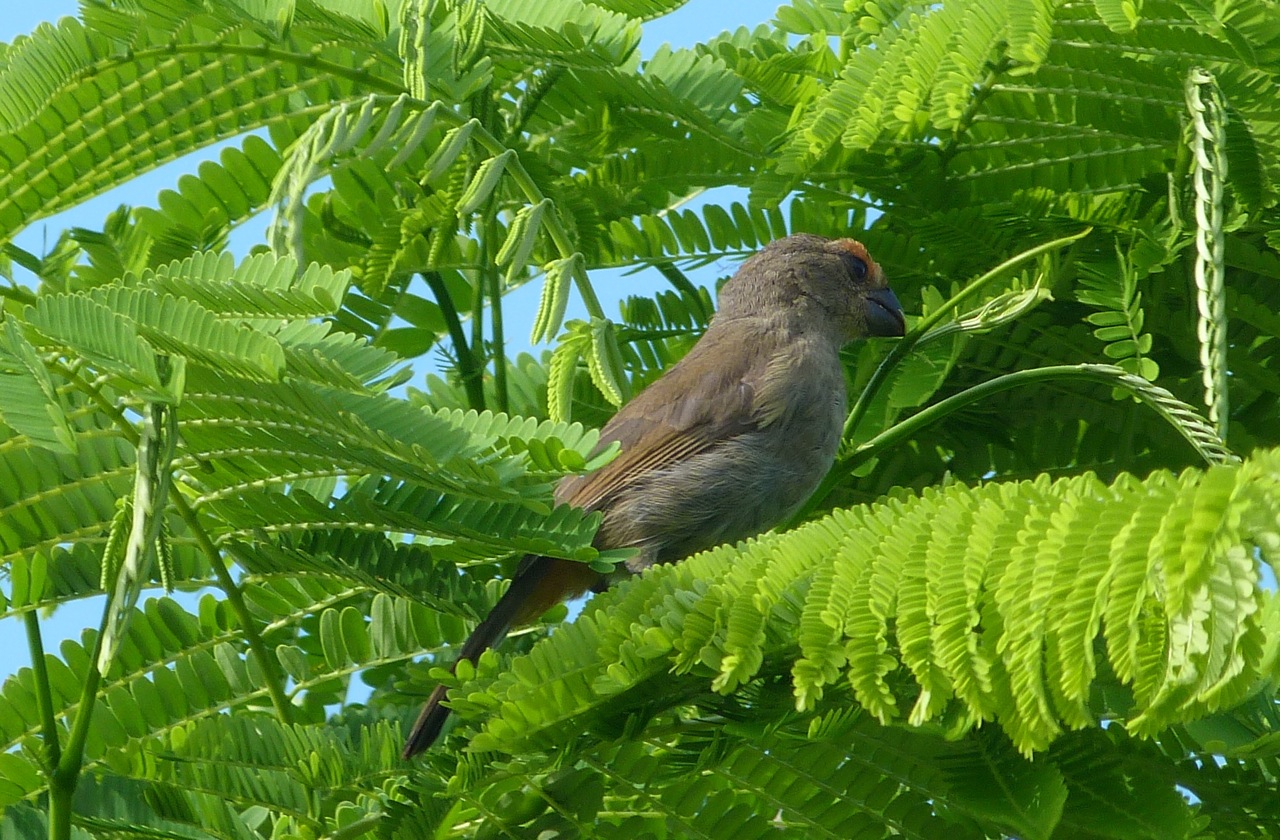
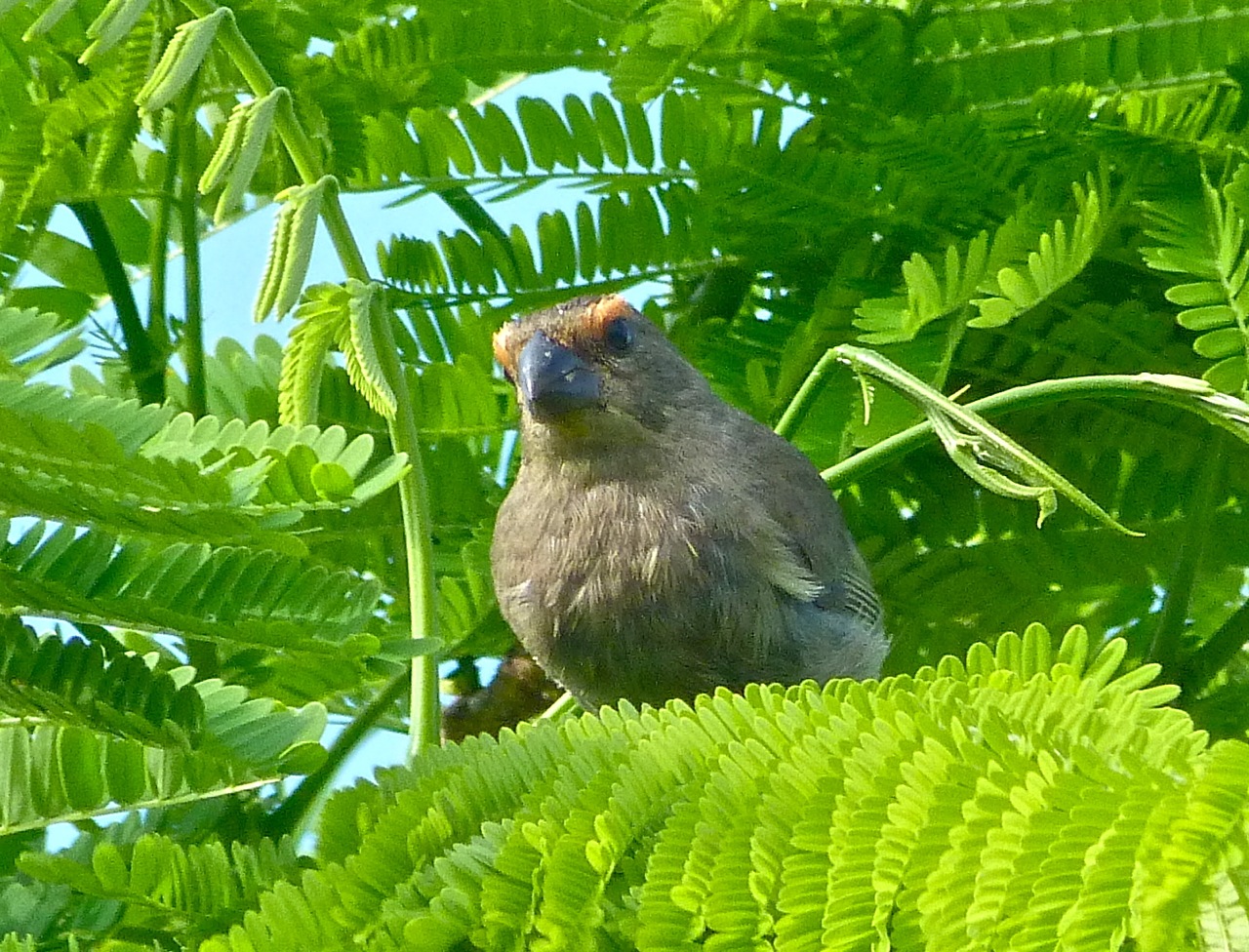
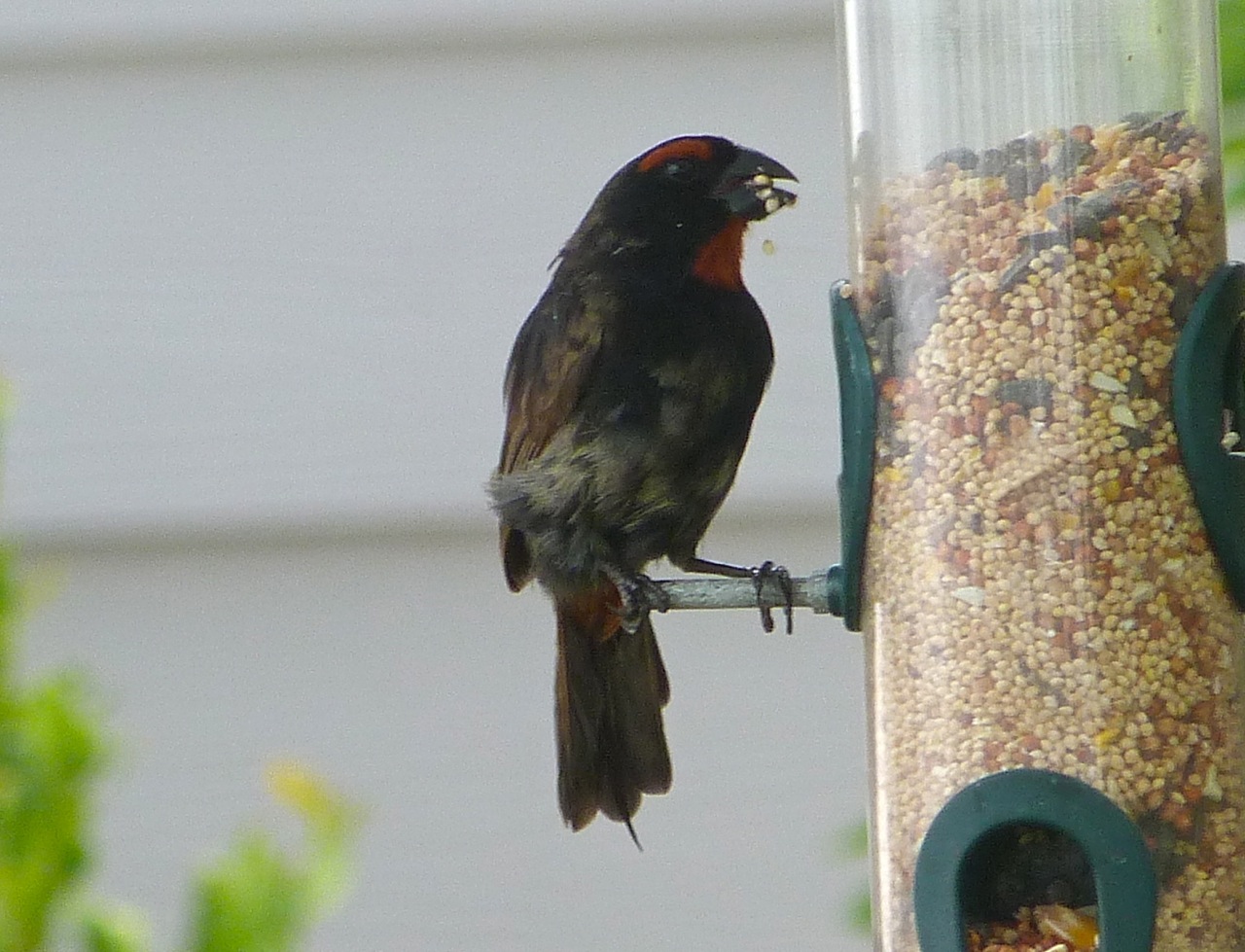
This is a well-know bird (Loxigilla violacea) that can be seen on Abaco all year round. With their scarlet bibs and eyebrows, the males are a cheerful sight in coppice or garden. The females are paler brown, with orange accessories.

While still officially rated as a species of ‘Least Concern’, a measurable fall in population in recent years has seen them nudging towards ‘Vulnerable’. 


[audio http://www.xeno-canto.org/sounds/uploaded/FSCGENVPXK/GREATER%20ANTILLEAN%20BULLFINCH%201%20Andros%2042910.mp3]

Greater Antillean Bullfinch song from Paul Driver at Xeno-Canto

Antillean Bullfinches enjoy garden feeders – and their larger size means that they are higher up in the pecking order than the black-faced grassquits and other small birds 

They are one of the many popular Bahamian bird species to have featured on postage stamps – in fact they scooped the high-value $10 stamp in 1991 and the $5 stamp in 2001


Unknown's avatar

PINEAPPLES: SYMBOLS OF WELCOME & WEALTH (ALSO, DELICIOUS)


PINEAPPLES – A SHORT BUT FRUITY HISTORY

This post is intended in part as a celebration of passing the 50,000 hits mark today. So much interest in the wildlife of one small island – thanks to all those who have visited during the last year or so

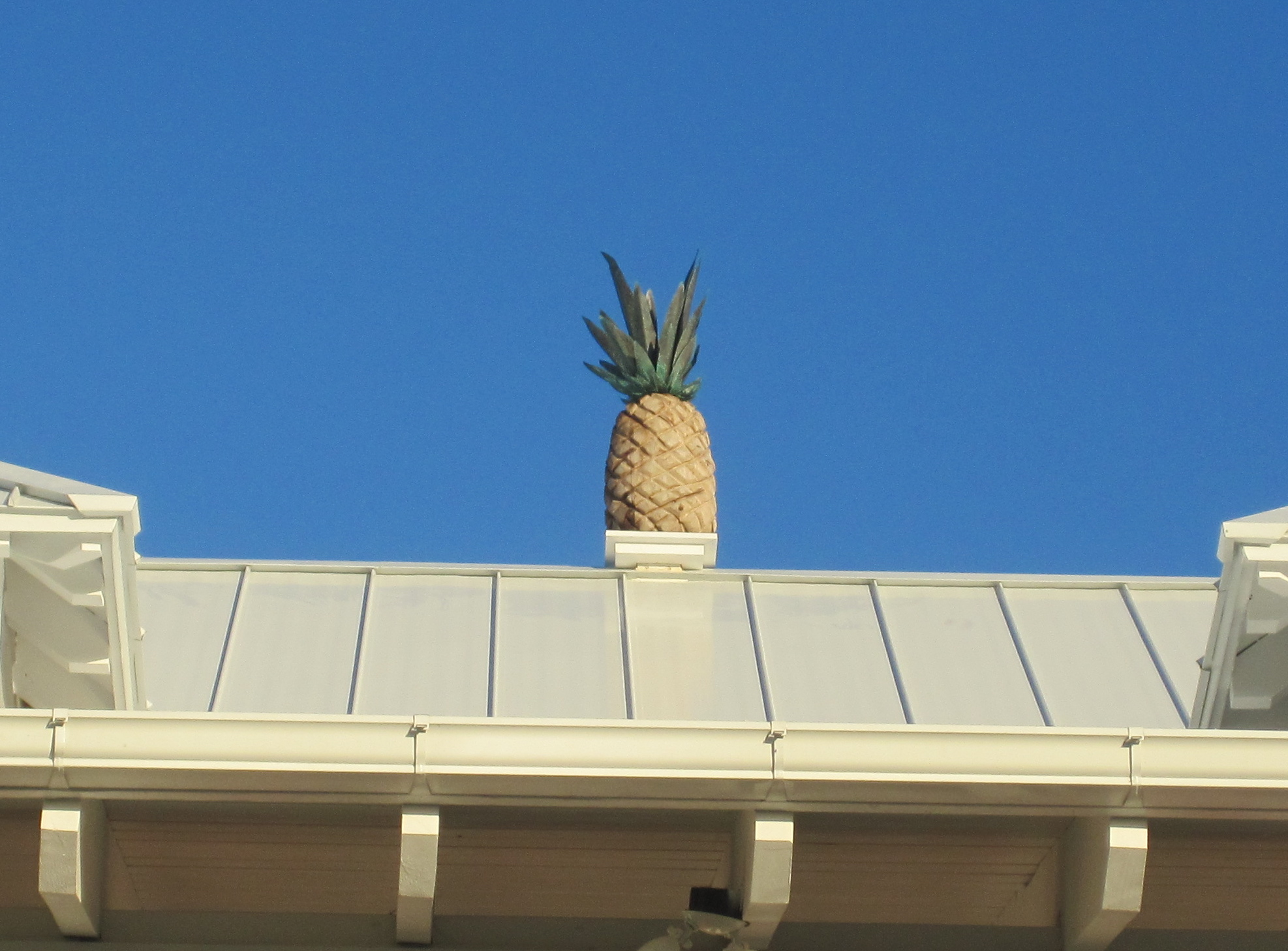
The first image below is of the handsome locally hand-carved pineapple that surmounts the roof of the Delphi Club, Abaco. The fruit lost a few leaves in Hurricane Irene last August, which scored a direct hit on the Club. As posted on the ABACO FACTS page (under RANDOM main menu) “the precise Longitude & Latitude coordinates of the Pineapple [on] the Delphi Club roof are respectively 77.1787834167480  &  26.20450323936187 “. But why is it there? Time for a Short Voyage around the Pineapple…

PINEAPPLE FACTS TO ENLIVEN YOUR CONVERSATION

HISTORICAL & SOCIAL CONTEXT

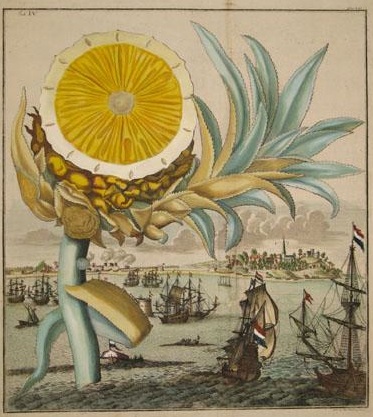
  • Brought back to Europe by Christopher Columbus in 1493 on his return from his second voyage
  • Taken on long voyages as a protection against scurvy and because of its long life
  • By the c17 royalty & aristocracy grew them in hot-houses (or rather, their gardeners did). King Charles II tried one, an event so important it was recorded by the Court painter Hendrik Danckerts 
  • By c18 considered a great delicacy and a status symbol of wealth, often the centre-piece of a feast.
  • If you couldn’t afford to buy one, you could rent one and return it afterwards. Someone richer than you would then buy it.
  • Pineapples were grown in pits of fermenting manure. In England Queen Victoria was not amused and soon put an end to that unpleasant nonsense
  • In the c19 pineapples were one of the most significant exports from Abaco
  • The Earl of Dunmore built a huge pineapple folly in Scotland in 1761, which you can stay in (We have. It’s a lot of fun)


CULTURAL SYMBOLISM

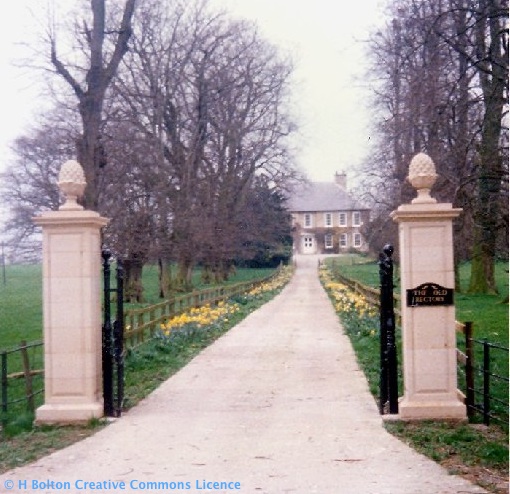
  • Pineapples symbolise welcome and hospitality, placed at the entrance to villages or plantations. The tradition spread to Europe where they were carved as gateposts; staircase finials; and incorporated into wooden furniture (including bedposts at the Delphi Club)

  • Seafarers put pineapples outside their homes on their return to show that they were back from their travels and ‘at home’ to visitors
  • An expensive fruit to grow & to transport; remained a luxury until the arrival of steamships
  • Their costliness made them status symbols / indicators of wealth and rank. Displaying or serving pineapple showed that guests were honoured
  • In the 1920s the grandest dinners apparently needed both “a pineapple and Lady Curzon” (I have been asked whether this is Interwar Period code for some sort of disreputable activity… I need to check)
  • The future Queen Elizabeth was sent 500 cases of canned pineapple as a wedding present from Australia. She asked them “Hev you come far?” Prince Phillip’s reaction was – apart from the word ‘pineapple’ – unprintable
  • In the play Abigail’s Party (Mike Leigh) pineapple chunks on cocktail sticks were used as a plot device to highlight the desperate social ambitions of a hellish hostess trying to impress & outclass her guests
  • A 1930s ad promised that by baking a pineapple pie a wife would make her man “smack his lips in real he-man enjoyment” (NB This may not work so well in the 2010s) 

By Appointment to HM the Queen

ARTS & CRAFTS

  • Used on Wedgwood pottery designs as early as the 1760s; others soon followed suit
  • Became widely used decoratively as a motif for gateposts, weather vanes, door lintels, wallpaper, table linen & curtains, and incorporated into furniture
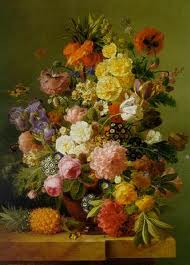
  • Featured in still life paintings as a crowning example of opulence


  • Depicted in plant and fruit studies, for example these by Johann Christoph Volckamer, very early c18        
  • Featured in music e.g. Pineapple Rag (Scott Joplin); Pineapple Head (Crowded House); Escape – The Piña Colada Song (Rupert Holmes); Pineapple Express (Huey Lewis); Pineapple (Sparks) 
  • Used as a motif on shutters in Marsh Harbour 
  • The Men’s Singles Trophy at  Wimbledon is a silver gilt cup with a gilded pineapple on top of the lid. These days its meaning is “Welcome back, Roger!”

10 MISCELLANEOUS PINEAPPLE CHUNKS

  • The cocktail Afterglow is 1 part grenadine, 4 parts orange juice & 4 parts pineapple juice on ice
  • Piña Colada is rum, coconut milk & crushed pineapple. Omit the rum for a Virgin Colada
  • It is impossible, for chemical reasons, to make jelly with fresh pineapple
  • “Pineapple heat” was once a standard marking on thermometers
  • A pineapple grows as two interlocking helixes (8 one way, 13 the other – each being a Fibonacci number)
  • A pineapple will never become any riper than it was when harvested
  • Workers who cut up pineapples eventually have no fingerprints – a gift fact for crime writers
  • Pineapple stems are being tested for anti-cancer properties
  • Pine Apple, a small Alabama town full of pineapple symbols, was originally named “Friendship” but there turned out to be another town called that, so they changed it
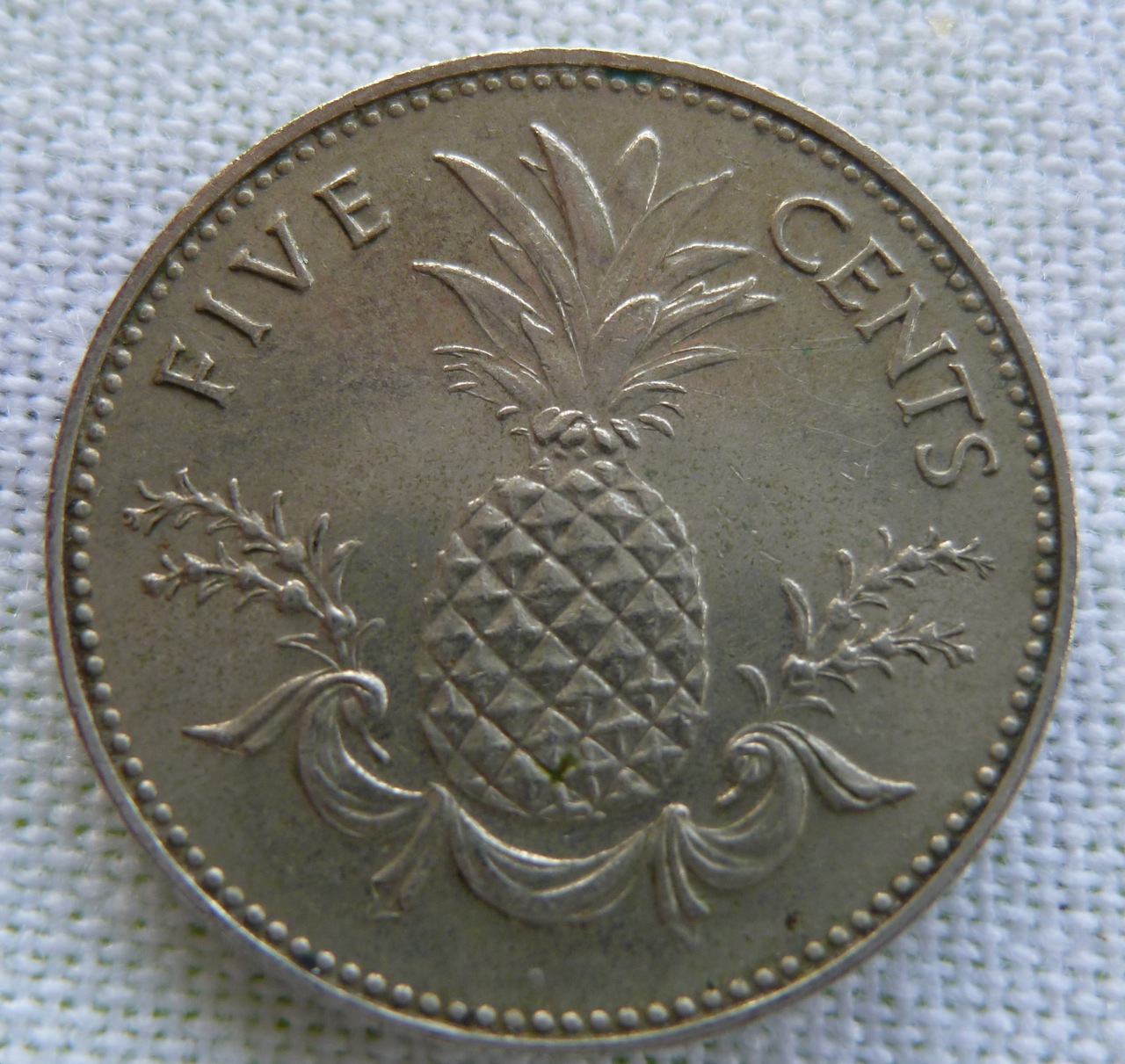
  • Features on the Bahamian 5 cents coin…

  • …and (later addition) a $1 stamp

BAHAMAS PINEAPPLE STAMP

STOP PRESS read Jim Kerr’s interesting article in ABACO LIFE on Abaco’s pineapple past HERE

FRANCESCA BEAUMAN 2006

THE PINEAPPLE – KING OF FRUITS

If you want to find out more about pineapples, their  history and social significance, you should be able to pick up a copy of this book on Am@z%n, Abe or ALibris for a few dollars

“What?” I hear you cry, “you’ve managed a whole page about pineapples without mentioning modern advertising”. Shall I do so now? The man from Del Monte, he says YES

[youtube http://www.youtube.com/watch?v=YqmpVWzH4FM]

THIS POST HAS BEEN REVISED AND UPDATED HERE

Sources: Own ideas + some magpie-thieving-borrowing from a variety of online sources, many of which contain identical info and / or quote from the above book. Hope everyone is comfortable with that…

NB Not every fact above is strictly 100% true, so expect to be challenged if you roll one out. In particular Prince Phillip is of course naturally docile and gentle-mouthed…

POST SCRIPT The first 21 Fibonacci numbers (just add 2 successive numbers to produce the next) are

F0 F1 F2 F3 F4 F5 F6 F7 F8 F9 F10 F11 F12 F13 F14 F15 F16 F17 F18 F19 F20
0 1 1 2 3 5 8 13 21 34 55 89 144 233 377 610 987 1597 2584 4181 6765


Unknown's avatar

ABACO CLOUDSCAPES – DRAMATIC SKIES IN SUN & RAIN


ABACO CLOUDSCAPES – DRAMATIC SKIES IN SUN & RAIN

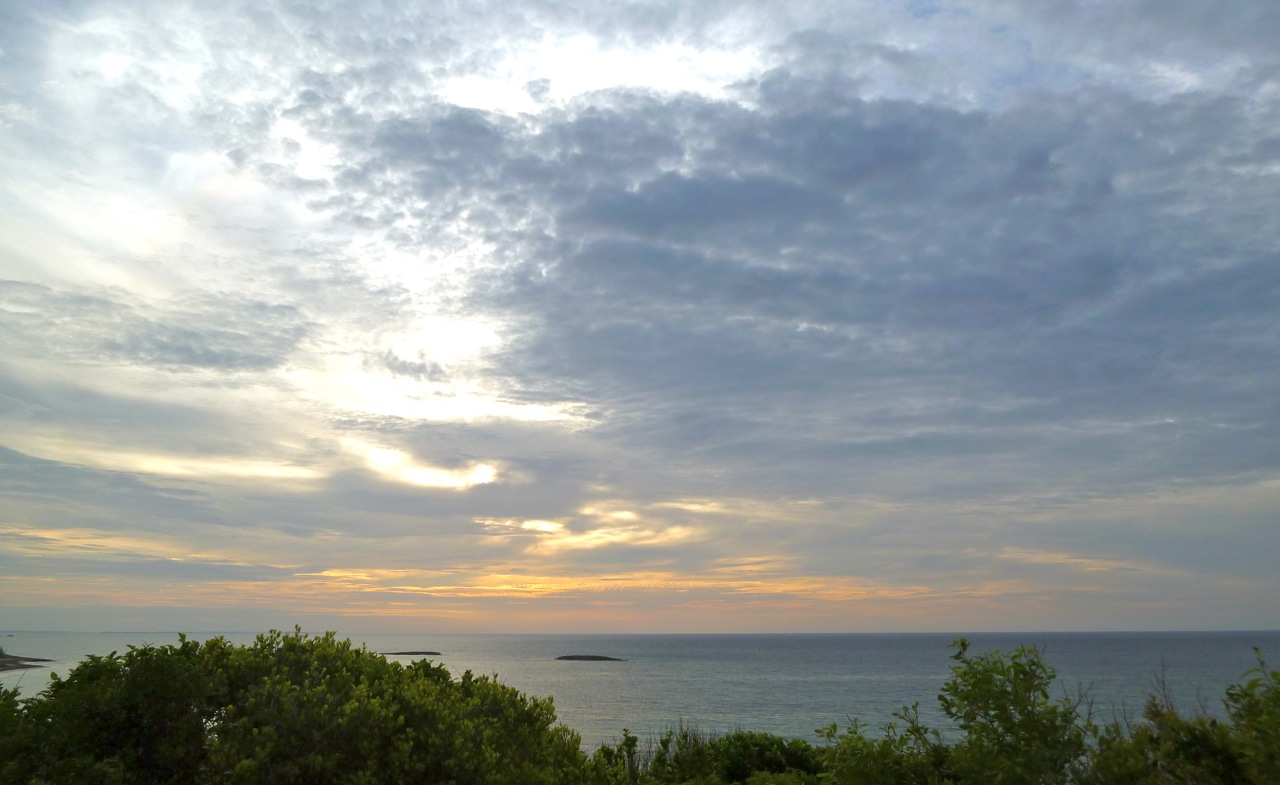
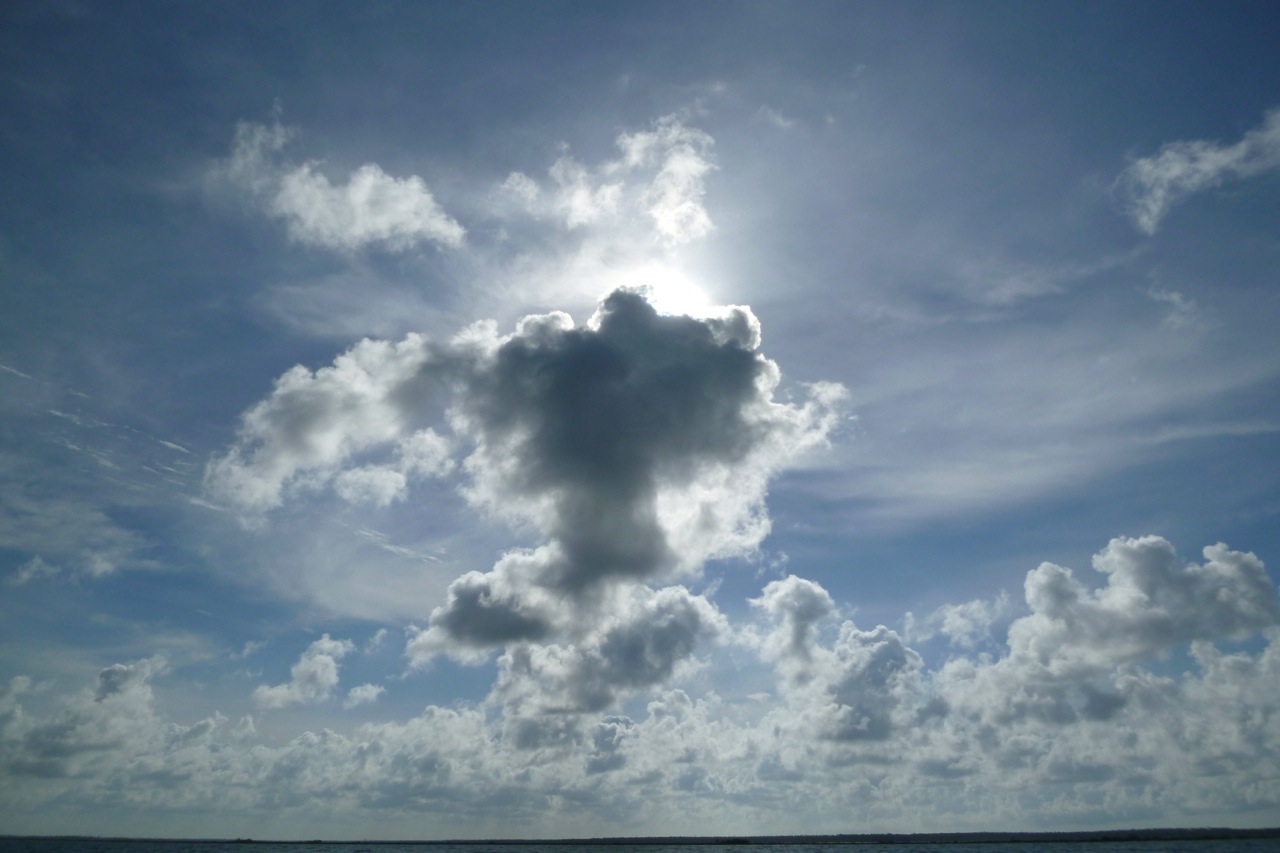
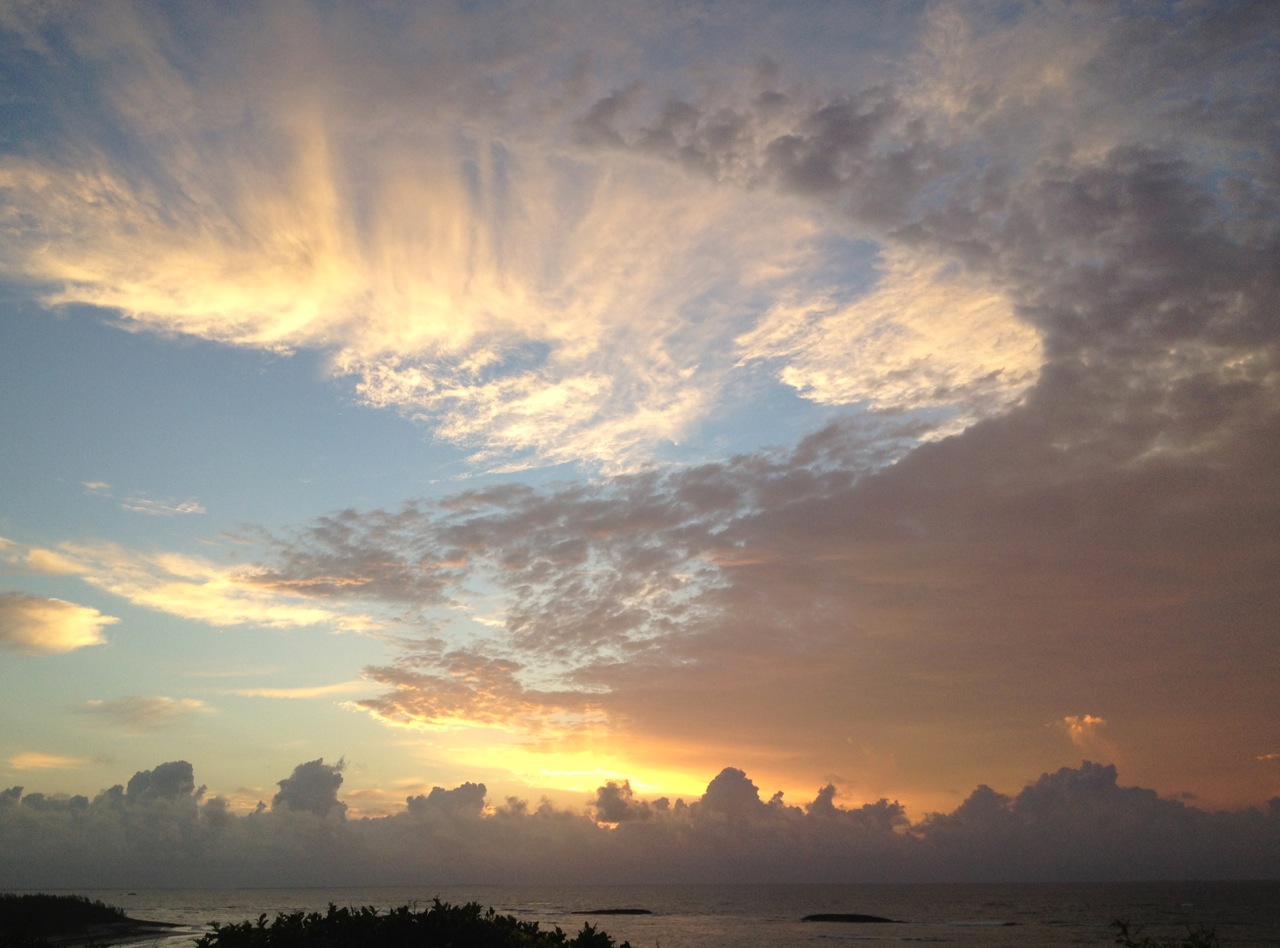
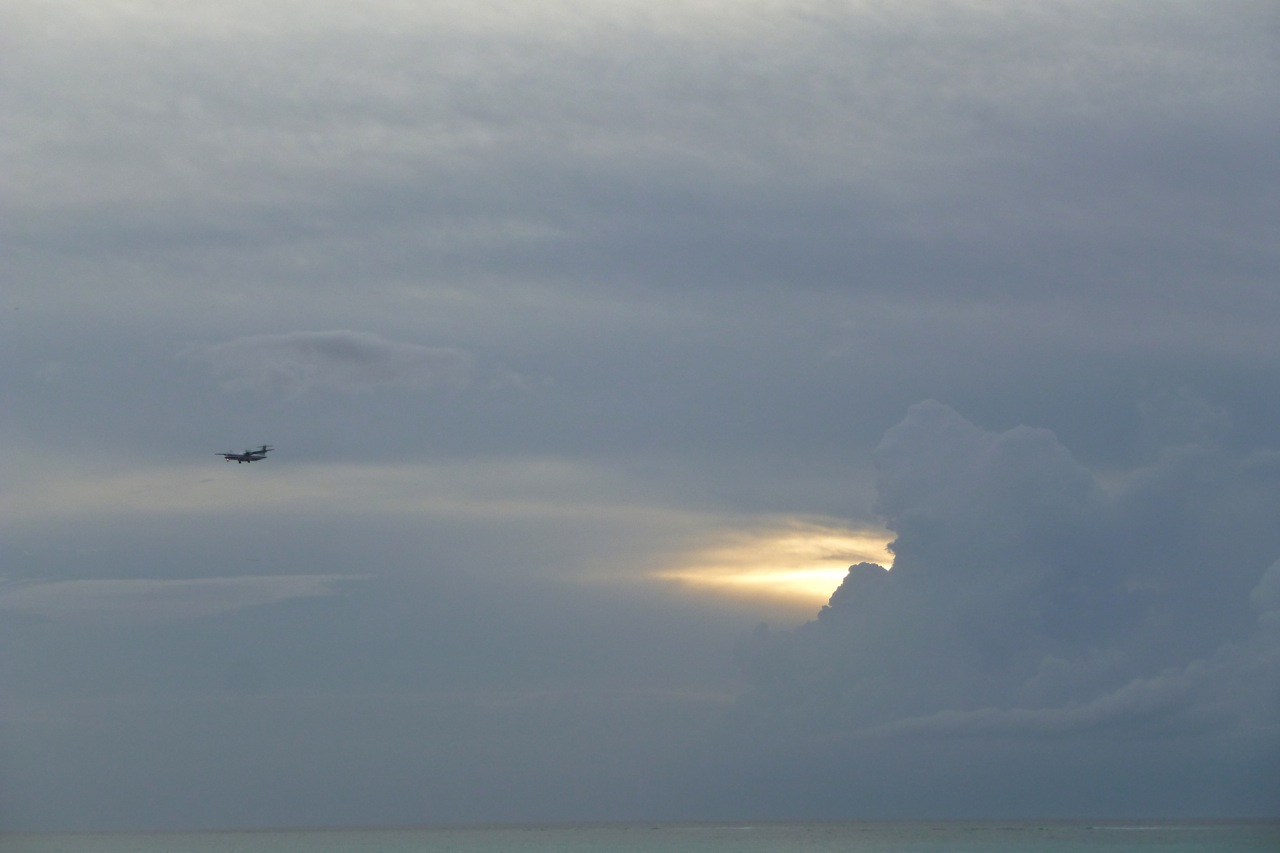
A random mix of cloud formations, fiery dawns, and storm clouds mixed with sunlight taken in June (a couple of the later ones were actually taken at Compass Point, Nassau – same storms, though…)

Unknown's avatar

AN ABACO INSECT IS BUGGING ME – WHAT IS THIS CREATURE?


AN ABACO INSECT IS BUGGING ME – WHAT IS THIS CREATURE?

There I was, walking slowly along the Delphi drive trying to locate some small chirruping bird in the coppice – close at hand, chatty, but invisible among the leaves. Then I saw this creature. It’s not an insect I have ever seen before, and I haven’t been able to find out what it is. It’s probably something elementary – an ‘Abaco Black Orange-Feeler Beetle’ – that is familiar to everyone. Except me. I’d just like to know. Any help out there? A response via the Comment box below would be appreciated!

This insect has some interesting features. The feelers are segmented, with 9 joints, so that in close-up the apparent smooth curve is not a perfect one but an articulated series of ‘straights’. It has 4 toes for gripping, and leg spines. It appears to be a voracious leaf-eater. And it can scratch its head. Overall, it looks aggressive and somewhat alien. Imagine if these things were the size of a potcake. Coming at you…

Unknown's avatar

BAHAMAS CONCH QUEST – GASTROPODS, SHELLS & CONSERVATION


Conch ©Melinda Riger @G B Scuba

BAHAMAS CONCH QUEST – GASTROPODS, SHELLS & CONSERVATION

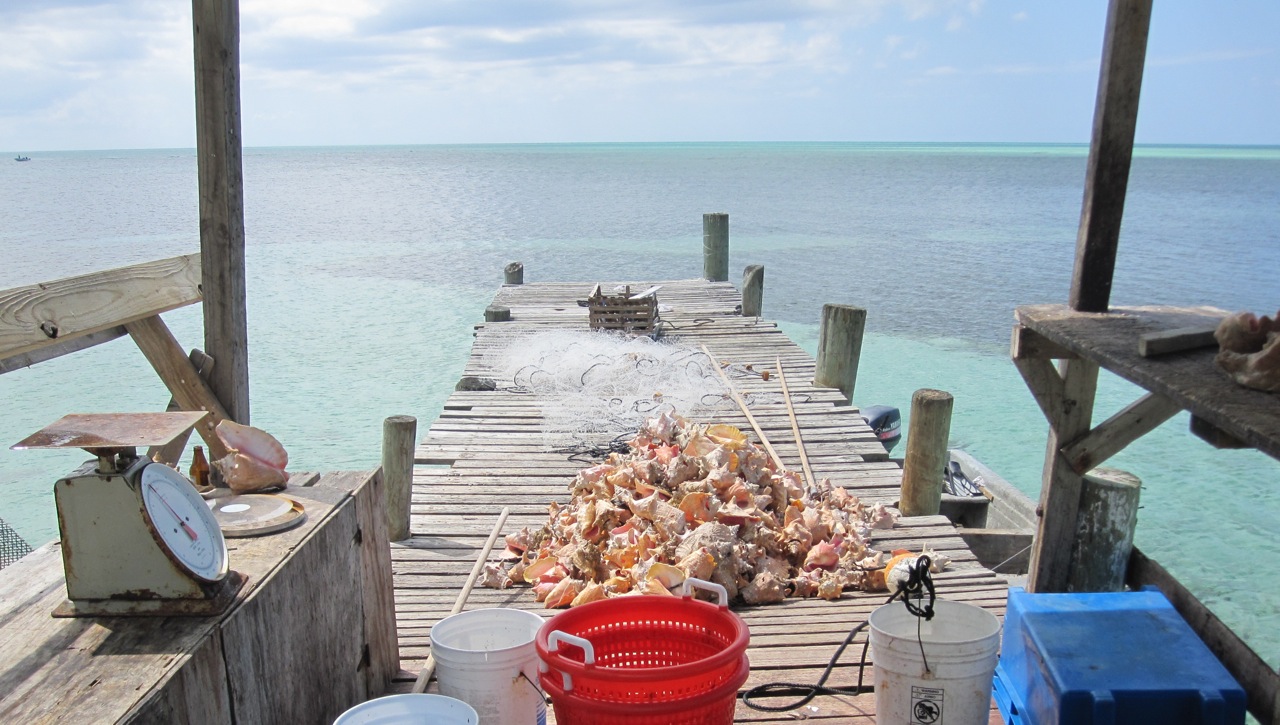
Conchs are among the most familiar of all shells. On Abaco they are everywhere: in the sea, on the beach, used ornamentally in gardens, piled up wherever conch is on the menu… (basically, anywhere serving food)

Conchs have other uses besides being a staple food. They provide sought-after pink pearls.  Only about 1 conch in 10,000 has a pearl, so bear in mind that if you miss one during your search, you may have another 10,000 to wade through… Conchs can produce music, of a sort (such as when used enthusiastically by the famous ‘conch-blower’ home-team supporter during cricket Test Matches in the West Indies). They are undeniably decorative on a porch or on a shelf.

Conchs have featured in literature and film. In William Golding’s Lord of the Flies the conch represents power and order. A conch is blown to call meetings of the marooned boys. Its power is symbolised by the rule that you have to be holding it to speak at the meeting (an idea that many – all? – Parliaments could benefit from…)

Ian Fleming mentions conchs in several of the Bond books, all such references being totally eclipsed by the memory of the appearance, in the film Dr No, of Honeychile Rider emerging from the sea, conch in hand. Oh, I see. That’s just men is it? Or (good grief) just me? Anyway, may we all agree amicably that Ursula Andress was a most decorative conch carrier?

CONCH CONSERVATION

The supply of conchs is not infinite. Overfish them, take them before maturity  or pollute their habitat and this valuable marine resource depletes – and conchs, as with so many marine species, will become threatened. Fortunately there is a Bahamas-wide conservation organisation with a website packed with interest. 

COMMUNITY CONCH is “a nonprofit organization that aims to protect queen conchs in the Bahamas, a species of mollusk threatened by aggressive over-fishing. We promote sustainable harvest of queen conch through research, education and community-based conservation”

community conch logo

“Helping to sustain a way of life in the Bahamas”

Much of the research has been carried out in Berry Is, Andros and Exuma Cays. However the team has recently been based at Sandy point, Abaco. To see some of their work on Abaco CLICK LINK===>> ABACO EXPEDITION   

In many past posts I have listed ’10 Essential Facts’ about the topic discussed. In that spirit I have borrowed and slightly edited CC’s conch facts; and added a CC video of a conch’s stately ‘full speed ahead’ progress. NB No zoom… 

12 CONCH FACTS

  • The queen conch is a large edible sea snail native to the coasts of the Caribbean, the Florida Keys, the Bahamas, and Bermuda. Conchs are herbivores – they eat algae and other tiny marine plants
  • Main predators include nurse sharks, loggerhead turtles, other snail species, blue crabs, eagle rays, spiny lobsters, and other crustaceans
  • Mating aggregations may contain hundreds or even thousands of individual male and female conchs
  • Female conchs lay hundreds of thousands of tiny eggs in a sandy egg mass. The larvae emerge after 5 days and may drift on ocean currents for a month before settling in suitable habitat on the sea floor
  • In their first year conchs live under the sand during the day & come out to feed on the surface at night
  • A queen conch may take 5 years to reach maturity and can reproduce
  • They live an average of 7 years, but are known to live as long as 20 – 30 years
  • Conchs produce natural pearls that come in a range of hues, including white, brown, orange & pink
  • The conch is listed by CITES as a species which may become threatened with extinction if trade is not tightly controlled
  • It is now illegal to take queen conchs in the state of Florida due to severe overfishing
  • 80% of legal internationally traded conch is consumed in the United States. The smuggling of conch meat into the U.S. is a significant challenge to conch management in The Bahamas
  • Queen conch are vulnerable to overfishing because they are (1) relatively slow to grow (2) late to mature (3) aggregate to mate (4) easily harvested in shallow waters

A SPEEDY CONCH

(Conch photos taken by RH / Mrs RH at Sandy Point, Abaco)
Unknown's avatar

BLUE-GRAY GNATCATCHER ‘ON SONG’ IN THE ABACO COPPICE


BLUE-GRAY GNATCATCHER Polioptila caerulea

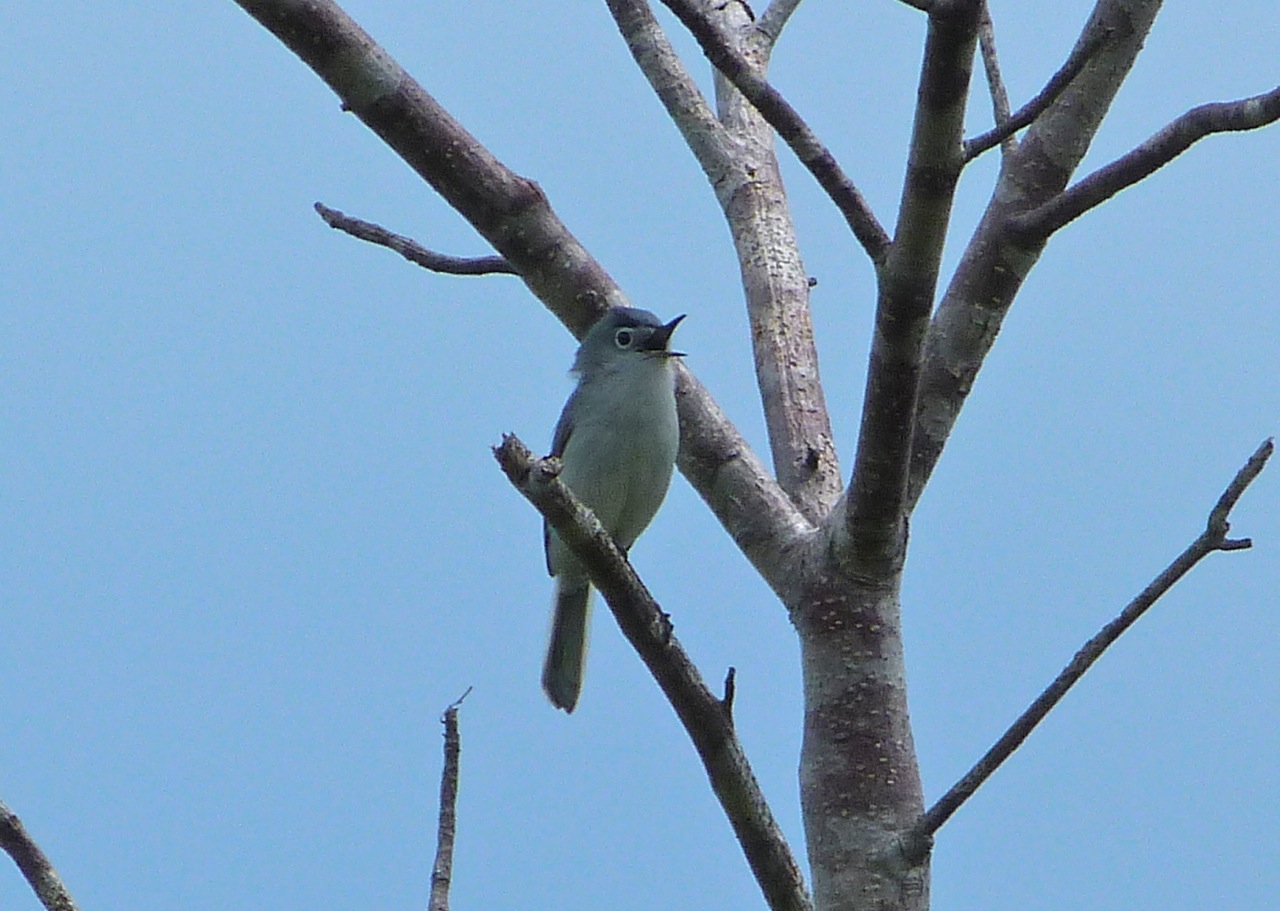
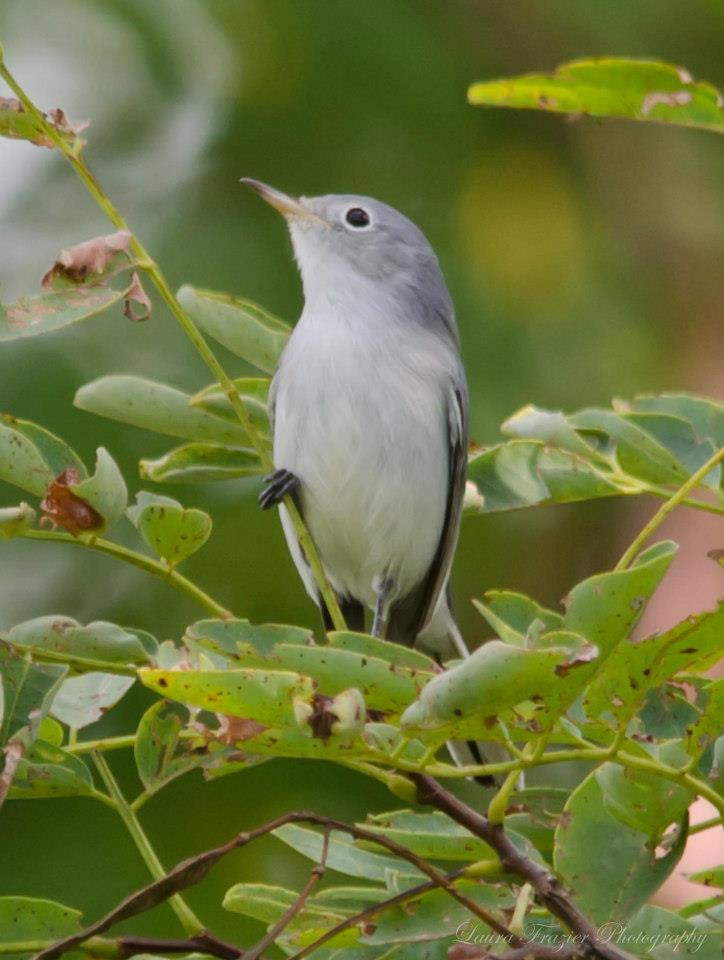
This small bird was quite far back – and high up – in the coppice on the Delphi guest drive. The photos were distance shots, so not the best quality, but they do capture the little bird in full song. BGGs have complete white eye rings; males have a dark ‘monobrow’ which can just about be seen in the photo above. In a word, ‘cute’. They sound like this (you may need to wait for the clip (credit: Cornell Lab / RH) to load – or hurry it along by clicking ‘Play’ as it loads):

[audio http://www.fileden.com/files/2012/7/14/3325949/Blue-gray%20Gnatcatcher%20Cornell.m4a]

They build a cup nest on a horizontal tree branch. It’s a modern family unit – both parents make the nest, tend the eggs, feed the young, and teach them manners. They may raise two broods in a season.

BGGs eat insects and spiders, feeding in trees and shrubs. They can hover very briefly, but mainly they catch insects on the wing (‘hawking’). The tail is often held upright while defending territory. Or sometimes just because they can.

All the information you could want on this species can be found at the excellent OISEAUX-BIRDS.COM 

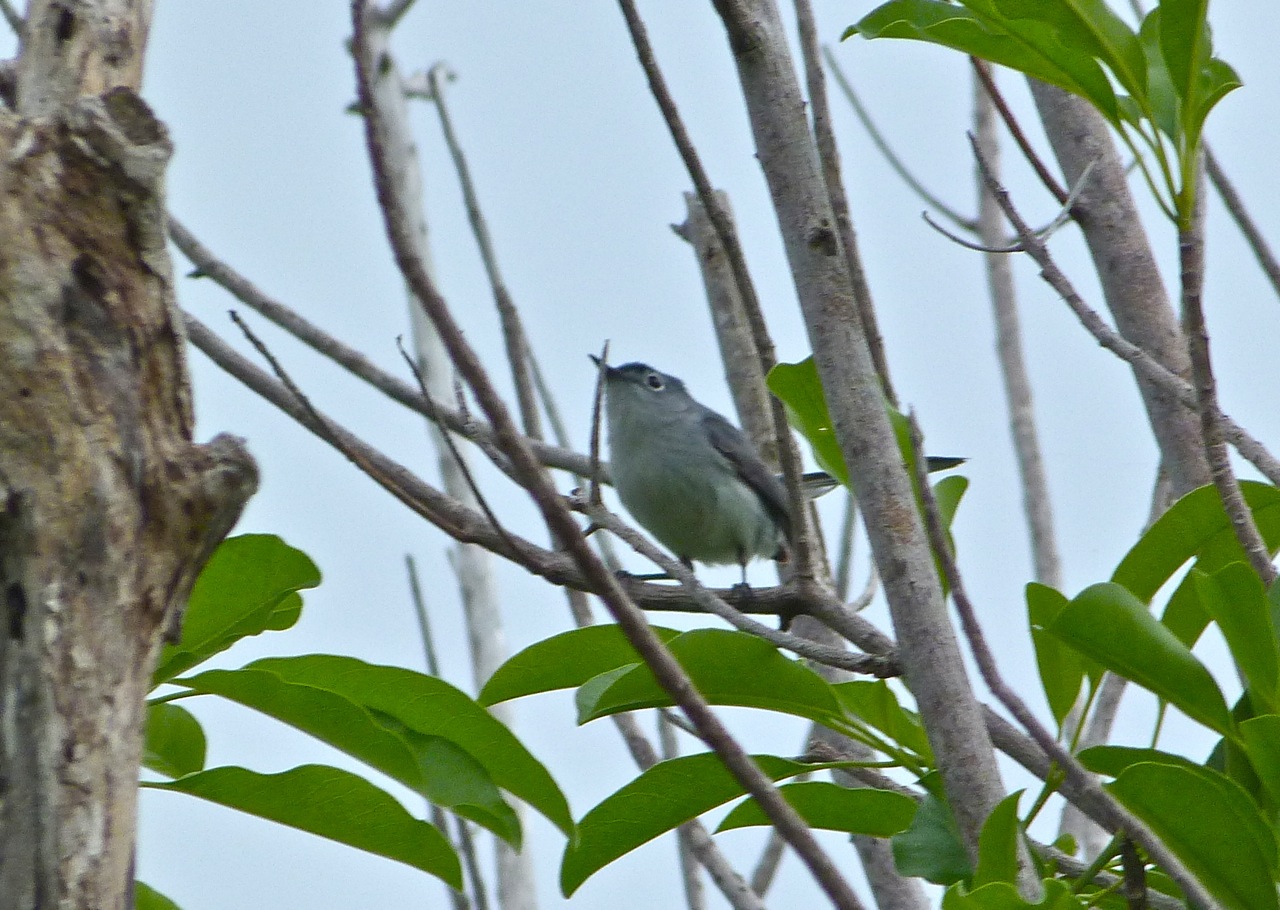
STOP PRESS checking back through my photos, I’ve found a (slightly blurry) distance shot of a BGG. I am adding it because it shows the bird with its characteristically cocked tail, often seen when perching (the bird, I mean) 

A very pretty BGG has recently been published on the superb Cornell Lab website, credited to Laura Frazier. It’s so cute – and such a clear image – that it deserves inclusion here 


Unknown's avatar

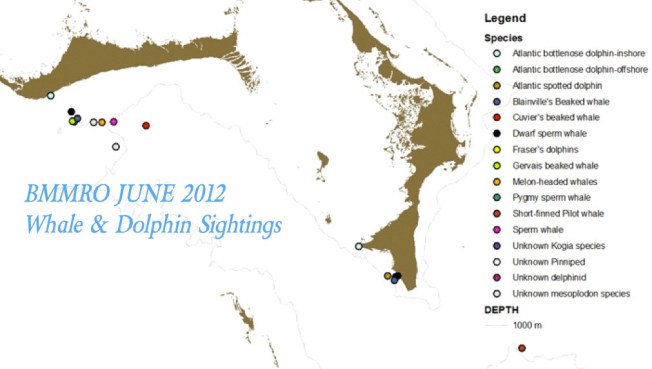
BMMRO WHALE & DOLPHIN SIGHTINGS ABACO JUNE 2012


BMMRO WHALE & DOLPHIN SIGHTINGS ABACO JUNE 2012

Actually, I say ‘Abaco’ but the most activity – and the most varied, species-wise – is off the southern coast of Grand Bahama. Abaco sightings are also confined to the south, with shows from a PIGMY SPERM WHALE and a BLAINVILLE’S BEAKED WHALE  and dolphins in the arc between Rocky Point and Hole-in-the-Wall. To see recent aerial photos of this section of coast CLICK===>>> HERE

The manatees of the Berry Is. are no longer shown on this map. Their happy story (and their fame) has spread and they now have their own entries on the BMMRO FACEBOOK PAGE, like any self-respecting stars. You can reach it anytime direct from the Sidebar if you you want to keep track of the story of Rita and her calf Georgie’s rehabilitation – and the other manatees they have encountered as they get used to their freedom. 

ADDED The latest BMMRO quarterly newsletter has just been published – highly recommended for anyone with an interest in active whale / dolphin research, or in the latest news of the manatees of Berry Is. To see it CLICK===>>> BMMRO NEWSLETTER JULY 2012

Unknown's avatar

BONEFISH! POLING THROUGH THE MANGROVES ON THE ABACO MARLS


BONEFISH! POLING THROUGH THE MANGROVES ON THE ABACO MARLS

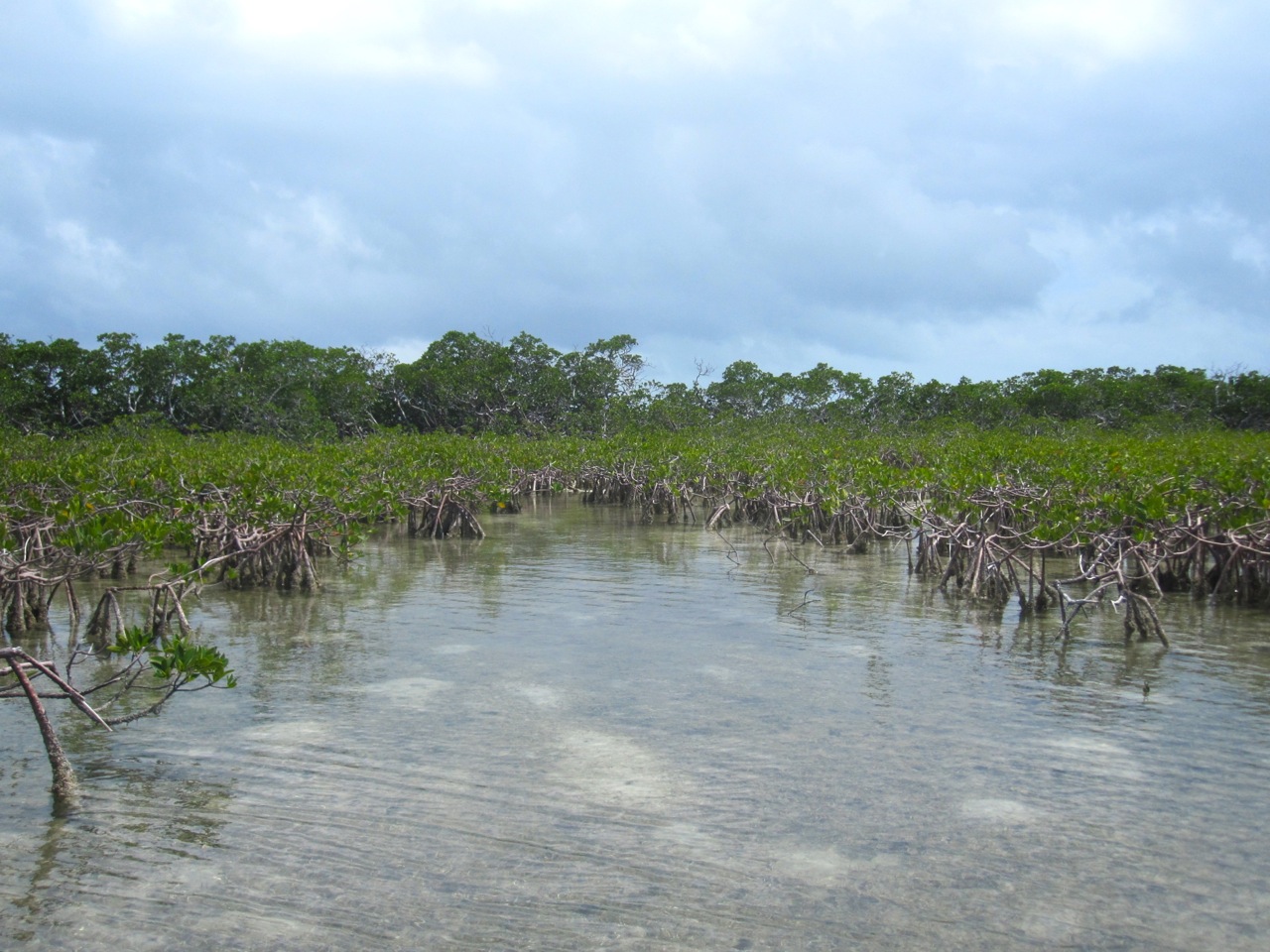
I recently posted a short video giving an idea what it is like on a skiff as it skims fast over the water to the bonefish feeding grounds of the Abaco Marls SKIFF VIDEO Having arrived among the mangroves where the bonefish are lurking, the game changes. Instead of the roar of the engine and bump of the waves, the engine is cut and in near-silence the guide poles the skiff very slowly through the low water…

There’s a regular gentle scrape of the long pole on the sea-bed, as all eyes – guide, the fisher ‘up front’, and fishing partner – scan the water and the margins of the mangroves for bonefish or signs of their feeding. There might be tell-tale grey holes in the sandy bottom – or, as below, a ‘push’ wave as one or more bonefish move on to another area

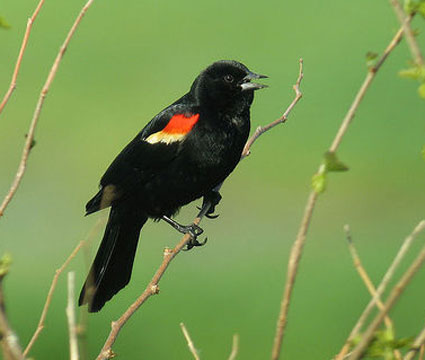
There are bird calls such as the strangely melancholic metallic double-note of the RED-WINGED BLACKBIRD  sounding like a rusty door-hinge.

Otherwise, very little noise until… the urgently whispered “Hey! Bonefish 9 o’clock, 30 feet, moving right, 3 of them…” and the hunt is on

This short video shows the skiff’s slow progress across low clear water close to the edge of the mangroves, while we search for the dark shadows cast on the sand by the bonefish as they work their way through the flats hunting shrimps and small crabs… and in due course, with luck a well-placed “Delphi Daddy”

[vimeo https://vimeo.com/45498544]

Credits: Red-winged Blackbird call – Xeno-Canto; Video Music – Albert Ross (formerly of Fleetwood Mac); R-WB below – Cornell Lab of Ornithology

Unknown's avatar

ABACO PARROTS – CONSERVATION & ANTI-PREDATION PROGRAMS BREED SUCCESS…


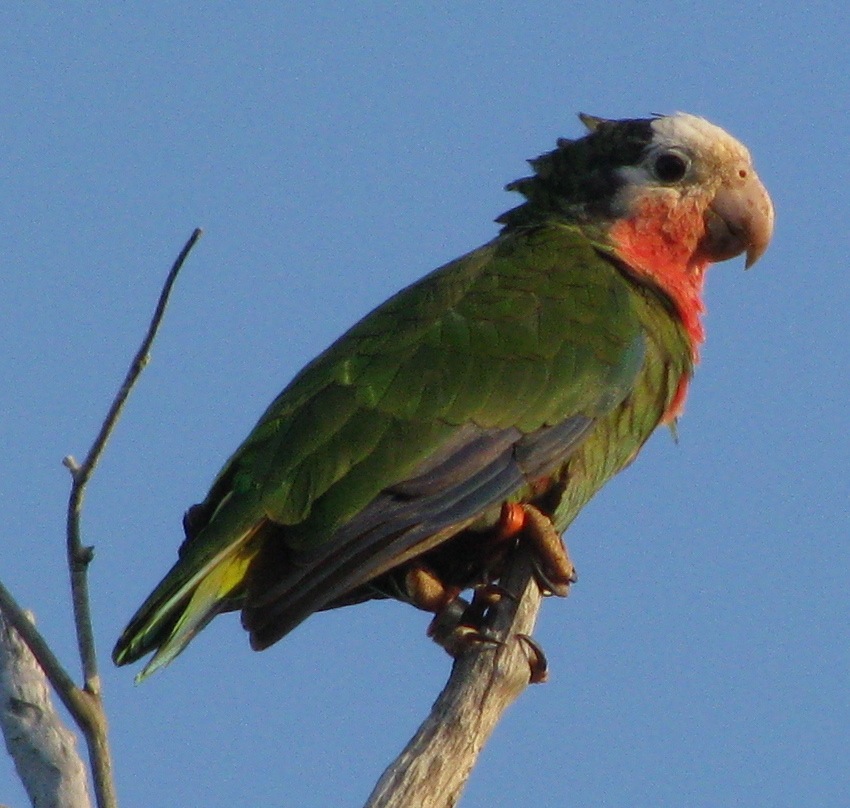
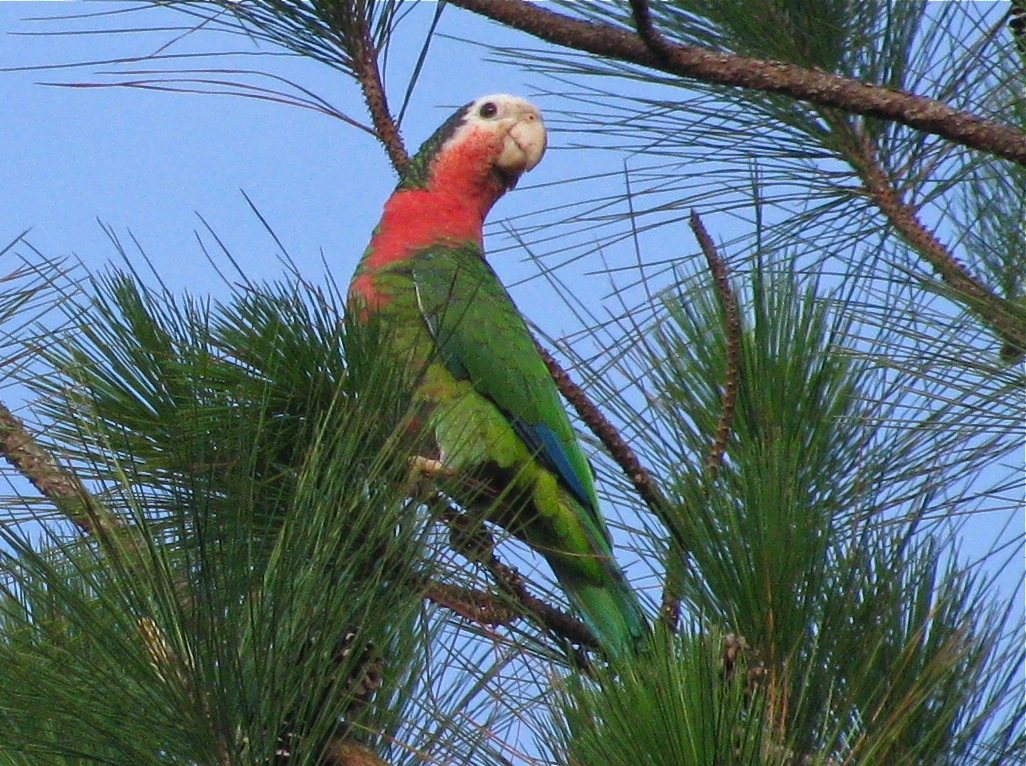
The wild parrots of Abaco are very special birds. Uniquely they nest underground in limestone holes which provides protection, not least from forest fires. Thanks to a program of intensive research over the last few years, far more is now known about these birds and their breeding habits. Investigations into predation have led to effective predator controls. The evidence this year is that the population numbers, having stabilised, are gradually rising to a sustainable level of some 4000 birds. The parrot below has been ringed as a chick as part of the continuing monitoring program.

I will soon be posting about the current breeding season – the parrots are in their limestone cavity nests now, the eggs are laid, the chicks will soon be hatching. Caroline Stahala, the Abaco parrot expert familiar to those who follow this blog (see ABACO PARROTS), will soon be reporting on this years breeding and chick-ringing program. In the meantime, here are some of Caroline’s pictures taken during the past season of the parrots in all their glory…

The parrots mainly live and breed in the pine forest of the Abaco National Park

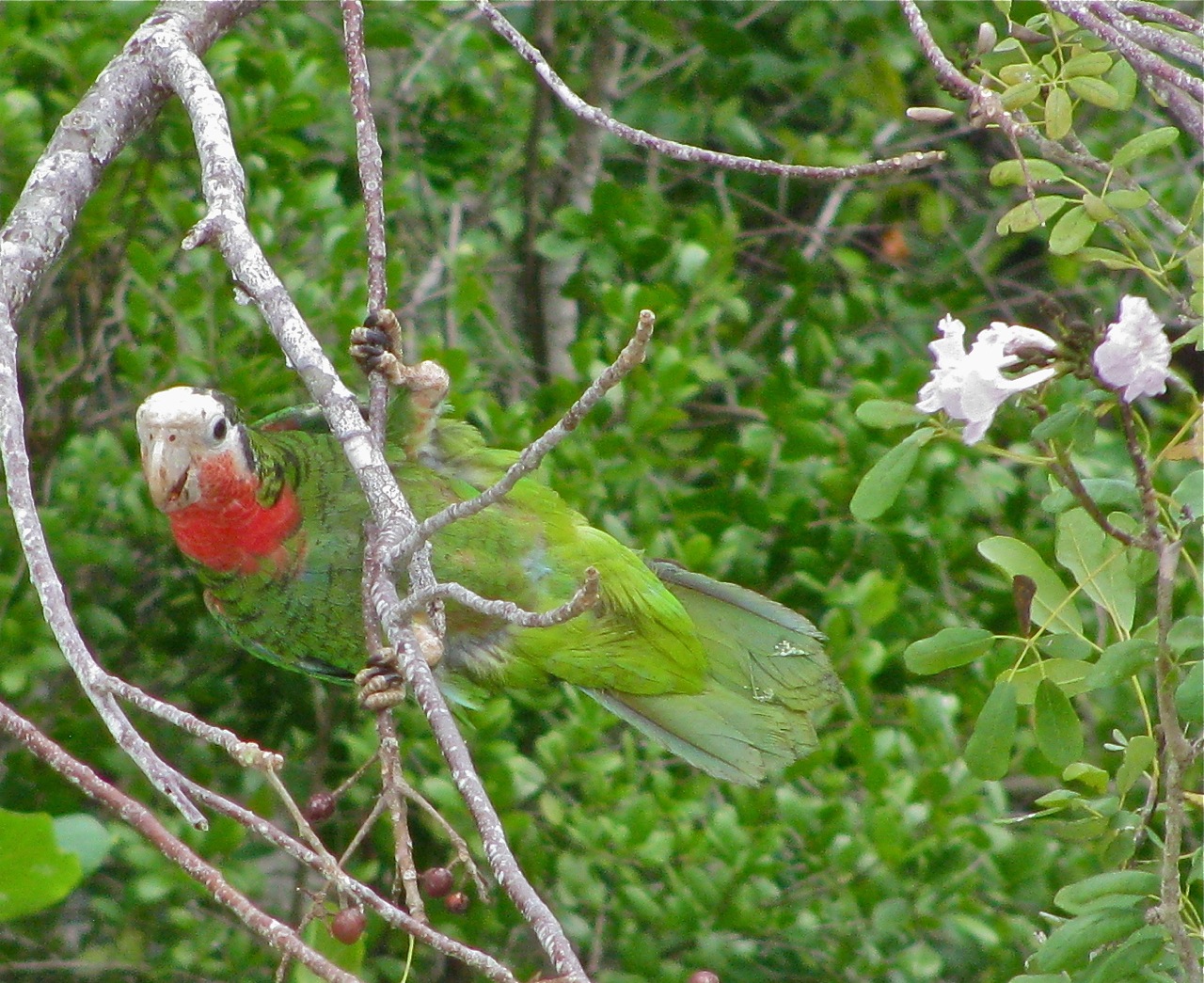
During the day they fly northwards, often in large noisy groups, where they feed. One of their favourite treats is the fruit of the Gumbo Limbo tree. This sometimes requires acrobatic skill

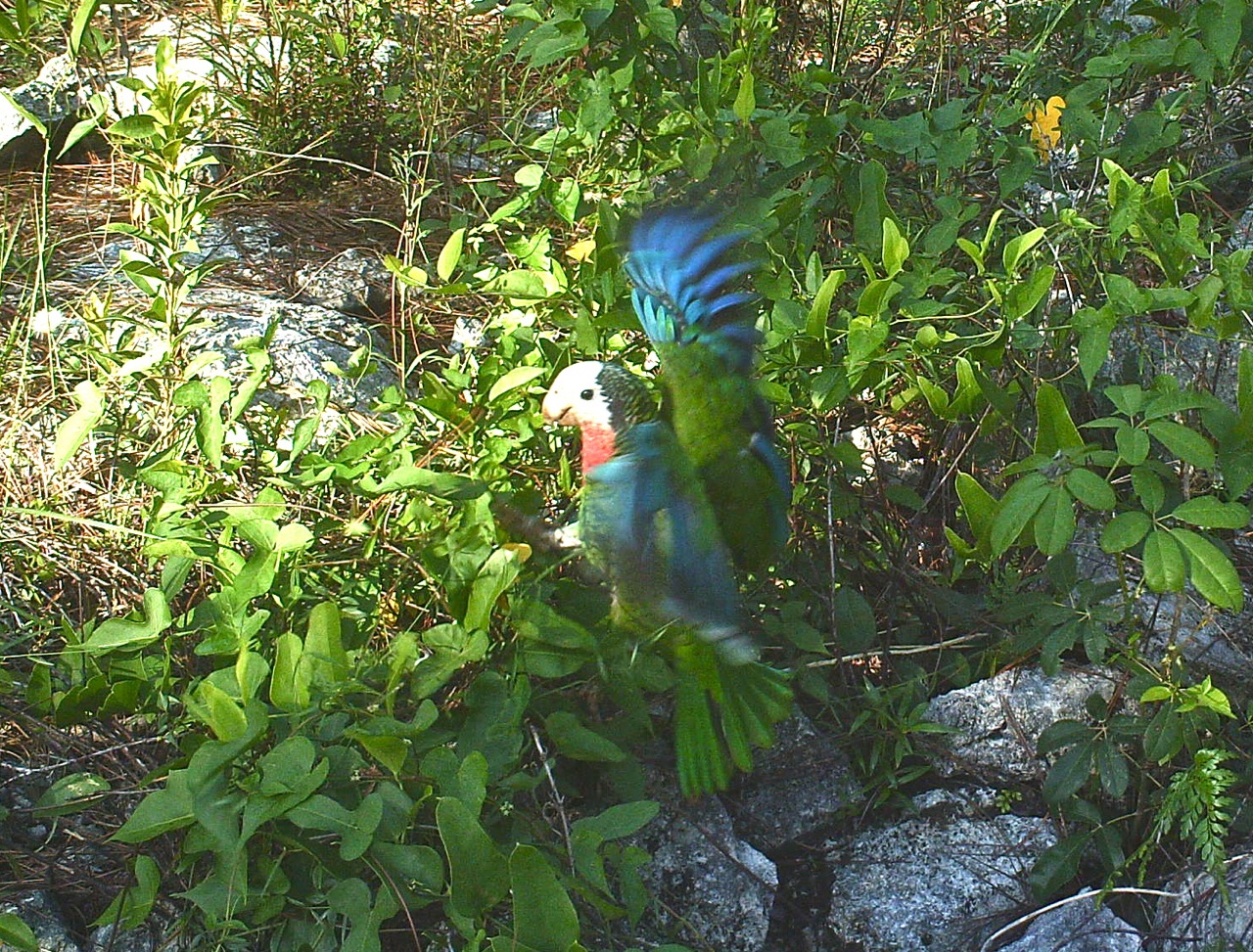
The sunshine brings out their bright colouring. When they fly, the blue on their wings is wonderful 

Besides Gumbo Limbo berries, the parrots enjoy feeding on seeds

A parrot takes flight near a nest cavity. There’ll be more photos of parrot nests later this month

(All photos © C. Stahala / Rolling Harbour)

Unknown's avatar

ROLLING HARBOUR, ABACO: A WIDE-ANGLE VIEW


ROLLING HARBOUR, ABACO: A WIDE-ANGLE VIEW

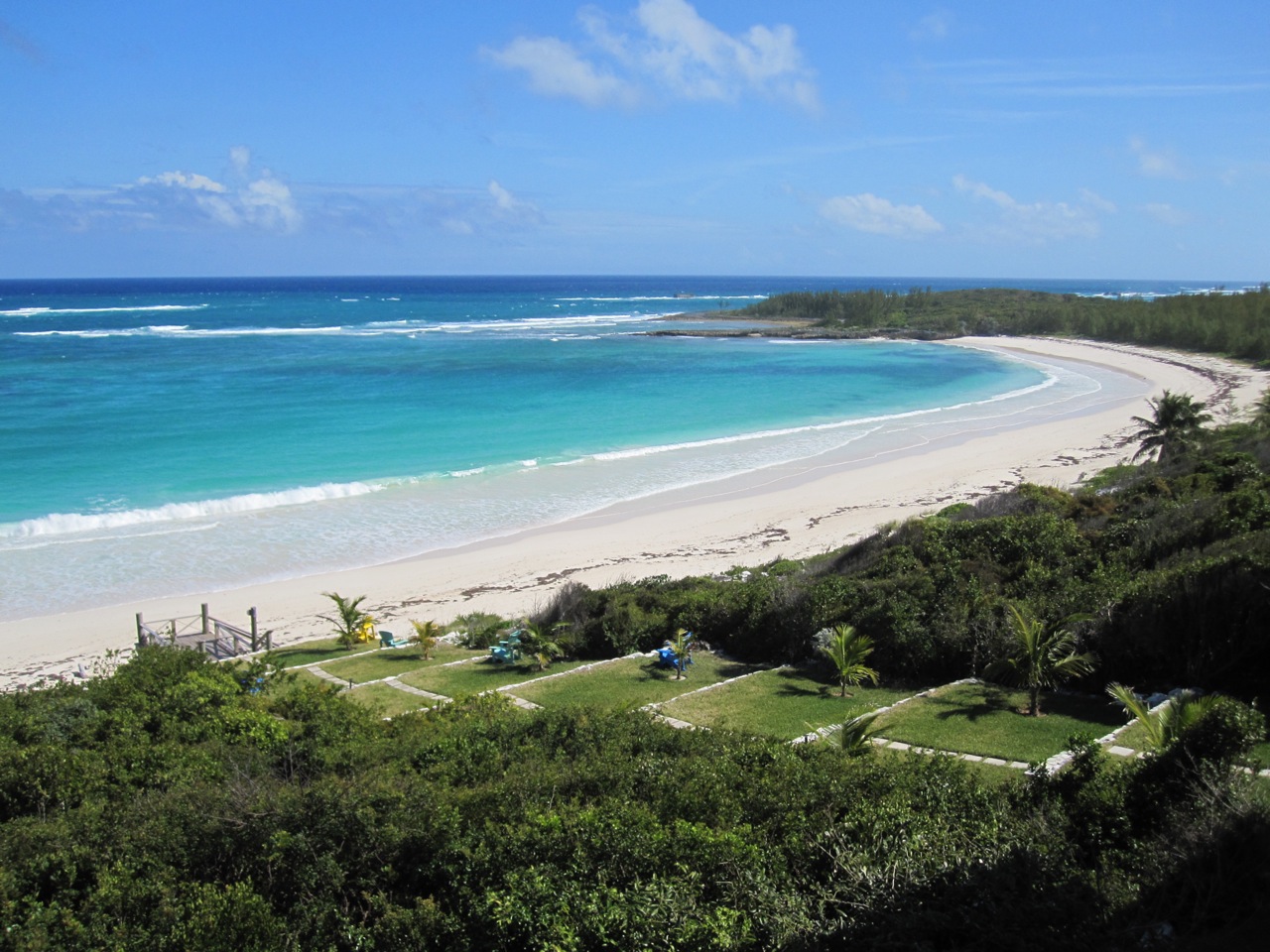
A new Header has arrived to grace the Home Page. It’s a wonderful wide-angle view of the 3/4 mile bay of white sand that is Rolling Harbour. It was taken by Michael Vaughn, a photographer  and tarpon guide from Key West, and I have ‘borrowed’ it from the main DELPHI CLUB website. You can immediately see the attraction of the blog name ‘Rolling Harbour’, an enterprise related to but editorially independent of HQ (though subject to benign scrutiny from Peter Mantle, who has so far resisted any temptation to behave in a ‘Murdochian’ fashion…)

The Delphi Club has just completed its third year in operation, with a record number of fish caught both out on the Marls and off the beach. There were records, too, for guest numbers; nourishment consumed in both the food and the drink categories; and for bird species spotted in the club grounds, the coppice and pine forest, and on the beach…

This aerial view shows the plantation-style club building and its minimal ‘footprint’ in the landscape

The Delphi Club from the beach

The view of the beach looking north from the Club verandahThe view of the beach looking south from the Club verandah

Unknown's avatar

‘THE AUK’ JOURNAL: SUMMER BIRDS ON ABACO & IN THE BAHAMAS 1905


THE AUK

A Quarterly Journal of Ornithology


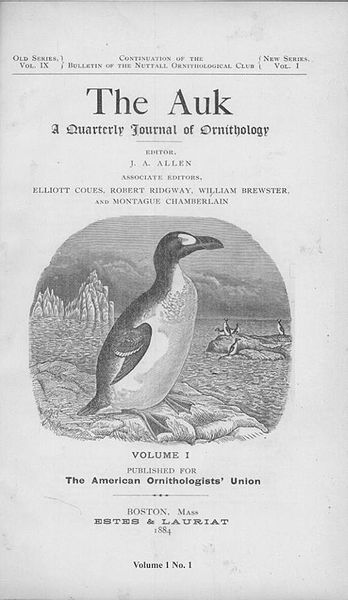
THE AUK is a quarterly journal published by the AOU specialising in promoting the scientific study of birds by means of original peer-reviewed reports. It has been in continuous publication since 1884, and can lay claim to be a (the?) foremost journal in its field. Here is the front page of  the first volume of the journal

The 1905 Vol 22 No. 2 contains a 22 page study by Glover M Allen entitled SUMMER BIRDS IN THE BAHAMAS. If you aren’t a particularly dedicated birder, my advice is ‘look away now’ and move on to a page, post or other occupation that interests you more. For the remaining 2 of you, stay tuned in. I thank you both. It will be worth it…

The article was published at a time when ornithological survey of the Bahamas was in its infancy. Cory’s famous list of birds collected from the islands had been published a mere 15 years earlier. Allen details his time spent with 2 companions – much of it on Abaco – as they investigated birdlife and recorded their findings. That aspect comprises the first part of the article. The second part is equally  fascinating: their list of bird species, with commentary, remarks and comparisons thrown in, together with some of the local names for the birds. Some of these are still in use, others perhaps long-forgotten. Is a Least Tern still known as a ‘Kill-’em-Polly’? Here are some highlights for busy people:

FLAMINGO / SPOONBILL Of particular interest is the recording of the apparently imminent loss of the flamingo (“fillymingo”) from the Northern Bahamas – a single colony only still surviving on the Abaco Marls by 1905. Allen and his group found only one roseate spoonbill, also on the Marls (we were also lucky enough to see a single spoonbill on the Marls in June)

BAHAMA PARROT Those who follow the fortunes of these fine birds on this blog or elsewhere will be especially interested in the following extract, which suggest that at the start of the c20, the species had all but died out on Abaco: “Amazona bahamensis (Bryant). We were interested to learn through the captain of our schooner, that a few parrots still exist on Great Abaco. He told us of having seen a flock near Marsh Harbor the year before (1903) and in previous years had some- times observed a flock in late summer at that part of the island. We learned that at Acklin’s Island about 14o miles south of Nassau, parrots still nest in numbers and the young birds are regularly taken from the nest when fledged,and bronght to Nassau to be sold as pets” I will be posting about the parrots later this month, but suffice to say here that the current estimate for Abaco parrots is now around 4000 birds, a significant increase since conservation measures and a predator control program were started some years ago.

BAHAMA WOODSTAR These endemic hummingbirds, now taking second place to the in-comer Cuban Emerald, were plainly everywhere then: “On all the islands and cays, wherever there was bush or tree growth, this humming- bird occurred” 

“PARAKEETS” There seems to have been a significant population of these, known then as ‘Bahama Grassquits’. What species were – or are -these? The description doesn’t quite match the ‘quit family candidates we are familiar with today.

OTHER SPECIES Avian taxononomy, with its frequent official changes of classification, is a confusing area… but it seems that in 1905 there were then 2 distinct species of Spindalis (now, one); and 3 Mockingbird varieties (now, two). But of course there may simply have been a naming adjustment since the article was published…

For those who have stayed awake till now, your prize is the following link to the whole 22-page (small pages!) article

BAHAMAS BIRDS PAPER 1905

 
Unknown's avatar

HERMIT CRABS: SHELL-DWELLERS & CONTESTANTS FOR WACKY RACES


HERMIT CRABS: SHELL-DWELLERS & CONTESTANTS FOR WACKY RACES

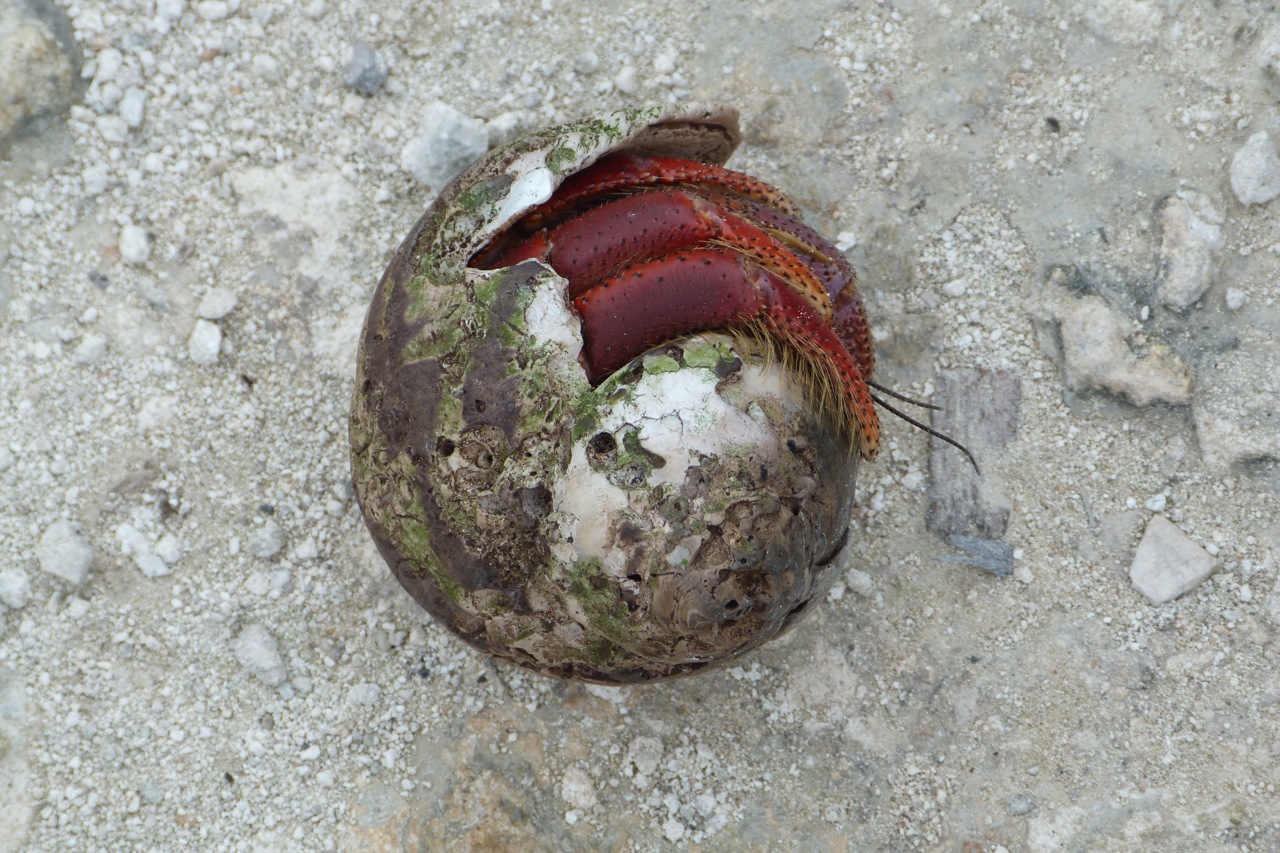
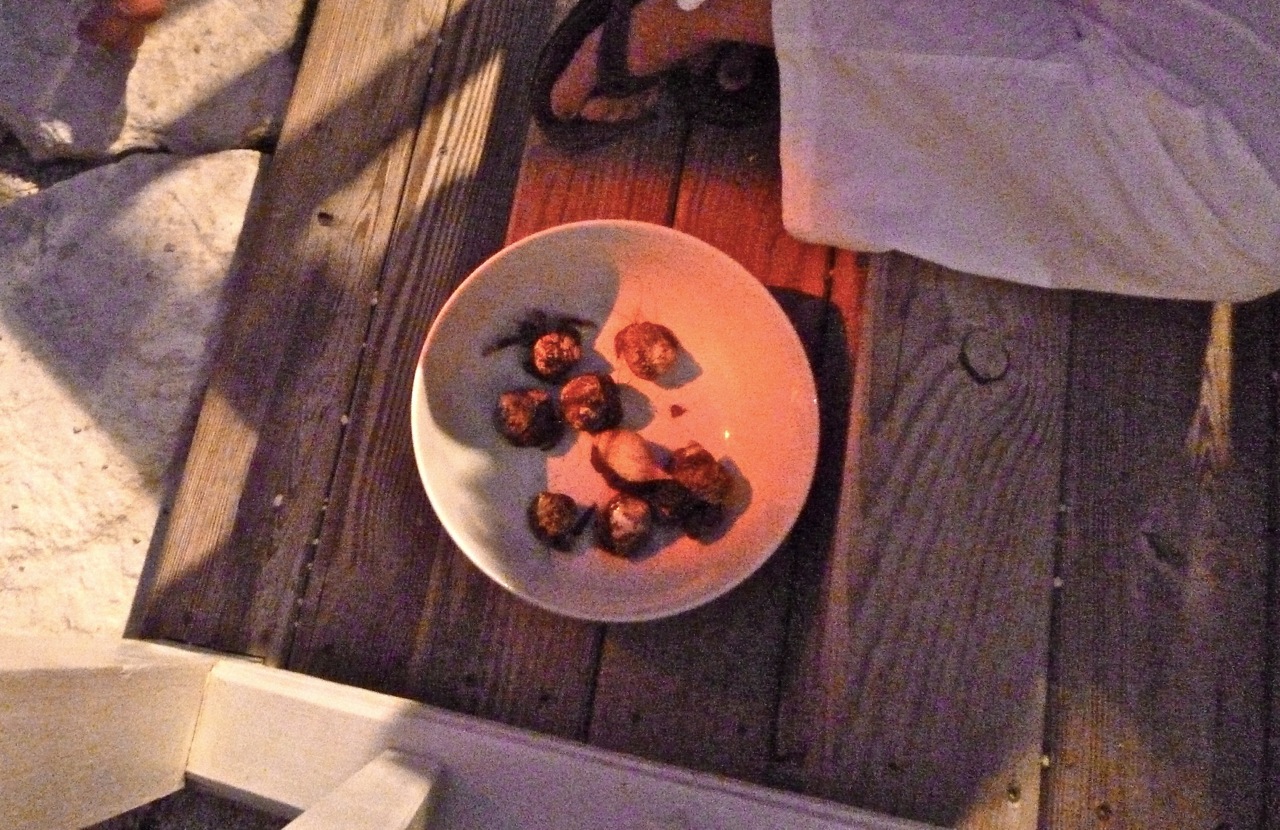
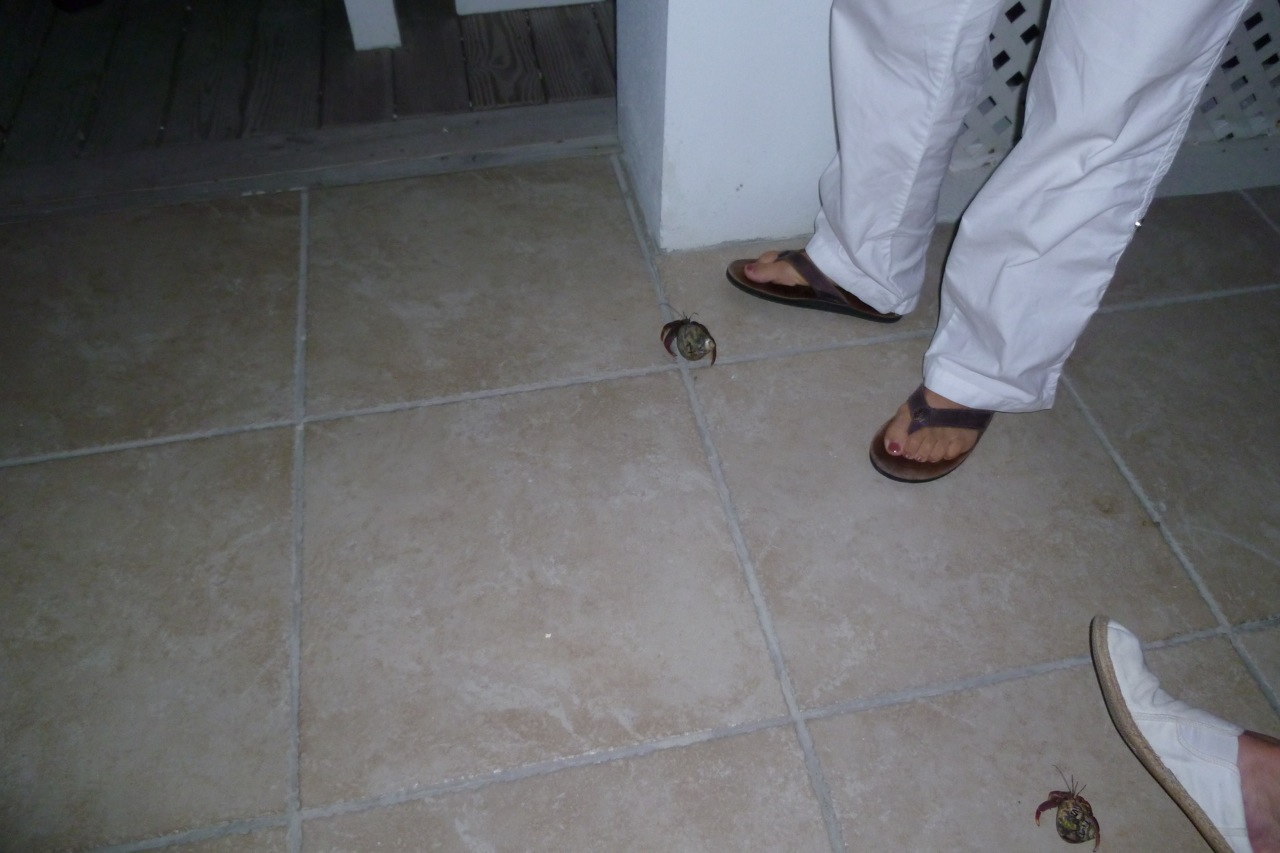
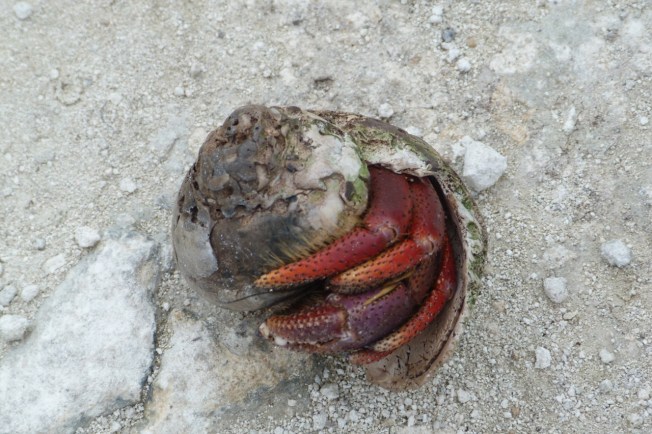
Hermit Crabs are all around – occasionally (sadly and unavoidably) underfoot. They borrow an empty shell, and as they grow they trade up to a bigger one, leaving their previous home for a smaller crab to move into. It’s a benign chain of recycling that the original gastropod occupant would no doubt approve of… The crabs are able to adapt their flexible bodies to their chosen shell. In the 1st 2 images the crab has chosen a somewhat weathered shell, into which he fits snugly
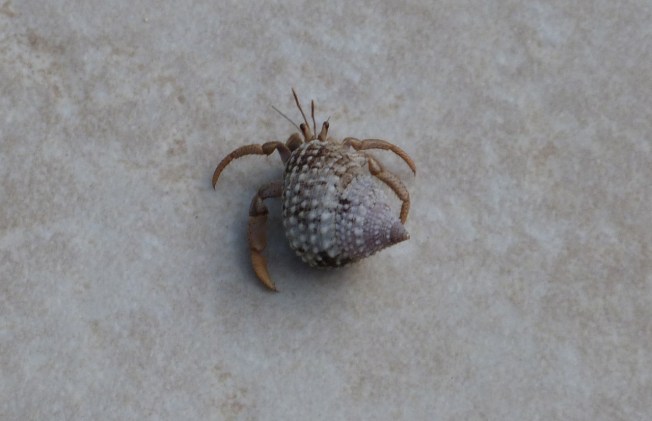
This small crab has gone for something more modern – possibly quite an awkward shape to lug about…
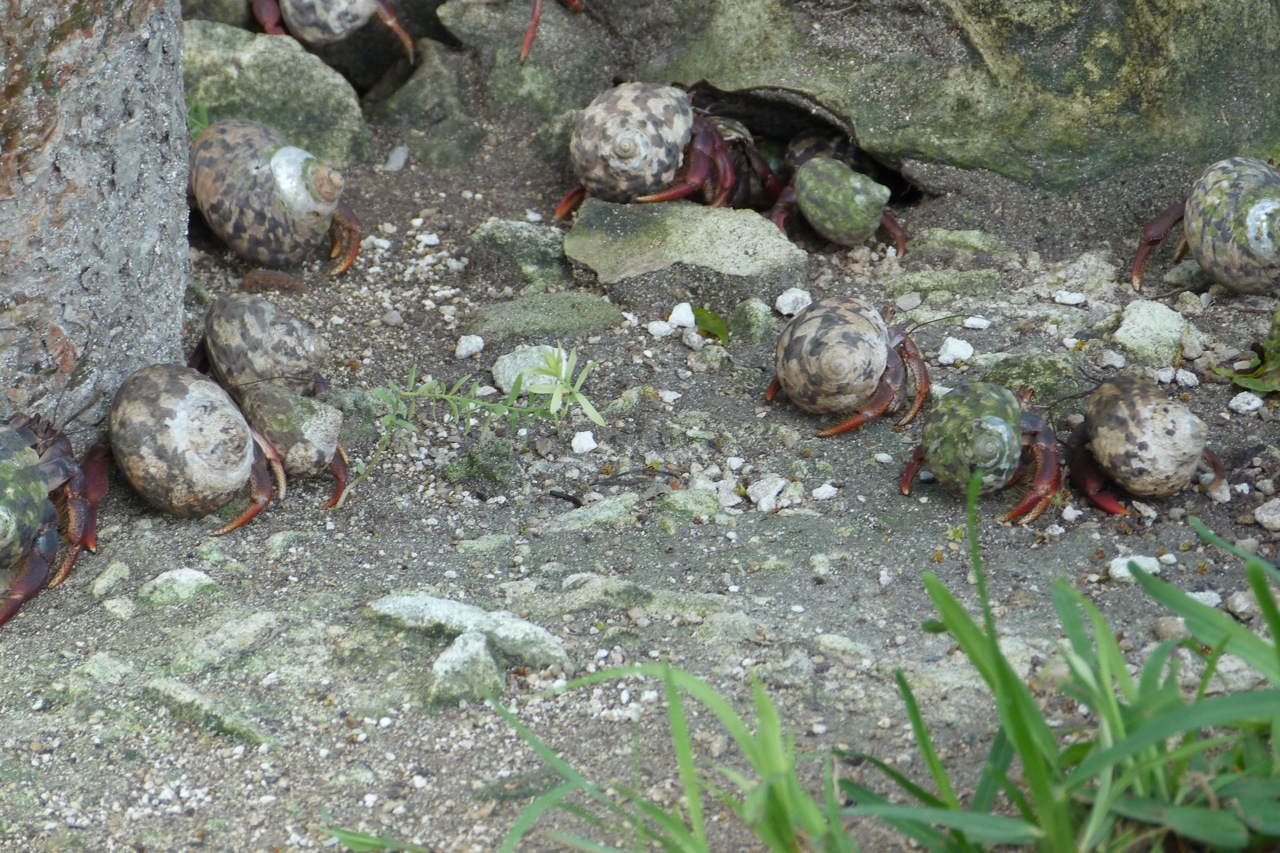
These crabs have found the Delphi Club bird feeders and taken up residence close by. They forage in the grass, many wearing West Indian top shells. One seems to want to climb the tree to get at the feeder…
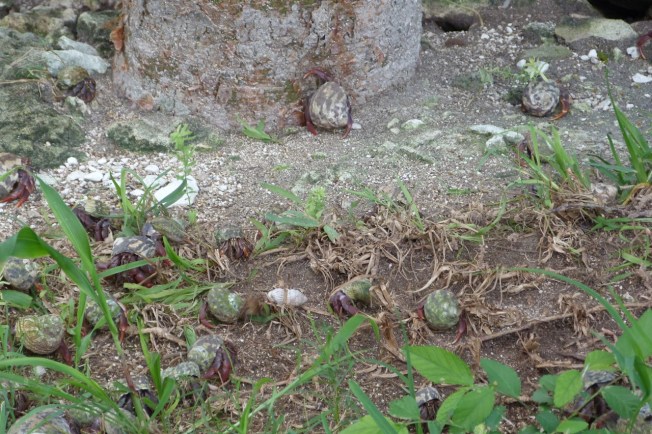
They are sensitive to sound: approaching footfalls send them scurrying for shelter into the undergrowth or to holes in the limestone rock. They don’t all manage to fit into a hole so the ‘outsiders’ try to look inconspicuous by withdrawing into their shells, though from a predator’s point of view there are usually a couple of telltale legs sticking out…

Quick, everyone – hide! A human just trod on Derek…An entertaining after-dinner game (and I blame Caroline Stahala for starting this one) is hermit crab racing. Please note that no crabs are harmed in the course of these sporting proceedings, though some crabs may feel a little humiliated. The races can be played for money, of course, but the complete unpredictability and lack of any information about a crab’s previous racing form make that unwise. Far better to have a few drinks first. Then some more afterwards. 

HERMIT CRAB RACING: THE OFFICIAL RULES

  • Dinner is to be completed and drink taken by all participants before racing can commence
  • Each contestant chooses a crab from the group under the bird feeders
  • All chosen crabs are placed in a dish

  • Caroline (or whomsoever shall be designated) paints the shells with each contestant’s name

  • The crabs are lined up by hand on the verandah as straight as they will permit (so, not very)
  • The starter will say “Ready, Steady, GO”, and the crabs are released over a 3 meter course
  • The winner shall be the first crab over the finishing line. In the event of a dead-heat, the crab requiring the least foot-impetus and direction correction is declared winner
  • The crabs shall be returned to the collection site (those that can still be found) and all humans shall return to the Clubhouse for celebrations…

DELPHI HCR RACE REPORT 2012

This crab (the largest) was chosen by Sandy Walker, and regrettably was the only one that started by going backwards. It was never in serious contention

Caroline becomes very overexcited by her crab’s progress
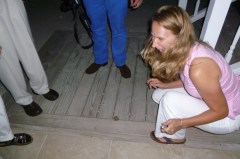
Others resort to unorthodox methods like ‘foot-persuasion’ to keep their crab on course. RH didn’t realise this was allowed at all, and watched his crab dive pathetically off the edge of the verandah into the flowerbed – an irrecoverable drop of 6 inches
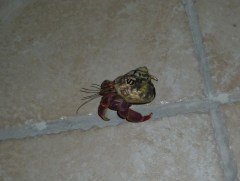
Most of the crabs went forwards as intended, though with a certain amount of lateral movement. 2 or 3 seemed to have got the general idea of the race and proceeded more or less according to plan
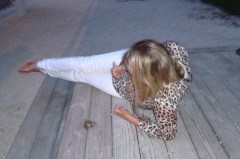
The impressive winner, by nearly half a minute, was the crab named ‘Emma’. A well-deserved victory, especially as the owner / trainer’s foot-directing was minimal (bare feet!)…

The one thing I would like to know about these little creatures is how they – and their shells – are to be found in large numbers 50 foot above sea-level at the top of a cliff…