
CRAB RUN – THE MOVIE (LOCATION: DELPHI CLUB BEACH, ABACO)
‘ROLLING HARBOUR MOVIES’ PROUDLY PRESENTS
(Music: Chet Atkins ‘Yakkety Axe’, aka The Benny Hill Show Theme)


(Music: Chet Atkins ‘Yakkety Axe’, aka The Benny Hill Show Theme)

The legendary CONCH SALAD TV is a great resource for Bahamas wildlife and way-of-life enlightenment. Their instructive videos are very well put together, and cover Nature, Marine, Art, Science, Music, Culture, Cooking, and broader Bahamas issues. The video below is 9 minutes of Bottlenose Dolphin action, and is recommended for relaxation, gentle instruction, and Kalik-swigging accompaniment…

It time to catch up with last month’s Cetacean sightings around Abaco. The Manatee reports are of Georgie in the Cherokee area – alas no longer resident on Abaco but safely at Atlantis where she is being cared for. To know more about the Blainville’s beaked whale on Abaco, click HERE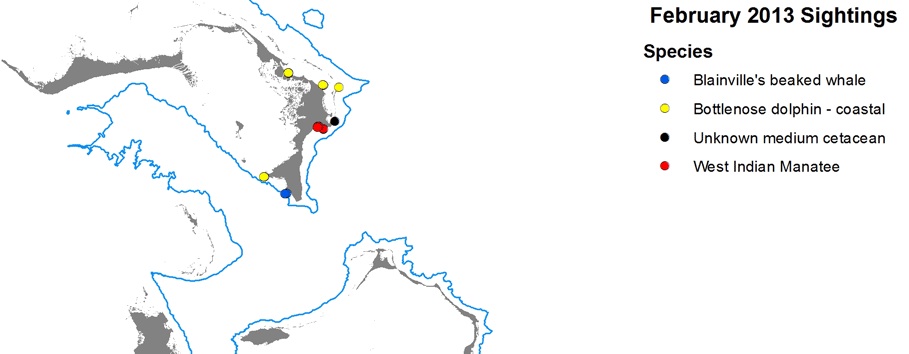
 BMMRO’s executive director DIANE CLARIDGE has been awarded her PhD by St Andrews University for her research on beaked whales. Dr Claridge’s new status is celebrated by humans and cetaceans alike (see image ©BMMRO below…)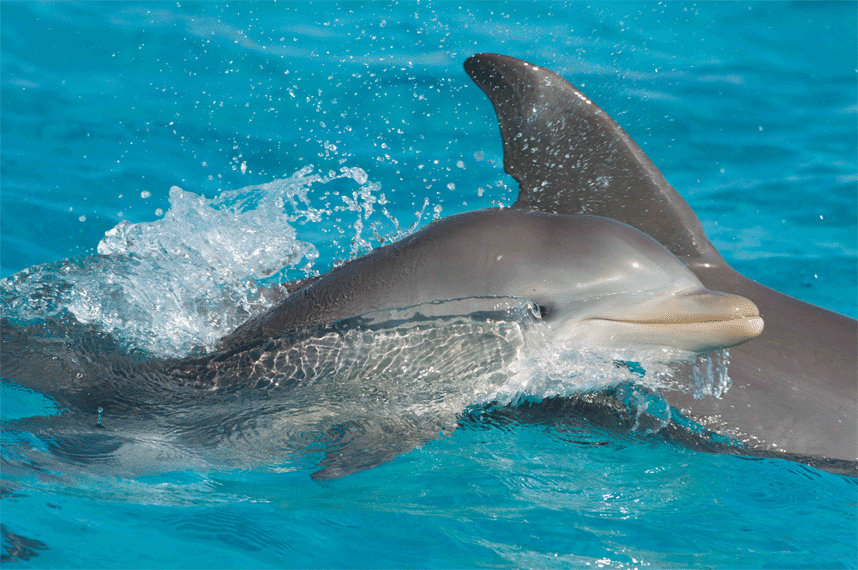

BLACK & WHITE WARBLERS (Mniotilta varia)
WINTER VISITORS TO ABACO
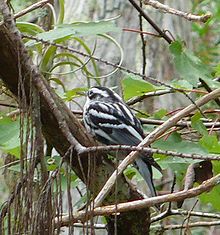
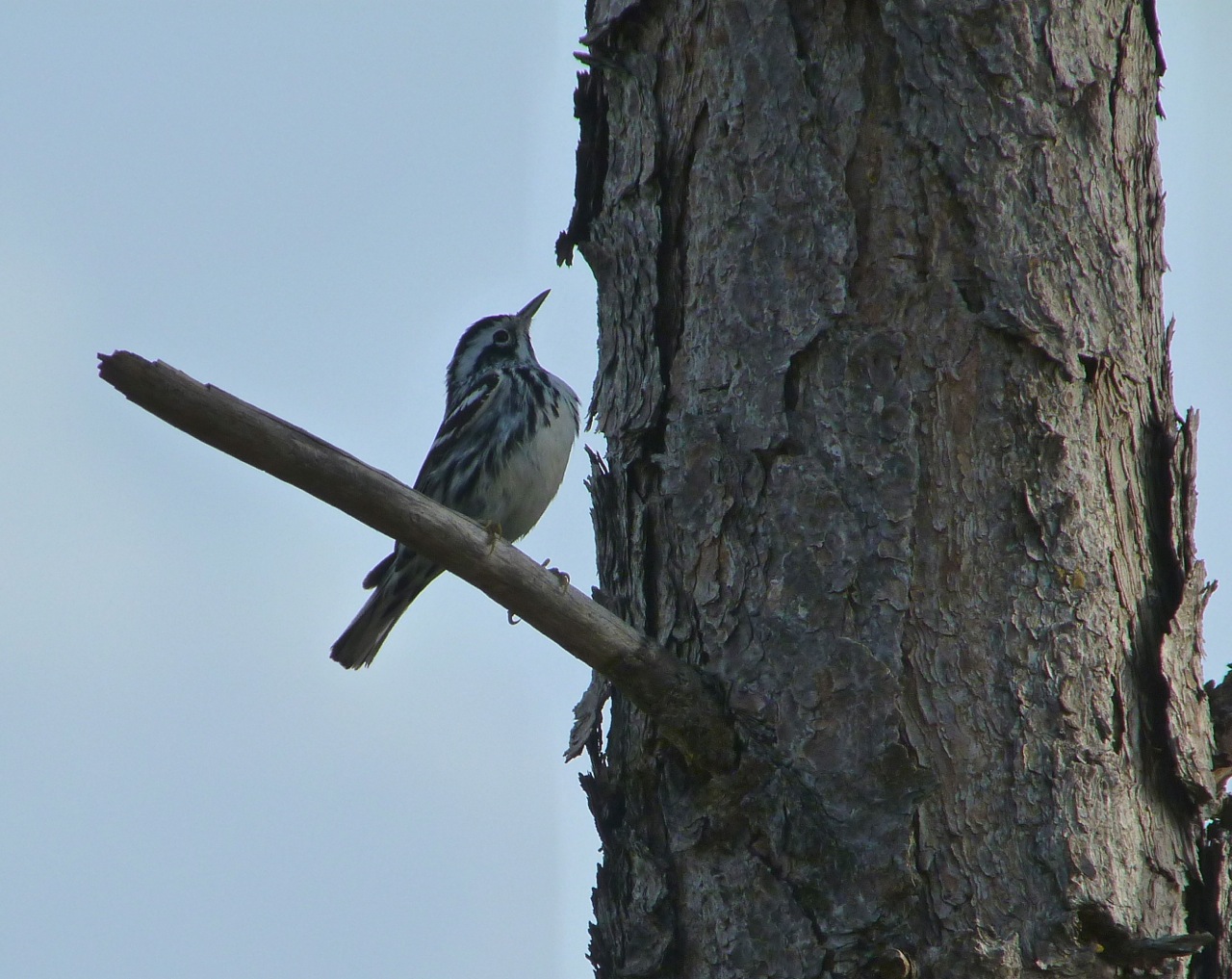
By no stretch of the imagination are the images below very impressive. Sorry about that. The wonder is that we noticed this little bird at all – also, that it stayed still for long enough for me to get a bead on it. I credit the sharp eyes of Mrs RH (from whom little is hid) for spotting a fleeting movement on a pine trunk along the Delphi drive. Unlike any other warbler, these small birds feed in the manner of nuthatches or tree / brown creepers. They run rapidly up and down tree trunks and branches foraging on insects in the bark with their sharp little beaks.
 Summer & Winter Ranges

IUCN status

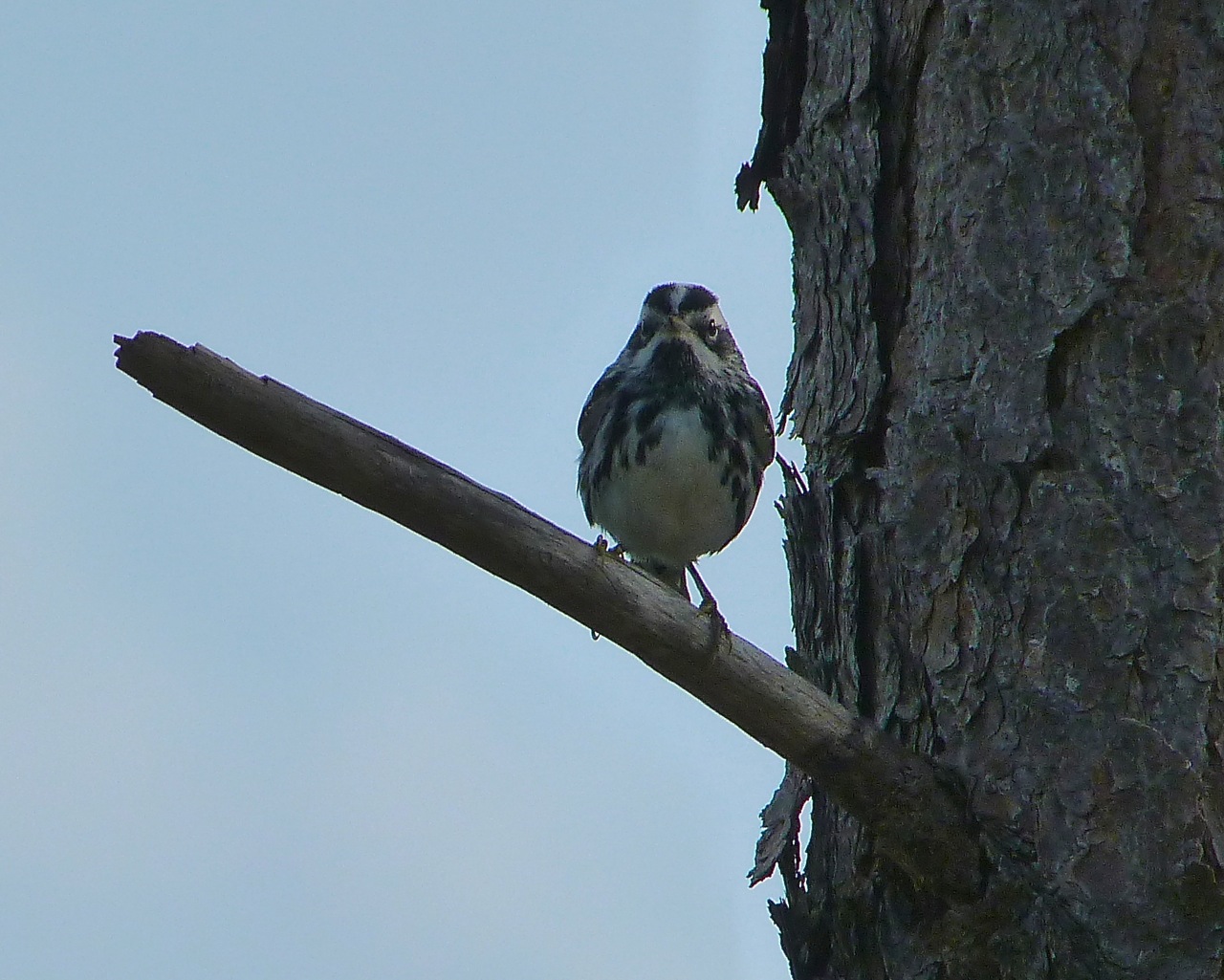
The next 2 photos (yes, I agree, they’re not very good, nor taken – the top one, anyway – from an elegant angle) are included to demonstrate the remarkable length and dexterity of the bird’s legs. During the minute we watched it before it flew off, we noted this characteristic legs-splayed ‘pausing pose’ several times.
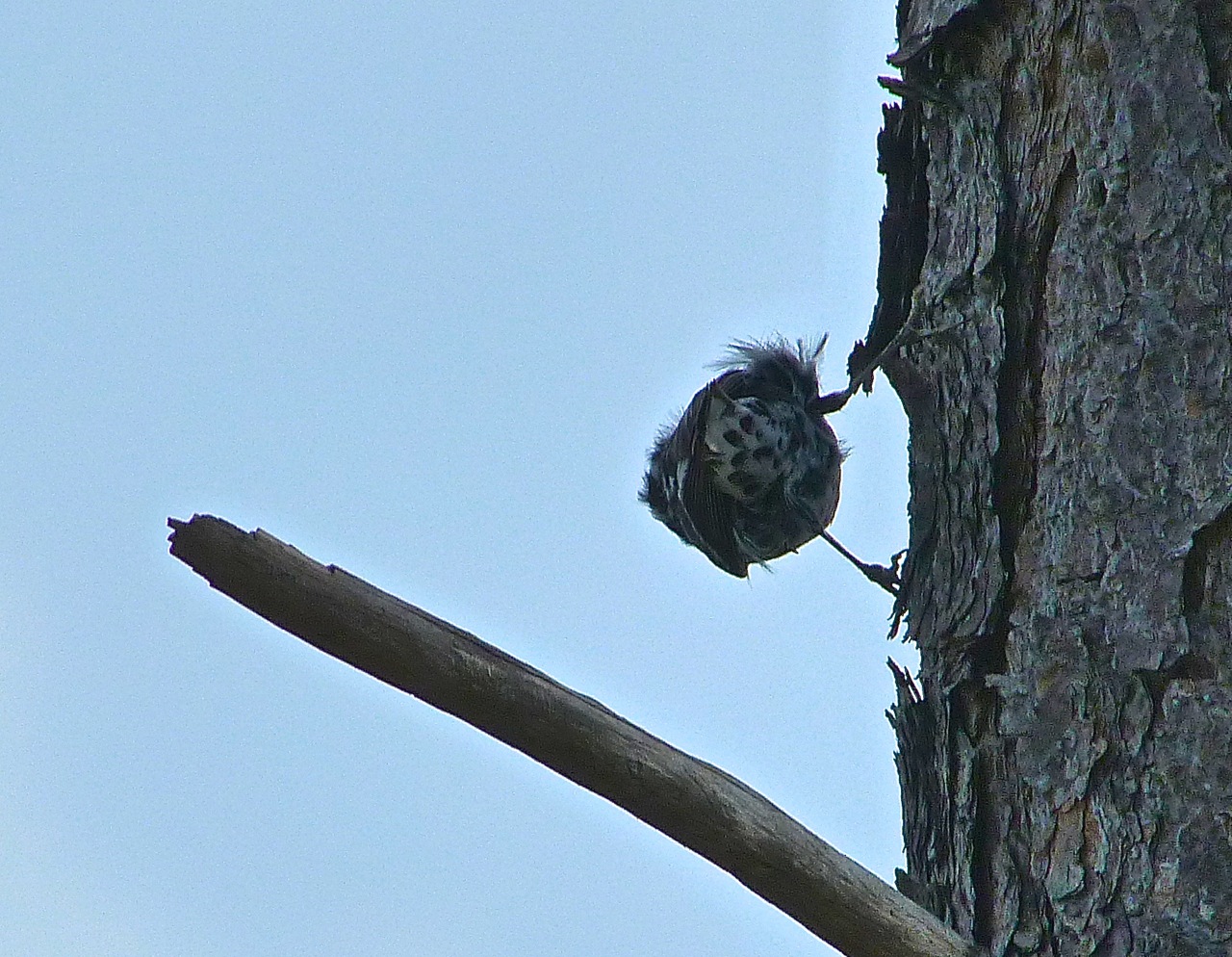
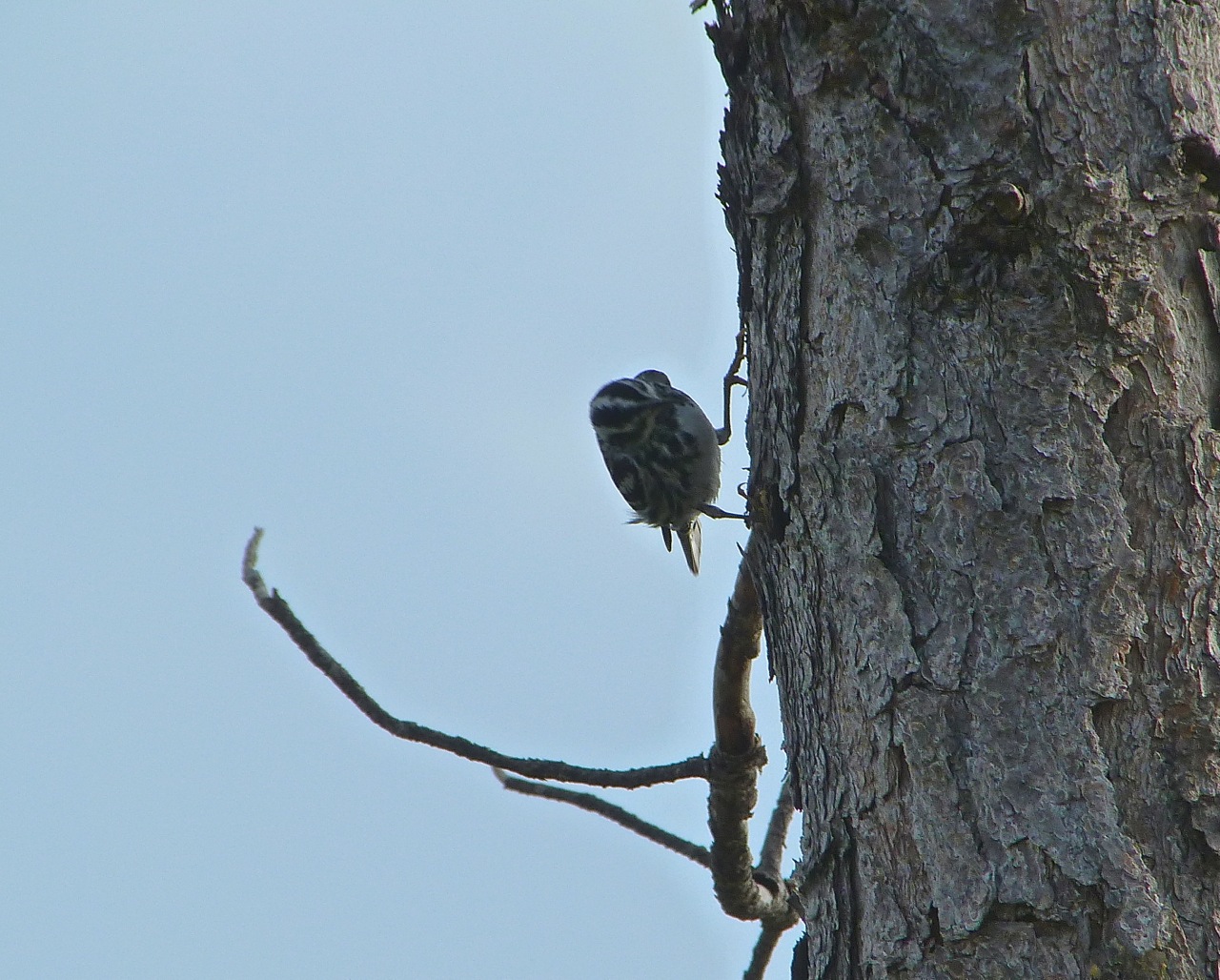

 …deserves another…
 …and a few more besides…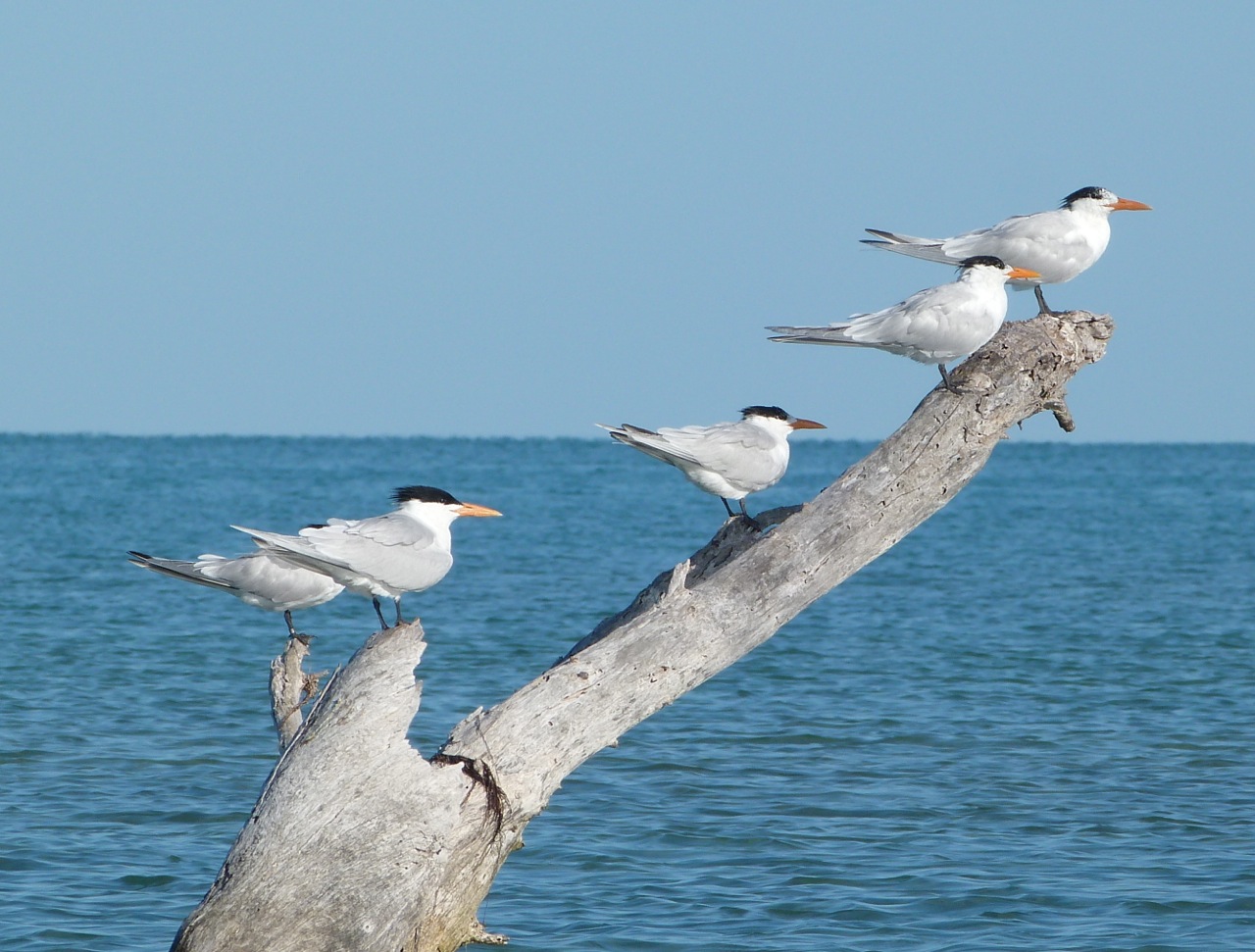
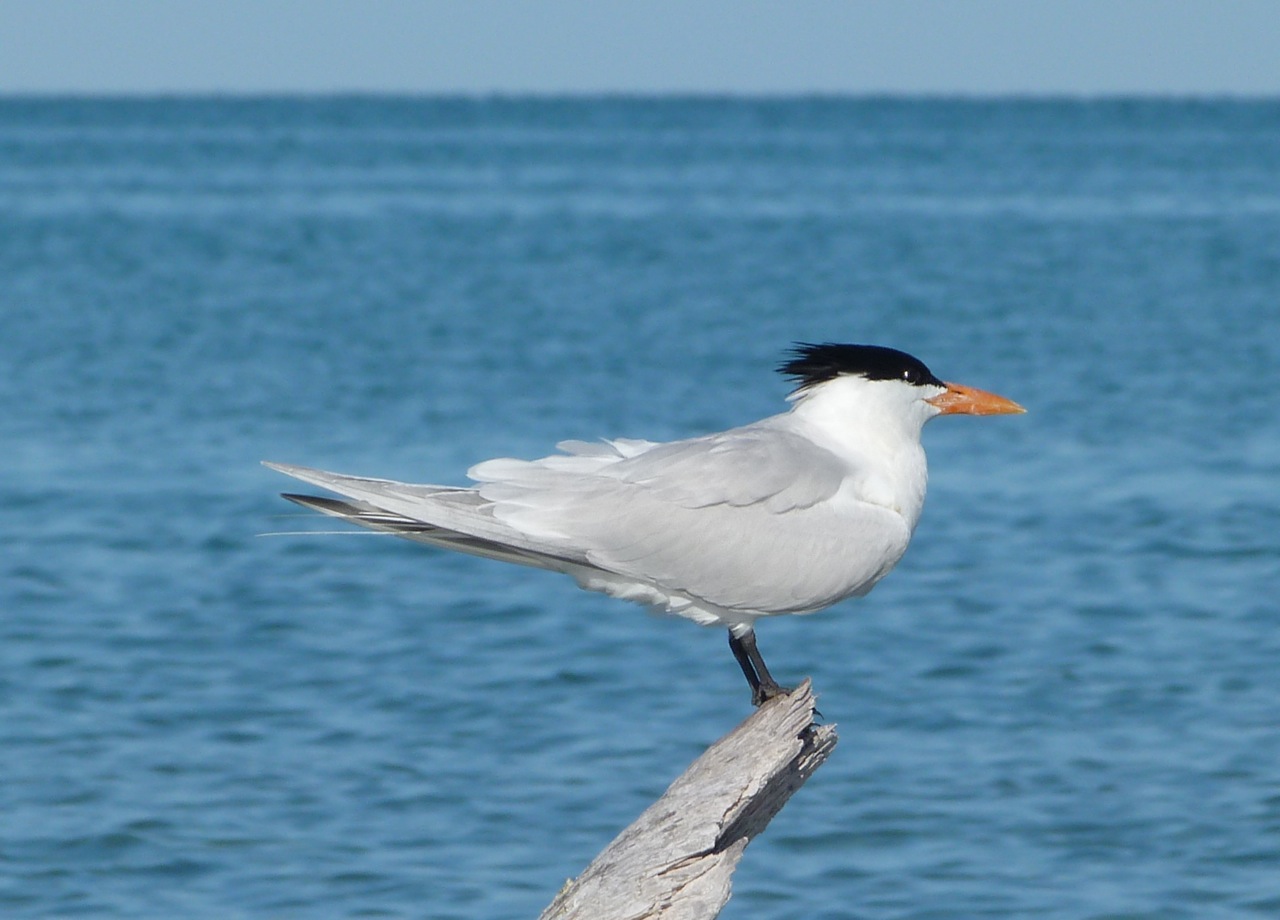
We passed these fine Royal Terns during the boat ride ride out to the bonefishing grounds of the Abaco Marls. The single dead tree lay alone in a vast expanse of open water near the mangrove swamps, providing a perfect perch and vantage point for the birds. Their positioning on the tree suggested a distinct “pecking order”, which turned out to be literally true. The terns were unembarrassed by our presence, but at one stage they all took off and circled lazily round once before settling back on the tree. Those that tried to take a higher perch were aggressively treated by the original occupant. In the end, things settled down much as before. However, one disappointed claimant to promotion was dispossessed of the main trunk entirely. He ended up, uncomfortable and huffy, on a small stump facing the opposite way to the rest of the birds – perhaps from wounded dignity, or to make his feelings known through body language….


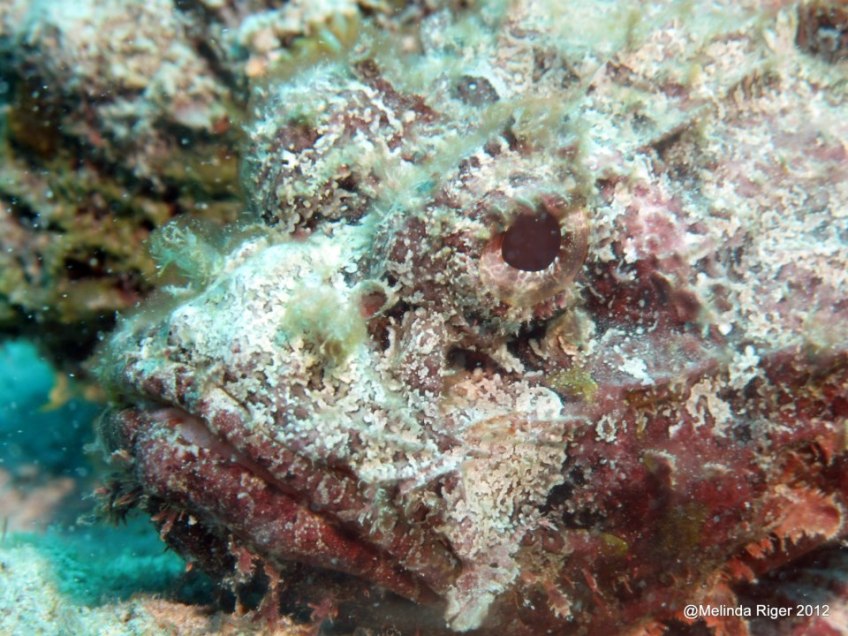
SCORPIONFISH
PEACOCK FLOUNDER or PLATE FISH Bothus lunatus
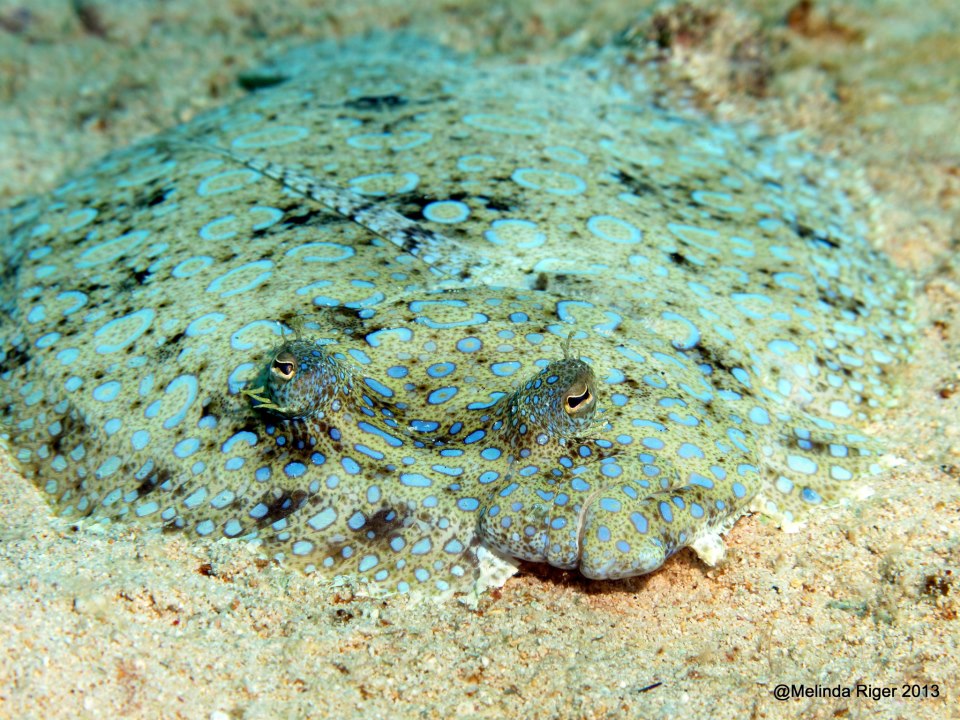
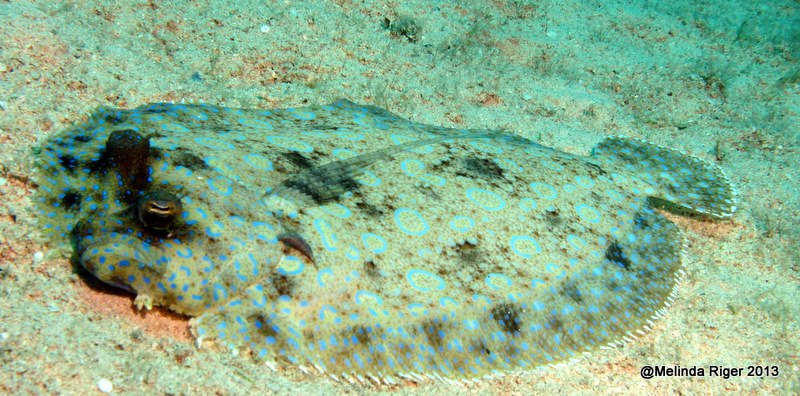 Photos: Melinda at Grand Bahama Scuba
This is my last post until next week, when apparently we can expect a snowy welcome. Hmmmm. Plenty of new material for kind followers – both of you..
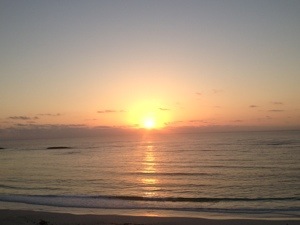
DELPHI DAWN
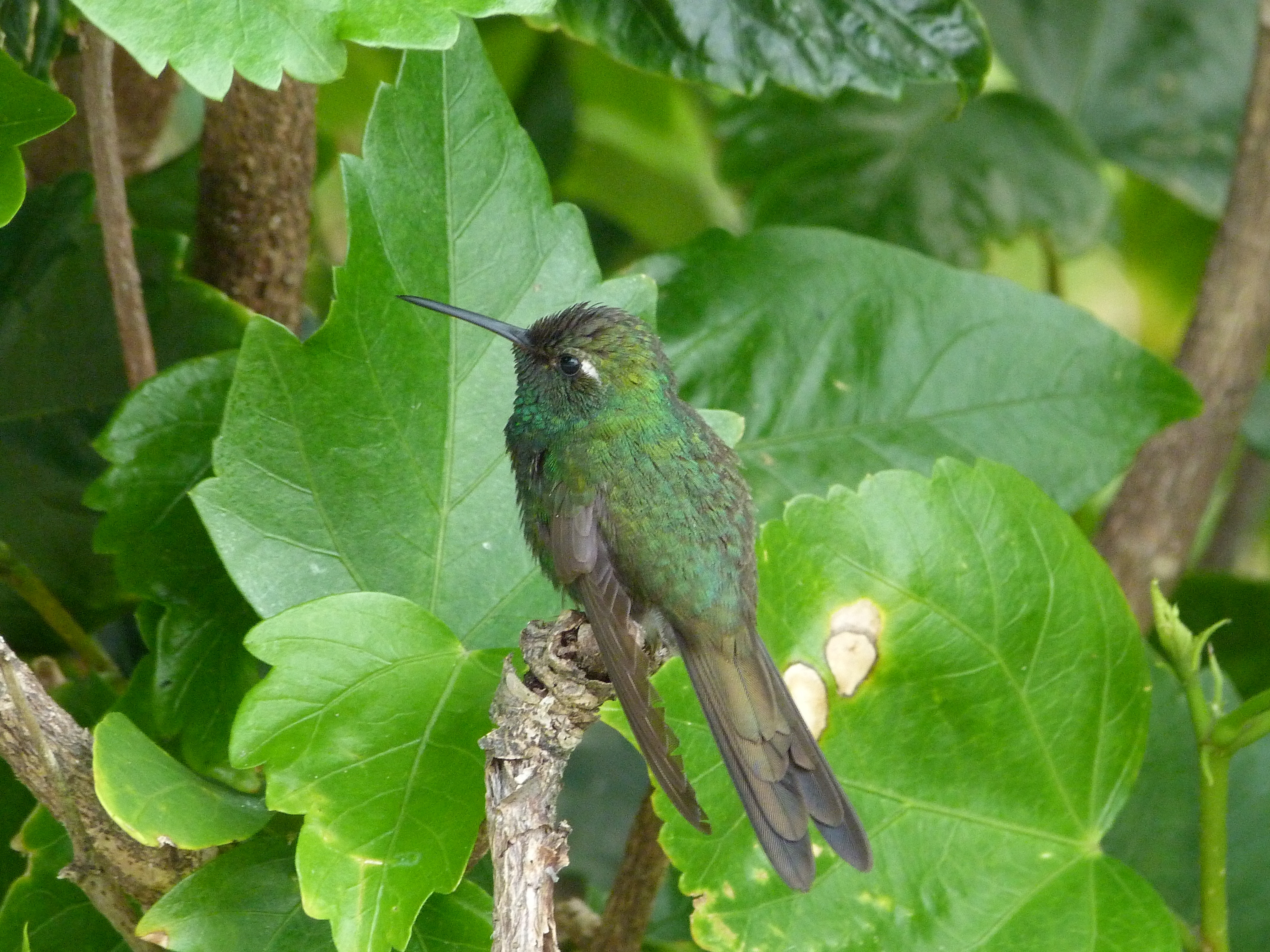
This is a ‘holding’ post while I am actually on Abaco, to be rejigged in due course. The weather is a bit variable, my fishing is somewhat variable (as usual – more miss than hit, though my biggest bone yet a couple of days ago), the birds are fantastic. Abaco has two hummingbird species, the endemic Bahama Woodstar and the Cuban Emerald. The Woodstars are rather pushed around by the Emeralds, and tend to be scarcer where there are plenty of Emeralds. We are lucky at Delphi that both species coexist in relative harmony, although this may be largely due to the sugar-water feeders and the hummer-friendly planting around the Lodge. Here are a few irridescent images I’ve taken in the last few days. Things are a bit slow here (the internet connections, not me), so the image order, formatting and sizing may need attention later on…


 Oh. Is that the time? I need a Kalik and lie down. I’ll add a couple pics more later!
NB these photos are posted exactly as taken. No photoshop, no iFiddling, no cropping. That’s how close you can get to these tiny birds…
ADDENDUM A few shots of a hummer in flight feeding on plants can now be seen on my subsidiary website HERE



Production still from the television series BAHAMA BLUE © 2014 Parallax FIlm Productions Inc.
The Mangrove Jellyfish Cassiopea, also called the ‘upside-down jellyfish’ for reasons I needn’t dwell on, is the only member of its particular jellyfish family. These creatures prefer warm waters, and typically live upside-down on the sea-bottom, which no doubt makes catching prey very simple. They can be found individually, though more likely in large groups, with individuals displaying different shades and colours.

NEW An excellent video by Melinda Riger of Grand Bahama Scuba
The Mangrove Jellyfish has one of the milder stings of the numerous species, though human reactions to the sting will vary with the individual. A greater problem may come from swimming around or over a mass of these creatures. Their stinging cells are excreted in a transparent mucus which may invisibly cover the unwary swimmer. Apart from skin-irritation and a rash, the stings are apparently very itchy. My guess is that scratching can only make things worse (cf No-see-ums…). The first of the two videos below was taken recently by Sarah Bedard (to whom thanks) who “found a great tidal pool full of them at the end of Rock Point Road, Treasure Cay (Abaco)”. The second is short, but with some amazing footage of the Jellyfish in action.

WOULD YOU LIKE TO SEE MY LITTLE TRICK?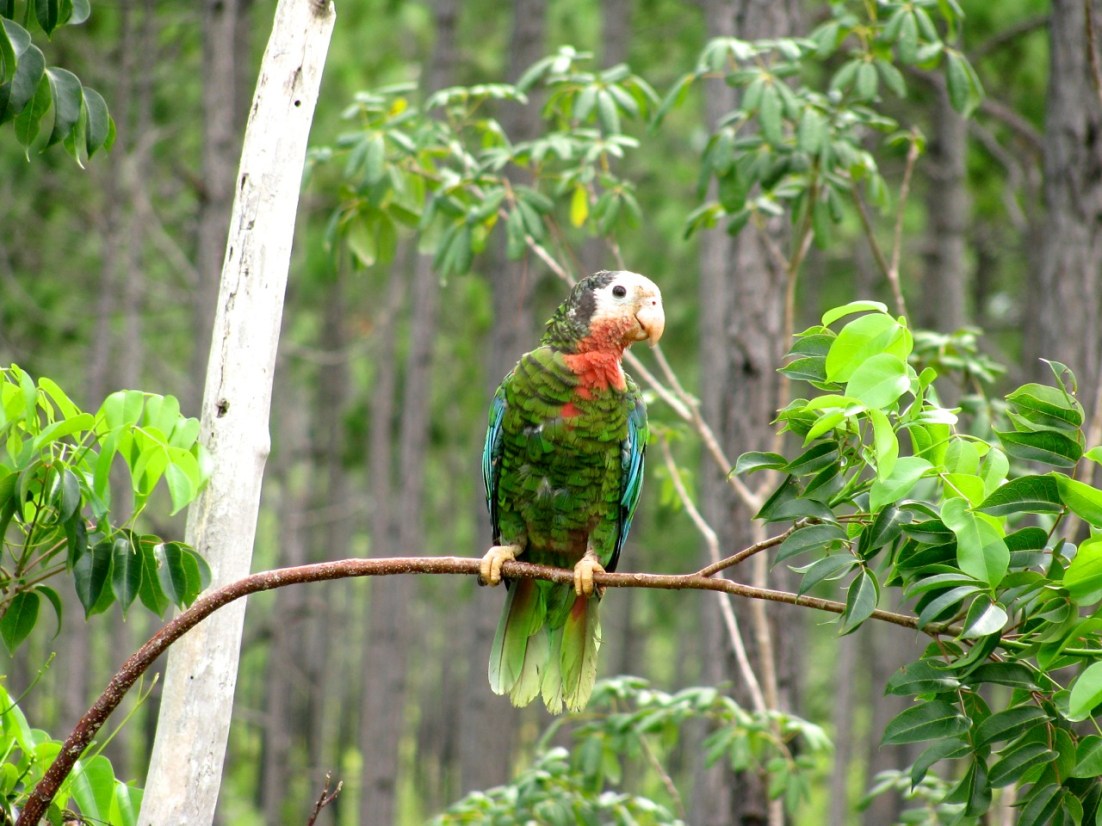
I’M A BIT CAMERA-SHY – I’LL JUST TURN ROUND
THAT’S BETTER. ARE YOU SURE YOU ARE READY FOR THIS?
TA DAAAAAAAAAAAAAAAAAAA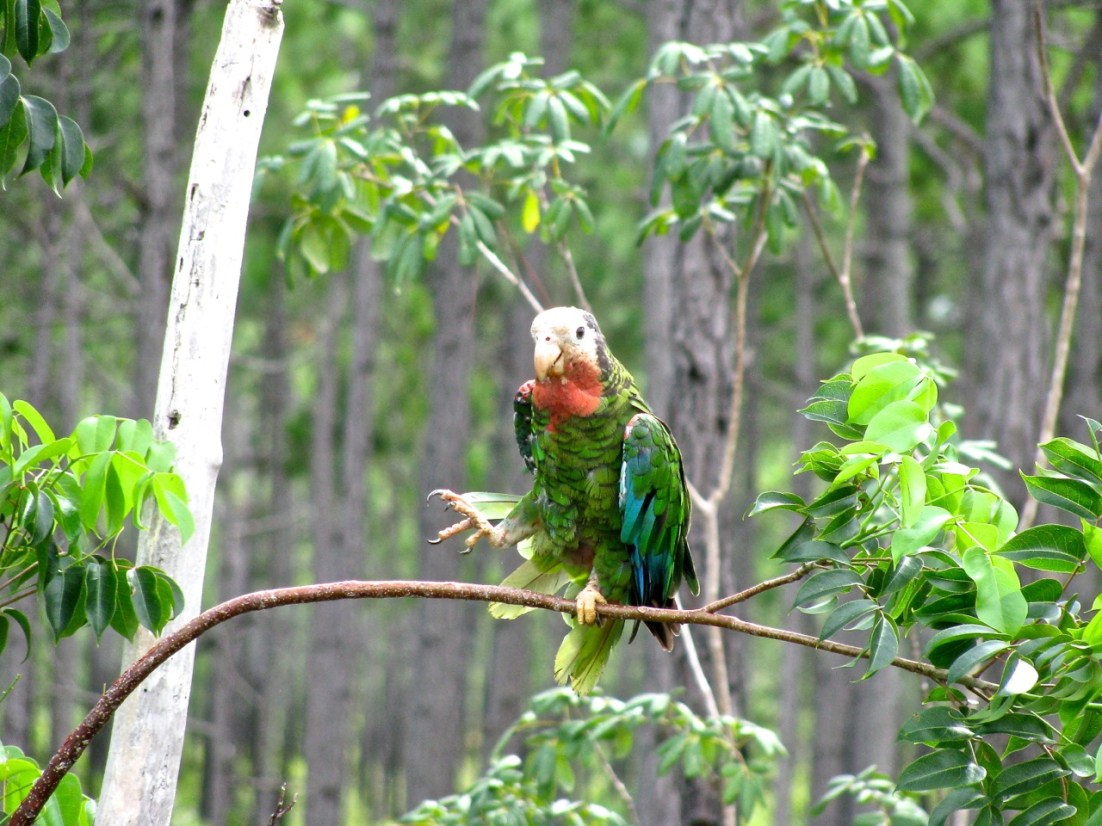
The Abaco Parrot is a unique subspecies of Cuban Parrot found on only Abaco. They are the only parrot to nest underground, in limestone caves in the pine forest. Their numbers have increased from near extinction to a sustainable population as the result of an intensive program of conservation and anti-predation. They get plenty of publicity hereabouts, and have their own page HERE. We normally avoid too much whimsy in these parts, but I am in parrot territory right now, so I have given myself permission to break my own rule. Photos: ©Caroline Stahala (who looks after them)
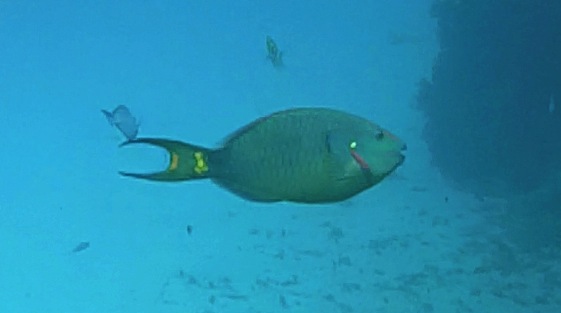
The term ‘PARROTFISH’ comprises many related species (80) around the world inhabiting shallow tropical and subtropical waters. They are commonly found in coral reefs and seagrass beds, and along rocky coasts. They play a significant role in BIOEROSION. Here are some examples of 5 of this species that inhabit the waters of the Northern Bahamas
BLUE PARROTFISH

PARROTFISH FACTS TO ASTOUND AND IMPRESS YOUR FRIENDS WITH
A. FEEDING HABITS
1. Named for their dental arrangements – a mouthful of teeth, forming the characteristic ‘beak’
2. Primarily herbivore but not above snacking on small creatures / organisms or even molluscs
3. Their teeth grow continuously, replacing ones worn away by feeding on coral
4. As they feed on algae etc, their teeth grind up the coral, which they ingest
5. Then (get this!) they digest it and excrete it as sand… it’s a component of your favourite beach!
6. “One parrotfish can produce 90 kilograms (200 lb) of sand each year”. Wiki says so – it must be true
7. They are a vital species in preventing algae from choking coral
PRINCESS PARROTFISH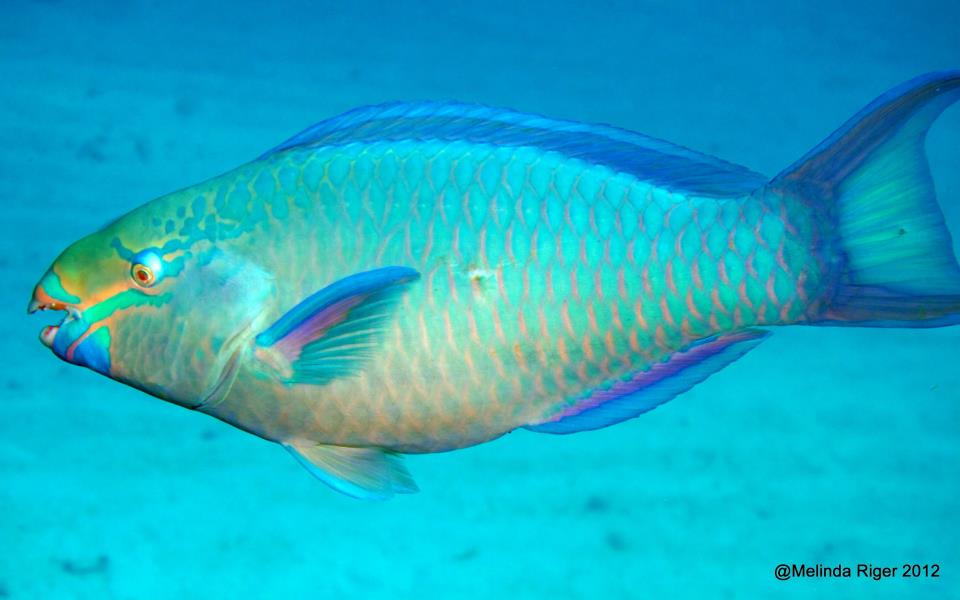 QUEEN PARROTFISH (initial phase)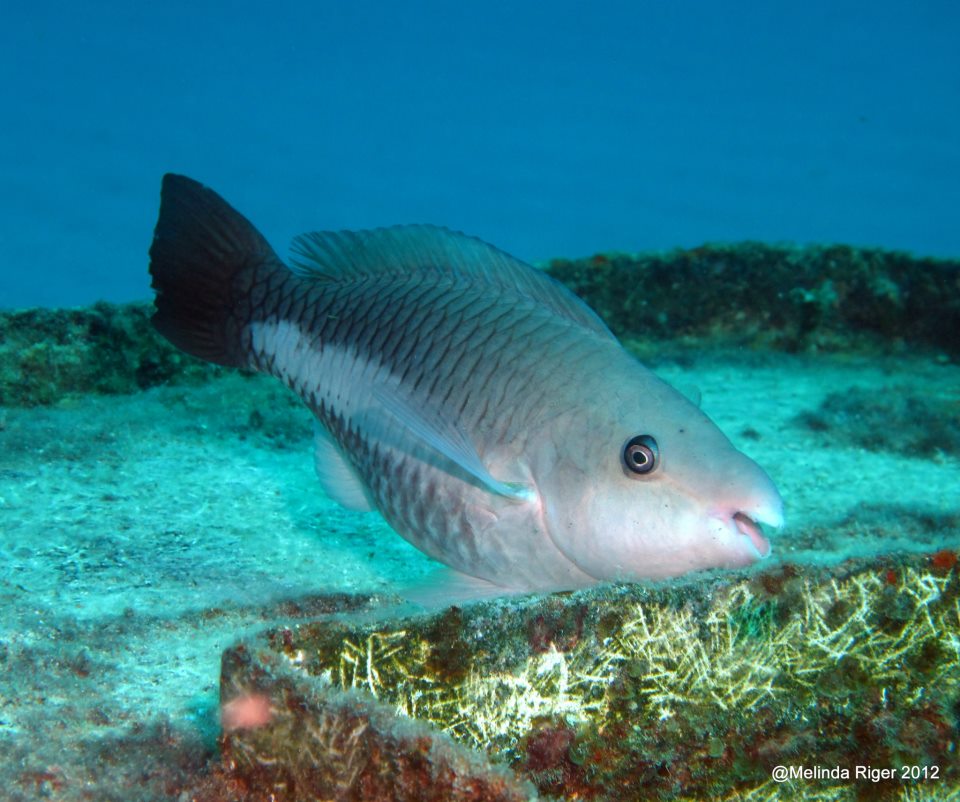
B. PERSONAL INFORMATION (theirs, I mean)
1. Some species secrete a protective mucous cocoon to sleep in or to conceal themselves from predators
2. A mucous substance also helps heal damage, repel parasites, & protect them from UV light
3. As they develop, most species change colour significantly to become vivid adults – “polychromatism”
4. Some juveniles can change colour temporarily to mimic other species as a protection
5. Most are “sequential hermaphrodites”, turning from female to male (a few change vice versa)
6. They tend to hang out in groups of similarly-sized / -developed fish
7. Single males tend to have several lady friends, and aggressively defend their love rights
8. Parrotfish are PELAGIC SPAWNERS. Females release many tiny buoyant eggs into the water, which float freely and settle into the coral until they hatch
9. Unlike other fishes, they use their pectoral fins to propel themselves
10. Their feeding behaviour makes them unsuitable for marine aquariums
RAINBOW PARROTFISH
Anyone interested in getting more information about Parrotfishes – maybe about that whole female / male transformation thing? – is recommended to look at an article by Tim Smith of Miami University, Ohio entitled THE BAHAMAS: A CLOSER LOOK AT THE COLORFUL AND UNIQUE PARROTFISH Click on the P-word to get to it directly.
If you are pressed for time, here is the article conveniently digested into bullet points:
REDBAND PARROTFISH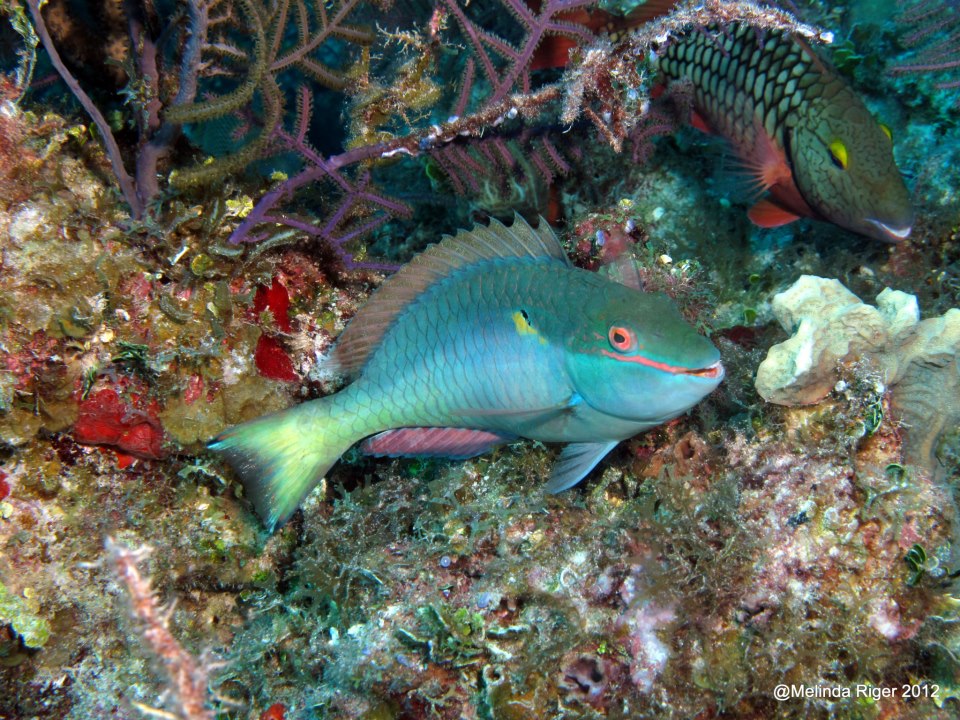

Some more bullet points from Tim Smith’s article:
STOPLIGHT PARROTFISH (adult and, below, juvenile form)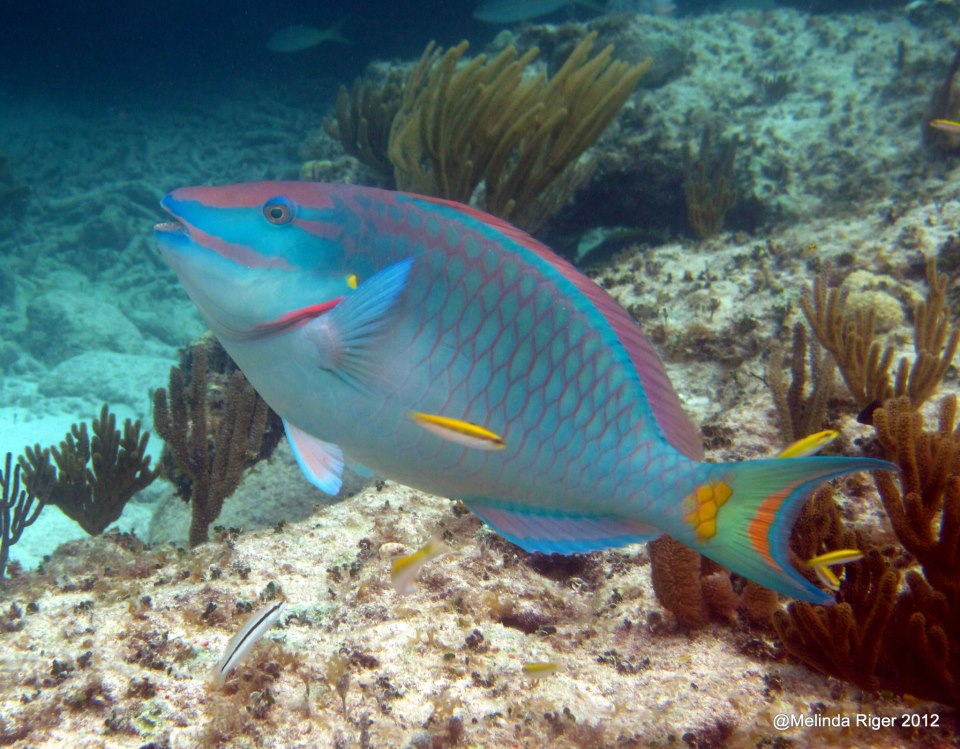
 Thanks to Melinda of Grand Bahama Scuba for her fantastic illustrative pics; the header is mine own
It’s possible that I won’t be quite as attentive with posts / replies to comments etc over the next couple of weeks or so. I’ve a few things in the pipeline, but it may depend on wifi access… I’m giving up trying to use an iPhone to post while on the move – fine for snaps, but not for anything more complicated. So apologies in advance, and like Arnie, I’m afraid I’ll be back…



VACATION FEVER HITS ROLLING HARBOUR: OUTBREAK OF PICTORIAL HUMOUR
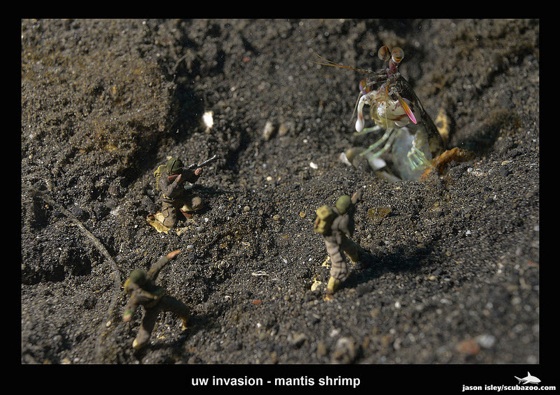
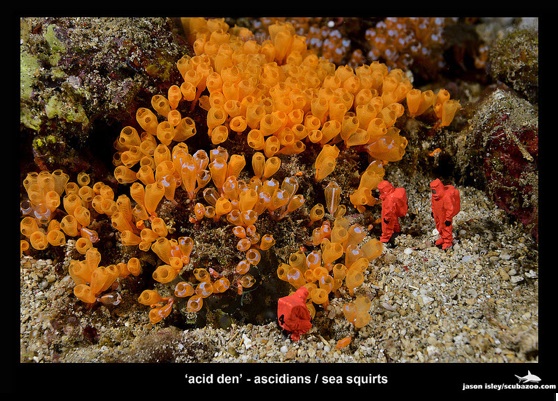
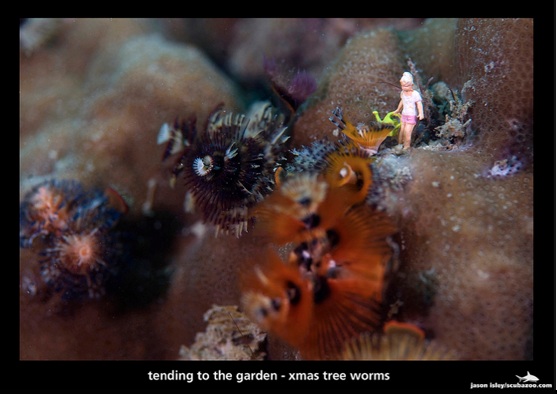
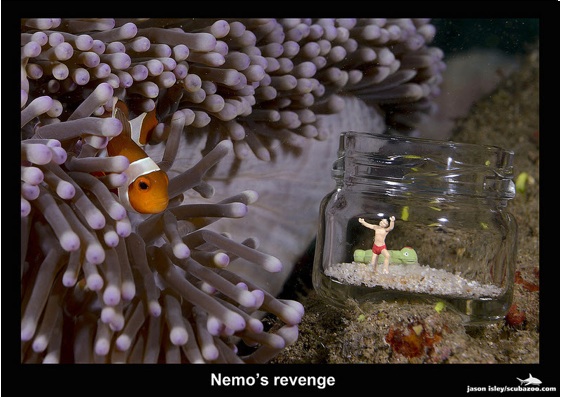
Is humour permissible around here? I think so! With an imminent trip to Abaco and the thought of being out on the Marls this time next week, there’s a jovial atmosphere in the immediate vicinity of my keyboard. So I’m going to unleash some sea creature-based fun from the imaginative JASON ISLEY at SCUBA ZOO via the enjoyable website SEAMONSTER. 




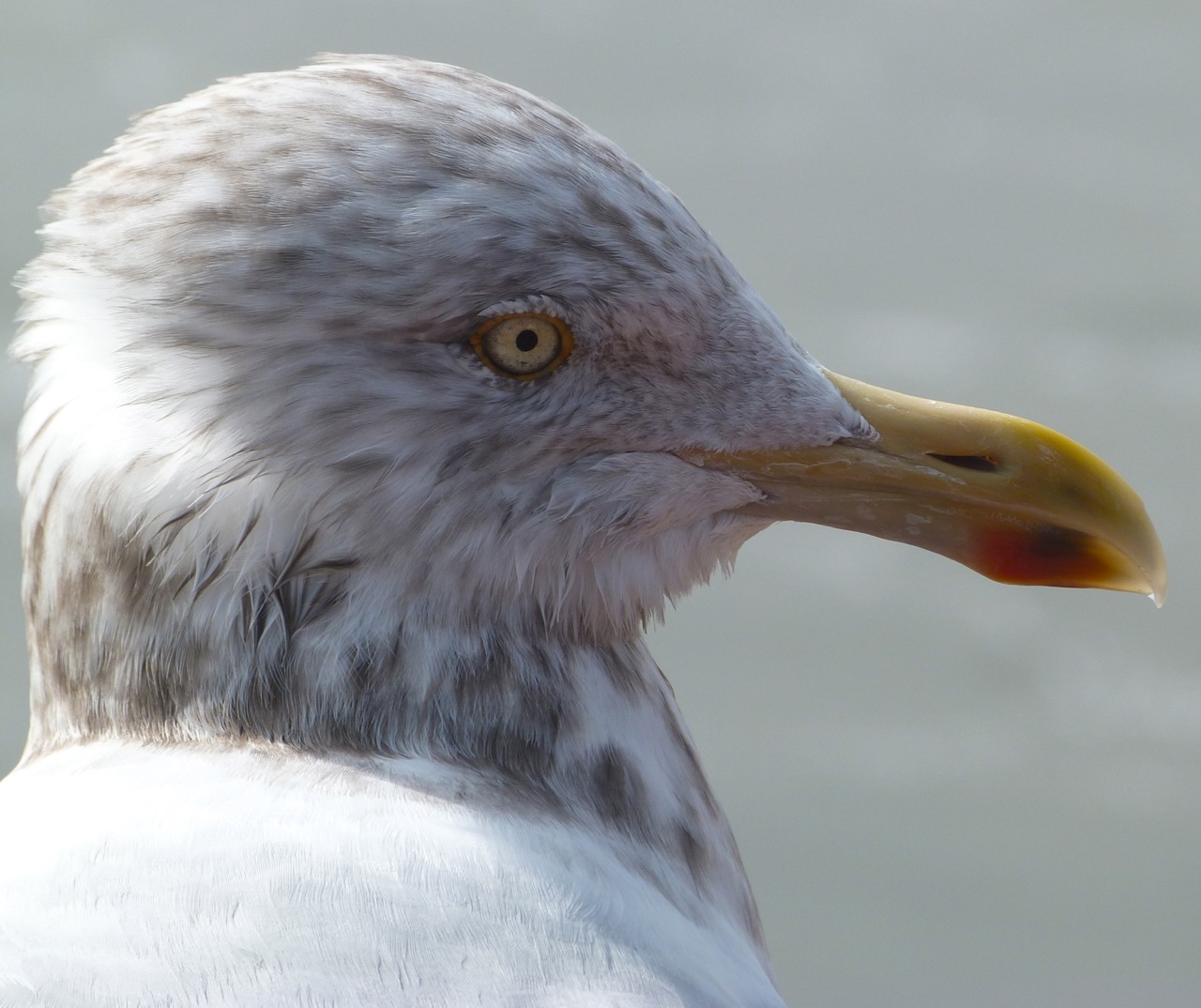
The Herring Gull needs no introduction. So I won’t give it one. Instead, here are some close-ups of one that obligingly stayed still long enough, and at close enough range, to enable me to focus. The final two are possibly worth single- or double-clicking on to see the finer details. I prefer cooperative birds like this…
HERRING GULL IN FAMILIAR ‘BOAT POSE’

 Note the characteristic crossing of the black-and-white wing-tip feathers
HERRING GULL HEAD SHOTS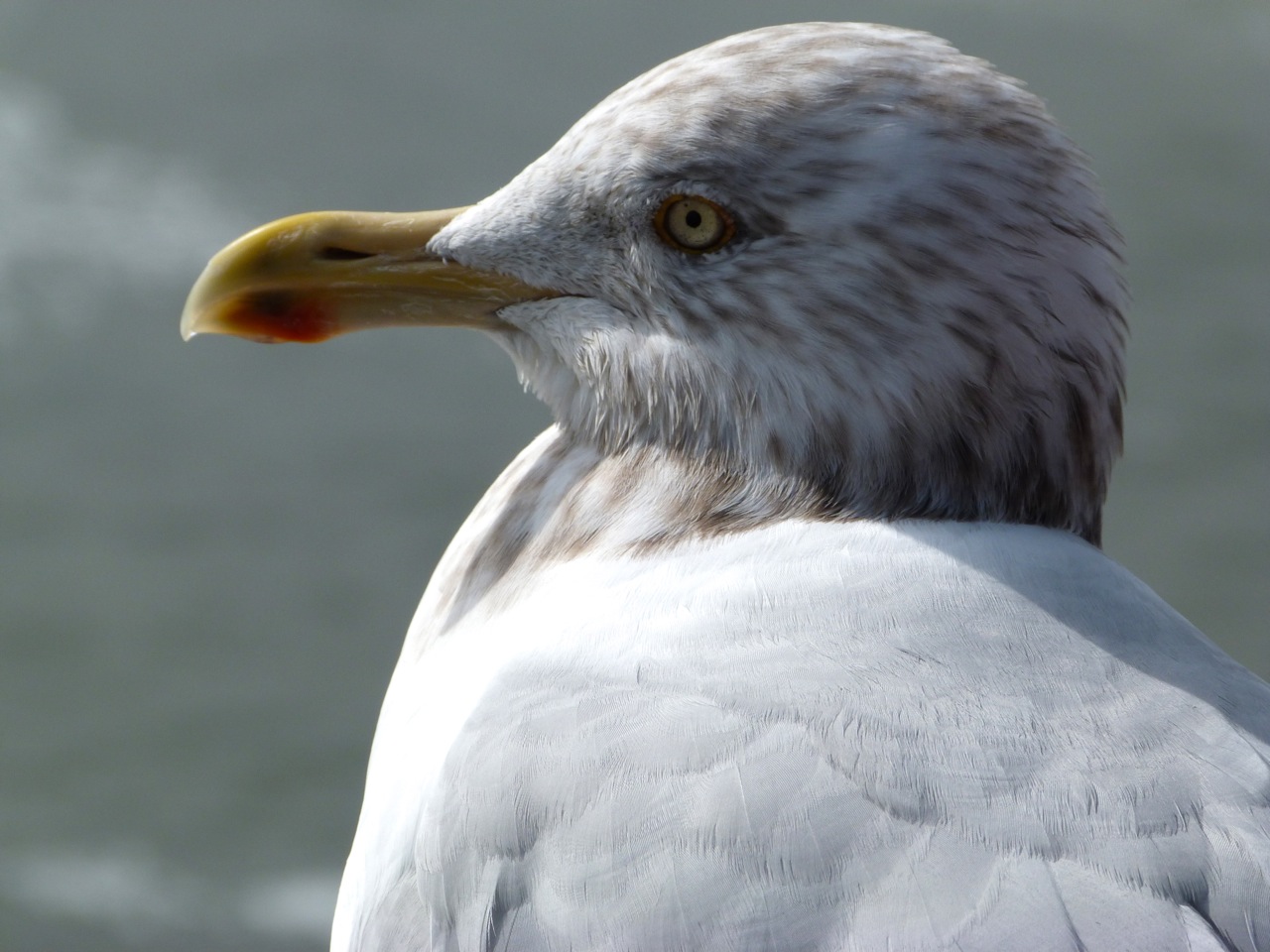
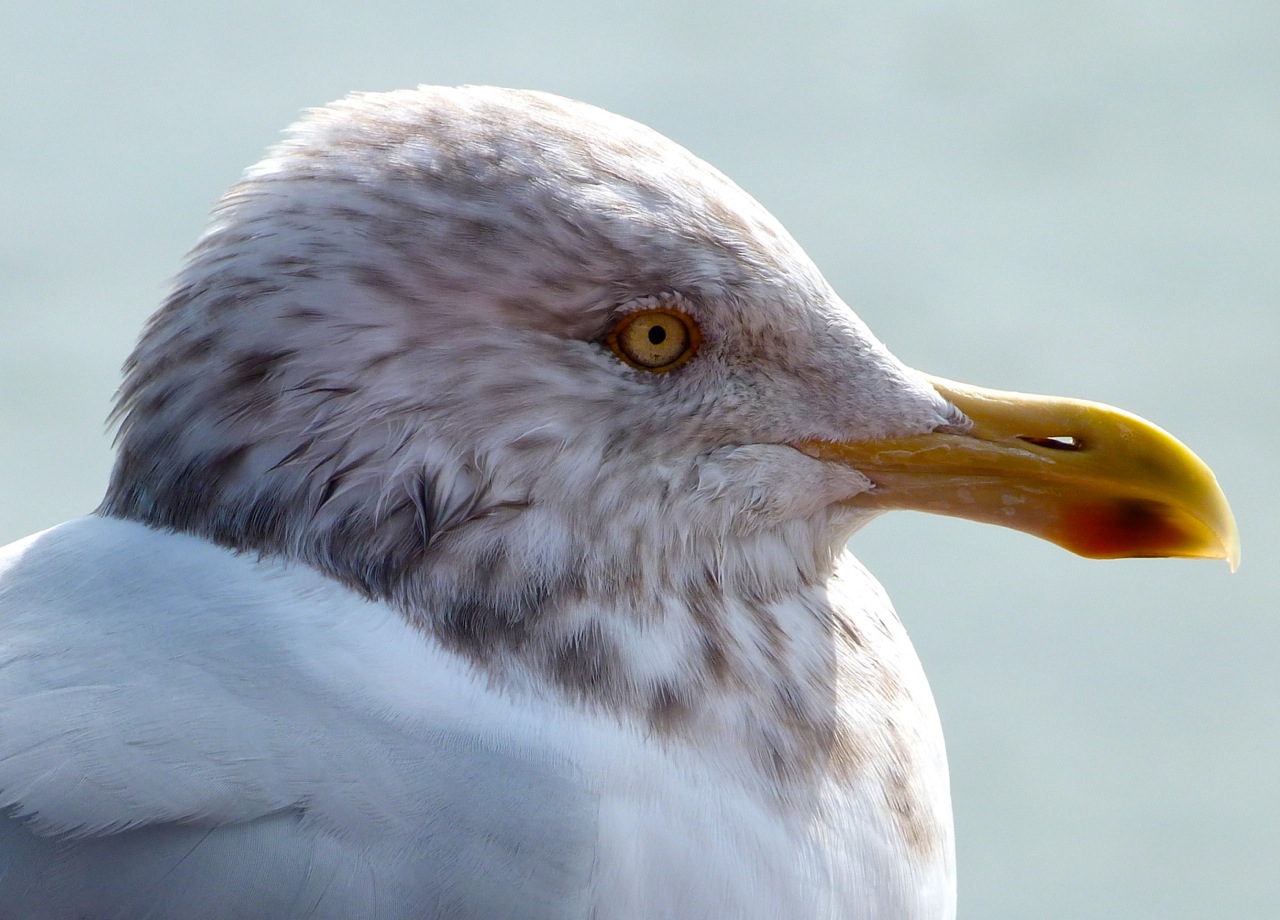 All images ©RH; audio clip from the wonderful Xeno-canto archives
 ROLLING HARBOUR ABACO
You must be logged in to post a comment.