Unknown's avatar

BUTTERFLIES ON ABACO (3): COMMON BUCKEYE


DSC_7830

BUTTERFLIES ON ABACO : COMMON BUCKEYE

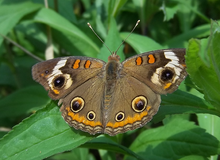
At first glance the Common Buckeye Butterfly Junonia coenia looks unpromisingly drab. However, like many butterfly species, the outside appearance is only one side of the story, a facade to enable it to blend in with the scenery. As the header image suggests, this creature has a more more flamboyant and colourful side to it – a feature not confined to butterflies, and extending even to humans…

SEQUENCE OF SLOWLY OPENING WINGS

Charlie Skinner DSC_7818

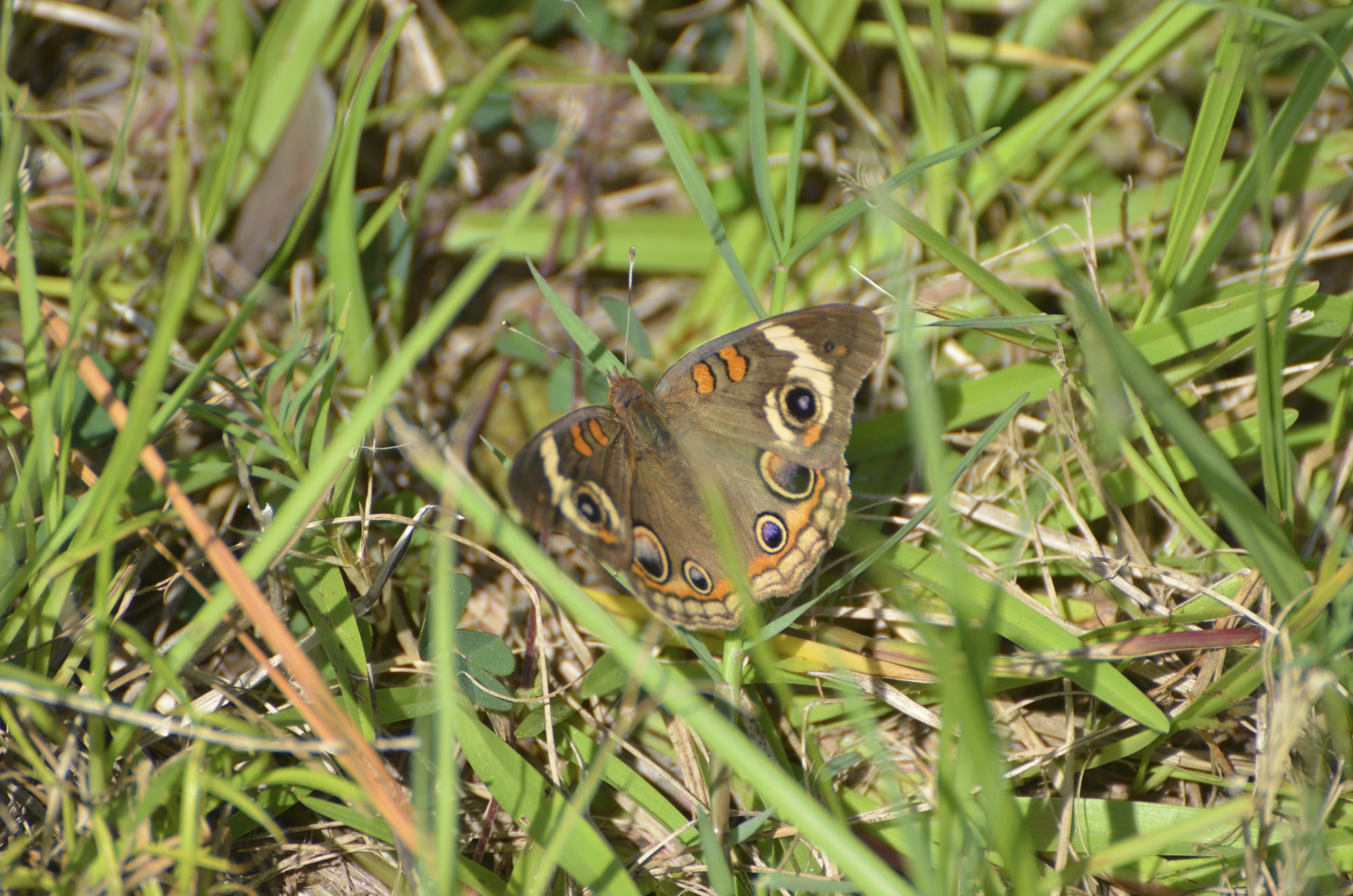
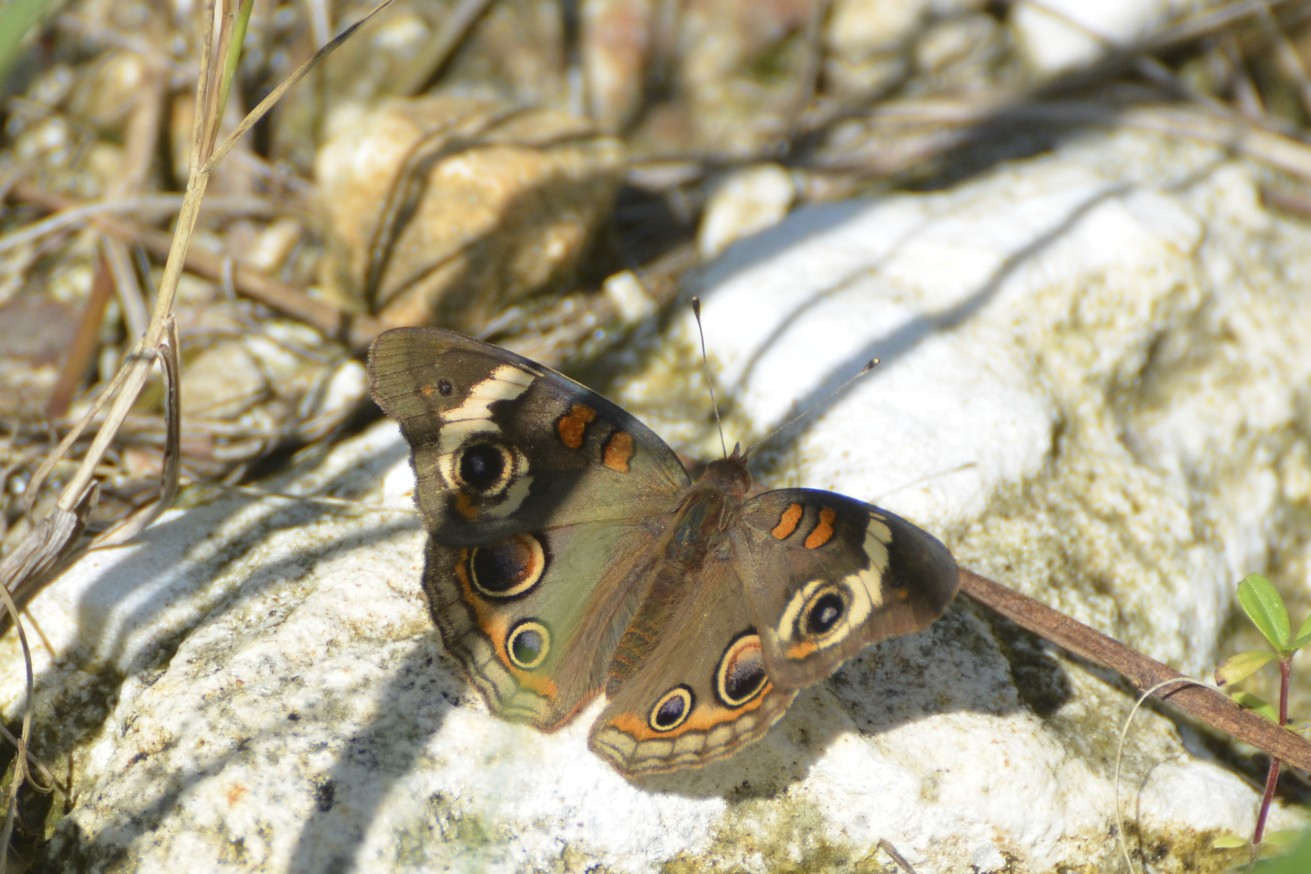
As it feeds, or as the sun warms its wings, the buckeye will start to reveal itself DSC_7831DSC_7825DSC_7817 DSC_7823

The bright eye-spots of the buckeye, for which it is named, are designed to deter predators, as much as for decorative purposes. Birds, in particular, will be put off by a creature apparently possessing 3 pairs of eyes. This feature is known as aposematism: coloration or prominent markings that signal a warning to potential predators.

DSC_7829DSC_7822DSC_7832

The caterpillars and chrysalis of this species look like thisCommon_Buckeye_larva_variation,_Megan_McCarty42Common_Buckeye_chrysalis,_Megan_McCarty43

This rather charming illustration of the buckeye species is by Jacob Hübner from his Sammlung exotischer Schmetterlinge Vol. 2 ([1819] – [1827] (Plate32)442px-Hubner1821SammlExotSchmett2Plate32

Photo Credits: Butterflies by Charlie Skinner (except header, Wiki); Caterpillars & Chrysalis by Megan McCarty via Common Licence

Unknown's avatar

BUTTERFLIES ON ABACO (3): COMMON BUCKEYE


220px-Buckeye_Butterfly_(Junonia_coenia)

BUTTERFLIES ON ABACO (3): COMMON BUCKEYE

At first glance the Common Buckeye Butterfly Junonia coenia looks unpromisingly drab. However, like many butterfly species, the outside appearance is only one side of the story, a facade to enable it to blend in with the scenery. As the header image suggests, this creature has a more more flamboyant and colourful side to it – a feature not confined to butterflies, and extending even to humans…

Charlie Skinner DSC_7818

As it feeds, or as the sun warms its wings, the buckeye will start to reveal itself DSC_7831DSC_7825DSC_7817 DSC_7823

The bright eye-spots of the buckeye, for which it is named, are designed to deter predators, as much as for decorative purposes. Birds, in particular, are thought to be put off by a creature apparently possessing 3 pairs of eyes.DSC_7829DSC_7822DSC_7830DSC_7832

The caterpillars and chrysalis of this species look like thisCommon_Buckeye_larva_variation,_Megan_McCarty42Common_Buckeye_chrysalis,_Megan_McCarty43

This rather charming illustration of the buckeye species is by Jacob Hübner from his Sammlung exotischer Schmetterlinge Vol. 2 ([1819] – [1827] (Plate32)442px-Hubner1821SammlExotSchmett2Plate32

Also in this series: ZEBRA HELICONIANS and GULF FRITILLARIES

Photo Credits: Butterflies by Charlie Skinner (except header, Wiki); Caterpillars & Chrysalis by Megan McCarty via Common Licence