Unknown's avatar

SIGNS OF GOOD BREEDING: PIPING PLOVERS IN SUMMER


Piping Plover Charadrius melodus (Ontario, MDF / wiki)

SIGNS OF GOOD BREEDING: PIPING PLOVERS IN SUMMER

No apologies for writing again about Piping Plovers. This rare bird – only 8000 left in the world – overwinters in Florida, on the Gulf Coast, and to a notable extent in the Bahamas, very possibly on a beach near you. The peacefulness and cleanliness of Abaco’s pristine beaches provide the ideal habitat for the little PIPL to live safe and healthy lives during the winter, in preparation for their return to their summer breeding grounds. And breeding is what they are doing right now, up north. There are breeding populations on the Atlantic Coast, the Great Plains, and the Great Lakes. So I thought I’d feature a few images of what appears to be a rather successful season so far…

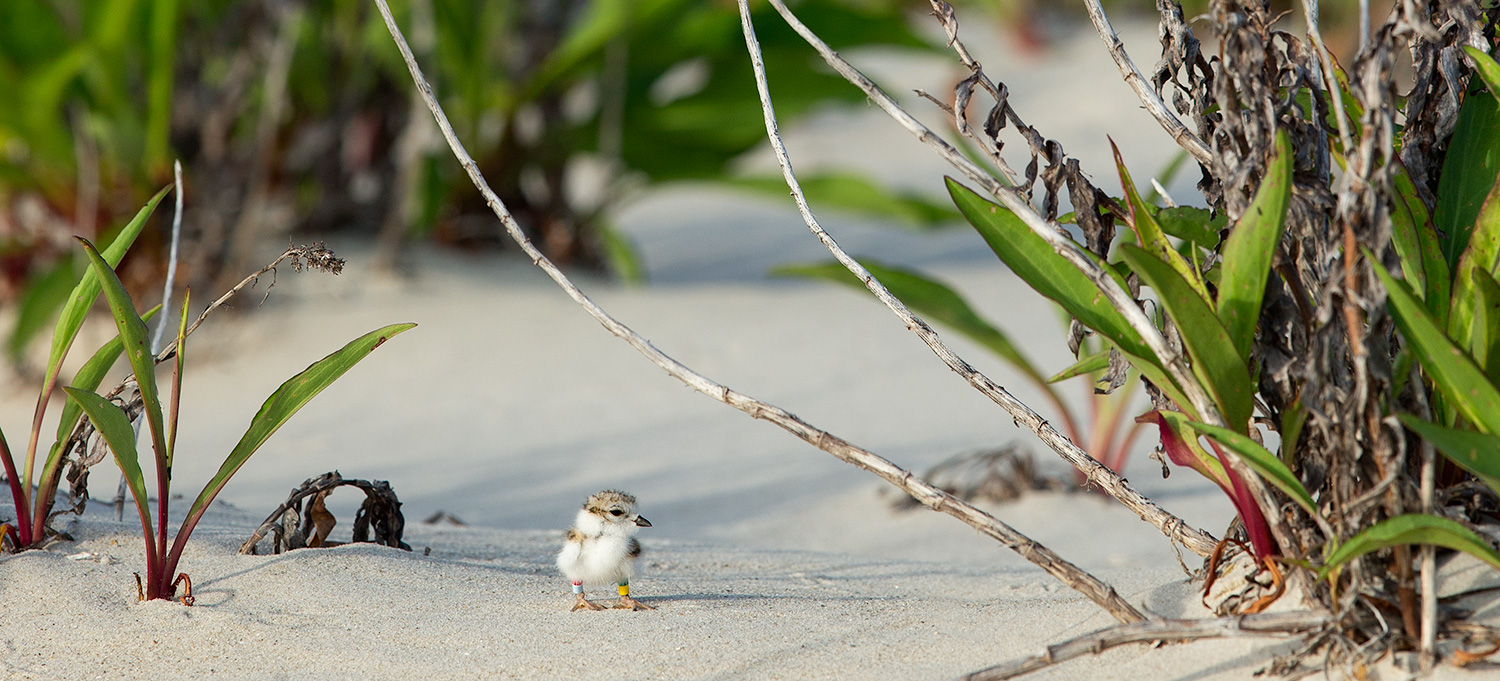
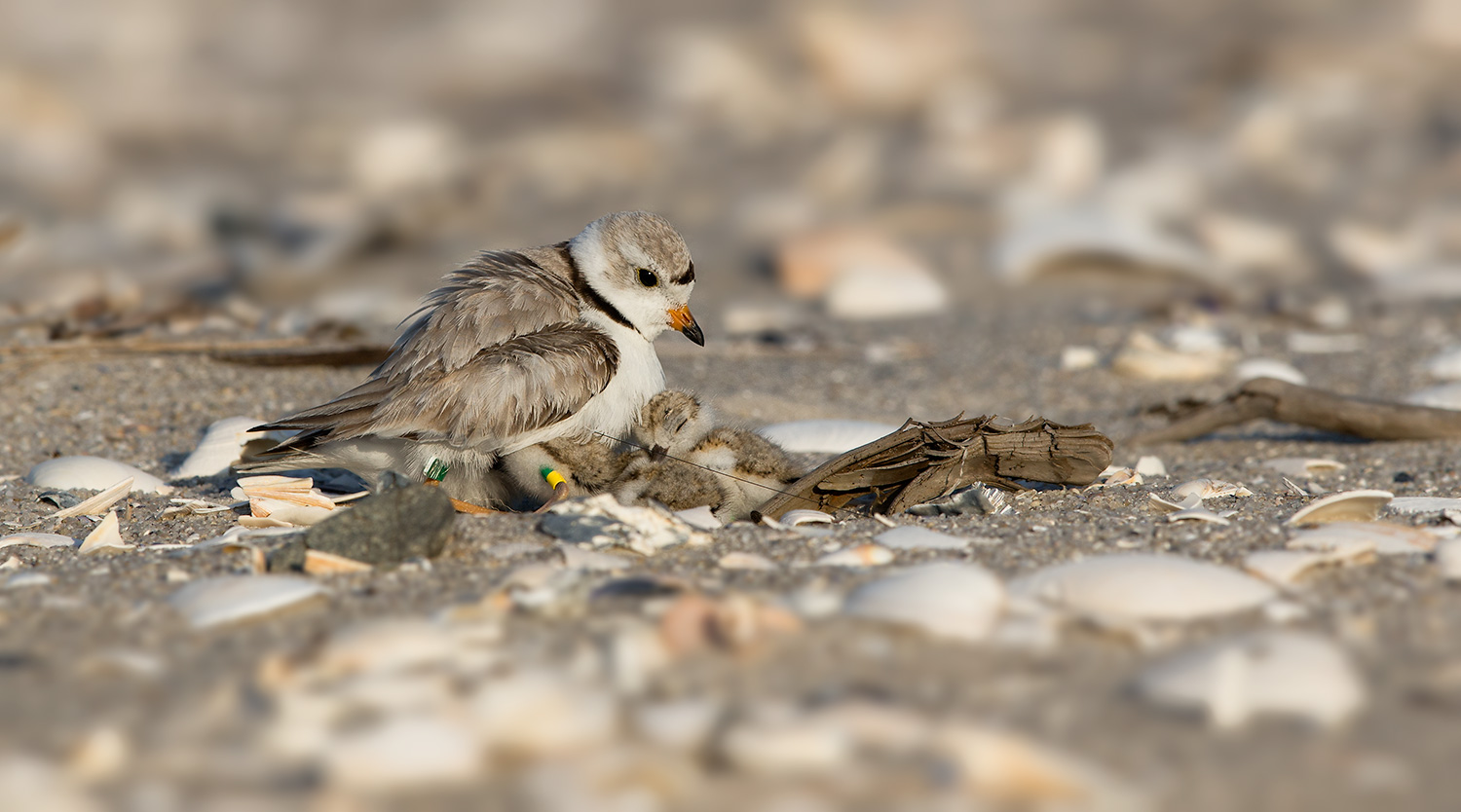
One of the best bird blogs around, one that I have recommended before, is called READINGS FROM THE NORTHSIDE. It is written in an informative yet witty style illustrated with excellent photos, and chronicles the daily avian goings-on on Long Beach Island NJ, an important nesting area for piping plovers. There are links with Todd Pover and Stephanie Egger, two scientists from the Conserve Wildlife Foundation of NJ who will be familiar to many Abaconians for the winter work they do with the plovers on Abaco. The photos below have almost all been taken this month as the PIPL chicks hatch and begin to find their feet in a big world.

Piping Plover LBI 1   Piping Plover LBI 2 piping-plover-chick-sneaking-through-dune piping-plover-sit-in-dune

NEWLY HATCHED (TUFTERS’ & TACEY’S 4th CHICK, AMY) piping-plover-wet-chick1

TIDYING THE EGGSHELLpiping-plover-with-eggshell

EGGSHELL REMOVALpiping-plover-remove-eggshell-nest

HAPPY FAMILIES…piping-plover-chick-leaves-nest

MORE HAPPY FAMILIES IMG_0853 IMG_0856 IMG_0855 IMG_0854

BARNEGAT LIGHTHOUSE WITH PIPL IN THE FOREGROUND!IMG_0857
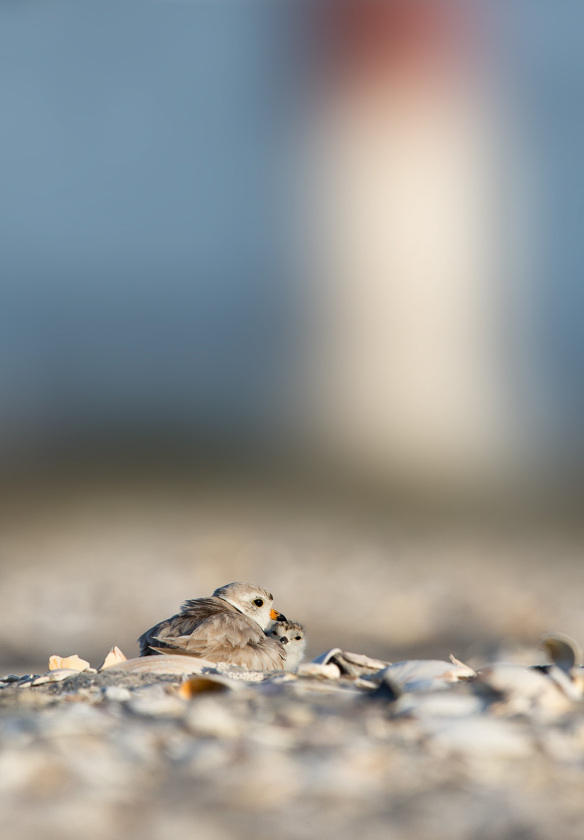
Most regrettably, you’ll never see a Piping Plover chick on Abaco. The adult birds have left the Bahamian beaches and flown north before their breeding season begins. These little creatures are both rare and special at both ends of their migration range, so I’ll end with a video from the most excellent CONCH SALAD TV that is dedicated to these tiny wave-chasers. Abaco is one of the main areas for winter research into the piping plover population. Scientists visit the island to find the birds, count them, collect reports of sightings, check and identify tagged birds to determine their origin, and ensure the continuing good health of their habitat, without which the PIPL will be lost. You can find out more about this vital work carried out out by the CONSERVE WILDLIFE FOUNDATION OF NEW JERSEY HERE.

THE DELICATE TASK OF RINGING TINY BIRDS
lbi-piping-plover-chick

Credits: MLF/ Ontario; Exit63 ‘Mr Norfside’ to whom a major tip o’ the hat; Conch Salad TV
Unknown's avatar

ENDANGERED SPECIES DAY: ONE LITTLE REASON WHY IT MATTERS…


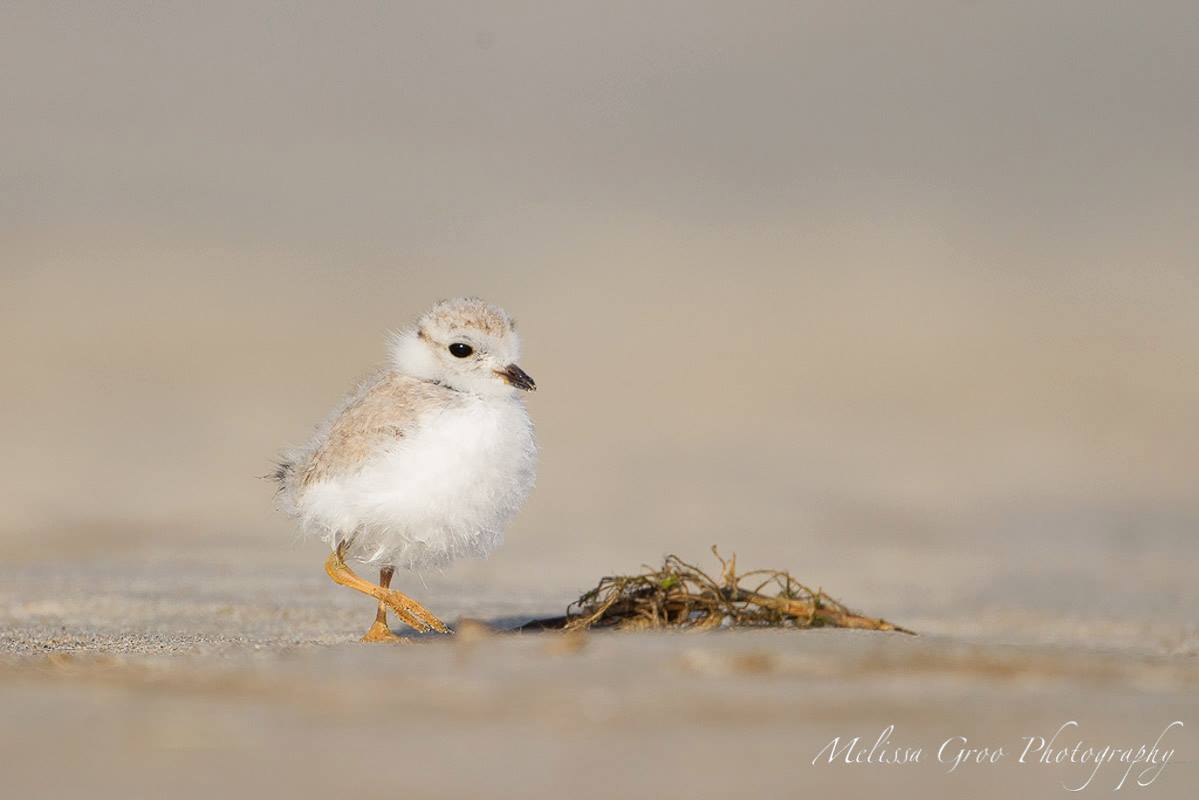
Piping Plover Chick ©Melissa Groo PhotographyI had been going to post a selection of bird photos to mark Endangered Species Day today. I’d begun to plan the details – the birds to use, the captions for each and so on. Then I saw one photograph that is so charming and yet so poignant that I realised that adding further images would be superfluous. This tiny piping plover chick is a potent symbol of the vulnerability of all threatened species.

This shot was taken by award-winning and renowned wildlife photographer Melissa Groo. If you want to see the most wonderful and varied wildlife photography that you could ever imagine, please go to Melissa’s website and prepare to be amazed. You will find it HERE

I have posted several times about the endangered piping plovers, many of which overwinter in the northern Bahamas generally, Abaco particularly, and the Delphi Club beach specifically. There are believed to be fewer than 8000 individual birds on earth, and their little world of the shoreline is threatened at both ends of their migration, as well as at their rest ‘stopovers’ en route in either direction. Conservation programs at each end of the range are proving effective at preserving the plovers’ habitat, and the population does seem to have increased slightly. Each chick protected represents a small triumph for conservation.

10929252_1074153812594711_7941388760872191799_n

RELATED POSTS

RARE GEMS

50 WAYS TO PLEASE YOUR PLOVER

PLOVER LOVER?

Photo credit: Melissa Groo, with thanks for the inspiration! “Less is more…”; Conserve Wildlife Foundation of NJ for their partnership conservation work with PIPL on Abaco and in the Bahamas; the originator – ?Great Lakes Piping Plover Project –  of the neat small logo…

10626583_10153152260167977_7640847114631960629_n

Unknown's avatar

“ELEVEN PIPERS PIPING”: CUTE PLOVERS FOR CHRISTMAS…


Piping Plovers Conserve Wildlife Foundation NJ

Yay Mom! Apparently it’s something exciting called Christmas…

ELEVEN PIPERS PIPING“: CUTE PLOVERS FOR CHRISTMAS…

A Gorgeous Gallery of Ringed / Tagged PIPL by Danny Sauvageau

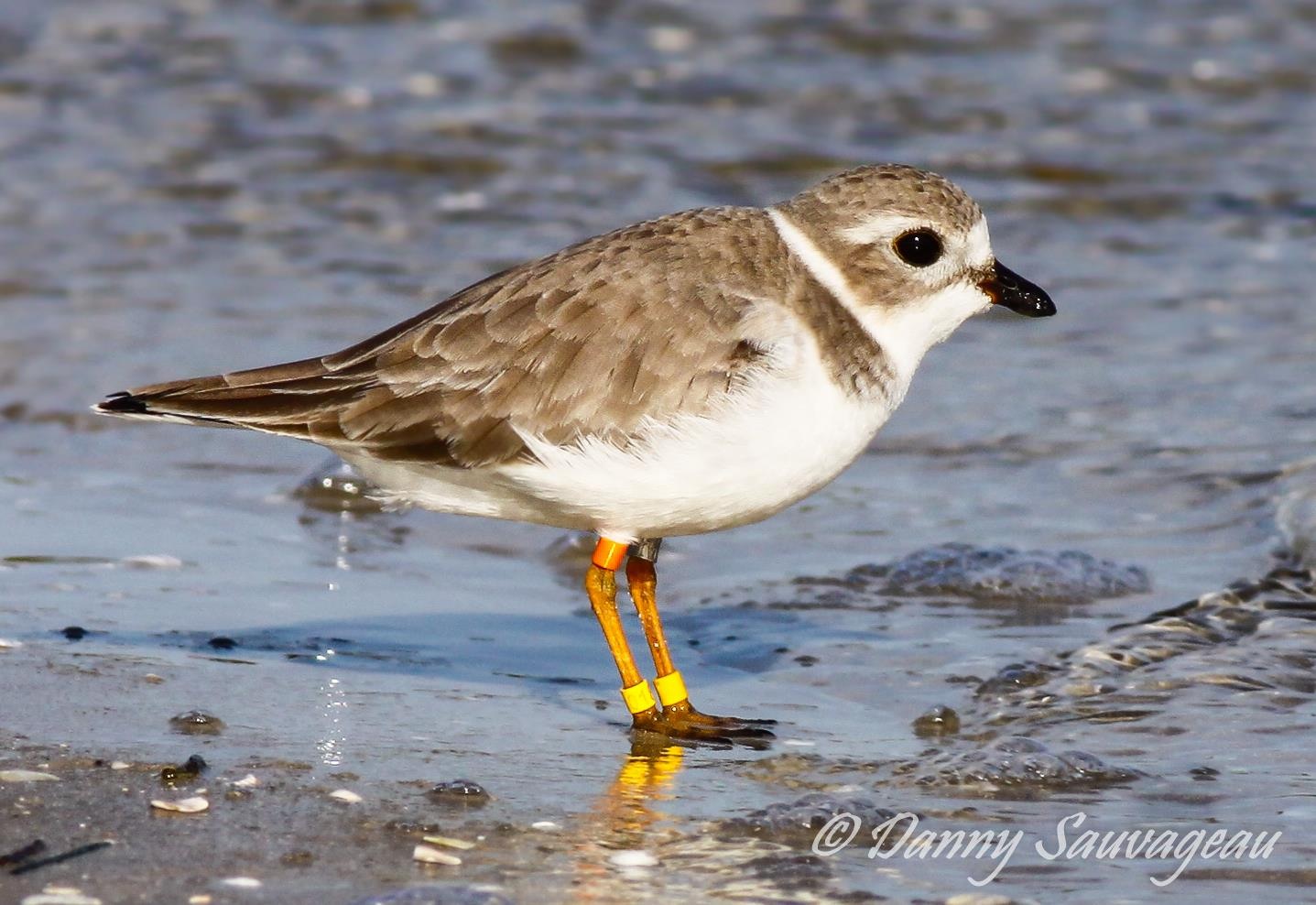
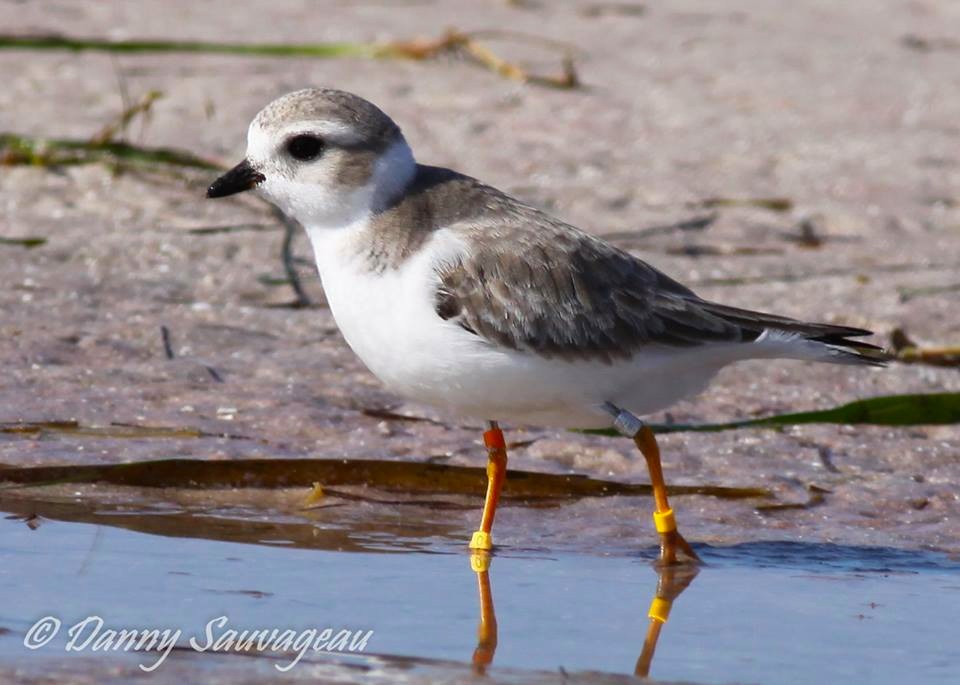
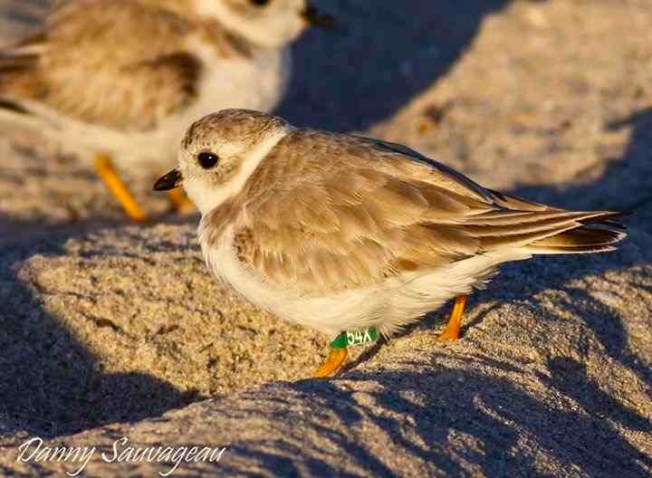
The numbers, positions, colours and numbering of the rings and tags pinpoints the precise origins of each bird. Note that some birds are ringed both above and below the ‘knee’. These markers have no effect on the daily lives of the birds, but are massively helpful in migration research. Danny’s photos are taken at ‘resting points’ in Florida where the birds pause as they migrate south for winter, many to Abaco and other Bahamas islands. Some birds shown below come from Canada, others from along the Eastern Seaboard of North America. Piping Plover, Florida (Danny Sauvageau 1) Piping Plover, Florida (Danny Sauvageau 2) Piping Plover, Florida (Danny Sauvageau 3)  Piping Plover, Florida (Danny Sauvageau 6) Piping Plover, Florida (Danny Sauvageau 5) Piping Plover, Florida (Danny Sauvageau 7) Piping Plover, Florida (Danny Sauvageau 9)

One Piper Piping…

Jerome Fischer / Xeno Canto

A Piper from Conserve Wildlife Foundation of NJ

This New Jersey conservation organisation is very closely involved with research into PIPL migration to their winter grounds. Two scientists, Todd Pover and Stephanie Egger, recently made their annual visit to Abaco to count the plovers and check for ID markers. At one remote location they found an amazing 88 birds. However, by the time they got to Delphi, the four Pipers that had been playing on the beach for a couple of weeks had moved off, unsettled by windy conditions. Piping Plover Conserve Wildlife Foundation NJ.JPG

An unringed Piper taken recently by Charmaine Albury on Man-o-War CayPiping Plover, Abaco - Charmaine Albury

The Epitome of Cute
Piping Plover chick (ex-FB, original lource unknown)

AND ONE EXTRA FOR LUCK!

Eco-friendly PIPL plush ‘stuffies’ from the fabulous UNREAL BIRDS. Check out their other species – the American Oystercatcher is irresistible. NB 20% of every sale goes to the Conserve Wildlife Foundation of NJ (see link above).

Piping Plover Plush Stuffies - Unreal Birds

Credits: Conserve Wildlife Foundation of NJ / ‘BirdsbyKim’; Danny Sauvageau; Char Albury; Unreal Birds; Cute chick from FB, unattributed – thanks, photographer!

Unknown's avatar

PLOVER LOVER? PIPING PLOVERS ON ABACO (3)


Piping Plover (Danny Sauvageau) 4

PLOVER LOVER? PIPING PLOVERS ON ABACO (3)

So much to post about – what to choose? Well, the fall migration is still in full swing, with warblers hurtling across land and sea to Abaco in large numbers for their overwintering. Palm warblers are currently arriving. However I’m going to stick with shorebirds for now, and one of the rarer winter visitors, the Piping Plover. I have some more great photos from Danny Sauvageau in Florida, who tirelessly patrols the plover resting areas to record the banded ones so that their origin can be determined. This research assists with vital habitat conservation programs at each end of the migration. There are only 8000 of these little birds left in the world and without protection there’ll be none before you can say “oh dear, very pretty, they’re gone, what a pity…”

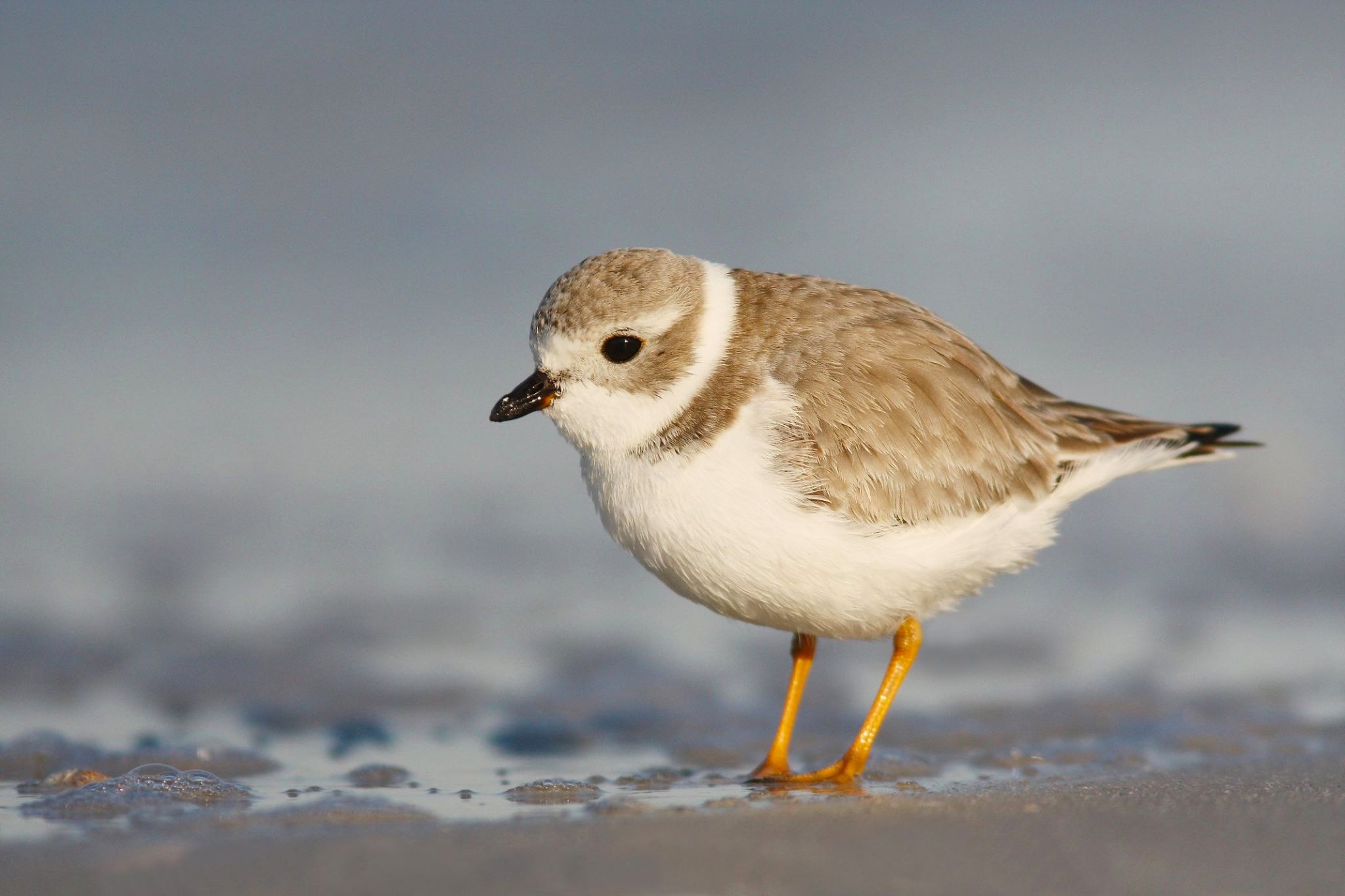
PIPING PLOVERS IN THE EARLY MORNING SUNPiping Plover (Danny Sauvageau) 6Piping Plover (Danny Sauvageau) 5Piping Plover (Danny Sauvageau) 3

RING BLING & FLAG TAGS

The postions, colours and numbering of the rings and tags on these plovers identify individual birds, the location of their summer breeding grounds and so on. Dispersal and migration patterns of each bird can be recorded and specific facts – age for example – can be monitored.Piping Plover (Danny Sauvageau) 2

Piping Plover (Danny Sauvageau) 7Piping Plover (Danny Sauvageau) 8Piping Plover (Danny Sauvageau) 9Piping Plover (Danny Sauvageau) 1

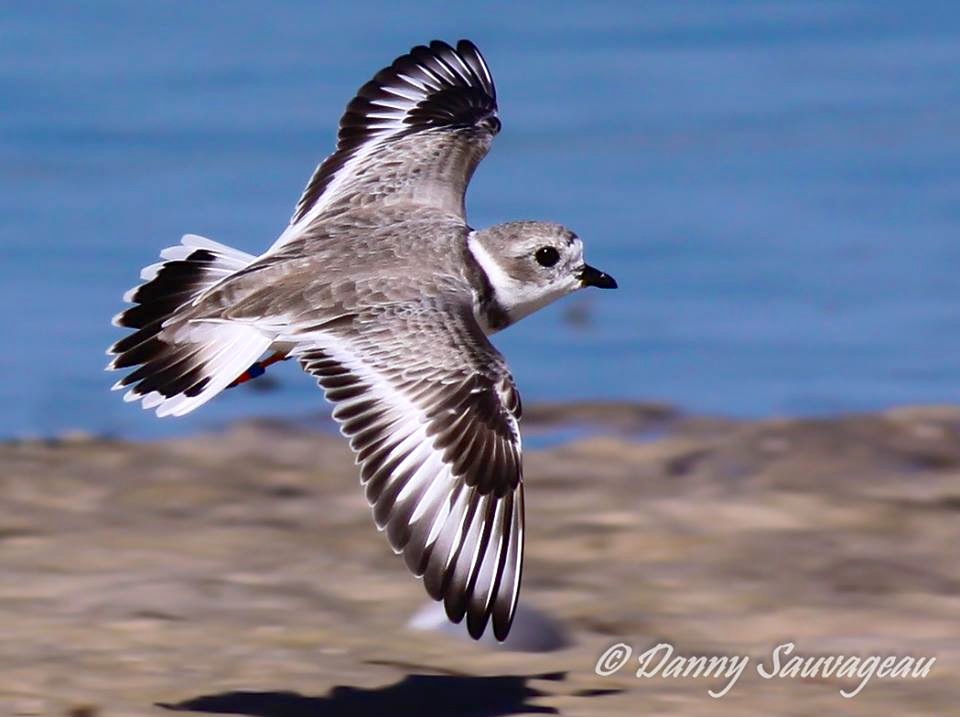
PIPL IN FLIGHT – AN AMAZING IMAGE

On the very day I was about to press the ‘publish’ button on this post, look what just flew in from Danny’s beach in Fl.! This is an outstanding photo of a PIPL in flight – you can even see its shadow on the sand. I have a few shots of these birds flying in groups over the sea but apart from a general impression of PIPL-ness, they could really be any small shorebirds travelling fast on the wing. This one is special. Piping Plover in flight (Fl., Danny Sauvageau)

ABACO PIPL NEWS

Piping plovers have already arrived on Abaco. Casuarina beach is a promising place to look. Rhonda Pearce sent me this nice photo taken on the point (see my map). This pretty bird looks as though it has a black tag. However Todd Pover of CONSERVE WILDLIFE NEW JERSEY who also monitors the Abaco end of the migration thinks it may just be a piece of wrack – black tags are not usually used.

If anyone sees a piping plover and has a camera handy, I’d be very pleased to receive any photos, especially showing rings if possible – or indeed ringless legs, which is also informative to the monitors. If it turns out to be a Wilson’s Plover, no matter: they are fine birds in their own right!

PIPL Casuarina Oct 14 Rhonda Pearce via RHCasuarina Map jpg

Finally a quick reminder about Danny’s Kickstarter project “Saving Endangered Piping Plovers through Photography” and his presentation explaining how his photography in PIPL resting areas during their migrations can help to map and complete the picture of this vulnerable species to enable their protection.

You can reach Danny’s film by clicking the link DANNY’S FILM and you will see some fabulous footage of these little birds scuttling around on the beach, looking enchanting; and the commentary will explain the importance of the the birds and the research into their conservation.

RELATED POSTS

RARE GEMS: PIPL ON ABACO 1

50 WAYS TO PLEASE YOUR PLOVER

And finally – what are the good people of Massachusetts doing to help? (great plover skitterings on the shoreline here!)

[youtube https://www.youtube.com/watch?v=tWxema5pef4&app=desktop]

Credits: All photos, Danny Sauvageau except the last, Rhonda Pearce

Piping-Plover Artmagenta          Piping-Plover Artmagenta          Piping-Plover Artmagenta          Piping-Plover Artmagenta          Piping-Plover Artmagenta          Piping-Plover Artmagenta        Piping-Plover Artmagenta