Red. Green. A splash of blue. The shimmer of gold and silver. Those Christmas colours are so passé. OVAH! So ‘last year’ (or very nearly). In the hope and expectation that people are not too bilious from Xmas Xcess, or too jaundiced by seasonal overload, I feel it’s time to change the colour scheme. Let’s go for bright yellow. Specifically, a mix of endemic Bahama Yellowthroats and Common Yellowthroats. I love these cheerful little birds, and the challenge of trying to lure them into the open with my rather unconvincing approximations of their ‘wichity’ call. Such sunny little creatures, and always such a joy to watch.
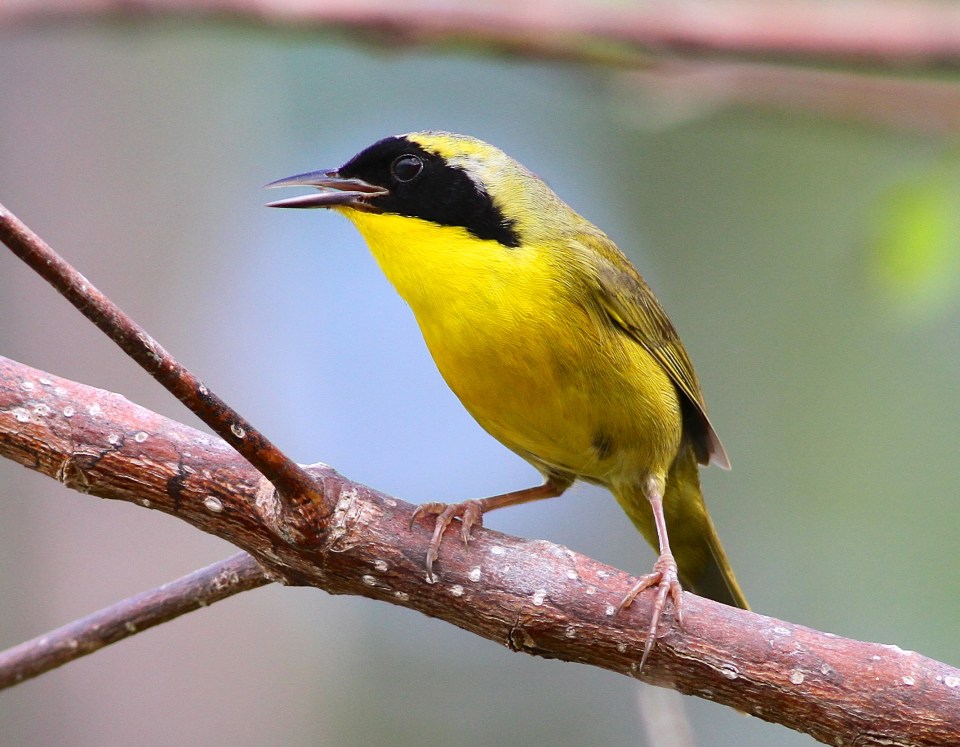
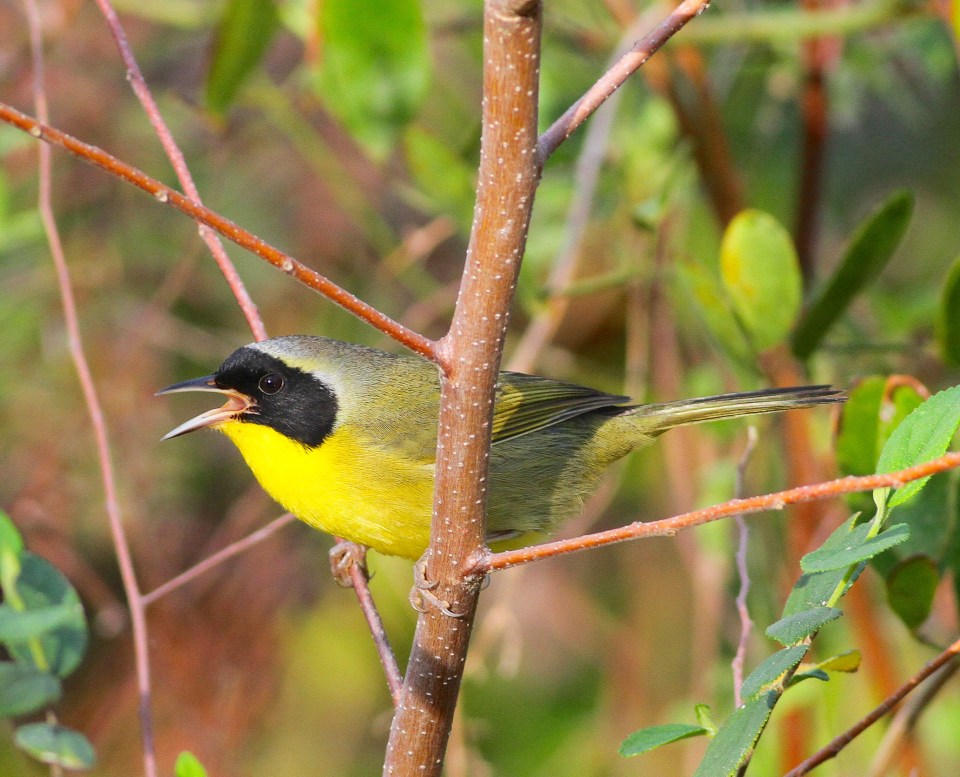
ALL ABOVE – BAHAMA YELLOWTHROATS; ALL BELOW – COMMON YELLOWTHROATS
Credits: Gerlinde Taurer (1,2); Bruce Hallett (3, 6); Tom Reed (4); Tom Sheley (5, 7); Erik Gauger (8)
COMMON YELLOWTHROATS ON ABACO: CHEERFUL WINTER WARBLERS
Abaco is fortunate to be home to the endemic BAHAMA YELLOWTHROAT Geothlypis rostrata, a striking bird with a dashing black mask and bright yellow body in the male. You can see it with its fellow endemics HERE. But there is similar winter resident species, the COMMON YELLOWTHROAT Geothlypis trichas, that can be seen on Abaco between October and March. Now is a very good time to look out for them. However, the two species are easy to confuse.
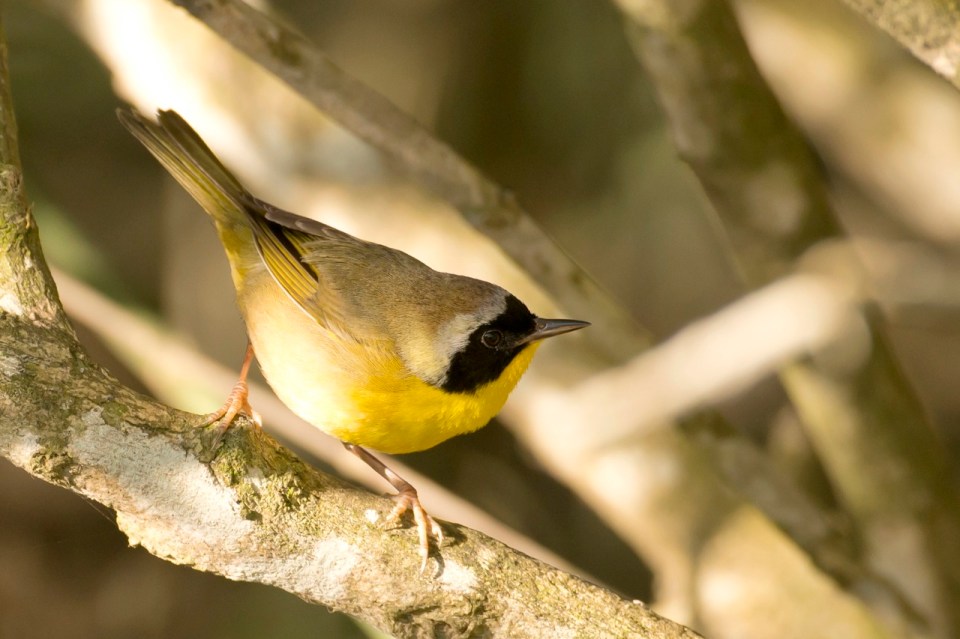
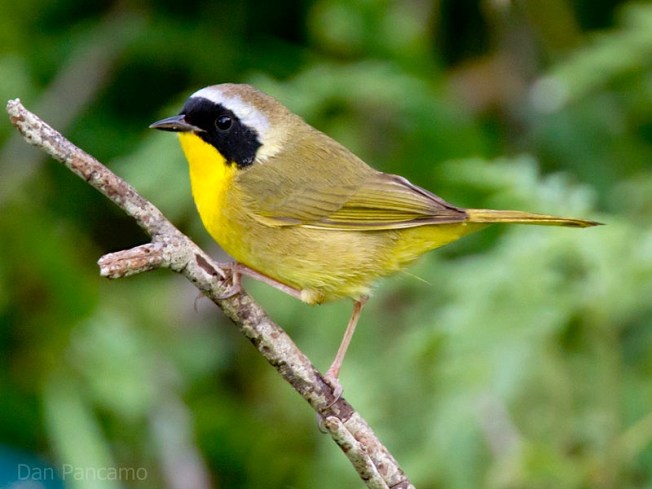
Common Yellowthroat (male)
Bahama Yellowthroat (male)
WHAT’S THE DIFFERENCE?
SIZE – the BW is slightly larger and sturdier than the CW
BEAK – larger in the BW, and some might say it tends to be decurved
COLOUR – the BW is more colourful, with more extensive yellow underparts and mask
FEMALES – both species lack the mask and are duller; the female BW has a greyer head
HABITAT – both are found in the same areas; the CW prefers denser vegetation near water
DEBATEABLE – it seems to me the pale stripe behind the mask is usually less prominent in the BW
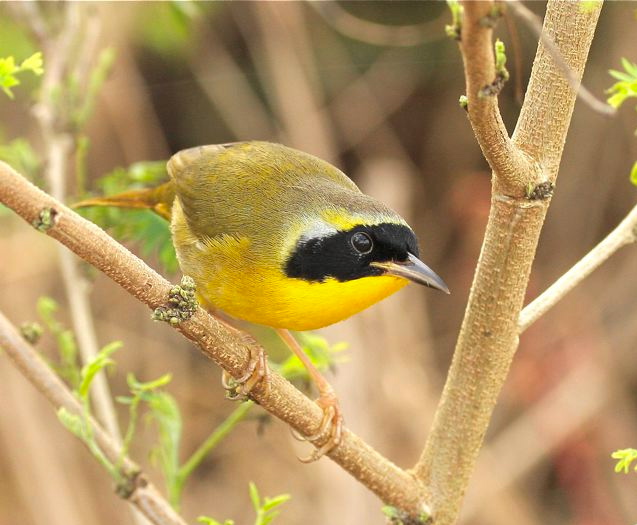
Common Yellowthroat male with conspicuous pale head-stripe
Both yellowthroat species are an endearing mix of shy and inquisitive. These birds are responsive to ‘pishing’, and once lured from cover they may remain nearby on low branches or shrubs watching you with interest as you watch them. Their song – similar in both species – is fairly easily imitated (or at least approximated), which may also bring them into the open – a source of great satisfaction to the amateur birder when it works. Unless it’s just coincidence, of course… The songs of the two species recorded below sound almost indistinguishable (except that the first one is professional and the second notably amateur…).
COMMON YELLOWTHROAT
Todd Wilson / Xeno Canto
BAHAMA YELLOWTHROAT
RH own recording
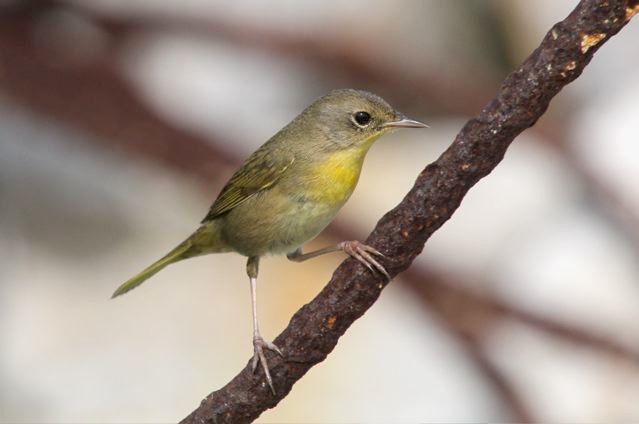
Female Common Yellowthroats are unassuming and quite delicate little birds. The first of these two images shows an immature bird, with its front beginning to become yellow. The second is a mature female.
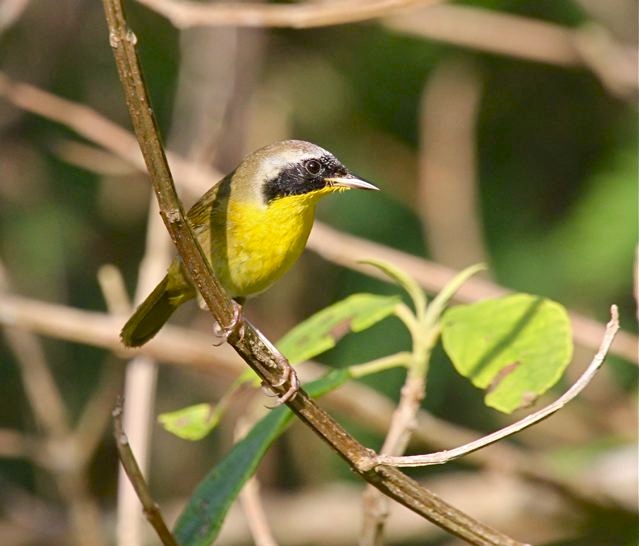
Two more male Common Yellowthroats to admire…
Photo Credits: Erik Gauger (1); Tom Sheley (2); Bruce Hallett (3, 5, 6, 7); Dan Pancamo /Wiki (4); Becky Marvil (8) Audio: Xeno Canto; RH







 ROLLING HARBOUR ABACO
You must be logged in to post a comment.