

BLOOMING MARVELLOUS: FLOWERS OF ABACO
The flowers and plants below were mostly photographed in the grounds of The Delphi Club, Abaco or nearby. I expect most or many are already securely on the SD chips or hard drives of every visitor to an agreeably floral place like the Bahamas. Who can resist a pretty flower? I have confessed in earlier plant-based posts (links below) to a certain lack of aptitude around flowers. They just… are. Let’s see how this pans out – corrections and (for the last two) IDs welcome.
HIBISCUS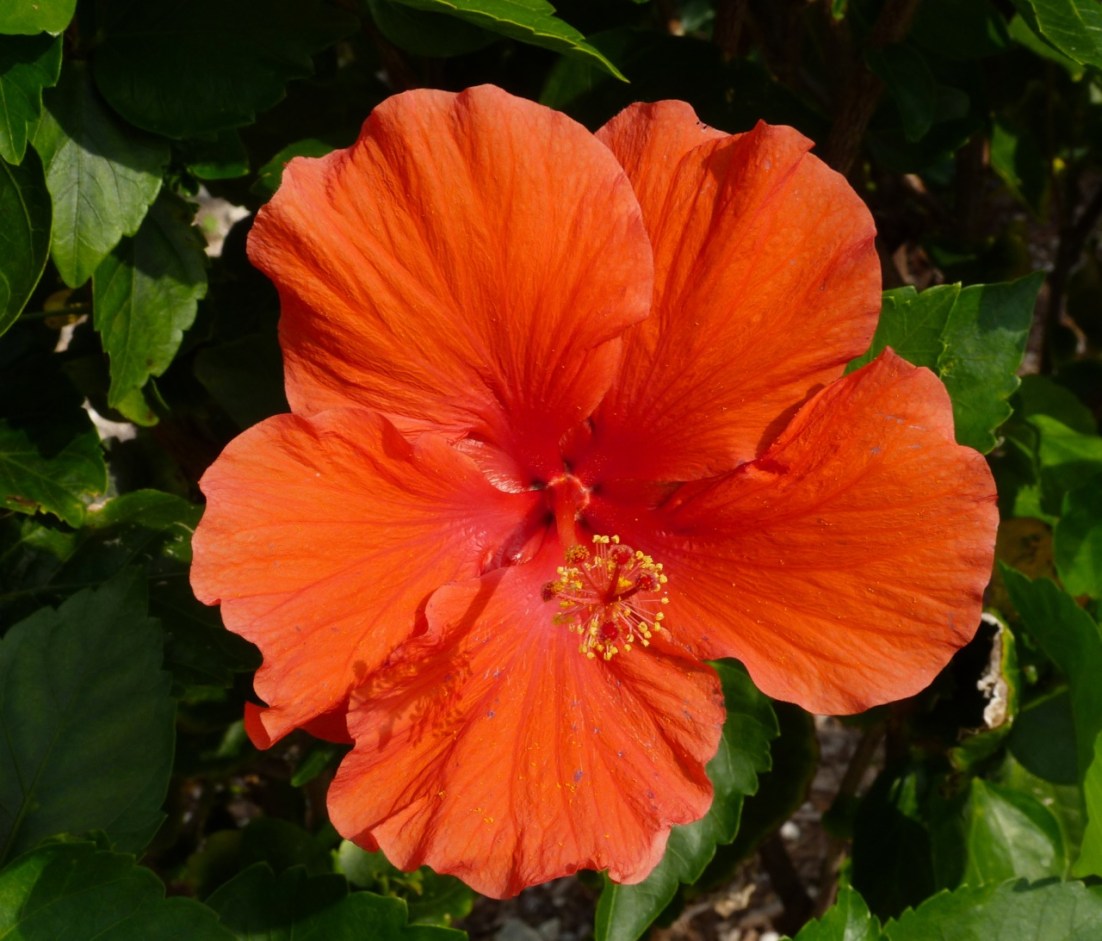


BOUGAINVILLEA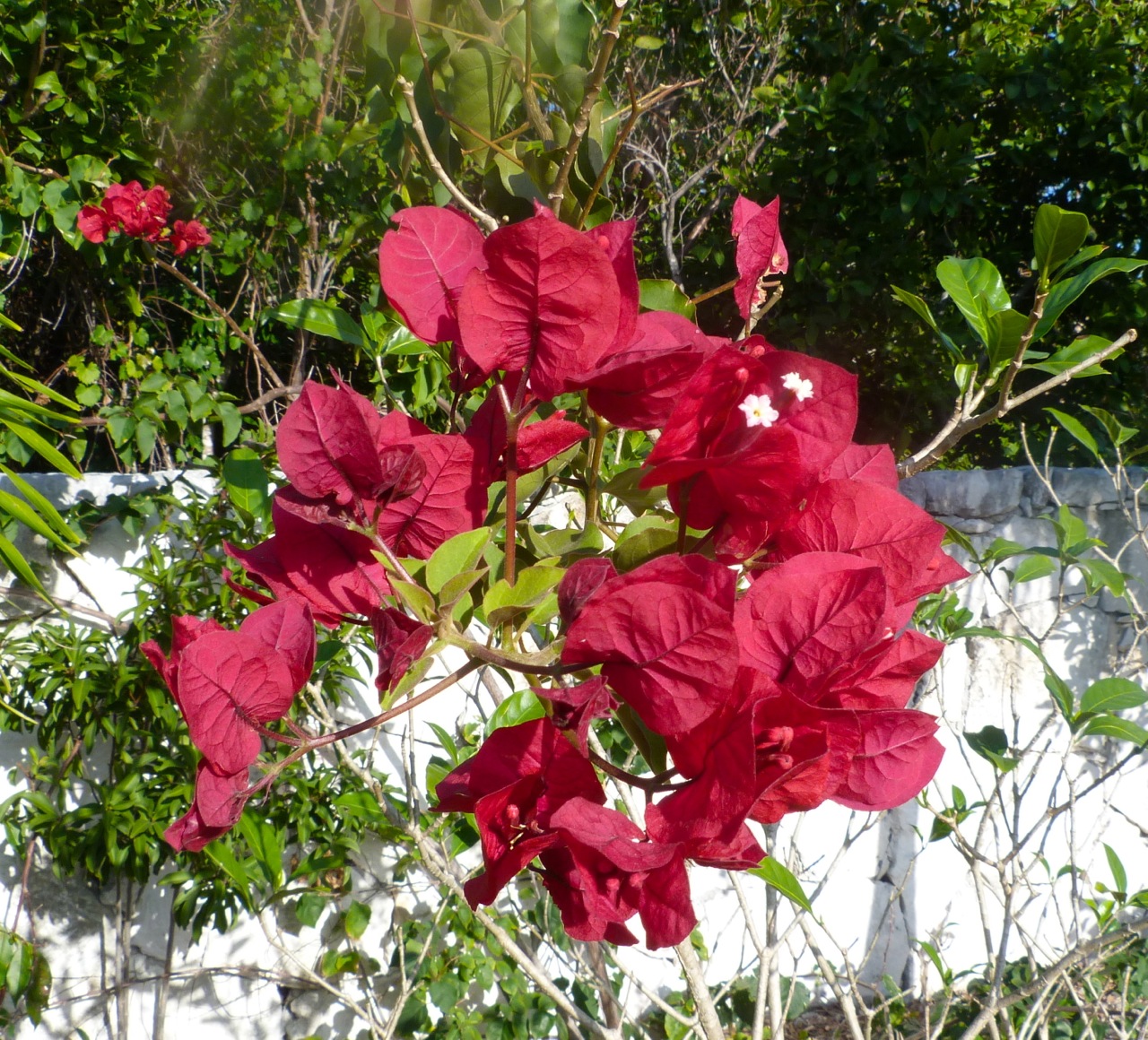

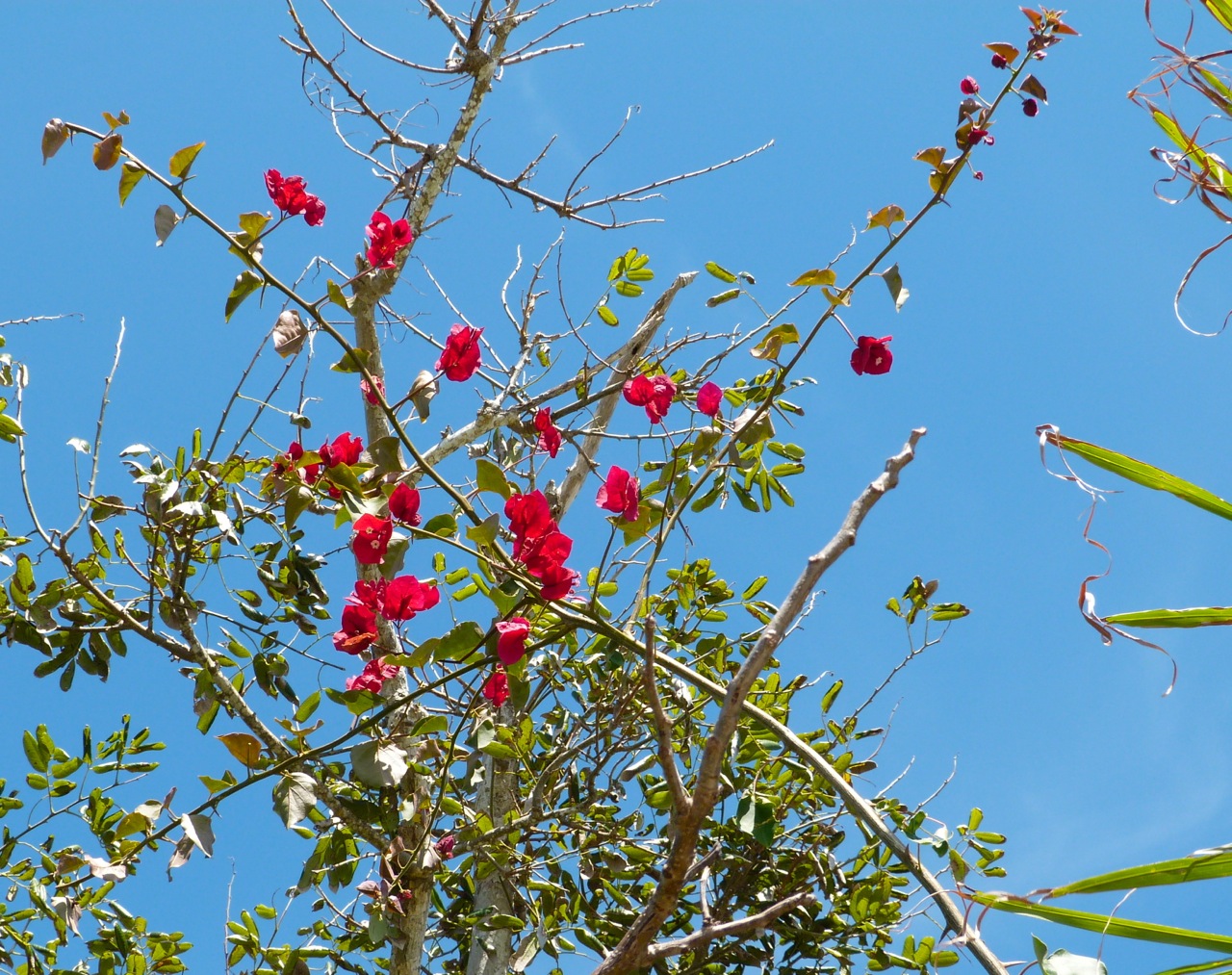
 The butterfly is a Polydamus Swallowtail (also in the header image)
DATURA (ANGEL’S TRUMPET)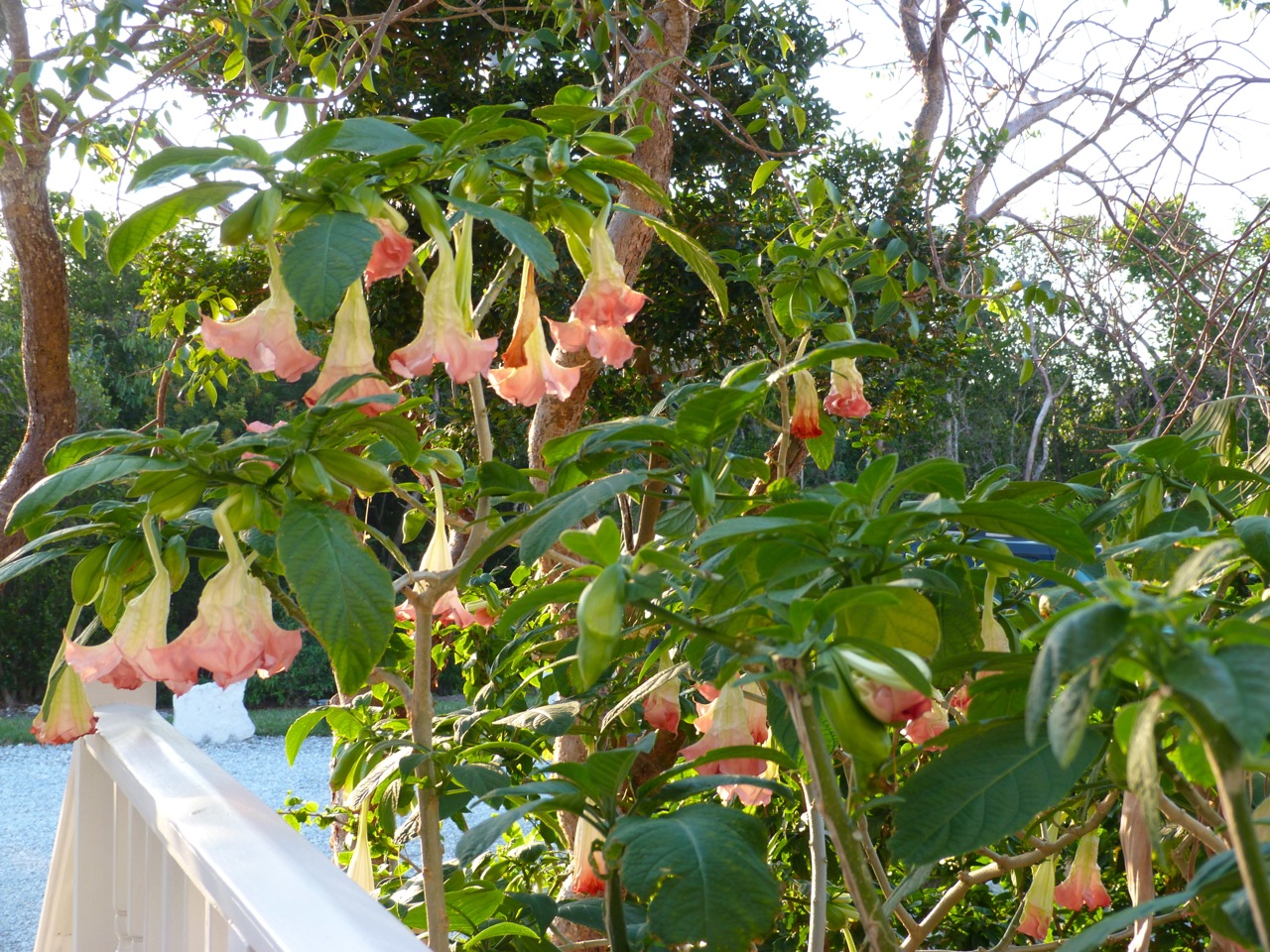
 This one has a cuban emerald hummingbird feeding from it – a lucky, but frankly not very good, shot
FIRECRACKER PLANT Russelia MARSH FLEABANE (WITH HONEY BEE) Pluchea
 HORSERADISH TREE (WITH CUBAN EMERALD HUMMINGBIRD) Moringa oleifera
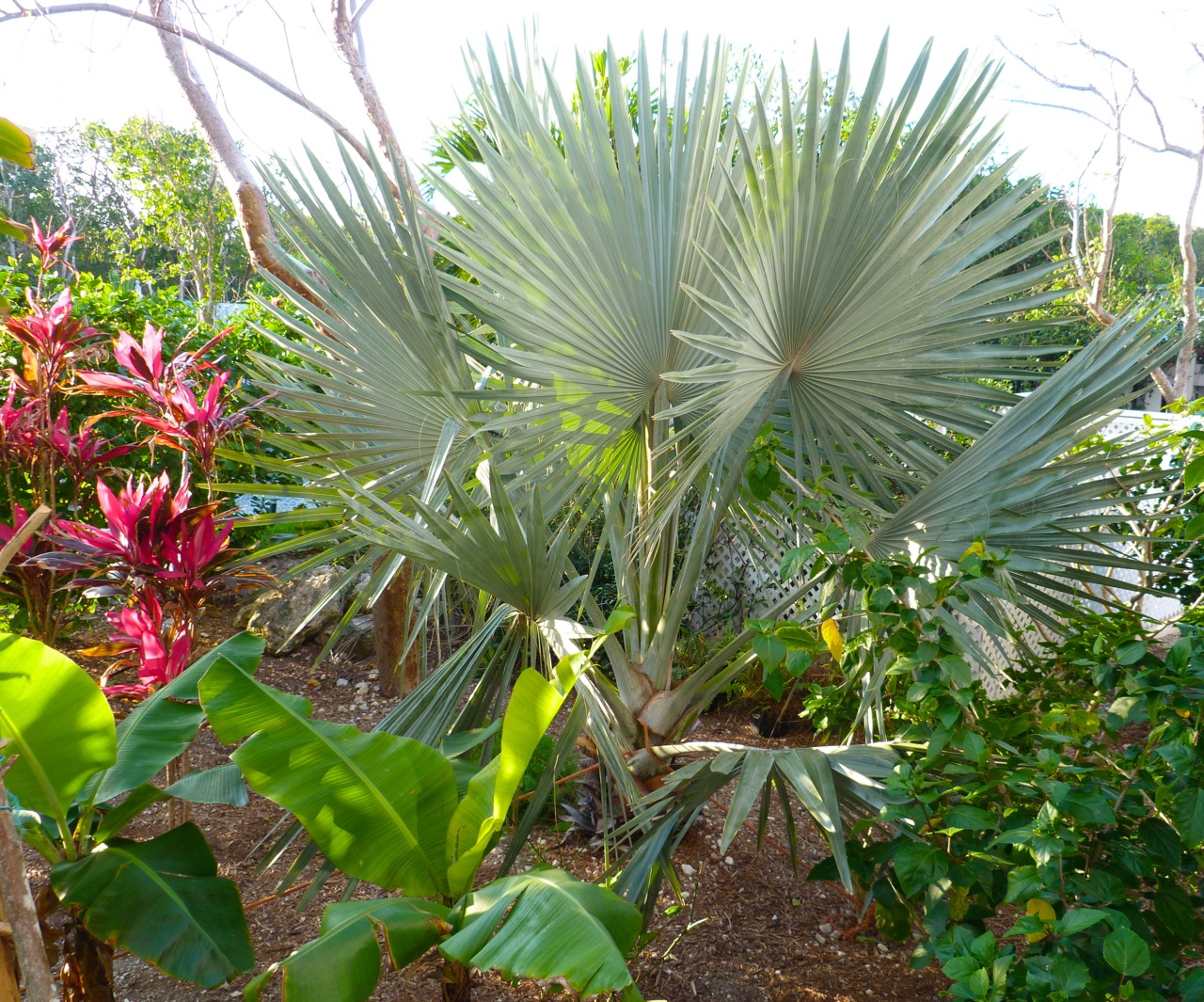
 BISMARCK PALM
 BANANAS
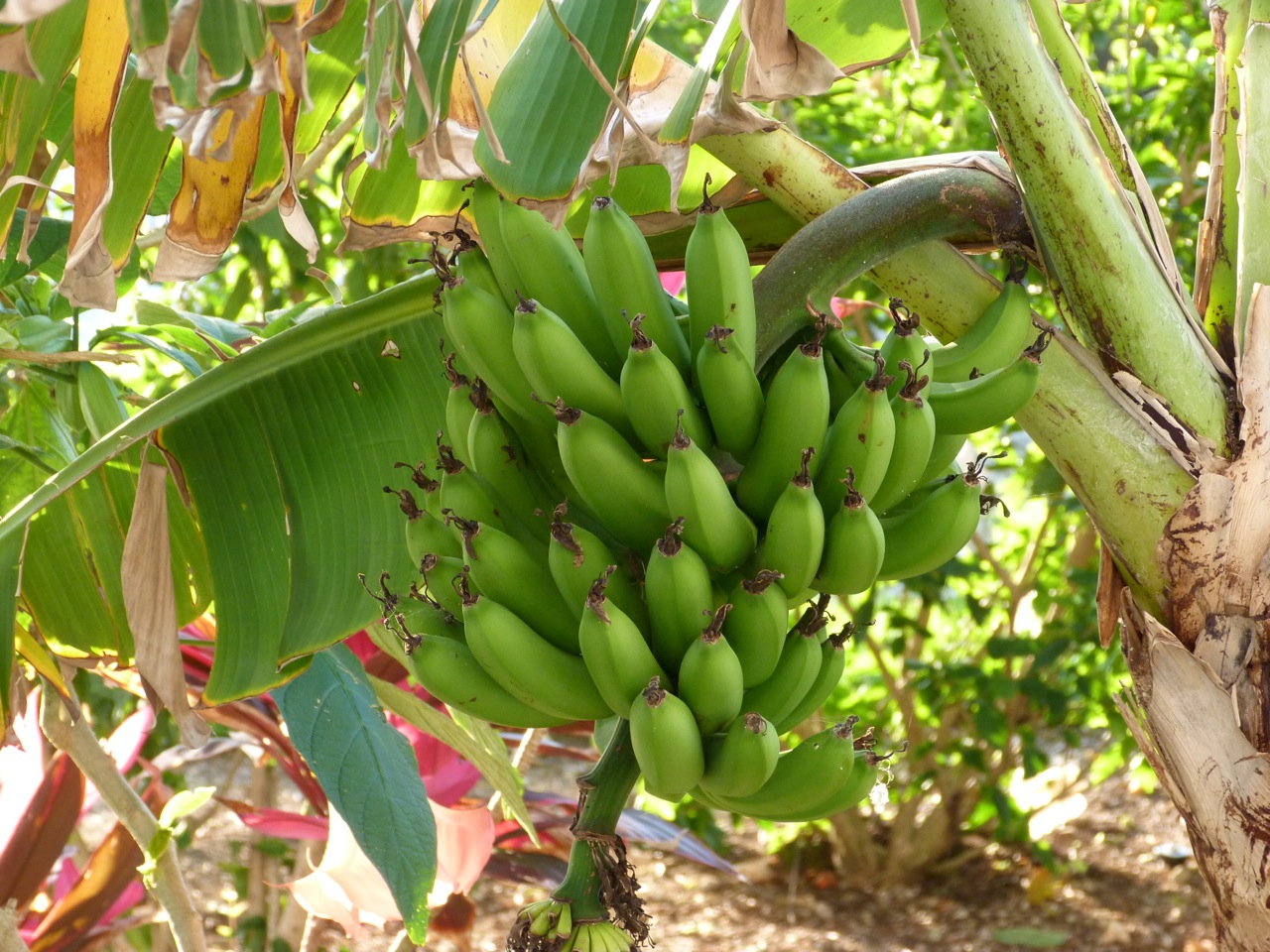 These were growing just outside our bedroom. Pity they weren’t quite ripe…
I’m beginning to struggle now. The next two plants are probably completely obvious, but I am losing my floral grip. Suggestions welcome via the comment box or email (Bridget on Tilloo, that means you…)
STOP PRESS ID within 24 hours, thanks to Nick Kenworthy who says via the comment box that this bright pink one “is loosely referred to as the Orchid tree (or Hong Kong Orchid Tree) as the blooms are very like an orchid but it comes on a tree rather than a plant”. I’ve checked my cheat books, where it is named Bauhinia pupurea, aka Orchid Tree, Butterfly Tree or (from the leaf shape) Bull Hoof Tree. The tree originates from India and Southeast Asia. Nick has undoubtedly nailed it, for which many thanks. One more to go…
ORCHID TREE Bauhinia pupurea
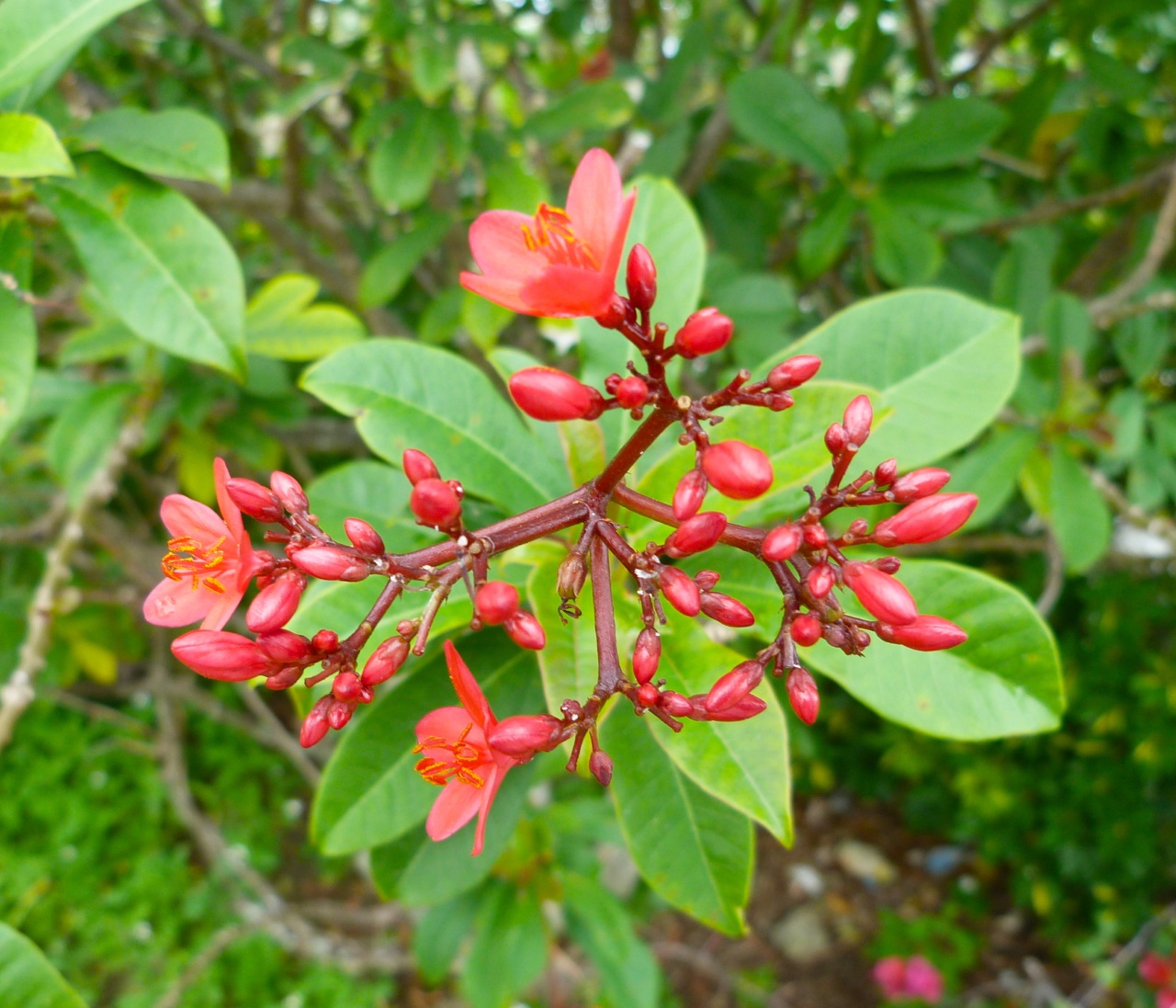
STOP PRESS 2 Nick has solved the second ID as well. His interesting information about this striking waxy plant can be seen in detail in the comments below. The answer, in a word, is ‘Jatropha’, of which there are a great many varieties – and quite a number of informal names, most of which (‘Firecracker’; ‘Star of Bethlehem’) are confusingly assigned to other plant species as well. It doesn’t feature in either of my Caribbean plant /tree reference books, so my amateur eyes didn’t actually let me down this time… This plant (there was were two of three) was in a small park area by the beach at Treasure Cay. I haven’t seen it elsewhere on Abaco.
JATROPHA
Here are the links to a couple of my previous Abaco flower / plant posts:
A BUNCH OF FLOWERS (the most recent)
FLOWERING ON ABACO (an expedition with Ricky Johnson)
There’s a larger collection on the dedicated FLORA page, including some of the above, but also featuring articles on LIGNUM VITAE, YELLOW ELDER, Bird of Paradise flowers STRELITZIA and more


Do you have the phone number of Abraham at the Treasure Cay nursery where some of the plants mentioned can be purchased.
LikeLike
Sorry, Mary, I’m not familiar with the TC nursery at all. There’s Pinewoods in MH of course, but I’m afraid I can’t help with your specific query. All the best RH
LikeLike
Thanks I got the phone number it is Great Abacos Nursery in Treasure Cay. If you need palms it is a excellent local grown source. mary
By the way I think your blog is great. We are building a very “green and modern” home on Guana Cay. I have a 12 yr. old birder and teen age divers. Can not wait to show them your site. Thanks.
LikeLike
Glad you have that now. Thanks for your kind comments. I’m interested to hear about your home, sounds exciting. And please do show your family the website. Maybe your young birder would like to make a list of the birds (s)he sees round your house – it would be fun to see what (s)he comes up with over a week or so! RH [note care with not making gender assumptions here!!]
LikeLike
OK I’ve got it. My Abaco friend was spot on.
Its Jatropha integerrima [Peregrina, Fire-Cracker, Star of Bethlehem, Spicy Jatropha]
Plant Features:
Jatropha is an evergreen shrub that has lots of butterfly-attracting red flowers, yet it requires little care once established in the landscape. Peregrina, Spanish for a female pilgrim, is sometimes given as a common name for this plant, while Fire-Cracker, Star of Bethlehem and Spicy Jatropha are also used to refer to this attractive ornamental. This Cuban native can grow to about 10 feet tall and can be equally wide, but it is likely to be smaller around here when frost nips it back. It retains its dark-green foliage all year. The fiddle-shaped leaves are vaguely reminiscent of the colorful bracts of the poinsettia plant because they sometimes show small lobes or points on the leaf margins. The flower clusters of this Jatropha are a brilliant scarlet red, or sometimes pink in color. Each individual flower has star-shaped (5 pointed) petals with small yellow flower parts. But there’s something unusual about this plant – the male and female flowers grow in separate bloom clusters, either at different times or on different parts of the same plant. It is strongly attractive to hummingbirds and butterflies, especially to monarchs, swallowtails and zebras.
LikeLike
Nick – thanks so much for taking the time to sort this out. Once I couldn’t find it in my books, nor in an online search of Bahamas plant seller websites (it’s sometimes a useful ID method), I ground to a halt. I’m really pleased to have got these names. All the best from RH
LikeLike
Ok the consensus on the red flower is that it is one of the “star of behtlehem” varieties. This comes direct from one of my Abaco friends who know it by that. But I am not convinced, I have yet to see a definitive reference and whilst I think the Star of bethlehem is close Im not sure its exact. Any thoughts anyone else?
LikeLike
Nick – this is very helpful… but not as much as your next comment and the magic word ‘Jatropha’!
LikeLike
I think the bright pink one is loosely referred to as the Orchid tree (or Hong Kong Orchid Tree) as the blooms are very like an orchid but it comes on a tree rather than a plant. I think the latin name is Bauhenia Blakeana but I am not sure if this is specific enough..
LikeLike
Spot on Nick, and I have amended the post accordingly. Many thanks for that. The flower in real life is different (or at a different stage) from the one shown in my book, but a quick Flickr check has sorted that out… Contribution much appreciated. RH
LikeLike