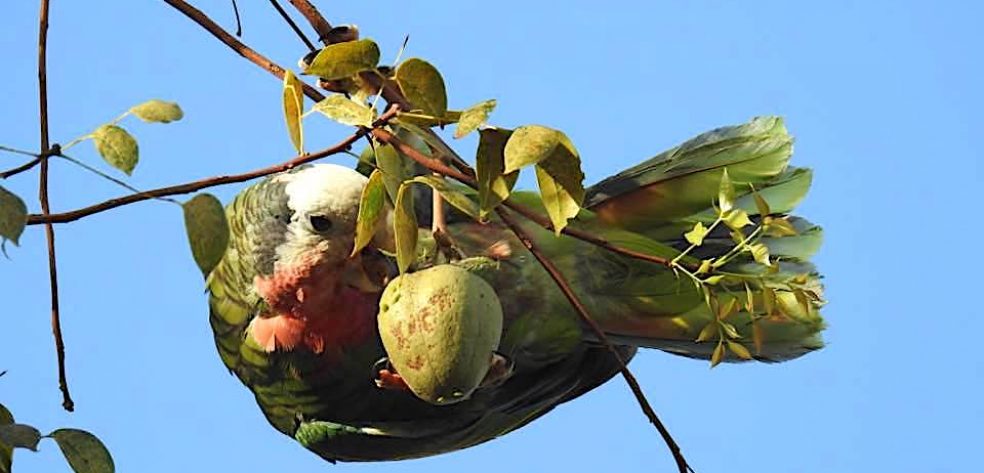


BLACK-FACED GRASSQUITS ON ABACO, BAHAMAS
Quite a while back (in the Pre-Covid Era), Black-faced Grassquits Tiaris bicolor were honoured by the American Ornithological Union with a classification change from emberizid to tanager. For the reasons that follow, the species regarded this both as scientific promotion and as merited status elevation. I invited an authoritative Spokesquit to explain why.
*******************
Hi, human friends, I’m a black-faced grassquit and I have a couple of observations to make on behalf of BFGs, if I may. First, we seem to be universally described by you as ‘common’, whereas we are actually quite refined in our behaviour. Secondly, the words most used to portray us are ‘dull’ and ‘drab’. And ‘stubby’. Well, excuse me… I – we – ask you to give us a second look. Maybe check out these images for a start.


Unsurprisingly we were very excited when the perceptive classifications committee of the American Ornithological Union gave us an upgrade. That’s the way we saw it anyway. For many years we were classified under the heading emberizidae.


We kept company with some buddies like the handsome Greater Antillean Bullfinches, but also with a lot of New World sparrows. Frankly, we never felt entirely comfortable with them. Annoyingly chirpy, for a start. And in truth, more drab than us (I’m told).
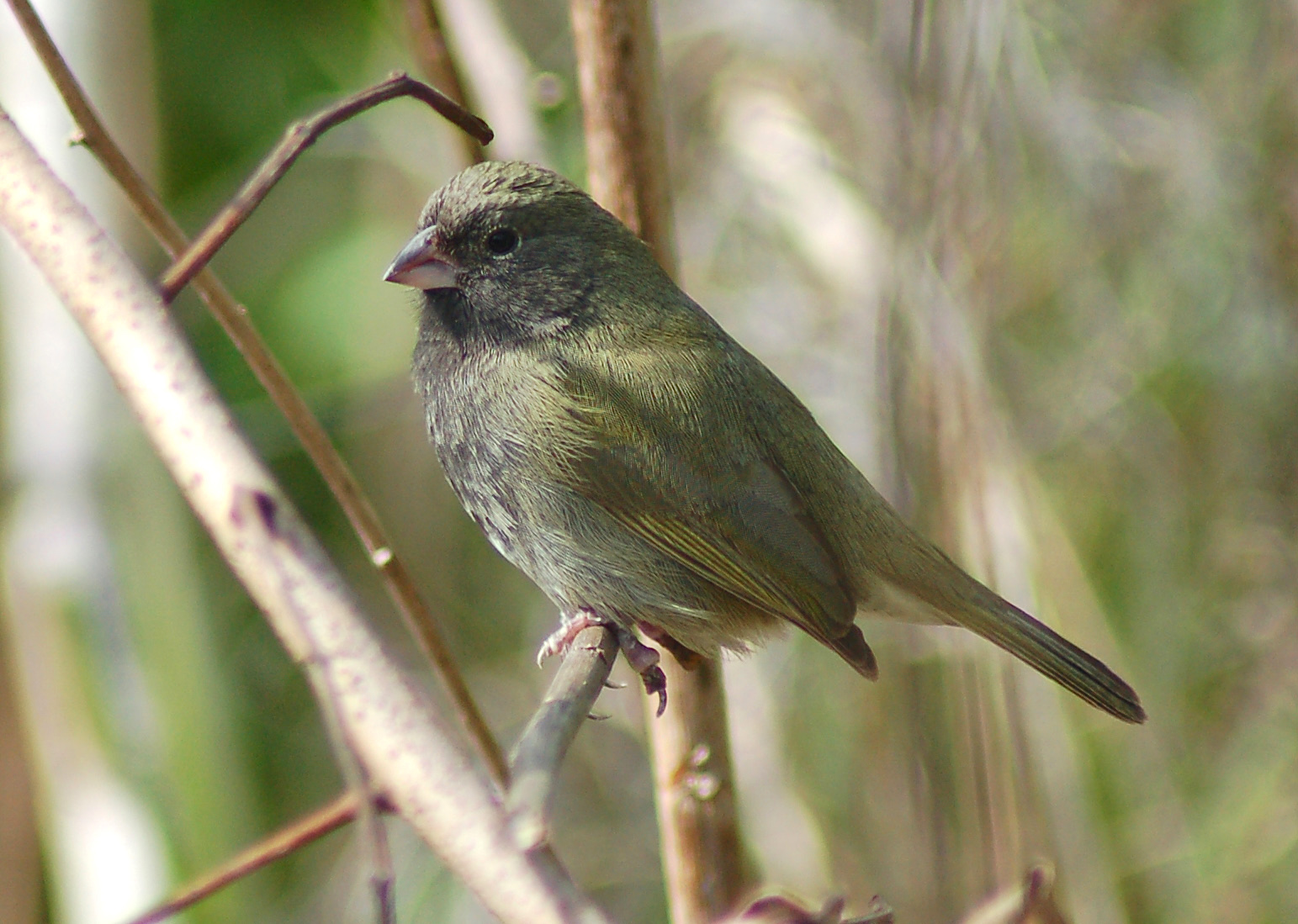

And so we officially became a type of tanager. Scientists even reckon (rather late in the day, in my view) that we are closely related to Darwin’s finches. Posh relations suddenly. And now we get to be with other birds that are dome-nesters like us. And how about this – we are now in the same category as some really cool birds…

How’s this for a colourful gang to be joining: scarlet tanager, summer tanager, rose-breasted grosbeak, indigo bunting, painted bunting – these are our new cousins. It’s like being related to an avian rainbow that can fly. BFGs “dull” and “drab”? I don’t think so.

6 UNDULL FACTS ABOUT BFGS
- Make grassy dome-nests (like Bananaquits) and line them with soft grasses
- Both sexes build the nest together
- Both share egg-sitting duties and later chick-feeding & maintenance
- Though quite gregarious by day, for some reason they tend to roost alone
- They have a short ‘display’ flight with vibrating wings and a strange buzzing call
- Otherwise, their flight is ‘weak, bouncy & fluttering’ (Whatbird assessment)

THE EVERYDAY TWITTERING SONG
THE DISPLAY BUZZING SONG


Photo Credits: Alex Hughes (1, 10); Tom Sheley (2, 3); Bruce Hallett (4, 9); Tom Reed (5, 11); Becky Marvil (6); Peter Mantle (7); Gerlinde Taurer (8); Keith Salvesen (12); Larry Towning (13). Other Credits: ABA, AOU, Whatbird? (sound files)

 ROLLING HARBOUR ABACO
Hello Keith,
My it has been a long time. Lost your personal address, so hope this reaches.
Have been meaning to send a note to say how much I continue to enjoy your posts.
Although Abaco for us is now a memory and life has been a real rollercoaster since losing everything in Hurricane Dorian, (my) Keith & I continue our passion for diving. Our new favorite area is the Caribbean Netherlands. And, as an amateur birder, I so enjoy watching the Magnificent Frigatebirds soar and the Red-billed Tropicbirds head out to sea in the morning and return to the cliffs late afternoon.
I hope this finds you well and happy.
Oh and by chance, how may I obtain a copy of the Birds of Abaco book?
Kindly confirm receipt – and change our eMail address to RMB@Rogers2020.com RMB@Rogers2020.com .
All the best,
Melinda & Keith Rogers
LikeLiked by 1 person
How gorgeous and fascinating!
LikeLiked by 1 person
Captivating photos and charming commentary!
LikeLiked by 1 person