Unknown's avatar

‘LIKE’ THE CLAPPERS: ON THE RAILS IN ABACO


Clapper Rail preening, Abaco Bahamas (Tom Sheley)

‘LIKE’ THE CLAPPERS: ON THE RAILS IN ABACO

CLAPPER RAILS Rallus crepitans are elusive birds of mangrove swamp and marsh, more frequently heard than seen. They tend to lurk around in foliage and are easy to overlook. They are creatures of the margins rather than open ground. You may come across one foraging secretively, beak-deep in the mud.

Clapper Rail stretching.Abaco Bahamas - Tom Sheley ("The Birds of Abaco" by Keith Salvesen, p80)

Tom Sheley’s wonderful photos featured here of a preening clapper rail were taken during our backcountry explorations to locate and photograph species for BIRDS OF ABACO.  By being  both patient and an early riser, Tom managed to capture this fine bird engaging in some quality grooming. The one below is ‘vocalising’ – known in rails as ‘rousing’ – in mid-preen.

Clapper Rail rousing.Abaco Bahamas.Tom Sheley

Clapper rails are capable of swimming and even of flying if they choose to. However the most likely activities you are likely to observe will be skulking,  picking their way through marginal  vegetation, or (if you are lucky) doing some beak-deep foraging in the mud. Occasionally they run, a process that looks endearingly comical and which possibly gives rise to their name. 

Clapper Rail running, Abaco Bahamas (Erik Gauger))

Clapper Rail running, Abaco Bahamas (Sandy Walker)

It almost goes without saying nowadays, but the biggest threat to these rather charming inoffensive birds is habitat loss. Which is to say, mankind either directly or indirectly. Drive the bulldozers through the mangroves and marshland of sub-tropical coastal areas, chuck down a few acres of concrete… and the clappers will very soon become clapped out. As they will if the climate we are unarguably changing ruins their unobtrusive lives.

COMPULSORY LINGUISTIC STUDY

When I last wrote about this species its binomial name was Rallus longirostris ie simply ‘long-beaked rail’. Since then the increasingly frenetic annual turmoil of official AOU shuffling species about and messing with their names has resulted in the clapper rail being re-designated Rallus crepitans or ‘rattling / rustling rail’, I assume from the call. There are other rail-name innovations that, reading about them just now, made me crack open a beer instead of wanting to tell you about them.

OPTIONAL LINGUISTIC DIVERSION

“TO RUN LIKE THE CLAPPERS”. This phrase seems to be fairly recent, most likely originating as military (?Air Force) slang early in WW2 or possibly from earlier conflicts. Some suggest it is a rhyming slang bowdlerisation of ‘run like hell’ with ‘clapper(s)’ standing for ‘bell’, along the lines of the Cockney “I bought a brand new whistle” (whistle and flute = suit). Almost all plausible explanations relate to bells, and some argue that it simply reflects the rapid speed of the clapper of a vigorously rung handbell. This derivation as a link to the bird seems tenuous at best.

Photo credits:Tom Sheley, Sandy Walker, Erik Gauger, University of Amsterdam (print).

Clapper Rail preening.Abaco Bahamas.3.12.Tom Sheley copy

Unknown's avatar

YELLOW-HEADED BLACKBIRD: A NEW SPECIES FOR ABACO, BAHAMAS


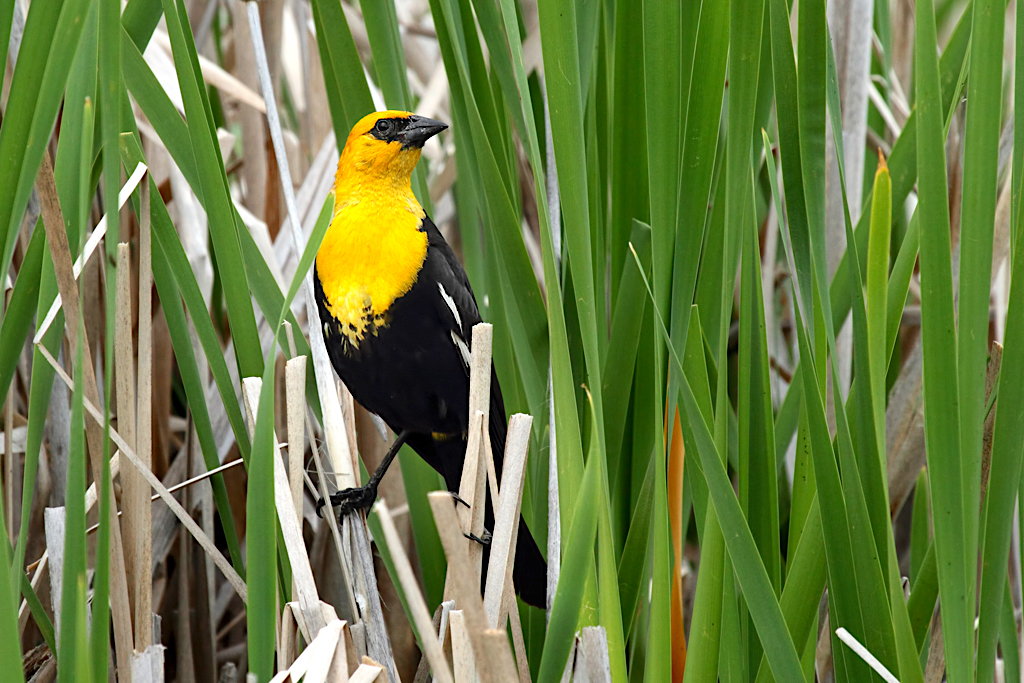
Yellow-headed Blackbird (R. Welker / Wiki)

YELLOW-HEADED BLACKBIRD: A NEW SPECIES FOR ABACO, BAHAMAS

In the aftermath of the awesome (in its original meaning) power of the hurricane, Abaco is slowly rising from the remnants of its peaceful slow-paced beauty. The loss of human life, and the damage to survivors, to animals, to property and to precious possessions is unimaginable. By way of contrast, in the UK a flood that inconveniences a SUV owner in an affluent area may well make the local paper*; and possibly local TV news if the wait for a tow-truck takes an hour or so.

Yellow-headed Blackbird (Alan Vernon / Wiki)

BIRDS are providing some cheer and a welcome diversion for many islanders. On SocMed there are plenty of chats** going on daily about the parrots, emerging winter warblers, occasional shorebirds and so on. Feeders are back in use with seeds and nuts (nb please no peanuts). Photos are being taken, shared and enjoyed.

Over the last few days, red-winged blackbirds have been a visible and indeed audible presence in various settlements. Their characteristic ‘rusty gate-hinge’ call is unmistakeable, whether in the coppice or heard deep in the mangroves 4 miles off-shore from a skiff in the Marls. Let’s progress to a great discovery and a most perfect example  of ‘birds of a feather’ literally ‘flocking together’.

YELLOW-HEADED BLACKBIRD

THE FIRST EVER SIGHTING & PHOTO ON ABACOYellow-headed Blackbird, Little Harbour Abaco (Bernard Albury)

The photograph above was taken on October 20 in Little Harbour, Abaco by Bernard Albury. A pair of red-winged blackbirds, male and female, were on the feeder in his garden. With them was a rather more colourful blackbirdy-type bird – a juvenile yellow-headed blackbird Xanthocephalus xanthocephalus. Bernard’s photo is the perfect example of how a quick shot with a phone can make all the difference between a vague description of a bird for ID (oriole? bobolink? weird warbler?), and having clear visual clues to work with.

Yellow-headed Blackbird (Tom Kerner / Wiki)

A NEW SPECIES REPORTED, YOU SAY? HOW CAN YOU POSSIBLY TELL?

The news of this exciting sighting quickly reached bird scientist Ancilleno Davis of (among many organisations) Birds Caribbean. ID was established, and the news soon spread via FB shares. This bird was a very long way east of its normal range, and I thought that it might possibly be a first for the entire Bahamas; probably a first for Abaco itself; and almost certainly the first photo of a YHBL. Then it was a question of cross-checking data in books such as Tony White’s comprehensive guide; online in specialist bird websites; and with the Bahamas bird experts such as Woody Bracey and author Bruce Hallett.

Tony White, [random], Bruce Hallett, Woody Bracey

SO WHAT’S THE ANSWER?

Simple. Bernard Albury has, in his own garden in Little Harbour, discovered the first Yellow-headed Blackbird ever recorded for Abaco. Furthermore, his photo is very probably the first-ever image (by which I mean only image) of a YHBL for the entire Bahamas. 

Yellow-headed Blackbird (Sibley)

BUT HOW CAN YOU TELL THERE HAVEN’T BEEN LOTS OF OTHERS?

The first step is to check an authoritative range map of the species in question. Audubon and Cornell are the go-to authorities for this purpose, though tbh  there’s a great deal to be said for using Wiki as a first port of call for a new bird and its details. People rarely bother to mess with the avian articles on Wiki, there’s not a lot of fun it it. For the Yellow-headed Blackbird, the sheer distance to Abaco makes a visit from one highly unlikely. The second step is to check online sightings reports uploaded to eBird by birders ranging from the enthusiastic amateur to the vastly experienced professional. For an unusual bird, the reports are invaluable in establishing relative rarity. The previous online reports for YHBL in the Bahamas were of a couple of sightings of single birds in the Freeport / West End area of Grand Bahama. These were in 2006 by bird expert Woody Bracey; and in 2012.

Map: incidence of Yellow-winged Blackbirds in Bahamas

Finally, cross-check in the most thorough bird guides of the area. In this case, Tony White included GB sightings YHBLs in his meticulous chart but none for Abaco. No other authority – Bruce Hallett for example – has noted a sighting report for Abaco; Woody also believes this to be a first, and he should know, having found the first ever Bahamas one in 2006.

I KNOW WHAT TO LOOK FOR NOW, WHAT DO THEY SOUND LIKE?

First, here’s the familiar call of a red-winged blackbird

Here are two examples of the much harsher call of the YHBL, described variously as “the worst song of any North American bird, a hoarse, harsh scraping”; and “an awful sounding raspy whine”.

Yellow-headed Blackbird (Dan Hackley Cornell / eBird)

Sample Headline* – ‘Deluge Ordeal “intolerable” says Local Financier’

Chats** – where the standard disclaimer ‘no pun intended’ would be wrong

Audubon's Blackbirds

CREDITS: First and foremost to Bernard Albury, but for whom… and Ancilleno Davis for his ID and initial shares; generally: Audubon, Cornell, eBird, Merlin, Xeno-Canto, Bird guys.

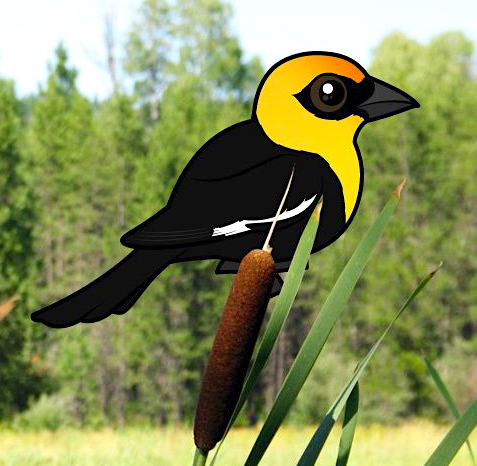
Images: R. Welker, Alan Vernon, Birdorable (cartoon), Bernard Albury, Tom Kerner, Sibley’s Guide online; Dan Hackley / Cornell / eBird, JJ Audubon, Brian Sullivan / Cornell / Macaulay Library

Sounds: Jim Berry, Xeno-Canto; Ted Floyd, Xeno-Canto

Yellow-headed Blackbird (ALLABOUTBIRDS CORNELL© Brian Sullivan / Macaulay Library )

Unknown's avatar

SOME NICE PICS OF BAHAMAS WILDLIFE… WHILE TECHIES LABOUR


Ring-billed Gull, Abaco Bahamas (Nina Henry)

SOME NICE PICS OF BAHAMAS WILDLIFE…

WHILE TECHIES LABOUR

Western Spindalis, Abaco Bahamas (Keith Salvesen)

I’m never quite sure how far it’s permissible to go beyond ‘really pissed off’ about a tech problem. Anything much stronger seems a bit indulgent both in itself and especially when measured against the far-reaching despair experienced by many in far more important areas of life.

Northern Parula Warbler, Abaco Bahamas (Bruce Hallett)

I am just having a huge “Grrrrrrrrr” moment because my complex blog menu, with 3 rows of headings and carefully curated nests of drop-downs under each, has been scrubbed by persons or AI unknown. It’s several years of cumulative and (mostly) pleasurable organisational work up the spout.

As a Brit, may I be permitted to say ‘bother’. Or maybe ‘Dash it all?’ Or declare that I’m a mite cheesed orf? To which a fair response would be “it’s just a trivial inconvenience, get over it…”

Abaco Parrot (Craig Nash)

For the moment, here are some nice pics to enjoy, all taken on Abaco. I’m happy to say that right now, 7 weeks since Dorian, there are promising signs that in some areas of Abaco, the birds are starting to show themselves – including a few winter warblers. See you the other side of rethinking my Menu…

Conch shell, Schooner Bay Abaco Bahamas (Keith Salvesen)Western Spindalis, Abaco Bahamas (Keith Salvesen)

Credits: Nina Henry, Bruce Hallett, Mary Kay Beach, Craig Nash, Keith Salvesen / Rolling Harbour, Charlotte Dunn / BMMRO (western spindalis badge, moi)

Humpback Whale tailing, Abaco Bahamas (Charlotte Dunn / BMMRO)

Unknown's avatar

“THE BIRDS OF ABACO”: BOOKMAKERS (& GAMBLERS?)


Delphi Club Guide to the Birds of Abaco (Jacket)

“THE BIRDS OF ABACO”: BOOKMAKERS (& GAMBLERS?)

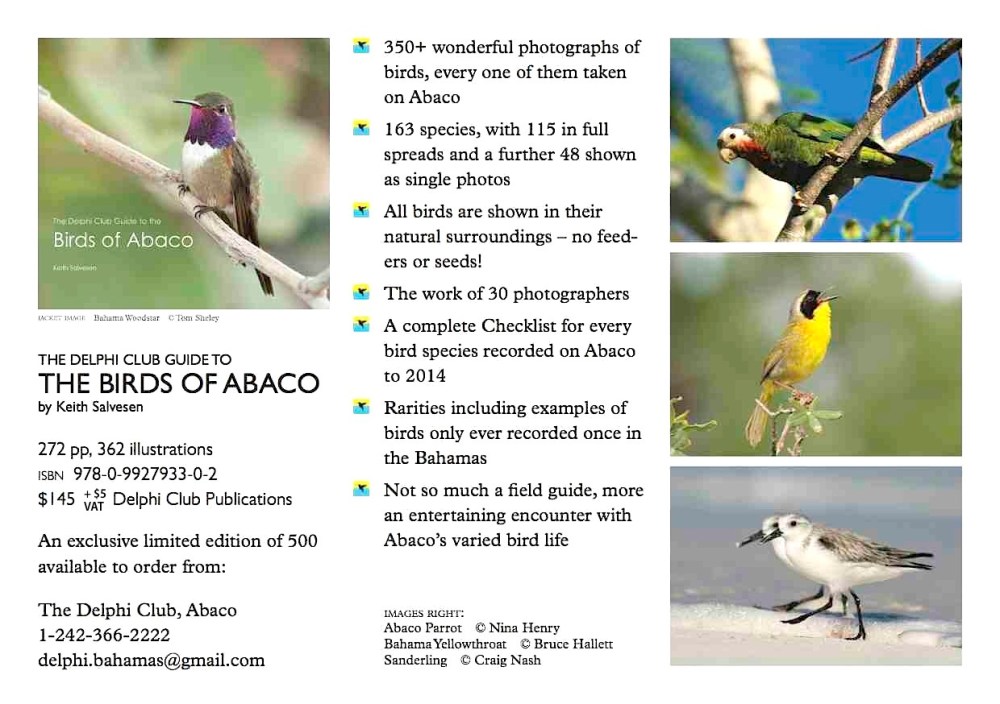
THE DELPHI CLUB GUIDE TO THE BIRDS OF ABACO

163 SPECIES, 350+ PHOTOS, 30 PHOTOGRAPHERS, 272 PAGES

Black-necked Stilt, Abaco Bahamas (Alex Hughes)

Black-necked Stilt – Alex Hughes

THE POST DORIAN PLANS

It is a truth universally acknowledged that, until 1 September 2019 when Dorian struck, Abaco was a prime birding location in the Bahamas archipelago, an island chain that stretches from the lower reaches of the temperate zone to the more exotic sub-tropical region. The judgement for ‘best birding location’ is both objective and subjective, and the criteria are flexible. However on any view Abaco scores highly in all avian categories: resident species, endemics, migratory birds, speciality species, vulnerable species, and extreme rarities.

We’ll have to wait some time before it is possible to tell what effects the devastating storm has had on the wildlife of the island and on its birding credentials…

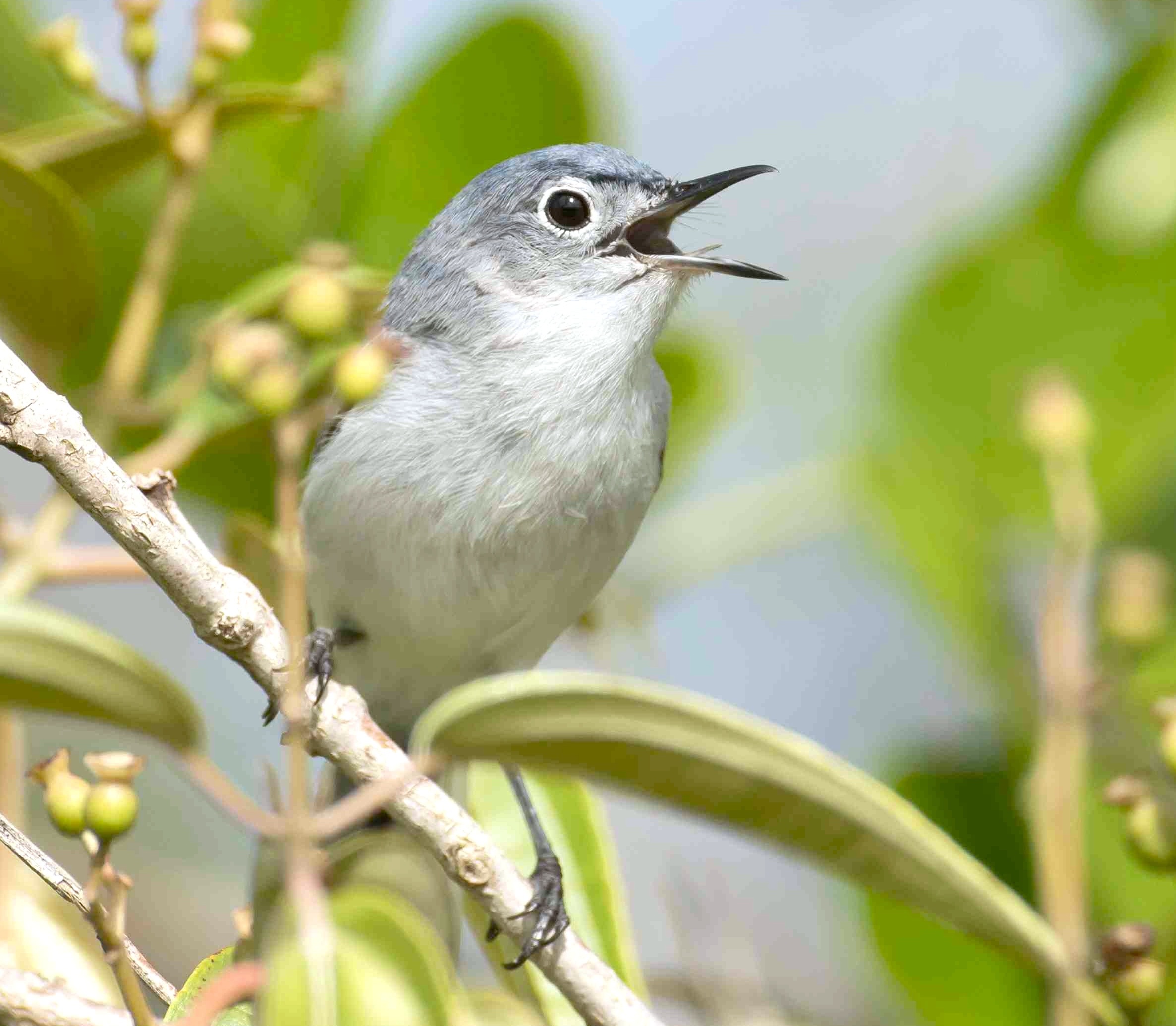
Blue-gray Gnatcatcher vocalizing. Abaco Bahamas (Tom Sheley)

Blue-gray Gnatcatcher – Tom Sheley

BOOKMAKING

The Delphi Club Guide to THE BIRDS OF ABACO was published in March 2014. To say “I wrote it” would be a gross distortion of the truth: it was an entirely collaborative project. The originator of the idea – as with the entire Delphi Club project (now in new & expert hands) – was Peter Mantle. The book showcases the work of 30 photographers, including some outstanding contributions by islanders. There was huge input from the very experienced project manager (= Mrs RH, then of YUP) and from the top Bahamas bird experts – Woody Bracey, Tony White, Bruce Hallett, and Tony Hepburn, to name but 4. So although my name is on the cover, it is as a participant representing the contributions, camera skills and brainpower of many people.

Cuban Emerald (f) Gilpin, Abaco Bahamas (Keith Salvesen)

Cuban Emerald (f) – Keith Salvesen

GAMBLERS?

The book project was something of a gamble. When planning began, social media – and the facility to reach a wide audience – was significantly less active than it was soon to become. The book was launched at Delphi to generous enthusiasm and support both on Abaco and beyond, but the extent of the interest (and sales) that might be generated more widely was unknown. We predicted it might be a slow-grower, so we were astonished by the immediate positive response to the guide. Perhaps it helped that there was a wider purpose to the book than as a photographic showcase for Abaco’s rich birdlife – we donated copies to all Abaco schools, colleges, libraries and local wildlife organisations for educational purposes. A significant percentage of the profits was set aside for local wildlife causes and duly distributed. 

Moving on just 5 years to this summer, the limited edition of 500 had all but sold out; and around 100 free copies had been donated – or deposited (as required by UK Law) in specified institutions: British Library; National Library of Scotland; National Library of Wales; Bodleian Library, Oxford; University Library, Cambridge; and Library of Trinity College, Dublin.

Brown Pelican, Abaco Bahamas (Tom Sheley)

Brown Pelican – Tom Sheley

PRESENT FOR THE FUTURE?

Six weeks after Dorian, a semblance of normality is returning to the stricken island. Daily snippets of optimism are of great significance: a lost pet found after many days; a trashed plant defiantly putting out a flower; a pair of parrots screeching past; a boat recovered; a building slightly less damaged than feared. Recovered possessions from flooded houses have brought mixed emotions – heart-rending losses of precious items, yet also the unexpected recovery of possessions believed lost or destroyed. And in that context but far less emotionally, I have now had quite a few requests for replacement copies of “Birds of Abaco”.

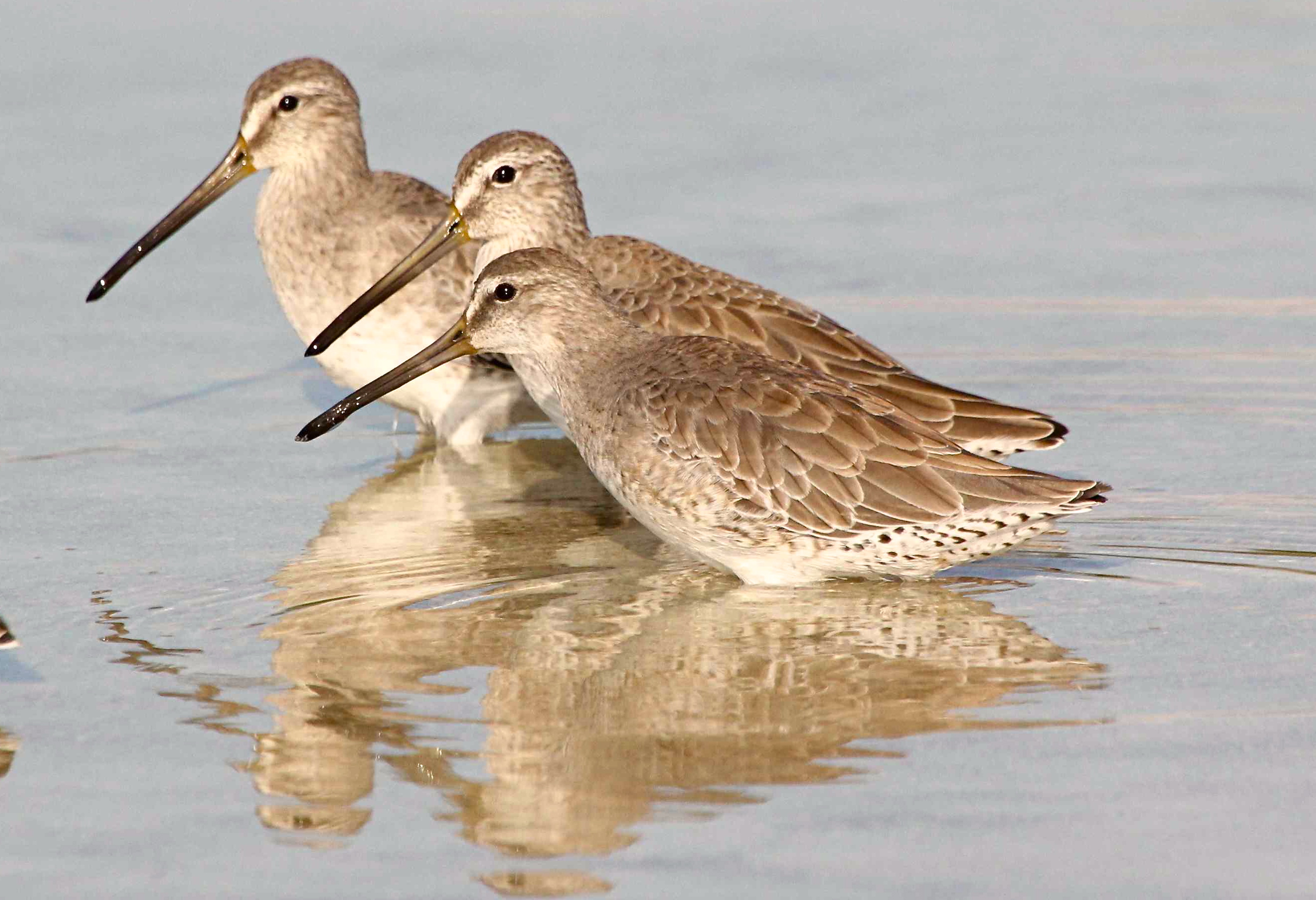
Short-billed Dowitcher, Abaco (Bruce Hallett)

Short-billed dowitchers – Bruce Hallett

SO, ARE THERE ANY REPLACEMENT BIRD BOOKS LEFT?

The position in a conch-shell is this:

  • There are now no copies still available on Abaco. Former HQ (and book storage / fulfilment facility) The Delphi Cub changed hands a year ago, and no longer carries a stock of the books. 
  • In the UK, Peter Mantle and I have about a dozen between us that are, in one way or another, ring-fenced.
  • That’s it, I’m afraid.
Bridled Tern, Abaco Bahamas (Bruce Hallett)

Bridled Tern – Bruce Hallett

ARE YOU PLANNING TO REPRINT?

For several reasons, no – it’s not a viable proposition. Specifically:

  • the size & print-costs of such a large heavy (2 kgs) book
  • the specialist printing (eg in Italy) needed to retain the quality; and the associated shipping costs
  • the lack of any viable storage and / or fulfilment facilities on Abaco, or anywhere else suitable
  • the lack of a prominent ornithologically-minded literary-leaning benefactor with a kind smile & deep pockets
Black-throated blue warbler (Gerlinde Taurer)

Black-throated blue warbler – Gerlinde Taurer

CAN I STILL GET THE BOOK IN SOME OTHER FORM?

Yes! I hope. We are kicking around the following ideas in a general and inchoate way:

  • first, avoiding any system requiring storage or fulfilment (so, not a physical reprint)
  • using existing production material to create a Print-on-Demand book
  • turning the guide into an eBook (may be difficult / impossible with non-standard format)
  • most likely producing a full PDF (or similar) version for download and possibly printing
  • selecting sections – eg the definitive checklist – as individual downloads
  • considering other suggestions!

At the moment this is in the basket marked ‘non-urgent’, but the alternatives will be under active consideration.

Clapper Rail Abaco Bahamas Tom Sheley

Clapper Rail – Tom Sheley

The original flyer for the book"Birds of Abaco" flyer

Painted Bunting male.Abaco Bahamas.Tom SheleyPainted Bunting Tom Sheley

Photos: Alex Hughes (1); Tom Sheley (2, 4, 9, 10); Keith Salvesen (3, 11); Bruce Hallett (5, 7); Gerlinde Taurer (8);  Charmaine Albury, para-breakers 

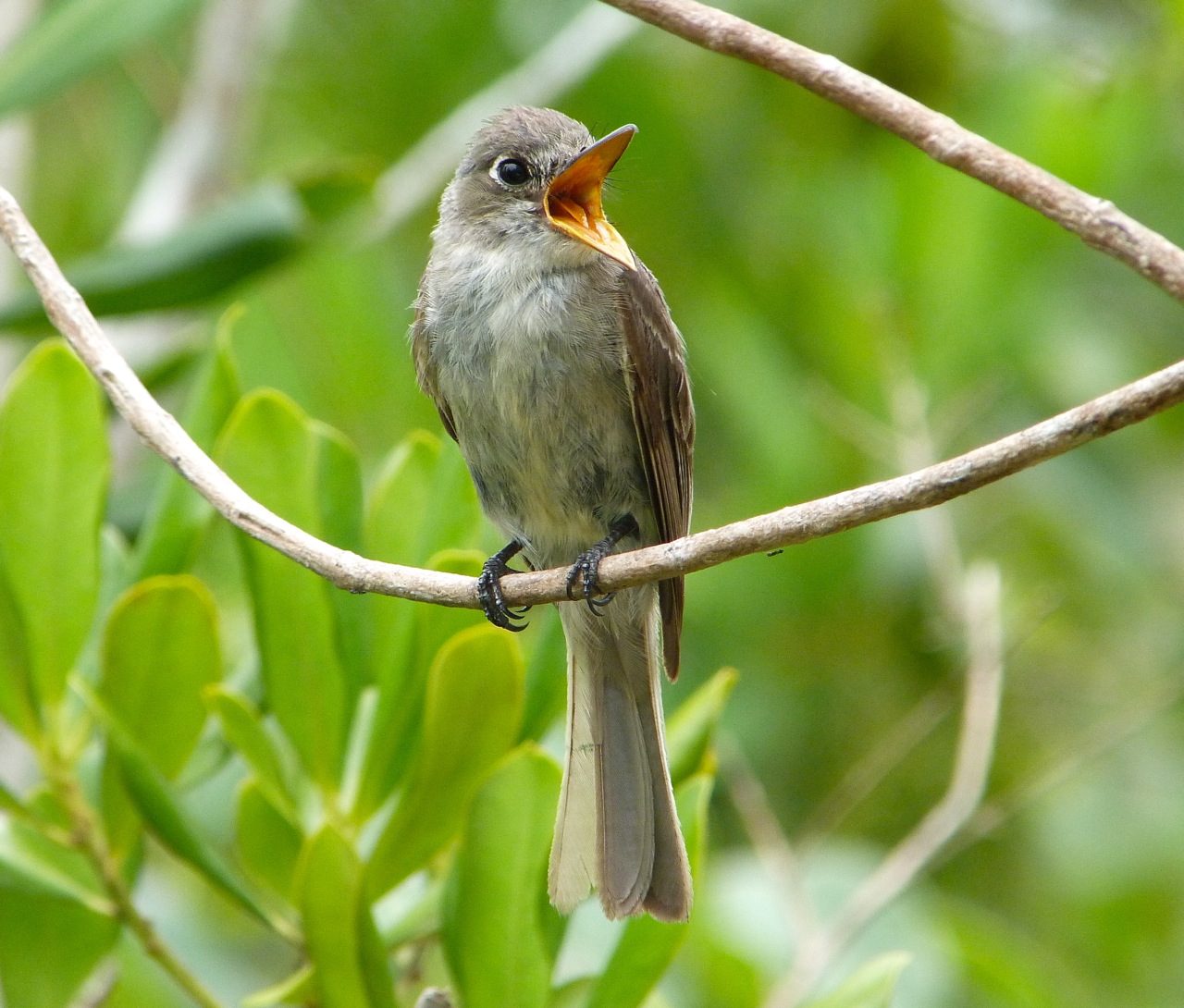
Cuban (Crescent-eyed) Pewee, Delphi, Abaco (Keith Salvesen)Cuban Pewee Keith Salvesen

Unknown's avatar

THE NATURAL HISTORY OF THE BAHAMAS: A FIELD GUIDE


Roseate Spoonbill, New Providence Bahamas (Elwood 'Woody' Bracey)

Roseate Spoonbill, New Providence – Dr Elwood ‘Woody’ Bracey

THE NATURAL HISTORY OF THE BAHAMAS: A FIELD GUIDE

On October 15th Cornell University Press publishes the first-ever comprehensive field guide to the terrestrial natural history of the Bahamas*. This monumental study has been years in the devising, researching, writing and production. The five authors are all eminent natural scientists in their specialist fields, and well-known far beyond the Bahamas. They combine to bring authoritative yet accessible scholarship to the pages. This book will undoubtedly become the go-to standard field guide for the Bahamas for decades. Furthermore, its breadth of scope will reach adjacent territories beyond the archipelago. *With a few exceptions for ‘signal species’, ocean-life is not included

The new guide comprises an encyclopaedic 464 pages with 768 colour photos plus line drawings, maps, charts and tables. The subject-matter begins with a detailed introduction that encompasses Geology, Climate, Habitat, Biogeography, Human History and Conservation. This establishes the wider context for the pages that follow.

Merlin, Abaco Bahamas (Becky Marvil)

Merlin, Abaco Bahamas – Becky Marvil

The guide is then divided into discrete sections that cover Fungi, Flora / Plants, Invertebrates, Amphibians, Reptiles, Birds, and Mammals (of which there are very few in the Archipelago, and few of those endemic). As a general observation, you simply will not believe how many species and subspecies there in some of the categories.

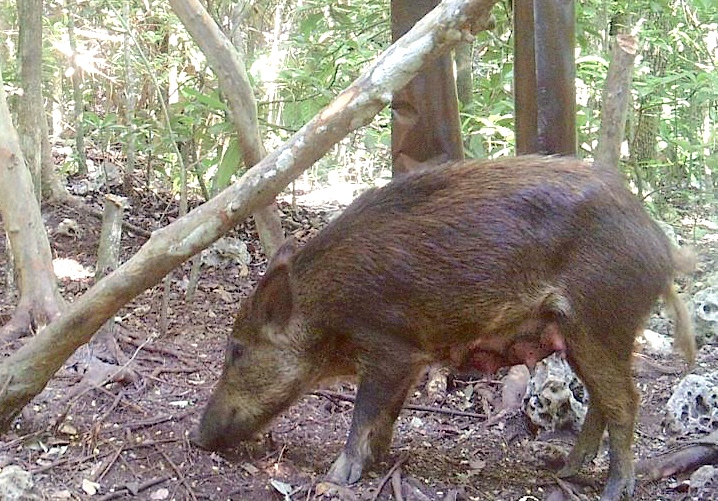
Wild Pig or Hog (f) on Abaco Bahamas (Dana Lowe)

Wild Pig or Hog (f) on Abaco Bahamas (Dana Lowe)

In expressing my enthusiasm for the new guide, I ought to declare my interest. From a fairly early stage of the project, I helped in two ways: sourcing / supplying images; and helping with proofing / editorial work of the sort common to all such diverse reference works.

Nassau Grouper, Grand Bahama (Melinda Riger)

Nassau Grouper, Grand Bahama (Melinda Riger)

Right now, in the aftermath of the disastrous impact of Hurricane Dorian, the northern Bahamas (Abaco & Grand Bahama) are still at the very earliest stages of a return to normality. Some areas are still without reliable water or power. The extent of the devastation suggests that the new ‘normality’ will inevitably be rather different from the past. It is sobering to consider that, since this field guide went to press, the balance of nature on two of the most diverse islands for wildlife in the archipelago has already changed significantly – and in some instances that change may well be for good.

Gull-billed Tern in flight, Abaco Bahamas (Alex Hughes)

Gull-billed Tern in flight, Abaco Bahamas – Alex Hughes

I have a hope – and there are some signs already – that people’s interest in the wildlife around them provides a degree of comfort in hard times. Further south in the Bahamas, the other islands will each have had their own similar extreme weather experiences many times. The wildlife is varied but with similarity throughout the extensive chain of 700 islands that make up the Bahamas, with a vertical length of over 500 miles and covering more than 8000 square miles of land and sea. The familiarity of many of the plants, trees, butterflies, and birds binds the diverse islands together to create a common experience.

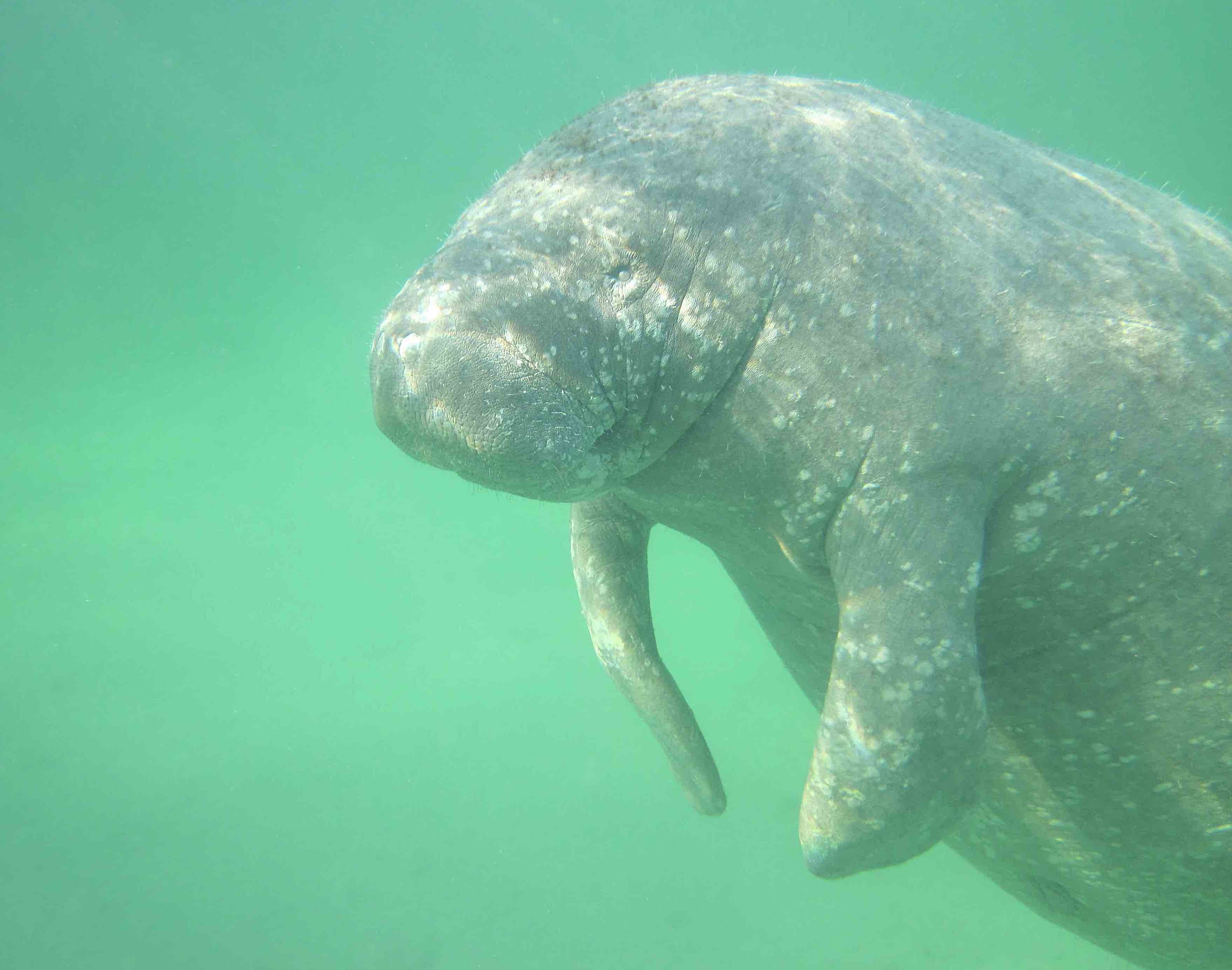
West-Indian Manatee, Bahamas (Charlotte Dunn / BMMRO)

West-Indian Manatee, Bahamas (Charlotte Dunn / BMMRO)

For more information on this new publication CORNELL U P FIELD GUIDE

Credits as captioned, with thanks to all concerned

Cuban Emerald Hummingbird, Abaco Bahamas (Keith Salvesen / Rolling Harbour)

Cuban Emerald Hummingbird, Abaco Bahamas (Keith Salvesen / Rolling Harbour)

Unknown's avatar

BEAUTIFUL BIRDS OF ABACO, BAHAMAS (1): PRAIRIE WARBLER


BEAUTIFUL BIRDS OF ABACO, BAHAMAS (1): PRAIRIE WARBLER

The increasing flow of reports of recent bird sightings on Abaco seems to confirm the theory that in times of crisis and of recovery from disaster, people gain strength from the natural world that surrounds them. The bright flash of a parrots wings; the hoarse squawk of a West Indian Woodpecker; the unmistakable cheery call of the thick-billed vireo; the ‘peep’ of a shore-bird – all these can bring comfort in troubled times. 

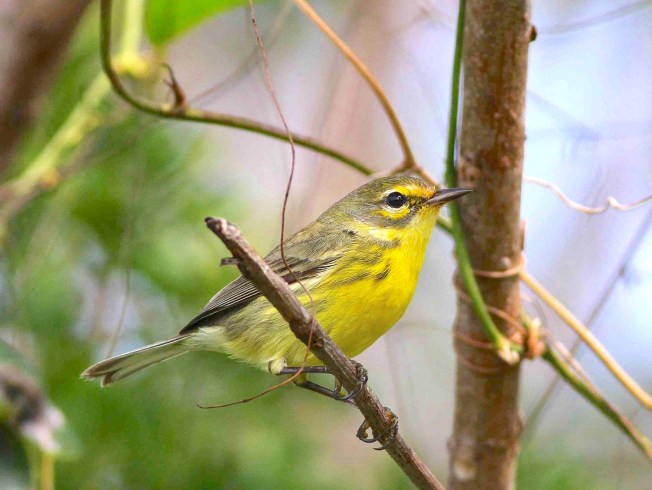
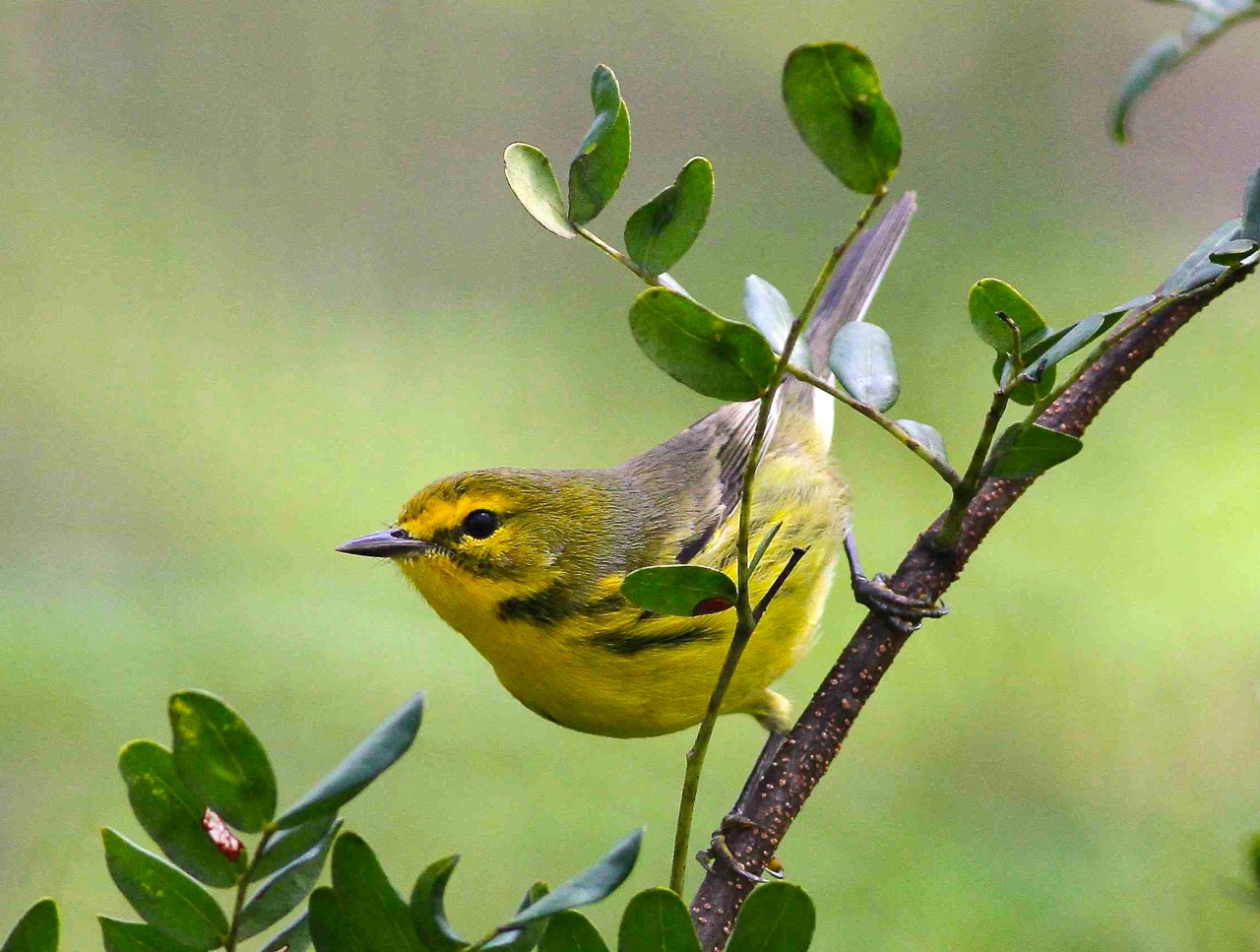
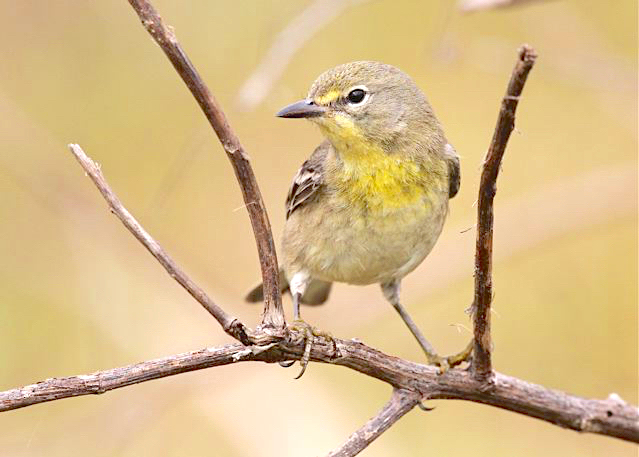
Prairie Warbler, Abaco Bahamas (Gerlinde Taurer / Rolling Harbour)

Right now, social media on Abaco, and radiating far beyond, is alive with more encouraging news after the storm, not least about the gradual re-establishment of normality as utilities and services are restored, movement becomes more possible, and plans for repairing the past and designing the future can begin to be made.

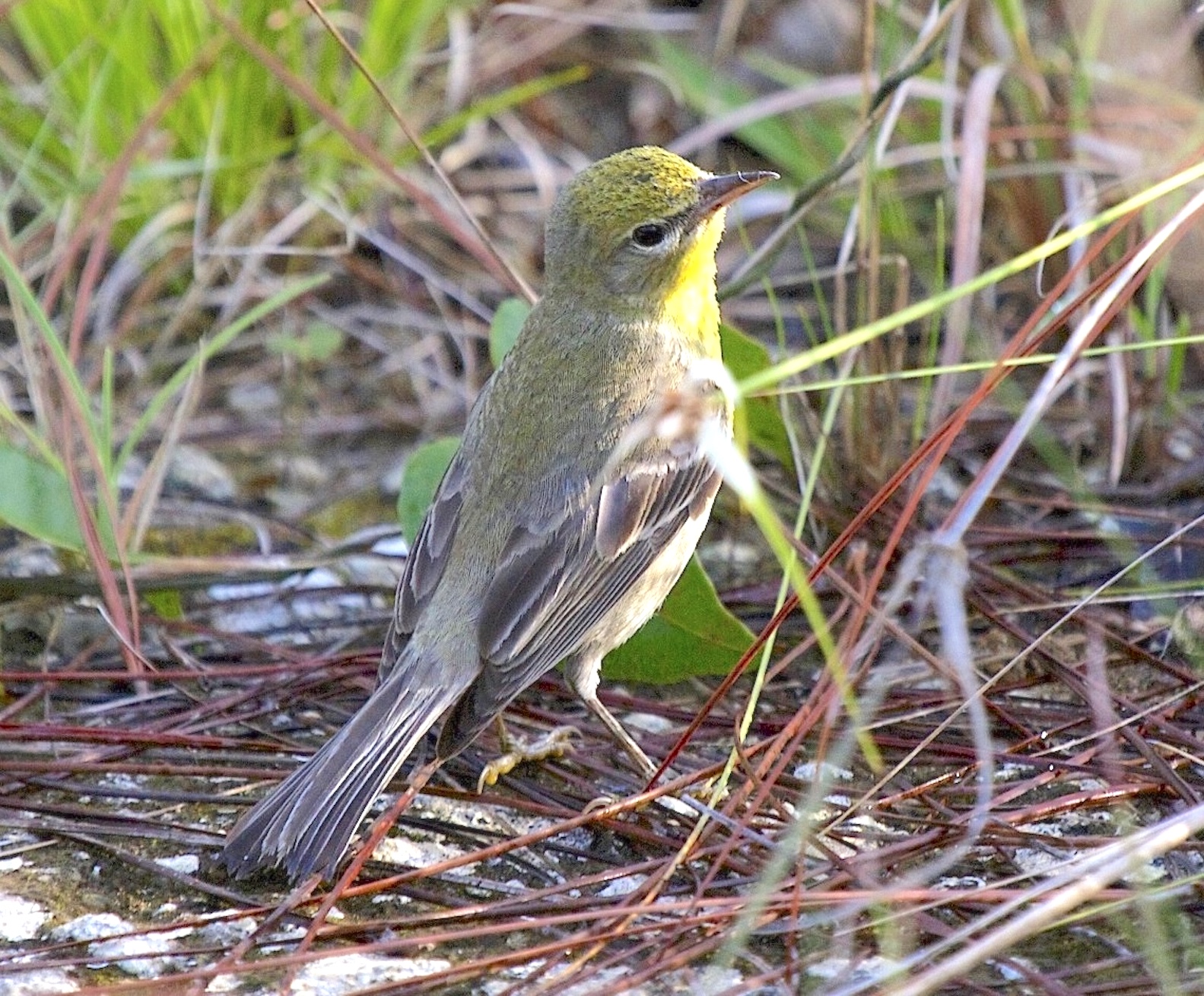
Prairie Warbler, Abaco Bahamas (Gerlinde Taurer / Rolling Harbour)

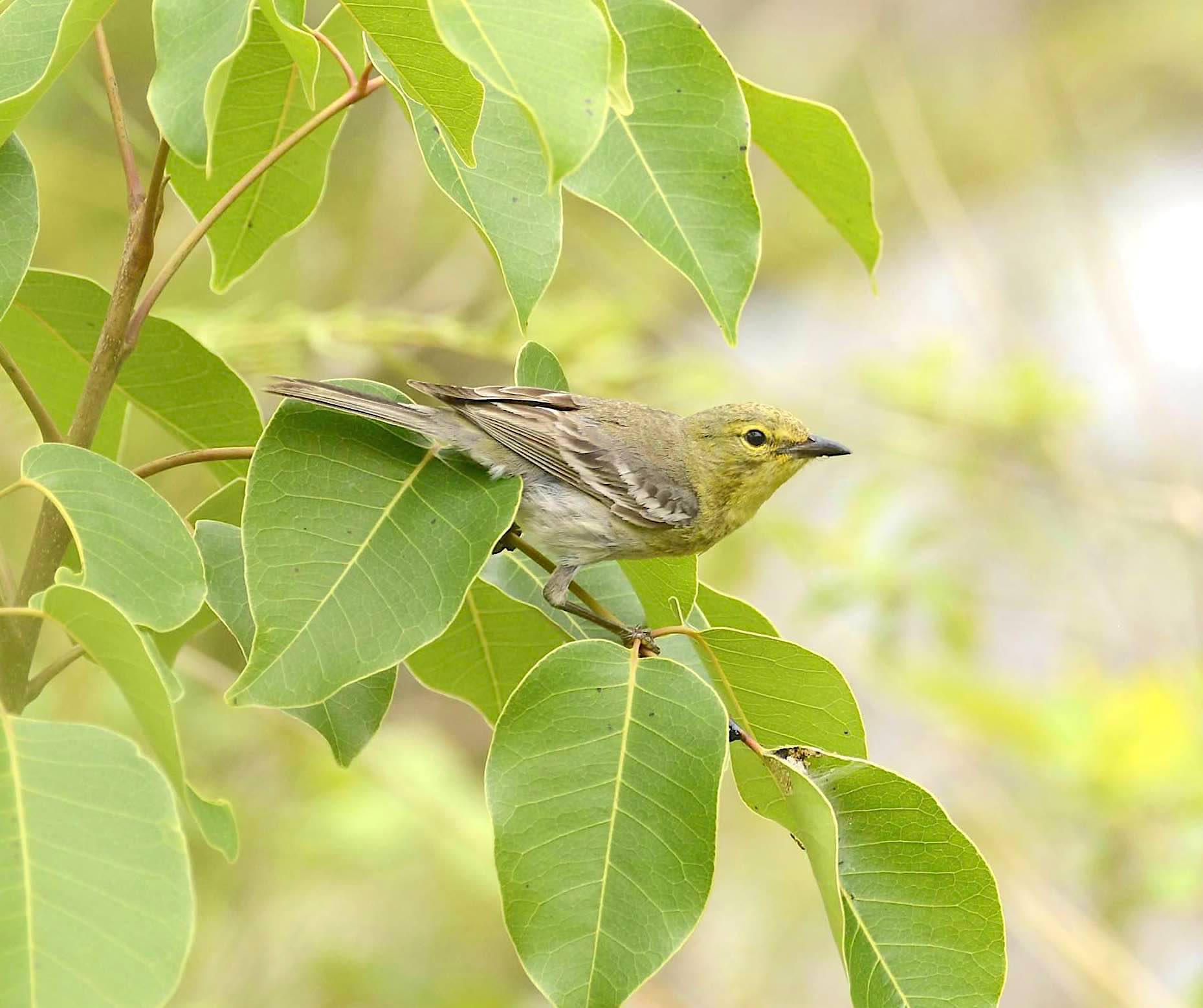
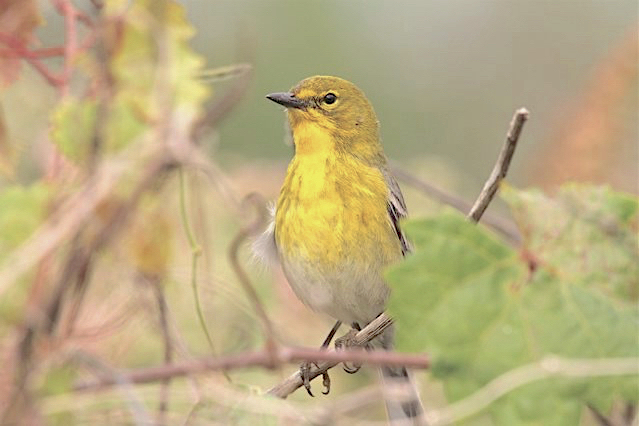
This post features photos of Prairie warblers taken on Abaco by Gerlinde Taurer, contributor to THE BIRDS OF ABACO. It is the start of a short series that will focus on a single species and feature gorgeous photos, all taken on Abaco. These bright little warblers are common winter residents and in normal times their Fall arrival would be well under way – along with some 30 other species of warbler that make Abaco – and the Bahamas generally – their winter home. 

Prairie Warbler, Abaco Bahamas (Gerlinde Taurer / Rolling Harbour)

The rich diversity of the avian life of Abaco is truly astonishing: from residents to migratory species, from tiny to huge, from frequently encountered to very rare. Every bird (yes, even the reputedly ‘dull’ black-faced grassquits) has its own beauty and character. Even a small brown bird may have a lovely song.  In non-storm circumstances, it would not be unusual for an amateur birder to encounter upwards of 40 species during half a day in the field – especially with binoculars. I hope that on a shattered island, appreciation of the lively and varied birdlife is already making a small yet positive contribution to the recovery.

Credits: All photos taken by Gerlinde Taurer on Abaco (my own are suppressed for being, frankly, dross in comparison)

Prairie Warbler, Abaco Bahamas (Gerlinde Taurer / Rolling Harbour)

Unknown's avatar

GULAR SACS: SCRATCHING THE SURFACE OF AN IN-DEPTH VIEW…


Brown Pelican, Gular Pouch / Sac (Phil Lanoue)

Large mouth, tiny snack…

GULAR SACS: SCRATCHING THE SURFACE OF AN IN-DEPTH VIEW…

A half-way intelligent microbe would make a better job of getting the internet into our home than the current ISP that nominally serves, at some expense, Maison Harbour. So I am restricted to posting 2 fantastic photos of gular pouches as a tempter for things to come when the dimwits in charge of the ‘provision’ of ‘service’ of ‘internix’ locate the act that they need to get together.

Spoiler Alert: ‘Gular Sacs’ has nothing to do with modern jazz. You need to go somewhere else for that…

Photo credits (if they load in the next fortnight or so): Phil Lanoue; Franz Delcroix – with thanks for use permission

Frigate bird male, gular pouch /sac (Frantz Delcroix)

Unknown's avatar

WAVE CHASERS: SANDERLING POOL TIME ON ABACO


Sanderling, Delphi Beach Abaco Bahamas (Keith Salvesen / Rolling Harbour)

WAVE CHASERS: SANDERLING POOL TIME ON ABACO

It’s often a hard decision whether to include a short piece of video footage in a post. By short, I mean less than a minute. On the one hand, there is usually a good reason for inclusion, even if only aesthetic. On the other, it simply takes up more time for busy people who may prefer to flick through an article and enjoy some nice images along the way. Today, you can have the best of both worlds.

Sanderling, Delphi Beach Abaco Bahamas (Keith Salvesen / Rolling Harbour)

Sanderlings are definitively ‘peeps’, a group name that embraces the smallest and squeakiest sandpiper species. They are the wave chasers, the tiny birds that scuttle along the beach, into the retreating tide for a snack from the sand, and back to the beach again as the waves creep in. Their little legs and feet move in a blur, and many people immediately think of wind-up clockwork toys as they watch the birds in action.

Sanderling, Delphi Beach Abaco Bahamas (Keith Salvesen / Rolling Harbour)

One of the joys of being a sanderling is that rock pools fill and empty diurnally. At some time during daylight, there’s the certainty of a quick dip. I was lying on the beach when I took this short video, so that I didn’t spook the birds. I was equipped with a smallish camera (I drowned it the following day. By mistake I mean) but I kept my distance rather than try to get closer and spoil their joyful bathing.

I caught these little birds at a critical moment. You can tell that the tide is coming in fast. The peeps are becoming edgy, and weighing up the joys of immersion in a pool with the less enjoyable prospect of being washed out of the pool by the next wave. Within a minute or so, they had all flocked down the shoreline for a foraging session.

Waves and incoming tide getting a little too close for comfort on the edge of the pool…Sanderling, Delphi Beach Abaco Bahamas (Keith Salvesen / Rolling Harbour)

Next to the migratory PIPING PLOVERS that favour Abaco as their winter home, the wave chasers are my favourite shorebirds. My keenness on them killed my camera. I went out into the incoming waves to get shots back at the beach with the sun behind me. Great idea until I lost my balance with, as they say, hilarious consequences. Lesson learnt – never turn your back on waves.

Sanderling, Delphi Beach Abaco Bahamas (Keith Salvesen / Rolling Harbour)

All photos © Keith Salvesen / Rolling Harbour taken on the beach at Delphi, Abaco, Bahamas

Sanderling, Delphi Beach Abaco Bahamas (Keith Salvesen / Rolling Harbour)

Unknown's avatar

‘A SADNESS OF SHEARWATERS’ ON ABACO: UNWELCOME NEWS


Audobon's_Shearwater - Dominic Sherony wiki

‘A SADNESS OF SHEARWATERS’ ON ABACO

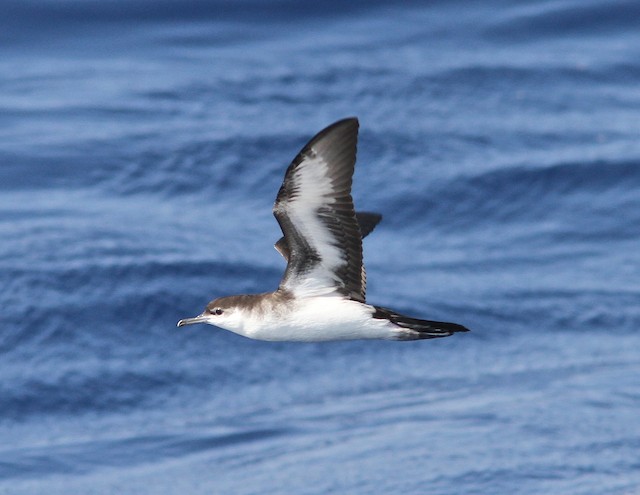
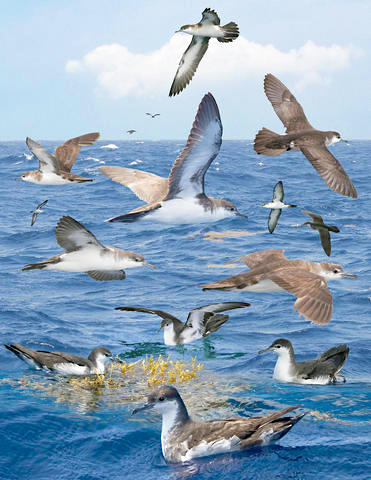
If you are walking your favourite beach on Abaco right now, it’s quite possible you may see – or may already have seen – a very poorly seabird. Or one that is dead, I’m afraid. These are Audubon’s Shearwaters, also known as Dusky Petrels. They are the only permanent resident shearwater species on Abaco. Three others (Cory’s, Great and Sooty) are rare transients; and the last – the Manx – is a very rare off-course vagrant.

Each sad bird is part of a tragic and recurrent phenomenon, a so-called die-off event. As in previous years, a few of the birds that succumb may be Great Shearwaters mixed in with the Audubon’s. I first became aware of this problem in June 2015 and wrote two detailed posts about the situation. This bleak time lasted for about a week, and many reports came in from the mainland and the cays from Green Turtle Cay right down to Crossing Rocks, all duly mapped to get the overall picture. 

audubons-shearwater-abaco-keith-kemp

There was thankfully no such problem in 2016, but in 2017 – also in June – there was another die-back event involving a large number of Audubon’s shearwaters (Puffinus lherminieri) appearing in the tideline and on beaches. Many were already dead. Some are still alive, but in a very poor state. The prospects for recovery for birds that were captured and cared for were not good.

Audubon's shearwater - Kinlarak / wiki

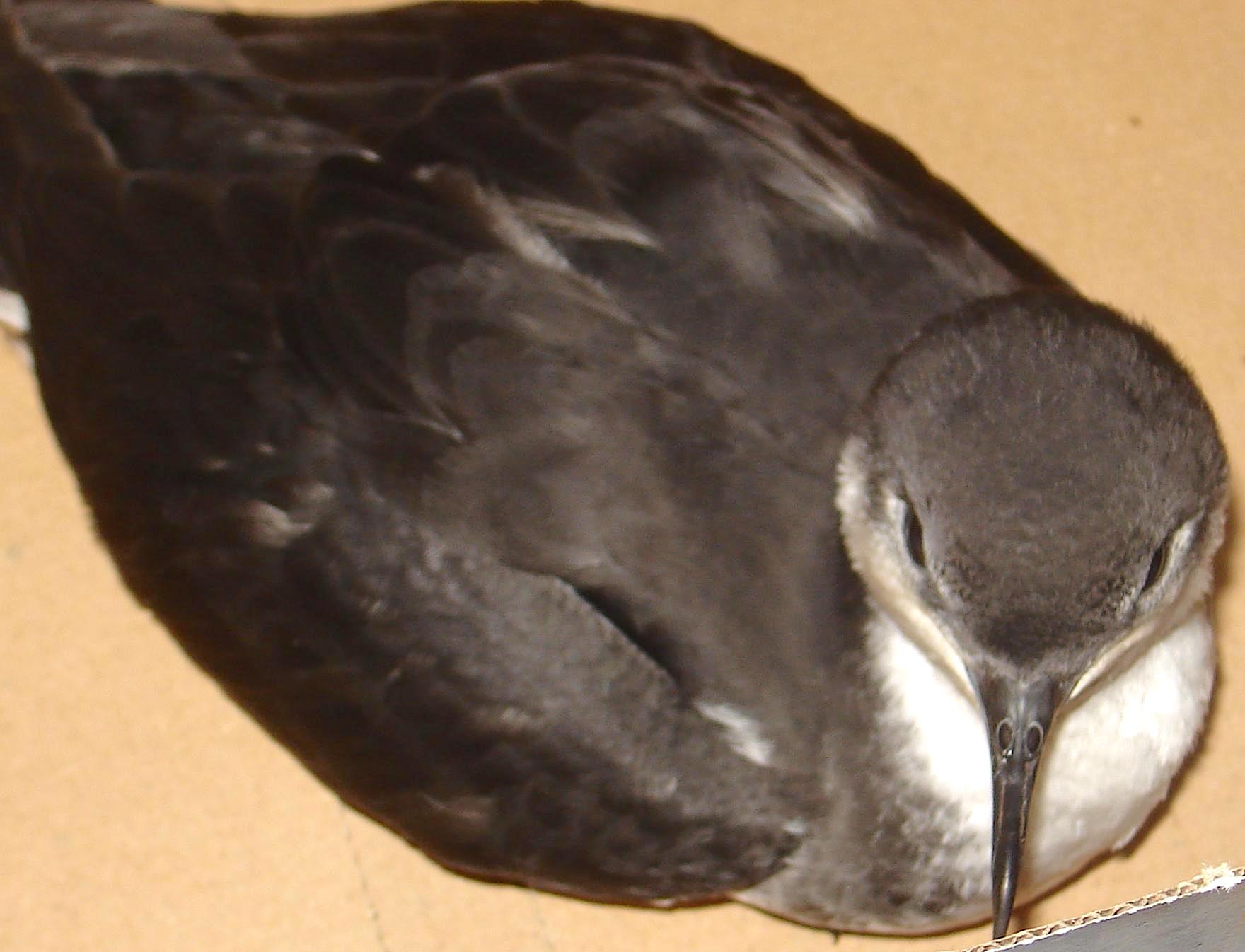
Two years on, and the melancholy cycle is repeating itself. A few days ago, Melissa Maura, an expert in the care and recovery of creatures of all kinds, posted an alert and some sound advice:

A heads-up to all Island folk that it appears to be a summer when exhausted Shearwaters (pelagic seabirds) are washing up on our beaches in Eleuthera and Abaco. I have had two calls in 24 hours. Should you find one, understand that it will be in a severe state of exhaustion and stress and that excessive handling will kill it. Please put in a safe pen on a sandy surface, with shallow pan of fresh water and try locate either fresh fish (important) or squid from a bait shop. This may have to be administered by gently opening the beak and inserting one inch long piece of fish every couple of hours until stable. Ideally they need tube feeding, but very few folk can do this. Please contact me on private message if you find any…

An exhausted Audubon’s Shearwater, now being cared for by Melissa Maura

WHY DOES THIS SHEARWATER DIE-OFF HAPPEN?
This is a periodic phenomenon that looks to be settling into a 2-year cycle in the Northern Bahamas (Eleuthera is also affected). The cause is probably a combination of factors, very likely stemming from prevailing mid-summer climate conditions and/or the effect of climate change. This can lead to a shortage of food far out in the ocean where the birds spend their days. This in turn leads to weakness and exhaustion as the birds try to find food. The birds may then land (or fall) in the sea, to be washed ashore in a very bad state, or dead. In 2017, well-known bird expert Woody Bracey noted a correlation between poor fishing conditions out at sea, and an unusual absence of the frigatebirds that are a sure sign of a healthy fish population.
Shearwater washed up on the beach at Winding Bay a couple of days ago
ARE PLASTICS A CONTRIBUTORY FACTOR?
As we must all accept by now, most if not all these birds will unavoidably have ingested some of our discarded plastic.  However, that in itself would not explain the simultaneous deaths of many birds of one type in a specific area, at exactly the same time of year, and for a few days only. 
Audubon's Shearwater (Neotropical Birds / Cornell / Brian Sullivan)
WHAT ELSE CAN BE DONE?
The dead birds will be quickly removed by the turkey vultures. If you do find one, you might want to bury it. The prognosis for sick birds is not that good. They may have been carried a long way from open sea and they will be exhausted and starved. Those that are strong enough may recover naturally; but most will sadly die, being too weak and emaciated to survive. There is no available facility able to deal with a large number of very poorly or dying birds.
The most practical advice I can give is:
(1) move the bird gently into the shade if in the sun
(2) provide clean water in a shallow dish
(3) offer finely chopped fish BUT no bread (it’s very bad for birds)
(4) if this seems to be working, then carry on until the bird is strong enough to fly (this may be quite a commitment)
(5) do not reproach yourself if a bird you try to help dies. Many will be in such bad shape by the time they are washed up that they are unlikely to survive whatever steps you take
(6) remember that this a part – a sad part – of the life-cycle of these birds, and (as with other species), a degree attrition is an inevitable aspect of natural life
I’d be interested to hear any other accounts of this year’s dieback, especially of any recovery stories. By all means do this as a comment, or email me, DM, or FB.
Credits: thanks to those  on Abaco who have been reporting this event over the last few days; Dominic Sherony (1); Melissa Maura (2, 5); Keith Kemp (3); Kinlarak / wiki (4); Rhonda Pearce (6); Brian Sullivan / Neotropical Birds / Cornell  (7); )Richard Crossley / Crossley Guides for the composite picture
Unknown's avatar

‘TERN, TERN, TERN’: THE UN-NOTORIOUS BYRD COUSINS


Royal Tern, Abaco Bahamas (Keith Salvesen)

‘TERN, TERN, TERN’: THE UN-NOTORIOUS BYRD COUSINS

There are twelve (12!) species of tern – ‘swallows of the sea’ – that to a greater or lesser extent may be found on Abaco. Whether they will actually  be visible at any given time is less certain, though. For a start, the only resident species is the lovely Royal Tern, available at many locations on Abaco and the cays throughout the year.

ROYAL TERNS Thalasseus maximus PR1

Royal Tern, Abaco Bahamas (Keith Salvesen)Royal Tern, Abaco Bahamas (Keith Salvesen)

In the slightly less commonly-found category are the summer migrant terns that, by definition, are only in residence for around half the year. Four of these are fairly common in certain areas, and actually breed on Abaco; these include arguably the prettiest of all, the bridled tern. The other two tern species (gull-billed and sandwich) are more rare and as far as I can make out do not breed locally; or perhaps only rarely. 

LEAST TERN Sternula antillarum SR B 1

LeastTern, Abaco Bahamas (Tony Hepburn)

BRIDLED TERN Onychoprion anaethetus SR B 2

BridledTern, Abaco Bahamas (Bruce Hallett)BridledTern, Abaco Bahamas (Bruce Hallett)

ROSEATE TERN Sterna Dougallii SR B 2

Roseate Tern, Abaco Bahamas (Woody Bracey)

SOOTY TERN Onychoprion anaethetus SR B 2

Sooty Tern, Duncan Wright wiki

GULL-BILLED TERN Gelochelidon nilotica SR 3 

Gull-billed Tern, Abaco Bahamas (Alex Hughes)Gull-billed Tern, Abaco Bahamas (Alex Hughes)

SANDWICH TERN Thalasseus sandvicensis SR 4

Sandwich Tern, Abaco Bahamas (Bruce Hallett)Sandwich Tern, Abaco Bahamas (Woody Bracey)

There is one rare winter resident migratory tern species. I had to check when the last one was recorded for Abaco. It was of course only in January this year, when ace birder-photographer Sally Chisholm saw one at Treasure Cay and managed to photograph it for posterity.

FORSTER’S TERN Sterna forsteri  WR 4

Forster's Tern (Dick Daniels)Forster's Tern, Abaco Bahamas (Sally Chisholm)

The final four ‘Abaco’ terns are very much the occasional visitors. Three of them pass over the Bahamas on their longer migration, but may make a pit-stop around Abaco to take on fuel. Likelihood of sighting one? Slender but not impossible… The fourth, the Arctic Tern, is a very rare vagrant, a bird well away from its usual home or migration route as the result of storms or faulty satnav or sheer happenstance. Don’t travel to the Bahamas intent on seeing one.

CASPIAN TERN Hydroprogne caspia TR 4

Caspian Tern Abaco Bahamas (Woody Bracey)Caspian Tern Abaco Bahamas (Keith Kemp)

As for the remaining three species, they are the transient black tern and common tern; and the vanishingly rare vagrant  Arctic tern (the clue is in the name). No photos of any of these I’m afraid, so here’s a handy checklist instead. 

     ELECTIVE MUSICAL DIGRESSION

Written by Peter Seeger a few years earlier, Turn x 3 was released in 1965, the title track on the second album from the Byrds. At a rather febrile time in US history (Vietnam, draft riots, black civil rightists v cops and so on), this unusually palliative and thoughtful song with its religious connotations to some extent stood for peace and hope in a time of turmoil.

PS the somewhat laboured title of this post shoehorns in the name of another Byrds album, ‘The Notorious Byrd Brothers’

Photo credits: Keith Salvesen (1, 2, 3, 5, 18); Tony Hepburn (4); Alex Hughes (10, 11); Bruce Hallett (6, 7, 12); Woody Bracey (8, 13, 16); Duncan Wright (9); Dick Daniels (14); Sally Chisholm (15); Keith Kemp (17)

Royal Tern, Abaco Bahamas (Keith Salvesen)

Unknown's avatar

SANDERLINGS: A POOL PARTY ON ABACO


Sanderling Bath Time, Delphi Beach Abaco Bahamas - Keith Salvesen

SANDERLINGS: A POOL PARTY ON ABACO

One of the pleasures of watching birds (as opposed to BIRDWATCHING, a more committed-sounding enterprise with its own Wiki entry, that may require equipment, books & mag subs…) is to spend some time observing them enjoying themselves. Perhaps you have a feeder, and like to watch the birds getting stuck into the seeds, carelessly flicking the husks around and throwing their ‘feeder shapes’ on the perches. Maybe you like to see the hummers, beaks deep into the little red plastic flowers on the rim of the sugar-water feeder, tiny bodies motionless and upright, wings a glistening blur of rapid movement in the sun. 

Sanderling Bath Time, Delphi Beach Abaco Bahamas - Keith Salvesen

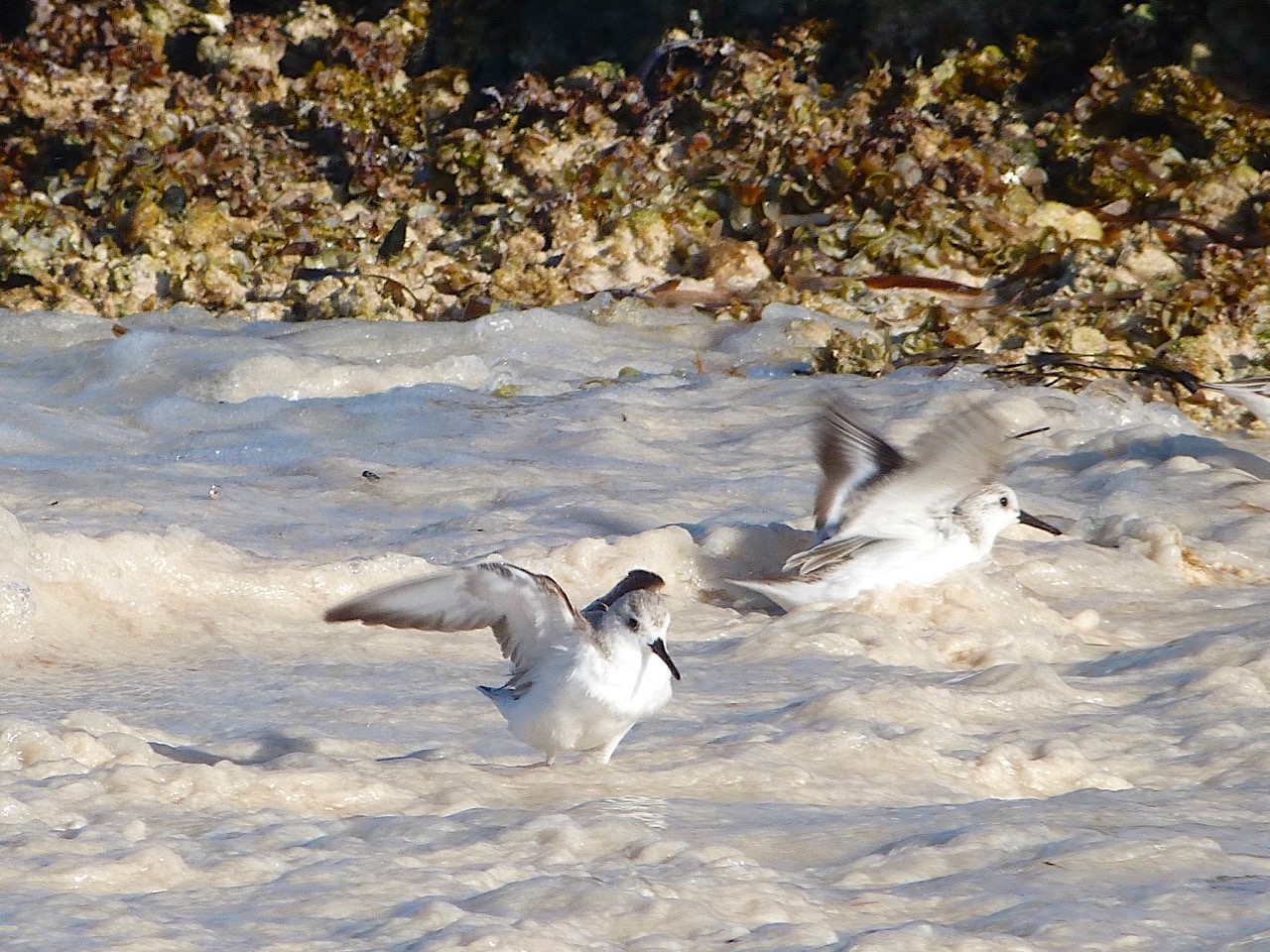
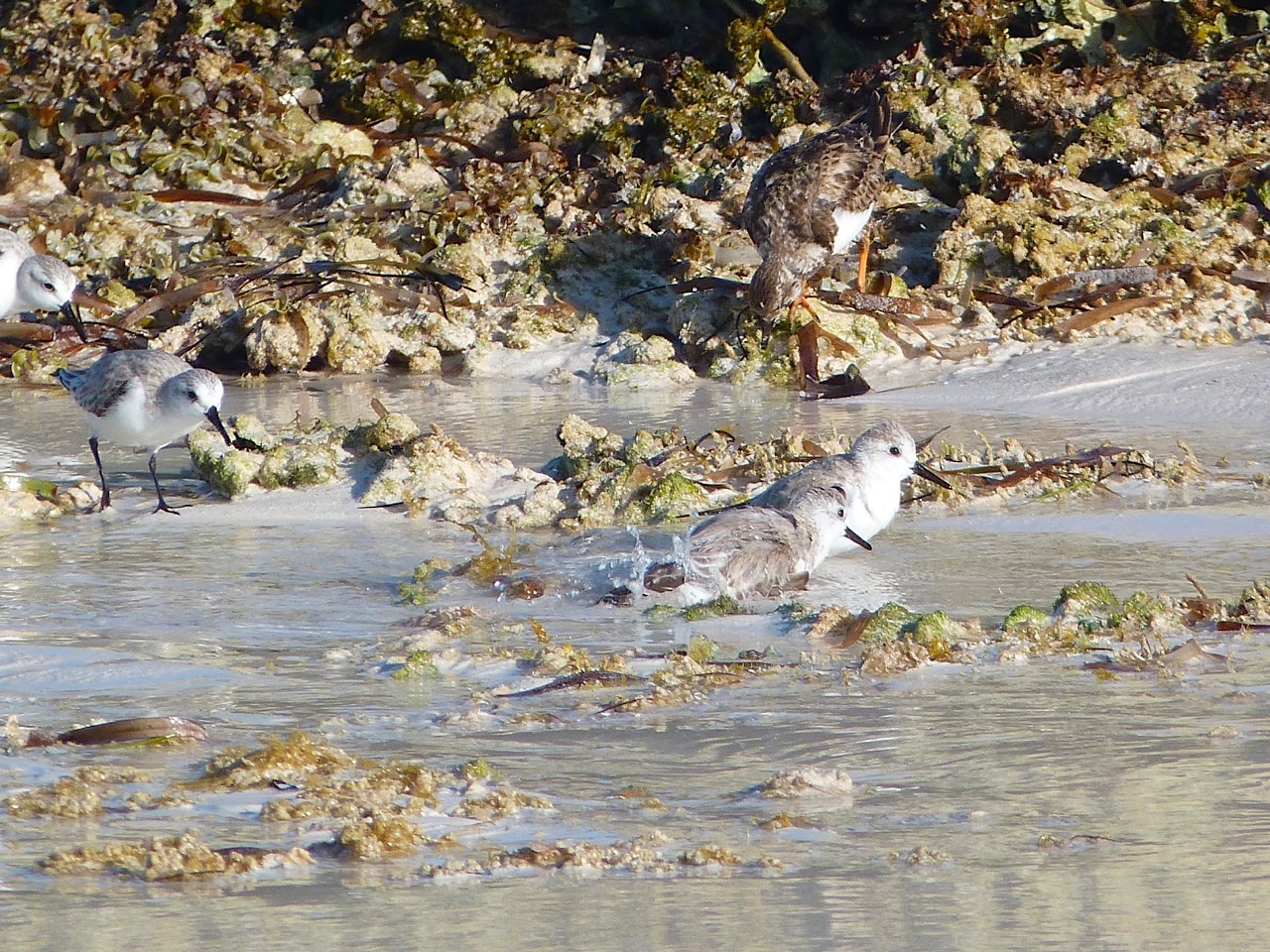
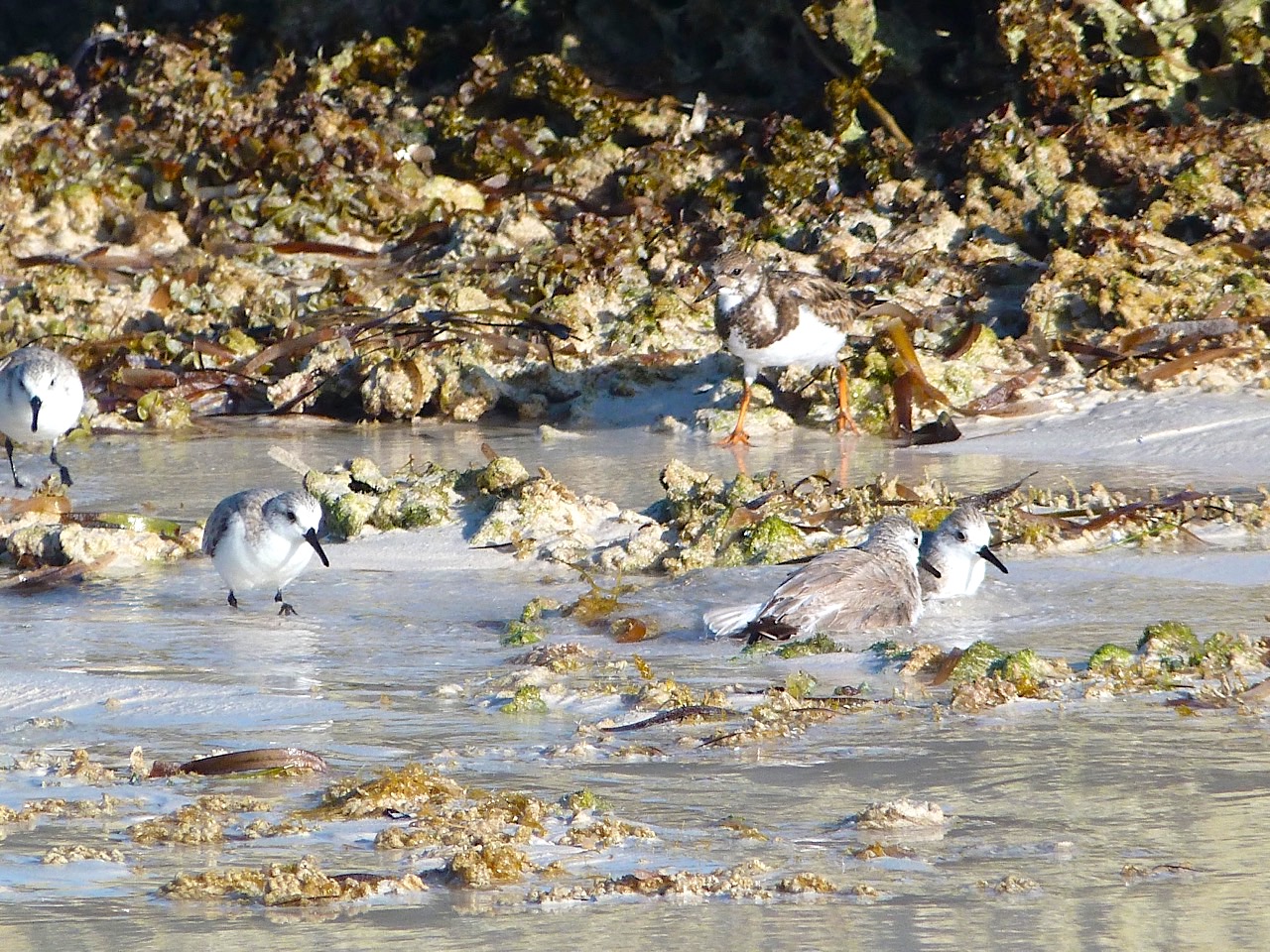
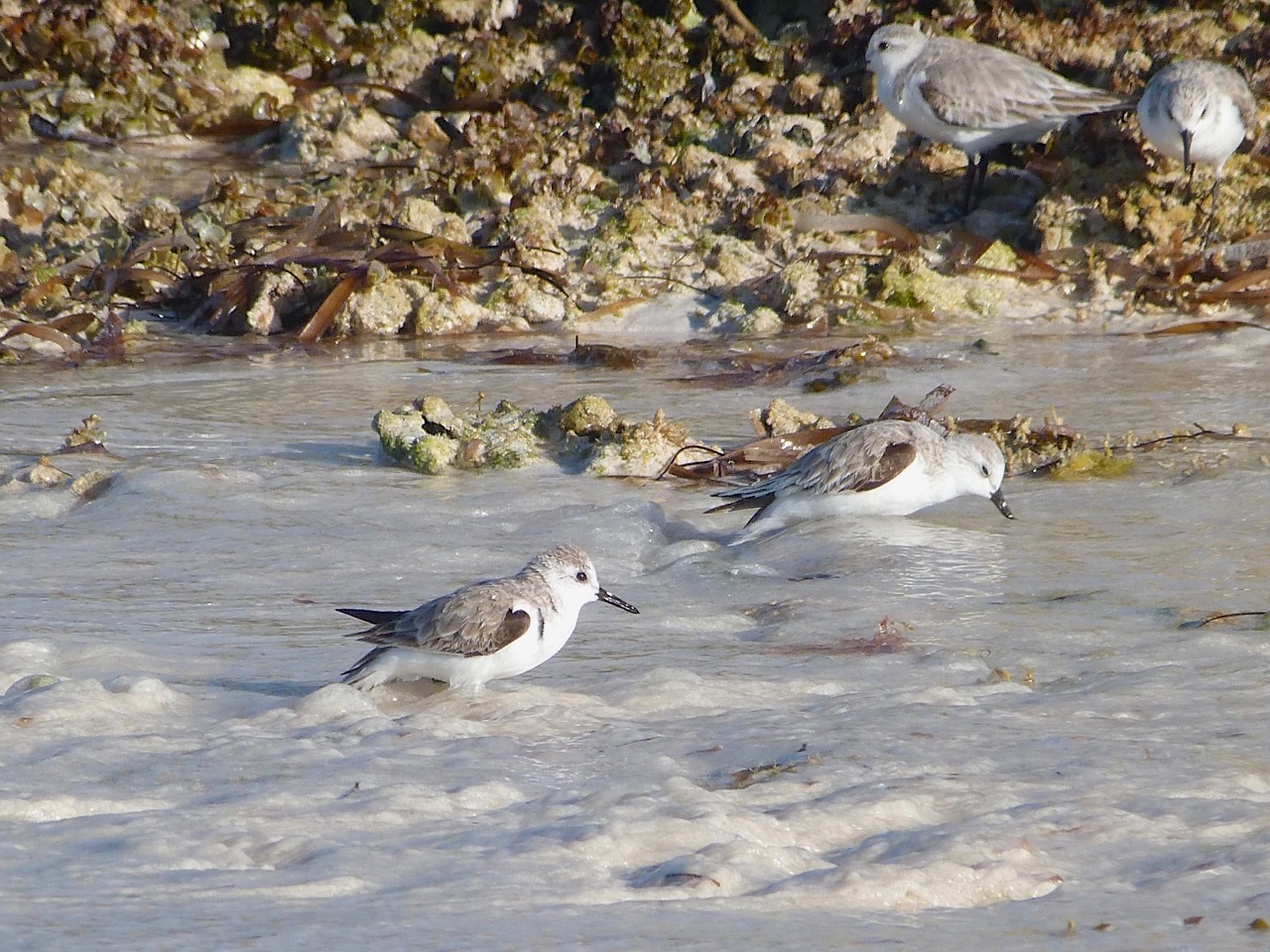
It is 5.30 pm. The sun is sinking in the early evening sky. The tide is on the rise at the north end of the Delphi beach where the reef joins the land. There is a small spit of sand that will be covered quite soon, but meanwhile two dozen sanderlings mixed in with assorted ruddy turnstones are doing their idiot feeding thing, rushing around on their tiny legs, stabbing in the sand, and generally behaving like clockwork toys on speed. Meanwhile a handful have found the fun to be had in the swirling tide as it pours round the head of the reef onto the sand spit. Yes, it’s sandpiper bath-time!

Sanderling Bath Time, Delphi Beach Abaco Bahamas - Keith Salvesen

Towards mid-tide on the rise, the water begins to creep round the rocks and encroach onto the sandbar. At high tide, it is well under water and fish are back in residence. Small sharks sometimes hang in the waves just behind their breaking point over the shallow sand.  And so the tidal process repeats.

Sanderling Bath Time, Delphi Beach Abaco Bahamas - Keith Salvesen

For the sanderlings, the best part of the day is when the tide is rising. At ± mid-tide is the time for the shore birds to bathe in the tidal pools that form – and as the water pours in around the end of the rocks, it froths like an overenthusiastic bubblebath. Right then is an excellent time to sit peacefully on the beach and watch the entertainment…

Sanderling Bath Time, Delphi Beach Abaco Bahamas - Keith Salvesen

Substantial immersion is not out of the question…Sanderling Bath Time, Delphi Beach Abaco Bahamas - Keith SalvesenSanderling Bath Time, Delphi Beach Abaco Bahamas - Keith SalvesenSanderling Bath Time, Delphi Beach Abaco Bahamas - Keith Salvesen

These moments don’t last long. Soon the increasing force and height of the water spoils the fun, and the flock will suddenly take flight and move south a little way along the beach, away from the rocks. There’s the incoming tideline to play with – and more importantly, food to be uncovered with each incoming and retreating wave…

Sanderling Bath Time, Delphi Beach Abaco Bahamas - Keith Salvesen

All photos © Keith Salvesen / Rolling Harbour

Unknown's avatar

OSPREY ID GUIDE: THE BAHAMAS SUBSPECIES REVISITED


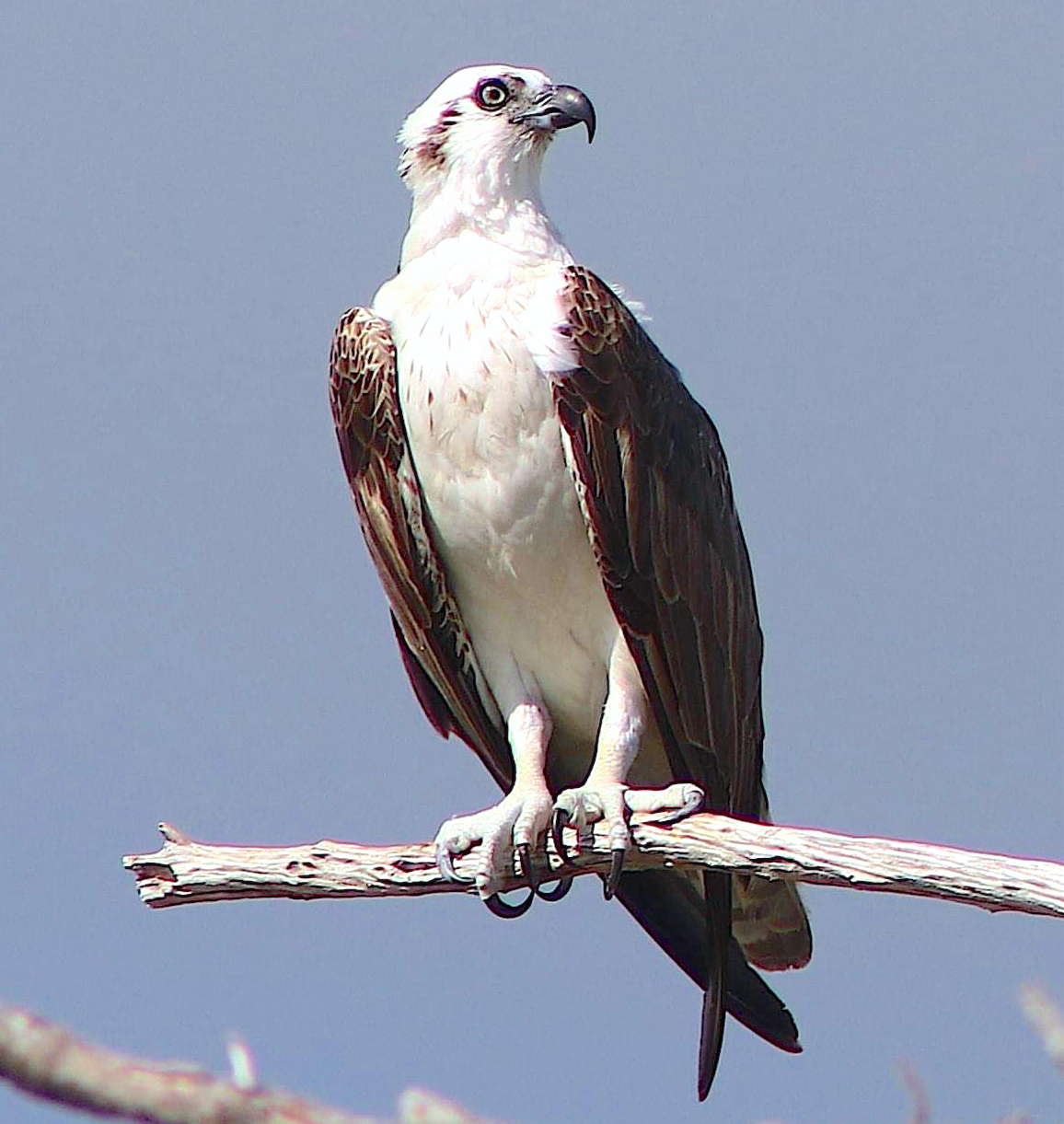
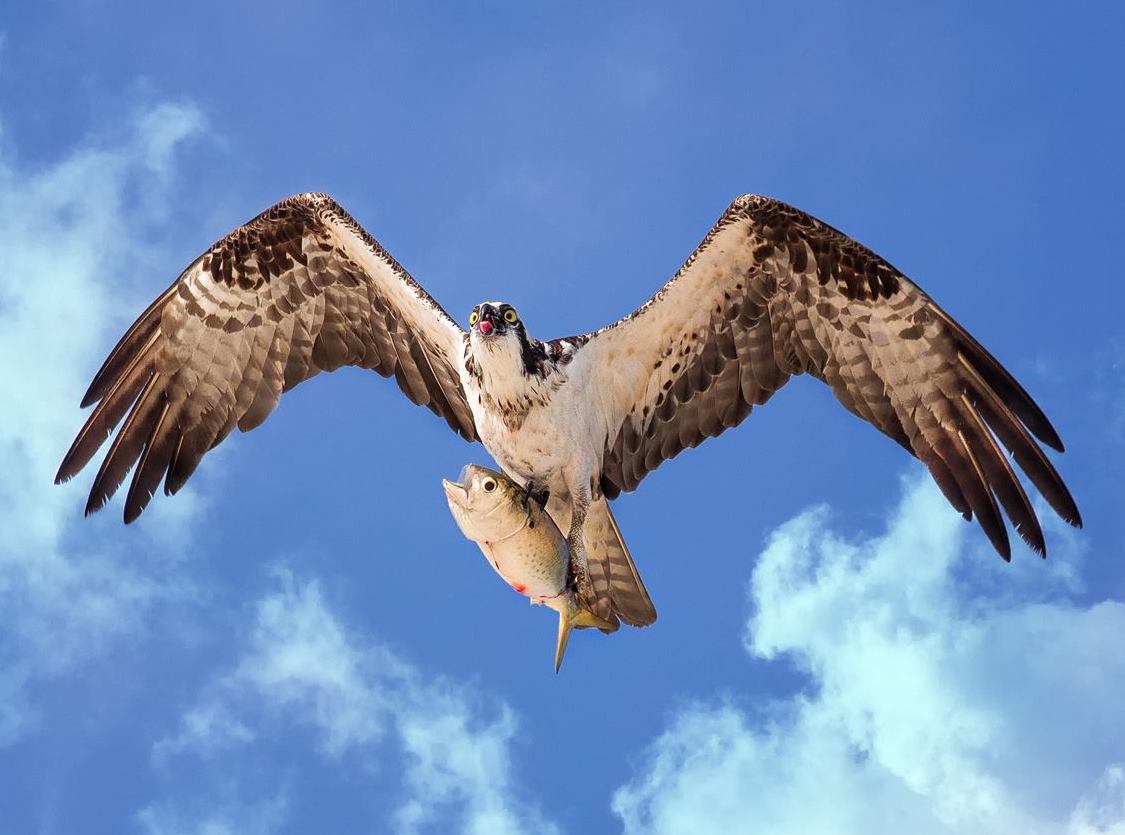
Osprey, Abaco Bahamas (Tom Sheley)

OSPREY ID GUIDE: THE BAHAMAS SUBSPECIES REVISITED

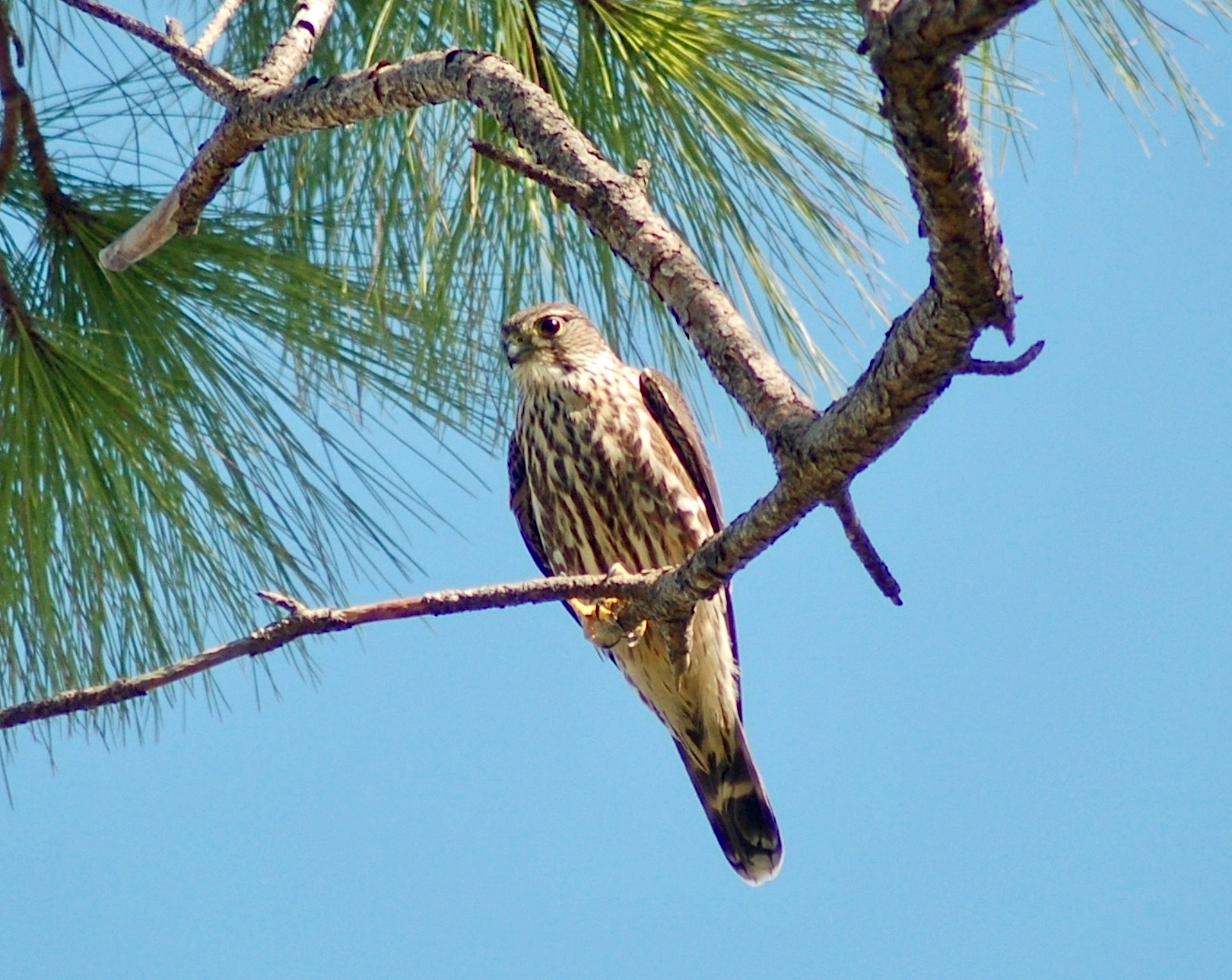
I am reposting this article in the wake of a recent Bird Club of New Providence bird of prey ID query featuring distant but still helpful photos that enabled the ID as an osprey. As far as I can tell from the visible evidence (the images pixellate when enlarged) this is the ‘local’ Bahamian subspecies that differs in subtle ways from the standard North American version. Both types are found in the northern Bahamas; it would definitely be a great ‘get’ to locate one of each on the same day…

I sometimes feature bird comparatives, not least because there is so much scope for confusion that I have to keep checking for myself. Tyrant flycatchers; a number of superficially similar warbler species (all with yellow bits); those vireos; all those heron-y / egret-y types and their disconcerting morphs (hello, white reddish egret).
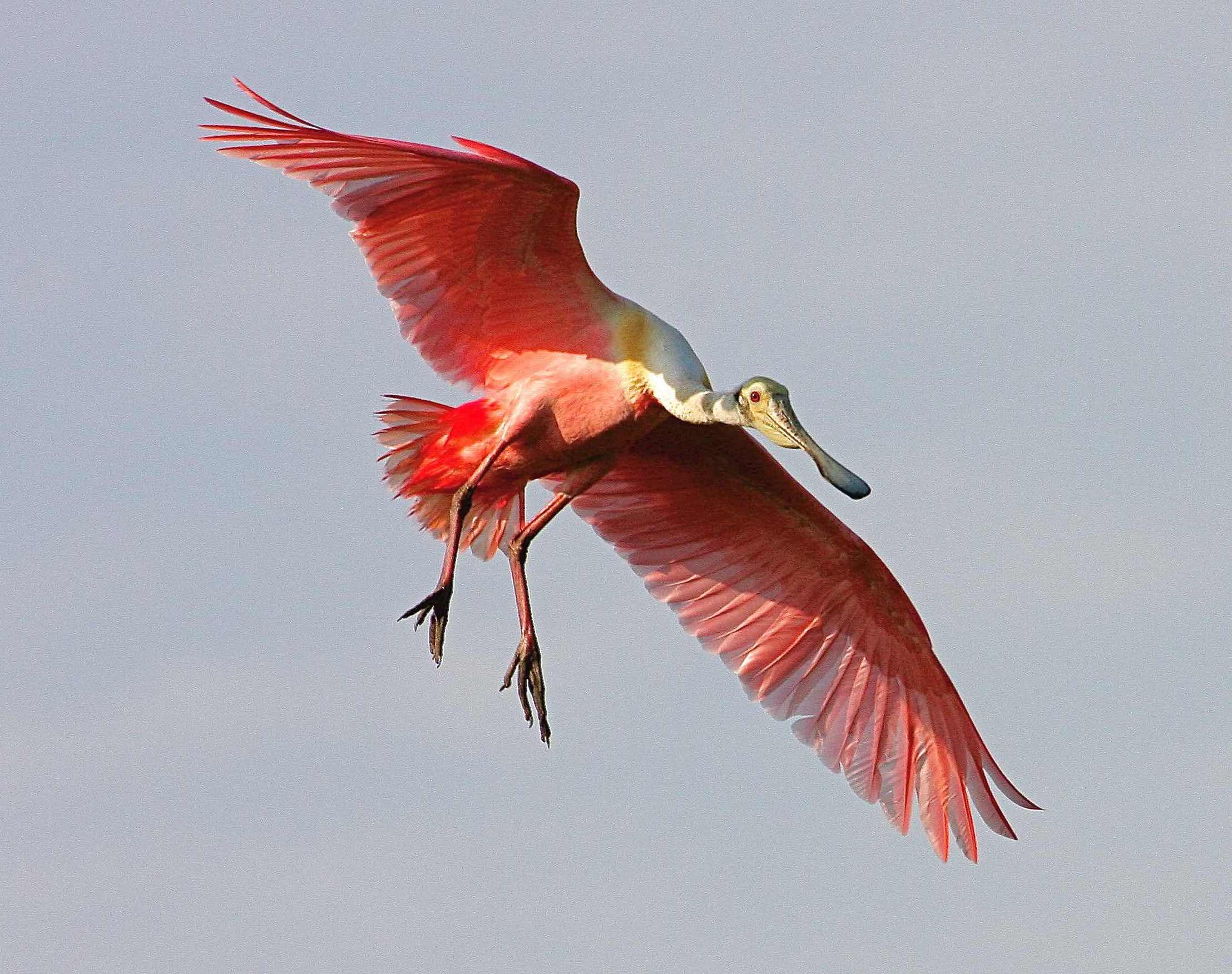
Osprey P.h.carolinensis (CWFNJ)

And so to the magnificent osprey Pandion haliaetus. This time, the comparison is between two subspecies, broadly the North American P. h. carolinensis and the Caribbean P.h. ridgwayi. There is some overlap in Florida, and some evidence of interbreeding. In the northern Bahamas in particular there is also an overlap, so an osprey seen on Abaco could be either variety. You’ll probably be too excited watching it to care much which type it is, but this article will help you if you do…

The two ospreys shown below were recently photographed at Spanish Wells, Eleuthera by Barbara Crouchley. This is a ‘bingo’ photographic scoop, because each type of bird was found in the same region; now we can check out the differences between the two birds. 

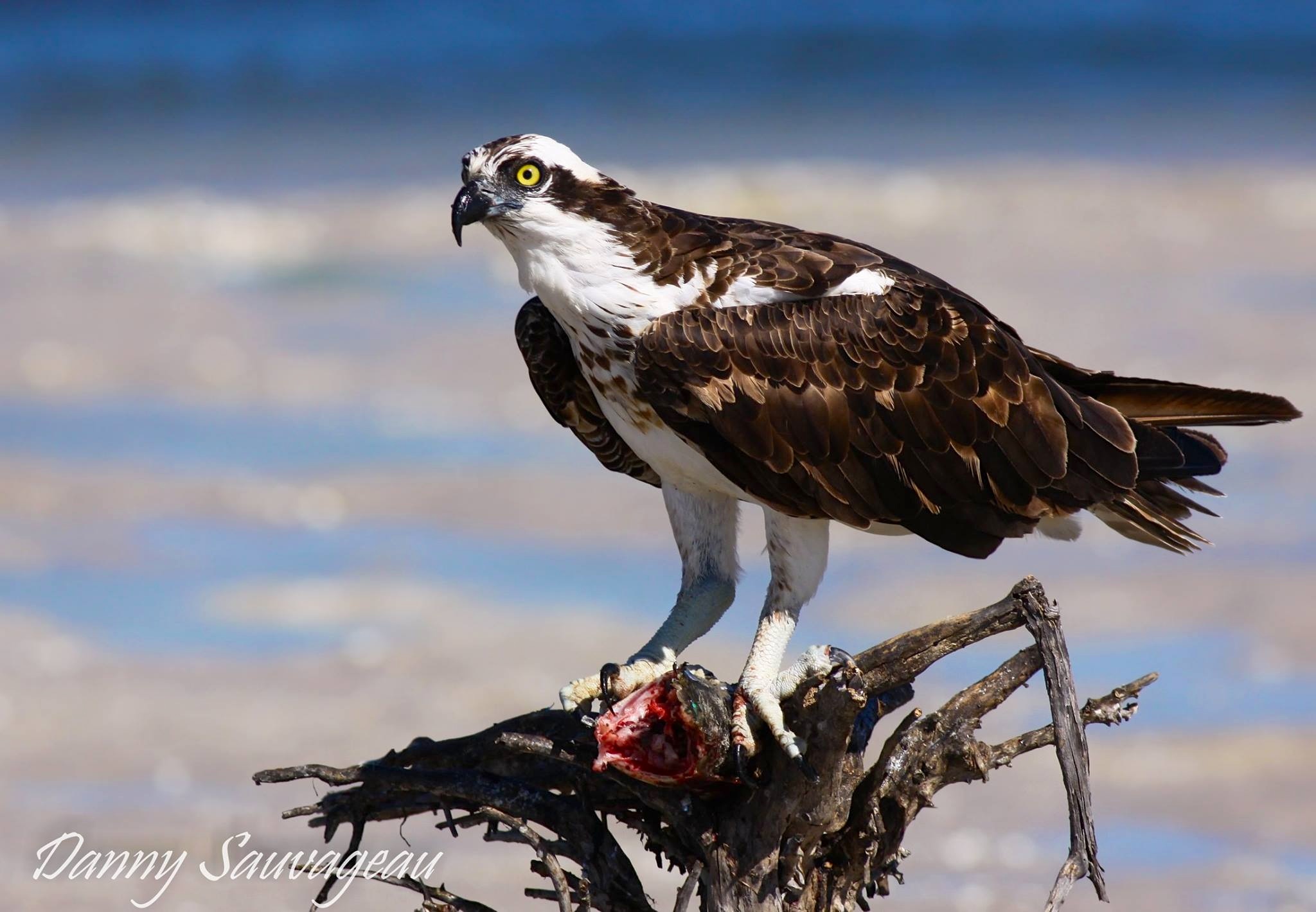
The first is a North American bird. Note in particular its distinctive eye mask, and the clearly marked upper breast, more so in the female than the male (which may even be white). The overall impression of the upper-parts is dark brown. They are slightly larger than their cousins in the south.
Osprey P.h. Carolinensis, Eleuthera Bahama (Barbara Crouchley)

Osprey P.h. carolinensis

In this Caribbean bird with its trophy fish, the eye-mask is absent, and the facial / nape markings are less pronounced. Furthermore, the breast and under-parts are white in both sexes (though slight marking may be apparent in some birds). And  the impression is of lighter upper-parts, even allowing for variable lighting and distance when the photos were taken. Conveniently, there’s not much detectable difference between male and females in the respective populations.

Osprey P.h. Ridgwayi, Eleuthera Bahama (Barbara Crouchley)

Osprey P.h. ridgwayi

EXAMPLES OF P. h. carolinensis

Osprey P.h. Carolinensis, Florida (Danny Sauvageau)Osprey P.h. Carolinensis, Florida (Danny Sauvageau)Osprey P.h. Carolinensis, Florida (Danny Sauvageau)

EXAMPLES OF P. h. ridgwayi

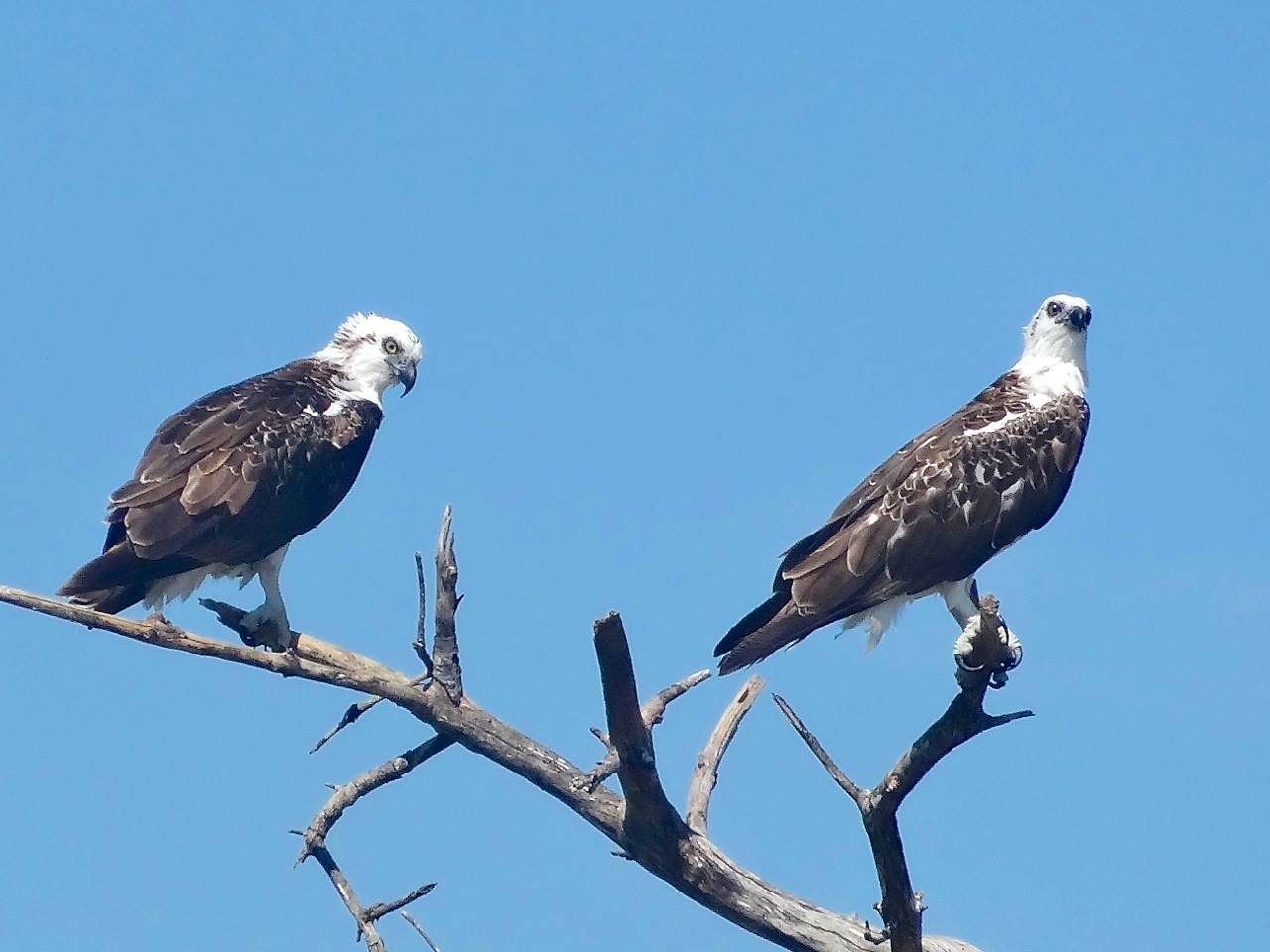
Osprey P.h. ridgwayi, Grand Bahama (Linda Barry Cooper)Osprey P.h. ridgwayi, Abaco (Jim Todd)Osprey P.h. ridgwayi, Abaco (Woody Bracey)

I’m going to stick my neck out here – I’ve not seen this mentioned anywhere, and I need to do some more comparative research. When I saw Barbara’s pair of photos, I immediately noticed that the eyes of the P.h.r were paler than the bright orangey-yellow of P.h.c. This distinction carries on through the comparative photos above: the P.h.cs were photographed in Florida and further north and have strikingly vivid eyes. The P.h.rs were photographed on Abaco and Grand Bahama at different times by different people. All have noticeably paler irises, more a light greeny-yellow. 

I’d welcome any views on this rash amateur theory. Preferably supportive ones…

UNDERWING DIFFERENCES

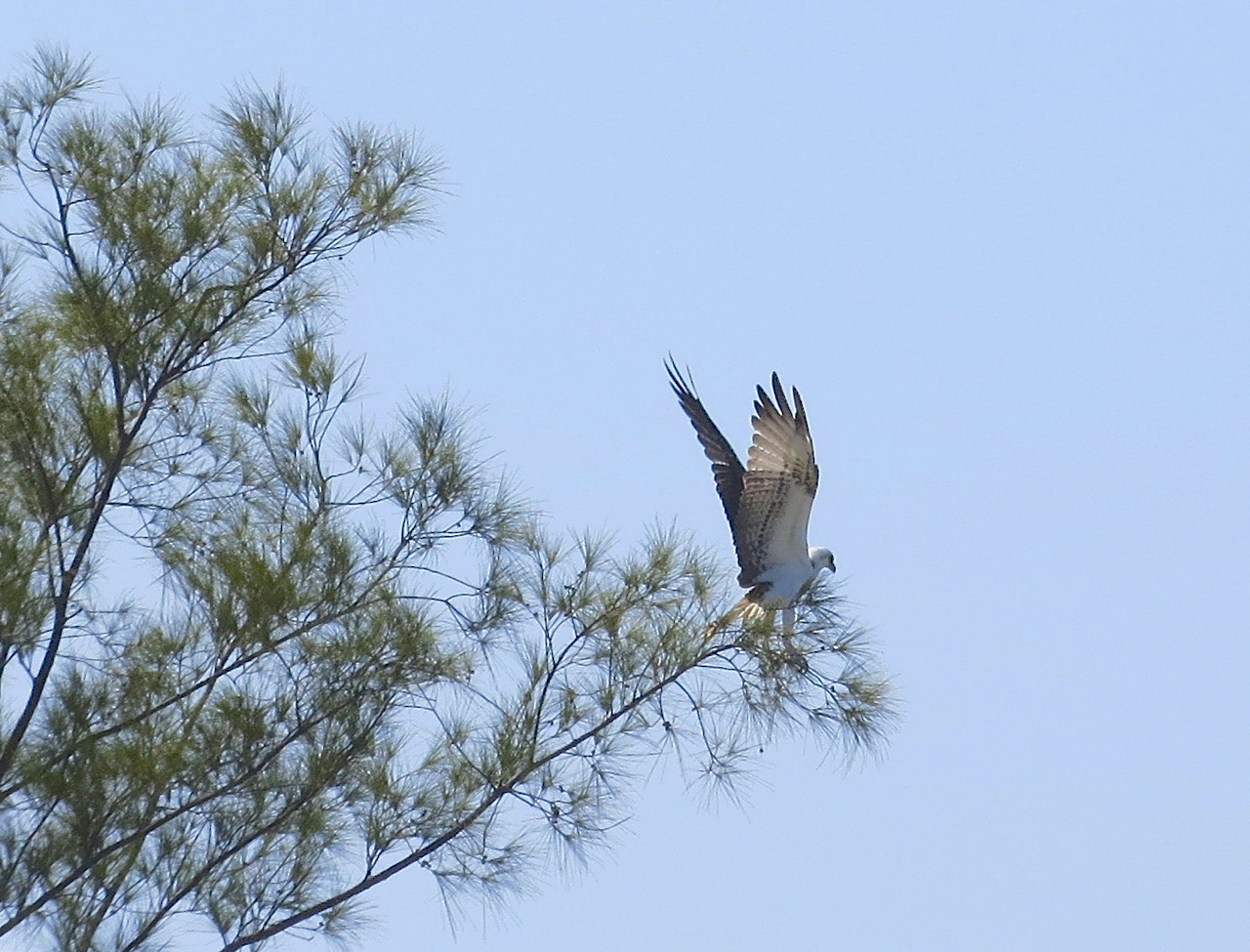
There’s a further comparison that can be made with the two subspecies in flight. Without going into technical and linguistic detail, the underwings of the P.h.cs are much darker than the Bahamas birds, whereas P.h.rs are notably paler and in some cases mostly white.  As an example, below is a distance shot I took when bonefishing out on the Abaco Marls, using a pocket camera. This is definitely a local bird! Compare with the dramatic image below it, where the strong darker markings are all too evident. It’s a great shot with which to bring the lesson to an end.

Osprey P.h. ridgwayi, Abaco Marls (Keith Salvesen)

Osprey in flight with fish (Northside Jim)

Photo credits: Tom Sheley (1); CWFNJ (2); Barbara Crouchley (3, 4); Danny Sauvageau (5, 6, 7); Jim Todd (8); Linda Barry Cooper (9); Woody Bracey (10); Keith Salvesen (11); the inimitable Northside Jim (12); Cute-toon, Birdorable. Thanks for all use permissions – also to Steve Connett for the idea!

Unknown's avatar

NORTHERN MOCKINGBIRDS: NEST + CHICKS = BUSY MAMA**


Northern Mockingbird Chicks being fed in nest, Abaco Bahamas (Melissa Maura)

NORTHERN MOCKINGBIRDS: NEST + CHICKS = BUSY MAMA**

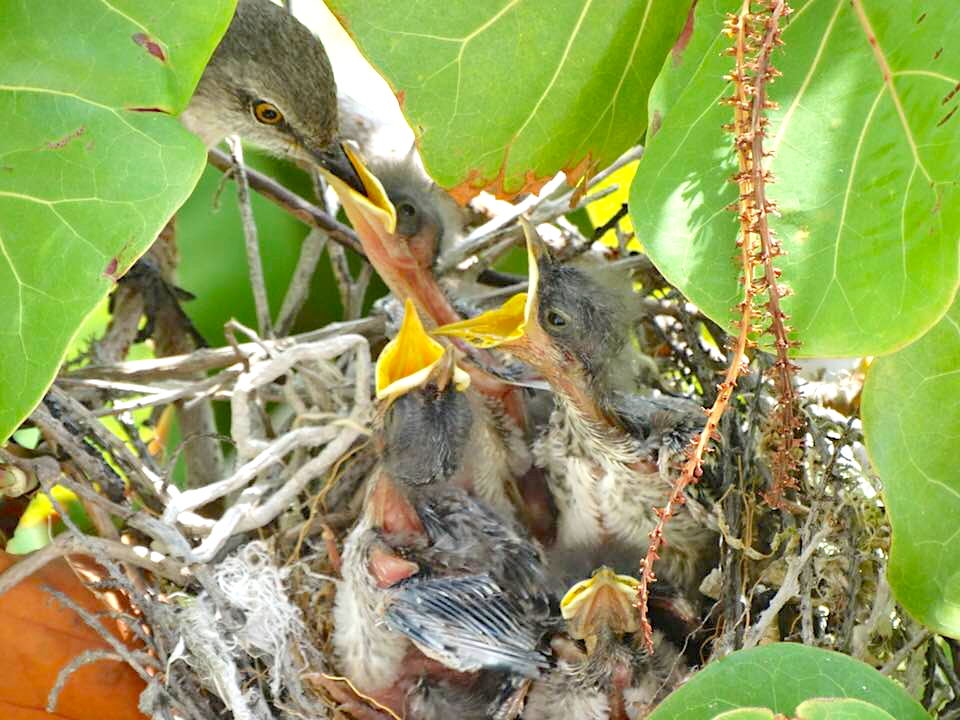
Anyone who has watched – and indeed heard – the behaviour of new chicks in a nest will recognise what is going on here. Four tiny Northern mockingbird chicks are passive and apparently dozy in the nest while they wait for one or other parent to fly back to fill their little faces.

Northern Mockingbird Chicks being fed in nest, Abaco Bahamas (Melissa Maura)

As soon as they see or sense the imminent arrival of parent, the clamour begins. Me me me. Feed me first. “Fill-a-mi-beek”. Straining and craning forwards and upwards, with gaping yellow mouths. Pushing and shoving for optimum positioning. It’s all a bit frantic in that confined space.

Northern Mockingbird Chicks being fed in nest, Abaco Bahamas (Melissa Maura)

Quite often, there’ll be a slightly smaller, less active chick at the back of the screeching pack… the best hope may be some leftovers or some food sprayed around in the mayhem. Then the parent bird flies off and the riot subsides. For a few minutes, anyway.

Northern Mockingbird Chicks being fed in nest, Abaco Bahamas (Melissa Maura)

The 2 chicks at the back haven’t quite got the hang of the tactics yet…

Northern Mockingbird Chicks being fed in nest, Abaco Bahamas (Melissa Maura)

The chick at the front – see him? – is out of the game..

As the photographer Melissa Maura wrote of this sequence: “A local avian staple seen in every Bahamian garden – the brilliantly musical Mockingbird. I followed this diligent Mamma for a few days in Abaco continually foraging for her 4 babies. Exhausting!”

* * Title / header: from the word ‘Mama’ onwards, there’s a notable absence of the role of `Papa’ in all this. He will have been the one to choose the territory and build the nest. His work complete, he can relax a bit in the knowledge that the chicks will fledge after only about a fortnight. Any Mama can cope with that, surely? Why interfere when it’s all going so well…

All great photos: Melissa Maura

Unknown's avatar

LOGGERHEAD KINGBIRD: LORD OF THE FLIES


Loggerhead Kingbird, Sandy Point, Abaco Bahamas (Keith Salvesen)

LOGGERHEAD KINGBIRD: LORD OF THE FLIES

Four principal so-called ‘tyrant flycatchers’ (Tyrannidae) are found on Abaco: the loggerhead kingbird, the gray kingbird, the La Sagra’s flycatcher and the Cuban pewee. These are common permanent residents, except for the gray kingbird which is a summer resident only. Several other flycatcher species are found on Abaco, but they are very uncommon winter residents, rare transients, or vagrants. 

Loggerhead Kingbird, Sandy Point, Abaco Bahamas (Keith Salvesen)

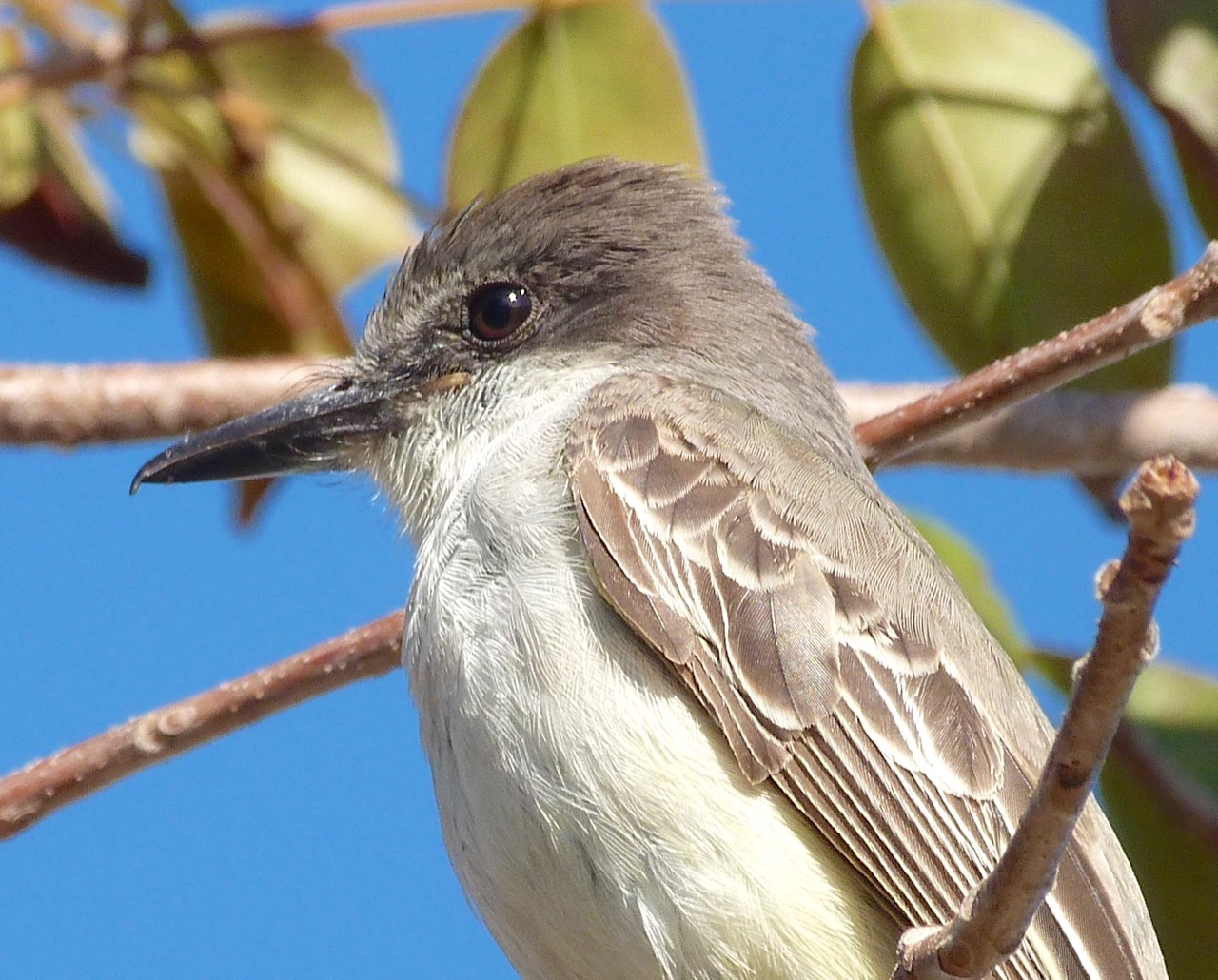
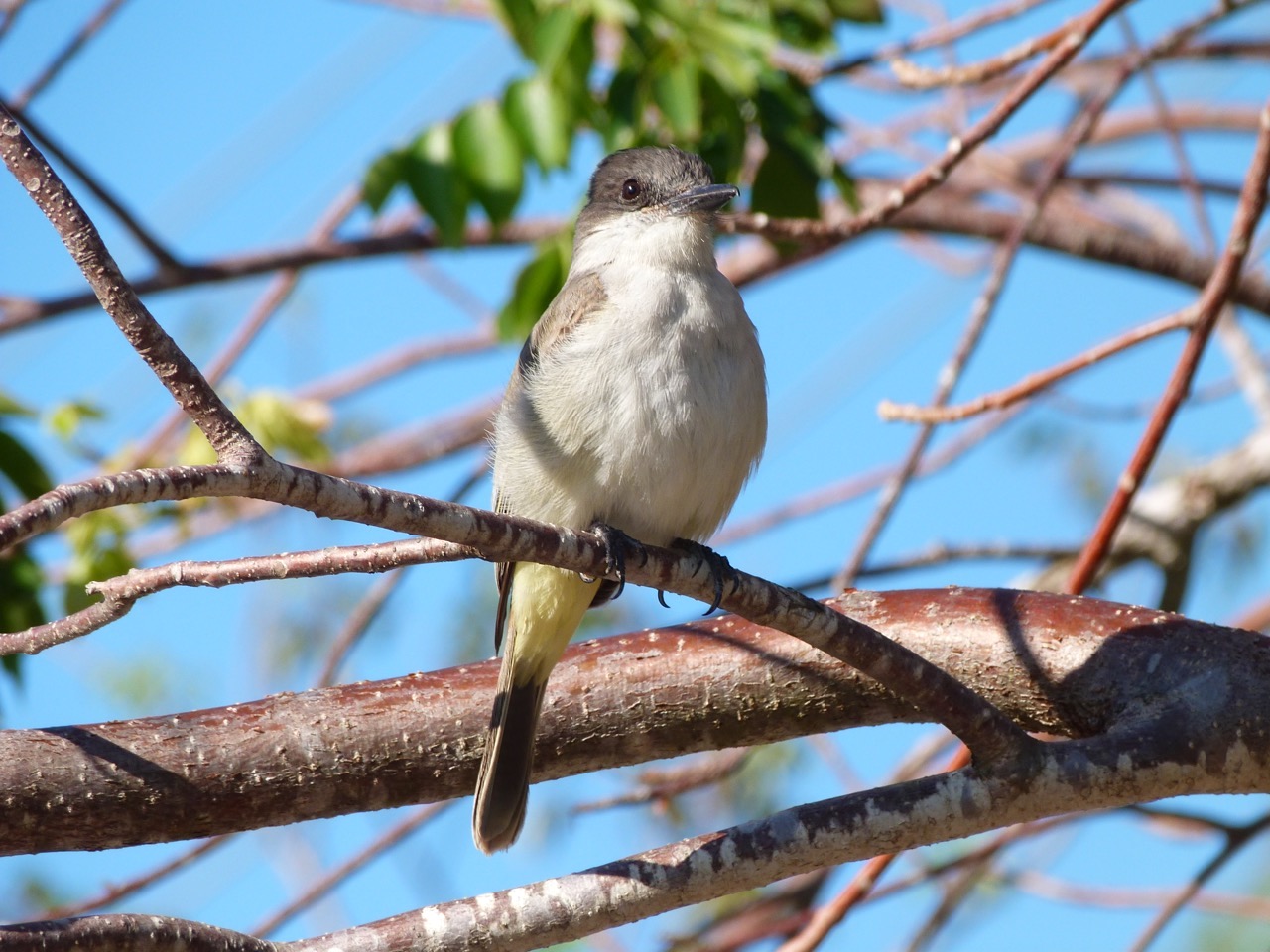
The loggerhead featured here became quite a good companion when I was staying in Sandy Point recently. Like other flycatchers – and indeed the cute little blue-gray gnatcatchers – loggerheads are curious and inquisitive.

Loggerhead Kingbird, Sandy Point, Abaco Bahamas (Keith Salvesen)

Loggerheads seem to have two methods of observing humans and their mysteries. One is by perching on a branch or in a shrub, watching intently. They stay quite still… until suddenly launching into the air to intercept some passing insect with their hooked beaks (so-called ‘hawking’), before returning to their perch. And staring at you again. The other method is to follow you round, either flying slightly ahead as you progress; or fluttering in the coppice alongside you; or playing catch-up from behind. 

Loggerhead Kingbird, Sandy Point, Abaco Bahamas (Keith Salvesen)

A typical quizzical loggerhead sideways look… all flycatchers do this

Loggerhead and gray kingbirds are similar in size, and can be quite easy to confuse. Top seasonal tip: because the grays are summer visitors only, it’s a fairly safe bet that any kingbirds seen between, say, October and April will be the resident loggerheads.

Loggerhead Kingbird, Sandy Point, Abaco Bahamas (Keith Salvesen)

MEMORABLE FACT TO DEPLOY IN CONVERSATION

The collective names for a group of kingbirds are: a Court, a Coronation, or a Tyranny

Loggerhead Kingbird, Sandy Point, Abaco Bahamas (Keith Salvesen)

Photo Credits: Keith Salvesen at Sandy Point, Abaco Bahamas; ‘Lordy’ the Loggerhead

Unknown's avatar

PINE WARBLERS ON ABACO and PINUS ENVY


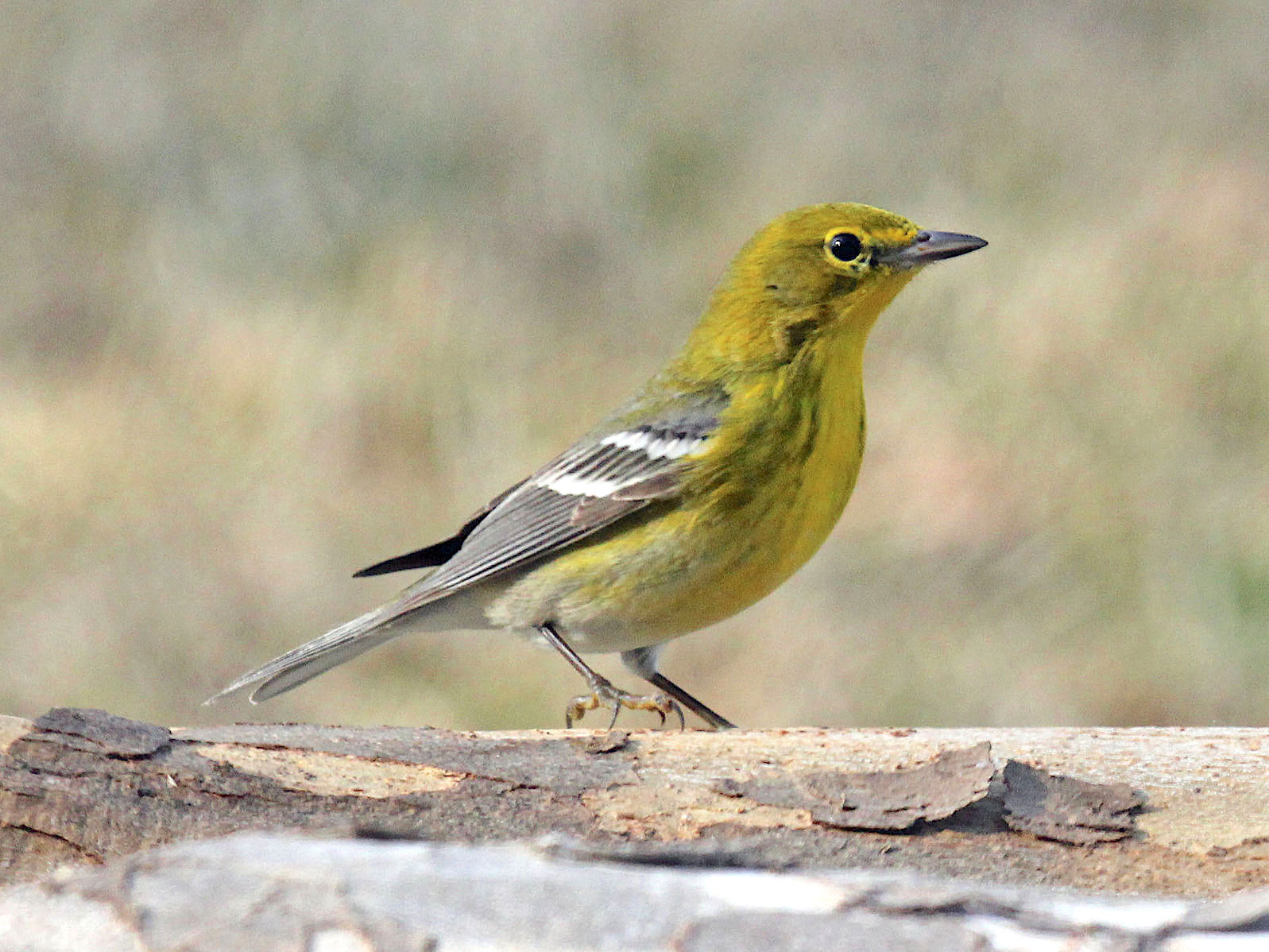
Pine Warbler, Abaco Bahamas (Bruce Hallett)

PINE WARBLERS ON ABACO and PINUS ENVY

The Pine Warbler Setophaga pinus is one of 5 year-round resident warblers on Abaco. The other 33 warbler species (including the recently recorded CANADA WARBLER) are migratory and at this time of year they will be in their summer breeding grounds. The co-resident warblers are the 2 endemics – Bahama warbler and Bahama Yellowthroat – plus the olive-capped warbler and the yellow warbler. You can see all 5 HERE. In fact, all are to be envied and admired. First, they are all bright, attractive birds. Secondly, they live in the Bahamas all year round, without needing to undertake a long exhausting flight twice a year, unlike the rest of their warbler compadres. And indeed, unlike many of the human inhabitants of Abaco.

Pine Warbler, Abaco Bahamas (Alex Hughes)

As the name strongly hints, the pine warbler is primarily a bird of the pine forests, of which Abaco has an abundance. The tall, straight trees were a vital local source of timber (cf SAWMILL SINK). As a historical note, felled pines were also exported to the UK to be made into the strong pit-props needed for coal-mines. 

Pine Warbler (immature), Abaco Bahamas (Bruce Hallett)

Q. WHAT IS THE NORMAL RANGE OF THIS BIRD? A. THIS IS!

Pine Warbler, Abaco Bahamas (Tom Reed)

Pine warblers have a broad diet and forage methodically. Pine cones are a fertile source for food,  and those robust, stabby, slightly down-curved beaks are ideal for getting the seeds out of the cones. Equally, these warblers use their beaks to prise out insects from the rough pine trunks and branches.

Pine Warbler, Abaco Bahamas (Tom Sheley)

WHAT OF THEIR NIDIFICATION?

The pine forest is obviously the preferred nesting habitat for these birds. On Abaco there are vast acres of forest for them, but the warblers also nest in the smaller groups of pines found (for example) in or near some of the settlements; or around the edges of former sugar cane fields and the like. One nesting habit is slightly unusual – pine warblers tend to build their nests near the end of branches rather than near the trunk, a position that seems far less secure. Milton Harris has helpfully pointed out: “One theory on pine warbler nest location is that they are safer from predators by building at the end of a small branch.  Some other birds do the same.”

Pine Warbler (immature), Abaco Bahamas (Bruce Hallett)

DO YOU HAVE ANY ‘FUN FACTS’?

  • One source states that “The song of this bird is a musical trill. Their calls are slurred chips. I think we’ve all been there at some time, possibly when lunching at Pete’s Pub.

MUSICAL TRILL Paul Driver / Xeno Canto

SLURRED CHIP Don Jones / Xeno-Canto

  • The longest pine in the world is the Benzodiazepine (14 letters)

Photo Credits: Bruce Hallett (1, 3, 6); Alex Hughes (2); Tom Reed (4); Tom Sheley (5); Dick Daniels (7); Wiki (range map); Nat Geo (species drawings); Paul Driver / Xeno Canto – call; Don Jones / Xeno Canto – chips

Pine Warbler (Dick Daniels wiki)

Unknown's avatar

LEUCOPHAEUS ATRICILLA: LAUGHING STOCK ON ABACO


PSSSST! WANNA HEAR A JOKE?

LEUCOPHAEUS ATRICILLA: LAUGHING STOCK ON ABACO

KNOCK KNOCK!


WHO’S THERE?


TWITTER!


TWITTER WHO?


HAR HAR! MADE YOU SOUND LIKE AN OWL…!

Photos & vid, Keith Salvesen; Joke, most people on Earth (though not with illustrative pics)

Unknown's avatar

NO LAUGHING MATTER: A DISHEVELLED GULL ON ABACO


Laughing Gull (non-breeding adult) Sandy Point, Abaco Bahamas (Keith Salvesen)

NO LAUGHING MATTER: A DISHEVELLED GULL ON ABACO

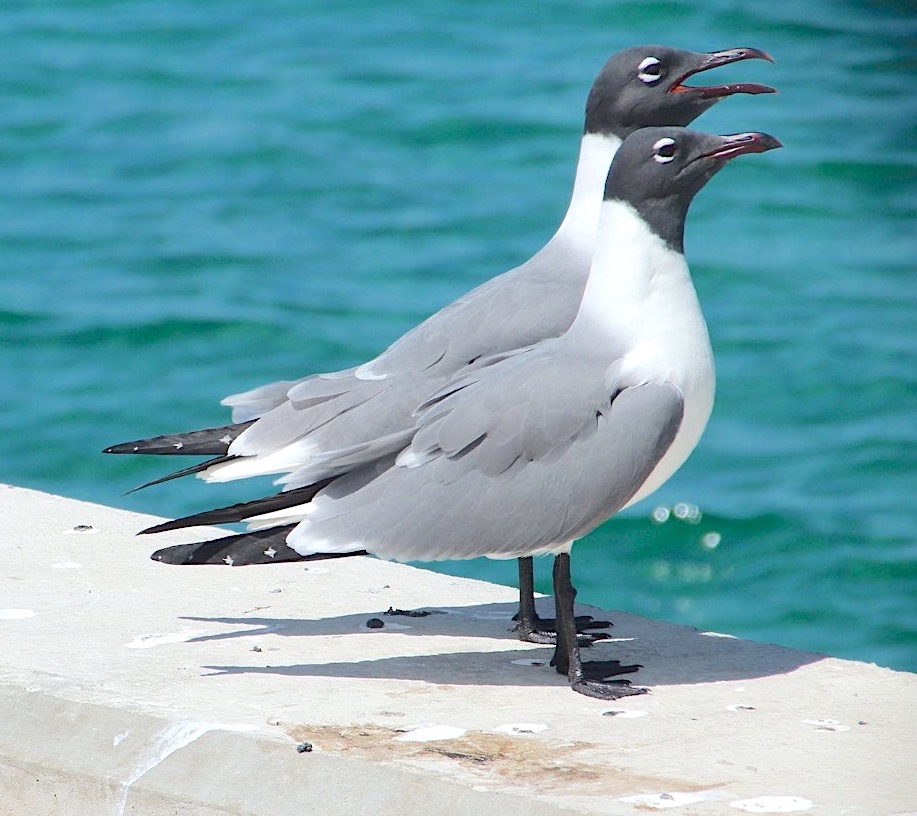
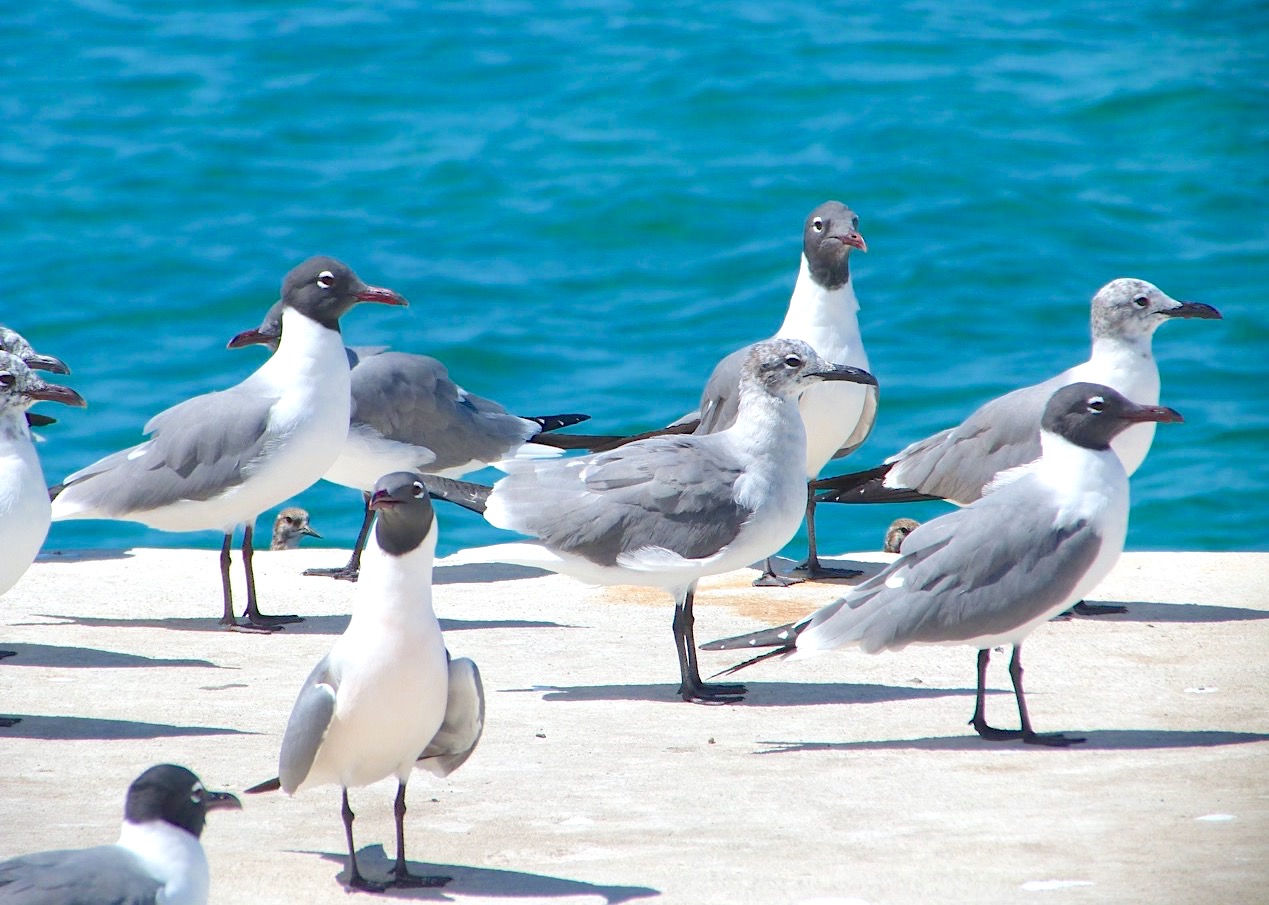
By the end of day 2 during my recent stay at Sandy Point, I thought that I had had just about enough of the laughing gulls Leucophaeus atricilla. They are delightful of course, and (in small doses) a joy to listen to. But their incessant outbursts of humour were getting beyond a joke.

Laughing Gull (non-breeding adult) Sandy Point, Abaco Bahamas (Keith Salvesen)

The next day, on the nearby jetty, the gulls were in full cry. A lone brown pelican stood on top of a piling, looking out to sea. A few Royal Terns turned their faces, characteristically, into the light wind. I wandered over and slowly walked down the jetty. This generated some laughter, but the birds were quite content to watch me edge slowly towards them.

Laughing Gull (non-breeding adult) Sandy Point, Abaco Bahamas (Keith Salvesen)

Probably, the gulls feel safety in numbers. Maybe they hope the din will send you away. Or perhaps, if approached very carefully, they are simply curious. I got close to the birds, and one in particular caught my eye. It was plainly having a bad-feather day. I took it to be a non-breeding adult, but it lacked the white spots on the tail-feathers (primaries). Maybe it was a first winter juvenile. Whichever, it was happy to pose for me.

Laughing Gull (non-breeding adult) Sandy Point, Abaco Bahamas (Keith Salvesen)

I realised, of course, that the jetty belonged to the birds, including the ruddy turnstones that had just joined the gang at the end of the jetty. I was the intruder in their world, and I had willingly visited their territory. So their racket was entirely their business, and absolutely none of mine**.

Laughing Gull (non-breeding adult) Sandy Point, Abaco Bahamas (Keith Salvesen)

WHAT DO LAUGHING GULLS SOUND LIKE? ARE YOU OVERSENSITIVE?

I made a couple of short recordings of the gulls in full humour mode. If you have never heard them before, you might want to listen to the full 30 seconds. For anyone else there’s a convenient lull at around 15 secs before they kick off again.

Breeding adult (Birdorable)

**In the UK there’s a thing where someone buys an attractive cottage next to the c15 village church. Then they discover that the clock chimes. And the bell-ringers practise their art on Monday and Thursday evenings. And on Sunday all hell breaks loose, especially if there is Sunday cricket on the village green in the mix. And the occasional ball being hit into the flowerbed. So, complaints are made to the Council, noise abatement orders are sought, legal letters fly round the Parish. And everyone hates the newcomers. Adopting village life with no research? Way to go!

All photos + audio clip: Keith Salvesen / Rolling Harbour

Laughing Gull (non-breeding adult) Sandy Point, Abaco Bahamas (Keith Salvesen)

Unknown's avatar

‘BIRD ON THE WIRE’: LOGGERHEAD KINGBIRD ON ABACO


Loggerhead Kingbird, Sandy Point Abaco Bahamas (Keith Salvesen)

‘BIRD ON THE WIRE’: LOGGERHEAD KINGBIRD ON ABACO

I’m just back from Abaco. Mostly, it was about Marine Mammals (i.e. whales, dolphins, manatees) and the biennial Retreat for the Bahamas Marine Mammal Research Organisation (BMMRO). There was still time for some birding in Sandy Point, though. It’s a good place at any time for bird-watching BUT the settlement is rather remote. Specifically it is the terminus of the single 120-mile Highway that stretches south from Little Abaco in the north. Then the tarmac abruptly runs out and gives way at once to white sand. If that doesn’t halt you, you’ll wish your vehicle was amphibious… 

Loggerhead Kingbird, Sandy Point Abaco Bahamas (Keith Salvesen)

Loggerhead kingbirds, with their hooky flycatcher beaks, cresty hair and dashing yellowish undersides, are intriguing companions. If they get interested in you (or maybe your camera bleep, as I have discovered), they will accompany you on a walk, flying ahead until you catch up, then doing it again. And if they are ‘hawking’ for flies from a favourite perch, they are fun to watch and… a big bonus… they won’t stop because you are spectating.

Loggerhead Kingbird, Sandy Point Abaco Bahamas (Keith Salvesen)

Like all the Bahamas flycatchers, from the little cuban pewee upwards, the Kingbirds have a charming way of cocking their head to one side or dropping it down towards their chest. Slightly posey, always endearing.

OPTIONAL MUSICAL DIGRESSION

‘Bird on the Wire’ was originally sung by Judy Collins, though written by Leonard Cohen. His own definitive version from 1968’s ‘Songs from a Room‘ is arguable the best known recording and preceded several hundred later cover versions. LC is a really “difficult” artist, however. Many will agree with his expressed view that the song is ‘a prayer and an anthem’. Others might say that it is simply growly dirge-like maundering. The (then-modish) mouth-harp twangling in the background may also be an opinion-divider. Since I have shoehorned Cohen’s song title into my blog title, you might as well have the song too, for contemplation. Is it a life-affirming ‘upper’ or a funereal ‘downer’? You be the judge!

Photos: Keith Salvesen / Rolling Harbour, Sandy point, Abaco.

Loggerhead Kingbird, Sandy Point Abaco Bahamas (Keith Salvesen)

Unknown's avatar

“MEET THE FLOCKERS…” ON ABACO


Ruddy Turnstones, Sandy Point, Abaco, Bahamas (Keith Salvesen)

“MEET THE FLOCKERS…” ON ABACO

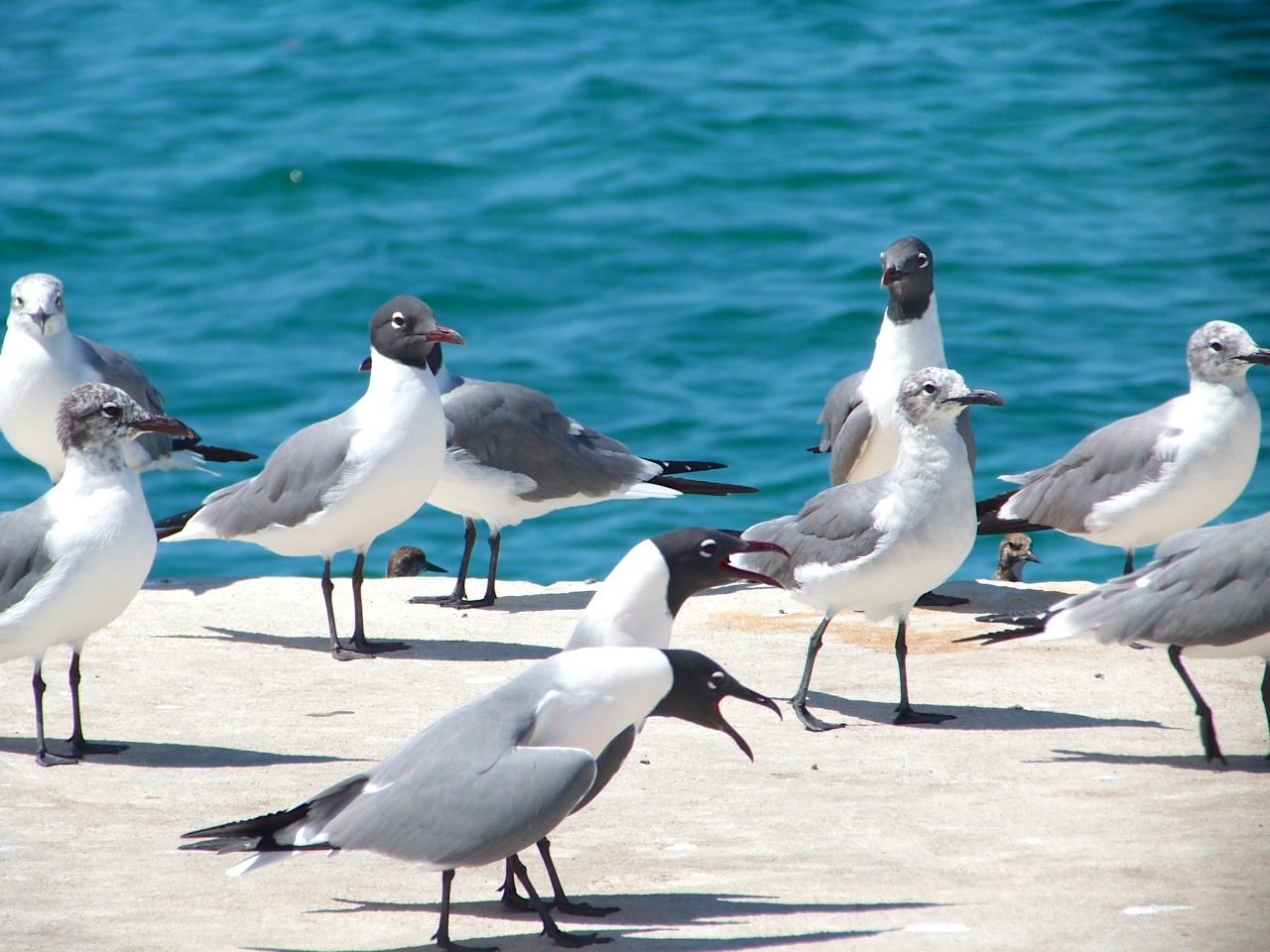
I’ve been checking out jetties at Sandy Point, of which there are several. They look a bit rickety but are in fact sound except for having to step rounds piles of (empty) conch shells and occasional evidence on the timbers of recent fish-cleaning. This is a time of Laughing Gulls, and I have been recording their raucous hilarity. I may add a couple of sound files when I’ve downloaded them.

Sharing a joke

Laughing Gulls, Sandy Point, Abaco, Bahamas (Keith Salvesen)

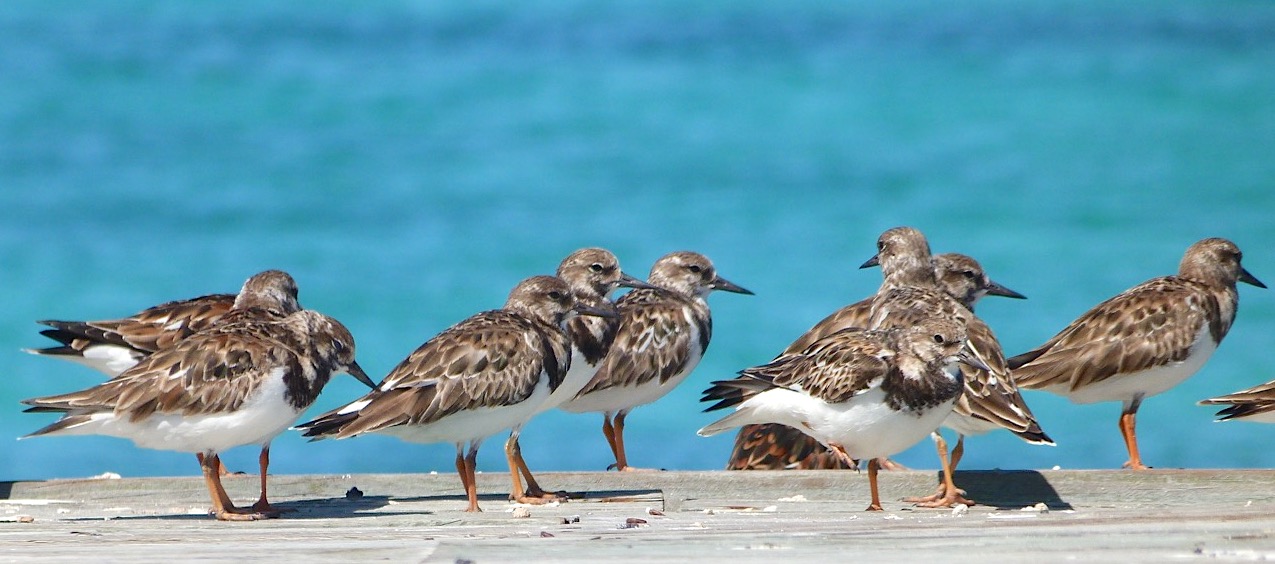
Right now, ruddy turnstones and laughing gulls seems to have formed a team of jetty birds, with a few royal terns in the mix and (as here) a random sanderling. The turnstones like to lie down in the hot sun on the jetty, possibly because it’s a bit breezier than on the burning sand of the beach.

Exhausted from turning stones

Random sanderlingRuddy Turnstones, Sandy Point, Abaco, Bahamas (Keith Salvesen)

These jokers are wild…Laughing Gulls, Sandy Point, Abaco, Bahamas (Keith Salvesen)

The jetties also attract pelicans, which use them to sun themselves and also to fish from. I will post about these remarkable birds another time. The largest flock of them I have seen so far is 5, one with a gold ‘breeding crown’.

Ruddy Turnstones, Sandy Point, Abaco, Bahamas (Keith Salvesen)

The gulls also spend time on the beach, and flock on the sandbars that emerge at low tideLaughing Gulls, Sandy Point, Abaco, Bahamas (Keith Salvesen)

All photos: Keith Salvesen

Laughing Gulls, Sandy Point, Abaco, Bahamas (Keith Salvesen)