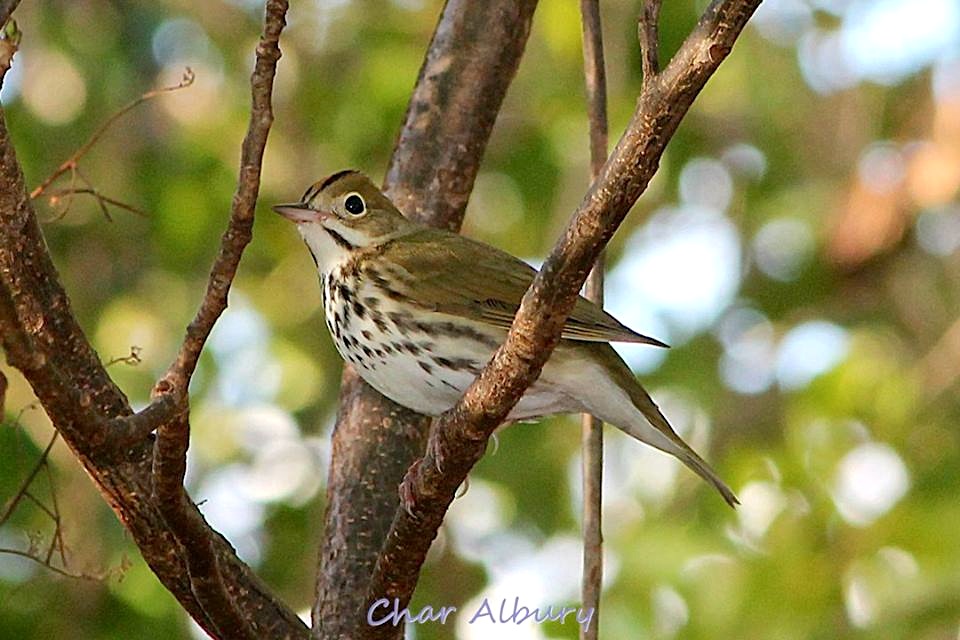
The Ovenbird Seiurus aurocapilla is a small winter-resident warbler with distinctive orange head feathers that can be raised into a crest. This accomplishment is mainly used in the breeding season as a way to impress and attract a mate, and maybe at other times if they are alarmed.
These are shy little birds and you may hardly be aware of them. They stay close to the ground and as they rootle their way through dead leaves and under shrubs, they look quite drab. See one lit up by the morning sun, however, and you’ll see how pretty and richly marked they are, with a smart orange head-stripe.
The Ovenbird – first classified by Linnaeus in 1766 – enjoys the taxonomic distinction of being the only bird of its genus in the warbler family Parulidae. It is a so-called ‘monotypic’ species. It was formerly lumped in with Waterthrushes and Parulas, but was fairly recently found to be genetically dissimilar and so the classifications were revised.
The ovenbird is so named because it builds a domed nest (‘oven’) with a side-entrance, constructed from foliage and vegetation. They tend to nest on the ground, making them vulnerable to predation. The species name for the ovenbird, Seiurus aurocapilla, has nothing to do with the nest shape, though. It derives from both Greek (Seiurus = wag-tail) and Latin aurocapilla = gold-capped). No, nothing to do with the lovely Taylor Swift either. Leave it.
Examples of the ‘chipping’ call and the song are below
Gauge the size of the bird against the pod it is standing on…
Orange crest feathers on show
Credits: Tom Sheley, Woody Bracey, Charmaine Albury, Bruce Hallett, Gerlinde Taurer, Cephas / Wiki
The great winter migration of warblers and their arrival in The Bahamas is underway. Reports are appearing – the latest being the Northern Parula. They will have made long journeys – hundreds of miles – and in the spring they will wing their way home for the summer. On Abaco, 38 warbler species are recorded for the main island and the cays, the latest being the first sighting of a Canada Warbler in 2018. Since Dorian the situation has undoubtedly been different, especially with the transients and rare species. The 5 permanent resident warbler are still resident. Sighting records of the winter visitors have been scarce. Many migrants and transients have not been recorded since Dorian, and the rarest perhaps never will be. The hope must be that at least the most common winter warblers will continue to arrive, and in increasing numbers.
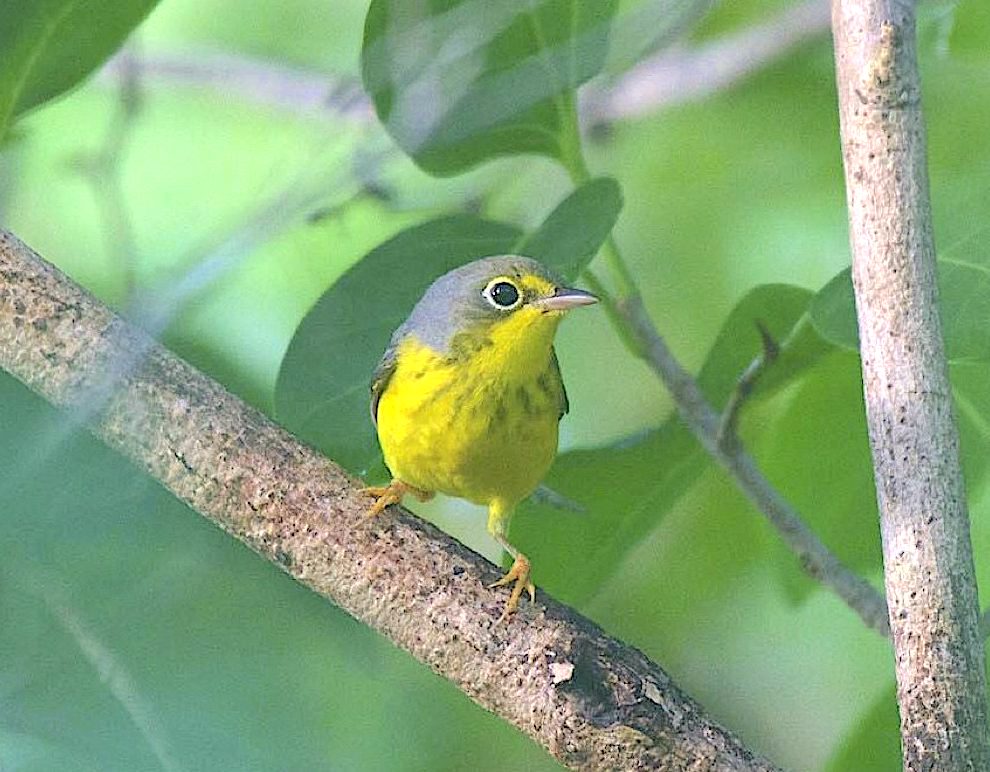
First-ever Canada Warbler for Abaco & the entire Bahamas: Aug 2018 (Chris Johnson)
This guide divides the 38 species into categories, with a code for each bird to show:
Resident status – permanent / breeding, migratory or transient
Frequency – likelihood of seeing each species in its season, rated from 1 (very likely) to 5 (extreme rarities, maybe recorded only once or twice since c1950 when recording began)
Numerically, the division breaks down into 3 categories of warbler:
5 permanent residents (PR) that breed on Abaco (B), of which two are ENDEMIC
21 winter residents (WR) ranging from ‘everyday’ species to extreme rarities like the very vulnerable Kirtland’s Warbler that needs a specific winter habitat that Abaco can provide
11 transients, most of which you will be very lucky to encounter
Palm Warbler, Abaco Bahamas (Nina Henry)
The photos that follow show an example of each warbler, where possible both (1) male and (2) taken on Abaco. Where I had no Abaco images – especially with the transients – I have used other mainstream birding resources and Wiki. All due credits at the foot of the post.
PHOTO CREDITS (1 – 37) Bruce Hallett (Header, 3, 9, 12, 14, 17, 21, 22); Tom Reed (1, 4); Cornell Lab (2); Tom Sheley (7, 10); Alex Hughes (5); Gerlinde Taurer (6, 11, 18); Becky Marvil (8, 20a); Woody Bracey (13, 24); Peter Mantle (15); Keith Salvesen (16); William H. Majoros wiki (19); talainsphotographyblog (20b, 26, 34); Charmaine Albury (23); Craig Nash (25); Ann Capling (27); Jerry Oldenettel wiki (28); Dominic Sherony wiki (29); 10000birds (30); Steve Maslowski wiki (31); MDF wiki (32, 33); Avibirds (35); Michael Woodruff wiki (36); Emily Willoughby wiki (37)
CHECKLISTbased on the complete checklist and codes for Abaco devised by Tony White with Woody Bracey for “THE DELPHI CLUB GUIDE TO THE BIRDS OF ABACO” by Keith Salvesen
IT’S STARTED The great winter migration of warblers and their imminent arrival in The Bahamas is underway. Any day now – if not already – the ‘winter’ (in fact autumn & early spring as well) warblers will be arriving on Abaco. There are 38 warbler species recorded for the main island and the cays. For years, it was just 37. Then in 2018 a CANADA WARBLER was seen and photographed by well-known Bahamas birder Chris Johnson. It was a first for Abaco – and the first-ever report for the Bahamas as well. You’ll find the story HERE.
This article is updated from an earlier one written pre-Dorian and the situation will undoubtedly be different now, especially with the transients and rare species. Consider it as a historical record of the prolific warbler species recorded for Abaco and more generally the northern Bahamas before the hurricane struck. The 5 permanent resident warbler are still resident. Many migrants and possibly all transients have sadly not been recorded since, and the rarest perhaps never will be. The hope must be that at least the most common winter warblers will continue to arrive, and in increasing numbers.
First-ever Canada Warbler for Abaco & the entire Bahamas: Aug 2018 (Chris Johnson)
Hooded Warbler, Abaco Bahamas (Chris Johnson)
The guide divides the original 37 species (excluding the Canada warbler) into categories, with a code for each bird to show:
Resident status – permanent / breeding, migratory or transient
Frequency – likelihood of seeing each species in its season, rated from 1 (very likely) to 5 (extreme rarities, maybe recorded only once or twice since c1950 when recording began)
Numerically, the division breaks down into 3 categories of warbler:
5 permanent residents (PR) that breed on Abaco (B), of which two are ENDEMIC
21 winter residents (WR) ranging from ‘everyday’ species to extreme rarities like the very vulnerable Kirtland’s Warbler that needs a specific winter habitat that Abaco can provide
11 transients, most of which you will be very lucky to encounter
Palm Warbler, Abaco Bahamas (Nina Henry)
The photos that follow show an example of each warbler, where possible both (1) male and (2) taken on Abaco. Where I had no Abaco images – especially with the transients – I have used other mainstream birding resources and Wiki. All due credits at the foot of the post.
PHOTO CREDITS (1 – 37) Bruce Hallett (Header, 3, 9, 12, 14, 17, 21, 22); Tom Reed (1, 4); Cornell Lab (2); Tom Sheley (7, 10); Alex Hughes (5); Gerlinde Taurer (6, 11, 18); Becky Marvil (8, 20a); Woody Bracey (13, 24); Peter Mantle (15); Keith Salvesen (16); William H. Majoros wiki (19); talainsphotographyblog (20b, 26, 34); Charmaine Albury (23); Craig Nash (25); Ann Capling (27); Jerry Oldenettel wiki (28); Dominic Sherony wiki (29); 10000birds (30); Steve Maslowski wiki (31); MDF wiki (32, 33); Avibirds (35); Michael Woodruff wiki (36); Emily Willoughby wiki (37)
CHECKLISTbased on the complete checklist and codes for Abaco devised by Tony White with Woody Bracey for “THE DELPHI CLUB GUIDE TO THE BIRDS OF ABACO” by Keith Salvesen
Any day now – if not already – winter warblers will be arriving on Abaco. There are 37 warbler species recorded for the main island and the cays. They fall into 3 categories: 5 permanent residents (PR) that breed on Abaco (B), of which two are endemics; 21 winter residents (WR) ranging from ‘everyday’ species to rarities such as the Kirtland’s Warbler; and 11 transients, most of which you will be lucky to encounter. The codes given for each bird show the residence status and also the likelihood of seeing each species in its season, rated from 1 (very likely) to 5 (extreme rarities, maybe only recorded once or twice).
The photos that follow show an example of each warbler, where possible (1) male and (2) taken on Abaco. Where I had no Abaco images – especially with the transients – I have used other mainstream birding resources and Wiki. All due credits at the foot of the post.
This is a slightly revised version of a guide I posted a couple of years ago. Afterwards, I compressed the guide into a pdf which, in theory at least, is downloadable. You could even send it to your phone and add it to your home screen, so that you will never be without a basic guide to the warblers around you. But it’s not as enthralling as Pokemon Go!, I do quite understand…
PHOTO CREDITS (1 – 37) Bruce Hallett (Header, 3, 9, 12, 14, 17, 21, 22); Tom Reed (1, 4); Cornell Lab (2); Tom Sheley (7, 10); Alex Hughes (5); Gerlinde Taurer (6, 11, 18); Becky Marvil (8, 20a); Woody Bracey (13, 24); Peter Mantle (15); RH (16); William H. Majoros wiki (19); talainsphotographyblog (20b, 26, 34); Charmaine Albury (23); Craig Nash (25); Ann Capling (27); Jerry Oldenettel wiki (28); Dominic Sherony wiki (29); 10000birds (30); Steve Maslowski wiki (31); MDF wiki (32, 33); Avibirds (35); Michael Woodruff wiki (36); Emily Willoughby wiki (37)
CHECKLISTbased on the complete checklist and codes for Abaco devised by Tony White with Woody Bracey for “THE DELPHI CLUB GUIDE TO THE BIRDS OF ABACO” by Keith Salvesen
OVENBIRDS FOR CHRISTMAS ON ABACO (NB NOT ROAST TURKEY)
The Ovenbird (Seiurus aurocapilla) is a small winter-resident warbler with distinctive orange head feathers that can be raised into a crest. I’m guessing this accomplishment is mainly used in the breeding season as a way to impress and attract a mate. Maybe when alarmed or excited at other times as well. Right now, with Christmas only ’12 sleeps’ away, they have become a visible presence on Abaco and the Cays despite their shyness and a general tendency to shuffle around in the undergrowth looking for insects and small snails.
You may hardly be aware of these rather unassuming little birds, and as they rootle their way through the dead leaves under shrubs they can look quite dull. See one lit up by the morning sun, however, and you’ll see how pretty and richly marked they are.
The Ovenbird enjoys the taxonomic distinction of being the only bird of its genus in the warbler family Parulidae. It is a so-called ‘monotypic’ species. It was formerly lumped in with Waterthrushes, but was found to be genetically dissimilar so its new status was granted.
The ovenbird is so named because it builds a domed nest (“oven”) with a side-entrance, constructed from foliage and vegetation. They tend to nest on the ground, making them vulnerable to predation. The species name for the ovenbird, Seiurus aurocapilla, has nothing to do with the nest shape, though. It derives from both Greek and Latin, and loosely means ‘shaking tail, golden haired’. No, nothing to do with Miley Cyrus either. Leave it.
Here are some recent shots taken by Charmaine Albury on Man-o-War Cay, showing the orange crest very clearly.
My plan to include audio of the ovenbird’s song and call has been temporarily thwarted by a glitch, but I’ll add them here when I have overcome the problem.
Gauge the size of the bird against the pod it is standing on…
In this photo, you can see that the orange crest feathers are raised
Credits: Tom Sheley, Woody Bracey, Charmaine Albury, Bruce Hallett, Gerlinde Taurer, Cephas / Wiki
AN ILLUSTRATED GUIDE TO ABACO’S 37 WARBLER SPECIES
The winter warblers are arriving on Abaco right now, and a couple of people have already sent me ID queries. Until a couple of years ago, I lazily believed all of the warblers were near identical, differing only in their extent of yellowness. Not so. I know better now. Their arrival now has prompted me to devise a general guide to all the various warblers, so that the great diversity can be appreciated. The photos that follow show an example of each warbler, where possible (1) male (2) in breeding plumage and (3) taken on Abaco. Where I had no Abaco images – especially with the transients – I have used other mainstream birding resources and Wiki. All due credits at the foot of the post.
Abaco has 37 warbler species recorded for the main island and cays. They fall into 3 categories: 5 permanent residents (PR) that breed on Abaco (B), of which two are endemics; 21 winter residents (WR) ranging from ‘everyday’ species to rarities such as the Kirtland’s Warbler; and 11 transients, most of which you will be lucky to encounter. The codes given for each bird show the residence status and also the likelihood of seeing each species in its season, rated from 1 (very likely) to 5 (extreme rarities, maybe only recorded once or twice).
PERMANENT RESIDENTS
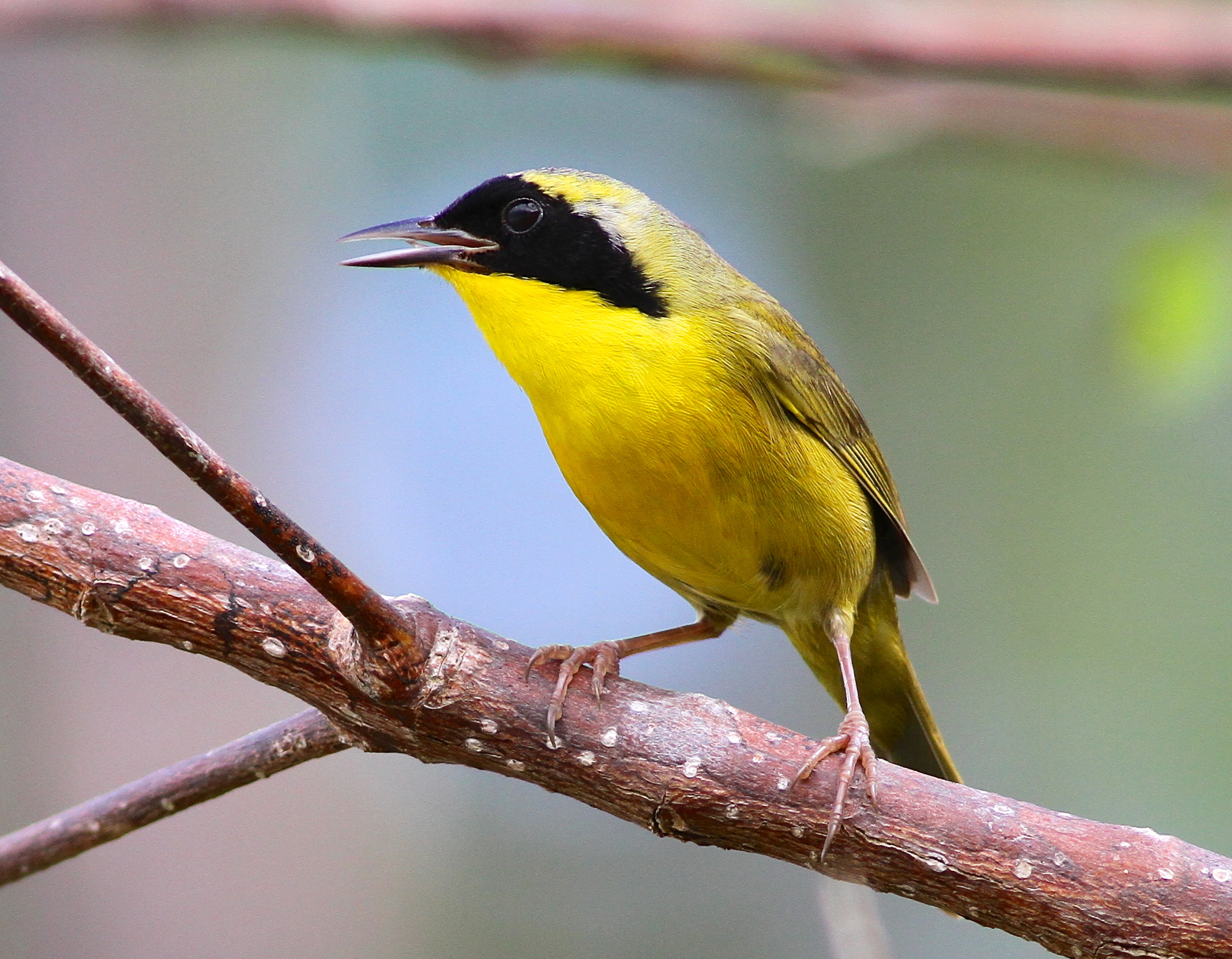
BAHAMA YELLOWTHROAT Geothlypis rostrata PR B 1 ENDEMIC
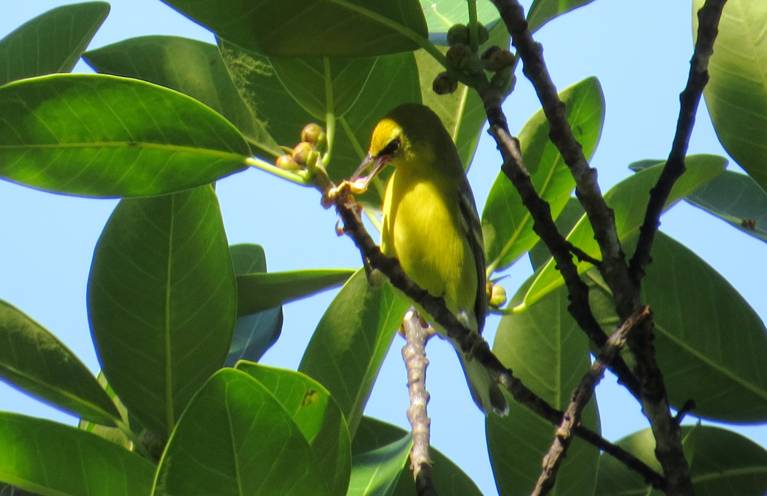
YELLOW WARBLER Setophaga petechia PR B 1
OLIVE-CAPPED WARBLER Setophaga pityophila PR B 1
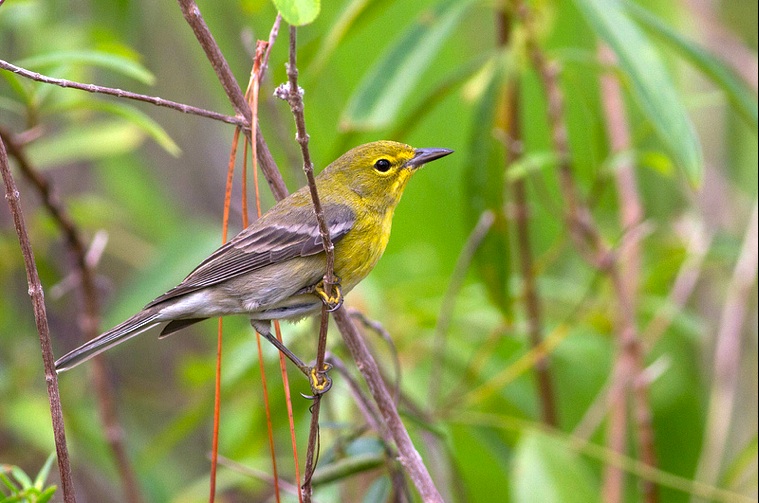
PINE WARBLER Setophaga pinus PR B 1
BAHAMA WARBLER Setophaga flavescens PR B 1 ENDEMIC
WINTER RESIDENTS (COMMON)
OVENBIRD Seiurus aurocapilla WR 1
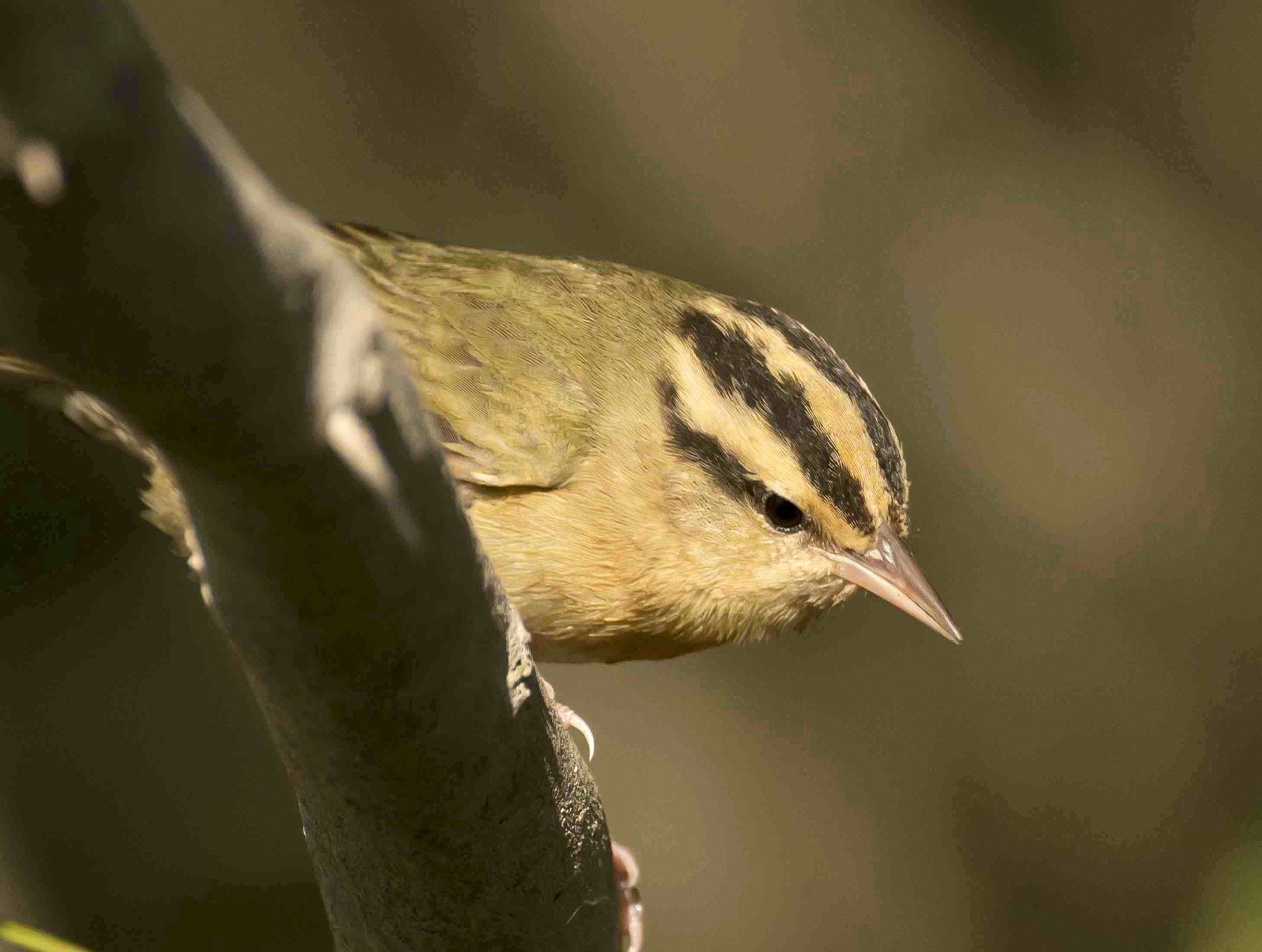
WORM-EATING WARBLER Helmitheros vermivorum WR 2
NORTHERN WATERTHRUSH Parkesia noveboracensis WR 1
BLACK-AND-WHITE WARBLER Mniotilta varia WR 2
COMMON YELLOWTHROAT Geothlypis trichas WR 1
AMERICAN REDSTART Setophaga ruticilla WR 1
CAPE MAY WARBLER Setophaga tigrina WR 1
NORTHERN PARULA Setophaga americana WR 1
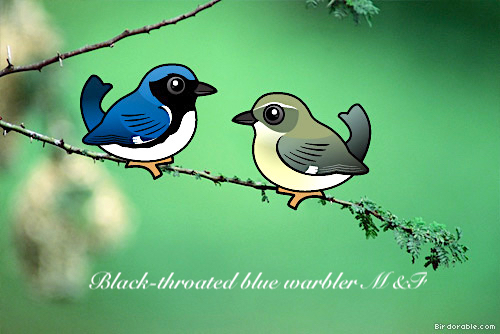
BLACK-THROATED BLUE WARBLER Setophaga caerulescens WR 2
PALM WARBLER Setophaga palmarum WR 1
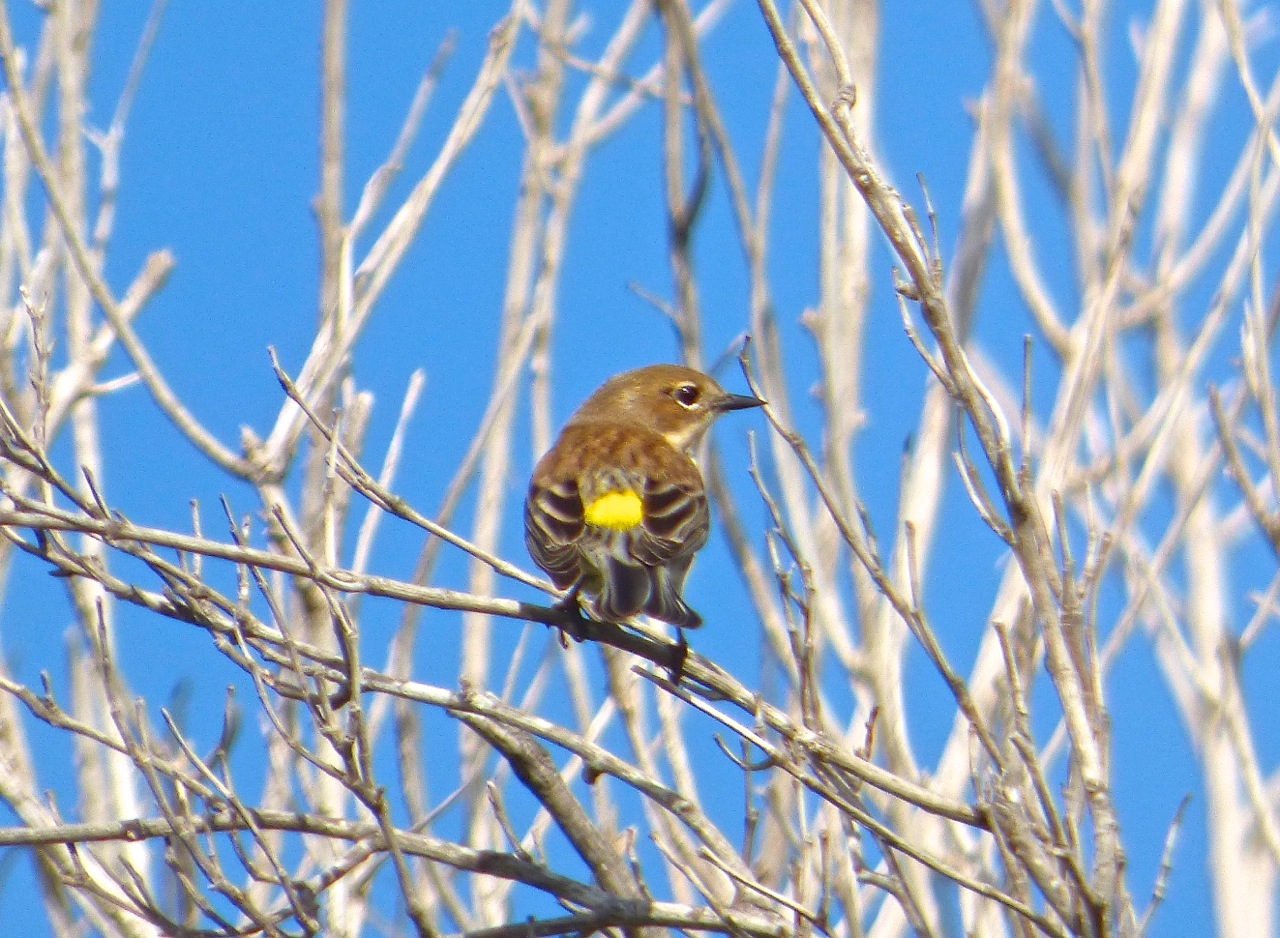
YELLOW-RUMPED WARBLER Setophaga coronata WR 2
YELLOW-THROATED WARBLER Setophaga dominica WR 1
PRAIRIE WARBLER Setophaga discolor WR 1
WINTER RESIDENTS (UNCOMMON TO RARE)
LOUISIANA WATERTHRUSH Parkesia motacilla WR 3
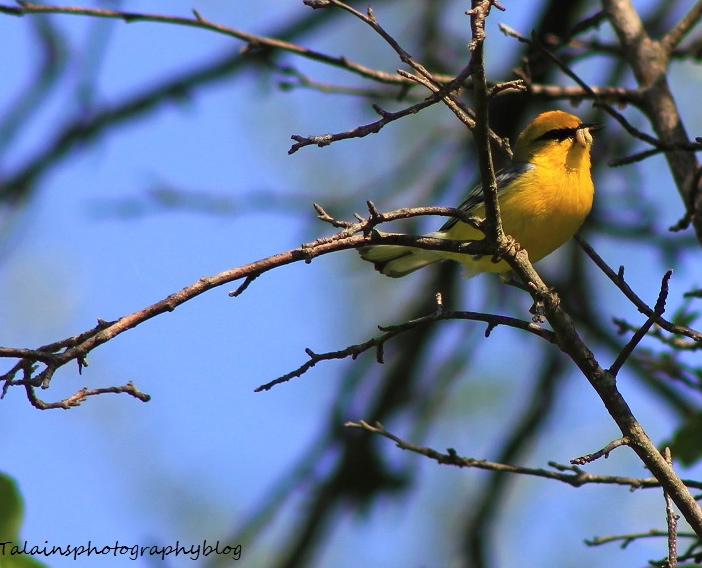
BLUE-WINGED WARBLER Vermivora cyanoptera WR 3
SWAINSON’S WARBLER Limnothlypis swainsonii WR 4
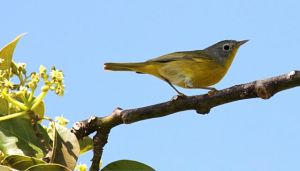
NASHVILLE WARBLER Oreothlypis ruficapilla WR 4
HOODED WARBLER Setophaga citrina WR 3
KIRTLAND’S WARBLER Setophaga kirtlandii WR 4
MAGNOLIA WARBLER Setophaga magnolia WR 3
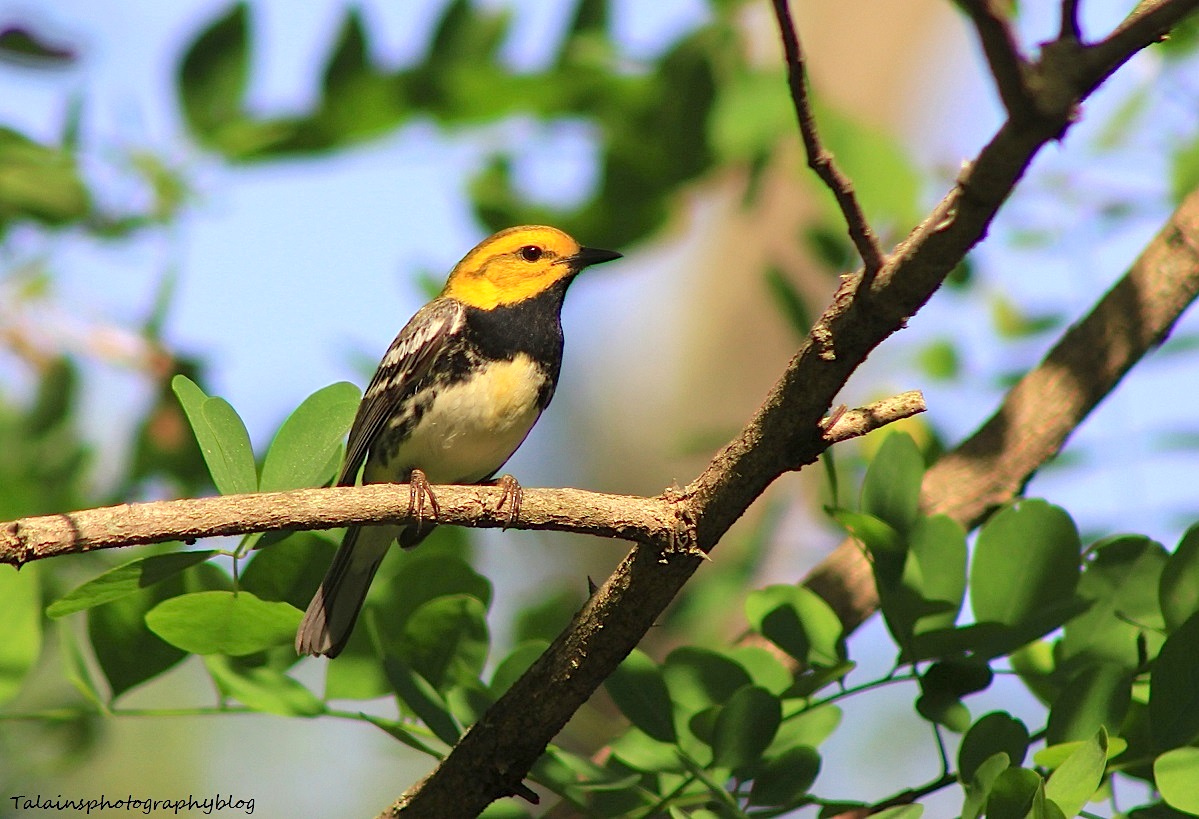
BLACK-THROATED GREEN WARBLER Setophaga virens WR 3
PHOTO CREDITS (1 – 37) Bruce Hallett (Header, 3, 9, 12, 14, 17, 21, 22); Tom Reed (1, 4); Tom Sheley (2, 7, 10); Alex Hughes (5); Gerlinde Taurer (6, 11, 18); Becky Marvil (8, 20a); Woody Bracey (13, 24); Peter Mantle (15); RH (16); William H. Majoros wiki (19); talainsphotographyblog (20b, 26, 34); Charmaine Albury (23); Craig Nash (25); Ann Capling (27); Jerry Oldenettel wiki (28); Dominic Sherony wiki (29); 10000birds (30); Steve Maslowski wiki (31); MDF wiki (32, 33); Avibirds (35); Michael Woodruff wiki (36); Emily Willoughby wiki (37)
CHECKLIST based on the complete checklist and codes for Abaco devised by Tony White with Woody Bracey for “THE DELPHI CLUB GUIDE TO THE BIRDS OF ABACO” by Keith Salvesen
























 ROLLING HARBOUR ABACO
You must be logged in to post a comment.