Unknown's avatar

BAHAMA WOODSTARS NESTING ON MAN-O-WAR CAY, ABACO


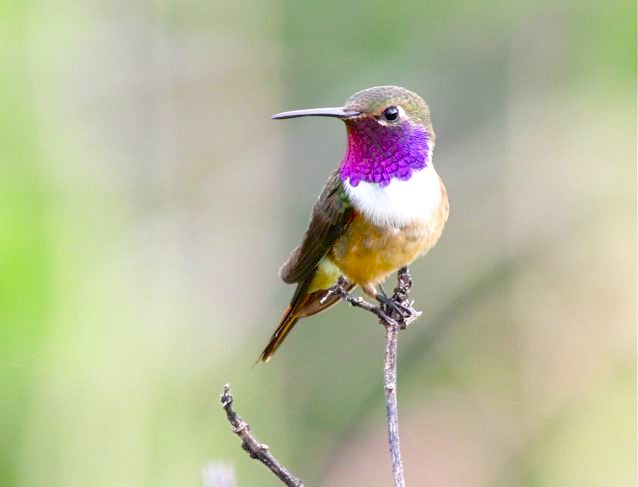
Bahama Woodstar (m) Bruce Hallett, Abaco

BAHAMA WOODSTARS NESTING ON MAN-O-WAR CAY, ABACO

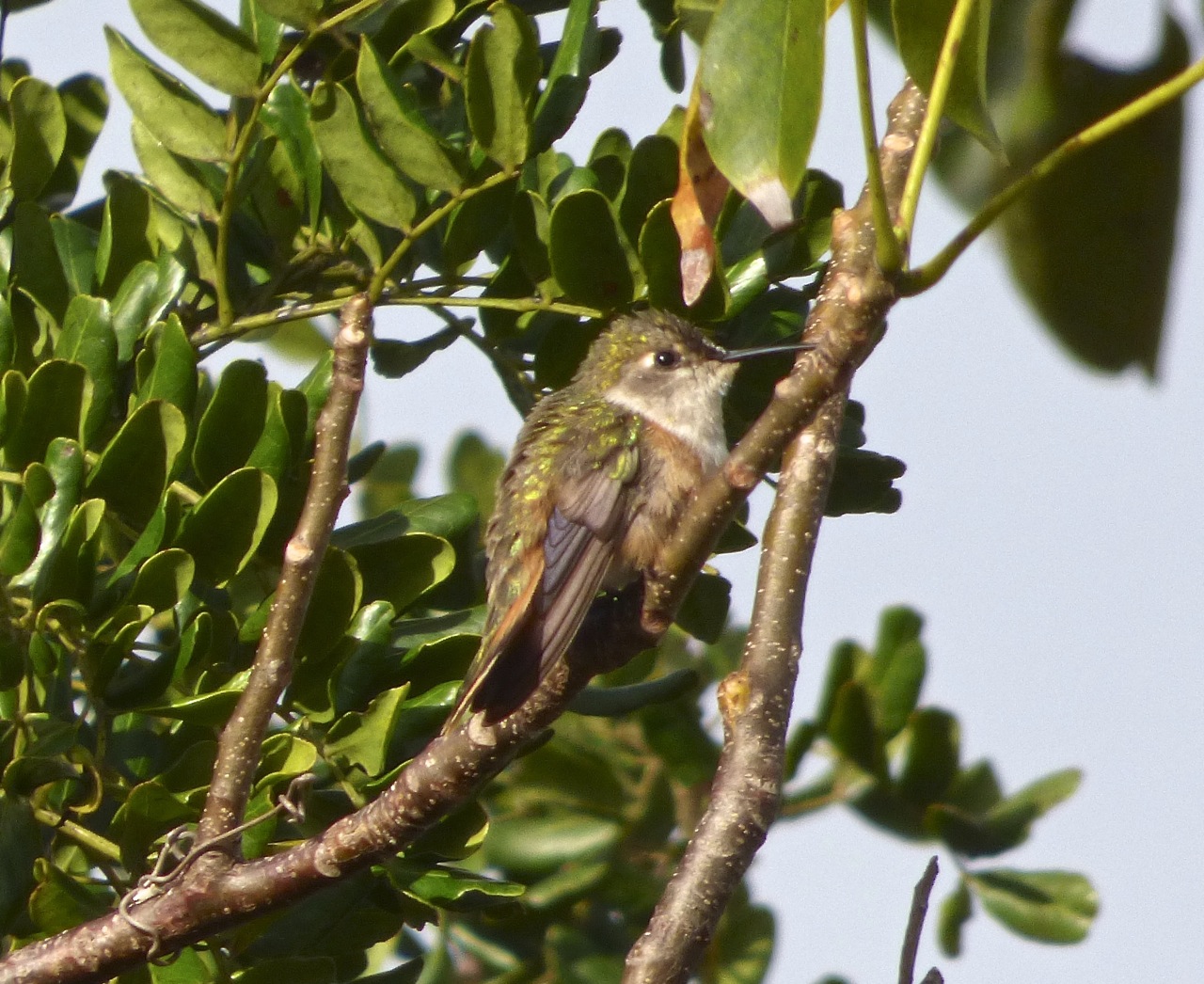
I’ve written before about the somewhat fraught relationship between the 2 hummingbird species of Abaco, the endemic Bahama Woodstar and the resident but non-indigenous Cuban Emerald. They tend not to mix, and the Woodstars tend to fade to areas where there are no Emeralds. Both are found at Delphi, but I suspect the sugar water feeders may play a part in that. Even there, the Emeralds predominate. This is my best recent shot of a female Woodstar on the Delphi drive. I had about 30 seconds to see it, whip out the camera, remove the lens cap and fire off some shots. Then it flicked away into the coppice. All images were useless bar one, which almost worked but won’t stand close scrutiny.

Bahama Woodstar, Delphi, Abaco

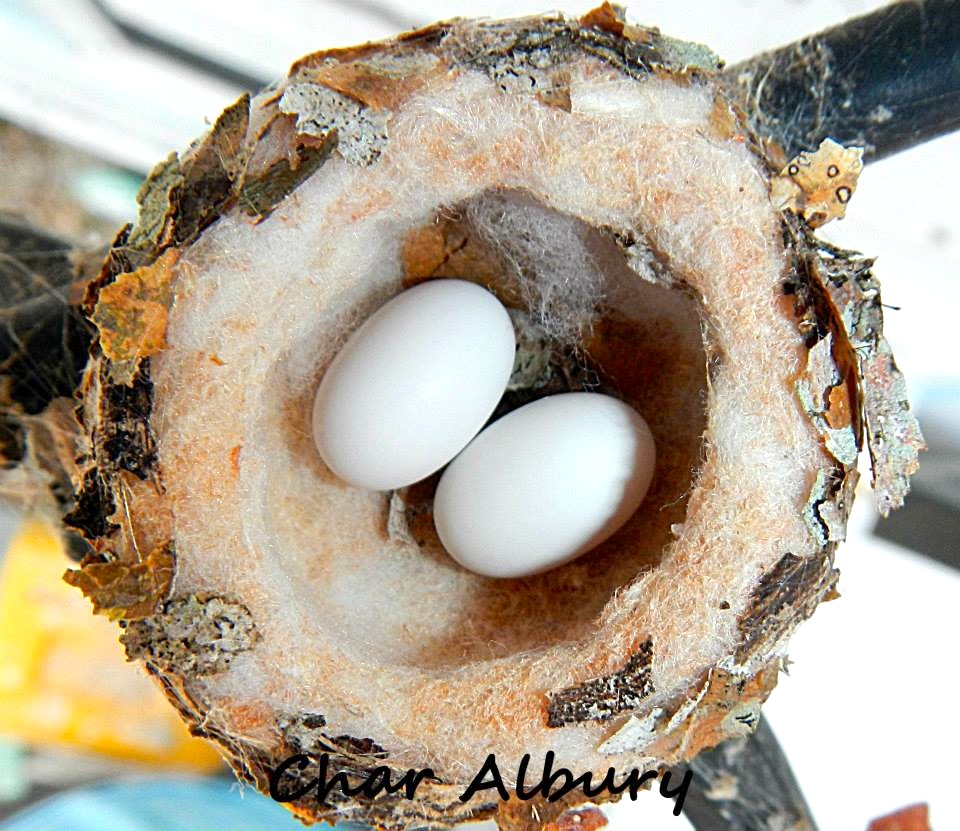
Man-o-War Cay may be quite small, but it seems to be blessed with plenty of Woodstars. They are often quite tame and Charmaine Albury has them nesting round her house annually. I posted about her baby Woodstars from last year HERE. This year they have returned, making their tiny cup nests rather precariously amid the domestic wiring. Here are a few of  Charmaine’s nest photos (for which thanks!) for this season.

A female Woodstar on the nest. They lay 2 eggs, which are incubated for around 2 weeksBahama Woodstar, Man-o-War Cay Abaco (Charmaine Albury)

A fledgling takes flight for the first time, leaving more room for the remaining chick. Note the stumpy little tailBahama Woodstar, Man-o-War Cay Abaco (Charmaine Albury)

Two eggs that seem far too big for such a tiny nestBahama Woodstar, Man-o-War Cay Abaco (Charmaine Albury)

Within the last couple of days, the first egg hatched. This hatchling is a few hours old at mostBahama Woodstar, Man-o-War Cay Abaco (Charmaine Albury)

photo copyphoto

Credits: Header pic of male BAWO Bruce Hallett; RH (Delphi); Charmaine Albury (nests); BNT info sheet

Unknown's avatar

ABACO BIRDS… THAT RUN LIKE THE CLAPPERS


Clapper Rail on Abaco by Sandy Walker

ABACO BIRDS… THAT RUN LIKE THE CLAPPERS

That is, essentially, because they are indeed Clappers. Rallus longirostris to be precise, or Clapper Rails. There are 4  rail species on Abaco, the Clapper being a permanent resident and not particularly uncommon. The others are the Virginia Rail and the Sora, both winter residents and less common (or in the Sora’s case, perhaps more furtive and less easy to find); and the Black Rail, which is generally agreed to be a ‘hypothetical’ for Abaco. That means they are believed to exist on Abaco but there are no confirmed sightings let alone any photos of one. However, last summer while we were taking a truck into the backcountry of South Abaco to locate hard-to-find birds for “The Birds of Abaco” book, the distinctive call of a Black Rail call was heard independently by two people on two different days in two different locations. I’ve heard another report since then. So they are out there somewhere, but keeping their heads down. The first to find one will have a considerable avian scoop!

Let’s start with some fabulous photographs by Tom Sheley. We used the first one in the book. By being patient, Tom managed to capture this bird having a quality preening session. Here are 4 shots from the sequence, including a rare one of the bird calling. To get the full glory of the detail, click on each image twice.Clapper Rail stretching.Abaco Bahamas - Tom Sheley ("The Birds of Abaco" by Keith Salvesen, p80)Clapper Rail rousing.Abaco Bahamas.Tom SheleyClapper Rail preening 2.Abaco Bahamas.3.12.Tom Sheley copyClapper Rail preening.Abaco Bahamas.3.12.Tom Sheley copy

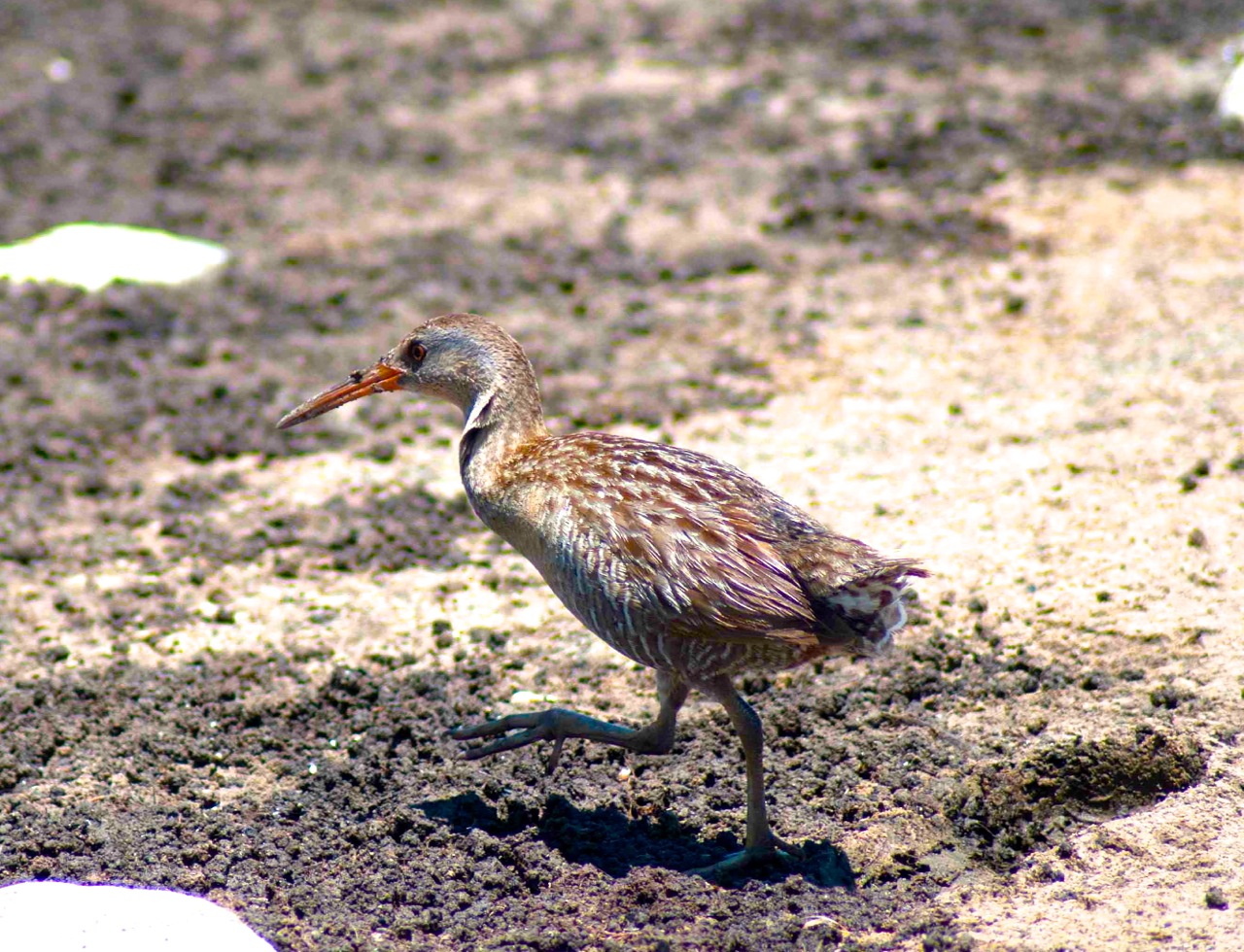
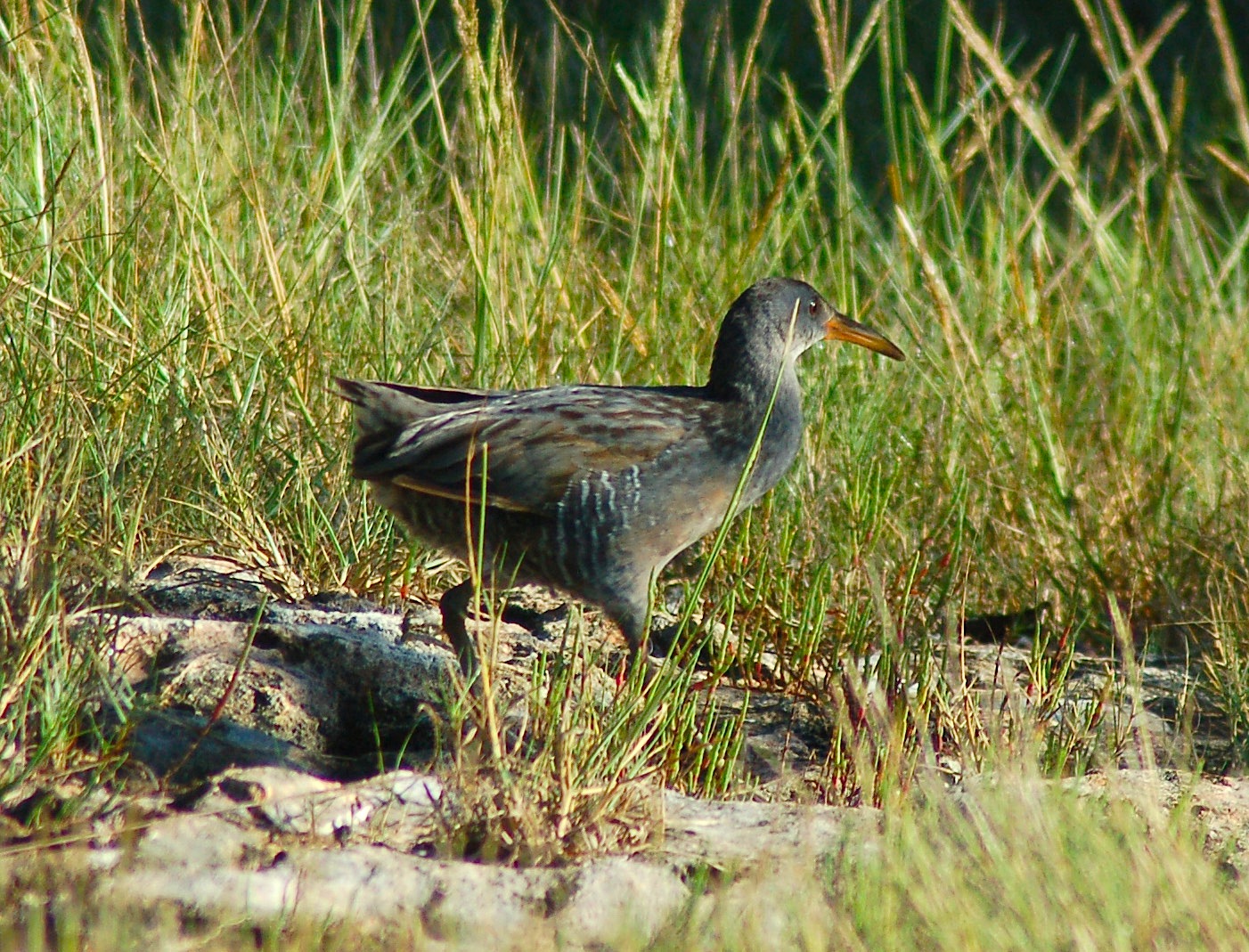
Clapper Rails are elusive birds of mangrove swamp and marsh, more frequently heard than seen. They tend to lurk around in foliage and are easy to overlook. You may come across one foraging secretively in the mud. Although they can both swim and fly, they prefer to keep both feet on the ground.When running, these rails look endearingly comical. 

Clapper Rail, Abaco Erik Gauger V2Clapper Rail Sandy Walker 1 - V2Clapper Rail, Abaco Bahamas - Becky Marvil

It almost goes without saying nowadays, but the biggest threat to these rather charming inoffensive birds is habitat loss. That is to say, mankind. Drive the bulldozers through the mangroves and marshland of sub-tropical coastal areas, chuck down a few acres of concrete… and the clappers will very soon become clapped out.
Clapper Rail Abaco, Bahamas - Becky Marvil

“TO RUN LIKE THE CLAPPERS”. This phrase seems to be fairly recent, probably dating from early in WW2. Some suggest it is a rhyming slam bowdlerisation of ‘run like hell’ with ‘clapper(s)’ standing for ‘bell’, along the lines of the Cockney “I bought a brand new whistle” (whistle and flute = suit). Almost all plausible explanations relate to bells, and some argue that it simply reflects the rapid speed of the clapper of a vigorously rung handbell.

STOP PRESS Uli Nowlan has sent her photo of a Clapper Rail, taken at the ponds north of Treasure Cay – a reminder that there is good birding to be done in that area of North Abaco – the bird action is not confined to South Abaco below MH…

Clapper Rail, Abaco (TC ponds) - Uli Nowlan

Photo credits:Tom Sheley, Sandy Walker, Erik Gauger and Becky Marvil – plus Uli Nowlan

The Clapper Rail features in “The Delphi Club Guide to the Birds of Abaco” by Keith Salvesen pp 80 – 81

Unknown's avatar

THE UNIQUE ABACO PARROT: ITS PAST, PRESENT & FUTURE


APB 1

THE UNIQUE ABACO PARROT: ITS PAST, PRESENT & FUTURE

Image Credits: RH, Caroline Stahala, Melissa Maura. Based on an information booklet ©Rolling Harbour. You are welcome to use or share this slideshow but please credit and link. Booklets are available at the Delphi Club, Abaco for a small donation to parrot research. The music is from astounding guitar virtuoso Erik Mongrain – he has all the tricks, and sounds as if he plays with 2 pairs of hands…

Unknown's avatar

FIVE STARS: BAHAMAS ENDEMIC BIRDS (FOUR FROM ABACO)


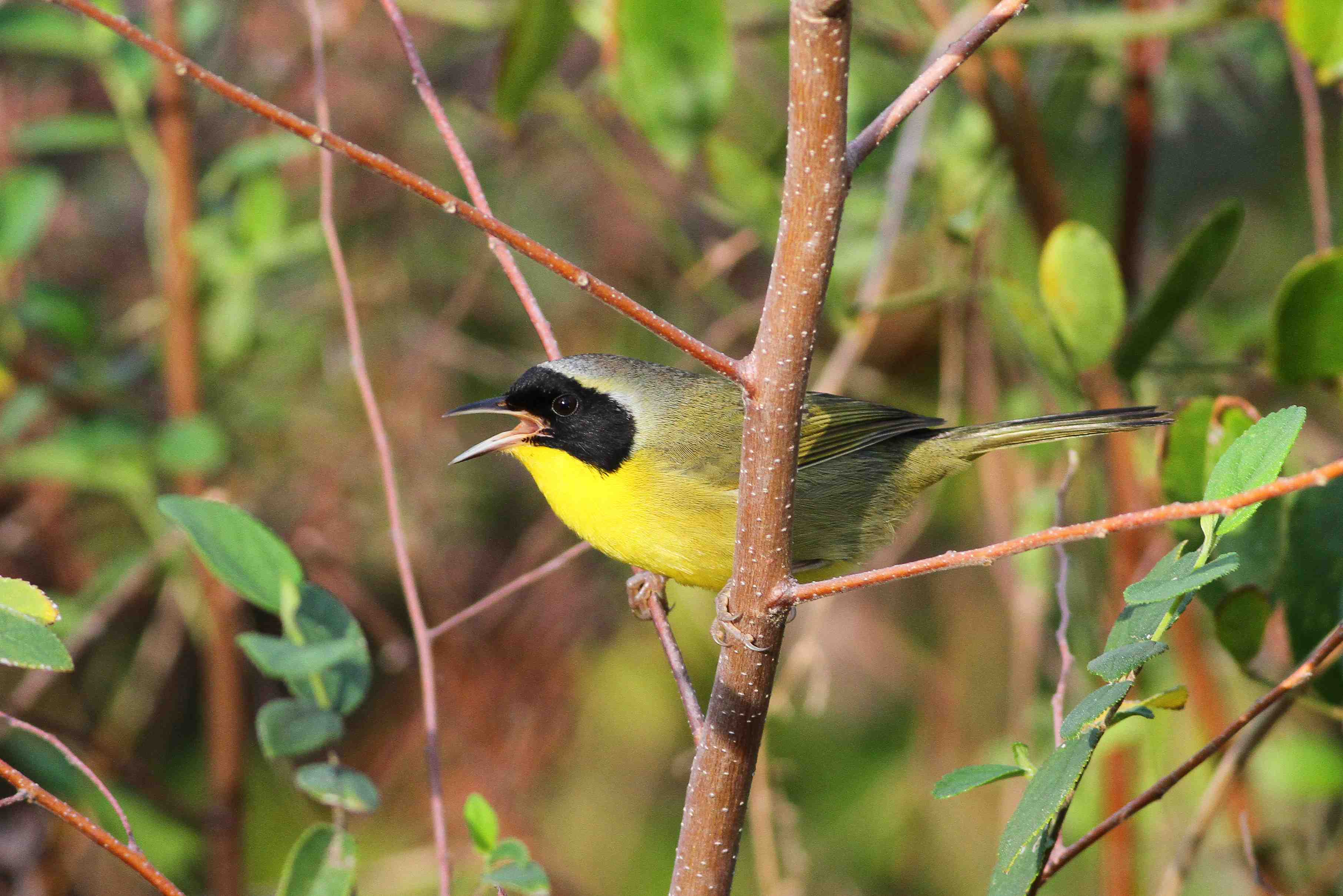
20130106_Bahamas-Great Abaco_4846_Bahama Yellowthroat_Gerlinde Taurer copy

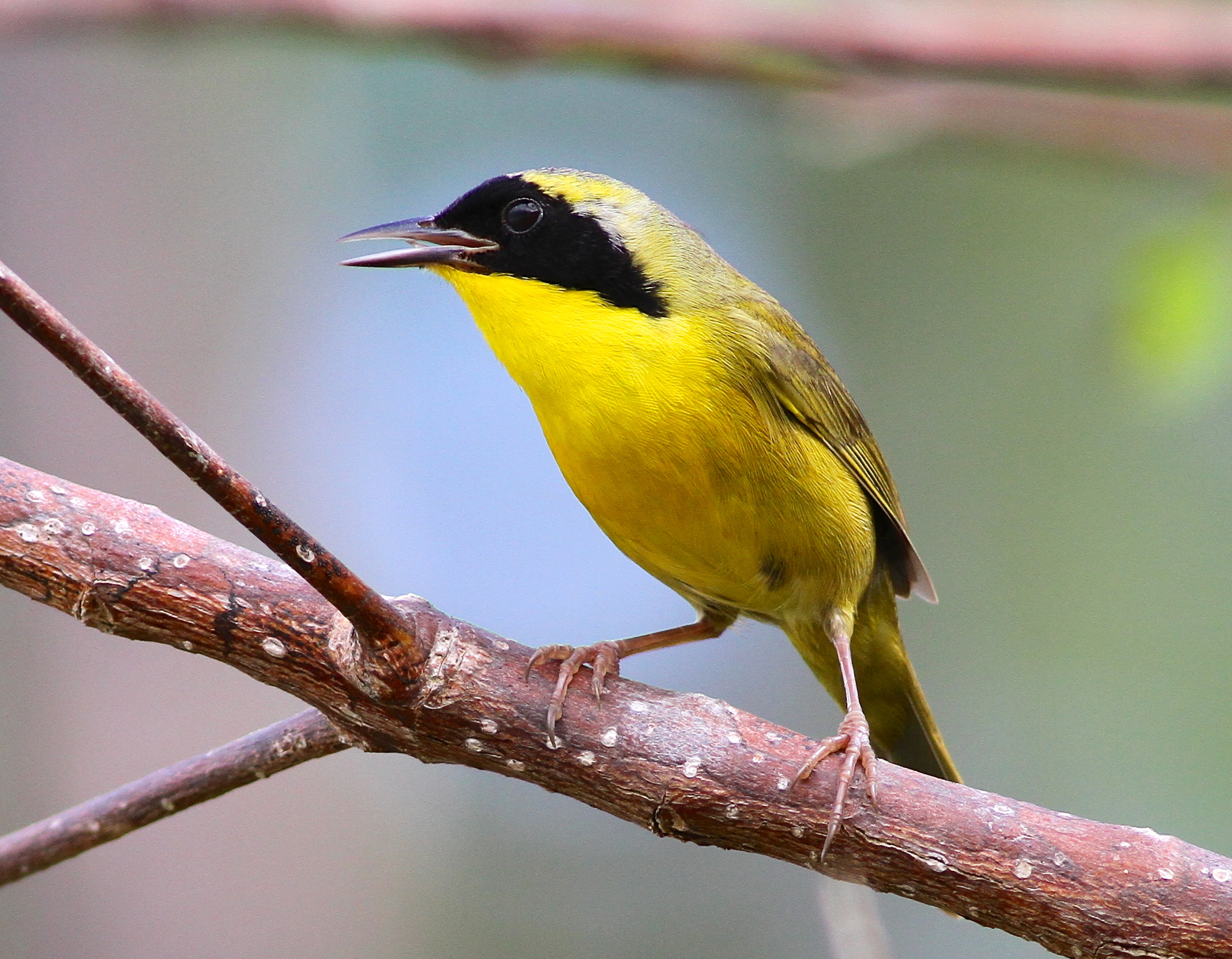
Bahama Yellowthroat (Gerlinde Taurer)

FIVE STARS: BAHAMAS ENDEMIC BIRDS (FOUR FROM ABACO)

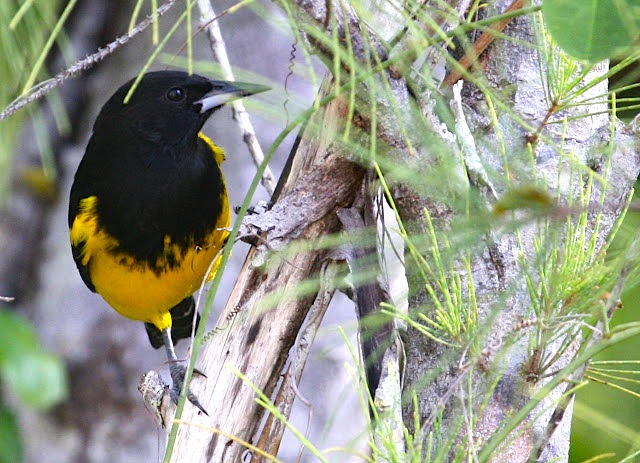
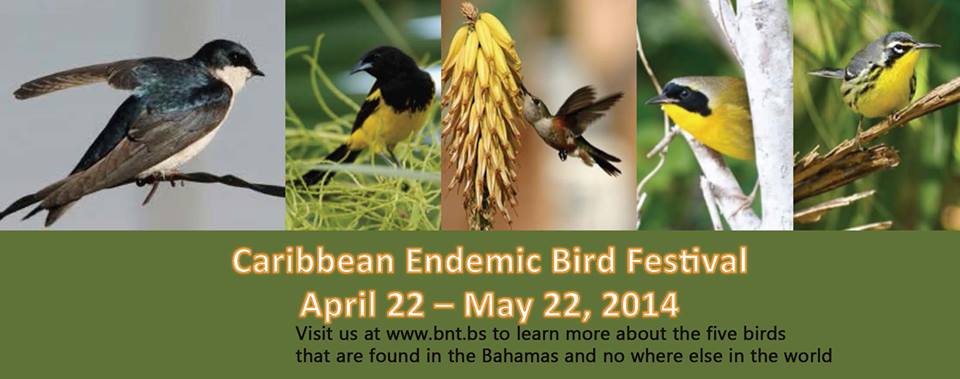
The Caribbean Endemic Bird Festival is underway. You can find out more on the CARIBBEAN BIRDS FESTIVALS Facebook page. Abaco is fortunate to be home to 4 of the 5 endemic Bahamas species. The fifth, the beautiful BAHAMA ORIOLE Icterus northropi, was found on both Abaco and Andros until the 1990s, when it sadly became extirpated from Abaco. Now found only on Andros, there are thought to be fewer than 300 Orioles left – a barely sustainable number. The species is unsurprisingly IUCN listed as critically endangered. Here’s a picture of one as a reminder of what Abaco is now missing…

Bahama_Oriole (Wiki)

Bahama Oriole

10302060_10152308854900862_2019057607431310750_n-1

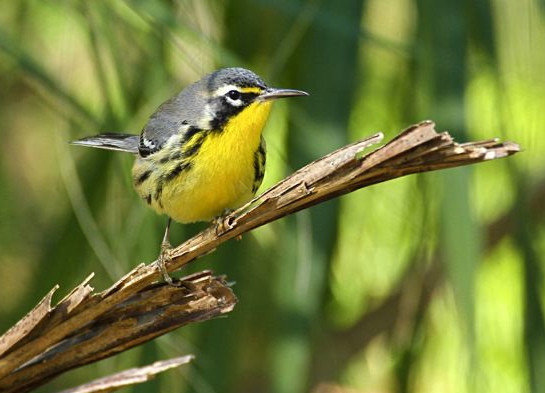
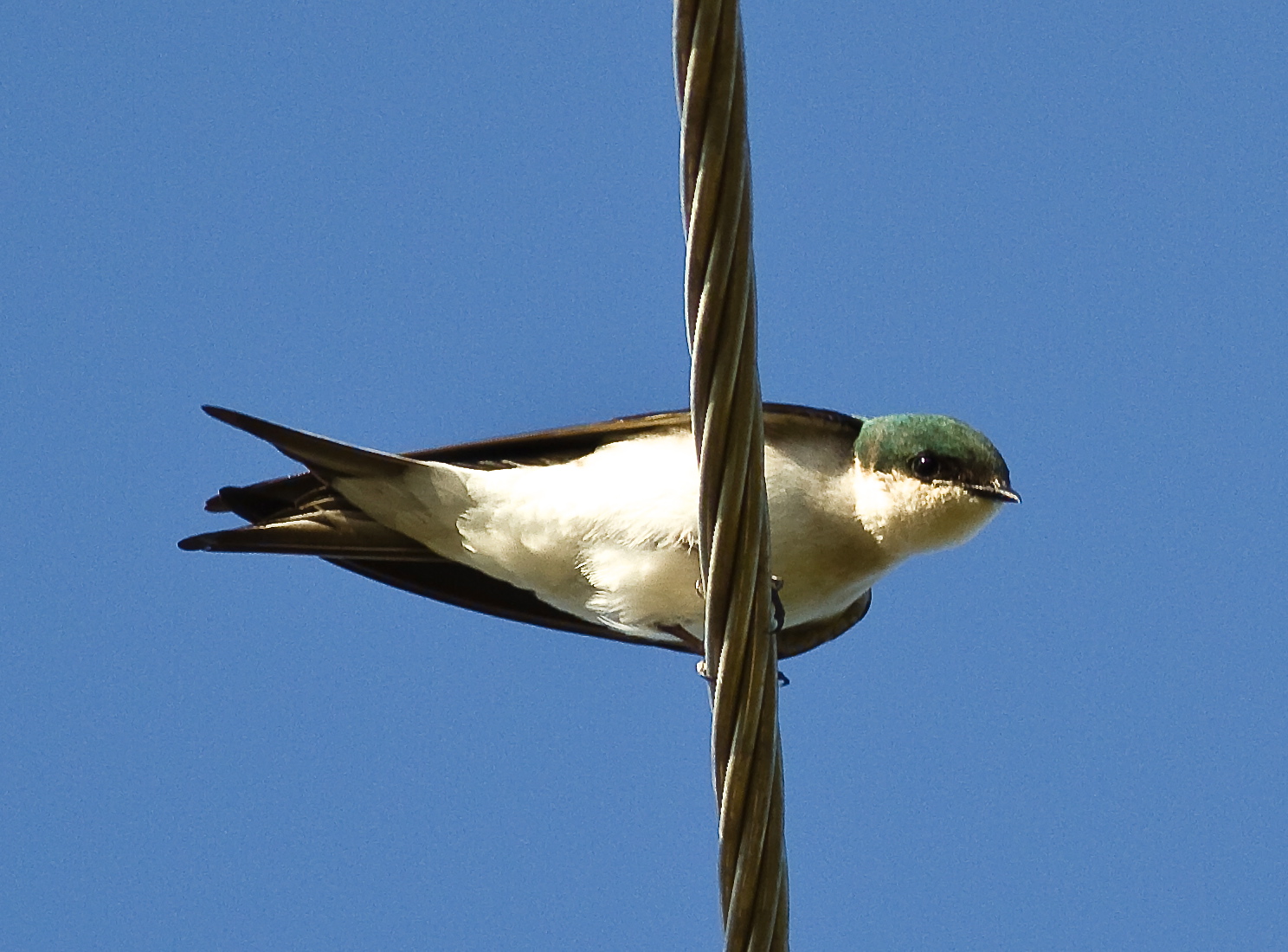
Abaco’s four endemic species are the tiny Bahama Woodstar hummingbird, the Bahama Yellowthroat, the Bahama Warbler (since 2011), and the Bahama Swallow. All are of course permanent breeding residents on Abaco and its outer Cays. None is exclusive to Abaco; all are relatively plentiful. The Woodstar is perhaps the hardest to find, not least because it competes territorially with the Cuban Emerald hummingbird. Even Woodstars can be found easily in some areas – Man-o-War Cay is a good place for them, for example. Here are some striking images of these four endemic bird species taken from the archives for “The Birds of Abaco” published last month. 

BAHAMA WOODSTAR Calliphlox evelynae 

Bahama Woodstar male 3.1.Abaco Bahamas.2.12.Tom Sheley copy

Bahama Woodstar (m) (Tom Sheley)

Bahama Woodstar (f) TL IMG_3213 2

Bahama Woodstar (f) Tara Lavallee

BAHAMA YELLOWTHROAT Geothlypis rostrata

Bahama Yellowthroat vocalizing.Abaco Bahamas.Tom Sheley

Bahama Yellowthroat (Tom Sheley)

Bahama Yellowthroat (M) BH IMG_0675 copy

Bahama Yellowthroat (Bruce Hallett)

BAHAMA WARBLER Setophaga flavescens

Bahama Warbler BH IMG_8398 copy - Version 2

Bahama Warbler (Bruce Hallett)

Bahama Warbler WB P1001012 copy

Bahama Warbler (Woody Bracey)

BAHAMA SWALLOW Tachycineta cyaneoviridis

Bahama Swallow CN

Bahama Swallow (Craig Nash)

bahama-swallow EG  copy

Bahama Swallow (Erik Gauger)

“The Delphi Club Guide to the Birds of Abaco”  was published as limited edition of 500 and has only been for sale for 8 weeks or so exclusively through the Delphi Club. Yesterday, we passed a happy milestone in that short time as the 250th copy was sold. Complimentary copies have also been donated to every school and relevant education department on Abaco to tie in with the excellent policy of teaching children from an early age the value of the natural world around them, the importance of its ecology, and the need for its conservation. The cover bird for the book was easy to choose – it just had to be a male Woodstar in all his glory with his splendid purple ‘gorget’. 

Bahama Woodstar (m) BH IMG_0917 copy

Bahama Woodstar (m) Bruce Hallett

JACKET GRAB JPG

Image credits as shown; otherwise, ‘cover bird’ by Tom Sheley, Bahama Oriole from Wiki and CEBF flyer from the Bahamas National Trust

Unknown's avatar

WHICH ABACO BIRD HAS A YELLOW BELLY & SUCKS SAP?


Yellowbelliedsapsucker by John Harrison (Wiki)

WHICH ABACO BIRD HAS A YELLOW BELLY & SUCKS SAP?

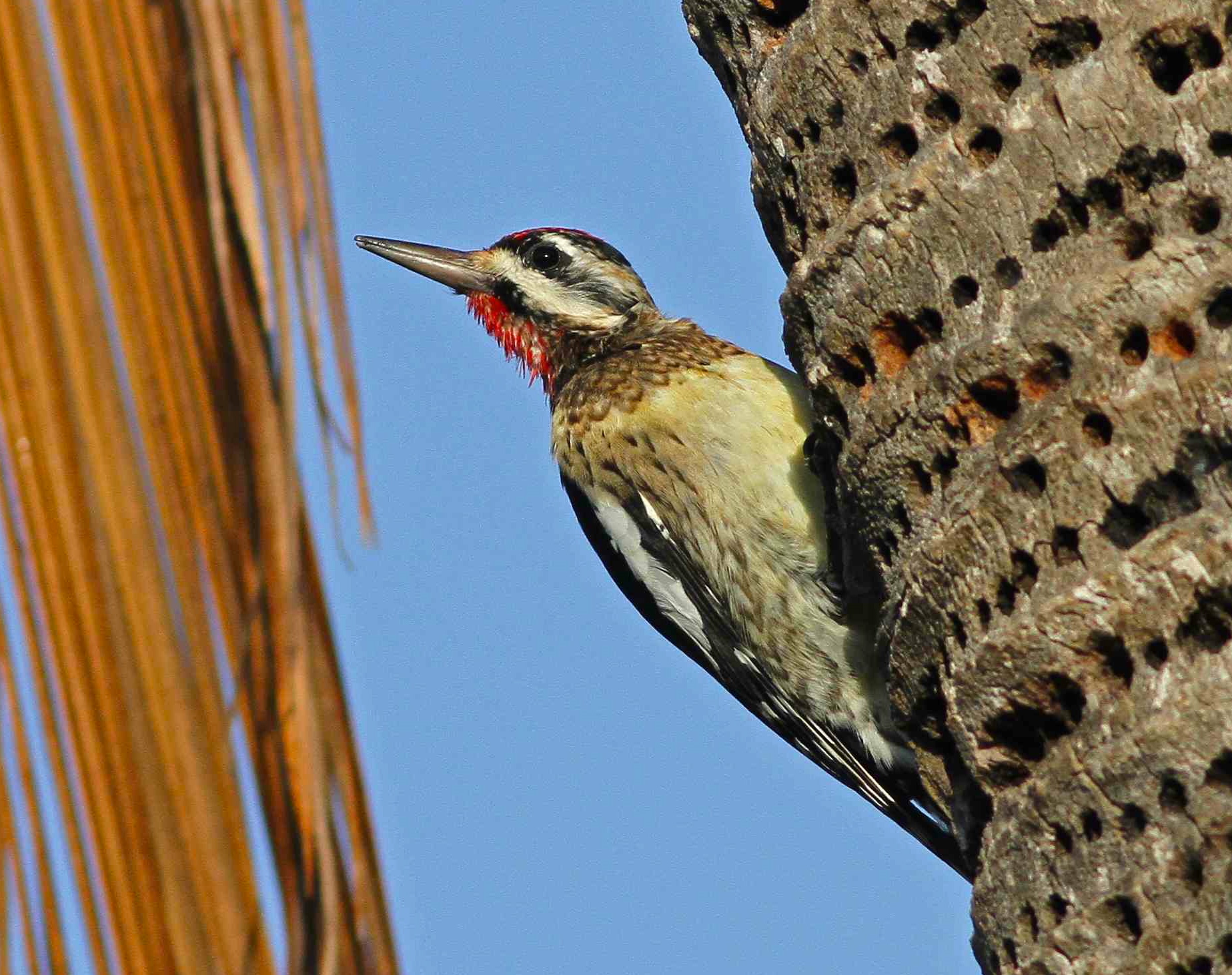
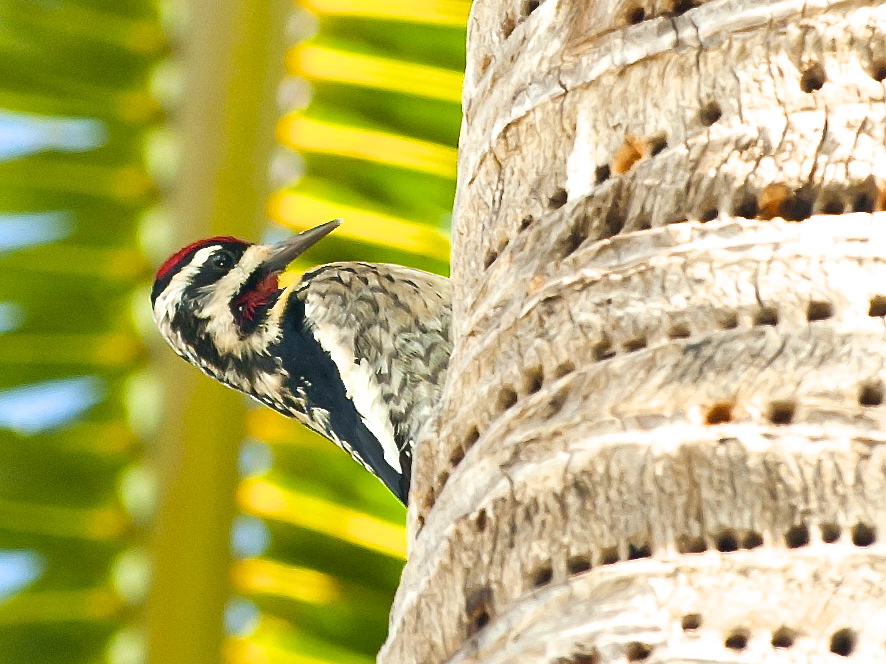
You’re ahead of me here, aren’t you? The answer of course is… Sphyrapicus varius. Abaco has two permanently resident woodpecker species, the WEST INDIAN WOODPECKER and the HAIRY WOODPECKER. There is a third, migratory woodpecker species that is a fairly common winter resident, the yellow-bellied sapsucker. Like its woodpecker cousins, the sapsucker drills holes in trees (see below). The dual purpose is to release the sap, which it eats, and to attract insects that it also eats. A two-course meal, if you like. They’ll also eat insects on an undrilled tree, and even ‘hawk’ for them in flight. They balance their diet with fruit and berries. Bahamas -Great Abaco_Yellow-bellied Sapsucker_Gerlinde Taurer 1 FV

Bahamas-Great Abaco_Yellow-bellied Sapsucker_Gerlinde Taurer 2 copy

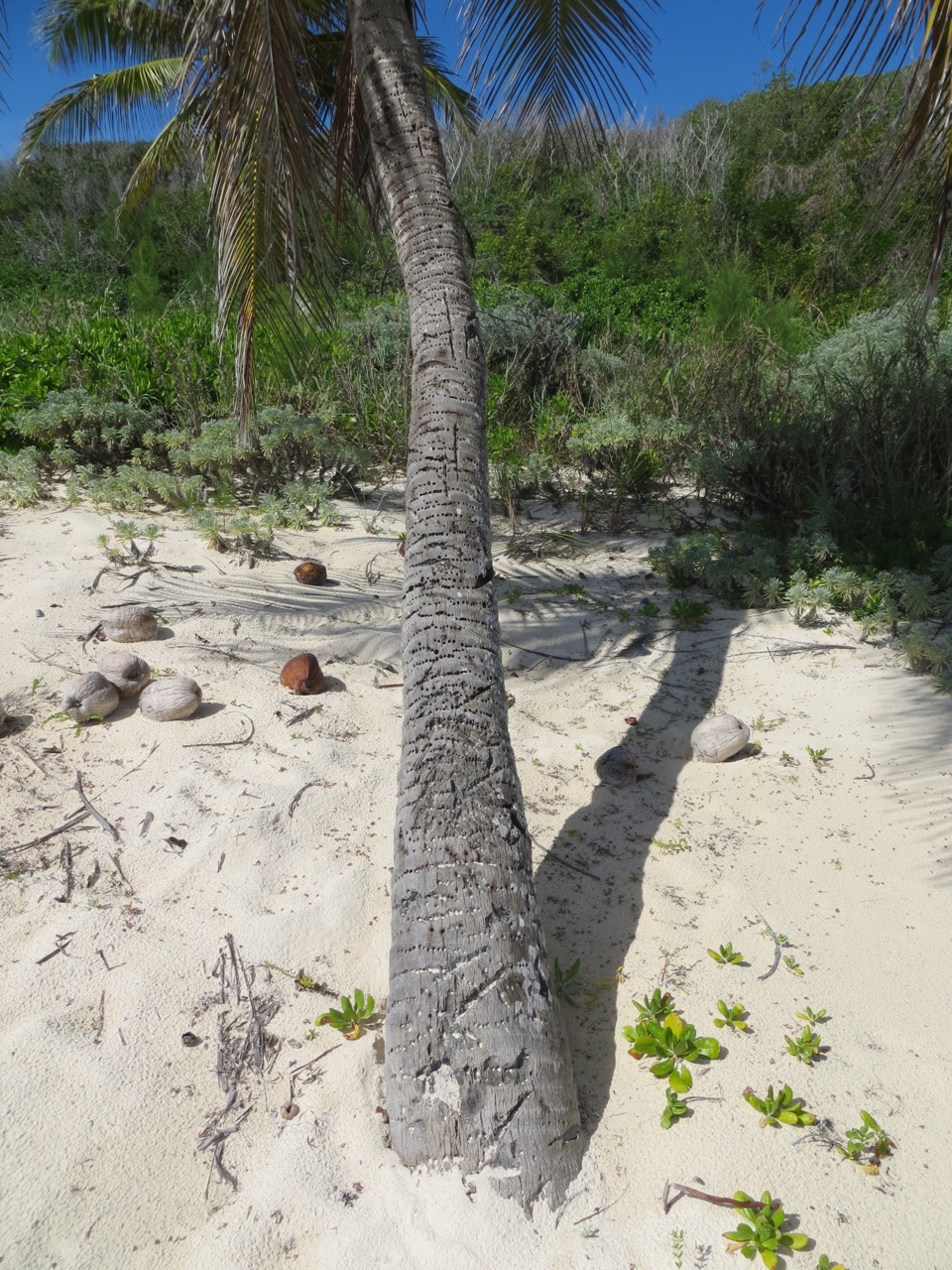
The distinctive patterns of sapsucker holes may completely encircle the trunk of a tree with almost mathematical precision. This is sometimes described as ‘girdling’ and may have a damaging effect on a tree, sometimes even killing it if the bark is severely harmed. This may require preventive measures in orchards for example, though note that in the US Yellow-bellied Sapsuckers are listed and protected under the Migratory Bird Treaty Act so radical action is prohibited. Yellow-bellied Sapsucker. Abaco Bahamas 2.12.Tom Sheley copy 3

YELLOW-BELLIED SAPSUCKER SOUNDS

DRUMMING (Xeno-Canto / Richard Hoyer) 

 CALL (Xeno-Canto / Jonathon Jogsma)  

On Abaco, palms are a favourite tree for the sapsuckers. There are several palms along the Delphi beach, and this year I noted that one coconut palm in particular had seen plenty of sapsucker  action, with the drill holes girdling the entire trunk from top to bottom.

Yellow-bellied Sapsuckers & Coconut Palms 1 RH Yellow-bellied Sapsuckers & Coconut Palms 2 RH

In their breeding grounds yellow-bellied sapsuckers excavate a large cavity in a softwood tree as a nest. They mate for life, and often return to the same nest year every year, with the pair sharing nesting duties. I have no idea whether the pair migrate south for the winter together, or whether they agree to take a break from each other. I’d like to think it’s the former…

sphy_vari_AllAm_mapSphyrapicus varius Dominic Sherony (Wiki)

Credits: Photos Gerlinde Taurer, Tom Sheley, RH + John Harrison & Dominic Sherony (Wiki); Cornell Lab (Range Map) & Xeno-Canto (YBS recordings as credited above)

Species featured in ‘The Delphi Club Guide to the Birds of Abaco’ by Keith Salvesen, pp 242-3

Unknown's avatar

BIRDS, PLASTIC & CONSERVATION: A CONTROVERSIAL AD…


marine_debris_program_noaa-1

Plastic marine debris washed up on a beach (NOAA)

BIRDS, PLASTIC & CONSERVATION: A CONTROVERSIAL AD…

Rolling Harbour is a broadly neutral territory. We occasionally do ‘opinionated’ round here. We are not afraid to express views. But we try to avoid controversy and in particular, politics in its broadest sense. There have been occasional lapses into outrage – one example was the huge cruise ship taking a shortcut (allegedly, I had better add) that trashed significant areas of irreplaceable coral reef and smeared poisonous anti-fouling paint along the seabed, affecting reef life for decades and… Stop me right there!

The most sensitive area is conservation. Some issues are straightforward; with others the balance of what is right and wrong is more debatable. One particular aspect that can be problematic is in the presentation of information. We are all familiar with charity appeals that cajole with images of happy children or sweet puppies. We also see the ones with horrific images that are uncomfortable or even downright unpleasant to look at. Both can be powerful and valid  ways to raise awareness and attract support. Some of the more extreme images used may actually have the effect of repelling people. The same is true with conservation projects. There are ones illustrated with images that make you go ‘ahhhh’ and smile; others are undeniably distressing and will make you wince with uneasiness.

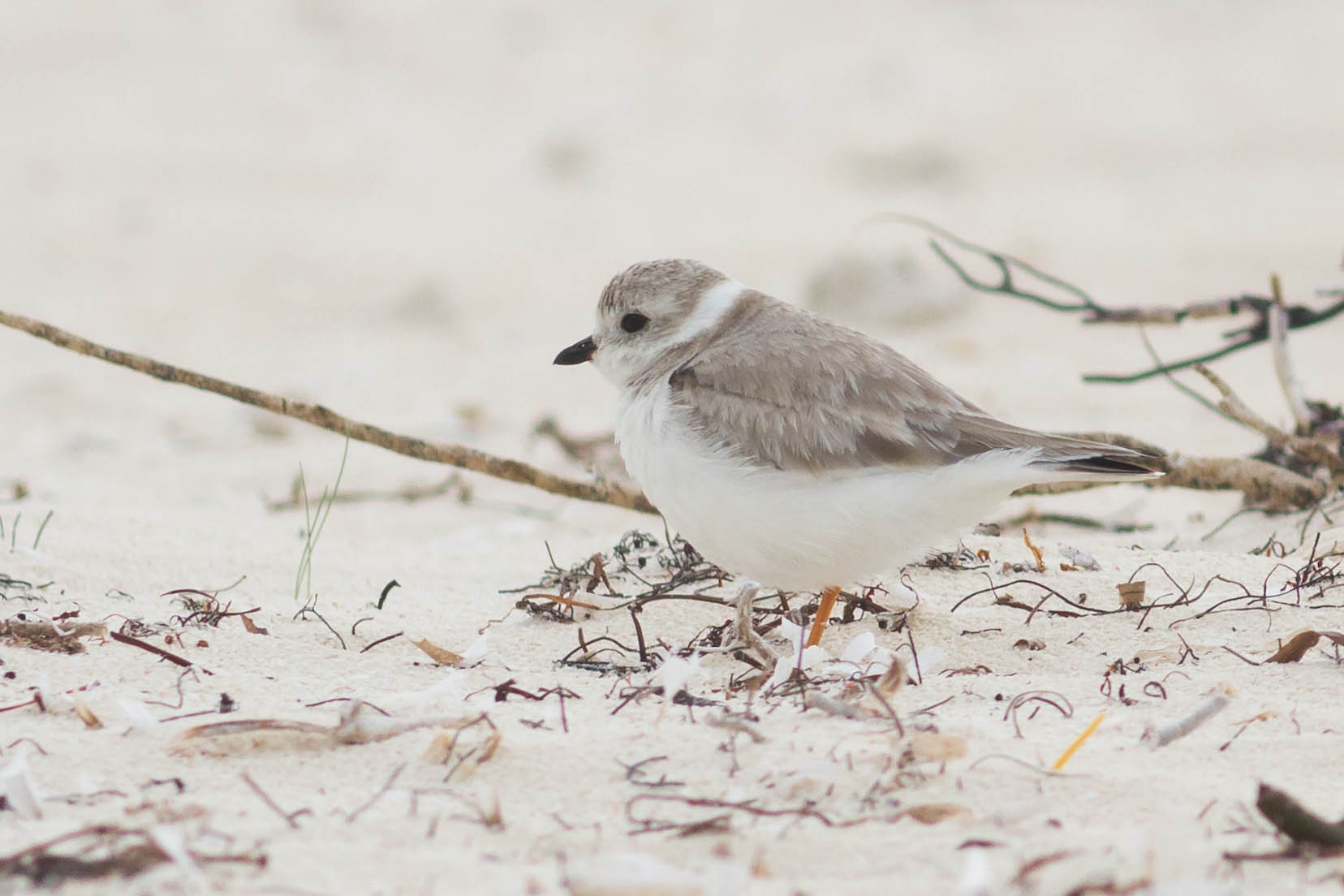
Piping Plover photo taken at GTC Abaco by Tom Reed for Conserve Wildlife NJ GTCpipl_TR

graphic image by Ian Hutton (UW) of a dead shearwater crammed with plastic debrisShearwater, by Ian Hutton via Uni of Washington

See how you react to this 45 second video from Australia. It is made by Greenpeace – itself a controversial organisation in some eyes – and concerns Coke, plastic and birds. I had no idea what to expect, and it gave me a jolt. It has been the subject of legal action, of alleged censorship and interference from powerful lobbies, and a sizzling amount of anger. It won’t take you long to watch it. Compare how you feel during the first ten seconds with how you feel 30 seconds later…

Unknown's avatar

BIRD SPOTTING ON ABACO? EASY! SPOTTED SANDPIPERS…


Spotted Sandpiper TR FV2

BIRD SPOTTING ON ABACO? EASY! SPOTTED SANDPIPERS…

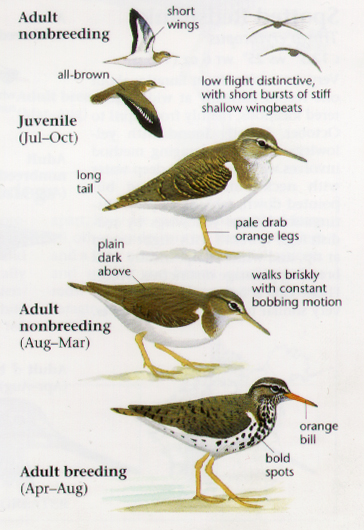
The Spotted Sandpiper Actitis macularia is a common winter resident on Abaco. These pretty shorebirds are only spotted part-time – in the breeding season – when they look like this… 

Spotted Sandpiper.Abaco Bahamas.Tom Sheley FV

Spotted Sandpiper (breeding plumage)

Spotted Sandpiper Actitis macularia Wiki

Spotted Sandpiper (breeding plumage)

The species sets a fine example for gender equality – role reversal, even. The female Spotted Sandpipers are the first to arrive in the breeding area, with males following on. Once a female has staked out her nesting territory, she is the one to defend it.  A male will then arrive on the scene, and (if approved of) they mate.  Once the eggs are laid the male takes on the egg incubating duties and the subsequent chick care once they hatch. While he is occupied with domestic concerns, the female may take the chance to play away from home and produce eggs with other males. Just imagine if humans of either sex behaved like that… Oh. Sometimes they do apparently (sources: The Daily Snooper; Celeb Shocker!)

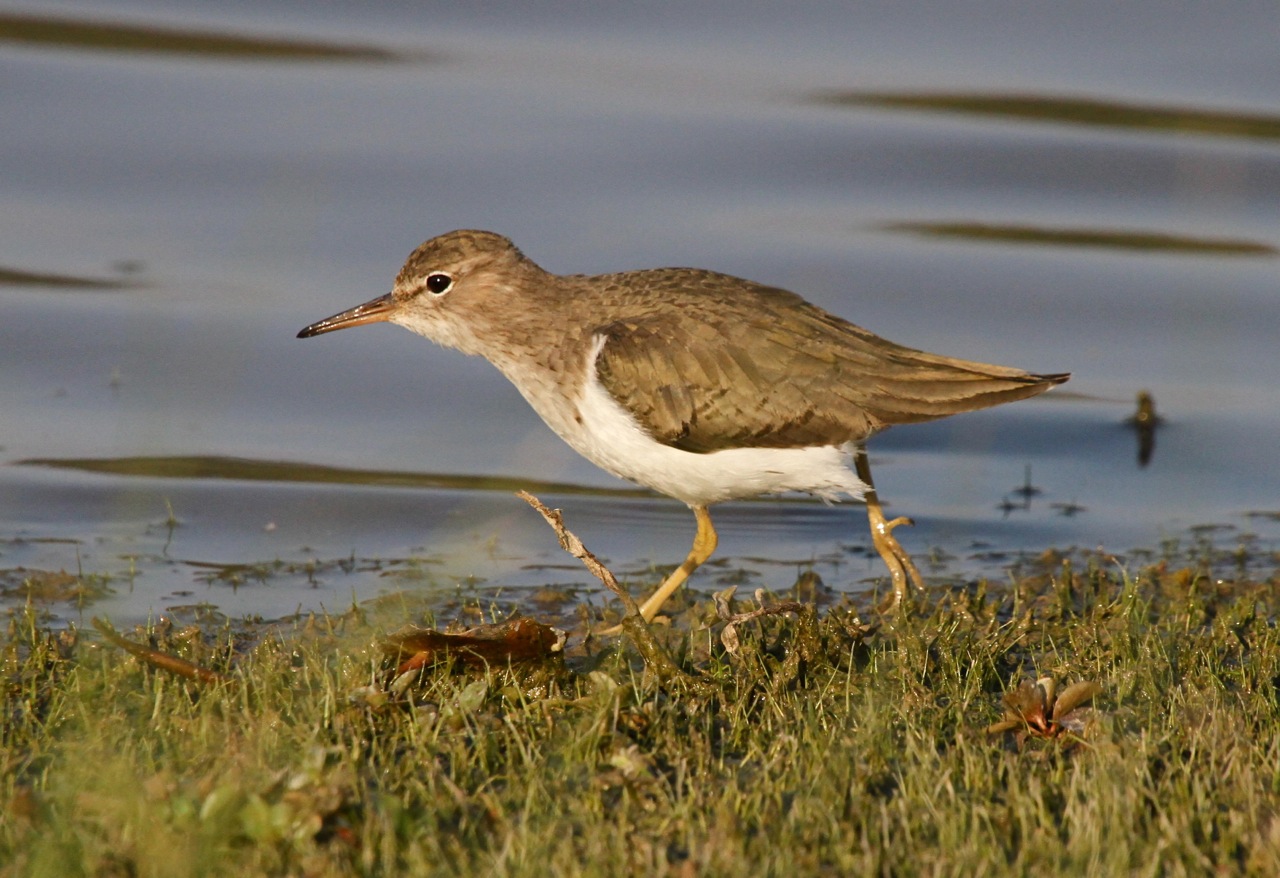
The Spotted Sandpiper in non-breeding plumage has no speckles, and looks like this 

Spotted Sandpiper BH (non-breeding 2) FV

Spotted Sandpiper (non-breeding plumage)

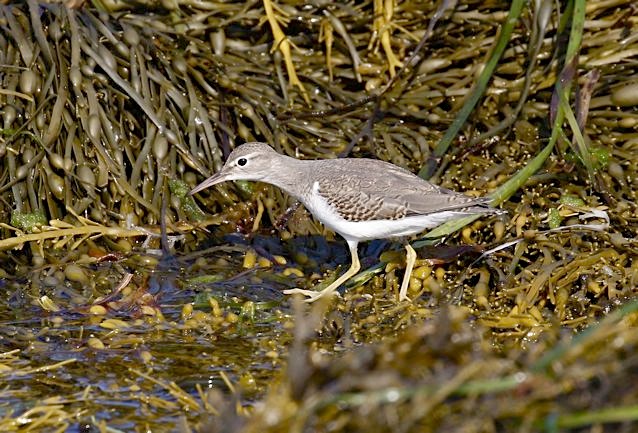
 This bird appears to be in an intermediate stage, just starting to acquire the spots

Spotted Sandpiper BH (non-breeding 1) FV

Spotted Sandpiper (intermediate stage)

At the immature stage, these birds look much more delicate

Spotted Sandpiper (imm), Abaco Bruce Hallett

Spotted Sandpiper (juv) Bruce Hallett

SpottedSandpipermapSPSA The Sibley Field Guide to Birds of Western North America - David Allen Sibley

Image credits: Tom Reed, Bruce Hallett, Tom Sheley, Cornell Lab, Wiki, Sibley

Unknown's avatar

BLACK-AND-WHITE WARBLERS ON ABACO


B & W Warbler (f) BH IMG_0482 copy

The Black-and-White Warbler Mniotilta varia is a fairly common winter resident on Abaco. They are the only birds of the genus Mniotilta (“moss-picker” gr.). Unlike most warblers these birds behave rather like nuthatches, creeping along the trunks and branches of trees grubbing insects out of the bark. Pine trees are ideal for this. I remain rather dim about the 37 species of warbler on Abaco. A lot of them are small and yellow. But as soon as I saw one of these for the first time, I was very relieved. I knew exactly what it was – the bird that has been described as ‘a flying humbug’. 

Black & White Warbler.Cross Harbor.Abaco Bahamas.Tom SheleyB & W Warbler BH IMG_9587 copyBlack & White Warbler TR jpg

SUMMER     WINTER
220px-Mniotilta_varia_map.svg

Finally, this is a great short video of this little bird in action. Even if you only watch the first 30 seconds, you will be enchanted…

Image Credits: Bruce Hallett, Tom Shelley, Tom Reed (my own were too feeble to use…). All are contributors to “The Delphi Club Guide to the Birds of Abaco” (Publ. March 2014)

Unknown's avatar

TOP-FIVE CUTE? A BLUE-GRAY GNATCATCHER ON ABACO


TOP-FIVE CUTE? A BLUE-GRAY GNATCATCHER ON ABACO

There are plenty of cute little birds on Abaco, as almost anywhere else. The BGG would definitely be in my top 10, and probably shouldering its tiny way into the top 5. This one was in the coppice 20 yards from the Delphi Club. I made some of those irritating (to other humans) ‘pishing’ sounds and, gratifyingly, it popped into sight. Then it started singing.

Blue-gray Gnatcatcher, Abaco 1

If the colouring / name coincidence doesn’t help with ID, look for the characteristic full white eye-rings. Adults have a dark Frida Kahlo ‘monobrow’, visible in these pictures. They also have a tendency to cock the tail when perching. If you are lucky, you may see a BGG ‘hawking’ for small insects, fluttering off a branch to make the catch and returning to its perch to eat it.

Blue-gray Gnatcatcher, Abaco 2 Blue-gray Gnatcatcher, Abaco 3

The image below shows the same bird having flown a short distance. I wanted a cocked tail shot, but as I pressed the (what is it? button? knob? shutter? trigger?) pressy thing, the bird started the preliminaries for flying off. The top 3 photos are exactly as taken, with no ‘work’ done bar cropping. The one below had a bit of a sharpen. Not a good photo, but it shows the stance. Then, having seen a cocked tail, I returned to immerse myself in a cocktail – a ‘Delphi Punch’ is a knockout drink!

Blue-gray Gnatcatcher, Abaco 4

Unknown's avatar

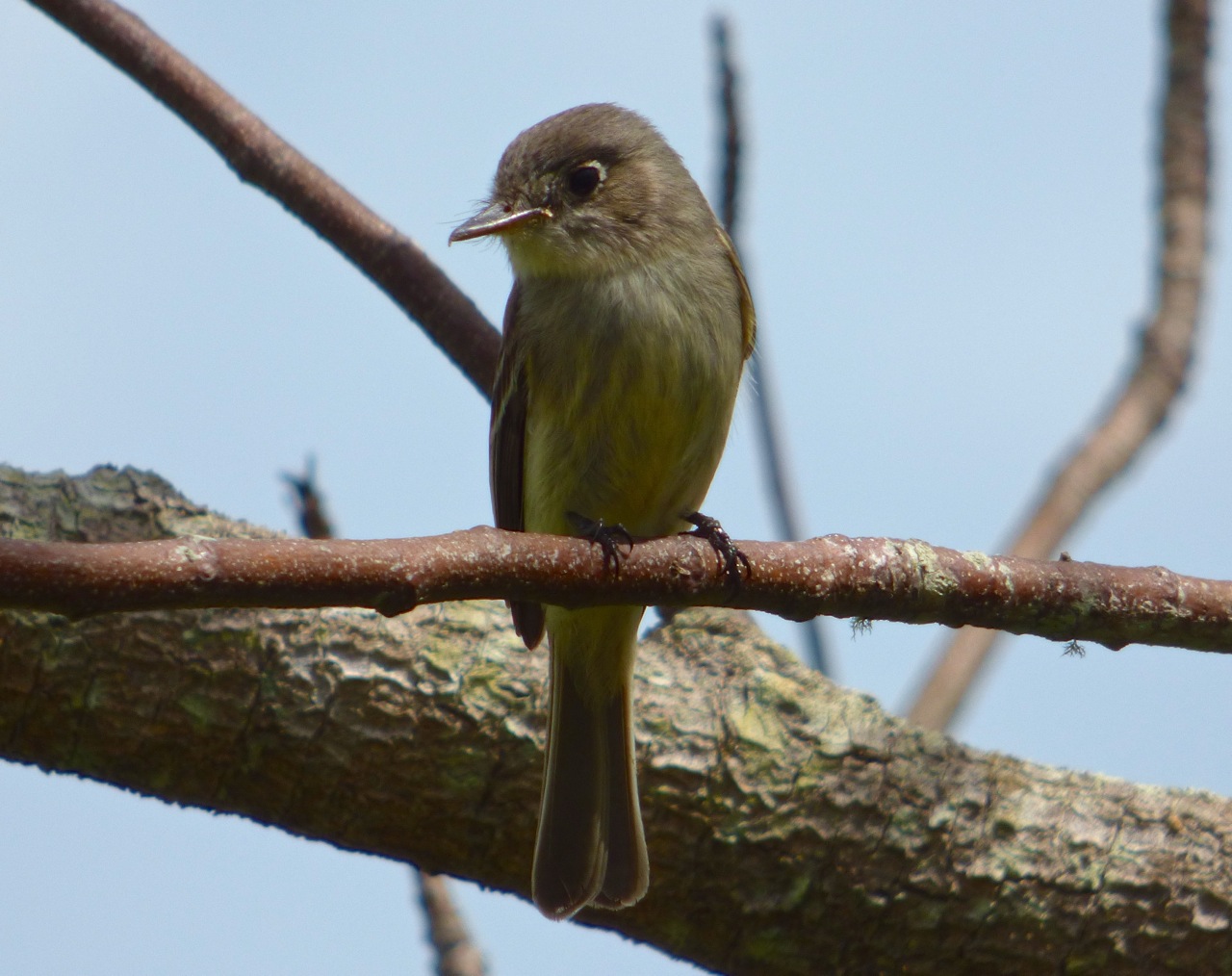
A CUBAN PEWEE AT THE ABACO NEEM FARM


P1010060 - Version 2

A CUBAN PEWEE AT THE ABACO NEEM FARM

This post may be infected with a passing dose of Badworkmanblamingtoolitis. I took a new camera to Abaco, an upgrade on my previous one (which thankfully I kept while testing the new one). I only use a ‘Bridge’ camera, mostly set on auto because it takes me too long to fidget with controls while the bird in front of me chooses the optimum moment to fly off, i.e. fractionally before I have pressed the button…


We went to the Abaco Neem Farm, a large acreage of Neem and other trees, with pinewood, coppice and open land. Perfect for birding. The owner Nick kindly gave us a metaphorical ‘Access All Areas’, so we took him at his word. I will post about this trip in due course – as expected, we found much of interest there.

P1010061 - Version 2

Meanwhile, back to the camera. This little Cuban Pewee Contopus caribaeus was quite close, watching me and seeming very relaxed. I hoped that the much-vaunted zoom (“and many other features”) would bring pin-sharp images. This was the first time I realised that this might not be the case. As it has turned out the bird results are a bit disappointing, with images being ‘soft’. A great camera, probably, for general use: not so good for bird close-ups…P1010062 - Version 2

The last photo was a lucky shot, as the bird took hold of a large passing insect (cricket? hopper?). It’s not a sharp shot, but I’m glad I got it!P1010063 - Version 2

Unknown's avatar

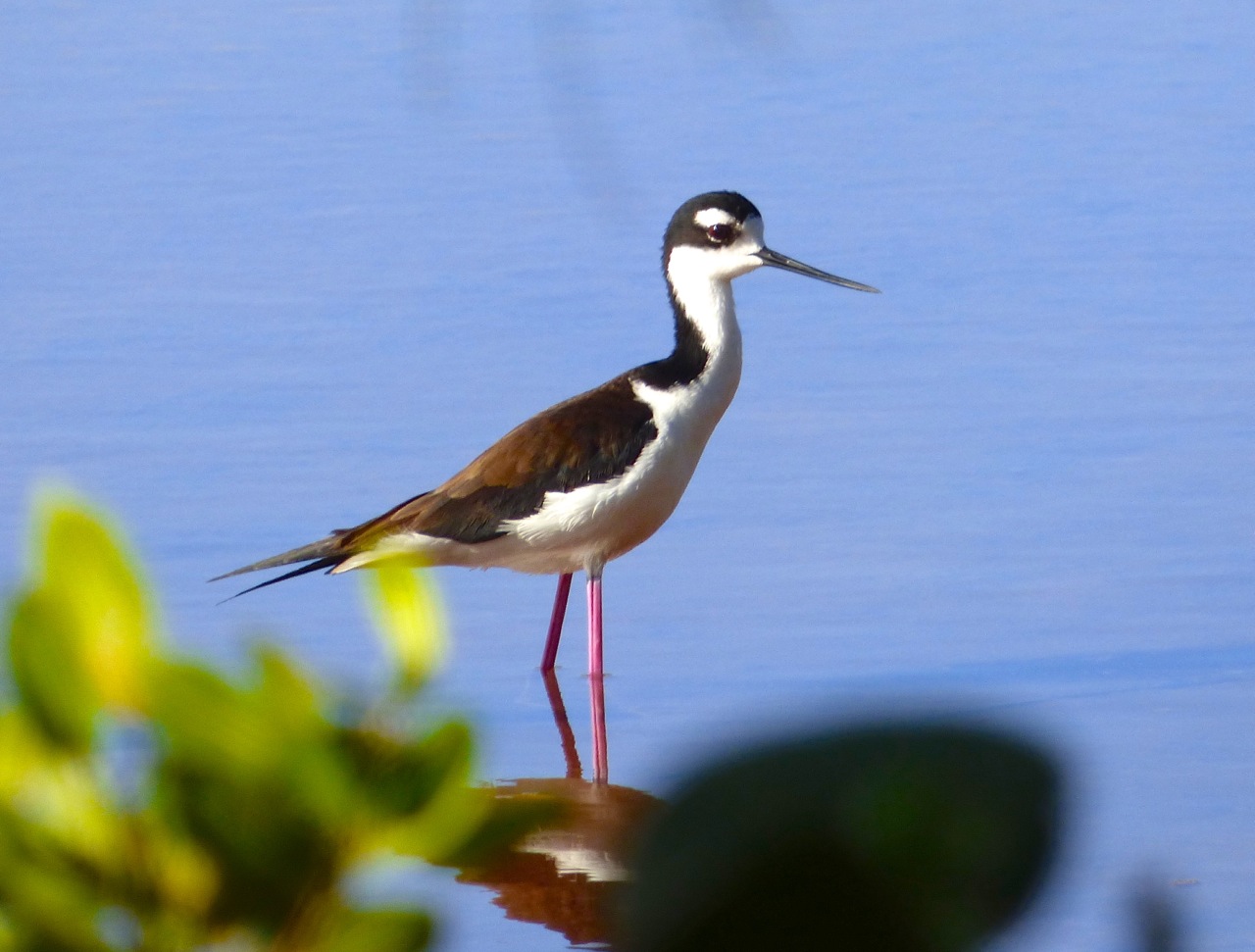
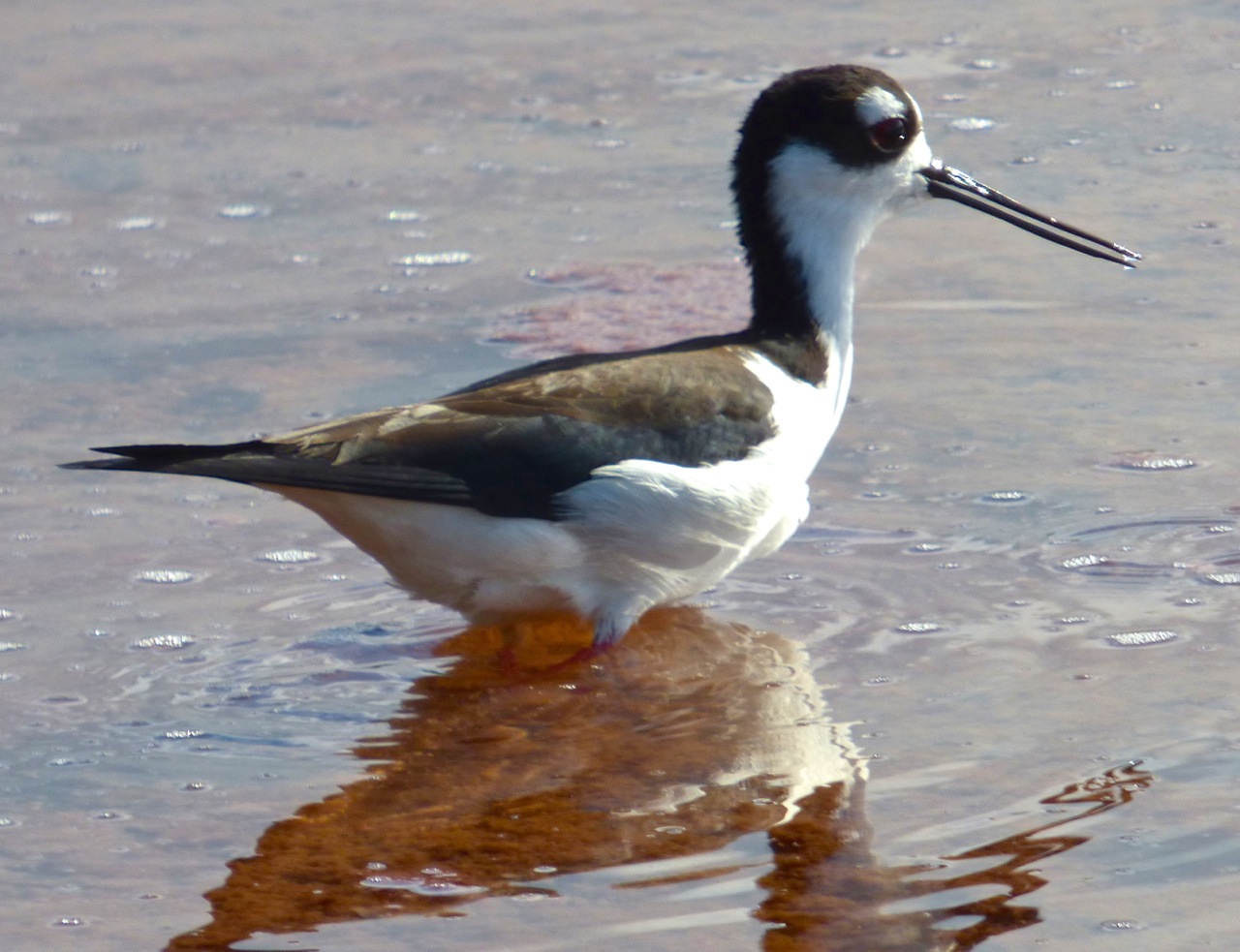
BLACK-NECKED STILTS ON ABACO: A PREVIEW


BLACK-NECKED STILTS ON ABACO: A PREVIEWBlack-necked Stilt, Gilpin Point, Abaco 1

T’ings on Abaco are pleasantly busy right now. The weather is gorgeous; the bonefishing is outstanding at the moment, so that even an incompetent like myself can boat a few fish in the day (6 to 4 lbs today, thank you so much for asking… What’s that? Speak up… yes, OK, I lost or mislaid a further eight along the way by deploying my compassionate principles of EARLY CATCH & RELEASE). There’s “The Birds of Abaco” to promote, with signings & co. Food to be got through. Drink to be taken. Frankly I’m exhausted (not really). And on top of it all, some nice birds to photograph. Here are a couple of taster shots for a future bird post on these delicate but surprisingly aggressive Stilts after we get back to Blighty (all too soon…) Black-necked Stilt, Gilpin Point, Abaco 2
Unknown's avatar

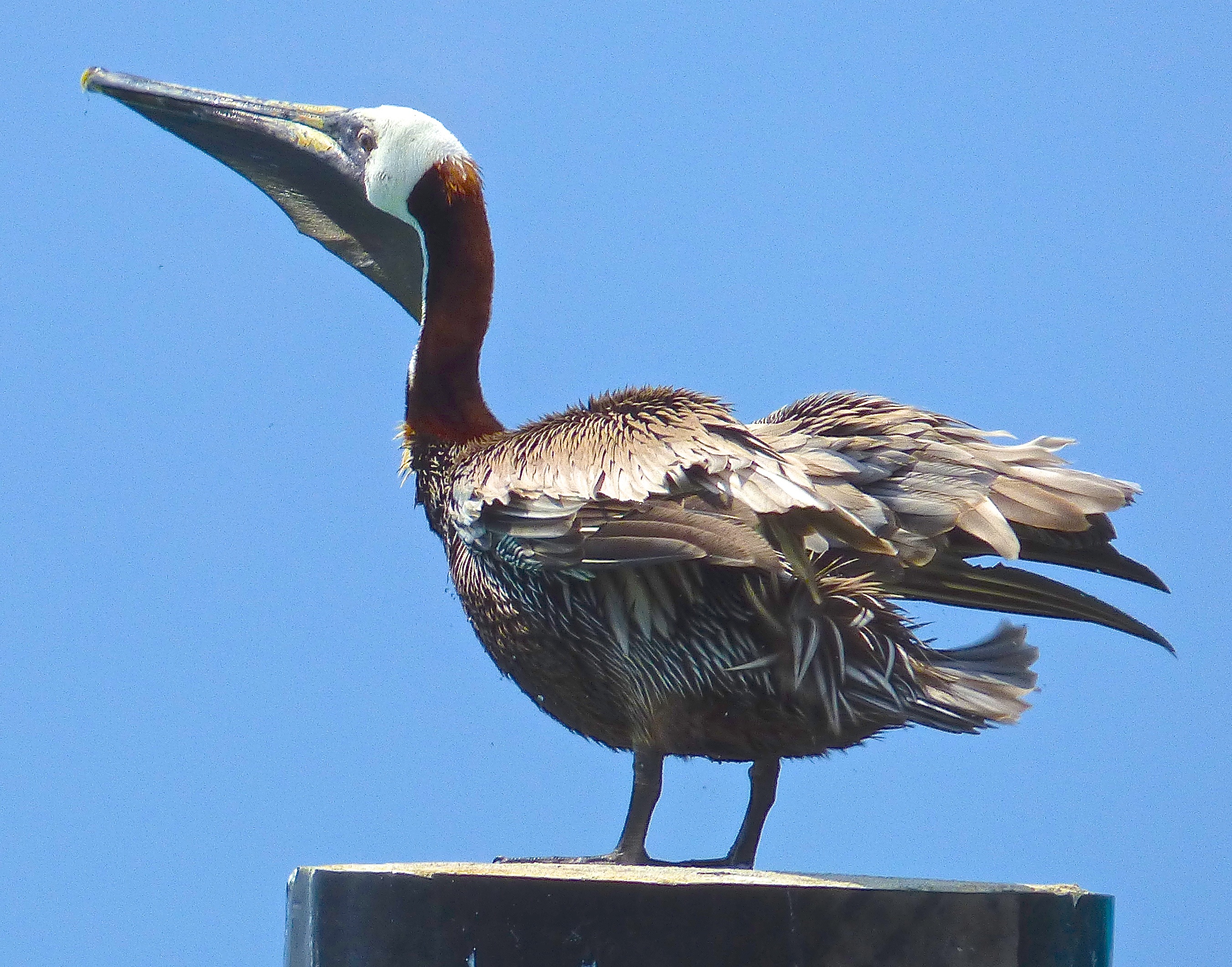
CAN A PELICAN? THE HELICAN!


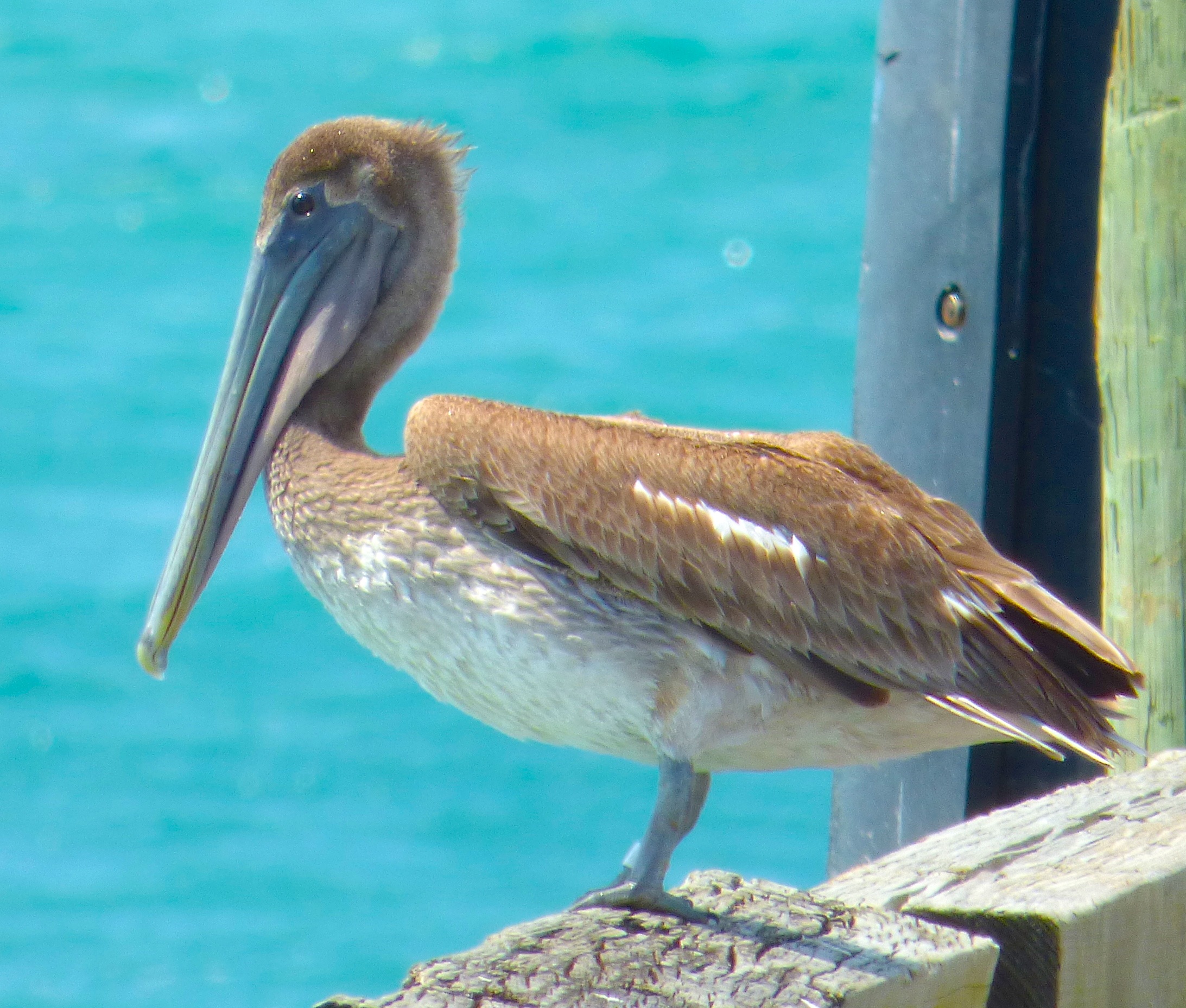
A taster for a future post about Brown Pelicans when I have a more reliable internet connection than Abaco’s rather intermittent service… These two birds were taken a few days ago on the jetty at Sandy Point, Abaco. In due course there’ll be more about these astonishing birds, which were plunge-diving off the jetty for fish.Pelican Sandy Point AbacoPelican Sandy Point Abaco 3Pelican Sandy Point Abaco 2

Unknown's avatar

A GREAT BLUE HERON AT SANDY POINT, ABACO


When I get a better internet connection I have some great bird posts planned. Until then it has to be single images on my iph@ne. Here’s one from a couple of days back … NEW! Originally mis-ID – there was some general confusion about that. Thanks, Brigitte on Tilloo for ringing the alarm bell. My bad! Internet has temporarily improved, here’s the full-size rather than iph@ne image, with more to follow soon…Great Blue Heron Close-up, Sandy Point Abaco

Unknown's avatar

AN OSPREY ON THE ABACO MARLS


Osprey - Abaco Marls 3

AN OSPREY ON THE ABACO MARLS

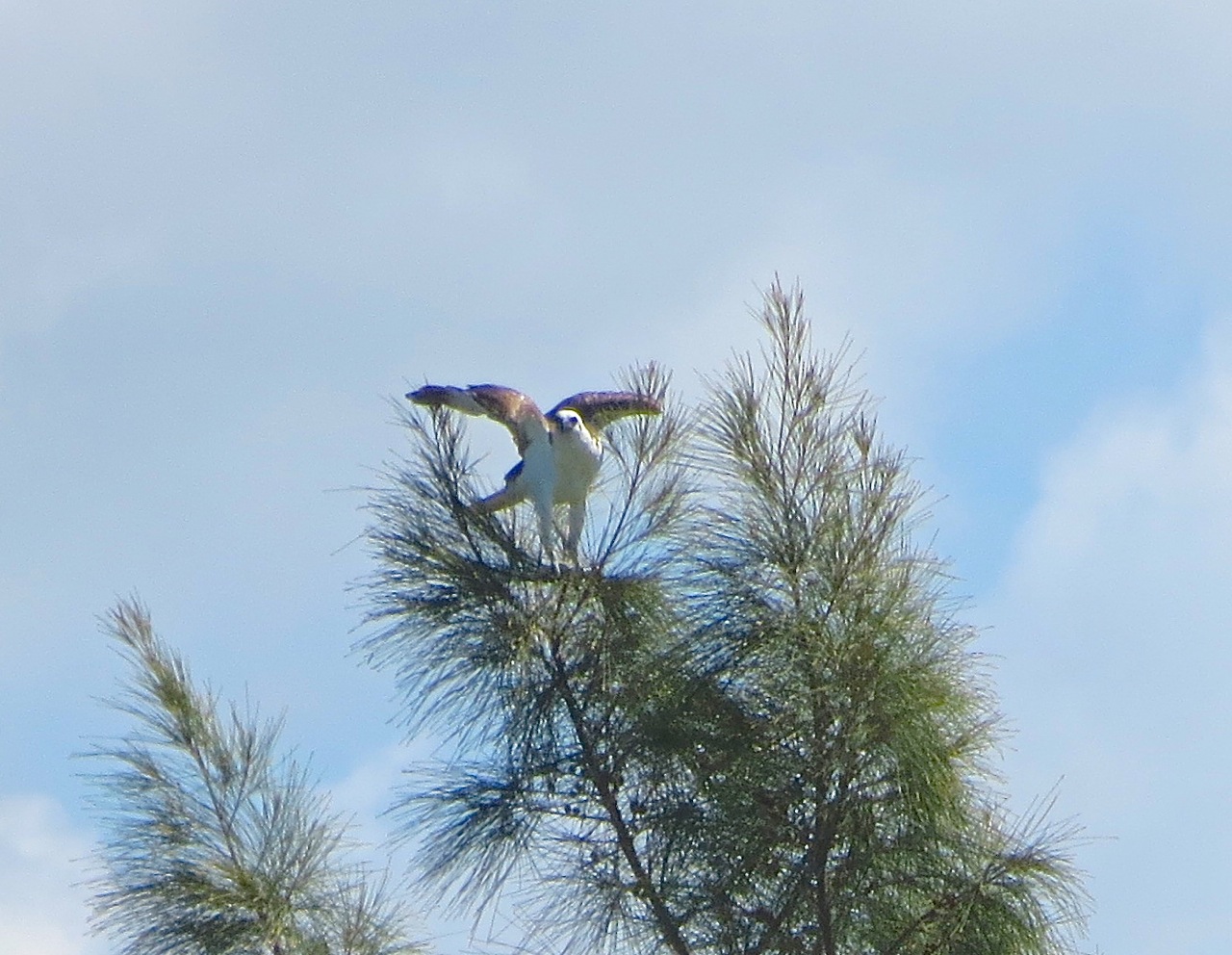
Anglers are not the only creatures out fishing on the Marls. Herons and egrets of several sorts live in the massive area of mangrove swamp, shallow sea and sandy spits that make up the prime bonefishing grounds of Abaco. Yesterday, we were lucky enough to be joined by an osprey. Hooking my ‘Delphi Daddy’ safely into a rod ring, I grabbed a camera and took some shots. These aren’t that great because (a) I normally only take a small cheap camera out fishing (b) the bird was some away off and (c ) my image qualities are variable… These aren’t really worth clicking to enlarge, but I’m pleased to have got some ‘action shots’ of this wonderful bird.

Osprey - Abaco Marls 2Osprey - Abaco Marls 1Osprey - Abaco Marls 4

Unknown's avatar

IDENTITY CRISIS ON ABACO:WEST INDIAN WOODPECKERS OR HUMMINGBIRDS?


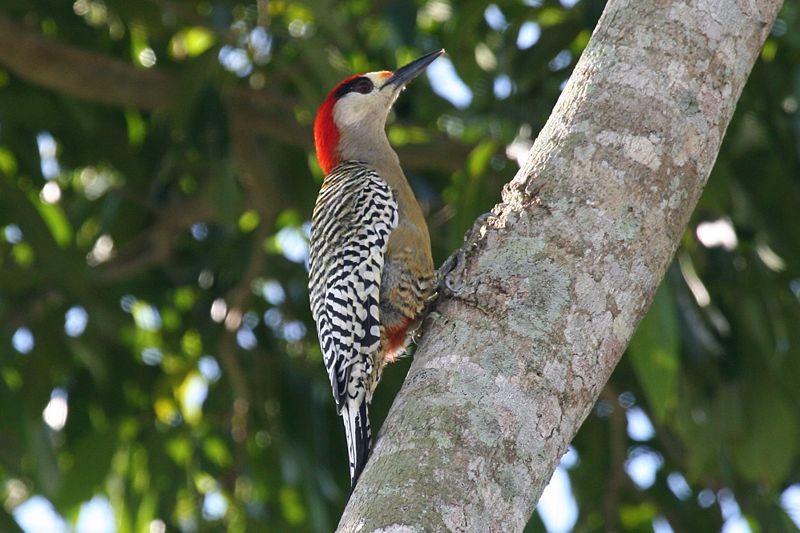
800px-West_Indian_Woodpecker_(Melanerpes_superciliaris)IDENTITY CRISIS ON ABACO:WEST INDIAN WOODPECKERS OR HUMMINGBIRDS?

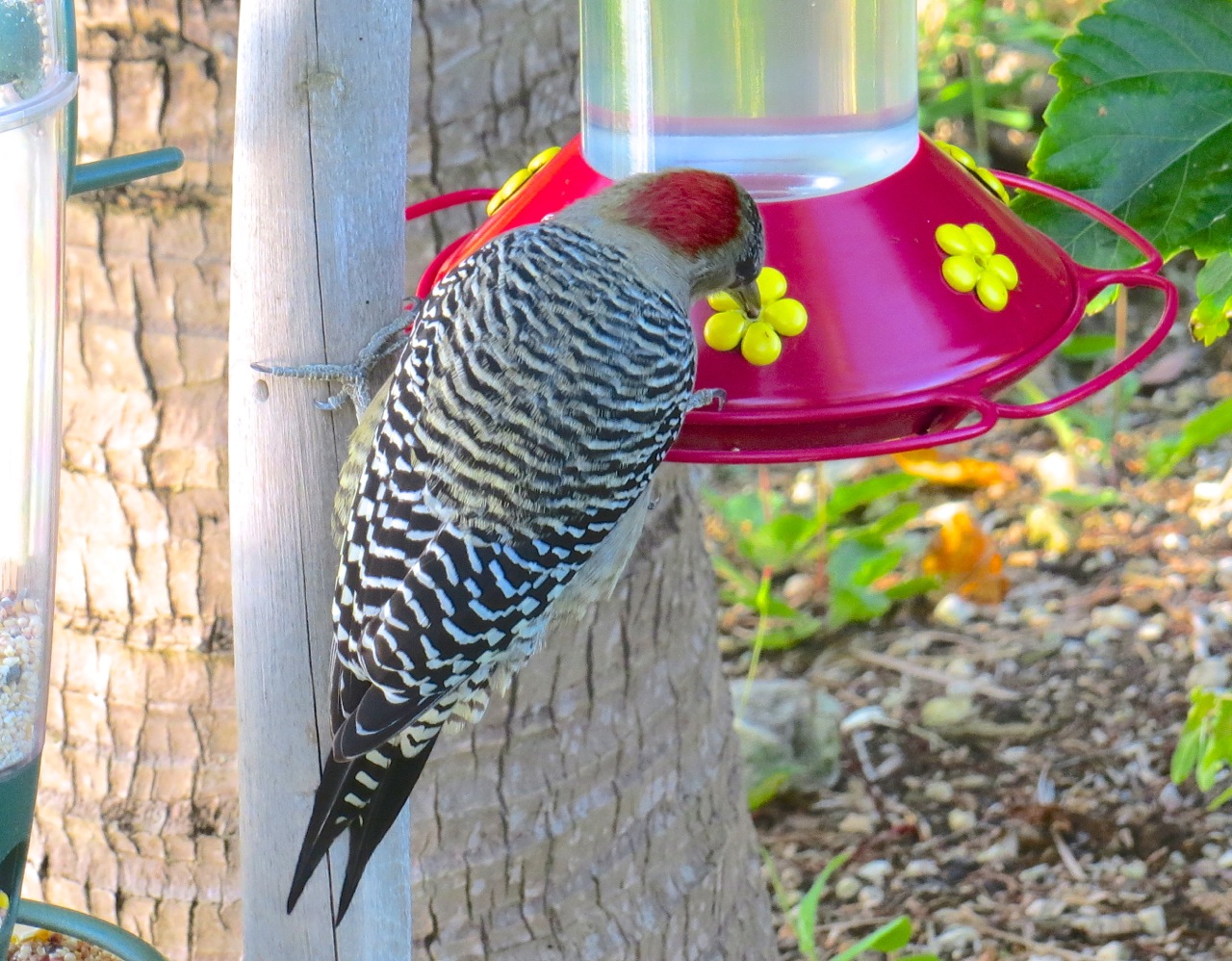
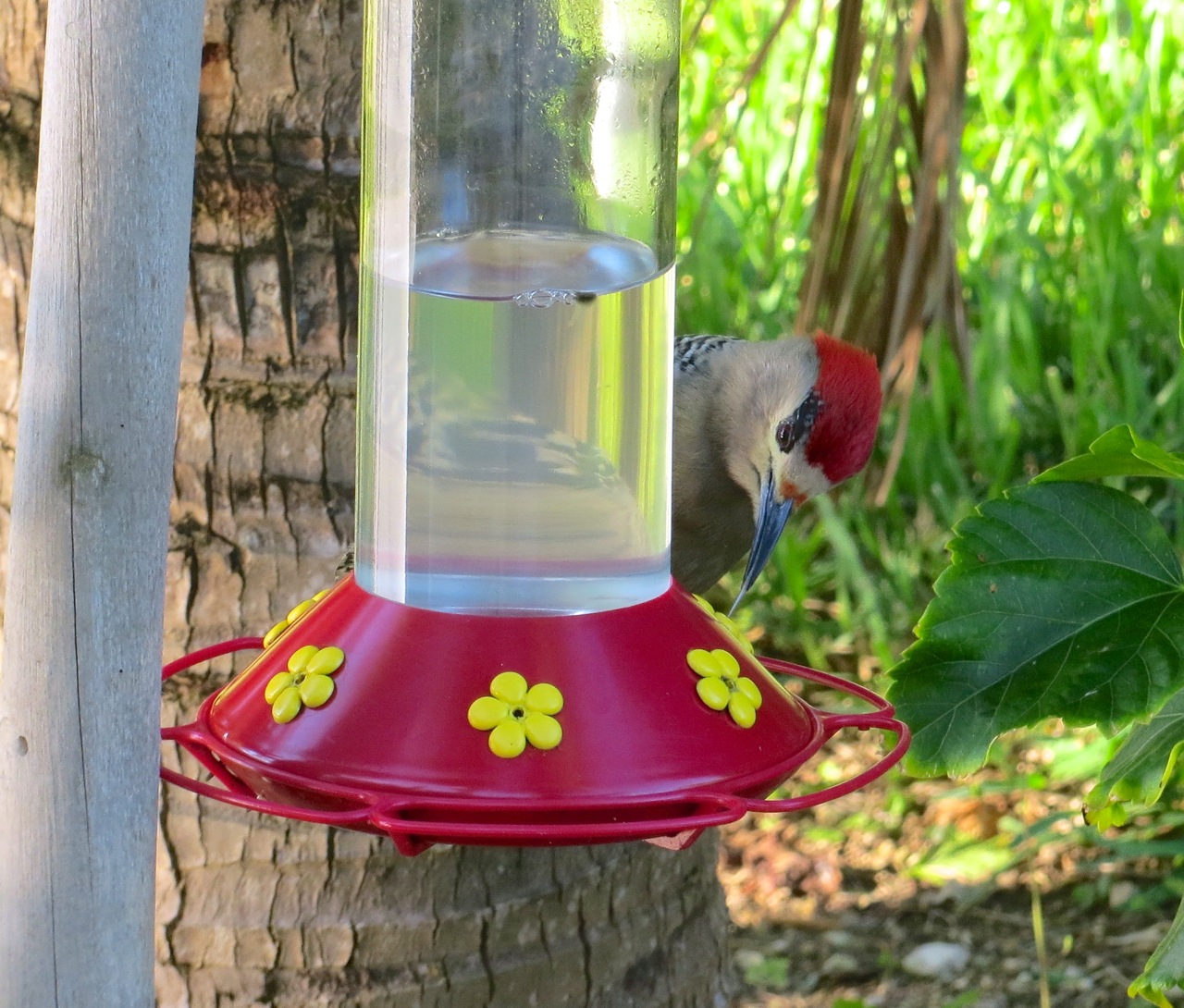
The hummingbirds round here – Cuban Emeralds and occasional Bahama Woodstars – have feeders full of sugar water to keep them sweet. These are also enjoyed by other birds with suitable beaks or tongues able to get to the liquid through tiny holes.  Bananaquits, for example. Now the resident woodpeckers have got in on the act. Our arrival at Delphi coincides with the start of insistent tapping noises from inside the 2 nesting boxes that were put up to divert the woodpeckers from wrecking the wooden roof eaves. They are carrying out annual routine maintenance, putting up new bookshelves etc before settling down to produce their first brood of the year. And they have now discovered how to get a sugar-rush to keep up their energies. 

TRYING TO INSERT THE BEAK IS NOT A GOOD METHODWest Indian Woodpecker Abaco 4West Indian Woodpecker Abaco 2

USING A LONG TONGUE IS IDEALWest Indian Woodpecker Abaco 5West Indian Woodpecker Abaco 1

MEANWHILE THE FEMALE HAS TO WAIT FOR HER TURN…West Indian Woodpecker Abaco 3

Unknown's avatar

“I MUST FLY”: GONE TO ABACO. BACK SOMETIME.


“I MUST FLY”: GONE TO ABACO. BACK SOMETIME.

UPDATES AS & WHEN

BLUE-GRAY GNATCATCHERBlue-gray Gnatcatcher Delphi Club Abaco Bahamas.Tom Sheley

HIS ‘N’ HERS RODS ON THE BEACH AT DELPHIOn the beach... Delphi Club, Abaco

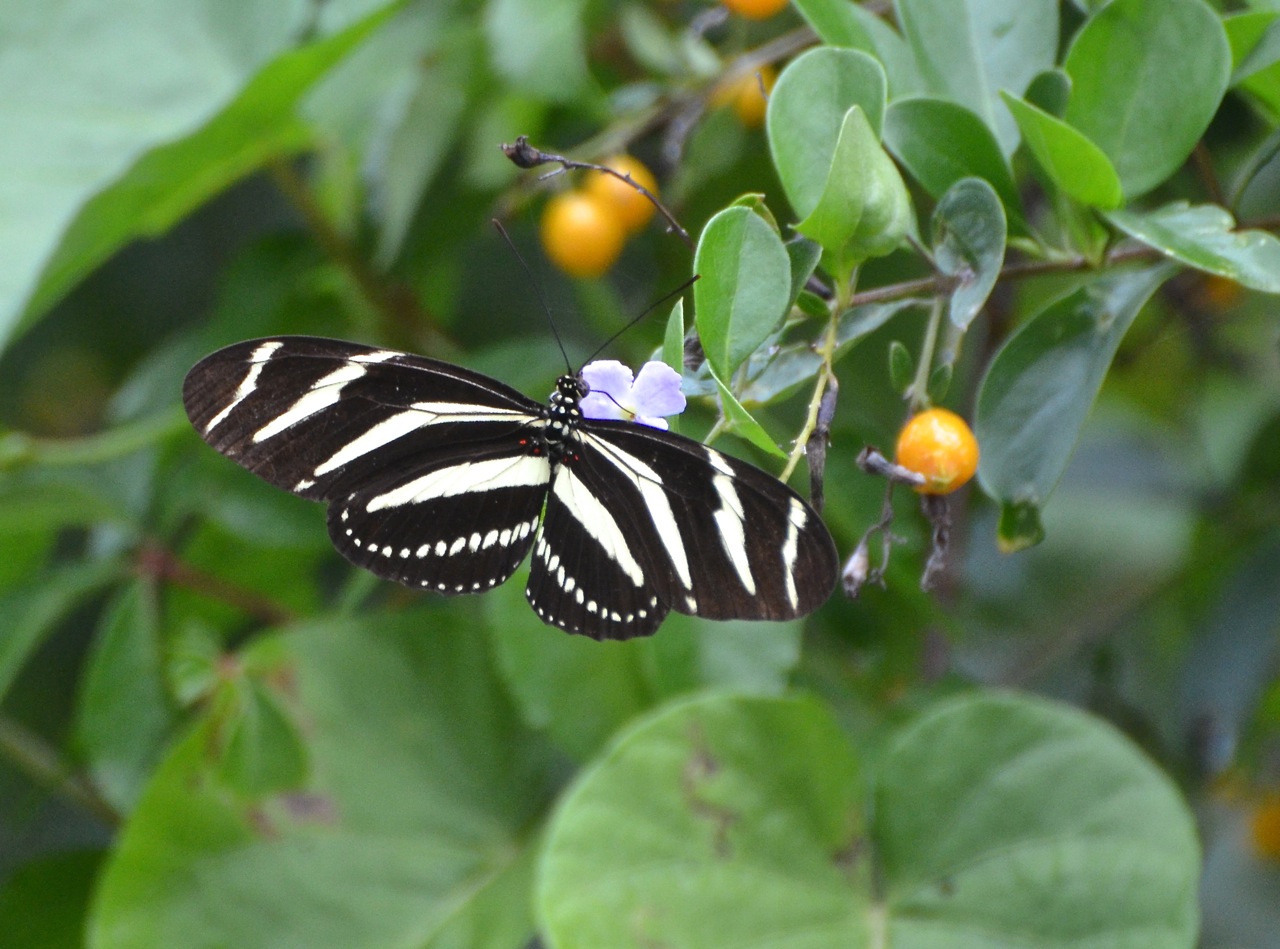
ZEBRA HELICONIAN BUTTERFLYZebra Heliconian Abaco Charlie Skinner

QUEEN ANGELFISHQueen Angelfish © Melinda Riger @ G B Scuba

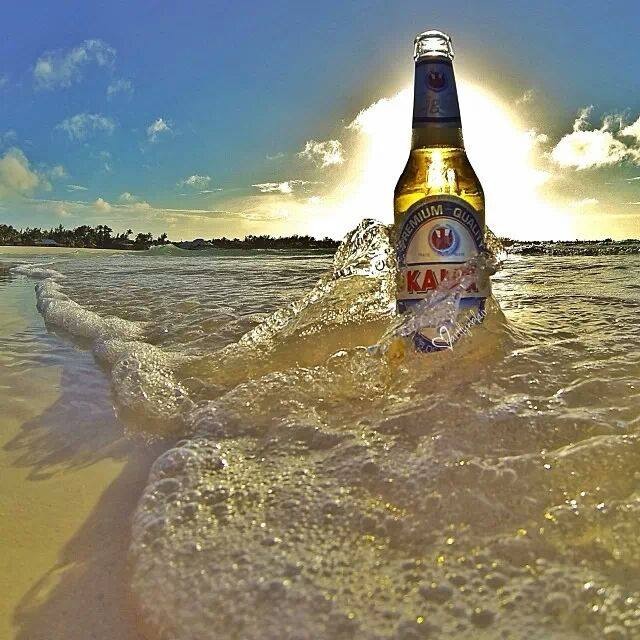
REFRESHMENT OF CHOICE…Kalik by Kaitlyn Blair (F:B)Relax Notice, Lubbers CayShark Cartoon

Photos: Tom Sheley, RH, Charlie Skinner, Melinda, Kaitlyn Blair on FB, RH

Unknown's avatar

FIVE ELEGANT GULLS AND A SMART BUOY: BIRDS OF ABACO


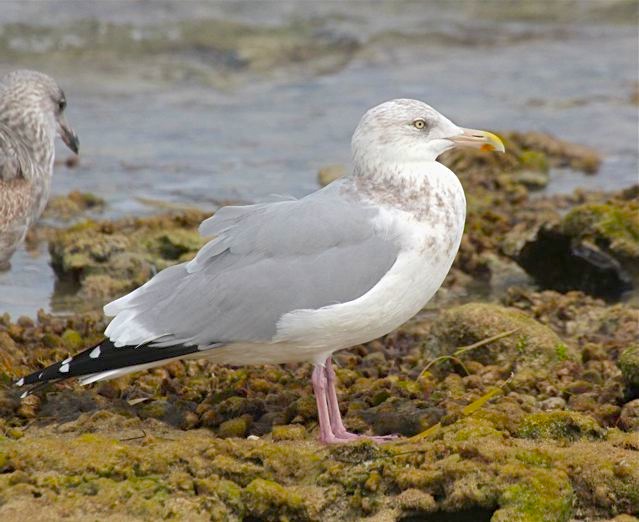
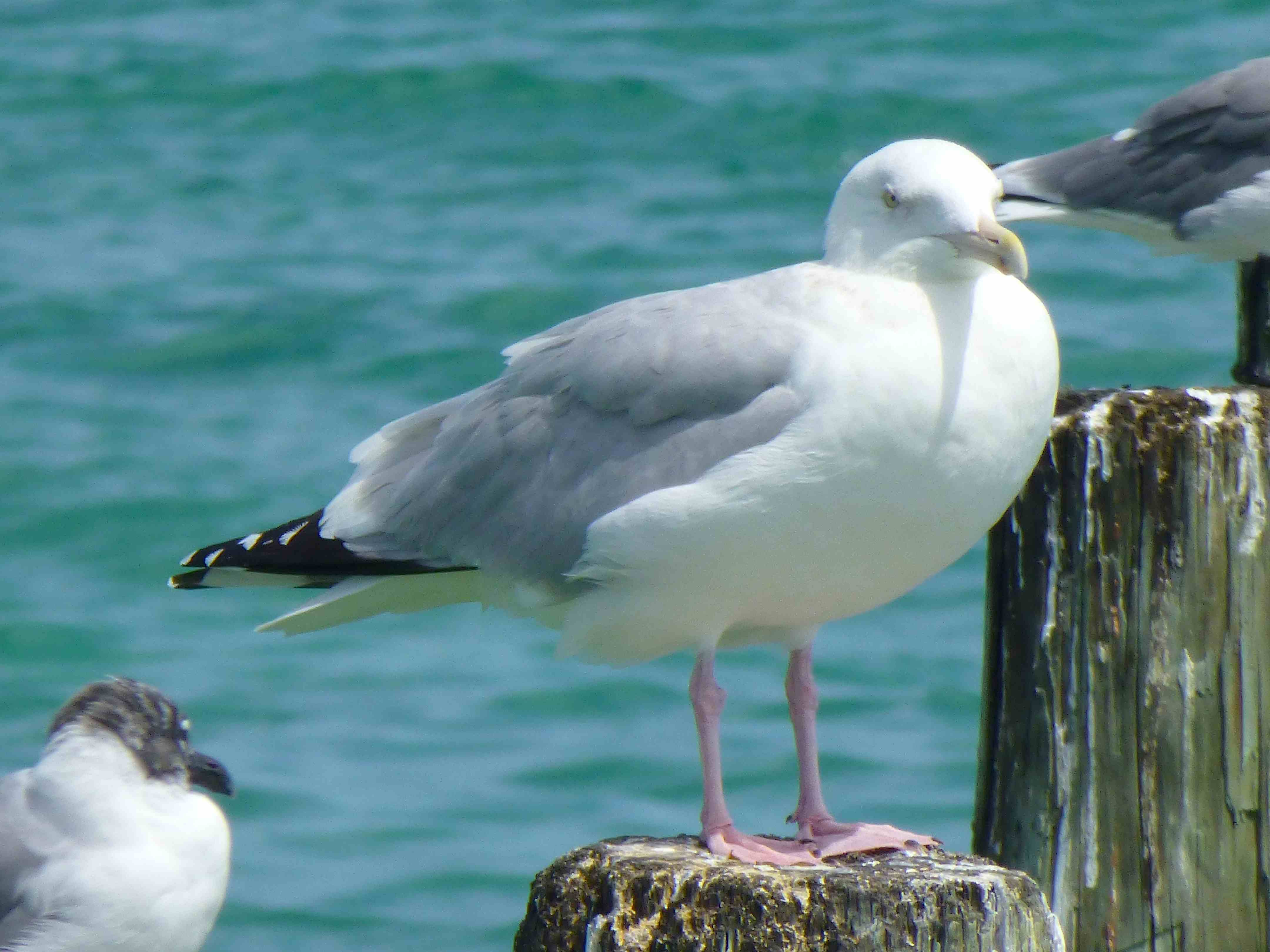
Herring Gull (ad, nb) BH

FIVE ELEGANT GULLS AND A SMART BUOY: BIRDS OF ABACO

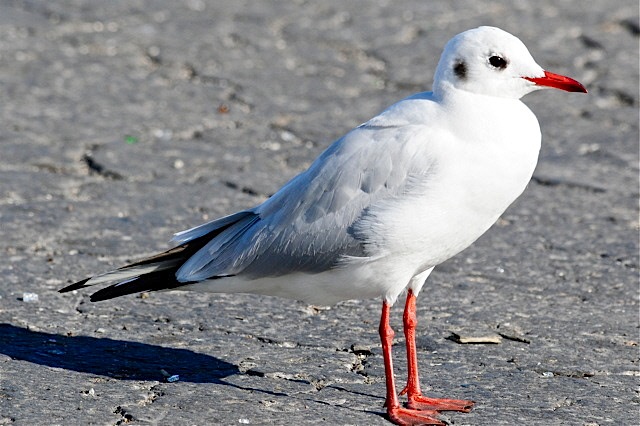
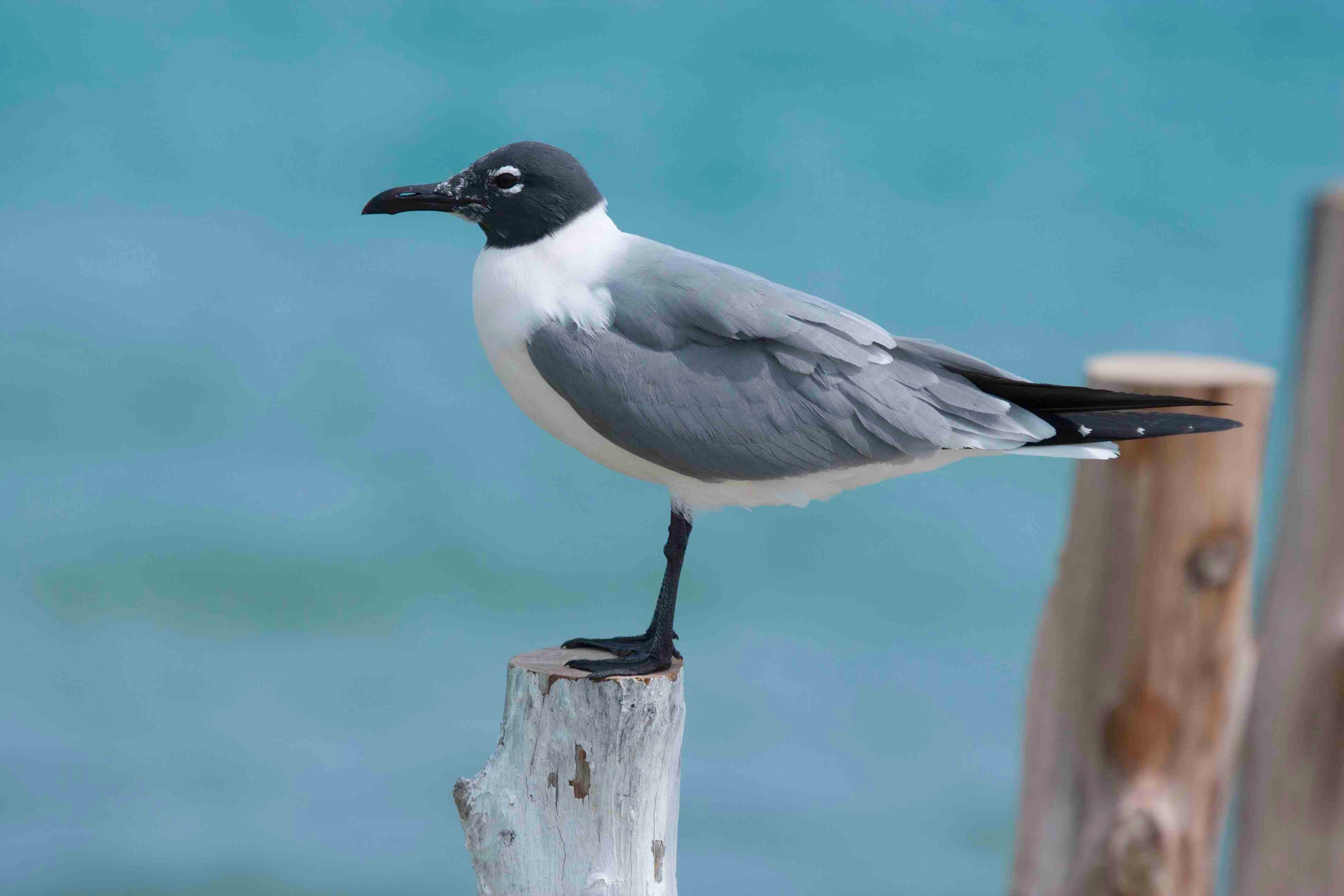
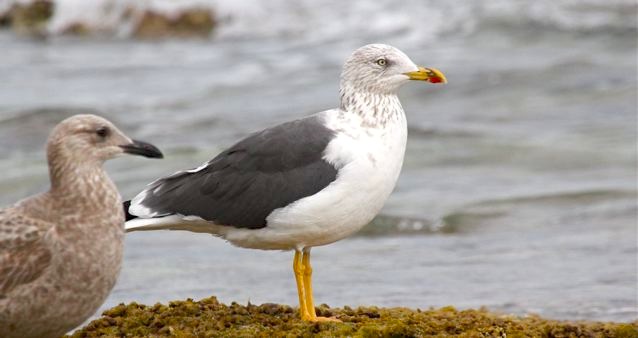
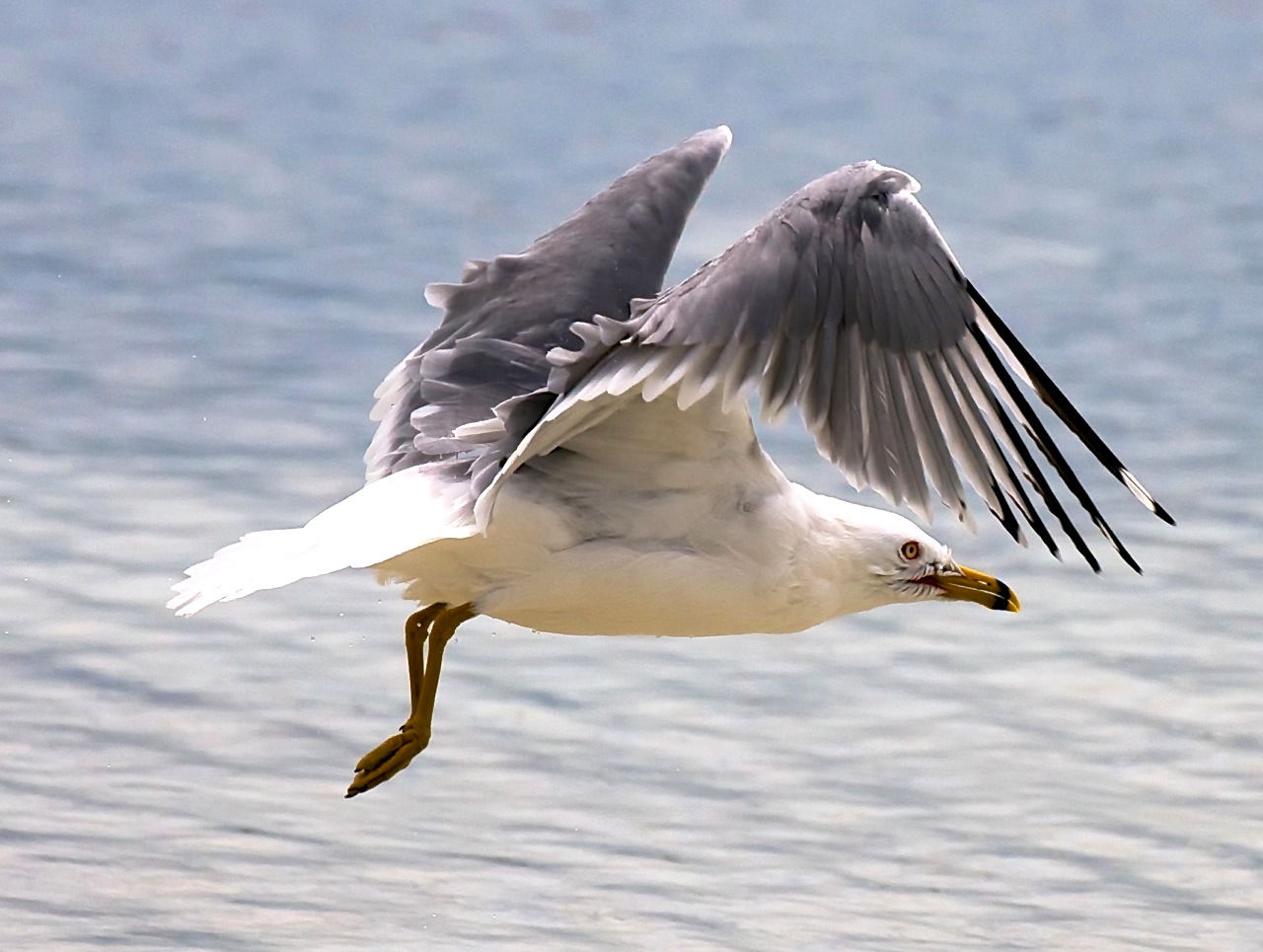
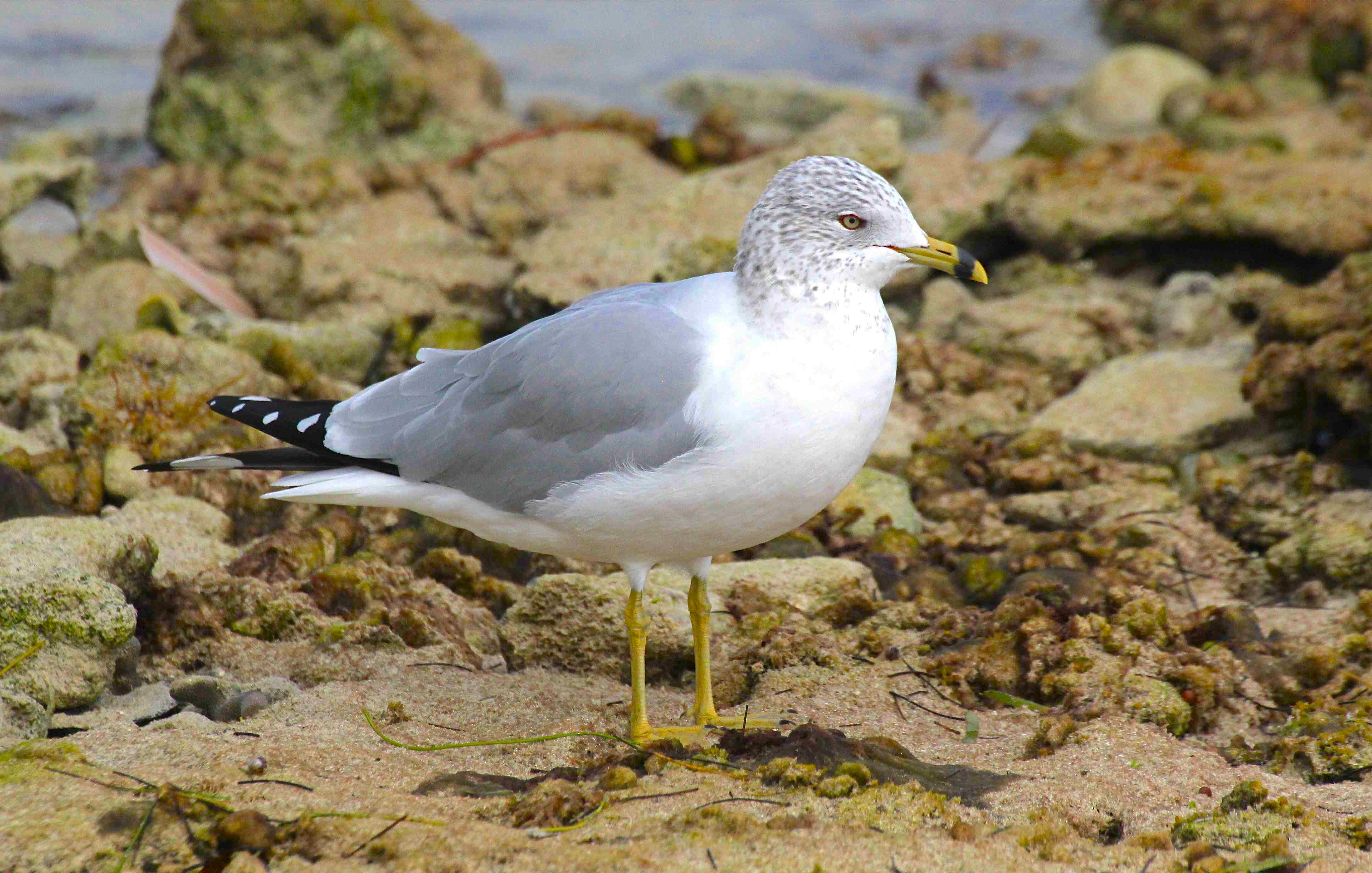
There are 8 gull species recorded on Abaco. The 5 species shown here all feature in the new ‘Delphi Club Guide to the Birds of Abaco’.  The others are the occasional vagrants Black-legged Kittiwake and Black-headed Gull;  and the rare winter visitor Great Black-backed Gull.  We do in fact have a Black-headed Gull in the archive (in winter plumage), but it was taken on New Providence and wasn’t eligible for inclusion in a book of Abaco birds. Even as a cheat.

Black-headed Gull (winter plumage) NPBlack-headed Gull (adult, winter plumage) WB

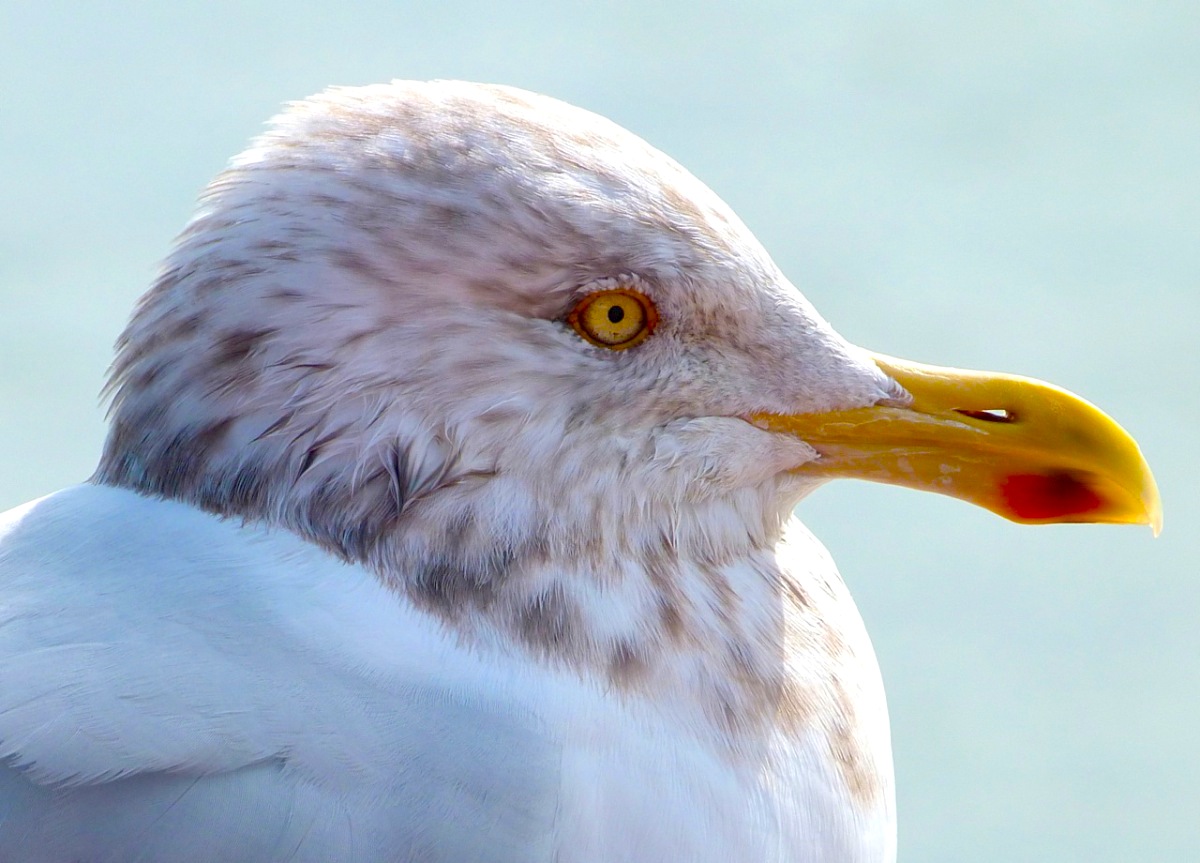
HERRING GULL (& header image) (WR 2)herring-gull-5Herring Gull WB P1000298 small

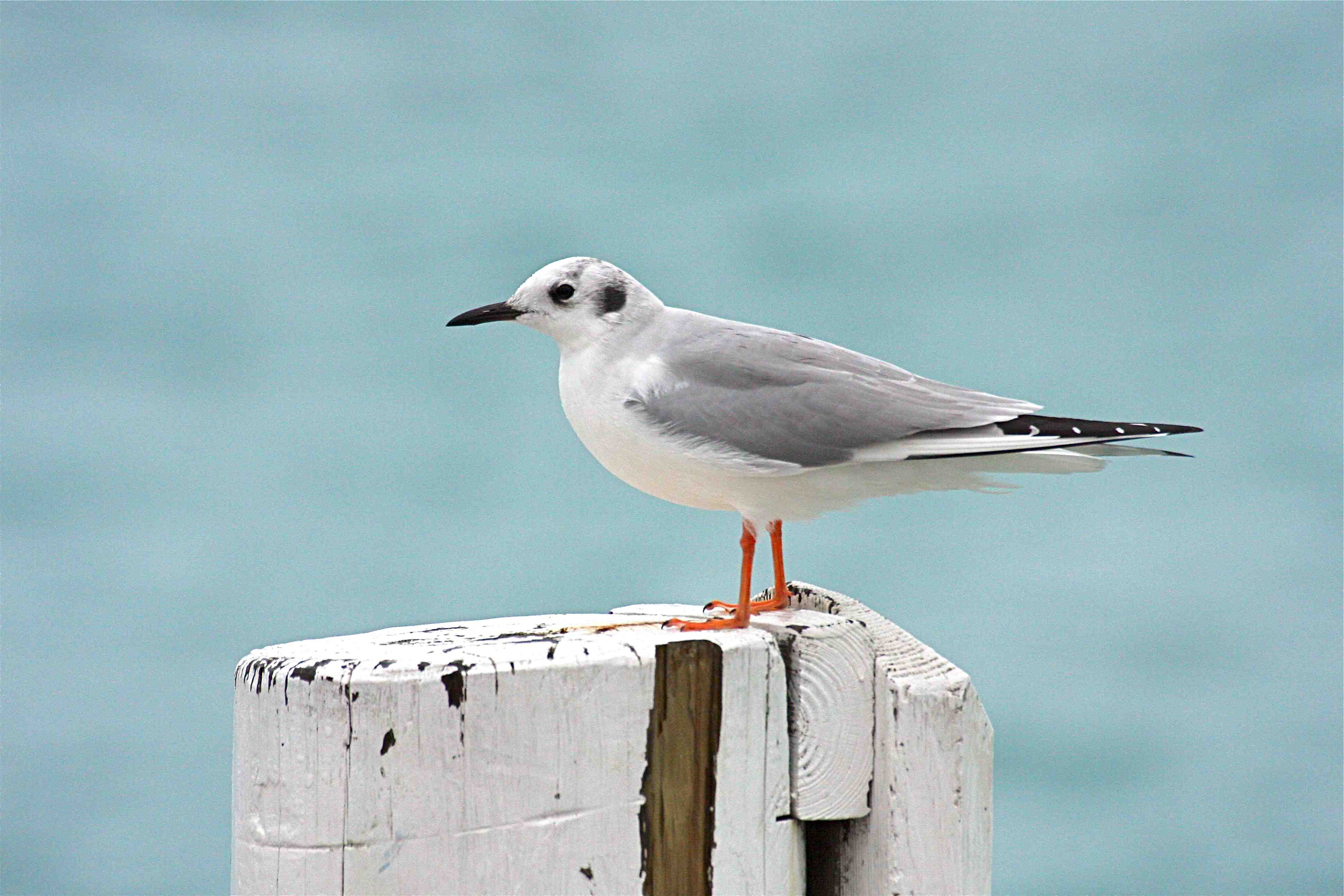
BONAPARTE’S GULL (WR 4)Bonaparte's Gull BHBonaparte's Gull BH (Ad NB) SMALL

LAUGHING GULL  (PR B 1)Laughing Gull4_-NH laughing-gulls2 EG

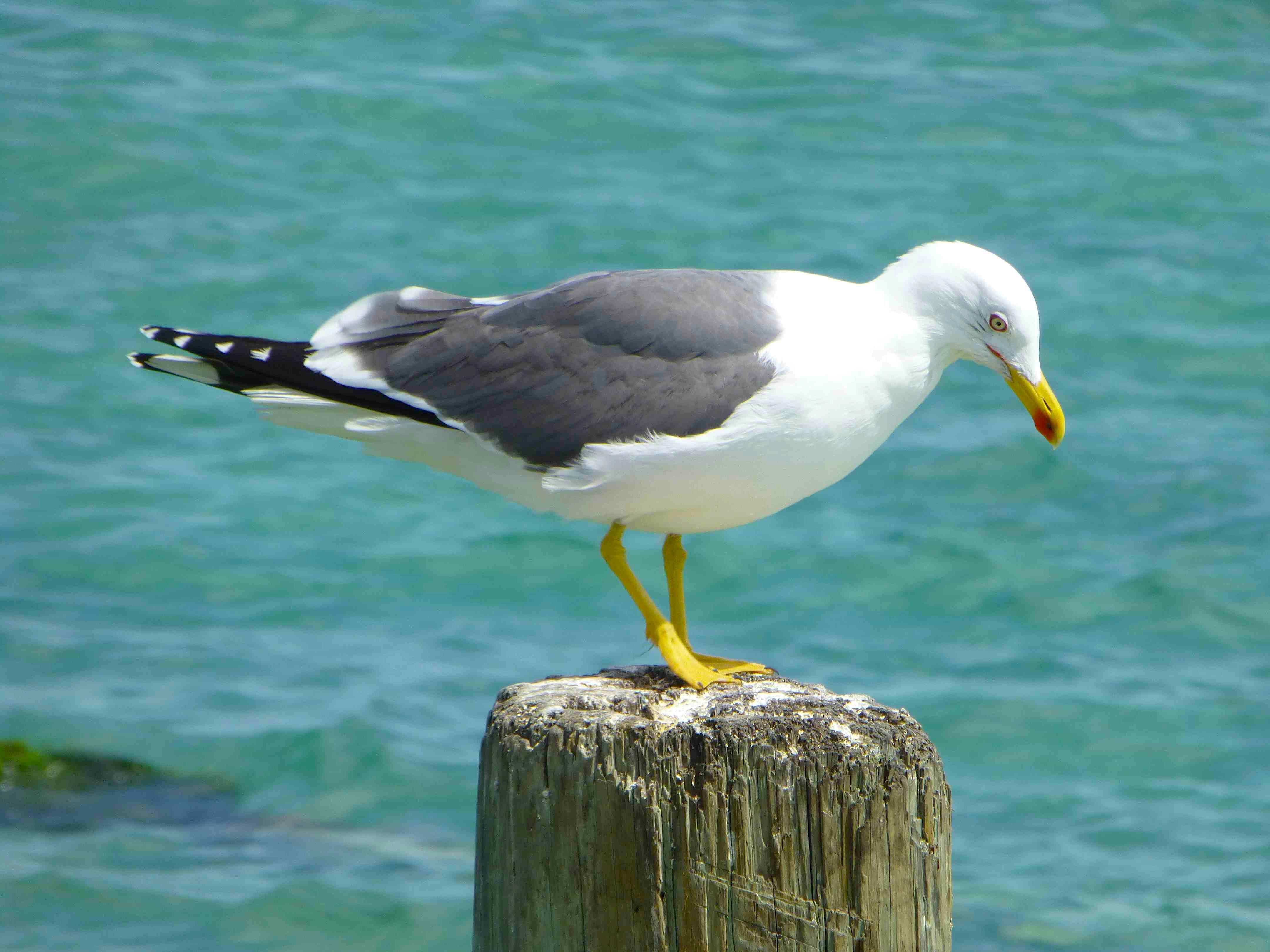
LESSER BLACK-BACKED GULL (WR 2)Lesser Black-backed Gull (ad, nb) BH Lesser Black-backed Gull WB

RING-BILLED GULL (WR 1)Ring-billed Gull (Nina Henry : DCB)Ring-billed Gull BH (ad nb)

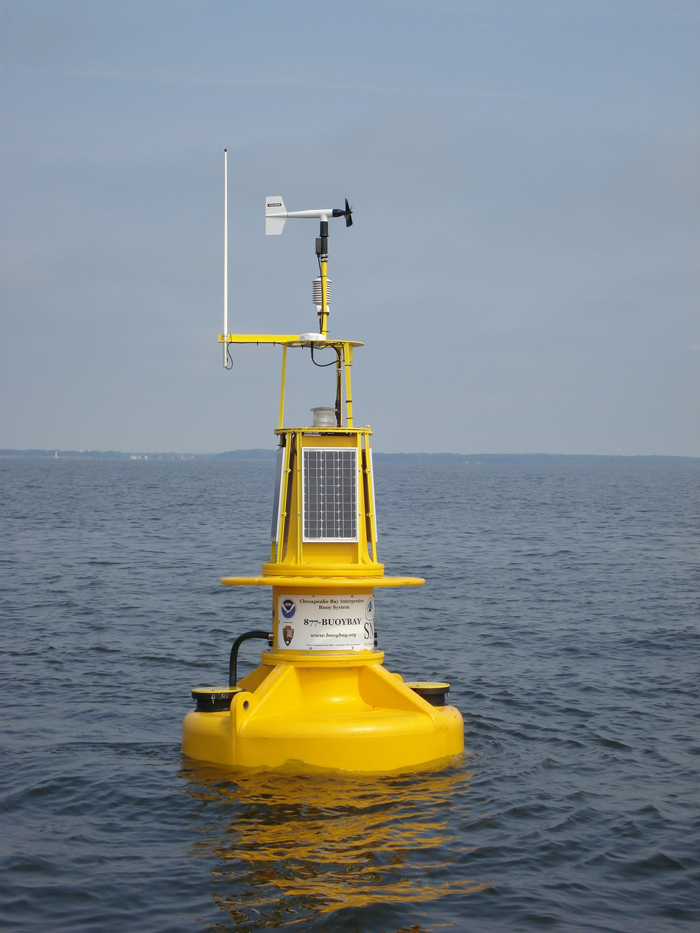
NOAA ‘SMART BUOY’ (Chesapeake Bay)*NOAA Chesapeake Bay SmartbuoyPhoto Credits: Bruce Hallett, Woody Bracey, Nina Henry, RH, + NOAA

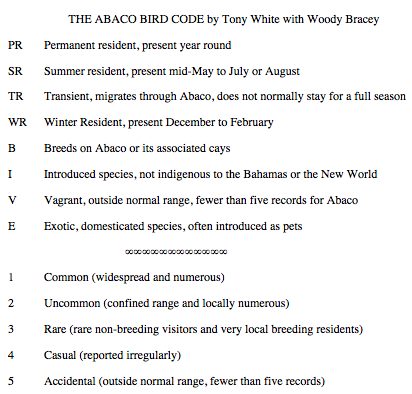
Abaco Bird Code jpg

* Correct. The image is included solely to enable a laboured & old hat pun on ‘girls & boys’.

Unknown's avatar

“SEVEN GOOD TERNS DESERVE AN AUTHOR”: BIRDS OF ABACO


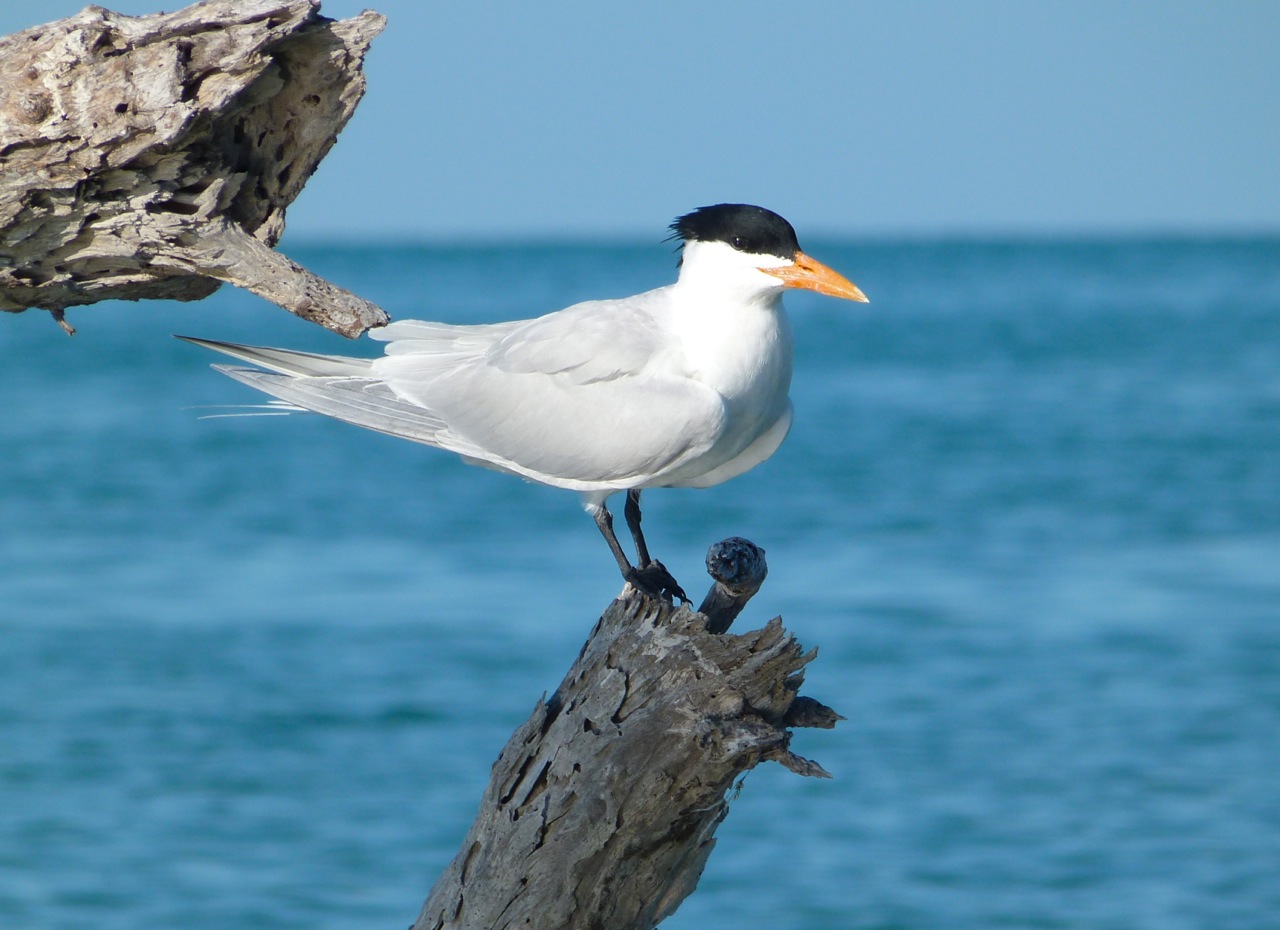
Royal Terns Abaco (2) 4

“SEVEN GOOD TERNS DESERVE AN AUTHOR”: BIRDS OF ABACO

A total of 12 tern species have been recorded on Abaco and in Abaco waters. Ever. Some are permanently resident, some are winter visitors, some arrive for the summer and one or two – for example the Arctic Tern – are one-off or vanishingly rare sightings. A few are commonplace, some you may see if you know where to look or are lucky, some would not be worth making a special trip to Abaco to find…

Here are 7 tern species that all feature in the newly published “Delphi Club Guide to the Birds of Abaco”. A cunning code devised by Bahamas ornithologist Tony White tells you when they are around (PR, WR, SR = permanent, winter, summer resident; TR means transient) and the likelihood of seeing one at the appropriate time (1 = very likely to 5 = next to no chance). B means ‘breeds on Abaco’.

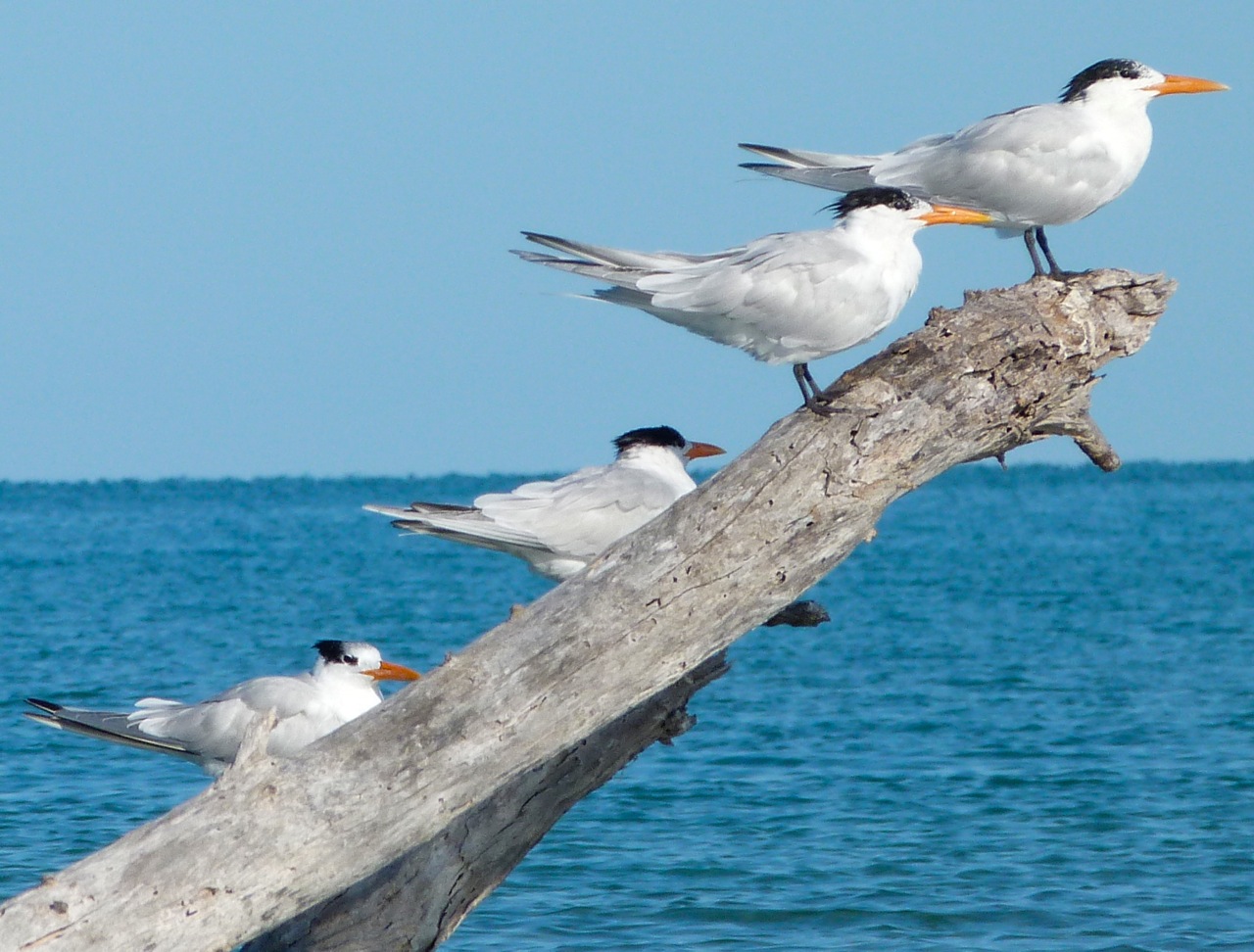
The header picture shows a line up of Royal Terns perched characteristically facing the breeze on a dead tree far out on the Marls. I took it while we were out bonefishing, and our guide Ishi very tolerantly poled nearer to the birds so I could get a better shot at them with the sun behind me. The ones shown are in an intermediate stage between non-breeding plumage and full breeding plumage, when the ‘caps’ are black. One (shown below) had the full black cap.

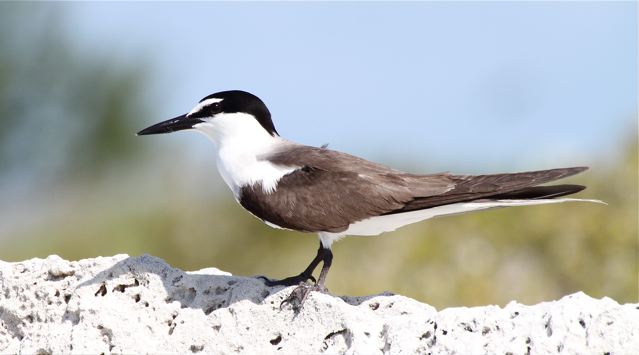
BRIDLED TERN (SR B 2)Bridled Tern, Bruce Hallett

CASPIAN TERN (TR 4)Caspian Tern Woody Bracey

GULL-BILLED TERN (SR 3)Gull-billed Tern Alex Hughes

ROSEATE TERN (SR B 2)Roseate Tern Woody Bracey

ROYAL TERN (PR 1)Royal Terns RH / KS

SANDWICH TERN (SR 4)Sandwich Tern Woody Bracey

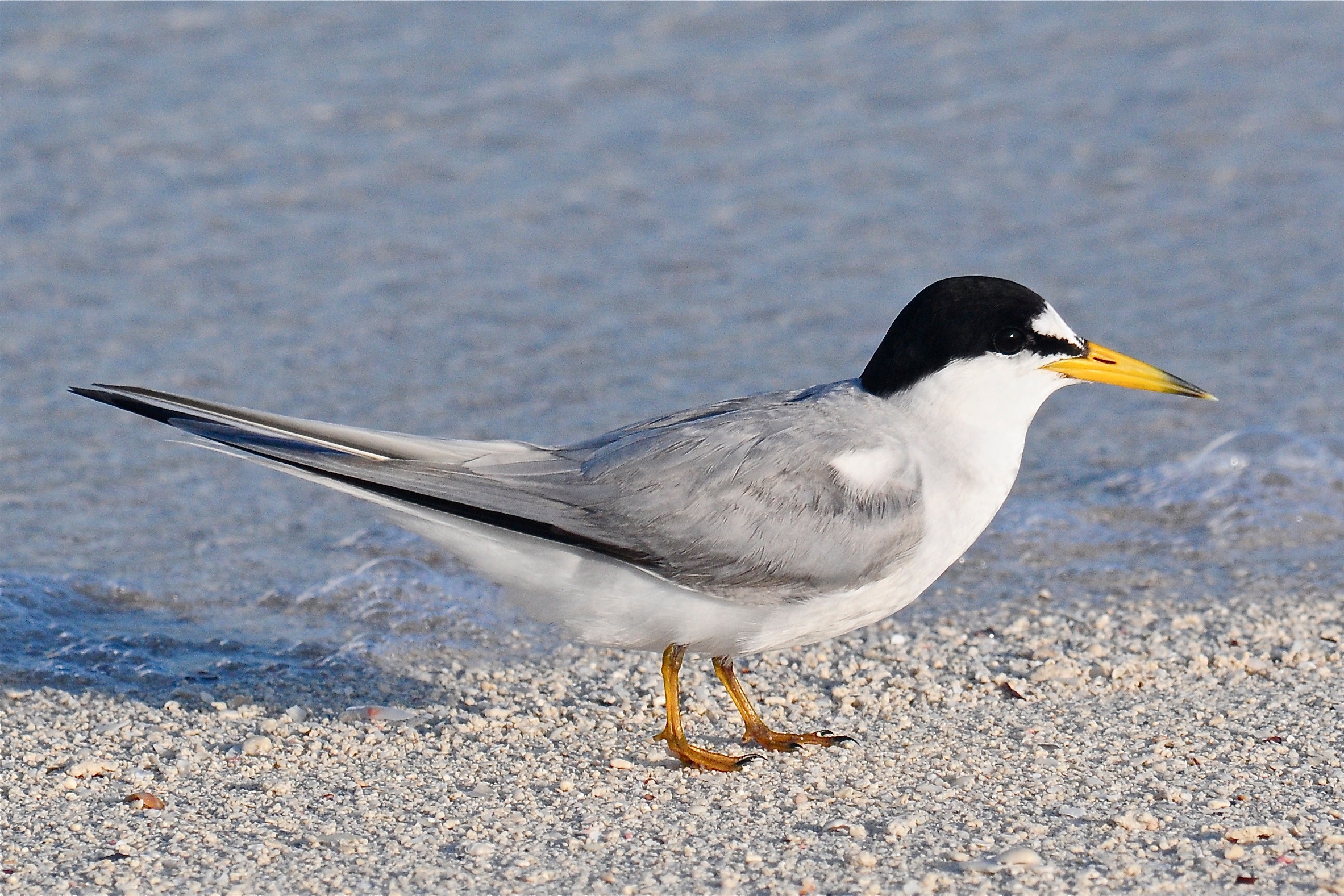
LEAST TERN (SR B 1)Least Tern Tony Hepburn

The other 5 species recorded are: Sooty Tern, Black tern, Common Tern, Arctic Tern and Forster’s Tern

Photo Credits: Bruce Hallett, Woody Bracey, Alex Hughes, RH

Abaco Bird Code jpg

Unknown's avatar

“THE DELPHI CLUB GUIDE TO THE BIRDS OF ABACO” HAS LANDED…


JACKET GRAB JPG

WHAT HAS THE GESTATION PERIOD OF A WALRUS (16 MONTHS) AND WEIGHS THE SAME AS A PAIR OF FULLY GROWN PINEAPPLES (2 KILOS)?

“THE DELPHI CLUB GUIDE TO THE BIRDS OF ABACO”

A unique bird book is  been published and has arrived on Abaco today. Printed in Italy at the end of January, it has made its way from Florence via Bologna, Leipzig, Brussels, Cincinnati, Miami and Nassau. Having spent an unexpectedly long sojourn in Nassau,  2 pallets of books are now safely at the Delphi Club… at last!Cuban Pewee on Abaco

The Guide showcases the rich and varied bird life of Abaco, Bahamas and features both resident and migratory species including rarities and unusual sightings. It is available for sale now from the Delphi Club in a limited edition of 500.  The main features are as follows:

  • 272 pages with more than 350 photographs
  • 163 species shown in vivid colour – nearly two-thirds of all the bird species ever recorded for Abaco
  • Every single photograph was taken on Abaco or in Abaco waters
  • All birds are shown in their natural surroundings – no feeders or trails of seed were used
  • Several birds featured are the first ones ever recorded for Abaco or  even for the entire Bahamas

Clapper Rail Abaco Bahamas Tom Sheley

  • A total of 30 photographers, both experienced and amateur, have contributed to the project
  • The book has had the generous support of many well-known names of Abaco and Bahamas birding
  • Complete checklist of every bird recorded for Abaco since 1950 up to the date of publication
  • Specially devised codes indicating when you may see a particular bird, and the likelihood of doing so
  • Specially commissioned cartographer’s Map of Abaco showing places named in the book

Least Tern_ACH3672 copy

  • Informative captions intentionally depart from the standard field guide approach…
  • …as does the listing of the birds in alphabetical rather than scientific order
  • Say goodbye to ’37 warbler species on consecutive pages’ misery
  • Say hello to astonishing and unexpected juxtapositions of species

Abaco_Bahama Yellowthroat_Gerlinde Taurer copy

  • The book was printed in Florence, Italy by specialist printers on grade-1 quality paper
  • Printing took pairs of printers working in 6 hour shifts 33 hours over 3 days to complete
  • The project manager and the author personally oversaw the printing

Smooth-billed Ani pair GT

  • The book is dedicated to the wildlife organisations of Abaco
  • A percentage of the proceeds of sale will be donated for the support of local wildlife organisations
  • A copy of the book will be presented to every school on Abaco

Piping Plover BH IMG_1919

The book is published by the Delphi Club (contact details below). The project was managed by a publishing specialist in art books. The author is the wildlife blogger more widely known on Abaco and (possibly) beyond as ‘Rolling Harbour’. Oh! So that would in fact be Mrs Harbour and myself. Well well. What are the chances?

cuban-emerald-delphi-abaco-3

The Delphi Club at Rolling Harbour
PO Box AB-20006, Marsh Harbour, Abaco, Bahamas
Tel: +1-242-366-2222
General Manager – Sandy Walker: +1-242-577-1698
delphi.bahamas@gmail.com

American Oystercatchers BH IMG_2000 copy 2Images by Tom Sheley,  Bruce Hallett, Gerlinde Taurer, Tony Hepburn, RH

Unknown's avatar

‘OUTSTANDING BILLS’: THE WHITE IBIS ON ABACO AND BEYOND


White Ibis Eudocimus albus (Bill Majoros WMC)

‘OUTSTANDING BILLS’: THE WHITE IBIS ON ABACO AND BEYOND

The AMERICAN WHITE IBIS (Eudocimus albus) has a wide range in the Americas and is a familiar species  in the southern United States, especially Florida. It is also found in the Caribbean.  On Abaco they are quite rare, appearing sporadically as winter residents. Encountering one is definitely a ‘find’. I know of only one recent sighting when an ibis decided to spend some time on the lake at Treasure Cay Golf Course. Luckily Kasia was not concentrating too hard on her round of golf to the exclusion of all else – and had a camera with her. 
The white ibis is more common on other Bahamas islands, for example New Providence (Nassau). Here are some photos taken there by Tony Hepburn and Woody Bracey. Others were taken in Florida.

WIBACH_3748 copy 2White Ibises WB DSC_8628 copy 2WIB ACH_4239 copy 2

This is the call of an Ibis in the Florida Wetlands (credit Xeno-Canto / Paul Marvin) 

Juveniles have dark plumage that gradually grows out as they age and is replaced by white plumage WIB2 ACH_5964 copy 2White Ibis (juv) WB DSC_0529 copy 2

The ibis forages mainly by feel rather than sight, using the long curved beak to probe the bottom of shallow water for aquatic  prey. American_White_Ibis (Terry Foote WMC)

The white ibis is said to be a symbol for courage and optimism because they are supposedly the last birds to shelter from the onset of a hurricane, and the first to venture out as the storm passes. This is of course equally consistent with symbolising extreme foolhardiness… but let it pass.

White Ibis (Hans Stieglitz WMC)

FASCINATING FACTOIDS The white ibis / hurricane connection is nurtured by the University of Miami, of which the bird is the mascot. The sports teams are called the Hurricanes (or the ‘Canes for cheering purposes). Their endeavours are supported enthusiastically by none other than Sebastian the Ibis. “What does he look like?”, I hear you cry. This:

Sebastian makes a ‘U for University’ with his.. er… wingtips. He sports a natty Hurricanes hat and might easily be confused with Donald Duck’s less amiable-looking and more aggressive cousin220px-Sebastian_the_Ibis

I had intended to digress further into the mysteries of the Sacred Ibis, symbol of the Ancient Egyptian God Thoth, the God of Learning and Wisdom who ranked with Isis and Osiris as A Top God. But in fact it’s quite a dull area, and 3 pictures and a nice bronze sculpture will give you the general idea.

Thoth.svg    

The Sacred Ibis of Thoth, Met. Museum NYCIbis Met Museum 2

Credits: Kasia Reid, Woody Bracey, Tony Hepburn, Met, Wiki