Unknown's avatar

BIRDS OF NEW YORK CITY ALSO FOUND IN SOUTH ABACO, BAHAMAS


Red-tailed Hawk PPB 1

If you happen to live in New York, you may quite possibly spend some spare time birding in Central Park, or checking out the red-tailed hawks of Washington Square. And if you are planning a trip to Abaco, you might suddenly wonder just how different the bird life will be there. Will there be any familiar species at all?

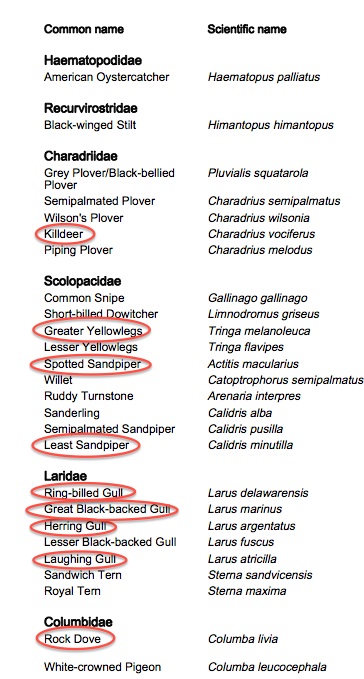
New York City has nearly 200 regularly recorded bird species, most of which will be found in Central Park at some time of the year, if not all through it. South Abaco has 126 species. Is there much overlap, I wondered? And the answer is that there is plenty, rather more than I expected. 61 species in common, by my reckoning. The coincidence of warblers is the most notable feature.

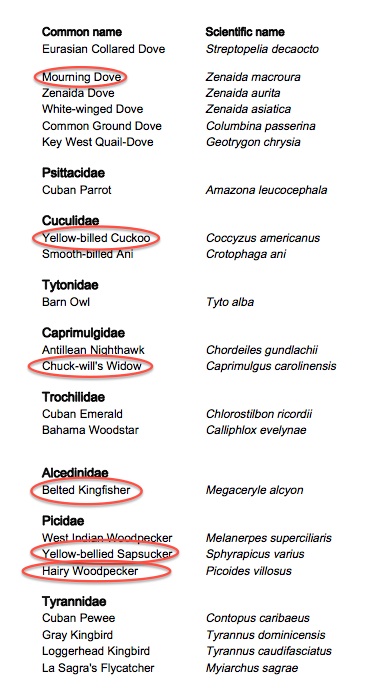
I used the excellent AVIBASE checklist for South Abaco (as now featured on the Delphi Club site in the new BIRDING  section) and worked through a comparative list of the NYC species (there are very good sites for NYC / Central Park birding). The result is below: a New Yorker using the South Abaco checklist may see any of the birds ringed in red. And it would work vice versa, of course. Why New York? It’s the only other place outside Europe that I have ever ‘birded’ (only extremely casually – no book, no notes, few photos – just for enjoyment). Peaceful bird time in the Ramble in Central Park is time well used… Before we get to the list, here’s a bit of local colour that you won’t find on Abaco – a male Northern Cardinal in the snow in FebruaryCardinal NYC CP

NYC BIRD SPECIES THAT APPEAR ON THE SOUTH ABACO BIRDS CHECKLIST

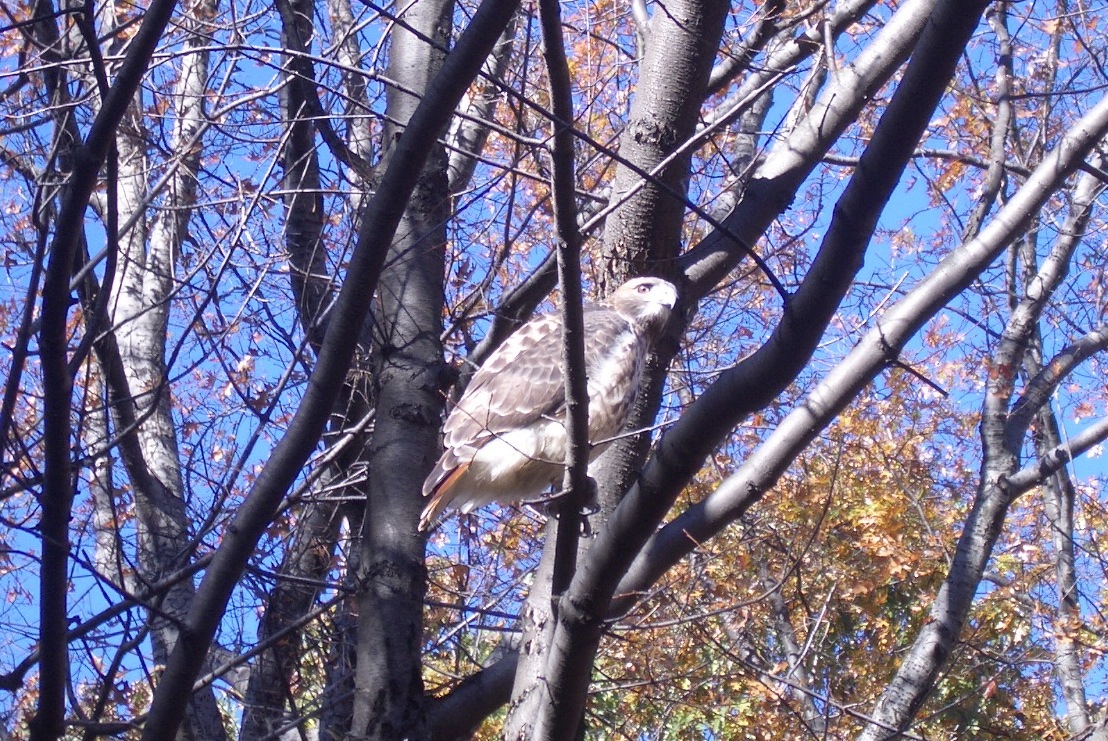
Here’s a red-tailed hawk I photographed in Central Park… I’ve seen one on Abaco in the National Park, but it flew off before I could get my camera out of the truck. There’s a lesson there somewhere…

Unknown's avatar

ANNA HUMMINGBIRDS ON A HANDHELD FEEDER – VIDEO


ANNA HUMMINGBIRDS ON A HANDHELD FEEDER

A brilliant hi-def video by the excellent ornitho-artist blogger BIRDSPOT. A very effective combination of the visual, amazing sound, and keeping very still. I realise you are highly unlikely to encounter one of these hummers on Abaco. But you might. Although they are normally found on the west coast of North America and inland from there, they have been regularly seen well outside their usual range, for example in Alaska, New York, Newfoundland and… Florida. So it’s only a matter of time before one slips across for a quick vacation in the northern Bahamas. Best not a pair, though. They are apparently very territorial, and the poor endemic Bahama Woodstar has enough trouble fighting its corner with the migrant Cuban Emerald… (credit: BIRDSPOT with thanks for use permission)

Unknown's avatar

16 ABACO BIRD SPECIES THAT AUDUBON MIGHT HAVE SEEN (had he gone there)


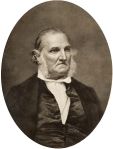
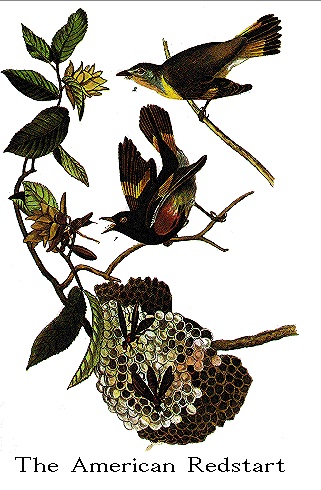
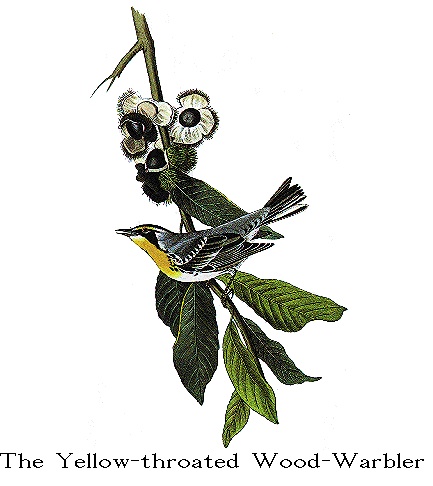
Audubon (1785 – 1851) never went to Abaco. The nearest he got was probably in 1820, when he made a field trip to the southern states, including Florida; or in the 1830s when he made at least one trip to Key West. One technique that set him apart from contemporaries was his method of producing naturalistic (as opposed to ‘stuffed bird’) drawings. It involved killing birds using very fine shot, and then using wires to pose them naturally, according to his field sketches. This contrasted with the usual technique of using a stuffed specimen as a model.

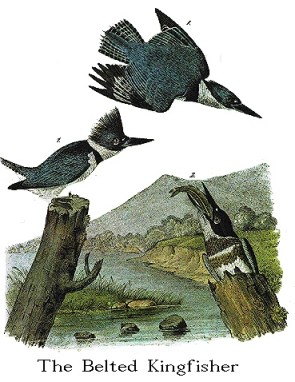
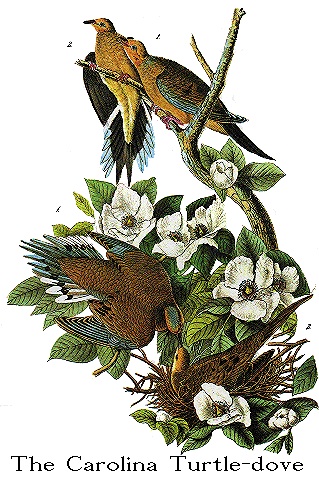
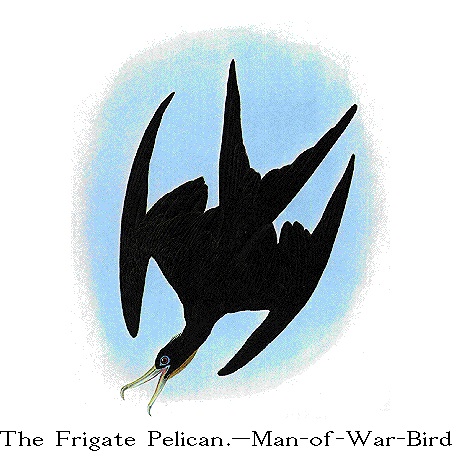
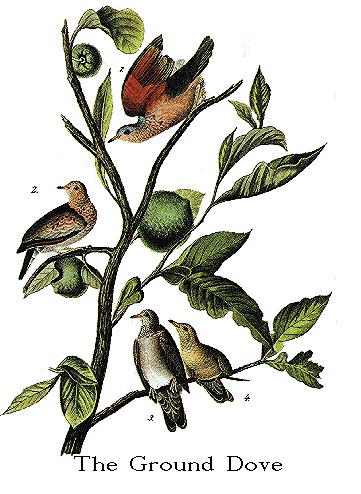
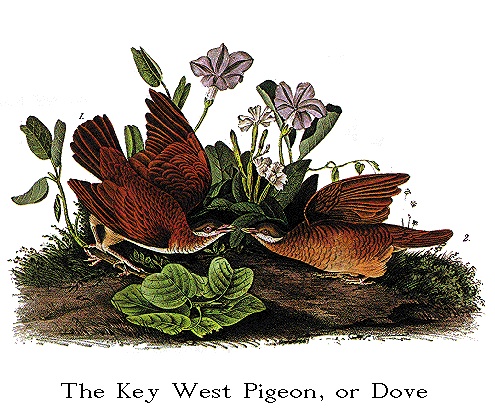
The birds shown below are all included in Audubon’s master-work Birds of America. They may all be found on Abaco today, though some with different names (the Carolina Turtle-Dove, for example, is now known as the Mourning Dove). There are more to add, of course, but this is a fair representative sample.

There are about 120 sets of the original book still in existence. They were incredibly expensive to produce in contemporary terms; and in modern times a set sold for $11.5 million at Sotheby’s London in 2010, setting the unbeaten record for the world’s most expensive book sale. Recently there was great excitement over the sale of another set at Christie’s New York, but the sale price was far lower, a mere $7,922,500…


As an exercise of some sort, I tried to imagine what Audubon might have found had he actually made a brief visit to the northern Bahamas when he was in Florida in 1820. I wondered if his diary entry might have read something along these lines:

“I am recently returned from my short voyage, and have made haste to commit my sketches to paper, for I have a small volume in mind. We dropped anchor by a most pretty island in the low waters of Lucaya, which some call Abaco. I went early ashore with some men, and straightway did observe to my astonishment the number and variety of birds thereon. There was but little habitation to be discerned; and the creatures held no terror of man, seeming as if we were not present. I made me some drawings in my smallest note book, the better to recall what I witnessed. We returned to our vessel before nightfall, which is wondrous swift in those parts. I am resolved to eat no further of the wolf-fish Albula, that is all bones and little to sustain a man… ” 

At least we can be confident he didn’t send the message OMG!!! Lotsa birds – Gr8! All a-twitter! ROFL 😉 @audubon

Due credit, of course, to the Audubon Society  and all it stands for

Unknown's avatar

ABACO HUMMINGBIRDS: WOODSTAR & EMERALD SIGHTINGS MAP CHALLENGE


ABACO HUMMINGBIRDS: BAHAMA WOODSTAR & CUBAN EMERALD SIGHTINGS MAP

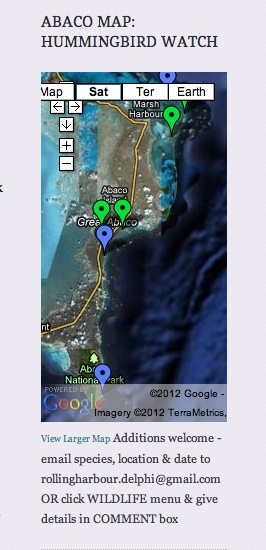
A while ago a new feature landed near the end of the right-hand sidebar. The idea was to put together an informal mapping of Woodstar and Emerald sightings on Abaco.
I put a few in as a start, hoping for more contributions, but so far it hasn’t been a popular item. Maybe it won’t work at all as a contributory feature, or maybe it just isn’t interesting if you live with the hummers. As an Abaco visitor (never having seen a hummingbird before. Except stuffed ones) they are a delight. A highlight. 

It’s worth another try, and I have revised the map slightly to make the two contribution / contact methods clearer. It can’t be made more interactive than that I’m afraid. If you go to the sidebar and click on ‘View larger map’, you’ll see the data in more detail.
The map might even test the theory that Woodstars are scarce where Emeralds are numerous.

If you’d like to add to the mapping, I just need the type of hummer; the location in reasonable detail so I can stick a pin in the map; month / year (e.g. 03/12) and I will do the rest…

Unknown's avatar

ENDEMIC BAHAMA SWALLOW: FROM ‘THREATENED’ TO ‘ENDANGERED’ RED LISTING


THE BAHAMA SWALLOW: A SMALL ENDEMIC BIRD WITH BIG SURVIVAL PROBLEMS

The IUCN (International Union for Conservation of Nature) RED LIST status of the endemic Bahama Swallow Tachycineta cyaneoviridis has been upgraded from ‘Threatened’ to ‘Endangered’ because its small declining population faces a number of threats that are likely to worsen in the future. In particular, renewed logging activity and widespread property development could result in a further decline in breeding habitat.

The excellent photo above is the ‘Wikimedia poster bird’, but was in fact taken by prolific bird photographer Craig Nash in the main driveway of the Delphi Club, Abaco in 2010. He blogs as Peregrine’s Blog – see RECOMMENDED LINKS in right sidebar

This swallow species breeds only on 4 Bahamas islands: Grand Bahama, Abaco and Andros; and on New Providence, where a few birds are seen each breeding season, suggesting a ‘relict’ population there. The map below suggests that confirmed  numbers are so few that New Providence sadly no longer counts as an ‘official’ breeding island.

The Bahama Swallow winters throughout the Bahamas and has been recorded as far as eastern Cuba, but in general the full wintering range is little known. It is a rare vagrant elsewhere during migration, including Florida. The preferred habitat is in the pine forests, where they nest in old woodpecker holes in Caribbean Pines using pine needles, Casuarina twigs, and grass to make the nest which they line with feathers. They typically lay 3 eggs. Incubation is 15 days and the fledging period is around 22 days.

[audio http://www.xeno-canto.org/sounds/uploaded/MKUJNSTVEZ/Swallow_Bahama%20(calls)_JF_Abaco%20Island_Bahamas_April%202008.mp3]

Sound credit: Jesse Fagan / Xeno-Canto

Besides loss of habitat due to human intervention, other factors in population decline are thought to relate to hurricanes and forest fires. The Red List proposals for conservation of the Bahamas Swallow state: “Survey all suitable breeding habitat and assess the status of the species and its habitat; Gather empirical evidence to clarify population trends as a priority; Assess winter distribution and habitat requirements; Study the impacts of fire suppression on the species; Maintain natural nest-sites through a pine snag management programme, and potentially fire management; Assess and monitor the success of the nest box scheme; Protect remaining forest in the Bahamas and minimise the area lost to housing development and logging; Assess the impact of starling and house sparrows on the population and develop appropriate measures to reduce the threat”

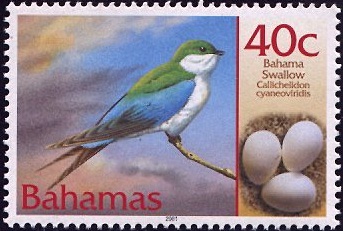
The Bahama Swallow has joined other notable bahamian wildlife species in receiving the accolade of a stamp and a coin:


Unknown's avatar

“FAVOURITE BIRD” POLL RESULTS FROM ABACO, BAHAMAS


ABACO FAVOURITE BIRD POLL RESULTS

RESULTS Here are the results of the recent Abaco Favourite Bird Poll, with apologies for an intermission in activity around here. We were away for a few days somewhere that turned out to be sunny, returning late last night to near-zero temperatures…

THE POLL started with five birds, but the Tropicbird was removed after a week having failed to chart. To begin with, it looked as though the parrots would stay way out in front, but the smallest rival gained ground, flew past and won the title.

THANKS to all who took part by voting and or commenting – a gratifying number, enough to make for a reasonably accurate result. It would be nice to know what bird the voters in the last category would have chosen instead of the candidates on offer…

THE OTHER POLL was designed to find out if people were finding that the ongoing woodpecker saga is becoming (has become?) tedious  or is providing a modicum of entertainment. Of relatively few responses (nb I did not vote), the result speaks for itself. I will take voting abstention / inertia to indicate either indifference or tolerance, and continue as and when a new drama occurs.

Best outcome? Chicks!  

Unknown's avatar

ALL ABOUT BIRDS: IDENTIFICATION & BIRDSONG with Cornell Lab of Ornithology


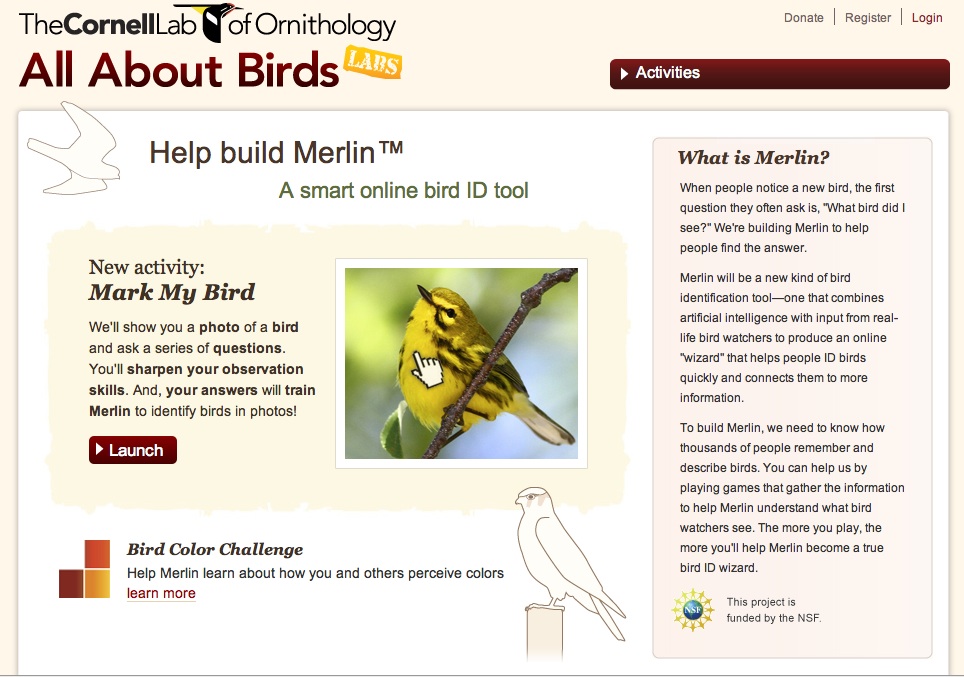
The outstanding  Cornell Laboratory of Ornithology site has a comprehensive bird ID section. I recently posted about the new ID resource MERLIN for which they are inviting user-testing to help them perfect it. There are also 4 excellent videos concentrating on the principles ways in which birds can best be ID’d: size & shape; colour pattern; behaviour; and habitat

I haven’t yet cracked embedding the 4 videos so while the backroom boffins in the cerebral cortex puzzle it out (alongside ‘The Purpose of Hornets – What & Why?”) the best thing is to give a direct link to the website feature

CLICK LOGO ===>>> 

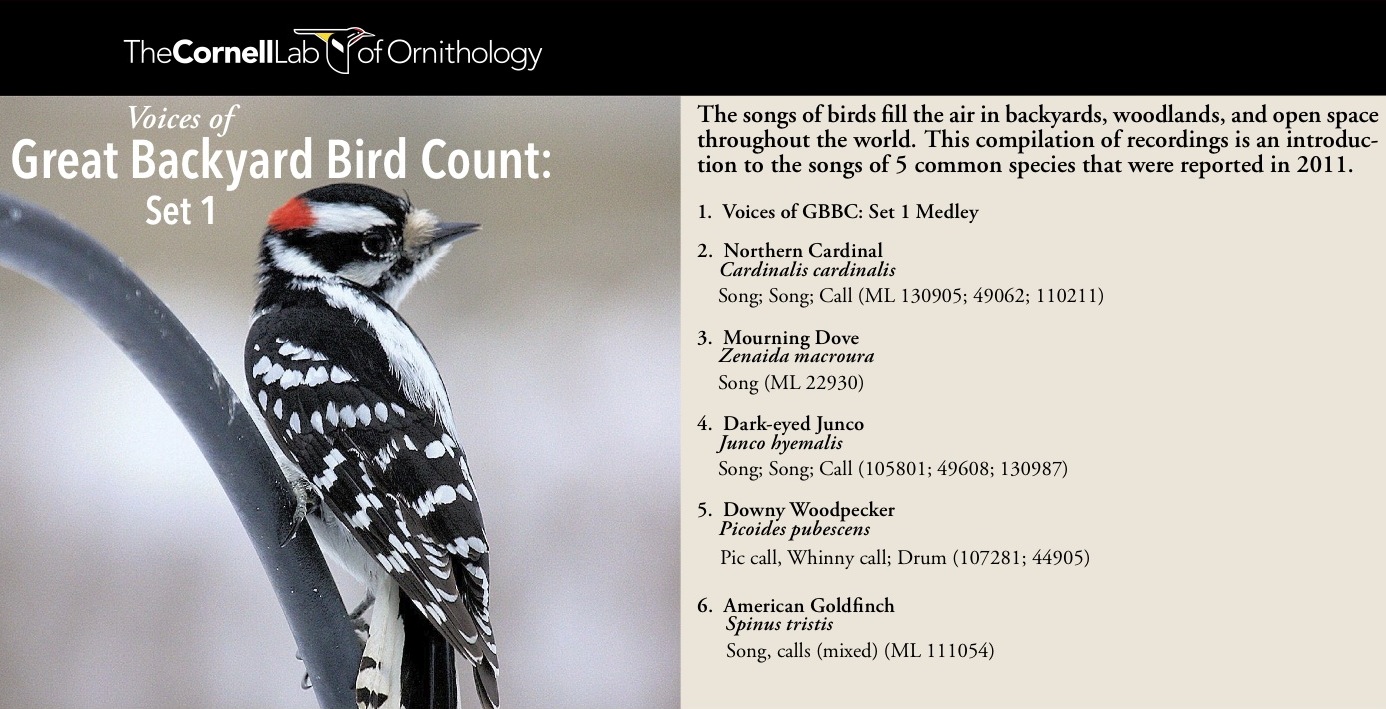
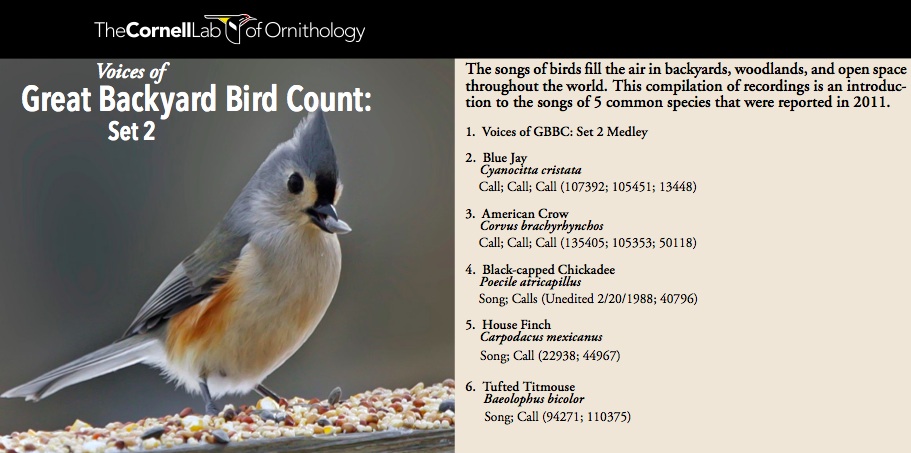
The same link will offer you the chance to download 5 bird songs – and now a second set of 5, part of the Great Backyard Bird Count currently underway – see details below. You may need to click on the images to make them legible…

Unknown's avatar

WOODPECKERS v STARLINGS: THE BATTLE RAGES ON**


WOODPECKERS v STARLINGS: 3RD ROUND PLAY-OFF

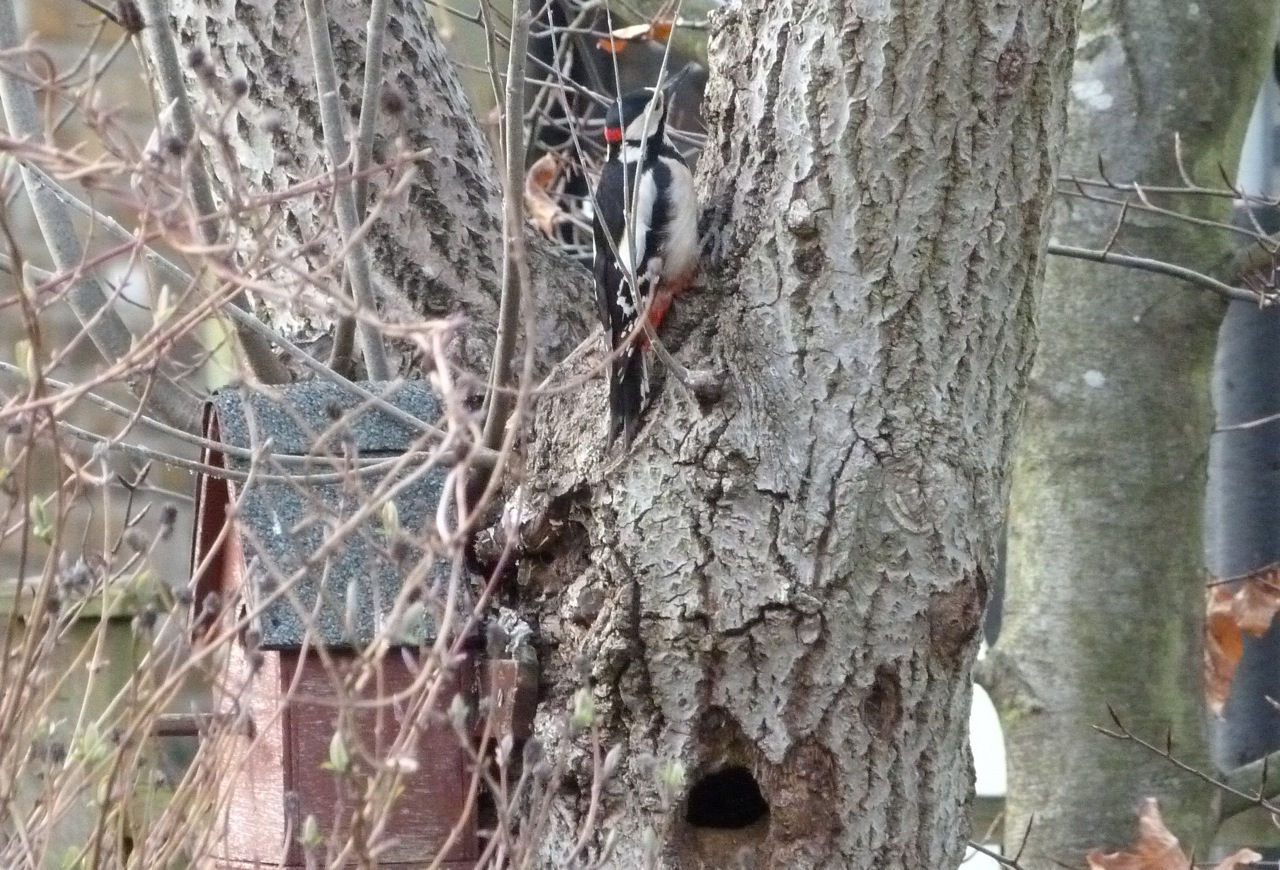
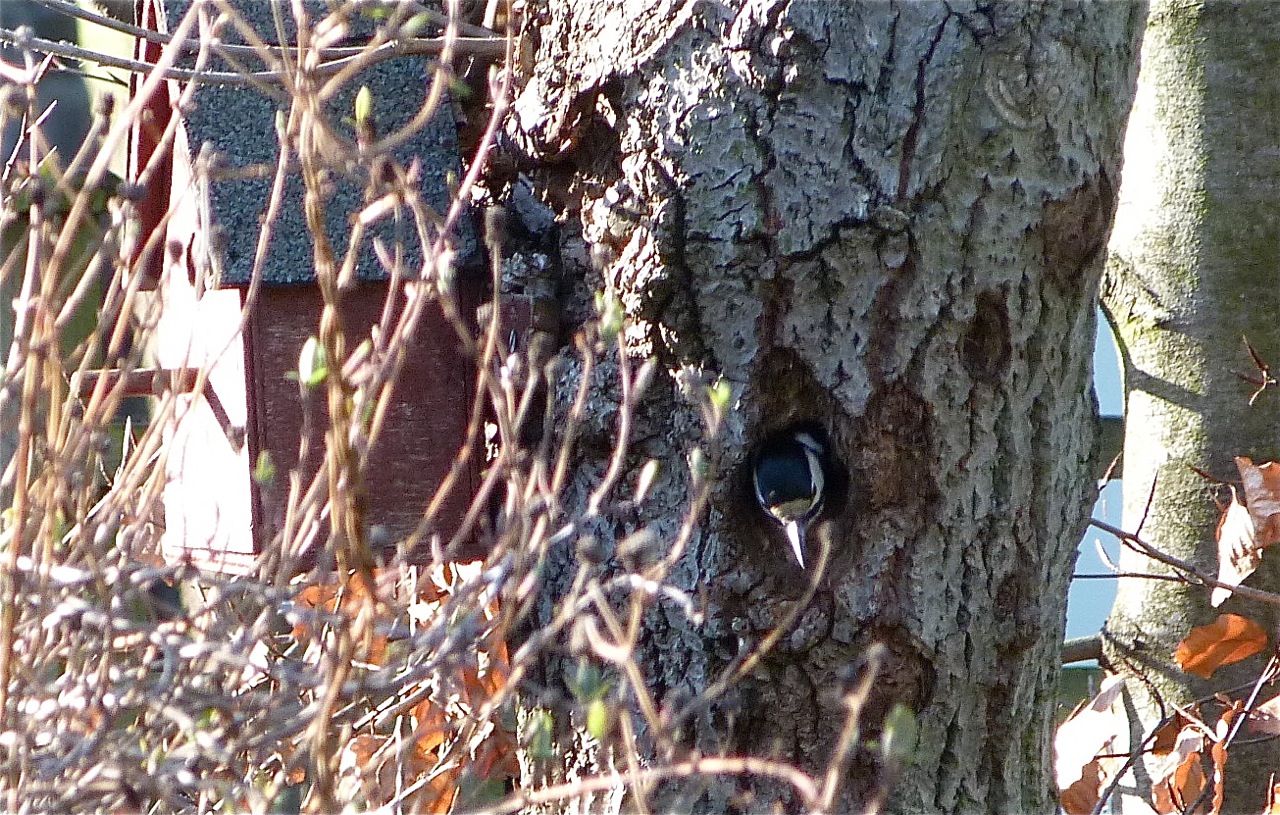
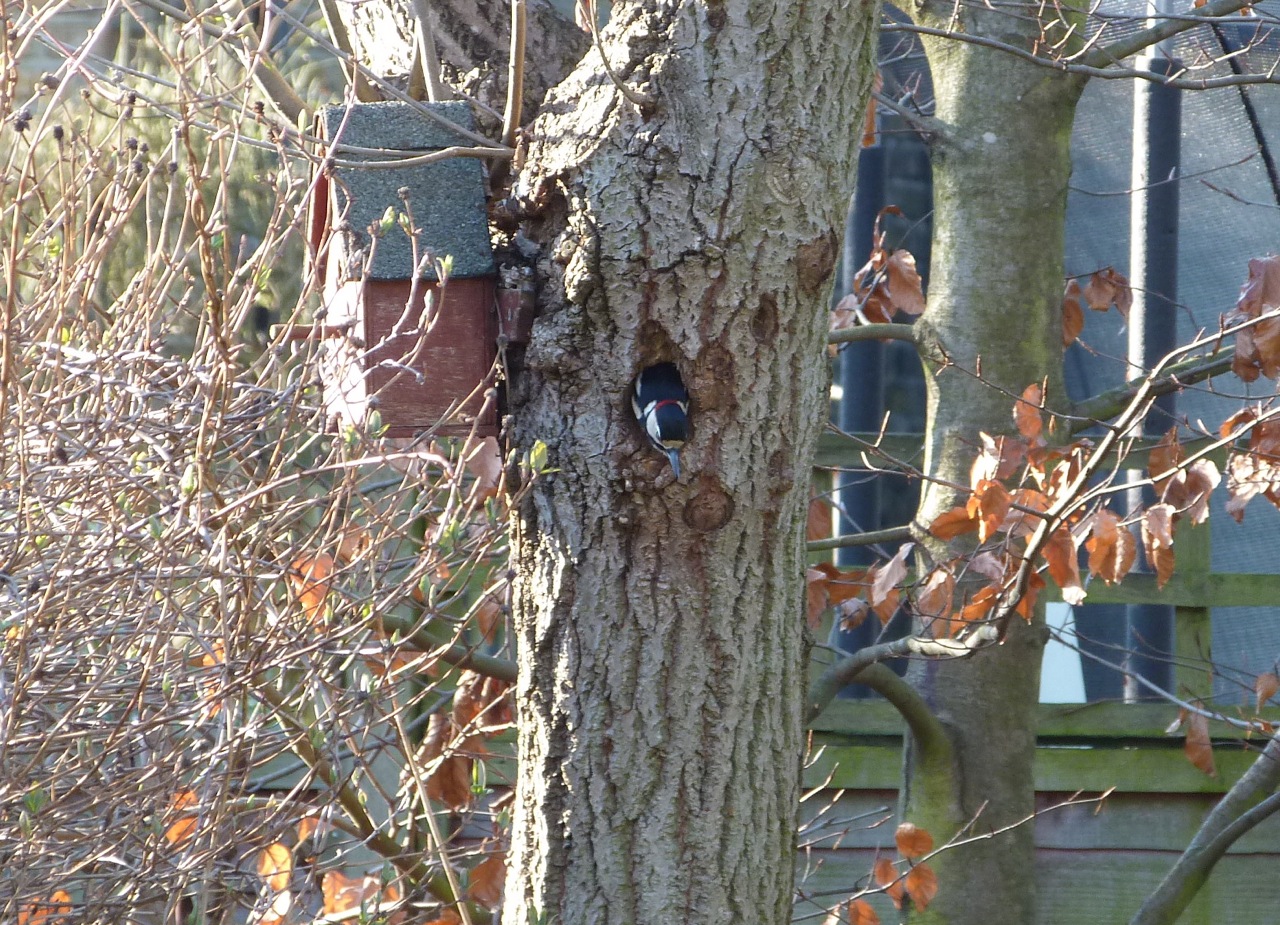
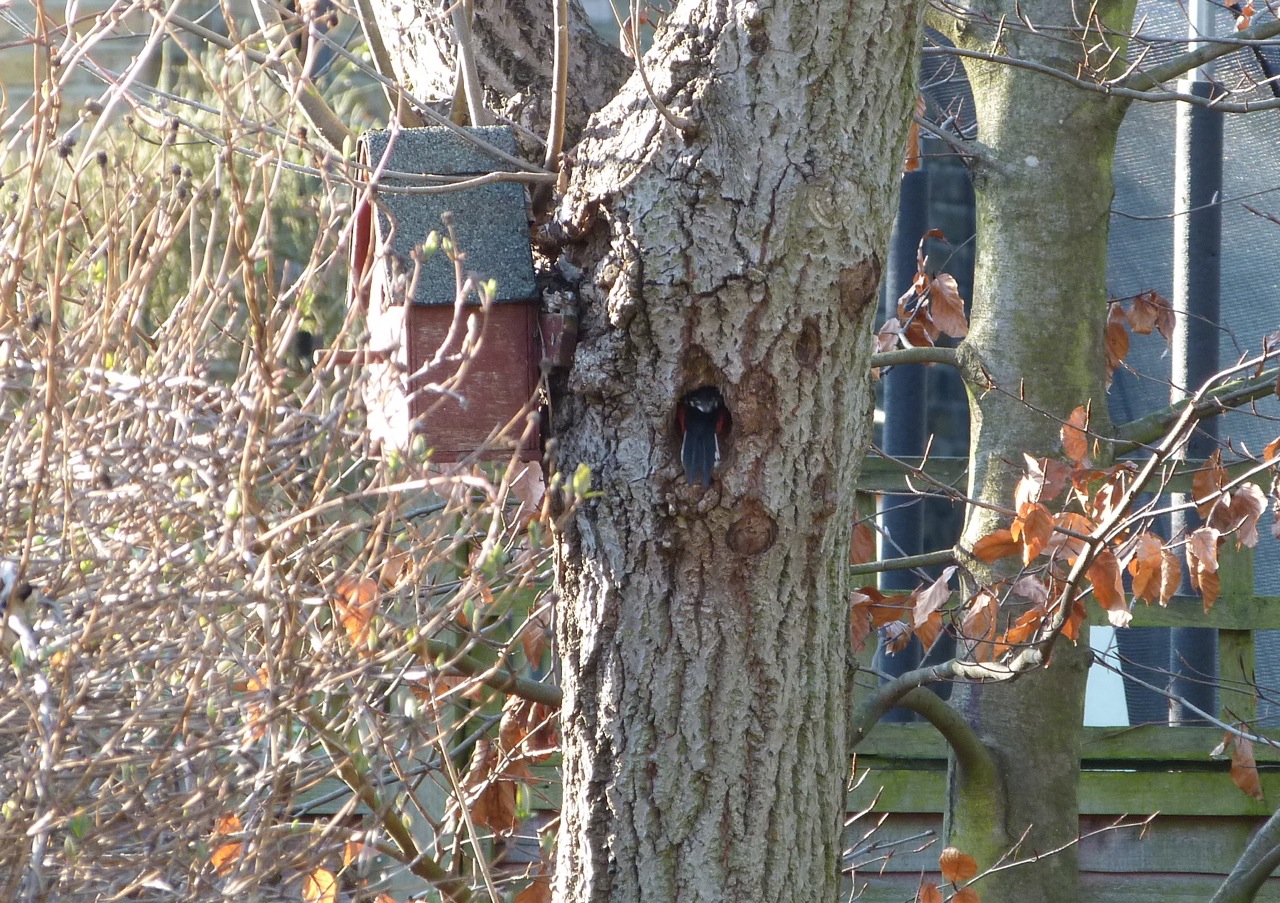
Last week we left the wretched starlings triumphant at having driven off the poor woodpeckers, with Senior Starling taking up residence in the Woodpecker’s home. Two days ago, there was a counter-attack. First a pair of magpies were sent in as muscle and spent a fun day chasing all the starlings out of the garden. Early the following morning, the woodpeckers watchfully returned to the starling-free zone  and surveyed the scene from the top of a 3o feet tree

CHECK TO THE RIGHT… 

CHECK TO THE LEFT…

CHECK BELOW…    

(LATER) HAVE THE STARLINGS REALLY MOVED OUT…?

LOOKING GOOD …

…SO, SAFELY HOME AGAIN

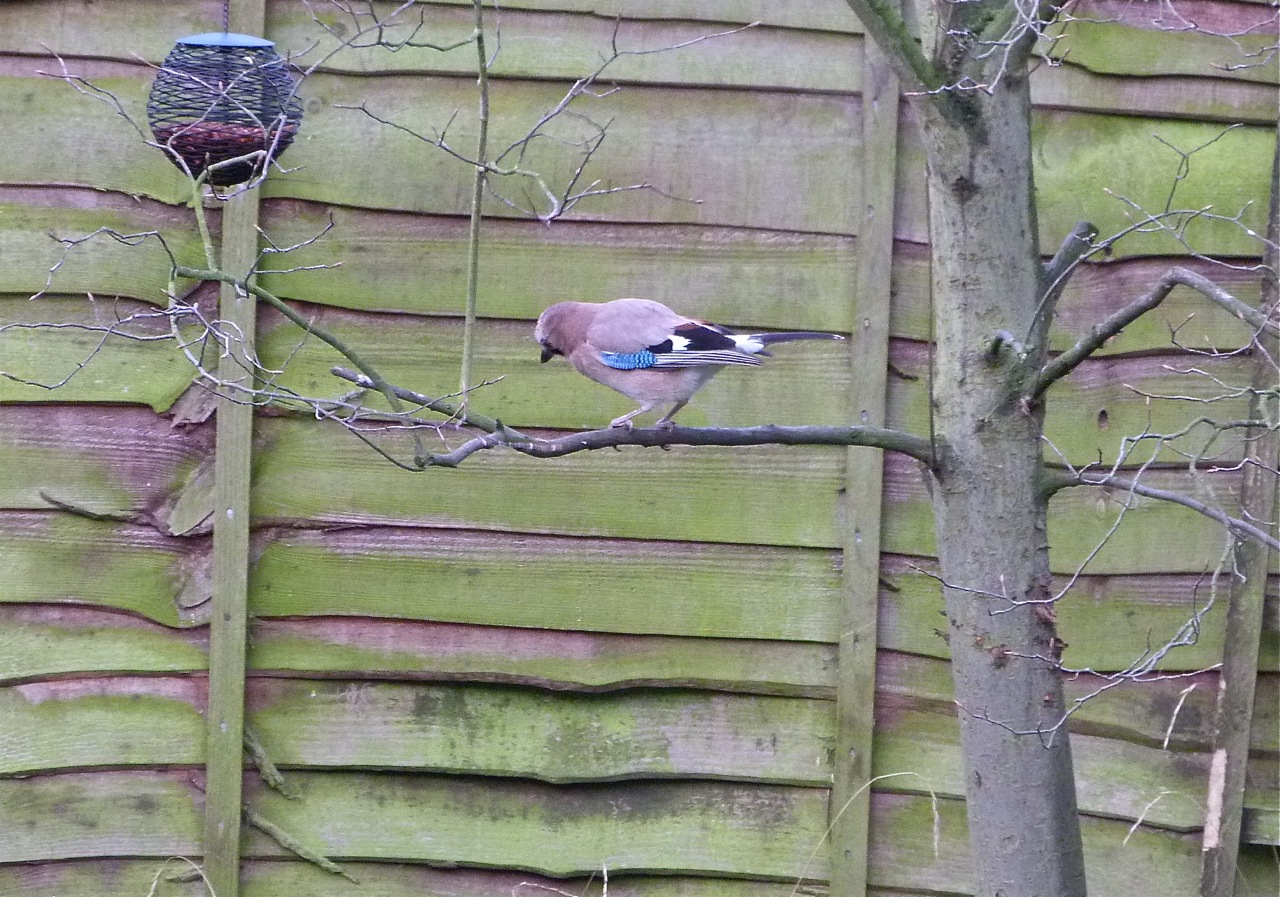
Sensibly, the woodpeckers continued with their protection team of larger, noisier birds, calling in the Jay Squad and Wood Pigeon Security to patrol the area 

No starlings showed at all, and by afternoon the woodpeckers were confident enough to leave the hole for short periods. But they never went very far away from the poplar tree 

And that remains the position today. I am conscious (a) that I have slipped into children’s picturebook mode and (b) that for those who read this blog for its caribbean exoticism, maundering on about a damp english urban garden is quite dull. So having discovered how to do the polling thing, I am giving you the chance to choose whether you want more of this sort of stuff or not. We are nothing if not proactive and interactive around here now… (**Incidentally, the title of this post has no connection with the rather awful and lumbering 14th album by Deep Purple in 1993. An aural confection rightly paid little heed then or now. Purple by numbers)

Unknown's avatar

ABACO PARROT NEWS FROM THE DELPHI CLUB


ABACO PARROT NEWS FROM THE DELPHI CLUB, ABACO
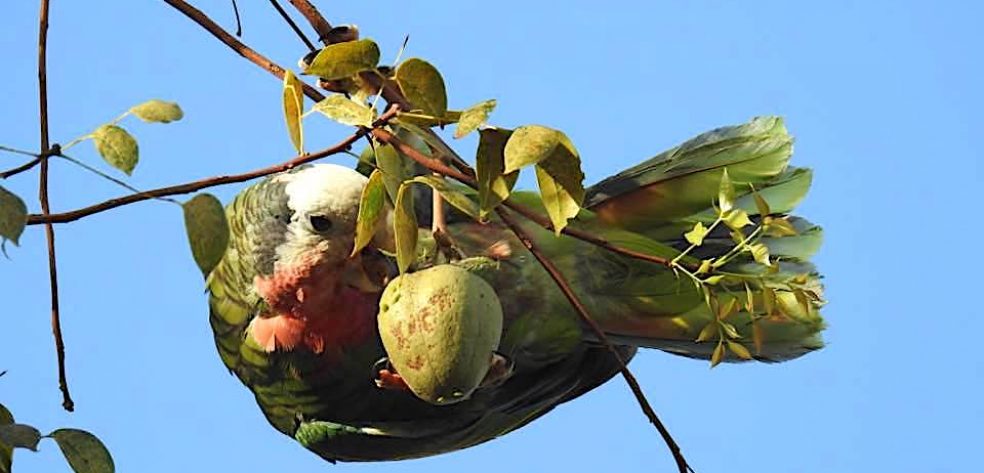
Caroline Stahala has emailed me with some excellent parrot news of daily sightings around the Club and in the coppice along the drives. It sounds as though, if we are very lucky, Caroline might take us to the nest sites when we are at Delphi in May…
TWO ABACO PARROTS ON THE DEAD TREE BY THE DELPHI FRONT DRIVE
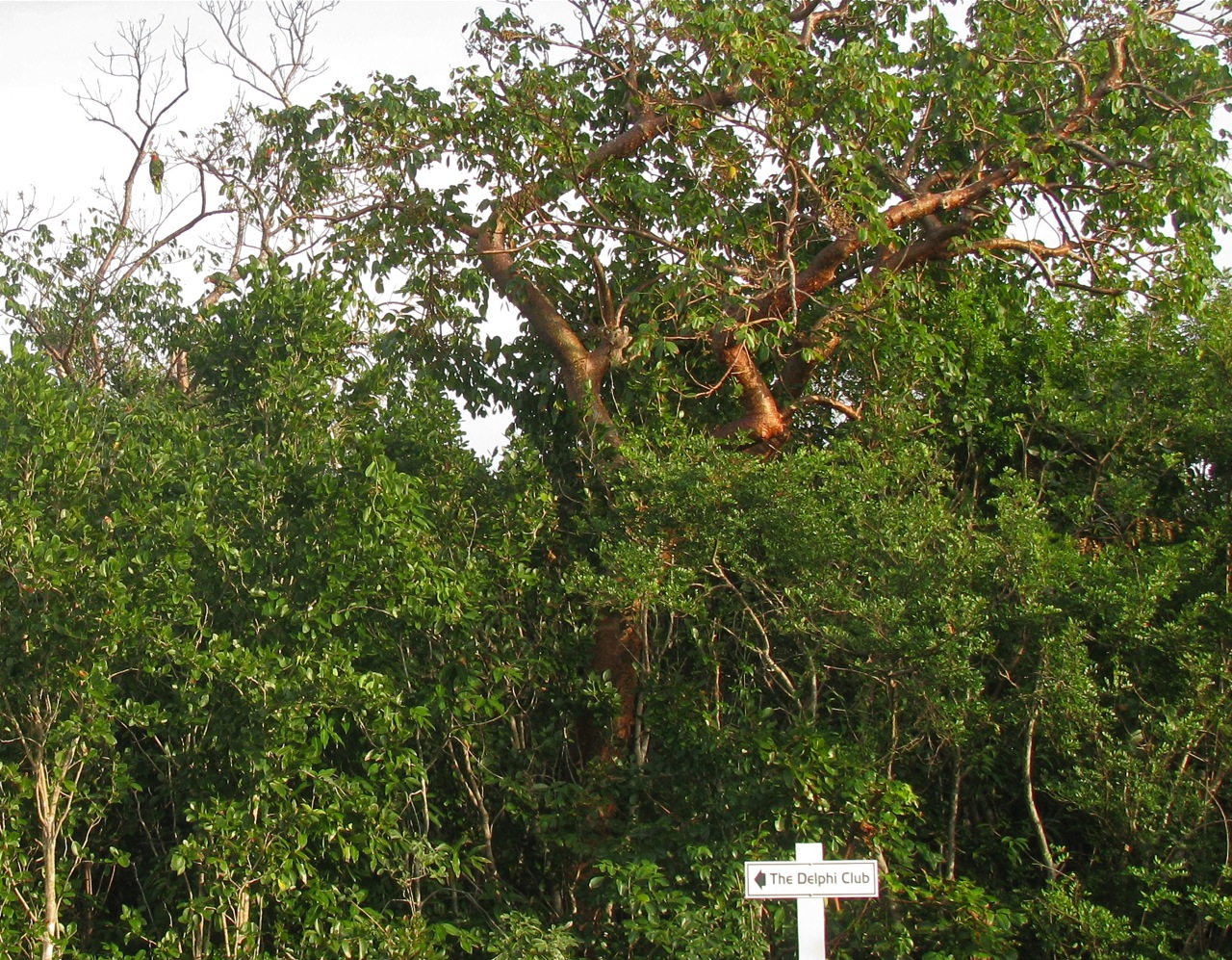
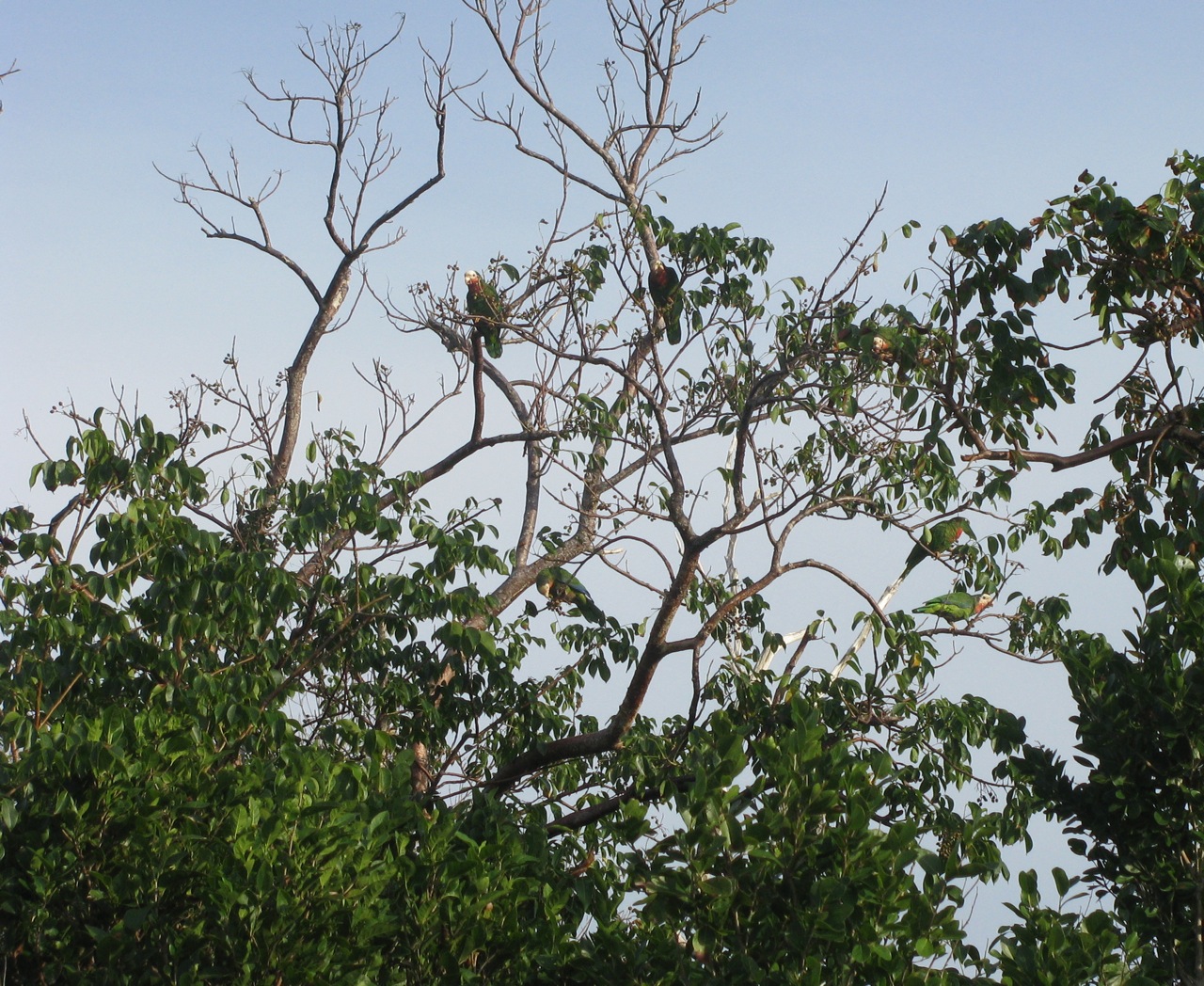
“As far as current parrot news.  Well, they are all around the lodge at the moment.  I can hear the parrots each day right on cue at 7:30 in the morning and then again just after 4pm.  They have been foraging in the fruiting hardwoods in the area, especially the Gumbo Limbo (Bursera simaruba).  I am attaching a picture of a small flock I saw right on the drive in front of the house. A couple of pictures are close up of the parrots and the ones with the Delphi signs do have parrots in them, see if you can find them. They have even been spotted just behind the pool.  Let’s hope they decide to make this a habit. I am currently working on getting the summer field season organized… writing reports and grant applications is the necessary evil in order to have a summer field season”
PARROTS IN THE COPPICE BY THE DELPHI DRIVE (TOP LEFT)
A CLOSE-UP OF THE FLOCK – THERE ARE 6 VISIBLE (ONE IS PEEPING)
A FLOCK OF ABACO PARROTS
[audio http://www.xeno-canto.org/sounds/uploaded/XUPTAZCQVD/LS100545-CubanParrot-110212_1503.mp3]
Credit: Laura Gooch @ Xeno-Canto
Unknown's avatar

YOUR FAVOURITE ABACO BIRD: VOTE NOW FROM THE 4 NOMINEES


A NEW BIRDING DIVERSION

BAHAMA WOODSTARS LEAD VOTE NOW POLL CLOSES 29 FEBRUARY 

This could be fun. Unless no one bothers to participate. I’ve just found out how to do this, having wondered for a while what the little widget did. There may be some way for you to put your own choice, but I am a slow learner. Another time maybe. For now,  you can positively opt out of the nominated birds – your very own protest vote. Or you can all just ignore the whole thing, as I rather fear may happen… If this prototype bombs, I’ve only wasted a couple of hours, after all…

UPDATE: After a week, the order is (1) Bahama Woodstar (2) Abaco Parrot (3) Western Spindalis (4=) Banaquit and ‘Sorry…’ The poor Tropicbird got no votes and has been removed…

Unknown's avatar

STARLINGS 1, WOODPECKERS 0: A SMALL GARDEN ORNITHOCALAMITY


STAR(LING) WARS UPATE – WOODPECKERS FORCED TO FLY

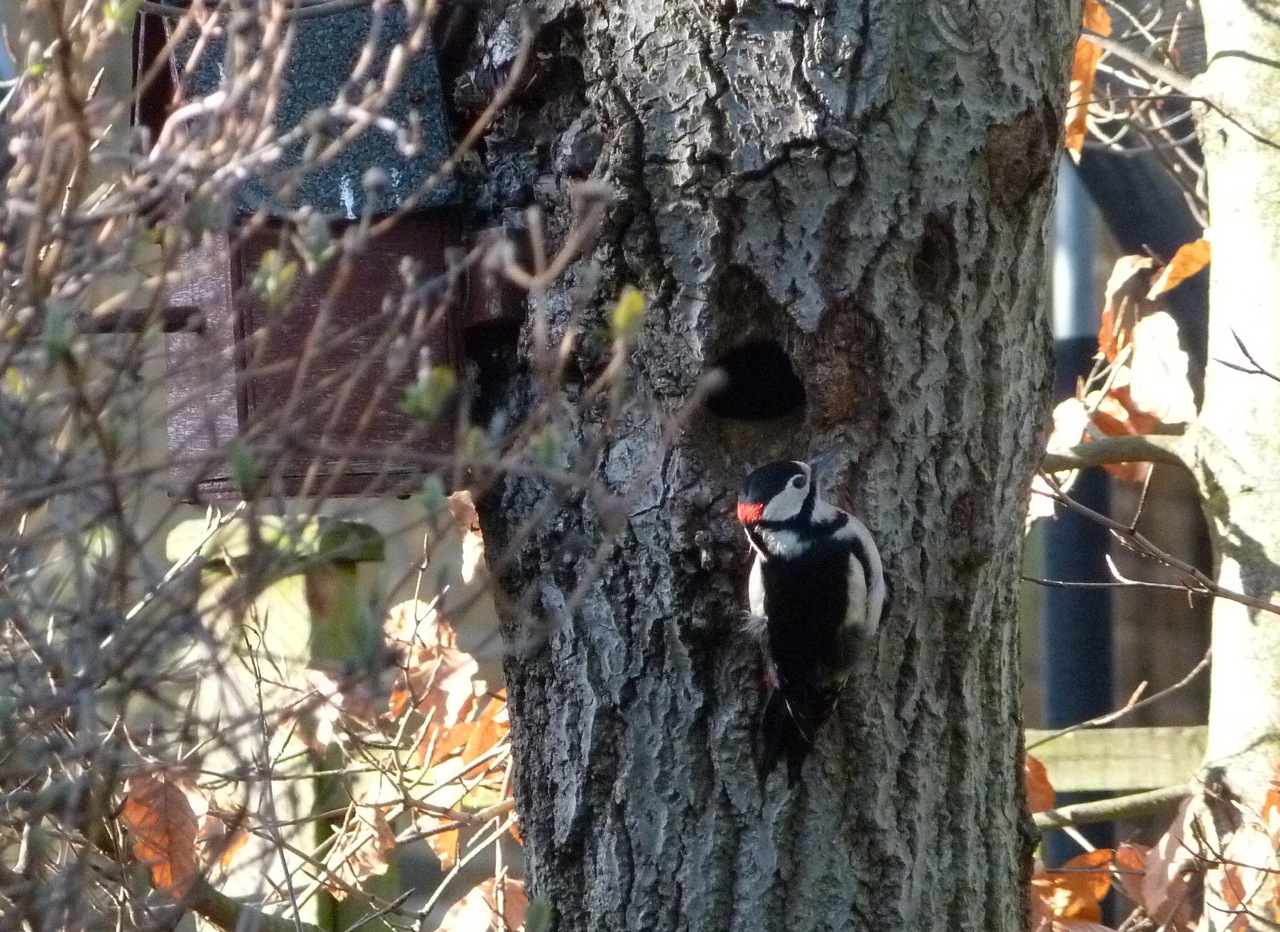
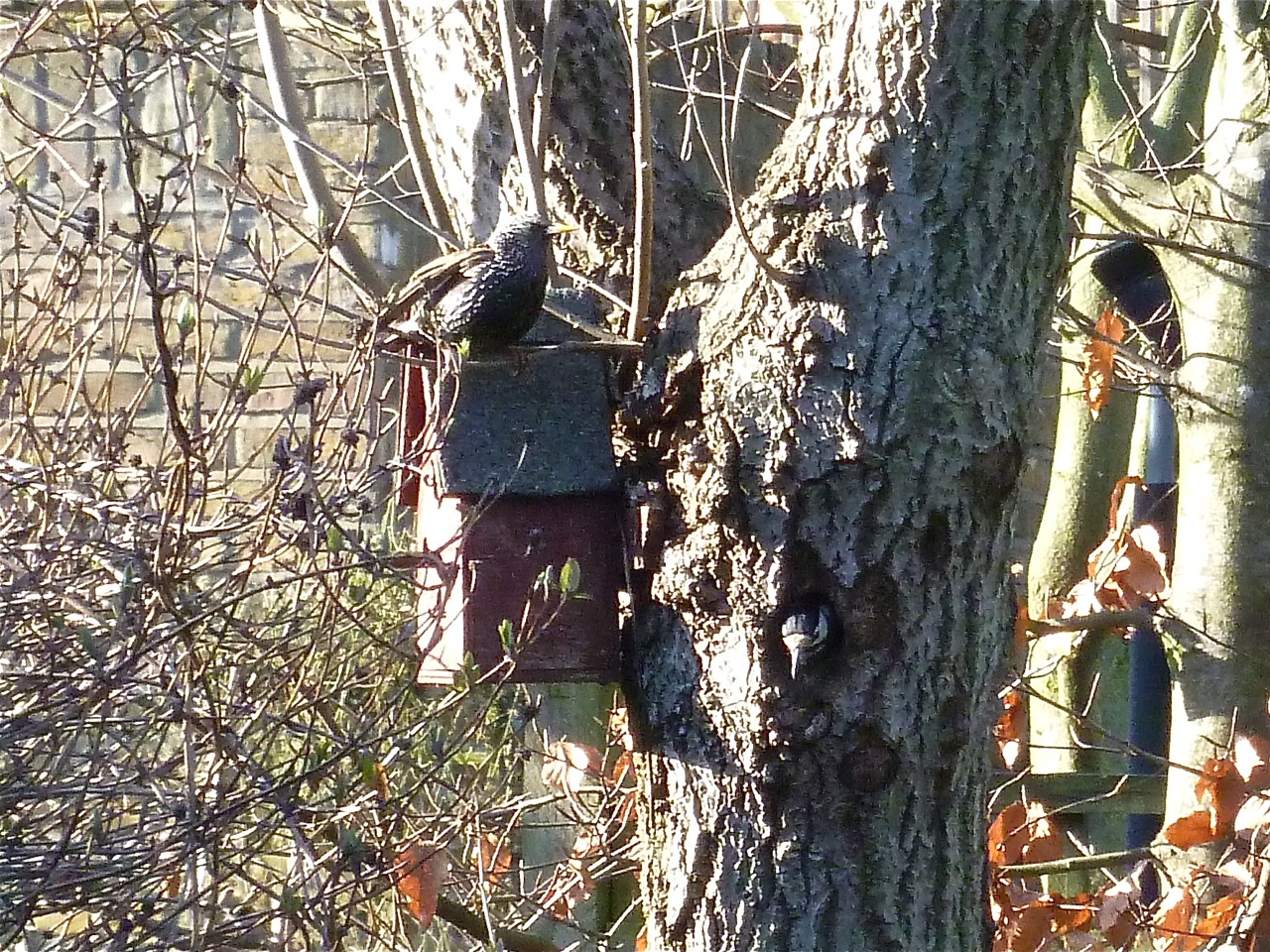
The WOODPECKER news this week is sad. Great Spotted Woodpeckers nesting close to the centre of London = a rare treat. Starlings ditto = somewhat joyless. They are two a penny. And that’s the problem. After the woodpeckers moved into their nest – drilled and lovingly prepared by them, please note – a gang of raucous starlings began their siege

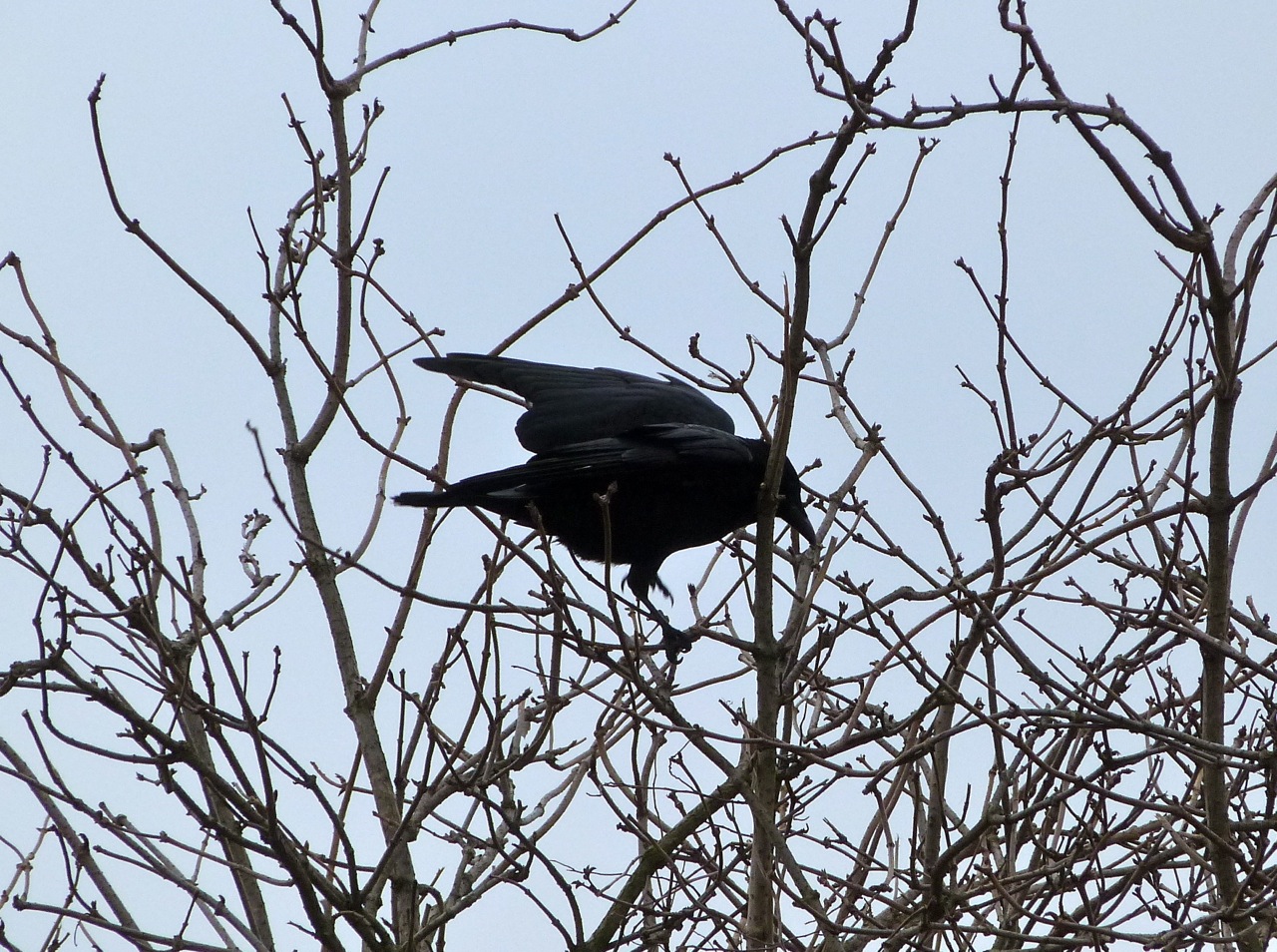
The woodpeckers chased them off aggressively, but it was two against six, and the starlings were annoyingly persistent. It was only a matter of time before the woodpeckers were overwhelmed This guy hanging around in the tree didn’t do anything to improve the neighbourhoodYesterday, a new beak appeared at the entrance to the hole. It was yellow, not black. The woodpeckers have gone and starlings have moved in, a sad (but not unforeseen) development. Not for long though: I’ll be putting a plate over the hole, to admit only small birds such as great tits and blue tits. In the spring, I might remove the plate if the woodpeckers return, but I think the combination of a sustained campaign of harassment by the starlings, the crow  menace, cold weather and snow, has been all too much for them. Next year, maybe? 

STARLING WARS – THE  SMUG VICTOR TODAY 
(I realise this thread of birdlife reporting has strayed very far from the blog’s main Abaconian purpose. The link with the West Indian woodpecker saga at the Delphi Club is tenuous at best. Sorry. I’m trying to take my mind off the fact that we were due to be flying over tomorrow and now can’t… In the words of Rory Gallagher “…When the morning comes, should be heading west… Sorrow is my middle name”. Which ironically would in fact be preferable to my actual one)  

Unknown's avatar

‘MERLIN’ – NEW ONLINE BIRD ID TOOL FROM CORNELL LAB FOR ORNITHOLOGY


STOP PRESS January 2014

Cornell are now re-promoting ‘MERLIN’ with a free App and a video to go with it.

[youtube http://youtu.be/OkH11ZiIL9E]

 has produced a new proactive bird identification gizmo called MERLIN (CLICK for direct link). They are trying to build up a user-friendly ID ‘wizard’ using the sort of variable descriptions that people like me use to describe birds they don’t recognise. Perhaps we’ve all been there – “well, it was a medium-size greyish bird, but I think it had white under the wings. Or maybe a lighter grey. And a sort of white streak on its head. Actually the bird was more bluey-grey…”etc. Merlin seeks to iron out the variations using AI, by showing a bird and asking a number of questions to get users to describe the colouring  they are looking at. I tried it with a teal, and it worked first time.

Gradually, the input of descriptions for each bird will be analysed, so that future users are more like to get a correct ID based on their description, even if others might describe the bird differently. With any luck it will also improve the chance to ID that pretty bird seen fleetingly at a distance. It’s worth trying this out even if you are a serious birder, because each ‘attempt’ adds to the picture. And anyway, there’s a very slight element of a game here – will the computer get it right?

Unknown's avatar

WOODPECKER COUSINS FROM ABACO & ACROSS THE POND


WEST INDIAN AND GREAT SPOTTED – WOODPECKER COUSINS

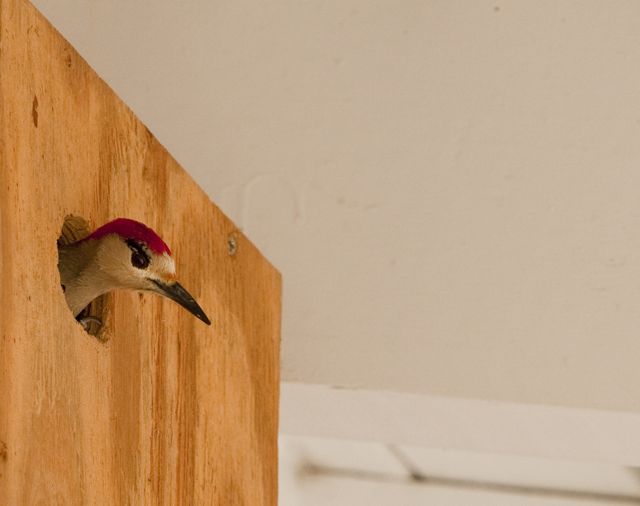
The starting point / excuse for this post is the nest box for West Indian woodpeckers under the eaves of the Delphi Club verandah. Put ‘woodpecker’ into the home page SEARCH box and you will find various posts about last season’s epic: the reluctance to use the box; the gradual acceptance; the summer nesting and breeding; the heroic stand of the male woodpecker who guarded the box throughout the rampage of Hurricane Irene

Happy to roost here – deeply suspicious of the new wooden structure over there

(Later) No place like Home(©Peter Wesley Brown)

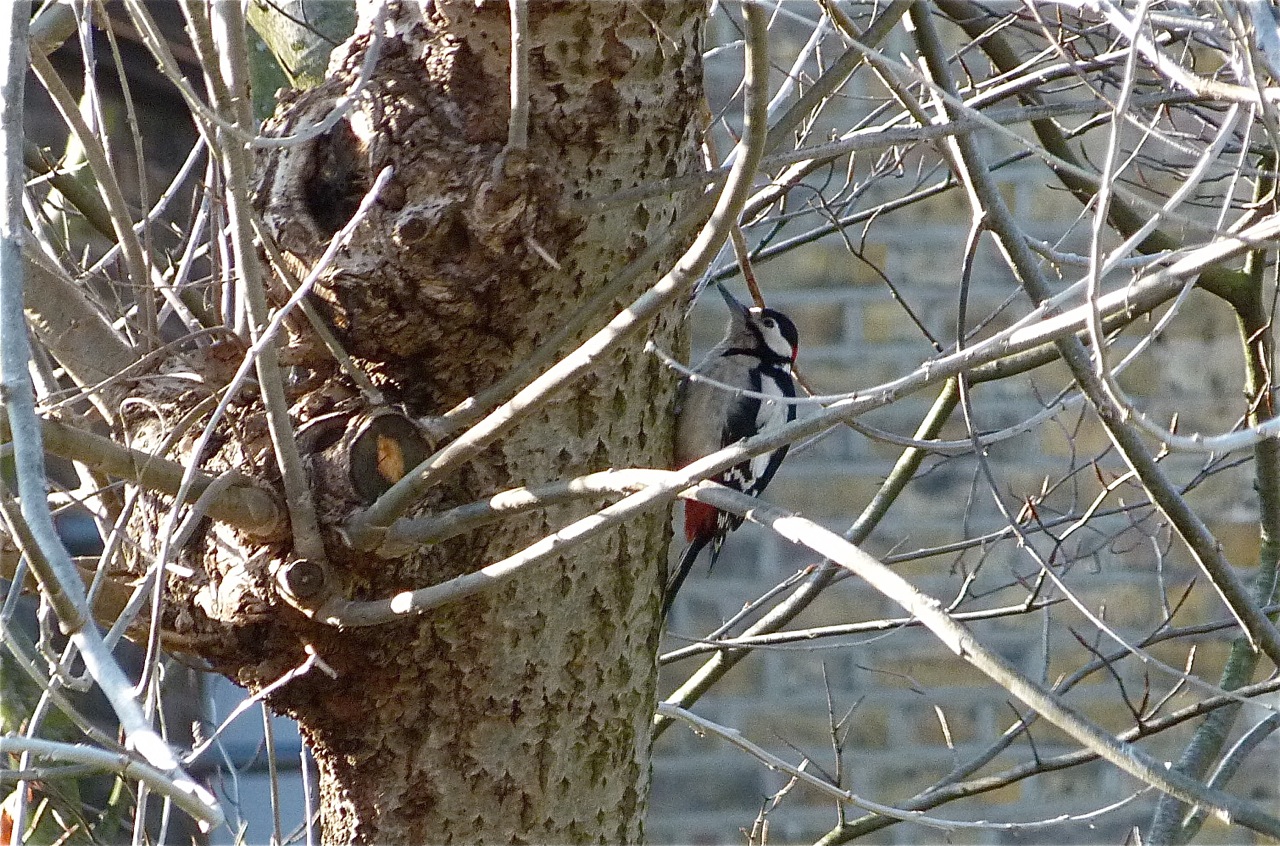
For some years, great spotted woodpeckers have drilled away at the grey poplar tree at the end of our small London garden. A male gouged out a number of exploratory holes near the top, strewing a carpet of wood chips onto the grass below. One year he attracted a mate, eggs were laid and hatched, a huge amount of chattering and scolding ensued – quite annoying at times in persistence and volume. One weekend we were away and returned to… silence. The fledgling woodpeckers had had their flying lessons and left for good. We missed them.

Since then, the male cleaned out the hole each Spring and drilled a few spare holes for practice, but despite his impressive real estate portfolio, he didn’t attract a mate. He made another, lower hole. No luck. Until this year. In January he brought a new bird home and together they mucked out the hole and settled in – about 2 months early, and with snow on the way. In the absence of current news of the West Indian woodpeckers and their nest at the Delphi Club, here are a few pictures of domestic bliss 4250 miles away… Click images to enlarge

A cosy home – hope the neighbours are nice 

Time to go and get a take-out…

…and bring it home for the wife

An act of gross provocation by a starling.  I predict trouble. News update soon

I can’t make out if the photo below is just a horrendously bad photo taken with a cheap camera, a fixed shutter speed, and cold shaking hands; or a powerful image of a beautiful bird artistically captured in full flight, the type of action shot that bird photographers strive for years to achieve (Mrs RH has a view on this). If the former, apologies. If the latter (highly unlikely), my professional tip is to use a tiny point ‘n’ shoot into the sun while moving around quite a bit. Whichever, I’ve awarded it a ‘cameo’ format to emphasise the essential artistry of the shot

Unknown's avatar

AN ABACO PARROT SAYS 3 LITTLE WORDS…


VALENTINE’S DAY IN TWO WEEKS? LEAP DAY IN A MONTH?              AN ABACO PARROT SAYS ‘I LOVE YOU’

Or it would if it could talk. Here is a win -win -win. ‘Adopt’ this miniature Abaco Parrot sculpture (ok, buy it) by Dou Dou Birds and all proceeds will go towards the conservation of the Abaco Parrot population. Then give it to someone. It’s an investment in art; a philanthropic deed; and a gift from the heart. Here’s the direct link (there are many other cute birds for sale too) To save parrots     CLICK THIS ONE===>>> 

Oh dear. Maybe someone else got there first. Never mind. How about making a donation to  PARROTS INTERNATIONAL?

This organisation allocates funding for the research into the Abaco Parrots and their conservation. You can now pay direct by Paypal or Credit Card (with gift tax benefits depending where you live). Please remember use the “Note to Seller” box to specify ‘ABACO PARROTS / CAROLINE STAHALA’

MEMBERSHIP /  DONATION PAGE   CLICK LOGO===>>> Parrots International

Then go ahead and buy that big box of chocolates you were going to get anyway…

Unknown's avatar

ABACO NEWS: ART FOR THE PARKS / BAHAMAS NATIONAL TRUST DAY


SATURDAY 28 JANUARY 2012 – A DATE FOR THE DIARY

CLICK LOGO!

The images below tell you all you need to know about this excellent festival presented by the BNT in conjunction with the Abaco Beach Resort. From this blog’s point of view, the highlights are:

PRESENTATIONS by Nancy Albury on ‘The Blue Holes of Abaco’; by Ricky ‘Blue’ Jones on Bush Medicines / teas; and by Caroline Stahala on the Breeding & Behaviour of Abaco Parrots

ART The Art. Yes, all of it. Ok?

PRODUCE Something of everything, please. 

OTHER Everything else on offer…

The very best of luck with this event and best wishes for successful fundraising from Rolling Harbour

Unknown's avatar

BAHAMA PARROTS: BAHAMAS NATIONAL TRUST DOCUMENTARY


BNT ABACO / INAGUA PARROT DOCUMENTARY

In August 2011 the Bahamas National Trust published a documentary about the resident Abaco and Inagua populations of this Cuban Parrot subspecies. It features research scientist Caroline Stahala, and contains plenty of information about these birds, their nesting and breeding habits, and the problems they face from predation. In places, some of the devastation caused by the extensive forest fires in March 2011 is still evident (see images in earlier POST). If you want to know more about these attractive (but noisy) birds, the documentary video below covers a great deal in 8 minutes…

Unknown's avatar

SOUTHEAST COAST & GULF OF MEXICO MARINE / COASTAL FIELD GUIDE: 5* YALE BOOK REVIEW


BOOK REVIEW

This is a superlative field guide: comprehensive, clear and approachable. The illustrations are excellent, and include helpful examples of birds in flight, different views of marine creatures (basking shark side view and head on), whale fluke comparisons and dolphin profiles. The 11 Chapters comprise marine and coastal plants and habitats; invertebrates; sharks; rays; fish; sea turtles; crocodiles and alligators; marine and coastal birds; baleen whales; toothed whales and dolphins; and finally seals and manatee

Yale University Press 386pp, £20 / $24  ISBN 978 0300 11328 0

rollingharbour rating: a rare and coveted 5*****

Obviously this isn’t the guide for land-based birds – you’ll still need Hallett  or Arlott to help with all those warblers, for example. But for all aspects of marine and coastal wildlife it is as thorough as you could ever wish for in a book that is readily portable. While slightly too large (8″ x 6″) and heavy for a pocket, it would be perfect for a day-bag. Convention dictates that the most enthusiastic reviews should include a couple of tiny niggles to prove a book has been read… so,  the shell section is very brief at 2 pages; and the coral section also, with some types (Mustard Hill, for example) omitted. But such an ambitious yet compact book couldn’t possibly be exhaustive. In practical terms, it has everything you could want from a Field Guide when exploring or researching this area.

Publisher’s Summary [added here to indicate the scope & depth of the book]

  • Entries on 619 coastal and ocean species including seabirds, cetaceans, fish, turtles, invertebrates, and plants
  • More than 1,100 color illustrations & 121 colour photographs
  • 452 up-to-date range maps
  • Overviews of key ecological communities, including mangroves, salt marshes, beaches, sand dunes, and coral reefs
  • Special attention to threatened and endangered species
  • Discussions of environmental issues, including such catastrophic events as Hurricane Katrina and the Deepwater Horizon blowout
  • Glossary
  • Excellent organizational aids for locating information quickly
To which I would add:
  • Clear text alerts for endangered / red list species
  • 12-page index (which works very well)
  • Handy front and back flaps place-markers
  • Colour-coded section divisions

To see the publisher’s UK or US webpages for the book CLICK LINK===>>>  YUP UK   or   YUP US – it can also be obtained from the other  conventional sources already mentioned in the book section of this site

Finally, a declaration of interest: Mrs rh works in the London office of YUP, so I have been consciously avoiding partiality. However this just happens to be an excellent book by any standards, so fortunately the frosty domestic fall-out from a bad crit has been easily avoided…
Unknown's avatar

THE INTRIGUING PARROTS OF GREAT ABACO ISLAND – PODCAST


A 5 minute PODCAST from ABC Radio’s ‘The Science Show’ featuring Caroline Stahala, research scientist and Abaco Parrot expert, and David Knowles of the Bahamas National Trust, Chief Park Warden for Abaco

The online report is headed by this: Holiday homes and resorts are replacing the forests in which the Bahamian parrot of Great Abaco Island breeds. When Christopher Columbus discovered the beautiful Bahamian islands in 1492, he wrote in his journal ‘the flocks of parrots obscure the sun’. Now the Bahamian parrot is confined to just two islands and they’re a protected species. On Great Abaco Island Bahamian parrots breed in the pine forests of the south and, as Pauline Newman discovered, their nesting behaviour is quite extraordinary”

CLICK HERE==>> ABACO PARROTS PODCAST – THE ABC SCIENCE SHOW

For the relevant web page and a transcript of the talk CLICK LOGO===>>> 

Thanks to the ABC Science Show for use approval – click name for more Podcasts

Abaco Parrot
Unknown's avatar

SUPPORT ABACO PARROTS – NEW YEAR WRITING CONTEST!


ABACO PARROT SUPPORTER ‘DOU DOU BIRDS’ runs a monthly bird-centric writing contest. Not content with sculpting a cute miniature clay ABACO PARROT with all proceeds of sale going to the parrots, she has now showcased the AP for her New Year writing competition. To see her Post, & indeed if you want to take part                                                                                                                     CLICK LOGO==>> & to see the AP in her shop window             CLICK LOGO==>>