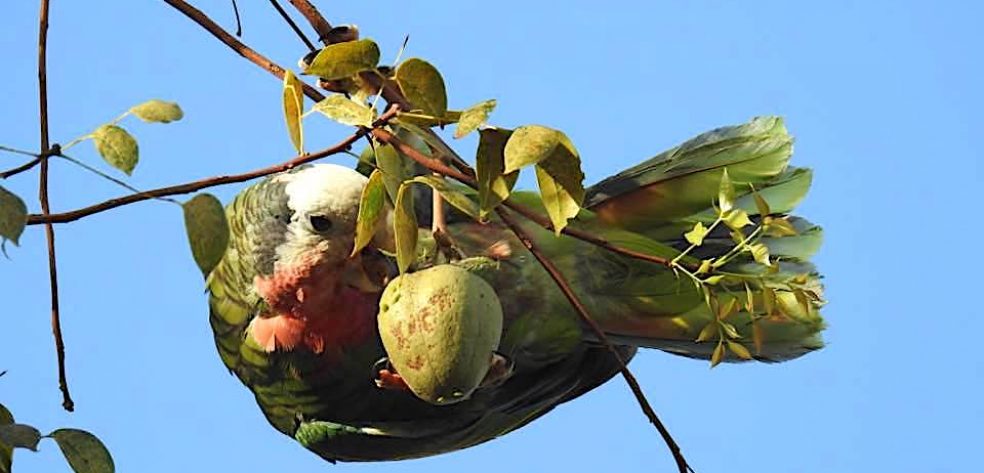


SCOOP! BLACK SKIMMERS FOUND ON ABACO
I have been waiting soooooo long for photos of black skimmers (Rynchops niger) taken on Abaco. When we were putting together “The Birds of Abaco”, I had just one skimmer image – a bird standing self-consciously on a jetty facing the camera, a shot into difficult light with a low-res unusable picture resulting. I never collected another qualifer (‘Abaco birds only, natural surroundings, no feed trails’). So sadly they don’t feature in the book.

These rather special seabirds breed in North America. Very sensibly (and like many humans), they migrate south to overwinter in warmer climes, including the Caribbean. But in the northern Bahamas sightings are very rare. Or maybe I should say, reports of them are rare, and photos the more so. They are classified as WR4, very uncommon winter residents.
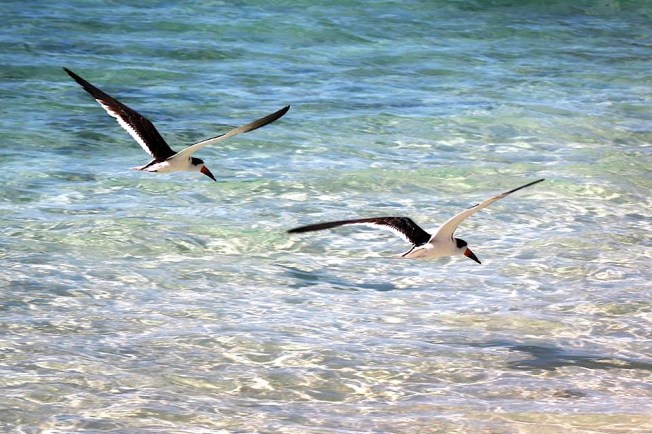
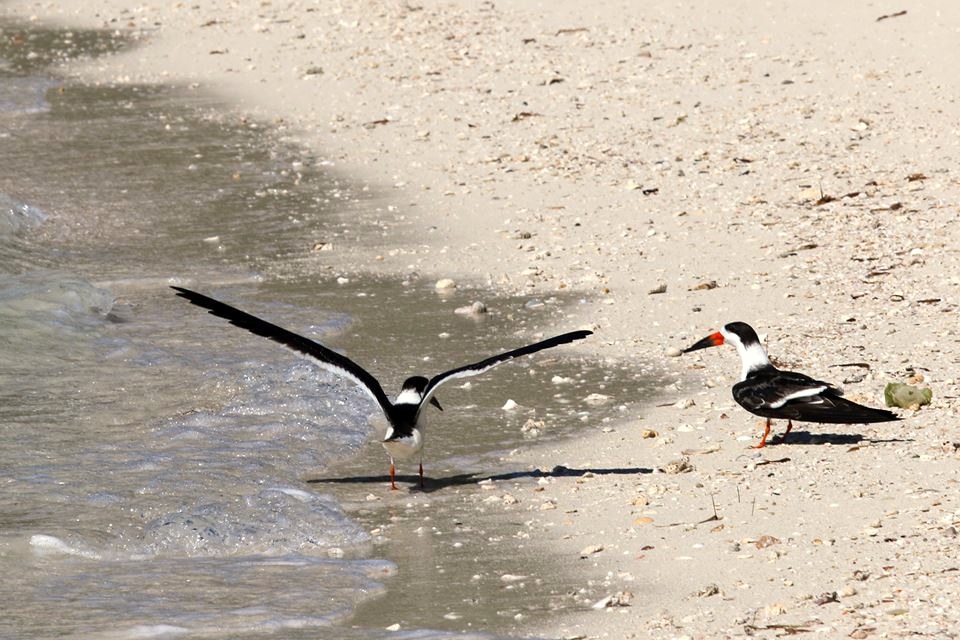
But now the Rolling Harbour duck is broken (so to speak). Two skimmers were spotted yesterday by Man-o-War Cay resident Charmaine Albury, a keen birder and photographer. Her images of this chance sighting as the pair flew gracefully past to land on the beach show enviably quick reactions with the camera! We have a Big Scoop here. Two of them.
WHAT’S SO SPECIAL ABOUT THEM?
- EYES These birds have dark brown eyes. So far, so what. But their pupils are unique in birdland: they aren’t round, but vertical – like a cat. As far as I can make out, this is to maximise the fish-catching potential of their other speciality feature…
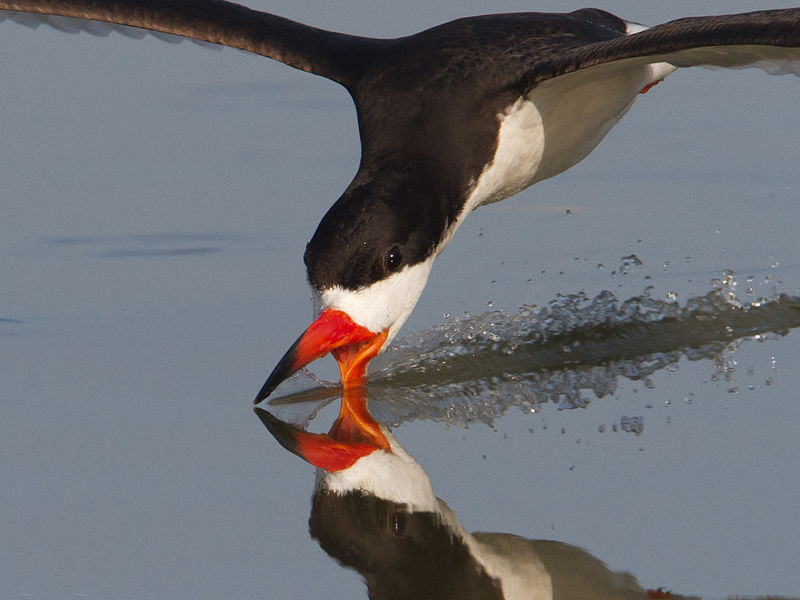
- BILL Take a look at this close-up of a great photo by Don Faulkner. Check out that unmistakeable bill, with the extraordinary elongated lower mandible.

HOW DOES THAT HELP?
When hunting for food, skimmers fly fast and very close to the surface of the sea. The long thin lower mandible cuts through the water … and when it comes into contact with its prey, the bird snaps shut the upper mandible onto it.
OK, SHOW ME!
NOT ENOUGH. I WANT TO ACTUALLY WATCH THEM DO IT…
This short video by EstuaryLiveTV shows skimmers feeding in real time, then in slow motion in an estuary. They are looking for fish, crusteaceans and molluscs. It explains all.

Credits: Terry Foote (1); Charmaine Albury (2, 3, 4, 7); Don Faulkner (5); Dan Pancamo (6); EstuaryLiveTV (video).
 ROLLING HARBOUR ABACO
You must be logged in to post a comment.