Unknown's avatar

CORMORANTS: RAPACIOUS PESCATARIAN SEA-RAVENS


Cormorant WWT 12

CORMORANTS: RAPACIOUS PESCATARIAN SEA-RAVENS

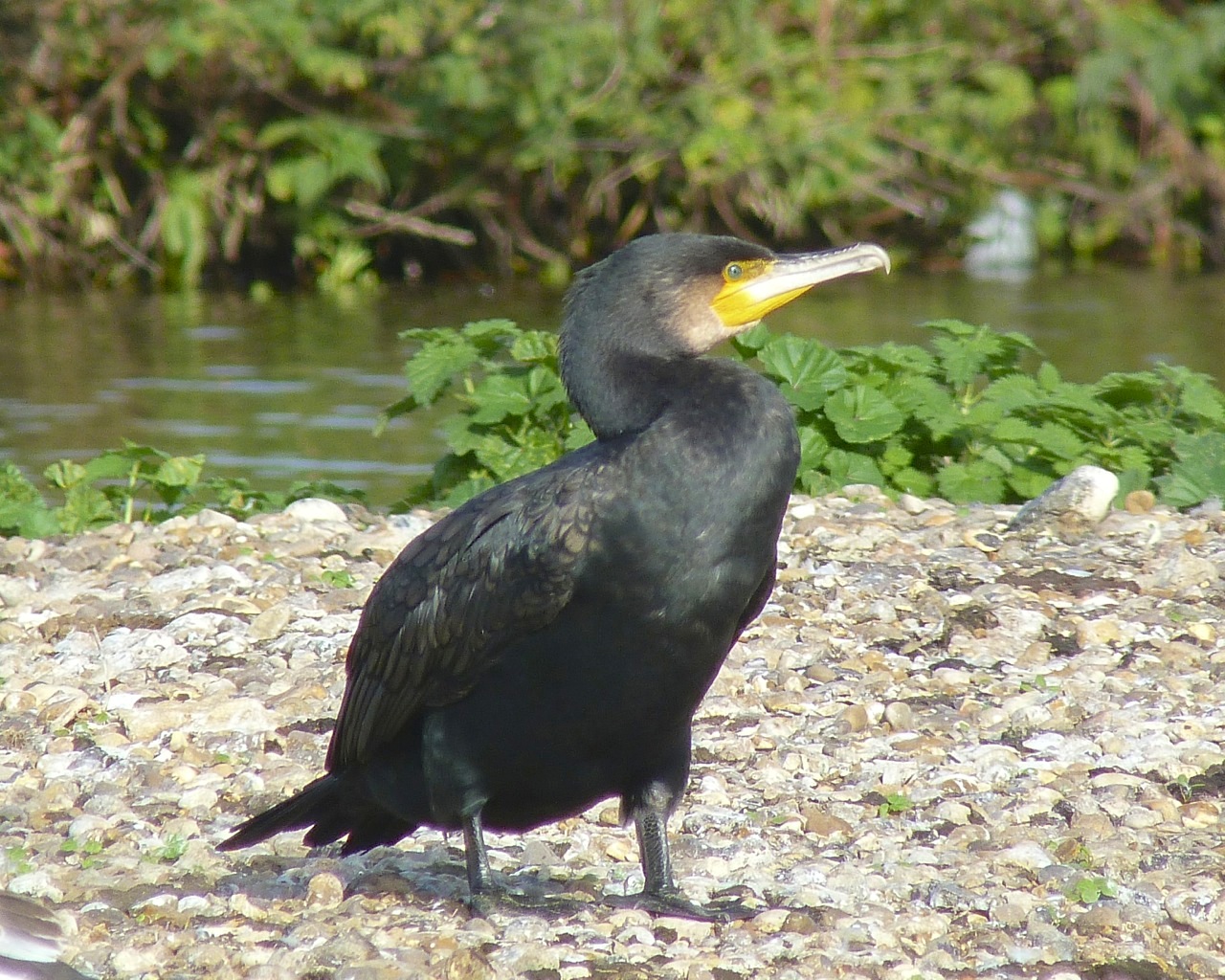
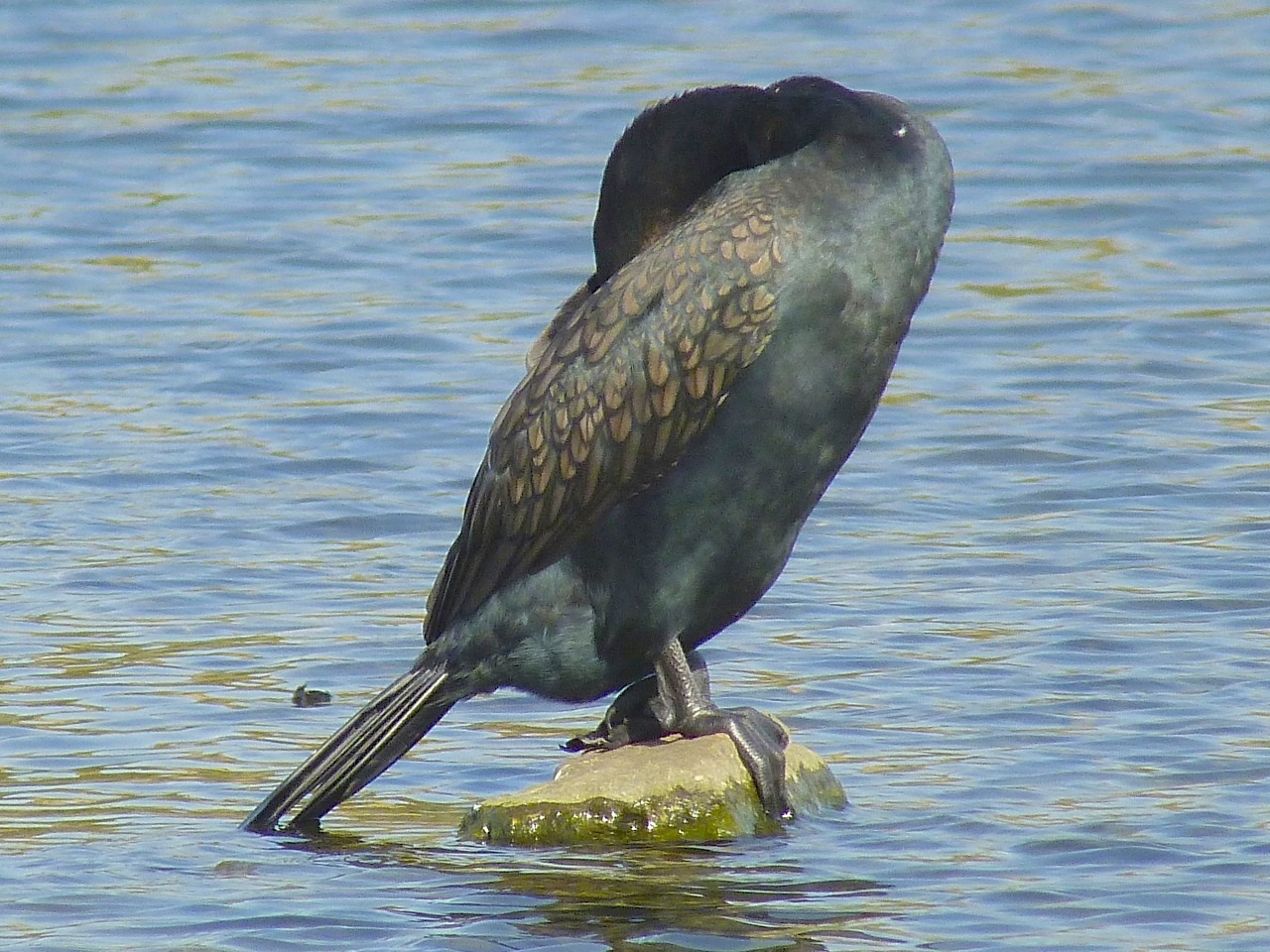
Cormorants are strange creatures. Strange to look at. Strange in their relationship with humans – love / hate in fishing terms and good / evil in mythology. Strangely useless for poetry, since – like the words ‘purple’ and ‘orange’ – there is no pure rhyme for the word cormorant. But they are undeniably striking, and a cormorant on the Abaco Marls effortlessly gliding inches above the water is an impressive sight.

Cormorant WWT 1Cormorant WWT 5

The cormorant’s name originates from the Latin name ‘Corvus Marinus’, the Sea Raven. Cormorants belong to the ‘Pelican’ order of birds known as the pelecaniformes that also encompasses tropicbirds, frigatebirds and anhingas. Worldwide, there are around 40 different species of cormorant. In many parts of the world, this seabird has established itself inland. Angling communities are increasingly concerned by the spread of this bird along productive fishing rivers, often far from the sea shore. In the UK as elsewhere they are very bad news for prime fishing rivers.

Cormorant WWT 8

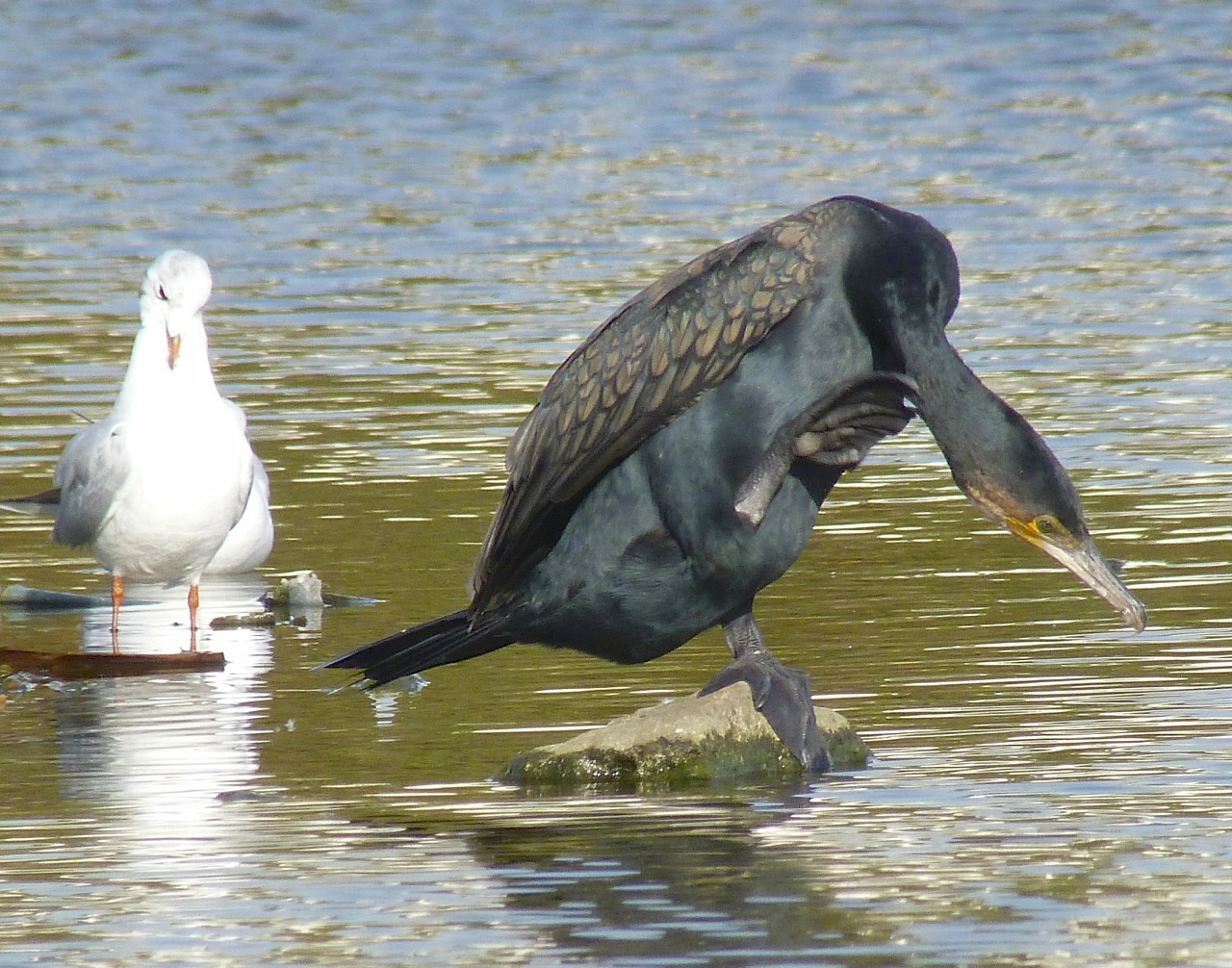
Splosh! Gull Photobomb! It wasn’t there when I decided to press the trigger…Cormorant WWT 4 (gull photobomb)Itchy neck? You just have to scratch it…Cormorant WWT 6Relaxed now, thanks…Cormorant WWT 7

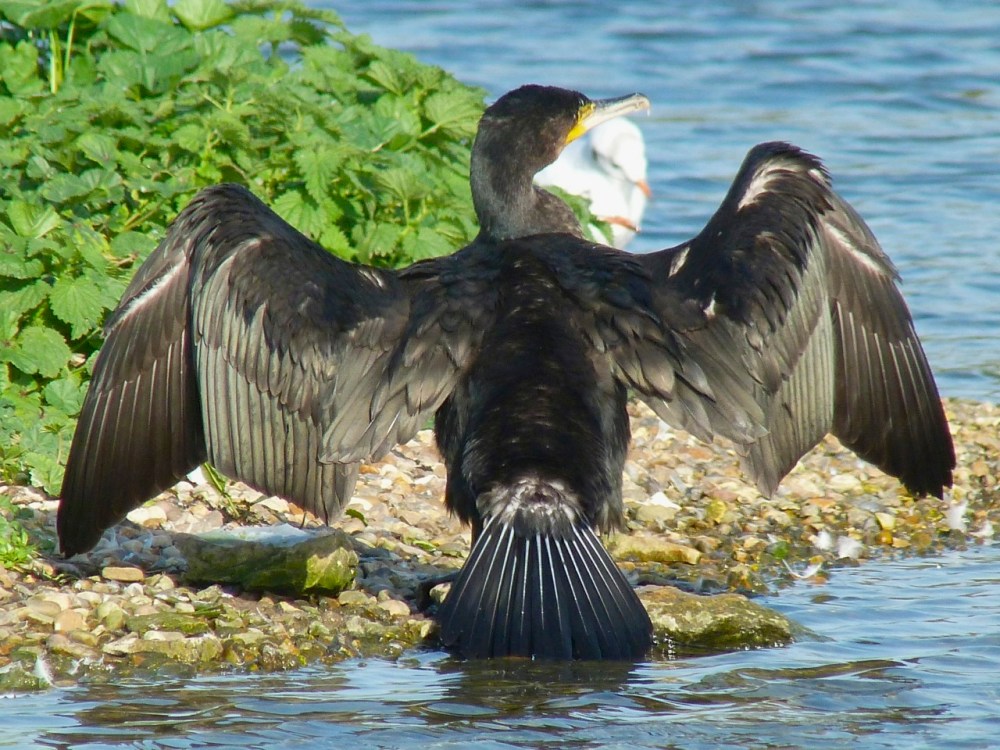
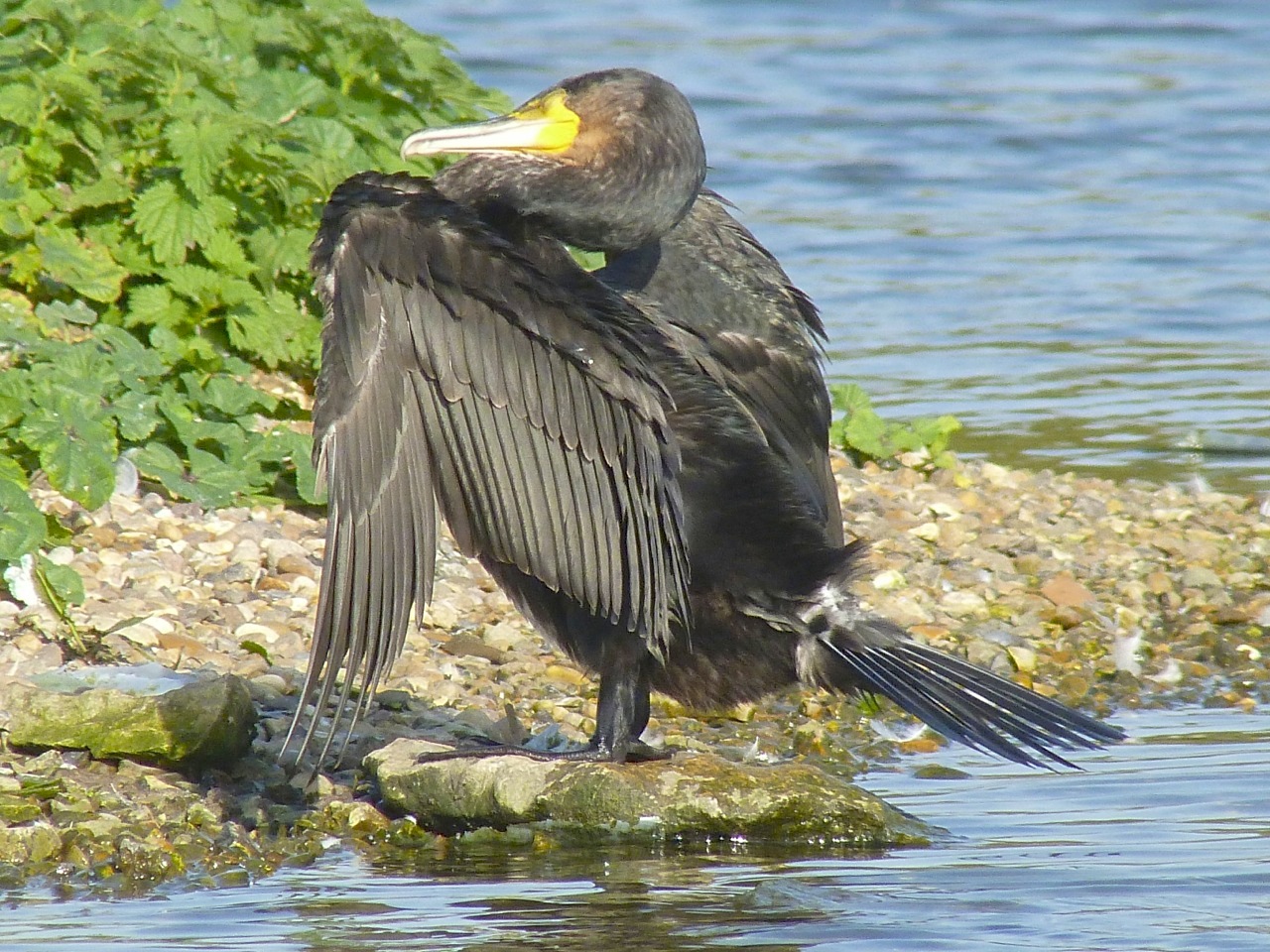
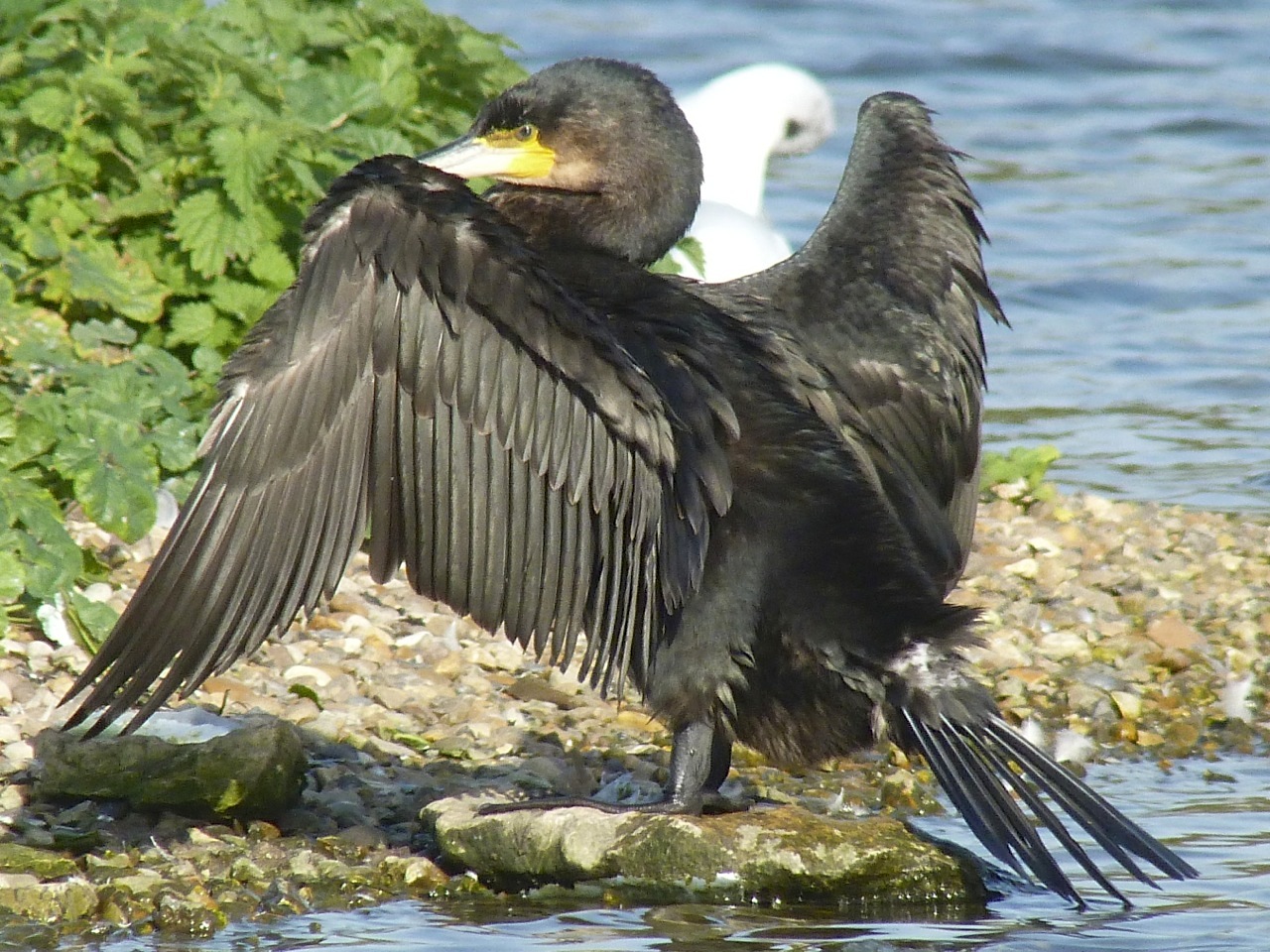
The birds here were photographed in the UK on Halloween. While the world was preparing to immerse up to its neck in blood, guts, gore and spider webs, I was out armed only with a camera in unseasonably warm sunshine. So these are Great Cormorants Phalacrocorax carbo, the species found in the UK. They a remarkably similar to the Double-crested Cormorants Phalacrocorax auritus found on Abaco but larger and with a pale cheek and upper neck. This was a perfect day for the cormorants to enjoy their preening and wing-drying routines.

Cormorant WWT 9 Cormorant WWT 10 Cormorant WWT 11  Cormorant WWT 13

Last sight of the one on the small rock: “Hey, photographer, for !@£$%&* sake leave me alone, ok?”Cormorant WWT 14

I will be writing about Neotopic Cormorants Phalacrocorax brasilianus on Abaco in detail soon, but for comparative purposes here is one from Bruce Hallett taken on Teasure Cay Golf Course, where the ponds are usually a productive birding resource (check in at the clubhouse for permission first).

Neotropic Cormorant, Treasure Cay, Abaco - Bruce Hallett

And as for the very familiar double-crested cormorant, here is a great photo taken on Abaco by Jim Todd of three chicks growing up fast in their unusual double-decker nest…OLYMPUS DIGITAL CAMERA

Credits: All photos RH except the last 2, Bruce Hallett and Jim Todd

Unknown's avatar

ABACO PARROTS: A GALLERY OF GORGEOUS


'Over the Moon'

‘Over the Moon’

ABACO PARROTS: A GALLERY OF GORGEOUS

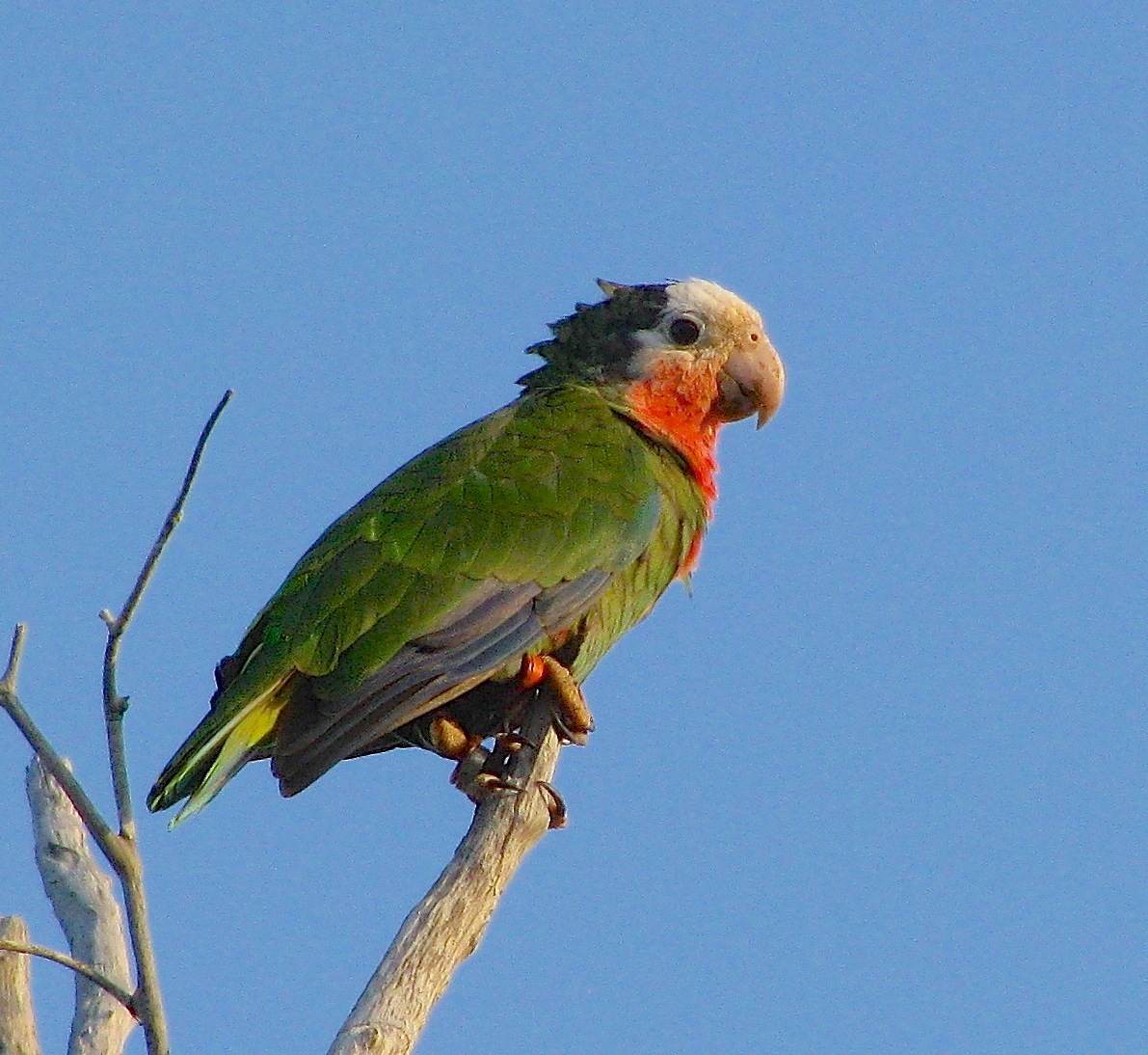
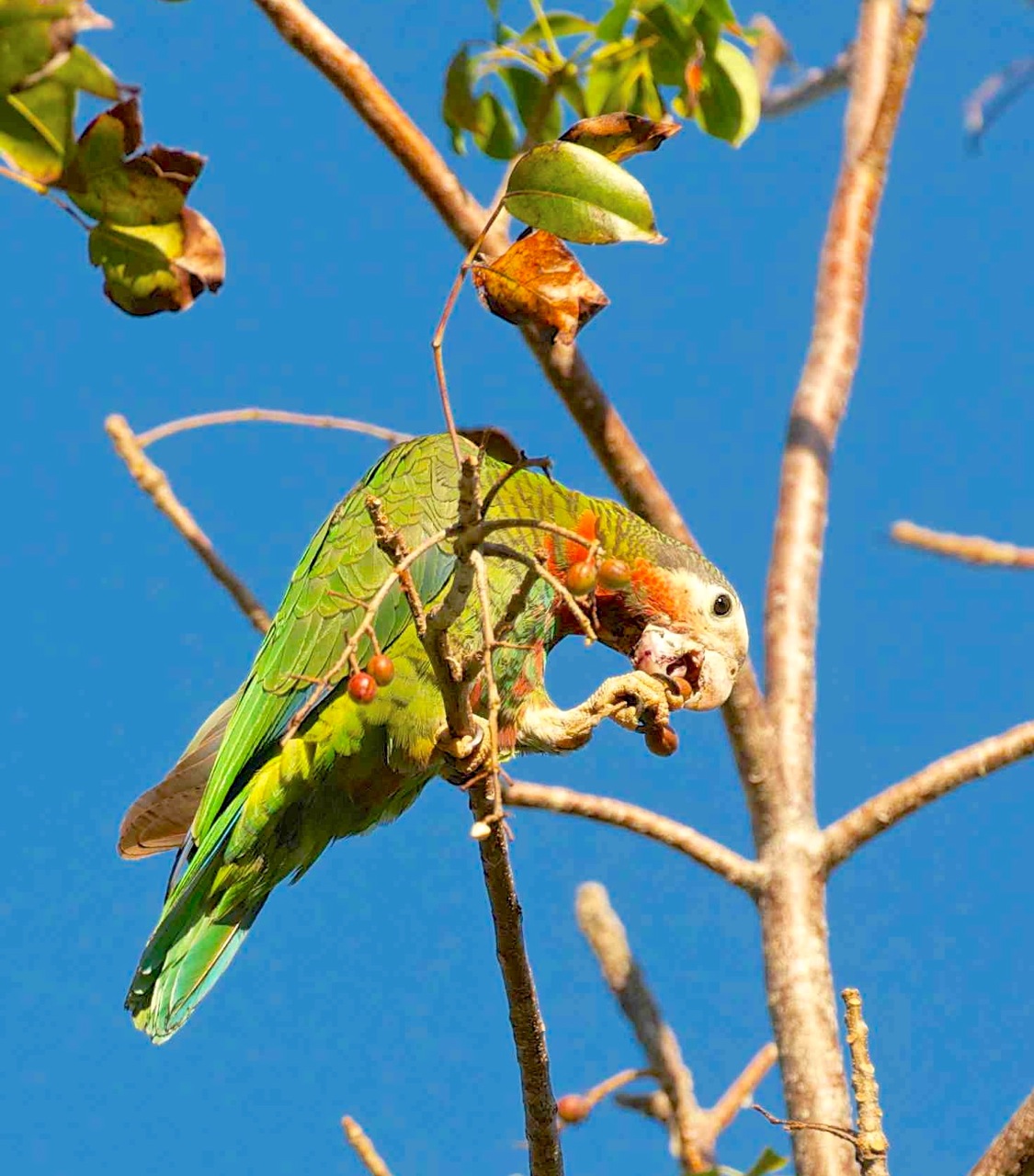
It’s been a while since the parrots of Abaco got a look-in hereabouts. Time to put that right. At the end of this gallery I will add some links to posts about the unique ground-nesting parrots of Abaco. Newcomers to this blog (I thank you both) may be interested to know that intensive conservation measures have brought this subspecies of the Cuban Parrot back from the brink of extinction – fewer than 1000 – to a sustainable and expanding population of around 4000.

For an overview of these lovely birds, I’ve made a slideshow presentation of a small booklet I put together in conjunction with scientist Caroline Stahala, who devoted several years to the research and protection of the parrots. Contents: parrots, nests, eggs, cute chicks, info, Sandy Walker with a fledgling on his lap.

Bahamas-Great Abaco_6419_Rose-throated Parrot_Cuban Parrot_Gerlinde Taurer Abaco Parrot Craig Nash.Cuban Parrot Abaco Abaco Parrot eating Gumbo Limbo fruit. Abaco Bahamas 2.12 copy

Here is the noise of a flock of parrots at Bahama Palm Shores, an excellent place to find them. It’s one of the less raucous recordings that I have made! We normally go to the main (north) turning, drive straight down to the end, cut the engine and listen. I’ve usually been lucky in that immediate area around 5.00 p.m., though others may have discovered other good times of day.

Abaco Parrot, Peter Mantle Abaco Parrot Keith Salvesen.Rolling Harbour Abaco
Bahama Parrot 1-Nina Henry sm Cuban Parrot Bruce Hallett IMG_7681ABACO (CUBAN) PARROT Abaco (Cuban) Parrot -  Charlie SkinnerAbaco (Cuban) Parrot -  Charlie SkinnerABACO PARROTS Unique parrots in pictures, video & sound

ABACO PARROTS Rare nesting footage

ABACO PARROTS Conservation & anti-predation programs 

Credits: Melissa Maura (brilliant header!), Gerlinde Taurer, Craig Nash, Tom Sheley, Peter Mantle, RH, Nina Henry, Bruce Hallett, Charlie Skinner, and Caroline Stahala

Unknown's avatar

SWAINSON’S HAWK: A UNIQUE VISITOR TO ABACO, BAHAMAS


Swainson's Hawk (imm), Abaco - Bruce Hallett

SWAINSON’S HAWK: A UNIQUE VISITOR TO ABACO, BAHAMAS

Abaco has 6 accipiter species (hawks, eagles and kites) recorded:  Swallow-tailed Kite TR 4, Bald Eagle V4, Northern Harrier WR 3, Sharp-shinned Hawk WR 4, Red-tailed Hawk PR B 1 and Swainson’s Hawk Buteo swainsoni V5. The Red-tail is a familiar permanent resident; the Harrier and Sharp-shinned hawk are uncommonly recorded winter residents; the Kites are occasionally seen passing through on their migratory path; the Bald Eagle has been reported on only a handful of occasions; and the Swainson’s Hawk has been seen (or anyway recognised) precisely once. One glance at its migration route shows why… 

Swainson's_hawk_migration_route

This fine raptor is definitely not worth travelling to Abaco in the hope of encountering. Managing to find one, identify it and photograph it, is a considerable achievement. Well-known Bahamas bird authority Bruce Hallett not only did so, but got great pictures of this juvenile bird both in flight and perched. No other sighting is recorded for Abaco; and few if any have ever been seen in the Bahamas generally.

Swainson's Hawk (imm), Abaco - Bruce Hallett

Swainson's Hawk (imm), Abaco - Bruce Hallett

WHO WAS MR SWAINSON?

Swainson was one of the early ornithologists  – along with men such as Wilson, Cory, Kirtland and La Sagra – whose name is now inextricably bound to the birds they became associated with. Swainson is the  ‘owner’ of 3 bird species recorded for Abaco: a hawk, a thrush and a warbler. I have previously written about him and these birds, so to find out more about him click SWAINSON.

WHAT DO THESE BIRDS SOUND LIKE?  

WHAT DO THEY LOOK LIKE IN FLIGHT?

A ringed Swainson’s Hawk in its more familiar territory – ColoradoButeo swainsoni (Pharoah Hound Wiki)

Credits: Photos, Bruce Hallett, Wiki (last); Migration Map, open source; videos, as shown

Unknown's avatar

WORLD SHOREBIRDS DAY – ABACO’S 33 SHORE SPECIES (3): PLOVERS


Wilson's Plover & Chick, Delphi Beach, Abaco - Sandy Walker

Wilson’s Plover & Chick, Delphi Club Beach, Abaco (Sandy Walker)

 WORLD SHOREBIRDS DAY – ABACO’S 33 SHORE SPECIES (3): PLOVERS

Over the last 2 days, 20 of Abaco’s 33 shorebird species have been featured, LARGER SHOREBIRDS followed by SANDPIPERS. The third part of the series concentrates on the 6 plover species found on Abaco. First, I’ve repeated the main Abaco shorebird checklist of 26 species (birds previously featured in bold), with each bird’s ‘availability’ code. I am disregarding the 7 species listed under the checklist because (1) they are transients or vagrants and your chances of encountering one are slim to remote; and (2) because in 16 months I was unable to obtain photos of any of them taken on Abaco, which can’t simply be because they are not photogenic. I still haven’t managed to deal with the shonky formatting, so I’ve given up on that…

The codes will tell you, for any particular bird, when you may see it (P = permanent, WR = winter resident, TR = transient, V = vagrant); whether it breeds (B) on Abaco; and your chance of seeing it, graded from easy (1) to vanishingly unlikely (5).

  • Black-necked Stilt                         Himantopus mexicanus              PR B 3
  • American Avocet                           Recurvirostra americana           WR 4
  • American Oystercatcher          Haematopus palliatus                 PR B 2
  • Black-bellied Plover                          Pluvialis squatarola                      WR 1
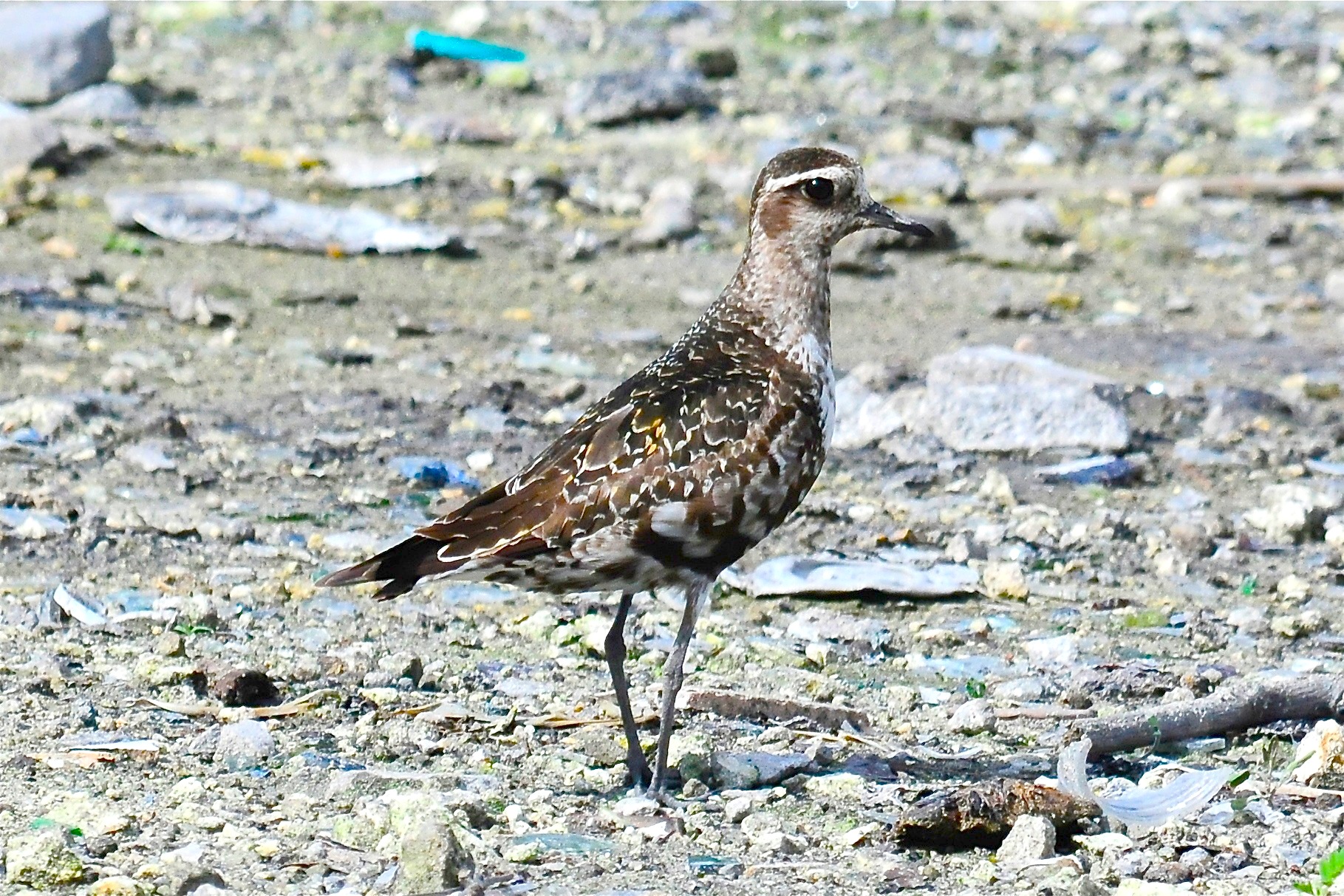
  • American Golden Plover                 Pluvialis dominica                         TR 4
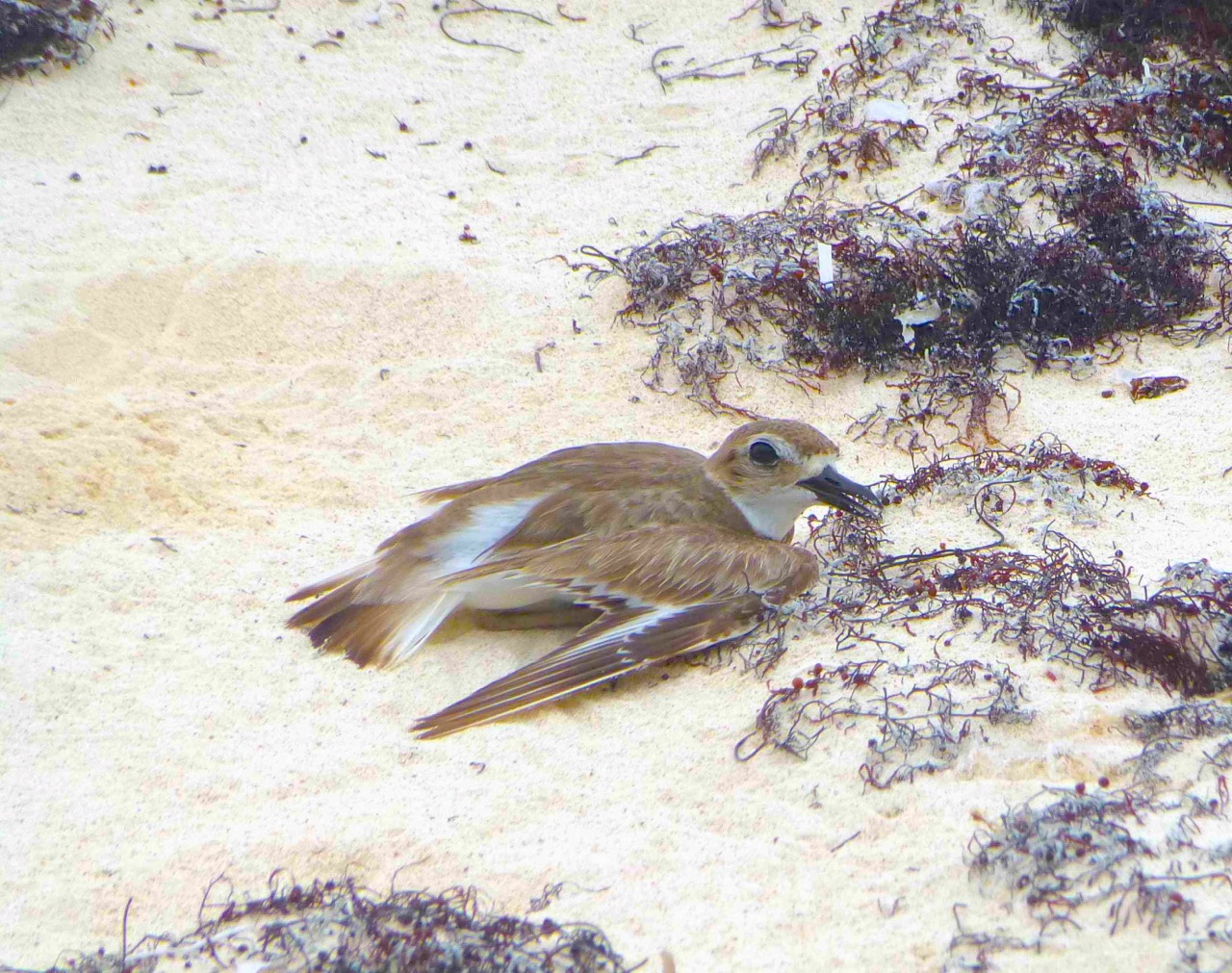
  • Wilson’s Plover                                  Ochthodromus wilsonia              PR B 2
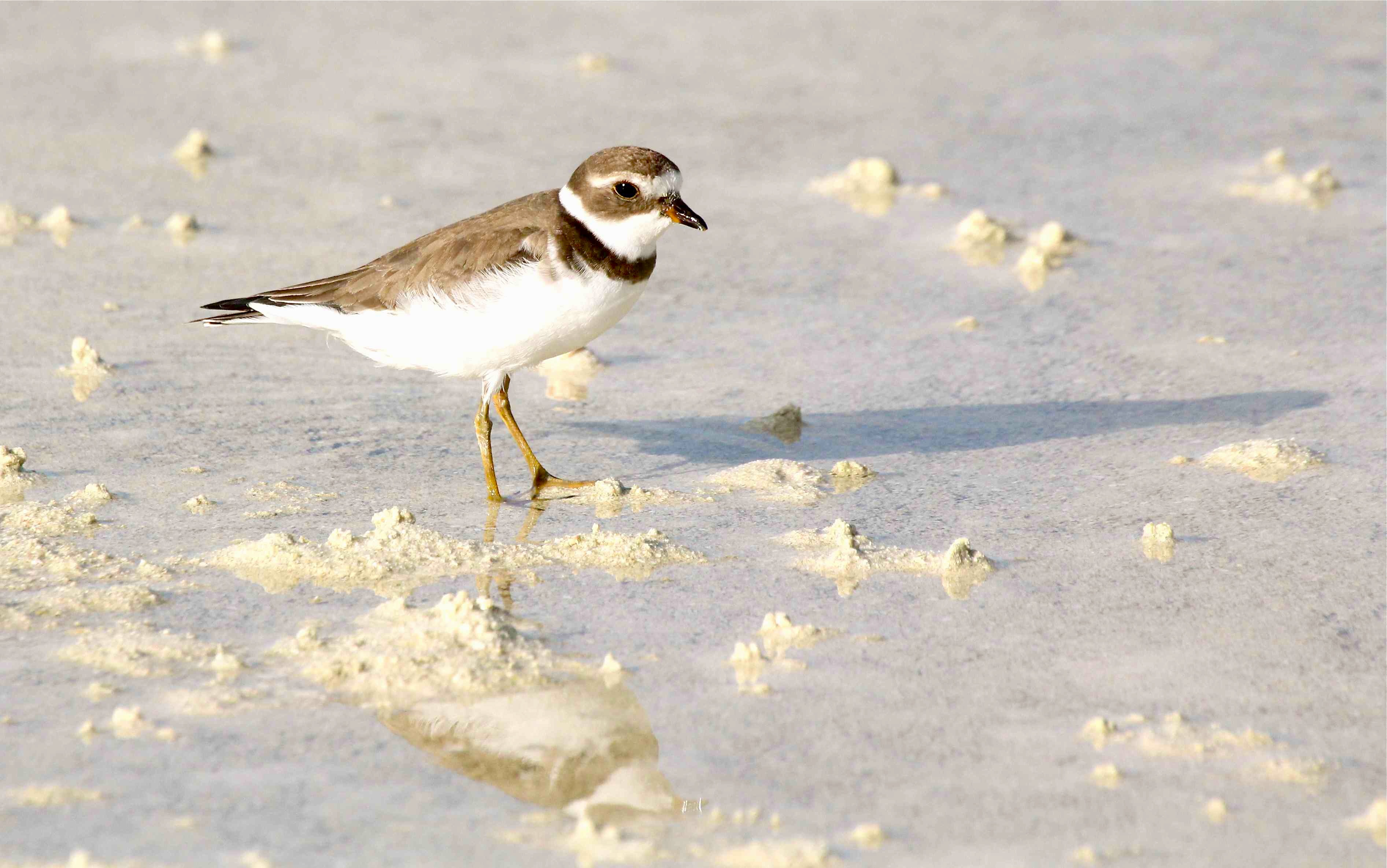
  • Semipalmated Plover                        Charadrius semipalmatus          WR 2
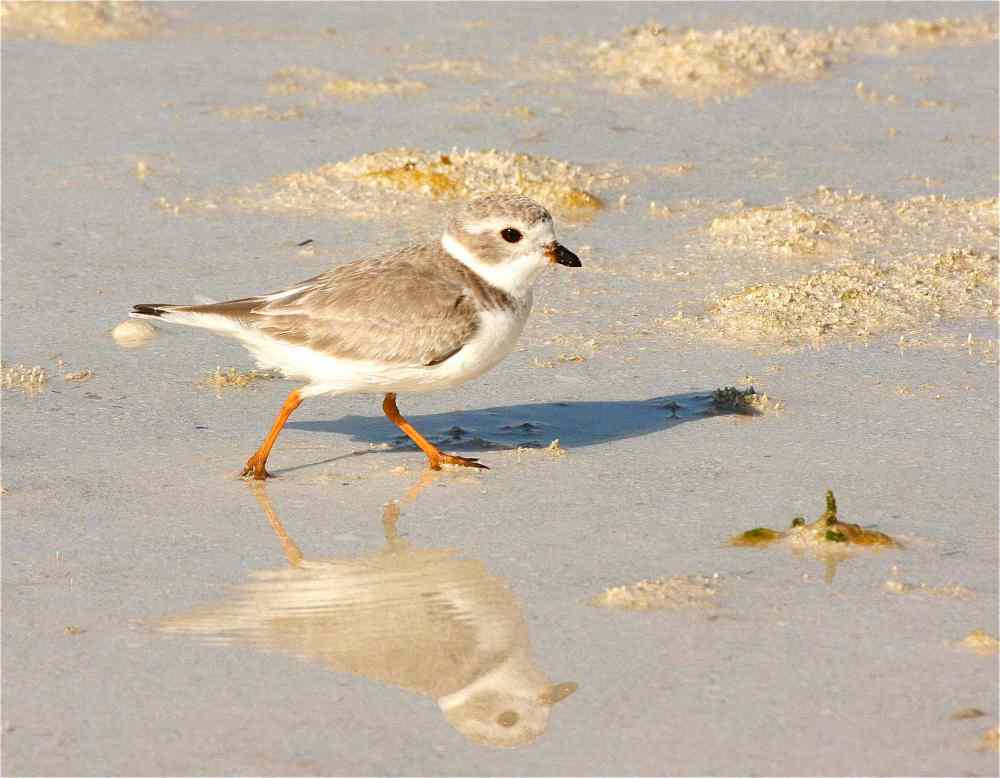
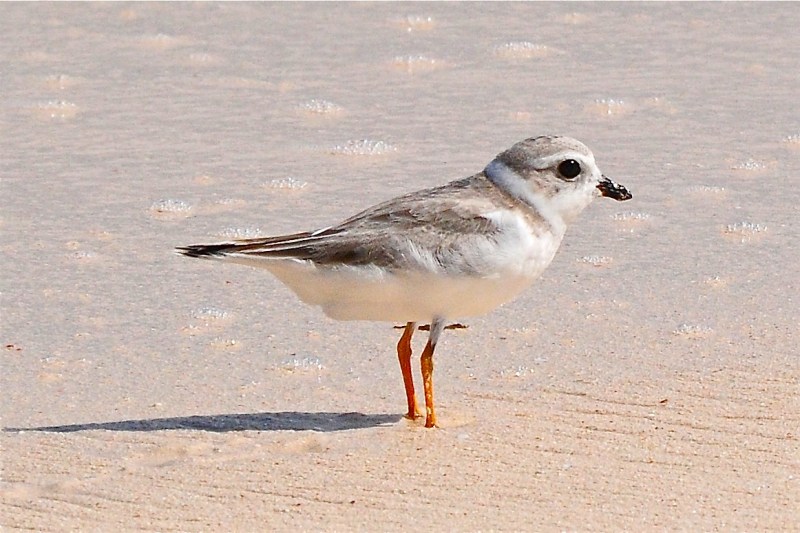
  • Piping Plover                                      Charadrius melodus                      WR 3
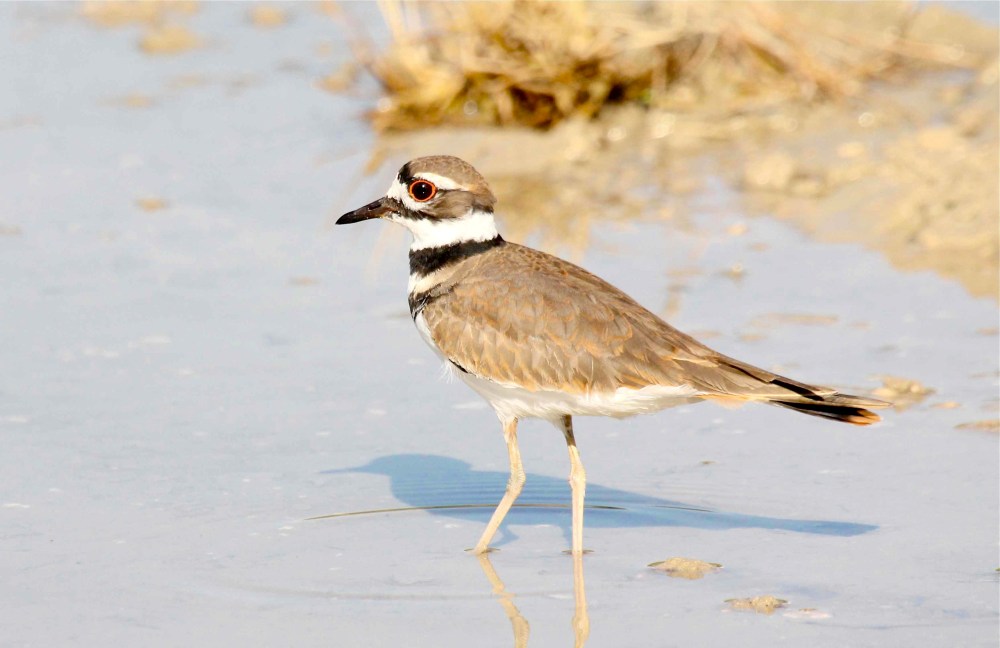
  • Killdeer                                                 Charadrius vociferus                    WR 2
  • Spotted Sandpiper                      Actitis macularius                         WR 1
  • Solitary Sandpiper                       Tringa solitaria                            WR 2
  • Greater Yellowlegs                       Tringa melanoleuca                      WR 2
  • Willet                                                   Tringa semipalmata                    PR B 2
  • Lesser Yellowlegs                          Tringa flavipes                              WR 3
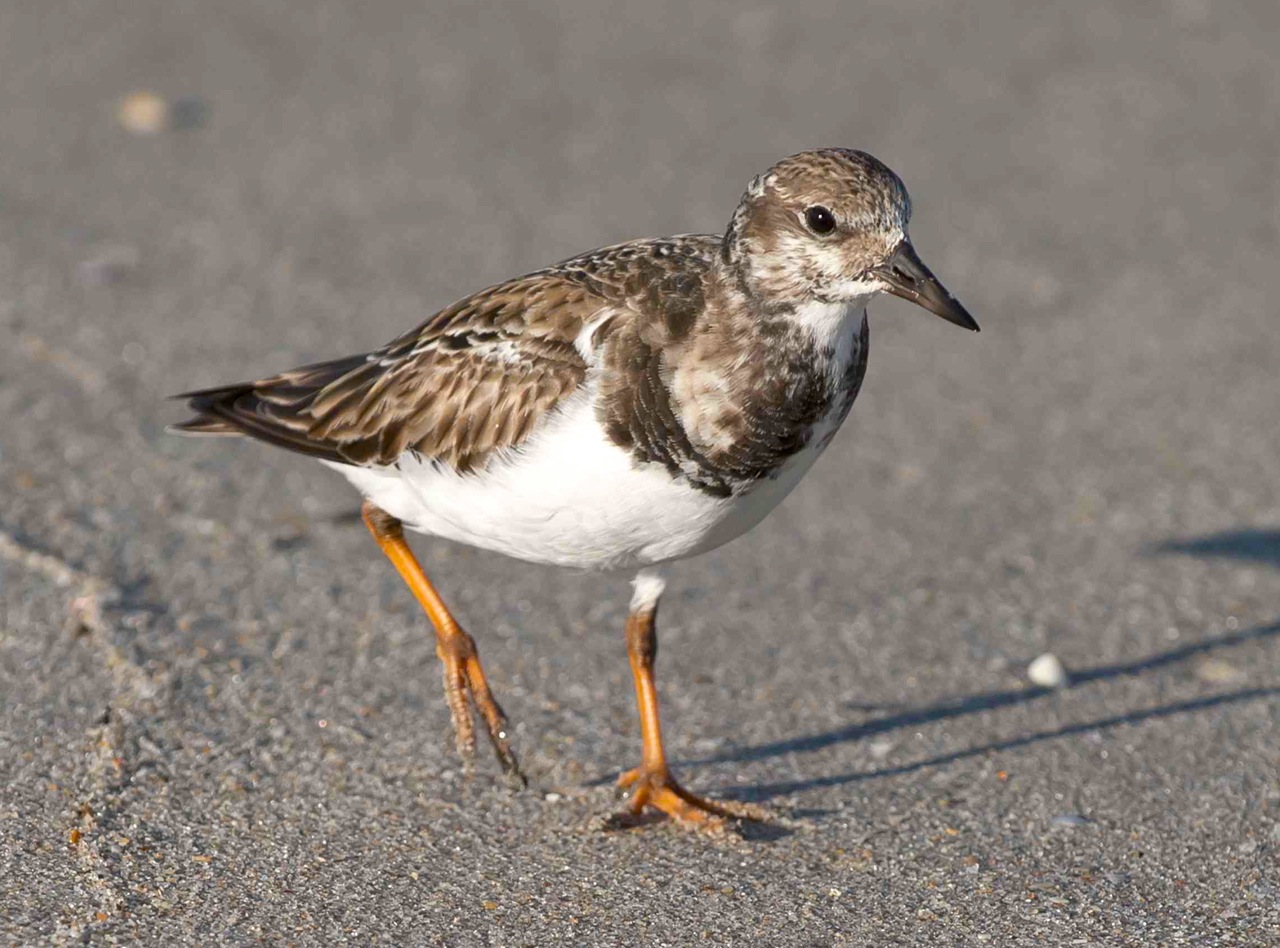
  • Ruddy Turnstone                          Arenaria interpres                      PR 2
  • Red Knot                                            Calidris canutus                           WR 3
  • Sanderling                                        Calidris alba                                  WR 1
  • Dunlin                                                 Calidris alpina                              WR 2
  • Least Sandpiper                            Calidris minutilla                         WR 2
  • White-rumped Sandpiper       Calidris fuscicollis                        TR 3
  • Semipalmated Sandpiper         Calidris pusilla                              TR 2
  • Western Sandpiper                      Calidris Mauri                                TR 2
  • Short-billed Dowitcher               Limnodromus griseus                  WR 1
  • Long-billed Dowitcher                Limnodromus scolopaceus         WR 4
  • Wilson’s Snipe                                 Gallinago delicata                         WR 3
  • Wilson’s Phalarope                      Phalaropus tricolor                        V 4

The other 7 species of shorebird recorded for Abaco – all transients or vagrants – are: Upland Sandpiper TR 4, Whimbrel  TR 4, Hudsonian Godwit V5, Marbled Godwit V5, Buff-breasted Sandpiper V5, Pectoral Sandpiper  TR 3, Stilt Sandpiper TR 3

PLOVERS ON ABACO

The best-known of the 6 Abaco plover species is the Wilson’s Plover, because it is the only permanent resident. The American Golden Plover is a rare transient, but we luckily have one taken on on Abaco. All the others are winter residents and easy to middling hard to find. All except the American Golden Plover may be found on the beach at Delphi or the rocks at either end. The Piping Plover is the most interesting species, with a mere 8000 left in the world and a vigorous conservation program to protect them and their habitat. Their summer breeding range is in Canada, central US and the eastern seaboard. In winter they migrate south, and Abaco is one of their homes. At Delphi we are very fortunate that every year some choose the beach for their winter retreat.

BLACK-BELLIED PLOVER  Pluvialis squatarola   WR 1Black-bellied Plover intermediate plumage.Marls.Abaco Bahamas.3.12.Tom Sheley edit

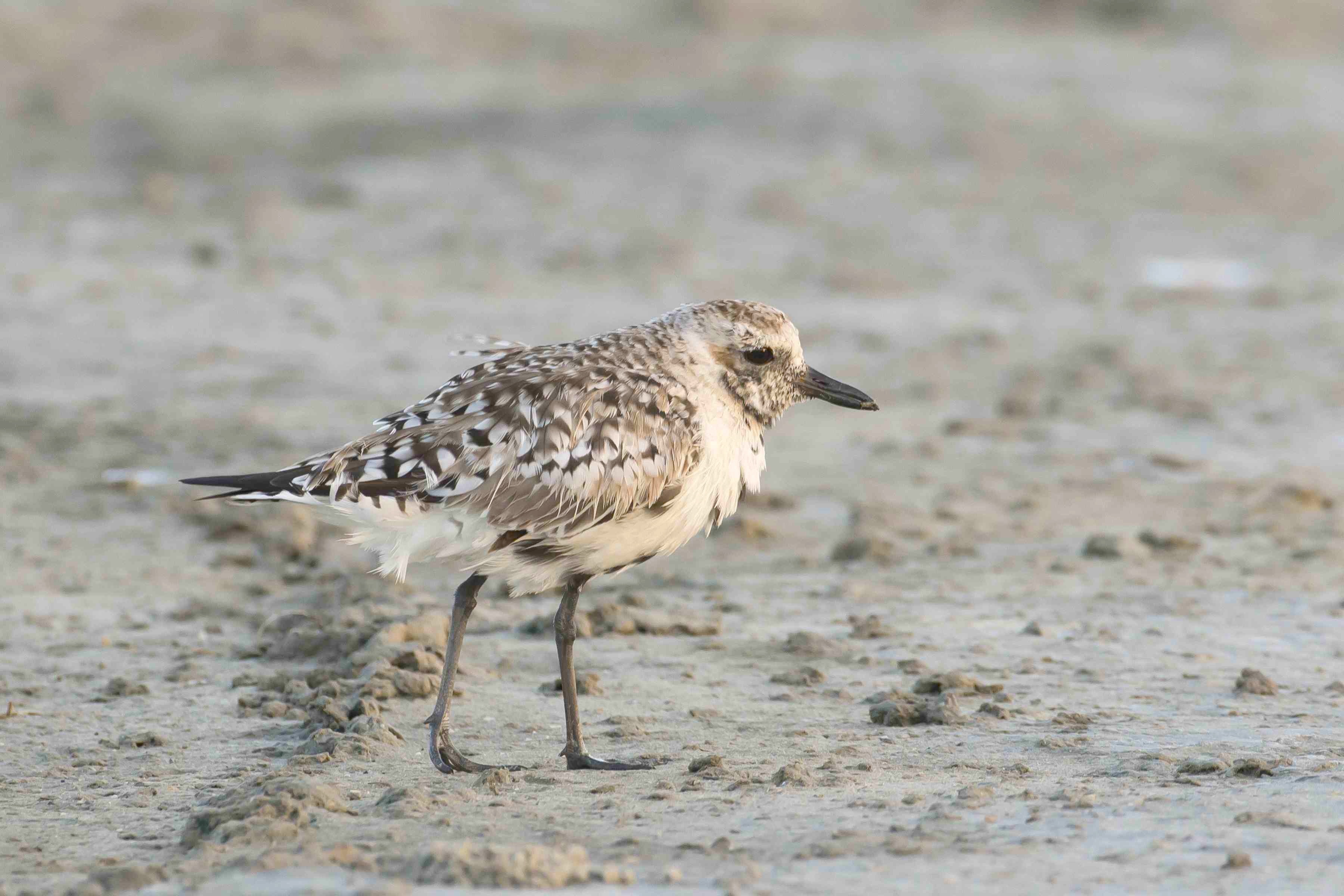
You  may well wonder why a bird with such a very specific belly-related colour designation has a white one in the photo. It’s because this is the non-breeding plumage (in fact, intermediate), so I have borrowed from Audubon Magazine (‘tip of the hat’) to show a non-Abaco bird in its breeding plumage. Black- Bellied Plover (Audubon Magazine)

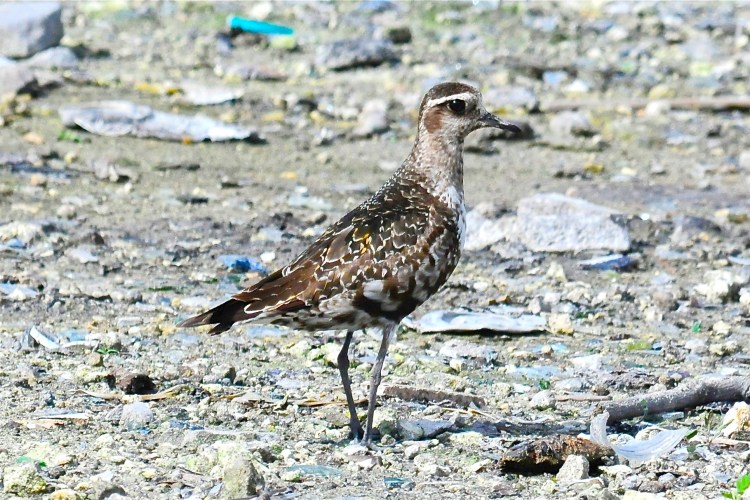
AMERICAN GOLDEN PLOVER  Pluvialis dominica  TR 4American Golden Plover, Abaco - Tony Hepburn
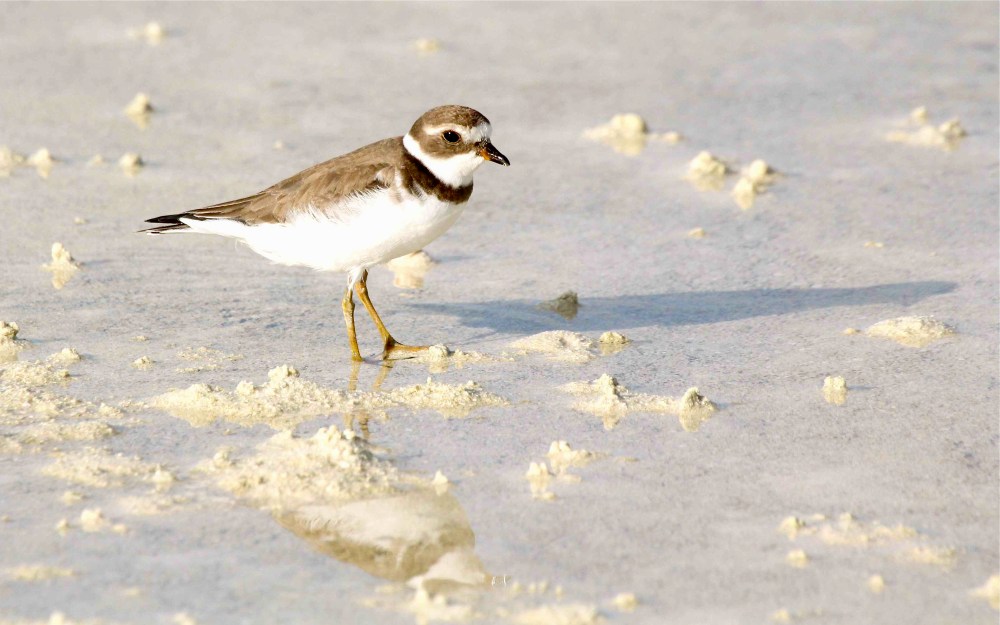
 SEMIPALMATED PLOVER Charadrius semipalmatus WR 2Semipalmated Plover (f nb), Abaco - Bruce Hallett
KILLDEER Charadrius vociferus WR 2Kildeer, Abaco - Bruce Hallett

PIPING PLOVER  Charadrius melodus WR 3Piping Plover, Abaco - Bruce HallettPiping Plover, Abaco - Tony HepburnPiping Plover, Abaco  - Tom Reed

WILSON’S PLOVER Ochthodromus wilsonia  PR B 2

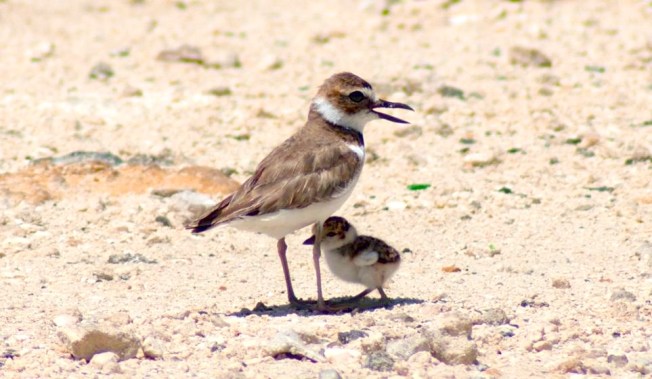
This permanent resident plover is a year-round presence on the Delphi Club beach, where in summer they nest and raise their tiny fluffball chicks (see Sandy Walker’s wonderful header image). I’m posting in some detail about these because it’s a while since I featured them. Links to other relevant posts are given below. All the following photos bar 1 were taken on the beach at Delphi.Wilson's Plover, Delphi Club Beach, Abaco - Craig Nash

The photo below was taken by Tom Sheley at Nettie’s Point, the skiff launching point for the day’s bonefishing on the Marls. The plover pair had made a scrape and nested there. They chose a tricky place to do so –  it was just where the trucks are turned after off-loading the skiffs. So the guides built a protective driftwood enclosure to protect the nest and prevent tragedy. The plovers, unfazed by the human proximity and activity, raised their family safely. I mostly saw the female on the nest within the square wooden pen, with the male usually close by, standing guard protectively. 
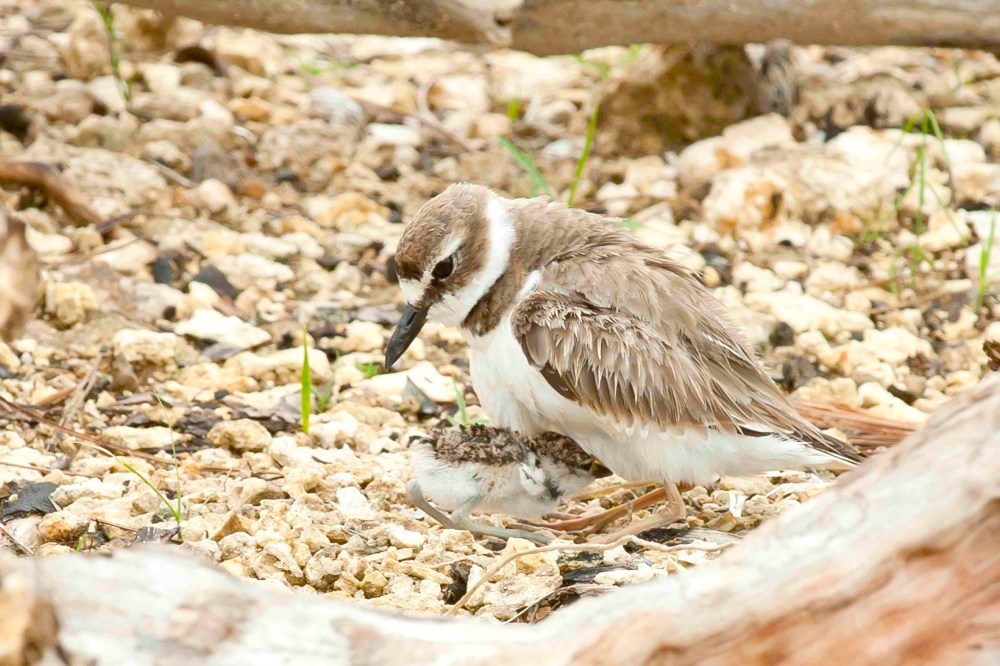
Wilson's Plover, Abaco Bahamas - Tom Sheley

This plover, photographed on the Delphi beach, is performing a typical ‘broken wing’ display, a tactic used to draw predators away from a nest site. The bird makes itself appear to be wounded and vulnerable, and flaps pathetically about on the ground… gradually getting further from the nest. If the going gets tough and the predator gets too close for comfort,  the plover gets going by unexpectedly flying off. Wilson's Plover, Abaco (broken wing display) Clare Latimer - Version 2

TWO MORE FROM THE DELPHI BEACHWilson's Plover, Abaco 12 Wilson's Plover, Abaco 11

RELATED POSTS

PIPING PLOVERS

WILSON’S PLOVERS (1) ‘Dream Plover’

 WILSON’S PLOVERS (2) Nest Protection

 WILSON’S PLOVERS (3) Scrapes, Chicks & Broken Wings

Photo credits: Sandy Walker, Tom Sheley, Audubon, Tony Hepburn, Bruce Hallett, Tom Reed, Craig Nash, Clare Latimer, RH
Unknown's avatar

WORLD SHOREBIRDS DAY – ABACO’S 33 SHOREBIRD SPECIES (2) – SANDPIPERS


Ruddy Turnstone winter plumage.Abaco Bahamas.2.13.Tom Sheley e

WORLD SHOREBIRDS DAY: ABACO’S 33 SHOREBIRD SPECIES (2)

Yesterday I featured 8 of the larger, longer-billed species among Abaco’s 33 shorebirds. Plus one cute Wilson’s Plover chick as page-bait! A number of those are classified as sandpipers. To see them, click HERE. Today it’s the turn of the smaller sandpiper species, little birds with long beaks for their size that in general help differentiate them from the stubby-beaked plover species. To recap, here is  the main Abaco shorebird checklist of 26 species (birds previously featured in bold):

The codes will tell you, for any particular bird, when you may see it (P = permanent, WR = winter resident, TR = transient, V = vagrant); whether it breeds (B) on Abaco; and your chance of seeing it, graded from easy (1) to vanishingly unlikely (5).

  • Black-necked Stilt                         Himantopus mexicanus              PR B 3
  • American Avocet                           Recurvirostra americana           WR 4
  • American Oystercatcher          Haematopus palliatus                 PR B 2
  • Black-bellied Plover                          Pluvialis squatarola                     WR 1
  • American Golden-Plover                 Pluvialis dominica                        TR 4
  • Wilson’s Plover                                  Ochthodromus wilsonia              PR B 2
  • Semipalmated Plover                        Charadrius semipalmatus         WR 2
  • Piping Plover                                      Charadrius melodus                      WR 3
  • Killdeer                                                 Charadrius vociferus                    WR 2
  • Spotted Sandpiper                              Actitis macularius                         WR 1
  • Solitary Sandpiper                             Tringa solitaria                              WR 2
  • Greater Yellowlegs                       Tringa melanoleuca                     WR 2
  • Willet                                                   Tringa semipalmata                     PR B 2
  • Lesser Yellowlegs                          Tringa flavipes                               WR 3
  • Ruddy Turnstone                                Arenaria interpres                        PR 2
  • Red Knot                                               Calidris canutus                              WR 3
  • Sanderling                                            Calidris alba                                     WR 1
  • Dunlin                                                 Calidris alpina                                 WR 2
  • Least Sandpiper                                  Calidris minutilla                           WR 2
  • White-rumped Sandpiper                 Calidris fuscicollis                          TR 3
  • Semipalmated Sandpiper                  Calidris pusilla                                TR 2
  • Western Sandpiper                             Calidris Mauri                                 TR 2
  • Short-billed Dowitcher               Limnodromus griseus                   WR 1
  • Long-billed Dowitcher                Limnodromus scolopaceus         WR 4
  • Wilson’s Snipe                                 Gallinago delicata                         WR 3
  • Wilson’s Phalarope                            Phalaropus tricolor                        V 4

The other 7 species of shorebird recorded for Abaco – all transients or vagrants – are: Upland Sandpiper TR 4, Whimbrel  TR 4, Hudsonian Godwit V5, Marbled Godwit V5, Buff-breasted Sandpiper V5, Pectoral Sandpiper  TR 3, Stilt Sandpiper TR 3

SANDPIPERS

Of the sandpiper species shown below, 9 of the 10 are ones that, at the right time and in the right place, you may see on Abaco. The tenth, the Wilson’s Phalarope, is the first specimen ever recorded for Abaco and as far as is known this is the only photo of it (props to Woody Bracey for this accomplished ‘get’). Again, some of the birds shown below were photographed on the Delphi Club beach.

SPOTTED SANDPIPER Actitis macularius   WR 1Spotted Sandpiper.Abaco Bahamas - Tom Sheley

SOLITARY SANDPIPER Tringa solitaria  WR 2Solitary Sandpiper, Petrie Island D G E Robertson Wiki

RUDDY TURNSTONE  Arenaria interpres  PR 2Ruddy Turnstone Abaco Bahamas. 2.12.Tom Sheley copy 2

RED KNOT Calidris canutus (non-breeding plumage)  WR 3Red Knot,  Green Turtle Cay, Abaco - Becky Marvil

SANDERLING  Calidris alba  WR 1Sanderling, Abaco -  Craig Nash

LEAST SANDPIPER  Calidris minutilla  WR 2Least Sandpiper, Delphi Club Beach, Abaco - Keith Salvesen

WHITE-RUMPED SANDPIPER  Calidris fuscicollis  TR 3White-rumped Sandpiper, Abaco - Tony Hepburn

SEMIPALMATED SANDPIPER   Calidris pusilla  TR 2Semipalmated Sandpiper, Abaco (juv) Bruce Hallett

WESTERN SANDPIPER  Calidris Mauri  TR 2Western Sandpiper, Abaco (Bruce Hallett)

WILSON’S PHALAROPE Phalaropus tricolor  V 4 Wilson's Phalarope, Abaco - Woody Bracey

RELATED POSTS

RUDDY TURNSTONES

LEAST SANDPIPERS

Photo Credits: Tom Sheley, D Robertson, Becky Marvil, Craig Nash, RH, Tony Hepburn, Bruce Hallett, Woody Bracey

Unknown's avatar

‘AMOY’ THERE! AMERICAN OYSTERCATCHERS ON ABACO


American Oystercatcher.Delphi Club.Abaco Bahamas.Tom Sheley

‘AMOY’ THERE! AMERICAN OYSTERCATCHERS ON ABACO

The American Oystercatcher Haematopus palliatus is a familiar shorebird, with the significant advantage that it cannot be mistaken for any other shore species either to look at or to hear. All those little sandpipers and plovers can be very confusing; the handsome AMOY stands out from the crowd. I am posting about this species now as a prelude to WORLD SHOREBIRDS DAY on September 6th. The link will take you to the official Facebook Page where you will find more information, including how to sign up for a pleasant day’s birding, with the chance to report your sightings.world-shorebirds-day1000

The header picture and the next 2 were taken by photographer and ace birder Tom Sheley on the Delphi Club beach. Unsurprisingly, we used one of these wonderful photographs as a full-page image in The Delphi Club Guide to THE BIRDS OF ABACO.

American Oystercatcher.Delphi Club.Abaco Bahamas.Tom Sheley American Oystercatcher.Delphi Club.Abaco Bahamas.Tom Sheley

Bruce Hallett, author of the essential field guide ‘Birds of the Bahamas and the TCI’ (featured in the sidebar) was a major contributor to the book. Not just with his excellent photographs, either, such as the two below. His knowledge, his patience with my queries, and his scrupulous reading of the final draft to eliminate my errors were vital to the project. American Oystercatcher.Abaco Bahamas.Bruce HallettAmerican Oystercatcher.Abaco Bahamas.Bruce Hallett163952

Here are two recordings of oystercatchers, unmistakeable call sounds that will probably be instantly familiar.

Lopez Lanus / Xeno-Canto

Krzysztof Deoniziak / Xeno-Canto

I like the rather dishevelled appearance of this AMOY from Jim Todd, fly fisherman, author of ‘The Abaco Backcountry’, and intrepid kayak explorer around the coast of Abaco.American oystercatcher Abaco (Jim Todd)

The next two photos were taken on the Delphi beach by Charlie Skinner, another contributor to the book. Below them is an ‘in-flight’ shot by Bruce Hallett.American Oystercatcher, Abaco (Charlie Skinner)American Oystercatcher, Abaco (Charlie Skinner)     American Oystercatcher.Abaco Bahamas.Bruce Hallett

This fine video from Audubon shows close-up views of the American Oystercatcher, and unleashes more of the distinctive call-sounds – an insistent wittering – of the species. [vimeo https://vimeo.com/48479131%5D

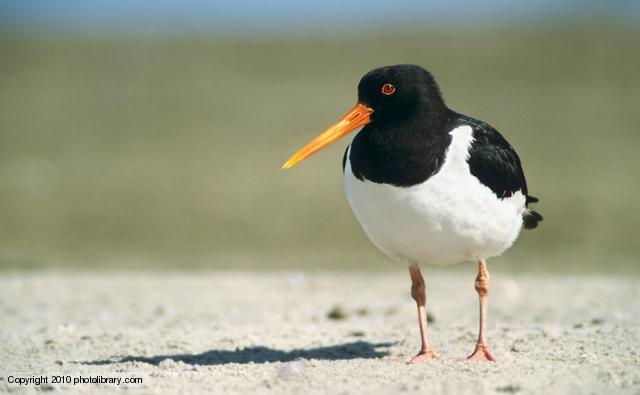
For some time, I found it difficult to distinguish American and Eurasian Oystercatchers. The markings of both species are variable according to gender, age, season and so on, but are generally very similar. Mrs RH noticed the salient difference at once – the eyes. The AMOY has bright orange eyes with red eye-rings; the EUROY’s eyes are the reverse colouring, as this example shows.Eurasian Oystercatcher. BBC

 Credits: Tom Sheley, Bruce Hallett, Jim Todd, Charlie Skinner, Xeno-Canto, Audubon, BBC
world-shorebirds-day1000

Unknown's avatar

VIREOS ON ABACO (1): GOING CHEEP – THE BLACK-WHISKERED VIREO


Black-whiskered Vireo, Abaco (Bruce Hallett)

GOING CHEEP ON ABACO: THE BLACK-WHISKERED VIREO

There are 8 vireo species recorded for Abaco. The most common is the ubiquitous Thick-billed Vireo Vireo crassirostris – the only permanent resident vireo – whose cheery chirp is part of the background of bird song heard daily all over the island.  The only other species you are likely to encounter without going out of your way is the summer resident BLACK-WHISKERED VIREO Vireo altiloquus, which breeds on Abaco. The other 6 are the White-eyed, Yellow-throated, Blue-headed, Warbling, Philadelphia, and Red-eyed Vireo. Of these, the first 2 are quite rare winter residents; and the other 4 are considered to be transients. Black-whiskered Vireo, Abaco

The BWV’s song is similar to the Thick-billed Vireo, but (luckily) identifiably different. I’m not a great one for phonetic attempts at turning a bird call into a human sentence of the ‘Quick!-come-to-pick-up-a-brick’ and the ‘Skin-me-a-nice-bit-of-bonefish’ type. The Black-whiskered Vireo’s song has been described as sounding like ‘Whip, Tom Kelly’. But not to me. See what you make of it…

Brian Cox / Xeno-Canto

Black-whiskered Vireo, Abaco Bahamas 2 (Tom Sheley)

As with other vireo species, the BWV has a stout bill, a feature that helps to distinguish vireos from the many thin-billed warbler species on Abaco. The main signifiers are found on this bird’s head: the dark stripe right through the eye; the long white eyebrows; and the noticeable black lines – the ‘whiskers’ – on the sides of the neck. Other identification pointers are the pale underside with a yellow tinge to the flanks and undertail; and the red eyes (the red-eyed vireo, a very similar bird, lacks the whiskers).Black-whiskered Vireo, Abaco (Charmaine Albury)

Black-whiskered vireos feed mostly on insects in trees, bushes and undergrowth. They can sometimes be seen hovering while they forage. They also vary their diet with small quantities of berries. Here are two great shots of a mother BWV feeding a very large chick with a berry, followed by some vile insect.Black-whiskered Vireo, Abaco (Charlie Skinner)Black-whiskered Vireo, Abaco (Charlie Skinner)

Image Credits: Bruce Hallett, Tom Shelley, Charlie Skinner, Charmaine Albury, Erik Gaugerblack-whiskered-vireo, Abaco (Erik Gauger) 1

Unknown's avatar

RARE GEMS: PIPING PLOVERS ON ABACO (1)


Piping Plover (non-breeding), Abaco (Bruce Hallett)

Piping-Plover Artmagenta  RARE GEMS: PIPING PLOVERS ON ABACO (1) Piping-Plover Artmagenta

8000 

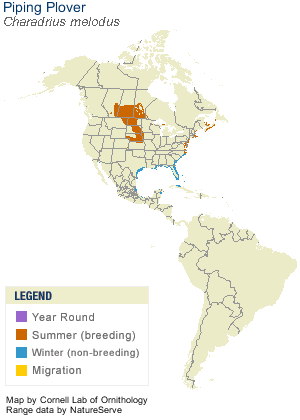
That’s the total number of all the piping plovers (Charadrius melodus) left in the world. Like many other rare and vulnerable species (e.g. the Kirtland’s Warbler), the habitat at both ends of their migration routes is under threat. And, as with the Kirtland’s, vigorous conservation campaigns are underway. Problems such as habitat loss at one end are bad enough – if at both ends, population decline is a certainty and extinction looms. The summer breeding range of PIPLs takes in Canada, central US and the eastern seaboard. In winter they join the mass migration of other birds south to warmer climes. Abaco is lucky enough to receive these little winter visitors; and at Delphi we are fortunate that every year some choose the beach for their winter retreat.

char_melo_AllAm_map

Piping Plover, Abaco (Tony Hepburn)

This is the first of a planned Piping Plover series that I have been working on. The reason for beginning now is because the autumn migrations are starting, and before long a few of this precious species will be on a beach near you on Abaco. Many of them will be ringed as part of the ongoing conservation projects. One of the best ways to monitor success is to follow the migratory lives of these birds; and this can very easily be done by taking photographs of a piping plover that show its rings. The number and colours of the rings on each leg tell the conservationists a great deal about an individual bird. Here is a photo by Don Freiday that shows what to look out for – these 4 items of plover-bling are an integral part of the preservation efforts for this species.

PIPLfledge_banded_Meb_DF

The Audubon Society has produced a wonderful interactive demonstration of the PIPL’s year-round life  that can be found at BEATING THE ODDS. For anyone interested in these fascinating little birds, I highly recommend a click on the link. Some clips are shown below.

A good example of one of the organisations involved in the conservation of PIPLs is CONSERVE WILDLIFE NEW JERSEY, of which Todd Pover and Stephanie Egger are also directly involved on both Abaco and with the CAPE ELEUTHERA INSTITUTE.

With due acknowledgement to Audubon, here are a couple of outstanding photos by Shawn Carey from the site; and below them, details of the range of the Piping Plovers and their 4000-odd mile two-way trip made in the course of each year.

TWO LEGS                                                                SIX LEGS

ShawnCarey[3] ShawnCarey.crop[1}

SUMMER                                                                      FALL

PIPL range Summer jpgPIPL range Fall jpg

WINTER                                                                         SPRING

PIPL range Winter jpgPIPL range Spring jpg

THE PIPING OF THE PLOVER Originator Lang Elliot, as featured by Audubon, eNature, Birdwatchers Digest etc

That’s enough to begin with. I will return to PIPLs soon, with more photos, information and links. Meanwhile, here is a great 4-minute video from Plymouth Beach MA. And if you see a Piping Plover on Abaco this autumn and are not part of the ‘bird count community’, please let me know the location; if you can, describe the rings – how many, which legs, what colour; if possible, photograph the bird (and – a big ask – try to include the legs). Whether ringed or not, all data is invaluable and I’ll pass it on.

 Migration ProductionsMigration Productions

Piping Plover Chick (Beaun -Wiki)

Credits with thanks: Bruce Hallett, Cornell Lab, Tony Hepburn, Don Freiday, Shawn Carey, Audubon, Beaun/wiki, Lang Elliott (audio) Migration Productions (video), Artmagenta (mini drawings)

Piping-Plover Artmagenta          Piping-Plover Artmagenta          Piping-Plover Artmagenta          Piping-Plover Artmagenta          Piping-Plover Artmagenta          Piping-Plover Artmagenta

Unknown's avatar

BAHAMAS STAMPS & ABACO BIRDS: ‘IMITATION IS THE SINCEREST FORM OF PHILATELY’


BAHAMAS STAMPS & ABACO BIRDS: ‘IMITATION IS THE SINCEREST FORM OF PHILATELY’ 

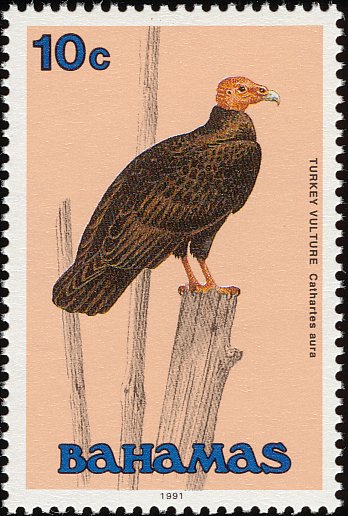
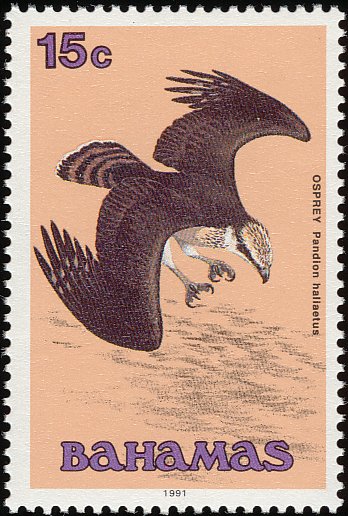
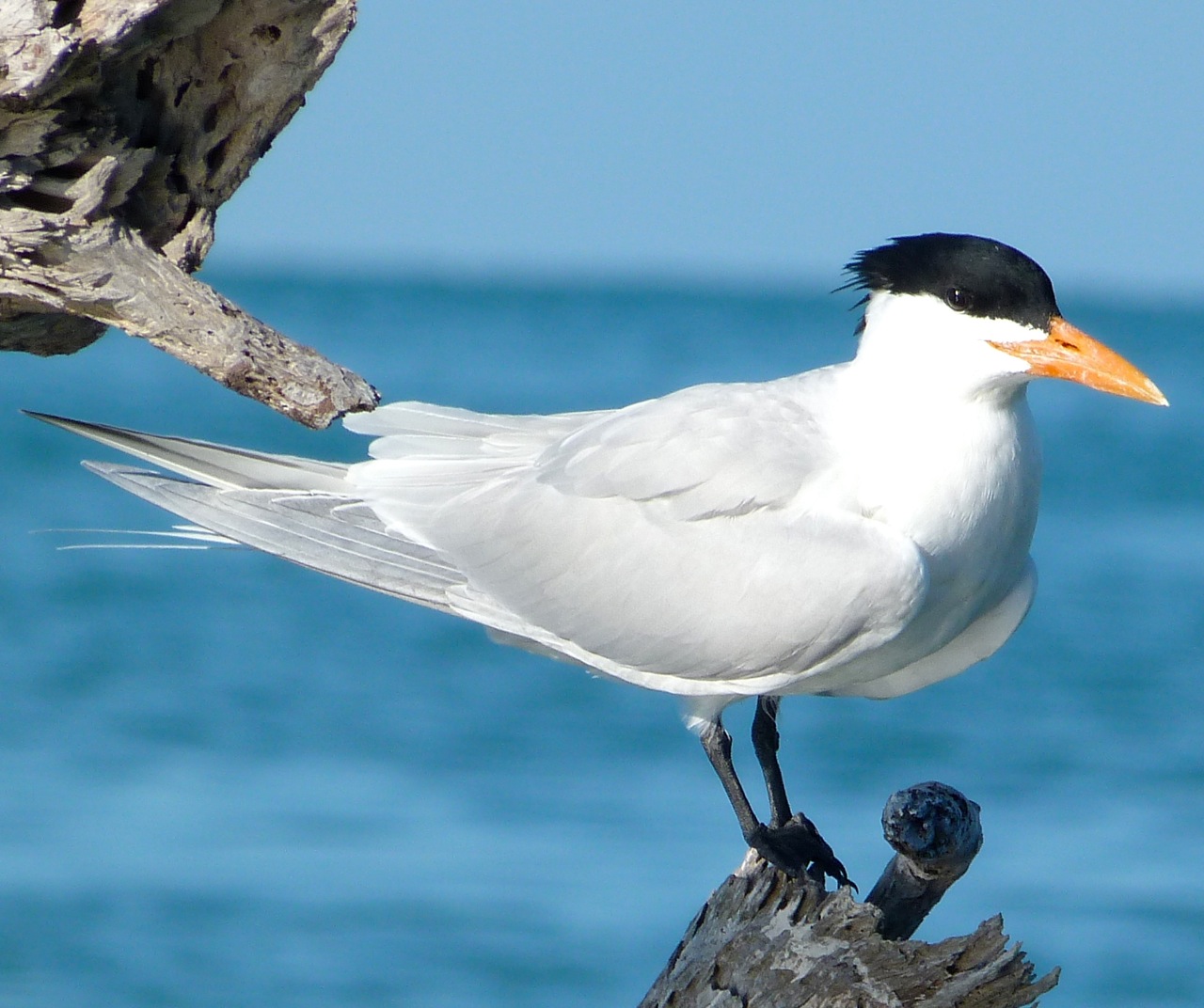
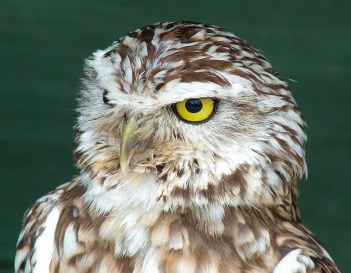
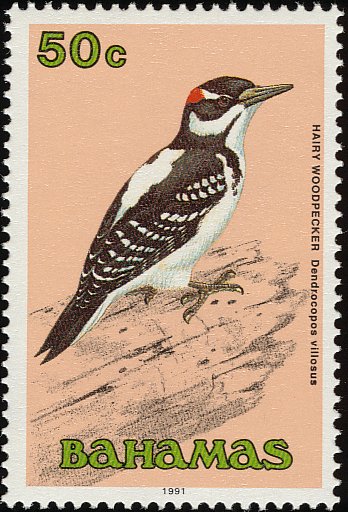
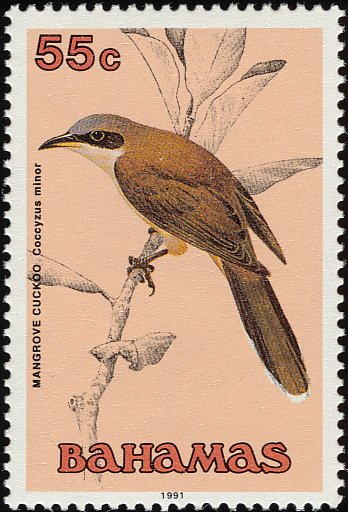
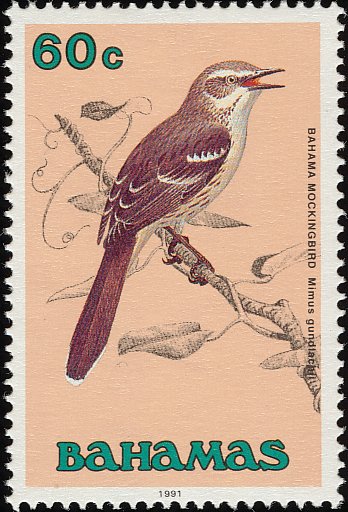
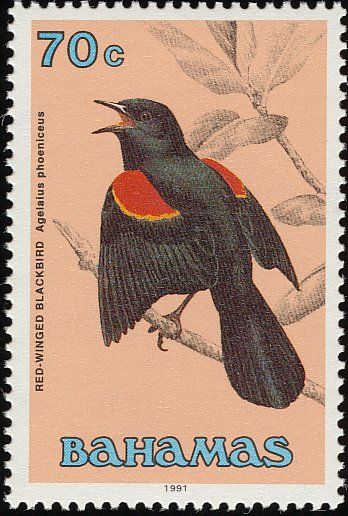
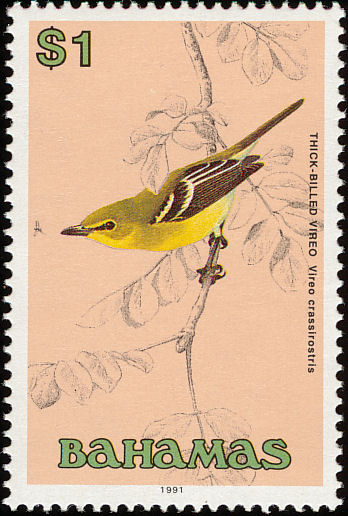
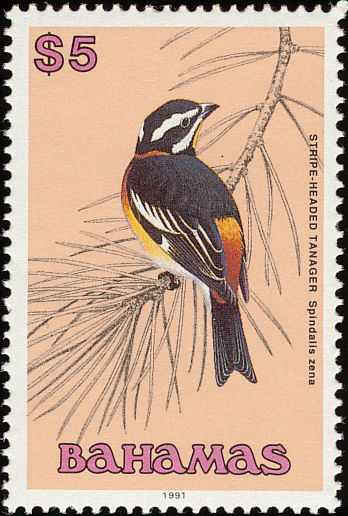
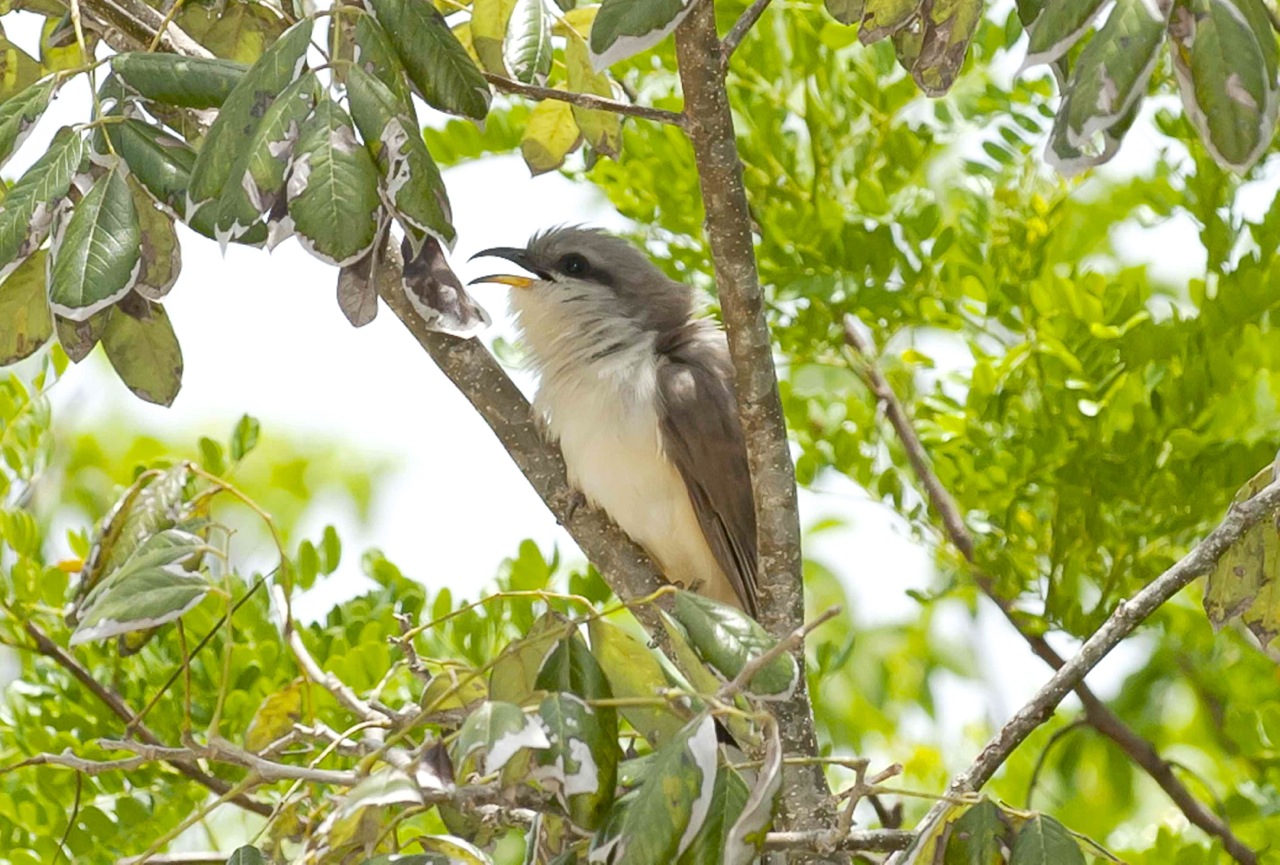
The Bahamas produces frequent issues of wildlife stamps. Mostly birds, but also reef fish and sea creatures, animals, butterflies and flowers. I am gradually collecting an album of Bahamas wildlife stamps on a PHILATELY page. I’ve been having a look at a 16-bird issue from 1991 which reflects the wide diversity of species extremely well. Here is the set, with comparative photos of each bird. All but one were taken on Abaco, the rare Burrowing Owl being the exception. All the other 15 birds may be found on Abaco as permanent residents, either easily or with a bit of a look and some luck. I personally have not seen the Clapper Rail (though I saw a SORA) or the rarer Key West Quail-Dove.

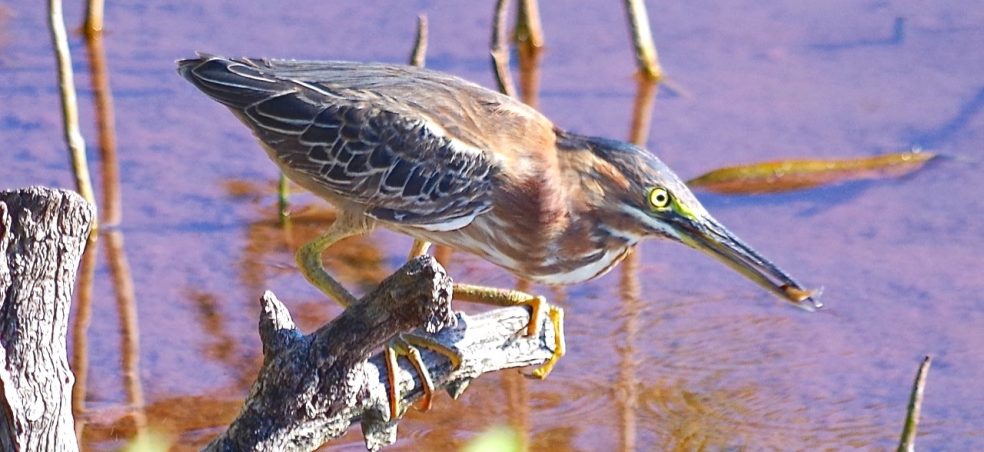
bah199101l                       GREEN HERON, Abaco (Nina Henry)


bah199102l                       Turkey Vulture Abaco (Keith Salvesen)

bah199103l                      Osprey - Abaco Marls (Keith Salvesen)

bah199104l                      Clapper Rail, Abaco (Erik Gauger)

bah199105l                     Royal Tern Abaco (Keith Salvesen)

bah199106l                     BAHAMAS - Key West Quail-dove (Becky Marvil)

bah199107l                    Smooth-biled Ani, Abaco (Bruce Hallett)

bah199108l                    Burrowing Owl (Keith Salvesen)

bah199109l                  Hairy Woodpecker, Abaco (Tony Hepburn)

bah199110l                   Mangrove Cuckoo, Abaco, Bahamas (Tony Hepburn) copy

bah199111l                   Bahama Mockingbird, Abaco (Keith Salvesen)

bah199112l                 Red-winged Blackbird Abaco Bahamas (Keith Salvesen)

bah199113l                 Thick-billed Vireo, Abaco (Susan Daughtrey)

bah199114l                 Bahama Yellowthroat vocalizing.Abaco Bahamas.Tom Sheley

bah199115l                 Western Spindalis Abaco (Janene Roessler)

bah199116l                  Greater Antillean Bullfinch, Abaco (Bruce Hallett)

 The bird list and image credits

 Green Heron                     Butorides virescens               Nina Henry

Turkey Vulture                   Cathartes aura                     Keith Salvesen / RH (Delphi)

Western Osprey                Pandion haliaetus                 Keith Salvesen / RH (Marls)

Clapper Rail                      Rallus longirostris                 Erik Gauger

Royal Tern                         Thalasseus maximus            Keith Salvesen / RH (Marls)

Key West Quail-Dove      Geotrygon chrysia                 Becky Marvil

Smooth-billed Ani            Crotophaga ani                      Bruce Hallett

Burrowing Owl                  Athene cunicularia              Keith Salvesen / RH (UK)

Hairy Woodpecker             Picoides villosus                   Tony Hepburn

Mangrove Cuckoo             Coccyzus minor                     Tony Hepburn

*Bahama Mockingbird     Mimus gundlachii              Keith Salvesen / RH (National Park)

Red-winged Blackbird      Agelaius phoeniceus       Keith Salvesen / RH (Backcountry Abaco)

Thick-billed Vireo              Vireo crassirostris               Susan Daughtrey

*Bahama Yellowthroat       Geothlypis rostrata            Tom Sheley

Western Spindalis              Spindalis zena                       Janene Roessler

Greater Antillean Bullfinch  Loxigilla violacea            Bruce Hallett

* Endemic species for Bahamas

STAMPS            http://freestampcatalogue.com            Tony Bray

Unknown's avatar

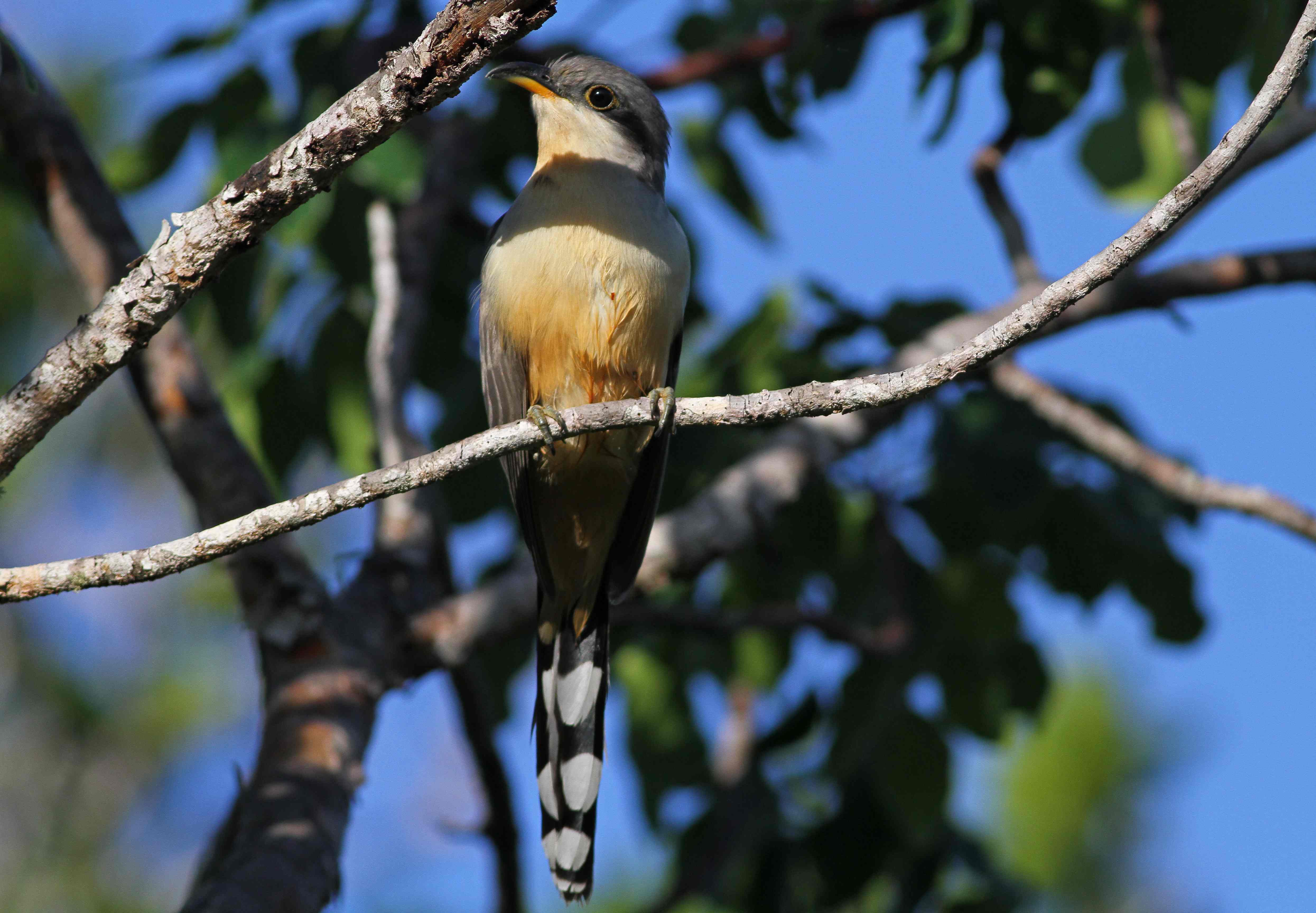
LHUDE SING, CUCCU! THE MANGROVE CUCKOO ON ABACO


 Mangrove Cuckoo, Abaco, Bahamas (Bruce Hallett)

LHUDE SING, CUCCU! THE MANGROVE CUCKOO ON ABACO

Summer is icumen in, that’s for sure. Has already cumen in, to be accurate. The approach of summer is the time when cuckoos tend to sing loudly (not lewdly, as the old lingo might suggest). The YELLOW-BILLED CUCKOO, recently featured, is one. The MANGROVE CUCKOO (Coccyzus minor) is another. Before I get on to some gorgeous pictures (none taken by me!), let’s have a sample of how this species sounds. The call has been described in various ways, for example as “gawk gawk gawk gawk gauk gauk”. I’m not so sure. And I can’t think of a sensible way to write it out phonetically. So I won’t. Please try, via the comment box…

Jesse Fagan / Xeno-Canto

Cornell Lab / Allaboutbirds  

MANGROVE CUCKOO, Abaco (Alex Hughes)Mangrove Cuckoo with insect.Delphi Club, Abaco, Bahamas (Tom Sheley)

You will notice that all three birds above have got fat insects in  their beaks. A lot of photos in the archive show feeding mangrove cuckoos. Maybe that’s when they are most likely to break cover, for they are quite a shy species.  Their preference is for caterpillars and grasshoppers, but they are happy to eat other insects, spiders, snails, lizards and (with a nod to an all-round healthy diet) fruit.

Mangrove Cuckoo, Delphi Club, Abaco, Bahamas (Tom Sheley) copyMangrove Cuckoo, Abaco, Bahamas (Gerlinde Taurer) Mangrove Cuckoo, Abaco Alex Hughes

Delphi is lucky to have some of these handsome birds lurking in dense foliage along the drives – the guest drive in particular. Some of these photographs were taken there. Occasionally you may see one flying across a track ahead of a vehicle, flashing its distinctive tail. It’s significant that only the last of these photos shows the bird right out in the open – the rest are all deeper in the coppice.

Mangrove Cuckoo, Abaco, Bahamas (Tony Hepburn) copyMangrove Cuckoo, Abaco, Bahamas (Tony Hepburn)  copyCredits: Bruce Hallett, Alex Hughes,  Tom Sheley, Gerlinde Taurer and the late Tony Hepburn; Audio – Xeno-Canto & Cornell Lab. All photos taken on Abaco!

SumerIsIcumenIn-line


Unknown's avatar

‘RAINBOW BIRDS’: GORGEOUS PAINTED BUNTINGS ON ABACO


Painted Bunting male.Bahama Palm Shores.Abaco Bahamas.Tom Sheley

‘RAINBOW BIRDS’: GORGEOUS PAINTED BUNTINGS ON ABACO

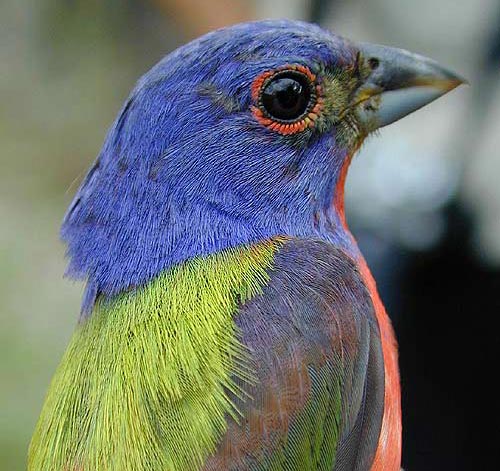
The Mnemonic: that little aide memoire that helps you easily remember a fact. A suitable example hereabouts would be one for remembering the order of taxonomy:  Kids Prefer Cheese Over Fried Green Spinach (Kingdom, Phylum, Class, Order, Family, Genus, Species). ‘ROY G BIV’ or ‘VIBGYOR’ were my childhood ones for the colours of the rainbow in order. Now I’d just look at a picture of a Painted Bunting. Who cares about the exact order? The colours are all there! 

Painted Bunting, Abaco (Tara Lavallee)

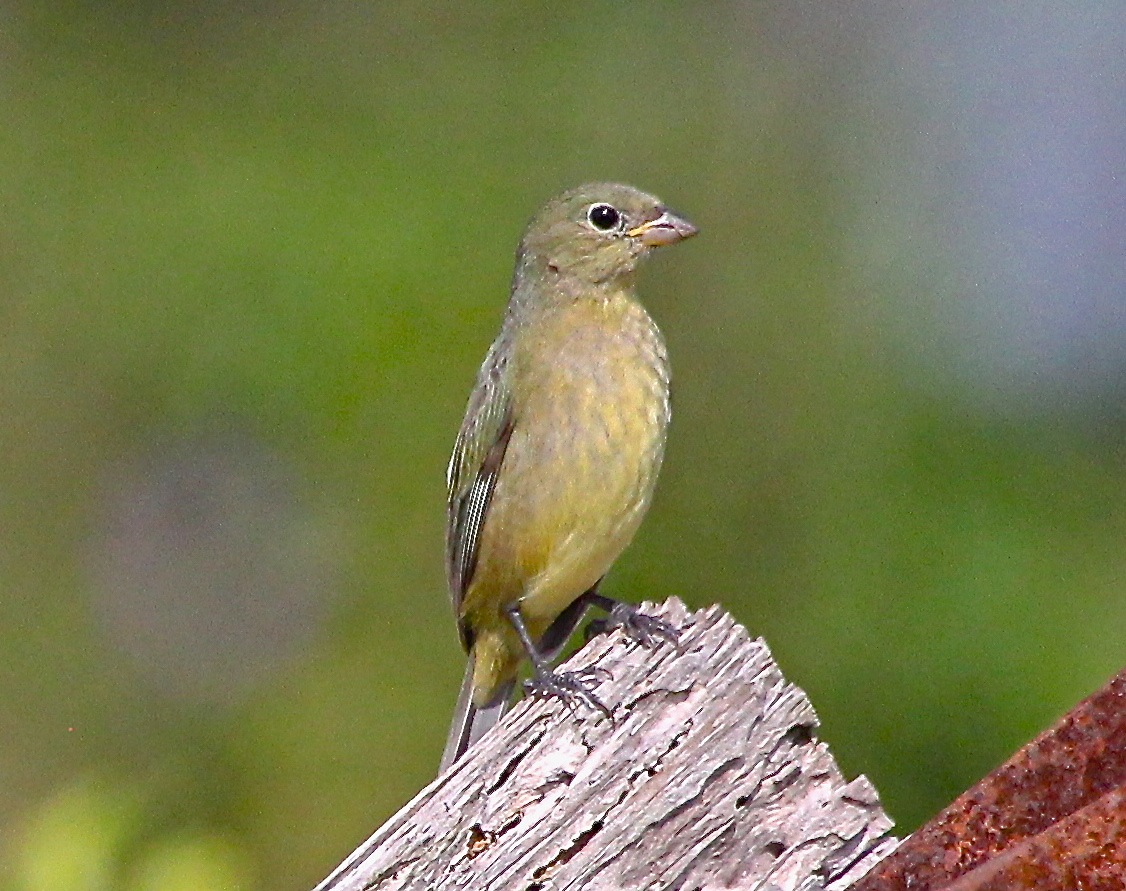
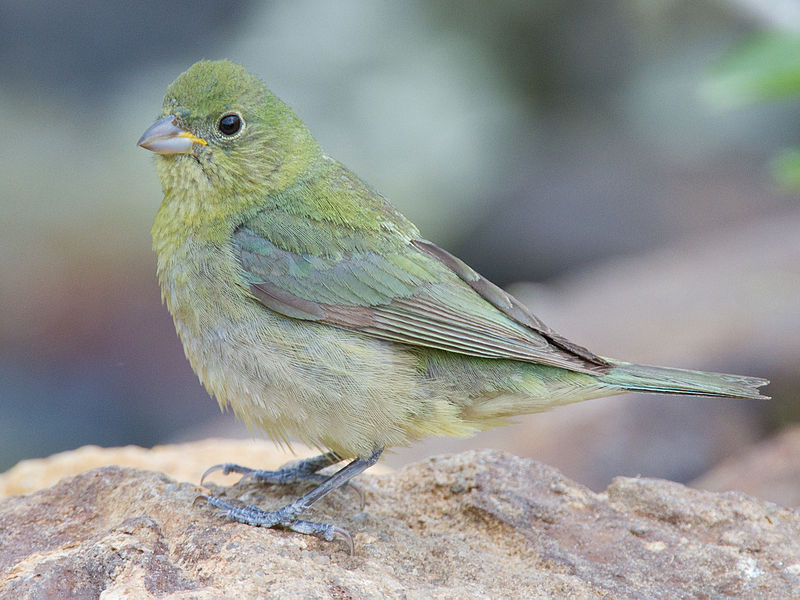
PAINTED BUNTINGS (Passerina ciris) belong to the Cardinal family (Cardinalidae) native to North America. Some would argue that the male Painted Bunting is one of the most beautiful birds. There are no ID problems with the male – once seen, never forgotten. However, these birds are inclined to skulk a bit, so despite their vivid  colouring they aren’t always easy to see amid foliage. The plumage of female and juvenile Painted Buntings are green or greeny-yellow and may be even harder to see in coppice. The one below is an immature female.

Painted Bunting (female, immature), Abaco (Bruce Hallett)

These  buntings are shy birds, but luckily their keenness for seeds outweighs their natural diffidence, and they enjoy feeders. They also eat small invertebrates such as spiders, snails, grasshoppers, and caterpillars, especially in the breeding seasonPainted Bunting, Abaco (Erik Gauger)

Male painted buntings are only too well aware how gorgeous they look (‘You’re so vain – I bet you think this post is about you…’). They may go in for ostentatious displays, including flying like a butterfly or all fluffed up or with quivering wings. Or all three. Sometimes this is to upstage another male; mostly it is to impress the laydeez.

Painted Bunting, Abaco (Tara Lavellee)

Russ Wigh, Xeno-Canto

Unsurprisingly the painted bunting was at one time very popular as a caged bird. Now though, it is illegal to catch or keep one. They are IUCN listed as Near Threatened and are protected by the U.S. Migratory Bird Act.

220px-Status_iucn3.1_NT.svg220px-Passerina_ciris_distribution

The photos above all come from the photographic archive amassed for “The Birds of Abaco” project. Credits to Tom Sheley, Tara Lavallee, Bruce Hallett, and Erik Gauger. Below is an omnium gatherum consisting of a gallery of rather good painted bunting photos from Wiki;  a good video of PABUs singing; and for light relief a largely irrelevant yet quite charming 10 minute cartoon ‘The Rainbow Bird’ based on a South American folktale. 

PaintedBunting23 Painted Bunting Passerina ciris Doug Janson Wiki 800px-Painted_Bunting_Female_by_Dan_Pancamo


Unknown's avatar

BLACK-BELLIED WHISTLING DUCKS: A NEW BIRD SPECIES FOR ABACO


Black-bellied Whistling Duck, Abaco (Tara Lavallee)

BLACK-BELLIED WHISTLING DUCKS: A NEW BIRD SPECIES FOR ABACO

In March 2014 “The Delphi Club Guide to the Birds of Abaco” was published. It contains a checklist of every species recorded for Abaco that was accurate on the day of publication. So it was with a mix of excitement (new species!) tinged slight disappointment (the book is already out of date by June!) that I heard reports of Black-bellied Whistling Ducks Dendrocygna autumnalis being seen on Abaco. Followed by photographs to prove it.

The first report came from Woody Bracey in his account of a day in the field on June 9th in which 40 bird species were seen. He concluded the report: “Most remarkable of these sighting were the 5 Black-bellied Whistling Ducks. This species has been reported before on Andros and Grand Bahama but never on Abaco. 5 were seen clearly in flight with their bright white central upper wing patches, dark underbelly, red legs and bill and long neck. A Yellow-crowned Night Heron spooked 8 Parrots feeding in a Gumbo Limbo Tree when this small flock of whistling ducks flew by affording a good look coming, overhead and going. Unfortunately I did not get a photo even with camera in hand. They have bred in Cuba but not in the Bahamas”.

So, a clear sighting but no photographic evidence. Until the following morning, yesterday June 10 around breakfast time, when at the Delphi Club Lucy Mantle happened to notice some strange ducks right in front of the Club. She grabbed a camera (possibly her phone?) and took a couple of quick shots. Peter Mantle checked Hallett, the go-to field guide, and saw at once that these were not West Indian Whistling Ducks (a species found on Abaco). So he put the word about, adding Lucy’s photos. Hers are almost certainly the first ever images of this species on Abaco.

STOP PRESS 12 JUNE I’ve had an email from Woody Bracey saying that he first photos documenting the Black-bellied Whistling Ducks were in fact taken Saturday June 7 on the Schooner Bay Dock by Glen Kelly. These photos are the ‘official documenting ones’ so I’m afraid that as things stand, Lucy moves to silver medal position and Tara to bronze…

Black-bellied Whistling Ducks, Delphi Club (Lucy Mantle) – first second species photo on Abaco?Black-bellied Whistling Duck, Delphi, Abaco (Lucy Mantle) v2

Tony White, compiler of the checklist, responded to Peter: “Congratulations! you are the first to document a new species on Abaco since the book and checklist came out. These are Black-bellied Whistling-Ducks, casual visitors to the Bahamas. They are increasing rapidly in Florida and I think we can expect them to be breeding somewhere in the Bahamas in the next few years.There are two subspecies and they both have been seen in the Bahamas. I’ll let Woody try to figure out which these are. Thanks for being so alert and getting these photos”.

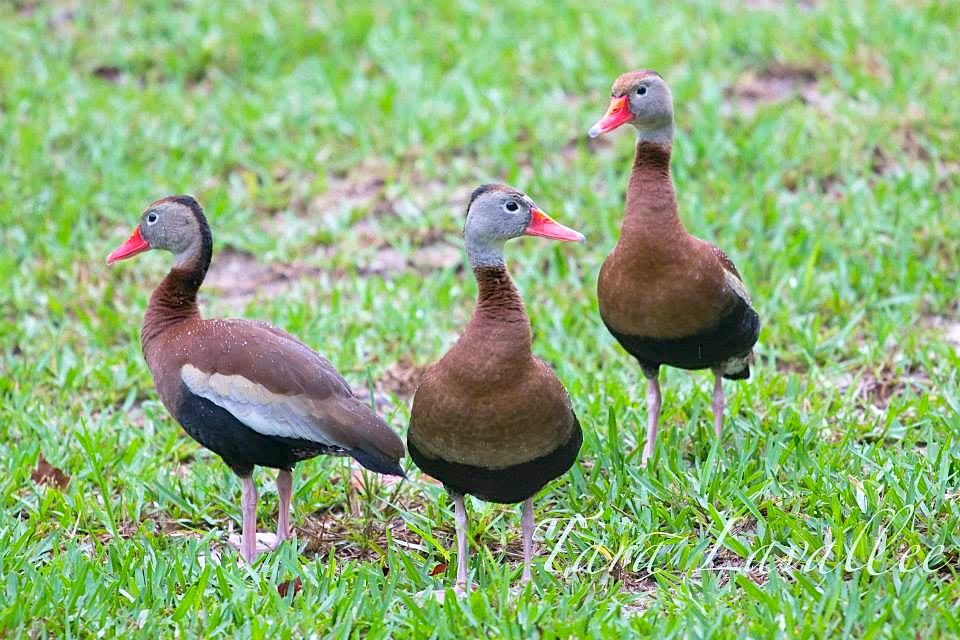
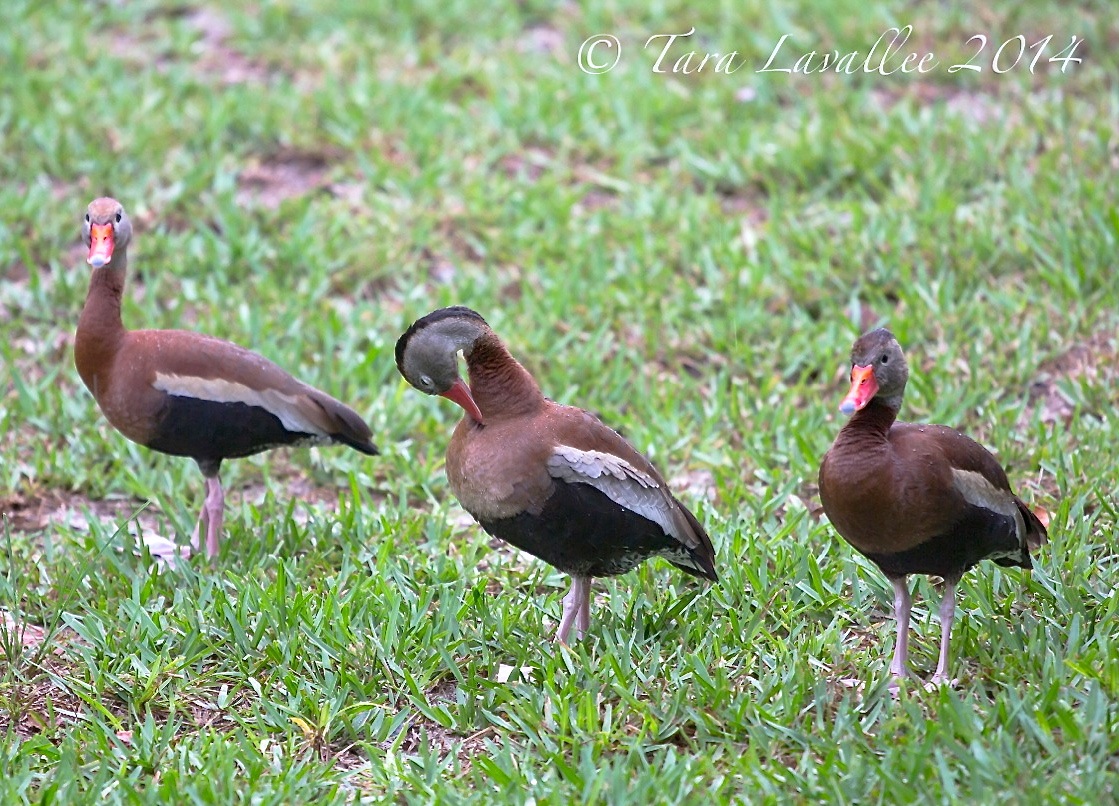
The birds must have moved gradually north during the day, and further sightings were reported online. Tara Lavallee took some photos of them in her yard a few miles north of Delphi and posted them on FB asking “Six of these beauties visiting my yard. Anyone know what they are?” 12-year old birder Chris Johnson was very quick off the mark with the correct ID as Black-bellied Whistling Ducks. Hector Morales had seen them flying over his house the previous day. I’ve seen no further reports, but I am really pleased to be able to feature Tara’s photos, which she kindly emailed earlier today. Her bird photography credentials are high – her wonderful photo of a Bahama Woodstar feeding from a flower takes up the whole of p43 of “The Birds of Abaco”.

Black-bellied Whistling Ducks, Abaco (Tara Lavallee) 2Black-bellied Whistling Ducks, Abaco (Tara Lavallee) 4Black-bellied Whistling Ducks, Abaco (Tara Lavallee) 3Black-bellied Whistling Duck, Abaco (Tara Lavallee)Black-bellied Whistling Ducks, Abaco (Tara Lavallee) 5

This is what they sound like. If you hear this call – grab a camera!

Paul Marvin @ Xeno-Canto

The present range of this species is shown in the Cornell Lab graphic below.It seems that the range is starting to expand, and that these ones are most likely to be visitors from Florida. It remains to be seen whether these ducks will remain vagrant curiosities, or settle down and begin to breed on Abaco. There are plenty of them, and they are IUCN listed as ‘Least Concern’. It’s a gregarious species, so perhaps that increases the chances of having a breeding population on Abaco.

Black-bellied Whistling-Duck Range Map

I’ll end with two excellent photos of the BBWD, taken by people who plainly had plenty of time to sort out and set up their equipment at their own pace, and not as the result of a totally unexpected and random arrival in the front yard!

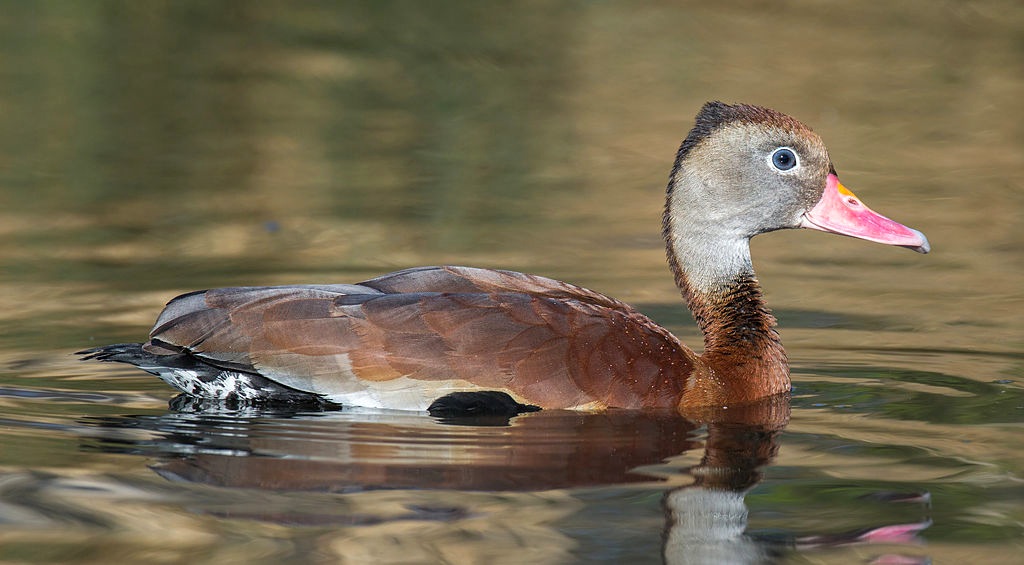
Black-bellied Whistling Duck Alan D. Wilson, www.naturespicsonline.com Black-bellied Whistling Duck – Alan D. Wilson, http://www.naturespicsonline.com (Wiki)

Black-bellied Whistling Duck Dendrocygna autumnalis London_Wetland_Centre,_UK_-_Diliff Black-bellied Whistling Duck, London Wetland Centre, UK by Diliff  (Wiki)

Photo credits as shown, with special thanks to Lucy Mantle for her exclusive  ‘first’; to Tara for use permission and sending her originals; and an honourable mention to Chris Thomas for his powers of ID!


Unknown's avatar

BLACK-AND-WHITE WARBLERS ON ABACO


B & W Warbler (f) BH IMG_0482 copy

The Black-and-White Warbler Mniotilta varia is a fairly common winter resident on Abaco. They are the only birds of the genus Mniotilta (“moss-picker” gr.). Unlike most warblers these birds behave rather like nuthatches, creeping along the trunks and branches of trees grubbing insects out of the bark. Pine trees are ideal for this. I remain rather dim about the 37 species of warbler on Abaco. A lot of them are small and yellow. But as soon as I saw one of these for the first time, I was very relieved. I knew exactly what it was – the bird that has been described as ‘a flying humbug’. 

Black & White Warbler.Cross Harbor.Abaco Bahamas.Tom SheleyB & W Warbler BH IMG_9587 copyBlack & White Warbler TR jpg

SUMMER     WINTER
220px-Mniotilta_varia_map.svg

Finally, this is a great short video of this little bird in action. Even if you only watch the first 30 seconds, you will be enchanted…

Image Credits: Bruce Hallett, Tom Shelley, Tom Reed (my own were too feeble to use…). All are contributors to “The Delphi Club Guide to the Birds of Abaco” (Publ. March 2014)

Unknown's avatar

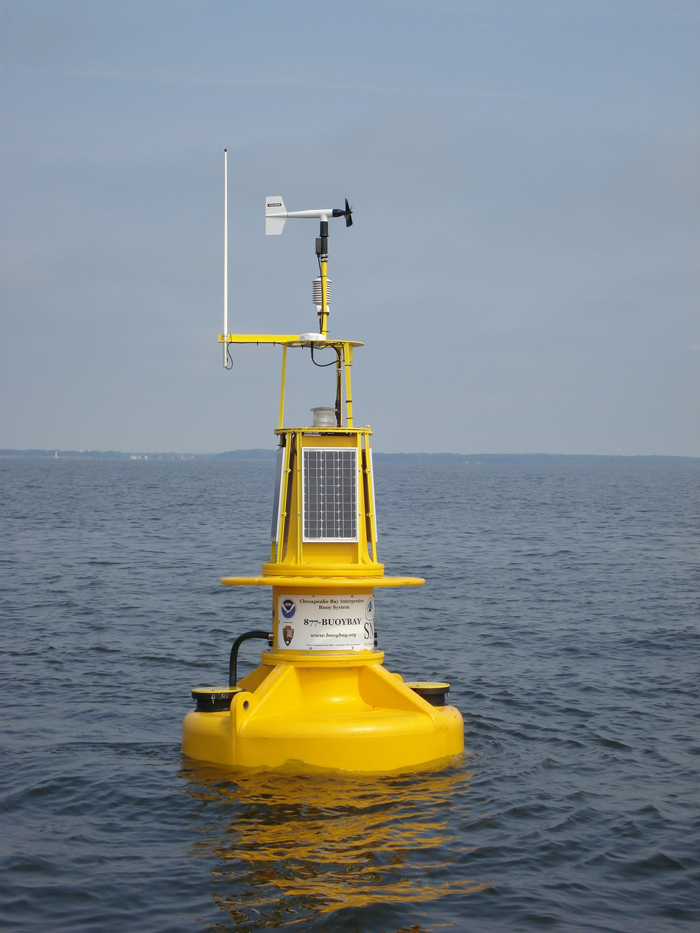
FIVE ELEGANT GULLS AND A SMART BUOY: BIRDS OF ABACO


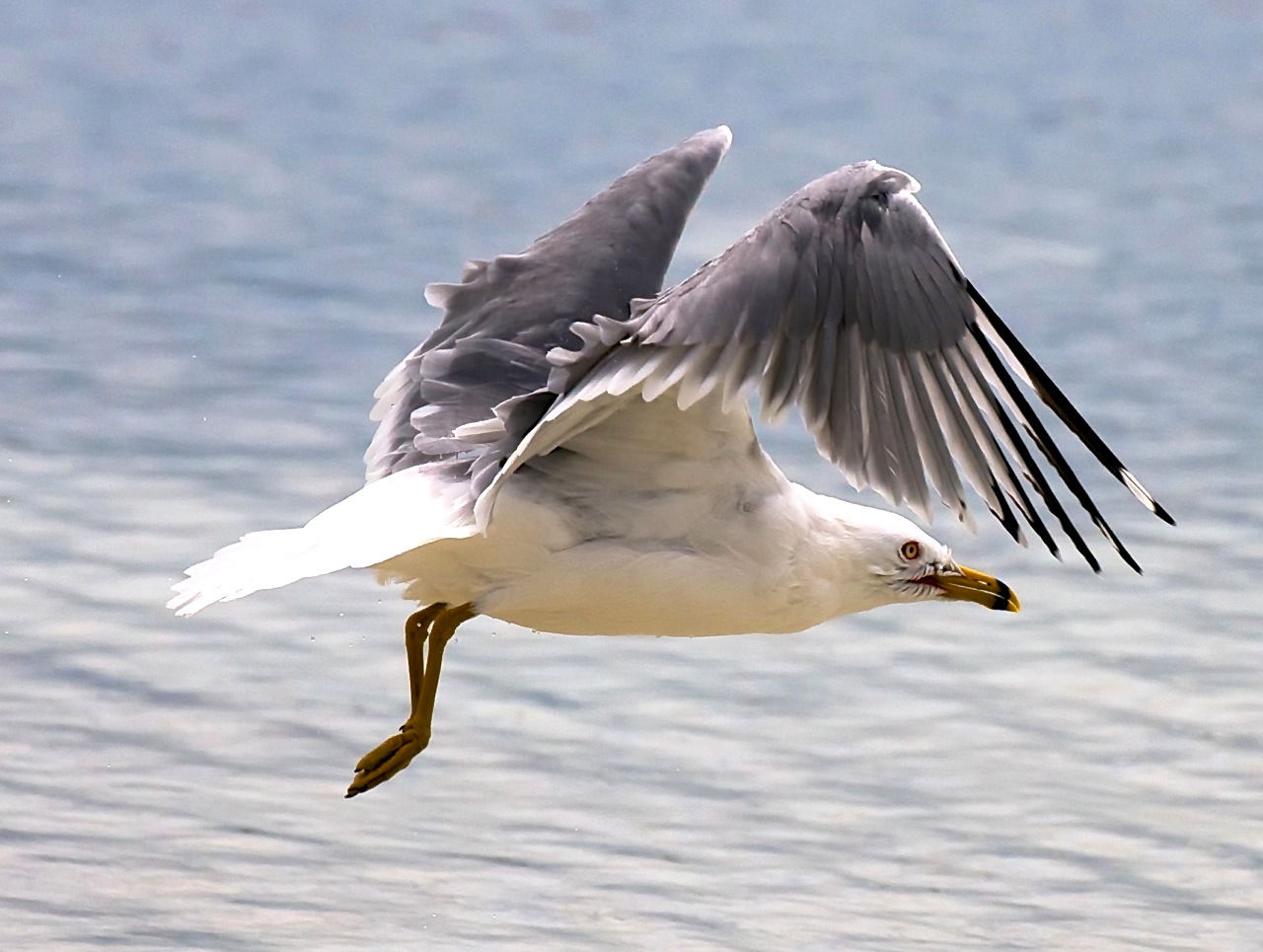
Herring Gull (ad, nb) BH

FIVE ELEGANT GULLS AND A SMART BUOY: BIRDS OF ABACO

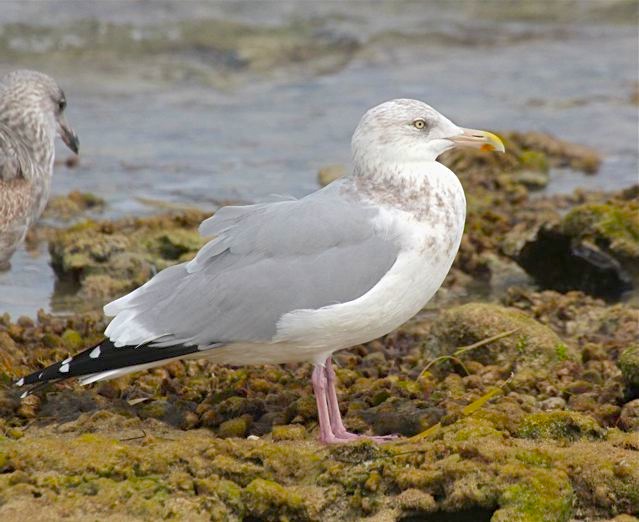
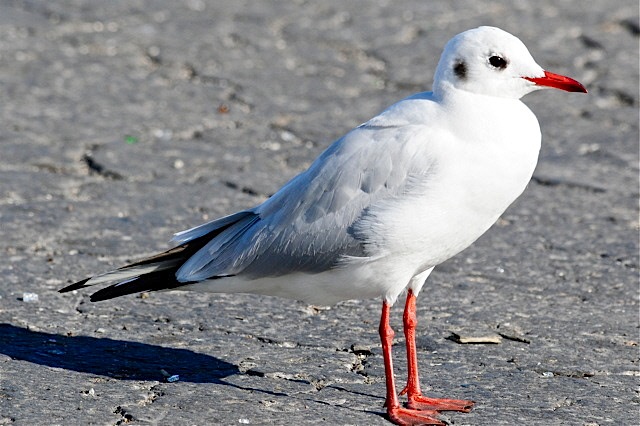
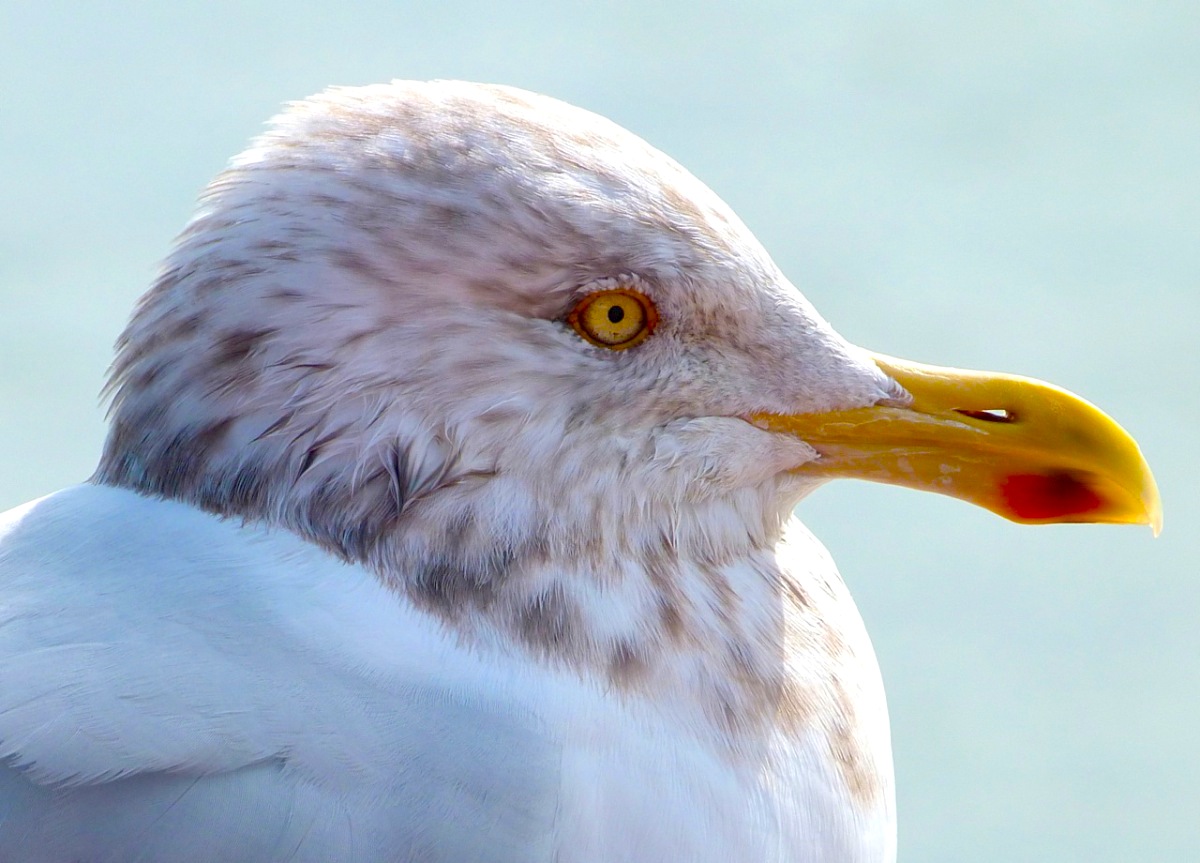
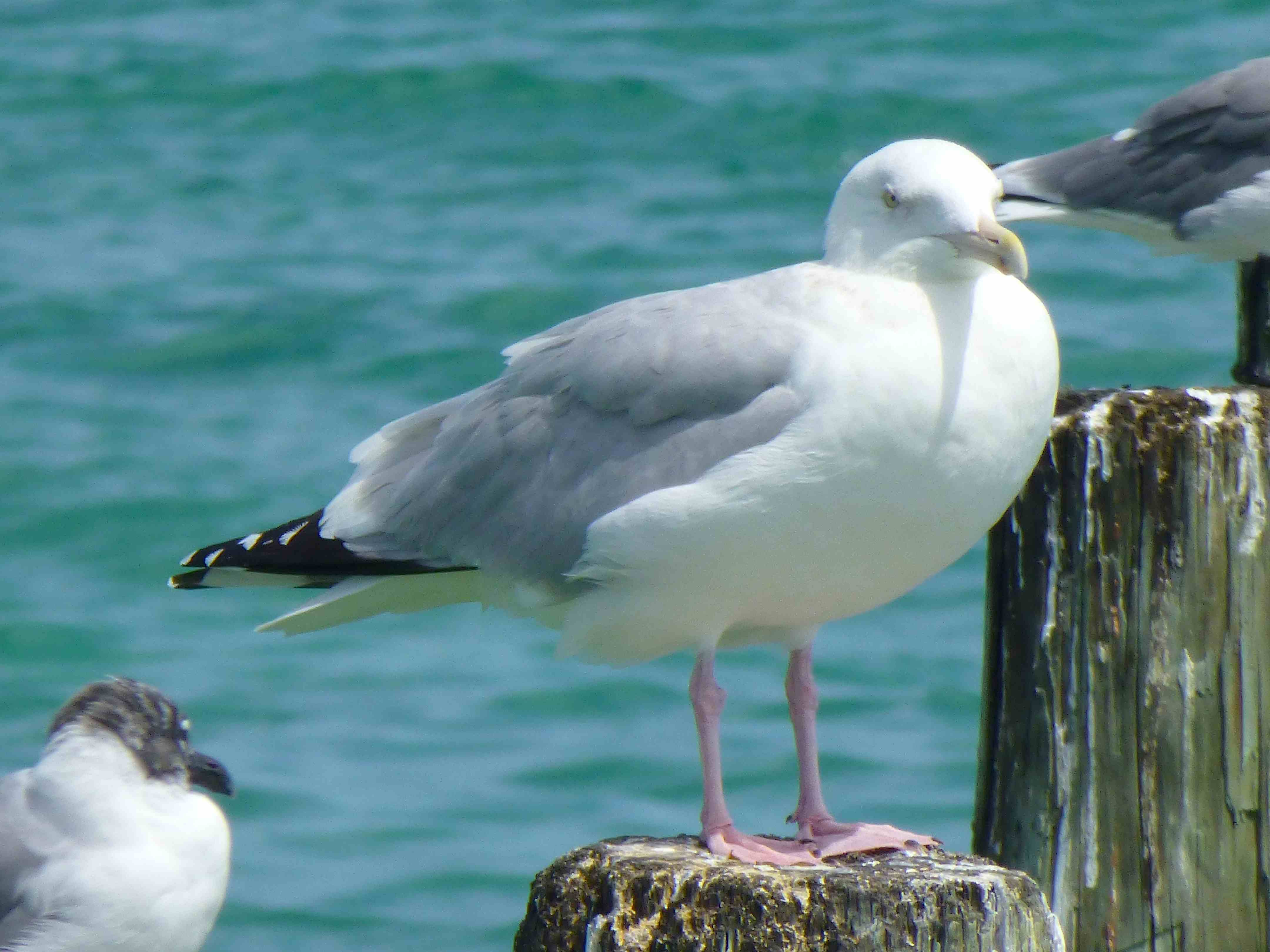
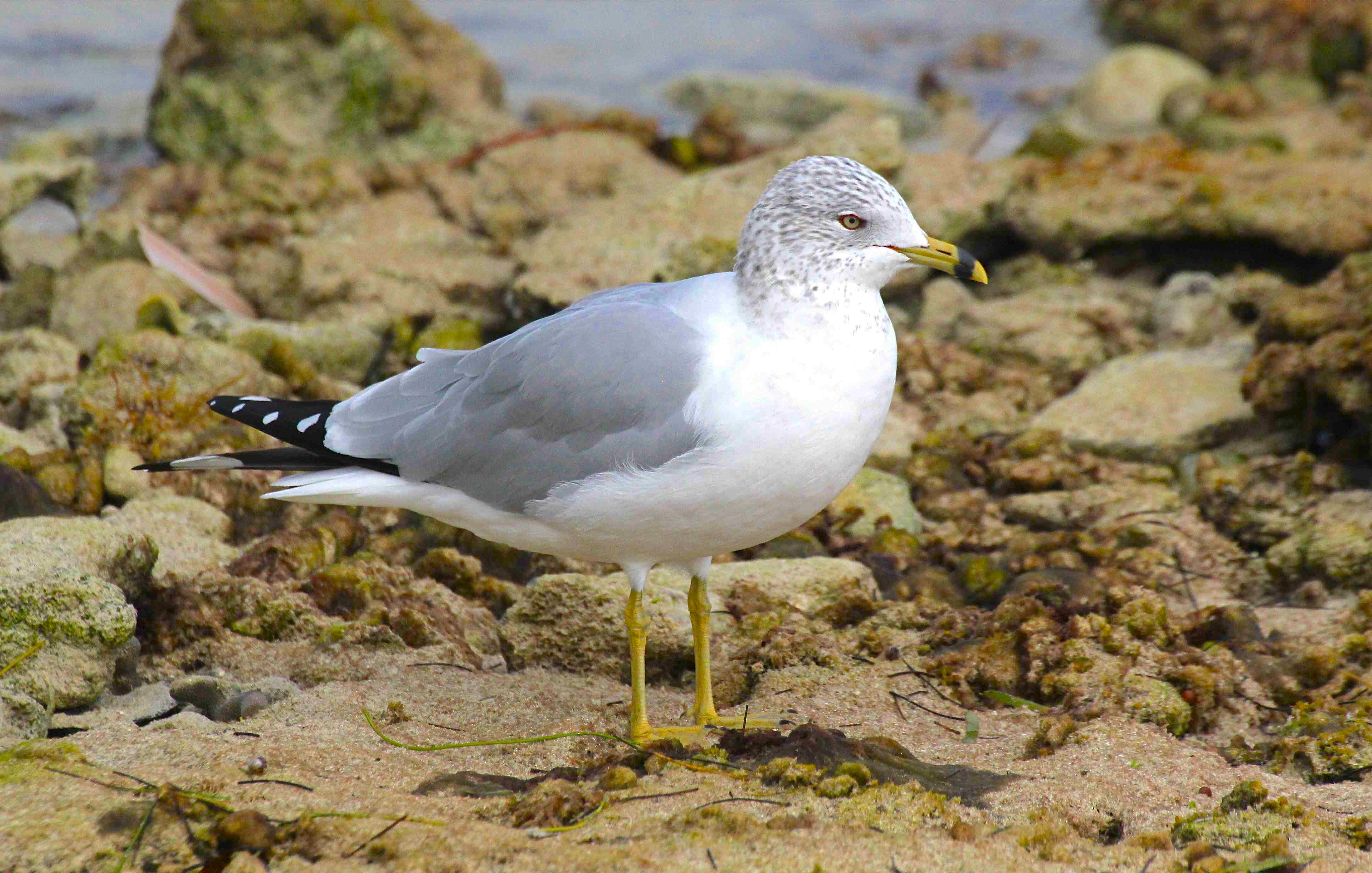
There are 8 gull species recorded on Abaco. The 5 species shown here all feature in the new ‘Delphi Club Guide to the Birds of Abaco’.  The others are the occasional vagrants Black-legged Kittiwake and Black-headed Gull;  and the rare winter visitor Great Black-backed Gull.  We do in fact have a Black-headed Gull in the archive (in winter plumage), but it was taken on New Providence and wasn’t eligible for inclusion in a book of Abaco birds. Even as a cheat.

Black-headed Gull (winter plumage) NPBlack-headed Gull (adult, winter plumage) WB

HERRING GULL (& header image) (WR 2)herring-gull-5Herring Gull WB P1000298 small

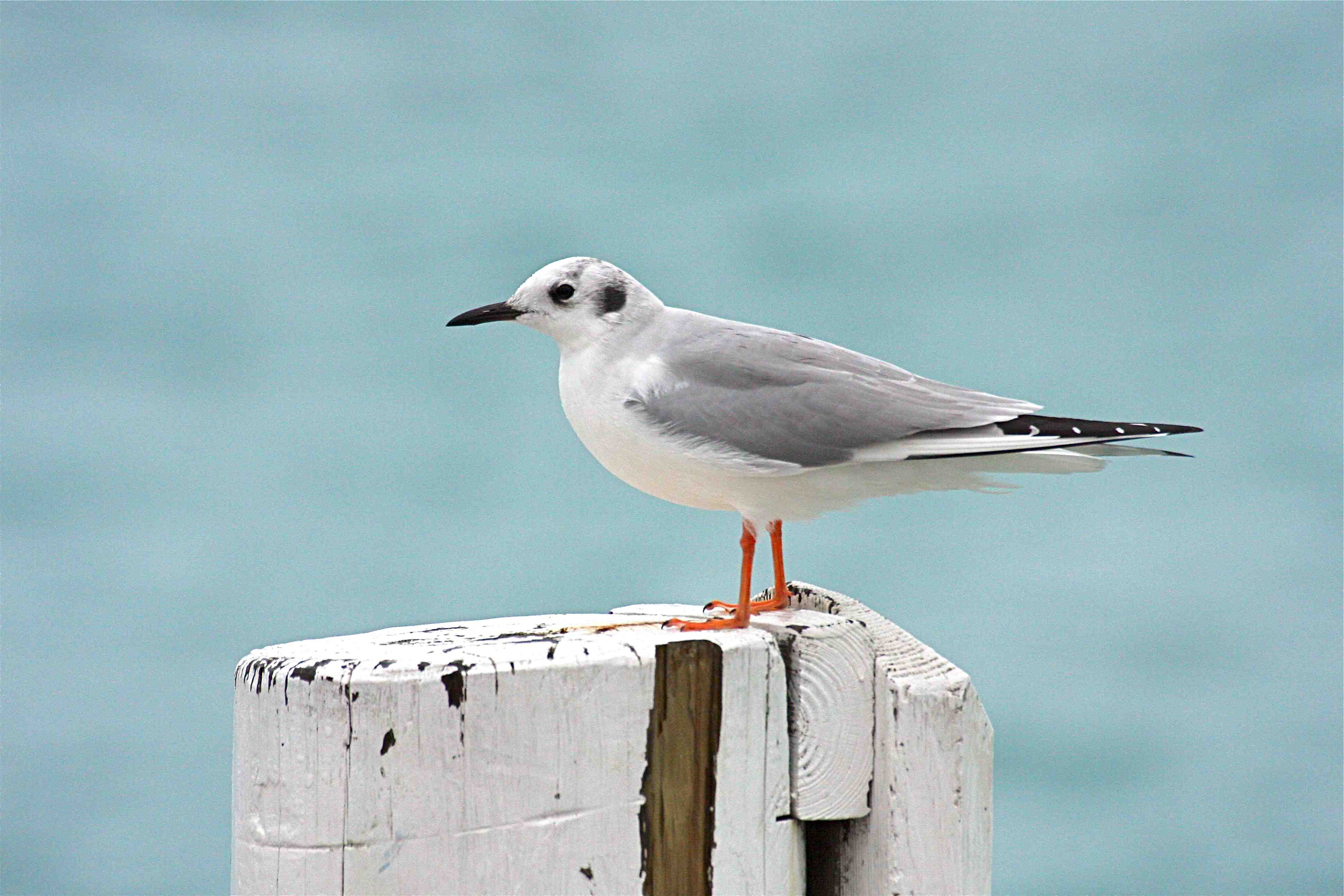
BONAPARTE’S GULL (WR 4)Bonaparte's Gull BHBonaparte's Gull BH (Ad NB) SMALL

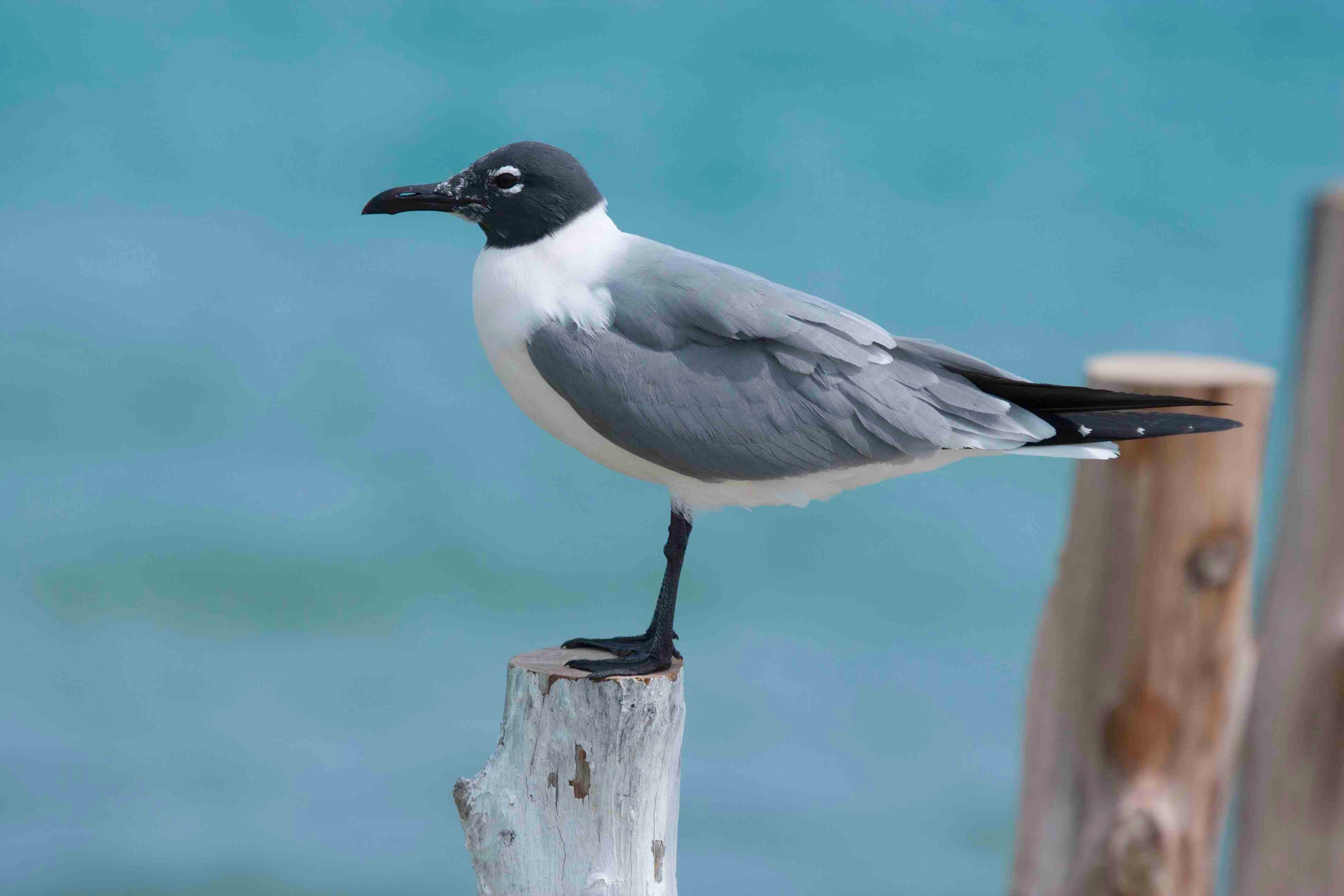
LAUGHING GULL  (PR B 1)Laughing Gull4_-NH laughing-gulls2 EG

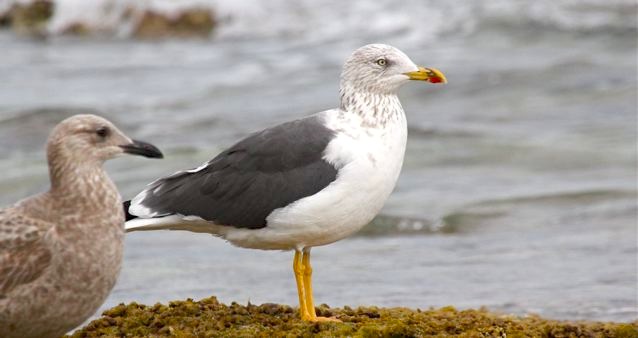
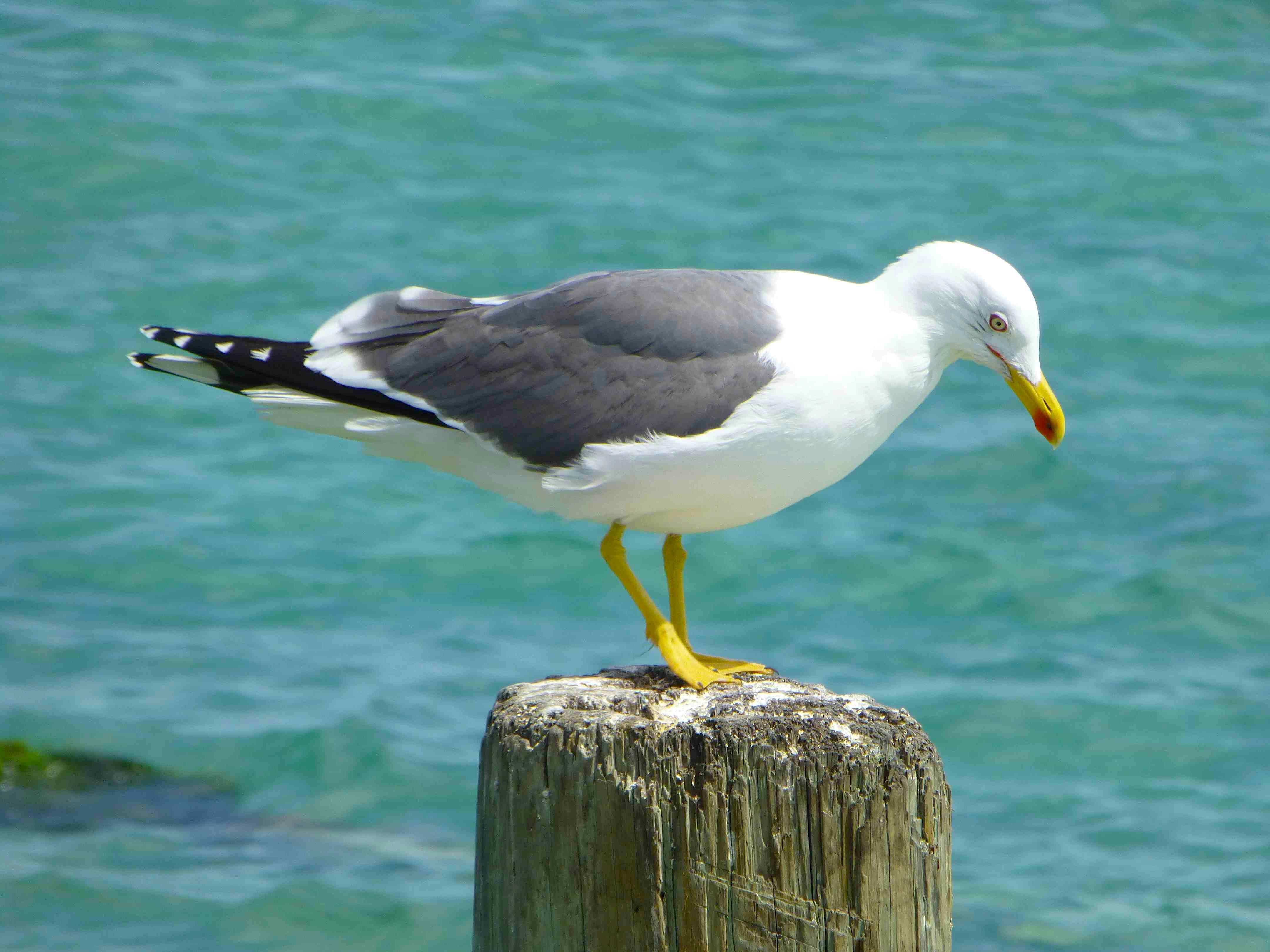
LESSER BLACK-BACKED GULL (WR 2)Lesser Black-backed Gull (ad, nb) BH Lesser Black-backed Gull WB

RING-BILLED GULL (WR 1)Ring-billed Gull (Nina Henry : DCB)Ring-billed Gull BH (ad nb)

NOAA ‘SMART BUOY’ (Chesapeake Bay)*NOAA Chesapeake Bay SmartbuoyPhoto Credits: Bruce Hallett, Woody Bracey, Nina Henry, RH, + NOAA

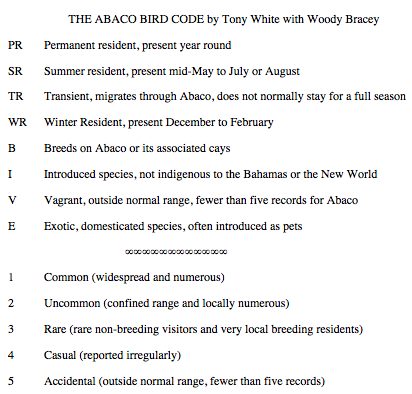
Abaco Bird Code jpg

* Correct. The image is included solely to enable a laboured & old hat pun on ‘girls & boys’.

Unknown's avatar

“SEVEN GOOD TERNS DESERVE AN AUTHOR”: BIRDS OF ABACO


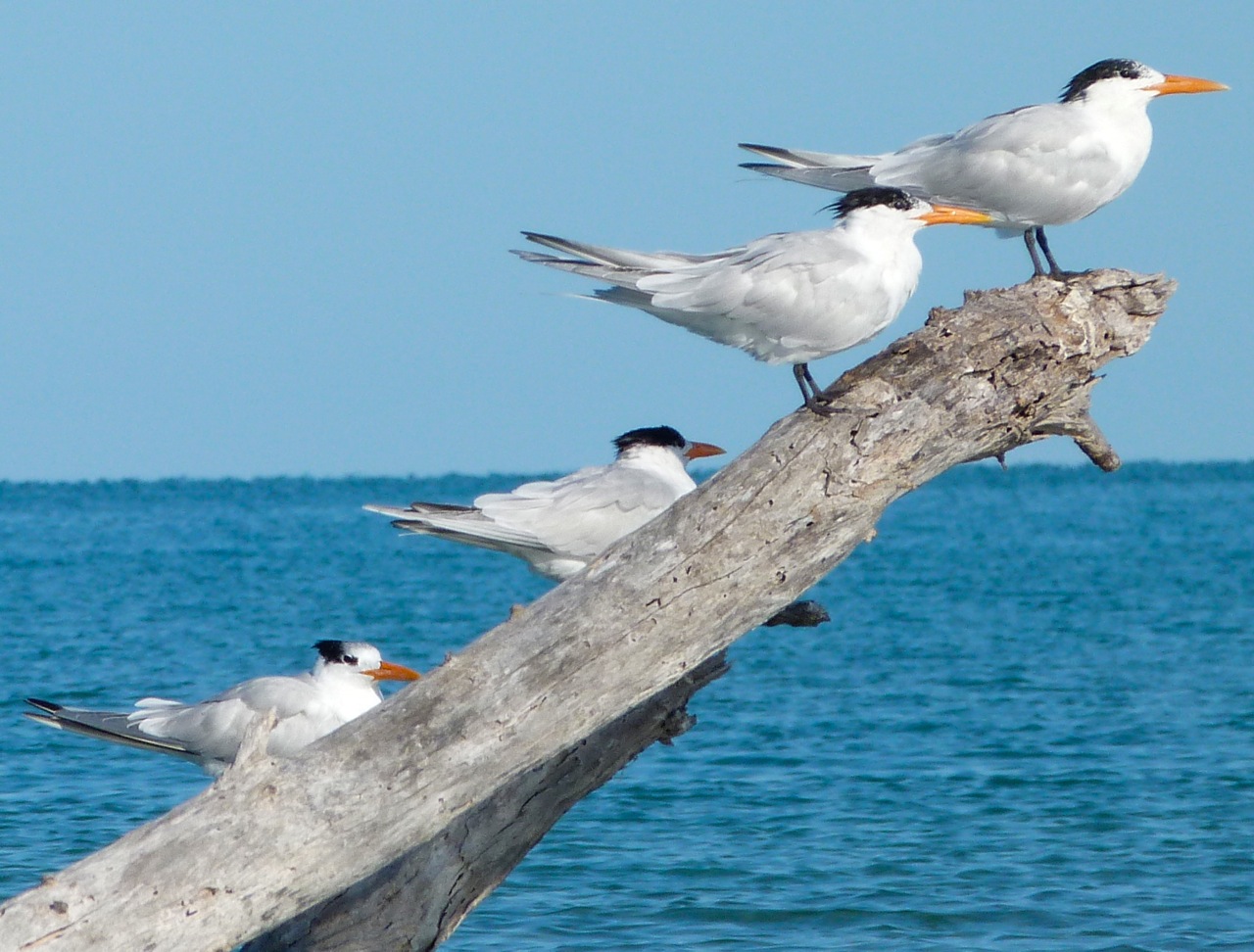
Royal Terns Abaco (2) 4

“SEVEN GOOD TERNS DESERVE AN AUTHOR”: BIRDS OF ABACO

A total of 12 tern species have been recorded on Abaco and in Abaco waters. Ever. Some are permanently resident, some are winter visitors, some arrive for the summer and one or two – for example the Arctic Tern – are one-off or vanishingly rare sightings. A few are commonplace, some you may see if you know where to look or are lucky, some would not be worth making a special trip to Abaco to find…

Here are 7 tern species that all feature in the newly published “Delphi Club Guide to the Birds of Abaco”. A cunning code devised by Bahamas ornithologist Tony White tells you when they are around (PR, WR, SR = permanent, winter, summer resident; TR means transient) and the likelihood of seeing one at the appropriate time (1 = very likely to 5 = next to no chance). B means ‘breeds on Abaco’.

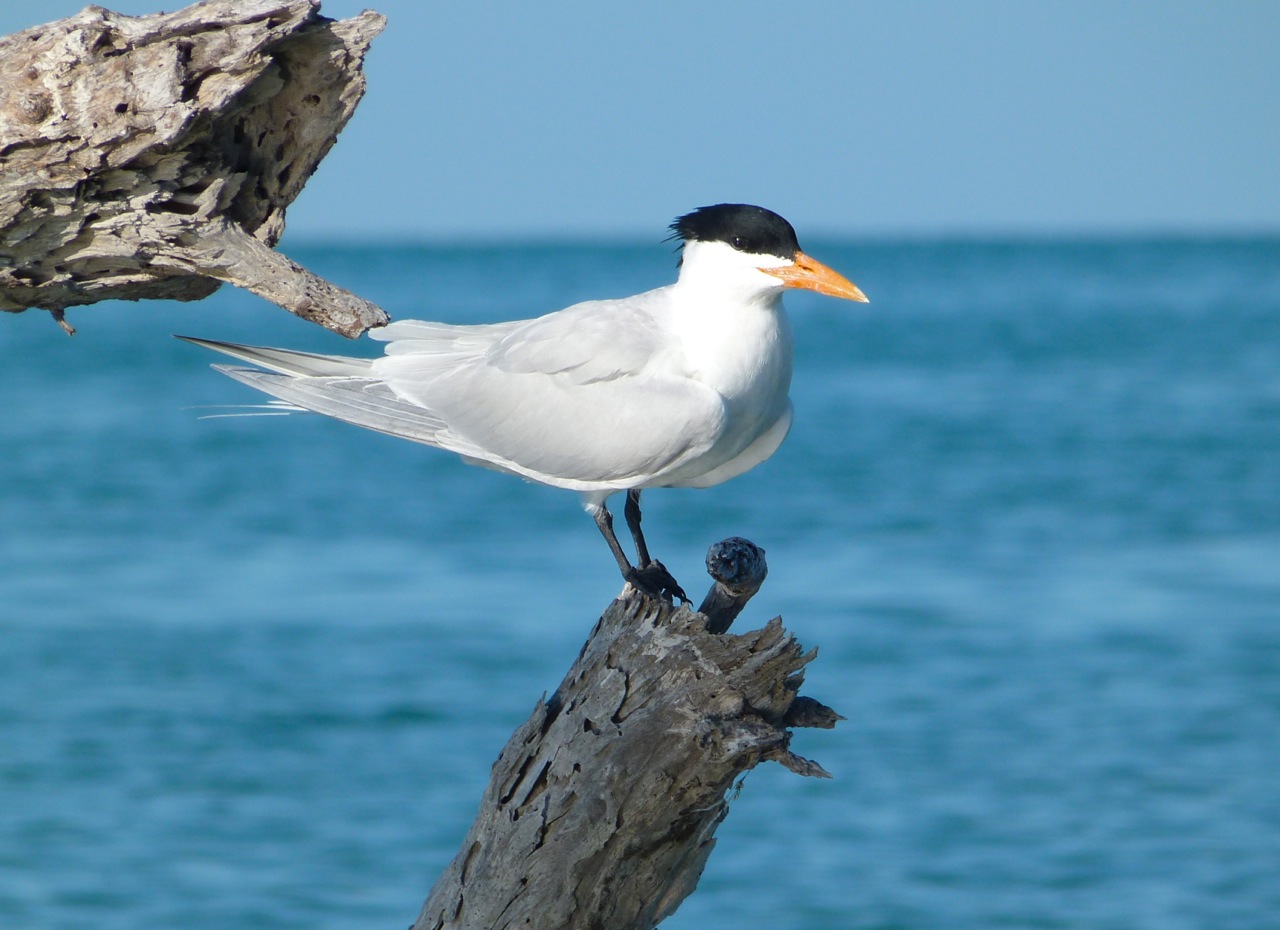
The header picture shows a line up of Royal Terns perched characteristically facing the breeze on a dead tree far out on the Marls. I took it while we were out bonefishing, and our guide Ishi very tolerantly poled nearer to the birds so I could get a better shot at them with the sun behind me. The ones shown are in an intermediate stage between non-breeding plumage and full breeding plumage, when the ‘caps’ are black. One (shown below) had the full black cap.

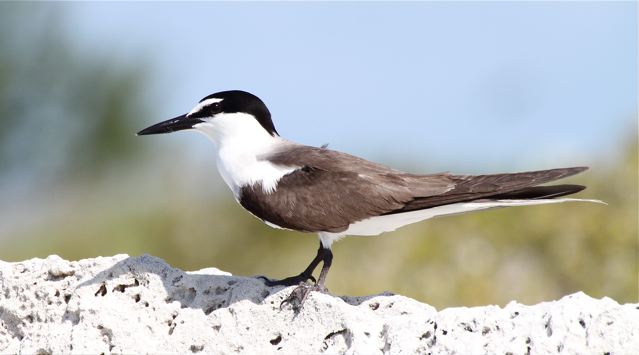
BRIDLED TERN (SR B 2)Bridled Tern, Bruce Hallett

CASPIAN TERN (TR 4)Caspian Tern Woody Bracey

GULL-BILLED TERN (SR 3)Gull-billed Tern Alex Hughes

ROSEATE TERN (SR B 2)Roseate Tern Woody Bracey

ROYAL TERN (PR 1)Royal Terns RH / KS

SANDWICH TERN (SR 4)Sandwich Tern Woody Bracey

LEAST TERN (SR B 1)Least Tern Tony Hepburn

The other 5 species recorded are: Sooty Tern, Black tern, Common Tern, Arctic Tern and Forster’s Tern

Photo Credits: Bruce Hallett, Woody Bracey, Alex Hughes, RH

Abaco Bird Code jpg

Unknown's avatar

‘IN THE PINK’: ROSEATE SPOONBILLS IN THE BAHAMAS


Roseate Spoonbill (Myakka River State) Park - Wiki

‘IN THE PINK’: ROSEATE SPOONBILLS IN THE BAHAMAS

ROSEATE SPOONBILLS (Platalea ajaja) are rare visitors to the Northern Bahamas. For Abaco they are classified with the undignified term ‘vagrant’, meaning essentially (a) that you will be very lucky indeed to encounter one, so therefore (b) it is highly unlikely to be worth making a special trip based on the likelihood of seeing one. Try Florida instead.

Roseate Spoonbill WB 60

We saw one once when bonefishing far out on the Marls. It was unmistakeable, but well beyond the effective range of the puny ‘don’t-really-mind-if-it-takes-a-dive’ camera I had with me. The spoonbills in this post were photographed elsewhere in the Bahamas or in two cases, Florida. The wonderful one below of a spoonbill ‘flipping’ a fish was taken there by Ohio bird expert and photographer Tom Sheley.

SPOONBILL ‘FISH-FLIPPING’Roseate Spoonbill flipping fish LR.Wildcat Run FL.Tom Sheley

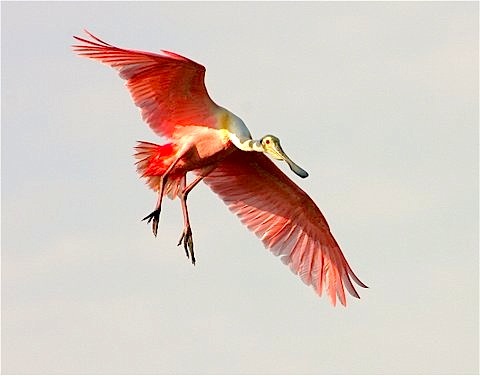
SPOONBILLS LOOK VERY DRAMATIC IN FLIGHTRoseate Spoonbill WB

Unlike herons, spoonbills keep their necks outstretched in flight. They are most likely to be found in marshes, salt-water lagoons and on mudflats. They are gregarious and mix in happily with herons and egrets, though there is some competition for food. Spoonbills nest in shrubs or trees, often mangroves.Roseate Spoonbill WB 59_IMG_6302 copy 3

Spoonbills tend to get pinker as they get older. As with American Flamingos, the pink colouring derives from their diet, which contains carotenoid pigments.  The colouring ranges from pale pink to loud pinks and reds, depending on age and location. 

Roseate Spoonbill WB 61Roseate Spoonbill BH (from WB)

Spoonbills feed in shallow fresh or coastal waters by swinging their bill from side to side while steadily walking through the water, often in groups. The spoon-shaped bill allows it to sift easily through mud for the edible contents – crustaceans, aquatic insects, frogs, newts and  small fish ignored by larger waders. This  excellent 1 minute Audubon video shows exactly how they feed, with some white ibises for company.

NEW ADDITION (props to Roselyn Pierce) 1743441_10202241639500028_1766433566_n

And a short non-roseate spoonbill feeding video from the Netherlands June 2014, showing the technique

Photo Credits: Header, Wiki; 1,3,4,5 Woody Bracey; 2 Tom Sheley, 6 Bruce Hallett (RH: nil)

Unknown's avatar

CUBAN PEWEE: NATURE’S LEAST SCARY TYRANT


Cuban Pewee Abaco 8

CUBAN PEWEE: NATURE’S LEAST SCARY TYRANT

Pasted Graphic
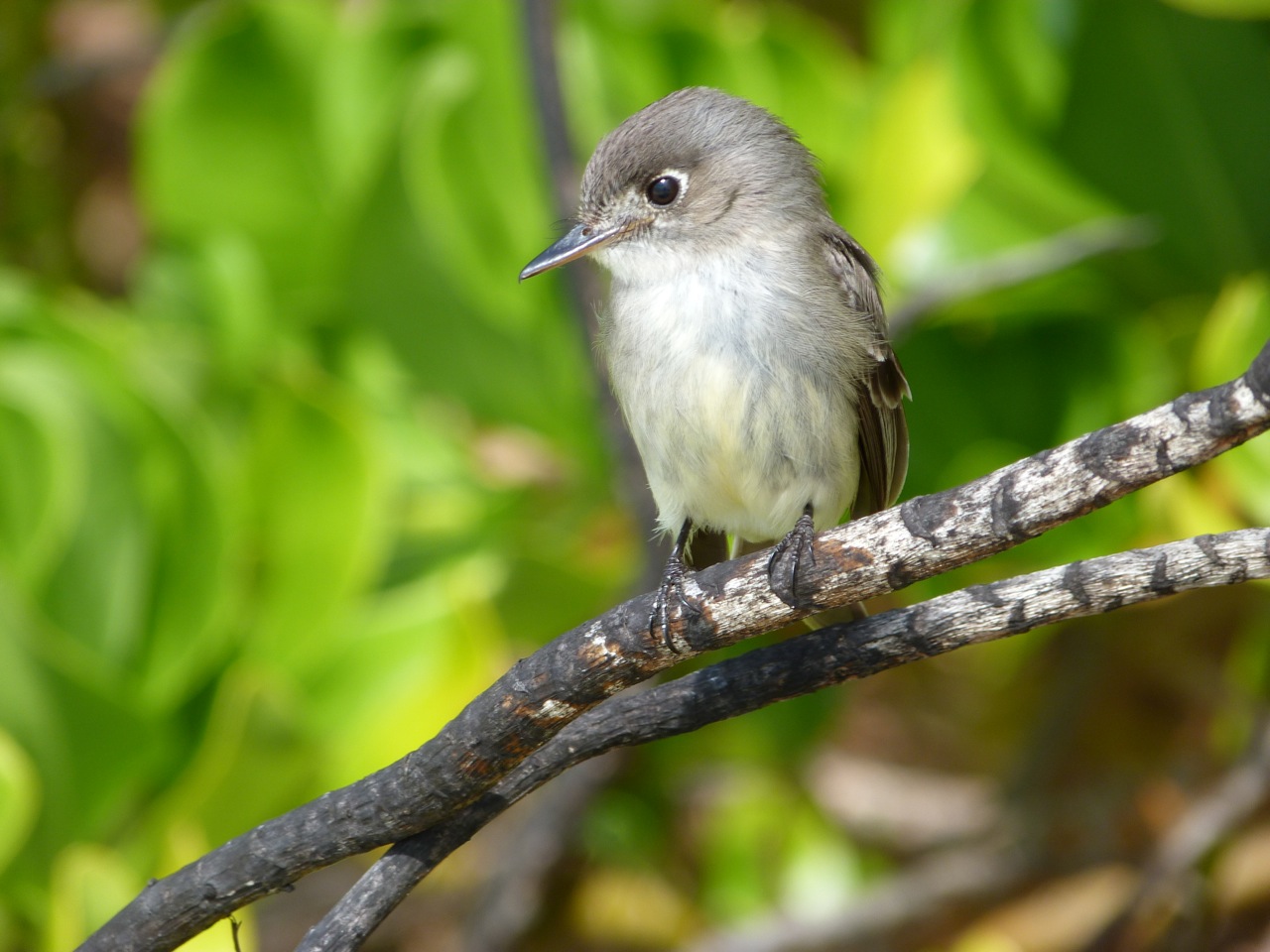
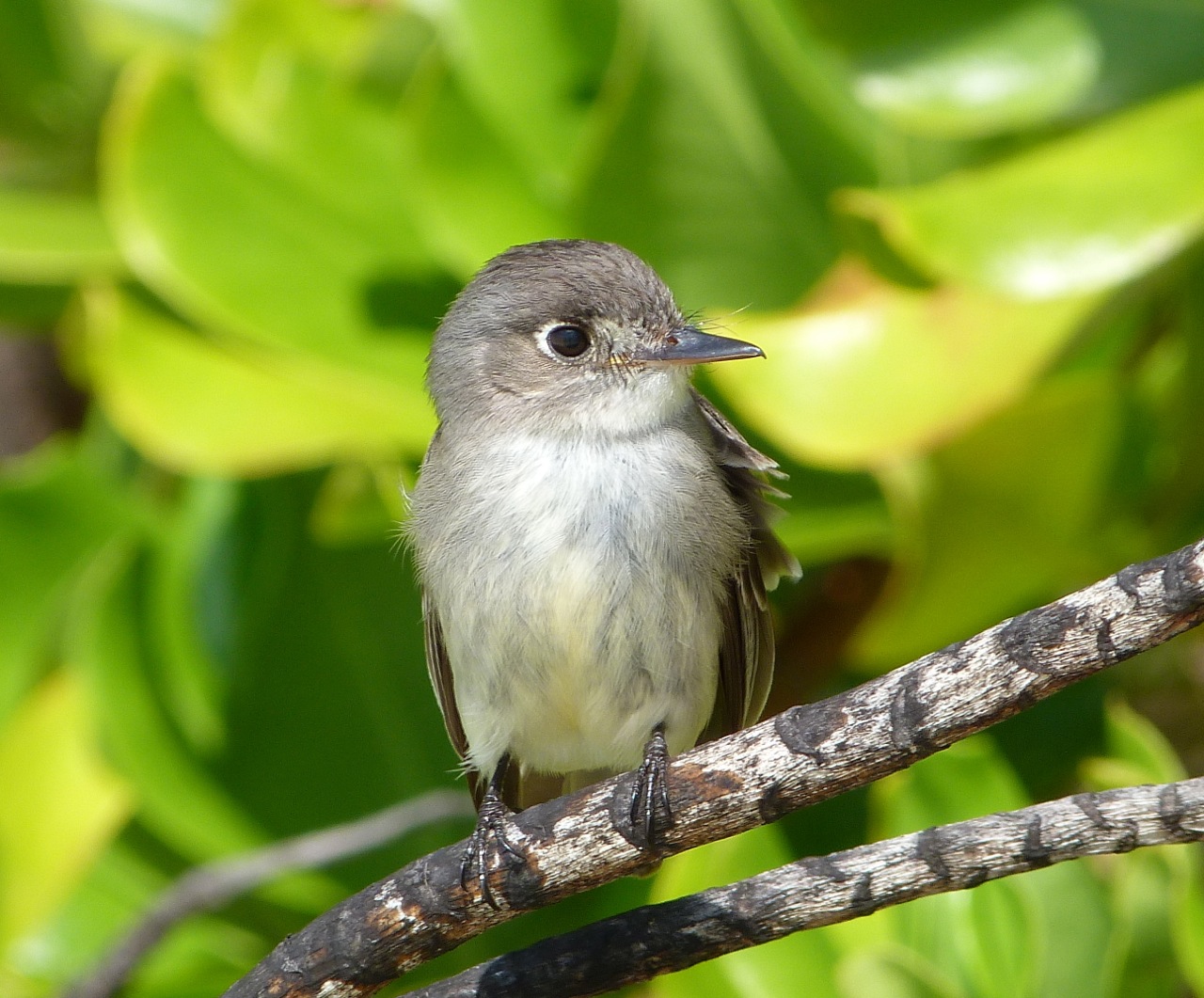
image.aspxThe CUBAN PEWEE Contopus caribaeus bahamensis, also known as the Crescent-eyed Pewee (see photos for details), is a tyrant. At 6″ long , the smallest tyrant you are likely to encounter in the Bahamas, but undoubtedly a member of the family Tyrranidae. These are the flycatchers, and include the larger LA SAGRA’S FLYCATCHER and the still larger Loggerhead and Gray Kingbirds. The Cuban Pewee is permanently resident on Abaco, and can be found in both pine woods and coppice. When returning to its perch after a flycatching sortie, this bird gives a characteristic flick of the tail.

The little bird below was in the edge of the coppice bordering the long sandy beach at Casuarina. Bruce Hallett, in his essential book  ‘Birds of the West Indies…’ notes that Cuban Pewees are ‘usually approachable’, so I decided to test this out. I was about 20 feet from the bird when I first saw it. By sliding one foot forward in the sand and pausing before moving the other foot, I got to within 5 feet of the bird, while it watched my approach with apparent indifference. Unlike some creatures, it did not seem discomfited by eye-contact. It responded when I made a faint clicking sound by rather sweetly putting its head on one side.  Then it began to fidget slightly – possibly feeling camera-shy. So I shuffled slowly back so as not to disturb it in its own territory.

The close-ups at the end clearly show the tiny hooked tip at the end of the upper beak – I imagine this somehow relates to the business of catching flies. Like other flycatchers, the Cuban Pewee has very distinctive whiskers around the base of the beak – again I presume this assists with feeding in some way, perhaps helping to sense the approach of an insect. Any expert views welcome via the comment box.

Cuban Pewee Abaco 1Cuban Pewee Abaco 7Cuban Pewee Abaco 6 Cuban Pewee Abaco 5 Cuban Pewee Abaco 4Cuban Pewee Abaco 9 Cuban Pewee Abaco 10It’s occasionally tempting to anthropomorphise such close encounters in terms of imputed human / creature empathy. Much best to resist that. But as I withdrew, leaving this little  bird undisturbed on its branch, I did experience a strange feeling of… [I must interrupt myself here. I’m a lawyer, so that’s quite enough of that sort of nonsense]