Unknown's avatar

HERMIT CRABS: SHELL-DWELLERS & CONTESTANTS FOR WACKY RACES


HERMIT CRABS: SHELL-DWELLERS & CONTESTANTS FOR WACKY RACES

Hermit Crabs are all around – occasionally (sadly and unavoidably) underfoot. They borrow an empty shell, and as they grow they trade up to a bigger one, leaving their previous home for a smaller crab to move into. It’s a benign chain of recycling that the original gastropod occupant would no doubt approve of… The crabs are able to adapt their flexible bodies to their chosen shell. In the 1st 2 images the crab has chosen a somewhat weathered shell, into which he fits snugly
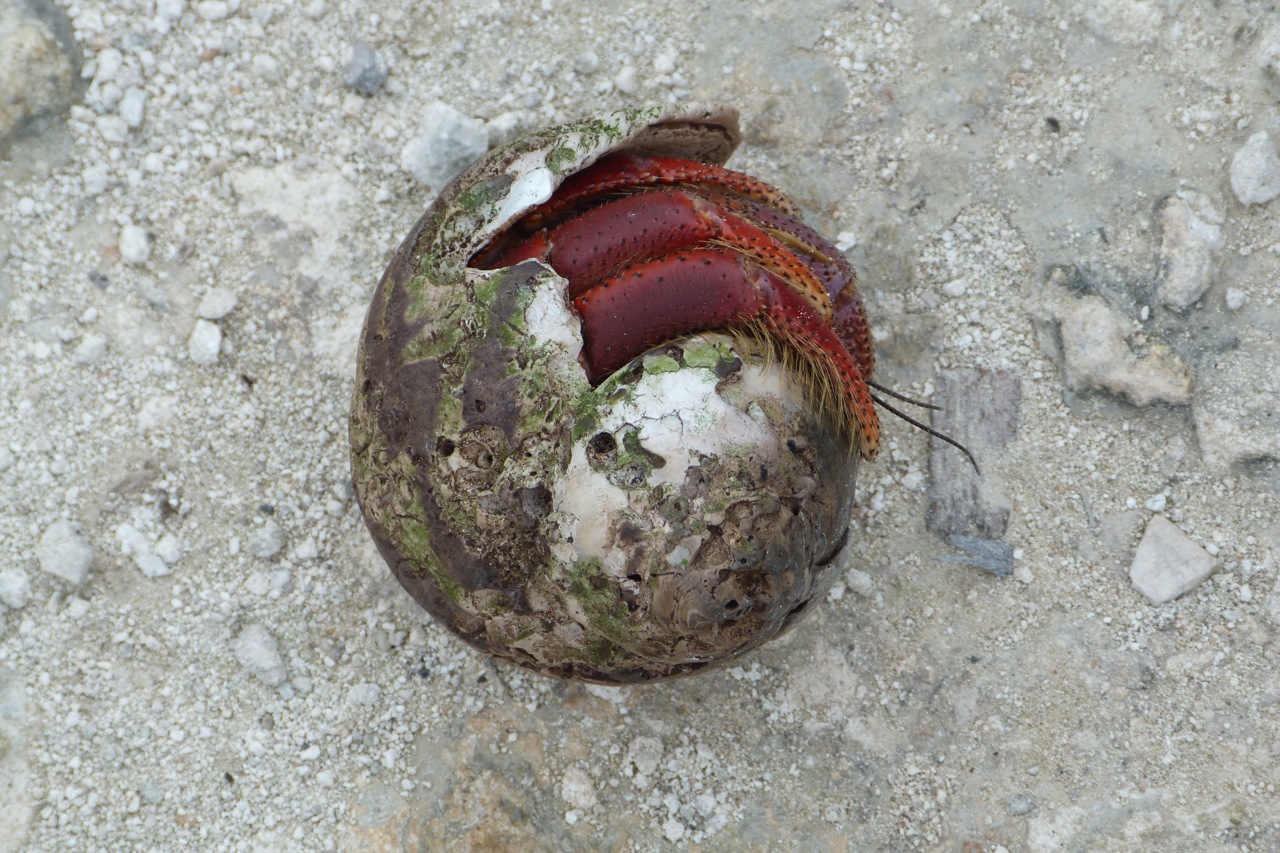
This small crab has gone for something more modern – possibly quite an awkward shape to lug about…

These crabs have found the Delphi Club bird feeders and taken up residence close by. They forage in the grass, many wearing West Indian top shells. One seems to want to climb the tree to get at the feeder…

They are sensitive to sound: approaching footfalls send them scurrying for shelter into the undergrowth or to holes in the limestone rock. They don’t all manage to fit into a hole so the ‘outsiders’ try to look inconspicuous by withdrawing into their shells, though from a predator’s point of view there are usually a couple of telltale legs sticking out…
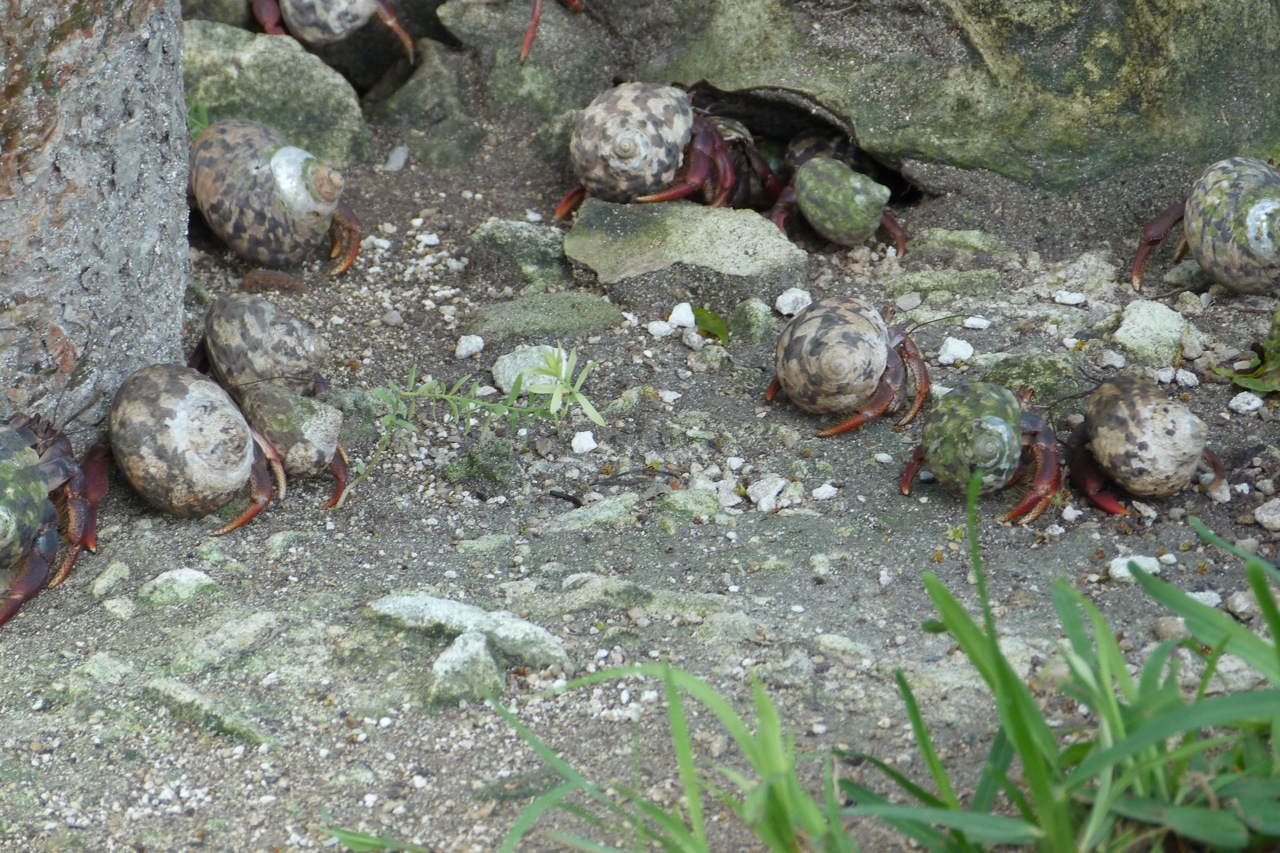
Quick, everyone – hide! A human just trod on Derek…An entertaining after-dinner game (and I blame Caroline Stahala for starting this one) is hermit crab racing. Please note that no crabs are harmed in the course of these sporting proceedings, though some crabs may feel a little humiliated. The races can be played for money, of course, but the complete unpredictability and lack of any information about a crab’s previous racing form make that unwise. Far better to have a few drinks first. Then some more afterwards. 

HERMIT CRAB RACING: THE OFFICIAL RULES

  • Dinner is to be completed and drink taken by all participants before racing can commence
  • Each contestant chooses a crab from the group under the bird feeders
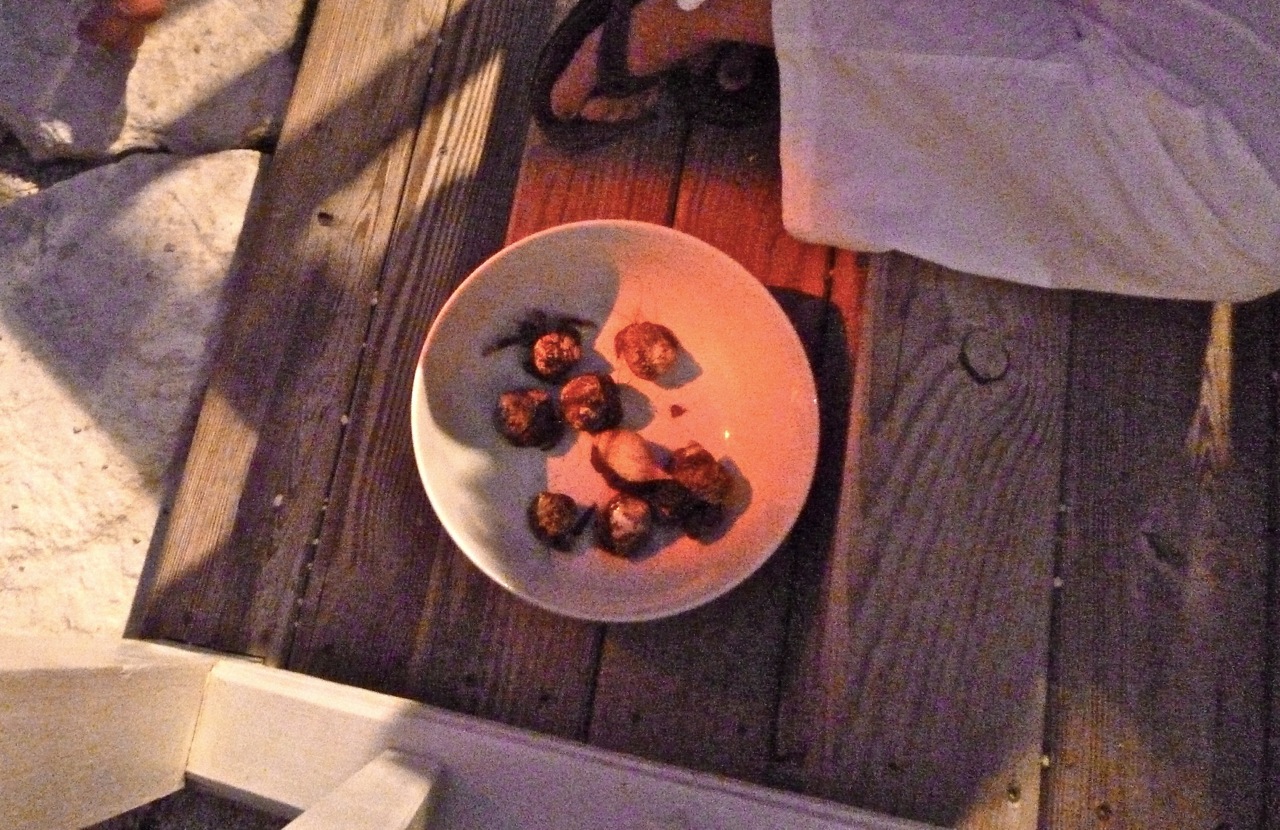
  • All chosen crabs are placed in a dish

  • Caroline (or whomsoever shall be designated) paints the shells with each contestant’s name

  • The crabs are lined up by hand on the verandah as straight as they will permit (so, not very)
  • The starter will say “Ready, Steady, GO”, and the crabs are released over a 3 meter course
  • The winner shall be the first crab over the finishing line. In the event of a dead-heat, the crab requiring the least foot-impetus and direction correction is declared winner
  • The crabs shall be returned to the collection site (those that can still be found) and all humans shall return to the Clubhouse for celebrations…

DELPHI HCR RACE REPORT 2012

This crab (the largest) was chosen by Sandy Walker, and regrettably was the only one that started by going backwards. It was never in serious contention

Caroline becomes very overexcited by her crab’s progress
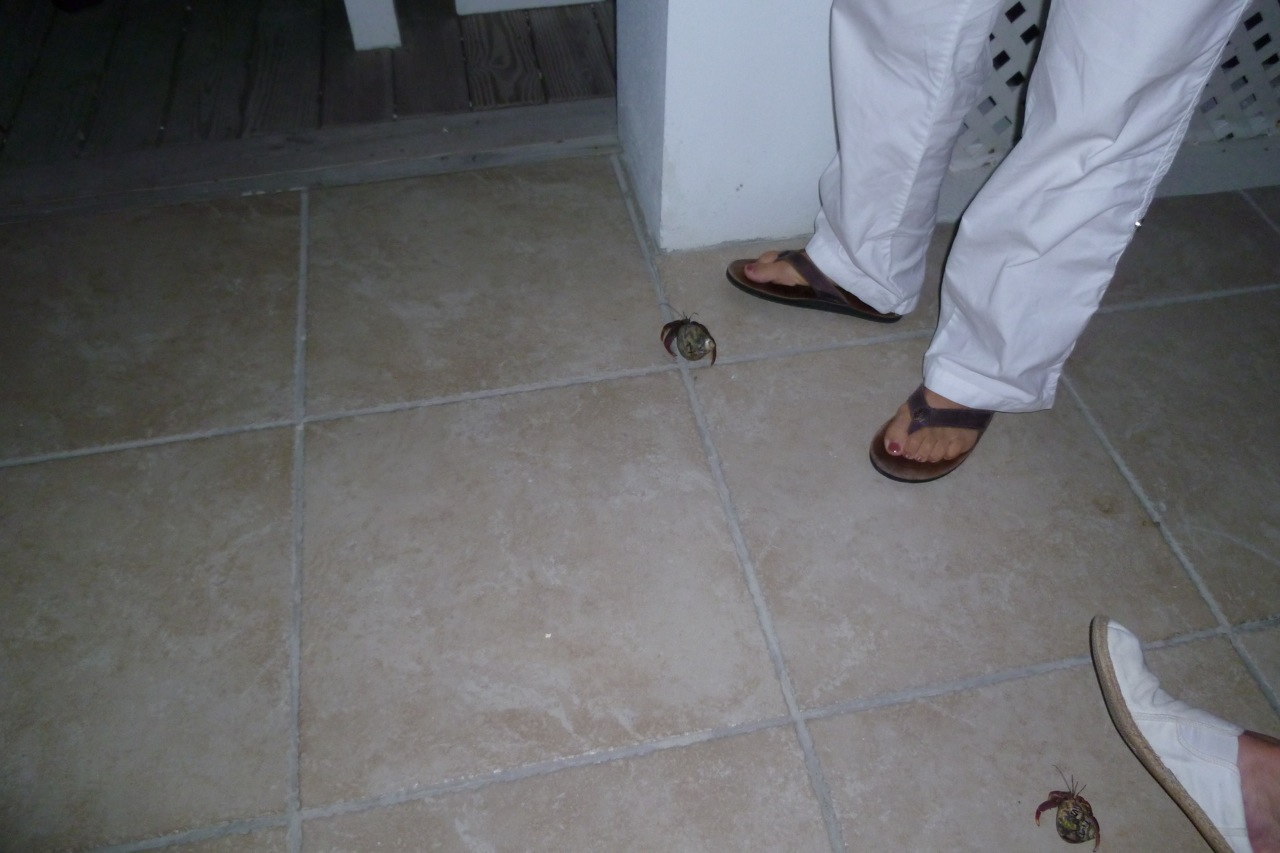
Others resort to unorthodox methods like ‘foot-persuasion’ to keep their crab on course. RH didn’t realise this was allowed at all, and watched his crab dive pathetically off the edge of the verandah into the flowerbed – an irrecoverable drop of 6 inches
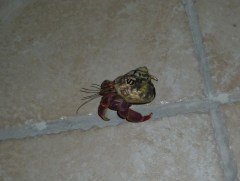
Most of the crabs went forwards as intended, though with a certain amount of lateral movement. 2 or 3 seemed to have got the general idea of the race and proceeded more or less according to plan
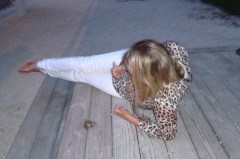
The impressive winner, by nearly half a minute, was the crab named ‘Emma’. A well-deserved victory, especially as the owner / trainer’s foot-directing was minimal (bare feet!)…

The one thing I would like to know about these little creatures is how they – and their shells – are to be found in large numbers 50 foot above sea-level at the top of a cliff…

Unknown's avatar

WEST INDIAN WOODPECKERS: EXPERT ADVICE & DELPHI CLUB NEWS


WEST INDIAN WOODPECKERS: EXPERT ADVICE & DELPHI CLUB NEWS

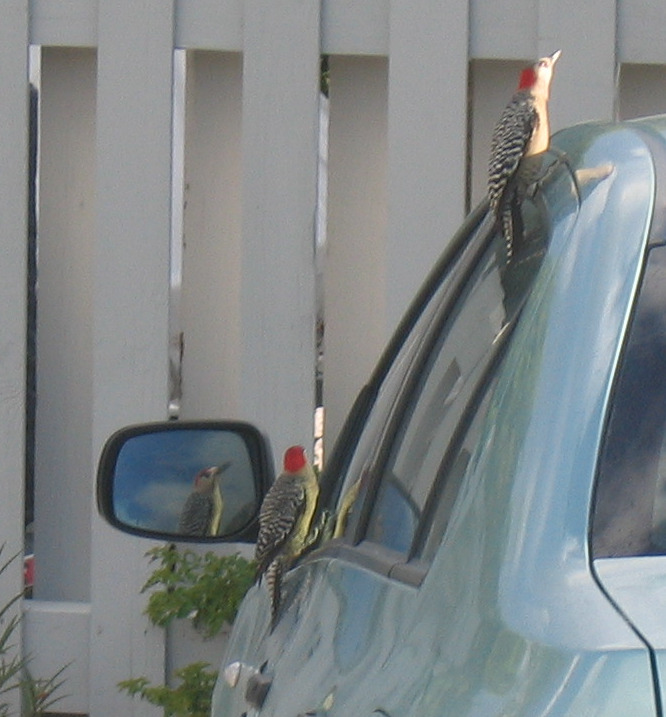
Here’s an article by Abaco Parrot expert Caroline Stahala. She also has in-depth knowledge of the habits of West Indian Woodpeckers, not least because her observations of the nesting in boxes provided for them last year at the DELPHI CLUB ABACO to discourage them from drilling into the building itself… See THE RELUCTANT WOODPECKER. Caroline’s article suggests helpful ways to co-exist with the ‘peckers. They are unlikely to change their endearing little, er, ‘pecker-dillos’, but there are ways and means to prevent them driving you crazy when they take a noisy liking to your eaves and guttering…

CLICK LINK===>>>LIVING WITH WEST INDIAN WOODPECKERS (Caroline Stahala) 

PETER MANTLE has just posted some news – including woodpecker and general wildlife news – from the DELPHI CLUB. After a detailed bonefishing report , he writes:

The best bonefish of recent weeks remains an 8-or-so-pounder. In a rare encounter with tarpon, 2 guests from England had several shots at a group of four fish in the twenty-to-thirty pound range, but had no time to switch over to proper tarpon flies and therefore, to use a cricketing expression, failed to trouble the scorer.

The gorgeous weather seems to have ennervated all the local wildlife, not just the parrots. Sightings of dolphins, turtles, eagle rays and ospreys in the Marls are now almost commonplace. Countless butterflies of different hues flit through the Club gardens. The woodpeckers are nesting again in the box just outside the office and the hummingbirds are constantly feeding just feet from my desk. It’s the time of year that dreams are made of.

The week was rounded off by your blogger-in-chief setting a new Club record – for the smallest ever bonefish, a brute of half a pound, taken off the Club beach on a Delphi Daddy after a titanic struggle lasting all of 30 seconds, with lemon shark looking on in expectation.

Unknown's avatar

ABACO PARROT NEWS FROM THE DELPHI CLUB


ABACO PARROT NEWS FROM THE DELPHI CLUB, ABACO
Caroline Stahala has emailed me with some excellent parrot news of daily sightings around the Club and in the coppice along the drives. It sounds as though, if we are very lucky, Caroline might take us to the nest sites when we are at Delphi in May…
TWO ABACO PARROTS ON THE DEAD TREE BY THE DELPHI FRONT DRIVE
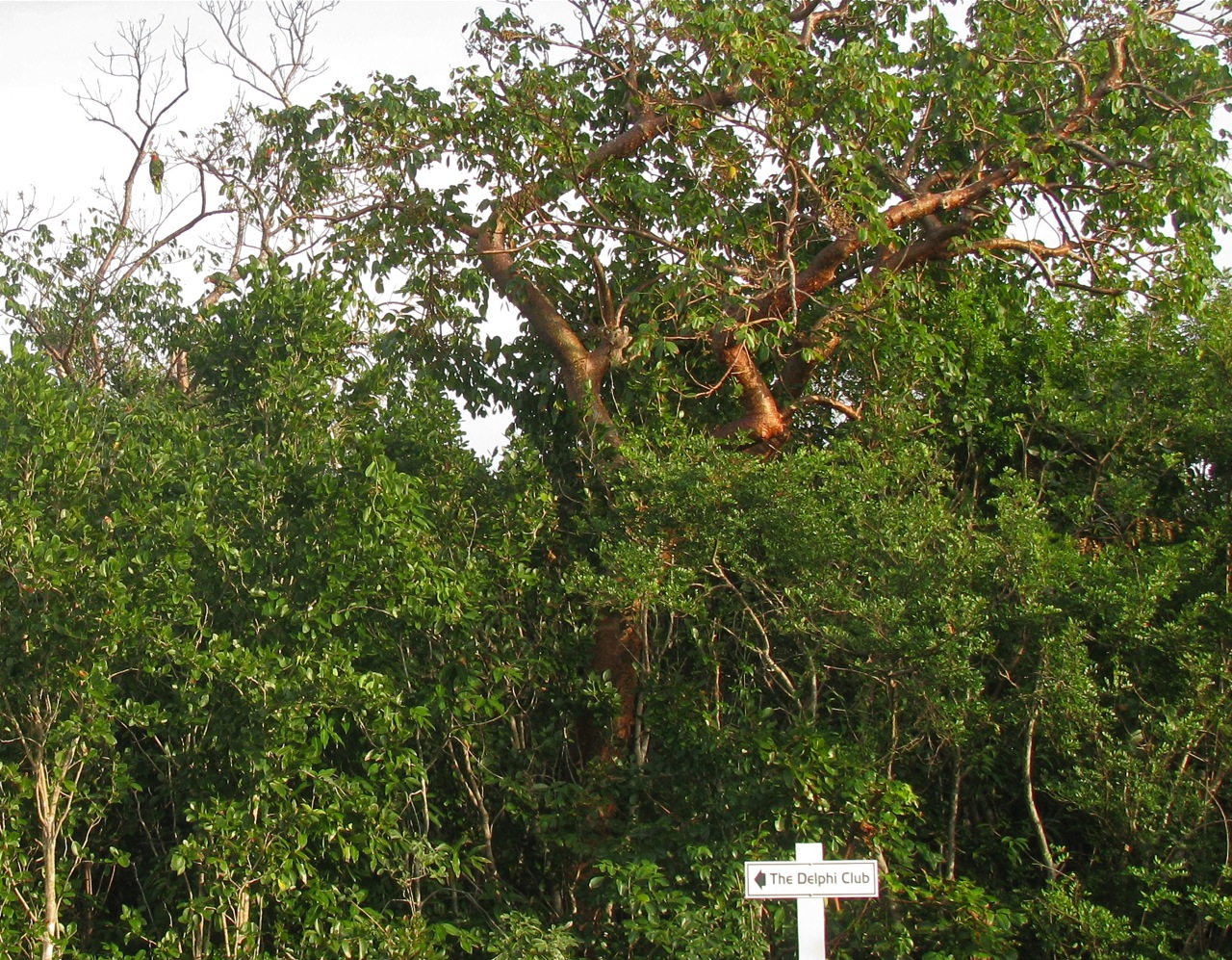
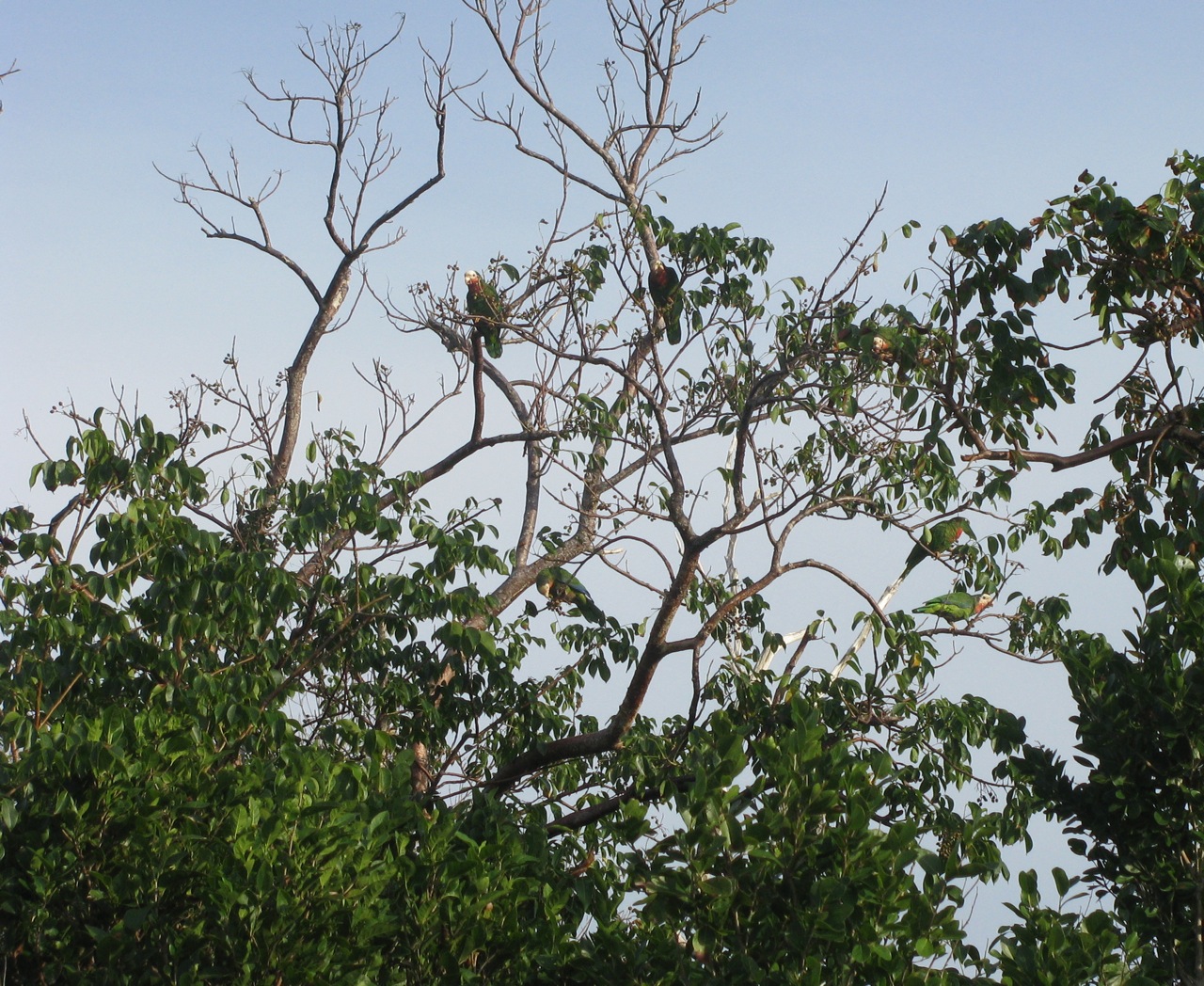
“As far as current parrot news.  Well, they are all around the lodge at the moment.  I can hear the parrots each day right on cue at 7:30 in the morning and then again just after 4pm.  They have been foraging in the fruiting hardwoods in the area, especially the Gumbo Limbo (Bursera simaruba).  I am attaching a picture of a small flock I saw right on the drive in front of the house. A couple of pictures are close up of the parrots and the ones with the Delphi signs do have parrots in them, see if you can find them. They have even been spotted just behind the pool.  Let’s hope they decide to make this a habit. I am currently working on getting the summer field season organized… writing reports and grant applications is the necessary evil in order to have a summer field season”
PARROTS IN THE COPPICE BY THE DELPHI DRIVE (TOP LEFT)
A CLOSE-UP OF THE FLOCK – THERE ARE 6 VISIBLE (ONE IS PEEPING)
A FLOCK OF ABACO PARROTS
[audio http://www.xeno-canto.org/sounds/uploaded/XUPTAZCQVD/LS100545-CubanParrot-110212_1503.mp3]
Credit: Laura Gooch @ Xeno-Canto
Unknown's avatar

ABACO NEWS: ART FOR THE PARKS / BAHAMAS NATIONAL TRUST DAY


SATURDAY 28 JANUARY 2012 – A DATE FOR THE DIARY

CLICK LOGO!

The images below tell you all you need to know about this excellent festival presented by the BNT in conjunction with the Abaco Beach Resort. From this blog’s point of view, the highlights are:

PRESENTATIONS by Nancy Albury on ‘The Blue Holes of Abaco’; by Ricky ‘Blue’ Jones on Bush Medicines / teas; and by Caroline Stahala on the Breeding & Behaviour of Abaco Parrots

ART The Art. Yes, all of it. Ok?

PRODUCE Something of everything, please. 

OTHER Everything else on offer…

The very best of luck with this event and best wishes for successful fundraising from Rolling Harbour

Unknown's avatar

BAHAMA PARROTS: BAHAMAS NATIONAL TRUST DOCUMENTARY


BNT ABACO / INAGUA PARROT DOCUMENTARY

In August 2011 the Bahamas National Trust published a documentary about the resident Abaco and Inagua populations of this Cuban Parrot subspecies. It features research scientist Caroline Stahala, and contains plenty of information about these birds, their nesting and breeding habits, and the problems they face from predation. In places, some of the devastation caused by the extensive forest fires in March 2011 is still evident (see images in earlier POST). If you want to know more about these attractive (but noisy) birds, the documentary video below covers a great deal in 8 minutes…

Unknown's avatar

THE INTRIGUING PARROTS OF GREAT ABACO ISLAND – PODCAST


A 5 minute PODCAST from ABC Radio’s ‘The Science Show’ featuring Caroline Stahala, research scientist and Abaco Parrot expert, and David Knowles of the Bahamas National Trust, Chief Park Warden for Abaco

The online report is headed by this: Holiday homes and resorts are replacing the forests in which the Bahamian parrot of Great Abaco Island breeds. When Christopher Columbus discovered the beautiful Bahamian islands in 1492, he wrote in his journal ‘the flocks of parrots obscure the sun’. Now the Bahamian parrot is confined to just two islands and they’re a protected species. On Great Abaco Island Bahamian parrots breed in the pine forests of the south and, as Pauline Newman discovered, their nesting behaviour is quite extraordinary”

CLICK HERE==>> ABACO PARROTS PODCAST – THE ABC SCIENCE SHOW

For the relevant web page and a transcript of the talk CLICK LOGO===>>> 

Thanks to the ABC Science Show for use approval – click name for more Podcasts

Abaco Parrot
Unknown's avatar

HELP SAVE ABACO PARROTS – DOU DOU’S ART INITIATIVE


WELCOME BACK! Normal service is resumed after the family festivities of Christmas, with only the precious gift of a fractured wrist for rh to spoil an otherwise lovely few days. Immediately, I can report excellent parrot news…               DOU DOU, an avid birder and sculptor of most engaging miniature birds, has taken up the cause of the Abaco Parrot. We have been corresponding for a while about this, and I now reproduce her latest post, with the link to her site below

BIRD SCULPTURE – ABACO PARROT

“Help, the cats are eating my babies!” said the parrot. And it’s true. These parrots are endangered – only 1000 of them left. A woman named Caroline is trying to save them from the feral cats that have invaded their island in the Bahamas. Let’s help her out! All proceeds from the sale of this parrot are going to Parrots International, which supports Caroline’s work. 

This little parrot measures 3.5 x 1.5 x 1.5 inches. You can buy it HERE from me and I will send the money to Parrots International or you can use “Other” to check out, send me proof you donated at least $30 to Parrot’s International, and I will send you a code that gives you $30 discount on this parrot so you will just pay for shipping – I will verify that a donation was made.

We can save these parrots! Let’s do it!!!!!

Read about Caroline’s work to save the parrots: ABACO PARROT RESCUE

doudou      CLICK LOGO to visit website ===>>>      

More about this exciting development in due course – other ideas are afoot… Abaco Parrot conservation is strongly supported by the Delphi Club, Abaco; and the research scientist heading the project, Caroline Stahala, is delighted with dou dou’s initiative in helping to raise the profile of her conservation work and in contributing to the funding received through PARROTS INTERNATIONAL

This organisation allocates funding for the research into the Abaco Parrots and their conservation. You can now pay direct by Paypal or Credit Card (with gift tax benefits depending where you live). Please remember use the “Note to Seller” box to specify ‘ABACO PARROTS / CAROLINE STAHALA’

Membership and Donation page   CLICK LOGO===>>>       Parrots International

Unknown's avatar

ABACO PARROTS IN THE PINE FOREST


This is one of a number of sequential images posted by cfinke3856 on the website Webshots. It seems to have been taken in 2004, and shows 4 Abaco parrots in a pine tree (location unspecified – the National Park, maybe?). They look pleasingly convivial, and they provide a chance to roll out the newly created  rh parrot logo

Normally I would have cleared permission for use (and slight cropping) and given a click-through link so you could see the rest of the (similar) images. However, the website is a nightmare. A pop-up offered me the chance – apparently a near-certainty – of winning $10,000, and froze my cursor when I tried to delete it. Twice. Other untempting offers were made in a rage-inducing way. So I’ll spare you all that, warn you briskly off the site, and apologise to Mr or Ms Finke for ‘borrowing’ the image, duly credited but in tiny writing…

Unknown's avatar

ABACO PARROTS: NEST CAMERAS AND PREDATOR CONTROL


♦ NEW ABACO PARROT LOGO 

[Note: this post replaces the preliminary, typo-ridden and imageless draft that subscribers may have received, for which I stupidly pressed the ‘publish’ button rather than ‘save draft’… Not the 1st time, either… Sorry] 

Scientist Caroline Stahala has spent 10 years researching the Abaco population of the Bahama parrot. Her aim is to develop understanding of their behaviour so that conservation and management strategies for this rare sub-species can be optimised. Particular protection problems arise because Abaco parrots, uniquely, nest underground. Their main vulnerability is to predation by feral cats, racoons and rodents which kill adults, chicks and fledglings in the nest

Predator monitoring and control programs have been in place for several years, removing surprising numbers of feral cats prior to and during the breeding season. Prevention techniques have been refined as predation data has accumulated. In 2011 for the first time motion-sensitive cameras were used, positioned near the openings of vulnerable active nests (shallow or with large openings), monitored 24/7 with infra-red night-time flash. Constant technical adjustments were needed to determine optimum filming distance and memory card size, and to avoid ‘false triggers’ (eg wind)

A great deal of vital data was collected, particularly at night when predation can’t otherwise be effectively monitored. Feral cats were the most frequent visitors, followed by rodents. No racoons were recorded, so these may be less of a threat than expected. One northern mockingbird (above) was caught on film up to no good. It it seems that the camera flash itself may act as a deterrent, something that bears further study. There is also new evidence that some predators approach a nest and ‘case the joint’ for later use. All this data will make it possible to target predator control preventatively, rather than in the sad aftermath of predation – a great step forward. 

Overall, during the 2011 breeding season none of 55 nests monitored was lost due to predation. In previous years, the attrition rates have been around 25%. The use of cameras avoids any disturbance of the parrots and chicks and provides round-the-clock monitoring. If the cameras / flash are in themselves deterrents, that is a simple method of predation control. The new banding project means that it is now possible to be certain whether same parrot (or pair) is using the same nest cavity each year – and of course individuals can more readily be identified

Finally, Caroline confirms that the parrots weathered Hurricane Irene well.  She was still monitoring the breeding territory then, and when she returned to check active nests after the storm, she found the chicks and fledglings safe in their nest cavities 

Abaco Parrot chick safe and sound - the first post-Irene image

Unknown's avatar

ABACO PARROTS POST-IRENE: CAROLINE STAHALA’S FIRST REPORT


ABACO PARROTS EXCELLENT POST-IRENE NEWS

The past week has been rightly dominated by concerns for family and friends, for homes and property, for the swift restoration of communications, and for many other human interests. The consequences of Irene for Abaco’s wildlife has taken its appropriate place lower down in the priorities, but there are obvious concerns for the loss of habitat through destruction and defoliation, consequent problems with food supply and so on. 

The Abaco parrots are a potent symbol of recovery from near-disaster, with the conservation programme annually leading to breeding success in the wild and numbers on the increase. Recently – it seems a while ago now – I posted about the progress of this year’s chicks and fledglings: see ABACO PARROT CHICKS   Caroline Stahala, who heads the conservation project, has now sent the first report on how the chicks have fared through the hurricane:

“…I have been out checking on the unfledged chicks and I am finding that most of the nests that should have been active still are.  This means chicks are still in the nest.  I am attaching a photo of one of the chicks that I found post hurricane.  It seems that the parrots did well through the hurricane now I hope they are able to find enough food until spring…”  

In my earlier post today – see ABACO 31 AUG POST-IRENE – I mention at the end that I feel my unexpected transformation into a storm commentator and information provider is coming to its natural end. I can’t think of a more appropriate image for taking my leave from hurricane duties than this little parrot fledgling. It’s an emblem of Abaco, and a symbol for the future after the storm. Thanks for reading the blog, following it and for all contributions and encouragement over the past week.               rollingharbour 

Abaco Parrot chick safe and sound - the first post-Irene image

Unknown's avatar

ABACO PARROT PROJECT: CHICK & FLEDGLING BANDING – AMAZING PHOTOS


CAROLINE STAHALA has provided some truly outstanding photos derived from her scientific research work during the summer into the breeding of Abaco Parrots in the National Park. By their very nature, these pictures of direct human contact with these lovely birds must be exceptionally rare, and I am really grateful to Caroline for allowing me to showcase them in this blog.

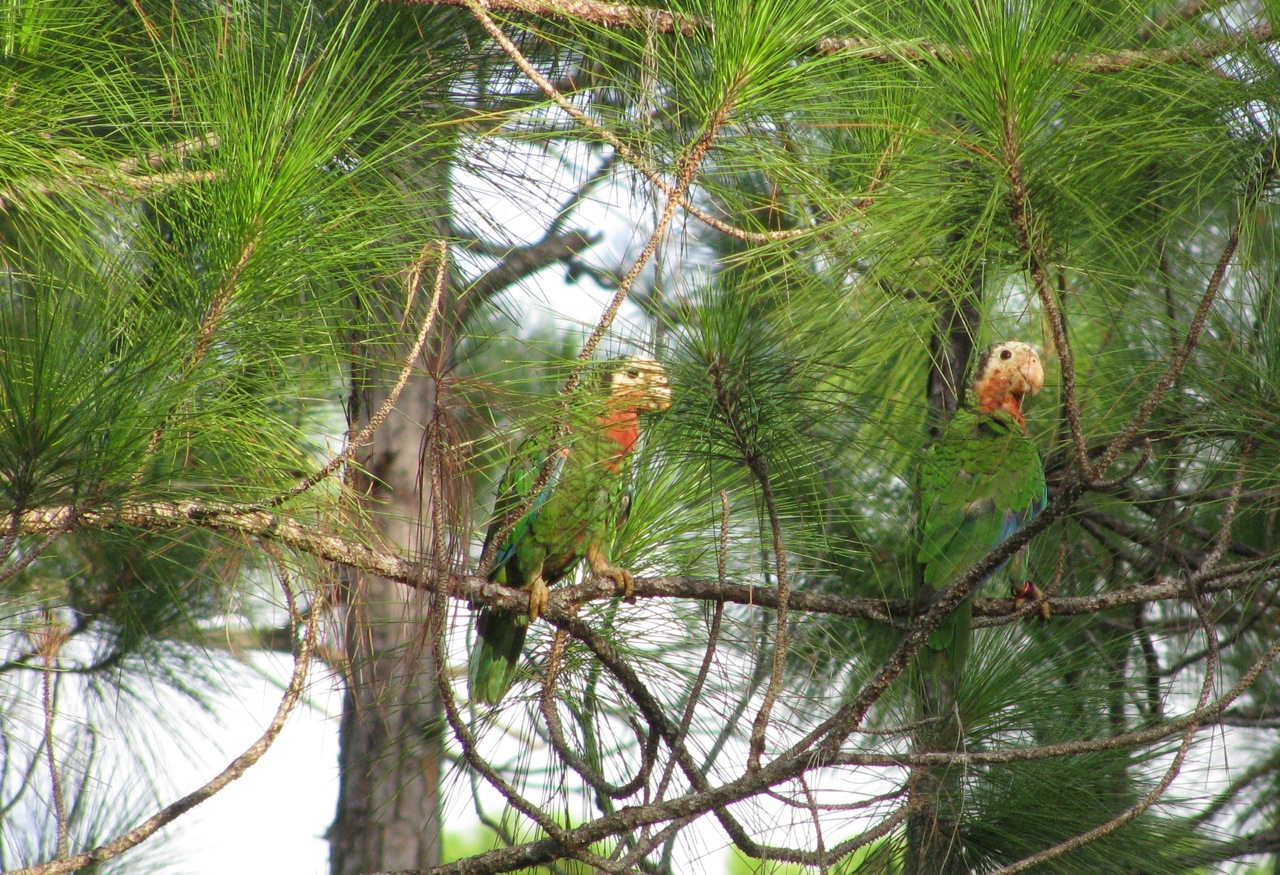
1. Adult Abaco parrots in the National Park pine forest.  One is wearing a band on its leg from last year’s ringing programme (CLICK images to enlarge)

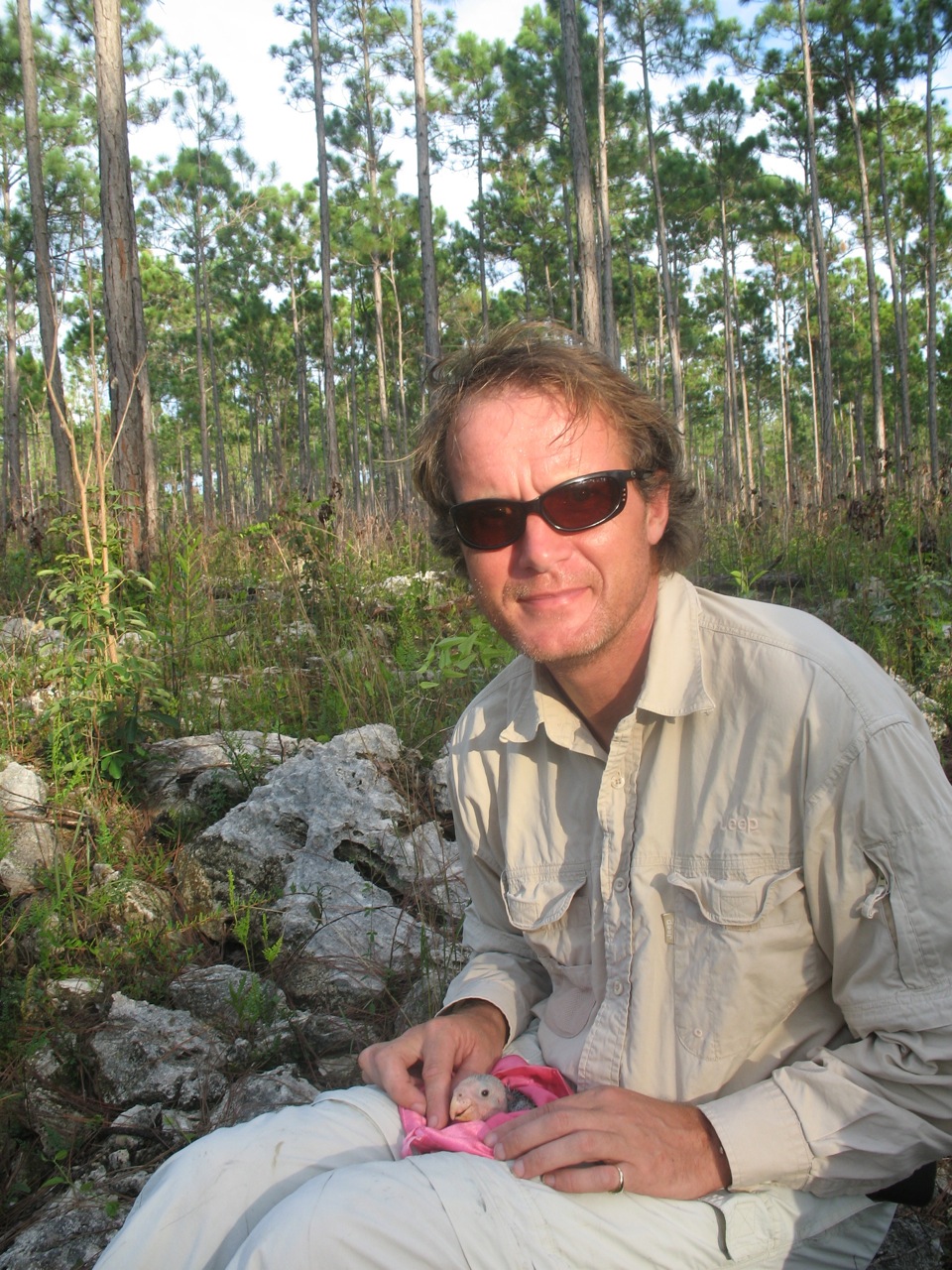
2. A bag of 3 parrot chicks, at different stages of maturity, in the process of banding. You can see the band on the leg of the little bald unfeathered one

3. Two timed shots of adult Abaco parrots, one of which is going down the inside of their burrow into the nest while the other keeps a lookout

4. Caroline is assisted with writing up her data records by one of her protégés

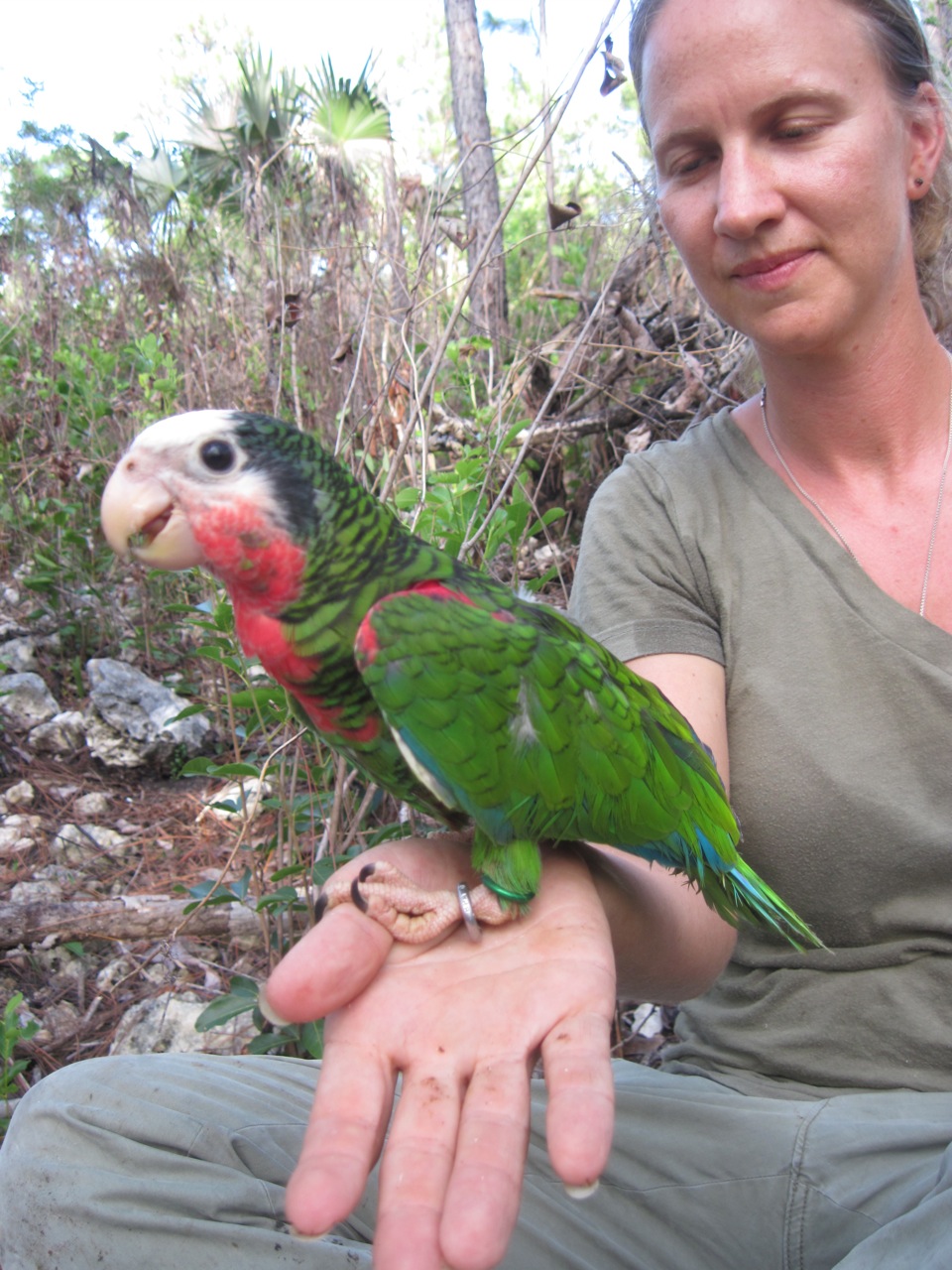
5. A unique photograph (I haven’t been able to locate another similar image) of a newly-banded Abaco parrot fledgling contentedly perched on a human hand

6. This photograph of Sandy Walker (Delphi Club) is captioned ‘Sandy and Chick’, and I really don’t think I can improve on that!Thanks Caroline for these amazing images – it’s a privilege to be able to post them

IF YOU ARE INTERESTED IN SUBSCRIBING OR DONATING TO SUPPORT THE CONSERVATION PROJECT TO SAVE THE ABACO POPULATION OF THE BAHAMA PARROT, THE DIRECT LINK TO THE SUBSCRIPTION / DONATION PAGE IS   HTTP://WWW.PARROTSINTERNATIONAL.ORG/MAIN-JOIN.HTML


Unknown's avatar

ABACO PARROT POST – FLEDGING UPDATE


 Click me! 

CAROLINE STAHALA  has sent a quick update on the progress of the Abaco Parrots and chicks as the breeding season (and the associated project) nears its end. The chicks are growing up fast, and will very soon be fledging. CLICK==>>> HERE to admire their cute appearance in their earlier stages.        Caroline says “they are currently, literally, climbing the walls to make their first flight with their parents”. She hopes to provide some photos – perhaps there may be video – in due course. She hasn’t mentioned problems with feral cats, racoons or other predators, so with luck nest raids and chick losses through predation have been low. And if you want to know how to build an Abaco Parrot out of Lego™ (CLICK ‘Lego™ Logo’ above) you’ll have to buy my book “A Spare Week and a Bucket of Lego™” (rh Press $15 / £10)

Unknown's avatar

ABACO PARROTS – CAROLINE STAHALA’S REPORT


                                                                        Click me!

CAROLINE STAHALA was introduced in an early parrot post on this blog – see  DELPHI CLUB ABACO – PARROT RESEARCH & CONSERVATION. That post will route you to her thesis and to an article in The Abaconian about her work. She has just sent a report about her current researches (and there will be future updates):

At the moment we are in full chick mode.  All the parrot nests (45 nests!) that we have been finding and monitoring since the end of May have hatched.  Next week I will begin banding these chicks so that we can recognize them as individuals and learn more about their behavior. Here is a picture of a chick banding from last year:In addition to banding chicks, I am going to be attempting to catch 3 mated adult pairs and place radio transmitters on these parrots.  This will give us information about what pairs do during the nonbreeding season, how frequently they interact, and whether the amount of interaction during the nonbreeding season influences how well they do during the  breeding season.  

This year, for the first time, I have set up cameras at nest sites to find out how frequently nests are being visited by potential predators and, also, who these predators might be. We have already detected cats, rats and mice at the nest sites using the cameras.  Here is a picture of a feral cat at one of the nest sites:
Caroline has asked me to mention that the project is in desperate need of a new field vehicle – the old one is dying a slow painful death.  She is working with a nonprofit organization Parrots International (www.parrotsinternational.orgto raise funds for the new truck (see BLOGROLL for their direct link to Caroline’s research). If  anyone would like to support this cause, it would be greatly appreciated:

If you are interested in subscribing or donating to support the conservation project to save the Abaco population of the Bahama Parrot, the direct link to the subscription / donation page is          http://www.parrotsinternational.org/main-join.html

Finally, I sent Caroline an image of a particular Parrot taken by me earlier this year. Ricky Johnson said he had never seen one with so much red on its front – almost reaching its tail. And he should know…

Caroline’s reply  “I have not seen a parrot with quite that much red on its belly, however it is not completely surprising.  One of the features of the Abaco parrot is more red on the chest and belly than other Cuban Amazon populations. Even within a population there is quite a bit of variation of the red. Some Abaco parrots may just have the red throat with a few red feathers, but they do go to the extreme found in your picture.  Usually though you have a small red patch on the belly or what looks like spotty red areas on the belly.  Very neat picture!” (rh note – thanks, but in fairness I should add that the whole group of about 12 of us took pretty much the same photo of this parrot…)
Unknown's avatar

DELPHI CLUB, ABACO – PARROT RESEARCH & CONSERVATION


Caroline Stahala, a scientist from Florida, has spent some years studying the endemic parrots of Abaco. The Club is a convenient place from which to carry out some of her research. Evidence is growing that these protected parrots may not be a variant subspecies of the Cuban parrot, as previously believed, but are actually a species in their own right deserving their own distinct classification. Such a finding would be of major ornithological importance, and would further secure the protection of these beautiful birds and their habitat. This in turn will help to prevent the decline in their already small numbers. I hope to post news of Caroline’s research into this year’s parrot breeding season which begins next month

CLICK LINK on BLOGROLL in SIDEBAR  -—››› PARROTS INTERNATIONAL for Caroline’s Thesis

CLICK LINK for Article (Abaconian March 3 2011): Parrot Adventure with Caroline Stahala (BNT)

Abaco Parrot