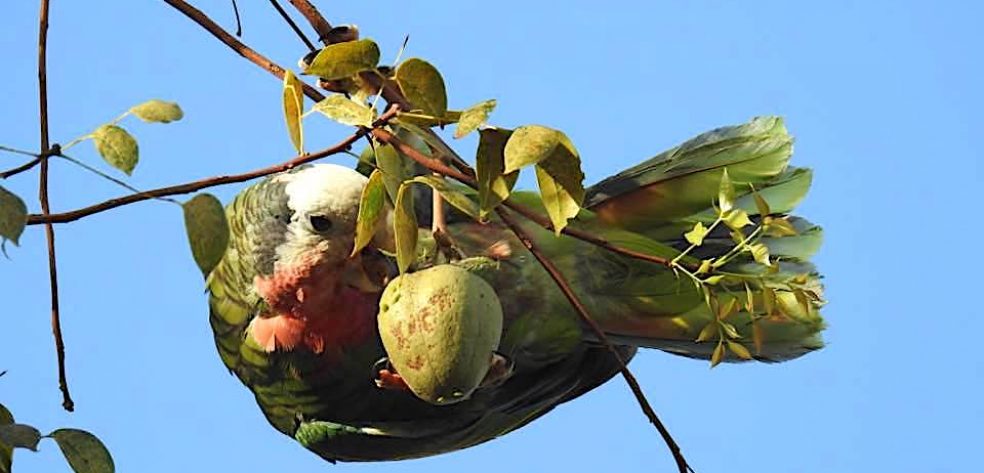
Abaco National Park Created in 1994, it encompasses over 20,500 acres of pine forest / coppice and is the principal habitat for the endangered Bahama Parrot and other important species of Bahamian wildlife. The tract covers a large area of the Great Abaco water table and has significant recreational value for the people of Abaco.
Black Sound Cay Nature Reserve This two acre mangrove reserve is nestled in the harbour of Abaco’s historic Green Turtle Cay. The reserve was established in 1988 to protect a vital waterfront ecosystem and wildlife.
Pelican Cays Land & Sea Park A 2,100 acre area just north of Cherokee Sound in Great Abaco that contains stunning undersea caves, extensive coral reefs and is noted for its fish, plant and bird life.
Tilloo Cay National Park Acquired by the Trust through private donation, this 11 acre area encompasses a tropical wilderness shoreline of outstanding beauty. Exposed to the Atlantic Ocean, the area is an important sea bird nesting site.
Fowl Cay Land and Sea Park Recently created in 2009, an excellent place for reef snorkelling [I will be posting about this in due course…]
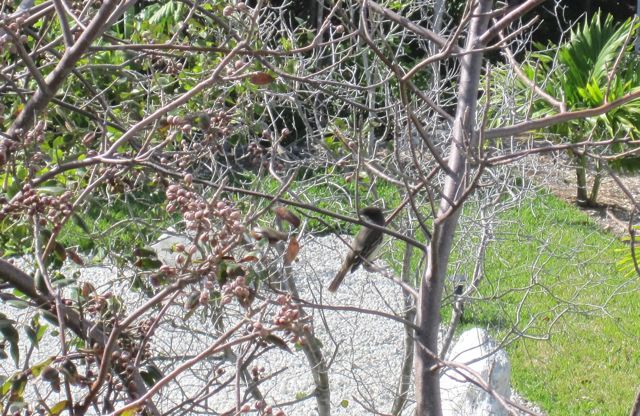
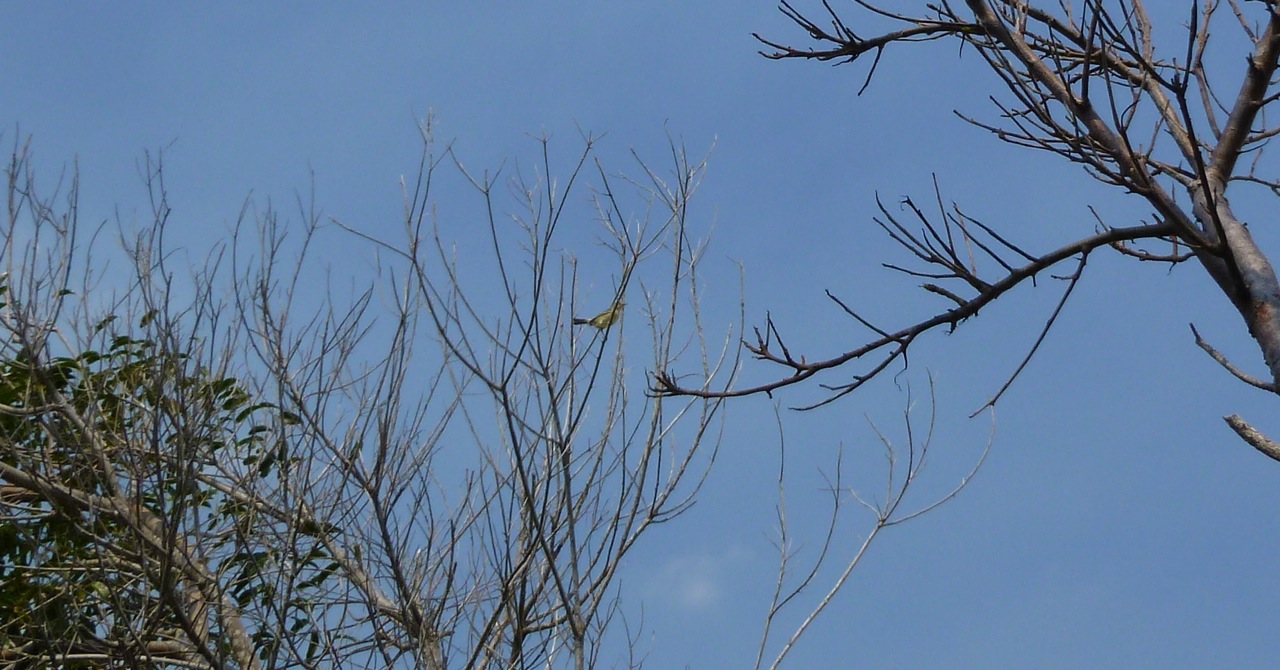
There is a wealth of birdlife on the Delphi doorstep. You don’t even have to go out of the front gateway to find it. You’ll hear a great many more birds than you ever see – many are small and very hard to spot in the bushes, even when you can hear loud chirrups. Here are a few examples of what you might see, all taken within the Club precincts
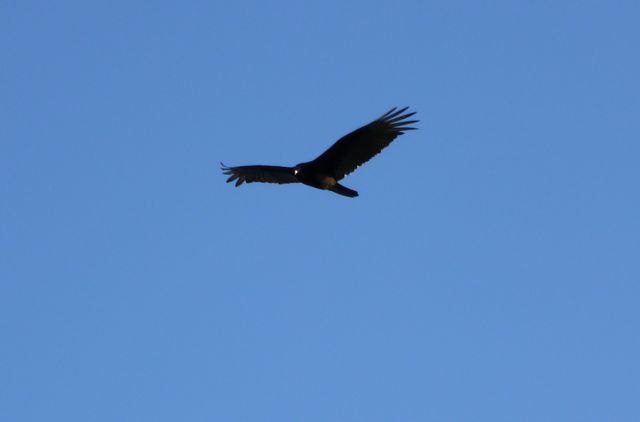
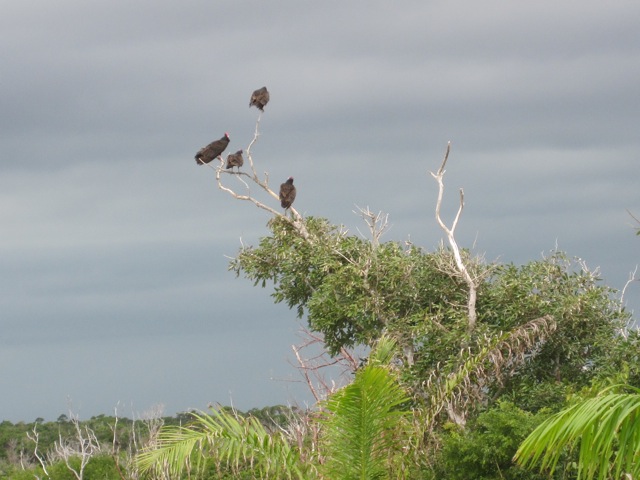
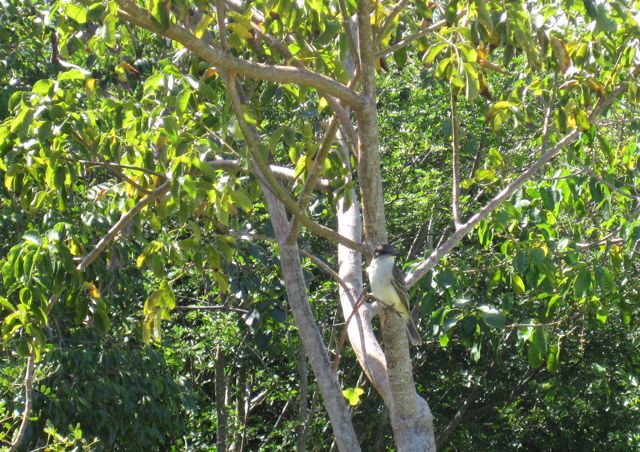
TURKEY VULTURES, ever present, wheeling above the bay, sometimes in flocks of 20 or more. Their grace in flight is slightly spoiled by the knowledge that their heads are red, wrinkled, bald and… frankly unattractive. You may also see them hunched on a dead branch along the drive (second photo)LOGGERHEAD KINGBIRDS, one of several types of ‘Tyrant Flycatcher’, so-called because of their robust attitude to defending their territory. The first one is on the far side of the pool; the second is taken from the verandah.
WEST INDIAN WOODPECKER, resident initially under the verandah eaves before moving to the upscale nesting box further along. Often seen during the day in the gardens, sometimes shouting raucously: the second photo is near the pool
ANTILLEAN BULLFINCH (previously wrongly ID’d as American Redstart – thanks CN) I’d never seen one of these before, nor indeed heard of them. This one was photographed in the trees along the drive while I was in fact looking for another bird altogether…
THICK-BILLED VIREO, one of several vireo species. Believe me, they are much less blurry in real life than here… They chirp a lot and seem quite tame.
BANANAQUIT My second favourite bird (after the western spindalis). Smart black and white heads, yellow underparts, and a sharply curved beak used to pierce the base of flowers for nectar. They aren’t choosy though, and eat insects and fruit too. Very chirpy, and VERY hard to see in the bushes, even when you can clearly hear exactly where you think it must be… Look for moving foliage. This one was in the shrubs by the main staircase.They sound like this (credit Xeno-canto.org)
NORTHERN MOCKING BIRD at a distance… above the skiff park. We heard it singing melodiously. ID (in close up – click on image for a marginally better view) from cocked and slightly spread tail, and (you won’t see this) white wing markings. This species is apparently beginning to displace the larger but unaggressive Bahama Mockingbird.
NORTHERN PARULA Small yellow warbler, of which there are many types. This is the one that unwisely tried to fly into the Great Room through the plate glass, and had to be revived by Sandy. It perked up quite quickly, and flew off none the worse for its encounter either with the glass or Sandy…
HUMMINGBIRDSare a fascinating topic in themselves, and I’ll post about them separately. There is the Cuban Emerald and the endemic Bahama Woodstar, both of which can be seen at Delphi (though the latter are rare where the former predominate). There is a 3rd type of hummer on Abaco, which I will leave you with for now:


 The National Parks of Abaco




 ROLLING HARBOUR ABACO
You must be logged in to post a comment.