Unknown's avatar

OVENBIRDS FOR CHRISTMAS ON ABACO (NB NOT ROAST TURKEY)


Ovenbird.Abaco Bahamas.Tom Sheley.2

OVENBIRDS FOR CHRISTMAS ON ABACO (NB NOT ROAST TURKEY)

The Ovenbird (Seiurus aurocapilla) is a small winter-resident warbler with distinctive orange head feathers that can be raised into a crest.  I’m guessing this accomplishment is mainly used in the breeding season as a way to impress and attract a mate. Maybe when alarmed or excited at other times as well. Right now, with Christmas only ’12 sleeps’ away, they have become a visible presence on Abaco and the Cays despite their shyness and a general tendency to shuffle around in the undergrowth looking for insects and small snails. Ovenbird.Delphi Club.Abaco Bahamas.Tom Sheley.1

You may hardly be aware of these rather unassuming little birds, and as they rootle their way through the dead leaves under shrubs they can look quite dull. See one lit up by the morning sun, however, and you’ll see how pretty and richly marked they are.

Ovenbird, Abaco  Woody Bracey

The Ovenbird enjoys the taxonomic distinction of being the only bird of its genus in the warbler family Parulidae. It is a so-called ‘monotypic’ species. It was formerly lumped in with Waterthrushes, but was found to be genetically dissimilar so its new status was granted. 

Ovenbird.Bahama Palm Shores.Abaco Bahamas.Tom Sheley

The ovenbird is so named because it builds a domed nest (“oven”) with a side-entrance, constructed from foliage and vegetation. They tend to nest on the ground, making them vulnerable to predation. The species name for the ovenbird, Seiurus aurocapilla, has nothing to do with the nest shape, though. It derives from both Greek and Latin, and loosely means ‘shaking tail, golden haired’. No, nothing to do with Miley Cyrus either. Leave it.

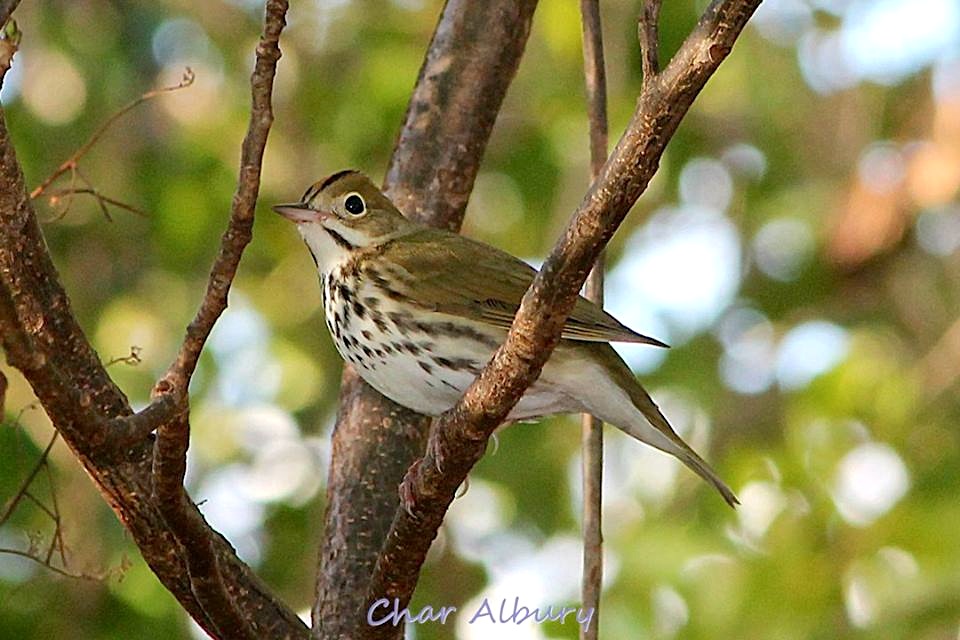
Here are some recent shots taken by Charmaine Albury on Man-o-War Cay, showing the orange crest very clearly.

Ovenbird, M-o-W Abaco (Char Albury 3) Ovenbird, M-o-W Abaco (Char Albury 2) Ovenbird, M-o-W Abaco (Char Albury 1)

My plan to include audio of the ovenbird’s song and call has been temporarily thwarted by a glitch, but I’ll add them here when I have overcome the problem.Ovenbird, Abaco (Gerlinde Taurer)

Gauge the size of the bird against the pod it is standing on…Ovenbird, Abaco - Bruce Hallett

In this photo, you can see that the orange crest feathers are raisedOvenbird Seiurus aurocapilla (Cephas, wiki)

Credits: Tom Sheley, Woody Bracey, Charmaine Albury, Bruce Hallett, Gerlinde Taurer, Cephas / Wiki
Unknown's avatar

‘PEEP SHOW’: WHITE-RUMPED SANDPIPERS ON ABACO


White-rumped Sandpiper (Woody Bracey)1

‘PEEP SHOW’: WHITE-RUMPED SANDPIPERS ON ABACO

The White-rumped Sandpiper Calidris fuscicollis is one of a number of sandpiper species found on Abaco. You can see a gallery HERE. Many of them are confusingly similar, and it is with a sense of relief that one picks out some particular feature on a bird that marks it out from the other species.White-rumped Sandpiper_ACH3425 copy

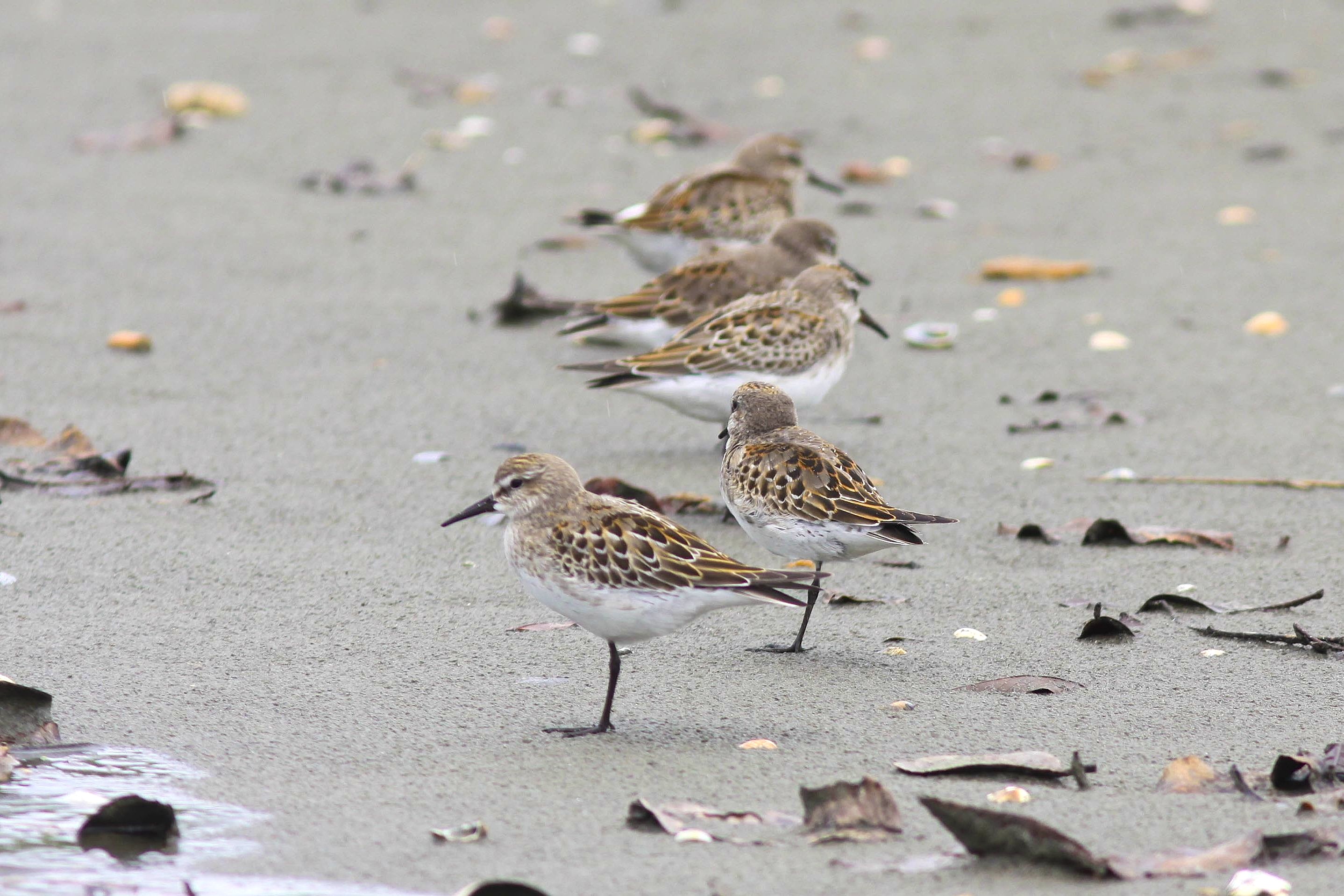
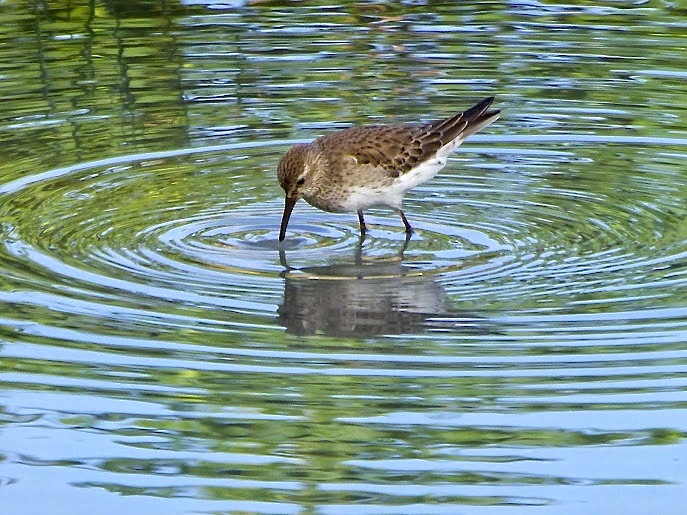
The white-rumped sandpiper has, for a start, a white patch that shows above the base of the tail, rather in the manner of the yellow-rumped warbler. It is the only sandpiper with such a feature, and it is conclusive of ID… if you actually see it. You’ll notice that in the header image and the one above, no such white patch is visible. So although it is undoubtedly there, the bird you happen to be looking at – perhaps at a distance – may not have arranged its position and feathers to assist you. Frankly, the birds in the WRS group below are not cooperating either, except the furthest (blurry) one.

White-rumped sandpiper (Rick elis.simpson wiki)

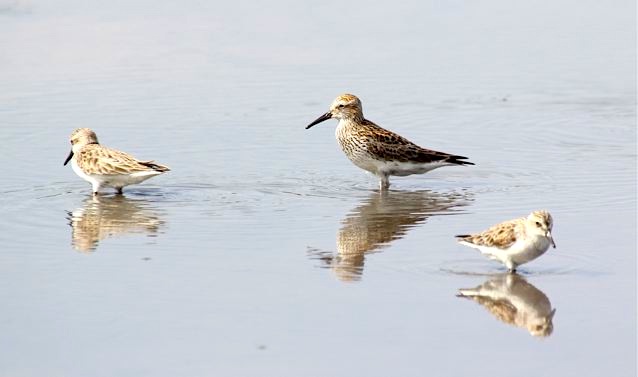
You can’t see it on this bird either, as it forages in a pond, spreading concentric circles across the waterWhite-rumped Sandpiper (Woody Bracey)2White-rumped Sandpiper (Woody Bracey)3

Nor with this one. In fact, I have looked at dozens of photos to find a clear shot of said white marking and found only one really good one… but hedged around by the thick thorny protection of copyright.

White-rumped_sandpiper_(2) Rick elis.simpson wiki

However all is not lost. There is another feature of this sandpiper species that is unique to it, at least on Abaco (it is found also in the Baird’s sandpiper, but you won’t see that bird on the island). The unusually long wings of the white-rumped sandpiper extend beyond its tail when it is on the ground. You can see this in the photos above. It is a feature that should be clearly visible as you watch a bird on the shore, even if it isn’t showing its white rump. Here’s a very helpful composite from the Crossley ID Guide (Eastern Birds). You can see the extended wing length in the birds in the foreground. And if you look at the birds in flight, you will see the white rump exposed.

White_Rumped_Sandpiper_From_The_Crossley_ID_Guide_Eastern_Birds

Like all peeps, these birds make high-pitched weebling sounds, which I have seen described as ‘like a child’s squeaky toy’. Here’s a small flock make a characteristic noise.

Ian Cruickshank / Xeno Canto

You will often see a WRS mixed up in a group of other shorebirds, so the wing-length ID method will help pick it out. Also, it will be notably larger than some, for example semipalmated sandpipers. White-rumped Sandpiper + 2 semi-palmated(Woody Bracey)1White-rumped Sandpiper (Woody Bracey)5

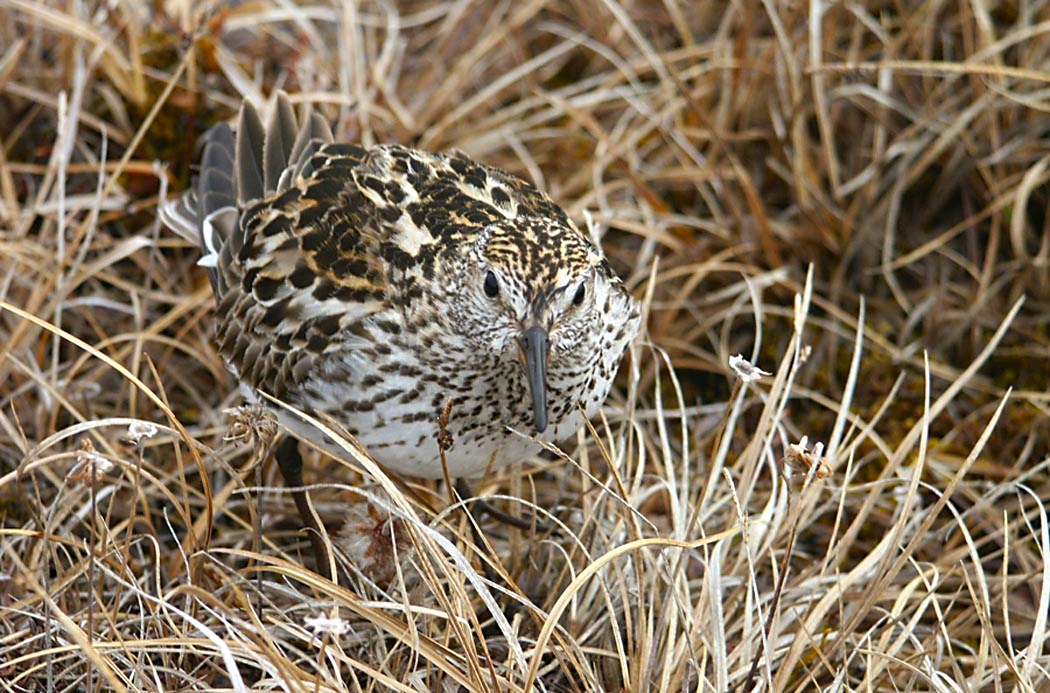
NB They are not always found on the shore or in waterWhite-rumped_Sandpiper (Tim Bowman wiki)

Watch white-rumped sandpipers foraging

Credits: Woody Bracey, Tony Hepburn, Rick Elis Simpson, Tim Bowman, Crossley Guides, Xeno Canto

Unknown's avatar

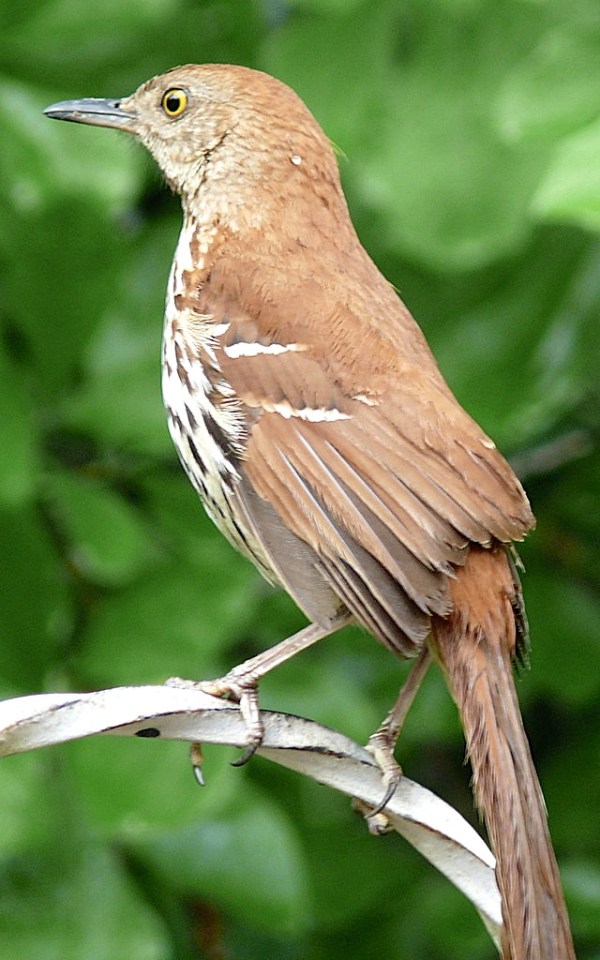
A NEW BIRD SPECIES FOR ABACO: BROWN THRASHER


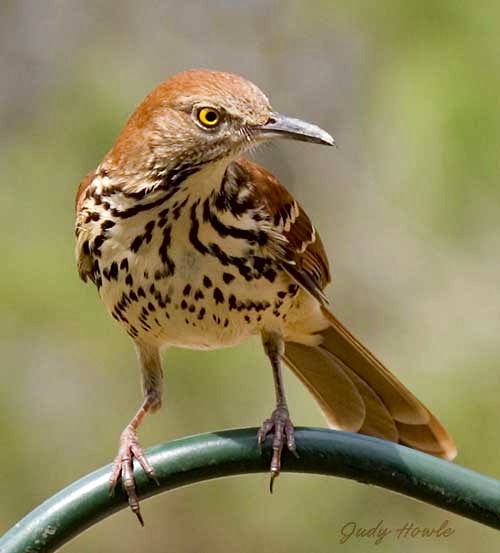
 Brown Thrasher, Judy Howle / DigiDiva - WunderPhotos

A NEW BIRD SPECIES FOR ABACO: BROWN THRASHER

The third new bird species this year has been found on Abaco by bird authority Woody Bracey.  After the excitement of 6 BLACK-BELLIED WHISTLING DUCKS in June and a FORK-TAILED FLYCATCHER in October comes the very recent sighting (with photos) of a BROWN THRASHER, hitherto unrecorded for Abaco. It was seen near Treasure Cay, at the site of a derelict restaurant.

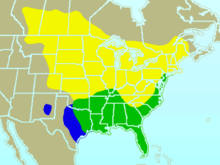
The Brown Thrasher (Toxostoma rufum) belongs to the same family that includes mockingbirds and the catbird – Mimidae. Its normal range includes Florida where it is resident,  so there’s only 200 miles of ocean to cross to reach Abaco. Easier still with a stop-over on Grand Bahama. However I’ve checked for other Bahamas sightings, and so far I have found one recorded for Grand Bahama, and one for Eleuthera. So this first sighting on Abaco is possibly only the third for the Bahamas, suggesting that the Thrasher is generally not a great adventurer.  

220px-Brown-Thrasher-rangemap

Here are some images in case you happen to see a strange brown speckled bird…Brown Thrasher (Manjith Kainickara wiki)

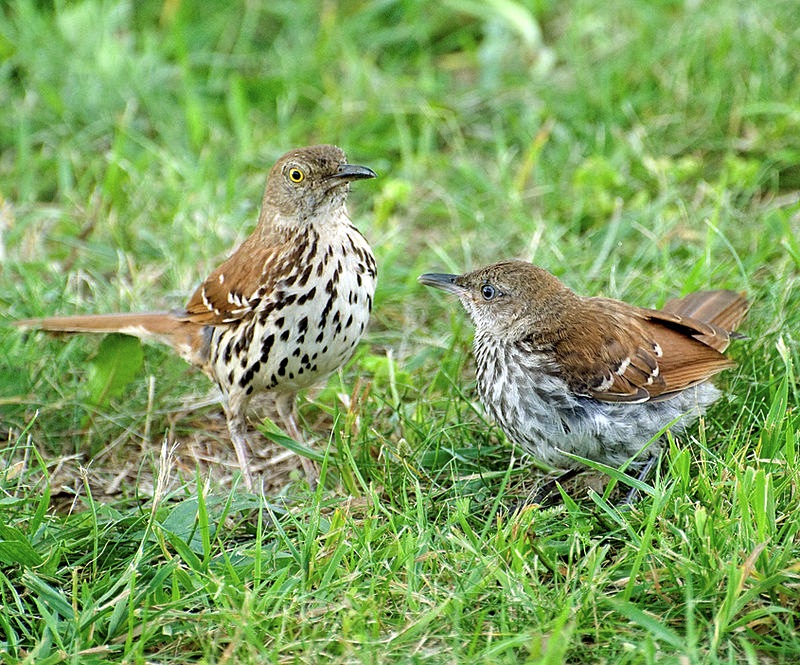
ADULT AND JUVENILE
Brown Thrasher Toxostoma rufum, Virginia - cbgrfx123 wiki

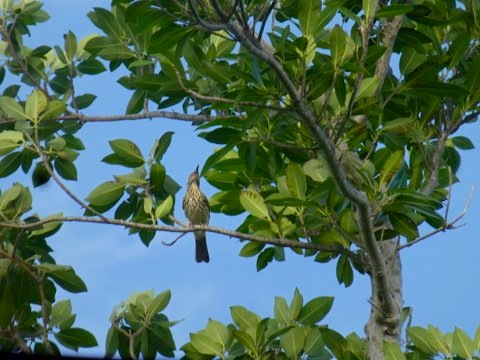
And here are Woody’s evidential images of his sighting. They may not be such close shots as the others but they are conclusive for the record.P1070843P1070844

BESIDES ONE BIRD VISITING ABACO, WHAT’S  INTERESTING ABOUT THE THRASHER?

  • They are known to have more than 1000 types of song, one of the largest bird repertoires
  • They repeat phrases 2 or 3 times before moving on to another (somewhat like Mockingbirds)

Rick Wigh / Xeno Canto

  • They are omnivorous, eating insects, snails, worms etc; and balancing that with fruit, seeds and nuts
  • They are shy birds, but can be very aggressive when defending territory or a nest site
  • They used their slightly decurved beaks to thrash around under leaves and ground debris as they forage – hence the name

YES INDEED, BUT IS THERE ONE REALLY MEMORABLE FACT ABOUT THEM?

  • OK. Their necks are extremely flexible and they have more vertebrae than camels or (get this!) giraffes.
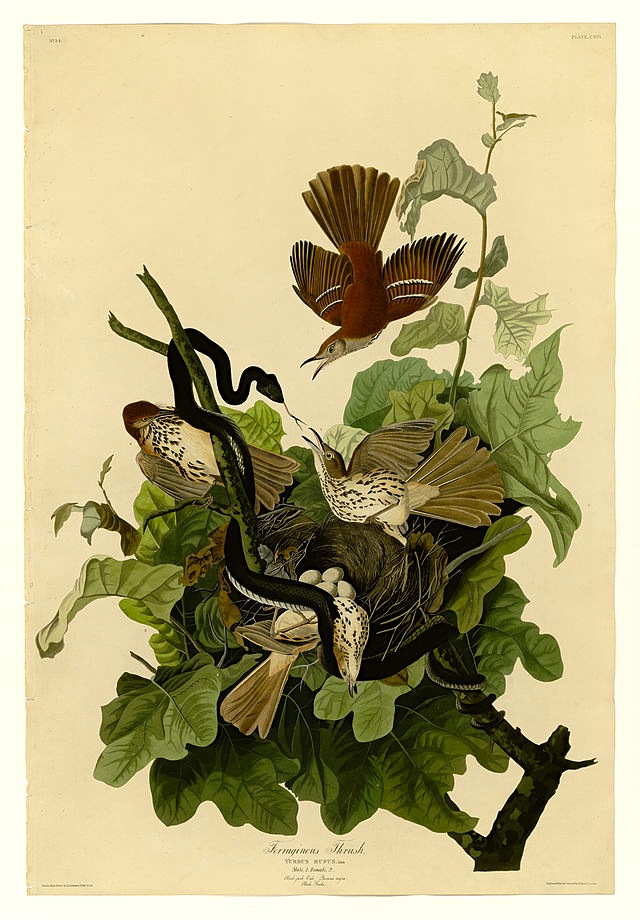
Brown_Thrasher (Ken Thomas wiki)AUDUBON’S DEPICTION OF A ‘FERRUGINOUS THRUSH’, AS IT WAS THEN KNOWNJohn James Audubon - Ferruginous Thrush

Credits: Judi Howle, Manjith Kainickara, Anon (wiki), Woody Bracey, Ken Thomas; Wunderphoto, Wiki, Xeno Canto

Unknown's avatar

“ABACO’S GOT TALONS”: THE OSPREY


Osprey, Abaco (Jim Todd 2)

“ABACO’S GOT TALONS”: THE OSPREY

The magnificent Osprey Pandion haliaetus is one of the world’s most successful raptors and can be found on every continent except Antarctica.

220px-Pandion_haliaetus_global_range.svg

Osprey, Abaco Bahamas (Tom Sheley)

On Abaco the Osprey is a permanent breeding resident, and while certainly not an ‘every day bird’, the chances of seeing one are reasonable. They are fairly often seen flying over the bay at Delphi, or out on the Marls. A pair recently nested at Sandy Point close to Nancy’s restaurant.

Ospreys, Abaco (Jim Todd)

There are few more exhilarating sights in the world of birds than an osprey swooping from a great height into the sea, emerging with a large fish held characteristically ‘fore and aft’ in its talons, and flying into the distance with heavy wing-beats. This wonderful close-up by wildlife photographer PHIL LANOUE shows an osprey that has actually managed to grab dinner for two…

osprey-flight-with-two-fish-03

This bird looks as if it is poised to dive onto some hapless fishOsprey in flight (Lake Wylie, S Carolina) - Gareth Rasberry

 10 PANDION POINTS TO PONDER

  • Ospreys are also known as sea hawks, fish hawks or fish eagles. They are almost exclusively fish-eating
  • A mature adult’s wingspan may reach 6 feet
  • They are the only members of their taxonomic family, genus and species
  • Ospreys & owls are the only raptors with reversible outer toes to grasp prey firmly
  • They can carry fish weighing more than 4 lbs
  • They dive into water feet first to grab its prey; their nostrils can close up to keep out water
  • Osprey-watch.org is a global site for mapping osprey nest locations / logging nesting observations
  • A New Jersey group has designed the optimum artificial nest platform, now an accepted standard
  • Ospreys usually mate for life
  • Osprey populations in many areas have been affected by pesticides and by egg trophy-hunters

PUTTING THE ‘PREY’ INTO ‘OSPREY’
Osprey, Florida (Danny Sauvageau)

A utility post makes a perfect perch for a bonefish snackOsprey, Abaco (Woody Bracey) copy

CHECK OUT THE TALON…Osprey (Danny Sauvageau)

The impressive wingspan of an Abaco ospreyOsprey, Abaco (Craig Nash) copy

An osprey far out on the Marls. I managed to get some distance shots of it despite having a fishing rod in my hand…Osprey - Abaco Marls 4 Osprey - Abaco Marls 1Osprey - Abaco Marls 2Osprey - Abaco Marls 3

Osprey, by John James AudubonOsprey - John James Audubon

The Osprey is a prolific symbol in national, cultural and sporting themes, and has been depicted on Bahamas stamps. And quite right too.

Bahamas Wildlife Stamp Osprey copy

Wm Shakespeare Coriolanus

I think he [Coriolanus] will be to Rome
As is the osprey to the fish, who takes it
By sovereignty of nature… 

Credits: Jim Todd (1, 3), Tom Sheley (2), Phil Lanoue (4), Gareth Rasberry / Wiki (5), Danny Sauvageau (6, 8), Woody Bracey (7), Craig Nash (9), RH (Marls pics) – thanks for all image use permissions

Unknown's avatar

WORLD SHOREBIRDS DAY – ABACO’S 33 SHOREBIRD SPECIES (2) – SANDPIPERS


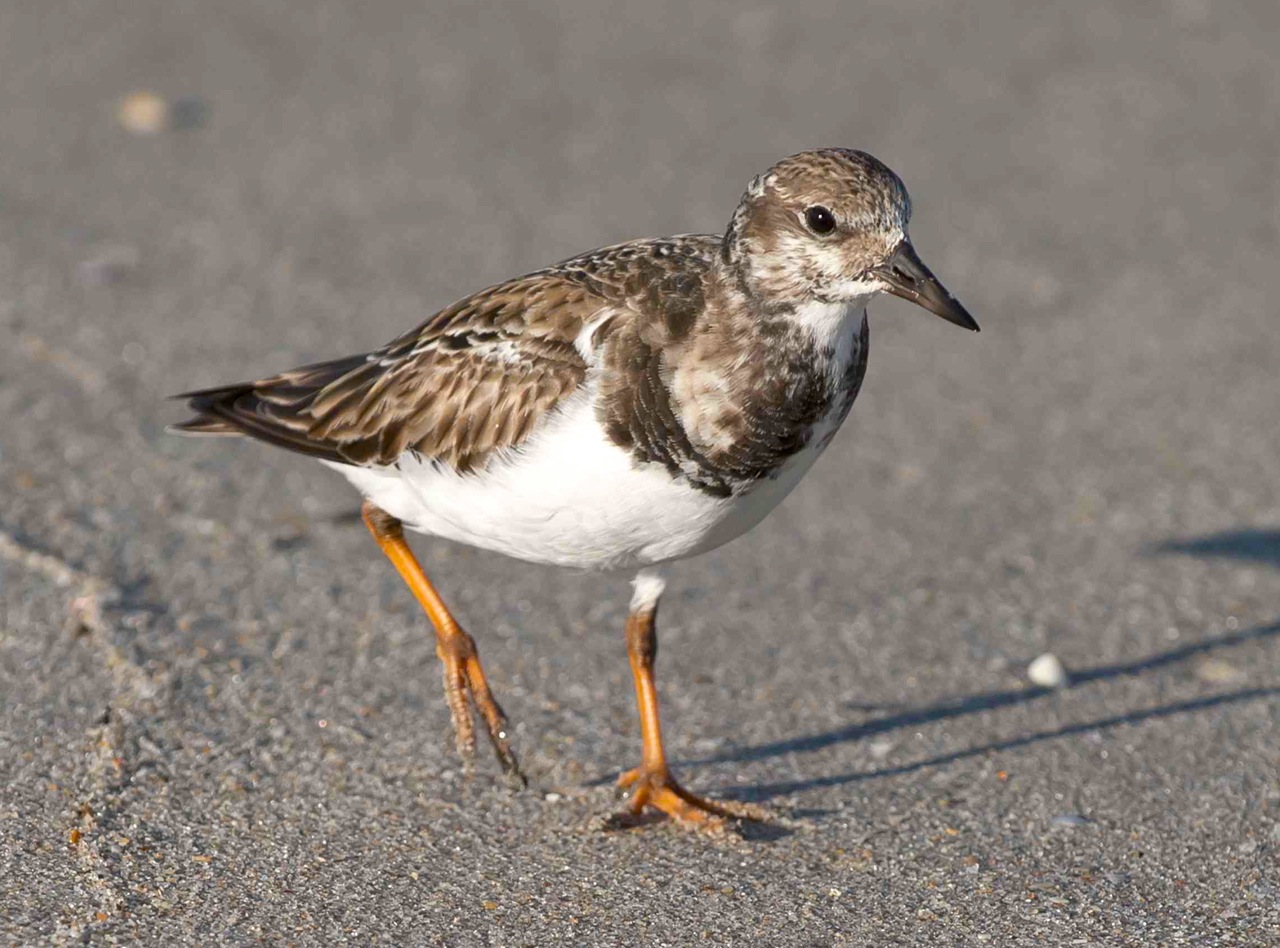
Ruddy Turnstone winter plumage.Abaco Bahamas.2.13.Tom Sheley e

WORLD SHOREBIRDS DAY: ABACO’S 33 SHOREBIRD SPECIES (2)

Yesterday I featured 8 of the larger, longer-billed species among Abaco’s 33 shorebirds. Plus one cute Wilson’s Plover chick as page-bait! A number of those are classified as sandpipers. To see them, click HERE. Today it’s the turn of the smaller sandpiper species, little birds with long beaks for their size that in general help differentiate them from the stubby-beaked plover species. To recap, here is  the main Abaco shorebird checklist of 26 species (birds previously featured in bold):

The codes will tell you, for any particular bird, when you may see it (P = permanent, WR = winter resident, TR = transient, V = vagrant); whether it breeds (B) on Abaco; and your chance of seeing it, graded from easy (1) to vanishingly unlikely (5).

  • Black-necked Stilt                         Himantopus mexicanus              PR B 3
  • American Avocet                           Recurvirostra americana           WR 4
  • American Oystercatcher          Haematopus palliatus                 PR B 2
  • Black-bellied Plover                          Pluvialis squatarola                     WR 1
  • American Golden-Plover                 Pluvialis dominica                        TR 4
  • Wilson’s Plover                                  Ochthodromus wilsonia              PR B 2
  • Semipalmated Plover                        Charadrius semipalmatus         WR 2
  • Piping Plover                                      Charadrius melodus                      WR 3
  • Killdeer                                                 Charadrius vociferus                    WR 2
  • Spotted Sandpiper                              Actitis macularius                         WR 1
  • Solitary Sandpiper                             Tringa solitaria                              WR 2
  • Greater Yellowlegs                       Tringa melanoleuca                     WR 2
  • Willet                                                   Tringa semipalmata                     PR B 2
  • Lesser Yellowlegs                          Tringa flavipes                               WR 3
  • Ruddy Turnstone                                Arenaria interpres                        PR 2
  • Red Knot                                               Calidris canutus                              WR 3
  • Sanderling                                            Calidris alba                                     WR 1
  • Dunlin                                                 Calidris alpina                                 WR 2
  • Least Sandpiper                                  Calidris minutilla                           WR 2
  • White-rumped Sandpiper                 Calidris fuscicollis                          TR 3
  • Semipalmated Sandpiper                  Calidris pusilla                                TR 2
  • Western Sandpiper                             Calidris Mauri                                 TR 2
  • Short-billed Dowitcher               Limnodromus griseus                   WR 1
  • Long-billed Dowitcher                Limnodromus scolopaceus         WR 4
  • Wilson’s Snipe                                 Gallinago delicata                         WR 3
  • Wilson’s Phalarope                            Phalaropus tricolor                        V 4

The other 7 species of shorebird recorded for Abaco – all transients or vagrants – are: Upland Sandpiper TR 4, Whimbrel  TR 4, Hudsonian Godwit V5, Marbled Godwit V5, Buff-breasted Sandpiper V5, Pectoral Sandpiper  TR 3, Stilt Sandpiper TR 3

SANDPIPERS

Of the sandpiper species shown below, 9 of the 10 are ones that, at the right time and in the right place, you may see on Abaco. The tenth, the Wilson’s Phalarope, is the first specimen ever recorded for Abaco and as far as is known this is the only photo of it (props to Woody Bracey for this accomplished ‘get’). Again, some of the birds shown below were photographed on the Delphi Club beach.

SPOTTED SANDPIPER Actitis macularius   WR 1Spotted Sandpiper.Abaco Bahamas - Tom Sheley

SOLITARY SANDPIPER Tringa solitaria  WR 2Solitary Sandpiper, Petrie Island D G E Robertson Wiki

RUDDY TURNSTONE  Arenaria interpres  PR 2Ruddy Turnstone Abaco Bahamas. 2.12.Tom Sheley copy 2

RED KNOT Calidris canutus (non-breeding plumage)  WR 3Red Knot,  Green Turtle Cay, Abaco - Becky Marvil

SANDERLING  Calidris alba  WR 1Sanderling, Abaco -  Craig Nash

LEAST SANDPIPER  Calidris minutilla  WR 2Least Sandpiper, Delphi Club Beach, Abaco - Keith Salvesen

WHITE-RUMPED SANDPIPER  Calidris fuscicollis  TR 3White-rumped Sandpiper, Abaco - Tony Hepburn

SEMIPALMATED SANDPIPER   Calidris pusilla  TR 2Semipalmated Sandpiper, Abaco (juv) Bruce Hallett

WESTERN SANDPIPER  Calidris Mauri  TR 2Western Sandpiper, Abaco (Bruce Hallett)

WILSON’S PHALAROPE Phalaropus tricolor  V 4 Wilson's Phalarope, Abaco - Woody Bracey

RELATED POSTS

RUDDY TURNSTONES

LEAST SANDPIPERS

Photo Credits: Tom Sheley, D Robertson, Becky Marvil, Craig Nash, RH, Tony Hepburn, Bruce Hallett, Woody Bracey

Unknown's avatar

FAST FOOD ON THE WING: ANTILLEAN NIGHTHAWKS ON ABACO


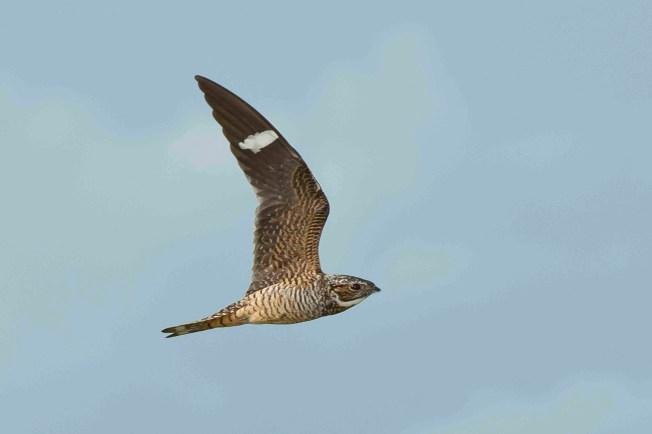
Antillean Nighthawk in flight 2. Abaco bahamas.6.13.Tom Sheley

FAST FOOD ON THE WING: ANTILLEAN NIGHTHAWKS ON ABACO

A bird ID query was recently posted on my FB page by Abaco resident Maria Bethel Flore, who said “I saw a flock of birds I’ve never seen before. All black except for a white stripe underneath the wing. I didn’t get one good picture they were flying so fast”. There were a couple of clues there: a fast-flying flock; and the white underwing bars. Maria’s distant image confirmed the ID as an Antillean Nighthawk Chordeiles gundlachii. These birds have local names such as ‘killakadick’ and ‘pi-di-mi-dix’, or variations on the theme – presumably onomatopoeic.

Paul Marvin / Xeno-Canto

I thought a post illustrating these wonderful birds in flight and on the ground would be timely. 

Antillean Nighthawk in flight 3. Abaco Bahamas.6.13.Tom SheleyAntillean Nighthawk, Abaco  (Sandy Walker)

The photos above were taken during a trip into deep South Abaco backcountry to the west of the Highway to photograph birds for BIRDS OF ABACO. We reached an open area late in the afternoon to find ourselves in the middle of dozens of nighthawks swooping and diving as they hawked for flies. We leapt out of the truck (we stopped it first) with eager eyes and cameras and watched the performance in amazement. The birds were quite unperturbed by our presence, and from time to time would zoom past within inches of our heads, making a swooshing noise as they did so.

Truck Backcountry

The speed of flight and the jagging paths made it extremely hard to take photos. Photographer Tom Sheley (below) was able to nail them (see top 2 images); I could barely catch a bird in my jiggling viewfinder, but Sandy Walker got a good clear shot (photo 3).Tom Sheley with Antillean Nighthawks, Abaco

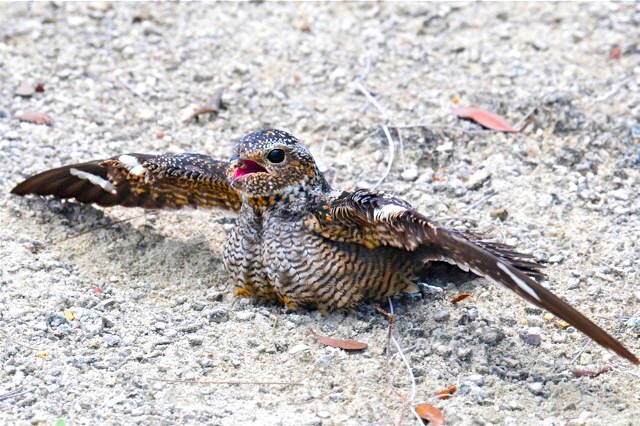
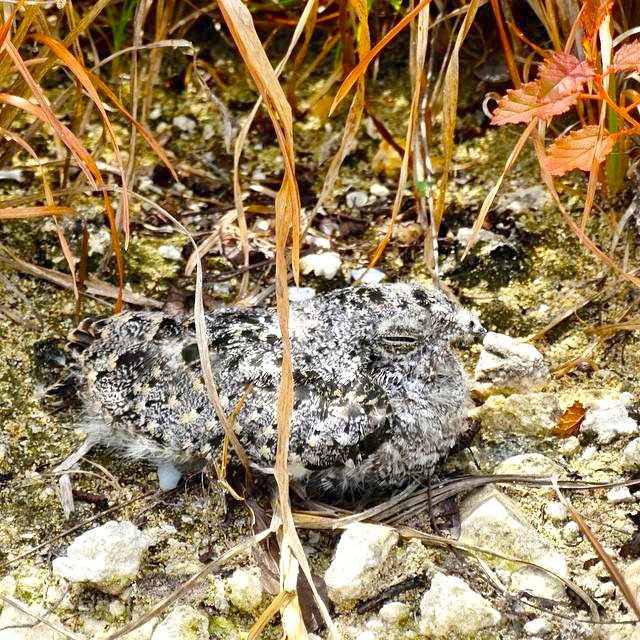
Apart from the exuberant aerial displays such as I have described, nighthawks may also be seen on the ground, where they nest. Their colouring enables them tend to blend in with the surroundings. Woody Bracey took the first 2 pictures; the next is from the excellent BIRDS CARIBBEAN, which anyone with an interest in birds would enjoy; and the final one was scooped by Susan Daughtrey on a recent visit to Abaco – another very good example of the bird’s camouflage in natural surroundings.

Antillean Nighthawk, Abaco Woody Bracey Antillean Nighthawk, Abaco (Woody Bracey)Antillean Nighthawk chick (aka %22pi-di-mi-dix%22) BahamasAntillean Nighthawk, Abaco  (Susan Daughtrey)

Credits: Tom Sheley, Sandy Walker, RH, Woody Bracey, Birds Caribbean, Susan Daughtrey, Xeno-Canto

Unknown's avatar

ABACO: THE PERFECT PLACE FOR BAHAMAS BIRDING


ABACO: THE PERFECT PLACE FOR BAHAMAS BIRDING

I’ve  fairly very often mentioned the remarkable diversity of the bird species on Abaco. This small island has a wide variety of permanent resident species and the advantage of being on a primary migration route so that it has both winter and summer migratory visitors. Here’s an example of some of the species a visitor might reasonably expect to find during a day’s birding. This isn’t an ‘invented inventory’, easy though that would be to compile. It records a birding outing by Abaco visitor Susan Daughtrey, guided by the legendary Woody Bracey, with sightings of 53 species from A (baco Parrot) to Z (enaida Dove). Here are some of Susan’s photos of the birds she encountered. At the end is the full list of the 34 species she photographed.There’s nothing very rare – most of those shown are permanent residents (PR), breed on Abaco (B) and are commonly found (1). Hence the code* PR B 1. SR is for the 2 summer residents, I is for the introduced collared dove. The best ‘get’ is the Bahama Mockingbird (PR B 3), a bird mainly of the pine forests and not so easy to find.

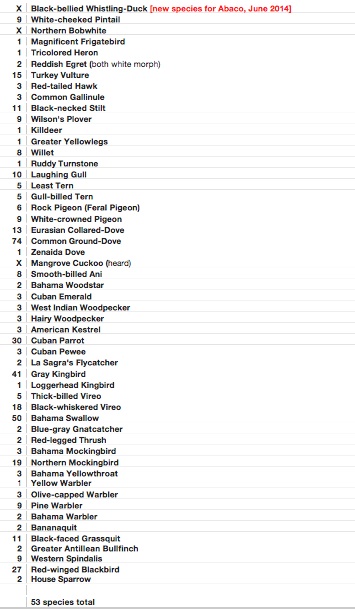
ADDENDUM Susan has now sent me her complete record for a great day out in which 53 species were seen. The list shows the numbers seen for each species. I have had to reformat the list from the original to make it work in this blog. I have added links for the first bird, the Black-bellied Whistling Duck, which was recorded on Abaco for the first time in early June. Of the six seen at any one time to begin with (including at Delphi), the reported numbers dropped to 2, then 1. The latest news is an unconfirmed sighting of a single bird at Treasure Cay Golf Course.

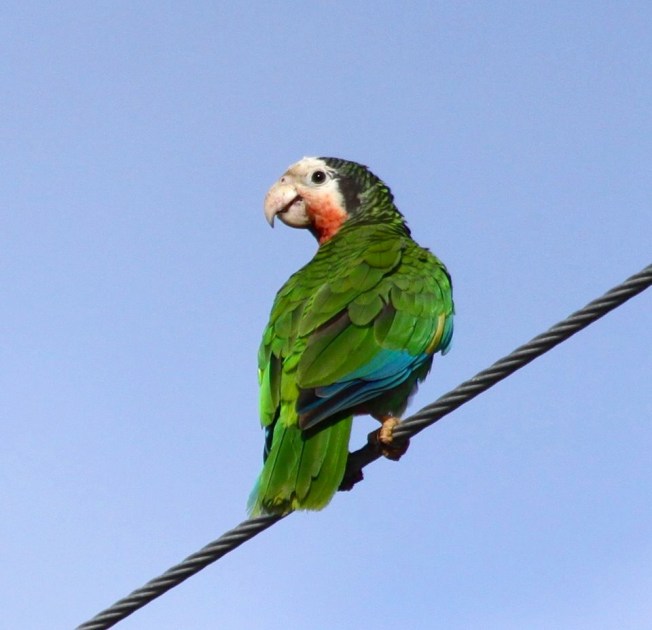
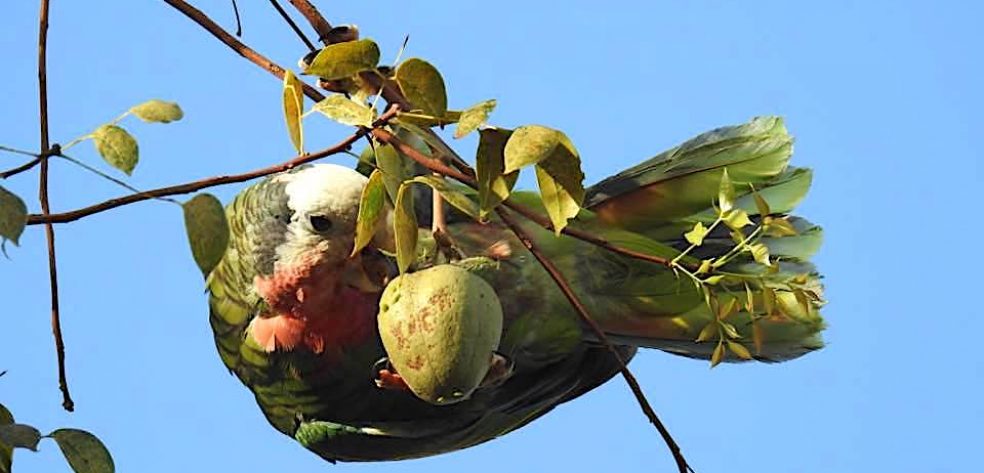
ABACO (CUBAN) PARROT Amazona leucocephala PR B 1

ANTILLEAN NIGHTHAWK Chordeiles gundlachii SR 1Amazon (Cuban) Parrot, Abaco (Susan Daughtrey)Antillean Nighthawk, Abaco  (Susan Daughtrey)

BAHAMA MOCKINGBIRD (ENDEMIC) Mimus gundlachii PR B 3Bahama Mockingbird, Abaco  (Susan Daughtrey)

BAHAMA SWALLOW (ENDEMIC) Tachycineta cyaneoviridis PR B 1Bahama Swallow, Abaco  (Susan Daughtrey)

BAHAMA PINTAIL (WHITE-CHEEKED PINTAIL) Anas bahamensis PR B 1
Bahama (White-cheeked) Pintail, Abaco  (Susan Daughtrey)

BLUE-GRAY GNATCATCHER Polioptera caerulea PR B 1Blue-gray Gnatcatcher, Abaco  (Susan Daughtrey)

CUBAN PEWEE Contopus caribaeus PR B 1Cuban Pewee, Abaco  (Susan Daughtrey)

EURASIAN COLLARED DOVE Streptopelia decaocto  I PR B 1Eurasian Collared Dove, Abaco  (Susan Daughtrey)

HAIRY WOODPECKER Picoides villosus PR B 1Hairy Woodpecker, Abaco  (Susan Daughtrey)

LEAST TERN Sternula antillarum SR B 1Least Tern, Abaco  (Susan Daughtrey)

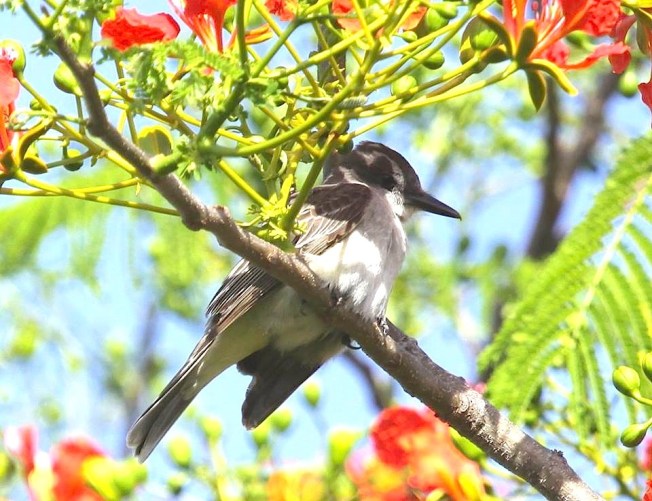
LOGGERHEAD KINGBIRD Tyrannus caudifasciatus PR B 1Loggerhead Kingbird, Abaco  (Susan Daughtrey)

MAGNIFICENT FRIGATEBIRD (female)  Fregata magnificens PR B 1Magnificent Frigatebird, Abaco  (Susan Daughtrey)

OLIVE-CAPPED WARBLER Setophaga pityophila PR B 1                                            Olive-capped Warbler, Abaco  (Susan Daughtrey)

RED-LEGGED THRUSH  Turdus plumbeus PR B 1Red-legged Thrush, Abaco  (Susan Daughtrey)

RED-WINGED BLACKBIRD Agelaius phoeniceus PR B 1Red-winged Blackbird, Abaco  (Susan Daughtrey)

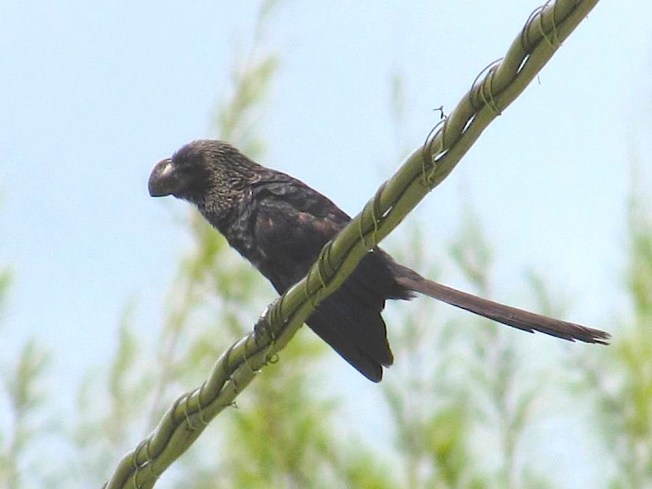
SMOOTH-BILLED ANI Crotophaga ani PR B 1Smooth-billed Ani, Abaco (Susan Daughtrey)

THICK-BILLED VIREO Vireo crassirostris PR B 1
Thick-billed Vireo, Abaco  (Susan Daughtrey)

WESTERN SPINDALIS Spindalis zena PR B 1Western Spindalis, Abaco  (Susan Daughtrey)

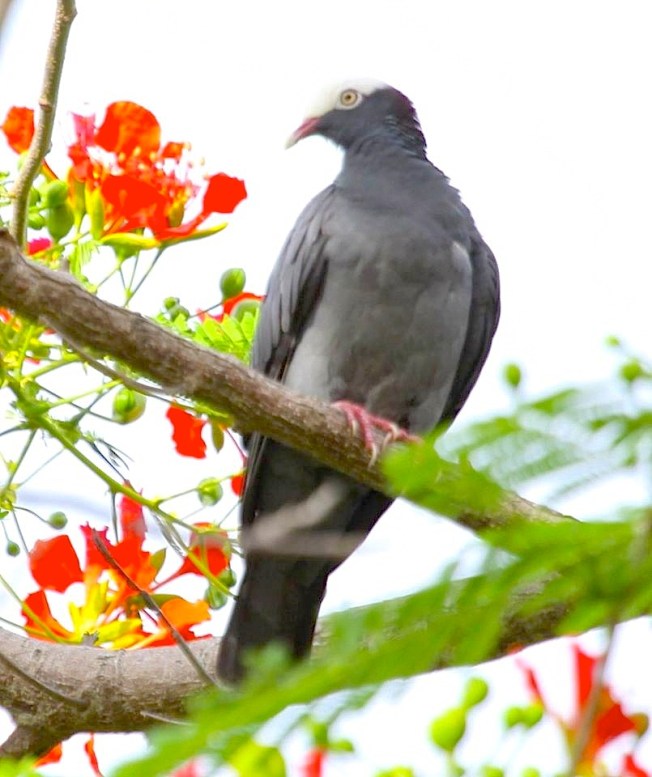
WHITE-CROWNED PIGEON Patagioenas leucocephala PR B 1White-crowned Pigeon, Abaco  (Susan Daughtrey)

SUSAN’S LIST OF BIRDS PHOTOGRAPHED

SUSAN'S SPECIES jpg

SUSAN’S COMPLETE LIST FOR THE DAY – 53 SPECIES

To learn about Abaco’s latest new species the Black-bellied Whistling Duck click HERE & HERE

Susan's fuller list JPG

Credits: all photos, Susan Daughtrey; *the excellent birding code was devised by ornithologist Tony White with Woody Bracey

Unknown's avatar

OWLS OF ABACO (1): THE BARN OWL


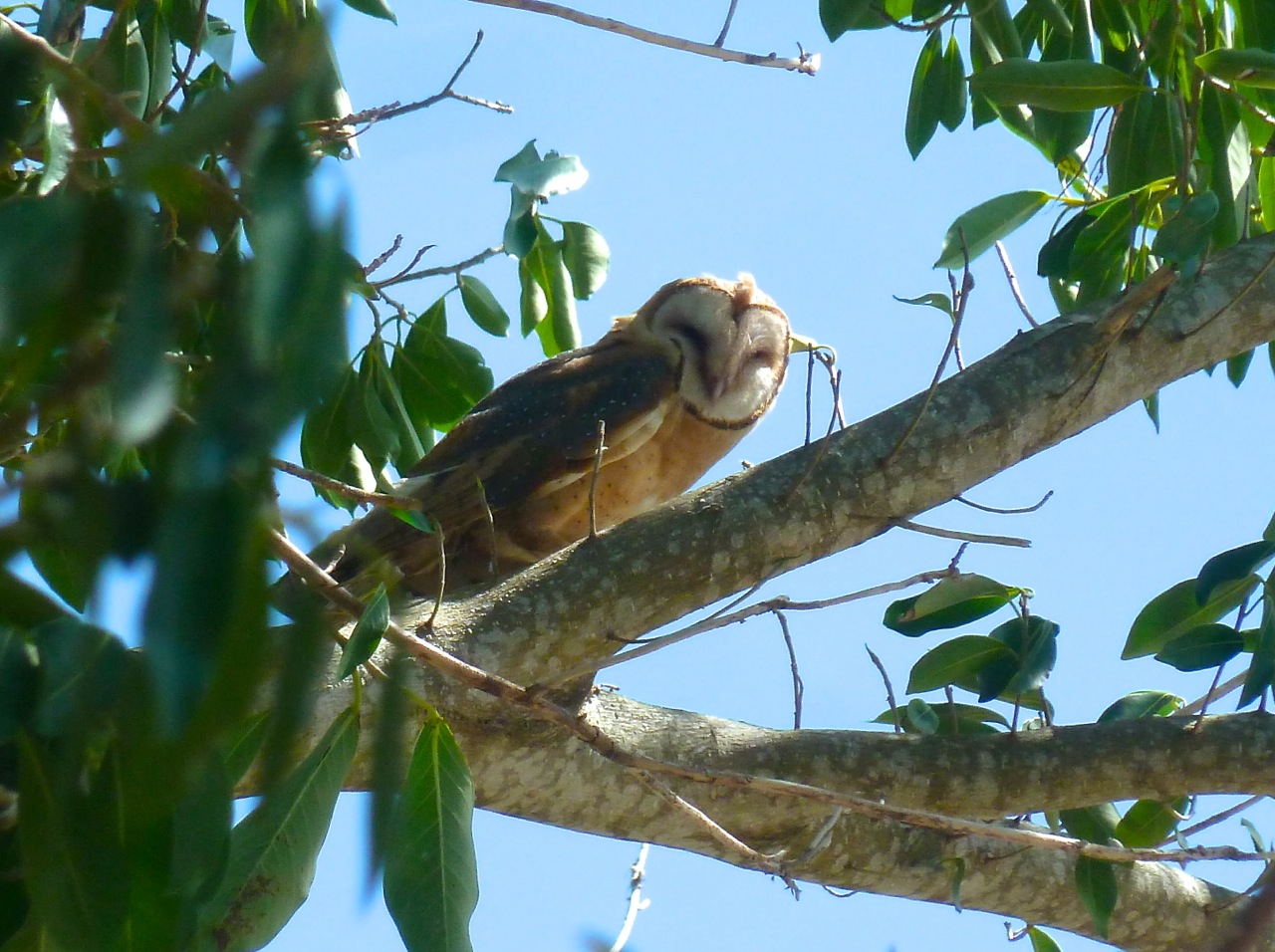
Barn Owl, Abaco2

Barn Owl, Abaco, Bahamas (Woody Bracey)

OWLS OF ABACO (1): THE BARN OWL

Realistically, the Barn Owl (Tyto alba) is the only owl you are likely to see – and hear – on Abaco. The species is permanently resident, which is a good start in that the opportunities for sighting one exist year-round. Although they are not at all common they can be found in particular locations, for example the Treasure Cay area. There are two other owl species recorded for Abaco: the Burrowing Owl, a rare vagrant (post coming soon); and the Northern Saw-whet Owl, a vanishingly rare vagrant recorded a handful of times that I don’t propose to feature unless and until it decides to visit Abaco more frequently…

Barn Owl, Treasure Cay, Abaco Bahamas (Becky Marvil)

Barn Owl, Treasure Cay, Abaco Bahamas (Becky Marvil)

The shrill banshee cry of the Barn Owl – known in many places as the ‘screech owl’ (which, strictly, is a different owl species) – is unmistakeable. Mainly nocturnal, they fly noiselessly like white ghosts in the night. If you are lucky enough to see one in daytime, you’ll be struck by the beautiful heart-shaped face and (if close enough) the delicate markings. We are lucky enough to live in barn owl country in the UK. In summer we often hear them at night as they hunt for rodents and other small mammals. Last night, for example, at 2.30 a.m. Barn owls also make an intimidating hissing noise.

[audio http://www.xeno-canto.org/sounds/uploaded/BPSDQEOJWG/XC186611-Tornuggla-%282014-06-01%29-LS114612.mp3] Patrik Aberg Xeno-Canto

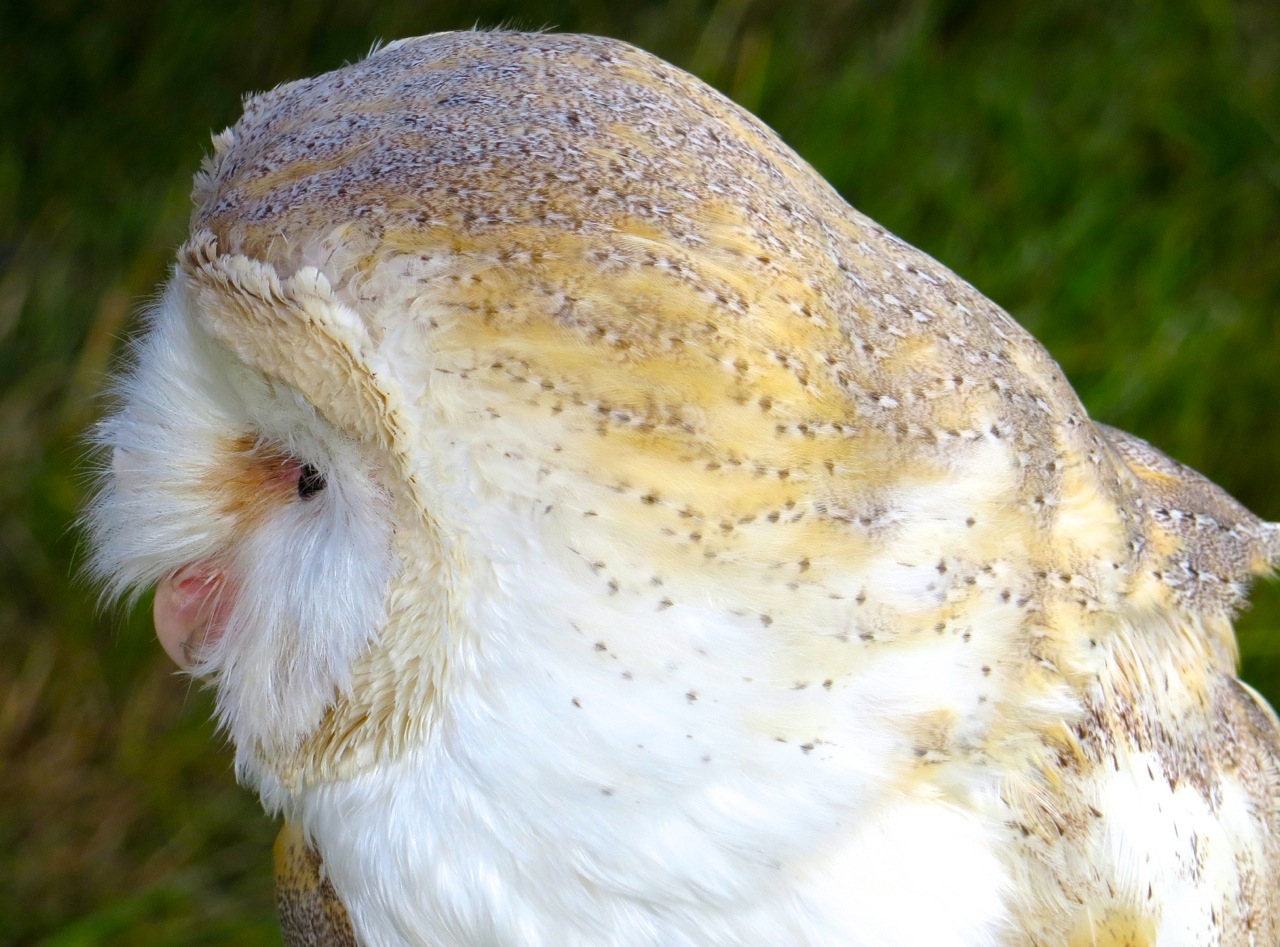
Both photos above were taken on Abaco. Woody Bracey’s header image is featured inTHE BIRDS OF ABACO“. Becky Marvil’s photo was taken near Treasure Cay. I’ve never seen a barn owl on Abaco, but  I’ve been lucky enough to get close to a couple – last summer in Dorset, and last week in Cornwall. For those who have never seen one, here is a gallery of my own images that show what wonderful birds they are.

Barn Owl (Keith Salvesen)Barn Owl Dorset 3 copy Barn Owl Dorset 2 copyBarn Owl 2 (Keith Salvesen)Barn Owl 4 (Keith Salvesen)

 This close-up of a barn owl shows the typical speckling on its pure white front, and the wing patternsBarn Owl 5 (Keith Salvesen)

This fluffy baby barn owl was recently rescued and is being cared for in a sanctuary before being returned to the wild. Whimsy is rarely permitted  in this blog, but seriously, folks – cute overload!Barn Owl 6 (Keith Salvesen)

Credits: Woody Bracey, Becky Marvil, RH, Xeno-Canto (audio), RSPB (video)

Unknown's avatar

BLACK-BELLIED WHISTLING DUCKS: A NEW BIRD SPECIES FOR ABACO


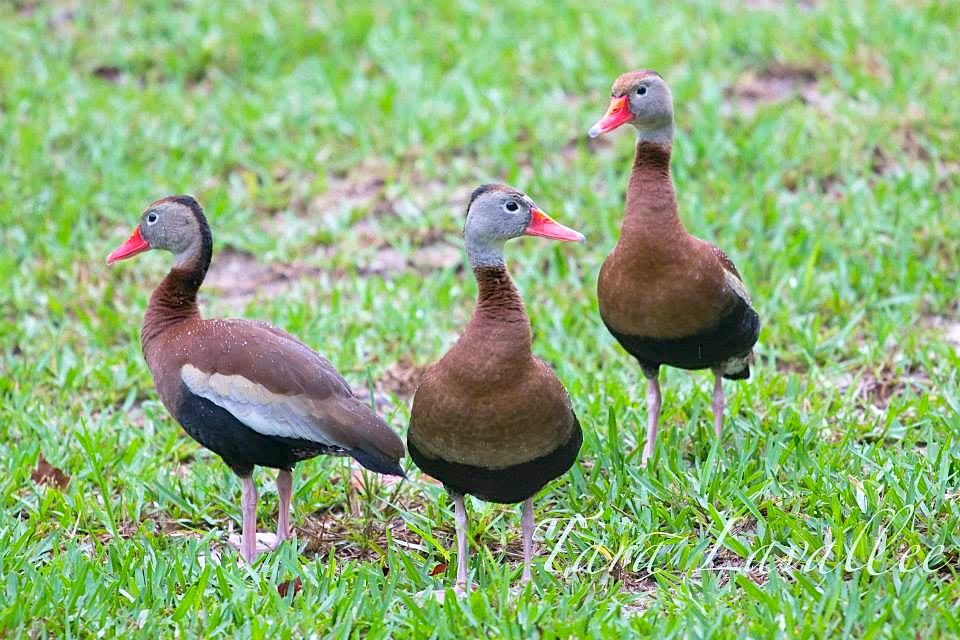
Black-bellied Whistling Duck, Abaco (Tara Lavallee)

BLACK-BELLIED WHISTLING DUCKS: A NEW BIRD SPECIES FOR ABACO

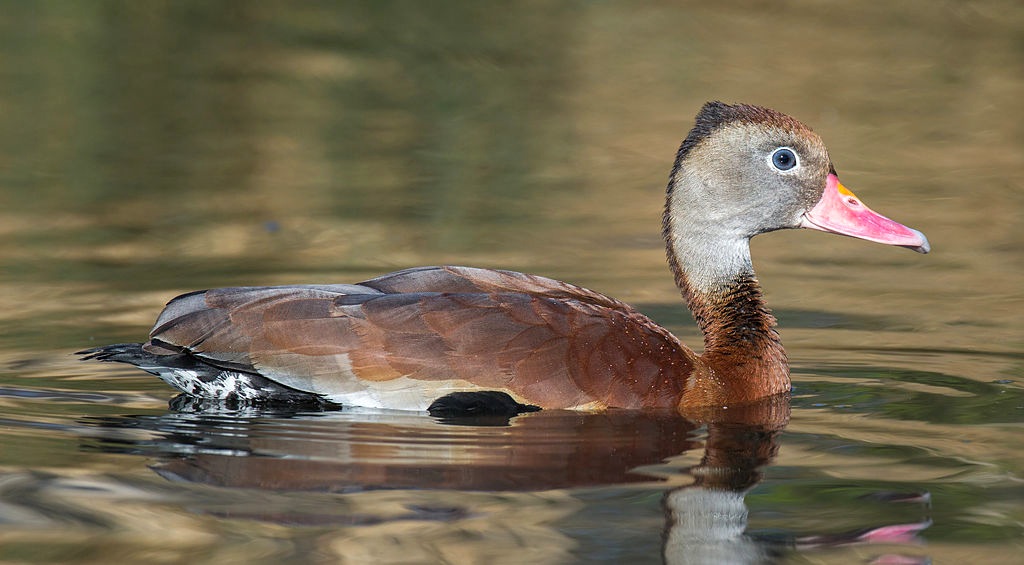
In March 2014 “The Delphi Club Guide to the Birds of Abaco” was published. It contains a checklist of every species recorded for Abaco that was accurate on the day of publication. So it was with a mix of excitement (new species!) tinged slight disappointment (the book is already out of date by June!) that I heard reports of Black-bellied Whistling Ducks Dendrocygna autumnalis being seen on Abaco. Followed by photographs to prove it.

The first report came from Woody Bracey in his account of a day in the field on June 9th in which 40 bird species were seen. He concluded the report: “Most remarkable of these sighting were the 5 Black-bellied Whistling Ducks. This species has been reported before on Andros and Grand Bahama but never on Abaco. 5 were seen clearly in flight with their bright white central upper wing patches, dark underbelly, red legs and bill and long neck. A Yellow-crowned Night Heron spooked 8 Parrots feeding in a Gumbo Limbo Tree when this small flock of whistling ducks flew by affording a good look coming, overhead and going. Unfortunately I did not get a photo even with camera in hand. They have bred in Cuba but not in the Bahamas”.

So, a clear sighting but no photographic evidence. Until the following morning, yesterday June 10 around breakfast time, when at the Delphi Club Lucy Mantle happened to notice some strange ducks right in front of the Club. She grabbed a camera (possibly her phone?) and took a couple of quick shots. Peter Mantle checked Hallett, the go-to field guide, and saw at once that these were not West Indian Whistling Ducks (a species found on Abaco). So he put the word about, adding Lucy’s photos. Hers are almost certainly the first ever images of this species on Abaco.

STOP PRESS 12 JUNE I’ve had an email from Woody Bracey saying that he first photos documenting the Black-bellied Whistling Ducks were in fact taken Saturday June 7 on the Schooner Bay Dock by Glen Kelly. These photos are the ‘official documenting ones’ so I’m afraid that as things stand, Lucy moves to silver medal position and Tara to bronze…

Black-bellied Whistling Ducks, Delphi Club (Lucy Mantle) – first second species photo on Abaco?Black-bellied Whistling Duck, Delphi, Abaco (Lucy Mantle) v2

Tony White, compiler of the checklist, responded to Peter: “Congratulations! you are the first to document a new species on Abaco since the book and checklist came out. These are Black-bellied Whistling-Ducks, casual visitors to the Bahamas. They are increasing rapidly in Florida and I think we can expect them to be breeding somewhere in the Bahamas in the next few years.There are two subspecies and they both have been seen in the Bahamas. I’ll let Woody try to figure out which these are. Thanks for being so alert and getting these photos”.

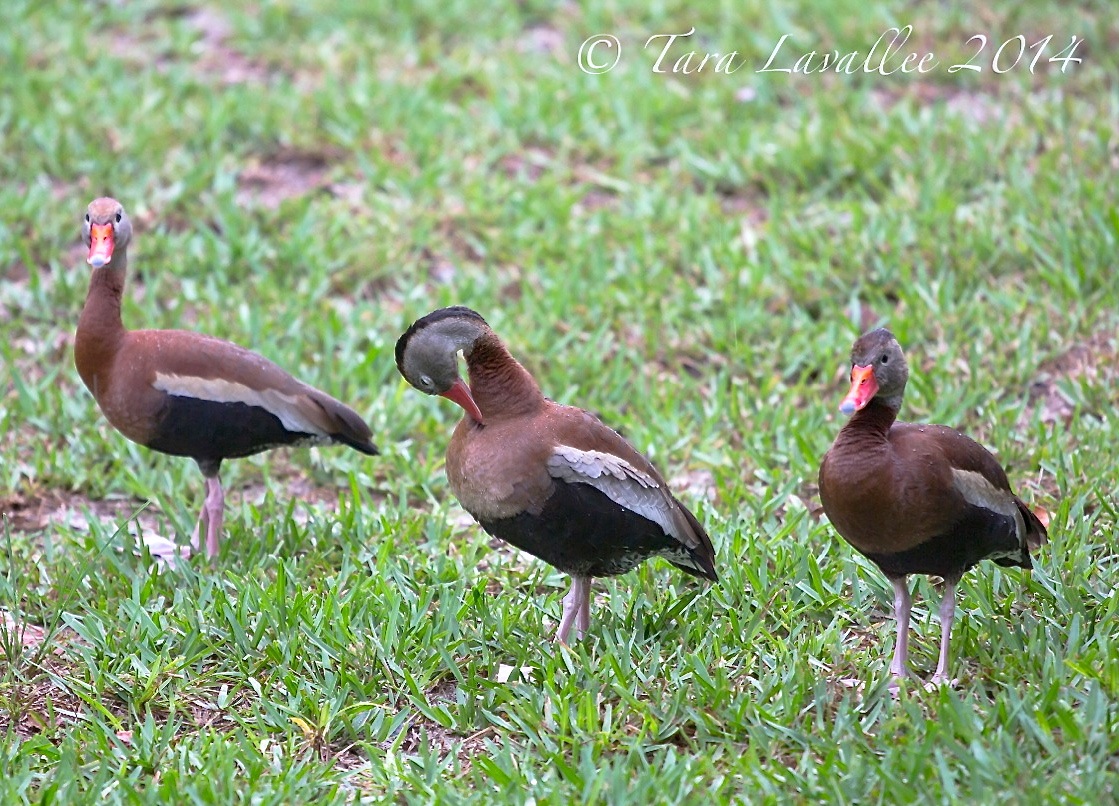
The birds must have moved gradually north during the day, and further sightings were reported online. Tara Lavallee took some photos of them in her yard a few miles north of Delphi and posted them on FB asking “Six of these beauties visiting my yard. Anyone know what they are?” 12-year old birder Chris Johnson was very quick off the mark with the correct ID as Black-bellied Whistling Ducks. Hector Morales had seen them flying over his house the previous day. I’ve seen no further reports, but I am really pleased to be able to feature Tara’s photos, which she kindly emailed earlier today. Her bird photography credentials are high – her wonderful photo of a Bahama Woodstar feeding from a flower takes up the whole of p43 of “The Birds of Abaco”.

Black-bellied Whistling Ducks, Abaco (Tara Lavallee) 2Black-bellied Whistling Ducks, Abaco (Tara Lavallee) 4Black-bellied Whistling Ducks, Abaco (Tara Lavallee) 3Black-bellied Whistling Duck, Abaco (Tara Lavallee)Black-bellied Whistling Ducks, Abaco (Tara Lavallee) 5

This is what they sound like. If you hear this call – grab a camera!

Paul Marvin @ Xeno-Canto

The present range of this species is shown in the Cornell Lab graphic below.It seems that the range is starting to expand, and that these ones are most likely to be visitors from Florida. It remains to be seen whether these ducks will remain vagrant curiosities, or settle down and begin to breed on Abaco. There are plenty of them, and they are IUCN listed as ‘Least Concern’. It’s a gregarious species, so perhaps that increases the chances of having a breeding population on Abaco.

Black-bellied Whistling-Duck Range Map

I’ll end with two excellent photos of the BBWD, taken by people who plainly had plenty of time to sort out and set up their equipment at their own pace, and not as the result of a totally unexpected and random arrival in the front yard!

Black-bellied Whistling Duck Alan D. Wilson, www.naturespicsonline.com Black-bellied Whistling Duck – Alan D. Wilson, http://www.naturespicsonline.com (Wiki)

Black-bellied Whistling Duck Dendrocygna autumnalis London_Wetland_Centre,_UK_-_Diliff Black-bellied Whistling Duck, London Wetland Centre, UK by Diliff  (Wiki)

Photo credits as shown, with special thanks to Lucy Mantle for her exclusive  ‘first’; to Tara for use permission and sending her originals; and an honourable mention to Chris Thomas for his powers of ID!