
“THE BIRDS OF ABACO”: BOOKMAKERS (& GAMBLERS?)
THE DELPHI CLUB GUIDE TO THE BIRDS OF ABACO
163 SPECIES, 350+ PHOTOS, 30 PHOTOGRAPHERS, 272 PAGES

Black-necked Stilt – Alex Hughes
THE POST DORIAN PLANS
It is a truth universally acknowledged that, until 1 September 2019 when Dorian struck, Abaco was a prime birding location in the Bahamas archipelago, an island chain that stretches from the lower reaches of the temperate zone to the more exotic sub-tropical region. The judgement for ‘best birding location’ is both objective and subjective, and the criteria are flexible. However on any view Abaco scores highly in all avian categories: resident species, endemics, migratory birds, speciality species, vulnerable species, and extreme rarities.
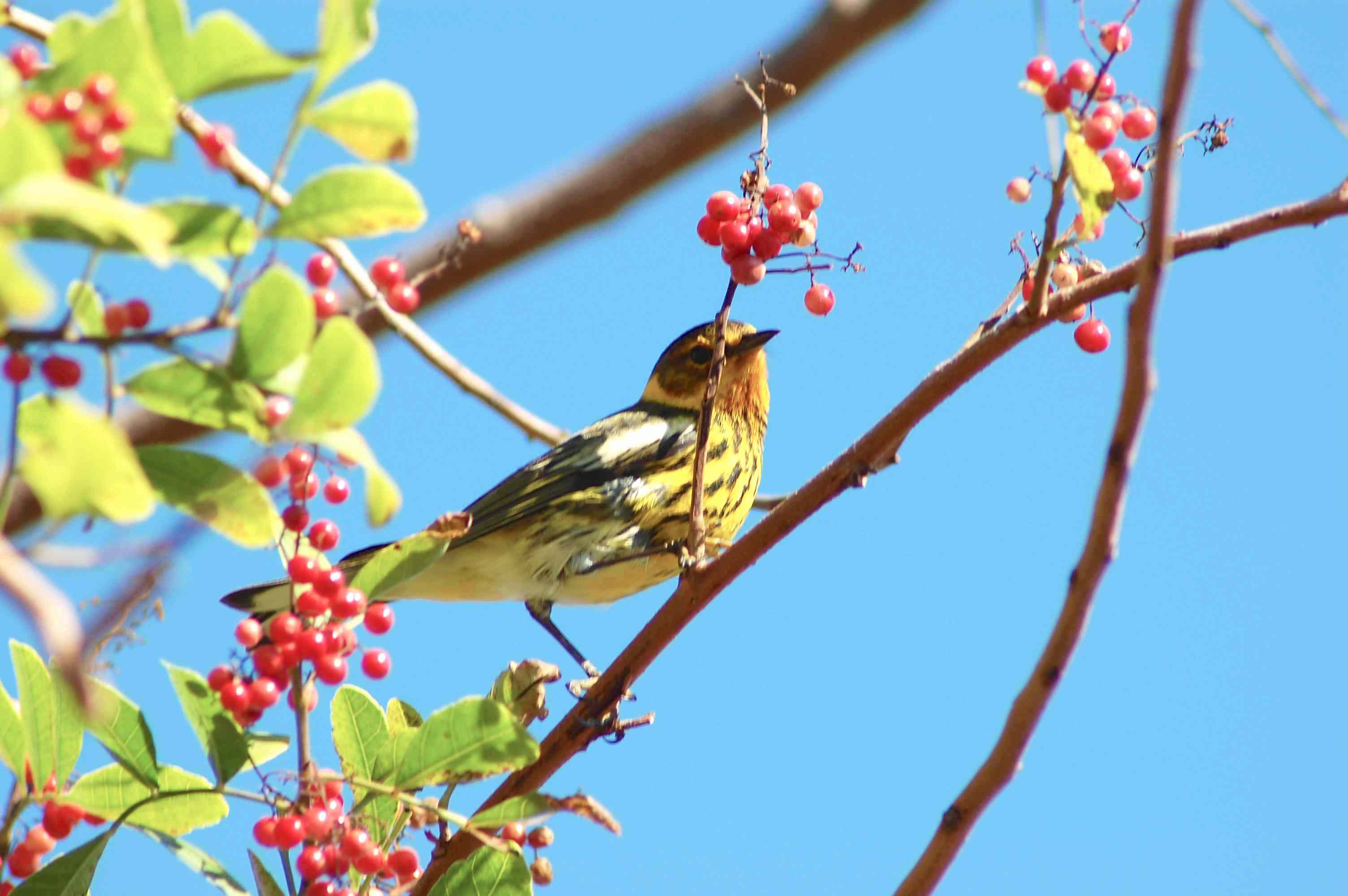
We’ll have to wait some time before it is possible to tell what effects the devastating storm has had on the wildlife of the island and on its birding credentials…
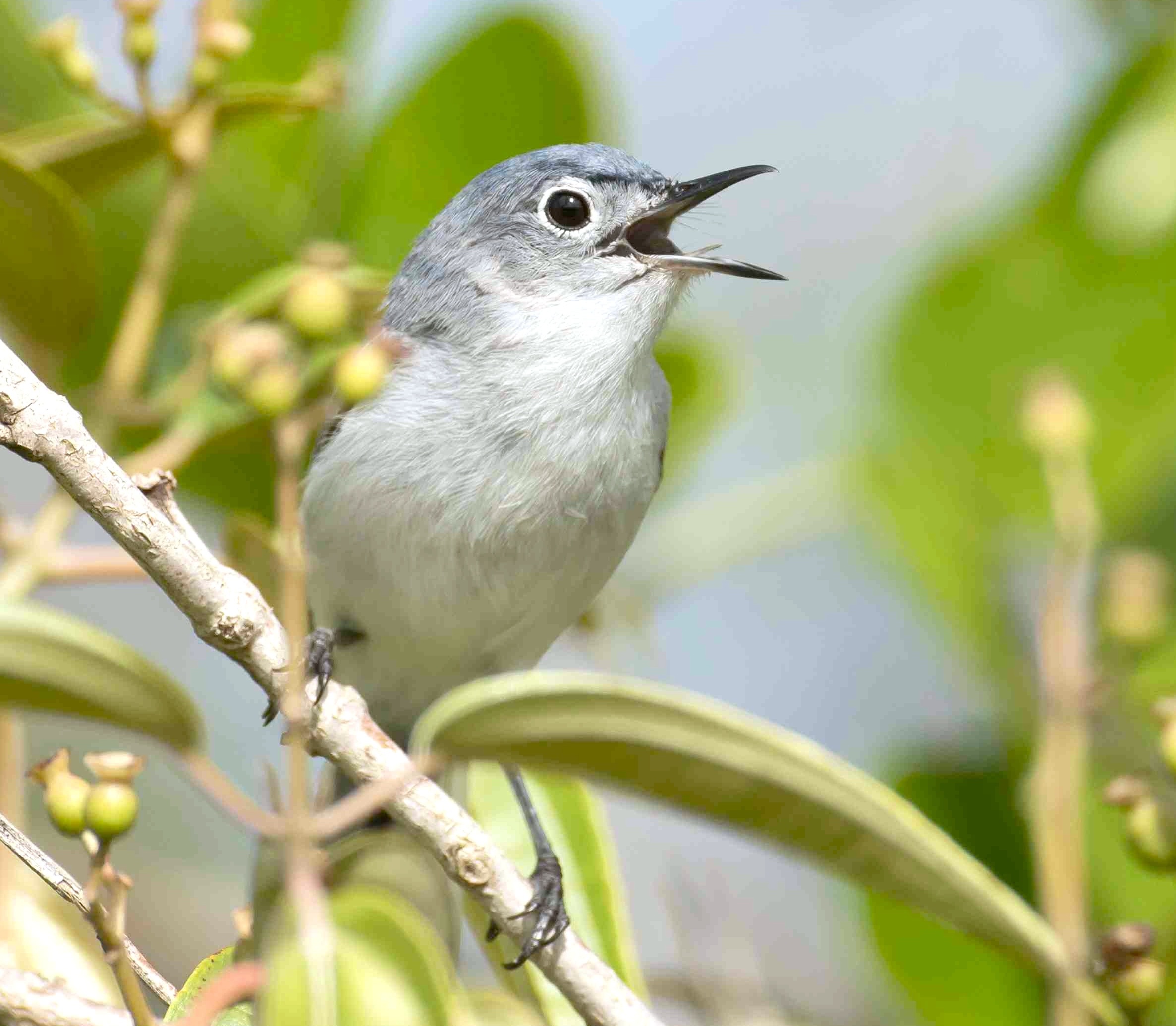
Blue-gray Gnatcatcher – Tom Sheley
BOOKMAKING
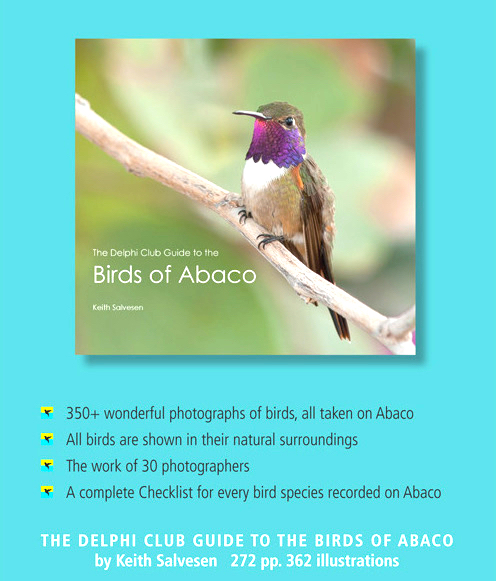
The Delphi Club Guide to THE BIRDS OF ABACO was published in March 2014. To say “I wrote it” would be a gross distortion of the truth: it was an entirely collaborative project. The originator of the idea – as with the entire Delphi Club project (now in new & expert hands) – was Peter Mantle. The book showcases the work of 30 photographers, including some outstanding contributions by islanders. There was huge input from the very experienced project manager (= Mrs RH, then of YUP) and from the top Bahamas bird experts – Woody Bracey, Tony White, Bruce Hallett, and Tony Hepburn, to name but 4. So although my name is on the cover, it is as a participant representing the contributions, camera skills and brainpower of many people.

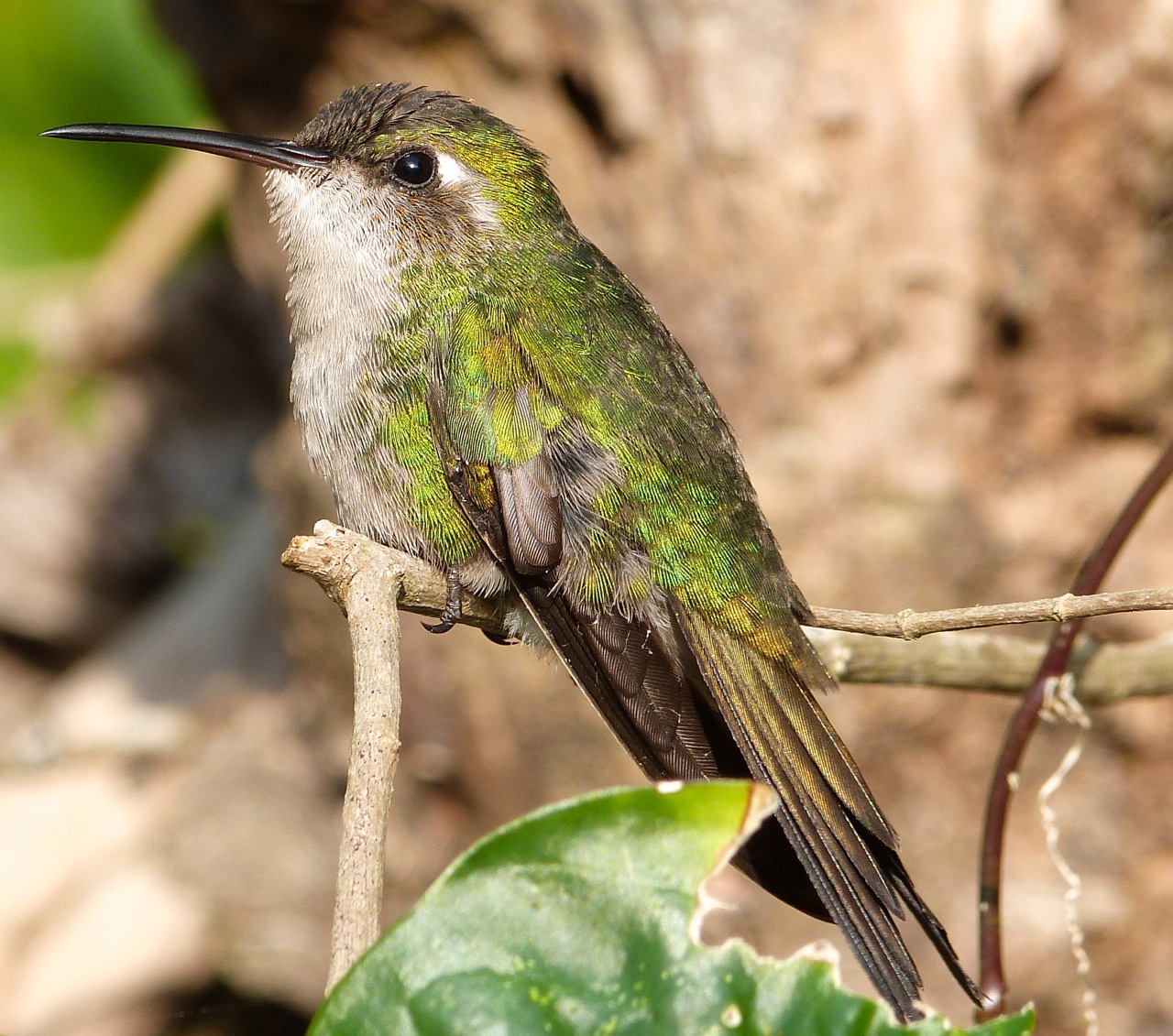
Cuban Emerald (f) – Keith Salvesen
GAMBLERS?
The book project was something of a gamble. When planning began, social media – and the facility to reach a wide audience – was significantly less active than it was soon to become. The book was launched at Delphi to generous enthusiasm and support both on Abaco and beyond, but the extent of the interest (and sales) that might be generated more widely was unknown. We predicted it might be a slow-grower, so we were astonished by the immediate positive response to the guide. Perhaps it helped that there was a wider purpose to the book than as a photographic showcase for Abaco’s rich birdlife – we donated copies to all Abaco schools, colleges, libraries and local wildlife organisations for educational purposes. A significant percentage of the profits was set aside for local wildlife causes and duly distributed.
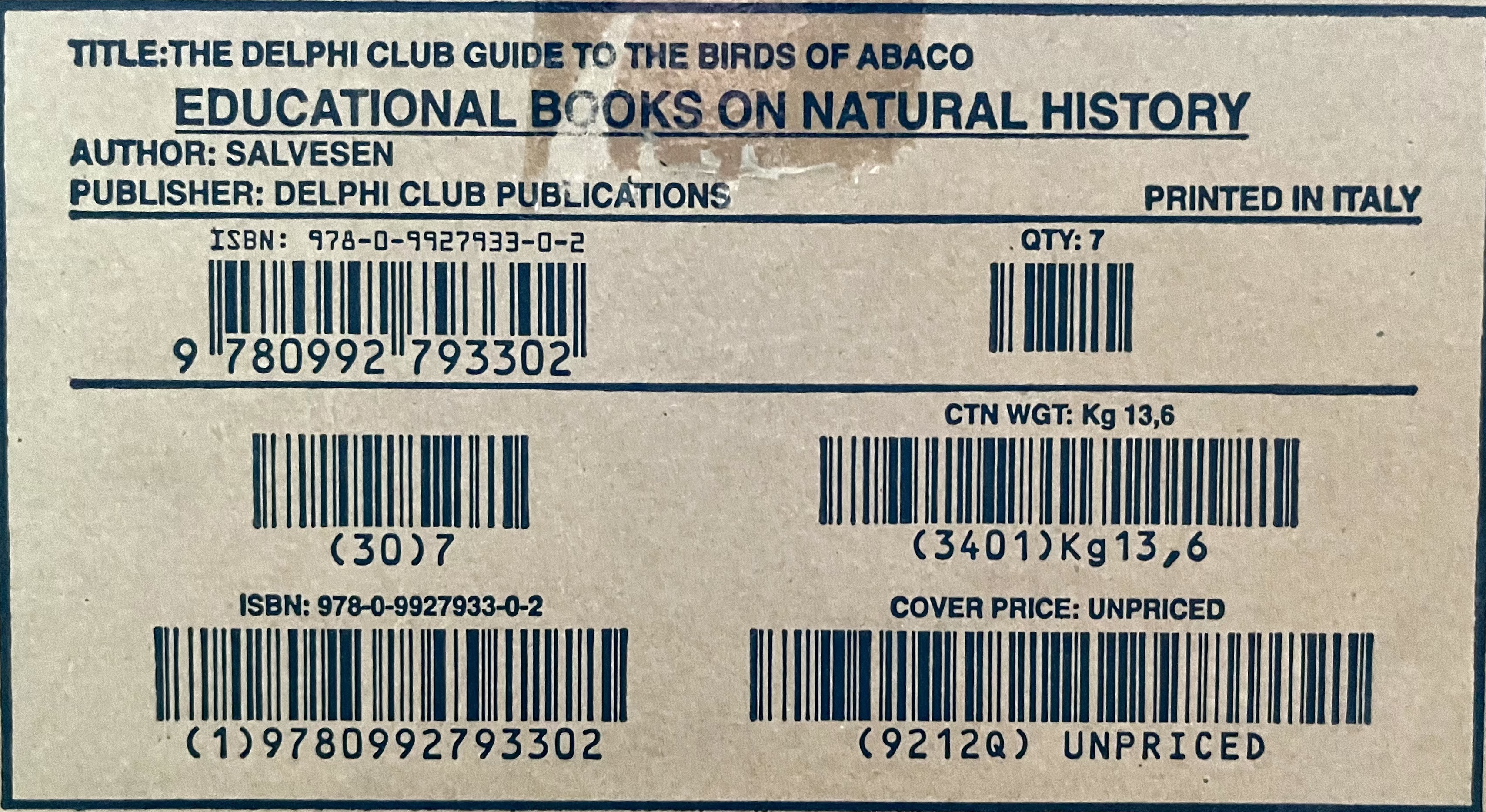
Moving on just 5 years to this summer, the limited edition of 500 had all but sold out; and around 100 free copies had been donated – or deposited (as required by UK Law) in specified institutions: British Library; National Library of Scotland; National Library of Wales; Bodleian Library, Oxford; University Library, Cambridge; and Library of Trinity College, Dublin.

Brown Pelican – Tom Sheley
PRESENT FOR THE FUTURE?
Six weeks after Dorian, a semblance of normality is returning to the stricken island. Daily snippets of optimism are of great significance: a lost pet found after many days; a trashed plant defiantly putting out a flower; a pair of parrots screeching past; a boat recovered; a building slightly less damaged than feared. Recovered possessions from flooded houses have brought mixed emotions – heart-rending losses of precious items, yet also the unexpected recovery of possessions believed lost or destroyed. And in that context but far less emotionally, I have now had quite a few requests for replacement copies of “Birds of Abaco”.
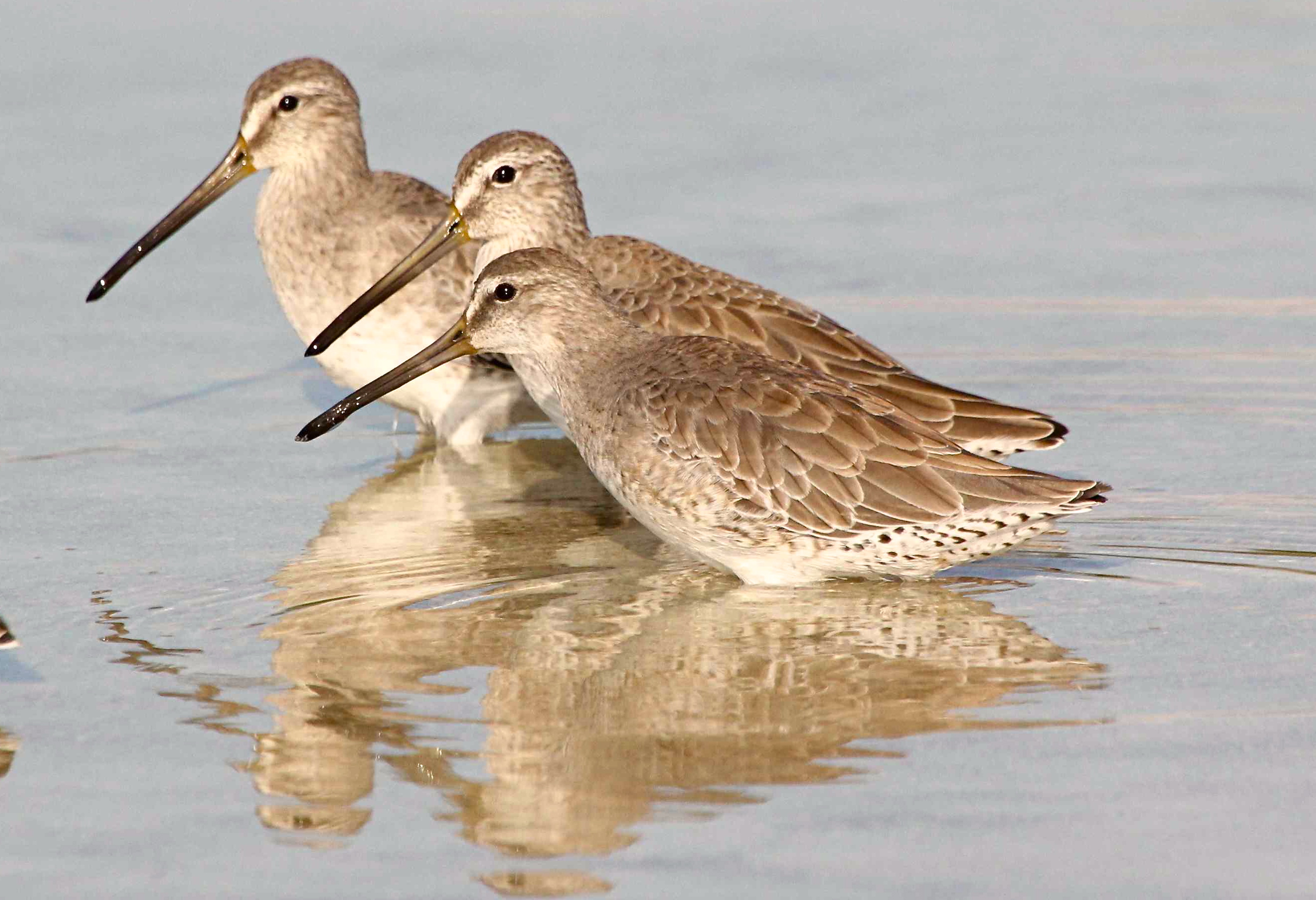
Short-billed dowitchers – Bruce Hallett
SO, ARE THERE ANY REPLACEMENT BIRD BOOKS LEFT?
The position in a conch-shell is this:
- There are now no copies still available on Abaco. Former HQ (and book storage / fulfilment facility) The Delphi Cub changed hands a year ago, and no longer carries a stock of the books.
- In the UK, Peter Mantle and I have about a dozen between us that are, in one way or another, ring-fenced.
- That’s it, I’m afraid.

Bridled Tern – Bruce Hallett
ARE YOU PLANNING TO REPRINT?
For several reasons, no – it’s not a viable proposition. Specifically:
- the size & print-costs of such a large heavy (2 kgs) book
- the specialist printing (eg in Italy) needed to retain the quality; and the associated shipping costs
- the lack of any viable storage and / or fulfilment facilities on Abaco, or anywhere else suitable
- the lack of a prominent ornithologically-minded literary-leaning benefactor with a kind smile & deep pockets

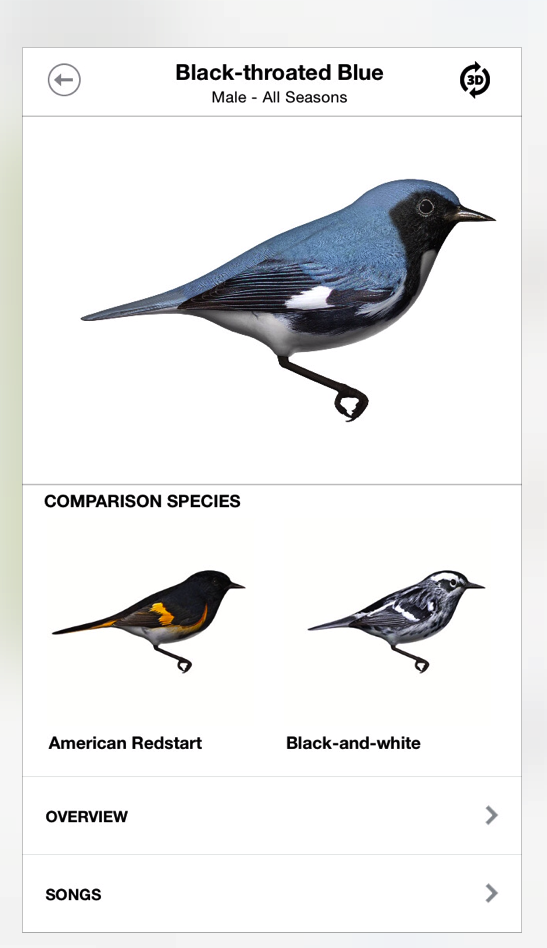
Black-throated blue warbler – Gerlinde Taurer
CAN I STILL GET THE BOOK IN SOME OTHER FORM?
Yes! I hope. We are kicking around the following ideas in a general and inchoate way:
- first, avoiding any system requiring storage or fulfilment (so, not a physical reprint)
- using existing production material to create a Print-on-Demand book
- turning the guide into an eBook (may be difficult / impossible with non-standard format)
- most likely producing a full PDF (or similar) version for download and possibly printing
- selecting sections – eg the definitive checklist – as individual downloads
- considering other suggestions!
At the moment this is in the basket marked ‘non-urgent’, but the alternatives will be under active consideration.

Clapper Rail – Tom Sheley
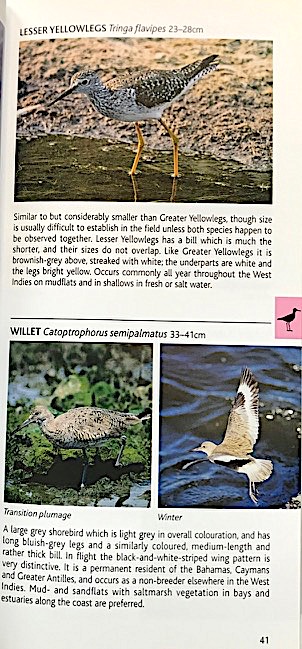
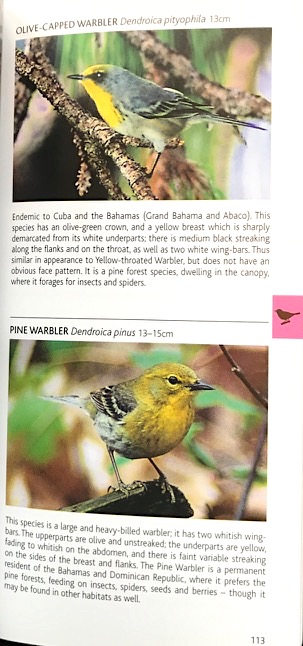
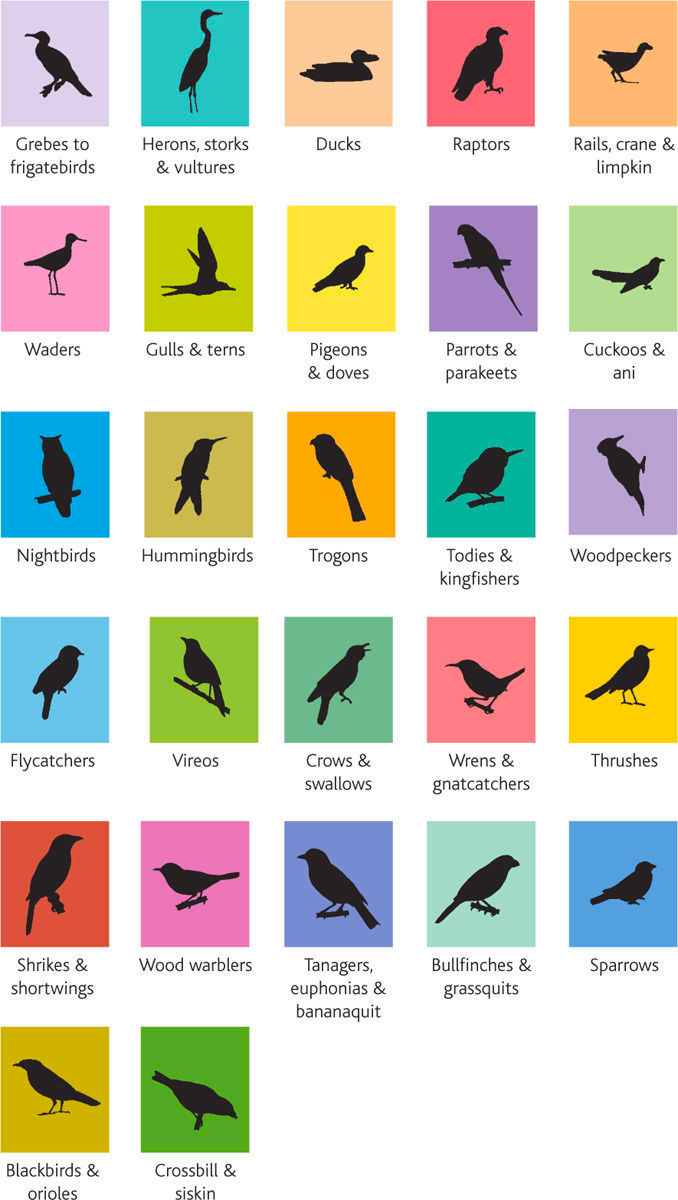
The original flyer for the book
 Painted Bunting Tom Sheley
Photos: Alex Hughes (1); Tom Sheley (2, 4, 9, 10); Keith Salvesen (3, 11); Bruce Hallett (5, 7); Gerlinde Taurer (8); Charmaine Albury, para-breakers
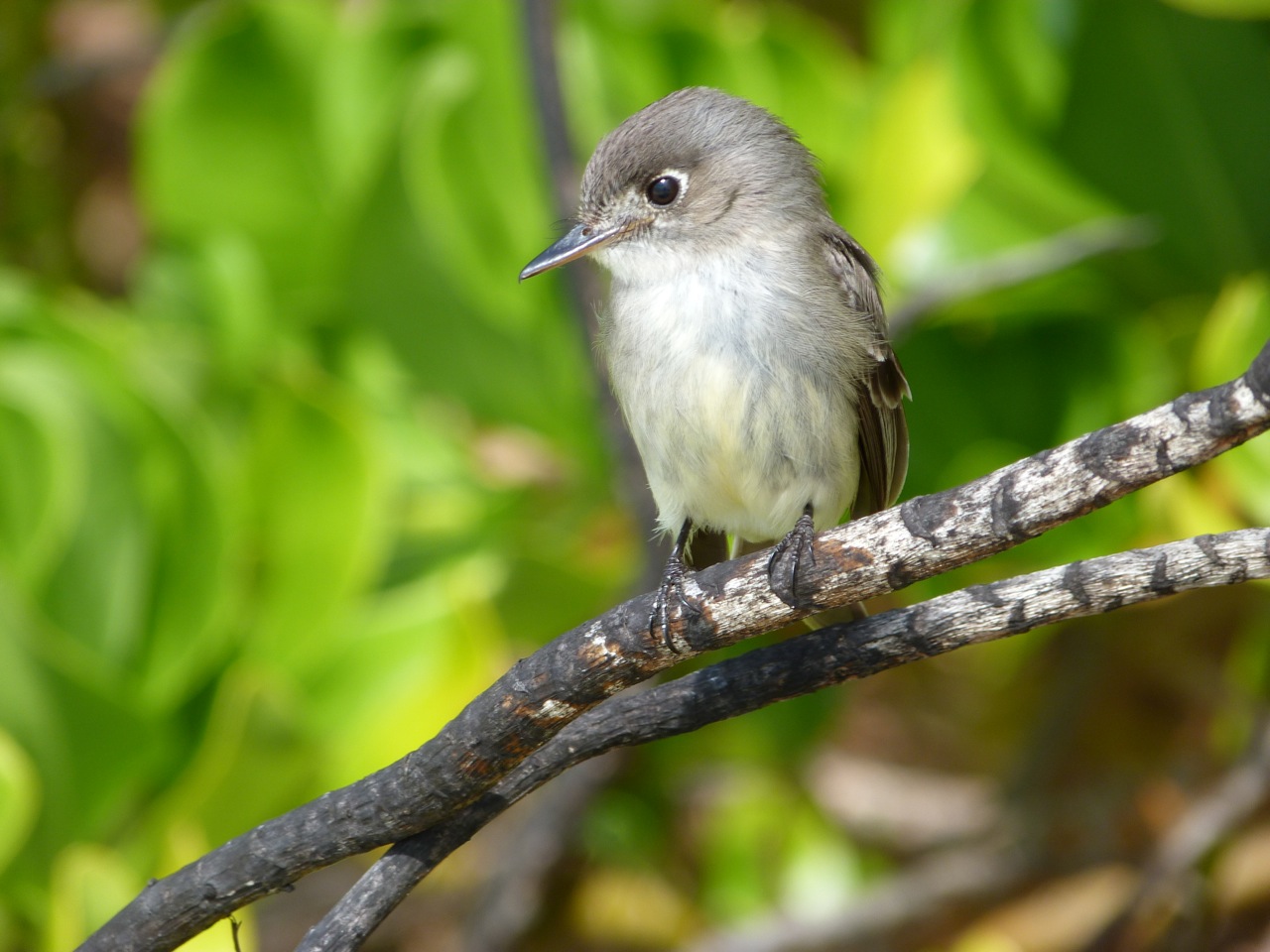
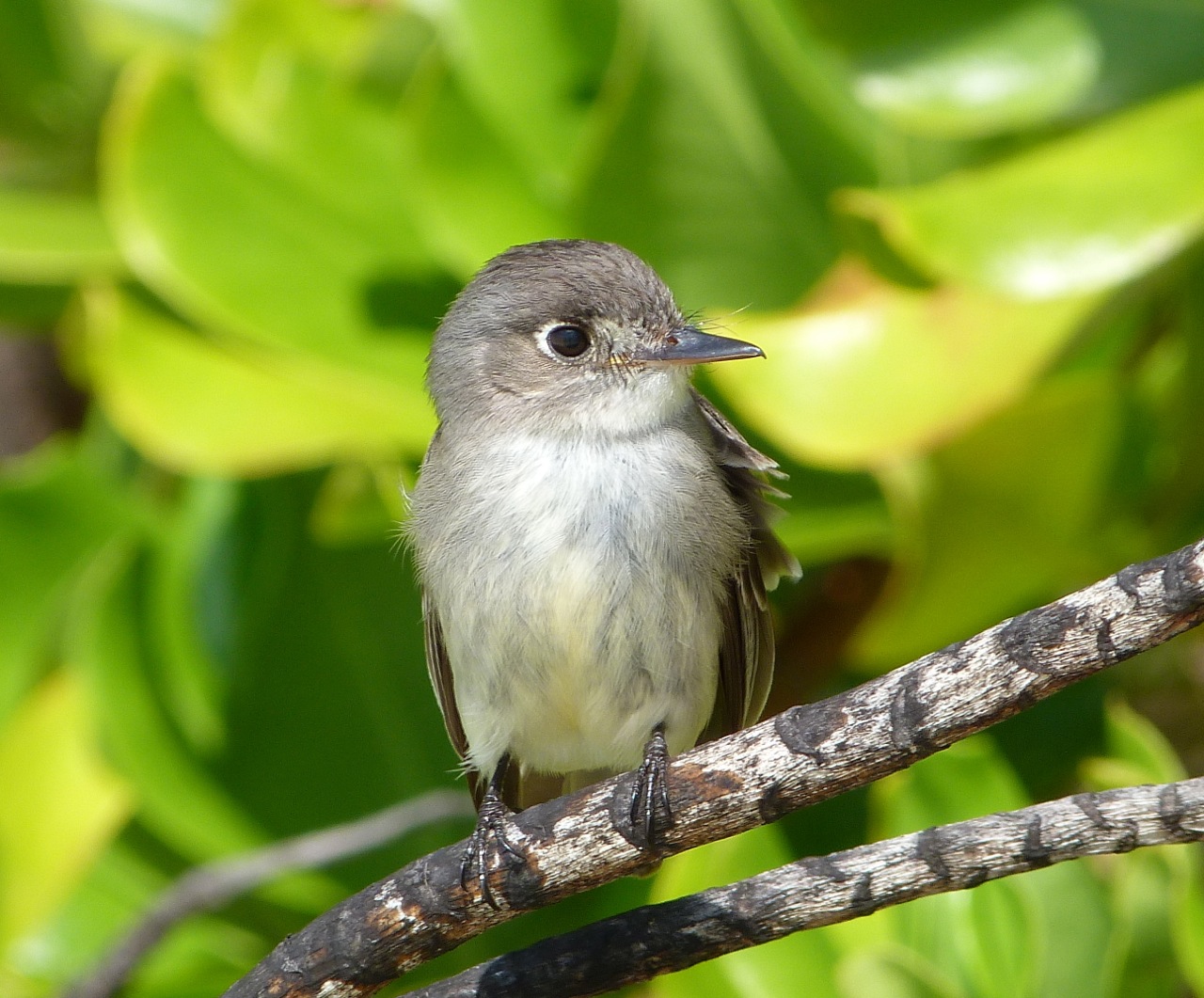
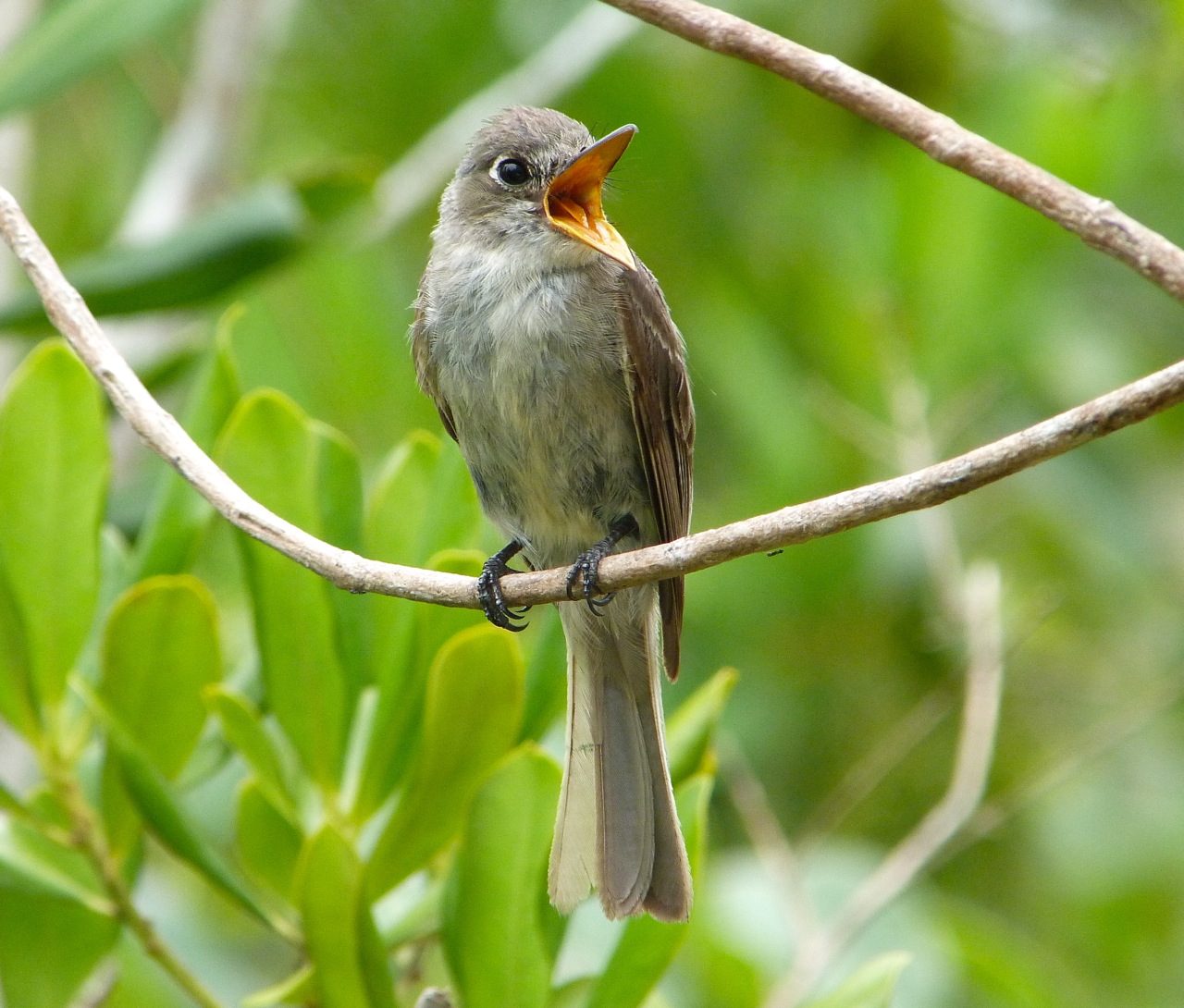 Cuban Pewee Keith Salvesen




























 ROLLING HARBOUR ABACO
You must be logged in to post a comment.