Unknown's avatar

SAWMILL SINK, ABACO: INDUSTRIAL ARCHAEOLOGY IN A POST-APOCALYPTIC LANDSCAPE


Sawmill Sink Abaco 8

SAWMILL SINK, ABACO

INDUSTRIAL ARCHAEOLOGY IN A POST-APOCALYPTIC LANDSCAPE

This article was written quite some time ago but I reckoned that, several years on, it might still be of interest. I haven’t changed much because it is what it was, so please ignore the time-slip. This was by chance a fire-fuelled opportunity to uncover a relic of Abaco’s industrial past.

The Blue Holes of Abaco are geological wonders about which much has been written. Sawmill Sink is one of the best-known inland ones. These are deep chasms in the limestone rock, some leading to extensive and complex cave systems under the island. Divers exploring Sawmill Sink have found many prehistoric fossils, including those of an extinct giant tortoise, and land crocodiles. The sink area was also a location for such finds.

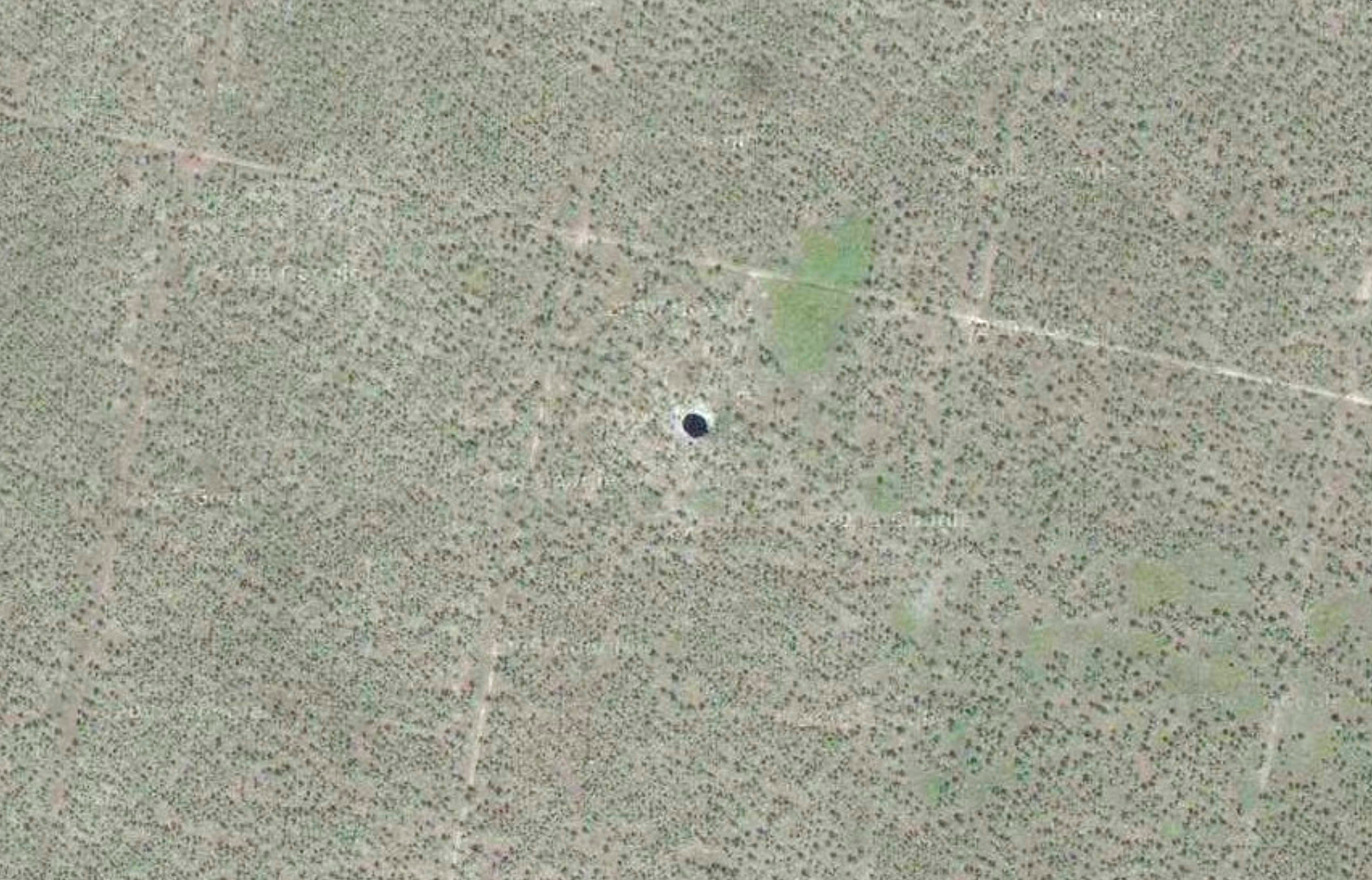
AERIAL VIEW OF SAWMILL SINK DEEP IN THE PINE FOREST
Screenshot 2024-11-16 at 17.15.58

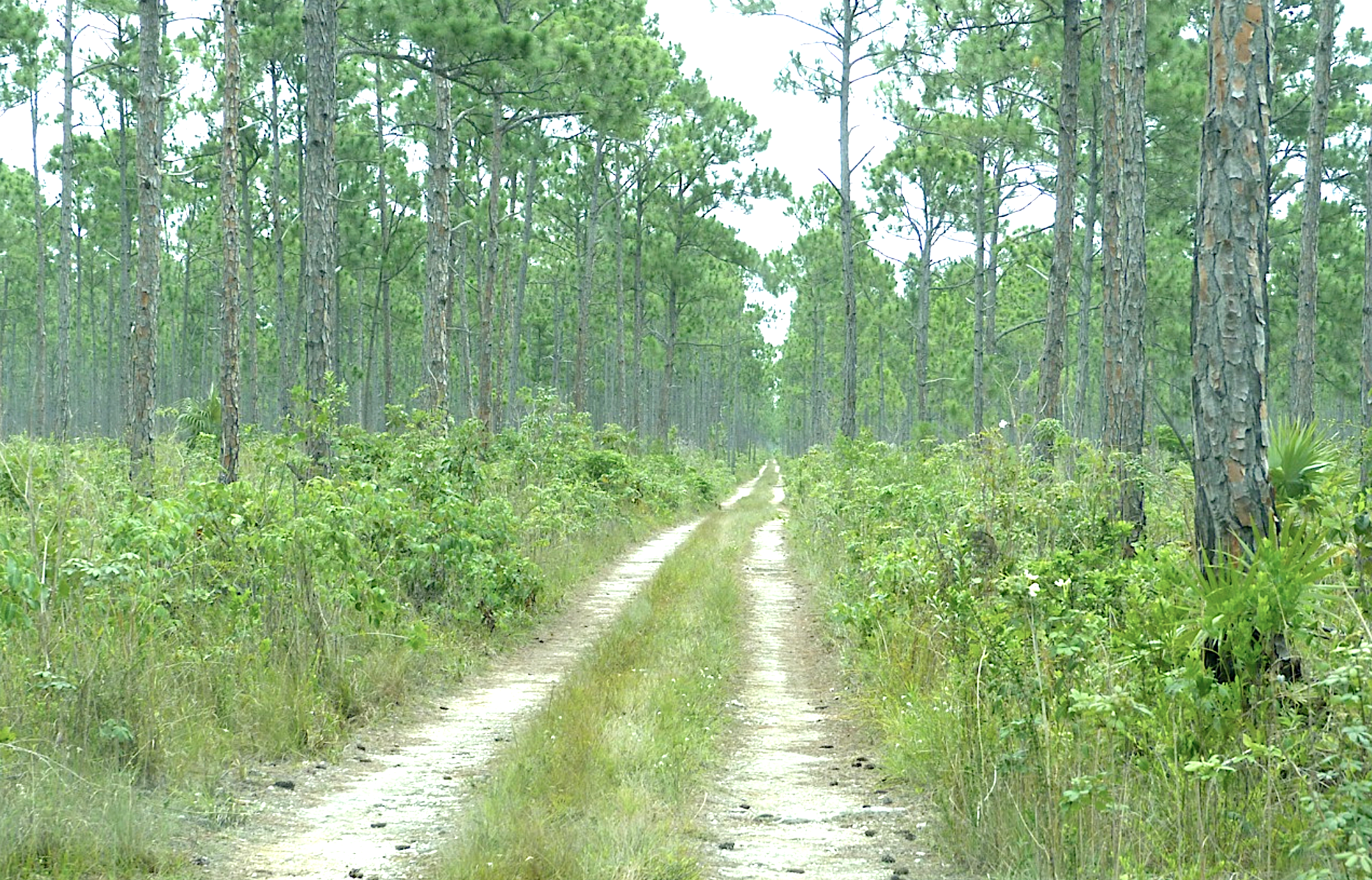
LOGGING TRACK TO SAWMILL SINK BLUE HOLE
Screenshot 2024-11-16 at 17.15.30

LOGGING HISTORY

South Abaco – defined loosely as the area south of Marsh Harbour – is dominated by pine forest. There are a few settlements and individual residences, all by the coast. The forested swathes are criss-crossed by an extensive system of logging tracks, many now all but impassable. They are reminders of Abaco’s historic importance as a source of wood deriving from the ubiquitous tall, slim pines. One use to which they were put was as mine pit props in the collieries of Wales.

 1996.2039.db

TRACKING RAILS

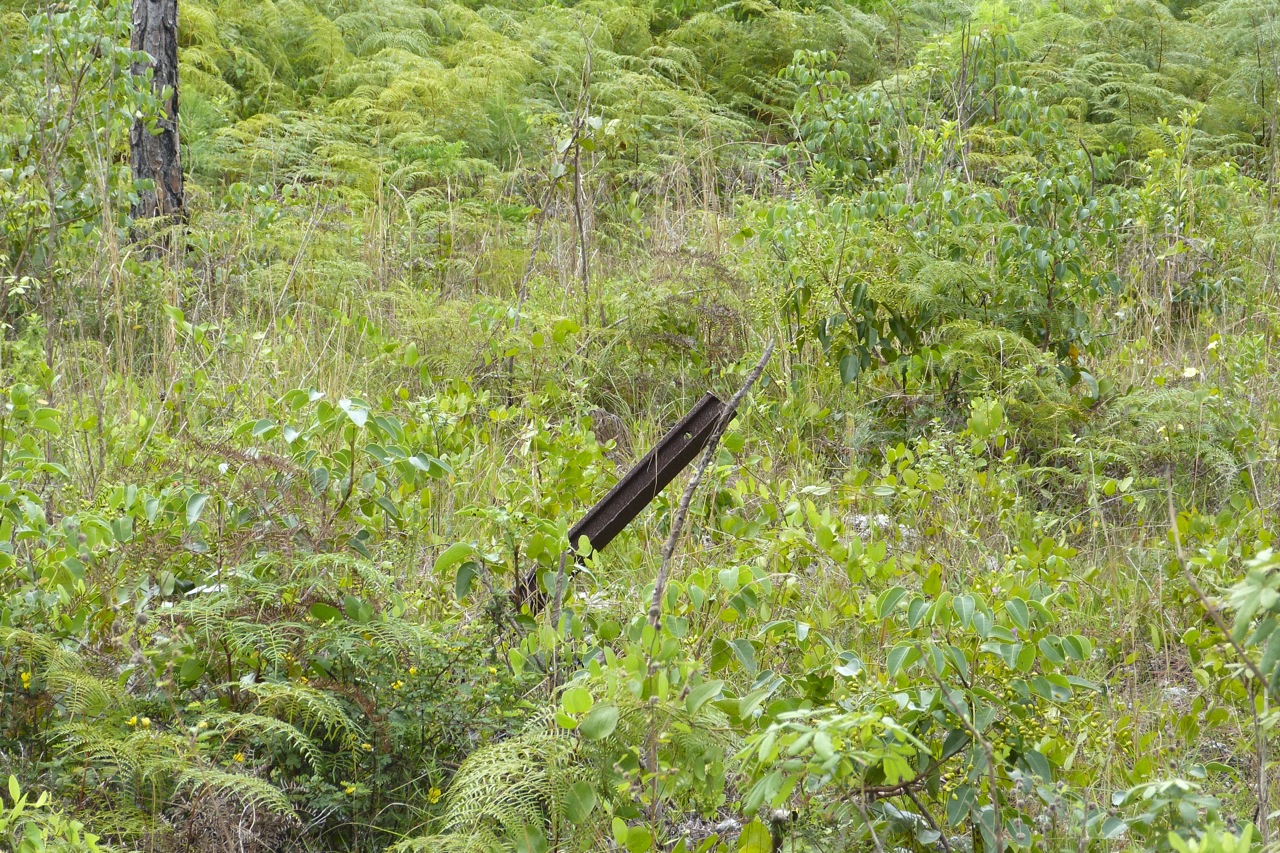
During a walk to Sawmill Sink, we noticed a rusty rail sticking up from the undergrowth. This was a remnant of the light railway tracks that had been laid through the forest to carry felled timber to the highway. From there it was transported to the coast to be loaded onto ships.
Sawmill Sink Abaco 17

Later, we went back to Sawmill Sink at a time when the south part of the island was enduring the annual outbreak of forest fires, some natural and some set to clear undergrowth. While the occasional natural fire is actually good for regeneration of a forest (cf burning moorland), a fire out of control and fuelled by wind can very quickly damage a vast area. Thick palls of smoke drift across the island and out to sea. Even while we were fishing far out on the Marls, flames were visible as tall pines burned, with the acrid smell of the blaze was carried on the wind.

REMEMBERED EMBERS

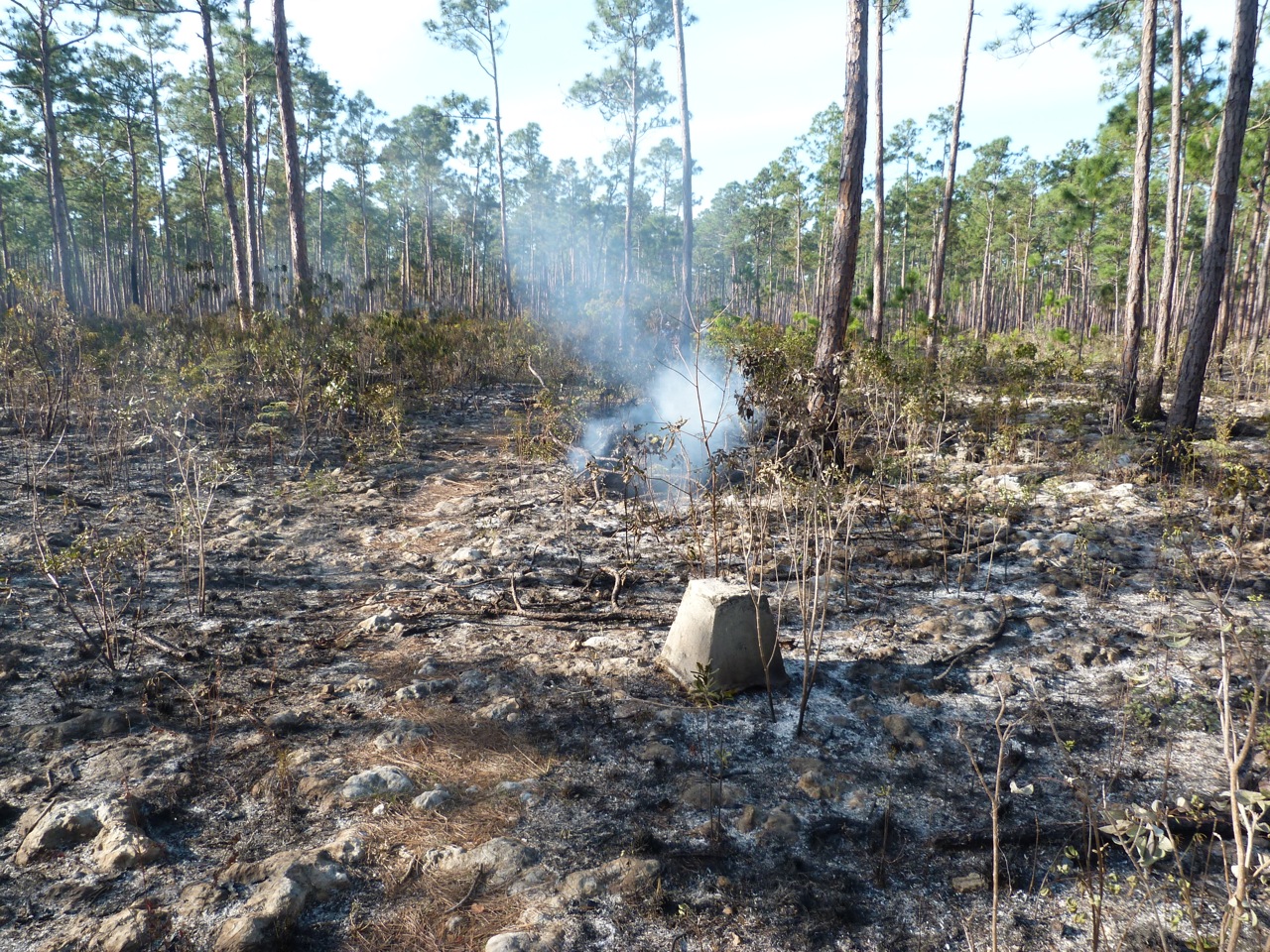
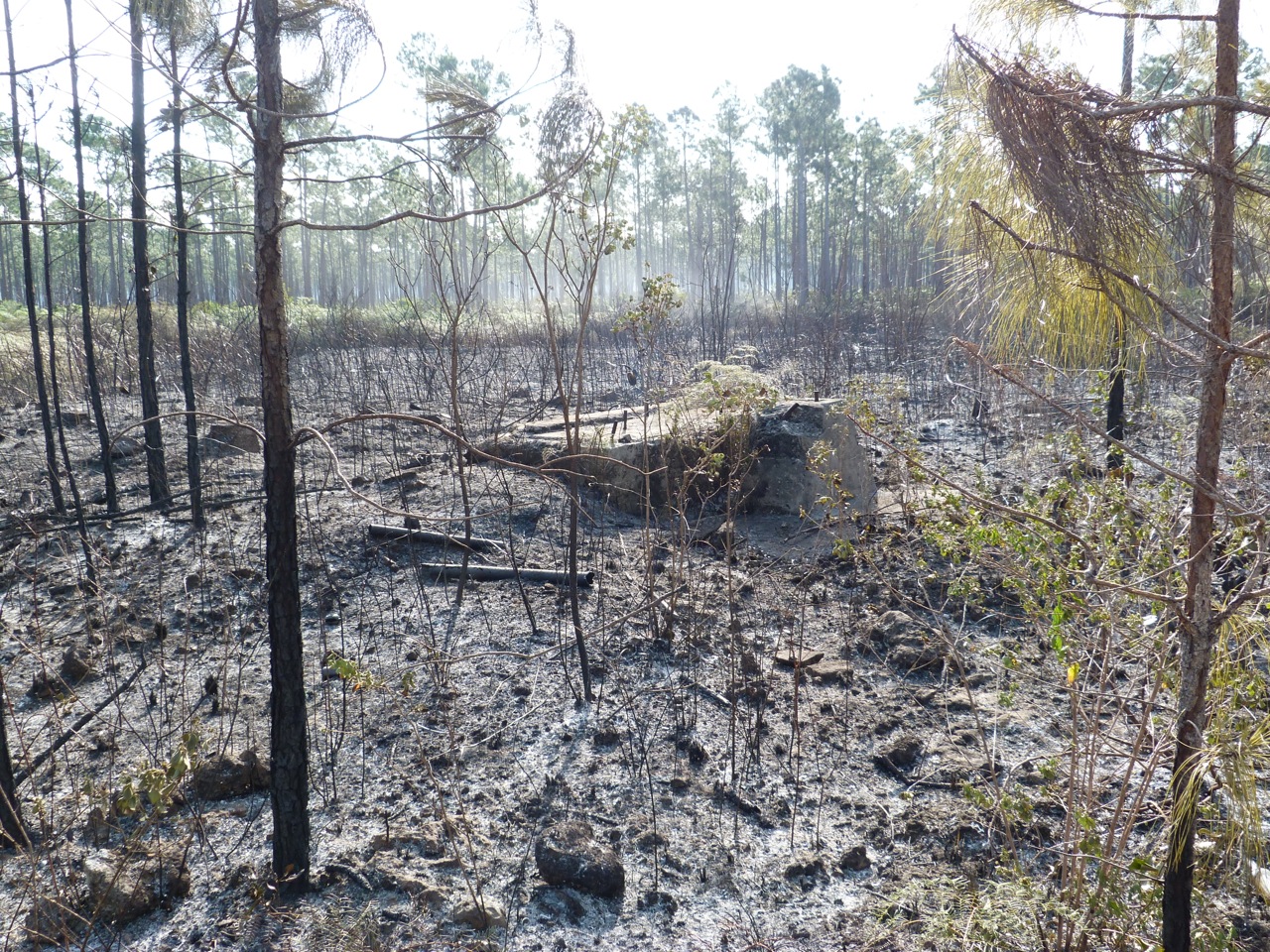
The photos that follow show the area round Sawmill Sink immediately after a fire had swept through the area, revealing the past. Trees were still smouldering and in places the ground was still hot to the touch. The evidence of the former usage had been laid bare. Some images below  show the paved path that leads from the logging track to the Sink. I never found out if these were the first detailed images of so many visible remains of the logging trade revealed by the burnt-off undergrowth. 

Sawmill Sink Abaco 1 Sawmill Sink Abaco 2 Sawmill Sink Abaco 3 Sawmill Sink Abaco 5 Sawmill Sink Abaco 6 Sawmill Sink Abaco 7 Sawmill Sink Abaco 9 Sawmill Sink Abaco 10 Sawmill Sink Abaco 11 Sawmill Sink Abaco 12 Sawmill Sink Abaco 13 Sawmill Sink Abaco 14

PREHISTORY

We found this rock close to the Sink. Are those plant fossils? Bearing in mind that in prehistory the ocean covered this area entirely (the highest point on Abaco is a mere 134 feet ASL), might these be anemones or sponge fossils of some sort? As I said then, ‘comments from fossilologists welcome’, and a kind follower FOSSIL LADY (aka Kathi) reponded:  Those don’t look like plant fossils to me, they remind me of stromatolites, a sponge like creature that first dominated the earth billions of years ago. Some varieties still survive today. It would be worth it to have a geologist have a look see. ps the sinkhole is awesome!

Sawmill Sink Abaco 15

Photo credits: all RH except pit props (Scottish Mining Museum); aerial view (Gmaps)

Unknown's avatar

CLEANING UP IN THE BAHAMAS: PEDERSON SHRIMPS


Pederson's Cleaning Shrimp, Bahamas (Melinda Riger, GB Scuba)


CLEANING UP IN THE BAHAMAS: PEDERSON SHRIMPS 

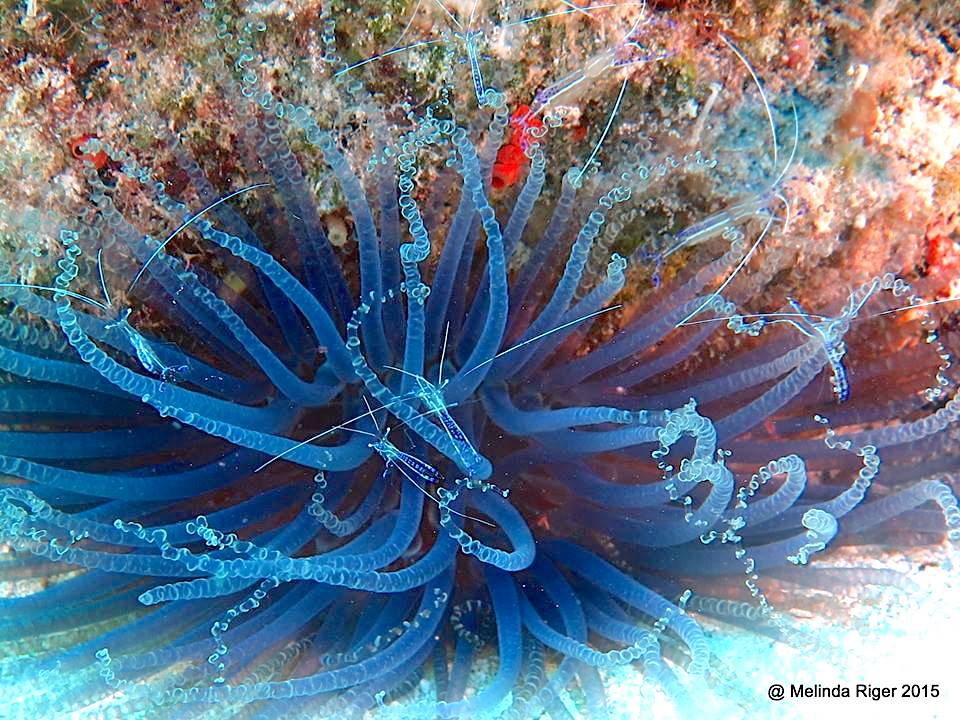
Pederson’s Shrimps Ancylomenes pedersoni (also known locally as Peterson’s shrimps), are one of several species of cleaner shrimp found in The Bahamas, and more generally in the Caribbean seas. The species was named in 1958 by a multifaceted medico-oceanologist-zoologist Fenner A. Chace. He seems to have specialised in shrimps, finding distinct and differing species and naming them (not unreasonably) after himself (chacei); or colleagues and people he knew / admired; and in one case his wife. Mr Pederson was among the lucky ones.

Pederson's Cleaning Shrimp, Bahamas (Melinda Riger, GB Scuba)

This tiny transparent creature with its vivid blue / purple markings and straggling pale antennae is unmistakeable, and helpfully cannot be confused with any other locally found shrimp species. Here’s an idea of its size, compared with a human finger and a blue parrotfish (on its flank).

Pederson's Cleaning Shrimp, Bahamas (Melinda Riger, GB Scuba)

WHERE DO THESE SHRIMPS LIVE?

Their preferred home is… and it’s certainly a left field choice among sea creatures… in amongst the stinging tentacles of certain sea anemones. Not only do they not get stung, but of course they are well-protected by the defensive pain that their hosts can inflict on intruders. They are usually found singly or in pairs, but sometimes a whole colony may inhabit the same anemone.

SO EXPLAIN HOW THEY DON’T GET STUNG

Ok. The shrimps gradually build up a kind of resistance by pressing their bodies and antennae against the tentacles of the host anemone for increasing lengths of time, until they become immune. It’s like one of those kids’ electric buzzer / rheostat machines. Or a TENS machine (for those who know about backache).

 IS THERE A DOWNSIDE TO ALL THIS?

Yes indeed. If a shrimp moves away from its host for a few days, it has to start the process of immunisation all over again. So presumably they tend to stay home-lovin’.

Home sweet home for the Pederson shrimpsPederson's Cleaning Shrimp, Bahamas (Melinda Riger, GB Scuba)

SOMETHING ABOUT THE CLEANING, PLEASE

These shrimps offer ‘cleaning services’ to passing fish. When on duty, as it were, they wave their antennae vigorously to attract attention. A fish being cleaned will remain stationary and passive while external parasites and dead skin are removed. Many fish will open their mouths and gill covers for internal cleaning, with the tacit agreement that the cleaner will not become a snack. Shrimps often work in conjunction with small cleaner fish such as some species of goby and wrasse – see the links below for more on this topic, with copious images…

Pederson's Cleaning Shrimp, Bahamas (Melinda Riger, GB Scuba)

RELATED POSTS

CLEANING STATIONS

CLEANER FISH

Credits: all photos by Melinda Riger / Grand Bahama Scuba

Unknown's avatar

DOVE & PIGEON SPECIES OF ABACO


Pigeons : Doves Abaco

COLUMBIDAE OF ABACO

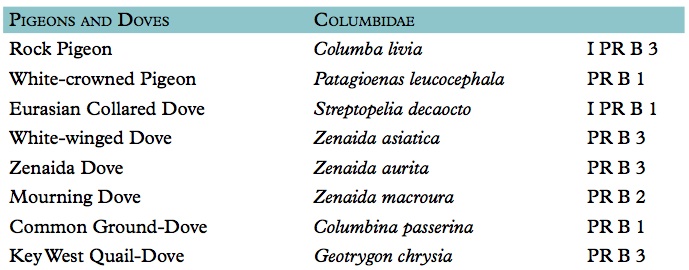
ALL ARE PERMANANT BREEDING SPECIES*

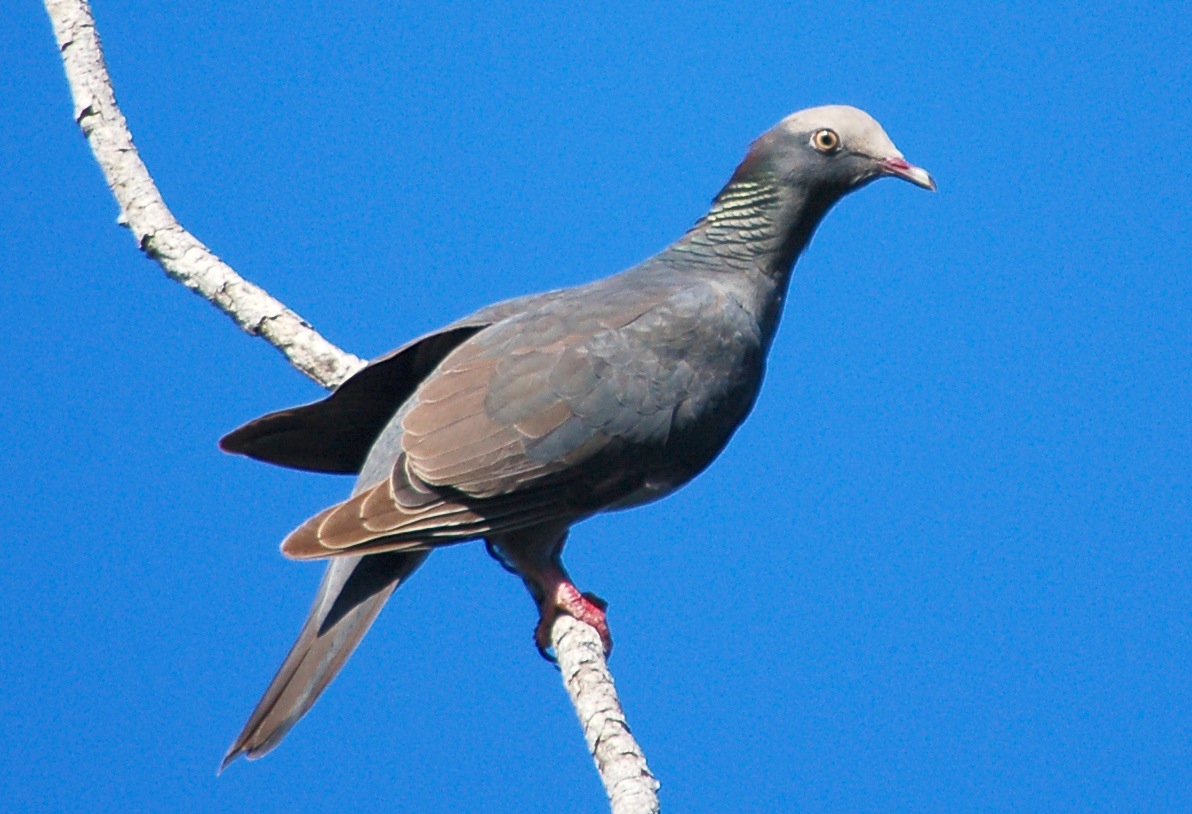
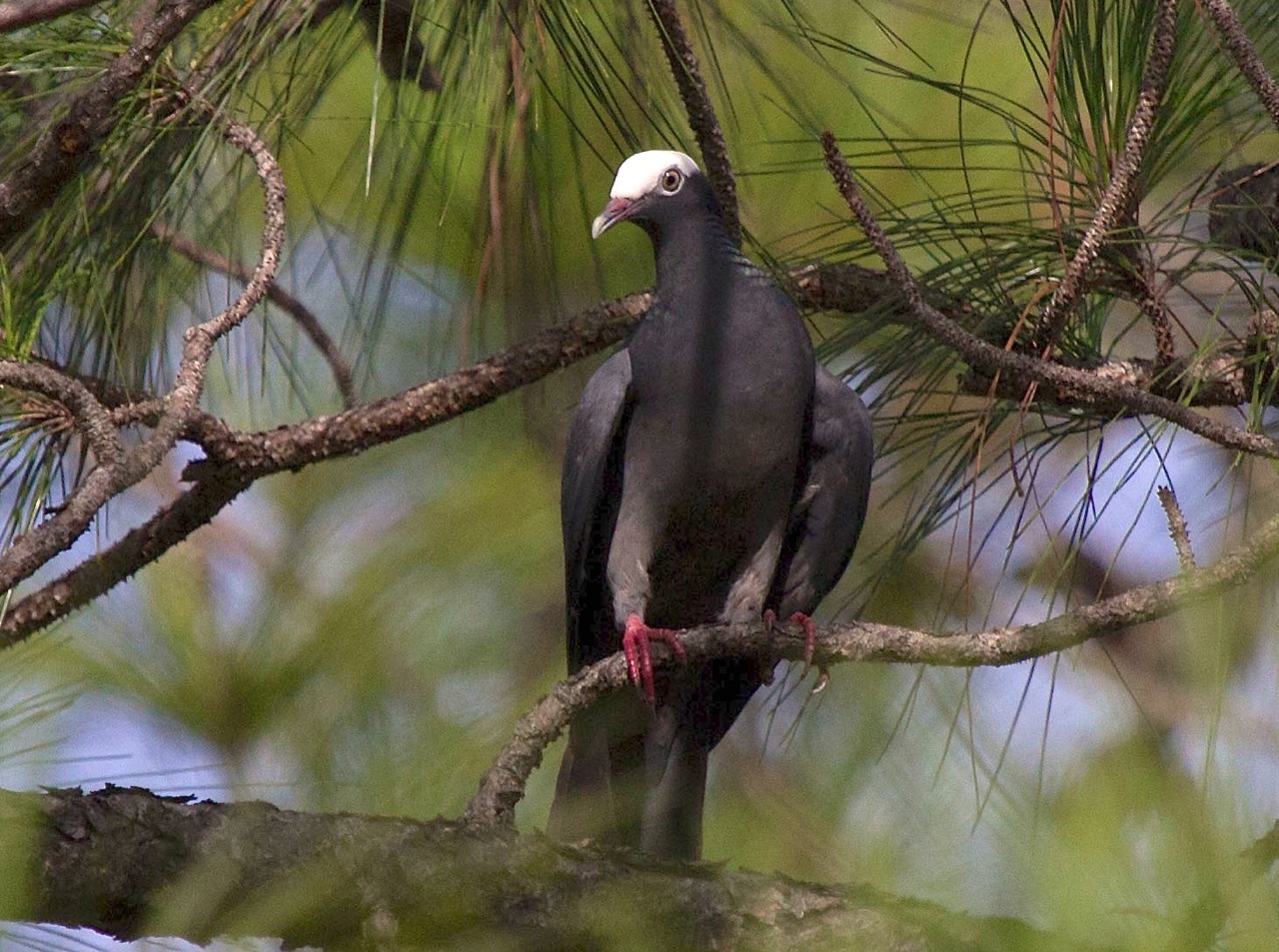
White-crowned PigeonWhite-crowned Pigeon, Abaco, Bahamas (Gerlinde Taurer)White-crowned Pigeon, Abaco (Alex Hughes)

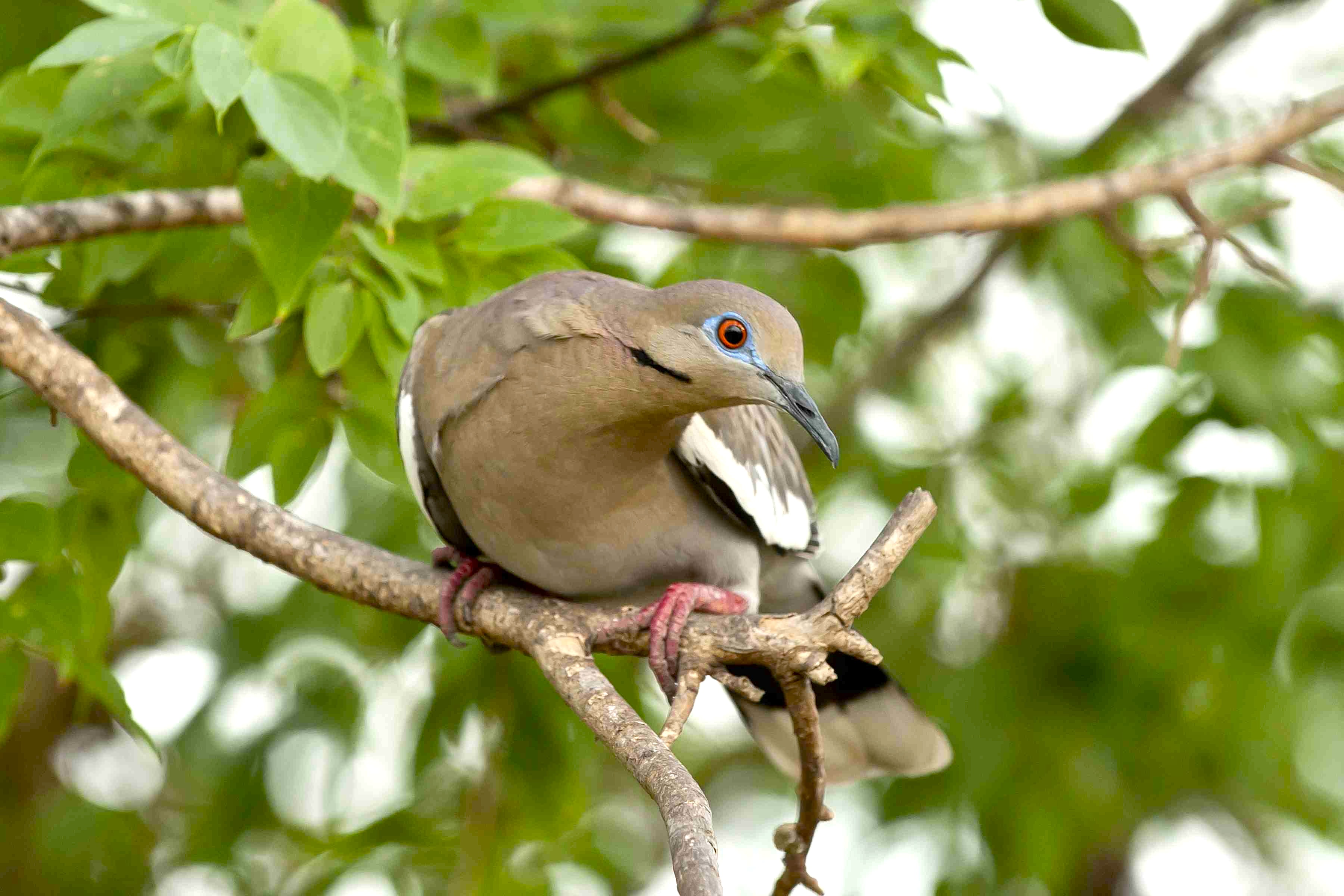
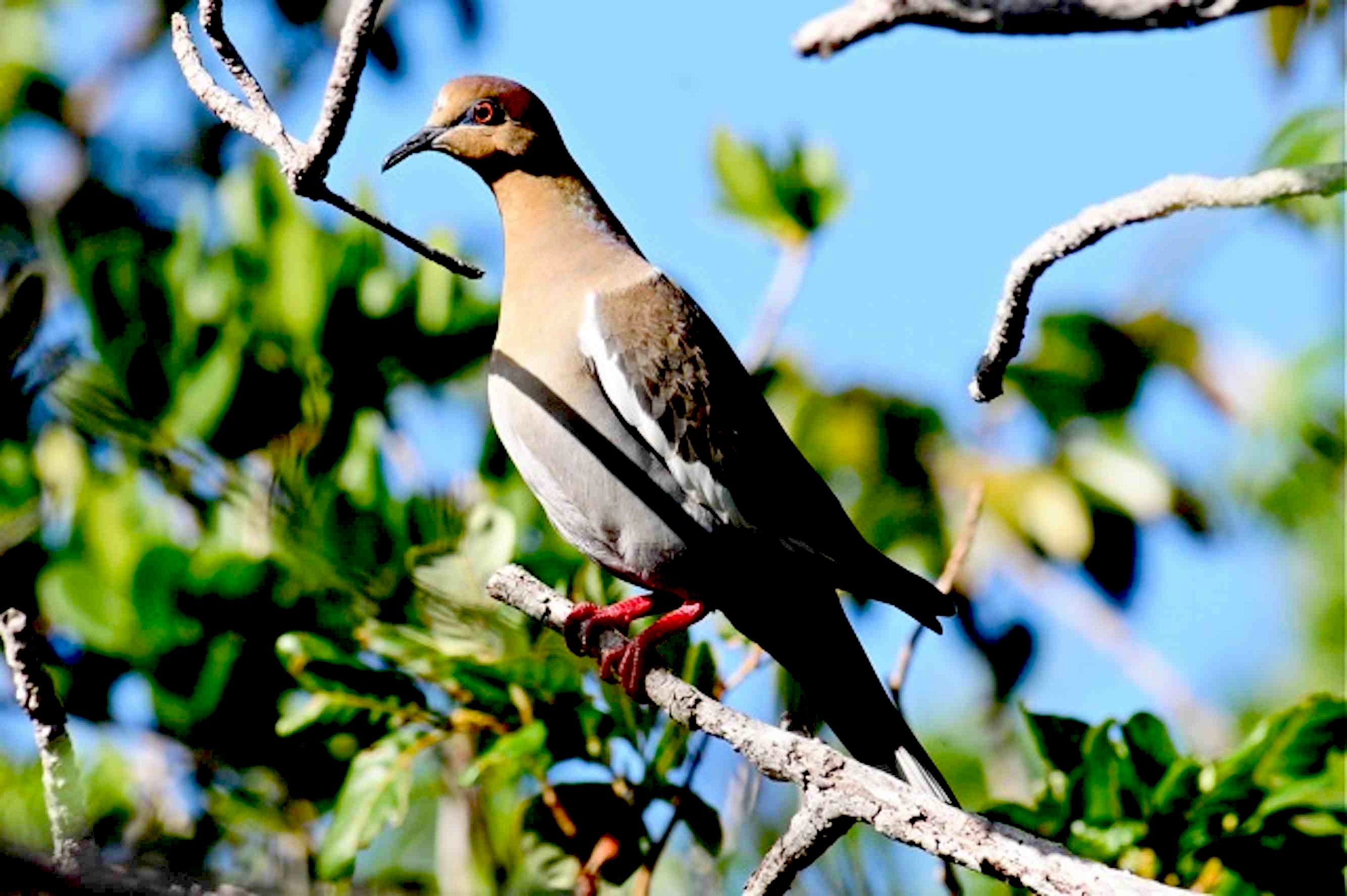
White-winged doveWhite-winged Dove, Abaco Bahamas - Tom SheleyWhite-winged Dove, Abaco - Tony Hepburn

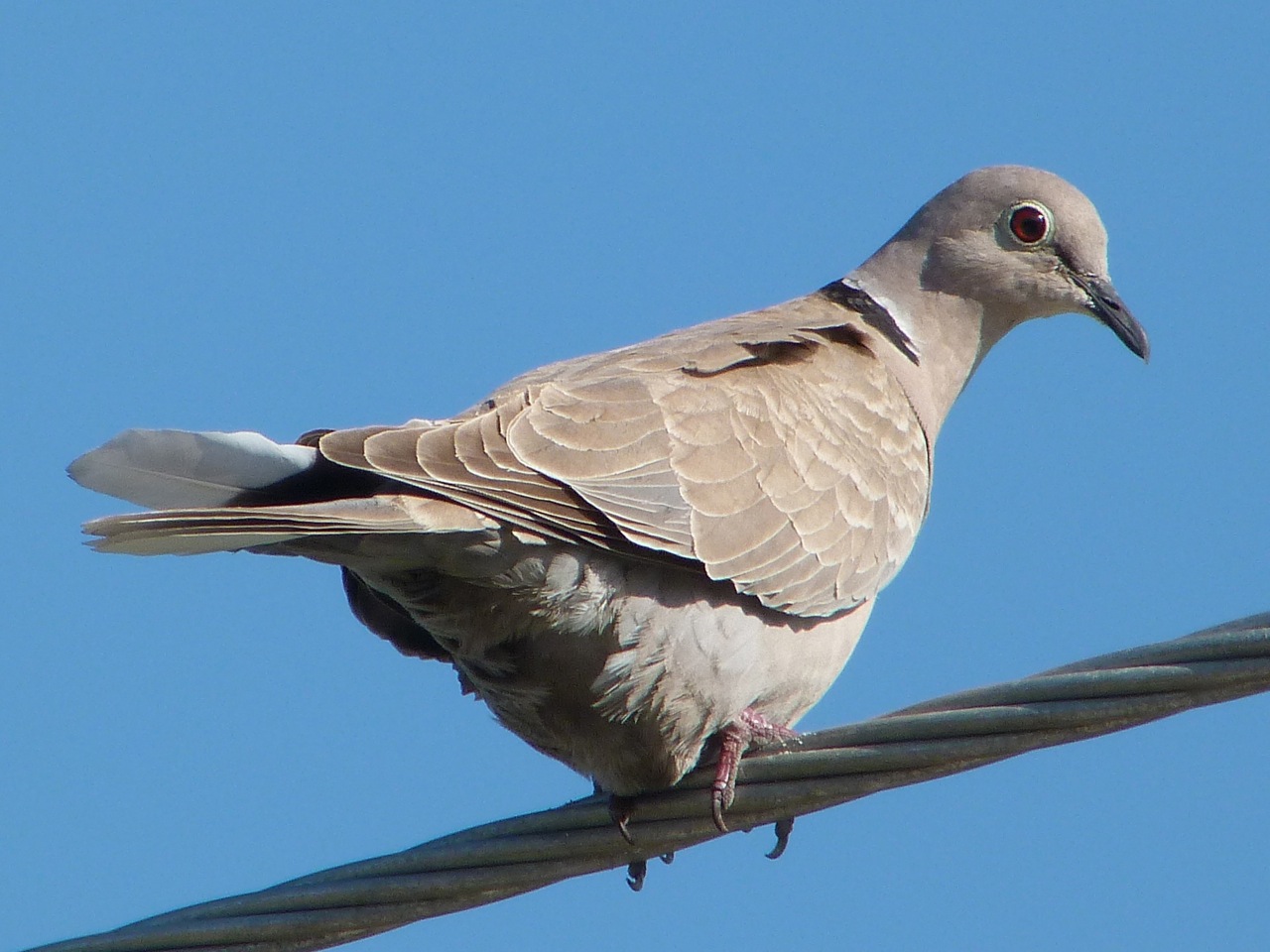
Eurasian Collared DoveCollared Dove, Abaco - Keith Salvesen / Rolling Harbour

Eurasian Collared Dove, Abaco (Bruce Hallett)

Common Ground Dove (Tobacco Dove)Common Ground Dove, Abaco 1 (Tom Sheley)Common Ground Dove, Abaco (Keith Salvesen)

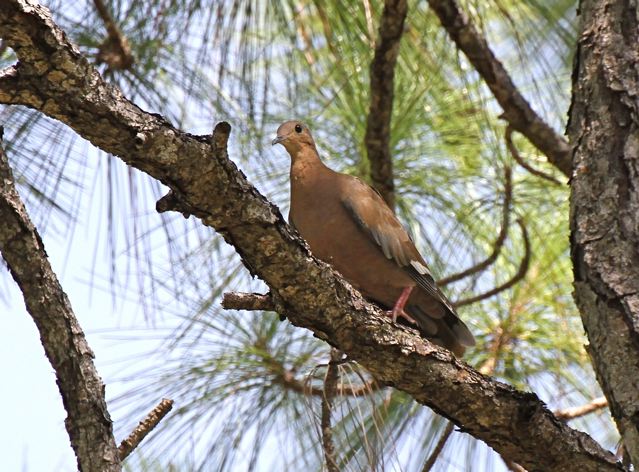
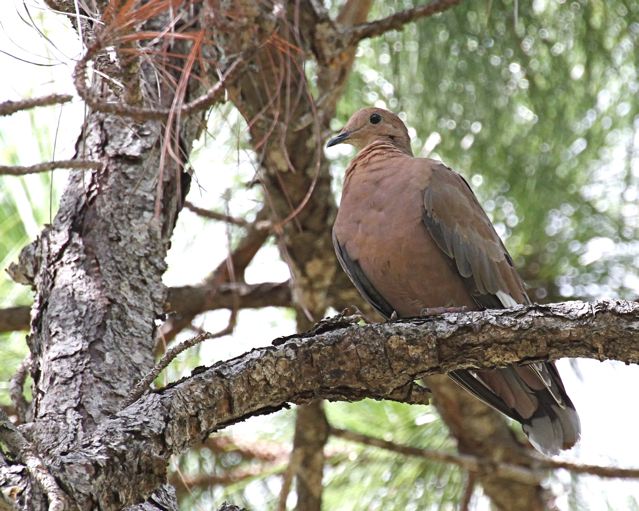
Zenaida DoveZenaida Dove, Abaco (Bruce Hallett)

Zenaida Dove, Abaco (Bruce Hallett)

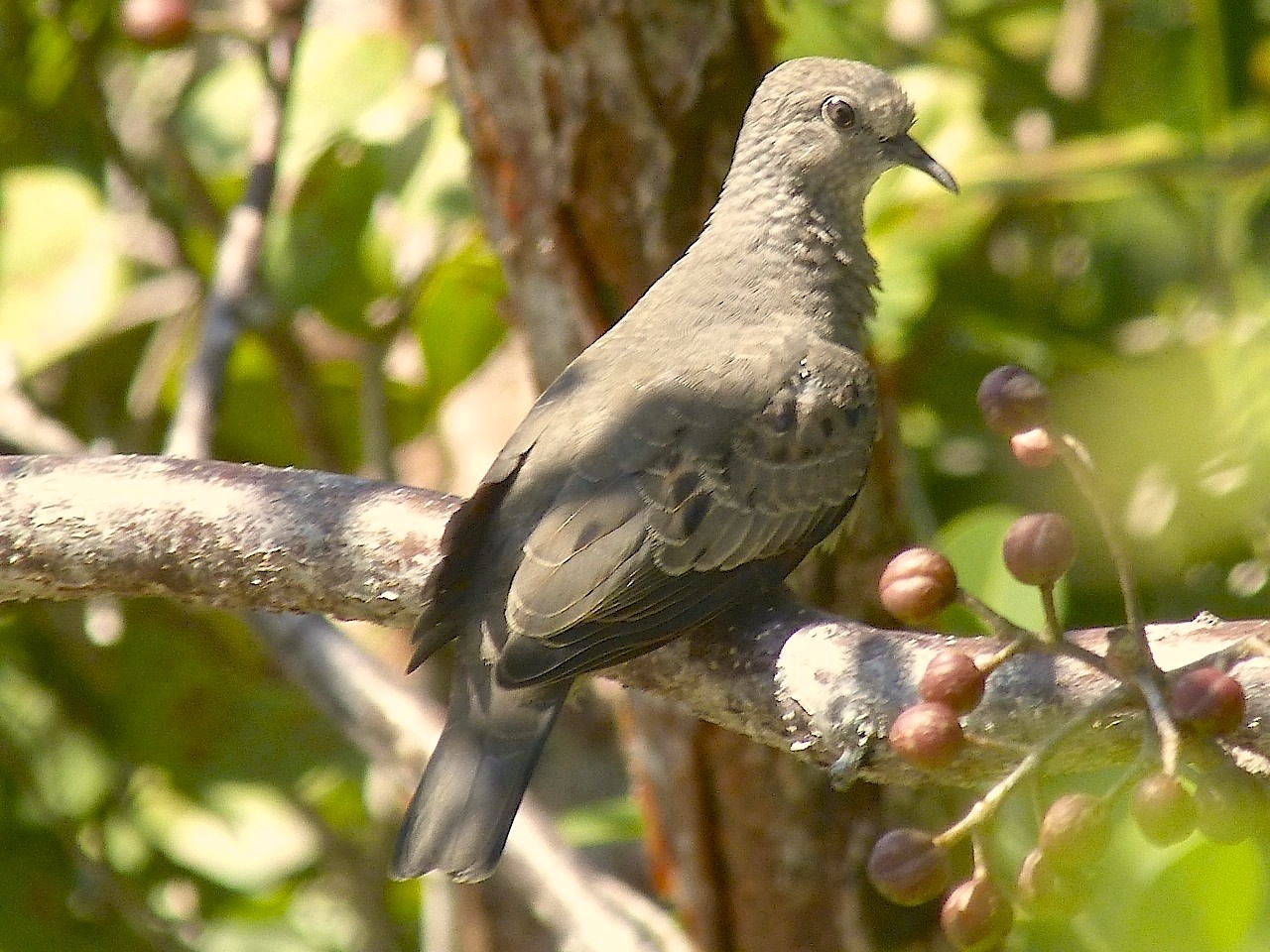
Key West Quail-DoveKey West Quail-Dove, Elbow Cay, Abaco (Milton Harris) 1a

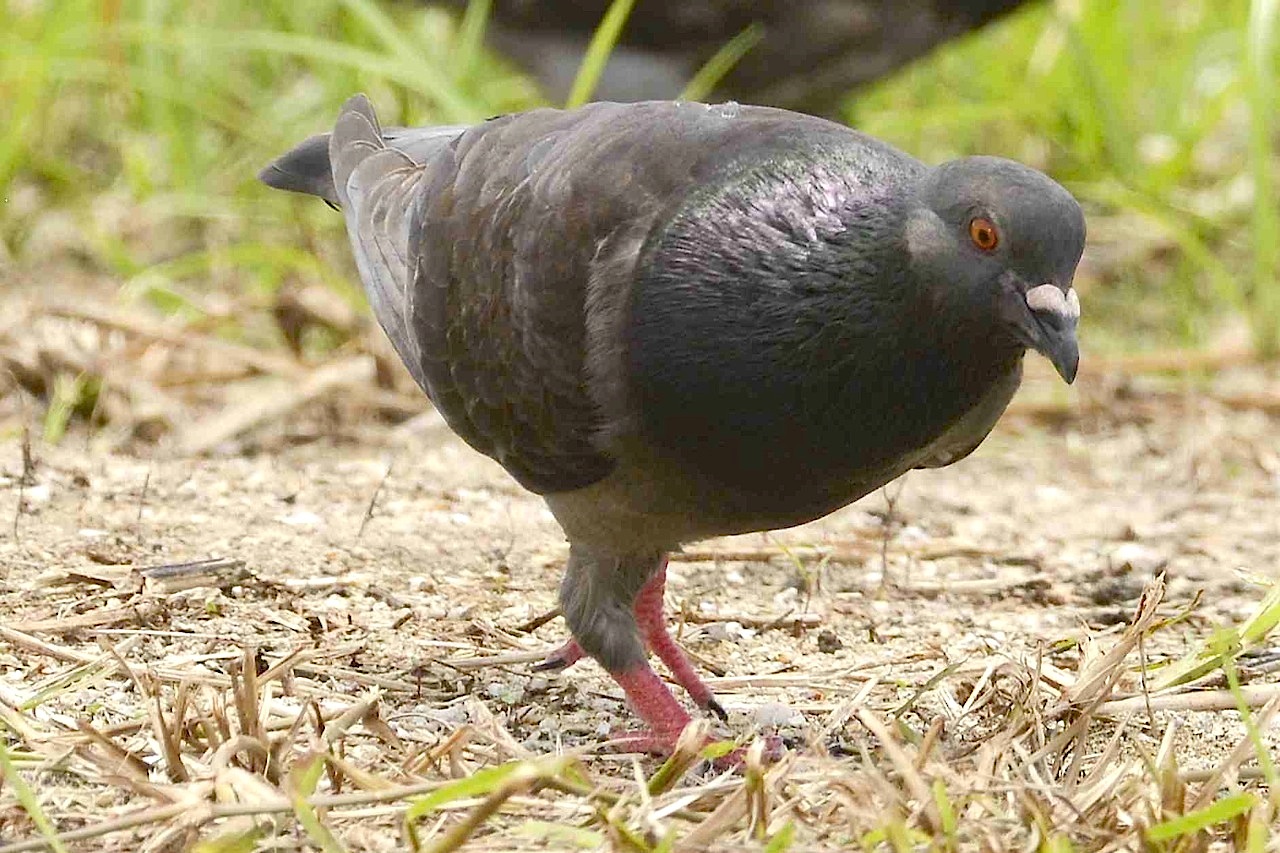
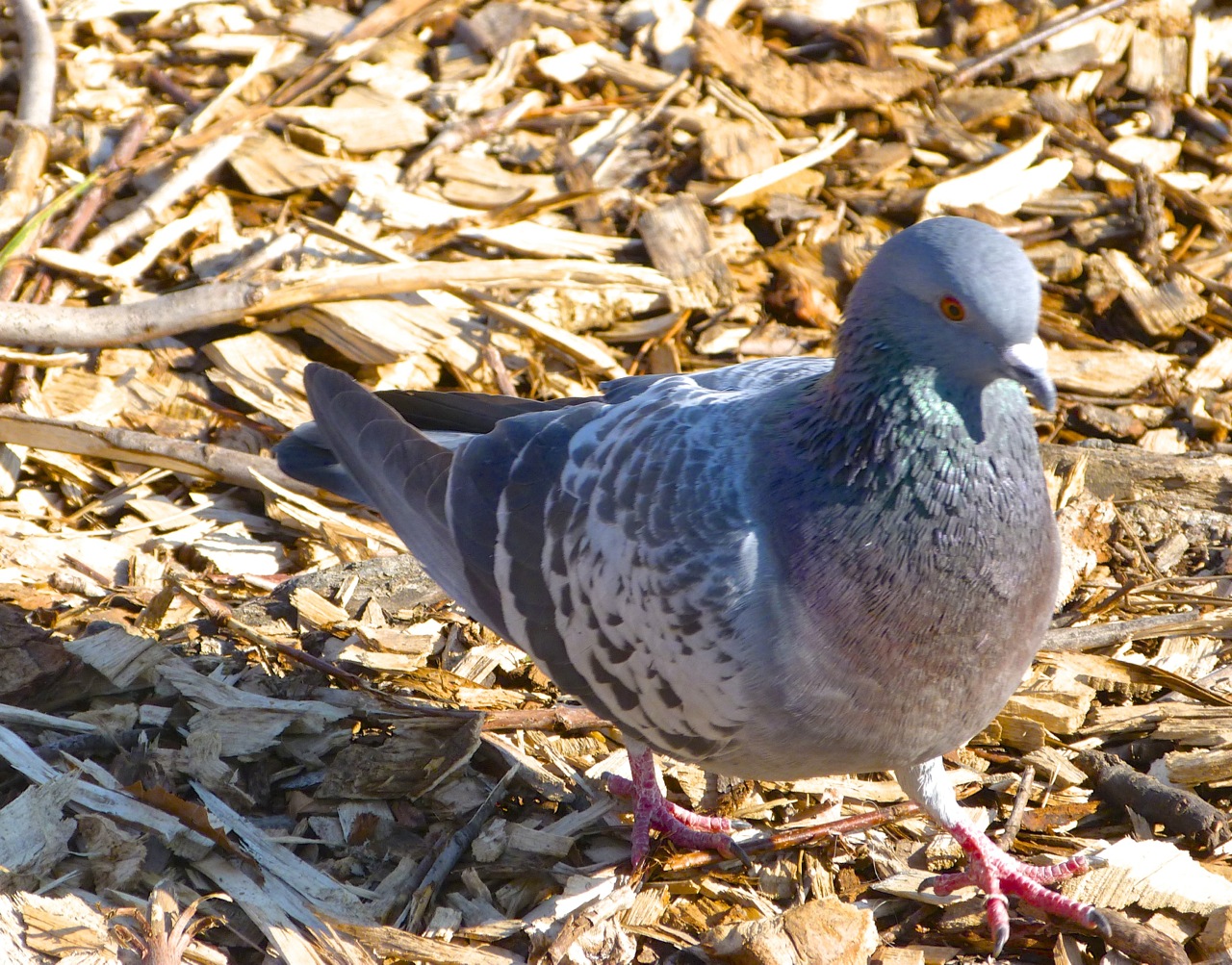
Rock PigeonRock Pigeon, Sandy Point, Abaco Bahamas.Tom Sheley 2bRock Pigeon NYC (keith Salvesen)

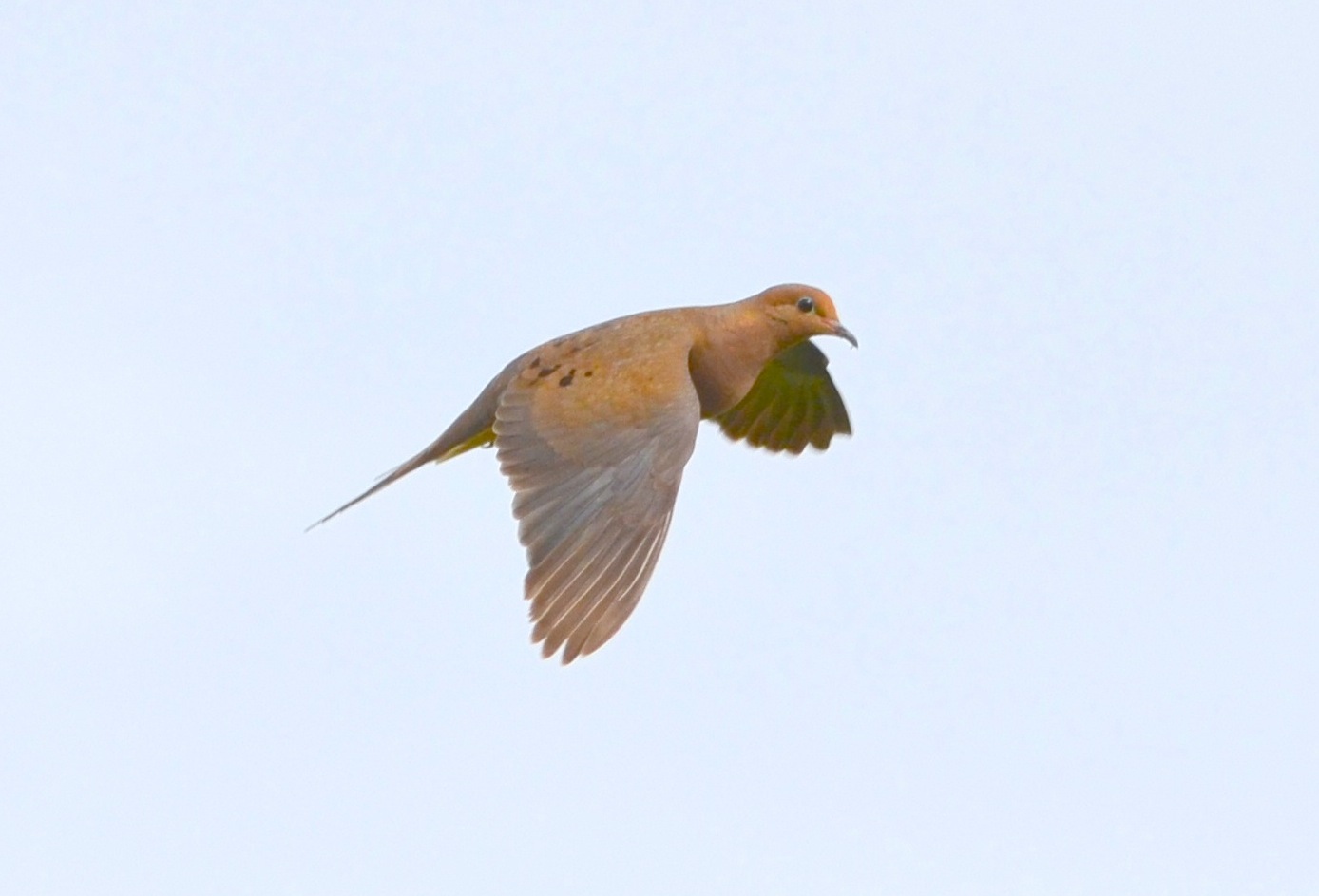
Mourning DoveMourning Dove, Abaco (Charles Skinner)

The birds shown above represent the 8 species found on Abaco. However, in New Providence, there is a beautiful pigeon that, as of a few years ago, had not made its way over to Abaco and had yet to be introduced there. Possibly the situation is different nowadays. Info would be welcome.

Pied Imperial Pigeon (Nassau)

Pied Imperial Pigeon 1, Nassau (Woody Bracey)

Pied Imperial Pigeon 2, Nassau (Woody Bracey).JPG

Species checklist taken from the complete checklist in ‘Birds of Abaco by Keith Salvesen’ (aka Rolling Harbour

*For some, there is a shooting season

Photo credits: Gerlinde Taurer (1); Alex Hughes (2); Tom Sheley (3, 7, 13); Tony Hepburn (4); Keith Salvesen (5, 8, 14); Bruce Hallett (6, 9, 10); Woody Bracey (11, 16, 17); Milton Harris (12); Charles Skinner (15)

Unknown's avatar

IS THIS THE REAL LIFE? IS THIS JUST FANS AT SEA?


Purple sea fan, Bahamas (Melinda Riger / Grand Bahama Scuba)


IS THIS THE REAL LIFE? IS THIS JUST FANS AT SEA?


A GALLERY OF GORGEOUS GORGONIANS 

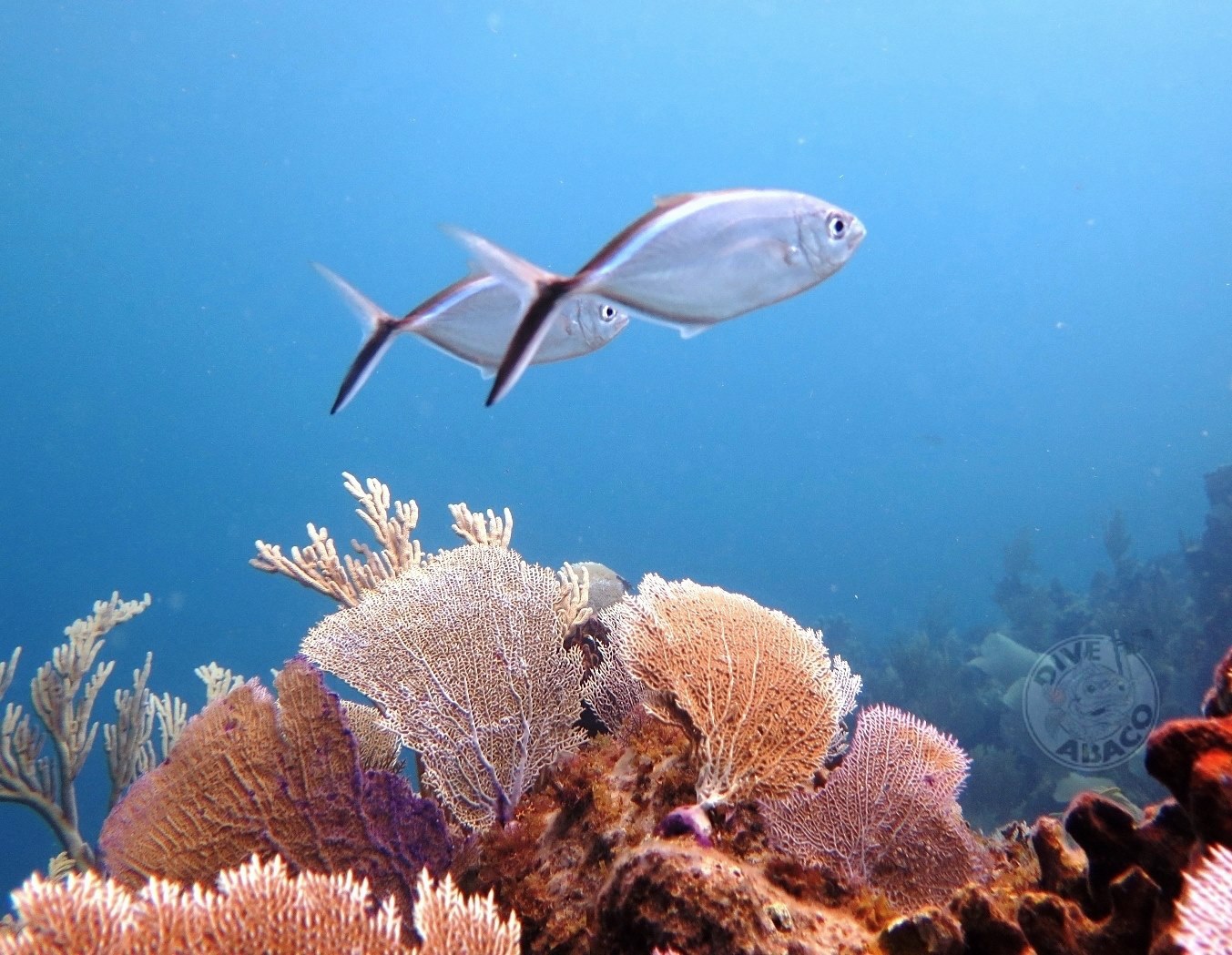
Purple Sea Fans, Abaco, Bahamas (Dive Abaco / Keith & Melinda Rogers)

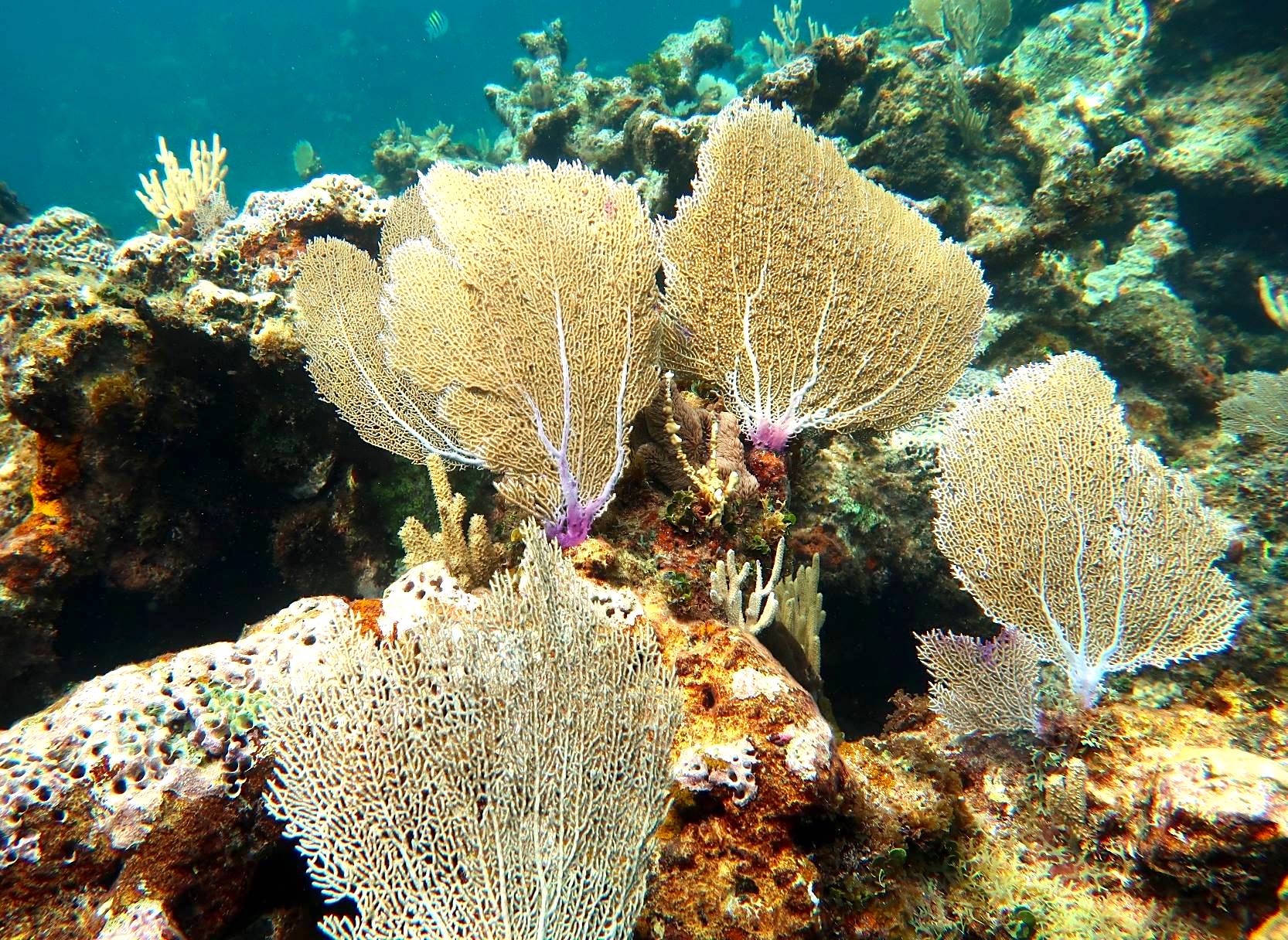
The waters of Abaco teem with myriads of fish that depend on the coral reefs for shelter and safety, for breeding, for growing up in, and for nourishment. Sea fans (or gorgonians, to use the technical name) are animals too. They may look like plants and stay rooted to the spot, but like anemones these ‘soft corals’ are creatures of the reef and essential indicators of its health.

Purple sea fan, Bahamas (Melinda Riger / Grand Bahama Scuba)

Purple sea fan, Bahamas (Melinda Riger / Grand Bahama Scuba)

The purple sea fan Gorgonia ventalina (classified by Linnaeus in 1785) is one of the most common species of sea fan, and a spectacular one at that. The main branches are linked by a lattice of smaller branches. Below the ‘skin’ is a skeleton made of calcite compounded with a form of collagen.

Purple sea fan, Bahamas (Melinda Riger / Grand Bahama Scuba)

Purple Sea Fans, Abaco, Bahamas (Dive Abaco / Keith & Melinda Rogers)

Sea fans are filter-feeders, and have polyps with eight tiny tentacles that catch plankton as it drifts past. They develop so that their orientation is across the prevailing current. This maximises the water passing by and consequently the supply of food as the fans gently wave in the flow.

Purple Sea Fans, Abaco, Bahamas (Dive Abaco / Keith & Melinda Rogers)

Purple Sea Fans, Abaco, Bahamas (Dive Abaco / Keith & Melinda Rogers)

Gorgonians have a chemical defence mechanism that protects against potential troublemakers. The main effect is to make themselves unpleasant to nibble or uproot.

Purple Sea Fans, Abaco, Bahamas (Dive Abaco / Keith & Melinda Rogers)

One species impervious to this deterrent is the fascinating FLAMINGO TONGUE SNAIL. Other ‘safe’ species include the fireworm and BUTTERFLYFISHES.

Purple Sea Fans, Abaco, Bahamas (Dive Abaco / Keith & Melinda Rogers)

One benefit of sea fans to mankind is that their defensive chemicals have been discovered to provide the basis for drug research and development, specifically in the field of  anti-inflammatories. Another benefit, of course, is that they are very beautiful to look at. Thank you, Fans

Purple Sea Fans, Abaco, Bahamas (Dive Abaco / Keith & Melinda Rogers)

Purple Sea Fans, Abaco, Bahamas (Dive Abaco / Keith & Melinda Rogers)

Credits: these wonderful photos were taken by Melinda & Keith Rodgers / Dive Abaco, Marsh Harbour; and Melinda & Fred Riger / Grand Bahama Scuba. Huge thanks to them all for allowing me to freely use their skilful underwater photography in this blog for the best part of a decade.


A SPECIAL FAN FOR A HAPPY AND HOPEFUL TURN OF THE YEAR

Purple Sea Fans, Abaco, Bahamas (Dive Abaco / Keith & Melinda Rogers)