Unknown's avatar

TOP-FIVE CUTE? A BLUE-GRAY GNATCATCHER ON ABACO


TOP-FIVE CUTE? A BLUE-GRAY GNATCATCHER ON ABACO

There are plenty of cute little birds on Abaco, as almost anywhere else. The BGG would definitely be in my top 10, and probably shouldering its tiny way into the top 5. This one was in the coppice 20 yards from the Delphi Club. I made some of those irritating (to other humans) ‘pishing’ sounds and, gratifyingly, it popped into sight. Then it started singing.

Blue-gray Gnatcatcher, Abaco 1

If the colouring / name coincidence doesn’t help with ID, look for the characteristic full white eye-rings. Adults have a dark Frida Kahlo ‘monobrow’, visible in these pictures. They also have a tendency to cock the tail when perching. If you are lucky, you may see a BGG ‘hawking’ for small insects, fluttering off a branch to make the catch and returning to its perch to eat it.

Blue-gray Gnatcatcher, Abaco 2 Blue-gray Gnatcatcher, Abaco 3

The image below shows the same bird having flown a short distance. I wanted a cocked tail shot, but as I pressed the (what is it? button? knob? shutter? trigger?) pressy thing, the bird started the preliminaries for flying off. The top 3 photos are exactly as taken, with no ‘work’ done bar cropping. The one below had a bit of a sharpen. Not a good photo, but it shows the stance. Then, having seen a cocked tail, I returned to immerse myself in a cocktail – a ‘Delphi Punch’ is a knockout drink!

Blue-gray Gnatcatcher, Abaco 4

Unknown's avatar

A DOG’S LIFE: POTCAKES AT SANDY POINT, ABACO


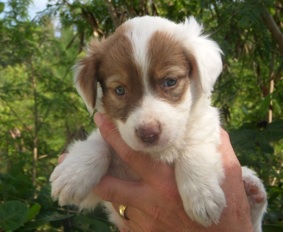
Harvey the Potcake Puppy Dog, Abaco

A DOG’S LIFE: POTCAKES AT SANDY POINT, ABACO

The POTCAKE DOG is a mixed-breed dog type from the Bahamas & TCI. Its name comes from the congealed rice and pea mixture that local residents traditionally fed dogs. A while ago I posted in more detail about these dogs including TEN VITAL FACTS HERE and about the potcake RESCUE SCHEMES HERE. An updated and expanded list is shown below. Although great favourites as pets, there are sadly a huge number of strays on Abaco that wander, ownerless, around the settlements. Although generally well-tempered as a breed, these feral dogs can occasionally seem aggressive. Many are found, as adults or as pups, in a bedraggled, underfed or injured condition. The lucky ones become rescue dogs and are re-homed (the ‘header dog’ is Harvey, an abandoned puppy that found a happy home). An active spay-and-neuter programme has been established to prevent the spread of unwanted and uncared for dogs. Details of a number of relevant organisations are given below.

NEW See video of Potcake Pup Rescue from the Coopers Town Dump below.

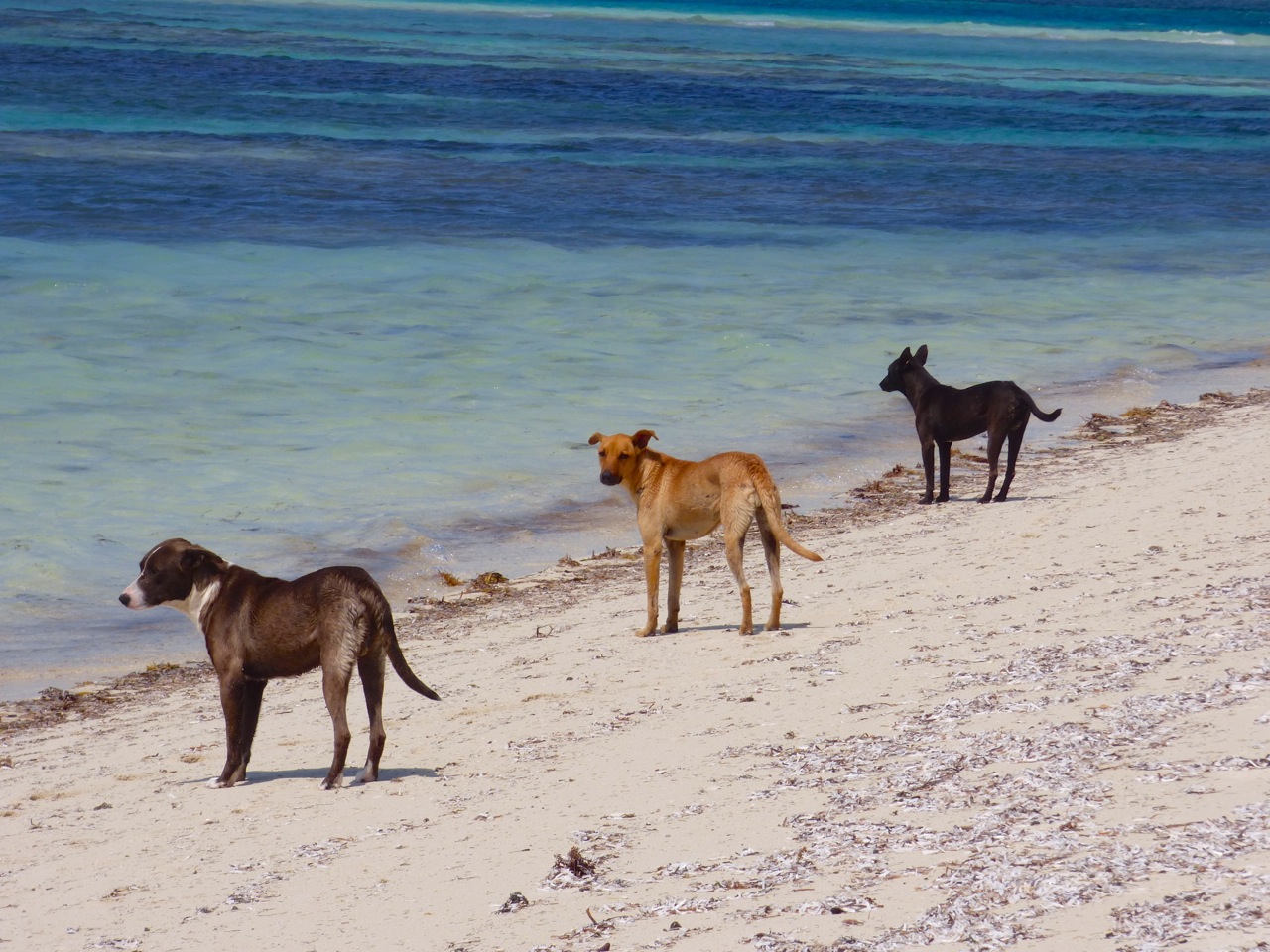
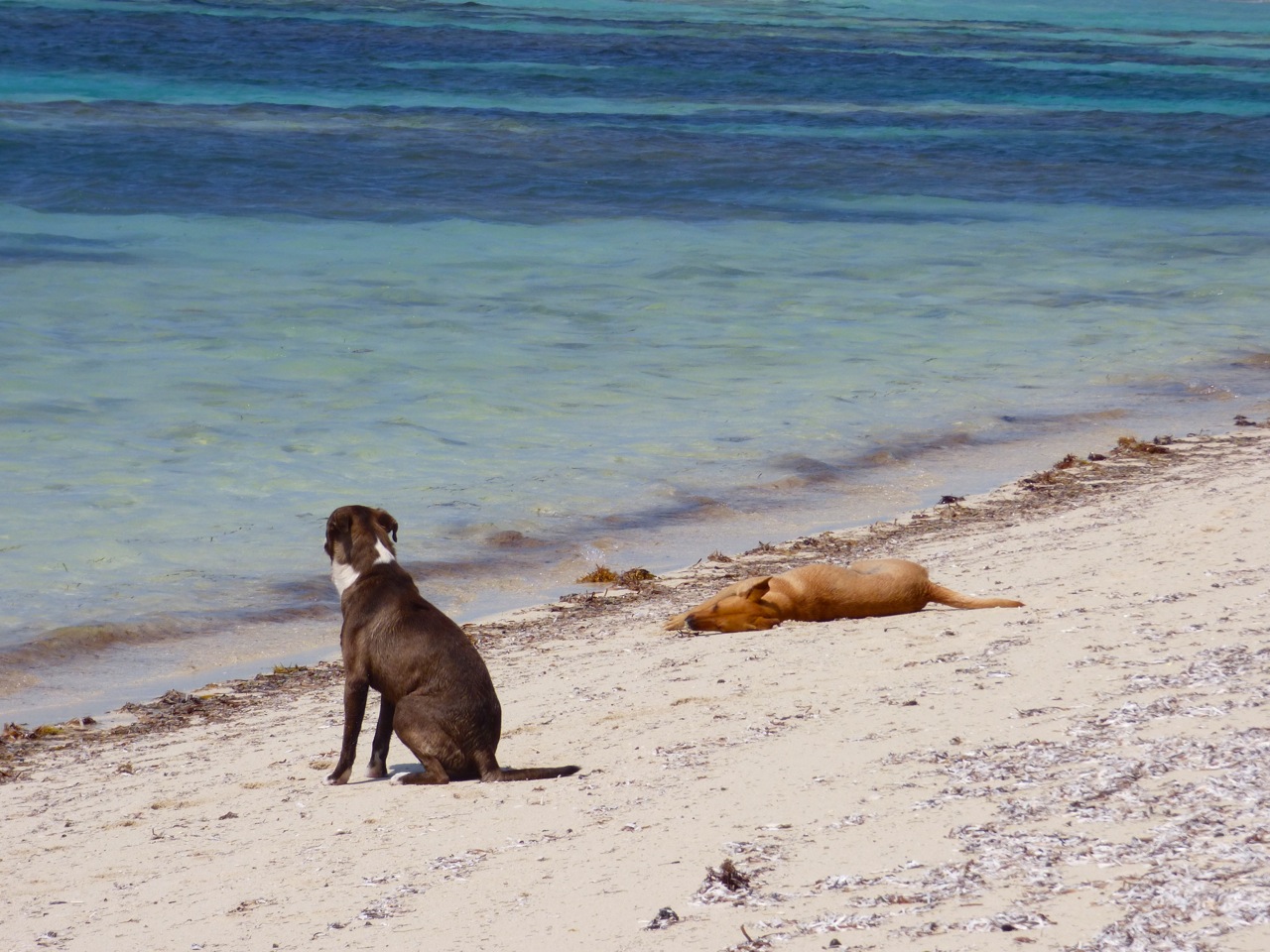
Meanwhile, let’s go to Sandy Point for lunch at Nancy’s. At some stage 2 or 3 dogs are likely to come close, hoping for tit-bits. Some look in poor condition, and it is easy to feel sorry for them. These animals may nevertheless lead companionable and playful lives. After lunch a sandy walk around the point is always an inviting prospect. Recently, we were preceded by 3 dogs that had been near us while we ate. It was great to watch them ahead of us, playing happily together on the narrow beach. Here they are…

“LAST ONE IN IS A WUSSY CAT…”Potcakes at Sandy Point, Abaco 1

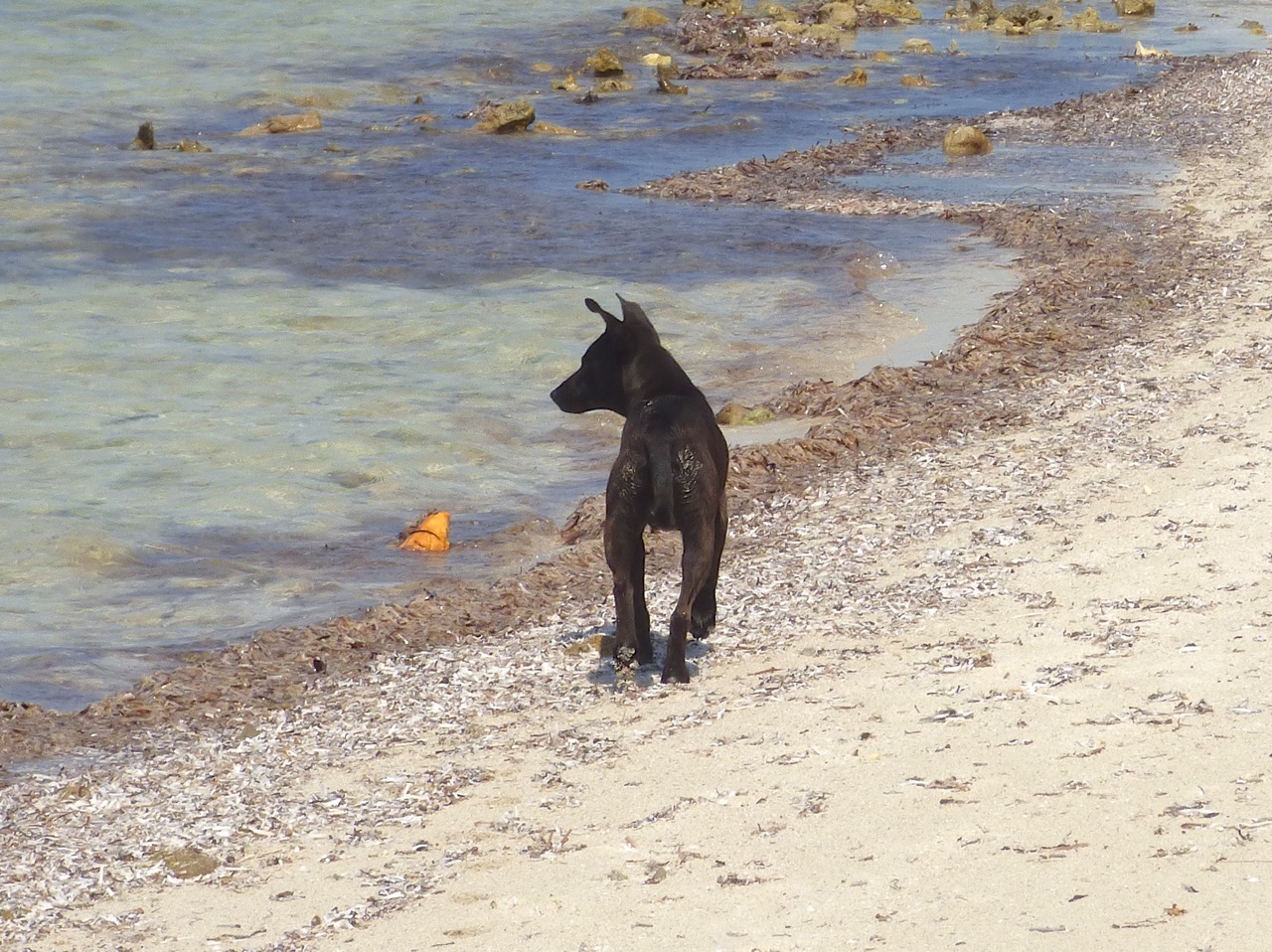
“HEY GUYS! I’VE FOUND A CONCH SHELL TO PLAY WITH”Potcakes at Sandy Point, Abaco 4

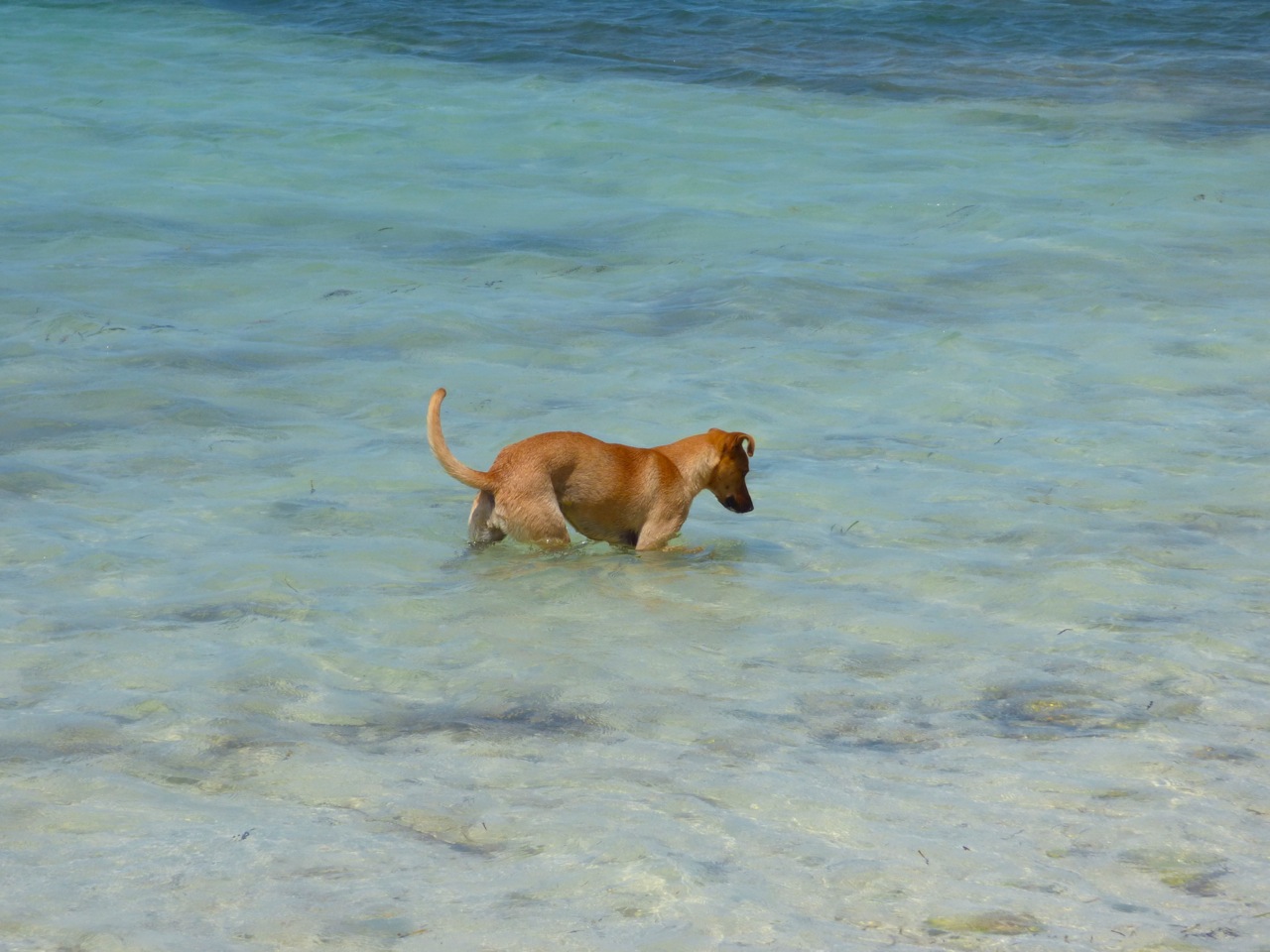
“LOOK AT ME! I’M FISHING!”Potcakes at Sandy Point, Abaco 3

DOG TIRED…Potcakes at Sandy Point, Abaco 2

ABACO SHELTER Comprehensive one-stop site for info, advice, details of clinics, adoption and donations

POTCAKE RESCUE BAHAMAS  A Facebook Page that includes an Adopt / Donate facility (via Paypal)

BAHAMAS HUMANE SOCIETY Details of spay /neuter programs, clinics, adoptions, and a donation link

THE POTCAKE FOUNDATION  TCI-based, with facts, advice and potcake-tastic merchandise…

ABACO WILDLIFE CHARITIES Rolling Harbour page with links to diverse wildlife charities

If you know of other relevant organisations, I’d be pleased to add them to the list – please COMMENT or EMAIL

NEW Thanks, Melinda from DIVE ABACO, for suggesting adding these links

ROYAL POTCAKE RESCUE FB page – Re-homing Abaco potcakes in the US; RPR website  (Judy Marshall).

LITTLE HOUSE BY THE FERRY Amanda’s excellent GTC blog recently posted about the plight of potcakes. Her blog deserves a closer look – there’s a great deal of fascinating information there, both historical and current.

NEW Hollie suggests HUMANE SOCIETY OF GRAND BAHAMA which helped her re-home a potcake

NEW Little House by the Ferry (GTC) has an interesting post about a SPAY CLINIC

602197_10151320508105308_626676659_n
STOP PRESS By complete coincidence I came across this excellent video of the rescue of some Potcake pups on Abaco within 24 hours of posting the article above. 
NEW ADDITION Part 2 of the Coopers Town Dump Potcake Pups story  [youtube https://www.youtube.com/watch?v=nW-WPohlnG4&feature=youtu.be&app=desktop]
Unknown's avatar

CLOSE ENCOUNTERS OF THE… CURLY TAIL LIZARD KIND


CLOSE ENCOUNTERS OF THE… CURLY TAIL LIZARD KIND

These little lizards are irresistible. They sun themselves. They scuttle. They blink. Their tails curl. What’s not to like. Here’s one I got close to… Double click and you can get even closer. Look! Tiny Claws!

Curly-tail Lizard, Delphi, Abaco

CURLY-TAIL LIZARD, ABACO

Unknown's avatar

ROLLING HARBOUR, ABACO – THE GEOGRAPHICAL FEATURE


DCB for Vista

ROLLING HARBOUR, ABACO – THE GEOGRAPHICAL FEATURE

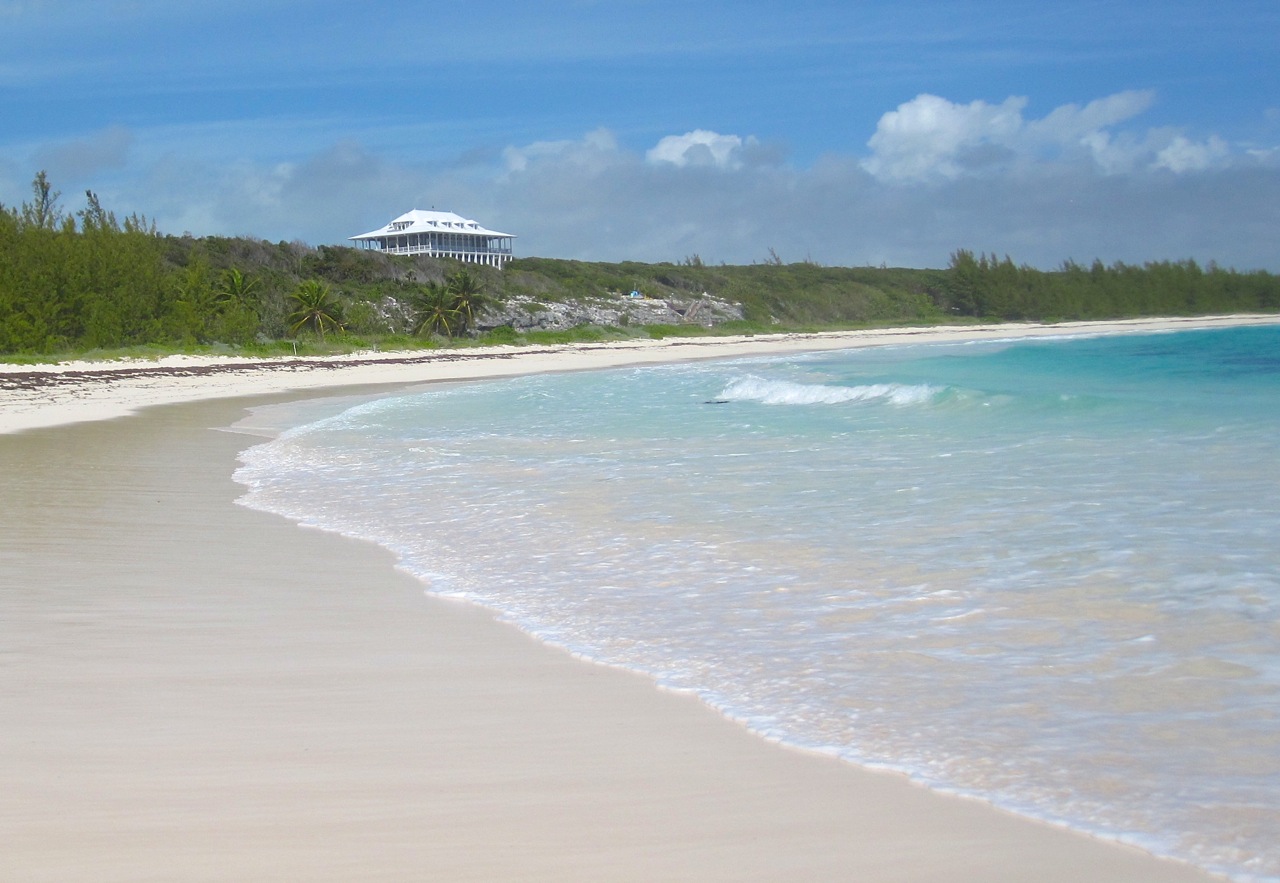
Rolling Harbour, location of the Delphi Club, is a mile-long curving sandy bay on the east side of South Abaco, half an hour’s drive south of Marsh Harbour. It is marked on a handful of old maps and a couple of more recent ones. Other than that, it keeps itself pretty much to itself. Here’s a 30-second, 180º panoramic movie from the beach. Blue skies. Blue water. Turquoise water. White sand. 4250 miles from where I am right now…

Abaco Map showing Rolling HabourAbaco Map showing Rolling Habour ('The Johnson Map')


Unknown's avatar

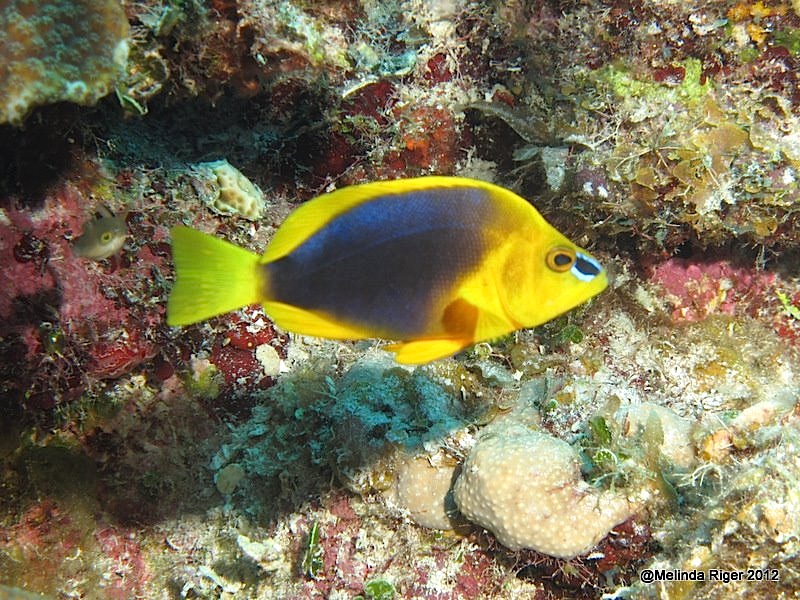
“REEF ENCOUNTER”: TEN CHEERFUL BAHAMAS REEF FISH


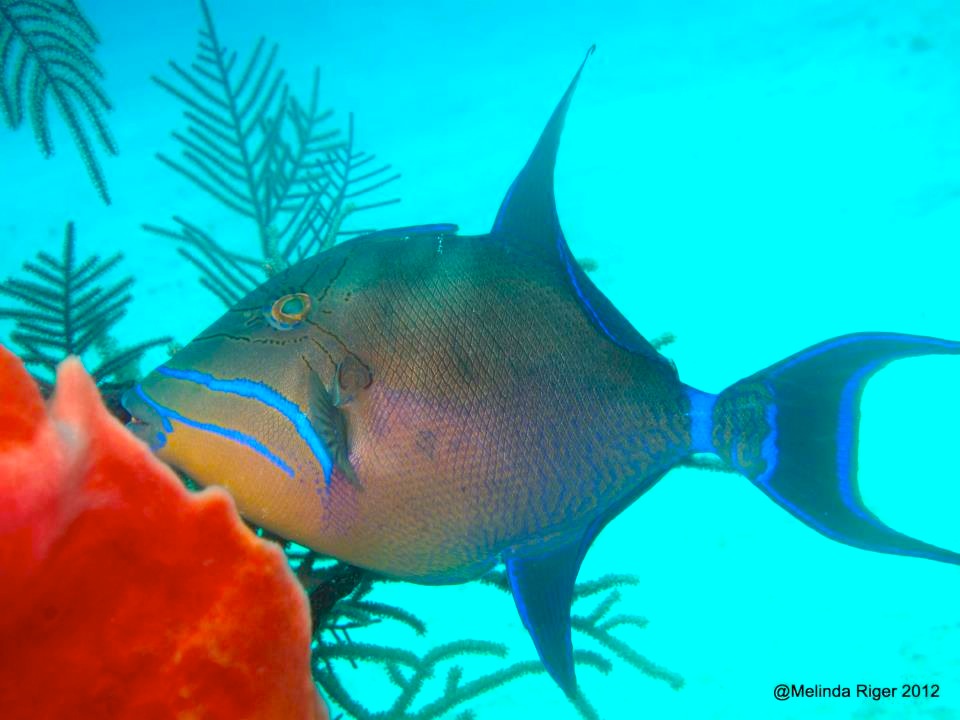
Queen Triggerfish  ©Melinda Riger G B Scuba

QUEEN TRIGGERFISH

“REEF ENCOUNTER”: TEN CHEERFUL BAHAMAS REEF FISH

LAURA JESSON “Do you know, I believe we should all behave quite differently if we lived in a warm, sunny climate all the time. We shouldn’t be so withdrawn and shy and difficult…” (Brief Encounter 1945) 

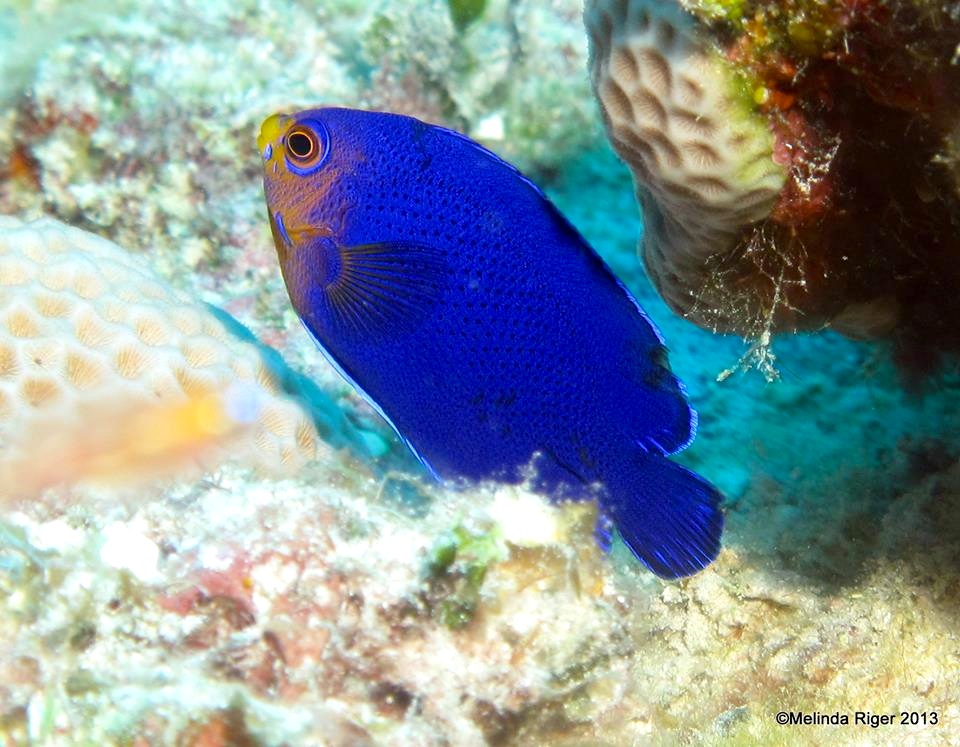
The quote is there both because it is particularly apposite for any withdrawn etc Brit with a toehold in Abaco, and because it explains or excuses the somewhat clumsy title pun… March has been dominated by (a) a trip to Abaco and (b) publication of “The Birds of Abaco”. Time for some cheerful finny  fotos to end the month with, courtesy of diving belle Melinda Riger of Grand Bahama Scuba and her top-class camera work.

Cherub Fish © Melinda Riger @ G B Scuba copy

CHERUB FISH

Rock Beauty ©Melinda Riger @ GB Scuba copy

ROCK BEAUTY

Fairy Basslet © Melinda Riger @ GB Scuba copy

FAIRY BASSLET

Blackbar Soldierfish ©Melinda Riger @ G B Scuba copy

BLACKBAR SOLDIERFISH

Hamlet (Shy) ©Melinda Riger @ Grand Bahama Scuba copy

SHY HAMLET

Three-spot Damselfish  ©Melinda Riger @ G B Scuba  copy

THREE-SPOT DAMSELFISH

Blue Tang with Blue Chromis © Melinda Riger @GB Scuba copy

BLUE TANG with BLUE CHROMIS

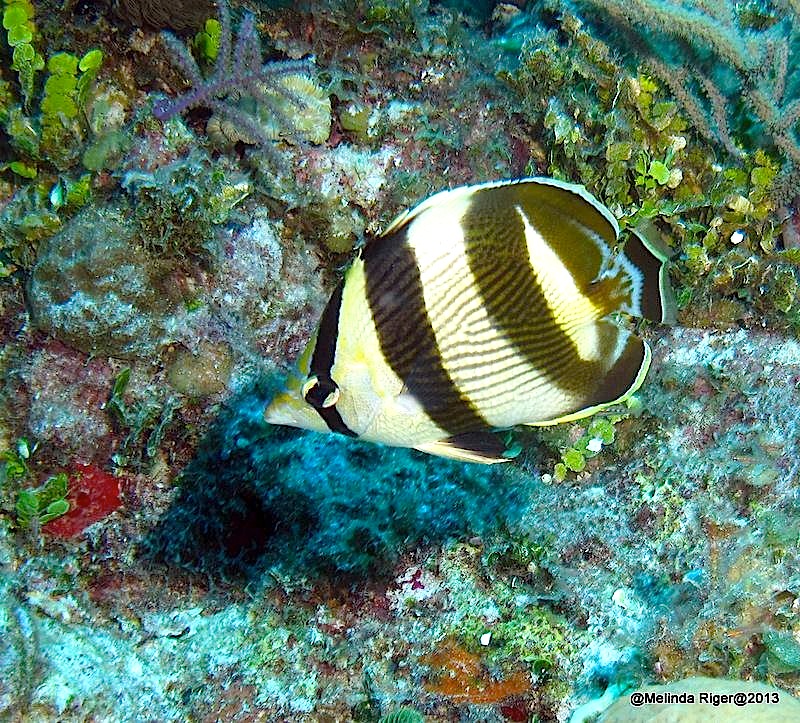
Banded Butterflyfish ©Melinda Riger @ GB Scuba copy

BANDED BUTTERFLYFISH

Unknown's avatar

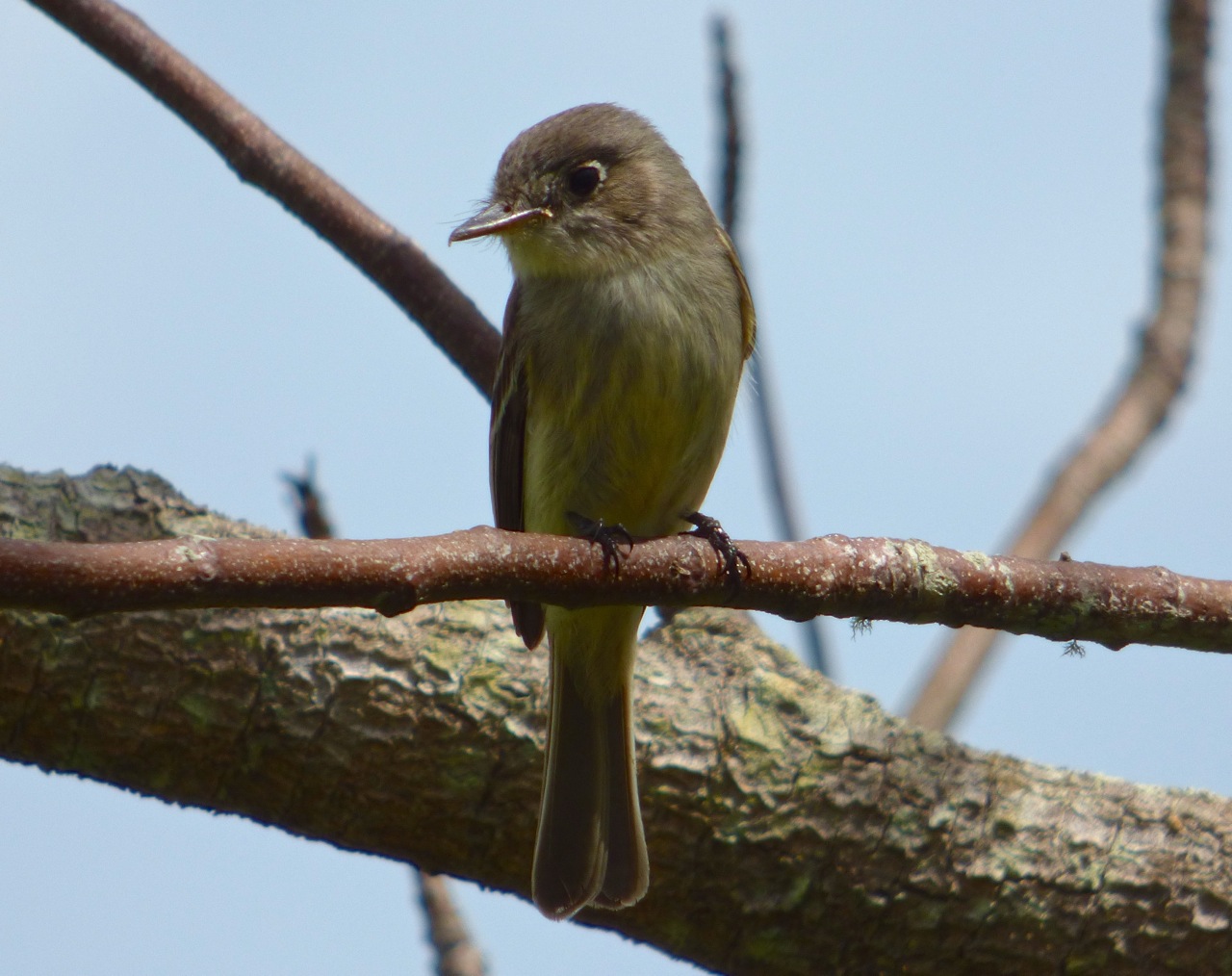
A CUBAN PEWEE AT THE ABACO NEEM FARM


P1010060 - Version 2

A CUBAN PEWEE AT THE ABACO NEEM FARM

This post may be infected with a passing dose of Badworkmanblamingtoolitis. I took a new camera to Abaco, an upgrade on my previous one (which thankfully I kept while testing the new one). I only use a ‘Bridge’ camera, mostly set on auto because it takes me too long to fidget with controls while the bird in front of me chooses the optimum moment to fly off, i.e. fractionally before I have pressed the button…


We went to the Abaco Neem Farm, a large acreage of Neem and other trees, with pinewood, coppice and open land. Perfect for birding. The owner Nick kindly gave us a metaphorical ‘Access All Areas’, so we took him at his word. I will post about this trip in due course – as expected, we found much of interest there.

P1010061 - Version 2

Meanwhile, back to the camera. This little Cuban Pewee Contopus caribaeus was quite close, watching me and seeming very relaxed. I hoped that the much-vaunted zoom (“and many other features”) would bring pin-sharp images. This was the first time I realised that this might not be the case. As it has turned out the bird results are a bit disappointing, with images being ‘soft’. A great camera, probably, for general use: not so good for bird close-ups…P1010062 - Version 2

The last photo was a lucky shot, as the bird took hold of a large passing insect (cricket? hopper?). It’s not a sharp shot, but I’m glad I got it!P1010063 - Version 2

Unknown's avatar

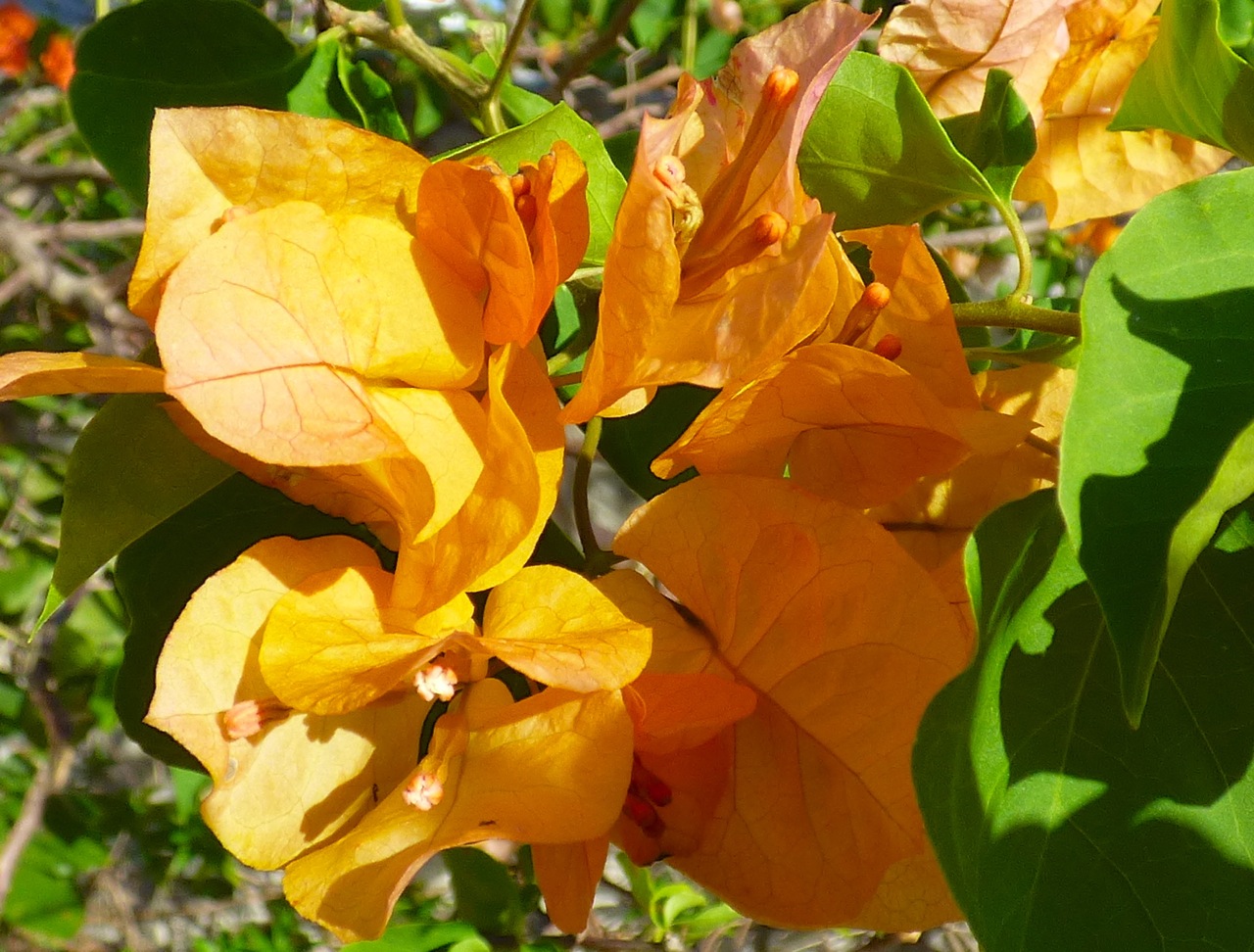
ADMIRABLE ADMIRAL BOUGAINVILLE & HIS EPONYMOUS FLOWERS ON ABACO


Bougainvillea, Delphi, Abaco Bahamas 5

ADMIRABLE ADMIRAL BOUGAINVILLE & HIS EPONYMOUS FLOWERS ON ABACO

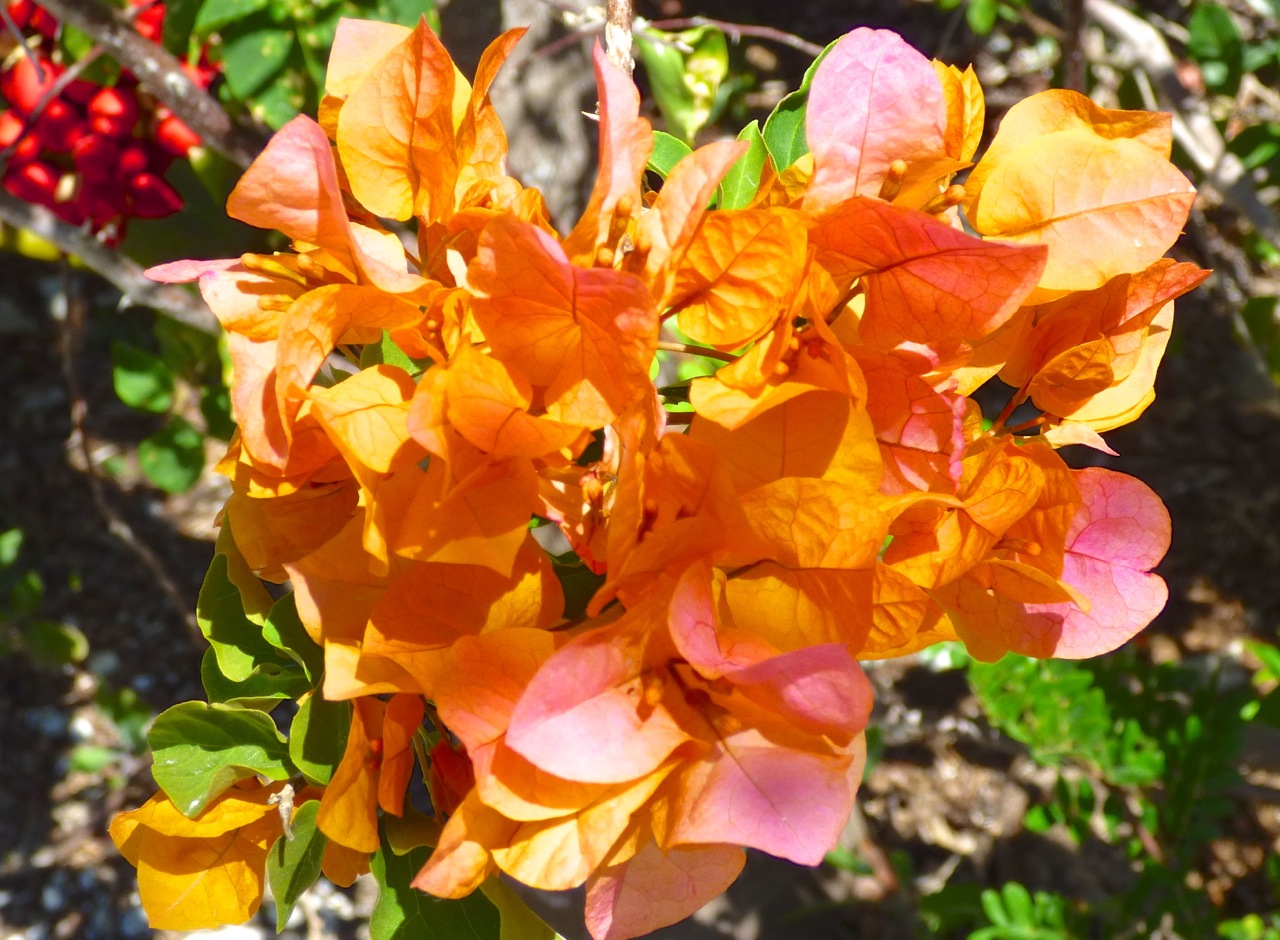
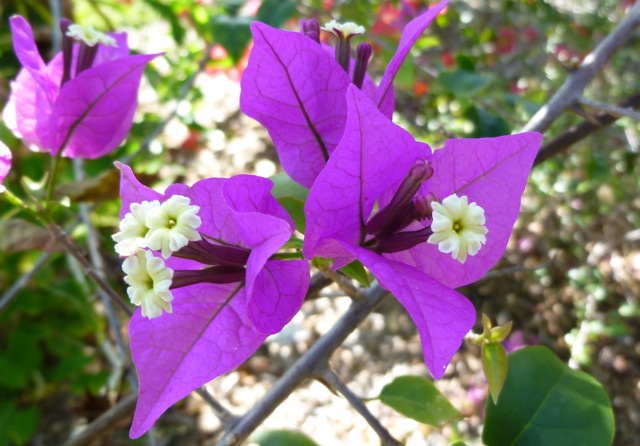
By the second half of the c18th, no respectable nautical expedition was complete without at least one naturalist or geologist on board. Within a few decades, that intentionally sweeping generalisation would include Charles Darwin himself. Louis Antoine, Comte de Bougainville (1729 – 1811) was a French admiral and explorer, and a contemporary of Captain James Cook. However the well-known ornamental vine  to which Bougainville lent his name might more properly be called Commerconia… or indeed an even more obscure name. Bougainvillea, Delphi, Abaco Bahamas 1

When Bougainville set off on a voyage of circumnavigation in the 1760s, he took with him a botanist, Philibert Commerçon. He was the first European to examine and ‘write up’ these plants, his findings being published in France in 1789. One attractive theory is that the first European actually to observe these plants was a woman called Jeanne Baré who was Commerçon’s assistant, and indeed his lover. He is said to have sneaked her on board, despite regulations, disguised as a man. If this is right, this would make Jeanne Baré the first woman (let alone cross-dressing woman) to circumnavigate the globe. And perhaps make her entitled to be immortalised by having the plant ‘Bareia’ named after her. But I guess Admirals had more clout in plant-naming circles than female stowaways – or indeed botanists on board their ships.Bougainvillea, Delphi, Abaco Bahamas 3 Bougainvillea, Delphi, Abaco Bahamas 4

As first printed in 1789, the plant was spelled ‘Buginvillæa’, an unexplained variation from the Admiral’s true name. The ‘correct’ spelling for this plant did not finally settle down until the 1930s, when a botanical consensus was reached. Nonetheless, many variations still persist (most usually with the addition of an e after the n). I myself spell it any-old-how and let the spell-checker take care of it…Bougainvillea, Delphi, Abaco Bahamas 2 Bougainvillea, Delphi, Abaco Bahamas 7

STOP PRESS Further research suggests that the name of the plant was ‘gifted’ by Commerçon to the Admiral, a self-effacing tribute or possibly a rampant piece of sycophancy – or (my own theory) to avoid being keelhauled when his ‘valet’s’ gender was apparently unmasked by the ship’s surgeon. In what precise circumstances, one longs to know…

Bougainevillea 2, Abaco Bougainevillea 1, Abaco

Credits: Delphi plants courtesy of Willie the Gardener; photos RH; text-assists by ‘Magpie-Pickings’ 

Unknown's avatar

RAYS OF SUNSHINE ON THE ABACO MARLS


Stingrays Abaco Marls 1

RAYS OF SUNSHINE ON THE ABACO MARLS

The Marls of Abaco are prime bonefishing grounds, a vast area of labyrinthine mangrove swamps, sandy islets, channels and shallow flats on the west side of the main island. The fish are wily and powerful, the fly hooks are barbless, and each one caught, retained, boated and swiftly released is a prize. There’s plenty of other wildlife to be seen. Heron and egrets, ospreys, belted kingfishers, wading birds and many other bird species make the Marls their home. In the water, there are snappers, jacks, barracuda, and sharks of various kinds and sizes. These latter range from small black tip, lemon and hammerhead sharks to more substantial contenders, with the occasional massive bull shark to add a frisson for those on a suddenly fragile-seeming skiff… 

There are also rays. I have posted before about the SOUTHERN STINGRAY and the YELLOW STINGRAY Out on the Marls I have mainly seen Southerns as they move serenely and unhurriedly through the warm shallow water. A couple of weeks ago, we were out with the rods when we had a completely new Ray experience. I’m not overly given to anthropomorphism and getting too emotional about encounters, but we all found this one quite moving – even our very experienced guide.

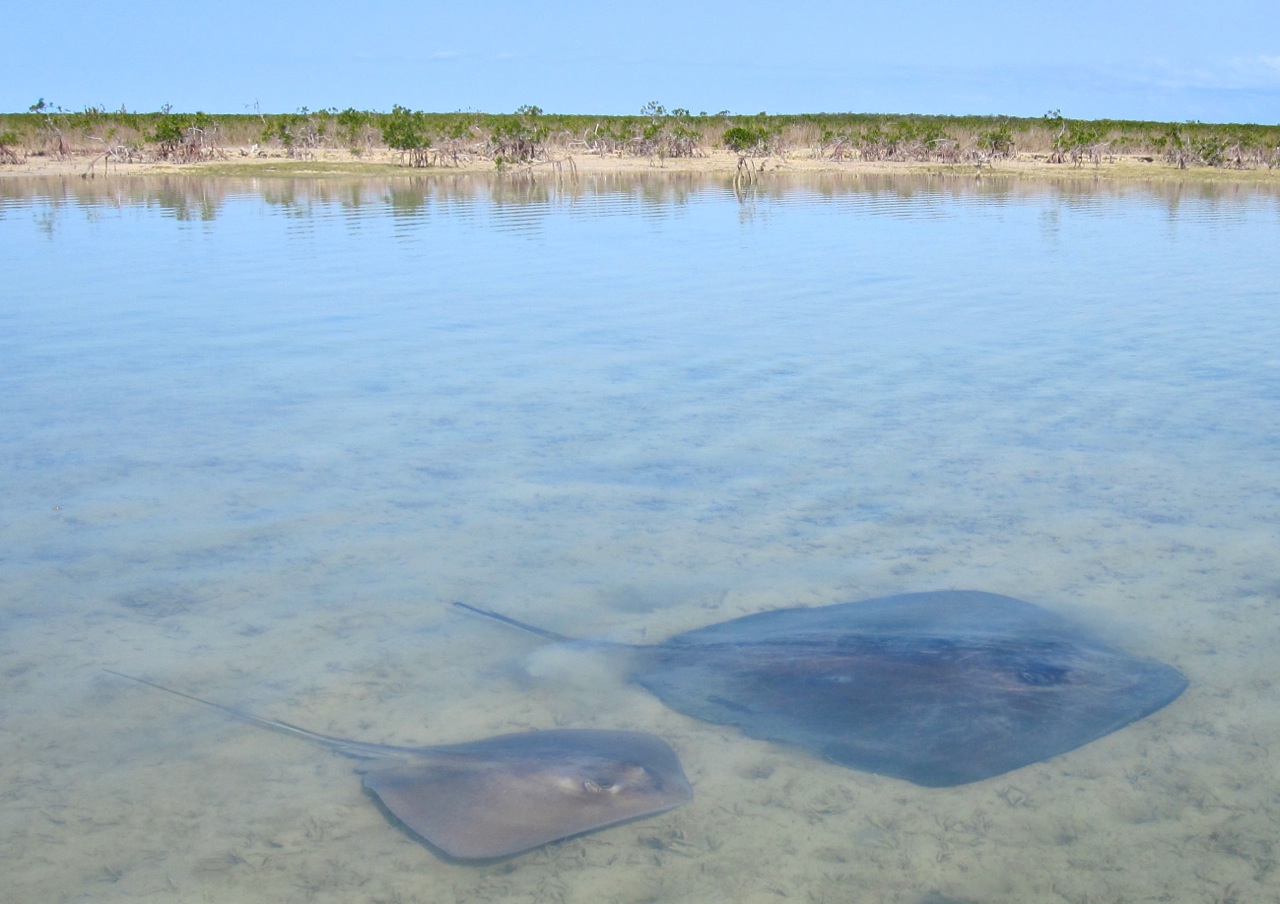
Gliding to our right side, a pair of stingrays slowed as they neared the skiffStingrays Abaco Marls 2

The adult paused very close to us, allowing the little ray to catch upStingrays Abaco Marls 3

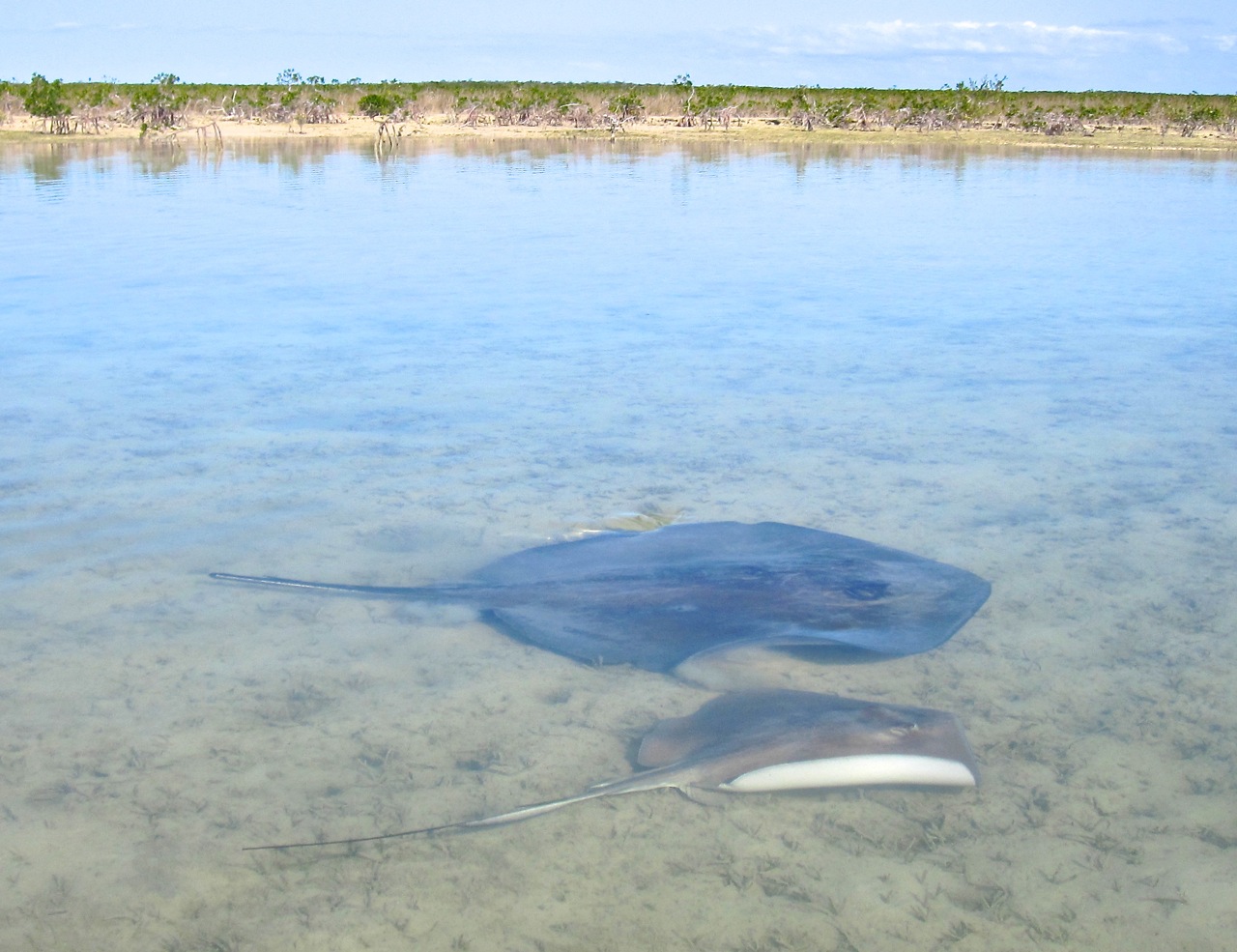
Lifting a wing slightly the adult let the juvenile creep under, while keeping a beady eye on usStingrays Abaco Marls 4

The large ray was missing the tip of its tail, presumably from some adverse encounterStingrays Abaco Marls 5

The creatures examined us carefully for 2 or 3 minutes, before separatingStingrays Abaco Marls 6

Then they slowly drifted away across the sand…Stingrays Abaco Marls 7

According to our guide, this gently protective behaviour is not uncommon. They may well have been completely unrelated, the large ray tolerating the smaller one accompanying it through the waters and offering a kindly wing in the presence of danger or suspicious objects like us.

Photo Credits: Mrs RH (I was too entranced at the sharp end, with a bird’s eye view, to get a camera out)

Unknown's avatar

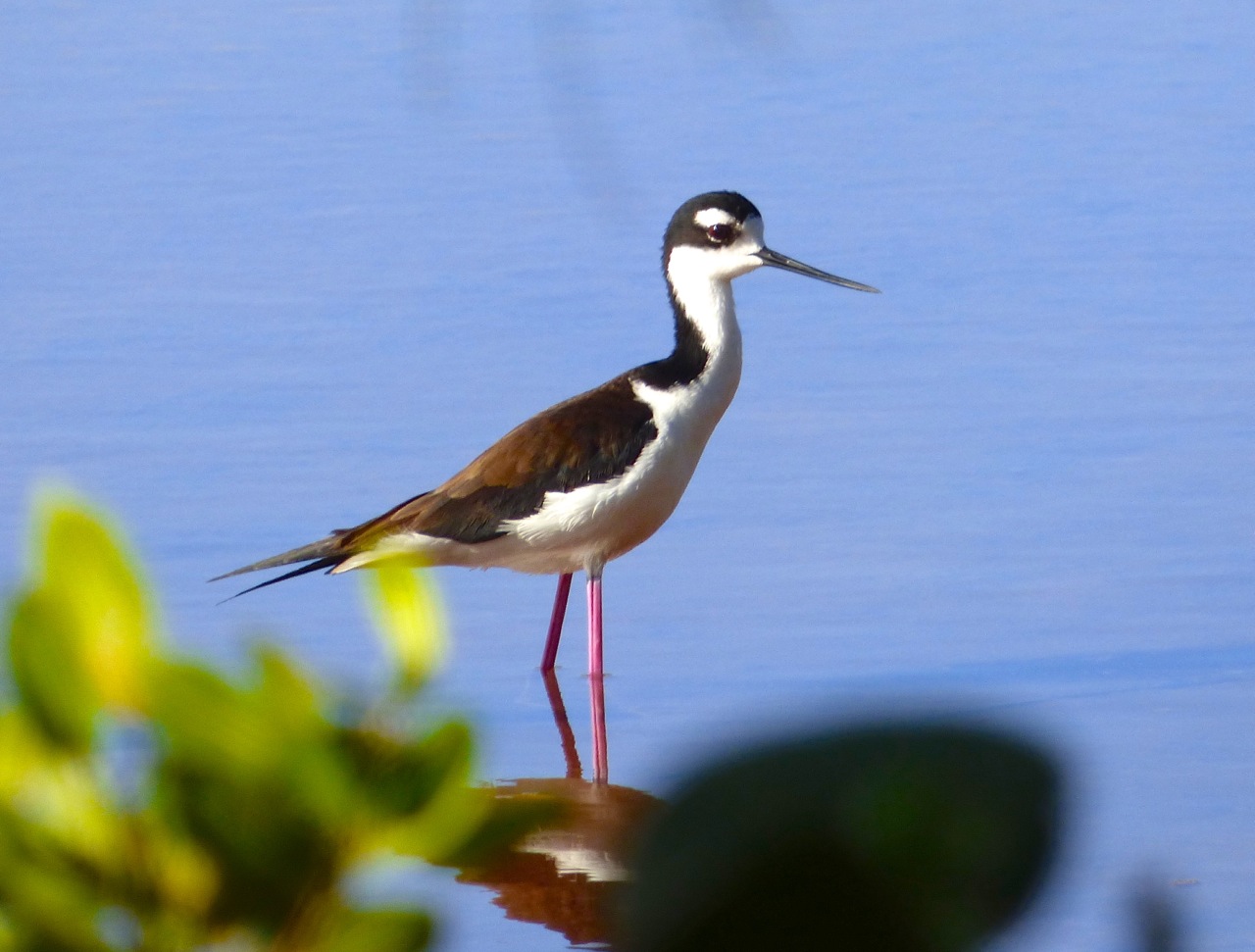
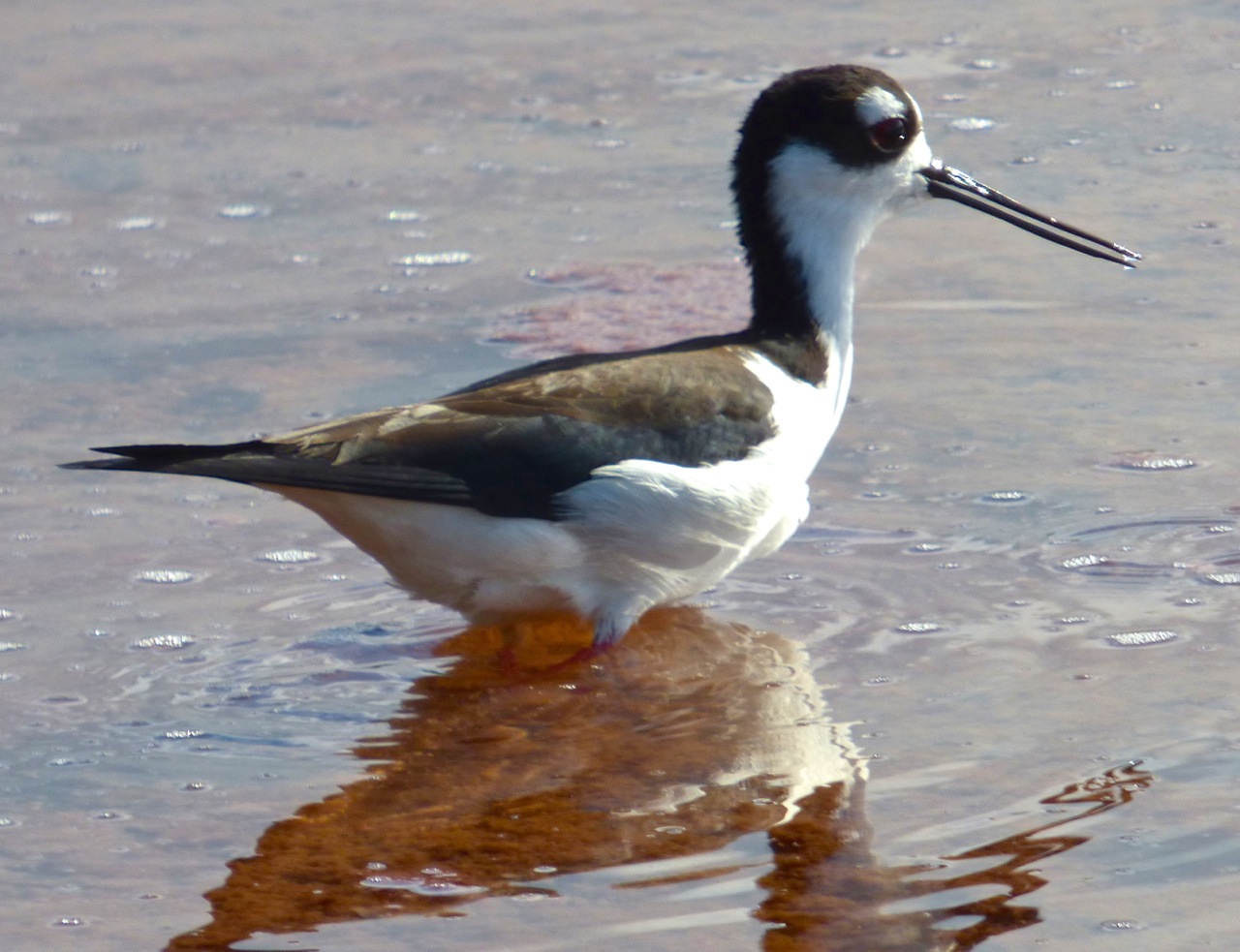
BLACK-NECKED STILTS ON ABACO: A PREVIEW


BLACK-NECKED STILTS ON ABACO: A PREVIEWBlack-necked Stilt, Gilpin Point, Abaco 1

T’ings on Abaco are pleasantly busy right now. The weather is gorgeous; the bonefishing is outstanding at the moment, so that even an incompetent like myself can boat a few fish in the day (6 to 4 lbs today, thank you so much for asking… What’s that? Speak up… yes, OK, I lost or mislaid a further eight along the way by deploying my compassionate principles of EARLY CATCH & RELEASE). There’s “The Birds of Abaco” to promote, with signings & co. Food to be got through. Drink to be taken. Frankly I’m exhausted (not really). And on top of it all, some nice birds to photograph. Here are a couple of taster shots for a future bird post on these delicate but surprisingly aggressive Stilts after we get back to Blighty (all too soon…) Black-necked Stilt, Gilpin Point, Abaco 2

Unknown's avatar

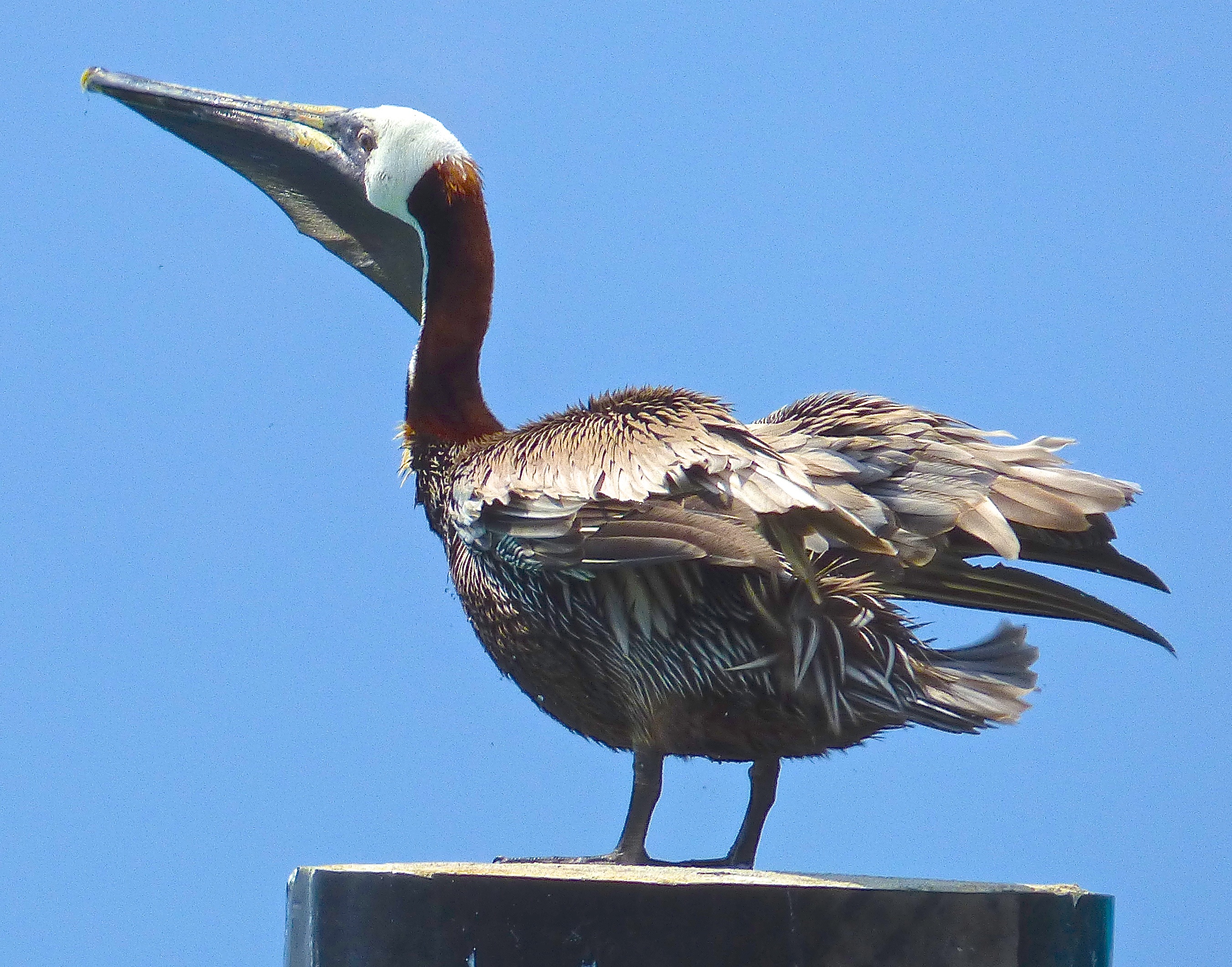
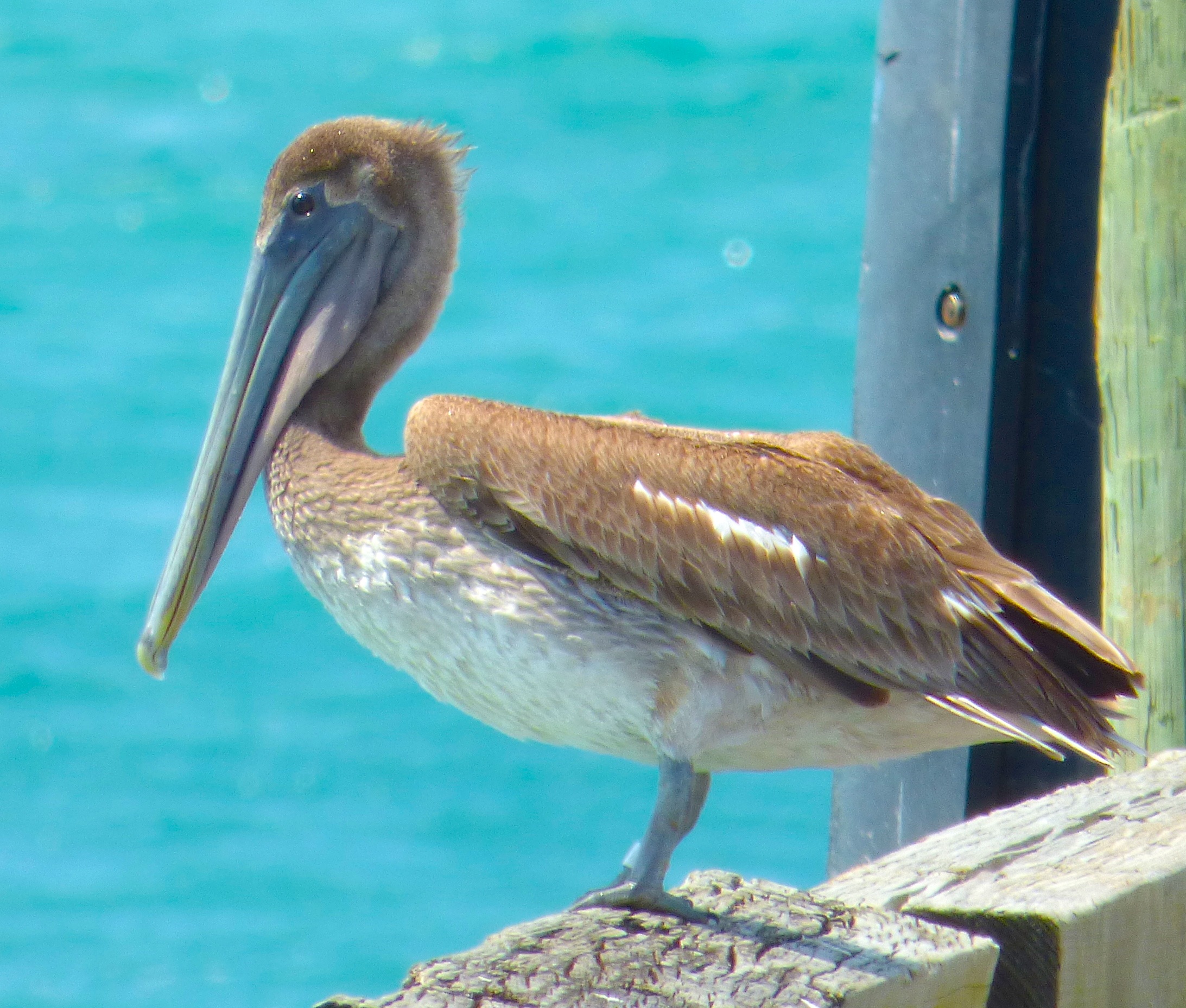
CAN A PELICAN? THE HELICAN!


A taster for a future post about Brown Pelicans when I have a more reliable internet connection than Abaco’s rather intermittent service… These two birds were taken a few days ago on the jetty at Sandy Point, Abaco. In due course there’ll be more about these astonishing birds, which were plunge-diving off the jetty for fish.Pelican Sandy Point AbacoPelican Sandy Point Abaco 3Pelican Sandy Point Abaco 2

Unknown's avatar

A GREAT BLUE HERON AT SANDY POINT, ABACO


When I get a better internet connection I have some great bird posts planned. Until then it has to be single images on my iph@ne. Here’s one from a couple of days back … NEW! Originally mis-ID – there was some general confusion about that. Thanks, Brigitte on Tilloo for ringing the alarm bell. My bad! Internet has temporarily improved, here’s the full-size rather than iph@ne image, with more to follow soon…Great Blue Heron Close-up, Sandy Point Abaco

Unknown's avatar

AN OSPREY ON THE ABACO MARLS


Osprey - Abaco Marls 3

AN OSPREY ON THE ABACO MARLS

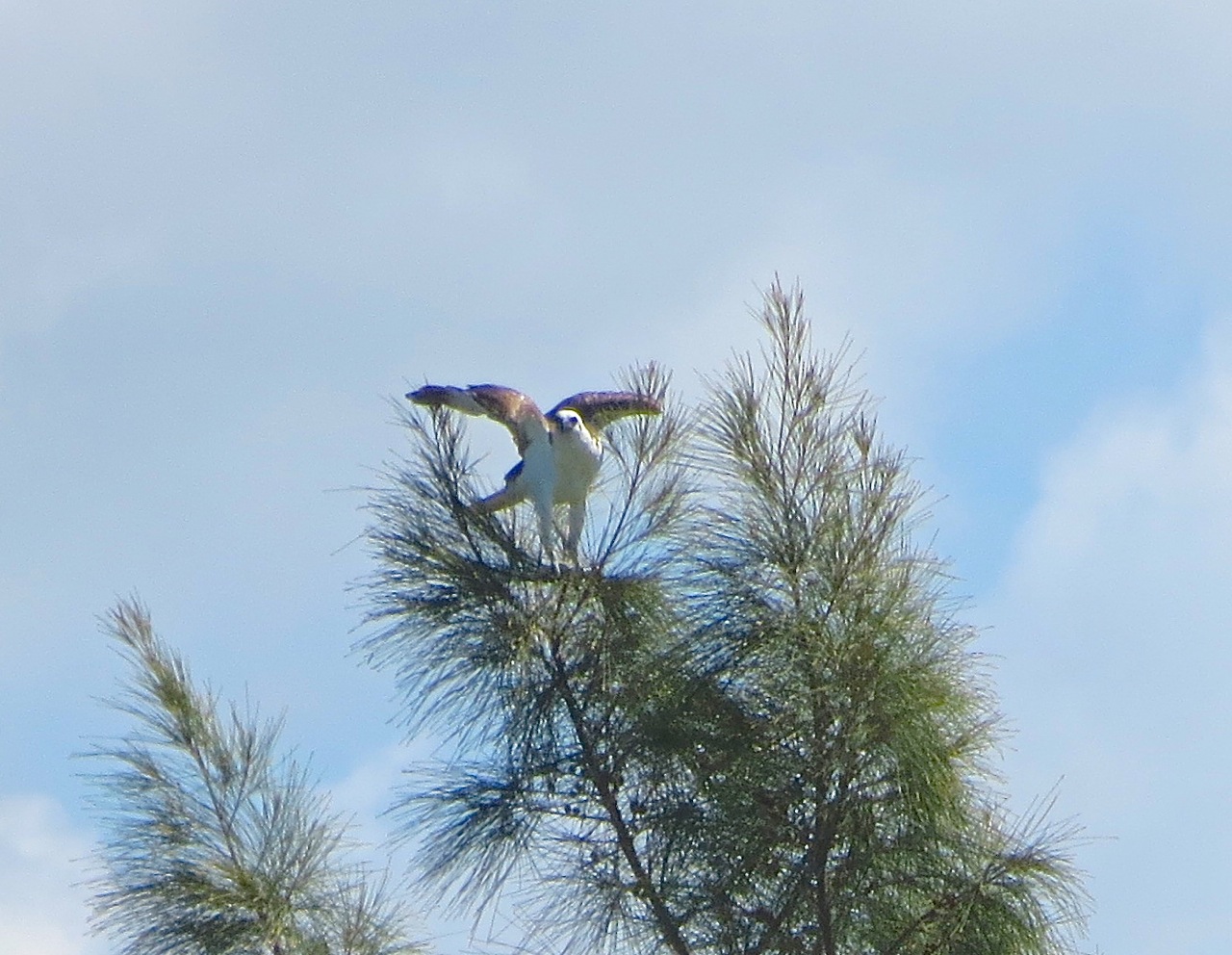
Anglers are not the only creatures out fishing on the Marls. Herons and egrets of several sorts live in the massive area of mangrove swamp, shallow sea and sandy spits that make up the prime bonefishing grounds of Abaco. Yesterday, we were lucky enough to be joined by an osprey. Hooking my ‘Delphi Daddy’ safely into a rod ring, I grabbed a camera and took some shots. These aren’t that great because (a) I normally only take a small cheap camera out fishing (b) the bird was some away off and (c ) my image qualities are variable… These aren’t really worth clicking to enlarge, but I’m pleased to have got some ‘action shots’ of this wonderful bird.

Osprey - Abaco Marls 2Osprey - Abaco Marls 1Osprey - Abaco Marls 4

Unknown's avatar

IDENTITY CRISIS ON ABACO:WEST INDIAN WOODPECKERS OR HUMMINGBIRDS?


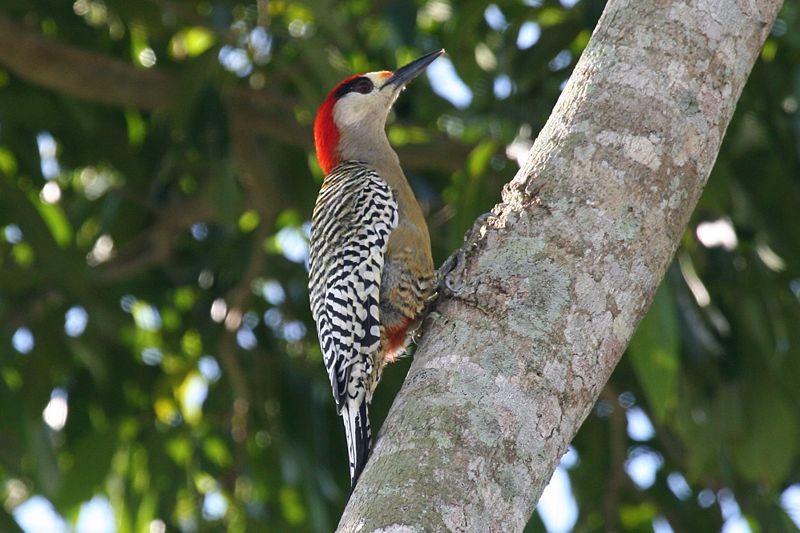
800px-West_Indian_Woodpecker_(Melanerpes_superciliaris)IDENTITY CRISIS ON ABACO:WEST INDIAN WOODPECKERS OR HUMMINGBIRDS?

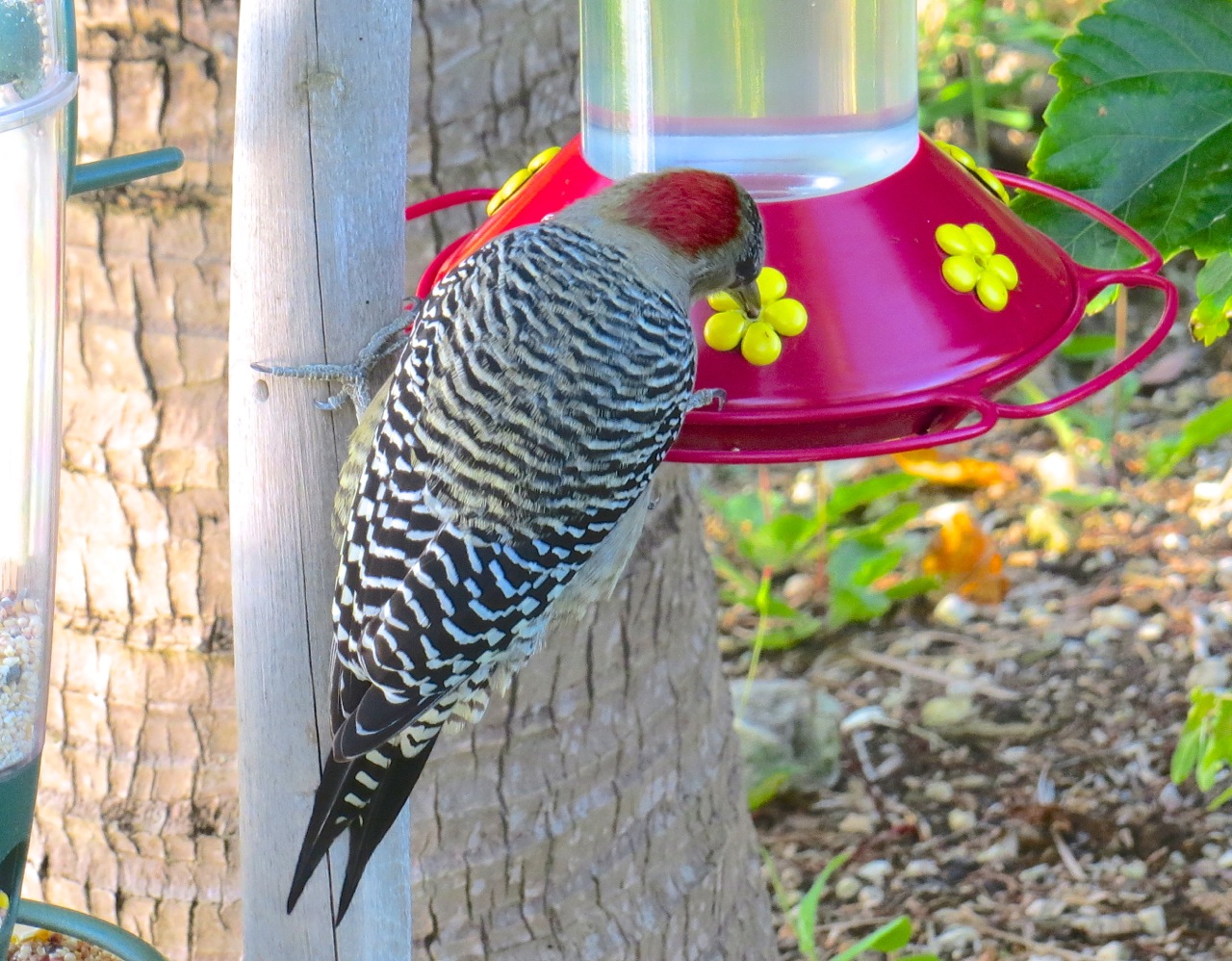
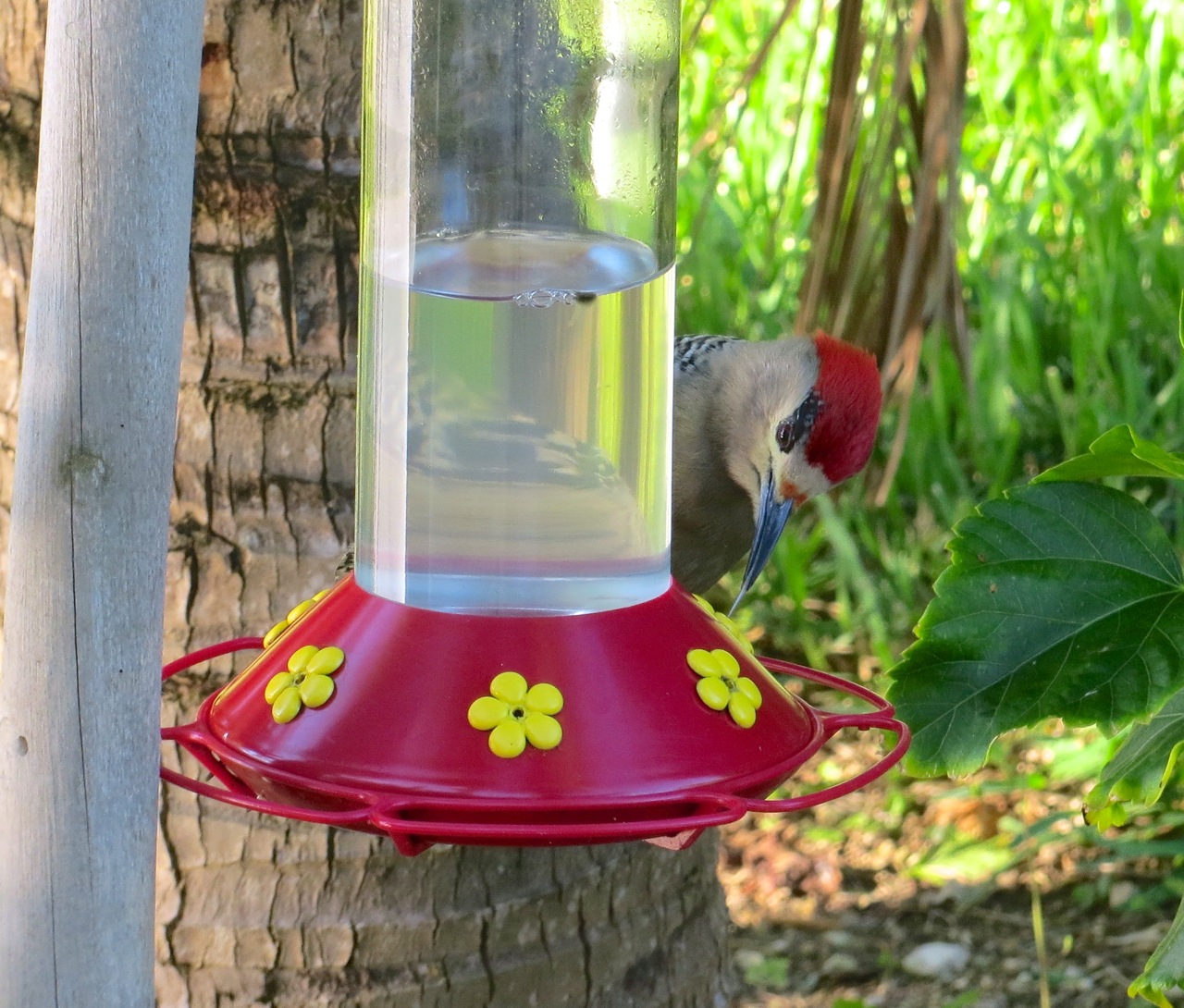
The hummingbirds round here – Cuban Emeralds and occasional Bahama Woodstars – have feeders full of sugar water to keep them sweet. These are also enjoyed by other birds with suitable beaks or tongues able to get to the liquid through tiny holes.  Bananaquits, for example. Now the resident woodpeckers have got in on the act. Our arrival at Delphi coincides with the start of insistent tapping noises from inside the 2 nesting boxes that were put up to divert the woodpeckers from wrecking the wooden roof eaves. They are carrying out annual routine maintenance, putting up new bookshelves etc before settling down to produce their first brood of the year. And they have now discovered how to get a sugar-rush to keep up their energies. 

TRYING TO INSERT THE BEAK IS NOT A GOOD METHODWest Indian Woodpecker Abaco 4West Indian Woodpecker Abaco 2

USING A LONG TONGUE IS IDEALWest Indian Woodpecker Abaco 5West Indian Woodpecker Abaco 1

MEANWHILE THE FEMALE HAS TO WAIT FOR HER TURN…West Indian Woodpecker Abaco 3

Unknown's avatar

“I MUST FLY”: GONE TO ABACO. BACK SOMETIME.


“I MUST FLY”: GONE TO ABACO. BACK SOMETIME.

UPDATES AS & WHEN

BLUE-GRAY GNATCATCHERBlue-gray Gnatcatcher Delphi Club Abaco Bahamas.Tom Sheley

HIS ‘N’ HERS RODS ON THE BEACH AT DELPHIOn the beach... Delphi Club, Abaco

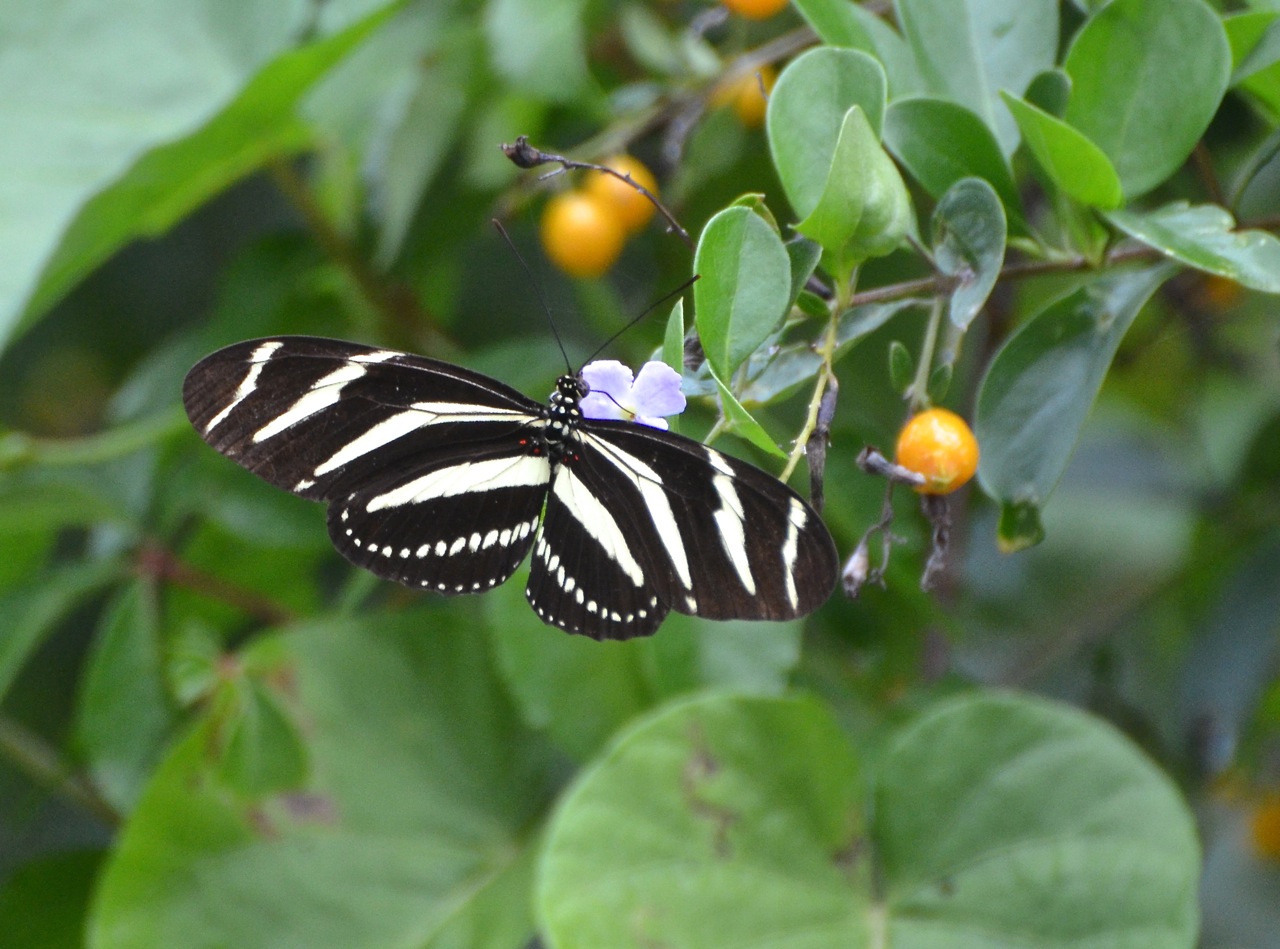
ZEBRA HELICONIAN BUTTERFLYZebra Heliconian Abaco Charlie Skinner

QUEEN ANGELFISHQueen Angelfish © Melinda Riger @ G B Scuba

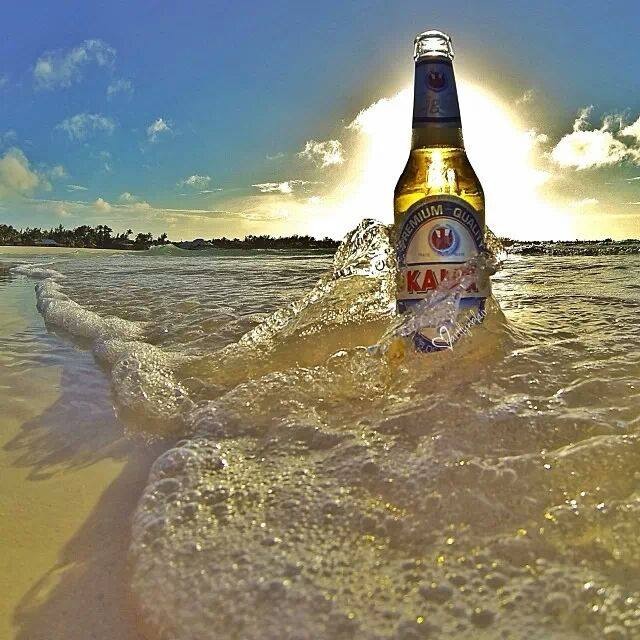
REFRESHMENT OF CHOICE…Kalik by Kaitlyn Blair (F:B)Relax Notice, Lubbers CayShark Cartoon

Photos: Tom Sheley, RH, Charlie Skinner, Melinda, Kaitlyn Blair on FB, RH

Unknown's avatar

FIVE ELEGANT GULLS AND A SMART BUOY: BIRDS OF ABACO


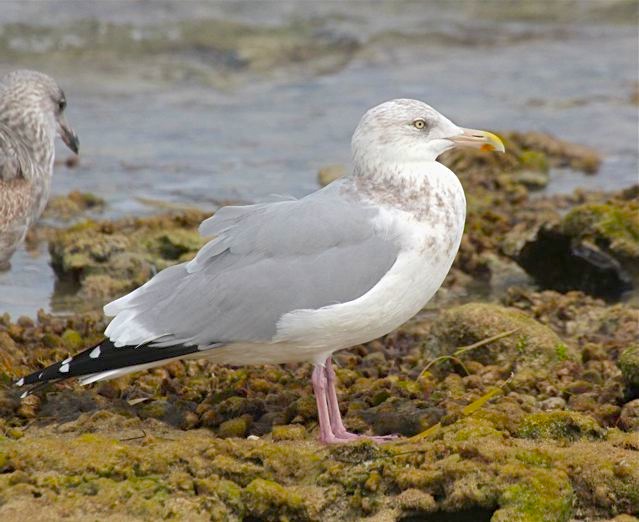
Herring Gull (ad, nb) BH

FIVE ELEGANT GULLS AND A SMART BUOY: BIRDS OF ABACO

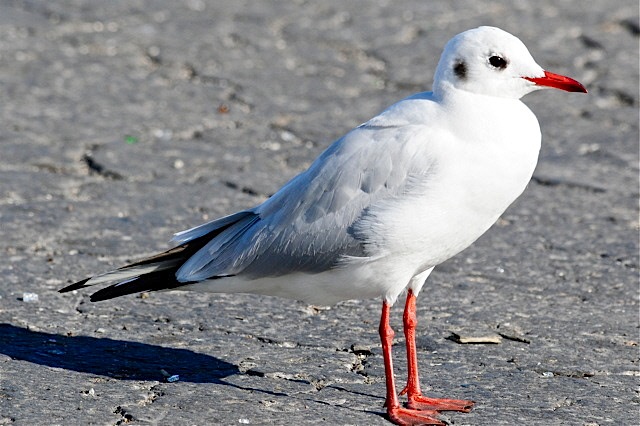
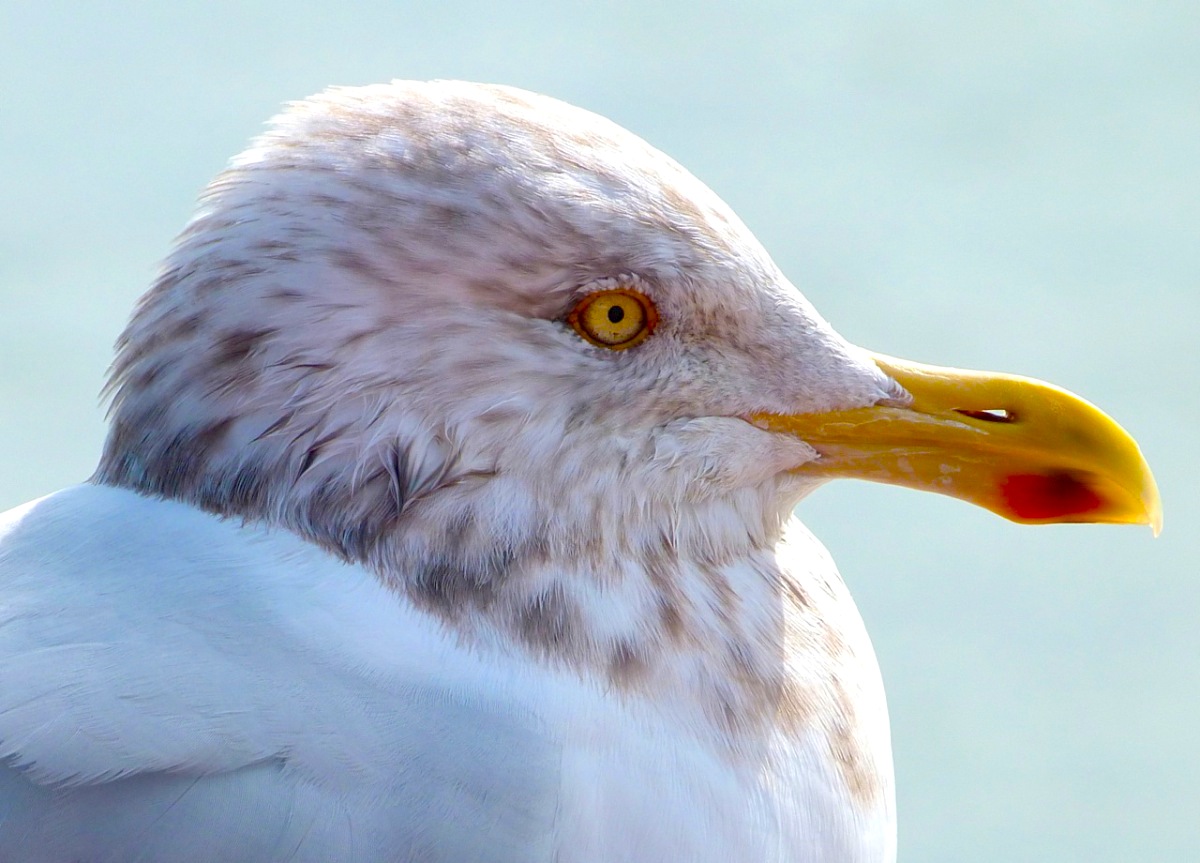
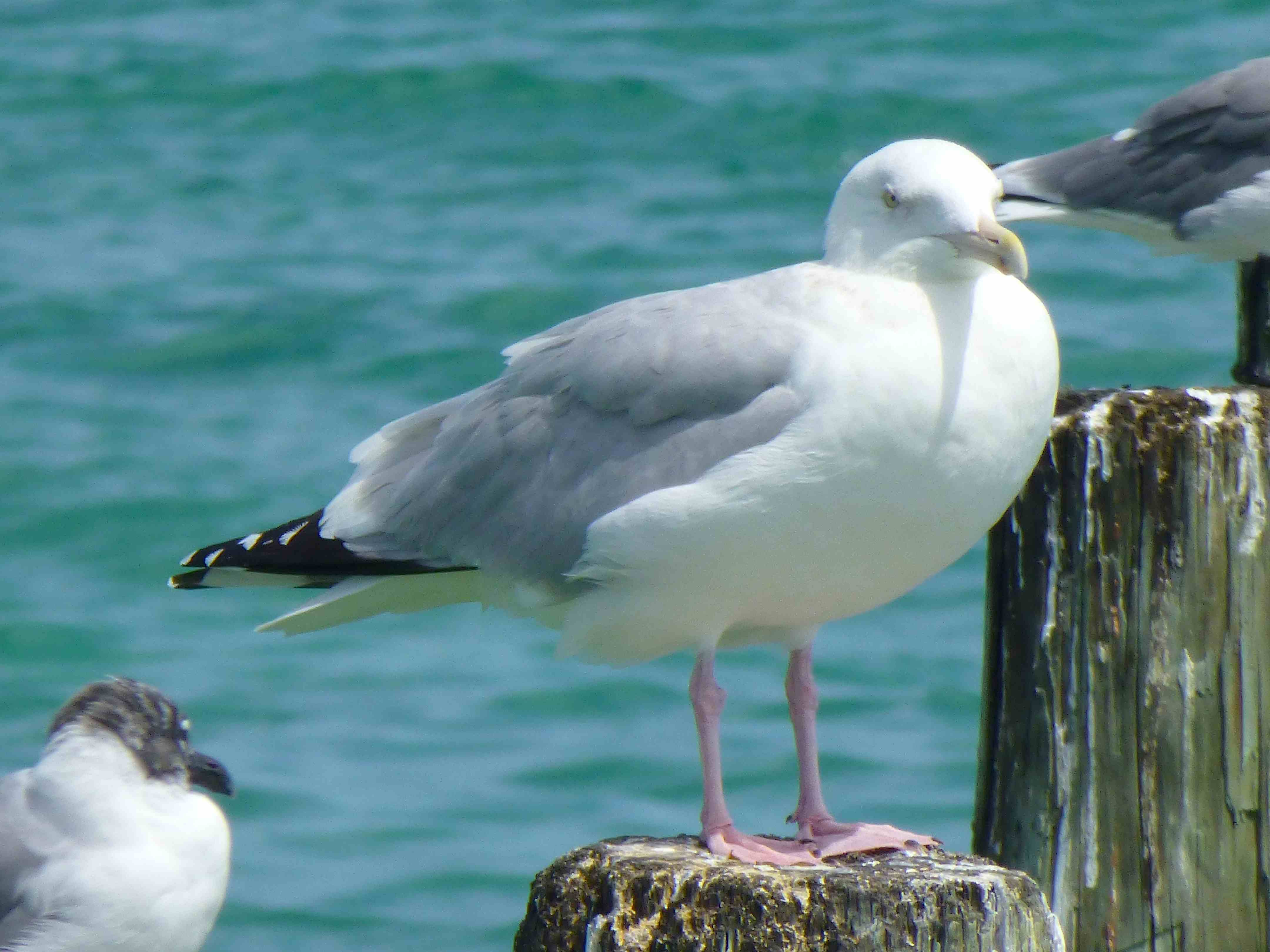
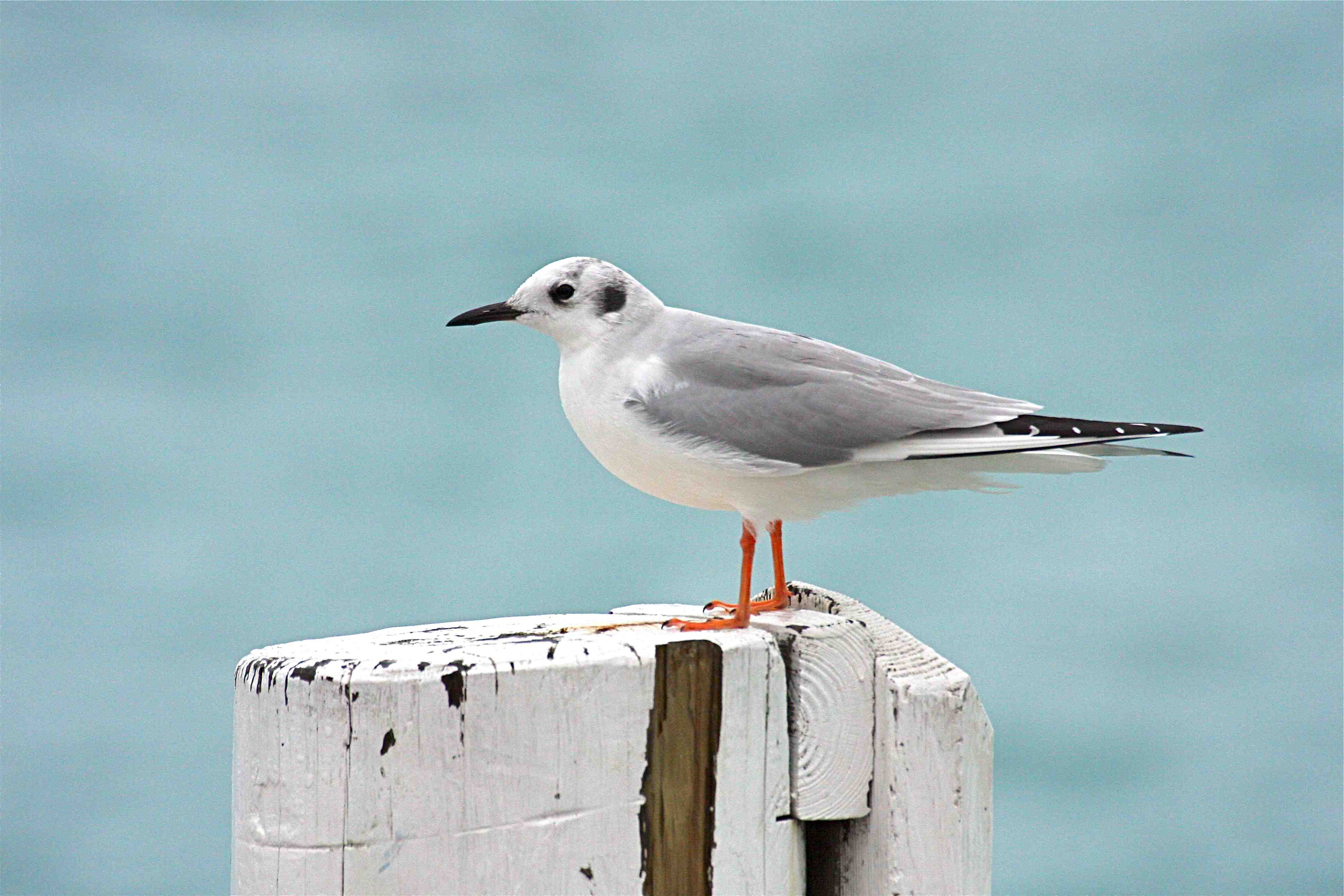
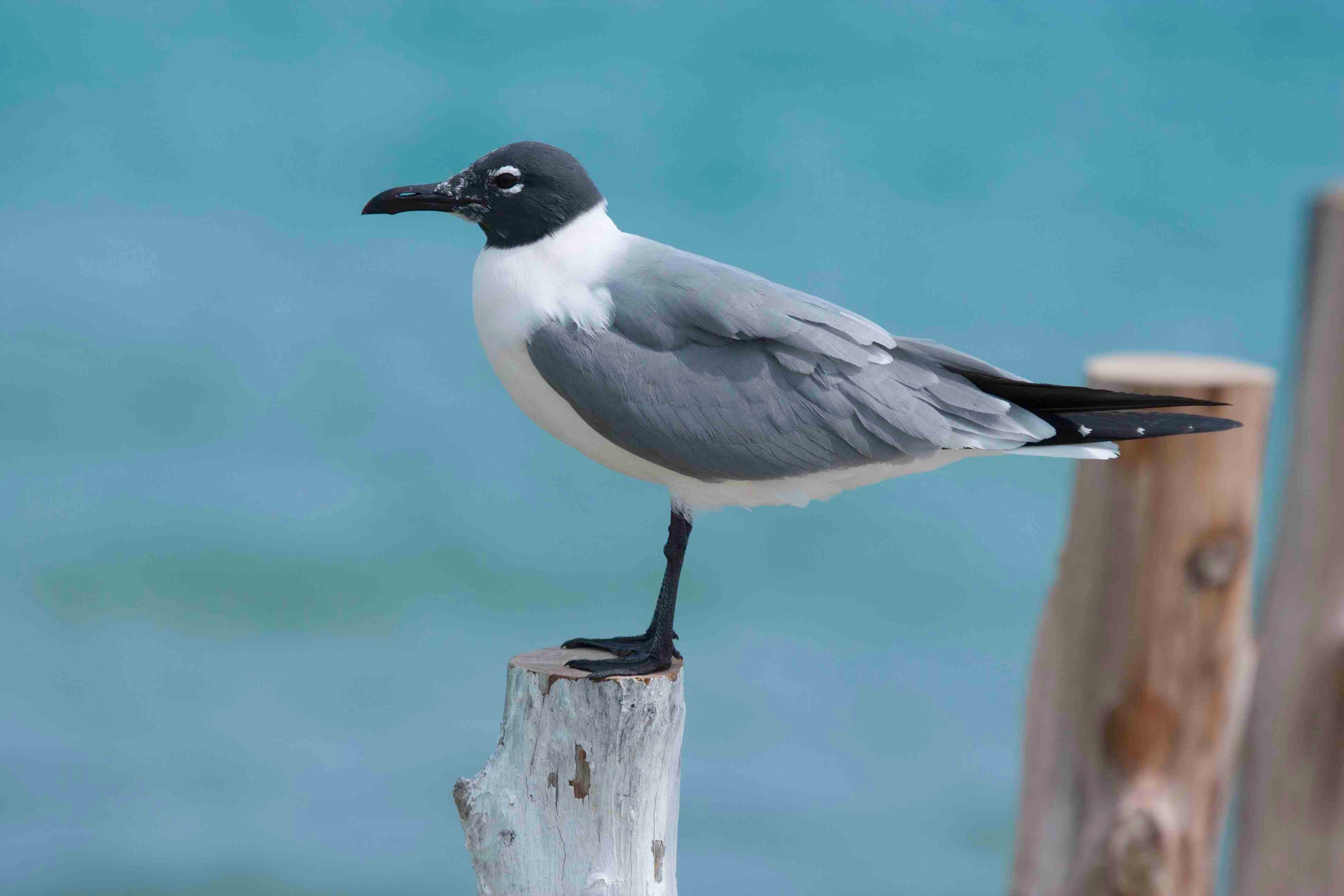
There are 8 gull species recorded on Abaco. The 5 species shown here all feature in the new ‘Delphi Club Guide to the Birds of Abaco’.  The others are the occasional vagrants Black-legged Kittiwake and Black-headed Gull;  and the rare winter visitor Great Black-backed Gull.  We do in fact have a Black-headed Gull in the archive (in winter plumage), but it was taken on New Providence and wasn’t eligible for inclusion in a book of Abaco birds. Even as a cheat.

Black-headed Gull (winter plumage) NPBlack-headed Gull (adult, winter plumage) WB

HERRING GULL (& header image) (WR 2)herring-gull-5Herring Gull WB P1000298 small

BONAPARTE’S GULL (WR 4)Bonaparte's Gull BHBonaparte's Gull BH (Ad NB) SMALL

LAUGHING GULL  (PR B 1)Laughing Gull4_-NH laughing-gulls2 EG

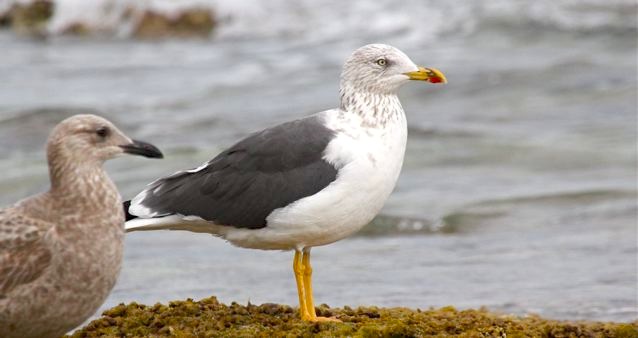
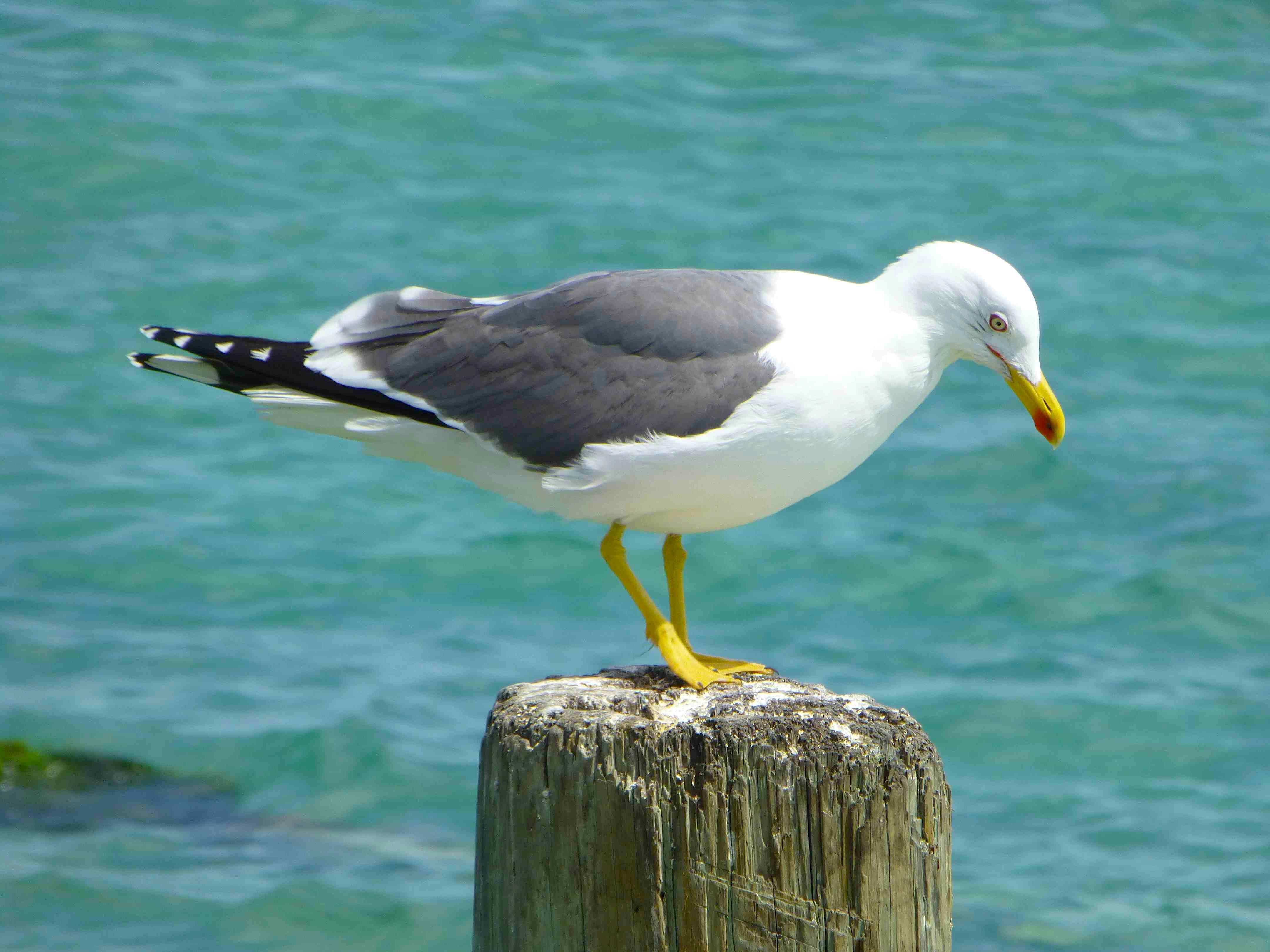
LESSER BLACK-BACKED GULL (WR 2)Lesser Black-backed Gull (ad, nb) BH Lesser Black-backed Gull WB

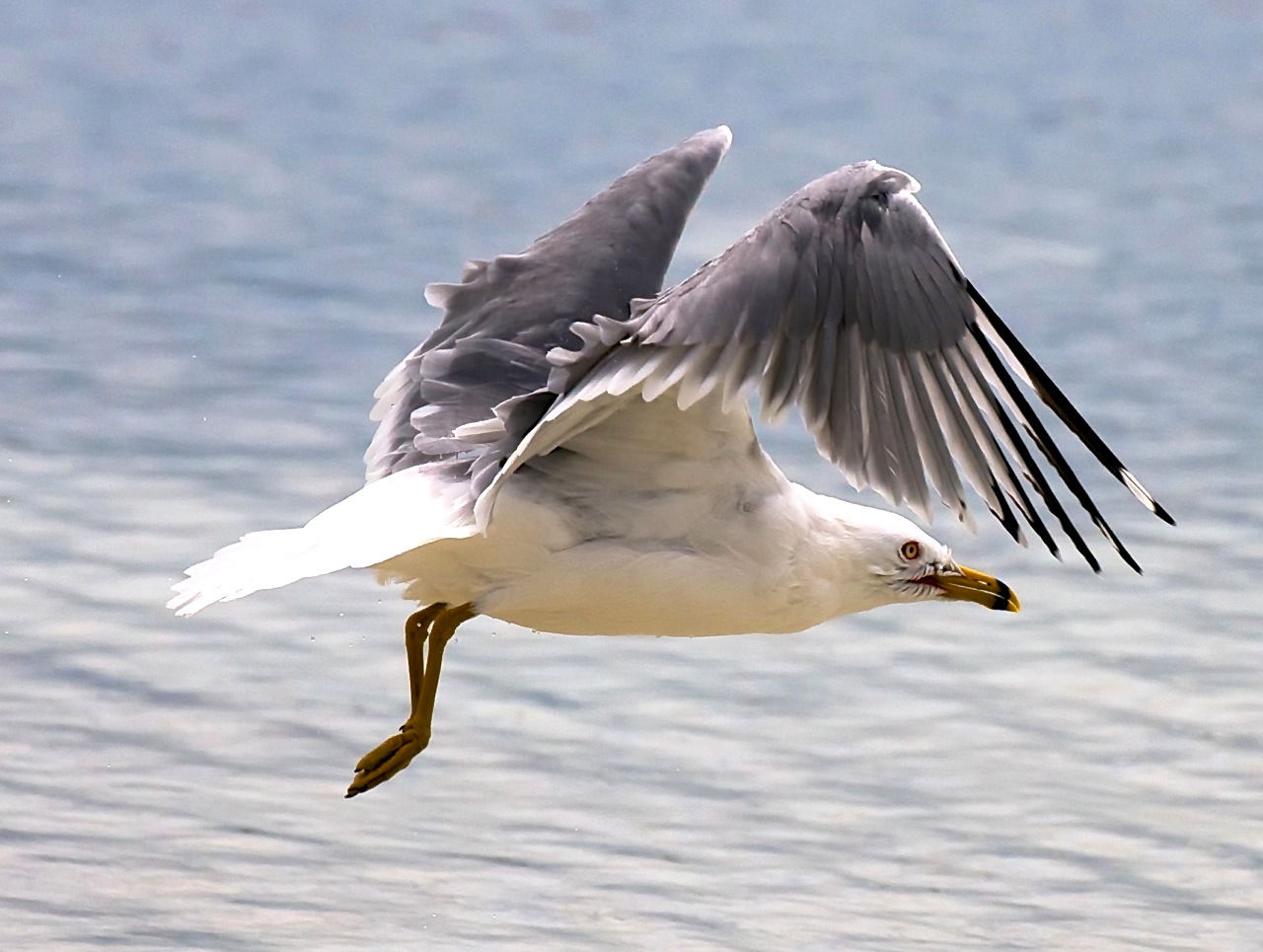
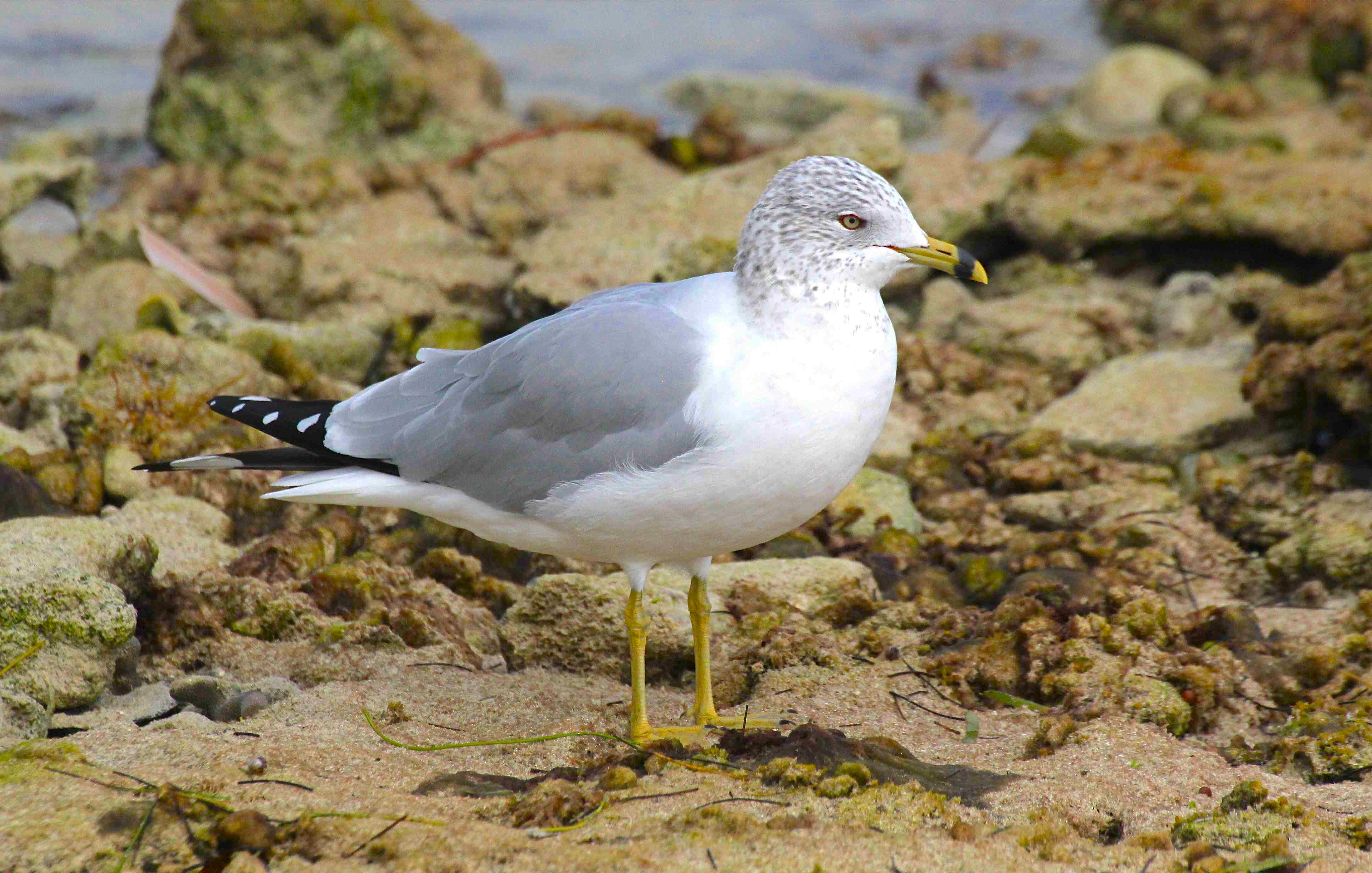
RING-BILLED GULL (WR 1)Ring-billed Gull (Nina Henry : DCB)Ring-billed Gull BH (ad nb)

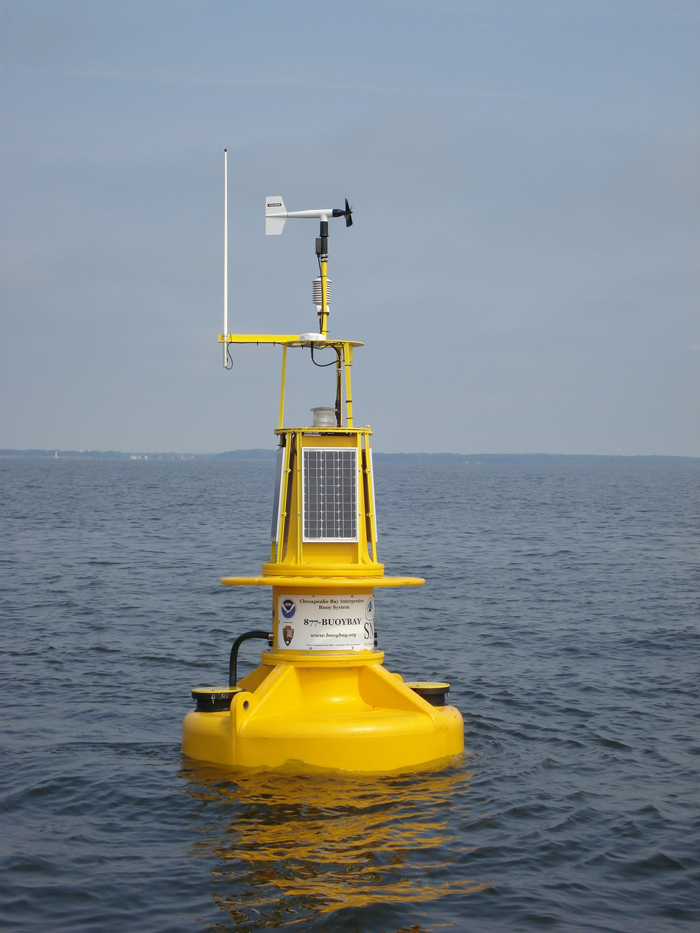
NOAA ‘SMART BUOY’ (Chesapeake Bay)*NOAA Chesapeake Bay SmartbuoyPhoto Credits: Bruce Hallett, Woody Bracey, Nina Henry, RH, + NOAA

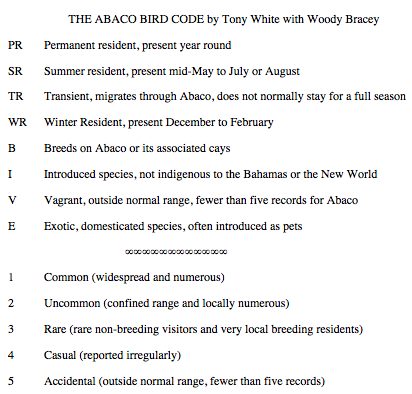
Abaco Bird Code jpg

* Correct. The image is included solely to enable a laboured & old hat pun on ‘girls & boys’.

Unknown's avatar

“SEVEN GOOD TERNS DESERVE AN AUTHOR”: BIRDS OF ABACO


Royal Terns Abaco (2) 4

“SEVEN GOOD TERNS DESERVE AN AUTHOR”: BIRDS OF ABACO

A total of 12 tern species have been recorded on Abaco and in Abaco waters. Ever. Some are permanently resident, some are winter visitors, some arrive for the summer and one or two – for example the Arctic Tern – are one-off or vanishingly rare sightings. A few are commonplace, some you may see if you know where to look or are lucky, some would not be worth making a special trip to Abaco to find…

Here are 7 tern species that all feature in the newly published “Delphi Club Guide to the Birds of Abaco”. A cunning code devised by Bahamas ornithologist Tony White tells you when they are around (PR, WR, SR = permanent, winter, summer resident; TR means transient) and the likelihood of seeing one at the appropriate time (1 = very likely to 5 = next to no chance). B means ‘breeds on Abaco’.

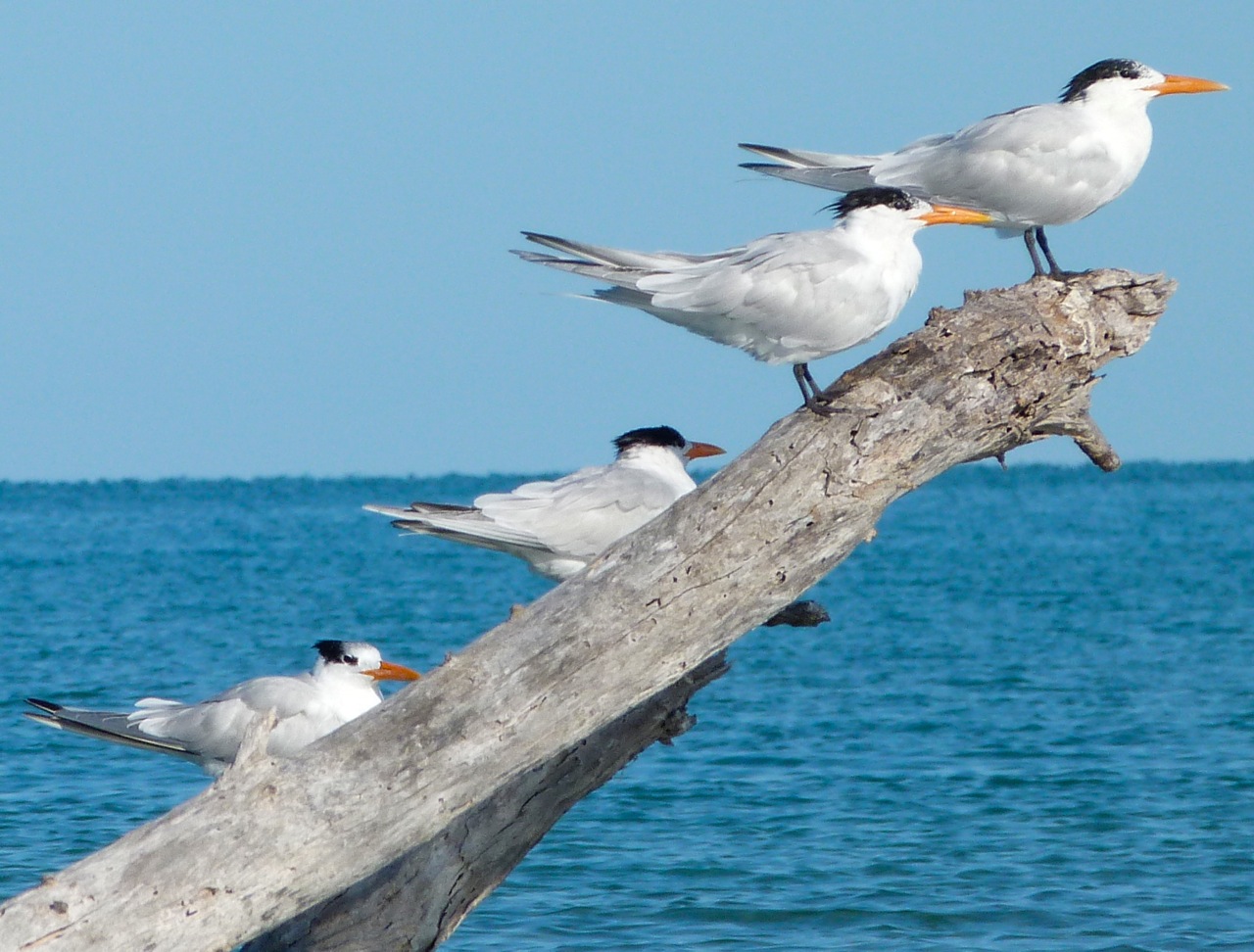
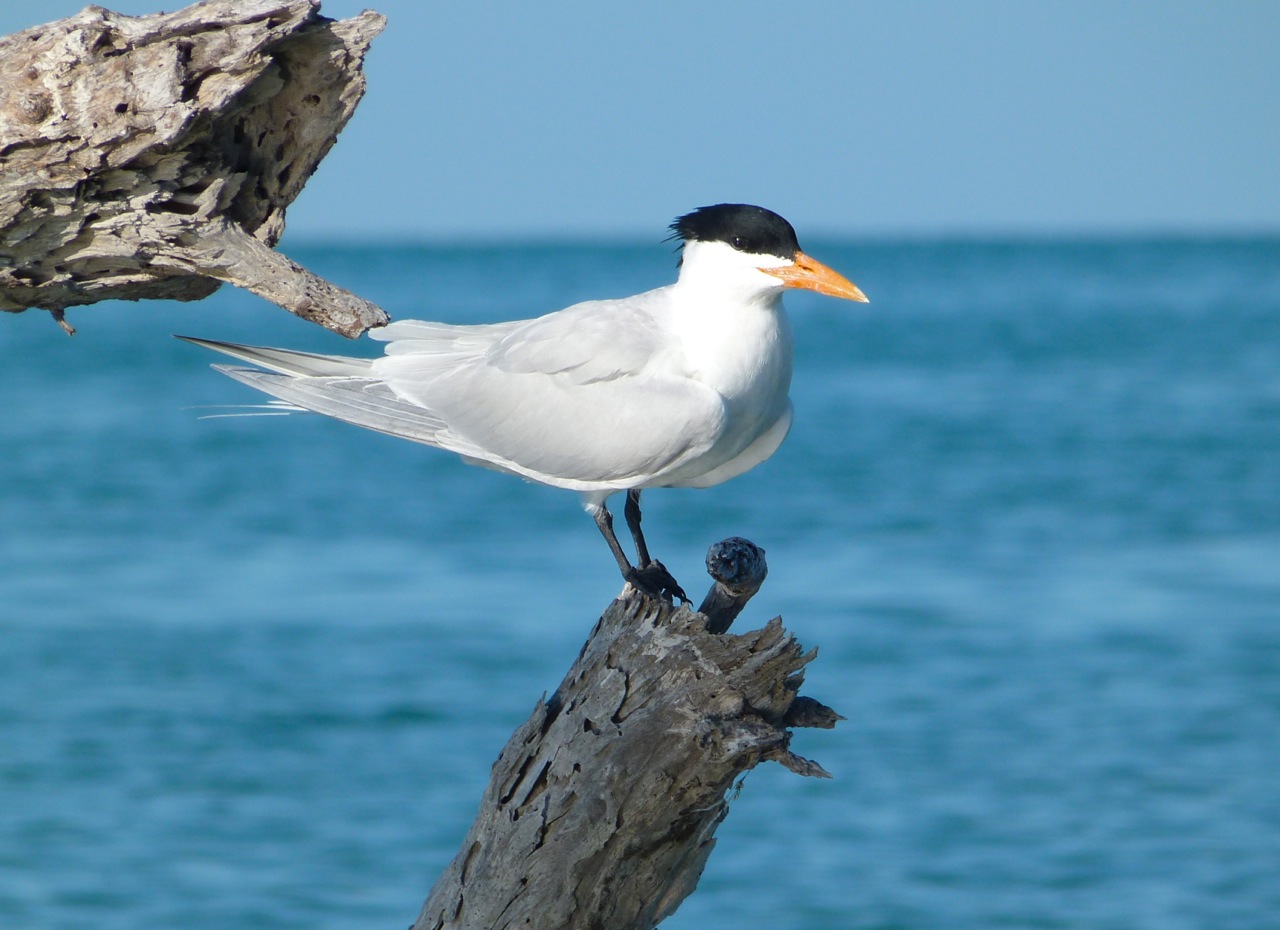
The header picture shows a line up of Royal Terns perched characteristically facing the breeze on a dead tree far out on the Marls. I took it while we were out bonefishing, and our guide Ishi very tolerantly poled nearer to the birds so I could get a better shot at them with the sun behind me. The ones shown are in an intermediate stage between non-breeding plumage and full breeding plumage, when the ‘caps’ are black. One (shown below) had the full black cap.

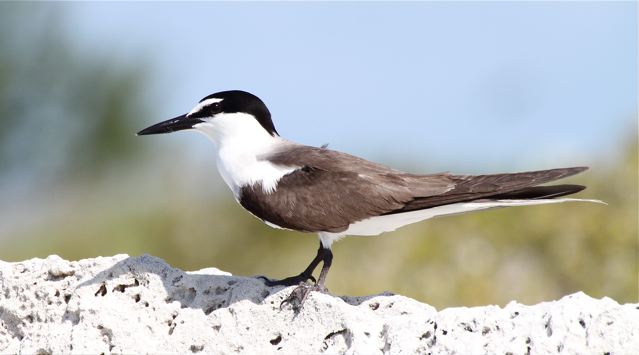
BRIDLED TERN (SR B 2)Bridled Tern, Bruce Hallett

CASPIAN TERN (TR 4)Caspian Tern Woody Bracey

GULL-BILLED TERN (SR 3)Gull-billed Tern Alex Hughes

ROSEATE TERN (SR B 2)Roseate Tern Woody Bracey

ROYAL TERN (PR 1)Royal Terns RH / KS

SANDWICH TERN (SR 4)Sandwich Tern Woody Bracey

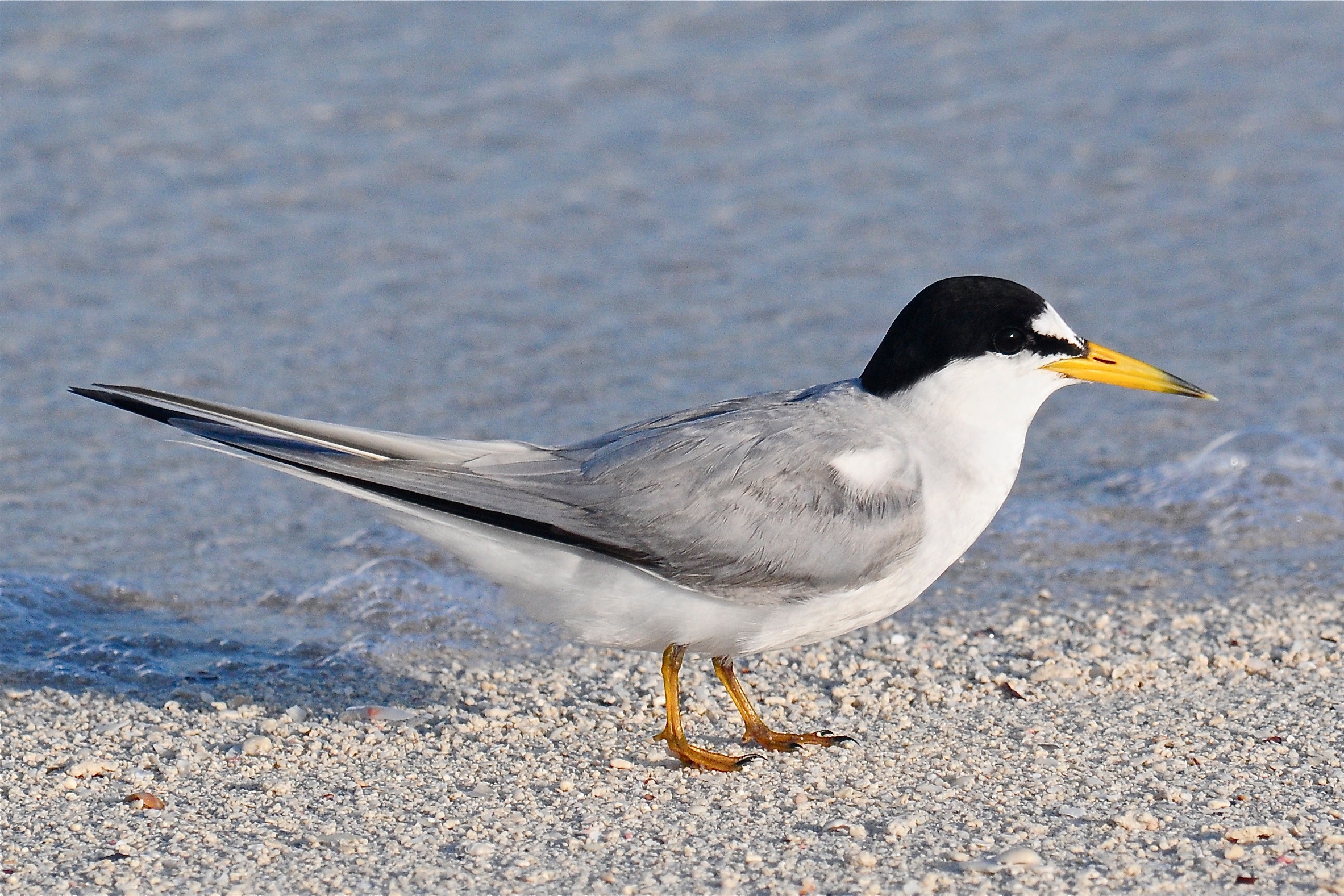
LEAST TERN (SR B 1)Least Tern Tony Hepburn

The other 5 species recorded are: Sooty Tern, Black tern, Common Tern, Arctic Tern and Forster’s Tern

Photo Credits: Bruce Hallett, Woody Bracey, Alex Hughes, RH

Abaco Bird Code jpg

Unknown's avatar

“THE DELPHI CLUB GUIDE TO THE BIRDS OF ABACO” HAS LANDED…


JACKET GRAB JPG

WHAT HAS THE GESTATION PERIOD OF A WALRUS (16 MONTHS) AND WEIGHS THE SAME AS A PAIR OF FULLY GROWN PINEAPPLES (2 KILOS)?

“THE DELPHI CLUB GUIDE TO THE BIRDS OF ABACO”

A unique bird book is  been published and has arrived on Abaco today. Printed in Italy at the end of January, it has made its way from Florence via Bologna, Leipzig, Brussels, Cincinnati, Miami and Nassau. Having spent an unexpectedly long sojourn in Nassau,  2 pallets of books are now safely at the Delphi Club… at last!Cuban Pewee on Abaco

The Guide showcases the rich and varied bird life of Abaco, Bahamas and features both resident and migratory species including rarities and unusual sightings. It is available for sale now from the Delphi Club in a limited edition of 500.  The main features are as follows:

  • 272 pages with more than 350 photographs
  • 163 species shown in vivid colour – nearly two-thirds of all the bird species ever recorded for Abaco
  • Every single photograph was taken on Abaco or in Abaco waters
  • All birds are shown in their natural surroundings – no feeders or trails of seed were used
  • Several birds featured are the first ones ever recorded for Abaco or  even for the entire Bahamas

Clapper Rail Abaco Bahamas Tom Sheley

  • A total of 30 photographers, both experienced and amateur, have contributed to the project
  • The book has had the generous support of many well-known names of Abaco and Bahamas birding
  • Complete checklist of every bird recorded for Abaco since 1950 up to the date of publication
  • Specially devised codes indicating when you may see a particular bird, and the likelihood of doing so
  • Specially commissioned cartographer’s Map of Abaco showing places named in the book

Least Tern_ACH3672 copy

  • Informative captions intentionally depart from the standard field guide approach…
  • …as does the listing of the birds in alphabetical rather than scientific order
  • Say goodbye to ’37 warbler species on consecutive pages’ misery
  • Say hello to astonishing and unexpected juxtapositions of species

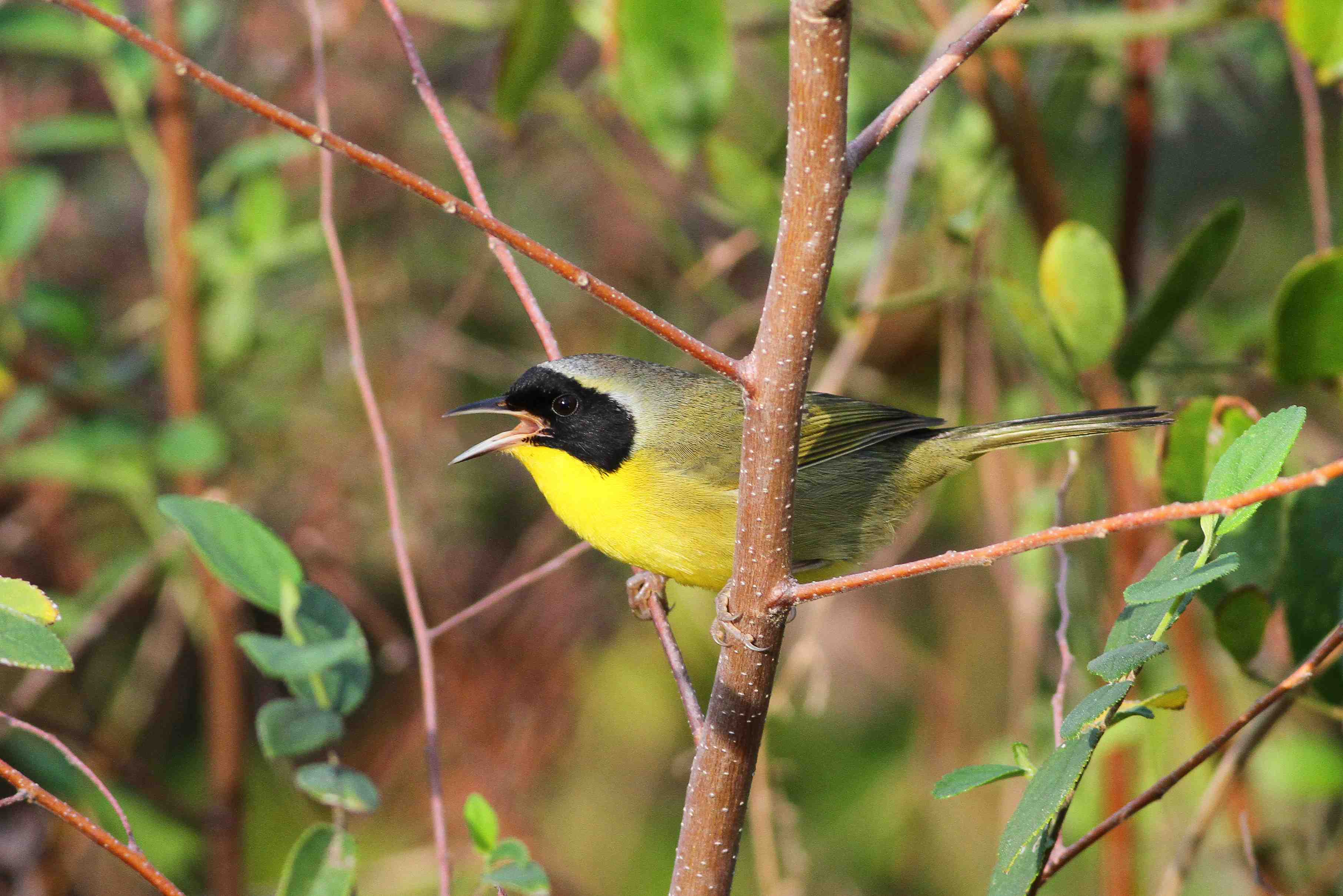
Abaco_Bahama Yellowthroat_Gerlinde Taurer copy

  • The book was printed in Florence, Italy by specialist printers on grade-1 quality paper
  • Printing took pairs of printers working in 6 hour shifts 33 hours over 3 days to complete
  • The project manager and the author personally oversaw the printing

Smooth-billed Ani pair GT

  • The book is dedicated to the wildlife organisations of Abaco
  • A percentage of the proceeds of sale will be donated for the support of local wildlife organisations
  • A copy of the book will be presented to every school on Abaco

Piping Plover BH IMG_1919

The book is published by the Delphi Club (contact details below). The project was managed by a publishing specialist in art books. The author is the wildlife blogger more widely known on Abaco and (possibly) beyond as ‘Rolling Harbour’. Oh! So that would in fact be Mrs Harbour and myself. Well well. What are the chances?

cuban-emerald-delphi-abaco-3

The Delphi Club at Rolling Harbour
PO Box AB-20006, Marsh Harbour, Abaco, Bahamas
Tel: +1-242-366-2222
General Manager – Sandy Walker: +1-242-577-1698
delphi.bahamas@gmail.com

American Oystercatchers BH IMG_2000 copy 2Images by Tom Sheley,  Bruce Hallett, Gerlinde Taurer, Tony Hepburn, RH

Unknown's avatar

WHALES, DOLPHINS & MANATEES, ABACO: BMMRO NEWS


blue1

WHALES, DOLPHINS & MANATEES, ABACO: BMMRO NEWS

BMMRO COLLABORATES WITH NEW PARTNER, ATLANTIS BLUE PROJECT

The ATLANTIS BLUE PROJECT is managed by the Atlantis Blue Project Foundation, a private non-profit organization dedicated to the preservation and enhancement of global marine ecosystems through scientific research, education, and community outreach. BMMRO is excited to now be a part of this project and in turn has received two grants from the Atlantis Blue Project for 2014 

blue2

Stranding Response to Support Conservation of Marine Mammals in the Bahamas 

Increasing capacity and available funds to respond rapidly to strandings in The Bahamas will increase our ability to determine cause of death and/or successful rehabilitation of marine mammals. At the first stranding workshop held in the Bahamas in 2008, the Honourable Lawrence Cartwright, Minister of Agriculture and Marine Resources officially opened the workshop stating “I believe the establishment of a Marine Mammal Stranding Network in The Bahamas will serve to promote the conservation of marine mammal species and their habitat by improving the rescue and humane care of stranded marine mammals, advancing stranding science, and increasing public awareness through education.” This funding will provide the resources to train veterinarians on how to work with stranded marine mammals as well as provide the resources to respond to strandings.

blue3

Field Research & Outreach to Support Conservation of Bahamas Marine Mammals

Cetaceans are long-lived, highly specialised animals with delayed reproduction and low fecundity, which makes them incapable of rapid adaptation and thus particularly vulnerable to anthropogenic impacts. BMMRO has compiled an unprecedented long-term dataset for the region, which has become increasingly valuable to inform about the baseline ecology of some odontocete species. This research will ensure that this important work continues to fill key gaps in our knowledge about the ecology of marine mammals. Additionally, we will increase awareness and build capacity amongst Bahamians, both of which will contribute to local conservation needs.

blue4blue5

JANUARY SIGHTINGS

For Abaco, the excitement is the sperm whale seen just off the Rocky Point area. More generally for the northern Bahamas, in addition to the manatee Georgie (former temporary resident of Abaco) and others, there was a manatee reported on Eleuthera. It looks as though these gently creatures continue to find the area to their liking.

BMMRO Sightings Jan 2014

I must be going now – thanks for visiting Rolling Harbour…blue6

bmmro_logoClick me!

(Thanks as ever to Charlotte & co at BMMRO for permission to use and adapt their material!)

Unknown's avatar

‘OUTSTANDING BILLS’: THE WHITE IBIS ON ABACO AND BEYOND


White Ibis Eudocimus albus (Bill Majoros WMC)

‘OUTSTANDING BILLS’: THE WHITE IBIS ON ABACO AND BEYOND

The AMERICAN WHITE IBIS (Eudocimus albus) has a wide range in the Americas and is a familiar species  in the southern United States, especially Florida. It is also found in the Caribbean.  On Abaco they are quite rare, appearing sporadically as winter residents. Encountering one is definitely a ‘find’. I know of only one recent sighting when an ibis decided to spend some time on the lake at Treasure Cay Golf Course. Luckily Kasia was not concentrating too hard on her round of golf to the exclusion of all else – and had a camera with her. 

The white ibis is more common on other Bahamas islands, for example New Providence (Nassau). Here are some photos taken there by Tony Hepburn and Woody Bracey. Others were taken in Florida.

WIBACH_3748 copy 2White Ibises WB DSC_8628 copy 2WIB ACH_4239 copy 2

This is the call of an Ibis in the Florida Wetlands (credit Xeno-Canto / Paul Marvin) 

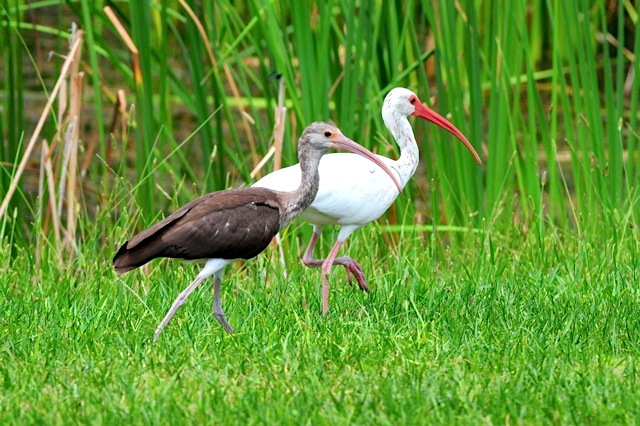
Juveniles have dark plumage that gradually grows out as they age and is replaced by white plumage WIB2 ACH_5964 copy 2White Ibis (juv) WB DSC_0529 copy 2

The ibis forages mainly by feel rather than sight, using the long curved beak to probe the bottom of shallow water for aquatic  prey. American_White_Ibis (Terry Foote WMC)

The white ibis is said to be a symbol for courage and optimism because they are supposedly the last birds to shelter from the onset of a hurricane, and the first to venture out as the storm passes. This is of course equally consistent with symbolising extreme foolhardiness… but let it pass.

White Ibis (Hans Stieglitz WMC)

FASCINATING FACTOIDS The white ibis / hurricane connection is nurtured by the University of Miami, of which the bird is the mascot. The sports teams are called the Hurricanes (or the ‘Canes for cheering purposes). Their endeavours are supported enthusiastically by none other than Sebastian the Ibis. “What does he look like?”, I hear you cry. This:

Sebastian makes a ‘U for University’ with his.. er… wingtips. He sports a natty Hurricanes hat and might easily be confused with Donald Duck’s less amiable-looking and more aggressive cousin220px-Sebastian_the_Ibis

I had intended to digress further into the mysteries of the Sacred Ibis, symbol of the Ancient Egyptian God Thoth, the God of Learning and Wisdom who ranked with Isis and Osiris as A Top God. But in fact it’s quite a dull area, and 3 pictures and a nice bronze sculpture will give you the general idea.

Thoth.svg    

The Sacred Ibis of Thoth, Met. Museum NYCIbis Met Museum 2

Credits: Kasia Reid, Woody Bracey, Tony Hepburn, Met, Wiki

Unknown's avatar

REMARKABLE FEET: SNOWY EGRETS ON ABACO


Snow Egret in Flight (Wiki)

REMARKABLE FEET: SNOWY EGRETS ON ABACO

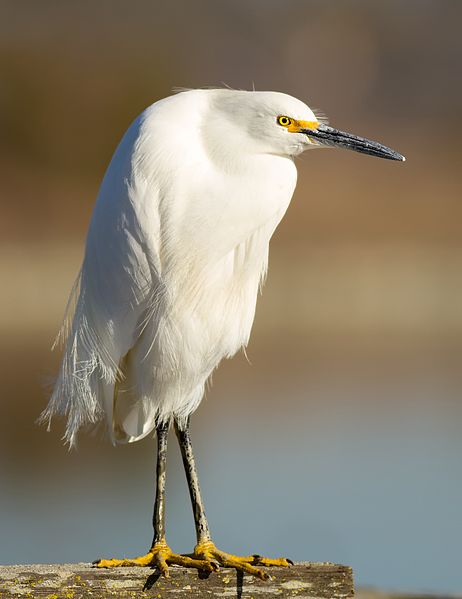
SNOWY EGRETS (Egretta thula) are small white herons of the Americas, similar to the European Little Egret. The first thing you may notice about them is that they have remarkable bright yellow feet. This distinguishes these birds from all other egret and heron species.Snowy Egret ACH1409

Young Snowy Egrets often have yellow markings higher up on their legs.Snowy 24 a - Version 2

The feet are so bright that they are often visible underwater.Snowy Egret WB P1001206 copy 2

Snowy Egrets eat fish, crustaceans, insects and small reptiles. They have 3 main foraging tactics: (1) Standing still in or on the edge of water to ambush prey (2) Stalking prey in shallow water, often running or shuffling their feet to flush out prey  (3) “Dip-fishing” by flying low over water.

Snowy Egret (Wiki)

In breeding season, Snowy Egrets grow beautiful plumes – “bridal plumage”. At one time these were in great demand as adornments for women’s hats (as with flamingos, parrots and many other decorative species). This reduced the population of the birds to dangerously low levels, from which they have now recovered. Their IUCN rating is now ‘Least Concern’.

Snowy_Egret_-_full_breeding_plumage-1

Contemplating the next meal… one of Sandy Walker’s excellent Abaco photos taken this winterSnowy Egret 1a copyPhoto Credits: Sandy Walker, Woody Bracey, Tony Hepburn, Wiki