Unknown's avatar

MANATEES: CONSERVATION, AWARENESS PROGRAMS & DISTRIBUTION MAP


MANATEES: CONSERVATION, AWARENESS PROGRAMS & DISTRIBUTION MAP

The “SAVE THE MANATEE CLUB” is a very active organisation that I have mentioned in previous manatee posts. These gentle creatures are in need of protection, and much effective conservation work is in progress. The BMMRO‘s wonderful work for the MANATEES OF THE BERRY ISLES is featured in this blog because of the proximity to Abaco (might those manatees visit one day?) – and of course because BMMRO HQ is at Sandy Point.

[ADDED 25 SEPT]…and lo, just as I pressed the ‘publish’ button, the BMMRO posted this news:

Georgie is currently exploring the Abacos. Help us monitor her movement patterns by reporting sightings!! 

“Earlier this year we tagged & released 2 West Indian manatees in Great Harbour Cay, Berry Islands. These were the same manatees from Spanish Wells that were captured after they swam to Nassau when hurricane Irene passed in late August 2011. After release at Great Harbour Cay in May 2012, they explored most of the Berry Islands but centered their use around Great Harbour. In September one of these manatees, a young female named Georgie, swam from the Berrys to Abaco, has traveled within The Marls, north towards Little Abaco & is now traveling south on the eastern side of Abaco. We received a sighting of her on 23 September at the Green Turtle Cay Ferry landing, just north of Treasure Cay. We anticipate she will continue to travel south and may venture into marinas and harbours along the way. We would like to make the public aware of her presence in the area. Although we believe she is in good health and is exploring new areas, the tag is not functioning properly now so sightings from the public will help us locate and monitor her progress. If possible, please share with anyone in the Abaco area or make an announcement encouraging people that see her to report any sightings”

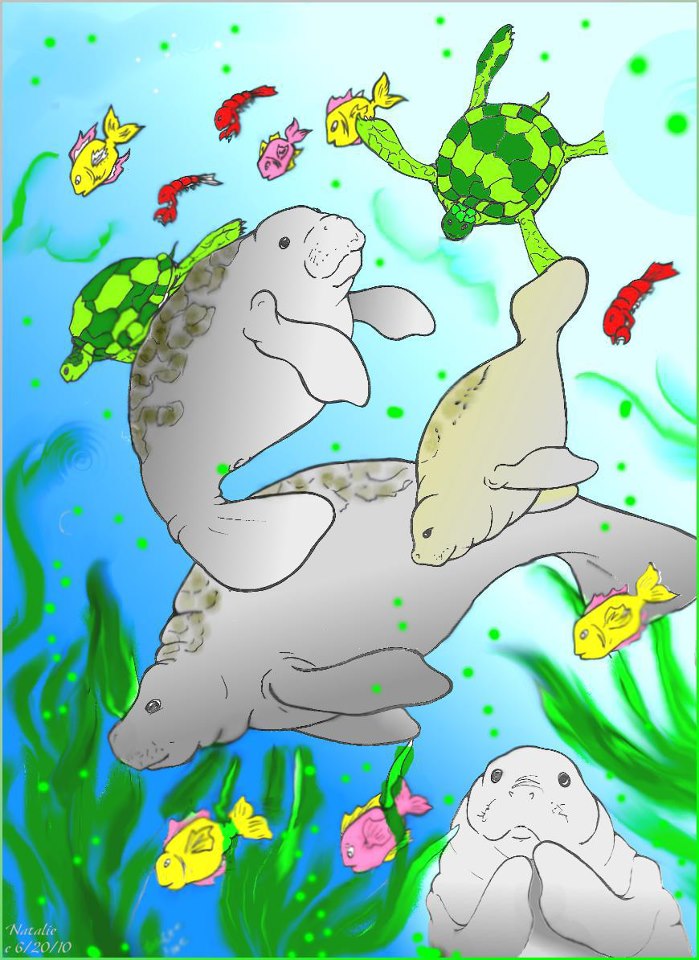
[ORIGINAL POST CONTINUES] The SMC is a Florida-based organisation and it recently posted a new cheerful cover picture by Natalie Prayor on its FACEBOOK PAGE. I have recently noticed some searches on the blog such as ‘Manatees facts for Kids’, so this post might be helpful. You could  even (I can’t believe I even thought of checking this out!) knit one… Want a pattern? Click HERE In fact, I might even…

To see more of Natalie’s artwork, just search ‘Natalie Prayor in Facebook. She can be contacted at dracodawnstar@gmail.com

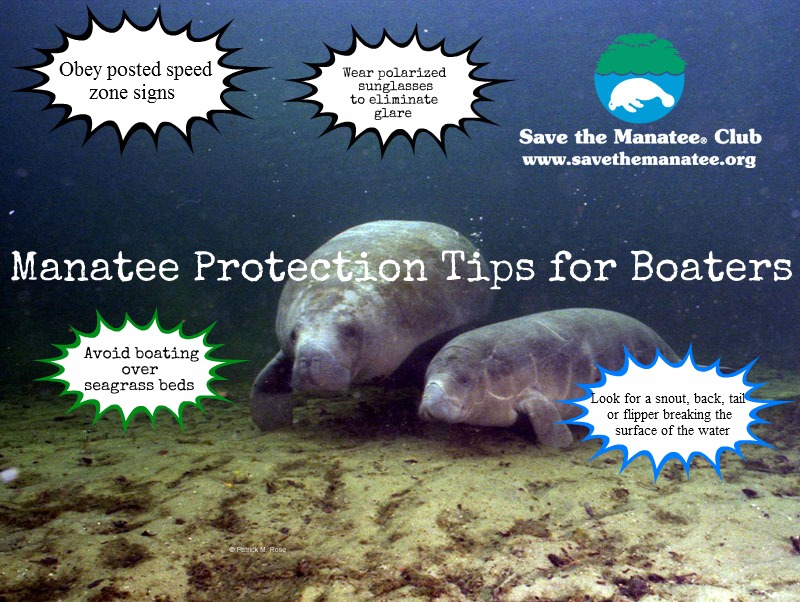
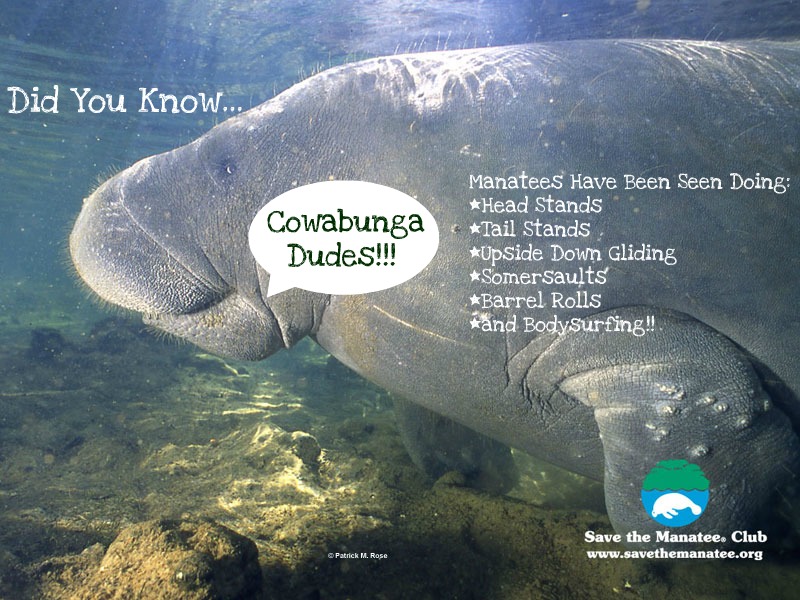
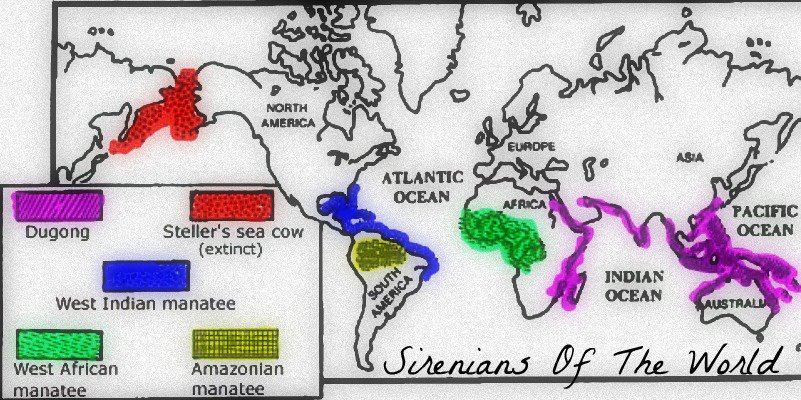
The SMC also posts Manatee facts and advice, from which I have selected the examples shown below

This map shows the world distribution of the 4 extant sirenian branches as well as the extinct STELLER’S SEA COW of the north Pacific. It is a melancholy fact that by 1768, a mere 27 years after its discovery by Europeans, this slow-moving, tame and easily-captured sea cow was hunted to extinction. 250 years on, the world’s sirenian population remains vulnerable and, as with whales and dolphins, in need of active monitoring and protection measures

Finally, I liked this manatee cartoon from Rachel Arnow, with its incongruous and enjoyably unfeasible suggestion of manatees in Loch Ness. Rachel has a great sirenian-centric website  http://mvsm.omnomzom.com/ featuring her excellent and charming cartoon series “MAN VERSUS MANATEE”. 

Credit: savethemanatee.org

Unknown's avatar

FLAMINGO BREEDING SEASON ON INAGUA, BAHAMAS with MELISSA MAURA


FLAMINGO BREEDING SEASON ON INAGUA, BAHAMAS with MELISSA MAURA

Flamingos. The national bird of the Bahamas, featured in the nation’s Coat of Arms. But sadly no longer available to view on Abaco**, despite sporadic attempts to reintroduce them as breeding birds on the island (the last, I believe, about 15 years ago). By the end of the c19, numbers were already small. During his field trip in 1886, naturalist F.H.Herrick noted “The rare flamingo is now reduced to a colony of a few hundred on Abaco, where, as I was informed by an old settler, they numbered thousands several years ago, and similarly the beautiful tropic bird, which is hunted chiefly for food, is being gradually exterminated”.

Ornithologist Charles Cory noted none on his visit to Abaco in 1891 (though he does seem to have been concentrating on smaller birds). In 1905, naturalist Glover M. Allen reported his Abaco findings in THE AUK Magazine, which I have summarised elsewhere: Of particular interest is… the apparently imminent loss of the flamingo (“fillymingo”) from the Northern Bahamas – a single colony only still surviving on the Abaco Marls by 1905″. There remained a breeding population on the Abaco Marls until the mid-c20, but they then appear simply to have died out there (and more generally in the northern Bahamas). 

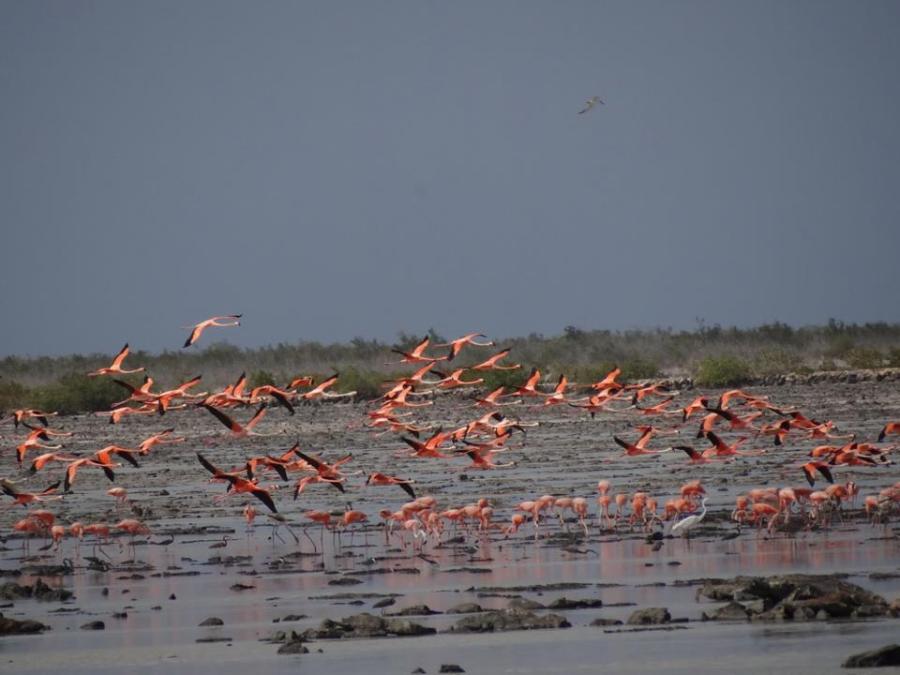
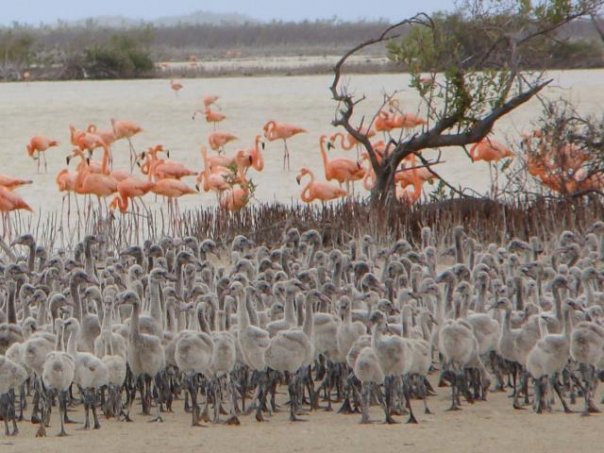
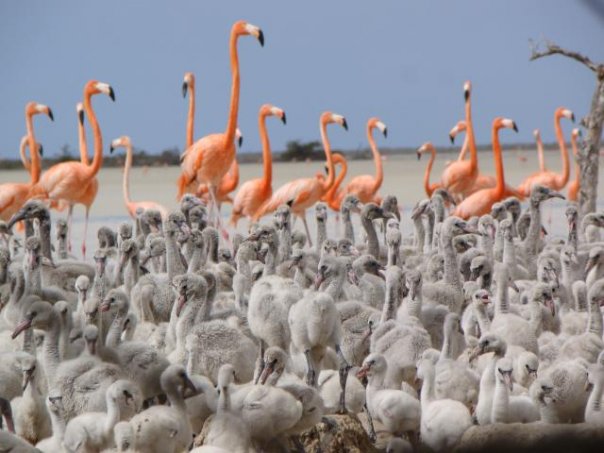
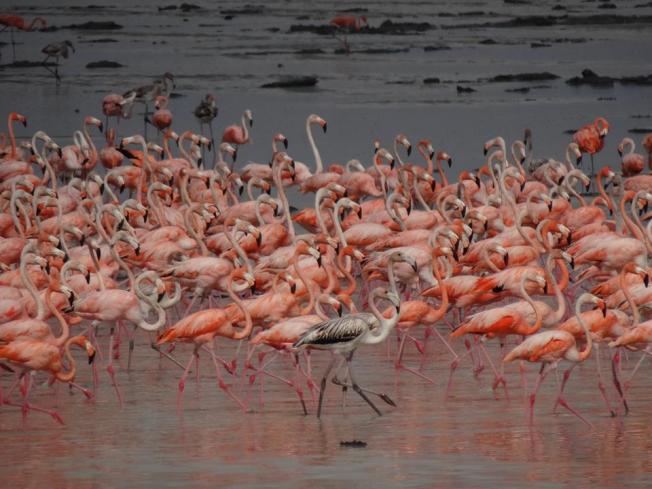
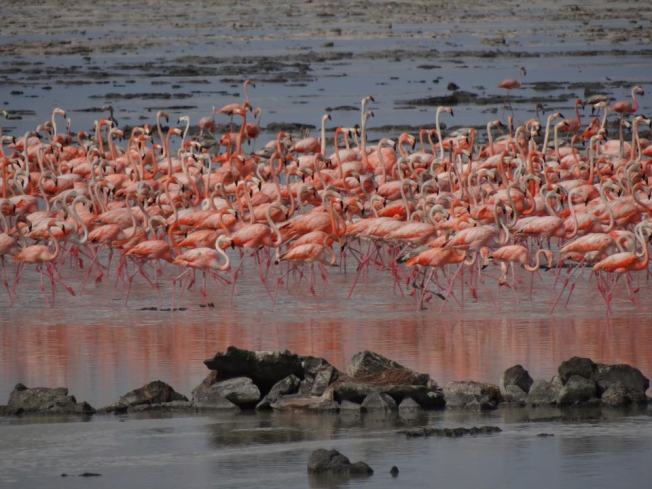
So to see these gorgeous birds, you will have to go elsewhere. Inagua, to be precise, where in the INAGUA NATIONAL PARK you will find the world’s largest West Indian flamingo colony (around 50,000 of them). Melissa Maura, whose superb photos of ABACO PARROTS I recently featured, visited Inagua during the 2012 breeding season, and took some wonderful photographs that she has kindly allowed me to use. They certainly deserve wider publicity. The collection below (©Melissa) shows adults in flight; adults standing around; the remarkable cup nests; and this year’s chicks… overall, a gallery of 50 shades of pink and grey…

** For the second time this week, nature has outshone mere bloggery. First, I wondered when a manatee might visit Abaco. Answer: right now! Georgie has taken her first long trip from her new home on the Berry Is to visit Abaco – see HERE. And now Sean Giery has responded to a link to this flamingo post on the excellent ABACO SCIENTIST website to say “I just saw my first flamingo last week flying over the beach at Crossing Rocks. It would be great to see them make a comeback on Abaco”. That’s a wonderful prospect.
A brief clip of the sound of Caribbean Flamingos

[audio http://www.birdforum.net/opus/images/b/b8/Phoenicopterus_ruber_%28song%29.mp3]
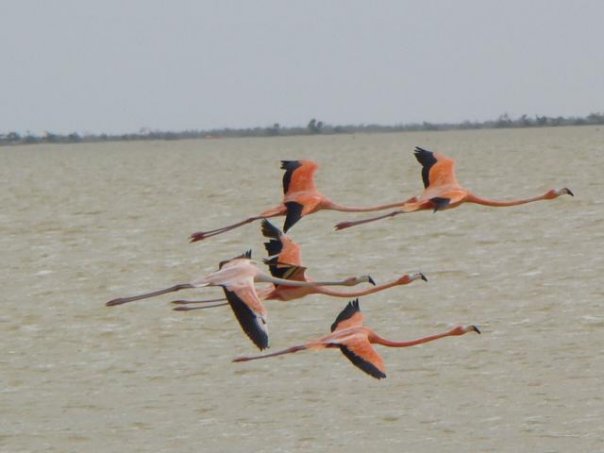
Please note: these photos are © Melissa Maura; please contact me if you want to use any of them…
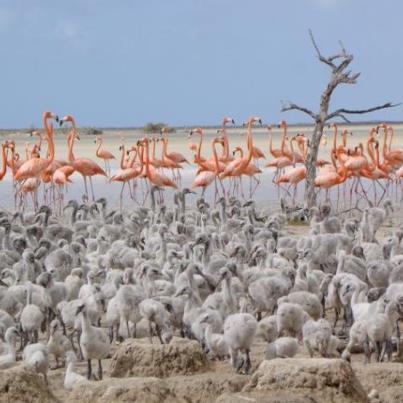
WEST INDIAN FLAMINGO Phoenicopterus ruber (BNT Article)

DESCRIPTION

The West Indian Flamingo is hardly one to get confused with other birds. Its long legs, long neck and characteristic pink colour make these birds like no other. The West Indian Flamingo has a large, heavy, down curved bill that is most often described by the layperson as “strange”. Adults can reach up to five feet in height.

HABITAT

Even though the Flamingo is a strong flier, it is really quite shy and prefers to live in remote and lonely places. Usually these are rather desert-like spots, dry islands and shorelines where salt is made, and where few other creatures can survive. The island of Great Inagua fits that portfolio perfectly. This is where the majority of West Indian Flamingos are found in The Bahamas. The flock breeds around Lake Windsor (Rosa) which lies within the boundaries of Inagua National Park.

DISTRIBUTION

The West Indian Flamingo which once roamed the entire neo-tropical region (tropical Americas) was hunted to a near extinction. Today the West Indian Flamingo is mostly found on the island of Great Inagua in the Bahamas but has also recolonized islands in the Bahamas such as Mayaguana, Crooked and Acklin islands, Exumas, Long Island and Andros.The West Indian Flamingo has also recolonized other countries such as Aruba; Brazil; Colombia; Cuba; Dominican Republic; Ecuador; French Guiana; Guyana; Haiti; Jamaica; Mexico; Netherlands Antilles; Suriname; Trinidad and Tobago; Turks and Caicos Islands; United States and Venezuela.

DIET

Flamingos are filter feeders and feed on the microscopic plants and animals found in ponds and mud. The larvae of the salt marsh fly is one of the major constituents of the diet of West Indian Flamingos. They also eat brine shrimp, small snails as well as other forms of animal and vegetable life so small that they can scarcely be seen without the aid of a microscope! Although small in size, this food is rich in a protein called beta-carotene which gives Flamingos their characteristic colour. Flamingos stir up their food from shallow water and separate it from the mud and water by pumping and straining it through their bill. They are the only birds which feed with their bill upside down!

REPRODUCTION

Flamingo breeding activity usually begins in early March when huge flocks gather and engage in elaborate and loud courtship displays. This is almost like a very large dance – the massed birds parade together shoulder to shoulder, preforming head flagging (waving the head from side to side), wing salutes (opening the wings to expose the black flight feathers) and the twist preen (twisting the neck over the back and pretending to preen itself whilst stretching out on of its wings. The chorus of courting birds can be heard miles away. This synchronized courtship dance stimulates the birds to breed at the same time, ensuring that the chicks are hatched around the same time.

When the courtship displays are all over the pairs are formed and the building of the nest mounds begins usually around April. Nests are built on the ground out of mud and are baked hard by the sun. The nest which resembles small volcanoes, can be from a few inches high to sometimes over two feet high a shallow crater at the top. This is where the single egg is deposited. Flamingos lay one white egg that is about twice the size of a hen’s egg. Both parents share in incubation which takes exactly 28 days to hatch.

Flamingo chicks look nothing like their parents. They are covered with a thick coat of white down and have pink bills and feet. Both parents feed the chick a secretion from the crop gland in the neck known as “flamingo milk” or “crop milk”. This “milk” is a concentration of fats and proteins (similar to mammals milk) and has a very high amount of beta-carotene making it a bright red colour. When they are about 30 days old the chicks have changed to a dark gray down and start to feed themselves but still eat from their parents if they can. By three months the chicks are fully grown and become a bright pink colour signalling that they are sexually mature to the rest of the colony.

STATUS

In the 1950’s it was thought that was hunted down to a small population of about 5,000 only on the island of Inagua, Bahamas. With the help of the National Audubon Society in the United States, the creation of the Bahamas National Trust and the appointment of park wardens, the Inagua population grew to approximately 60,000 – a true conservation success story. It also became illegal to harm or capture this bird under the Bahamas Wild Bird (Protection) Act. The IUCN redlist of threatened species lists the West Indian Flamingo as a species of Least Concern due to the fact that the population is currently expanding and increasing its range. However, The Convention on the International Trade of Endangered Species (CITES) lists the West Indian Flamingo in Appendix II which limits the exportation of the species as it can cause the species to become endangered.

THREATS

Natural threats: Building nests directly on the ground make Flamingos vulnerable to a number of predators. The eggs can be trampled by wild donkeys and boar that roam freely in the same area where Flamingos live and nest.

Hunting: As flamingos only bare one chick a year, it makes them vulnerable to over exploitation. Although Flamingo meat is eaten in other Caribbean countries, it is illegal to harm, capture or kill the Flamingo in The Bahamas.

Historical Threats: The Flamingo was hunted for its big, pink feathers that were used to decorate hats and other nonessential items. Low flying planes of World War II over Andros wreaked havoc on the Flamingo population. This noisy disturbance drove these shy birds away- so much so that their return was doubtful.

INTERESTING FACTS

The Flamingo is the national bird of The Bahamas.
The West Indian Flamingo is also refered to as the American, Caribbean or Rosey Flamingo.
There are a total of 6 species of flamingos in the world. The other species are Andean Flamingo (Phoenicoparrus andinus), Chilean Flamingo (Phoenicopterus chilensis), Greater Flamingo (Phoenicopterus roseus), Lesser Flamingo (Phoeniconaias minor), Puna (James’s) Flamingo (Phoenicoparrus jamesi).
The Greater Flamingo is closest related to the West Indian Flamingo. Despite the Greater Flamingo being a larger size and considerably less brightly coloured, some authorities consider them the same species but different sub-species.

Unknown's avatar

ABACO PARROTS: A FLAMBOYANT PHOTO GALLERY BY MELISSA MAURA


ABACO PARROTS: A FLAMBOYANT PHOTO GALLERY

BY MELISSA MAURA

I have been planning a Parrot Post for a while, but I’d like to be able to include a report on the breeding season – the eggs, the chicks, the fledging, the ringing, and the overall picture. It will be interesting to see if the recent trend of improvement in the population of these rare ground-nesting parrots has continued this year. Parrot expert Caroline Stahala, who leads the research and field work, is completing the season’s review, so there will be news, photos and perhaps short videos soon.

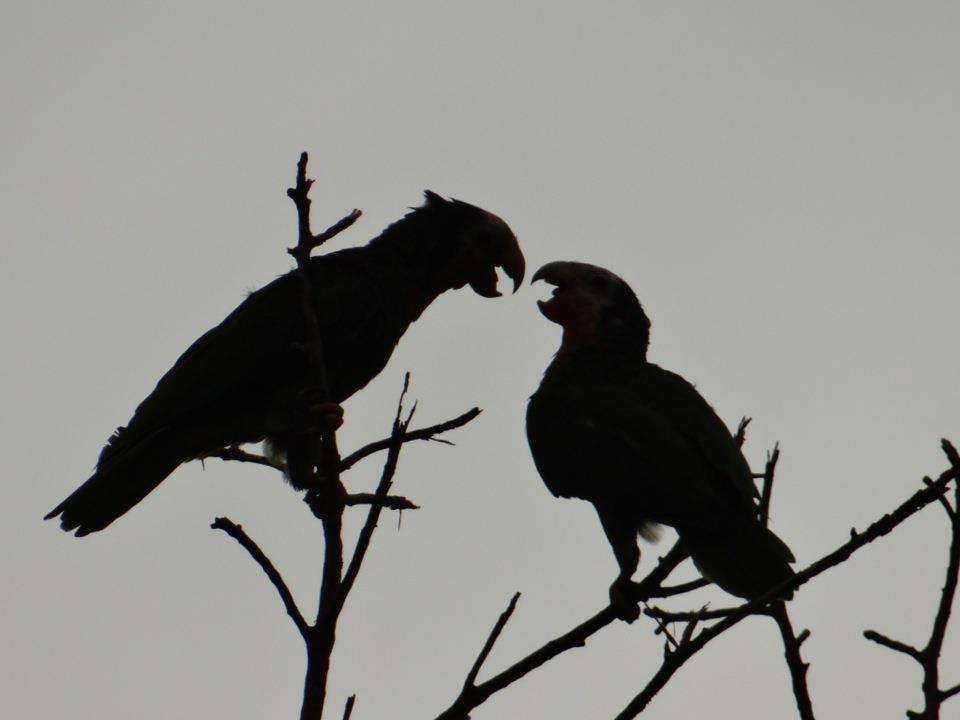
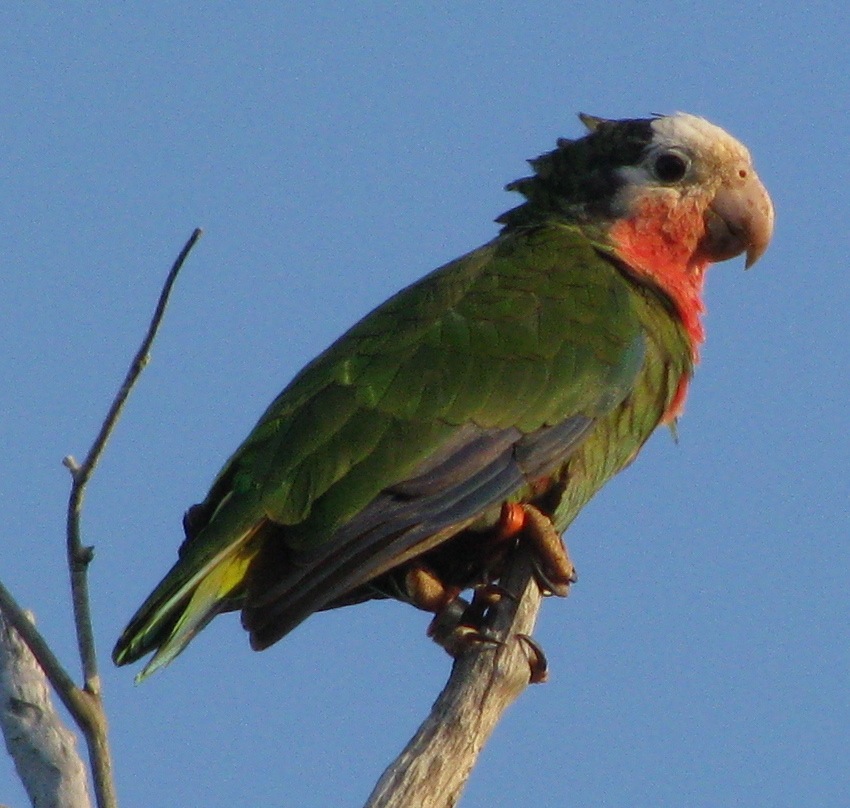
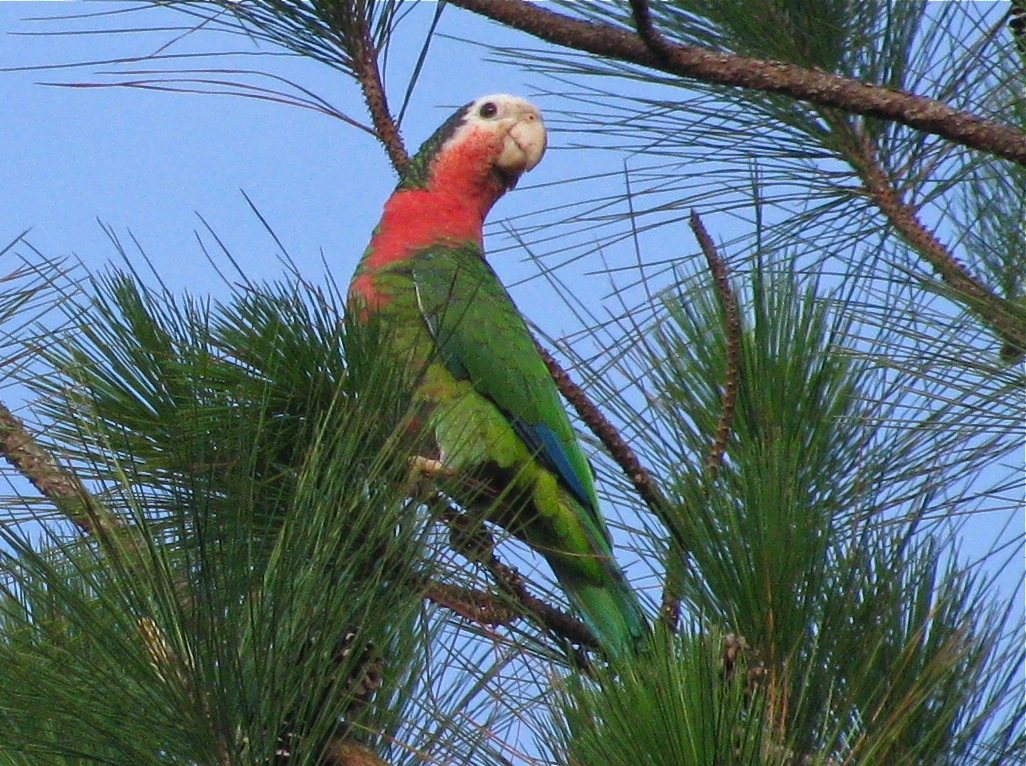
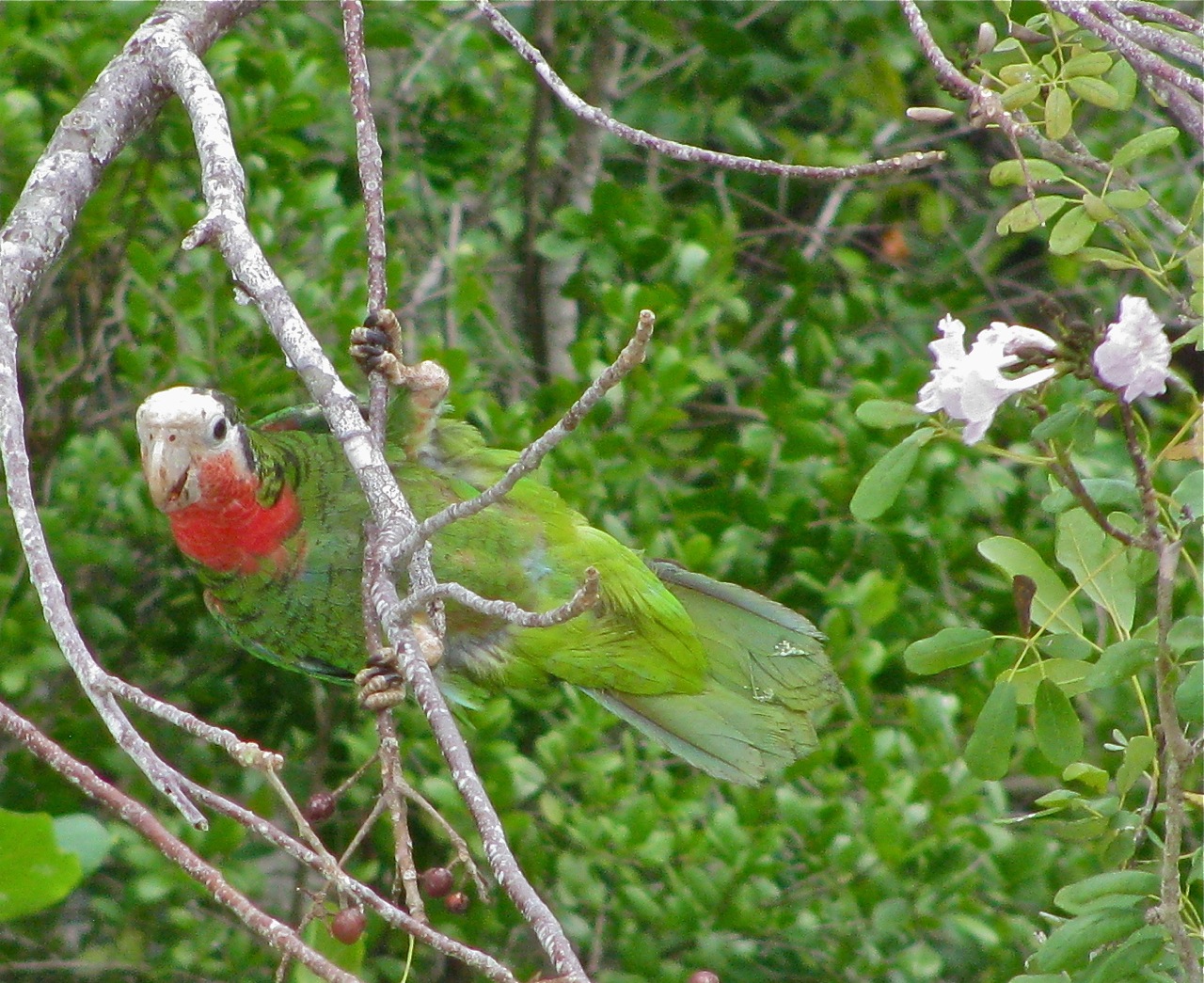
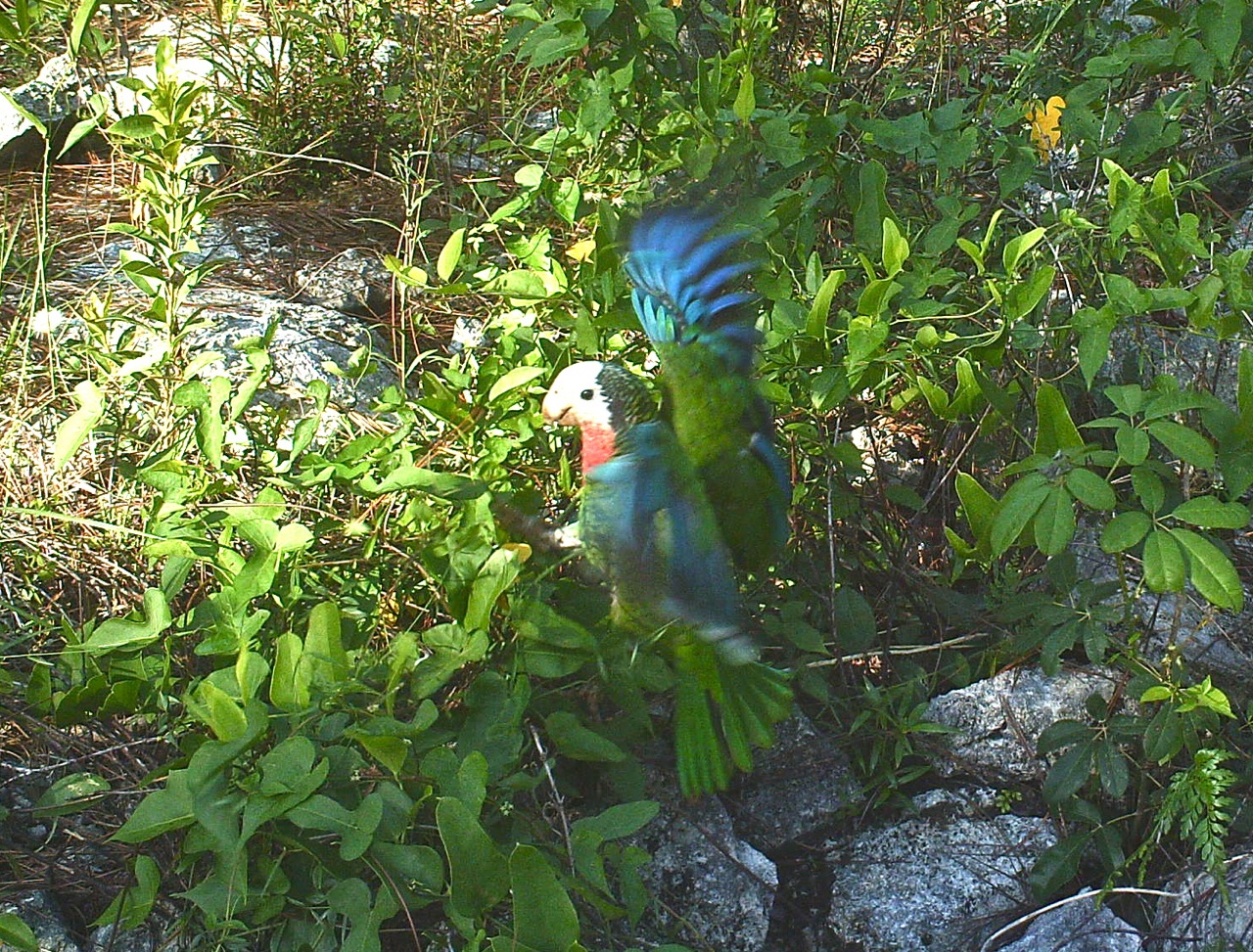
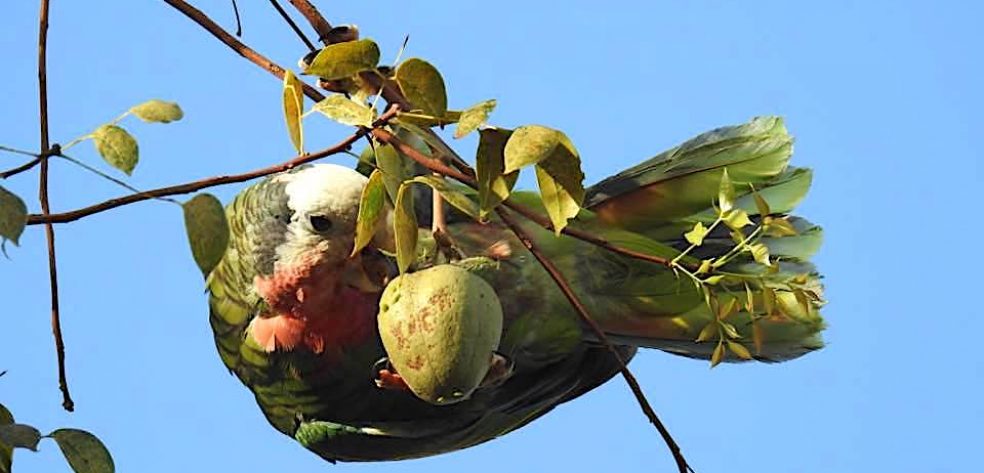
In the meantime, I have had a request from the US for news of the parrots. This has fortunately coincided with my discovery of some wonderful parrot photos taken by Melissa Maura [©] of Nassau. Most were taken on Abaco at Bahama Palm Shores; some at Winding Bay. So here is a gallery of Melissa’s work, which needs no other comment from me than… superb pictures! Oh, and many thanks for use permission, of course. The next photo is worthy of a caption competition – all suggestions welcome via the ‘Comment’ link below…
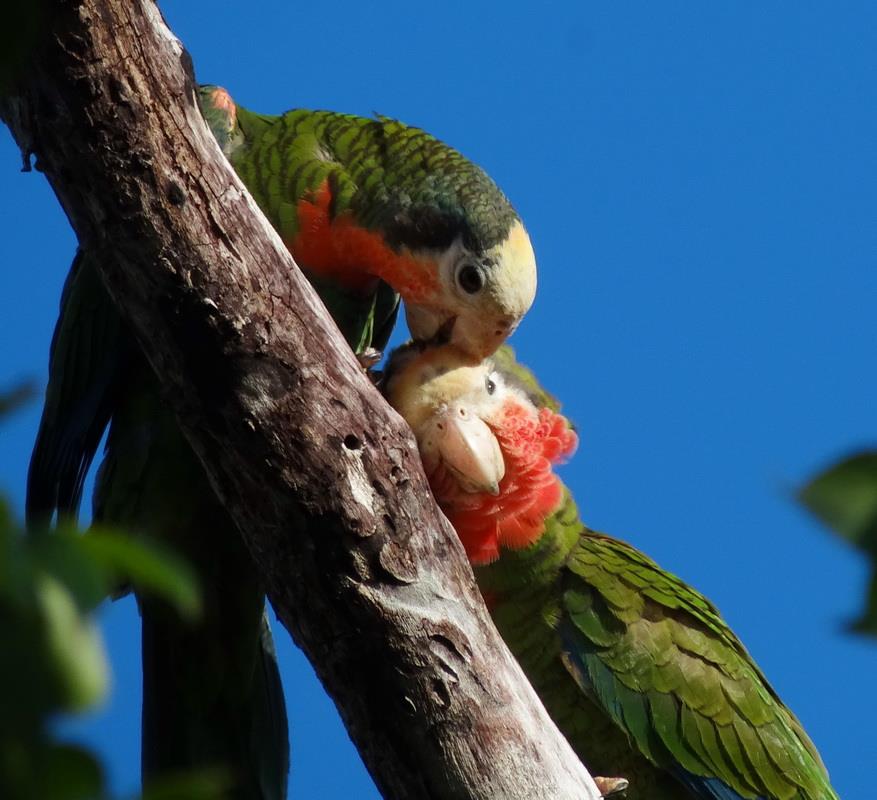
OVER THE MOON…

Unknown's avatar

CARIBBEAN CORAL REEFS FACE COLLAPSE – IUCN REEF MONITORING REPORT


CARIBBEAN CORAL REEFS FACE COLLAPSE

Caribbean coral reefs are in danger of disappearing, depriving the world of one of its most beautiful and productive ecosystems

Guardian: Monday 10 September 2012 03.00 BST

• INTERACTIVE GUIDE: CORAL REEFS AROUND THE WORLD

• WHAT DOES A CORAL REEF SOUND LIKE?

coral reef

A pair of French angelfish enjoy the coral reef in the Caribbean Sea. Photograph: Marcus Mays for the Guardian


Caribbean coral reefs – which make up one of the world’s most colourful, vivid and productive ecosystems – are on the verge of collapse, with less than 10% of the reef area showing live coral cover.

With so little growth left, the reefs are in danger of utter devastation unless urgent action is taken, conservationists warned. They said the drastic loss was the result of severe environmental problems, including over exploitation, pollution from agricultural run-off and other sources, and climate change.

The decline of the reefs has been rapid: in the 1970s, more than 50% showed live coral cover, compared with 8% in the newly completed survey. The scientists who carried it out warned there was no sign of the rate of coral death slowing.

Coral reefs are a particularly valuable part of the marine ecosystem because they act as nurseries for younger fish, providing food sources and protection from predators until the fish have grown large enough to fend better for themselves. They are also a source of revenue from tourism and leisure.

Carl Gustaf Lundin, director of the global marine and polar programme at the International Union for Conservation of Nature (IUCN), which published the research, said: “The major causes of coral decline are well known and include overfishing, pollution, disease and bleaching caused by rising temperatures resulting from the burning of fossil fuels. Looking forward, there is an urgent need to immediately and drastically reduce all human impacts [in the area] if coral reefs and the vitally important fisheries that depend on them are to survive in the decades to come.”

Warnings over the poor state of the world’s coral reefs have become more frequent in the past decades as pollution, increasing pressure on fish stocks, and the effects of global warming on the marine environment – in the form of higher sea temperatures and slightly elevated levels of acidity in the ocean – have taken their toll.

Last year, scientists estimated that 75% of the Caribbean’s coral reefs were in danger, along with 95% of those in south-east Asia. That research, from the World Resources Institute, predicted that by 2050 virtually all of the world’s coral reefs would be in danger.

This decline is likely to have severe impacts on coastal villages, particularly in developing countries, where many people depend on the reefs for fishing and tourism. Globally, about 275 million people live within 19 miles of a reef.

IUCN, which is holding its quadrennial World Conservation Congress on Jeju island in South Korea this week, said swift action was vital. The organisation called for catch quotas to limit fishing, more marine-protected areas where fishing would be banned, and measures that would halt the run-off of fertilisers from farmland around the coast. To save reefs around the world, moves to stave off global warming would also be needed, the group said.

On a few of the more remote Caribbean reefs, the situation is less dire. In the Netherlands Antilles, Cayman Islands and a few other places, the die-off has been slower, with up to 30% coverage of live coral still remaining. The scientists noted that these reefs were in areas less exposed to human impact from fishing and pollution, as well as to natural disasters such as hurricanes.

The report – compiled by 36 scientists from 18 countries – was the work of the IUCN-coordinated Global Coral Reef Monitoring Network.

Unknown's avatar

ABACO / BAHAMAS WHALE, DOLPHIN & MANATEE SIGHTINGS AUGUST 2012


ABACO / BAHAMAS WHALE, DOLPHIN & MANATEE SIGHTINGS AUGUST 2012 

ANOTHER PYGMY WHALE STRANDING ON ELEUTHERA

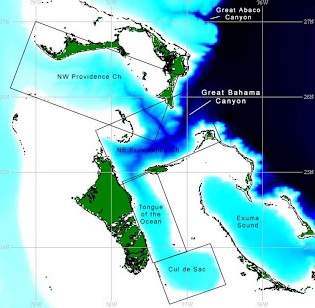
The BMMRO has posted the cetacean / sirenian sightings for August. The main concentration off Abaco is in the food-rich south-west coast from Rocky Point down to Hole-in-the-Wall. This is where the deep water of the Great Bahama Canyon meets the shallow underwater coast of Abaco, providing an ideal feeding ground for whales and dolphins. This canyon is the largest underwater canyon in the world.

Plenty of dolphins were reported last month, and the sperm whales (including pygmy and dwarf) were still around (but for some sad Eleuthera pygmy sperm whale news, see below). Meanwhile, the yellow spot on the Berry Is. shows that all is well with the manatees.

STRANDING NOTIFICATION: PYGMY SPERM WHALE 

Last week the BMMRO was notified about a whale that had stranded dead on an Eleutheran beach on 27 August. The species was identified from the photographs as a pygmy sperm whale – the same species that stranded on the other side of Eleuthera the previous week.

Thanks to the Stranding Network, it was possible take a tissue sample and teeth for DNA, as well as more photos.The animal was about 6 feet long and moderately decomposed – possibly dead for up to 3 days. Unfortunately due to the state of decomposition a cause of death could not be determined. However more information about the animal will be obtained from the samples taken. With samples taken, the carcass can now be buried.

Unknown's avatar

“RITA & GEORGIE’S EXCELLENT ADVENTURE”: A BAHAMAS MANATEE MOVIE


“RITA & GEORGIE’S EXCELLENT ADVENTURE”: A BAHAMAS MANATEE MOVIE

The BMMRO has produced and distributed, courtesy of the always watchable CONCH SALAD TV, a fantastic 7 minute movie of the story of Rita and Georgie. It’s a heart warming tale of a West Indian manatee mother and calf pair that made the journey from Eleuthera via Nassau and then via cradle and boat transport to the Berry Islands for a new life. It’s a tale of conservation, preservation and  hopefully (if they continue to get on well with the small resident population there) procreation… The main natural difficulty facing manatees in the Bahamas is the lack of fresh water – see how this is tackled. The main man-made problem comes from man’s use of the waters. For example, boat-strike / propeller damage is an ever-present danger. To see more about Manatees in this blog CLICK HERE To reach the BMMRO Facebook page CLICK HERE

BMMRO INTRO

IT’S HERE!! MANATEES IN THE BAHAMAS. PRESENTED BY LOGGERHEAD PRODUCTIONS 

Grab your popcorn and everyone in the community, office or home…ENJOY! SHARE! ♥ MANATEES !

REVIEWS

“The Manatees were moved. As indeed was I…”              The Wall Street Journal

“An uplifting experience…”                                                     The Washington Post

“Seeing these manatees made me a man at ease…”          Florida Herald Tribune

“Lovely Rita…”                                                                            Sir Paul McCartney, Kt, MBE 

Credit: savethemanatee.org

Unknown's avatar

A GLIMPSE OF ARTIFICIAL REEF NIGHTLIFE – ABACO, BAHAMAS


A GLIMPSE OF ARTIFICIAL REEF NIGHTLIFE

This very short time-lapse video was posted on the always informative ABACO SCIENTIST website administered by Craig Layman of FIU (Florida International University). The site benefits from the wide knowledge of a variety of contributors in many different fields. As it says, Abaco, just like all of the Bahamian Islands, hosts a wealth of natural wonders. From parrots to whales to blue holes to mangrove wetlands, it is no wonder that scientific research is thriving on the island. The Abaco Scientist is intended as your one-stop source for all things science on Abaco and throughout The Bahamas.

The coral reefs of Abaco and the Bahamas (as elsewhere) are vital yet vulnerable eco-systems. The adverse effects of global warming (or however you describe it if you shy away from that specific term) are increasingly evident. To that damage can be added a slew of other major threats to coral survival – and to the marine life that thrives on the reefs.  There are a number of research projects in progress in the Bahamas into the effectiveness of artificial reefs as a means of conservation of the ecology of reef waters. One of these is by FIU undergraduate student Martha Zapata. In her words, We have recently been capturing time lapse video of the artificial reefs at night. Many reef fishes, like grunts, will leave the reef around dusk to forage in the nearby seagrass beds during the night. We wanted to be able to observe the fish on the reefs without influencing their behavior, so we used infrared light (which fish cannot see) to illuminate the reef. The image sequences have shown a stark difference in fish abundance from day to night. Also, we have been able to observe some of the more cryptic organisms that have made these reefs their home. Usually masters of disguise, urchins roam about the surface of the reef. Look out for the banded coral shrimp and crab that crawl up the side of the reef to graze on algae and detritus while the fish are away. Even a moray eel makes an appearance near the end!

Besides specially constructed artificial reefs, other man-made objects provide  good foundations for an artificial reefs and marine life – in particular, wrecks. There are many of these in the low waters of the Bahamas, some centuries old, others recent. Fred and Melinda Riger of Grand Bahama Scuba, Freeport, take their diving schools to wrecks because of the profusion of marine life that gathers around – and indeed inside – them.

Unknown's avatar

WEST INDIAN MANATEES: GOOD NEWS FROM BMMRO, BAHAMAS


GEORGIE THE MANATEE IS WEANED

It’s good to look beyond the immediate area of Abaco and the Cays when the occasion calls for it – for example, more good news about the BMMRO’s painstaking research and careful protective monitoring of the very small West Indian Manatee population in the Bahamas. I’ve written before about these gentle, unhurried, curious creatures and their vulnerability – particularly to man’s usage of their natural habitat CLICK ===>>> MANATEES 

Kendria Ferguson’s story below shows just one aspect of the BMMRO’s commitment to the conservation of the cetaceans and sirenians in the seas around Abaco and beyond. The Manatees have excited the interest of the whole local community including the schoolchildren. If you have ever been moved by the sight of dolphins in Marsh Harbour or whales further out to sea, you can be sure someone is keeping an eye on their well-being. You might even be moved to help this important conservation work, in which case CLICK ===>>> HERE

KENDRIA’S REPORT

Adult female manatees are considered sexually mature at 6-10 years of age and have a gestation period that lasts up to 13 months. The first two years of a calf’s life is spent with its mother. During this time they are taught where to find food, fresh water, warmth and shelter. Generally, after two years the calf separates from its mother. This separation is known as ‘weaning’.

On the 14th of June 2012 Argos satellite locations received from both Rita and Georgie’s satellite tags indicated that they were no longer traveling together. Georgie had been weaned. Georgie was born on the 25th June 2010, therefore Georgie was now old enough to survive on her own in the wild

Georgie fitted with a paddle belt around the base of her tail. A flexible nylon tether is then attached to this belt with the satellite tag, which floats when it’s near the surface.Photo provided by Jim Reid-USGS Sirenia Project

After tracking Rita and Georgie for the last three months, it was hard to fathom a two year old being old enough to take on the world. But like they say – mothers know best!

Rita and Georgie fitted with satellite tags

Rita and Georgie were released in Great Harbour Cay (GHC) on April 19th of this year. They travelled to Nassau during Hurricane Irene (late August 2011) from Spanish Wells, Eleuthera and ended up in Nassau harbour. Concerned for their safety, The Department of Marine Resources gave Atlantis-Dolphin Cay permission to capture the animals and house them until a decision was made as to their release. After spending over twenty-five weeks in captivity, scientists feared that Georgie would be weaned before she was returned to the wild and given the opportunity to learn how to survive in her natural habitat. The mother-calf pair was transported to The Berry Islands on April 19th, where they were released and fitted with VHF data log satellite tags.

A map showing areas visited by Georgie pre-weaning and post-weaning

There are four resident West Indian Manatees (Trichechus manatus) residing in Great Harbour Cay, Berry Islands. Notably, an adult female, “Gina” (known previously from Florida), has been residing in Great Harbour Cay since 1999. Since then she reportedly has had 3-4 calves and is currently accompanied by her female calf, JJ, which was born in the late winter of 2011.

Within Rita’s and Georgie’s first week of being released they travelled over 50 miles around the east coast of GHC to as far south as Ambergris Cays and back into the harbour where they were released. During the winter months, Floridian West Indian Manatees (Trichechus manatus latirostris) travel vast distances in search of warm waters. So it isn’t uncommon for these agile species to explore the shallow waters in which they inhabit.

Georgie is now re-visiting important habitat areas she visited in the past with her mother. Since their separation in June, Rita and Georgie have been seen together in the harbour by the local community.

Scientists will continue to monitor Georgie’s movement patterns around The Berry Islands throughout the hurricane and winter seasons. This data will assist us in developing a management plan for manatees in The Bahamas.

Story written by Kendria Ferguson, BMMRO’s resident manatee expert

Unknown's avatar

FISH FRENZY AT FOWL CAY MARINE PRESERVE, ABACO, BAHAMAS


FISH FRENZY AT FOWL CAY MARINE PRESERVE, ABACO

This is the first short video from footage taken in June at Fowl Cay, 2000 acres of protected coral reef waters. This was the start of another great day out snorkelling and island-hopping with dive-diva Kay Politano of ABOVE & BELOW ABACO Marsh Harbour.  In due course there will be more videos of fish and coral. There is very slight evidence that lessons have been learned since last year’s erratic novice snorkeler / underwater photographer efforts. Still a way to go of course. The production process has been hampered by a major format problem between my camera chip thingy and the Mac I now use. It told me the data was unrecognisable / corrupted / damaged etc, which was massively disappointing. Then I thought of  <<techno-tip>> downloading to an old PC and transferring to the Mac on a memory stick. Problem solved.

This huge swirling mass of (tens of) thousands of small fish confronted me as I round one end of the reef. I’ve never seen anything like it before, except on TV. It was an astounding, dizzy-making spectacle. When I swam into the middle of the shoal, I expected to feel tickled all over – but despite the huge numbers of fish, their speed, and their sudden and apparently random direction changes, I wasn’t conscious of feeling them at all. I assume the commotion resulted from the presence of larger fish feeding on the small ones. Or possibly from my appearance…

Music credit: Gordon Giltrap (Hofner champion) ‘Fast Approaching’

Unknown's avatar

BMMRO WHALE, DOLPHIN & MANATEE SIGHTINGS ABACO / BAHAMAS JULY 2012


BMMRO WHALE & DOLPHIN SIGHTINGS ABACO JULY 2012

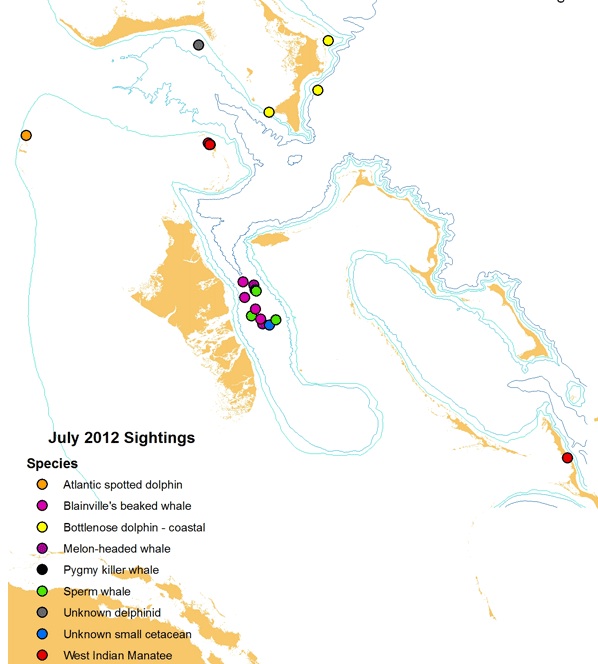
Last month there were bottlenose dolphins for Abaco; manatees for the Berry Is. [Hi, Rita & Georgie! – check out their progress on FACEBOOK BMMRO] with a first manatee sighting (I think) off the west coast of Long Island; and quite a few whale reports off the east coast of Andros. I wonder why the whales are all in that area at the moment? Maybe the reports are high for that area because that’s where the whale spotters congregated in July…

STOP PRESS Georgie the Manatee is now weaned – for details CLICK===>>> HERE

STOP PRESS 21 AUG As a sad coda to these sightings, the BMMRO has posted news of the stranding and death of  pygmy sperm whale on Eleuthera

Stranding Event: August 19th, 2012
A blackfish stranded in Eleuthera:

Photos confirmed the species to be a pygmy sperm whale. The animal stranded alive but later died. Many thanks to Tom Glucksman and his wife for their efforts in providing pictures and getting a skin sample, which will allow us to get even more information about this animal

For more information on how to report a stranding event, please visit  http://bahamaswhales.org/stranding

BMMRO (Website)

FACEBOOK BMMRO

Unknown's avatar

THE GREATER ANTILLEAN BULLFINCH ON ABACO


THE GREATER ANTILLEAN BULLFINCH ON ABACO

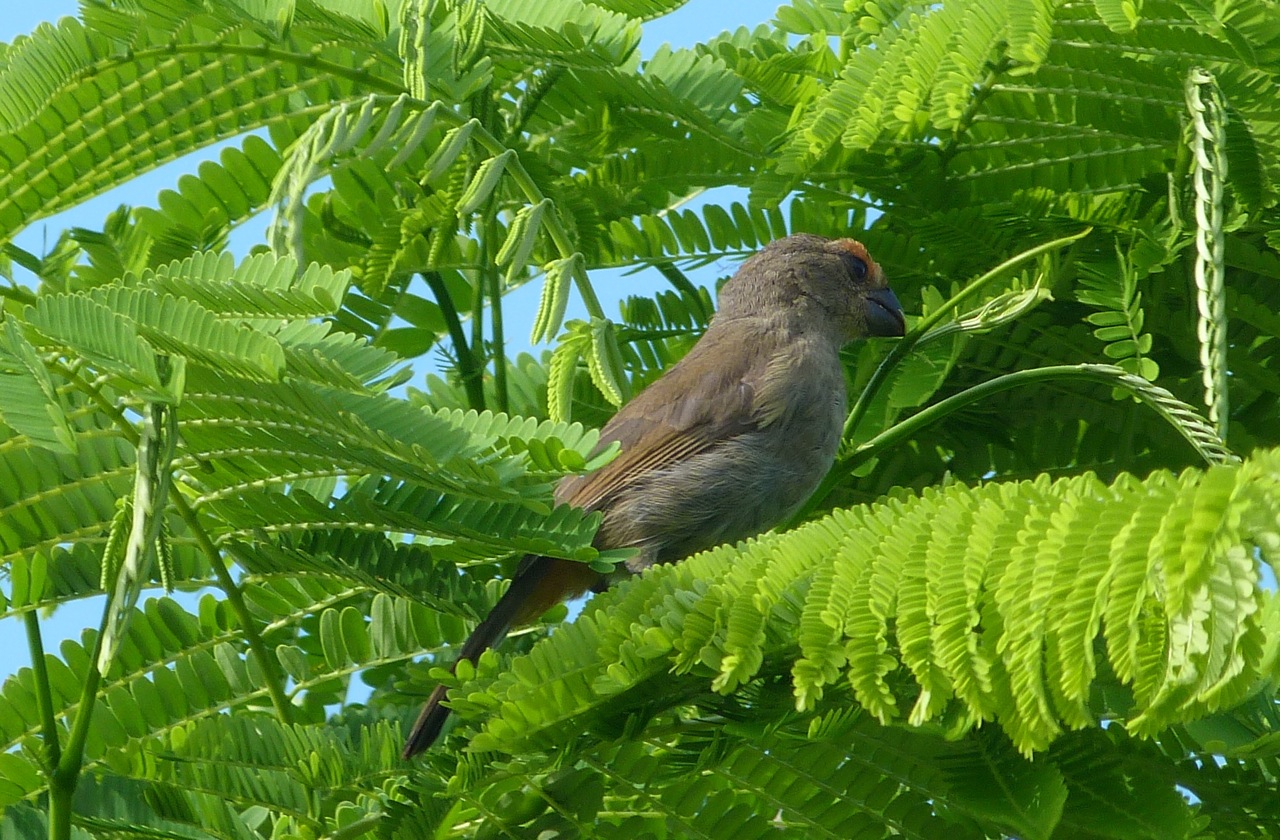
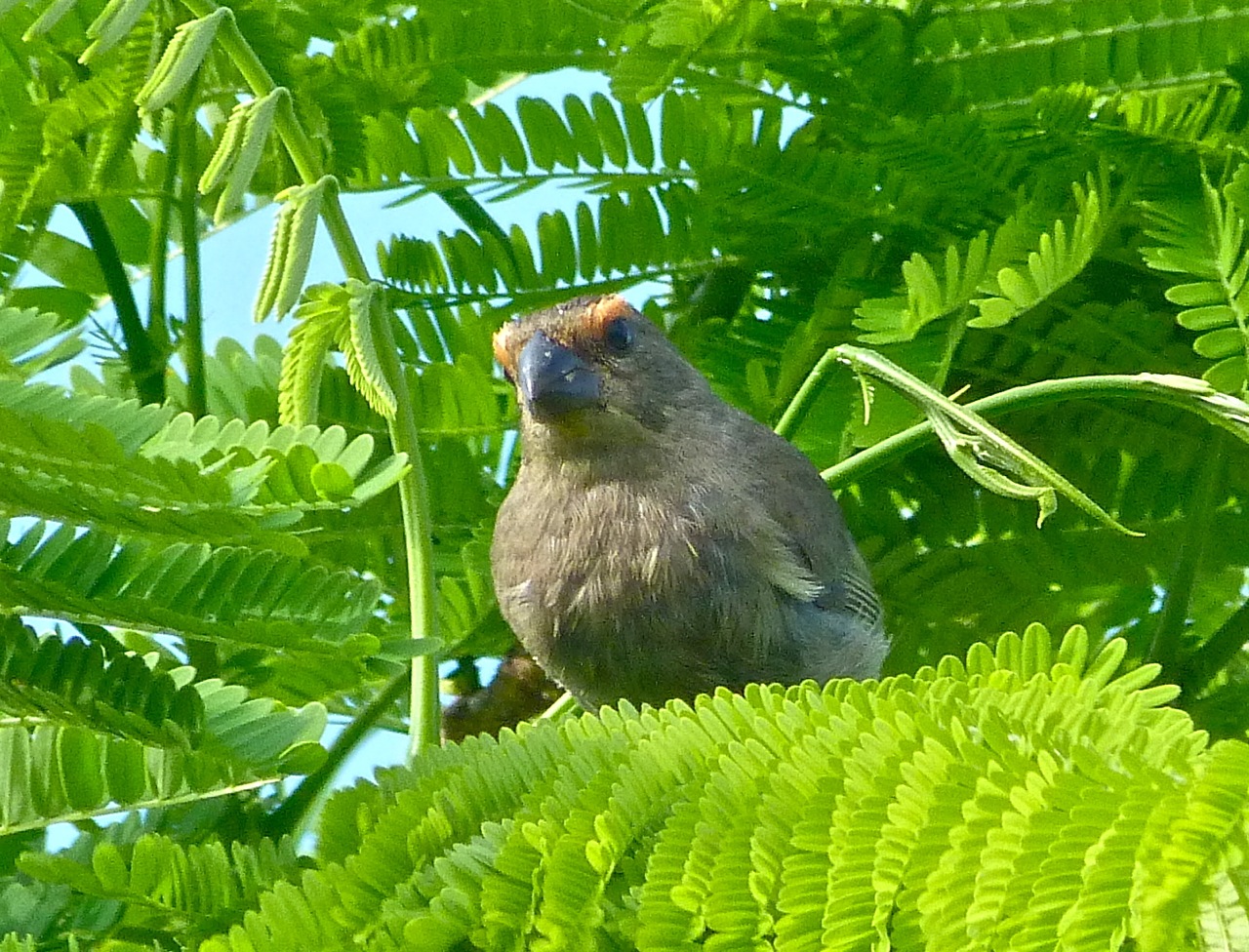
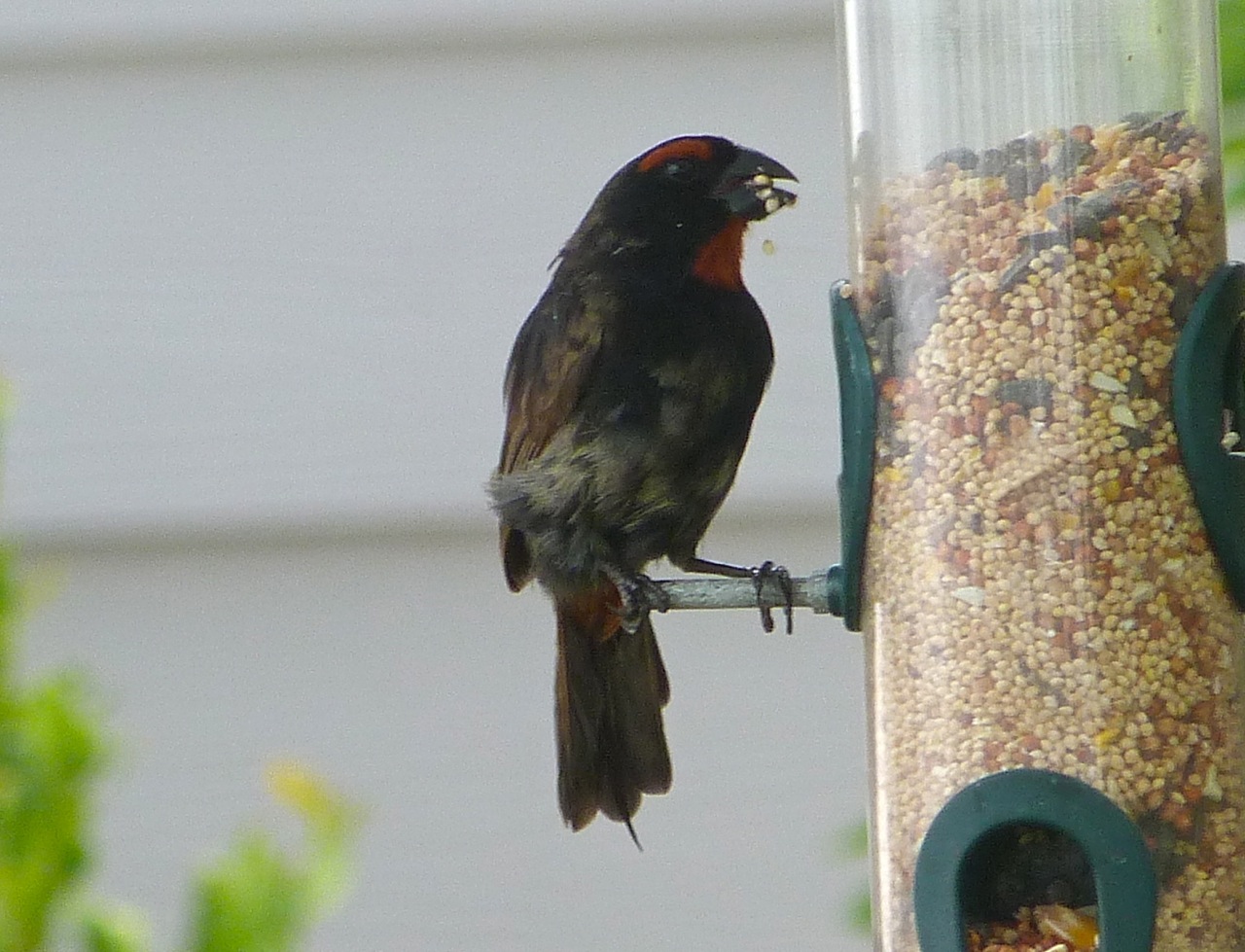
This is a well-know bird (Loxigilla violacea) that can be seen on Abaco all year round. With their scarlet bibs and eyebrows, the males are a cheerful sight in coppice or garden. The females are paler brown, with orange accessories.

While still officially rated as a species of ‘Least Concern’, a measurable fall in population in recent years has seen them nudging towards ‘Vulnerable’. 


[audio http://www.xeno-canto.org/sounds/uploaded/FSCGENVPXK/GREATER%20ANTILLEAN%20BULLFINCH%201%20Andros%2042910.mp3]

Greater Antillean Bullfinch song from Paul Driver at Xeno-Canto

Antillean Bullfinches enjoy garden feeders – and their larger size means that they are higher up in the pecking order than the black-faced grassquits and other small birds 

They are one of the many popular Bahamian bird species to have featured on postage stamps – in fact they scooped the high-value $10 stamp in 1991 and the $5 stamp in 2001


Unknown's avatar

BAHAMAS CONCH QUEST – GASTROPODS, SHELLS & CONSERVATION


Conch ©Melinda Riger @G B Scuba

BAHAMAS CONCH QUEST – GASTROPODS, SHELLS & CONSERVATION

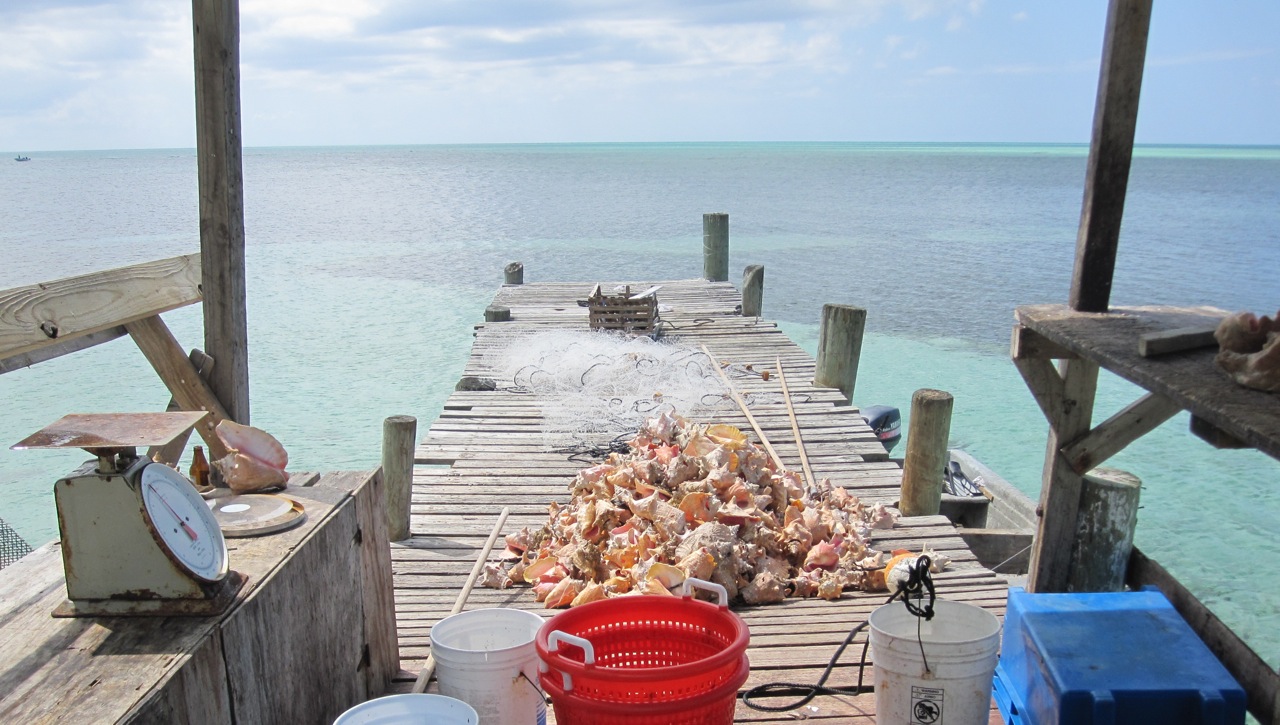
Conchs are among the most familiar of all shells. On Abaco they are everywhere: in the sea, on the beach, used ornamentally in gardens, piled up wherever conch is on the menu… (basically, anywhere serving food)

Conchs have other uses besides being a staple food. They provide sought-after pink pearls.  Only about 1 conch in 10,000 has a pearl, so bear in mind that if you miss one during your search, you may have another 10,000 to wade through… Conchs can produce music, of a sort (such as when used enthusiastically by the famous ‘conch-blower’ home-team supporter during cricket Test Matches in the West Indies). They are undeniably decorative on a porch or on a shelf.

Conchs have featured in literature and film. In William Golding’s Lord of the Flies the conch represents power and order. A conch is blown to call meetings of the marooned boys. Its power is symbolised by the rule that you have to be holding it to speak at the meeting (an idea that many – all? – Parliaments could benefit from…)

Ian Fleming mentions conchs in several of the Bond books, all such references being totally eclipsed by the memory of the appearance, in the film Dr No, of Honeychile Rider emerging from the sea, conch in hand. Oh, I see. That’s just men is it? Or (good grief) just me? Anyway, may we all agree amicably that Ursula Andress was a most decorative conch carrier?

CONCH CONSERVATION

The supply of conchs is not infinite. Overfish them, take them before maturity  or pollute their habitat and this valuable marine resource depletes – and conchs, as with so many marine species, will become threatened. Fortunately there is a Bahamas-wide conservation organisation with a website packed with interest. 

COMMUNITY CONCH is “a nonprofit organization that aims to protect queen conchs in the Bahamas, a species of mollusk threatened by aggressive over-fishing. We promote sustainable harvest of queen conch through research, education and community-based conservation”

community conch logo

“Helping to sustain a way of life in the Bahamas”

Much of the research has been carried out in Berry Is, Andros and Exuma Cays. However the team has recently been based at Sandy point, Abaco. To see some of their work on Abaco CLICK LINK===>> ABACO EXPEDITION   

In many past posts I have listed ’10 Essential Facts’ about the topic discussed. In that spirit I have borrowed and slightly edited CC’s conch facts; and added a CC video of a conch’s stately ‘full speed ahead’ progress. NB No zoom… 

12 CONCH FACTS

  • The queen conch is a large edible sea snail native to the coasts of the Caribbean, the Florida Keys, the Bahamas, and Bermuda. Conchs are herbivores – they eat algae and other tiny marine plants
  • Main predators include nurse sharks, loggerhead turtles, other snail species, blue crabs, eagle rays, spiny lobsters, and other crustaceans
  • Mating aggregations may contain hundreds or even thousands of individual male and female conchs
  • Female conchs lay hundreds of thousands of tiny eggs in a sandy egg mass. The larvae emerge after 5 days and may drift on ocean currents for a month before settling in suitable habitat on the sea floor
  • In their first year conchs live under the sand during the day & come out to feed on the surface at night
  • A queen conch may take 5 years to reach maturity and can reproduce
  • They live an average of 7 years, but are known to live as long as 20 – 30 years
  • Conchs produce natural pearls that come in a range of hues, including white, brown, orange & pink
  • The conch is listed by CITES as a species which may become threatened with extinction if trade is not tightly controlled
  • It is now illegal to take queen conchs in the state of Florida due to severe overfishing
  • 80% of legal internationally traded conch is consumed in the United States. The smuggling of conch meat into the U.S. is a significant challenge to conch management in The Bahamas
  • Queen conch are vulnerable to overfishing because they are (1) relatively slow to grow (2) late to mature (3) aggregate to mate (4) easily harvested in shallow waters

A SPEEDY CONCH

(Conch photos taken by RH / Mrs RH at Sandy Point, Abaco)
Unknown's avatar

BMMRO WHALE & DOLPHIN SIGHTINGS ABACO JUNE 2012


BMMRO WHALE & DOLPHIN SIGHTINGS ABACO JUNE 2012

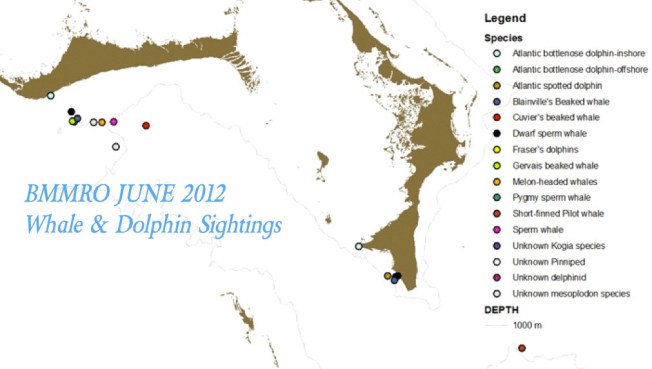
Actually, I say ‘Abaco’ but the most activity – and the most varied, species-wise – is off the southern coast of Grand Bahama. Abaco sightings are also confined to the south, with shows from a PIGMY SPERM WHALE and a BLAINVILLE’S BEAKED WHALE  and dolphins in the arc between Rocky Point and Hole-in-the-Wall. To see recent aerial photos of this section of coast CLICK===>>> HERE

The manatees of the Berry Is. are no longer shown on this map. Their happy story (and their fame) has spread and they now have their own entries on the BMMRO FACEBOOK PAGE, like any self-respecting stars. You can reach it anytime direct from the Sidebar if you you want to keep track of the story of Rita and her calf Georgie’s rehabilitation – and the other manatees they have encountered as they get used to their freedom. 

ADDED The latest BMMRO quarterly newsletter has just been published – highly recommended for anyone with an interest in active whale / dolphin research, or in the latest news of the manatees of Berry Is. To see it CLICK===>>> BMMRO NEWSLETTER JULY 2012

Unknown's avatar

ABACO PARROTS – CONSERVATION & ANTI-PREDATION PROGRAMS BREED SUCCESS…


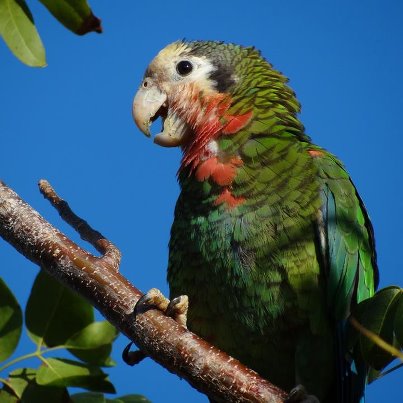
The wild parrots of Abaco are very special birds. Uniquely they nest underground in limestone holes which provides protection, not least from forest fires. Thanks to a program of intensive research over the last few years, far more is now known about these birds and their breeding habits. Investigations into predation have led to effective predator controls. The evidence this year is that the population numbers, having stabilised, are gradually rising to a sustainable level of some 4000 birds. The parrot below has been ringed as a chick as part of the continuing monitoring program.

I will soon be posting about the current breeding season – the parrots are in their limestone cavity nests now, the eggs are laid, the chicks will soon be hatching. Caroline Stahala, the Abaco parrot expert familiar to those who follow this blog (see ABACO PARROTS), will soon be reporting on this years breeding and chick-ringing program. In the meantime, here are some of Caroline’s pictures taken during the past season of the parrots in all their glory…

The parrots mainly live and breed in the pine forest of the Abaco National Park

During the day they fly northwards, often in large noisy groups, where they feed. One of their favourite treats is the fruit of the Gumbo Limbo tree. This sometimes requires acrobatic skill

The sunshine brings out their bright colouring. When they fly, the blue on their wings is wonderful 

Besides Gumbo Limbo berries, the parrots enjoy feeding on seeds

A parrot takes flight near a nest cavity. There’ll be more photos of parrot nests later this month

(All photos © C. Stahala / Rolling Harbour)

Unknown's avatar

BONEFISH CATCH & RELEASE: A DEMO ON THE ABACO MARLS


BONEFISH CATCH & RELEASE: 5 COUNSELS OF PERFECTION*

1. FISH BARBLESS (OR FLATTEN THAT BARB)

2. WET YOUR HANDS BEFORE TOUCHING THE FISH

3. KEEP THE FISH IN THE WATER AS MUCH AS POSSIBLE

4. MINIMAL TOUCHING OF THE FISH – ITS PROTECTIVE COATING IS EASILY REMOVED

5. DO IT ALL AS QUICKLY AS POSSIBLE

This post follows on from my recent one BONEFISH RESEARCH: THE IMPACT OF HOOK RETENTION Here’s an example of swift C&R by my boat partner Martin of a small bonefish caught on the Abaco Marls. I say ‘small’ because it was his fish, not mine, so I can! Release is achieved, barely touching the fish, by twisting and loosening the barbless hook while the fish is in the water, and quickly flicking it off the hook without touching the fish’s sides. This preserves its protective coating, which if removed makes it vulnerable to predation and disease. He has in fact omitted Counsel 2 (above), because he has needed no significant contact with the fish. Apologies for the inevitable accompaniments to using Youtube – ads, 20 other vids on offer etc [Later: Mrs RH has spotted that my reef fish Blue Tang movie is amongst them. So have a look. It’s a bit iffy, frankly, but the music is nice, and helps drown out my snorkel-wheezing]

* I have avoided the dread words ‘GOLDEN RULES’ in recognition of the fact that the lofty ideals don’t always work out in practice. The fish itself can dictate the proceedings…

(And apologies for yet another ‘premature release’ (a bit like much of my fishing) of a nearly blank document. I’ve got the ‘Save’ and ‘Publish’ buttons yips)

Unknown's avatar

LIONFISH: FURTHER RESEARCH INTO THE CARIBBEAN POPULATION EXPLOSION


LIONFISH – MARMITE DENIZENS OF THE OCEAN

A short time ago I posted in some detail about the poisonous LIONFISH. I included material about the rapid increase of this Pacific species in Caribbean and Floridian waters following accidental / deliberate releases in recent years. I also included videos from Grand Bahama scuba-expert FRED RIGER to balance the anti-lionfish orthodoxy, showing that the fish in fact do some good on the reefs. The post provoked a few comments, and had a surprising number of hits. Here is some further research courtesy of the excellent SEA MONSTER which adds a dimension to the debate and concludes with a very good point… Incidentally, in a recent morning snorkelling at Fowl Cay Marine Preserve, Abaco, I did not encounter a single one of these creatures (Mrs RH was unluckily stung by a jellyfish, though…). But I guess the Preserve is well policed against such intrusive species, which are otherwise found in large numbers in the area.

Why are lionfish populations exploding across the Caribbean?

Author: John Bruno on June 6, 2012

Lionfish are an exotic fish now found throughout the Greater Caribbean and eastern Atlantic that have become incredibly abundant on many reefs, especially in the Bahamas and off North Carolina. Lionfish are piscivores (fish that eat other fish) and were introduced from the Indo-Pacific by the aquarium trade in the late 1990s off Florida. Mostly likely, someone got tired of their fish and released them purposefully.

One hypothesis explaining their great success is the absence of natural enemies; predators, parasites and competitors.  This is probably compounded by the fact that few Caribbean reefs have any predators left that could eat them (thanks to overfishing).

Another – and I think much more likely explanation – is because there is so much to eat in the Caribbean! Not because there are more fish, but because it is so much easier to catch them. Unlike fish in the Indo-Pacific, native Caribbean fishes do not appear to recognize lionfish as a potential threat.  So the lionfish gobble them up, grow faster, make more babies, spread to new islands, etc.

Case in point: My lab group was working in Belize last week on the lionfish invasion. One of the things we were doing was collecting the otoliths and gonads from lionfish that we speared on a number of reefs to compare their fitness across the Caribbean (e.g., on reefs with and without native predators, etc).  We also looked at stomach contents and many of them had parrotfishes in their tummies or still in their throats!  The photo above is of the eggs from one lionfish we caught near Glovers Reef Atoll and the partial contents of it’s stomach (a juvenile striped parrotfish)!

Lionfish appear to be little more than machines that convert parrotfishes to baby lionfishes. Which is pretty much the purpose of all animals (consuming others and transforming them into your own genotype and species).  But jeez, couldn’t those aquarium hobbyists have released a herbivore that could be converting macroalgae to fish biomass? That would have been much more useful.

Unknown's avatar

TRAVEL TRIVIA & WORLD OCEANS DAY


We rebooked our storm-tossed flights. We spent an extra night at Delphi and one in Marsh Harbour. We went to check in online. Zilch. Nada. Niente. No trace of Mr & Mrs Harbour. One hour on the phone and it’s sorted, and with an upgrade to World International Club Class Traveller Special Plus or similar ( = more leg room? An extra bacon roll? We’ll see…)

More importantly, though, today is WORLD OCEANS DAY

20120608-081748.jpg

You can find 100 Ocean-related quotes to sprinkle into your conversation if you tune in to the excellent BEACH CHAIR SCIENTIST from whom I have ‘borrowed’ this sea-loving image

20120608-083300.jpg Quote 33 is slightly disturbing…

Apologies for premature publication omitting title and later tweaks. Posting on an iPhone is a fiddly business.

Unknown's avatar

INTERNATIONAL MARINE BIODIVERSITY DAY – MAY 22


INTERNATIONAL MARINE BIODIVERSITY DAY – MAY 22

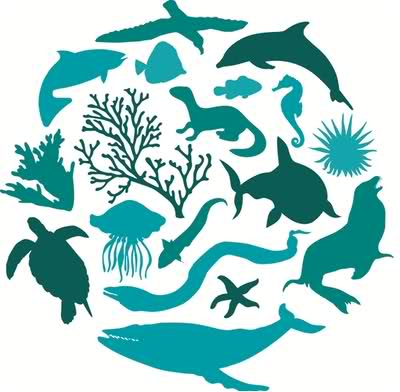
Yesterday was an important day in the marine conservation and research calendar. Me neither! I had a heads up from the redoubtable SEAMONSTER late last night. So at least I found out on the right day. I am posting the excellent logo to help to raise awareness retrospectively… I ‘get’ everything depicted in this clever sea creature globe – except for the tiny dinosaur… or is it a sea otter?

CLICK this large logo to link the the relevant website, where there are articles catering for every conceivable marine interest

Unknown's avatar

RITA & GEORGIE’S BIG ADVENTURE: BAHAMAS MANATEES TAKE A TRIP


RITA & GEORGIE’S BIG ADVENTURE

It’s Week 4 since mother and calf were released. Since then, they have made some manatee friends and gradually increased their range of exploration as their confidence continues to grow. The week’s big news is that in five days, Rita and Georgie travelled over 70 miles around Great Harbour Cay, extending their interest further south than ever before. Here are the other mother and calf pair from the area, Gina & JJ

The logo at the top is clickable straight through to the excellent BMMRO weekly reports of the lives of these gentle creatures, where you will find all the details of their progress. I have also add a click-thru’ logo near the top of the sidebar so that manatee-watchers can go straight there from this blog at any time.

So may I encourage all you nice followers out there to keep an eye on the developing story; and remind you in a subtle – oh, ok then, rather direct way – that this kind of vital conservation research in our oceans can only be carried out with support. That could include direct support for the BMMRO’s work… and / or maybe even adopting a manatee (details on the Manatee blog)

Rita and Georgie Tracking Map  Week 4 

Unknown's avatar

LIONFISH: FACTS, VENOM & CRISIS CONTROL IN THE BAHAMAS – & A COUNTER-VIEW


Lionfish, Abaco (FotE)

LIONFISH: UNINVITED GUESTS IN THE BAHAMAS

I recently put some lionfish details and images on my MARINE LIFE page. I wrote: “…their existence and rapid increase in the waters of the Bahamas is a cause of great concern, and they are keenly hunted. Last year’s inaugural Lionfish Derby on Green Turtle Cay brought in more than 1400 of these creatures in the day, ranging in size from  a 57mm juvenile to a 349mm fish. Here, from THE ABACO SCIENTIST is where in the world the 2 species of Lionfish ought by rights to be. Well away from the Caribbean, that’s where!

 Photo credit: Brigitte Carey of Tilloo Cay

Two great lionfish photos from GRAND BAHAMA SCUBA  (thanks to Fred & Melinda Riger )

———————————————————

LIONFISH Pterois

1o UNCOMFORTABLE LIONFISH FACTS

  • A genus of  spiny venomous fish indigenous to the Indo-Pacific area, of which there are 9 species
  • In the mid 1990s 2 species were introduced to the US Atlantic coast and Caribbean (see below)
  • Unaccountably popular as aquarium fish; cooked and eaten by people (though not by me)
    For recipes see LIONFISH HUNTER
  • An adult can weigh 1/2 kilo and may live up to 15 years
  • They have ‘complex courtship and mating behaviour’, presumably to avoid each other’s spines
  • Females release two egg cluster bombs every month containing up to fifteen thousand eggs…
  • Lionfish prey voraciously on small fish, invertebrates and molluscs which they gooble up in one gulp
  • They have bilateral swim-bladder muscles to alter their centre of gravity to attack their prey better
  • Apart from a tendency to species cannibalism, they have very few predators. The spines work well…
  • Sharks are not affected by the venom, and attempts have been made to train them to feed on lionfish 

LIONFISH STINGS are painful and can take several days to resolve. Tests on frogs, clams and rabbits… well, you don’t want to hear about those. In humans the venom causes systemic symptoms ranging from nausea, vomiting, fever, breathing difficulties and dizziness to convulsions and paralysis. For the very young, the elderly, the allergic or those with immune system weakness the sting can be fatal. TREATMENT: If stung it is recommended that you remove the spine(s) if possible and immerse the wound in hot water for at least 15 minutes… and seek medical treatment as soon as possible

THE CARIBBEAN INVASION supposedly started in the mid-1990s, perhaps following hurricane damage to an aquarium in southern Florida. A few earlier sightings had been recorded, possibly the result of  deliberate aquarium releases. Two of the 9 species are involved: the red lionfish P. volitans (93%) and the common lionfish P. miles (7%). It’s a measure of their rapid breeding, habitat adaptability and near-immunity from predation that the first recorded lionfish in the Bahamas was as recent as 2004. A mere 8 years later they’ve spread throughout the region. 

POPULATION INCREASE AND CONTROL The population is increasing exponentially despite efforts at control. Their voraciousness and territorial aggression must certainly be affecting the indigenous populations of reef marine life. The problem is already extreme. It is now unlikely that lionfish can ever be eradicated. Even to confine the population to its current level would require more than a quarter of the adult population to be killed monthly. Lionfish are able to reproduce throughout the year, so there is no seasonal respite. In this conservation-minded era,  official encouragement of  organised hunting bucks the trend towards creature protection. Lionfish do have food value, if natural human reluctance to eat a venomous species can be overcome, and there are now many lionfish recipes. Whether killing lionfish for sport or for food, humans are their only effective predators. Below is an example, from Oceans Watch, of the sort of campaign that will surely become commonplace throughout the region. Time to reach for the speargun…

THE COUNTER-ARGUMENT

The above is the orthodox view, widely held throughout the region. Some will ask whether the arrival of the lionfish in the Caribbean has any positives; whether they actually make a contribution to the ecology of the area; whether there is a convincing case to put forward in favour of the species; whether there is evidence to back it up. So to redress the balance I commend these 4 short videos from the enormously experienced Grand Bahama diver Fred Riger, in which he cogently demonstrates the value of this imported species. In short, the videos reveal that the adverse effect on endemic fish populations is not merely overstated but wrong; that the spreading menace to the coral reefs of choking algal growth is actually reversed by lionfish; and that important grazing crab species are thriving as a result. 
I posted the bad lionfish stuff last night; by this morning Fred had rightly taken me to task for only giving one side of the story: “Far from being a pest, lionfish are solving a huge problem created by the mother of all invasive species HUMANS, who have over fished the ocean, wiped numerous species out of existence, killed most of the world’s coral, the very stuff we in the Bahamas live on. Targeting lionfish sets conservation efforts back thirty years or more and contributes to the decline of the coral reef”. So here are the videos giving the case in favour of lionfish, and they certainly provide a fresh perspective and plenty of food for thought…
 
“LIONFISH IMPACT: THEY ARE NOT SO EVIL AFTER ALL”