Unknown's avatar

SOUTHEAST COAST & GULF OF MEXICO MARINE / COASTAL FIELD GUIDE: 5* YALE BOOK REVIEW


BOOK REVIEW

This is a superlative field guide: comprehensive, clear and approachable. The illustrations are excellent, and include helpful examples of birds in flight, different views of marine creatures (basking shark side view and head on), whale fluke comparisons and dolphin profiles. The 11 Chapters comprise marine and coastal plants and habitats; invertebrates; sharks; rays; fish; sea turtles; crocodiles and alligators; marine and coastal birds; baleen whales; toothed whales and dolphins; and finally seals and manatee

Yale University Press 386pp, £20 / $24  ISBN 978 0300 11328 0

rollingharbour rating: a rare and coveted 5*****

Obviously this isn’t the guide for land-based birds – you’ll still need Hallett  or Arlott to help with all those warblers, for example. But for all aspects of marine and coastal wildlife it is as thorough as you could ever wish for in a book that is readily portable. While slightly too large (8″ x 6″) and heavy for a pocket, it would be perfect for a day-bag. Convention dictates that the most enthusiastic reviews should include a couple of tiny niggles to prove a book has been read… so,  the shell section is very brief at 2 pages; and the coral section also, with some types (Mustard Hill, for example) omitted. But such an ambitious yet compact book couldn’t possibly be exhaustive. In practical terms, it has everything you could want from a Field Guide when exploring or researching this area.

Publisher’s Summary [added here to indicate the scope & depth of the book]

  • Entries on 619 coastal and ocean species including seabirds, cetaceans, fish, turtles, invertebrates, and plants
  • More than 1,100 color illustrations & 121 colour photographs
  • 452 up-to-date range maps
  • Overviews of key ecological communities, including mangroves, salt marshes, beaches, sand dunes, and coral reefs
  • Special attention to threatened and endangered species
  • Discussions of environmental issues, including such catastrophic events as Hurricane Katrina and the Deepwater Horizon blowout
  • Glossary
  • Excellent organizational aids for locating information quickly
To which I would add:
  • Clear text alerts for endangered / red list species
  • 12-page index (which works very well)
  • Handy front and back flaps place-markers
  • Colour-coded section divisions

To see the publisher’s UK or US webpages for the book CLICK LINK===>>>  YUP UK   or   YUP US – it can also be obtained from the other  conventional sources already mentioned in the book section of this site

Finally, a declaration of interest: Mrs rh works in the London office of YUP, so I have been consciously avoiding partiality. However this just happens to be an excellent book by any standards, so fortunately the frosty domestic fall-out from a bad crit has been easily avoided…
Unknown's avatar

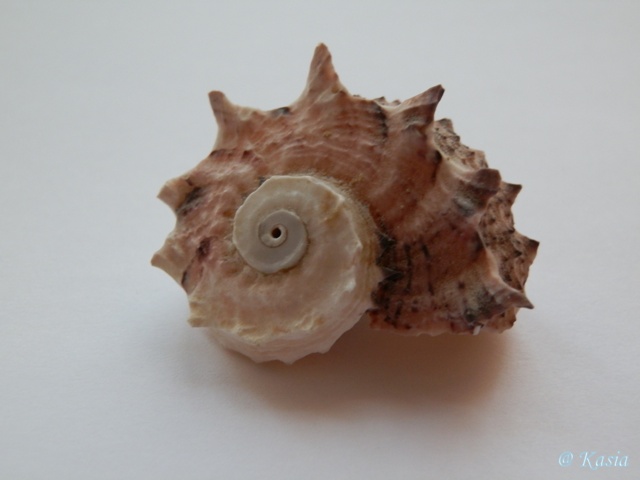
KASIA’S MYSTERY ABACO SHELL: A PUZZLE FOR XMAS


KASIA’S MYSTERY ABACO SHELL: A PUZZLE FOR XMAS

Kasia’s beachcombing exploits have produced some lovely seashells that have already featured here. Precise identification has sometimes been difficult for an amateur, because of the many varieties of a particular type of shell or close resemblance to other shell families. This one has got me stumped. I have trawled the  internet. I have studied field guides. I’m still baffled. It hasn’t quite matched any other shell…

XMAS PRIZE the first person to ID this shell correctly will enjoy a bottle of ice-cold Kalik being drunk on the Delphi balcony swing in February 2012. By me. Suggestions to rollingharbour.delphi@gmail.com welcome

STOP PRESS: NOW SOLVED – SEE UNDER IMAGES

Helpful thoughts: I’ve considered a  form of King’s Crown (but I’ve not found a close enough match) or a Ram’s Horn Snail (but they don’t seem to have spines)

First entry by Kasia (potentially disqualified as the shell’s owner): Angaria, a form of Turban shell. However these seem to be confined to Pacific areas…

The Solution:  And the winner (within 24 hours) is… Kasia!

I sent the link to the post to Bahamian seashell expert Colin Redfern at http://www.bahamianseashells.com, author of ‘Bahamian Seashells: 1000 Species from Abaco, Bahamas’. He confirms Kasia’s ID as an ANGARIA SHELL , one of a large number of species of turban shells TURBINIDAE found throughout the world. It is indeed a Pacific shell, probably from the Philippines. So what on earth was it doing on a beach on the east coast of Abaco? Colin has encountered this sort of anomaly before, and gives various possible explanations:

1. Homeowners’ shell collections come from areas other than the Bahamas & are sometimes thrown out onto a beach. They may be washed up along the coast

2. Shops sell packets of shells, including Pacific shells, which may become dispersed

3. In Fl. it is not unknown for resorts to “seed the beach” with Pacific shells, which are cheaper & more easily bulk-bought than Atlantic shells

4. Rare Pacific & Indian Ocean shells washed up on a beach were once traced to the owner, whose beach house had been lost in a hurricane some years before

Many thanks, Colin, for your help with this puzzle; and congratulations Kasia – I’ll claim my Kalik in February please. Oh I see, I’ve got to buy you one, have I?

Unknown's avatar

PETERSON CONCISE GUIDE TO SHELLS OF NORTH AMERICA: REVIEW


PETERSON CONCISE GUIDE TO THE SHELLS OF NORTH AMERICA

This pocket guide is part of the well-known Peterson series of natural history guides. It’s called a ‘First Guide’ to denote its ‘beginner’ / condensed status, and to distinguish it from the serious business of the excellent and comprehensive Peterson Field Guides (I shall review 2 of these in due course. When I have read them. In 2012).                                  rh rating **

SUMMARY: this 128pp ‘concise field guide to 224 common shells of North America’ is a simple pocket guide, with quite basic descriptions, and colour drawings rather than photos. All the main gastropod and bivalve species are represented, each with a few variants. The vast majority of these will be found on Abaco and more generally in the northern Bahamas. For the used price I paid for a 1989 edition with a creased front cover (1 pence + P&P on Amazon UK!) I have actually found it quite useful for comparing or confirming IDs, or for snippets of additional information. However, it’s not the one to rely on entirely to identify your beachcombing finds or to get species details. Apart from anything else the illustration colouring is often somewhat approximate. At best, I’d say it’s a useful preliminary tool for ID on the beach if you don’t want to lug a much larger field guide around with you. Don’t use it for your doctoral thesis. Overall, some use, but not a great deal. There are better books: see FISH & SHELL BOOKS

Unknown's avatar

DELPHI CLUB ABACO & ARIST RICHARD BRAMBLE: BONEFISH, CRAWFISH & PERMIT ART


Well-known artist Richard Bramble already features in his own page here under the CONTRIBUTIONS drop-down menu. For the previous post of RB hard at work on new designs at the Delphi Club CLICK EXAMPLE PHOTO BELOW

RB and Crawfish model posing (both)

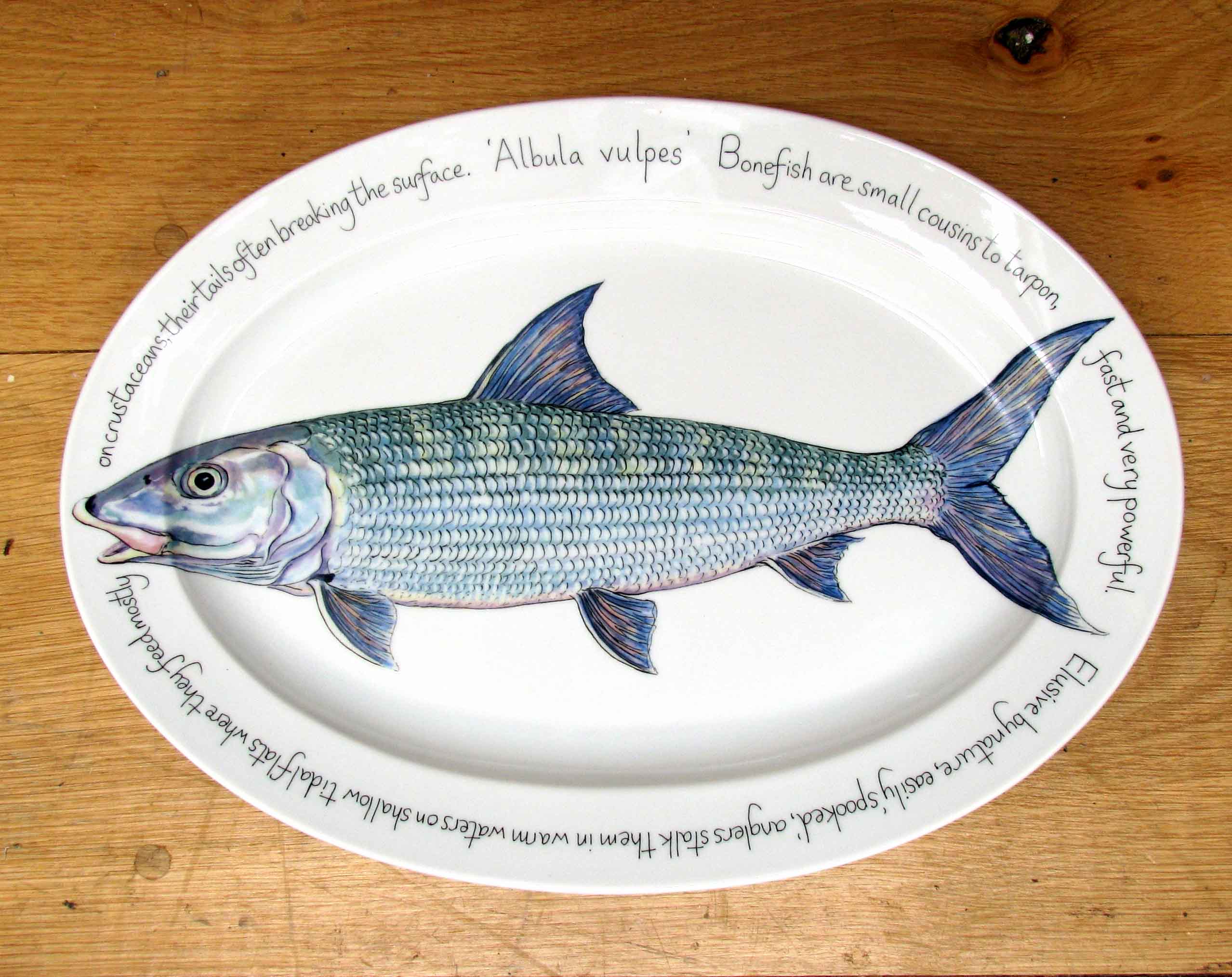
Richard has broadened his already considerable range of paintings and ceramics to include the Abaco marine life he painted while at Delphi. In addition to his very elegant Bonefish, there are now Permit and Crawfish plates (with the original ‘life model’ pictured above). Some weeks later I was at Richard’s studio in Dorset as he prepared to transfer these designs to ceramics, with crawfish cut-outs artfully strewn around the floor. Here are his new items, with his characteristic captions:

 (I have an oval bonefish plate to remind me of the ones I… I…’let go’ by mistake)

Richard’s comprehensive website featuring his entire oeuvre is to be found at the sign of the Crawfish   together with an elementary purchase method to take advantage  of the excellent online shopping opportunities (he might be too modest to say). I write this with Christmas-tide a mere 2 weeks away. You’ll find sea water and fresh water fish / creatures, shells, all manner of game birds and farmyards animals, on every conceivable type of ceramic platter, utensil and kitchen gizmo. 

(With apologies that this site seems t0 be turning into a cross between an online Mall and an advertising agency… Nature Tours. Boat Expeditions. Arts & Crafts. Kitchenware. Books. Cameras. Yup, ticked them all. But there’s plenty of other stuff to look at in these pages)

Unknown's avatar

MUREX & TRITON SHELL COLLECTING ON ABACO WITH KASIA


PAGE REWRITE IN PROGRESS

MUREX (MURICIDAE) & TRITONS (RANELLIDAE) 

1. MUREX SHELLS (Muricidae)

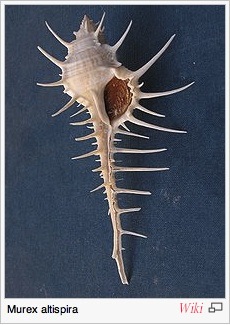
This is a vast family of shells worldwide, with many subspecies, each of which has many regional variations. Or even variations of the same subspecies on the same beach. Many have beautiful delicate spines or intricate shapes and elaborate patterns, like the pacific one shown

These molluscs are described as ‘voracious rock scavengers’ and exhibit uninhibited psychopathic tendencies. If you have a nervous disposition, stop reading here; Sam Peckinpah missed a great film collaboration with Jacques Cousteau with these vicious little creatures

10 ESSENTIAL YET GRISLY MUREX FACTS

  • Murex are highly carnivorous with rasping teeth, and drilling equipment for boring into the shells of their prey
  • A determined Murex may take up to 5 days to drill into its prey
  • Murex also use their foot to smother prey, or to crush it by using suction power
  • They eat clams by hoovering them up with their foot and smashing them on rocks to get at the occupant
  • They happily eat sea-floor carrion and sea-kill
  • Murex act in packs to carry out raids on unsuspecting beds of clams, which they feast on avidly
  • They are sexually wanton. Females store sperm from different males for many months, eventually producing embryos with different dads (I’m not making this up. I would like to have done so)
  • Cannibalism occurs. The kids are equally prone to extreme delinquency and are happy to eat each other when peckish
  • Some species of murex secrete a fluid that is believed to be used to drug their prey into paralysis
  • That same fluid (Murex / Mucus) is also used as a dye, ‘Tyrian’ or ‘Royal’ Purple, which can be ‘milked’ from a living murex (the Aztecs & Phoenicians did this). I’ll pass on that

NEW: VIDEO of how to obtain dye from a Murex

 KASIA’S BEACHCOMBED ABACO MUREX SKELETON

TWO MUREX SHELLS OF MINE (NOT FROM ABACO) FOR COMPARISON  DETAIL OF COLOUR & SHINE

2. TRITON SHELLS (RANELLIDAE)

KASIA’S TRITON TROPHY FROM CASUARINA, ABACO

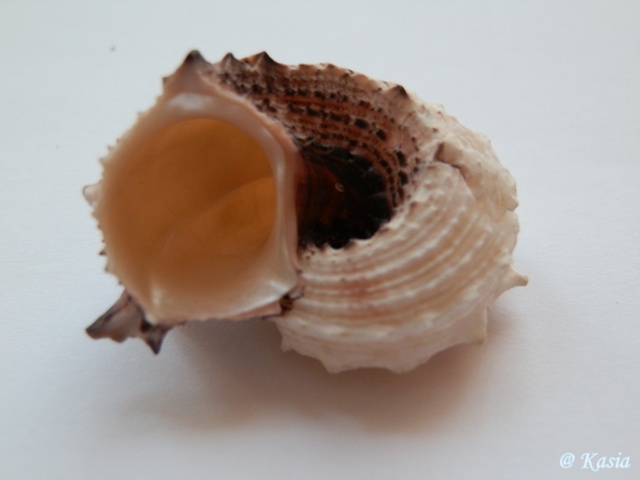
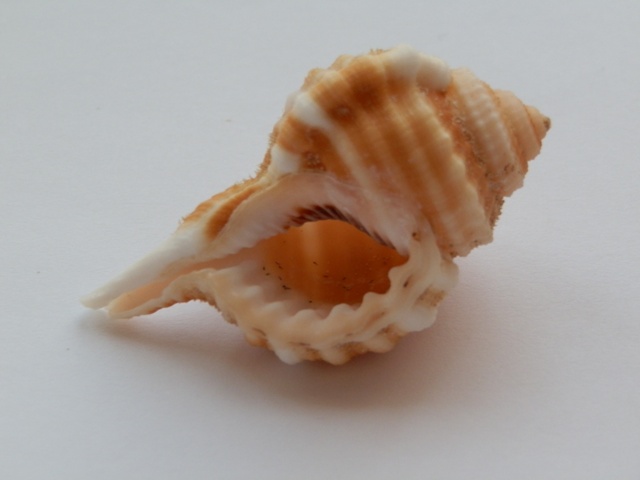
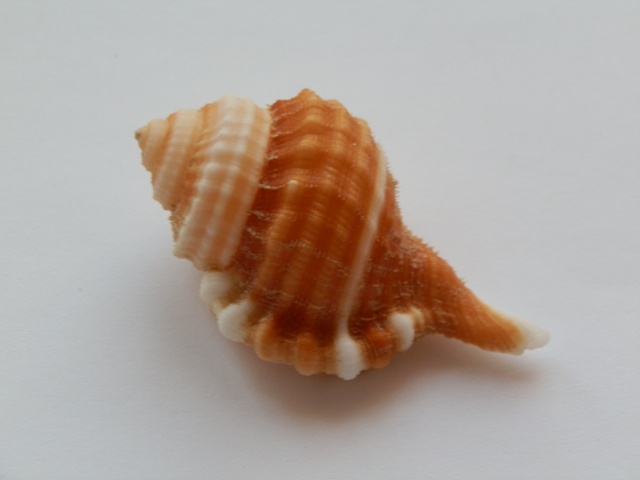
Here is another shell from Kasia’s beachcombing in the Casuarina Point area on Abaco. I’ve never seen one like this. I thought it was a TROPHON, a variety of the huge MUREX family. As I wrote, there are more than 30 types of trophon world-wide, many with a similar configuration, though I hadn’t managed to find one with a similar colouring and shell growth-pattern yet. I invited  confirmation or correction, which Colin Redfern kindly provided. It is in fact a fine example of a…


DOG-HEAD TRITON Cymatium cynocephalum

ANGULAR TRITON Cymatium femorale                                                                                A different sort of triton found by Kasia


Unknown's avatar

SCOTCH BONNET SHELLS (Phalium / Semicassis) ON ABACO


Scotch bonnets (or ‘ridged bonnets’) Semicassis granulata or Phalium granulatum are a medium-sized species of sea snail found in the tropical and subtropical western Atlantic from North Carolina to Uruguay. They are predators, foraging on sandy stretches of the ocean floor for echinoderms such as sand dollars, sea biscuits, and other sea urchins (Caution: ‘Oxford comma’)

 SCOTCH BONNET FACTS
  • It takes approximately six years for a Scotch bonnet to mature
  • The shells grows 2 – 4 ins long (5 – 10 cm), showing distinct growth stages
  • Scotch bonnets live on sand, usually in fairly shallow water (but see below)
  • The more a Scotch bonnet eats the more elaborate its shell, the glossier its sheen & the brighter its colours (research suggests this doesn’t work for humans)
  • Divers frequently find Scotch bonnets at depths of 50 – 150 feet (15 to 46 m). Specimens have been found in depths up to 308 ft (94 m)
  • Shipwrecks provide a good habitat for this species
  • Crabs are its main predators, crushing the shell to get at the occupant. Since the snails’ main defence mechanism is to withdraw into their shells, they urgently need to evolve a new tactic
  • The empty shell of this sea species is often used by hermit crabs
  • In 1965 the state of North Carolina made the Scotch bonnet its official state shell, in honor of the Scottish settlers who founded the state

The ridge on my shell, below, may be somewhat unusual. I haven’t found any images showing such a very distinct dorsal growth, though many show a sort of fault line there. STOP PRESS shell expert Colin Redfern explains: The dorsal ridge on your shell is a varix, indicating a previous position of the outer lip during the growth process. Varices on Scotch Bonnets are usually thicker (as in the image above).”

dear wiki: how kind to help

CASSIS RUFA (Cypraecassis rufa)

There are many different sorts of Phalium worldwide. By way of comparison, here is another type, Cassis Rufa, from the Pacific (commonly, east Africa to New Guinea). It’s colloquially known as a Bullmouth, Red Mouth or Grinning Mouth Helmet –  and also as a ‘Cameo Shell’, because it is often used for making cameos (see eBay for examples)

        [rh provenance / historical note: it’s not an area I’ve ever been to, nor am I likely to go. This shell was collected by my late father-in-law when he oversaw the building of the original Gan airstrip on Addu Atoll (Maldives) in… in…. many years ago, as a naval project. It is now ‘Gan International Airport’ and sells giant Toblerone & ‘Parfum de Jordan’ from the Katie Price ‘Scentsless’ range]
Unknown's avatar

BEACHCOMBING AT THE DELPHI CLUB, ABACO – CORAL & NERITES


CONTRASTING CORAL SKELETONS

These two different types of coral skeleton are from the northern end (and just beyond) of the Delphi beach. The red marking on the second coral is some kind of natural accretion, I think – I have temporarily lost the exact details somewhere on my hard drive, but doubtless they will turn up sooner or later… You will find these red patches on shells as well as coral

COMMON ROSE CORAL

ANY IDEAS  – OR IS THIS WORM-RELATED?

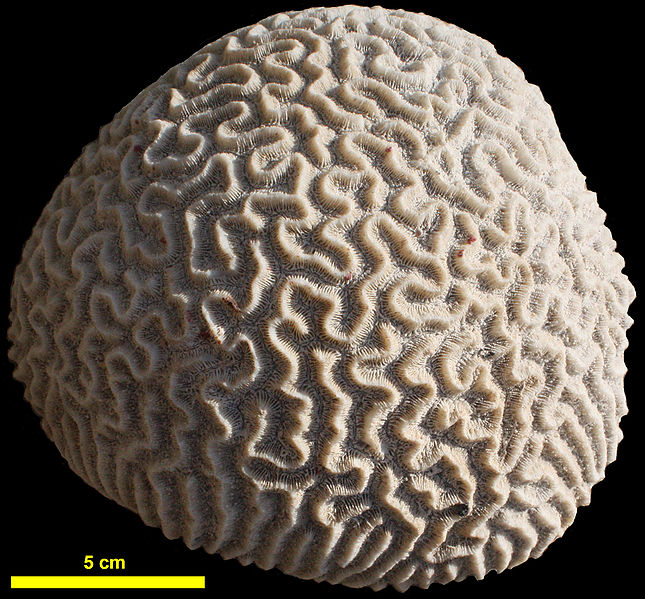
Another dramatic coral you may come across – not least because there are usually one or two in the beach-harvested collection on the steps down to the beach – is Brain Coral (Diploria). Here is an example (Photo credit J. Stuby)

NERITES (Nerita)

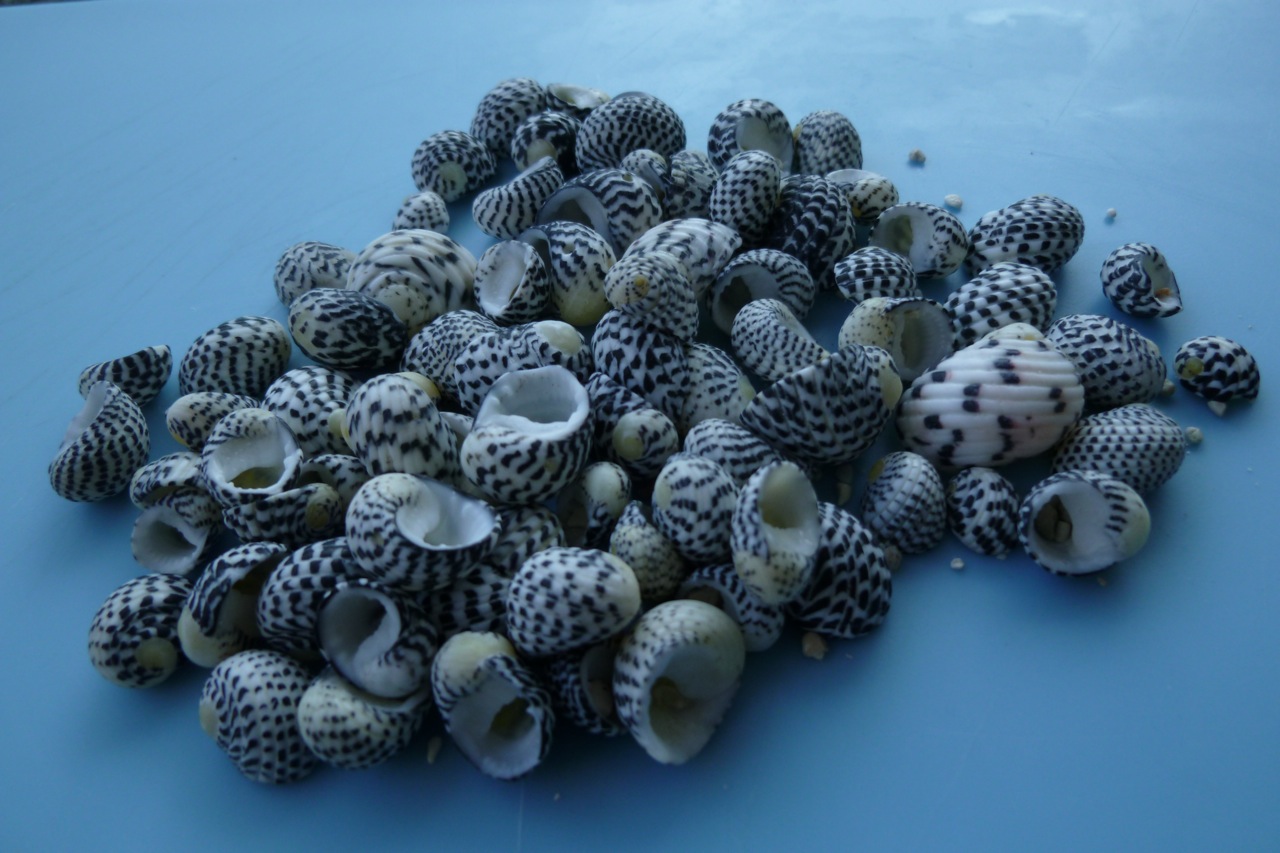
Nerites are small sea-snails (gastropod molluscs) found in tropical waters around the world. Precise ID of the many types is confused by the different names used for many of them, both taxonomic and local. The majority of the black and white nerites in the pile below, all collected from the Delphi beach, are Checkered Nerites (Nerita Tessellata). In the heap there are a few larger whiter shells with red markings, which are the Four-Toothed Nerite (Nerita Versicolor).

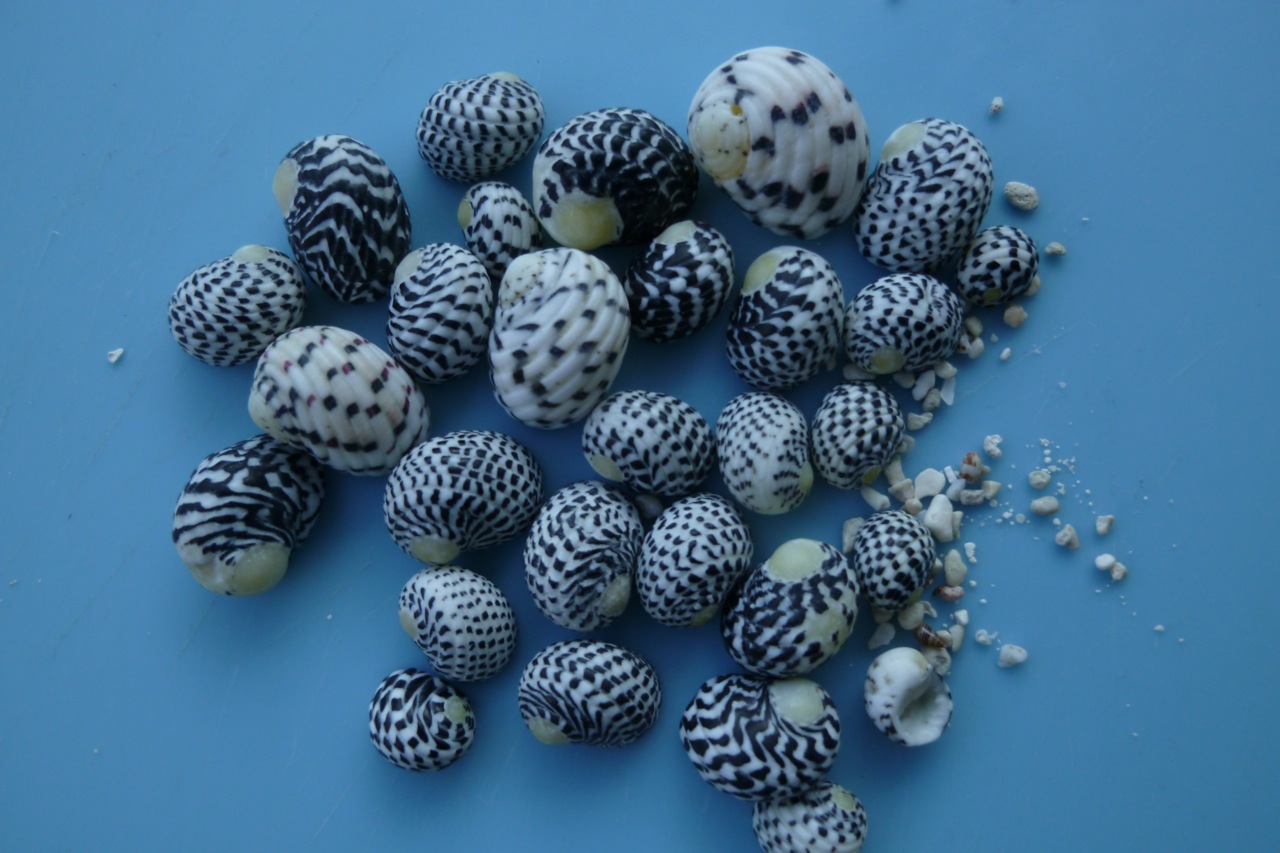
Here are some of the above shells showing their varying patterns and sizes, seen with a few grains of sand for comparison. The 3 larger whiter ones with the flecks of red on them are the Four-Toothed Nerites.

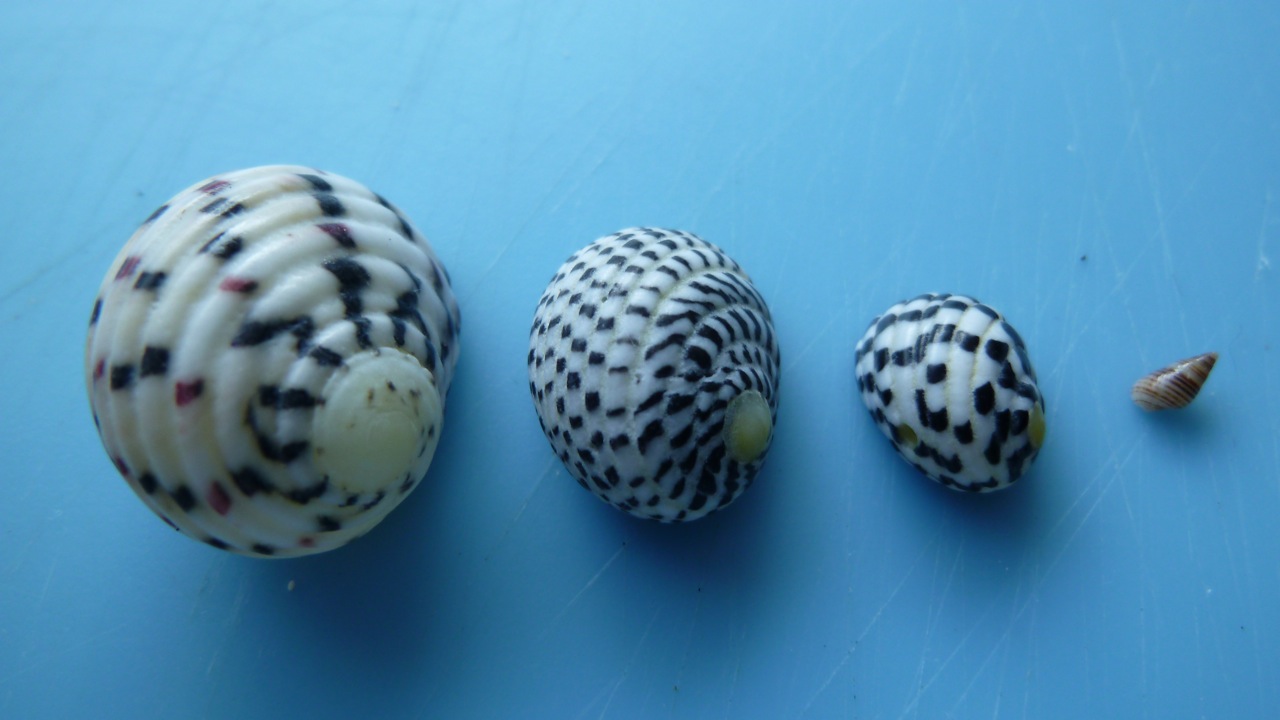
Here are 3 example shells in close-up, together with a tiny, perfect Dwarf Atlantic Planaxis (Hinea lineata) at the end (previously misidentified as a Littorine). I didn’t notice it until I was sorting through the shells – in fact you can just see it towards the bottom right of the previous photo, above the small nerite that’s on its back. It may even have fallen out of a nerite, as did many of the sand grains.

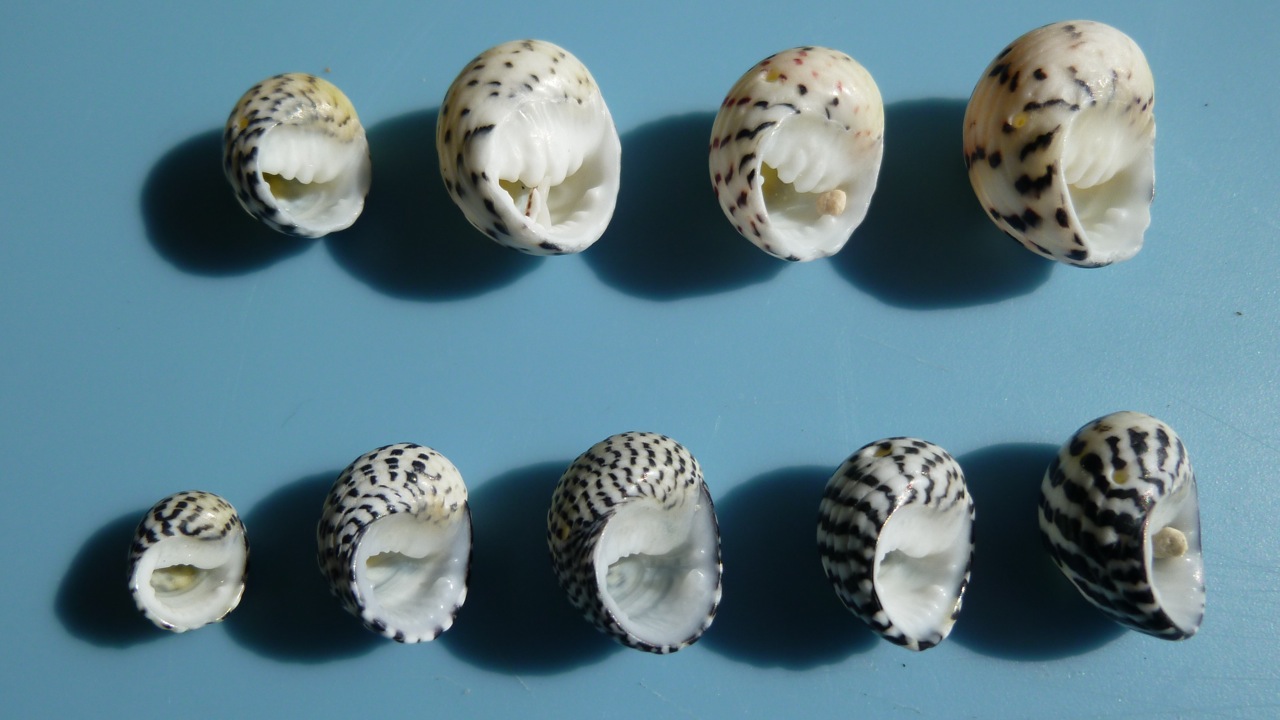
These four upturned nerites show the dentate entrance, common (to a greater or lesser extent) to most nerites – maybe all. The top row are Four-toothed Nerites; the bottom row are Checkered Nerites. Another Nerite type found in the Bahamas is the Bleeding-tooth nerite (Nerita Peloronta). These are similar to the top ones, but have vivid orangey-red markings on the ‘teeth’ – hence their name.

Nerites, sand grains and the Planaxis: size comparison

A close up of the Planaxis, showing how amazingly detailed the pattern of such a tiny shell can be

All this may sound a bit learned and somewhat solemn. Dull even. In fact I had absolutely no idea about any of the above details until I got these shells out of their glass jar last week to photograph (apologies for using a chopping board) and did some digging… So if any shellologists or neritophiles read this and have corrections to suggest, be my guest… Use the comment box or the email address on the CONTACT page. ADDENDUM: many thanks to Colin Redfern for confirming the small nerites as Checkered, as opposed to Zebra; and the ‘littorine’ as a Dwarf Atlantic Planaxis Hinea lineata