Unknown's avatar

FIVE STARS: BAHAMAS ENDEMIC BIRDS (FOUR FROM ABACO)


20130106_Bahamas-Great Abaco_4846_Bahama Yellowthroat_Gerlinde Taurer copy

Bahama Yellowthroat (Gerlinde Taurer)

FIVE STARS: BAHAMAS ENDEMIC BIRDS (FOUR FROM ABACO)

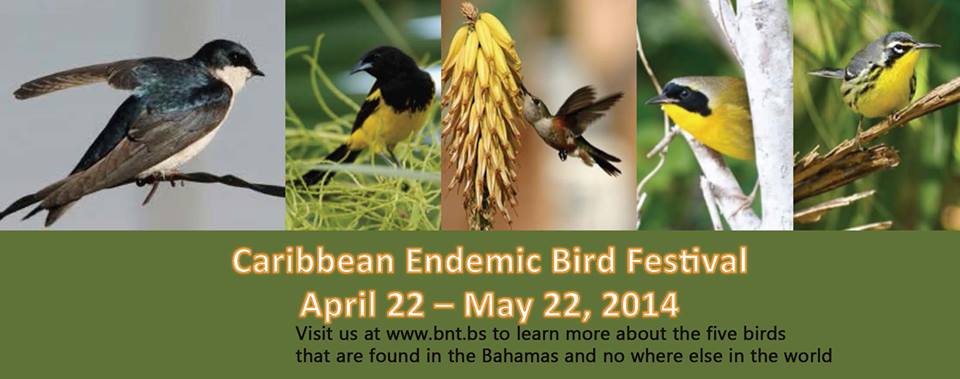
The Caribbean Endemic Bird Festival is underway. You can find out more on the CARIBBEAN BIRDS FESTIVALS Facebook page. Abaco is fortunate to be home to 4 of the 5 endemic Bahamas species. The fifth, the beautiful BAHAMA ORIOLE Icterus northropi, was found on both Abaco and Andros until the 1990s, when it sadly became extirpated from Abaco. Now found only on Andros, there are thought to be fewer than 300 Orioles left – a barely sustainable number. The species is unsurprisingly IUCN listed as critically endangered. Here’s a picture of one as a reminder of what Abaco is now missing…
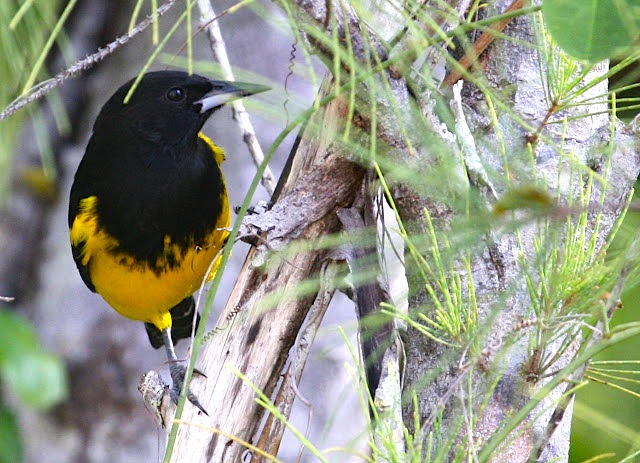
Bahama_Oriole (Wiki)

Bahama Oriole

10302060_10152308854900862_2019057607431310750_n-1

Abaco’s four endemic species are the tiny Bahama Woodstar hummingbird, the Bahama Yellowthroat, the Bahama Warbler (since 2011), and the Bahama Swallow. All are of course permanent breeding residents on Abaco and its outer Cays. None is exclusive to Abaco; all are relatively plentiful. The Woodstar is perhaps the hardest to find, not least because it competes territorially with the Cuban Emerald hummingbird. Even Woodstars can be found easily in some areas – Man-o-War Cay is a good place for them, for example. Here are some striking images of these four endemic bird species taken from the archives for “The Birds of Abaco” published last month. 

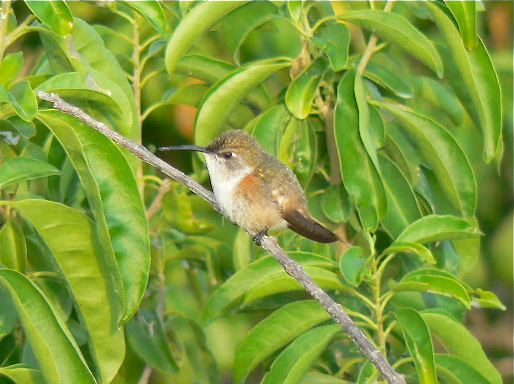
BAHAMA WOODSTAR Calliphlox evelynae 

Bahama Woodstar male 3.1.Abaco Bahamas.2.12.Tom Sheley copy

Bahama Woodstar (m) (Tom Sheley)

Bahama Woodstar (f) TL IMG_3213 2

Bahama Woodstar (f) Tara Lavallee

BAHAMA YELLOWTHROAT Geothlypis rostrata

Bahama Yellowthroat vocalizing.Abaco Bahamas.Tom Sheley

Bahama Yellowthroat (Tom Sheley)

Bahama Yellowthroat (M) BH IMG_0675 copy

Bahama Yellowthroat (Bruce Hallett)

BAHAMA WARBLER Setophaga flavescens
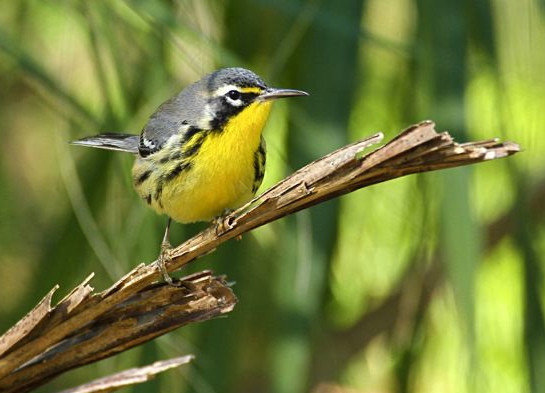
Bahama Warbler BH IMG_8398 copy - Version 2

Bahama Warbler (Bruce Hallett)

Bahama Warbler WB P1001012 copy

Bahama Warbler (Woody Bracey)

BAHAMA SWALLOW Tachycineta cyaneoviridis
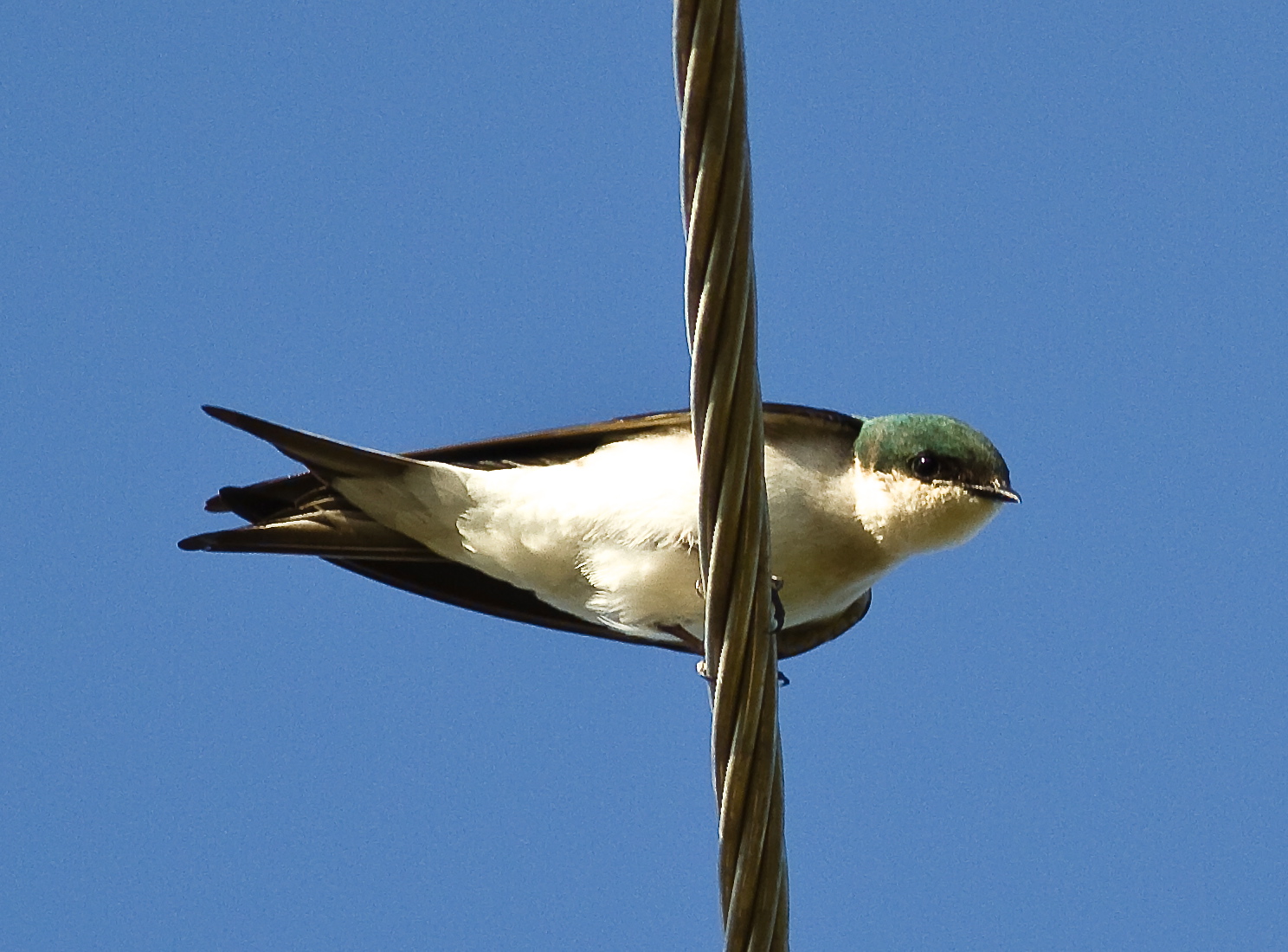
Bahama Swallow CN

Bahama Swallow (Craig Nash)

bahama-swallow EG  copy

Bahama Swallow (Erik Gauger)

“The Delphi Club Guide to the Birds of Abaco”  was published as limited edition of 500 and has only been for sale for 8 weeks or so exclusively through the Delphi Club. Yesterday, we passed a happy milestone in that short time as the 250th copy was sold. Complimentary copies have also been donated to every school and relevant education department on Abaco to tie in with the excellent policy of teaching children from an early age the value of the natural world around them, the importance of its ecology, and the need for its conservation. The cover bird for the book was easy to choose – it just had to be a male Woodstar in all his glory with his splendid purple ‘gorget’. 

Bahama Woodstar (m) BH IMG_0917 copy

Bahama Woodstar (m) Bruce Hallett

JACKET GRAB JPG

Image credits as shown; otherwise, ‘cover bird’ by Tom Sheley, Bahama Oriole from Wiki and CEBF flyer from the Bahamas National Trust

Unknown's avatar

ABACO: AN IMPORTANT BIRDING AREA IN THE BAHAMAS


Abaco (Cuban) Parrot 2013 11

Abaco (Cuban) Parrot

ABACO: AN IMPORTANT BIRDING AREA IN THE BAHAMAS

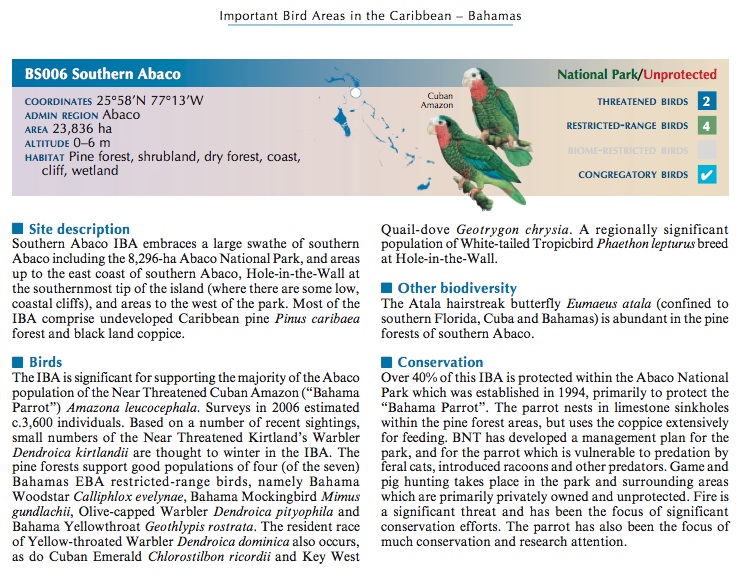
The Bahamas National Trust BNT is one of several organisations in the Bahamas responsible for conservation across the widely scattered islands of the Bahamas. One of its tasks is to look after the birds and their habitat, and from time to time the Trust publishes articles about their work. The Abaco-related material below is taken from a much longer article by Predensa Moore and Lynn Gape that covers the whole area, and concerns the importance of Abaco as a prime Bird Area. This applies in particular to Little Abaco and the Northern Cays; and to the large area of South Abaco that incorporates the National Park. The bird images used show some Abaco speciality birds mentioned by the BNT in their material. 
BNT BIRD ARTICLE 2 JPG copy

BAHAMA MOCKINGBIRD Mimus gundlachiiBahama Mockingbird, Abaco 3BNT BIRD ARTICLE 3 JPGBAHAMA WOODSTAR Calliphlox evelynae              Bahama Woodstar BPS BNT BIRD ARTICLE 4 JPGBAHAMA YELLOWTHROAT Geothlypsis rostrataBahama Yellowthroat Abaco 8 BNT BIRD ARTICLE 5 JPG

CUBAN EMERALD Chlorostilbon ricordiiCuban Emerald Hummingbird, Delphi, Abaco 1Credits: BNT; Bahama Woodstar, Ann Capling with thanks; the rest, RH

Unknown's avatar

FINE FEATHERS (1): ABACO BIRD ‘PICS’ OF 2013


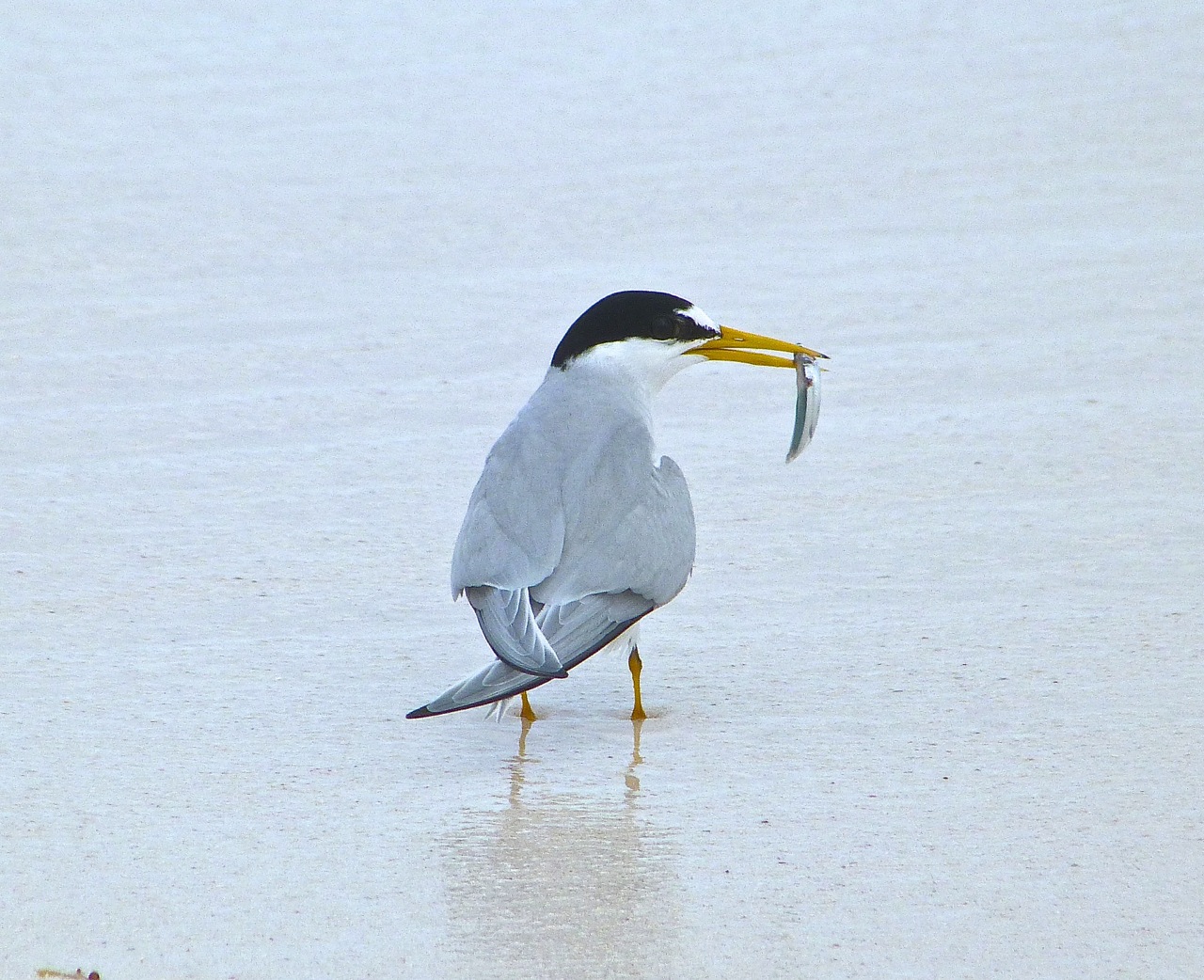
Least Tern, Abaco

FINE FEATHERS (1): ABACO BIRD ‘PICS’ OF 2013

The Least Tern in the header image was a stroke of luck. I was watching plovers on the beach when it landed on the tideline with a small fish in its mouth. I just had time to point the camera and fire off 3 shots before it flew off again. This was the only usable image. I liked the fish, of course, and the way its little legs made a dent in the wet sand.

This Black-necked Stilt was attempting to distract me from a nearby nest, which I’d have known nothing about until it tried to distract me. It zig-zagged towards me, striding through the water while yelling,  and then took off and flew at my head! Twice. I moved away…Black-necked Stilt, Abaco

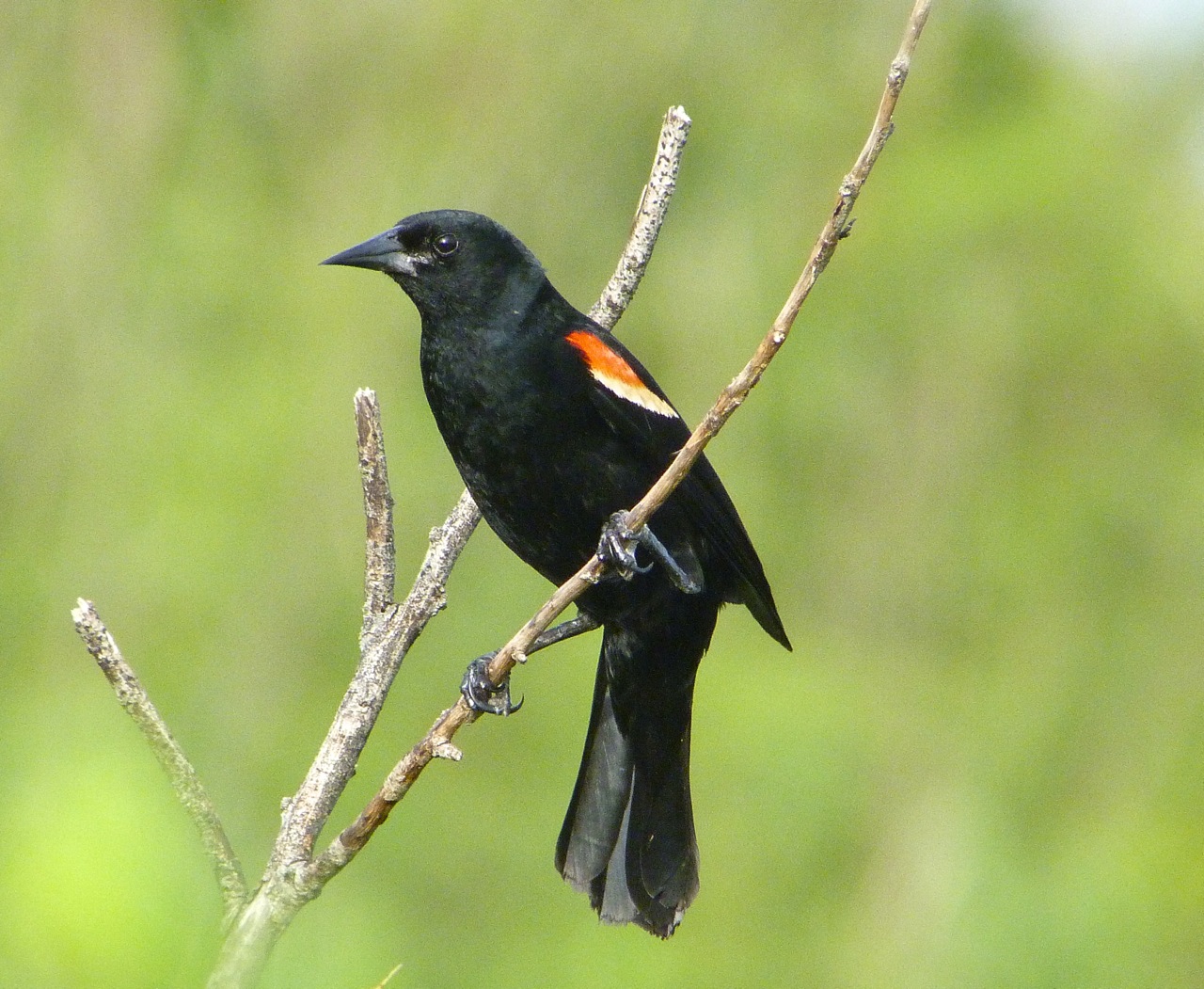
An effortlessly elegant Red-winged BlackbirdRed-winged Blackbird, Abaco

A Reddish Egret (white morph)  in the mangroves out on the Marls takes a call on its cellphoneReddish Egret (White Morph), Abaco Marls

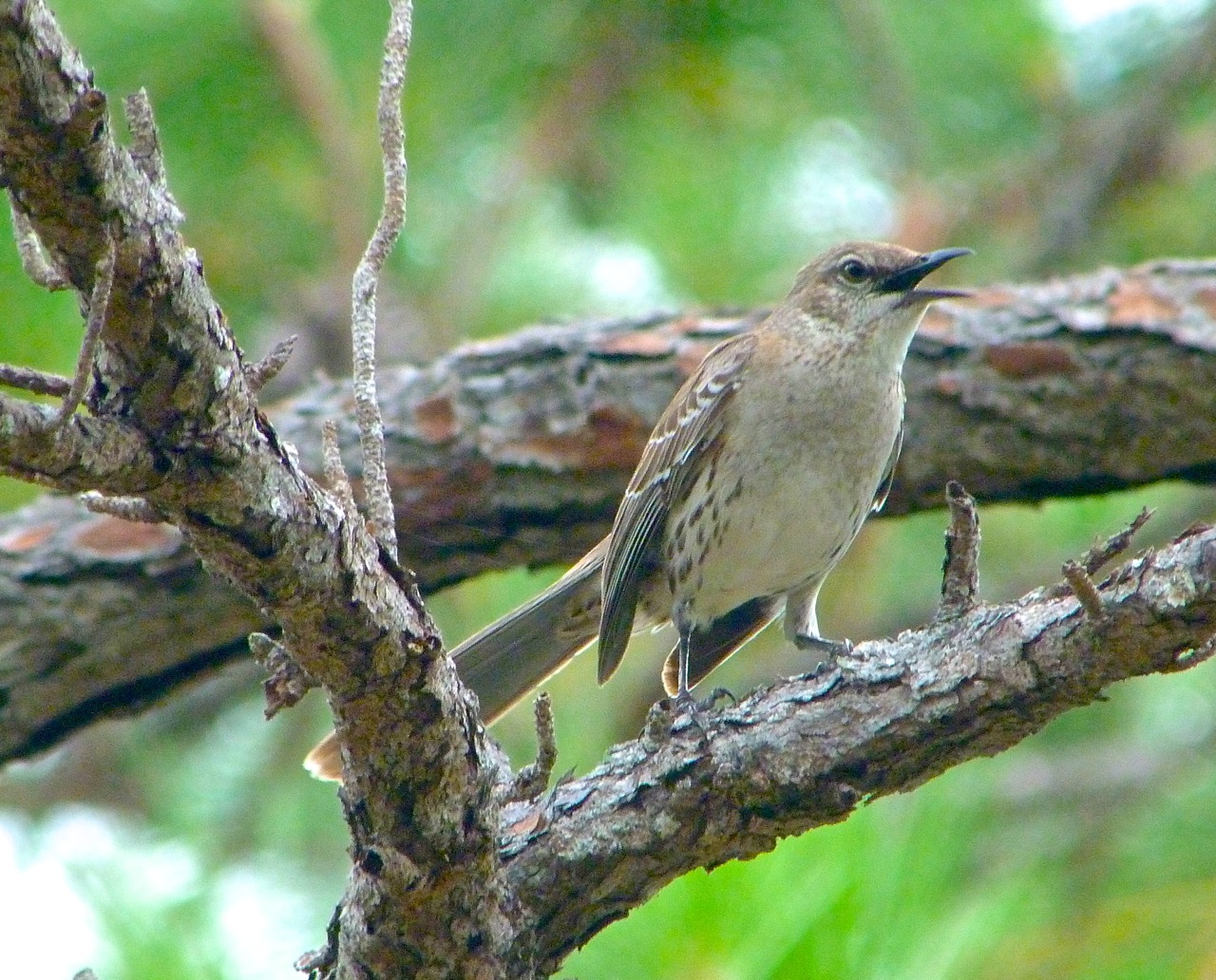
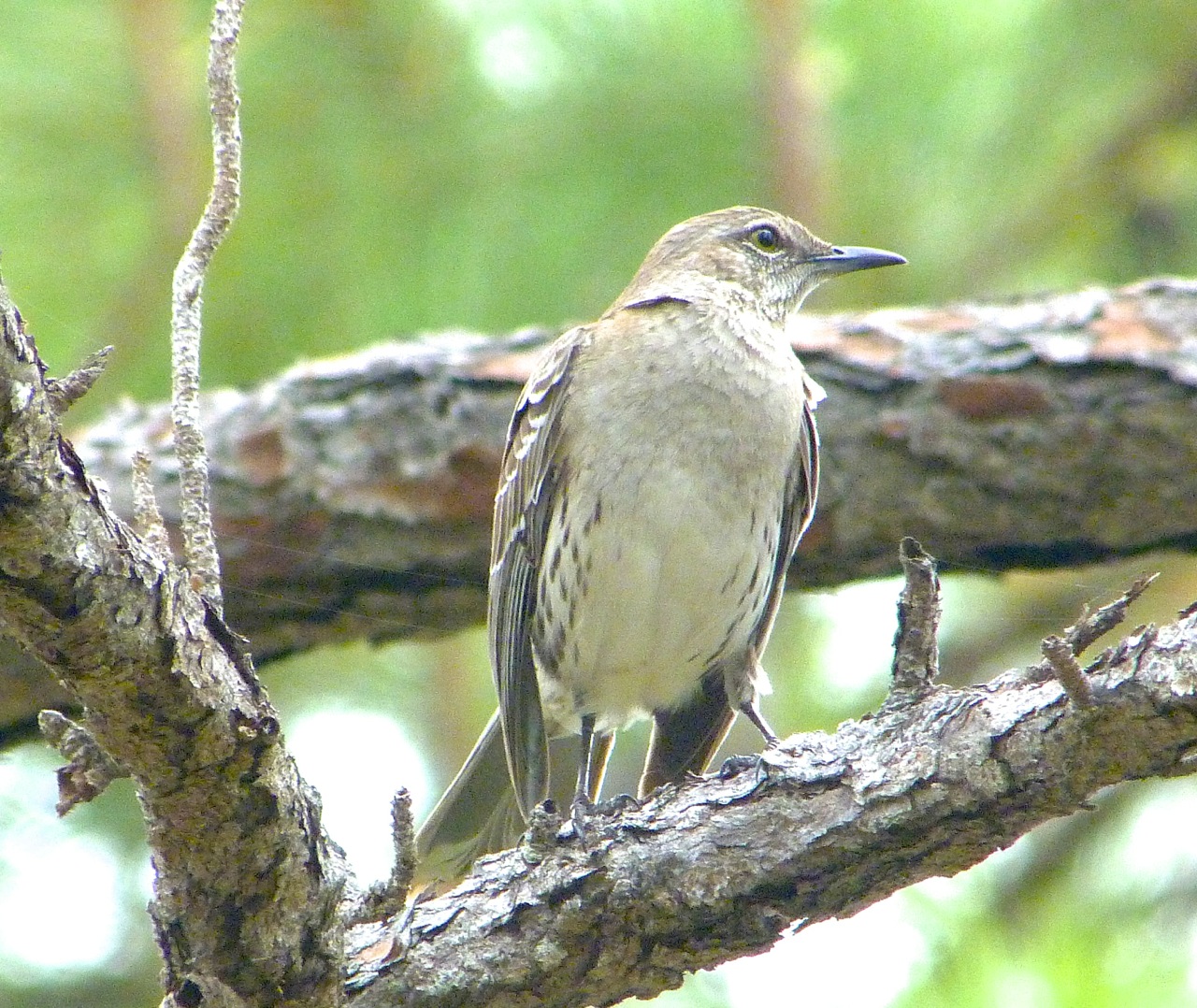
A Bahama Mockingbird deep in the pine forest of the Abaco National ParkBahama Mockingbird, National Park, Abaco

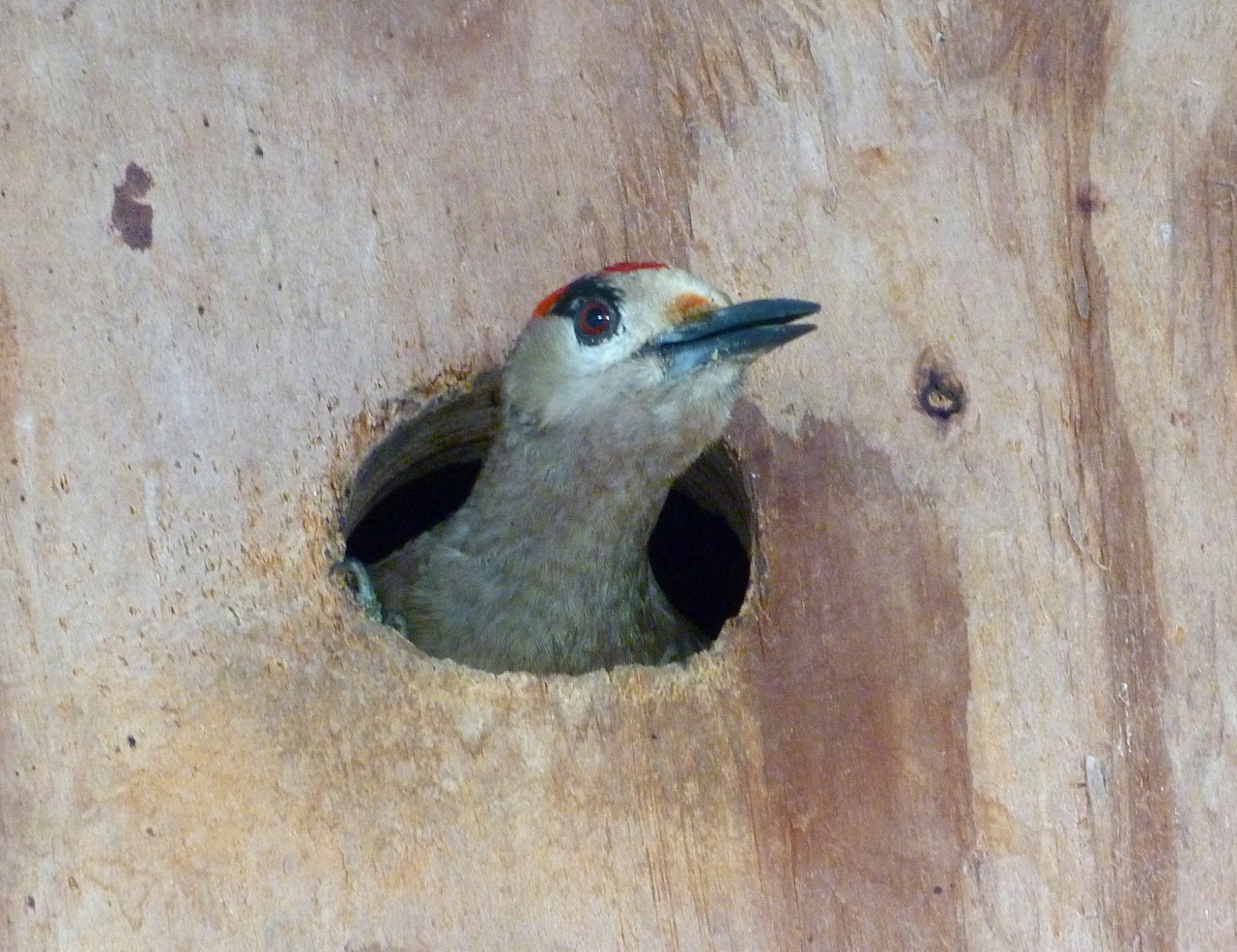
A baby West Indian Woodpecker takes a look at the wide world from its nest box. Within a week, it and 4 other chicks had flown. West Indian Woodpecker chick in nest box, Abaco

A Red-legged Thrush in full songRed-legged Thrush, Abaco

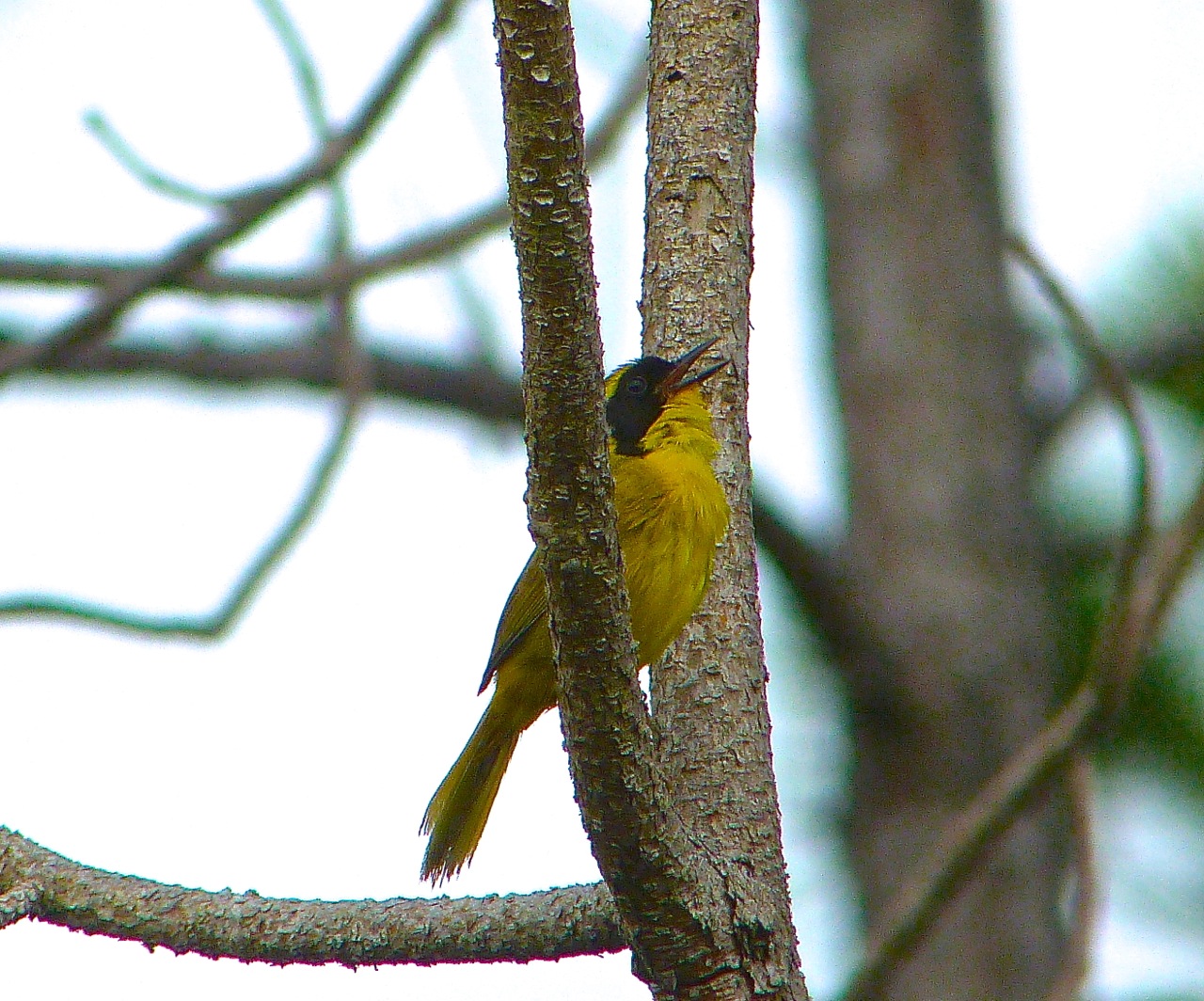
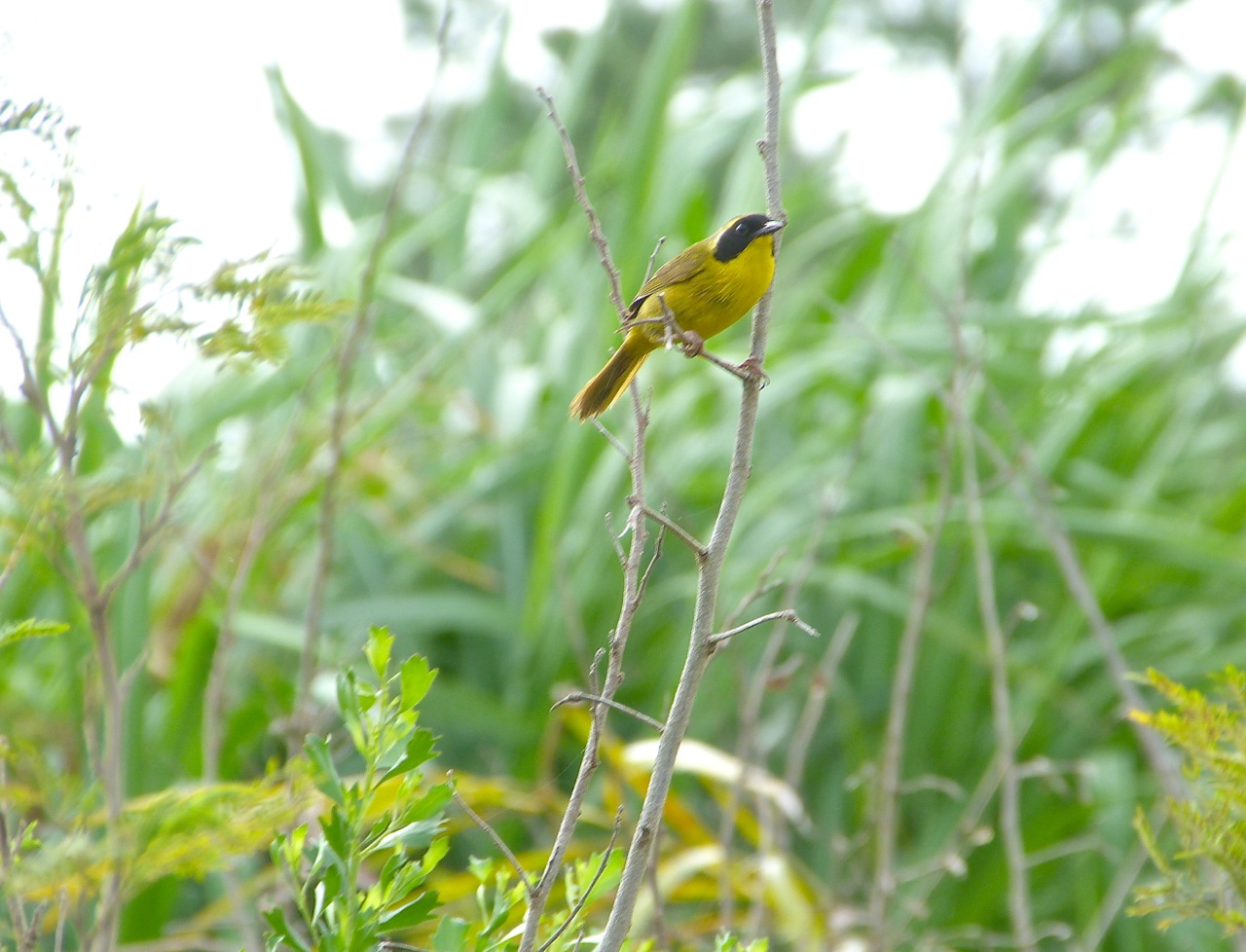
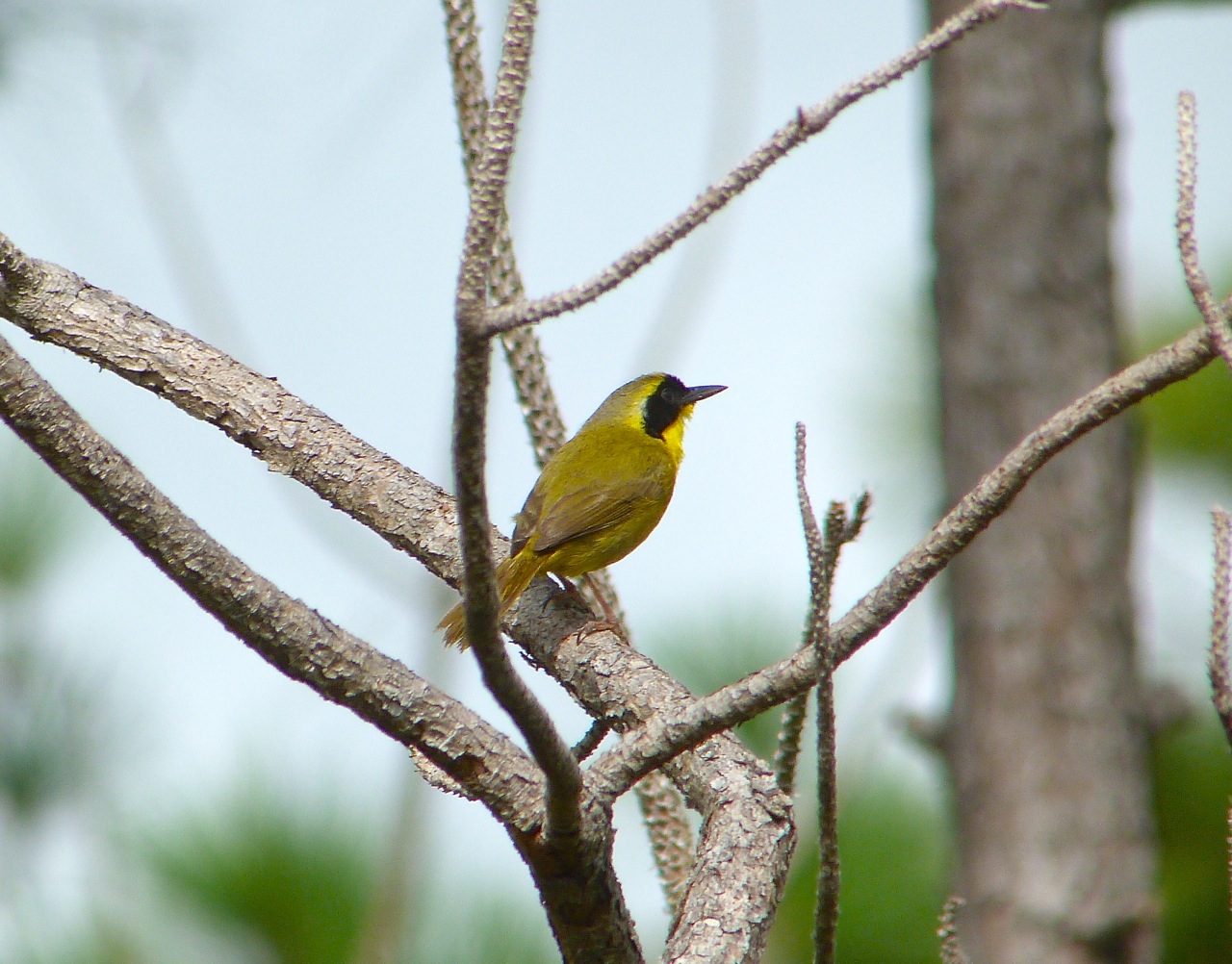
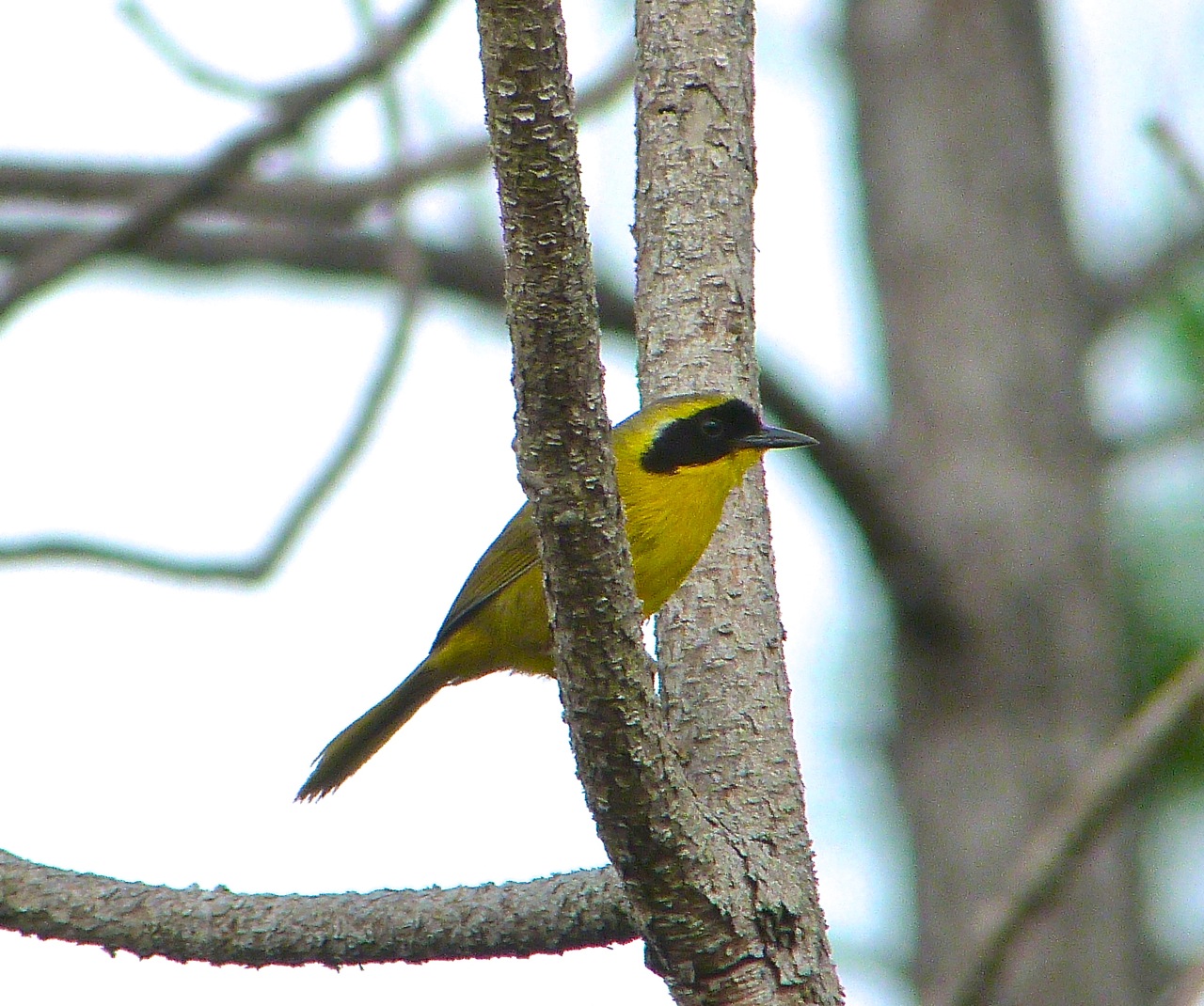
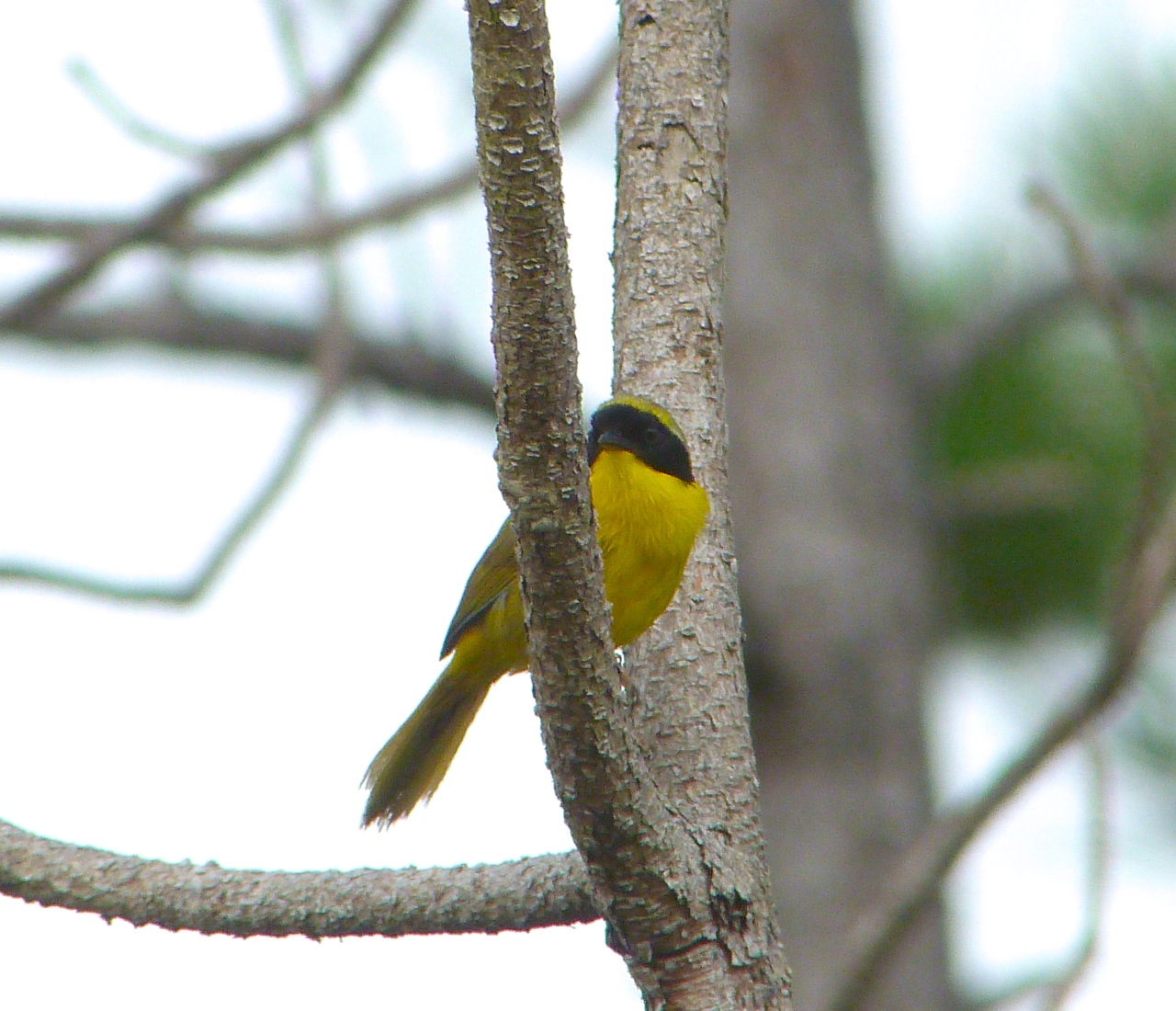
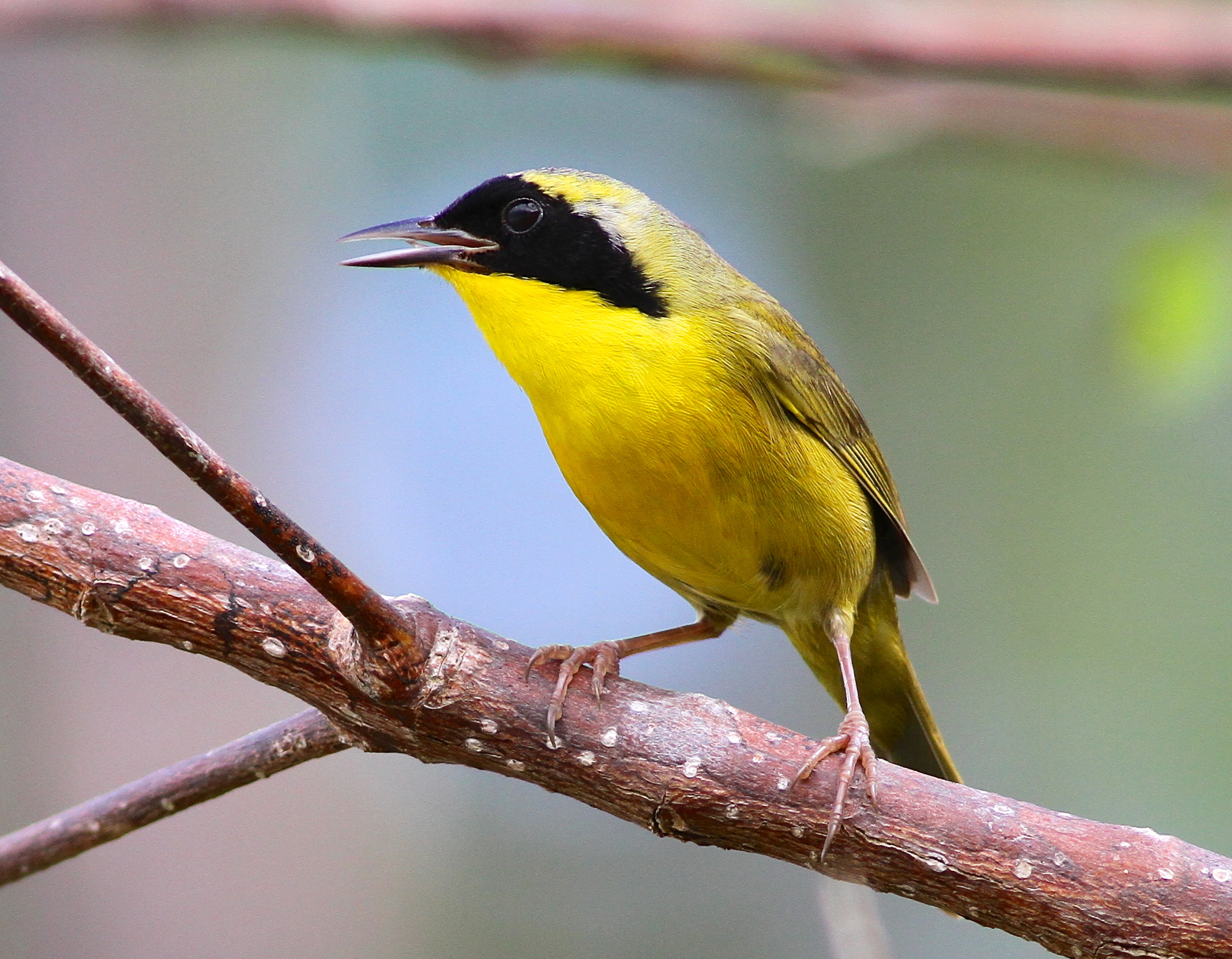
The Bahama Yellowthroat is one of 4 endemic species on Abaco. Only the males have the striking Zorro mask. They are shy birds, but also inquisitive. I learnt to imitate their call (not difficult) to bring them out of scrub and bushes. Once out, they liked to take a good look from a safe distance.Bahama Yellowthroat, Abaco

Unknown's avatar

PHOTOGENIC ENDEMICS: BAHAMA YELLOWTHROATS ON ABACO


Bahama Yellowthroat Abaco 7

PHOTOGENIC ENDEMICS: BAHAMA YELLOWTHROATS ON ABACO

I’ve been keeping this little bird up my capacious avian-friendly sleeve for a while. In June we took a truck and headed for deep backcountry to the edge of the pine forests and beyond to see what we could find in the way of birdlife. Good choice – the answer was ‘plenty’.Bahama Yellowthroat Abaco 5

Among the birds we encountered were the endemic Bahama swallows, hairy woodpeckers, red-tailed hawks, kingbirds, red-legged thrushes, red-winged blackbirds, western spindalises, tobacco doves, La Sagra’s flycatchers, crescent-eyed pewees with a nest and eggs, a wonderful ‘booming display’ by antillean nighthawks courting during an early evening fly hatch**… and Bahama yellowthroats Geothlypis rostrata.Bahama Yellowthroat Abaco 1

The illustrative photos are of poor quality, but rather than blame my camera (as I am only too ready to do), I plead ‘overexcitement’ in mitigation. Of the 4 endemic species on Abaco, this was the only one I’d never seen. There was a tweeting noise on the edge of an abandoned sugar cane field (above), followed by  some rustling… and out fluttered this bird, crossing the track right by us and landing quite close to inspect us. Bahama Yellowthroat Abaco 2

This striking bird, with its Zorro mask and bright yellow body, is an endearing mix of shy and inquisitive. Only the males have the mask – the females are less colourful, though naturally equally interesting… Bahama Yellowthroat Abaco 8

Yellowthroats are responsive to pishing, and once lured from cover they may happily remain on low-to-medium height branches or on a shrub, watching you watching them.Bahama Yellowthroat Abaco 3

Their song is quite easily imitated, and that may also bring them into the open – a source of immense satisfaction to the amateur (me) if it works. Here’s an example, courtesy of my iPH@NE METHOD for bird recording. It’s the call at the start and the end.

The one we watched had plenty to sing about – it’s just a shame that my images are so poor, because in some you can see its tiny tongue. A bit too blurry, though, even by my own moderate standards for inclusion.Bahama Yellowthroat Abaco 4

At a formative stage of this blog, I did a short post about the endemic Bahama Yellowthroat and its comparisons with the similar and better-known Common Yellowthroat, which is also found in the Bahamas. You can read it HERE. There’s a female shown, a video, and an unacknowledged debt to Wiki or similar source, I can’t help but notice…Bahama Yellowthroat Abaco 6

**ANTILLEAN NIGHTHAWKS AND THE ‘BOOMING DISPLAY’

Common Nighthawk Photo “On summer evenings, keep an eye and an ear out for the male Nighthawk’s dramatic “booming” display flight. Flying at a height slightly above the treetops, he abruptly dives for the ground. As he peels out of his dive (sometimes just a few meters from the ground) he flexes his wings downward, and the air rushing across his wingtips makes a deep booming or whooshing sound, as if a racecar has just passed by. The dives may be directed at females, territorial intruders, and even people.” We found ourselves right in the middle of one of these astounding displays, with maybe 100 birds behaving exactly as described, often whooshing within inches of our heads. I’ll post some more about it in due course. Credits: Philip Simmons; All About Birds (Cornell Lab)

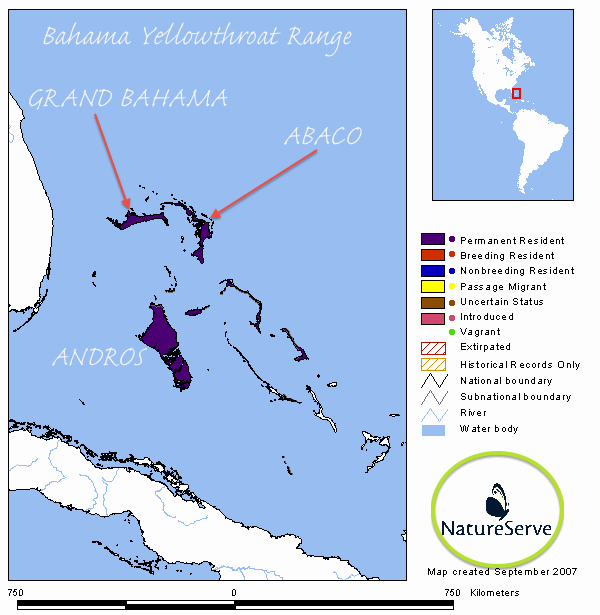
Toyota Truck, Abaco Backcountrygeothlypis_rostrata RANGE MAP