Unknown's avatar

BOTTLENOSE DOLPHINS IN ABACO WATERS (PART 1)


Bottlenose Dolphins, Rocky Point, Abaco (Keith Salvesen : BMMRO) 7

BOTTLENOSE DOLPHINS IN ABACO WATERS (PART 1)

DCB GBG Cover Logo dolphin

This seems to be a excellent early Spring for dolphin and whale sightings in Abaco waters. I’ve noticed that people have been posting dolphin sightings on FB recently. In our brief window of opportunity each March, I usually reckon to see 2 or 3 dolphins at most – maybe crossing over to Hope Town on the ferry, or more probably on a fishing trip. This year we saw 2 groups of about 6 off Cherokee while fishing, including calves. On another day, 4 adults made a leisurely progress the whole length of Rolling Harbour while we watched from the balcony of the Delphi Club. I don’t think they have ever been so close to the shore there before. The best was to come.Bottlenose Dolphins, Rocky Point, Abaco (Keith Salvesen : BMMRO) 3

Near the end of our trip Charlotte Dunn and Diane Claridge invited us to go out with them on the BMMRO research boat. This is equipped with a hydrophonic system that can detect the bleeps, whistles and clicks of cetaceans, and record them for comparison with previous data. This enables particular animals to be identified from their vocalisations. The other method is to note particular features of an animal – damage to a fin, markings on the flank and so on. During the day C & D happily conversed in code: “Is that 132 over there?” “No, it’s got a nick in the fluke, it must be 127…”BMMRO Research Boat, Sandy Point, Abaco

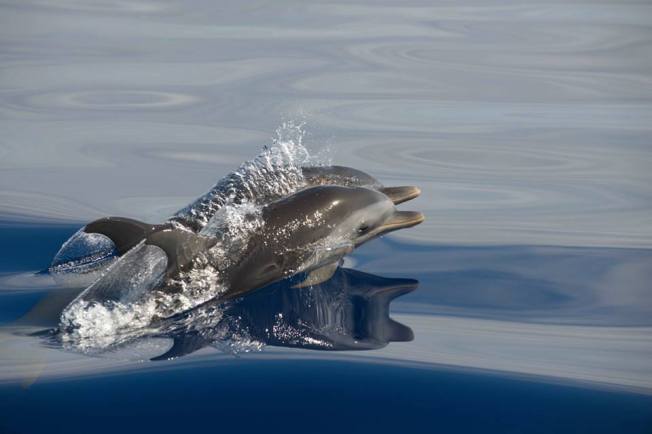
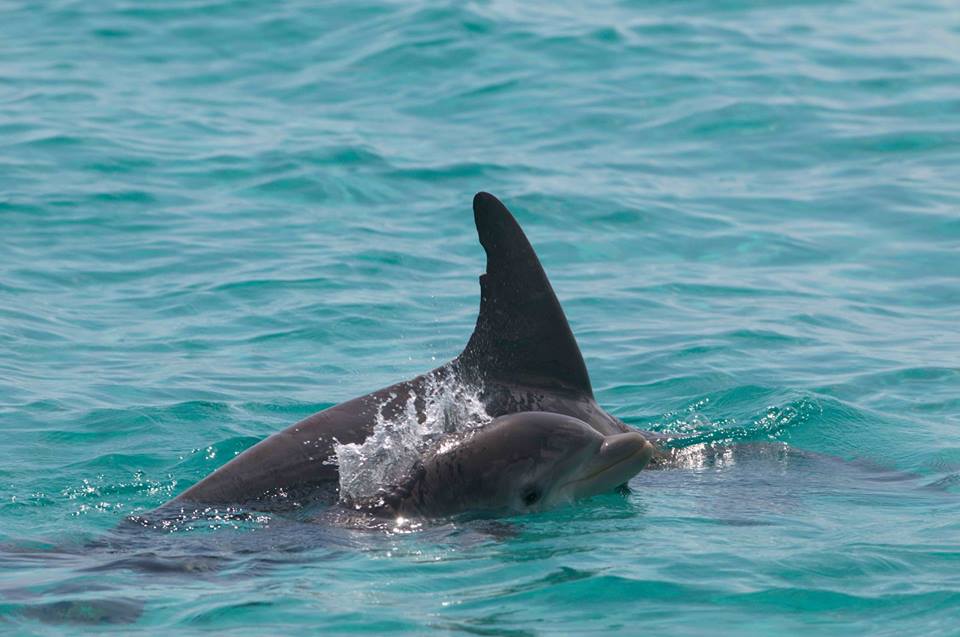
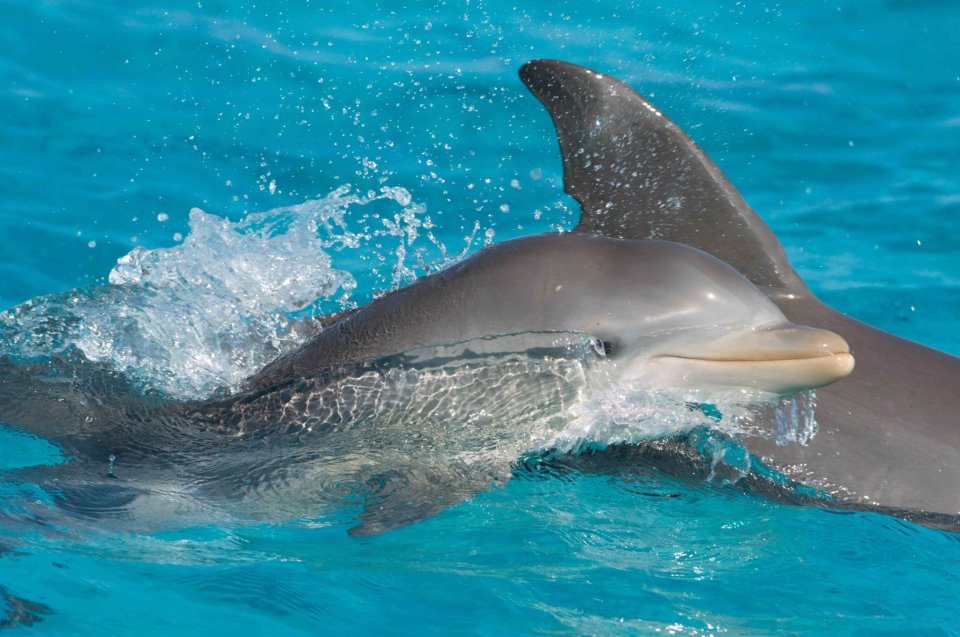
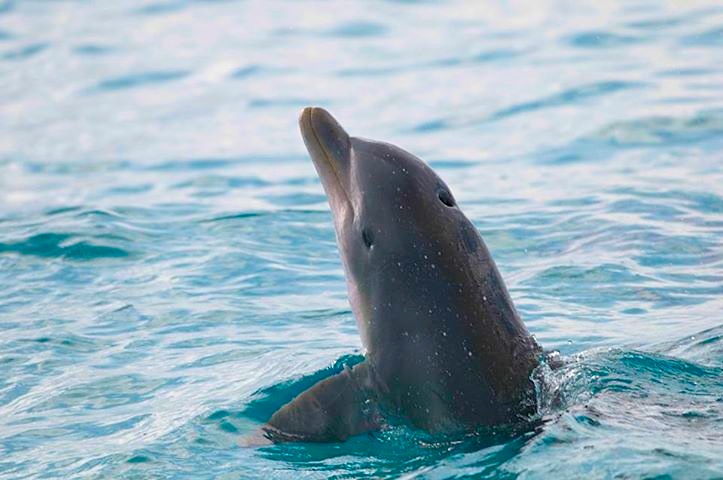
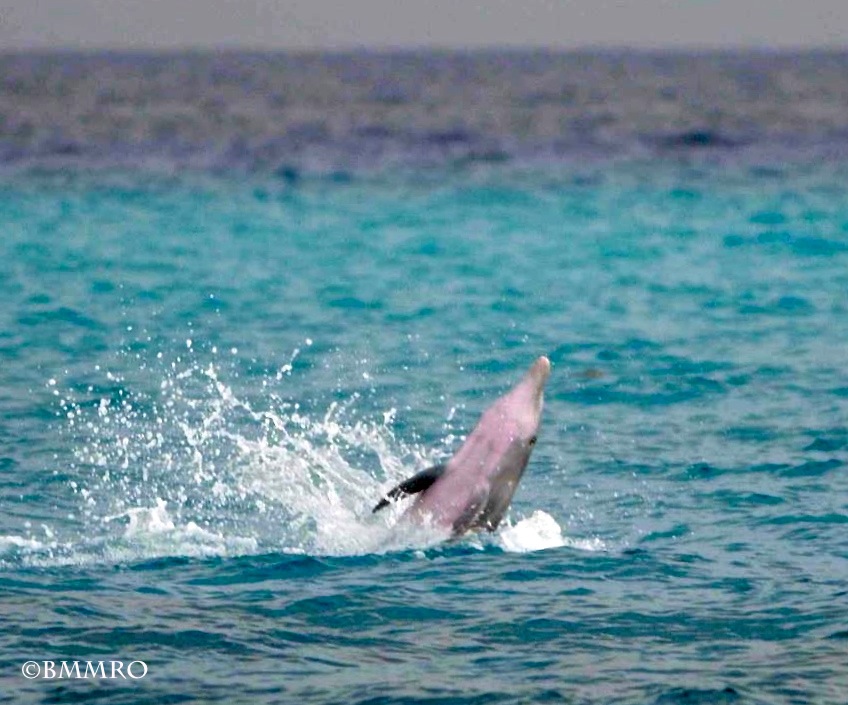
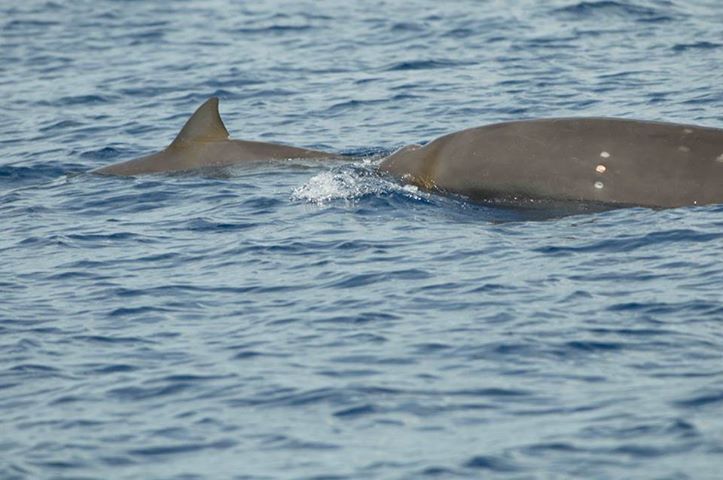
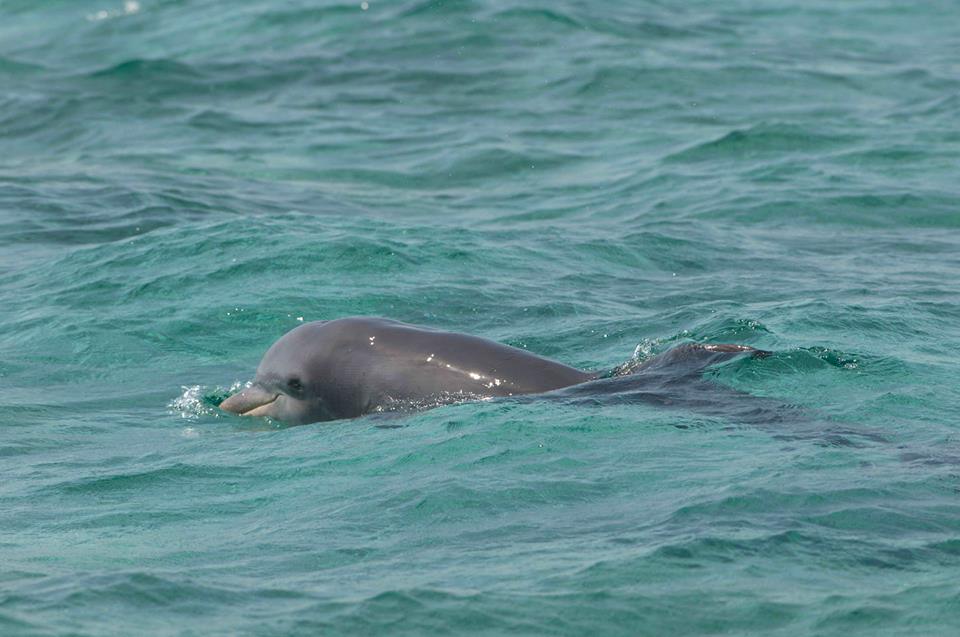
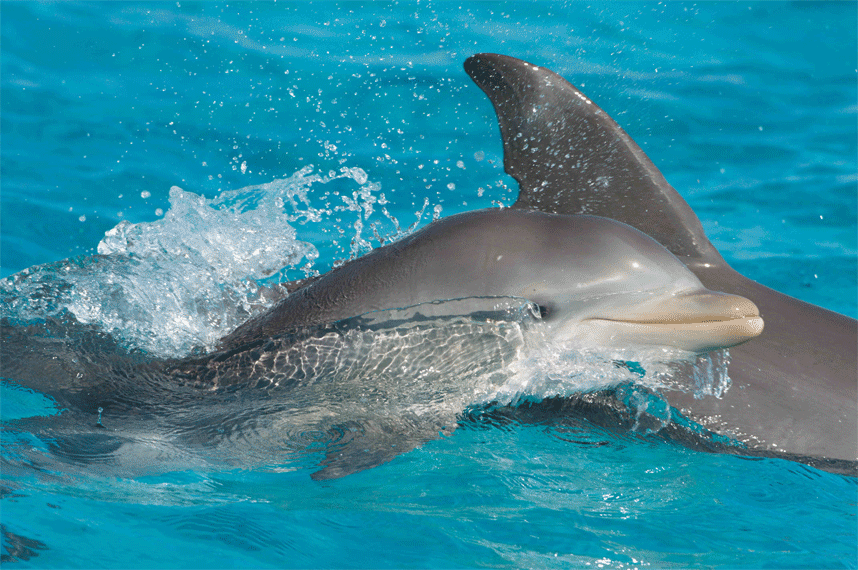
As we returned in the RHIB from an amazing day spent at close quarters with beaked whales [more on these soon], we moved from deep dark blue ocean to sandy turquoise shallows. There, just off Rocky Point (near BMMRO HQ at Sandy Point) were half a dozen bottlenose dolphins, including a mother and calf. This post contains a small batch of photos of adults – there’ll be another post shortly featuring the calf… Bottlenose Dolphins, Rocky Point, Abaco (Keith Salvesen : BMMRO) 4Bottlenose Dolphins, Rocky Point, Abaco (Keith Salvesen : BMMRO) 1Bottlenose Dolphins, Rocky Point, Abaco (Keith Salvesen : BMMRO) 5

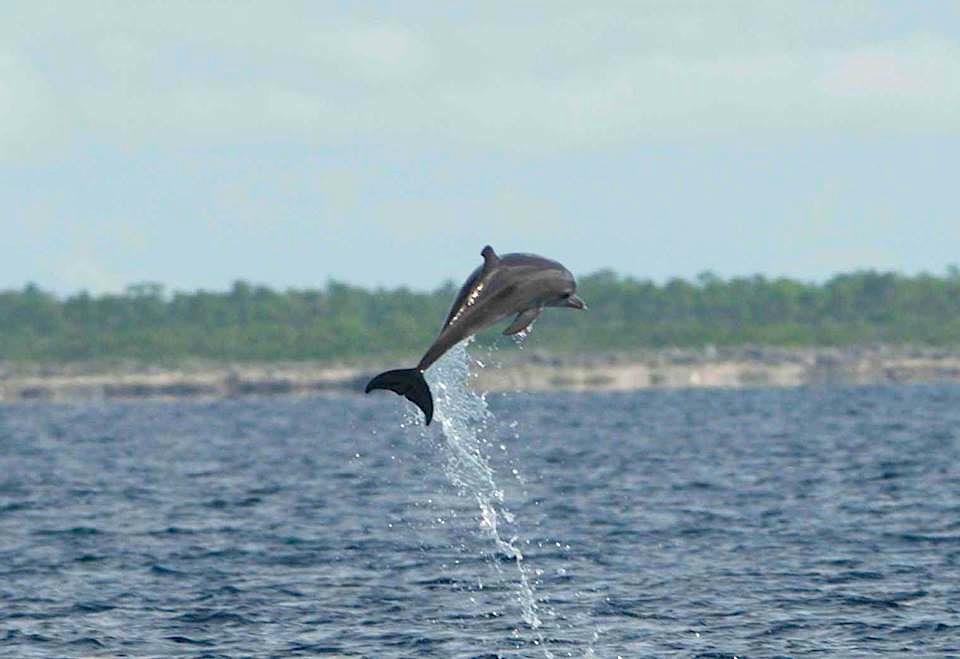
Here’s a taster for the next post – the calf, just visible close alongside its mother, was being given leaping practice. Watch this blog…

Bottlenose Dolphins, Rocky Point, Abaco (Keith Salvesen : BMMRO) 6

All photos RH. Huge thanks to Charlotte, Diane and Bahamas Marine Mammal Research Organisation BMMRO for a truly wonderful day (and for my cool sweatshirt!) photo 2

bmmro_logo

Unknown's avatar

BAHAMAS MANATEES: GINA’S GOOD NEWS FOR 2015


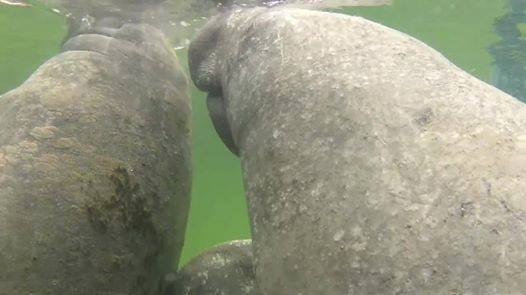
Tm_Gina&JJWest Indian Manatee mother & calf, Bahamas - Gina & JJ

Manatee Gina with her weaned calf JJ

BAHAMAS MANATEES: GINA’S GOOD NEWS FOR 2015

Last year held hopes of a joyous reunion – and indeed union – in Abaco waters between young manatees Randy and Georgie. He had taken the trip from the Berry Is., around the top of Abaco and down the east coast as far at Little Harbour. She lives in Cherokee. Tantalisingly close. But then Randy retraced his steps as far as Gorda Cay and hopes for the production of Abaco’s first manatee calf (at least, in living / recorded memory) turned to seagrass mulch. The poignant story and some great manatee close-up photos (including a ‘selfie’ of sorts on a Go-Pro) can be found HERE

West Indian Manatee mother & calf, Bahamas - Gina & JJ - weaning

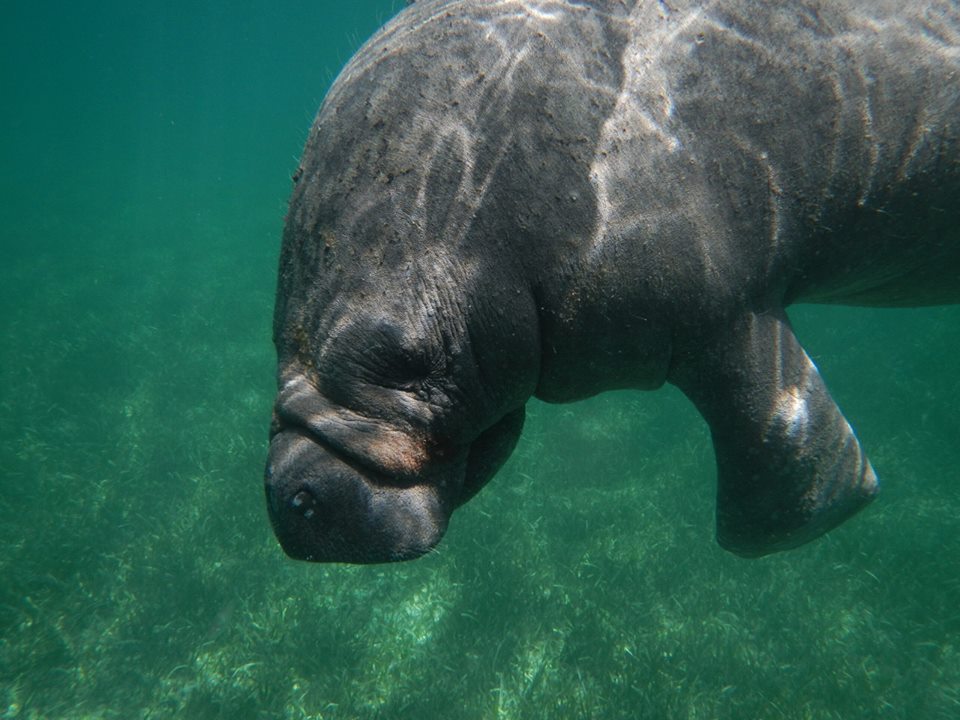
But manatees do breed elsewhere in the Bahamas, in particular the Berry Is. They also seem to favour the north end of Eleuthera, and have been seen on Andros and NP. True, the absence of significant freshwater sources in the Bahamas – an essential part of their diet –  doesn’t make for an ideal habitat, but manatees do pair off and Bahamas calves are born. In summer 2012, there were four resident West Indian Manatees (Trichechus manatus) living in Great Harbour Cay, Berry Is. The adult female, Gina, had been there for 3 years – she originated from Florida. She had reportedly had 3 or 4 calves and was caring for her latest, a female calf called JJ, born in the late winter of 2011.

Adult female manatees are sexually mature at 6-10 years of age and have a gestation period of up to 13 months. The first two years of a calf’s life is spent with its mother. During this time they are taught where to find food, fresh water, warmth and shelter. Generally, after two years the calf is weaned and separates from its mother (see header image of Gina and JJ during that process)

 Nursing a growing JJ West Indian Manatee mother & calf, Bahamas - Gina & JJ - nursing

Now there is more good news for Gina, who has been under regular observation by the BMMRO. At the turn of the year, Gina was re-tagged in Harbour Island, Eleuthera. As reported,  “she looks well, was very calm and is very pregnant… If the tag comes off and is found, please call the number on the tag to let us know – we are now monitoring her movements via the internet”.

Gina’s shows her best sideGina the Manatee 1

Coming atcher…Gina the Manatee 3

Tell-tale signs (to experts, anyway) of advanced pregnancyGina the Manatee 2

I will post any further news about Gina as it arises. Meanwhile, for more information about West Indian manatees, you can visit the MANATEE PAGE. There are several links there to specific manatee stories, especially about Rita and her adventurous daughter GEORGIE, Abaco’s current favourite (indeed, only) resident manatee… Both Links need an update, I notice –  they don’t cover Georgie’s subsequent return to Abaco and her contented settling down again in Cherokee where she seems happy as a… sirenian.

Dana & Trish greeting Georgie Manatee

Credits: All photos and primary fount of Bahamas manatee knowledge: BMMRO; Magpie Pickings

mantsw~1

Unknown's avatar

MAKING A SPLASH: SPERM WHALES & MANATEES IN ABACO WATERS


Sperm Whale, Abaco Bahamas (BMMRO)

MAKING A SPLASH: SPERM WHALES & MANATEES IN ABACO WATERS

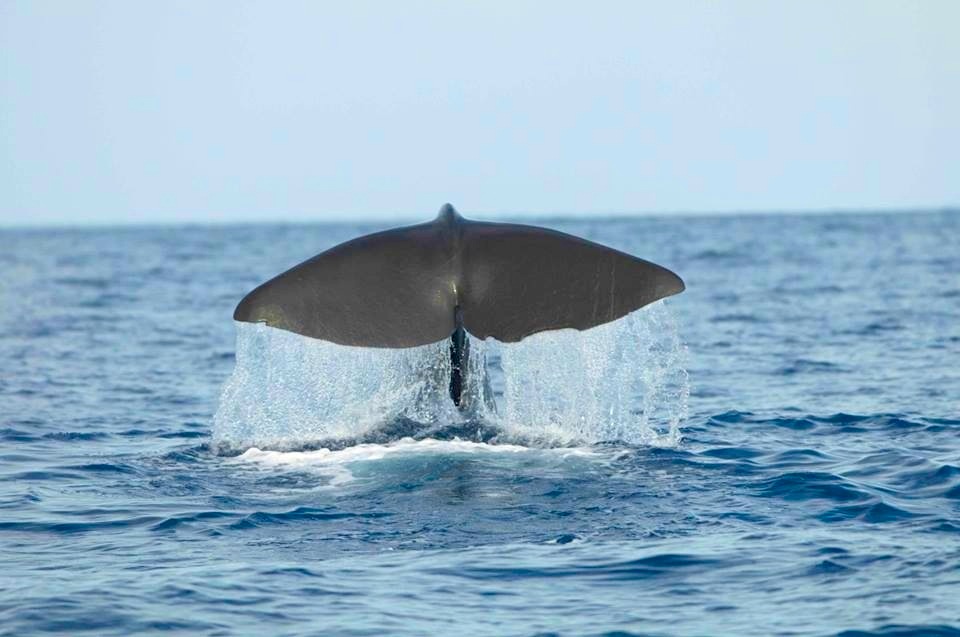
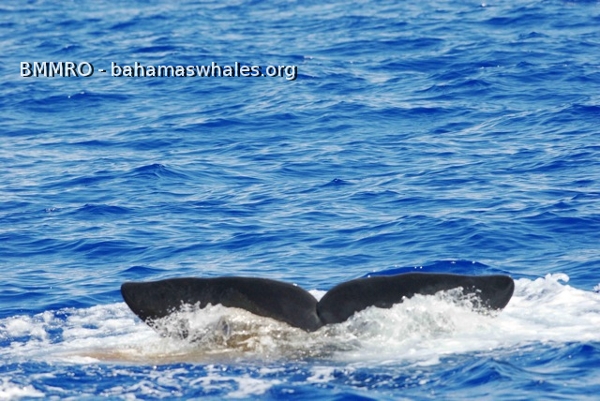
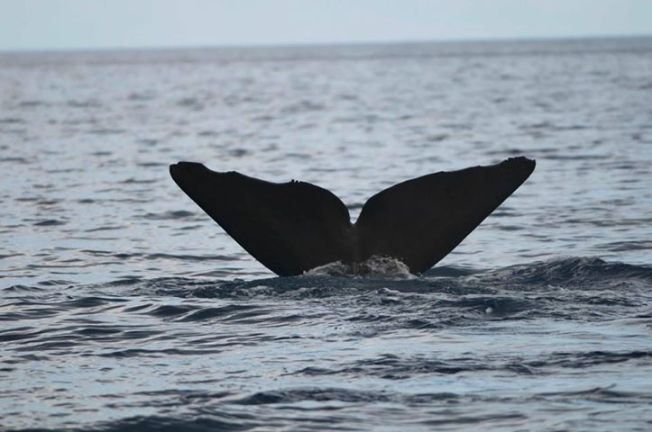
After a quiet spell on the cetacean and sirenian front, there is exciting news to report. First, the BMMRO encountered two sperm whales just off Sandy Point.  I don’t know how close to the shore they actually were, but it was very friendly of them to come so near to the BMMRO HQ.Sperm Whale, Sandy Point, Abaco BMMRO3

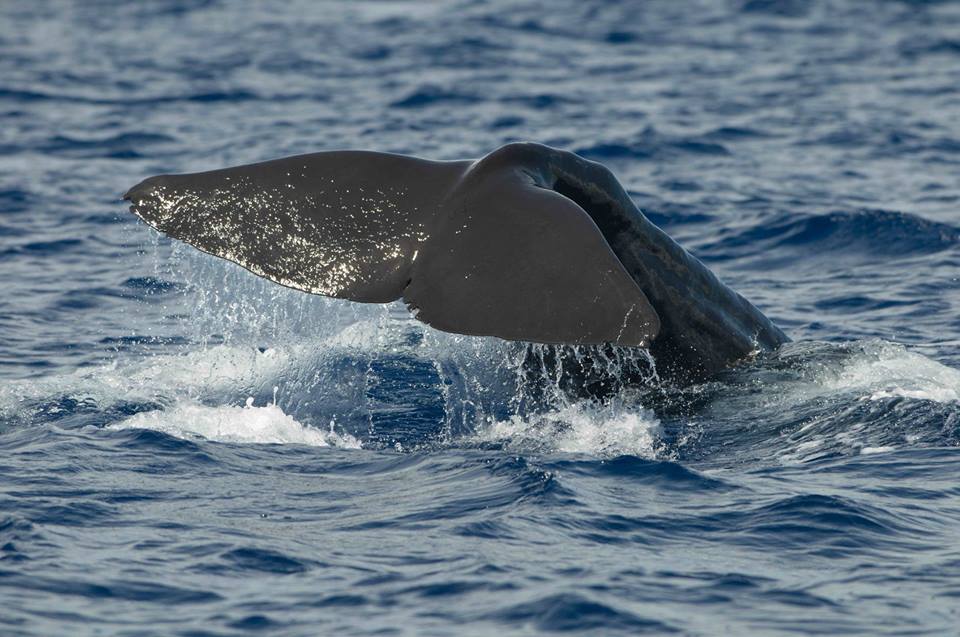
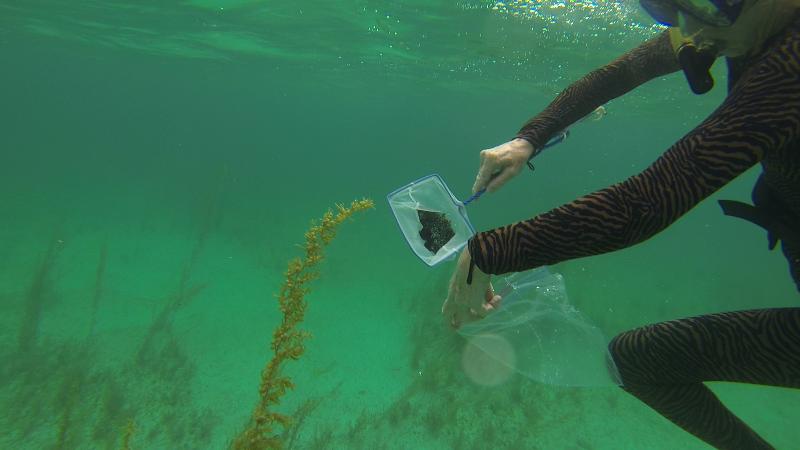
When whales are sighted from the research vessel, one of the tasks is to collect feces. This job is often undertaken by interns, and is a good way to learn that serious research may well involve unattractive work… They practise with… er… coffee grounds and a net. For more on this important yet unappealing aspect of whale research, CLICK NICE TO SEE FAMILIAR FECES. Another essential part of any sighting is to take fluke photos to enable ID.  Every whale has different and distinctive patterning to the fluke, including general wear and tear. As a photo archive is built up, the researchers are able to recognise a particular whale and cross-reference it with previous sightings.

Sperm Whale, Sandy Point, Abaco BMMRO2Sperm Whale, Sandy Point, Abaco BMMRO1

The third task of a sighting is to record clicks made by an individual whale. This enables an estimate of the whale’s size to be made, and again a sound archive is gradually built up from which comparisons can be made.

Sperm Whale, Sandy Point, Abaco BMMRO4

A NEW MANATEE VISITS MARSH HABOUR

FRIENDS OF THE ENVIRONMENT has just reported the sighting of a new manatee at the head of Marsh Harbour harbour. I’m not aware of any other sightings in the last couple of days, but as they say,  “Please keep your eyes out and drive carefully! Contact Bahamas Marine Mammal Research Organization with any further sighting reports by calling 357-6666. You can also share photos with them on Facebook. Also, please do not feed the manatee. They are able to find their own food and anything else may make them unhealthy”.

This is Abaco’s third recent manatee. First there was GEORGIE, who as far as I know is still comfortably settled in the Cherokee area. Then RANDY arrived earlier this and got to within about a few miles of Georgie… High hopes of a meeting – and ‘friendship, maybe more’ – were dashed when Randy turned round and headed back to Castaway Cay. Let’s hope this newcomer stays around. I wonder what he – or she – will be named? My suggestion is Abby or Abi, which I think is unisex…

10846213_10152589661493178_5080839733543438859_n10849995_10152589661598178_1824081022417510310_n

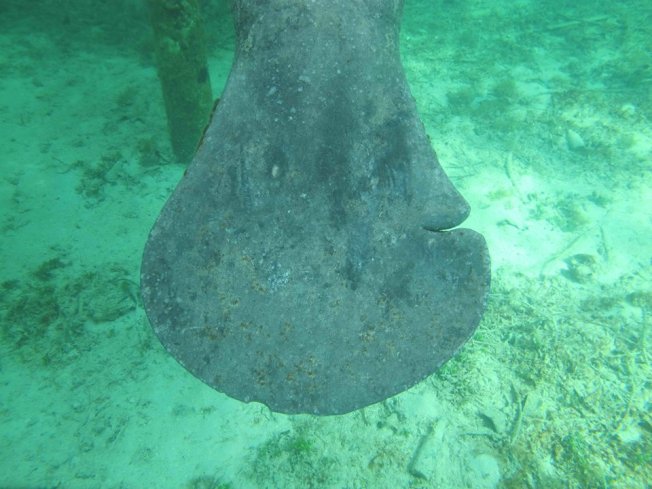
Just as with the whale flukes, the tail of a manatee is an important means of identification. The new manatee’s tail has its own distinctive edge pattern, which will enable its future recognition. Here is an image of Randy’s tail, with its unique notch. 

Randy the Abaco Manatee - tail notch

Credits: BMMRO & FOTE with thanks as ever for use permissions

mantsw~1

Unknown's avatar

“ALIEN FROM THE DEEP”: ABACO’S SCALELESS BLACK DRAGONFISH


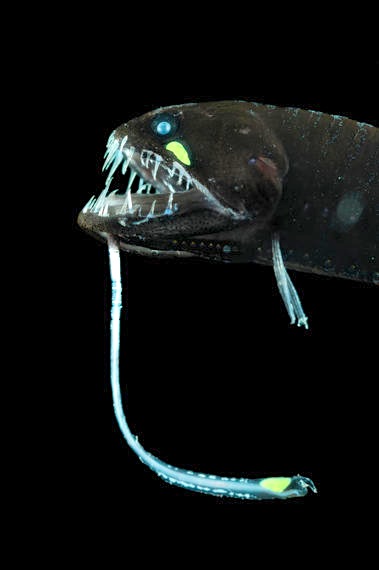
Scaleless Black Dragonfish - Header - BMMRO Abaco

“ALIEN FROM THE DEEP”: ABACO’S SCALELESS BLACK DRAGONFISH

Prepared to be terrified. Beneath the placid turquoise waters of Abaco lurks a ruthless and implacable killer of hideous mien, armed with vicious teeth  … Yes, as the music from Jaws begins to throb round your temples I bring you… THE SCALELESS BLACK DRAGONFISH, aka the Deep Sea Dragonfish or Viperfish (of which it is one type). Oh, and it’s about 8 inches/ 20 cms long.

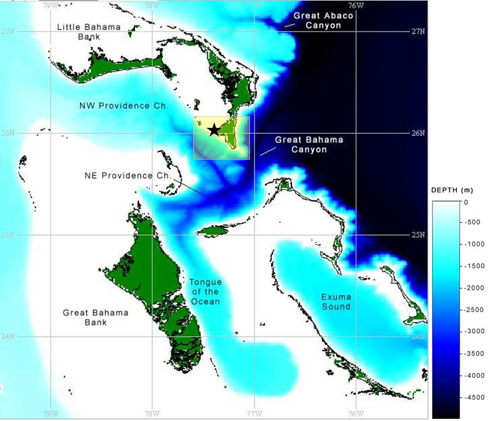
The specimen shown here was found off Rocky Point, Abaco during a whale and dolphin research trip by the BMMRO. This is an area where typical low waters give way to the far deeper waters of an arm of the Great Bahama Canyon. It is an excellent place for whale watching, since one effect of the canyon is to provide plentiful food of the sort that cetaceans thrive on. The chances of you ever meeting a dragonfish are very slim indeed, since they live at depths up to 1500 metres. 

MAP to be added after posting, to avoid FB’s deranged random ‘feature photo’ selection The black star at the south end of Abaco  (in the yellowish box) is where Rocky Point and Sandy Point are to be found.

BAHAMAS SEA DEPTH MAP (NEAQ)

Here is an account by BMMRO intern Luanettee Colebrooke who was lucky enough to be on the research vessel when this strange, vicious-looking creature was found. I have edited the material for present purposes, but I recommend reading the whole article which can be found on the BMMRO website HERE. You will get an excellent overview of a day’s research under the hot sun, and plenty about the collection of whale poop (a topic I have previously dwelt on HERE (“Familiar Feces“).

Scaleless Black Dragonfish - BMMRO Abaco
CREATURE by Luanettee’ Colebrooke, BMMRO intern, summer 2014
The crossing of this organism was by complete accident. It was something that none of us would have imagined finding floating along the surface of the water. For Dr Claridge, Jurique (another BMMRO summer intern from Cat Island) and I as Bahamians, who knew this creature even existed in our majestic waters? Who knew our waters were even that deep to hide this specimen? (I think Dr Claridge knew)
Our morning began as per the usual routine for a boat day. There are several research sites that we venture to regularly: Rocky Point for the coastal Bottlenose Dolphins, and an area about 2 miles south of Rocky Point for our very elusive and wary Blainville’s beaked whales, and the deep blue (a massive drop into waters that are 1500 metres deep) to listen for Sperm Whales.It is not that I do not believe that we have deep waters. The Tongue of the Ocean runs through the northern part of our country. My thought comes more from, ‘our waters are that deep’? To a point where light does not hit the bottom and organisms have to rely mainly on bioluminescence? It is a similar thought process I had when I saw a sperm whale for the first time. They are not small creatures of the sea. It is both an awe and scary thought that there are creatures out there we, as Bahamians, do not know exist in our waters.
Scaleless Black Dragonfish - BMMRO AbacoScaleless Black Dragonfish - BMMRO Abaco
“Our final activity of the day was tracking a sperm whale acoustically using a hydrophone…” There follows a graphic account of the technicalities of sperm whale poop collection and co-intern Jack’s “Faecal Dispersion Technique”. Then this: Jack stood up, Pringle in mouth and pointed to a black leather looking strap off of the port bow. “What is it?” Moving closer to the port, Jurique and I had our own thoughts. “It looks like a boxing glove strap,” he suggested. “More like an expensive underwater watch,” I mentioned. Dr. Claridge said, “It looks like a squid tentacle.” Jack added in, “More like the strap from a fin to me.” Our heads were turning with no closer answer. Taking it upon himself as the official sample collector, Jack popped back into the water to collect it. There were no sample pots large enough for it, so he had to use a large Ziplock bag to pick it up.
Scaleless Black Dragonfish - BMMRO AbacoLetting out a surprised chorus when he got back on the boat, we wondered what the heck it was. It had a mouth and a weird white patch that at first, I thought was its eye. The ventral abdominal section seemed swollen as if it had expanded from the decreasing pressure rising from the sea. As we looked at it and took photos, we determined several characteristics of the deceased specimen without having to autopsy it. The first was that it had three rows of needle like teeth that turned inward. There was what we assumed to be an angler under its ‘chin’ that had a murky transparent color. Another deduction we came to was the white dots that ran along the body all the way to its tail could be bioluminescent in nature like an angler. The pectoral fins were small and thin like a tooth pick. The final detail we took note of was the silver patch underneath its eyes.It was a type of angler fish we hypothesized. And it somehow ended up on the surface. There were several questions we voiced to each other: if it is a deep angler fish, how did it end up here? Where did it come from? Was it stunned by the sperm whale’s echolocation and pulled upwards as it surfaced? Later that night as we went through our faecal samples, photo IDs and data entry, the search began for what exactly this organism was. Jack did some image trickery and overlapped the photos with an alien from Alien. Scaleless Black Dragonfish c/w Alien - BMMRO AbacoI personally thought it looked more like Venom from Spiderman. As he did that, I took it upon myself to begin the search by looking up the most prominent feature: the angler on the anterior ventral side of the fish. By using this characteristic, I was able to narrow the organism down to a Scaleless Black Dragonfish by using several online scientific key identification guides and forums. The species we are still unsure about. The mystery continues…Scaleless Black Dragonfish - BMMRO Abaco
This creature is one of a number of dragonfish species found worldwide. This one might to be one of the genus Melanostomias (says he, hesitantly…). Like many deep sea creatures, its customary depths are pitch black, or nearly so; and so it is equipped with its own light source (bioluminescence), including the item dangling down from its lower jaw, called a barbel. The fish’s glow and no doubt the gleam of the barbel swaying around in the water act as a lure to attract prey that swim up to investigate and then.. snap! Those teeth start to do their work.
Scaleless black dragonfish (Melanostomias biseriatus) (imagesource.com)
I’ll end with an amazing short (2:28) video posted in early 2014 by ‘Indoona’. The accompanying description is the most authoritative account of the species and its little ways that I have  come across, complete with useful links. I include it before the video, noting only that the creature featured is a Pacific one from off the coast of California, and therefore not identical to the Abaco one.
                                                                       scaleless-black-dragonfish-mini-jpg          scaleless-black-dragonfish-mini-jpg          scaleless-black-dragonfish-mini-jpg

THE DEEP SEA DRAGONFISH OR VIPER FISH is an awesome looking creature from the middle depths of the ocean (this one comes from 600 metres or about 1000 feet deep). Also called the scaleless dragonfish, they are ferocious predators, with extremely large teeth compared to their body size. And they have one of nature’s most amazing tricks to give them the edge over their prey (more below).

There are several different species of dragonfish (one estimate is 67 species – all from the fish family known as Family Stomidae) and they are quite difficult to tell apart but this one is from the pacific depths of California and is likely Tactostoma macropus, the longfin dragonfish. Idiacanthus antrostomus is an Atlantic species that looks very similar – at least I think that’s the case correct me if I’m wrong.

They hunt with a bioluminescent barbel or lure. It is not glowing here but under the different lighting regimes I used – some of the darker images – you can see how much the lure stands out.

Sadly fish like this do not survive long on the surface, mainly because of temperature differences and mechanical damage in the net rather than pressure problems I think. It was caught in a cod-end trawl and filmed in a special tank (a kreisal aquarium). But is great to be able to share another wonder of the oceans on YouTube.

And their amazing trick? Unlike most other deep sea creatures which are sensitive to blue light – the dragonfish also produces a red light beam (see the organ to the rear of the eye) – it is also very sensitive to red light. Although red light does not travel very far underwater it allows them to see when other animals cannot and to sneak up on their prey – especially shrimps that glow in the red light. For more detail see: http://www.science-frontiers.com/sf10… and the work of Ron Douglas and Julian Partridge,http://blog.wellcomecollection.org/ta… (these images were filmed with the help of Julian and Ron). Oh and this dragon is not big – about 20 cm or just under a foot!

[youtube https://www.youtube.com/watch?v=i6cIoj7c2FI]

Credits: Luanettee Colebrooke, ‘Jack’ & BMMRO (to whom thanks as ever), imagesource.com, Indoona , and 2 sites I came across during my investigations – seasky.org & strangesounds.org

If you can’t get enough of dragonfish, check out this Tumblr site for dozens of images including photos, drawings, cartoons, and enough strange dragonfish-based characters to weird you out utterly… HERE

Unknown's avatar

RANDY: LOOKING FOR MANATEE LOVE IN ABACO?


Randy the Manatee, Abaco (BMMRO)

RANDY: LOOKING FOR MANATEE LOVE IN ABACO?

Strangely, the opportunistic title of this post may not be as contrived or daft as it looks. The facts are these.

THE FEMALE In 2012 GEORGIE, a young female manatee, left her mum in the Berry Islands and braved the crossing to Abaco. She reached the Marls; went right round top and down the east side; and eventually settled in the Cherokee / Casuarina area. She managed to hole up there safely during hurricane Sandy but became sick and was removed to Atlantis for medical treatment and rehab, before being released back to the Berry Is. This spring she set of again for Abaco and seems to have made straight for Cherokee, where she has now been resident for several months. 

Georgie the Manatee as a calf in 2012, checking out the BMMRO boatGeorgie the Manatee Calf checks out the BMMRO Boat

THE MALE Randy also originates from the Berry Is, where he was born. He too set off on an expedition to Abaco in the spring, presumably following Georgie. He was seen at Gorda Cay in mid-August and then fetched up at Sandy Point. After spending the summer there, he too took a trip right round the top of Abaco and down the east side. By early September he had got as far as Little Harbour. However, the big question is whether he can, in some way, tell that a lady manatee is a shortish swim away. And if so, will he make the short trip down the coast? And might that lead to baby manatees on Abaco…? Here are some of the photos of Randy’s sightings along the way

RANDY AT SANDY POINT 

Sirenians and cetaceans are generally recognised from particular patterns to flukes or fins. The second image shows the notch in Randy’s tail that confirms IDRandy the West Indian Manatee, Sandy Point, Abaco, BahamasRandy the West Indian Manatee (tail), Sandy Point, Abaco, Bahamas

RANDY IN THE LITTLE HARBOUR AREA

Randy’s notched tail is clearly visible in the first pictureRandy the Manatee, Little Harbour, Abaco (BMMRO)Randy the Manatee, Little Harbour, Abaco (BMMRO)

This could be everyone’s favourite picture – almost like a ‘Randy Selfie’ with a GoPro…Randy the Manatee, Little Harbour, Abaco (BMMRO)

RANDY’S JOURNEY & THE DISTANCE BETWEEN HIM AND LOVE…

Excuse me while I anthropomorphise excessively here. Randy may only be appearing to follow Georgie; the route and the area may happen to suit manatees who may be a short distance apart yet completely ignorant of the presence of the other. Or else… Anyway, more news as (if) it breaks. Here are a couple of maps, of the sort that the red-top press might put together to go with the headline “Lovelorn Randy – A Man Manatee Seeks His Sirenian Siren”. Pictures, page 8, 9, 10 and in sports section.

Randy's the Manatee's trip Berry Is. to Abaco copy Page_1 copy 3

STOP PRESS SEPT 21

Oh dear. The course of love is rarely straightforward. Randy has retraced his route and returned to Castaway Cay. Meanwhile Georgie remains happily at Cherokee.

RELATED POSTS

GEORGIE at Cherokee, 2012

GEORGIE” the manatee movie (on location, Cherokee)

GEORGIE taken to Atlantis for medical treatment

GEORGIE Is she related to an elephant?

Credits: BMMRO + Heather Albury, Andrew Lowe & Richard Appaldo for pictures & reports, Loggerhead Productions, Abaco Scientist 

mantsw~1

Unknown's avatar

‘SPOTTED IN ABACO WATERS’: PANTROPICAL SPOTTED DOLPHINS


 Spotted Dolphins Abaco Bahamas (BMMRO)

‘SPOTTED IN ABACO WATERS’: PANTROPICAL SPOTTED DOLPHINS

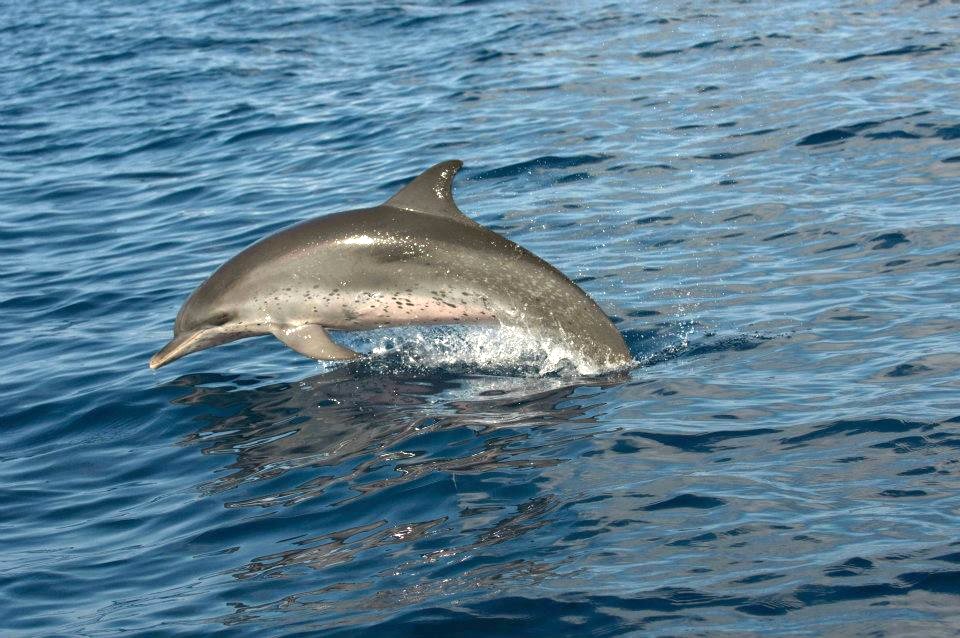
The BMMRO has posted several reports of dolphin and whale activity around the coast of Abaco during August, with some outstanding photos to accompany them. I had been going to post rather generally about this until a couple of days ago, when an unusual dolphin species for the region was… er… spotted and some memorable images taken.

Spotted Dolphins Abaco Bahamas (BMMRO)

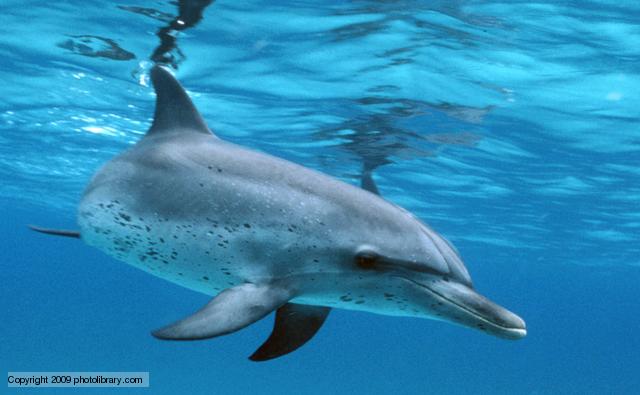
These are PANTROPICAL SPOTTED DOLPHINS Stenella attenuata, whose range encircles the globe but at a lower latitude than the far more frequently encountered resident  ATLANTIC SPOTTED DOLPHINS Stenella frontalis. Here are comparative range maps. The rarity of the Pantropical species in the Bahamas is indicated in the BMMRO report of a stranding in 2011 – see below.

ATLANTIC SPOTTED DOLPHIN                                                                    PANTROPICAL SPOTTED DOLPHIN

Verbreitungsgebiet des Zügeldelfins Stenella frontalis.PNG                                                Cetacea range map Pantropical Spotted Dolphin.PNG

Spotted Dolphin Abaco, Bahamas (BMMRO) copy 2

Spotted Dolphins Abaco  Bahamas (BMMRO)Spotted Dolphins  Abaco Bahamas (BMMRO) copy

The pantropical image below is from the BBC archive and not taken in the Bahamas. I’ve included it for illustrative purposes due to the close-up underwater view of the dolphin.Pantropical spotted dolphin (BBC)

This wonderful underwater video of pantropicals is by Jake Levenson, shot from a polecam. Although it is 6 minutes long, I highly recommend it for (a) the stunning views of these creatures at very close quarters (b) the excellent audio quality – you can clearly hear the dolphins communicating with ‘sonar’ clicks and squeaks, and (c) the strange sense of peace you may feel when you have watched it. 

[youtube http://youtu.be/-hXTYe58g34]

PANTROPICAL SPOTTED DOLPHIN STRANDING 2011

In May 2011 a dead dolphin was found on the sandbank at Casaurina Point, Abaco. BMMRO’s scientists established that it was a sub-adult male pantropical spotted dolphin with a stomach full of squid beaks, a known prey for the species. A full necropsy was conducted on the animal and samples were taken for scientific testing to determine the cause of death. At the time the BMMRO reported the find in their quarterly Newsletter:

Pantropical spotted dolphins are commonly found in off-shore waters, although they can be found close to Abaco’s coastline due to the close proximity of deep waters. They can occur in large group sizes of up to 100 animals. Adult males and females reach up to 2.6 m (8.5 ft) and 2.4m (7.9 ft) in length, respectively. Since our efforts began in 1991, BMMRO has records of only 28 sightings of pantropical spotted dolphins in The Bahamas (my rubric), although their cousin species, Atlantic spotted dolphin, is a common resident. This is the first recorded stranding of this species in The Bahamas.”

Credits: BMMRO / Diane Claridge; BBC; Jake Leveneson (video); Wiki (range maps)

Unknown's avatar

SHARP-EYED & SHARP-BILLED: GREEN HERON ON ABACO


Green Heron.Abaco Bahamas.Tom Sheley

SHARP-EYED & SHARP-BILLED: GREEN HERON ON ABACO

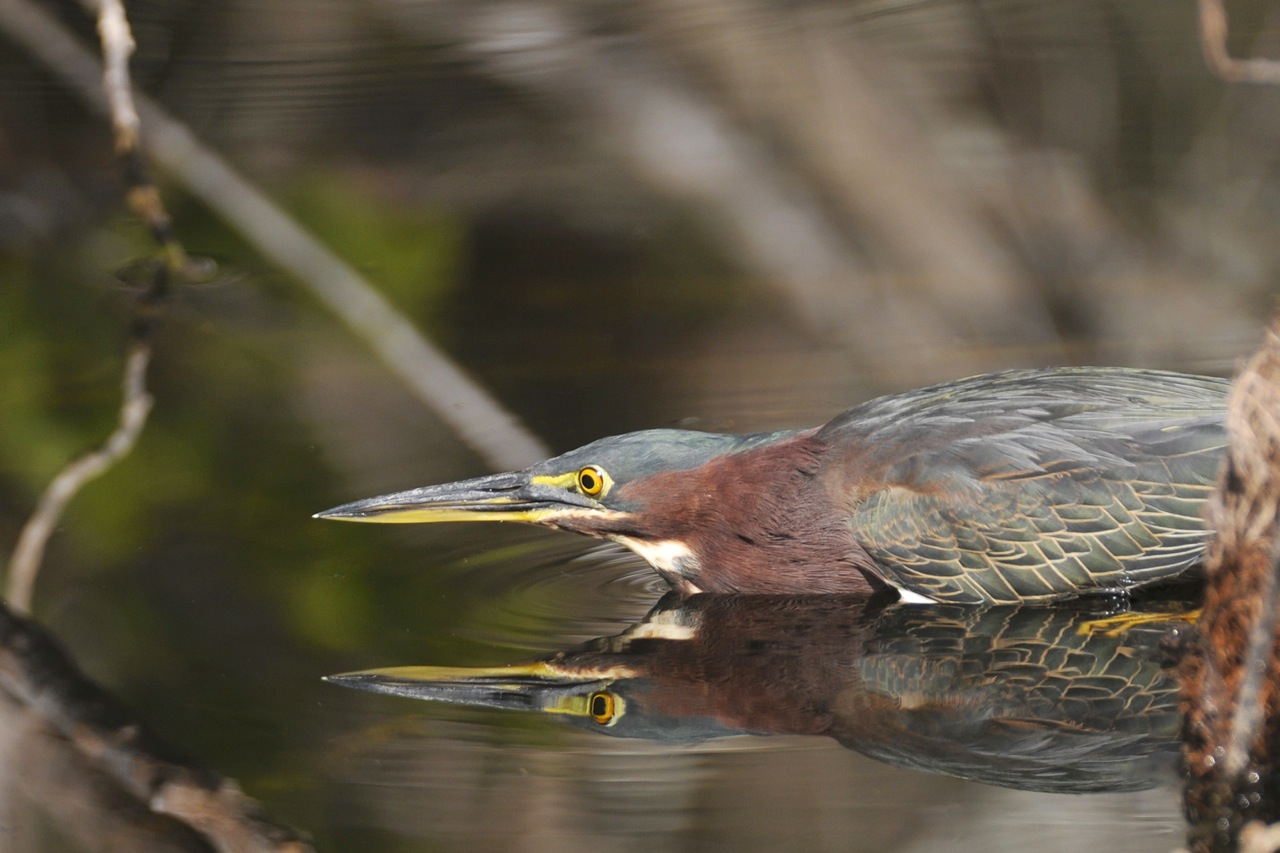
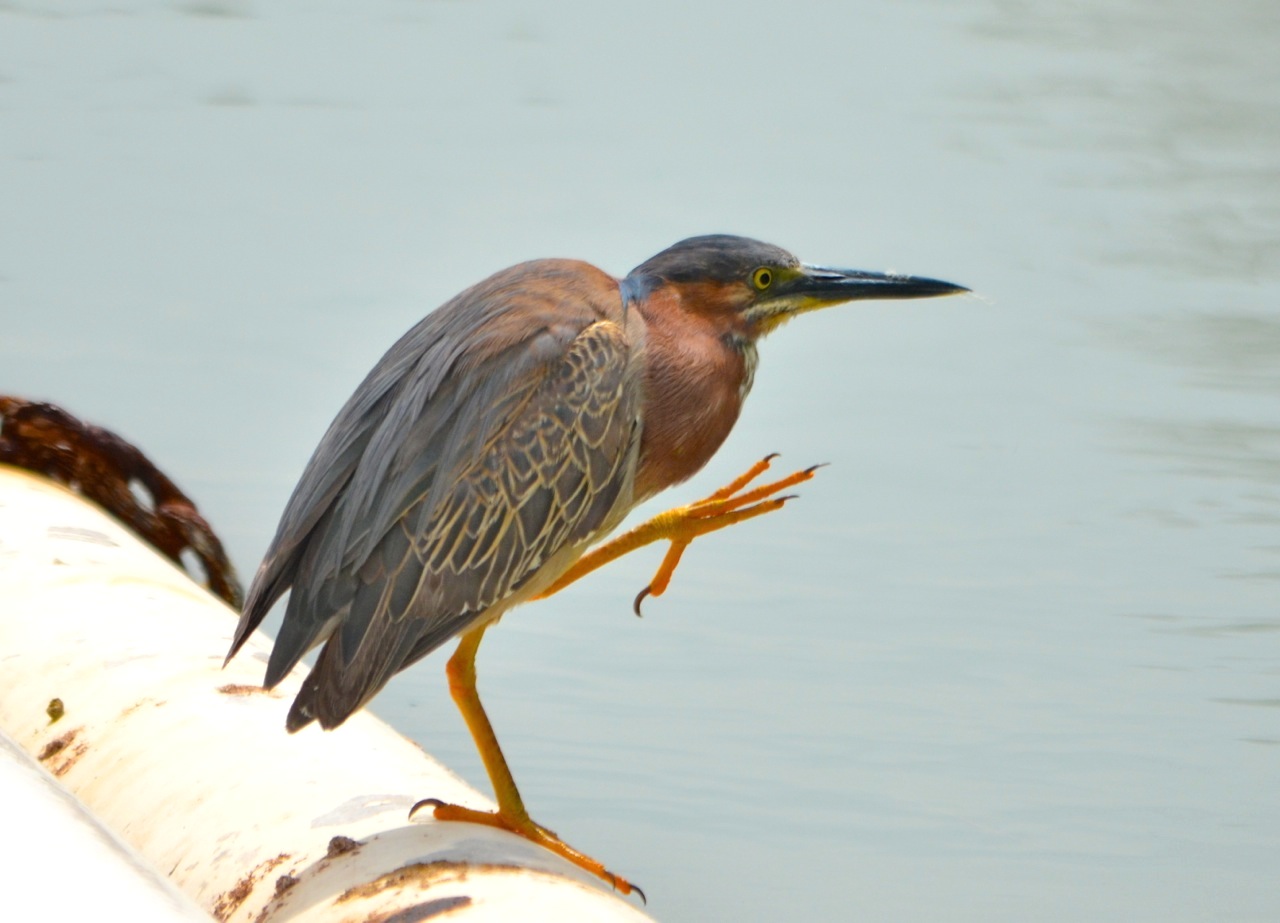
Abaco has six ‘true’ heron species (putting aside the various egrets): Great Blue Heron, Little Blue Heron, Tricolored Heron, Green Heron, Black-crowned Night-Heron and Yellow-crowned Night-Heron. The Green Heron Butorides virescens is a permanent resident and is easily distinguishable from the other heron species. The header picture by Tom Sheley is one of many wonderful photographs he took for THE BIRDS OF ABACO, and is one of the most striking. This is a bird actively hunting, keeping very low with eyes fixed on the water, waiting for the chance to use that long sharp bill to snaffle its prey – small fish, frogs and aquatic insects.

RANGE MAP

Green Heron Range Map

There are thought to be 5 sub-species of green heron within the range, but this is a matter for anguished debate (not by me). However, the resident variety in the Bahamas has been designated Butorides virescens bahamensis since 1888 (Brewster), so I’m going along with that.

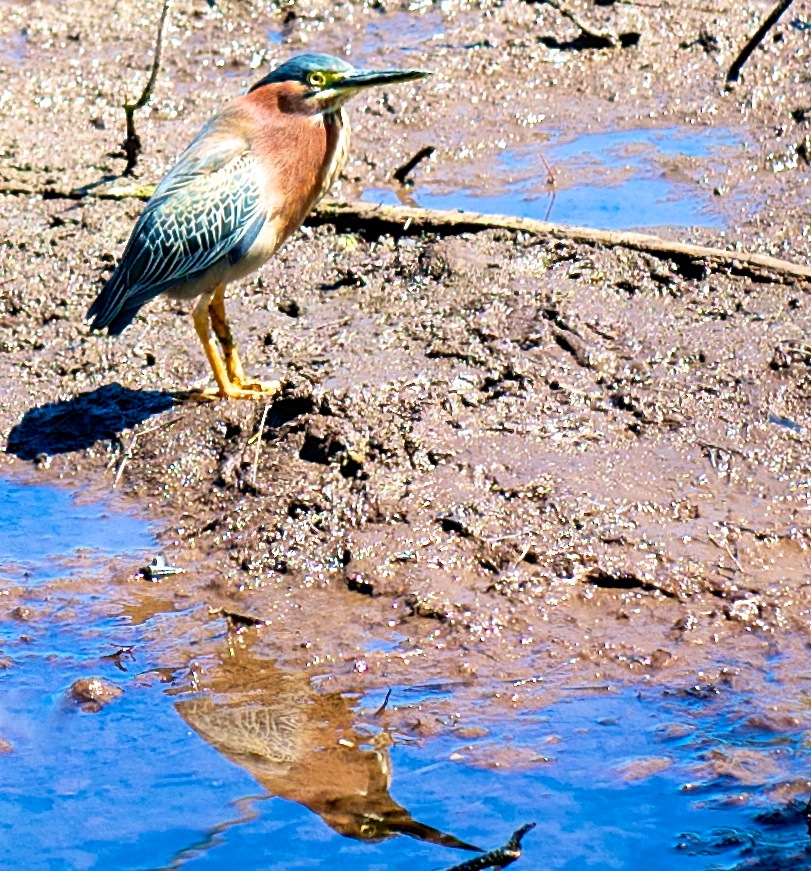
Green Herons are most likely to be seen in or near water – the margins of brackish ponds or amongst the mangroves, for example. Their foraging is mostly done in water, usually at dawn or dusk.Green Heron, Abaco Woody Bracey

You may encounter one on the shoreline or beach…GREEN HERON, Abaco - Nina Henry

…but they don’t always choose the most scenic locationsGreen Heron, Abaco Nina Henry

FASCINATING FACTOID

Green Heron are known to drop food, insects, or small objects such as stones on the water’s surface as bait to attract fish or other tasty creatures. They are thus classified as one of the animal kingdom’s  44 (?) TOOL-USING SPECIES, considered a sign of superior intelligence.

Green Herons may also be found perching in treesGreen Heron Abaco Tom ReedGreen Heron, Abaco Rick LoweGreen Heron, Abaco Peter Mantle

Occasionally they may be seen out at sea – this one from an offshore BMMRO research vesselGreen Heron Abaco BMMRO

The Golf Course at Treasure Cay is an excellent place to go bird-watching. There is always plenty of bird life on the 3 ponds there, the one on hole #11 being the biggest and most abundant. If you are going to bird there, call in first at the Clubhouse and ask for permission:  they are very kind about it, but they do need to know who is out on the course.  And since the pond is alongside the fairway, keep your wits about you – you are a potential target for the sliced drive… (ok, ok left-handers – hooked, then).

Green Heron, Abaco Charlie SkinnerGreen Heron, Abaco Charlie Skinner

The 2 images above are from Charlie Skinner, and show a green heron adult and chick putting the Golf Course drainage pipe to good use. Captions invited for the top  one. Birds often seen at this particular location include green heron, white-cheeked pintail (lots), common gallinule (moorhen), coot, Canada goose, least grebe, neotropic cormorant, and blue-winged teal. You may also see little blue heron and smooth-billed anis. Once I found a least bittern in the background of a teal photo – I didn’t notice it at the time, but when I checked the photos there it was in the reeds behind the ducks. Another good place to bird if you are in the TC area is White Sound.

Credits: Tom Sheley, Woody Bracey, Nina Henry, Tom Reed, Rick Lowe, Peter Mantle, Charlie Skinner, Wiki

POSTSCRIPT I’ve just commented HERE on the supposedly phonetic call-sounds attributed to birds to render them recognisable by man – the “What’s-for-dinner-Martha, what’s-for-dinner” and the “Give-me-a-drink-please…NOW” and so on. So when I was borrowing the range map from Wiki I was amused to see this: “The green heron’s call is a loud and sudden kyow; it also makes a series of more subdued kuk calls. During courtship, the male gives a raah-rahh call with wide-open bill, makes noisy wingbeats and whoom-whoom-whoom calls in flight, and sometimes calls roo-roo to the female before landing again. While sitting, an aaroo-aaroo courtship call is also given”. So there you go.

Unknown's avatar

CETACEAN SENSATION: SPERM WHALES & DOLPHINS ON ABACO


10492458_817200128299215_4153510656415477809_n - Version 2

CETACEAN SENSATION: SPERM WHALES & DOLPHINS ON ABACO

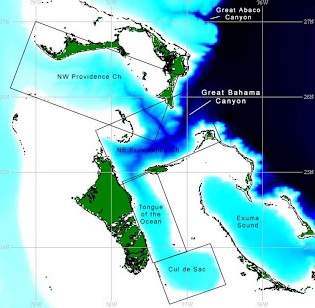
July has been ‘Whale Camp’ month for the BMMRO, when a small group of lucky youngsters get to spend time out at sea searching for whales and dolphins, and learning the intricacies of data recording and research. One target was the sperm whale, a species that may be found off the coasts of South Abaco. This is a favoured place because the deep trench of the Great Bahama Canyon throws up the food these whales need (see map below).

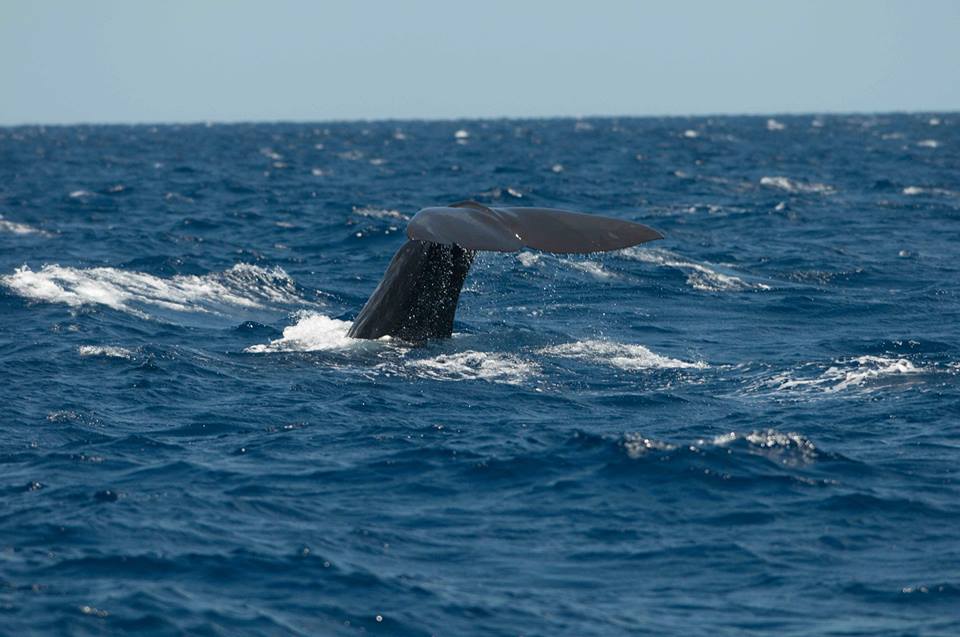
After some time spent searching, the BMMRO reported  “the sperm whales are back! We found a single animal yesterday, and finally in the evening found the rest of the group, 10+ animals including 3 mother-calf pairs, and dolphins at Rocky Point!” Here are some of the photos from the trip.

Sperm Whale Tailing, Abaco, Bahamas (BMMRO) Sperm Whale, Abaco, Bahamas (BMMRO) Sperm Whale, Abaco, Bahamas (BMMRO)

This map of the northern Bahamas shows the V-shaped tails of the Great Bahama Canyon, and explains why the east coast and (in particular) the shallower south-west coast between Hole-in-the-Wall and Rocky Point is so attractive to feeding whale species.

Great Bahama Canyon

The dolphins were quite prolific in July, in particular bottlenose and spotted dolphins. These photos were mostly taken while the search for sperm whales was going on: the BMMRO posted “lots of dolphins up at Gorda Cay yesterday… still not hearing any sperm whales in the area, has been a couple of weeks without sign of them so they should be showing up again soon…” As they obligingly did!

Bottlenose Dolphin, Abaco, Bahamas (BMMRO)Bottlenose Dolphins, Abaco, Bahamas (BMMRO) Bottlenose Dolphin, Abaco, Bahamas (BMMRO)Spotted Dolphins, Abaco, Bahamas (BMMRO)

10592949_747256928672527_8290058412214442799_n

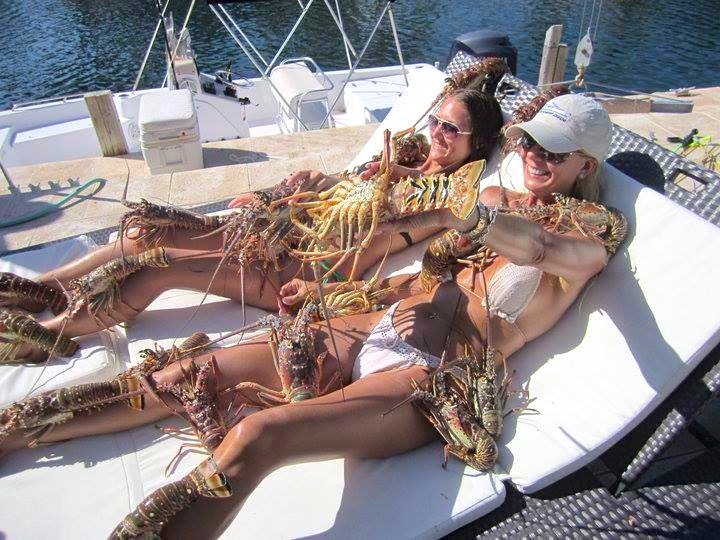
Today is the first day of the crawfish season and Facebook Abaco has been crawling with crawfish for a couple of days in feverish anticipation. So I decided to stick with whales and dolphins instead because there are enough crawfish images out there to keep anyone happy. However I did particularly like this offering today from Albury’s Ferry Services, always a byword for tastefulness and decorum. I’ve borrowed their picture (they borrow mine sometimes) – I wondered if it need a little more exposure, then decided there was probably quite enough already….

1560751_559512834154838_7953388384919364087_n

Photo credits: all cetaceans, BMMRO; Crawfish Ladies, Albury’s Ferries; ‘Keep Calm’, Mariah Sawyer

Unknown's avatar

AMAZING WHALE, DOLPHIN & MANATEE PHOTOS FROM ABACO


Whale Fluke (BMMRO Abaco Bahamas)AMAZING WHALE, DOLPHIN & MANATEE PHOTOS FROM ABACO

The BMMRO (Bahamas Marine Mammal Research Organisation) had a great June for sightings of cetaceans and sirenians. Here is a sample of their wonderful photos from recent research expeditions (with thanks as ever for use permission).

RANDY THE WEST INDIAN MANATEE

After the recent excitement of Abaco’s manatee GEORGIE having returned to Cherokee after another of her epic journeys, another West Indian manatee has arrived at Sandy Point (conveniently the location of the BMMRO HQ). Sirenians and cetaceans are generally recognised from particular patterns to flukes or fins. The second image shows the notch in Randy’s tail that confirms ID.

Randy the West Indian Manatee, Sandy Point, Abaco, Bahamas Randy the West Indian Manatee (tail), Sandy Point, Abaco, Bahamas

BOTTLENOSE DOLPHINSBottlenose Dolphins - BMMRO, Abaco, BahamasBottlenose Dolphins - BMMRO, Abaco, BahamasBottlenose Dolphins Abaco BMMRO FV

SPOTTED DOLPHINSSpotted Dolphins, BMMRO Abaco, Bahamas

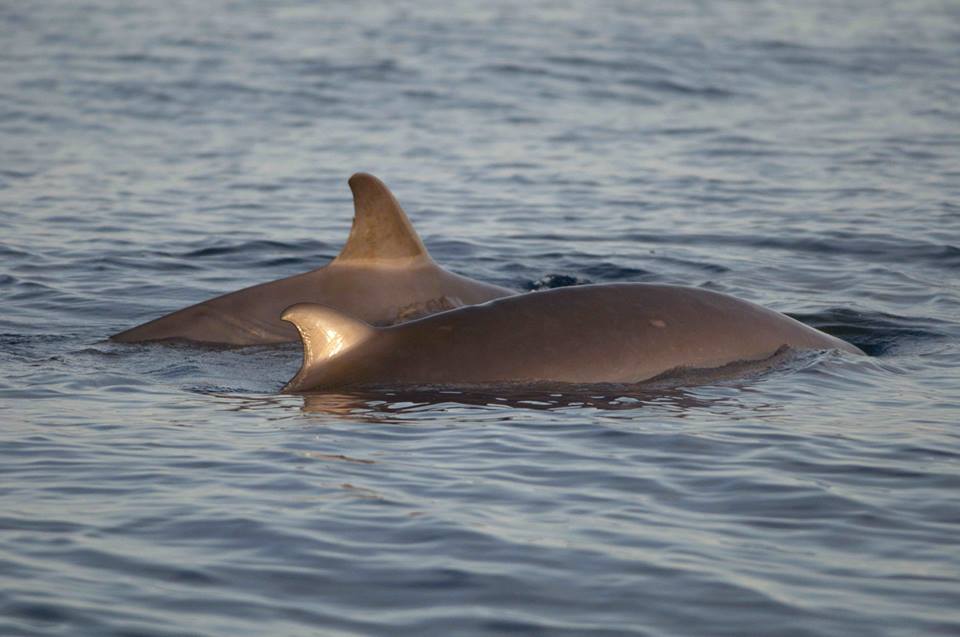
BLAINVILLE’S BEAKED WHALESBlainville's Beaked Whales BMMRO Abaco, BahamasBlainville's Beaked Whales BMMRO Abaco, BahamasBlainville's Beaked Whales BMMRO Abaco, Bahamas

TWO COMPLETE FLUKES (THIS IMAGE & HEADER)

(note minor damage to the edges, from which ID of an individual can be made)Whale Fluke (BMMRO Abaco Bahamas)

SPERM WHALE & DIVER

Compare the diver’s fins in the foreground with the (partial) length of a huge sperm whale… Sperm Whale and Diver

RELATED LINKS:

DOLPHINS

WHALES

MANATEES

Unknown's avatar

DOLPHINS OF ABACO: WONDERFUL PHOTOS FROM THE BMMRO


Dolphin, Abaco - BMMRO

DOLPHINS OF ABACO: WONDERFUL PHOTOS FROM THE BMMRO

The BMMRO (Bahamas Marine Research Organisation) is based at Sandy Point, Abaco. It is dedicated to researching, monitoring, and protecting the marine mammals of a very large area. Not just cetaceans – the dolphins and whales. Recently, a small number of West Indian manatees (sirenians) have been making the northern Bahamas their home. I’ve written plenty about Georgie the adventurous manatee in the past – and in April she returned to her favourite place, Cherokee, after a bit of time away from Abaco.

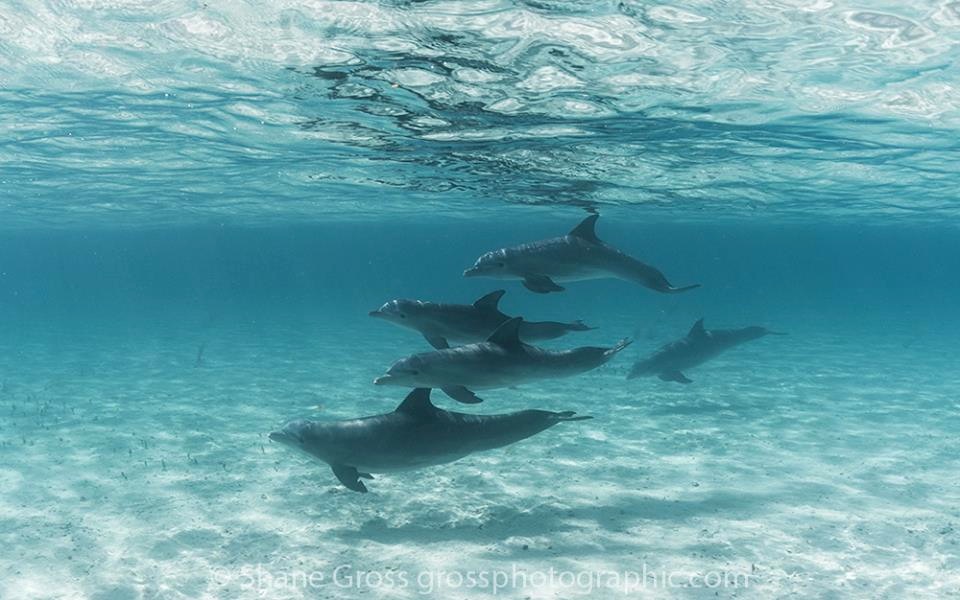
Recently, photographer Shane Gross spent some time with the BMMRO and took stunning photos of dolphins. It’s impossible to say, or think, anything unpleasant about these lovely, intelligent, playful creatures. Say you ‘don’t much care for dolphins’, and you’d be more than halfway to having a down on kittens. Here are some magnificent images that deserve a wide audience.

Dolphins, Abaco, Bahamas (BMMRO) - Shane GrossDolphins, Abaco, Bahamas (BMMRO) - Shane GrossDolphins, Abaco, Bahamas (BMMRO) - Shane GrossDolphins, Abaco, Bahamas (BMMRO) - Shane GrossDolphins, Abaco, Bahamas (BMMRO) - Shane Gross

WHALES & DOLPHINS  PAGE

MANATEES PAGE

BMMRO WEBSITE

BMMRO FACEBOOK

SHANE GROSS PHOTOGRAPHIC

Thanks as ever to Charlotte & Diane at the BMMRO for ongoing use permission of material including the header pic; and to Shane for his outstanding photos

Unknown's avatar

WHALES, DOLPHINS & MANATEES, ABACO: BMMRO NEWS


blue1

WHALES, DOLPHINS & MANATEES, ABACO: BMMRO NEWS

BMMRO COLLABORATES WITH NEW PARTNER, ATLANTIS BLUE PROJECT

The ATLANTIS BLUE PROJECT is managed by the Atlantis Blue Project Foundation, a private non-profit organization dedicated to the preservation and enhancement of global marine ecosystems through scientific research, education, and community outreach. BMMRO is excited to now be a part of this project and in turn has received two grants from the Atlantis Blue Project for 2014 

blue2

Stranding Response to Support Conservation of Marine Mammals in the Bahamas 

Increasing capacity and available funds to respond rapidly to strandings in The Bahamas will increase our ability to determine cause of death and/or successful rehabilitation of marine mammals. At the first stranding workshop held in the Bahamas in 2008, the Honourable Lawrence Cartwright, Minister of Agriculture and Marine Resources officially opened the workshop stating “I believe the establishment of a Marine Mammal Stranding Network in The Bahamas will serve to promote the conservation of marine mammal species and their habitat by improving the rescue and humane care of stranded marine mammals, advancing stranding science, and increasing public awareness through education.” This funding will provide the resources to train veterinarians on how to work with stranded marine mammals as well as provide the resources to respond to strandings.

blue3

Field Research & Outreach to Support Conservation of Bahamas Marine Mammals

Cetaceans are long-lived, highly specialised animals with delayed reproduction and low fecundity, which makes them incapable of rapid adaptation and thus particularly vulnerable to anthropogenic impacts. BMMRO has compiled an unprecedented long-term dataset for the region, which has become increasingly valuable to inform about the baseline ecology of some odontocete species. This research will ensure that this important work continues to fill key gaps in our knowledge about the ecology of marine mammals. Additionally, we will increase awareness and build capacity amongst Bahamians, both of which will contribute to local conservation needs.

blue4blue5

JANUARY SIGHTINGS

For Abaco, the excitement is the sperm whale seen just off the Rocky Point area. More generally for the northern Bahamas, in addition to the manatee Georgie (former temporary resident of Abaco) and others, there was a manatee reported on Eleuthera. It looks as though these gently creatures continue to find the area to their liking.

BMMRO Sightings Jan 2014

I must be going now – thanks for visiting Rolling Harbour…blue6

bmmro_logoClick me!

(Thanks as ever to Charlotte & co at BMMRO for permission to use and adapt their material!)

Unknown's avatar

ABACO KAYAK CHALLENGE 2013 ON NOVEMBER 9: BE IN IT TO WIN IT!


ABACO KAYAK CHALLENGE 2013

kayak logo 2013

FRIENDS OF THE ENVIRONMENT, ABACO

Friends of the Environment (Abaco) logo

Join Friends in support of the Abaco Cancer Society and Friends of the Environment for Abaco’s third annual Kayak Challenge on November 9th at Pete’s Pub in Little Harbour.

Pete's Pub

“Any craft you can paddle will be welcome, from kayaks, paddle boards and canoes – just no engines!  There will be 3 courses to choose from: 5 miles, 8 miles, or 13 miles that will take paddlers into and through the scenic Bight of Old Robinson, part of the proposed East Abaco Creeks National Park. Paddlers will be welcomed back with a Beach party at Pete’s Pub.” 

Pete’s Pub: “Thirst come, thirst served…”Pete's Pub, Little Harbour, Abaco Bahamas

THE THREE COURSES

5 Mile Course

5 mile paddle2013

8 Mile Course

8 mile2013

13 Mile Course

13 mile paddle2013

SUPPORT FRIENDS & BMMRO INTERN OSCAR WARD AS HE NEGOTIATES THE PERILS OF THE “BIG ONE”; AND FOLLOW HIS INTERN’S BLOG HERE 

“Support boats will be available to assist, but paddlers should plan to bring adequate water and snacks for the trip. Remember, the sun in The Bahamas is hot, so pack your sunscreen, sunglasses, hat and if you burn easily, clothing to cover yourself up with along the way. Kayaking is a water activity, so be aware that anything that goes in the kayak with you will get wet whether it be from a splash from passing boat wake, drops from paddles, or a quick rain storm. Kayaking is a physical activity, remember the further you venture, the further the paddle to return.”

There will be a beach barbeque & party for spectators to cheer the paddlers on as they come in from their journey.

For more information call the FRIENDS office at 367-2721 or email info@friendsoftheenvironment.org

Bring your own Tee…Pete's Pub, Little Harbour, Abaco Bahamas

 Registration form, sponsorship form and waiver 

 Sponsorship donations can be made on-line

 Kayak Challenge event page on Facebook

Kayak Challenge Sponsors Cherokee AirHope Town Harbour LodgeThe Paint PlaceLightbourne MarinePete’s Pub and GalleryShirley Enterprises, Bon Secours Medical Group, Sands Marine Surveying & Consulting, Marsh Exporters and Importers, Ltd, Abaco Petroleum Company Ltd, Abaco Family Medicine, Abaco Tourist Office

Non-participatory support from a respectful distance (4250 miles) from

Delphi Bonefish LogoHighly competitive and vigorous kayak practice off the Delphi Club beach, Rolling HarbourKayak, Delphi Club, Abaco Bahamas

Unknown's avatar

3 MONTHS ON ABACO WITH THE BMMRO: AN INTERN’S STORY


BMMRO whale pic

The Bahamas Marine Mammal Research Organisation LogoClick logo for website

BMMRO Bahamas Marine Mammal Research Organisation Banner

3 MONTHS ON ABACO WITH THE BMMRO: AN INTERN’S STORY

My name is Jack Lucas and I am Marine Biology Student at Plymouth University in the UK. I came to the Bahamas Marine Mammal Research Organisation on Abaco in July 2013 for a 3 month internship, which has been an amazing experience from start to finish. Heres a summary of my summer spent at BMMRO.

Sperm Whale Fluking

I arrived at the start of July and was fortunate enough with my timing to be part of an assembled crew of scientists from all over the world coming together to start work on what was to be this summers main project; collecting faecal samples from Blainville’s beaked whales to assess stress hormones produced. This team included Dr Roz Rolland and Dr Scott Kraus from New England Aquarium, who are collaborating with BMMRO for the work, and the samples will be analysed back at their lab in the US. Also along for the ride was Roxy Corbett; a whale observer and field researcher from the US, and Dr Stephanie King; a acoustician from the Sea Mammal Research Unit in Scotland. The first day after arriving it was straight out on the boat to search for these elusive creatures and the beginning of a crash course in how to collect and store the faecal samples when we found them. For the first week the work was a mix of boat work when the weather permitted and practicing poop collection using custom-made fine-mesh nets and coffee grounds (as close to the real thing as we were willing to try!), as well as clearing out BMMRO’s garage and, under the direction of foreman Scott, the construction from scratch of a lab to prepare samples for storage.

An example of the use of coffee grounds to practise whale poop-scoop technique269RH note: NOT Jack’s arms / snappy diving suit…

Unfortunately, despite days of poop collection practice and endless hours searching for the whales at sea, the original poop team never got a chance to employ these by now highly developed skills or to see the lab being used, as the weather was so windy we barely encountered the animals let alone spent long enough with them to collect any samples. 

Despite the lack of beaked whales, we did encounter loads of marine mammals in the first few weeks, from sperm whales to three different species of dolphin; including the little-seen and even less-studied rough-toothed dolphin.

Rough-toothed Dolphin

After discussion with Charlotte and Di about a possible project for me to complete during my stay, it was to be this species that I would focus on and in between the usual office jobs it was my task to sort through the photos from 20 rough toothed encounters in the Bahamas since 1995 and create a catalogue of individuals. This initial task consisted of careful inspection, comparison and sorting of what turned out to be over 5000 photos, into an organised catalogue of 167 separate and distinctive individuals. Despite the hours of endless staring at fins, it was very rewarding as there were 13 resighted individuals found (we were not necessarily expecting any!) which suggests long-term site fidelity and association of these animals, in addition to year round use of the Grand Bahama Canyon. Even more rewarding; the results of this work have recently been submitted for a poster display at an Odontocete workshop in New Zealand this December and I am also writing up the results in a formal scientific paper, with the hopeful goal of publishing a note in a peer-review journal. 

 Scott, Jack, Stephanie and Di in the new lab at Sandy Point

Around a month in I was lucky enough to be sent by Di and Charlotte to Great Harbour Cay on the nearby Berry Islands to work with the manatees there, in particular Georgie; a recently released juvenile whose status is being carefully monitored after her rehabilitation at Atlantis’ Dolphin Cay following health problems. The work here for a week under the guidance of Kendria; a Bahamian contracted by BMMRO to monitor the manatees on the Berry Islands, consisted of tracking Georgie using a satellite tag attached to a belt around her tail. Once located, we logged her position and made any notes on her health and behaviour aswell as the other manatees that were often found with her (there are currently 6 located on Great Harbour Cay). Two days in her tag was found unattached at a locals dock (it has a weak-link incase of entanglement) and we had to locate her using underwater hydrophones to detect her belt. Once found, I had the rare opportunity of entering the water with her in order to re-attach a new tag to her belt; it was amazing and one of the best encounters I have had with any animal! It is impossible not to love these amiable and gentle creatures, especially when you observe their infamous ‘hugs’ in person! 

Georgie the Manatee

For more about Georgie’s re-release in the Berry Is. after her earlier shenanigans on Abaco, see HERE

After returning from the Berry Islands (and incidentally missing the first two poop collections of the season made by Charlotte!) it was back to hunting for the elusive beaked whales around South Abaco. During my time I had the chance to work with several interns coming to BMMRO including local marine-enthusiasts Tristan and AJ, and Courtney Cox from Florida. Oscar Ward from the UK also joined the team as Charlotte left for Scotland to complete her PhD, and was on hand during the poop-collection and other little excursions. In wasn’t until the last month of my time here that we managed to get close enough to the whales for me to get in the water and be towed alongside in the hope of seeing one defecate. One amazing morning two whales surfaced right off the bow of the boat and what resulted was again, one of the most amazing moments; swimming just a couple of feet away from an animal only a handful of people in the world have seen underwater. After nearly two months with no samples, the two weeks that followed were a flurry of boat days, poop-collection and whale watching; with a total of 7 samples collecting from beaked whales (5 in one day!!) and another 3 from sperm whales. This was the best possible end to my time here and I finally got a chance to use the much-practiced poop collection techniques. The samples included a number of squid beaks, and in one very deep dive collection a mass of parasitic worms and a weird cephalopod-type animal! We also got a chance in the last few weeks to test-run a new addition to the fleet, that included a dive compressor.

Ready to collect some poop…

Finally my time in the Bahamas had to come to an end, and I had to return home. The last 3 months has flown by and has been one of the most enjoyable and most importantly educational periods of my life and I cannot thank Di and Charlotte enough for making it all possible. The day-to-day boat runs, office work, equipment maintenance and station chores has given me a good insight into all aspects of field research. It was my first taste of life as a marine mammal scientist, and it has made me even more determined to pursue a career in this field; a perfect stepping stone from which to move forward. In addition my work with BMMRO (and what must of been a brilliant reference from the girls!) made it possible to secure a highly competitive internship in the Farallon Islands this winter tagging elephant seals amongst other work! I cannot wait to continue working in this field and finish writing up the results of my project here, and hope I have the chance to come to Abaco again to work with these amazing people and animals!Sperm Whale supplier of poop BMMRO
BMMRO would like to thank Jack for all his help during the summer, and all our interns for their assistance! To our sponsors, Friends of the Environment, Disney Animal Programs and Environmental Initiatives and Rotary of Abaco, we thank you for your continued support.

To read more about the work of Interns on Abaco with the BMMRO at Sandy Point and Friends of the Environment in Marsh Harbour, check out Oscar Ward’s excellent blog SEVENTYPERCENTBLUE. There are articles on Life in the Mangroves, the Bahamas Climate, Whale Poop Collection, and most intriguing how he and co-intern Jack both came very close to being Black Tip  Fodder… real live Chums!

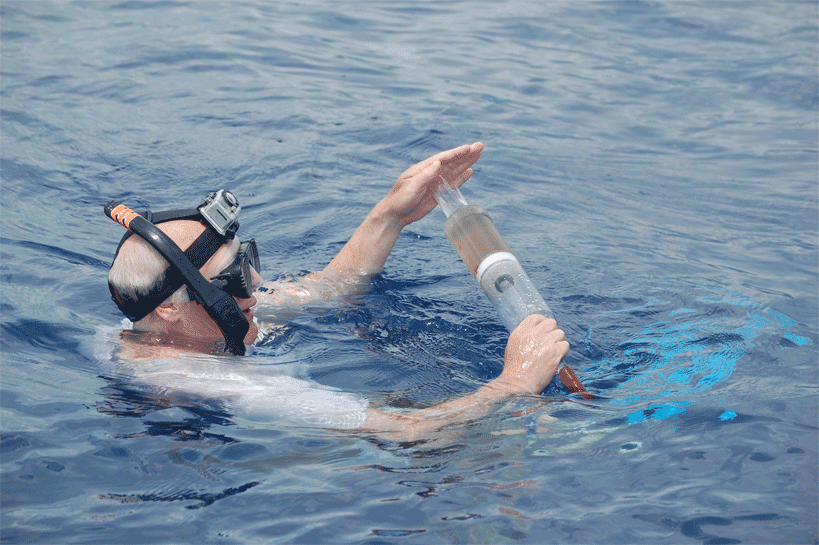
The Author researching underwater creatures
Unknown's avatar

GEORGIE THE (FORMER) ABACO MANATEE RETURNS TO THE BERRY IS.


Georgie the Manatee, Hope Town, Abaco (© Stafford Patterson) 1

GEORGIE THE (FORMER) ABACO MANATEE RETURNS TO THE BERRY IS.

Last year I posted about Georgie, the young manatee that made Abaco her home for several months. Georgie was born in Spanish Wells. She and her mother Rita travelled to Nassau Harbour, where in April 2012 they were rescued from the multiple shipping hazards and  released in Great Harbour Cay, Berry Is. Both were equipped with tags to monitor their movements. In June, the newly-weaned Georgie embarked on a big solo adventure by swimming to Abaco. Her tracking device showed that she called in at the Marls, before continuing right round the top of Abaco and down the east side, calling in at various Cays on the way. In all, her journey was some 200 miles long. She eventually settled down in the Cherokee and Casuarina area, and in a modest way became a lettuce-chomping celebrity.  DANA & TRISH FEEDING GEORGIE (2)

Georgie-related posts include these:

WEST INDIAN MANATEES AND THE BAHAMAS: THE FACTS

GEORGIE THE ABACO MANATEE – CHEROKEE’S SIRENIAN VISITOR STAYS ON…

GEORGIE THE ABACO MANATEE: FAREWELL CHEROKEE, HELLO ATLANTIS

The BMMRO has recently updated Georgie’s story: “Georgie remained in Cherokee Sound throughout the fall, including during hurricane Sandy but in January she was beginning to look slightly underweight. Concern was raised about her general appearance and the decision was made… to conduct a field health assessment and relocate her to the Atlantis Marine Mammal Rescue Center. “recap1

“Georgie underwent a series of general health evaluations and was fed approximately 75 pounds of lettuce each day. She gained more than 200 pounds during the course of her care and weighed 569 pounds upon her recent release”. recap4

“We are pleased to announce that Georgie has now been released once more to Great Harbour Cay in the Berry Islands after a successful rehabilitation at Atlantis’ Dolphin Cay. She was successfully released on Wednesday 14th August by the Atlantis Animal Rescue Team from the Atlantis Dolphin Cay Marine Mammal Rescue Center, with the help of the Bahamas Marine Mammal Research Organisation (BMMRO). She has a satellite tag attached to her which will help post-release monitoring, currently being conducted by representatives from BMMRO and Dolphin Cay.”

Georgie being let down from the boat, back into Great Harbour Cay (K. Ferguson)
Georgie with her tag shortly after release (K. Ferguson)

Georgie socialising with a young male manatee in Great Harbour Cay a few days later (K. Ferguson)

safe_image.php

“The first 3 weeks of Georgie’s release  showed her venturing on longer and longer journeys, with the blue circles showing her first weeks’ movements, the red her second, and finally the yellow circles her locations up to Saturday. She is doing very well and often seen with the other manatees in the area.”

1240329_651667491519147_1896477103_n

GEORGIE: THE MOVIE OF THE MOVIE

Apologies for using an iPh*ne to capture the movie – I wasn’t able to embed it directly. Updates on Georgie will be posted on BMMRO’s FACEBOOK PAGE

Credits and thanks to BMMRO and Kendria Ferguson for use of photos and the maroon text…

Unknown's avatar

‘JUMPING FOR JOY’: CHEERFUL DOLPHINS IN ABACO WATERS


Dolphin, one of a pod of 50

‘JUMPING FOR JOY’: CHEERFUL DOLPHINS IN ABACO WATERS 

To be totally accurate, one or two of these photographs may have be take from the BMMRO research vessel at some point during an expedition to Andros. But since the boat set off from and returned to Abaco, with an Abaconian team on board, I have stretched a point  with the title… 

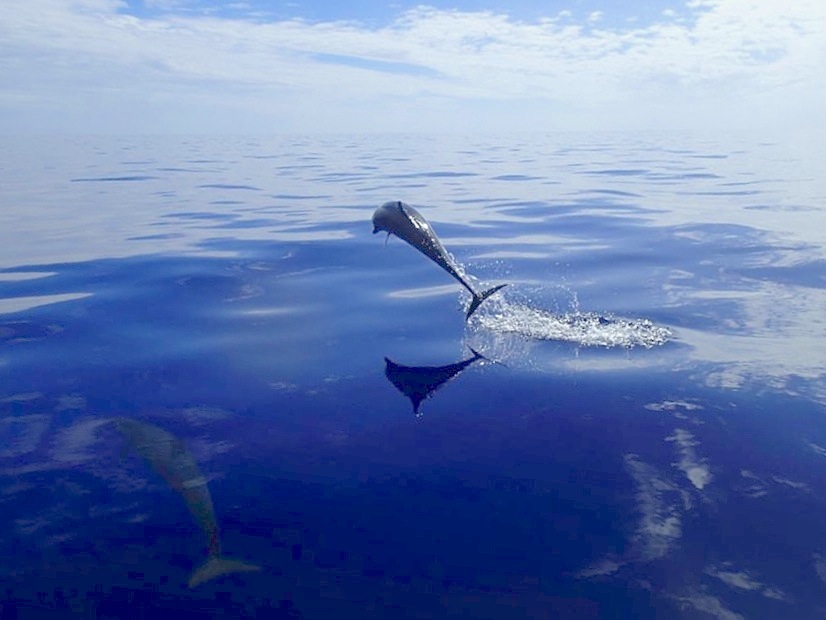
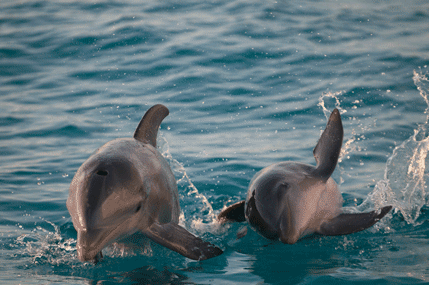
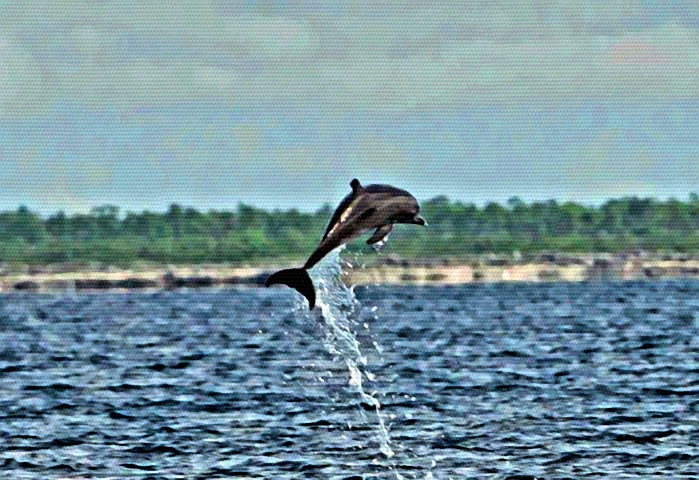
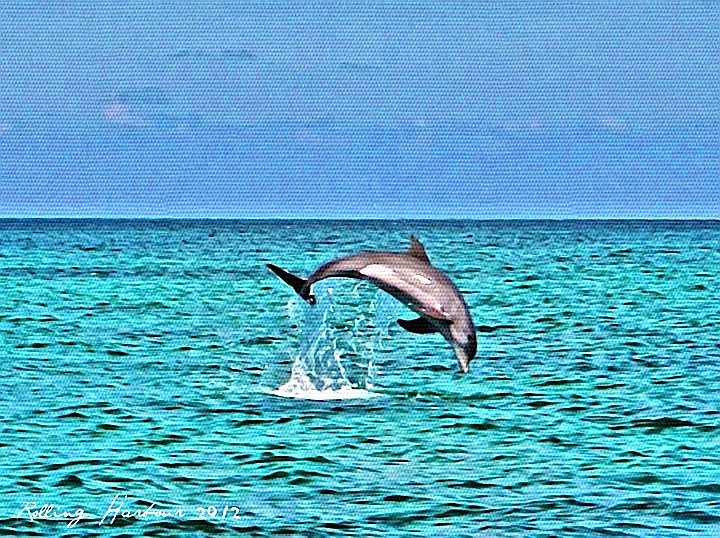
It would be hard to view a dolphin leap as high as this (top photo) as anything other than an expression of pure enjoyment. Difficult to tell the exact height, but it’s fairly spectacular. Dolphins always seem to be looking, or acting, happy. Here are a few more, a mix of bottlenose and spotted dolphins,  to spread some cheer… 

Dolphin Leap Abaco ©BMMROSpotted Dolphin, Abaco ©BMMROSpotted Dolphin Abaco ©BMMROHappy Dolphin Abaco ©BMMRO

This dolphin was one of a large pod of 28 seen on a recent BMMRO research tripOne of a large pod of 28 dolphins

Time to get my… erm… paintbox outLeaping DolphinPhoto credits: Bahamas  Marine Mammal Research Organisation BMMRO

In an earlier post I name-checked BMMRO intern Oscar Ward’s blog SeventyPercentBlue.  You can read Oscar’s account of his continuing adventures HERE

Unknown's avatar

‘FAMILIAR FECES’: CETACEAN POOP-SCOOPING BY SPECIES


1238860_644550912230805_1918179367_n

‘FAMILIAR FECES’: CETACEAN POOP-SCOOPING BY SPECIES

UPDATE I name-checked BMMRO intern Oscar Ward’s blog below. Now he’s been out on the ocean on ‘poop patrol’. You can read Oscar’s account of his experiences HERE

Among the many pleasures for cetacean research scientists must be the joy of whale poop collection. Followed by close inspection and analysis. The Bahamas  Marine Mammal Research Organisation BMMRO conducts research expeditions, in conjunction with such organisations as the New England Aquarium NEAQ and Friends of the Environment FOTE, in Abaco waters and further afield in the Bahamas. The attention this year has been on beaked whale feces, though available sperm whale feces are not to be sniffed at. Images and info below are courtesy of the organisations mentioned above, with thanks for use permission

TopHead_070815o_01_Md_DEC_035

A researcher working with BMMRO demonstrates feces collection using coffee grounds. She collects the coffee granules in her net and places the entire sample into a ziplock bag, ready to hand to the boat for processing 269

The purpose of feces collection is to look at the stress and reproductive hormones of the whales and to gather a baseline for these animals with which to compare other populations that are under threat3

An alternative method of collectionpoop15

Blainville’s Beaked Whales (suppliers of raw research material)Blainville's Beaked Whale AbacoBeaked whale - supplier of poop BMMRO

There are some conditions – dare I say windy ones – when Blainville’s beaked whales may be hard to locate. At such times, collection of pieces of other species feces rarely ceases… Here is a sperm whale in the act of producing laboratory samplesTail_18Jun10_01_Pm_CAD_123

Weather of the sort that makes the day’s collection more complicated. Indeed, it looks and uphill task…GOPR0109

That’s enough on the topic for now. Later in the month there will be some great dolphin pictures to enjoy. Below is the BMMRO sightings chart for July, which I forgot to publish sooner.

Finally, a young UK friend of ours, Oscar Ward, has recently won his place to study marine biology at university next Autumn. He has just arrived on Abaco to start an internship with the BMMRO at Sandy Point. He will then be moving to Friends of the Environment in MH. He has set up an excellent blog to record his experiences, with his first Abaco post going up today, I notice. You can follow Oscar at SEVENTYPERCENT.COM And if you see him around, do say hi! to him.

BMMRO SIGHTINGS JULY 2013

Unknown's avatar

ABACO’S RAREST VISITOR: MEET ALBERT ROSS… THE ALBATROSS


ABACO’S RAREST VISITOR: MEET ALBERT ROSS… THE ALBATROSS

I can find no record for the sighting of an albatross in the waters around Abaco. Nor for anywhere else in the Bahamas for that matter. It must have come as some surprise to the BMMRO team out at sea on their research vessel off Sandy Point to see a large and unusual seabird bobbing tranquilly on the water. A black-browed albatross Thalassarche melanophrys. Diane Claridge managed to get a great shot of it and I’m really pleased to be able to use it here.

Black-browed Albatross, Abaco © DC BMMROBlack-browed albatross off Sandy Point, Abaco, Bahamas. Photographed by Diane Claridge.

© Bahamas Marine Mammal Research Organisation 2013

This bird was way out of the normal range for the species. They are birds of the southern oceans, breeding in colonies on such islands as the Falklands, South Georgia and Macquarie Island. As far as I can make out, they have no business to be north of the equator at all.

Black-browed Albatross Range Map BirdLife Int

SIGHTING A BLACK-BROWED ALBATROSS: A REPORT

During a three-hour survey for whales off Sandy Point, Abaco on Sunday, July 21st scientists from the Bahamas Marine Mammal Research Organisation had an exceptional sighting. Dr Diane Claridge, the group’s Executive Director recalls details of the sighting:

“We were drifting waiting for a beaked whale to resurface when our intern Tristan Albury pointed towards a white object floating in the distance and asked what it was. We decided that it was a piece of trash, unfortunately a common sighting, and continued to focus our search for the whale. A half hour later, we still had not re-sighted the whale and believed that it may have gone down on one of its one-hour long feeding dives. So with time to kill and the “trash” still in sight, we had another look with binoculars. We realised immediately that it was a very large bird and slowly motored towards it for a closer look. I began taking photographs of it because we already knew it was unusual and we wanted to be sure to identify the species. As we got closer, Roxy Corbett, a visiting scientist and avid birder exclaimed that it was an albatross! I couldn’t believe it. We were able to approach within 100 feet at which point it swam towards us providing an opportunity for us to document its body condition; it appeared healthy with no obvious signs of distress.

Later when back ashore, we compared our photographs with those available online and learned that it was a juvenile Black-browed albatross, an endangered bird with a 7-foot wing span known from subtropical to polar regions of the southern hemisphere! As far as I know this species has never been recorded previously in the tropical North Atlantic. I have seen albatross during whale surveys in Alaska but never dreamed that I’d ever see one in The Bahamas. Although we are thrilled by the rarity of this sighting, the outcome for a bird so far out of its normal range is not usually good. However, there are two Black-browed albatross that strayed into the North Atlantic previously that have taken up long-term residence in Scotland and the Faroe Islands so who knows where this one may end up. Sunday afternoon was indeed exceptional: in addition to this remarkable sighting, we also saw 4 different species of whales and dolphins, all within 5 miles of Sandy Point.”

These are huge strong birds, with a massive wingspan. I wondered what they might sound like – it’s like this… (Credit: Xeno-Canto & recordist Sofia Wasylyk)

For more information on the normal range and status of the Black-browed albatross, the BMMRO recommended links are:

Link to Birdlife International’s site:
http://www.birdlife.org/datazone/speciesfactsheet.php?id=3959

Link to IUCN’s species red list:
http://www.iucnredlist.org/details/106003959/0

Unknown's avatar

WHALE & DOLPHIN RESEARCH, PHOTOS & SIGHTINGS REPORT


WHALE & DOLPHIN RESEARCH, PHOTOS & SIGHTINGS REPORT

The Bahamas Marine Mammal Research Organisation (BMMRO) has recently been involved in a major tagging and monitoring program  around Andros, in particular using sonar to test the responses of beaked whales. Being all at sea for a few weeks meant that many other marine mammals were encountered. Thanks to Charlotte and Diane for permission to use some of their photographs taken during the research trip – and also in Abaco waters – to illustrate the amazing diversity of cetacean life in the waters of the northern Bahamas.

Click me!

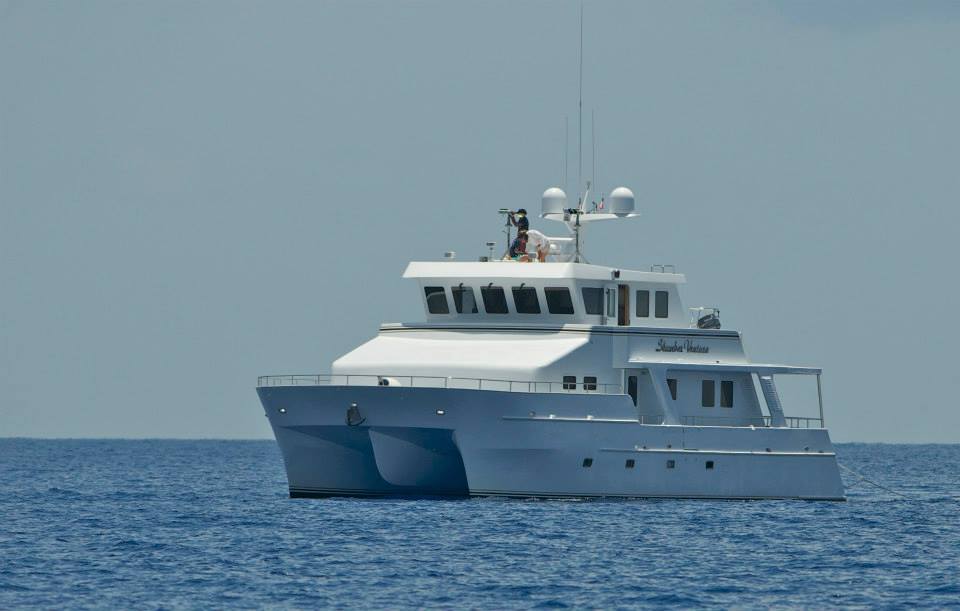
RESEARCH VESSEL “SLUMBER VENTURE”'Slumber Venture' survey vessel

WHALES

A Sperm Whale with unusual pigmentation

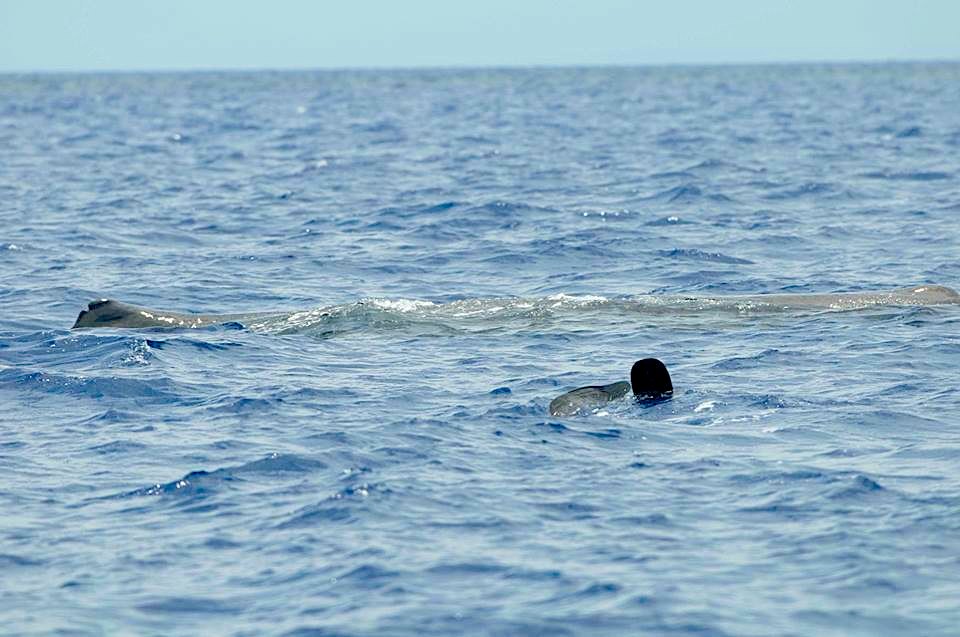
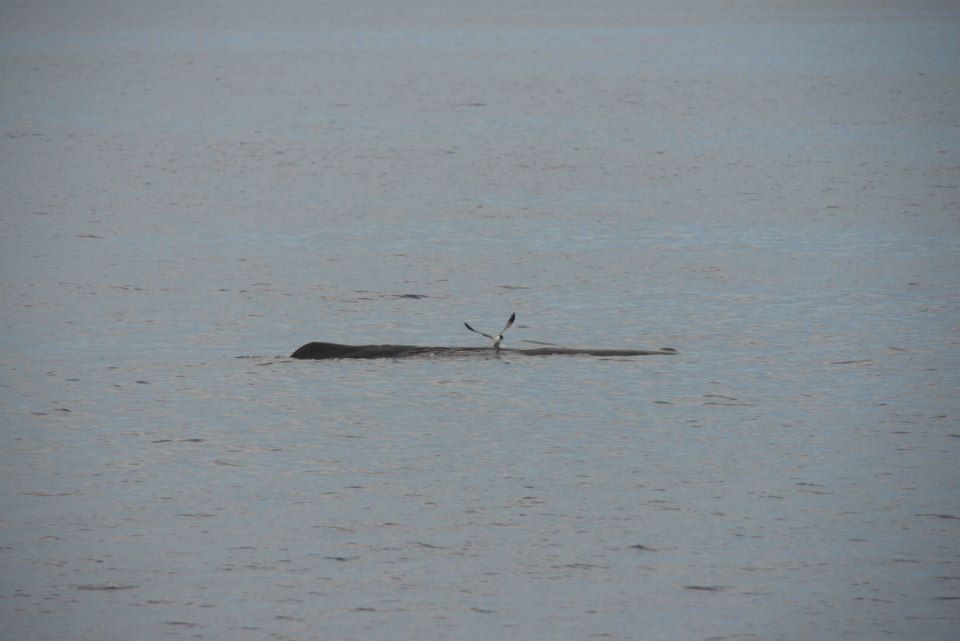
SPERM WHALES OFF ANDROSSperm WhalesSPERM WHALE TAILINGSperm Whale tailingTHAT GULL SURELY CAN’T BE CRAZY ENOUGH TO…Gull landing on Sperm WhaleWELL, IT JUST DID!Gull landed on Sperm Whale

MELON-HEADED WHALES – MOTHER & NEW-BORN CALF

Melon-headed Whale mother with new calf

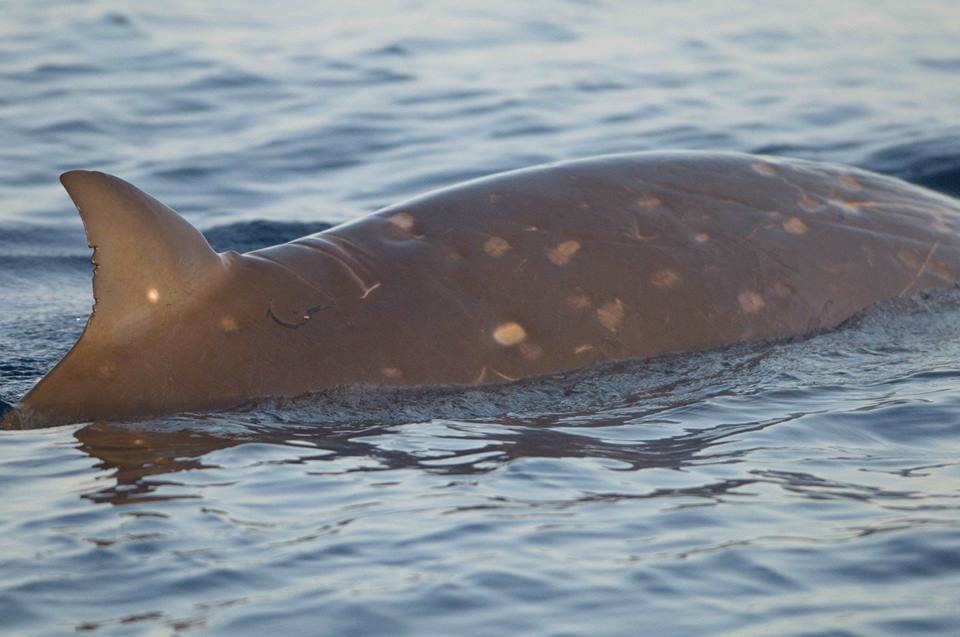
THE FIN OF A MALE BEAKED WHALEBeaked whales - the fin of a male

DOLPHINS

BOTTLENOSE DOPHIN & CALFBottlenose Dolphin & Calf, Abaco

BOTTLENOSE DOLPHINBottlenose Dolphin near Gorda Cay

DOLPHINS BOW-RIDINGDolphins bow-riding

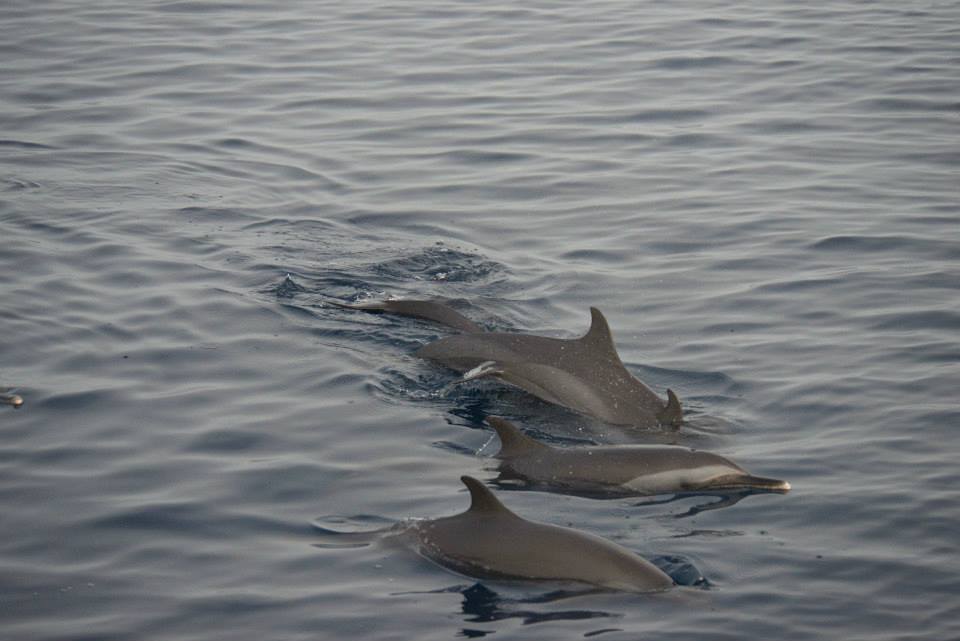
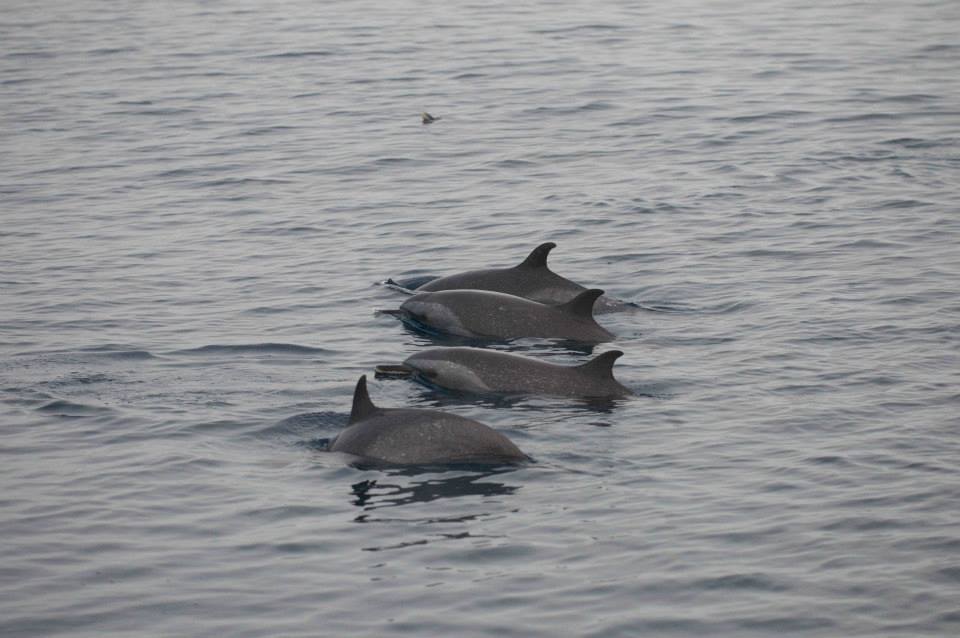
SPOTTED DOLPHINSSpotted Dolphins Spotted Dolphins x 4

ROUGH-TOOTHED DOLPHINS

The research, tagging and monitoring programs pay dividends in conservation and species preservation terms… but then along comes a brutal reminder, way out in the pristine ocean, of the far-reaching extent of man’s reckless damage of the planet and the creatures in it. This poor animal has become swathed in plastic.  The likelihood is that its stomach will have dozens of pieces of plastic in it, from microscopic to potentially damaging – or fatal. We made it all, and we chucked it away.Marine Mammals & plastic

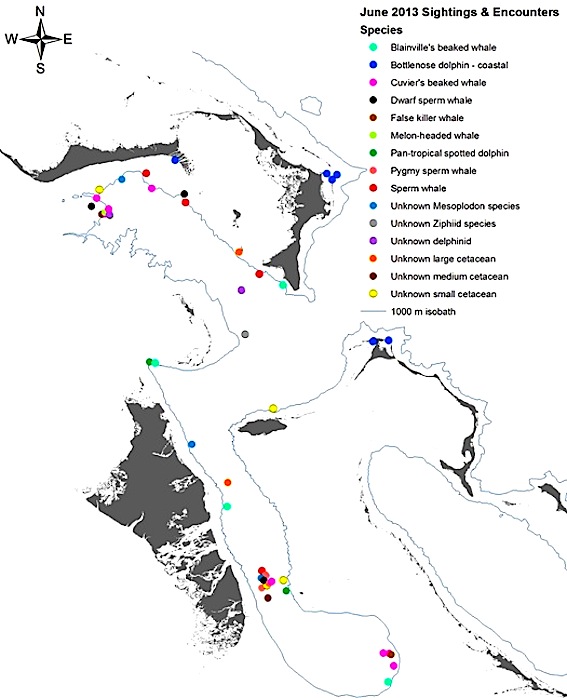
Moving into less contentious areas, here is the BMMRO sightings list for the last month, with a great deal of activity recorded. For once there is even a sighting included of my very own, of 3 bottlenose dolphins in Hope Town harbour one lunchtime in mid-June. See HERE

BMMRO June Sightings

Finally, the latest news from the BMMRO is that Dr Diane Claridge, besides being awarded her PhD earlier this year for her research on beaked whales, has graduated from the ancient scottish university of St Andrews, founded in  1413. It is the third-oldest university in the english-speaking world (and the oldest in the scottish-speaking world…).Dr Diane Claridge, St Andrews Uni

Georgie Manatee BMMRO SUPPORT LOGO

Credit: savethemanatee.org

Unknown's avatar

ABACO WHALES & DOLPHINS, BMMRO SIGHTINGS & NEWSLETTER


Dolphin Leap copy

ABACO WHALES & DOLPHINS: BMMRO SIGHTINGS & NEWSLETTER

I haven’t posted Abaco whale, dolphin & manatee news for a while. Time for a catch-up. Georgie the young manatee that left her mother Rita and came to Abaco from the Berry Is. alone, is no longer here. She survived a very long journey, and investigated various coastal areas of Abaco – all the while being tracked. In the end she settled down in the Cherokee area. There were anxious times during Hurricane Sandy when she went missing (having by now shed her tracking device) but she eventually reappeared at Cherokee having found a safe haven from the storm. Sadly, however, her condition deteriorated and in the New Year she was relocated to Atlantis Dolphin Cay Marine Mammal Rescue Center. Some weeks ago a healthy Georgie was moved to a sea-pen to acclimatise her for release back into the wild.

Read more about Georgie the Manatee’s epic trip HERE and about the operation to relocate her HERE

ABACO DOLPHINS – A MOTHER & HER CALF 428475_595355517150345_807197303_n-1

The Bahamas Marines Mammal Research Organisation (BMMRO) is based at Sandy Point, Abaco. A number of research projects are underway, and recently these have involved work on Andros. The team are now back, and encountering Abaco’s own dolphins and whales. The main photos on the page have all been taken in the last week or so. [The header is by Norwegian artist Roll Inge Haaver]

BOTTLENOSE DOLPHIN, ABACO971695_596998516986045_1649965583_n

SPERM WHALE ‘TAILING’, ABACO (1 of 3 found yesterday using acoustic tracking)374338_596998896986007_1736456956_n

DCB GBG Cover Logo dolphin

BMMRO CHART OF CETACEAN SIGHTINGS FOR MARCH 2013

Of special note are the big whales – 3 sperm whales, and a humpback whale reported close to Cherokee.
BMMRO SIGHTINGS March 2013

Sperm whales. Humpbacks. How big are they? This useful chart shows the average lengths of various whales. I grabbed it off the internet a while ago, but regrettably forgot to mark the source. So, apologies to the originator for using it uncredited, a cyber-sin I try to avoid.what-largest-whale-cetacea-size-comparison-chart-590x338

Finally, the BMMRO’s latest 4-page Newsletter contains a wealth of information about their current activities, some great pictures, and even a quiz – check out BMMRO NEWSLETTER_Apr13

Click logo to linkbmmro_logo

Unknown's avatar

BOTTLENOSE DOPHINS (VIDEO) & BMMRO ABACO CETACEAN SIGHTINGS


safe_image.php

BOTTLENOSE DOPHINS (VIDEO) & BMMRO ABACO CETACEAN SIGHTINGS

The legendary CONCH SALAD TV is a great resource for Bahamas wildlife and way-of-life enlightenment. Their instructive videos are very well put together, and cover Nature, Marine, Art, Science, Music, Culture, Cooking, and broader Bahamas issues. The video below is 9 minutes of Bottlenose Dolphin action, and is recommended for relaxation, gentle instruction, and Kalik-swigging accompaniment…

BMMRO Whale Camp Dolphin Image FV

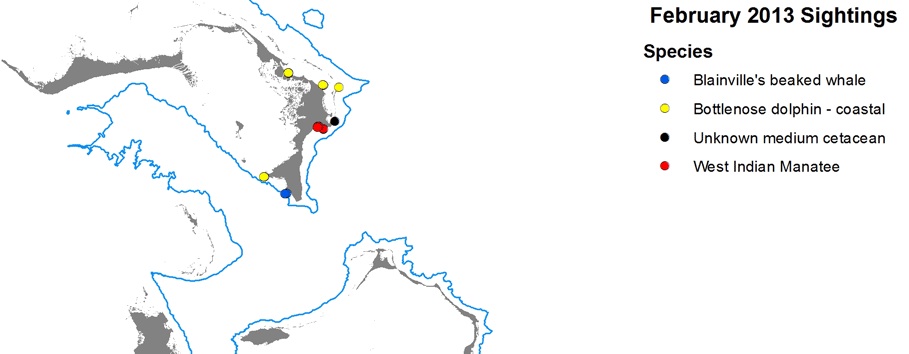
It time to catch up with last month’s Cetacean sightings around Abaco. The Manatee reports are of Georgie in the Cherokee area – alas no longer resident on Abaco but safely at Atlantis where she is being cared for. To know more about the Blainville’s beaked whale on Abaco, click HEREBMMRO sightings 2013

stop pres gif BMMRO’s executive director DIANE CLARIDGE has been awarded her PhD by St Andrews University for her research on beaked whales.  Dr Claridge’s new status is celebrated by humans and cetaceans alike (see image ©BMMRO below…)Bottlenose Dolphins Abaco ©BMMRO
mantsw~1