After many decades of the savage depletion of the global whale population, the tide turned in their favour in the 1960s. It was fair to assume that, gradually, a new era of cetacean recovery must follow and that whales would be accorded the respect they deserve. Over time, many organisations were formed with the specific aim of protecting and conserving marine mammals, theBahamas Marine Mammal Research Organisation (BMMRO)based on Abaco among them.
The struggle to fulfil that aim in the face of entirely man-made environmental damage has become increasingly difficult. However, there have more recently been encouraging reports of population recovery in some seas, a good reason to celebrate WORLD WHALE DAY and to consider supporting the many organisations that work to preserve marine mammals.
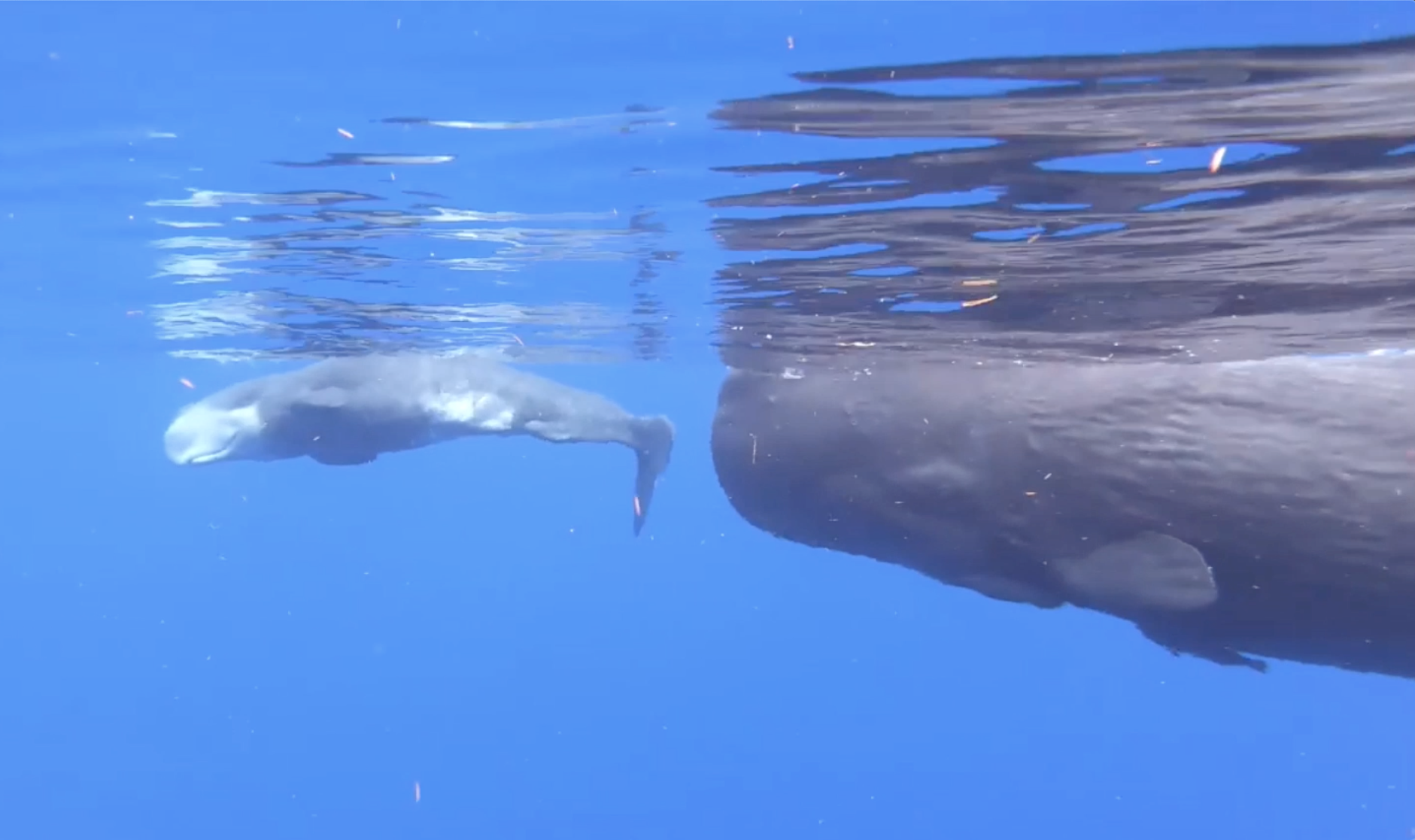
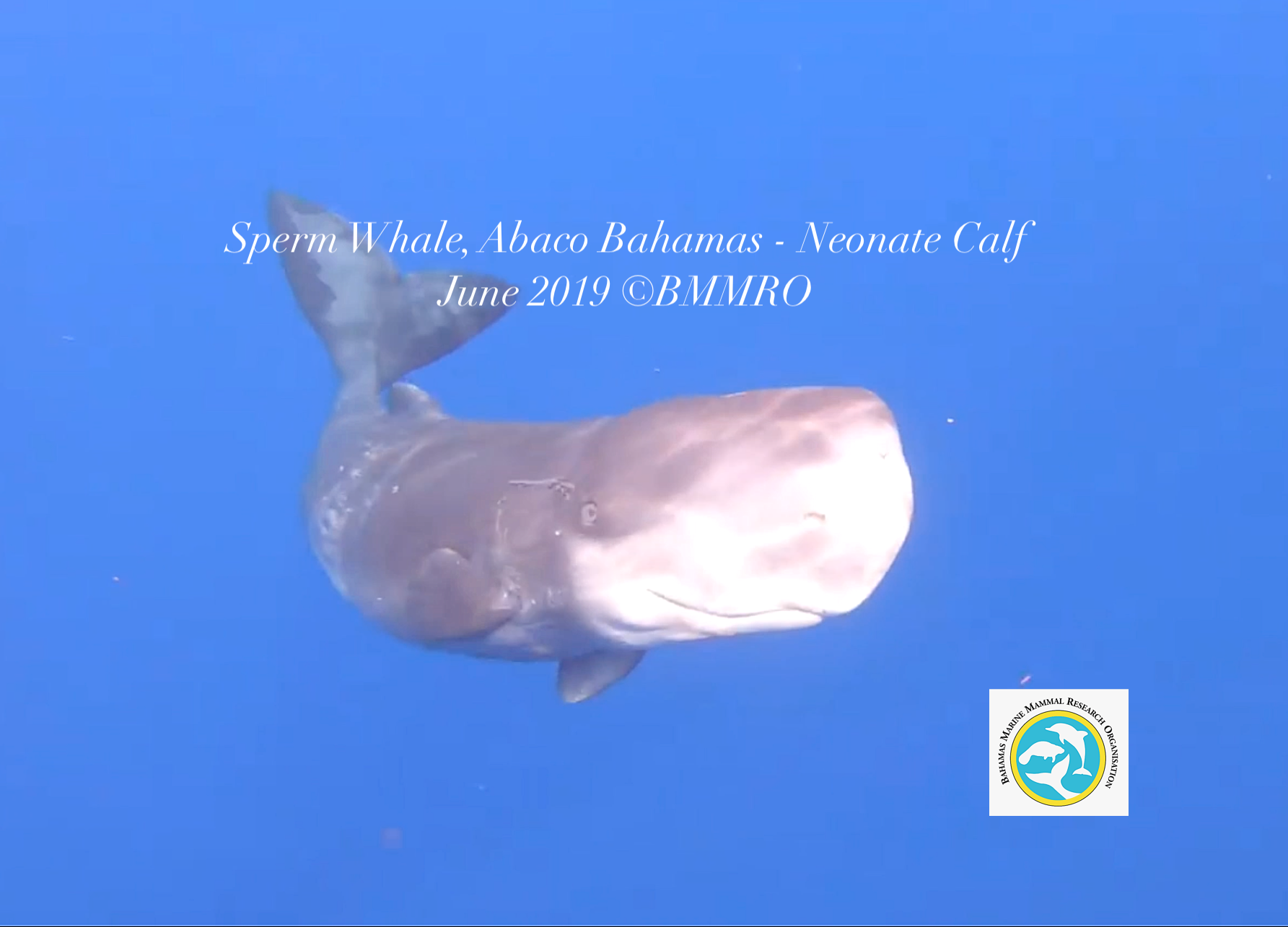
The photographs and the 2 very moving videos below are of an adult sperm whale and new-born calf. They were taken by BMMRO in Bahamas waters. There’s optimism in these images. I’d like to think that a smiling baby whale holds out hope for the future. Hopefully it will flourish and live for decades. If it does not, the overwhelmingly likely cause will be mankind, either directly or indirectly.
CREDITS: Close-up footage plus the clips I have taken from it – Charlotte Dunn / Diane Claridge / BMMRO
DONATE: If you are touched by the magic of this little Bahamas sperm whale, may I invite you to consider making a donation to BMMRO for its research and conservation work – a scientific commitment that reaches far beyond the waters of the Bahamas. The system is set up to process donations from just $10 upwards, and every cent is used to further the work of BMMRO. Please click the logo below to reach the right page directly.
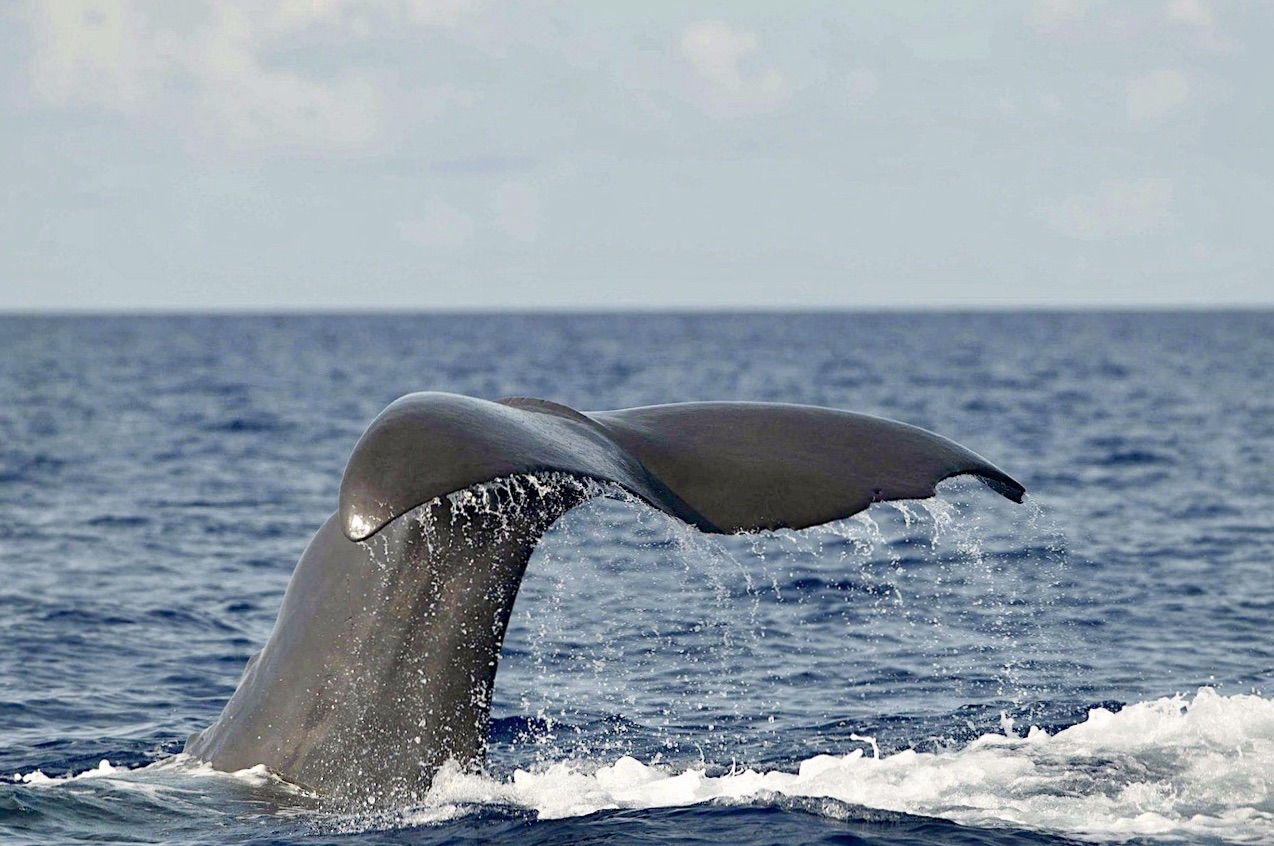
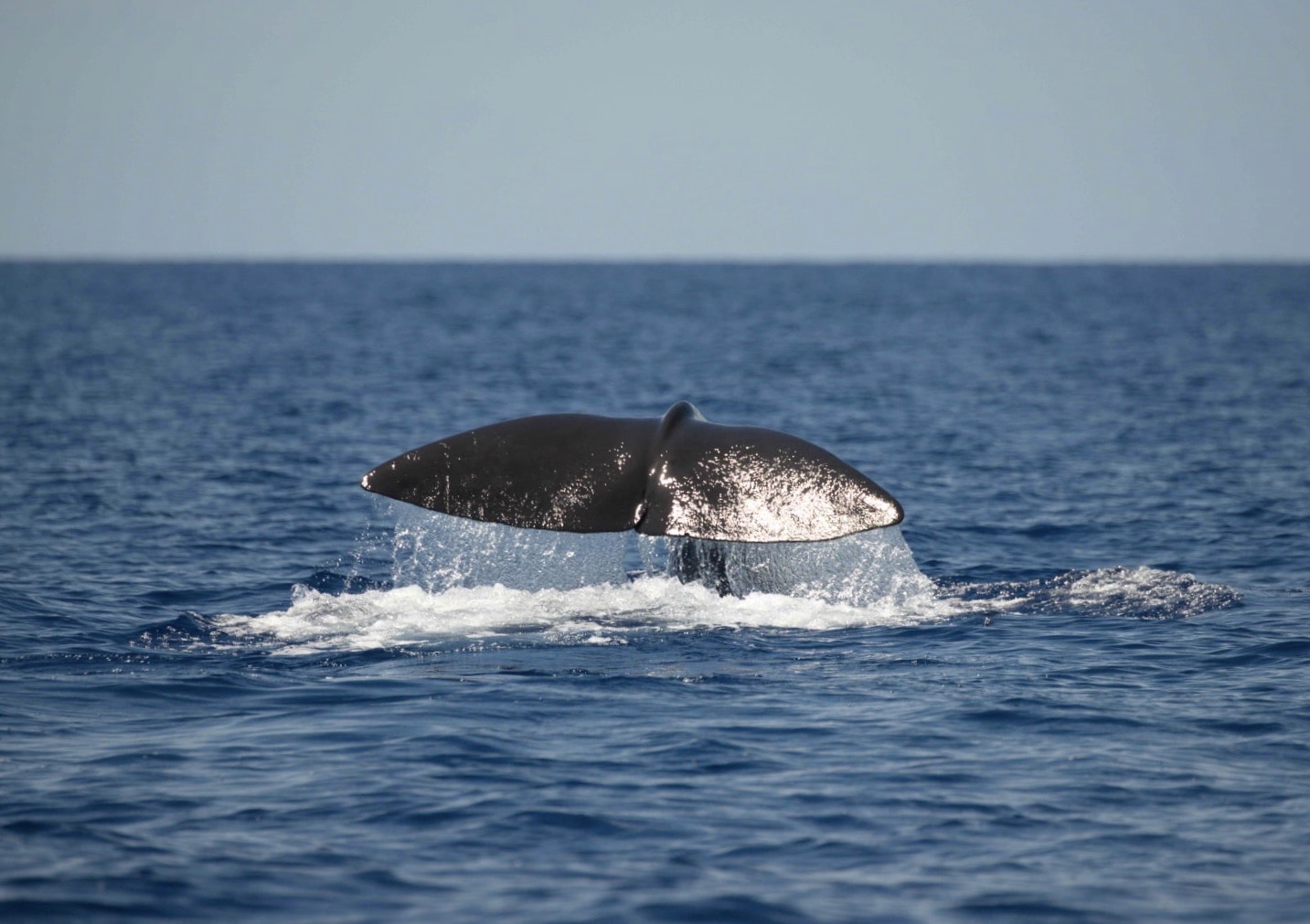
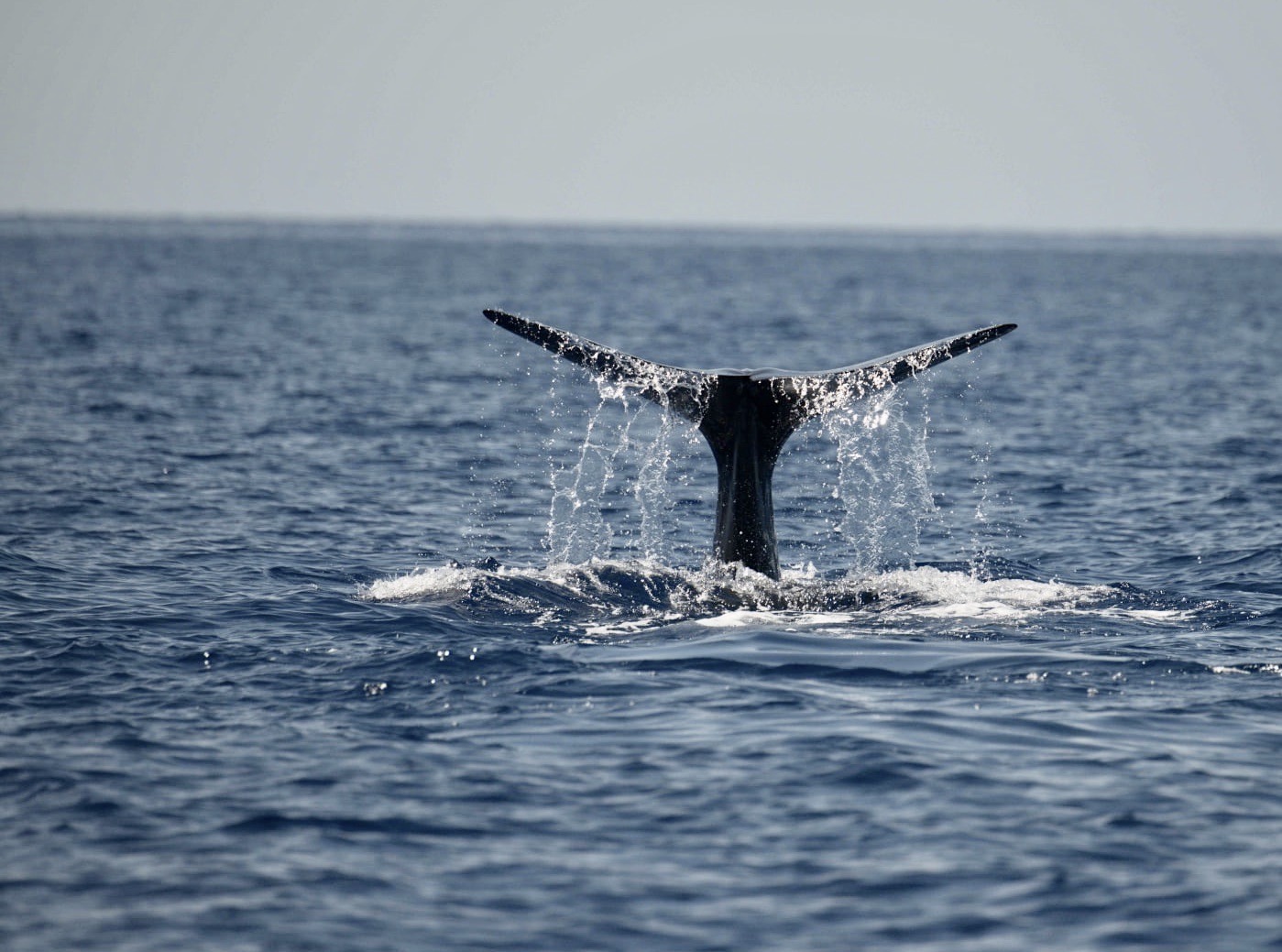
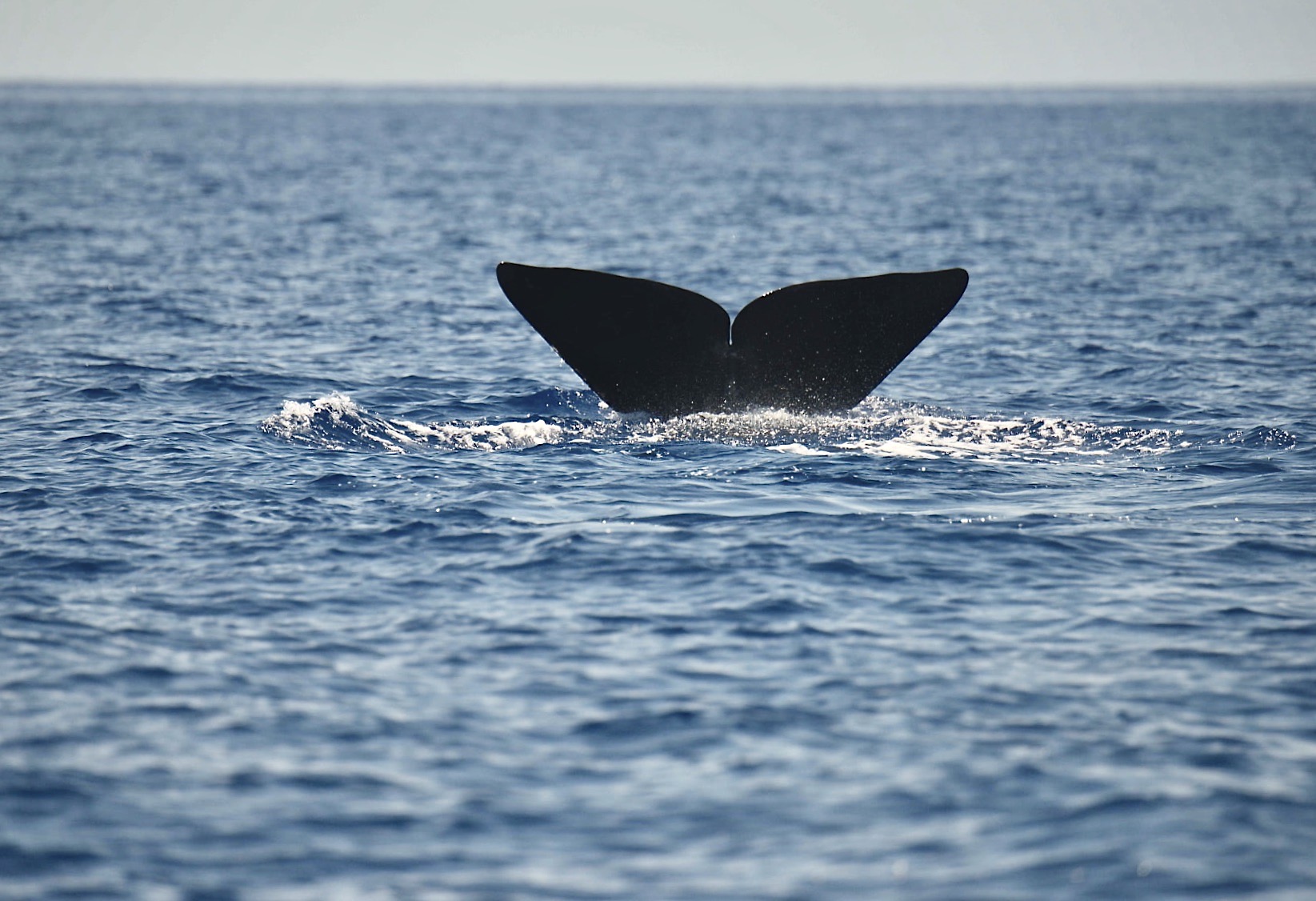
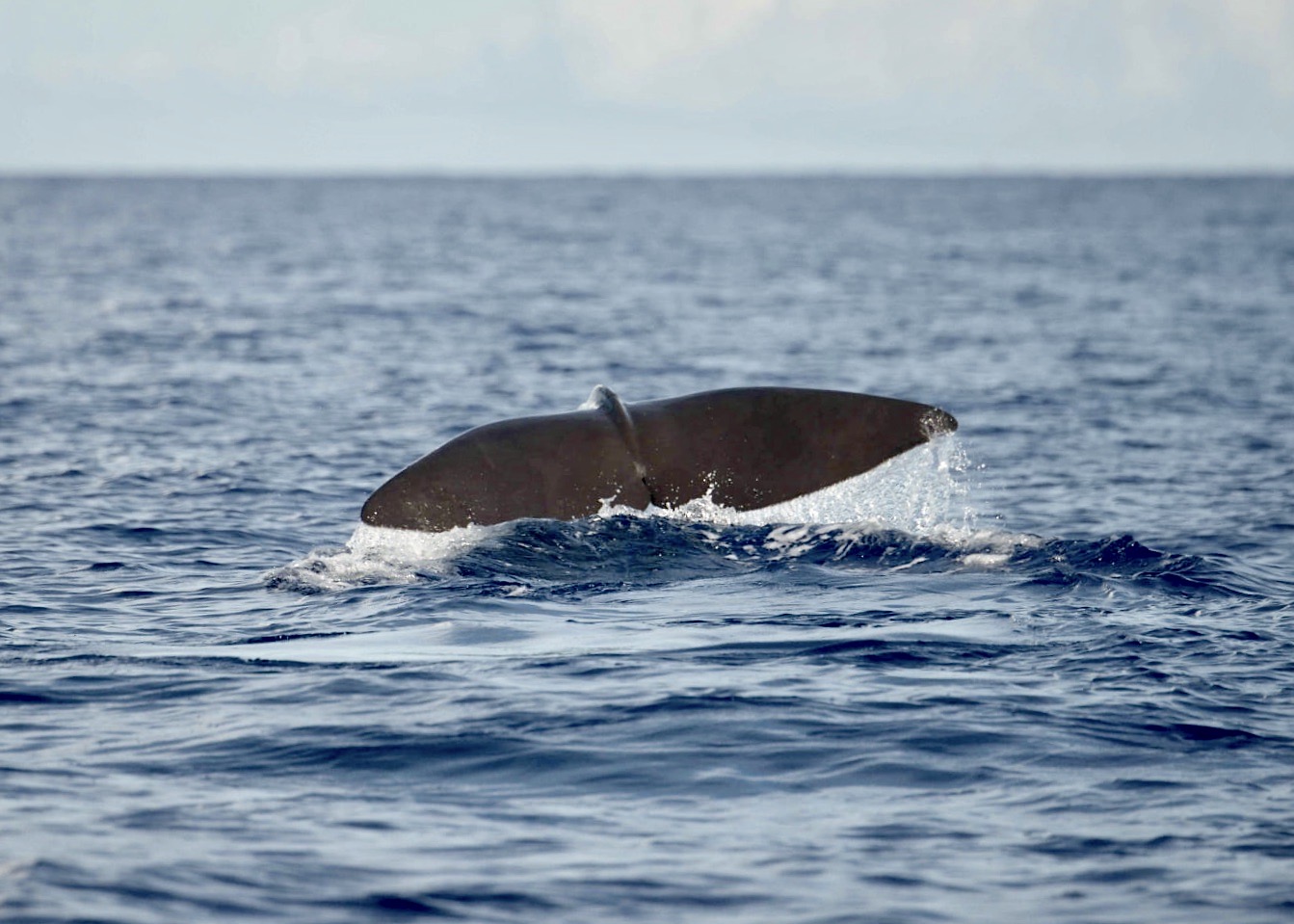
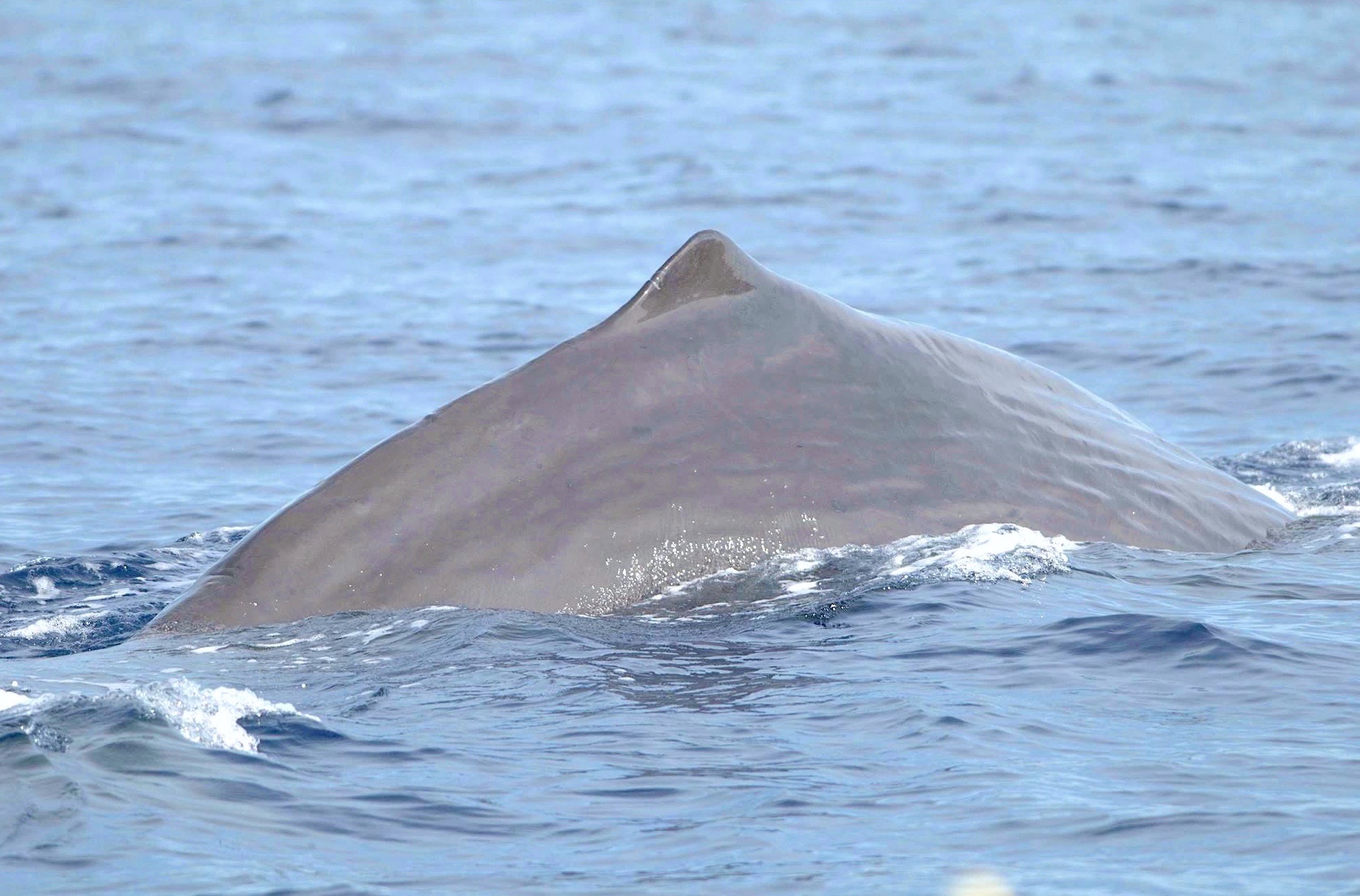
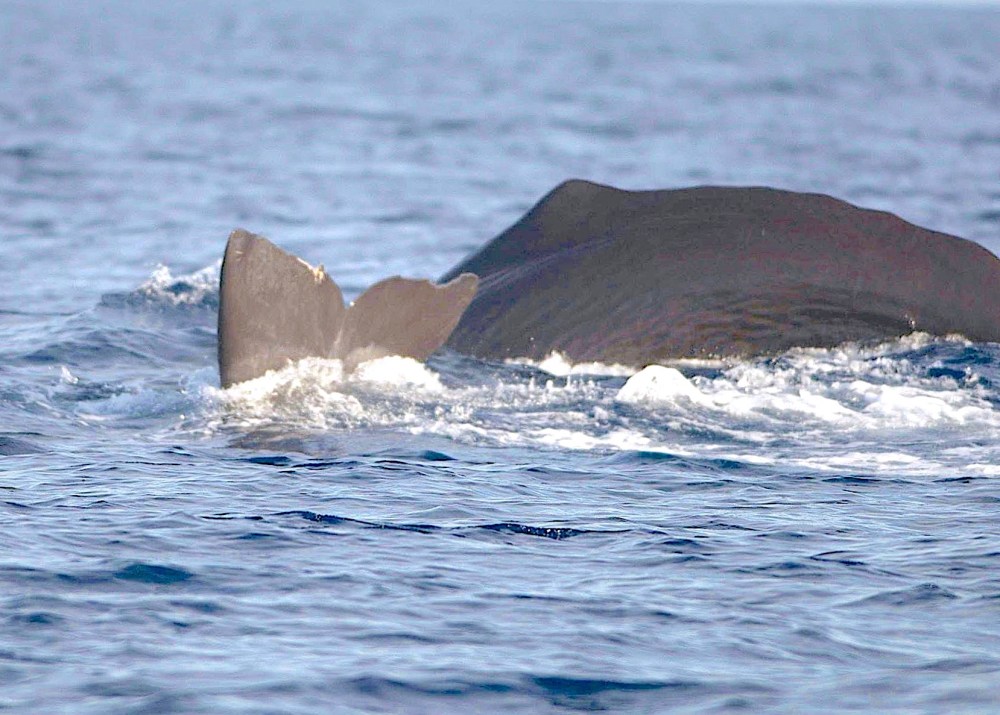
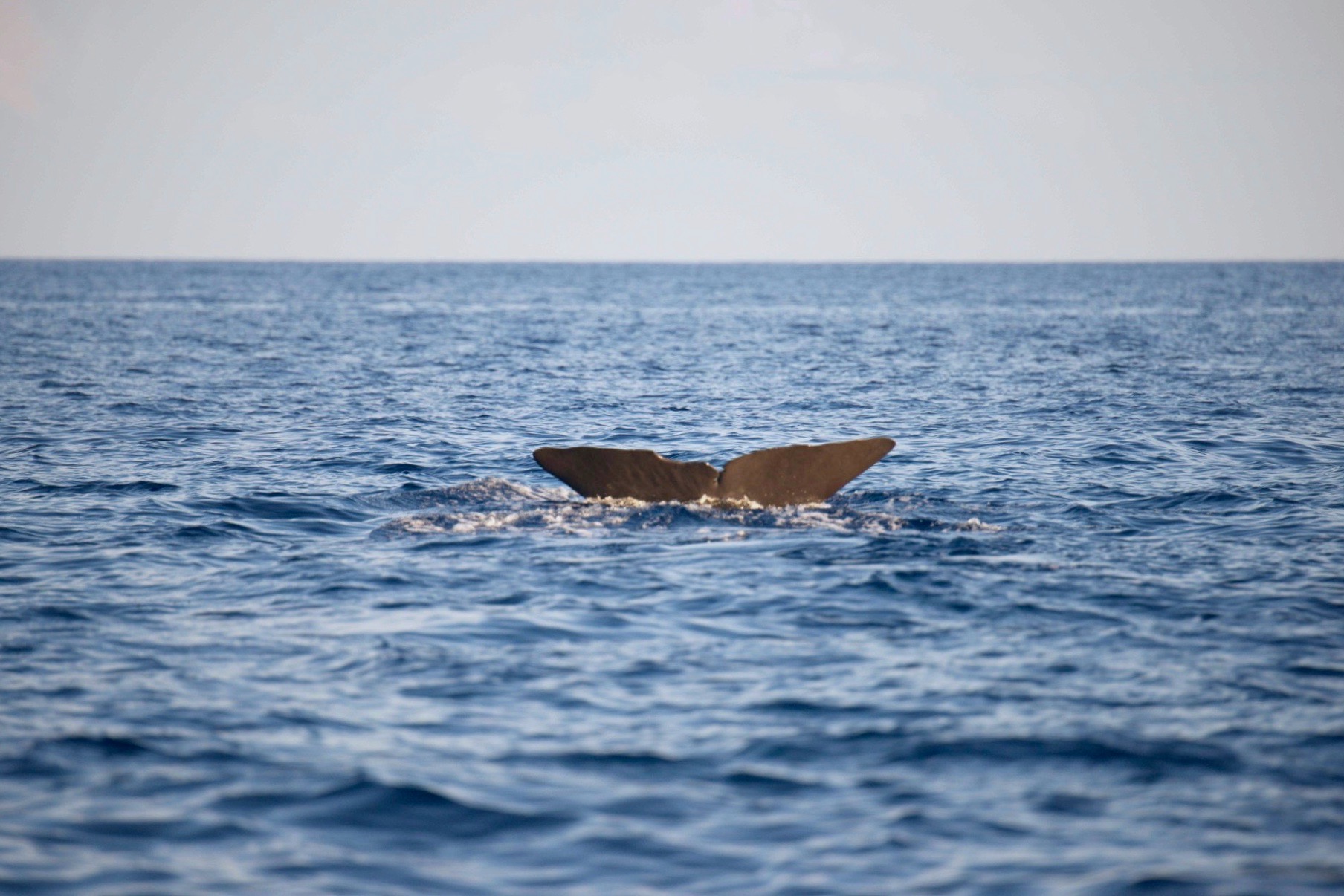
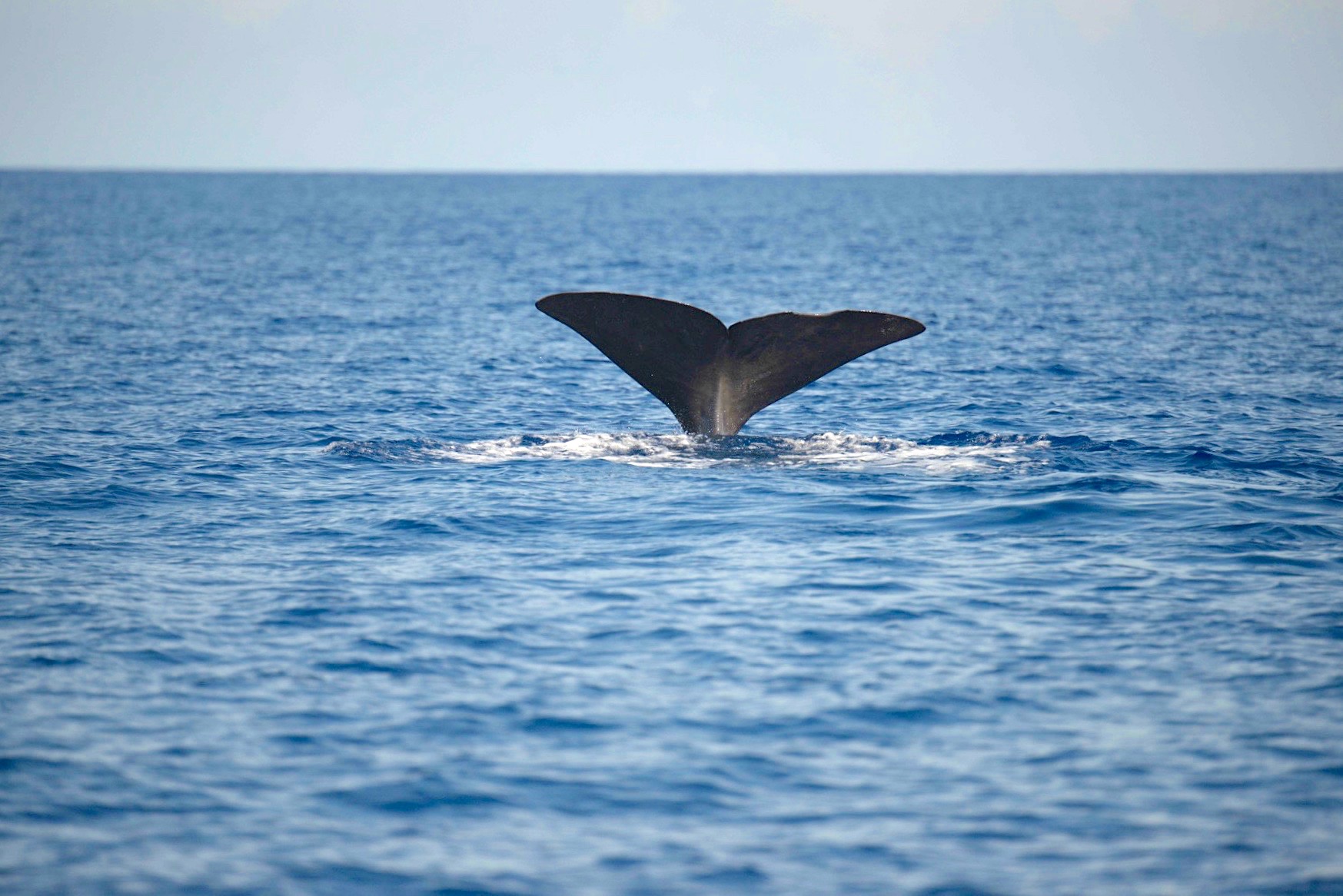
These photos of tailing sperm whales Physeter macrocephalus were taken in the last month or so off the coast of South Abaco, close to the HQ of BMMRO (Bahamas Marine Mammal Research Organisation) at Sandy Point.
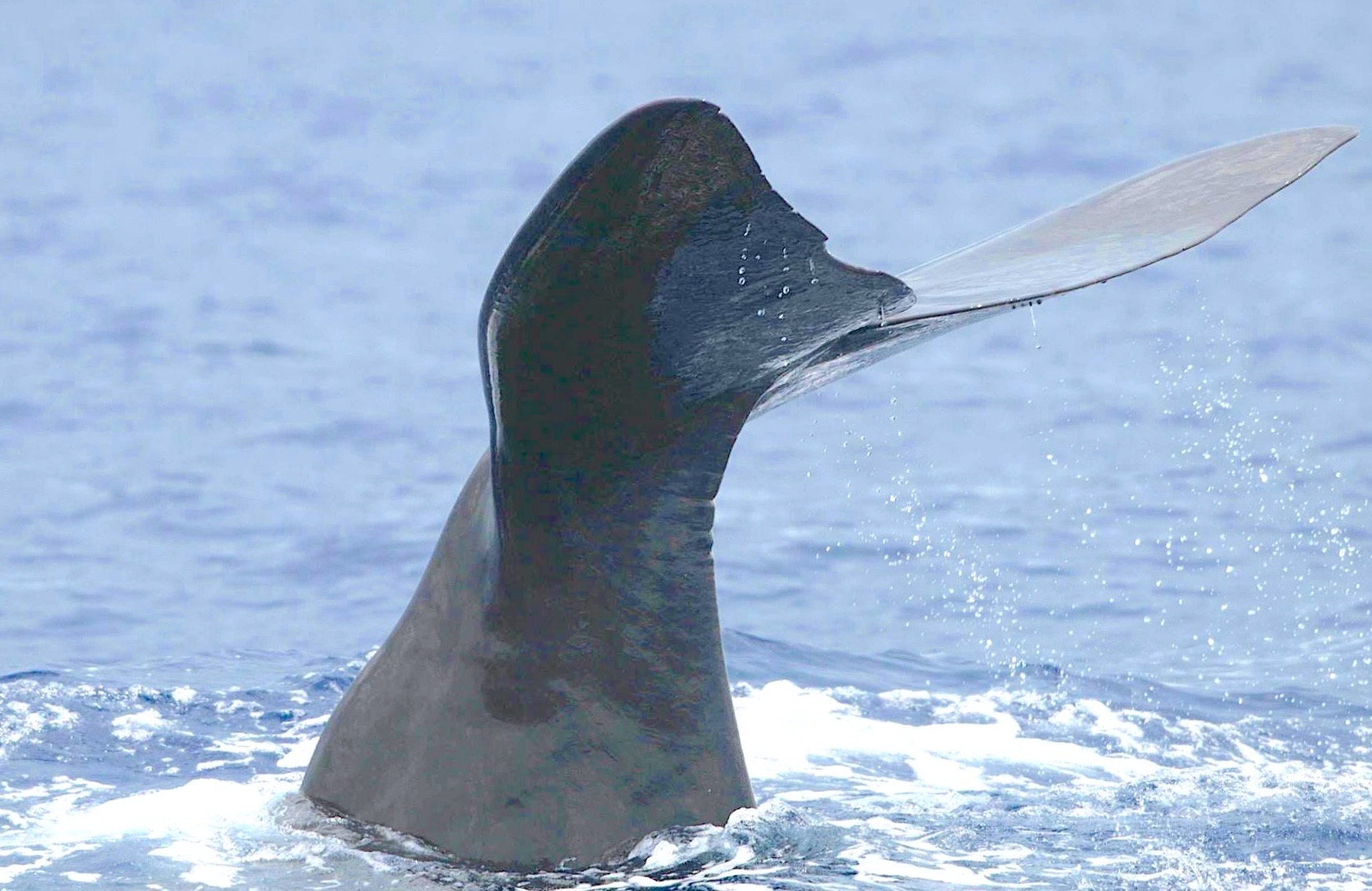
The powerful tails, or flukes, of the sperm whale are the largest of any whale species relative to body size. As the whales prepare for a deep dive, the flukes are the last thing you’ll see…
Marine mammals can be identified by individual characteristics such as tears to the fluke (whales – see header image), dorsal fin (dolphins) or ‘paddle’ (manatees). Many will be sighted and recorded, and later seen regularly, often for many years. Family dynasties can even be traced down the generations.
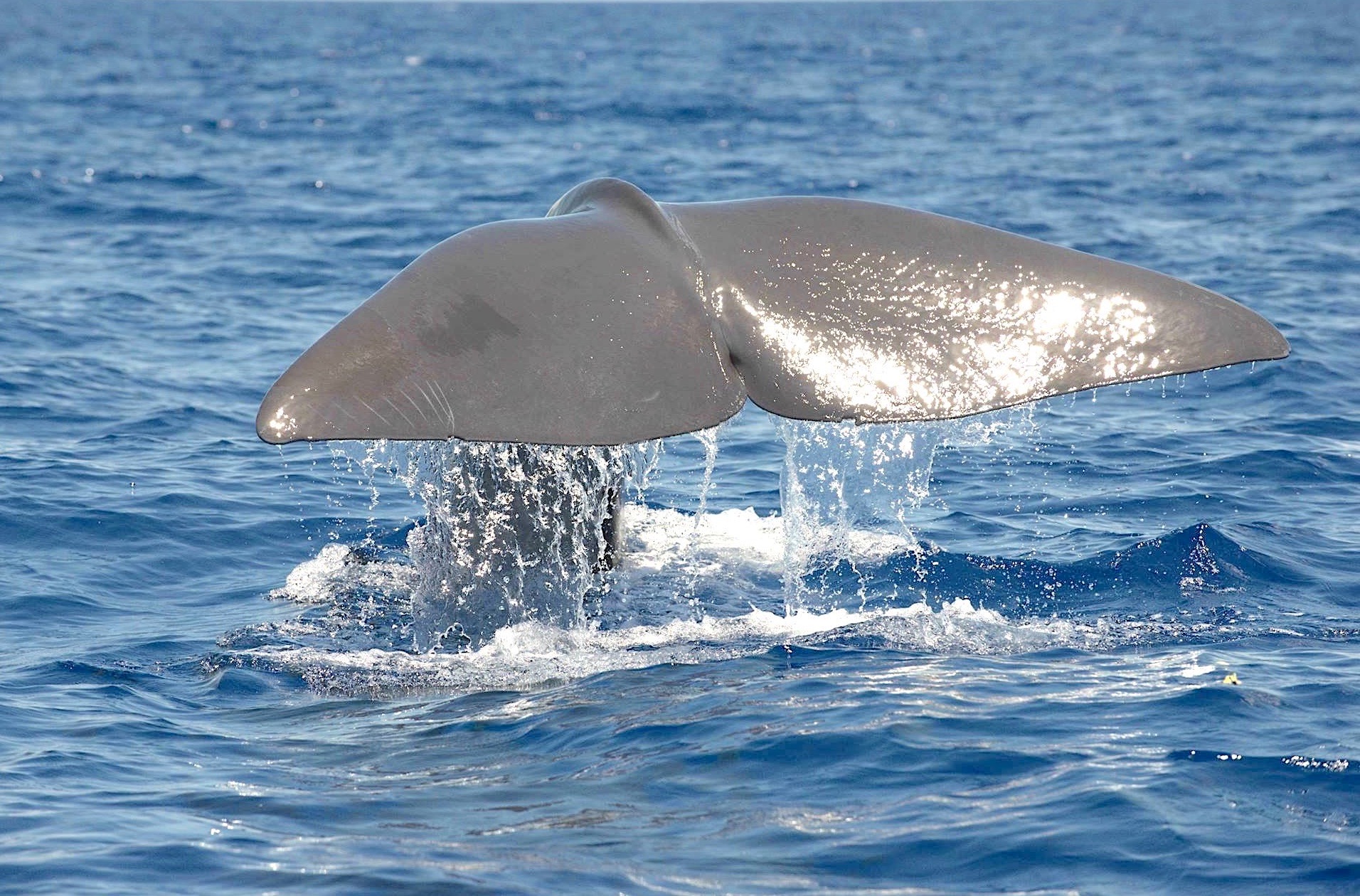
The whale above is in the final stages of a dive, just before the fluke slides beneath the surface and vanishes. The dramatic moments that precede this, with the unforgettable sight of water pouring off the spread tail – are over. The hunt for deep-down squid has begun in earnest.
I made this short video last year at BMMRO HQ, Sandy Point, Abaco. A sperm whale had stranded earlier in the year, and after the necropsy some of the bones were taken from the beach for research. In order to clean them, the bones were sunk and anchored to the seabed offshore in quite shallow water. Strandings are always sad, of course, but it is good to know that even after death the creature makes an important contribution to scientific research. In a sense, it has life after death.
Looking back at 2019, one of the most enjoyable posts to put together featured an adult sperm whale with a neonate calf. The wonderful photos were obtained last summer during 2 research trips in the deeper water off the south coast of Abaco by the Bahamas Marine Mammal Research Organisation (BMMRO)It seems fitting to greet the new decade with a revised version of my original post. There’s optimism in these images, and more generally in the recovery in some areas of the savagely depleted whale populations of past decades. I’d like to think that a smiling baby whale holds out hope for the 2020s.
These are just some of the BMMRO research team’s images and footage of the baby sperm whale investigating the underwater world it has just been born into. Hopefully it will flourish and live for decades. If it does not, the overwhelmingly likely cause will be mankind, either directly or indirectly.
CREDITS: Brilliant close-up footage plus the clips I have taken from it – Charlotte Dunn / Diane Claridge / BMMRO.
DONATE: If you are touched by the magic of this little Bahamas sperm whale, may I invite you to consider making a donation to BMMRO for its research and conservation work – a scientific commitment that reaches far beyond the waters of the Bahamas. The system is set up to process donations from just $10 upwards, and every cent is used to further the work of BMMRO. Please click the logo below to reach the right page directly.
BABY SPERM WHALE IN BAHAMAS WATERS: AMAZING FOOTAGE
Over several years I have had the privilege of being able to feature wonderful photographs and video footage in this blog. Birds, course, and also reef fish, sharks, seahorses, coral and anemones and a whole lot more. I have also been involved throughout with the wonderful work of the Bahamas Marine Mammal Research Organisation (BMMRO),and have been a part of team since 2017. Abaco is lucky enough to have the HQ at Sandy Point, but we must keep in mind that the organisation’s remit extends throughout the entire Bahamas archipelago, and has firm links with research and conservation organisations on the other islands.
The clear turquoise waters around the islands and their cays are well-known to, and appreciated by, all. This is the playground of the smaller marine mammals – the dolphins, smaller whales and the (now a significant presence) manatees.
Less well known are the denizens of the deeper waters and the immense depths of the GREAT BAHAMA CANYONof the northern Bahamas. This is the realm of the large marine animals, from the mysterious speciality beaked whales right up to massive sperm whales.
About 3 weeks ago, the BMMRO research team encountered something truly wondrous off the south Abaco coastline – something to quicken the pulse and gladden the heart – a newborn sperm whale investigating the underwater world it has just been born into. Hopefully it will flourish and live for decades. The hope is sadly tempered by the overwhelming – and increasing – evidence of the terrible effect that humans have caused in just one generation by the pollution of air, land and sea.
Charlotte Dunn posted the footage of 2 separate sightings. Her first caption reads:
“Close encounter with a curious newborn (‘neonate’) sperm whale yesterday – reminding us of the importance of our Shared Waters project about the effects of ship traffic on resident sperm whales, http://www.bahamaswhales.org/research.aspx. The young individuals like this one will be the most impacted if we don’t make serious conservation changes. As this young whale matures, the policy changes we make in the Bahamas now will affect its survival”.
“While their mothers are feeding at depth (knocking sound in the background) this newborn is being cared for by a slightly older calf until the adults return.”
After the second encounter, Charlotte wrote: “Here’s another amazing short clip of the neonate sperm whale we videoed off south Abaco two weeks ago – thank you to the BEP Foundation and the Devereux Ocean Foundation for funding some of our important work with sperm whales in the Bahamas”.
On Charlotte’s conservation points above, over the last 3 months or so I have been checking daily for posts and articles specifically related to stranded, dead, and killed whales, and their stomach contents as revealed by necropsies. I have collected images from around the world. I won’t wreck this marvellous find in Abaco waters by including any of these. This casual research reveals a horrifying attrition rate for marine mammals. Most animals were full of plastics, from micro through flip-flops all the way up to very large chunks. Some of this junk clearly was the actual cause of death rather than a contributing factor. A whale may take several weeks to die in this way. All of it is entirely the responsibility of mankind – and pretty much caused in the last 50 years.
So let’s enjoy this little sperm whale, and hope it grows to an adulthood that will have seen a radical change for the better in its birth environment – the one that should never have been considered ours to destroy.
CREDITS: Brilliant close-up footage plus the clips I have taken from it – Charlotte Dunn / Diane Claridge / BMMRO.
DONATE: If you are touched by the magic of this little Bahamas sperm whale, may I invite you to consider making a donation to BMMRO for its research and conservation work – a scientific commitment that reaches far beyond the waters of the Bahamas. The system is set up to process donations from just $10 upwards, and every cent is used to further the work of BMMRO. Please click the logo below to reach the right page directly.
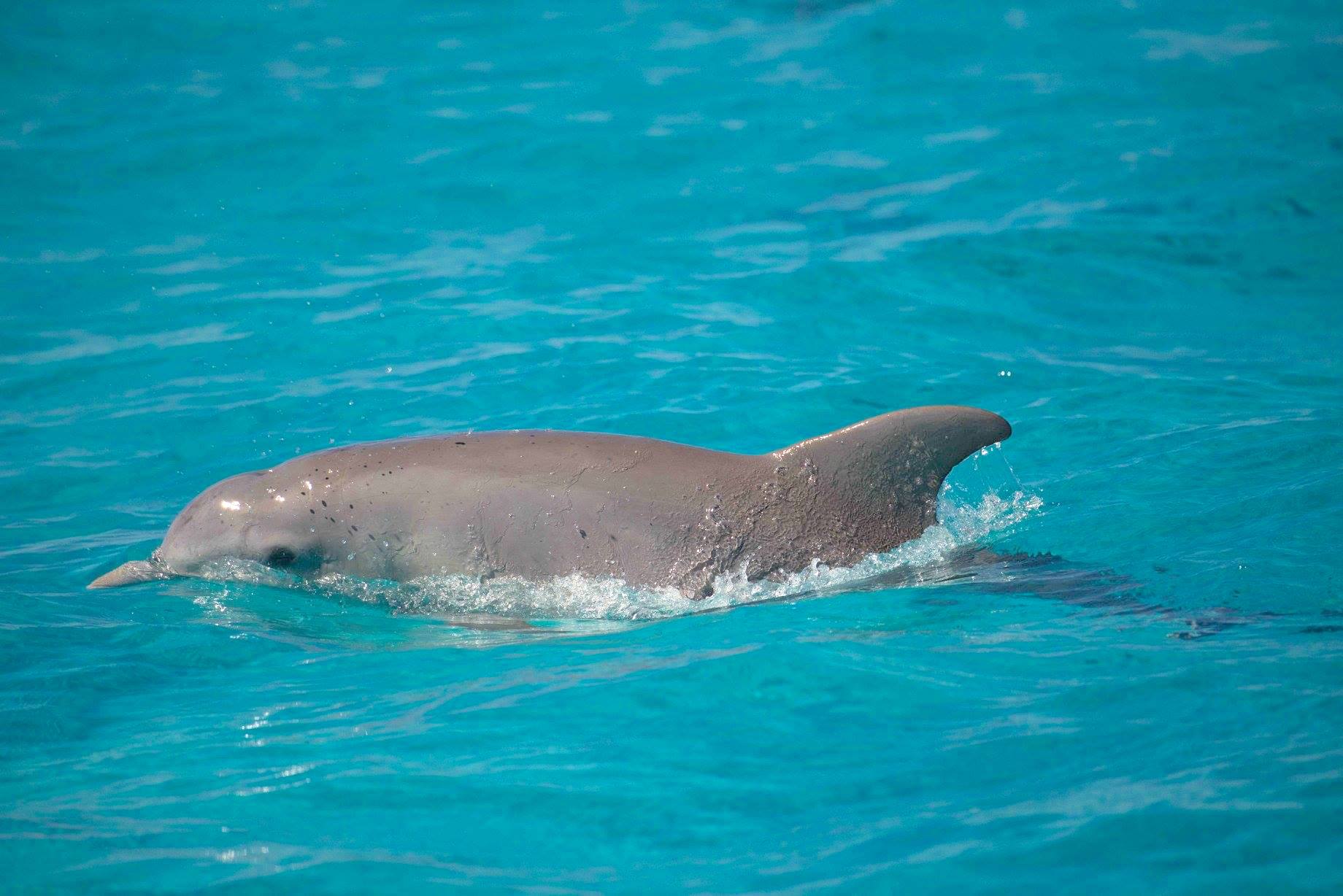
Earlier this year, the team at Friends of the Environment in Marsh Harbour Abaco, in conjunction with BMMRO (Bahamas Marine Mammal Research Organisation), arranged a fundraising trip to look for whales and dolphins. On both counts, the guests’ hopes and expectations were amply fulfilled – in fact, almost certainly exceeded.
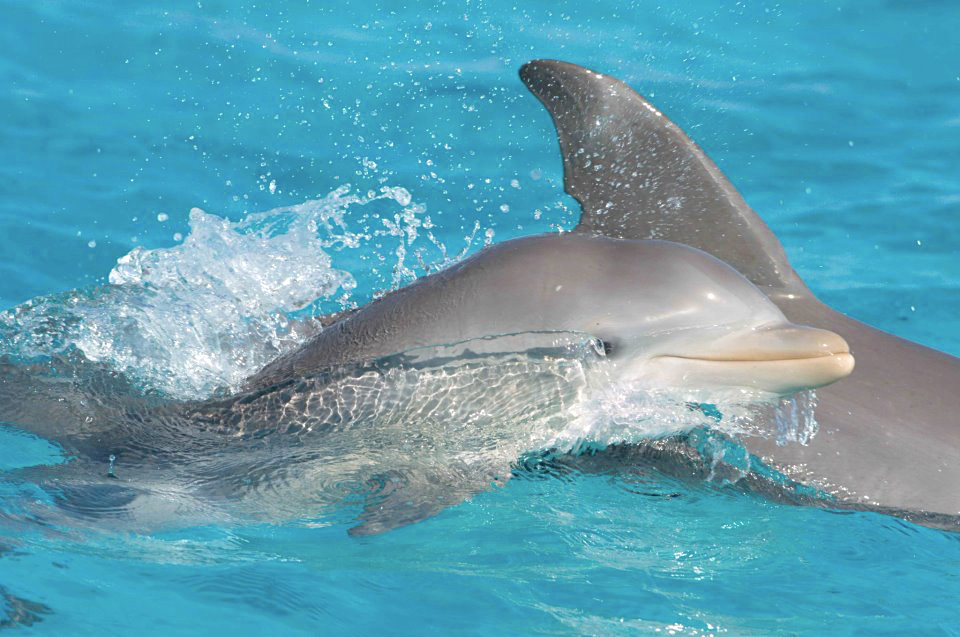
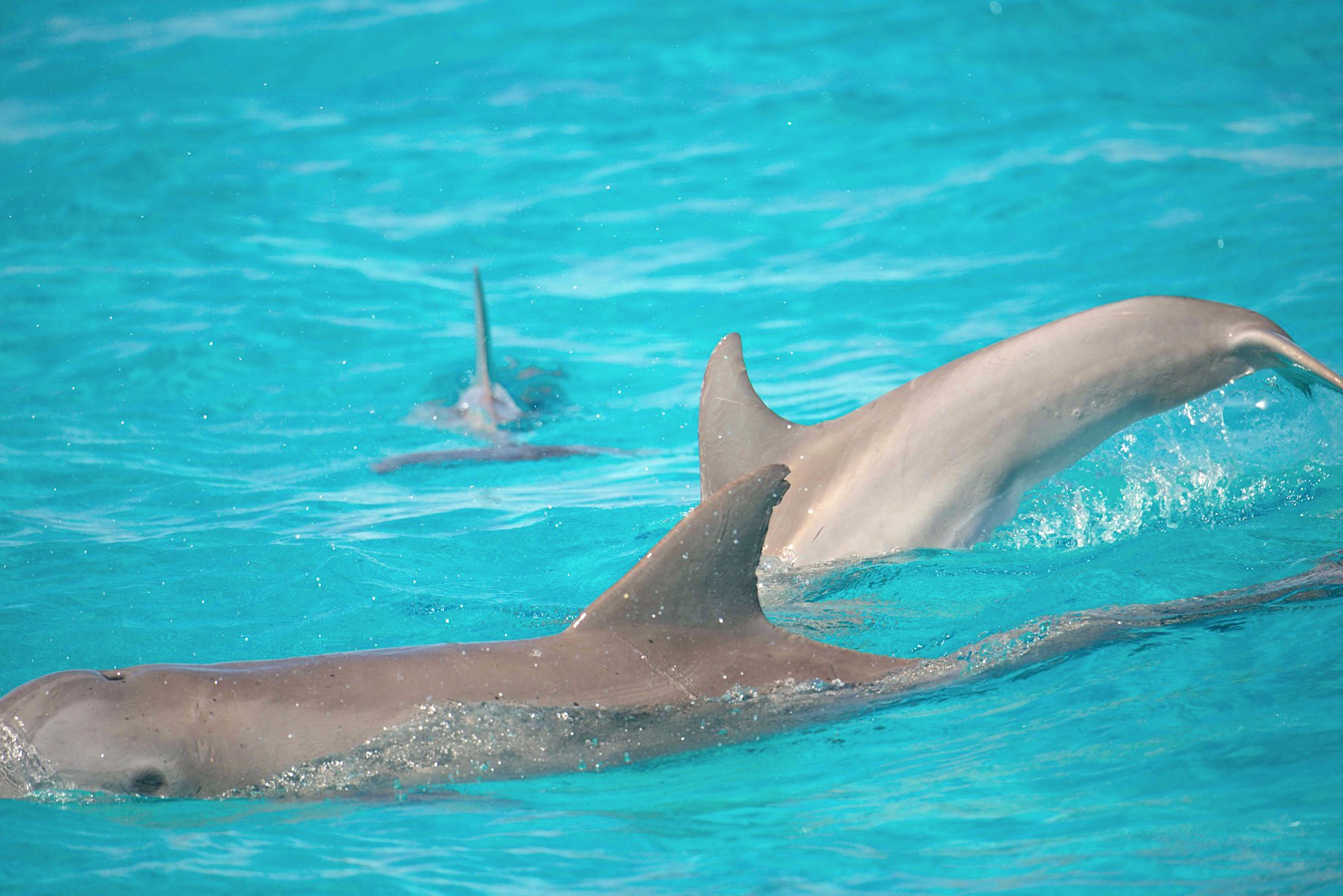
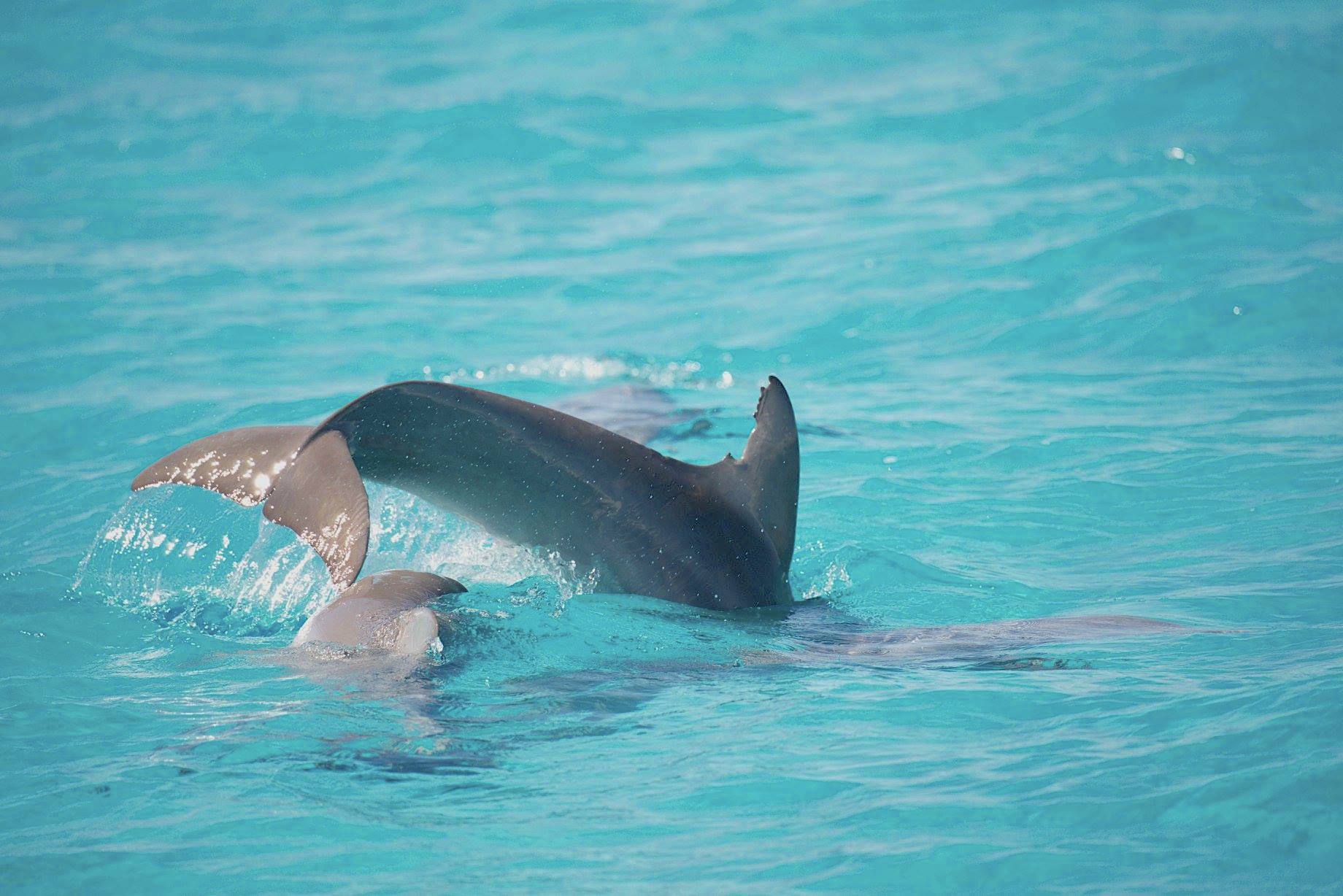
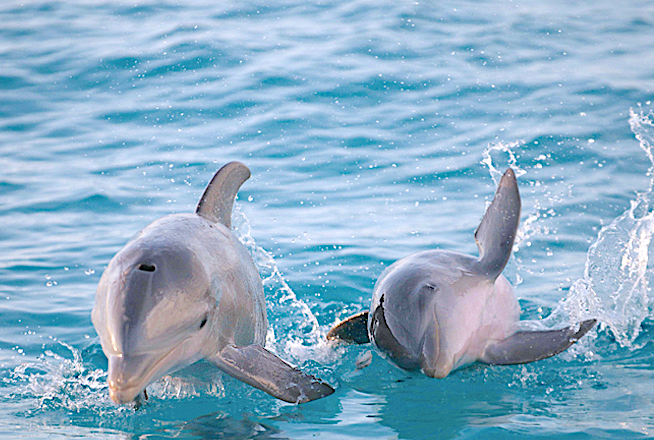
Where there is a single dolphin, there will almost invariably be others – and so it proved. The group of bottlenose dolphins turned out to be in a very playful mode, living up to their reputation as delightful, inquisitive, entertainers.
One of the dolphins turned out to be a young 3rd generation animal from the same family, recently weaned. The BMMRO has a large photographic library of dolphins and whales, collected over many years. In the photo above, you’ll see that the dorsal fin of the nearest one is ragged, especially near the top. This is the primary method by which individual animals are recorded to assist with subsequent identification in the field (= water) or back at base in Sandy Point by means of the photo archive.
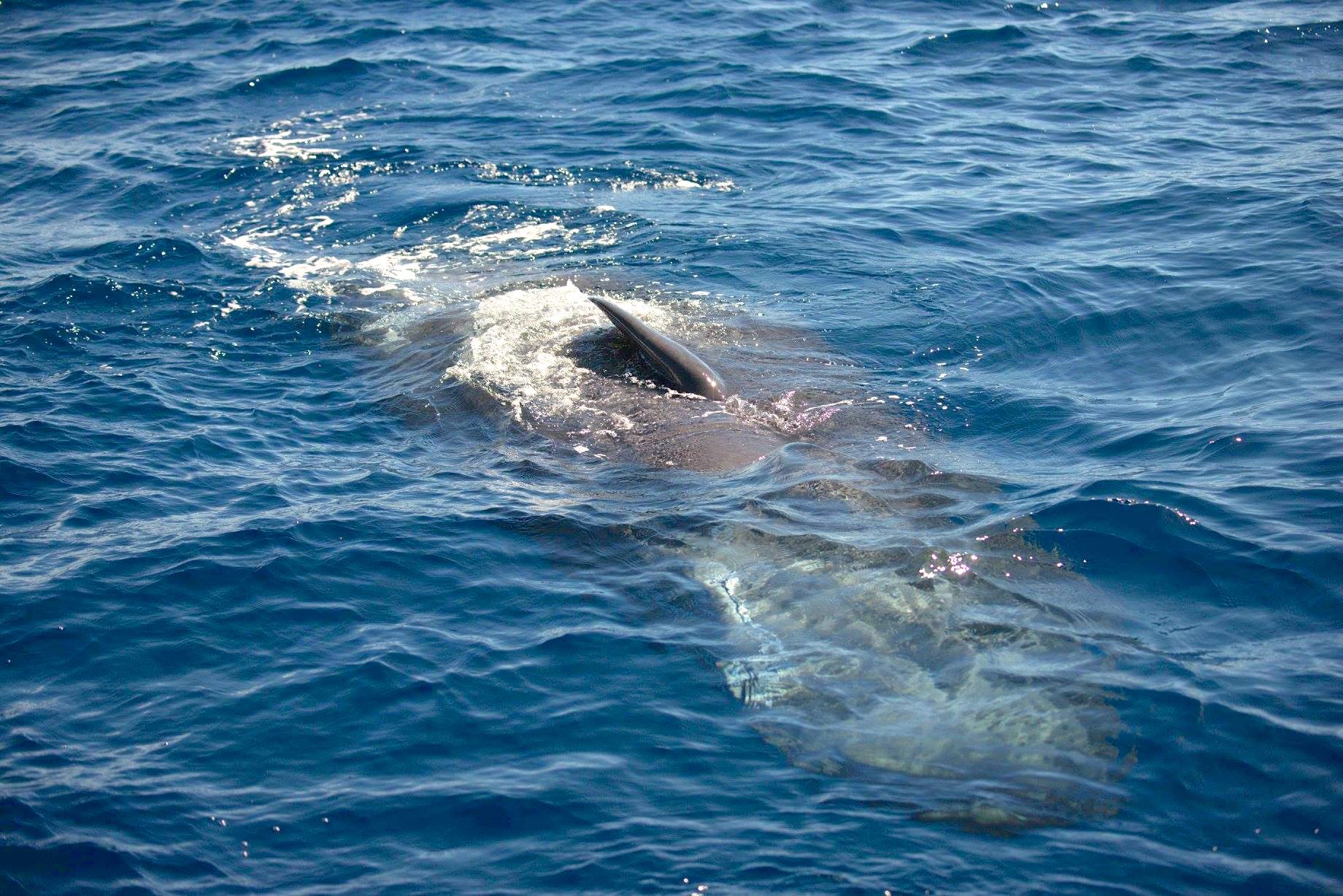
The trip was perfected when a young female sperm whale came close to the boat… and then rolled onto her side, flipper up, to get a good look at the boat and its human contents. A wonderful experience for all those on board.
Credits: BMMRO / Charlotte Dunn; Friends of the Environment
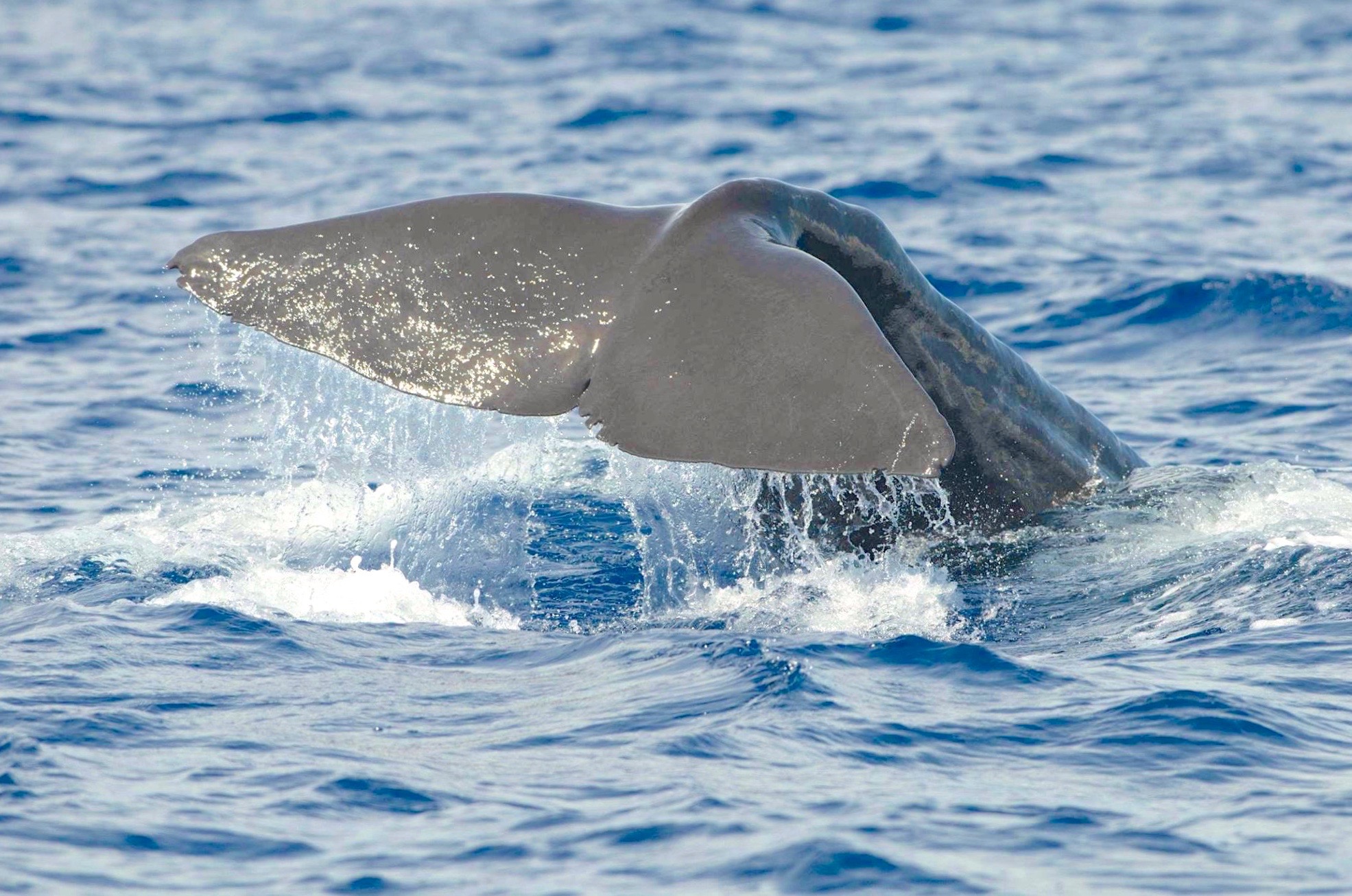
There can be very few people in the world whose breath would not be taken away by the sight of a massive sperm whale tailing close by. And as it happens, this very phenomenon can be seen in the deeper waters around the coast of Abaco. Here is a small gallery of photos of sperm whales tailing, taken from the BMMROresearch vessel. There’s no point in my writing a lot of commentary to the images – they speak for themselves of the awesome (in its correct sense) power and grace of these huge mammals.
In these images, you will notice that the whales have distinctive patterns of notches and tears in their flukes (ie tail fins). As with a dolphin’s dorsal fin, these areas of damage are like fingerprints – unique to each individual, and a sure means to identification. The researchers log each sighting and assign a cypher – a whale will become known as ‘B42’ and not usually by a less scientific name like ‘Derek’ or ‘Susie’).
Q. What happened next? A. You would see the tail emerge as the whale dives deep…
One of my favourite whale views is of the tail as it rises above the surface with water streaming off the flukes, before it flicks over and disappears beneath the waves.
A juvenile takes a dive alongside an adult. One day that tail will be massive…
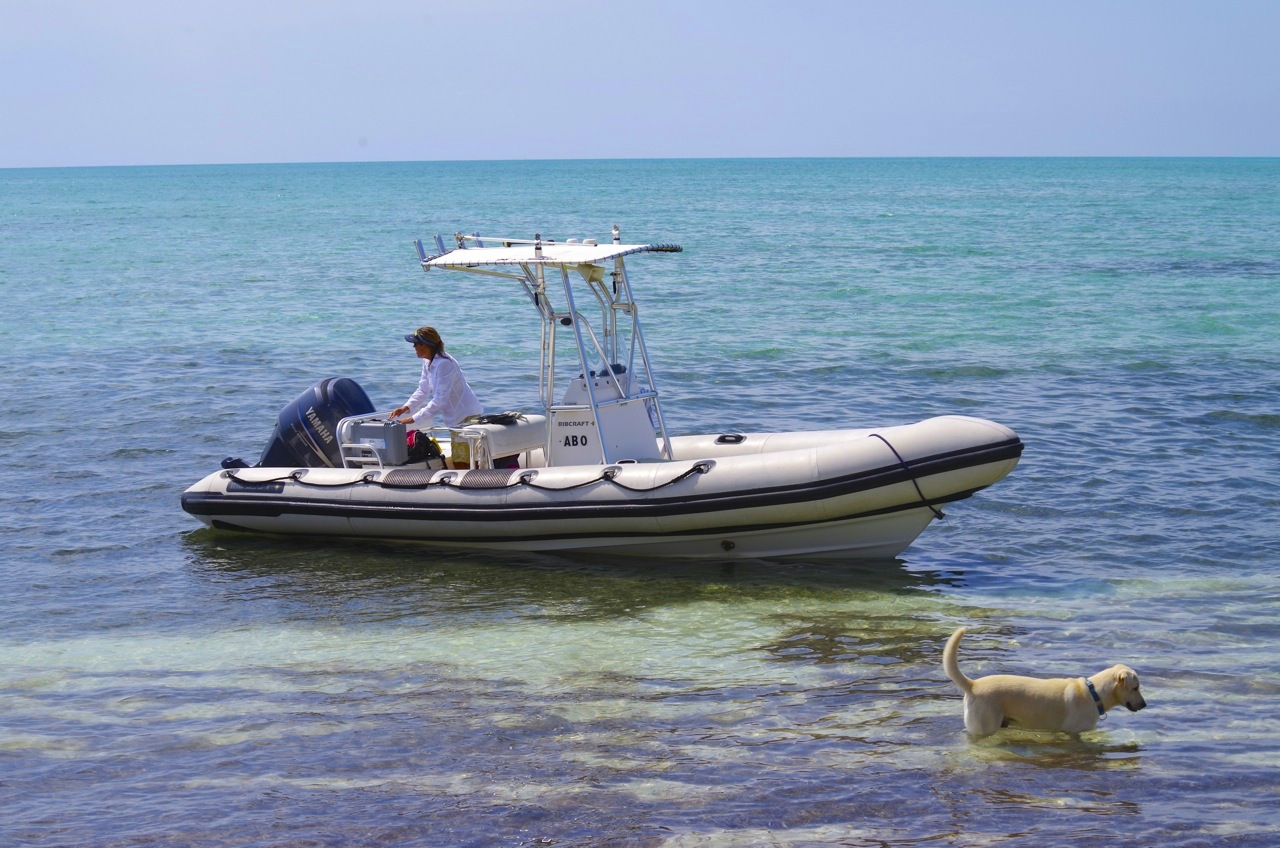
During the past week, the BMMRO research boat has been tracking sperm whales off the south coast of Abaco. These huge creatures are the largest marine mammals found in Bahamian waters, and the area between Rocky Point around the south coast to Hole-in-the Wall is a great place to find them.
One reason they are found in this particular area is the existence of the Great Bahama Canyon, one of the deepest submarine canyons in the world. The depth of the canyon ensures that the waters are nutrient-rich, with food being drawn up from the depths towards the surface. In season it’s the perfect place for female sperm whales and their calves.
The BMMRO research trip encountered more than a dozen sperm whales, mostly females with their calves. And the amazing thing is that the sightings are often made within sight of land. In these photos, the are two landmarks visible. One is the huge Disney vessel parked at Gorda Cay aka Castaway Cay (header image); the other is HOLE-IN-THE-WALL LIGHTHOUSE(above)
Credits: All photos BMMRO 2018, with thanks to Diane & Charlotte as ever














 ROLLING HARBOUR ABACO
You must be logged in to post a comment.