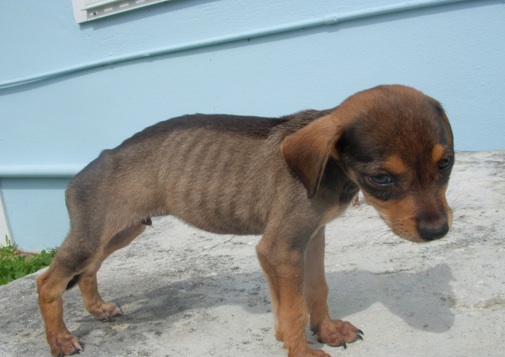
The POTCAKE DOG is a mixed-breed dog type from the Bahamas & TCI. Its name comes from the congealed rice and pea mixture that local residents traditionally fed dogs. A while ago I posted in more detail about these dogs including TEN VITAL FACTSHEREand about the potcake RESCUE SCHEMESHERE. An updated and expanded list is shown below. Although great favourites as pets, there are sadly a huge number of strays on Abaco that wander, ownerless, around the settlements. Although generally well-tempered as a breed, these feral dogs can occasionally seem aggressive. Many are found, as adults or as pups, in a bedraggled, underfed or injured condition. The lucky ones become rescue dogs and are re-homed (the ‘header dog’ is Harvey, an abandoned puppy that found a happy home). An active spay-and-neuter programme has been established to prevent the spread of unwanted and uncared for dogs. Details of a number of relevant organisations are given below.
NEWSee video of Potcake Pup Rescue from the Coopers Town Dump below.
Meanwhile, let’s go to Sandy Point for lunch at Nancy’s. At some stage 2 or 3 dogs are likely to come close, hoping for tit-bits. Some look in poor condition, and it is easy to feel sorry for them. These animals may nevertheless lead companionable and playful lives. After lunch a sandy walk around the point is always an inviting prospect. Recently, we were preceded by 3 dogs that had been near us while we ate. It was great to watch them ahead of us, playing happily together on the narrow beach. Here they are…
“LAST ONE IN IS A WUSSY CAT…”
“HEY GUYS! I’VE FOUND A CONCH SHELL TO PLAY WITH”
“LOOK AT ME! I’M FISHING!”
DOG TIRED…
ABACO SHELTER Comprehensive one-stop site for info, advice, details of clinics, adoption and donations
POTCAKE RESCUE BAHAMASA Facebook Page that includes an Adopt / Donate facility (via Paypal)
BAHAMAS HUMANE SOCIETYDetails of spay /neuter programs, clinics, adoptions, and a donation link
LITTLE HOUSE BY THE FERRYAmanda’s excellent GTC blog recently posted about the plight of potcakes. Her blog deserves a closer look – there’s a great deal of fascinating information there, both historical and current.
NEWLittle House by the Ferry (GTC) has an interesting post about aSPAY CLINIC
STOP PRESSBy complete coincidence I came across this excellent video of the rescue of some Potcake pups on Abaco within 24 hours of posting the article above.
NEW ADDITIONPart 2 of the Coopers Town Dump Potcake Pups story [youtube https://www.youtube.com/watch?v=nW-WPohlnG4&feature=youtu.be&app=desktop]
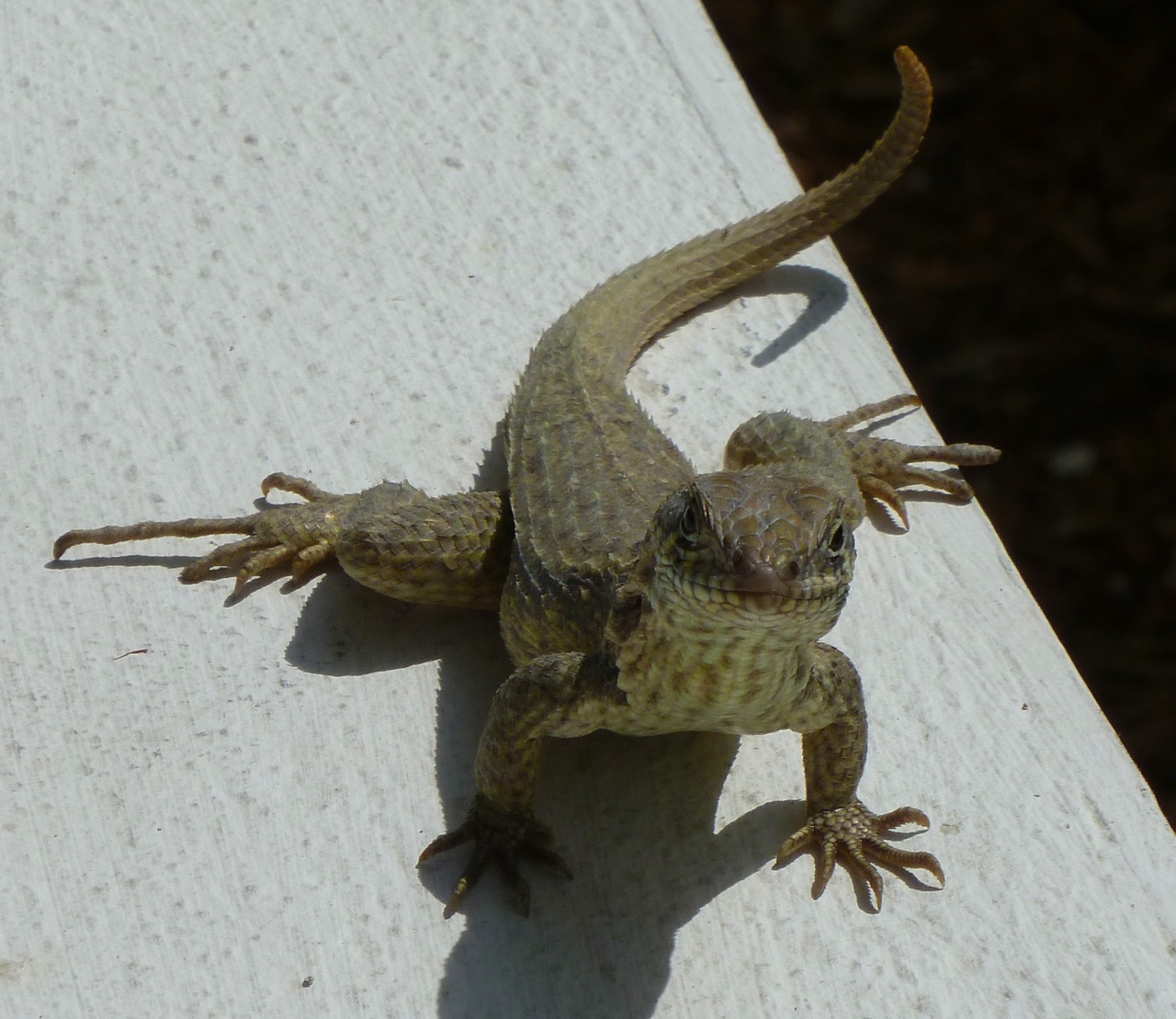
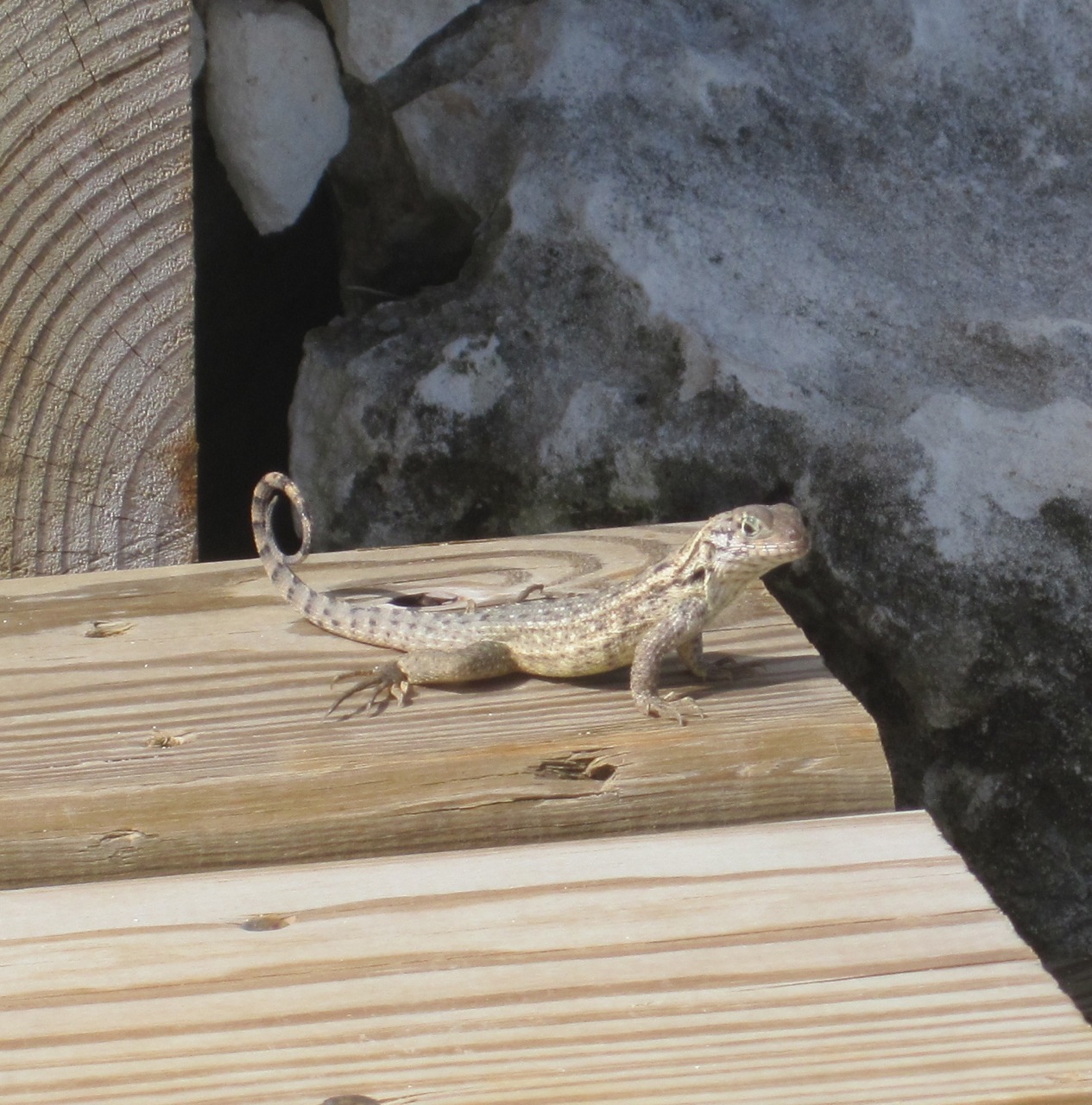
These little lizards are irresistible. They sun themselves. They scuttle. They blink. Their tails curl. What’s not to like. Here’s one I got close to… Double click and you can get even closer. Look! Tiny Claws!
DRYAS JULIA (JULIA HELICONIAN): BUTTERFLIES ON ABACO (4)
A fast-flying butterfly in a fetching shade of orange designed to be off-putting to avian predators. If the colour fails as a deterrent, these butterflies are unpleasant to eat (supposedly), so birds learn to leave them alone.
There is no known connection between ‘curly tails’ and the festive season. So trotting out a few of these charming little creatures in any season is a good idea. Are reptiles inherently repellent? Not these ones, for sure.
TIME FOR A CHANGE OF OUTFIT…
I AM A DRAGON… GRRRRRRRRRRR (note the remarkable finger length)
AWWWWW… A VERY HAPPY CHRISTMAS TO YOU TOO!Credits: Charlie Skinner (including the sloughed skin) & RH (including the ‘tired’ pair)
A GHOST CRAB’S DAY AT THE SEASIDE AT DELPHI, ABACO
Crabby the Crab lived amongst the greenery at the very back of the Delphi Club Beach
It was a very beautiful beach indeed. Lucky Crabby!
One day Crabby decided to go down to the sea for a swim
He scuttled across the sand towards the sound of the waves
He passed the burrow of his friend Sandy. Sandy was very busy tidying his house.
“Would you like to come for a paddle?” asked Crabby. “No thanks”, said Sandy, “I’m busy today”
So Crabby carried on towards the water’s edge. He got closer, to where the sand was wet…
…and closer, to where the water tickled his toes…
…and closer, to where the tide ripples reached. Crabby waved his claws with excitement
Finally, he was paddling in the warm water. It was just perfect. Whoops! Don’t fall in, Crabby!
Very soon Crabby was in the water, right up to his eyes. What a beautiful day for a swim!
See ‘Crab Run: The Movie’, starring Crabby the Crab
CREDITS: header & beach, RH; last image, Tom Sheley; the rest, Charlie Skinner. DEBITS: pre-Christmas nauseatingly anthropomorphic tomfoolery and video – blame me. No crabs were harmed or even mildly embarrassed during this photoshoot.
LAND CRABS: THE ILLUSTRATED ‘WHAT, WHERE, HOW, & WHY’
The Loxahatchee River District organisation produces excellent informative posters on wildlife and environmental themes. With their approval, I have a dedicated page for these: CLICKLOXAHATCHEE. You will find posters about Bonefish, Tarpon, Lionfish, Nassau Grouper, Spiny Lobster, Coral Reefs, Elkhorn Coral, and Seagrasses. I’d be surprised if each one didn’t contain at least one interesting factual nugget that you didn’t know before. The range of subjects is gradually being expanded and one of the latest concerns the Land Crab. Click the poster twice to enlarge it and make it legible.
My factoid nugget from this poster is that juvenile bonefish predate on larval crabs. I suppose it’s obvious, but I hadn’t thought about it. From the fisherman’s angle a very good reason to protect, and ensure the proliferation of, adult land crabs!
For photos of these crabs and a short video demo of how they use their claws, here are links to two previous posts about them
The photos below show a sample of the types of crab that may be found in and around the island of Abaco, both in the sea and on land. The wonderful underwater images were taken in adjacent waters by Melina Riger of Grand Bahama Scuba. The rest were taken by landlubbers at Rolling Harbour on the Delphi beach and rather closer to the building than one might expect. The last crab (and the header image) was a crab hooshed out of the coppice by Ricky Johnson to demonstrate its fighting prowess. I have put links to 2 posts featuring this fine specimen (including a video) at the end.
ARROW CRAB
HERMIT CRAB
HORSESHOE CRAB (LIMULUS)
COMMON GHOST CRAB (Ocypode quadrata), DELPHI BEACH
PET CRABS PROTECTING MY ROD OUTSIDE OUR ROOM (note second crab behind it) AND ADVERTISING HARDY PRODUCTS. Rick Guest has pointed out that the crab is not protecting my rod at all. As if! “The crab in the foreground is the male guarding “his” female, distinguished by the small, abdominal triangle. The wide margins of the female’s abdomen are evident.”So that’s how to tell the sex of a land crab.
It’s hard to resist another fly-past for the Atala Hairstreak Butterfly Eumaeus Atala . So I won’t. Once seen, never forgotten. They are small wonders, with their plump orange abdomens and their striking blue-dotted motif; obvious candidates for a signature Rolling Harbour logo for insect posts.
This close-up in particular shows clearly that the vivid blue markings are not confined to the Atala’s wings. They are also on the body, the head, and surprisingly on the legs as well.
It is rare to see the inside of an Atala’s wings. In flight they tend just to look black; then they land with precision and closed wings (zeugmascore!). In sunshine the spots of the feeding Atala shine out like small LEDs. They very rarely open their wing to reveal the velvety blue upper sides.As I watched the single Atala, a second one arrived and almost immediately ‘jumped’ the first. By which I mean that, for a few seconds, the new arrival ‘covered’ the feeding Atala in every sense of the word. Please consider this a blurry study of the upper side of an Atala’s wings, and politely ignore the intrusive circumstances. This is not a scandal blog. Yet. Mere moments later, it was all over **. I made my excuses and left.
These events may have piqued your interest in the life cycle of the Atala. Some months ago I posted in detail about this, with the whole process illustrated from eggs, larvae, caterpillar and chrysalis to the emergent butterfly. At the end of the post are some helpful links. CLICKLIFECYCLE OF THE ATALA HAIRSTREAK
Finally, you may want to get a sense of size for this butterfly – crops and zooms can sometimes give a distorted impression. So here is a normal snap of the butterfly feeding.
**My spam box is full of suggestions about this
Image credit for open-wing shot on flower: Stranica
There are a number of insects on Abaco that demand human attention. The smallest and most persistent nuisances are the ‘no-see-ums’, tiny sandflies whose near-invisible size belies the effects of their bite. They seem impervious to many standard types of insect repellent. Different things work for different people. My method is to eat marmite (cf vegemite) on plain biscuits daily for 2 weeks before a visit to Abaco, and that does the trick. This year, I had a single bite (of course, if you hate marmite you’ll need another plan). See RECOMMENDED LINKS in the SIDEBAR under SAND FLY for more on this topic.
There’s a form of yellowish horsefly that can give you a bit of a nip. At the top end of the pain and discomfort scale is thePEPSIS WASP(Tarantula Hawk). I’ve only ever seen one, and if you do come across one be sure not to disrespect it (click link to see why…).
Until recently, I can’t say I’d ever noticed bees on Abaco. There are plenty of wonderful flowers that are visited for their nectar by the many species of butterfly and various kinds of bird (hummingbirds, bananaquits). Then, last month, I heard a distinct buzzing in a bush. Bees. Lots of them. I took a few photos, some of which are shown below. Then I began to notice them elsewhere. Everywhere. Compared to the european bees that I am familiar with (check out my BEE GALLERY), Abaco bees are much smaller – see how they look on the individual flower heads in the first few photos. These little creatures were constantly on the move. No sooner had one settled on a flower, than it moved on to the next one…
I kept an eye out for bumble bees, but saw none – indeed, I’m not certain there are any bumble species in the (northern) Bahamas, and I have found no references to their existence. Enlightenment on this topic welcome via the comment box.
There was plenty of pollen for the bees, though not all of it went into their what’s-the-correct-word-for-their-pouches (EST the Beekeper please can you help here?)However most were managing to harvest impressive quantities to take back to the hive. It’s worth saying that these are all wild bees. I know of only one honey-producer in South Abaco (south of Marsh Harbour).A successful foraging expedition… somewhat surprisingly this bee was still able to take off…This is my favourite photo: there’s something about the expression on that little face that says “Ooooo. More good stuff in this one….”
Wild bees find a novel use for a woodpecker nesting box
“PROBABLY THE BEST BAHAMAS WILDLIFE & SCIENCE APP IN THE WORLD…”
Actually, there’s no “probably” about it! This brand new app CLICK242 NATUREis undoubtedly the ‘ne plus ultra’ and ‘canine’s orchids’ of the Bahamas natural history app world. It’s available now on iTunes for iPad, iPhone, iTouch and iWotsit – and it’s totally free, gratis, and owt for nowt. Some of you may have wandered onto my APPS REVIEWpage, perhaps in error, where I have look at various sorts of useful app pertaining to wildlife or the Bahamas (or preferably both). Some are excellent, some a bit ‘ho hum’, and there’s been one shocker where no star rating was possible…
And now this shiny app has arrived just in time for you to give to yourself for Christmas, and at no personal cost. You can even afford to give it to family and friends and bathe in the warm glow of their happy smiling faces…
This app does a great deal – indeed it is a one-stop portal for many of the Abaco, Eleuthera and wider Bahamas organisations, NGOs, science & environmental sites, wildlife blogs etc that many follow. And with a photo section! It is designed to make sharing easy in all familiar formats. The official description will give you a pretty good idea of what is covered, so I will add it in full below.
I can’t help but notice in the image to the left the words “Rolling Har…” in the top menu. And yes, astonishingly this frankly somewhat haphazard blog finds itself in exalted company on the Planet of the Apps. It’s a bit uncomfortable with that, but delighted to have been allowed a small part to play in the venture.
My minor participation in the project (and natural diffidence) inhibits me from giving this excellent resource the 5* rating it so obviously deserves, so I’ll simply say that I think the many people interested in the natural history, the science and the environmental issues of the Bahamas will welcome this new app as a valuable, constantly updated resource.
CLICK242:NATURE
“The Click242 app is your daily dose of what is going on in the Bahamian environmental field. This FREE app is designed to increase public awareness about the Bahamian environment and the organizations which work to educate the public and manage the country’s natural resources, including protected areas.
It allows resource managers, users, scientists, students, teachers, visitors and interested persons to connect with various environmental groups and stay up to date with the latest blogs, activities, photos, videos and events within the environmental arena”.
EASILY CONNECT WITH FEATURED ORGANIZATIONS
Andros Conservancy and Trust (ANCAT)
Bahamas National Trust (BNT)
Bahamas Reef Environment Education Foundation (BREEF)
Bahamas Marine Mammal Research Organisation (BMMRO)
Bahamas Sea Turtle Research (BSTR)
Bahamians Educated in Natural and Geographic Sciences (BEINGS)
Community Conch (CC)
Friends of the Environment (FRIENDS)
Gerace Research Centre (GRC)
Leon Levy Preserve (LLP)
Nature’s Hope for South Andros
One Eleuthera (1E)
Young Marine Explorers (YME)
and more…
CLICK242: NATURE INCLUDES THE FOLLOWING FEATURES Science Blogs from the Abaco Scientist, Rolling Harbour and the Cape Eleuthera Institute. Featured Content covers projects and new efforts in the environmental arena.
HIGHLIGHTS Photos from across The Bahamas, posted by featured organizations; Current Facebook pages for various environmental organizations and groups; Easily navigate to and watch videos from featured groups and YouTube; Articles, news, blogs, photos and videos can be shared with your friends via facebook, twitter and email.
Christmas time. Holidays. Festive season. Yuletide. ġéohol*. Noel. Winterval. However you describe it, there’s a reassuring ritual each year. To many, the familiar religious carols and rites. To all, the cheerful sound of jingling tills. The exchange of presents happily bought and excitedly received. The groaning table weighted with victuals. Light and laughter. Glasses generously filled and refilled. Sudden growing dizziness and a strange lack of coordination. Wondering what others are saying. Wondering what you are saying. Drowsiness. Overwhelming sleepiness. The passage of time. The groaning hangover as seven West Indian woodpeckers attack your skull with hammer-drills… Time for a soothing image.
Where was I? Oh yes. This is a very good time to draw attention to the various wildlife organisations based on Abaco and in the wider Bahamas. During the year they look after the birds, the marine mammals and so forth that help make Abaco such a very special place to be. I am simply going take the opportunity to post the link to my updated page forABACO WILDLIFE CHARITIES. Oh. I just have. Well, is there one that appeals to you, I wonder? Just asking… Meanwhile, here’s the music of the heading to get you in the mood
I recently posted photos of an unknown aggressive-looking INSECT that I found in the coppice on Abaco. I could only get a partial shot of it, and I wondered whether to try to reach it and get a more complete shot. Perhaps I could have stroked its dear little back… or tickled its cute feelers…I received various ID suggestions, ranging from the entomologically broad hedge-bet “big black beetle” to a more precise “black praying mantis”. I contacted the BNT to see what they thought. I’m glad I did. It turns out that this creature would be the hardest bastard insect on Planet Bastard. It is a SPIDER WASP of the Pompilidaefamily, almost certainly aTARANTULA HAWK aka PEPSIS WASP. It’s fortunate that I didn’t try to pet it or keep it in a matchbox. Note, for start, the scary eating apparatus… and it’s not nibbling leaves as I had thought, but chopping up a small insect. The leg claws and barbs are for pinning down its prey. You would not believe how unpleasant these little buddies are – and that’s before we even mention the sting…
SPIDER WASPS
These wasps (family name Pompilidae) are known in some countries as “horse-killers”. There are many species around the world, with 6 subspecies, one of which being the Tarantula Hawk or Pepsis Wasp – so-called because it hunts tarantulas and uses them in a most ingenious and cruel way…NBTheBNThave rightly pointed out that these insects are unaggressive to humans. If you leave them alone, they will spare you. I’ve also read “The tarantula hawk is relatively docile and rarely stings without provocation” Now read on to see if it’s worth provoking one
SCARY CRITTERS & LIVING LARDERS
SPIDER WASPS are ‘Solitary’ insects that feed on ground spiders/ tarantulas by stinging them to paralyse them, then eating them. The females also make use of spiders for breeding purposes. They build a nest in a burrow, find a spider, paralyse it with their sting, drag it to the nest and lay a single egg on its abdomen. Then they seal up the burrow.
When the egg hatches the larva chews a hole on the spider’s abdomen and enters a living larder. It gradually eat its host as it grows. The spider’s vital organs are left till last, so that the spider stays alive as long as possible until the larva has reached full-size. After several weeks, the larva spins a cocoon and pupates (often over winter). Finally, the wasp becomes an adult, bursts Alien-like from the spider’s abdomen, and tunnels out of the burrow…
Their hunting improves with experience – the more spiders they eat, the quicker they find, attack & kill them
Males use ‘perch territories’ to scan for receptive females from a tall plant or other vantage point, a behaviour known as HILL-TOPPING
Adult wasps also feed on a variety of plants for nectar & pollen. They may become intoxicated on fermented fruit, which affects their ability to get around (I think we’ve all been there at some time…)
The female Pepsis gets her spider in two main ways: approaching a tarantula causing it to rear up defensively on its legs, thus exposing its abdomen to the sting or
She locates a tarantula’s burrow, using her sense of smell. She tricks the spider into emerging by tweaking the web at the burrow’s entrance or ‘intruding’ (see video below)
The wasp uses her long stinger to stab her prey. The poison rapidly paralyses the spider. She then drags it to her burrow, lays her egg onto the tarantula’s abdomen, seals the burrow and leaves. Job done
The hooked claws and barbs on the wasps’ long legs are weapons for grappling with victims
The stinger of a female tarantula hawk can be up to 7 mm (1/3 inch) long – and the sting is among the most painful insect stings in the world (see below)
Only the females sting (males may pretend to) because the stinger is linked to the ovipositor (egg-laying organ)
You can distinguish females from males by the curled antennae of the female. Mine was therefore female
The Pepsis wasp has (unsurprisingly) very few predators, though roadrunners and bullfrogs may tackle them
Here is a hypnotically fascinating 3-minute video of the life-or-death struggle
SPIDER WASP –v- TARANTULA
THE STING
The sting of these wasps is among the most painful of any insect, though the most intense pain lasts on a few minutes. Entomologist Justin Schmidt bravely submitted himself to the stings of various insects and described this pain as“…immediate, excruciating pain that simply shuts down one’s ability to do anything, except, perhaps, scream. Mental discipline simply does not work in these situations.”
Schmidt produced his SCHMIDT STING PAIN INDEXThe pain scale, based on 78 species, runs from 0 to 4, with 4 given for the most intense pain. Spider Wasps of the species Pepsis – i.e. Tarantula Hawks – have a sting rating of 4.0, described as“blinding, fierce, shockingly electric. A running hair drier has been dropped into your bubble bath”Only the bite of the Bullet Ant (not found on Abaco!) is ranked higher, with a 4.0+ rating, vividly described as “pure, intense, brilliant pain. Like fire-walking over flaming charcoal with a 3-inch rusty nail in your heel”
(Thanks to Erik Carey (BNT), Shelley Cant (BNT) and Dr Paul Deluca for their ID help and interest)
LIGHT RELIEF
1. In 1989, New Mexico chose the Tarantula hawk wasp as the official state insect. The choice seems to have been left to schoolchildren and I’m guessing here (or gender-stereotyping) but I suspect it was the boys’ choice that won…
2. Tarantula Hawk is a “psychedelicprogressive metal band” from San Diego, Ca. Their short discography includes their debut Tarantula Hawk (CD/LP, 1998); Burrow (Live CD, 2000, self-released); and Untitled. I’ll just check if… OMG!! you can even get these on iTunes… and (OMG!!!) Am@z@n. The cover of their debut provides the perfect ending for this post, vividly depicting the colour and texture of the swirling fiery pain you could experience (and I don’t really mean from listening to the music…)
AN ARGUABLY PAINFUL STING
Mr Gordon Sumner
AN ENJOYABLE STING
STOP PRESS2 or 3 weeks on, I find that this entire post has been translated into Portugese! It can be seen HERE. It’s quite weird to read it, and I am tempted when I have a moment to re-use Google to translate it back into English. The two-way online translation game often leads to amusing results…
AN ABACO INSECT IS BUGGING ME – WHAT IS THIS CREATURE?
There I was, walking slowly along the Delphi drive trying to locate some small chirruping bird in the coppice – close at hand, chatty, but invisible among the leaves. Then I saw this creature. It’s not an insect I have ever seen before, and I haven’t been able to find out what it is. It’s probably something elementary – an ‘Abaco Black Orange-Feeler Beetle’ – that is familiar to everyone. Except me. I’d just like to know. Any help out there? A response via the Comment box below would be appreciated!
This insect has some interesting features. The feelers are segmented, with 9 joints, so that in close-up the apparent smooth curve is not a perfect one but an articulated series of ‘straights’. It has 4 toes for gripping, and leg spines. It appears to be a voracious leaf-eater. And it can scratch its head. Overall, it looks aggressive and somewhat alien. Imagine if these things were the size of a potcake. Coming at you…
I have previously posted about these cute creatures that lie sunning themselves and occasionally blinking; or scuttle away when they see you. SeeCURLY TAILS for photos and details about these lizards and their habits. Here are a few more recent images. The first three were taken at the Delphi Club, where they seem to enjoy the pool area in particular. The top one has one extraordinarily long finger. It’s worth clicking on these 2x to enlarge them to see the structure of their skin / overlapping scales
An impressive “complete double curly”
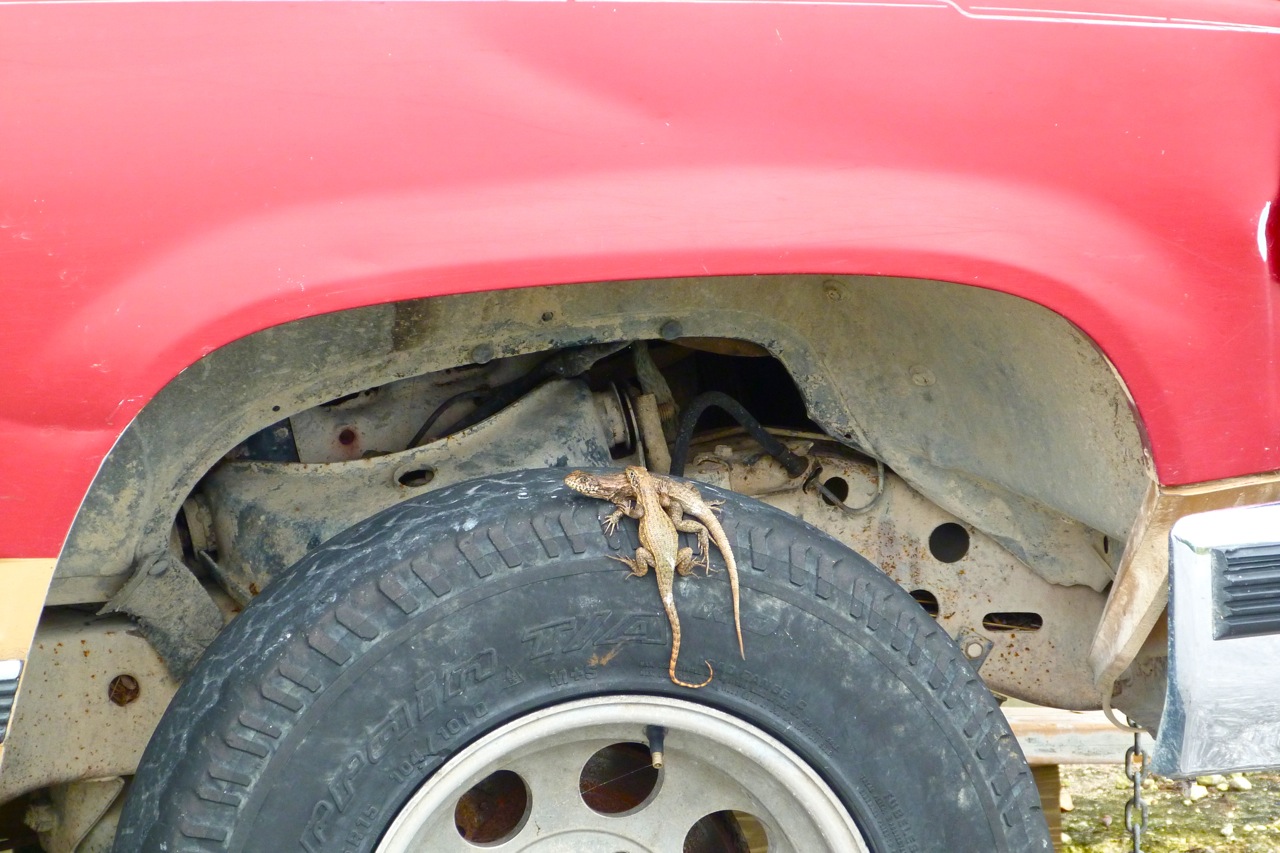
This pair of curly tails was at Crossing Rocks, where we were trying to locate Bahama Woodstar hummingbirds in the scrubland. We rather felt that we might be interrupting something… They look endearingly affectionate.
Back safely in Blighty at last, and 17 cups of coffee down the line it’s time to take caffeine-trembling hands to the computer. A quick skim through the new batch of Abaco wildlife photos has shown that at least 3 out of (say) 987 have came out adequately, so new material will now be appearing – parrots and other birds, reef fish, plants, bonefishing, and a lot more (including some videos). I’ll make a start with an Atala Hairstreak, a small but unmistakable butterfly that is a creature of delicacy and beauty. It is the one that features in the RH logo above. Here is a live specimen taken deep in the pine forest a few days ago at the Blue Hole known as Sawmill Sink. The colouring is just as it is in real life – there’s been no ‘work’ done on this image. Its little curly tongue shows that it is busy feeding. Click on it to enlarge it.
This is an expanded and rejigged post based on bits and pieces originally scattered around the MISC WILDLIFE page, written now partly because of various search queries recently – diet and so forth – which had not been covered.
First, the very dull scientific classification bit (wiki-debt): Kingdom – Animalia; Phylum – Chordata; Class – Sauropsida; Suborder – Iguania; Family – Leiocephalidae; Genus – Leiocephalus [Subspecies Carinatus?]
The ‘curly-tailed lizard’ family is widely found throughout the Caribbean but is apparently relatively unstudied (but why on earth not?). There are nearly 30 distinct varieties, many specific to individual islands. My completely uneducated guess is that the Abaco ones may be one of the several subspecies of ‘Cuban or Northern Curly-tailed Lizard’ carinatus, the ones found generally in the Bahamas. But who cares? By any standards they are totally cute! This photo was taken at the bottom of the steps down to the Delphi Club beach.
(Photo credit: Mrs RH)
(Photo credit: PM Himself)
NEW ADDITION April 2012 A fine Curly Tail from Brigitte Carey of Tilloo Cay
DEPLHI CLUB: ‘OFF-DUTY’ CURLY TAIL, OR A DIFFERENT TYPE OF LIZARD?
The CT is described as an active, robust lizard that is mostly terrestrial and will retreat into a burrow or cavity when frightened. It prefers sunny areas with loose rubble and rock. Bahamas curly tails were apparently released intentionally in Palm Beach, Florida, in the 1940s in an attempt to control sugar cane pests.
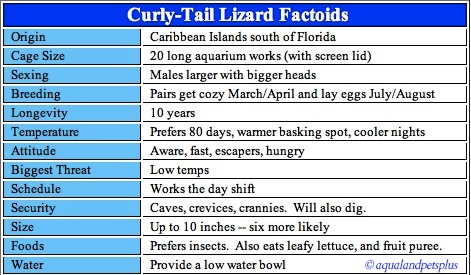
Jan 2012 update:Having had a number of hits over the last few months for ‘what do Curly Tails eat’ and other CT-related information, I checked out aqualandpetsplus.comof Des Moines, Iowa (the first Google hit, in fact). With kind permission (many thanks, Larry) here’s some more about these little lizards
THE CURLY TAIL DIET:“Considered insectivores, curly-tails scamper right after crickets. They’ll also learn to eat mealworms and superworms from your fingers. You can give them other insects like wax worms which they love but tend to over-eat. Roaches, houseflies, or any arthropods / bugs that accumulate around your porch light make a nice change of pace…OR…take a stroll down the baby food aisle. Think twice about the bananas. Bananas are not good for some lizards. Skip the bananas. Anyway, apple sauce works great. The best thing about baby food? You can add a Calcium/Vitamin D supplement to it. Much easier than dusting crickets (which start cleaning it off the second it gets on them). Curly-tails will also eat bits of leafy lettuce. Uneaten crickets in their cage will also eat the fruits and vegetables you offer your lizards” Larry Arnold
So I can’t answer someone’s specific query ‘do they eat tomatoes?’, save to say ‘why not try tomato sauce’ (and I don’t mean a well-known proprietary brand, one of 57 varieties). Maybe have a few crickets handy in case it is politely declined
Jane Mantle has emailed me about the plight of dogs and puppies on Abaco, her involvement in their rescue, and the urgent need for funding for care and medicine:
“Since living here for the past couple of months I have been helping to rescue the rescue dogs. Abaco Animal Rescuerecently rescued 9 pups (see attached picture of Delphi) from the roadside”
DELPHI
Found with 8 other puppies by the roadside next to the body of their mother
“They were sitting next to the body of their decomposing mother with traffic and people passing by. Unfortunately even when rescued some of the pups have died due to lack of medication for them. There is a shelter of sorts built on the old municipal dump outside Marsh Harbour. It is OK but alive with rats that are as big as the pups! Abaco Animal Rescue consists of one english lady who basically funds everything herself”
BORIS
Found chained in a box, exposed to the hot sun without any water, and beaten daily to make him become an aggressive fighting dog
“Is there anything that can be put up on your site? (RH: yes indeed!) The enclosed is a flyer that I have put up in the Great Room next to an empty glass collection jar. There is no money at all for food or basic medication, I have asked both Millie and Lucy to do some fund raising at school etc but that won’t happen until next term. I will also see if I can get hold of medication from vet friends that I have but would be grateful for any publicity that you can give it”
STOP PRESSAn up-to-date (as at spring 2014) list of contacts and links can now be found at “A DOG’S LIFE”. Scroll to the end of the post. If you have time, maybe read a bit on the way…
HARVEYfound abandoned by the side of the road
APPEAL by Jane Mantle, Boris & Delphi
POTTY ABOUT POTCAKES? Please support Abaco Animal Rescue by donating your unwanted Bahamian currency – notes or coins. All contributions go directly to buy food and veterinary supplies for the many abandoned and mistreated potcake dogs of Abaco
Sandy Walker has emailed with some news in the “Delphi Club Creatures (Non-Guest)” category. It is the first report I have seen / heard of a sighting…
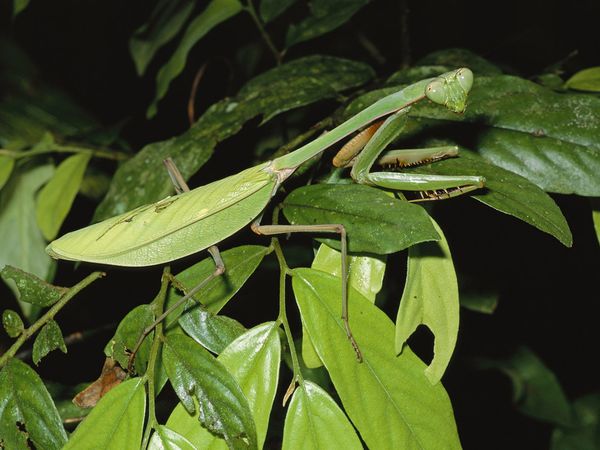
“Just thought that you might like to add the fact that there are praying mantises here on Abaco. There was one on my staircase today. 4 inches long and bright green. I did take pics but they just didn’t work as I was in a rush…”
We’ve all been there with photos and rushes, have we not? So here is one such below (Image credit: animals.nationalgeographic.co
There isn’t much specific info about these in the Bahamas, let alone on Abaco, other than the fact that Eleuthera is said to resemble one. I think I’d need to have a few Kaliks first. See what you think…
Accordingto the Indolent Bloggers’ Bible (Wiki) Mantodea (or Mantises) is an order of insects with approximately 2,200 species in 15 families worldwide in temperate and tropical habitats… Technically the term only refers to one family, meaning the other 14 families are not true mantids. Tough on them. The colloquial name ‘praying mantis’ is sometimes misspelled as ‘preying mantis’, since mantises are predatory. They are related to cockroaches & termites; and are not to be confused with stick/leaf insects, cicadas, grasshoppers or crickets. As if!
Normal(-ish) service is resumed after a break… Before I went away I posted about the Abaco Barbs and the precariousness of their continued existence as a species. I have just heard from Milanne Rehor of ARKWILD with a completely up-to-date report on the current situation. From her account it is clear that these rare wild horses really are on the brink of extinction
“Currently, we have the three mares in a reduced area of the Preserve. We have had limited sightings of one stallion outside the Preserve. The second outside stallion hasn’t been seen in over a year so we don’t know if he still is alive.
The mares’ physical condition is “OK” but because of the smaller size of the Preserve (due to financial cut backs) they are in need of a blacksmith’s attention, veterinary attention to their dental condition and veterinary investigation of their reproductive capabilities.
We are in immediate need of funding to provide grain for the horses, (to supplement the smaller forage area), wages for our men (currently reduced to part time) in their work of feeding the horses, providing security for them and maintaining the electric fence and other chores.
The Bahamian Government has been helpful to a point with an expressed interest and indirect support of the horses , for example the President of our Board of Directors is also the Chief Warden for the Northern Bahamas for the Bahamas National Trust. A number of other board members are equally well placed, but the government has not yet directly contributed financially.
I hope this information helps, I’ll be happy to answer any other questions you may have. Your patience is deeply appreciated and thank you for following our story on your site. Best regards, Mim”
In the rollingharbour tradition of encouraging easy access to online material, here is a selection of 8 videos about Abaco Barbs, the near-extinct wild horses of Abaco. In due course I’ll add some links to the most informative websites and also some photos. The first 3 videos derive from the origins and subsequent conservation work by the charity Arkwild. There’s a link to the Arkwild site in the sidebar Blogroll. The struggle to try to preserve the breed is extremely well documented on the internet, and needs no repetition from me. It’s worth saying, however, that the situation is now worse than ever: in March 2011, there were only 5 horses left, of which only one is a stallion…
The remaining videos are mostly collections of stills, some accompanied by music that you may want to turn down. Or off, in one case. There’s a degree of repetition, but I have left them there in case there is an image that strikes you as special or a nugget of information that is of interest…
This compelling video is an introduction to the story of the Wild Horses Of Abaco. Only a few are left now, we’re fighting hard to save them from … by arkwild | 2 years ago |
Because the forest is in a dry cycle, new grasses are not growing fast enough we decided to supplement each mare with a measure of mixed grain and … by arkwild | 1 year ago
The Abaco Barb is one of the purest breeds left in the world. They live on an island in the Bahamas where they ship wrecked around the same time … by TheFluffyFan53 | 2 years ago |
Once, they were a mighty herd, perhaps 200 strong: pinto, bay and roan horses rippling through thousands of acres of pine forest. They were as … by SabinoPaintMare369 | 2 years ago |
The abaco barb is so pretty! why would u want them 2 die out? Help them out and try 2 keep them on this planet! subscribe 2 me if you care … by EnglishCowgirl121 | 2 years ago |
This is a short clip of the beloved Abaco Barb Horse, I know that my name says puppylove, but i am making horse, videos. For more info go to this … by puppylove825 | 2 weeks ago |


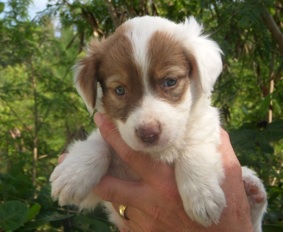
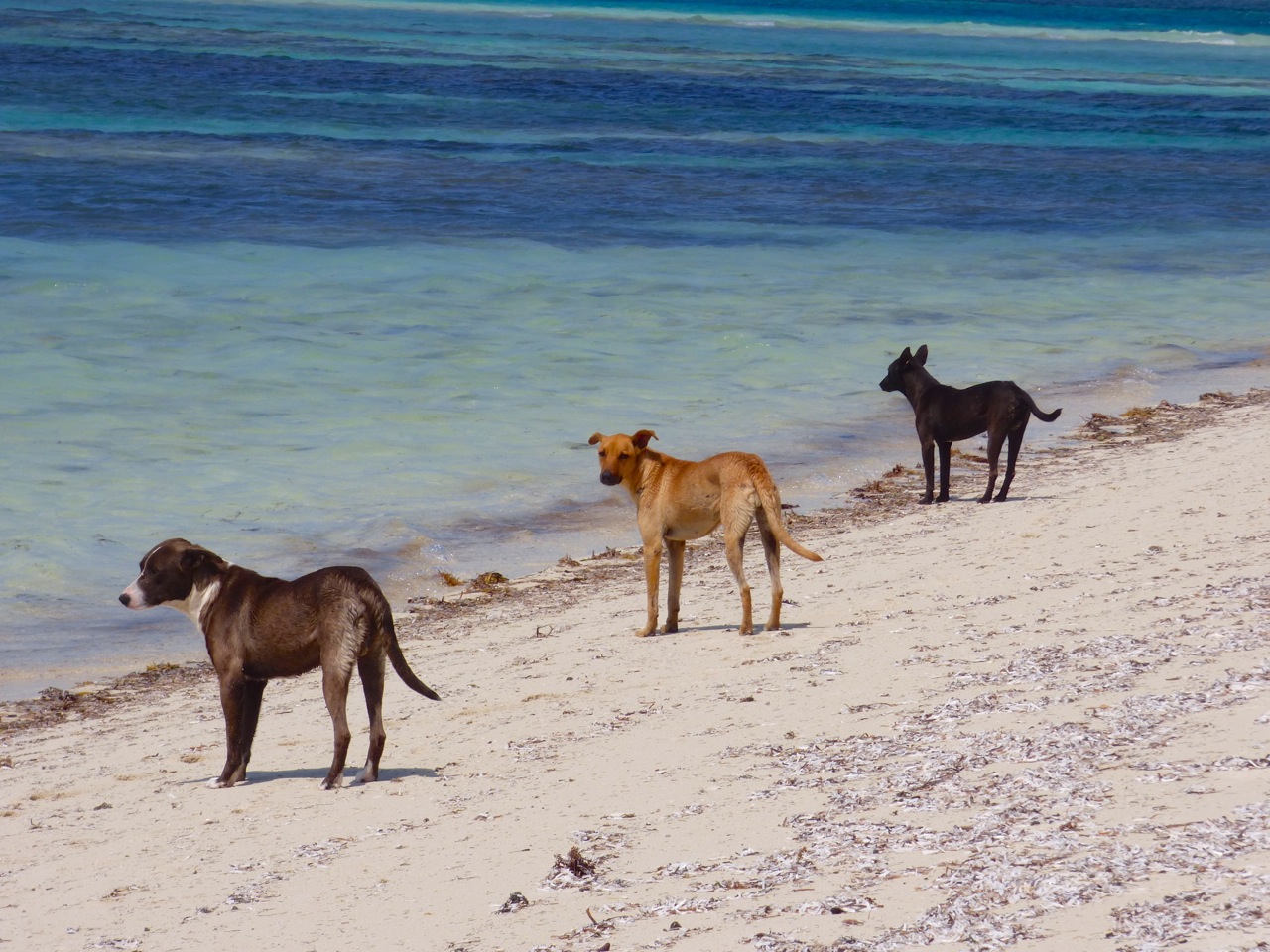
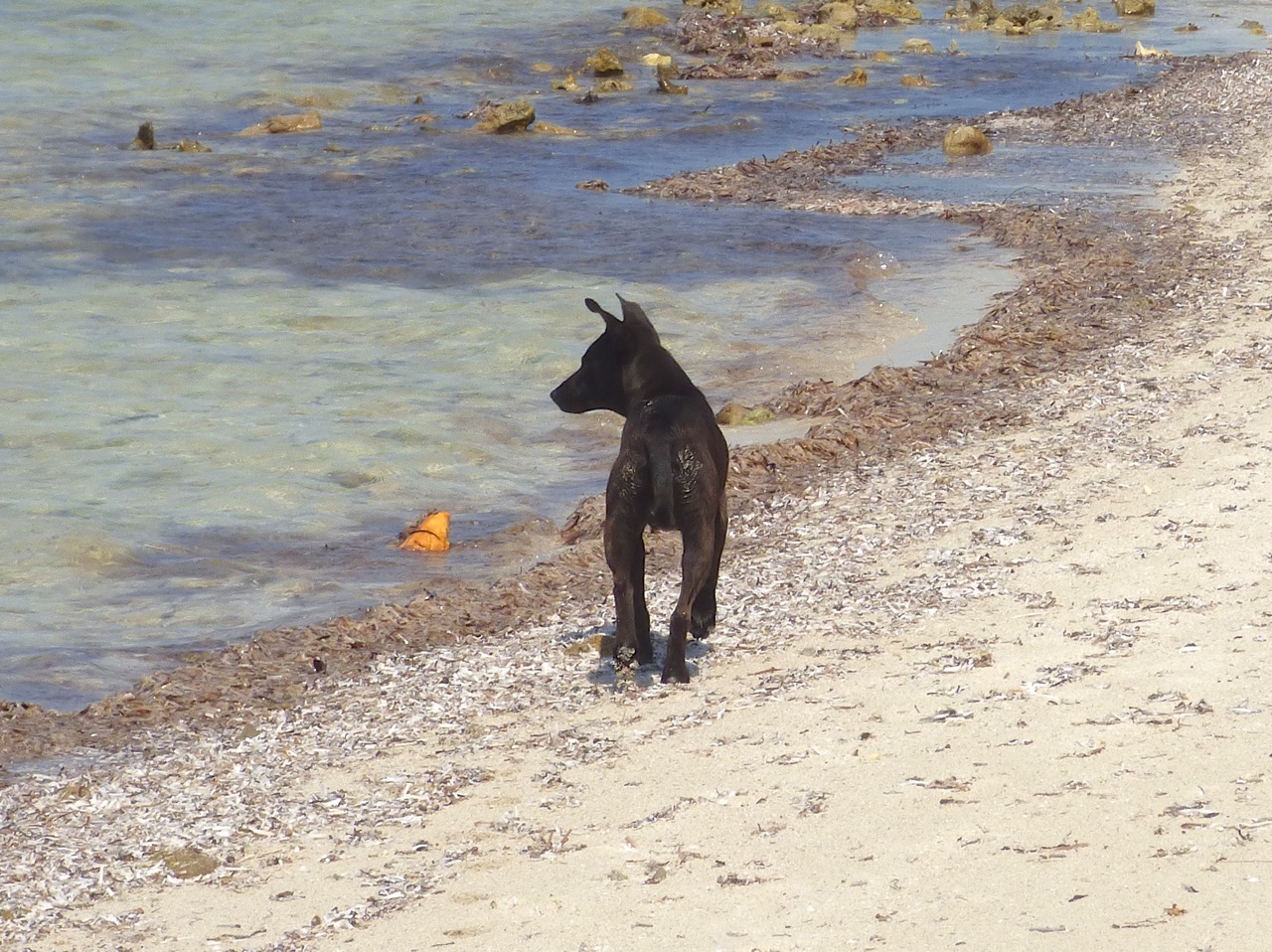
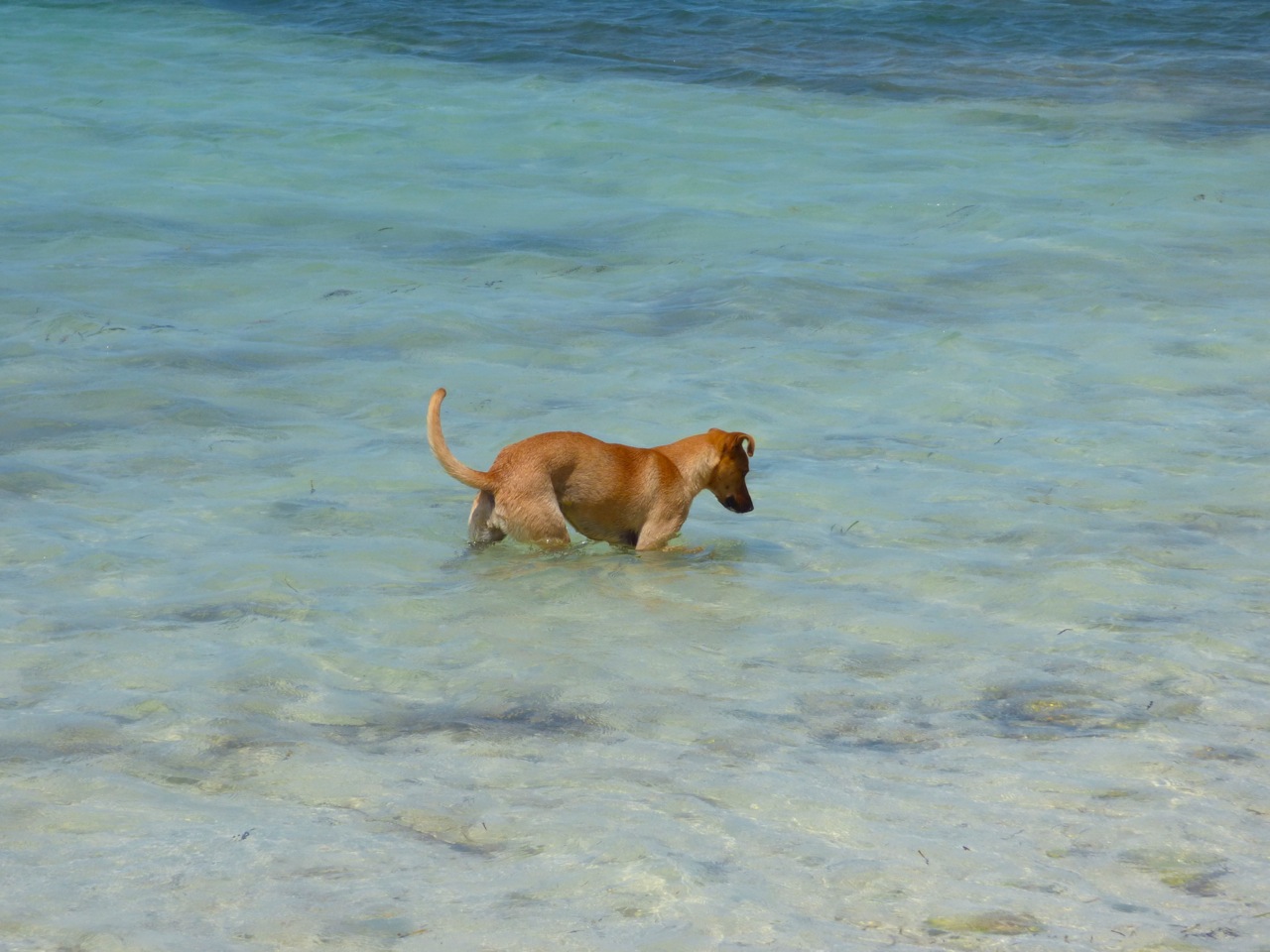
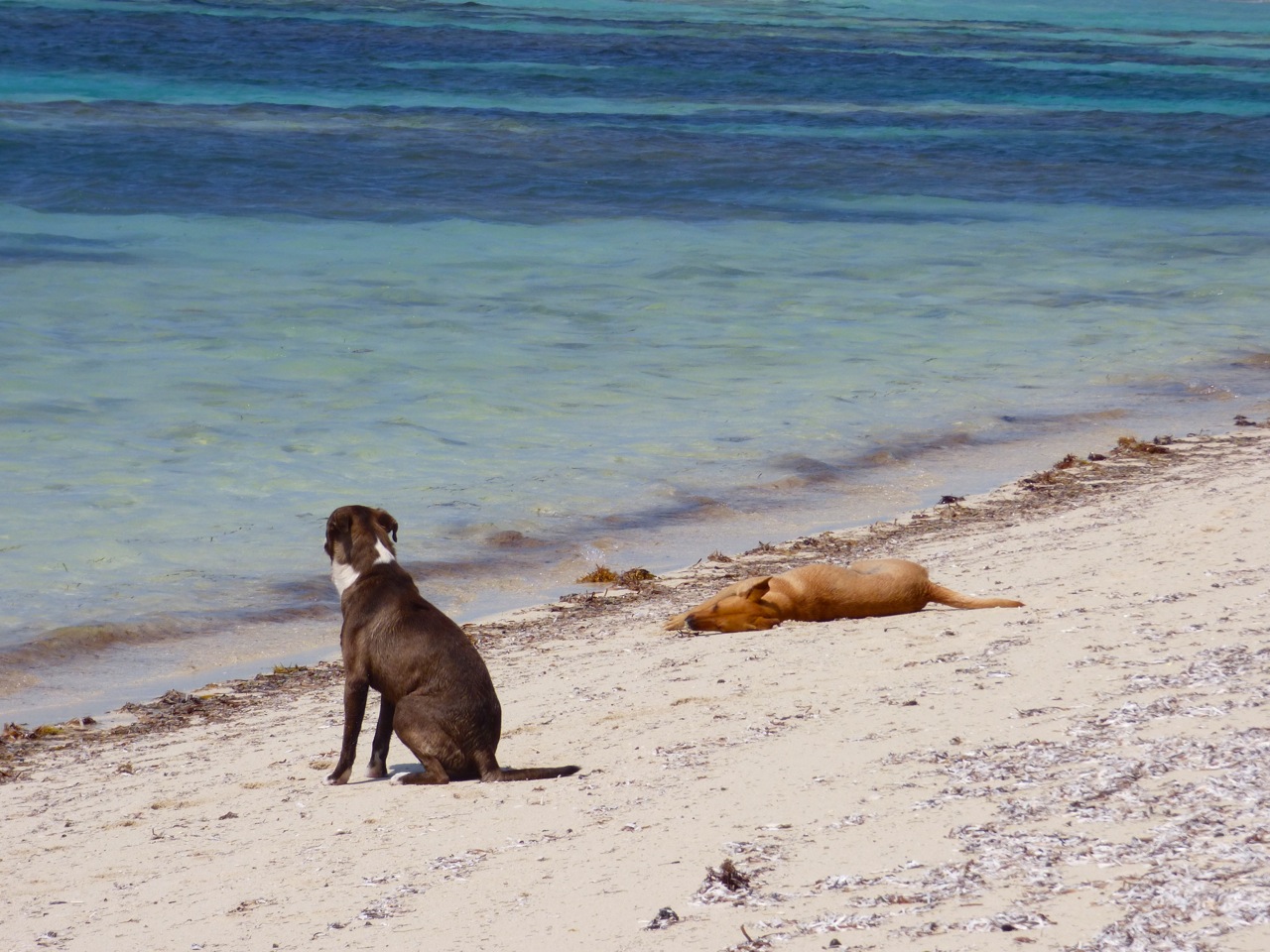


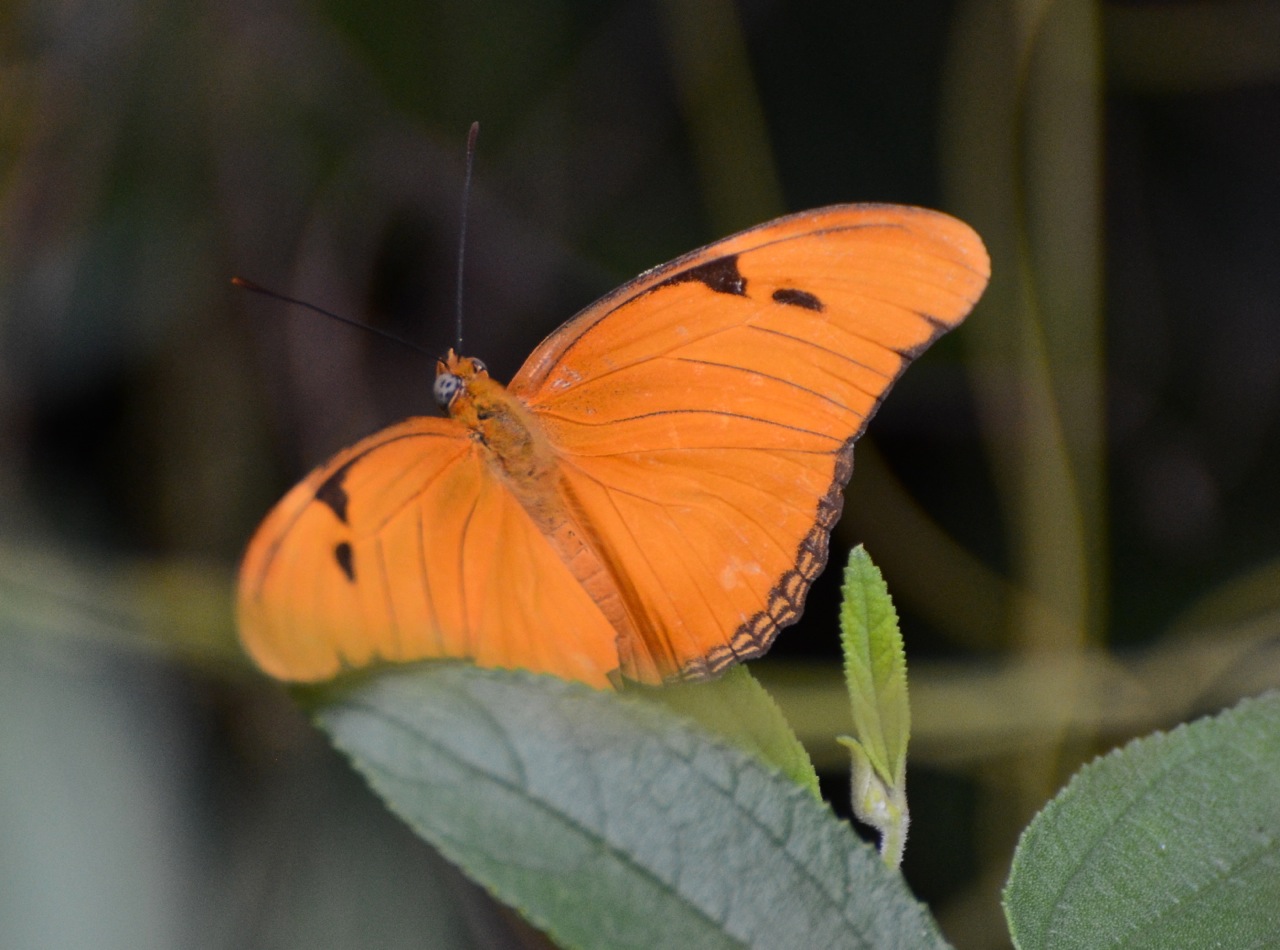

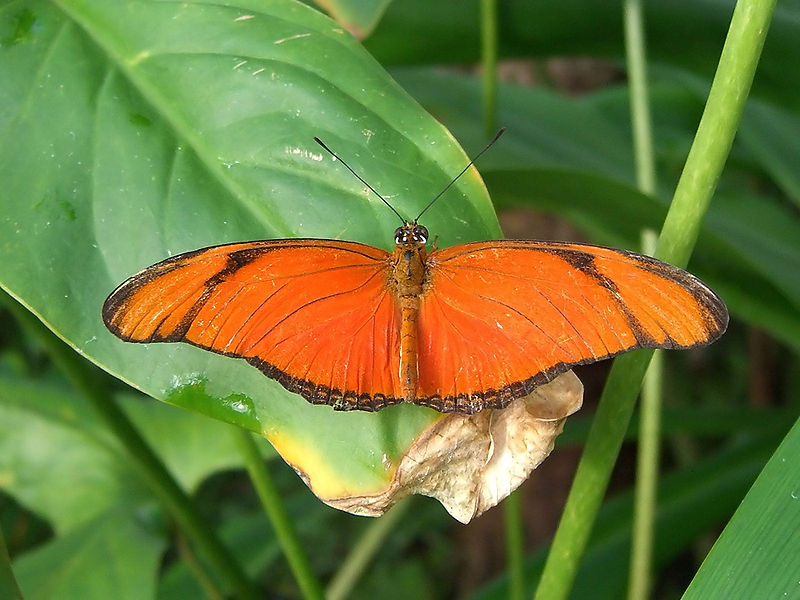

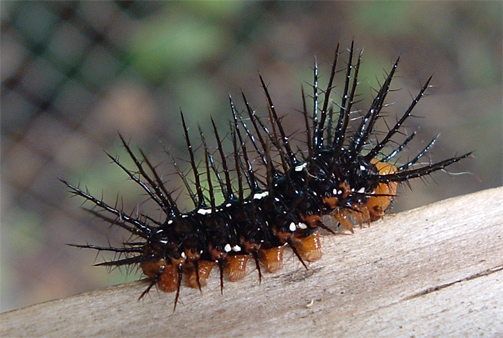


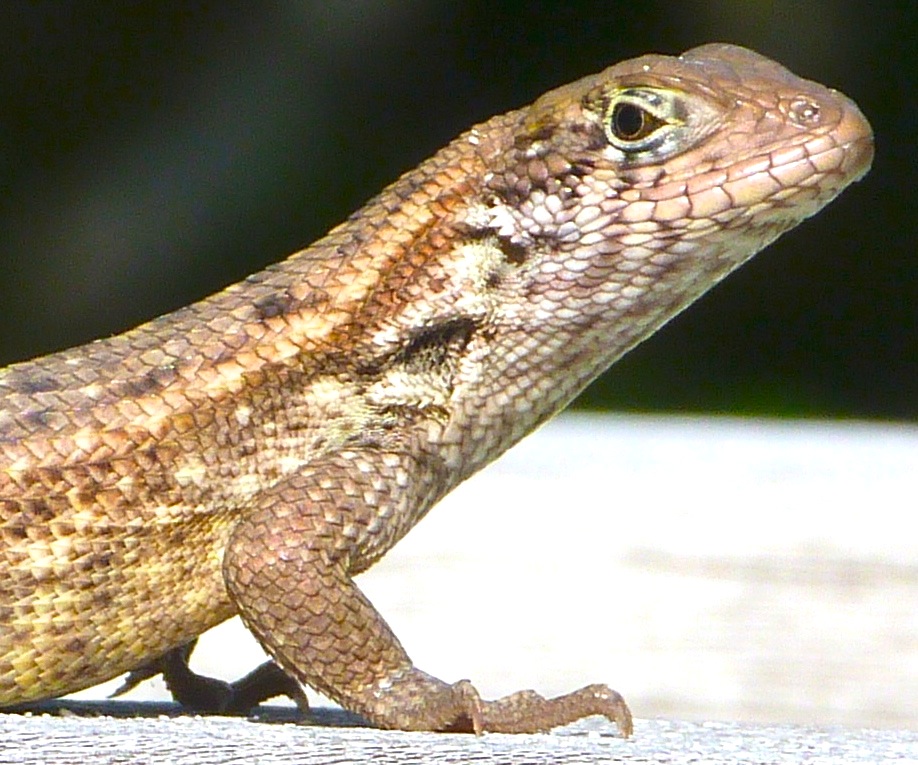
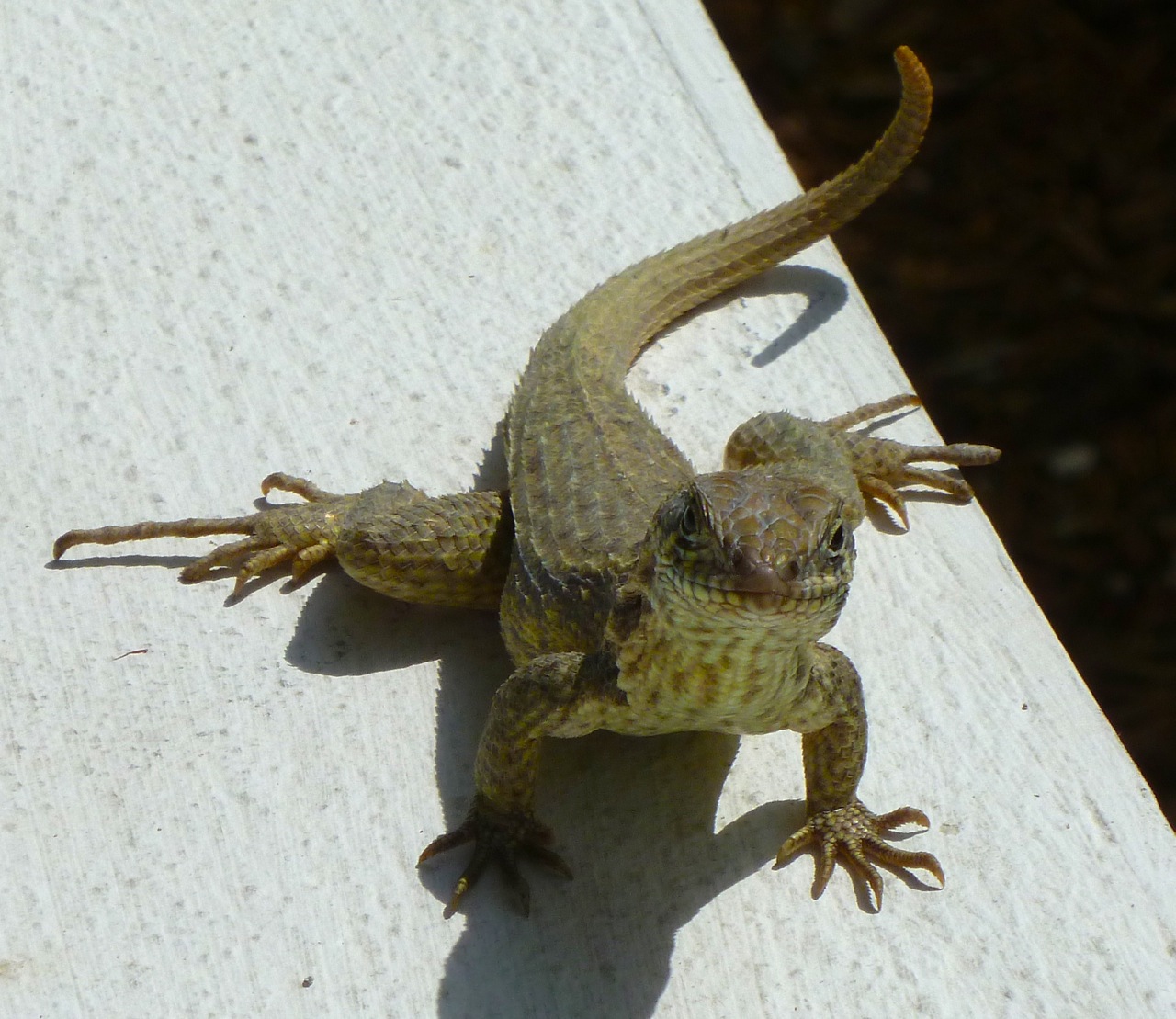


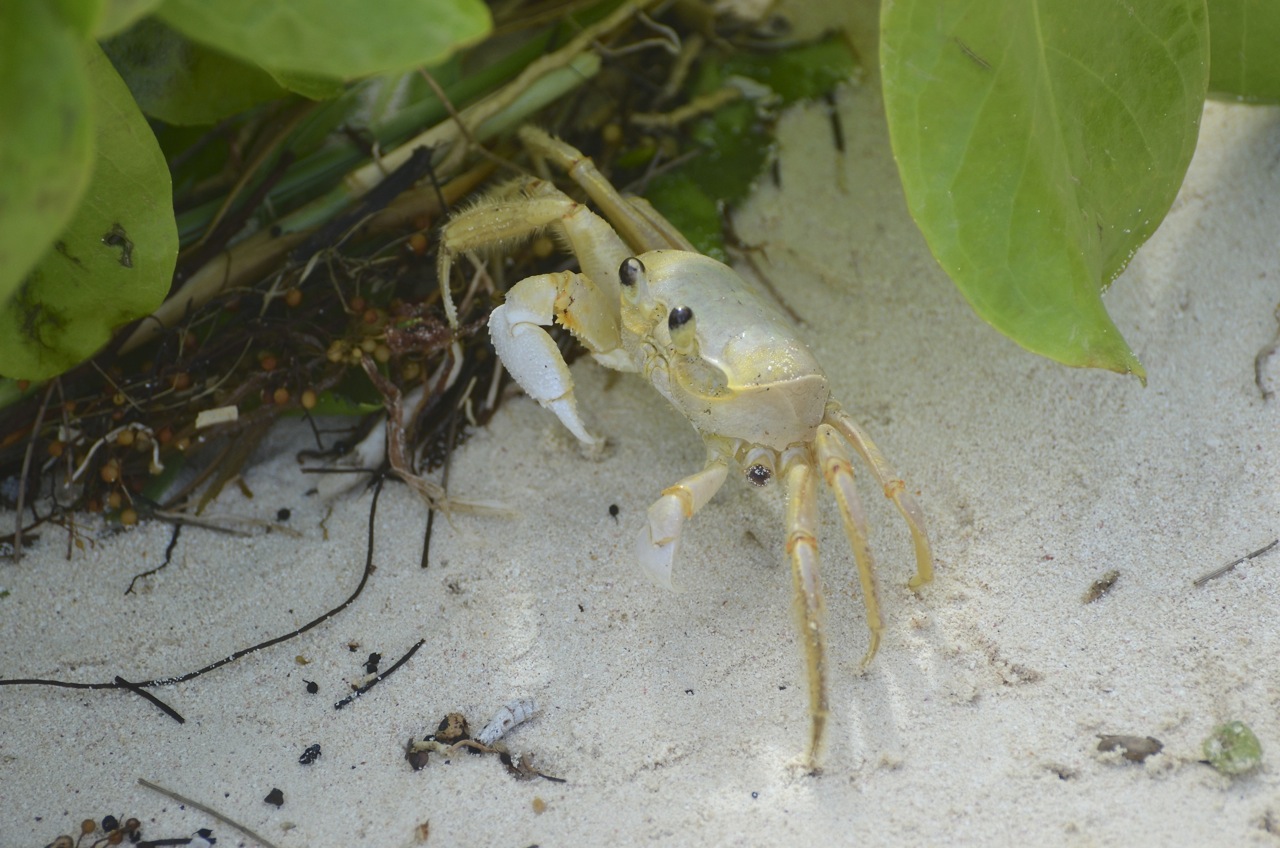


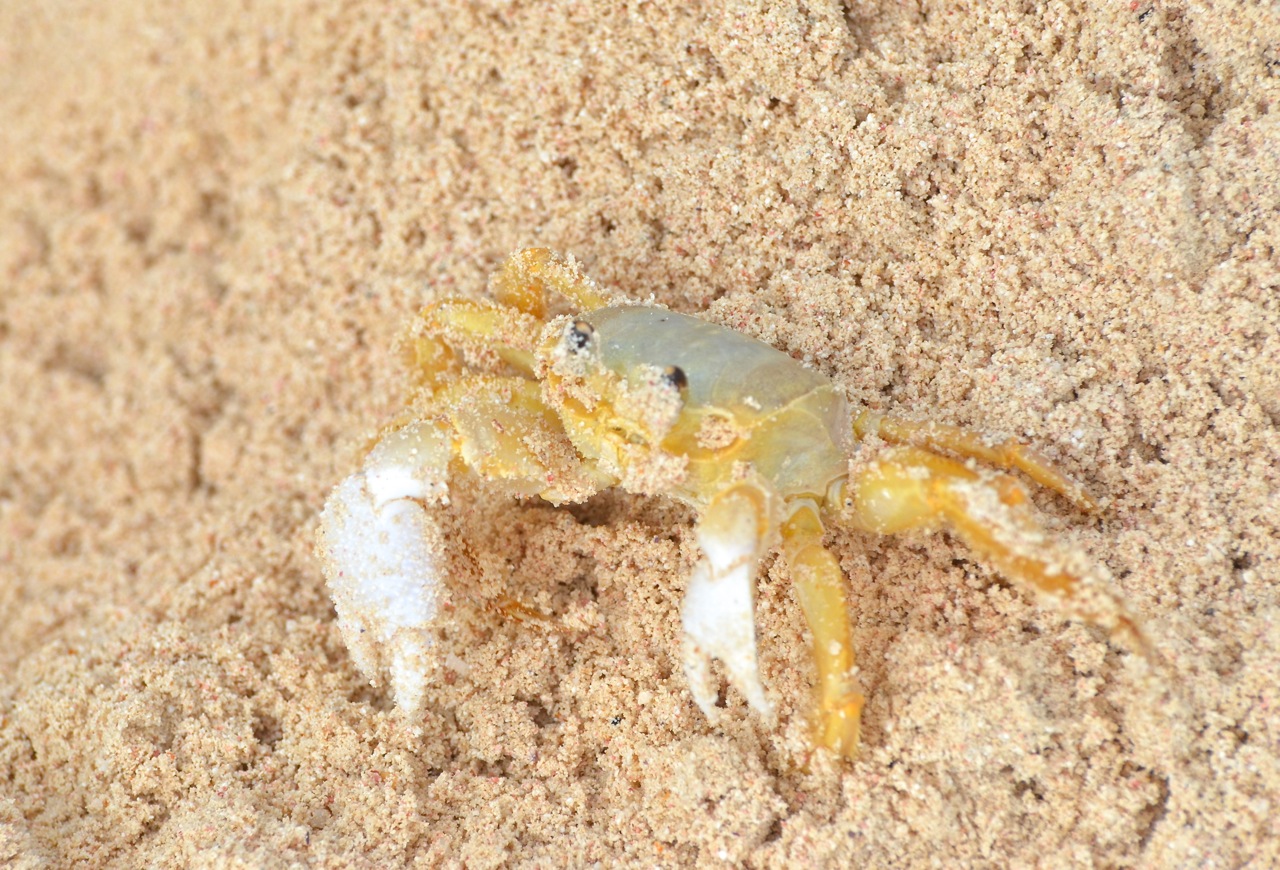
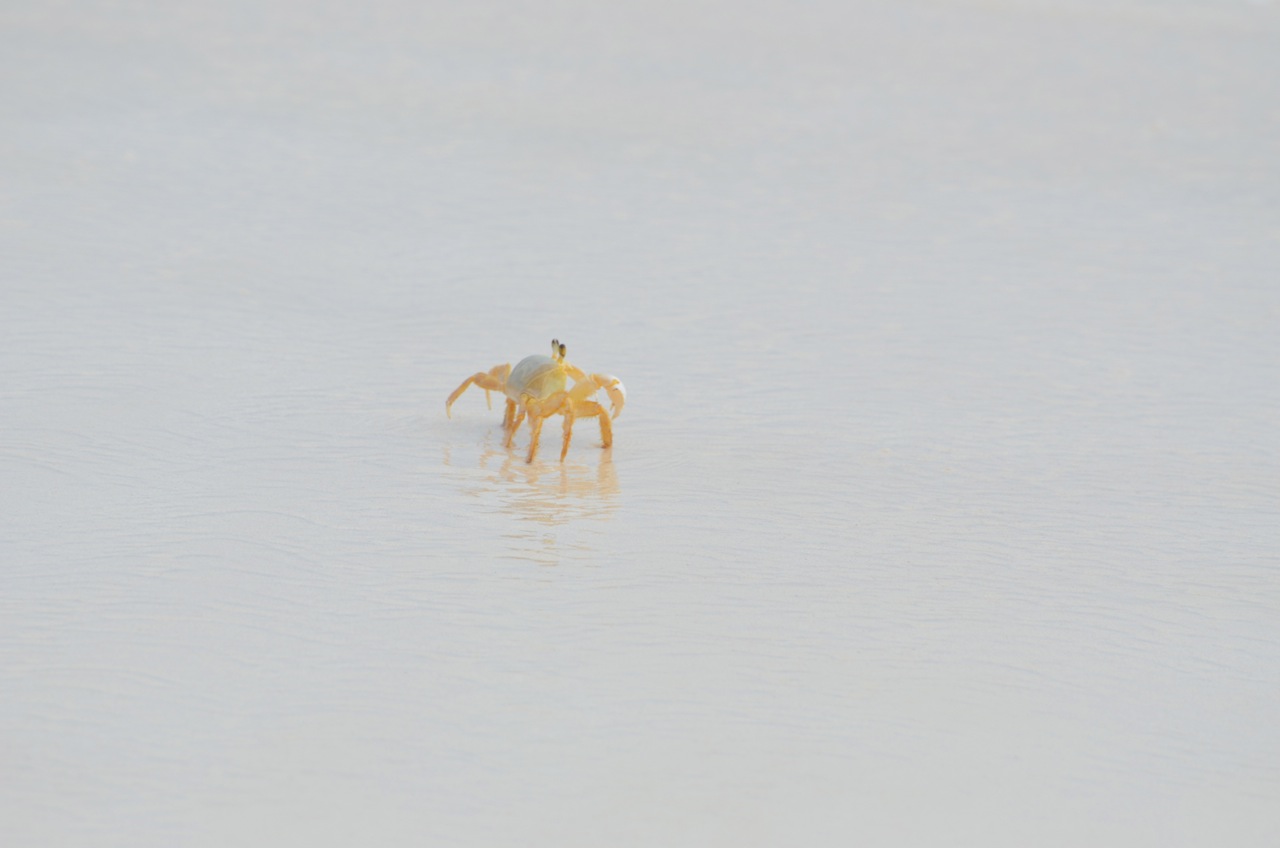
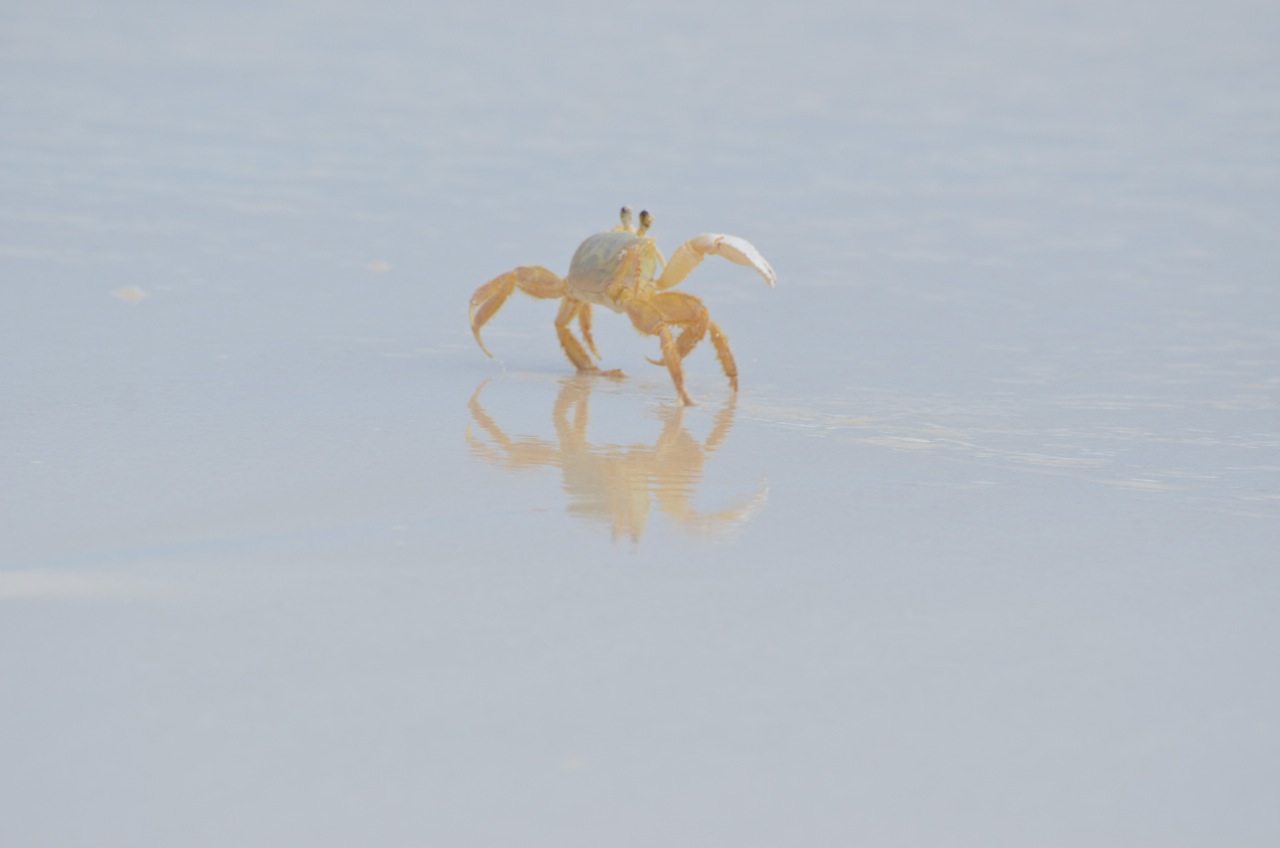
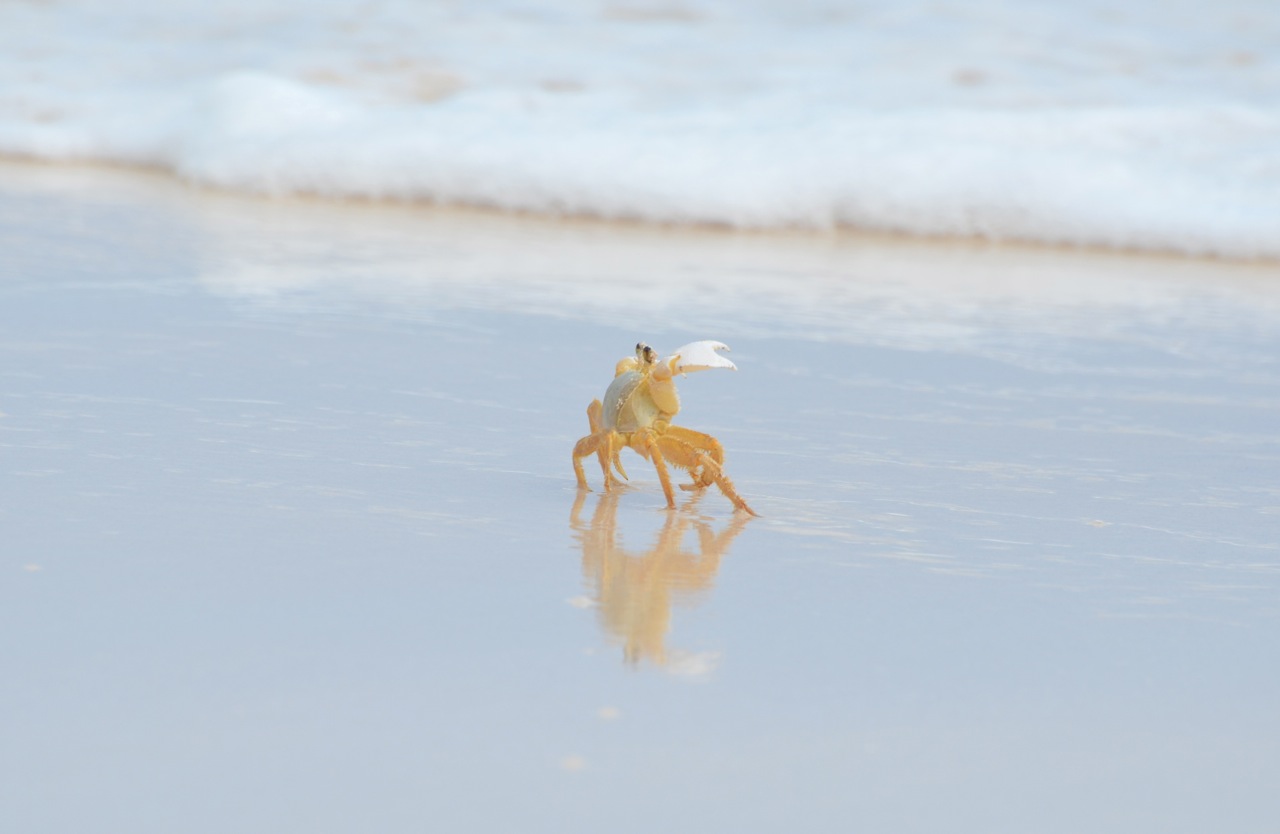

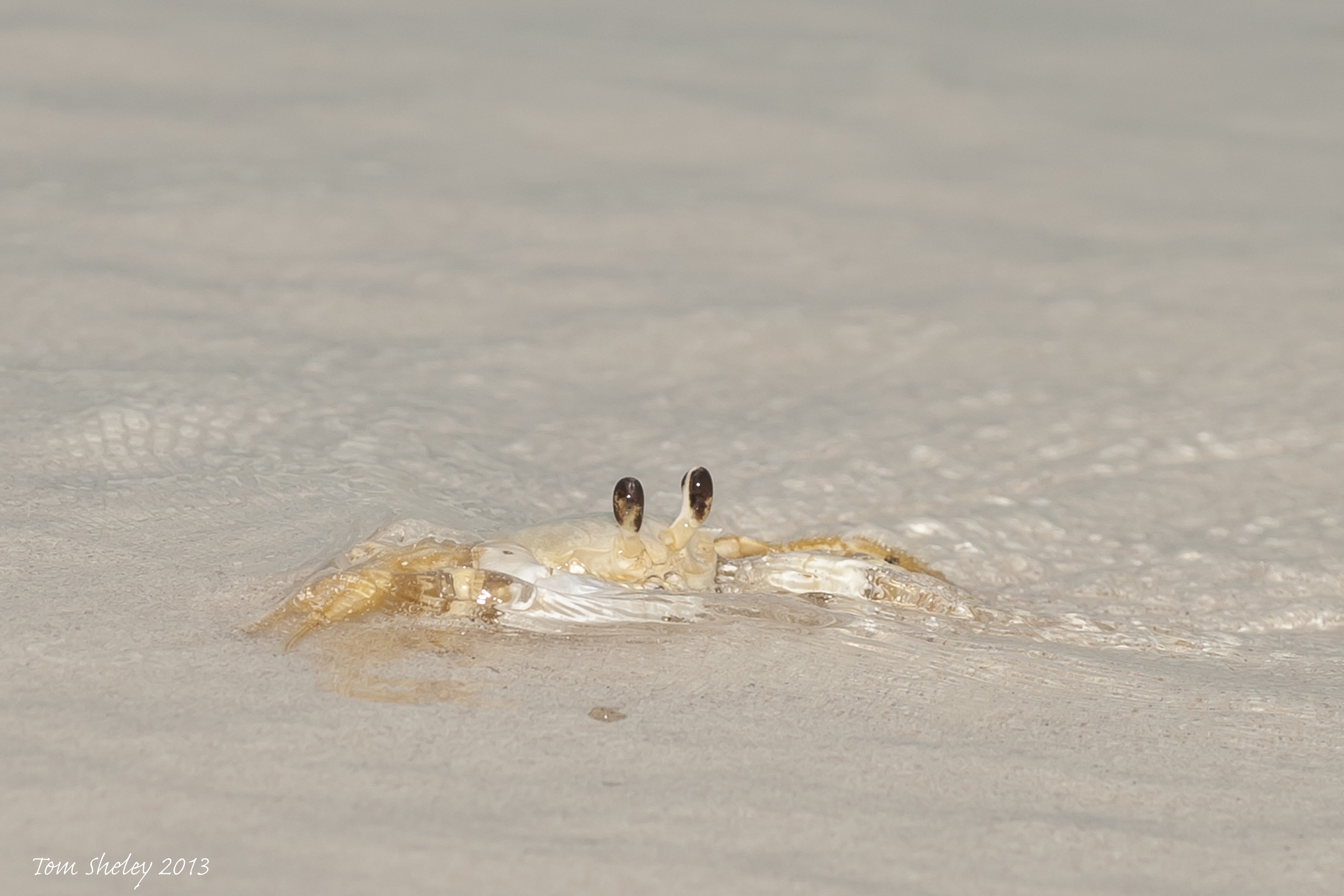


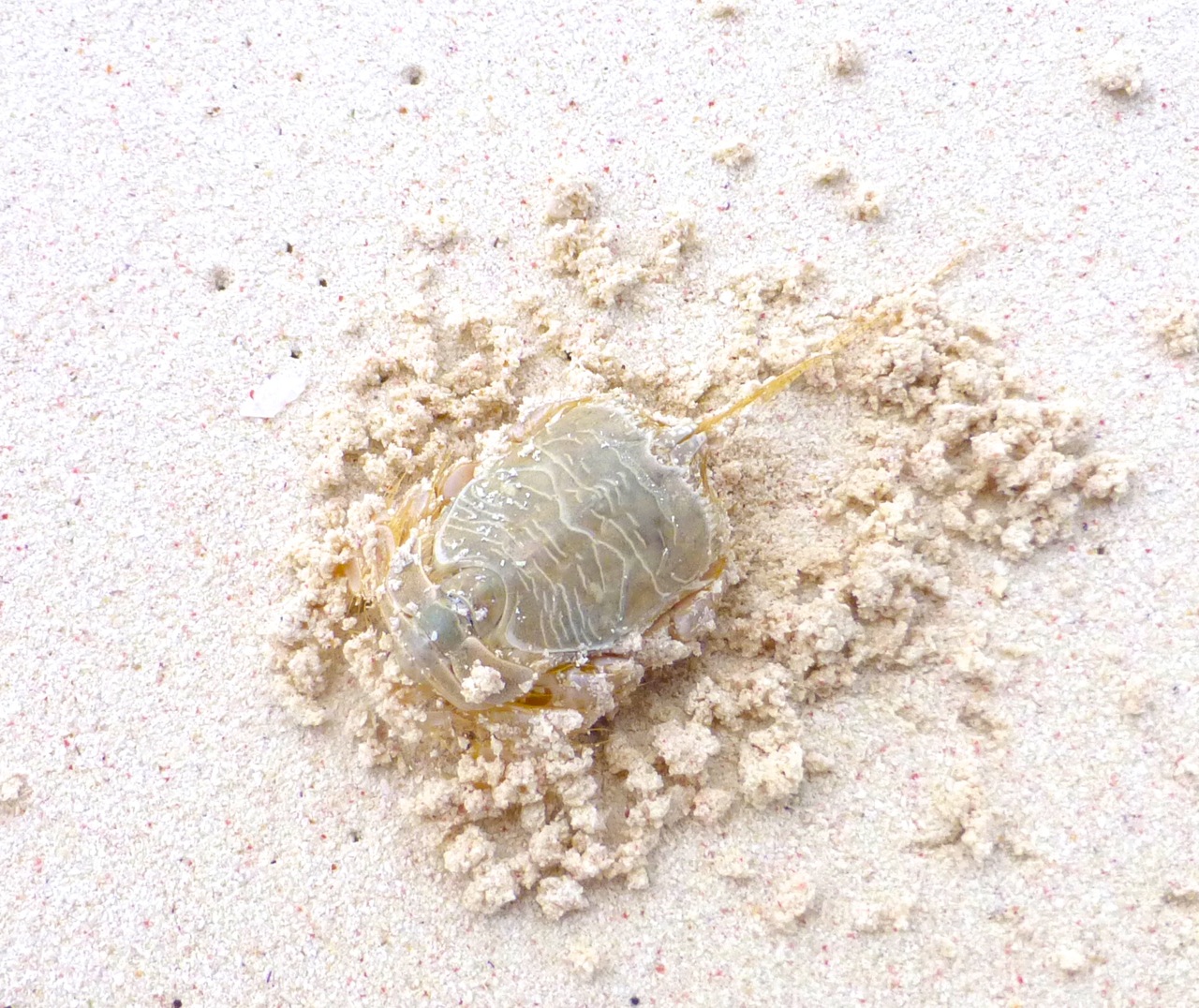


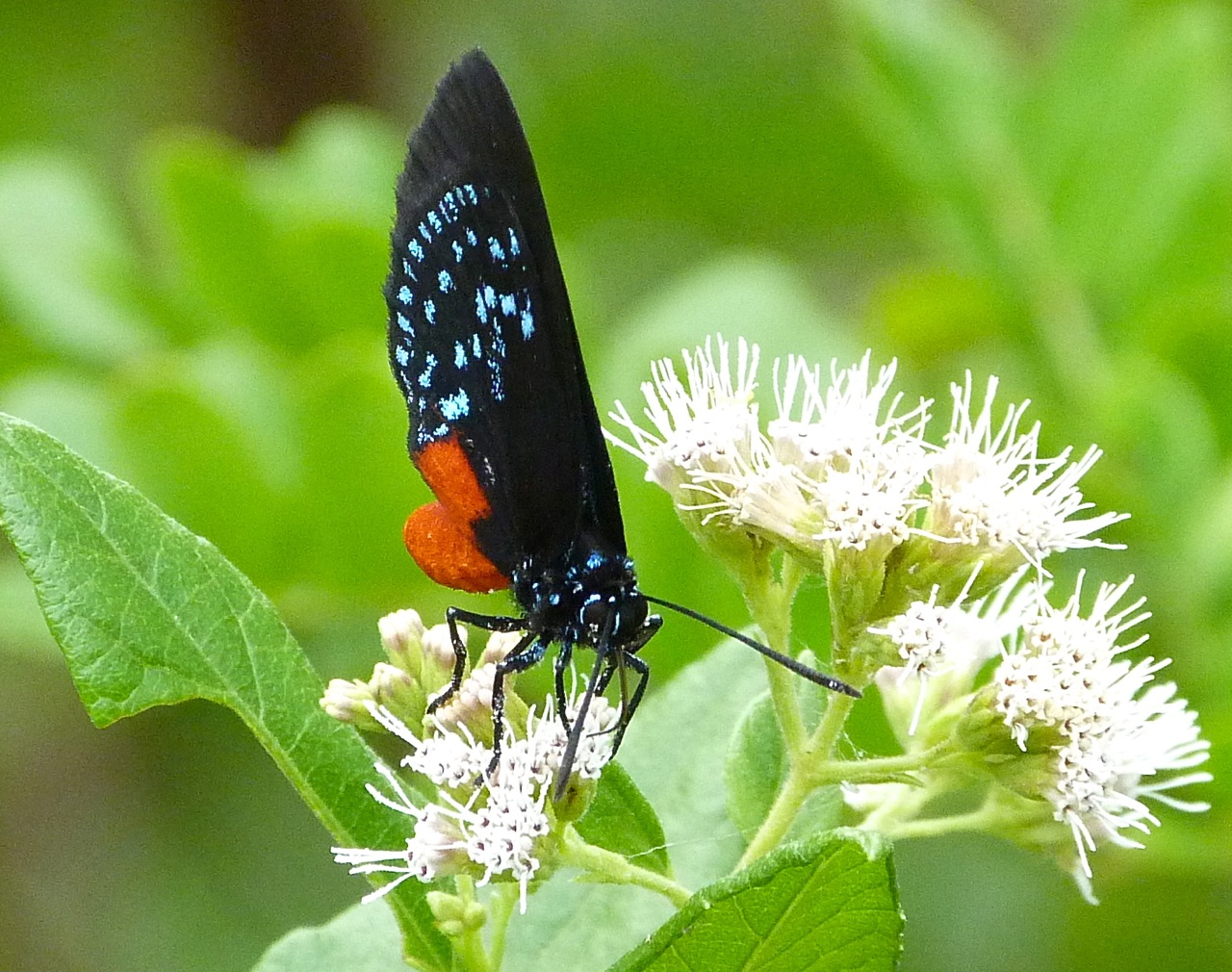


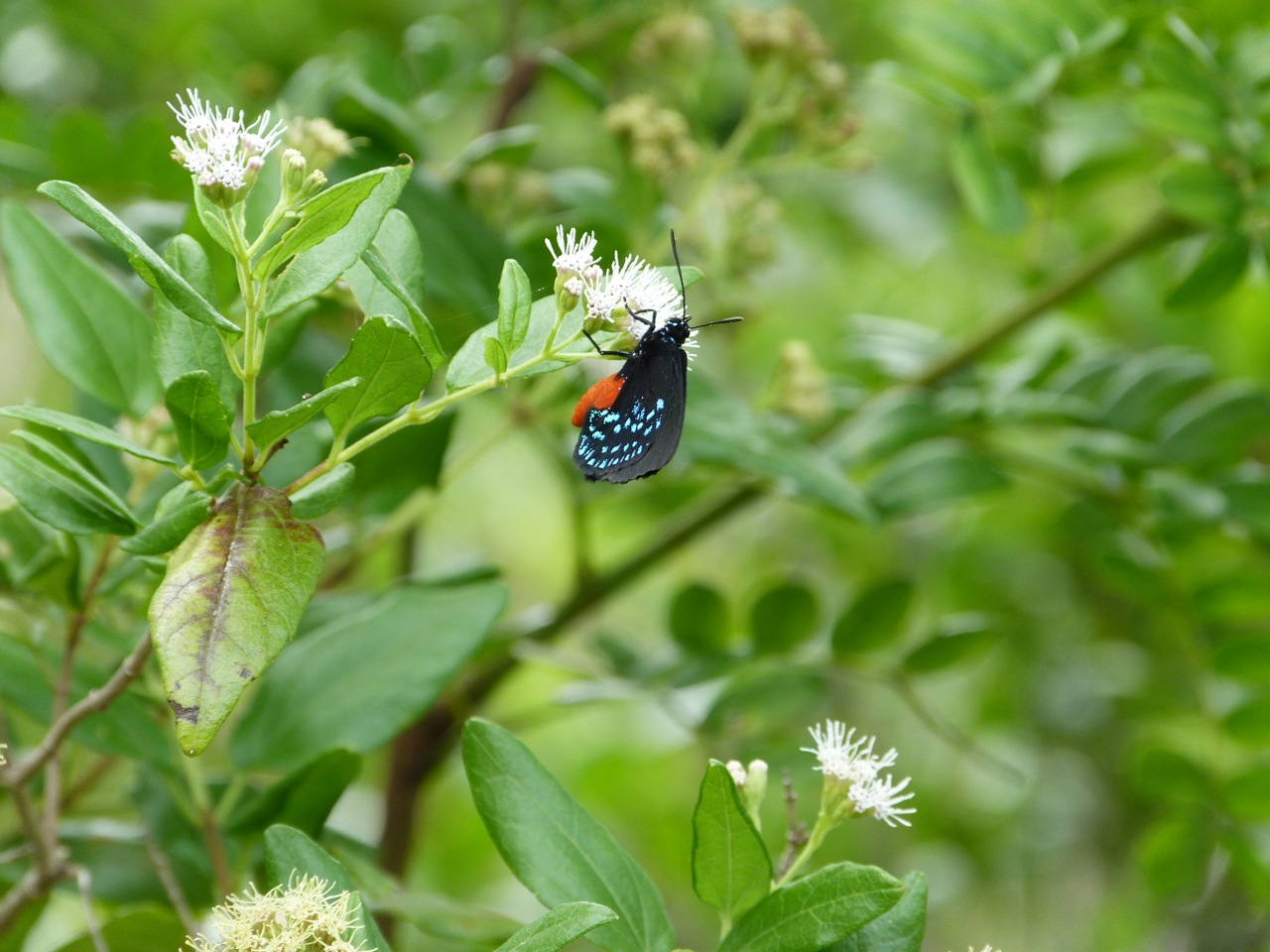

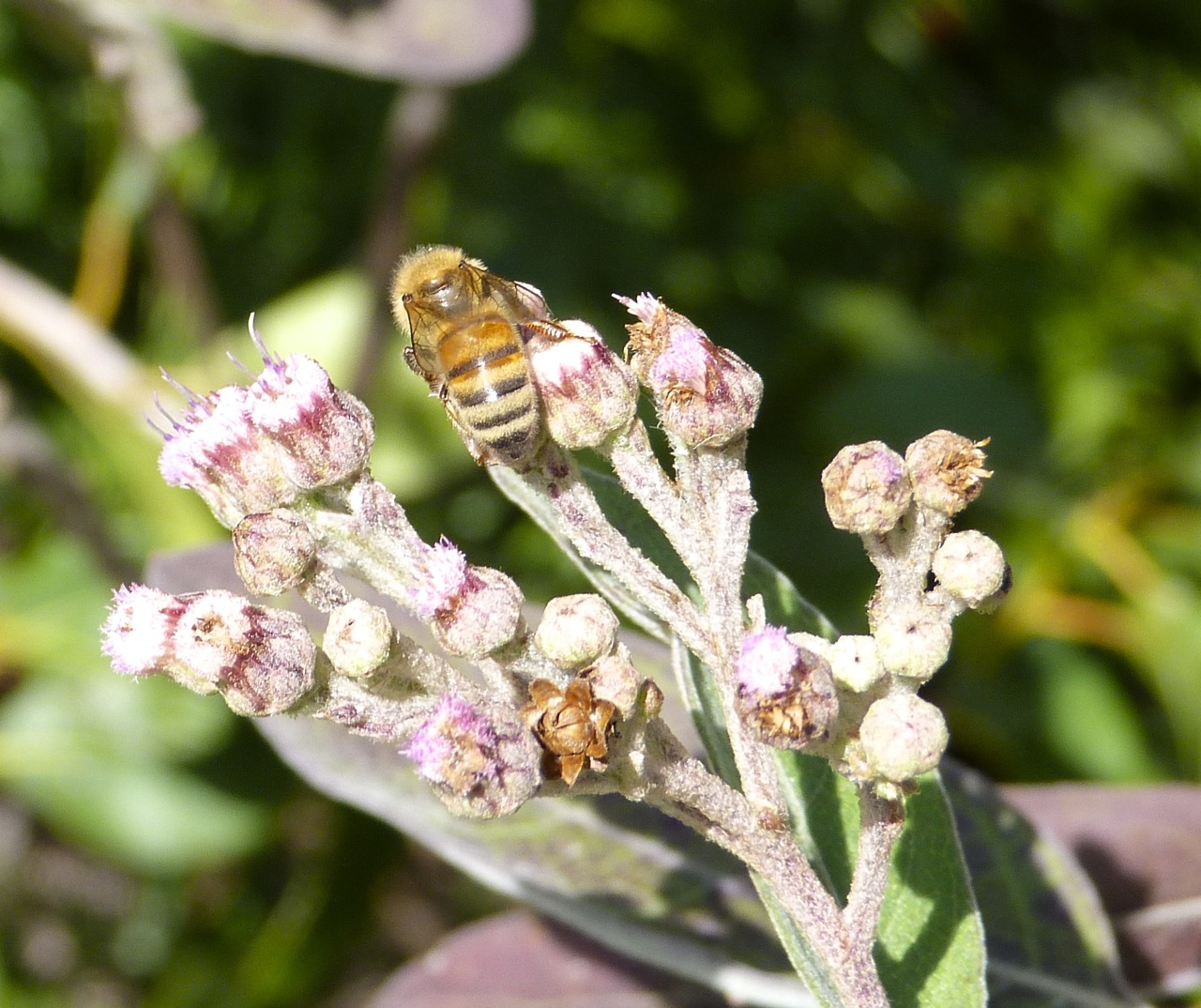



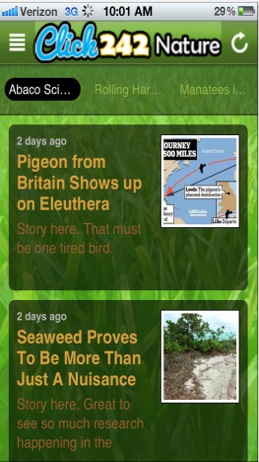
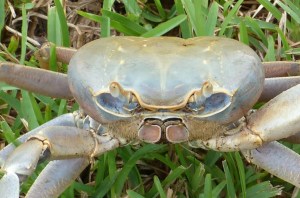

 Image: ©RH
 Image ©BMMRO


 LIGHT RELIEF
















 1:49
1:49
 9:47
9:47 2:17
2:17 2:35
2:35 1:26
1:26 1:40
1:40 0:29
0:29 1:15
1:15 ROLLING HARBOUR ABACO
You must be logged in to post a comment.