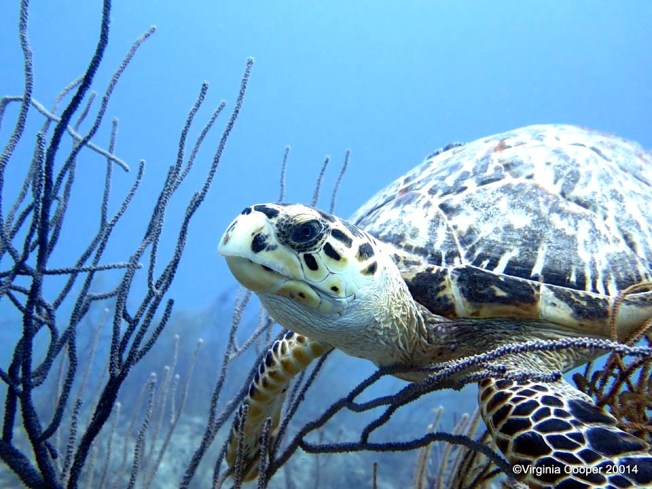
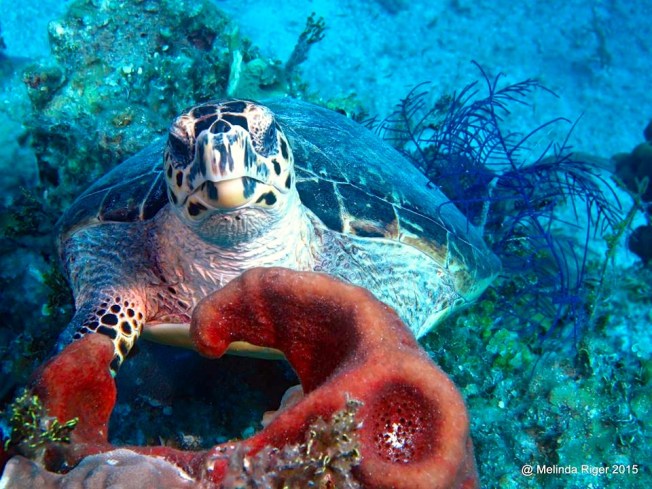
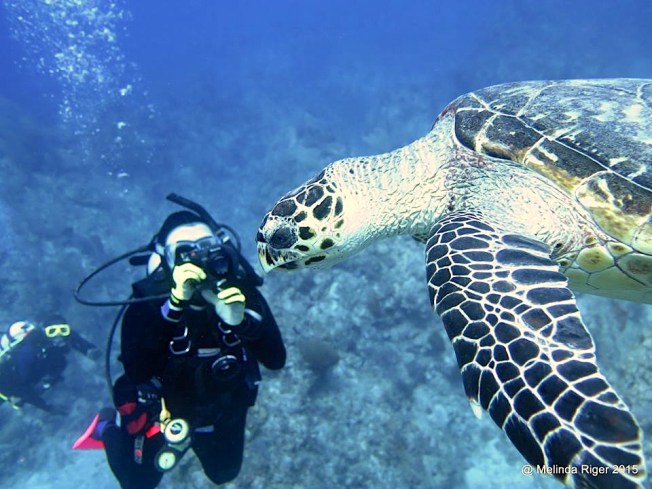
Hawksbill turtles are found throughout the tropical waters of the Atlantic, Pacific, and Indian Oceans. They avoid deep waters, preferring coastlines where sponges are abundant and sandy nesting sites are within reach. They are normally found near reefs rich in the sponges they like to feed on. Hawksbills are omnivorous and will also eat molluscs, marine algae, crustaceans, sea urchins, fish, and jellyfish.
Hawksbill Turtle Range (Nat Geo)
WHY ARE HAWKSBILLS CRITICALLY ENDANGERED?
Despite the protection of their shells, turtles are predated on by large fish, sharks, octopuses, and (unlawfully) humans.
Hawksbills are slow breeders, mating only every 2 or 3 years, which is the first drawback to species survival.
Having laid the resulting eggs on a beach, the female returns to the sea. The eggs hatch after a couple of months. Unless, of course, some creature – and that includes humans – has got to them first…
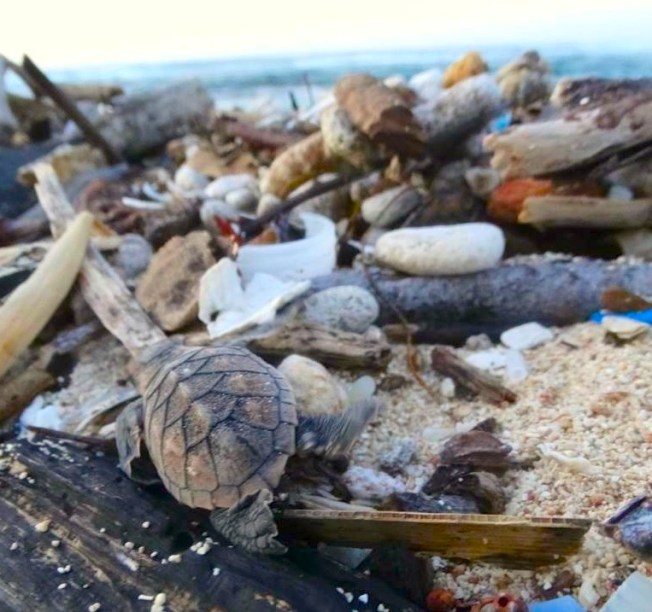
Hatchlings are hugely vulnerable as they make their way from the nest site to the sea. However fast they scurry along, crabs and in particular flocks of gulls are faster. Also, they may have to negotiate impossible obstacles washed up onto the beach (see below). The attrition rate of tiny turtles at this stage is very considerable.
SO, HUMANS ARE BASICALLY IN THE CLEAR, RIGHT?
Humans can take most of the credit for the turtles plight leading to their IUCN ‘critically endangered’ listing, in these mostly illegal ways:
Killing adult turtles for food or…
…for their beautiful shells
Digging up turtle nesting sites to take the eggs as food
Catching turtles in fishing nets as unintended but often inevitableBYCATCH
Providing a rich stew of plastic, styrofoam & other dietary or physical hazards in the ocean
Degrading or destroying the nesting sites, & indeed the reefs on which turtles depend
A hatchling tries to clamber over beach rubbish to get to the sea
A straw is extracted from a turtle’s nostril (small pics on purpose – I spared you the long video)
This poor creature was found just in time
Assorted plastic effects (the turtle trapped in the beach chair was off Man-o-War Cay)
PLEASE CAN WE GO BACK TO HAPPY PICTURES?
Healthy hawksbills happily living the northern Bahamas reef life
Credits: Melinda Riger & Virginia Cooper of Grand Bahama Scuba for the main photos; Melissa Maura, Nathan Robinson, Friends of the Environment and other FB sharers for the small images; National Geographic for range chart and information
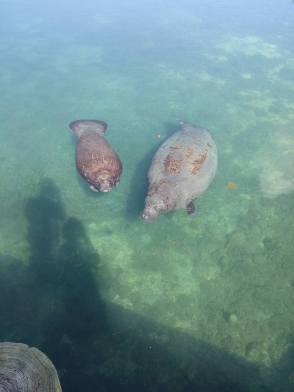
Gina the Manatee, Eleuthera – expectant mother (BMMRO)
BAHAMAS MANATEES: GINA’S CALF NEEDS A NAME!
Earlier this year I posted the welcome news that Bahamas manatee Gina was beyond any doubt pregnant. You can read about it HERE. Gina has been living for some time in Eleutheran waters, under regular observation by the BMMRO. At the turn of the year, she was re-tagged in Harbour Island, Eleuthera, when her pregnancy was discovered. I promised to give an update and this is a perfect moment. Gina’s calf was safely born and is growing fast. The pair have spent a lot of time in and around Spanish Wells, Eleuthera. Recently they have begun to move further afield, and there have been several sightings with some great photos shared on FB and in particular on Felice Leanne Knowles’s terrific BAHAMAS MANATEE CLUB page, some of which are included here duly credited.
Gina’s calf is currently just called “Gina’s calf”. Its gender is unknown, and it will take a close inspection from below to ascertain from its… I don’t have to go on with this, do I? The point being that the chosen name will need to be unisex because it may take a while until there is sufficient development of the… I don’t have to go on with this either, do I? Let’s see the nameless calf at once! Details of the competition at the end of this post…
Gina with her newborn calf, July 27 (BMMRO) (note apparent prop scars on Gina)
Spanish Wells, October 26 (π Junea Pinder / BMMRO)
Gregory Town, November 5 (Lynne Hirzel / BMMRO)
Hatchet Bay, November 13 (π Jeffrey Louis / BMMRO)
November 18: Now you see it… (π Norma Roberts / BMMRO)
…and now you don’t…
THE COMPETITION
ATTENTION TEAM MANATEES!!! Due to a consistent influx of sighting information and photos, we would like to add Gina’s calf to our catalogue. It would be nice for it to have a NAME!! We cannot monitor these manatees without your help and it is only fitting that YOU name the manatee. The deadline for name suggestions is November 29th, 2015 and the winning name will be revealed on November 30th, 2015. The member with the winning name suggestion will receive an official manatee club T-Shirt!!
RULES
1. The name must be submitted on the Club PageBahamas Manatee Clubas an individual post – DO NOT comment your suggestion. 2. The name must be unisex – we do not know the sex of the calf yet. 3. A meaning or description must be submitted along with the name. 4. Please do not submit any derogatory or explicit “names.” 5. If you are submitting on behalf of a child who is not on Facebook, please add their name to the post as well.
Spread the word! Tell your friends and families to join the club and help us with a name!! The name will be selected on it’s meaning or description as it relates to marine mammals OR The Bahamas. The amount of “likes” per post will also go into consideration during the selection process.
Regretful Note: I made the stupid mistake of being amongst the very first to post my suggestion, meaning that after a day or two I’d get no likes at all, as more people got involved and my offering sank slowly. But there’ve been plenty of much better ones since, so probably just as well!
For more information about West Indian manatees, you can visit the MANATEE PAGE. There are several links there to specific manatee stories.
Finally, here is a great manatee map that Felice has recently made, showing which of the increasing number of manatees is where at the moment. Just think, only 4 or 5 were known about four years back. Now look!
Credits: primary founts of Bahamas manatee knowledge Felice & BMMRO; Photos BMMRO, Junea Pinder, Lynne Hirzel, Jeffrey Louis, Norma Roberts
All piping plovers on Abaco are welcome winter visitors. Or I should say, winter residents. They are little different from the many Abaco second-homers who live in North America during the summer. As the chill of autumn and early winter takes hold in their northern habitat, they too fly south to their winter destination in the hope of warm sun, unspoilt sandy beaches and good food bahamian-style. Not worms, though. The humans draw a line at those, though they do pull things out of the sea that plovers would disdain as acceptable sustenance.
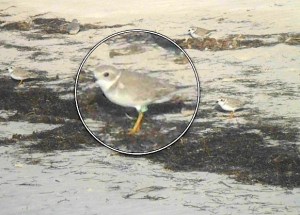
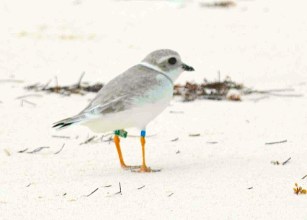
Jonesy was first sighted more than month ago on the beach at Winding Bay. This beach, and its neighbours on Cherokee Sound, have proved to be this season’s PIPL hotspot so far. Ali Ball originally reported having seen one bird with a green flag in a group of birds. Eventually, on October 29, she was able to get close enough to get a photo of Green Flag with its friends.
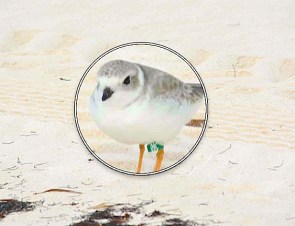
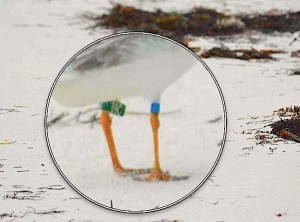
Tantalisingly, however, no amount of enhancement could reveal the code on the flag. Never mind, there was already enough information to start the process of identification. It was not a returning Bahamas-banded bird, which have bright pink coded flags. ‘Green Flag Upper Left’ indicated a bird banded by, or in conjunction with, the Virginia Tech program. This in turn pointed to the shorelines of Connecticut or Rhode Island. But it was vital to get a clear sight of the expected 3-character alphanumeric code on the flag. PIPL maestro Todd Pover was quickly on the case.
ID COMPLICATIONS
There are several obstacles for the local ‘civilian’ bird monitor, who may well not be equipped with a powerful camera and tripod, or a digiscope. The birds are very small. They scuttle. They can be nervous and quite difficult to get close to. They may hang out in much larger groups of shorebirds such as sandpipers and turnstones. The light might be poor or the weather unhelpful. Counting the birds is one matter. Seeing bands or flags – let alone reading codes – may be quite another.
Luckily, within a couple of days, Keith Kemp was able to visit the beach, and managed to get a couple of definitive shots of the bird. As you can see below, it turned out to have a blue band upper right as well as the flag, a fact that would narrow down the search for its summer habitat. The first task was to check out the code on the flag, a process of cropping, enhancing and magnifying… to get, finally, to Bird 09C
I posted Ali’s Oct 29 sighting as a provisional ID. Within a very short time of Keith’s nailing of the alphanumeric code, Todd Pover had located the bird’s origin and obtained some information which I then posted to my page ABACO PIPING PLOVER WATCH:
#44 OCT 30. 08.30. **NEW ID** Winding Bay. Mid-tide. 17 foraging PIPL inc. ‘JONESY’ (see #43) at the cabanas end. 2 photos. Green Flag code 09C. π Ali Ball (original spotter & monitor); Keith Kemp (follow-up). ID CONFIRMED: SY male, unsuccessful nester this summer at Sandy Point, Rhode Island. Last sighted there July 16. COMMENT Jonesy gets an upgrade from green to red marker. Most of these birds will have been counted already, but 17 suggests a handful of new arrivals. on that end of the beach. More details about Jonesy soon.
JONESY’S SUMMER HOME
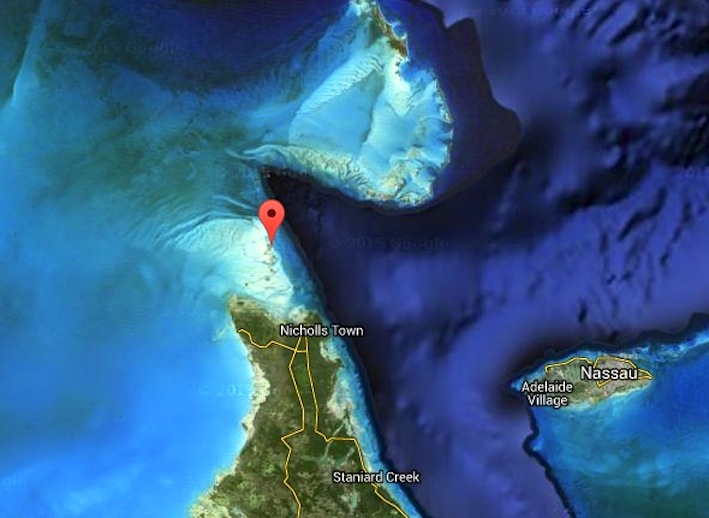
To give an idea of how accurate the professional conservation teams are, the red flag on the map above marks the exact location of the last sighting of Jonesy, on July 16th. Sandy Point is a narrow sand spit on the boundary of Rhode Island and Connecticut; and of the Ninigret National Wildlife Refuge and the Rhode Island National Wildlife Refuge Complex. Jonesy seems to have spent the breeding season there scuttling backwards and forwards between RI and CT. He apparently paired off, but the reason for being ‘an unsuccessful nester’ is unknown at the moment. I haven’t yet been able to obtain any further information; I am hoping to be able to identify the bander, as with TUNA.
NAME THAT BIRD!
Originally Jonesy was called ‘Mrs Jones’. On Ali’s visits to the beach at Winding Bay, this little plover was regularly in “the same place, the same time”, as in the Billy Paul song “Me and Mrs Jones”. The only drawback being that it then emerged that Mrs Jones was a male. To change his name to Mr Jones seemed rather formal, and the suggestion that ‘Jonesy’ would cover the awkward situation was approved…
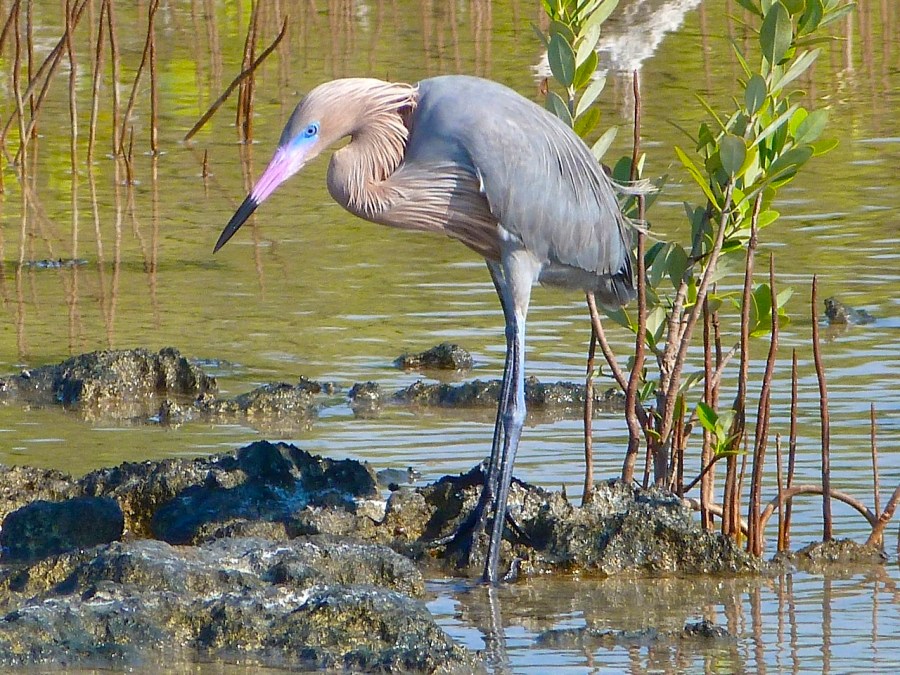
Reddish Egret male in breeding plumage, Crossing Rocks, Abaco
SEABIRDS, SHOREBIRDS & WADERS: 30 WAYS TO TELL THEM APART
This weekend is Wader Conservation World Watch weekend, promoted by WADER QUEST. This is the perfect moment to help with the vexed question: “See that bird? Over there. No, THERE! Is it a seabird, shorebird or a wader?”
There is plenty of scope for confusion, since in practice there is a degree of informal category overlap and even some variation between the various bird guides. And after all, shorebirds may wade. And wading birds may be found on the shore*. Here is a reminder of 30 infallible rules to sort out which is which, courtesy of the estimable BEACH CHAIR SCIENTIST blog.
*STOP PRESS Rick Simpson of Wader Quest has kindly added a comment pointing out the marked difference in the categorisation on either side of the Atlantic:“What you in the USA call shorebirds we here in the UK call waders (peeps, sandpipers, plovers oystercatchers etc – but not skimmers). Shorebirds to us can be any bird that lives on a shore, ie egret, herons, gulls. To add more confusion some seabirds such as Gulls, Skuas (Jaegers) Terns and Auks are also all in the group called Charadriiformes, not just the waders… er I mean shorebirds, or do I? [So] should any of you decide to participate in our world watch it is your shorebirds (but not skimmers) that we are interested in and we call them waders. Anyone want to know the rules of cricket? It is easier to explain!”
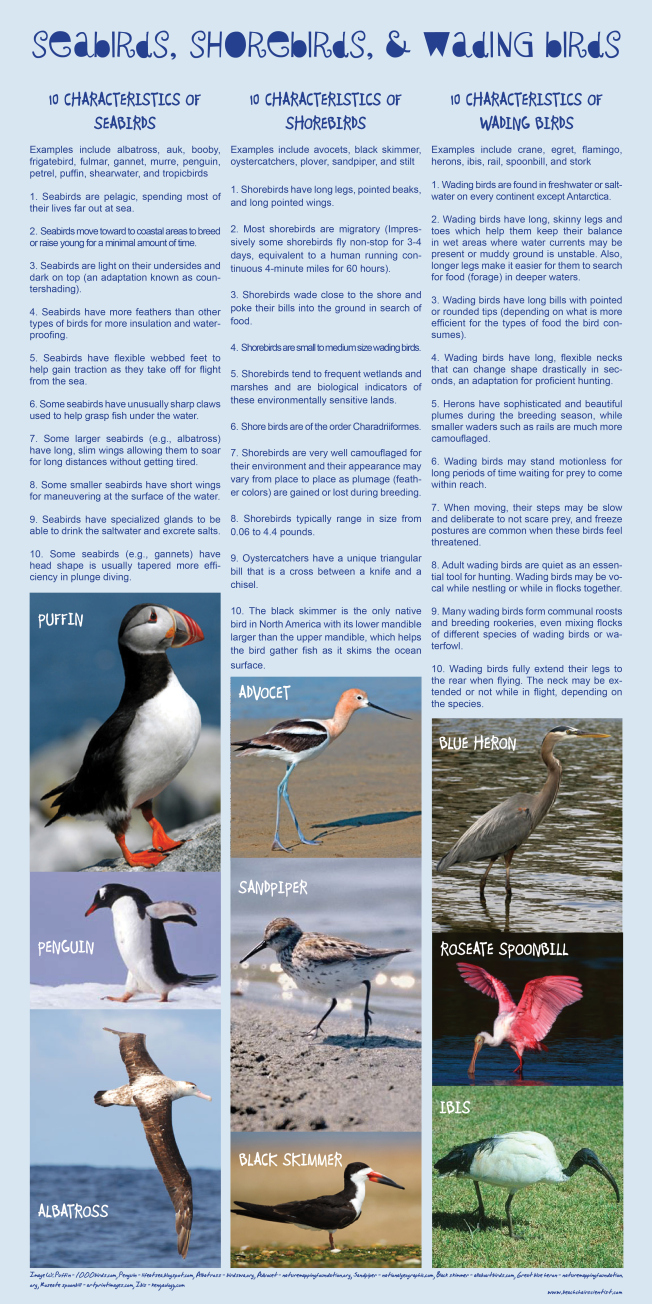
10 CHARACTERISTICS OF SEABIRDS
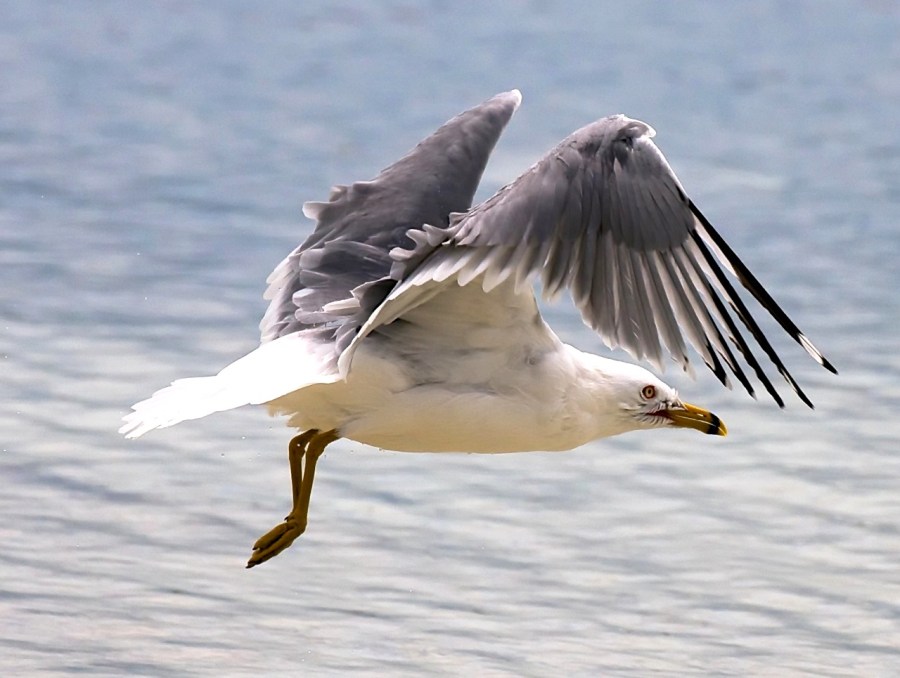
Ring-billed gull, Abaco
Examples include frigatebirds, petrels, shearwaters, gulls, terns and tropicbirds
1. Seabirds are pelagic, spending most of their lives far out at sea. 2. Seabirds move toward to coastal areas to breed or raise young for a minimal amount of time. 3. Seabirds are light on their undersides and dark on top (an adaptation known as countershading). 4. Seabirds have more feathers than other types of birds for more insulation and waterproofing. 5. Seabirds have flexible webbed feet to help gain traction as they take off for flight from the sea. 6. Some seabirds have unusually sharp claws used to help grasp fish under the water. 7. Some larger seabirds (e.g. albatross) have long, slim wings allowing them to soar for long distances without getting tired. 8. Some smaller seabirds have short wings for manoeuvering at the surface of the water. 9. Seabirds have specialized glands to be able to drink the saltwater and excrete salts. 10. Some seabirds (e.g. gannets) have a head shape that is usually tapered for more efficiency in plunge diving.
10 CHARACTERISTICS OF SHOREBIRDS
Ruddy Turnstone, Abaco
Examples include oystercatchers, turnstones, knots, plovers and sandpipers
1. Shorebirds have long legs, pointed beaks, and long pointed wings. 2. Most shorebirds are migratory (impressively some shorebirds fly non-stop for 3-4 days, equivalent to a human running continuous 4-minute miles for 60 hours). 3. Shorebirds wade close to the shore and poke their bills into the ground in search of food. 4. Shorebirds are small to medium size wading birds. 5. Shorebirds tend to frequent wetlands and marshes and are biological indicators of these environmentally sensitive lands. 6. Shore birds are of the order Charadriiformes. 7. Shorebirds are very well camouflaged for their environment and their appearance may vary from place to place as plumage (feather colors) are gained or lost during breeding. 8. Shorebirds typically range in size from 0.06 to 4.4 pounds. 9. Oystercatchers have a unique triangular bill that is a cross between a knife and a chisel. 10. The black skimmer is the only native bird in North America with its lower mandible larger than the upper mandible, which helps the bird gather fish as it skims the ocean surface.
10 CHARACTERISTICS OF WADING BIRDS
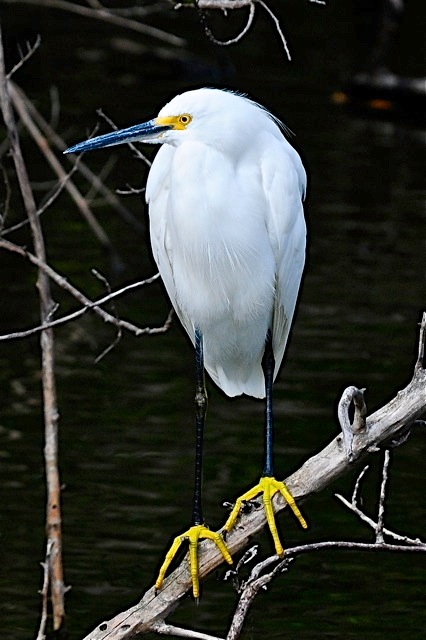
Snowy Egret, Abaco
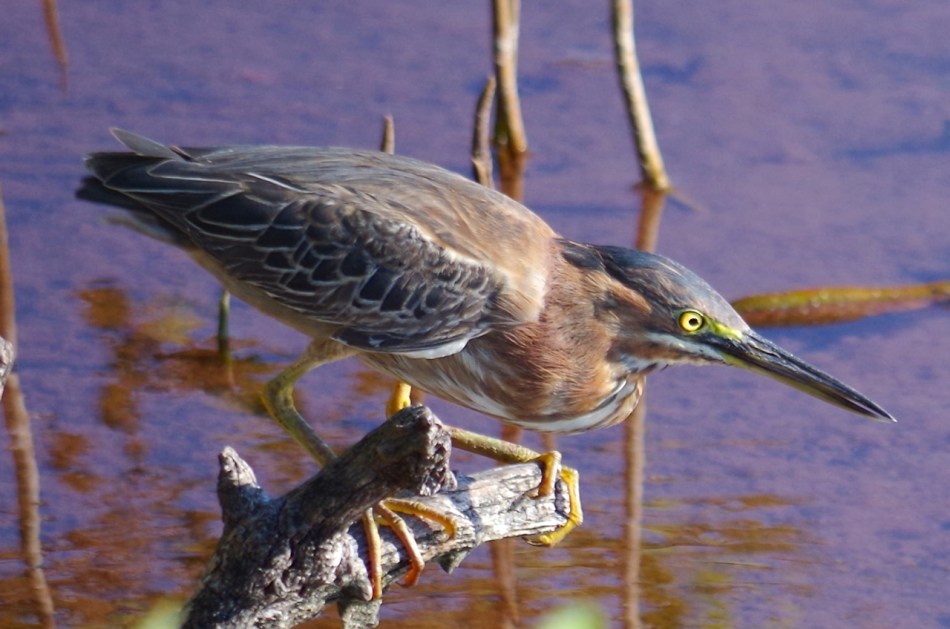
Examples include egrets, herons, flamingos, ibis, rails, and spoonbills
1. Wading birds are found in freshwater or saltwater on every continent except Antarctica. 2. Wading birds have long, skinny legs and toes which help them keep their balance in wet areas where water currents may be present or muddy ground is unstable. Also, longer legs make it easier for them to search for food (forage) in deeper waters. 3. Wading birds have long bills with pointed or rounded tips (depending on what is more efficient for the types of food the bird consumes). 4. Wading birds have long, flexible necks that can change shape drastically in seconds, an adaptation for proficient hunting. 5. Herons have sophisticated and beautiful plumes (‘bridal plumage’) during the breeding season, while smaller waders such as rails are much more camouflaged. 6. Wading birds may stand motionless for long periods of time waiting for prey to come within reach. 7. When moving, their steps may be slow and deliberate to not scare prey, and freeze postures are common when these birds feel threatened. 8. Adult wading birds are quiet as an essential tool for hunting. Wading birds may be vocal while nestling or while in flocks together. 9. Many wading birds form communal roosts and breeding rookeries, even mixing flocks of different species of wading birds or waterfowl. 10. Wading birds fully extend their legs to the rear when flying. The neck may be extended or not while in flight, depending on the species.
Green Heron, Abaco
These lists were handily put together in useful chart form
A new season – the seventh – of the Delphi Club is now underway. There are fish to be caught, poolside inactivities to relish, chef-prepared meals to eat and a capacious wine cellar to be explored. To which, add birds to be spotted. Delphi has turned out to be a superb place for birding – not a feature given prominence in the original prospectus… The Club’s remoteness and its rich mix of pine forest, coppice, gardens and a pristine one-mile beach ensure the prefect protected habitat for a vast number of bird species common, uncommon and rare.
Eighteen months ago, “The Delphi Club Guide to THE BIRDS OF ABACO“was published. The originator of the idea – as with the entire Delphi project – was of course Peter Mantle, the publisher. The book took 16 months from conception to the arrival of three pallets of printed books on the dockside in Marsh Harbour, having travelled by a tortuous route from specialist printers in Italy.
The book was launched at the Delphi Club in March 2014, to generous enthusiasm and support both on Abaco and beyond. 75% of the edition has been sold already. In addition, Abaco schools, libraries and wildlife organisations have been given copies for educational purposes. A percentage of profits is to be given to local wildlife causes. We couldn’t be more pleased with the response to this lavish book, a unique publication in the Bahamas.
The incremental growth of social media is rapid. Blogs gain readers. Facebook and Twitter pages gain new friends and followers. The start of this new Delphi season is therefore a good moment to post a reminder about the book, illustrated with a few of the wonderful bird species featured. And… ahem… there are only 57 more ‘sleeps’ until Christmas.
The Guide showcases the rich and varied bird life of Abaco, Bahamas and features both resident and migratory species including rarities and unusual sightings. The main features are as follows:
272 pages with more than 350 photographs
163 species shown in vivid colour – nearly two-thirds of all the bird species ever recorded for Abaco
Every single photograph was taken on Abaco or in Abaco waters
All birds are shown in their natural surroundings – no feeders or trails of seed were used
Several birds featured are the first ones ever recorded for Abaco or even for the entire Bahamas
A total of 30 photographers, both experienced and amateur, contributed to the project
The book has had the generous support of many well-known names of Abaco and Bahamas birding
A complete checklist of every bird recorded for Abaco since 1950 up to the date of publication was compiled specially for the book.
A neat code was devised to show at a glance when you may see a particular bird, and the likelihood of doing so. Birds found at Delphi are also marked.
Specially commissioned cartographer’s Map of Abaco showing places named in the book
Informative captions intentionally depart from the standard field guide approach…
…as does the listing of the birds in alphabetical rather than scientific order
Say goodbye to ’37 warbler species on consecutive pages’ misery
Say hello to astonishing and unexpected juxtapositions of species
The book was printed in Florence, Italy by specialist printers on Grade-1 quality paper
Printing took pairs of printers working in 6 hour shifts 33 hours over 3 days to complete
The project manager and the author personally oversaw the printing
The book is dedicated to the wildlife organisations of Abaco
A percentage of the proceeds of sale will be donated for the support of local wildlife organisations
A copy of the book has been presented to every school and library on Abaco
The book is published by the Delphi Club (contact details below). The project was managed by a publishing specialist in art books. The author is the wildlife blogger more widely known on Abaco and (possibly) beyond as ‘Rolling Harbour’. Oh! So that would in fact be Mrs Harbour and myself. Well well! What are the chances?
The Delphi Club at Rolling Harbour
PO Box AB-20006, Marsh Harbour, Abaco, Bahamas
Tel: +1-242-366-2222
“I GET AROUND”: PIPING PLOVER TUNA’S GUEST POST (3)
Hi again, readers of Mr Harbour’s blog. Tuna here. This is part 3 of my diary. I’m 4½ months old now, and getting on famously here on Abaco. Especially now the big wind and waves have gone away [Hurricane Joaquin – ed]. Someone called me ‘Abaco’s favourite plover’, which really fluffed up my feathers. I’ve started to explore a bit and meet more birds just like me*. Turns out they are all Travellers from the North too – what are the chances? [100% – ed]
*How do I know what I look like? Well it’s easy. When I am chomping meat strings in the sunshine on the edge of the water, there’s a picture of me in the water doing the exactly same thing at the same time only upside down. Like these two friends of mine here.
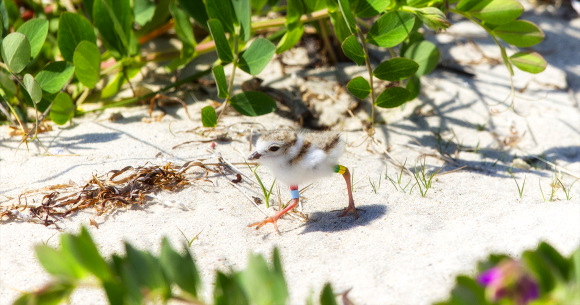
I do a lot of running about on the beach. Back and forth. Up and down. Into the water and out again. It’s a busy life. And I’ve only got little legs. In case anyone worries that Michelle’s 4 smart rings hurt me or get in the way, I never feel them. They are just a part of who I have always been since she picked me up the day after I cracked out.
I’ve met lots of birds that are different from me, too. Some live here all the time, others are Travellers from the North too. I’m relying on Mr H here to show you some of the guys I hang out with these days. We all kind of mix up and if you don’t try to find meat strings where the bigger birds want to find them, it’s very friendly. Actually they are all bigger than me!
Sandpiper, Semipalmated Plover, Ruddy Turnstone, Wilson’s Plover (all on Abaco)
I’ve made my first trip to a different beach. I decided to fly round and explore, and I saw lots more sand so I flew there and stayed a couple of days. Like a little holiday. A nice man [Keith Kemp] saw me there and told Mr H about my coloured bands. That’s how he knew I’d moved and he told my watcher Rhonda so she didn’t go looking for me on my home beach and get worried that I wasn’t there. Then I flew back there after a couple of days and Rhonda found me there again yesterday.
Tuna on his vacation from Watching Bay to Winding Bay. Note meat string in #1
I’ve got a new game I’ve been playing when Rhonda comes to see me. She sits down on the beach and puts shells all round her in the sand. So I come over and have a look at them (once I pecked the cloth thing she sits on. Urrch! It wasn’t food). Then she uses that thing that makes a plover noise [the focus sound on her camera – ed] and I put my head on one side to listen.
There’s another reason I put my head on one side. Sometimes really really big birds fly over the beach. Huge dark ones. I like to keep an eye on them. I think they may be trouble. So I put my head on one side so I know exactly where they are in the sky until I feel safe.
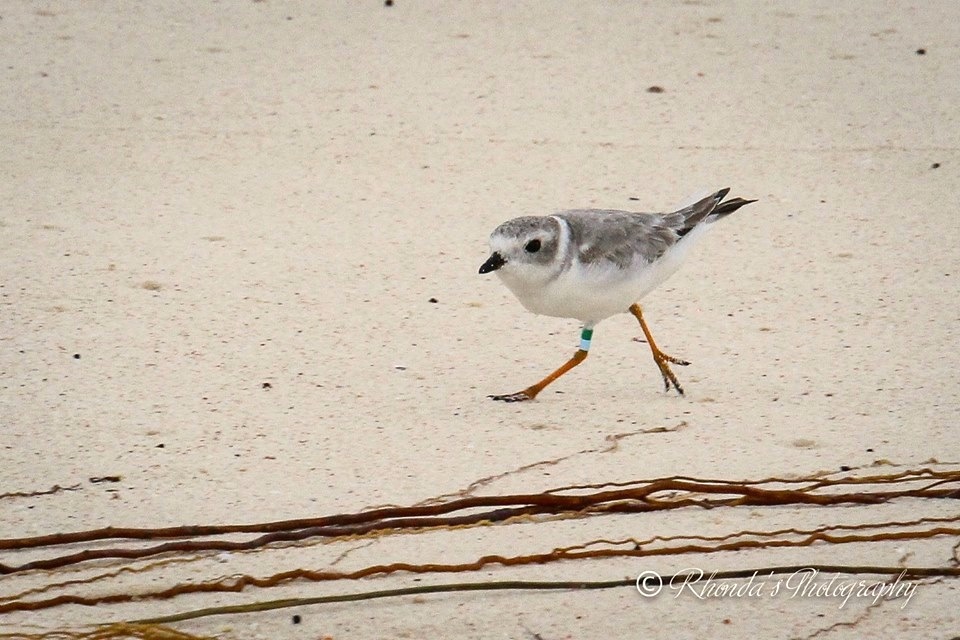
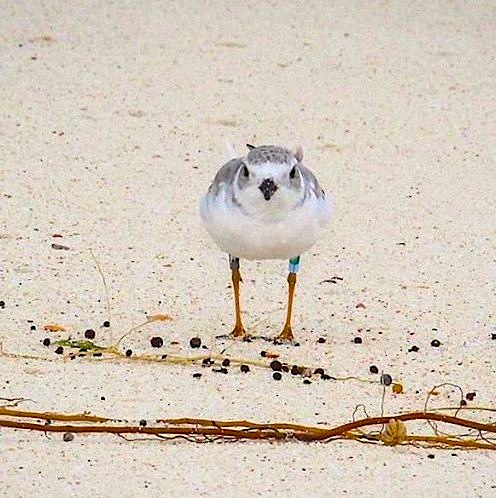
This is me back on my beach after my trip. Green on Blue (L); Black on Grey (R) = TUNA
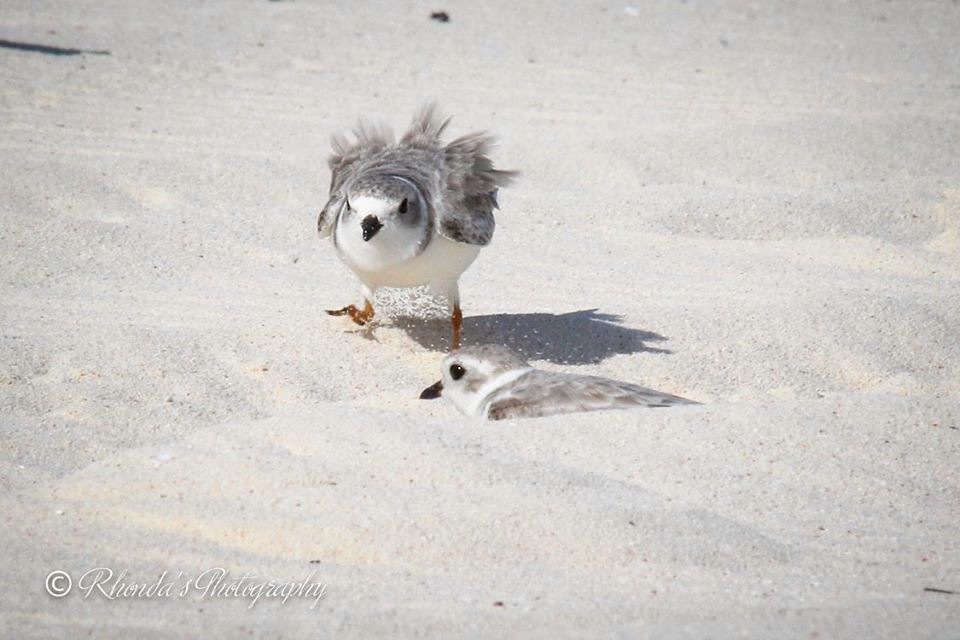
This is a New Friend on my beach, one of 3. They don’t have any bands but they are Travellers from the North like me. In this game I lie low in a hole in the sand and my NF rushes at me kicking sand up like a crazy bird. Fun, huh?
More news from me soon. Cheeps from Tuna.
TUNA’S FIRST 4½ MONTHS
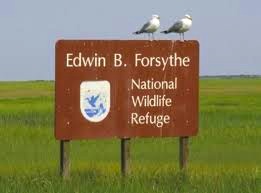
JUN 10 Hatched Edwin B. Forsythe NWR (Holgate Center), New Jersey
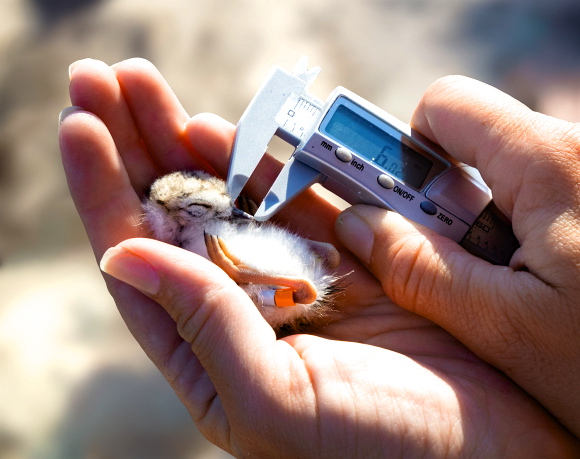
JUN 11 Banded & measured by Michelle Stantial
JUL 05 Fledged
AUG 28 First sighted on Abaco – preliminary ID
SEP 16 Seen again on the same beach – ID confirmed
SEP 22 Last sighting before Hurricane Joaquin
SEP 28 Paula (Tuna’s mother) re-sighted on Joulter Cays, Andros
OCT 03 Tuna safely back on the beach again after Hurricane Joaquin
OCT 20-23 Expedition to Winding Bay (ID there on Oct 22)
OCT 24 Found back on Watching Bay beach
NOTE If you ever wondered why birds are banded and what on earth use it is, the answer is in this story. Banding & tagging enables detailed research at both ends of the migration which in turn enables protection of the species and conservation of threatened habitats. There are only 8000 PIPL left. Degradation of the breeding grounds or the overwintering grounds – let alone both – may result in extinction. This seems to have been a good summer for the piping plover; let’s hope the winter treats them well so that this summer’s chicks like Tuna will be able to breed safely next year.
This Diary extract shows how an individual banded bird’s movements can be monitored within its chosen area, so that a picture can be formed of its habitat choices and range.
Credits: photos Rhonda Pearce, Keith Kemp, Craig Nash, Tony Hallett, Keith Salvesen; thanks to bander Michelle Stantial, birder & ‘Tuna Watcher’ Rhonda Pearce, CWFNJ & cohorts, Matt Jeffery and all other providers of info snippets; Birdorable for the cartoon; and Xeno-Canto for the recording
“THEY FOUND MY MUM ON ANDROS”: PIPING PLOVER TUNA’S GUEST POST (2)
Hello again, readers of Mr Harbour’s blog. My name is Tuna. This is the second part of my diary. Last time HEREhe called it an ‘autobiography’, but that was a bit pompous of him, I think. It’s 4 months now since I cracked out and after my long trip from that place [the Holgate Unit of the Edwin B Forsythe National Wildlife Refuge, New Jersey – ed.], I’m having a good time on Abaco – see my picture above. Michelle, who put my 4 cool rings on, would be proud of me I think.
Since my last post (which was also my first post! Ha!) some things have been happening to me. There I was, safely on my nice beach [Winding Bay, Cherokee Sound – map below] when the wind started to get scary and the sea kept coming further up the beach. And a whole lot more splashy. So I just hid at the back of the beach until it got better again. I knew if that nice lady came back to see me it would mean I could come out again. And she did. So I did. I showed her my bands so she’d know it was me. Green on blue; black on gray. That’s me and no other bird.
Showing Rhonda my bands so she knows me
Mr Harbour wrote and told people about how I was ok after a big storm. He said:
“TUNA THE PIPL: UNRUFFLED BY HURRICANE JOAQUIN” Oct 3. Despite big seas & high winds reaching N Baha on the fringes of the hurricane, Tuna has returned safely to Watching Bay. Photos clearly showing bands. π Rhonda Pearce”
A lot of people [c2000] read about this and Michelle said“yay!!! go tuna!!!”, so maybe people had been a bit worried about me. People passed the story round. What ever a ‘Chorlito Valiente’ is, it sounds good and I’m glad to be one. I’m doing just fine, thank you…
Since then I had THE BEST NEWS. My mum Paula has been found! She’s gone to a different beach that’s not very close to here [Joulter Cays, Andros]. She got a different leg thing called a “UR Green Flag PE2” and somebody saw her! I’m so excited (and I hope my dad Ross is safe too). She was in a crowd of 32 other birds just like her, and a lot of other birds friends too.
Joulter Cays, Andros, Sep 28. Thousands of shorebirds including over 100 PIPL. Including Paula.
Tuna’s mum Paula, one of a group of 32 piping plovers on Joulter Cays
“UR Green Flag PE2”
Joulter Cays, pinpointing Paula’s exact position 25.304095; -78.126642
I hope if I get that feeling again that I need to fly a long way, my mum gets it too. And my dad. Then we might all end up on the same beach where I cracked out! But I’m planning to stay on my own beach for now. More news from me soon. Cheeps from Tuna.
TUNA’S FIRST FOUR MONTHS
JUN 10 Hatched
JUN 11 Banded & measured
JUL 05 Fledged
AUG 28 First sighted on Abaco – preliminary ID
SEP 16 Seen again on the same beach – ID confirmed
SEP 22 Last sighting before Hurricane Joaquin
SEP 28 Paula re-sighted on Joulter Cays, Andros
OCT 03 Tuna safely back on the beach again after Hurricane Joaquin
NOTE If you ever wondered why birds are banded and what on earth use it is, the answer is in this story. Banding & tagging enables detailed research at both ends of the migration which in turn enables protection of the species and conservation of threatened habitats. There are only 8000 PIPL left. Degradation of the breeding grounds or the overwintering grounds – let alone both – may result in extinction. This seems to have been a good summer for the piping plover; let’s hope the winter treats them well so that this summer’s chicks like Tuna will be able to breed safely next year.
This Diary extract shows that not only can an individual banded bird’s migration movements be monitored, but also (with a bit of luck) a parent or sibling – even though they may chose to overwinter in quite different places. It is of particular significance if they then return to the same area in summer for breeding.
Credits: thanks to bander Michelle Stantial, birder Rhonda Pearce, CWFNJ & cohorts, Matt Jeffery and all other providers of info snippets; Birdorable for the cartoon; and as ever Xeno-Canto for the recording
“I’M WITH THE BAND…” PIPING PLOVER TUNA’S GUEST POST
Hello, readers of Mr Harbour’s blog. My name is Tuna. This is the first part of my autobiography, and I’m only just 3 months old. I’ve already made a 1000-mile journey to Abaco for reasons I don’t quite understand. Maybe because it’s nice and warm here. This is my story so far.
I was born on June 10th in the Holgate Unit of the Edwin B Forsythe National Wildlife Refuge, New Jersey. If I’d known then what ‘beautiful’ was, this would have been it.
My dad is called Ross. My mum is called Paula. I had a brother but suddenly he stopped being there. We didn’t see him again, I never knew why. Anyway, the day after I was born a very kind lady called Michelle (Stantial, CWF-NJ) picked me up and sort of cuddled me in her fingers. I was weighed and measured. She also put coloured rings on my top bits of leg. I had blue & green on one leg and black & gray on the other. Very smart. A chic chick. It was very quick and it didn’t hurt at all. After that I never really thought about them again, they just were part of me. As I grew bigger they sort of grew with me.
It made for an exciting first full day of my life, June 11. Here are some pictures of Michelle doing this with other chicks from the same region so you can see how gentle she was. The chicks’ names were Meg, Joe and Nod. Mr Northside Jim watched them every day and took photos of them to record how they grew up. You can read about us and the other shorebirds, Ospreys and Peregrine Falcons of LBI NJ HERE
Meg being picked up for measuring and banding
Banding Meg with a unique colour combo for ID
Beak and leg measuring
I grew very quickly and my mum and dad showed me how to get food for myself. They looked after me in the nest and kept an eye on me when I went for a wander. Soon I was trying out my wings to see what would happen. Nothing.
This isn’t me but was taken quite near my bit of beach. Can you see the other chick?
It’s fun exploring the big world but it’s dangerous for little birds. I lost several friends along the way. That’s how my brother disappeared I think. As you grow bigger the world seems to get smaller. Which is weird.
I got good at finding my own food, going further away from the nest and trying out the water. My wings seemed to be starting to work a bit. Quite soon I felt nearly ready to have a go at flying.
On July 5 I managed to fly. Yup, I fledged and I flew. That was only 25 days after I cracked out. Mum and Dad had been talking about making a journey, a long one, and wondering when I would be ready for it. This was puzzling. I liked it where we were. But something was telling me I needed to fly somewhere else for some reason. Then one day I just took off and headed south…
After several days of flying and landing in new places to rest and flying again, I reached a place that I knew was exactly right. I don’t know how, but something told me that it would be a good place to stay until I needed to move again. So I landed on a beach called Watching Bay on Abaco. I’d travelled 1000 miles from where I cracked out, and I wasn’t even 3 months old. Cool, huh?
There were some other birds on the beach, including one just like me except she didn’t have any coloured rings. Ha! There were very few humans apart from a few taking a walk. On Aug 28 one lady stopped and pointed something at me. I wonder why? She kept her distance so I wasn’t scared.
August 28 Watching Bay, Cherokee, Abaco. Rhonda Pearce’s photos led to provisional ID of Tuna
There was plenty to eat on the beach, and it was quite sheltered from the wind. It seemed safe. I liked it a lot and decided to stay there
On Sep 16 I saw the same lady again, and she saw me. She was very careful not to get me worried, and she pointed that thing at me again. Then she walked away. I hope she comes back. She seems nice.
Sept 16 Watching Bay, Cherokee, Abaco. Rhonda’s new photos led to confirmed ID of Tuna
I’m planning to stay on this beach for now. More news from me soon. Cheeps from Tuna.
TUNA’S FIRST THREE MONTHS
JUN 10 Hatched
JUN 11 Banded & measured
JUL 05 Fledged
AUG 28 First sighted on Abaco – preliminary ID
SEP 16 Seen again on the same beach – ID confirmed
SEP 22 Last sighting before Hurricane Joaquin
OCT 03 Back on the beach again after Hurricane Joaquin
STOP PRESS Tuna’s mother Paula was re-sighted on Sep 28 on Joulter Cays, Andros
NOTE If you ever wondered why birds are banded and what on earth use it is, the answer is in this story. Banding & tagging enables detailed research at both ends of the migration which in turn enables protection of the species and conservation of threatened habitats. There are only 8000 PIPL left. Degradation of the breeding grounds or the overwintering grounds – let alone both – may result in extinction. This seems to have been a good summer for the piping plover; let’s hope the winter treats them well so that this summer’s chicks like Tuna will be able to breed safely next year.
Credits: huge thanks for info and fab photos to Michelle Stantial, Northside Jim, Danny Sauvageau and Rhonda Pearce for the strands to weave this (slightly creative) tale; to USFWS Mountain-Prairie for the PIPL in flight; as always Xeno-Canto for bird sound recordings non pareil; oh, and Meg, Joe & Nod
For some time now, there has been understandable concern about the increasing evidence of mangrove die-back in the Abaco Marls and elsewhere in Abaco waters. Scientific investigations are ongoing and you will find some of the survey results so far on the excellent Abaco Scientist interactive mapHERE. You’ll find other relevant and authoritative mangrove material if you check out theBLOGmenu of the website.
The ‘200 sq. miles’ in my map is debatable, depending what one includes. Other estimates are of 300 or even 400 sq. miles. Whichever, the Marls cover a massive area of mangroves, islets, flats, channels and wonderfully diverse wildlife. A large proportion of the many species – fish, birds, turtles etc – depend on the complex ecology of the mangroves for food, shelter and breeding. Depletion of the mangroves from whatever cause will have a direct effect on the creatures of the Marls.
Ryann Rossi, a PhD student with North Carolina State University, has been researching the worrying phenomenon of mangrove die-back in the Marls this summer. She has written an interesting and informative account (conveniently in the RH ‘Facts about…’ style) that was published in Abaco Scientist last week. The blue links will take you to the ABSCI site for further information on each topic. I’m grateful to Ryann and ABSCI for permission to use the material.
Five Things to Know About the Mangrove Die-back in The Marls (at this point, anyway)
1. This die-back appears to be the result of multiple stressors acting together. Think of it in the sense of our own body – when our immune system is down, we are often more susceptible to getting sick. The same thing is likely happening to the mangroves.
2. It appears as though a fungal disease may be taking advantage of already stressed mangroves and causing die-back. We did preliminary surveys across Abaco and found fungal lesionsnearly everywhere. However, the fungus was present in different densities in different areas. In the die-back area nearly all the leaves remaining on trees have lesions. We think that this pathogen capitalized on the mangroves being weakened by other stressors such as hurricanes, which cause extensive leaf drop, change in the movement of water, change in sedimentation and erosion.
3. We are still working on identifying the pathogen associated with the lesions we’ve found. We are confident that it is a fungus and are currently growing fungal cultures in the lab to examine defining morphological characteristics in addition to using DNA sequencing to identify the culprit.
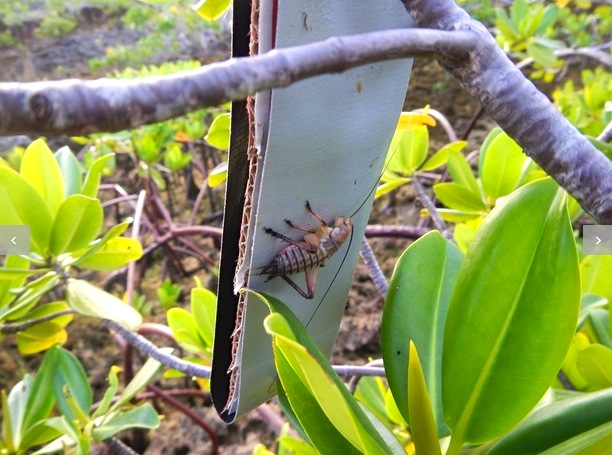
4. We have documented the presence of the Robust Bush Cricket (Tafalisca eleuthera) in the die-back areas as well as other areas with high densities of lesions. These crickets are documented to consume Red and White mangrove leaves. As such, we were concerned about their potential role in die-back. We set out a caging experiment to exclude the crickets from certain dwarf Red mangrove trees to see just how much grazing they may be doing in the die-back area. This experiment is ongoing.
5. The take home: there is likely more than one causal agent of the die-back in The Marls. Many factors govern mangrove productivity and functioning: nutrient availability, salinity, sedimentation rate, herbivory, and disease are just a few of the factors that contribute to overall mangrove function making it very difficult to pin point which factors may be driving the die-off. On the bright side, we are confident that we have a lead on the causes and we are working hard in the field and laboratory to fully understand what is going on in The Marls.
This summer Stephanie Archer and I continued research efforts focused on determining the cause of the mangrove die-off in The Marls (work funded by the National Science Foundation). Our efforts were predominantly focused on the fungal pathogen we found associated with the die-off site. We created a small citizen science and outreach project to document the presence or absence of the pathogen across Abaco. This project consisted of short surveys and leaf collections. In total, 92 areas were surveyed including locations from Abaco and San Salvador. We also took this outreach project to the annual Bahamas Reef Environment Education Foundation (BREEF) teacher training conference. There we disseminated survey packets to teachers from islands throughout The Bahamas who will help us collect more data on the presence (or absence) of this pathogen on other Islands.
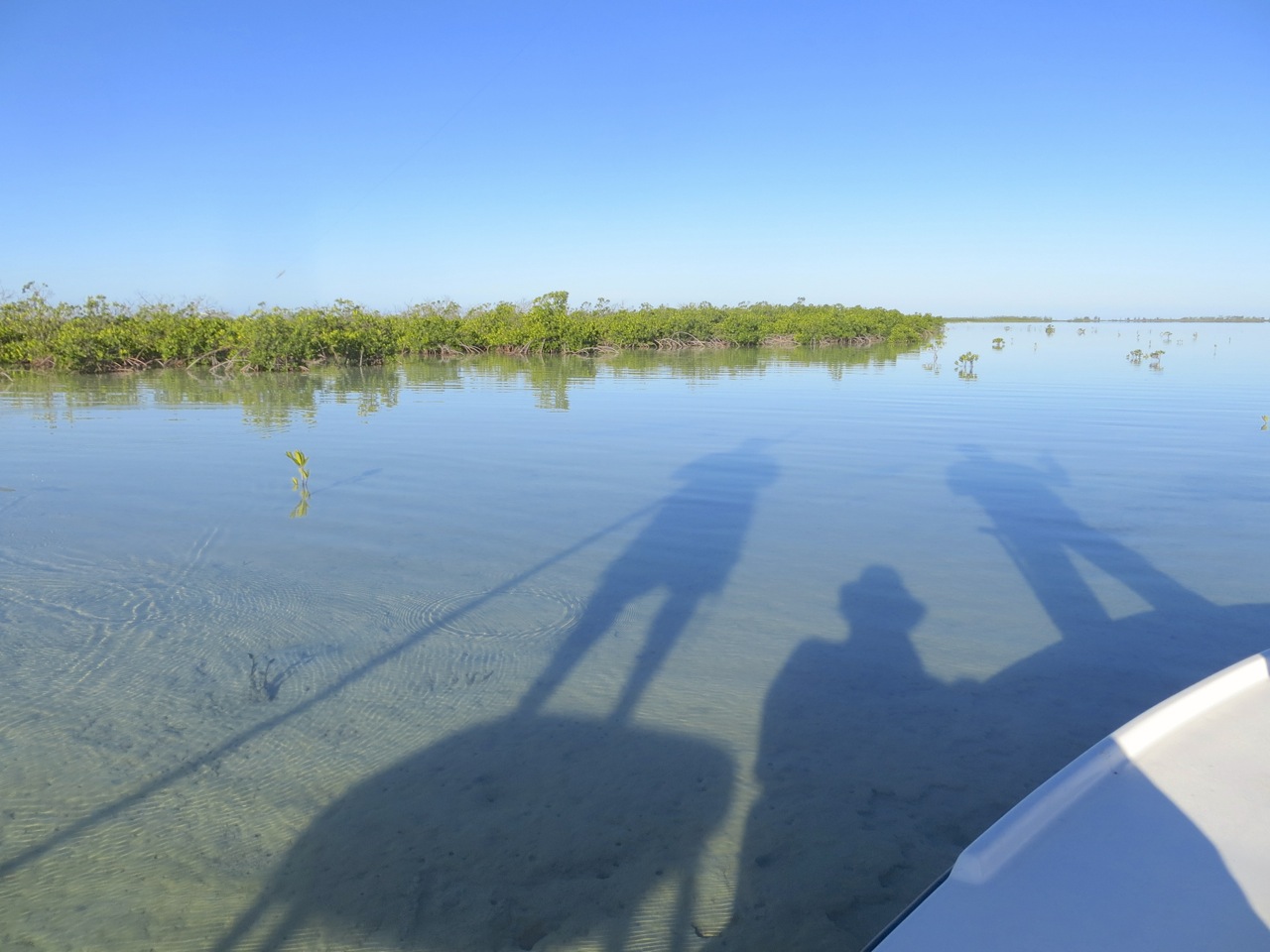
Three men on a skiff – Abaco Marls
On Abaco, we constructed an experiment to investigate the role of grazing and the presence of fungal lesions on Red mangroves. We simulated grazing using crafting scissors to cut small sections on 600 leaves in 4 different mangrove creeks. We observed the leaves for 28 days to determine if cutting leaves predisposed leaves to fungal infection. At these sites we also trapped for insects to gain an idea of what kind of grazers may be chewing on the leaves. We also did a series of disease incidence surveys that will be routinely monitored for disease progress over the next 2 years. These surveys will allow us to systematically track the progress of the disease. In addition to our field work, we spent many hours in the laboratory isolating fungi from leaves to grow in culture. These cultures were brought back to North Carolina State University and will be sequenced in order to help us identify the fungal pathogen responsible for making the lesions on the mangrove leaves.
“CHECK OUT THE WEB” (2) SEMIPALMATED SANDPIPERS ON ABACO
Having recently headlined a post for SEMIPALMATED PLOVERS with a web-related title, I’m repeating it for Abaco’s other part-webbed shorebird, the semipalmated sandpiper. Either it’s so apposite that it doesn’t need changing; or else I lack the imagination to think up something new…
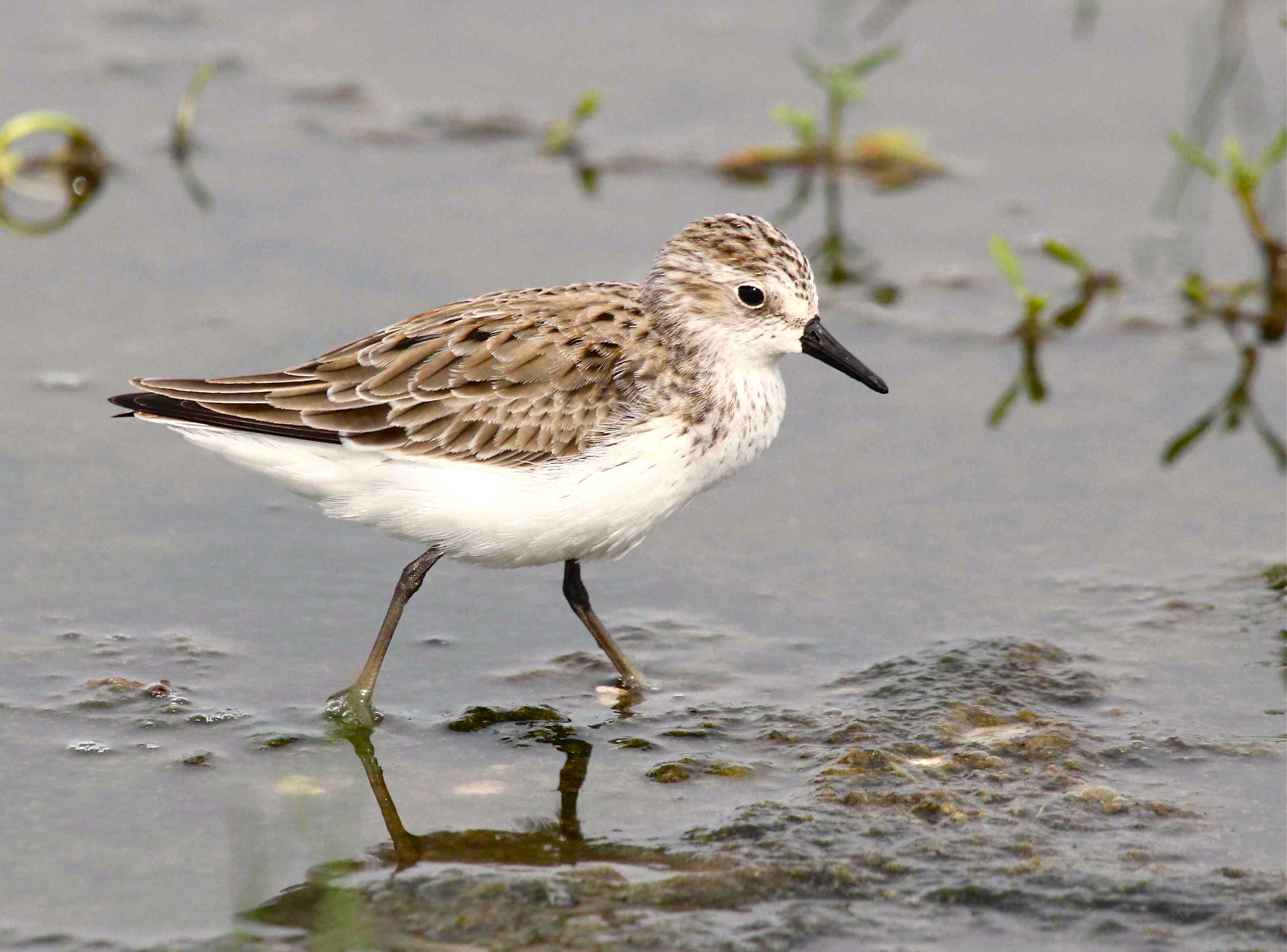
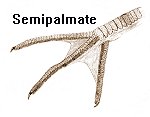
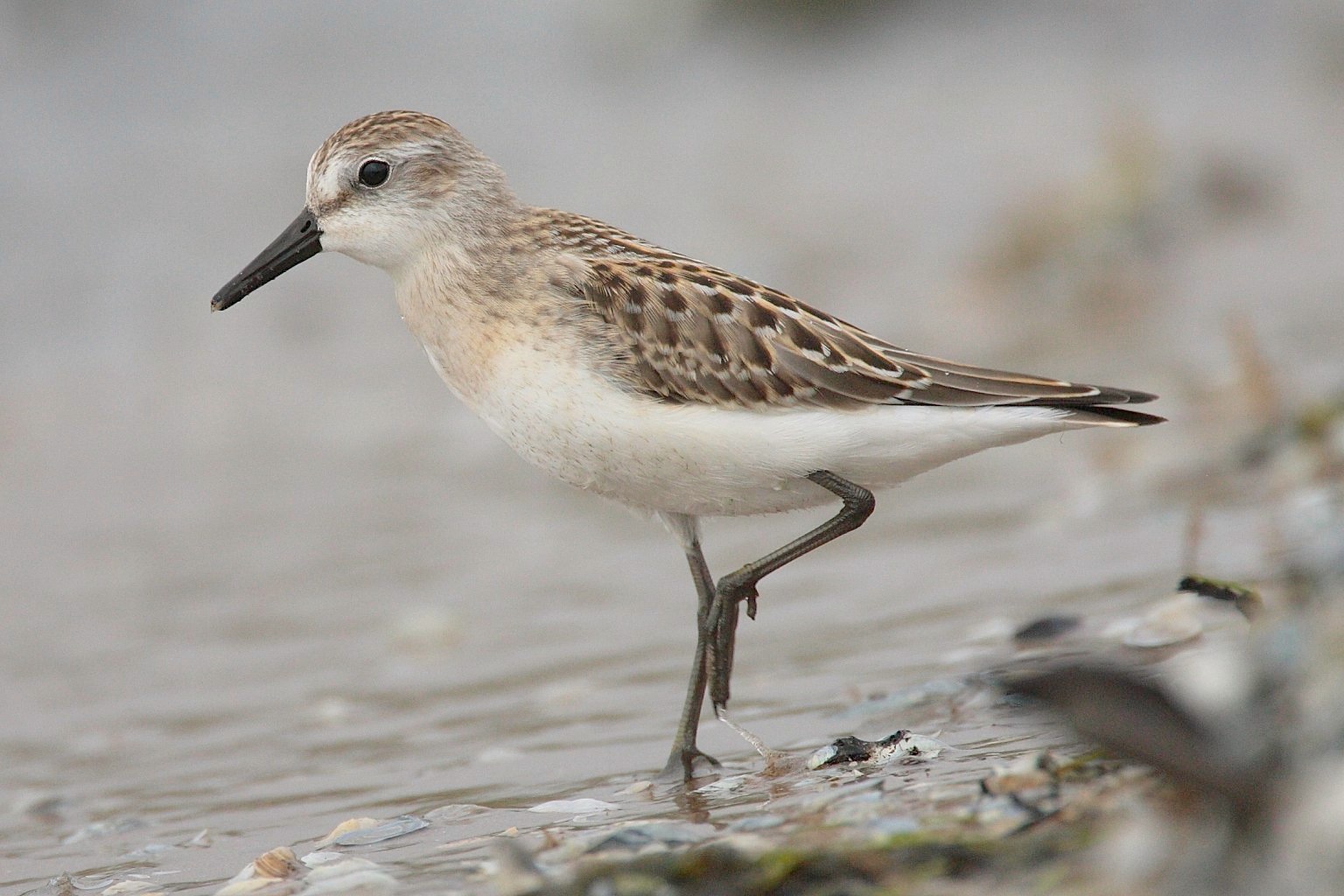
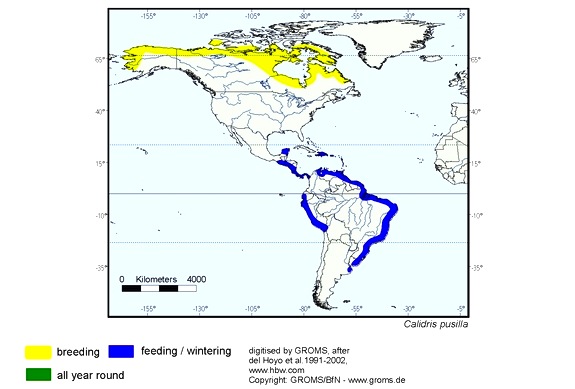
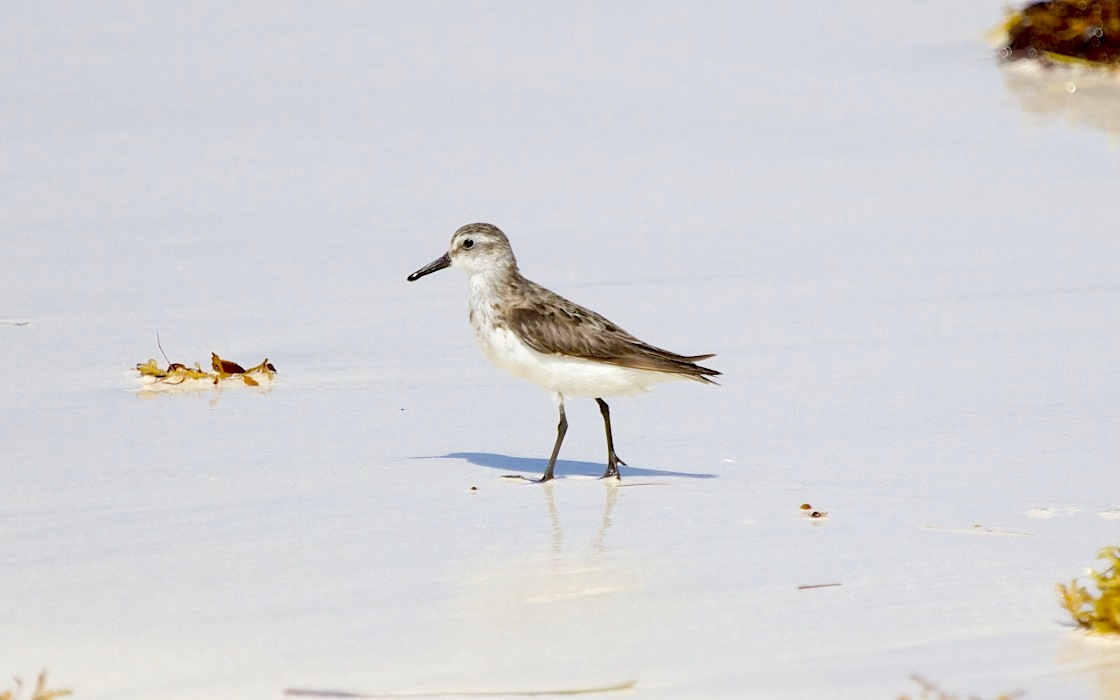
This attractive little sandpiper Calidris pusilla has the partially webbed feet that give it its name. In spring and fall these ‘peeps’ are the most numerous shorebirds on Abaco but they are just passing through on their migration further south – so-called ‘transients’. Flocks of these birds may be arriving any moment now on a beach near you. The signifiers are black legs, a short, straight dark bill, and a body that is white underneath and brown /gray on top, tinged lighter on the head and neck.
SO THEY’RE EASY TO SPOT ON THE SHORELINE?
Not really, I’m afraid. This species is very easy to confuse with other small shorebirds (with which they happily mingle), especially the less common western sandpiper which has a slightly longer and downturned bill. It takes an experienced birder to tell them apart. The most reliable way – to see the feet to check for the partial webbing between the toes – is far from easy. A photograph of the bird as it picks its way across sand, tide margins or mud may be best, if you can zoom in on the feet. The webbing is just visible in both the images above; and more clearly in the one below.
A recent SPSP from Bruce Hallett, in which the semipalmation can more easily be seen
WHERE DO SEMIPALMATED SANDPIPERS LIVE?
These are birds of the far north – Canada’s tundras and Alaska, close to water – where they breed and lay their eggs in scrapes. Rather sweetly, the male makes several prospective nests for the female to choose her favourite and furnish with grasses etc. Both adults share incubation duties. The chicks are independent almost as soon as they are hatched. Then in early fall they head many miles south to warmer places, of which Abaco is one of the most northerly, principally as a stopover for rest before continuing their journey to the coastal margins of South America. The migrating flocks may contain tens of thousands of birds. Of the many range maps around, this one from the excellent avibirds.com shows the marked contrast between the summer and winter habitats very clearly.
HOW DO THEY COMPARE IN SIZE WITH OTHER SANDPIPERS?
The SPSP is one of the smallest shorebirds, the female being slightly larger than the male. This image shows 2 of them in the company of a much larger white-rumped sandpiper (also a transient on Abaco) for comparison.
Time now to get the binoculars out (now where on earth are they?) and patrol the beach to catch the first of these little birds as they begin to arrive in considerable numbers during their fall migration.
Credits: Bruce Hallett (1, 2, 4), MDF (3), Avibirds (infographic), Dick Daniels (5), Woody Bracey (6) [& comments – cheers], Alex Hughes (7)
Banded in Michigan in 2010 – in Florida right now!
“GOOD MIGRATIONS” by THE BEACH BIRDS
It’s started already. The autumn migration of piping plovers from up north to down south. It seems only the other day (April in fact) that the last PIPL were seen on Abaco. Since then, they have spent the summer in their breeding grounds, raising families. This seems to have been a successful breeding season, with good reports that included a record number in the tiny Great Lakes population. But the attrition rate to predation is high: for example, of the 4 chicks in one family that was closely observed on Long Beach Island NJ, only one (‘Beth’) has survived.
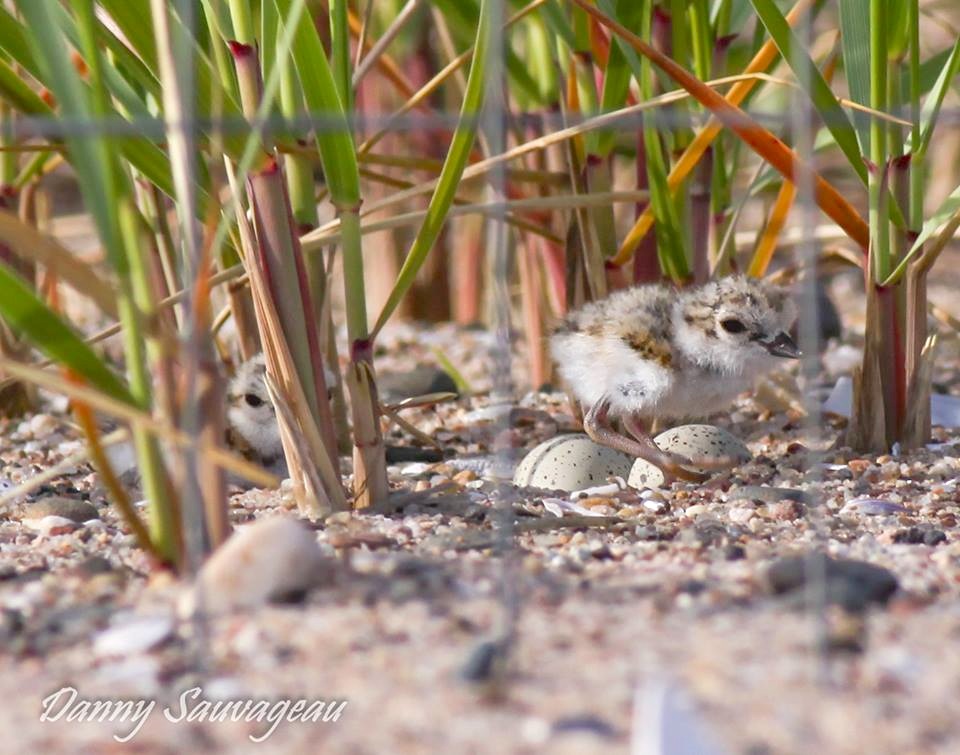
Piping plovers: 2 chicks & 2 eggs, Connecticut
WHAT’S SO SPECIAL ABOUT THESE BIRDS?
A recent estimate put the world’s supply of these little birds at 8000. And of these, many spend their winter in the Bahamas, Abaco being one of their favoured destinations. The survival of the species is in the balance. Habitat degradation at either end of their migrations could be disastrous; at both ends, more than doubly so.
Piping Plover juvenile, Connecticut
HOW CAN THEIR SURVIVAL BE ASSURED?
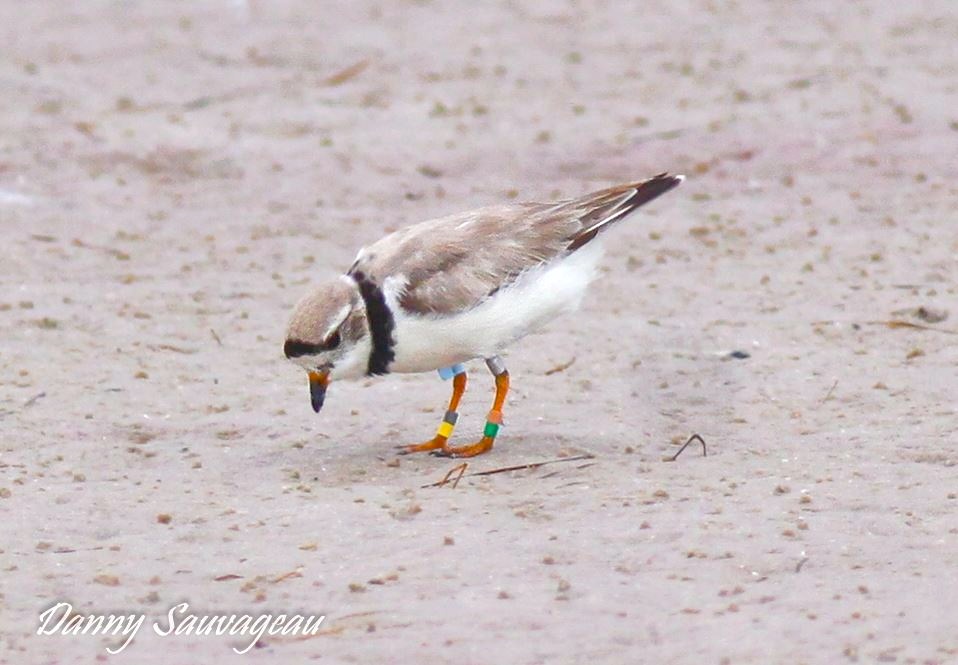
A number of organisations and individuals are dedicated to looking out for the PIPL. This includes ensuring preservation of habitat integrity and protection on the beaches where they nest, and banding programs so that birds can be tracked and monitored during their migrations. This is one aspect which people on Abaco (and elsewhere) can help with – looking out for these birds, reporting their location and how many are seen, and if possible describing the bling: colour of bands, which legs, which order,visible numbers etc. Or better still, taking photos!
WHERE WILL I FIND PIPING PLOVERS ON ABACO?
On beaches and shorelines. On the mainland, places where they were reported last year included Long Beach, Crossing Rocks, Schooner Bay, the beach at Delphi, Bahamas Palm Shores, Casuarina and Little Harbour. They also visit the cays, with a number reported on Man-o-War Cay for example.
HOW FAR HAVE THEY GOT IN THEIR TRAVELS?
Well on their way south. Danny Sauvageau, who combines monitoring beaches in Florida with being a wonderful bird photographer, has just reported the first arrivals. On 23 July he saw 3 unbanded PIPL in Dunedin Fl. – here’s one of them.
Then on 29 July Danny found his first banded Piping Plovers of the 2015-16 wintering season at Fort Desoto – 6 birds of which 5 were banded. This enabled him to recognise them as returners, and to identify their origin: “Two were from the Great Lakes (Michigan), two were from the Great Plains (North Dakota and South Dakota) and one was from Nebraska!”.
These 3 examples show the wide variation in banding in the different locations. Which is why a photo of a bird’s legs is particularly helpful for the research into the species.
The CONSERVE WILDLIFE FOUNDATION OF NJ is involved annually with researching the piping plovers of Abaco. Many will be familiar with the scientists Todd Pover and Stephanie Egger who visit each year to monitor the plovers. For those who do not already have a direct line to them I would be very pleased to receive reports of sightings to collate and pass on. The monitoring work provides exactly the kind of information that will help to ensure the survival of this adorable but vulnerable species. Please email me at rollingharbour.delphi@gmail.com or, better still, upload info / pics to the new FB page I have set up, ABACO PIPING PLOVER WATCH 2015 – 16
The most helpful information to have is date; time; location; number of birds; whether banded or unbanded; and if banded, as much information as possible or ideally a photo…
TYPICAL MUSICAL DEVIATION FROM THE TOPIC
The referencing in the title to a famous ‘disc’ from 1966 by a ‘popular beat combo’ does not presage a re-formation. In the past there was acrimony. Some drink ‘n’ drugs hell. Splits and re-formations. Sadly not all former members are still with us. Here’s a memory of them from (arguably) their most satisfyingly inventive era… **EARWORM ALERT** now you won’t be able to get the wretched tune out of your head. It’s given you ‘excitations’. Sorry about that.
Credits: All photos courtesy of Danny Sauvageau except ‘lone chick’ MDF & ‘chick in hand’ CWFNJ; shout outs to Danny, Todd, Stephanie and all PIPL researchers. Plus Bay Soundings. And the Beach Boys…
ADDENDUM AUG 2A good article about the significance of banding can be found at BAY SOUNDINGS(based around Tampa Bay). It includes contributions from Danny and a useful info box:
Reporting banded birds
Reporting banded birds is one of the most important activities for citizen-scientists, says Wraithmell. “It’s the only way we have to solve the mystery of migration – to learn where they stop and where they winter so we can protect that habitat too.”
Most photographers stumble upon their first banded birds accidentally because they don’t always see the bands until they review their images on a computer screen. After that, they’ll learn to watch for the bands even if they don’t get close enough to see them with their naked eye.
“There’s something very exciting about photographing banded birds, learning where they came from and following their travels if they’ve been seen and reported before,” Sauvageau said.
But capturing an image shouldn’t outweigh allowing the bird to rest or feed in peace, Wraithmell said. “One thing that’s really important is not disturbing the birds, whether they’re nesting or just resting,” she said. If nesting birds are disturbed, they fly off and leave their eggs or babies in broiling sun and defenseless against predators. Wintering birds need to rest and pack on the pounds before they fly back to their summer breeding grounds.
“Some birds, like piping plovers, actually spend more time here than they do nesting,” she said. “Their main job over the winter is eating and resting so they can nest successfully. And breeding is hard work – it takes a lot of energy to make an egg and then to feed and defend a chick until it’s old enough to take care of itself.”
For the scientists who band birds, “it’s like putting a message in a bottle and throwing it in the sea,” Wraithmell said. “Every resighting is valuable because we learn something new.”
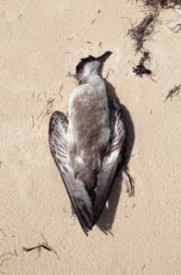
I return reluctantly to the “Great Shearwater” phenomenon to give, I hope, closure to the topic for this season and with luck for several years to come. A great many people have engaged with the debate about the large number unfortunate birds found either dead or dying in the water or (especially) on the beaches of Abaco and beyond. You can see the original post, a tabulation and map based on the reports I received or came across, and the views of the experts HERE.
This occurrence appears to have declined considerably from its peak last week, presumably because the migration has moved rapidly northwards. Already, reports from the eastern US Atlantic coast (e.g. Cape May) of a great shearwater influx are coming in, so we must hope that the attrition rate in the Northern Bahamas has stopped, or will stop within the next few days. This is evidenced by this FB clip from Tom Reed, a photographic contributor to THE BIRDS OF ABACO
The ABA (American Birding Association) has taken an interest in the problem on Abaco, and reported the incidence of shearwater die-off HERE. For the sake of completeness, I have updated reports I have received or found over the last few days below, together with an updated distribution map. More sad images are included because, pitiful though they are, photographs are of real assistance in the study of migratory die-off. For example, it is likely that juvenile birds are more likely to be affected by exhaustion in the course of their 10,000 mile journey than adults. Photos enable an assessment of the age of the birds to be made.
Exhausted shearwater, Delphi beach. Is this a juvenile, less able to make a huge journey than an adult?The yellow tip to this bird’s beak shows that it is a different species of shearwater, the Cory’s. Like the Greats, these birds are also rare transients on Abaco, and also make long-distance migrations. A Cory’s was photographed a couple of weeks ago swimming happily off the Delphi beach. This one has obviously run out of stamina. It has the chance to recover, but it is vulnerable in this state; and turkey vultures are quick to move in on fatalities…
UPDATED REPORTS (SINCE JUNE 24) IN RED
Delphi Club Beach – 20 plus + 1
Schooner Bay – 5
Bahama Palm Shores – ‘many many’ dead birds washed up on the shore
Casuarina Beach – 1
Cherokee (Watching Bay) – 3 or 4
Cherokee (Winding Bay) – 4
Little Harbour – 3
Marsh Harbour area – about 5
Great Guana Cay, southern end – 1 (possibly a gull)
Tilloo Cay – 13 at least on Junk Beach, more than ever seen (see photos below)
Elbow Cay – 2 + 1 Atlantic side beach near Abaco Inn
Elbow Cay – 2, North End
Green Turtle Cay beach – 2
Green Turtle Cay, offshore – “a lot in the water”
Man-o-War Cay – 1 by the roadside
Ocean 20m from HT Lighthouse – 2 in the sea
also Exuma Sound (5 birds), Shroud Cay Exuma (gull?”), Briland Beach,Harbour Island Eleuthera (“some” + 4) , and Church Bay, South Eleuthera – 10 + 2
Ellen Bentz, who reported the Church Bay birds, has frozen 3 of them for research purposes; it will be extremely interesting to see what results from their examination, from the ages of the birds to condition to likely cause of death. She also took photographs to aid species identification and diagnostic efforts.
Abaco distribution map. Earlier reports marked in green, two new sites in blue
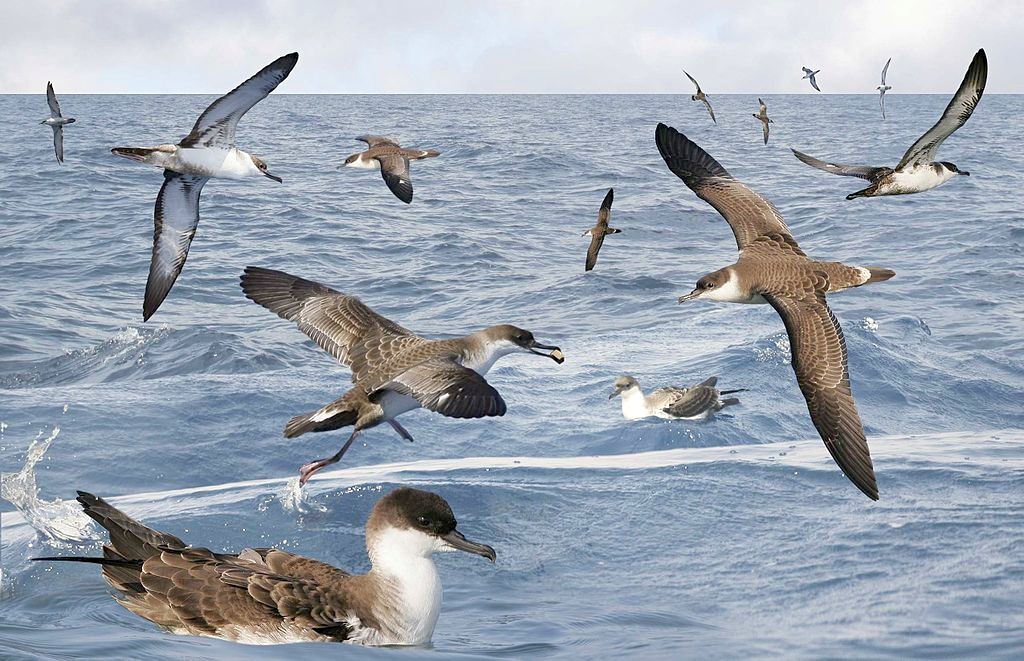
Here is the wonderful Crossley ID guide tableau of great shearwaters, showing every facet of the bird
WHERE DO THESE BIRDS COME FROM & WHERE DO THEY GO?
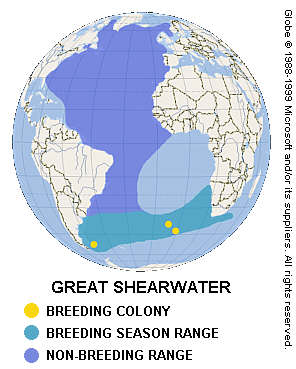
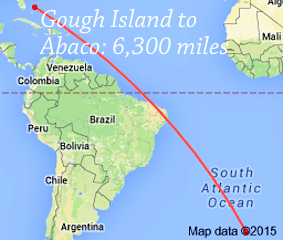
Sean Giery of the excellent ABACO SCIENTIST has also commented on the recent phenomenon, concluding “…if you haven’t looked up Gough Island, the probable origin of these Greater Shearwaters, do. Use Google Maps to get an impression of how far these amazing birds travel. It’s truly amazing.” By great good fortune, I’ve done the legwork for you… Let’s take a closer look.
Great shearwaters breed almost exclusively the small area of the globe that includes the Gough Islands, Tristan da Cunha and a few lesser-known islands in that area. There is also a small breeding population in the Falklands. Whichever, they are not so very far from Antarctica. Their range, however, is massive and involves long migrations over the Atlantic ocean to the far north – as far as the Arctic – and back each year.
And, as the shearwater flies, this is the distance from the breeding grounds to Abaco; 2/3 of their total journey. Now, factor in a first-season juvenile shearwater facing the vagaries of food supply, weather conditions and stamina… The fact that some die-off occurs every few years at some stage of the migration becomes less surprising.
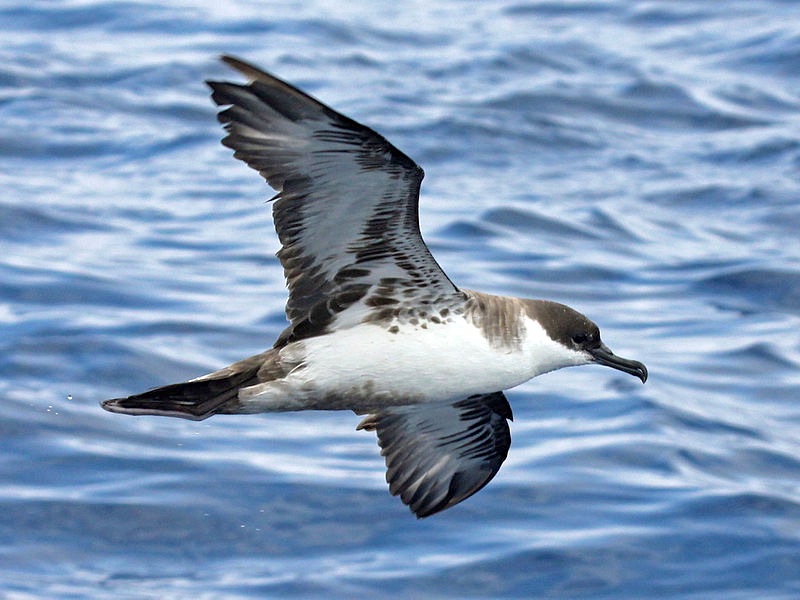
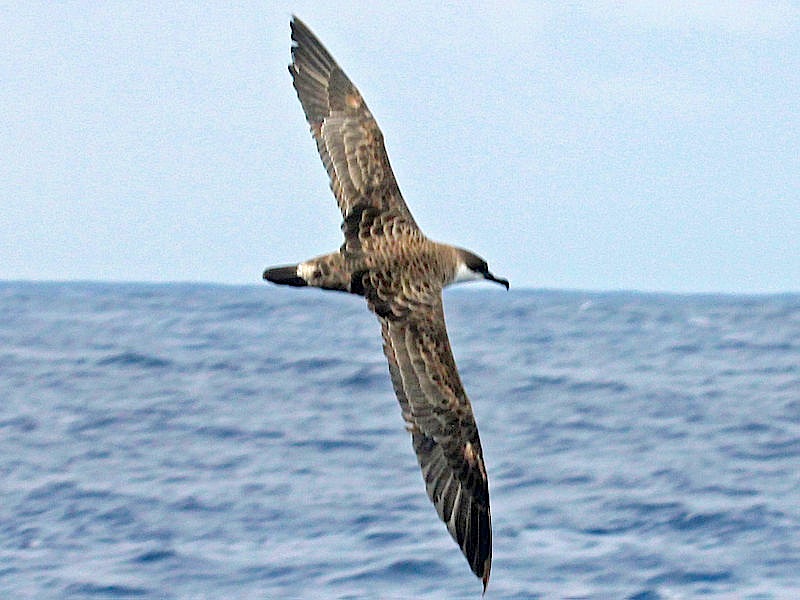
I’ll conclude with a photo of a great shearwater flying ‘at the shear’, which I am certain is how best we’d like to think of these wonderful seabirds…
Credits: to the 30 or so people credited in the original post I add with thanks Molly Kemmer Roberts, Susan Drwal, Sharon Elliott, Ellen Bentz, Dick Daniels and open source maps chaps.
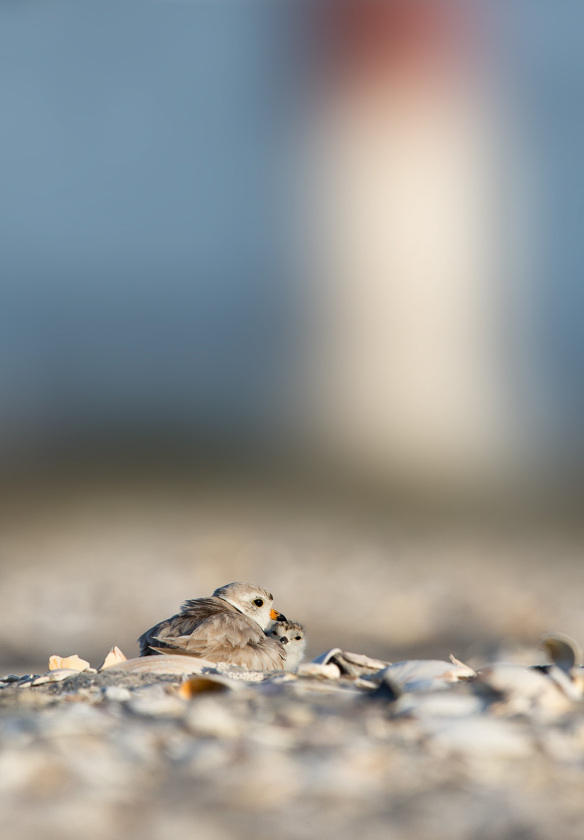
No apologies for writing again about Piping Plovers. This rare bird – only 8000 left in the world – overwinters in Florida, on the Gulf Coast, and to a notable extent in the Bahamas, very possibly on a beach near you. The peacefulness and cleanliness of Abaco’s pristine beaches provide the ideal habitat for the little PIPL to live safe and healthy lives during the winter, in preparation for their return to their summer breeding grounds. And breeding is what they are doing right now, up north. There are breeding populations on the Atlantic Coast, the Great Plains, and the Great Lakes. So I thought I’d feature a few images of what appears to be a rather successful season so far…
One of the best bird blogs around, one that I have recommended before, is calledREADINGS FROM THE NORTHSIDE. It is written in an informative yet witty style illustrated with excellent photos, and chronicles the daily avian goings-on on Long Beach Island NJ, an important nesting area for piping plovers. There are links with Todd Pover and Stephanie Egger, two scientists from the Conserve Wildlife Foundation of NJ who will be familiar to many Abaconians for the winter work they do with the plovers on Abaco. The photos below have almost all been taken this month as the PIPL chicks hatch and begin to find their feet in a big world.
NEWLY HATCHED (TUFTERS’ & TACEY’S 4th CHICK, AMY)
TIDYING THE EGGSHELL
EGGSHELL REMOVAL
HAPPY FAMILIES…
MORE HAPPY FAMILIES
BARNEGAT LIGHTHOUSE WITH PIPL IN THE FOREGROUND!
Most regrettably, you’ll never see a Piping Plover chick on Abaco. The adult birds have left the Bahamian beaches and flown north before their breeding season begins. These little creatures are both rare and special at both ends of their migration range, so I’ll end with a video from the most excellent CONCH SALAD TV that is dedicated to these tiny wave-chasers. Abaco is one of the main areas for winter research into the piping plover population. Scientists visit the island to find the birds, count them, collect reports of sightings, check and identify tagged birds to determine their origin, and ensure the continuing good health of their habitat, without which the PIPL will be lost. You can find out more about this vital work carried out out by the CONSERVE WILDLIFE FOUNDATION OF NEW JERSEYHERE.
THE DELICATE TASK OF RINGING TINY BIRDS
Credits: MLF/ Ontario; Exit63 ‘Mr Norfside’ to whom a major tip o’ the hat; Conch Salad TV
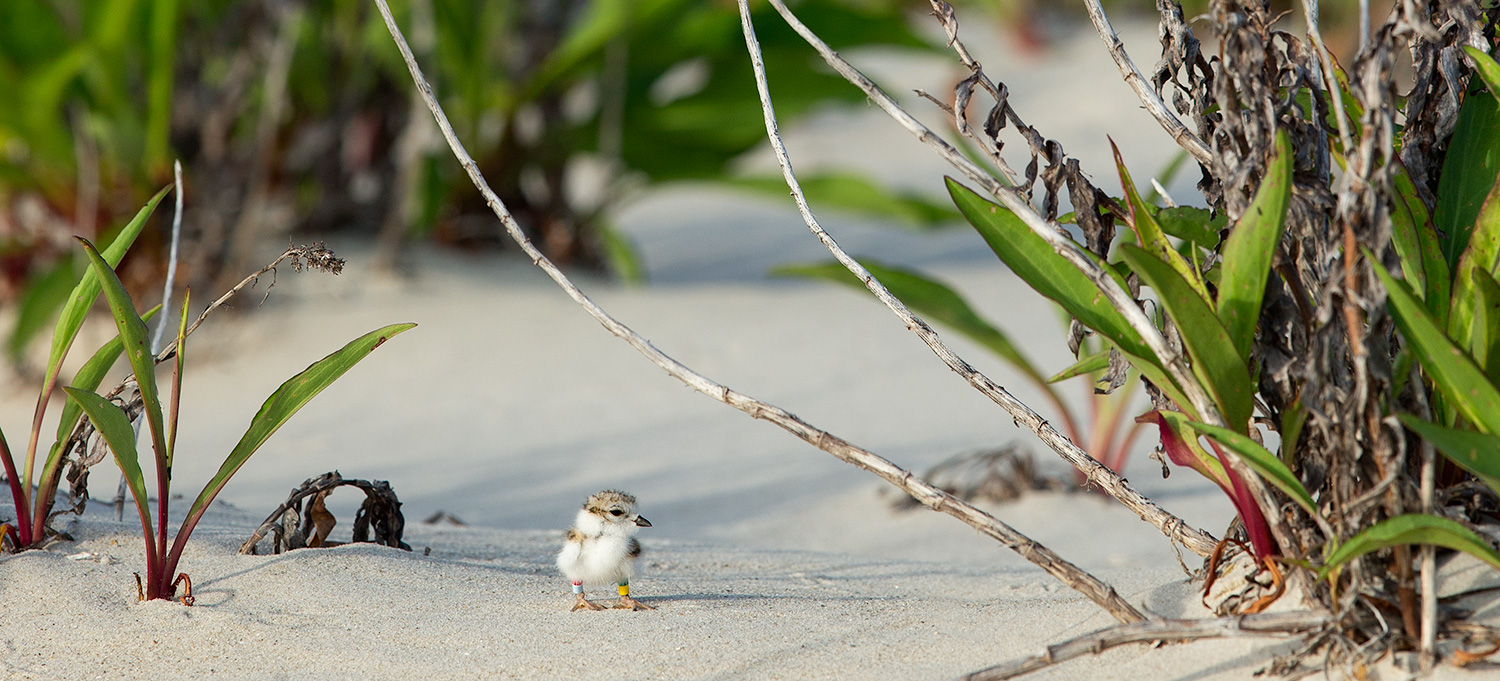
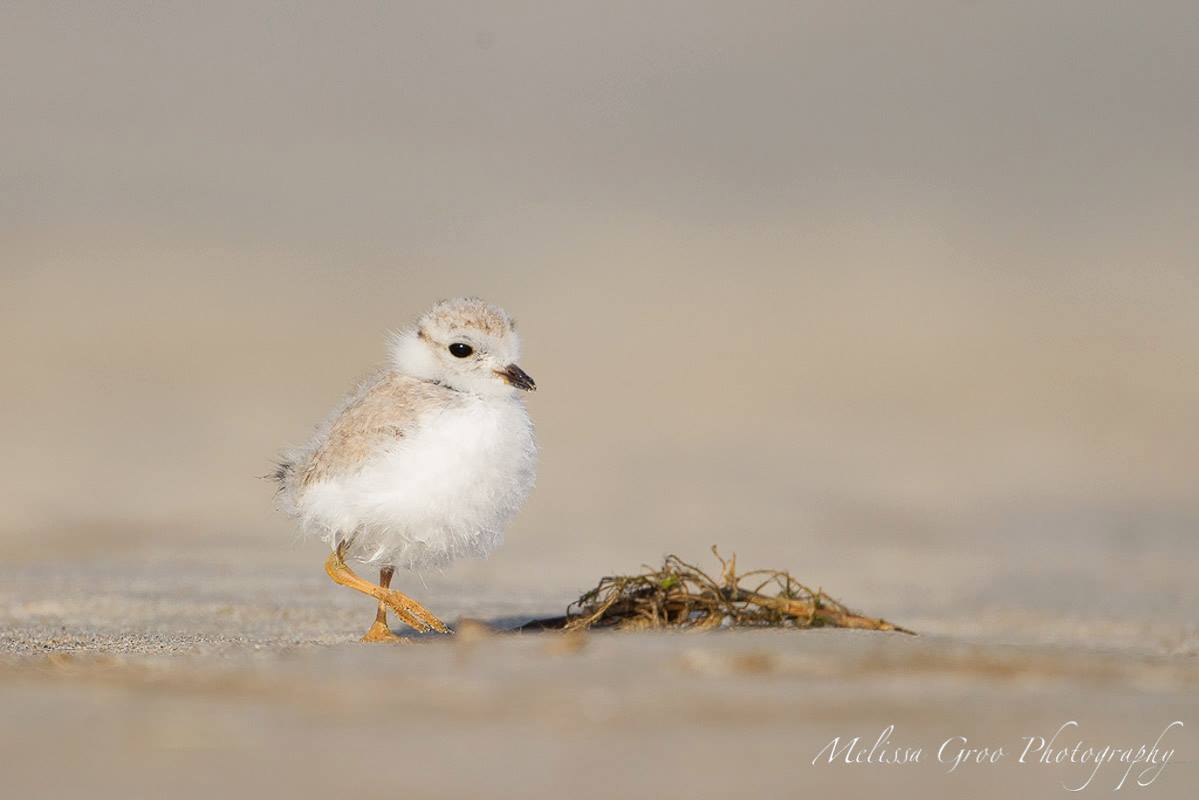
I had been going to post a selection of bird photos to mark Endangered Species Day today. I’d begun to plan the details – the birds to use, the captions for each and so on. Then I saw one photograph that is so charming and yet so poignant that I realised that adding further images would be superfluous. This tiny piping plover chick is a potent symbol of the vulnerability of all threatened species.
This shot was taken by award-winning and renowned wildlife photographer Melissa Groo. If you want to see the most wonderful and varied wildlife photography that you could ever imagine, please go to Melissa’s website and prepare to be amazed. You will find itHERE.
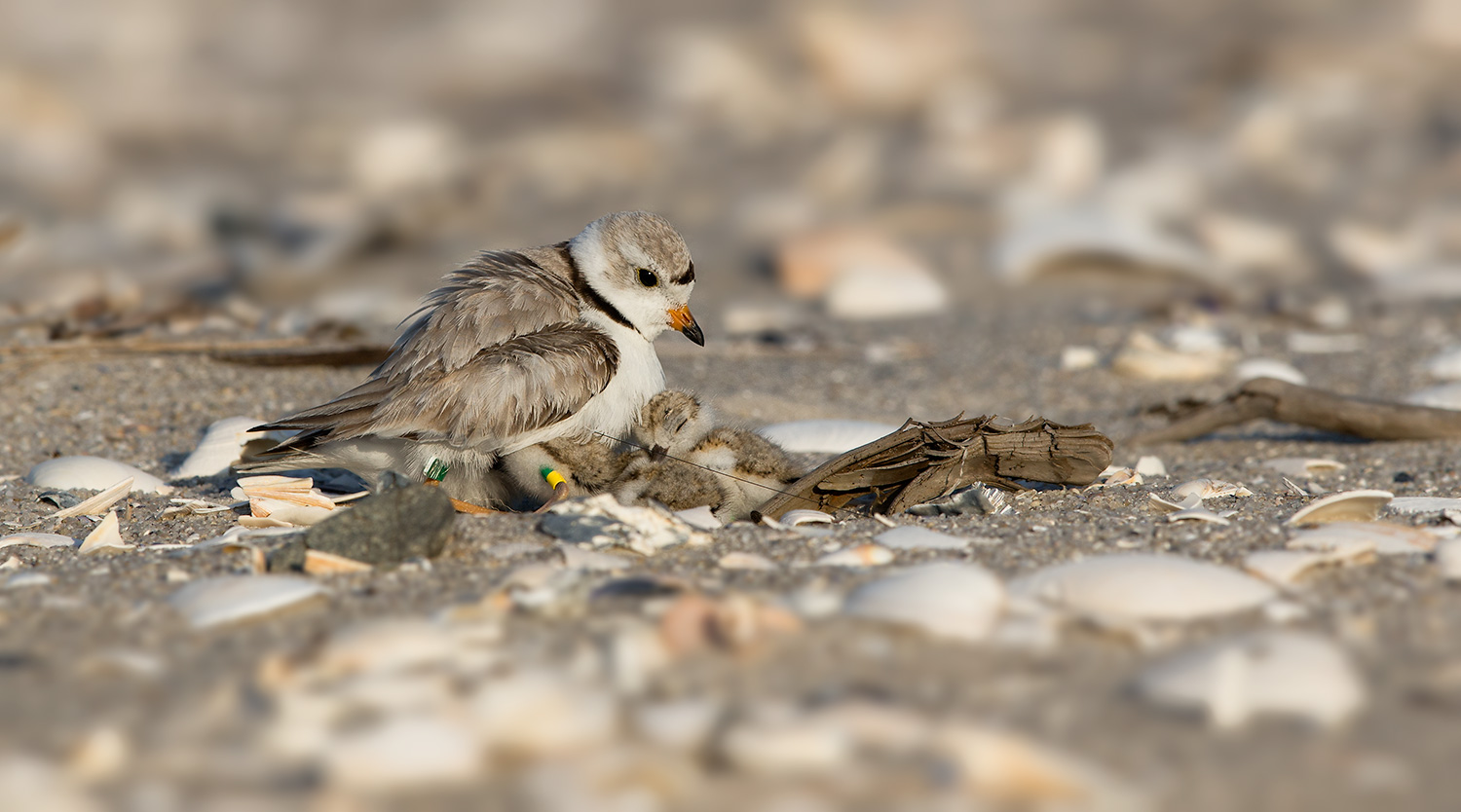
I have posted several times about the endangered piping plovers, many of which overwinter in the northern Bahamas generally, Abaco particularly, and the Delphi Club beach specifically. There are believed to be fewer than 8000 individual birds on earth, and their little world of the shoreline is threatened at both ends of their migration, as well as at their rest ‘stopovers’ en route in either direction. Conservation programs at each end of the range are proving effective at preserving the plovers’ habitat, and the population does seem to have increased slightly. Each chick protected represents a small triumph for conservation.
Photo credit: Melissa Groo, with thanks for the inspiration! “Less is more…”;Conserve Wildlife Foundation of NJ for their partnership conservation work with PIPL on Abaco and in the Bahamas; the originator – ?Great Lakes Piping Plover Project – of the neat small logo…
“Audubon’s priority bird species are birds of significant conservation need, for which our actions, over time, can lead to measurable improvements in status. Eighteen are Red WatchList species, 23 are Yellow WatchList species, and eight are Vulnerable Common Birds. The breadth of this list reflects the dramatic loss of habitat and the pervasive threats that confront birds and wildlife.” Audubon Birds
PRIORITY BIRDS ON ABACO
Of the total of 49 species listed by Audubon, an astonishing 31 are recorded for Abaco. Such a statistic underlines the importance of the island and its cays as a major birding location with habitat suitable for these ‘Priority Birds’ . Some of them birds may be rare ‘vagrants’, or occasional ‘transient’ visitors but all are considered threatened or vulnerable. I have marked in red the ones that may easily or with reasonable diligence and luck be found on Abaco. These are either Permanent Resident (PR) species; or Migratory species resident in Winter (WR) or Summer (SR); or TRansients that are seen annually or at least are regularly reported. For all practical bird-spotting purposes, the remainder can be set aside, and with no disrespect to them I have reduced their image & entry sizes… That leaves 21 species selected by Audubon for special protection that may be quite readily found on Abaco – and that will be adversely affected by significant habitat change. Birds to treasure, in fact.
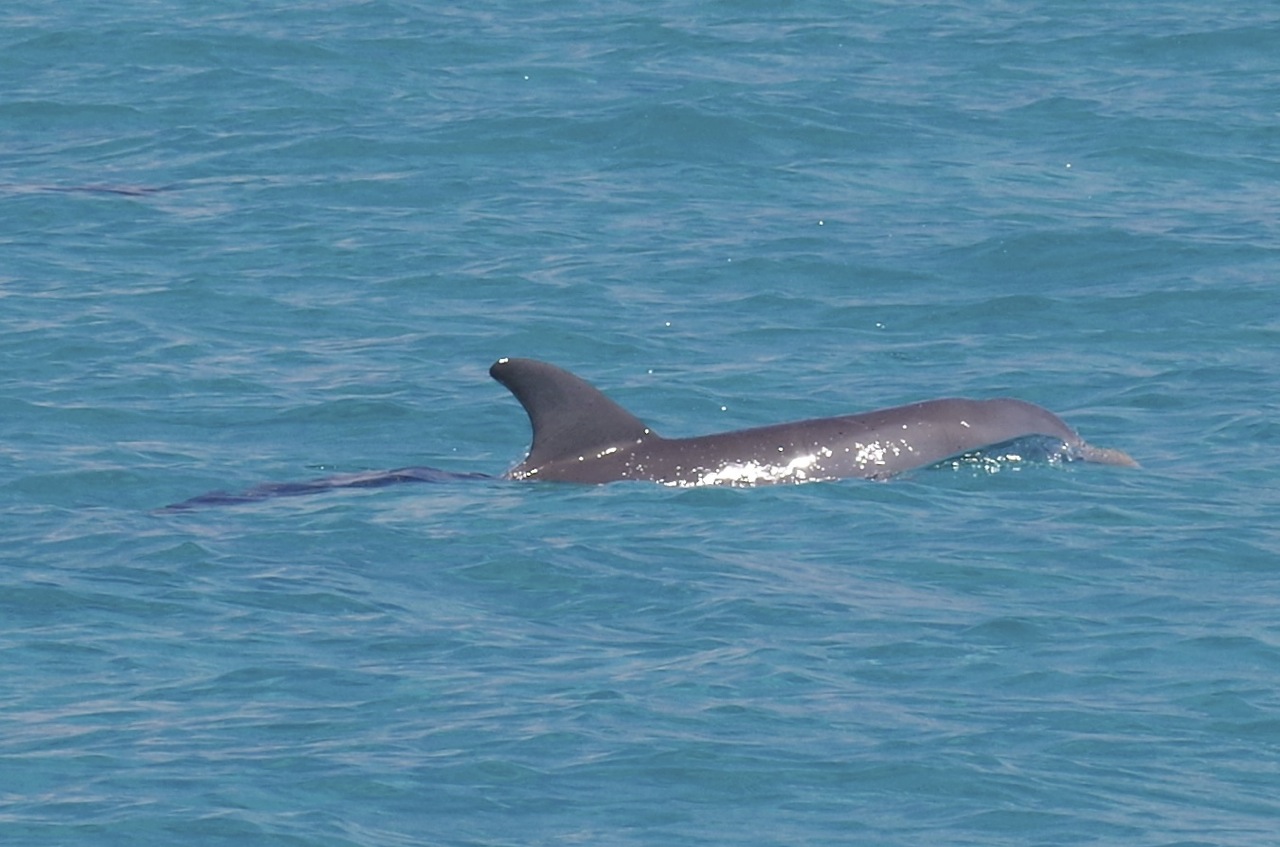
Sometimes things happen that completely take my breath away. Here is one of those moments, from our recent trip with Charlotte and Diane in the BMMRO research boat. As we returned from whale-watching to base in Sandy Point and moved from the deep dark ocean to the bright blue shallows, we encountered a group of bottlenose dolphins. You can see my recent post featuring some of the adults HERE. That was exciting enough, as they played around the boat. Then another participant appeared…
Notice the dark area behind the adult dolphin…
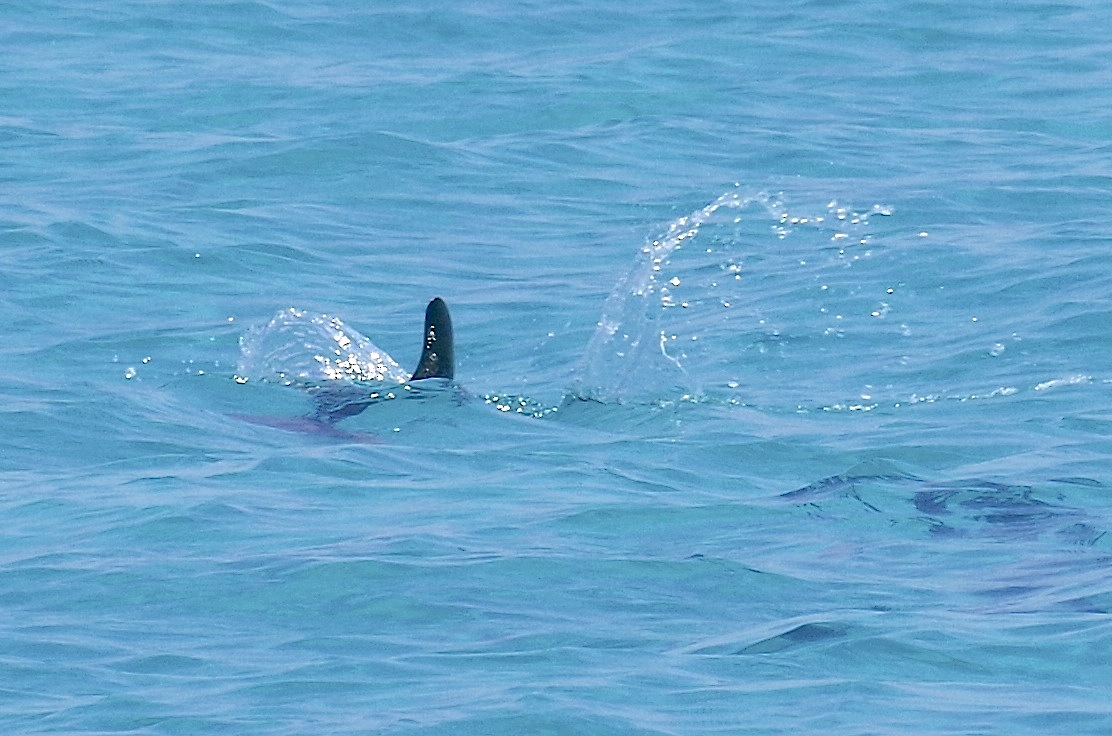
…which soon separated into a small dark splashing creature with its own fin cutting the waves…
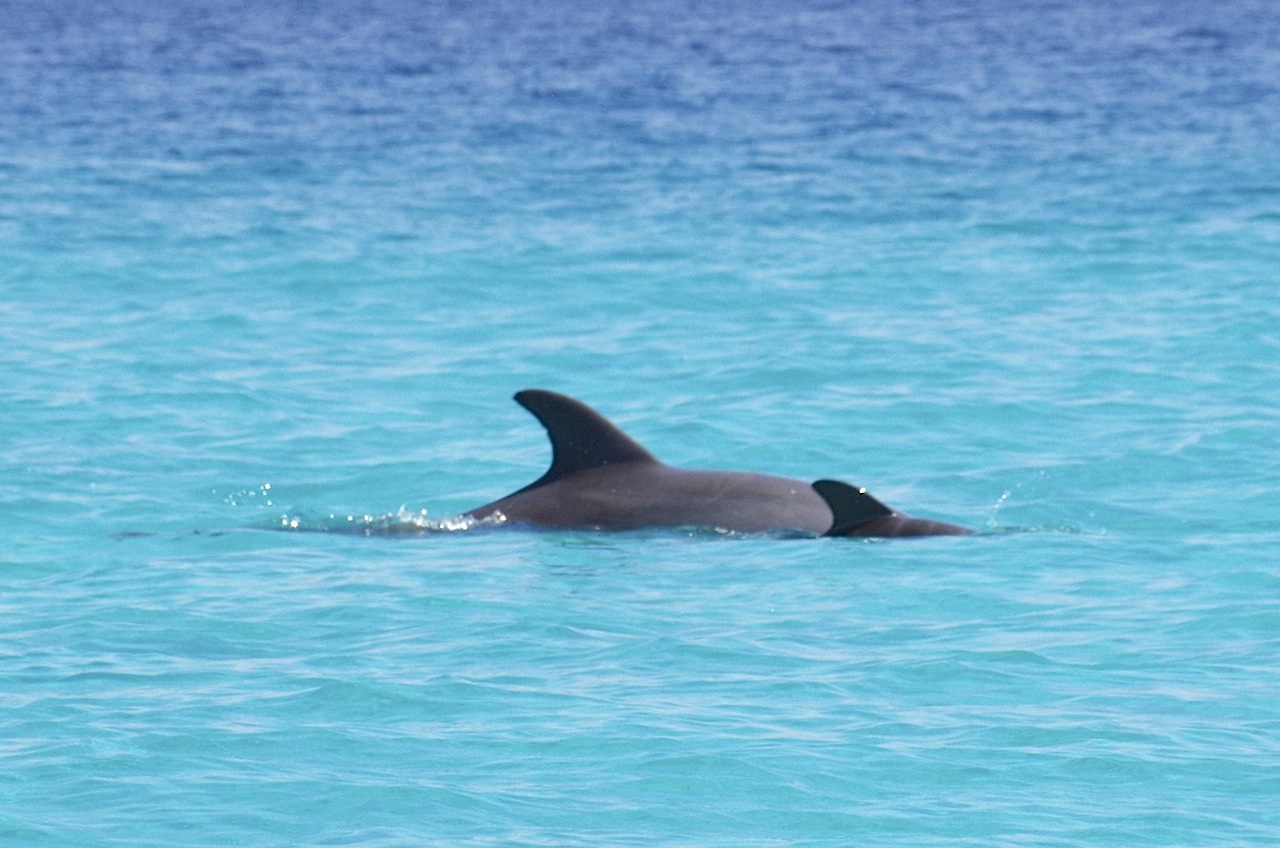
…and next seen keeping pace with its parent
The sharp line between the light and the dark sea is where the sandy shallows abruptly give way to the deep waters of the Grand Bahama Canyon, a massive trench up to 2.5 miles deep with almost vertical cliff walls to the depths in some places
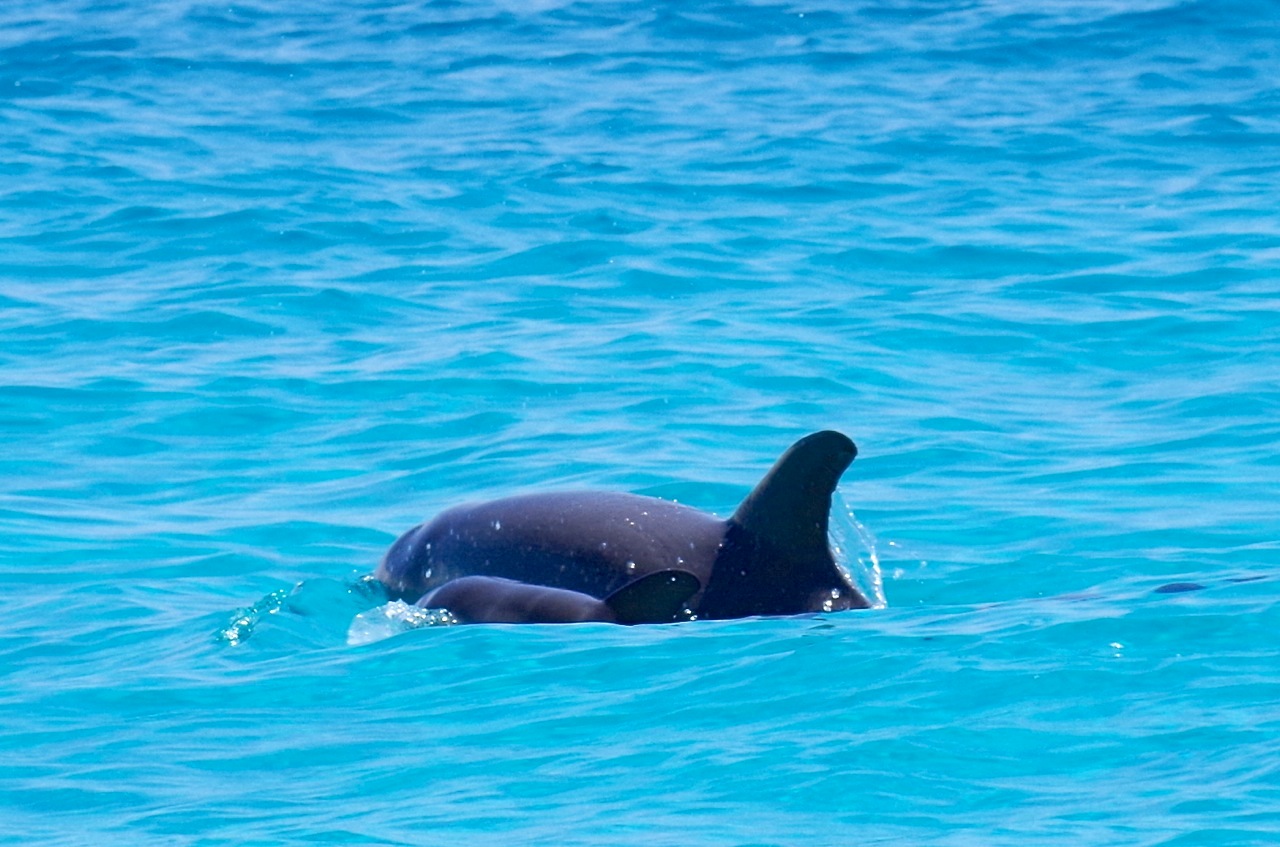
There were less active and splashy moments as the pair swam around together
Then it was back to doing what they like best…
Then some more restful moments…
And finally the pair moved away. On the far horizon, the Massive Mickey Mouse Cruise ship moored at ‘Disney’s Castaway Cay’ (formerly the sober-sounding Gorda Cay), where you can be a Pirate of the Caribbean. Or anyway a very happy Tourist. The choice is yours. Would you like fries with that?
And looking out to sea from the cheerful place that is Castaway Cay, I wonder if a small child was wondering “Ok, love Mickey and his Friends – but I’d also really love to see a wild dolphin swimming free…
All photos RH (except Castaway, Wiki). Huge thanks to Charlotte, Diane and Bahamas Marine Mammal Research Organisation BMMROfor a truly wonderful day
The seats are chosen, the online check-in done, the die is cast… Mr and Mrs Harbour are on their way in the BA cattle truck. Laptops are to be abandoned for the duration, but I intend to post occasional things of interest by iPhone – a Kirtland’s warbler sighting, maybe (I wish!) or a fish that has stupidly managed to impale itself on my hook perhaps. Normal blogging service, if there is such a thing round here, will be resumed in due course…
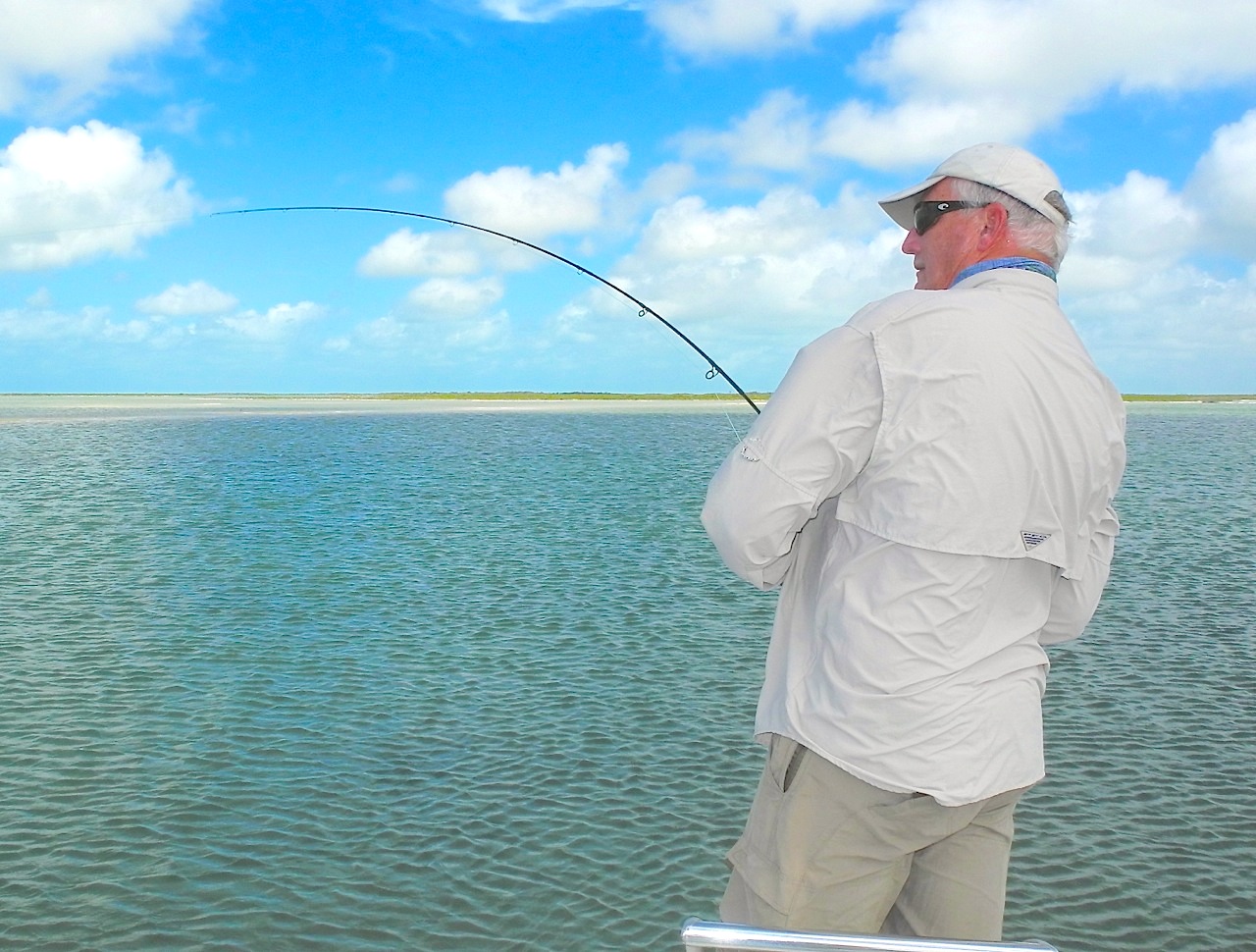
FISH ON!
“THE BIRDS OF ABACO”
The book was launched at the Delphi Club exactly one year ago. We have been really delighted by the huge interest in it and the enthusiasm for it shown by so many people – residents, migratory residents and transients. There are still copies available*. If anyone would like a signed copy while we are at Delphi, I’m sure that can be arranged. I shall bring my special signing pen (it doesn’t smudge!) just in case…
It’s possible – by which I mean highly likely, of course – that perceived ‘downtime’ on Abaco will in fact be quite busy. Fishing. Birding. Beaching. Pooling. Talking. Drinking. Eating. Sleeping. So apologies in advance if I’m not so responsive to comments, Facebook stuff and general soshul meeja matters. No offence meant and I hope none taken – I’ll try to keep up with it or play catch up in due course. Anyway, for those who kindly stick with Rolling Harbour or drop in occasionally, much appreciated…
DELPHI SUNDOWN
*The price shown in the flyer for the book is now $150 to take account of the VAT. The publisher has absorbed the balance
Fishing sign pic: Pelangi Store, eBay. I ‘borrowed’ it, but who knows, they might make a sale as a result…
Last year held hopes of a joyous reunion – and indeed union – in Abaco waters between young manatees Randy and Georgie. He had taken the trip from the Berry Is., around the top of Abaco and down the east coast as far at Little Harbour. She lives in Cherokee. Tantalisingly close. But then Randy retraced his steps as far as Gorda Cay and hopes for the production of Abaco’s first manatee calf (at least, in living / recorded memory) turned to seagrass mulch. The poignant story and some great manatee close-up photos (including a ‘selfie’ of sorts on a Go-Pro) can be foundHERE
But manatees do breed elsewhere in the Bahamas, in particular the Berry Is. They also seem to favour the north end of Eleuthera, and have been seen on Andros and NP. True, the absence of significant freshwater sources in the Bahamas – an essential part of their diet – doesn’t make for an ideal habitat, but manatees do pair off and Bahamas calves are born. In summer 2012, there were four resident West Indian Manatees (Trichechus manatus) living in Great Harbour Cay, Berry Is. The adult female, Gina, had been there for 3 years – she originated from Florida. She had reportedly had 3 or 4 calves and was caring for her latest, a female calf called JJ, born in the late winter of 2011.
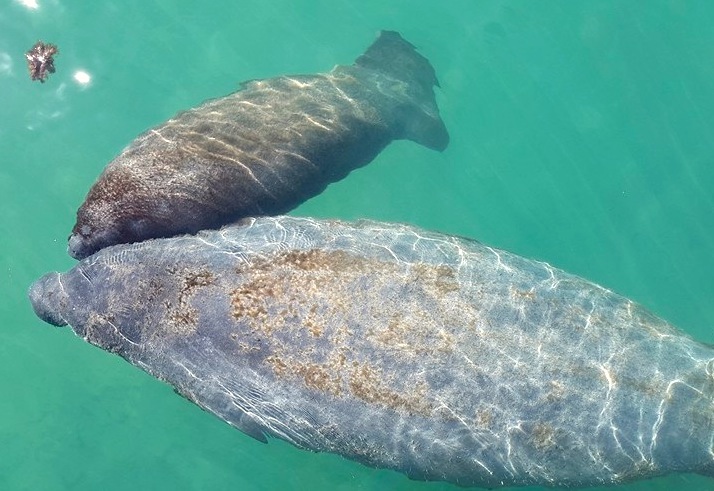
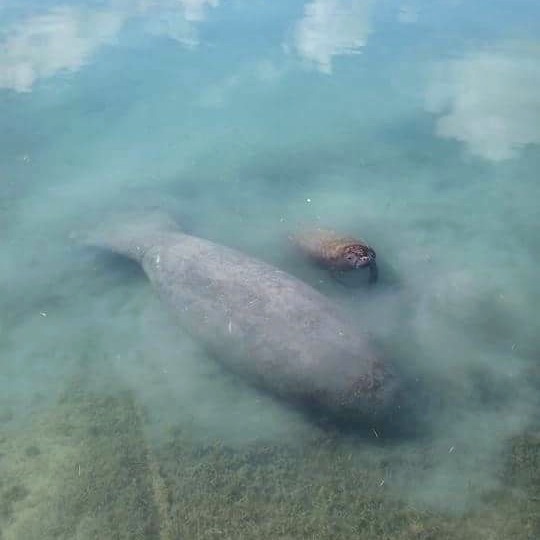
Adult female manatees are sexually mature at 6-10 years of age and have a gestation period of up to 13 months. The first two years of a calf’s life is spent with its mother. During this time they are taught where to find food, fresh water, warmth and shelter. Generally, after two years the calf is weaned and separates from its mother (see header image of Gina and JJ during that process)
Nursing a growing JJ
Now there is more good news for Gina, who has been under regular observation by the BMMRO. At the turn of the year, Gina was re-tagged in Harbour Island, Eleuthera. As reported, “she looks well, was very calm and is very pregnant… If the tag comes off and is found, please call the number on the tag to let us know – we are now monitoring her movements via the internet”.
Gina’s shows her best side
Coming atcher…
Tell-tale signs (to experts, anyway) of advanced pregnancy
I will post any further news about Gina as it arises. Meanwhile, for more information about West Indian manatees, you can visit the MANATEE PAGE. There are several links there to specific manatee stories, especially about Rita and her adventurous daughter GEORGIE, Abaco’s current favourite (indeed, only) resident manatee… Both Links need an update, I notice – they don’t cover Georgie’s subsequent return to Abaco and her contented settling down again in Cherokee where she seems happy as a… sirenian.
Credits: All photos and primary fount of Bahamas manatee knowledge: BMMRO; Magpie Pickings
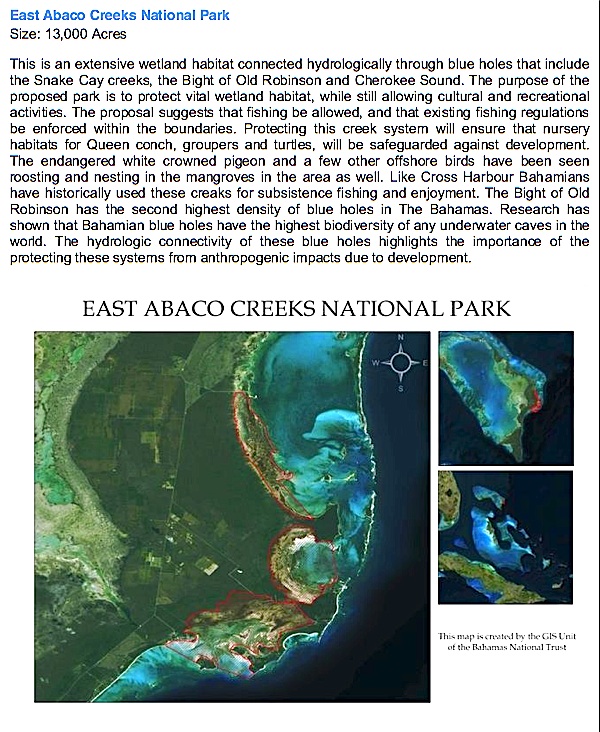
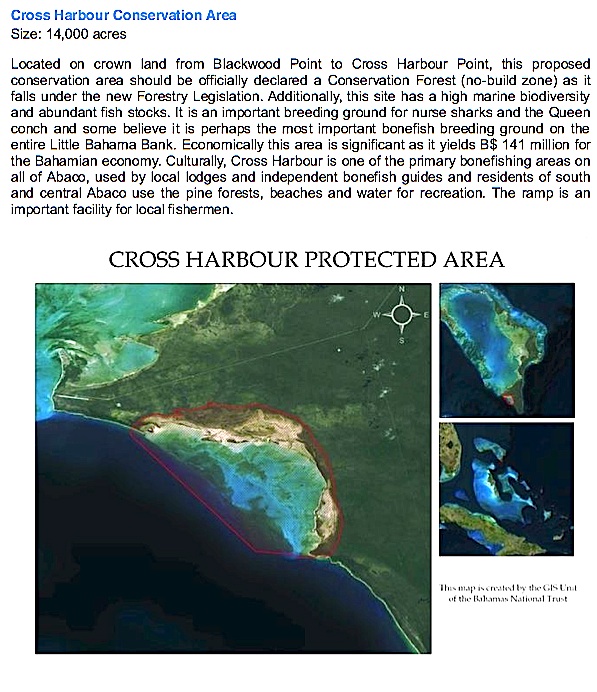
The latest version of the 40TH ANNIVERSARY OF THE BAHAMAS PROPOSAL FOR THE EXPANSION OF THE PROTECTED AREA SYSTEM OF THE COMMONWEALTH OF THE BAHAMAS has been published. It is a joint proposal by the Bahamas Government, The Nature Conservancy and the Bahamas National Trust. The breadth of the scheme is very ambitious, affecting all the principal Bahama Islands. To understand the objectives and scope of the project, you can see the whole 34-page project by clickingBAHAMAS PROPOSED PROTECTED AREAS 2014It is in pdf format, so you should be able to save it if you wish to.
Many people will be familiar with the proposals as they affect Abaco. However since the latest version appears to be a final draft, I thought it might be helpful to show the 4 proposed areas of protection and conservation in their present form. These are, in summary:
THE ABACO MARLS NATIONAL RESERVE A vast area of nearly 200,000 acres (300 square miles) of mangrove flats, sandbanks, creeks and wetland habitat
EAST ABACO CREEKS NATIONAL PARK13,000 acres (20 square miles) of wetland habitat that provides a vital wildlife nursery, and includes blue holes, creeks and a significant area for recreational activities (though Pete’s Pub at Little Harbour may be just outside the zone…)
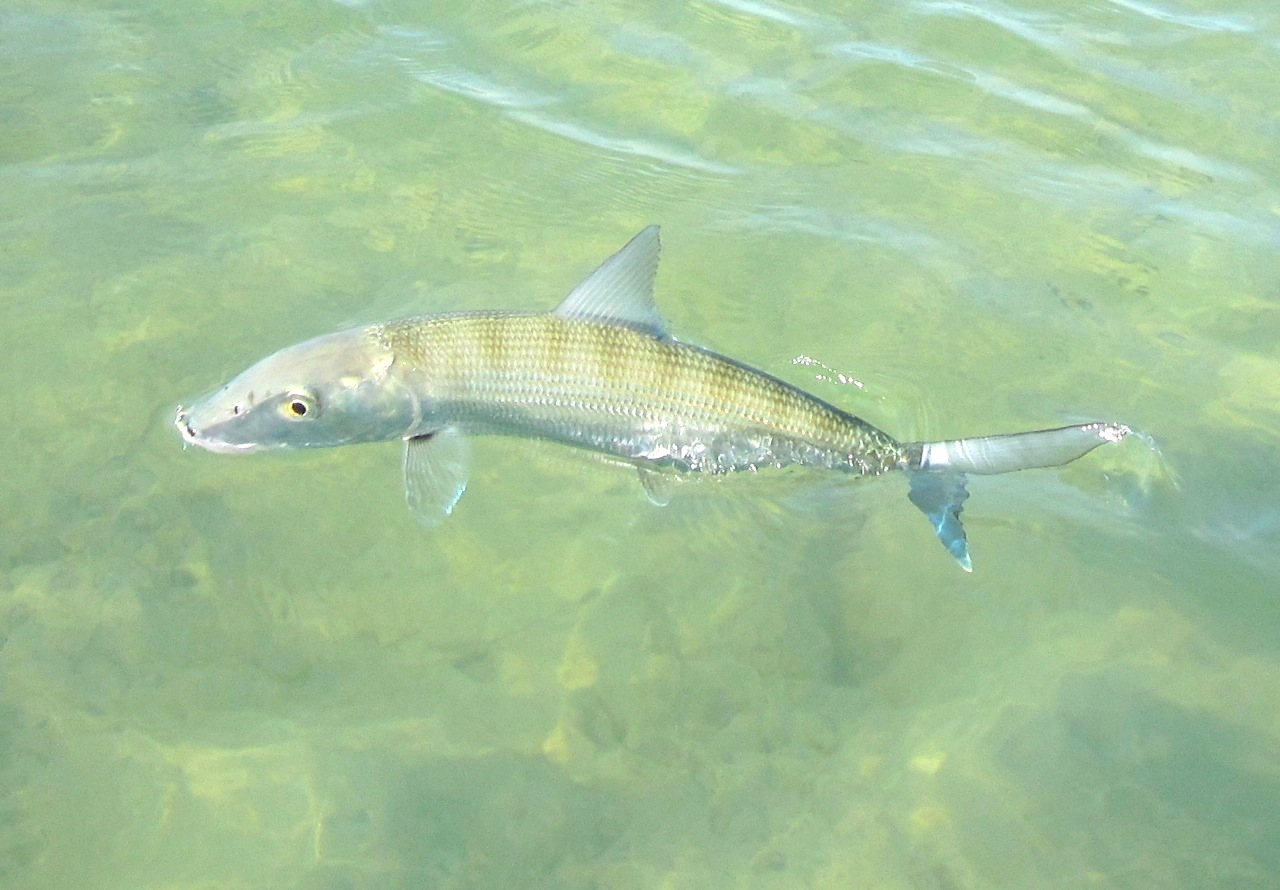
CROSS HARBOUR PROTECTED AREA 14,000 acres (21 square miles) in South West Abaco, a crucial breeding area for a number of species,including bonefish
SOUTH ABACO BLUE HOLES CONSERVATION AREA A huge 34,000 acre (53 square miles) swathe of South Abaco to the west of the E D Highway, incorporating 4 inland blue holes and important cave systems, and 13 offshore blue holes. This is an area of mainly pine forest on land and low waters at sea, with an anticipated value for eco-tourism
Here are the BNT maps showing the extent of each area. Far more information will be found via the link to the report given above.
THE ABACO PROPOSALS
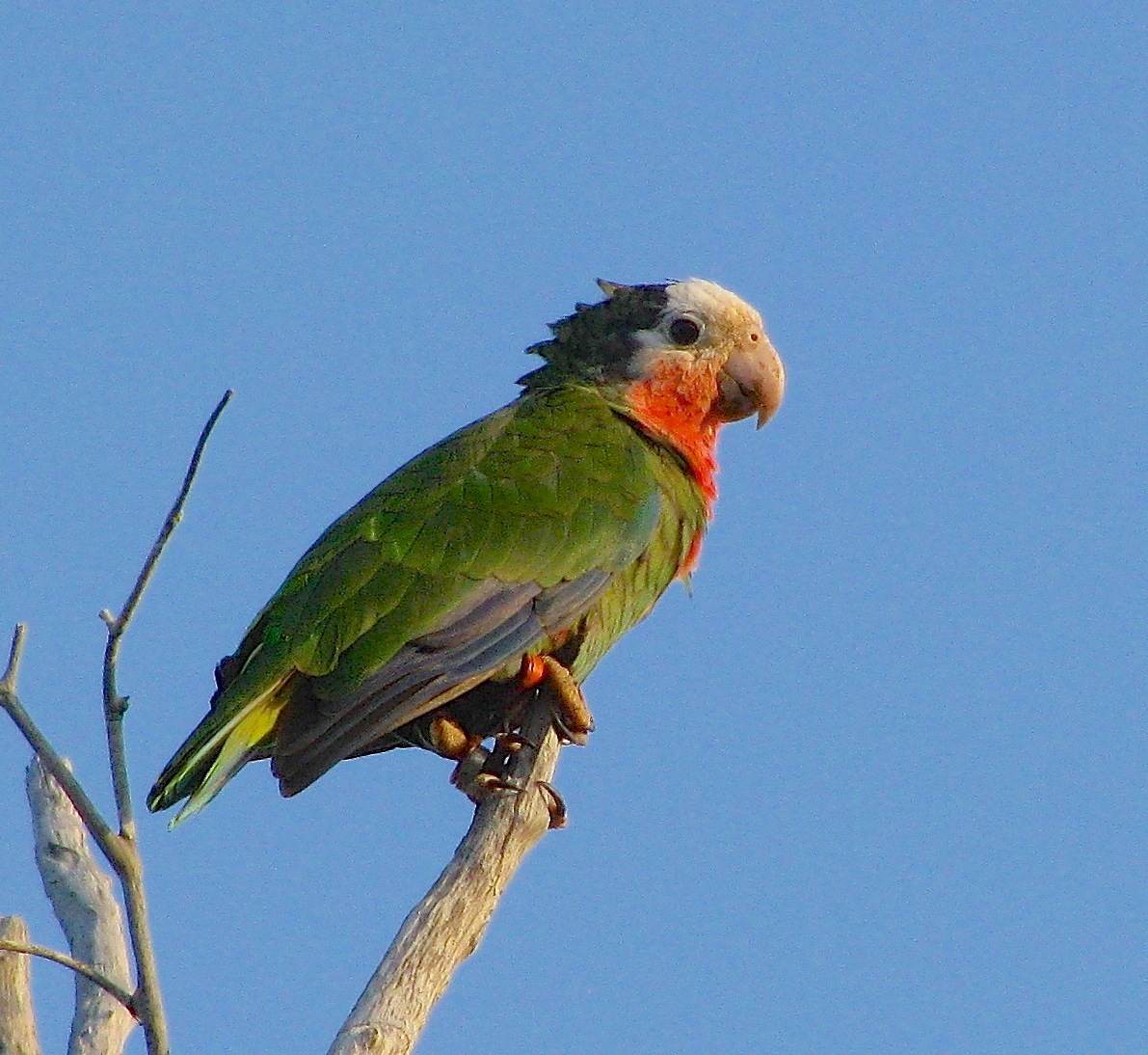
Credits: Parrot, (ex-)parrot protector Caroline Stahala; Maps, BNT; acres to sq m conversion, Gizmo!
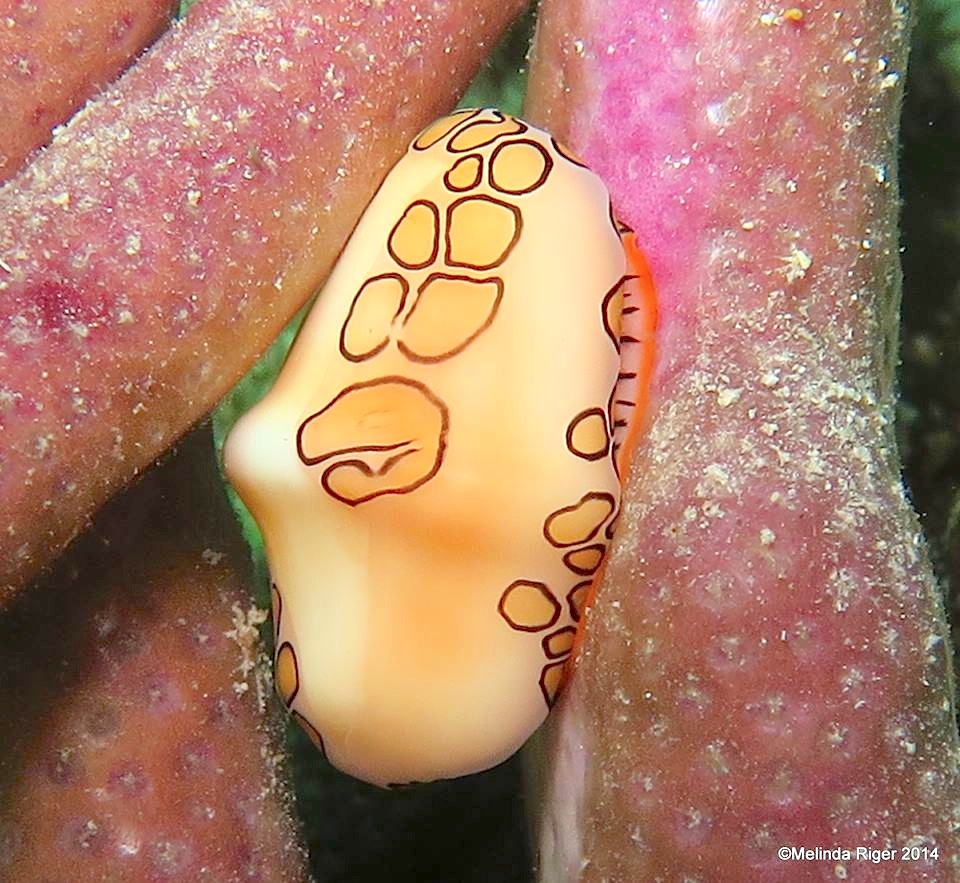
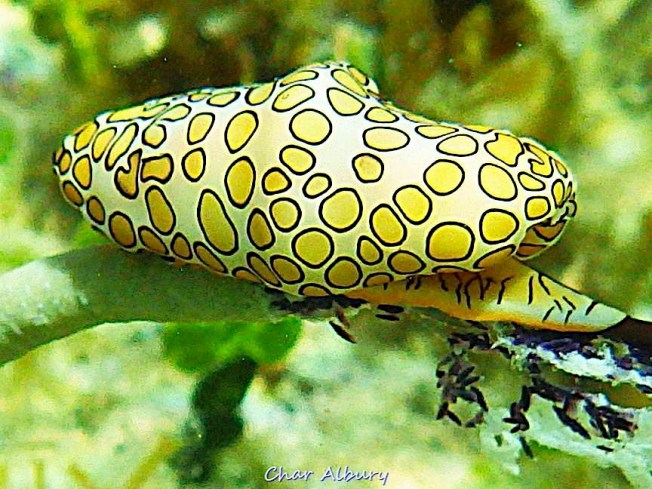
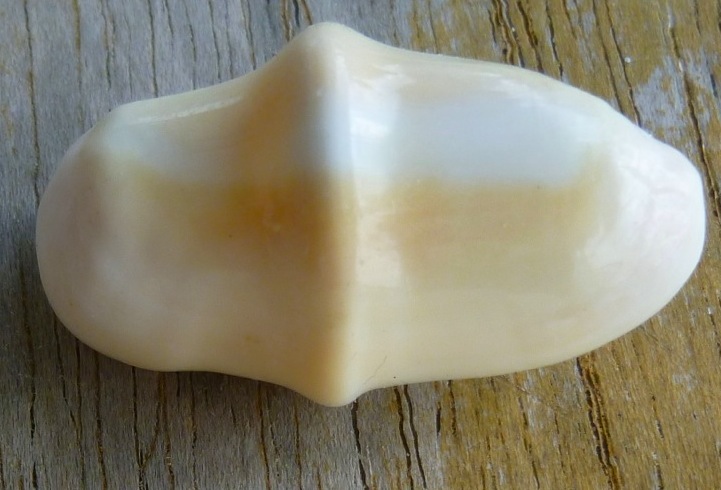
I wrote about FLAMINGO TONGUE SNAILS Cyphoma gibbous more than two years ago. They have not changed noticeably since then but this site has – in scope, available material and audience. So I am revisiting these small marine gastropod molluscs, which are related to cowries. The live animal is brightly coloured and strikingly patterned, but that colour only exists in the ‘live’ parts – the ‘mantle’. The shell itself is usually pale and characterised by a thick ridge round the middle. These snails live in the tropical waters of the Caribbean and the wider western Atlantic. Whether alive or dead, they are gratifyingly easy to identify.
FLAMINGO TONGUE SNAIL ON A PURPLE ROPE SPONGE
FEEDING ON A CORAL STEM
This snail is snacking on a coral stem, leaving a feeding track behind it. The structural shell ridge is clearly visible beneath the distinctively marked live tissue of these creatures.
The flamingo tongue feeds by browsing on soft corals. Adult females attach eggs to coral which they have recently fed upon. About 10 days later, the larvae hatch. They eventually settle onto other gorgonian corals such as Sea Fans. Juveniles tend to live on the underside of coral branches, while adults are far more visible and mobile. Where the snail leaves a feeding scar, the corals can regrow the polyps, and therefore the snail’s feeding preference is generally not harmful to the coral.
The principal purpose of the mantle of tissue over the shell is as the creature’s breathing apparatus. The tissue absorbs oxygen and releases carbon dioxide. As I have seen it described (unkindly?) “it’s basically their lungs, stretched out over their rather boring-looking shell”.
This snail species, once common, is becoming rarer. The natural predators include Hogfish, Pufferfish and Spiny Lobsters, though the spotted mantle provides some defence by being rather unpalatable. Gorgonian corals contain natural toxins and instead of secreting these, the snail stores them. This supplements the defence provided by its APOSEMATIC COLORATION, the vivid colour and /or pattern warning sign to predators found in many species.
It comes as little surprise to learn that man is now considered to be the greatest menace to these little creatures, and the reason for their significant decline in numbers. The threat comes from snorkelers and divers who mistakenly / ignorantly think that the colour of the mantle is the shell of the animal, collect up a whole bunch from the reef, and in due course are left with… “boring-looking shells” (see photos below). Don’t be a collector; be a protector…
These photos are of flamingo tongue shells from the Delphi Club Collection. Until I read the ‘boring-looking shell’ comment, I believed everyone thought they were rather lovely… I did, anyway. You decide!
Finally, a couple of videos. The first is rather charmingly titled ‘FLAMINGO TONGUES DOING…. SOMETHING’. Any (printable but amusing) suggestions via the Comment box are welcome. The second punchily summarises this post in 30 seconds. Maybe that’s all that was needed!
Doh! Reading through this after posting I can’t remove from my mind the likeness of Homer Simpson on the snail in Melinda’s photo (2). I had to check it out and… it’s uncanny!



























































































 ROLLING HARBOUR ABACO