Unknown's avatar

BUTTERFLIES ON ABACO (10) : HAMMOCK SKIPPER


Hammock Skipper - Polygonus leo, Abaco Bahamas (©Keith Salvesen)

BUTTERFLIES ON ABACO (10)

HAMMOCK SKIPPER

The Hammock Skipper Polygonus leo is quite a small butterfly. We found the ones shown here in the vegetation at the back of the Delphi beach. Having initially thought this was a Northern Cloudywing (and a ‘lifer’ for me), Colin Redfern has kindly corrected my (mis-)ID, and I have made the consequent changes.

Hammock Skipper - Polygonus leo, Abaco Bahamas (©Keith Salvesen)

Perhaps unusually for butterflies these skippers are sexually ‘monomorphic’, i.e. very similar in both sexes. Males and females both have completely dark brown wings except for the small white spots.

Hammock Skipper - Polygonus leo, Abaco Bahamas (©Keith Salvesen)

We noticed that the spots and patterns were (again, unusually?) not symmetrical as between the wings. [That should probably be ‘not reflectively symmetrical’, as with a Rorschach inkblot.]


Hammock Skipper - Polygonus leo, Abaco Bahamas (©Keith Salvesen)

All photos, Keith Salvesen; timely ID correction courtesy of Colin Redfern…

Unknown's avatar

ABACO CHECKLIST: 40 BIRDS IN A DAY


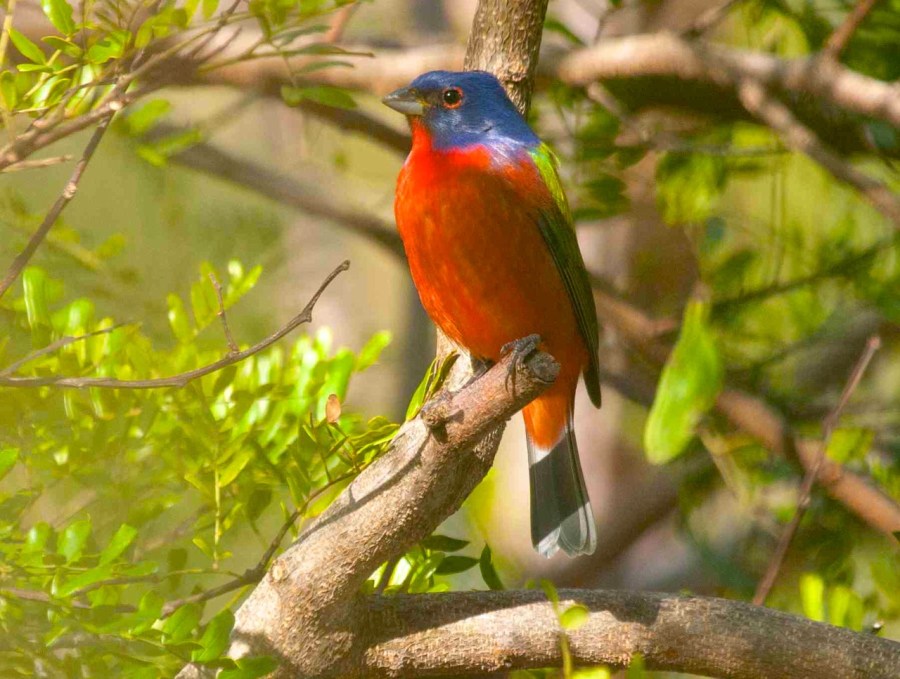
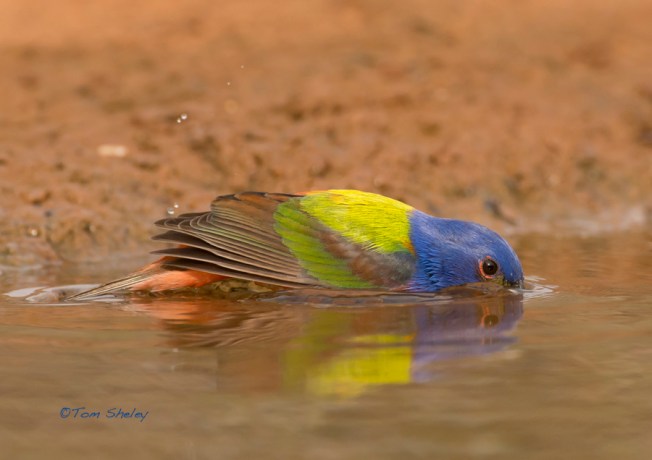
Painted Bunting, Abaco Bahamas (Tom Sheley)

ABACO CHECKLIST: 40 BIRDS IN A DAY

South Abaco – the whole area south of Marsh Harbour – provides by far the best birding opportunities for a day of varied birding. A recent party led by birding guide Reginald Patterson included Charmaine Albury in the enthusiastic team. She sent me their checklist for the day – 40 species covering an impressive range of bird types. Here is the list, to which I have added some illustrative photographs.

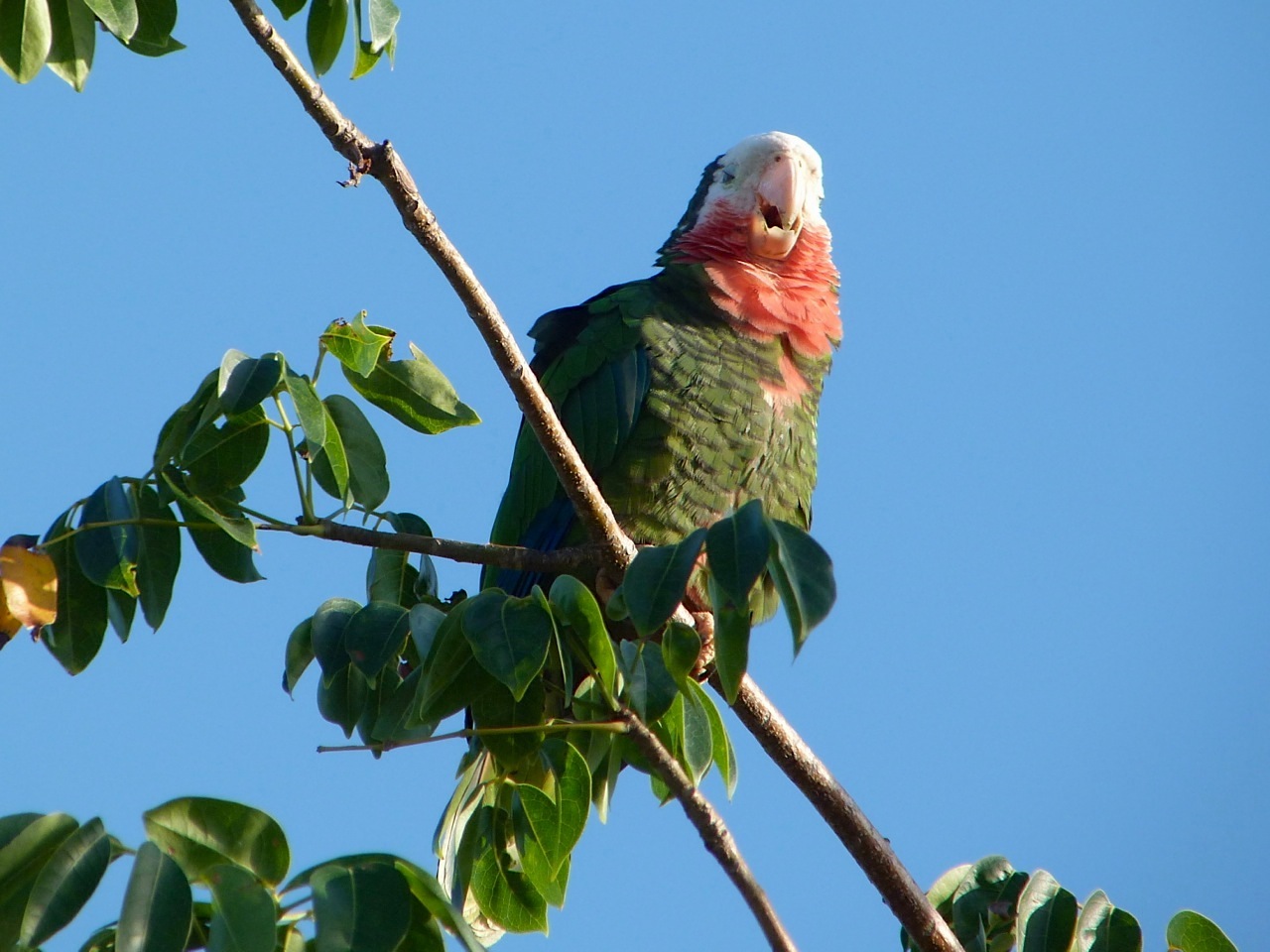
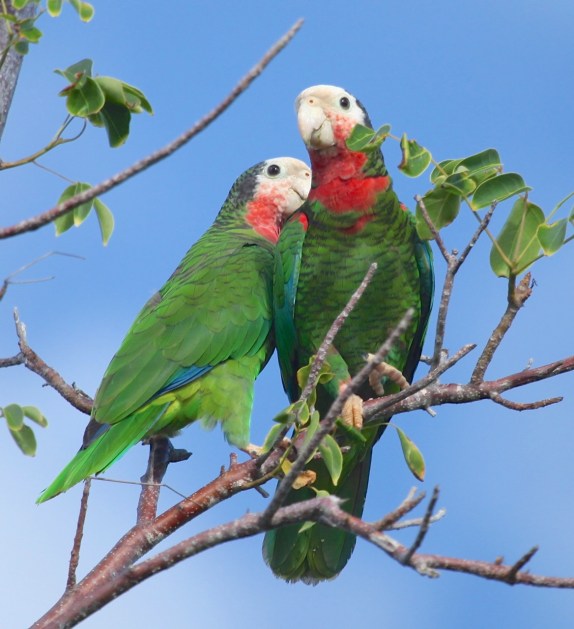
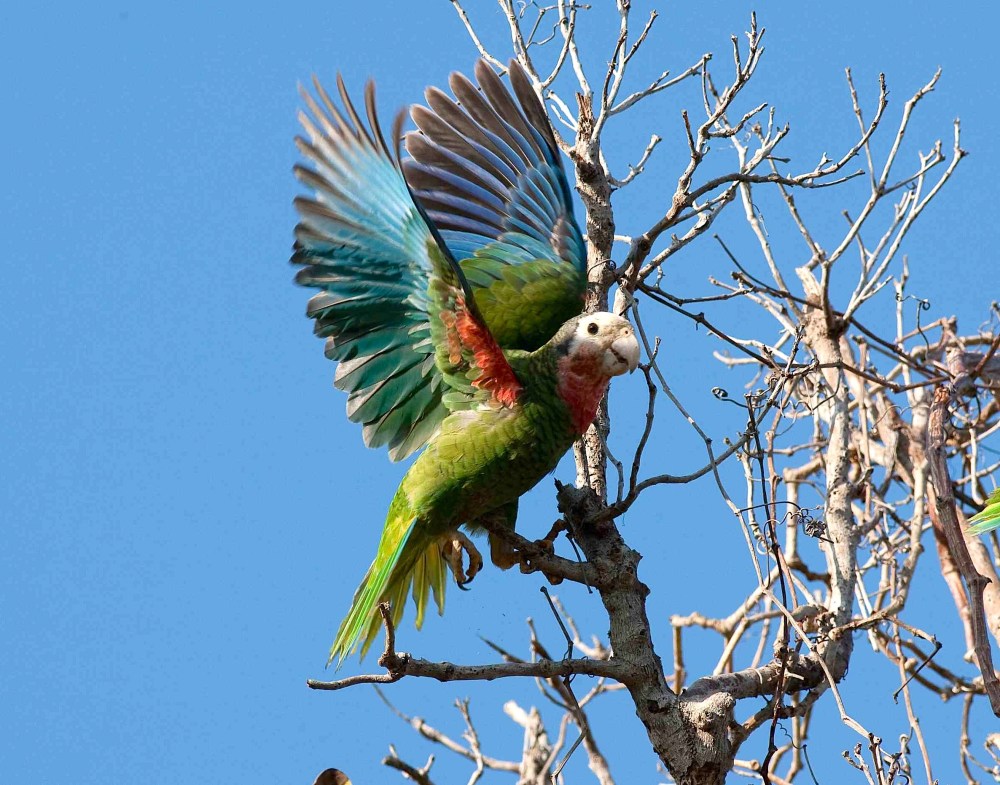
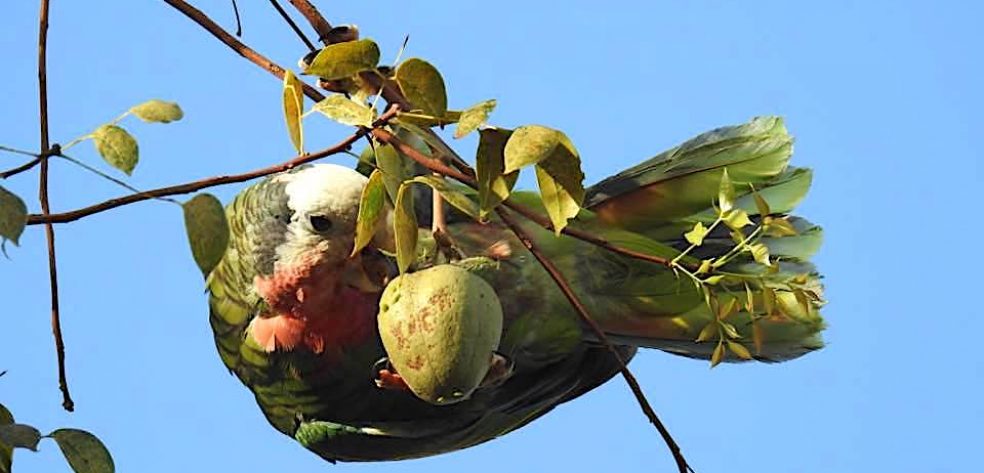
Abaco (Cuban) Parrot (Keith Salvesen)

BAHAMA PALM SHORES

1. Blackfaced Grassquit
2. Greater Antillean Bullfinch
3. Red-winged Blackbird
4. Gray Catbird
5. Abaco (Cuban) Parrots
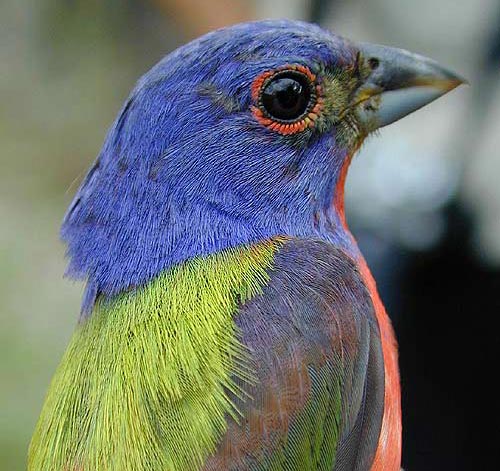
6. Painted Bunting
7. Northern Mockingbird
8. La Sagra’s Flycatcher
9. Cuban Pewee
10. Yellow-throated Warbler

Western Spindalis, Abaco (Craig Nash)

11. Western Spindalis
12. West Indian Woodpecker
13. Cape May Warbler
14. Ovenbird
15. Eurasian Collared Dove
16. Common Ground Dove
17. Bananaquit
18. Red-legged Thrush
19. Turkey Vulture
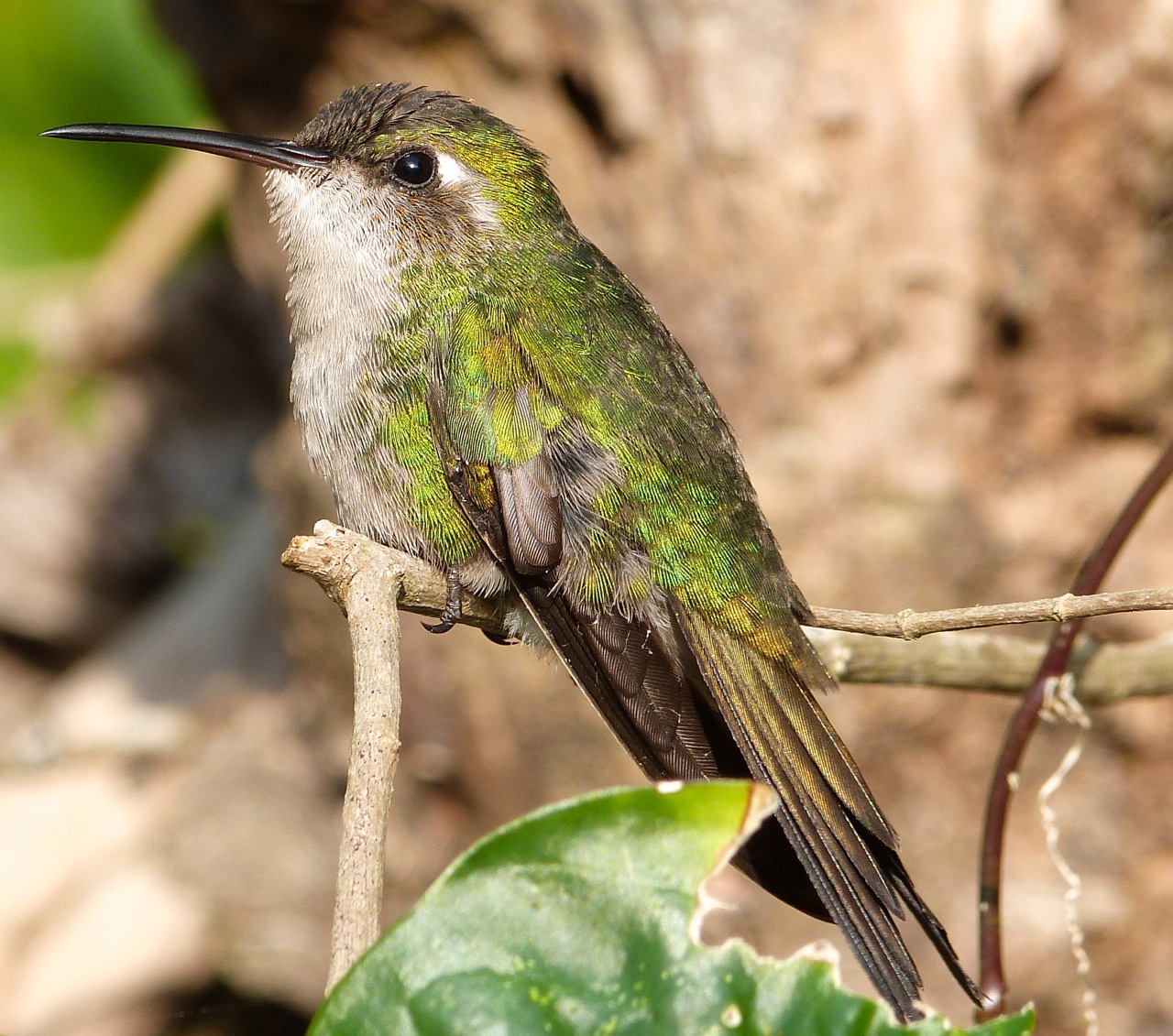
20. Cuban Emerald Hummingbird
21. Thick-billed Vireo

Thick-billed Vireo, Abaco (Gerlinde Taurer)

BPS Duck Pond

22. Blue-winged Teal
23. Green-winged Teal
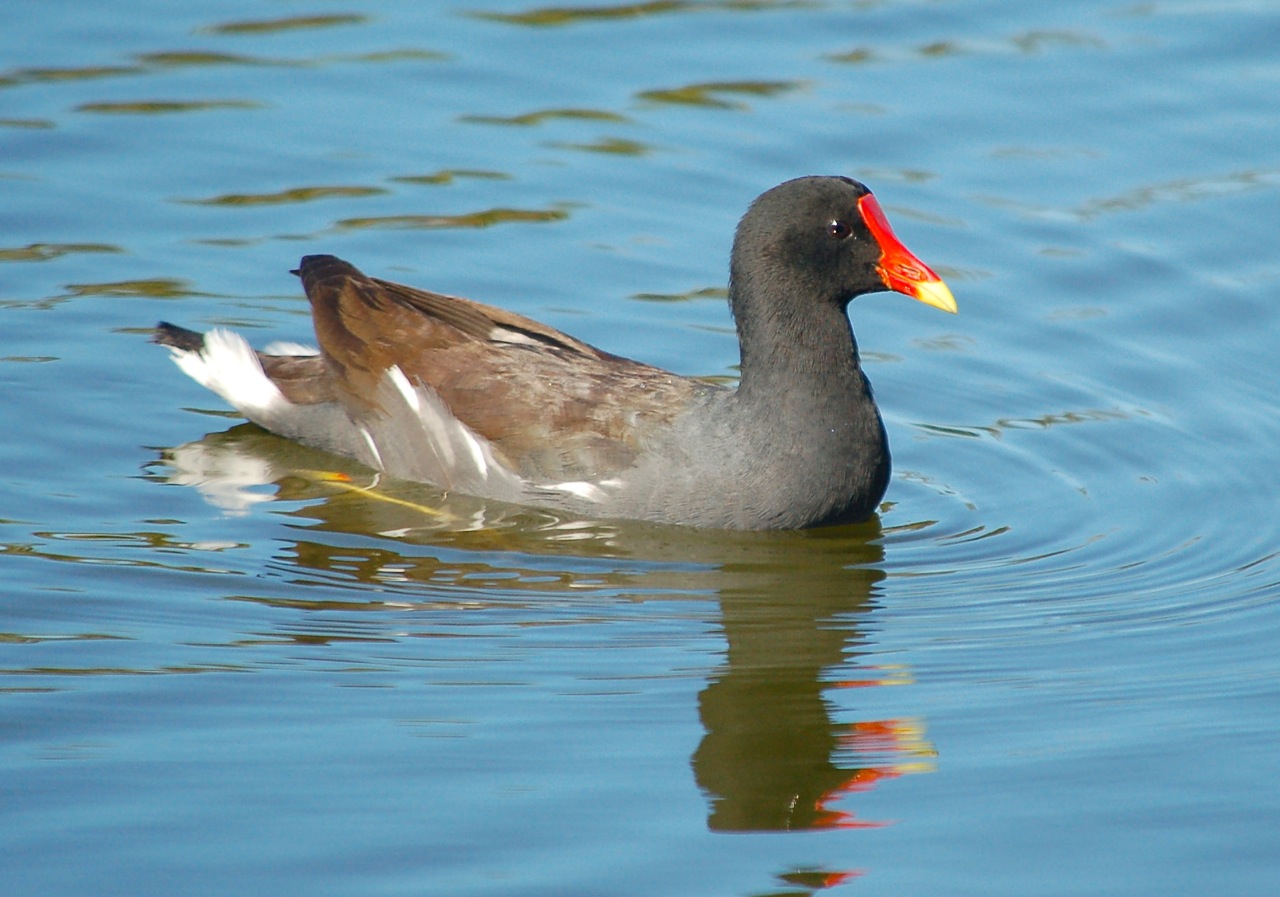
24. Common Gallinule

Common Gallinule, Abaco (Keith Salvesen)

SAWMILL SINK BLUE HOLE

25. Olive-capped Warbler
26. Yellow-rumped Warbler
27. Loggerhead Kingbird
28. Prairie Warbler

Prairie Warbler, Abaco (Gerlinde Taurer)

HIGHWAY ROADSIDE

29. Bahama Warbler
30. American Kestrel

American Kestrel, Abaco (Tom Reed)

GILPIN POND

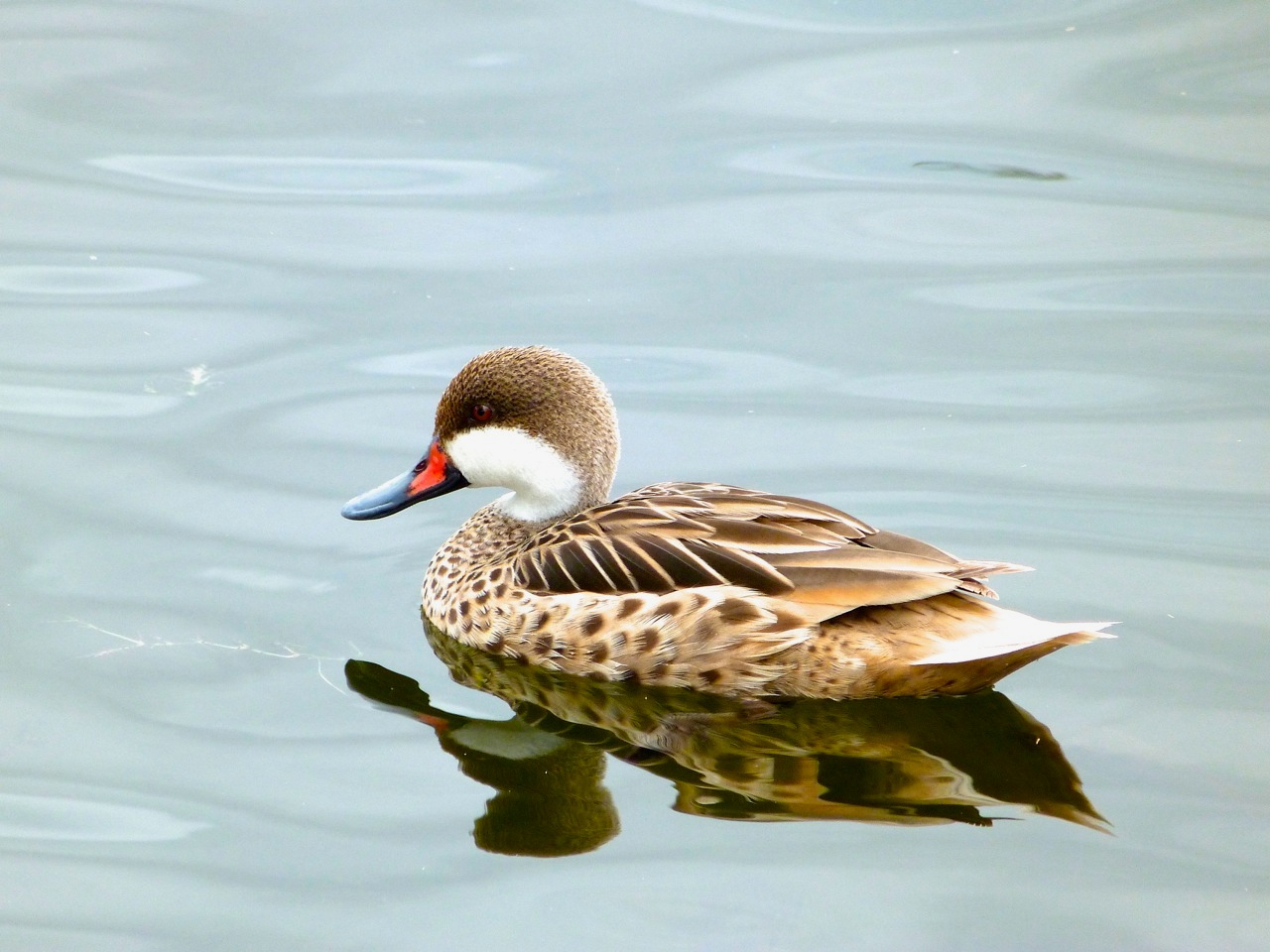
31. White-cheeked (Bahama) Pintail
32. Great Egret
33. Great Blue Heron
34. Tricolored Heron
35. Lesser Yellowlegs
36. Solitary Sandpiper

White-cheeked (Bahama) Pintail, Abaco (Keith Salvesen)

SANDY POINT

37. Laughing gulls
38. Ruddy turnstone
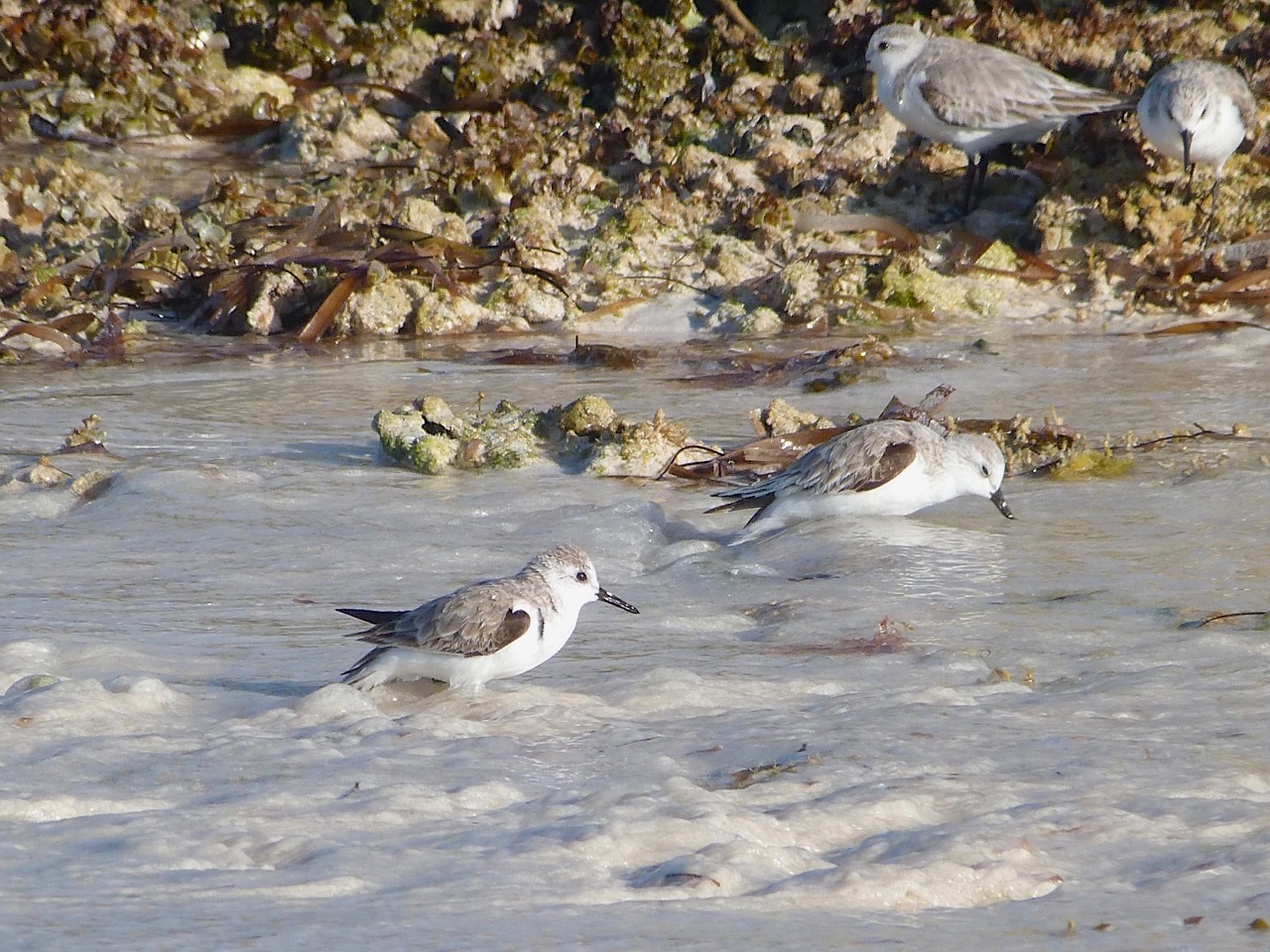
39. Sanderlings
40. Royal terns

Sanderlings, Abaco (Keith Salvesen)

The checklist covers a broad range of birds that you might expect to see in habitats ranging from coppice to pine forest to water to shoreline. Most are permanent residents, with some winter residents (eg the painted bunting, Cape May warbler). Abaco specialities include the parrots of course, the West-Indian woodpecker and the olive-capped warbler.

And birds that might, on another day, be seen? Maybe the endemic Bahama Woodstar hummingbird and the endemic Bahama Swallow. At Gilpin Pond, black-necked stilts and perhaps a belted kingfisher. And at Sandy Point, brown pelicans fishing off the dock and the chance of white-tailed tropicbirds off-shore. But overall a ’40 day’ is a great day!

Great Egret, Abaco Bahamas (Nina Henry)

We are just back on Abaco last night, and without actually trying – and just from the balcony in about 20 minutes – we have scooped:

Turkey Vulture, Black-faced Grassquit, Bananaquit, Bahama Swallows, Loggerhead Kingbird, La Sagra’s Flycatcher, and Thick-billed Vireo – also Oystercatchers heard from the beach. Time to investigate further…

Credits: Tom Sheley (1); Keith Salvesen (2, 5, 8, 9); Craig Nash (3); Gerlinde Taurer (4, 6); Tom Reed (7); Nina Henry (10)

Unknown's avatar

BEHOLD! SOME BUNTING(S) FOR AN ABACO CHRISTMAS


Painted Bunting.Bahama Palm Shores.Abaco Bahamas.Tom Sheleyimagesimagesimagesimages

BEHOLD! SOME BUNTING(S) FOR AN ABACO CHRISTMAS

painted-bunting copy

BUNTING  /ˈbʌntɪŋ/  (Noun)

[A Christmas gift of a puntastic avian / festive double-meaning]
  1. A small New World songbird of the cardinal subfamily
  2. Flags and other colourful festive decorations

imagesimagesimages

PAINTED BUNTINGPainted Bunting, Abaco (Erik Gauger)
Painted Bunting, Abaco (Tara Lavallee)Painted Bunting, Abaco (Tara Lavallee)

It’s hard to imagine a more Christmasy little bird than the Painted Bunting. Bright blue, red, green primary colours straight from a child’s paintbox make for a spectacular bird to grace the festive season. These are migratory winter residents, and the first reports of the bright and beautiful males on Abaco started to appear in November. Some will stay around until March.

                                                           painted-buntingimagespainted-bunting copy

Feeders at the Delphi Club. The first image shows a female & a male PABU feeding together. The second is a male with a pair of black-faced grassquitsPainted Buntings (M & F), Delphi, Abaco (Keith Salvesen)Painted Bunting, Delphi, Abaco (Sandy Walker)

                                                        painted-buntingimagespainted-bunting copy

The two wonderful photos below are by Tom Sheley, a major photographic contributor to THE BIRDS OF ABACO. They were taken in Texas, not on Abaco, but I include them because of Tom’s strong connection with the birdlife of Abaco; and because on any view they are fantastic shots…
Painted Bunting reflection LR.Laguna Seca.South TX. 4.16.13.Tom SheleyPainted Bunting dip reflection LR.Laguna Seca.South TX. 4.16.13.Tom Sheley

painted-bunting copy

This is probably my last post until after Christmas, what with one thing and another, so it’s a good opportunity to wish a very Happy Christmas or [insert preferred seasonal appellation] to everyone who visits Rolling Harbour and especially those who, having done so, return for more!

Credits: Tom Sheley (1, 7, 8), Erik Gauger (2), Tara Lavallee (3, 4), Keith Salvesen (5) Sandy Walker (6); Birdorable Cartoons

imagesimagesimagesimagesPainted Bunting, Abaco Bahamas

Unknown's avatar

TWO BOOKS: BIRDS, FISHING & DELPHI x 2


TWO BOOKS: BIRDS, FISHING & DELPHI x 2

November 1st. All Hallows, when the tricks or treats have passed, the amusing costumes are packed away for next year, and all restless souls are at peace once more. It’s a significant day for me – the first day I acknowledge the inevitability of the festive season. This, despite (or because of) the fact that Xmas shopping catalogues, charity appeals, store displays and optimistic ‘Book Your Christmas Dinner Today notices started to appear in early August… 

BOOK NEWS

The Birds of Abaco by Keith Salvesen

“THE BIRDS OF ABACO”

♦ ♦ ♦ ♦ SPECIAL OFFER ♦ ♦ ♦ ♦

We are reducing the price of the book for the time being, probably until early January. The price for each copy will now be $88 inc VAT + shipping. As always, you can arrange a drop at a convenient location in MH. To the many who have bought the book on Abaco and further afield, and been so appreciative, many thanks.

For those who haven’t come across the book but kindly follow ‘Rolling Harbour’, here is the original flyer which will give you an idea of its contents.

The Birds of Abaco by Keith Salvesen (flyer info)

Cuban Emerald, Delphi, Abaco (Keith Salvesen)

DOUBLE DELPHI

Double Delphi - jacket (Peter Mantle / KS edit)

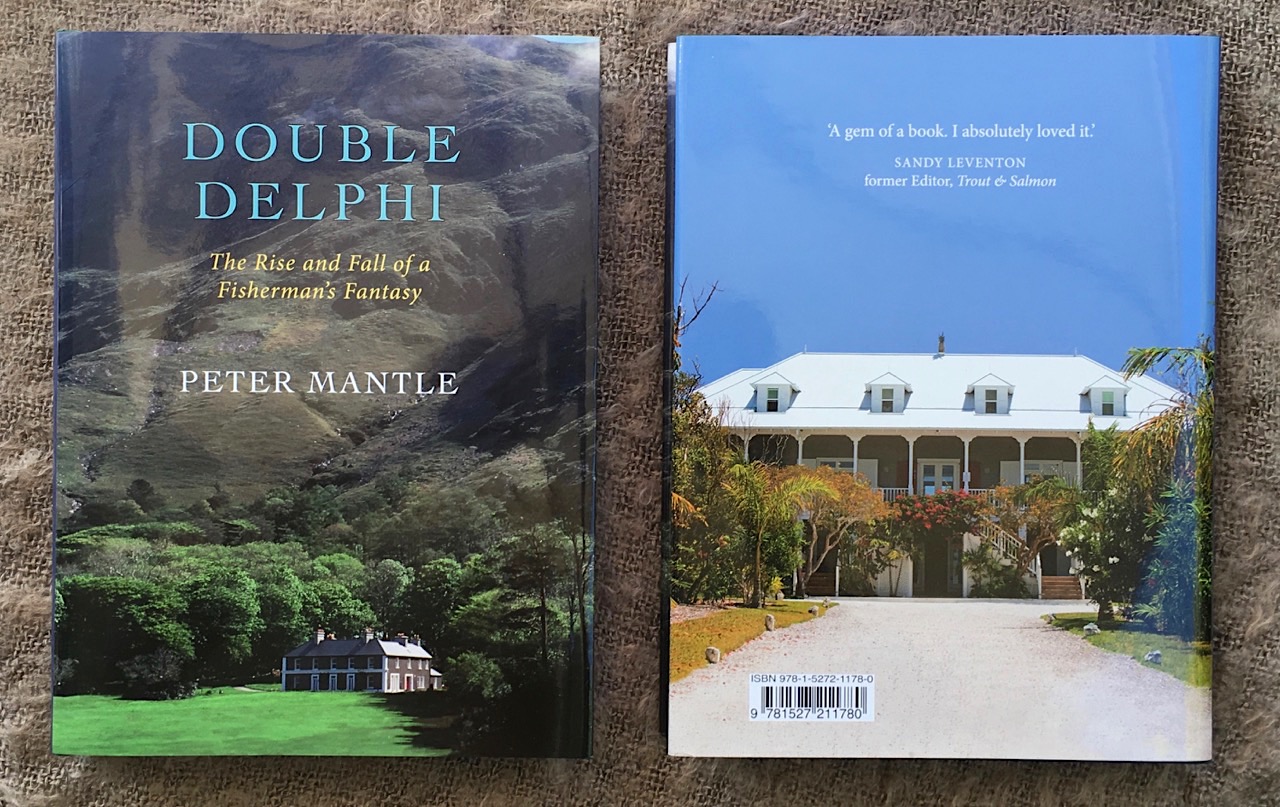
Meanwhile, Peter Mantle’s wonderful recently published account of both his Delphis, East in Ireland and West in the Bahamas, is going down a storm. His ‘fisherman’s fantasy’ has had excellent reviews and has been featured in Trout & Salmon magazine, with other articles to come. Click the heading to find out more about the book, its cast of colourful characters, strange histories, triumphs and disasters, and most of all the fishing at each of Peter’s renowned Lodges: created from a ruin in one case; and from thick coppice in the other.

Double Delphi is for sale at $44 + shipping.

Email: delphi.bahamas@gmail.com

Direct online ordering of Peter’s book: https://wallopbooks.com/

Cuban Emerald Hummingbird (f), Delphi, Abaco: Keith Salvesen

Unknown's avatar

HURRICANE IRMA AFTERMATH: ABACO’S SIDESWIPE(S)


Hurricane Irma, Abaco

HURRICANE IRMA HITS CHEROKEE, ABACO, BAHAMAS

HURRICANE IRMA AFTERMATH: ABACO’S SIDESWIPE(S)

Hurricane Irma barrels on northwards as Florida begins to count the cost.  Abaco has had its turn to experience the awesome power of this brute of a storm. Or make that turns (plural) because such a massive storm 400 miles across, spiralling longs strands of filthy weather outwards with centrifugal menace, can strike more than once as the main storm passes further off.

Hurricane Irma, Abaco

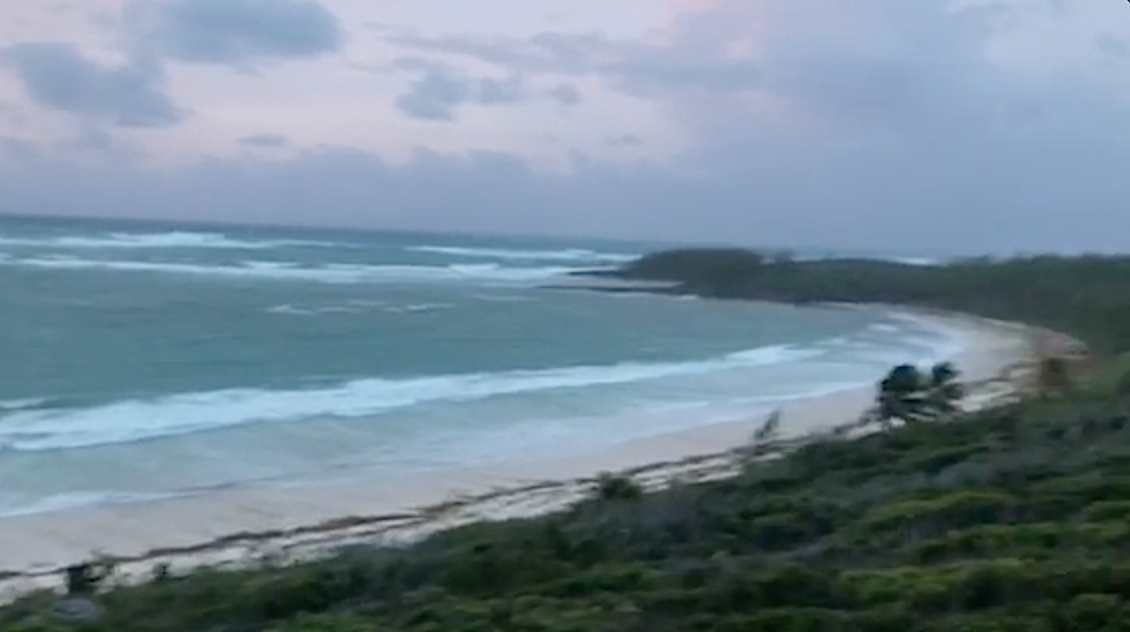
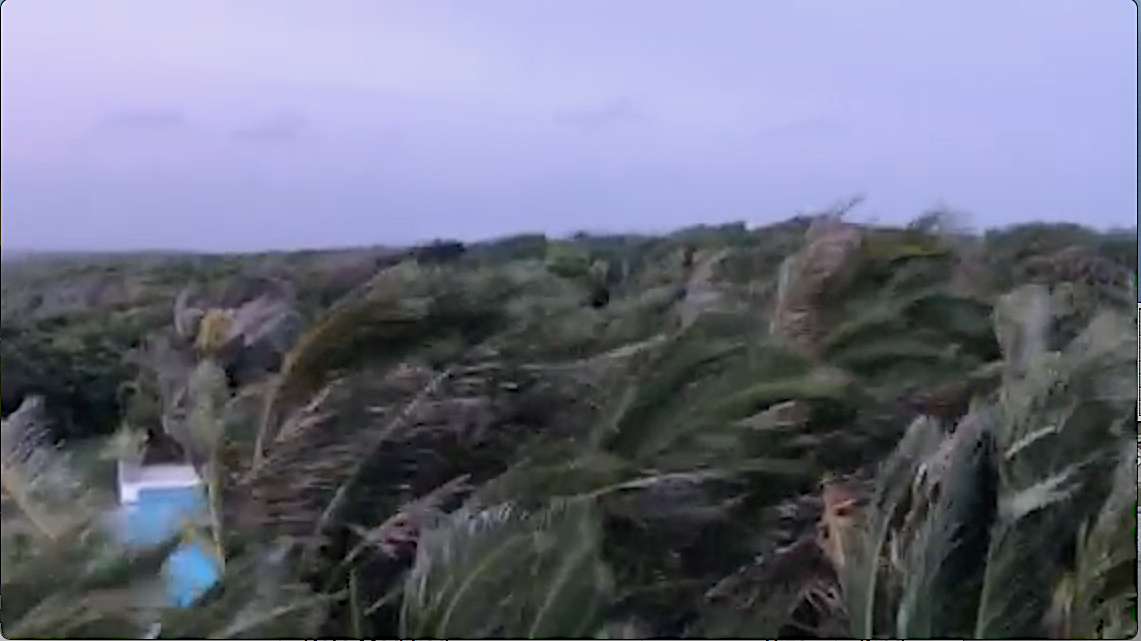
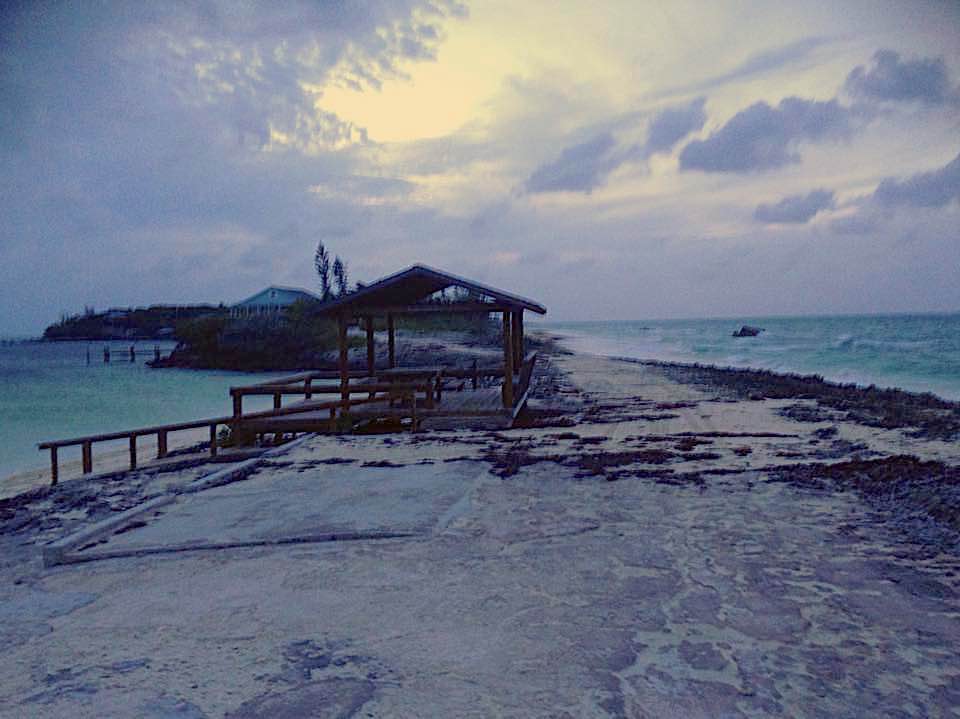
Thanks to the relatively late shift of the storm’s path to the west, there was no direct hit on Abaco (as was once forecast). High winds and heavy seas, but none of the cruel devastation elsewhere that we have all been watching and reading about with horror and sympathy for the victims.

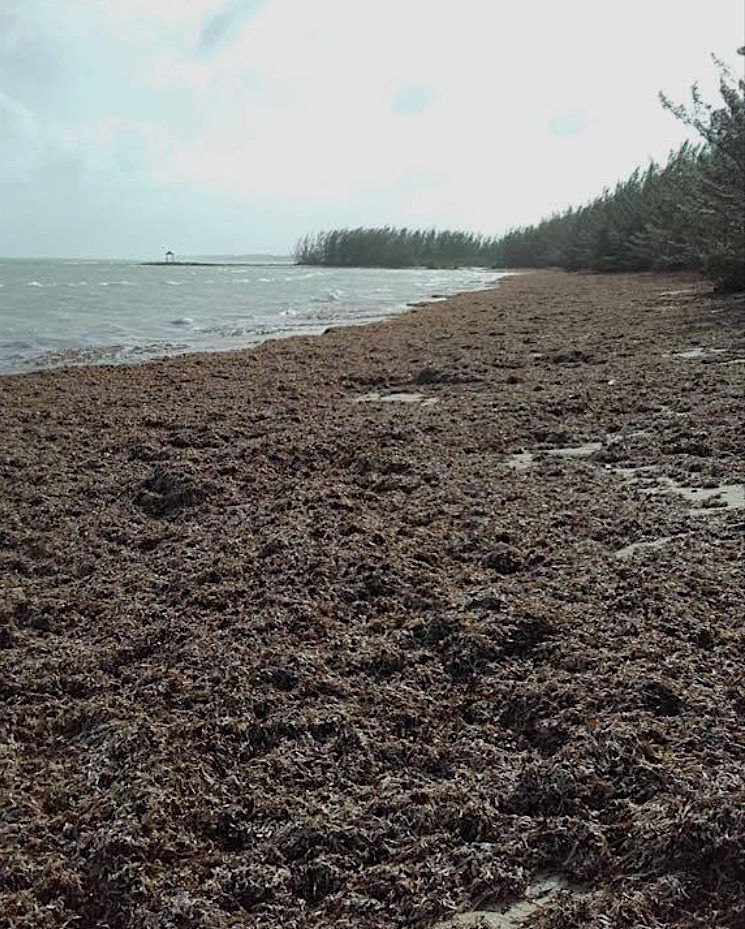
Seaweed covering the beach at Casuarina, AbacoHurricane Irma, Abaco

By Saturday evening, relieved messages were already being posted. Later, an official statement confirmed limited harm and damage. The airport was reopened. Albury’s Ferries announced the forthcoming resumption of services. Gradually, the overall picture took shape as more reports and messages came in from the mainland and the cays.

Tahiti Beach, Elbow Cay, Abaco

At Delphi, Jason confirmed that the worst of the storm passed quite quickly and that there was no structural damage, though doubtless the gardens have taken a beating – a minuscule inconvenience comparatively.

Hurricane Irma, Abaco    Hurricane Irma, AbacoHurricane Irma, Abaco

By yesterday morning, the only area I hadn’t seen anything about was the west side of Abaco – Sandy Point. Might things have been different -perhaps worse –  on the west coast? Then I heard from BMMRO HQ that the situation was much as elsewhere. The whales and dolphins of the Bahamas will continue be researched when the boat can put out to sea…

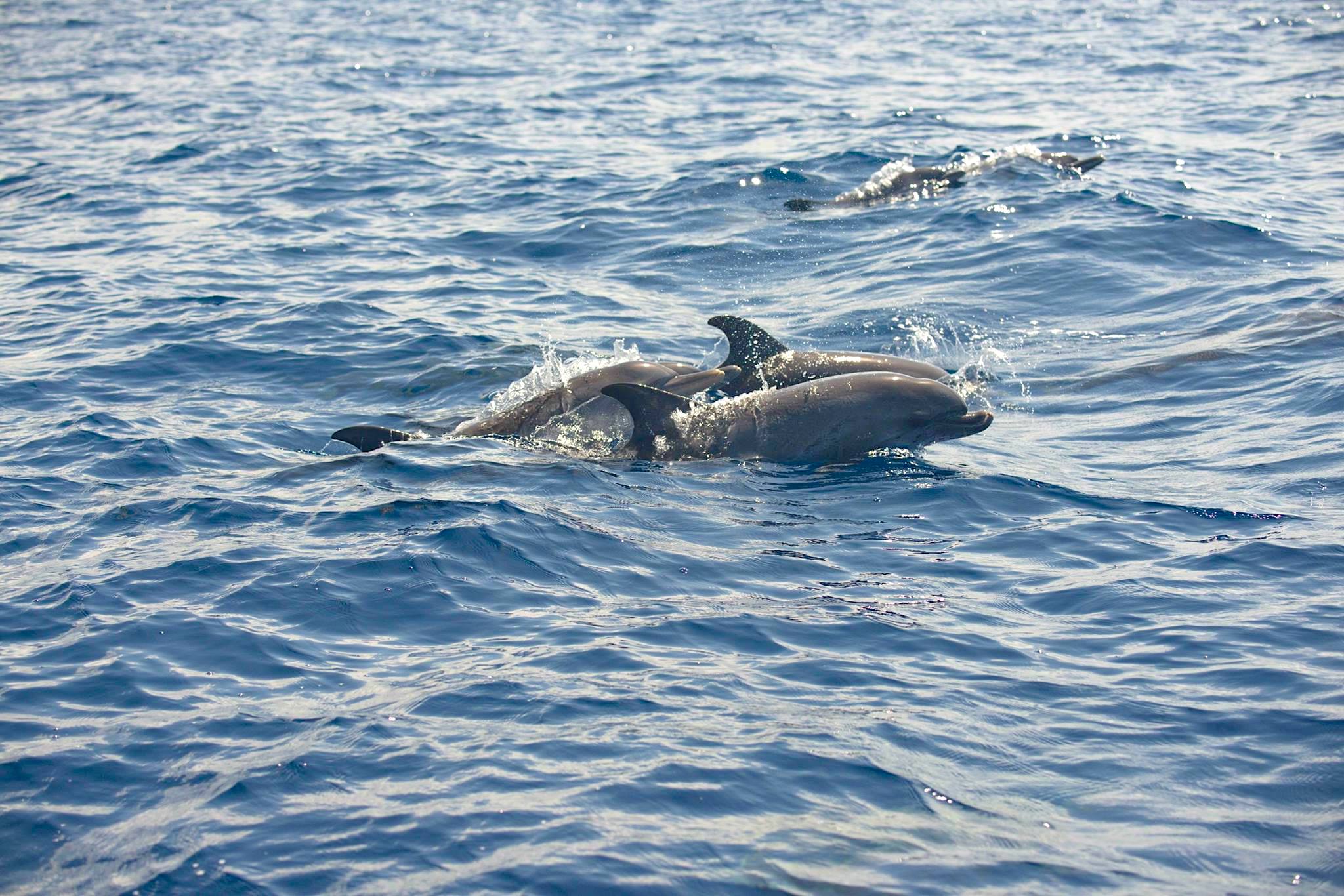
Atlantic Spotted Dolphins seen off Abaco before Irma came alongAtlantic Spotted Dolphins, Abaco, Bahamas (BMMRO)

Like the aftershocks of an earthquake, bouts of high winds and huge gusts have continued to pass over; and in places the sea has been sucked out from the beaches. There have been outages of course (not a novel experience even in calm times); and I’ve seen reports of interruption with water supplies. But I think it can be said that Abaco has escaped quite lightly – and certainly in comparison with the terrible devastation elsewhere.

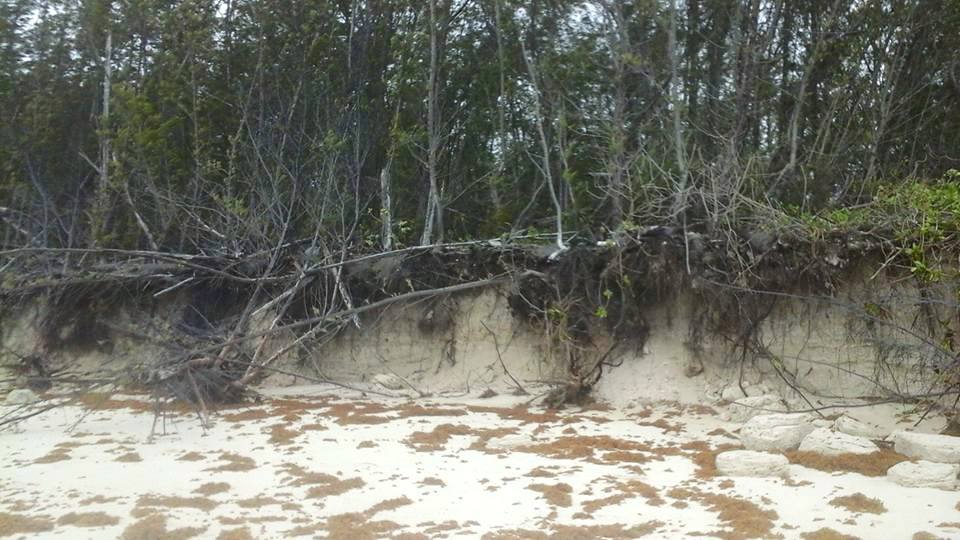
Roof tiles have been lost, but there seems to have been limited structural damage. Trees have been trashed of course, and there has been plenty of beach erosion. Many beaches have been smothered in seaweed. But all-in-all, Abaco has fared alright, which is not to say that people’s thoughts have been absent from those who have taken the hit and borne the brunt of Irma’s rage.

Bahama Palm Shores, Abaco

The Low Place, Man-o-War Cay

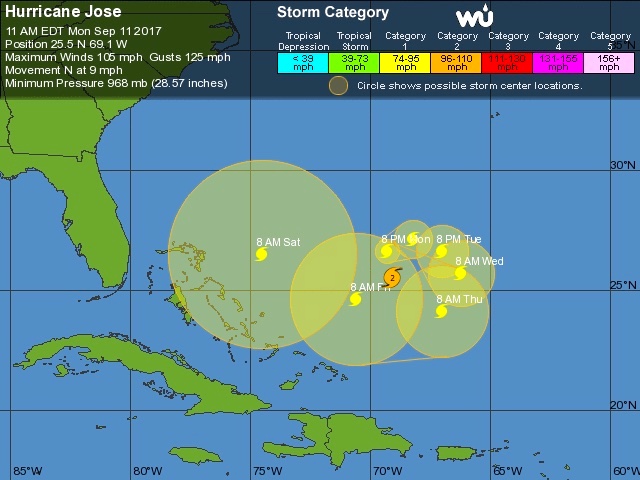
WHAT ABOUT HURRICANE JOSE?

The tracking for this pursuer of Irma has appeared to show the storm going round in circles in mid-Atlantic. Until quite recently. This morning’s prediction shows a determined move to the west towards the end of the week. One to keep a very close eye on still.

WHAT ARE THE VIEWS FROM SPACE RIGHT NOW?

NASA-NOAA’s Suomi NPP satellite: night-time view of Irma over Florida

NASA / GOES East satellite: daytime view of the storm moving north over Florida

Credits: Karen Eldon (1); Olivia Patterson Maura (2, 9, 10); Andrea Janeen Sands Albury (3); Abaco Buzz (4); Jason Prangnall (5, 6); Dive Abaco (7); BMMRO (8); Beth Nace (11, 12, 13); Charmaine Albury (14); Wunderground for the Jose Tracker; NASA / NOAA / GOES for the space shots 

Unknown's avatar

DOUBLE DELPHI: TWICE THE CRAIC, TWICE THE KALIK


Double Delphi by Peter Mantle

DOUBLE DELPHI: TWICE THE CRAIC, TWICE THE KALIK

For some years those who know Peter Mantle have been willing him to write about his two very different Delphis: East (Co. Mayo Ireland) and West (Abaco, Bahamas). It is often said that ‘everyone has a book in them’, but most are without lively and engaging material to work with, or a talent for writing in the first place.  Peter has plenty of these assets: great stories to tell and the writing skills to bring them alive. I’m not being paid for a creepy encomium, but I’ve read ‘Double Delphi’ in its various iterations during the winding road to publication (it has been a prominent feature at Rolling Harbour Towers during production). It’s exactly what we all hoped for!

Double Delphi by Peter Mantle

I don’t want to issue ‘spoiler alerts’, and I’m not proposing to provide a cheery synopsis of Peter’s book. For all those who have loved Delphi Lodge in Ireland; for all those who have loved the Caribbean twist to the Delphi experience on Abaco; for all those who love fishing; and for all those who have admired Peter for his astonishing creation of two fabulous fishing establishments over 35 years – this book is for you. Sandy Leventon, well-known former editor of the indispensable Trout & Salmon Magazine has read the book: his views are on the back cover.

Double Delphi by Peter Mantle

Double Delphi contains plenty of incident. There are fishy tales of course; some people great and good; some perhaps less so; a gold rush; legal drama; financial drama; conflict and personality ‘mis-alignments’; and in amongst it all, hard work, success, craic and good times as Peter bestrides the Atlantic with his ambitious twin piscine projects. There seems to be a lot of whiskey along the way, too.

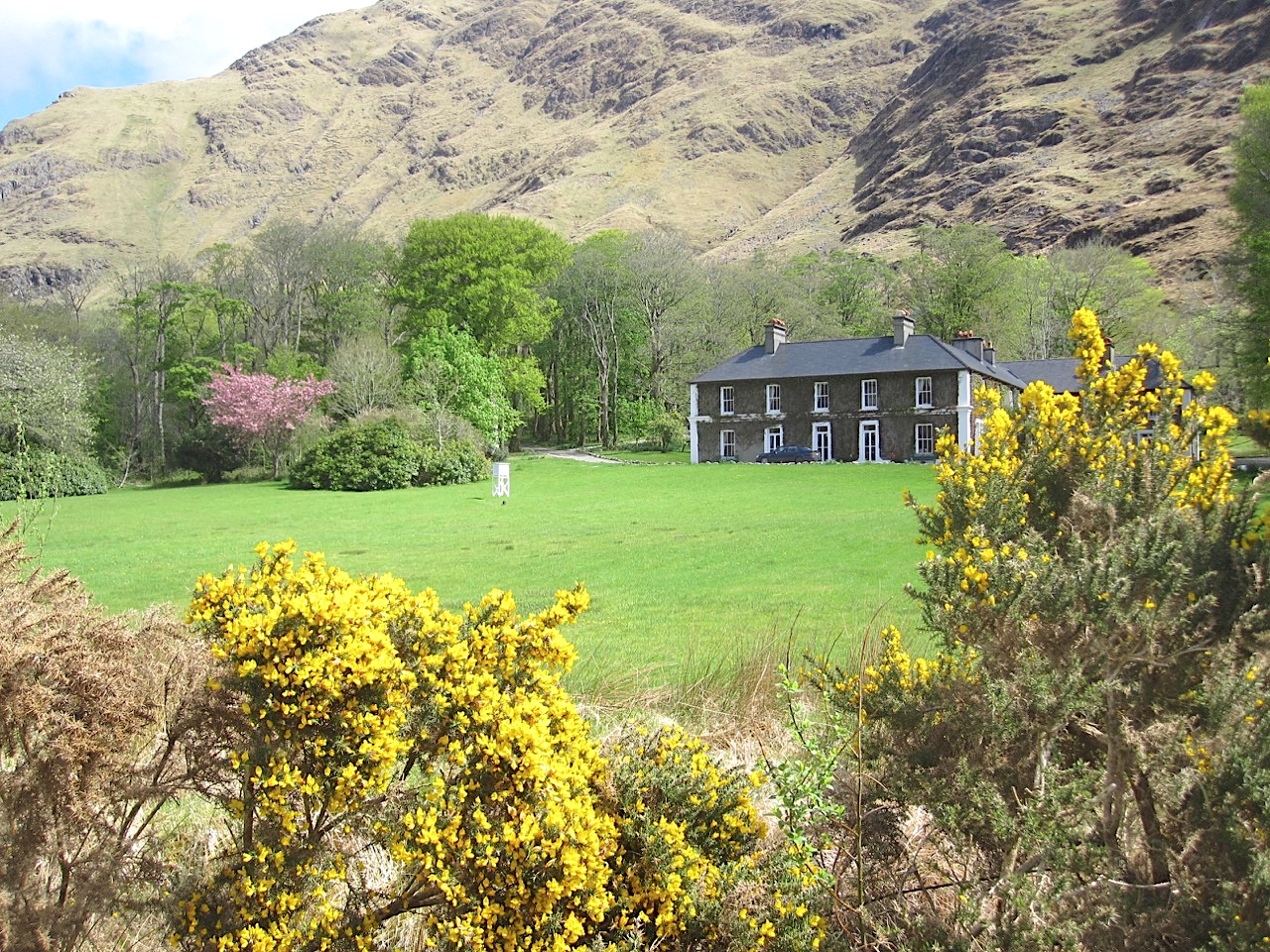
DELPHI LODGE IN 2011, RESTORED TO ITS FORMER GRANDEURDelphi Lodge, Co. Mayo, Ireland (Keith Salvesen)

Many readers will head straight to the index at the back of the book, looking eagerly to see if their own roles in the Delphi sagas have been recorded. They will be disappointed: there isn’t an index! But the chapter headings are promising, and include Of Lice & Men; Princes & Papers; Stars & Gripes; and Bahamian Rhapsody. And there are two sections with plenty of photographs (many historic) to enjoy – two examples shown below.

DELPHI (WEST) ON ABACO – ‘SOMEWHERE IN THE MIDDLE OF NOWHERE’Delphi Club, Abaco, Bahamas (Keith Salvesen)

PM’S FIRST DELPHI SALMON 1986

Double Delphi is imminently to be launched, and can easily be bought right now by clicking this linkhttps://wallopbooks.com/order-form/  (there’s some more blurb there too).

A YOUTHFUL PETER CONTEMPLATES THE FUTURE

All photos: KS / Rolling Harbour except B&W x 2 from the book

Unknown's avatar

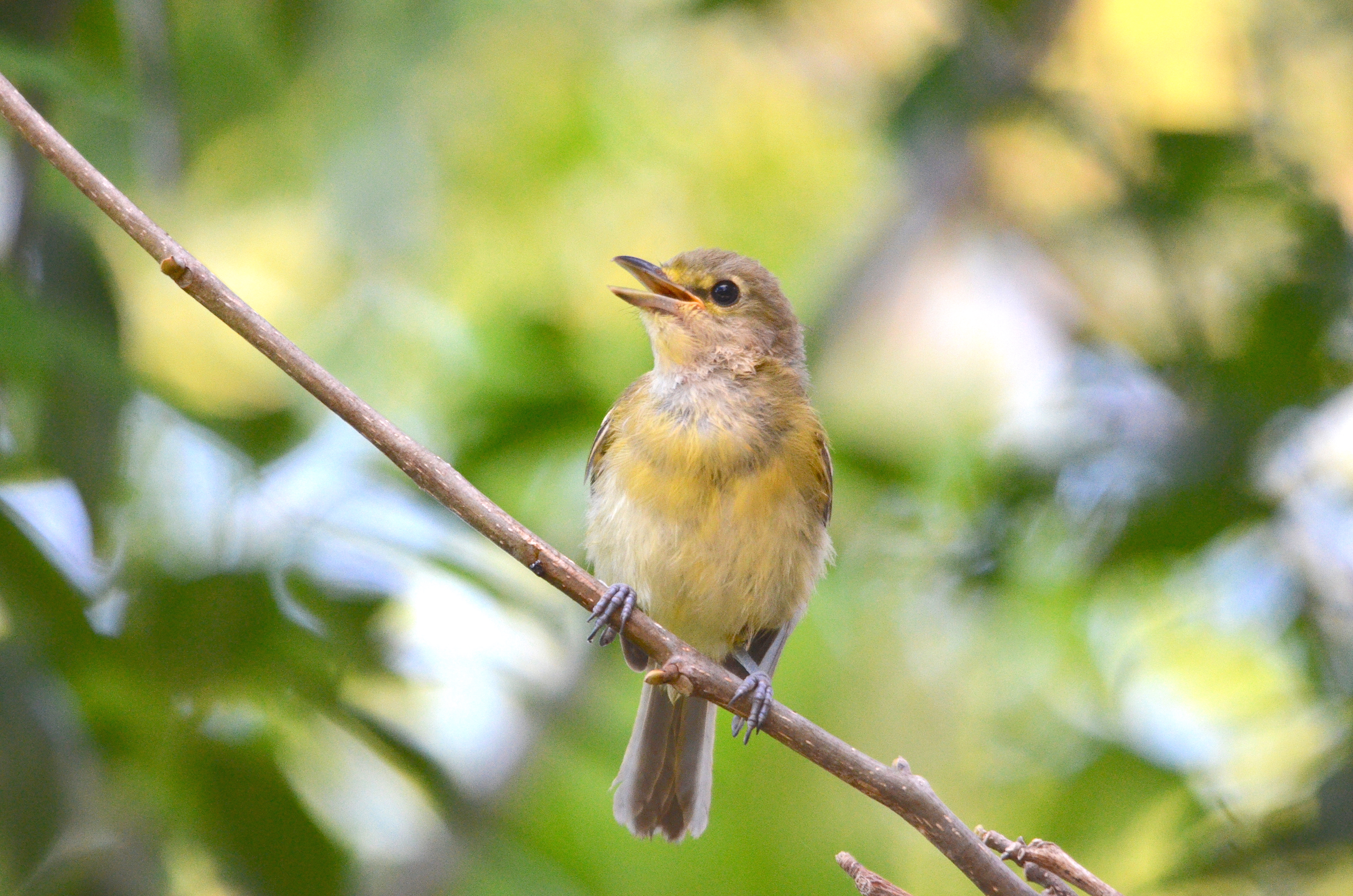
THICK-BILLED VIREO ‘ON VOCALS’: A CHIRPY JUVENILE ON ABACO


Thick-billed Vireo (juv), Abaco - Charles Skinner

THICK-BILLED VIREO ‘ON VOCALS’: A CHIRPY JUVENILE ON ABACO

I’m not sure that TBVs would rank as anyone’s all-time favourite bird. Probably not in the top 10. Or 20. But we have a particular affection for them. When we first arrive at Delphi, that cheerful call is invariably the first birdsong we hear. And when we leave, it’s often the last. These small birds inhabit the coppice on either side of the drive, and are often found right by the the Lodge.

Thick-billed Vireo (juv), Abaco - Charles Skinner

The strange thing about them is that despite their ubiquity and their uninhibited advertising of their presence, they are surprisingly hard to see, let alone get a clear photograph of. A singing TBV often seems to be at least 2 rows of bush further back than it sounds, concealed by intervening branches, leaves, and twigs.

Thick-billed Vireo (juv), Abaco - Charles Skinner

Maybe growing juveniles are less cautious. This little guy is right out in the open, and singing away happily. He’s still cutely fluffy, but his plumage already starting to turn yellow. He has the diagnostic yellow marking in front of and around the eyes. However at the base of his characteristically plump beak there’s still a hint of baby bird mouth.

Thick-billed Vireo (juv), Abaco - Charles Skinner

Here’s a recording of an adult TBV I took from the Delphi drive (you may need to turn up the volume a bit). And no, I couldn’t actually see the bird, though I knew exactly where it was from the slight movements of foliage. All-in-all, the TBV is a most engaging little bird and well-deserving of affection if not perhaps a high placing in the Avian Popularity Charts…  

Thick-billed Vireo (juv), Abaco - Charles Skinner

All photos by Charles Skinner (a significant contributor to The Birds Of Abaco)

Unknown's avatar

BAHAMA MOCKINGBIRDS ON ABACO: GOOD IMPRESSIONS


Bahama Mockingbird, Abaco - Tom Sheley

BAHAMA MOCKINGBIRDS ON ABACO: GOOD IMPRESSIONS

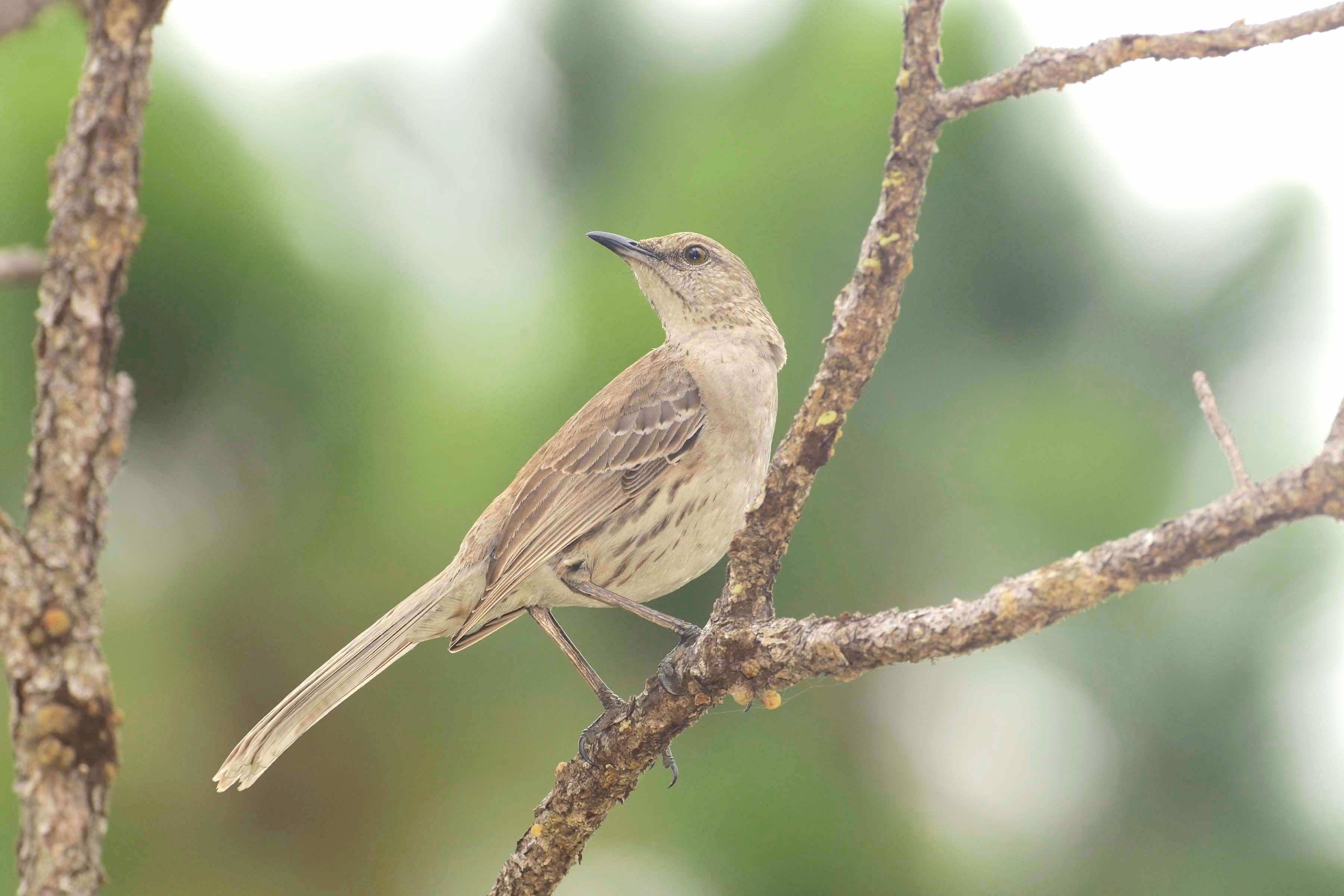
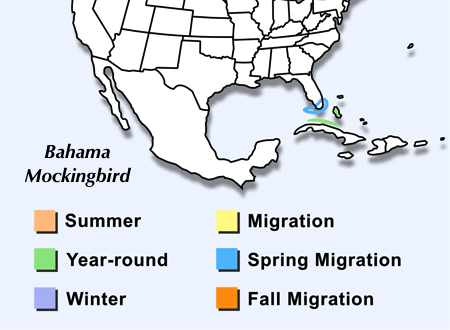
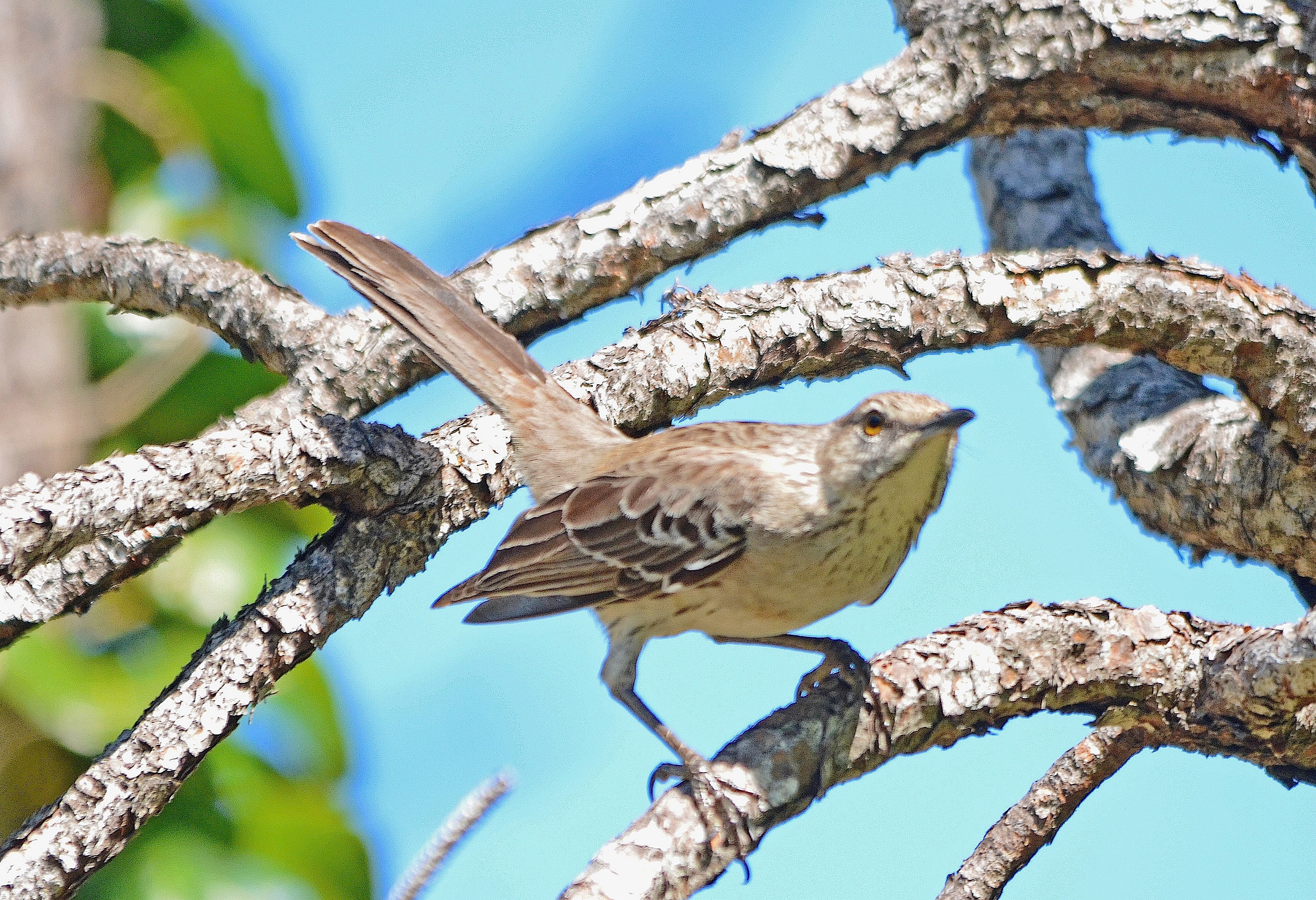
The Bahama Mockingbird Mimus gundlachii is similar to its slightly smaller cousin, the widespread Northern Mockingbird Mimus polyglottis. The range of Bahama Mockingbirds is not restricted to the Bahamas themselves, and includes areas of  Cuba, Jamaica and TCI, so despite the name they are not an endemic species to the Bahamas.  They are also occasional vagrants to the United States, especially – for reasons of proximity – southeastern Florida.

Bahama Mockingbird, Abaco - Peter Mantle

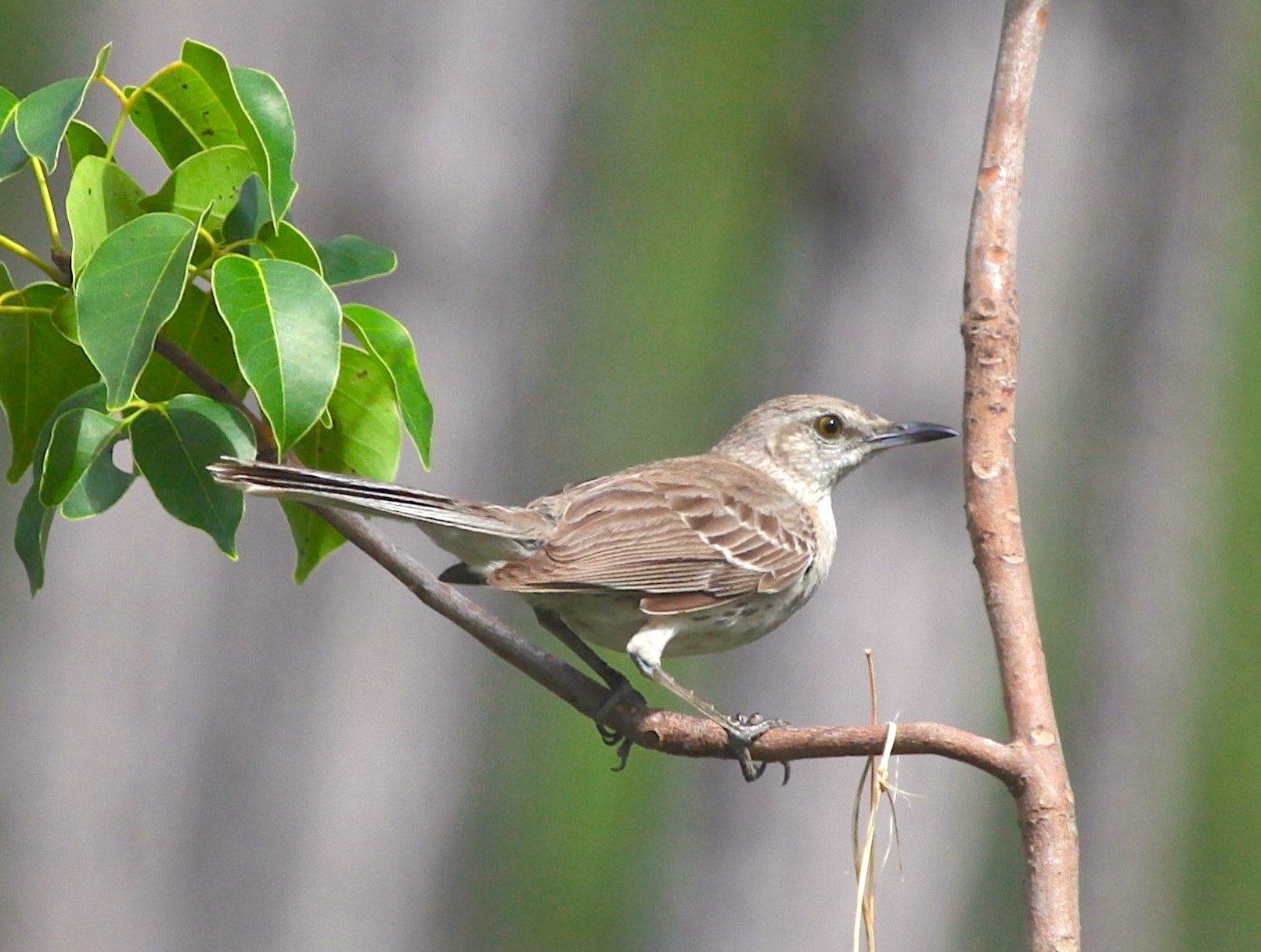
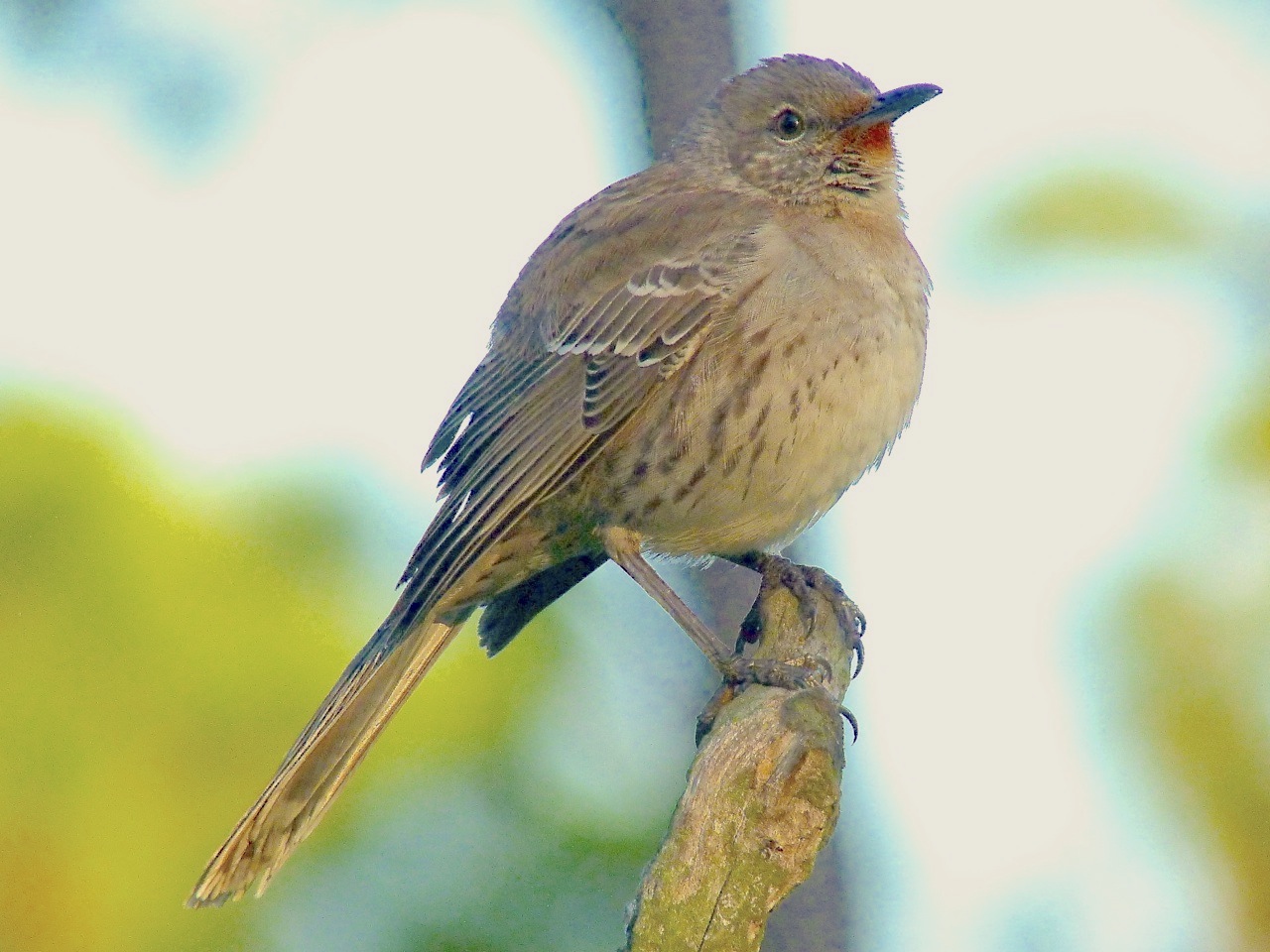
The Bahama Mockingbird is browner than the greyish Northern Mockingbird, and has distinctive streaking and spotting to its breast and undercarriage. This may extend to what you might describe as the bird’s ‘trouser legs’, though I’m sure there’s a more technically correct term.

Bahama Mockingbird, Abaco - Charlie Skinner

Both mockingbird species are found on Abaco. The NMs are ubiquitous in towns, settlements, gardens, coppice and pine forest, whereas BMs are shyer and tend to be found in the pine forest and well away from humans and their operations. When we were putting together The Birds of Abaco, I went on a birding trip with Abaco birding legend Woody Bracey and Ohio bird photographer Tom Sheley. We took a truck into the pine forest down a logging track south of Delphi, and they were quick to locate a bird, not least because one was sitting prettily on a branch singing lustily and unmistakably. It was well within range of Tom’s massive lens; more of a struggle for my modest camera (below). Caught the cobwebs, though…

Bahama Mockingbird, Abaco - Keith Salvesen

I was astounded by the beauty and variety of the song. It consisted of very varied notes and phrases, each repeated 3 or 4 times before moving on to the next sounds in the repertoire. Here is a short 18 second example I recorded, using my unpatented iPhone method, for which see HERE.

Bahama Mockingbird, Abaco - Alex Hughes

For those with interest in birdsong, here is a longer 1:13 minute song from the same bird, with largely different sounds from the first recording made minutes earlier. There’s even a decent stab at imitation of a 1960s Trimphone™. Had we not had to move on to Sandy Point for an appointment with some cattle egrets and American kestrels, I could have stayed listening for far longer.

Bahama Mockingbird, Abaco - Tom Sheley

THE ‘SUBSPECIES’ THAT WASN’T…

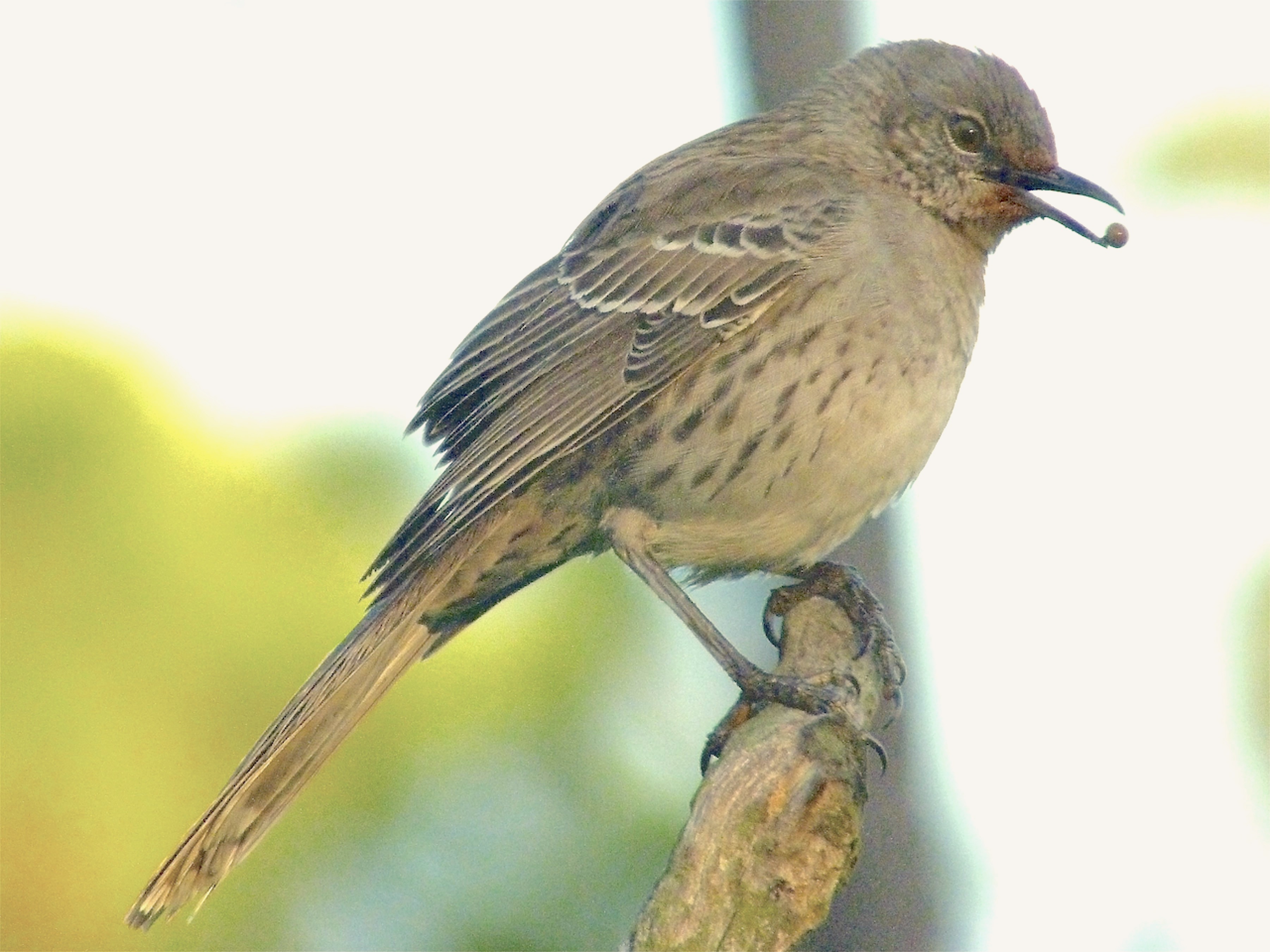
More recently, on a trip in backcountry to find Kirtland’s warblers – we saw 4 – the slow-moving truck jolted to halt in the middle of nowhere. This was because a Bahama Mockingbird was right by the track. I fired off some quick shots out of the window into a rather difficult light, to find that we appeared to have found a new subspecies, the scarlet-faced mockingbird.

Bahama Mockingbird, Abaco - Keith Salvesen

The reason was clear, however. The bird had been pigging out on some red berries, and had managed to collect plenty of the juice round the base of its beak. Bahama Mockingbird, Abaco - Keith Salvesen

SO WHAT DOES A NORTHERN MOCKINGBIRD LOOK LIKE, THEN?

I photographed the Northern Mockingbird below in a garden at Casuarina. The species is far tamer than its cousin, and seen side-by-side they are clearly very different. The range maps show the stark contrast between the very limited range of the Bahama Mockingbird and the vast distribution of the Northern Mockingbird.

220px-Northern_Mockingbird-rangemap

Northern Mockingbird, Abaco 1

Photos Credits: Tom Sheley (1, 6); Peter Mantle (2); Charlie Skinner (3); Keith Salvesen (4, 7, 8, 9); Alex Hughes (5); Susan Daughtrey (10). Range maps eBird & wiki.

Bahama Mockingbird, Abaco - Susan Daughtry

Unknown's avatar

MAGNIFICENT FLYING MACHINES: FRIGATEBIRDS


Magnificent Frigatebirds (m) - Michael Vaughn

MAGNIFICENT FLYING MACHINES: FRIGATEBIRDS

It’s almost exactly one year since I last posted about the Magnificent Frigatebird aka Man-o-War Bird (Fregata magnificens). You can read about their courtship displays, gular pouches, nesting habits, names, uses to mankind (if any), and 10 magnificent facts about them HERE. I’ve included some truncated facts below.

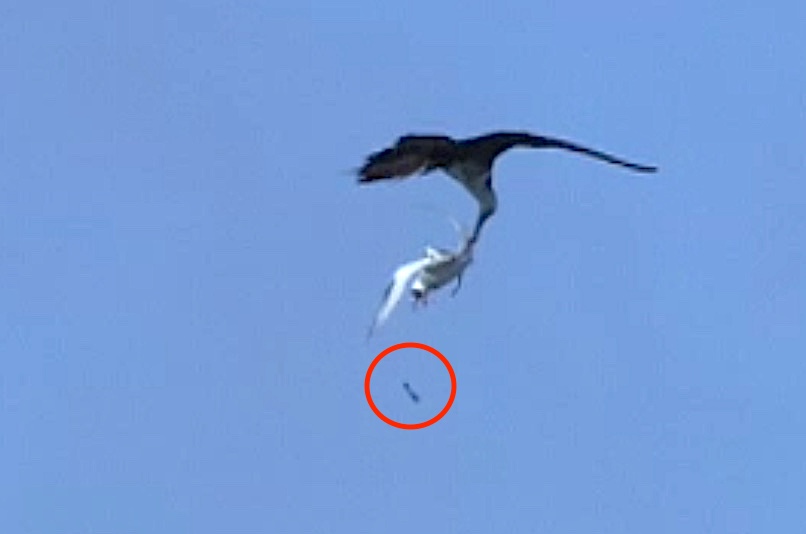
Now is a good time to revisit these wonderful sky pirates, for 2 reasons. The first is that photographer Michael Vaughn has produced some outstanding images of the species. The second is that I have just watched a characteristically superb BBC David Attenborough prog showing frigatebirds robbing tropicbirds of fish – despite them being lodged in the tropicbirds’ throats (for safekeeping…). Here’s the link to the sequence.

     CLICK LOGO TO VIEWmagnificent-frigatebird

Film clip: MF has TB by the leg & shakes it until the fish  (circled) drops outMagnificent Frigatebird steals fish from Tropicbird (BBC clip)

magnificent-frigatebird

A MAN-O-WAR GALLERY

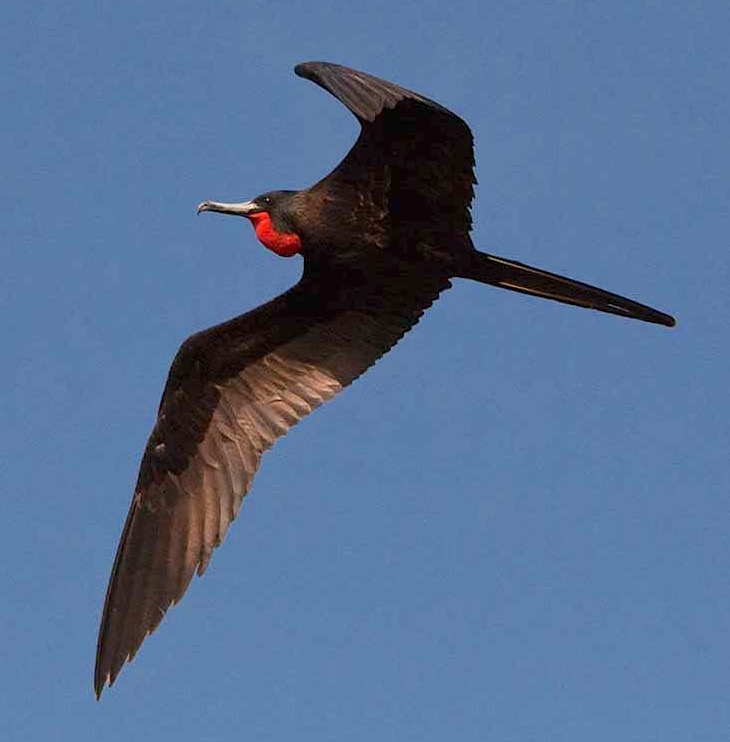
A male in flight (a most unusual shot, taken from above)Magnificent Frigatebird (m) - Michael Vaughn

Juveniles being delinquentMagnificent Frigatebirds (juv) - Michael Vaughn

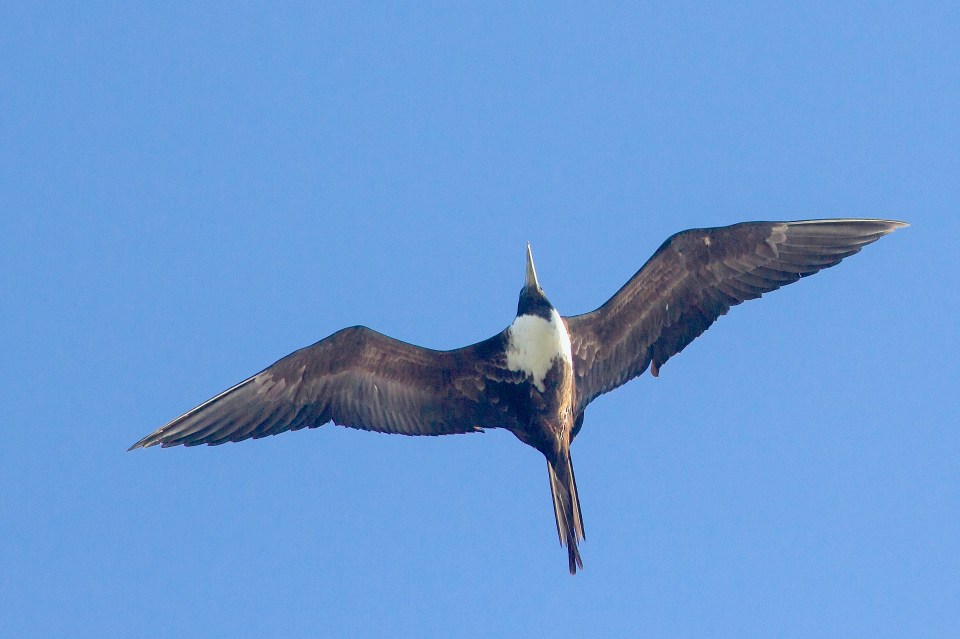
A female in flight: the white front is the invariable distinguishing featureMagnificent Frigatebird (f) - Michael Vaughn

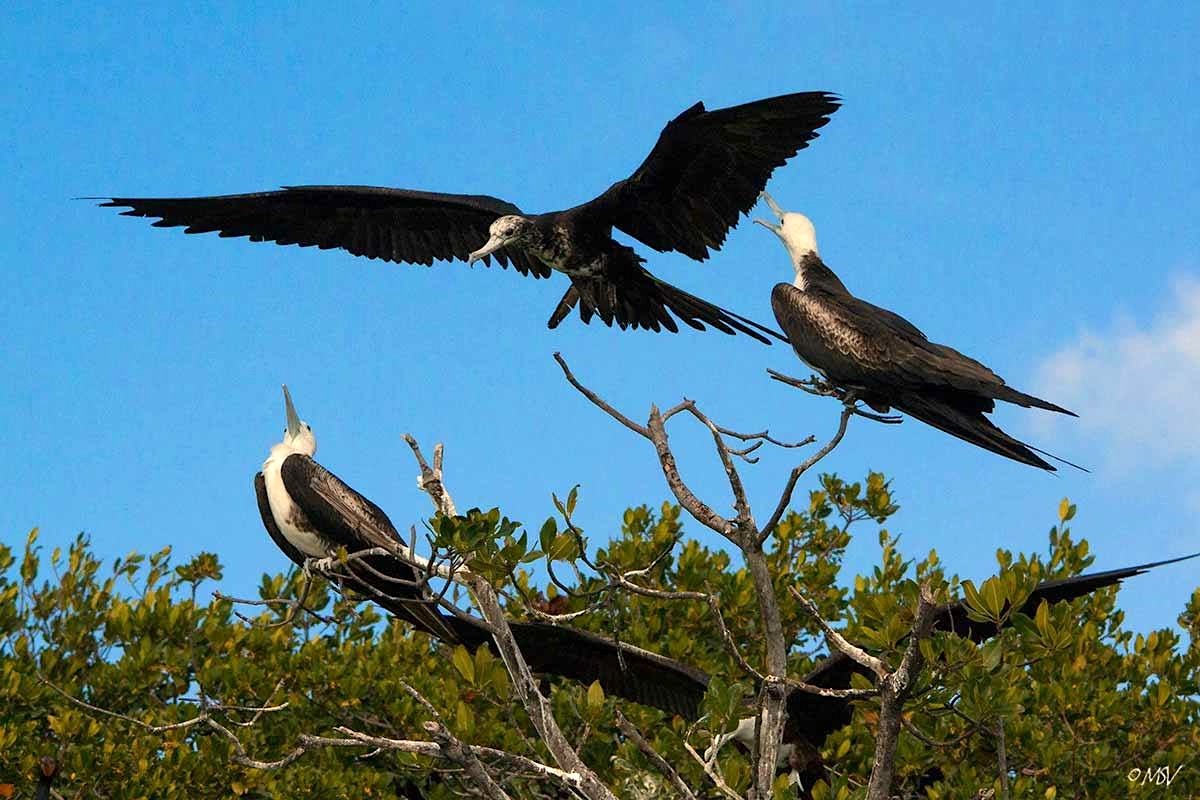
Maybe a bit of rivalry going on here….?Magnificent Frigatebird (f) - Michael Vaughn

magnificent-frigatebird

10 MAGNIFICENT FACTS ABOUT FRIGATEBIRDS

  • The largest of several frigatebird species around the world
  • Found in tropical and subtropical waters
  • Females have white fronts – easily distinguishable from males in flight
  • Adult wingspan is 7+ feet = largest wing-area / bodyweight ratio of any bird
  • Can remain in flight and far out to sea for many days
  • KLEPTOPARASITES – will rob other seabirds of their food
  • Diet: mainly fish & squid from the water’s surface; seabird chicks
  • Nest in colonies, producing a single egg every other season
  • Don’t land on water, as they can’t float; and feeble at walking on land
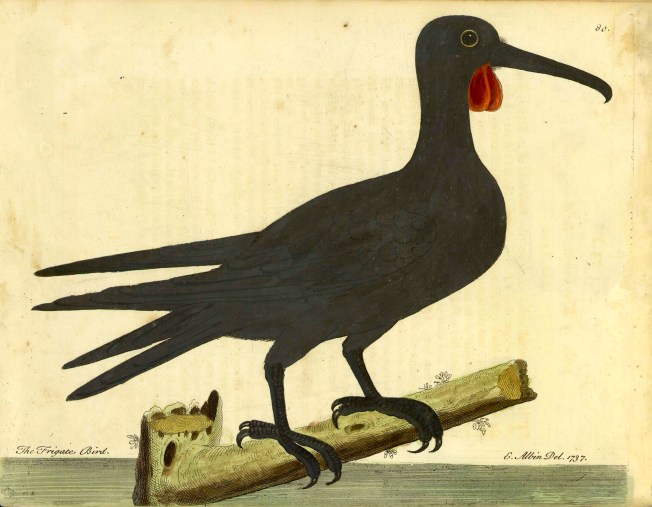
  • One of the earliest depictions of a frigatebird is by Eleazar Albin in 1737. He was a naturalist contemporary of MARK CATESBY & pre-dated AUDUBON

Albin’s Magnificent FrigatebirdFrigatebird_Eleazar_Albin_1737

Audubon’s Magnificent FrigatebirdAudubon Frigatebird

Magnificent Frigatebird (m) - Michael Vaughn

Credits: Michael Vaughn for all photos; cartoon from Birdorable; Mr Albin and Mr Audubon for ornithological awesomeness; TV CLIP bbc.co.uk  © copyright 2009 BBC

Magnificent Frigatebird (m) - Michael Vaughn

Unknown's avatar

SANDERLINGS: BATH TIME FUN AT DELPHI, ABACO


Sanderling Bath Time, Delphi Beach Abaco Bahamas - Keith Salvesen

SANDERLINGS: BATH TIME FUN AT DELPHI, ABACO

One of the pleasures of watching birds (as opposed to BIRDWATCHING, a more committed-sounding enterprise with its own Wiki entry, that may require equipment, books & mag subs…) is to spend some time observing them enjoying themselves. Perhaps you have a feeder, and like to watch the birds getting stuck into the seeds, carelessly flicking the husks around and throwing their ‘feeder shapes’ on the perches. Maybe you like to see the hummers, beaks deep into the little red plastic flowers on the rim of the sugar-water feeder, tiny bodies motionless and upright, wings a glistening blur of rapid movement in the sun. 

Sanderling Bath Time, Delphi Beach Abaco Bahamas - Keith Salvesen

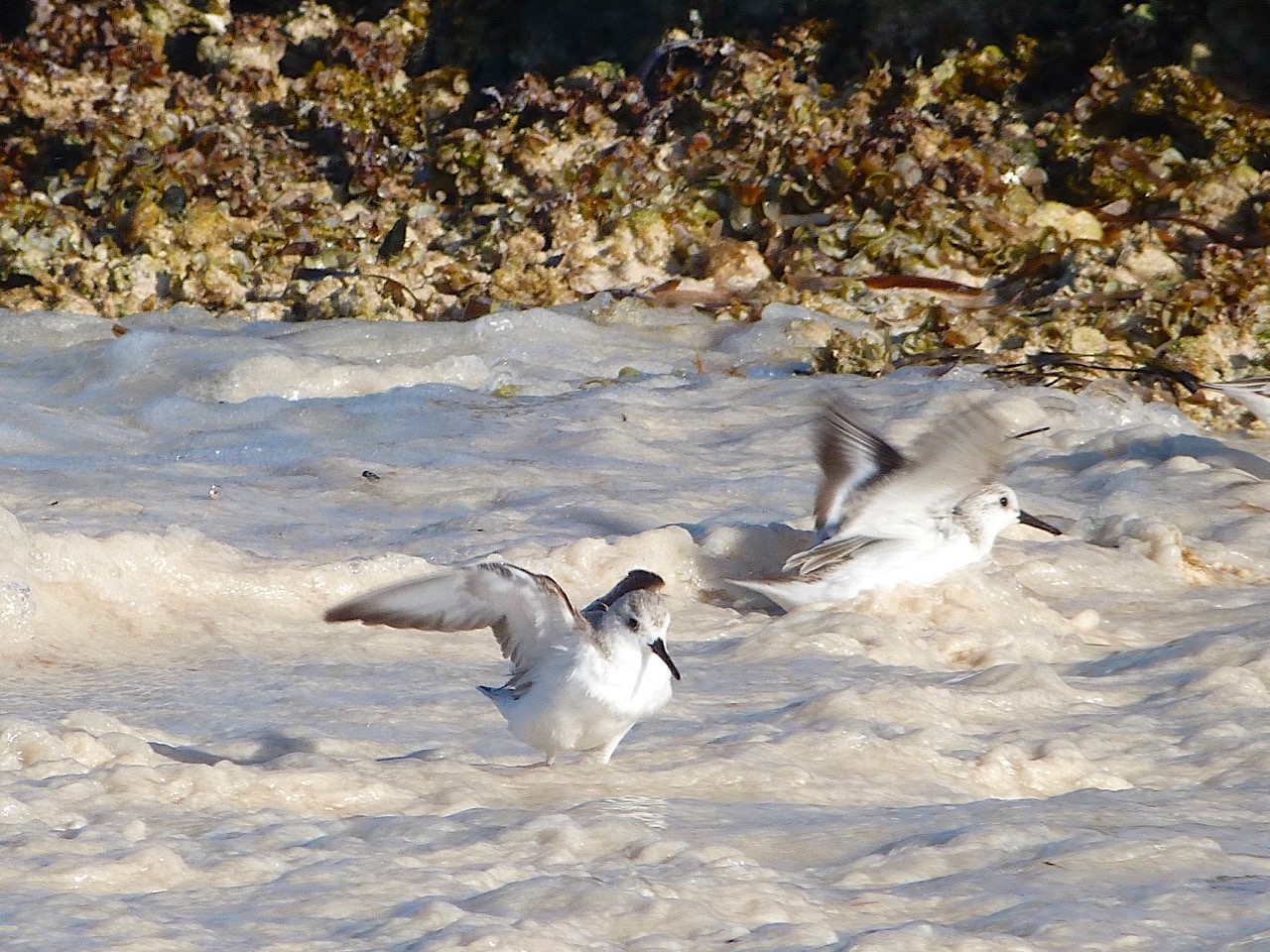
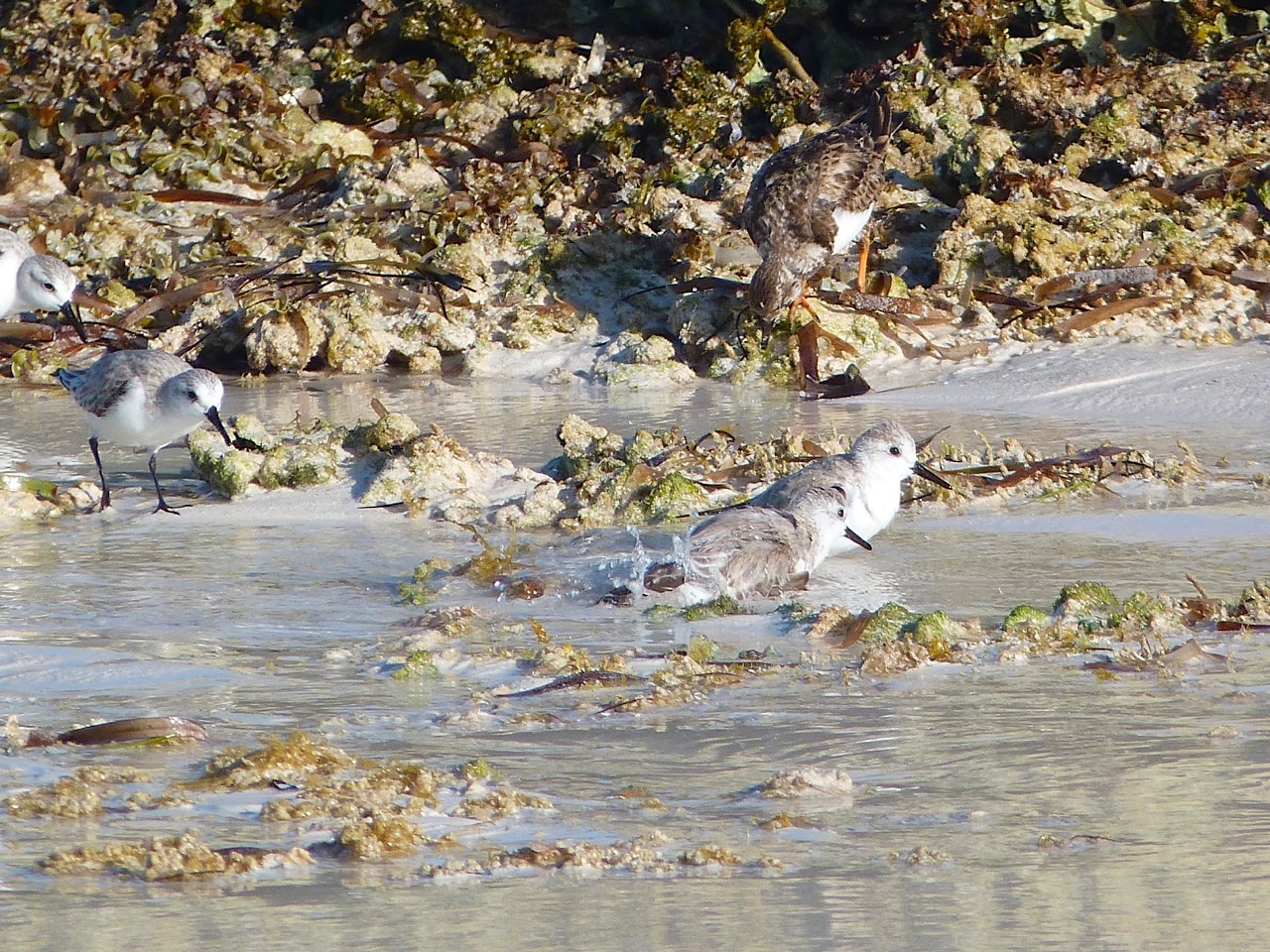
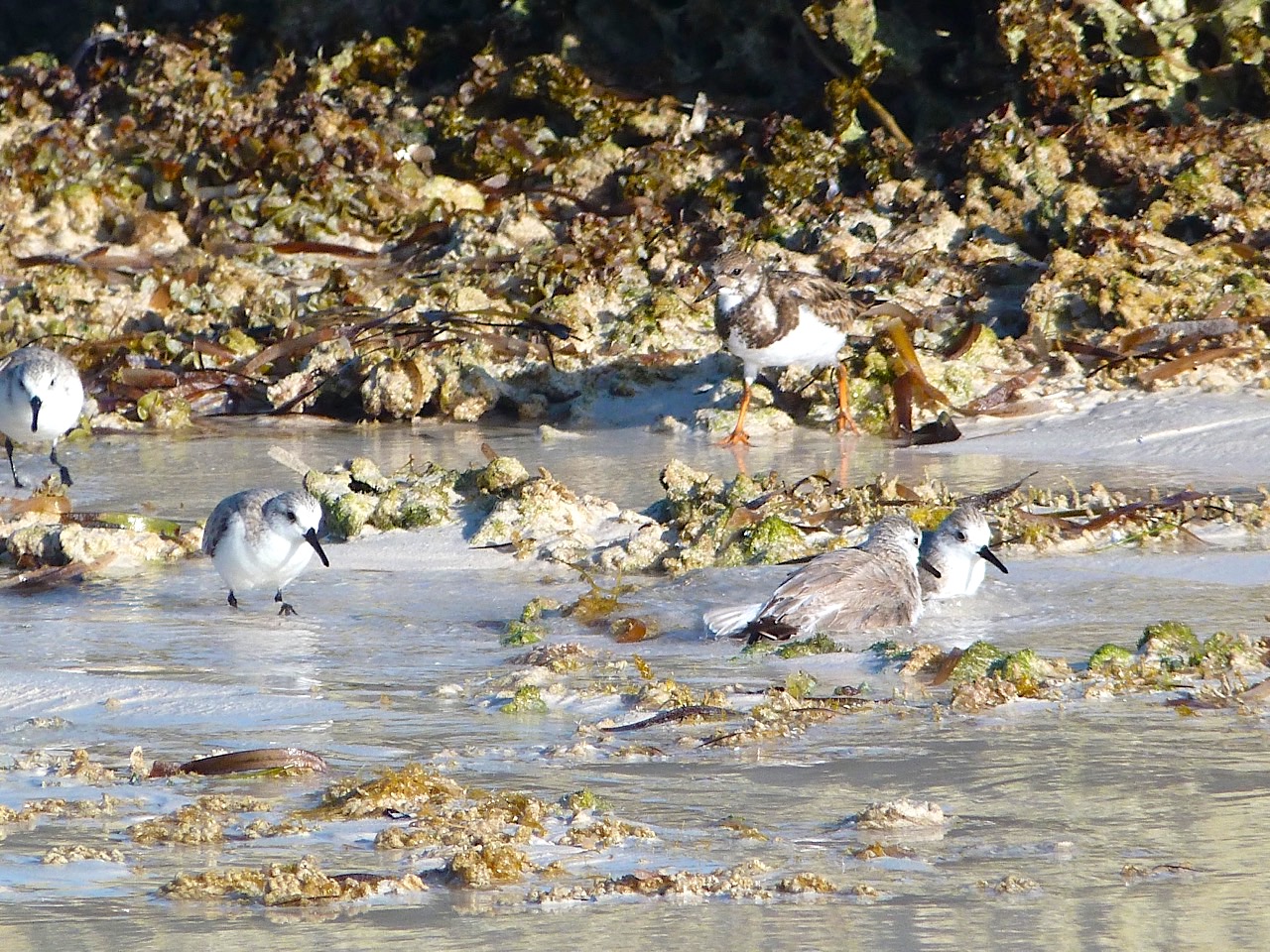
Well, join me at Sanderling Bath Time on the Delphi Beach. We are the north end, where the exposed rocks of the reef curve round towards the beach. At low tide, there’s a sandbar bridge from beach to rocks. It is a perfect feeding area for shore birds. Sanderlings, ruddy turnstones, least sandpipers, Wilson’s plovers and the prized piping plovers forage happily together here.

Sanderling Bath Time, Delphi Beach Abaco Bahamas - Keith Salvesen

Towards mid-tide on the rise, the water begins to creep round the rocks and encroach onto the sandbar. At high tide, it is well under water and fish are back in residence. Small sharks sometimes hang in the waves just behind their breaking point over the shallow sand.  And so the tidal process repeats. But ± mid-tide is the time for the shore birds to bathe in the tidal pools that form – and become frothier as the water pours in. And it’s an excellent time to sit peacefully on the beach and watch the entertainment…

Sanderling Bath Time, Delphi Beach Abaco Bahamas - Keith SalvesenSanderling Bath Time, Delphi Beach Abaco Bahamas - Keith Salvesen

Substantial immersion is not out of the question…Sanderling Bath Time, Delphi Beach Abaco Bahamas - Keith SalvesenSanderling Bath Time, Delphi Beach Abaco Bahamas - Keith SalvesenSanderling Bath Time, Delphi Beach Abaco Bahamas - Keith Salvesen

These moments don’t last long. Soon the increasing force and height of the water spoils the fun, and the flock will suddenly take flight and move south a little way along the beach, away from the rocks. There’s the incoming tideline to play with – and more importantly, food to be uncovered with each incoming and retreating wave…Sanderling Bath Time, Delphi Beach Abaco Bahamas - Keith Salvesen

All photos © Rolling Harbour

Unknown's avatar

“THE DELPHI CLUB GUIDE TO THE BIRDS OF ABACO” (2016)


Delphi Club Guide to the Birds of Abaco (Jacket)

“THE DELPHI CLUB GUIDE TO THE BIRDS OF ABACO”

In a box in the corner over there – no, there – are my last 6 copies of ‘The Birds of Abaco’. Peter Mantle probably has a few over here in the UK too. And there are definitely some remaining at Delphi HQ in a cupboard  just a few lurches away from the surprisingly popular ‘honesty bar’. But there aren’t a great many left now, so forgive me for drawing attention to the fact that the Season of Goodwill is upon us. And… ahem… there are only 24 more ‘sleeps’ until Christmas. 

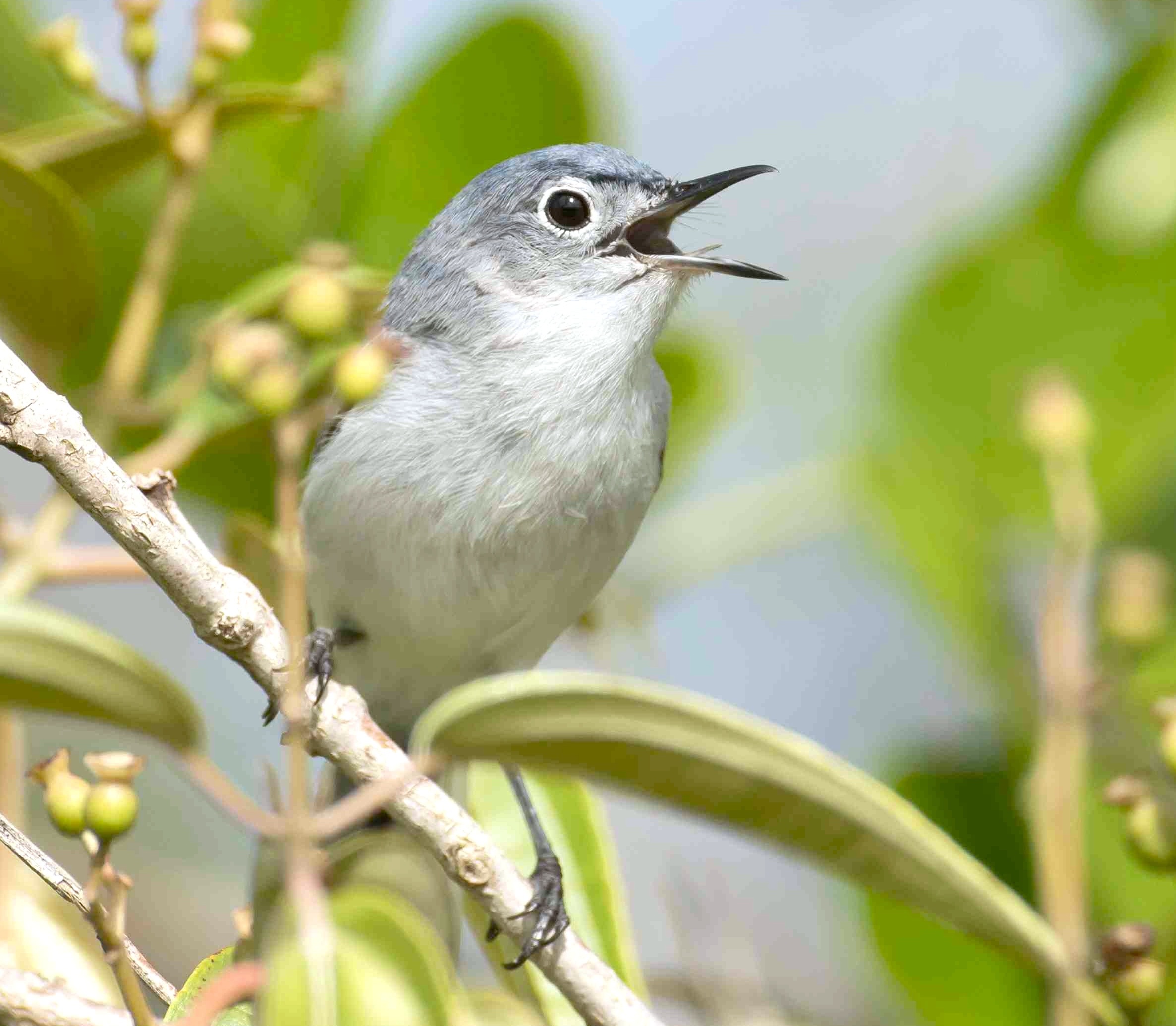
Blue-gray Gnatcatcher vocalizing.Abaco Bahamas.6.13.Tom Sheley aBlue-gray Gnatcatcher Tom Sheley

“The Delphi Club Guide to THE BIRDS OF ABACO” was published in March 2014. To say “I wrote it” would be a gross distortion of the truth: it was an entirely collaborative project. The originator of the idea – as with the entire Delphi Club project – was Peter Mantle, the publisher. The work of 30 photographers is included. There was huge input from the very experienced project manager and from Bahamas bird experts. So although my name is on the cover, it is as a participant representing the contributions, camera skills and brainpower of many people.

Cuban Emerald Hummingbird, Delphi, Abaco (Keith Salvesen)Cuban Emerald (f) Keith Salvesen

The book launched to generous enthusiasm and support both on Abaco and beyond, which has continued ever since. We have been astonished by the positive responses to this unique publication for the Bahamas. There is a wider purpose to the book than as a photographic showcase for Abaco birds. All Abaco schools, colleges, libraries and local wildlife organisations have been given free copies for educational purposes. And a percentage of the profits is set aside for local wildlife causes. 

Abaco Parrot, Abaco Bahamas (Peter Mantle)Abaco (Cuban) Parrots Peter Mantle

Below are some facts and stats. Some people may well have seen these set out elsewhere, but a lot of new people have kindly tuned in to Rolling Harbour in the last 12 months or so, so I will repeat some of the details.

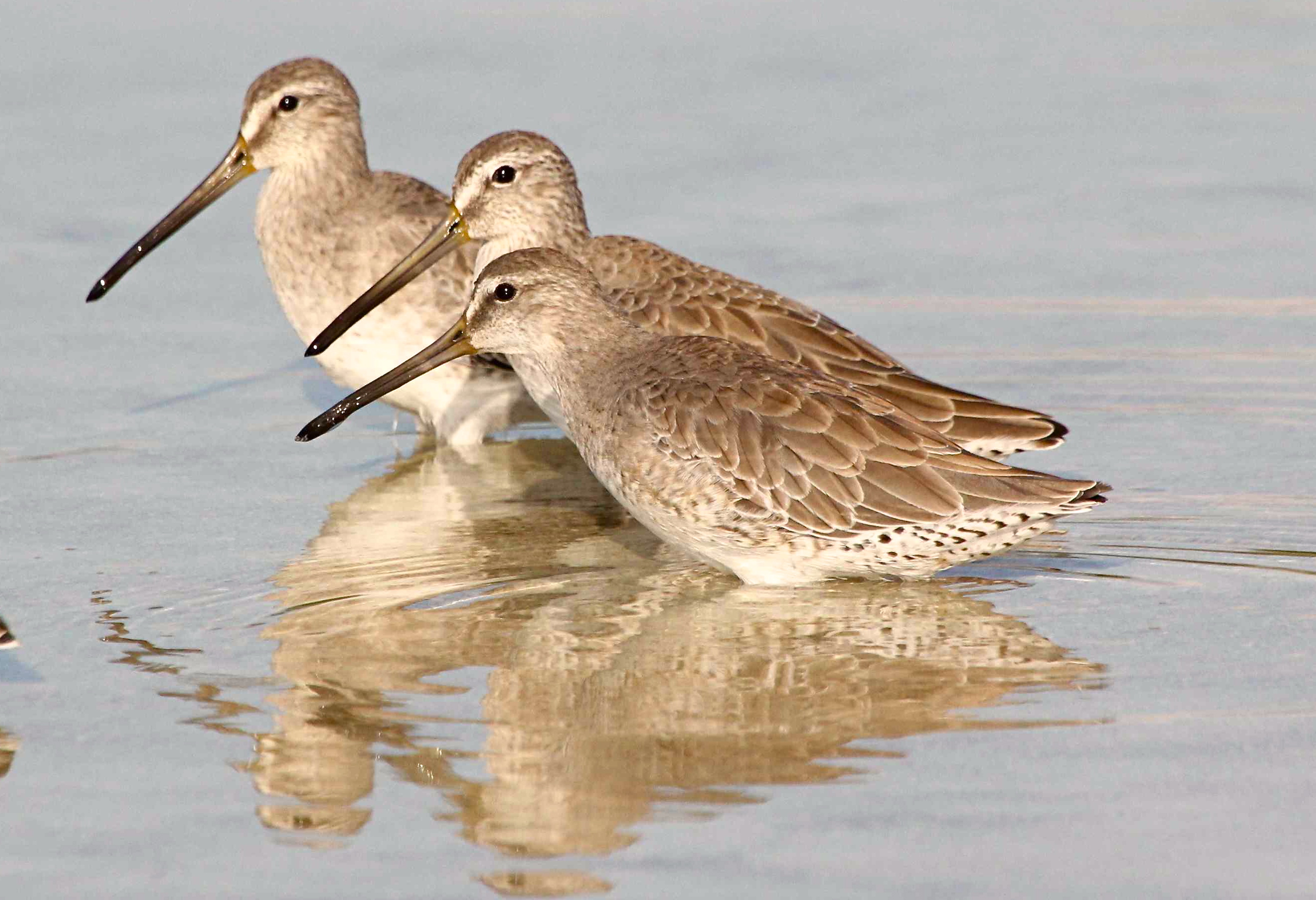
Short-billed Dowitcher, Abaco (Bruce Hallett)Short-billed dowitchers Bruce Hallett

The Guide showcases the rich and varied bird life of Abaco, Bahamas and features both resident and migratory species including endemics rarities and unusual sightings.

The main features are as follows:

  • 272 pages with more than 350 photographs
  • 163 species shown in vivid colour – nearly two-thirds of all the bird species ever recorded for Abaco
  • Every single photograph was taken on Abaco or in Abaco waters
  • All birds are shown in their natural surroundings – no feeders or trails of seed were used
  • Several birds featured are the first ones ever recorded for Abaco or even for the entire Bahamas

Clapper Rail Abaco Bahamas Tom SheleyClapper Rail Tom Sheley

  • A total of 30 photographers, both experienced and local amateurs, contributed to the project
  • The book had the generous support of many well-known names of Abaco and Bahamas birding
  • A complete checklist of every bird recorded for Abaco since 1950 up to the date of publication was compiled specially for the book (6 new species have been recorded since then…)
  • A code was devised to show at a glance when you may see a particular bird, and the likelihood of doing so. Birds found at Delphi are also marked
  • Specially commissioned cartographer’s Map of Abaco showing places named in the book

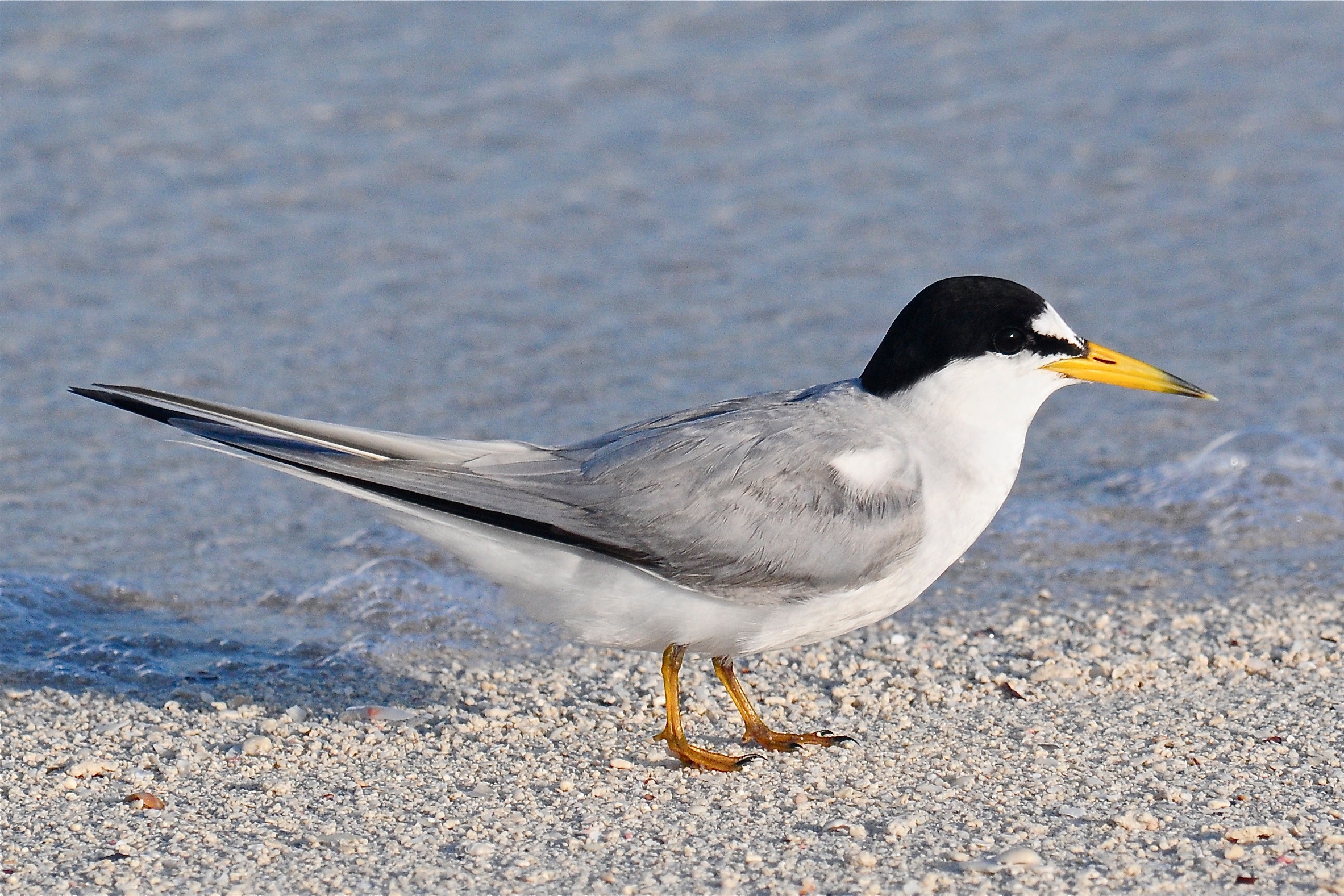
Least Tern, Abaco (Tony Hepburn)Least Tern Tony Hepburn

  • Informative captions intentionally depart from the standard field guide approach…
  • …as does the listing of the birds in alphabetical rather than scientific order
  • Say goodbye to ’37 warbler species on consecutive pages’ misery
  • Say hello to astonishing and unexpected juxtapositions of species

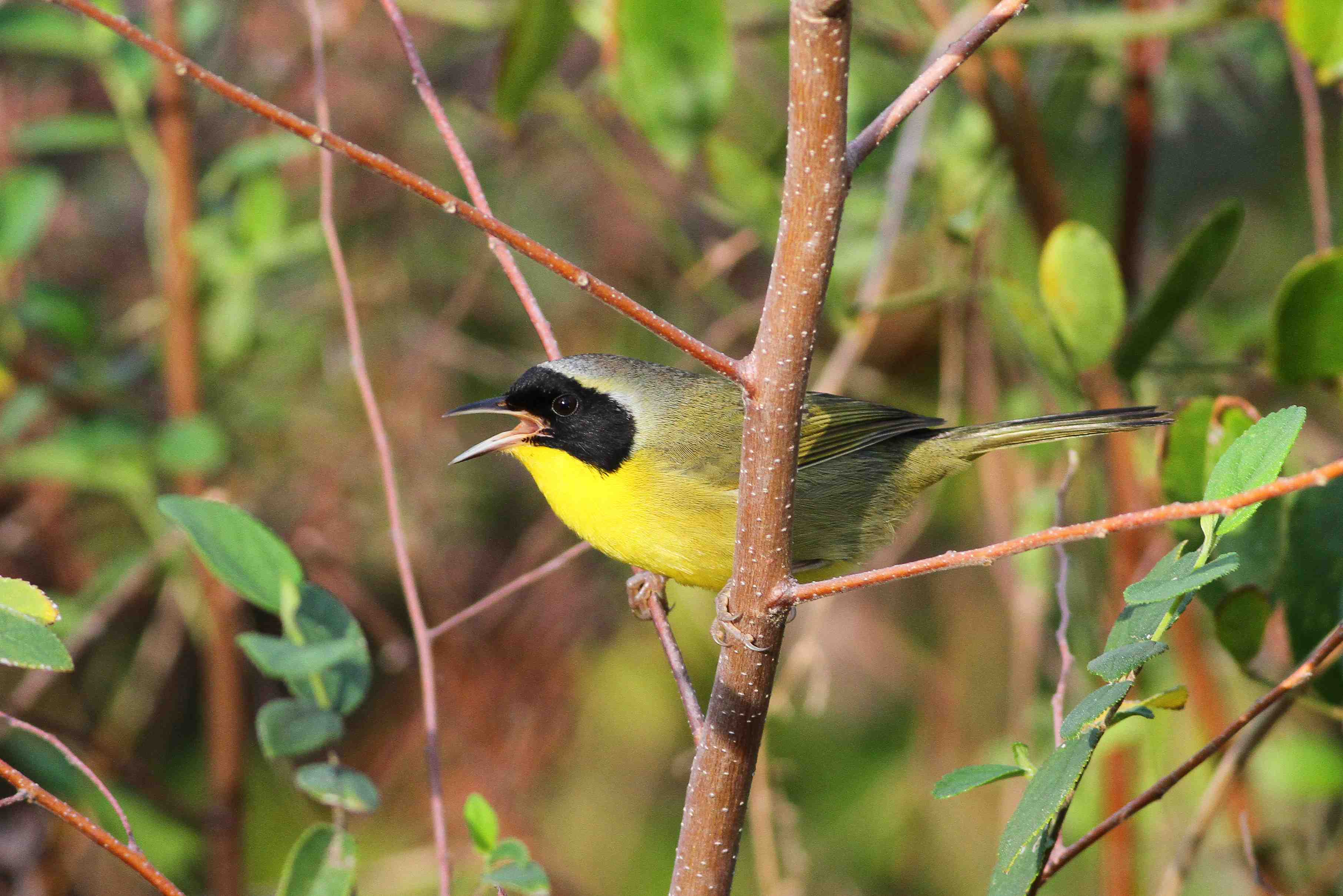
Abaco_Bahama Yellowthroat_Gerlinde Taurer copyBahama Yellowthroat Gerlinde Taurer

  • The book was printed in Florence, Italy by specialist printers on Grade-1 quality paper
  • Printing took pairs of printers working in 6 hour shifts 33 hours over 3 days to complete
  • The project manager and the author personally oversaw the printing 

Smooth-billed Ani pair, Abaco (Gerlinde Taurer)Smooth-billed Anis Gerlinde Taurer

  • The book is dedicated to the wildlife organisations of Abaco
  • A percentage of the profits is put by for the support of local wildlife organisations
  • A copy of the book has been presented to every school, college and library on Abaco

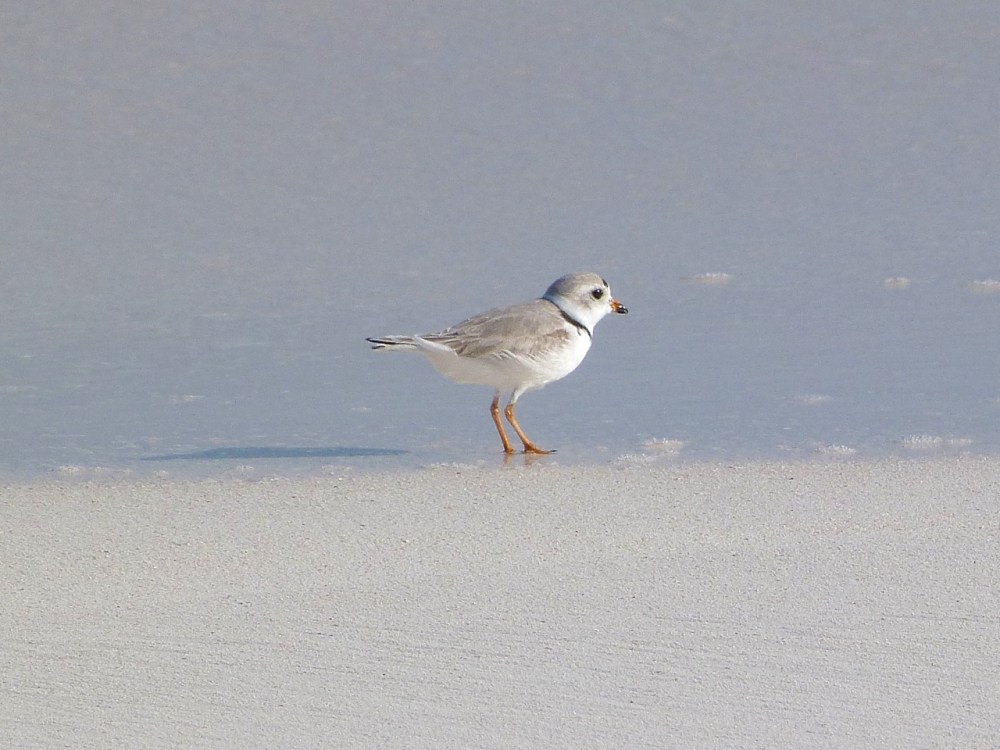
Piping Plover, Abaco - Bruce HallettPiping Plover Bruce Hallett

The book is published by the Delphi Club (contact details below). The project was managed by a publishing specialist in art books. The author is the wildlife blogger more widely known on Abaco and (possibly) beyond as ‘Rolling Harbour’. Oh! So that would in fact be Mrs Harbour and myself. Well well! What were the chances? 

Painted Bunting male.Abaco Bahamas.Tom SheleyPainted Bunting Tom Sheley

The Delphi Club at Rolling Harbour
PO Box AB-20006, Marsh Harbour, Abaco, Bahamas
Tel: +1-242-366-2222
General Manager – Max Woolnough: +1-242-577-1698
delphi.bahamas@gmail.com

Or email rollingharbour.delphi@gmail.com with any queries or comments

American Oystercatcher, Abaco - Tom SheleyAmerican Oystercatcher Tom Sheley

Photos: Tom Sheley,  Bruce Hallett, Gerlinde Taurer, Tony Hepburn, Peter Mantle, Keith Salvesen

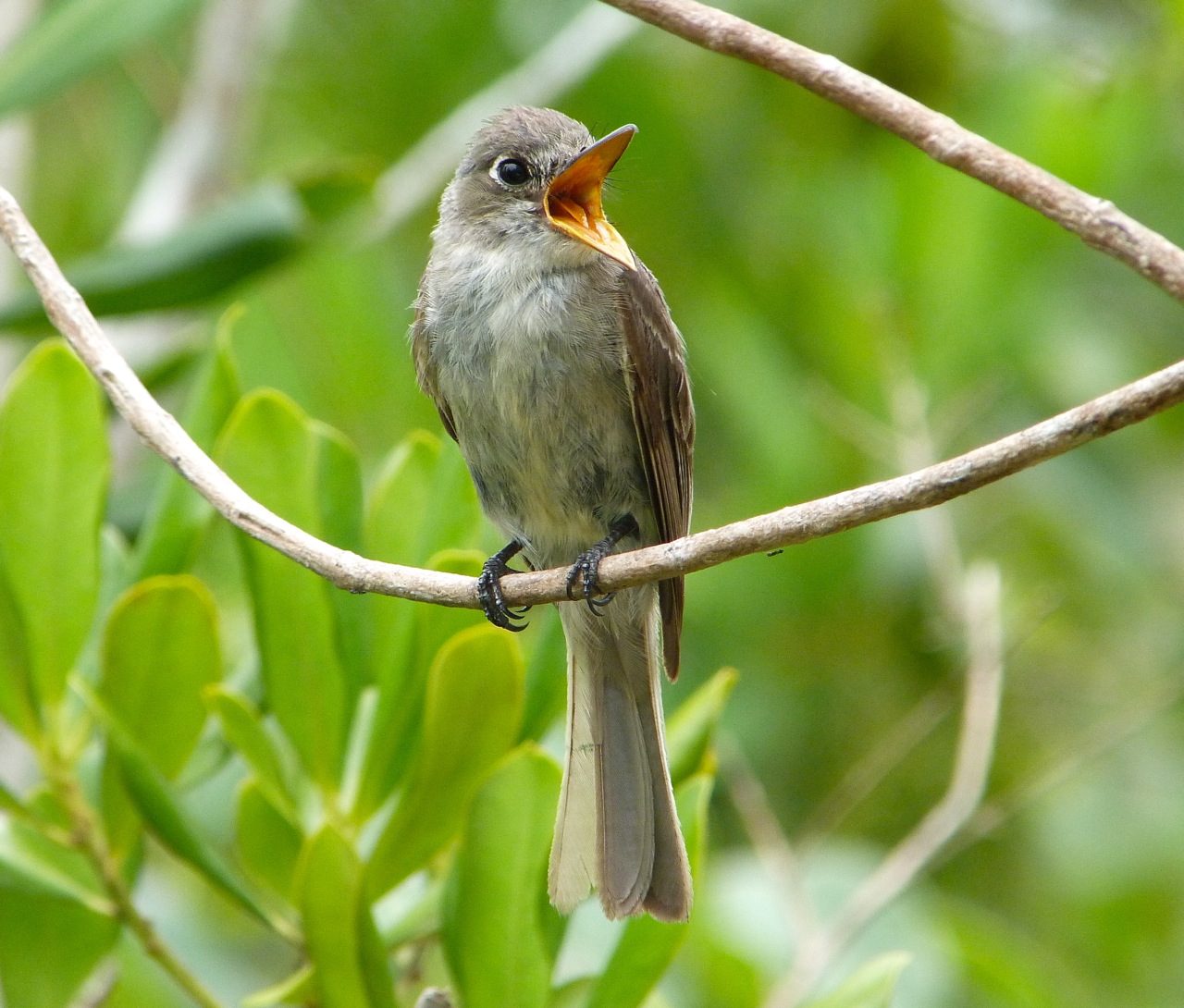
Cuban (Crescent-eyed) Pewee, Delphi, Abaco (Keith Salvesen)Cuban Pewee Keith Salvesen

USEFUL LINKS

DELPHI CLUB BAHAMAS

ABACO BIRDS. COM

ABACO PIPING PLOVER WATCH

The original flyer for the book"Birds of Abaco" flyer

Unknown's avatar

*BIRDWATCHER ALERT* A BIG DAY FOR BIRDS EVERYWHERE!


Sanderling Trio, Delphi Beach, Abaco (Keith Salvesen) 5

Sanderling, Delphi Beach, Abaco

*BIRDWATCHER ALERT* A BIG DAY FOR BIRDS EVERYWHERE!

It’s here again – GBD, the second Global Big Day. A chance for anyone and everyone to participate in a worldwide celebration of birds at just the level you choose.

Global Big Day Flyer (Cornell Lab)

No need to try to cover 100 square miles in a day and record 300 species. Unless you want to, of course. You could as easily spend an hour or two in a garden. In a clearing in the coppice. Down a track in the pine forest. Sitting on the beach with a cooler full of beer. Whatever suits you. 

Western Spindalis, Delphi, AbacoWestern Spindalis, Delphi, Abaco (Keith Salvesen)

As the second Saturday in May, today also happens to be the official IMDB – International Migratory Bird Day – for the U.S. and Canada (the Caribbean is in October – reversed migration routes. Geddit?).
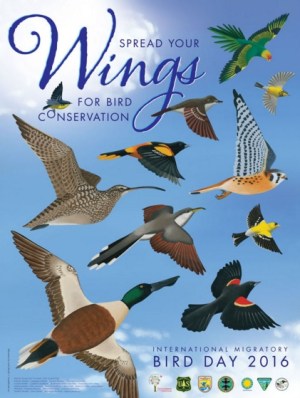
IMBD 2016 poster

However, this post is not primarily about that event, but rather an encouragement to people to join in with some easygoing birding today. And if you happened to want to do it tomorrow, that’s OK too! If you want to send me your checklist (iphone photo should be fine), please do. Or send 2 or 3 best photos, and I’ll post my favourites – though preferably rather than post to my FB page, email to rollingharbour.delphiATgmail.com .

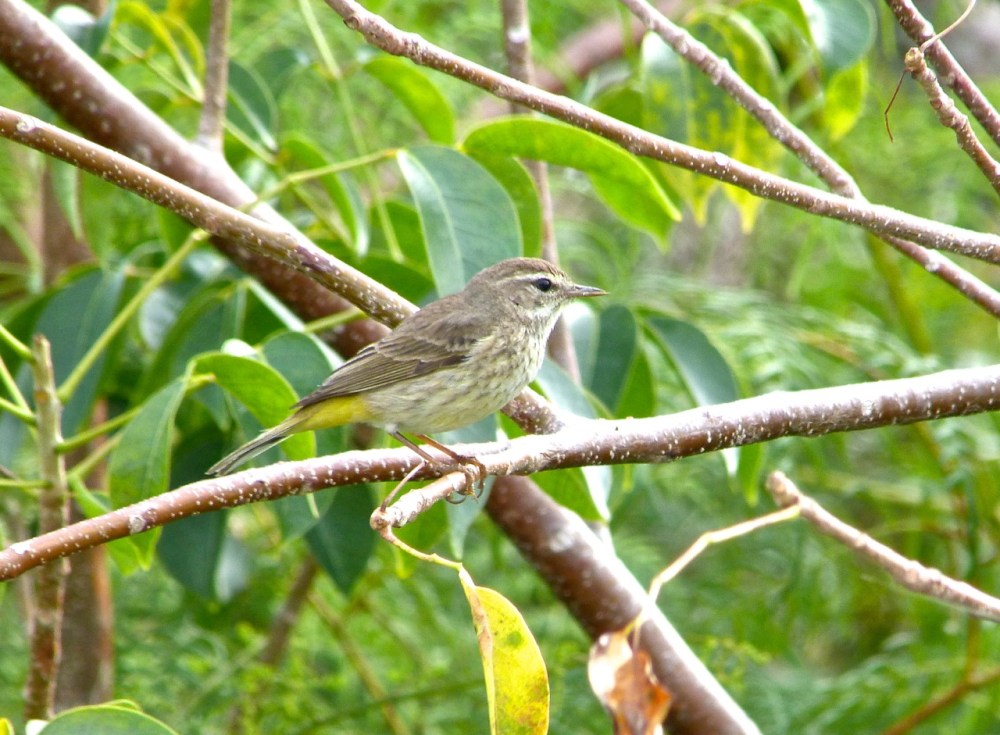
Palm Warbler, Delphi: a migratory warbler. Unlikely to be on Abaco – all hightailed north by nowPalm Warbler, Abaco 3 (Keith Salvesen)
Wherever you happen to be, just take a little time to look for some birds. There are plenty of places you can rule out straight away. Indoors for example. So it means being in the fresh air. And it’s probably best to set an hour or so as a minimum target time to spend on the task.

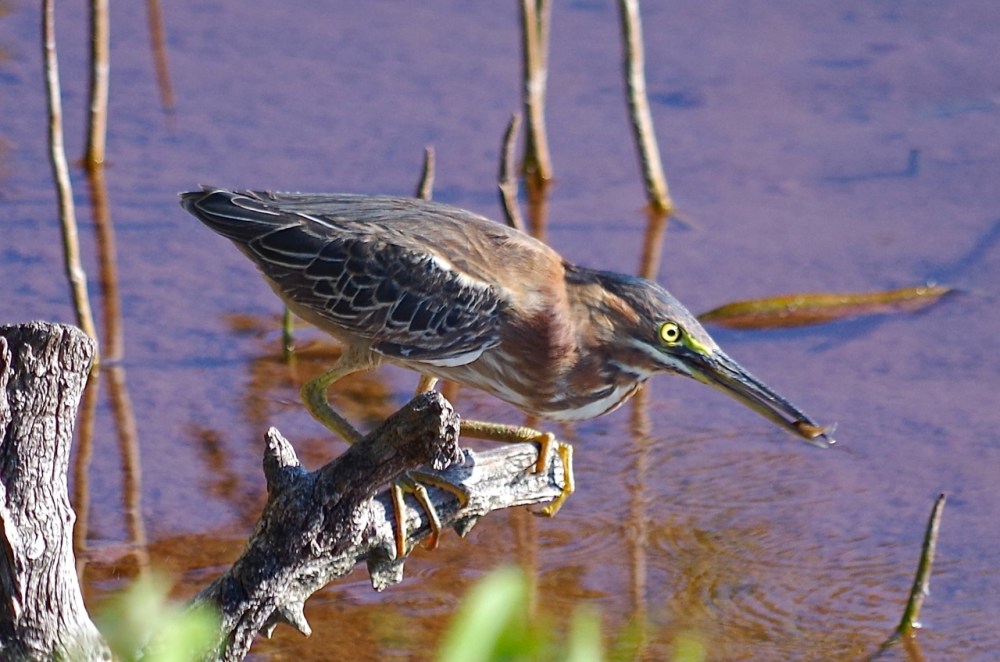
Green Heron hunting (successfully) – Gilpin Point pond, AbacoGreen Heron, Gilpin Point, Abaco (Keith Salvesen)05
WHAT DO I NEED?

Keep it simple. A pen that works. A spare pen just in case. A note book or even a large sheet of paper. Binoculars maybe. Camera if you are that way inclined. Sustenance. Maybe a friend for a joint effort. Possibly a bird book. If you have a North American one, it will help with most of the species you are likely to encounter. 

Antillean Bullfinch, Delphi, AbacoGreater Antillean Bullfinch, Abaco (Keith Salvesen)

In an ideal world you would then upload your checklist officially to eBird by May 17 so that your findings can be included in the global statistics. Or you could pass your record to a local birding group to upload for you. Or just have a bit of fun, why not, and see how many different birds you can find (even if you can’t put a name to them). Last year 268 Caribbean species were recorded. Imagine if one of yours was the only one of its kind to be seen?

Bananaquit, Delphi, AbacoBananaquit, Abaco 2 (Keith Salvesen)

WHY DO IT?

The stats gleaned from this initiative, and others like it (‘Shorebird Day’; ‘Warbler Day’ etc) are a good indicator of the state of health of the bird population both in general and by location. Perhaps an area previously having worrying low numbers for a particular species will show an encouraging upswing, indicating a successful breeding season and  / or effective habitat protection initiatives. Or maybe one species will show an unexpectedly low figure, indicating a need for research and the instigation of protection measures. 

Red-tailed Hawk giving me ‘The Look’Red-tailed Hawk 2 NYC (Keith Salvesen)
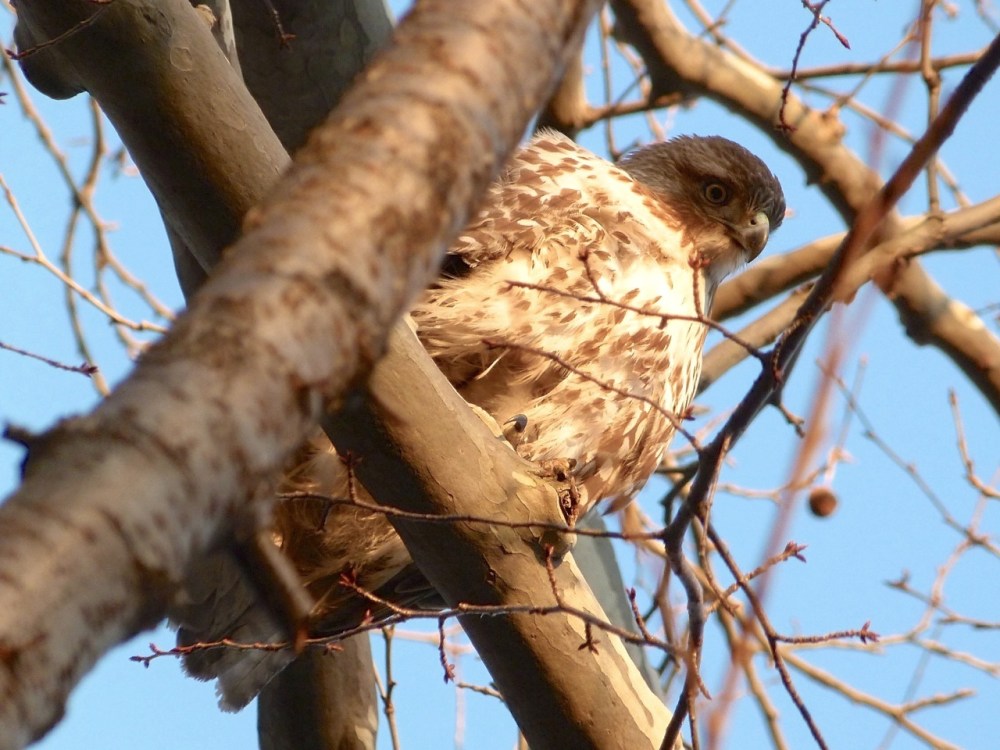
So every return made for every region in the world is significant; and if you can add 20 species to the count, you will be adding to the vast fund of accumulated knowledge that in the long term helps to preserve the birds that surround us.

Let the count begin…

Royal Tern, The Marls, Abaco – taken while fishing. Camera + rod. Cool, huh?)Royal Terns Abaco (2) 2 (Keith Salvesen)
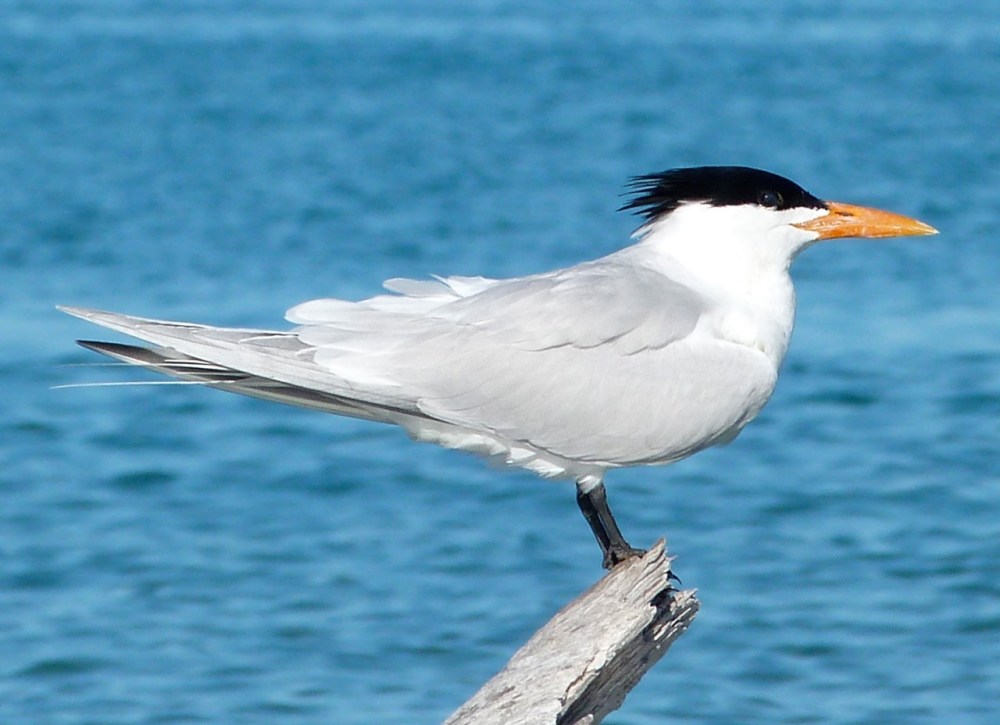
All photos: Keith Salvesen, taken on Abaco (ok, you got me there, not the red-tailed hawk, which is a cheat and was taken in Central Park NYC. Never got this close on Abaco. But I like it anyway)
Unknown's avatar

“ONE OF A KIND”: LIMPKINS ON ABACO


Limpkin, Abaco (Tony Hepburn)
“ONE OF A KIND”: LIMPKINS ON ABACO

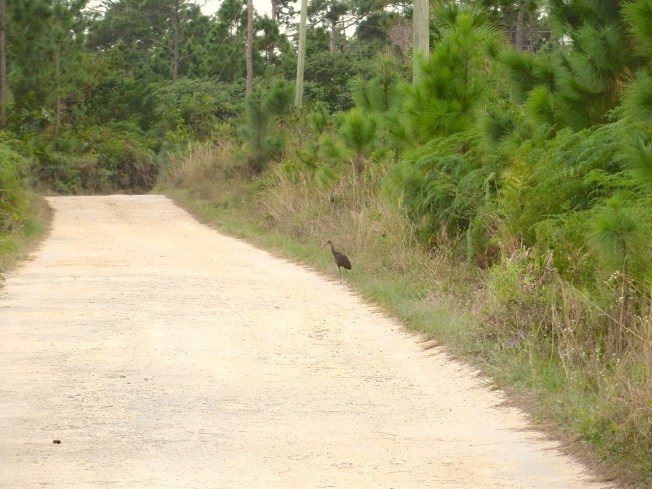
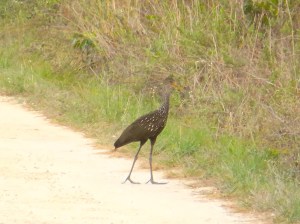
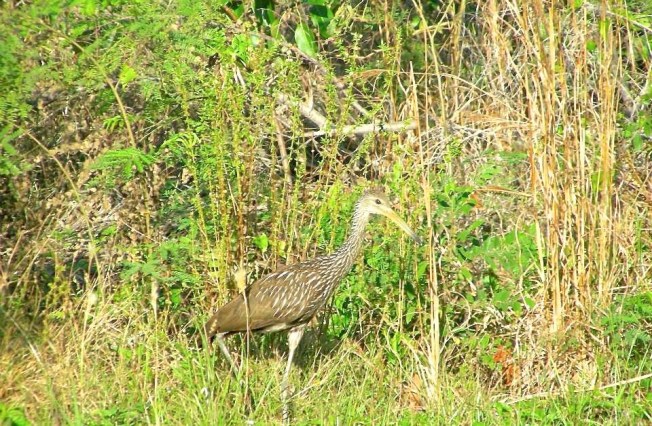
It’s 07.50 and we are trundling up the one-mile Delphi drive towards the highway in a truck towing the skiff for a day of fishing out on the Marls. We are ‘first boat out’, so the driveway has been peaceful for a while. Suddenly, some way ahead, a dark shape detaches itself from the margin of the coppice and steps into the roadway. Large. Dark brown. Kind of awkward looking. Long legs. Long decurved bill. And the bird I’ve been waiting to see for a long time. A limpkin.

My first sighting of one of the Delphi limpkinsLimpkin, Delphi, Abaco (RH) 1

Grabbing the small point ‘n’ shoot I take fishing (far cheaper to drown than an iPh@ne), I leaned out of the open window and fired off some optimistic shoots at the bird, on full (yet feeble) zoom. For what they are worth**, here are a few – and will you look at the toes on the creature!

Limpkin, Delphi, Abaco (RH) 2  Limpkin, Delphi, Abaco (RH) 3Limpkin, Delphi, Abaco (RH) 4  Limpkin, Delphi, Abaco (RH) 6

Limpkins (Aramus guarauna) have lived near the top end of the Delphi drive for several seasons, but they and I have never coincided. I haven’t even heard their weird screaming call. The guides sometimes see them when they first arrive each day, but limpkins are very shy, unsociable birds that keep themselves to themselves. Unless you see them cross a track, you might never notice them. To make matters more difficult, they are mainly “nocturnally and crepuscular”, so they are not generally active during the day.

Limpkin at Gilpin PointLimpkin Gilpin Point, Abaco (Troy Mailis)

ONE OF A KIND

The limpkin is a species of long-billed, long-legged wading bird, and is unrelated to herons, cranes and rails despite appearances. In fact, it has the honour to be the sole member of its taxonomic family. They may be found near ponds, in mangroves, in dense coppice or on the edge of pinewoods. They move jerkily, with a flickering tail and, as with any ID-cooperative bird, to see one is to know one.

Juvenile limpkin220px-Limpkin_Juvenile

TEN LIMPID LIMPKIN FACTS TO ENTHRAL PUNTERS AT PETE’S PUB

  • The Limpkin has its own ‘monotypic’ family – a one-off species of bird
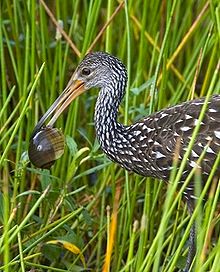
  • They eat snails and molluscs (also insects, worms & frogs), using their beaks to snatch them
  • They may leave piles of discarded shells in their favourite feeding sites
  • The birds are ungainly and awkward: “limpkin” probably derives from their limping gait
  • Males and females have the same plumage (males being slightly larger)
  • The beak acts like tweezers – slightly open and closing at the tip – for tweaking snails etc
  • Territory is defended aggressively, with ‘ritualized charging and wing-flapping’ at intruders
  • Sex lives: they are monogamous; or polyandrous (a male and more than one female. Tsk.)
  • They use ‘courtship feeding’ – males will catch and shell a snail and then feed it to a female
  • They are also known as the ‘Crying Bird’ for their bizarre shrieking call, as used in films (below)

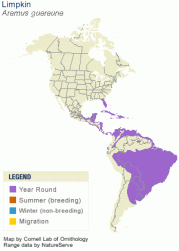
Range maparam_guar_AllAm_map

Olivia Patterson of Friends of the Environment kindly sent me this video that she posted on their FB page a while back with the comment: “Do you know what a limpkin sounds like? There are a pair of them which live around the FRIENDS office. Check out this video to hear them calling out for each other. See if you can spot the limpkin! (hint… look at the pine tree on the left). Limpkins typically live near wetlands and eat snails”.

Limpkins call mainly at dusk in the night, or at dawn. The frankly somewhat tedious and repetitive cry has been phonetically rendered as “kwEEEeeer orklAAAar“, if that helps you to remember it! The racket has even achieved fame in films: it has been used for jungle sound effects in Tarzan films; and more recently for the HIPPOGRIFF in the film Harry Potter and the Prisoner of Azkaban.

Favourite food – the apple snail220px-Limpkin-snail2

** I’m not ashamed to use my more pathetic photos when context permits…

Credits: Header, Tony Hepburn; 5 rubbish photos from a moving truck, RH; Gilpin Point, Troy Maillis; 3 other images wiki (uncredited); range map, Cornell; video, Olivia Patterson / FOTE; general long-billed rootling around for info, with a nod to wiki.

A good wing-shake

Unknown's avatar

“HAPPY EARTH DAY TO YOU”: DO SOMETHING GREEN!


Abaco (Cuban) Parrot, Delphi, Abaco (Craig Nash)

“HAPPY EARTH DAY TO YOU”: DO SOMETHING GREEN!

Today is the 46th Earth Day, a global event to encourage ecology and conservation, and to discourage the spoiling of the planet by mankind. What becomes lost now may never be retrieved. Plant a tree. Grow some bee- or butterfly-friendly flowers. Clear a patch of beach of plastic trash. Recycle stuff. That sort of thing. 

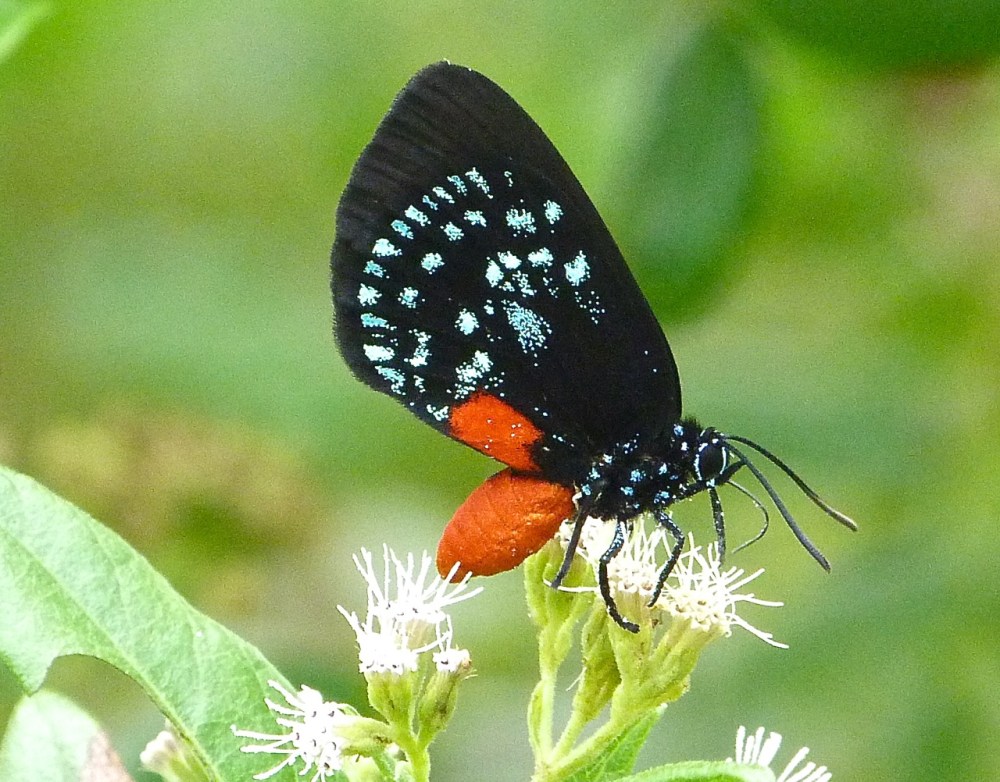
Atala Hairstreak Eumaeus atala – DelphiAtala Hairstreak Butterfly, Abaco (Keith Salvesen)

Gulf Fritillary Agraulis vanillae – Neem FarmGulf Fritillary, Neem Farm, Abaco (Keith Salvesen)

I’d lined up some horror-images of plastic-filled birds, entangled turtles, damaged reefs and so forth, of which I have a depressingly large archive. Then, in a spirit of *vogue word alert* positivity I scrapped that miserable idea and decided instead to celebrate some of the natural wonders that can be found on Abaco. 

BAHAMA YELLOWTHROAT – one of Abaco’s 5 ENDEMIC BIRDSBahamas-Great Abaco_Bahama Yellowthroat_Gerlinde Taurer

CUBAN EMERALD HUMMINGBIRD (f) preening – Gilpin PointCuban Emerald Hummingbird preening, Abaco (Keith Salvesen)

Some signal species serve as a continuing tribute to those who work to conserve them. The gorgeous ABACO PARROTS, now saved from the brink of extinction – and currently establishing a new colony on New Providence. The rare PIPING PLOVERS that find a safe home to spend their winters on Abaco’s beaches. The 5 ENDEMIC BIRD species. The WHALES & DOLPHINS that populate the waters. The west-indian MANATEES, until very recently almost unknown for Abaco yet now providing a curious addition to the scene as they visit their favourite haunts.

BLAINVILLE’S BEAKED WHALE (m) approaching the BMMRO research vesselBlainville's Beaked Whale, Sandy Point, Abaco 14 (Keith Salvesen

BOTTLENOSE DOLHIN, Sandy Point (about to dive under the boat)Bottlenose Dolphins, Rocky Point, Abaco (Keith Salvesen : BMMRO) 7

Habitat protection has been provided over substantial areas on both land and sea by the creation of natural parks and preserves. These have very recently been extended by the establishment of 4 large PROTECTED AREAS for East Abaco Creeks, Cross Harbour, the Marls and the South Abaco Blue Holes, a wonderful reward for a great deal of hard lobbying by conservation organisations and by many concerned individuals. 

QUEEN ANGELFISHQueen Angelfish ©Melinda Stevens Riger / G B Scuba

BANDED CORAL SHRIMPBanded Coral Shrimp ©Melinda Riger @ G B Scuba copy 2

Scientific research and conservation work is continuously carried out in Abaco waters. The CORAL REEFS that form the 3rd largest barrier reef in the world; the BLUE HOLES that lead to wonderful caves and cathedral caverns of crystal; the vast area of the MARLS and the species that rely on the mangrove swamps; the MANGROVES themselves: all these are watched over and monitored for ways to protect them best for future generations. 

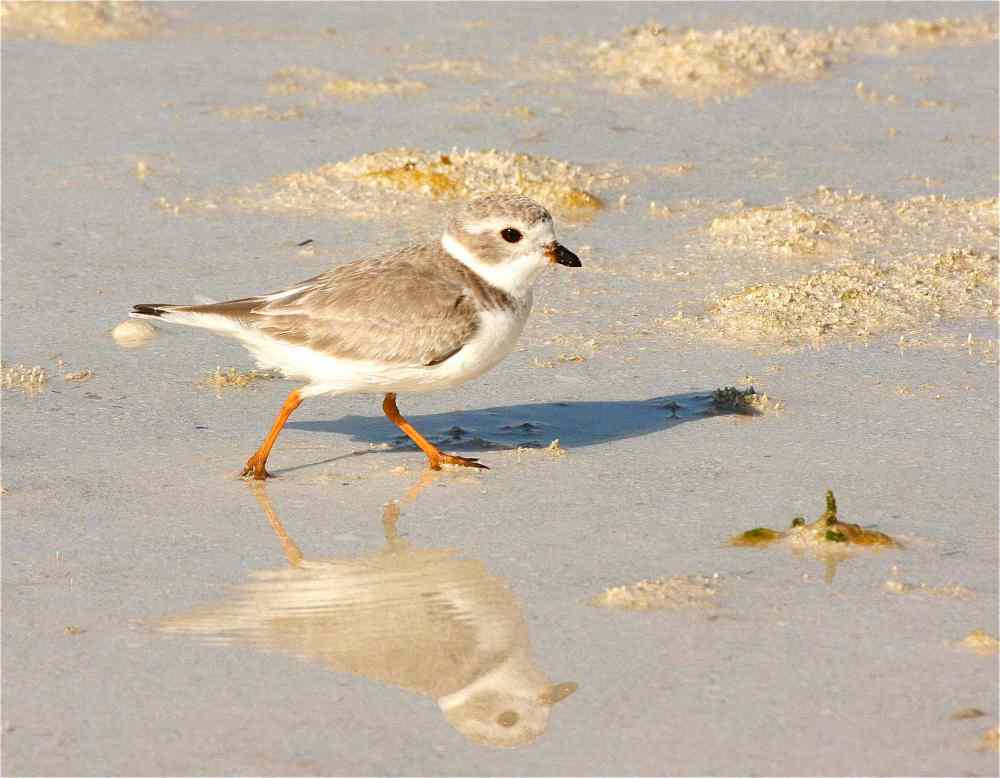
PIPING PLOVER pair, Delphi (taken last month)Piping Plover pair, Delphi Beach, Abaco (Keith Salvesen)

PIPING PLOVER on AbacoPiping Plover, Abaco - Bruce Hallett

I’ve mentioned trees and plants. There are a variety of well-known sources for both on Abaco – on the mainland, anyway, and maybe some cays. Any will advise on bee and butterfly attractants. Thinking of which, bird seed feeders and hummer sugar water feeders are cheap and guarantee the interest of garden and coppice birds, and during the winter months some brightly coloured migrants such as buntings and grosbeaks. 

HIBISCUS – DelphiHibiscus, Delphi, Abaco (Keith Salvesen)

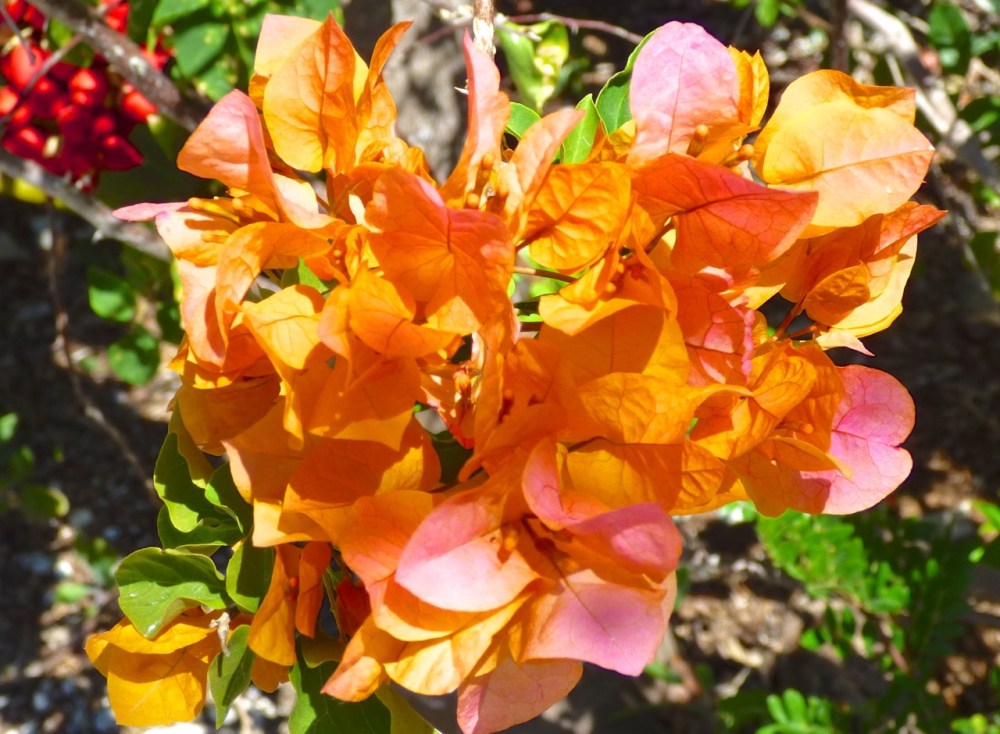
 BOUGAINVILLEA  – DelphiBougainvillea, Delphi, Abaco Bahamas (Keith Salvesen)

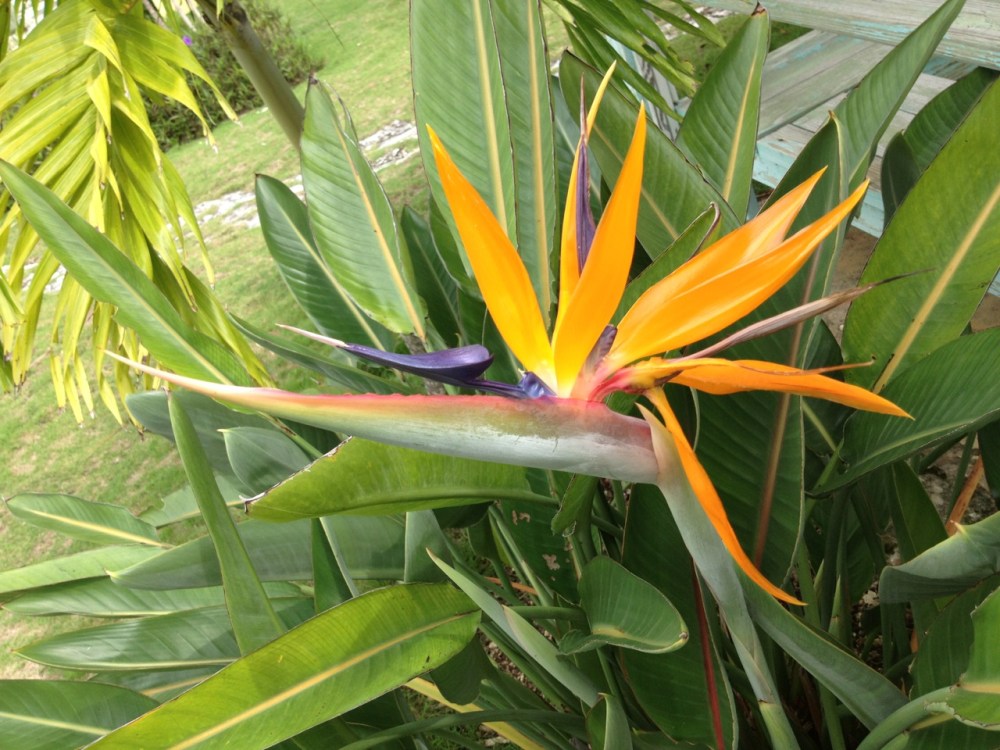
Bird of Paradise flower STRELITZIA – Marsh Harbour (seemingly on a steep slope!)Bird of Paradise Flower (Strelitzia) Abaco (Keith Salvesen)

HAPPY EARTH DAY TO YOU!

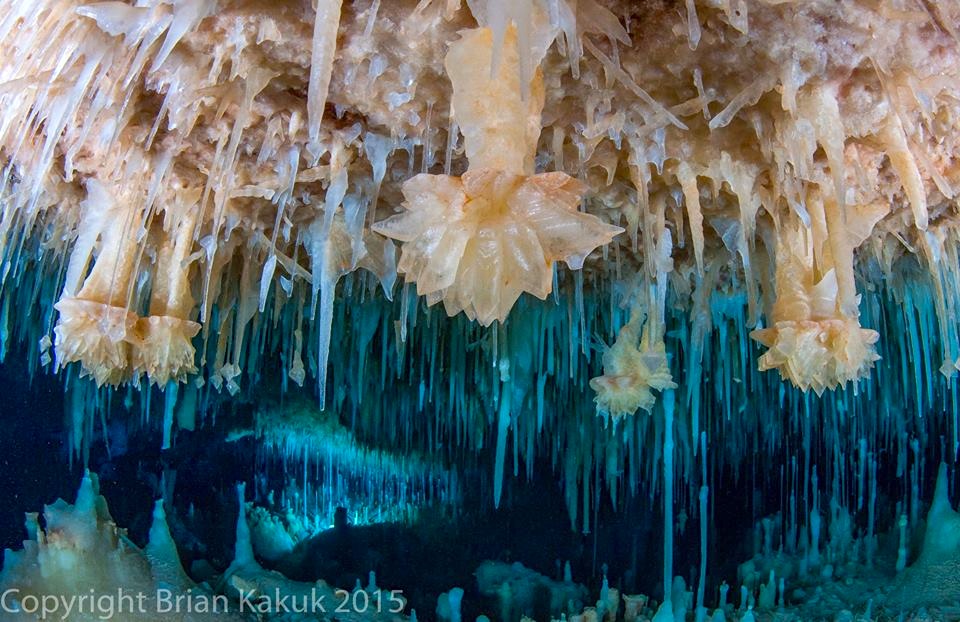
RALPH’S CAVE South AbacoRalph's Cave, Abaco (Brian Kakuk)

Credits: all images RH except: Abaco parrot, Craig Nash; Bahama yellowthroat, Gerlinde Taurer; Angelfish & Shrimp, Melinda Riger; single piping plover, Bruce Hallett; Ralph’s Cave, Brian Kakuk

Unknown's avatar

BUTTERFLIES ON ABACO (8): WHITE PEACOCK


White Peacock Butterfly, Abaco (Keith Salvesen) 1

BUTTERFLIES ON ABACO (8): WHITE PEACOCK

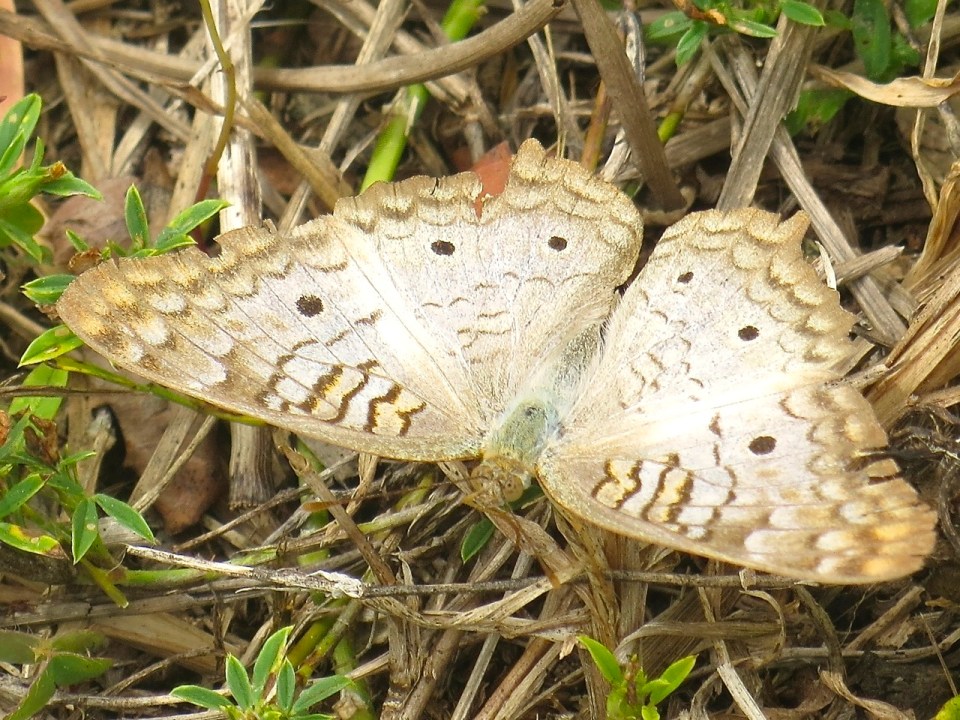
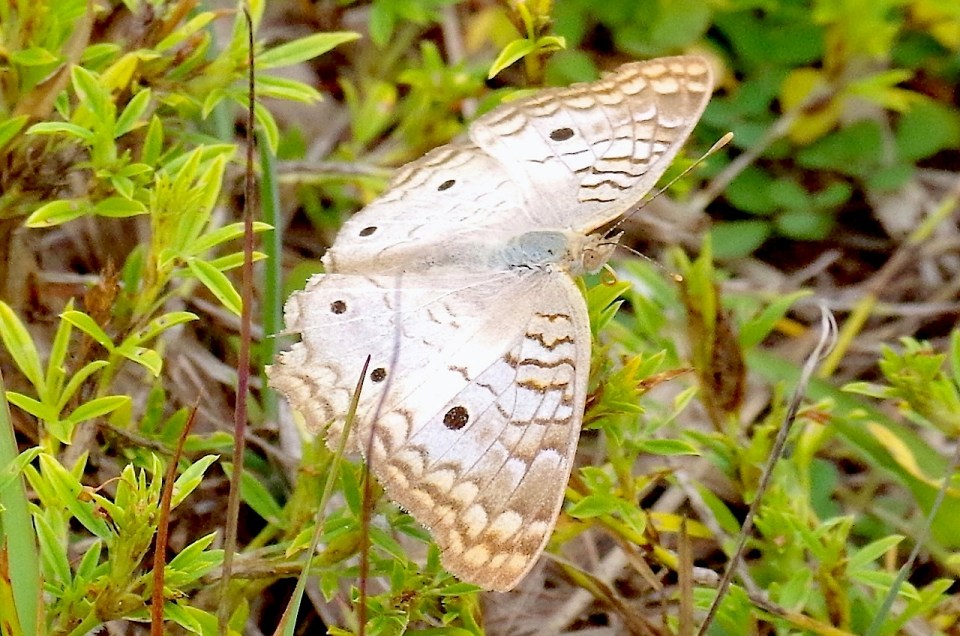
The white peacock (Anartia jatrophae) is not a rare butterfly in the northern Bahamas. However, until recently I had never – or never consciously – seen one before. Then we came across a few at the Neem Farm, all very frisky and mostly refusing to settle for more than 1/100 second. By the time I have remembered to remove my lens cap, they are 50 yards away.

White Peacock Butterfly, Abaco (Keith Salvesen) 2White Peacock Butterfly, Abaco (Keith Salvesen) 3White Peacock Butterfly, Abaco (Keith Salvesen) 4

I checked out these pretty but unassuming butterflies online because they seemed rather pale and anaemic. As far as I can make out this is because they were still in winter colouring; in summer they are more brightly marked. Here’s a photo of a dishevelled white peacock taken in June at Delphi by Charlie Skinner, which shows stronger colours.

White Peacock, Abaco DSC_4786 (Charlie Skinner)

ARE THEY EVER FOUND LOOKING BRIGHT AND NOT FALLING APART?

Yes, of course, but interestingly, never ever in the field. The one below, non-anaemic and intact, was thoughtfully uploaded to Wiki by Greg Hume. He took it at a butterfly show, where presumably tatty butterflies are excluded…

WhitePeacock (Greg Hume)

Photos: Keith Salvesen 1 – 4; Charlie Skinner 5; Greg Hume 6

Unknown's avatar

JUST HANGING AROUND: PIPING PLOVERS ON THE DELPHI BEACH, ABACO


Piping Plovers, Delphi, Abaco A (Keith Salvesen)7

JUST HANGING AROUND: PIPING PLOVERS ON THE DELPHI BEACH, ABACO

I’ve posted quite a few times about PIPING PLOVERS (PIPL) on Abaco, not least because of the five-month Rolling Harbour ABACO PIPING PLOVER WATCH that preceded the 4-year census in January 2016. These little guys are tiny, rare and threatened – by predators, humans, domestic animals, beach vehicles, habitat loss and the other usual factors.

Ha! I’ve found meat-string!Piping Plovers, Delphi, Abaco A (Keith Salvesen)5

In many of their summer breeding grounds, these are the hazards they face annually as they struggle to increase the world population from a precarious 8000 to a more sustainable number. The signs are promising. Intensive conservation projects by organisation such at CONSERVE WILDLIFE FOUNDATION, NEW JERSEY have ensured protection in the breeding grounds, resulting in a (probable) increased population estimate once the census stats are analysed.

My left leg is moving too fast…Piping Plovers, Delphi, Abaco A (Keith Salvesen)6

In the places the pipers overwinter such as the northern Bahamas, they find relatively safe havens. Abaco is one favoured place; and the beach at Delphi is home to a number of these little birds annually. Usually by the time we are here in March, they have set off on their 1000+ mile flights north to the breeding areas on the Atlantic Coast, the Great Lakes and the Great Plains. However this year, there is a pair right here, right now – hanging out on the beach, hanging around when most other PIPL are all already gone.

Check out my breeding plumage, get ready for me on the NJ shorelinePiping Plovers, Delphi, Abaco A (Keith Salvesen)2

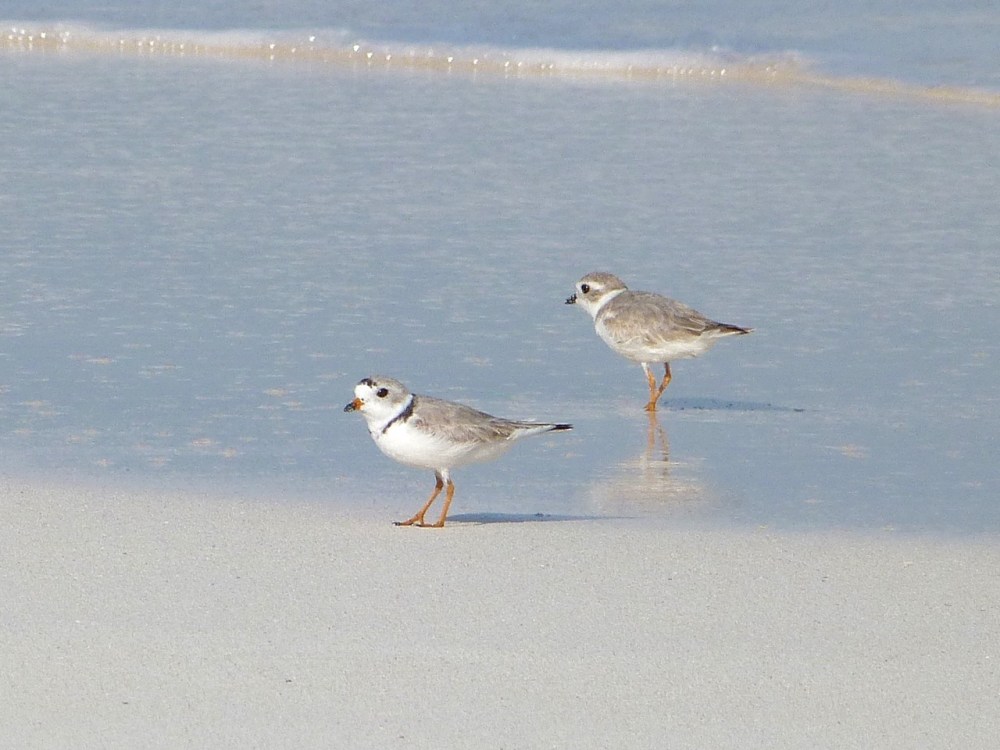
These pictures were taken a couple of evenings ago as the plovers poddled and paddled back and forth along the tidal margin. I didn’t try to get too close – I didn’t want to risk disturbing their happy evening stroll. You’ll see that the male is already in his breeding plumage, with smart black chinstrap, monobrow and orange ‘n’ black beak. I take the other bird to be a female though maybe it’s a first-winter male (comment invited).

Piping Plovers, Delphi, Abaco A (Keith Salvesen)8 Piping Plovers, Delphi, Abaco A (Keith Salvesen)1 Piping Plovers, Delphi, Abaco A (Keith Salvesen)4 Piping Plovers, Delphi, Abaco A (Keith Salvesen)3

All photos: RH, with the camera he has since dropped in the sea (by falling in. Don’t ask)

Unknown's avatar

“KNOCK ON WOOD”: HAIRY WOODPECKERS FOR GOOD LUCK


Bahamas-Great Abaco_6568_Hairy Woodpecker_Gerlinde Taurer copy

“KNOCK ON WOOD”: HAIRY WOODPECKERS FOR GOOD LUCK

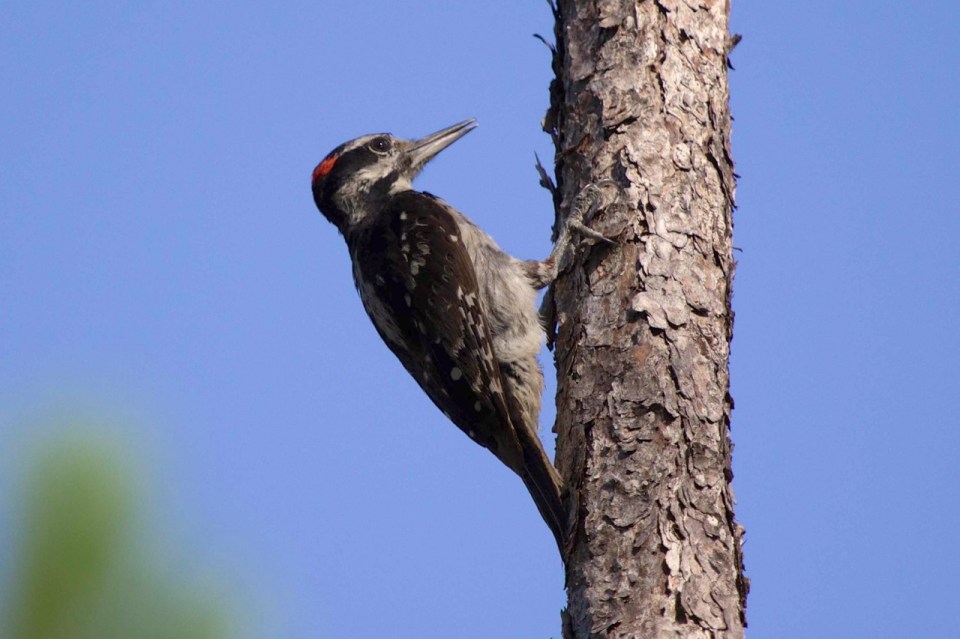
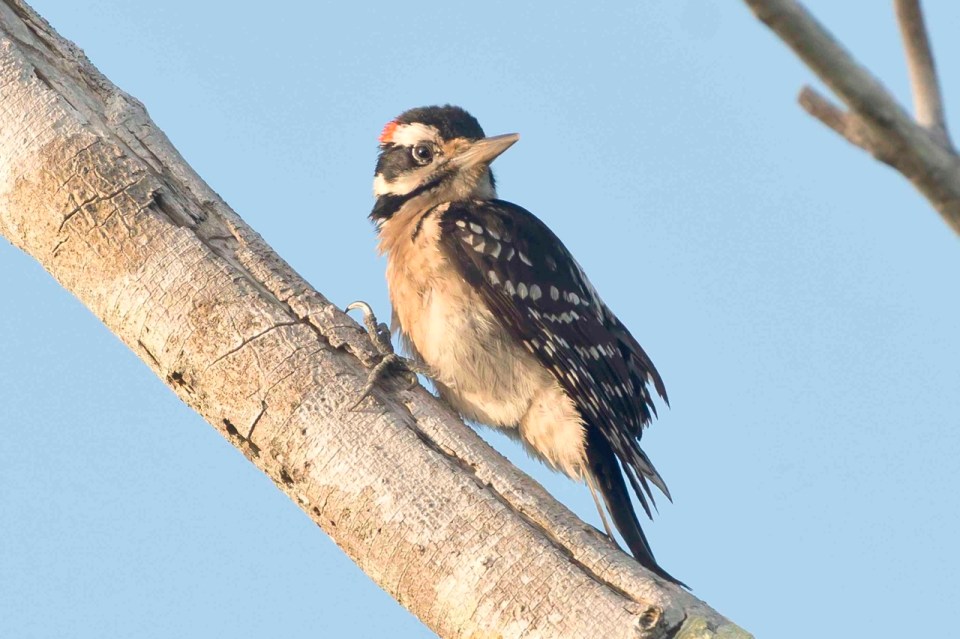
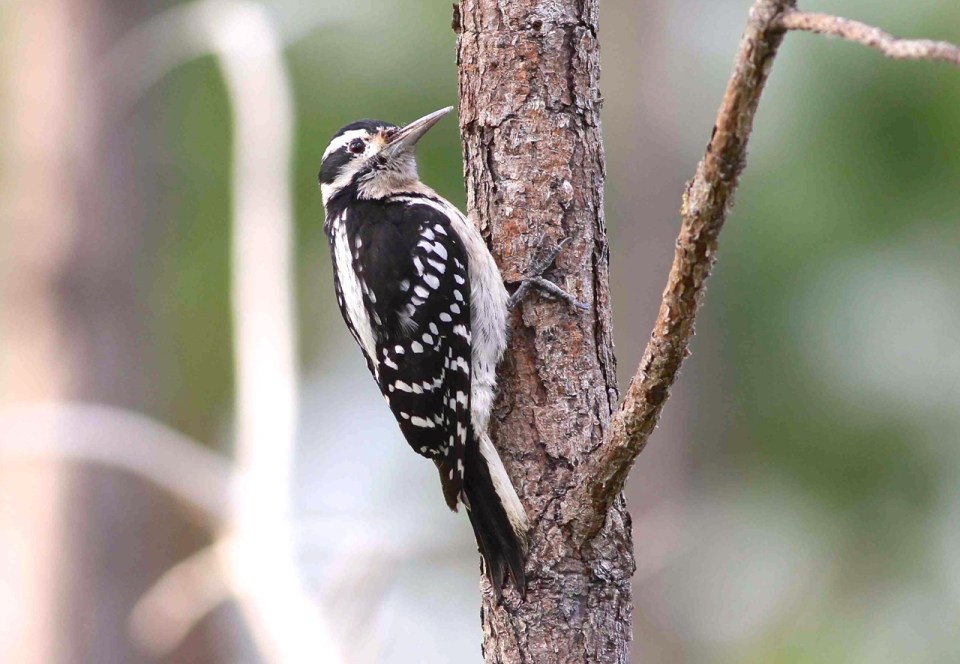
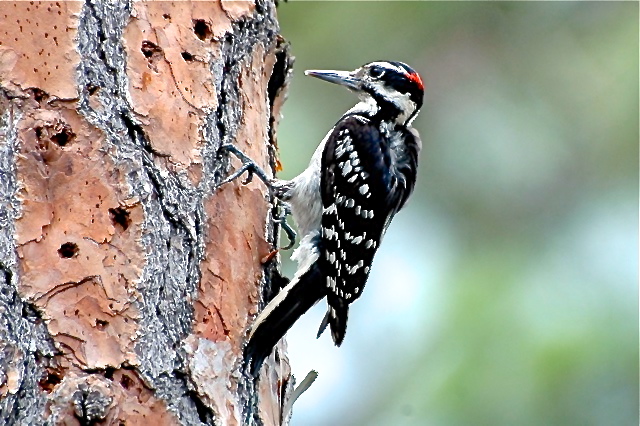
Delphi is an excellent place for woodpeckers. The Lodge itself has its own resident WEST INDIAN WOODPECKERS, who generally raise two broods a year in the nest boxes under the eaves. The coppice and pinewoods along the one-mile drives are home to the smaller Hairy Woodpeckers Picoides villosus, where they too nest annually. There’s a particular tall dead tree on the guest drive that is used every year, and from early March it is the first place I check for signs of occupation. If evident, I take it as a sign of good luck (and hope it extends to my fishing).

Hairy Woodpecker, Abaco (Alex Hughes) Hairy Woodpecker, Abaco (Bruce Hallett) Hairy Woodpecker, Delphi, Abaco (Peter Mantle)I can’t believe I haven’t featured a hairy woodpecker for more than 2 years. As we prepare for our forthcoming trip to Abaco HQ and the consequent plethora of photos (95% of which will be deleted), here is a small gallery of males (red caps) and females, some of them taken at Delphi. Check out those huge claws of the one below at her nest on the dead tree mentioned above.

Hairy Woodpecker female. Delphi Club.Abaco Bahamas.6.13.Tom Sheley copyHairy Woodpecker male. Delphi Club.Abaco Bahamas.6.13.Tom Sheley copyBahamas-Great Abaco_5247_Hairy Woodpecker_Gerlinde Taurer copyHairy Woodpecker, Abaco (Tony Hepburn)

I photographed this female last year in a tree near the swimming pool. I watched it for some time, but it must have been camera shy, because although quite unconcerned by my presence, it never came right out into the open. Hairy Woodpecker, Delphi, Abaco (Keith Salvesen)

MUSICAL DIGRESSION (OPTIONAL)
“Knock on Wood”, the 1966 hit for Eddie Floyd, was co-written with the amazing Steve Cropper (‘house guitarist’ for Stax). It has been much-covered over the years, none more unexpectedly than by David Bowie on his 1974 Live album (also released as a single). Here is the originator, in a live performance. 
Credits: Gerlinde Taurer (1, 7), Alex Hughes, Bruce Hallett, Peter Mantle, Tom Sheley (5, 6), Tony Hepburn, Keith Salvesen
Unknown's avatar

FRIGATEBIRDS aka MAN-O-WAR BIRDS: TRULY MAGNIFICENT


Magnificent Frigatebird (m) with inflated 'gular sac' (neck pouch) - Athena Alexander / Jet Eliot

FRIGATEBIRDS aka MAN-O-WAR BIRDS: TRULY MAGNIFICENT

I have a feeling that today’s header image may be one of the best I have been fortunate enough to be able to use. Certainly in the top ten. This is a male frigatebird (Fregata magnificens) in the breeding season, with his extraordinary inflatable GULAR POUCH fully blown up. He is at his most chest-burstingly dashing, at least to female frigatebirds, and this great capture by photographer Athena Alexander from the excellent blog of JET ELIOT, shows one of the wonders of the bird world. A glimpse of his mate can be seen just behind his head, but frankly he has made the story his own! And just look at the size of his wings. If a bird can steal limelight, he has effortlessly done so.

COURTSHIP DISPLAY

The image below shows the male enacting his courtship display. Jet Eliot describes it thus: “During courtship display this balloon-like sac takes about 20 minutes to fully inflate.  It is featherless, scarlet red, and tight as a drum.  It’s so big it distorts him. When he’s ready and has a suitable audience of females flying overhead, he points his face skyward and rapidly beats his wings against the balloon, creating a low, booming sound”. The male’s pouch is not entirely inflated. A female is nestled under the his protective wing. Presumably she has been won over and mating will soon occur once the performance ends. Or maybe she’s bored with the whole routine – she looks rather as though she has seen it all before…frigatebird-displaying

magnificent-frigatebird

NESTING

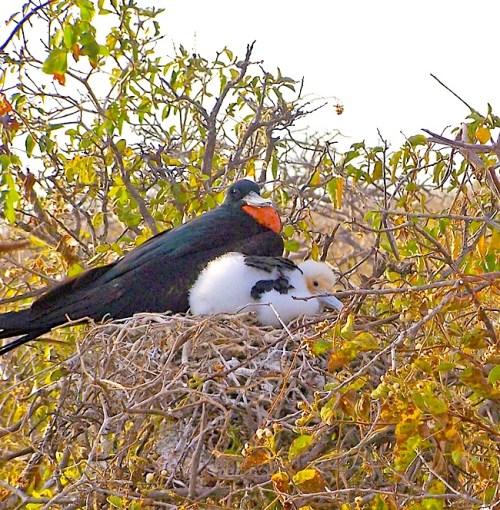
Even on the nest, males are keen to be in the picture. Not for them the ‘absentee father’ role, out fishing the entire day. Instead, they share chick-care duties, looking after the single enormous, fluffy chick. An adult pair stays together for the year, forsaking all other. Chick care takes a long time from egg to fledging and beyond – so much so that frigatebirds only breed every other year, and always produce a single egg. For this reason, habitat destruction of breeding grounds has a far greater effect on population numbers than for birds that breed annually.Magnificent Frigatebird (m) and chick on nest - Athena Alexander / Jet Eliot

magnificent-frigatebird

10 MAGNIFICENT FACTS ABOUT FRIGATEBIRDS

  • Magnificent Frigatebirds are the largest of several frigatebird species around the world
  •  They are found in tropical and subtropical watersimgres
  • Females have white fronts that make them easily distinguishable in flight
  • An adult’s wingspan is 7+ feet, with the largest wing-area / bodyweight ratio of any bird
  • Frigatebirds can remain in flight and far out to sea for many days
  • They are KLEPTOPARASITES and will rob other seabirds of their food
  • Their diet is mainly fish & squid snatched from the water’s surface; also seabird chicks
  • They nest in colonies, producing a single egg every other season
  • They don’t actually land on water, as they don’t float; and they are feeble at walking on land
  • One of the earliest depictions of a frigatebird is by Eleazar Albin in 1737. He was a naturalist contemporary of MARK CATESBY and pre-dated AUDUBON

Frigatebird_Eleazar_Albin_1737

magnificent-frigatebird

NAMING THE FRIGATEBIRD: A POTTED HISTORY

  • Columbus encountered them on his first voyage in 1492, but knew them by their Spanish name rabiforçado or ‘fork-tail’.
  • The use of the name ‘frigatebird’ was first recorded in 1667 and referenced the frigate warship, a powerful sea-vessel
  • ‘Man-o-War Bird’ was the name given to the bird by English mariners in the Caribbean, being the colloquial name given by sailors to a frigate.

magnificent-frigatebird

A MAN-O-WAR GALLERY

A female frigatebird hunts for food among the mangroves on AbacoMagnificent Frigatebird.Abaco Bahamas.2.12.Tom Sheley 2

A female frigatebird soars high over Marsh HarbourMagnificent Frigatebird, Marsh Harbour, Abaco - Tom Reed

This male has taken off before his gular pouch has had time to deflate fullyFrigatebirds (m) 2 Michael Vaughn

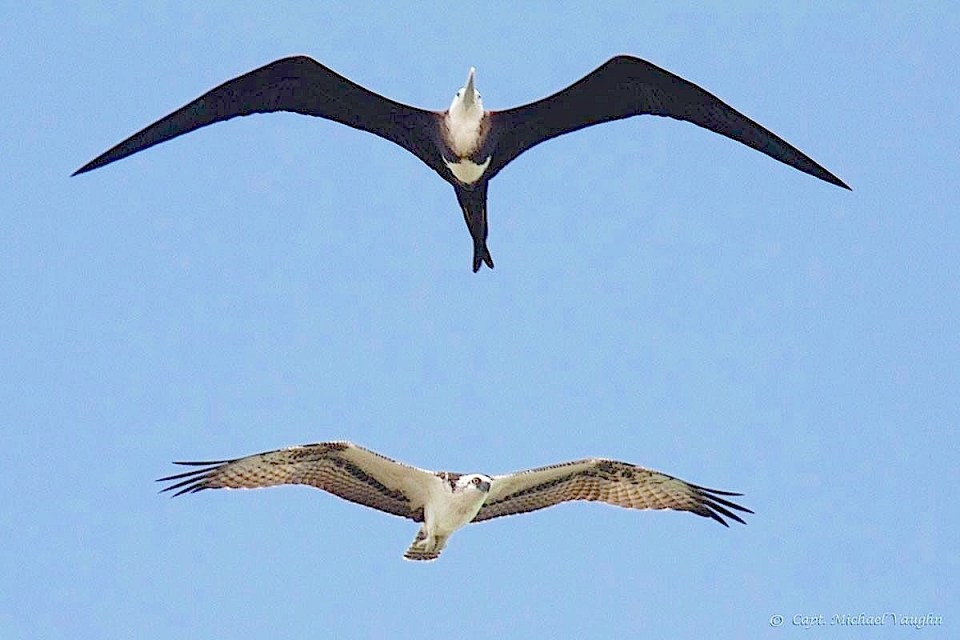
An osprey escorts a female frigatebird from his territory to a different bit of sky…Frigatebird & Osprey Michael Vaughn

Juvenile frigatebirdFrigatebird (juv) Michael Vaughn

A fully-inflated male with a droopy one who needs to get started quick if he’s going to get a mateFrigatebirds (m) 1 Michael Vaughn

ARE FRIGATEBIRDS ANY USE TO MAN OR BEAST?

Yes, emphatically so, to man anyway. Mariners through the ages have used frigatebirds as indicators of nearby land – not necessarily visible, but within sailing distance. And fishermen through the ditto have used them as reliable indicators of where fish are to be found. As an example from personal experience on Abaco, going fishing out of Casuarina into the deep waters of the open sea, the sight of high-flying frigatebirds signals ‘get ready to fish’. They are scouting around for fish, and so are you. But they know where the fish are. Follow them and you will may be rewarded. Because where there are fish for seabird predators, there are fish for the large fish predators – mahi mahi, tuna and wahoo, for example. This is not my main type of fishing, but each time we have been out in those waters – with the Delphi Club often a still-visible speck on the horizon – the frigatebirds have led us to good catches of mahi mahi (= dorado or ‘dolphin’). Last year, under the watchful gaze of the frigatebirds, in a heart-stopping moment I jumped a wahoo. If that sounds slightly rude, it isn’t – and I didn’t catch it anyway. It just leapt vertically right out of the water without taking the goodies…

STOP PRESS Cheryl Wile Ferguson sent me a great photo of a female MF being sociable with humans in the Galapagos. She hitched a ride for 2 hours during a sea crossing…Magnificent Frigatebird (f) hitching a boat ride (Cheryl Wile Ferguson)

Audubon’s Magnificent FrigatebirdAudubon Frigatebird

Credits: first and foremost to Athena Alexander and Jet Eliot for use permission for images 1 – 3 (taken on Galapagos) and much invaluable info; as ever to Tom Sheley (4), Tom Reed (5) and Michael Vaughn (6,7,8,9) for their photos; Cartoon from Birdorable; other images open source; magpie pickings for facts and figures; and some limited personal experience (regrettably but unsurprisingly all my photos of frigatebirds flying, diving, triumphantly catching fish etc are too crap to use)

Unknown's avatar

“A PELICAN GOES INTO A LOW DIVE AND…”


Brown Pelican 1 (Phil Lanoue)

“A PELICAN GOES INTO A LOW DIVE AND…”

… is a promising start to a pelican-based variant on the “Man walks into a Bar…” joke. But in fact there’s a serious point to all this, illustrated with a set of Phil Lanoue’s wonderful ‘bird sequence’ photos. The Brown Pelican is a permanent breeding resident on Abaco, not exactly common but locally quite easy to find. For example, certain docks are often used by them as diving platforms as they feed. Sandy Point is a good place for this. At Delphi we see them passing over the bay, flying high with slow, heavy wing-beats, but sadly I have yet to see one fishing off the rocks there.

Brown pelicans feed by diving for fish. By contrast, White Pelicans (a rarity on Abaco) feed in a quite different way. They forage communally and cooperatively by coralling fish and picking them off from the surface or just below it. A quick online search shows very little evidence of white pelicans diving for food or indeed just for the hell of it. But have a look now at a Brown Pelican landing and going straight into a low dive… to catch a meal.**

Brown Pelican 2 (Phil Lanoue)Brown Pelican 3 (Phil Lanoue)Brown Pelican 4 (Phil Lanoue)

I unreservedly recommend Phil’s website HERE for the consistently excellence of his photography, especially his action sequences; and for the way he captures the mood with apposite commentary.

**I completely realise that this is totally lame as the punchline for a bar-room joke