“THE DIET OF WORMS”: WORM-EATING WARBLERS ON ABACO
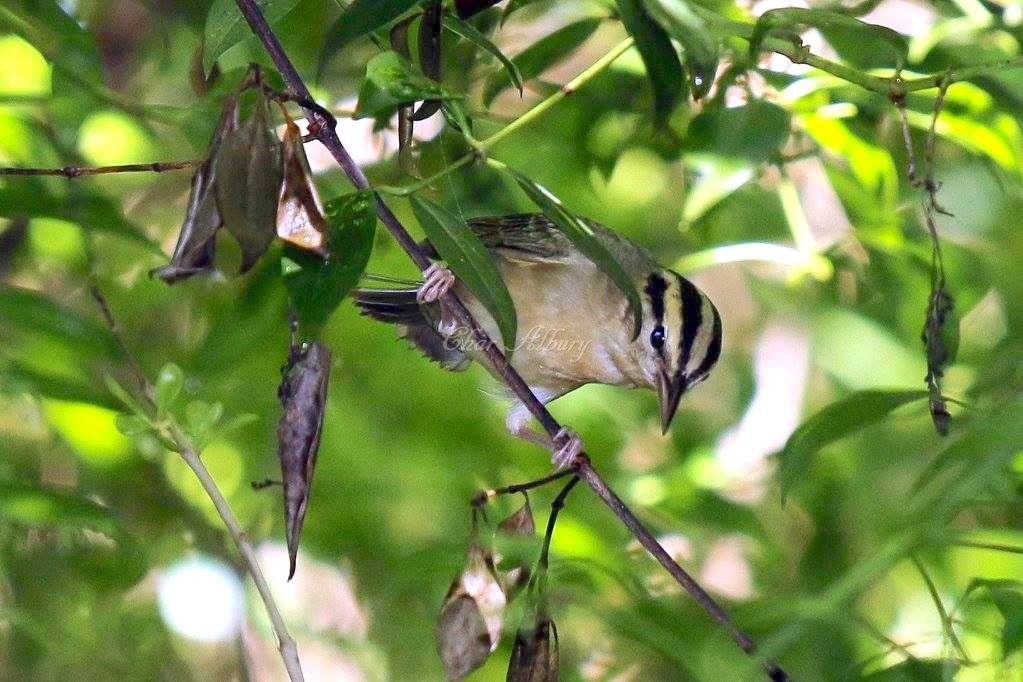
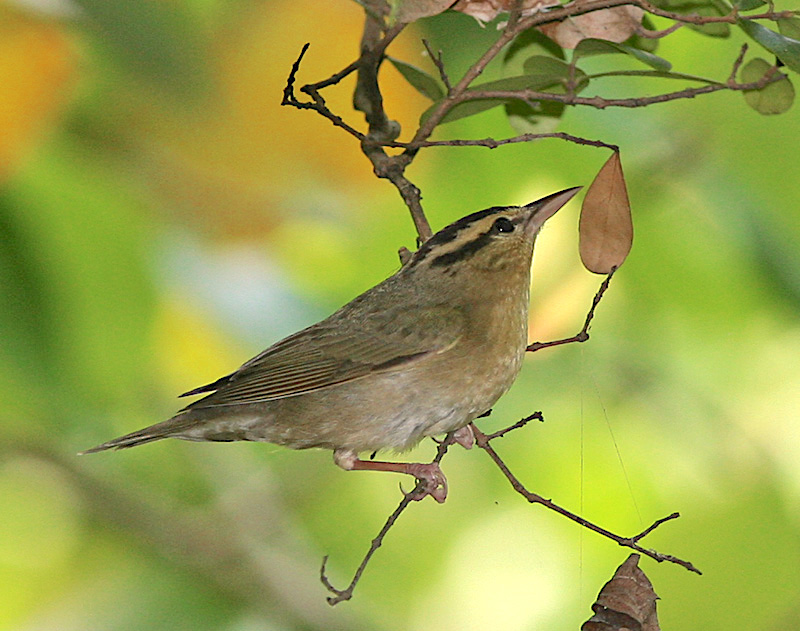
The little worm-eating warbler (Helmitheros vermivorum) is unique. Not because of its worm-eating propensities or its warbler-ishness (or the combination), but because it is the only species currently classified in the genus Helmitheros. TheSwainson’s warbler was once in the same genus, but the WEWA saw off the competition.
SO WHAT IS A HELMITHEROS THEN, IF IT’S SO SPECIAL?
The word is Greek, meaning something like ‘grub-hunter’. And the Latin-derived vermivorum reflects the diet of a VERMIVORE – an eater of worms. But this description is, like a worm, somewhat elastic. It includes caterpillars, larvae, grubs, spiders and similar creatures. But whereas there are other warbler vermivores there is only one Helmitheros.
SOME WORM-EATING FACTS TO DIGEST
WEWAs are sexually monomorphic. Males & females are indistinguishable for most of the year
They can only be reliably sexed at the height of the breeding season
Don’t ask. OK, a magnifying glass may be needed
These birds are believed to eat earthworms only rarely. Moth larvae are their best treat
They are ground-nesting birds, one of only 5 new-world warblers to do this
Like some shore-birds, adults may feign injury to lure predators away from the nest
They are vulnerable to nest parasitism by brown-headed cowbirds** & feral cats
Fires, deforestation, habitat change & diminished food resources are also threats to the species
As are pesticides, which destroy the primary food source and are in any case potentially toxic
**cowbirds are luckily very uncommon on Abaco but are spreading their range at an alarming rate and pose a potential threat to many Bahamas bird species
DISTRIBUTION & CONSERVATION STATUS
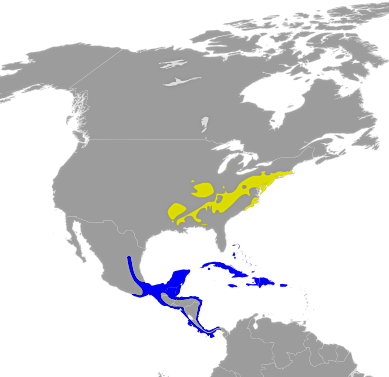
The breeding range of the worm-eating warbler covers much of the eastern half of the US as far south as the Gulf Coast. It winters in the West Indies, Central America and southeastern Mexico. There is no overlap between summer and winter habitat. Because of the vulnerability of this ground-nesting species to a number of threats (see FACTS above), they are now IUCN listed as ‘Special Concern’ in New Jersey.
WHAT DO THEY SOUND LIKE?
In this case the song and call, as transposed into human, really does sound like the bird itself. The song is a rapid squeaky trill; and the calls for once do actually sound like ‘chip’ or ‘tseet’. See what you think.
Paul Marvin / Xeno-Canto
THE (ORIGINAL) DIET OF WORMS – A DIGRESSION
Studied European history? Had a laugh over The Diet of Worms in 1521? This was an assembly (or ‘diet’) of the Holy Roman Empire that took place in the City of Worms. There had already been several. This one resulted in an edict concerning Martin Luther and protestant reformation, with the consequence that… [sorry, nearly nodded of there. Just as I did at this stage at school I expect]
It is always instructive to look at Audubon’s fine depictions from the early c19. Here is his WEWA. Notice that it is here called Sylvia vermivora. So he had the worm-eating part, but the first part of the name rather strangely relates to a group of old-world warblers. No, I’ve no idea why.
Credits: Photos – Tom Sheley (1); Charmaine Albury (2, 4, 6); Andy Reago & Chrissy McClarren (3, 7); Tom Friedel (5). Research material – CWFNJ / Michael J Davenport; Tom Fegely / The Morning Call; assorted magpie pickings & open source
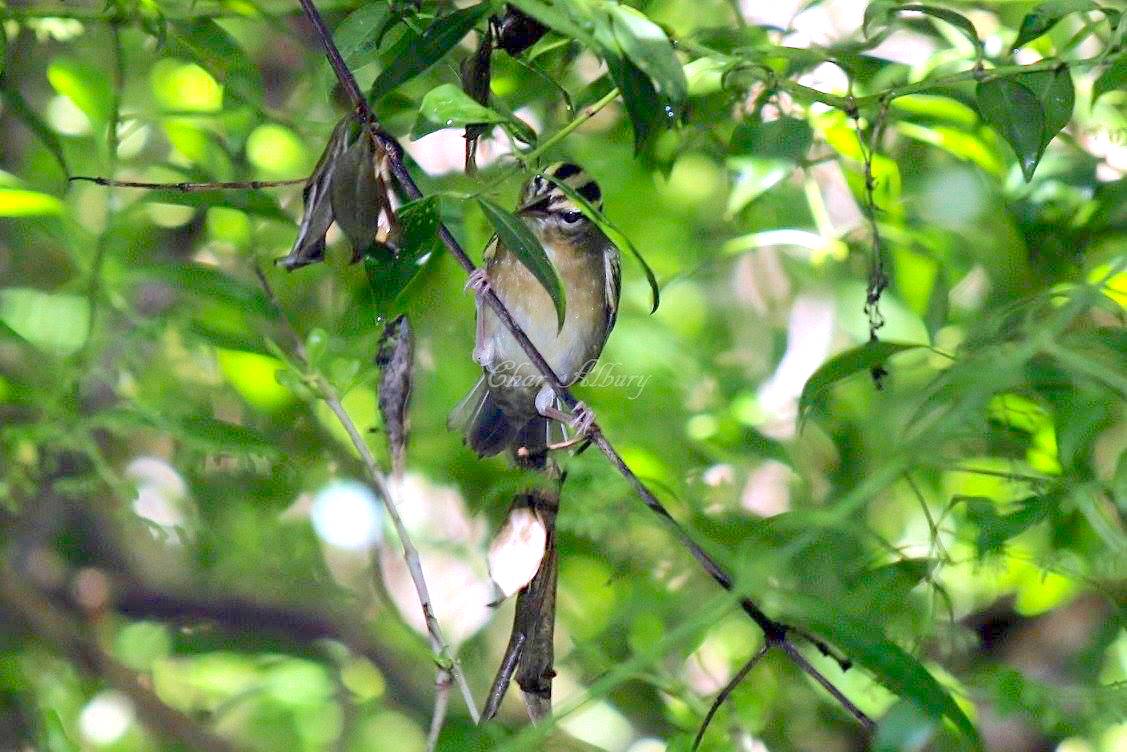
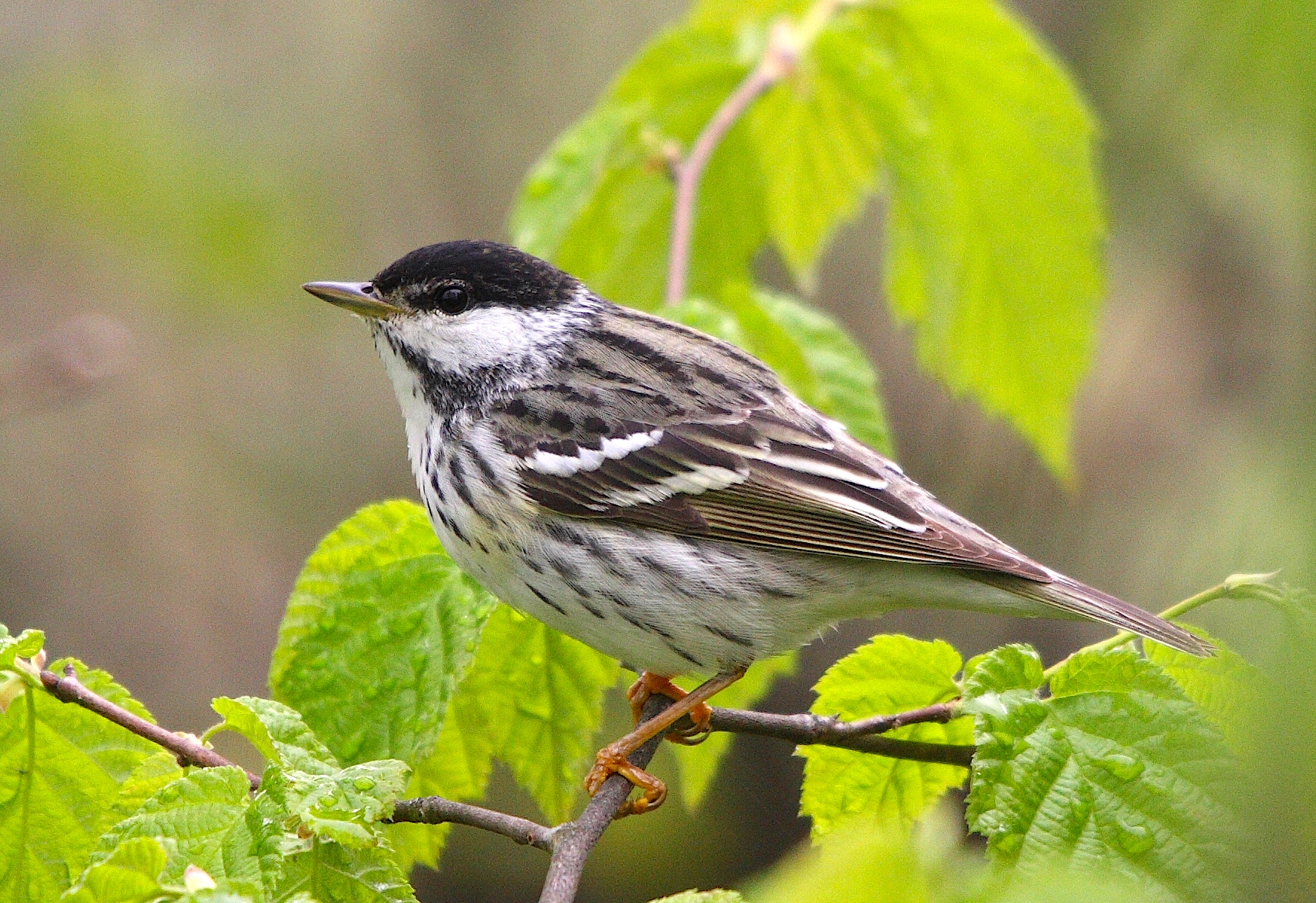
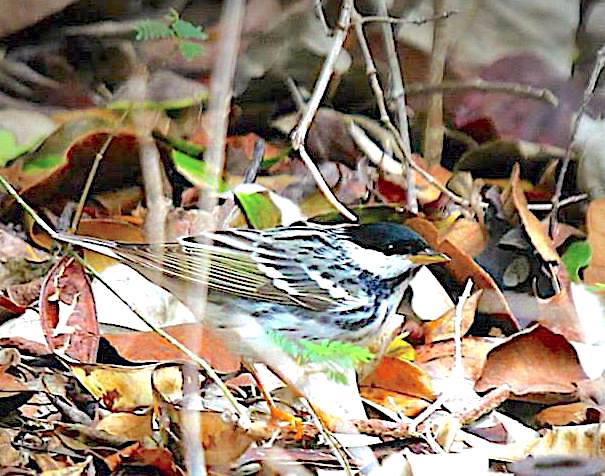
The Blackpoll Warbler Setophaga striata is a “TR3” on Abaco. Which is to say, the species is classified as an uncommon transient in its migration, and as such it is rarely seen on Abaco. Apart from anything else the window of opportunity of seeing one in the Fall or in Spring is limited by the length of time they pause on Abaco to catch their breath. Also, they are small birds that do not draw attention to themselves. They hang around in the coppice foliage rather than parading out in the open; and their call is a tiny ‘tsip‘ sound (as with so many other small birds…).
Fortunately, on Abaco’s warbler magnet Man-o-War Cay, alert birder Charmaine Albury was out and about with her camera to record a sighting. I should say that during the writing of THE BIRDS OF ABACO, I never managed to obtain a single image – however poor – of a Blackpoll Warbler actually taken on Abaco (a qualification for inclusion) from any of the many sources I used. So sadly, this pretty warbler does not feature in the book.
The summer breeding area for blackpolls covers northern North America from Alaska through most of Canada, the Great Lakes region and New England. In the fall, they fly South to the Greater Antilles and the northeastern coasts of South America. The summer and winter areas are very distinct, as the distribution map shows:
Despite their diminutive size**, blackpoll warblers generally undertake their long-distance migration – often over open water – non-stop or with a single stopover. Their migration has been the subject of many scientific studies. One of the longest distance non-stop overwater flights ever recorded for a migratory songbird was made by a BLWA. Which all goes to explain why the species is so rarely seen along the migration route: unlike many migrating birds, they make few, if any, stops along the way.
Of the many stats I have read through, I chose one to demonstrate the stamina of these little birds. In one study, an number were fitted with tiny geolocators. These revealed an average migration journey of around 1600 miles, with the non-stop trip being completed in 3 days by at least one bird.
“Transoceanic migration by a 12 g songbird”
The maps above show blackpoll warbler migrations recorded for 5 birds in a study that indicates that, while a direct overwater route is preferred in the fall migration, the return journey in spring is more leisurely, and overland (it looks as though only 3 birds made it home).
The study quoted is by William V.DeLuca, Bradley K.Woodworth, Christopher C.Rimmer, Peter P.Marra, Philip D.Taylor, Kent P.McFarland, Stuart A.Mackenzie, D. RyanNorris (Published 1 April 2015. DOI: 10.1098/rsbl.2014.1045)
** I came across the statement that “The blackpoll warbler… attains the weight of a ball point pen”. I find this an unhelpful comparison. I know what is meant, but I find it hard to think of a ball of feathers in terms of a writing instrument. Maybe it’s just me? [Astute Reader: I’m afraid so…]
YOU MENTIONED THAT THEY GO ‘TSIP’. WHAT DOES THAT EVEN SOUND LIKE?
Credits: header image of a summer bird, Cephas; all other photos by Charmaine Albury, taken on Man-o-War Cay Abaco; birdsong Xeno-Canto / wikimedia commons
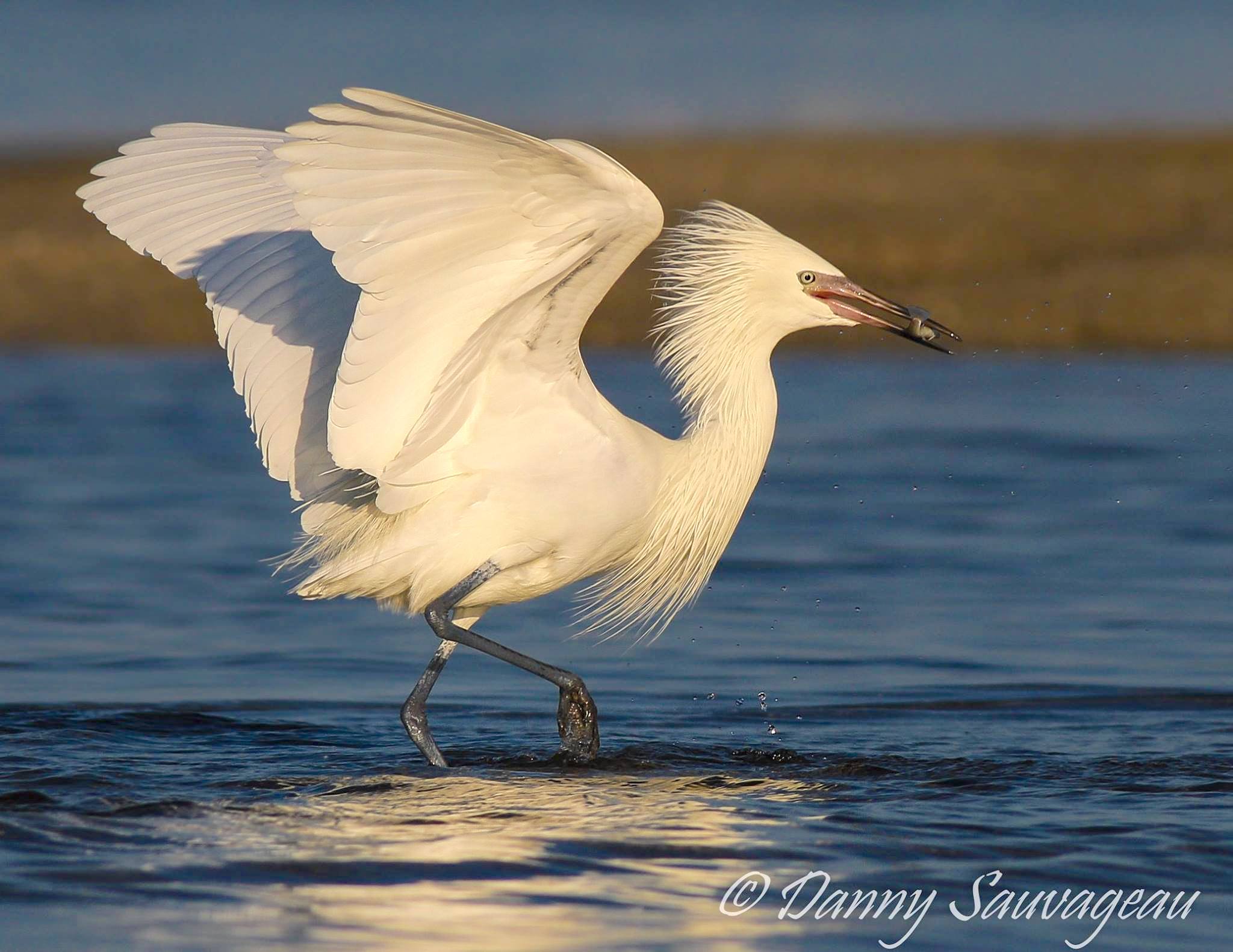
And one with a happy ending! There’s something very satisfying about an expert birder / photographer’s capture of a perfect sequence, as these fantastic photos show. It not something I’ve ever achieved, not having the skill, the equipment or (probably) the patience required to get a sequence of perfect shots. Instead – and as a guest post while we are having some downtime somewhere nice – it’s a pleasure to feature this reddish egret stalking its prey, photographed by Danny Sauvageau. #4 has it all – drama, movement, clarity and triumph captured in a fraction of a second.
All photos by ace Floridian birding photographer Danny Sauvageau (with thanks)
BAHAMA NUTHATCH: TINY, RARE, A HOP AWAY FROM ABACO…
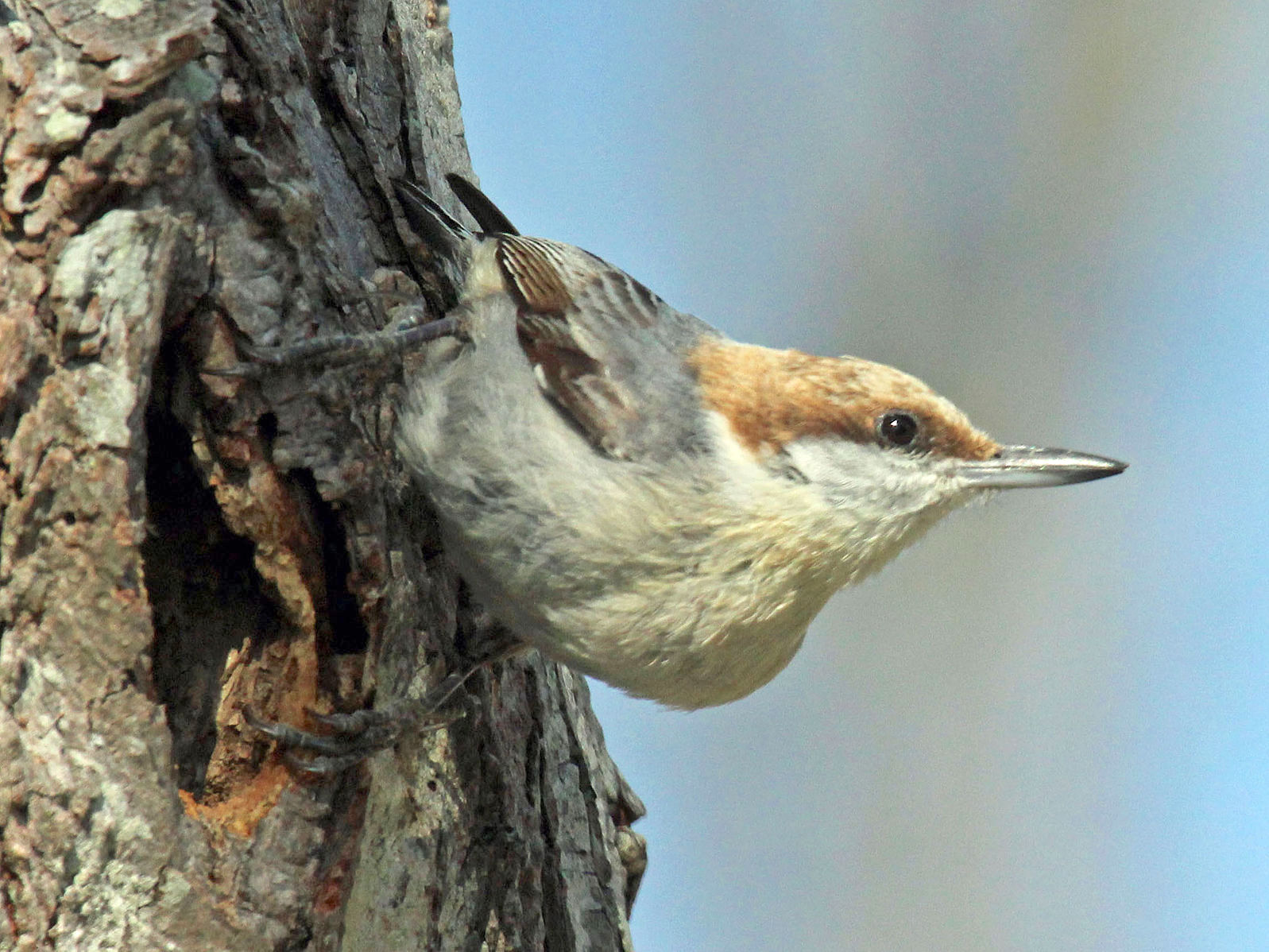
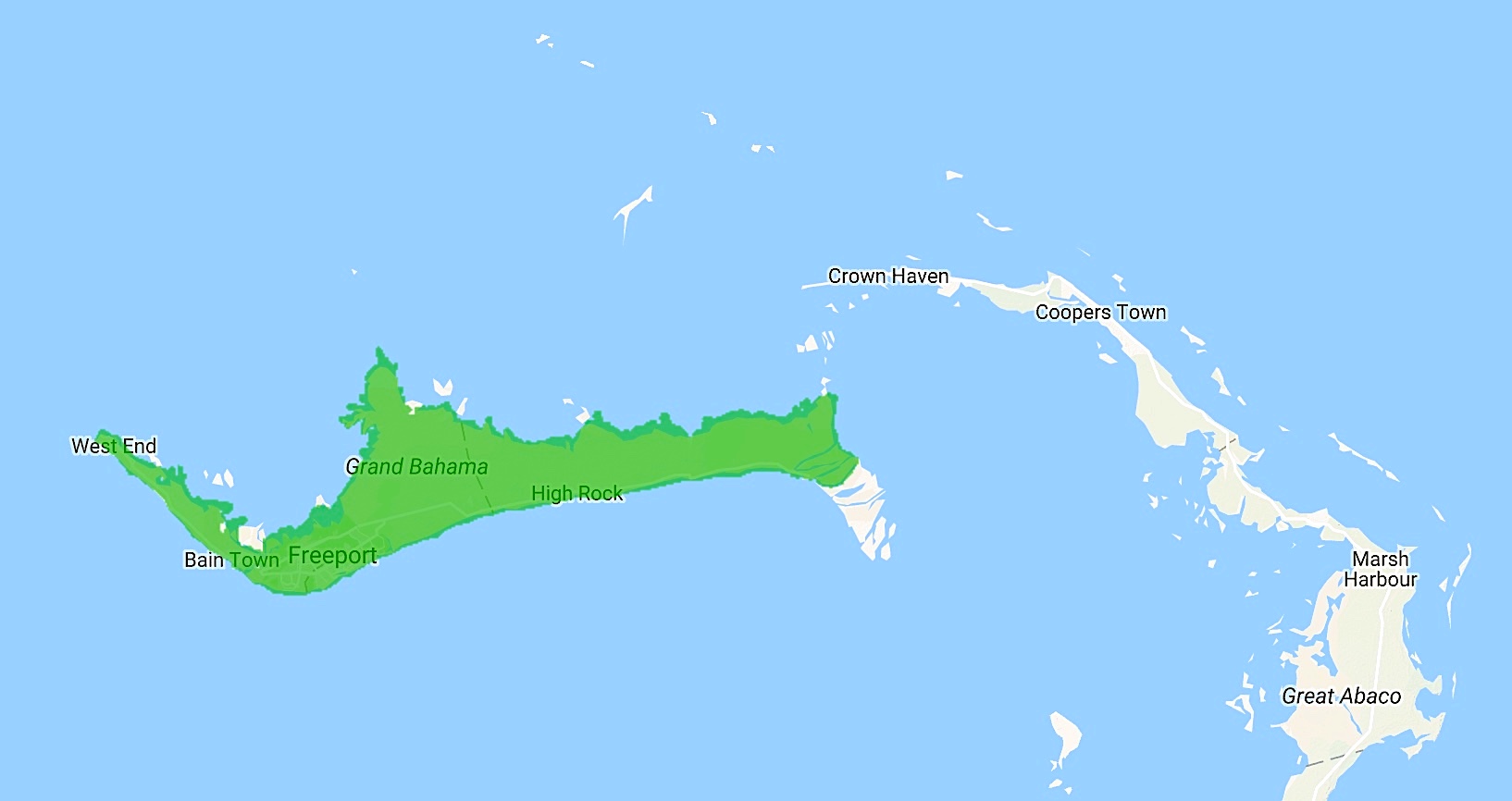
The Bahama Nuthatch (Sitta pusilla insularis) is one of the rarest birds in the Bahamas and – like the similarly rareBAHAMA ORIOLEon Andros – it is confined to one island only, Grand Bahama. At best about 1000 – 1200 mature birds may inhabit the pine forests though current estimates vary, and that number may be optimistic. What is clear is that, for all the usual reasons (see below) the population is likely to be decreasing rather than growing.
Despite its scarcity and size – this little bird is one of the smallest in the nuthatch family – the BANU is subject to much scientific debate in bird circles. Until a dozen years ago, it was simply considered to be a brown-headed nuthatch, a familiar enough bird in south-eastern USA. Then a research paper was published, which led to the bird being awarded subspecies status as the Bahama nuthatch S. p. insularis. Some argue further, that it should be considered a fully separate species and split from its cousin (as, recently, with the Bahama and Inagua woodstars in 2015). Others write as though this has already happened but as far as I can make out, it has not – though it might possibly happen once further researches have been completed and submitted (polite correction on this point welcome…).
WHAT ARE THE DIFFERENCES TO JUSTIFY SEPARATE STATUS?
Close investigation of the Grand Bahama population showed a number of significant differences between the island and the US populations. Having read and digested all the relevant research (NOT! Abstracts, maybe…), I discovered that the main distinctions are:
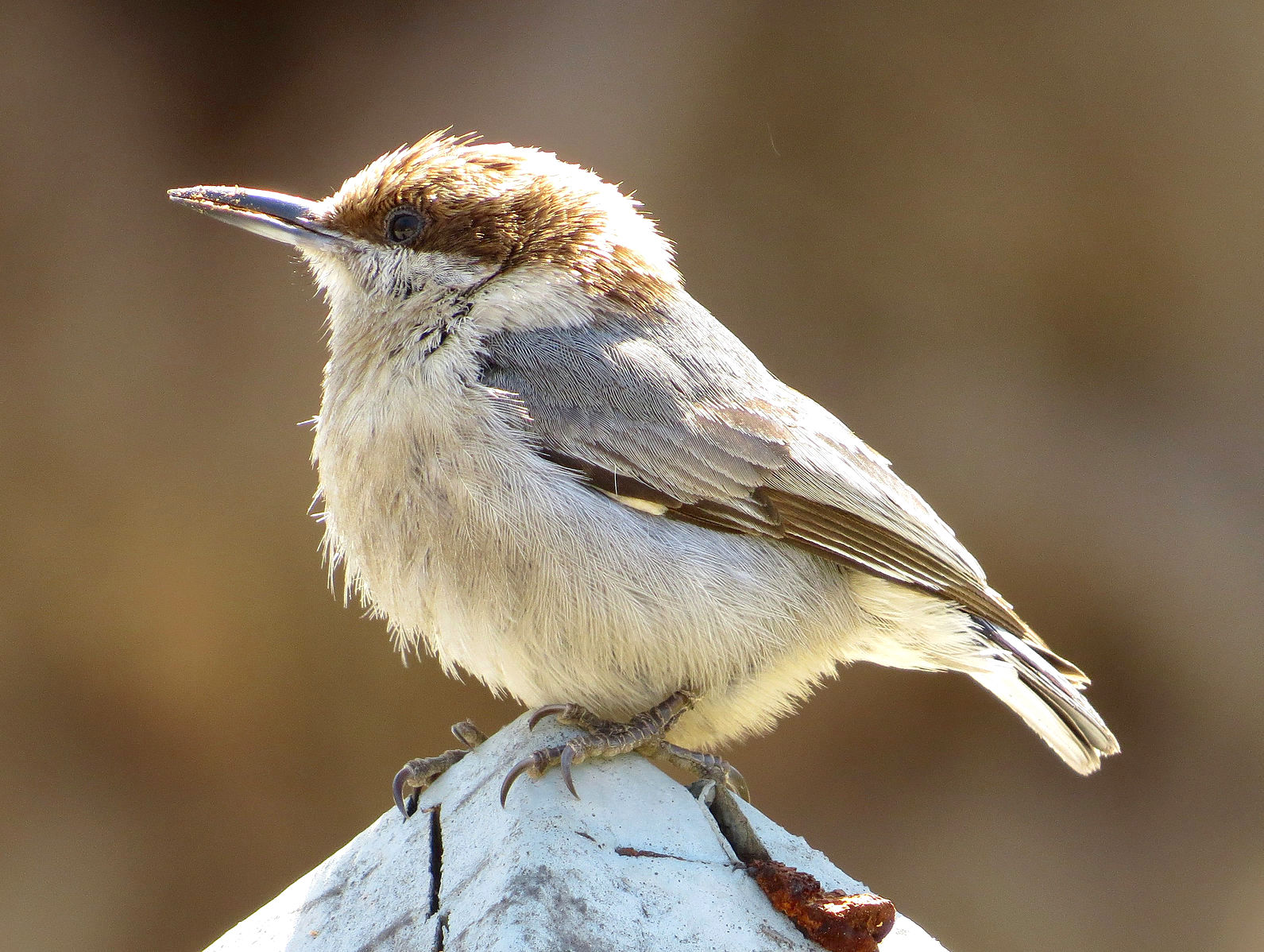
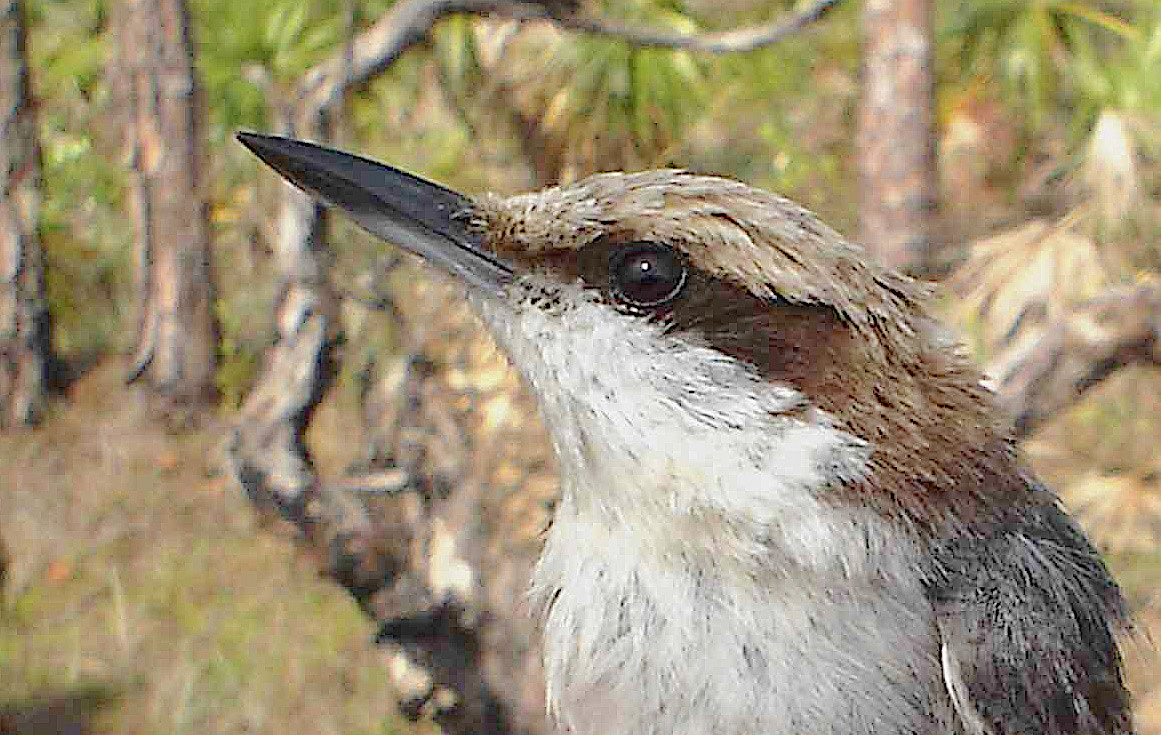
A longer, heavier bill (compare the header image of a brown-headed nuthatch in South Carolina with the second one of a Bahama nuthatch).
Shorter wings
Whiter belly
Distinctively different vocalisations
IUCN RED LIST STATUS
Whether the BANU is a sub-species of brown-headed nuthatch or a fully separate species, the bird is incredibly rare. The population may be unsustainable without intervention (as implemented to save the Abaco parrots) – and the threat of extinction looms even as the bird begins to attract international interest. In 2016 the IUCN listed the BANU as ENDANGERED, meaning essentially that it faces extinction. ‘Critically endangered’ is the only higher category. The main reasons given for the listing were the small population, found on only one island, and likely to continue declining as a result of habitat loss & invasive species
WHAT ARE THE MAIN THREATS TO THE SPECIES, I MEAN SUBSPECIES?
Habitat loss / degradation from development, logging, forest fires & hurricanes
Invasive / introduced / feral species such as corn snakes, raccoons & cats
Competition from other bird species in a limited area
HOW DO THESE BIRDS BEHAVE?
A few years back, Erika Gates, well-known Grand Bahama birder and guide, wrote an excellent article in her ‘Bird Talk’ column published in the Bahamas Weekly. It includes this description:
The Bahama Nuthatch exhibits several highly unusual and endearing behaviors. It is one of the very few bird species that conducts co-operative breeding, in which young males assist with nest construction, nest sanitation as well as feeding of the female sitting on the eggs, nestlings and fledglings. It is also one of the few birds known to utilize a tool. On occasion, it uses a bark chip, held in its bill, to pry off bark portions during foraging for insects and grub.
SO IF I’M IN THE PINE FOREST ON G B, WHAT DO I LISTEN OUT FOR?
Sadly, there are no available recordings of a BANU**. As their vocalisation is one of the factors that differentiates them from the brown-headed nuthatch, it’s clearly not very helpful to illustrate what the latter sound like. But I am going to anyway, because they can’t be that different. It’s probably just a Bahamian accent. I have read somewhere that it sounds a bit like a squeezed rubber duck toy.
Paul Marvin / Xeno-Canto
**Feb 2018 I have just been contacted by Jeff Gerbracht, who has very kindly sent me a recording he made on Grand Bahama in 2011 on a trip with Bruce Hallett (a familiar name to regular readers of this site) and uploaded to the indispensable Macaulay Library. I must have overlooked it when I wrote the post. The links below are to the recording and to the species checklist from that occasion, including a photo taken by Rudy Sawyer, the third member of the party.
And yes, comparison shows that the 2 nuthatches do indeed have “distinctively different vocalisations” (see above); and that the Bahama nuthatch does not sound anything like a squeezed rubber duck…
Well, I’m being a bit romantic and optimistic here. But let’s look at the official distribution map from Birdlife International. Not so very far for even a small bird to travel. There are even some small cays as stepping stones. And just think of the thousands of acres of pine forest on Abaco, much of it remote and completely undisturbed. Maybe… if a breeding pair could just… you catch my drift?
Here is another instructive map, this time from eBird. These are the only BANU sightings ever recorded, and all since 2010. These birds are tiny. There are very few of them, spread over a wide area. They live in pine trees, and are to an extent camouflaged against them. You’d be very very fortunate to find one at all, let alone get a decent photo of it… Let’s hope you can spot one while they are still around.
ANYTHING ELSE WE SHOULD KNOW?
I have written elsewhere (in fact, HERE) about the ornithologist James Bond and his connection with Ian Fleming’s hero. The very rare first edition** of Bond’s seminal Birds of the West Indies was published in 1936. In it, he described the BANU and suggested it was a subspecies of the brown-headed nuthatch. A man way ahead of his time.
PLEASE STOP NOW. ANY LAST WORDS?
“The species may become extinct unless Bahamians are willing to take action to save it. As the rarest bird in the Bahamas, and one of the rarest birds in the world, the nuthatch will become a high-profile symbol of conservation efforts (or their failure) in the Bahamas”.RESEARCHGATE
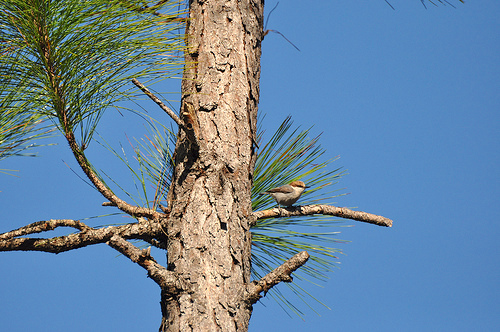
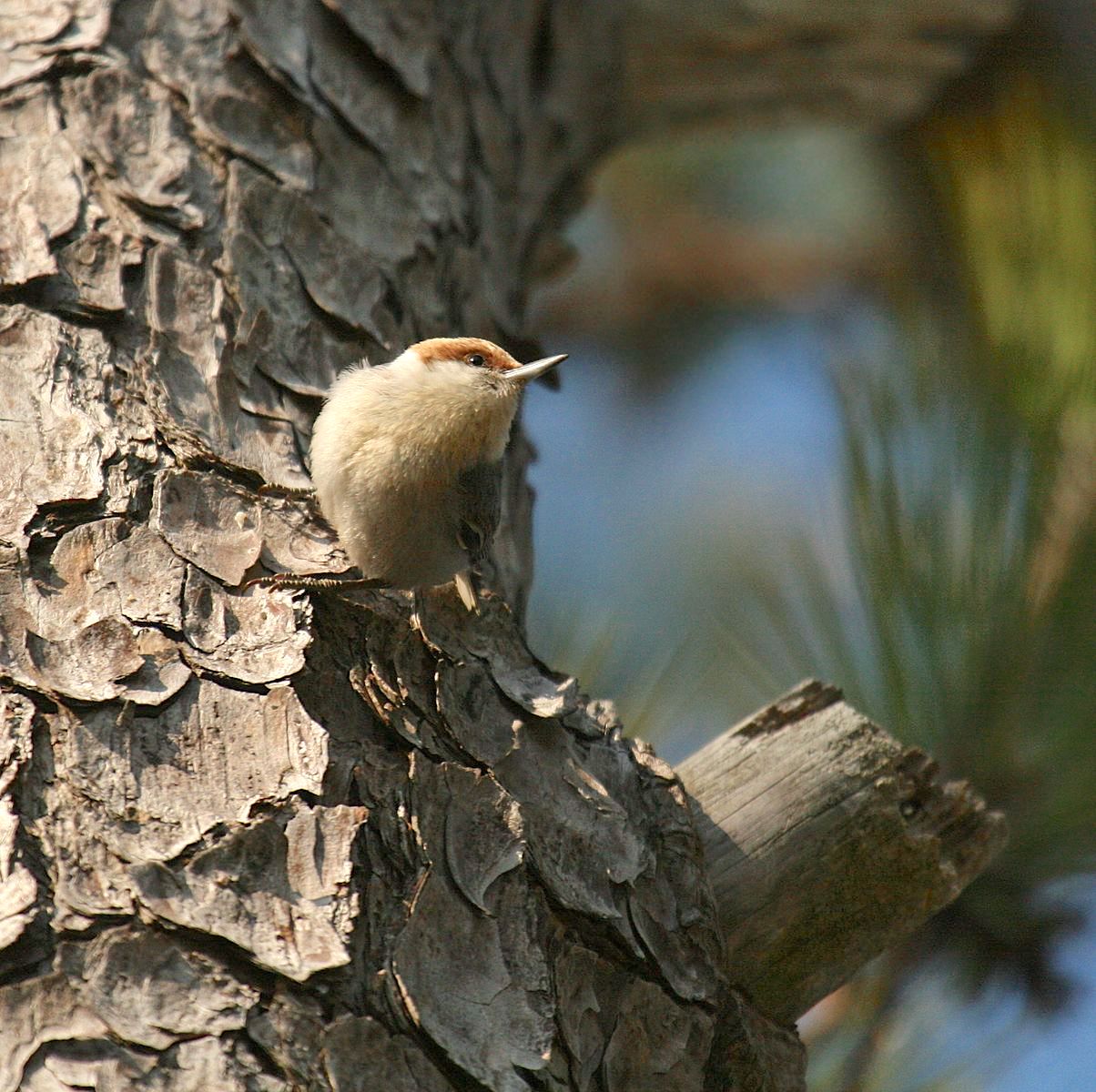
Photo credits: David Hill (BHNU) 1; Birdlife.org (BANU) 2; Bruce Purdy (BANU) 3; Robert Norton (BANU) 4; Erika Gates / Bahamas Weekly (BANU) 5; Matt Tillett (BHNU) 6, 8; Dick Daniels (BHNU) 7
Sound: Paul Marvin / Xeno-Canto
Addendum Feb 2018: Jeff Gerbracht for a BANU sound recording and species checklist
Research credits: Birdlife International /Birdlife.org; Birding Community E-Bulletin, Nov 2008; Research Gate; IUCN; The Bahamas Weekly / Erika Gates; eBird; American Birding Association (and a bonus point for its brown-headed nuthatch behaviour article wittily entitled “Sex in the Sitta”)
**The edition of James Bond usually described as the first edition (indeed in the book itself) was published in 1947. You might pick one up for $100 or so (try Abe.com), as I did. Don’t get one without a dust-jacket. It’s a treasure, and an affordable slice of avian history. A 1936 edition will probably be well north of $2000…
One of the pleasures of watching birds (as opposed toBIRDWATCHING, a more committed-sounding enterprise with its own Wiki entry, that may require equipment, books & mag subs…) is to spend some time observing them enjoying themselves. Perhaps you have a feeder, and like to watch the birds getting stuck into the seeds, carelessly flicking the husks around and throwing their ‘feeder shapes’ on the perches. Maybe you like to see the hummers, beaks deep into the little red plastic flowers on the rim of the sugar-water feeder, tiny bodies motionless and upright, wings a glistening blur of rapid movement in the sun.
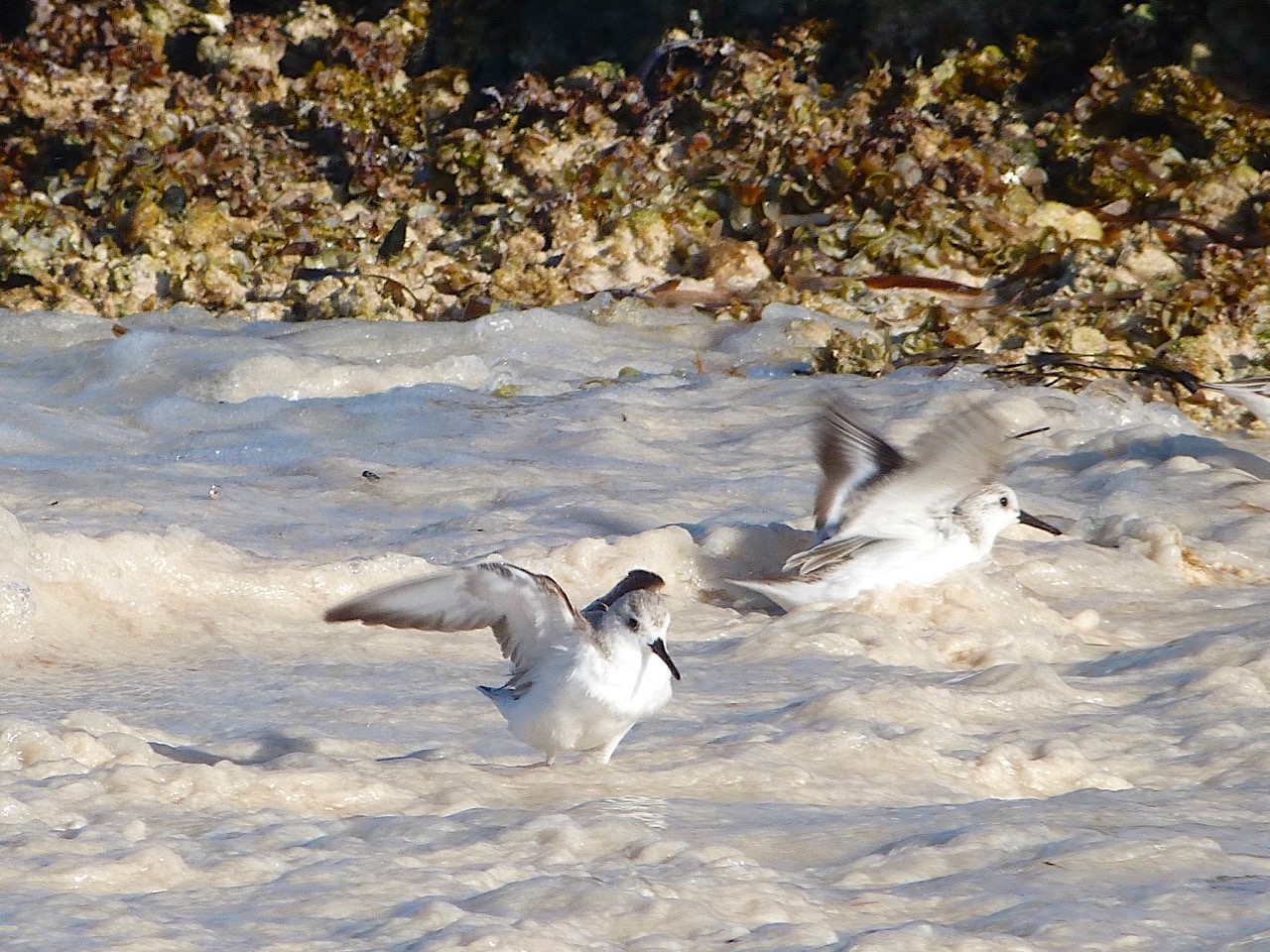
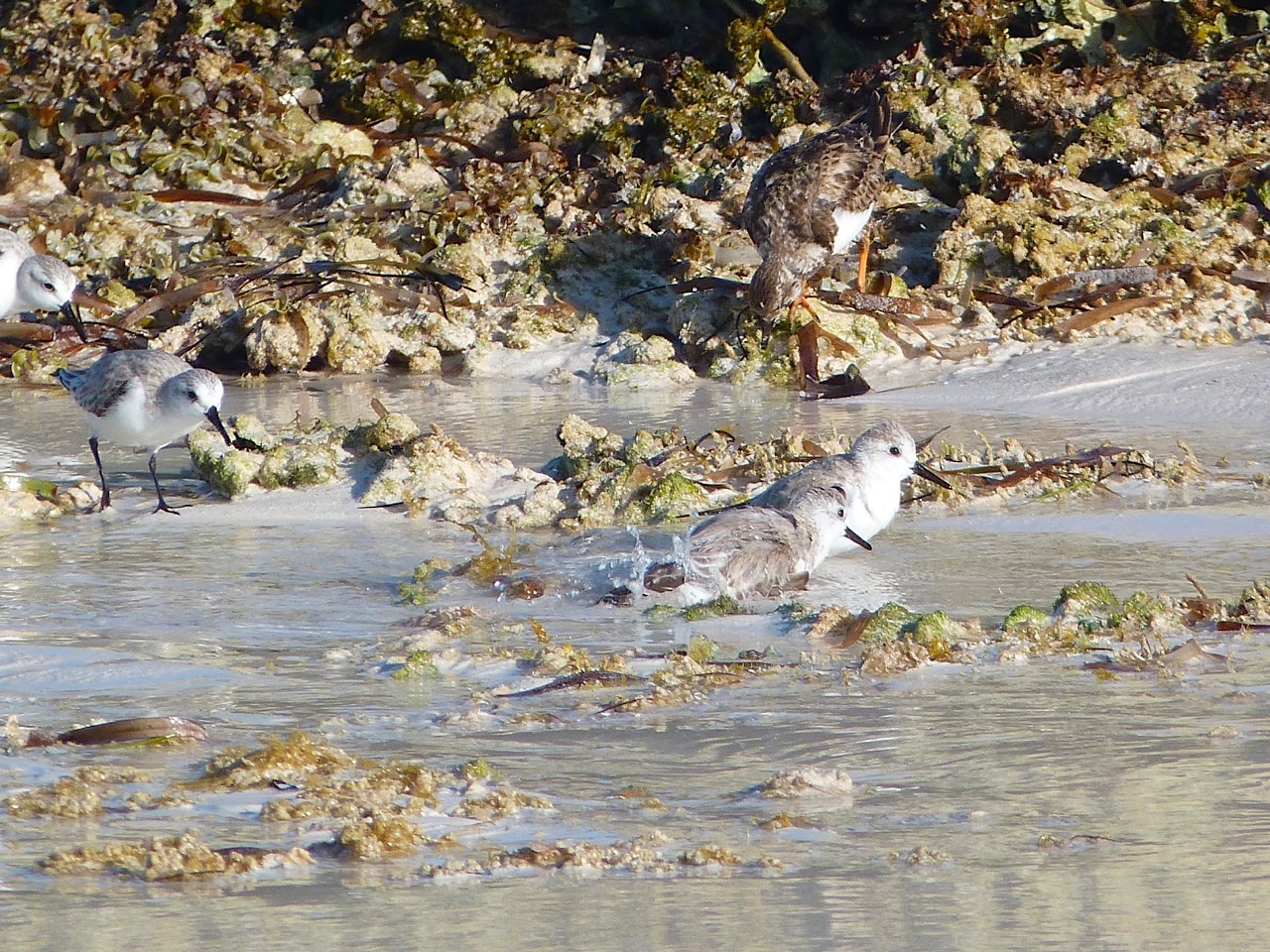
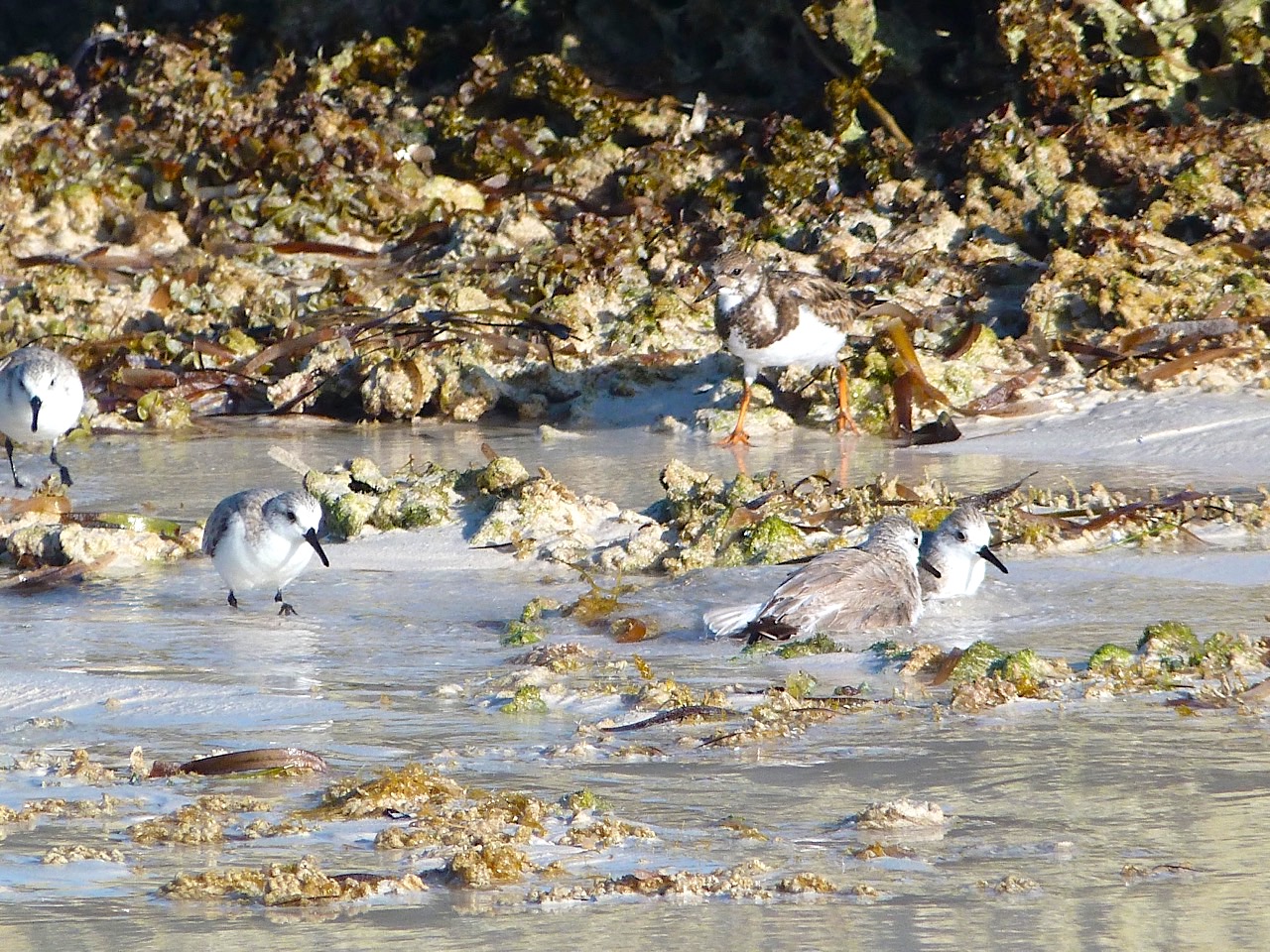
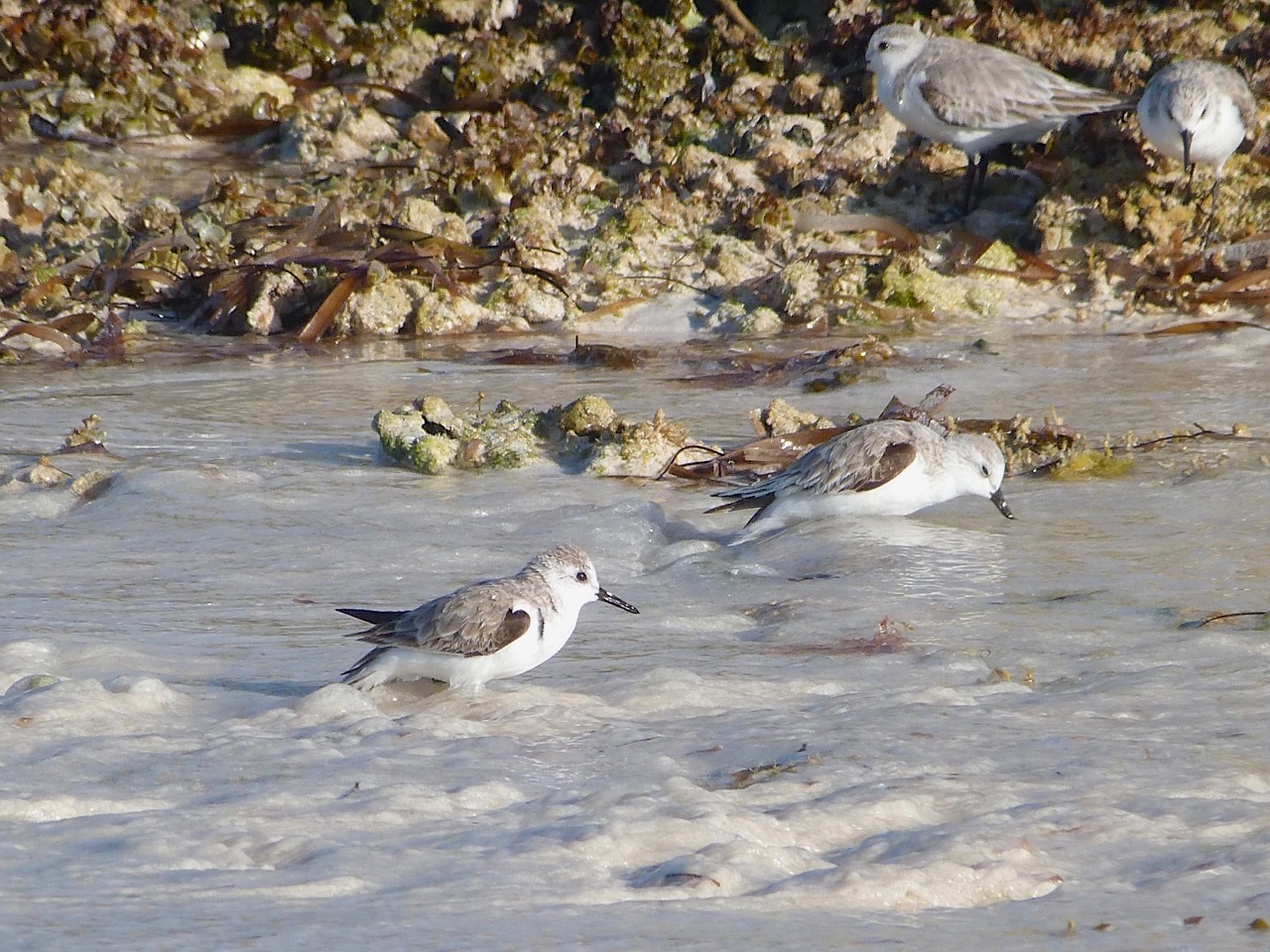
Well, join me at Sanderling Bath Time on the Delphi Beach. We are the north end, where the exposed rocks of the reef curve round towards the beach. At low tide, there’s a sandbar bridge from beach to rocks. It is a perfect feeding area for shore birds. Sanderlings, ruddy turnstones, least sandpipers, Wilson’s plovers and the prized piping plovers forage happily together here.
Towards mid-tide on the rise, the water begins to creep round the rocks and encroach onto the sandbar. At high tide, it is well under water and fish are back in residence. Small sharks sometimes hang in the waves just behind their breaking point over the shallow sand. And so the tidal process repeats. But ± mid-tide is the time for the shore birds to bathe in the tidal pools that form – and become frothier as the water pours in. And it’s an excellent time to sit peacefully on the beach and watch the entertainment…
Substantial immersion is not out of the question…
These moments don’t last long. Soon the increasing force and height of the water spoils the fun, and the flock will suddenly take flight and move south a little way along the beach, away from the rocks. There’s the incoming tideline to play with – and more importantly, food to be uncovered with each incoming and retreating wave…
THE COLOUR OF CHRISTMAS: PAINTED BUNTINGS ON ABACO
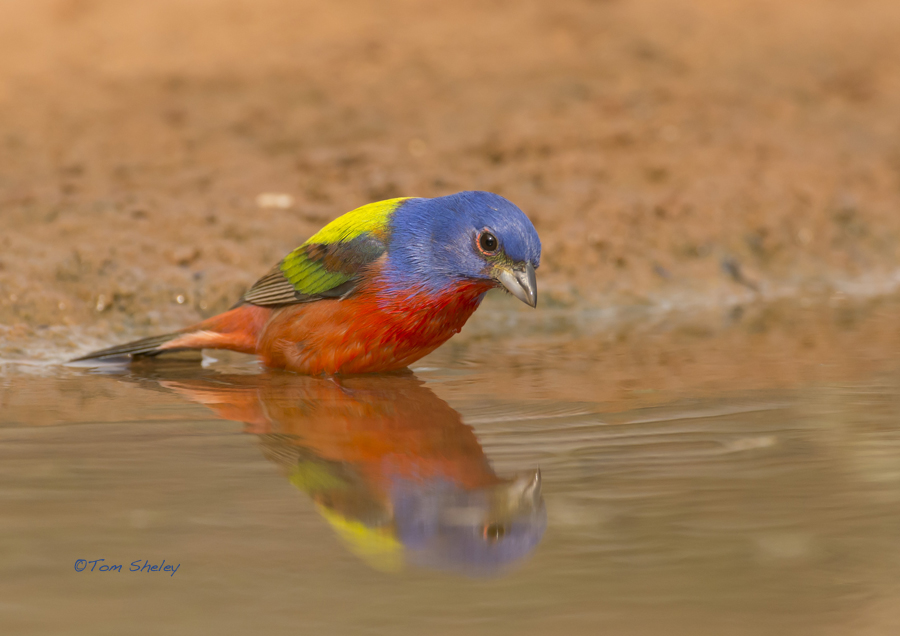
It’s a statistical fact that 99% of people “love” or “adore” painted buntings. The 1% were rather standoffish “Don’t Nose”, preferring to keep their views to themselves. PABU are winter residents on Abaco, not especially common but drawn irresistibly to feeders. To me they are the colour of Christmas, magically decorated with the favourite pigments from a child’s paintbox. So before I get stuck into the imminent festivities, I’ll leave you with a few of these gorgeous creatures to enjoy…
A male and female painted bunting sharing on of the Delphi Club feeders
Wishing all friends and followers of Rolling Harbour a wonderful Christmas and a very happy New Year. See you when I have been safely discharged from the festive recovery ward…
Credits: Tom Sheley (1, 5), Erik Gauger (2), Tara Lavallee (3, 4), Keith Salvesen (6)
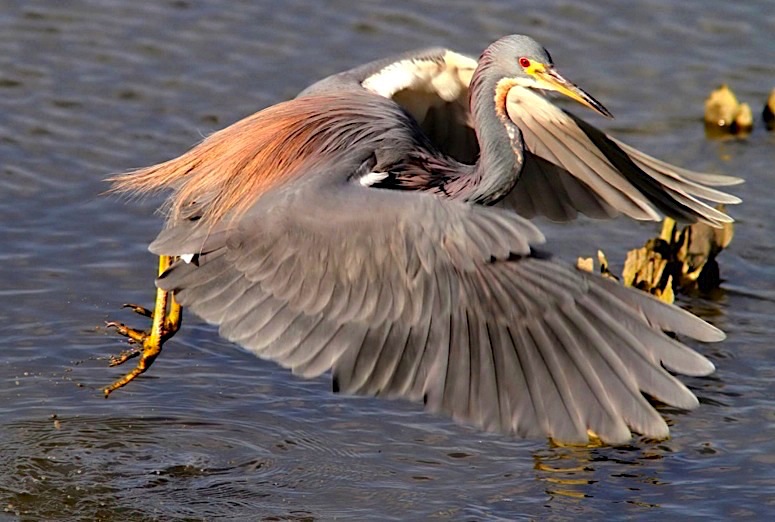
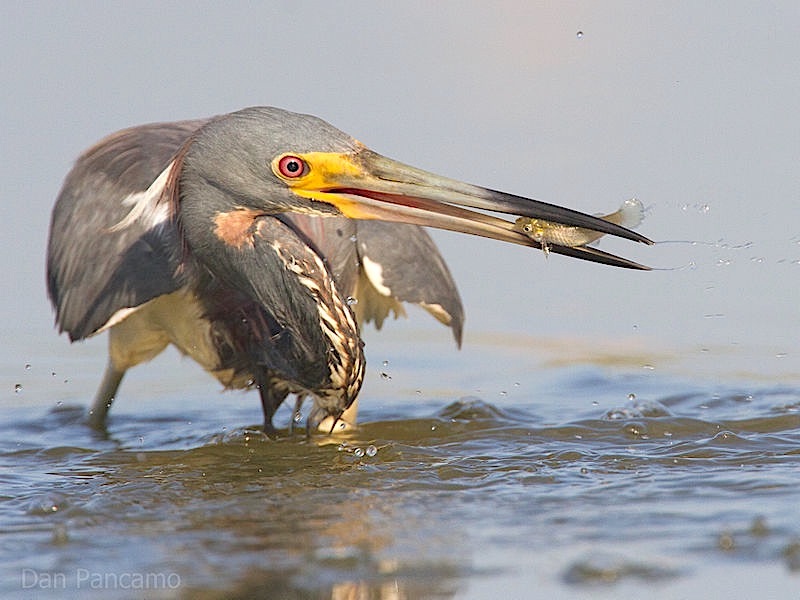
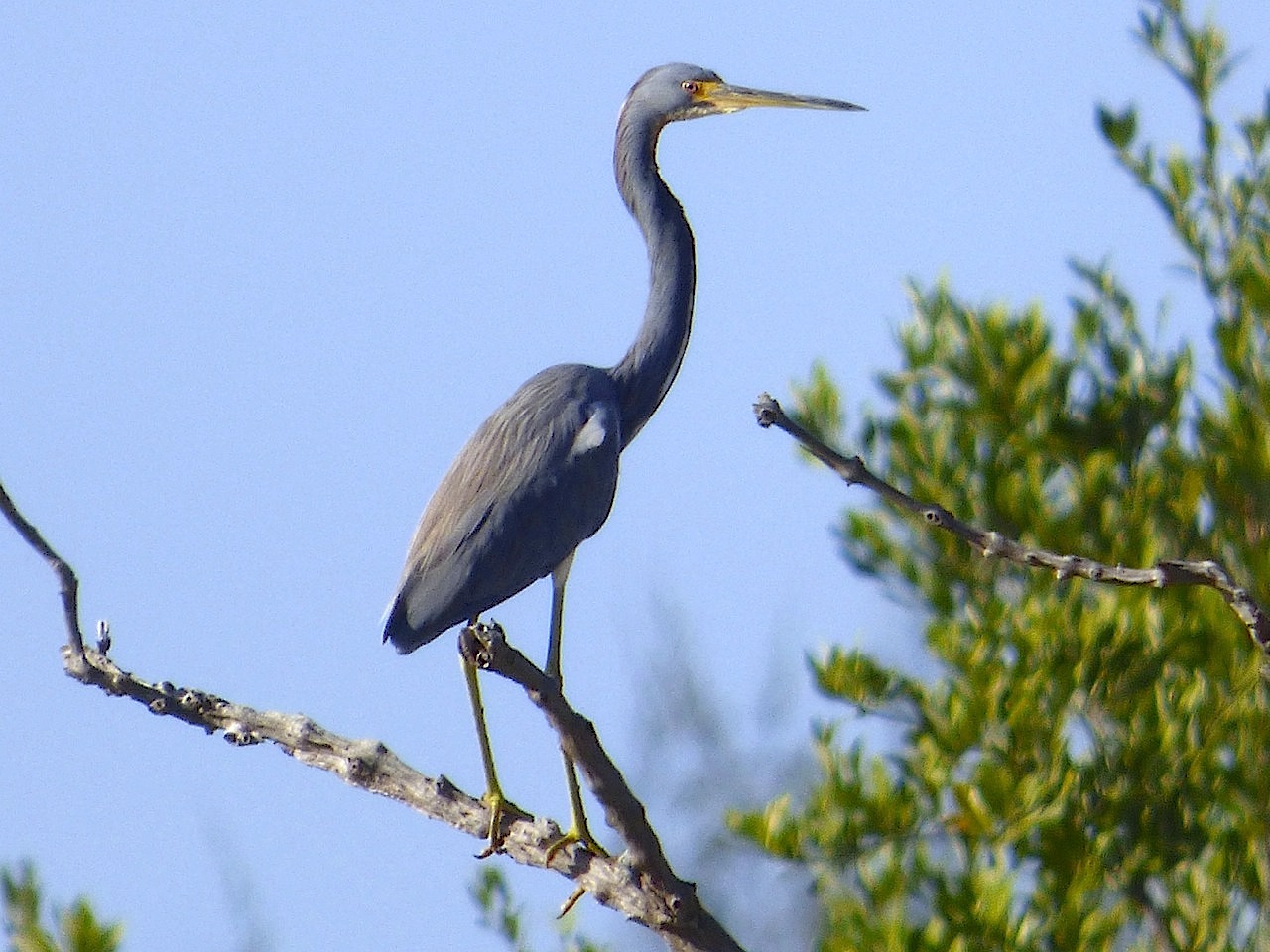
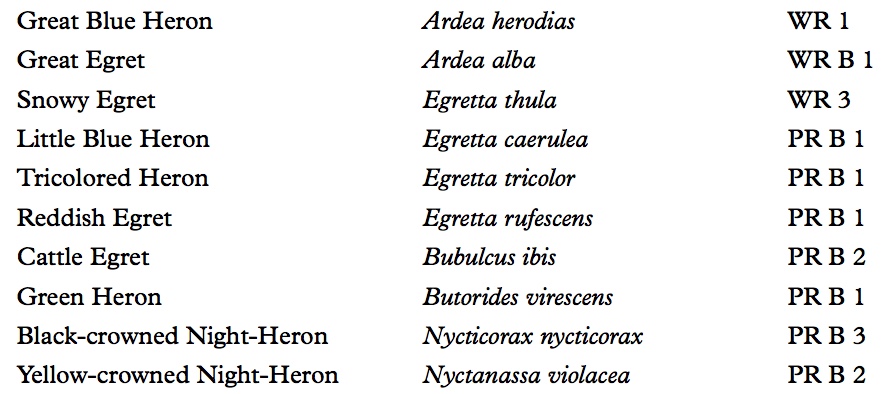
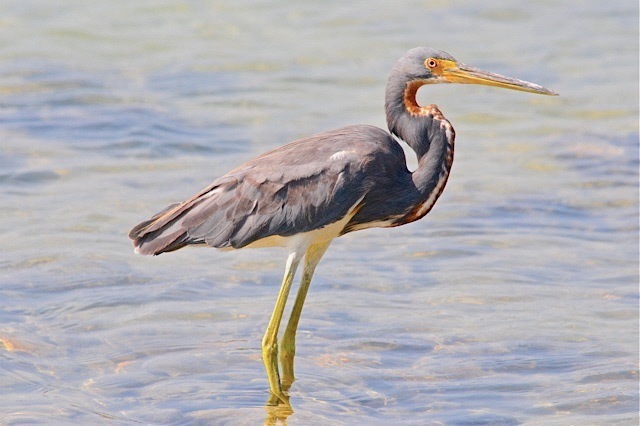
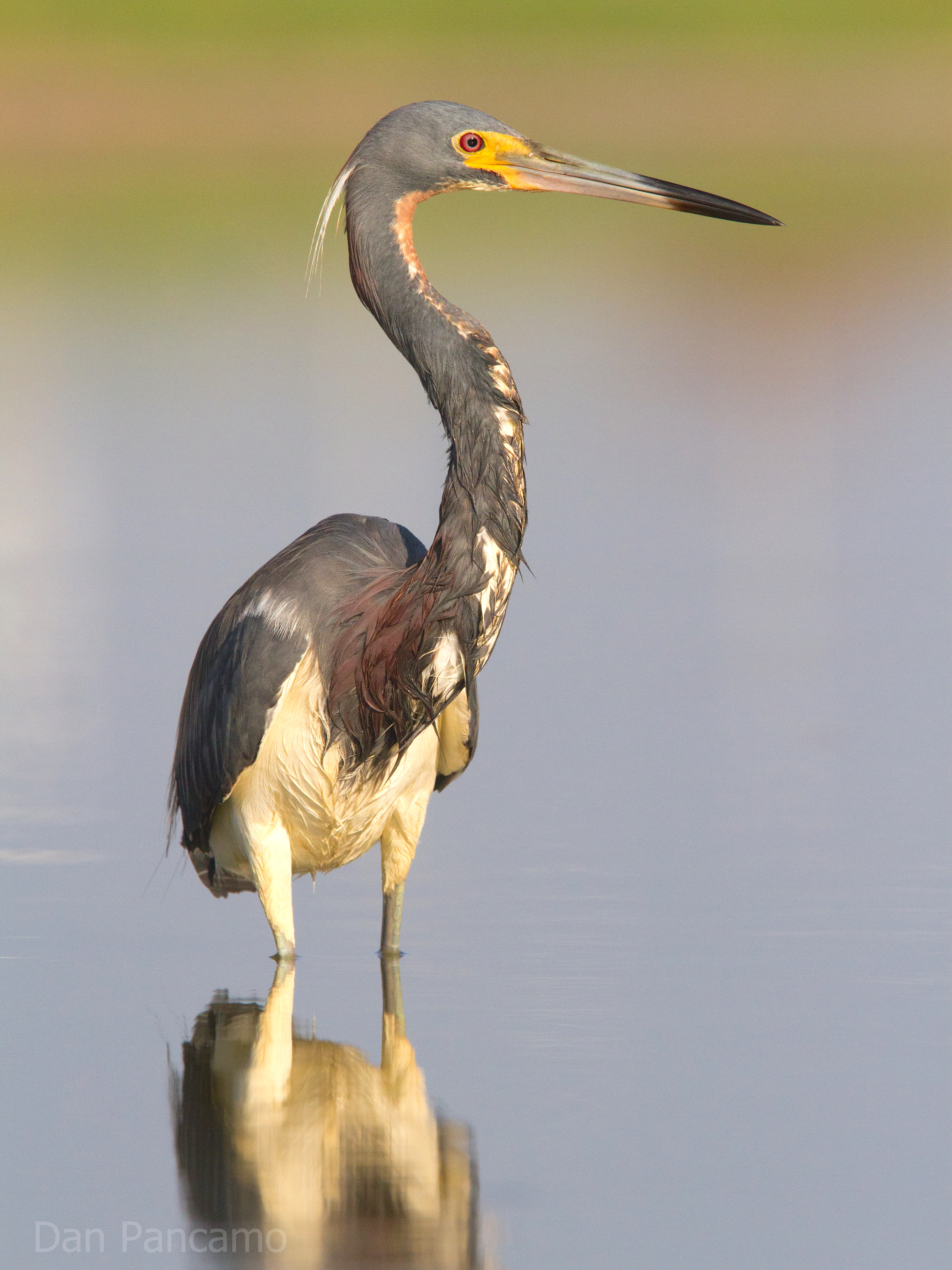
The Tricolored Heron Egretta tricolor is one of 6 heron species found on Abaco, and is a permanent breeding resident. To which can be added 4 sorts of egret to complete a line up of expert fishers, all equally at home hunting in the water or from the shore, or surveying the scene from nearby vantage points like bushes and trees.
A distance shot… and it was 20′ up, above the pond
The heron and egret species of Abaco
A long neck, a long bill and long legs make this heron species ideally adapted for wading. Like other herons and egrets, it will stand stock-still waiting for the perfect fish to swim into range. However they are also active hunters, and will stalk prey or chase it by striding quickly through the water in pursuit. They eat fish, crustaceans, reptiles, and insects.
On a mission…
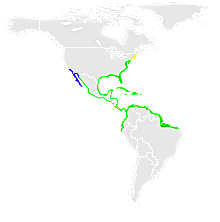
The tricolor has a wide resident breeding range, shown in green on the map
Coming in to land…
Breeding plumage: smart blue bill and a fish to put in it
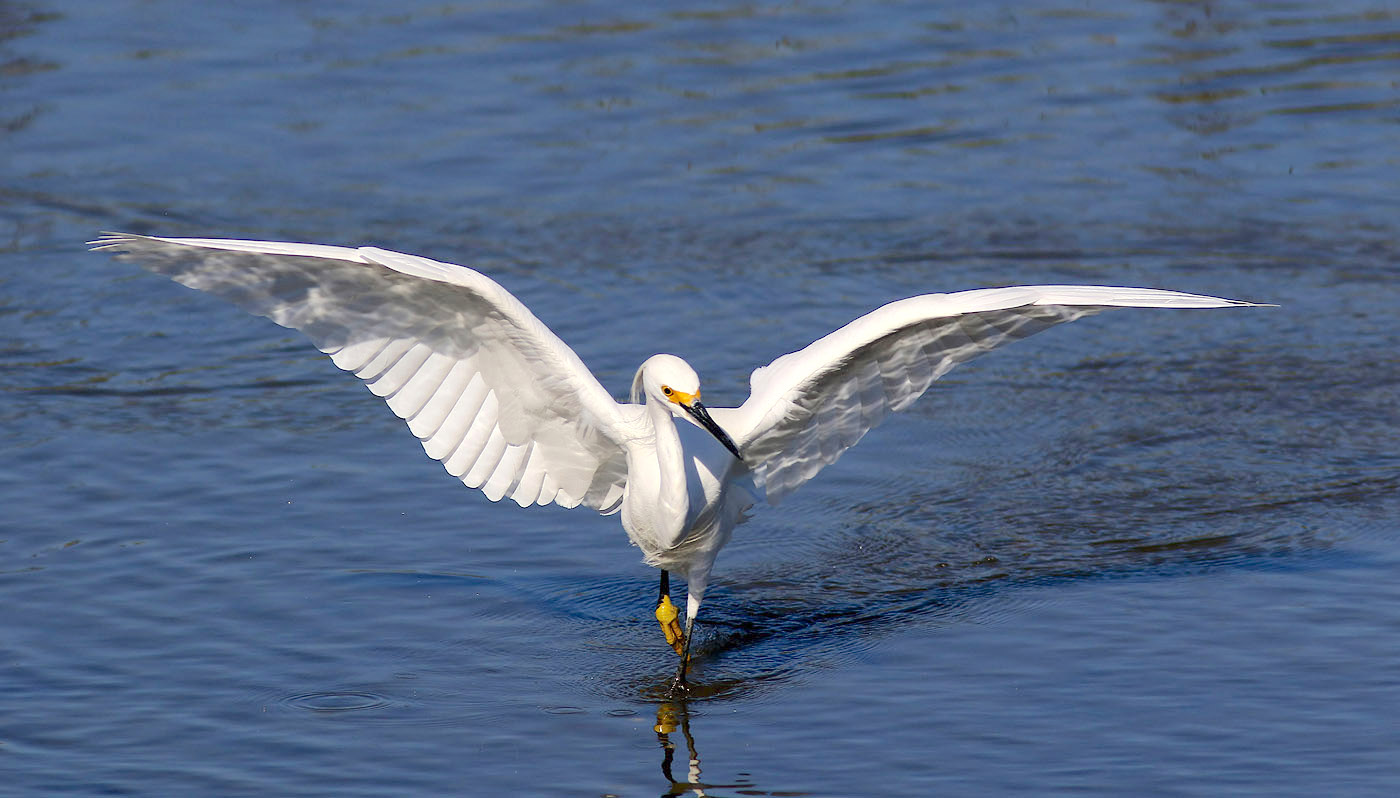
This snowy egret is not (as it might appear) practising its ballet moves. It is on a mission. You can see the egret’s hunting trail, leaving a gentle but purposeful wake as it stalks through the water. Now it is poised for its next move… getting lunch. The head cocked to one side suggests it has seen its prey. With wings outstretched, it is perfectly balanced for a swift and deadly accurate strike into the water… And (below) it nails its target at the first attempt. [It’s well worth clicking on these images to enlarge them. Double click to enlarge them further]
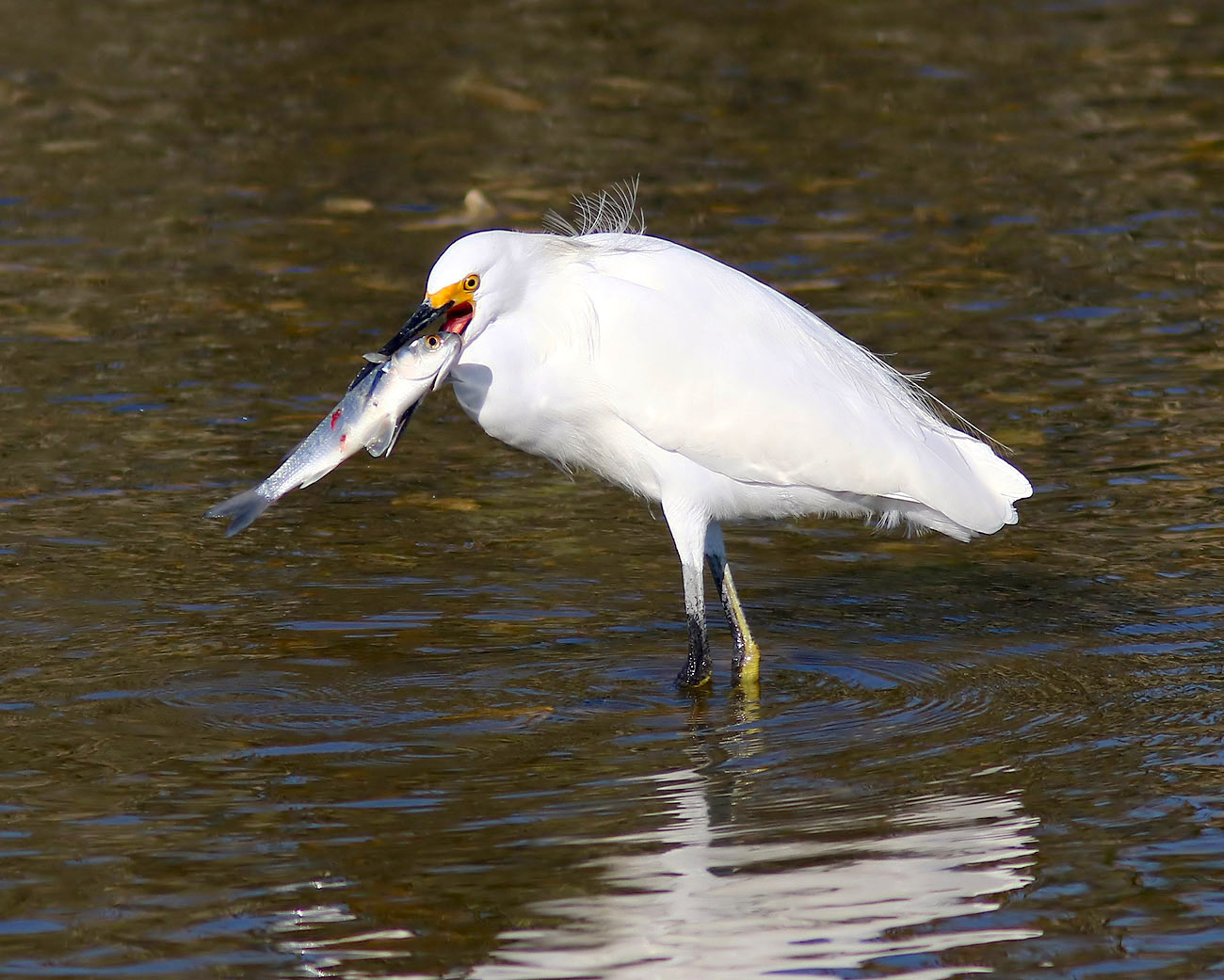
The skilful techniques demonstrated by egrets are not infallible. They may miss the fish; or take too light a grasp of it; or even lose it while manoeuvring the fish in its beak to get it into a swallowable position. Or it may turn out to be simply too large to swallow… Remarkably, the substantial fish shown below – one I’d have been proud to catch on the fly (especially first cast) – went successfully down the hatch. A snowy egret’s capacity to hang onto and consume fish that are significantly longer than the length of its bill is another feature worthy of admiration.
I had been planning a quite different post for today, but during the weekend I saw these wonderful sequential photos by Phil Lanoue, whose work I feature from time to time. They are so striking that I fast-tracked them to start the week with.
Photo Credits:PHIL LANOUE(with many thanks for use permission)
In a box in the corner over there – no, there – are my last 6 copies of ‘The Birds of Abaco’. Peter Mantle probably has a few over here in the UK too. And there are definitely some remaining at Delphi HQ in a cupboard just a few lurches away from the surprisingly popular ‘honesty bar’. But there aren’t a great many left now, so forgive me for drawing attention to the fact that the Season of Goodwill is upon us. And… ahem… there are only 24 more ‘sleeps’ until Christmas.
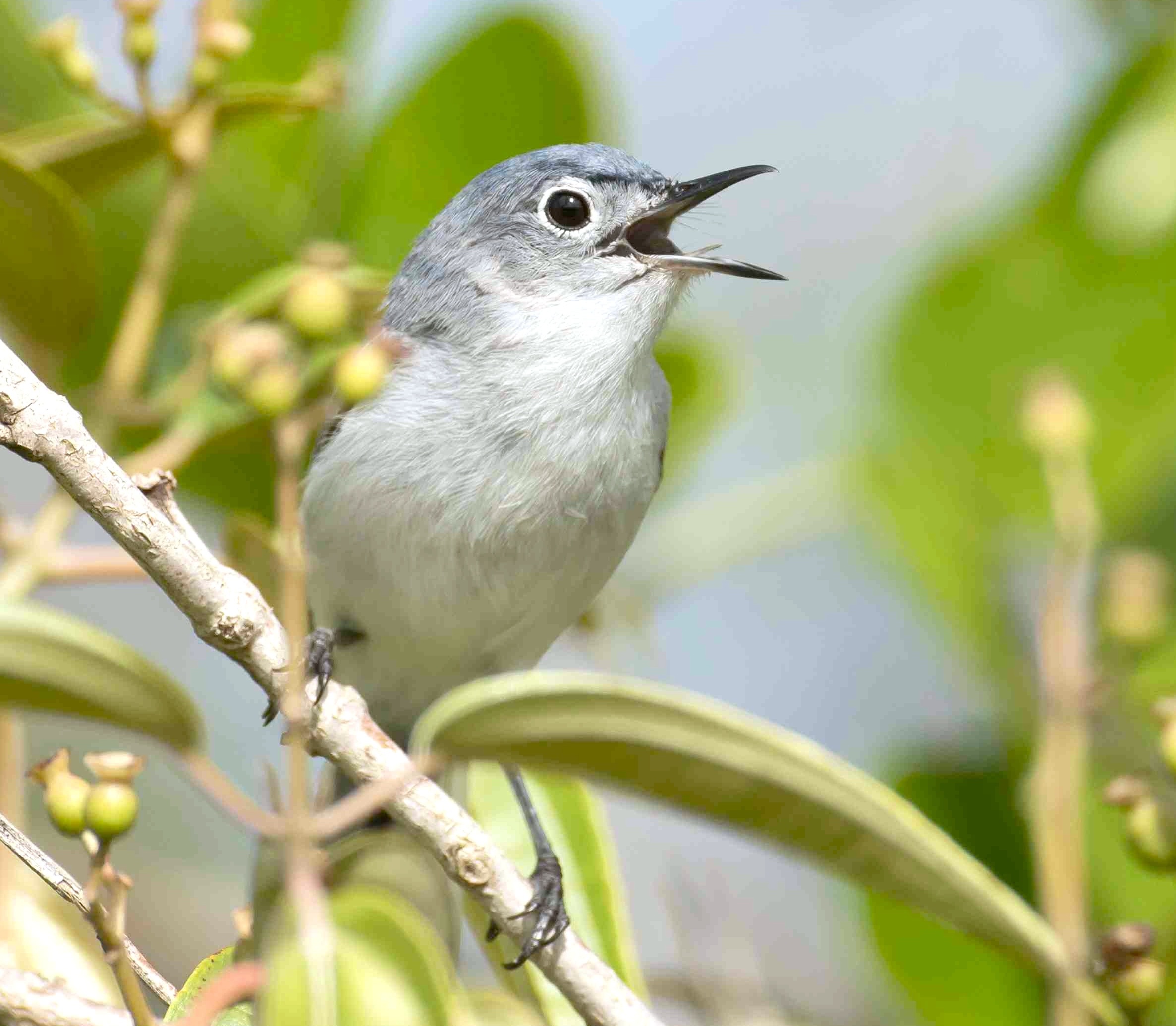
Blue-gray Gnatcatcher Tom Sheley
“The Delphi Club Guide to THE BIRDS OF ABACO” was published in March 2014. To say “I wrote it” would be a gross distortion of the truth: it was an entirely collaborative project. The originator of the idea – as with the entire Delphi Club project – was Peter Mantle, the publisher. The work of 30 photographers is included. There was huge input from the very experienced project manager and from Bahamas bird experts. So although my name is on the cover, it is as a participant representing the contributions, camera skills and brainpower of many people.
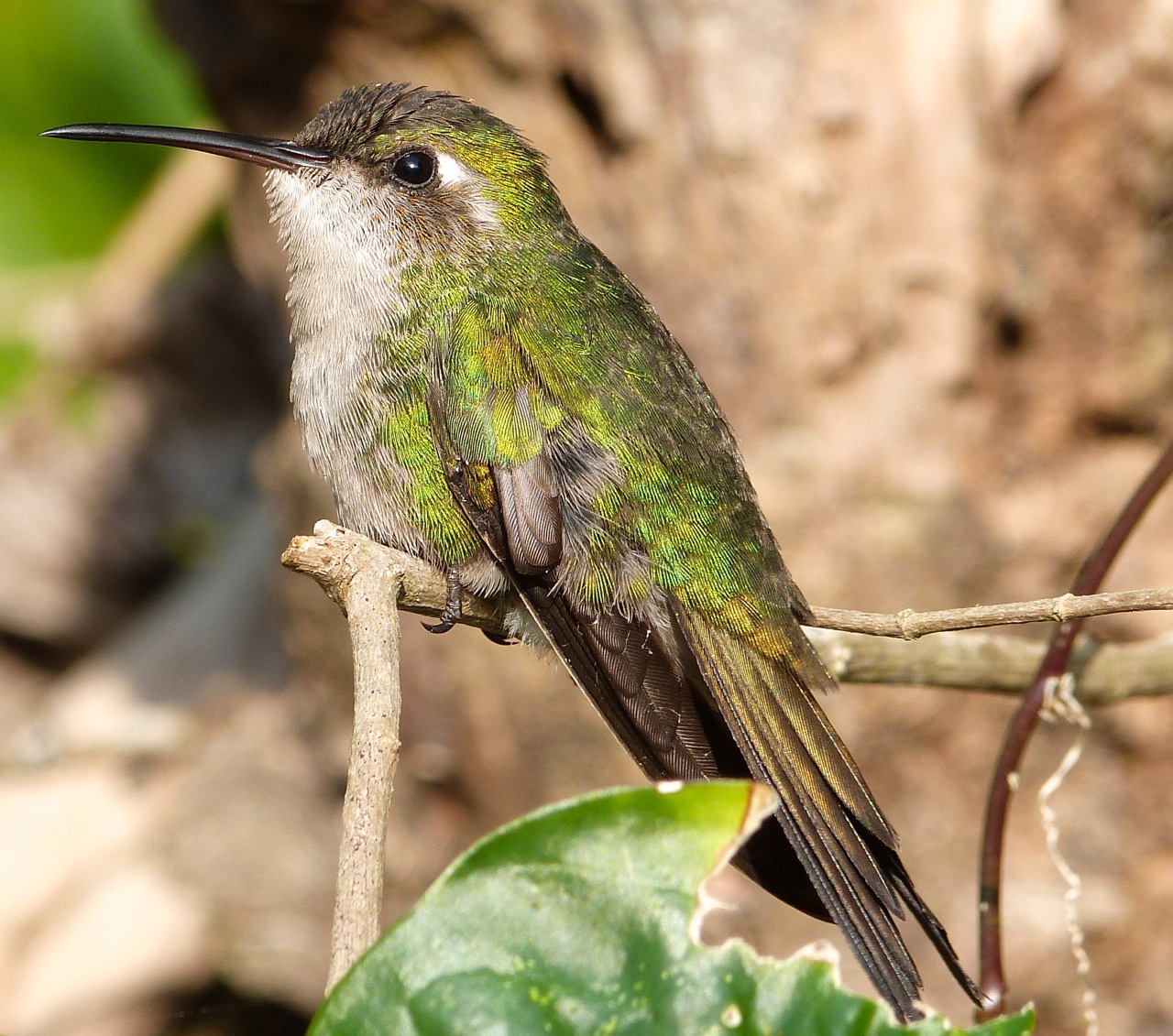
Cuban Emerald (f) Keith Salvesen
The book launched to generous enthusiasm and support both on Abaco and beyond, which has continued ever since. We have been astonished by the positive responses to this unique publication for the Bahamas. There is a wider purpose to the book than as a photographic showcase for Abaco birds. All Abaco schools, colleges, libraries and local wildlife organisations have been given free copies for educational purposes. And a percentage of the profits is set aside for local wildlife causes.
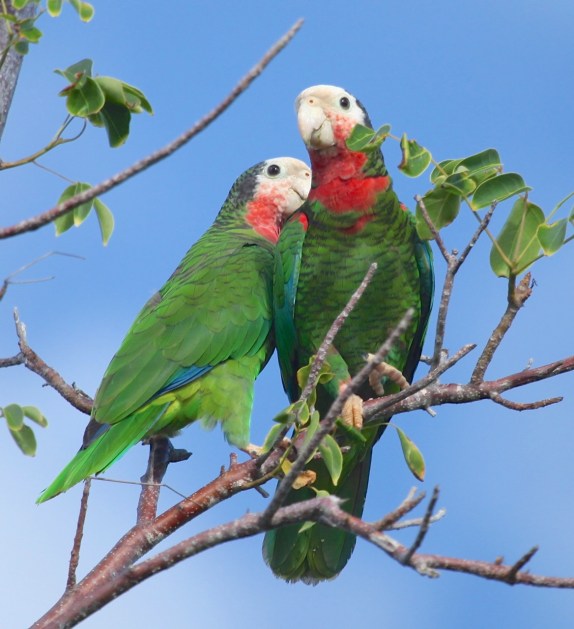
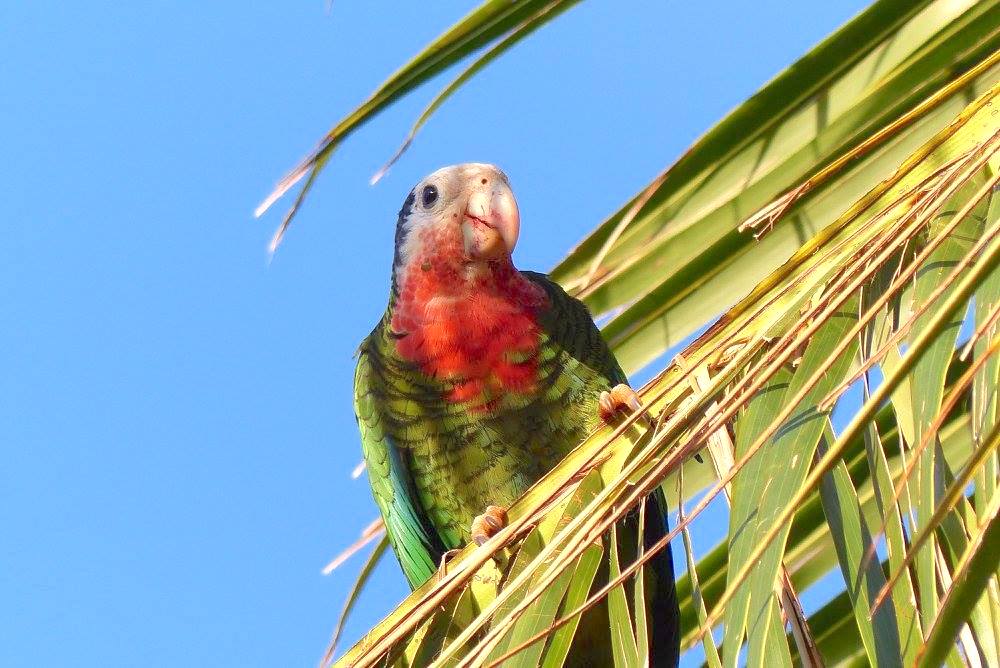
Abaco (Cuban) Parrots Peter Mantle
Below are some facts and stats. Some people may well have seen these set out elsewhere, but a lot of new people have kindly tuned in to Rolling Harbour in the last 12 months or so, so I will repeat some of the details.
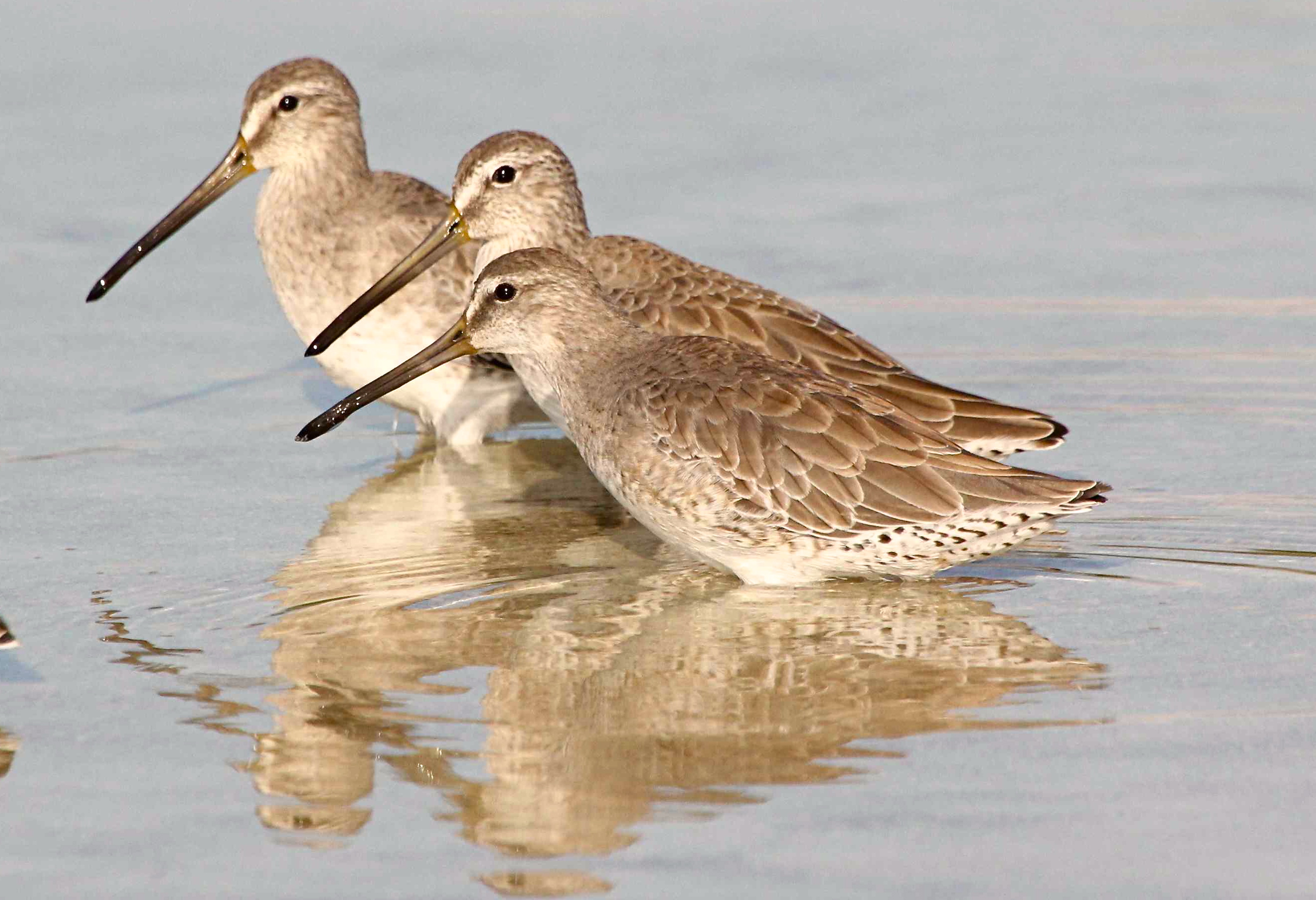
Short-billed dowitchers Bruce Hallett
The Guide showcases the rich and varied bird life of Abaco, Bahamas and features both resident and migratory species including endemics rarities and unusual sightings.
The main features are as follows:
272 pages with more than 350 photographs
163 species shown in vivid colour – nearly two-thirds of all the bird species ever recorded for Abaco
Every single photograph was taken on Abaco or in Abaco waters
All birds are shown in their natural surroundings – no feeders or trails of seed were used
Several birds featured are the first ones ever recorded for Abaco or even for the entire Bahamas
Clapper Rail Tom Sheley
A total of 30 photographers, both experienced and local amateurs, contributed to the project
The book had the generous support of many well-known names of Abaco and Bahamas birding
A complete checklist of every bird recorded for Abaco since 1950 up to the date of publication was compiled specially for the book (6 new species have been recorded since then…)
A code was devised to show at a glance when you may see a particular bird, and the likelihood of doing so. Birds found at Delphi are also marked
Specially commissioned cartographer’s Map of Abaco showing places named in the book
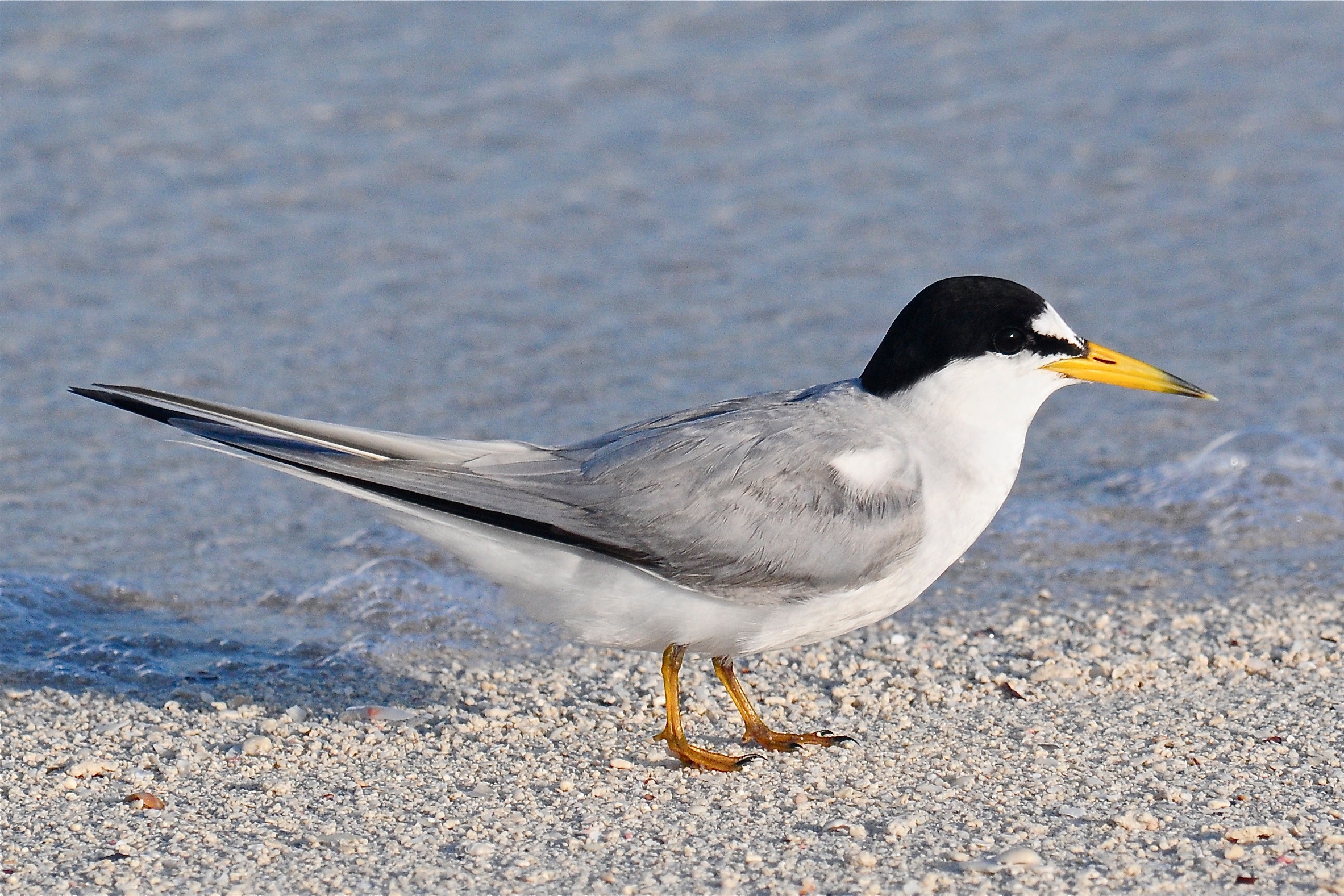
Least Tern Tony Hepburn
Informative captions intentionally depart from the standard field guide approach…
…as does the listing of the birds in alphabetical rather than scientific order
Say goodbye to ’37 warbler species on consecutive pages’ misery
Say hello to astonishing and unexpected juxtapositions of species
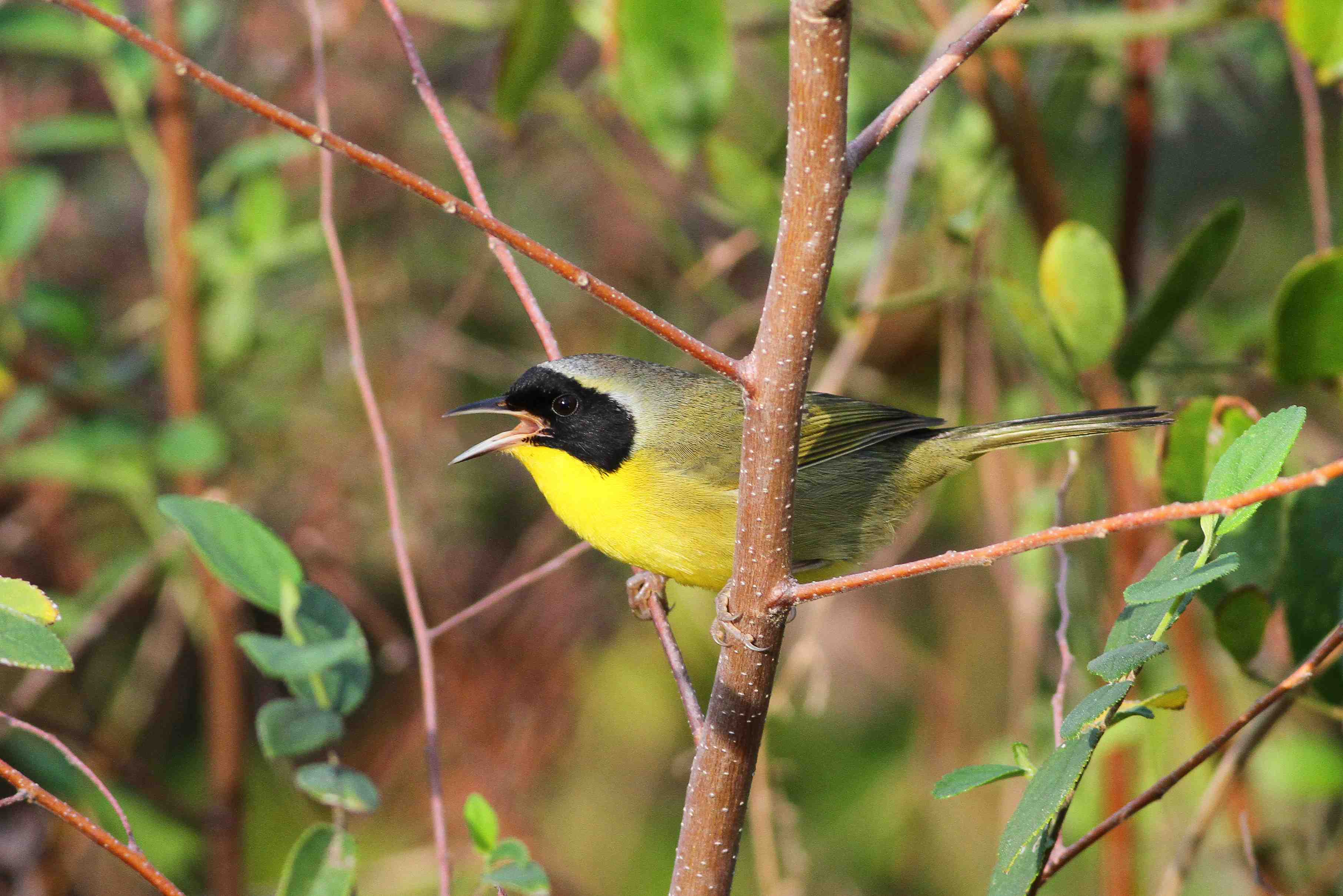
Bahama Yellowthroat Gerlinde Taurer
The book was printed in Florence, Italy by specialist printers on Grade-1 quality paper
Printing took pairs of printers working in 6 hour shifts 33 hours over 3 days to complete
The project manager and the author personally oversaw the printing
Smooth-billed Anis Gerlinde Taurer
The book is dedicated to the wildlife organisations of Abaco
A percentage of the profits is put by for the support of local wildlife organisations
A copy of the book has been presented to every school, college and library on Abaco
Piping Plover Bruce Hallett
The book is published by the Delphi Club (contact details below). The project was managed by a publishing specialist in art books. The author is the wildlife blogger more widely known on Abaco and (possibly) beyond as ‘Rolling Harbour’. Oh! So that would in fact be Mrs Harbour and myself. Well well! What were the chances?
Painted Bunting Tom Sheley
The Delphi Club at Rolling Harbour
PO Box AB-20006, Marsh Harbour, Abaco, Bahamas
Tel: +1-242-366-2222
A while back I wrote a post about the mysterious population of Cuban parrots in Nassau. The mysteries being, how and when did they get there; and how and especially why is the population slowly increasing when there is scant evidence of nests, fledglings or juveniles; and no equivalent secluded location for cave-nesting, as the Abaco parrots do in the limestone holes in the Abaco National Park.
STOP PRESSMelissa Maura comments“I was brought a wounded juvenile years ago, and raised and successfully released it here along with a wild flock of 5 or 6. They ARE nesting in the odd large tree cavity in undisclosed parts of Nassau. I’m pretty certain the original pair escaped from a cage within the garden of people associated with the BNT many years ago. They may have been re-habilitated youngsters, originally requiring human help. At any rate our precious birdies are thriving – along with the odd impostor!”
I won’t expound the theories again – if you are interested you can check out the original article HERE. You’ll find I have since incorporated quite a few very informative comments that were made in response, touching on the above mysteries but with differing theories.
HOW BIG IS THE NASSAU POPULATION?
In the summer, when I last researched this, the maximum reported number was about a dozen. It’s not clear whether those were all seen at the same time – obviously an important evidential factor, since it precludes double counting. It has now become clear that there are a minimum of 15 birds, because recently a flock of 15 were all sighted together. As I added to the previous post:
STOP PRESS On 6 October 2016 New Providence was in the direct path of Hurricane Matthew. Despite the power of the storm, by the following day there was a report of a sighting in Nassau. Today, 9 October, comes a report of a group of 15 – as far as I am aware the highest number sighted together. Maybe they all came together for solidarity… In any event, the sighting confirms that, at least as far as the parrots are concerned, the hurricane has not caused any problems.
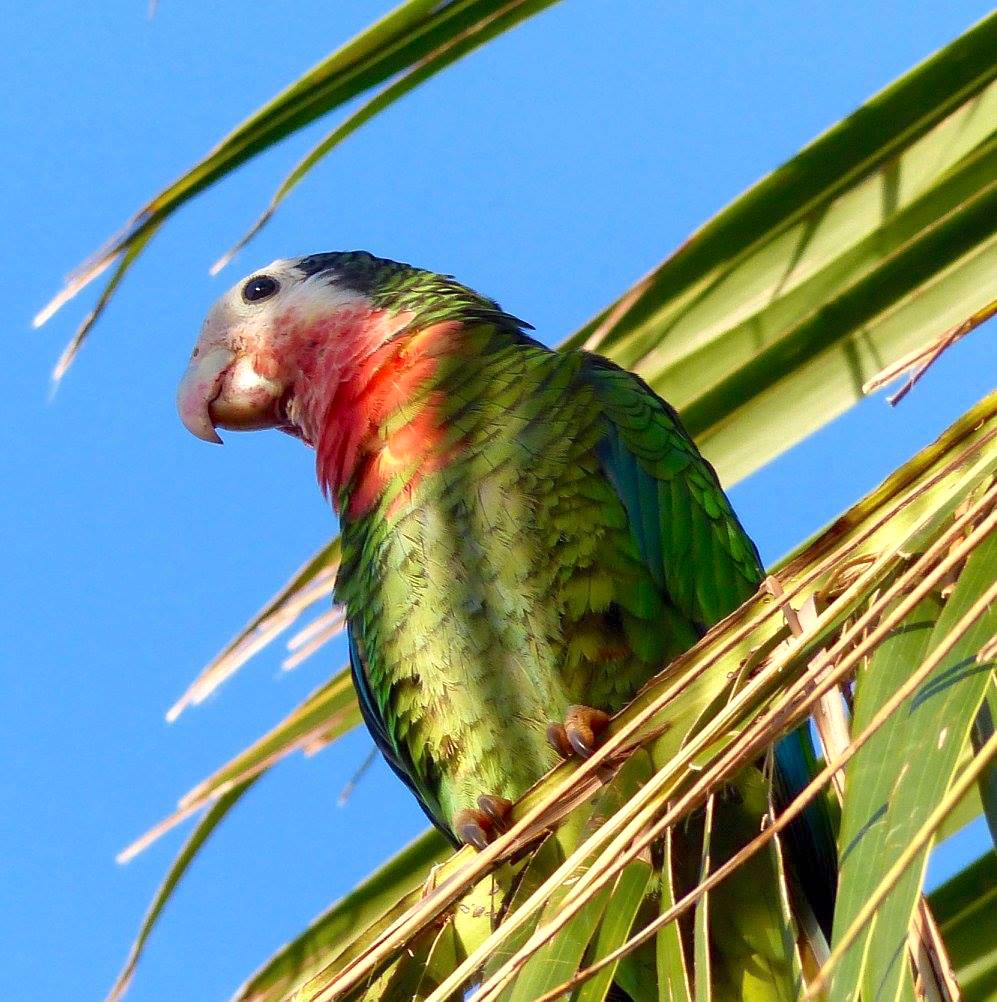
Posing prettily for photos – though maybe a bit ‘snooty supermodel whatevah’ in the second…
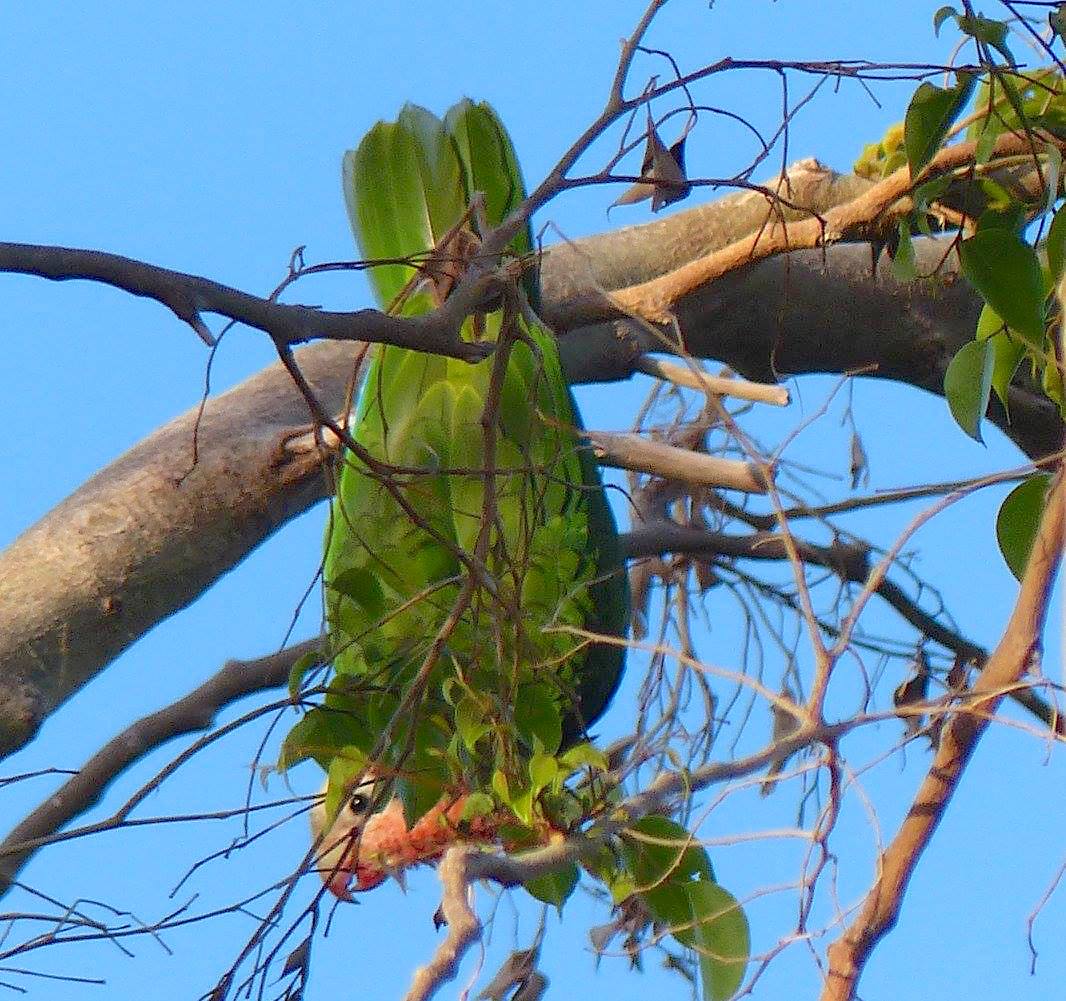
The photos in this post were all taken in the last couple of days by Nassau Resident Lynn Gape, of the BAHAMAS NATIONAL TRUST. Some of them show very clearly the bright blue on the wings of these lovely birds – a colour that is much more evident in flight.
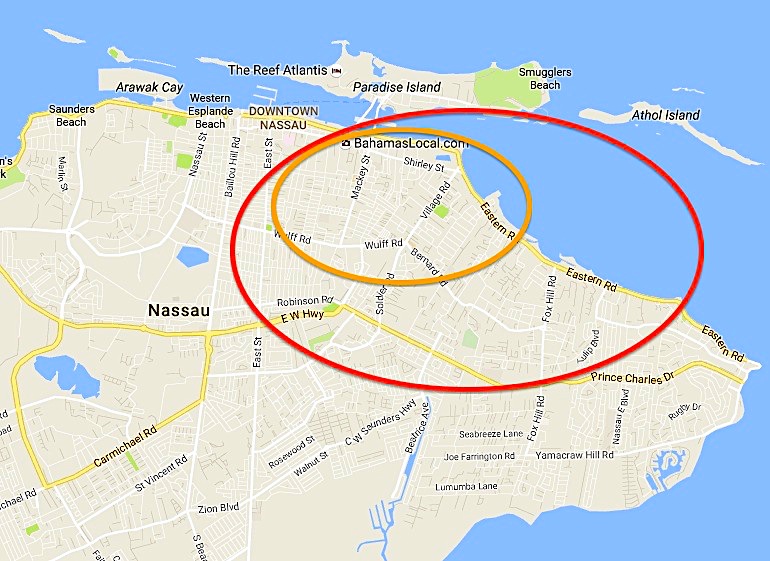
You can keep track of the Nassau parrots on a dedicated Facebook pageBAHAMA PARROTS OF NASSAU LOCATOR. This is a well-used resource, with many local people adding their sightings (in some cases, just the ‘hearings’) of these lovely (but raucous) birds. From the reports I was able to draw up a rough map for the main area of sightings (red oval), and the hotspot from which most reports are made (orange oval). There are outliers, of course, mainly to the south.
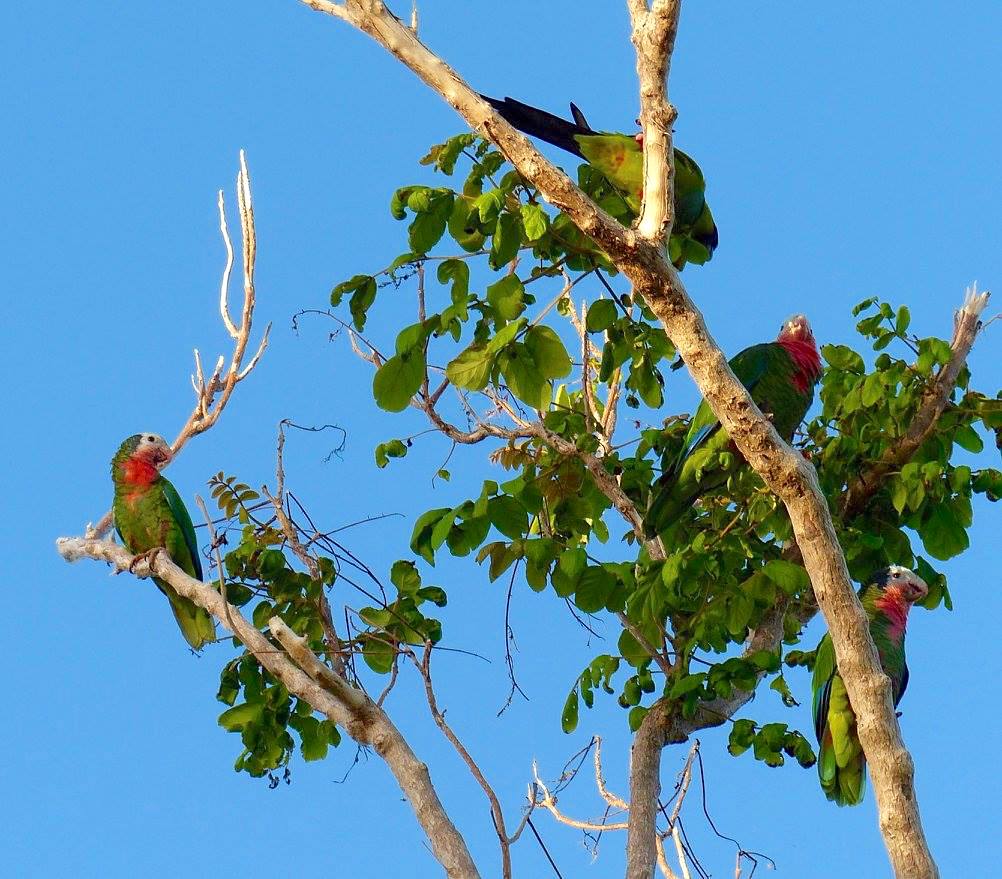
Like all parrot species, Cuban parrots are gregarious. And the more that are gathered together, the louder the party. And other psittacine species are happy to get in on the act. The image below and image #2 above show a black-headed parakeet mixed in with the parrots. I’ve seen earlier photos where he is hanging out with them. There seems to be no animosity between the species.
So there we have it. The population is rising and there is no definitive explanation. Releases of captive birds are unlikely, since these parrots are now a protected species. The smart money must, I think, be on a the colony nesting in tree holes somewhere secluded. Parrot awareness has greatly increased on New Providence, and no doubt the issue will eventually be resolved. But in many ways I rather hope it remains a mystery.
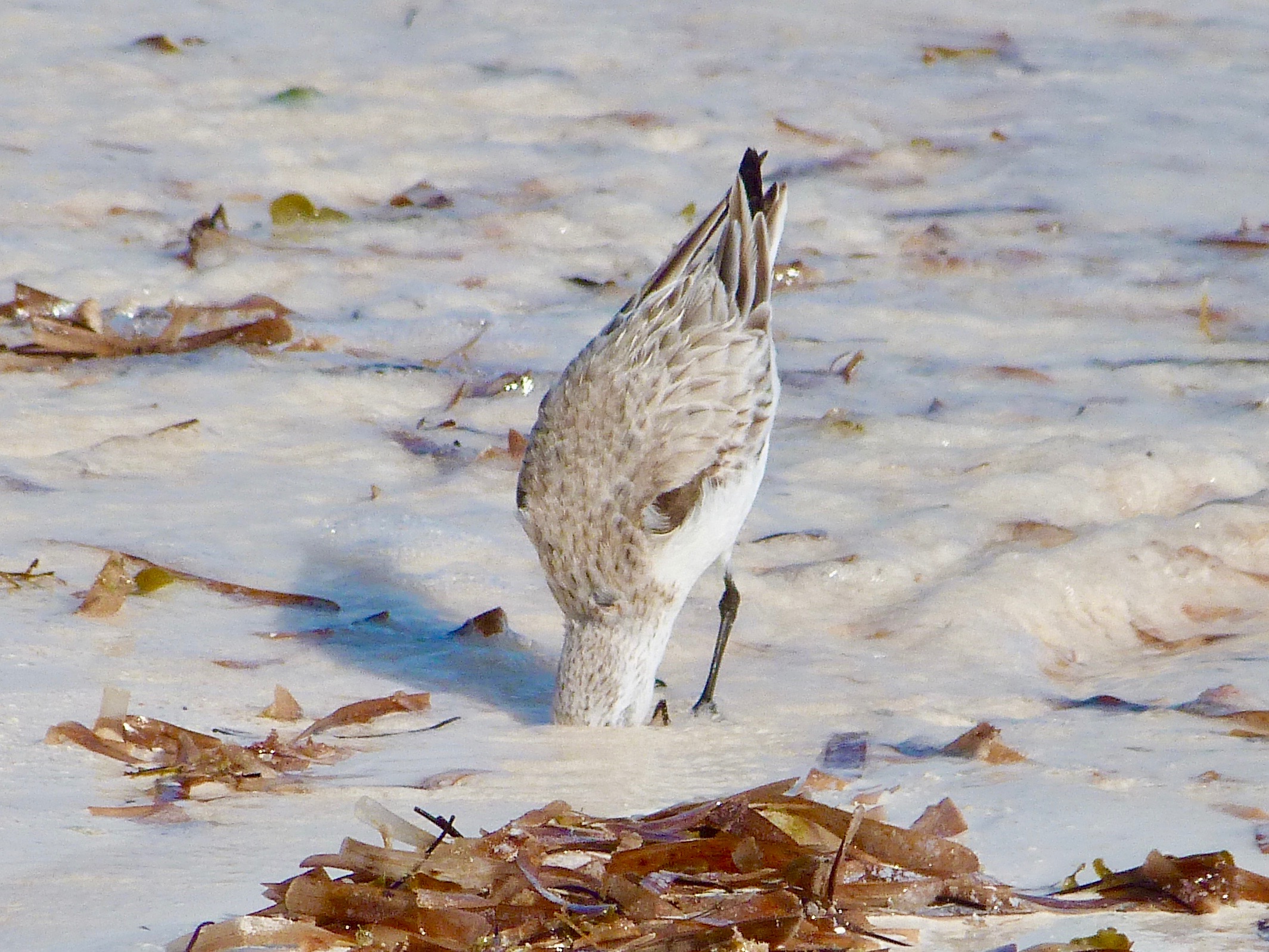
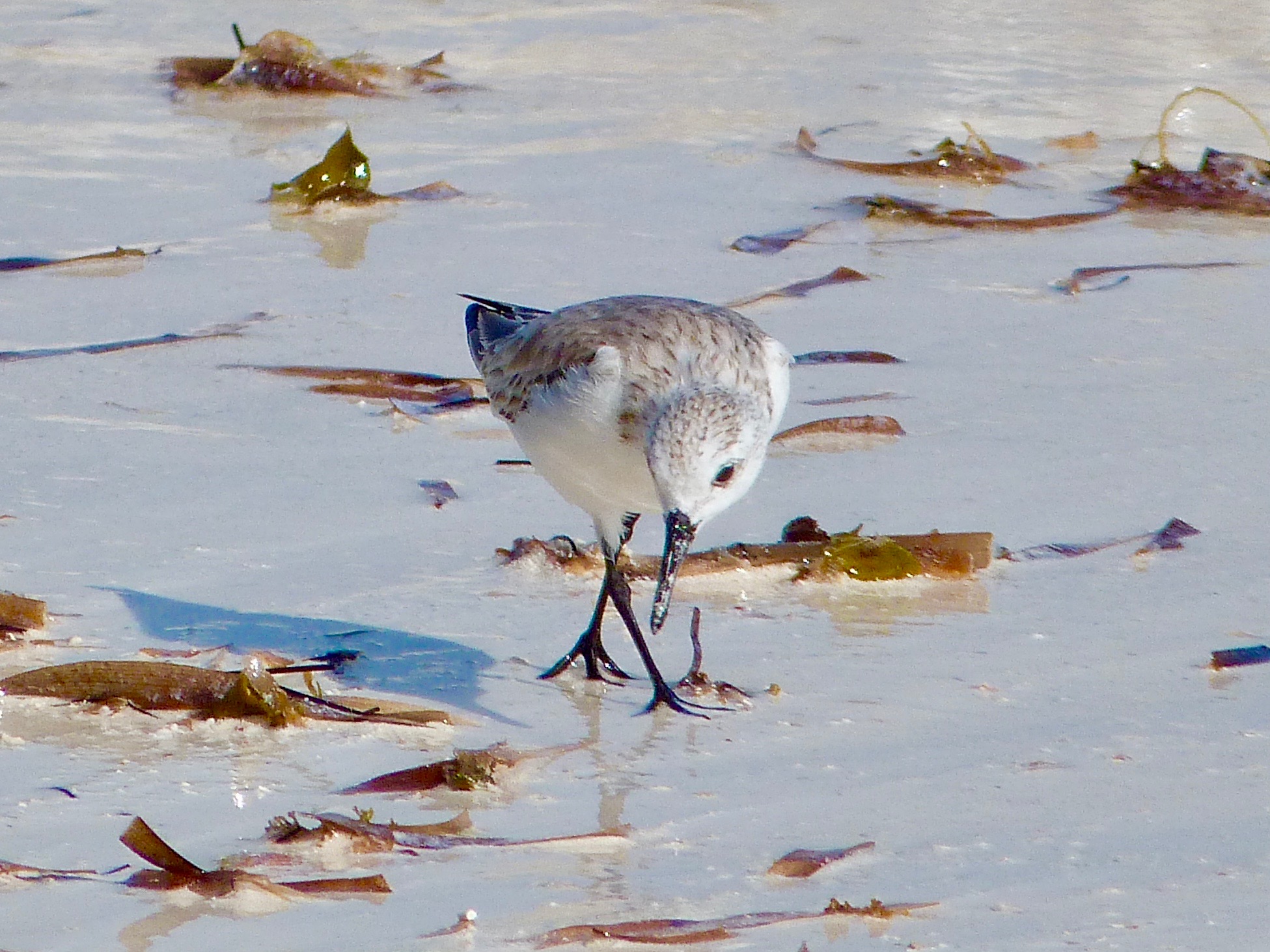
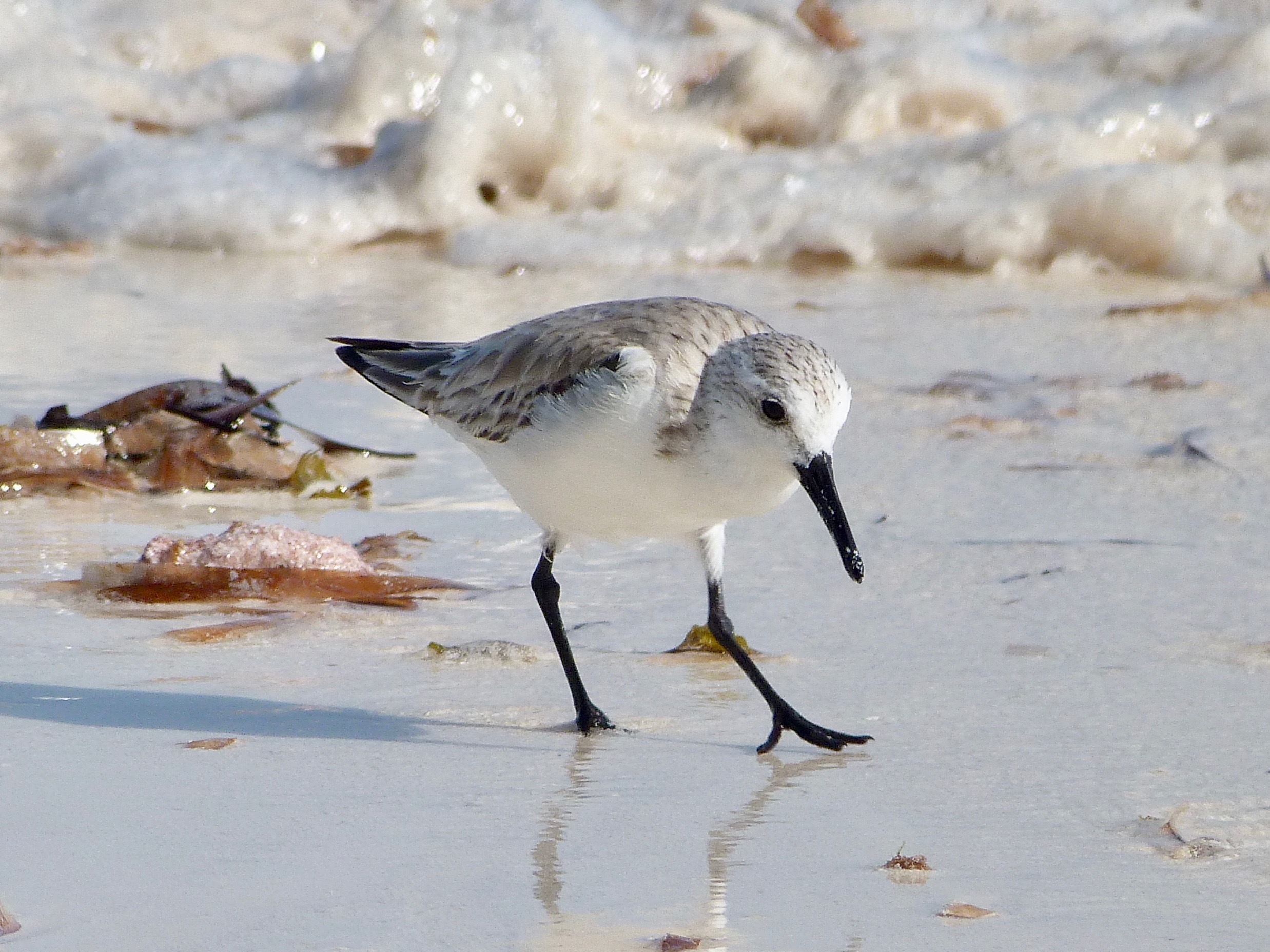
Sanderlings. Wind them up with the concealed key under their left wing, and they will charge up and down the beach for an hour or two, pausing only to rip some small unsuspecting mollusk or crustacean from its sandy bed. These birds are tiny. And smart. They know all about how a retreating tide will expose the goodies. They are even happy to plunge their heads right under water (#2). They’re not really jumpy, if you don’t push your luck or have a dog with you. The best ploy of all is to find a flock near the tideline, choose a place to lie comfortably in dry sand (with a camera, I mean, otherwise you may look look a bit strange), and wait for them to come into range. Usually they are so busy, what with all that rushing around and feeding, that they will ignore you. So the hard part, after you have taken some photos, is catching the little so-and-sos to wind them up again…
VIDEO 1 In which we notice the scuttling and scooting around of sanderlings on a mission
VIDEO 2 In which we admire bathtime in a tide-pool and assorted comings & goings…
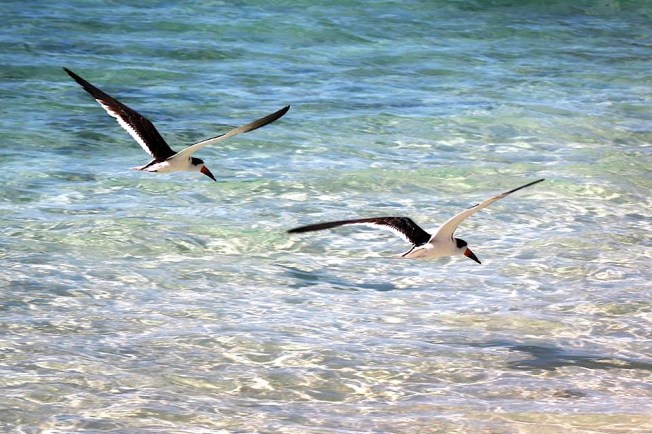
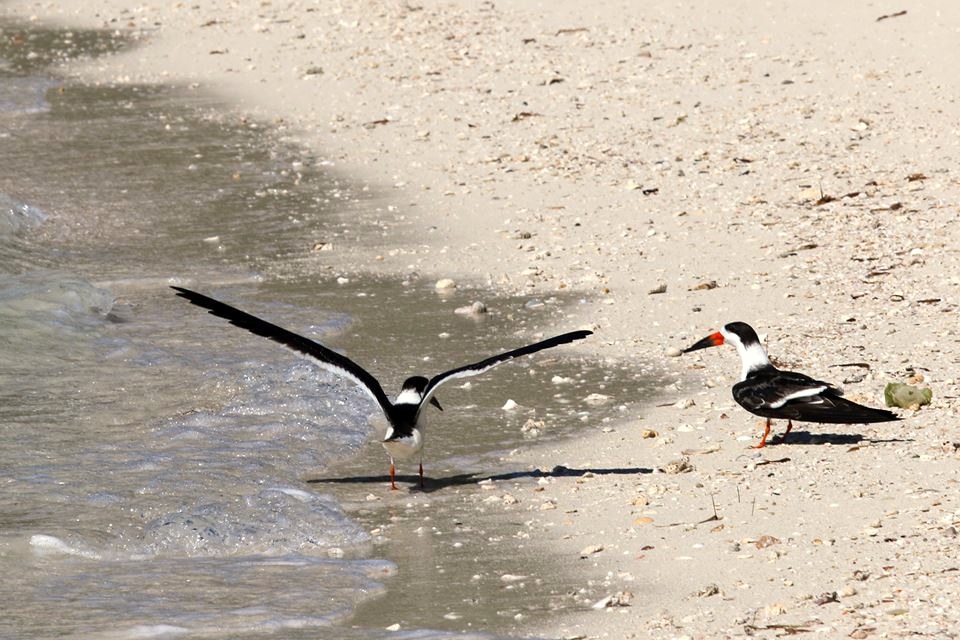
I have been waiting soooooo long for photos of black skimmers (Rynchops niger) taken on Abaco. When we were putting together “The Birds of Abaco”, I had just one skimmer image – a bird standing self-consciously on a jetty facing the camera, a shot into difficult light with a low-res unusable picture resulting. I never collected another qualifer (‘Abaco birds only, natural surroundings, no feed trails’). So sadly they don’t feature in the book.
These rather special seabirds breed in North America. Very sensibly (and like many humans), they migrate south to overwinter in warmer climes, including the Caribbean. But in the northern Bahamas sightings are very rare. Or maybe I should say, reports of them are rare, and photos the more so. They are classified as WR4, very uncommon winter residents.
But now the Rolling Harbour duck is broken (so to speak). Two skimmers were spotted yesterday by Man-o-War Cay resident Charmaine Albury, a keen birder and photographer. Her images of this chance sighting as the pair flew gracefully past to land on the beach show enviably quick reactions with the camera! We have a Big Scoop here. Two of them.
WHAT’S SO SPECIAL ABOUT THEM?
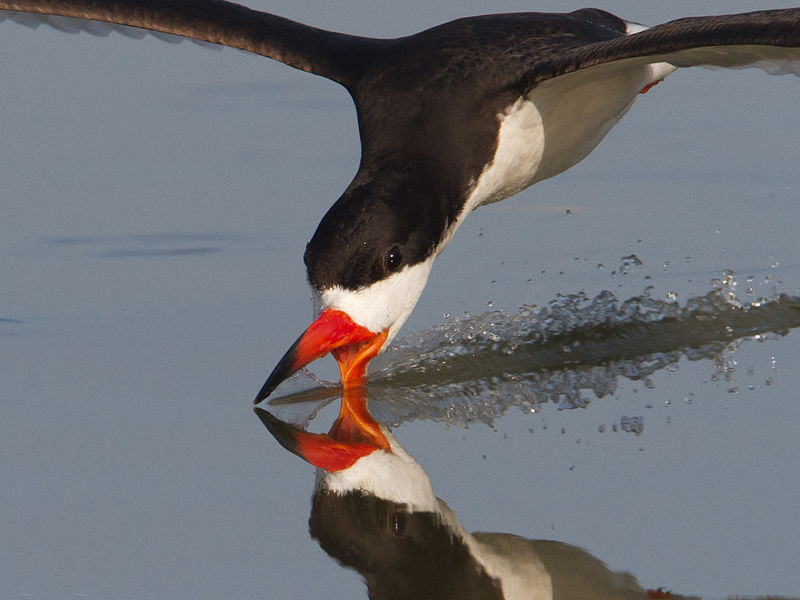
EYES These birds have dark brown eyes. So far, so what. But their pupils are unique in birdland: they aren’t round, but vertical – like a cat. As far as I can make out, this is to maximise the fish-catching potential of their other speciality feature…
BILL Take a look at this close-up of a great photo by Don Faulkner. Check out that unmistakeable bill, with the extraordinary elongated lower mandible.
HOW DOES THAT HELP?
When hunting for food, skimmers fly fast and very close to the surface of the sea. The long thin lower mandible cuts through the water … and when it comes into contact with its prey, the bird snaps shut the upper mandible onto it.
OK, SHOW ME!
NOT ENOUGH. I WANT TO ACTUALLY WATCH THEM DO IT…
This short video by EstuaryLiveTV shows skimmers feeding in real time, then in slow motion in an estuary. They are looking for fish, crusteaceans and molluscs. It explains all.
Credits: Terry Foote (1); Charmaine Albury (2, 3, 4, 7); Don Faulkner (5); Dan Pancamo (6); EstuaryLiveTV (video).
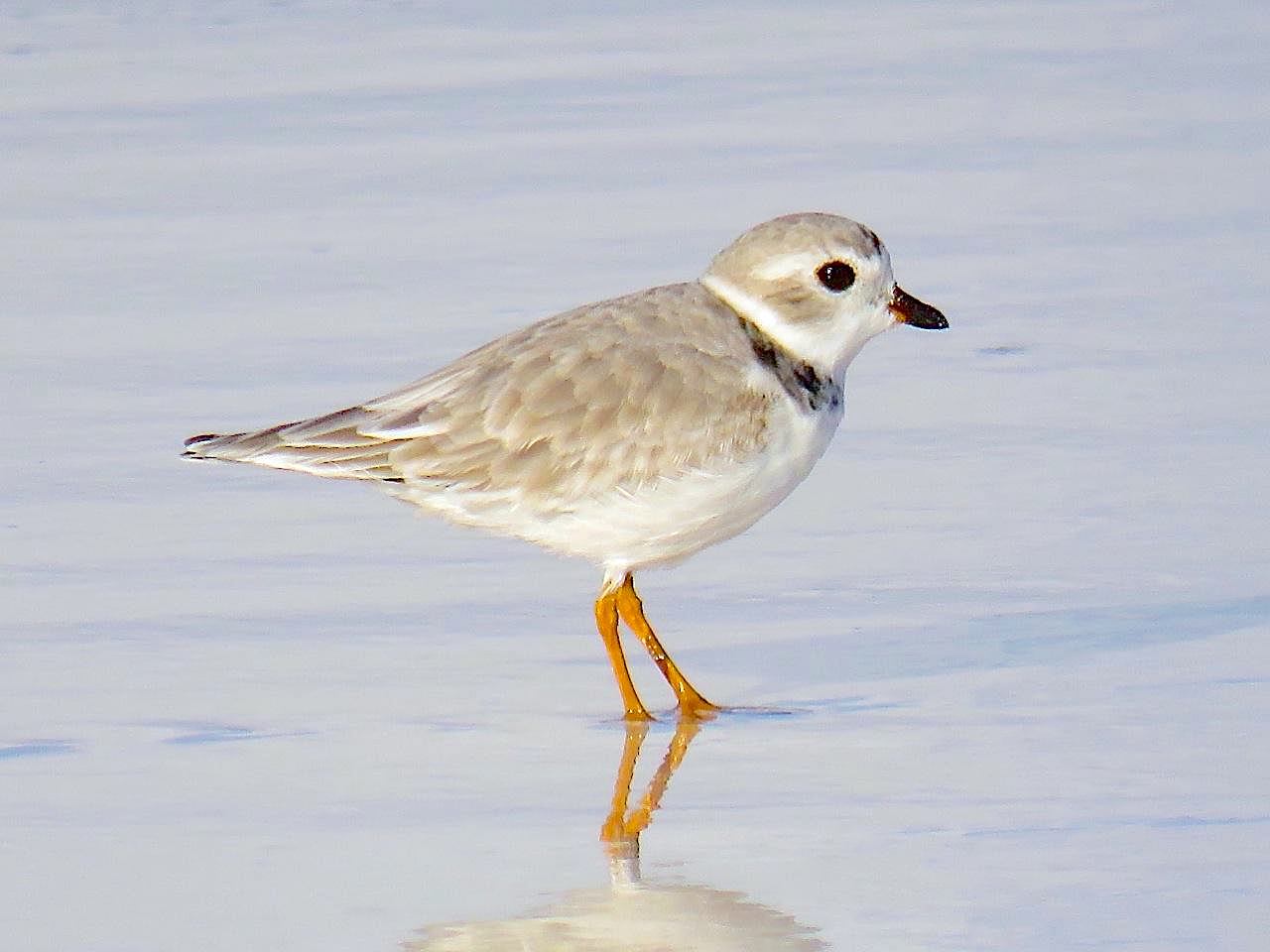
Last year someone kindly reported a lone piping plover sighting on ABACO PIPING PLOVER WATCH. I like to get a few details, so I asked what it was doing (meaning: sleeping / mooching / foraging / flying?). She replied – and I knew exactly what she meant – “Oh, a-pipin’ and a-plovin’ about on the beach”. A very evocative description of how these tiny scuttling birds pass their days!
Green Flag YLO, renamed Coco for short
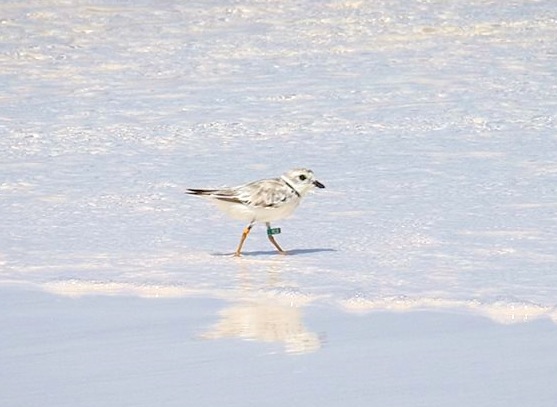
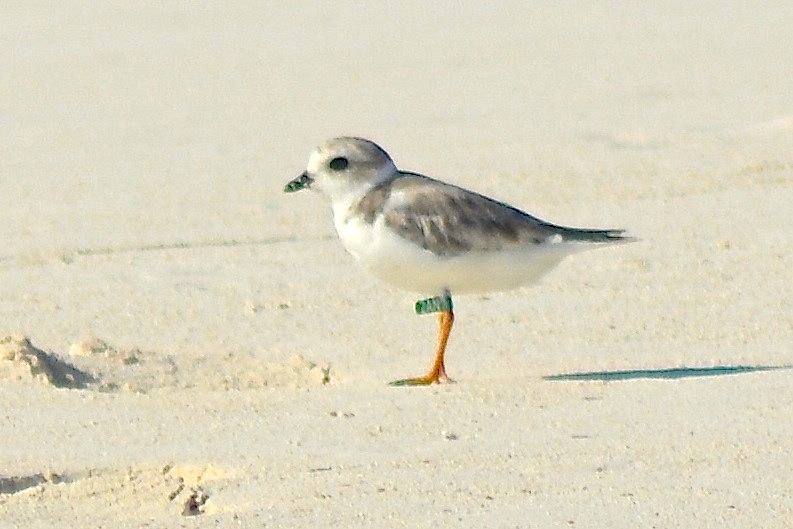
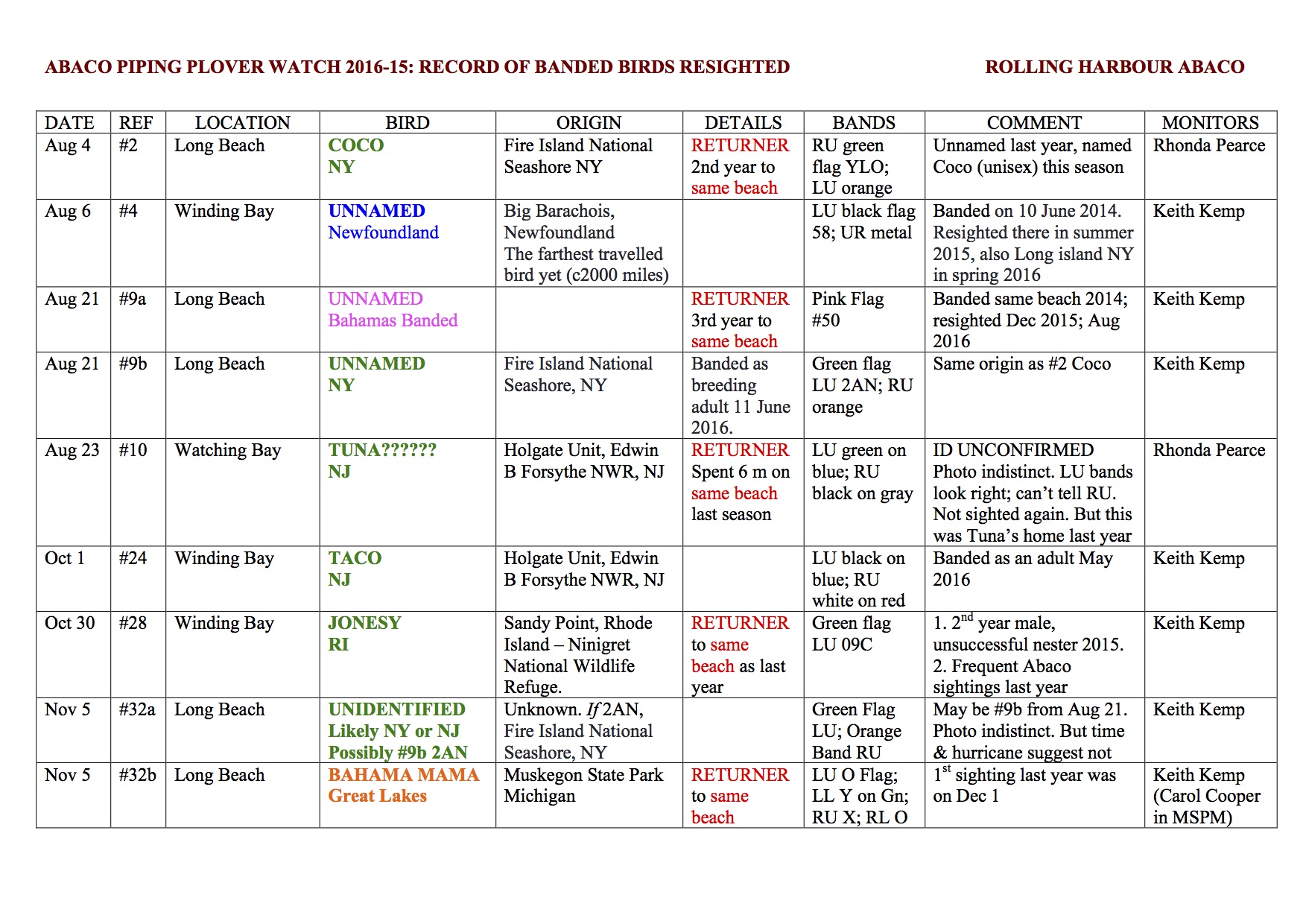
The A P P Watch is now into its 4th month. The earliest reported arrival for the fall winter / winter season was as early as July 30. The first banded bird was reported on August 4, in a small group of 5. The leg bands (upper right Green Flag coded YLO; upper left Orange Band) at once confirmed the bird as an unnamed returner originating from Fire Island National Seashore NY – to the very same beach where it was sighted last December. That is known as ‘beach fidelity’, and is a most important piece of conservation data, because it is evidence that the beaches of Abaco provide a safe and unspoilt winter habitat for this vulnerable and threatened species. YLO was renamed Coco to reward his contribution to empirical conservation study.
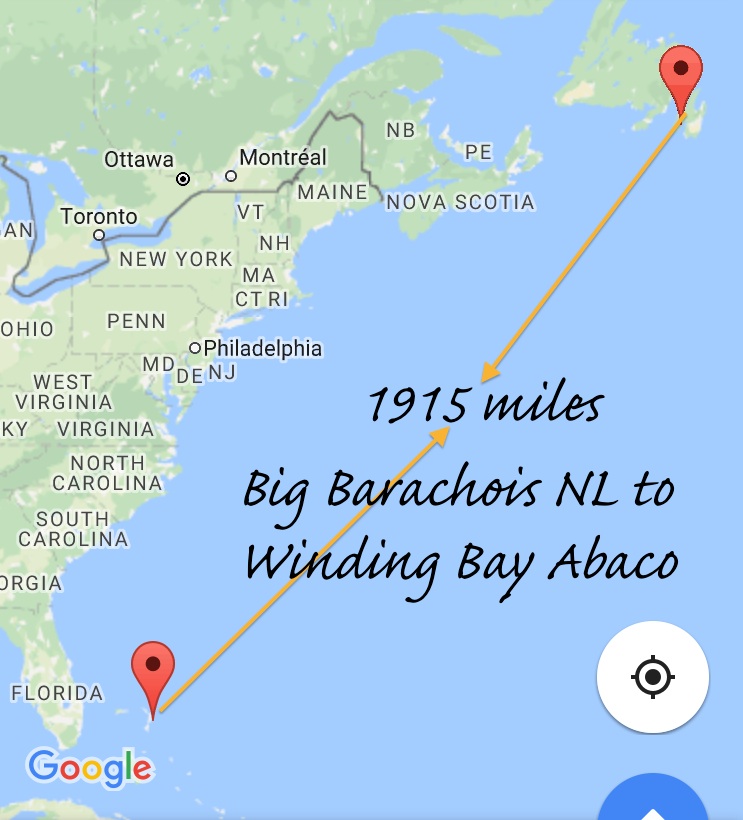
We didn’t have to wait long for the next banded bird, one that had undertaken the longest journey we have yet come across, nearly 2000 miles (direct) from Big Barachois, Newfoundland. Black Flag 58 was soon traced to his origin and details of his adventurous life were uncovered – two summers on the same breeding beach, and a spring sighting on Long Island, NY.
The next find was a precious ‘Bahama Pink’ on Long Beach, known simply as… Pink Flag #50. She was banded on the same beach in 2014; resighted there in December 2015; and had returned for her third visit before the end of August 2016. The perfect example of ‘beach fidelity’.
In the same group that day was another exciting find, this time a new bird Green Flag 2AN originating from the same place as Coco above: Fire Island National Seashore, NY.
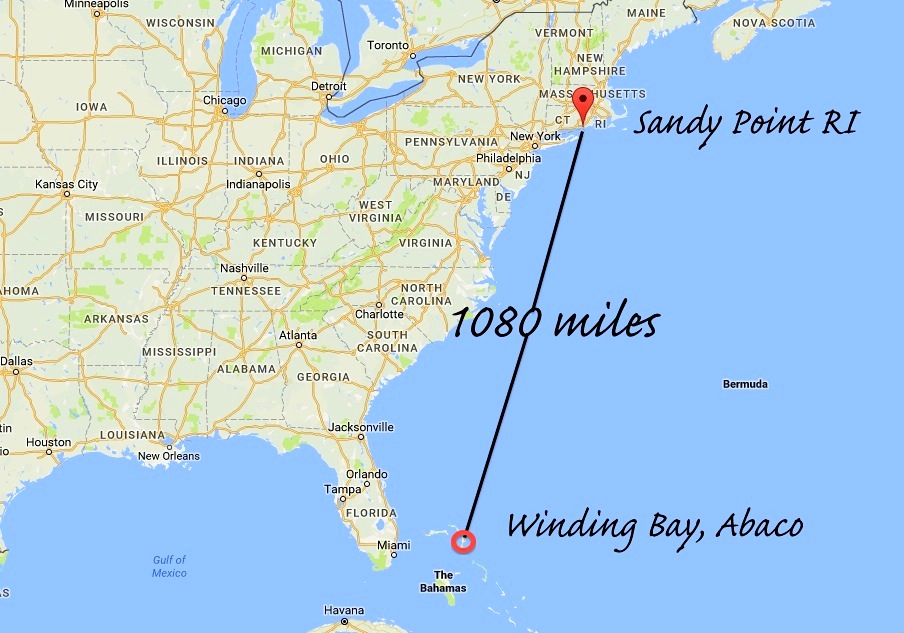
There was a bit of a lull with banded bird sightings until October, when ‘Taco’ from the Holgate Unit, Edwin B. Forsythe NWR, NJ showed up. We had two other birds from the same location last season.
Soon after, a returner from last season arrived back on his same beach to join Taco. Jonesy was originally ‘Mrs Jones’, as in the song, until he was identified as a male and had to be renamed. He originated from the Ninigret NWR, R.I. He and Taco are still keeping company – they were seen together only yesterday.
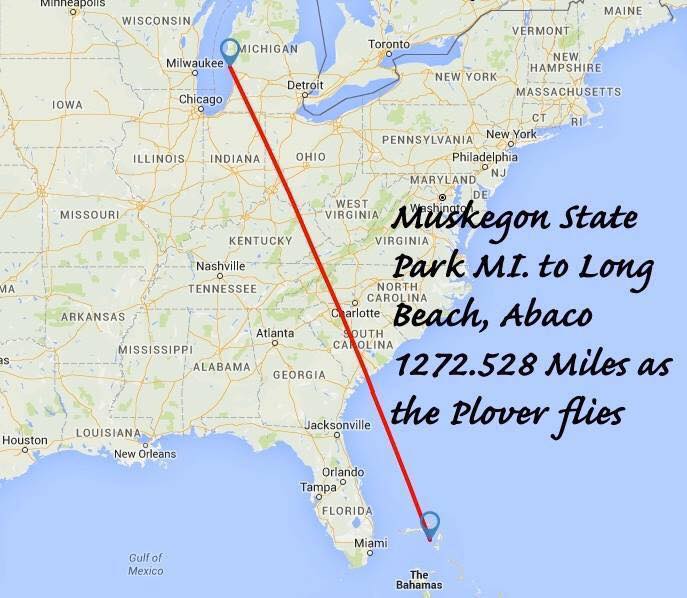
Finally, a warm Abaco welcome please to the aptly named Bahama Mama, a rare Great Lakes bird from Muskegon State Park, MI, resighted in early November. She was found on the same beach in December last year.
So far this season, all the banded birds have been positively identified except one – a tantalising possible sighting of last year’s ‘Bird of the Season’ Tuna on ‘his’ beach. From a distance shot the bands on one leg looked right… but all-in-all the image is simply not clear enough (and heavily pixellated with onscreen adjustments) to be certain.
If it is indeed Tuna, then five of the banded birds so far are returners, in each case to the same beach as last year. The chart below is a draft (there’ll no doubt be some tidying up as the season progresses)
Credits: Peter Mantle (header image); Keith Kemp; Rhonda Pearce – and with thanks to all monitors
The magnificent Caspian Tern Hydroprogne caspia is the world’s largest tern species, with an adult wingspan of about 5 feet. These birds are widely distributed throughout the world, though on Abaco and in the Bahamas generally they are classed as a very uncommon transient species, classified as T4 signifying a mere handful of reports. Ever.
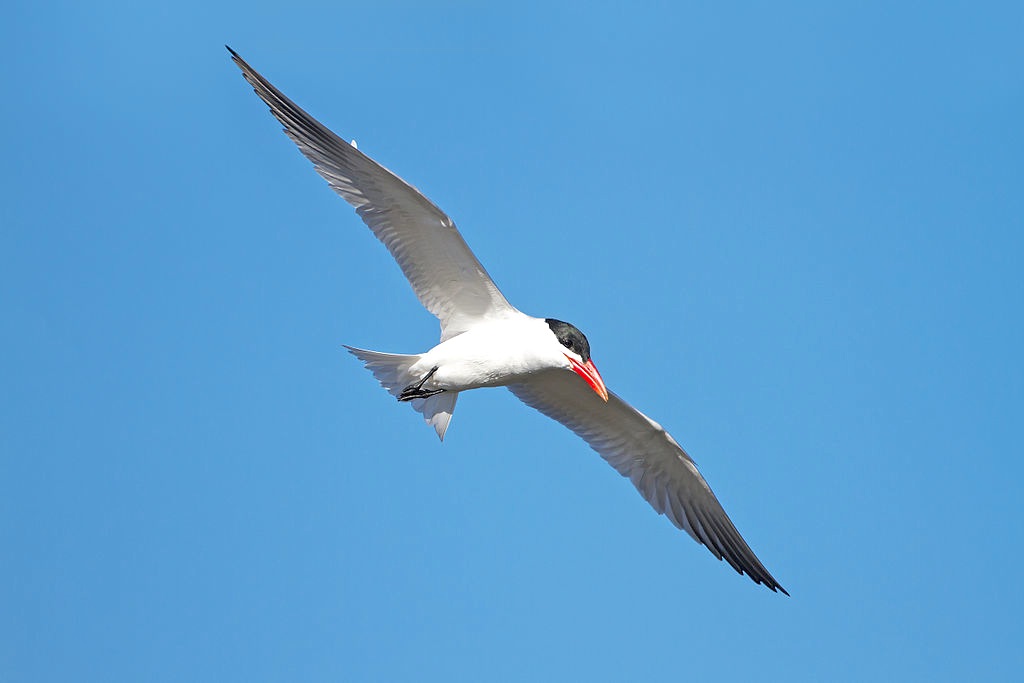
However Keith Kemp, redoubtable beach monitor for piping plovers, recently saw 2 on Winding Bay beach, Abaco. Moreover he managed to photograph them in flight (see header and above image).
Keith’s are not the first Caspians to be photographed on Abaco. Bird wizard Woody Bracey managed to take one (below), which duly found its way into the ‘The Birds of Abaco‘. Sadly it could only be included in the single-bird supplement: we needed at least two images of a species for it to qualify for a spread in the main part.
Caspians have black legs, which usefully distinguish them from the tern species with orange or yellow legs. Note the heavy red / orange bill, which has a dark tip that is more noticeable in the breeding season. These large birds feed mainly on fish, and use their spectacular bills to good effect, hovering and then plunge-diving onto their prey.
Caspian terns are found on 5 continents. The transient birds that pause in the Bahamas are on their migration to the West Indies and Gulf. Or on their way back, of course.
WHY ‘CASPIAN’?
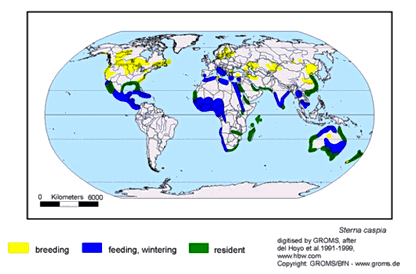
In the late c18, a specimen bird was found on, in or beside the Caspian Sea and was promptly named after it. The distribution map above suggests they still breed in the area. How fortunate it wasn’t found by the Dead Sea…
WORRYING WIKI FACT OF THE DAY
In 2016, a nest of the Caspian tern was found in the Cape Krusenstern National Monument in northwestern Alaska, 1,000 miles further north than any previous sighting. This development was part of a general trend in Alaska of species moving to the north, a tendency ascribed to global warming.
Credits: Keith Kemp (1, 2); Dmitry Mikhirev (3); Woody Bracey (4, 7); Dick Daniels (5); J J Harrison (6); planetofbirds (range map)
Black and orange seem to have become – perhaps always have been – the colours most associated with Halloween (“Holy Evening” at one time in its history). Black, I suppose, for witches, their cats, and the night; orange for fire and pumpkins. In nature, surprisingly few creatures and plants have an exclusively black and orange livery. Some birds. A salamander of two. A few fish and butterflies. The odd flower.
I decided for no reason at all to spend (waste?) a small amount of time discovering which birds found on Abaco are true Halloween species. I had to allow for some white markings, on the spurious basis that white is not a colour but rather an absence of colour… That left 3 species (and even then some troublemakers might argue that the precise borderline between yellow and orange is debatable…).
AMERICAN REDSTART
The Redstart Setophaga ruticilla is a species of warbler and a common winter resident on Abaco. They are mostly seen in the coppice and in gardens. The males are black with orange markings; the females have yellow markings instead of orange and were therefore ineligible for this post. Sorry.
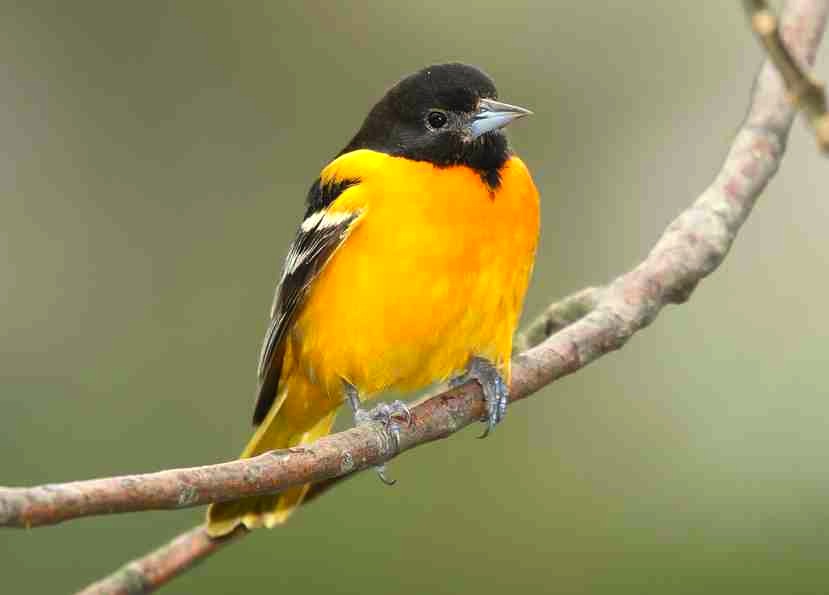
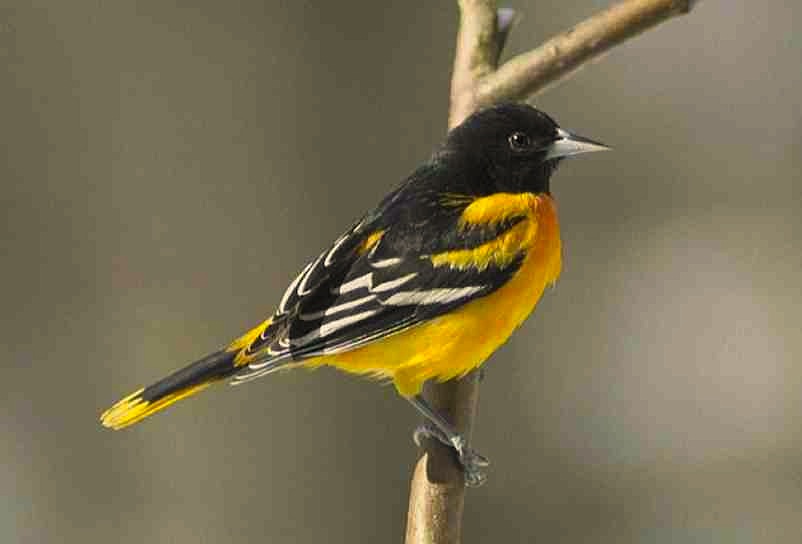
BALTIMORE ORIOLE
These Orioles Icterus galbula are rather less common winter visitors. A couple have recently been reported. Many are completely black and orange apart from white wing bars. However, there’s no doubt that others are more of a yellowy-orange.
WESTERN SPINDALIS
The handsome, colourful Spindalis zena is one of my favourite birds. The Spindalis is a common permanent resident, and I am determined to make it qualify as a Halloween bird even though (arguably) plenty of its surface area is neither black not orange. Apologies to purists.
No birds were hexed, vexed, tricked or even treated in the making of this post
Credits: Craig Nash, Gerlinde Taurer, Tom Sheley, Keith Salvesen, pinterest, wiki & an unknown Angry Bird pumpkin carver
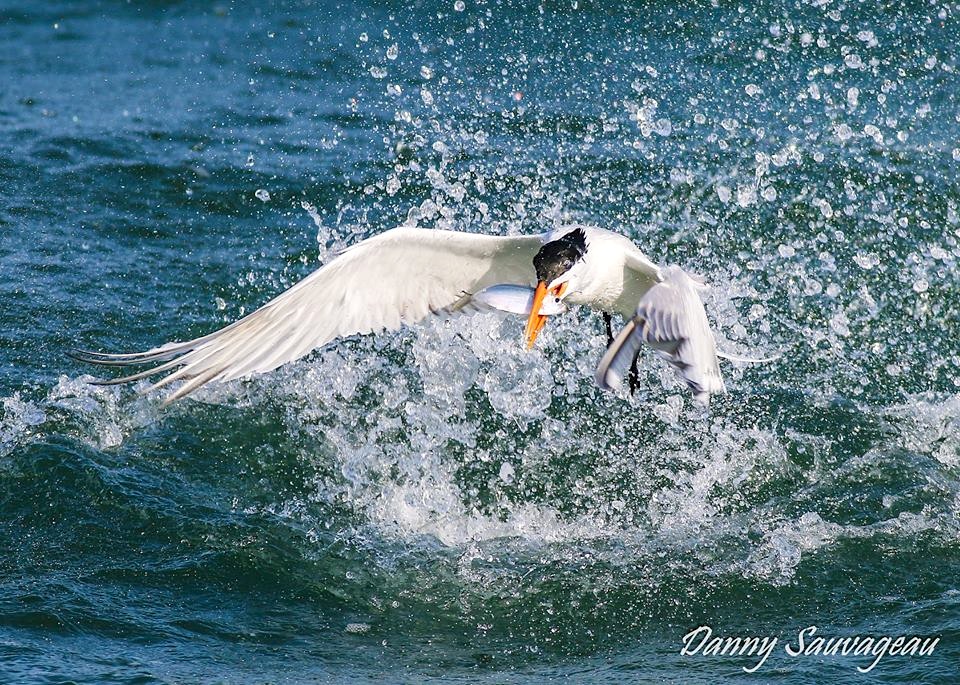
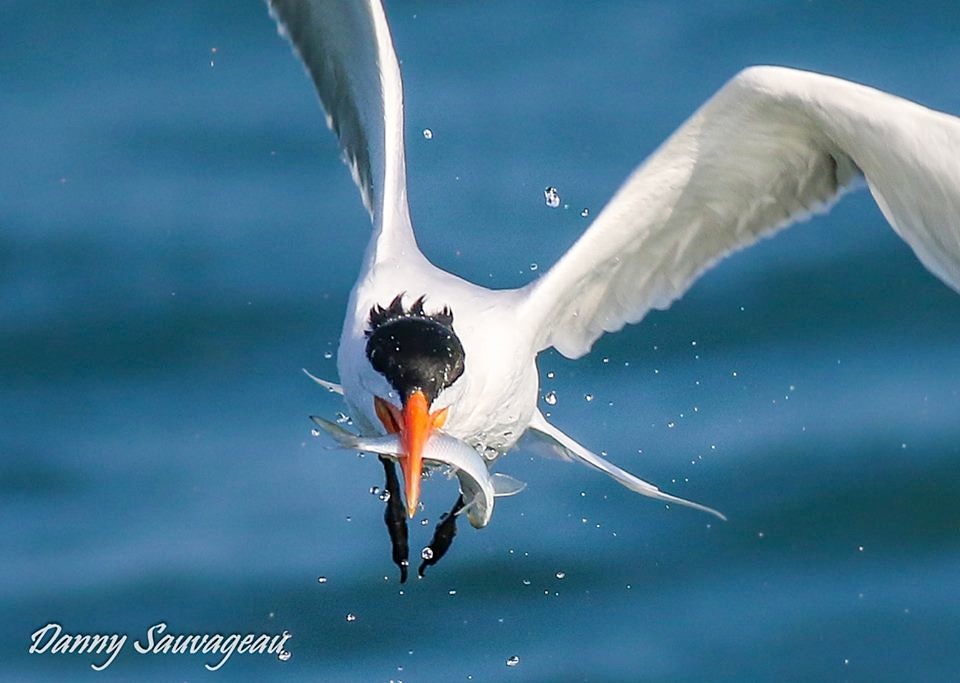
Terns. They have voracious appetites for fish. One of the great birding sights is to watch a tern rise above the sea, and hover watchfully from a height before plunge-diving to smash into the sea and emerge in a cloud of spray with a silver prize. Here are some astounding photos by Danny Sauvageau of Royal Terns doing what they like to do best…
THE HOVER
THE PLUNGE
THE PRIZE
KNOW YOUR TERNS (WITH THE ADMIRABLE BIRDORABLE)
Credits: DANNY SAUVAGEAU, with thanks as always for use permission; BIRDORABLE, with thanks for their wit and amazingly effective highlighting of the essential distinguishing features of bird species
Abaco continues to enhance its reputation as a prime birding destination. New species. Rare species. Unusual species. Endangered species. Surprising species. Every year they turn up, whatever the season. And those, of course, are only the ones that get seen by someone who knows what they are or anyway what they might be. This is where the digital camera – or even a modern phone camera – trumps (oops… stepping into a political minefield) the old-fashioned method of collecting and identifying specialist birds. Which was, shoot them…
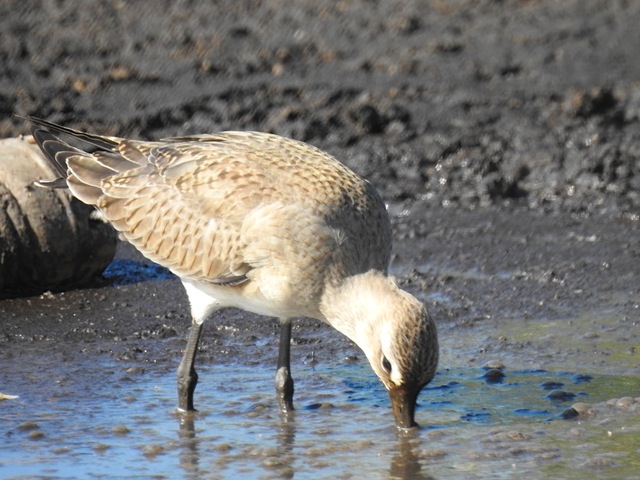
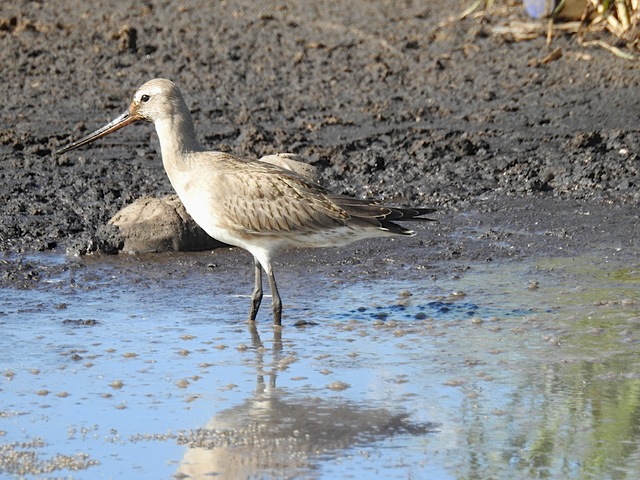
Woody Bracey, Abaco’s ornithological eminence grise, is currently hosting a party of birders on Abaco. On a visit to one of the excellent birding hotspots of South Abaco, the group of 5 came across an totally unexpected wading species mixed in with a group of yellowlegs. At first, they were thought to be Marbled Godwits. Further consideration confirmed the 2 birds to be equally rare Hudsonian Godwits Limosa haemastica (HUGOs for short). Since then, at least one of the birds has been seen in the same location by birder Keith Kemp.
SO JUST HOW EXCITING IS THIS SIGHTING?
Extremely! Both species of godwit are exceptionally rare on Abaco and indeed in the Bahamas. They are officially classified as V5, which is to say vagrant / accidental visitors outside their normal range, with fewer than five records since… records began. In practical terms, the baseline is considered to be 1950. There must have been at least one previous sighting of a HUGO on Abaco, but Woody has never seen one before, nor does he know when the report was made. And he knows his godwits – he is the person who, some years ago, saw the MAGO on Abaco that accounts for its existence as a V5 in the complete checklist for Abaco.
WHERE DOES HUGO LIVE?
These large shorebirds – a species of sandpiper – with their long, upturned bills, breed in Arctic or tundra regions, and winter in southern South America. Note in the photo above the contrast in size, bill and leg colouring compared to the yellowlegs they were mixing with. The Cornell range map below shows how remote the HUGO summer (red) and winter (blue) habitats are. And you can see clearly the two main migration routes – in the simplest terms, the central flyway and the eastern flyway. Neither route takes the birds directly over the Bahamas, although one can see how the occasional one might be blown off course and need a rest during its journey.
HOW OFTEN HAVE THEY BEEN SEEN IN OR AROUND THE BAHAMAS?
I checked the invaluable database EBIRD for HUGO reports over the last 10 years. The only previous report for the entire Bahamas was made by Bruce Purdy, who saw one one Grand Bahama (Reef Golf Course)… in 2007. Sightings in Florida over the period are scant. The most notable feature of the map clip below is that Bermuda has had a couple of HUGO visits, perhaps suggesting off-course birds finding an area of land to rest on in a vast expanse of open sea. Further afield, the birds are rare vagrants to Europe, and even to Australia and South Africa.
WHY ‘GODWIT’? OR HUDSONIAN? OR Limosa haemastica?
‘Godwit’ is said to derive from the bird’s call, in the same way as ‘Bobwhite’ and ‘Killdeer’ – so, these are birds that say their own name… The Hudson Bay area is one of the summer breeding grounds, and a place where the birds congregate for migration. ‘Limosa‘ derives from the Latin for mud (see header image); and ‘haemastica’ relates totheir red breeding plumage, from the Ancient Greek for ‘bloody’. Bloody muddy. It’s not a great name, in truth. Let’s move swiftly on to what they sound like…
Doug Hynes / Xeno-Canto
STOP PRESS As mentioned earlier, Keith Kemp found one of the HUGOs at the same location a couple of days later – a “lifer” for him and everyone else! Here are three images he posted on eBird.
I always check a new species to see if it was depicted by Audubon. I didn’t expect him to have included the HUGO but I was wrong. He did, and with his characteristic slightly exaggerated elegance.
This post is rather special, because these are almost certainly the first photographs of a Hudsonian Godwit taken on Abaco – or indeed in the entire Bahamas. And very good they are, too. So even if a lone HUGO was noted on Abaco 40 years ago pausing briefly on a rock before continuing its journey to Argentina, I consider this qualifies as a new sighting. It certainly does for the c21.
Hudsonian Godwit (Crossley ID Guide, Eastern Birds)
Credits: special thanks to Woody Bracey, Roger Neilson, and Keith Kemp (Stop Press) for photos, information and use permissions; Cornell Lab – Range Map; open source Audubon; Doug Hynes / Xeno-Canto; Crossley ID Guides; wiki and sundry standard sources for snippets
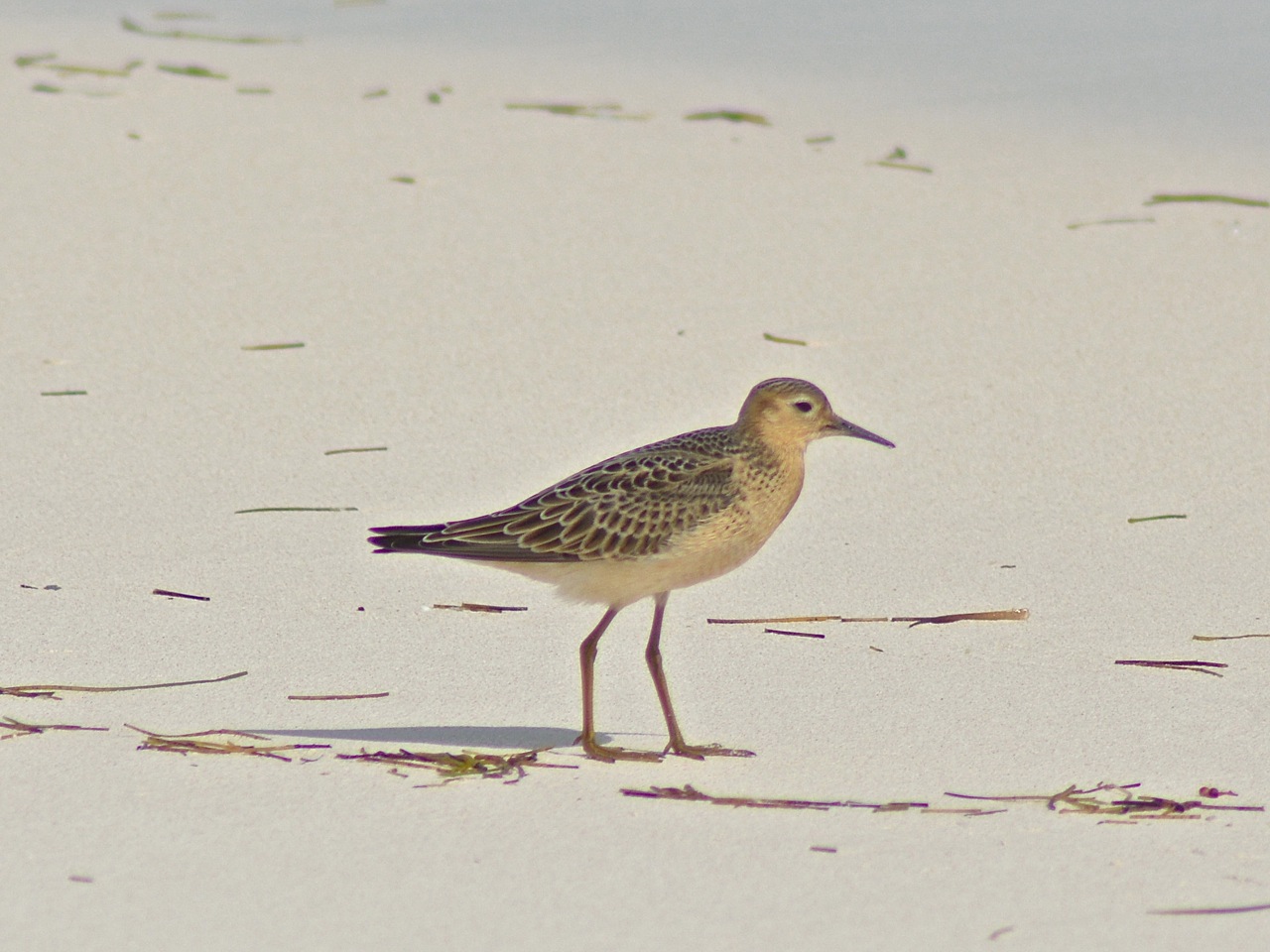
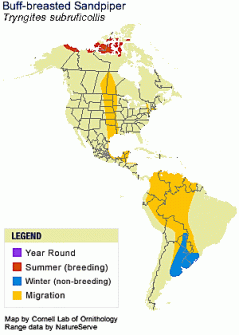
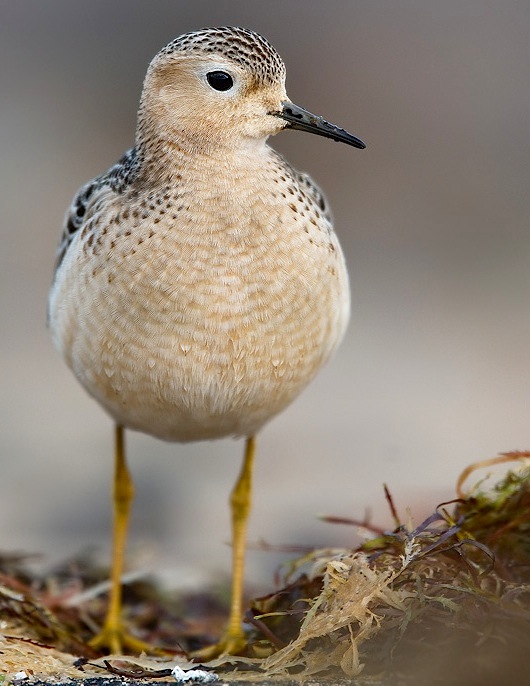
I’d best make it clear at the outset that, in the very narrowest sense, the buff-breasted sandpiper (Calidris subruficollis) is not strictly a new bird on Abaco. Tony White’s authoritative official checklist for Abaco, valid back to 1950 or so, does actually include the species. It is classified as a ‘V5’, which is to say a vagrant that is vanishingly rare – indeed may only have been sighted on Abaco once or perhaps twice before. Ever. The only category rarer than V5 is H for hypothetical, which essentially means that there is some unconfirmed report of a bird that it might not be outrageous to suppose might be blown onto Abaco. A penguin, therefore, would not qualify even for an H.
A few days ago, beyond a shadow of a doubt this small shorebird was seen on Abaco by Keith Kemp, and photographed by him too. He is having an excellent year with his birding: this may well be the jewel in the crown for him. So even if one of these little guys was once spotted on an Abaco twig in 1961, Keith is definitely the first person to get a photo!
UPDATE(next day!) Abaco birder-in-Chief Woody Bracey has solved the mystery of the previous sighting – it was he himself who saw a BBSP “years ago” at the less-than-glamorous yet excellent-for-birding Marsh Harbour ‘Dump’.
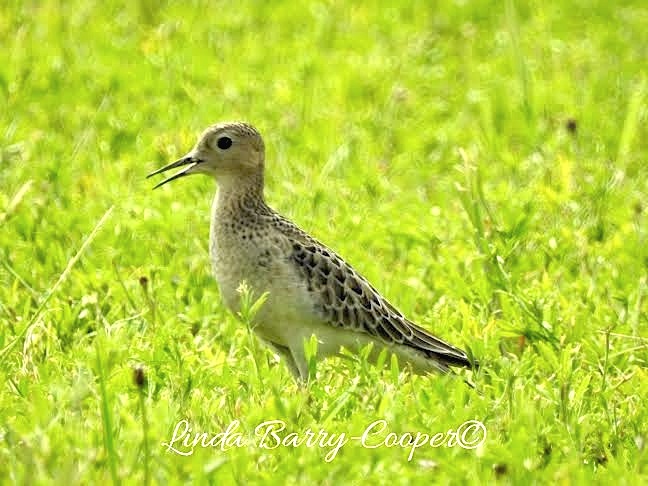
As it happens, some weeks ago a BBSP was also spotted at West End, Grand Bahama by Linda Barry-Cooper. I featured a guest post from her about the fall birds in that region HERE. Woody Bracey also says that he and Bruce Hallett saw 2 BBSPs at West End early this season. Erika Gates and Martha Cartwright saw one on the GB Reef golf course at the end of August. So these birds are around in the northern Bahamas, and perhaps it’s not such a surprise after all that one should have gone on a little expedition to Abaco to check out the undeniable joys of Winding Bay.
The buff-breasted sandpiper is a long-distance migrant, breeding mainly in the open arctic tundra of North America, and overwintering mostly in South America, especially Argentina. Its route takes it overland – the central flyway – rather than over coasts, but as it happens, as a species it is a bit of a wanderer. These birds a regularly found in Europe – including the UK – and although I am sure a sighting there must generate a great deal of excitement, they are not considered extremely rare. They have even been found, very occasionally, in South Asia and Australasia.
So maybe it’s no surprise that the odd one turns up on Abaco. Maybe they do so every year, but only the keenest eye will spot one. And after all, there are many remote beaches on Abaco that are only very occasionally – if ever – visited by humans. Perhaps that’s where the BBSPs congregate…
In the breeding season, males collect on display grounds, or “leks,” to attract females. This helpful description comes from Audubon: “The leks are spread out, each male defending an area of up to several acres. The male displays by raising one wing, showing off the white underside. If females approach, the male spreads both wings wide, points its bill up, and shakes its body. One male may mate with several females; the male takes no part in caring for the eggs or young.” Typical, huh?
CONSERVATION STATUS
The BBSP is another bird that has been hit badly by the passage of time. By which I mean, of course, by mankind. At one time they were deemed ‘abundant’. Around 100 years ago a serious decline set in, not least because people were shooting them during their migration. Nonetheless, in 1988 the IUCN assessment was ‘lower Risk/least concern’. Then another slide began. By 2000 it was ‘lower Risk/near threatened’. Since 2004 it has been ‘near threatened’. Why? Largely because the habitat for migrating and wintering birds has been destroyed or degraded.
WHAT DO I LISTEN OUT FOR?
Xeno-Canto / Bernabe Lopez-Lanus
The BBSP page from the excellent Crossley ID guides (available via WikiMedia Commons)
Credits: Tim Lenz, Keith Kemp, Magnus Manski, Linda Barry-Cooper, Cornell Lab (range map), Mario Porras, Crossley Guides, Bernabe Lopez-Lanus @ Xeno-Canto, Audubon, Wiki.
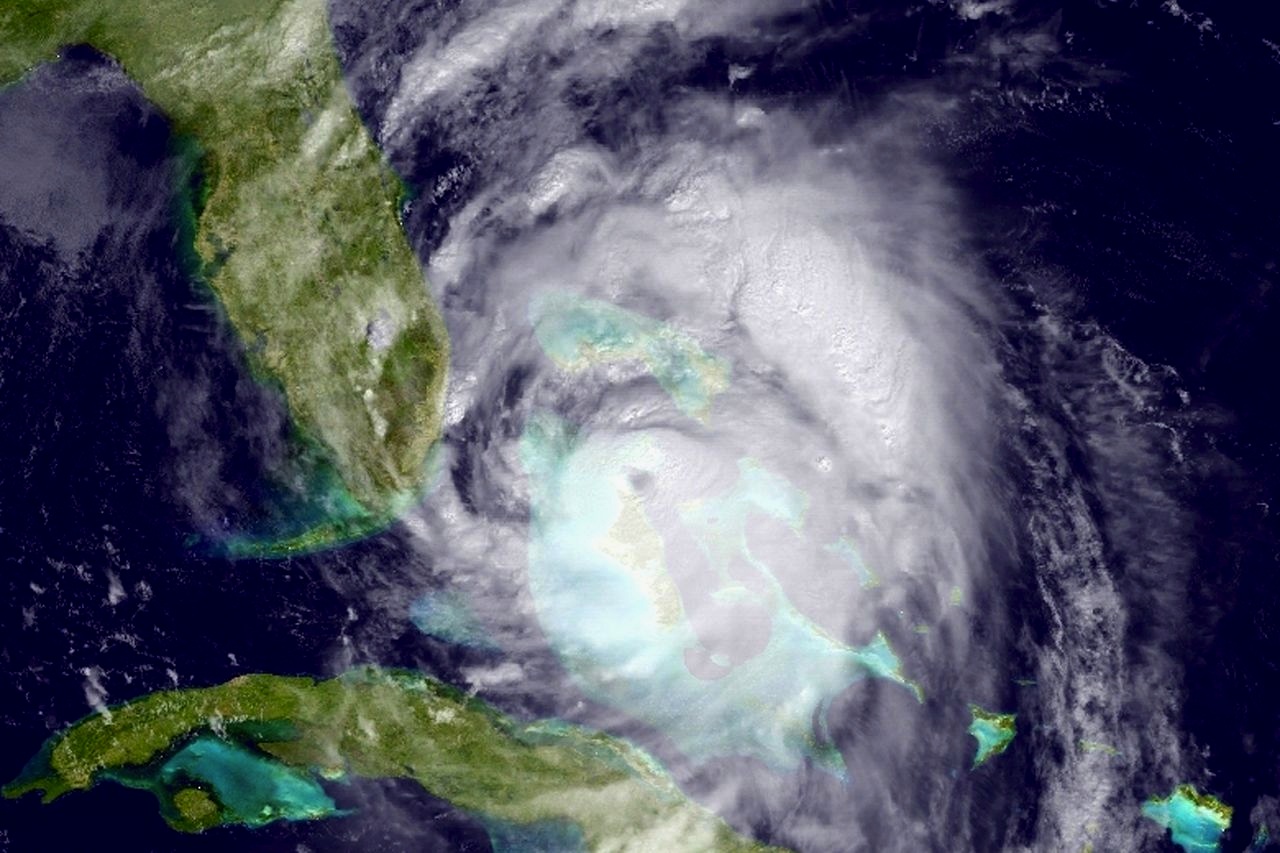
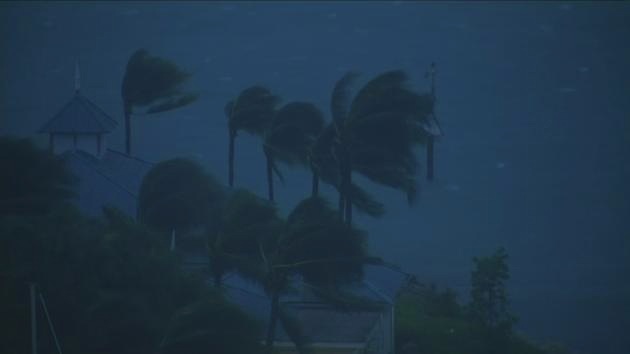
Early reports and post-hurricane news for Abaco is fortunately encouraging, though I appreciate that the Island’s good fortune at the eleventh hour swerve by Matthew only meant that others came into the direct firing line. Plenty of environmental damage, of course, but in human terms the harm seems mercifully light.
It’s too early to determine the impact on the wildlife of Abaco. The migratory winter birds must be wondering why they bothered this year. Land birds are obviously put at risk by the trashing of their habitat in the violent winds. Shore birds, too, are vulnerable: some beaches on Abaco are open to big tidal surges in high winds. Massive waves have smashed their way up the beach at Delphi. Long Beach, where the largest concentrations of piping plovers congregate at certain times, is also very exposed to surges.
Time will tell how the birds have fared. Meanwhile, here are some cheerful pictures – some of my favourite species – to relieve the gloom.
OPTIONAL MUSICAL DIGRESSION
‘BRYTER LAYTER’ was the second album by a ‘troubled genius’, the supremely talented but sadly doomed Nick Drake. Released in 1971, it failed to convert the ripples caused by his debut ‘Five Leaves Left’ (1969) into a deserved wave of popularity, not least because Drake was already starting his gradual retreat from live performance, from social contact, and indeed from life. Here’s the title track, a pastoral instrumental with orchestral embellishments, and (unusually) without Drake’s distinctive, wistful voice.
Credits: NASA / ISS, News open sources, Peter Mantle, Keith Salvesen, Bruce Hallett, Tom Shelley
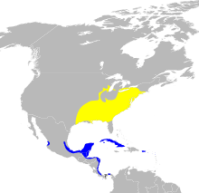
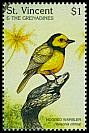
The Hooded Warbler (Setophaga citrina) breeds in eastern North America in summer, and winters in Central America and the West Indies. On Abaco they are classed as WR3, ‘uncommon winter residents’. The range map below reveals one strange aspect of their habitat. It looks as though they choose not to live in Florida either in summer or winter. I’m sure they must be found there as transients; and there must presumably be some small breeding or wintering populations in Florida. Or both. But it’s hard to understand why Florida does not seem to suit them.
ABACO WARBLER HOTSPOT
On Abaco, I have only ever had reports of Hooded Warblers from Man-o-War Cay, which seems to be a warbler hotspot every season. There are 37 WARBLER SPECIES recorded for Abaco. FIVE WARBLER SPECIESare year-round residents. Of the migratory 32, at least two dozen seem to favour Man-o-War for their winter break in the sun. MoW resident Charmaine Albury, who took the main photos in this post, has already counted 14 different warbler species before the end of September. She has found up to 5 species in a tree at the same time.
WHAT’S IN A NAME?
There are periodic upheavals in Birdland which, following research, lead to an official reclassification of a particular bird species or genus. In 2011, many warblers that were cheerfully going about their business under the classification Dendroica found themselves merged into the older ‘priority’ genus Setophaga (Greek for ‘moth eating’).The Hooded Warbler, formerly Wilsonia, has found itself similarly merged into Setophaga – a kick in the teeth for the naturalistALEXANDER WILSON, for whom the bird was named (along with many others – his plover being a well-known example on Abaco).
WHY ‘CITRINA”? (FUN FACT!)
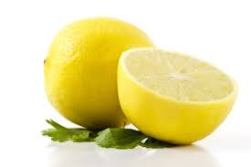
The word relates to lemons – citrus fruits – and their colour, and is undoubtedly apt for the hooded warbler. However the semi-precious calcite gem, ‘Citrine’ (same word origin) is not lemon coloured but (disappointingly) brownish.
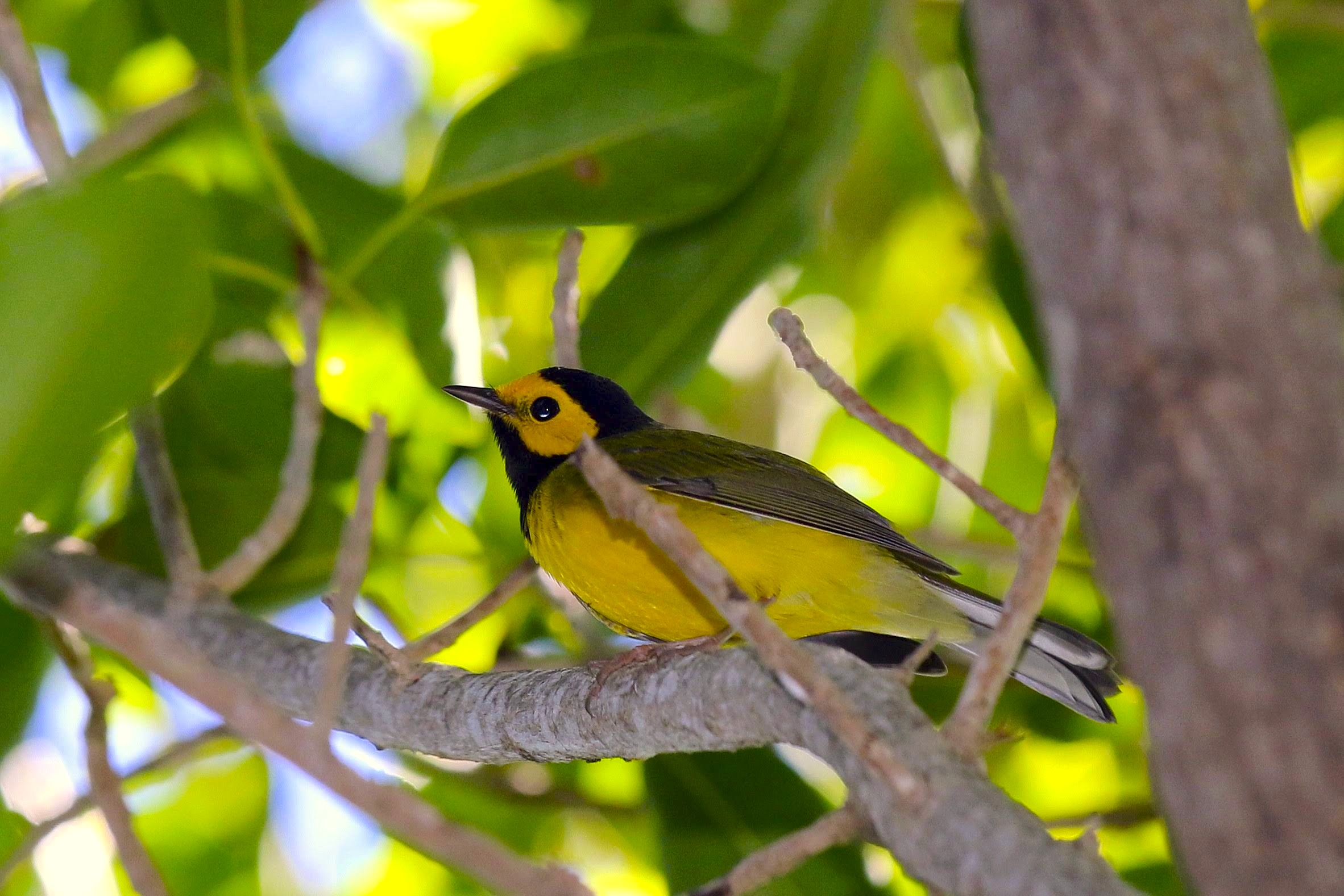
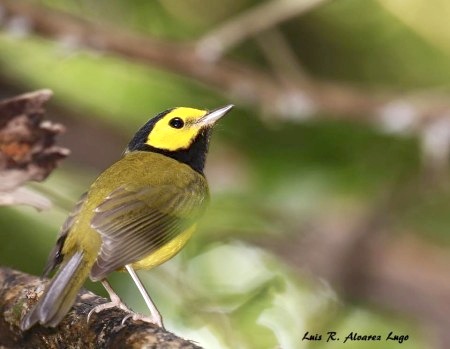
This little warbler has a plain olive / greeny-brown back, and a bright yellow face and underparts. There are white feathers on the outsides of their under-tail (I’m sure there’s a more technical word for this…) – see header image. Only males have the black hoods and bibs; females have an olive-green cap.
Hoodies forage for insects in low vegetation and dense undergrowth, or catch them byHAWKINGfrom a branch or twig. Sadly, they are one of the species that are targeted by brown-headed cowbirds, the cruel exponents ofbrood parasitism. These birds are rarely found transients on Abaco at present, but they are a robust species and there is evidence that their range is increasing. In some areas there are controlled (euphemism for… er… dispensed with). I’d favour that approach for Abaco, should they show signs of inflicting their evil ways on the resident breeding population of small birds.
Hooded Warbler in Audubon’s Birds of America
WHAT DO THEY SOUND LIKE?
I am often at sea with the attempts to turn birdsong into to memorable words of phrases. Yes, a Bobwhite sounds a bit like a quizzical ‘Bob… White?‘. But I rarely ‘get’ the “I’d-like-a-Kalik-with-my-Conch” and suchlike. For what it is worth, I learn that for the Hooded Warbler “the song is a series of musical notes which sound like: wheeta wheeta whee-tee-oh, for which a common mnemonic is “The red, the red T-shirt” or “Come to the woods or you won’t see me“. See what I mean? Anyway, we can all agree that “the call of these birds is a loud chip.” As with so many species!
So here’s what to listen out for (recording: FLMNH). Suggestions for a suitable phrase welcome!
If you come across a bird that looks like a hooded warbler, but is motionless and makes no sound unless you squeeze it, you may have found the subspecies Audubonus stuffii, which is found mainly in the Amazon and E. Bay regions.
OPTIONAL MUSICAL DIVERSION
I haven’t had time to musically divert for a while. My title refers, of course, to the ‘psychedelic pop’ song by Donovan, released in the US in 1966 and the UK in early 1967. The theory is that the song relates to the supposed (but mythical) hallucinogenic high to be had from smoking dried banana skins. There are an explicit interpretation for the ‘electical banana’ which we need not go into in a family blog. There was a rumour, now discredited, that Paul McCartney supplied the “quite rightly” in the chorus. Anyway, to chime in with the mood of the time, one of the first ‘coffee shops’ in Amsterdam was called Mellow Yellow.
Credits: Charmaine Albury for the photos and her warbling work on Man-o-War Cay; Luis Alvarez-Lugo (Wikipici); random open source material; FLMNH (birdsong); my iTunes









































































 ROLLING HARBOUR ABACO
You must be logged in to post a comment.