Unknown's avatar

CINNAMON TEAL: ANOTHER NEW BIRD FOR ABACO

Cinnamon Teal (Michael L Baird, Wiki)

CINNAMON TEAL: ANOTHER NEW BIRD FOR ABACO

Picture the scene. You take a camera to photograph the winter ducks on a local pond on South Abaco. Suddenly you notice something strange and out of place out there. Something unfamiliar. It’s a duck for sure; but not one you’ve ever seen before in your life. Maybe it’s one you know about. Maybe you have no idea what it is at all, and have to identify it later on from a book or online. Anyway, you take some shots before it dabbles off into the overgrown margins of the pond, and leave with a modest air-punch: it’s a “lifer”. 

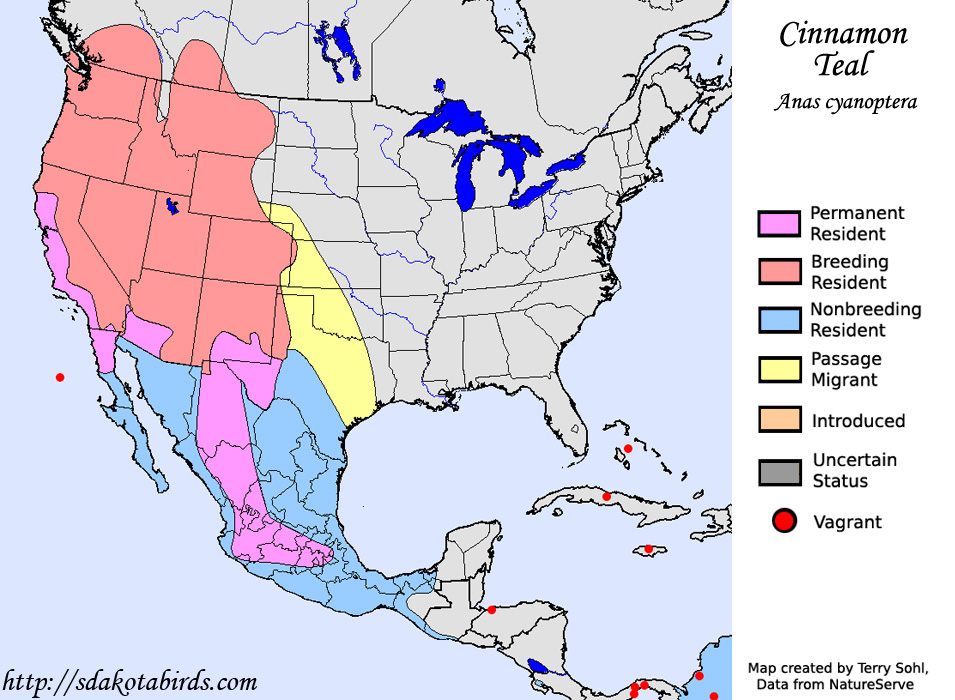
Keith Kemp, principal monitor for Abaco Piping Plover Watch, has just had this experience. There, on the local pond with the blue-winged teal, was a stranger. For him, a “lifer”. And as it turns out, for Abaco also a “lifer”. The only record of one I have found for the Bahamas is a single vagrant sighted on Andros (see range map below). Here are Keith’s unique photos of Abaco’s first Cinnamon Teal.

Cinnamon Teal, Abaco Bahamas (Keith Kemp)Cinnamon Teal, Abaco Bahamas (Keith Kemp)Cinnamon Teal, Abaco Bahamas (Keith Kemp)Cinnamon Teal, Abaco Bahamas (Keith Kemp)

The cinnamon teal (Spatula cyanoptera) is a dabbling duck species found in western North America, and in South America. They live in and around marshes and ponds, feeding mostly on pond-weed and plants, along with any attached aquatic insects. On the range map below, note the single red dot in the Bahamas denoting the single vagrant sighting on Andros.
The duck is named for the overall colouring of the adult male has a cinnamon-red head and body; and it has startlingly noticeable orange-red eyes . The adult female, as is so often the way, is rather less showy –  a mottled brown, with a pale brown head, brown eyes, and a grey bill.  For those who like comparisons, it resembles a female blue-winged teal, a few of which are shown above (not the ones with the white stripe on the face, which are male blues). 

Cinnamon Teal pair(andeansolitaire wiki)

Since the publication of BIRDS OF ABACO in 2014, with its comprehensive checklist of all recorded species since 1950, several new species have been sighted on Abaco. The latest was only last month – the SCALY-NAPED PIGEON. Now we have a new species of duck. Conveniently, there’s no other ‘regular’ duck species quite like it. So if you see a pretty cinnamon-coloured duck on a pond near you, you’ll be looking at the newest ‘Bird of Abaco’. And if you do see one, please share the news!
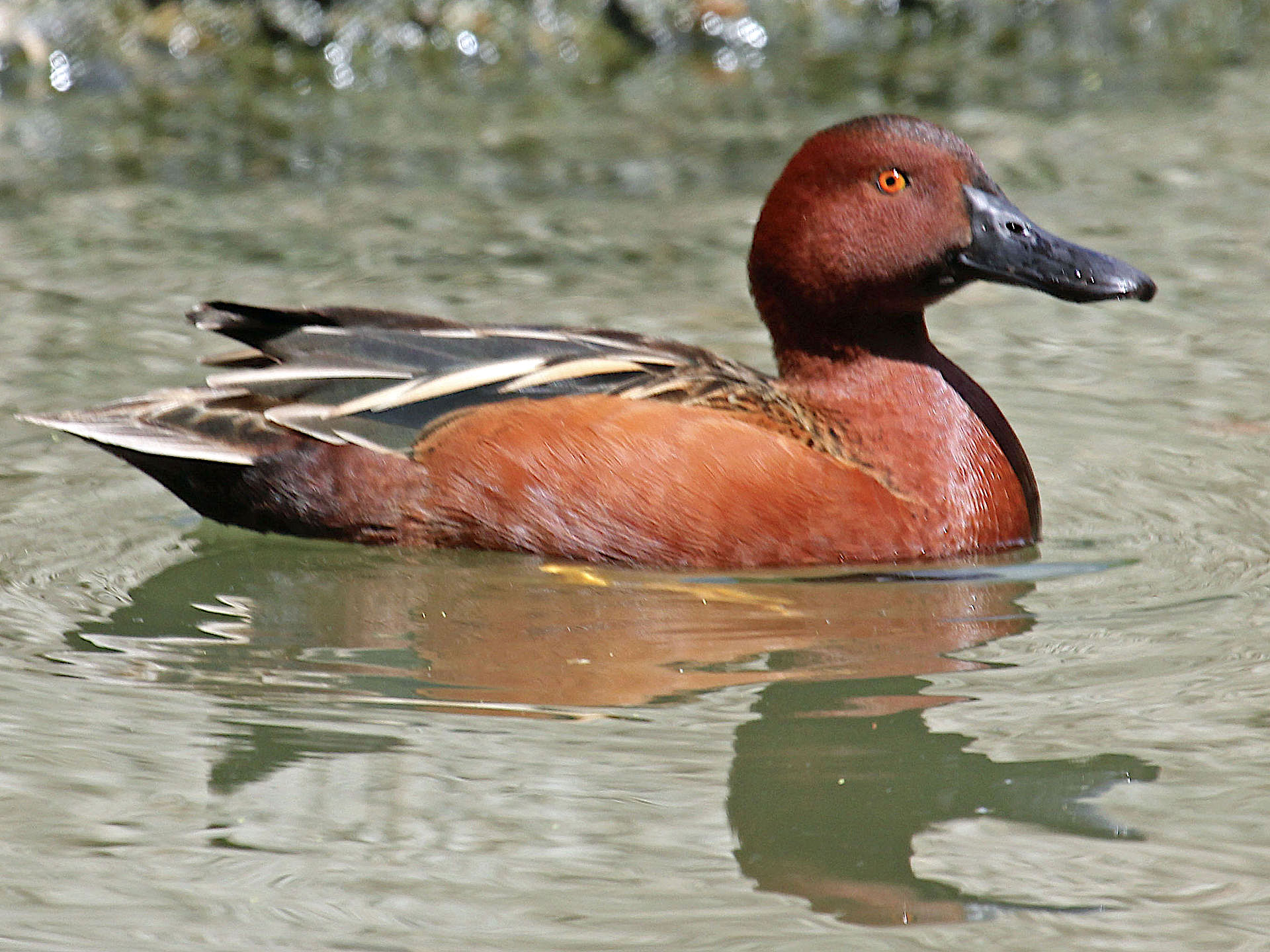
Cinnamon Teal (Dick Daniels, carolinabirds.org Wiki)

Credits: Michael L Baird (1); Keith Kemp (2, 3, 4, 5,); ‘andeansolitaire’ (6); Dick Daniels / carolinabirds.org (7); special thanks to Terry Sohl / sdakotabirds.com for use permission for his range map; cartoon by the inimitable Birdorable
Unknown's avatar

BAHAMA YELLOWTHROAT: A PHOTOGENIC ENDEMIC

Bahama Yellowthroat, Abaco Bahamas (Gerlinde Taurer)

BAHAMA YELLOWTHROAT: A PHOTOGENIC ENDEMIC

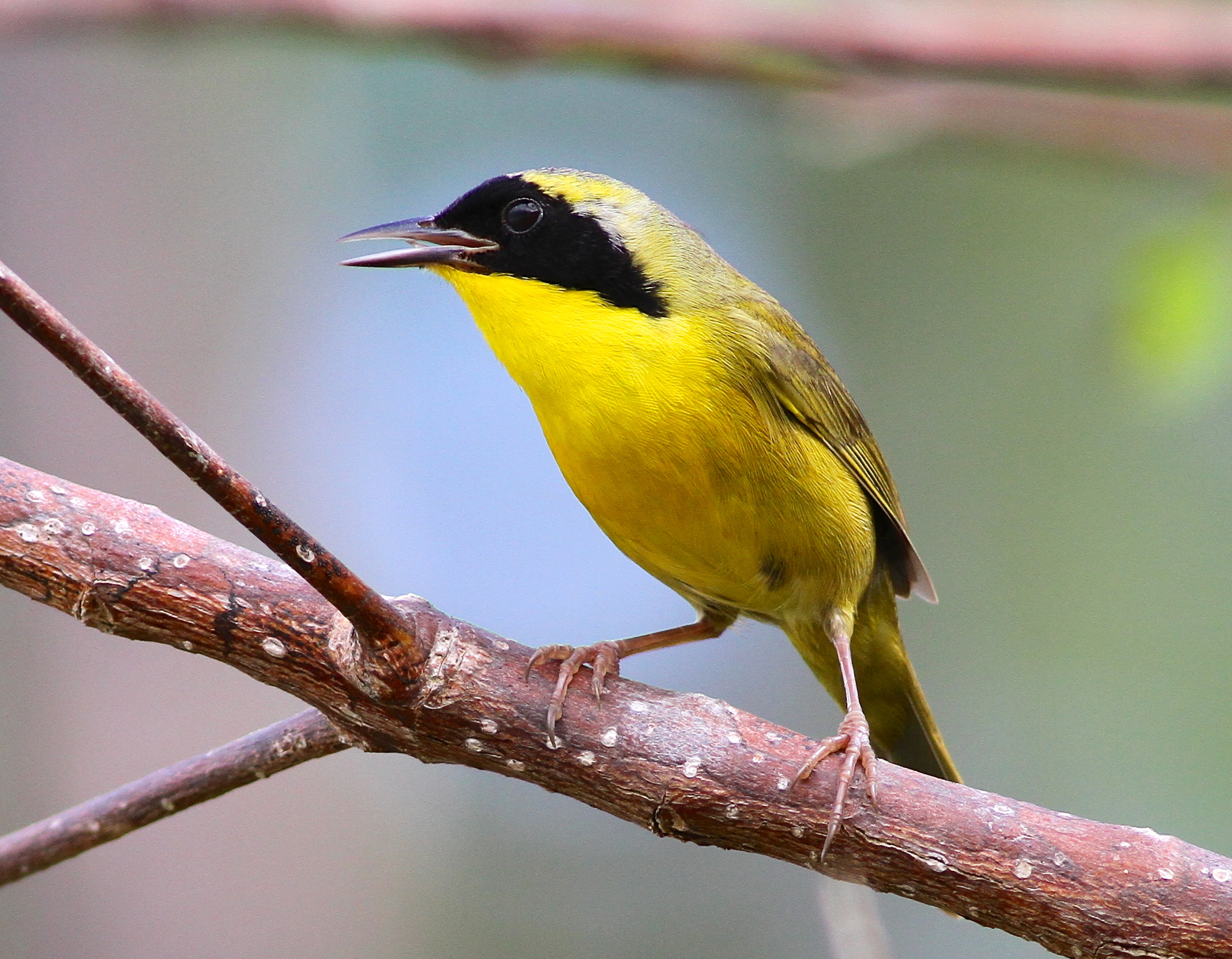
Yesterday an Abaco friend asked me to ID a striking-looking bird photographed in the coppice by their house. It was a Bahama Yellowthroat, one of the 5 bird species endemic to the Bahamas. The bird was not clear enough for use here, but I’ll take any reason to feature these lovely creatures, with their trademark Zorro masks.

Bahama Yellowthroat, Abaco Bahamas (Bruce Hallett)

The other endemics are the Bahama Woodstar, Bahama Warbler and Bahama Swallow – all found on Abaco. The fifth is the endangered Bahama Oriole. Sadly these fine birds are now only found in very small numbers on Andros. They once lived on Abaco too, but have not been recorded there since the 1990s, and are considered extirpated. You can find out more about all these endemic birds HERE.

Bahama Yellowthroat, Abaco Bahamas (Gerlinde Taurer)

The Bahama Yellowthroats have a cousin, the Common Yellowthroat, that is a winter visitor on Abaco. There is some scope for confusion between the two birds, although a close look will reveal several differences. But let’s not get into that kind of detail right now… it would slightly detract from this little ‘gallery of gorgeous’.

Bahama Yellowthroat, Abaco Bahamas (Tom Reed)

One reason for my fondness for the yellowthroats is that it is one of the few species that I am able to imitate with sufficient accuracy to draw one from the depths of the coppice to the front of stage. It’s usually described as a ‘wichety-wichety‘ call, and the talent to mimic it has no other uses in life. Here’s a short recording I made – the Yellowthroat is the first and last call of the sample, with other species in between.

These are curious birds, and are not afraid to pose for a while, watching the watcher. They are also very vocal birds. You’ll see that many of these photos show them singing (‘vocalising’). You can even see their tiny tongues!

Bahama Yellowthroat, Abaco Bahamas (Bruce Hallett)

A couple of these images feature in THE BIRDS OF ABACO. This is a good moment to mention that we still have some remaining books, and right now we have a seasonal offer on them of a festive $88 plus shipping. A drop in MH can be arranged. Interested? Let me know or email the Delphi Club direct at delphi.bahamas@gmail.com

Bahama Yellowthroat, Abaco Bahamas (Charles Skinner)

Photo Credits: Gerlinde Taurer (1, 3); Bruce Hallett (2, 5); Tom Reed (4); Charles Skinner (6); Tom Sheley (7); sound recording Keith Salvesen / Rolling Harbour

Bahama Yellowthroat, Abaco Bahamas (Tom Sheley)

Unknown's avatar

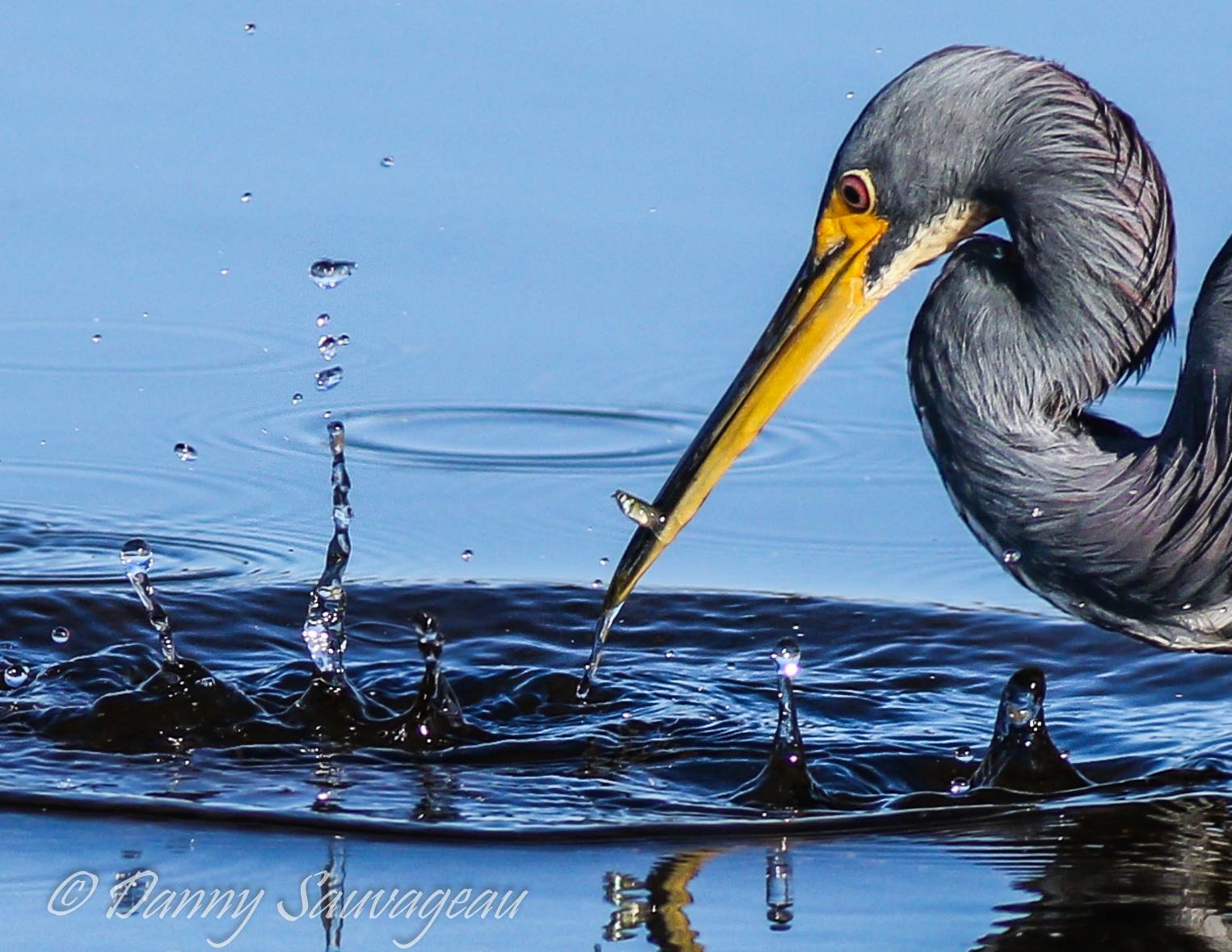
TRICOLORED HERON: A SPECTACULAR CATCH…

Tricolored Heron (Danny Sauvageau)

TRICOLORED HERON: A SPECTACULAR CATCH…

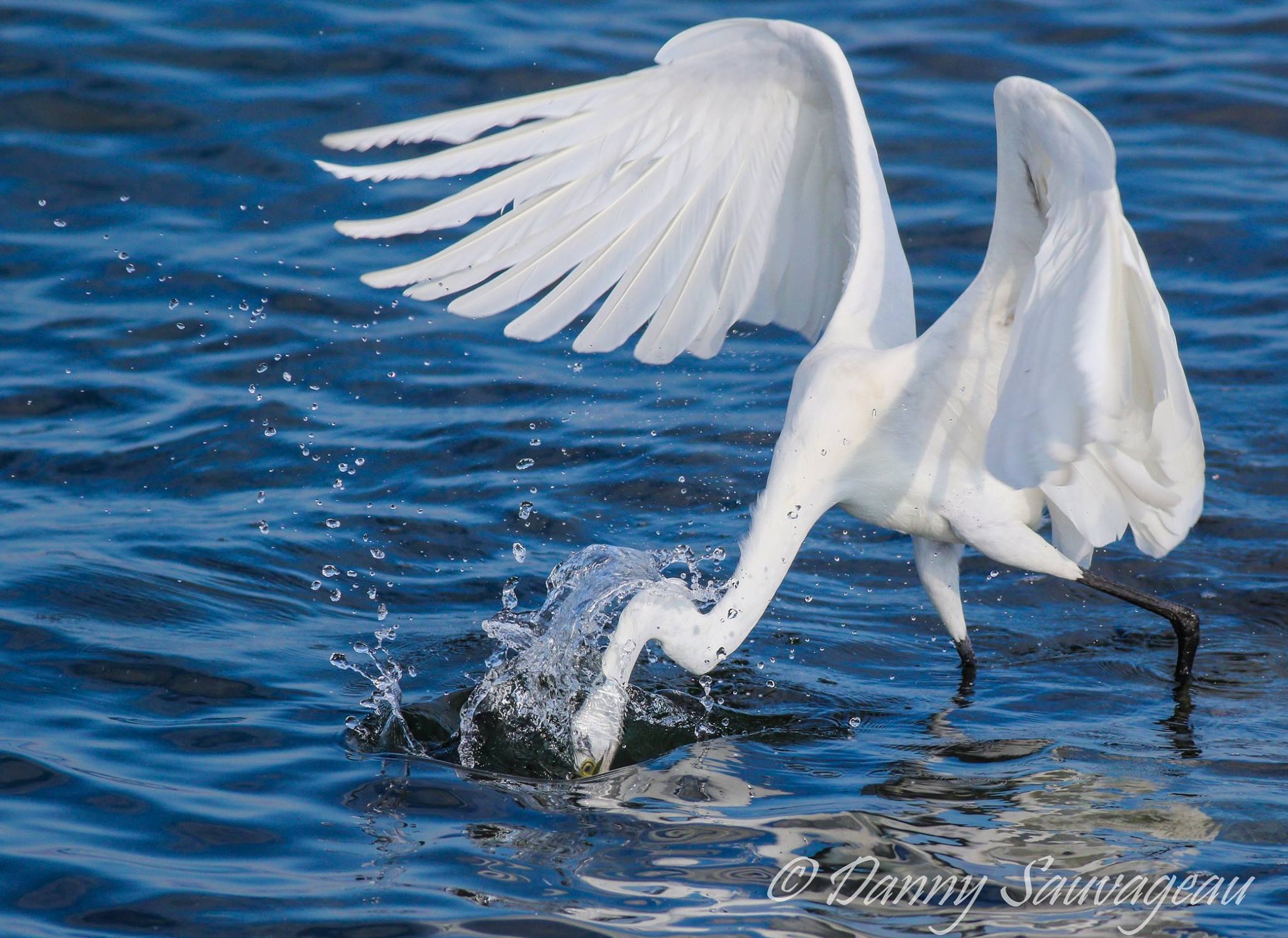
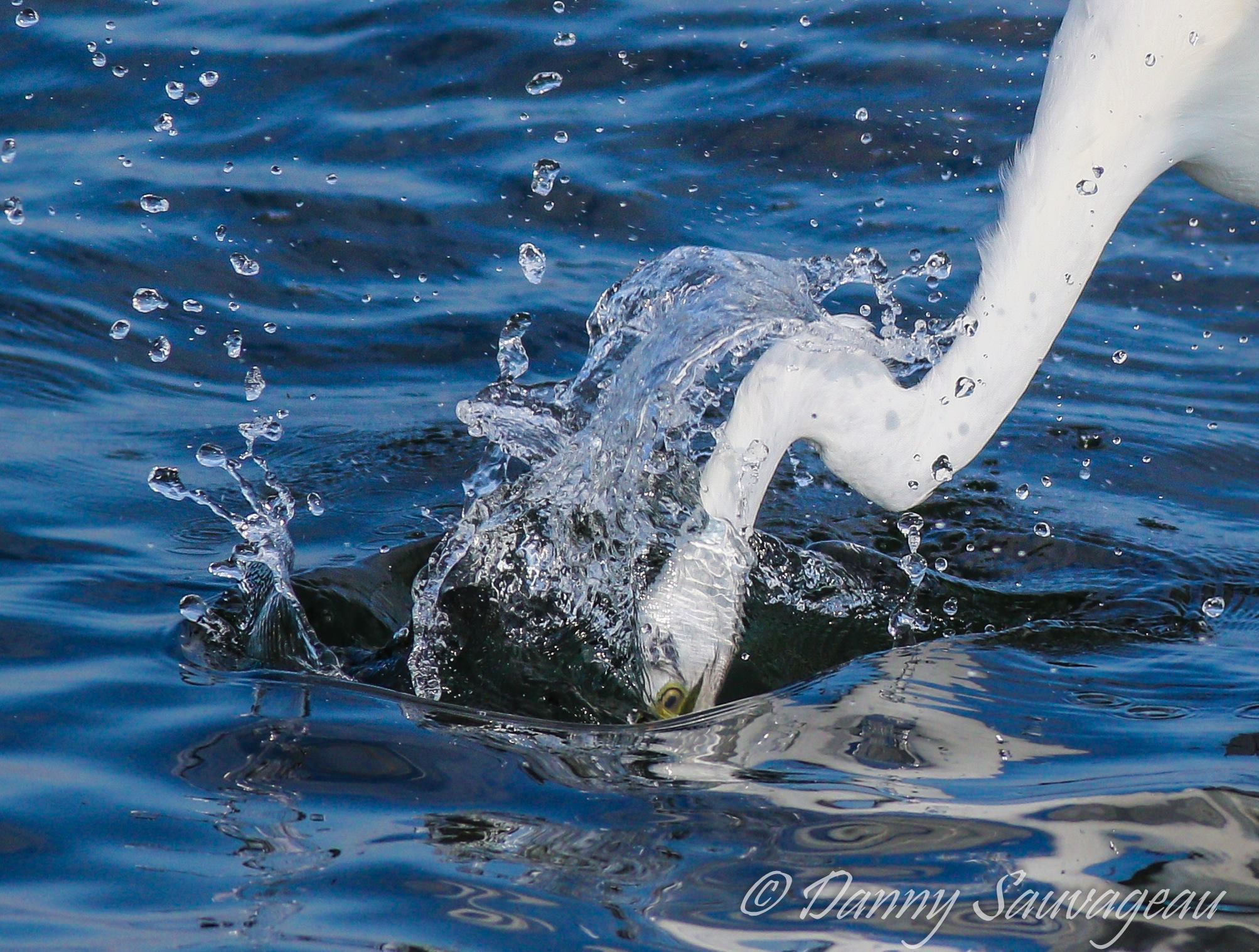
The photograph, I mean. The heron’s catch is rather modest, I think even it would agree. I’d been going to write about something else today but I’ve run out of time, and anyway this astonishing photo from bird photographer Danny Sauvageau ‘flew in’ over the weekend. It deserves a wider audience. 

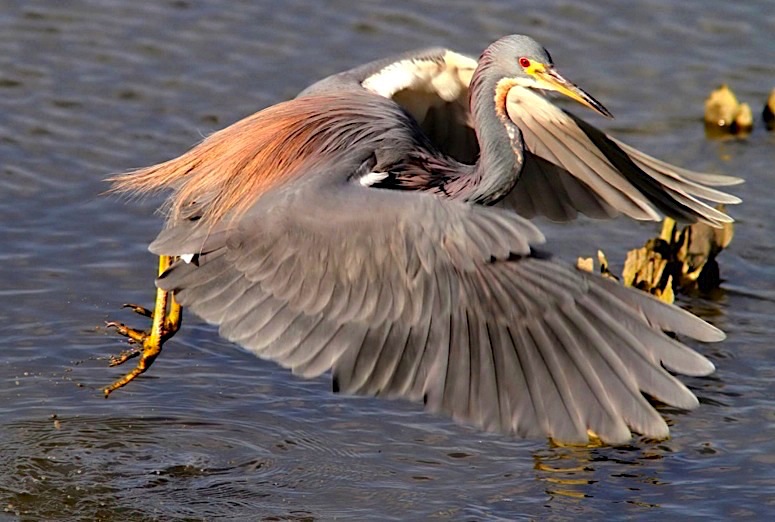
You can read plenty more about these wonderful birds – common, permanent breeding residents on Abaco – by simply clicking TRICOLORED HERONS. Meanwhile, Danny’s outstanding image deserves an equally stunning partner; a similarly spectacular ‘catch’ by photographer Phil Lanoue that appears in the linked post.

Tricolored Heron (Phil Lanoue)

RELATED POSTS

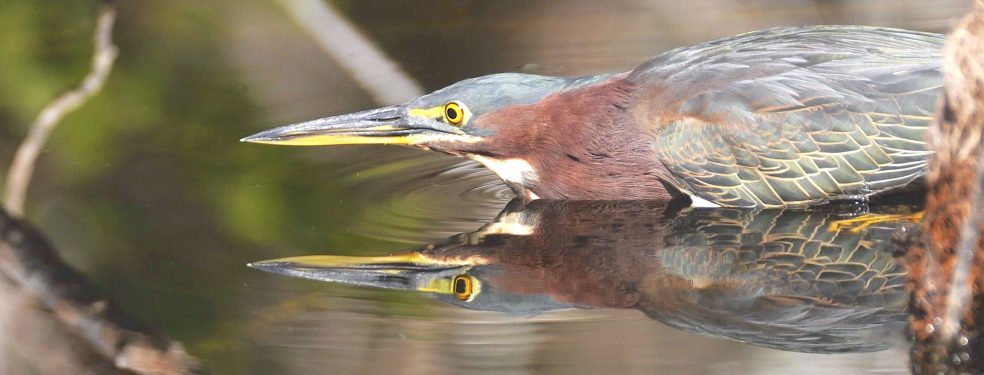
GREEN HERON

YELLOW-CROWNED NIGHT-HERON

SNOWY EGRET

REDDISH EGRET

Credits: Danny Sauvageau; Phil Lanoue – with thanks to both for use permission for their terrific camerawork

Unknown's avatar

BARN OWLS ON ABACO, BAHAMAS

Barn Owl, Abaco Bahamas (Woody Bracey)

Barn Owl, Abaco, Bahamas (Woody Bracey)

BARN OWLS ON ABACO, BAHAMAS

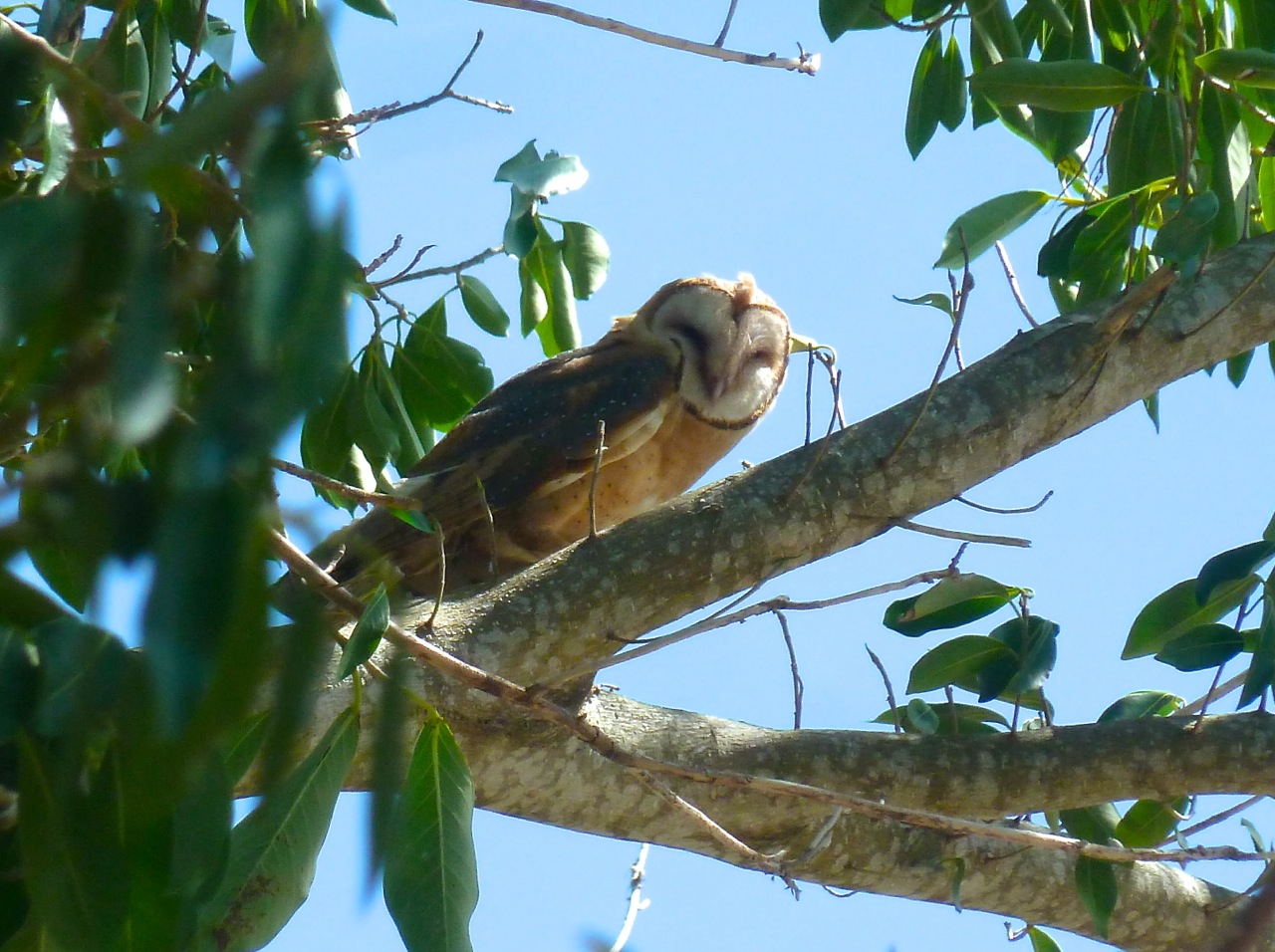
The Barn Owl (Tyto alba) is the only owl you are likely to see – and hear – on Abaco. The species is permanently resident, which is a good start in that sighting opportunities exist year-round. Although they are not at all common they can be found in particular locations, for example around Treasure Cay and Little Harbour; also on Elbow Cay, Lubbers Quarters (4 birds right now) and Man-o-War Cay (a while back). There are two other owl species recorded for Abaco: the rare Burrowing Owl (see link below for details); and the Northern Saw-whet Owl, a vanishingly rare vagrant recorded a handful of times that I don’t propose to feature unless and until it decides to visit Abaco more frequently…

Barn Owl (Birdorable)

I wrote about Barn Owls on Abaco many moons ago. I don’t usually rehash previous posts, but I am returning to the topic because of a recent barn owl sighting on Elbow Cay that caused interest, excitement and some speculation. 

Barn Owl, Treasure Cay, Abaco Bahamas (Becky Marvil)

Barn Owl, Treasure Cay, Abaco Bahamas (Becky Marvil)

The shrill wheezing cry of the Barn Owl – known in some places as the ‘screech owl’ (which, strictly, is a different owl species) – is unmistakeable. Barn owls also make an intimidating hissing noise. Mainly nocturnal, they fly noiselessly like white ghosts in the night. If you are lucky enough to see one in the daytime, you’ll be struck by the beautiful heart-shaped face and (if close enough) the delicate markings.

 Patrik Aberg Xeno-Canto

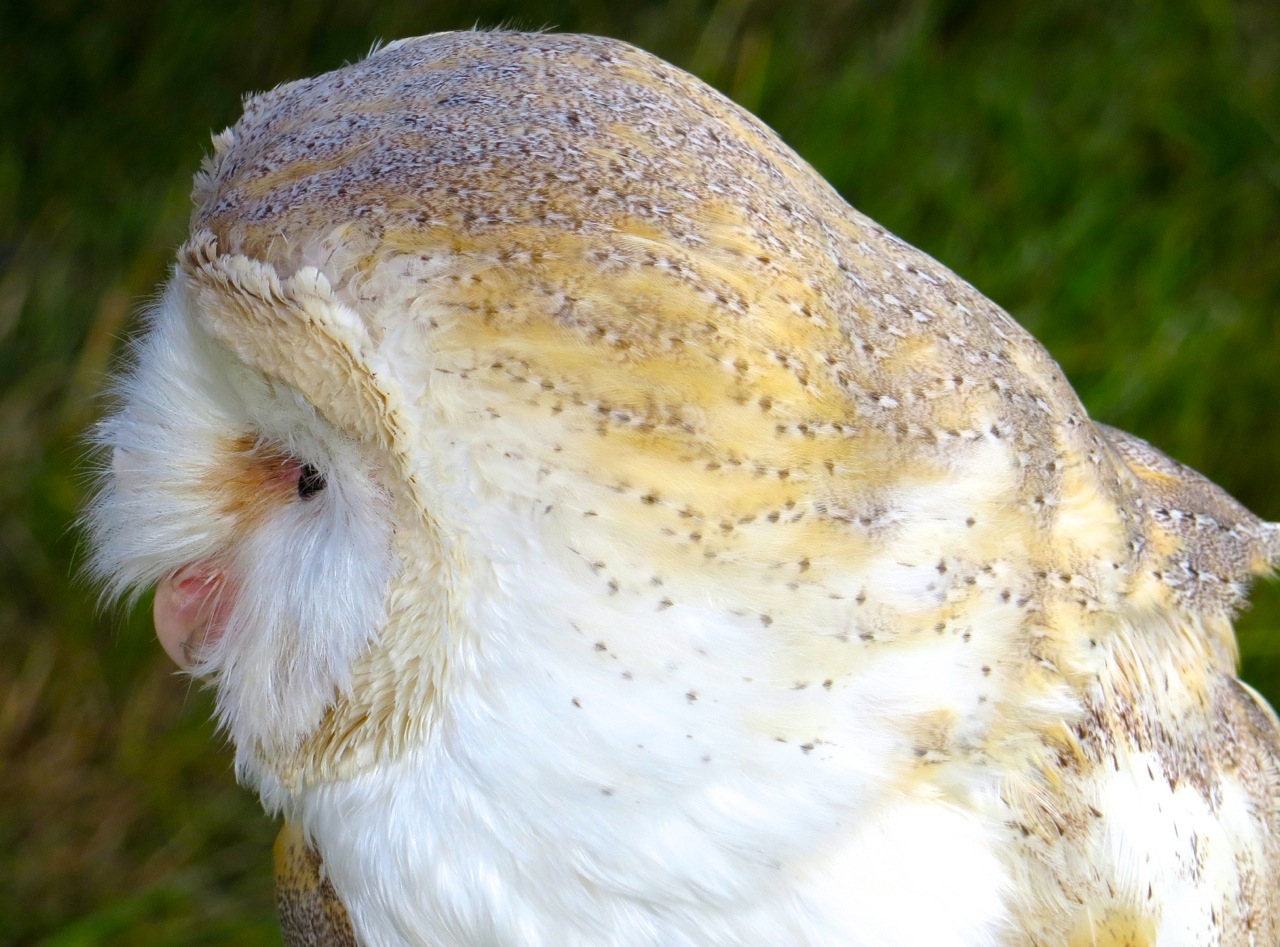
Both photos above were taken on Abaco. Woody Bracey’s header image is featured inTHE BIRDS OF ABACO“. Becky Marvil’s photo was taken near Treasure Cay. I’ve never seen a barn owl on Abaco, but  I’ve been lucky enough to get close to them in the UK. For those who have never seen one, here are a few of my own images that show what wonderful birds they are. They were photographed at a raptor rescue centre, so I am not going to pretend that these shots were taken in the wild. That would never do. 

Barn Owl (Keith Salvesen)Barn Owl Dorset (Keith Salvesen) Barn Owl Dorset (Keith Salvesen)Barn Owl 4 (Keith Salvesen)

This close-up of the barn owl above shows the typical speckling on its pure white front, and the beautiful wing patterns. Amazingly for such a large bird, an adult weighs a mere 350g or so. As a comparison, The Birds of Abaco book weighs 2kg!

Barn Owl close-up (Keith Salvesen)

This fluffy baby barn owl had been rescued and was being cared for in a sanctuary before being returned to the wild. Whimsy is rarely permitted  in this blog, but seriously, folks – cuteness overload!Barn Owl 6 (Keith Salvesen)

RELATED POSTS

 OWLS OF ABACO (2) – BURROWING OWLS

BURROWING OWLS ON ELBOW CAY

Credits: Woody Bracey, Becky Marvil, Keith Salvesen, Patrik Aberg /  Xeno-Canto (audio), RSPB (video), Birdorable (Cartoon)

Unknown's avatar

WILD TURKEYS ON ABACO (BAD TIMING…)

WILD TURKEYS ON ABACO (BAD TIMING…)

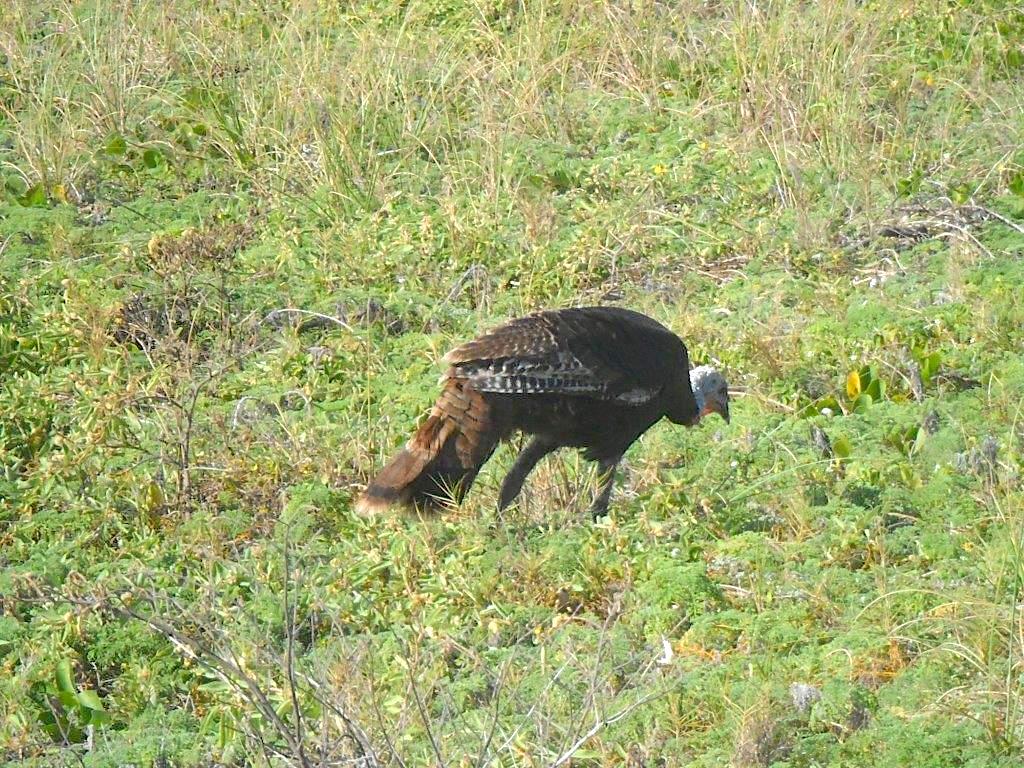
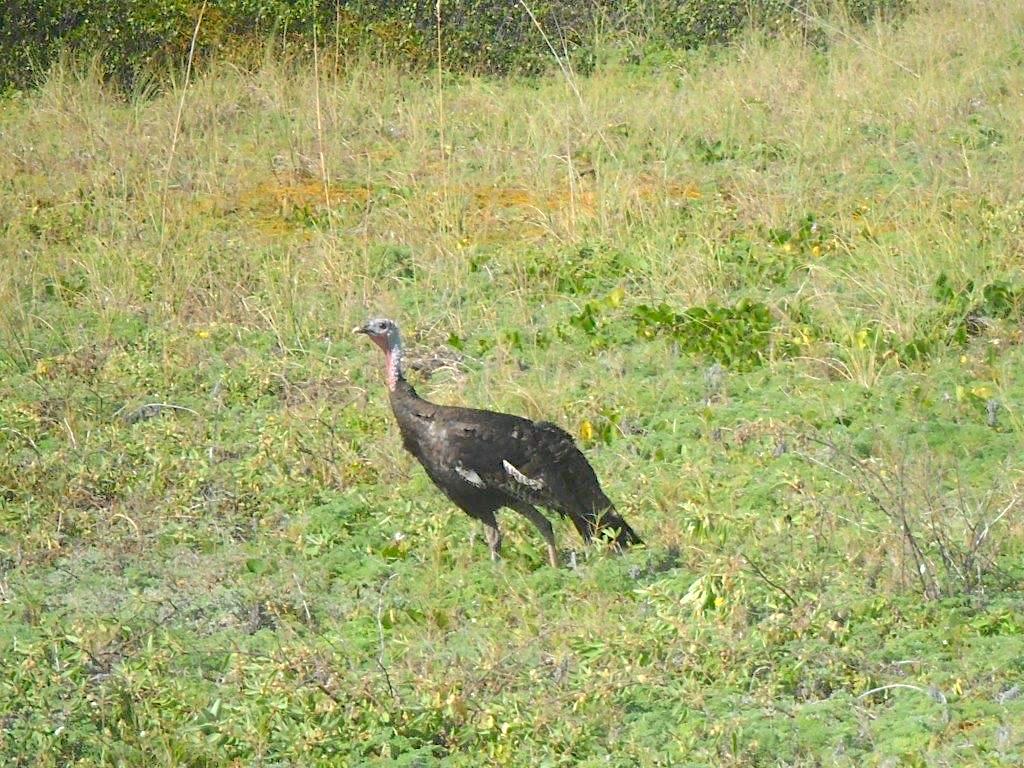
We have to face the facts here: this is absolutely the worst time of year to be a turkey. First, Thanksgiving. Then Christmas. It seems everyone wants a piece of you. Literally, I’m afraid. You could get very cut up about it. So this is not perhaps the most tactful time to mention that there are turkeys to be found on Abaco. Wild ones, though. Ones that lack the lavish feeding regimes enjoyed by the plump domestic turkeys that are integral to the festive season. And anyway, the Abaco turkeys – like the PEAFOWL of Casuarina – are harmless additions to the landscape and to the rich avian variety to be found on Abaco. 

Wild Turkey Hen, Abaco, Bahamas (Ali & Bob Ball)

Wild Turkey Hen, Abaco, Bahamas

I don’t know the origin of the Abaco wild turkeys, but I assume a few were introduced in the past and have become feral (again, just like the peafowl) . They may be flattered to know that they fall into a class called ‘exotics’. I note that we omitted to list them in THE BIRDS OF ABACO, where they would have kept company with muscovy ducks, mallards (a slightly harsh ruling maybe), chukars, red junglefowl, the peafowl, cockatiels, budgies, and a couple of macaw species. All these have been found on Abaco but do not strictly count as birds of Abaco. On the other hand, some introduced species such as the bobwhite have slipped under the radar and become fully accredited Abaco birds.

Wild Turkey Hen, Abaco, Bahamas (Ali & Bob Ball)

Wild Turkey Hen, Abaco, Bahamas

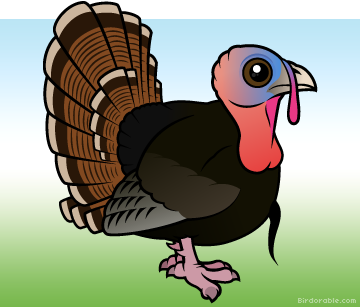
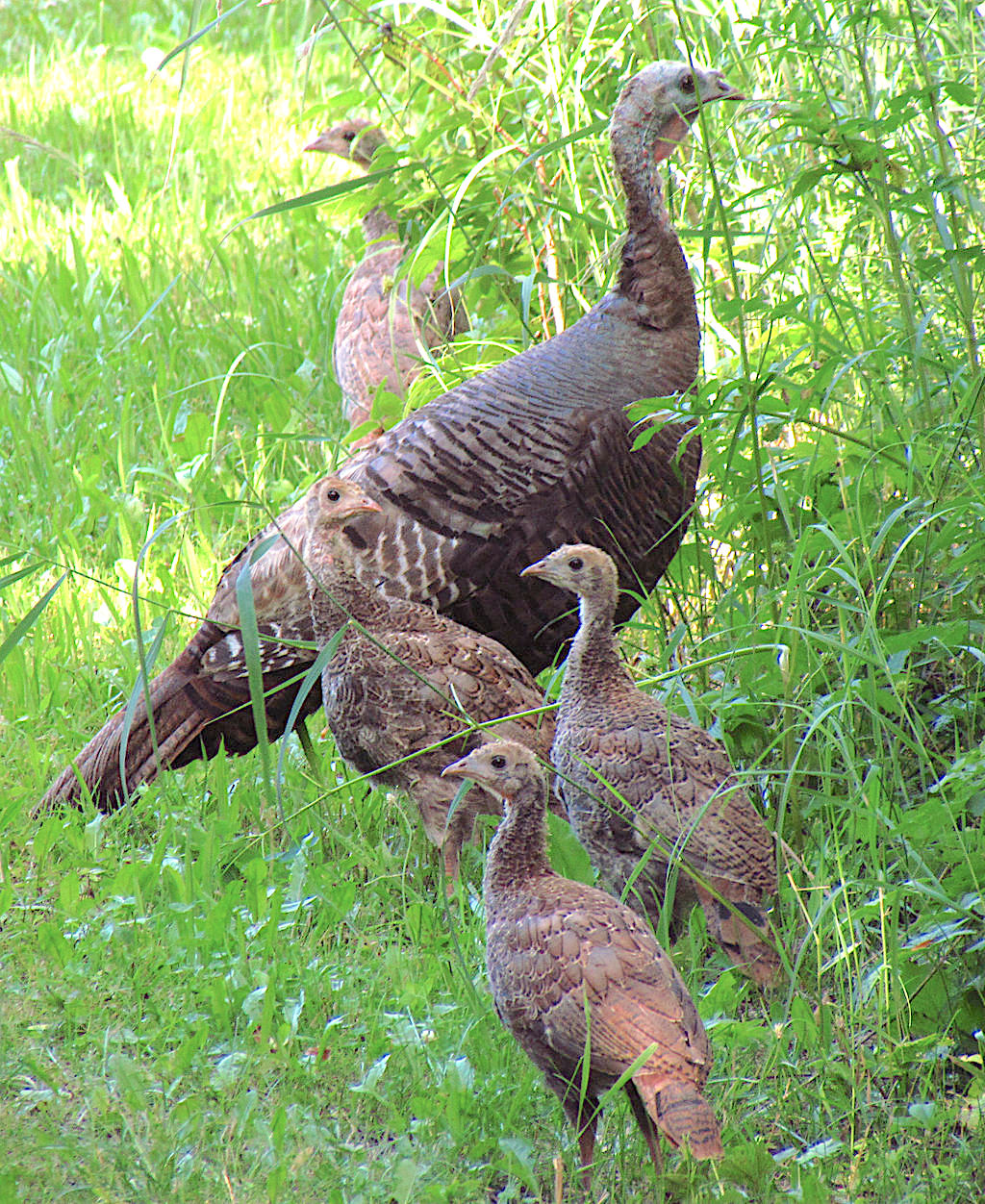
Adult male turkeys are called toms or gobblers; females are hens; juveniles are jakes; and the chicks are poults. In the breeding season, Toms engage in a great deal of strutting and fluffing-up-of-feathers business when they are trying to impress the hens – and frankly, they are notably free with their attentions. Promiscuous, one might say.

Historically, wild turkey populations in North America were decimated or destroyed by over-enthusiastic hunting. In many areas, conservation measures helped to restore the turkey populations. Still, the fact remains that they are potential food; and they are a (relatively) easy large target (cf turkey-shoot). Wild turkeys can fly short distances (which the domesticated variety cannot), but their body-weight somewhat limits the chance of escape by flight.

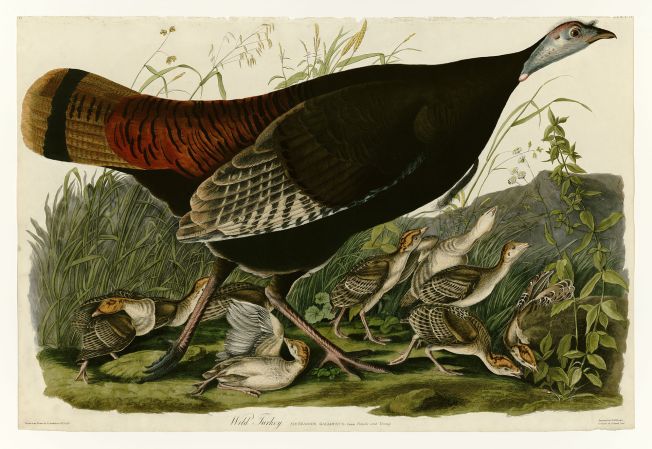
Audubon’s charming depiction of a turkey hen with her chicksWild Turkey Hen and Chicks (Audubon)

STRANGE BUT TRUE

Benjamin Franklin was unimpressed by the proposal of the Bald Eagle as national bird (and by the British, clearly…) As he wrote in letter to his daughter, “…in Truth the Turkey is in Comparison a much more respectable Bird, and withal a true original Native of America… He is besides, though a little vain & silly, a Bird of Courage, and would not hesitate to attack a Grenadier of the British Guards who should presume to invade his Farm Yard with a red Coat on”.

I’ve heard reports of Abaco wild turkeys seen north of Marsh Harbour; in the Little Harbour area; and in the far south of the island. I’d be pleased to learn of any recent sightings – it would be interesting to know how many small groups there are on the island. You can either comment here, DM me on FB, or email me. And perhaps I should add, let’s just map the turkeys, not eat them…

WHAT SORT OF WILD TURKEY SHOULD I CONSUME FESTIVELY?

Wild Turkey Hens with chicks (d. gordon & e. robertson)

Credits: Audubon (1, 4); Ali & Bob Ball (2, 3); D. Gordon / E. Robertson (5); Birdorable (cartoon); Etsy (soft bird); some random drink ad
Unknown's avatar

LARK SPARROW: EXTREMELY RARE VISITOR TO ABACO

Lark Sparrow (Nature Pics Online / Wiki)

LARK SPARROW: EXTREMELY RARE VISITOR TO ABACO

There’s a category of bird in the Bahamas known as a ‘V5’. The V stands for vagrant: a ‘foreign’ bird that ends up on Abaco by pure mischance. Whether through meteorological mishap (a storm for example) or navigational error, a bird that ought by rights to be found elsewhere turns up. That’s the first part of the rarity. The second part is that someone actually sees it, knows what it is (or may be) and reports it.

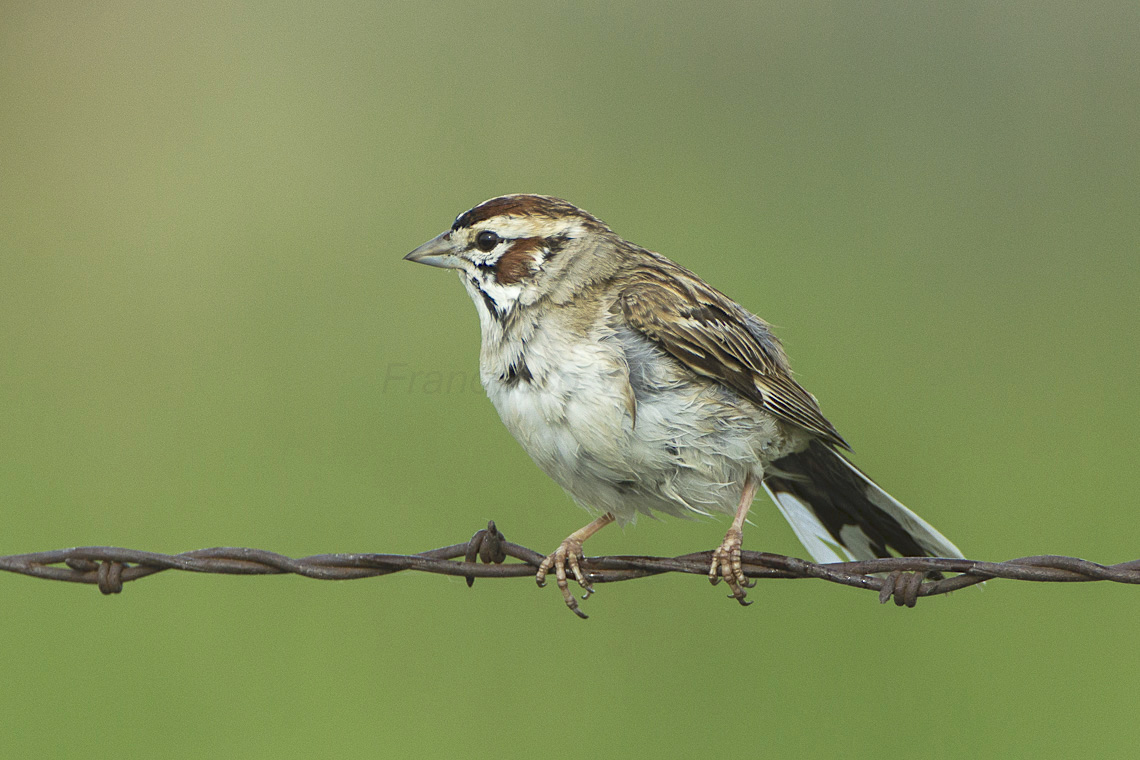
Lark Sparrow (Francesco Veronesi / Wiki)

The 5 part of V5 means that historically there may have been one, perhaps two previous reports of that species. Ever. More than 5 separate sightings, and the bird slips into the far less exclusive V4 category. The only category rarer than a V5 is an H. This stands for hypothetical, a bird that has been ‘credibly reported’ but where further confirmation is needed. Often, that never comes.

Lark Sparrow, Abaco Bahamas (Keith Kemp / Christopher Johnson)

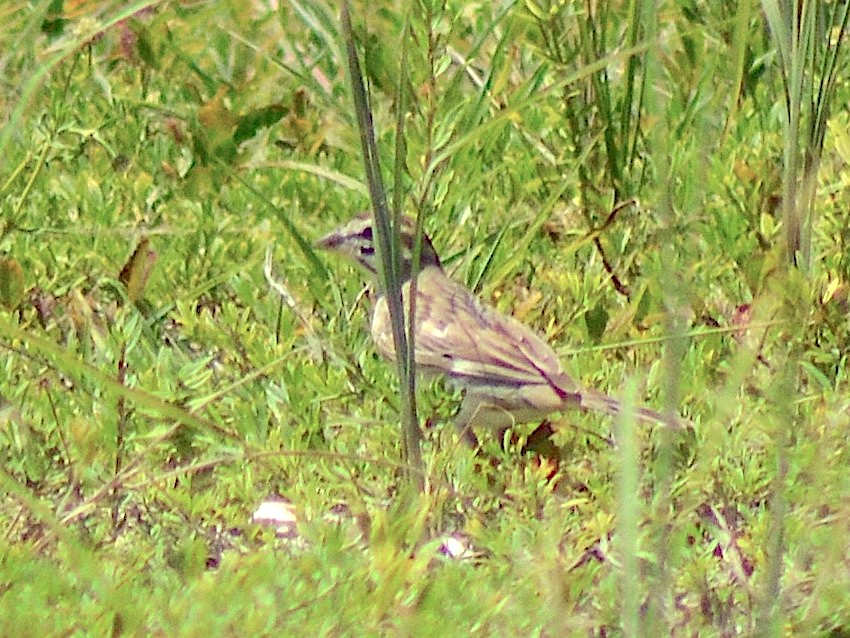
The lark sparrow (Chondestes grammacus) is a fairly large sparrow, familiar enough in parts of the US and Canada. Until this August, there had only been a couple of reports on Abaco since records began. I’m not aware of any photographs from those sightings. Then in August, birder Keith Kemp was at Bahama Palm Shores bird-spotting with his keen-eyed nephew Christopher, who saw a sparrow-like bird fly into low grass near the beach. Keith managed to take a couple of photos of it, and later on checked his bird guides for ID… and lo! a lark sparrow. These are most likely the first photos of the species ever taken on Abaco – and there’s nothing like a photo, however hard to take, to provide confirmation of a sighting.

Lark Sparrow, Abaco Bahamas (Keith Kemp / Christopher Johnson)

Photo Credits: NaturePicsOnline / Wiki (1); Francesco Veronesi / Wiki (2); Keith Kemp with Christopher Johnson, Abaco (3, 4)


Unknown's avatar

BELTED KINGFISHERS: PROFICIENT PISCATORS

Belted Kingfisher (Phil Lanoue)

BELTED KINGFISHERS: PROFICIENT PISCATORS

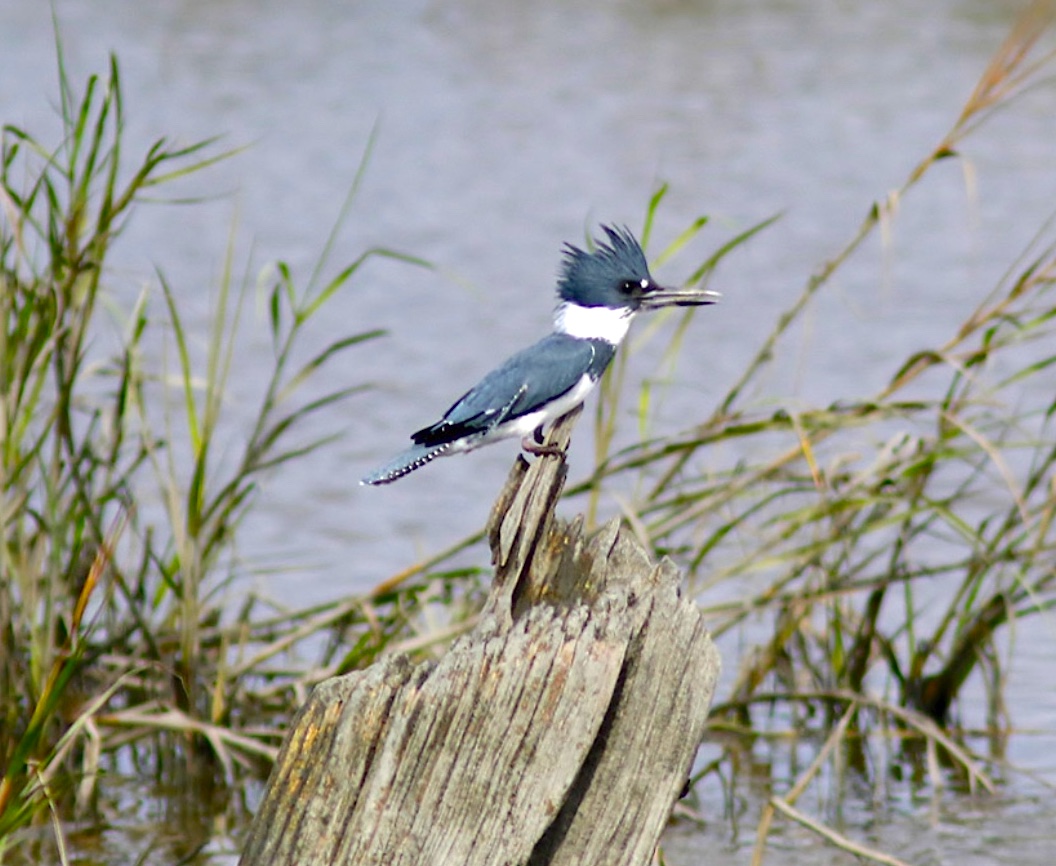
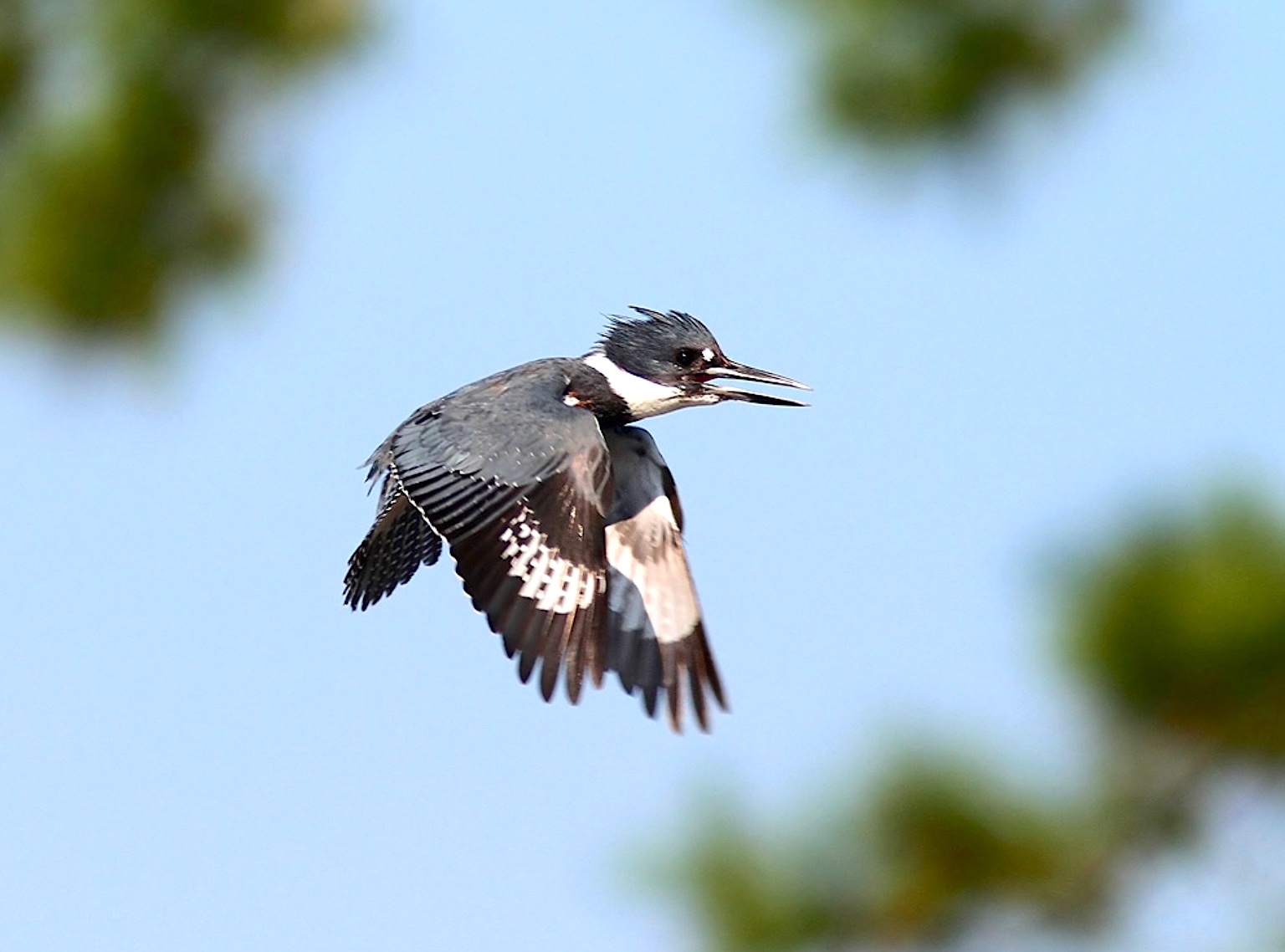
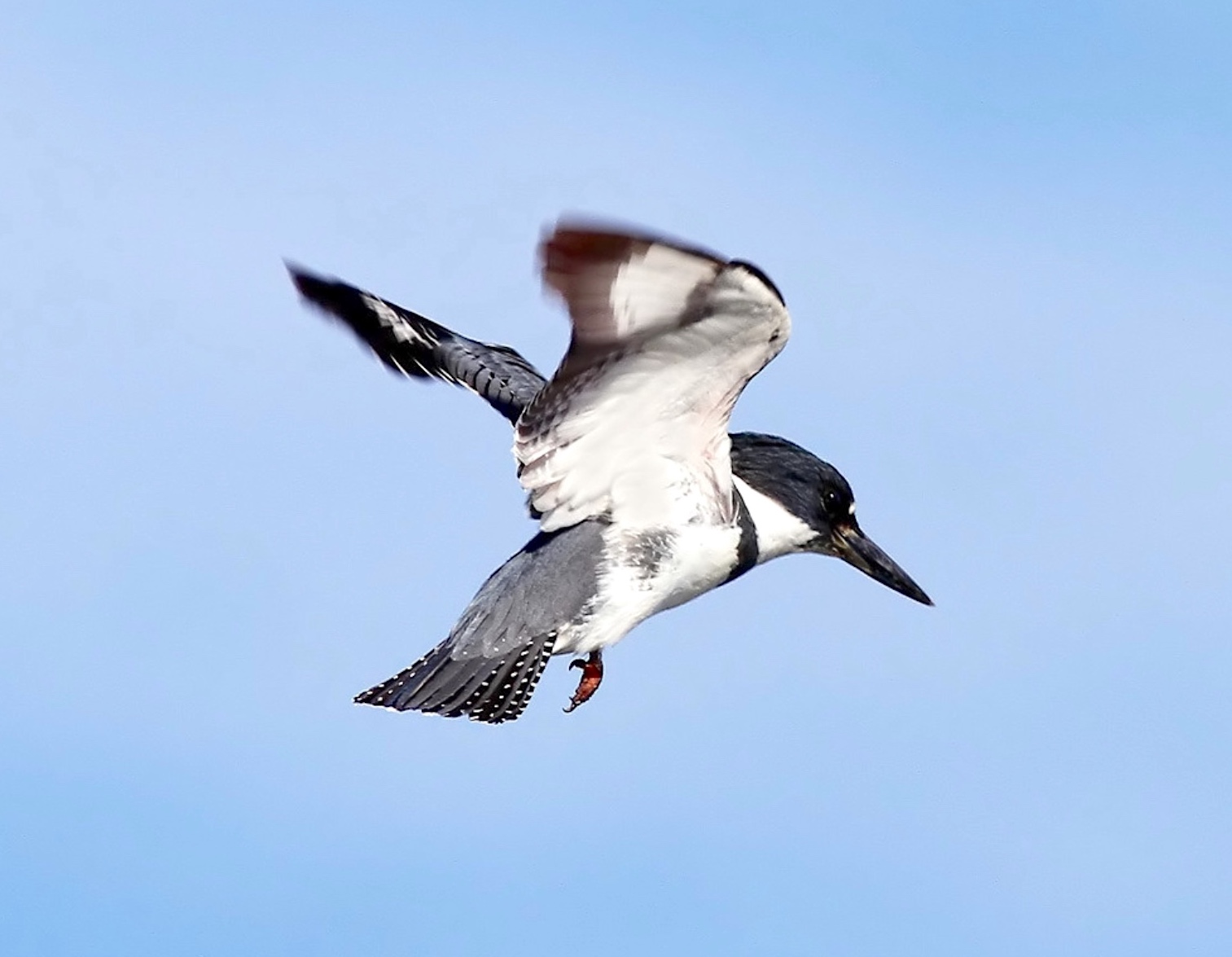
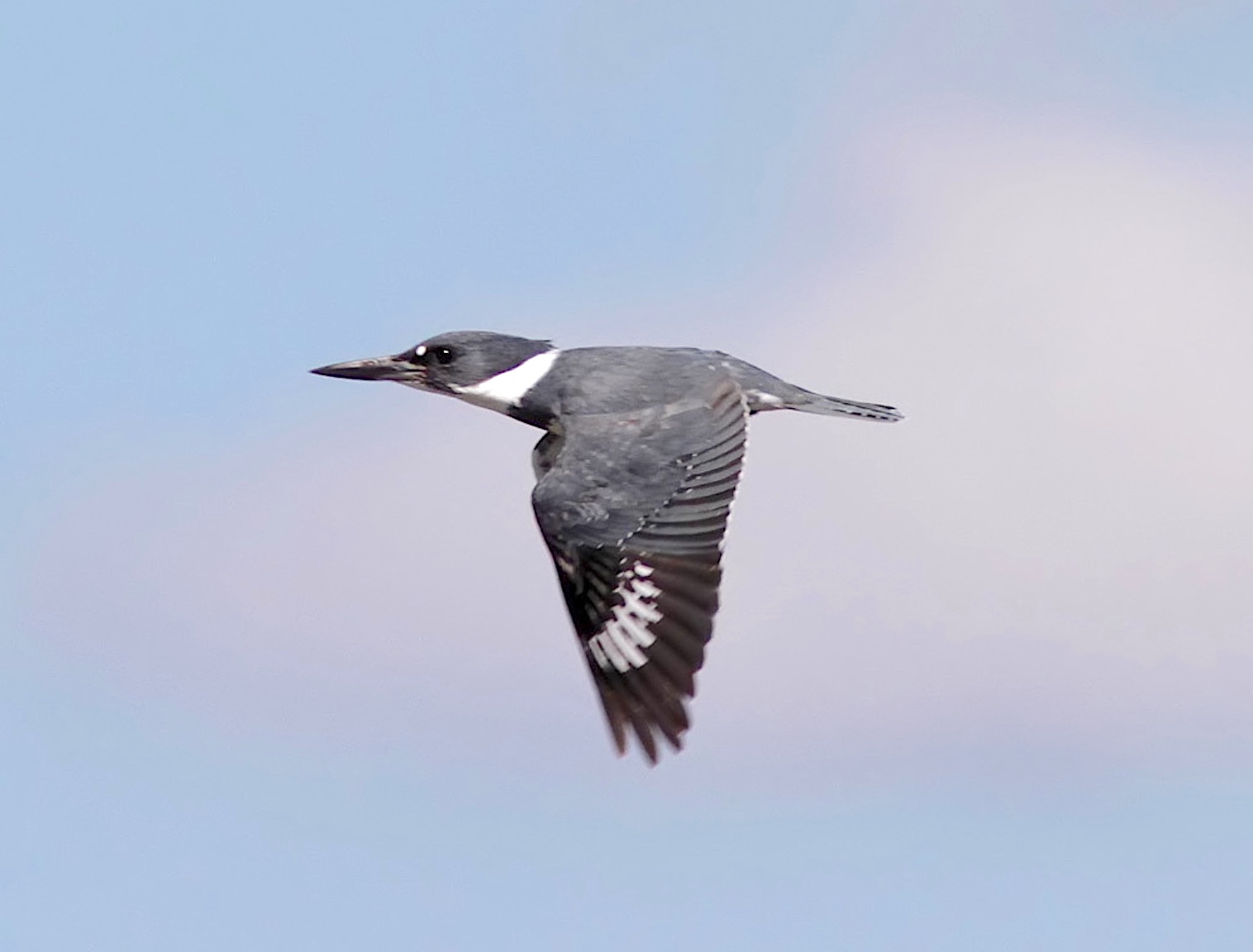
The belted kingfisher (Megaceryle alcyon) is an unmistakable winter visitor to Abaco. With its impressive crest and an adult wingspan approaching 2 ft, these fine birds are far larger than the irridescent kingfisher species found in Europe.

Belted Kingfisher (Phil Lanoue)

CARL LINNAEUS himself first documented the belted kingfisher in the mid c18, giving the specific name ‘alcyon’, a word of both Latin & Greek origin. The familiar phrase ‘Halcyon days‘, meaning a time of calm, is used more than once by Shakespeare; it references a calm period of weather supposedly occurring at kingfisher nesting time.

Belted Kingfisher (Phil Lanoue) Belted Kingfisher (Phil Lanoue)

The breeding grounds of the belted kingfisher are in Canada and the northern US, on coasts or near inland waters. They migrate further south in winter, to the southern US, Central America and West Indies. However vagrants have been found as far afield as the UK.

Belted Kingfisher (Phil Lanoue)

WHERE CAN I FIND THEM ON ABACO?

I have seen BKs when fishing out on the Marls, either perched on dead branches looking for fish, or in the mangroves, or in flight. There’s quite often one to be seen at Gilpin Pond, but always – for me, anyway – on the far side and out of practical range of my somewhat modest camera… Sandy Point is another place I have seen them. But these are common birds in winter, so anywhere near water where there are good perches to prospect for fish could be promising for a sighting. Sadly I’ve never actually seen a kingfisher on Abaco plunge-dive for fish, let alone eating a fish. And NB they are exceedingly hard to photograph at the best of times, especially in flight. Which is why I am very pleased to feature some more wonderful shots by photographer Phil Lanoue.

Belted Kingfisher (Phil Lanoue)

GENDER IDENTIFICATION

The kingfishers shown so far are all males, and basically blue and white. The (slightly) larger adult females can easily be identified by their very visible russet chest band. This colouring in fact extends under the wings, where it is harder to see in a perched bird.

Belted Kingfisher (Teddy Llovat) Belted Kingfisher (Michael L Baird)

AUDUBON:  A GUIDE TO THE BELTED KINGFISHER

Birding folk are familiar with the excellent presentations of individual bird species in the go-to guides such a Sibley and Peterson. However it always interests me that the images in my small and incredibly cheapo book of Audubon illustrations often give a very good depiction of a particular bird. He was the first naturalist to portray birds in action as opposed to rather stiff poses. Check out the plate below with the photos here.

Belted Kingfisher (Audubon)

BIRDORABLE’S TAKE*

Belted Kingfisher (Birdorable)

Belted Kingfisher (Bruce Miller)

* BIRDORABLE cartoons are seriously good at reducing birds to their essentials. Try out their many warblers and you’ll see what I mean.

Photo Credits: Phil Lanoue (1 – 6), with thanks as ever for use permission; Teddy Lovatt (7); Michael L Baird (8); Audubon (9);  Bruce Miller (10); Birdorable – Cartoon
Unknown's avatar

ABACO BALD EAGLE(S): NEW SIGHTINGS

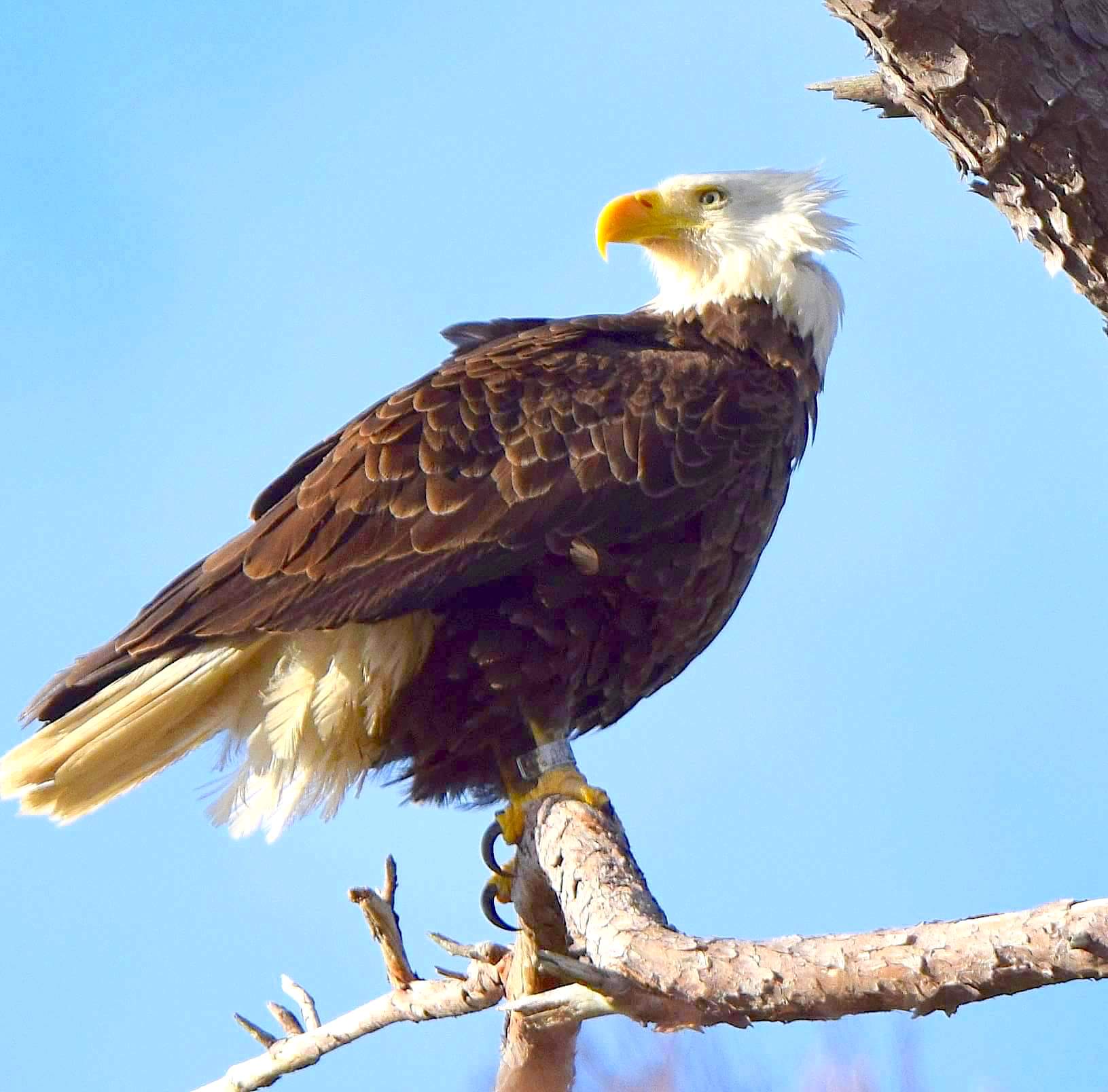
Bald Eagle - Poquoson, Virginia - Brian Lockwood

ABACO BALD EAGLE(S): NEW SIGHTINGS

In March, I posted about a bald eagle spotted by a Delphi fisherman out on the Marls near Big Pine Point HERE – a very rare sighting indeed. The only previous Abaco sightings were sporadic, of a single bird, and all since 2000 (see below). 

In May, there was another bald eagle sighting, also on the Marls, this time by Danny Sawyer while out fishing; in the Power Plant area; and ‘Kelly’s Mom’ reported one from the Lubbers Quarters / Tahiti Beach area.

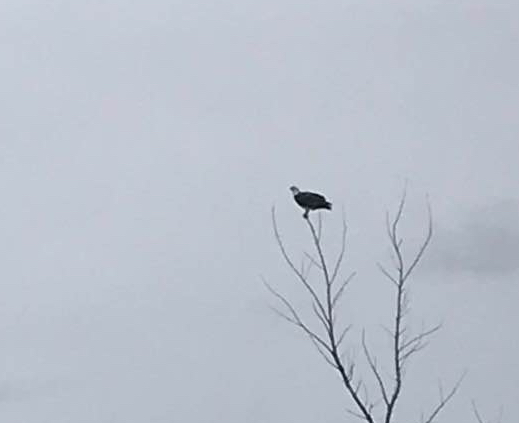
In September came the first photo ever of an Abaco bald eagle, taken by Carol Rivard Roberts in the Cross Harbour area from a considerable distance. 

And now, November, Delphi West & East fisherman, most entertaining boat partner, and friend Howard Pitts from Little Harbour has emailed to say that he saw a bald eagle “off the Cherokee Rd near the cell tower” in the last couple of days. 

BALD EAGLE SIGHTINGS REPORTED ON ABACO SINCE c1950 (= ‘ever’)

  • 2000 December, location unknown – info from Woody Bracey
  • 2001  December – Chicken Farm area – Betsy Bracey
  • 2002 December – over Marls opposite Treasure Cay – Woody Bracey
  • 2004 Autumn – south of Lynard Cay (after hurricane) – Cheryl Noice
  • 2014  Date unknown – circling the power plant – LC
  • ===================================
  • 2017  March – Big Pine Point, Marls – James Cheesewright
  • 2017  Early May – Power plant area – LC
  • 2017  May – Marls – Danny Sawyer
  • 2017  May  – Lubbers / Tahiti Beach area – ‘Kelly’s mom’
  • 2017  September – Cross Harbour – Carol Rivard Roberts (with photo)
  • 2017  November – Cherokee Road – Howard Pitts
  • STOP PRESS… NEW REPORTS 
  • 2017 November – Bahama Palm Shores / 8-mile beach – Steve Roessler
  • 2017 November – Tilloo Bank – Laurie Schreiner (with photo)

Italics = a report in comments on Danny’s FB page; Blue = added reports to me

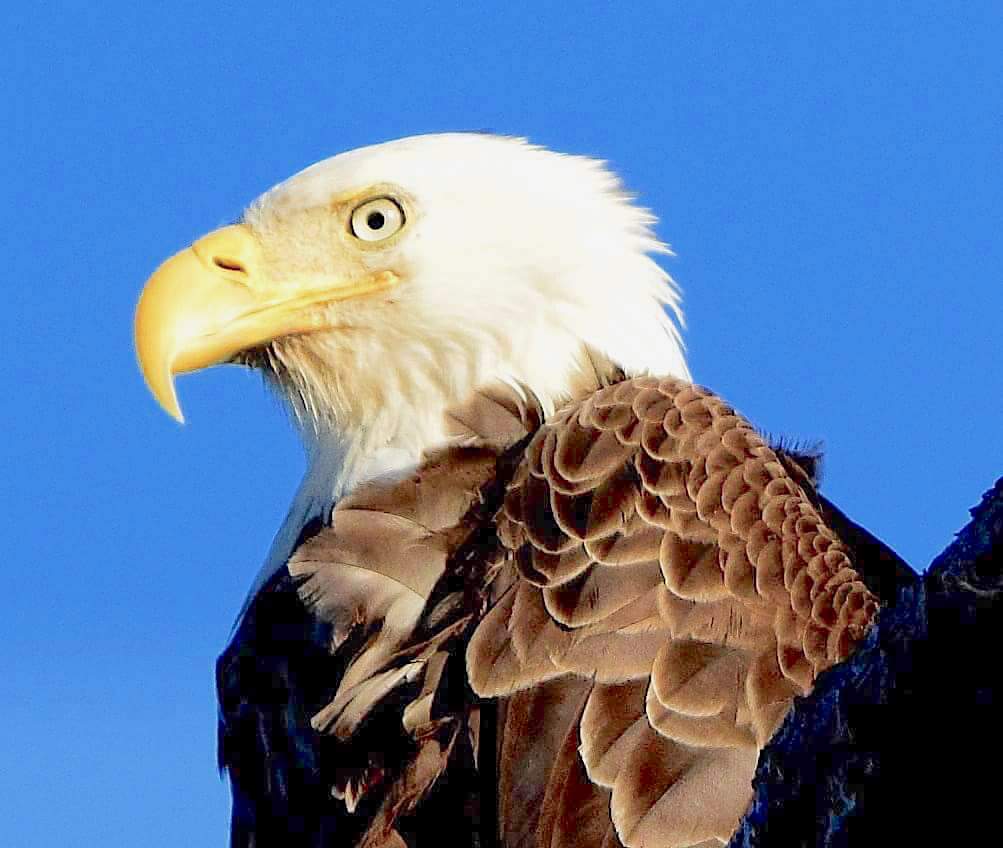
So now for 2017 we have 6 sightings, including the first sighting with verification by photo. As I said previously, “there really is no mistaking a bald eagle. For obvious reasons it is surely one of the most recognisable raptors of all. And the only Abaco candidates for confusion would be a turkey vulture or an osprey. There’s very little scope for confusion with either”.

A THEORY

I suspect that the 2017 sightings are all of the same lone bird that has somehow strayed over to Abaco and finds the available prey good, and the location congenial. Also, he is undisputed king of the skies. I imagine his daily hunting range is a wide one, which would explain the varied sighting locations. I’m sticking with this theory unless and until 2 eagles are seen together.

 ABACO BALD EAGLE CHALLENGE

Carol Rivard Roberts is the winner of the challenge I set – the first person to capture an Abaco bald eagle on camera. She carries off the traditional yet strangely theoretical and / or symbolic Rolling Harbour bottle of Kalik, and the Kudos that attaches to it.

Reports of any further sightings would be very welcome, with photographs a bonus…

Bald Eagle - Poquoson, Virginia - Brian Lockwood

Credits: all brilliant eagle photos by very kind permission of Brian Lockwood, taken in his backyard in Poquoson, Va. except tiny distant Abaco eagle by Carol Rivard Roberts; amusing cartoon, Birdorable
Unknown's avatar

SANDERLINGS ON DELPHI BEACH, ABACO BAHAMAS

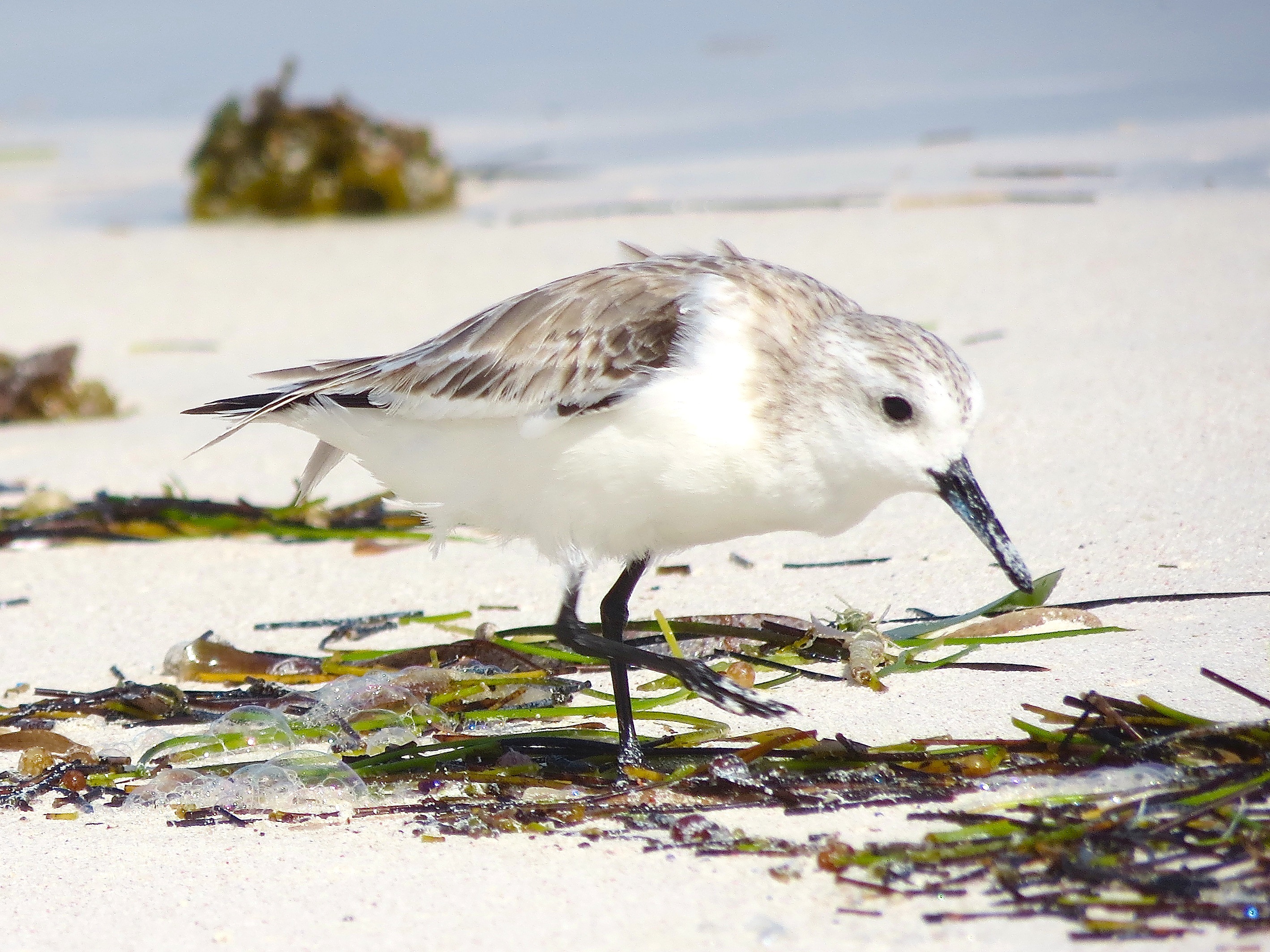
Sanderling, Delphi Beach Abaco Bahamas (Keith Salvesen)

SANDERLINGS ON DELPHI BEACH, ABACO BAHAMAS

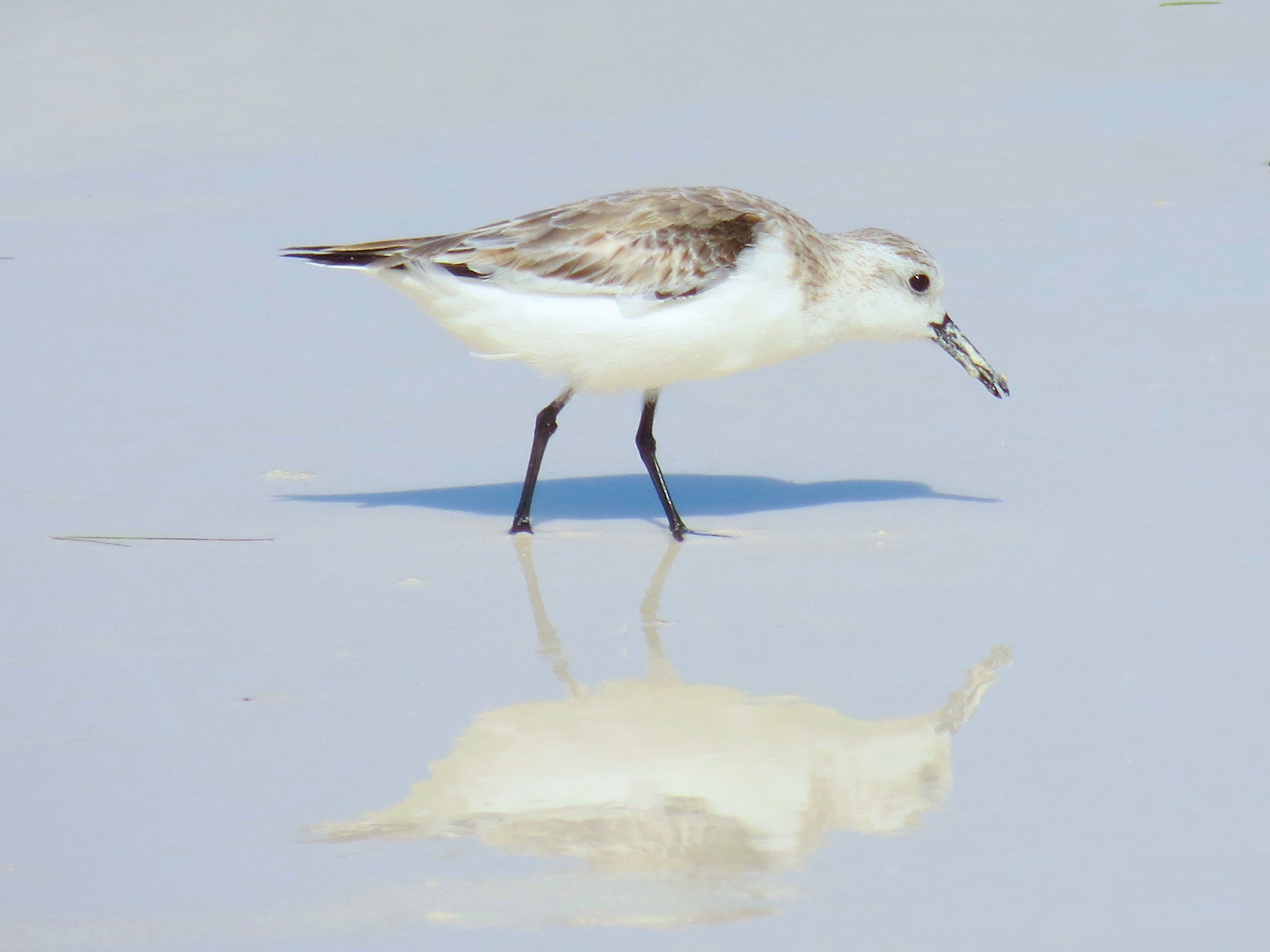
Looking back through some bird photo folders from last year, I came across these sanderlings that I photographed on the beach at Delphi. These little birds are far from rare, but watching a flock of them scuttling back and forth on the sand, in and out of the tide, is always a treat. And as you will notice, when they are foraging in earnest they not only stick their bills into the sand right up to the base… they go for total immersion of the head!

Sanderling, Delphi Beach Abaco Bahamas (Keith Salvesen)Sanderling, Delphi Beach Abaco Bahamas (Keith Salvesen)Sanderling, Delphi Beach Abaco Bahamas (Keith Salvesen)Sanderling, Delphi Beach Abaco Bahamas (Keith Salvesen) Sanderling, Delphi Beach Abaco Bahamas (Keith Salvesen)

All photos: Keith Salvesen, Rolling Harbour Abaco

Unknown's avatar

NEW BIRD FOR ABACO, BAHAMAS: SCALY-NAPED PIGEON

Scaly-naped Pigeon (Jean Lopez YT)

NEW BIRD FOR ABACO, BAHAMAS: SCALY-NAPED PIGEON

The scaly-naped pigeon (Patagioenas squamosa), also known as the red-necked pigeon, is found throughout most of the Caribbean. Except for the Bahama islands – if indeed they are considered Caribbean, which strictly and geographically they are not – even though for some purposes such as passport requirements they may be.

Scaly-naped Pigeon (Dick Daniels, Carolina Birds.org)

Until the last year or so, this pigeon species had not been recorded in the Bahamas. Then sightings began to be recorded on Inagua and TCI – not so very far north of their normal range – and mostly within the last 4 weeks. Since bird records began, they had never been reported further north in the Bahamas, until a few days ago on Abaco.Scaly-necked pigeon (postdlf wiki)

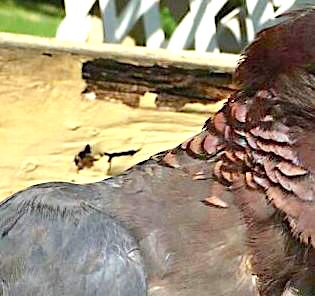
The scaly-naped pigeon is so called because the plumage on the back of its maroon-coloured neck looks somewhat… erm… scaly (hence the Latin squamosa in the binomial name): close-up below.  Notice also the bright, ringed eyes. 

 Scaly-necked pigeon's scaly neck, Abaco, Bahamas

These pigeons mainly feed on fruits and seeds, and usually hang out in small groups or mix in with other dove and pigeon species. They can be wary and flighty, like many of the family Columbidae. Here’s a short (30 secs) video of one preening.

IS THERE PHOTOGRAPHIC PROOF OF AN ABACO ONE?

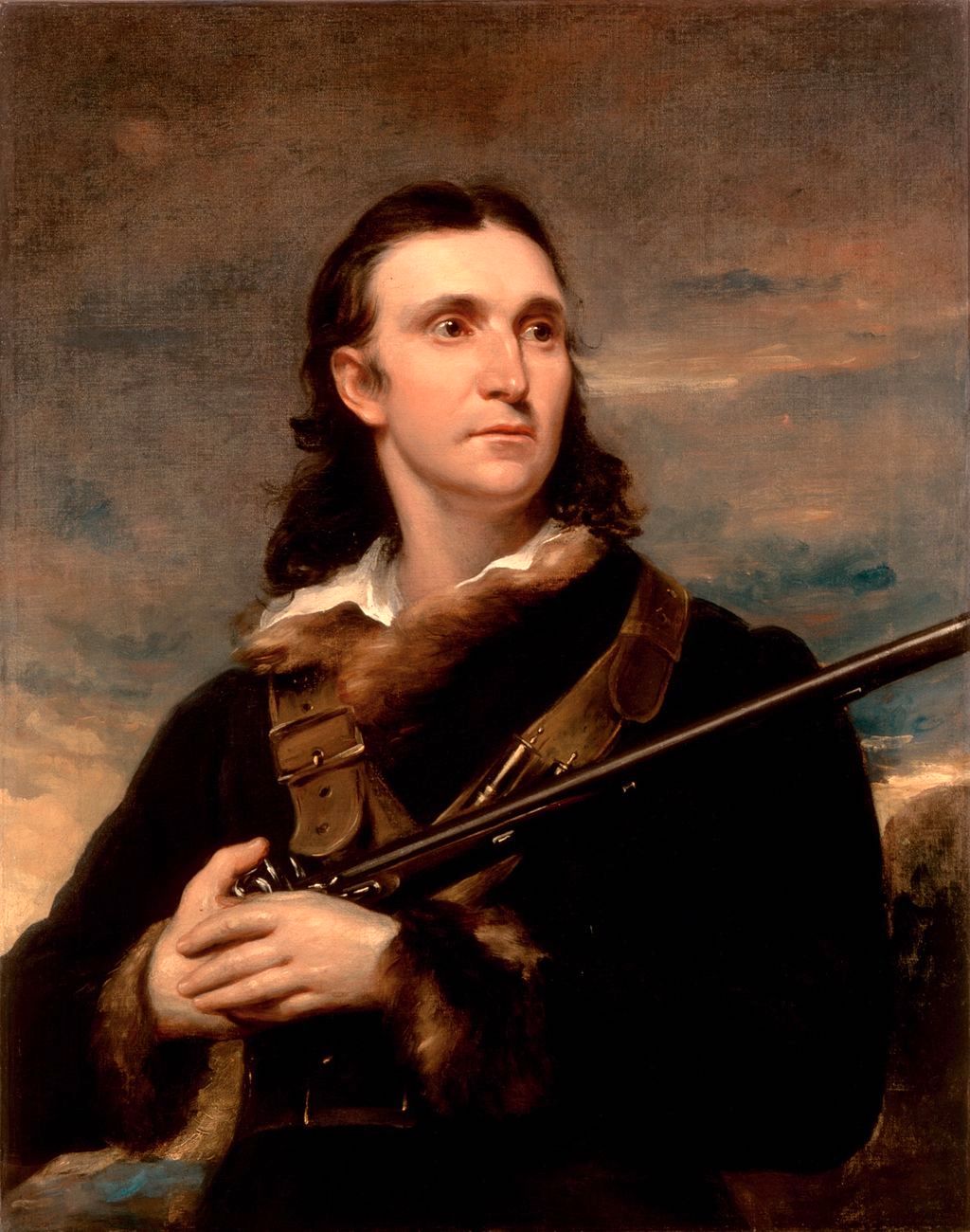
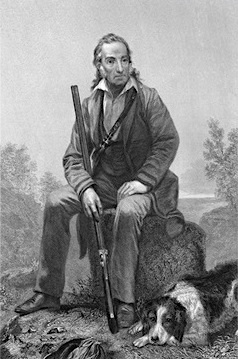
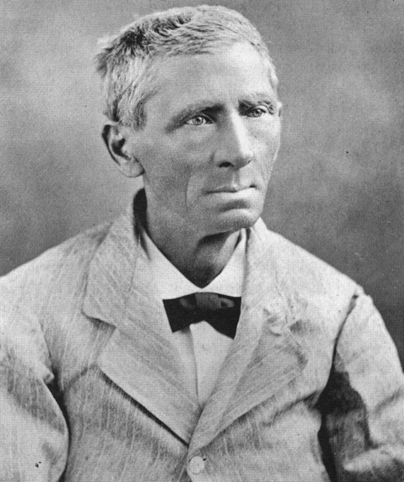
This is slightly tricky, I’m afraid. Right now, it is pigeon shooting season on Abaco. Several birds shot in South Abaco turned out not to be white-crowned pigeons or a WCP / dove cross,  and Woody Bracey was asked to ID photos taken of the deceased birds. The neck close-up above is from one of them… The full photos are a bit sad for a generally cheerful blog so I’ve not used them. At times like these, I have to remind myself that historically, natural historians obtained their specimens of our feathered friends by shooting them. Here are 3 portraits of John James Audubon as a young, middle-aged, and elderly man with his specimen-collecting equipment of choice.

 John James Audubon & gun John James Audubon & gun John James Audubon & gun

WHY HAVE THESE PIGEONS TURNED UP ON ABACO NOW?

The likeliest cause of the sightings this year on Inagua / TCI, and the current influx on South Abaco, is the recent extreme weather, especially Hurricanes Irma and Jose. It seems improbable that a mere whim to fly several hundred miles north from Hispaniola or Puerto Rico would account for the presence of these birds. One of the SNPs shot on Abaco has been retained as a specimen and preserved in a freezer. Woody is contemplating risking an expedition into the target area – a dangerous mission during the shooting season. He has invited any takers to join him, advising people to wear orange clothing to distinguish them from pigeons…

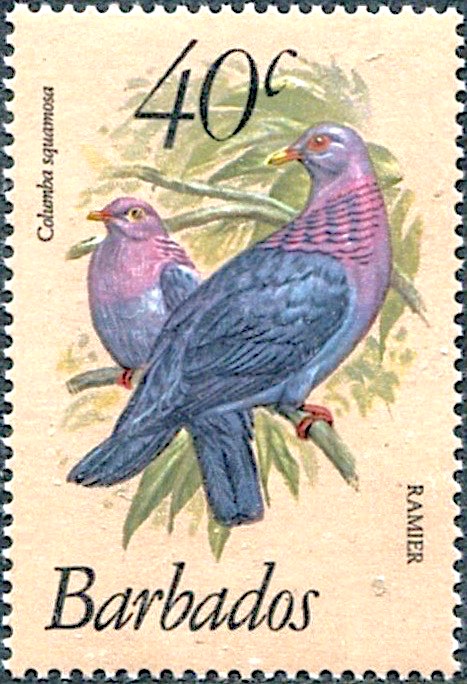
Scaly-naped Pigeon - Barbados

Scaly-naped pigeons are featured on stamps from Barbados (shown) and Barbuda. Like the Bahamas, the Caribbean countries have an excellent record for featuring their wildlife on stamps. You can read more about Bahamas wildlife stamps HERE

Scaly-naped Pigeon

Credits: Woody Bracey for the heads-up for the Abaco sightings; Jean Lopez (header still from a Youtube video); Dick Daniels / Carolinabirds.org; Cornell Lab / Neotropical Birds (range map); neck close-up from Abaco via Woody Bracey; ‘postdlf’ wiki; Felipe at Aves Puerto Rico; open source & wiki for all else 

Scaly-naped Pigeon (Jean Lopez)

Unknown's avatar

PIED-BILLED GREBES: LESS COMMON THAN THE LEAST

Pied-billed grebe, Abaco (Tom Sheley)

PIED-BILLED GREBES: LESS COMMON THAN THE LEAST

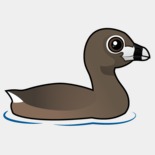
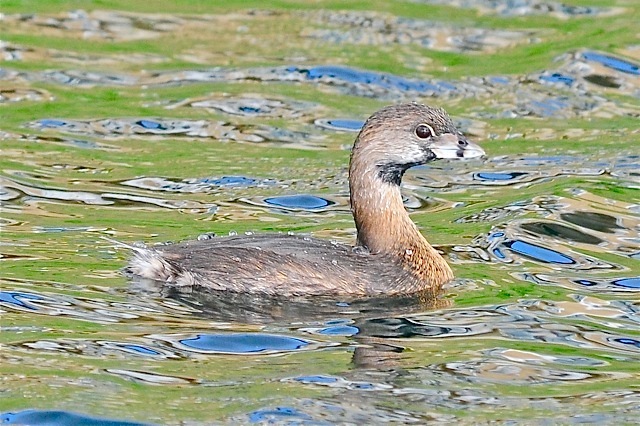
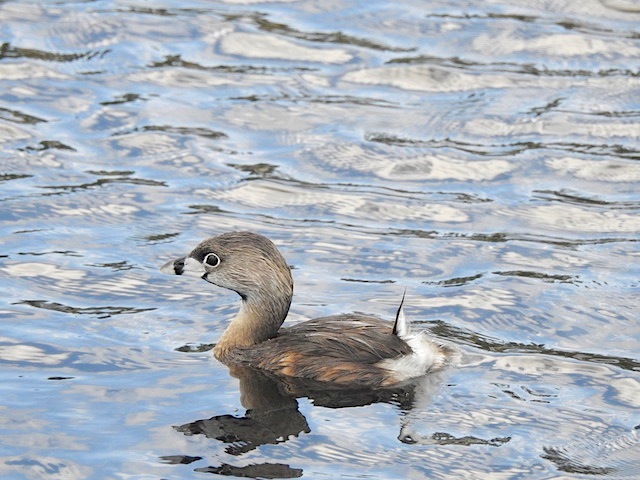
There are two grebe species recorded for Abaco. The LEAST GREBE is the most common; the pied-billed grebe (Podilymbus podiceps) is rarer. These small birds, often called dabchicks, are marsh and pond dwellers. They are sometimes found in brackish or even salt water.

Pied-billed grebe, Abaco (Tony Hepburn)

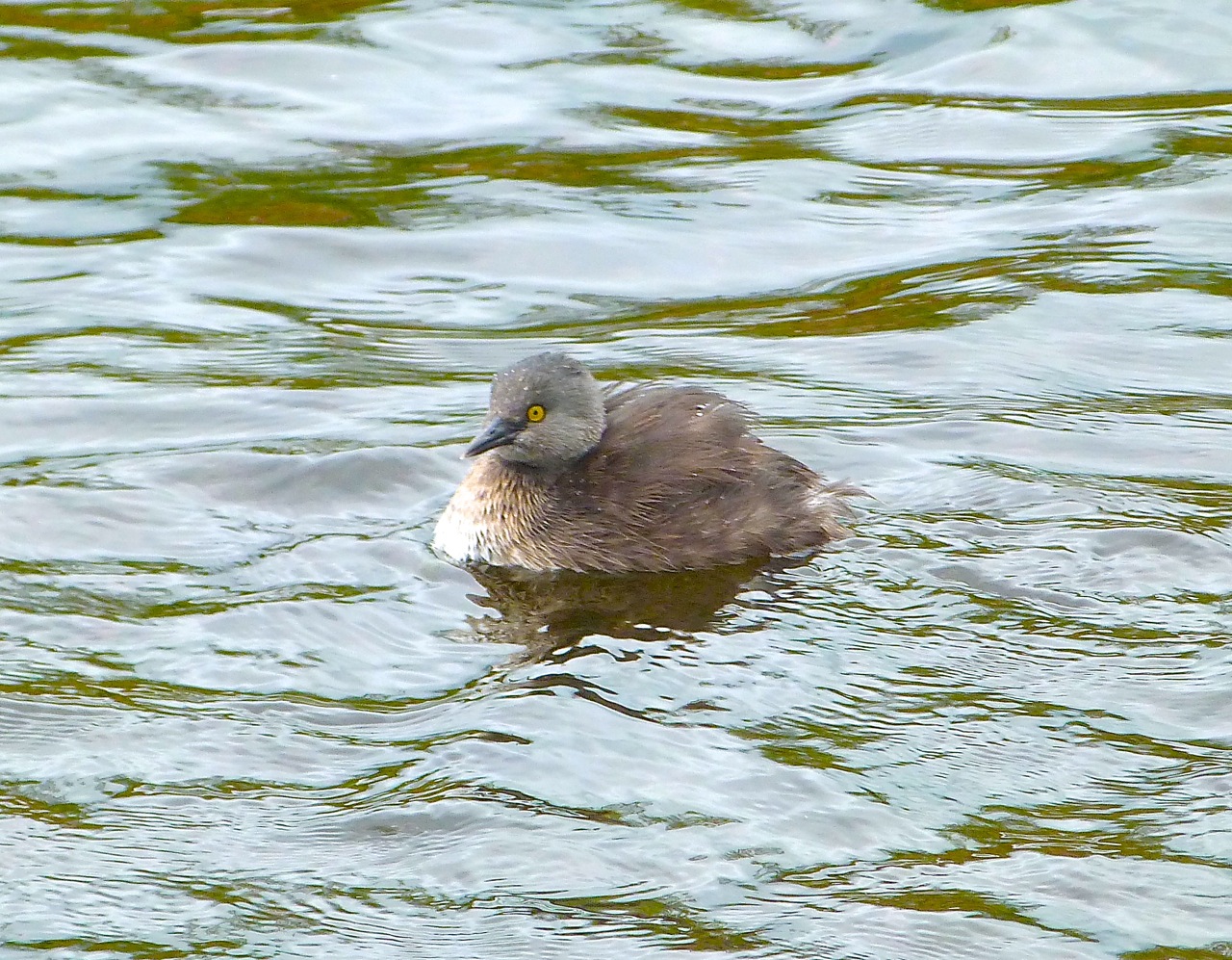
The pied-billed grebe is somewhat larger than the least grebe. In the breeding season, they have a distinctive black beak-ring. In the header image, the bird is just starting to acquire the ring. Their dark eyes also distinguish them from the golden-eyed least grebe; and their beaks are pale rather than dark.

Least grebe with golden eyes and dark beakLeast Grebe, Abaco (Keith Salvesen)

Pied-billed Grebe for comparisonPied-billed grebe, Abaco (Linda Barry Cooper)

These birds have lobes on each toe rather than webbed feet. This helps them to paddle and to dive – which is how they mainly forage. They can stay under water for up to half a minute, often surfacing some distance from the entry point. This is one method they use to avoid danger – especially as they don’t fly with much enthusiasm.

Pied-billed grebe, Abaco (MDF wiki)

Grebes rather endearingly carry their young on their backs until the chicks are old enough to fend for themselves. The main threat to the species is habitat loss, especially of wetlands. The decline in local populations of this once-prolific bird is such that in some places they classified as threatened or endangered.

Pied-billed grebe, Abaco (Dori / wiki)

The pied-billed grebes’ call has been rendered thus: a “whooping kuk-kuk-cow-cow-cow-cowp-cowp.” If that helps you at all. If not, try this clip:

Michel St Martin / Xeno-Canto

Credits: Tom Sheley, Tony Hepburn, Keith Salvesen (least grebe), Linda Barry-Cooper, MDF / wiki, Dori / wiki; Sound file, Xeno-Canto; Cartoon, Birdorable
Unknown's avatar

LEAST (BUT NOT LAST) SANDPIPERS ON ABACO

Least Sandpiper, Delphi Beach, Abaco (Charles Skinner)

LEAST (BUT NOT LAST) SANDPIPERS ON ABACO

There are 23 sandpiper species recorded for Abaco. Of those, 4 or 5 are vanishingly rare vagrants recorded once or twice in recent history (i.e. since about 1950).

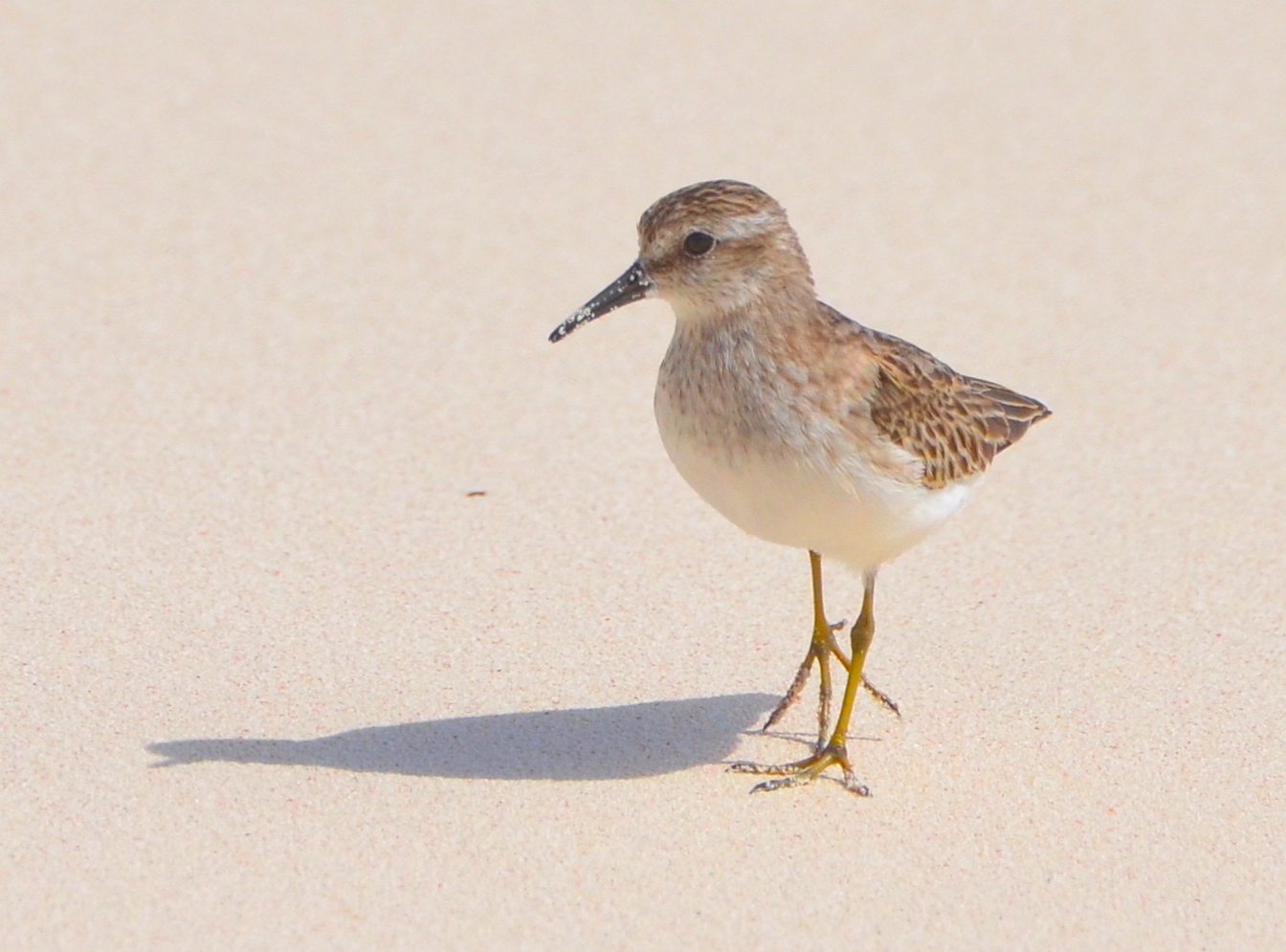
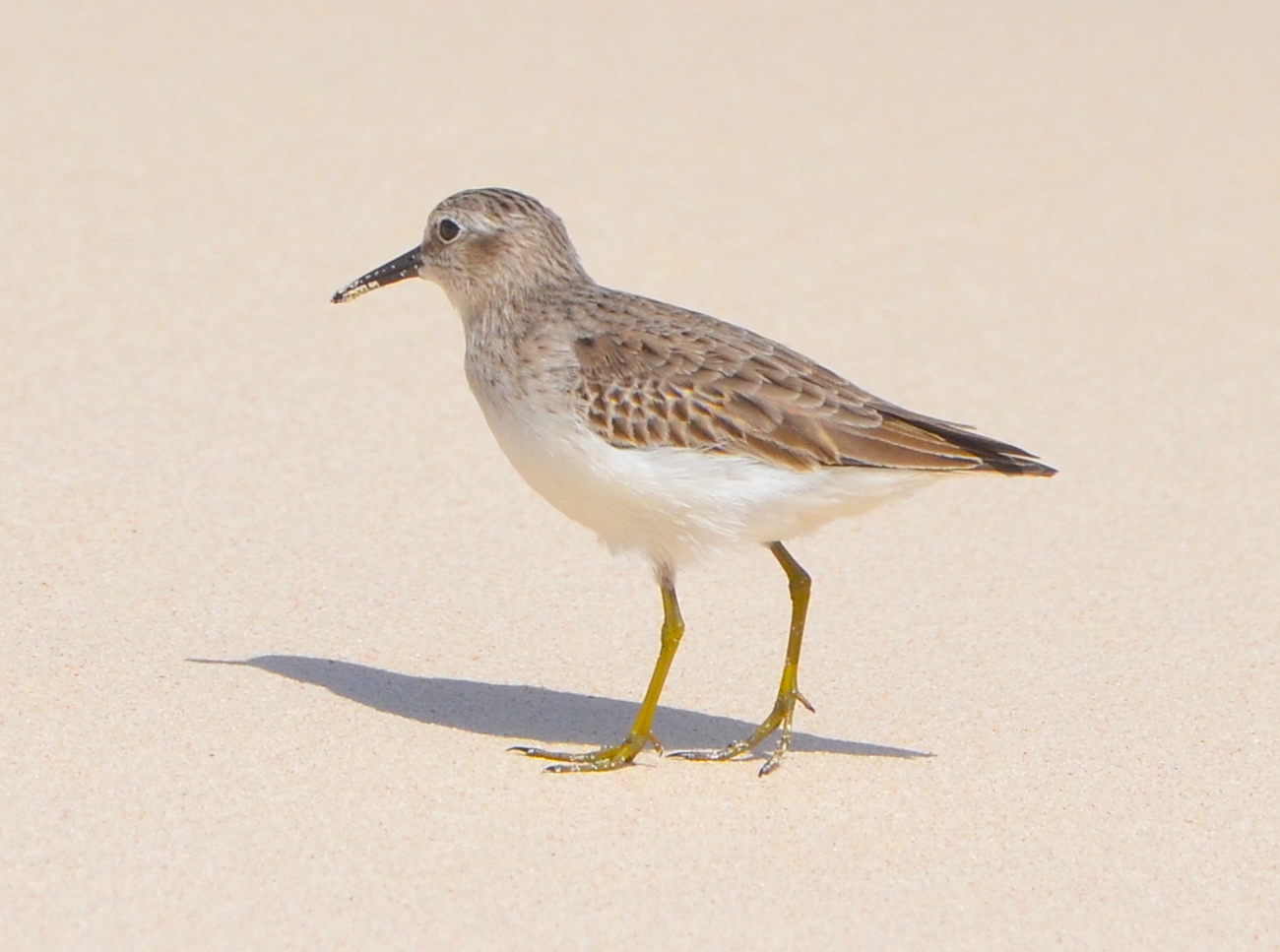
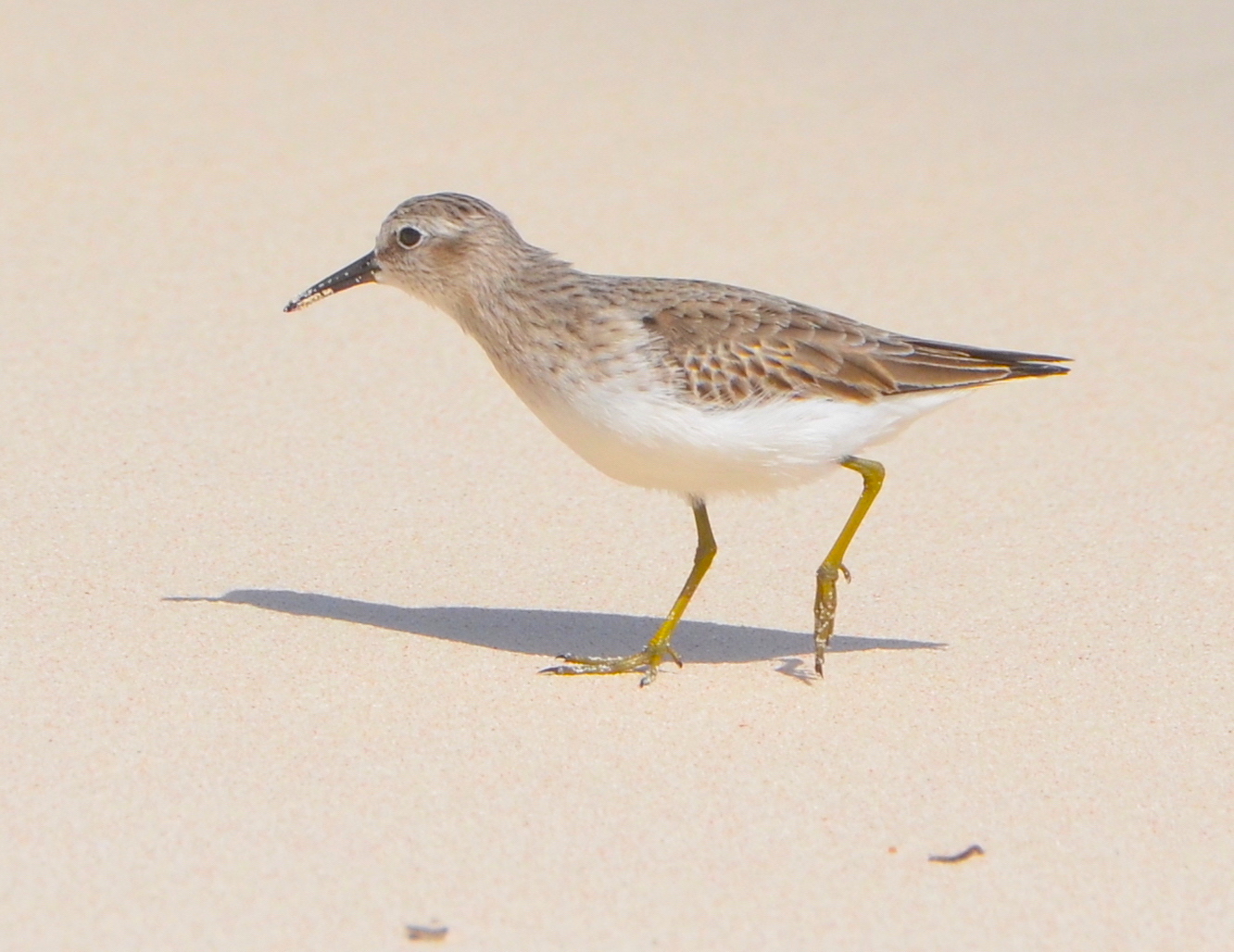
Discounting those, the ones you are likely to encounter range from the large  (whimbrel, yellowlegs, dowitchers, stilts) to the small. Or, in the case of the least sandpiper, the least big of all. They are bigly little. Least Sandpiper, Delphi Beach, Abaco (Charles Skinner)

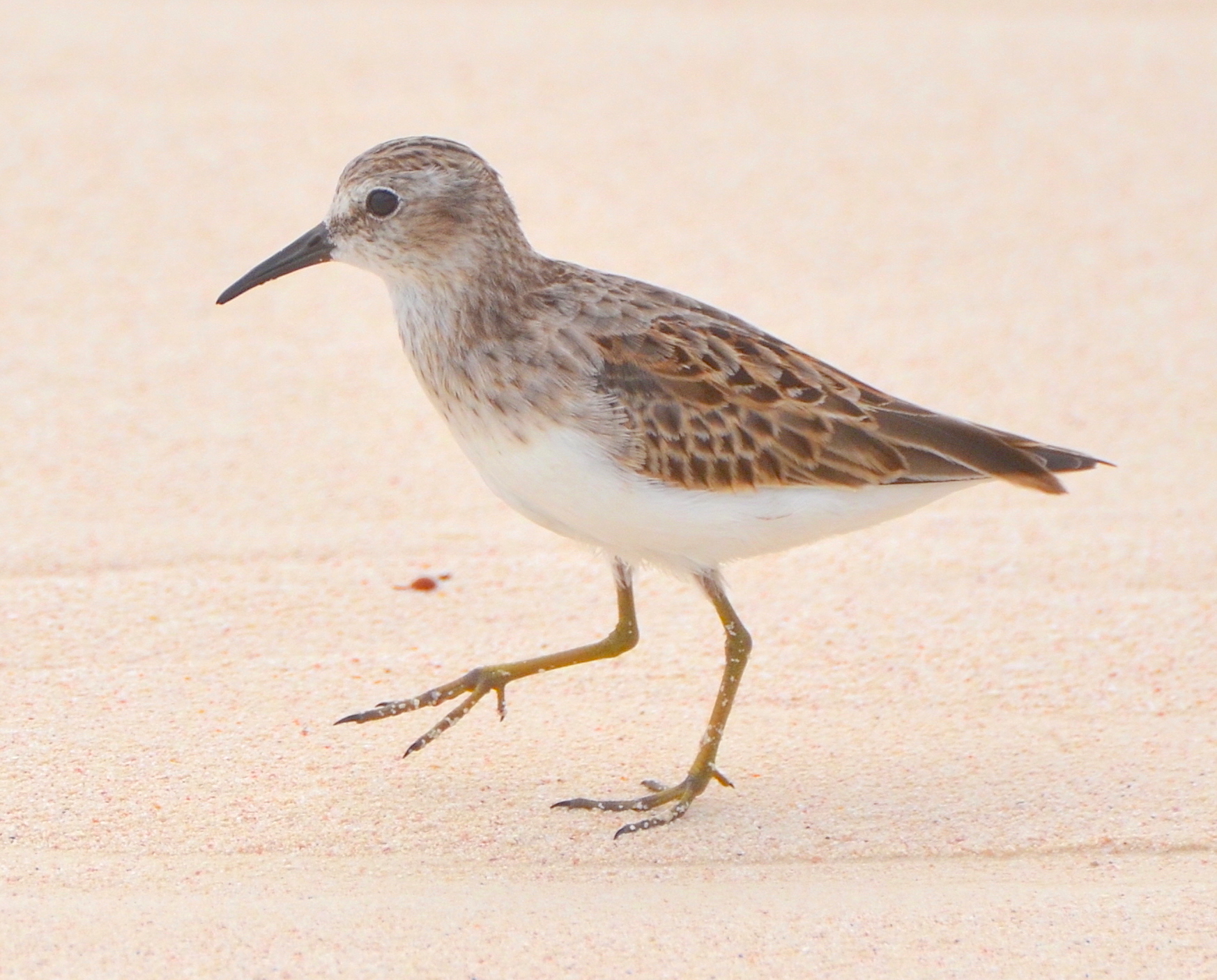
The binomial name of the least sandpiper – Calidris minutilla – is an apt clue to their size, the second part being Latin for “very small”. On Abaco, they are fairly common winter visitors, and each season a handful of them make their home on the beach at Delphi, where these photos were taken. Least Sandpiper, Delphi Beach, Abaco (Charles Skinner)

Along with their small sandpiper compadres such as SANDERLING, these busy, bustling birds of the shoreline are the ones known as “peeps” (also as stints). Least Sandpiper, Delphi Beach, Abaco (Charles Skinner)

Least Sandpipers breed in the northern tundra areas of North America. Like many or most shorebirds, newly hatched chicks are able to fend for themselves very quickly. It sounds unlikely I know, but within a couple of weeks or so they have fledged. Least Sandpiper, Delphi Beach, Abaco (Charles Skinner)

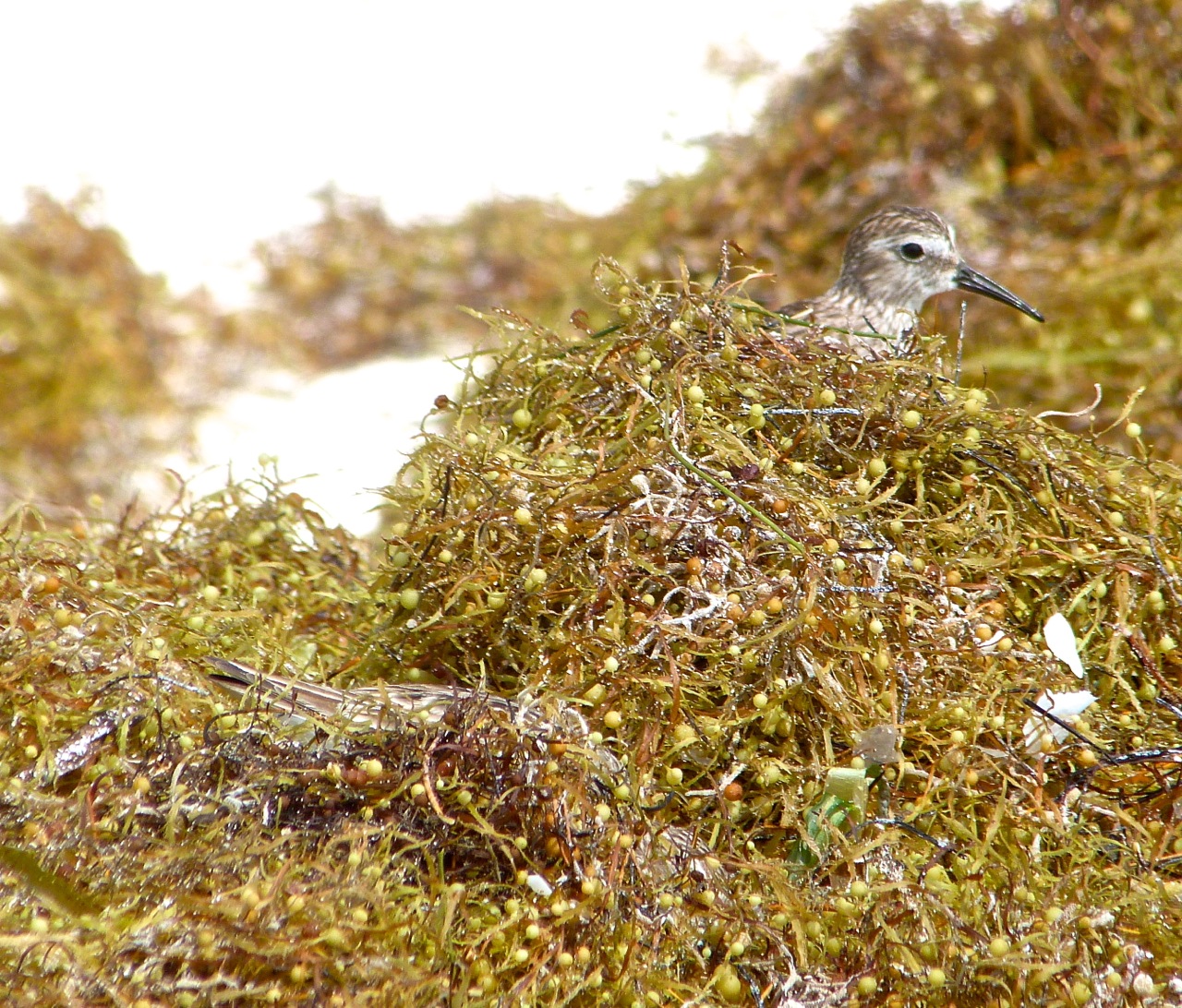
The birds forage on mudflats, in the tideline on beaches, and in wrack. They will probe into soft sand, sometimes the full length of their beak. They will even burrow right under weed to get at the concealed goodies. Their diet consists mainly of small crustaceans, insects, and snails.Least Sandpiper, Delphi Beach, Abaco (Keith Salvesen)

Credits: All photos by Charles Skinner (contributor to “The Birds of Abaco”) except the wrack-burrowers above, by Keith Salvesen (also on the Delphi Beach).

Least Sandpiper, Delphi Beach, Abaco (Charles Skinner)

Unknown's avatar

A GREAT EGRET MAKES A SPLASH…

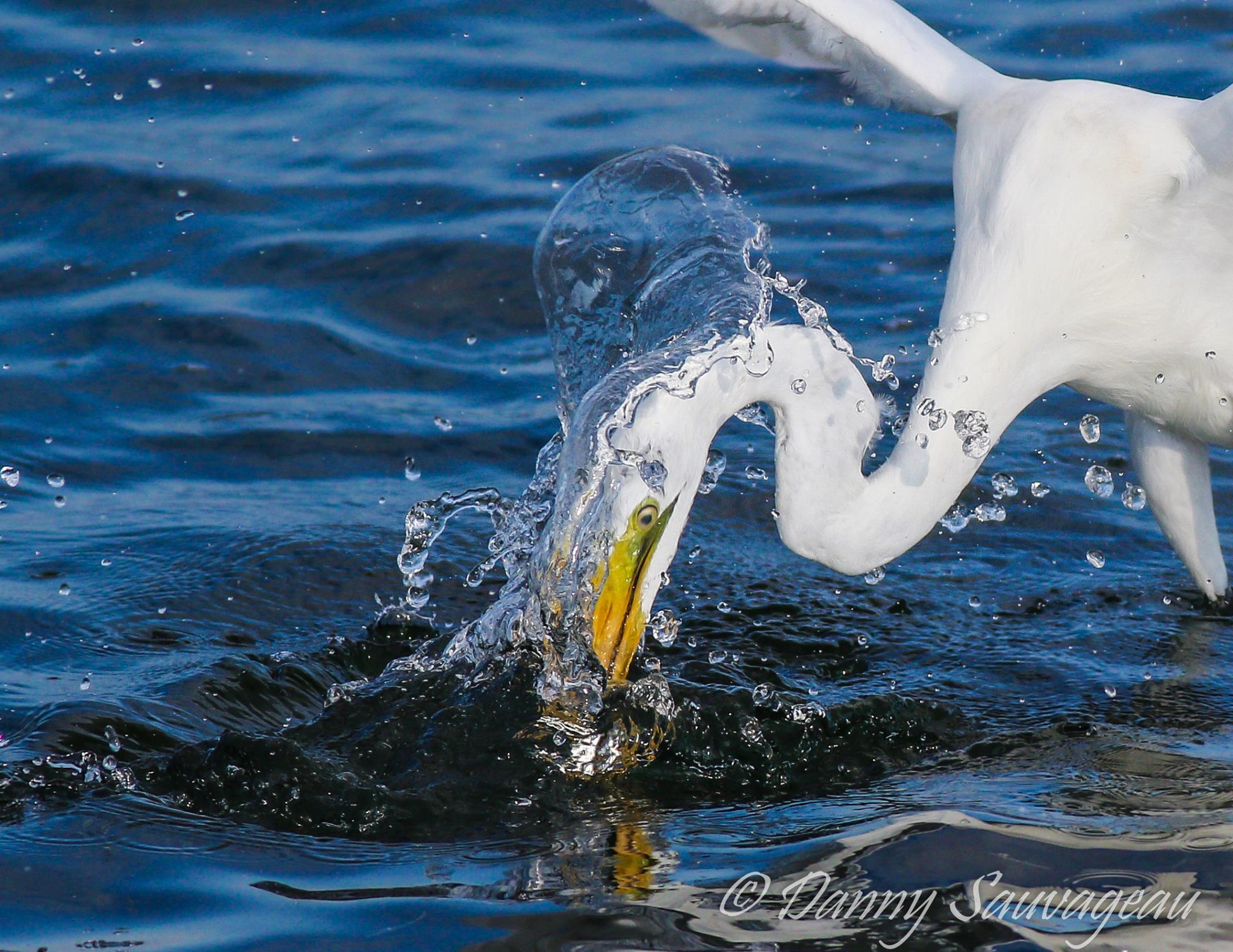
A GREAT EGRET MAKES A SPLASH…

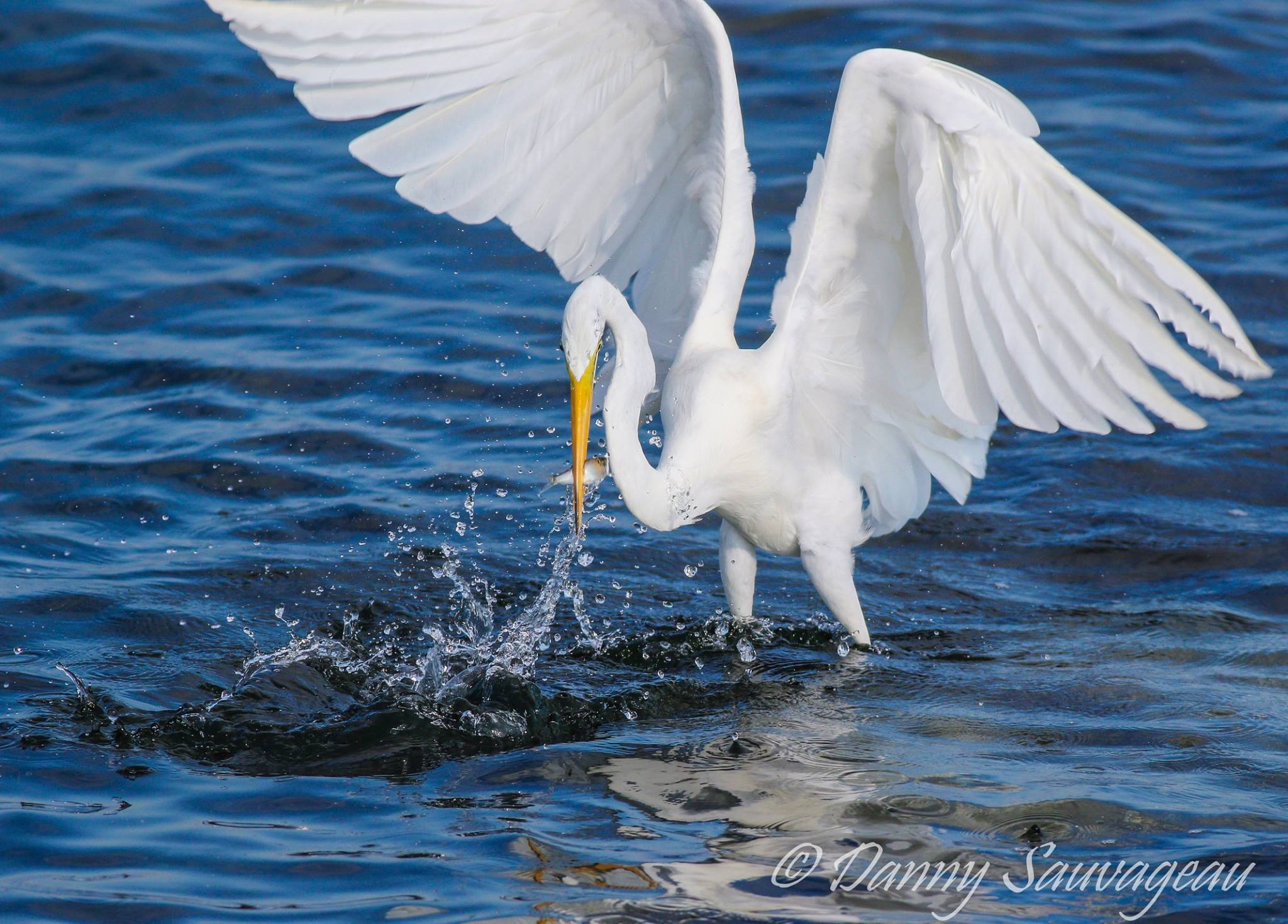
I’m quite a  fan of bird action sequences. Top quality ones, I mean, not the rubbishy ones that I have tried to accomplish with either (a) a camera I understand but is not sophisticated enough for such use; or (b) a more serious camera that I never got the hang of, was secretly a bit ‘overawed by’ (= scared of), and which met a watery end when I was photographing sanderlings on the beach while standing in the sea…

Among the photographers who kindly let me use their images from time to time are a couple who are especially adept with sequential shots. One is Danny Sauvageau, a Floridian who combines great bird photography with a tireless capacity for tracking down banded birds at migration time. Here is his Great Egret catching breakfast.

Credits: All fantastic photos by Danny Sauvageau, with thanks as ever for use permission; cartoon, the very excellent Birdorable


Unknown's avatar

BLACK-FACED GRASSQUITS: FEEDING TIME

Black-faced Grassquits: feeding time (Charles Skinner)

BLACK-FACED GRASSQUITS: FEEDING TIME…

Not a feeding frenzy exactly, but persistence pays off. However, this little bird found that dad had eventually had enough of the nurturing bit…

URGENT – feed meeeeeeeeeeBlack-faced Grassquits: feeding time (Charles Skinner)

[*THINKS* can’t reply, I’ve got my mouth full…]

The good-thing hand-over

No! You’ve had quite enough for one snack…

Feeding sequence by Charlie Skinner.

*No birds were hurt -not even their pride or dignity – in the photographing of this heavily anthropomorphised sequence…*


Unknown's avatar

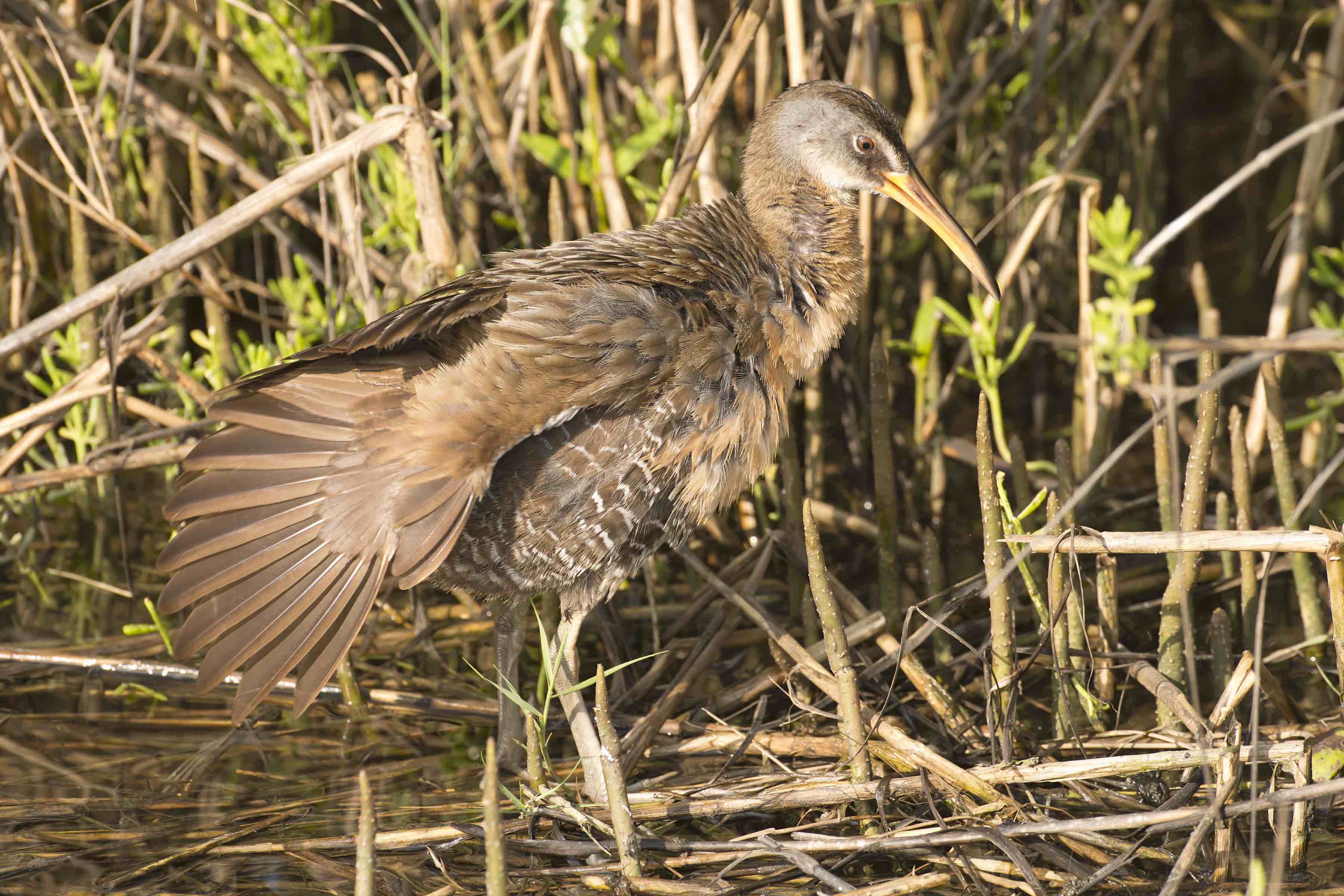
CLAPPER RAILS ON ABACO: A SMALL SHOWCASE

Clapper Rail, Abaco, Bahamas (Tom Sheley / Birds of Abaco)

CLAPPER RAILS ON ABACO: A SMALL SHOWCASE

Just over 3 years ago, THE BIRDS OF ABACO was published and launched at the Delphi Club. The book was intended to showcase the wonderful and varied bird life on Abaco – home to endemics, permanent residents, seasonal residents, and a wide variety of migrating transients. The book has been most generously received and supported – though I have to report that already its definitive checklist (dating from 1950) has become outdated with the recording of 6 additional species on Abaco, featured elsewhere in this blog.

Clapper Rail, Abaco, Bahamas (Tom Sheley / Birds of Abaco)

Tom Sheley was one of the main photographic contributors to the book, and I had the good fortune to coincide with one of his trips to Abaco, when he was armed with significant photographic weaponry; and to accompany him on some of his photographic day trips (not including the early morning ones, in my case). This clapper rail is one of my favourites of his photo sequences of a bird being a bird – preening, stretching, calling – in its own habitat.

Clapper Rail, Abaco, Bahamas (Tom Sheley / Birds of Abaco)

My one regret about my involvement  in producing the book (it took 16 months) and more generally in the wildlife of Abaco is that I have entirely failed to progress to sophisticated (expensive) photographic equipment capable of producing images the quality of Tom’s. Yes, I’ve moved on from compacts (ha!) to bridge cameras (Panasonic Lumix + lens extender), and some results ‘make the cut’. But my move up to a Canon SLR was mainly disastrous, and when eventually I inadvertently drowned it (I overbalanced while photographing shorebirds from breaking waves. Total immersion. Total stupidity.) I felt an unexpected sense of relief. A blessing really – I never understood it, nor in my heart of hearts (if I’m honest) really wanted to… But my feeble struggle made me realise and appreciate the enormous skill of those like Tom who take ‘National Geographic’ quality photographs. It’s not just the equipment – it’s knowing exactly how to use it, and often in a split second…

Clapper Rail, Abaco, Bahamas (Tom Sheley / Birds of Abaco)

Photos by Tom Sheley – with thanks for the adventures

Unknown's avatar

RUDDY TURNSTONES ON ABACO: BEACH NOSHING

Ruddy Turnstones, Delphi Beach Abaco Bahamas (Keith Salvesen)

RUDDY TURNSTONES ON ABACO: BEACH NOSHING

Some birds are named for the sounds they make (bobwhite, chuck-will’s-widow, pewee, killdeer). Some are named for their appearance (yellow-rumped warbler, painted bunting). And some are named for what they do (shearwater, sapsucker – but definitely NOT killdeer). The ruddy turnstone Arenaria interpres is in the last two of these categories: it looks ruddy and it literally turns stones to get at the goodies underneath.

Ruddy Turnstones, Delphi Beach Abaco Bahamas (Keith Salvesen)

And they don’t just turn stones to look for food. Someone with a lot of patience has defined 6 specific methods by which a turnstone forages for food:

  • Turning stones by flicking them with its beak
  • Digging using its beak to flick away sand or earth (see video below)
  • Routing around in piles of seaweed to expose food under it
  • Surface pecking with short, shallow pecks for food just below the surface
  • Probing by simply sticking its beak deep into soft sand or ground
  • Hammer-probing to crack open a shell and get at the occupant

Ruddy Turnstones, Delphi Beach Abaco Bahamas (Keith Salvesen)

In these photos taken on a rather gloomy day on the Delphi beach, a combination of mainly digging and routing is going on. Note the sandy beak of the RUTU below, right up to the hilt.

Ruddy Turnstones, Delphi Beach Abaco Bahamas (Keith Salvesen)Ruddy Turnstones, Delphi Beach Abaco Bahamas (Keith Salvesen)

This short video shows how effective the RUTU method is. It was fascinating to watch the team work their way through and around the piles of weed on the beach, flicking sand vigorously in their quest for sandflies or whatever. Watch the sand fly! Pity it wasn’t a sunny day – the photos might have looked a bit more cheerful… 


All photos Keith Salvesen

Unknown's avatar

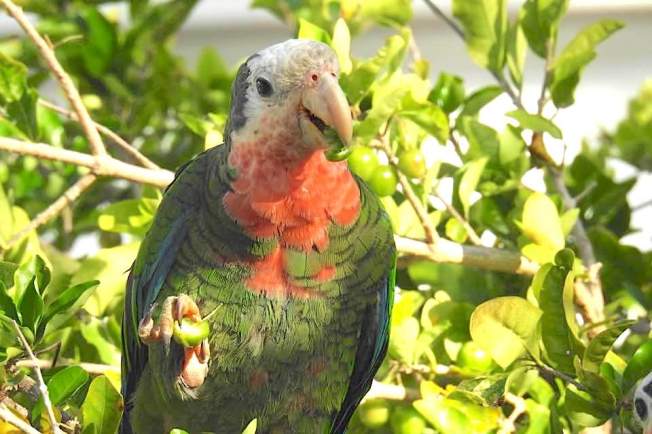
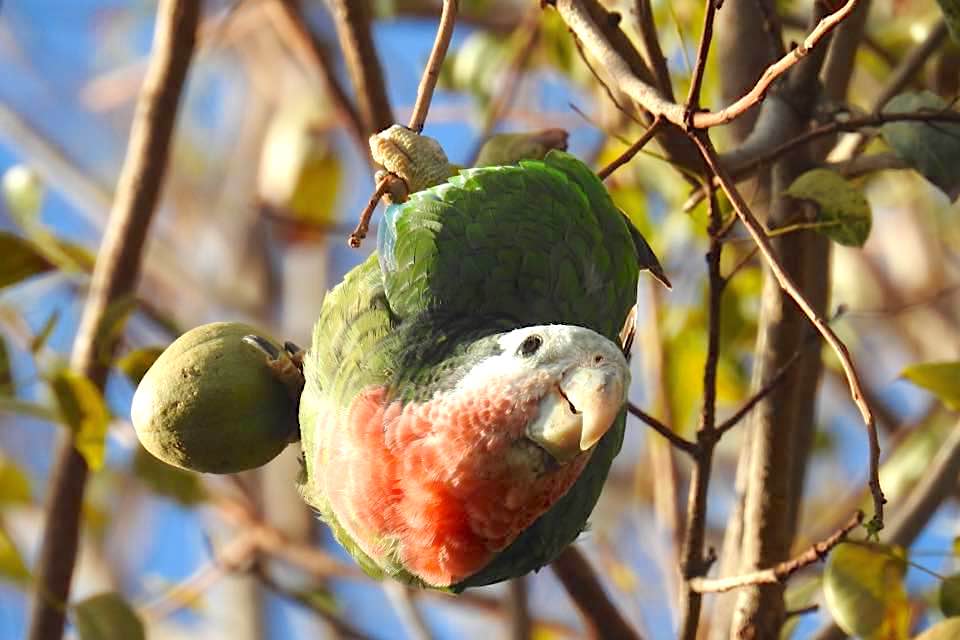
ABACO (CUBAN) PARROTS: GETTING FRUITY

Abaco (Cuban) Parrots, Bahamas (Melissa Maura)

ABACO (CUBAN) PARROTS: GETTING FRUITY

To be honest, the header image is not the sort of ‘fruity’ I had in mind, which was intended to have an entirely dietary connotation. I’m not quite sure what these two are up to – not procreation, I think, in that precarious situation. It looks non-aggressive… so maybe just having fun and… er… hanging out together.

Here are some Abaco parrots doing what they love to do in between group squawking sessions: gorge themselves on fruit, and getting at it any which way. 

Upside down is really just a different angle to get at fruitAbaco (Cuban) Parrots, Bahamas (Melissa Maura)

Noshing on berries

One in the beak, next one ready in the claw

Tackling something more substantial

More acrobatics

And eventually out on a limb…

All great parrot photos by Melissa Maura, with thanks as always for use permission

Unknown's avatar

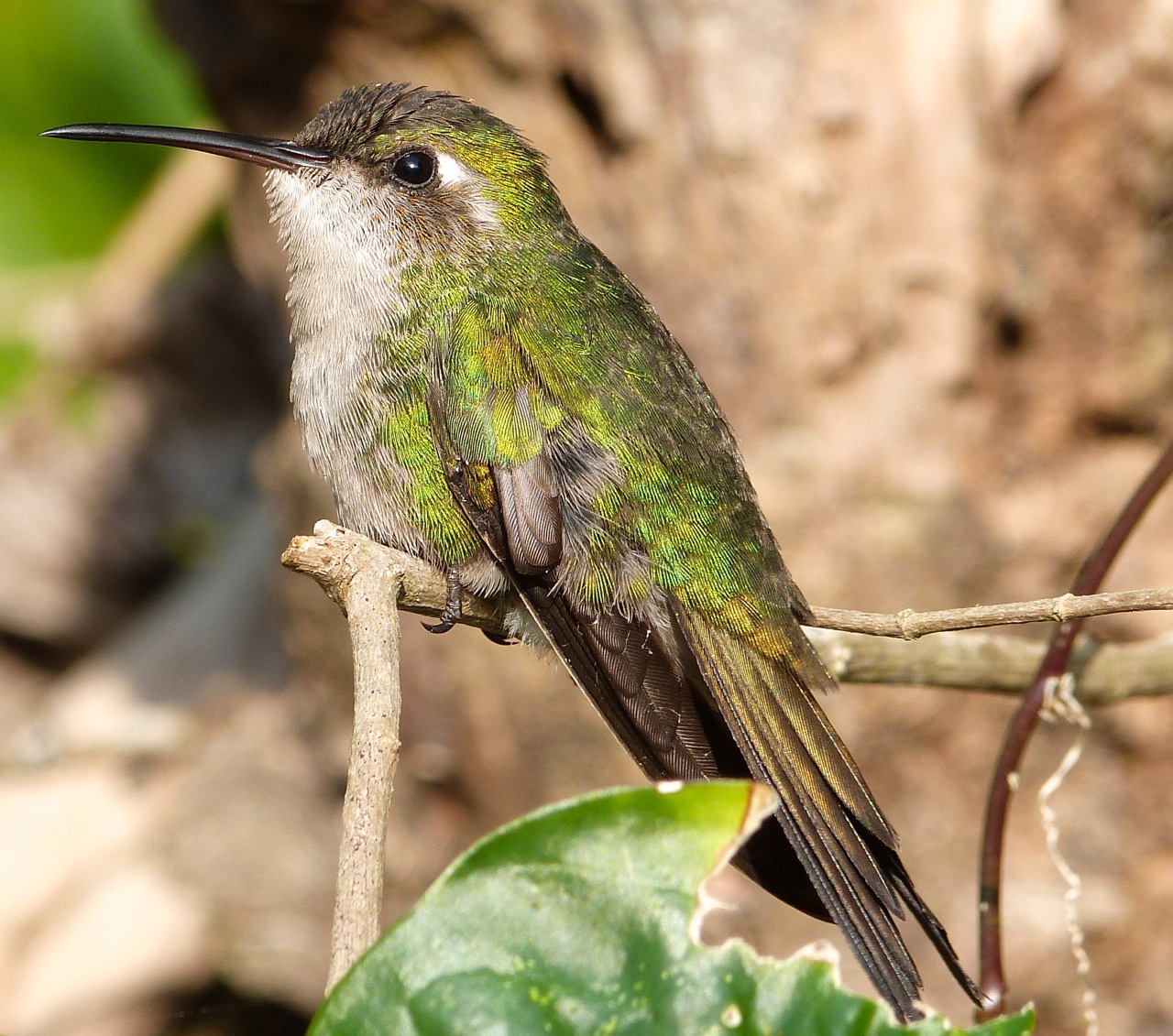
CUBAN EMERALDS ON ABACO: JEWELS BEYOND PRICE

CUBAN EMERALDS ON ABACO: JEWELS BEYOND PRICE

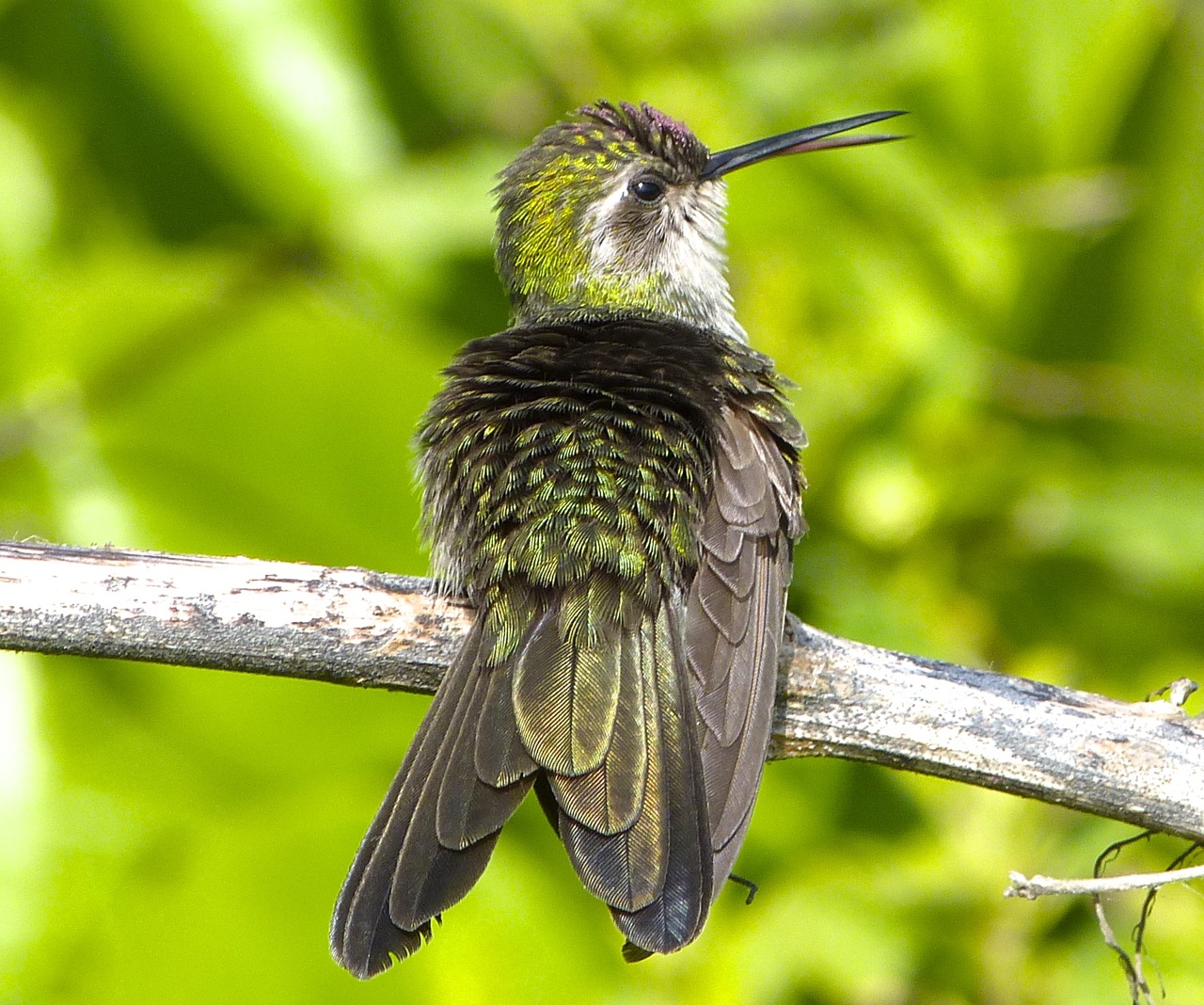
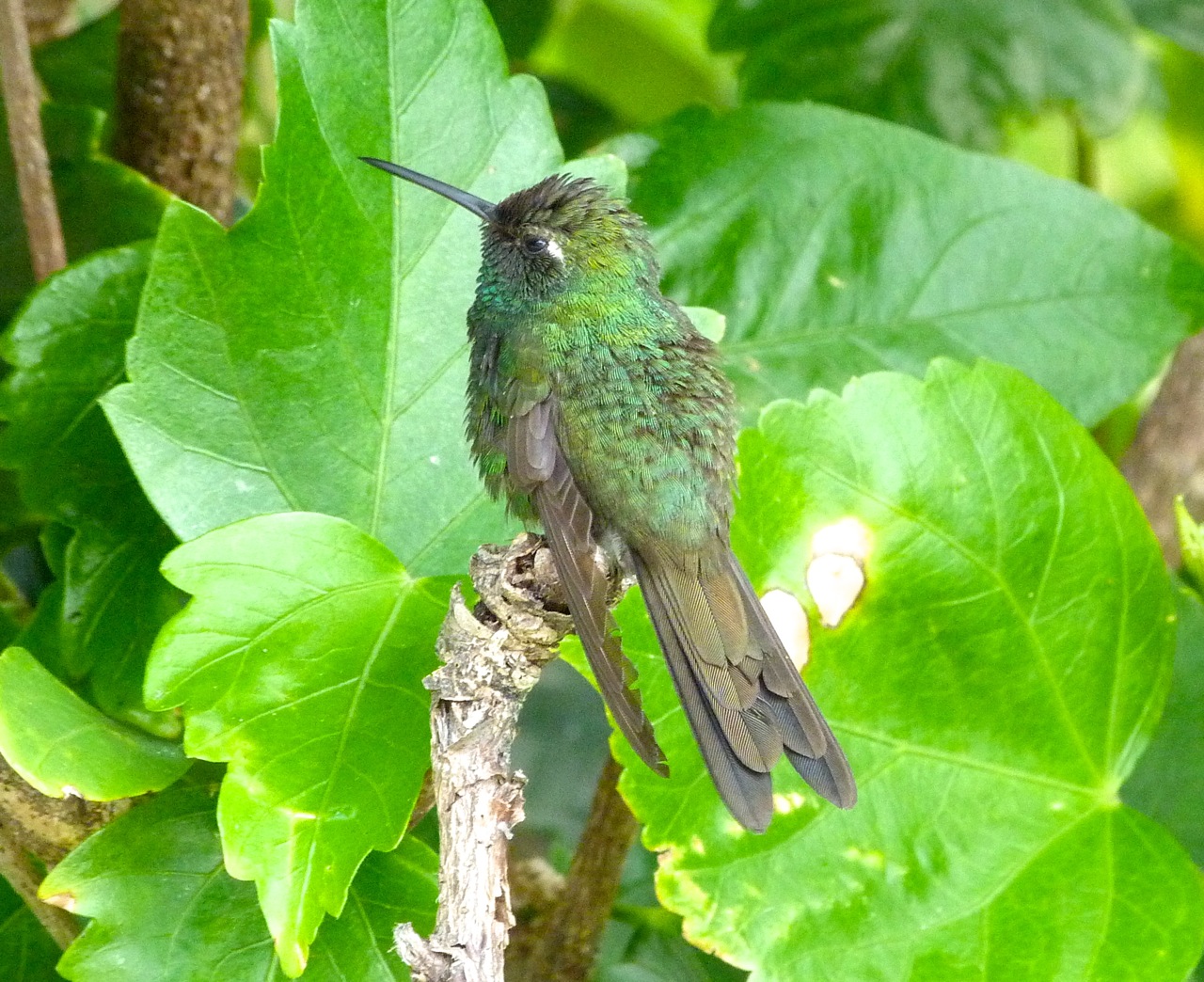
Well I don’t want to overstate it, but there cannot be anyone on the planet who has anything but love for hummingbirds. There’s no existing word for ‘fear of hummingbirds’ – ‘colibriphobia‘ is not a ‘thing’. There’s fear of almost everything else, from grass to clouds to plastic bags**… but, surely, not hummers. Here are a few to enjoy.

The females have a wonderful metallic sheen that makes them shimmer in the sunshine. Males are darker: a gorgeous, handsome green. The Emeralds are one of those bird species where it is hard to decide between the sexes which is the more beautiful…

All photos: Keith Salvesen / Rolling Harbour

** Plastybolsaphobia (nb despite the apparent Greek derivation of this word, the Ancient Greeks were strangers to the world of these handy carriers / vile polluters / dealing wildlife killers)


Unknown's avatar

ANTILLEAN NIGHTHAWKS REVISITED

Antillean Nighthawk, Abaco (Sandy Walker)

ANTILLEAN NIGHTHAWKS REVISITED

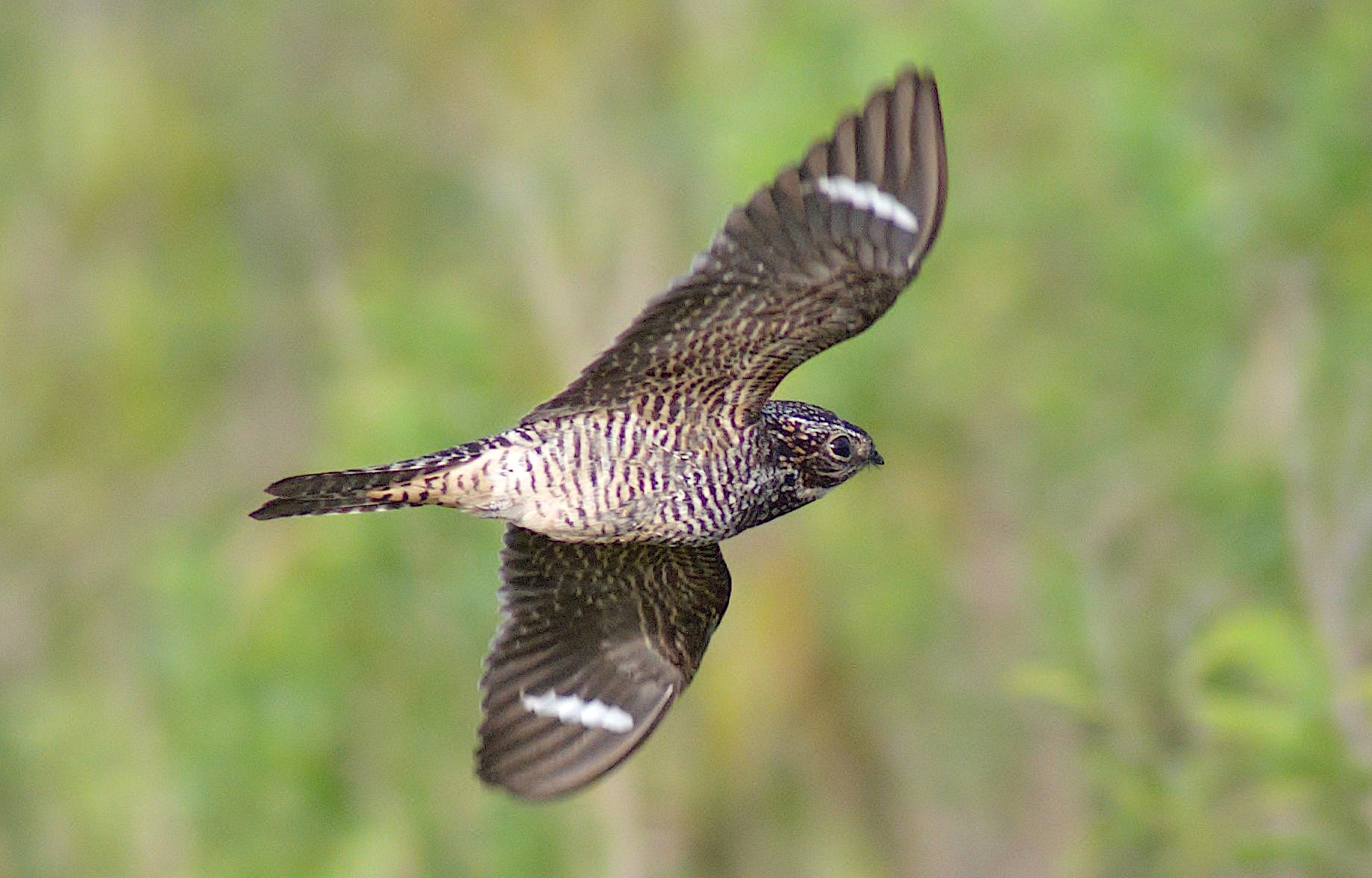
In 2014 I wrote about finding myself – with others on a birding expedition – in the midst of dozens of nighthawks as they swooped and dived (dove?) while hawking for flies. “The birds were quite unperturbed by our presence, and from time to time would zoom past within inches of our heads, making a swooshing noise as they did so”. You can find the post at FAST FOOD ON THE WING.

Antillean Nighthawk, Abaco (Stephen Connett)

Nighthawks catch flying insects on the wing, and mostly forage at dawn and dusk – or (more romantically) at night in a full moon. 

Antillean Nighthawk (Stephen Connett)

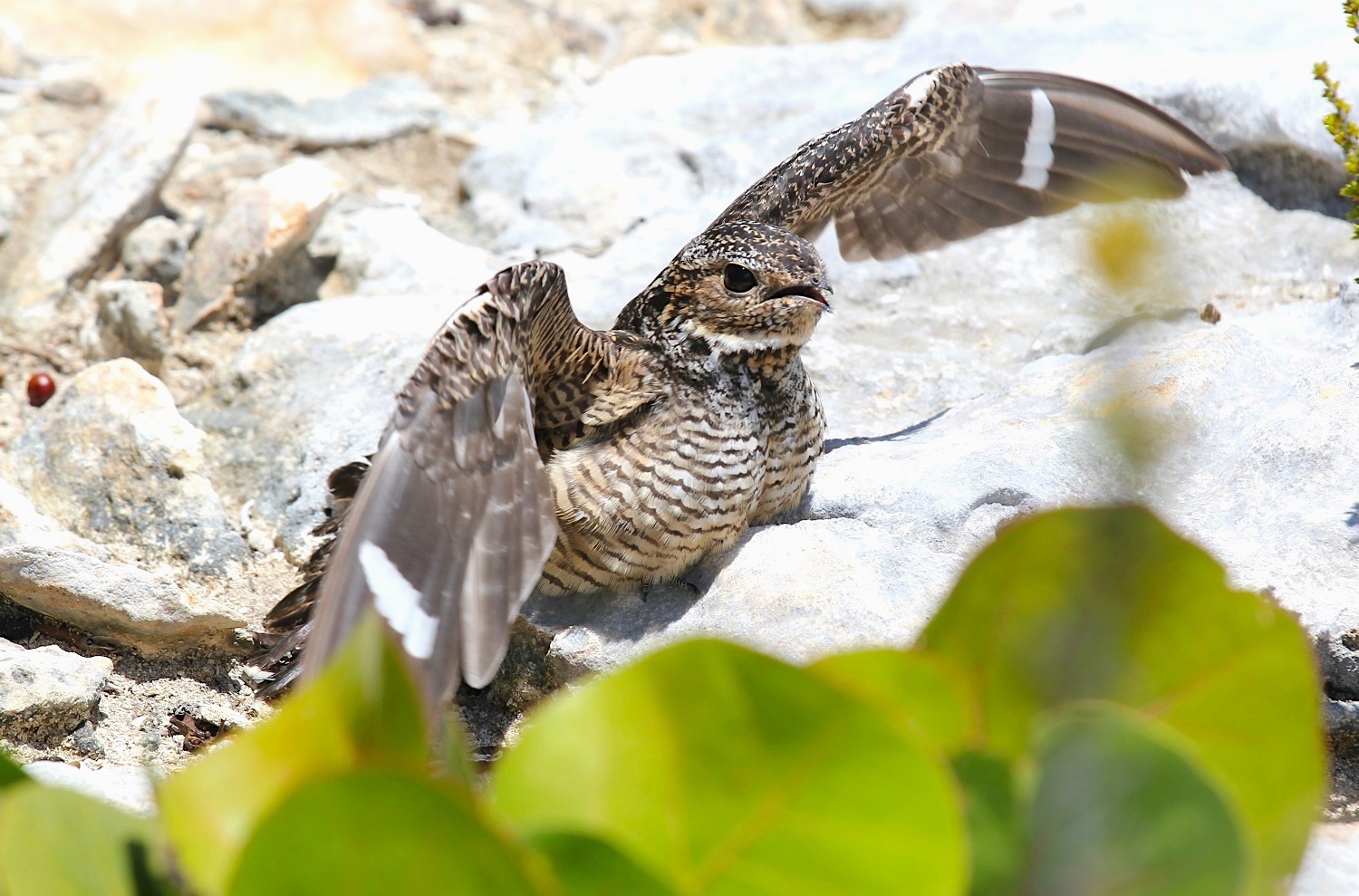
Besides aerial feeding displays, nighthawks may also be seen on the ground, where they nest. I say ‘nest’, but actually they hardy bother to make an actual nest, but just lay their eggs on bare ground. And, more riskily, this may well be out in the open rather than concealed. The eggs – usually 2 – hatch after 3 weeks or so, and after another 3 weeks the chicks fledge.

  Antillean Nighthawk Egg (Stephen Connett) Antillean Nighthawk Egg (Stephen Connett)

Fortunately their colouring enables them to blend in with the landscape – a good example of bird camouflage in natural surroundings.

Antillean Nighthawk, Abaco (Bruce Hallett)

The photos above are from Sandy Walker (header), Stephen Connett – to whom special thanks for use permission for his great nighthawk and egg images – and the last one by bird legend and author of the locus classicus The Birds of the Bahamas (without which no trip to the Bahamas is complete), Bruce Hallett.

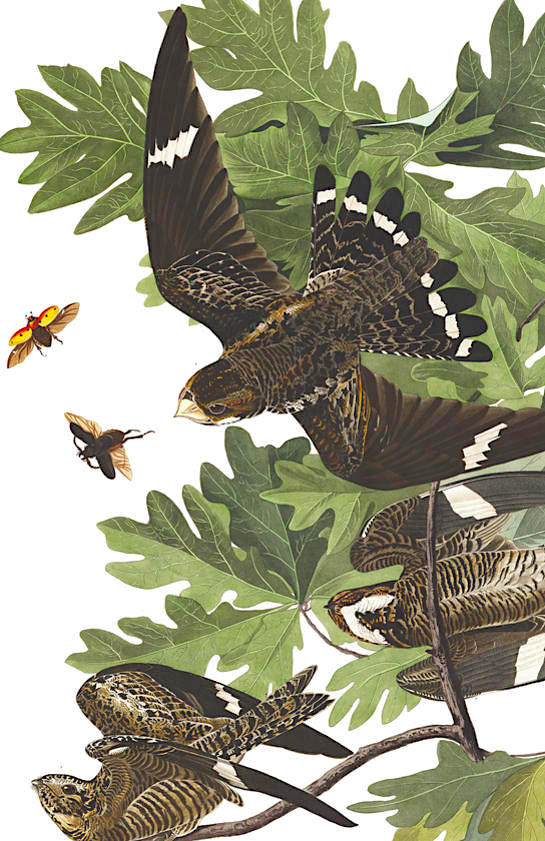
Antillean Nighthawk Chordeiles gundlachii, is a species of nightjar. These birds have local names such as ‘killa-ka-dick’, ‘pi-di-mi-dix’, ‘pity-pat-pit’, or variations on the theme, presumably onomatopoeic. Pikadik-(dik) will do for me. See what you reckon from these recordings (excuse the thick-billed vireo – I think – in the background):

Andrew Spencer / Xeno-Canto

ODD FACT

I have read in several sources that no one knows where these migratory birds spend winter; or else that winter season data is ‘scarce’. So no sensible range maps exist, for example. If you read this, and have antillean nighthawks (as opposed to common nighthawks) all round you in winter, please tell someone – you may hold the key to an ornithological mystery…

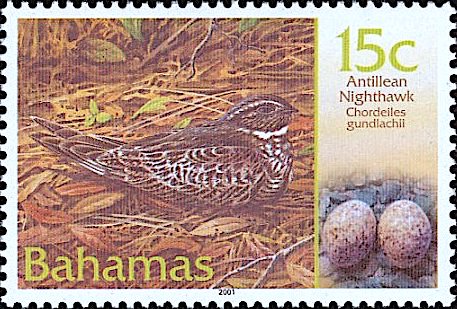
As so often, the Bahamas Philatelic Bureau leads the way with natural history stamps. The 15c Antillean Nighthawk above featured in a 2001 bird set. You can see dozens more very excellent Bahamas bird, butterfly, fish, flower and other wildlife stamps HERE.

Find out about Juan Gundlach, Cuban Natural Historian (he of the Antillean Nighthawk and the Bahama Mockingbird for example) HERE


Credits: Sandy Walker (1);  Stephen Connett (2, 3, 4, 5); Bruce Hallett (6); Andrew Spencer / Xeno-Canto (audio files); Audubon (7); Sibley / Audubon (8)

Unknown's avatar

IN A CLASS OF ITS OWN: THE LIMPKIN

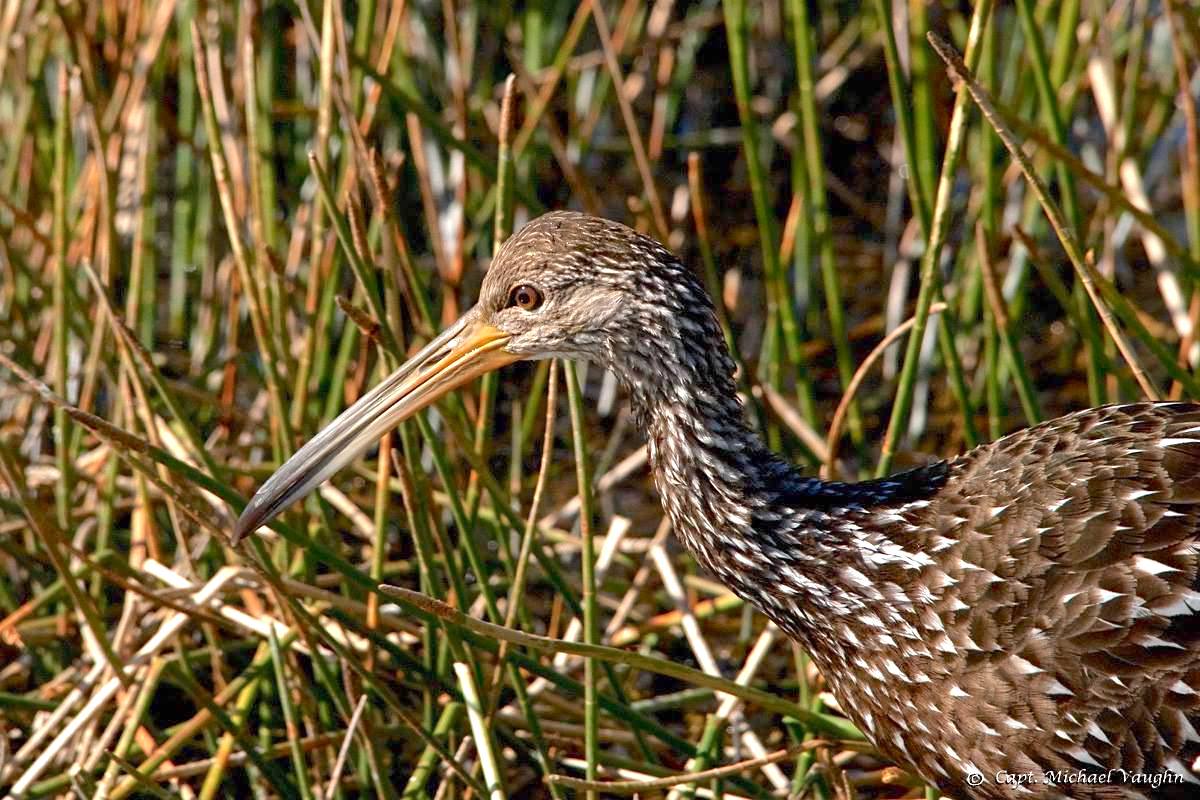
Limpkin wading (Michael Vaughn)

IN A CLASS OF ITS OWN: THE LIMPKIN

The Limpkin has a special status: it is in a Class of its own. Actually, it is in a Family of its own in terms of strict Linnean classification. It is in the Class ‘bird’ and the Order ‘crane and rail’. But there is no other creature in its Family or Genus. So it’s on its own, bird-wise. None like it anywhere. It is ‘monotypic’. 

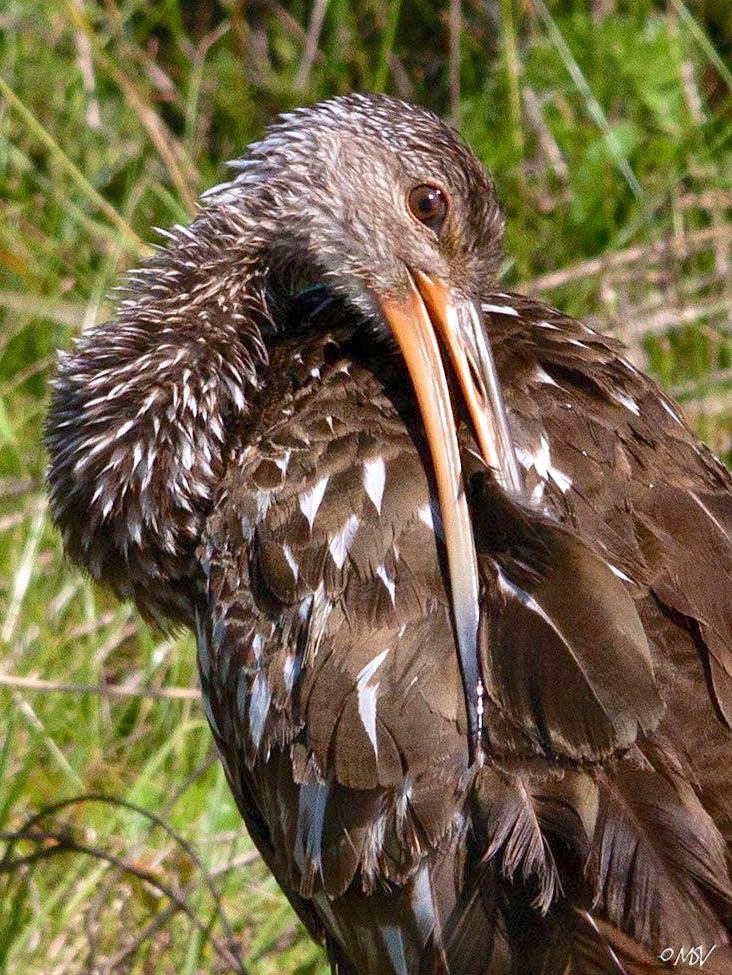
Limpkin (Michael Vaughn)

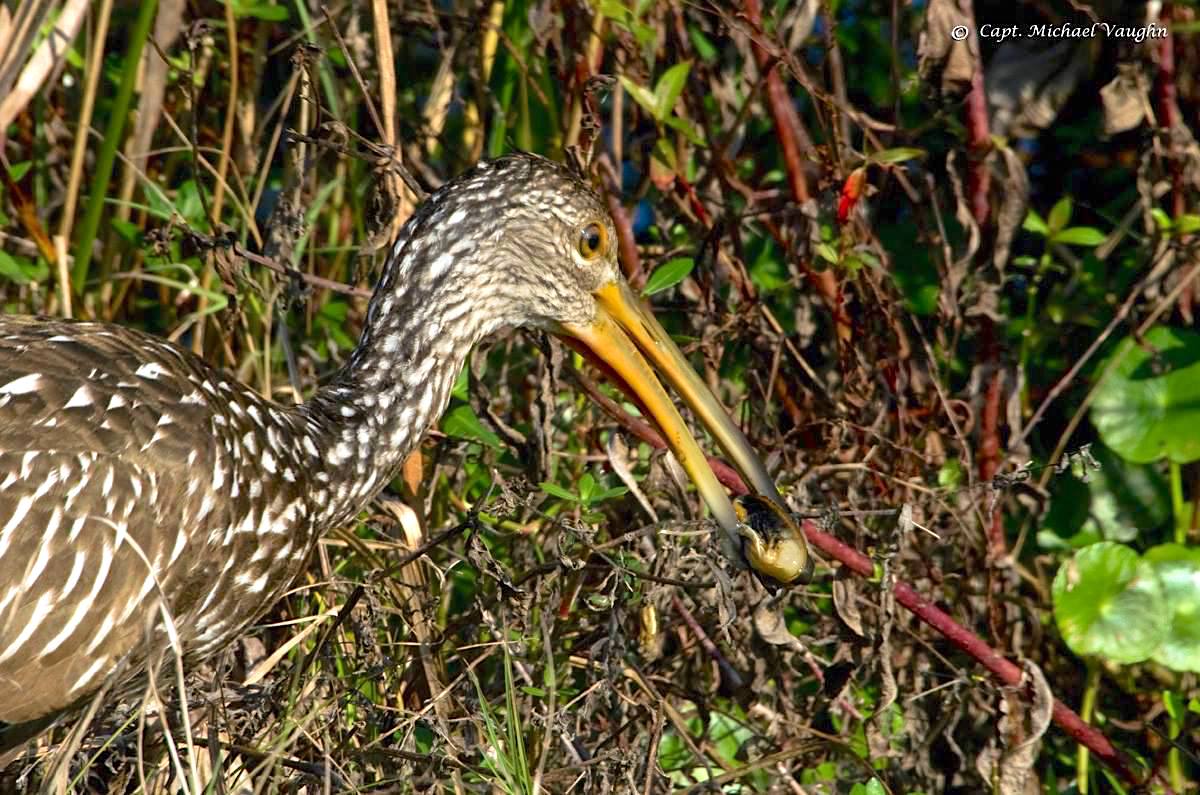
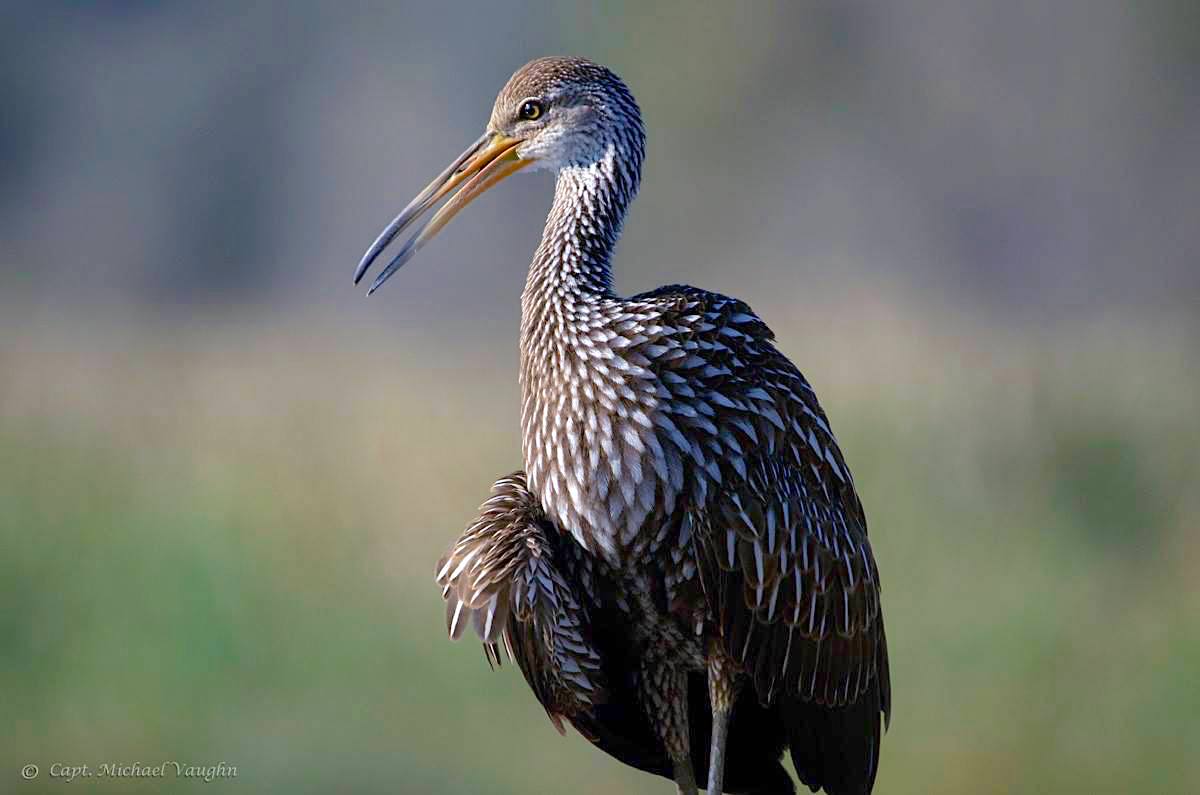
These snail eaters are said to be named for their somewhat lame walking method on their long legs. Their long downcurved bills are shaped to act rather like tweezers when feeding on snails. I’ve never managed to get very close to one – they seem to be quite secretive. But boy, can you hear them when they decide to go for it. If you ever hear this sound – quite possibly at night – now you’ll know what creature is making it…

Jerome Fischer / Xeno-Canto

Limpkin wading (Michael Vaughn)

TEN LIMPID LIMPKIN FACTS TO ENTHRAL YOUR FRIENDS

  • The Limpkin has its own ‘monotypic’ family – a one-off species of bird
  • They eat snails and molluscs (also insects, worms & frogs), using their beaks to snatch them
  • They may leave piles of discarded shells in their favourite feeding sites
  • The birds are ungainly and awkward: ‘limpkin’ probably derives from their limping gait
  • Males and females have the same plumage (males being slightly larger)
  • The beak acts like tweezers – slightly open and closing at the tip – for tweaking snails etc
  • Territory is defended aggressively, with ‘ritualized charging and wing-flapping’ at intruders
  • Sex lives: they are monogamous; or polyandrous (a male and more than one female. Tsk.)
  • They use ‘courtship feeding’ – males will catch and shell a snail and then feed it to a female
  • They are also known as the ‘Crying Bird’ for their bizarre shrieking call, as used in films**

Limpkin (Michael Vaughn)

** Specifically, as a generic jungle noise in Tarzan films; and apparently for the hippogriff in one of the Harry Potter films.

 Credits: All main photos, Michael Vaughn taken in Florida – with thanks for use permission; teaching resource Schmoop for the Linnean infographic; audio file Jerome Fischer / Xeno-Canto
Limpkin (Michael Vaughn)