Unknown's avatar

BAHAMAS REEF FISH (43): CUBERA SNAPPER


BAHAMAS REEF FISH (43): CUBERA SNAPPER

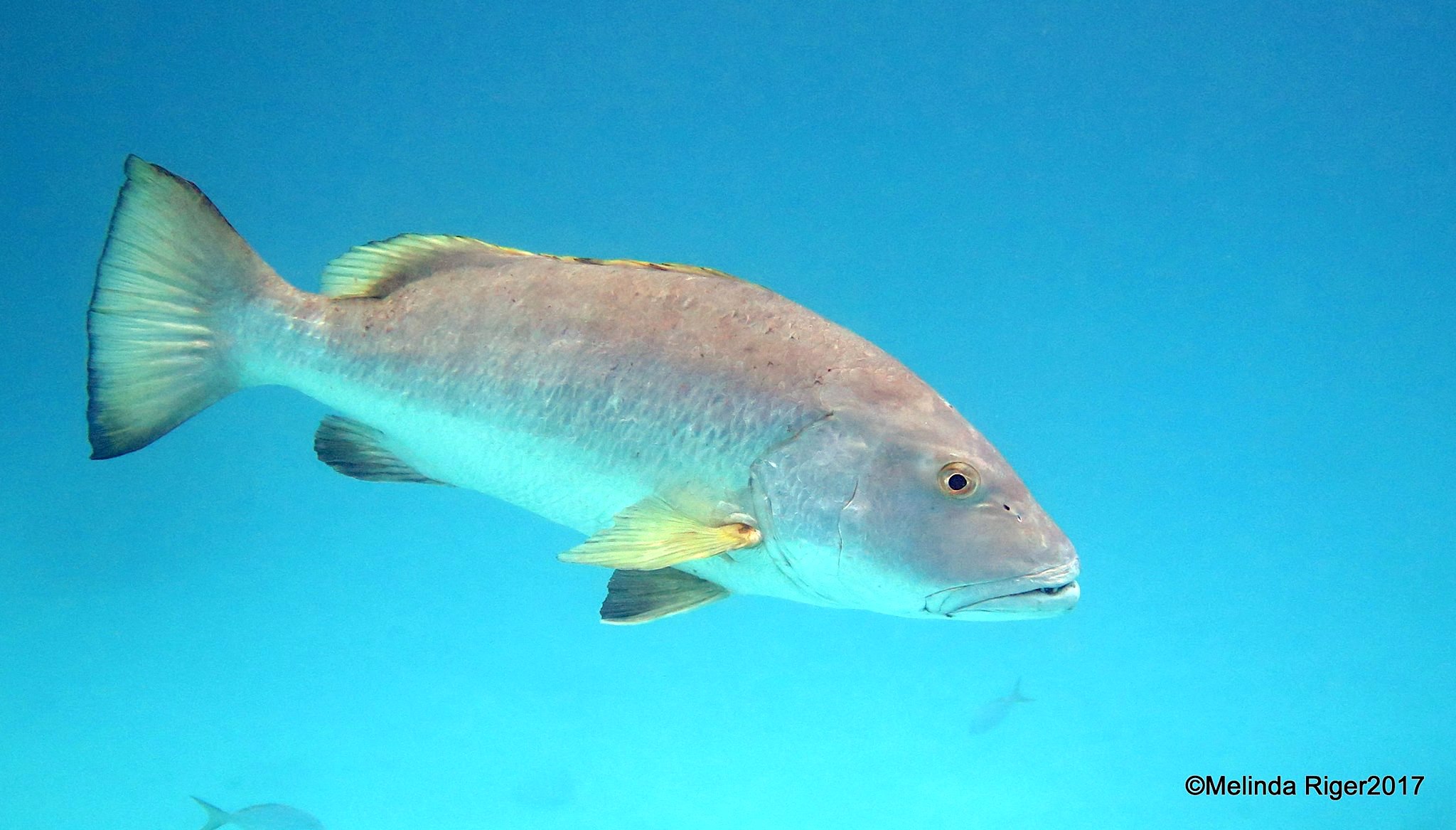
The cubera snapper (Lutjanus cyanopterus) is the largest snapper species. Adults may grow to 5′ long but they average around 3′ long and weigh 40 lbs or so (the record apparently stands at a massive 126 lbs). These are game fish, and they are a commercially important species. They are also IUCN listed as vulnerable, perhaps for that very reason. 

10 CUBERA SNAPPER SNAPPY  FACTS

  • The largest of a large number of snapper species in the western Atlantic
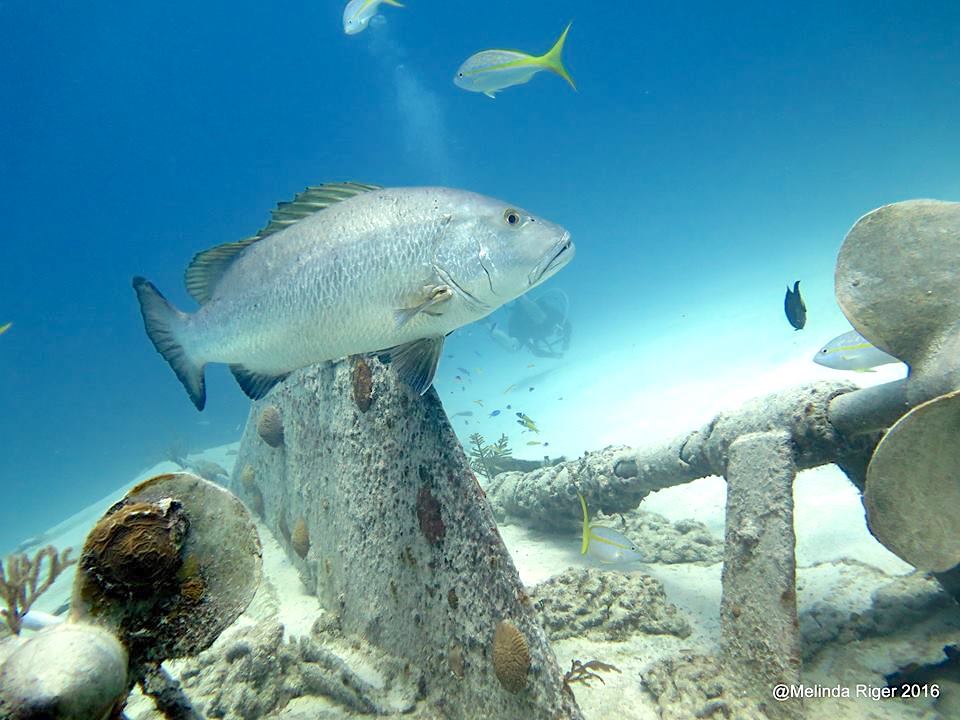
  • Feed on fish, shrimps & crabs, with large strong teeth (see pics) and jaws
  • Among their (few) predators are sharks, barracuda, and moray eels
  • Edible, but beware of the danger of CIGUATERA poisoning
  • In summer months, spawning is governed by lunar cycles
  • Cuberas form huge spawning masses (to 10k) in offshore shallows
  • Sadly the resulting eggs and larvae are rich pickings for predators…
  • Youngsters live in sea grass or mangroves for protection
  • Cuberas are game fish with commercial importance
  • IUCN listed as vulnerable – largely courtesy of mankind (see »)

RANGE FINDER

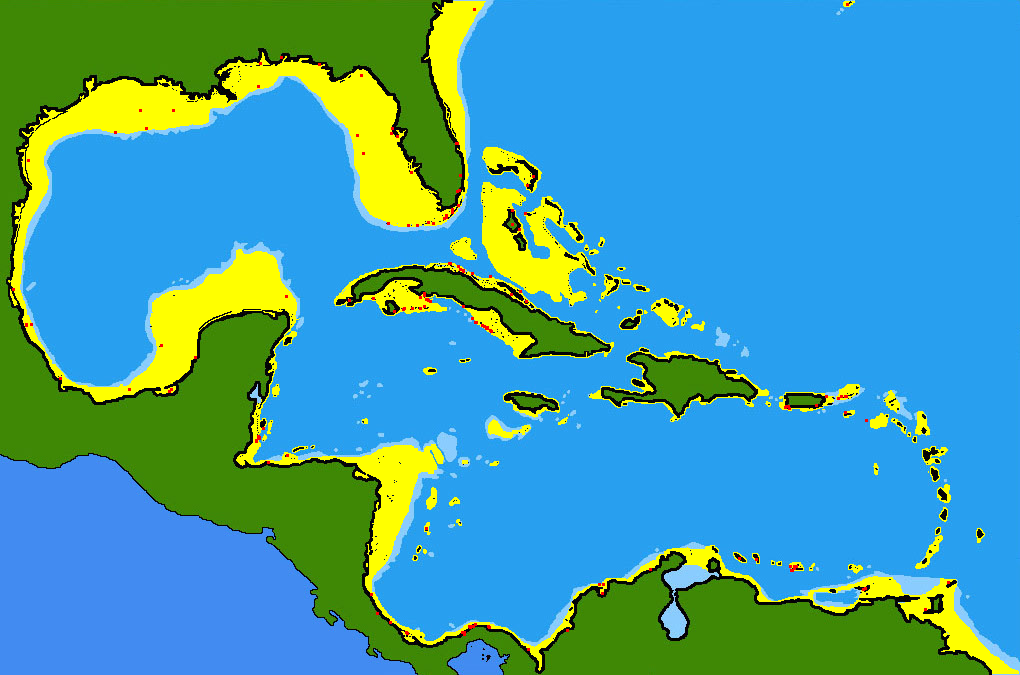
Cubera Snapper Range Map (wiki)

CONSERVATION MATTERS

Overfishing is one of the greatest threats to the species. Those young fish that are not predated naturally and grow to adulthood are targets for fishermen. There’s no prissy ‘catch & release’, as with bonefish. At spawning time, as the fish instinctively (and predictably) mass as the moon dictates, so do the human predators. The spawning sites are where the best protection can be given, to ensure the annual reproductive cycle is uninterrupted. If not, ‘vulnerable’ will soon give way to ‘endangered’…

I’d been going to pull apart a long recipe for the “wonderfully sweet white meat ” of this fish for the tastiest morsels of info, then (not being a cook) I quickly tired of the idea. Sorry to disappoint. 

Credits: Melinda Riger for the wonderful photos; range map from wiki; magpie research pickings, including (but not limited to ) Nat Geo

Unknown's avatar

CHRISTMAS TREE WORMS: SEASONAL SPIROBRANCHES


Christmas Tree Worm (Melinda Riger / Grand Bahama Scuba)

CHRISTMAS TREE WORMS: SEASONAL SPIROBRANCHES

music-notes-clip-art-png-musicDeck the Reefs with Worms Like Christmas Trees… Fal-La-La-etc-etc ” is a traditional Carol familiar to all. Well, most. Ok, some, then. Oh right – maybe with different words? Anyway, now is the perfect time to take another look at these remarkable subsurface symbols of seasonal good cheer (nb they are animals not plants).

christmas-tree-worm-melinda-riger-g-b-scuba

10 CHRISTMAS TREE WORM FACTS TO PONDER

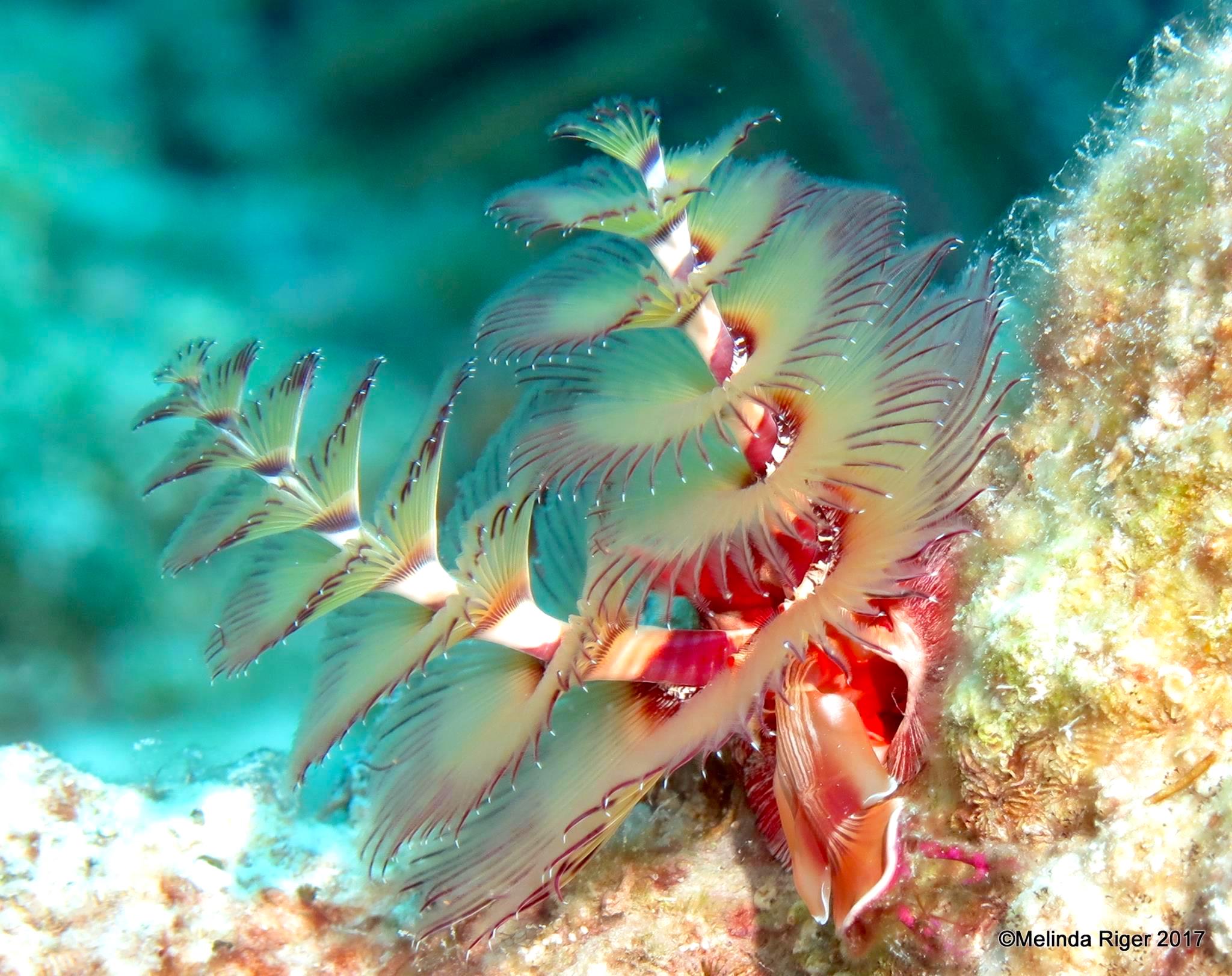
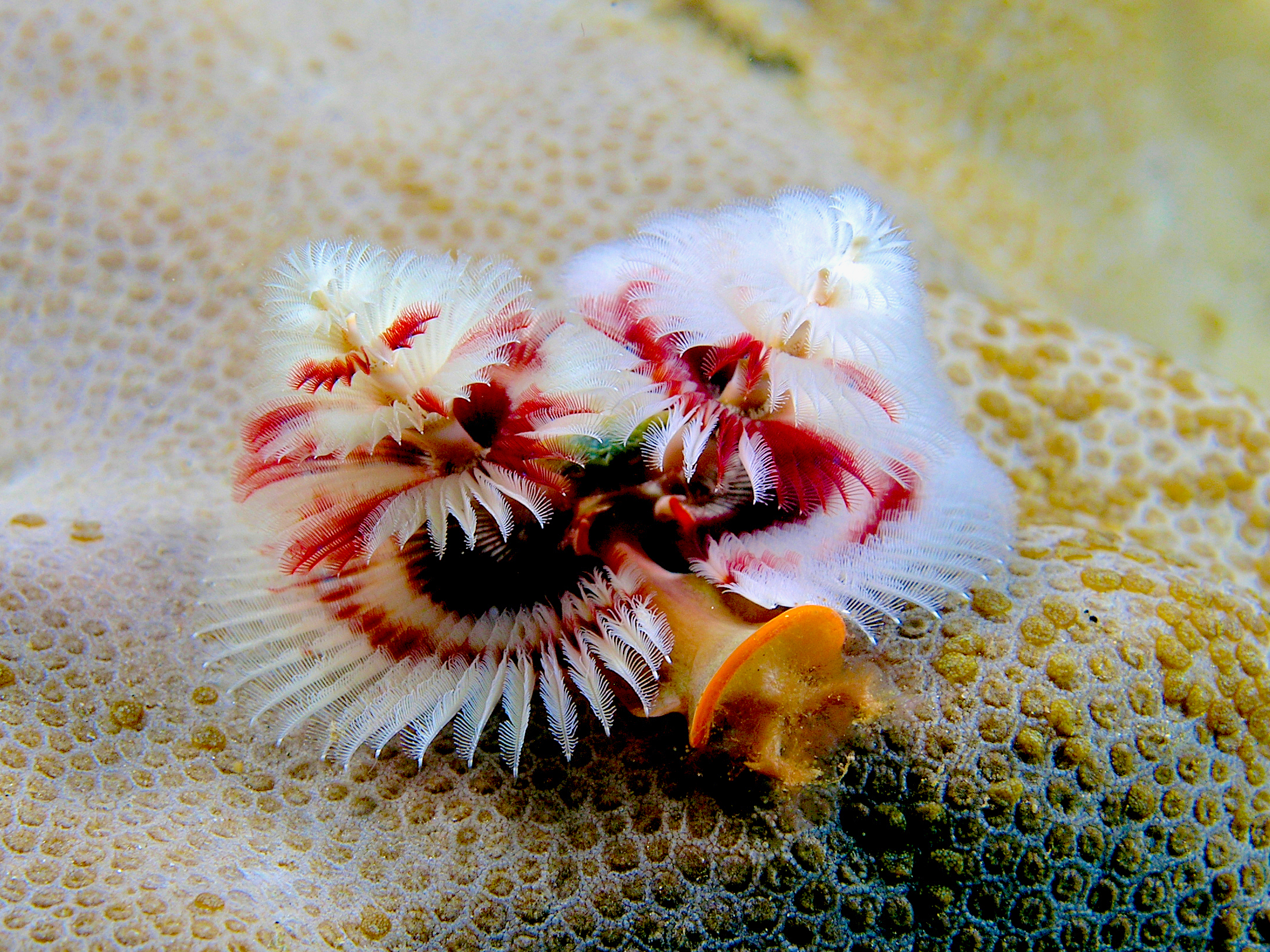
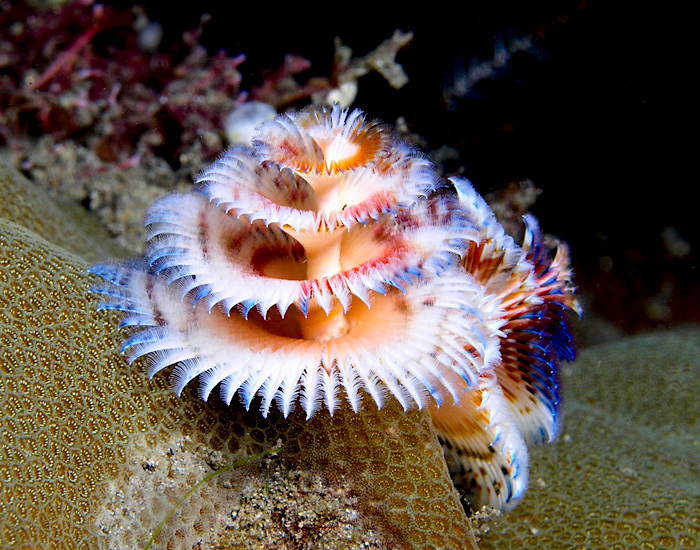
  • The 2 colourful spirals are not the worm, but complex structures for feeding & respiration
  • The spirals act as specialised mouth extensions for ‘filter-feeding’
  • Prey is trapped by the feathery tentacles & guided by cilia (microscopic hairs) to the mouth
  • The tentacle things are radioles and act as gills for breathing as well as prey traps
  • It is not believed that prey slide down the spiral to their doom, like on a helter-skelter

Christmas Tree Worm (Neil Hobgood Wiki)Christmas Tree Worm (Melinda Riger / Grand Bahama Scuba)

  • The actual worm lives in a sort of segmented tube, with extremely limited mobility skills
  • It contains digestive, circulatory & nervous systems – and a brain in the middle of it all
  • The worm also has a tiny drainage tube (I think I have this right) for excretion etc
  • They embed themselves into heads of coral such as brain coral. And stay there
  • And yes, the Christmas trees are retractable… (see below for some action)

spirobranchus_giganteus_orange_christmas_tree_worm-nick-hobgood-wiki

HOW DO THE WORMS… YOU KNOW…  ERM… REPRODUCE?

This is a delicate area. They don’t tend to talk about it much, but as far as I can make out they eject gametes from their what-I-said-above. There are mummy and daddy worms, and their respective gametes (eggs and spermatozoa) drift in the current and presumably into each other to complete the union. The fertilised eggs develop into larvae, which settle onto coral and burrow into it, build their protective tubes and the process begins again.

christmas_tree_worm-nick-hobgood-wiki

YOU DON’T REALLY UNDERSTAND THESE CREATURES, DO YOU?

I won’t lie. I found it hard to work out how the CTWs function in practice. There are plenty of resources showing them in their full glory, but that only takes one so far. Then I came across a short video that shows it all brilliantly simply (except for the reproduction part).

The worms, in their coral burrows, hoist their pairs of ‘trees’. You can easily see small particles – possibly zooplankton – drifting in the water, and the radioles swaying to catch potential food. Suddenly it all makes sense (except the repro bit – I haven’t found footage of that).  Next: the New Year Worm (there is no Easter worm).

A WHOLE FESTIVAL OF CHRISTMAS TREE WORMSChristmas Tree Worms (Neil Hobgood Wiki)

Credits: Melinda Riger (G B Scuba); Nick Hobgood; Betty Wills; Video by ‘Super Sea Monkey’;Reef Collage by RH; MarineBio; Wikibits & Magpie Pickings

Happy Christmas to all those who put up with RH with such fortitude
blue_christmas_tree_worm-betty-wills-wiki

Unknown's avatar

SPERM WHALES – BMMRO FIELD TRIP, BAHAMAS


Sperm Whales, Bahamas (BMMRO)

SPERM WHALES – BMMRO FIELD TRIP, BAHAMAS

I can never quite get my head around the fact that the waters around Abaco are home to the twin leviathans, sperm whales and humpback whales. And before anyone points it out, I realise they can’t actually be twins: sperms whales (cachelots) are TOOTHED WHALES whereas humpback whales are BALEEN WHALES

Sperm Whales, Bahamas (BMMRO)

During November, the Bahamas Marine Mammal Research Organisation (BMMRO) undertook a rather special field trip. Using sophisticated devices, the scientists first located a group of sperm whales, and then tracked them through the night using the communications between the creatures – ‘vocalisations’ – to follow them. Later analysis of the recordings will have made it possible to identify the individuals through their unique vocal patterns – and so to recognise them again. 

Sperm Whale, Bahamas (BMMRO)

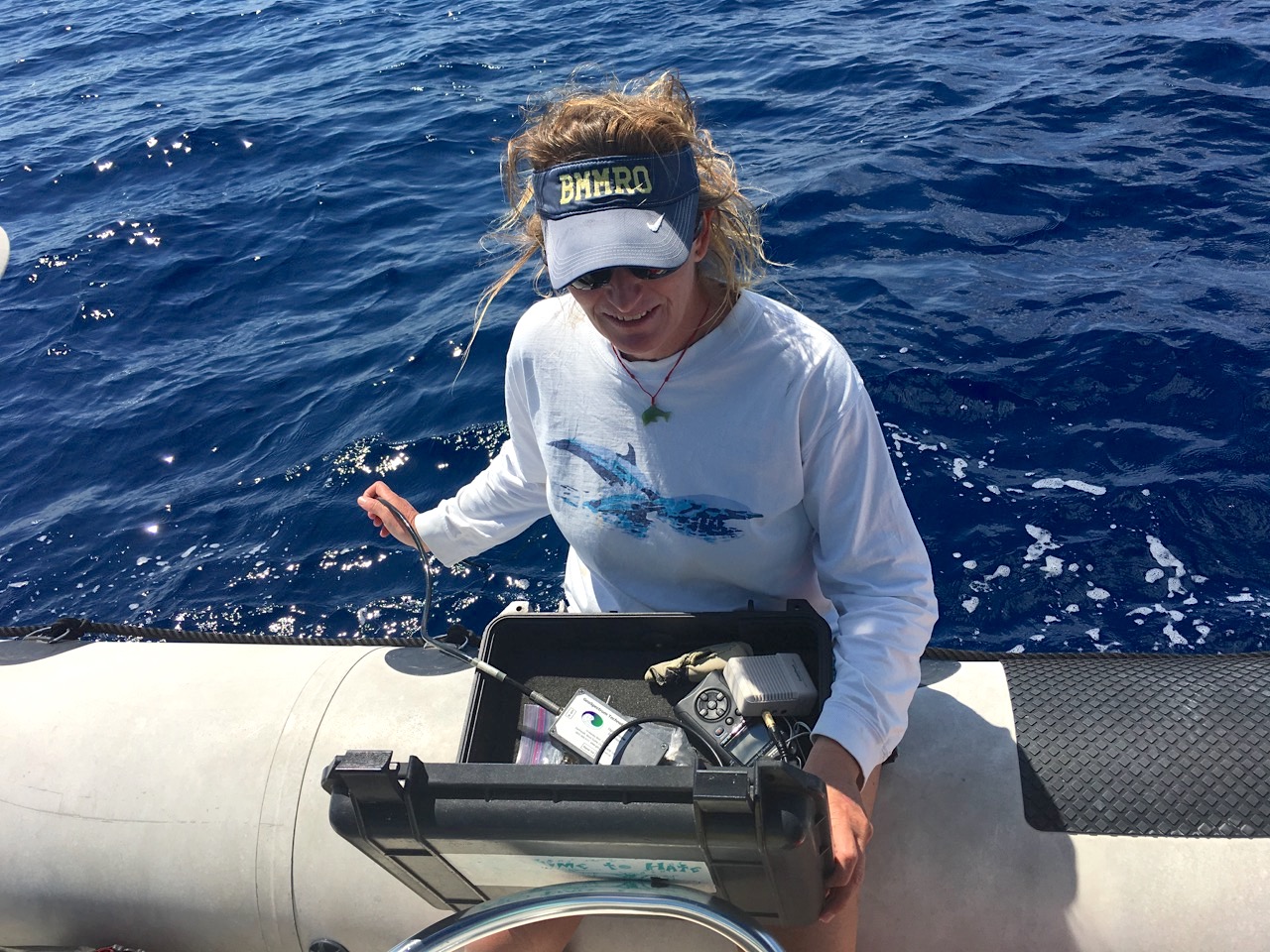
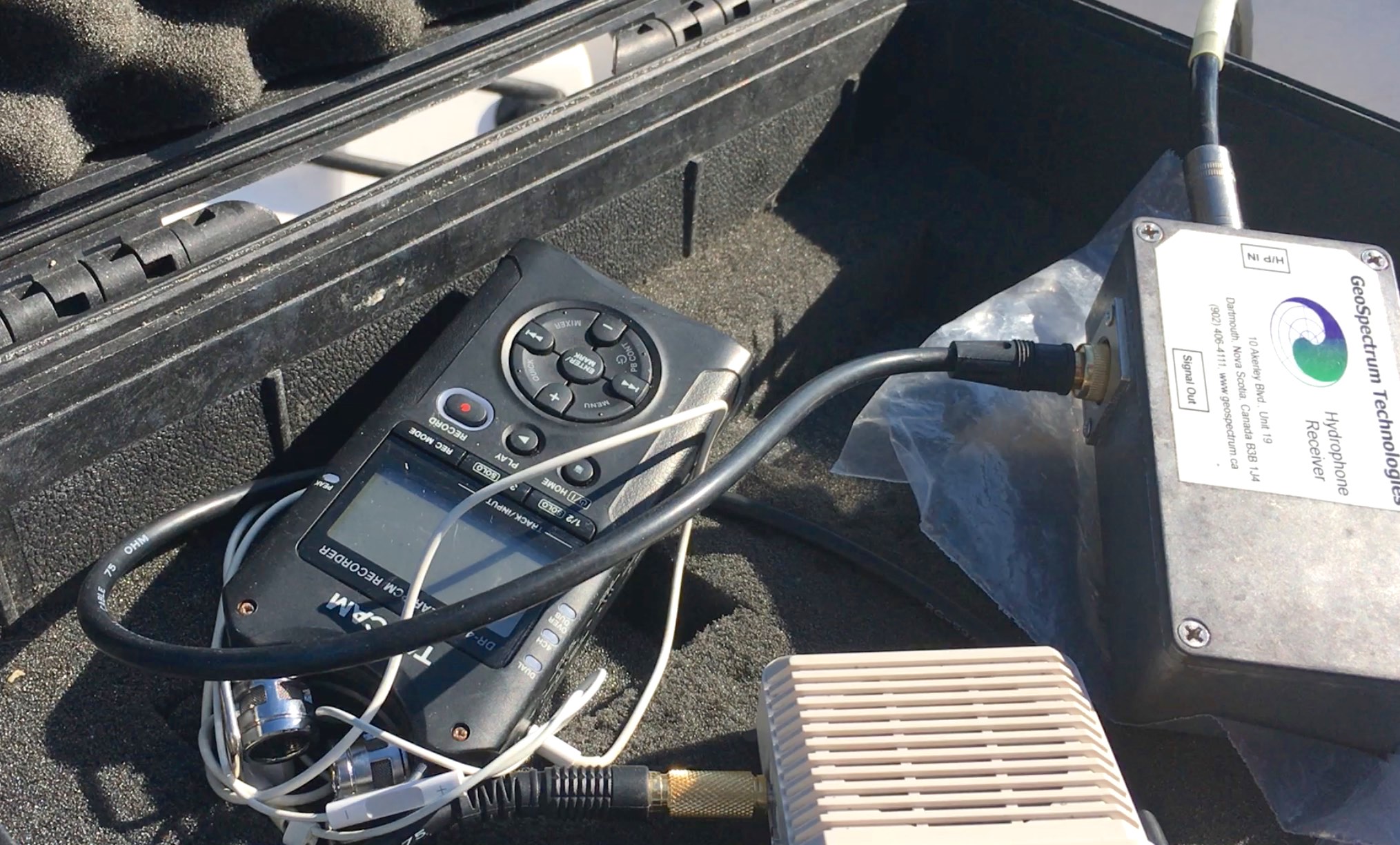
The hydrophonic equipment used is extremely sensitive, and can pick up the sounds made by whales and dolphins over a great distance. The box of tricks looks deceptively modest – I took these photos on a previous trip when we were looking for beaked whales and dolphins. Charlotte Dunn holds the microphone submerged on a cable and underwater sounds are amplified so that the slightest chirrup of a dolphin can be heard by everyone on the vessel. The sounds are recorded and locations carefully logged.

Besides the sperm whales, the BMMRO team also had sightings of spotted dolphins, bottlenose dolphins and beaked whales during the field trip. These bonus sightings will also have been logged for future reference. It all adds to the detailed research data that assists the conservation of the prolific marine mammal life in Bahamian waters.

Atlantic Spotted DolphinsAtlantic Spotted Dolphins, Bahamas (BMMRO)

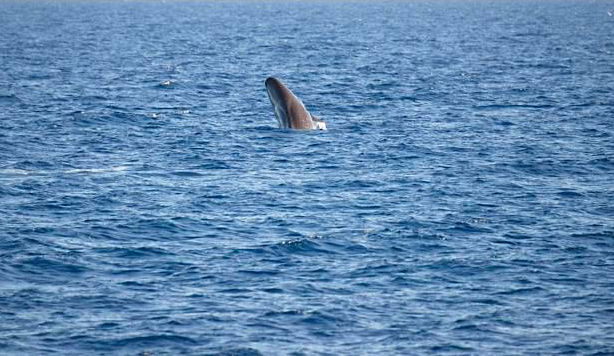
By the time one of the whales decided to breach, it was some distance away, so I’m afraid I can’t bring you a dramatic close-up from the trip. But just to see this view at all is breathtaking.

All photos BMMRO except the 2 hydrophone ones on the research boat (Keith Salvesen)

Unknown's avatar

BAHAMAS REEF FISH (39): YELLOWTAIL DAMSELFISH


Yellowtail Damselfish (©Melinda Riger / Grand Bahama Scuba)

BAHAMAS REEF FISH (39): YELLOWTAIL DAMSELFISH

Yellowtails are just one of several damselfish species in Bahamas waters. These small fish are conspicuous not just for the bright tails that give them their name. More striking if anything – especially if seen underwater in sunlight against the coral – are the electric blue spots visible in both adults and juveniles.

Yellowtail Damselfish (©Melinda Riger / Grand Bahama Scuba)

The body of adults is dark blue to brownish to almost black 

The body of juveniles is blue

Yellowtails are a common and widespread variety of damselfish. They have a limited ability to change colour according to their surroundings, but with their bright tails and luminous blue flecks, it’s hard to see how they can look, to a predator, anything other than a tasty snack.

I have enjoyed seeing these little fish at Fowl Cay Marine Preserve, Abaco. The reef there makes for easy and rewarding snorkelling, with a wide variety of small and medium-size reef fishes to be seen. It’s an expedition I would definitely recommend to anyone wanting to see a healthy and active reef in a completely natural protected area.

I found that a video I took with a tiny camera was sadly of use only to myself. No one else would be able to make anything out due to the marked camera shake. Novices, huh? You are spared that: here’s a brief example of yellowtails swimming instead, showing the difference between juveniles and adults.

Credits: all photos, Melinda Riger / Grand Bahama Scuba; video from Desert Diving

Unknown's avatar

BLAINVILLE’S BEAKED WHALES IN ABACO WATERS


Blainville's Beaked Whale, Abaco (BMMRO)

BLAINVILLE’S BEAKED WHALES IN ABACO WATERS

It’s hard to believe that the seas around Abaco and its cays are home to a number of whale species, from huge sperm and humpback whales down to so-called dwarf or pygmy species. In the middle of this range come the beaked whales, the most common being the Blainville’s Beaked Whale. I say ‘most common’, but in fact they are rare in the world, being found in only two other main locations on earth. 

Blainville's Beaked Whale, Abaco (BMMRO)

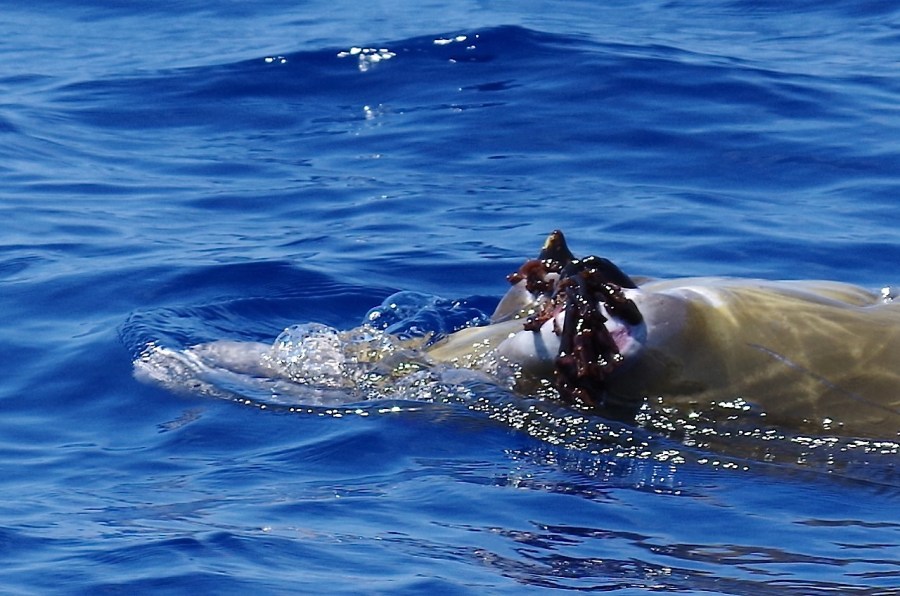
These whales are carefully monitored by the Bahamas Marine Mammal Research Organisation (BMMRO), and there is a tagging program to keep track of them. As with dolphins, individuals are identified by markings on the dorsal fin, which vary for each whale. The one above has distinctive scarring at the tip. There are also striations on the body, and conspicuous circular marks that are healed wounds caused by cookie-cutter sharks.

Blainville's Beaked Whale, Abaco (BMMRO)

To the untrained eye, there are no noticeable marks on the dorsal fin of the whale above. However, the whale’s back has a prominent pattern of scarring and healed cookie-cutter wounds. The whale below really looks as though it has been in the wars, with long deep healed wounds behind the head.

Blainville's Beaked Whale, Abaco (BMMRO)

I can’t tell without seeing the head, but I wonder if it is a male and the scars have been caused in a fight with another male – adult males have prominent tusks with which they do battle. Here is an photo that I took from the research boat on a different occasion. The tusks protrude upwards from the lower jaw, and are often covered in barnacles. They are capable of causing serious injury.

Blainville's Beaked Whale male, Abaco (Keith Salvesen)

Blainville’s beaked whales are amongst the deepest divers of all whales. But that and other whale topics will have to wait for another day… My computer malware / virus has been removed professionally with no data loss, and I have some catching up to do. Cost in terms of panic and stress: huge. Cost in real terms: $90.

Blainville's Beaked Whale, Abaco (BMMRO)

All photos BMMRO except the tusked male, Keith Salvesen

Unknown's avatar

AN ‘EXHILARATION’ OF ABACO DOLPHINS


Bottlenose Dolphins, Abaco Bahamas (BMMRO)

AN ‘EXHILARATION’ OF ABACO DOLPHINS

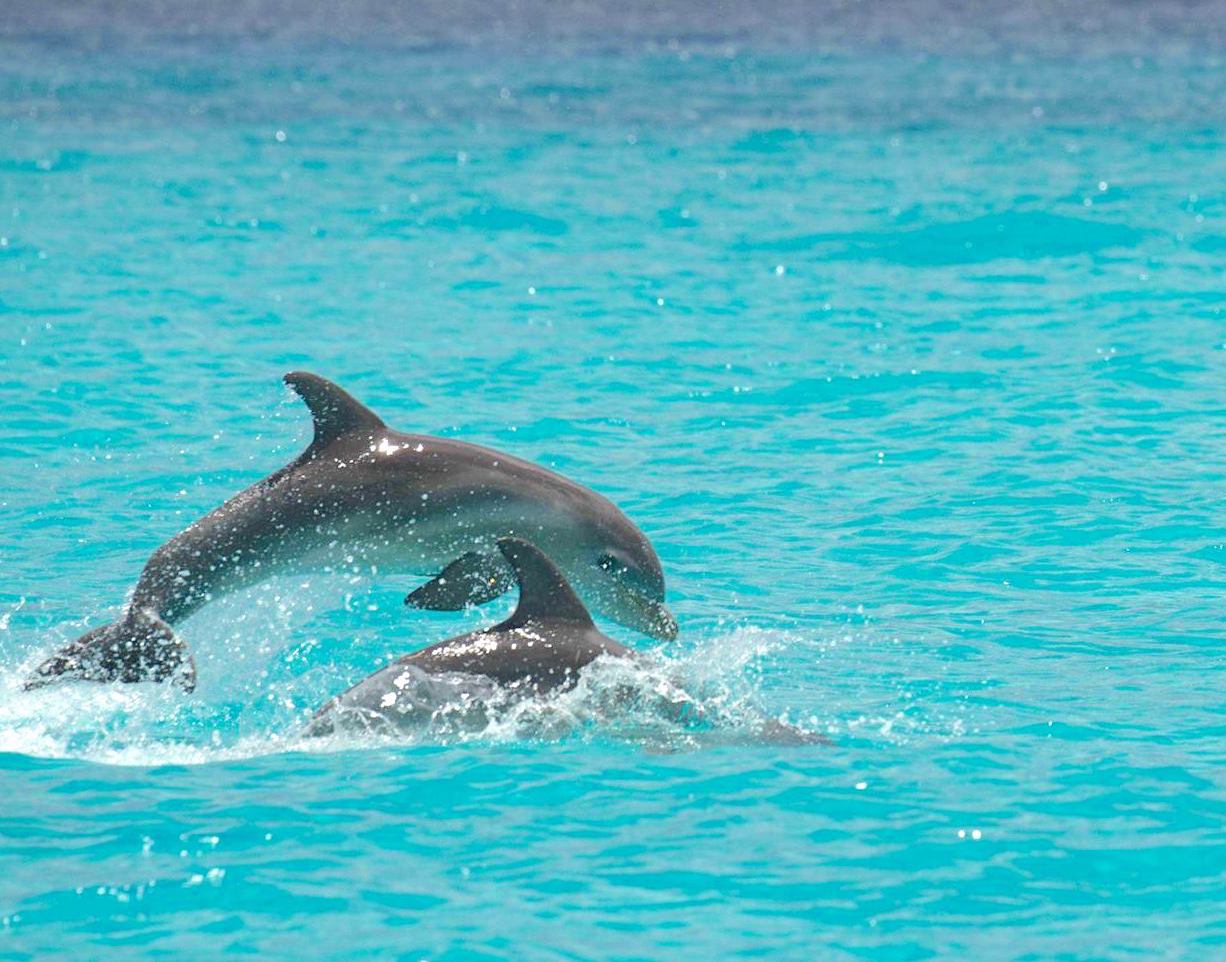
Bottlenose dolphins! Tursiops truncatus! These engagingly playful show-offs of the inshore waters round Abaco are 99.99% adorable**. It’s been a harrowing few weeks in the western Atlantic, and everyone is hoping that the 2017 hurricane season has had enough of causing death and destruction over vast swathes of vulnerable islands and on the US mainland. Some cheer is needed.

Bottlenose Dolphins, Abaco Bahamas (BMMRO)

Dolphins are good for the soul. And if you are out on a boat watching them – and especially tracking them for a whole day – every encounter reinforces the impression that all the leaping, bow-wave riding, boat under-swimming, and general sociability and interaction is often as much for sheer enjoyment as anything else. 

Bottlenose Dolphins, Abaco Bahamas (BMMRO)

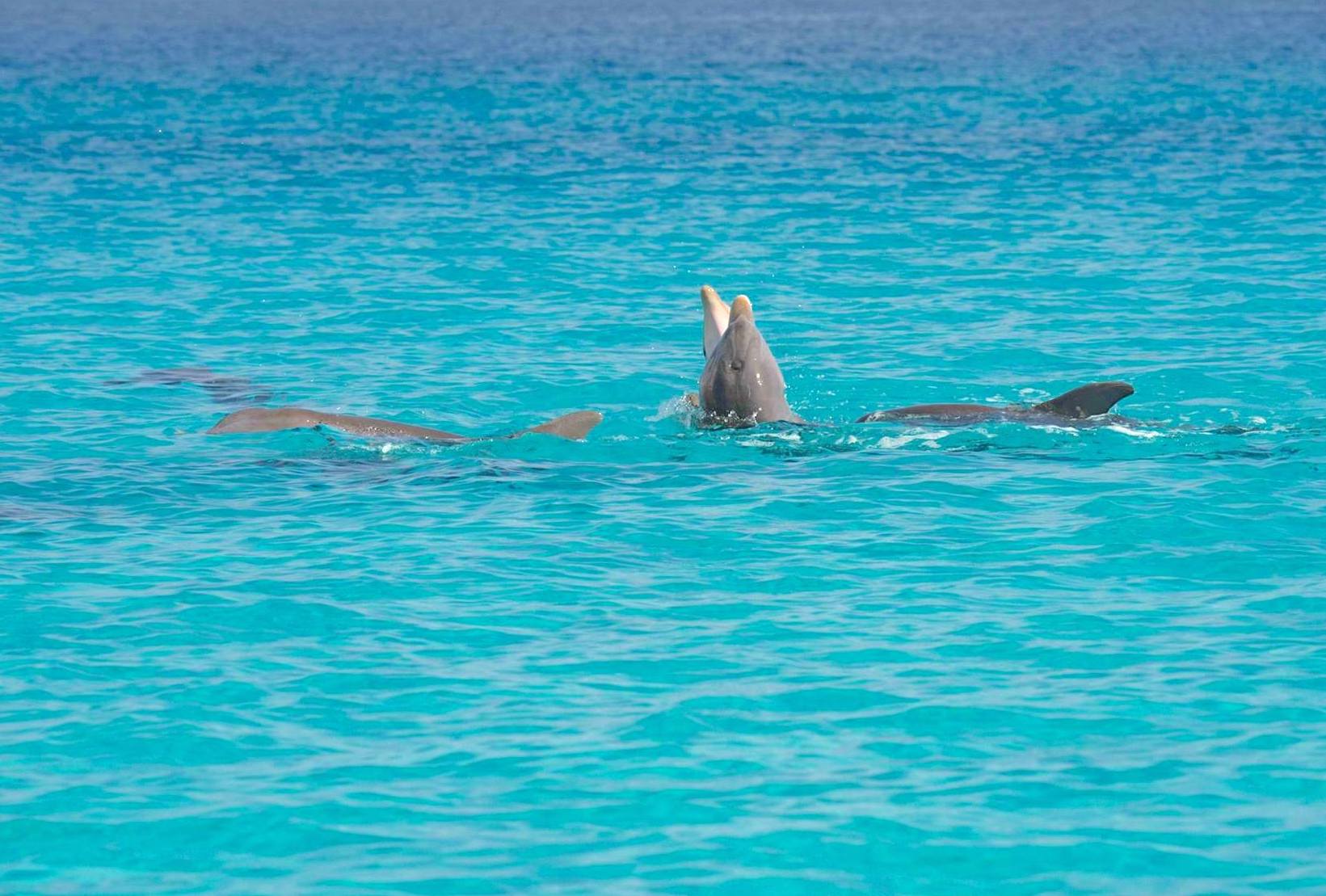
Abaco is fortunate in having the HQ of the Bahamas Mammals Research Organisation (BMMRO) based at Sandy Point. That just happens to be an excellent area for bottlenose dolphin spotting in the turquoise shallows. Many sightings are made within clear sight of land. Further south, where the bright blue gives way to darker and deeper water, live the equally frolicsome Atlantic spotted dolphins. The 3 photos above were all taken on the margins of where the colour of the sea changes from light to dark.

Bottlenose Dolphins, Abaco Bahamas (BMMRO)

I’m a bit of a collector of collective nouns. For dolphins, apart from the matter-of-fact ‘group’ or ‘pod’, there is no exotic word to describe a number of them when they are having fun. No equivalent of ‘exaltation’ (larks), ‘charm’ (goldfinches) or ‘parliament’ (owls). So I’m nominating an ‘exhilaration’ as a candidate to fill the gap…

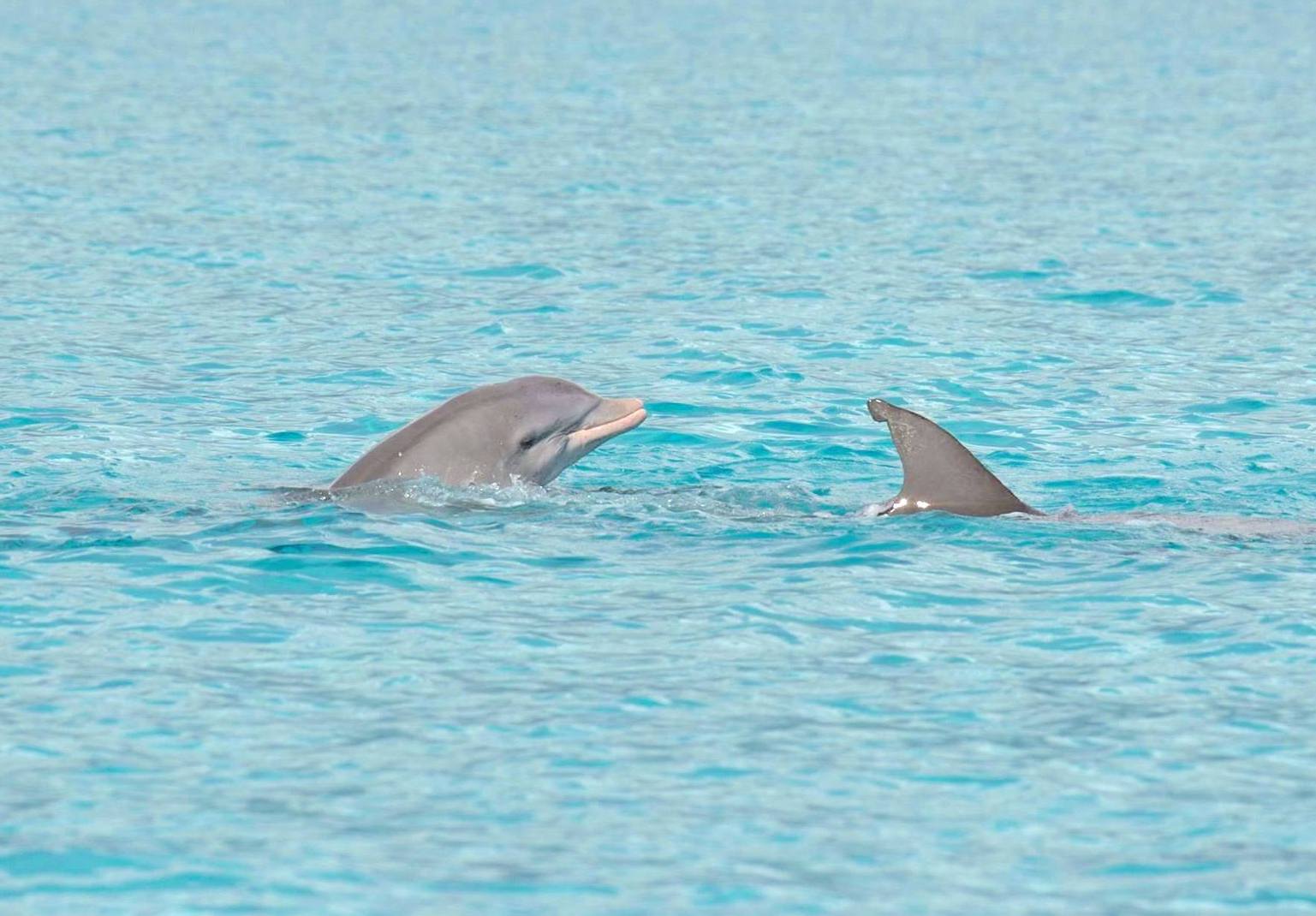
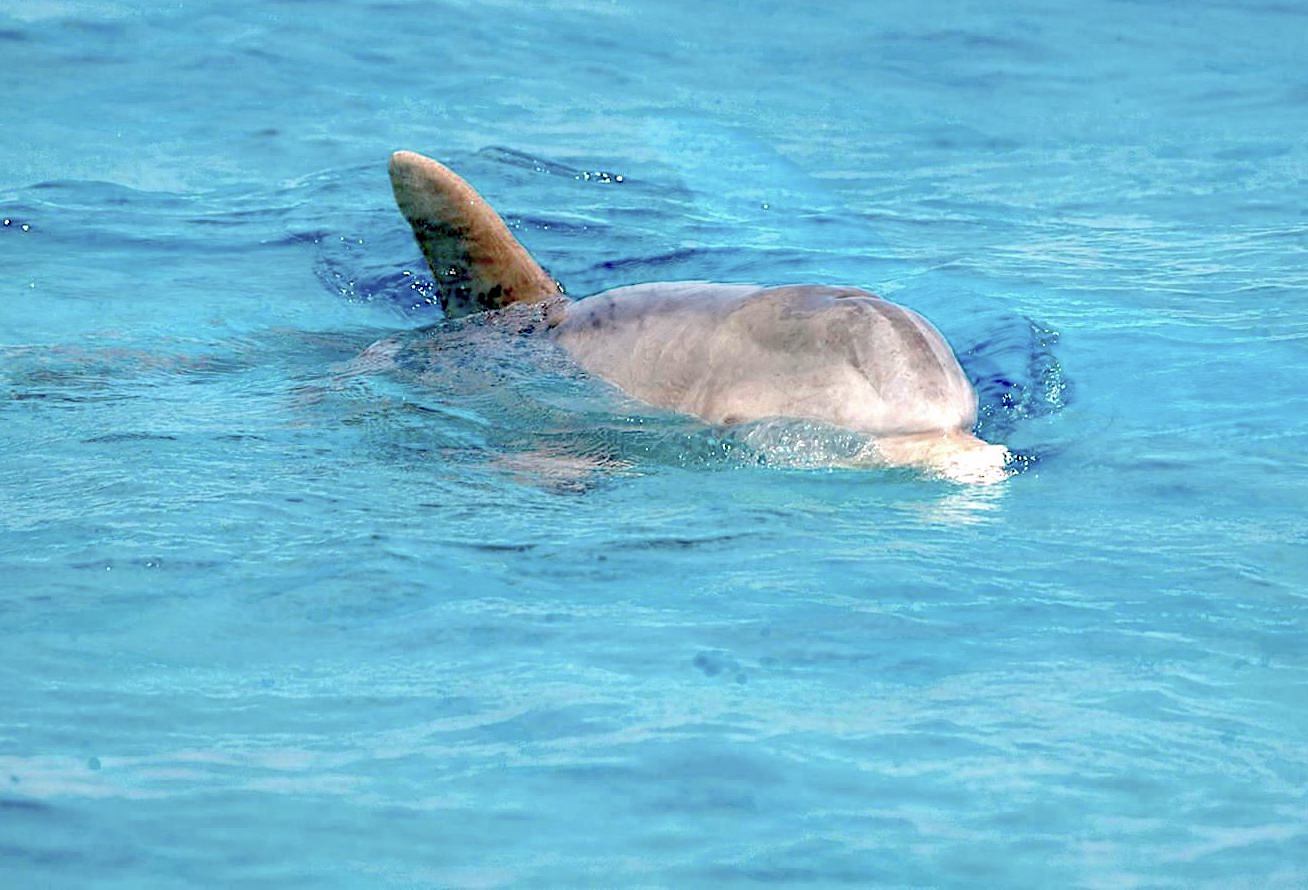
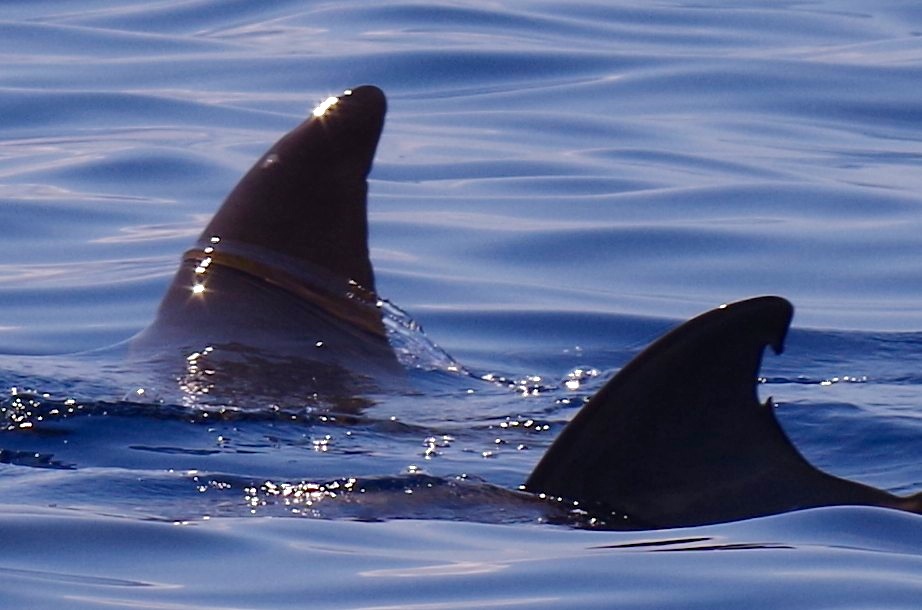
The photo above shows clearly how individual dolphins can be identified by researchers. All tend to have scars or tears to their dorsal fins that enable them to be distinguished. The closest has distinctive scars near the tip. The furthest has a W-shaped nick at the back. In fact, it could even be Rocky, a well-known dolphin on Abaco that has been sighted over many years. There are regular reports annually. I saw him myself once, in 2012, playing about in Hopetown harbour. 

STOP PRESS To demonstrate how the ID methods work, I’ve now cross-checked with the BMMRO photo ID archive. Here is Rocky’s original dorsal fin ID image (“Tt15”) from October 2010. There’s a W-shaped nick, sure, but my speculation above was wrong because overall the two fins are clearly different…

Rocky the Dolphin Tt15, from BMMRO ID photo archive

** The 0.01%? Dolphins may, rarely, be alarming for divers in circumstances I won’t repeat here (hint: to do with over-friendliness, ok? Yes, the thing that dogs do)

Credits: all photos BMMRO – and taken in the last 2 months

Unknown's avatar

EYES ON STALKS: CONCH WATCH ON ABACO


Conch Man-o-War Cay, Abaco, Bahamas (Charmaine Albury)

EYES ON STALKS: CONCH WATCH ON ABACO

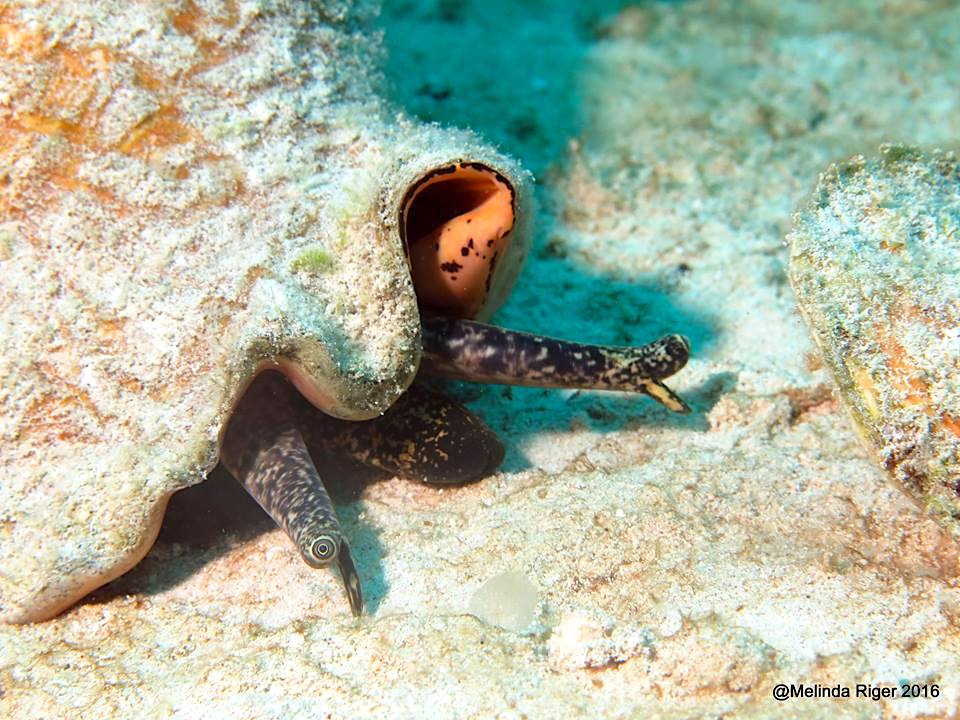
This is not so much about you looking at, and admiring (without salivating too much, I trust) conchs in their natural element. More about them watching you watching them – and focusing on their rather remarkable stalk-based eyes. Take a look at these examples of the ‘watcher in the shallows‘ (to misquote a well-known book title).

Conch and their eyes, Bahamas (Melinda Riger)Conch and their eyes, Bahamas (Melinda Riger)

HALF A DOZEN CONCH EYE FACTS TO PONDER

  • The eyestalks are attached to an extendable ‘snout’
  • The two eyestalks (ommatophores) are retractable within the shell
  • Their purpose is to provide a wider field of vision around the shell
  • The eyes at the tip of each eyestalk have ‘proper’ lenses, pupils and irises 
  • Amazingly, amputated eyes normally regenerate completely
  • The small projection below the eye is a ‘sensory tentacle’ or feeler

Conch and their eyes, Bahamas (Melinda Riger)Conch and their eyes, Bahamas (Melinda Riger)

CAUTIONARY WARNING

For a rather depressing view of the current state of conch populations, check out this recent article in the MIAMI HERALD. Not a great deal to be optimistic about…

I’M WATCHING YOU…

CREDITS: All remarkable ‘conch watching’ photos by Melinda Riger / Grand Bahama Scuba – except for the wonderful header image by Charmaine Albury (contributor the The Birds of Abaco), taken on Man-o-War Cay; Cindy James Pinder for the heads-up for the Miami Herald article

Unknown's avatar

DOLPHINS DISPORTING IN THE BAHAMAS


Atlantic Spotted Dolphin, Bahamas (BMMRO)

DOLPHINS DISPORTING IN THE BAHAMAS

‘Disporting’. Not a word I’ve used very often. Or possibly ever. It looks a bit like ‘unsporting’, which is emphatically what dolphins are not. Basically, it just describes what dolphins are doing when you see them on the surface: amusing themselves, frolicking around in the waves, and simply enjoying themselves.Bottlenose Dolphin, Bahamas (BMMRO)

True, they are probably keeping an eye out for food… But when you have a group sociably following alongside the boat your are in, moving in front, dropping behind, diving under, and generally playing around, it’s quite hard to believe that these are completely wild creatures. They seem to be performing just for you, simply because they want to. You don’t even have to throw fish at them to earn this free display.

Atlantic Spotted Dolphin, Bahamas (BMMRO)Atlantic Spotted Dolphin, Bahamas (BMMRO) Atlantic Spotted Dolphin, Bahamas (BMMRO)

As is well-known, the BAHAMAS MARINE MAMMAL RESEARCH ORGANISATION (BMMRO) is the custodian for the welfare of these beautiful creatures for the entire Bahamas. However, being based on Abaco and carrying out the majority of the research from the HQ at Sandy Point means that many of the great images that get taken are from Abaco waters. Indeed some are taken within swimming distance (not mine) of the shore.  Bottlenose Dolphin, Bahamas (BMMRO)Bottlenose Dolphin, Bahamas (BMMRO)Bottlenose Dolphin, Bahamas (BMMRO)Bottlenose Dolphin, Bahamas (BMMRO)

The photographs featured here were taken during the last few weeks. Some are of the familiar bottlenose dolphins. The others – with speckled undersides clearly visible in the header image & below – are of Atlantic spotted dolphins. There’s even one of my own taken from the research vessel. Atlantic Spotted Dolphin, Abaco Bahamas (Keith Salvesen)Atlantic Spotted Dolphin, Bahamas (BMMRO)

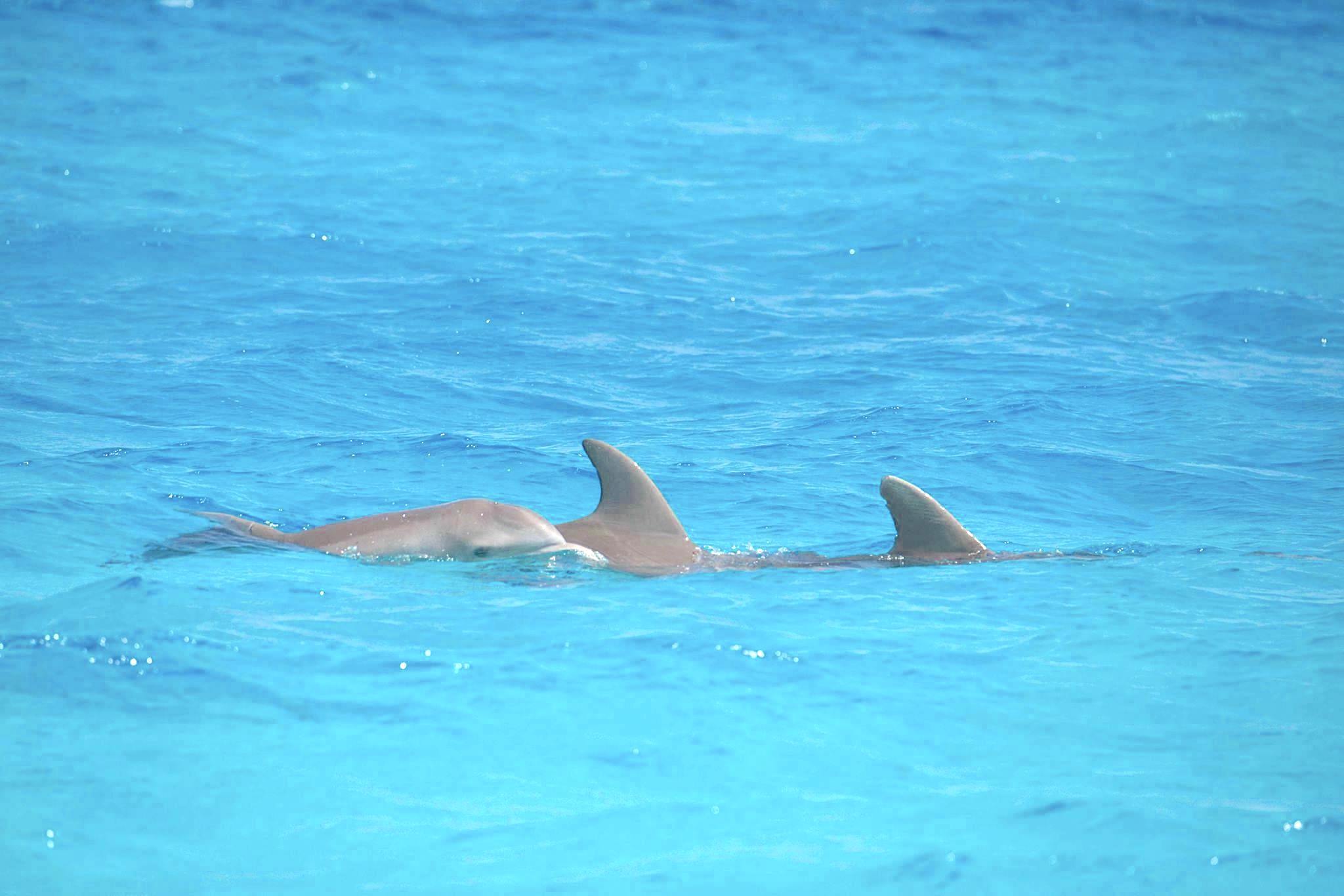
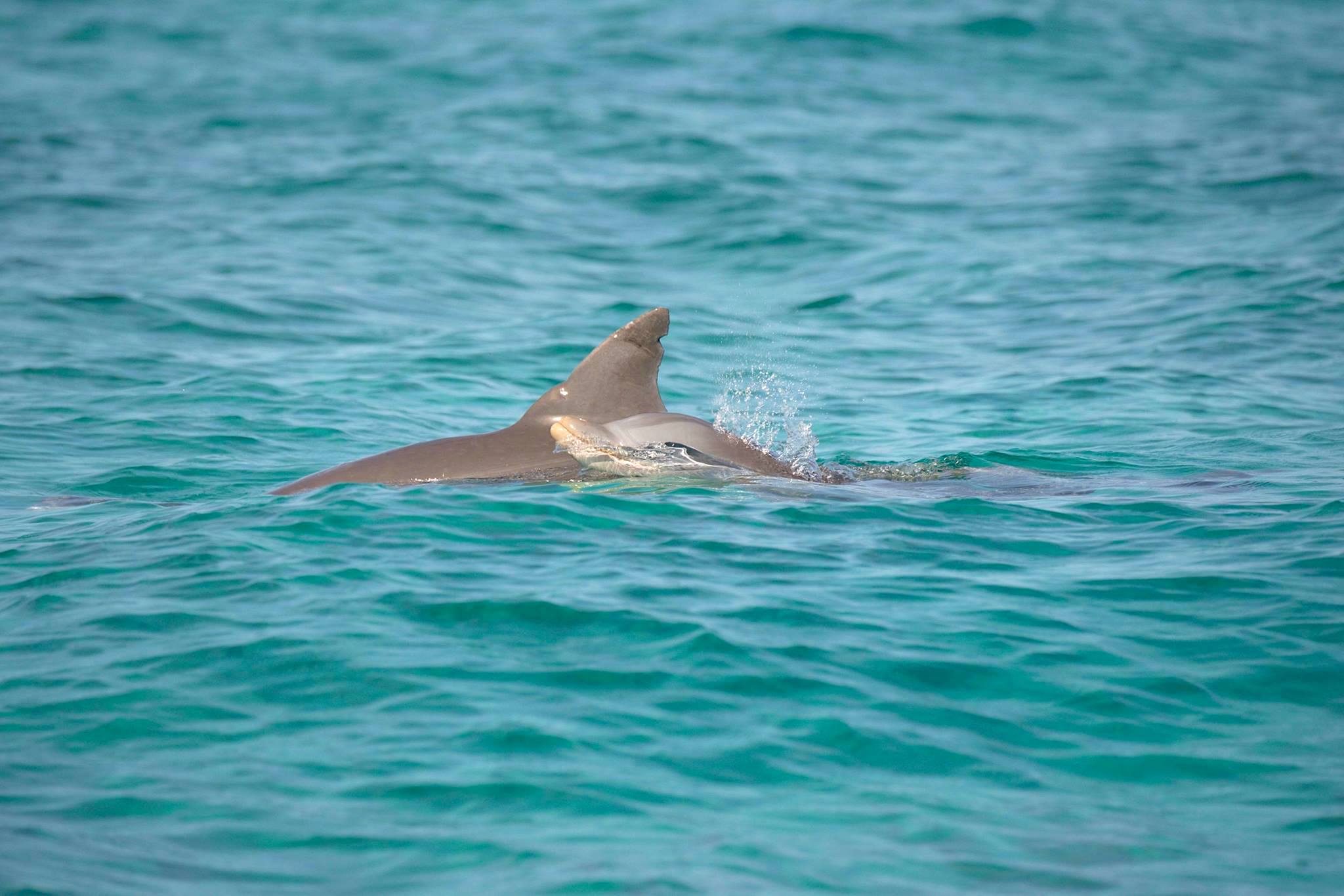
For the researchers, the most important part of an individual dolphin is its dorsal fin. Unique patterns of cuts and scars mean that each dolphin sighted can be logged and their profiles built up. Some have been found in the same area for many years. They are not usually given jocular names – ‘Davy Jones’, ‘Finny Phil’ or whatever. The first time we went out on the research vessel we were slightly surprised by the practical, scientific calls during a sighting of a dolphin group: “there’s B4 again” and “over there – D5 is back”. All said fondly however – many of the dolphins are old friends.

This dolphin has a notable notch on the dorsal fin with a nick below, & a scar line – with a prominent white scar on the lower front edge Bottlenose Dolphin, Bahamas - Dorsal Fin Damage (BMMRO)

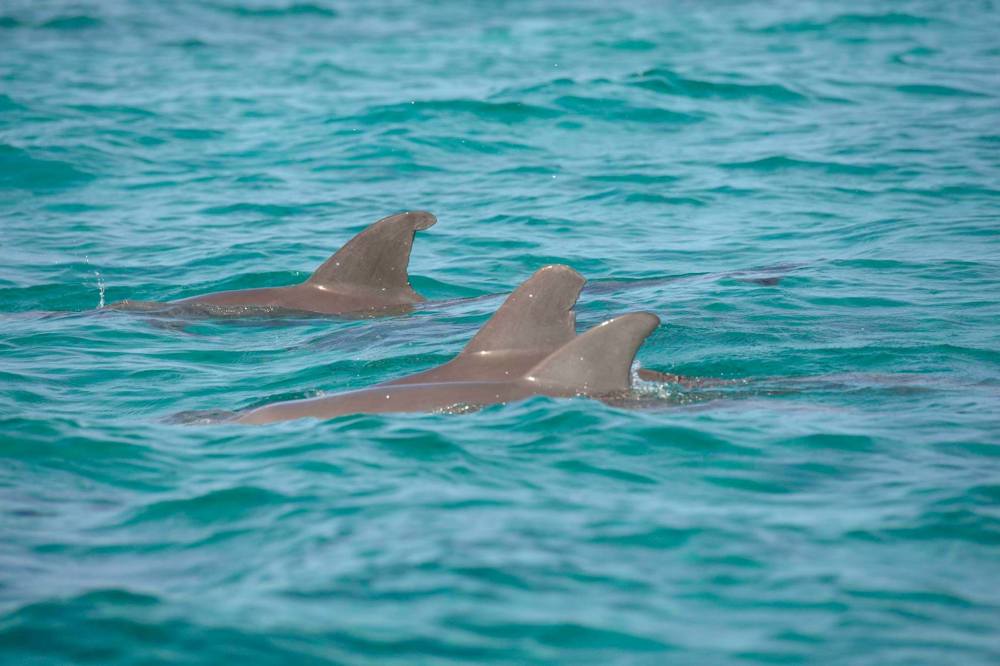
Notice how these 3 dolphins all have quite different fin profiles.  The nearest one’s fin looks unblemished, but has a paler tip. Powerful binoculars and a serious camera can pick out small  differences at a distance that the eye could notBottlenose Dolphin, Bahamas - Dorsal Fin Damage (BMMRO)

Coming soon: Manatees & Man in the Bahamas

All photos (bar one by me) BMMRO, with thanks to Diane & Charlotte, and a tip of the hat to the current interns involved in the research projects (Hi, UK Thomas!)

Unknown's avatar

ONE GOOD INTERN DESERVES ANOTHER (Part 1)


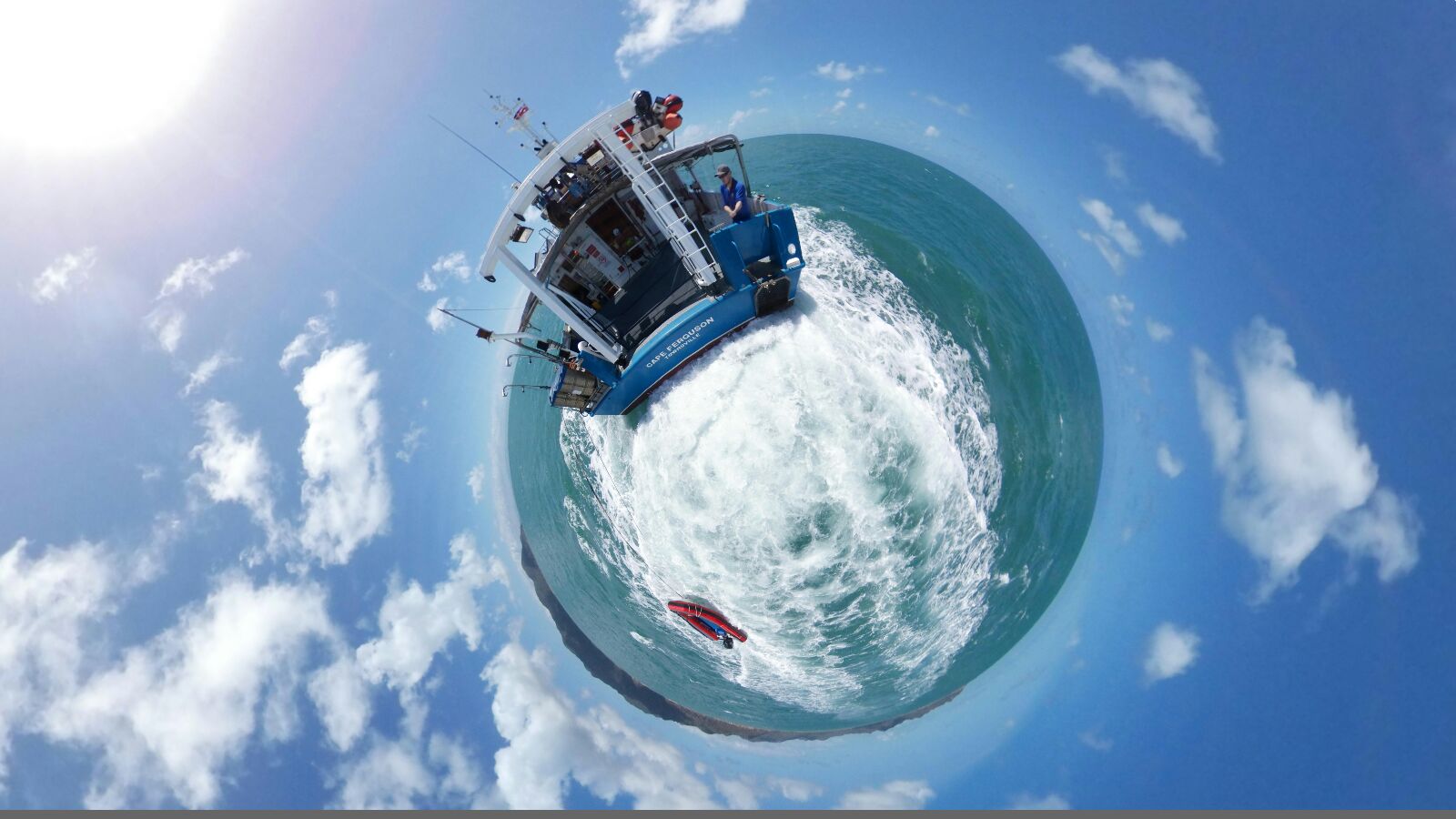
Coral reef research, Australia (Oscar Ward)

ONE GOOD INTERN DESERVES ANOTHER (Part 1)

Four years ago a young English friend of ours, Oscar Ward, was lucky enough to be offered an internship with the Bahamas Marine Mammal Research Organisation (BMMRO). At the time, he was post-school, and waiting to start a degree course in marine biology at university. He had no practical experience at all, so he had to progress from the menial tasks (scraping barnacles off the bottom of the research boat) to the more adventurous (whale poop-scooping) to the scholarly (collection and analysis of samples and data, including audio file matching of whale calls for identification). The need for hard work, concentration and accuracy were made clear from the outset… and as you will see, Oscar’s short internship has stood him in very good stead during his university course.

Oscar weekending at Gilpin Point – self-sufficientBMMRO Internship - weekend off (Oscar Ward)

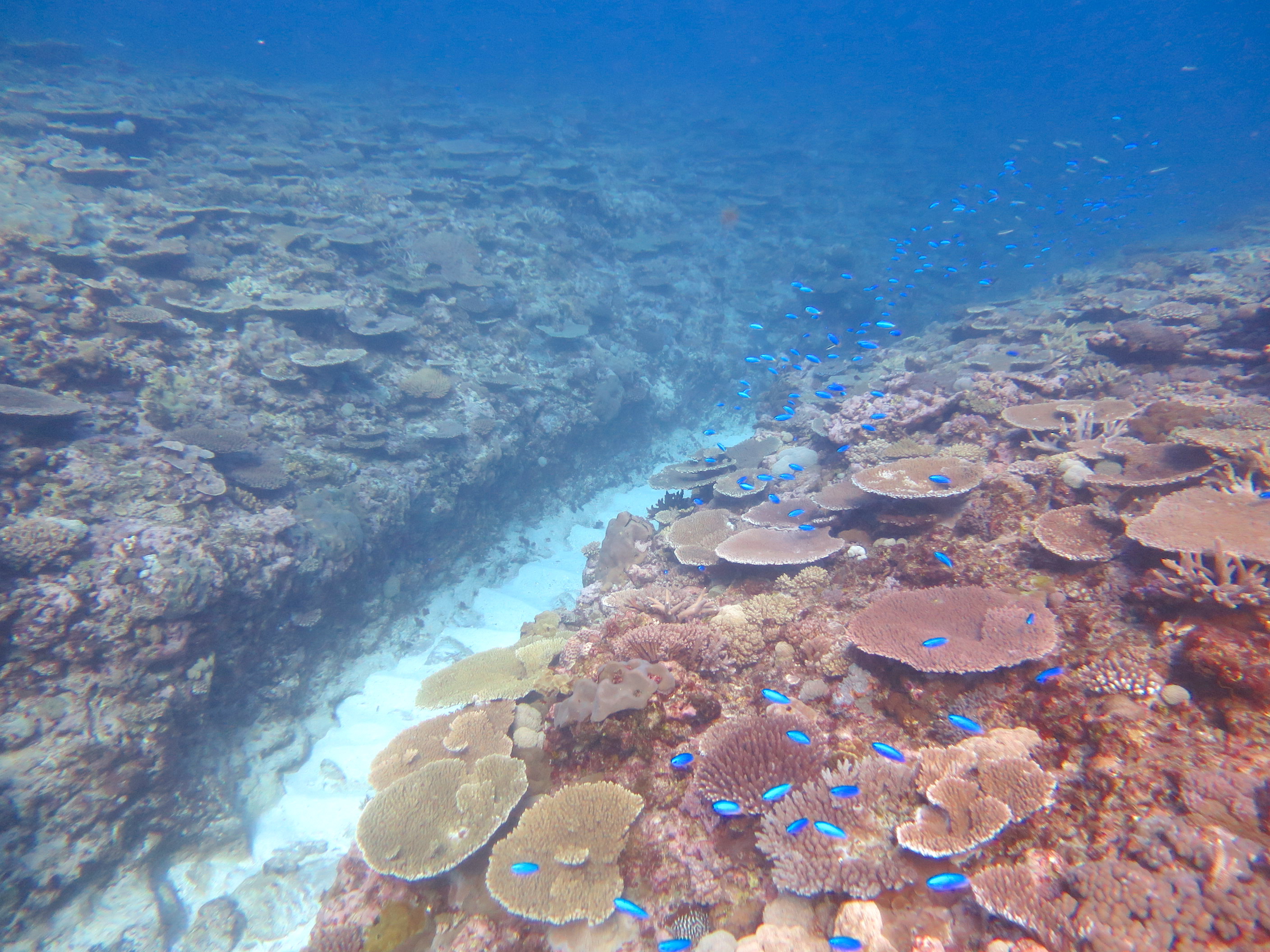
From a promising start on Abaco, and with 2 year’s study behind him, Oscar is currently spending the 3rd year of his 4-year course in Australia, working with The Australian Institute of Marine Science. He has been involved in a number of complex projects focussed on corals and reef life – as we all know, a matter of huge concern – and the projections for the future of the reef systems in a time of warming seas and raised acid levels. Oscar also assists PhD students, for example examining the damaging effects of parasitic worms on coral; and the effect of changing light conditions on corals.

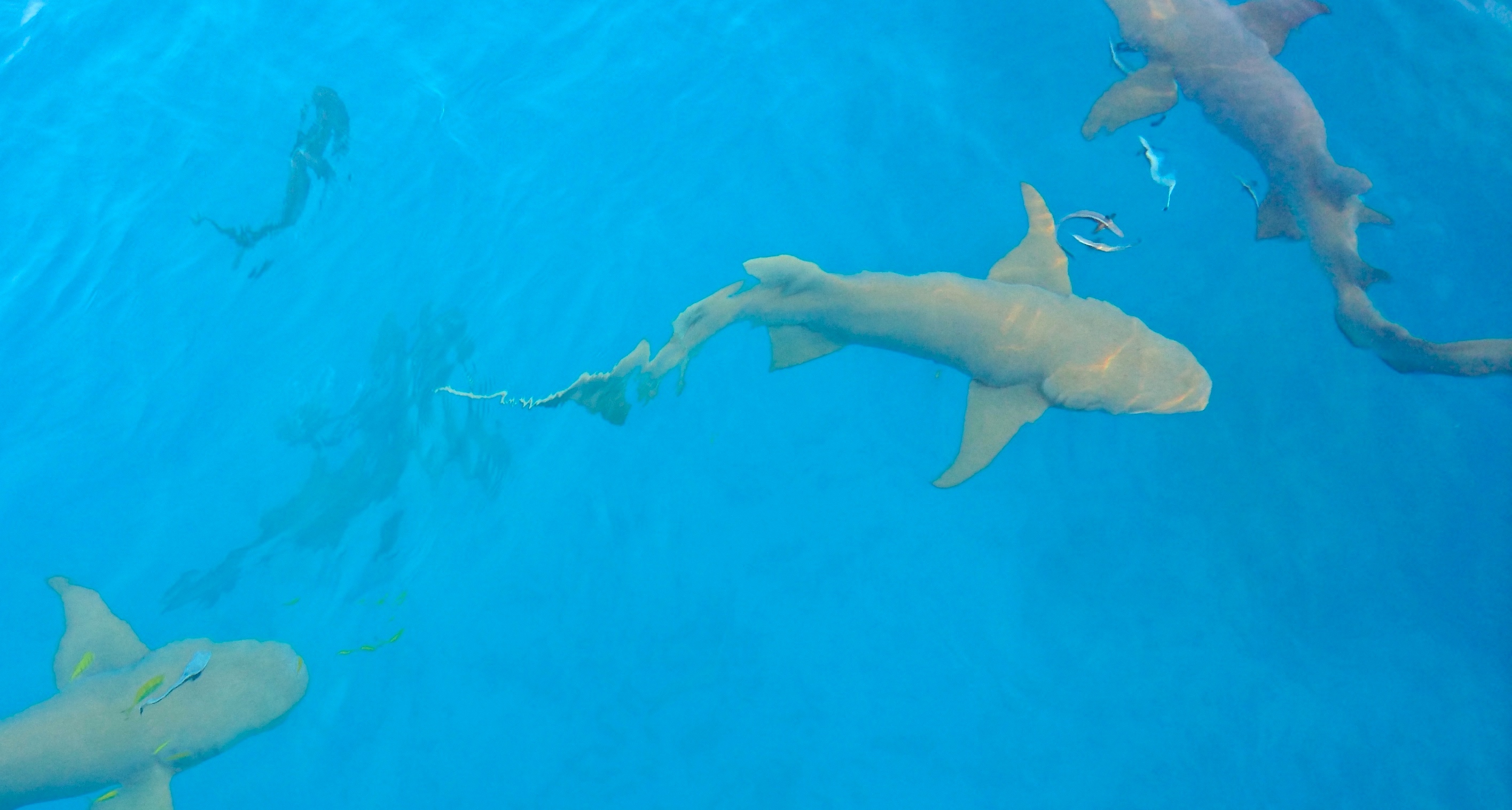
Nurse Sharks, Great Barrier Reef (Oscar Ward)

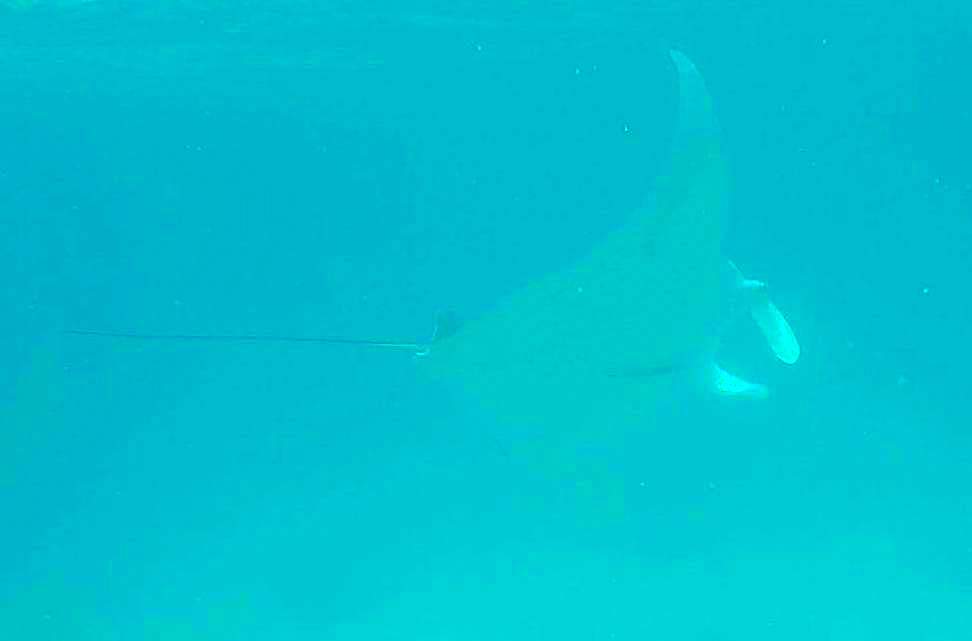
Much of Oscar’s time has been spent doing fieldwork. Often he is at sea, monitoring and collecting samples in the Southern Great Barrier Reef, diving two or three times a day. This work is often carried out in restricted or preservation zones, and with ever-present manta rays, sharks and sea turtles around him.

Manta Ray, Great Barrier Reef (Oscar Ward)

Right now Oscar is involved with the investigations into the recent bleaching events, work that is at the forefront of serious concern for the GBR and far beyond. I have recently corresponded with him – he has definitely not forgotten that his grounding for the fieldwork and studies that he is engaged in – and very likely his career – came from his time on Abaco and the lessons he learned during his time with the BMMRO at Sandy Point.  (In part 2: another good intern, currently at Sandy Point)

Coral reef research, Australia (Oscar Ward)

All photos: Oscar Ward (the header image is taken from a research vessel – no idea how, maybe a drone with fish-eye lens?)

Unknown's avatar

BLUE TANG AS REEF FILM STAR


Blue Tang, Bahamas (Melinda Riger / Grand Bahama Scuba)

BLUE TANG AS REEF FILM STAR

Last summer, the big motion picture sensation for the bird world was, of course, Pixar’s ineffably adorable creation, Piper – the ultimate ‘Chick Flick’. This little ball of cartoon fluff was not, as some thought, based on a piping plover but on a sanderling – a type of sandpiper (clue in name). This 6 minute ‘short’ preceded the main event, the hugely popular Finding Dory. You can read all about the film Piper and the birding aspects of the film HERE

Blue Tang, Bahamas (Melinda Riger / Grand Bahama Scuba)

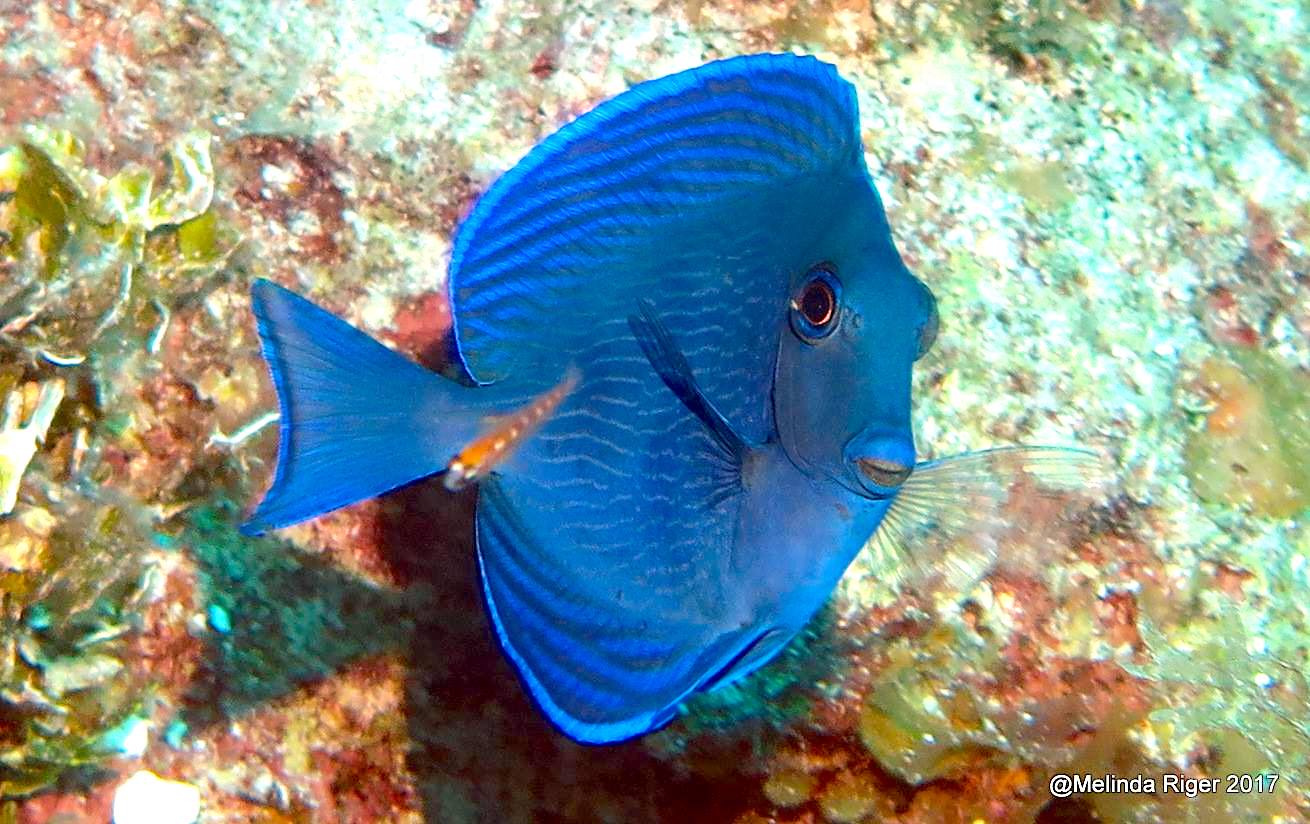
Finding Dory is not about a fish of the dory species, of course. Voiced by Ellen DeGeneres, Dory is in fact a species of surgeonfish Paracanthurus, the familiar blue tang found on the reefs of the Bahamas. To see these fish in Abaco waters, Fowl Cays National Park is always a good bet.

Blue Tang, Bahamas (Melinda Riger / Grand Bahama Scuba)

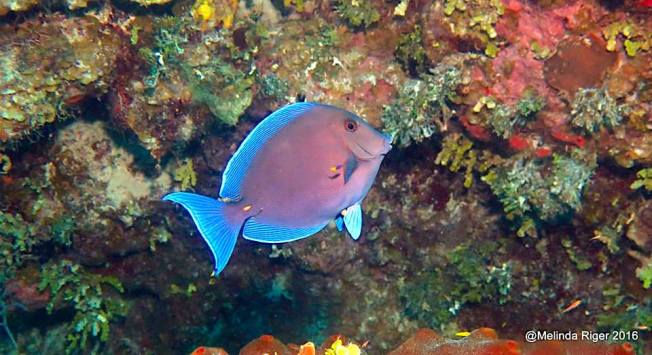
Dory can be identified as a maturing juvenile: blue, with a yellow tail. In due course – in time for the sequel film – she will become blue all over, with perhaps the odd flash of yellow (see photos above).

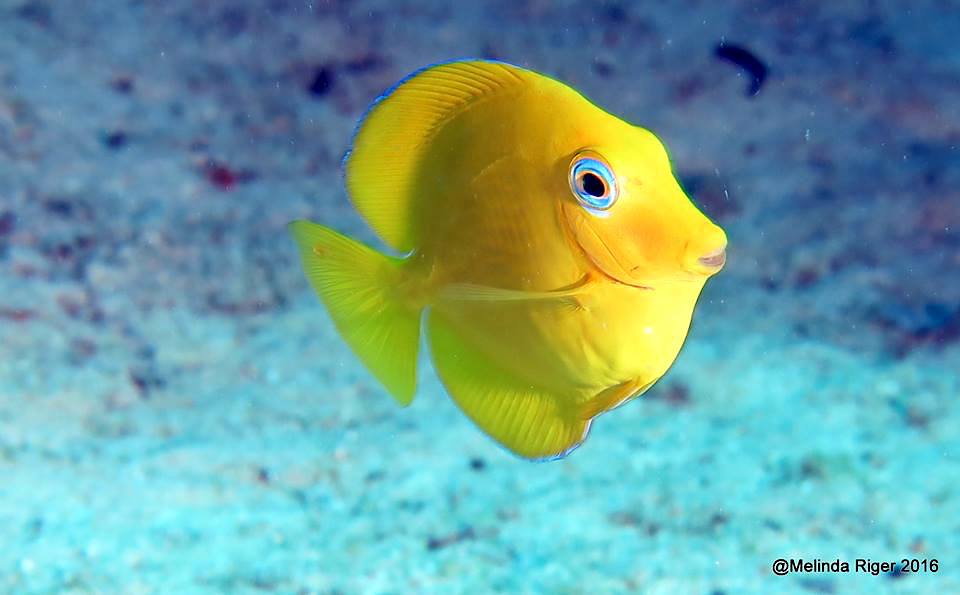
In real life, a baby blue tang is in fact entirely yellow, except for blue rings around the eyes. In Pixarland, however, Dory is just an adorbs miniature version of her youthful self.

Blue Tang juvenile, Bahamas (Melinda Riger / Grand Bahama Scuba)

Blue Tang are lovely to watch as they cruise round the reefs, sometimes in large groups. Their colouring ranges from pale to dark blue. However, these are fish that are best looked at and not touched – their caudal spines are very sharp. When the fish feels in threatened, the spine is raised and can cause deep cuts, with a risk of infection.  

Still from a crummy video taken at Fowl Cays some years back to illustrate a group of blue tangBlue Tangs, Fowl Cays Nature Park, Abaco Bahamas (KS)

Blue tangs are inedible, they apparently smell unpleasant, and they can cause ciguatera. However they are popular in the aquarium trade. This is a distinct downside of highly successful films such as Finding Nemo and Finding Dory. In defiance of the well-meant and broadly ecological message of both films, the trade in clown fish and to a lesser extent blue tang was boosted by their on-screen portrayal as adorbs creatures desirable for the entertainment of mankind… ‘Nuff said.

Blue Tang, Bahamas (Melinda Riger / Grand Bahama Scuba)

Credits: All excellent photos by Melinda Riger / Grand Bahama Scuba; one pathetically bad still from a low res video, me; cartoons purloined from an online aquarium somewhere or other

Unknown's avatar

ATLANTIC SPOTTED DOLPHINS OFF ROCKY POINT, ABACO


Atlantic Spotted Dolphins off Rocky Point, Abaco

This pair was in a group of 8 Atlantic Spotted Dolphins that we encountered yesterday during a day’s expedition on the Bahamas Marine Mammal Research Organisation (BMMRO) research boat. We spent nearly an hour with them, and there will be a longer post about these magnificent creatures in due course. But right now, I’m still in single image posting mode while “on-island”…

Photo: Keith Salvesen / BMMRO

Unknown's avatar

ABSORBING SPONGES ON THE BAHAMAS REEFS…


sponge-melinda-riger-gb-scuba

ABSORBING SPONGES ON THE BAHAMAS REEFS…

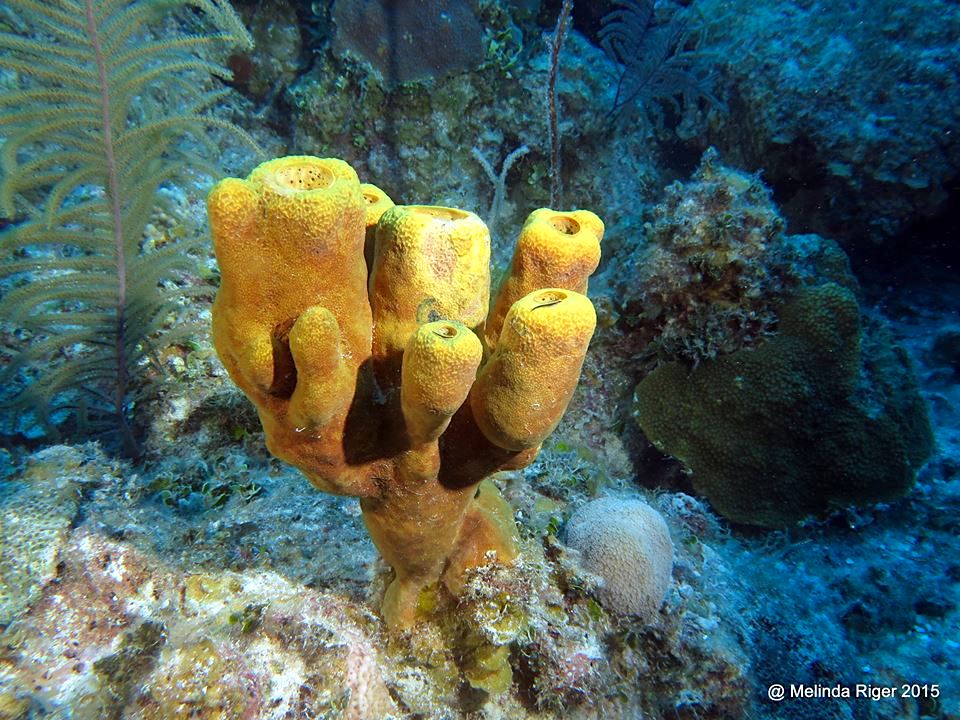
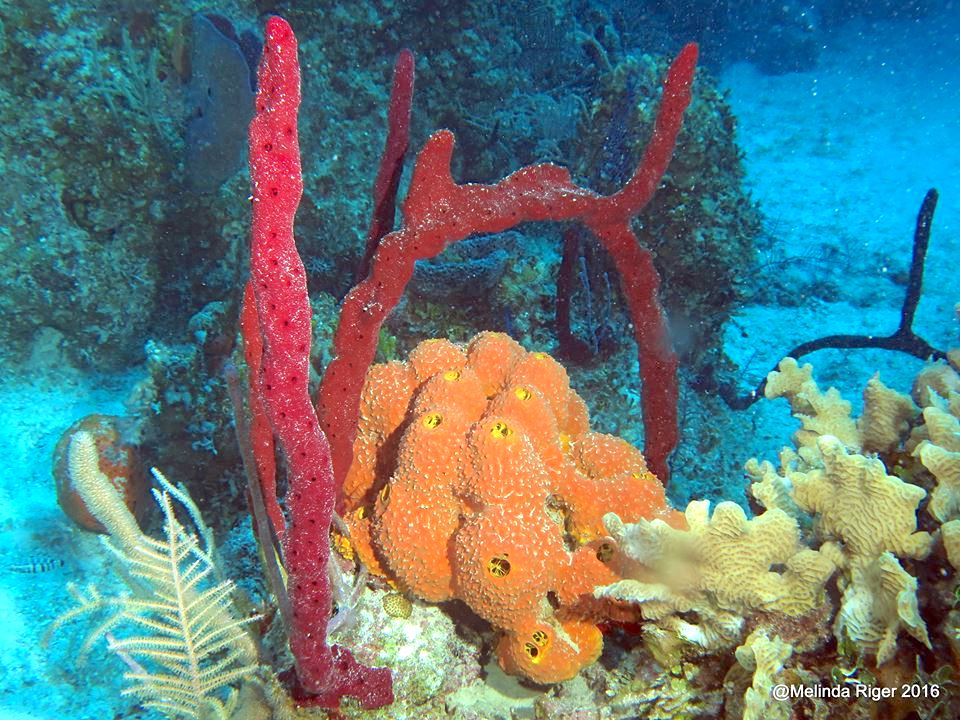
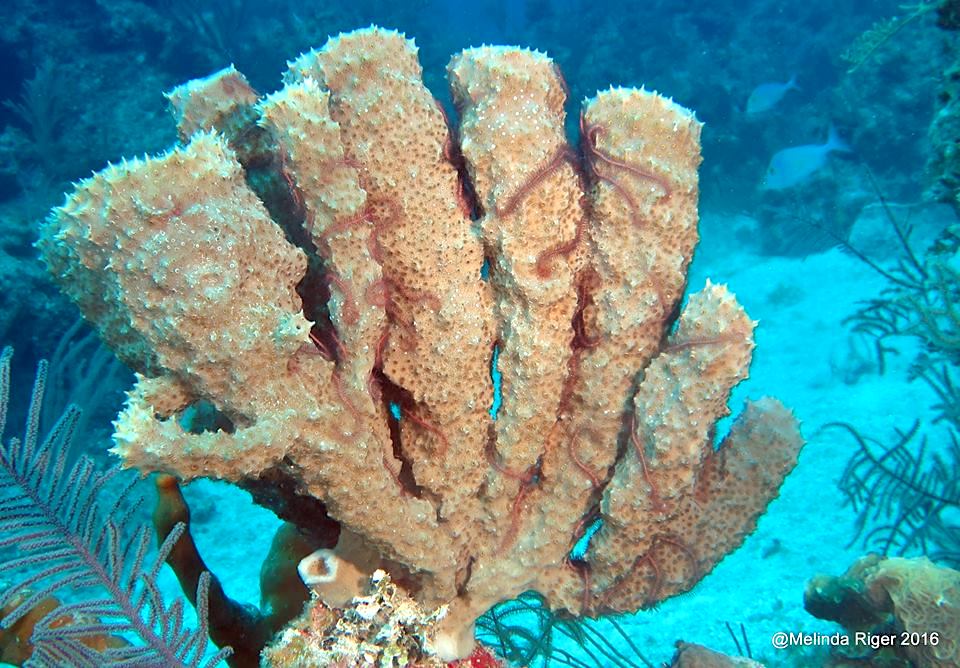
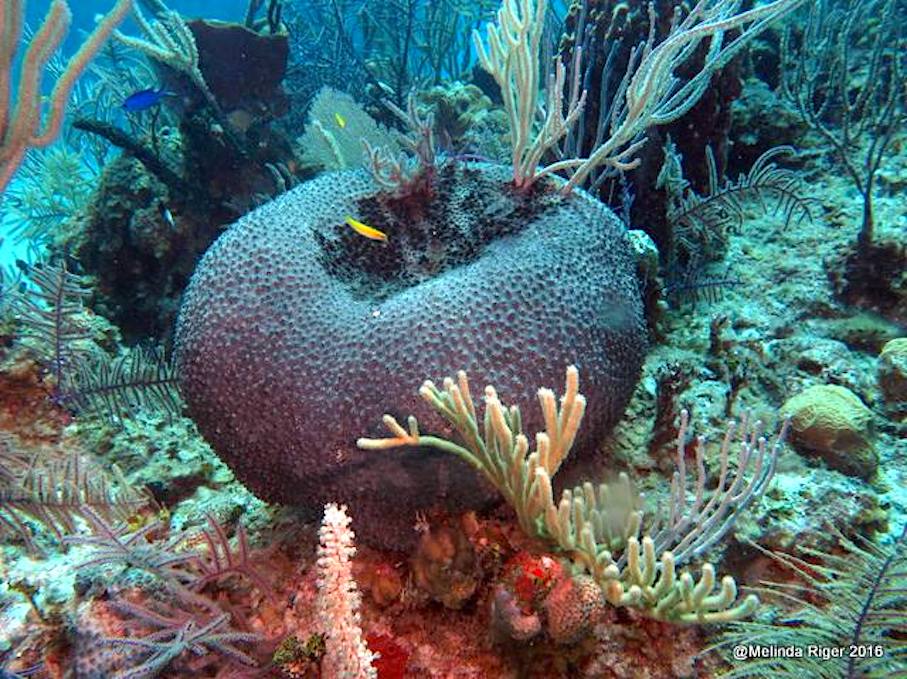
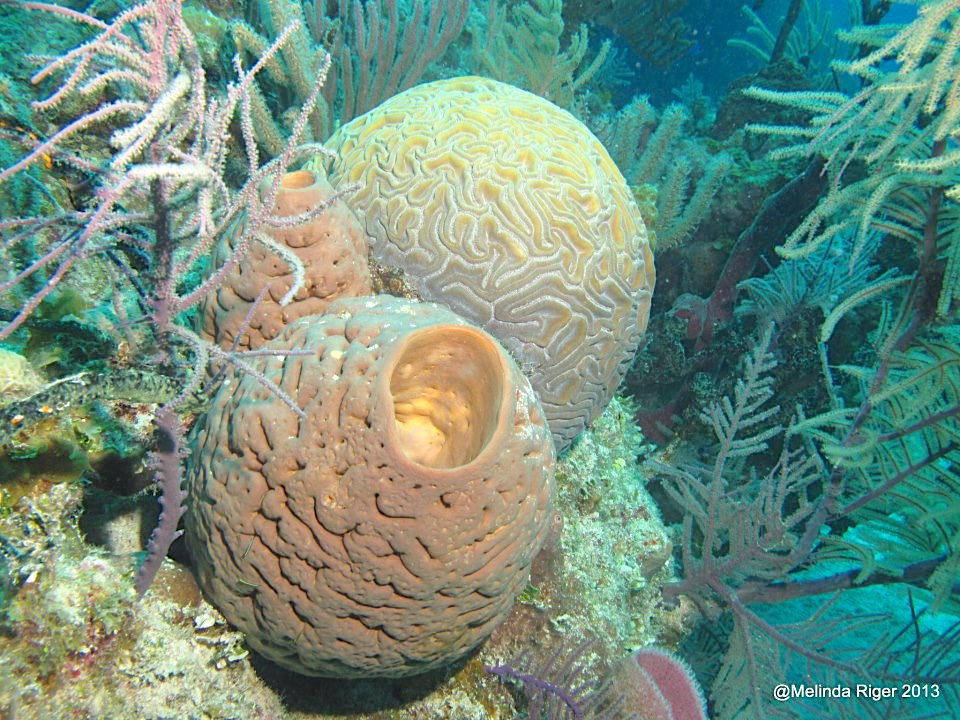
A while back I showed a collection of colourful sponges – one that you might come across with minimum equipment. Snorkel, mask, flippers. Oh, and a coral reef, if you happen to have one handy. I suspect that to quite a few people the word ‘sponge’ means soggy yellow thing, as found in the proximity of a bath. Or a scratchy nylon-based equivalent. Well, here are a few more sponges to enjoy. Some I can give you the names of, some I don’t know and am too idle busy to look up… Sorry.

sponges-melinda-riger-g-b-scuba

Candelabra Songe (with brittle stars attached)candelabra-sponge-melinda-riger-g-b-scubasponge-melinda-riger-g-b-scuba

Black Ball Spongesblack-ball-sponge-melinda-riger-g-b-scuba-copy

One for Valentine’s Dayheart-shaped-sponge-melinda-riger-gb-scuba

Vase Spongesvase-sponge- pink-melinda-riger-gb-scubavase-sponge-melinda-riger-g-b-scuba

sponges-and-coral-on-the-reef

Spawning Brown Encrusting Spongebrown-encrusting-sponge-spawning-melinda-riger-g-b-scuba

All photos: Melinda Riger, Grand Bahama Scuba

Unknown's avatar

PIP THE PLOVER VARIES HER DIET…


Piping Plover, West End, Grand Bahama (Linda Barry-Cooper)

PIP THE PLOVER VARIES HER DIET…

Hi guys, that’s me, Pip, in the picture above. I live in North America in the summer. That’s where I was born. I fly down south to somewhere warm for the winter. Like many migratory humans, my chosen place is the Bahamas. It’s got some great empty, safe beaches and the weather is (mostly) lovely. Unless a Big Wind happens. The tide-line is cram-full of meat-strings (these would be worms. Ed). There are great patches of weed larder to work through. It suits me very well, just like lots of other shore birds. It’s why some of us return every year.

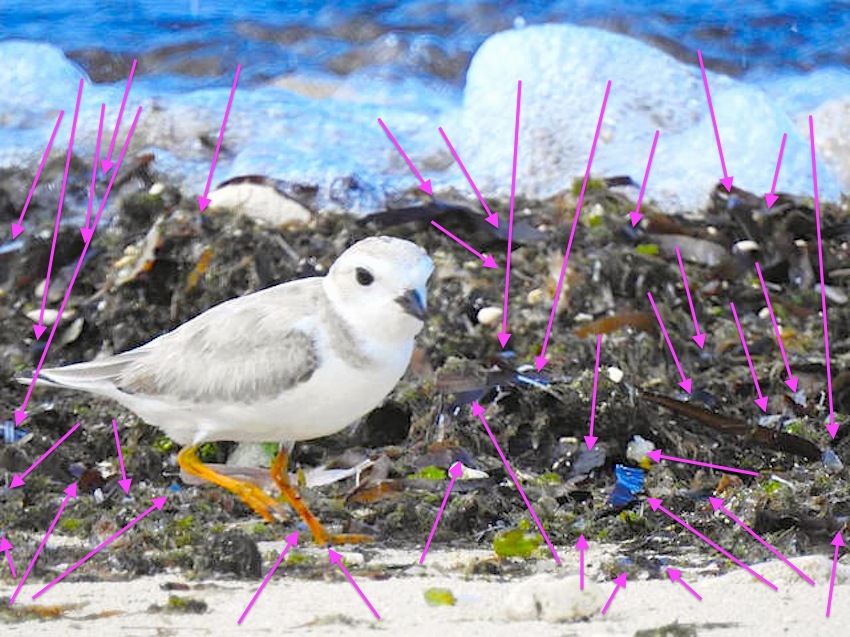
I’ve just got one point to raise, if you wouldn’t mind. There’s a mass of plastic (and other) crap out there on the beaches. It washes in on every tide. I know it isn’t Bahamian crap, but has come from many miles away. But Mr Harbour has done some work with my portrait to identify what’s in the seaweed I’m feeding on that might be harmful. He enhanced it and picked out just the things he’s certain shouldn’t be there. All the blue bits, for a start. And who knows what else is under the weed that I can’t even see to avoid. The shoreline and the wrack line is my dining area. I might easily eat some of the small bits by mistake. I think I must do that quite often. That would be bad – too much plastic crap and I’ll be ill. Or die. There are only about 8000 of us in the whole big wide world. If 80 of us die from plastic ingestion, that’s one per cent. The loss has to be made up next breeding season before we can even begin to increase our population. 

Just sayin!

PIPL & beach crap

♦  ♦  ♦  ♦  ♦  ♦  ♦  ♦  ♦  ♦  ♦  ♦

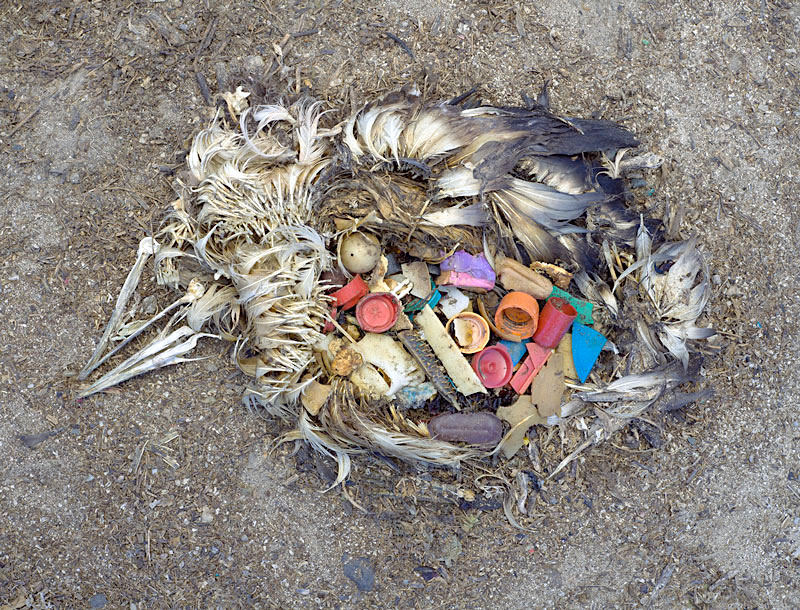
chris-jordan-inside-albatrossPhoto: Chris Jordan, who studies birds killed by trash

Unknown's avatar

HUMPBACK WHALE SEEN OFF SANDY POINT, ABACO


bmmro-humpbacks-2

HUMPBACK WHALE SEEN OFF SANDY POINT, ABACO

Dolphins are regularly seen around the coast and in the fishing grounds of Abaco. Sometimes, they make it easy by nosing into harbours and being generally adorable for a while, to the delight of onlookers. Hope Town can be a good place for this. Those aboard the “Donnies” –  the ferries that criss-cross the Sea of Abaco from the main island to the various Cays – may be in luck too. However, it is perhaps less well known that Abaco waters provide a home or a migratory passage for gigantic whales. Beside these mighty creatures, the several other whale species of the Bahamas seem relatively small. Yes it’s true: there are huge whales – humpbacks and sperm whales (cachalots) – to be found in Abaco waters, and not so very far from land either.

bmmro-humpbacks-5

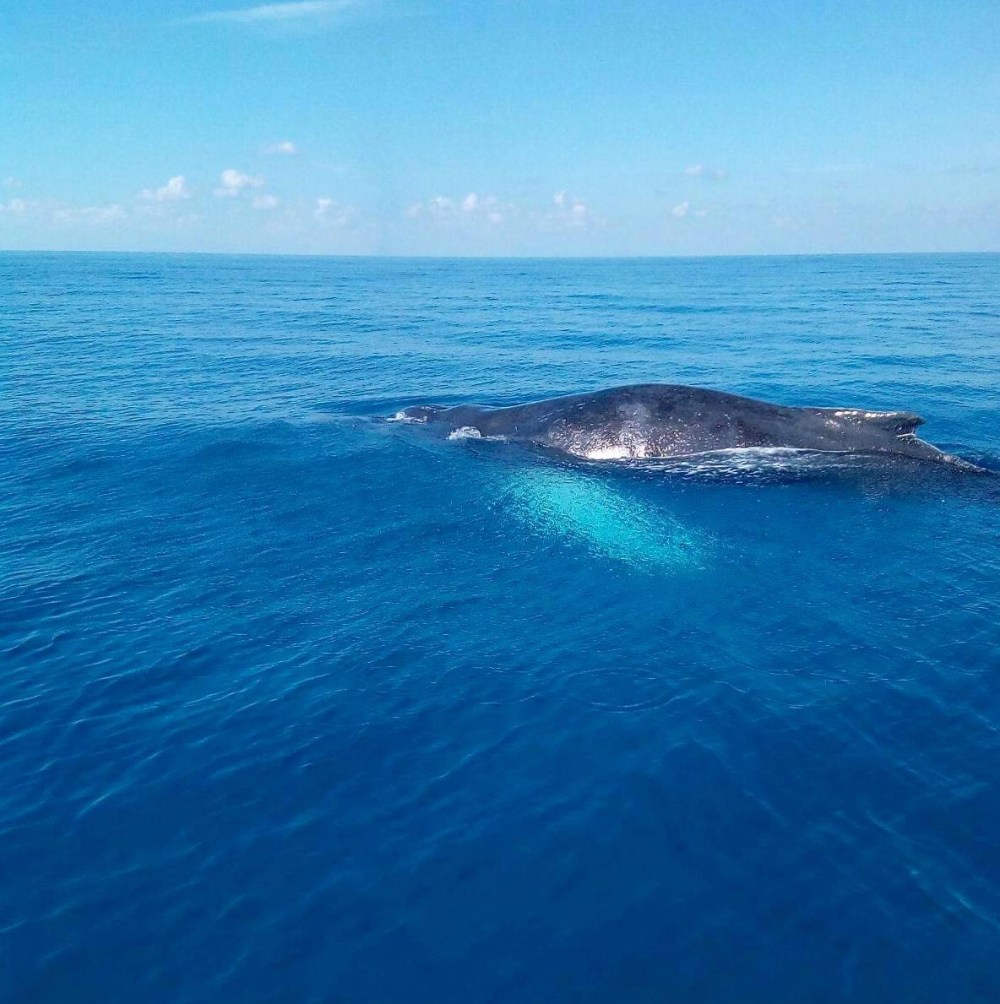
The humpback whale Megaptera novaeangliae above, with its characteristic white pectoral fins, was seen about a week ago off Sandy Point (southwest Abaco). You’ll get an idea of its immense size from the photo. An adult of this BALEEN WHALE species can reach 50 feet in length and weigh 35 tons or more. Imagine watching one slipping silently past your boat… and then consider that even larger sperm whales are seen in the same area. 

For the link to report a Bahamas whale sighting, please see either link provided below

Humpback whale / adult male human in scuba gear comparison
humpback_whale_size-svg

bmmro-humpbacks-1

Humpbacks are found in oceans throughout the world. They migrate huge distances each year, from polar regions to the tropical and sub-tropical waters where they breed. These are the whales beloved of wildlife film producers and whale-watching trips, with their spectacular arched breaching in which half their length or more may emerge from the water before smashing back into the waves. 

A humpback breaches on the Stellwagen Bank (about 50 miles offshore of Boston)
humpback_stellwagen-whit-wells-wiki

Like other large whale species, humpbacks were unsurprisingly prime targets for the whaling industry in a melancholy era of marine history that took them to the edge of extinction until a moratorium was declared in 1966. Since then the population has recovered significantly. They remain vulnerable, however: in some locations, to killing; to entanglement in heavy-duty fishing gear; to ship collisions; and to noise pollution that affects their ability to communicate long-distances underwater, as they need to do.

Finally, the Sandy Point humpback makes a last dive and, with a wave of its fluke, disappears  bmmro-humpbacks-4    bmmro-humpbacks-3

Do you have a Bahamas whale or dolphin sighting to report? Please use this link, giving as many of the details as you can. Each report makes a valuable contribution to the BMMRO’s research. 

http://www.bahamaswhales.org/sightings.aspx

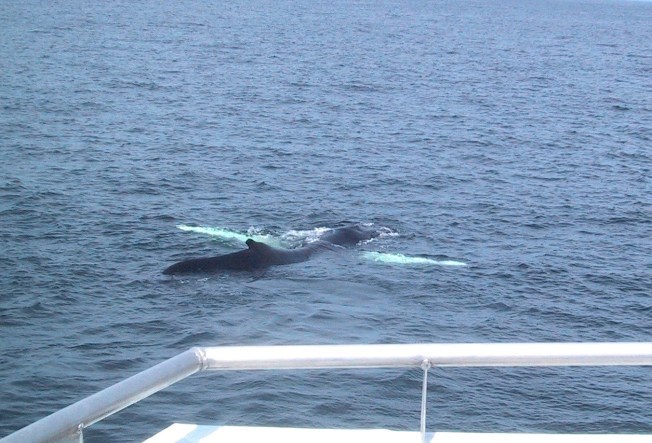
As a footnote, my first whale encounter was on the Stellwagen Bank mentioned above, when I went on a whale-watching trip from Boston. We encountered a mother humpback with her calf and spent about 1/2 hour watching them interacting. I have the memories luckily – my photos were rubbish, using a very early digital camera that these days would be less effective and well-spec’d that a luminous pink plastic child’s camera now… 
stellwagen-humpbacks-keith-salvesen-2 Version 3stellwagen-humpbacks-keith-salvesen-3

RELATED POSTS

HUMPBACK HOPE TOWN ABACO

BLAINVILLE’S BEAKED WHALES

BMMRO

SIGHTING REPORTS

Credits: Brad & his crew, and the BMMRO; Whit Wells / Wiki for the breaching whale; moi for the rotten but quite interesting archive photos from the same place; the whale for being awesome in the true sense of the word
Unknown's avatar

WATCHING NURSE SHARKS: BE PATIENT…


nurse-shark-8-16-melinda-riger-gb-scuba

WATCHING NURSE SHARKS: BE PATIENT…

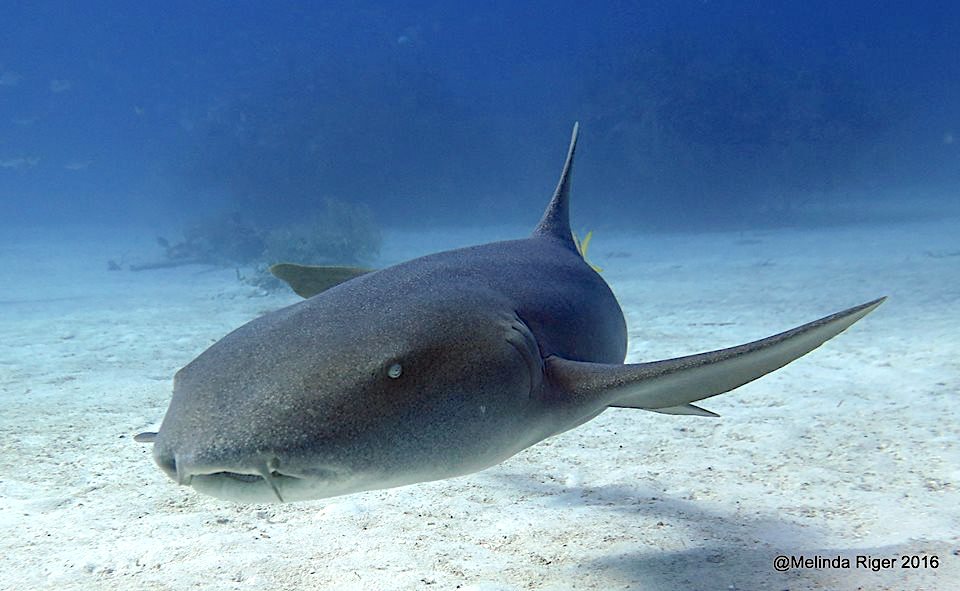
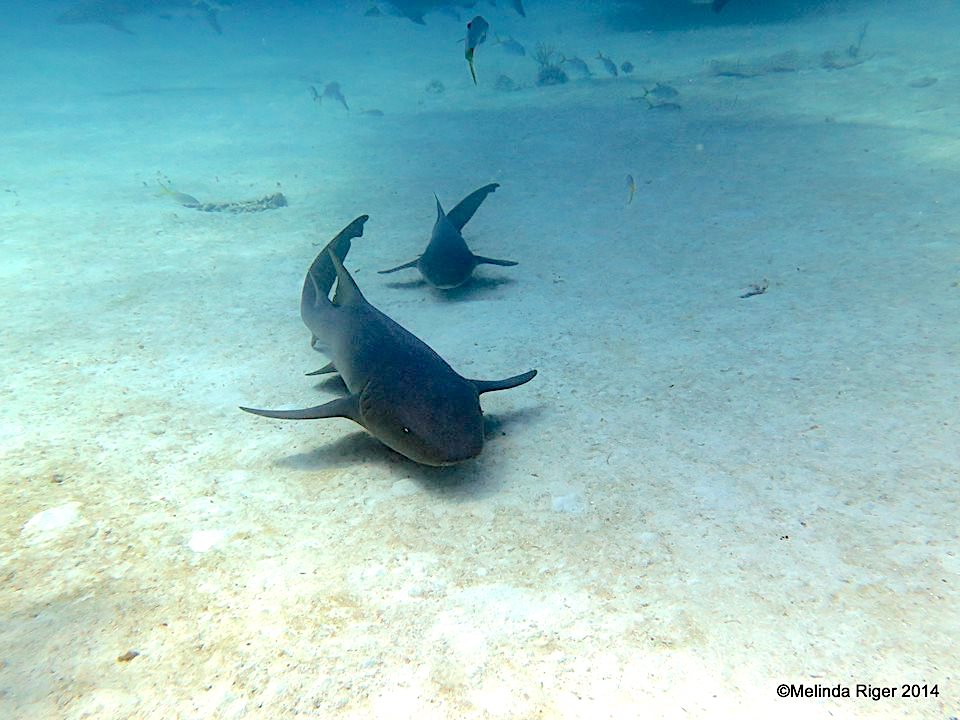
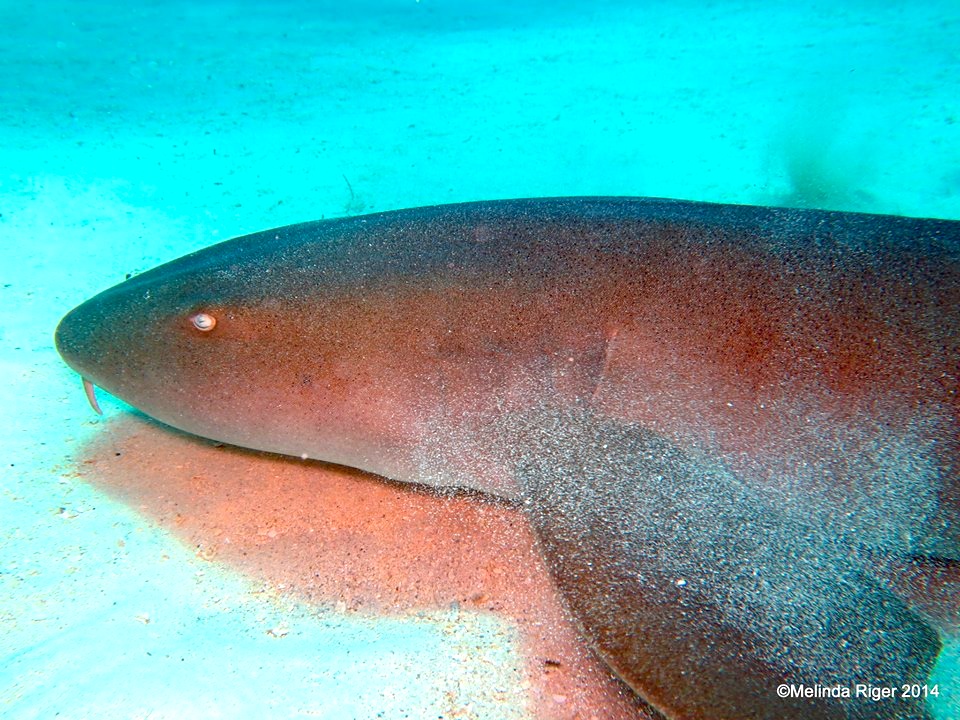
I last took a look at nurse sharks nearly 3 years ago HERE. Time to revisit these creatures. Indeed, time for a close-up look. If you want to know more about this fascinating species, just click the link above.

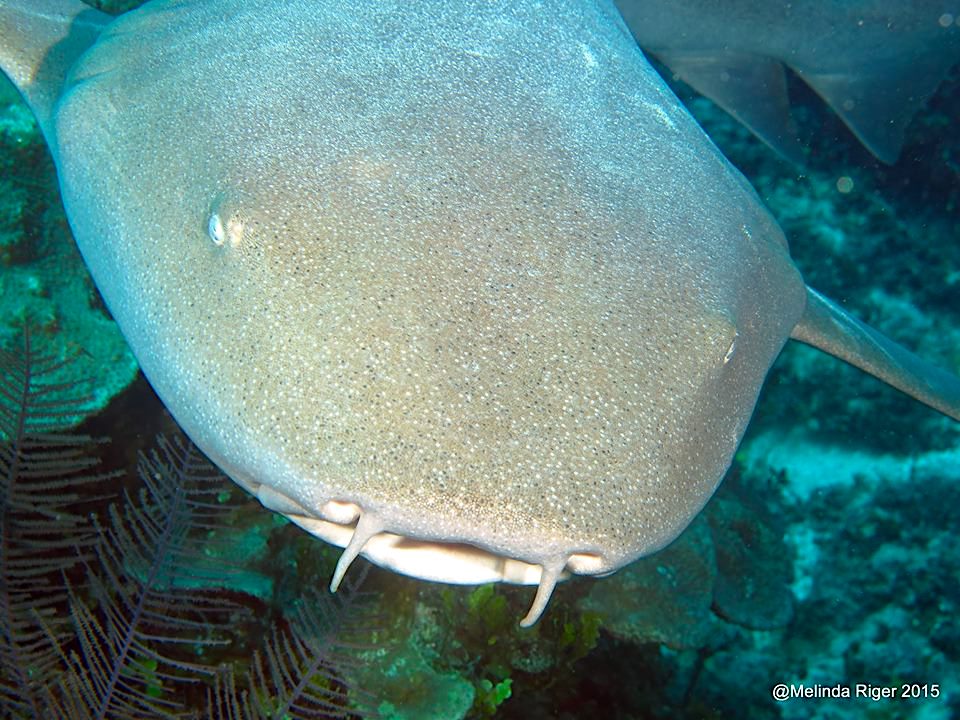
The two strange items hanging down from the upper lip are sensory barbels
nurse-shark-melinda-riger-g-b-scuba

This side-view shows the shark’s relatively small mouth (for a shark anyway)nurse-shark-a-melinda-riger-gb-scuba

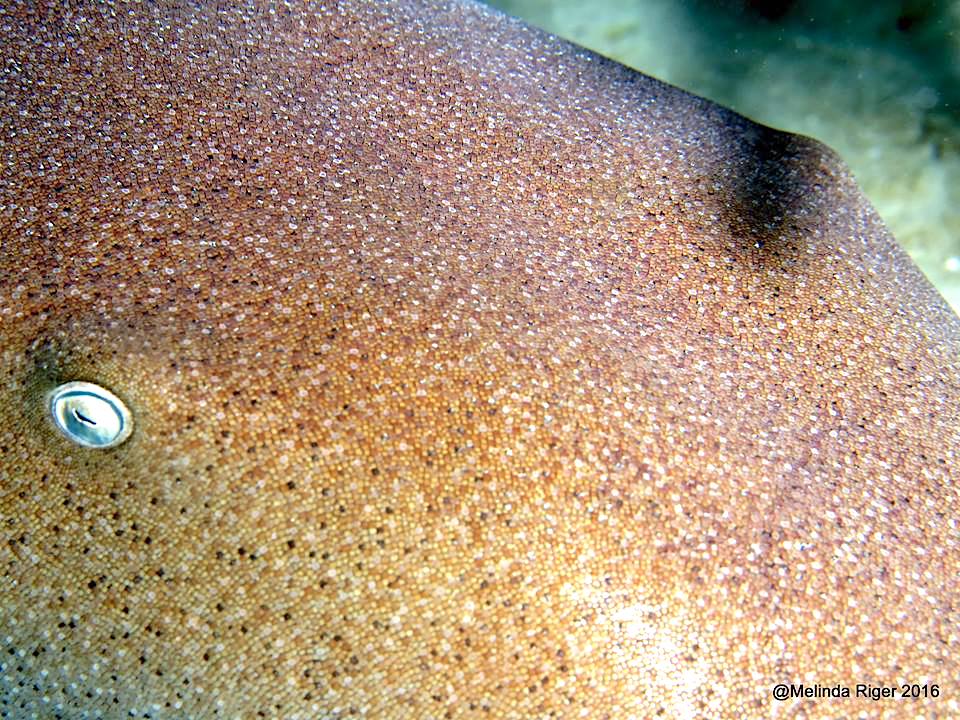
Admire the extraordinary texture of the the skin; and the tiny evil eye. Click or – better – double click on the image and you will see that the skin is in fact tessellated, made up of a mosaic of tiny squares and near-squares**nurse-shark-close-up-melinda-riger-g-b-scuba

This one is a baby nurse sharknurse-shark-baby-melinda-riger-gb-scuba

A juvenile nurse shark with a couple of grunts. Note the youngster’s paddle-like finnurse-shark-juv-melinda-riger-g-b-scuba

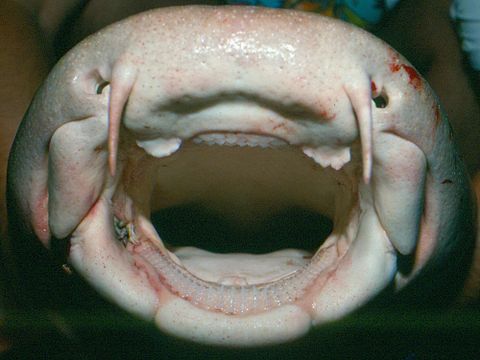
Head, mouth, jaws and teeth

 ginglymostoma_cirratum_head  

nurse-sharks-x2-plus-reef-sharks-melinda-riger-g-b-scuba

SO, THEY ARE SHARKS – ARE THESE GUYS DANGEROUS?

Not really, no. They aren’t looking to pick a fight; and they are not as territorially aggressive as the ‘bitey’ sharks are (or can be).  These slow-moving bottom-dwellers are generally harmless to humans. However, they can be huge—up to 4 metres —and have very strong jaws filled with thousands of tiny, serrated teeth. They will bite defensively if stepped on or bothered by divers who assume they’re docile. [As I said previously, “there are recorded instances of injuries caused to divers who have tried to pull nurse sharks by the tail. And serve them right, I say. Treat them with patience and respect!”] 

Nurse Shark ©Melinda Riger @ G B Scuba copy

**FUN FACT

M.C. ESCHER (the inspiration for Mr Hammer) was the master of tessellation in art. Click the link to explore the dedicated website. Maybe, sensationally, one day a shark will be found with skin like this… (Alert reader: “Actually, I think it most unlikely…”)

Escher fish

Credits: field photos by Melinda Riger, Grand Bahama Scuba; Wiki for the 4 mouth images & the Escher 

Nurse Shark ©Melinda Riger @ Grand Bahama Scuba

Unknown's avatar

CHRISTMAS TREE WORMS: FABULOUSLY FESTIVE


christmas-tree-worms-adam-rees-scuba-works-copy

CHRISTMAS TREE WORMS: FABULOUSLY FESTIVE

music-notes-clip-art-png-music“Deck the Reefs with Worms Like Christmas Trees… Fal-La-La-etc-etc ” is a traditional Carol familiar to all. Well, most. Ok, some, then. Oh right – maybe with different words. Anyway, now is as good time as any to take a look at these remarkable plants creatures and subsurface symbols of good cheer.

christmas-tree-worm-melinda-riger-g-b-scuba

10 CHRISTMAS TREE WORM FACTS TO PONDER

  • The 2 colourful spirals are not the worm, but complex structures for feeding & respiration
  • The spirals act as specialised mouth extensions for ‘filter-feeding’
  • Prey is trapped by the feathery tentacles & guided by cilia (microscopic hairs) to the mouth
  • The tentacle things are radioles and act as gills for breathing as well as prey traps
  • It is not believed that prey slide down the spiral to their doom, like on a helter-skelter

christmas-tree-worms-melinda-riger-g-b-scuba

  • The actual worm lives in a sort of segmented tube, with extremely limited mobility skills
  • It contains digestive, circulatory & nervous systems – and a brain in the middle of it all
  • The worm also has a tiny drainage tube (I think I have this right) for excretion etc
  • They embed themselves into heads of coral such as brain coral. And stay there
  • And yes, the Christmas trees are retractable…

spirobranchus_giganteus_orange_christmas_tree_worm-nick-hobgood-wiki

HOW DO THE WORMS… YOU KNOW…  ER… REPRODUCE?

This is a delicate area. They don’t tend to talk about it much, but as far as I can make out they eject gametes from their what-I-said-above. There are mummy and daddy CTWs, and their respective gametes (eggs and spermatozoa) drift in the current and presumably into each other to complete the union. The fertilised eggs develop into larvae, which settle onto coral and burrow into it, build their protective tubes and the process begins again.

christmas_tree_worm-nick-hobgood-wiki

LOOK, YOU DON’T REALLY UNDERSTAND THESE CREATURES, DO YOU?

I won’t lie. I found it hard to work out how the CTWs function in practice. There are plenty of resources showing them in their full glory, but that only takes one so far. Then I came across a short video that shows it all brilliantly simply (except for the reproduction part). So maybe I should have just posted this first and saved you (and me) some trouble…

The worm, invisible in its coral burrow, hoists its pair of trees. You can easily see small particles – possibly zooplankton – drifting in the water, and the radioles swaying to catch potential food. Bingo. It all makes sense! Next: the New Year Worm

Credits: Melinda Riger (G B Scuba); Adam Rees (Scuba Works); Nick Hobgood; Betty Wills; Absolutely Wild Visuals; MarineBio; Wikibits & Magpie Pickings

blue_christmas_tree_worm-betty-wills-wiki

Unknown's avatar

WTF? (WHAT’S THAT FISH?) 12: THE TRUMPETFISH


trumpetfishmelinda-riger-gb-scuba

WTF? (WHAT’S THAT FISH?) 12: THE TRUMPETFISH

It’s been a while since the previous post in the WTF? series, dedicated to the unusual or downright weird marine creatures that, when you see them swim into in the frame of your mask, prompt the involuntary exclamation “WTF?” (What’s That Fish?). Now, in all its glory meet… The Trumpetfish. These long piscine pipes are in no way related to the President-Elect and his tank of pet fish, but perhaps more explicably to seahorses and seadragons.

trumpetfish-melinda-riger-g-b-scuba

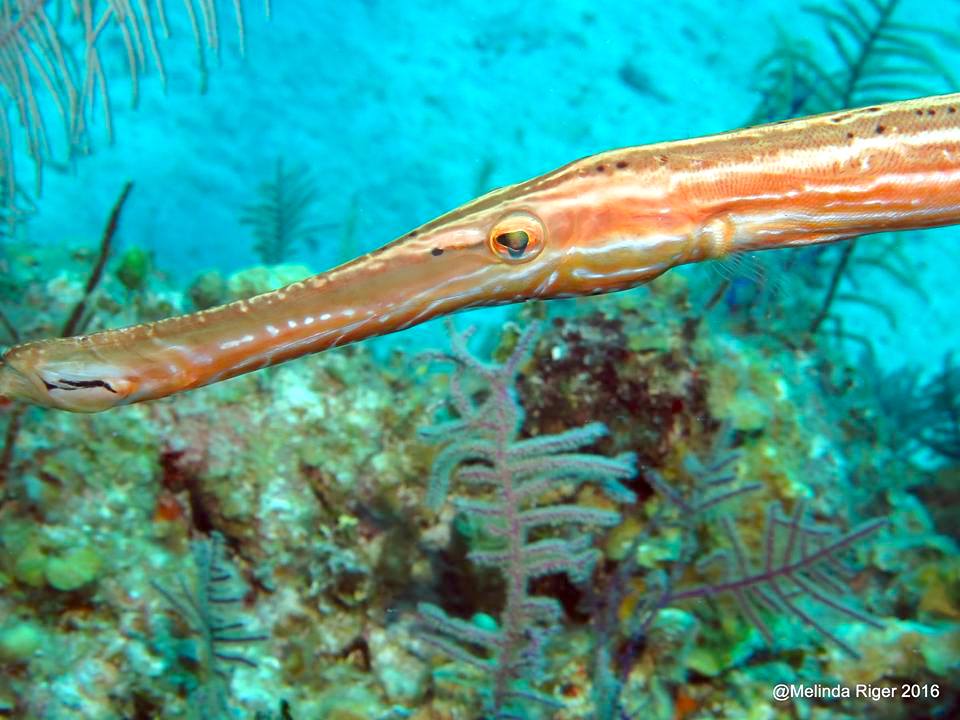
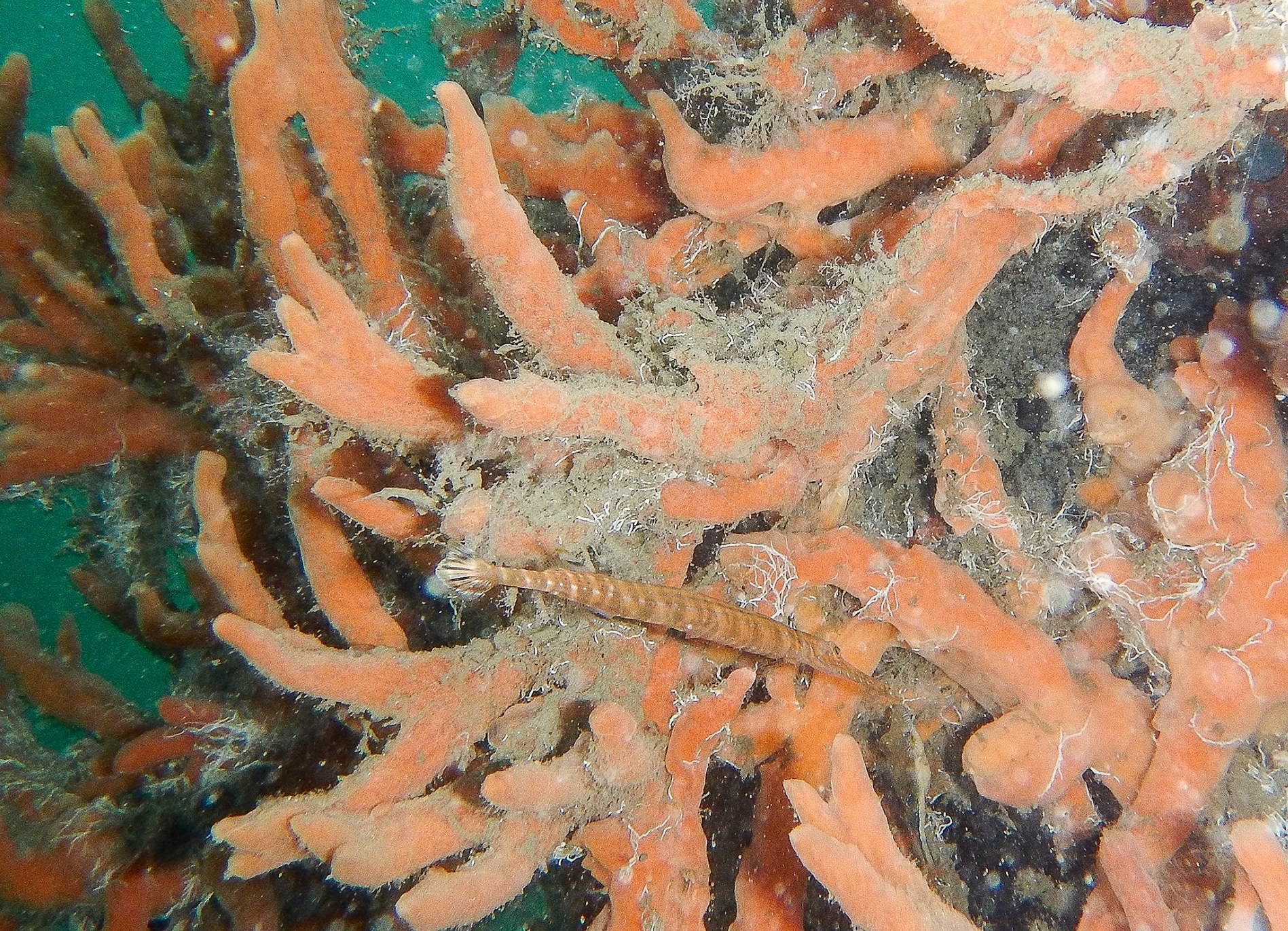
Trumpetfishes Aulostomus maculatus are as happy to swim upright as more conventionally, which helps them to blend in with vertical corals and sponges on the reefs in the tropical waters of the western Atlantic. Adults may grow to 3 foot long or more. These creatures come in a variety of colours – shades of red, orange, brown, green and yellow.

trumpetfish-adam-rees-scuba-works_

At the end of the fish’s long snout – see how far back the eyes are set – is a small mouth. Here’s how a trumpetfish goes about catching its prey (mostly small fishes):

  • Slowly swimming or drifting to a target from behind, and sucking it into its mouth
  • Staying suspended in the water, motionless, and waiting like a malevolent stick for a passing wrasse or similar to get too close
  • Swimming alongside larger fishes, which camouflages its presence and enables it to ambush small fish as they pass 
  • More generally, the trumpetfish has some ability to change its colour to blend with its surroundings – both a defensive as well as an attacking advantage

Trumpetfish (Adam Rees / Scuba Works)

The very excellent Peppermint Narwhal recently produced a series of posters in appreciation of particular species – and trumpetfishes and their kin in the Order syngnathidae were honoured. The PN’s cheerful website is well worth checking out for the sheer diversity of their ideas.

14991470_1159096584183417_5198894741175308852_o

MUSICAL NOTES

We are beginning to collect the makings of a decent orchestra here. The trumpetfish has a relative, the cornetfish, elsewhere in the world. The remarkable GUITARFISH has already featured in the WTF? series, as has a species of BASS, the Harlequin. And – hey! – what about the spotted DRUMFISH to lay down the beat? Maybe I need to compose a little jingle featuring these one day…

Credits: Melinda Riger (Grand Bahama Scuba); Adam Rees (Scuba Works)

Unknown's avatar

FLORAL CORAL: BEAUTIFUL BAHAMIAN REEF LIFE


coral-soft-corals-melinda-riger-g-b-scuba

FLORAL CORAL: BEAUTIFUL BAHAMIAN REEF LIFE

This post needs no commentary from me, nor my larky intrusions. These wonderful images from Melinda Riger speak for themselves. You’ll see a wide variety of soft and hard corals in the images below (prize** for the full list). If these superb photos don’t want to make you want to grab a snorkel, mask and flippers, then… well, that would be a very great shame.

coral-melinda-riger-g-b-scubacoral-melinda-riger-gb-scubacoral-reef-2-melinda-riger-g-b-scubafire-coral-melinda-riger-gb-scubapillar-coral-melinda-riger-gb-scubablushing-star-coralpurple-sea-fan-melinda-riger-g-b-scubapurple-sea-fan-melinda-riger-g-b-scuba-copy

**the prize is the usual legendary bottle of Kalik. Or do I mean mythical?

All wonderful photos by Melinda Riger, Grand Bahama Scuba. All corals also available in a wide range of colours in Abaco waters. See them there on the third largest barrier reef in the world (and in rather better nick that the greatest, by all accounts).

Unknown's avatar

“THE PRINCE OF WHALES”: BLAINVILLE’S BEAKED WHALE


Blainville's Beaked Whale, Sandy Point, Abaco 14 (Keith Salvesen

“THE PRINCE OF WHALES”: BLAINVILLE’S BEAKED WHALE

This post results from a recent Technological Breakdown at Rolling Harbour Towers, and is to be viewed as post-trauma therapy. Smart New Mac ordered, to replace 5 year-old warhorse loosely held together with duct tape and prayer. After lengthy (overnight) data migration, Smart New Mac turns out to be faulty. SNM returned to store: a seething hotbed of stress and distress (the shop too). While replacement is eagerly awaited, fry motherboard of old computer with shorted charger. A week of wailing and gnashing of teeth. Smart New Newest Mac brings you this offering.

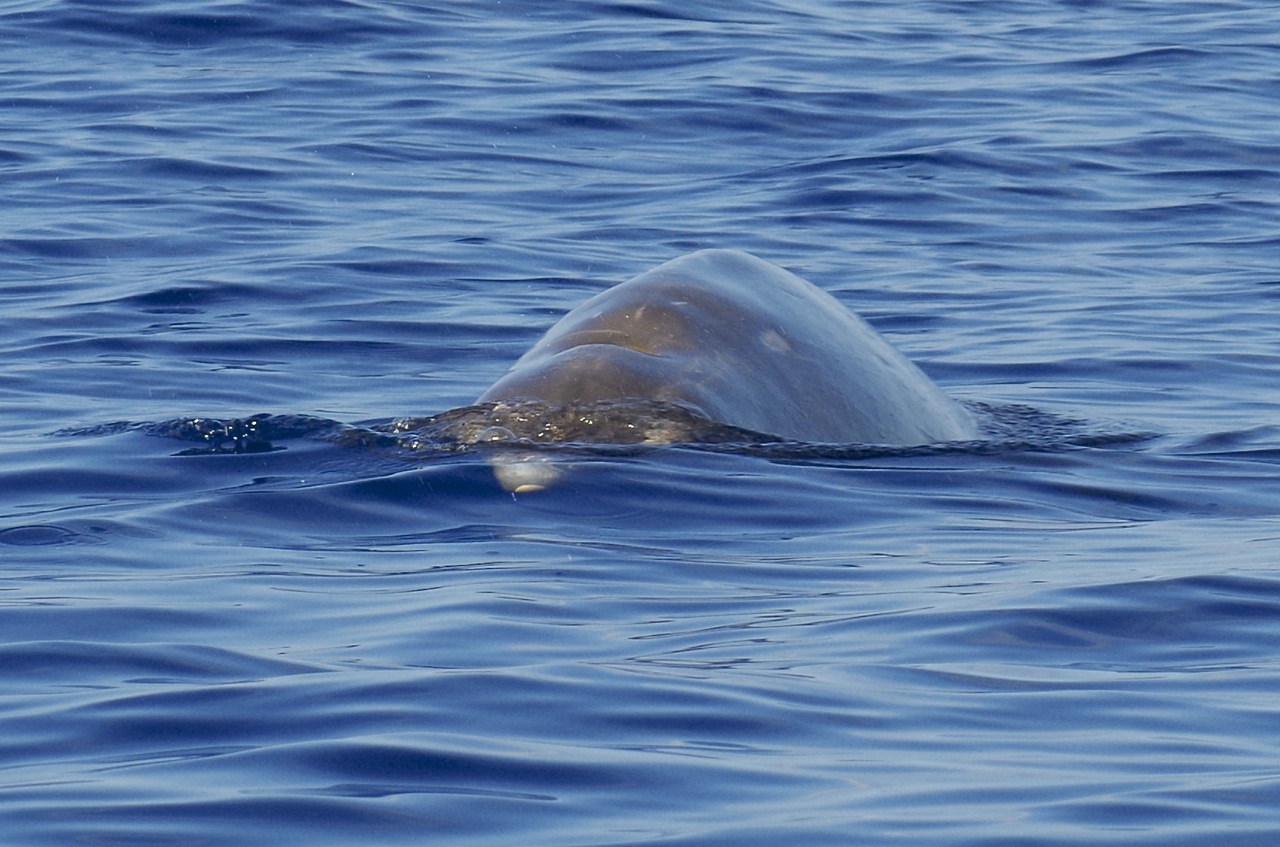
I like whales. Everyone likes whales. Even whalers, though for very different reasons. Here are some calming pics of one of Abaco’s largest yet best kept secrets – Blainville’s beaked whales. Adults grow to more than 15 feet long and weigh about 2000 pounds, yet they can behave like huge dolphins in slow motion – circling a boat, diving under it, drifting away, swimming back. They have no motherboard and require no data migration.

The amazing barnacled tusks of a male, that protrude upwards  from the lower jawBlainville's Beaked Whale, Sandy Point, Abaco 16 (Keith Salvesen

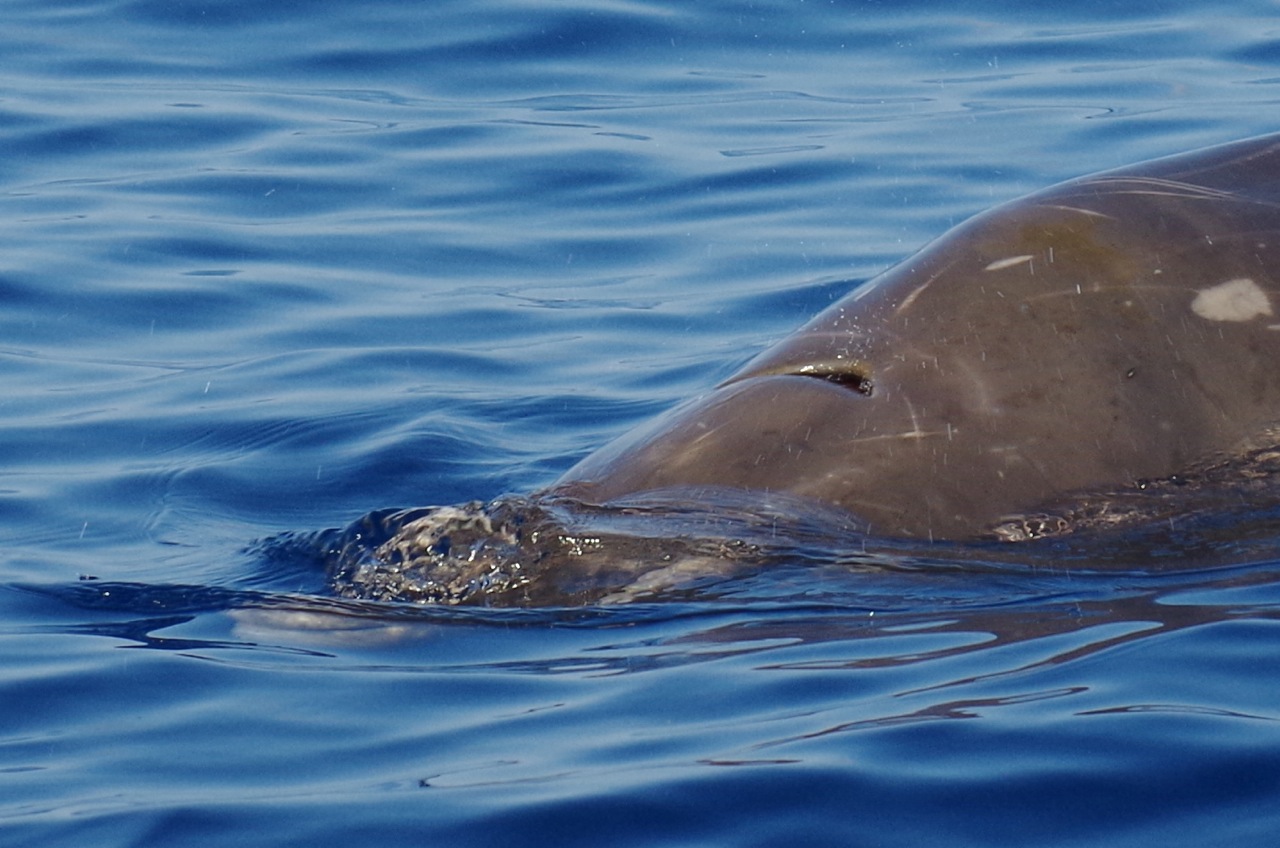
Tusks and blowhole…Blainville's Beaked Whale, Sandy Point, Abaco 15 (Keith Salvesen

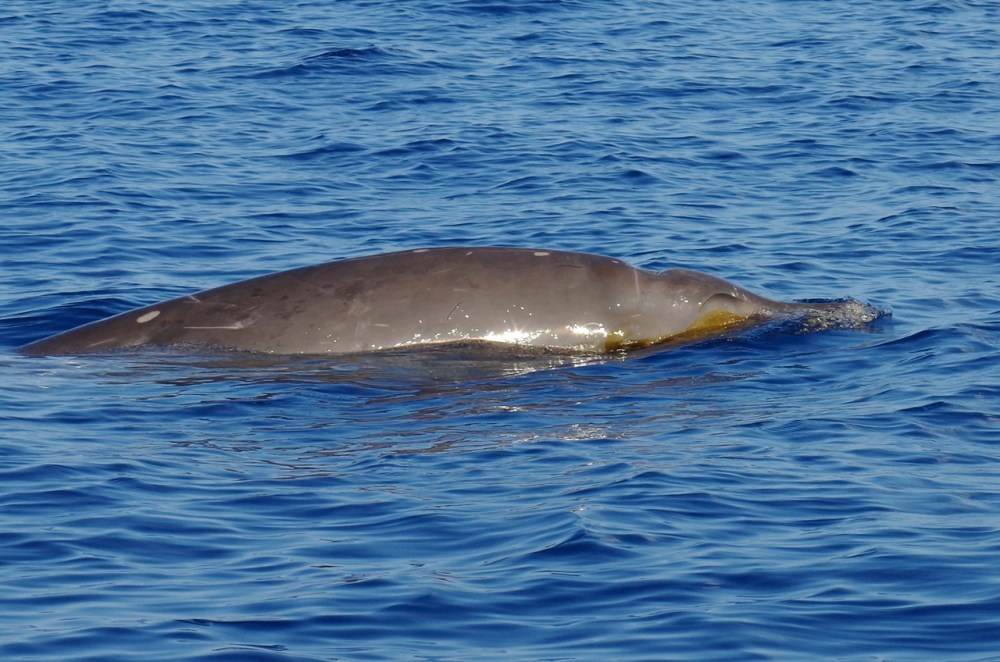
Dorsal fin damage is an excellent way to ID individual whalesBlainville's Beaked Whale, Sandy Point, Abaco 18 (Keith Salvesen

The knobbly back will help with ID tooIMGP2001 - Version 2

A female beaked whale noses towards the BMMRO research vesselBlainville's Beaked Whales, Abaco (1) (Keith Salvesen)

The beak breaks the surfaceBlainville's Beaked Whales, Abaco (1) (Keith Salvesen)

The blowhole, used for breathing, in close-upBlainville's Beaked Whales, Abaco (1) (Keith Salvesen)

Healed circular wounds caused by COOKIECUTTER SHARKSBlainville's Beaked Whales, Abaco (1) (Keith Salvesen)

‘Dolphining’ towards the RHIB (the small creature between the two on the left is a calf)Blainville's Beaked Whale, Sandy Point, Abaco 8 (Keith Salvesen

CLOSE ENCOUNTER & HEAVY BREATHING

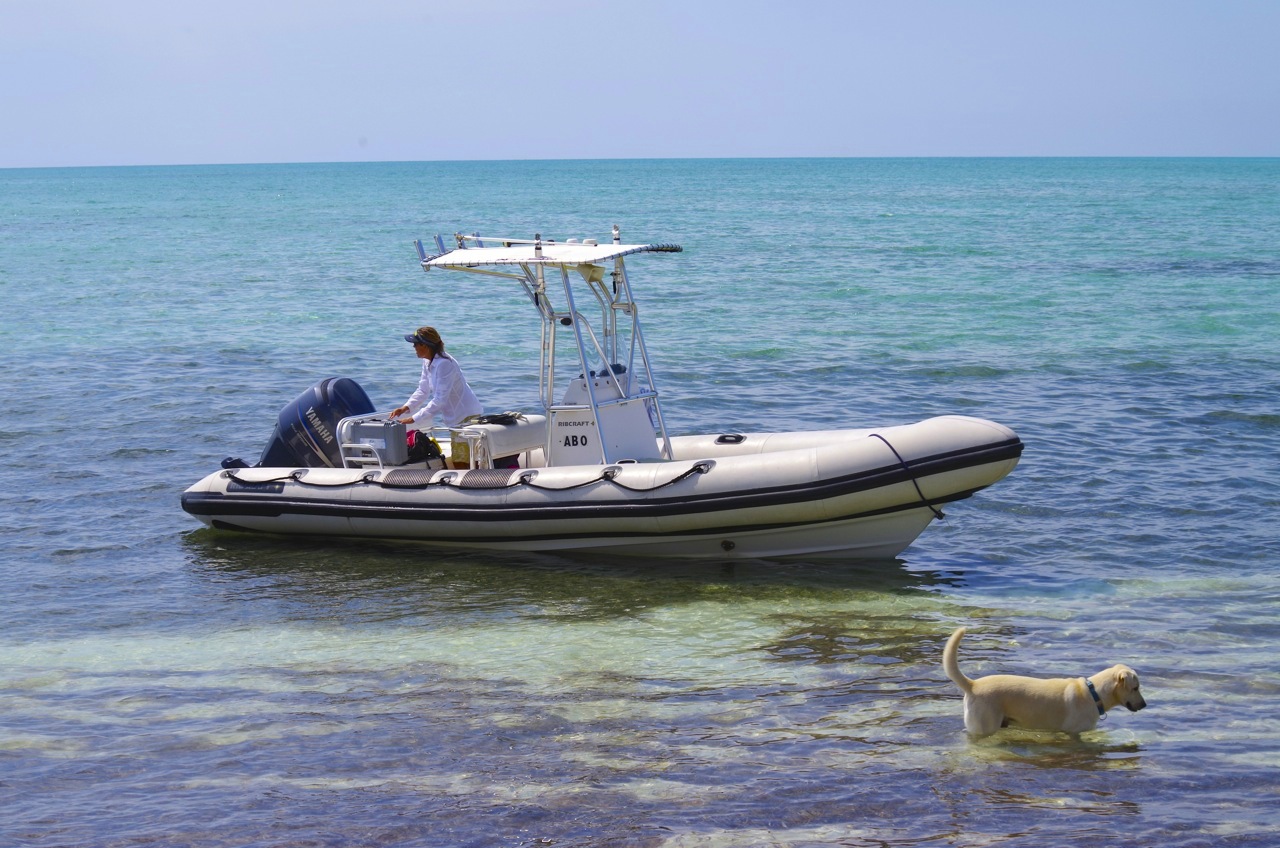
           BMMRO research RHIB                        BMMRO HQ, Sandy Point, AbacoBMMRO Research Boat, Sandy Point, Abaco (Keith Salvesen) BMMRO HQ, Sandy Point, Abaco (Keith Salvesen)

Female beaked whale being peacefulBlainville's Beaked Whales, Abaco (1) (Keith Salvesen)

Credits: all photos & video RH; Charlotte & Diane for a brilliant experience ; Mr Blainville (below) for a brilliant whale

220px-Henri_Marie_Ducrotay_de_Blainville

Unknown's avatar

MANATEE AWARENESS MONTH (& BABY TALK)


Rita the Mantee & her new baby. Bahamas (BMMRO)

MANATEE AWARENESS MONTH (& BABY TALK)

Are you aware of the Bahamas manatees? Just a few years ago your answer might well have been “Bahamas what? No, why? Where?” But suddenly they arrived. And their numbers are increasing. Alternatively, of course, they have always been there, mooching around peacefully and unnoticed in the seagrass. 

Manatee Awareness Graphic (Peppermint Narwhal)

Rita and her recently born daughter – Kamalame, AndrosRita the Mantee & her new baby. Bahamas (BMMRO)

The Bahamas Marine Mammal Research Organisation BMMRO has been keeping tabs on occasional sightings of manatees in Bahamian waters for some years. But until around 2012 – when I first learned of them and wrote about them – they appeared to be few and far between. They seemed to be unrecorded for Abaco, or anyway unphotographed.** Then the sightings began. Names were given to individuals, identified primarily by distinctive marks or cuts on their ‘paddles’ (tails). Gina. Rita. Georgie. Randy. JJ. Sightings in Hope Town, Little Harbour, Cherokee and the Casuarina canal. Manatees had arrived and were being paid attention. The ease of digital photography and the rapidly increasing use of social media resulted in more reports, wider interest and – yes – greater awareness both on Abaco and elsewhere in the wider Bahamas

**so much for being factually assertive! Many thanks to Mary for her account of one on Green Turtle Cay ‘seen by everyone’; and Kelley for her 2008 one in Galleon Bay canal… of which she actually got a photo…

manatee-galleon-bay-canal-tc-abaco-feb-2007-kelley-niedoba

To give you an idea of the rapid spread of the West-Indian Manatee population, here is a great infographic made recently by Felice Leanne Knowles of the BMMRO, mapping 2016 sightings of both known and unidentified manatees in the Bahamas. An amazing 15 in all, in an area where the natural fresh water these creatures need for survival is in short supply.

Bahamas Manatee sightings infographic (BMMRO / Felice Knowles)

You’ll see that in July both Gina and Rita had nosed their way down to Andros. At this time, Gina was known to be heavily pregnant. She gave birth in Kamalame Cay, and the photos of her above with her new calf were taken there.

The baby manatee is known to be a female and there is currently a competition to name her. A spreadsheet-worth of names was submitted to the BMMRO, and they have been whittled down to 3 for a final poll-off between Andie (Andros), Kaman (Kam[alame] An[dros]) and Morgan (Arrrrrrrr in Piratese). 

Waiting for a name…Rita the Mantee & her new baby. Bahamas (BMMRO)

RELATED LINKS

BAHAMAS MANATEE CLUB (BMMRO)

BAHAMAS MANATEES: GINA’S GOOD NEWS

BAHAMAS MANATEES: A SHORT HISTORY 1904 – 2015

WEST INDIAN MANATEES (RH PAGE)

img_4120

Credits: BMMRO and individual photographers whom I will identify when my backup has finished churning away; Felice Leanne Knowles; ‘Kelly’ (header); @kamalamecay; Sarah Jayne Buchanan; Peppermint Narwhal for their (as usual) inspired illustrative graphics.

mantsw~1