Unknown's avatar

CARIBBEAN ENDEMIC BIRD FESTIVAL: NASSAU BIRDERS VISIT ABACO

DSC00298_3

CARIBBEAN ENDEMIC BIRD FESTIVAL: NASSAU BIRDERS VISIT ABACO

THE CARIBBEAN ENDEMIC BIRD FESTIVAL (CEBF) is a Caribbean-wide festival that aims to heighten awareness for birds generally in the region. It is sponsored by the excellent BIRDS CARIBBEAN organisation – click the link to see what it is all about. Birds, obviously, but from the points of view both of promoting and of preserving the rich avian variety throughout the Caribbean.

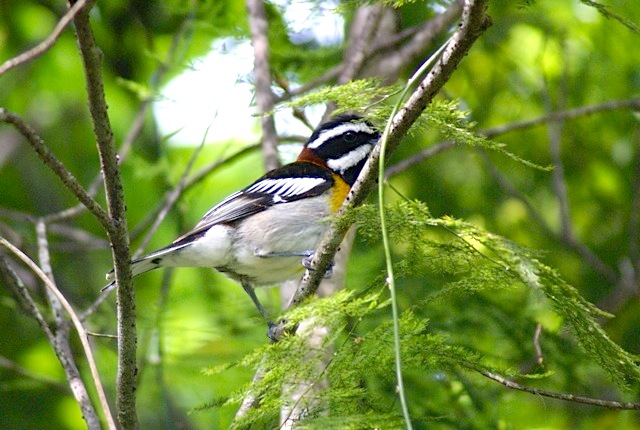
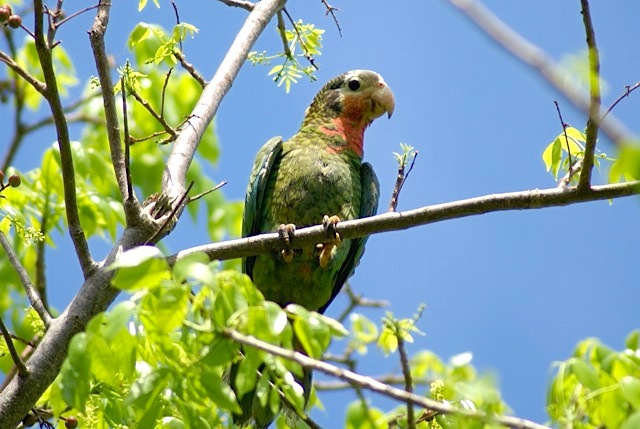
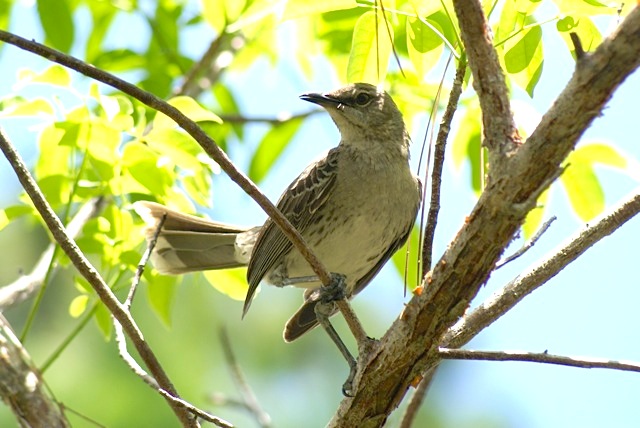
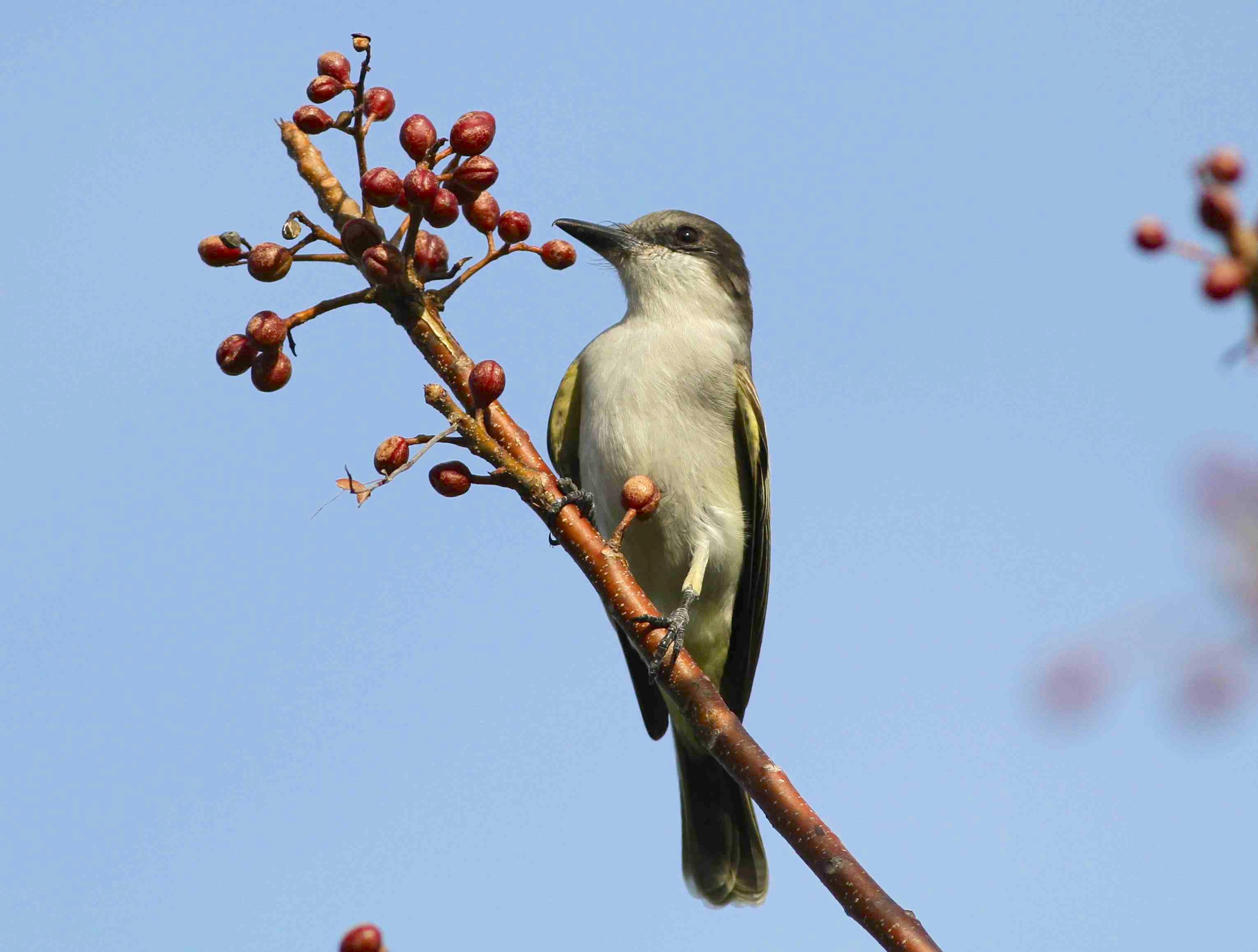
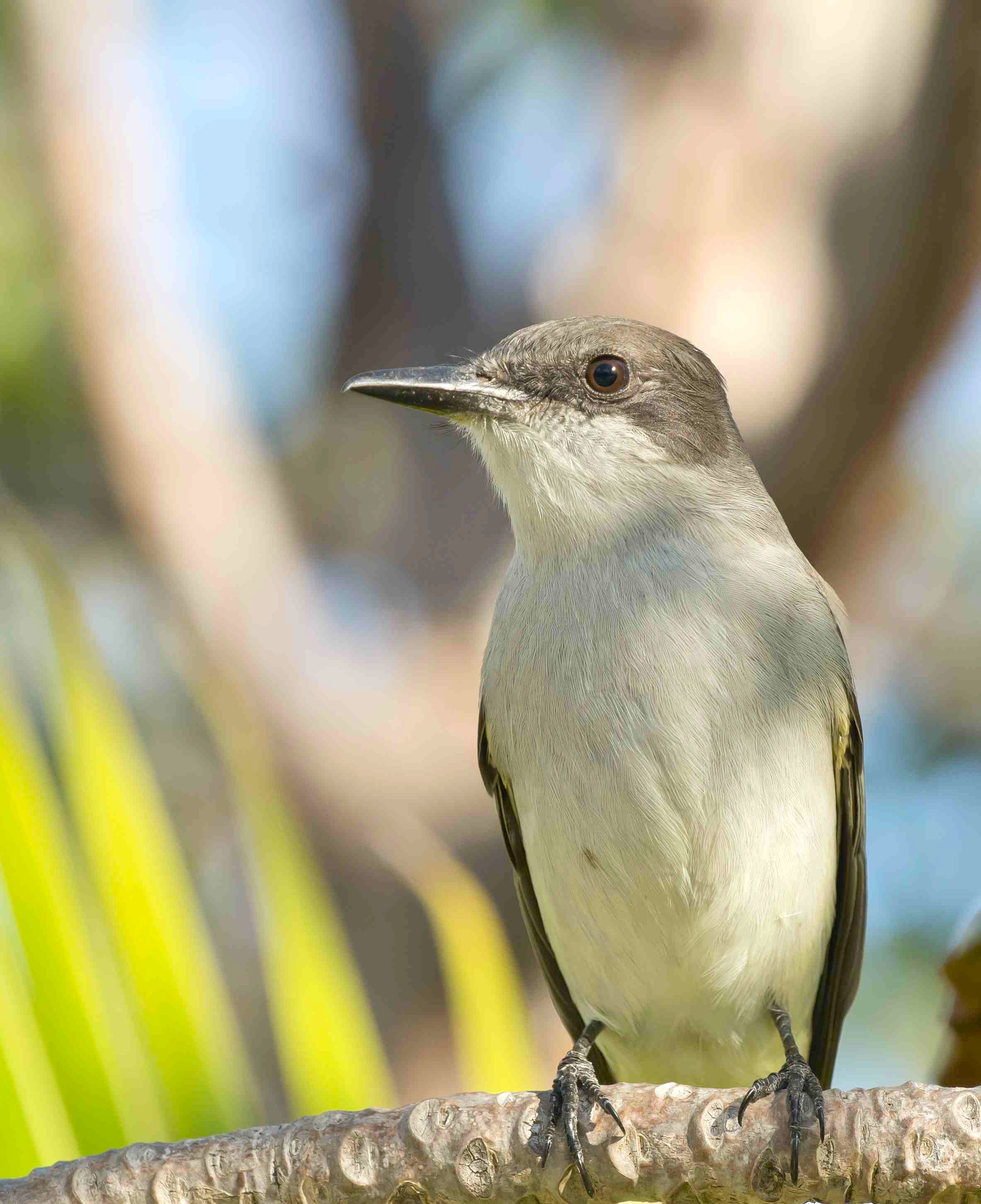
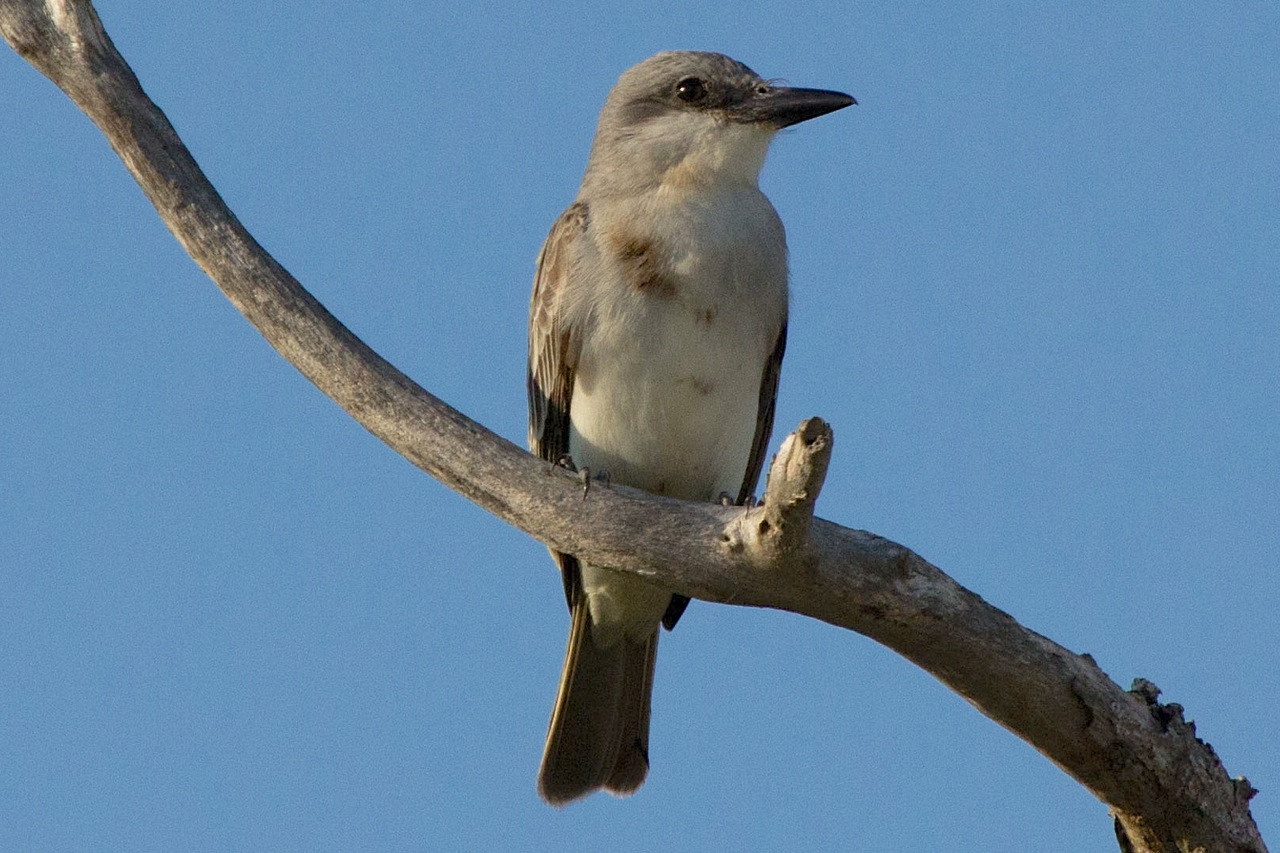
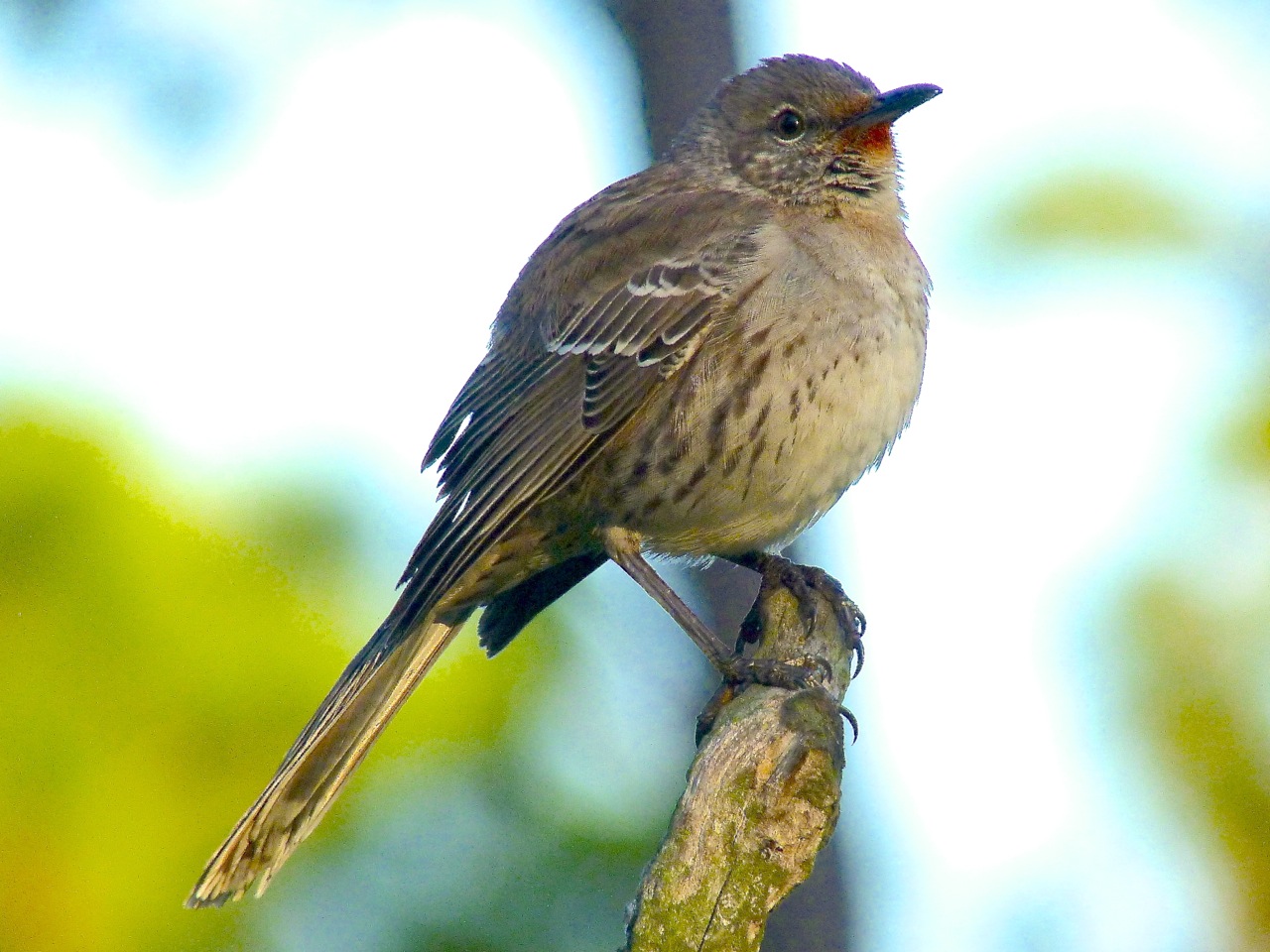
As part of the CEBF celebrations this month, a birding group from New Providence came to Abaco to explore the birdlife. The expedition group included several well-known local bird experts, all the better for locating and identifying species and ensuring a comprehensive checklist could be compiled. Also in the group was photographer Linda Huber, whose photos you will undoubtedly have seen in Bahamas publications, including the recently published small guide BEAUTIFUL BAHAMA BIRDS (click to see my review and further details – highly recommended for any birder from novice up). Here are a few of Linda’s photos of some of the birds seen during the expedition, a gallery that shows the extraordinary diversity of species to found in a short time on Abaco.

Apologies to those who received a ‘false start’ draft of this post. It was lunchtime, I was hungry, I pressed ‘Save Draft’… or thought I had. Why is the ‘Publish’ button so close? Oh. Right. I see. It’s not its fault, it’s mine…

Western Spindalis Spindalis zena             Abaco Parrot Amazona leucocephala bahamensis                       DSC00210_2  DSC00216_2

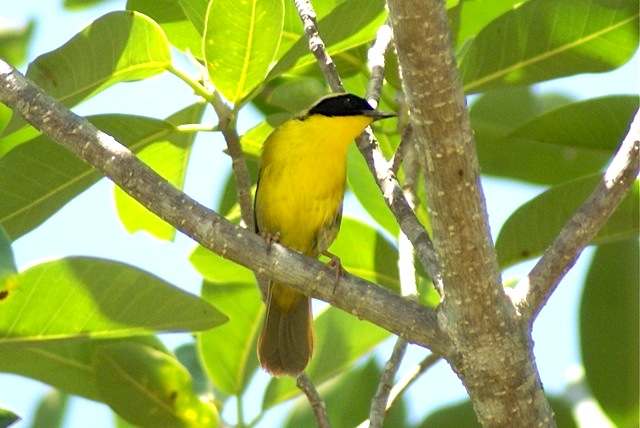
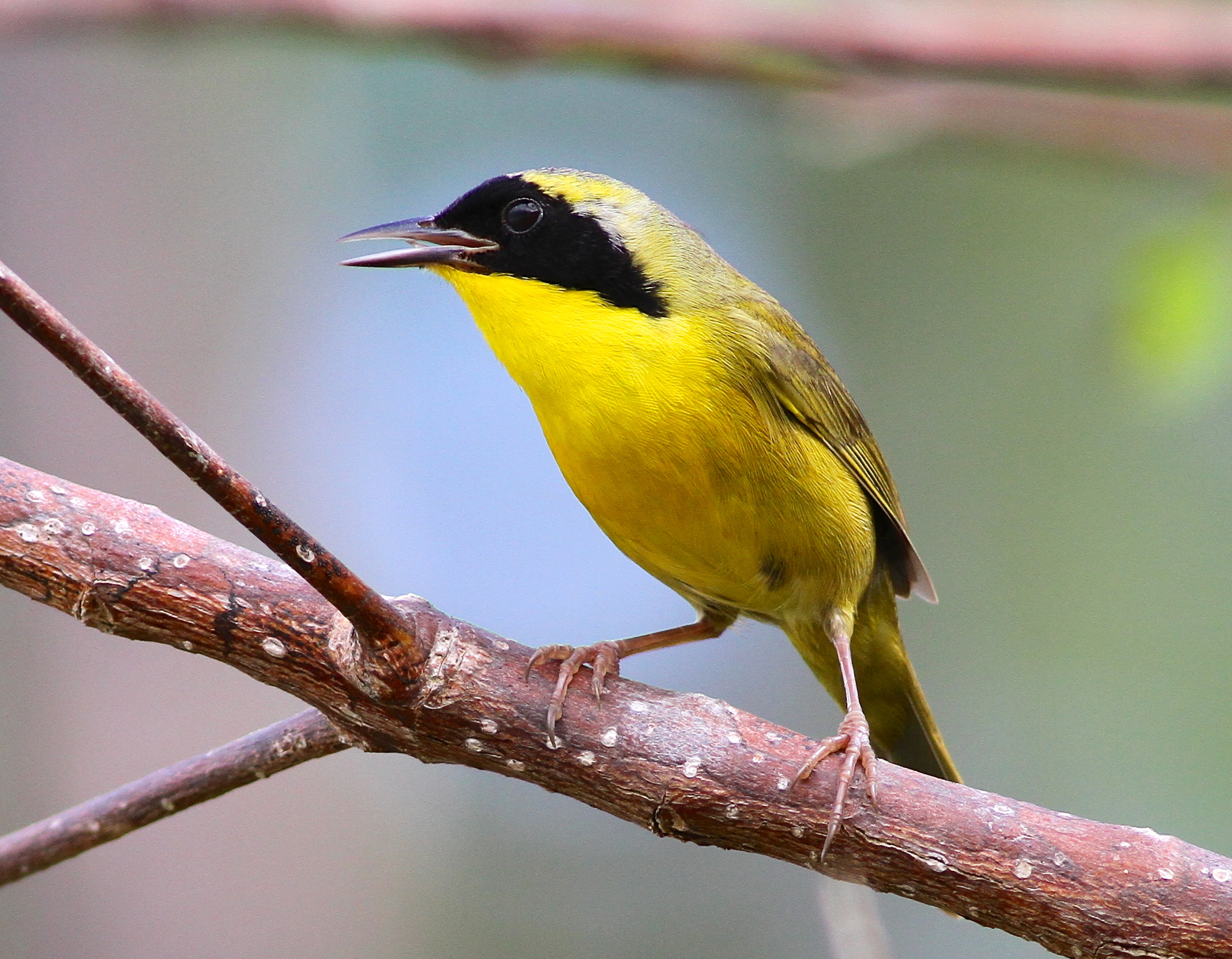
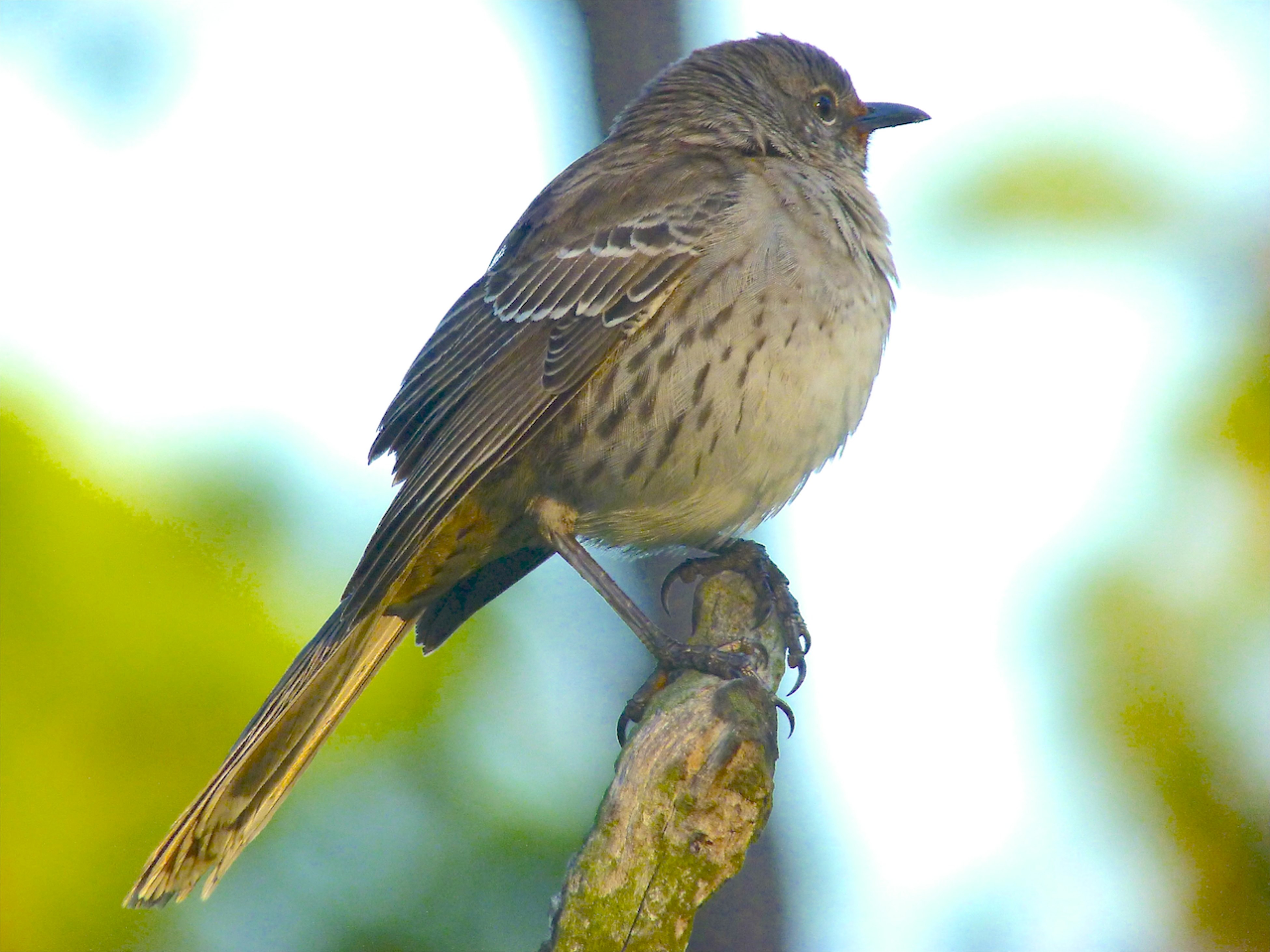
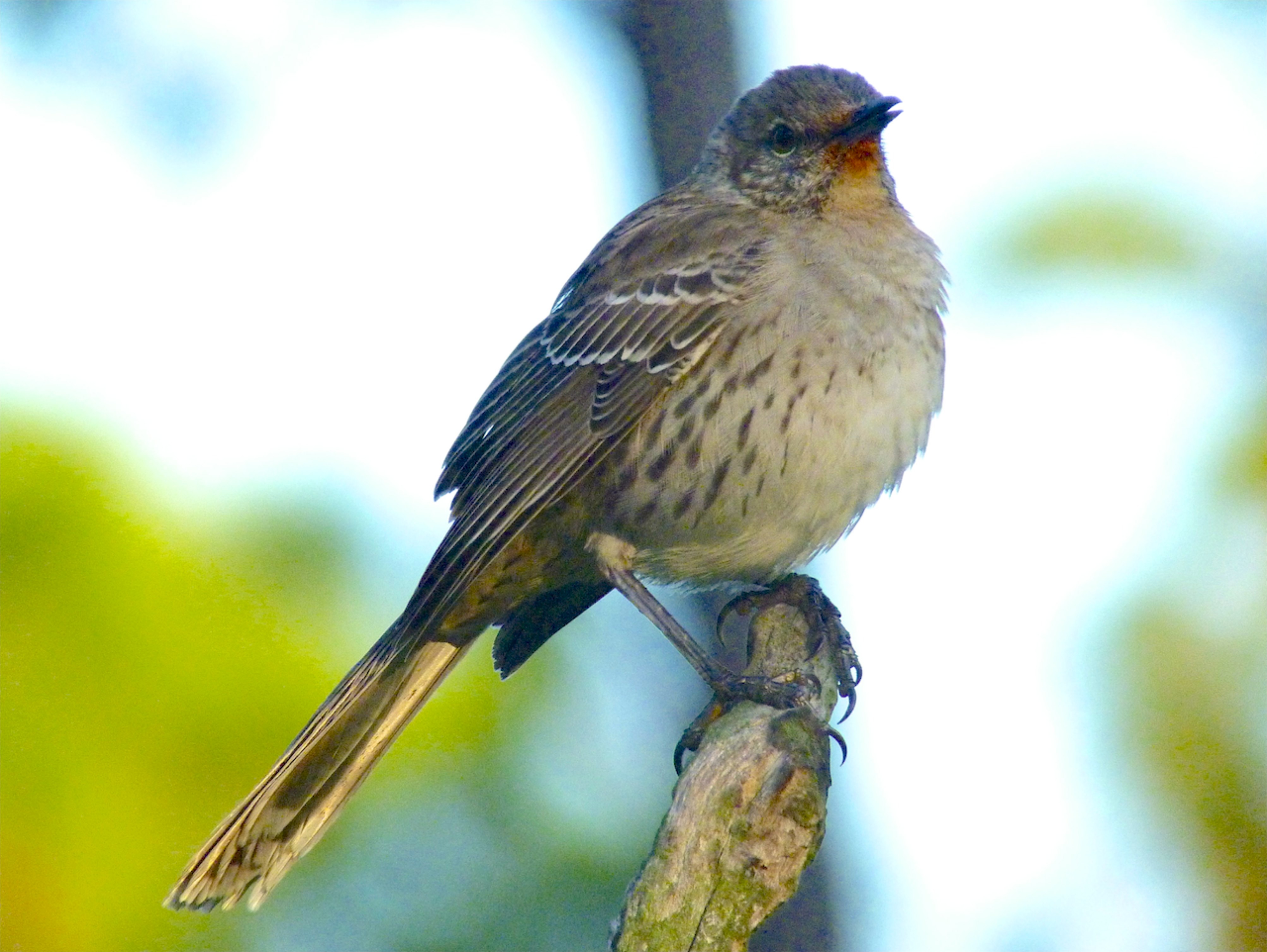
Bahama Yellowthroat Geothlypis rostrata                   Bahama Mockingbird Mimus gundlachiiDSC00298_3 DSC00317_2

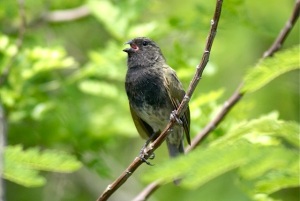
Bahama Warbler Setophaga flavescens                         Black-faced Grassquit Tiaris bicolorDSC00356_3 DSC00381_3

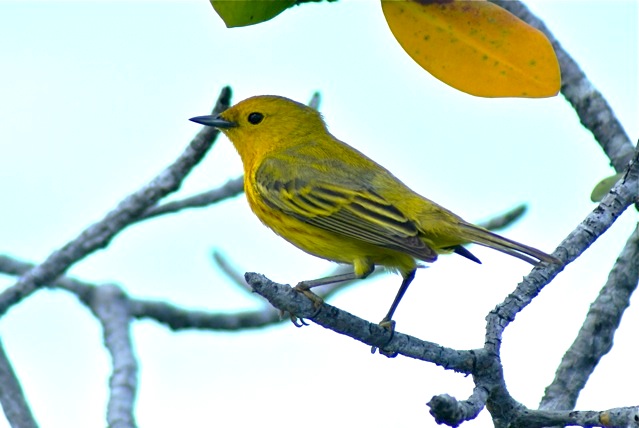
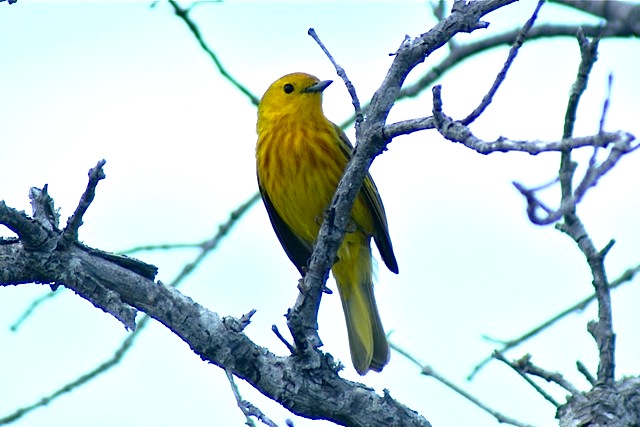
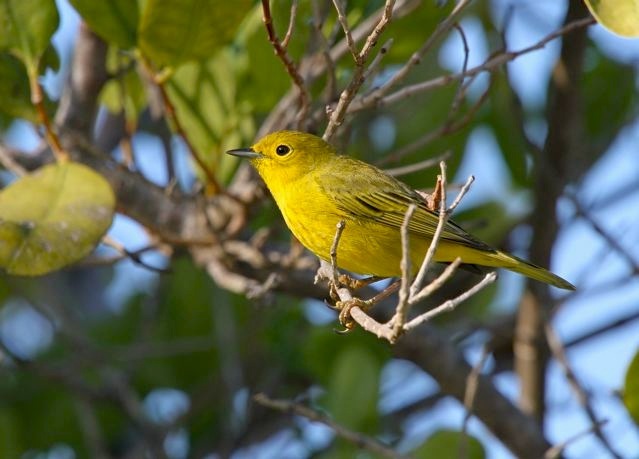
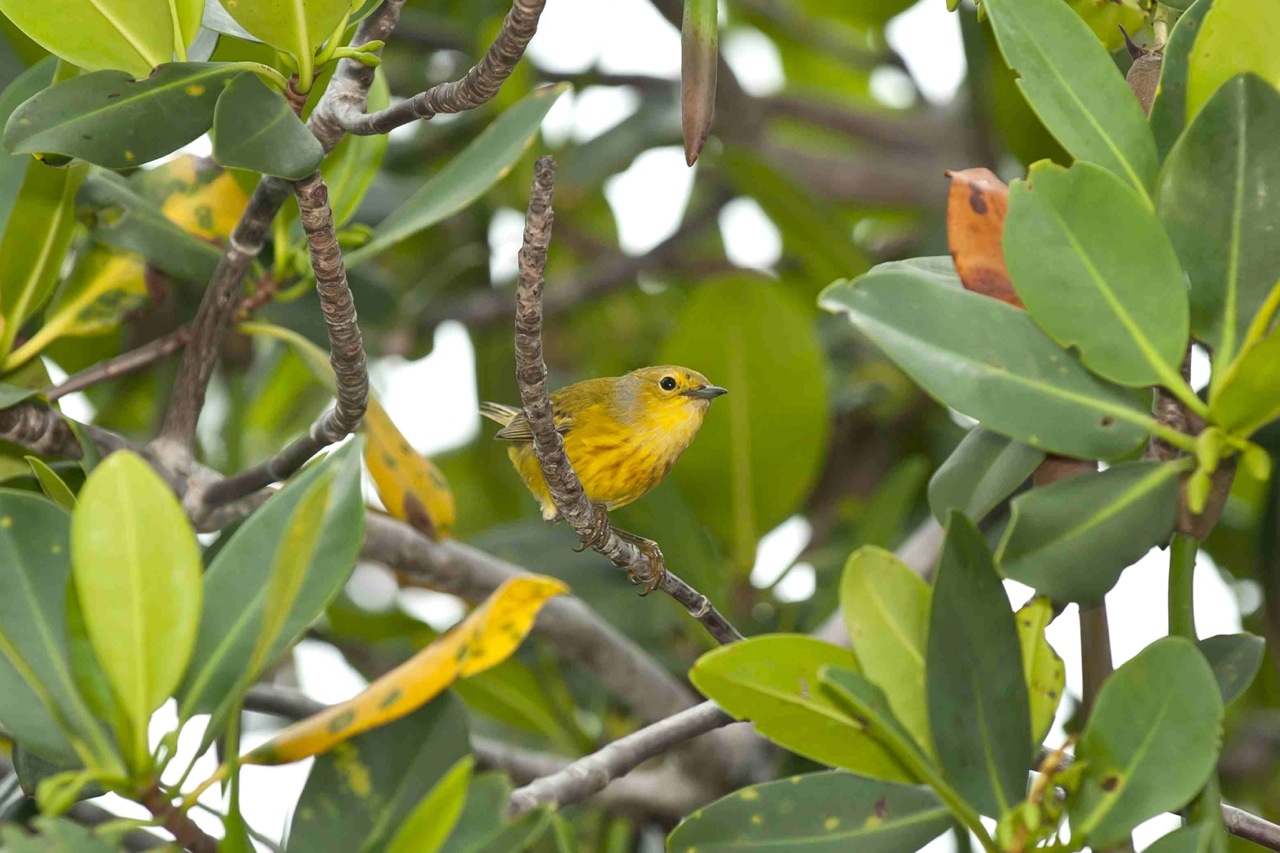
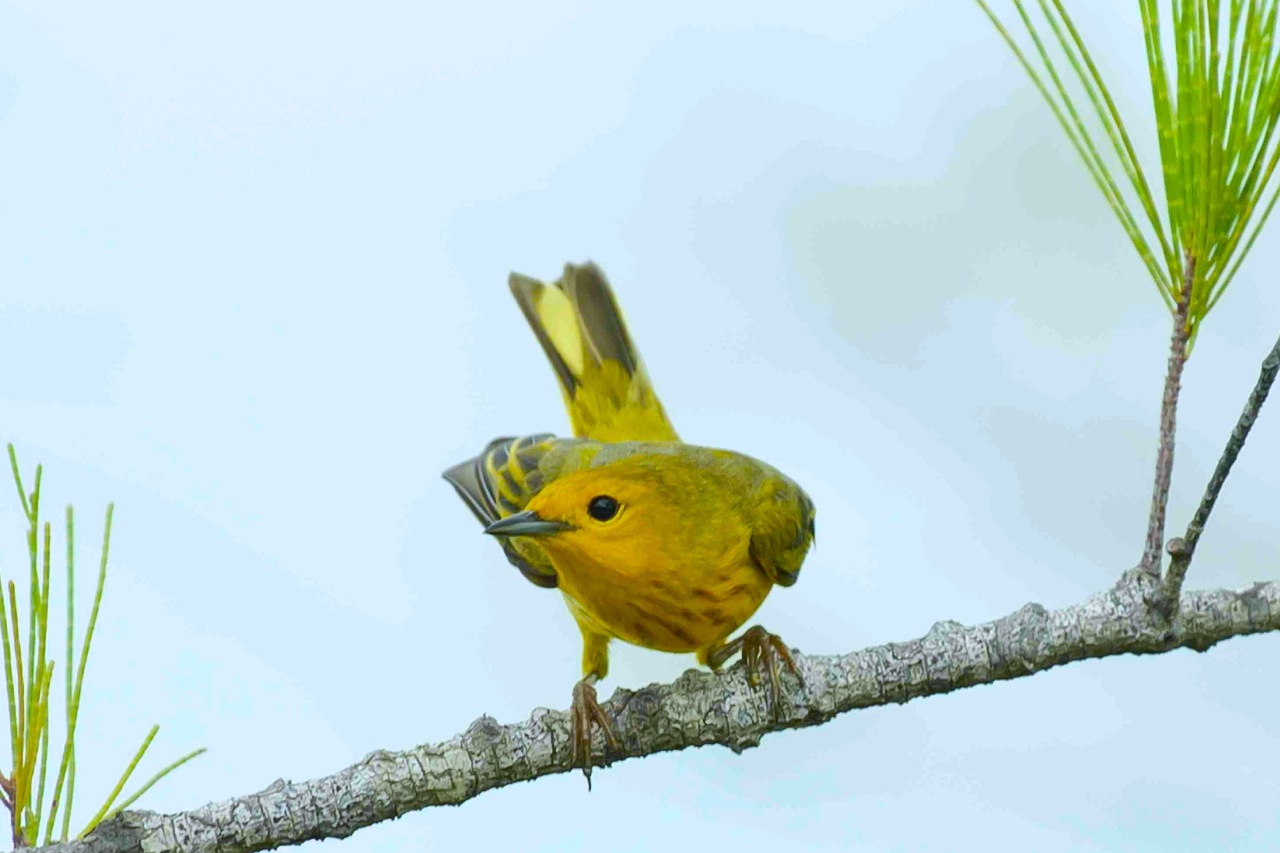
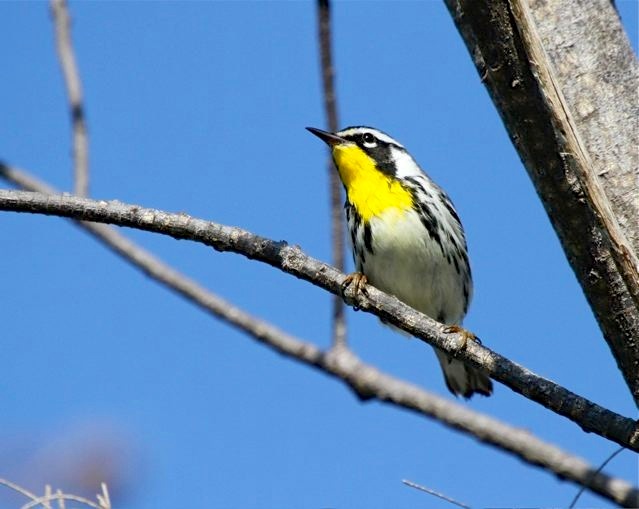
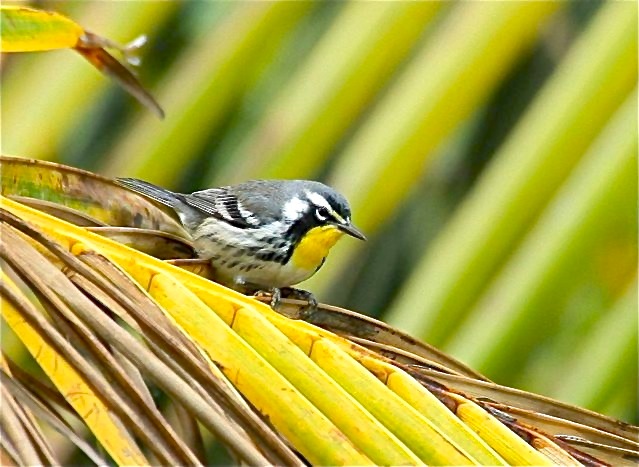
                                                        Yellow Warbler Dendroica petechia                                                                DSC00371_2 DSC00378_2

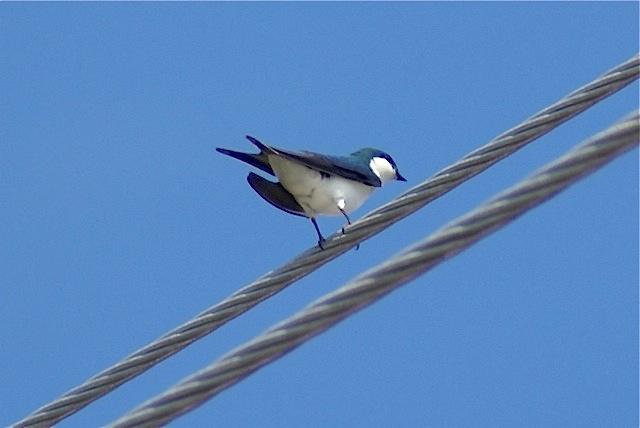
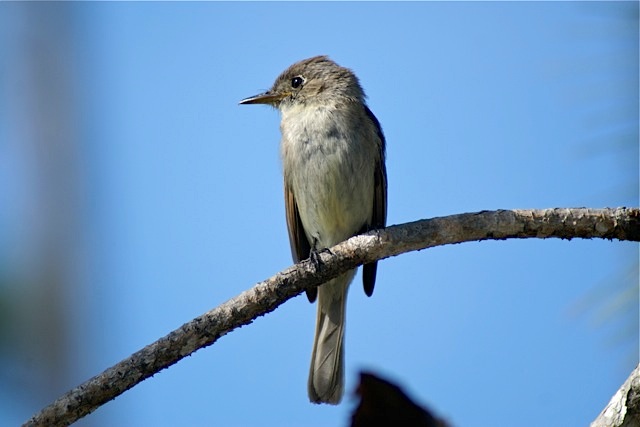
Bahama Swallow Tachycineta cyaneoviridis              Cuban Pewee Contopus caribaeus bahamensis  DSC00399_3 DSC00413_2

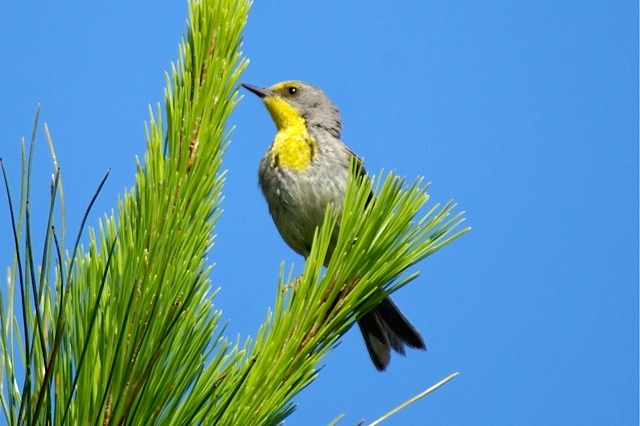
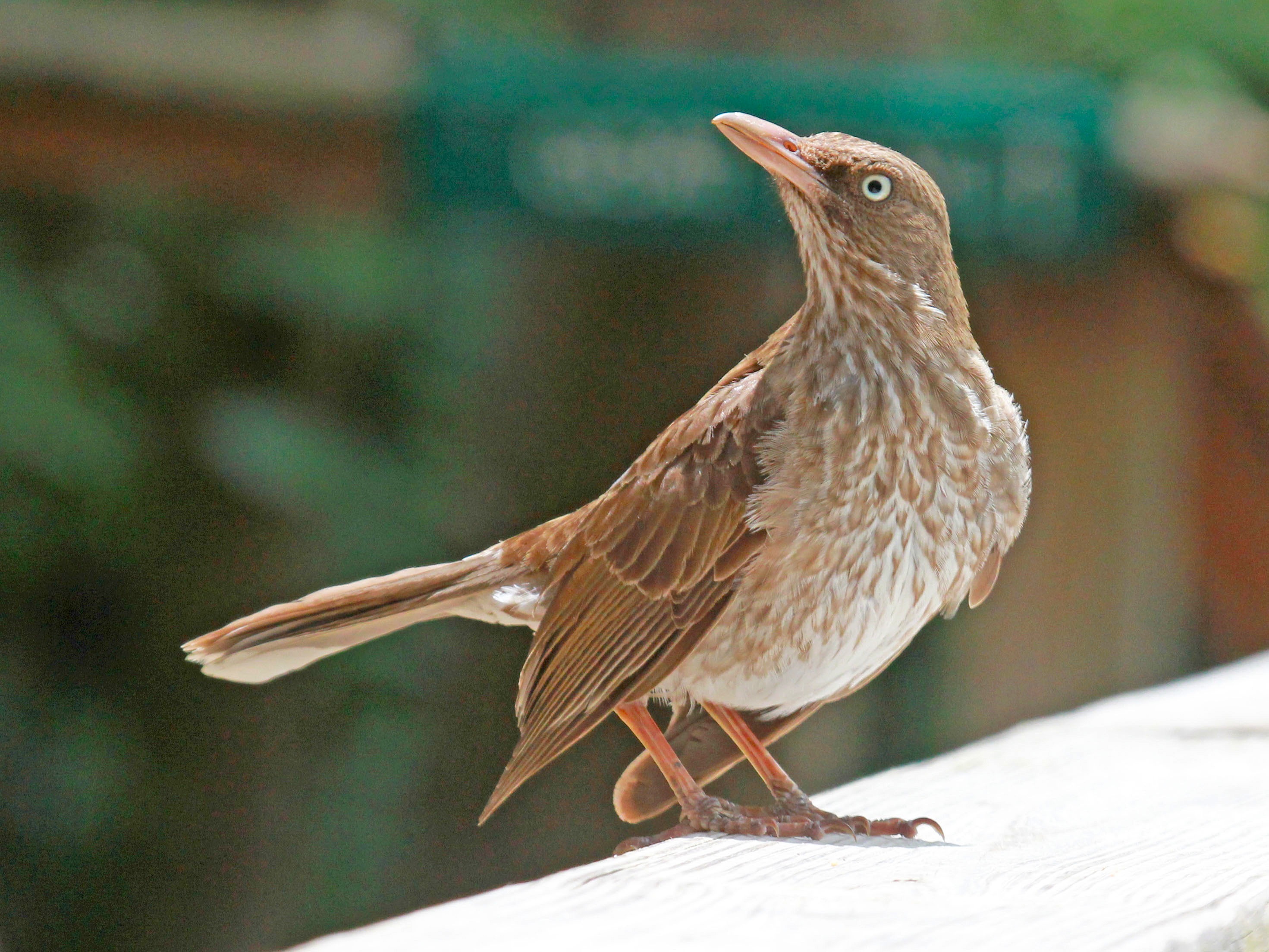
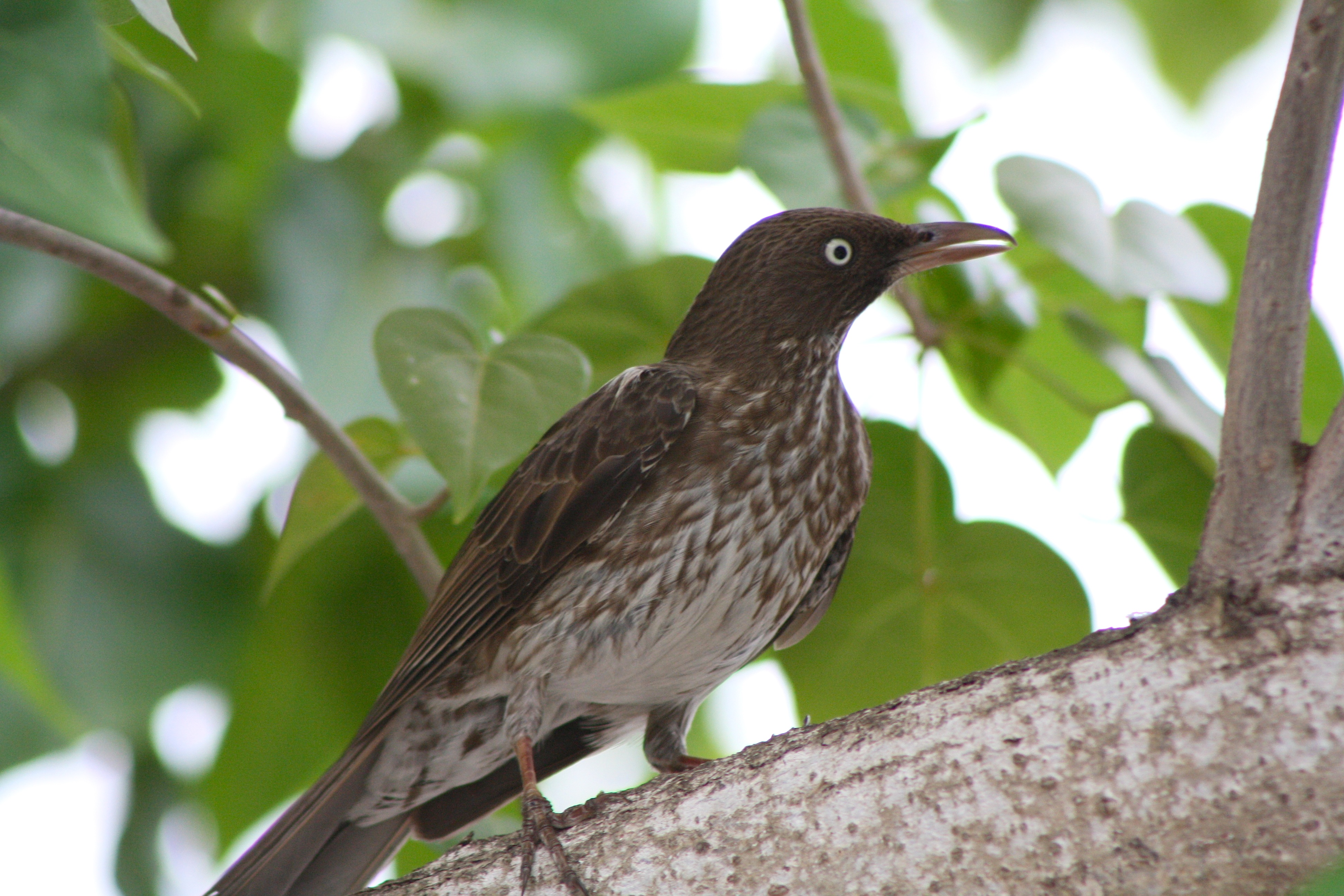
Olive-capped Warbler Dendroica pityophila            Pearly-eyed Thrasher Margarops fuscatusDSC00422_2 DSC00501_3

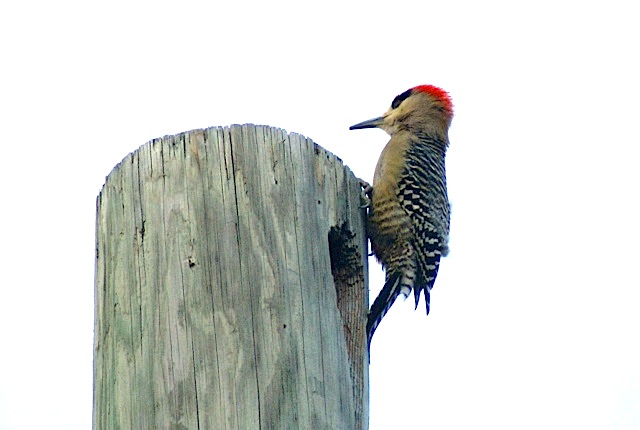
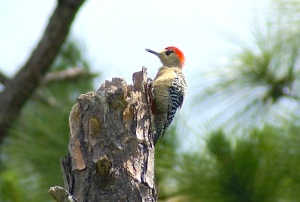
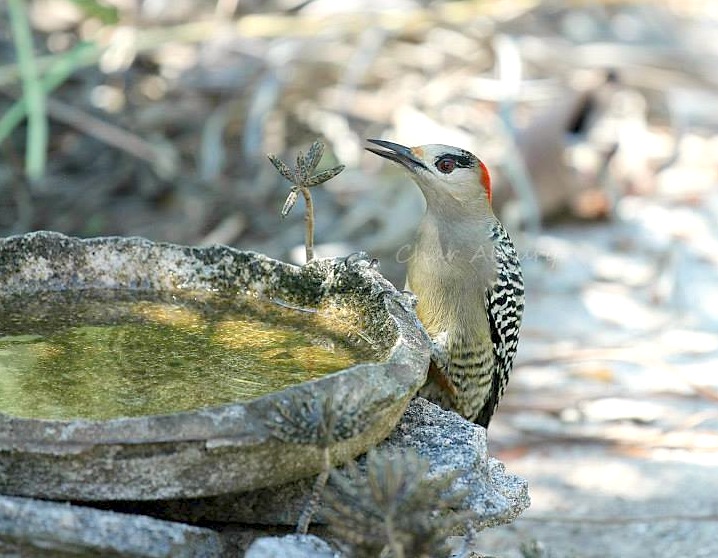
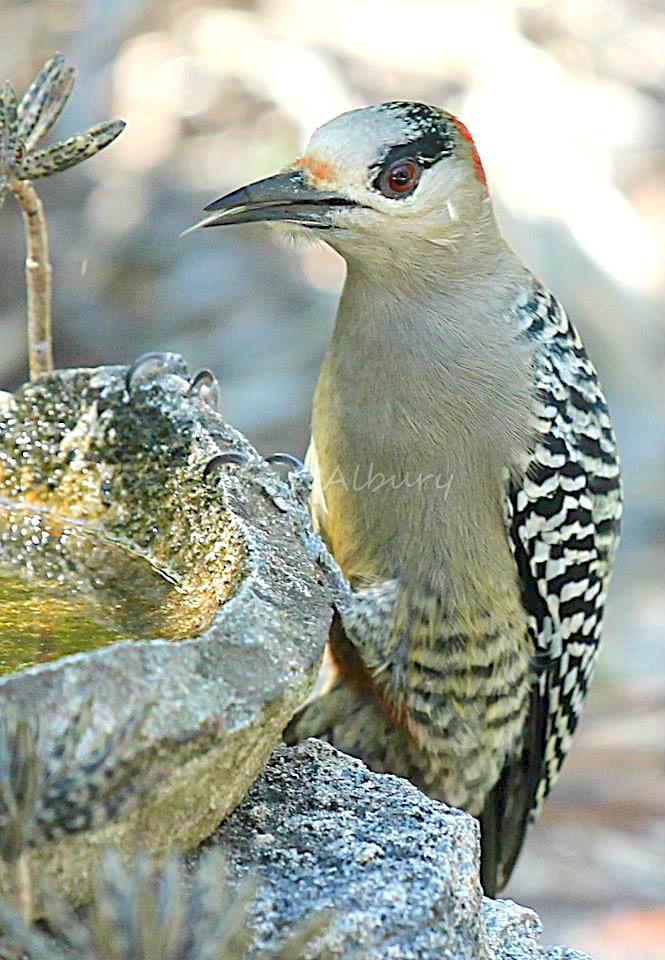
                              West Indian Woodpecker Melanerpes superciliaris                                             DSC00475_2  DSC00278_3

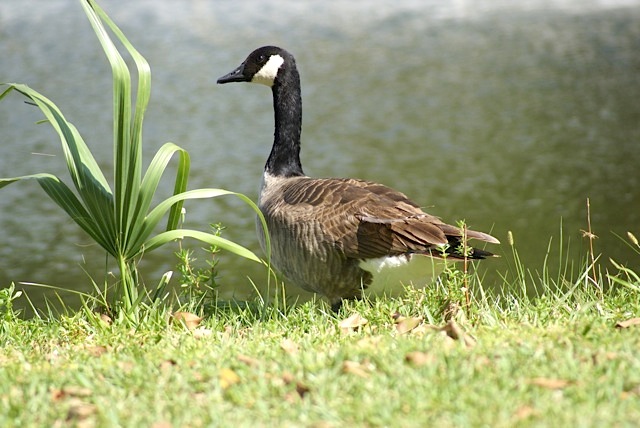
                                                      Canada Goose Branta canadensis                                                                             DSC00566 DSC00642_2

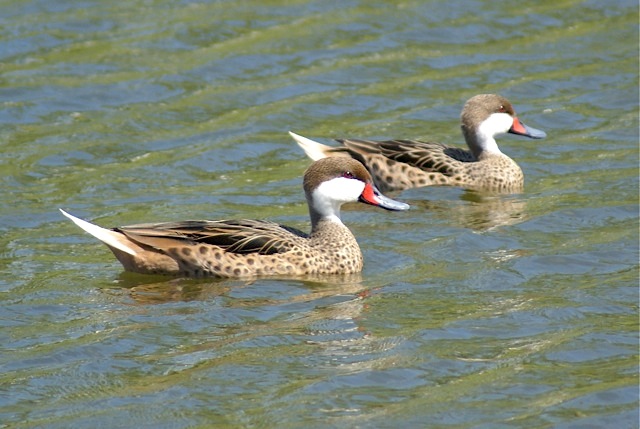
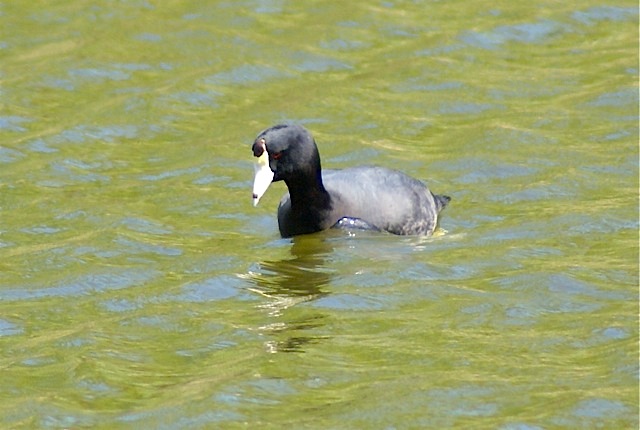
White-cheeked Pintails Anas bahamensis                   Caribbean Coot Fulica caribaea     DSC00612_2 DSC00627_3

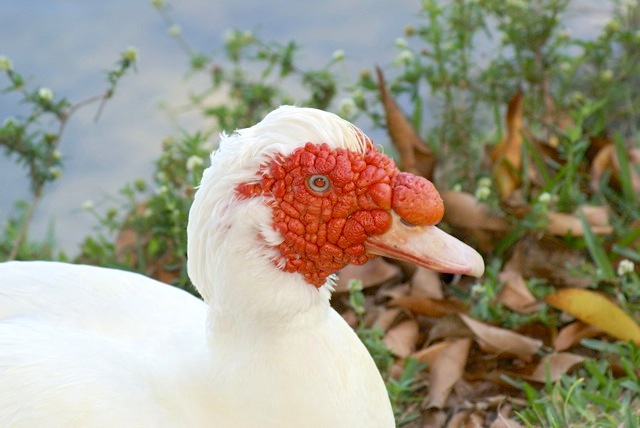
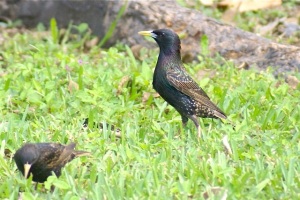
Muscovy Duck Cairina moschata                                   European Starling Sturnus vulgaris        DSC00639_2  DSC00524_2

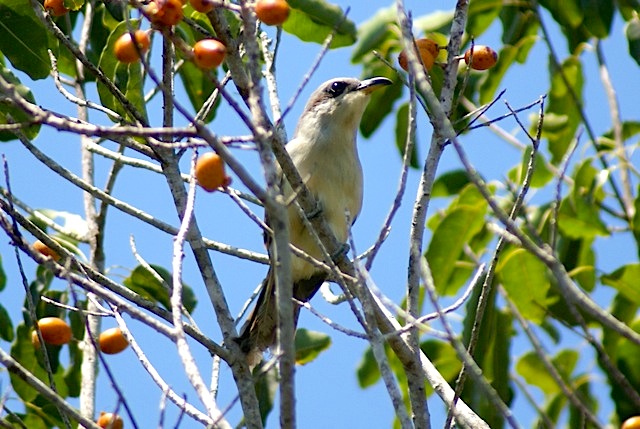
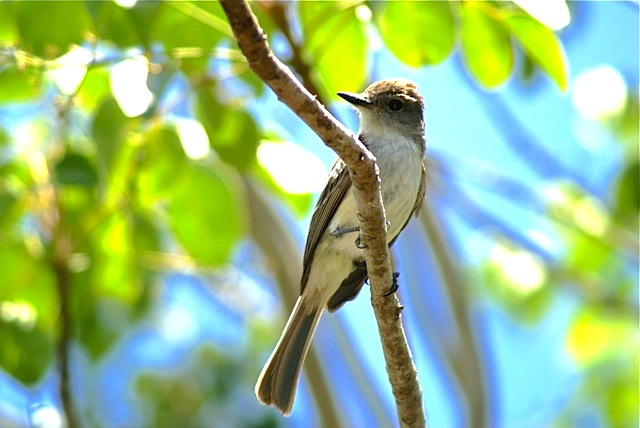
Mangrove Cuckoo Coccyzus minor                    La Sagra’s Flycatcher Myiarchus sagrae lucaysiensisDSC00675_2 DSC00694_2_2

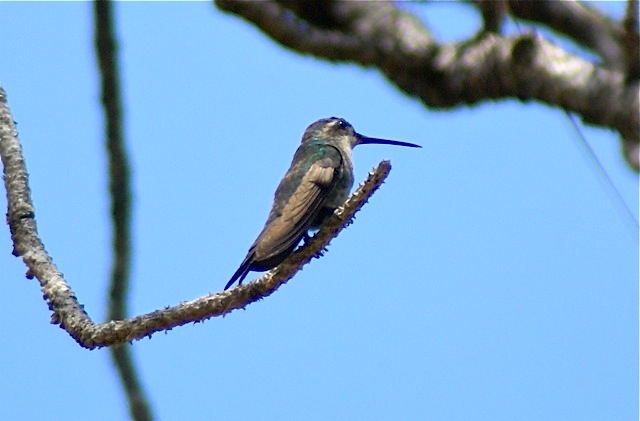
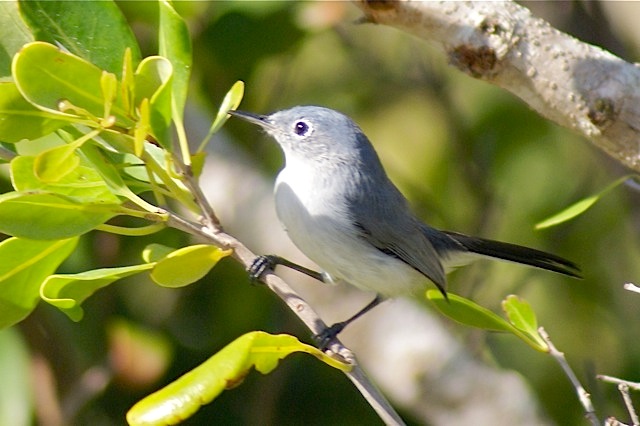
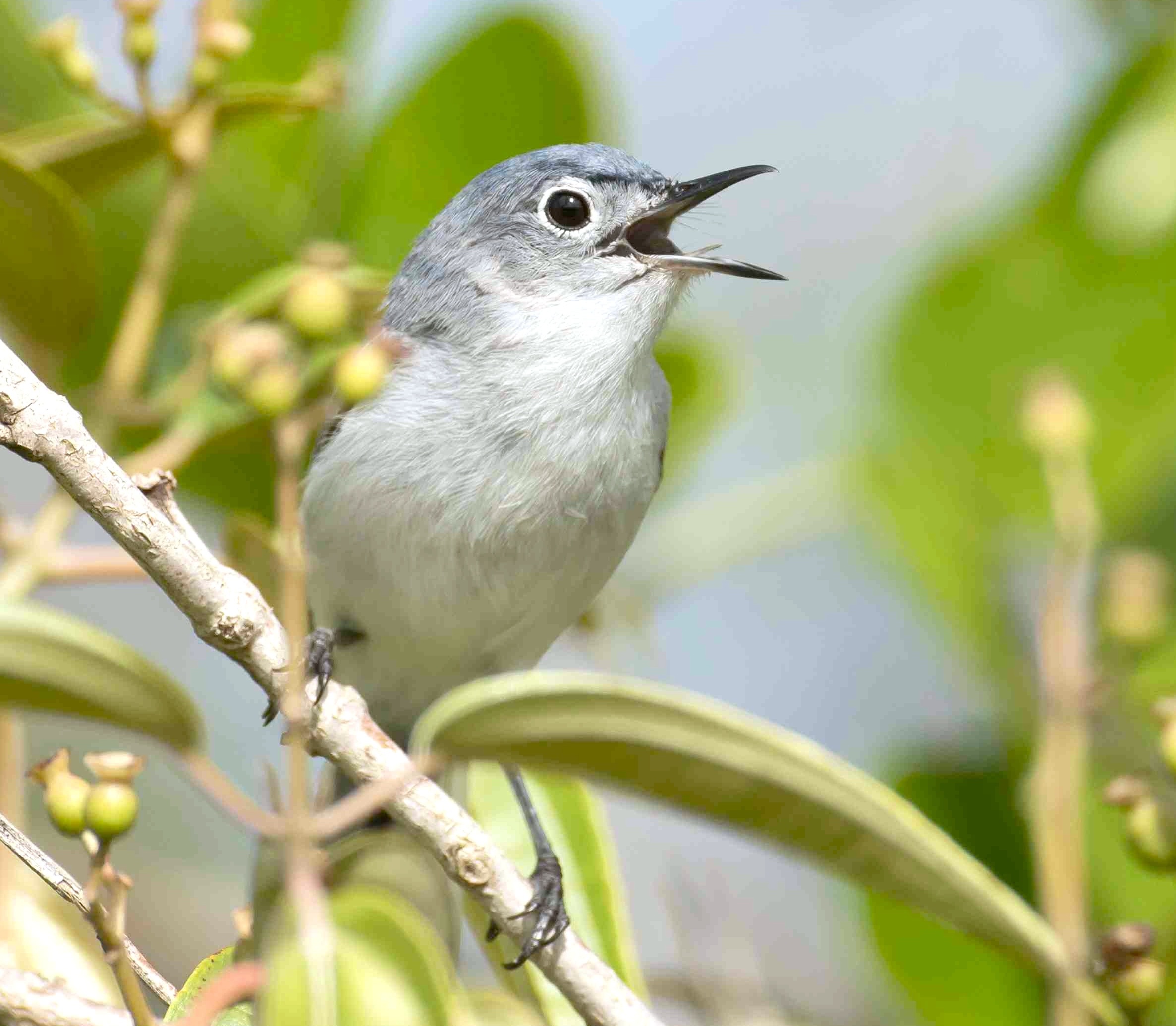
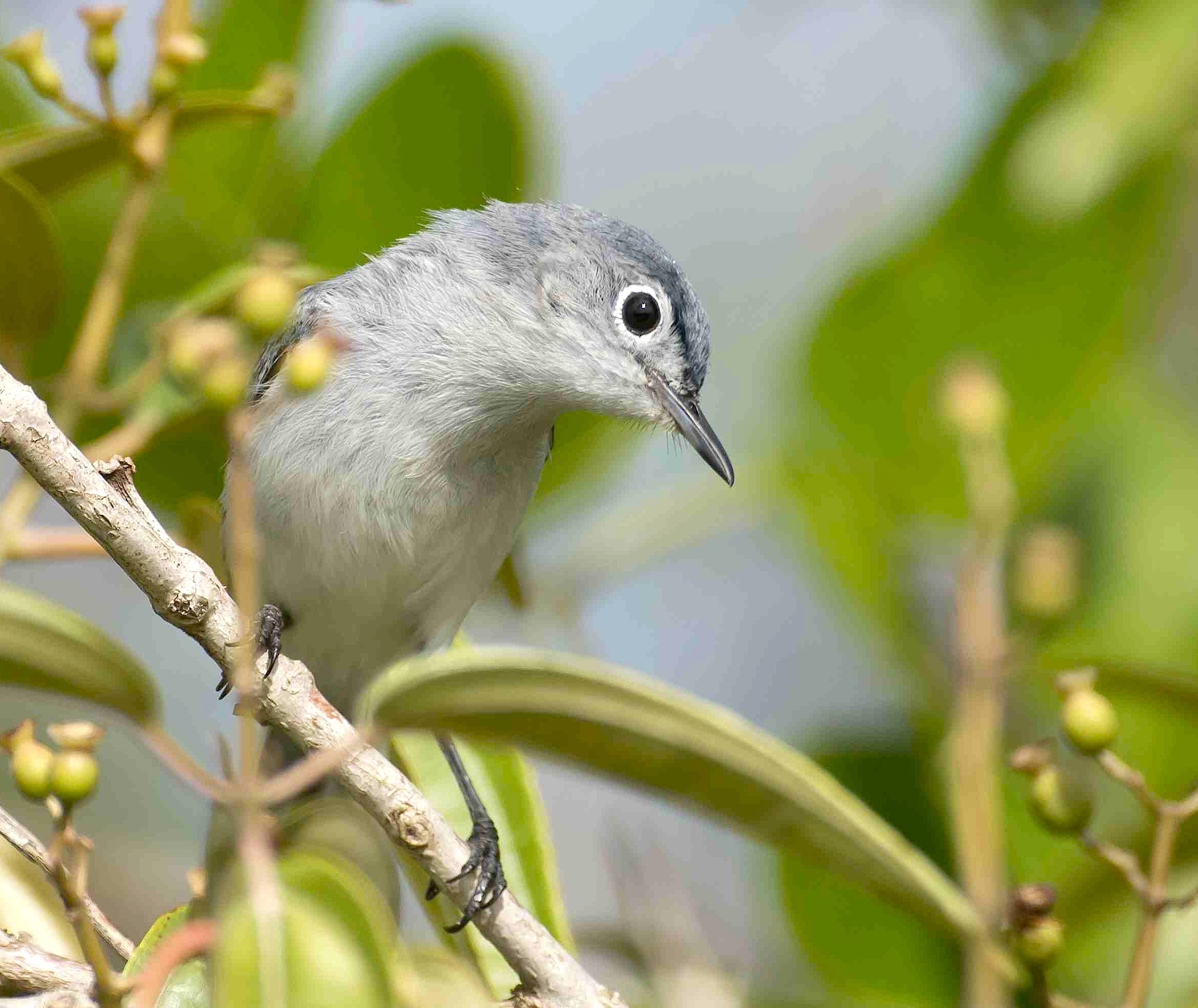
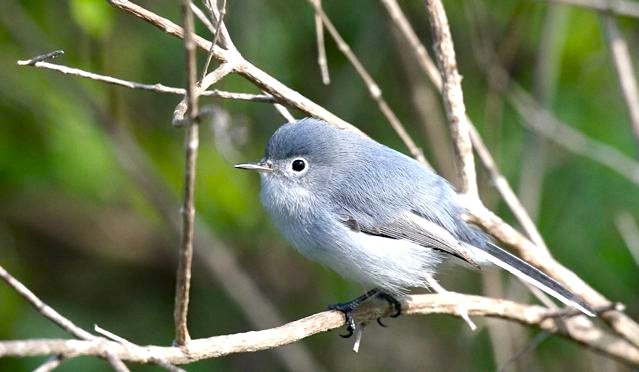
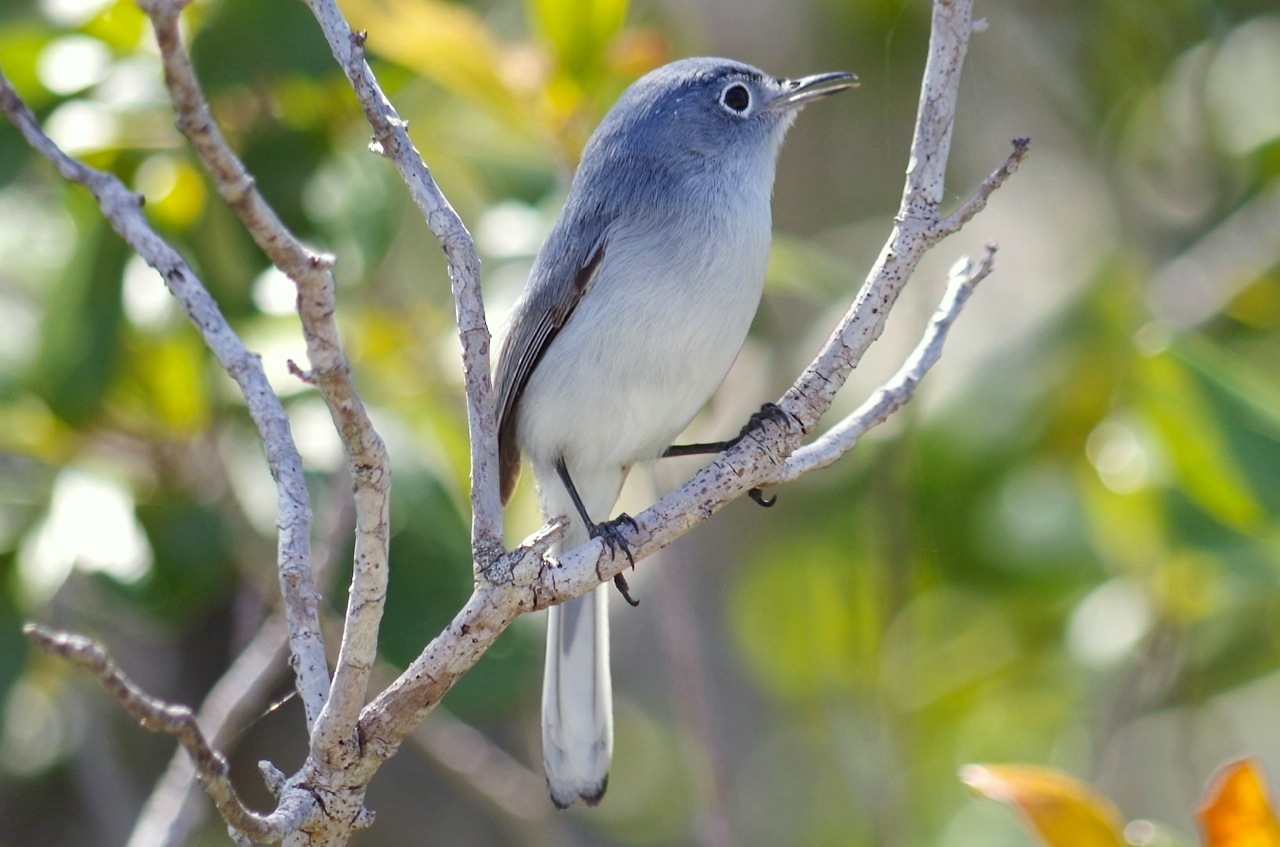
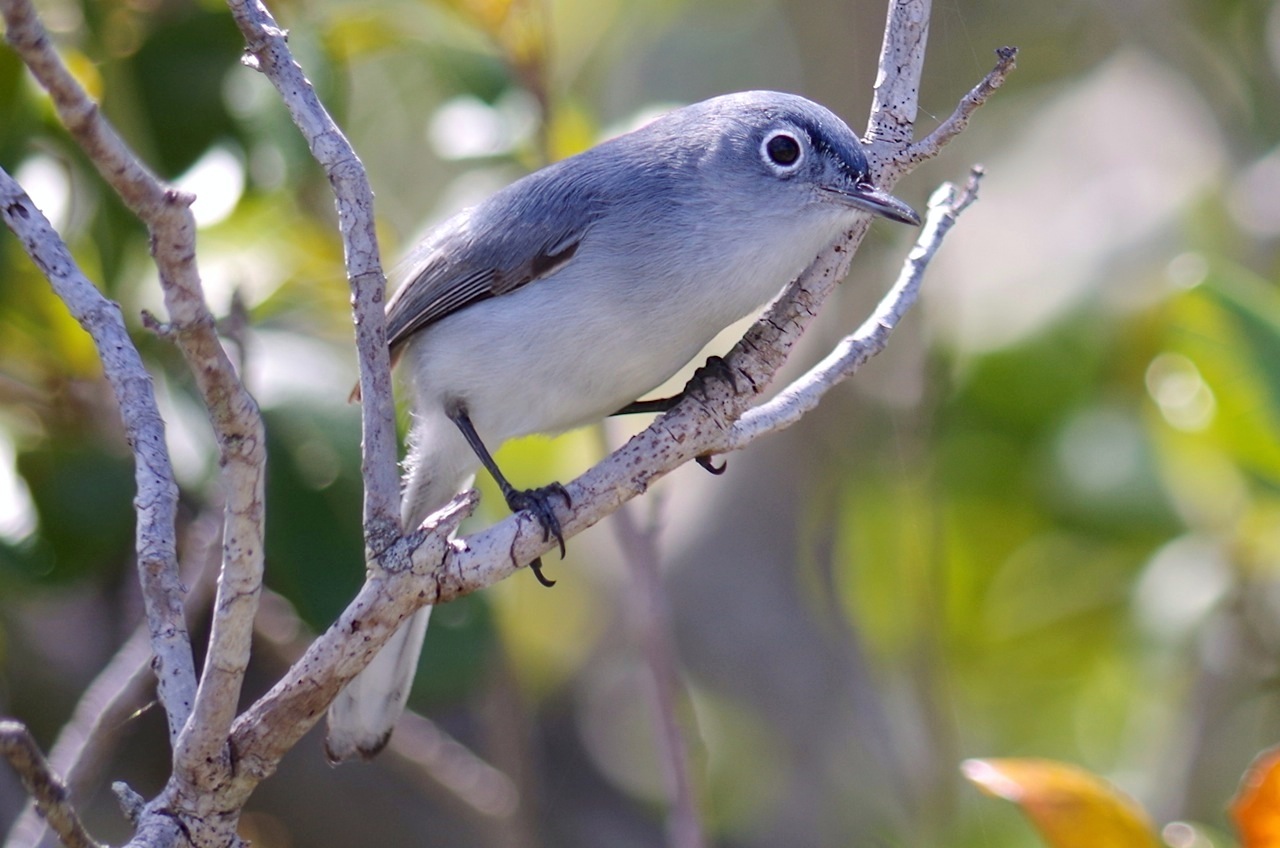
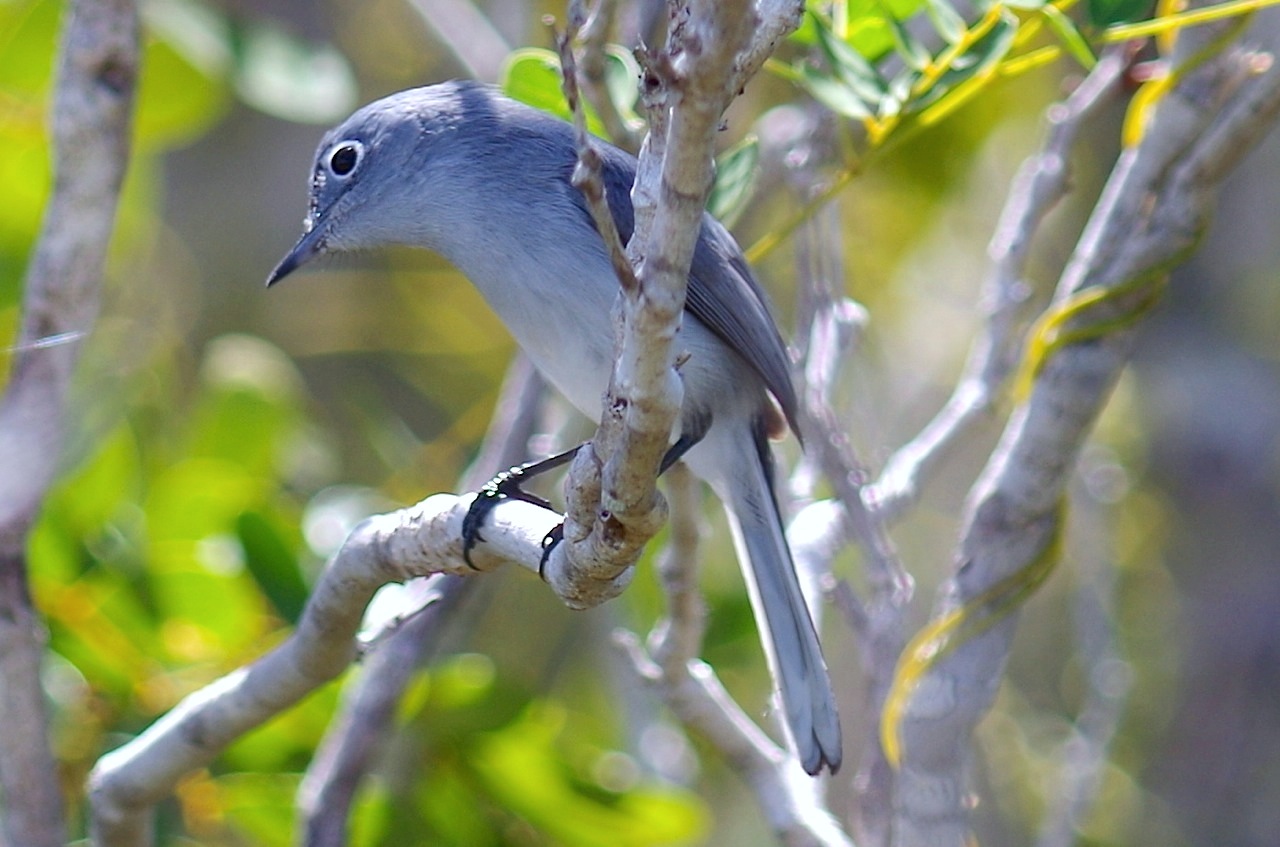
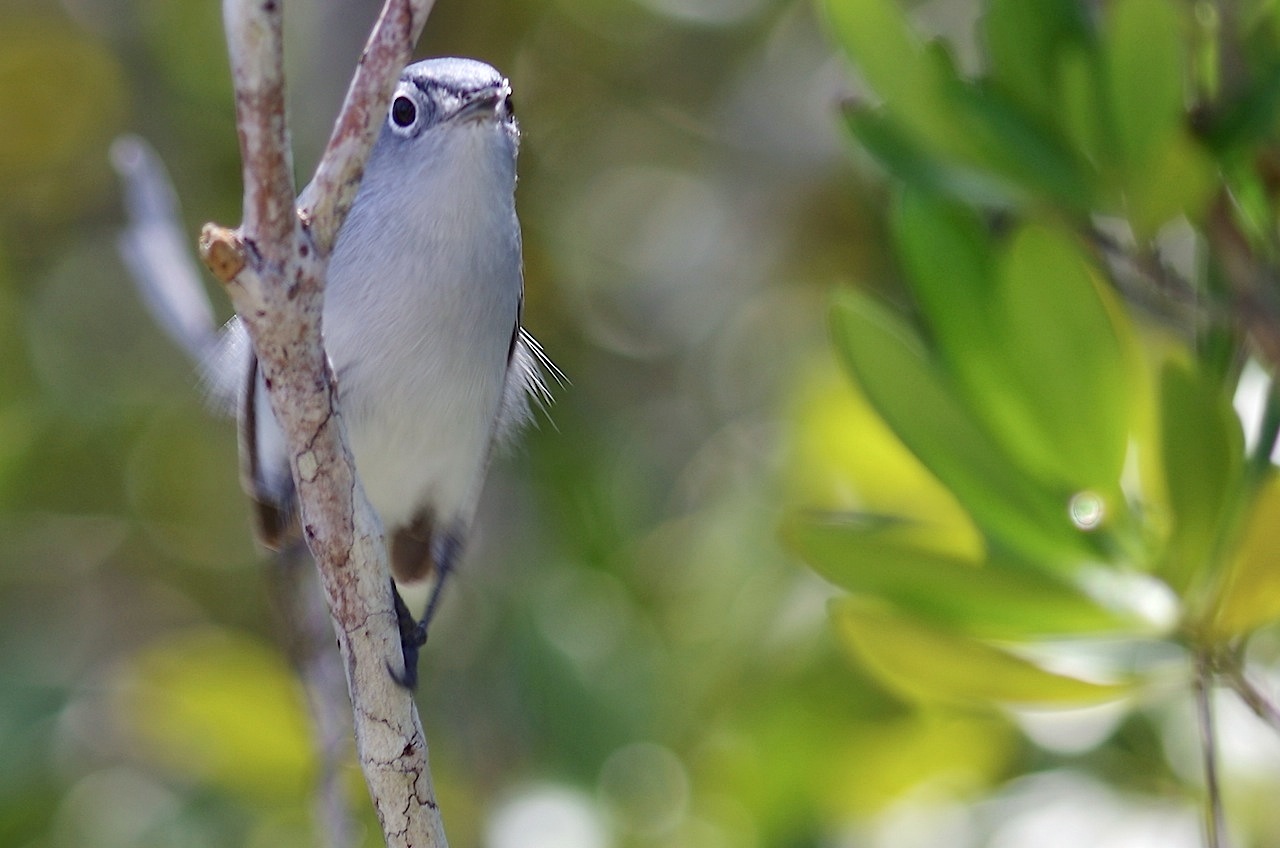
Cuban Emerald Chlorostilbon ricordii                        Blue-gray Gnatcatcher Polioptila caerulea DSC00721_2 DSC09484_2

The gallery above includes a number of specialist birds and others of particular interest. In brief:

  • 3 of the 4 ENDEMIC SPECIES found on Abaco (omitting only the Bahama Woodstar)
  • The famous, incomparable and indeed unique ground-nesting ABACO PARROT
  • 4 ‘local’ subspecies of birds also found beyond the Bahamas
  • 1 of only 5 resident warblers, the Olive-capped (of 37 recorded for Abaco)
  • The most recent addition to the birds recorded for Abaco PEARLY-EYED THRASHER
  • The WEST-INDIAN WOODPECKER, now found only on Abaco and (rarely) San Salvador
  • 2 or 3 introduced or domestic species (if that Muscovy Duck was at Gilpin Point it’s a pet!)
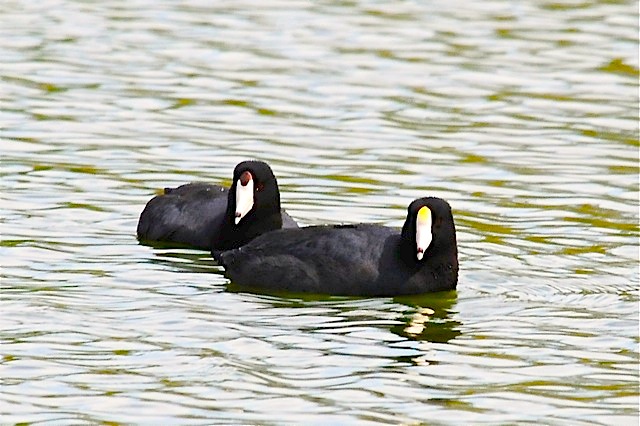
  • The debatable ‘Caribbean Coot’, about which it has been written**  The American Coot is familiar to all, but controversy surrounds the Caribbean Coot with its all-white frontal shield. Some authorities say it is a separate species; others say it is a true subspecies of the American Coot; some claim it is simply a local variant. Bond (1947) treats them as distinct species. The image below shows the two species together. They coexist contentedly and are indifferent to the debate.

American & 'Caribbean' Coot (Tony Hepburn)

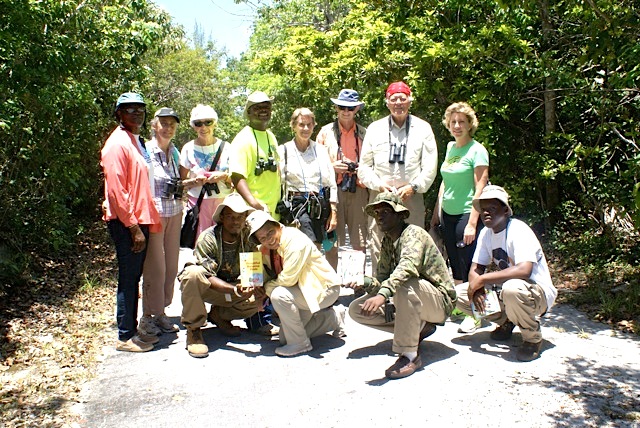
The group on a Logging Track in the Abaco National ParkDSC00349

The New Providence Birding Group Expedition to AbacoDSC00706_3

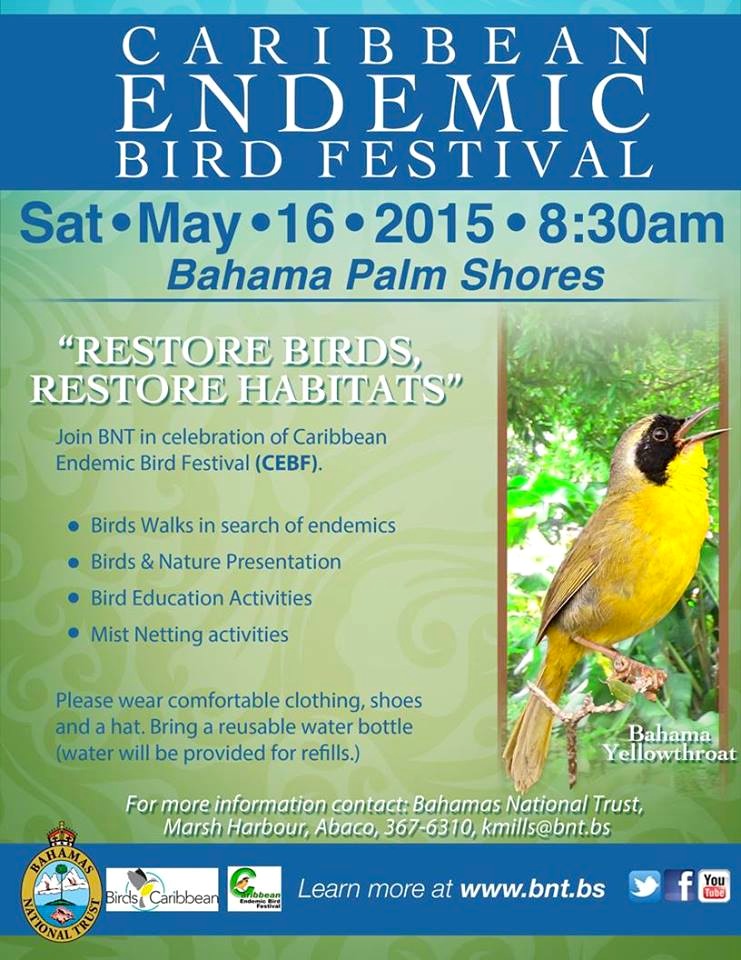
 Caribbean Endemic Bird Festival Flyer

CREDITS All photos Linda Huber (with many thanks for use permission) except the pair of coots (Tony Hepburn) and the singing Bahama Yellowthroat in the BNT Flyer (Bruce Hallett)

** Keith Salvesen, The Birds of Abaco p22

Unknown's avatar

“STRIKE THE POSE”: BLUE-GRAY GNATCATCHERS ON ABACO

Blue-Gray Gnatcatcher, Treasure Cay, Abaco (Becky Marvil)

“STRIKE THE POSE”: BLUE-GRAY GNATCATCHERS ON ABACO

I’ve featured these little birds before, including a few I took a couple of months back. For reasons to do with a current project I have been revisiting some of my archive folders of Abaco birds. Most are carefully and correctly labelled, which in most cases is easy – ‘Abaco Parrots’; ‘W Spindalis’; B/quits’ etc. Some have more fancy shortcut names that I’m just getting into – ‘PIPL’; ‘BAWA’; ‘WESA’ and so on. And some are crammed into generic folders like ‘Shorebirds Misc’, ‘Gulls Terns Whatever’ or ‘Warblers???’ pending further attention (if ever).

Blue-Gray Gnatcatcher, Treasure Cay, Abaco (Becky Marvil)Blue-Gray Gnatcatcher, Treasure Cay, Abaco (Becky Marvil)

The BGGs I have previously shown have all been photographed on South Abaco. Several of the photos here were taken in and around the Treasure Cay area by Becky Marvil, one of the photographic contributors to THE BIRDS OF ABACO. It’s good to remember that although South Abaco provides the best birding, there are other parts of the island, and some Cays such as Man-o-War, where the birding is also very good.

Blue-Gray Gnatcatcher, Treasure Cay, Abaco (Becky Marvil)Blue-gray Gnatcatcher, Treasure Cay Abaco (Becky Marvil)

BGGs are well-known for their irreziztbz little ways – coming to check you out if you pish, click or whistle softly in thick coppice; posing daintily for the camera; and maybe even preceding or following you down a track in a companionable way. They may be small, but they always a welcome sight and they make for a very attractive bird gallery.

Blue-gray Gnatcatcher, Abaco Bahamas (Tom Sheley) aBlue-gray Gnatcatcher preening, Abaco Bahamas (Tom Sheley) bBlue-gray Gnatcatcher, Abaco Bahamas (Tom Sheley) c

Blue-gray Gnatcatcher, Abaco (Charles Skinner)Blue-gray Gnatcatcher, Abaco (Charles Skinner)

Credits: Becky Marvil (1,2,3,4,5), Tom Sheley (6,7,8), Charlie Skinner (9,10), Bruce Hallett (11)Blue-gray Gnatcatcher, Abaco (Bruce Hallett)

Unknown's avatar

YELLOW WARBLERS ON ABACO

Yellow Warbler at sunrise. Abaco Bahamas.6.13.Tom Sheley copy

YELLOW WARBLERS ON ABACO

Of the 37 WARBLER SPECIES recorded for Abaco, 25 are mainly or partly yellow. So talk of a ‘yellow warbler’ can as easily be a general description matching any one of a number of species, as a particular description of the one and only Yellow Warbler Setophaga petechia. This small sunny bird is a common permanent resident on Abaco, one of only 5 resident warblers. The other 4 don’t help the situation much, by dint of all being yellow to a greater or lesser extent. 

Yellow Warbler male3.Abaco Bahamas.6.13.Tom SheleyDendroica-petechia-001 (MDF)

My general rule of thumb is that the Yellow Warbler out-yellows all the rest (though the winter-resident PROTHONOTARY gives it a run for its money), with the adult males bright and cheerful all over and the females rather less glaring but still demonstrably yellow from beak to tail tip.

Yellow Warbler (f) Bruce Hallett

Q. ARE THEY ALWAYS EASY TO SEE? A. SEE BELOW, GO FIGUREYellow Warbler male.Cherokee Sound.Abaco Bahamas.Tom Sheley

Q. CAN YOU SHOW MORE PRETTY FEMALES? A. BY ALL MEANSYEWA_Bahamas-Great Abaco_5204_Yellow Warbler_Gerlinde Taurer copyYEWA 2_Bahamas-Great Abaco_5165_Yellow Warbler_Gerlinde Taurer copy

Q. SO YEWAs ARE COMMON? HAVE YOU EVER PHOTOGRAPHED ONE? A. ONLY HOPELESSLYYellow Warbler, Abaco (Keith Salvesen)

Q. DO THEY HAVE AN ATTITUDE PROBLEM? A. ONLY VERY RARELYYellow Warbler male2.Abaco Bahamas.6.13.Tom Sheley

A THREAT TO THE SPECIES Shiny Cowbirds, luckily still rare on Abaco, favour yellow warbler nests for their parasitic egg-laying, with sadly predictable results. These cowbirds properly belong in South America, but they are gradually spreading north through the Caribbean, and have now reached Florida. I’m beginning to take a (purely personal) hard line on invasive species where they diminish and destroy indigenous species: eradication. The feral peacocks of Casuarina, now several generations down the line from their original introduction as exotic pets, do no harm and are undeniably decorative. But would you prefer the pretty yellow warbler and its fledglings in your garden, or the shiny cowbird that displaced them?

240px-Dendroica_petechia_map.svg

Credits: Tom Sheley (1,2,5,9); MDF (3)Bruce Hallett (4); Gerlinde Taurer (6,7); RH (8)

And finally… the song that out-yellows all other songs with the word ‘yellow’ in the title – it is the only song called just that one word! 

    Yellow Warbler at sunrise.Abaco Bahamas.6.13.Tom Sheley copy copy                Yellow Warbler at sunrise.Abaco Bahamas.6.13.Tom Sheley copy copy                Yellow Warbler at sunrise.Abaco Bahamas.6.13.Tom Sheley copy copy                Yellow Warbler at sunrise.Abaco Bahamas.6.13.Tom Sheley copy copy                Yellow Warbler at sunrise.Abaco Bahamas.6.13.Tom Sheley copy copy

Unknown's avatar

ENDANGERED SPECIES DAY: ONE LITTLE REASON WHY IT MATTERS…

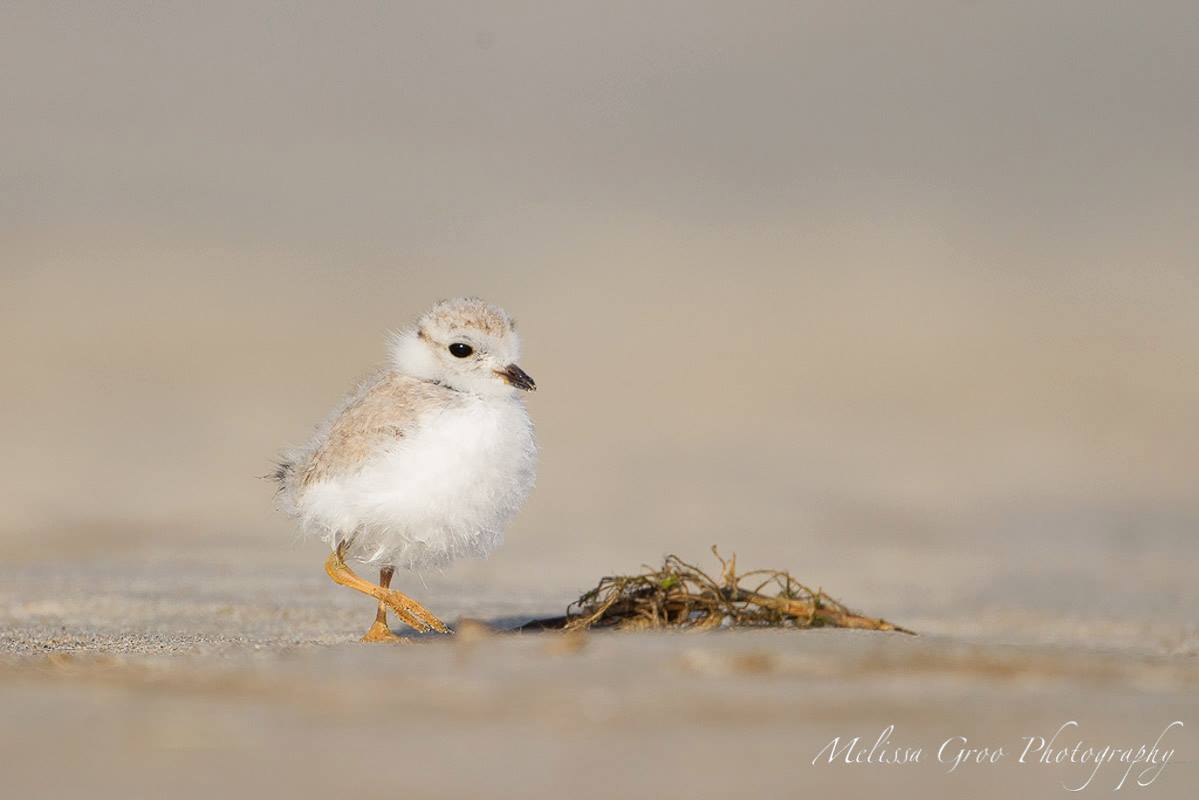
Piping Plover Chick ©Melissa Groo PhotographyI had been going to post a selection of bird photos to mark Endangered Species Day today. I’d begun to plan the details – the birds to use, the captions for each and so on. Then I saw one photograph that is so charming and yet so poignant that I realised that adding further images would be superfluous. This tiny piping plover chick is a potent symbol of the vulnerability of all threatened species.

This shot was taken by award-winning and renowned wildlife photographer Melissa Groo. If you want to see the most wonderful and varied wildlife photography that you could ever imagine, please go to Melissa’s website and prepare to be amazed. You will find it HERE

I have posted several times about the endangered piping plovers, many of which overwinter in the northern Bahamas generally, Abaco particularly, and the Delphi Club beach specifically. There are believed to be fewer than 8000 individual birds on earth, and their little world of the shoreline is threatened at both ends of their migration, as well as at their rest ‘stopovers’ en route in either direction. Conservation programs at each end of the range are proving effective at preserving the plovers’ habitat, and the population does seem to have increased slightly. Each chick protected represents a small triumph for conservation.

10929252_1074153812594711_7941388760872191799_n

RELATED POSTS

RARE GEMS

50 WAYS TO PLEASE YOUR PLOVER

PLOVER LOVER?

Photo credit: Melissa Groo, with thanks for the inspiration! “Less is more…”; Conserve Wildlife Foundation of NJ for their partnership conservation work with PIPL on Abaco and in the Bahamas; the originator – ?Great Lakes Piping Plover Project –  of the neat small logo…

10626583_10153152260167977_7640847114631960629_n

Unknown's avatar

PLOVER LOVER? MEET SOME CUTE CHICKS ON ABACO

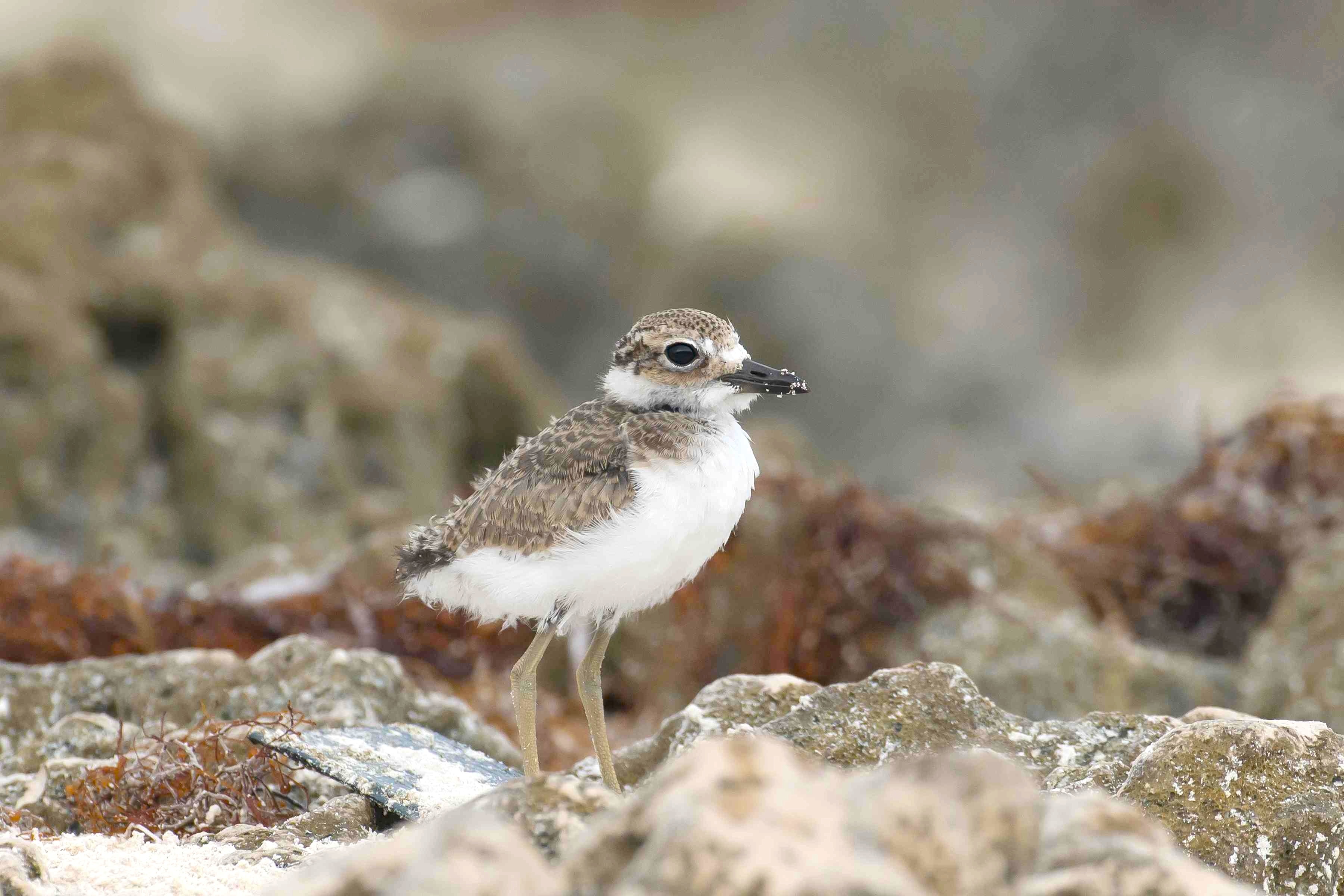
Wilson's Plover chick.Delphi Club.Abaco Bahamas.Tom Sheley

PLOVER LOVER? MEET SOME CUTE CHICKS ON ABACO

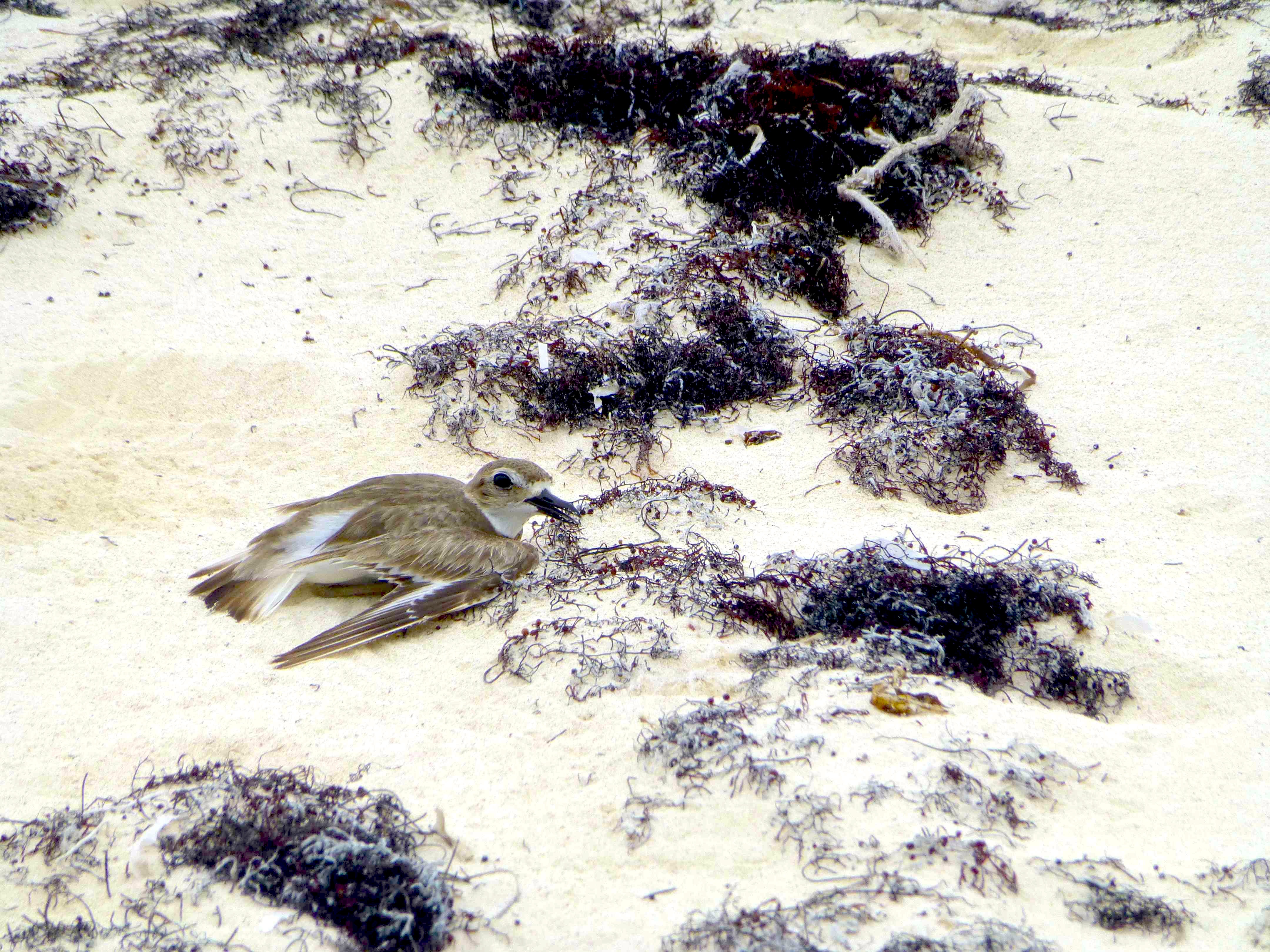
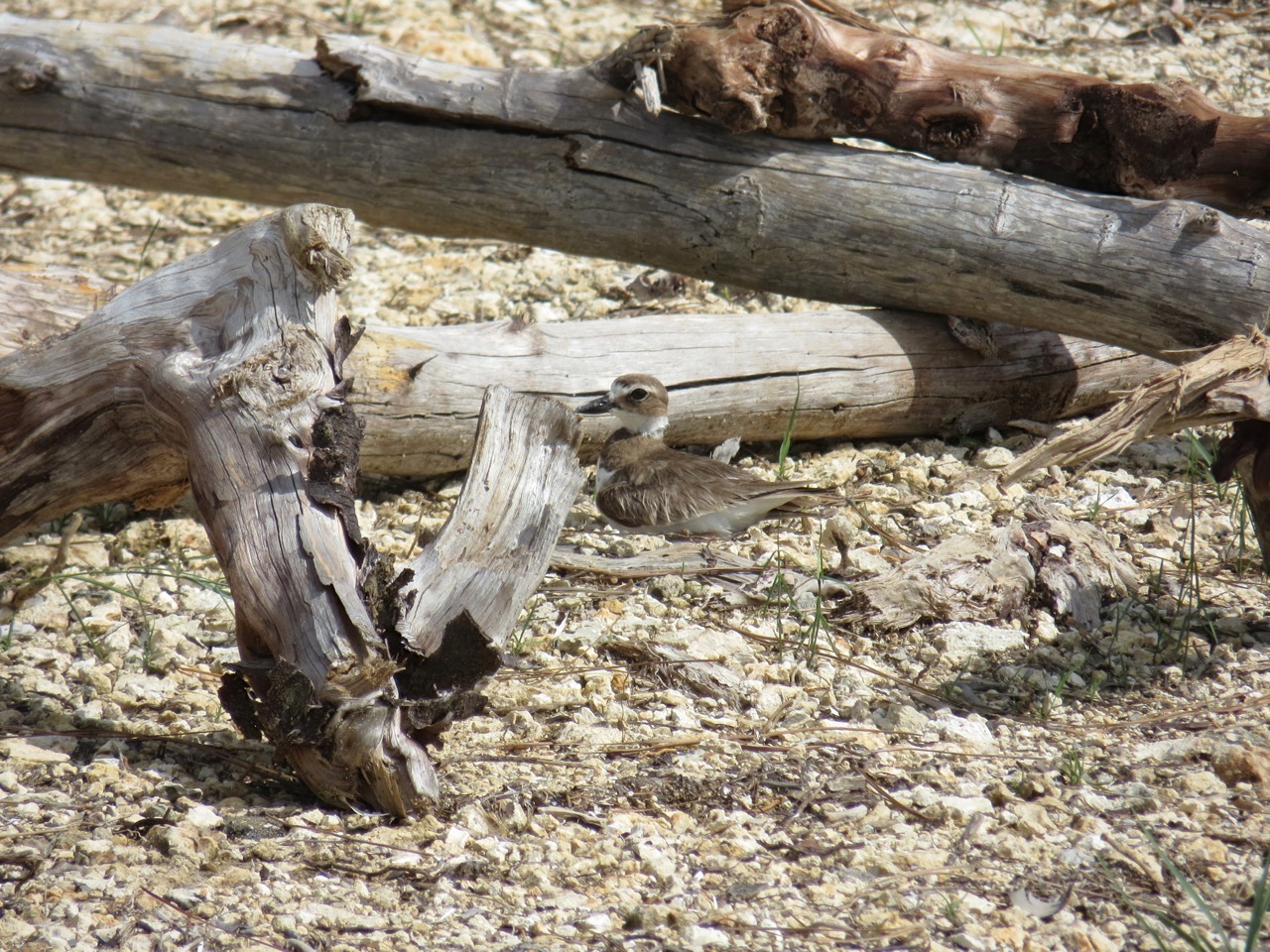
(*Serious Voice*) “The Wilson’s Plover is the only permanent resident plover found on Abaco, the other species being the winter resident Black-bellied Plover, Semipalmated Plover, Piping Plover and Killdeer; and the rare transient American Golden Plover. The nidification of the Wilson’s Plover is by common consent among naturalists the most…”

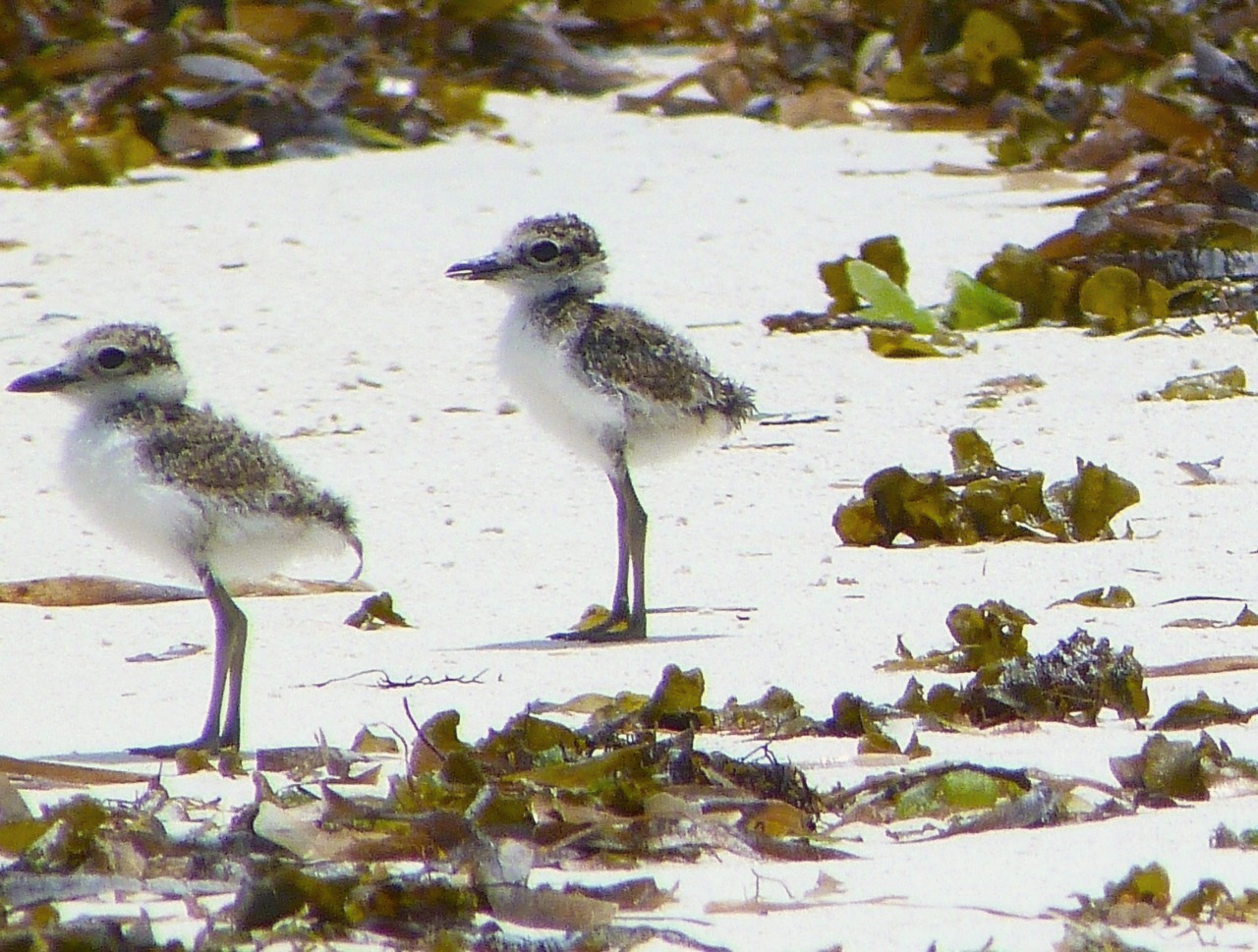
But let’s not get carried away with all that pompous ornithological stuff. There are baby plovers to be considered. Each one exudz adorbz and absorbz admirz. Most of the photos below were taken on the beach at Delphi. Ready? Let’s meet some chicks… But you can’t have them without first having the eggs, can you?

Wilson's Plover nest, Delphi Beach, Abaco (Clare Latimer)Wilson's Plover chick.Delphi Club.Abaco Bahamas.Tom Sheley

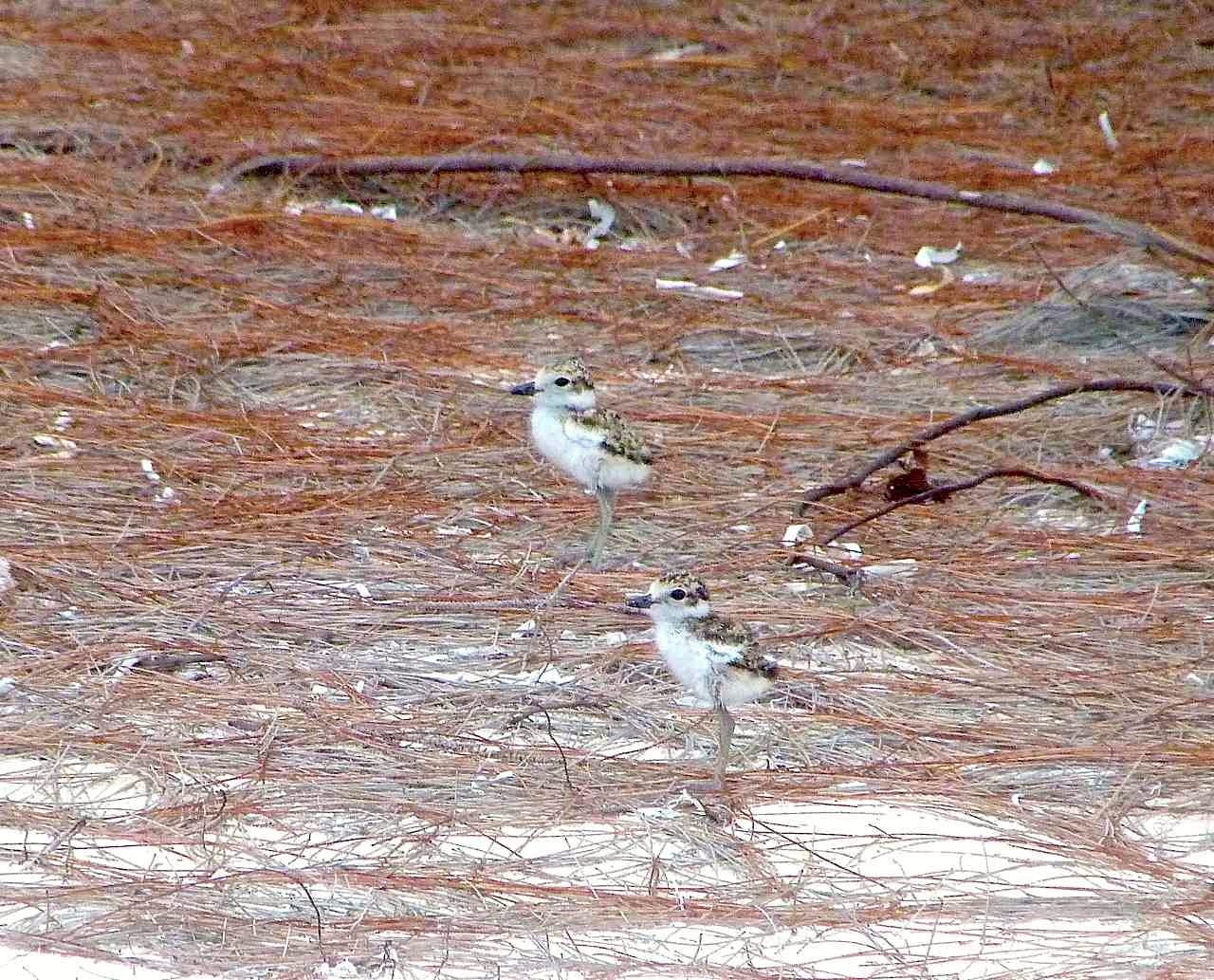
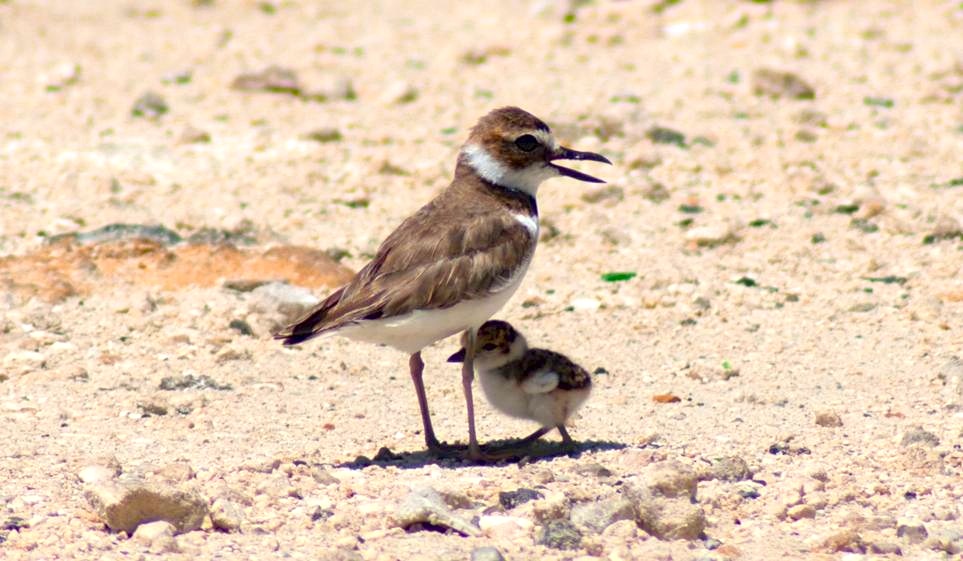
The Wilson’s Plovers at Delphi generally nest at the north end of the beach, up towards the reef. It is secluded, has good sight-lines and is bordered by pines. On the approach of a predator or human (in this case, me), the tiny chicks are sent scuttling to safety at the back of the beach while the parents prepare to tough it out if need be…Wilson's Plover Chicks Delphi Beach, Abaco (Keith Salvesen)

“You ain’t seen me, right?”Wilson's Plover Chick, Delphi Beach, Abaco (Keith Salvesen)

“I know we are caught in the open, but if we stand really still, you can’t see us, right?”Wilson's Plover Chicks x 2, Delphi, Abaco (Keith Salvesen)

One of the most fascinating aspects of bird behaviour to watch is the so-called ‘broken-wing’ display put on by plover parent(s) to distract a predator away from a nest or scrape, and the eggs or chicks in it. Kildeer and black-necked stilts are among other species that do this performance. It goes like something like this: 

“Oh! OW! I am helpless. Please don’t attack me, Apex Predator, for I am but a vulnerable plover…”Wilson's Plover, Delphi, Abaco -  broken wing display (Clare Latimer)

“But kindly follow me as I flap pathetically (moving away from my nest). I can’t fly, you know…”Wilson's Plover, Delphi, Abaco -  broken wing display (Clare Latimer)

Camouflage also plays a part in the protection of these little creatures. This chick is on the rocks at the north end of the Delphi beach, the bit where you begin to wish you’d worn shoes because the rock is so sharp… From 10 feet away, you might well miss seeing the chick completely.Wilson's Plover chick. Delphi.Abaco Bahamas.6.13.Tom Sheley

This is one of my favourite shots, also at Delphi, taken by Sandy WalkerWilson's Plover & Chick, Delphi, Abaco (Sandy Walker)

Quite a while ago, I wrote about a Wilson’s Plover family that had made their scrape at Nettie’s Point, the place where the bonefishing skiffs are launched. They chose their homemaking site right where the trucks and trailers turn. Big mistake you might think. But the kind guides built a small stockade of branches round the scrape so that it could clearly be seen and avoided. After that, Mrs WP settled down happily and Mr WP stood guard whenever anyone was around…

The protective stockade in place. Mrs Plover in place. All’s well with the worldNettie's Point, Abaco - Proected Wison's Plover Nest (Keith Salvesen)Nettie's Point, Abaco - Mrs Wilson's Plover on the nest (Keith Salvesen)

Soon after, two chicks hatched, were reared by both parents, and in due course fledged safelyWilson's Plover.Abaco Bahamas.Tom SheleyWilson's Plover + chicks 2.Abaco Bahamas.6.13.Tom Sheley

Photo Credits: Clare Latimer (2, 7, 8); Tom Sheley (1, 3, 9, 13, 14); Sandy Walker (10); RH (the rest)

Unknown's avatar

COMMON GROUND DOVE (‘TOBACCO DOVE’) ON ABACO

Common Ground Dove, Abaco (Tom Reed)

COMMON GROUND DOVE (‘TOBACCO DOVE’) ON ABACO

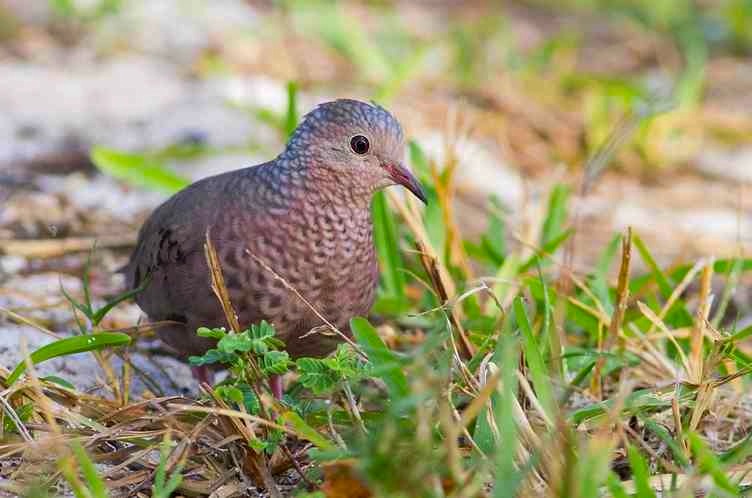
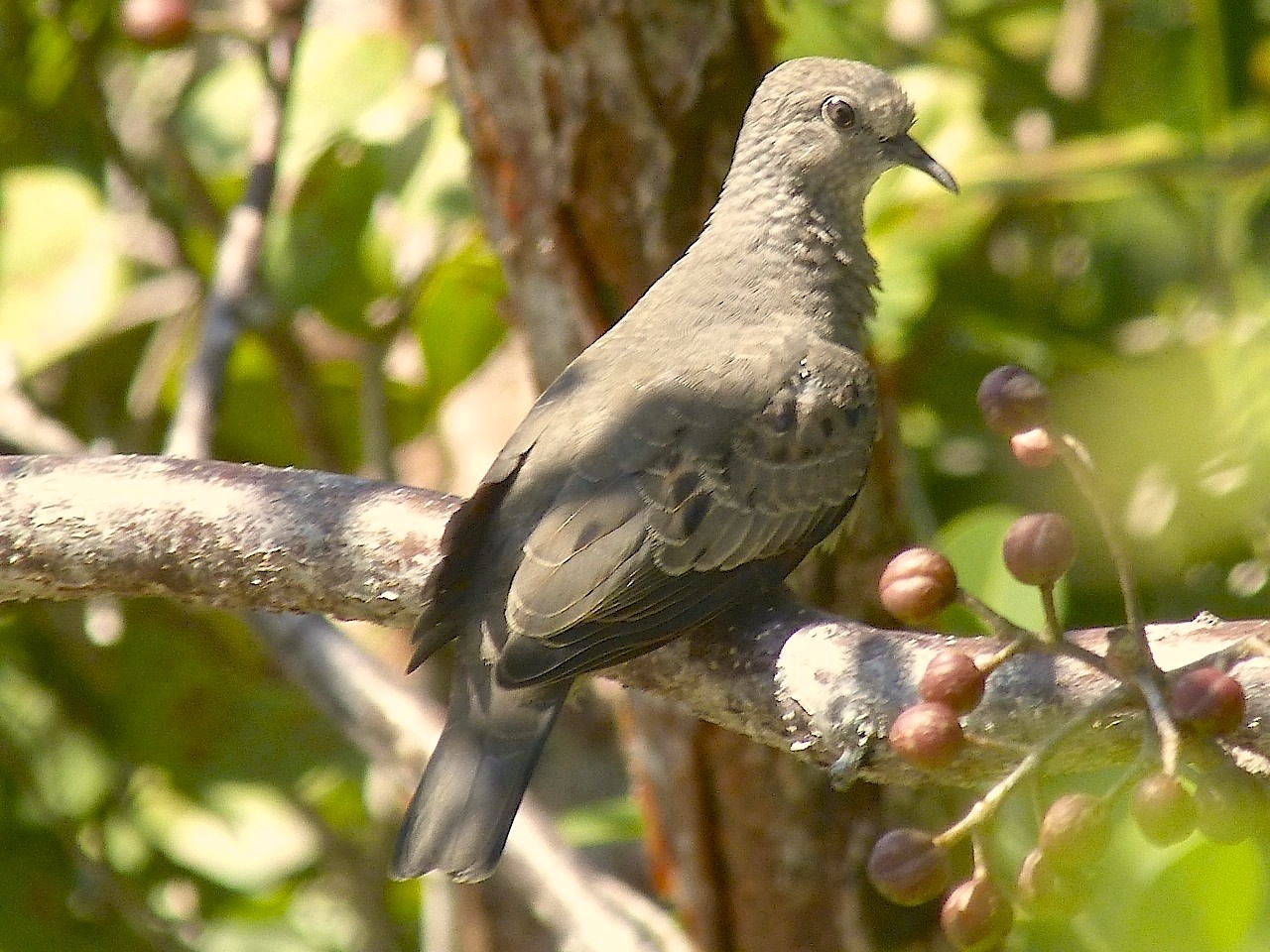
These small birds Columbina passerina are also known as tobacco doves. Although they sometimes perch in the branches of trees, you are more likely to encounter them on the ground, where they forage for seeds, fruit, and insects. Common Ground Dove, Abaco 1 (Tom Sheley)

They will often fly in front of a person or vehicle in short fluttering stages, keeping out of reach but never going too far ahead.When they fly, their undersides flash reddish-brown (sometimes described as chestnut) – hence (I presume) the tobacco dove name.

Common Ground Dove, Abaco 2 (Tom Sheley)

The common ground dove is one of the world’s smallest doves – roughly 6 inches long. Its beak has a black tip, and its feathers have a pinkish tinge. The feathers on the head and the breast look rather like scales. Females are similar to males but tend to be greyer.

Common Ground Dove, Abaco (Nina Henry)

Common ground doves mate with their partner for life, and a pair may have 2 or even 3 broods a year. Both parents feed the young birds until they are ready to feed themselves. Rather amazingly, hatchlings can fledge in 11 days. 

Common Ground Dove, Abaco 3 (Nina Henry)

Here’s the sound to listen out for, a (frankly) rather monotonous and subdued little ‘whoop’.

 Andrew Spenser / Xeno Canto

Common Ground Dove, Abaco 2 (Nina Henry)

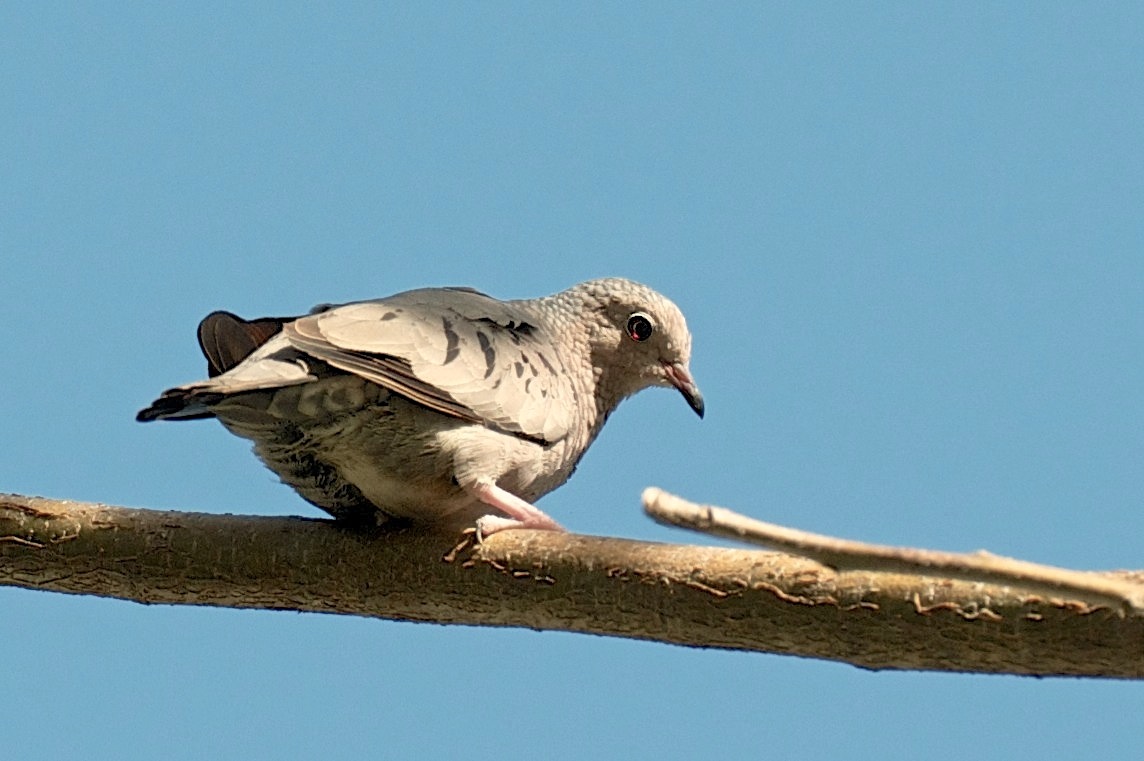
My own attempts to photograph a CGD satisfactorily have been rather feeble. I have taken plenty of photos of them on the ground, but nothing memorable, let alone useable. However the one below surprised me by flying onto a branch quite near me, and I had time to squeeze the trigger before it flew off again. Far from perfect compared with others on this page, but I’m not going to let that little detail prevent me from showing it… Common Ground Dove, Abaco (Keith Salvesen)

 Photo Credits: Tom Reed (1), Tom Sheley (2, 3), Nina Henry (4, 5, 6), RH (7); Audio – Andrew Spenser / Xeno Canto

Unknown's avatar

WHITE IBISES ON ABACO: UNCOMMONLY EXCITING SIGHTING

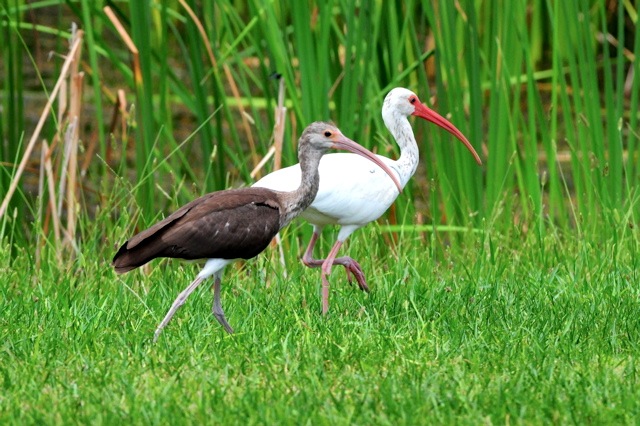
White Ibises (adult & juvenile), Sandy Point, Abaco (Keith Salvesen)

 WHITE IBISES ON ABACO: UNCOMMONLY EXCITING SIGHTING

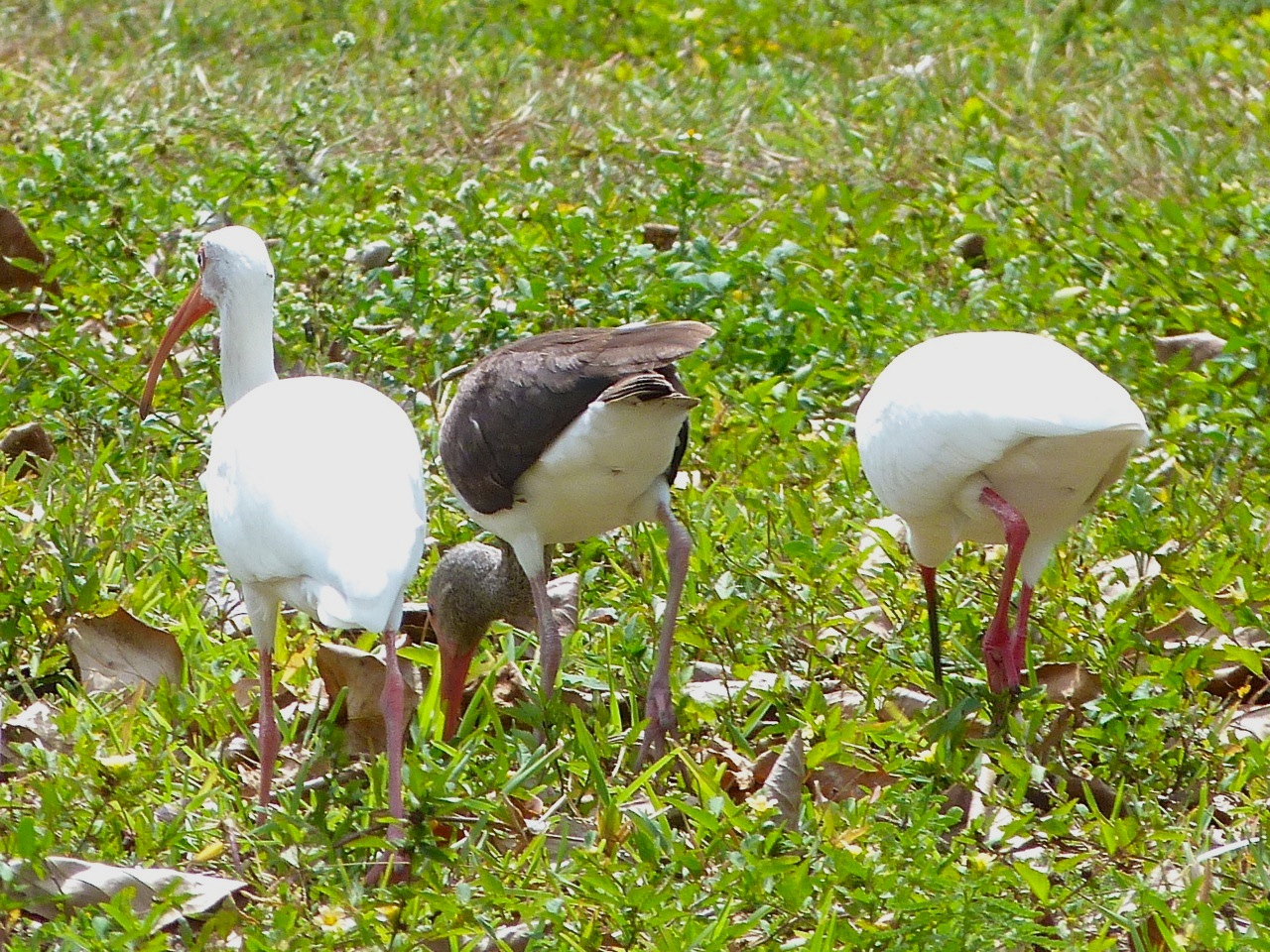
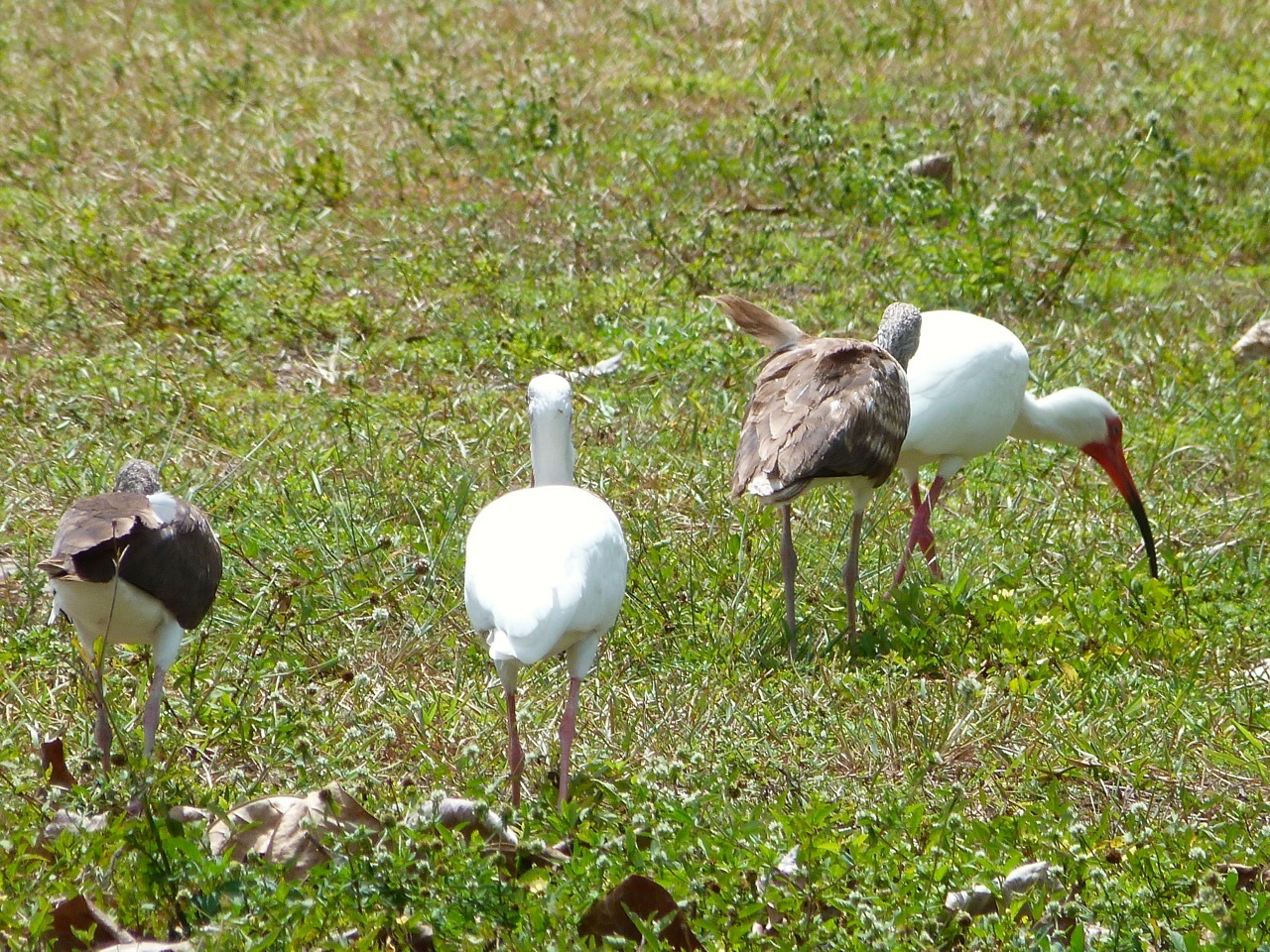
“STOP THE CAR!” The shout was embarrassingly loud, amplified by being yelled inside a vehicle. Loud, because it seemed to emanate from very close indeed to my ear. Embarrassing, because it appeared to come out of my own mouth. Good grief! It was me. And I’d seen White Ibises. There they were, 2 adults and 2 juveniles, strolling and feeding their way across an open grassy area right in the middle of Sandy Point, as casual as you please.

P1200740White Ibises (adult & juvenile), Sandy Point, Abaco (Keith Salvesen)

So I leapt out of the car (it had conveniently and fortunately stopped by this stage), remembered to remove the lens cap for once, and took some photos. Unfortunately we had driven slightly past them which inevitably increased the risk of bird-butt shots (as the birds were moving away from me) to add to my already impressive ‘aves-ass’ collection

White Ibis, Sandy Point, Abaco (Keith Salvesen)

The reason for the excitement was that the White Ibis is classed on Abaco as a ‘WR4‘, that is to say a Winter Resident that is both uncommon to rare and irregularly reported. Some years, maybe none will be seen at all. When I was collecting the images – hundreds and hundreds of them – for THE BIRDS OF ABACO, I rejected any that had not actually been taken on Abaco. That was part of the point of the enterprise, to showcase Abaco’s birds, not “birds from other islands that you may also encounter on Abaco”. So although we had some wonderful White Ibis pics from Nassau, they were ineligible for the book…

We ended with just the one, taken by Kasia Reid at the Treasure Cay Golf course ponds. In the course of the 16 months it took to produce the book, we never obtained another Abaco White Ibis photo, which meant that Kasia’s image did not qualify for a spread and sadly had to be relegated to the supplement… (bird 159 on page 262!). Here it is.

White Ibis, Treasure Cay, Abaco (Kasia Reid)

Meanwhile, returning swiftly to Sandy Point, the 4 Ibises (Ibi?) were working their way slowly and systematically over the greenery, picking through it for morsels of food.

White Ibises (adult & juvenile), Sandy Point, Abaco (Keith Salvesen) White Ibis, Sandy Point, Abaco (Keith Salvesen) White Ibis, Sandy Point, Abaco (Keith Salvesen) White Ibises (adult & juvenile), Sandy Point, Abaco (Keith Salvesen) White Ibises (adult & juvenile), Sandy Point, Abaco (Keith Salvesen)

Then they were gone, and I got back into the car feeling that I had seen something special. I may have been the only occupant who felt that way, but such is life. For all I know, the birds may have been there for weeks. Or forever. But I have never seen them there before, nor seen reports of them. The sighting further confirms the excellence of Sandy Point as a birding location on land, shoreline and out to sea.

And then it was off to the legendary Nancy’s for lunch (fresh snapper, Kalik). Here are some of the Ibi (that sounds a much better plural) that had to be ruled out of the book for being non-Abaconian.

THE SALON DES REFUSÉS OF THE NASSAU EUDOCIMUS ALBUS

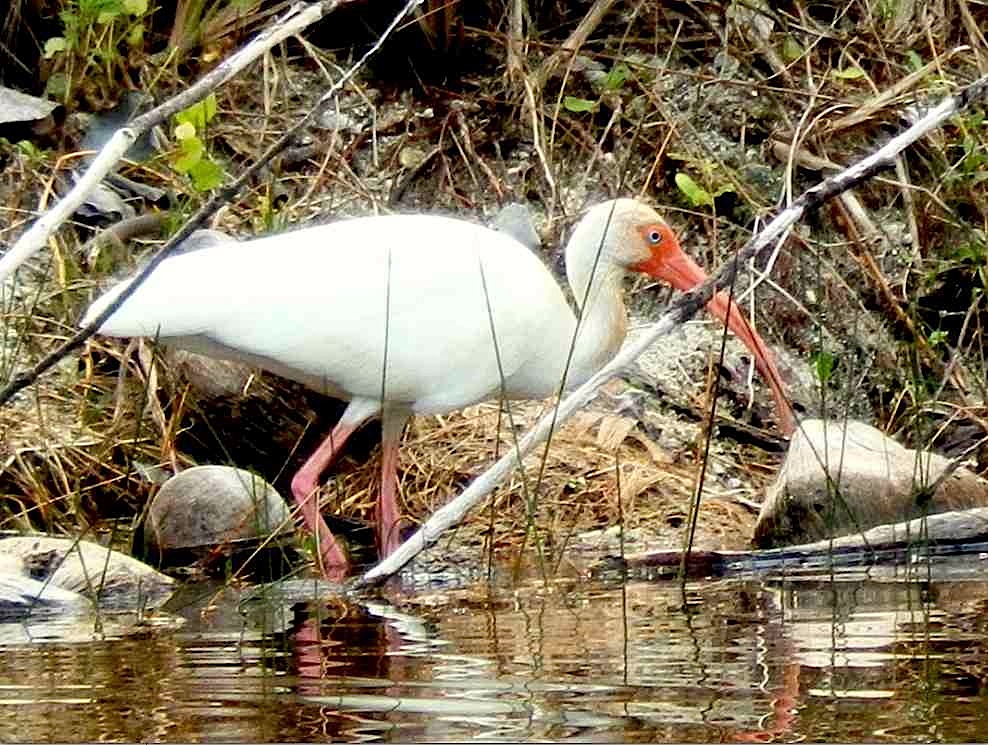
White Ibis, Bahamas (Tony Hepburn) White Ibis, Bahamas (Tony Hepburn) White Ibis (adult & juvenile), Bahamas (Tony Hepburn) White Ibises, Bahamas (Woody Bracey)

Credits: RH, Kasia Reid, Tony Hepburn, Woody Bracey

Unknown's avatar

“THE ABACO BACKCOUNTRY – AN APPRECIATION” by JIM TODD

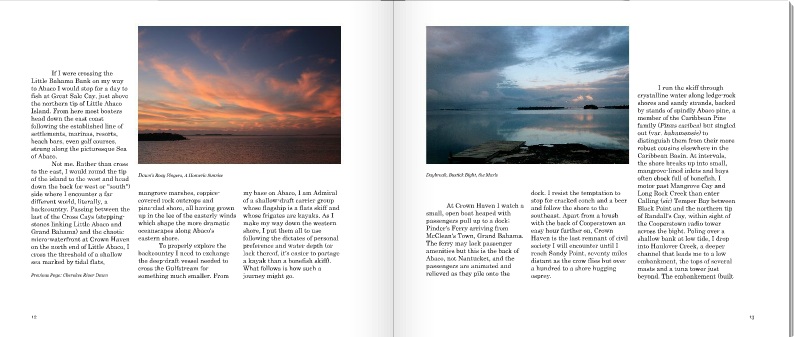
Click to preview The Abaco Backcountry photo book

Jim Todd has produced an attractive self-published book, available in 3 formats, showcasing some of the outstanding features of the less-frequented areas of Abaco and its waters. It contains many excellent photographs, with interesting notes and observations. There are places and facts in the book that may not be known even to locals! Below are some sample pages. 

Abaco Backcountry Grab 2 Abaco Backcountry Grab 3 Abaco Backcountry Grab 4 Abaco Backcountry Grab 5Abaco Backcountry Grab 7 Abaco Backcountry Grab 6Abaco Backcountry Grab 1

Anyone who loves Abaco, its natural surroundings, its ecology and its wildlife will love this book. If this post has whetted your appetite, here are some further details:

Available exclusively on BLURB (this is the direct link)

“The Abaco Backcountry draws on the author’s extensive exploration of the area to describe a hypothetical traverse of its length in words and pictures. It is not a guidebook but an appreciation of a unique Bahamian marine ecosystem”

56 pp, available softcover ($35), Hardcover, Dustjacket ($38.99) and Hardcover, Image Wrap ($40.99)

STOP PRESS In answer to a UK query, the Blurb price is shown in $$$. When you go to the checkout, the shipping is added e.g. $10.99 to ship the PB version to the UK. You can pay by CC or Paypal. The conversion to sterling (or presumably euros) happens… by magic

Unknown's avatar

GRACE WITH ATTITUDE: SOUTHERN STINGRAYS IN THE BAHAMAS

Southern Stingray 2 ©Melinda Riger @ G B Scuba copy

GRACE WITH ATTITUDE: SOUTHERN STINGRAYS IN THE BAHAMAS

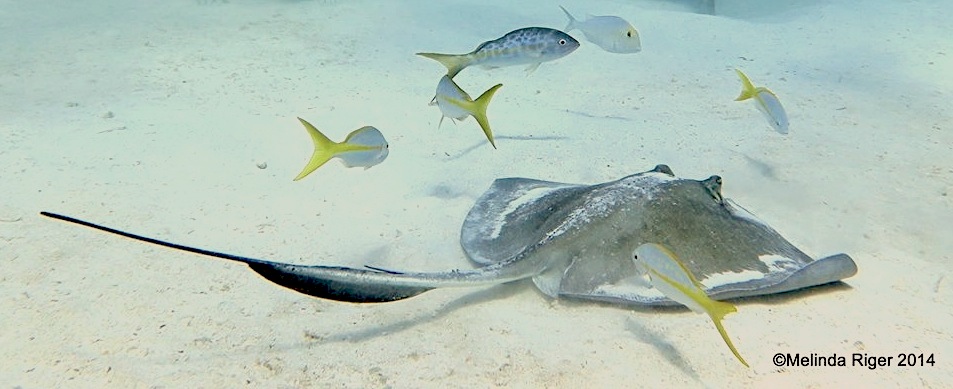
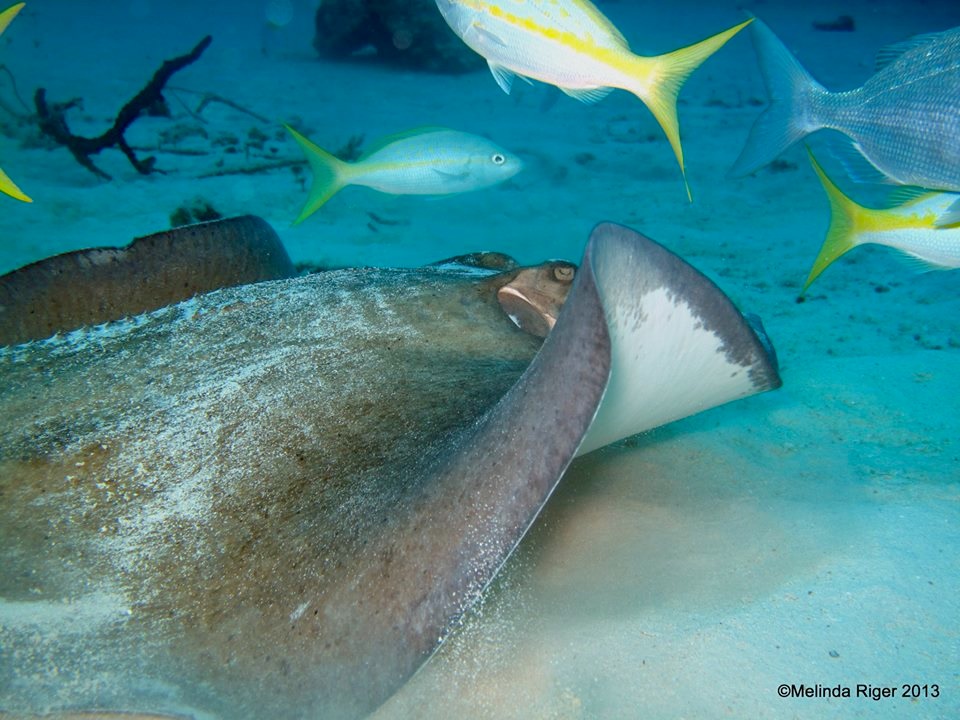
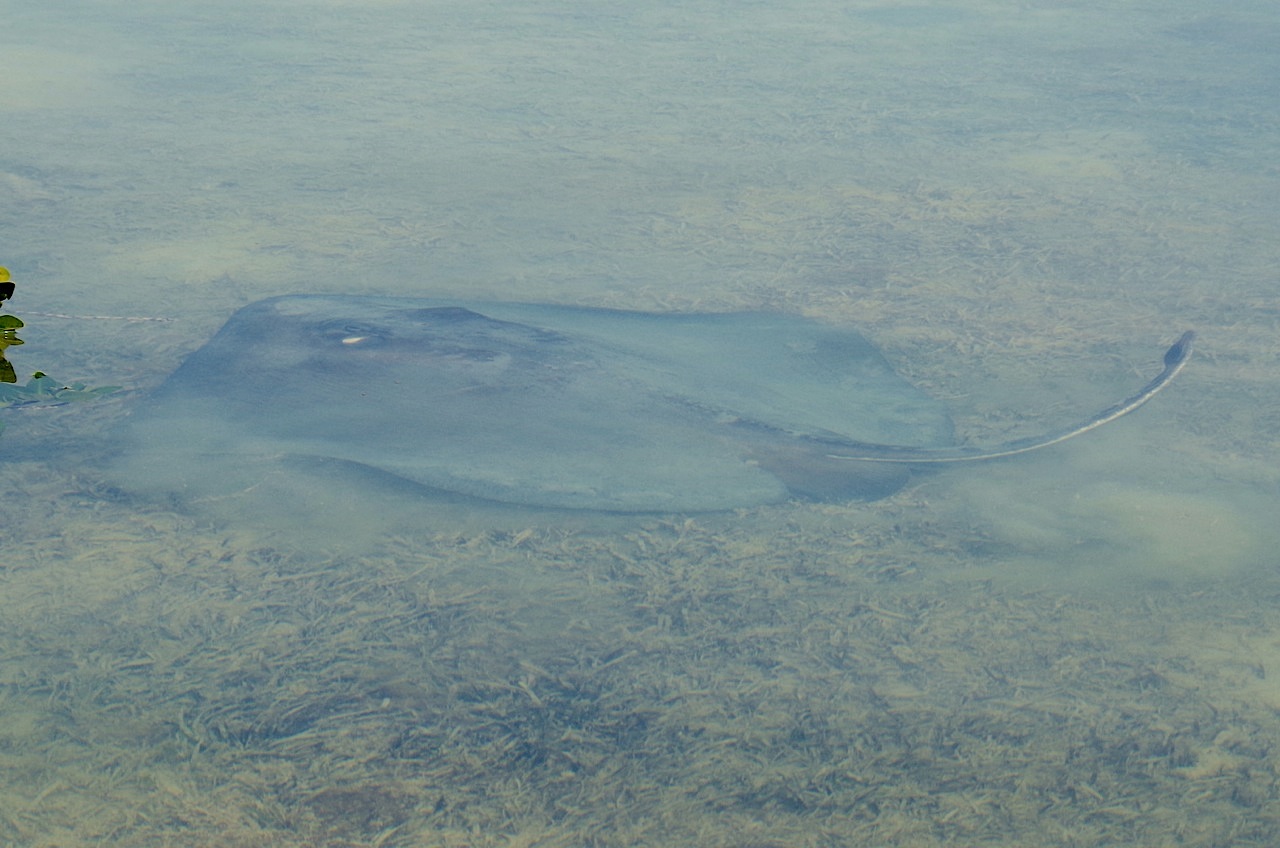
Southern Stingrays are often seen in Abaco waters. In the bay of Rolling Harbour at Delphi, we sometimes watch them admiringly from the balcony or beach as they lazily cruise along the shoreline in the turquoise water. If someone is in the water, they will make a leisurely detour round them – unfrightened in their own element, but unthreatening and disinclined to investigate human intrusion. Diving with them is a wonderful experience (though I have never got very close). Melinda Riger – a scuba expert with great camera skills – takes the most beautiful photos of the stingrays she encounters. Here are a few that I haven’t yet featured.  Notice the little striped CLEANING GOBIES going about their business. 

Stingray, Southern with cleaning gobies ©Melinda Riger @ G B Scuba copyStingray, Southern at cleaning station ©Melinda Riger @ G B Scuba  copySouthern Stingray © Melinda Riger @GB Scuba copy

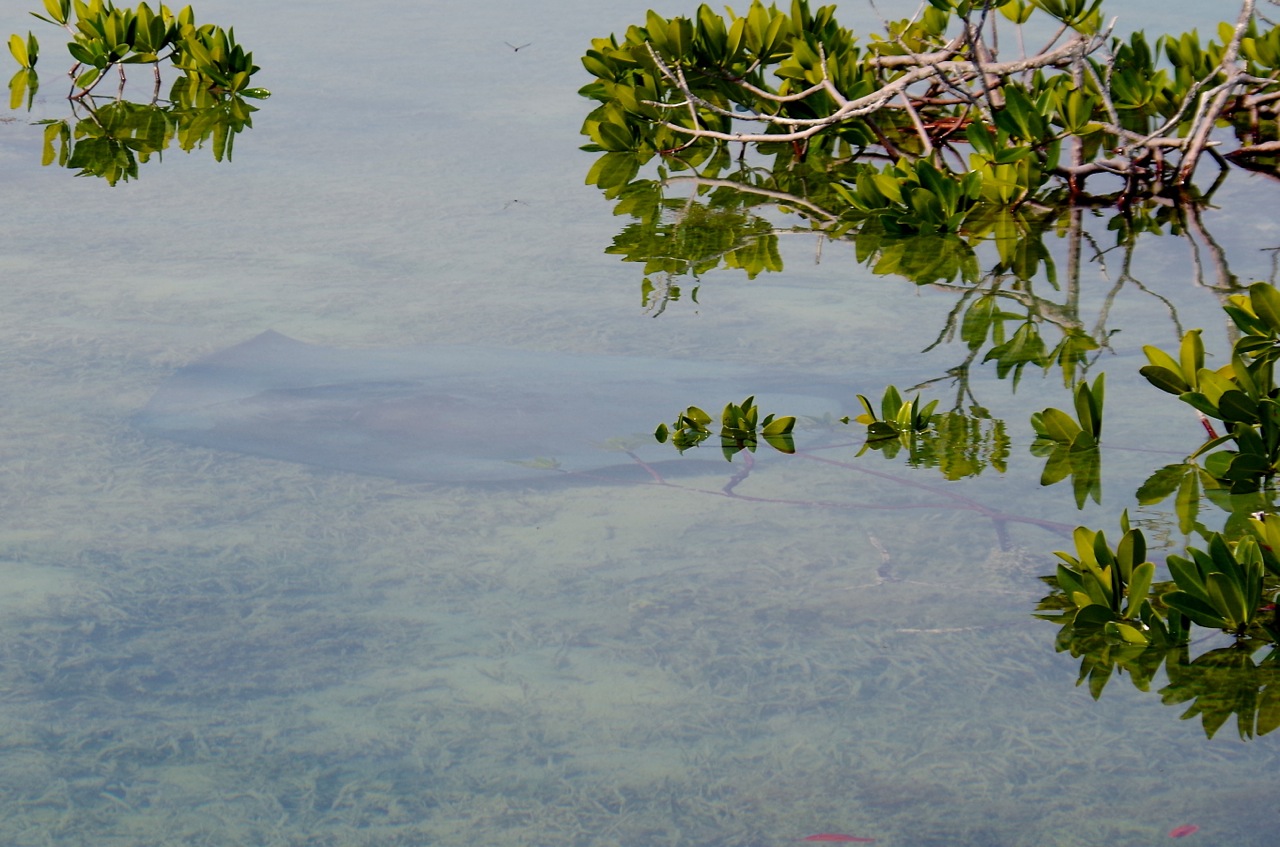
Southern Stingrays are often encountered when one is bonefishing in the low waters of the Marls. I took the photos below while we were fishing in a channel between areas of mangrove. As the skiff was poled very slowly forward, I saw the stingray coming straight towards us. I wondered how it would react. Very elegantly, was the answer. It turned effortlessly and unperturbed to one side, then resumed its original course leaving a clump of mangrove between it and the skiff. 

Southern Stingray, Abaco Marls (Keith Salvesen 1)Southern Stingray, Abaco Marls (Keith Salvesen 2)Southern Stingray, Abaco Marls (Keith Salvesen 3)Southern Stingray, Abaco Marls (Keith Salvesen 4)

RELATED POSTS

SOUTHERN STINGRAYS

RAYS OF SUNSHINE

YELLOW STINGRAYS

Credits: Melinda Riger, Grand Bahama Scuba; RH

Unknown's avatar

REDDISH EGRET ON ABACO, LOVES FISHING, STILL SEEKS ‘THE ONE’

Reddish Egret, Crossing Rocks, Abaco (Keith Salvesen)09

REDDISH EGRET ON ABACO, LOVES FISHING, STILL SEEKS ‘THE ONE’

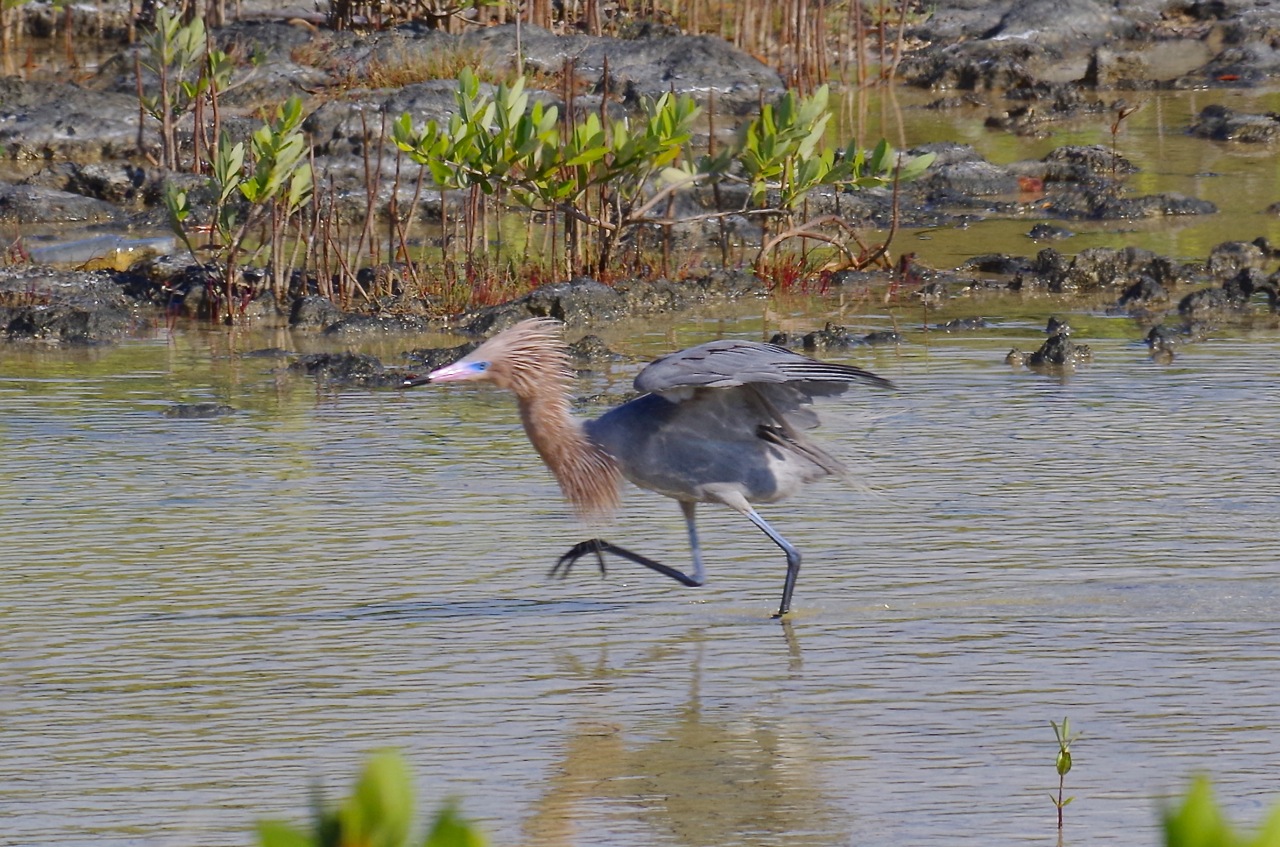
A couple of weeks ago I wrote about a wonderful male reddish egret in his splendid breeding colours. He was hanging out in the brackish ponds opposite the Crossing Rocks jetty, ‘spear fishing’ from a standing position and ‘chase-fishing’ frantically through the water. You can see that post HERE. Unsurprisingly, we decided to take another look down there – easily done, since we had spent the morning out bonefishing on the west side. We’d earlier seen a tri-colored heron in the ponds, and a reddish egret WHITE MORPH, so it was worth having a (different) camera to hand…
Reddish Egret, Crossing Rocks, Abaco (Keith Salvesen)11

We were in luck. The RE was still there, looking every bit as handsome as before (though not the entire time – see below) So here are some more shots of this gorgeous bird.

Reddish Egret, Crossing Rocks, Abaco (Keith Salvesen)12Reddish Egret, Crossing Rocks, Abaco (Keith Salvesen)13Reddish Egret, Crossing Rocks, Abaco (Keith Salvesen)01Reddish Egret, Crossing Rocks, Abaco (Keith Salvesen)02Reddish Egret, Crossing Rocks, Abaco (Keith Salvesen)14Reddish Egret, Crossing Rocks, Abaco (Keith Salvesen)05

Mostly, the RE was sleek and elegant. There were times however when the wind ruffled him up a bit, and he lost some of his composure… not the ideal look should a female RE arrive looking for her perfect partner at that very moment. A bit ‘morning after’ rather than ‘evening before’…Reddish Egret, Crossing Rocks, Abaco (Keith Salvesen)07

…and does this (unfairly undignified) view reveal a touch of early baldness’?Reddish Egret, Crossing Rocks, Abaco (Keith Salvesen)06

This turned out to be our last opportunity to see the RE. Let’s hope he has paired off happily, and that his offspring will be at the ponds next year.

I posted this photo on FB, because the bird strongly reminded me of someone. A very small amount of digging produced the human likeness and inspired a bit of creativity – see below (with apologies to both parties).Reddish Egret, Crossing Rocks, Abaco (Keith Salvesen)08

RODDISH EGRET MEETS RED STEWART…

                     Rolling Harbour Abaco's photo.Rolling Harbour Abaco's photo.
To coin a phrase, Every Picture tells a Story! Oh. Someone’s come up with that already, have they? Well here’s a reminder of the original – complete with Sir Roderick’s personal grooming advice near the start: “…standing in front of my mirror… combed my hair in 1000 ways, but it came out looking just the same…”
All photos: RH, with Mrs RH
Unknown's avatar

WOOD DUCK: THE LEAST REALISTIC DUCK EVER

Wood Duck (Keith Salvesen)5

WOOD DUCK: THE LEAST REALISTIC DUCK EVER

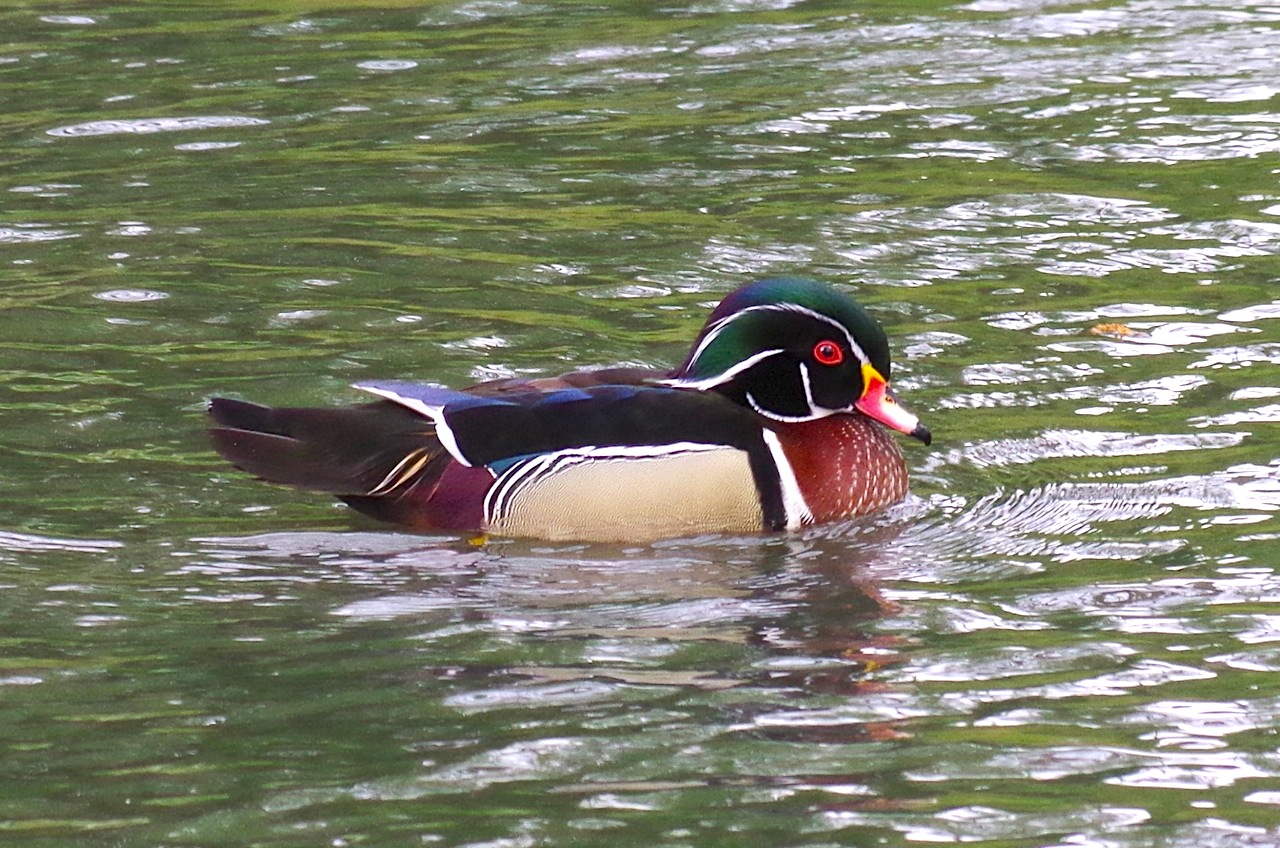
I’ve been out shooting duck, camera-wise. Ducks are a bit of a mystery to me, and to be honest I often find it hard to tell one ruddy duck from another. I’ve found a memorable one now, though – the Wood Duck Aix sponsa. With all due respect to the Family Anatidae, these birds are just wooden toys brightly painted. I’ve watched them, and I’m still not convinced they don’t have tiny motors in them that propel them slowly in the water and make the wings twitch from time to time. 

Wood Duck (Keith Salvesen)2

Wood Ducks may be found on Abaco, which I why I mention them. I’m showing some here in case you should be lucky enough to meet one – then you’ll recognise it at once. They are infrequent winter residents on Abaco – not exactly rare, but not commonly seen and therefore irregularly reported. 

Wood Duck (Keith Salvesen)1

If you do happen upon one of these birds you’ll be fortunate, for they are undoubtedly very beautiful. It might be worth clapping your hands to test my theory that they won’t react at all. Their little motors will just keep them chugging through the water…Wood Duck (Keith Salvesen)4

All photos: RH. Idiotic duck-based theory: RH

Unknown's avatar

AUDUBON’S ‘PRIORITY BIRDS’ ON ABACO: 21 SPECIES TO TREASURE

Black-necked stilt AH IMG_1462 copy - Version 2

AUDUBON’S ‘PRIORITY BIRDS’

PRIORITY BIRDS ON ABACO

Of the total of 49 species listed by Audubon, an astonishing 31 are recorded for Abaco. Such a statistic underlines the importance of the island and its cays as a major birding location with habitat suitable for these ‘Priority Birds’ . Some of them birds may be rare ‘vagrants’, or occasional ‘transient’ visitors but all are considered threatened or vulnerable. I have marked in red the ones that may easily or with reasonable diligence and luck be found on Abaco. These are either Permanent Resident (PR) species; or Migratory species resident in Winter (WR) or Summer (SR); or TRansients that are seen annually or at least are regularly reported. For all practical bird-spotting purposes, the remainder can be set aside, and with no disrespect to them I have reduced their image & entry sizes… That leaves 21 species selected by Audubon for special protection that may be quite readily found on Abaco – and that will be adversely affected by significant habitat change. Birds to treasure, in fact.

 PR

Arctic Tern Sterna paradisaea

Bald Eagle Haliaeetus leucocephalus

Black Skimmer Rynchops niger

Black-capped Petrel Pterodroma hasitata

Hudsonian Godwit Limosa haemastica

Redhead Aythya americana

Roseate Spoonbill Platalea ajaja

Sooty Shearwater Puffinus griseus

Swainson’s Hawk Buteo swainsoni

Swallow-tailed Kite Elanoides forficatus

PR

Wilson’s Plover Charadrius wilsonia


WHO WAS THIS AUDUBON GUY, ANYWAY?

FIND OUT HERE including drawings by Audubon of birds he might have seen had he ever visited Abaco (which he didn’t…)

Wilson's Plover & Chick jpg

Credits: Alex Hughes (header), Sandy Walker (above), Audubon Birds


Unknown's avatar

IT’S A WARBLER. WITH A YELLOW THROAT. ON ABACO. SIMPLE?

Yellow-throated warbler, Abaco  (Keith Salvesen)

IT’S A WARBLER. WITH A YELLOW THROAT. ON ABACO. SIMPLE?

The Yellow-throated Warbler (Setophaga dominica) is a most helpful warbler, in that what you see is what you get. You needn’t go to embarrassing lengths to determine whether it has a Yellow Rump. It doesn’t make extravagant geographical claims like the Cape May, Kentucky, Tennessee, Nashville or Connecticut warblers. It doesn’t disguise its warblerdom with a confusing name like ‘American Redstart’ or ‘Ovenbird’. Nor with a weird warbler name that is completely obscure like the Prothonotary. It’s a winter resident only, so it won’t try to puzzle you in the summer. The males and females are roughly similar in appearance, unlike so many species. All-in-all, a most agreeable and obliging little bird. Here are a few to enjoy, before I spoil the magic slightly…

Yellow-throated Warbler, Abaco (Bruce Hallett)Yellow-throated Warbler, Abaco (Bruce Hallett) 2Yellow-throated warbler, Abaco (Erik Gauger)

YTWs are quite pose-y birds, and tend to strike attitudes. One is the ‘head-in-the-air’, as below and further above. There’s the ‘butt-in-the-air’ too, immediately above (one of my favourite photos)Yellow-throated Warbler, Abaco (Becky Marvil) Yellow-throated Warbler, Abaco - Becky MarvilYellow-throated warbler, Abaco  (Keith Salvesen)

This shape is both characteristic and characterful. You might call it the ‘sag-in-the-middle’Yellow-throated warbler, Abaco  (Keith Salvesen)

This year I saw my first YTW in the Delphi Gardens, skulking around in a Gumbo Limbo tree. Having taken a number of rather poor shots – partly due to the intervention of branches, twigs, leaves, berries, shaky hands and so forth – I got some clearer shots at it, the two above and below being the best of an indifferent bunch.Yellow-throated warbler, Abaco  (Keith Salvesen)Yellow-throated warbler, Abaco  (Keith Salvesen)

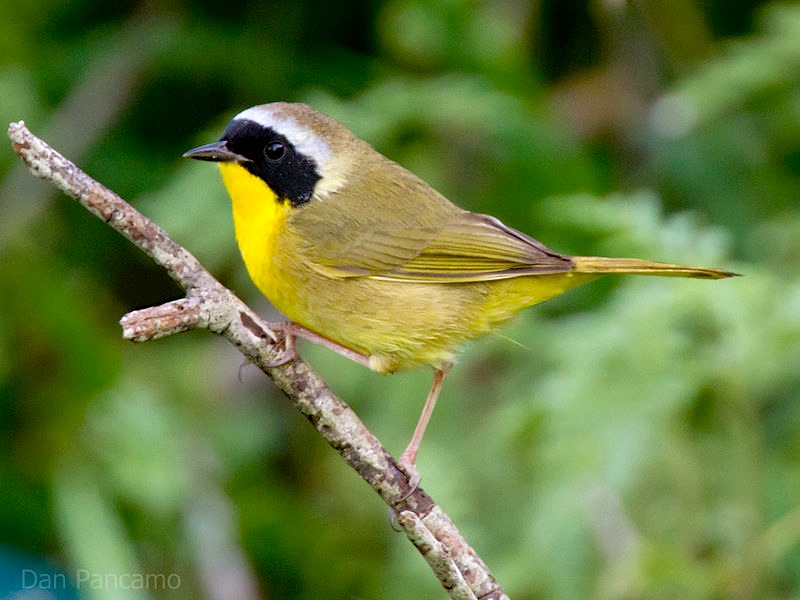
I said earlier that the magic of the apparently simple ID of a warbler that lives up to its name would have to be spoiled. I’m afraid this little gallery rather undoes the certainties I’d promised… two more species common to Abaco, also named for their yellow throats (yet it’s more extensive than just the throat, anyway) . 
BAHAMA YELLOWTHROAT
                                                     20130106_Bahamas-Great Abaco_4846_Bahama Yellowthroat_Gerlinde Taurer copy Bahama Yellowthroat (m) Bruce Hallett
COMMON YELLOWTHROAT
800px-Common_Yellowthroat_by_Dan_Pancamo Common Yellowthroat, Gilpin Pond, Abaco Bahamas (Tom Sheley)
You’d really think that someone at Audubon Towers or Cornell Castle might have thought of calling these two species ‘Bahama’ and ‘Common’ Masked Warblers, wouldn’t you – after all there’s a Hooded Warbler, which indeed has a hood. No other warbler has a mask like these 2. Then any confusion could be avoided. So remember: the Yellow-throated Warbler has a yellow throat AND is otherwise black and white, with streaks. Erm, just like a…
BLACK AND WHITE WARBLER

Black & White Warbler (Wiki)

RELATED POSTS
 
Credits: RH (1,7,8,9,10); Bruce Hallett (2, 3); Erik Gauger (4); Becky Marvil (5, 6). Thumbnails: Gerlinde Taurer, Bruce Hallett, Dan Pancamo, Tom Sheley, Wiki
Unknown's avatar

‘TYRANTS OF ABACO’: FLYCATCHER ID (1) – LOGGERHEAD vs GRAY KINGBIRD

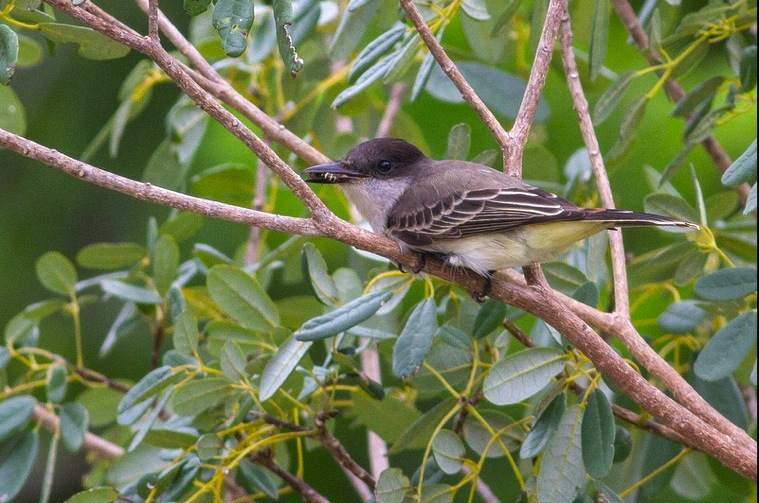
Loggerhead Kingbird, Abaco - Tom Reed

Loggerhead Kingbird with bee. Note dark head, yellowish underside

‘TYRANTS OF ABACO’: FLYCATCHER ID (1)

LOGGERHEAD vs GRAY KINGBIRD

Gray Kingbird, Abaco - Tom Sheley

Gray Kingbird: note dark eye ‘mask’, lighter head, mainly white underside & notched tail

Abaco has 275 (or so) recorded bird species. Omitting the transients, vagrants and (frankly) oddities – hello, feral peafowl of Casuarina – and concentrating on the residents and the summer / winter migrants brings the checklist down considerably. Maybe to around 200. But there is still an awful lot of scope for species confusion. This is frequently found with the warblers (37 species, mostly yellow), shorebirds and (my particular blind spot) gulls & terns with all their gender, age, season and breeding plumage variations. There is one common confusion that surrounds just 4 birds. I’ve decided to tackle the issue because these are the birds I am most frequently asked by people to identify. They send me their photos or a link, or post them on my FB page, and I am always delighted to help. Except… I get confused myself sometimes. So now I plan to demystify the Tyrant Flycatchers (Tyrannidae) of Abaco once and for all. Or for the time being, anyway.

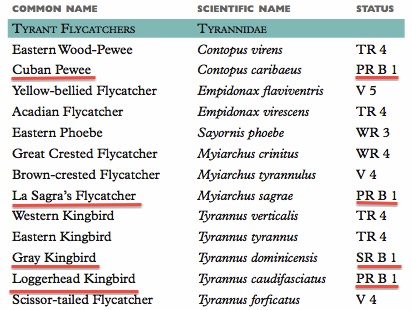
ABACO’S TYRANT FLYCATCHER SPECIES

Tyrant Flycatcher Checklist jpg

There are 14 tyrant species recorded for Abaco, as listed in the checklist clip above taken from “THE BIRDS OF ABACO” (a FORK-TAILED FLYCATCHER was seen recently for the first time on Abaco, and will in due course be added to the checklist). You’ll be relieved to learn that we can at once dispense of 10 of the above for present purposes. In practical terms – i.e. everyday life – the only flycatchers you need to be concerned with are the 4 underlined in red above: Cuban Pewee, Gray Kingbird, La Sagra’s Flycatcher and Loggerhead Kingbird. The underlined codes provide useful information for each bird .

  • PR 3 of the 4 are permanent residents – not the gray kingbird, which is SR a summer resident
  • B    these 4 are the only flycatchers that breed on Abaco
  • 1     all 4 are widespread, commonly and easily found. All other candidates are unusual to very rare
Loggerhead Kingbird, Abaco - Gerlinde Taurer

Which is this?

LOGGERHEAD Tyrannus caudifasciatus vs GRAY Tyrannus dominicensis 

DIFFERENCES and SIMILARITIES

TOP TIP ANY KINGBIRD SEEN IN WINTER WILL BE A LOGGERHEAD

  • A kingbird seen between (say) October and March is a Loggerhead. Grays are strictly summer visitors
  • Both are medium size birds and roughly the same size as adults (around 23 cms)
  • Loggerheads have dark brownish heads (some say black), grays have lighter, slate-coloured heads
  • Loggerheads have a ‘squared’ tip to the tail; grays have a notched tip
  • Loggerheads may have a whitish fringe at the tip of the tail; grays not so
  • Loggerheads have yellowish tinges to their white undersides & forewings; grays less so or not at all
  • Grays have a dark or black ‘mask’ through the eyes, often clear but not always easy to see
  • Loggerheads allegedly have inconspicuous orange head crests; grays are red. I’ve never seen either!
  • [*RH opinion alert*] Grays have larger, heavier beaks than loggerheads
  • Grays are territorially aggressive; when they turn up, the loggerheads tend to retreat to the forest

Here is how David Sibley shows the differences

 6323_Sibl_9780307957900_art_r1 3069_Sibl_9780307957900_art_r1-1

Illustrations: David Allen Sibley

Gray or Loggerhead? Note the light head, discernible mask & notched tailGray Kingbird, Abaco - Tom Sheley

Loggerhead or Gray? Note the darker head and no maskLoggerhead Kingbird.Abaco Bahamas.Tom Sheley

GRAY KINGBIRDS: masked & notch-tailedGray Kingbird, Abaco - Alex Hughes Gray Kingbird (Charlesjsharp Wiki) Gray_Kingbird (Dick Daniels Wiki)

CLASSIC LOGGERHEAD: squarer tail, yellowish underside, dark head, hint of a crestLoggerhead Kingbird Abaco - Peter Mantle

COMMON TO ALL FLYCATCHERS An Insect ‘Hook’ at the tip of this Loggerhead’s ‘top’ billLoggerhead Kingbird, Abaco (Mrs RH)

MEMORABLE FACT TO DEPLOY IN CONVERSATION

The collective names for a group of kingbirds are: a Court, a Coronation, or a Tyranny

I hope this helps with ID, but it’s fair to say that even the birds shown here don’t conform strictly to the rules. A couple of gray kingbirds have distinctly yellowish undersides. And the real problem is this: you see a medium-size bird. It is hawking for insects. It is high summer. It’s a kingbird. It is 150 feet away, and against the sun. It’s just a darkish bird. You can’t see a notched tail or yellowish underside, still less a mask. But at least you can be confident that you can restrict the ID to just 2 birds… Just ask me which, and I’ll do my best…

NEXT UP LA SAGRA’S FLYCATCHER vs CUBAN PEWEE 

Credits: Tom Reed (1), Tom Sheley (2, 4, 5), Gerlinde Taurer (3), Mrs RH (6, 7), Alex Hughes (8), Charles Sharp (9), Dick Daniels (10), Peter Mantle (11), RH (12); Illustrations David Sibley

Unknown's avatar

BAHAMA MOCKINGBIRD: NEW SUBSPECIES FOR ABACO?

Bahama Mockingbird (variant) Abaco 14

BAHAMA MOCKINGBIRD: NEW SUBSPECIES FOR ABACO?

[Camera. Lights. ACTION] Attenborough, D (for it is he), off-screen, in familiar breathy tones…

“Here, deep in the impenetrable pine forests of the Abaco National Park, lives an incredible bird discovery until recently known only to four people in the world. For here, where the unique Abaco Parrots nest in their underground holes and the rare Kirtland’s Warbler continues its brave stand against extinction… here is a completely new bird subspecies that is destined to take the avian world by storm… the Red-faced Bahama Mockingbird Mimus bahamensis volvensharborii…”

Bahama Mockingbird (variant) Abaco 06

I can’t keep that nonsense up for any longer, you’ll be relieved to hear… But here is the story. Woody Bracey was taking us, with his friend Bill, in search of the rare and elusive Kirtland’s Warbler, about which more soon (*Spoiler Alert* Yes, we did. Four). We had stopped the truck in a remote area of the National Park to listen for and indeed watch parrots. I was in the front of the truck, window down, listening hard when suddenly, right by us, I suddenly heard the beautiful song of a Bahama Mockingbird. Here are two recordings I made the previous year – the first is over 1 min long, the second is only 17 secs.

Bahama Mockingbird (variant) Abaco 07

I grabbed my camera and started to fire away at the bird, which was perched on a dead branch just a few feet away near the edge of the track. I had no time to think about depth of field, light balance, or refrangible focus indices, I just went for it. It was Woody who first noticed the remarkable feature of this bird – its red face. It first, I thought it was just on the chin, but later I saw that the red colouring is above the beak as well.

Bahama Mockingbird (variant) Abaco 09

Woody is one of the most experienced birders in the Bahamas, and he had never come across this variant before. Sometimes a bird may have white patches or some other LEUCISTIC colour variation. But red is something very different. Once we had ruled out blood (no evidence of injury) and strawberry jam (no likelihood of a propensity for sticking face in same), an altogether more exciting possibility began to emerge…

Bahama Mockingbird (variant) Abaco 10

The Bahamas Birding Triumvirate will be debating this find, no doubt. Is this sort of red-faced variant found in any other bird species? Is it a one-off? Or is it perhaps one example of a small subspecies confined to Abaco or the wider Bahamas? Or does it just come from eating red berries, as in photo #3? Has anyone come across a BM like this one? Any comment welcome via the comment box or email. 

Bahama Mockingbird (variant) Abaco 11

This is my personal favourite pic, taken while the bird was in mid-song. I’d have liked an ‘open mouth’ shot, but frankly when you find an apparently new bird in the middle of nowhere, you can’t have everything….Bahama Mockingbird (variant) Abaco 13

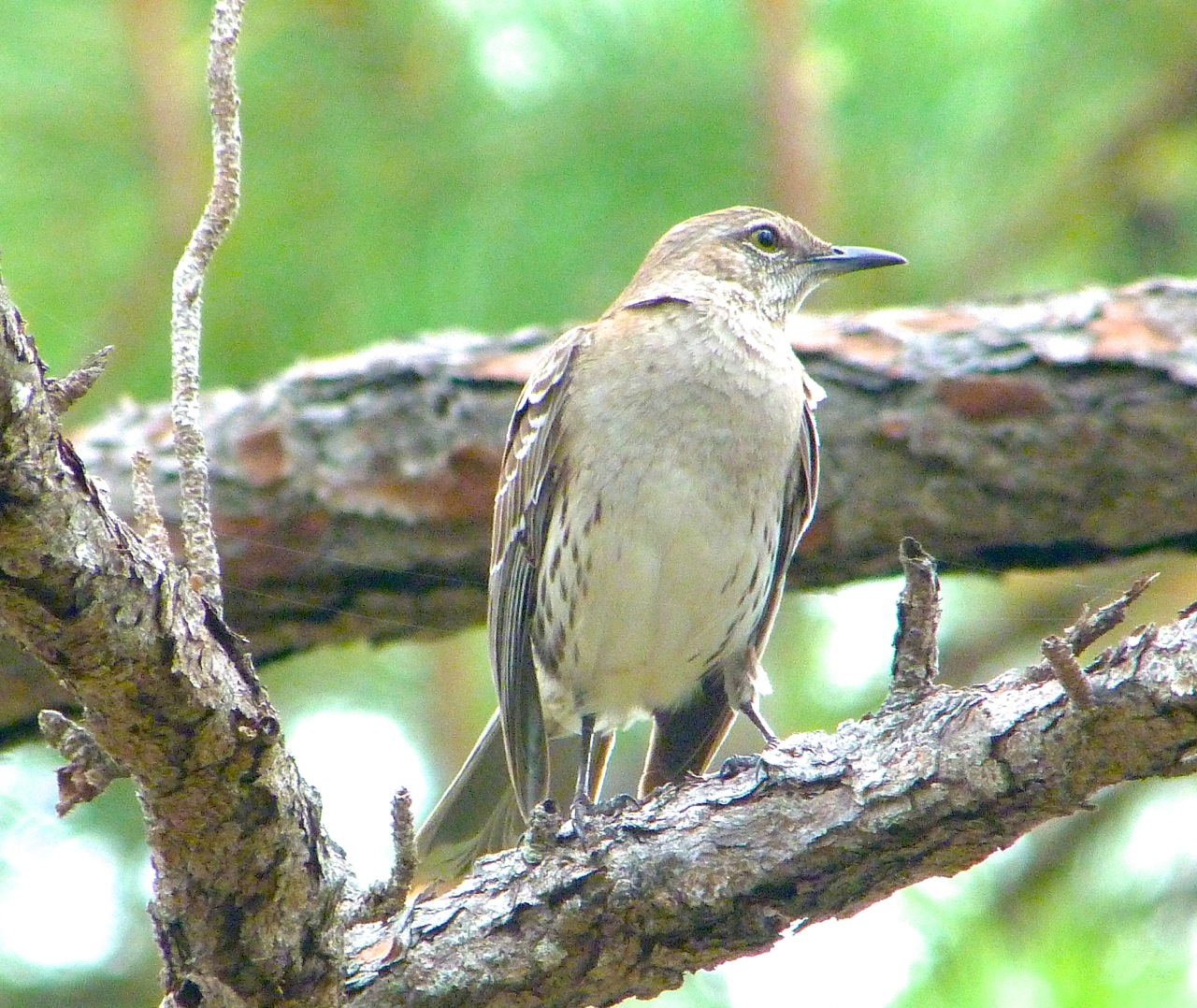
Finally, you may well ask “So that’s all very well, but what does a ‘normal’ Bahama Mockingbird look like close-to?” Here’s an example for comparison 

Bahama Mockingbird, Abaco 2


STOP PRESS (MAY 2015) The jury is back, the verdict unexciting (as I suppose was inevitable). The Bahamas Birding Sages have concluded that the red markings are simply staining from berries, as seen in #3 above. This is the obvious solution, but I am grateful to those (culminicola in the comments below, and a birding forum where this post has been discussed) who suggested the possibility of red pollen. The pine forest in which we saw this bird doesn’t in fact have flowers – or anyway red-pollened flowers – so berries must be the answer. In short, no Mimus bahamensis volvensharborii

All photos RH, cheers to Woody for leading the trip and for spotting the unusual features of this bird PDQ

Unknown's avatar

“HANDSOME BIRD, BLUE EYES, LIKES FISH, SEEKS MATE…” REDDISH EGRET ON ABACO

Reddish Egret,  Abaco, Bahamas (Keith Salvesen)

“HANDSOME BIRD, BLUE EYES, LIKES FISH, SEEKS MATE…”

REDDISH EGRET ON ABACO

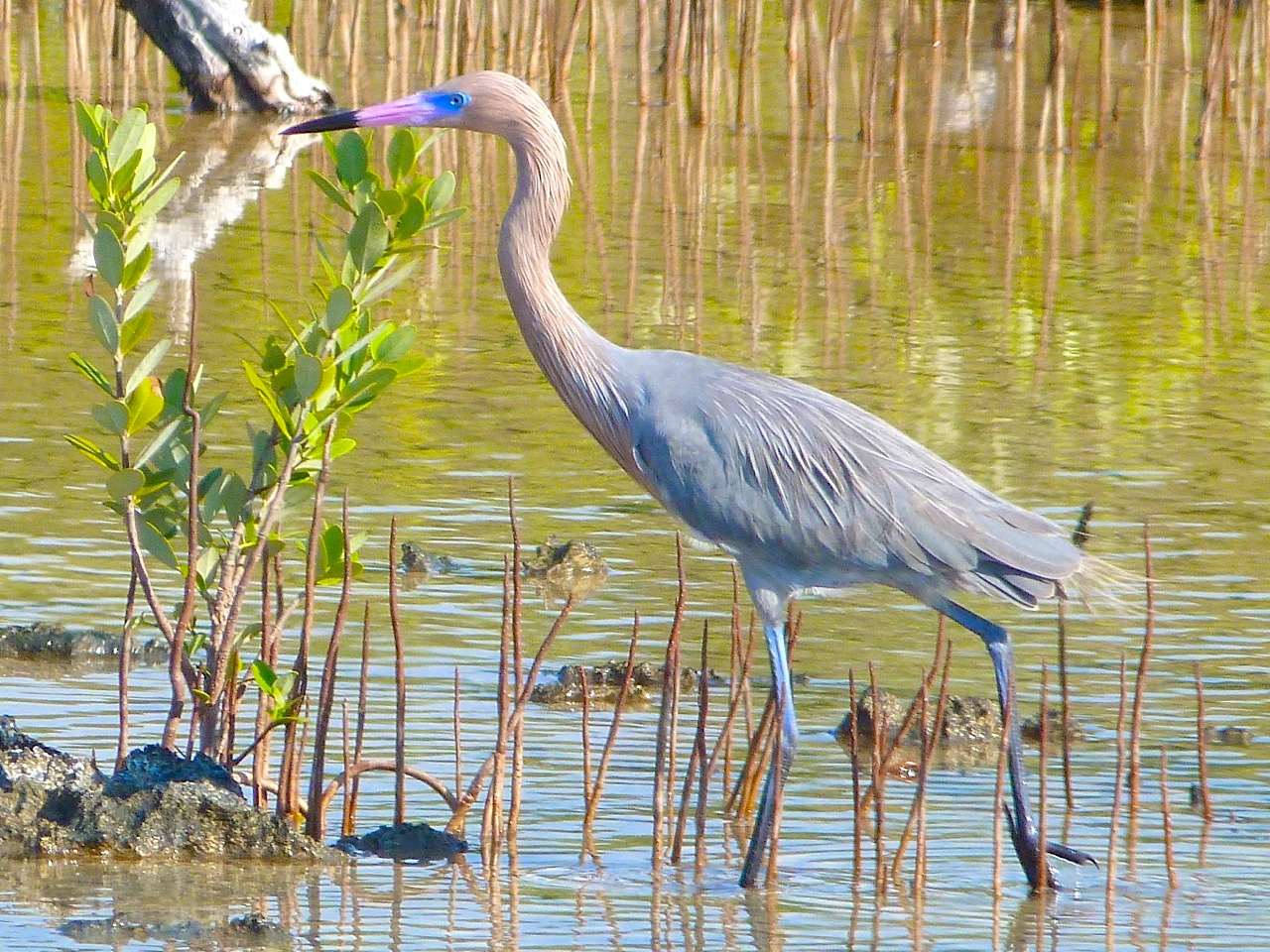
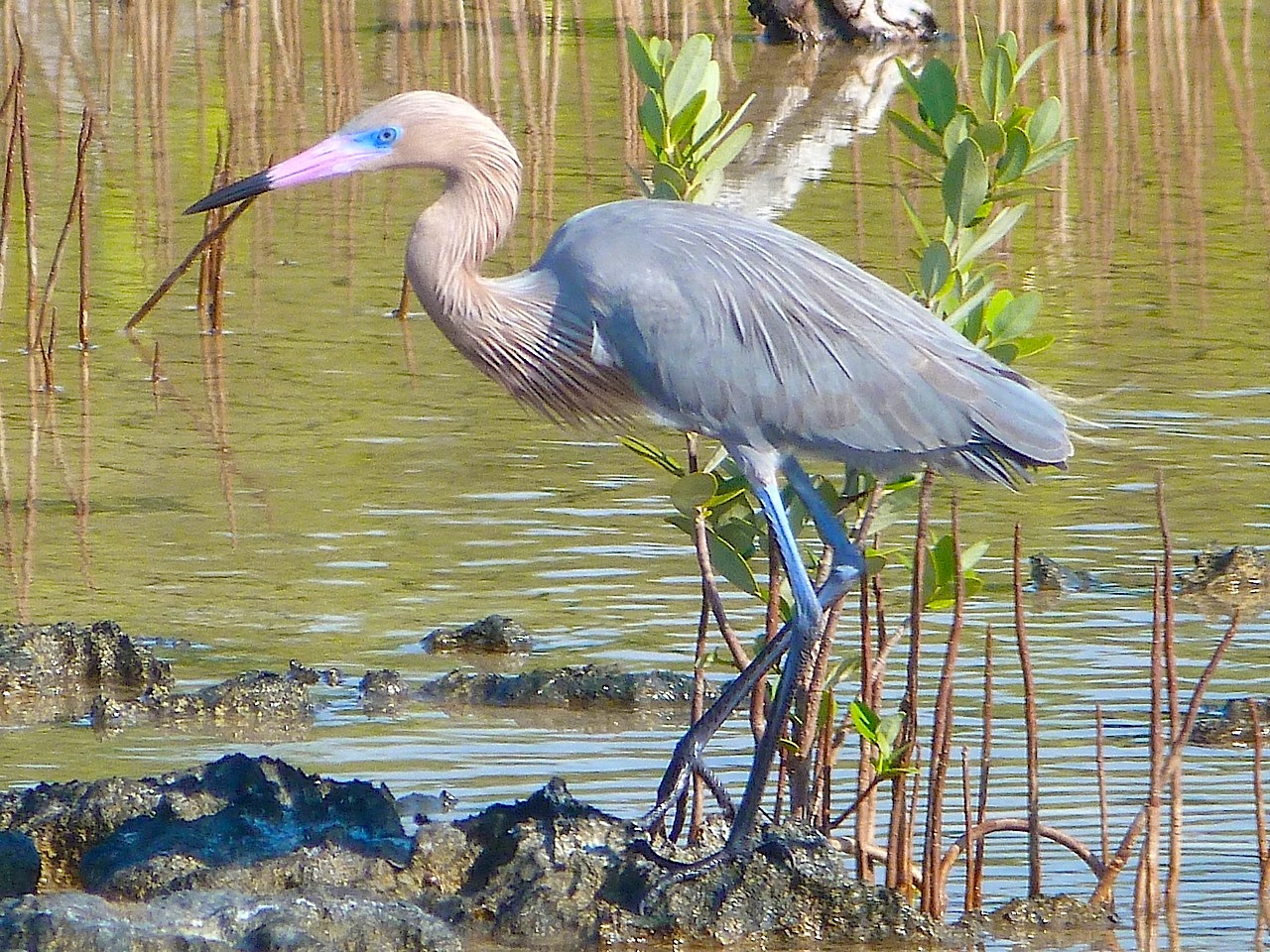
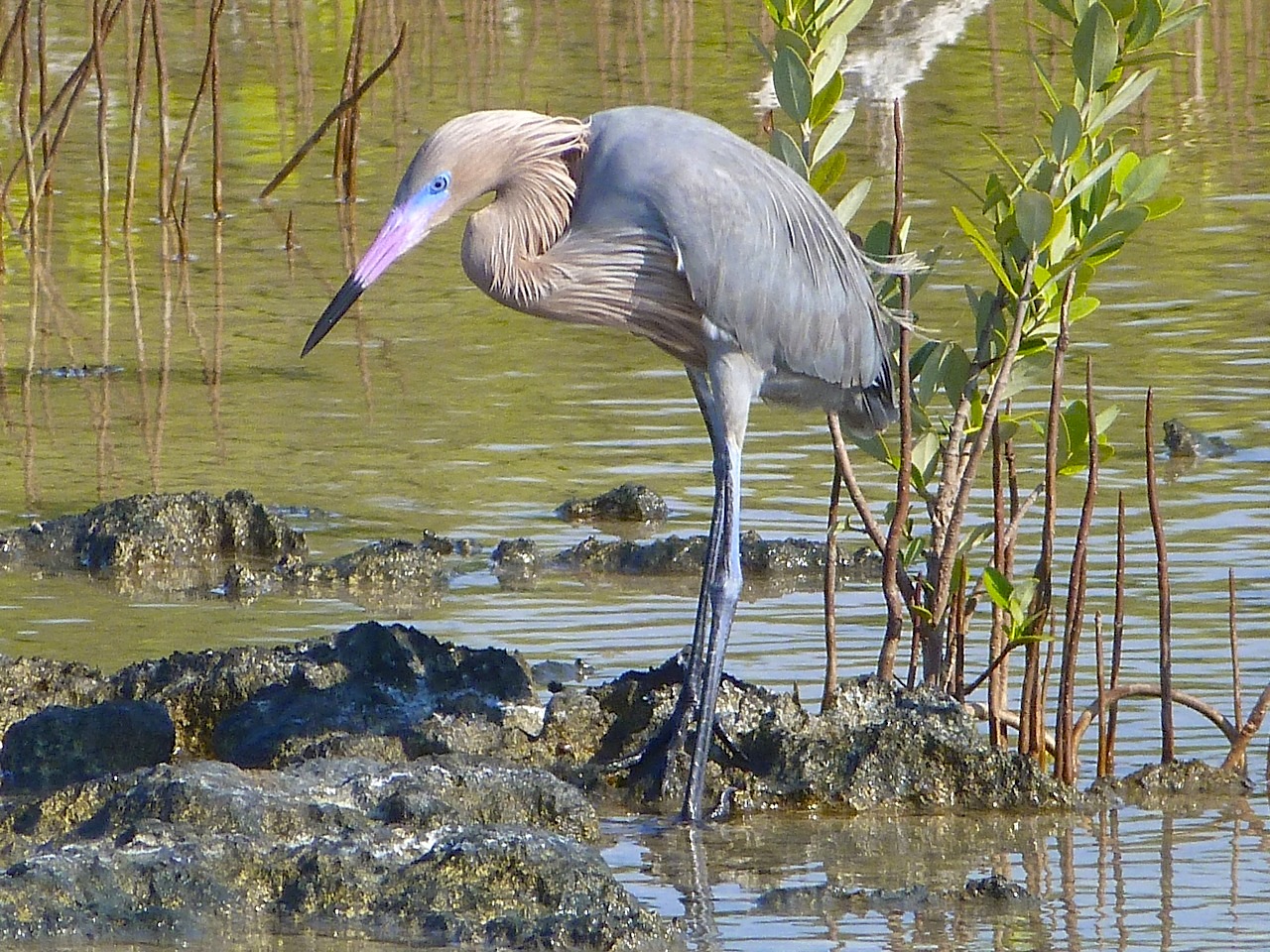
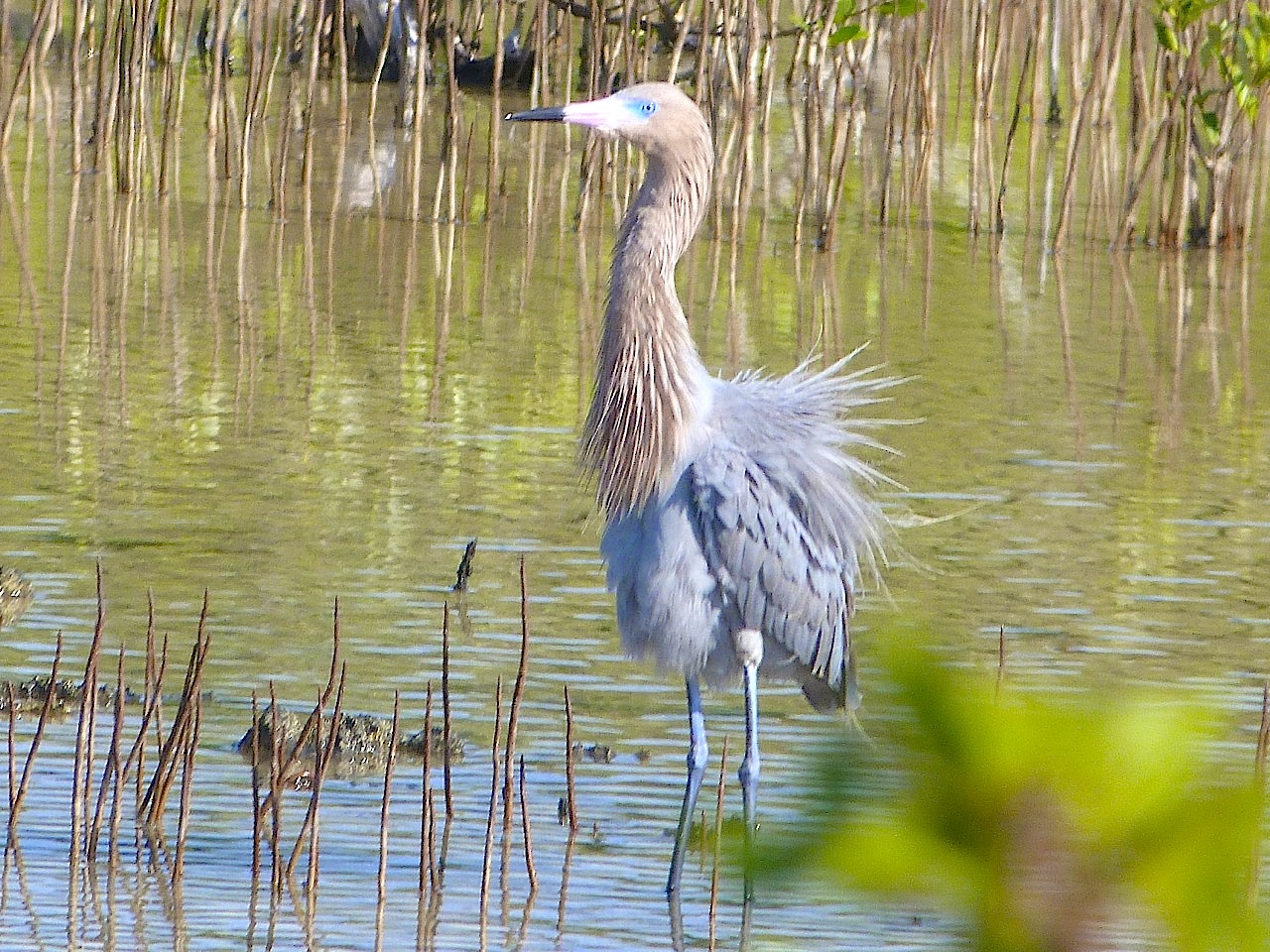
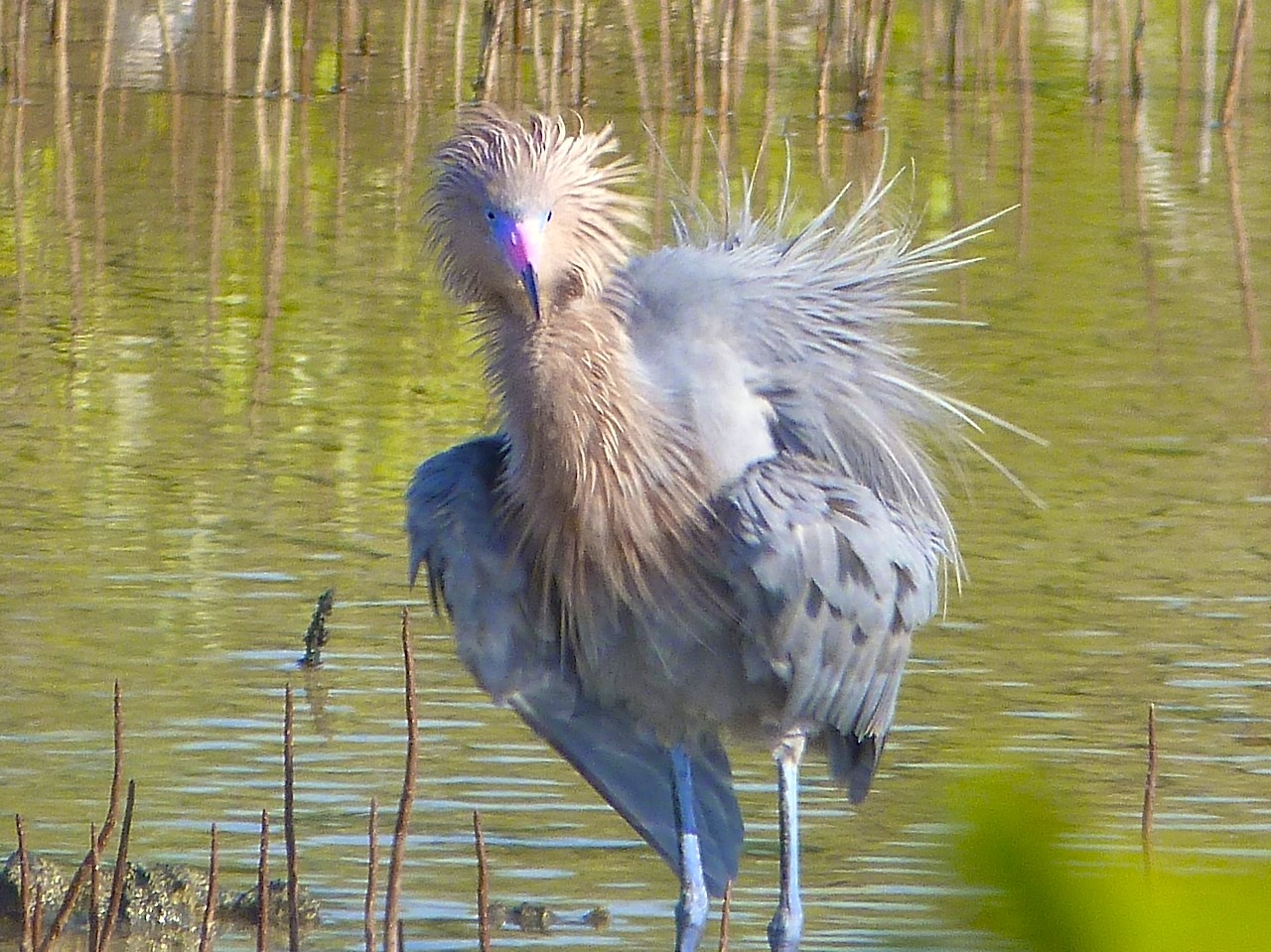
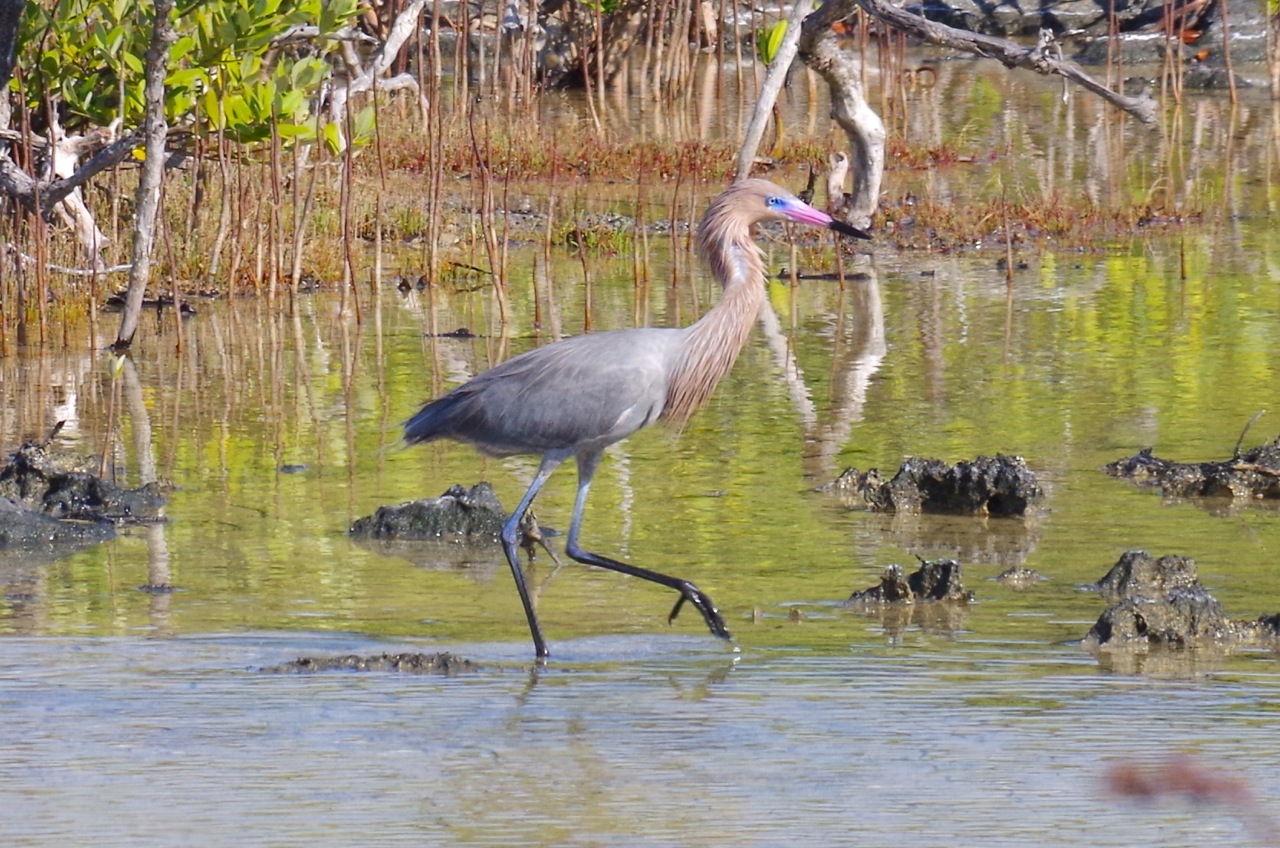
Reddish Egrets come in two colour schemes, reddish and pure white; and both are available on Abaco. ID hint – among the 10 heron and egret species found on Abaco, these are the only ones with a black tip to the beak. In March, these birds are thinking about fish. They do that every day of the year. But they are also thinking about finding a mate. The colouring of the males intensifies, and in particular the greyish-pinkish base of its beak turns a bright ‘hi babe, how are you doing’ pink. The male RE in this post is resplendent in his breeding plumage. We encountered this RE at Crossing Rocks in the brackish pond area on the opposite side of the highway to the bonefishing jetty. This in an excellent place to check out for herons, egrets and other wading birds such as yellowlegs. The island is at its thinnest point here, with the hard dry land over which the highway passes just a few yards across. On either side it’s basically water, mangroves, and other wetland plants. Reddish Egret,  Abaco, Bahamas (Keith Salvesen) The RE noticed us at the edge of the pond and put on a little display. This is unlikely to have been a ‘come on’… Conceivably, he wanted to show off his distinctive ‘bad hair day’ styling. More plausibly, he was probably put out by having his fishing disturbed. Reddish Egret,  Abaco, Bahamas (Keith Salvesen) Reddish Egret,  Abaco, Bahamas (Keith Salvesen) He wasn’t diverted for long, though, and soon got back to business hunting fish. Sometimes he would stand stock still, poised for a rapid strike into the water with that lethal beak. This is the RE’s classic fishing method, the static hunt. Reddish Egret,  Abaco, Bahamas (Keith Salvesen) However, there are times for being proactive and chasing down the prey. While bonefishing out on the Marls, I have seen this done from a distance, especially by the white RE morphs. They splash about near the edge of the mangroves, moving back and forth, lifting their long legs high in the vegetation as they hunt down their small silver snacks. Our Crossing Rocks RE was suddenly on a mission…Reddish Egret,  Abaco, Bahamas (Keith Salvesen) Reddish Egret,  Abaco, Bahamas (Keith Salvesen) Reddish Egret,  Abaco, Bahamas (Keith Salvesen) We had to tear ourselves away from this performance, grateful to have seen it at such close quarters. However we went back a few days later while on a birding trip to the pond at Gilpin Point. But that’s a post for another time…

RELATED POSTS

REDDISH EGRETS (WHITE MORPH)

GREAT EGRETS 

SNOWY EGRETS

GREAT BLUE HERON

GREEN HERON

CATTLE EGRET

All photos RH; cheers to Woody Bracey for stopping the truck here during our warbler expedition!

Unknown's avatar

WEST INDIAN WOODPECKERS ON ABACO: GUEST POST

WEST INDIAN WOODPECKERS ON ABACO: GUEST POST

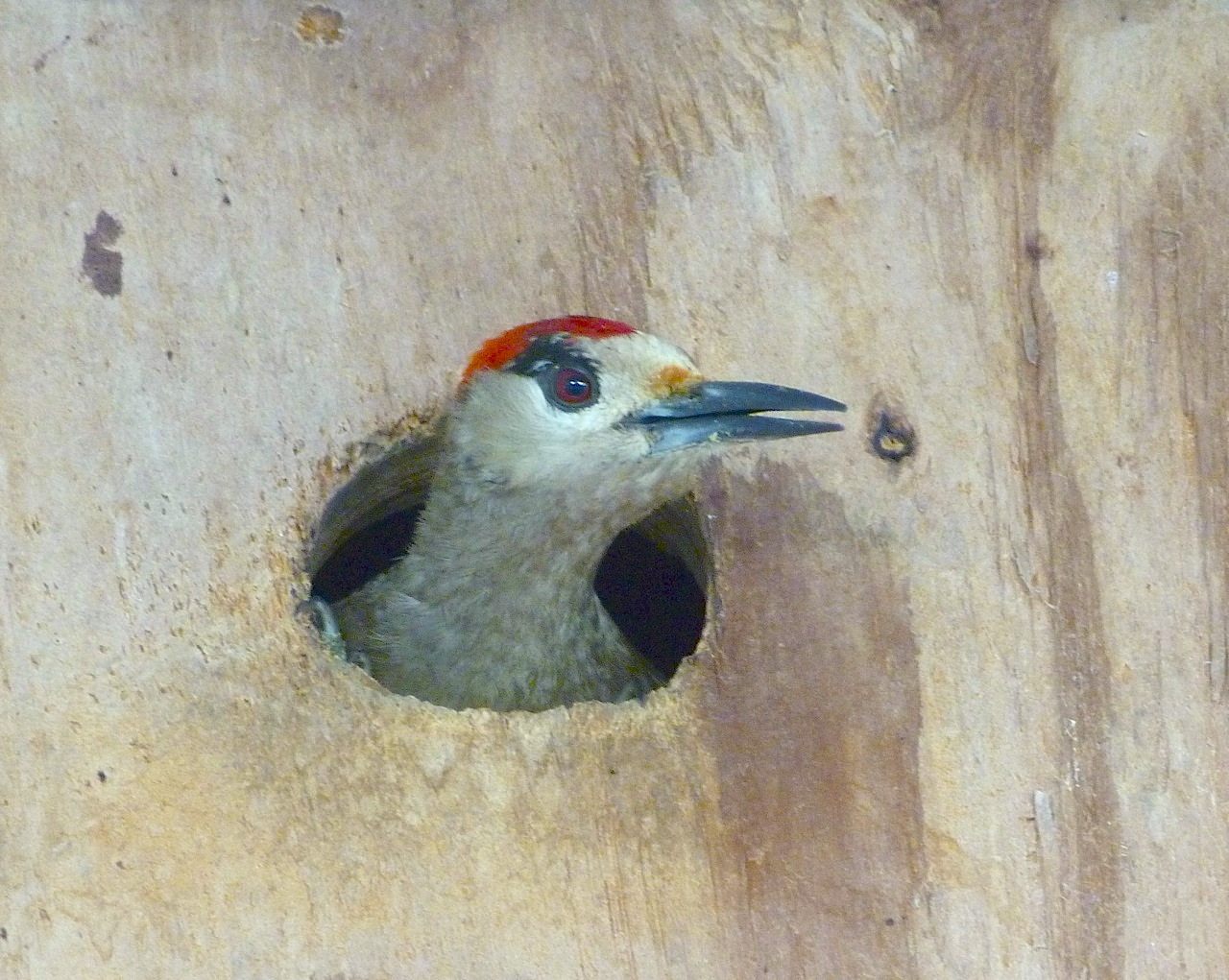
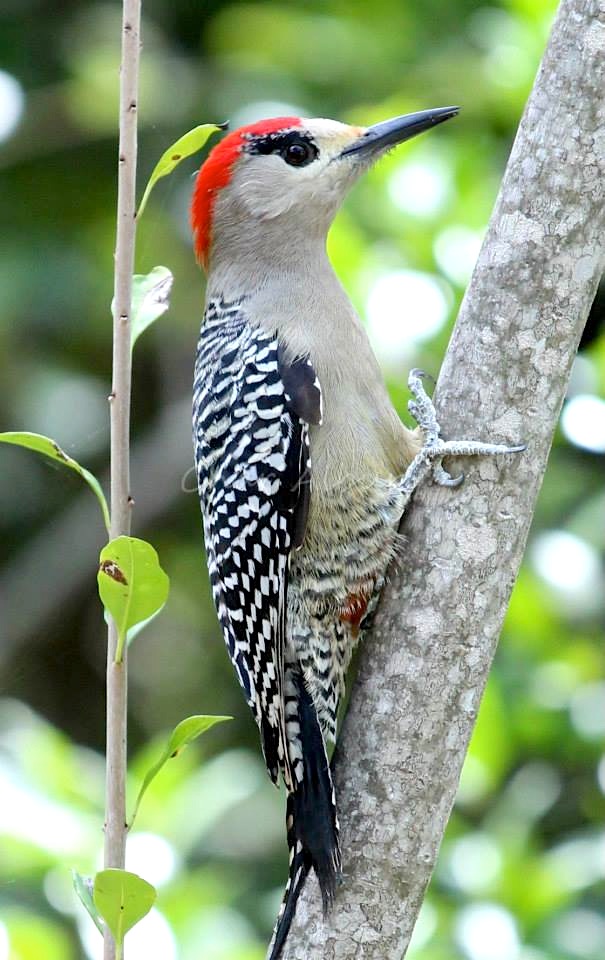
The WEST INDIAN WOODPECKER Melanerpes superciliaris is a specialist bird of Abaco, where it is common. The only other island in the Bahamas where it is found is San Salvador, where it is uncommon. Formerly found on Grand Bahama, it is now believed to be extirpated from that island, with no recent recorded sightings. In the early days at Delphi, we had to put up 2 nest boxes under the eaves to discourage the woodpeckers from destroying the woodwork – very effective, since they are now used every year by a pair that raises a family in one of the boxes and, even before the chicks have fledged, are busy kitting out the second box for a second family… 

WIW box Delphi

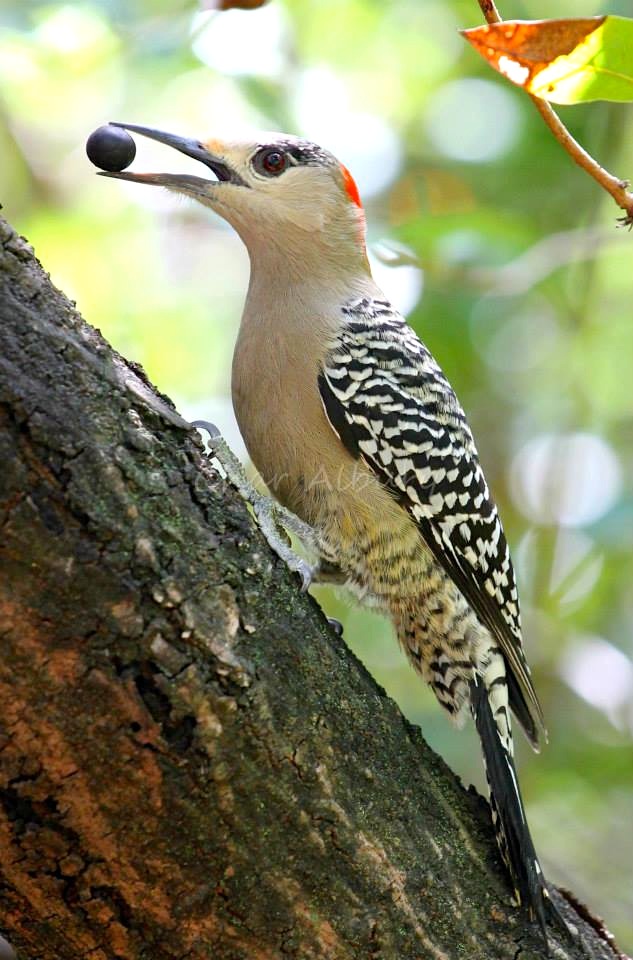
Charmaine Albury is a resident of Man-o-War Cay, Abaco. A photographic contributor to THE BIRDS OF ABACO, she is an enthusiastic birder and very handy with a camera. MOW has had a great winter season for birds, especially warbler species, and Charmaine has been recording her sightings and posting about them regularly. She has now started a photographic Facebook page SEES THE DAY which I commend to anyone wanting an overview of the rich birdlife of Abaco. This post shows some of her excellent recent photographs of West Indian Woodpeckers on Abaco. The male has the striking red crown; the female has a smaller, paler cap.

11035287_1625338024365232_6166437311448663000_n

20417_1625338127698555_7498796397392575987_n

PLAYING WITH YOUR FOOD? HOW MUCH FUN CAN YOU HAVE WITH A BERRY?11117259_1625337987698569_7452867222430469765_n10942602_1625337984365236_7839433915910857592_n

and… pop it into the hole. Score!20417_1625338031031898_5316912847301464680_n

11035287_1625338024365232_6166437311448663000_n

NOW IT’S TIME TO VISIT THE STONE THING THAT HAS WATER IN IT10309181_1625338207698547_743705503764216360_n11080986_1625338147698553_6862424132411400508_n11060458_1625338187698549_1989610138388453679_n

   11035287_1625338024365232_6166437311448663000_n

MY TURN ON THE TREE NOW11133685_1625338034365231_5375400946628441291_n

GETTING A BIT SLEEPY NOW. GOT BED HEAD…11111962_1625338074365227_2479363145688616600_n

All photos Charmaine Albury, with many thanks for use permission. Delphi WIW in nest box & all silly anthropomorphising captions are down to me…

Unknown's avatar

PEARLY-EYED THRASHER – ANOTHER NEW BIRD FOUND ON ABACO

Margarops_fuscatus_Mike's Birds Wiki

 PEARLY-EYED THRASHER – ANOTHER NEW BIRD FOUND ON ABACO

Exactly a year ago, the ultimate, complete and utter Checklist of the birds of Abaco, compiled by Tony White with Woody Bracey, was published. It covers 4 pages of close print in THE BIRDS OF ABACO, and lists the 282 species recorded since 1950, including so-called ‘exotics’ but excluding so-called ‘pets’ (sadly your minah bird would not qualify). New sightings had been static since a BLACK-BROWED ALBATROSS had made an unheralded appearance out at sea. In the last year, 5 new species have been recorded. The links to them are listed below. That Checklist already needs an update!

Pearly-eyed_ThrasherDick Daniels (Wiki)

The newest bird in town is the Pearly-eyed Thrasher (Margarops fuscatus). This is a bird in the family Mimidae, along with mockingbirds and the gray catbird. Until last November, no thrasher species had ever been recorded for Abaco. Then there was a sighting of a BROWN THRASHER. Just a few months later, its Pearly-eyed cousin has turned up right in the heart of Treasure Cay, seen by first by Erik Gauger and confirmed by Woody Bracey (each a contributor to THE BIRDS OF ABACO). 

This thrasher species is found widely throughout the Caribbean, though with several varieties that are genetically distinct. In the Bahamas, they breed on some of the southern islands. They are known to overwinter on Eleuthera and Cat Island, but have not previously been recorded as far north as Abaco. This sighting is important in suggesting that the species may be beginning to extend its range, although it could of course simply be a one-off ‘vagrant’, as they are officially yet disrespectfully known.

Pearly_Eyed_Thrasher,_Margarops_fuscatus (Kati Fleming Wiki)

Since the first sightings by Erik & Woody a couple of days ago, Woody has been out again with a camera seeking to obtain photographic  evidence of the bird. Last night he sent me a snapshot taken in difficult circumstances – the bird was being hassled by a Eurasian Collared Dove (who should have known better, being a non-native species itself…). The pearly eye is quite clear, as is the speckled front and white end to the underside of the tail. If  a clearer shot comes in, I’ll add it. So, TC-based birders, a Rolling Harbour Kalik challenge is on!

IMG_3432 copy

STOP PRESS Woody has sent a couple more photos of the PET taken right in the centre of Treasure Cay. Or perhaps there is a second one… and if so, different sexes… and if so, a nest, eggs, chicks, fledglings and in due course a new breeding species on Abaco… 

Pearly-eyed Thrasher, Treasure Cay, Abaco - Woody Bracey (new species for Abaco)IMG_3444 Pearly-eyed Thrasher, Treasure Cay, Abaco - Woody Bracey (new species for Abaco)

STOP PRESS April 2015 Erik Gauger has now written up his account of his discovery of this new species for Abaco. You can read it HERE (scroll down to the second article on the page)

The other photos I have used are ‘open source’ for obvious reasons, and credited below as far as the information is available…

 NEW ABACO BIRD SPECIES – MAR 2014 to MAR 2015

BLACK-BELLIED WHISTLING DUCKS

FORK-TAILED FLYCATCHER

BROWN THRASHER

MASKED BOOBY

Photo credits with thanks for public postings: (1) ‘Mike’s Birds (2) Dick Daniels (3) Kati Fleming, and  (4) Woody Bracey

Unknown's avatar

UNDENIABLY NATTY: BLUE-GRAY GNATCATCHERS ON ABACO

Blue-gray Gnatcatcher, Abaco, Bahamas 1 copy

UNDENIABLY NATTY: BLUE-GRAY GNATCATCHERS ON ABACO

As I sort through 11,867* recent photographs from Abaco and dump the 99% of them that fall into any of the ‘epic fail’, ‘hopeless’, ‘what on earth?’, ‘why on earth’?, ‘sun-flared’, ‘pitch black’, and ‘bird-butt’ categories, a few are making it through the rigorous editorial process. There will be birds, fish, whales, dolphins, expeditions and scenery in due course, but I’m kicking off with a small bird that is a great favourite, the Blue-gray Gnatcatcher Polioptila caerulea. This is because it is probably the easiest bird to pish, click, whistle or otherwise vocalise from the back of the coppice to the front. Then it gets flirty with the camera, performs cutely, and follows you down the track. The perfect subject except for one thing: they are small and branches / twigs are numerous. So, many shots consist of a magnificently focussed stick or leaf, with a blue-gray blur behind it…

Blue-gray Gnatcatcher, Abaco, Bahamas 7Blue-gray Gnatcatcher, Abaco, Bahamas 6Blue-gray Gnatcatcher, Abaco, Bahamas 1Blue-gray Gnatcatcher, Abaco, Bahamas 2Blue-gray Gnatcatcher, Abaco, Bahamas 5

RELATED POSTS

BLUE-GRAY GNATCATCHERS “TOP 5 CUTE?”

BLUE-GRAY GNATCATCHERS “ON SONG IN THE COPPICE” 

*This may be a slight exaggeration, but it certainly seems like it now…

All photos: RH

Unknown's avatar

THE WARBLER GUIDE: BOOK OR EASY ID IN NEW APP

The Warbler Guide App (cover)

 THE WARBLER GUIDE: BOOK OR EASY ID IN NEW APP

In 2013 Princeton University published a well-received – indeed award-winning – guide to North American warblers. Its relevance to the Northern Bahamas is that all 37 species of warbler recorded for Abaco are found on its pages. Plus, you can use it in North America as a bonus! Details of the book are given below.

As a follow-up project, Princeton has now produced a Warbler Guide App that looks quite impressive at a glance. It’s not cheap, at £9.99 or dollar equivalent, but with bird apps you generally get what you pay for. Included are song/call IDs for a start, which takes the App a long way beyond mere visual recognition. And the illustrations are from several angles, taking account of the fact that you may not get an ideal broadside view of a bird in the field. Below are a few sample images.

To go straight to the App on iTunes CLICK HERE

The Warbler Guide App (Princeton)The Warbler Guide App (Princeton) The Warbler Guide App (Princeton) The Warbler Guide App (Princeton)

 THE WARBLER GUIDE IN BOOK FORM

(Amazon listing details March 2015)

WARBLER GUIDE  for post jpg

The Warbler Guide revolutionizes birdwatching, making warbler identification easier than ever before. For more information, please see the author videos on the Princeton University Press website.

  • Covers all 56 species of warblers in the United States and Canada
  • Visual quick finders help you identify warblers from any angle
  • Song and call finders make identification easy using a few simple questions
  • Uses sonograms to teach a new system of song identification that makes it easier to understand and hear differences between similar species
  • Detailed species accounts show multiple views with diagnostic points, direct comparisons of plumage and vocalizations with similar species, and complete aging and sexing descriptions
  • New aids to identification include song mnemonics and icons for undertail pattern, color impression, habitat, and behavior
  • Includes field exercises, flight shots, general identification strategies, and quizzes
  • A complete, page-by-page audio companion to all of the 1,000-plus songs and calls covered by the book is available for purchase and download from the Cornell Lab of Ornithology’s Macaulay Library by using the link at http://www.TheWarblerGuide.com
  • Winner of a 2014 National Outdoor Book Award in Nature Guidebooks
  • Second Place for the 2013 BB/BTO Best Bird Book of the Year, British Birds and the British Trust for Ornithology
  • Honorable Mention for the 2013 PROSE Award in Single Volume Reference/Science, Association of American Publishers