

SAWMILL SINK, ABACO
INDUSTRIAL ARCHAEOLOGY IN A POST-APOCALYPTIC LANDSCAPE
This article was written quite some time ago but I reckoned that, several years on, it might still be of interest. I haven’t changed much because it is what it was, so please ignore the time-slip. This was by chance a fire-fuelled opportunity to uncover a relic of Abaco’s industrial past.
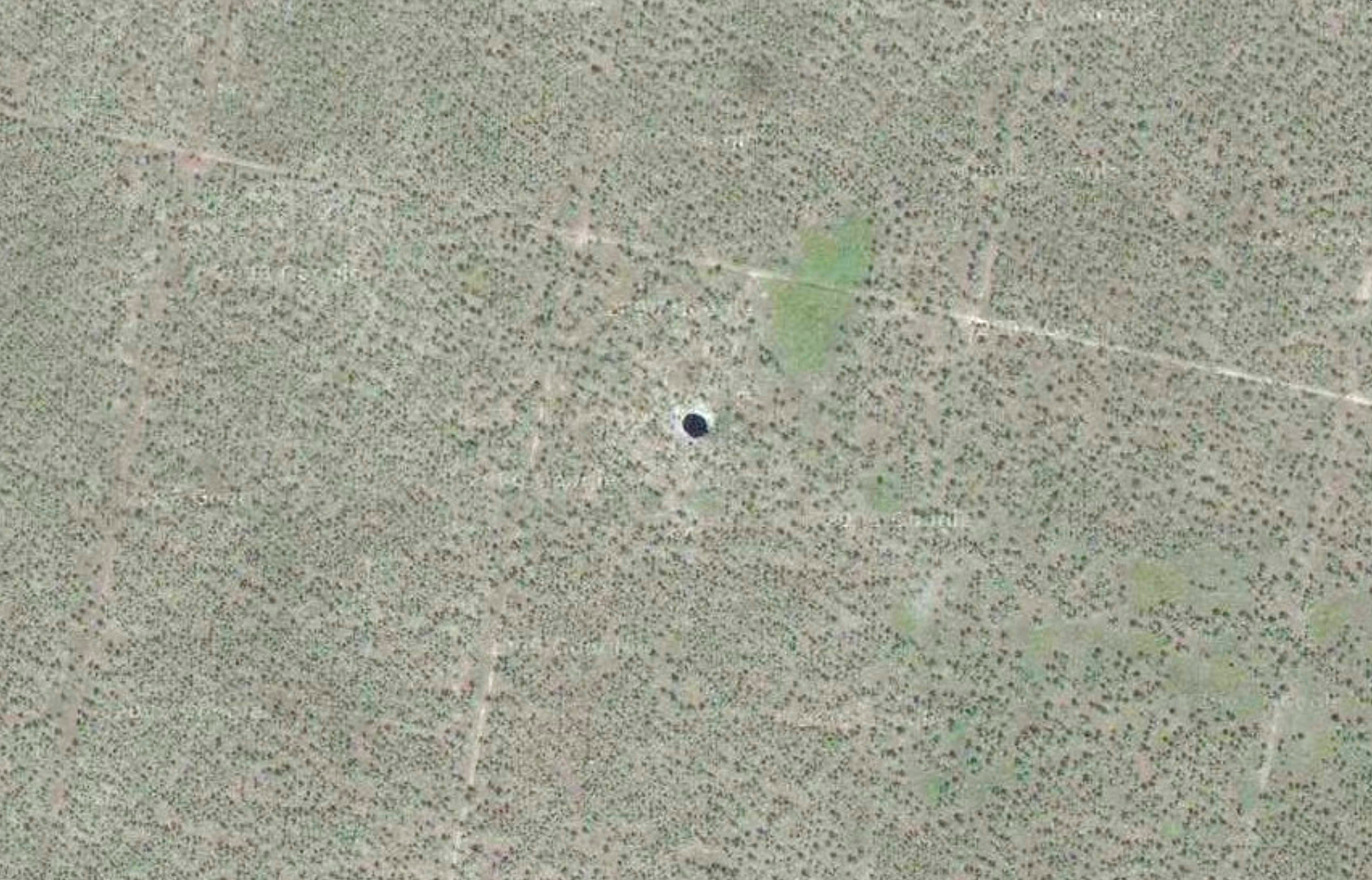
The Blue Holes of Abaco are geological wonders about which much has been written. Sawmill Sink is one of the best-known inland ones. These are deep chasms in the limestone rock, some leading to extensive and complex cave systems under the island. Divers exploring Sawmill Sink have found many prehistoric fossils, including those of an extinct giant tortoise, and land crocodiles. The sink area was also a location for such finds.
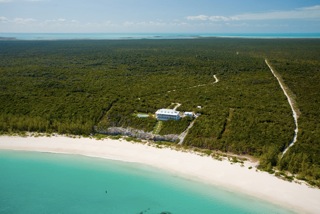
AERIAL VIEW OF SAWMILL SINK DEEP IN THE PINE FOREST
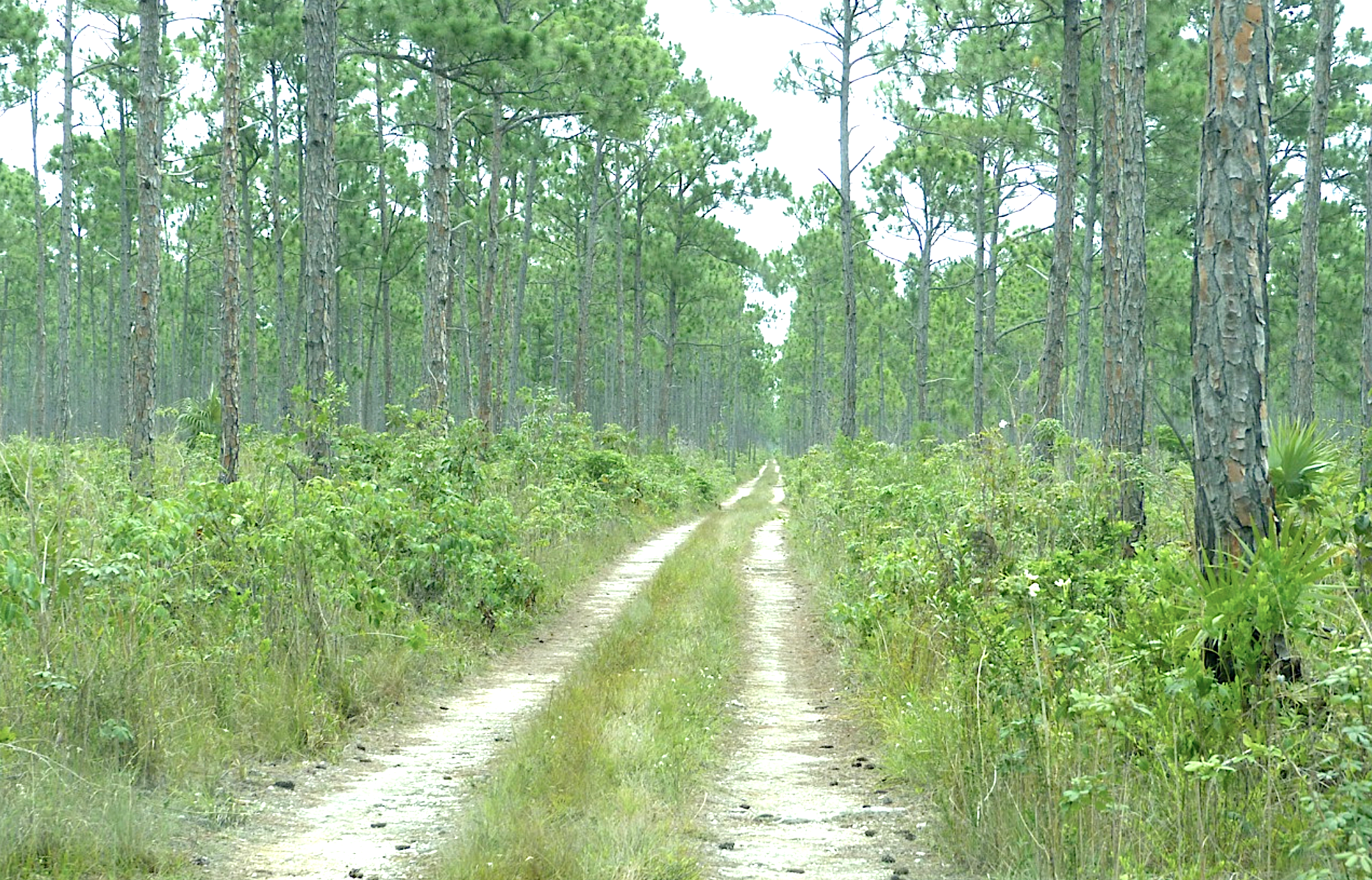
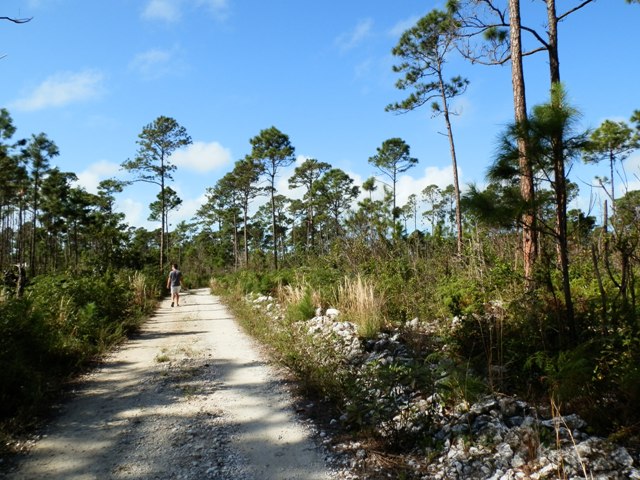
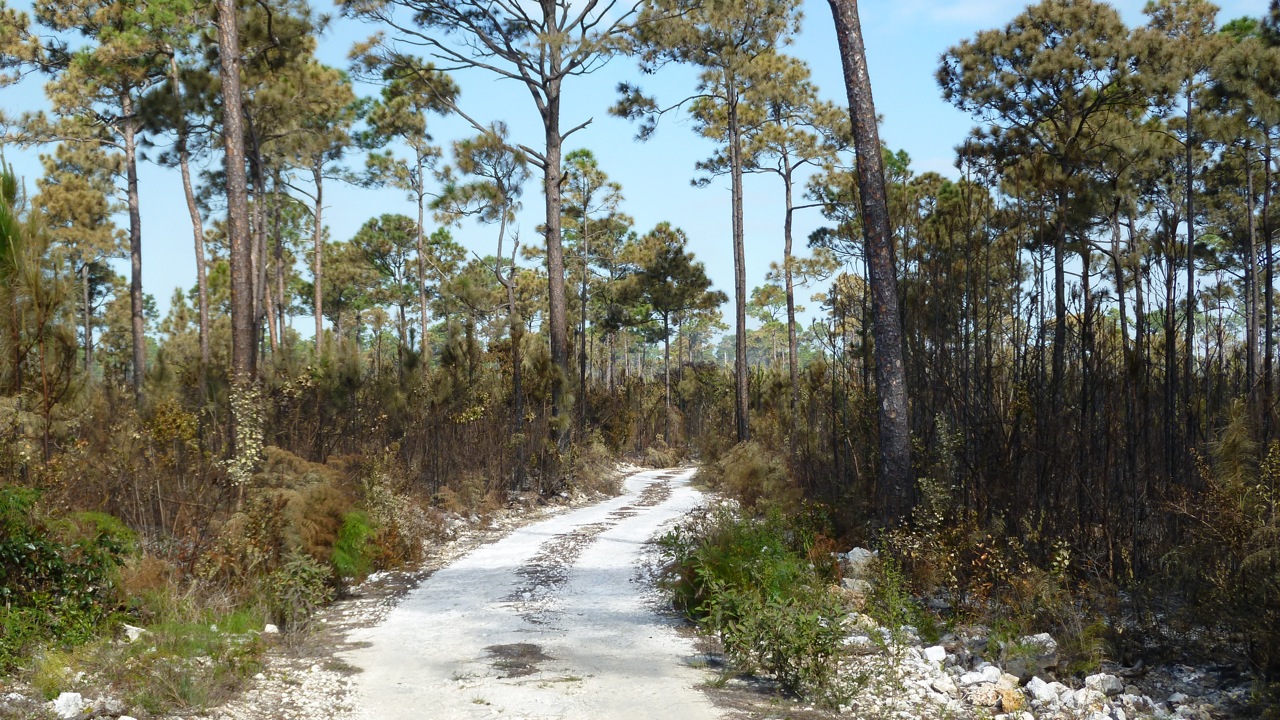
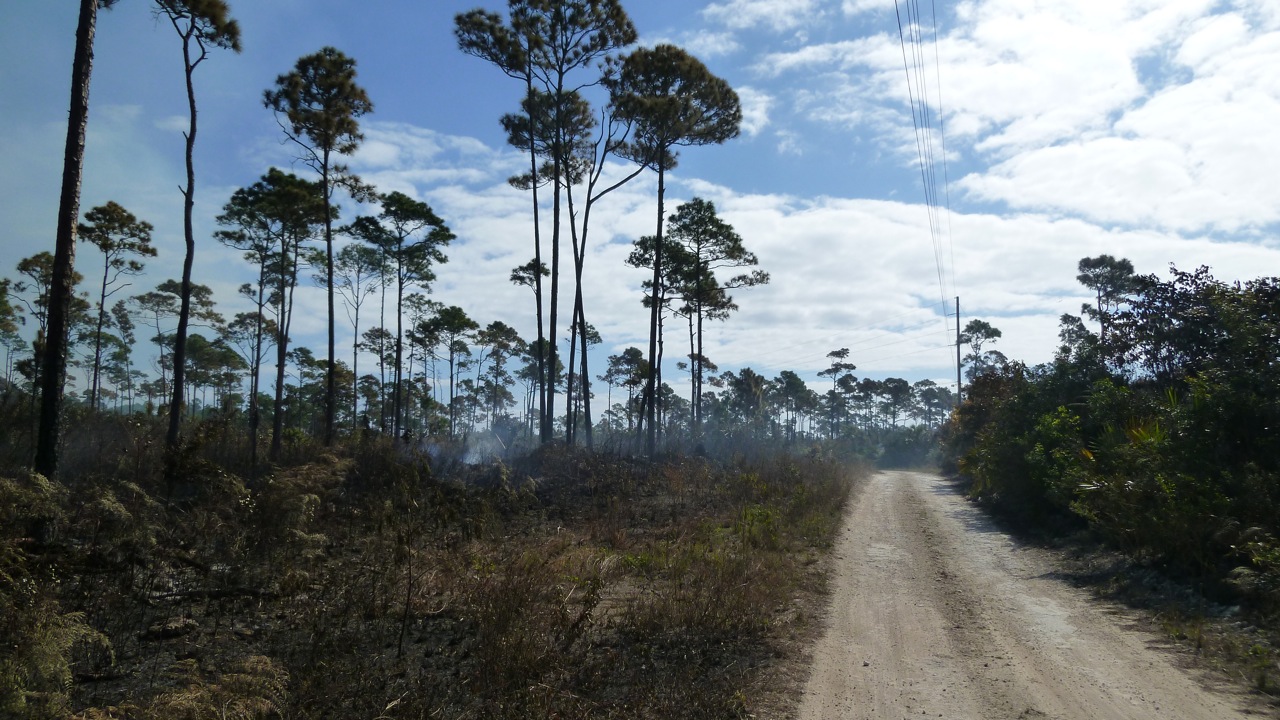
LOGGING TRACK TO SAWMILL SINK BLUE HOLE
LOGGING HISTORY
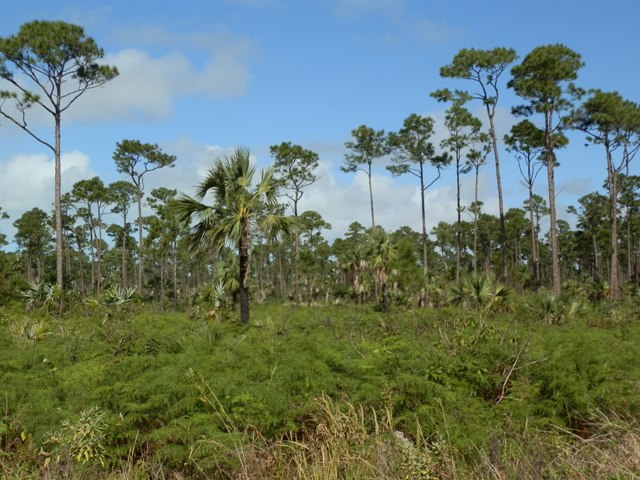
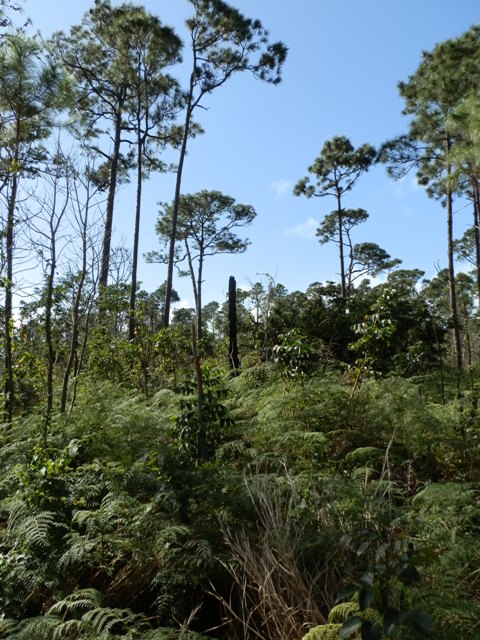
South Abaco – defined loosely as the area south of Marsh Harbour – is dominated by pine forest. There are a few settlements and individual residences, all by the coast. The forested swathes are criss-crossed by an extensive system of logging tracks, many now all but impassable. They are reminders of Abaco’s historic importance as a source of wood deriving from the ubiquitous tall, slim pines. One use to which they were put was as mine pit props in the collieries of Wales.

TRACKING RAILS
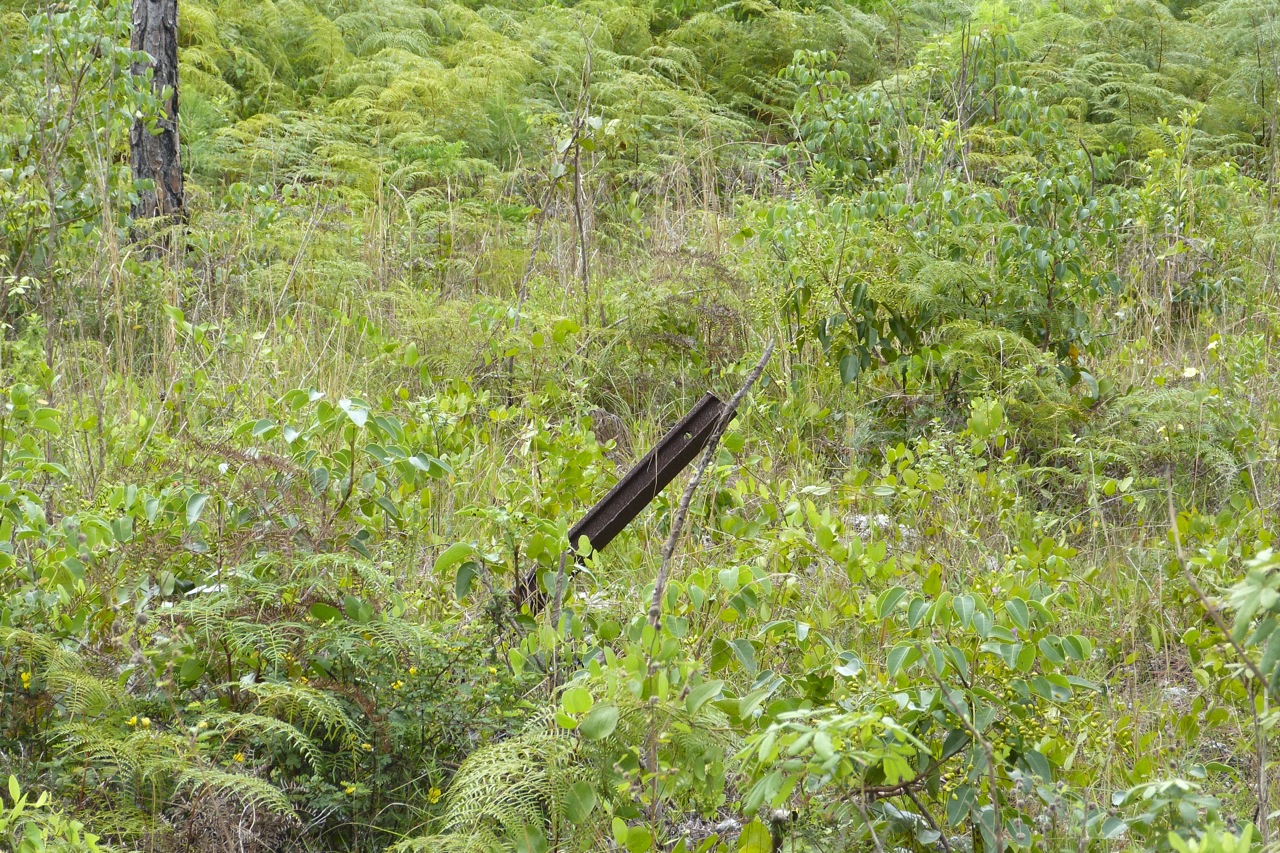
During a walk to Sawmill Sink, we noticed a rusty rail sticking up from the undergrowth. This was a remnant of the light railway tracks that had been laid through the forest to carry felled timber to the highway. From there it was transported to the coast to be loaded onto ships.
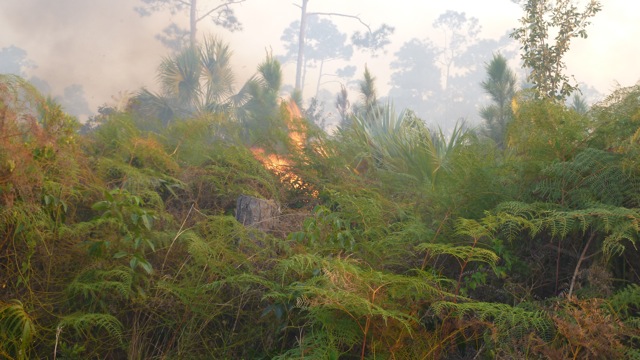
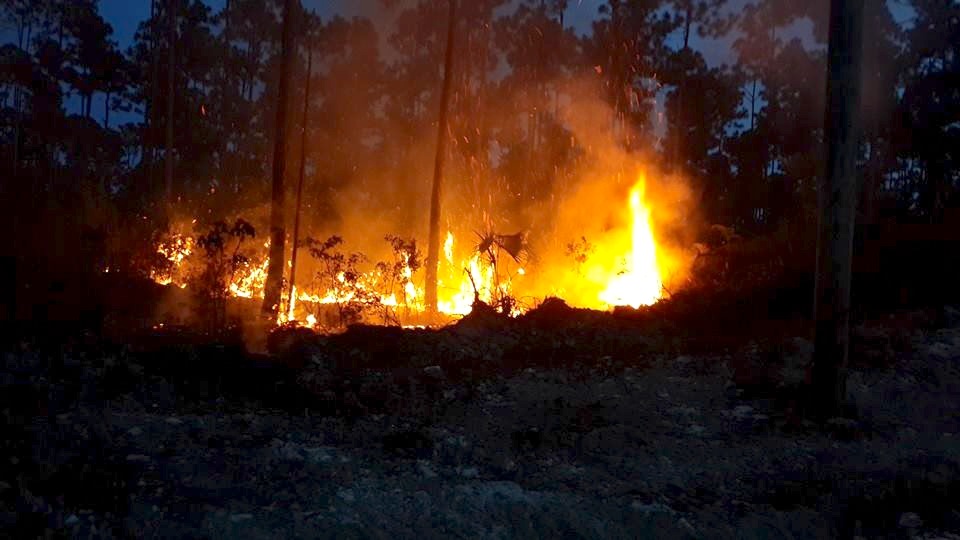
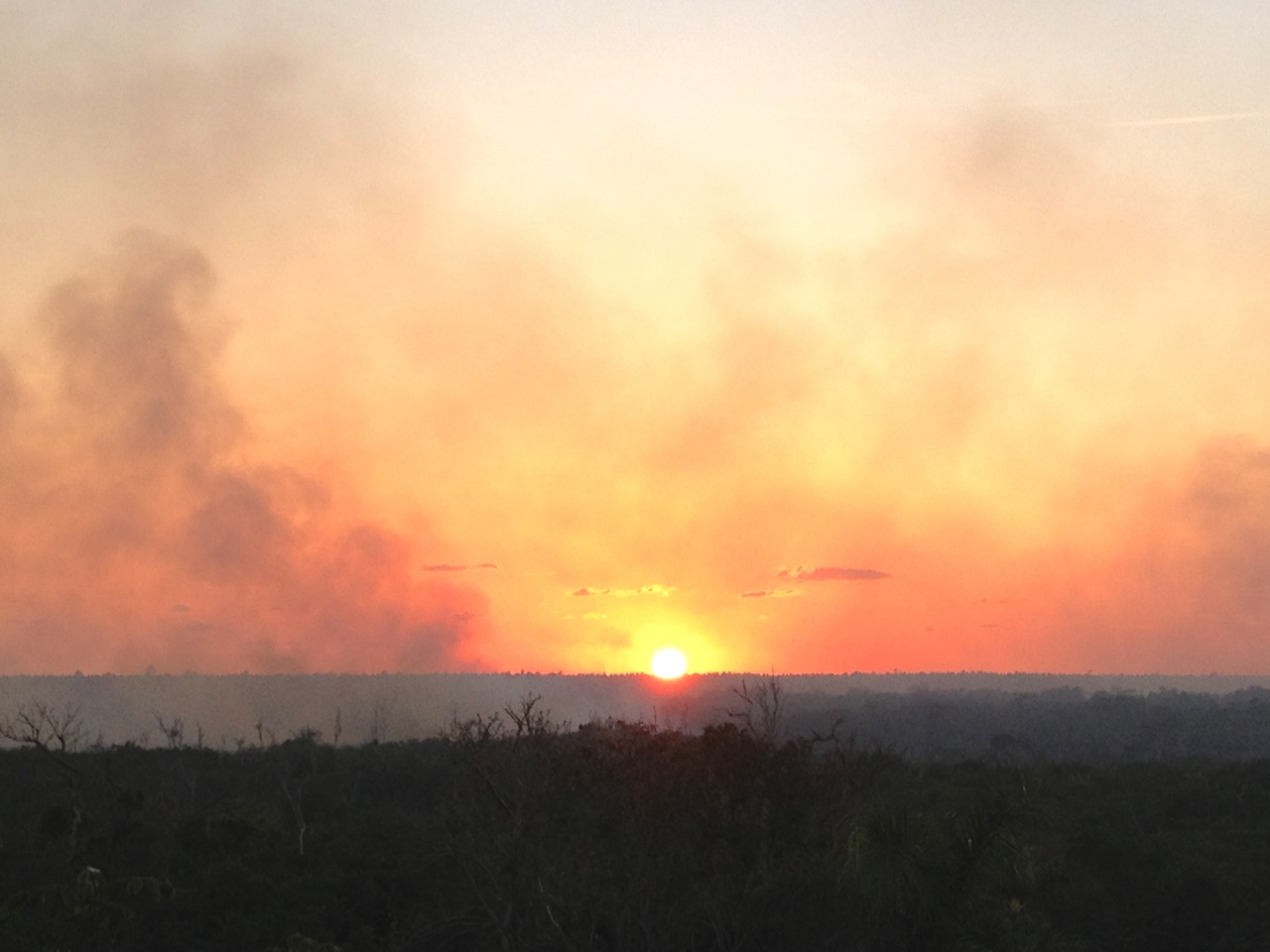
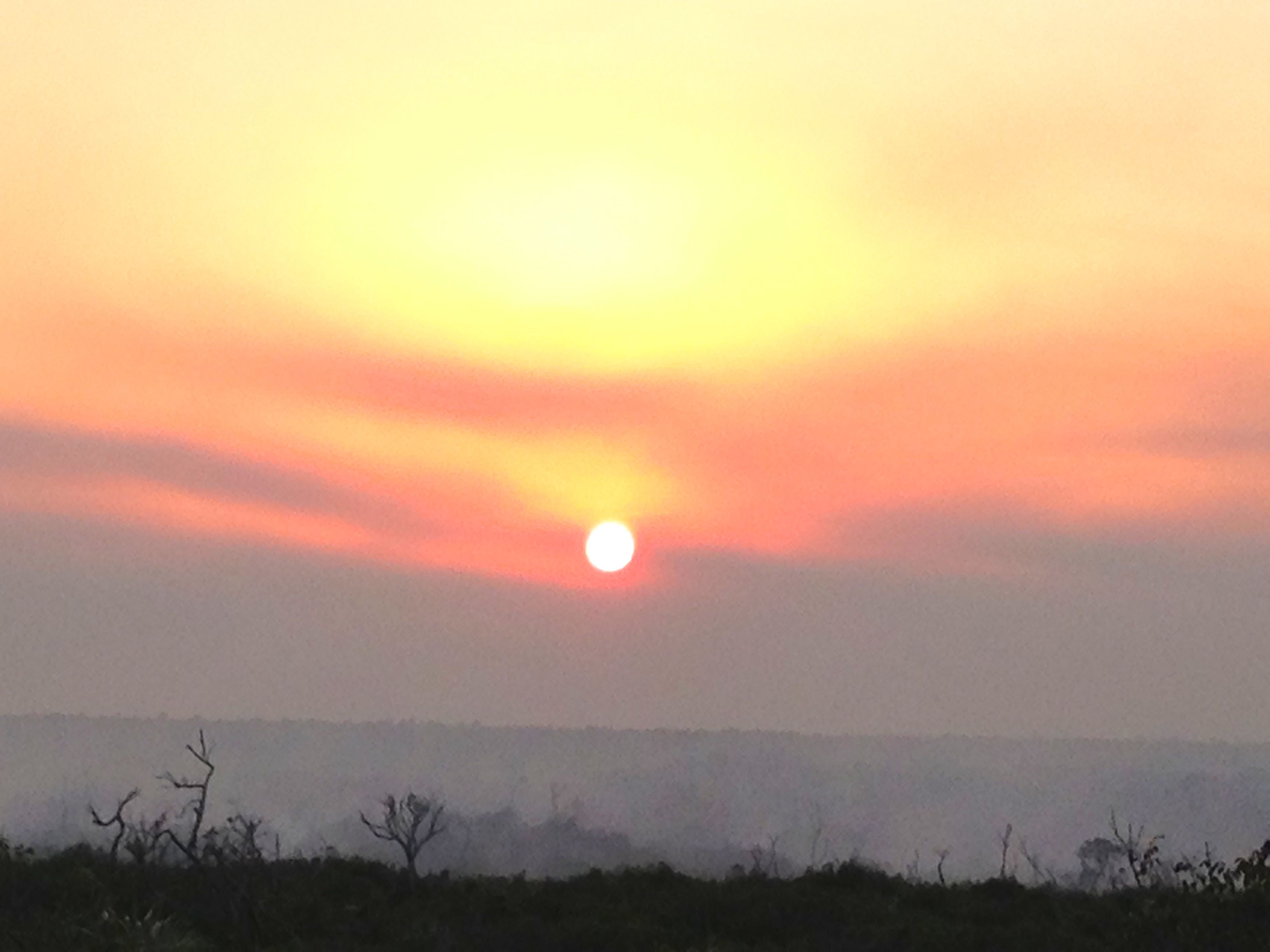
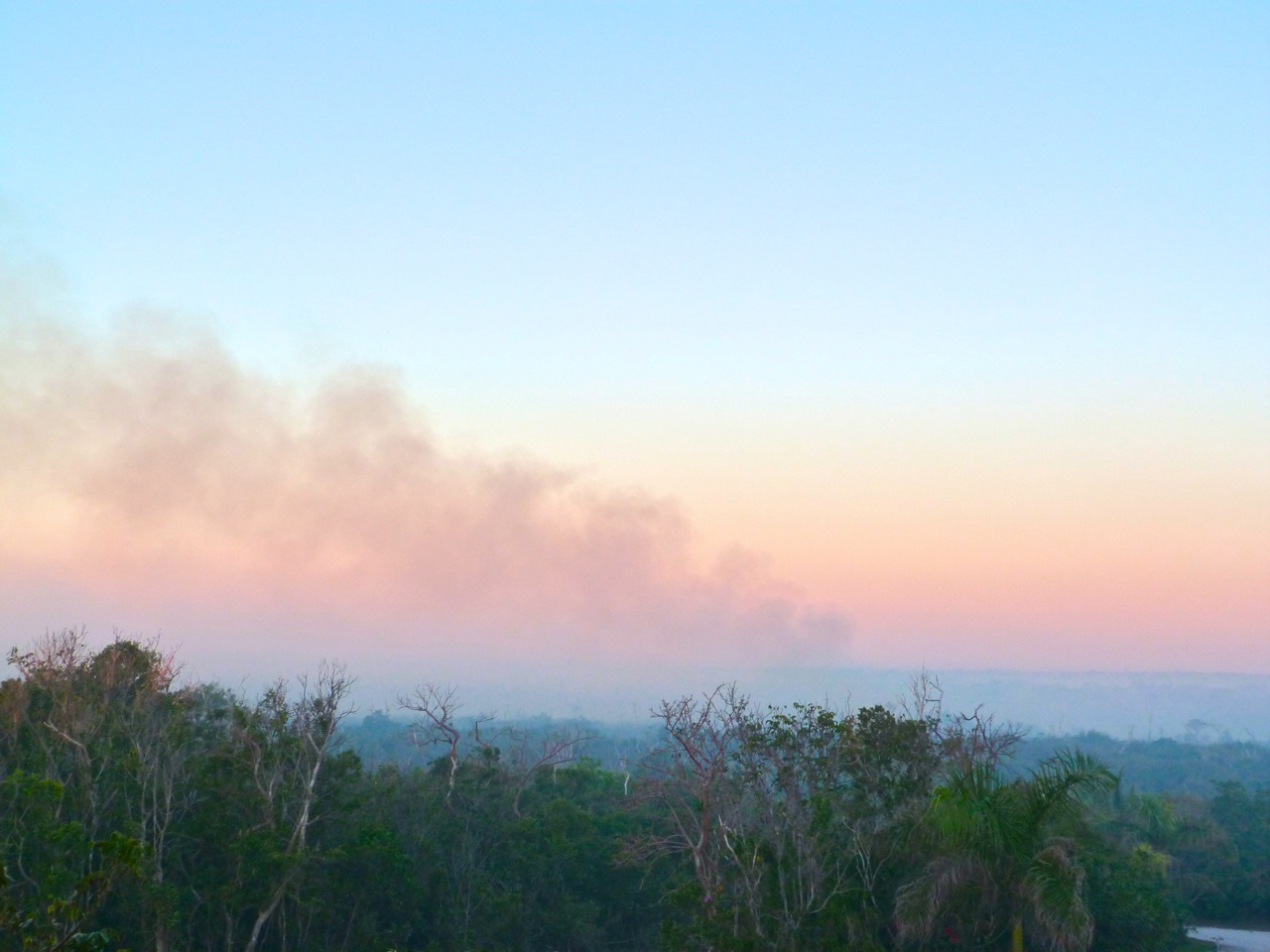
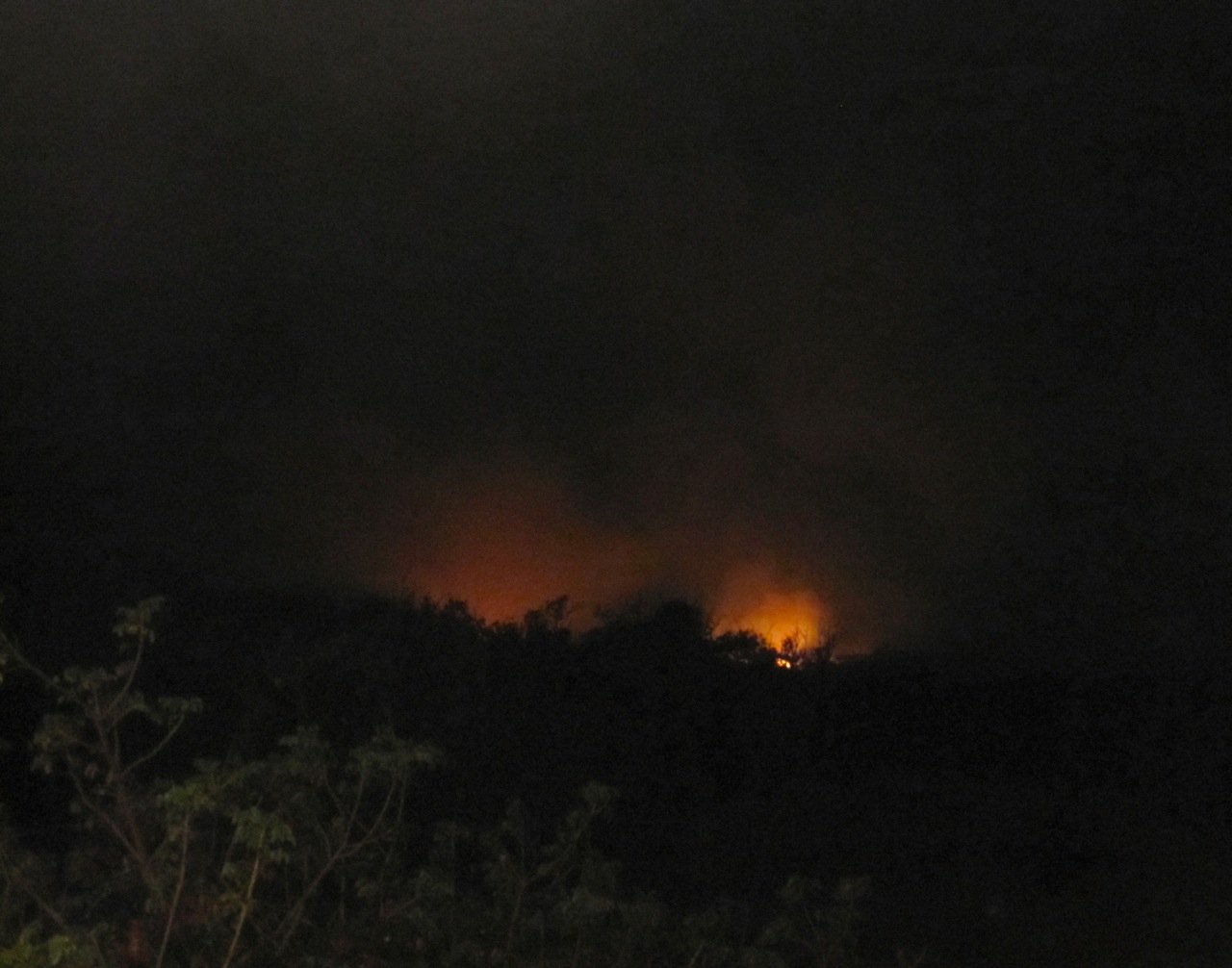
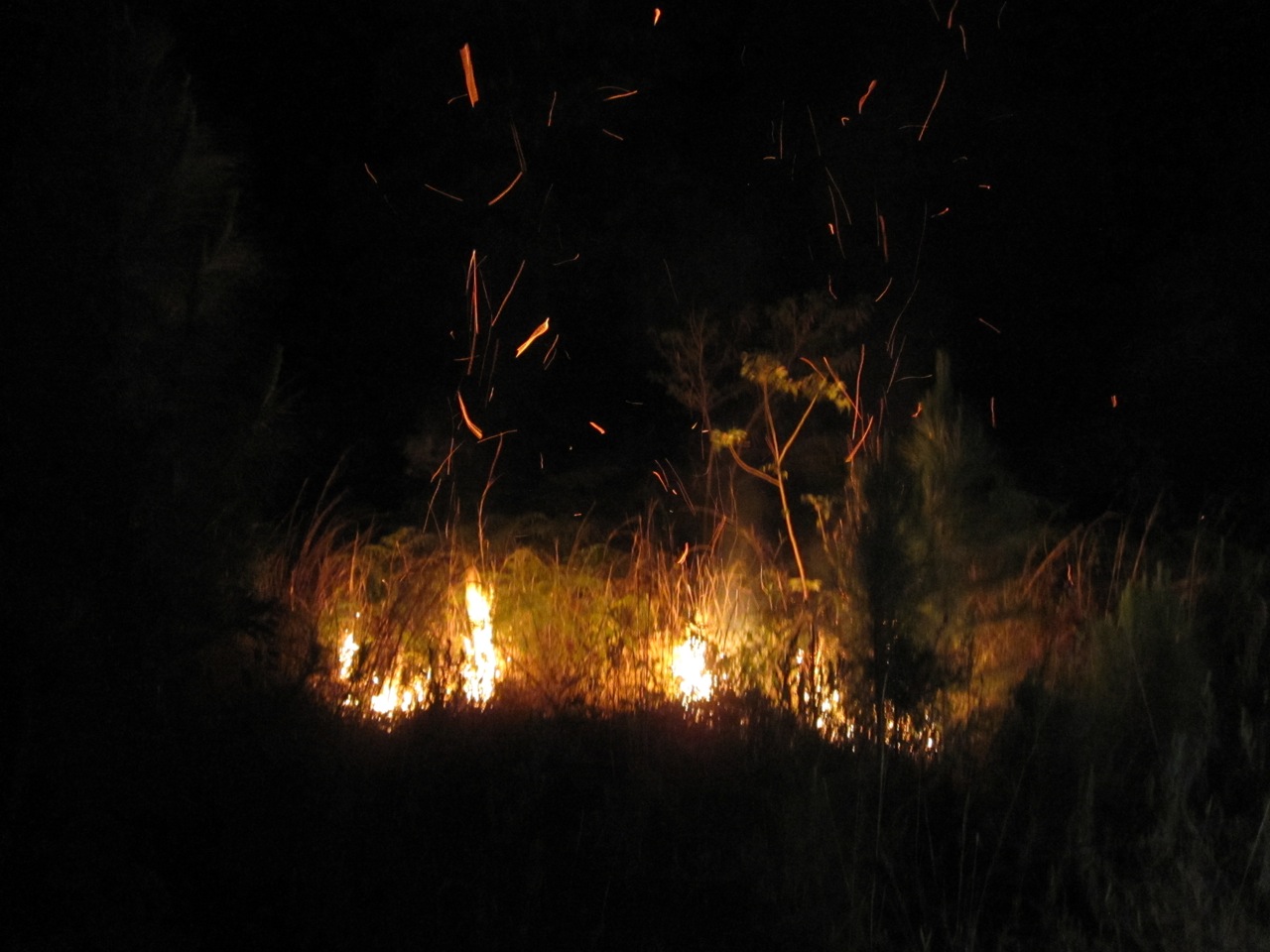
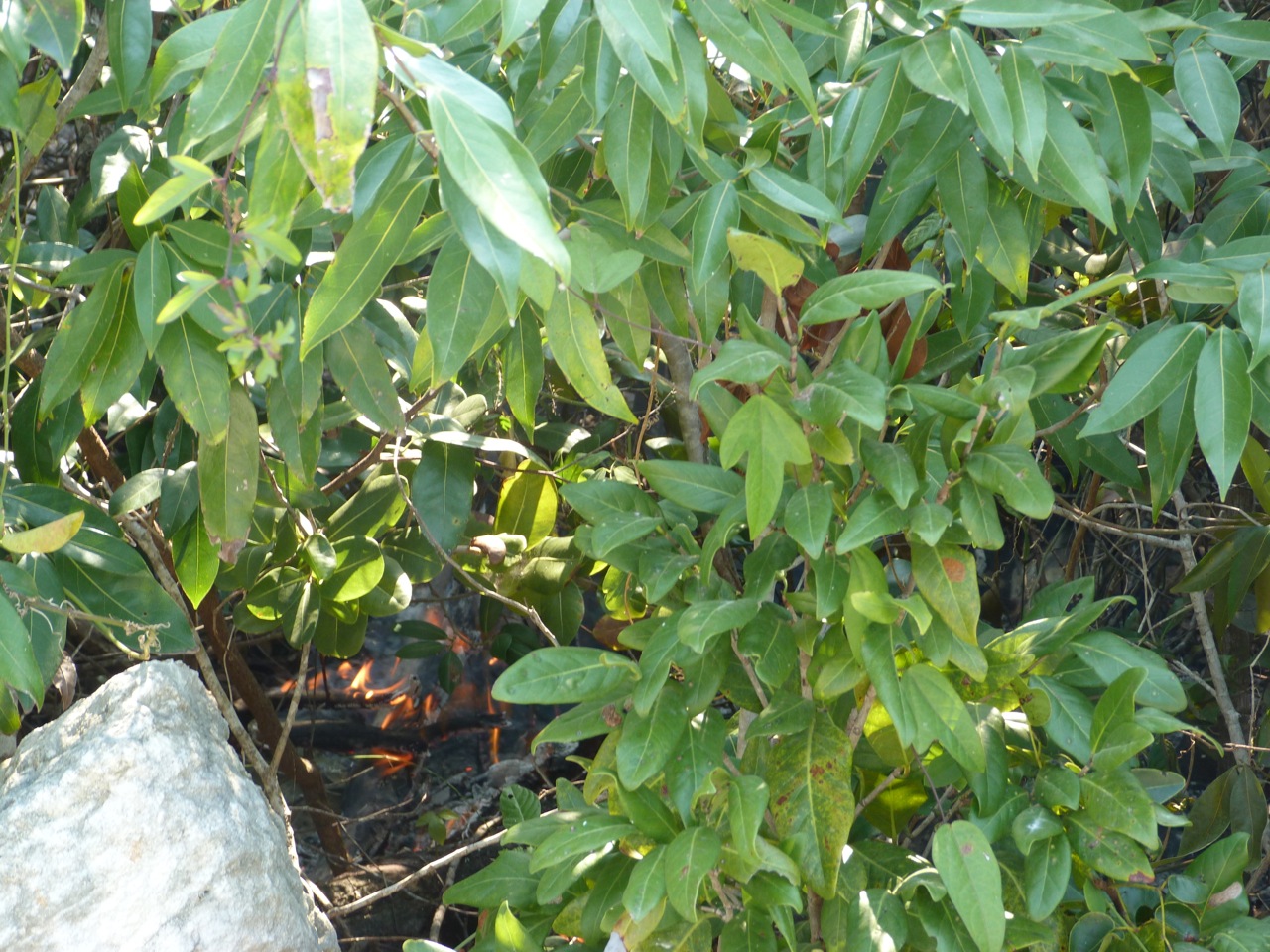
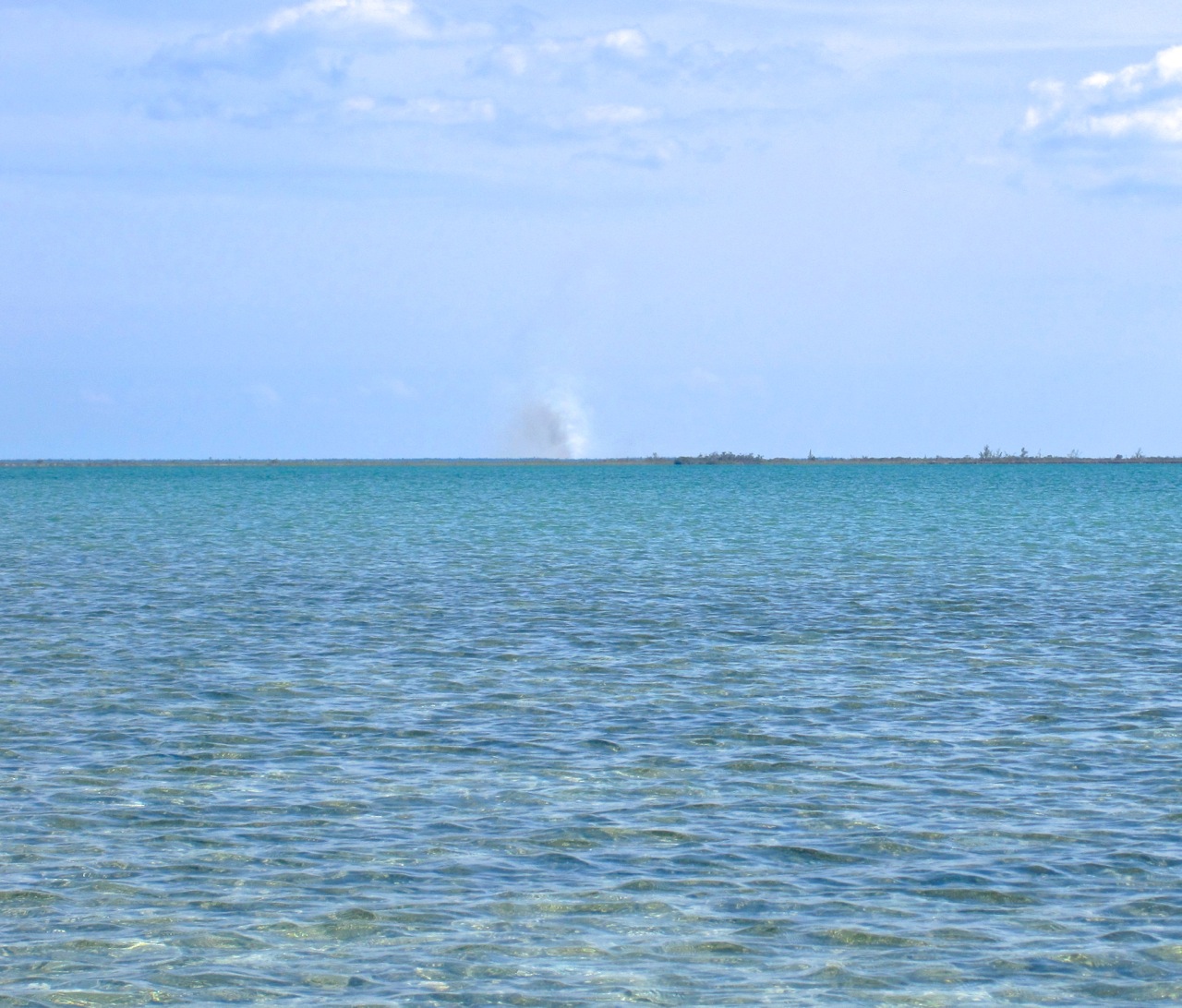
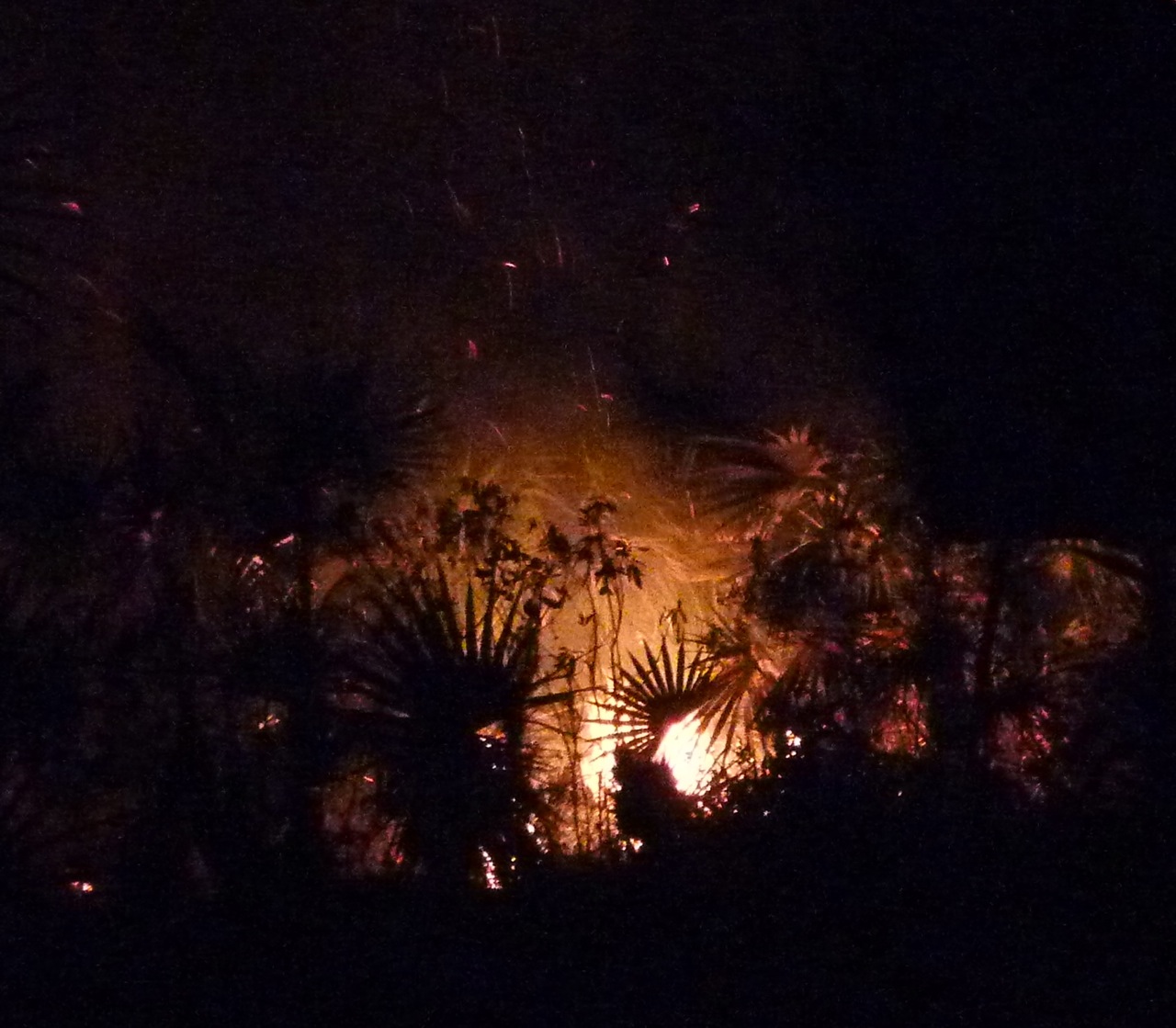
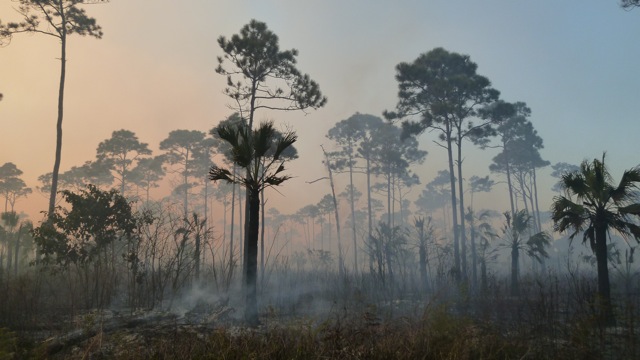
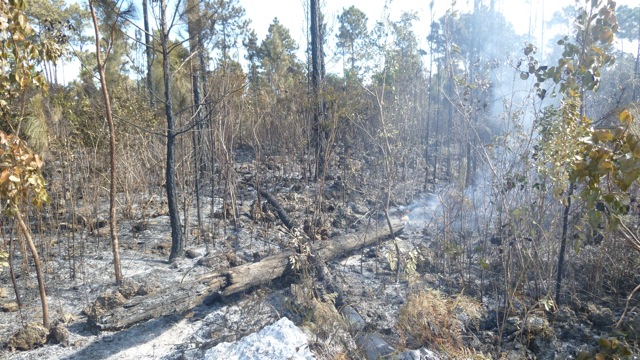
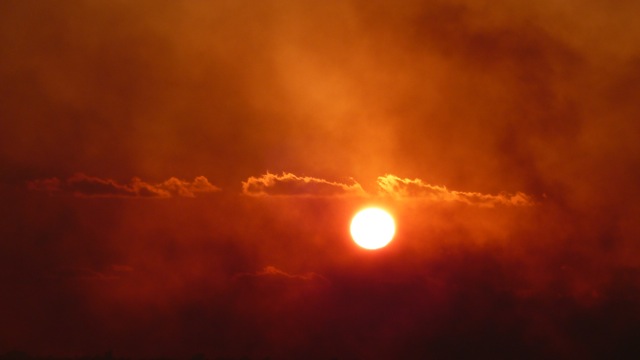
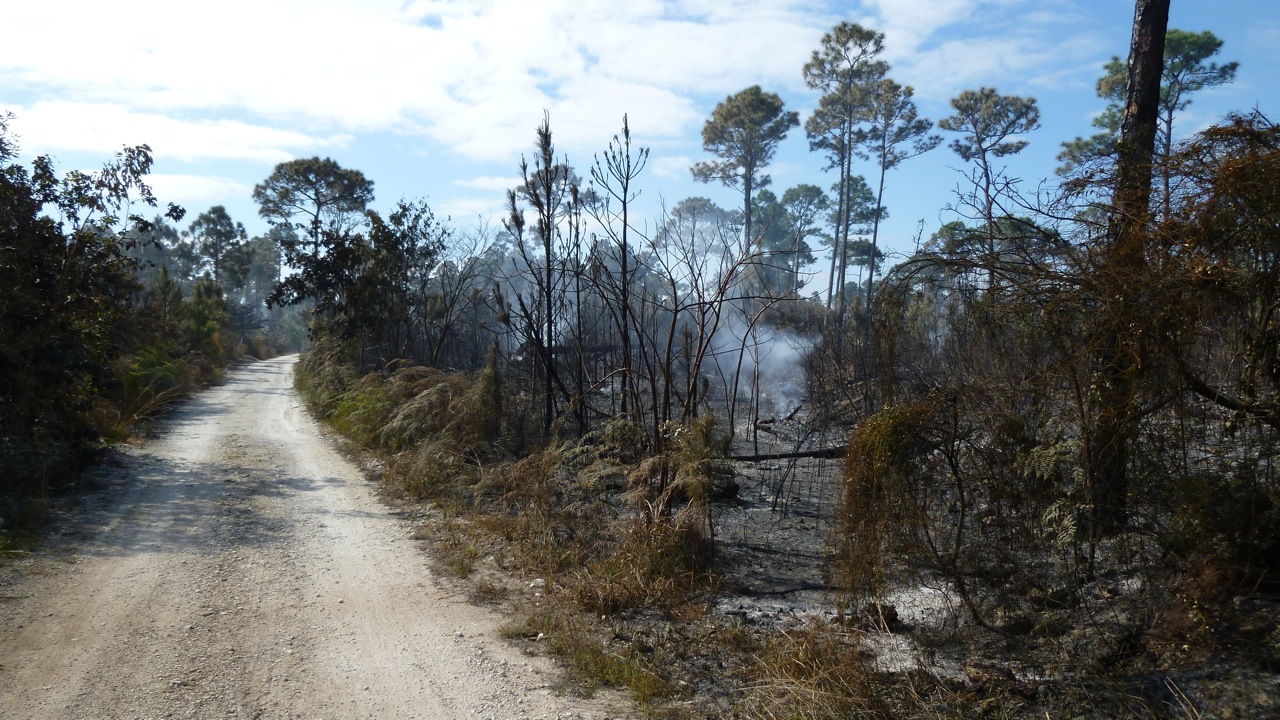
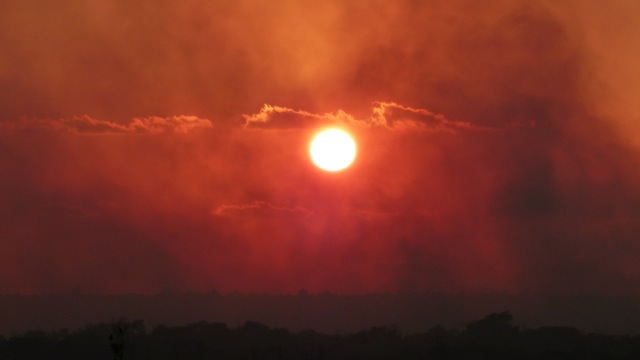
Later, we went back to Sawmill Sink at a time when the south part of the island was enduring the annual outbreak of forest fires, some natural and some set to clear undergrowth. While the occasional natural fire is actually good for regeneration of a forest (cf burning moorland), a fire out of control and fuelled by wind can very quickly damage a vast area. Thick palls of smoke drift across the island and out to sea. Even while we were fishing far out on the Marls, flames were visible as tall pines burned, with the acrid smell of the blaze was carried on the wind.
REMEMBERED EMBERS
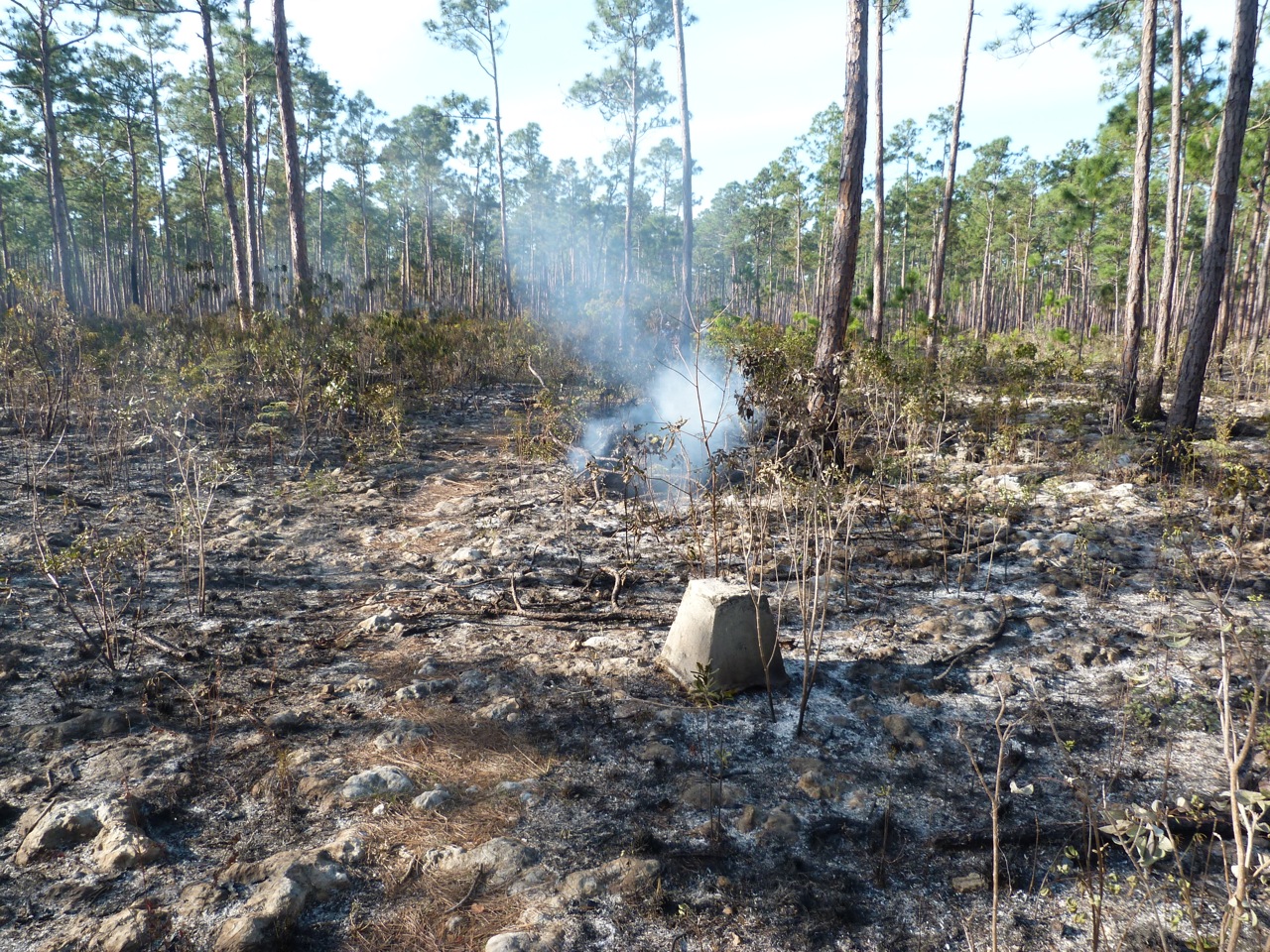
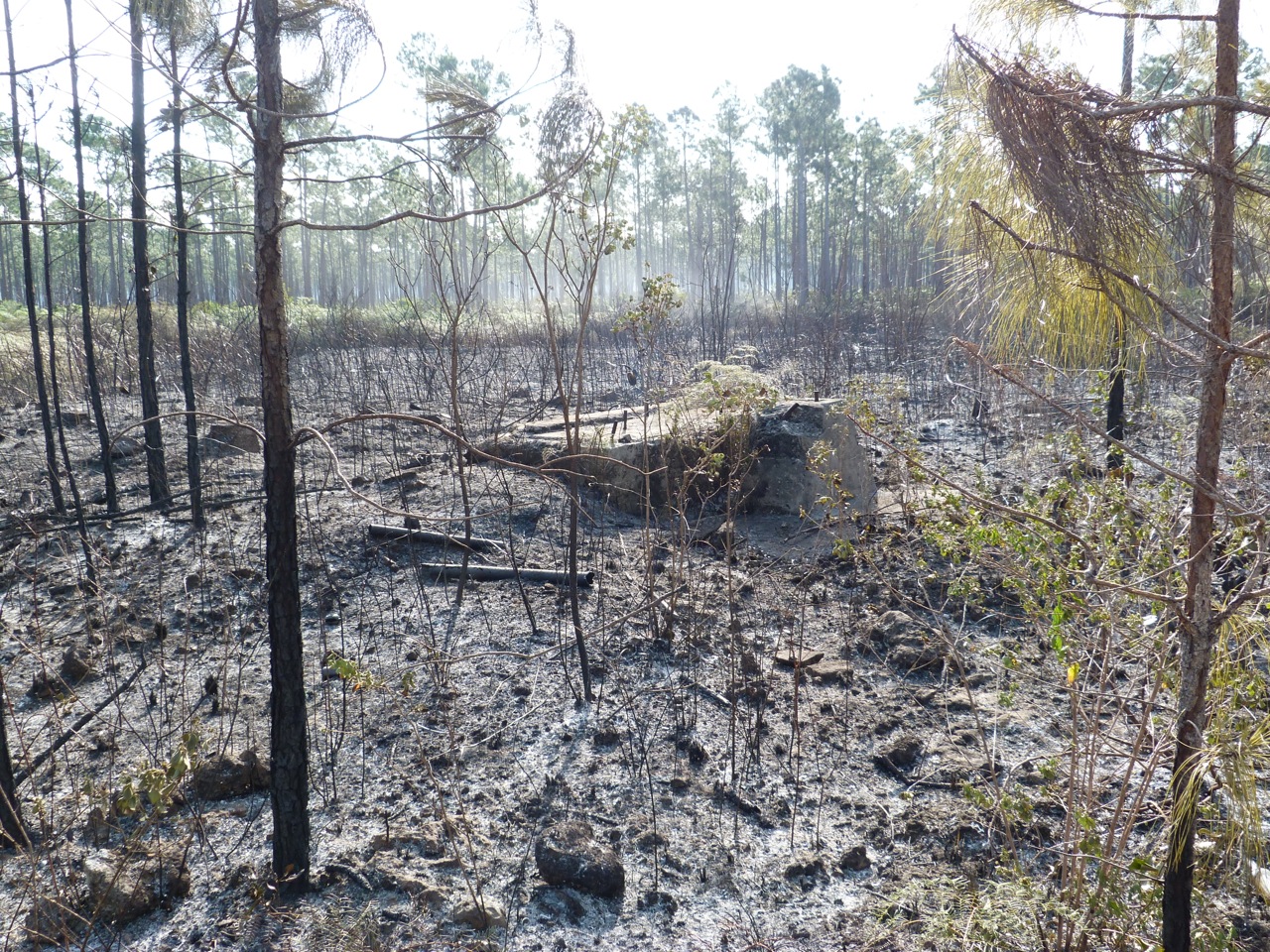
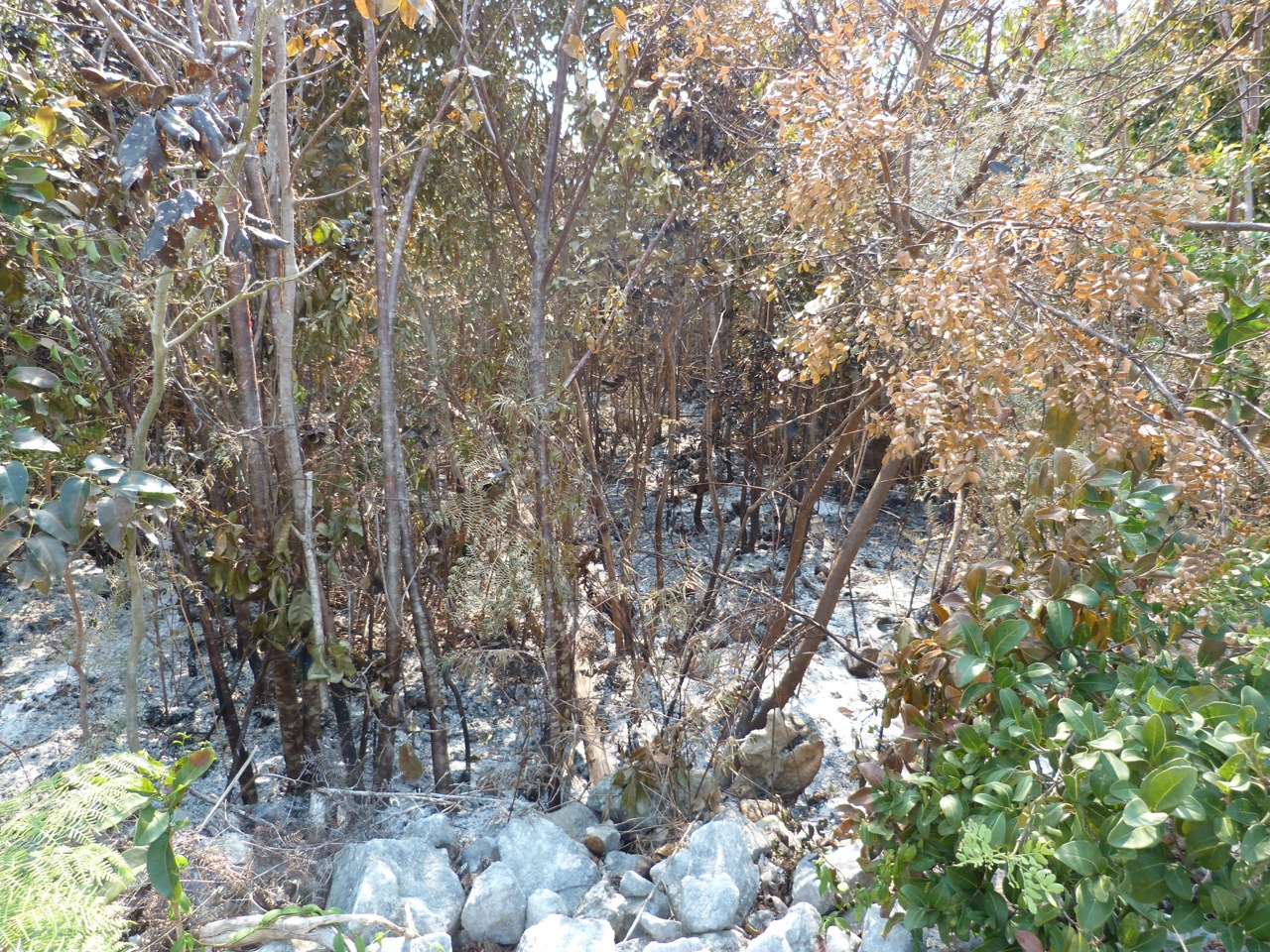
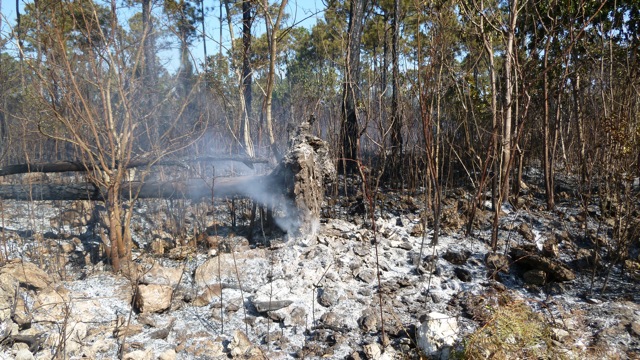
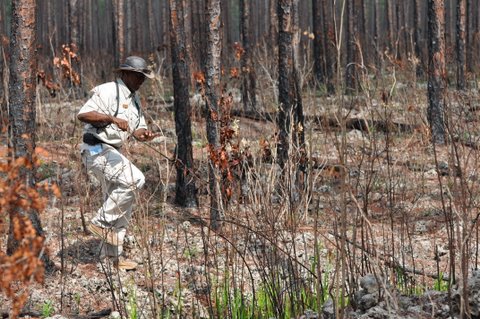
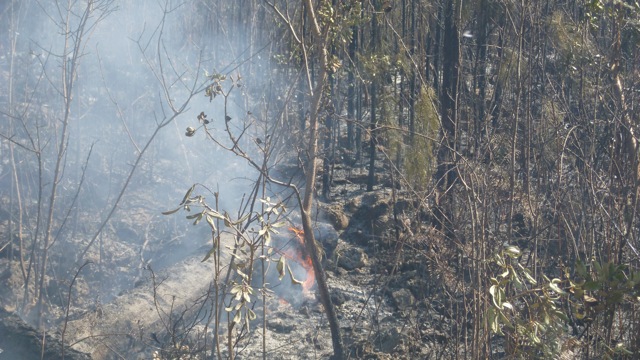
The photos that follow show the area round Sawmill Sink immediately after a fire had swept through the area, revealing the past. Trees were still smouldering and in places the ground was still hot to the touch. The evidence of the former usage had been laid bare. Some images below show the paved path that leads from the logging track to the Sink. I never found out if these were the first detailed images of so many visible remains of the logging trade revealed by the burnt-off undergrowth.




PREHISTORY
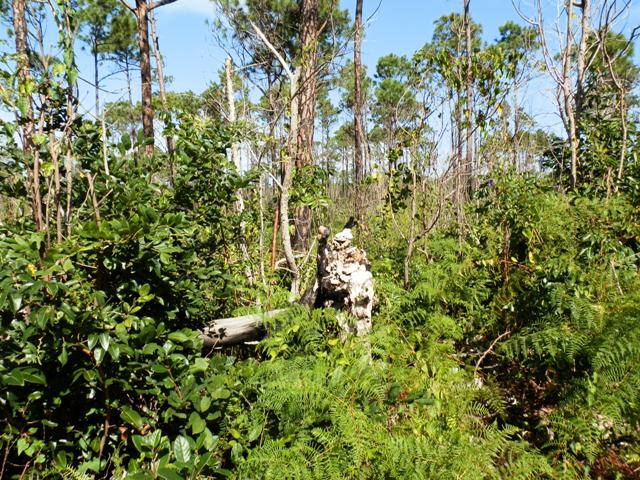
We found this rock close to the Sink. Are those plant fossils? Bearing in mind that in prehistory the ocean covered this area entirely (the highest point on Abaco is a mere 134 feet ASL), might these be anemones or sponge fossils of some sort? As I said then, ‘comments from fossilologists welcome’, and a kind follower FOSSIL LADY (aka Kathi) reponded: Those don’t look like plant fossils to me, they remind me of stromatolites, a sponge like creature that first dominated the earth billions of years ago. Some varieties still survive today. It would be worth it to have a geologist have a look see. ps the sinkhole is awesome!

Photo credits: all RH except pit props (Scottish Mining Museum); aerial view (Gmaps)











































 ROLLING HARBOUR ABACO

You must be logged in to post a comment.