Unknown's avatar

BROWN PELICANS ON ABACO & BEYOND


Brown Pelican, Bahama Palm Shores, Abaco Bahamas (Tom Sheley)

BROWN PELICANS ON ABACO & BEYOND

Six more sleeps. That’s all. Suddenly, a trip that seemed ages away is rushing towards us. Or, to put it more plausibly science-wise, we are rushing towards it. Abaco beckons, with bonefish, rays, sharks, reef fishes, whales, dolphins, birds and butterflies to investigate. Plus Kaliks to consume. 

Brown Pelican, Abaco (Tony Hepburn)

Idly thinking along those lines and vaguely plotting the first few days, took me to Sandy Point, home of the BMMRO (Bahamas Marine Mammal Research Organisation) and of course the legendary Nancy’s, the restaurant at the end of the road. From where it is a short step to the dock on which the pelicans gather and use as a launch pad for their fishing dives.

I photographed this bird at the end of the SP dock, looking rather bedraggled after a diveBrown Pelican (m), Sandy Point, Abaco (Keith Salvesen)

Note the significant plumage differences between the male (above) & this femaleBrown Pelican (f), Sandy Point, Abaco (Keith Salvesen)

I recently read somewhere that the brown pelican is (or has become) quite uncommon in the Bahamas. On Abaco it is a permanent resident breeding species, so a drop in numbers equals fewer nests, fewer chicks and… fewer numbers. It’s a classic cycle towards serious population decline and all that is implied. Has anyone noticed an apparent reduction in numbers, I wonder? Comments welcome.

Brown Pelican, Abaco (Woody Bracey)

Brown Pelican, Sandy Point, Abaco (Keith Salvesen)

The pelicans above were all photographed on Abaco. The two below were not, but are both by exceptional photographers. One, Phil Lanoue, specialises in dramatic sequences, and his work features elsewhere in this blog. The final image was sportingly uploaded by Alan Schmierer from Flickr into the ‘public domain’.

Coming in to land…Brown Pelican coming in to land (Phil Lanoue)

While we are on Abaco, I plan to keep posting as and when, subject to connectivity (always a proviso in the Bahamas). My big hope is that the piping plovers that were on the beach last year and returned this season, will have resisted the increasingly insistent call to fly north to the breeding grounds. If they could just hang on for just a few more days… 

Brown Pelican preening (Alan Schmierer)

Credits: Tom Sheley (1); Tony Hepburn (2); Keith Salvesen (3, 4, 6); Woody Bracey (5); Phil Lanoue (7); Alan Schmierer (8); Birdorable (cartoon)

Unknown's avatar

BLACK-FACED GRASSQUITS ON ABACO: AN UPGRADE


Black-faced Grassquit male, Abaco (Alex Hughes)

BLACK-FACED GRASSQUITS ON ABACO: AN UPGRADE

Hi, human friends, I’m a black-faced grassquit Tiaris bicolor and I have a couple of observations to make on behalf of BFGS, if I may. First, we seem to be universally described as ‘common’, whereas we are actually quite refined in our behaviour. Secondly, the words most used to portray us are ‘dull’ and ‘drab’. And ‘stubby’. Well, excuse me… I – we – ask you to give us a second look.

black-faced-grassquit-adult-male-eating-berry-abaco-bahamas-tom-sheleyblack-faced-grassquit-foraging-berry-2-abaco-bahamas-tom-sheley

And I have some news for you. The perceptive classifications committee of the American Ornithological Union recently gave us an upgrade. That’s the way we see it anyway. For many years we have been classified under the heading Emberizidae. 

Black-faced Grassquit male, Abaco (Bruce Hallett)Black-faced Grassquit, Abaco (Tom Reed)

We kept company with buddies like the Greater Antillean Bullfinches, but also with a lot of New World sparrows, with whom we (frankly) never felt entirely comfortable. Too chirpy, for a start.

Black-faced Grassquit - Treasure Cay, Abaco (Becky Marvil)Black-faced Grassquit male, Abaco (Peter Mantle)

Last year, it became official. We are really a type of Tanager. They reckon we are closely related to Darwin’s finches (so, we are “common”, huh?). Now we get to be with other birds that are dome-nesters like us. And how about this – we’ll be in the same list as some really cool birds…

Black-faced Grassquit male, Abaco (Gerlinde Taurer)

How’s this for a colourful gang to be joining: scarlet tanager, summer tanager, rose-breasted grosbeak, indigo bunting, painted bunting – these are our new cousins. BFGs “dull” and “drab”? I don’t think so.

Black-faced Grassquit female, Abaco (Bruce Hallett)

6 UNDULL FACTS ABOUT BFGS

  • Make grassy dome-nests (like Bananaquits) and line them with soft grasses
  • Both sexes build the nest together
  • Both share egg-sitting duties and later chick-feeding & maintenance
  • Though quite gregarious by day, for some reason they tend to roost alone
  • They have a short ‘display’ flight with vibrating wings and a strange buzzing call
  • Otherwise, their flight is ‘weak, bouncy & fluttering’ (Whatbird’s assessment)

Black-faced Grassquit male, Abaco (Alex Hughes)

THE EVERYDAY TWITTERING SONG 

THE DISPLAY BUZZING SONG 

Black-faced Grassquit male, Abaco (Tom Reed)Black-faced Grassquit male, Abaco (Keith Salvesen)

STOP PRESS The day after I had pressed the ‘publish’ button on this post, I came across a great shot by Larry Towning of a BFG on Lubbers Quarters Cay, Abaco (think ‘Cracker P’s Restaurant’). An excellent addition of a bird from a small cay, showing its bright lower-wing flash.Black-faced Grassquit (m) Lubbers Quarters, Abaco (Larry Towning).jpg

Photo Credits: Alex Hughes (1, 10); Tom Sheley (2, 3); Bruce Hallett (4, 9); Tom Reed (5, 11); Becky Marvil (6); Peter Mantle (7); Gerlinde Taurer (8); Keith Salvesen (12) plus Larry Towning. Other Credits: ABA, AOU, Whatbird? (sound files)

Unknown's avatar

AMERICAN KESTRELS ON ABACO: ‘LET US PREY…’


american-kestrel-f-abaco-bruce-hallett-img_1235-copy

AMERICAN KESTRELS ON ABACO: ‘LET US PREY…’

To be honest, I haven’t done these fine birds justice. Barely a mention of them for 3 years. Too much else on the land and in the water to choose from. I posted some of my photos from an outing to Sandy Point HERE. And the kestrel kinsman MERLIN got some attention a while later. Time to make amends with some more AMKE.

american-kestrel-abaco-charles-skinner

As many or most of the images show, utility wires (also posts) are a favourite perch for kestrels. They get an unimpeded view of the only thing that really matters in their lives – outside the breeding season, of course – PREY.

american-kestrel-abaco-2-peter-mantle

In my experience it’s quite rare to see AMKEs on the ground – unless they are in the act of ripping up some hapless rodent pinned to the earth. I was with photographer Tom Sheley when he captured this fine bird in the grass. 

american-kestrel-abaco-bahamas-tom-sheley-copy

Tom also took this outstanding photo, on an overcast day, of a kestrel feeding its fledgeling a large insect.american-kestrel-feeding-fledgling-2-delphi-club-abaco-bahamas-tom-sheley

Treasure Cay and its surrounding area makes for a good day’s birding. Although South Abaco, below Marsh Harbour, is the go-to location, TC has plenty of scope for a great variety of species from shore birds to songbirds – including the occasional Kirtland’s warbler. The golf course pond at hole #11 is well worth checking out (with permission at the club house, rarely declined unless there’s an event of some sort). So is the large brackish lake system where you may well find herons and egrets. There’s been a rare (for Abaco) pearly-eyed thrasher there recently. And you may find yourself being watched by a kestrel from a vantage point.

american-kestrel-treasure-cay-abaco-bahamas-6-13-tom-sheley

A richly-coloured specimenAMERICAN KESTREL, Abaco -Nina Henry

A kestrel in streamlined flight, with its feet tucked tightly under its bodyamerican-kestrel-abaco-tom-reed

Bird on the Wireamerican-kestrel-abaco-peter-mantle-copy

OPTIONAL MUSICAL DIGRESSION

One of Leonard Cohen’s standards, and a song covered by almost everyone from Johnny Cash to Heathen Gonads*, Bird on the Wire was on the album Songs from a Room (1969). It was a favourite of Cohen’s, who once said “I always begin my concert with this song”. Covers range from the excellent via good, interesting, and strange to outright bizarre. Joe Bonamassa’s take on it (as Bird on a Wire) on Black Rock, is certainly… unusual**.

Credits: Bruce Hallett (1, 10); Charles Skinner (2); Peter Mantle (3, 9); Tom Sheley 4, 5, 6); Nina Henry (7); Tom Reed (8)

american-kestrel-f-abaco-bruce-hallett-img_1222

*not really .    **shows originality & ingenuity -vs- dents his purist bluesman credentials

Unknown's avatar

“THE DELPHI CLUB GUIDE TO THE BIRDS OF ABACO” (2016)


Delphi Club Guide to the Birds of Abaco (Jacket)

“THE DELPHI CLUB GUIDE TO THE BIRDS OF ABACO”

In a box in the corner over there – no, there – are my last 6 copies of ‘The Birds of Abaco’. Peter Mantle probably has a few over here in the UK too. And there are definitely some remaining at Delphi HQ in a cupboard  just a few lurches away from the surprisingly popular ‘honesty bar’. But there aren’t a great many left now, so forgive me for drawing attention to the fact that the Season of Goodwill is upon us. And… ahem… there are only 24 more ‘sleeps’ until Christmas. 

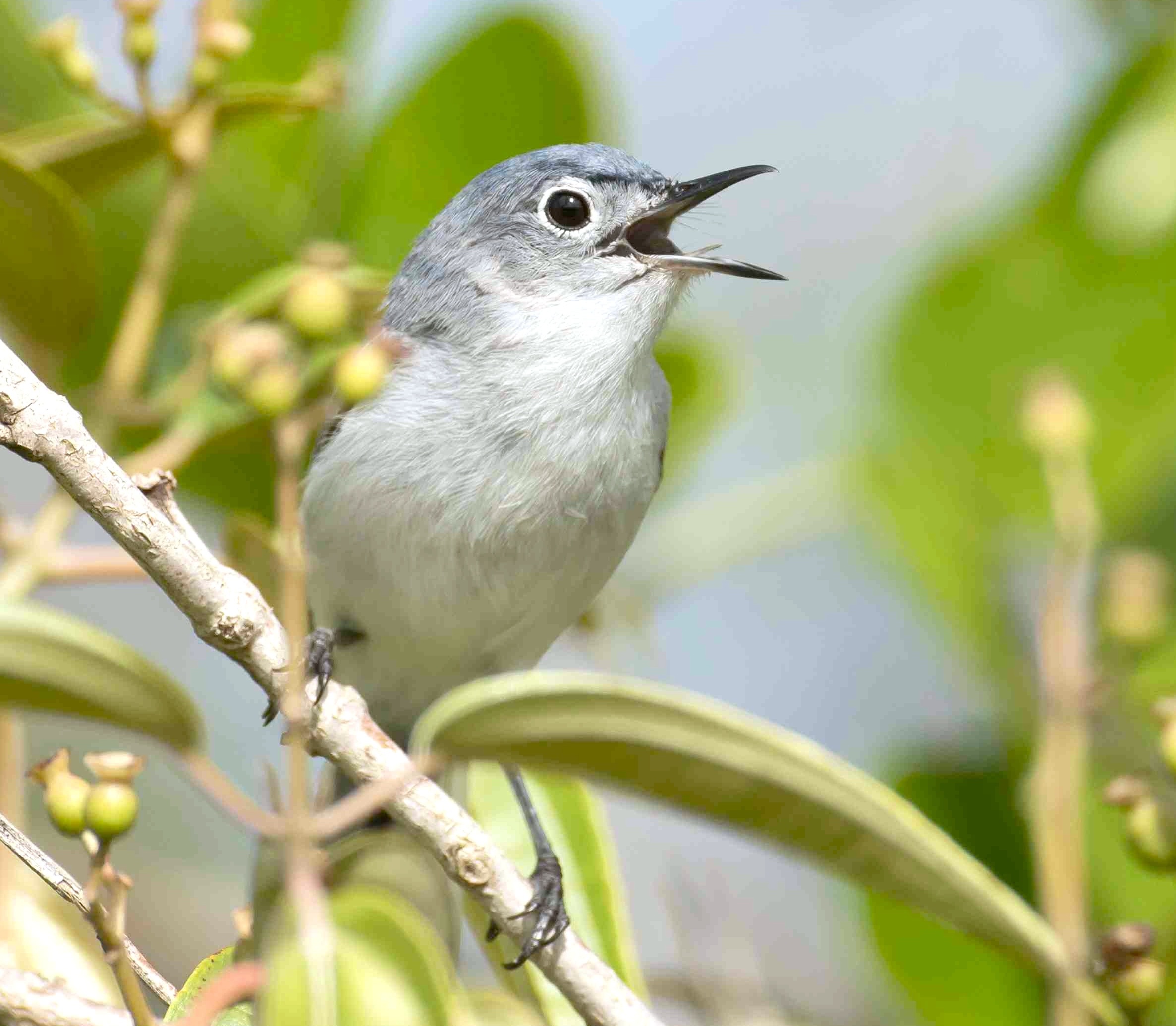
Blue-gray Gnatcatcher vocalizing.Abaco Bahamas.6.13.Tom Sheley aBlue-gray Gnatcatcher Tom Sheley

“The Delphi Club Guide to THE BIRDS OF ABACO” was published in March 2014. To say “I wrote it” would be a gross distortion of the truth: it was an entirely collaborative project. The originator of the idea – as with the entire Delphi Club project – was Peter Mantle, the publisher. The work of 30 photographers is included. There was huge input from the very experienced project manager and from Bahamas bird experts. So although my name is on the cover, it is as a participant representing the contributions, camera skills and brainpower of many people.
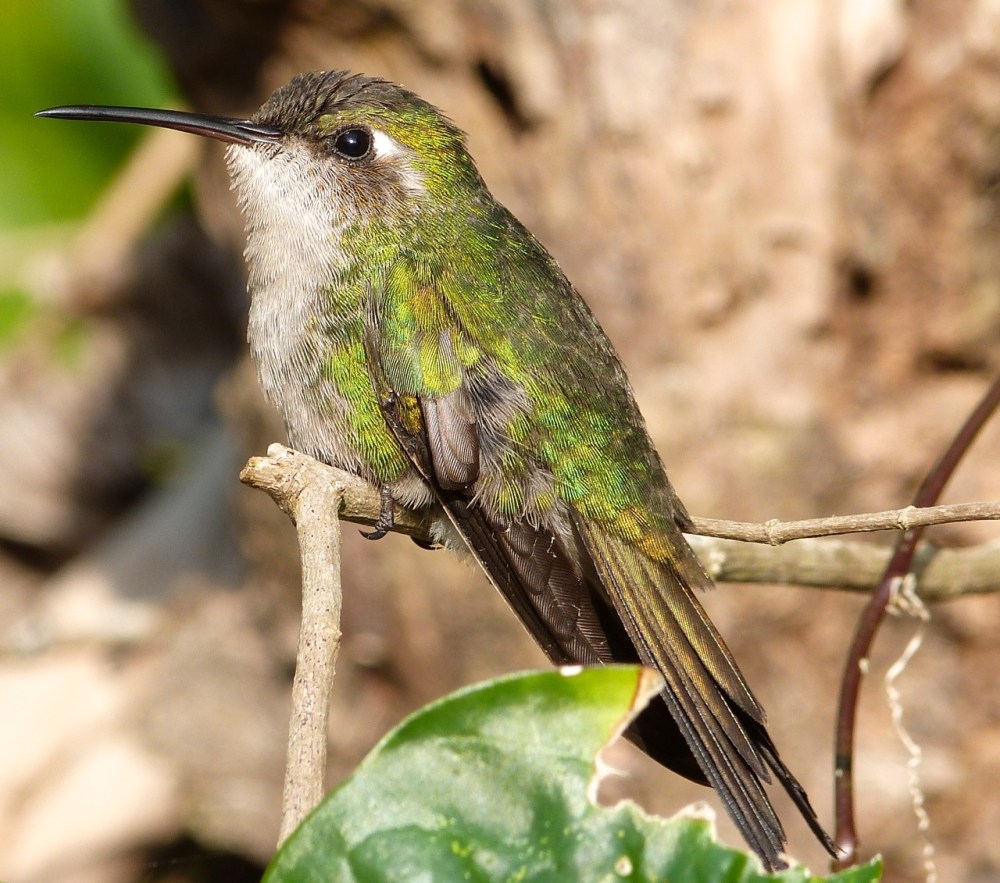
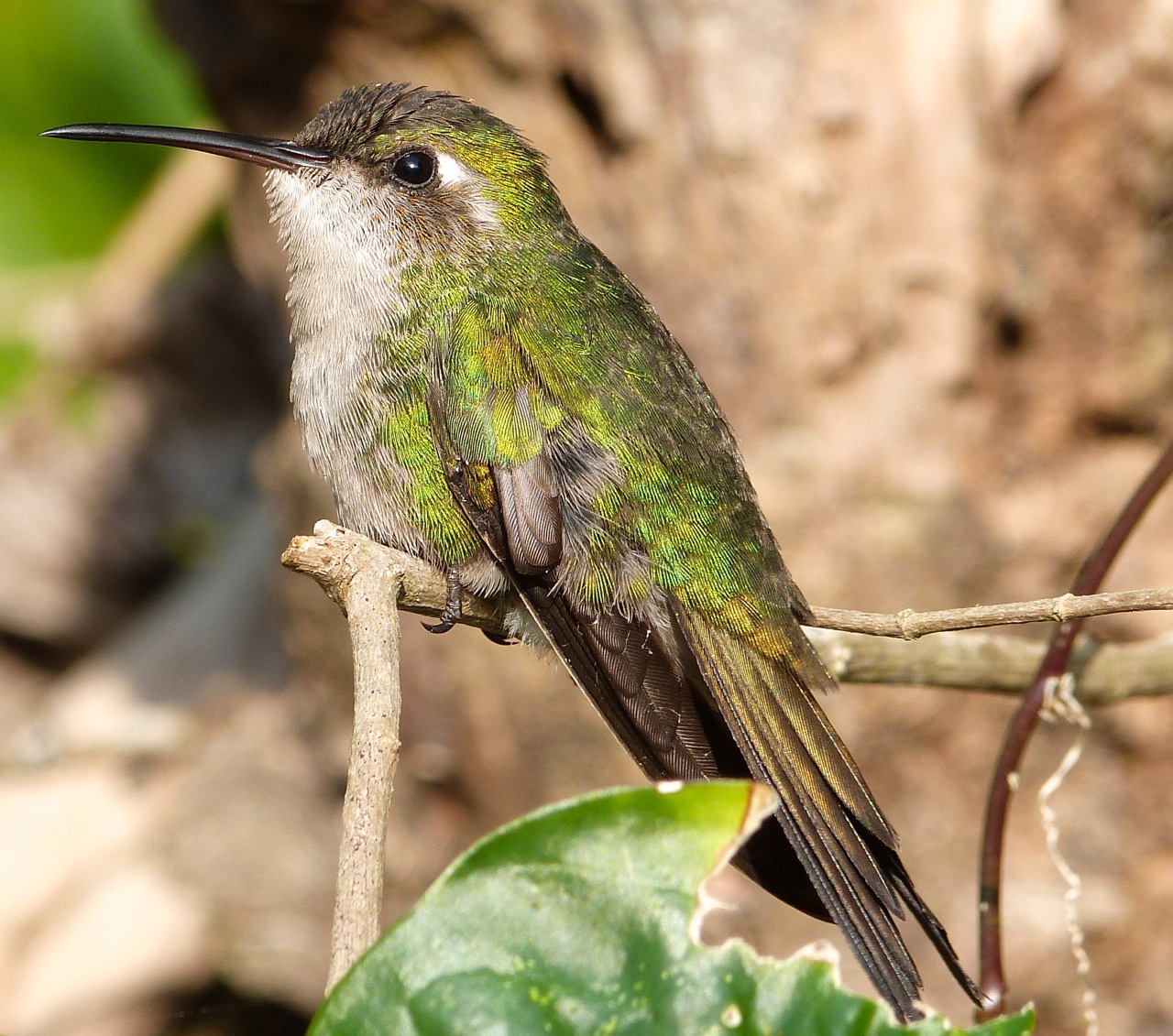
Cuban Emerald Hummingbird, Delphi, Abaco (Keith Salvesen)Cuban Emerald (f) Keith Salvesen

The book launched to generous enthusiasm and support both on Abaco and beyond, which has continued ever since. We have been astonished by the positive responses to this unique publication for the Bahamas. There is a wider purpose to the book than as a photographic showcase for Abaco birds. All Abaco schools, colleges, libraries and local wildlife organisations have been given free copies for educational purposes. And a percentage of the profits is set aside for local wildlife causes. 
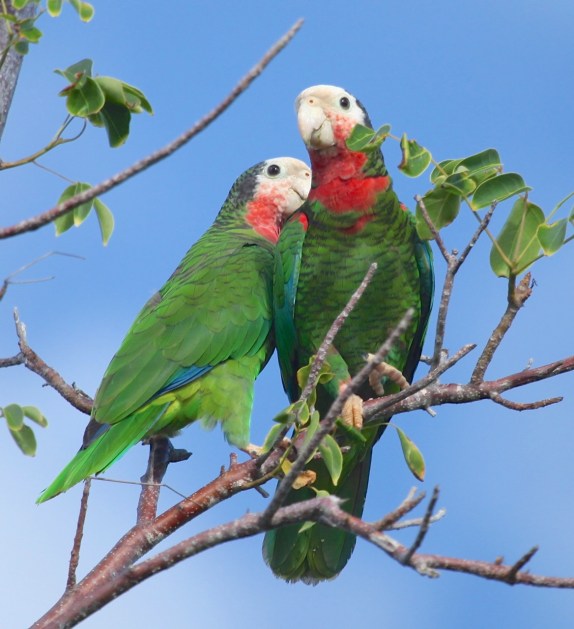
Abaco Parrot, Abaco Bahamas (Peter Mantle)Abaco (Cuban) Parrots Peter Mantle

Below are some facts and stats. Some people may well have seen these set out elsewhere, but a lot of new people have kindly tuned in to Rolling Harbour in the last 12 months or so, so I will repeat some of the details.
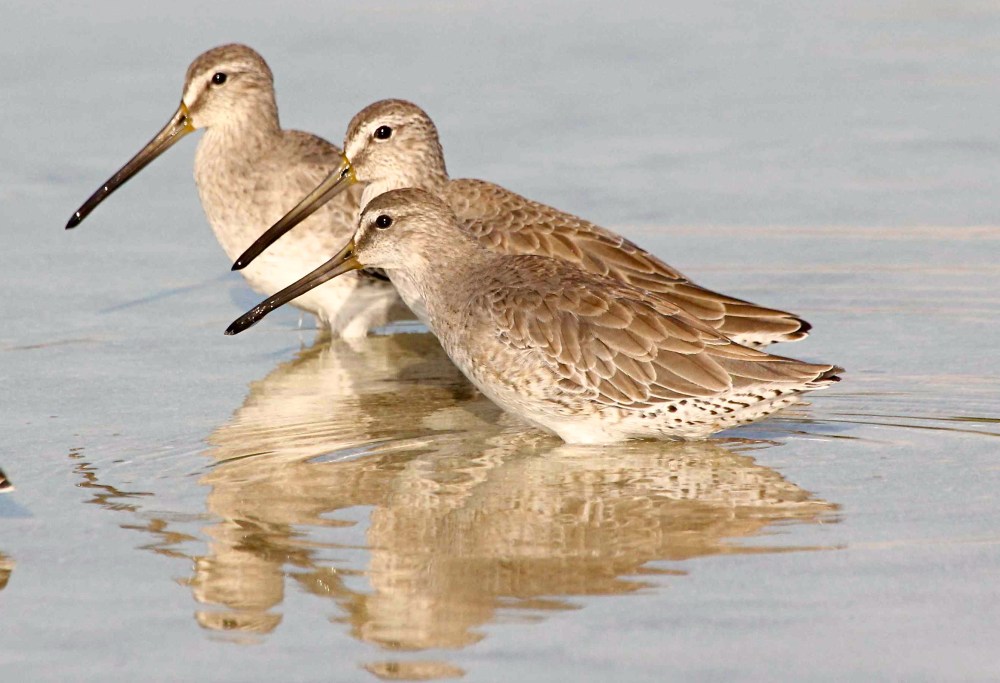
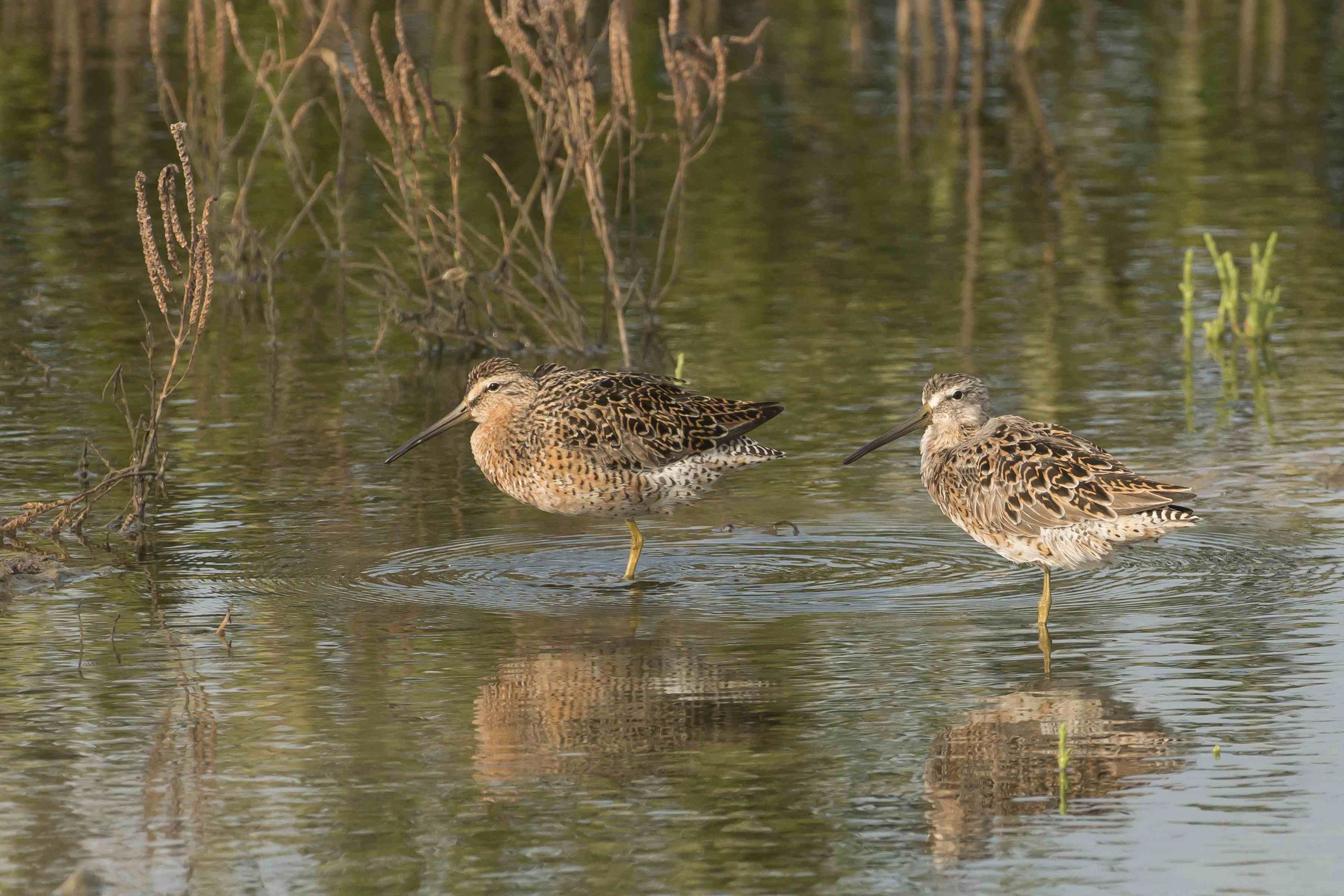
Short-billed Dowitcher, Abaco (Bruce Hallett)Short-billed dowitchers Bruce Hallett

The Guide showcases the rich and varied bird life of Abaco, Bahamas and features both resident and migratory species including endemics rarities and unusual sightings.

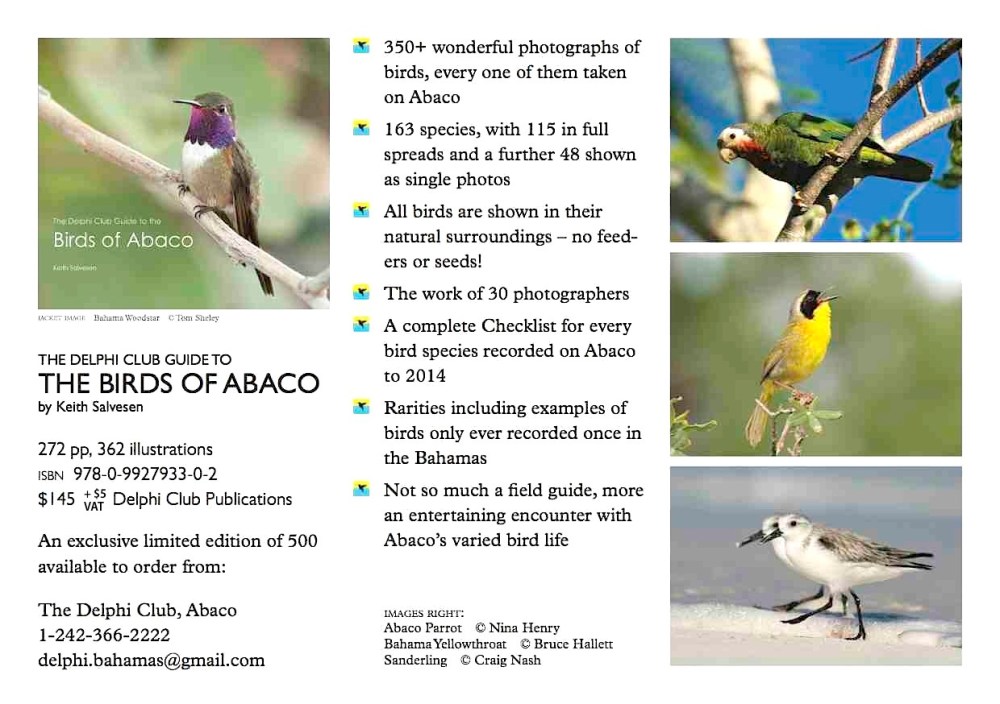
The main features are as follows:

  • 272 pages with more than 350 photographs
  • 163 species shown in vivid colour – nearly two-thirds of all the bird species ever recorded for Abaco
  • Every single photograph was taken on Abaco or in Abaco waters
  • All birds are shown in their natural surroundings – no feeders or trails of seed were used
  • Several birds featured are the first ones ever recorded for Abaco or even for the entire Bahamas

Clapper Rail Abaco Bahamas Tom SheleyClapper Rail Tom Sheley

  • A total of 30 photographers, both experienced and local amateurs, contributed to the project
  • The book had the generous support of many well-known names of Abaco and Bahamas birding
  • A complete checklist of every bird recorded for Abaco since 1950 up to the date of publication was compiled specially for the book (6 new species have been recorded since then…)
  • A code was devised to show at a glance when you may see a particular bird, and the likelihood of doing so. Birds found at Delphi are also marked
  • Specially commissioned cartographer’s Map of Abaco showing places named in the book
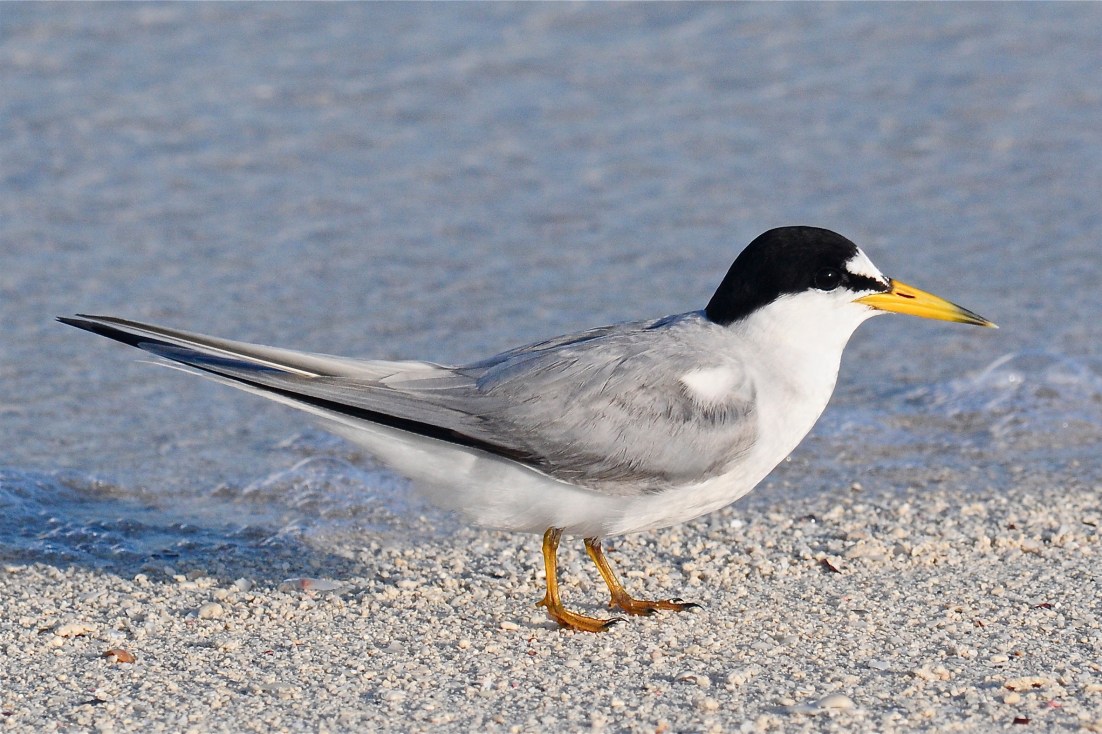
Least Tern, Abaco (Tony Hepburn)Least Tern Tony Hepburn

  • Informative captions intentionally depart from the standard field guide approach…
  • …as does the listing of the birds in alphabetical rather than scientific order
  • Say goodbye to ’37 warbler species on consecutive pages’ misery
  • Say hello to astonishing and unexpected juxtapositions of species

Abaco_Bahama Yellowthroat_Gerlinde Taurer copyBahama Yellowthroat Gerlinde Taurer

  • The book was printed in Florence, Italy by specialist printers on Grade-1 quality paper
  • Printing took pairs of printers working in 6 hour shifts 33 hours over 3 days to complete
  • The project manager and the author personally oversaw the printing 

Smooth-billed Ani pair, Abaco (Gerlinde Taurer)Smooth-billed Anis Gerlinde Taurer

  • The book is dedicated to the wildlife organisations of Abaco
  • A percentage of the profits is put by for the support of local wildlife organisations
  • A copy of the book has been presented to every school, college and library on Abaco

Piping Plover, Abaco - Bruce HallettPiping Plover Bruce Hallett

The book is published by the Delphi Club (contact details below). The project was managed by a publishing specialist in art books. The author is the wildlife blogger more widely known on Abaco and (possibly) beyond as ‘Rolling Harbour’. Oh! So that would in fact be Mrs Harbour and myself. Well well! What were the chances? 

Painted Bunting male.Abaco Bahamas.Tom SheleyPainted Bunting Tom Sheley

The Delphi Club at Rolling Harbour
PO Box AB-20006, Marsh Harbour, Abaco, Bahamas
Tel: +1-242-366-2222
General Manager – Max Woolnough: +1-242-577-1698
delphi.bahamas@gmail.com

Or email rollingharbour.delphi@gmail.com with any queries or comments
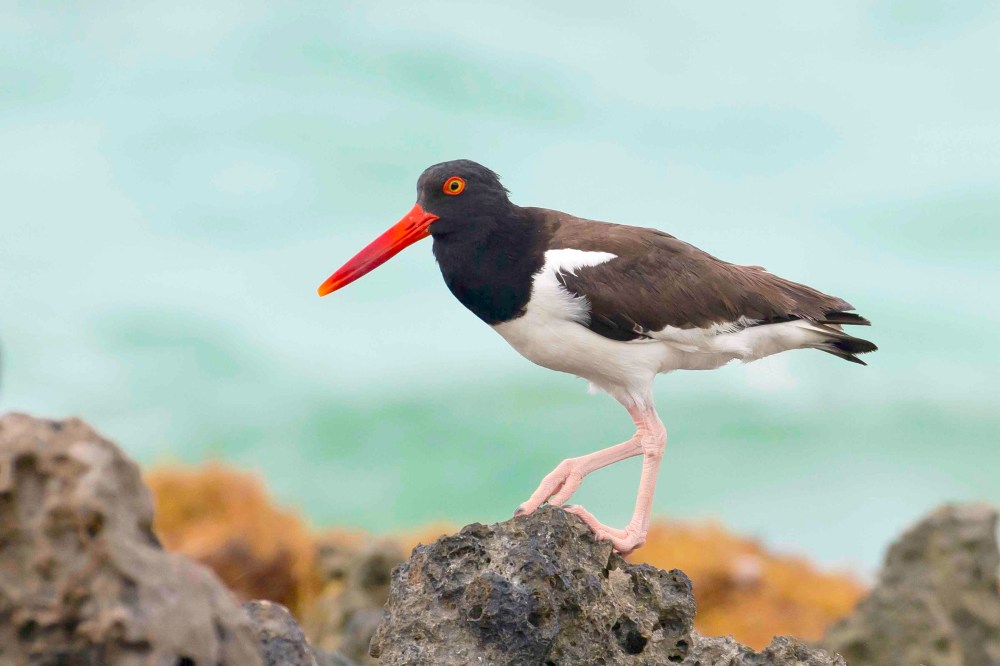
American Oystercatcher, Abaco - Tom SheleyAmerican Oystercatcher Tom Sheley

Photos: Tom Sheley,  Bruce Hallett, Gerlinde Taurer, Tony Hepburn, Peter Mantle, Keith Salvesen

Cuban (Crescent-eyed) Pewee, Delphi, Abaco (Keith Salvesen)Cuban Pewee Keith Salvesen

USEFUL LINKS

DELPHI CLUB BAHAMAS

ABACO BIRDS. COM

ABACO PIPING PLOVER WATCH

The original flyer for the book"Birds of Abaco" flyer
Unknown's avatar

THREE “HALLOWEEN-COLOURED” BIRDS ON ABACO (2016)


6292695150_32bb41d043

THREE “HALLOWEEN-COLOURED” BIRDS ON ABACO

Black and orange seem to have become – perhaps always have been – the colours most associated with Halloween (“Holy Evening” at one time in its history). Black, I suppose, for witches, their cats, and the night; orange for fire and pumpkins. In nature, surprisingly few creatures and plants have an exclusively black and orange livery. Some birds. A salamander of two. A few fish and butterflies. The odd flower. 

I decided for no reason at all to spend (waste?) a small amount of time discovering which birds found on Abaco are true Halloween species. I had to allow for some white markings, on the spurious basis that white is not a colour but rather an absence of colour… That left 3 species (and even then some troublemakers might argue that the precise borderline between yellow and orange is debatable…). 

AMERICAN REDSTART

The Redstart Setophaga ruticilla is a species of warbler and a common winter resident on Abaco. They are mostly seen in the coppice and in gardens. The males are black with orange markings; the females have yellow markings instead of orange and were therefore ineligible for this post. Sorry.

American Redstart (m) Abaco (Craig Nash) American Redstart (m) Abaco (Gerlinde Taurer) American Redstart (m) Abaco (Tom Sheley)

BALTIMORE ORIOLE

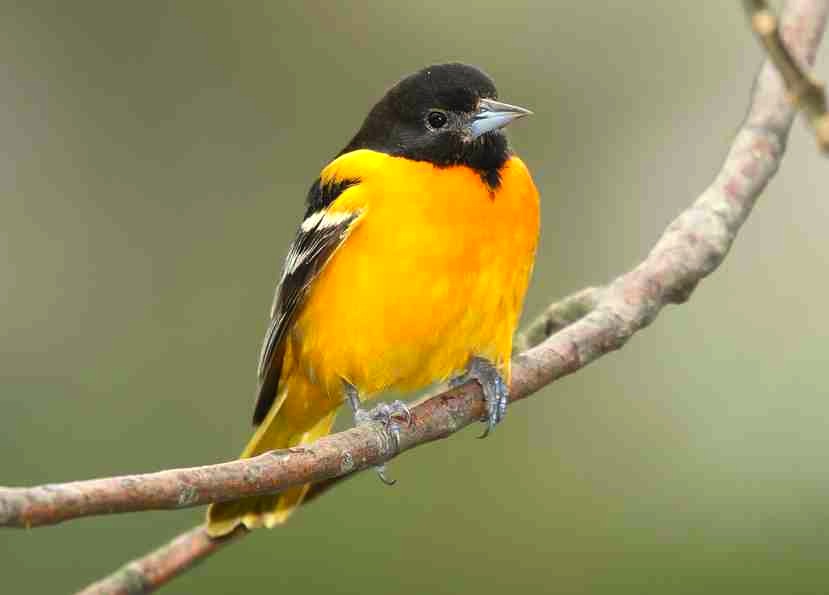
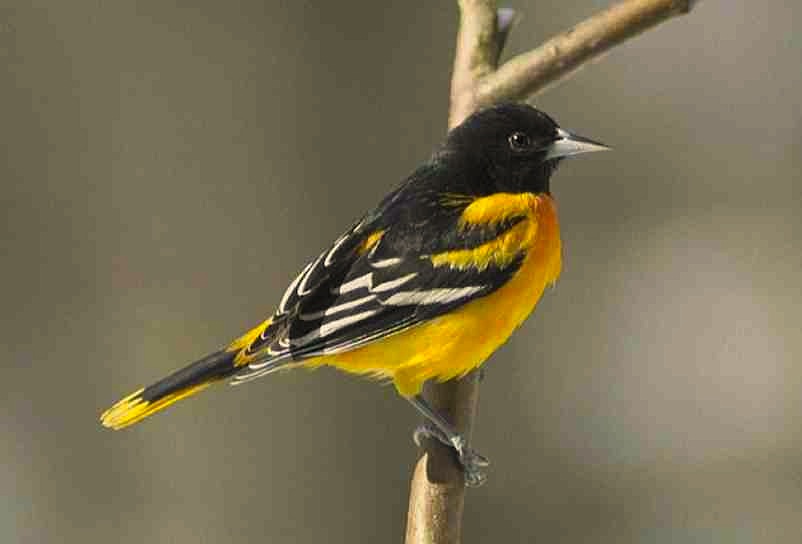
These Orioles Icterus galbula are rather less common winter visitors. A couple have recently been reported. Many are completely black and orange apart from white wing bars. However, there’s no doubt that others are more of a yellowy-orange.

Baltimore Oriole (pinterest) copyBaltimore Oriole (mdf-wiki)Baltimore Oriole (Brezinski-wiki)

WESTERN SPINDALIS

The handsome, colourful Spindalis zena is one of my favourite birds. The Spindalis is a common permanent resident, and I am determined to make it qualify as a Halloween bird even though (arguably) plenty of its surface area is neither black not orange. Apologies to purists.

Western Spindalis, Delphi, Abaco (Keith Salvesen)Western Spindalis (m) Abaco (Craig Nash) Western Spindalis (m) Abaco (Gerlinde Taurer)

No birds were hexed, vexed, tricked or even treated in the making of this post 

Credits: Craig Nash, Gerlinde Taurer, Tom Sheley, Keith Salvesen, pinterest, wiki & an unknown Angry Bird pumpkin carver

Unknown's avatar

BAHAMA WOODSTARS: JEWELS IN ABACO’S CROWN


Bahama Woodstar Hummingbird, Abaco (Bruce Hallett)

BAHAMA WOODSTARS: JEWELS IN ABACO’S CROWN

Abaco is spoilt for birds. What other island in the word has its very own population of ground-nesting parrots? (Clue: none). How many others provide a secluded winter home for the rare Kirtland’s Warbler? Or a safe habitat for piping plovers – more than 300 individual birds recorded last year, nearly 4% of the total population? Or host 32 warbler species in the winter to supplement the 5 resident species? Or record a visit from a black-browed albatross? Or enjoy 4 out of 5 of the Bahamian endemic species (no longer the Bahama Oriole sadly, now confined to specific areas of Andros). 

Bahama Woodstar Hummingbird, Abaco (Bruce Hallett)

A while back I held a poll for Abaco’s favourite bird, with about 10 contenders. Some were quick to point out that their own personal favourite was not an option, but I had to take a fairly broad brush approach. On the podium, gold went to the Bahama Woodstar; silver to the parrot; and bronze to the western spindalis. I’m in a genial mood today, having caught a fair-sized wild brown trout on my third (part) day of stalking it (over 2 weeks), on the smallest fly in my box (size 18). I put it straight back of course. Respect! So in a spirit of cordiality, here are some epic shots of Abaco’s democratically elected favourite bird… at least according to the poll.

BIRD POLL FV2

The two images above were taken by the legendary Bruce Hallett, author of the go-to field guide for the Bahamas, which no birder should be without. Many of his wonderful photos  appear in THE BIRDS OF ABACO, and he was a steady guiding hand during the preparation of the book. 

This brilliant photo of a female woodstar was taken by Tara Lavallee of Bahama Palm Shores, and for composition, clarity, colour and sheer charm it was a must for inclusion in the book.

Bahama Woodstar, Abaco (Tara Lavallee)

Another major photographic contributor was Tom Sheley. I had the pleasure of spending time on Abaco with Tom during expeditions deep into backcountry to find and photograph birds. He had two cameras, one with a long lens. The other had a very long lens. The results he obtained – showcased in the book – were outstanding. His woodstar graces the front cover.

Bahama Woodstar male, Abaco, Bahamas (Tom Sheley)Bahama Woodstar male, Abaco, Bahamas (Tom Sheley)

Tom also took a delicate little study of a female woodstar feeding, one of my favourite photosBahama Woodstar female, Abaco, Bahamas (Tom Sheley)

Credits: Bruce Hallett, Tara Lavallee, Tom Sheley


Unknown's avatar

GREATER YELLOWLEGS: LARGER THAN THE LESSER. PROBABLY.


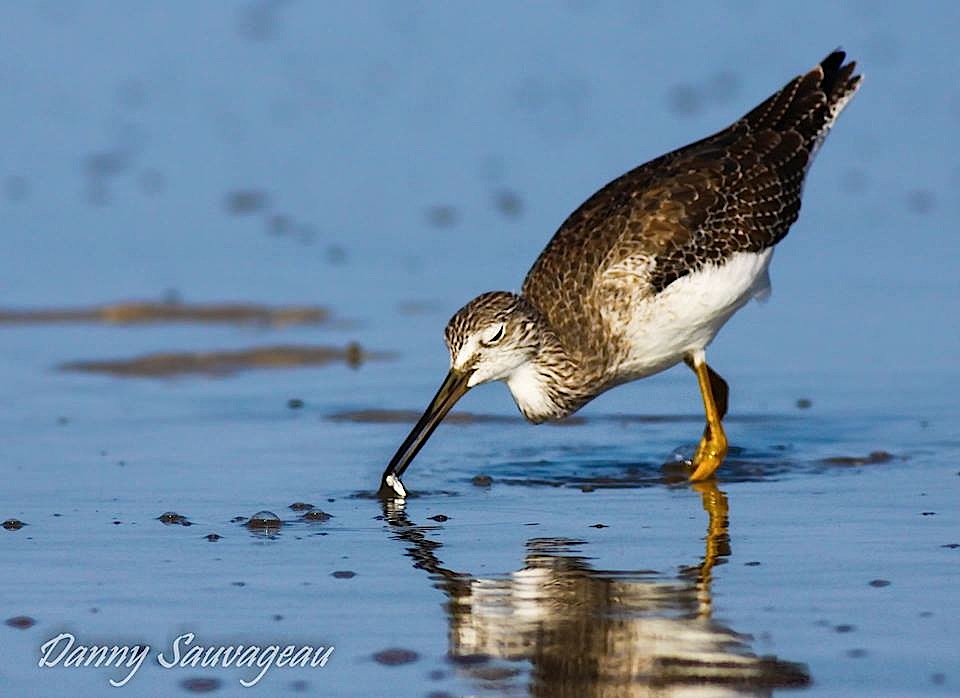
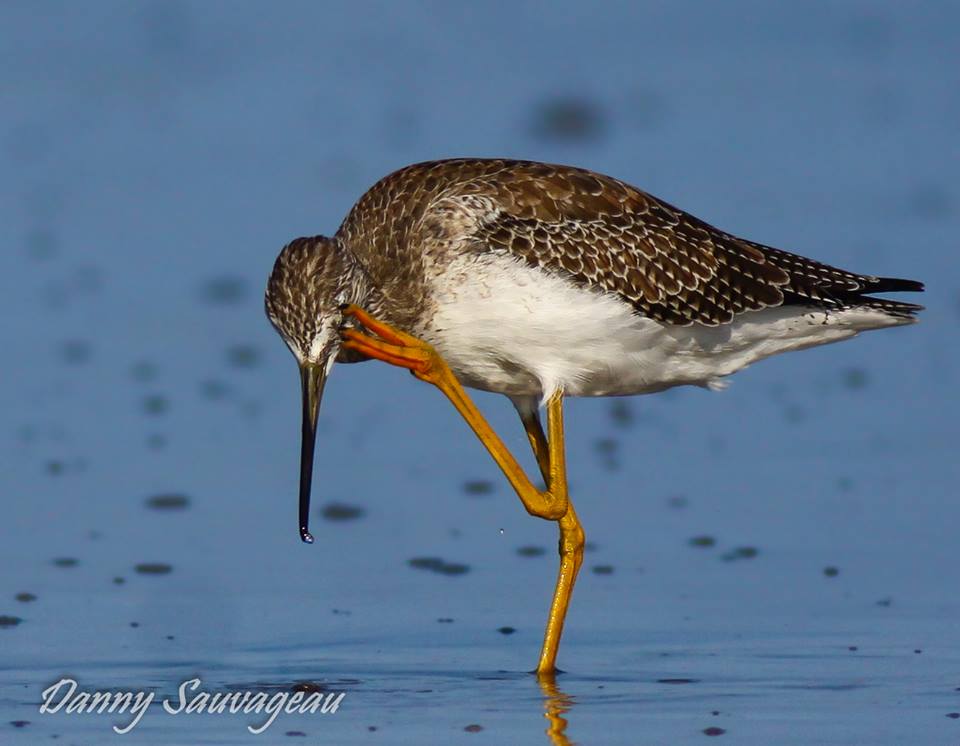
Greater Yellowlegs, FL (©Danny Sauvageau)

GREATER YELLOWLEGS: LARGER THAN THE LESSER. PROBABLY.

I’ve shied away from the whole ‘yellowlegs dimension question’ for long enough. Now that I have some brilliant photos for you, I feel I am obliged to address the issue. I was last forced into this slightly uncomfortable position while writing the captions for THE BIRD OF ABACO. We had GY photos. We had LY photos. We had none of the 2 species together, or at comparable distances from the camera. Frankly unless you are very knowledgeable and / or a regular birder where both species hang out, they are very hard to tell apart. 

Both yellowlegs species are winter residents on Abaco, and neither is particularly common (though Gilpin Pond is always a good place to check for LYs). Both are very similar in almost all respects. The broad principle is that the GY is the larger, heavier bird, while the LY is more delicate and with a shorter bill in proportion to its head size.

In a more refined version, Cornell suggests: “GY’s bill appears slightly upturned and blunt-tipped, while LY’s bill is straight and sharp-pointed. LY’s bill is always dark, while GY’s bill is grayish at the base in non-breeding season. Voice is best distinguishing character: GY gives three or four piercing notes, LY two rapid, softer short whistles (sometimes three)”. But even this help depends on (a) light conditions (b) season and (c) whether the bird you are looking at is ‘vocalising’ or not…

TWO TYPES OF YELLOWLEGS ON ABACO – BUT WHICH IS WHICH?Greater Yellowlegs LR. Abaco Bahamas.Tom Sheley.2.12 copy 2Lesser Yellowlegs.Marls.Abaco Bahamas.2.13.Tom Sheley small 3

If you saw the two birds above on separate days in different places at different distances, could you say with confidence which is which? Or maybe they are the same? Experts will probably know at once that the top bird is a GY in a ‘slimline’ stance; and the other is a LY in a ‘plump’ stance. But going simply on the ‘larger heavier bird’ and ‘bill-length principle’, I’d have said the opposite. And I’d be wrong. As usual. I suspect that the only way an amateur (e.g. me) can hope to be confident in distinguishing the two species is by seeing them frequently and preferably together.

Which takes us from Abaco, where the above birds were photographed by Tom Sheley, to Pinellas County, FL and the wonderful photos of Danny Sauvageau, an expert with the birds and also the camera. Here are some of his recent Greater Yellowlegs photographs that show the bird at its absolute best. They also demonstrate the ‘plump’ and the ‘slim’ looks of the same bird.

If anyone has any other reliable method for telling the species apart, please post a comment and I will gladly incorporate it as a STOP PRESS…

Greater Yellowlegs, FL (©Danny Sauvageau)Greater Yellowlegs, FL (©Danny Sauvageau) Greater Yellowlegs, FL (©Danny Sauvageau) Greater Yellowlegs, FL (©Danny Sauvageau) Greater Yellowlegs, FL (©Danny Sauvageau) Greater Yellowlegs, FL (©Danny Sauvageau) Greater Yellowlegs, FL (©Danny Sauvageau)

STOP PRESS 1 My thanks to blogging friend DEAR KITTY for reminding me of a video she posted that very conveniently shows a GY and a LY together, in circumstances where it is impossible not to notice that one bird is larger than the other. It’s an all-round helpful video, so thanks for this, DK.

[youtube https://youtu.be/1BFMAYUDnmg]

STOP PRESS 2 Thanks again to DK for drawing my attention to a great photo by Matt Scott posted on twitter. Here are both types of yellowlegs together, in similar poses and the same distance from the camera – and the behold the difference. The very illustrative image I had been looking for, handed to me on a plate…Yellowlegs G & L, Aruba - Matt Scott @matttockington

Credits: GY and LY on Abaco, Tom Sheley; all other photos Danny Sauvageau. Thanks to both for use permission. Also, Cornell Lab of Ornithology… And Matt Scott

Unknown's avatar

THREE “HALLOWEEN-COLOURED” BIRDS ON ABACO


6292695150_32bb41d043

THREE “HALLOWEEN-COLOURED” BIRDS ON ABACO

Black and orange seem to have become – perhaps always have been – the colours most associated with Halloween (“Holy Evening” at one time in its history). Black, I suppose, for witches and their cats; orange for pumpkins and fire. In nature, surprisingly few creatures and plants have an exclusively black and orange livery. Some birds. A salamander of two. A few fish and butterflies. The odd flower. 

I decided for no reason at all to spend (waste?) a small amount of time discovering which birds found on Abaco are true Halloween species. I had to allow for some white markings, on the spurious basis that white is not a colour but rather an absence of colour… That left 3 species (and even then some troublemakers might argue that the precise borderline between yellow and orange is debatable…). 

AMERICAN REDSTART

The Redstart Setophaga ruticilla is a species of warbler and a common winter resident on Abaco. They are mostly seen in the coppice and in gardens. The male is black with orange markings; the female has yellow markings instead of orange.

American Redstart (m) Abaco (Craig Nash) American Redstart (m) Abaco (Gerlinde Taurer) American Redstart (m) Abaco (Tom Sheley)

BALTIMORE ORIOLE

These Orioles Icterus galbula are rather less common winter visitors. Many are completely black and orange apart from white wing bars. However, there’s no doubt that others are more of a yellowy-orange.

Baltimore Oriole (pinterest) copyBaltimore Oriole (mdf-wiki)Baltimore Oriole (Brezinski-wiki)

WESTERN SPINDALIS

The handsome, colourful Spindalis zena is one of my favourite birds. The Spindalis is a common permanent resident, and I am determined to make it qualify as a Halloween bird even though (arguably) plenty of its surface area is neither black not orange. Apologies to purists.

Western Spindalis, Delphi, Abaco (Keith Salvesen)Western Spindalis (m) Abaco (Craig Nash) Western Spindalis (m) Abaco (Gerlinde Taurer)

Credits: Craig Nash, Gerlinde Taurer, Tom Sheley, Keith Salvesen, pinterest, wiki & an unknown Angry Bird pumpkin carver

Unknown's avatar

“THE DELPHI CLUB GUIDE TO THE BIRDS OF ABACO”


Abaco Parrot, Abaco Bahamas (Peter Mantle)

“THE DELPHI CLUB GUIDE TO THE BIRDS OF ABACO”

A new season – the seventh – of the Delphi Club is now underway. There are fish to be caught, poolside inactivities to relish, chef-prepared meals to eat and a capacious wine cellar to be explored. To which, add birds to be spotted. Delphi has turned out to be a superb place for birding – not a feature given prominence in the original prospectus… The Club’s remoteness and its rich mix of pine forest, coppice, gardens and a pristine one-mile beach ensure the prefect protected habitat for a vast number of bird species common, uncommon and rare.

Blue-gray Gnatcatcher vocalizing.Abaco Bahamas.6.13.Tom Sheley a

Eighteen months ago, “The Delphi Club Guide to THE BIRDS OF ABACOwas published. The originator of the idea – as with the entire Delphi project – was of course Peter Mantle, the publisher. The book took 16 months from conception to the arrival of three pallets of printed books on the dockside in Marsh Harbour, having travelled by a tortuous route from specialist printers in Italy. Cuban Emerald Hummingbird, Delphi, Abaco (Keith Salvesen)

The book was launched at the Delphi Club in March 2014, to generous enthusiasm and support both on Abaco and beyond. 75% of the edition has been sold already. In addition, Abaco schools, libraries and wildlife organisations have been given copies for educational purposes. A percentage of profits is to be given to local wildlife causes. We couldn’t be more pleased with the response to this lavish book, a unique publication in the Bahamas. 

Delphi Club Guide to the Birds of Abaco (Jacket)

The incremental growth of social media is rapid. Blogs gain readers. Facebook and Twitter pages gain new friends and followers. The start of this new Delphi season is therefore a good moment to post a reminder about the book, illustrated with a few of the wonderful bird species featured. And… ahem… there are only 57 more ‘sleeps’ until Christmas. 

Short-billed Dowitcher, Abaco (Bruce Hallett)

The Guide showcases the rich and varied bird life of Abaco, Bahamas and features both resident and migratory species including rarities and unusual sightings. The main features are as follows:

  • 272 pages with more than 350 photographs
  • 163 species shown in vivid colour – nearly two-thirds of all the bird species ever recorded for Abaco
  • Every single photograph was taken on Abaco or in Abaco waters
  • All birds are shown in their natural surroundings – no feeders or trails of seed were used
  • Several birds featured are the first ones ever recorded for Abaco or even for the entire Bahamas

Clapper Rail Abaco Bahamas Tom Sheley

  • A total of 30 photographers, both experienced and amateur, contributed to the project
  • The book has had the generous support of many well-known names of Abaco and Bahamas birding
  • A complete checklist of every bird recorded for Abaco since 1950 up to the date of publication was compiled specially for the book.
  • A neat code was devised to show at a glance when you may see a particular bird, and the likelihood of doing so. Birds found at Delphi are also marked.
  • Specially commissioned cartographer’s Map of Abaco showing places named in the book

Least Tern_ACH3672 copy

  • Informative captions intentionally depart from the standard field guide approach…
  • …as does the listing of the birds in alphabetical rather than scientific order
  • Say goodbye to ’37 warbler species on consecutive pages’ misery
  • Say hello to astonishing and unexpected juxtapositions of species

Abaco_Bahama Yellowthroat_Gerlinde Taurer copy

  • The book was printed in Florence, Italy by specialist printers on Grade-1 quality paper
  • Printing took pairs of printers working in 6 hour shifts 33 hours over 3 days to complete
  • The project manager and the author personally oversaw the printing

Smooth-billed Ani pair GT

  • The book is dedicated to the wildlife organisations of Abaco
  • A percentage of the proceeds of sale will be donated for the support of local wildlife organisations
  • A copy of the book has been presented to every school and library on Abaco

Piping Plover BH IMG_1919

The book is published by the Delphi Club (contact details below). The project was managed by a publishing specialist in art books. The author is the wildlife blogger more widely known on Abaco and (possibly) beyond as ‘Rolling Harbour’. Oh! So that would in fact be Mrs Harbour and myself. Well well! What are the chances? Painted Bunting male.Abaco Bahamas.Tom Sheley
The Delphi Club at Rolling Harbour
PO Box AB-20006, Marsh Harbour, Abaco, Bahamas
Tel: +1-242-366-2222
General Manager – Max Woolnough: +1-242-577-1698
delphi.bahamas@gmail.com

Or email rollingharbour.delphi@gmail.com with any queries or commentsAmerican Oystercatchers BH IMG_2000 copy 2

Images by Tom Sheley,  Bruce Hallett, Gerlinde Taurer, Tony Hepburn, Peter Mantle, RH

Cuban (Crescent-eyed) Pewee, Delphi, Abaco (Keith Salvesen)"Birds of Abaco" flyer

Unknown's avatar

“EMERALD EYES”: NEOTROPIC CORMORANTS ON ABACO


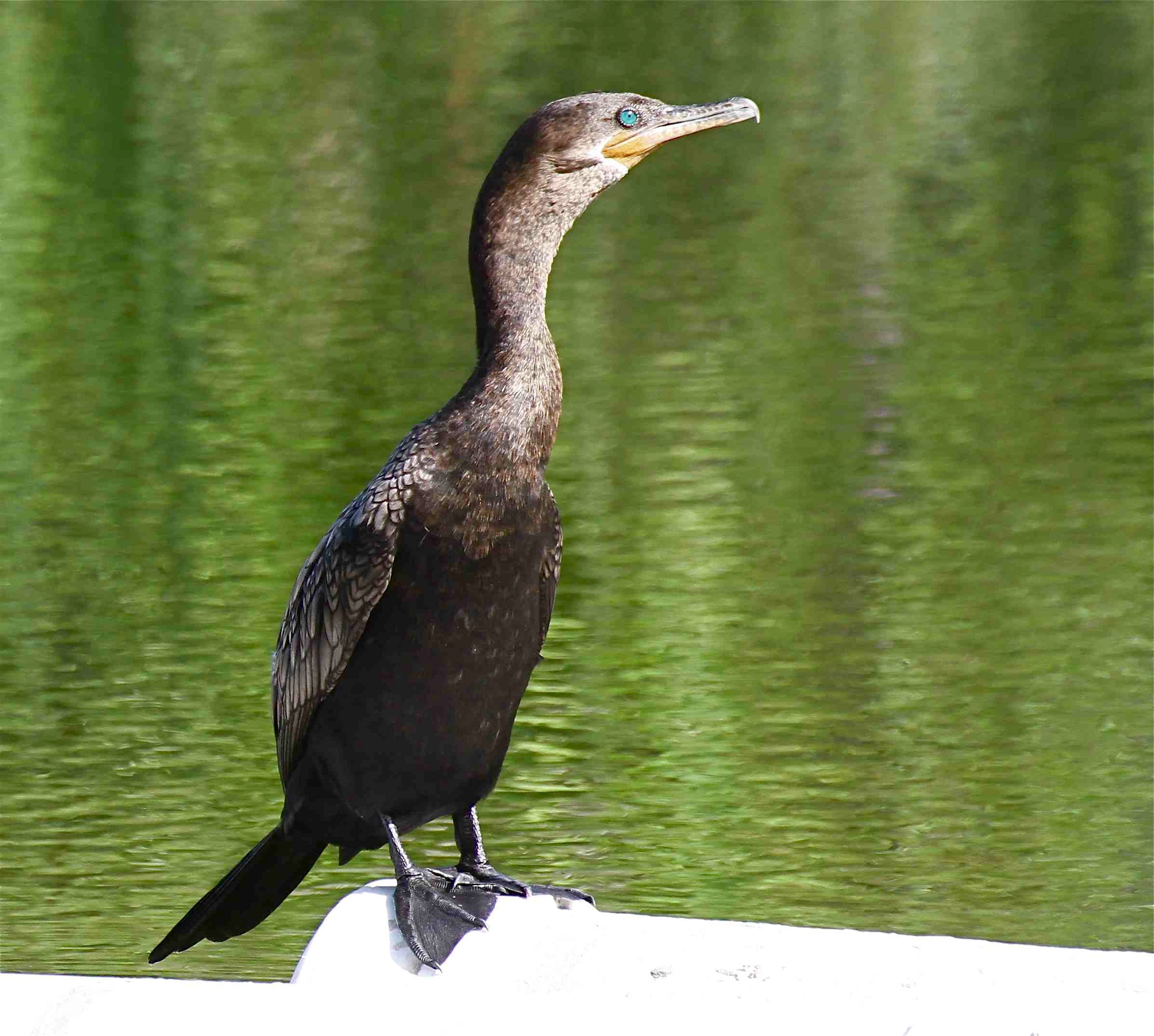
Neotropic Cormorant, Treasure Cay, Abaco 1 (Tom Sheley)

“EMERALD EYES”: NEOTROPIC CORMORANTS ON ABACO

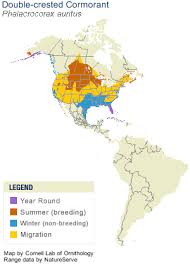
Neotropic or Olivaceous Cormorants Phalacrocorax brasilianus. Smaller cousins of the familiar double-crested cormorant, and occupying a quite different range. In the northern Bahamas they are considered to be uncommon summer residents whereas the big guys are common year-round residents. However the neotropics’ range has spread in the last decade and they may become more noticeable on Abaco. Right now, Abaco is pretty much the northern boundary.

images        images-1

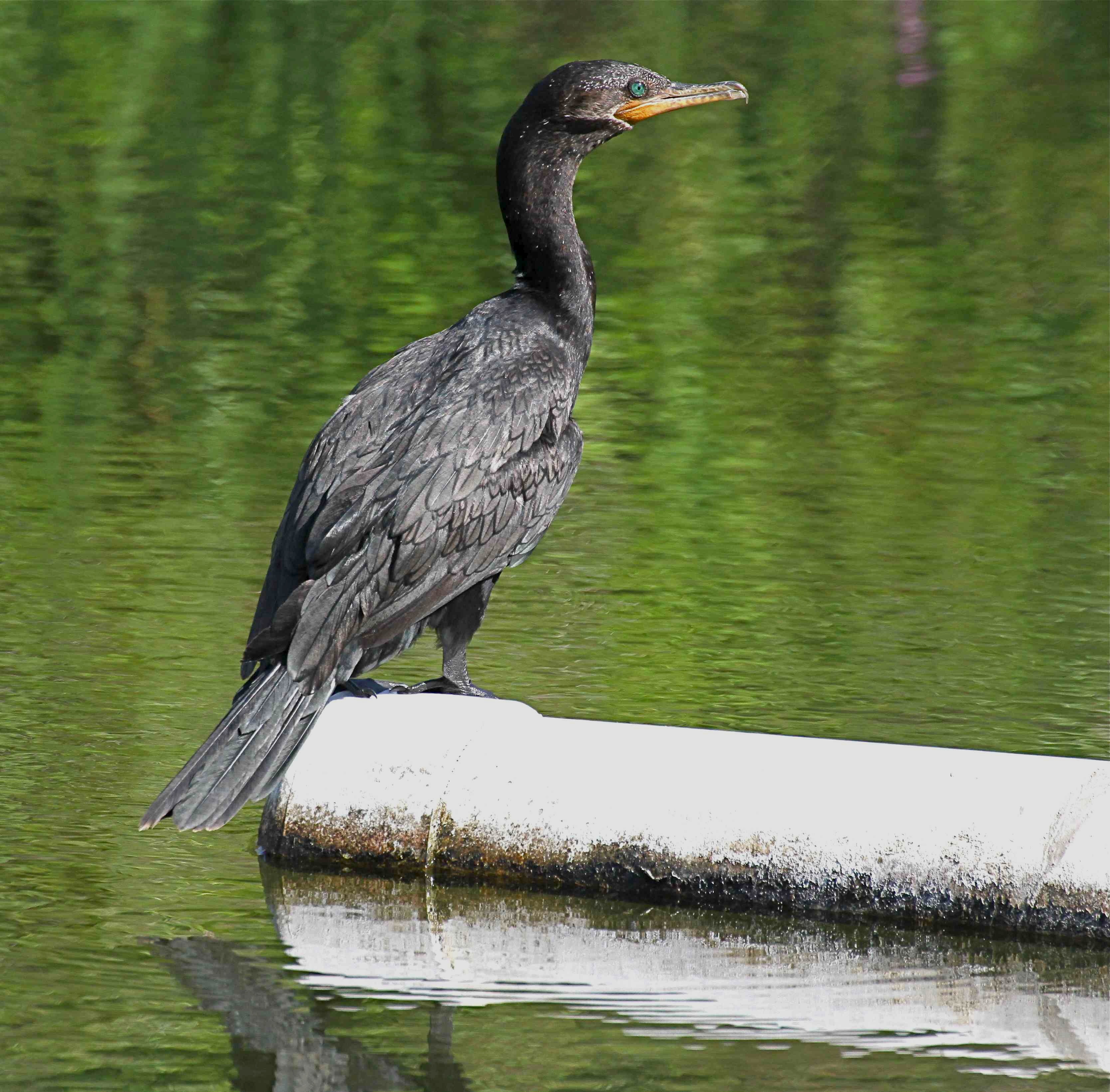
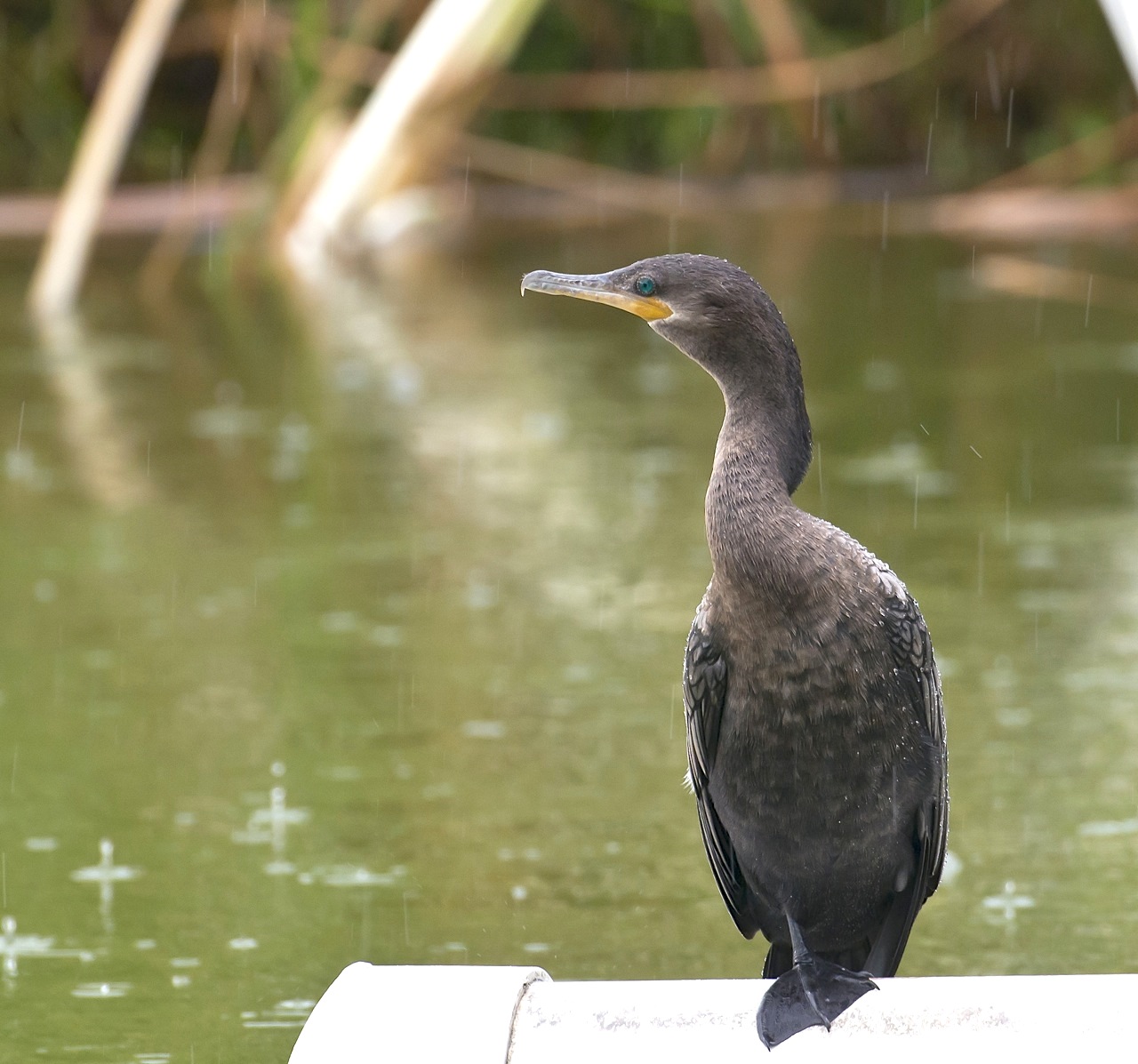
In many ways, cormorants are taken rather for granted – ubiquitous black guardians of the coastal margins. But seen close-to, they have their glamour. This is especially true of the slimmer neotropics, with precious jewels for eyes and intricate plumage patterns that a mere fly-past cannot reveal.

Male and female neotropic cormorants: a caption contest in the making…Neotropic Cormorant, Abaco 3 (Bruce Hallett)

Neotropic Cormorant, Abaco 2 (Bruce Hallett)
Comingsbirds
Besides being smaller and lighter than the double-cresteds, these cormorants have longer tails. They are mainly fish-eaters both at sea, and inshore where ponds are to be found. They make brief dives to find food; in groups they may combine to beat the water with their wings to drive fish into the shallows where they can be picked off more easily.
Neotropic Cormorant, Abaco 1 (Bruce Hallett)
Neotropic cormorants are monogamous and breed in colonies. They build a platform of sticks a few metres above the ground or water in bushes or trees, where the eggs are laid. They produce one clutch (if that’s the right term for cormorants – maybe it’s just hens?) for the season. Here’s a fabulous photo of a double-crested cormorant nest, a similar structural arrangement, with 3 growing chicks. It was taken by JIM TODD, who uses a kayak to reach birds in less accessible places.
Double-crested cormorant nest with 3 chicks, Abaco (Jim Todd)
The eagle-eyed may have noticed that in some photos the birds seem to be standing on some kind of white pipe, as indeed they are. That is because a good bet for finding one in the summer is on the golf course pond in Treasure Cay, a most productive location for spotting water birds of many species. The pipes are to do with the watering arrangements. I think.Neotropic Cormorant, Treasure Cay, Abaco 2 (Tom Sheley)
As I have written elsewhere, “Call in at the Clubhouse for permission first. And if you hear a loud yell of ‘Fore’, it’s not someone counting birds. It’s time to duck…”
Raining? What, me worry?
Neotropic Cormorant, Treasure Cay, Abaco 1 (Tom Sheley)Neotropic Cormorant, Treasure Cay, Abaco 3 (Tom Sheley)

OPTIONAL MUSIC DIGRESSION

‘Emerald Eyes’ may ring a bell with some – and not just Eric Johnson followers either. It was the title of track #1 on the under-rated (largely ignored?) 1973 Fleetwood Mac album ‘Mystery for Me’, in many ways a turning point of a group already in rapid transition.This was their last UK-produced album, cut as the complications of a rich mixture of liquids, substances and other people’s spouses were becoming acute. Bob Welch managed to pen this rather nice song. You’ll need to turn up the volume a bit. Memory lane beckons…

Credits: Photos – Bruce Hallett, Tom Sheley, Jim Todd, Lycaon; Infographics – Allaboutbirds, Comingsbirds

SONY DSC

Unknown's avatar

BLACK-NECKED STILT, ABACO: A FRIDAY SPECIAL


Black-necked Stilt, Abaco (Tom Sheley)

It’s Friday already. A day I normally write a post. Well I’ve run out of time this week. So I have rummaged in the RH archive and chosen one stonking image to end the week with. This beautiful black-necked stilt was taken by Tom Sheley at Gilpin Pond, Abaco – a place where these birds may reliably be found (they are permanent breeding residents on Abaco). Indeed it is a great place to find many bird species at any time – and the adjacent shoreline can be equally productive. Have a great weekend!

Unknown's avatar

HOW TO CATCH FISH EFFECTIVELY, OSPREY-STYLE


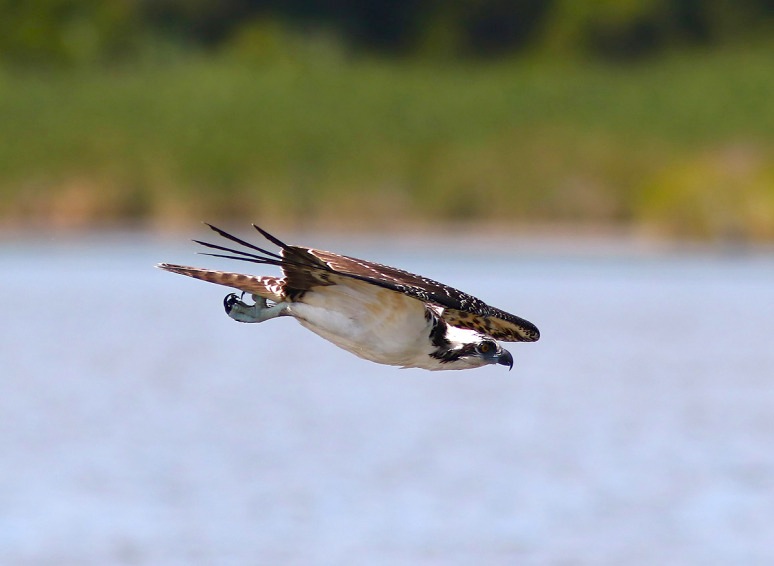
Osprey, Abaco Bahamas (Tom Sheley)

Osprey (Abaco, Bahamas) – Tom Sheley

HOW TO CATCH FISH EFFECTIVELY, OSPREY-STYLE

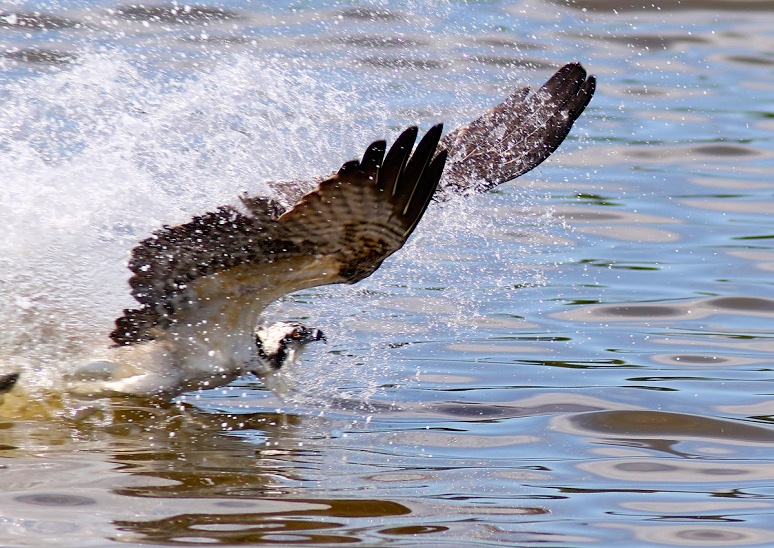
I have featured the wonderful photography of Phil Lanoue before. He specialises in taking sequences of the larger birds, many of them as they hunt for fish: herons, egrets, anhingas – and ospreys. Here is a remarkable sequence of an osprey showing its fishing skills, with a surprise ending that I won’t give away.

osprey-catches-two-fish-01 (Phil Lanoue)osprey-catches-two-fish-02  (Phil Lanoue) osprey-catches-two-fish-03  (Phil Lanoue) osprey-catches-two-fish-04  (Phil Lanoue) osprey-catches-two-fish-05  (Phil Lanoue)

Pretty cool trick, huh?osprey-catches-two-fish-06  (Phil Lanoue)

Credits: Header image – Tom Sheley; Osprey sequence – Phil Lanoue. Many thanks to both for use permission

Unknown's avatar

PLOVER LOVER? MEET SOME CUTE CHICKS ON ABACO


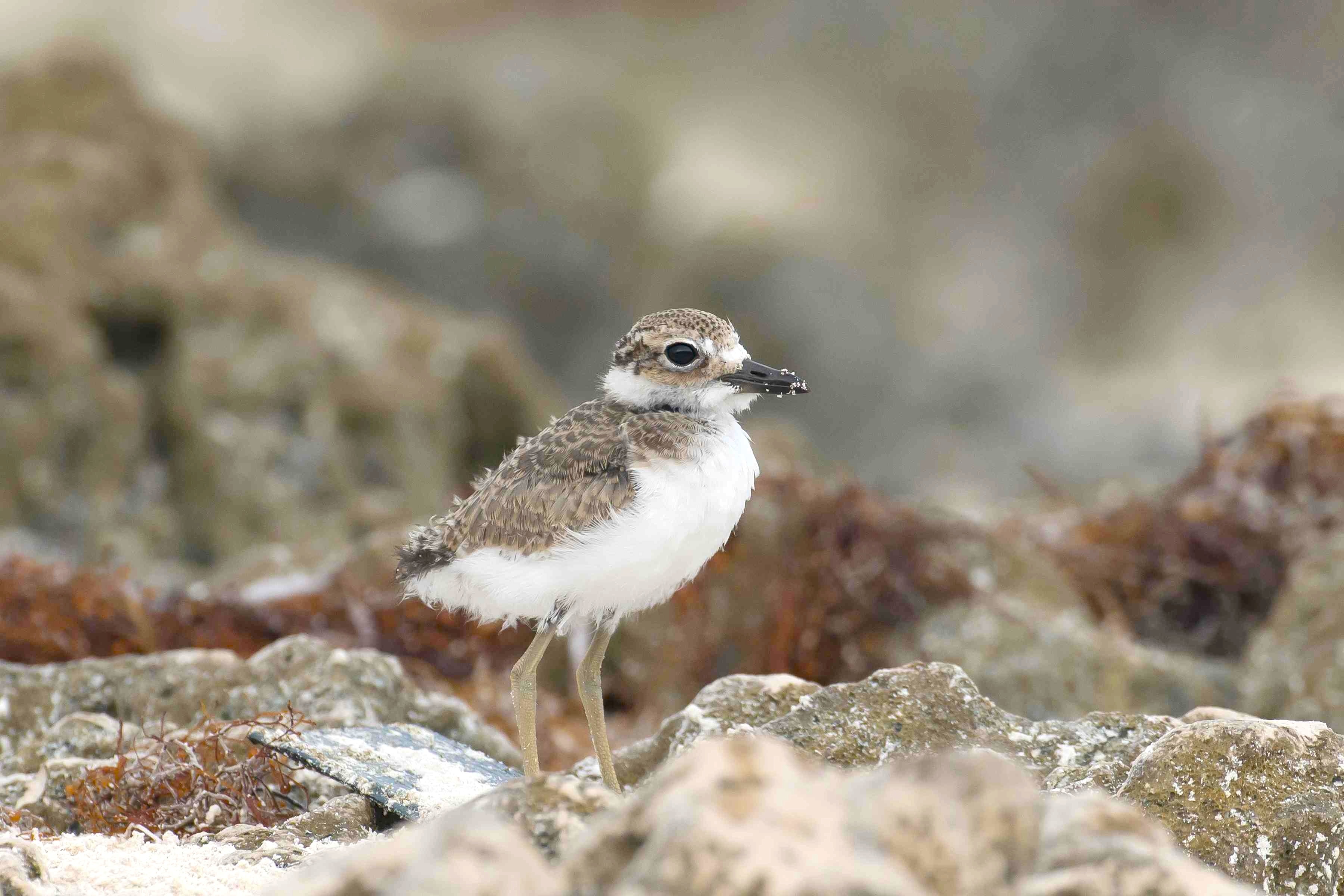
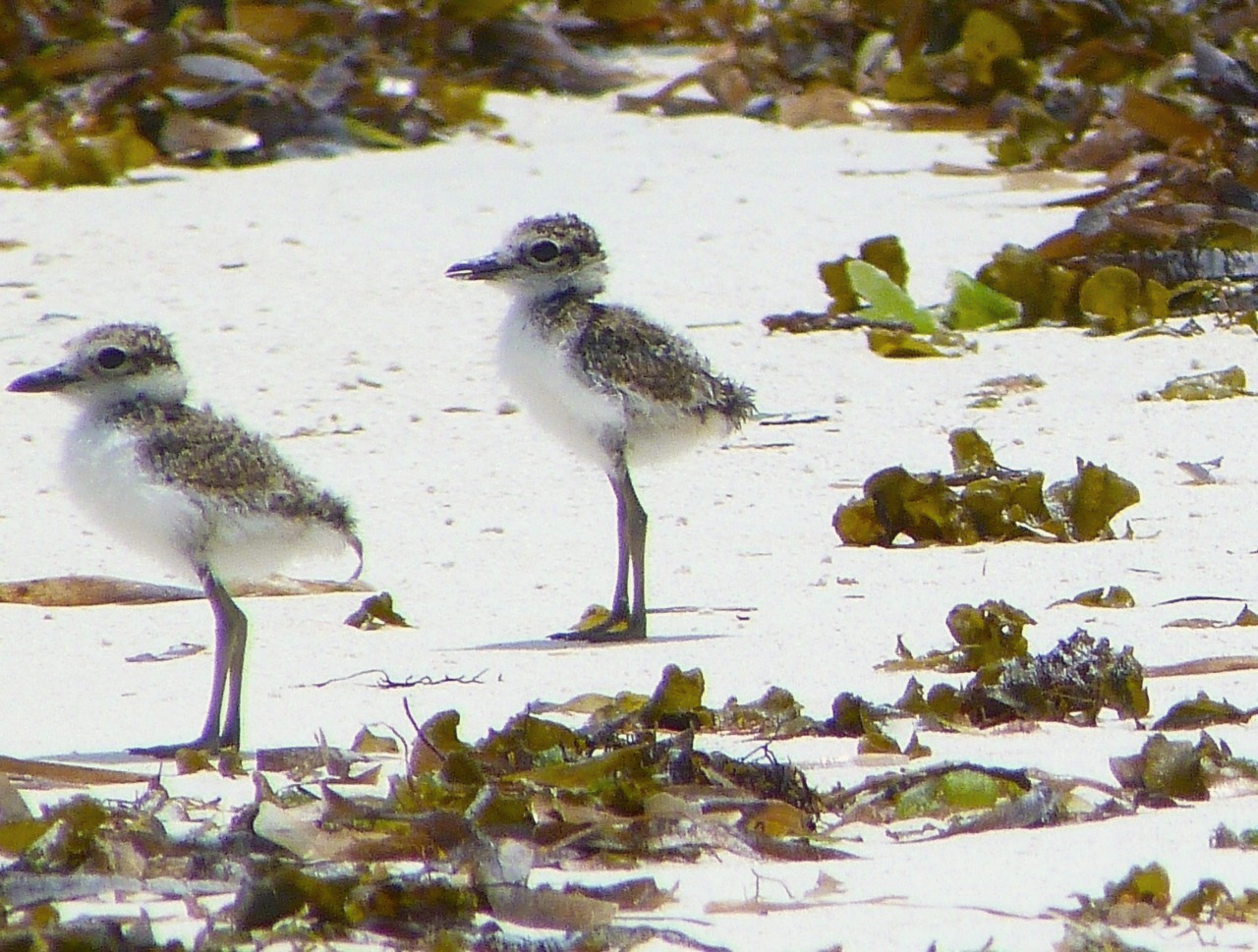
Wilson's Plover chick.Delphi Club.Abaco Bahamas.Tom Sheley

PLOVER LOVER? MEET SOME CUTE CHICKS ON ABACO

(*Serious Voice*) “The Wilson’s Plover is the only permanent resident plover found on Abaco, the other species being the winter resident Black-bellied Plover, Semipalmated Plover, Piping Plover and Killdeer; and the rare transient American Golden Plover. The nidification of the Wilson’s Plover is by common consent among naturalists the most…”

But let’s not get carried away with all that pompous ornithological stuff. There are baby plovers to be considered. Each one exudz adorbz and absorbz admirz. Most of the photos below were taken on the beach at Delphi. Ready? Let’s meet some chicks… But you can’t have them without first having the eggs, can you?

Wilson's Plover nest, Delphi Beach, Abaco (Clare Latimer)Wilson's Plover chick.Delphi Club.Abaco Bahamas.Tom Sheley

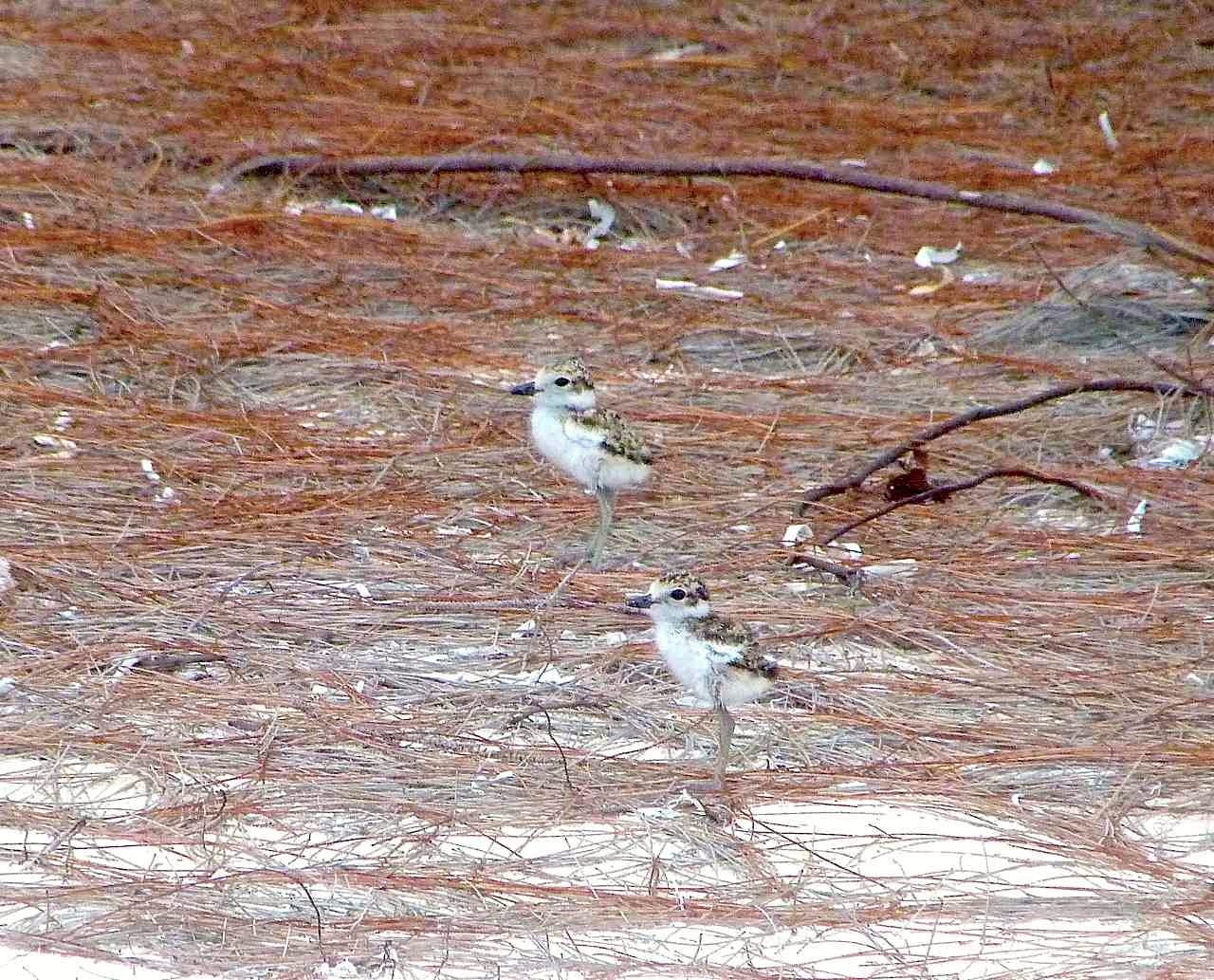
The Wilson’s Plovers at Delphi generally nest at the north end of the beach, up towards the reef. It is secluded, has good sight-lines and is bordered by pines. On the approach of a predator or human (in this case, me), the tiny chicks are sent scuttling to safety at the back of the beach while the parents prepare to tough it out if need be…Wilson's Plover Chicks Delphi Beach, Abaco (Keith Salvesen)

“You ain’t seen me, right?”Wilson's Plover Chick, Delphi Beach, Abaco (Keith Salvesen)

“I know we are caught in the open, but if we stand really still, you can’t see us, right?”Wilson's Plover Chicks x 2, Delphi, Abaco (Keith Salvesen)

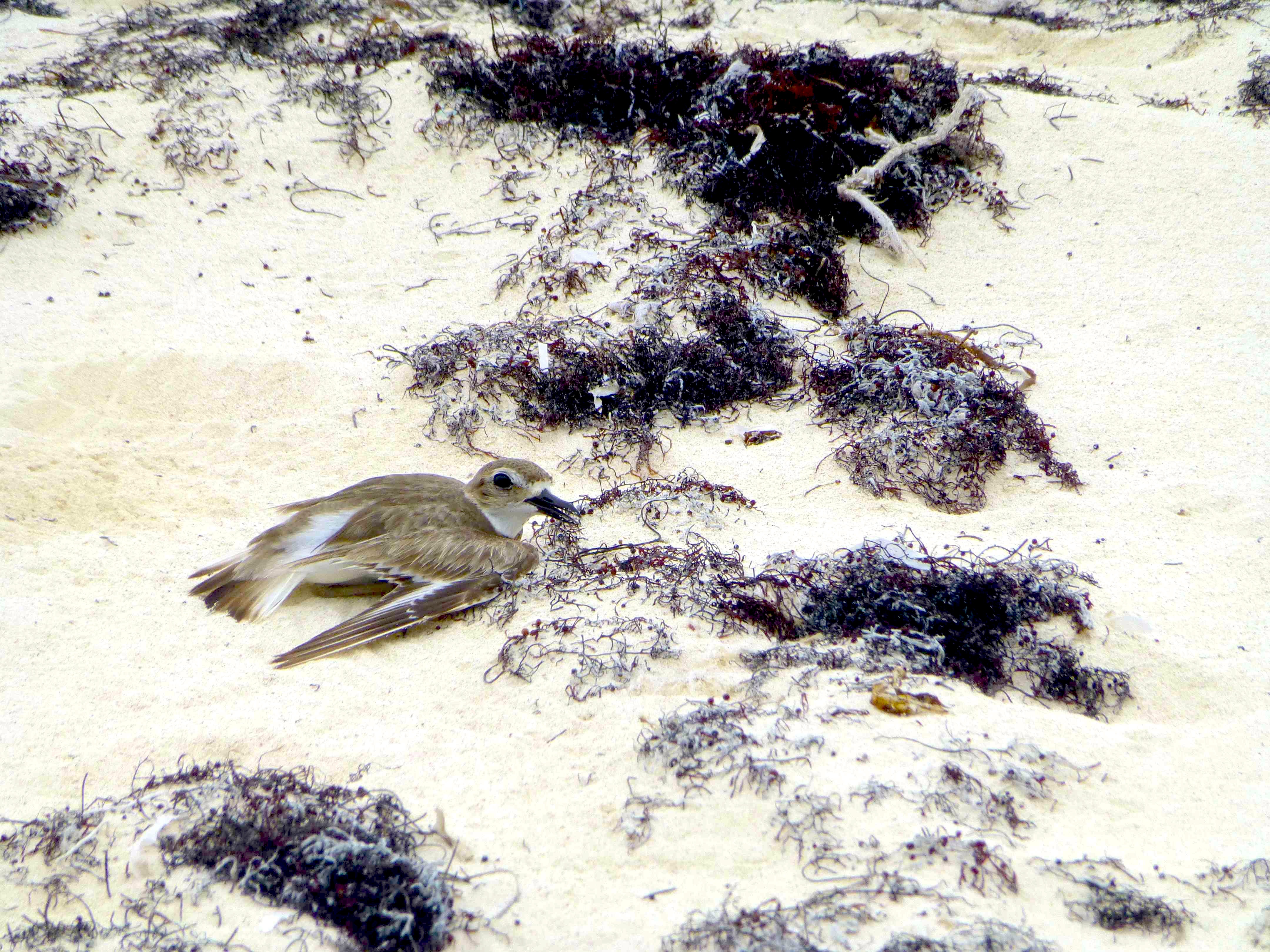
One of the most fascinating aspects of bird behaviour to watch is the so-called ‘broken-wing’ display put on by plover parent(s) to distract a predator away from a nest or scrape, and the eggs or chicks in it. Kildeer and black-necked stilts are among other species that do this performance. It goes like something like this: 

“Oh! OW! I am helpless. Please don’t attack me, Apex Predator, for I am but a vulnerable plover…”Wilson's Plover, Delphi, Abaco -  broken wing display (Clare Latimer)

“But kindly follow me as I flap pathetically (moving away from my nest). I can’t fly, you know…”Wilson's Plover, Delphi, Abaco -  broken wing display (Clare Latimer)

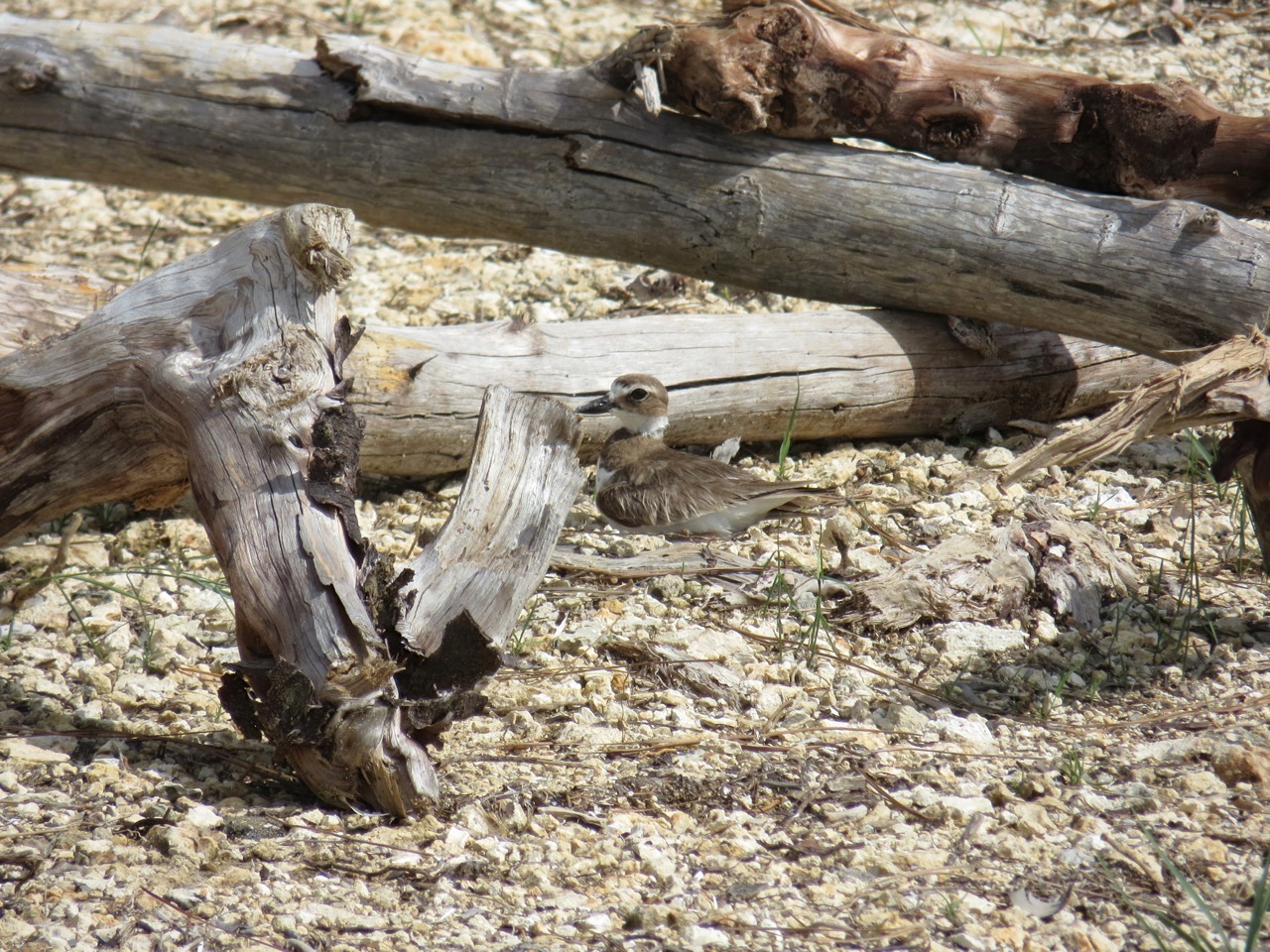
Camouflage also plays a part in the protection of these little creatures. This chick is on the rocks at the north end of the Delphi beach, the bit where you begin to wish you’d worn shoes because the rock is so sharp… From 10 feet away, you might well miss seeing the chick completely.Wilson's Plover chick. Delphi.Abaco Bahamas.6.13.Tom Sheley

This is one of my favourite shots, also at Delphi, taken by Sandy WalkerWilson's Plover & Chick, Delphi, Abaco (Sandy Walker)

Quite a while ago, I wrote about a Wilson’s Plover family that had made their scrape at Nettie’s Point, the place where the bonefishing skiffs are launched. They chose their homemaking site right where the trucks and trailers turn. Big mistake you might think. But the kind guides built a small stockade of branches round the scrape so that it could clearly be seen and avoided. After that, Mrs WP settled down happily and Mr WP stood guard whenever anyone was around…

The protective stockade in place. Mrs Plover in place. All’s well with the worldNettie's Point, Abaco - Proected Wison's Plover Nest (Keith Salvesen)Nettie's Point, Abaco - Mrs Wilson's Plover on the nest (Keith Salvesen)

Soon after, two chicks hatched, were reared by both parents, and in due course fledged safelyWilson's Plover.Abaco Bahamas.Tom SheleyWilson's Plover + chicks 2.Abaco Bahamas.6.13.Tom Sheley

Photo Credits: Clare Latimer (2, 7, 8); Tom Sheley (1, 3, 9, 13, 14); Sandy Walker (10); RH (the rest)

Unknown's avatar

COMMON GROUND DOVE (‘TOBACCO DOVE’) ON ABACO


Common Ground Dove, Abaco (Tom Reed)

COMMON GROUND DOVE (‘TOBACCO DOVE’) ON ABACO

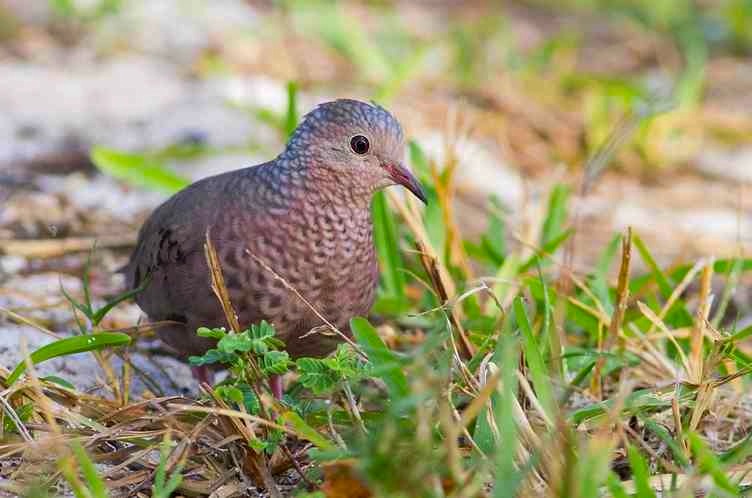
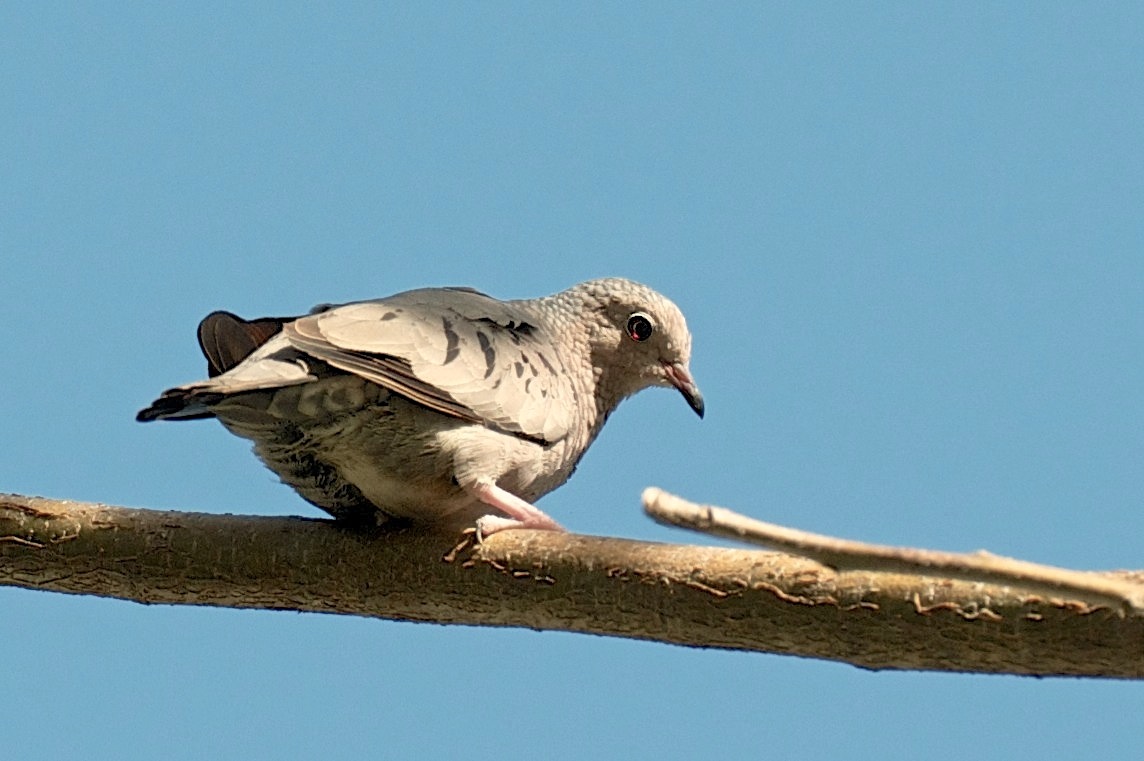
These small birds Columbina passerina are also known as tobacco doves. Although they sometimes perch in the branches of trees, you are more likely to encounter them on the ground, where they forage for seeds, fruit, and insects. Common Ground Dove, Abaco 1 (Tom Sheley)

They will often fly in front of a person or vehicle in short fluttering stages, keeping out of reach but never going too far ahead.When they fly, their undersides flash reddish-brown (sometimes described as chestnut) – hence (I presume) the tobacco dove name.

Common Ground Dove, Abaco 2 (Tom Sheley)

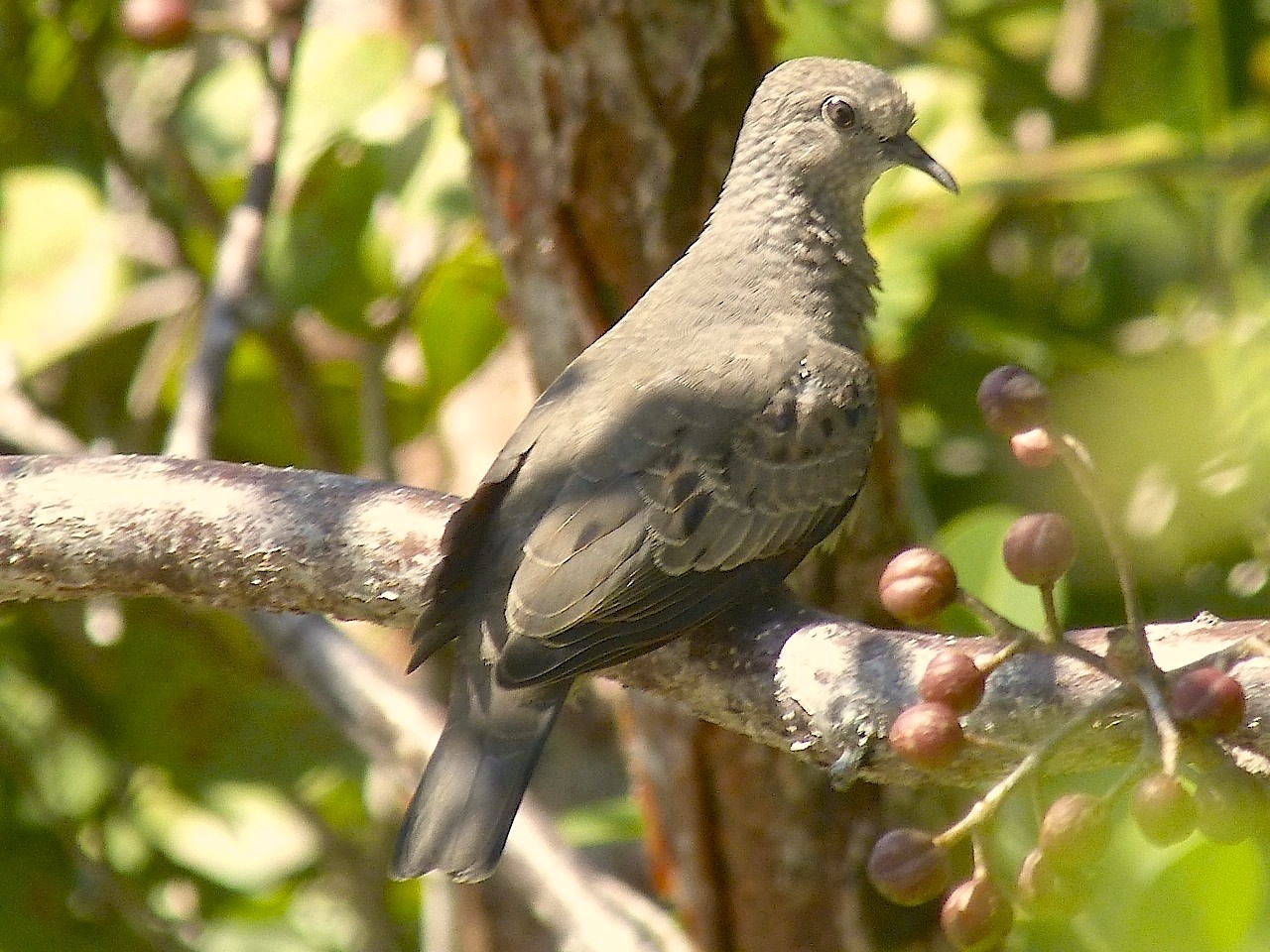
The common ground dove is one of the world’s smallest doves – roughly 6 inches long. Its beak has a black tip, and its feathers have a pinkish tinge. The feathers on the head and the breast look rather like scales. Females are similar to males but tend to be greyer.
Common Ground Dove, Abaco (Nina Henry)

Common ground doves mate with their partner for life, and a pair may have 2 or even 3 broods a year. Both parents feed the young birds until they are ready to feed themselves. Rather amazingly, hatchlings can fledge in 11 days. 

Common Ground Dove, Abaco 3 (Nina Henry)

Here’s the sound to listen out for, a (frankly) rather monotonous and subdued little ‘whoop’.

 Andrew Spenser / Xeno Canto

Common Ground Dove, Abaco 2 (Nina Henry)

My own attempts to photograph a CGD satisfactorily have been rather feeble. I have taken plenty of photos of them on the ground, but nothing memorable, let alone useable. However the one below surprised me by flying onto a branch quite near me, and I had time to squeeze the trigger before it flew off again. Far from perfect compared with others on this page, but I’m not going to let that little detail prevent me from showing it… Common Ground Dove, Abaco (Keith Salvesen)

 Photo Credits: Tom Reed (1), Tom Sheley (2, 3), Nina Henry (4, 5, 6), RH (7); Audio – Andrew Spenser / Xeno Canto

Unknown's avatar

DOWITCHERS FOR ABACO TWITCHERS


Short-billed Dowitcher, Abaco (Bruce Hallett) DOWITCHERS FOR ABACO TWITCHERS

(THE LONG AND THE SHORT OF IT…)

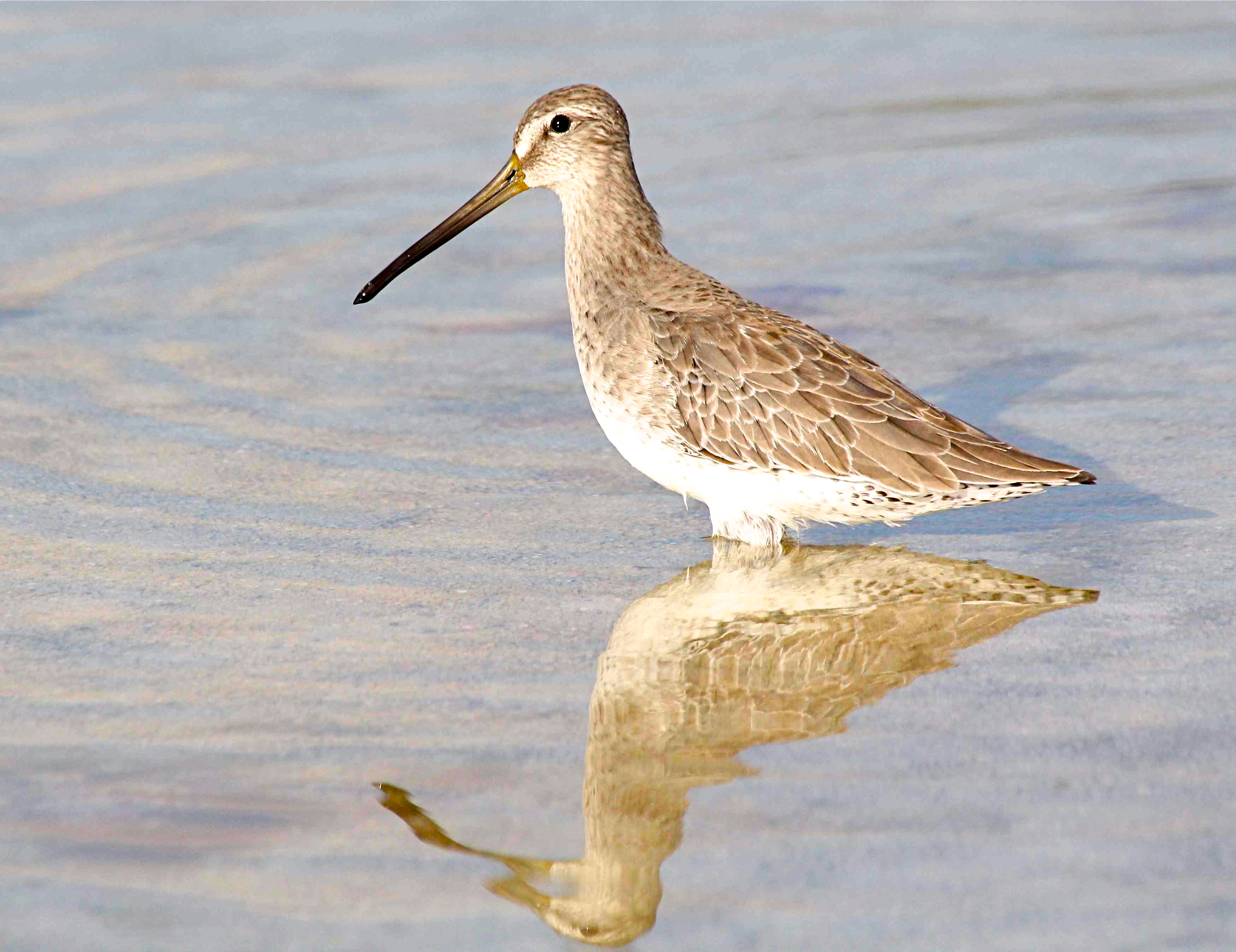
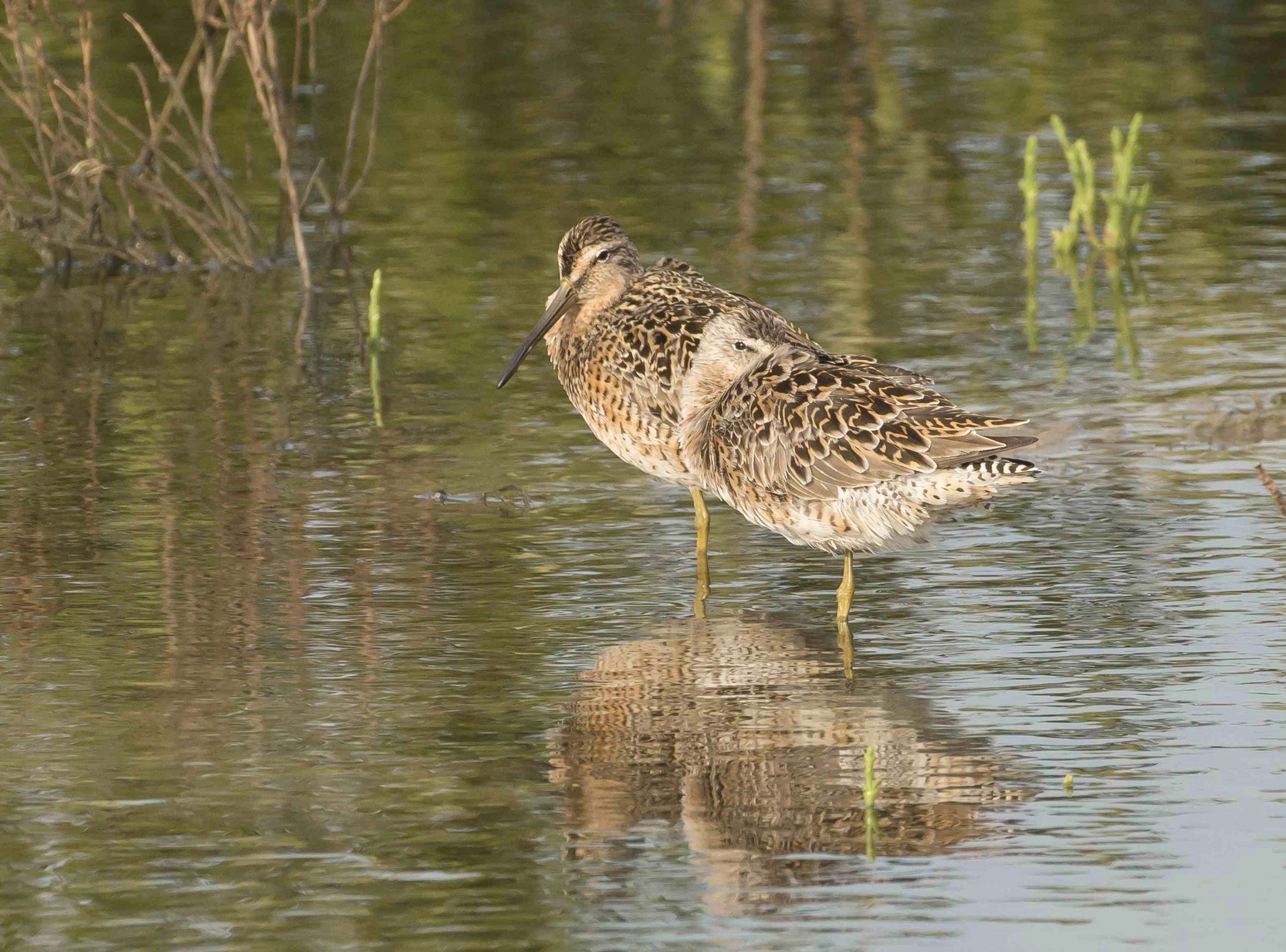
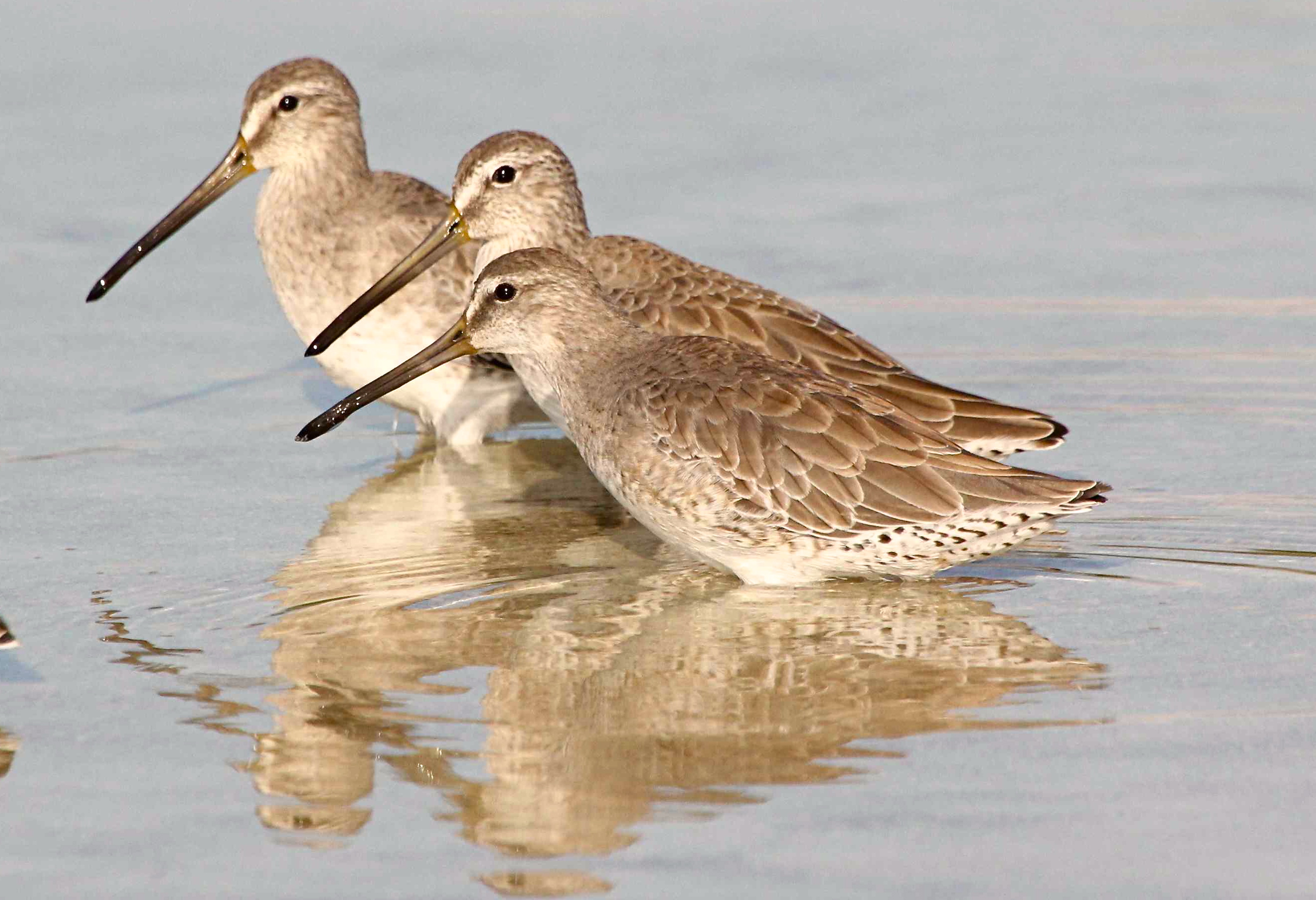
Long-billed (Limnodromus scolopaceus)? Or Short-billed (Limnodromus griseus)? Which one is that over there? No, not there. There! For Abaco, the answer is very easy. The SBD is a common winter resident, whereas the LBD is an occasional casual visitor, recorded rarely and irregularly in the Northern Bahamas. So if you are looking at a Dowitcher, it’s 98% certain that’s it’s an SBD. Which is lucky – they are so similar that telling them apart is a complex ID challenge, even if seen together! Until 60 years ago they happily existed as one species until the avian powers-that-be decided to prise them apart and award them separate species status. All the birds featured here are Abaco SDBs, with one exception… More on the comparisons and differences below.

The Dowitcher’s bill is an extremely effective instrument for probing deep into low water and mud. The rapid stabbing for concealed invertebrates has been vividly described as being ‘like a sewing-machine’. A ‘Dowitcher Stitcher’. So to speak.Short-billed Dowitcher, Abaco 2 (Bruce Hallett)

 HOW DID THE DOWITCHER GET ITS NAME?

I had assumed that the strange name for these birds was onomatopoeic, in the same way that a Killdeer is supposed to call “Kill…Deer”. And a Bobwhite, an interrogative “Bob…White?”. When I tried to check this online, I found that the usually valuable primary sources for bird info were silent on the topic. In the end, I tracked down a Merriam Webster entry that simply said “probably of Iroquoian origin; akin to Oneida tawístawis. First Known Use: 1841”. Which left me better informed, but no wiser…

Short-billed Dowitcher2.Abaco Bahamas.Tom Sheley

THERE’S A BUNCH OF SHOREBIRDS OVER THERE – WHAT DO SBDs SOUND LIKE?

 Phoenix Birder / Xeno Canto

In the header image, the bird is foraging in shallow water. In deeper water or with softer mud, SBDs will plunge their bills in to the hilt

Short-billed Dowitchers, Abaco -  Bruce Hallett

SHORT OR LONG – HOW ON EARTH DO I TELL? 

1. HELPFUL(ISH) WAYS

  • On Abaco, if you see a Dowitcher the overwhelming likelihood is that it’s a SBD
  • The species prefer different habitats, with the LBS preferring freshwater even in coastal regions
  • The SBD prefers coastal areas, shorelines and brackish / muddy ponds
  • The SBD’s call is said to be “mellower” than the LDB – though unless you have heard both for comparison, that’s not a very useful identifier.
  • The body shapes are apparently subtly different, in ways I personally can only begin to guess
  • In breeding plumage, the species have perceptible colour / pattern differences. (If you have binoculars?)
 2. CONFUSING FACTORS
  • LBDs may occasionally join SBDs that are foraging on open tidal flats
  • Actual bill length may not help, there’s an overlap – some SBDs may have longer bills and vice versa.
  • There are theories about bill-length / head size comparison as a field ID method. Do they work? As if!
  • Winter plumage of both species is very similar (grey). Both are only on Abaco in winter. Go figure.

Short-billed Dowitcher, Abaco 1 Bruce Hallett

DOES THE DOWITCHER HAVE ANY PRACTICAL APPLICATION?

Yes! In Scrabble you can form a stonking 315 words from those 9 letters, all permitted under Scrabble rules (though not my own house rules, which forbid ridiculous 2 and 3 letter words that sound invented for the purpose of winning Scrabble). Apart from the full 9 letter original, there’s one 8 letter word – ‘witherod’, a type of viburnum plant; and 13 words of 7 letters, of which I’d say 8 are in common though not everyday usage. I’ll leave you to work out the remaining 301 words…

Short-billed Dowitcher.Abaco Bahamas.Tom Sheley

DO YOU HAVE ANY LBD PHOTOS TAKEN ON ABACO?

I surely do. Woody Bracey photographed a pair of dowitchers together on Abaco, one SBD and one LBD. But even though this looks a pretty straightforward comparison of bill length, colouring and marking, by now I’m now so confused that I’m beginning to wish the two species could be happily reunited into one…Long & Short Billed Dowitchers, Abaco Woody Bracey

 Credits: Bruce Hallett, Tom Sheley, Woody Bracey, past researches, the usual bird info suspects

Unknown's avatar

“ABACO’S GOT TALONS”: THE OSPREY


Osprey, Abaco (Jim Todd 2)

“ABACO’S GOT TALONS”: THE OSPREY

The magnificent Osprey Pandion haliaetus is one of the world’s most successful raptors and can be found on every continent except Antarctica.

220px-Pandion_haliaetus_global_range.svg

Osprey, Abaco Bahamas (Tom Sheley)

On Abaco the Osprey is a permanent breeding resident, and while certainly not an ‘every day bird’, the chances of seeing one are reasonable. They are fairly often seen flying over the bay at Delphi, or out on the Marls. A pair recently nested at Sandy Point close to Nancy’s restaurant.

Ospreys, Abaco (Jim Todd)

There are few more exhilarating sights in the world of birds than an osprey swooping from a great height into the sea, emerging with a large fish held characteristically ‘fore and aft’ in its talons, and flying into the distance with heavy wing-beats. This wonderful close-up by wildlife photographer PHIL LANOUE shows an osprey that has actually managed to grab dinner for two…

osprey-flight-with-two-fish-03

This bird looks as if it is poised to dive onto some hapless fishOsprey in flight (Lake Wylie, S Carolina) - Gareth Rasberry

 10 PANDION POINTS TO PONDER

  • Ospreys are also known as sea hawks, fish hawks or fish eagles. They are almost exclusively fish-eating
  • A mature adult’s wingspan may reach 6 feet
  • They are the only members of their taxonomic family, genus and species
  • Ospreys & owls are the only raptors with reversible outer toes to grasp prey firmly
  • They can carry fish weighing more than 4 lbs
  • They dive into water feet first to grab its prey; their nostrils can close up to keep out water
  • Osprey-watch.org is a global site for mapping osprey nest locations / logging nesting observations
  • A New Jersey group has designed the optimum artificial nest platform, now an accepted standard
  • Ospreys usually mate for life
  • Osprey populations in many areas have been affected by pesticides and by egg trophy-hunters

PUTTING THE ‘PREY’ INTO ‘OSPREY’
Osprey, Florida (Danny Sauvageau)

A utility post makes a perfect perch for a bonefish snackOsprey, Abaco (Woody Bracey) copy

CHECK OUT THE TALON…Osprey (Danny Sauvageau)

The impressive wingspan of an Abaco ospreyOsprey, Abaco (Craig Nash) copy

An osprey far out on the Marls. I managed to get some distance shots of it despite having a fishing rod in my hand…Osprey - Abaco Marls 4 Osprey - Abaco Marls 1Osprey - Abaco Marls 2Osprey - Abaco Marls 3

Osprey, by John James AudubonOsprey - John James Audubon

The Osprey is a prolific symbol in national, cultural and sporting themes, and has been depicted on Bahamas stamps. And quite right too.

Bahamas Wildlife Stamp Osprey copy

Wm Shakespeare Coriolanus

I think he [Coriolanus] will be to Rome
As is the osprey to the fish, who takes it
By sovereignty of nature… 

Credits: Jim Todd (1, 3), Tom Sheley (2), Phil Lanoue (4), Gareth Rasberry / Wiki (5), Danny Sauvageau (6, 8), Woody Bracey (7), Craig Nash (9), RH (Marls pics) – thanks for all image use permissions

Unknown's avatar

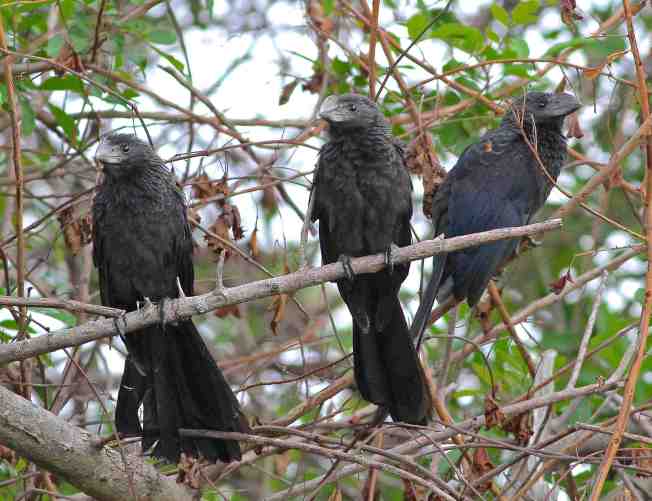
“STAR ANIS”: ENTERTAININGLY GREGARIOUS CUCKOOS ON ABACO


Smooth-billed Ani, TCGC Hole 11 - Becky Marvil

“STAR ANIS”: ENTERTAININGLY GREGARIOUS CUCKOOS ON ABACO 

The Smooth-billed Ani (Crotophaga ani) is the third member of the cuckoo family found on Abaco, the others being the MANGROVE CUCKOO and the YELLOW-BILLED CUCKOO. Anis range from Florida and the Bahamas in the north, down through the Caribbean to South America, where they are widespread.

Ani Range Map (Xeno-Canto) jpg

Smooth Billed Ani, Abaco - Nina Henry 2a

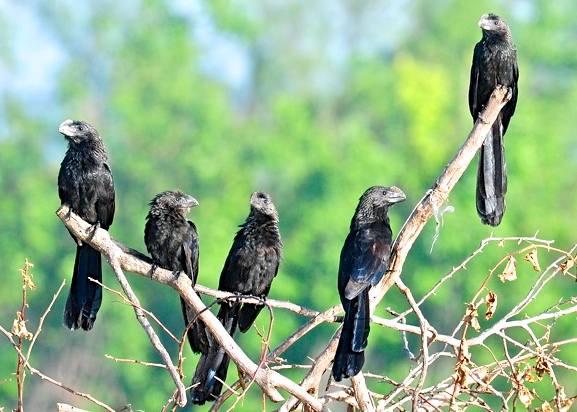
Unlike their shy and retiring cuckoo cousins, anis are extrovert shouty birds that like to hang out in noisy gangs. Large groups can quite often be found in the low scrub at the Highway end of the Delphi drive; and you may well find a posse of them in settlements such as Sandy Point. You’ll probably hear them from some way off, sounding like this:

Leonardo Ordóñez-Delgado / Xeno Canto

Smooth-billed Anis_Abaco - Tony Hepburn

Anis have advanced parenting and chick-rearing skills, sharing not only communal nesting sites but also egg incubation and feeding the chicks. They are also what my mother might have called ‘fast’, raising up to three broods in a season. Rather touchingly, the young of earlier broods help to feed more recent chicks.

Smooth-billed Anis Abaco - Gerlinde Taurer d

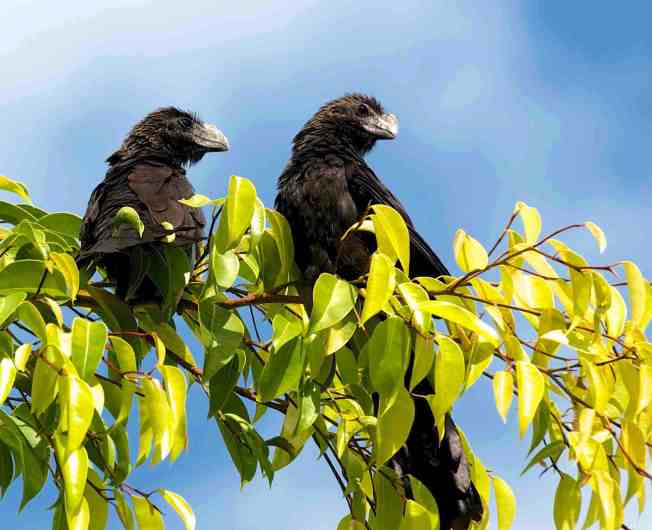
I have tried to discover why an ani’s beak is as it is, without much success. Very often beak shape relates directly to the feeding habits and preferences of a species, but it is hard to see how a diet consisting mainly of insects and small reptiles such as lizards would account for such a prominent proboscis. Here is a close-up of the item in question (thanks, Roselyn Pierce).
On Abaco (and indeed elsewhere) Anis are sometimes known as ‘Cemetery Birds’, no doubt because of their all-black appearance (their raucous tendencies would be quite inappropriate for a graveyard…). [Nicolette Russell has contacted me to say that she has always known them as Rain Crows] However although at a distance these birds may look completely black, catch one in the sun at the right angle, and you’ll find that the plumage is far more varied, and with some intricate patterning.
Smooth-billed Ani. Abaco Bahamas Tom Sheley

Look for Anis in low scrubland and coppice, cultivated areas, perched in unsteady bickering rows on utility lines… and on the ground.

Smooth-billed Ani, Abaco. Gerlinde Taurer c

The appearance and flying abilities of Anis are wonders to behold. As I wrote in The Birds of Abaco, “Their curious heavy beaks, their clumsy flight and their untidy take-off and landing routines suggest a design fault”.

Smooth Billed Ani, Abaco - Nina Henry 1a

“One… is the loneliest number…” oh, hang on a moment…Smooth-billed Ani Abaco - Gerlinde Taurer a

…”two of us…standing solo in the sun…”Smooth-billed Ani, Abaco (Gerlinde Taurer) b

As far as I know, there is not yet a collective noun for a group of anis. There should be. Any suggestions welcome via the comment box. Meanwhile I put forward A Commotion of Anis”

Smooth-biled Ani, Abaco - Bruce Hallett

Credits: Becky Marvil, Nina Henry, Tony Hepburn, Gerlinde Taurer, Roselyn Pierce, Tom Shelley, Bruce Hallett; Xeno Canto for range map & sound file; Hat tip to Aimee Mann.

“Star Anis” – do not confuse with Star Anise. One can fly, the other cannotStar Anise Spice (Tesco)

Unknown's avatar

“OL’ BLUE EYES”: WHITE-WINGED DOVES ON ABACO


1024px-Ala_Blanca

“OL’ BLUE EYES”: WHITE-WINGED DOVES ON ABACO

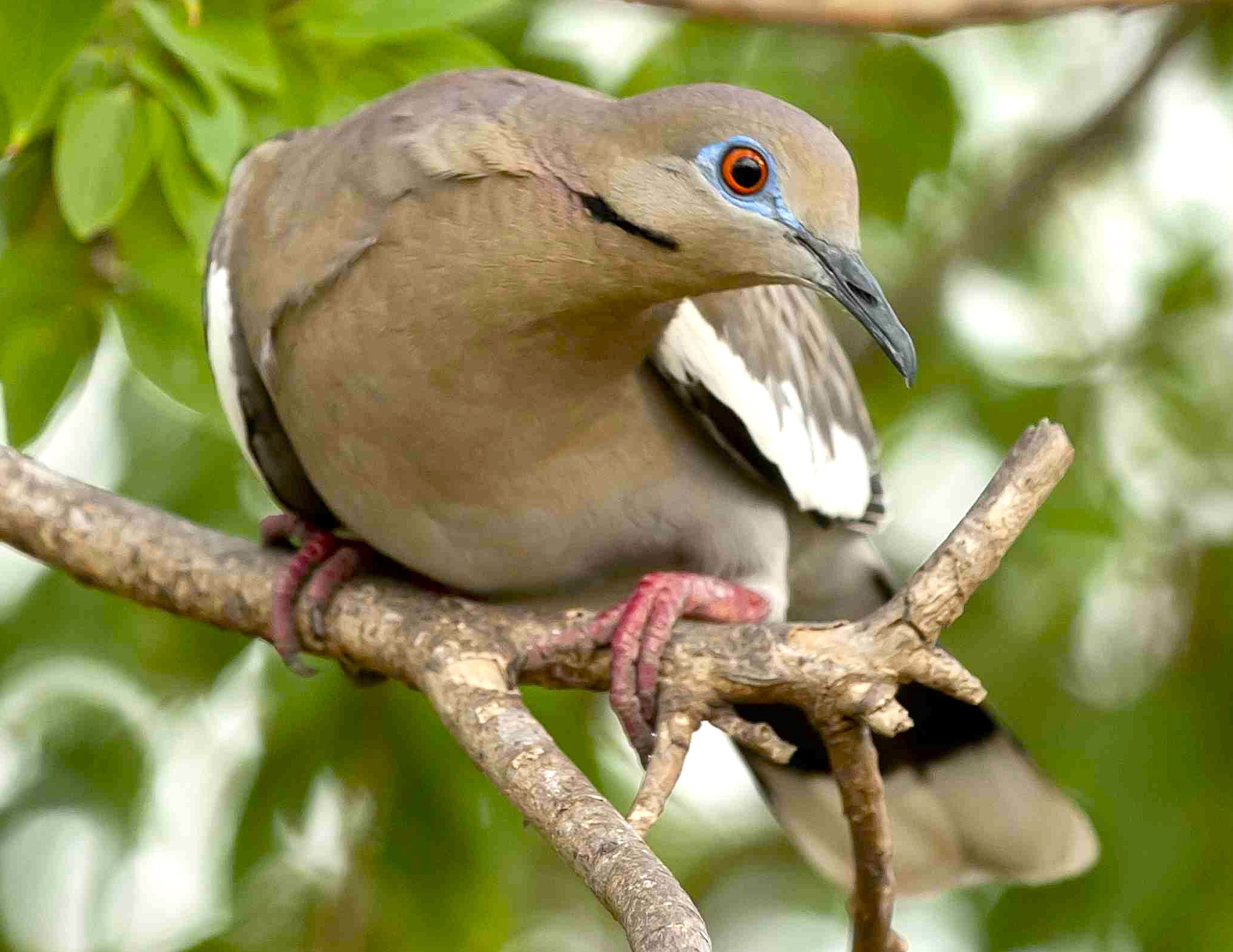
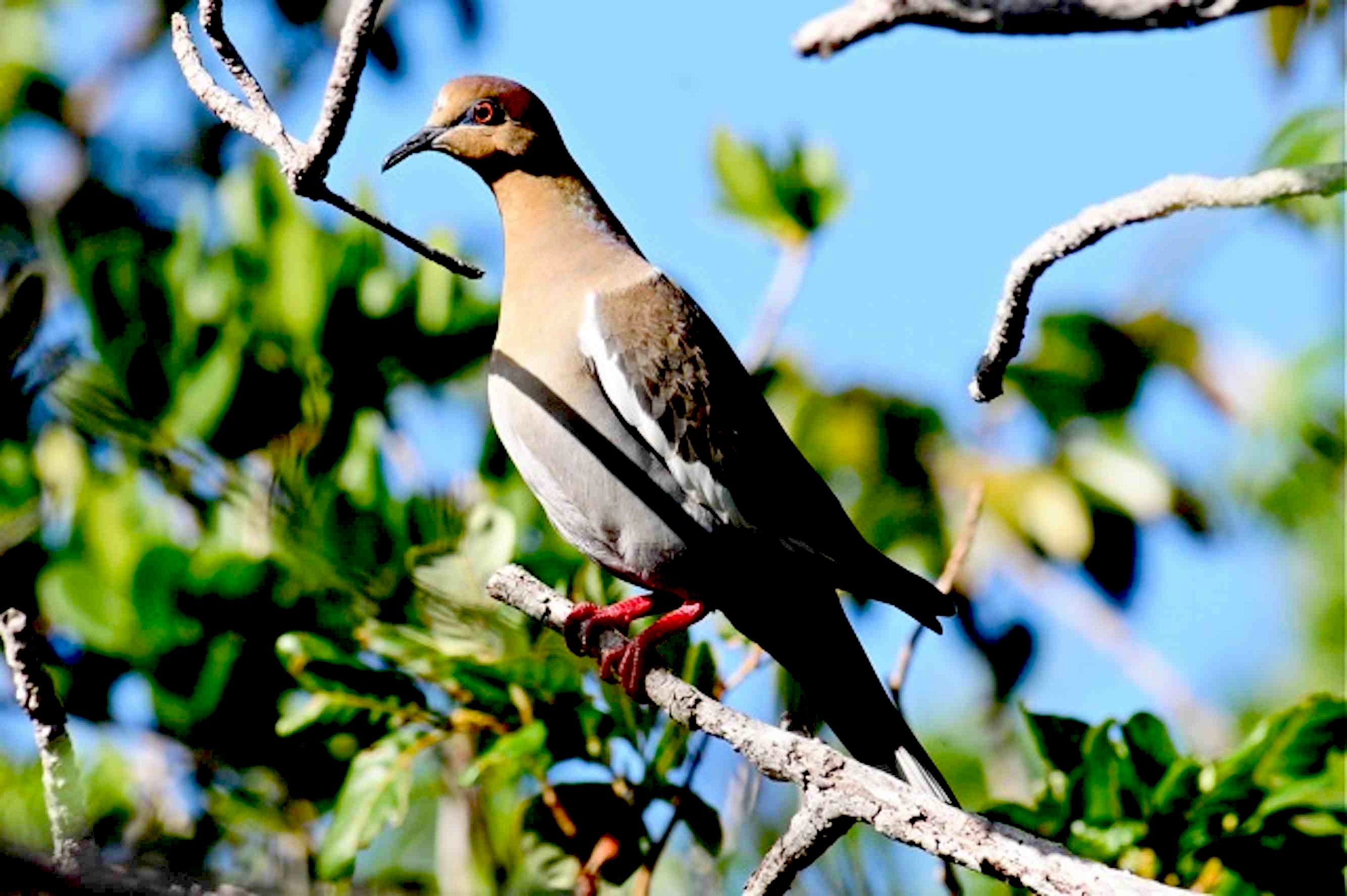
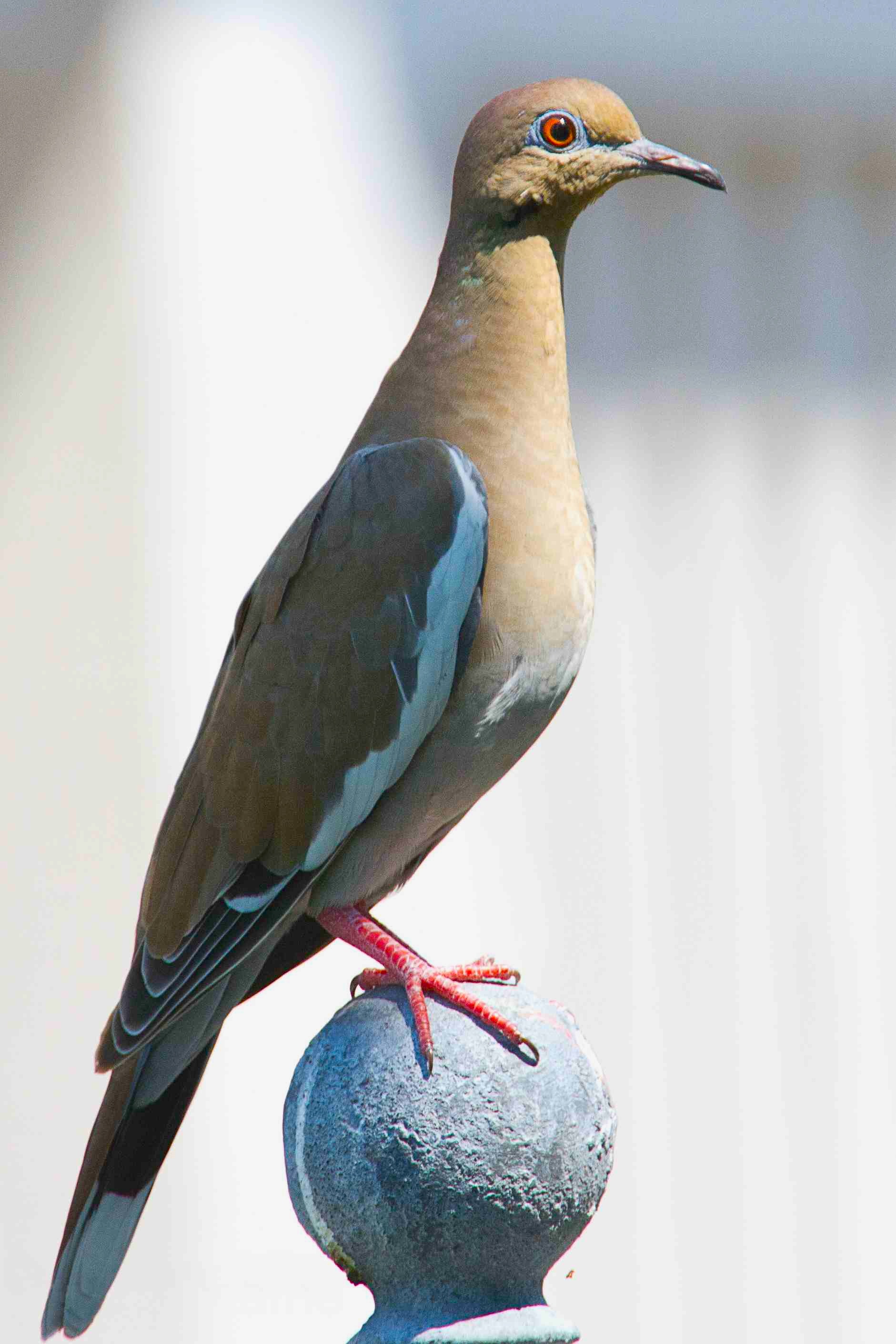
The White-winged Dove Zenaida asiatica  is an easily recognised dove species, being the only one on Abaco with conspicuous white wing markings. The prominent blue eye-rings are another unusual feature of this bird. The blue is skin and not feather colouring. Another identifier is the dark line on the upper neck.

Although the birds are permanent residents on Abaco, they are relatively uncommon. They are not a protected species, and yet unlike some other pigeon and dove species (Mourning Dove, Ring Necked Dove, White-crowned Pigeon, Zenaida Dove) they are not listed among the game birds that have a shooting season. Unlike many species whose range is decreasing for all the usual human-related reasons, this bird appears to be expanding its range – or is possibly being introduced in new areas. Urban development seems not to be not such a deterrent as for other birds, and feeders are also thought to contribute to the spread.

White-winged Dove Range - Xeno Canto

White-winged Dove, Abaco Bahamas - Tom Sheley crop - Version 2

This short audio clip of a White-winged Dove has other background bird sounds, mostly identifiably a red-winged blackbird making its ‘rusty gate hinge’ call

Mike Nelson / Xeno Canto

White-winged Dove, Abaco - Tony Hepburn

FANCY THAT!

STEVIE NICKS name-checks the White-winged Dove and its call in her 1981 hit “Edge of Seventeen” from her Bella Donna album. If your interest is piqued as the Mac again discuss putting behind them their various differences and prodigious substance sampling to re-form (Glastonbury 2015?), see below. However, rehearing this again (having hidden Bella Donna in a locked drawer 30 years ago) the music has not worn well and her voice – sometimes so exciting – is somewhat fingernails on blackboard. 

This final image is by Dan Pancamo who generously uploaded it to Wiki. It is several cuts above the usual generic illustrative images in both quality and style.

White-winged_Dove_by_Dan_Pancamo

Credits: Wiki / Dan Pancamo, Tom Sheley, Tony Hepburn, Xeno Canto