BLUE-GRAY GNATCATCHERS: PICTURE PERFECT ON ABACO (13)
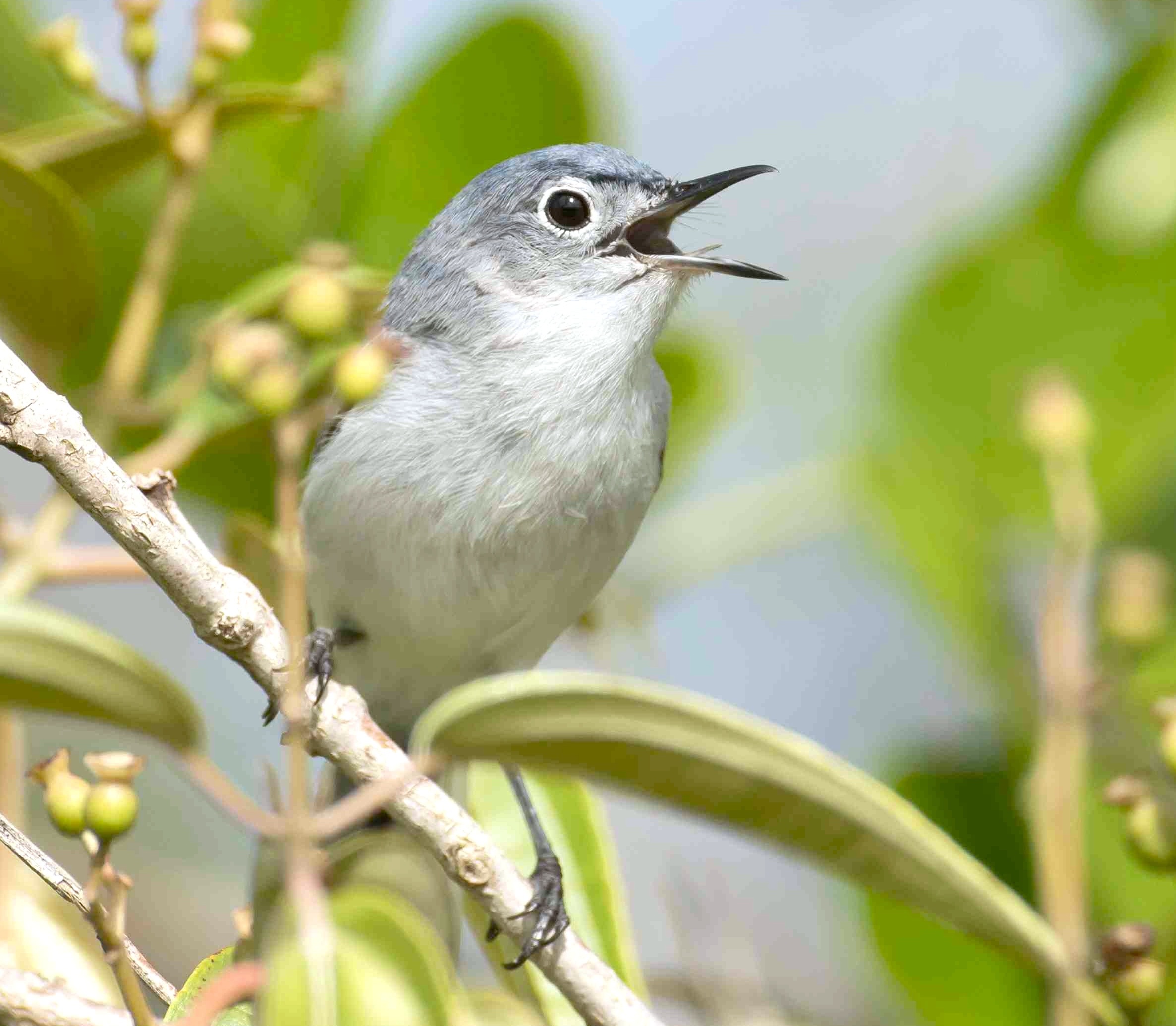
Polioptila caerulea PR|B|1
A delicate featherweight gnatcatcher that has characteristic full eye-rings. The long tail may be cocked when perching, often as a territorial assertion. They are capable of hovering briefly over shrubs to feed on insects, but mostly they ‘hawk’ for insects on the wing (“Birds of Abaco”).
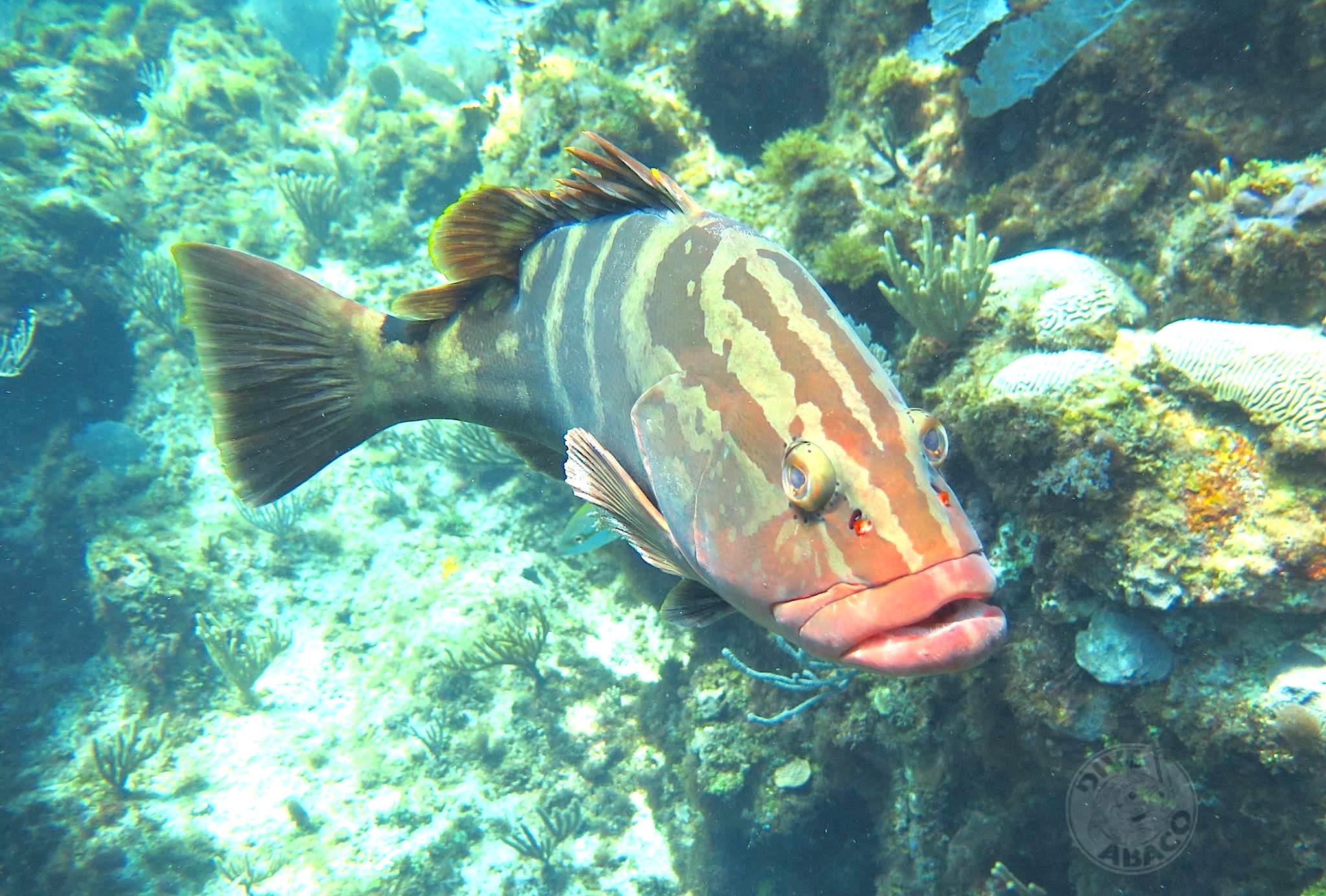
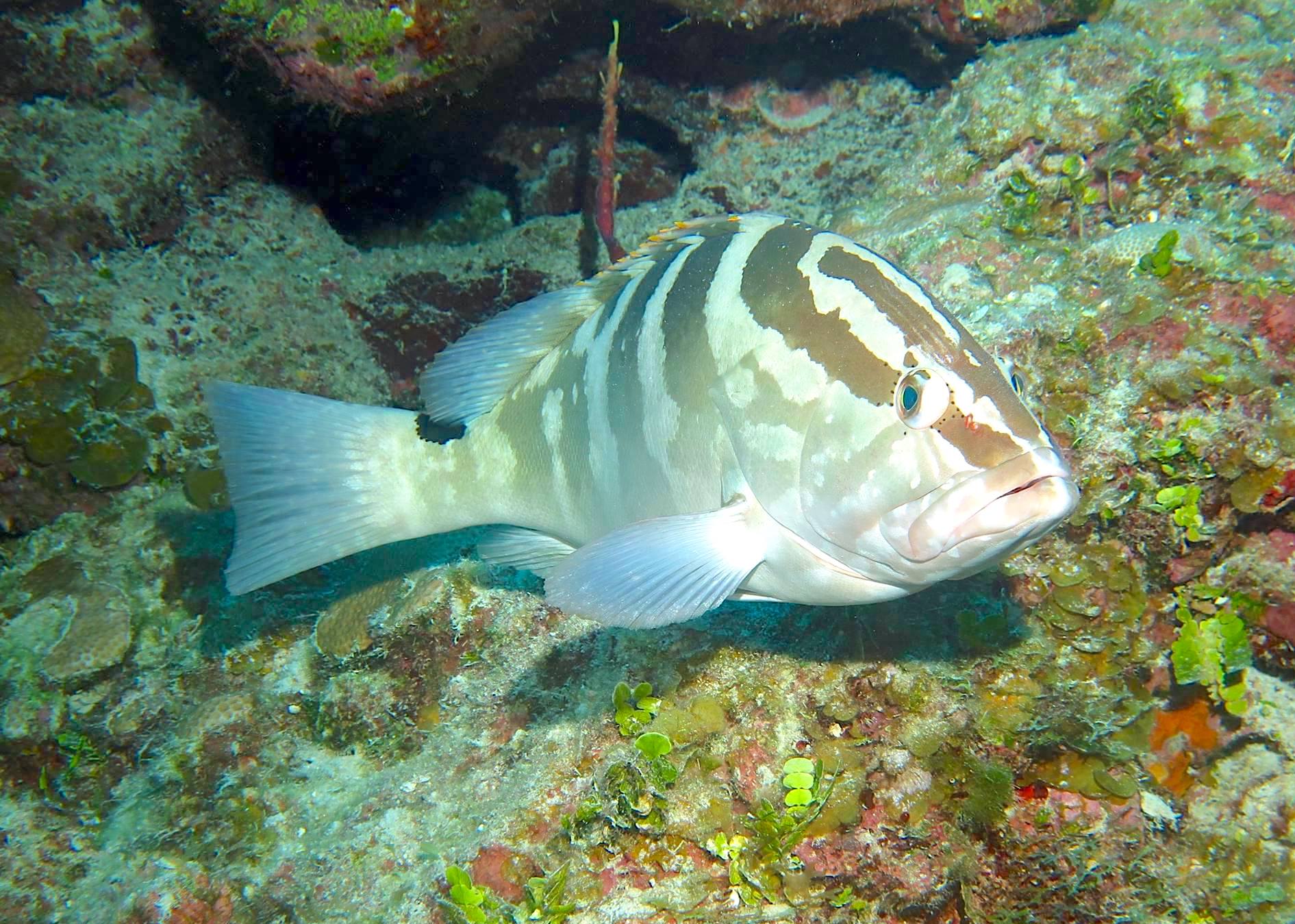
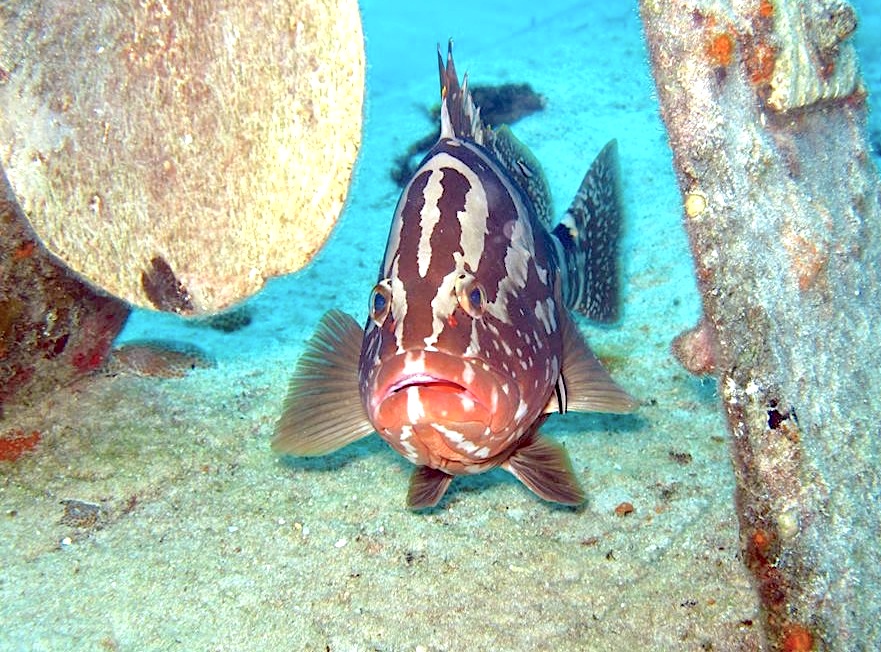
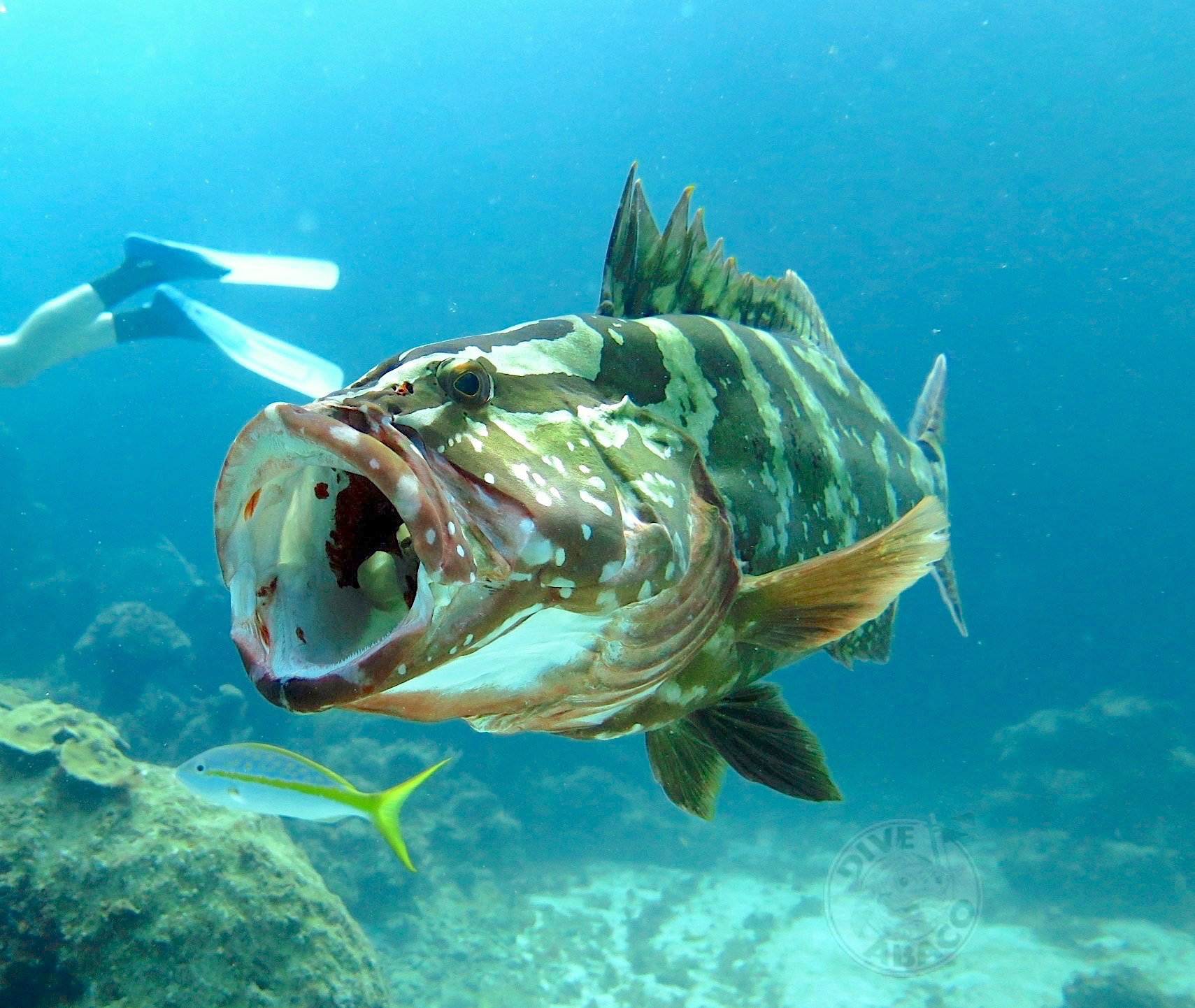
The Nassau grouper Epinephelus striatus is one of a number of grouper species found in Bahamian waters. Of these, only the Nassau grouper is on the IUCN Red List, as Critically Endangered. When I last wrote about them they were in the lesser category ‘Threatened’.
In order to sustain a viable population, it is vital to maintain numbers and preferably to increase them year on year. Once it became clear that year-round commercial overfishing was a prime component of the steep decline in the population, a 3-month closed season during the breeding period was imposed. This has ensured that at the most critical time in the lifecycle of the species, the groupers are left alone to breed in peace and to perpetuate their species.
The closed season operates from December to February to maximise the chances of breeding success. As with some other fish species, reproduction occurs around the full moon. The fish gather at spawning sites and the process is at its height around sunset.
10 CONVENIENTLY COLLECTED NASSAU GROUPER FACTS
An adult can grow to more than a metre long, and weigh 25 kg
They tend to be solitary daytime feeders, eating small fish & crustaceans
Their large mouths are use to ‘inhale’ or suck in prey
The colouring of an individual can vary from red to brown
These fish have little black spots around the eyes (I’ve no idea why).
Their habitat is in the vicinity of coral reefs, from shallows to 100 m deep
Spawning mainly occurs in Dec & Jan during a full moon
Large numbers gather in a single location to mate in a mass spawning
These groupers are slow breeders, which compounds the overfishing problem
They are easy mass targets at spawning time; hence the need for a closed season
A Nassau Grouper glumly contemplates the possibility of extinction
ENDANGERED SPECIES ON ABACO, BAHAMAS (2): KIRTLAND’S WARBLER
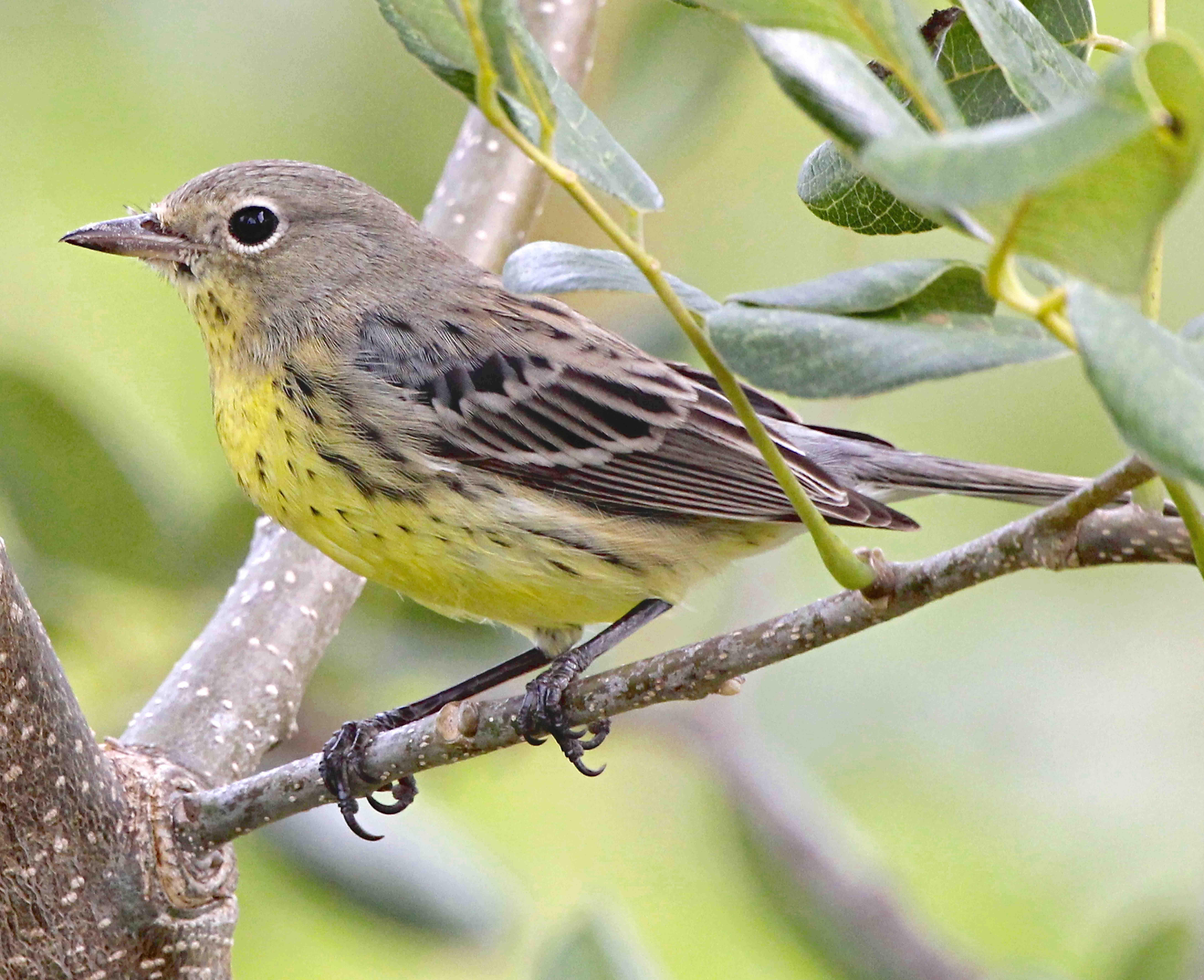
The rare Kirtland’s warbler (Setophaga kirtlandii) is rightly prized both in its very specific breeding grounds and in its winter migration locations. Abaco is fortunate to be one of these, but they are extremely difficult to find, even with local knowledge. The latest IUCN Red List assessment of numbers of adult warblers (2018) gives a figure of 4,500 – 5,000. The species is categorised as ‘near-threatened’. Numbers are gradually increasing, thanks to a major recovery plan and intensive conservation measures in areas where they nest.
WHERE THEY LIVE
SPRING & SUMMER Mostly, the KIWA population lives and breeds in very specific areas of Michigan and Ontario, where jack pines are found. As numbers have increased, the range has expanded more widely into Wisconsin and Ohio.
A Kirtland’s Warbler in the jack pines of Michigan (Vince Cavalieri)
FALL & WINTER the population migrates to the Bahamas & TCI, where they tend to choose remote scrub and coppice areas to live until the spring when they return north in April. This range map shows the extremely specialist habitat choices of these migratory birds.
THE MAIN THREATS TO THE SPECIES
Mankind is the primary threat. The breeding areas are particularly vulnerable from deforestation and clearance of the jack pines that are essential for successful nesting and breeding – and therefore the survival – of the species
Encroachment by development is a major concern (as with so many species everywhere)
KIWAs are vulnerable to nest parasitism by brown-headed cowbirds in the breeding areas
Their winter habitat is mostly in remote or protected areas, but on Abaco a proposed development in the National Park where they live will probably wipe them out, if built
Overall, habitat degradation at one end of the migration – in particular the breeding grounds – poses a serious risk to the species; at both ends, extinction could loom again
WHAT TO LOOK OUT FOR?
Gray head with a blueish tinge, gray-brown back
Yellow throat & underside, with some dark streaking
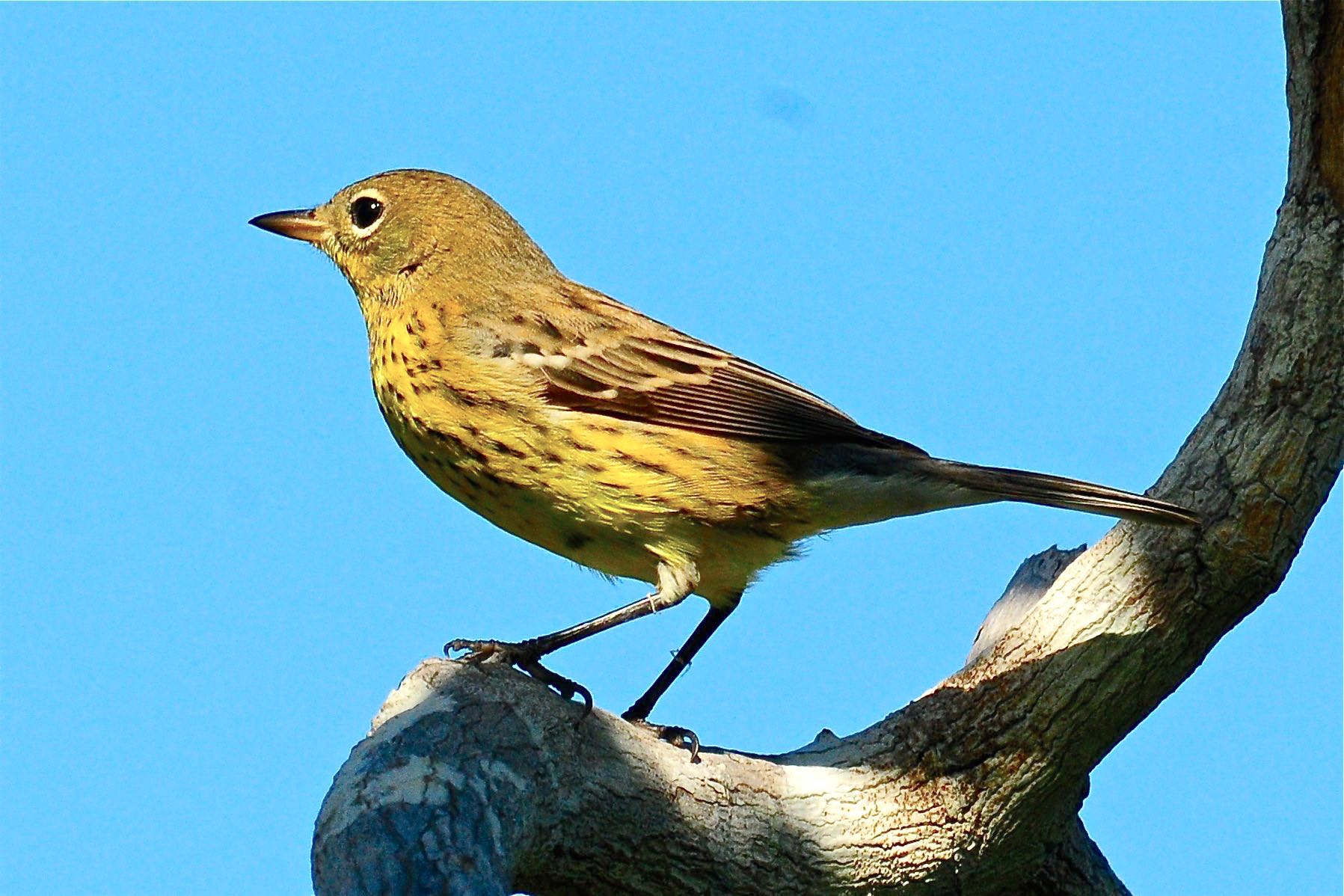
Females are paler and more streaked
Split eye rings – white crescents above and below eyes
Frequent tail pumping and bobbing
WHAT DO THEY SOUND LIKE?
Some say ‘chip-chip-chip-too-too-weet-weet’. Elsewhere I have found it claimed that they produce ‘a loud tchip, with song an emphatic flip lip lip-lip-lip-tip-tip CHIDIP‘ (Arnott). I’m not a big fan of phonetic spelling for bird sounds. Here’s a sample for you to assess:
Ross Gallardy / Xeno-Canto
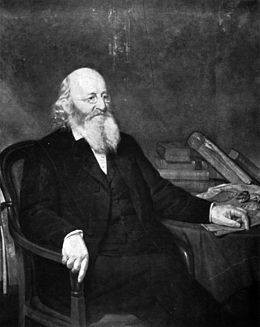
WHO WAS MR KIRTLAND?
Jared Potter Kirtland (1793-1877)
Jared P. Kirtland (1793 – 1877) was an Ohio scholar, doctor, judge, politician & amateur naturalist. He was a man of many and varied interests and talents, not-untypical of his time. In the field of natural history, Kirtland’s name lives on in his warbler & also in a couple of snake species.
The Bahamas Postal Service is commendably active in producing wildlife stamps
Credits: Bruce Hallett (1, 5, 6); Vince Cavalieri (2); Tom Sheley (3); Tony Hepburn (4); Birds of North America (range map); Ross Gallardy / Xeno-Canto (audio file); Birdorable (cartoon); BPS (KIWA stamp). Special thanks for all use permissions for images of this rare bird.
May 15th is – was – Endangered Species Day worldwide. I missed it, of course I did. Typical. So, belatedly, here’s the first of a short series highlighting the Endangered Species of Abaco, Bahamas. It will include a couple of species formerly found on Abaco but now extirpated and hanging on in tiny numbers in specific habitats in the wider Bahamas archipelago. Regrettably, much of the endangerment has been caused, or substantially contributed to, by a dominant species that tends to prize self-interest over broader considerations.
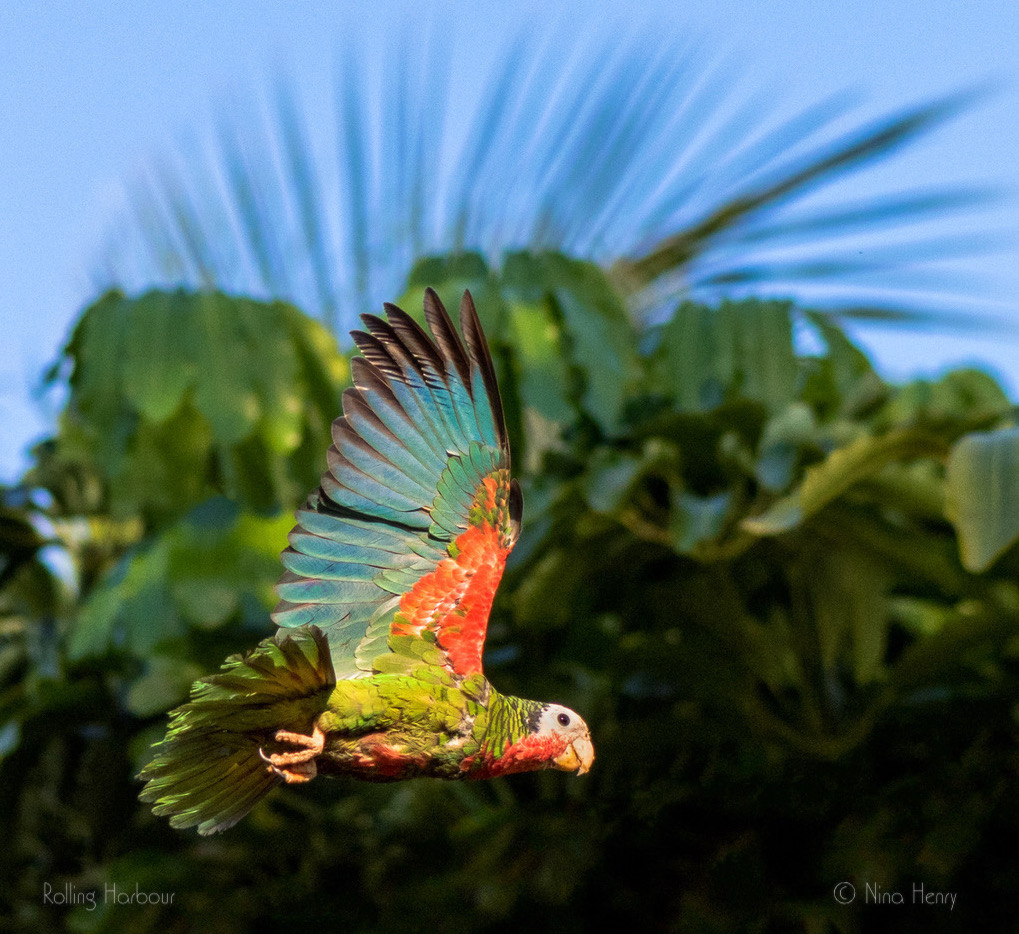
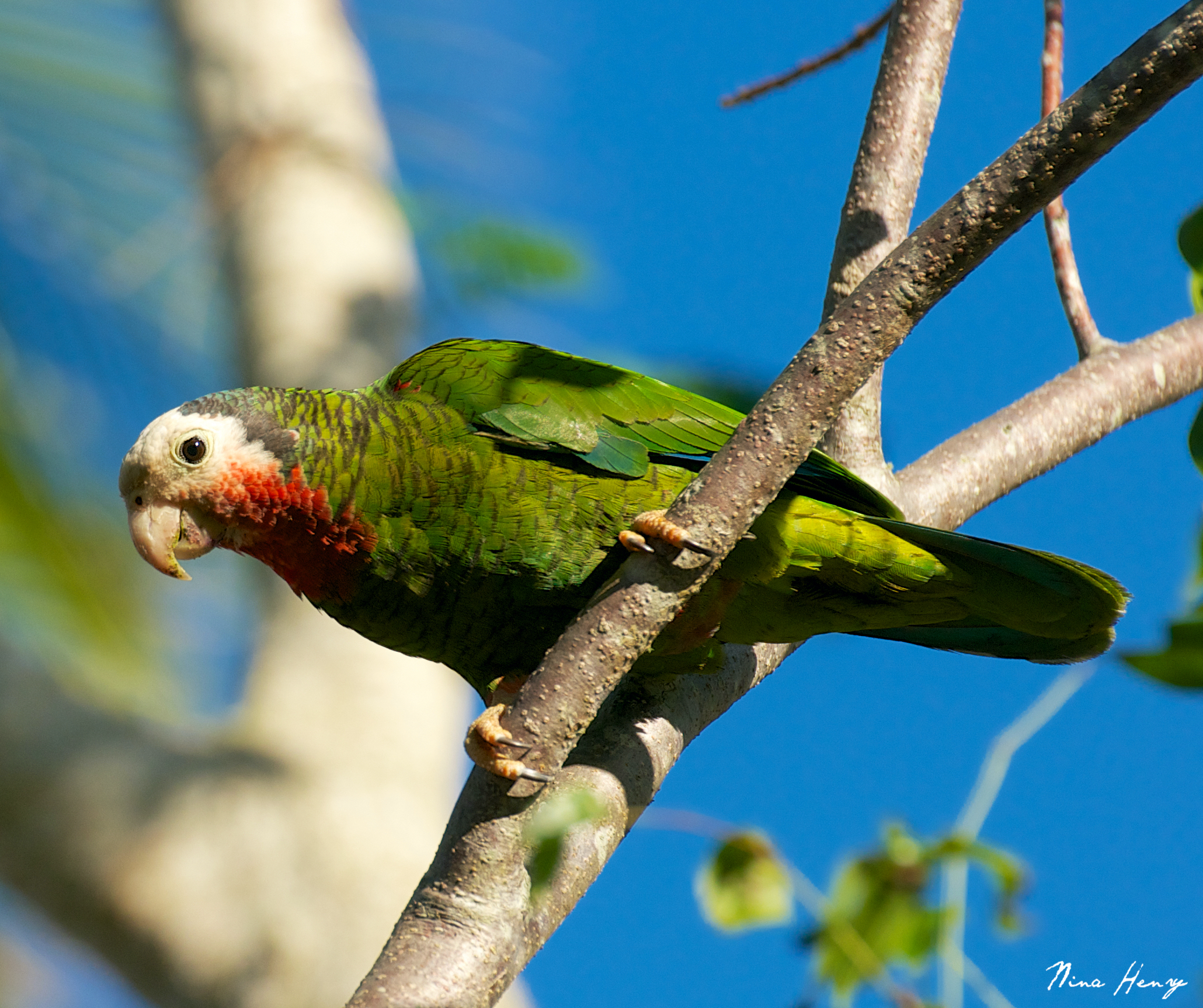
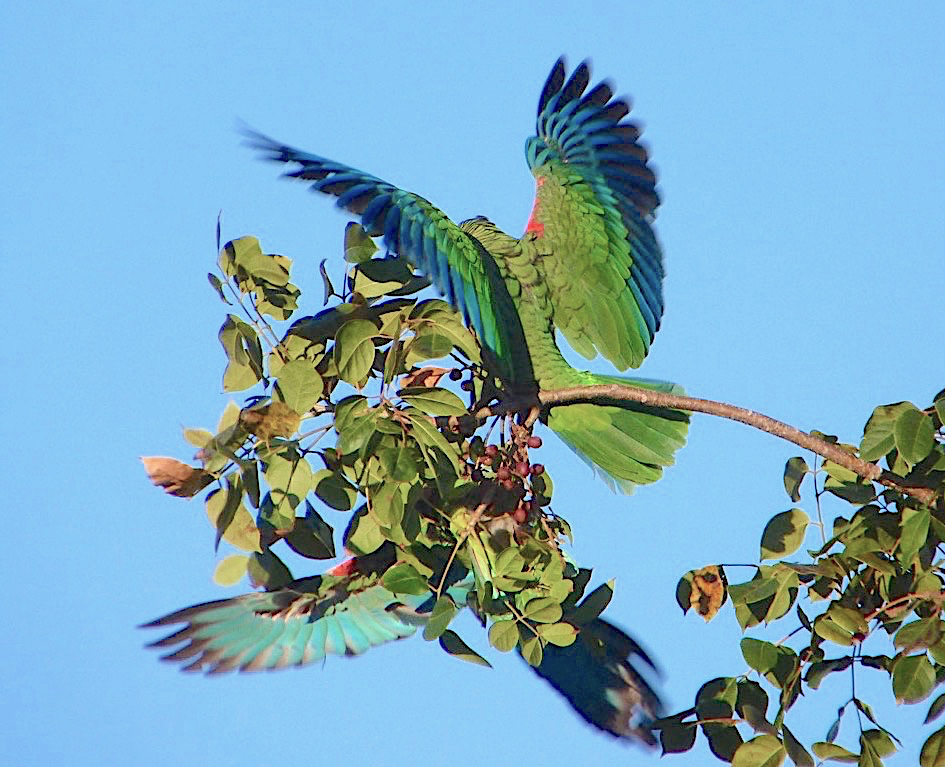
ABACO PARROT
These gorgeous and beloved parrots nest uniquely in limestone ground burrows in the island’s protected National Park in the south of the island, a vast area of pine forest. They are the big success story of Abaco conservation. I was fortunate enough to become tangentially involved with the parrots just as years of patient research and intensive fieldwork were beginning to impact positively on a dwindling and barely sustainable population (fewer than 1000 birds). Adults and particularly the chicks in breeding season were very vulnerable to the attentions of feral cats, non-native racoons and rats. Nests were protected, cameras were deployed, and predators eradicated.
The work of scientists such as Caroline Stahala was (and still is) supported by local organisations such as Bahamas National Trust and Friends of the Environment Abaco. Local communities lent valuable encouragement and enthusiasm to the project. No one can fail to be uplifted by the sight of a flock of these parrots flying overhead, flaunting their bright green, red and blue feathers that flash in the sunlight. Even the sound of a flock squabbling in the trees like noisy children just let out of school is a joy. Here’s a sample, recorded at Bahama Palm Shores: see if you agree…
Keith Salvesen / Rolling Harbour
10 years on, these gorgeous, raucous and intriguing birds have made a comeback, and the pleasure of their continuing visual and audible presence is hopefully secure.
Credits: Nina Henry (1, 2); Caroline Stahala (3); Keith Salvesen (4) and audio clip
The Cuban pewee Contopus caribaeus bahamensis (sometimes called the crescent-eyed pewee) is the smallest of the four so-called ‘tyrant’ species found on Abaco. These flycatchers are tiny compared with their kingbird cousins. You can clearly see the tiny hooked tip at the end of the upper beak, which helps to trap caught insects.
Like other flycatchers, the Cuban pewee has distinctive whiskers around the base of the beak. These are in fact feathers that have modified into bristles. They act as tactile sensors that help detect and target aerial insects. The pewee will then dart from its perch to intercept some passing tasty winged morsel (known sometimes as ‘hawking’), returning to the branch to swallow the snack.
Of all small unassuming brownish birds – and there are a great many – I consider the pewee to be one of the prettiest. It is also rewarding to photograph, being inquisitive by nature and as likely to pose for the camera as to fly away.
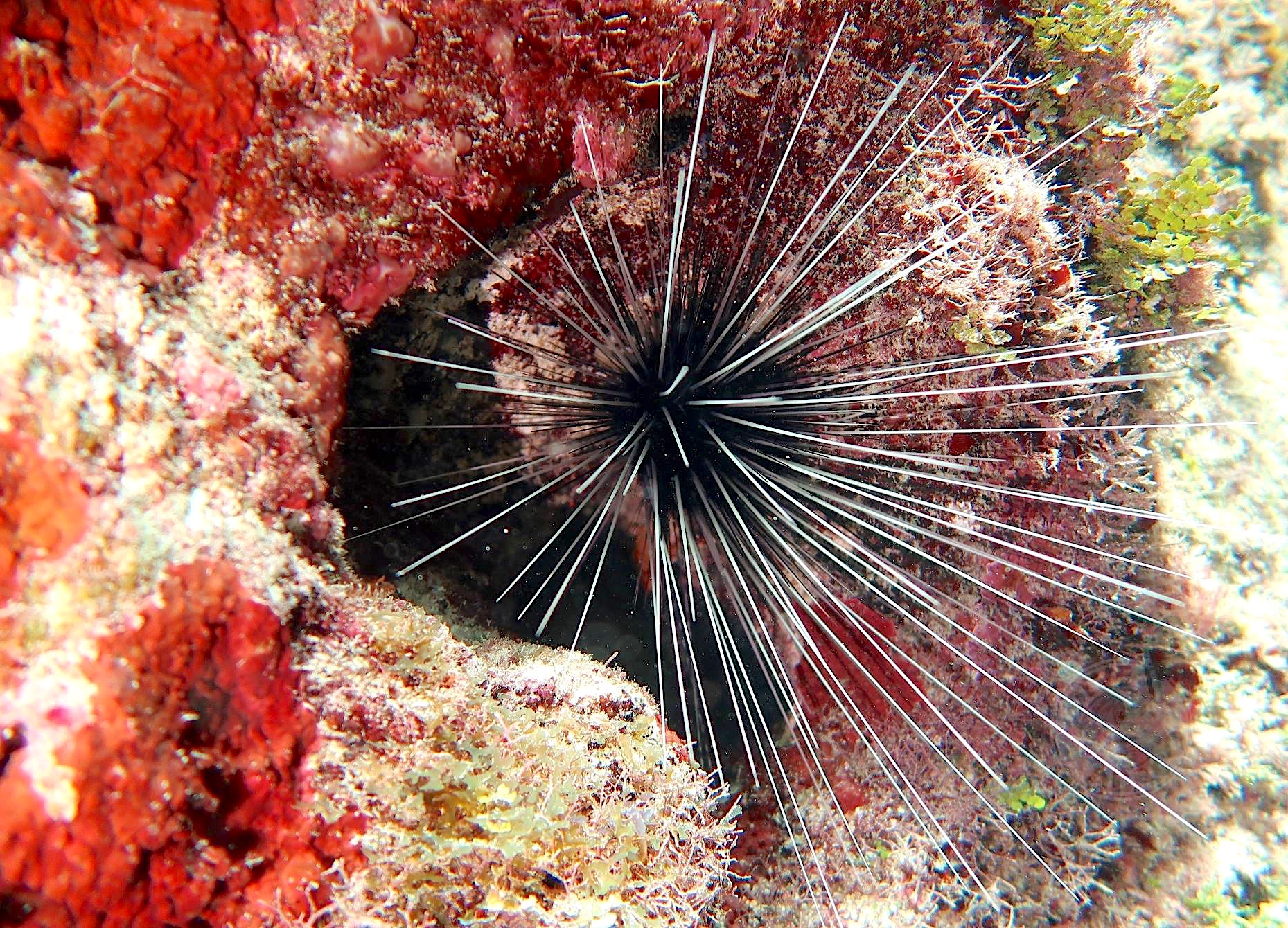
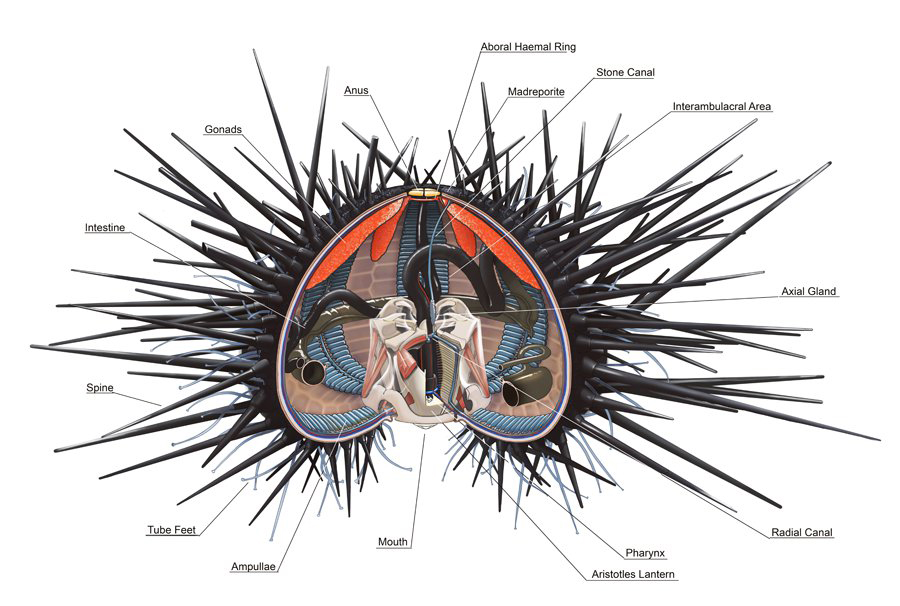
As every swimmer knows, or eventually finds out the hard way, it’s not only Blue Suede Shoes that should not be stepped on. But however painful the consequences of a misstep, it’s hard not to find some beauty in an urchin living in a thriving reef environment. The wonderful anatomical diagram by Alex Ries shows everything you could conceivably want to know about one of nature’s most proficient foot-stabbers (if only all such diagrams were presented so simply and clearly).
The internal organs depicted resemble a bad trip in the bowels of a vacuum cleaner; or (narrow your eyes) an experimental painting from one of the less successful schools of early c20 modern art, soon to be swept aside by Cubism. Note that the mouth is located where you might expect to find the opposite end, and vice versa.
I photographed the urchin test (skeleton) below at Delphi. It was large and almost entirely undamaged (very rare in my experience). The bright faintly greenish white is set off by the palest of pinks. Whatever your view of how creatures came to exist, imagine the creation or evolution of calcium carbonate into a small symmetrical structure as beautiful, detailed and complex as this. If you are short of a lockdown recreation, maybe try to draw it.
Photo credits: #1 Melinda Rogers / Dive Abaco; #2 Anatomy Diagram, Alex Reis (5 stars for making it available free on Wikimedia); #3 Keith Salvesen / Rolling Harbour Abaco
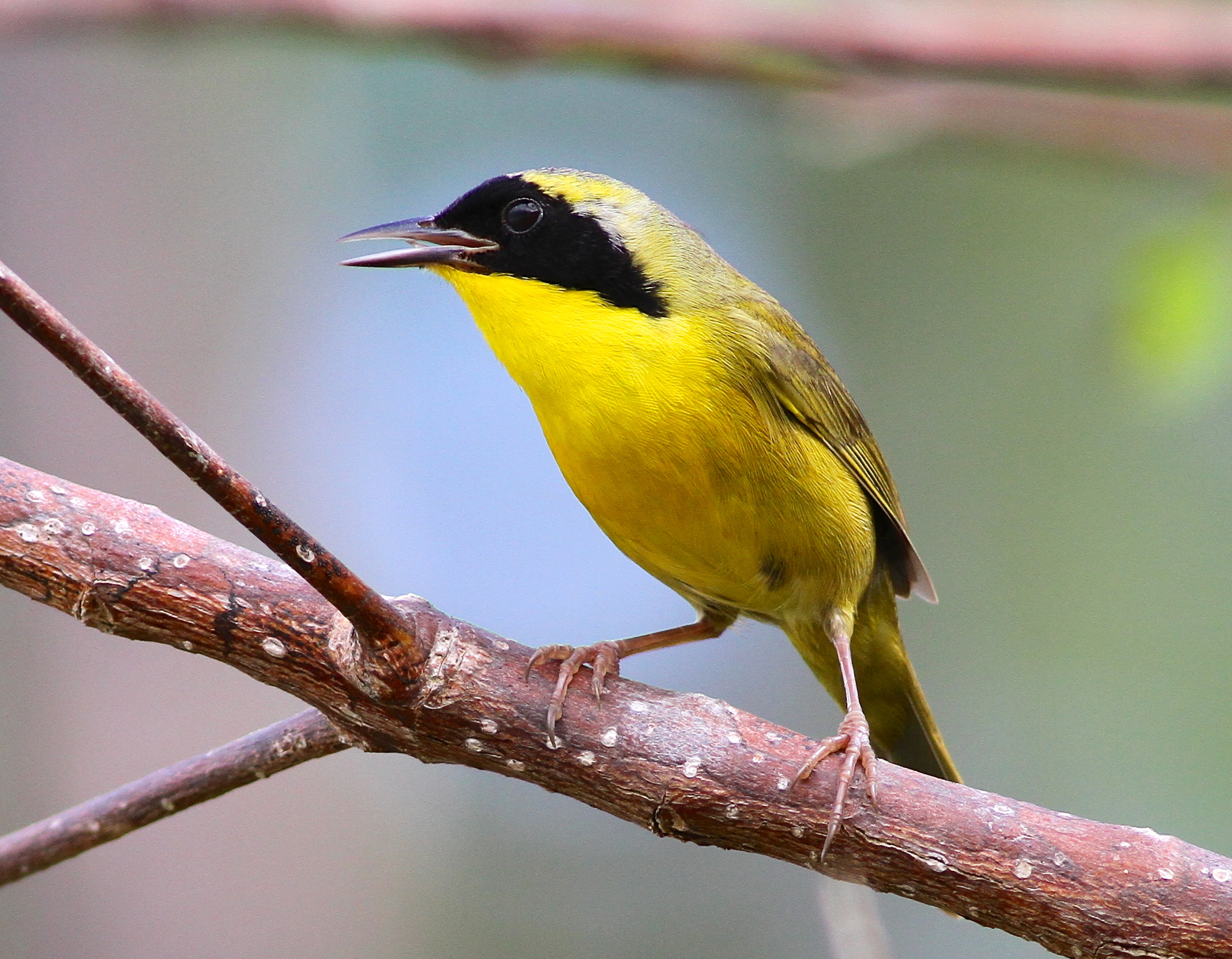
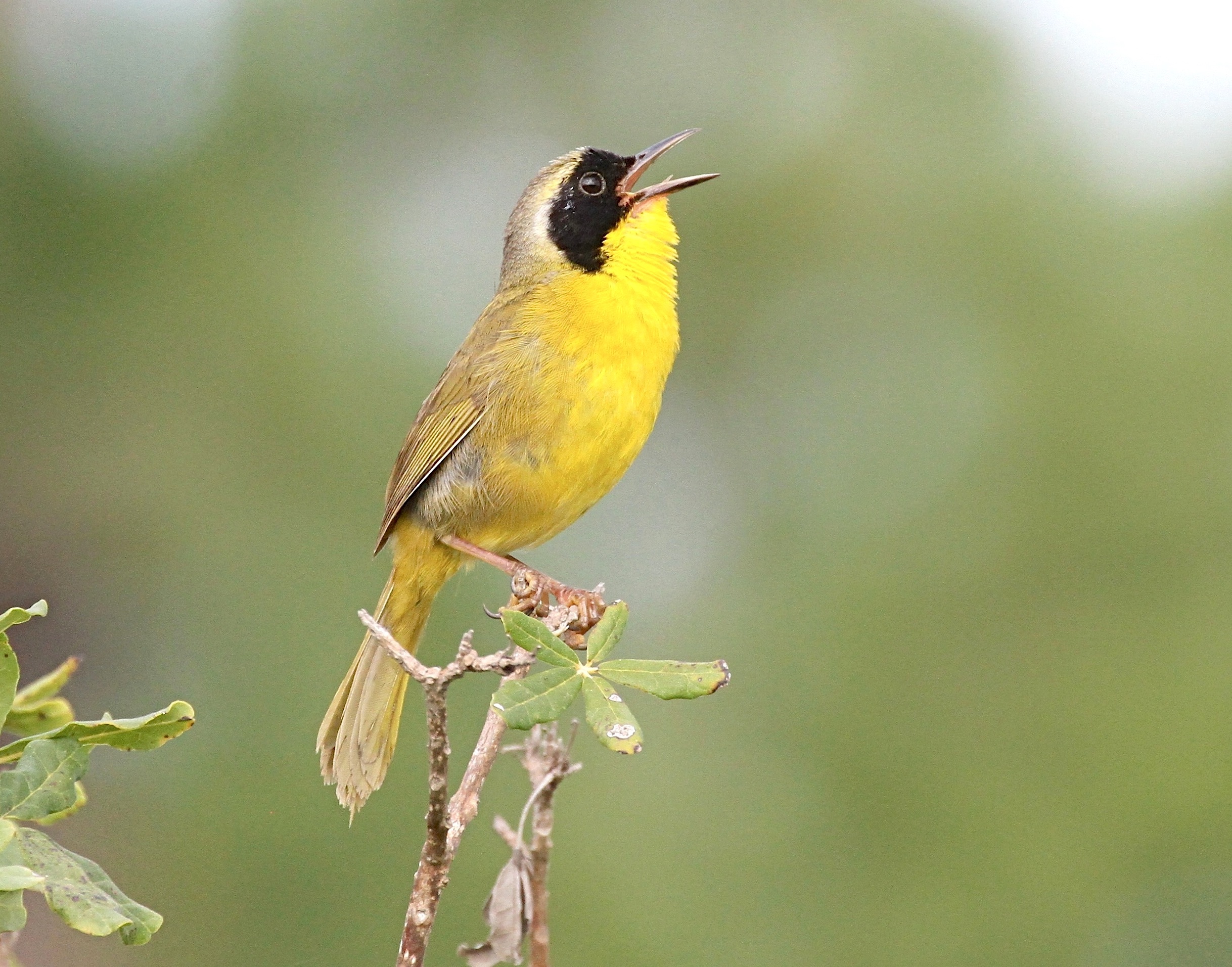
The Bahama Yellowthroat Geothlypis rostrata is one of 5 bird species endemic to the Bahamas. Three other endemics found on Abaco are the Bahama Woodstar,Bahama WarblerandBahama Swallow. The fifth is the endangeredBahama Oriole, now only found in very small numbers on Andros. They once lived on Abaco, but are unrecorded there since the 1990s and are considered extirpated. You can find out more about all these endemic birds together in a nest HERE.
I’m fond of these birds with their striking Zorro masks. It is one of the few species that I am able to imitate with sufficient accuracy to draw one out of the coppice. Their call is usually described as a ‘wichety-wichety‘. I realise that the talent to mimic it has no other use in life. Here’s a short recording I made – the Yellowthroat is the first and last call of the sample, with other species in between.
Photo Credits: Gerlinde Taurer (1, 2); Bruce Hallett (3,); sound recording Keith Salvesen / Rolling Harbour
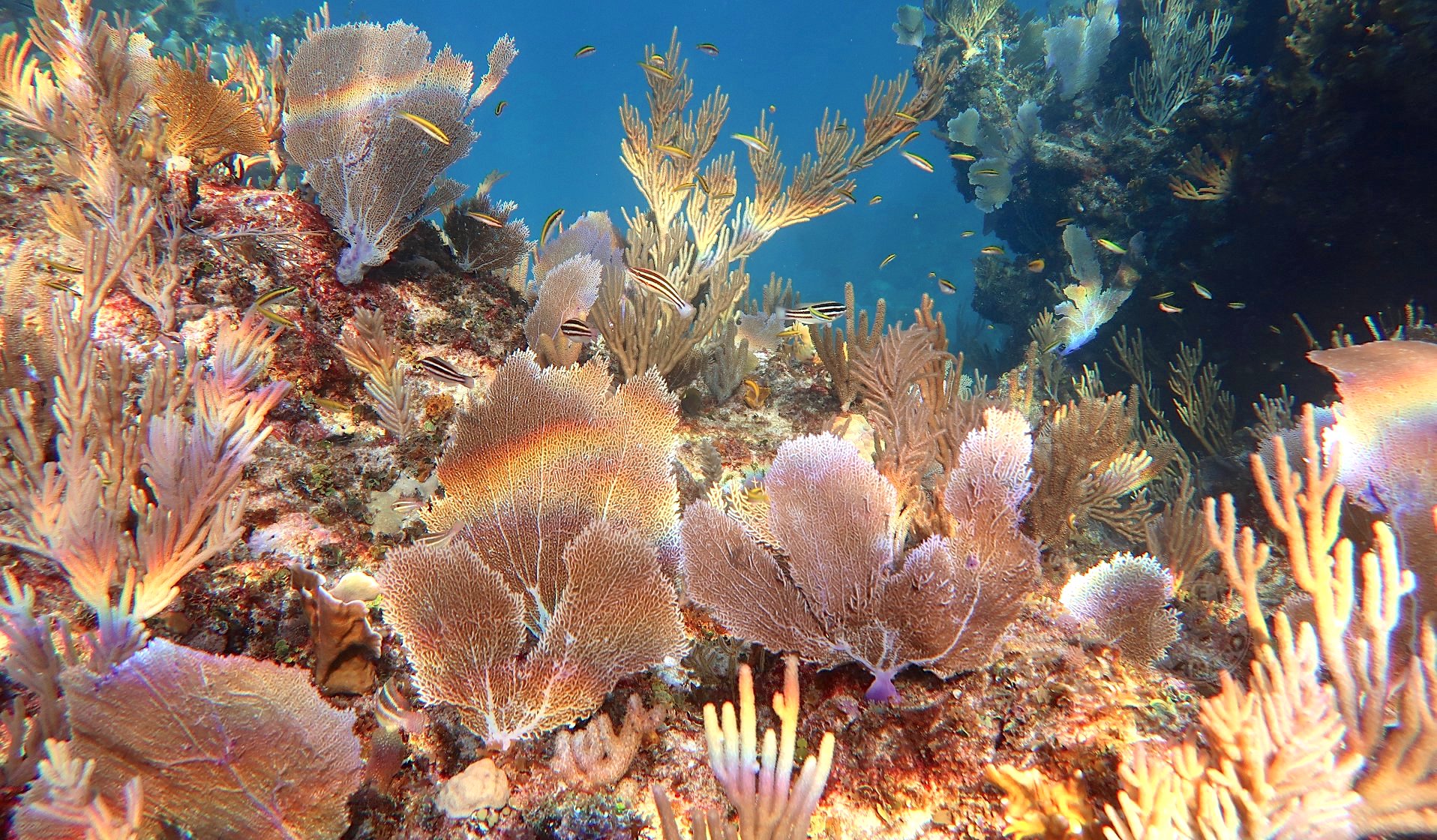
Off the east coast of Abaco lies one of the longest barrier reefs in the world. Some authorities suggest it is the third longest, but the exact ranking of the top dozen coral barriers is a matter for considerable debate. None of the lists I have just checked agree, except that the Great Barrier Reef is the outright winner. I suspect that the problem lies in the loosely generalised description of ‘barrier reef’ and in variations of the appropriate criteria for determining length (it may also depend on who is doing the measuring, of course).
Melinda Rogers of Dive Abaco took this bright sunlit ‘Coralscape’ in the Fowl Cays National Park. It’s a place I have tentatively snorkelled around with great pleasure, despite being in the top dozen most useless swimmers in the world (my appalling underwater videos were disqualified from the rankings for being… rank).
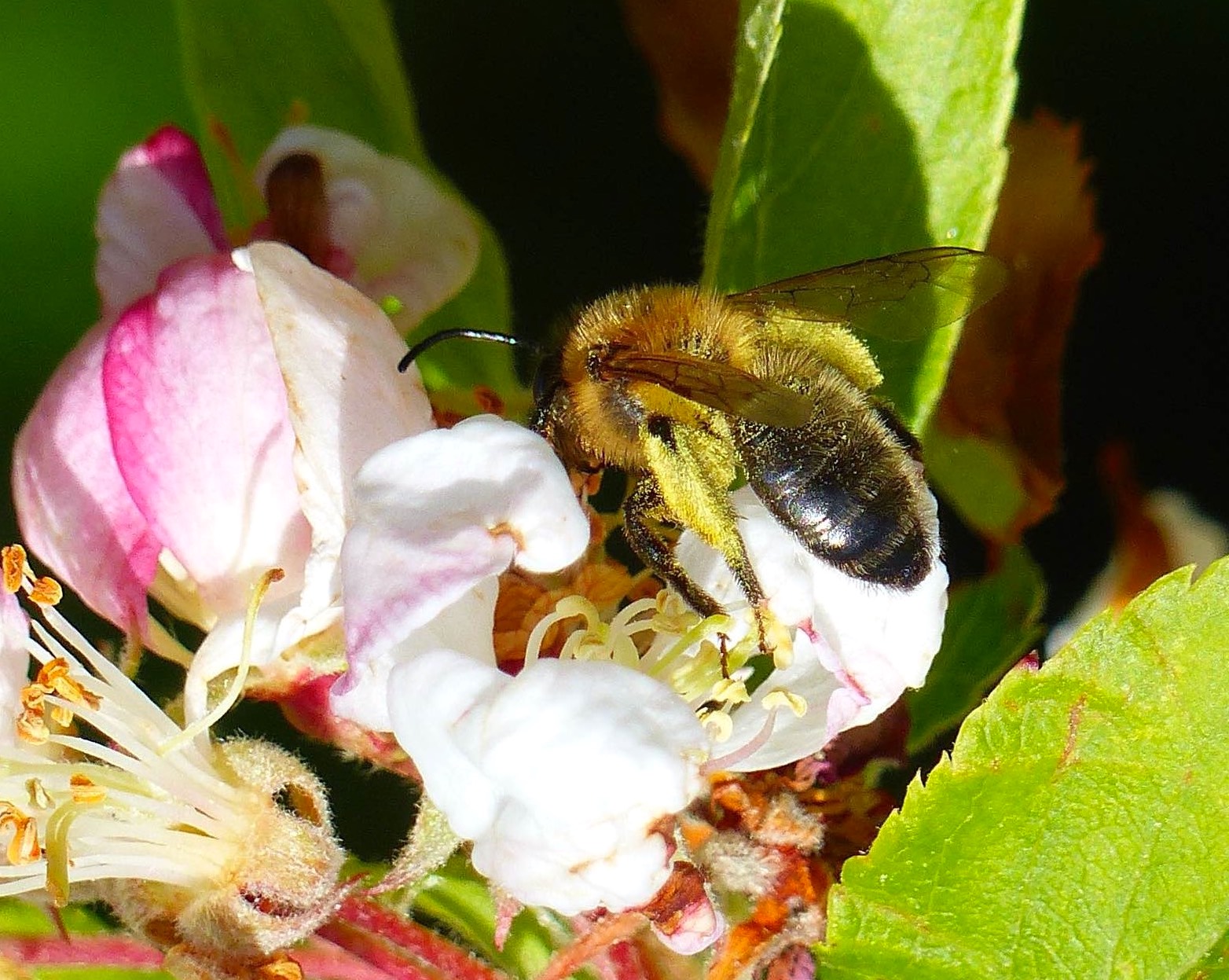
I photographed this little bee a couple of days ago (nb not in Bahamas). Watching it foraging and getting covered in pollen was curiously relaxing, even though it kept moving from flower to flower with no regard to my camera focus. Life is so bizarre at the moment that it was good to see a creature happily getting on with its everyday life.
Well, strictly more lying down than standing I suppose, not least because it had sensed me. When I was one-and-twenty* rabbits were a-plenty… and I might have shot it with a bun gun. Then I decided that shooting with a camera was the better way forward.
*Nod to A.E.Housman; also to my erstwhile online natural scientist friend who led an outdoorsy life and blogged as ‘Out Standing in my Field’, a self-referencing ID never bettered.
This is not the ‘pink’ supermoon you saw the other day, but one from a couple of years back. I only had a bridge camera with me with a cheapo 1.7 teleconverter, but luckily a sturdy windowsill as well to reduce the shakes (that kind, anyway…). I marked a few prominent features on the image. Some of these took me back to a childhood astronomy book (‘Imbrium!’; ‘Nubium!’) where I learned about stars well beyond Orion, Ursa ma. & mi., and Cassiopeia – about the only constellations I can reliably point to these days.
This week’s supermoon shone very brightly where I am now, but the moon itself was rather hazy. It certainly wasn’t pink but rather more of a pale cold white. As it turns out, the ‘pink’ doesn’t refer to the lunar colouring anyway, but to the full moon in Spring that occurs when the early-blooming wild pink comes into flower. So, it’s a seasonally-based name and a bit like the harvest moon not being harvest coloured…
Photo: Tom Sheley, taken at Bahama Palm Shores, Abaco
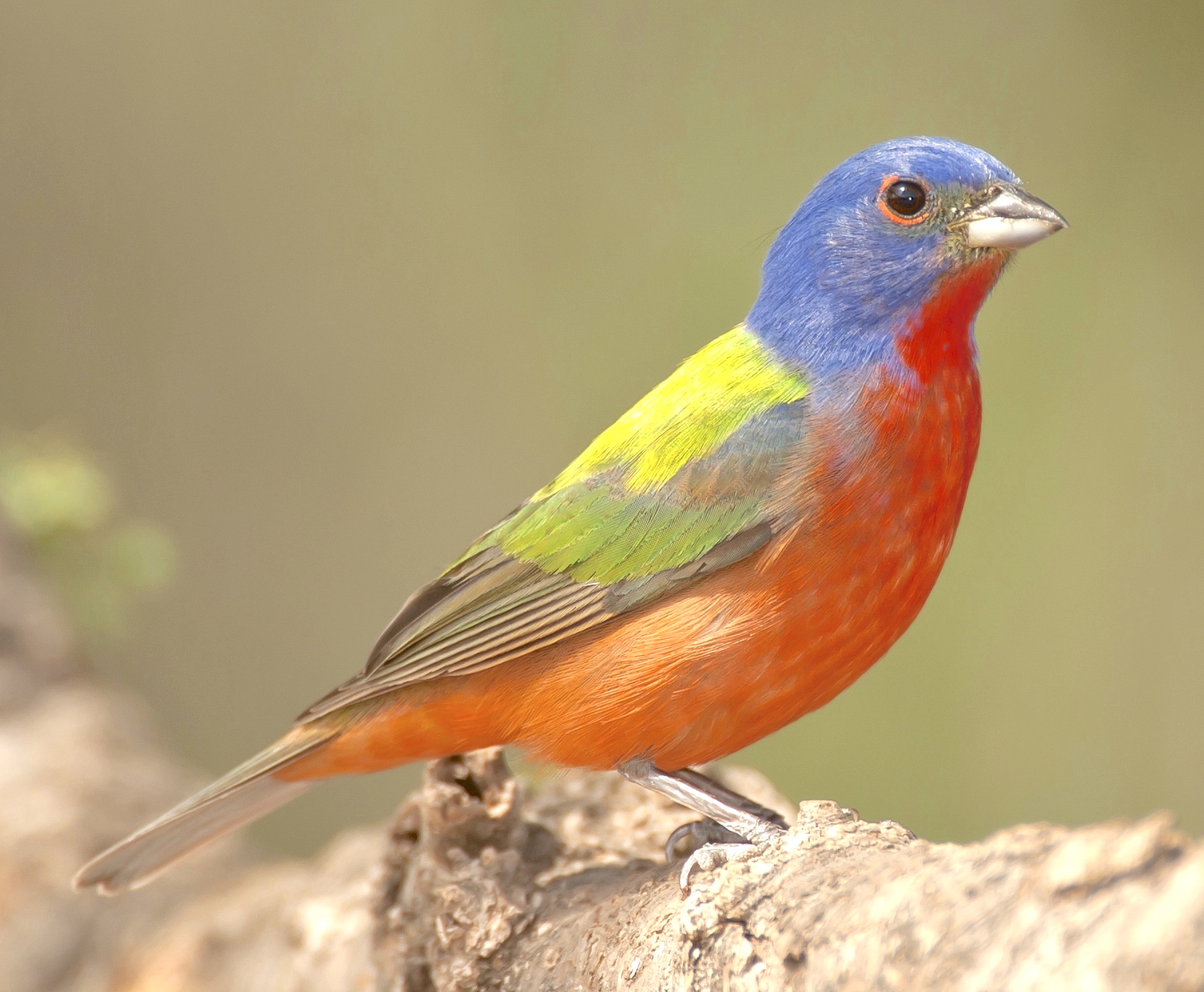
This wonderful and mood-brightening photo was taken by Tom while we were compiling an archive for my book BIRDS OF ABACOIt is one of the most memorable images of the very large number of photographs featured. Every one of them was taken on Abaco (photos taken ‘off-island’ were ruthlessly excluded); and each one in natural surroundings (no seed-trails, recorded calls and so on). Sadly the edition sold out well before Hurricane Dorian so we have been unable to replace any of the many lost copies. However, I am contemplating producing a pdf version of the pre-print draft (a Covid displacement activity). If that goes ahead I will devise a way to distribute it simply, and possibly in return for a modest donation towards the work of Abaco wildlife organisations.
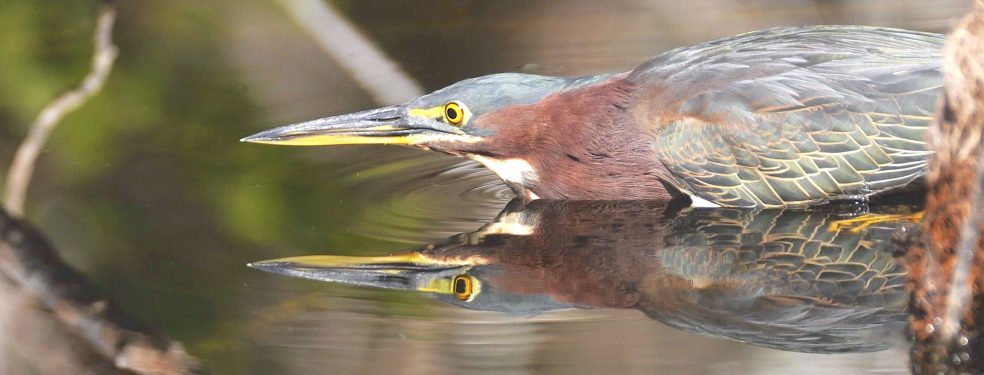
We saw this green heron (Butorides virescens) at Gilpin Pond, South Abaco. It’s an excellent location for waterbirds and waders, although in hot weather when the water level drops an algal bloom colours the water with a reddish tinge. The coppice around the pond is good for small birds; parrots pass through on their daily flights to and from the forest; and the beach the other side of the dunes can be excellent for shorebirds.
We watched this heron fishing for some time. I took quite a few photos of the bird in action, including its successes in nabbing tiny fish. However there were two problems with getting the perfect action shot. First, the bird’s rapid darts forwards and downwards, the fish grabs, and the returns to perching position with its snack were incredibly quick. Secondly, my slow reactions and innate stupidity with camera settings militated against a sharp ‘in-motion’ image to be proud of. So I’m afraid you get the bird having just swallowed its catch.
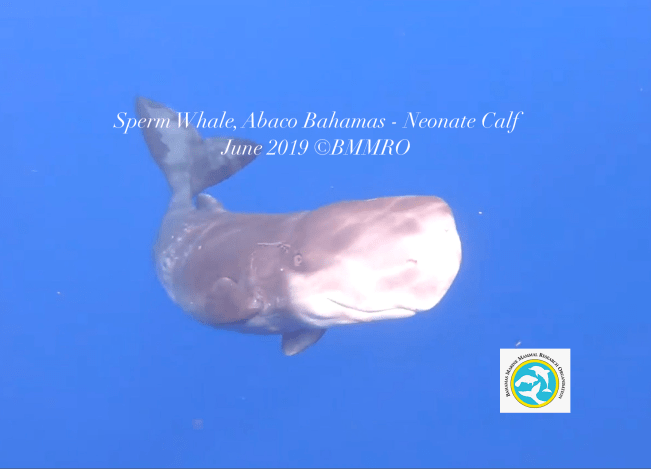
I made this short video last year at BMMRO HQ, Sandy Point, Abaco. A sperm whale had stranded earlier in the year, and after the necropsy some of the bones were taken from the beach for research. In order to clean them, the bones were sunk and anchored to the seabed offshore in quite shallow water. Strandings are always sad, of course, but it is good to know that even after death the creature makes an important contribution to scientific research. In a sense, it has life after death.
GROUPER AT A CLEANING STATION: PICTURE PERFECT BAHAMAS (5)
This black grouper (‘Arnold’) is at a so-called CLEANING STATION, being groomed by gobies. The process is an example of species symbiosis known as MUTUALISM. This is a transaction between individuals of two species that is mutually beneficial. Here, the primary creature pauses at a locally familiar cleaning station and allows itself to be expertly cleaned by tiny fishes such as gobies and wrasses to remove parasites, dead skin and so forth. This nurture even includes, as here, inside the mouth and gills. The gobies benefit by feeding on the proceeds of their endeavours removed from the host (or ‘client’ as one might say). And of course, in return for their favours a collateral benefit is that they can feed freely without being eaten by a potential predator.
Mrs RH and I are sticking to self-isolation right now (we are fine, but thank you for asking). However I am already breaking my current self-imposed ‘single-picture-and-not-much-writing’ regime with today’s creature feature. The excuse? It is of course the last Wednesday in March and as everyone must know it is Manatee Appreciation Day.
Anyone can (and indeed should) appreciate manatees anywhere at any time, and their contemplation is a way to lift the spirits. They were first found in Abaco waters about a dozen years ago. BMMRO reported their movements and the ongoing research. Later, Bahamian locals enthusiastically followed the lives of Gina, Rita, Georgie, Randy & co; and the calves such as JJ and Sayle (winning name in a public competition). Citizen scientist reports were invaluable to the research. Unsurprisingly, since Hurricane Dorian reports have greatly reduced. Manatees may well still be around but even now, 6 months later, trichechi sightings are sporadic. There are other concerns, after all.
Manatees love the camera and, Madonna-like, are often pleased to ‘strike the pose’. Of a sort.
Today the Marine Conservation Society (MCS) showed their appreciation for manatees with a superb image and an excellent set of Manatee Facts that I recommend to anyone who has read this far. For example, recent broadcasts and news articles have featured the importance of seagrass. You will see that it is the primary diet of manatees.
I spent a wonderful 15 minutes with this little Cuban Emerald hummingbird (Chlorostilbon ricordii), which I found perched on a stick in a small clearing in the coppice at Delphi. I was several feet away when I first noticed it, so I spent some time inching forward towards it. Even from a distance, the metallic sheen of the feathers glinted in the bright sunlight. The bird watched me, tame and unruffled, as I approached. I took photos as I moved closer so that if it flew off at least I’d have something to remember it by. In the end it let me get so close that I could almost have touched it. When I’d taken some close-ups, I backed very slowly away. The little beady black eyes followed my retreat with interest. The bird was still happily perched on the stick when I lost eye-contact with it. In the end I was more moved (in one sense) than it was (in another).
For the time being, while things are a bit crazy, I’ll be posting single / pairs of images that in my view are so excellent that they stand alone without needing any comment from me, annoying wordplay, or musical digressions. All have been taken on Abaco Bahamas. Only some will be my own – the bar is set at a DSLR height that exceeds my camera skills.
I very rarely – almost never – publish single or pairs of images, not least because I enjoy the bits of research and writing that cover a topic more thoroughly. However, today I was going through the photographic archive from my book BIRDS OF ABACOand came across these RUTUs photographed on the Marls by contributor Tom Sheley.
TBH turnstones are among the easiest shorebirds to photograph. They are pleasingly tame, so you can get quite close to them without ruffling their feathers. They aren’t tiny and they are pretty and quite colourful. And they are fairly abundant and so not hard to locate… but they make it hard to get a really good bright, clear photo. Or is that just me…? Anyway, Tom definitely has the camera skills required.
You must be logged in to post a comment.