Say what you like about Wikipedia – no, not that, please – but in many fields it is very hard to beat. CLICK LINK ON BLOGROLL IN SIDEBAR–––>>>> ‘ULTIMATE LIST OF BIRDS…’ for as comprehensive a list in accessible form as you could wish to find. Even allowing for a few ‘wiki-errors’ (is “Elton John” really a species of Gnatcatcher?), it’s an awesome basic resource a mere click away. There are click-throughs to individual birds, where you will find photos and all the other types of species information you need. Well worth a quick look, anyway, and you may find it extremely helpful to give it more attention. 
Category Archives: Abaco
FOOD & DRINK… ABACO-STYLE
- Cooking a bonefish (if you really need to…)
- How to Clean a Conch (with video and cool dude)
- Steamed Abaco Wild Hog
- Abaco Baked Grouper
- Peas ‘n’ Rice Abaco-style
- Crawfish Fritters
- Bahamian Mango Chutney
- Abaco Cocktail
- Goombay Smash
ABACO BUTTERFLIES AT DELPHI / CONTRIBUTIONS / BLOG FORMAT CHANGES
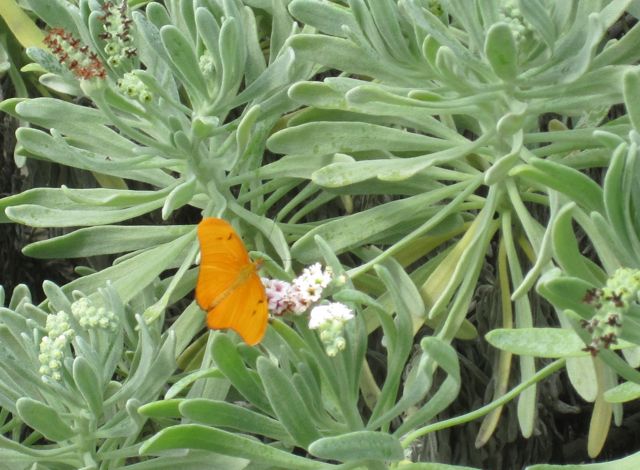
As a change from birds, here are some other flying items, mostly from around Delphi itself, with a redesigned logo in their honour.
JULIA LONGWING Dryas Julia (Delphi Beach – plant now ID’d as a Bay Cedar Suriana maritima, much enjoyed by butterflies and bees)
HAMMOCK SKIPPER Polygonus Leo (Delphi Service Drive)
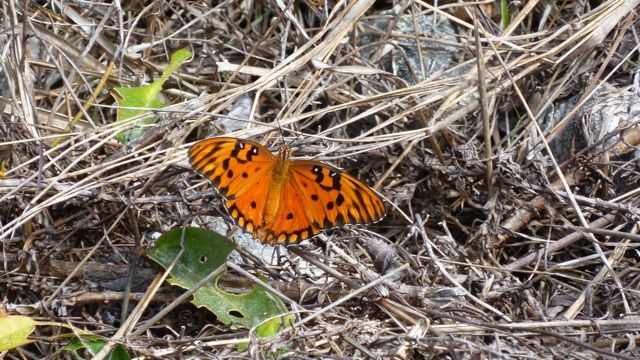
GULF FRITILLARY Agraulis vanillae (Delphi Guest Drive)
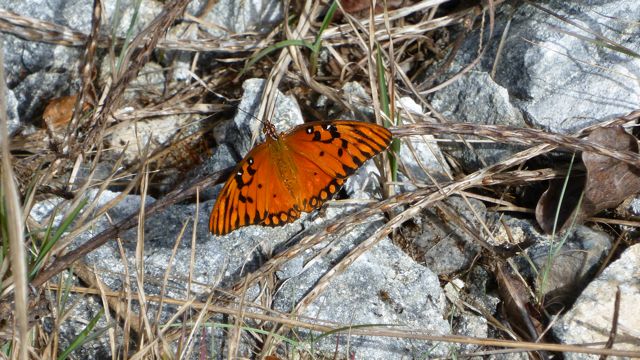
I haven’t nailed the ID of this one yet. Any ideas appreciated. [See later post for ID as GOLD RIM SWALLOWTAIL / POLYDAMUS SWALLOWTAIL (Battus Polydamus Lucaeus) ]
Seen all round Delphi this March. These are on the move the whole time, and are surprisingly hard to pin down (not a very sensitive way to put it for a butterfly…) The bottom photo looks like a rubbish picture, I know, but in fact the butterfly is at rest (the body / legs / feelers aren’t blurred) while the wings beat fast and constantly while it feeds
AND FINALLY… Pride of place goes to this Atala Hairstreak, photographed during a Delphi outing with Ricky Johnson to one of the Blue Holes in the pine forest. It’s the only place I have seen these small butterflies, and there were only four or five. This one stayed still for just long enough
ATALA HAIRSTREAK Eumaeus Atala
===========================================
BLOG NEWS UPDATE
23.04.11
- Email Share added to the main pages
- Pages Menu added to sidebar
- Contributions received now posted on the appropriate page…
Note I am trying to reorganise this blog to increase accessibility of categories and sub-categories. Struggling a bit… one major accidental deletion so far… proposed pages under construction or at least under contemplation… please bear with me!
============================================
FLORA OF ABACO: ALL YOU NEED TO KNOW IN ONE HIT
The ‘Flora’ part of ‘Flora and Fauna’ is a bit of a blind spot for me except in a very basic daffodils-tulips-roses english gardening sense. So it was with a massive sense of relief that, browsing through (namecheck here) ‘Dr Ralph’s Abaco Forum’, I stumbled across a comprehensive blog about the flora of Abaco with excellent pictures and very informative descriptions, posted by Iris Spikes. She includes notes about the plants that are poisonous, and those that have medicinal / antidotal properties. For example poisonwood and gumbo limbo trees grow side by side, as poison and antidote – you can find them growing together along the Delphi drives (the gumbo limbo fruit is especially popular with the Abaco Parrots).
With thanks for permission, I have added the web link to the Blogroll list so that you can get to it straight away. Please note that there are two linked posts – you get to part 2 from the link at the end of part 1.
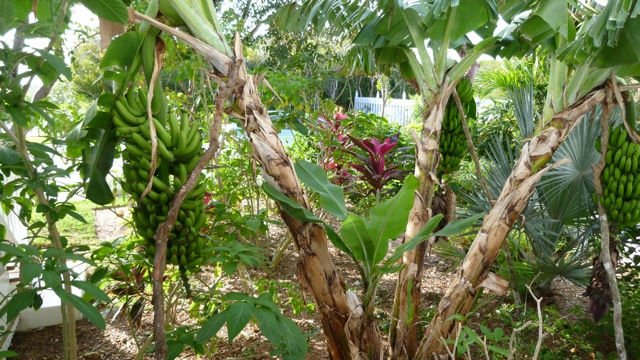
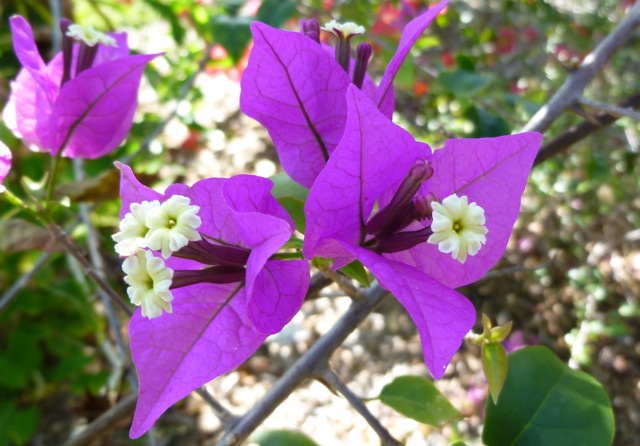
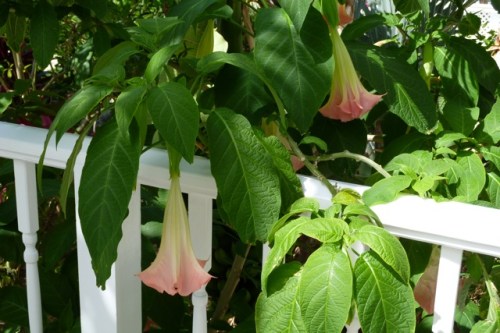
Here are a few random flora images of ours, most now readily identifiable… Almost all (including the bananas outside our room) are from the Delphi gardens or beside the drives – and one cheat that is much more Abaco than UK
Angel’s Trumpet (Datura Candida)

An epiphytic bromeliad (see below) on the guest drive
An epiphyte (or air plant) is a plant that grows upon another plant (such as a tree) non-parasitically or sometimes upon some other object (such as a building or a telegraph post), deriving its moisture and nutrients from the air and rain and sometimes from debris accumulating around it and not from its host
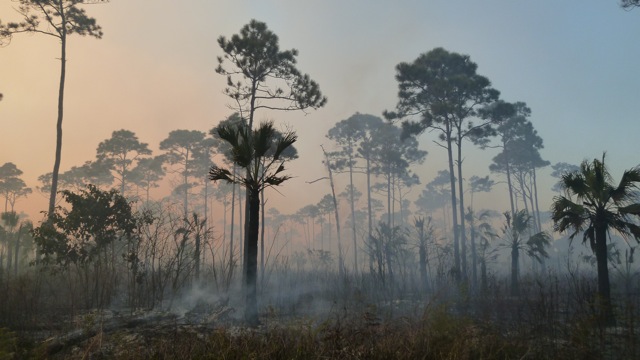
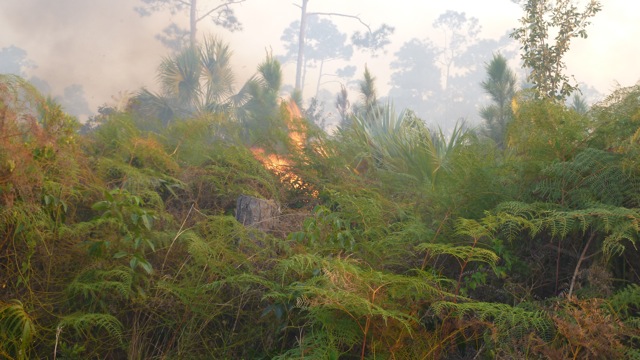
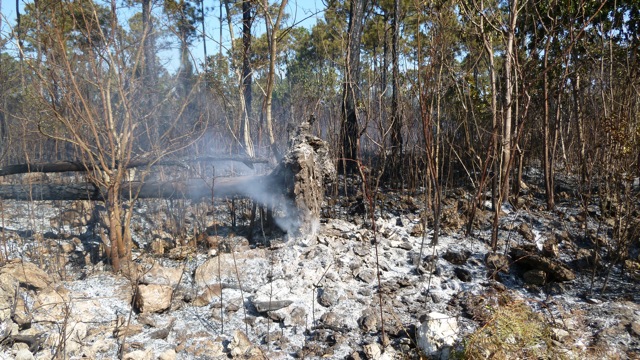
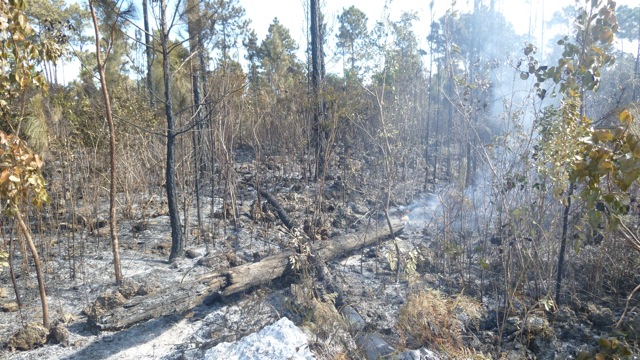
FOREST FIRES ON ABACO: A BIT TOO CLOSE TO DELPHI HQ…
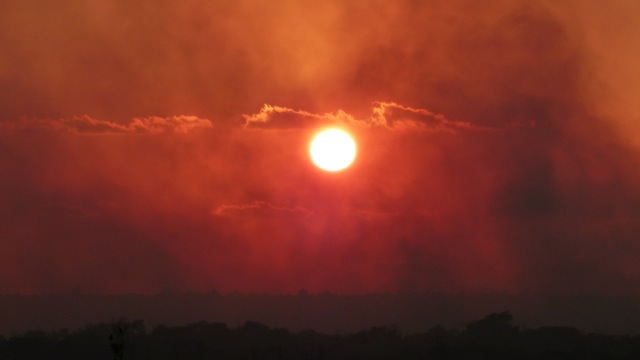
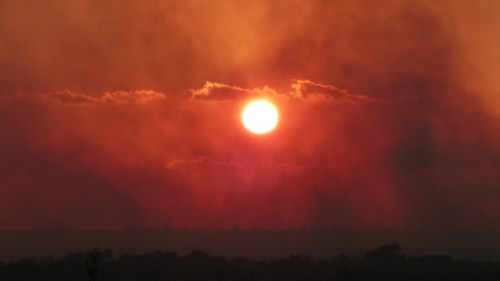
Mid-March saw the outbreak of an unnaturally large number of fires in the pine forests on (mainly) the west side of Abaco. Suspicion mostly fell on hog hunters wanting to clear the thick undergrowth. Many fires spread rapidly in the wind and some jumped the highway. For a couple of days there was increasing anxiety at Delphi, not wholly allayed by Sandy’s robust enthusiasm for driving guests intothe heart of the fires: “Look, I promise you, it’s perfectly safe ”. The big question: would the coppice stop the fire in its tracks as expected, or would the fire sweep through to the Club grounds and buildings? And (a members’ concern, this) were they adequately insured?
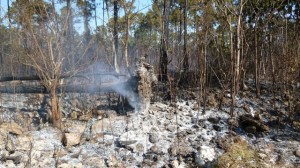
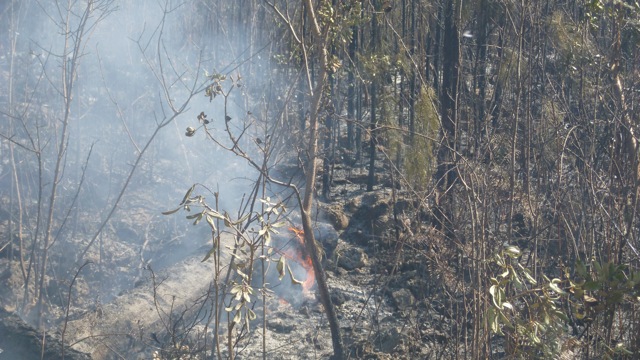
In the event, the Club was spared. However, much of the area between the road and the coppice in front of the Club was badly burned. The effect on the bird liferemains to be seen, though even after a few days there was evidence of greening up of foliage – an encouraging sign. Any hogs presumably managed to escape…
Here are some images, all of them taken from the Club or along the drives. Most (all but 2 now – I’ve fixed the rest) will enlarge with a click.
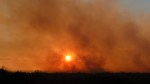
Setting sun from the Club verandah. At least 3 fire seats are visible
This tree along the guest drive kept smouldering for 3 or 4 days
This area along the drives was dense bright green undergrowth two days earlier
A milky morning sun filters through onto snowy ash
Click to enlarge this image: you’ll see a flame at the top of the tall dead tree, like an oil refinery flare stack
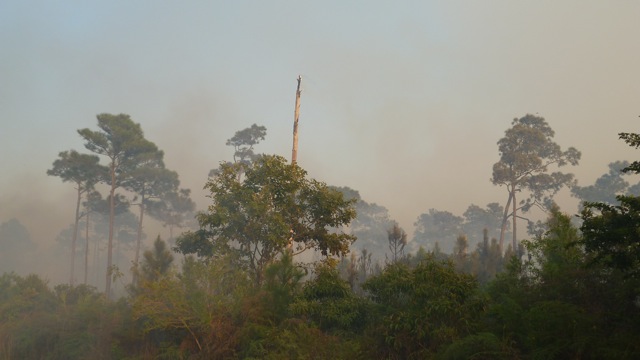
Fire spreading in the wind and taking hold of a new area between the drives 
Another area that had been thickly wooded, with dense green undergrowth
DELPHI CLUB, ABACO – PARROT RESEARCH & CONSERVATION
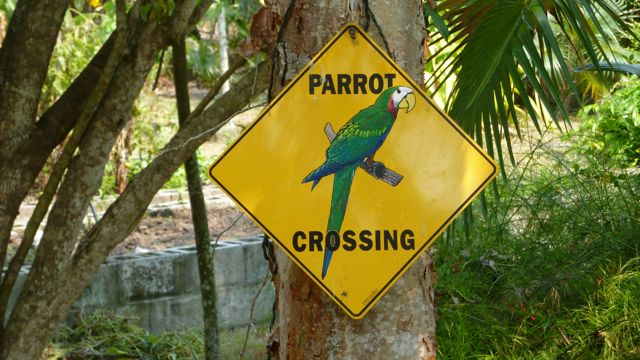
Caroline Stahala, a scientist from Florida, has spent some years studying the endemic parrots of Abaco. The Club is a convenient place from which to carry out some of her research. Evidence is growing that these protected parrots may not be a variant subspecies of the Cuban parrot, as previously believed, but are actually a species in their own right deserving their own distinct classification. Such a finding would be of major ornithological importance, and would further secure the protection of these beautiful birds and their habitat. This in turn will help to prevent the decline in their already small numbers. I hope to post news of Caroline’s research into this year’s parrot breeding season which begins next month
CLICK LINK on BLOGROLL in SIDEBAR -—››› PARROTS INTERNATIONAL for Caroline’s Thesis
CLICK LINK for Article (Abaconian March 3 2011): Parrot Adventure with Caroline Stahala (BNT)
THE GOOD BOOK GUIDE – DELPHI CLUB, ABACO
Selected Birdyography – please see the BOOKS page for full details – starting with the ‘Go-To’ reference book
Birds of the Bahamas and the Turks & Caicos Islands
Birds of the West Indies (Collins Field Guide)
The Birds of New Providence and the Bahama Islands (1975)
A Photographic Guide to Birds of the West Indies
Field Guide to the Birds of the West Indies (Helm Field Guides)
SANDY WALKER: GOOD WITH BIRDS
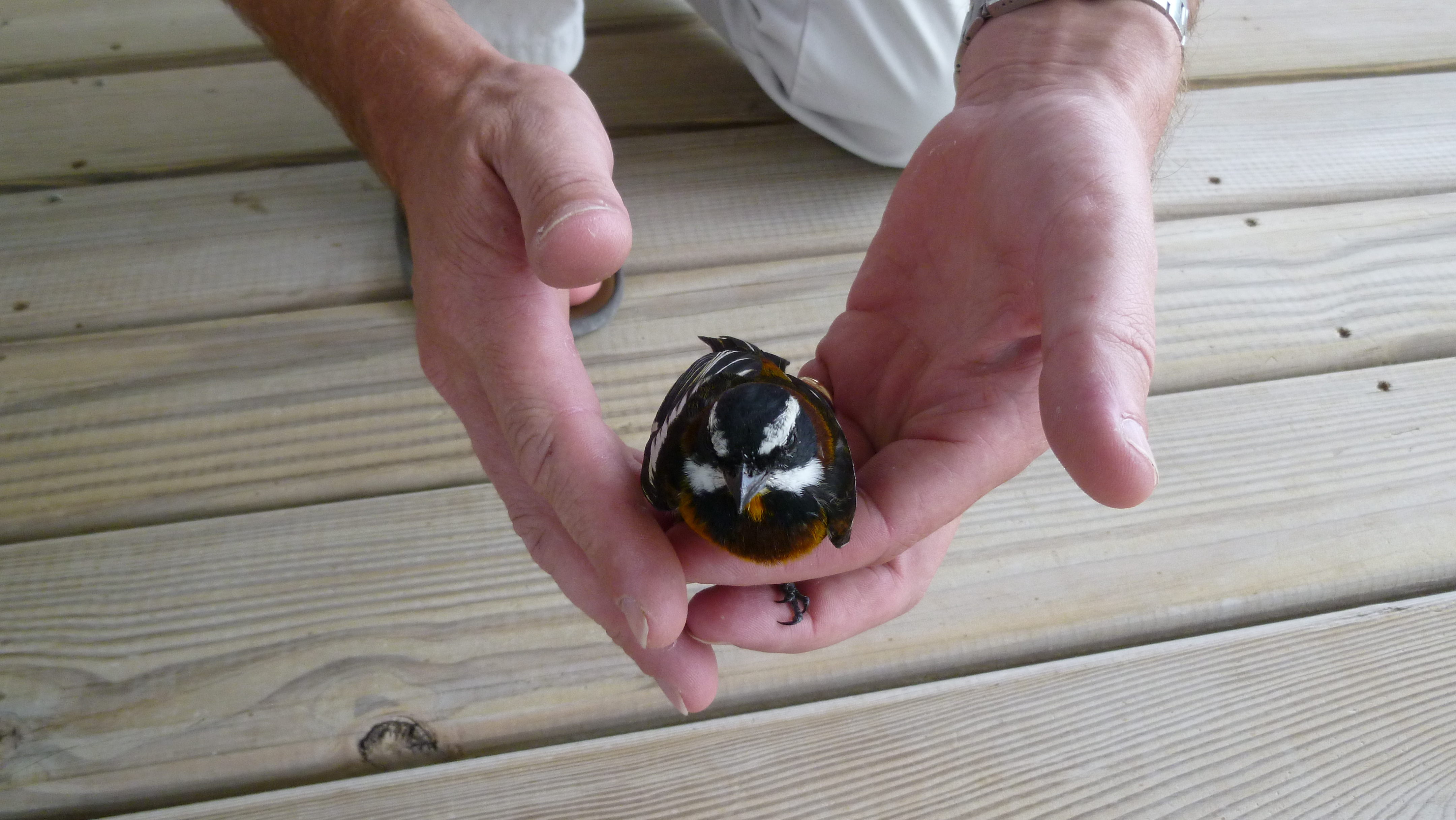
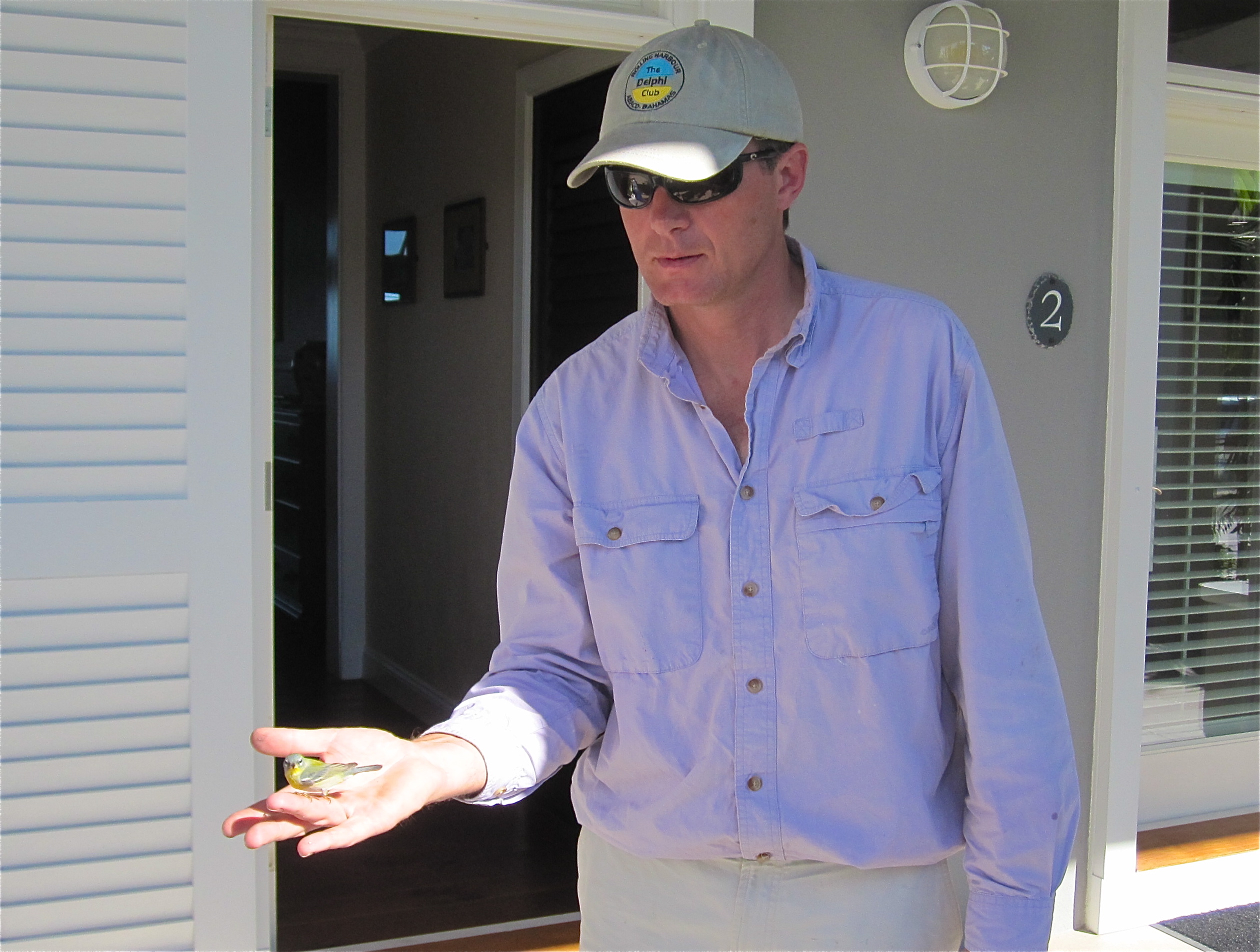
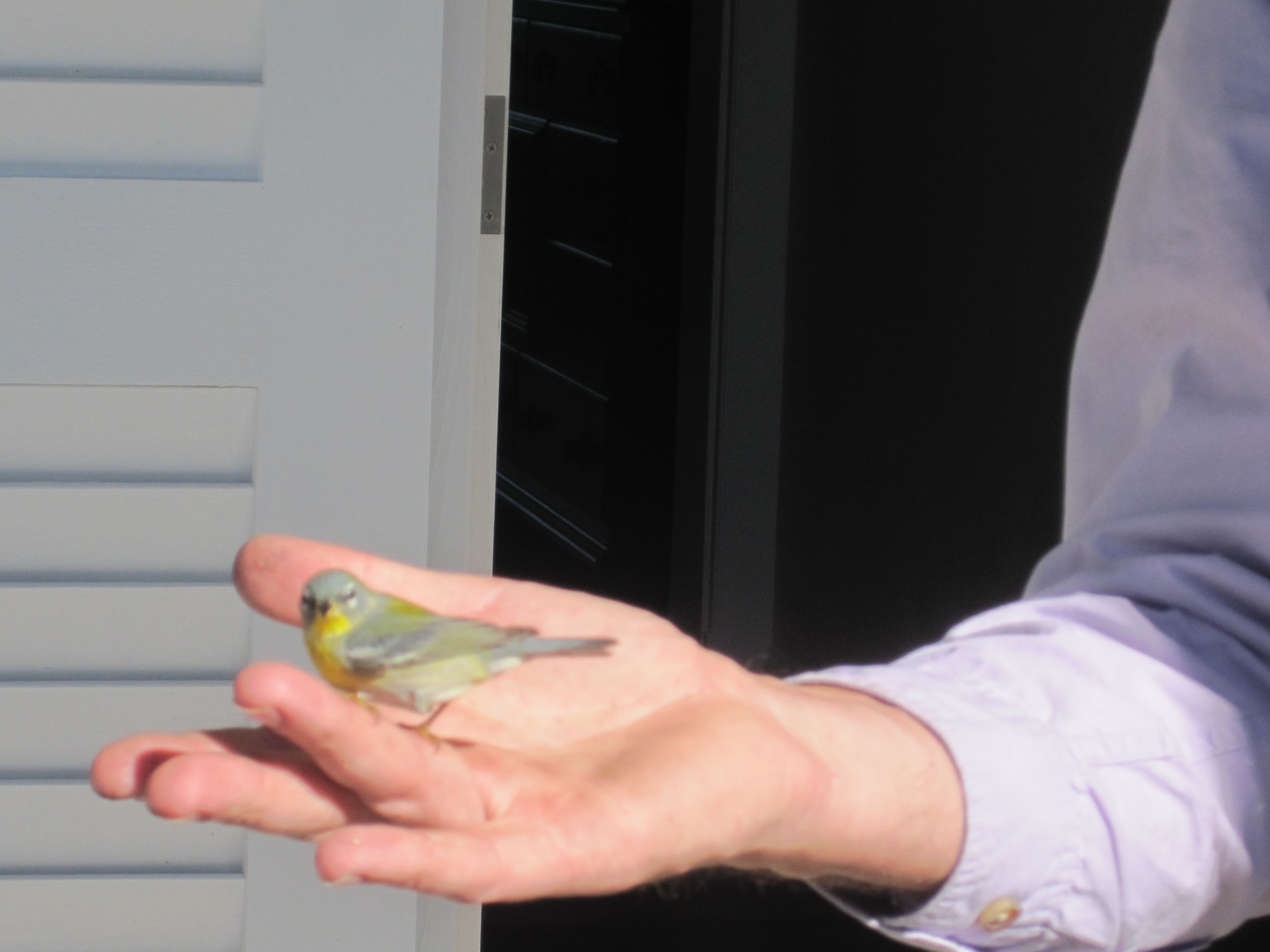
This Spring has seen a number of birds – possibly tempted by Gareth’s cuisine – flying hard into the windows / doors of the Great Room and falling stunned onto the verandah. Luckily, Sandy has sometimes been on hand to scoop them up and gently let them come to their senses before releasing them.
WESTERN SPINDALIS (Spindalis Zena) or Stripe-Headed Tanager
NORTHERN PARULA: one of a large number of yellowy warbler types around Delphi
The Parula ID was confirmed by Craig Nash (see side-bar BLOGROLL for his Delphi birding links) and he has supplied his own much better photo of one, photographed in one of the drives – see CONTRIBUTIONS / PHOTOGRAPHS
THE RELUCTANT WOODPECKER AT DELPHI, ABACO
THE GOOD BIRD GUIDE 2010 – DELPHI CLUB, ABACO
This guide was compiled after our visit to Delphi in February 2010. It was originally intended purely for domestic consumption, as a light-hearted personal record and aide memoire. However, others suggested it might be useful for people wanting to make a quick identification of a bird they have seen around the Club or further afield. I was persuaded to put a copy on the desktop of the computer in the Club Library, and there’s now a hard copy around as well. I am currently revising it to include our 2011 visit. And now here it is in blog format. I.T. progress.
CLICK LINK —››› DELPHI CLUB GOOD BIRD GUIDE 2010
Some of the images are my own; others are from freely-available resources – due thanks are given to those too numerous to mention individually (never mind being completely unidentifiable) whose images are featured…


You must be logged in to post a comment.