Unknown's avatar

SANDERLINGS ON DELPHI BEACH, ABACO BAHAMAS


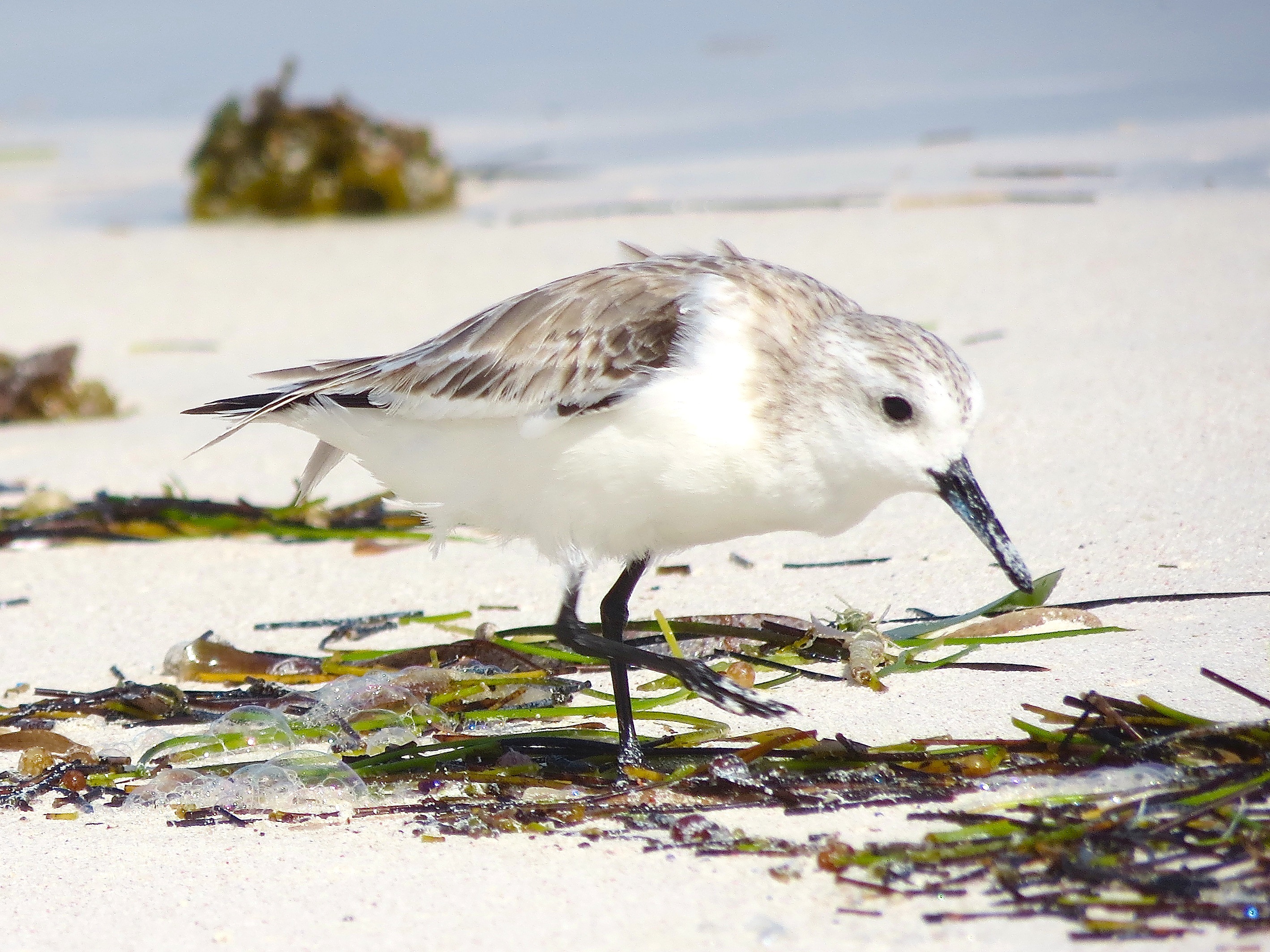
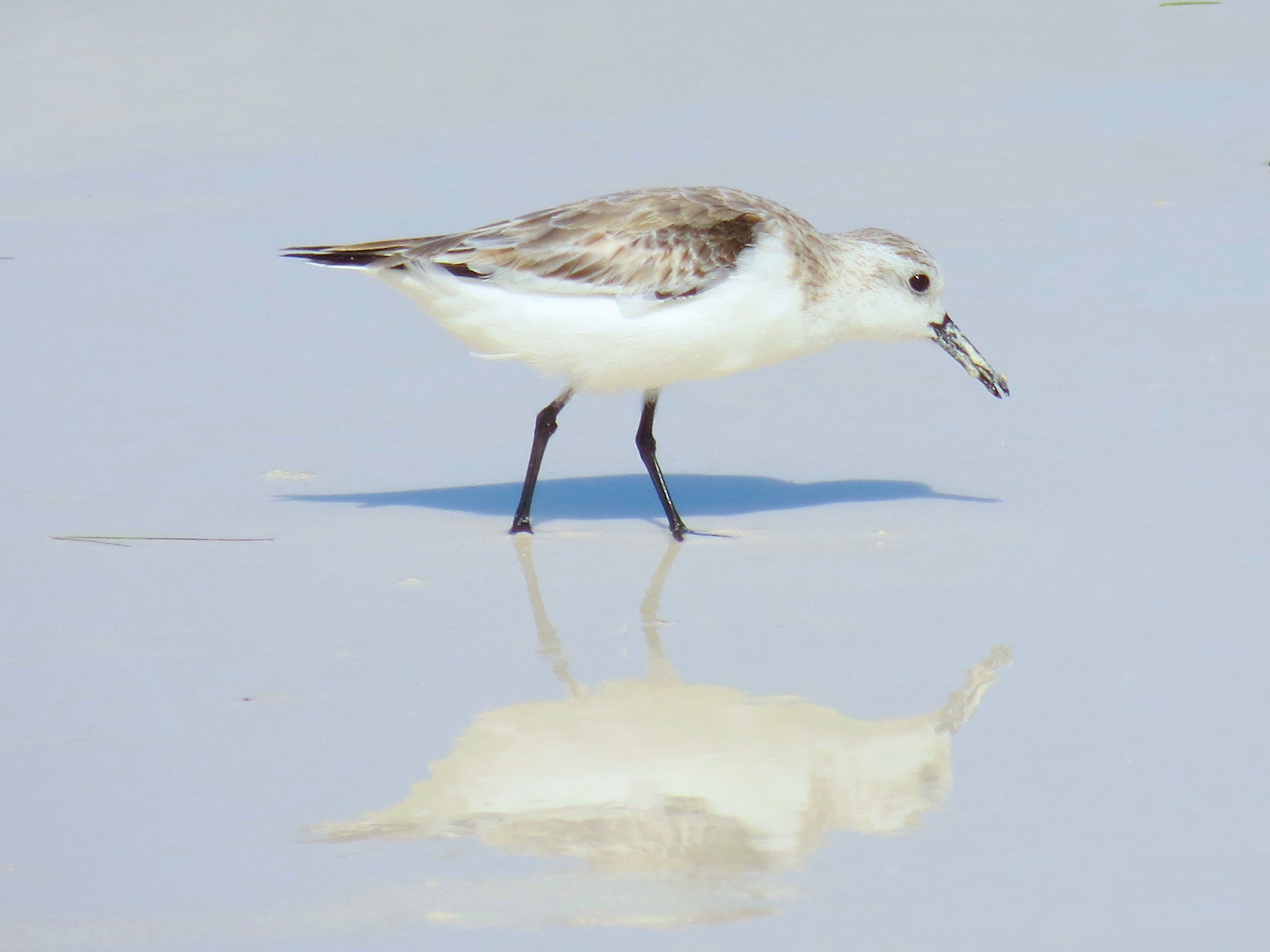
Sanderling, Delphi Beach Abaco Bahamas (Keith Salvesen)

SANDERLINGS ON DELPHI BEACH, ABACO BAHAMAS

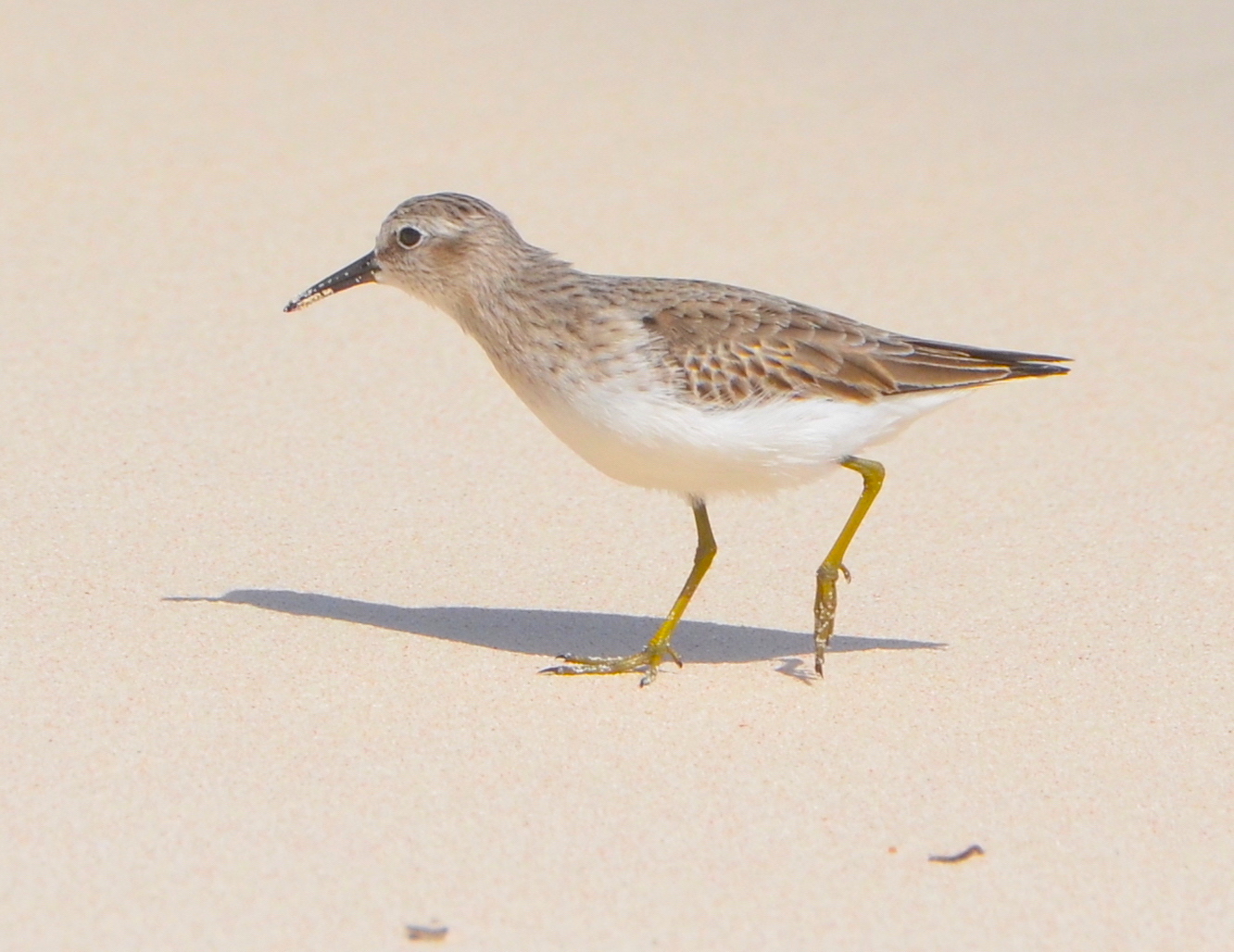
Looking back through some bird photo folders from last year, I came across these sanderlings that I photographed on the beach at Delphi. These little birds are far from rare, but watching a flock of them scuttling back and forth on the sand, in and out of the tide, is always a treat. And as you will notice, when they are foraging in earnest they not only stick their bills into the sand right up to the base… they go for total immersion of the head!

Sanderling, Delphi Beach Abaco Bahamas (Keith Salvesen)Sanderling, Delphi Beach Abaco Bahamas (Keith Salvesen)Sanderling, Delphi Beach Abaco Bahamas (Keith Salvesen)Sanderling, Delphi Beach Abaco Bahamas (Keith Salvesen) Sanderling, Delphi Beach Abaco Bahamas (Keith Salvesen)

All photos: Keith Salvesen, Rolling Harbour Abaco

Unknown's avatar

NEW BIRD FOR ABACO, BAHAMAS: SCALY-NAPED PIGEON


Scaly-naped Pigeon (Jean Lopez YT)

NEW BIRD FOR ABACO, BAHAMAS: SCALY-NAPED PIGEON

The scaly-naped pigeon (Patagioenas squamosa), also known as the red-necked pigeon, is found throughout most of the Caribbean. Except for the Bahama islands – if indeed they are considered Caribbean, which strictly and geographically they are not – even though for some purposes such as passport requirements they may be.

Scaly-naped Pigeon (Dick Daniels, Carolina Birds.org)

Until the last year or so, this pigeon species had not been recorded in the Bahamas. Then sightings began to be recorded on Inagua and TCI – not so very far north of their normal range – and mostly within the last 4 weeks. Since bird records began, they had never been reported further north in the Bahamas, until a few days ago on Abaco.Scaly-necked pigeon (postdlf wiki)

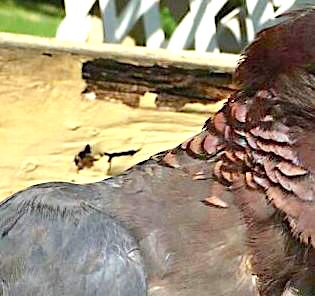
The scaly-naped pigeon is so called because the plumage on the back of its maroon-coloured neck looks somewhat… erm… scaly (hence the Latin squamosa in the binomial name): close-up below.  Notice also the bright, ringed eyes. 

 Scaly-necked pigeon's scaly neck, Abaco, Bahamas

These pigeons mainly feed on fruits and seeds, and usually hang out in small groups or mix in with other dove and pigeon species. They can be wary and flighty, like many of the family Columbidae. Here’s a short (30 secs) video of one preening.

IS THERE PHOTOGRAPHIC PROOF OF AN ABACO ONE?

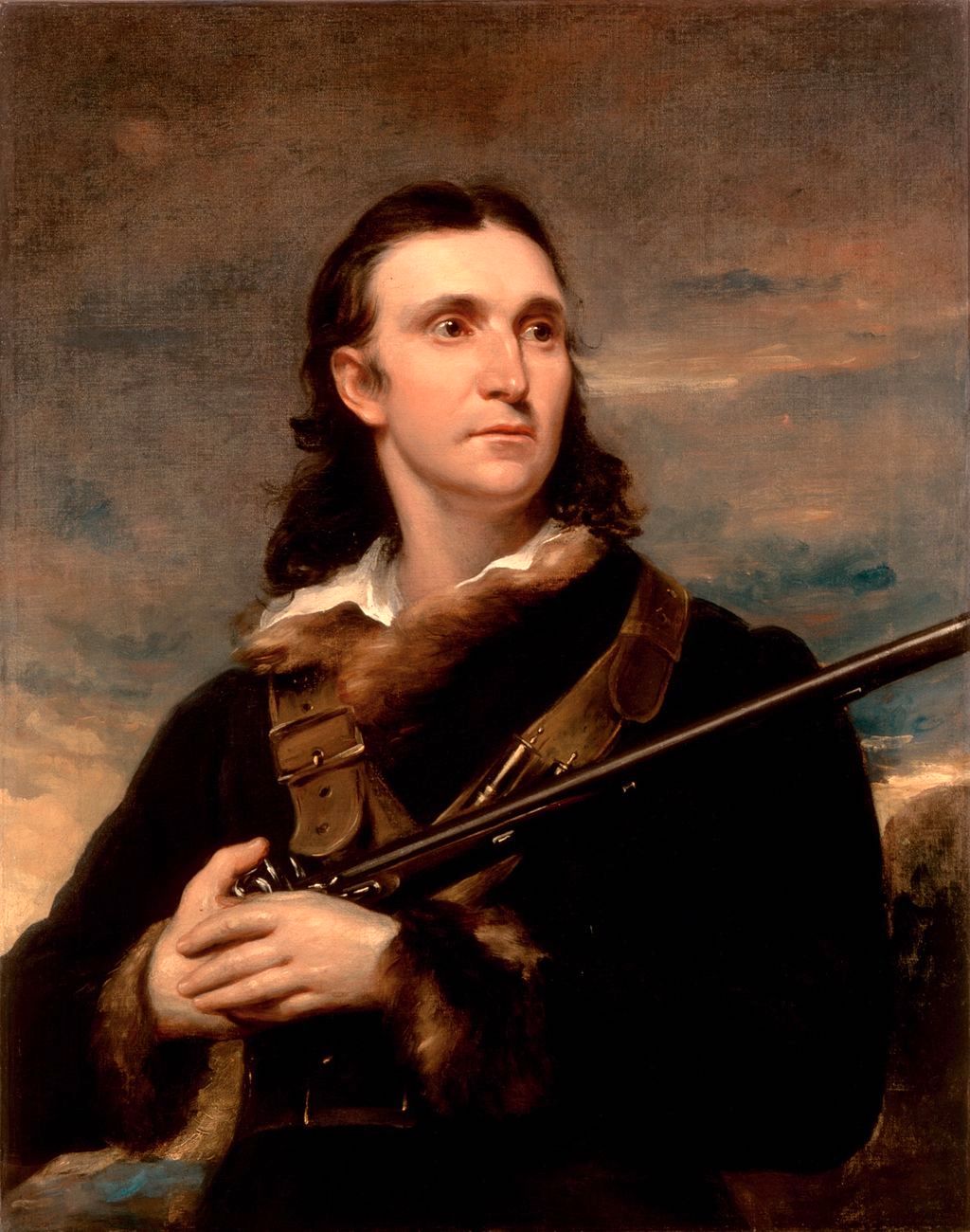
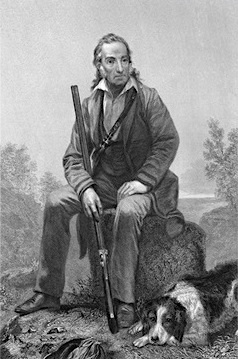
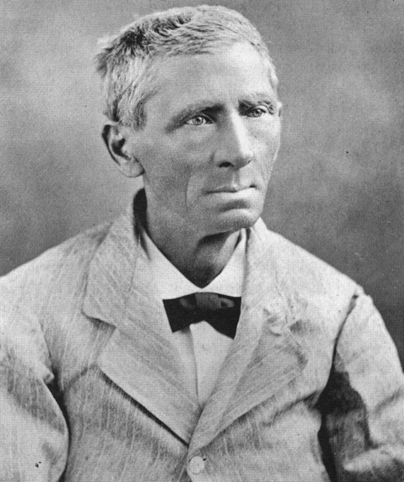
This is slightly tricky, I’m afraid. Right now, it is pigeon shooting season on Abaco. Several birds shot in South Abaco turned out not to be white-crowned pigeons or a WCP / dove cross,  and Woody Bracey was asked to ID photos taken of the deceased birds. The neck close-up above is from one of them… The full photos are a bit sad for a generally cheerful blog so I’ve not used them. At times like these, I have to remind myself that historically, natural historians obtained their specimens of our feathered friends by shooting them. Here are 3 portraits of John James Audubon as a young, middle-aged, and elderly man with his specimen-collecting equipment of choice.

 John James Audubon & gun John James Audubon & gun John James Audubon & gun

WHY HAVE THESE PIGEONS TURNED UP ON ABACO NOW?

The likeliest cause of the sightings this year on Inagua / TCI, and the current influx on South Abaco, is the recent extreme weather, especially Hurricanes Irma and Jose. It seems improbable that a mere whim to fly several hundred miles north from Hispaniola or Puerto Rico would account for the presence of these birds. One of the SNPs shot on Abaco has been retained as a specimen and preserved in a freezer. Woody is contemplating risking an expedition into the target area – a dangerous mission during the shooting season. He has invited any takers to join him, advising people to wear orange clothing to distinguish them from pigeons…

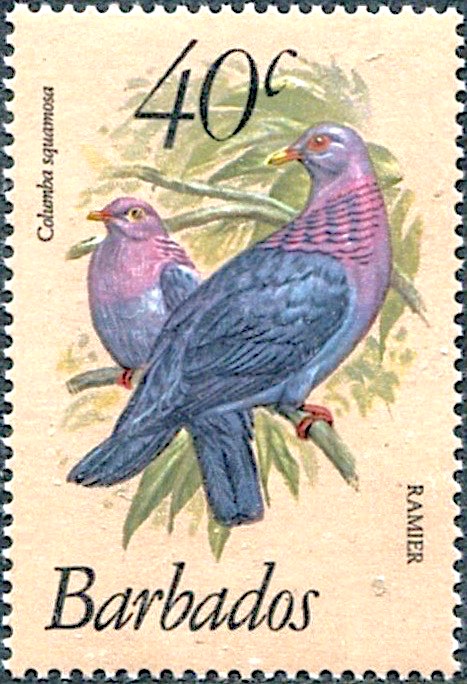
Scaly-naped Pigeon - Barbados

Scaly-naped pigeons are featured on stamps from Barbados (shown) and Barbuda. Like the Bahamas, the Caribbean countries have an excellent record for featuring their wildlife on stamps. You can read more about Bahamas wildlife stamps HERE

Scaly-naped Pigeon

Credits: Woody Bracey for the heads-up for the Abaco sightings; Jean Lopez (header still from a Youtube video); Dick Daniels / Carolinabirds.org; Cornell Lab / Neotropical Birds (range map); neck close-up from Abaco via Woody Bracey; ‘postdlf’ wiki; Felipe at Aves Puerto Rico; open source & wiki for all else 

Scaly-naped Pigeon (Jean Lopez)

Unknown's avatar

TWO BOOKS: BIRDS, FISHING & DELPHI x 2


TWO BOOKS: BIRDS, FISHING & DELPHI x 2

November 1st. All Hallows, when the tricks or treats have passed, the amusing costumes are packed away for next year, and all restless souls are at peace once more. It’s a significant day for me – the first day I acknowledge the inevitability of the festive season. This, despite (or because of) the fact that Xmas shopping catalogues, charity appeals, store displays and optimistic ‘Book Your Christmas Dinner Today notices started to appear in early August… 

BOOK NEWS

The Birds of Abaco by Keith Salvesen

“THE BIRDS OF ABACO”

♦ ♦ ♦ ♦ SPECIAL OFFER ♦ ♦ ♦ ♦

We are reducing the price of the book for the time being, probably until early January. The price for each copy will now be $88 inc VAT + shipping. As always, you can arrange a drop at a convenient location in MH. To the many who have bought the book on Abaco and further afield, and been so appreciative, many thanks.

For those who haven’t come across the book but kindly follow ‘Rolling Harbour’, here is the original flyer which will give you an idea of its contents.

The Birds of Abaco by Keith Salvesen (flyer info)

Cuban Emerald, Delphi, Abaco (Keith Salvesen)

DOUBLE DELPHI

Double Delphi - jacket (Peter Mantle / KS edit)

Meanwhile, Peter Mantle’s wonderful recently published account of both his Delphis, East in Ireland and West in the Bahamas, is going down a storm. His ‘fisherman’s fantasy’ has had excellent reviews and has been featured in Trout & Salmon magazine, with other articles to come. Click the heading to find out more about the book, its cast of colourful characters, strange histories, triumphs and disasters, and most of all the fishing at each of Peter’s renowned Lodges: created from a ruin in one case; and from thick coppice in the other.

Double Delphi is for sale at $44 + shipping.

Email: delphi.bahamas@gmail.com

Direct online ordering of Peter’s book: https://wallopbooks.com/

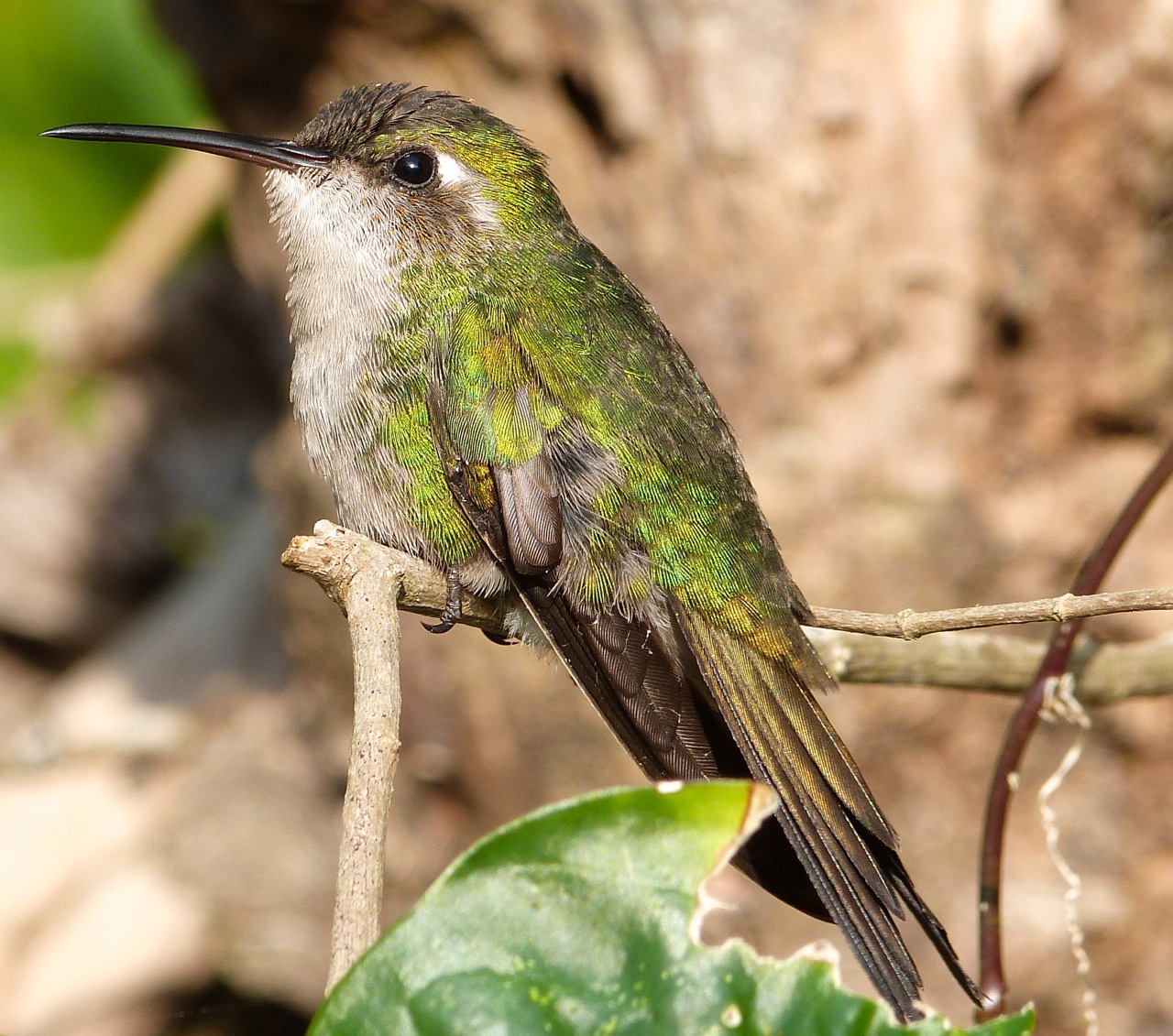
Cuban Emerald Hummingbird (f), Delphi, Abaco: Keith Salvesen

Unknown's avatar

PIPING PLOVERS ON GRAND BAHAMA (for a change…)


Piping Plover, Grand Bahama (Erika Gates)

PIPING PLOVERS ON GRAND BAHAMA (for a change…)

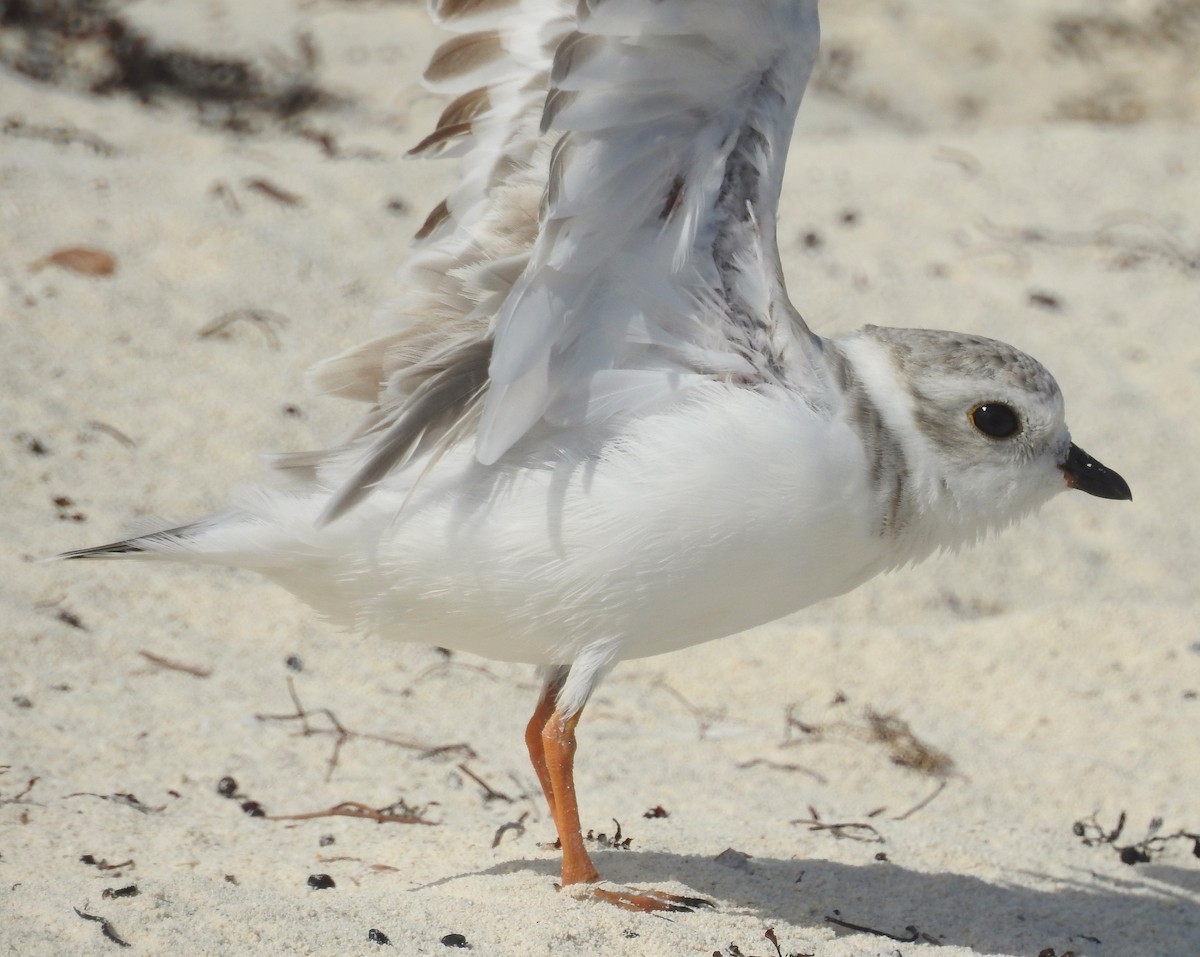
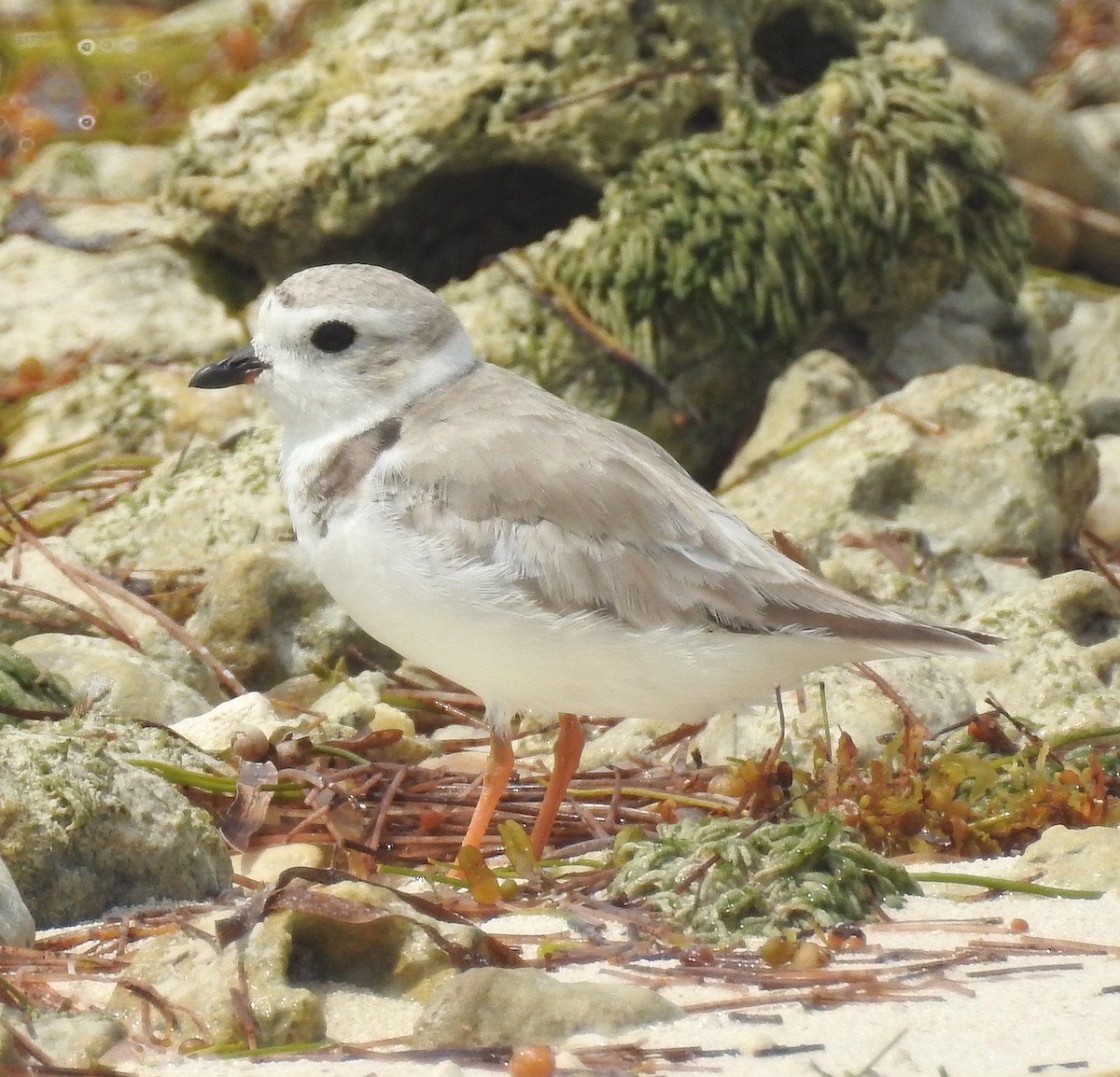
I used to go on a bit about piping plovers*, because they are so special. Rare. Endangered. Creatures rewarding observation, and deserving research and conservation. Most of all, they favour the Bahamas for their winter migration destination.  The islands – especially Abaco, Grand Bahama and Andros – provide a safe and unspoiled habitat for them in winter. The photographs shown here are piping plovers taken on Grand Bahama in early September by well-known birding guide Erika Gates, who has kindly given me use permission.

Piping Plover, Grand Bahama (Erika Gates)

These days, ABACO PIPING PLOVER WATCH diverts PIPL from these pages to a dedicated Facebook page. Now in its 3rd season, useful data is being collected for the research teams in the breeding grounds in North America by volunteer beach monitors**. Some are regular, some are occasional, some are one-off reporters: all contribute to the overall picture. In particular we are able to identify individual banded birds and track them back to their summer locations.

Piping Plover, Grand Bahama (Erika Gates)

WHAT USE IS THAT?

Almost every banded bird resighted this season is a returner to exactly the same beach as before. Some are here for their third or even fourth year. These tiny birds are therefore surviving a journey of between 1000 and 2000 miles each autumn and again each spring – and locating their favourite beaches with unerring accuracy. A few are resighted en route during their migration; often we get reports of their nesting and breeding news during the summer.  Their little lives can be pieced together.

Piping Plover, Grand Bahama (Erika Gates)

AND THE CONCLUSION TO BE DRAWN?

The summer breeding grounds generally have conservation programs that help to protect the nesting birds from danger and disturbance. Those are the most vulnerable weeks for the adults and their chicks. The arrival of the plovers each autumn on Grand Bahama, Abaco and elsewhere in the Bahamas demonstrates their ‘beach fidelity’. They are confident that the beaches offer a safe and secure winter habitat where they are left alone. And when the time comes in Spring, they will be ready to make the long journey north again for the breeding season.

Piping Plover, Grand Bahama (Erika Gates)

* uncouth reader “you certainly did…

** additional volunteers welcome! If you walk a beach once a fortnight or even a month, own a piece of paper & a pencil, can count, and ideally have a camera or even a phone, you too can be a citizen scientist!

Photo credits: all photos, Erika Gates, with many thanks. Erika’s related websites are 

Unknown's avatar

PIED-BILLED GREBES: LESS COMMON THAN THE LEAST


Pied-billed grebe, Abaco (Tom Sheley)

PIED-BILLED GREBES: LESS COMMON THAN THE LEAST

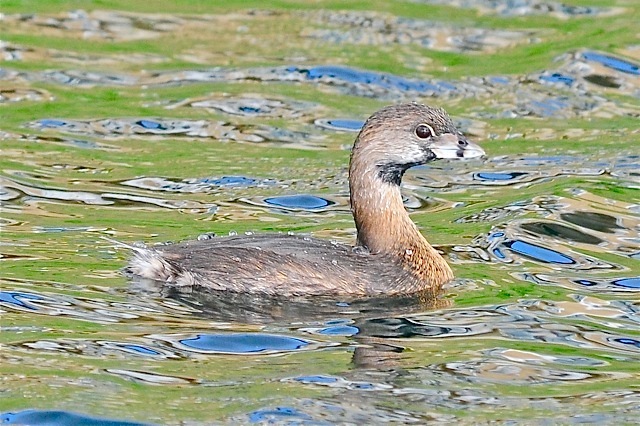
There are two grebe species recorded for Abaco. The LEAST GREBE is the most common; the pied-billed grebe (Podilymbus podiceps) is rarer. These small birds, often called dabchicks, are marsh and pond dwellers. They are sometimes found in brackish or even salt water.

Pied-billed grebe, Abaco (Tony Hepburn)

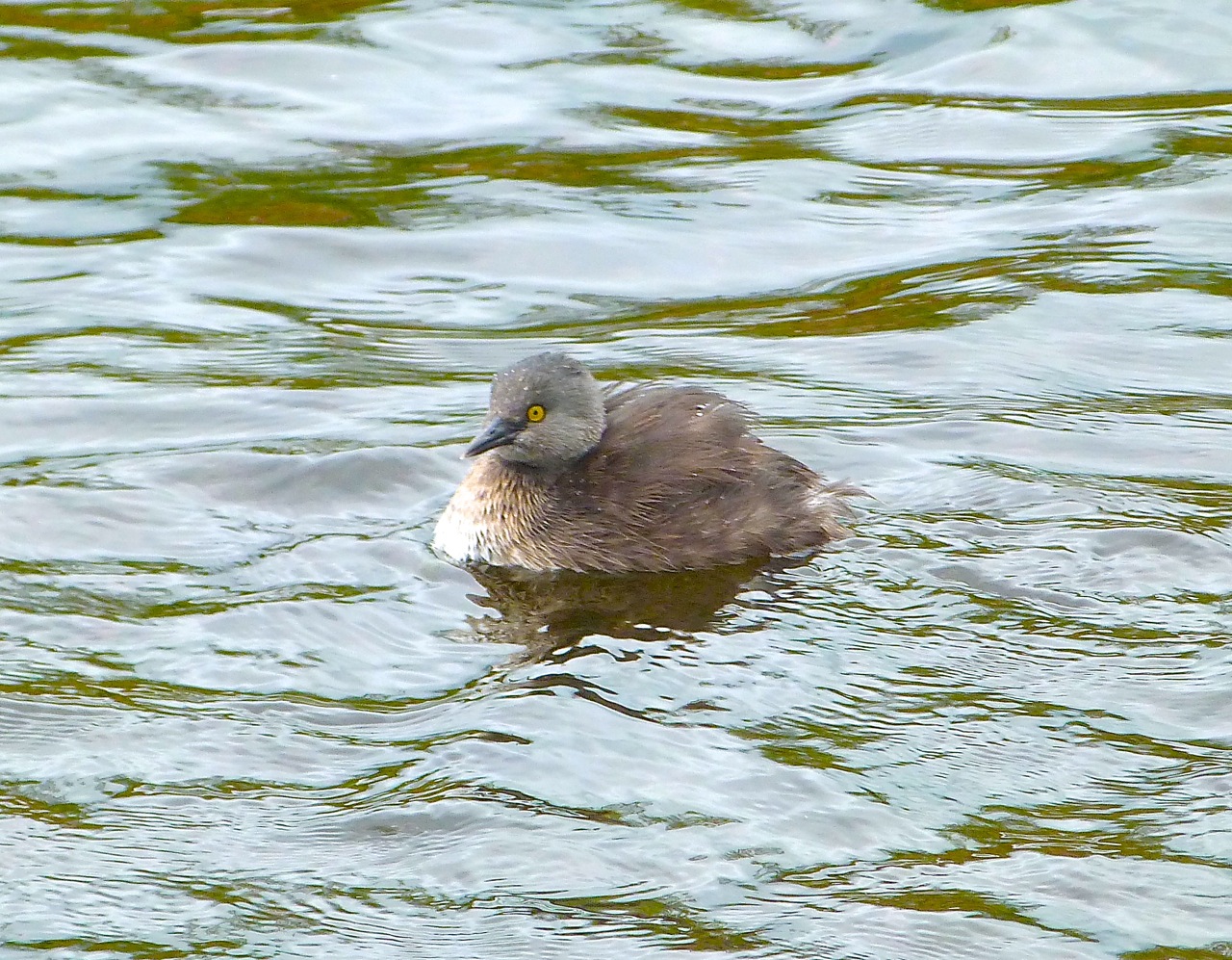
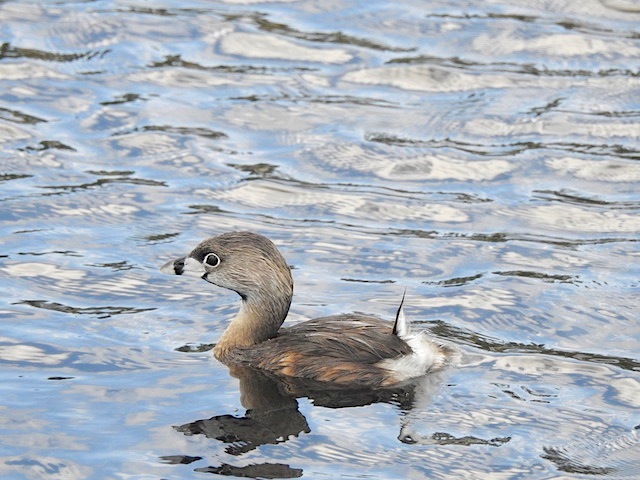
The pied-billed grebe is somewhat larger than the least grebe. In the breeding season, they have a distinctive black beak-ring. In the header image, the bird is just starting to acquire the ring. Their dark eyes also distinguish them from the golden-eyed least grebe; and their beaks are pale rather than dark.

Least grebe with golden eyes and dark beakLeast Grebe, Abaco (Keith Salvesen)

Pied-billed Grebe for comparisonPied-billed grebe, Abaco (Linda Barry Cooper)

These birds have lobes on each toe rather than webbed feet. This helps them to paddle and to dive – which is how they mainly forage. They can stay under water for up to half a minute, often surfacing some distance from the entry point. This is one method they use to avoid danger – especially as they don’t fly with much enthusiasm.

Pied-billed grebe, Abaco (MDF wiki)

Grebes rather endearingly carry their young on their backs until the chicks are old enough to fend for themselves. The main threat to the species is habitat loss, especially of wetlands. The decline in local populations of this once-prolific bird is such that in some places they classified as threatened or endangered.

Pied-billed grebe, Abaco (Dori / wiki)

The pied-billed grebes’ call has been rendered thus: a “whooping kuk-kuk-cow-cow-cow-cowp-cowp.” If that helps you at all. If not, try this clip:

Michel St Martin / Xeno-Canto

Credits: Tom Sheley, Tony Hepburn, Keith Salvesen (least grebe), Linda Barry-Cooper, MDF / wiki, Dori / wiki; Sound file, Xeno-Canto; Cartoon, Birdorable

Unknown's avatar

LEAST (BUT NOT LAST) SANDPIPERS ON ABACO


Least Sandpiper, Delphi Beach, Abaco (Charles Skinner)

LEAST (BUT NOT LAST) SANDPIPERS ON ABACO

There are 23 sandpiper species recorded for Abaco. Of those, 4 or 5 are vanishingly rare vagrants recorded once or twice in recent history (i.e. since about 1950).

Discounting those, the ones you are likely to encounter range from the large  (whimbrel, yellowlegs, dowitchers, stilts) to the small. Or, in the case of the least sandpiper, the least big of all. They are bigly little. Least Sandpiper, Delphi Beach, Abaco (Charles Skinner)

The binomial name of the least sandpiper – Calidris minutilla – is an apt clue to their size, the second part being Latin for “very small”. On Abaco, they are fairly common winter visitors, and each season a handful of them make their home on the beach at Delphi, where these photos were taken. Least Sandpiper, Delphi Beach, Abaco (Charles Skinner)

Along with their small sandpiper compadres such as SANDERLING, these busy, bustling birds of the shoreline are the ones known as “peeps” (also as stints). Least Sandpiper, Delphi Beach, Abaco (Charles Skinner)

Least Sandpipers breed in the northern tundra areas of North America. Like many or most shorebirds, newly hatched chicks are able to fend for themselves very quickly. It sounds unlikely I know, but within a couple of weeks or so they have fledged. Least Sandpiper, Delphi Beach, Abaco (Charles Skinner)
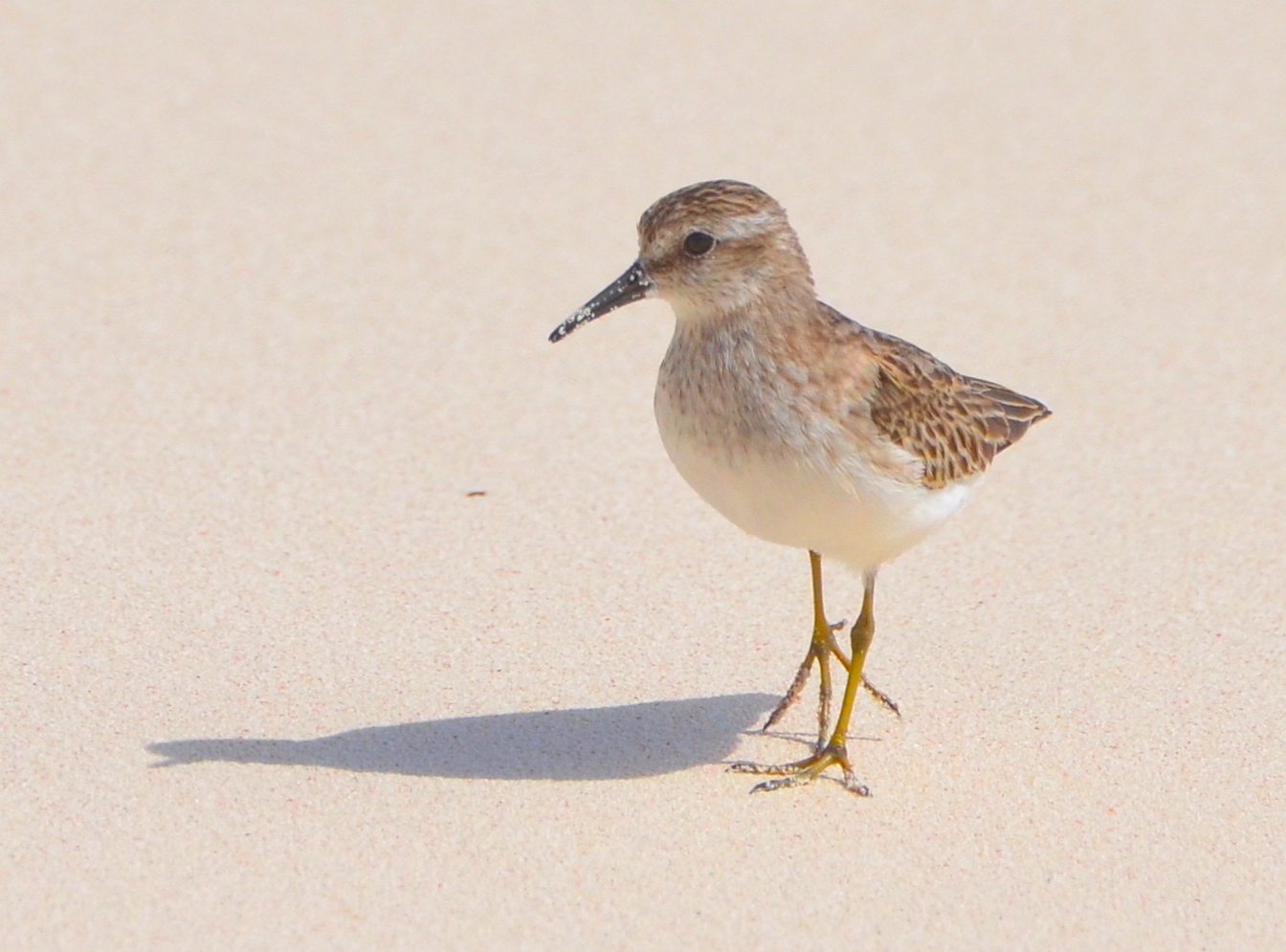
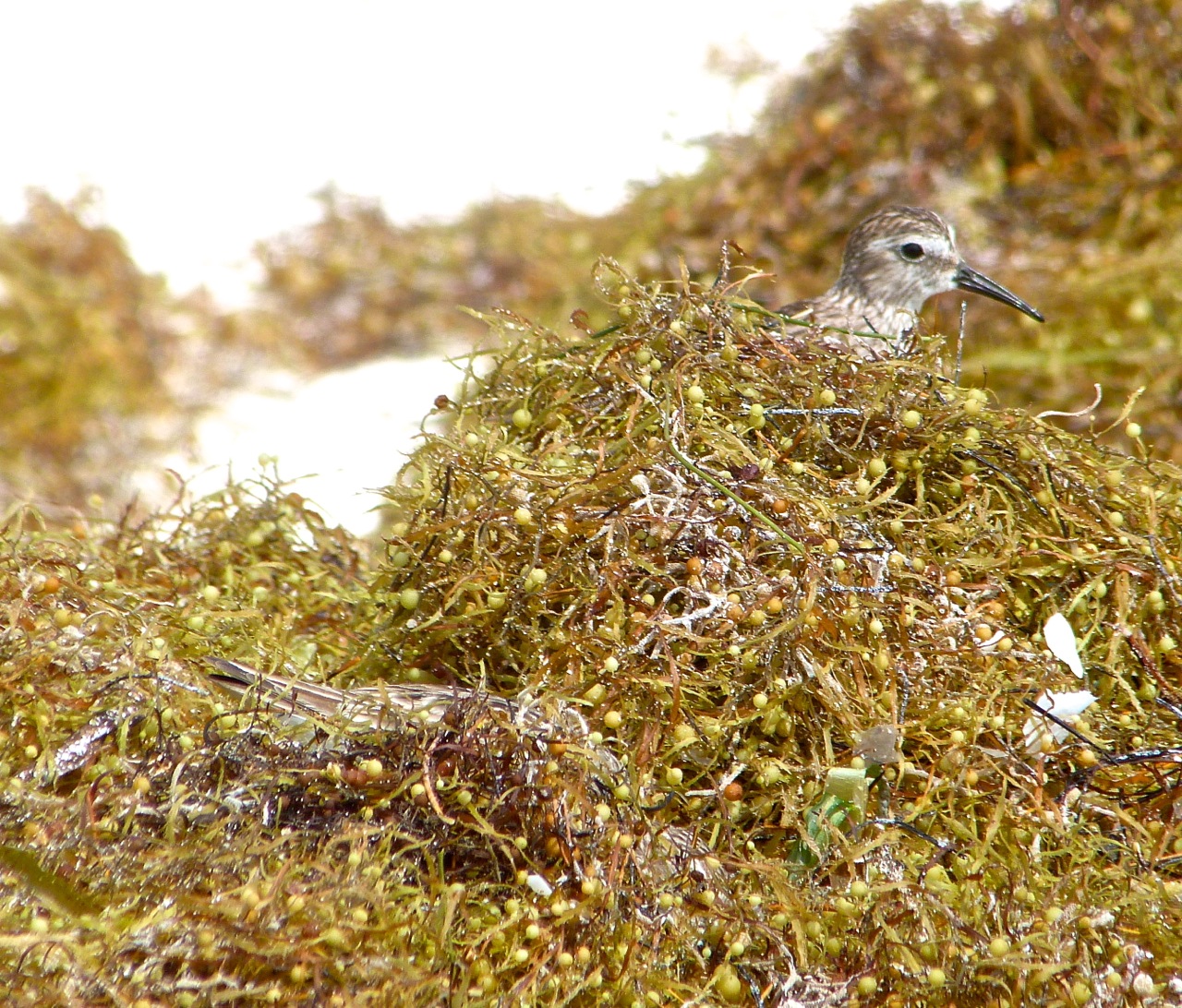
The birds forage on mudflats, in the tideline on beaches, and in wrack. They will probe into soft sand, sometimes the full length of their beak. They will even burrow right under weed to get at the concealed goodies. Their diet consists mainly of small crustaceans, insects, and snails.Least Sandpiper, Delphi Beach, Abaco (Keith Salvesen)

Credits: All photos by Charles Skinner (contributor to “The Birds of Abaco”) except the wrack-burrowers above, by Keith Salvesen (also on the Delphi Beach).

Least Sandpiper, Delphi Beach, Abaco (Charles Skinner)

Unknown's avatar

AFTER THE STORM: ALL THINGS BRIGHT & BEAUTIFUL


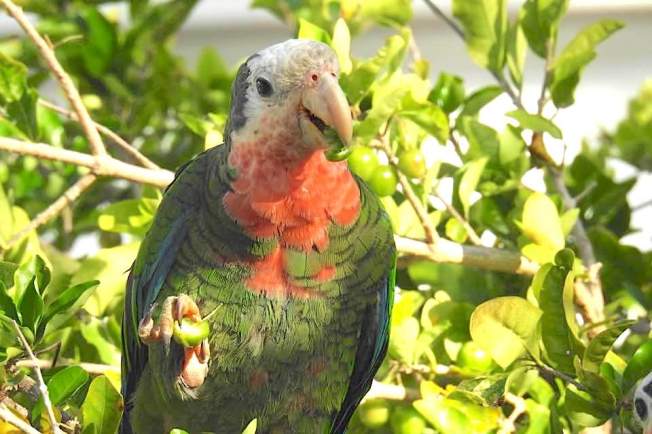
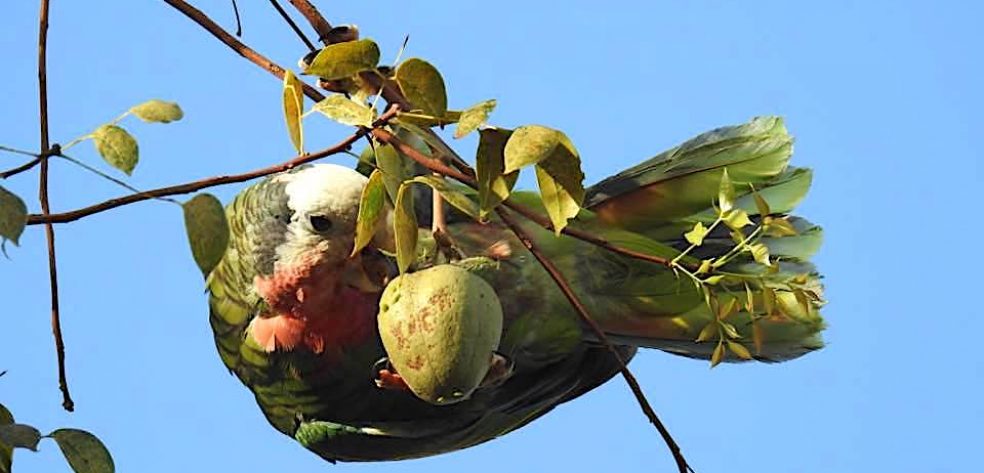
Abaco (Cuban) Parrot (Melissa Maura)

ABACO PARROT

AFTER THE STORM: ALL THINGS BRIGHT & BEAUTIFUL

For tens of thousands of people, the past 2 weeks have been dominated by one cruelly aggressive female: Irma. In terms of a lucky escape, Abaco’s gain was elsewhere’s pain. Recently, only the vivid Wunderground trackers I have posted have stood out from the bleakness of the ominous clouds, pounding waves, and sluicing rain. With the prospects for Hurricane Jose wandering around in the mid-Atlantic looking increasingly good, it’s time for a look at something more cheerful.

Birds can lighten the spirit. As yet, I’ve seen few reports of how the birds on Abaco have fared, but the ones I have seen have been encouraging. A west-indian woodpecker back on his usual tree; a piping plover foraging on the beach at Winding Bay, even as the storm raged; bird business more or less as usual at Delphi. No news yet of Abaco’s iconic parrots, which will have most likely headed to the National Park for cover. They usually manage OK. The header image is a tip of the hat to them, their raucous beauty, and their healthy recovery from near-extinction over the last few years.

Here’s a small gallery of some of Abaco’s most colourful and striking birds for some light relief. Have a nice day!

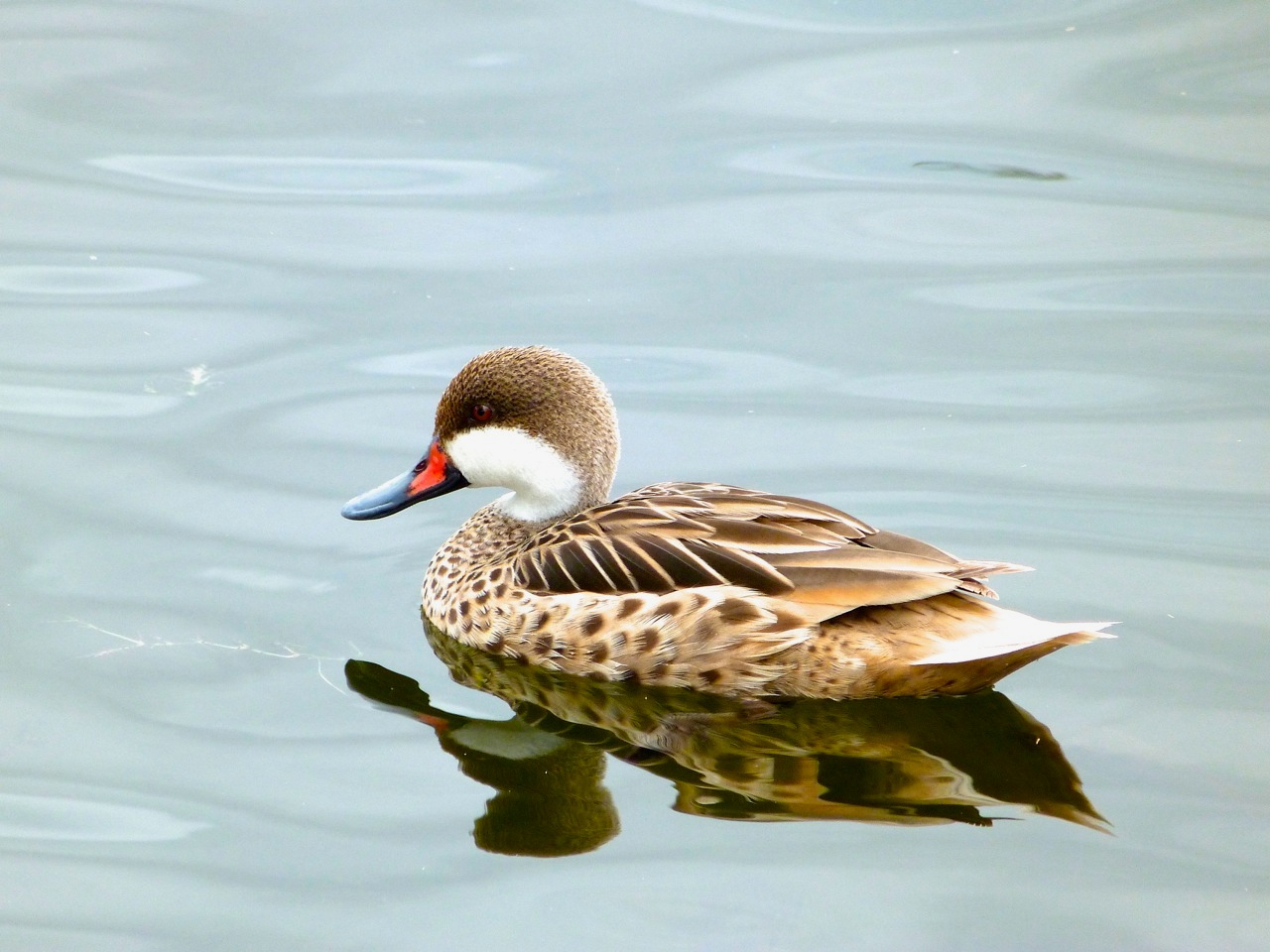
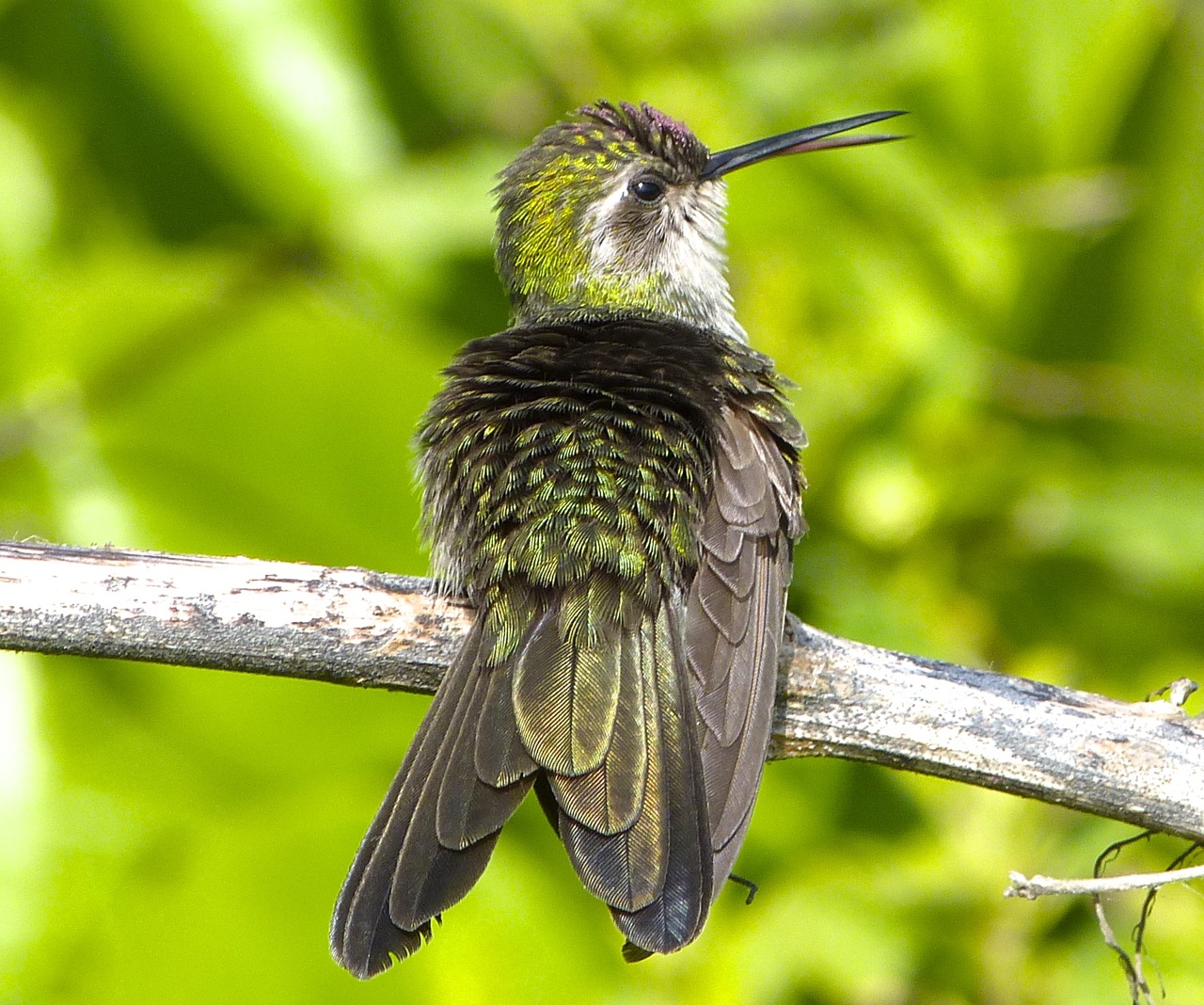
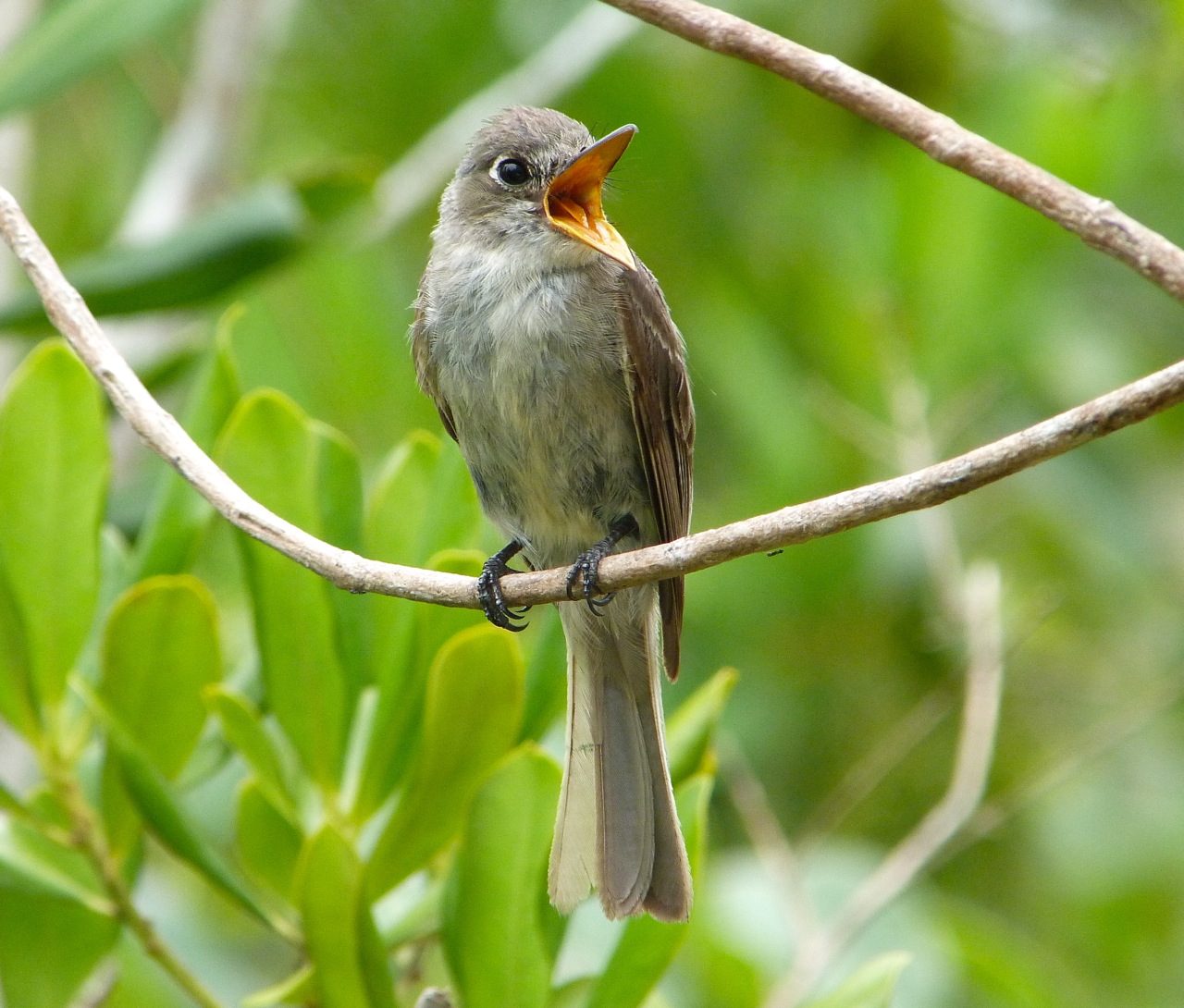
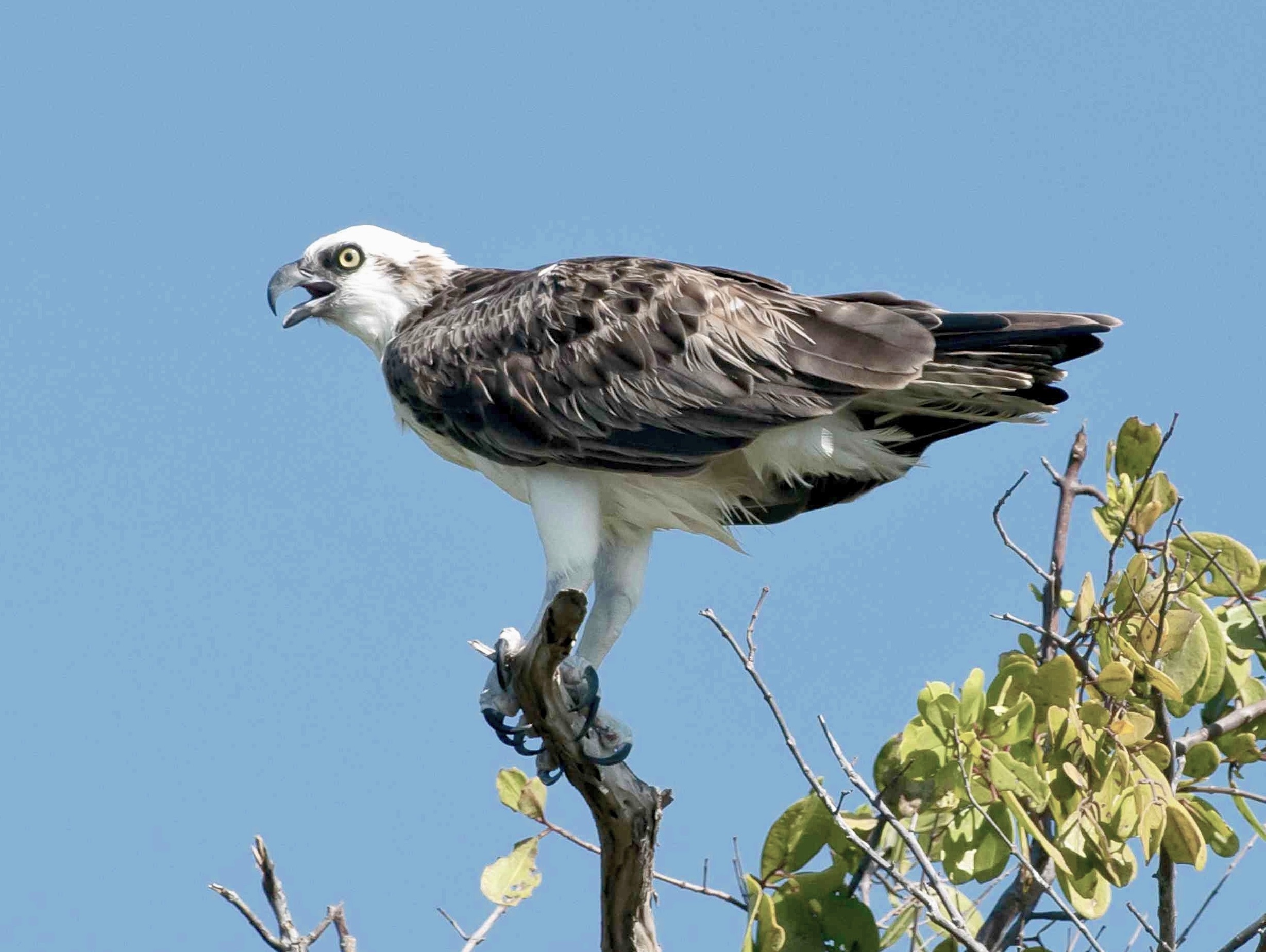
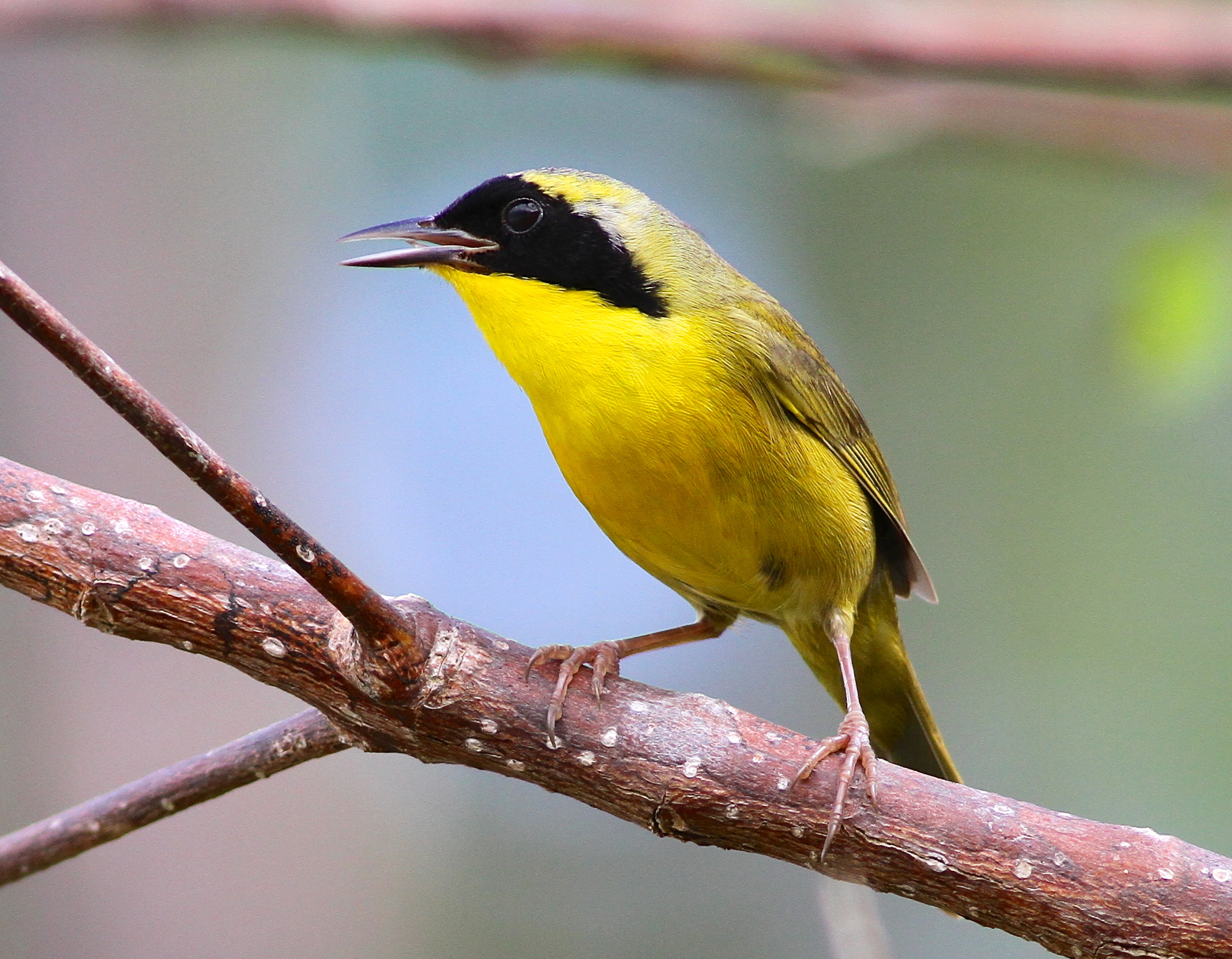
Painted Bunting, Abaco, Bahamas - Tom SheleyBananaquit, Abaco, Bahamas - Keith SalvesenWestern Spindalis, Abaco, Bahamas - Craig NashWhite-cheeked (Bahama) Pintail, Abaco, Bahamas - Keith SalvesenCuban Emerald Hummingbird, Abaco, Bahamas - Keith SalvesenBahama Woodstar, Abaco, Bahamas - Tom SheleyBlack-necked Stilt, Abaco, Bahamas - Tom SheleyCuban Pewee, Abaco, Bahamas - Keith SalvesenOsprey, Abaco, Bahamas - Tom SheleyBahama Yellowthroat, Abaco, Bahamas - Gerlinde Taurer

Photo Credits: Abaco (Cuban) Parrot, Melissa Maura; Painted Bunting, Tom Sheley; Bananaquit, Keith Salvesen; Western Spindalis, Craig Nash; White-cheeked (Bahama) Pintail, Keith Salvesen; Cuban Emerald (f), Keith Salvesen; Bahama Woodstar, Tom Sheley; Black-necked Stilt, Tom Sheley; Cuban Pewee, Keith Salvesen; Osprey, Tom Sheley; Bahama Yellowthroat, Gerlinde Taurer. Storm tracker, Wunderground

Unknown's avatar

BLACK-FACED GRASSQUITS: FEEDING TIME


Black-faced Grassquits: feeding time (Charles Skinner)

BLACK-FACED GRASSQUITS: FEEDING TIME…

Not a feeding frenzy exactly, but persistence pays off. However, this little bird found that dad had eventually had enough of the nurturing bit…

URGENT – feed meeeeeeeeeeBlack-faced Grassquits: feeding time (Charles Skinner)

[*THINKS* can’t reply, I’ve got my mouth full…]

The good-thing hand-over

No! You’ve had quite enough for one snack…

Feeding sequence by Charlie Skinner.

*No birds were hurt -not even their pride or dignity – in the photographing of this heavily anthropomorphised sequence…*


Unknown's avatar

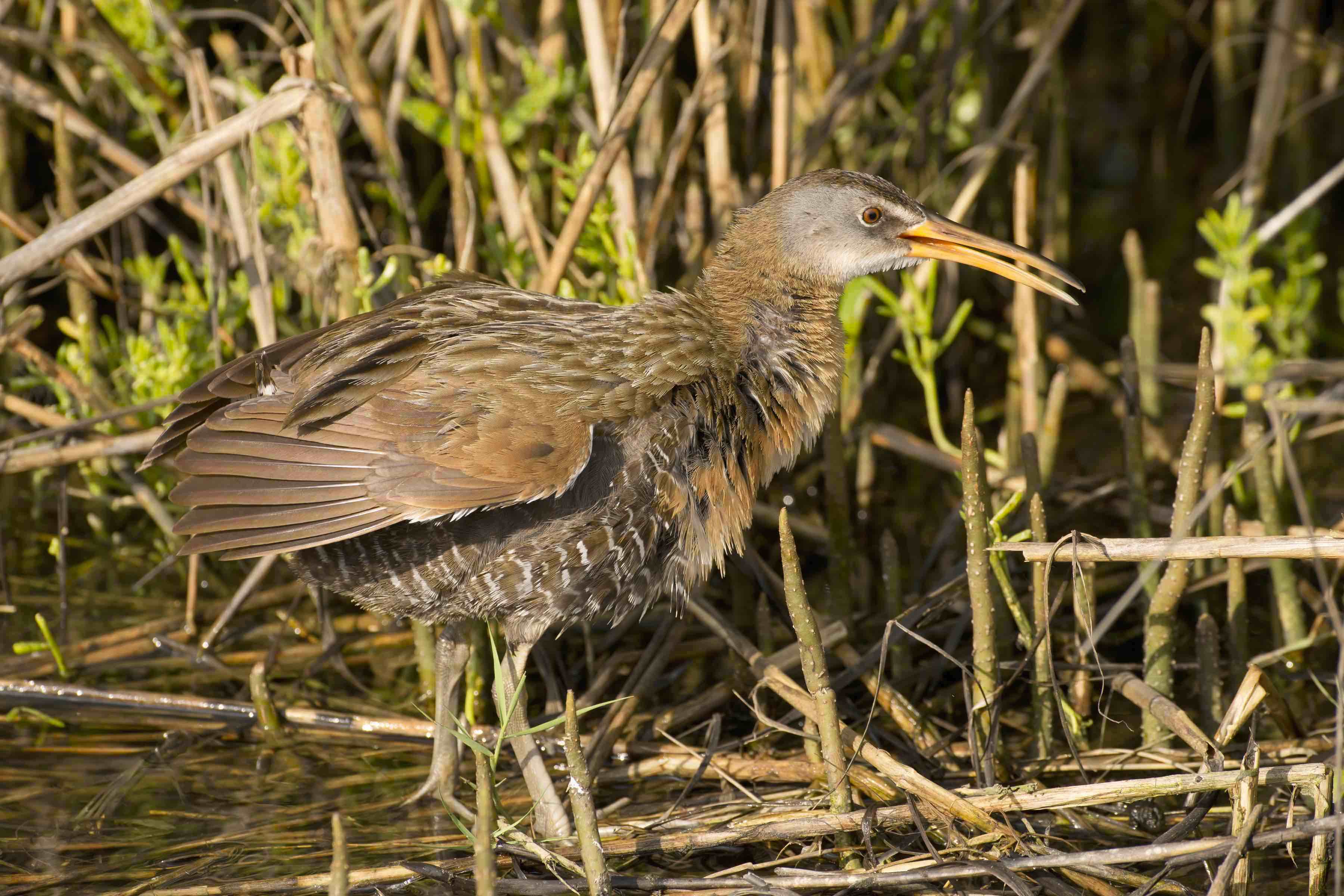
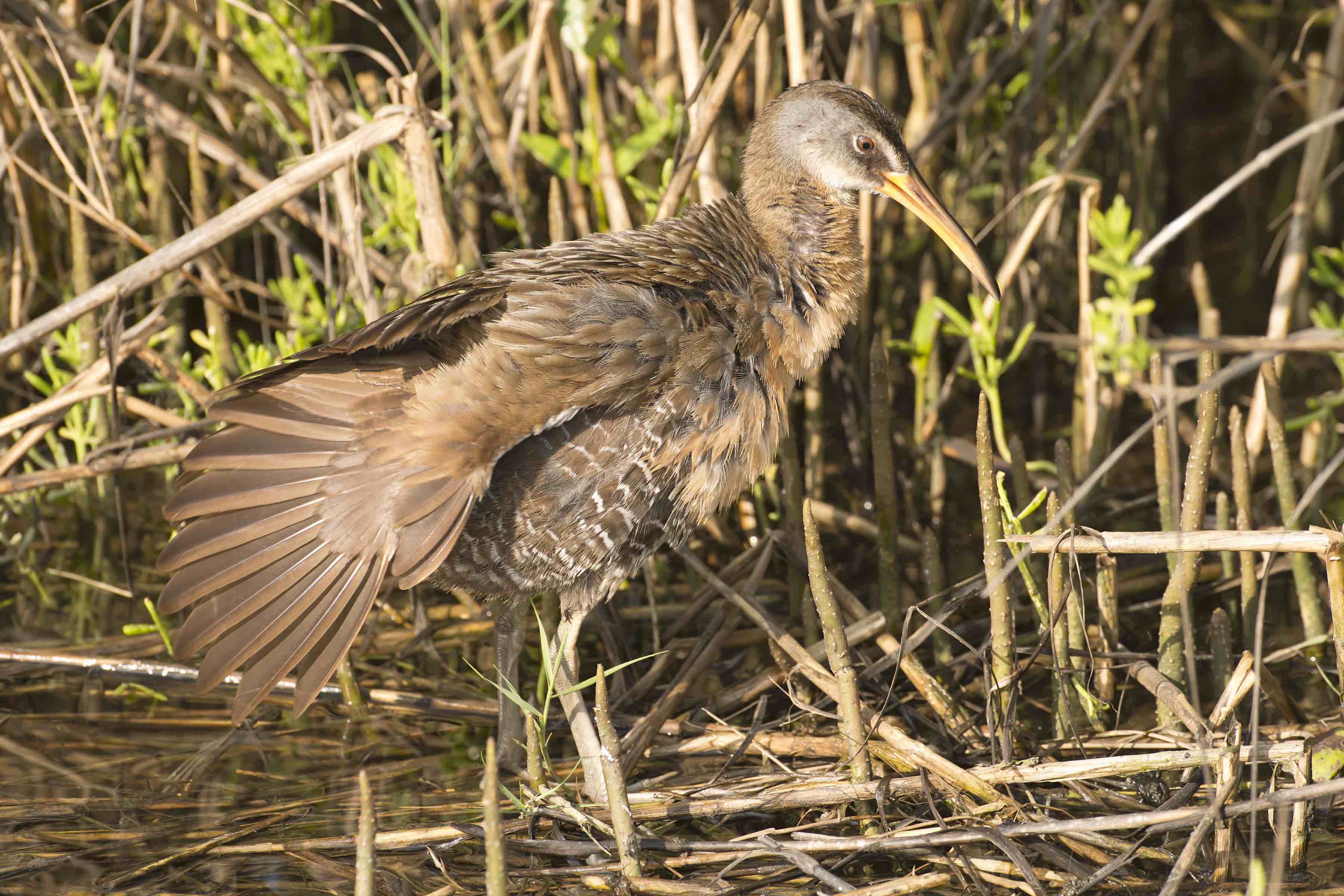
CLAPPER RAILS ON ABACO: A SMALL SHOWCASE


Clapper Rail, Abaco, Bahamas (Tom Sheley / Birds of Abaco)

CLAPPER RAILS ON ABACO: A SMALL SHOWCASE

Just over 3 years ago, THE BIRDS OF ABACO was published and launched at the Delphi Club. The book was intended to showcase the wonderful and varied bird life on Abaco – home to endemics, permanent residents, seasonal residents, and a wide variety of migrating transients. The book has been most generously received and supported – though I have to report that already its definitive checklist (dating from 1950) has become outdated with the recording of 6 additional species on Abaco, featured elsewhere in this blog.

Clapper Rail, Abaco, Bahamas (Tom Sheley / Birds of Abaco)

Tom Sheley was one of the main photographic contributors to the book, and I had the good fortune to coincide with one of his trips to Abaco, when he was armed with significant photographic weaponry; and to accompany him on some of his photographic day trips (not including the early morning ones, in my case). This clapper rail is one of my favourites of his photo sequences of a bird being a bird – preening, stretching, calling – in its own habitat.

Clapper Rail, Abaco, Bahamas (Tom Sheley / Birds of Abaco)

My one regret about my involvement  in producing the book (it took 16 months) and more generally in the wildlife of Abaco is that I have entirely failed to progress to sophisticated (expensive) photographic equipment capable of producing images the quality of Tom’s. Yes, I’ve moved on from compacts (ha!) to bridge cameras (Panasonic Lumix + lens extender), and some results ‘make the cut’. But my move up to a Canon SLR was mainly disastrous, and when eventually I inadvertently drowned it (I overbalanced while photographing shorebirds from breaking waves. Total immersion. Total stupidity.) I felt an unexpected sense of relief. A blessing really – I never understood it, nor in my heart of hearts (if I’m honest) really wanted to… But my feeble struggle made me realise and appreciate the enormous skill of those like Tom who take ‘National Geographic’ quality photographs. It’s not just the equipment – it’s knowing exactly how to use it, and often in a split second…
Clapper Rail, Abaco, Bahamas (Tom Sheley / Birds of Abaco)

Photos by Tom Sheley – with thanks for the adventures

Unknown's avatar

RUDDY TURNSTONES ON ABACO: BEACH NOSHING


Ruddy Turnstones, Delphi Beach Abaco Bahamas (Keith Salvesen)

RUDDY TURNSTONES ON ABACO: BEACH NOSHING

Some birds are named for the sounds they make (bobwhite, chuck-will’s-widow, pewee, killdeer). Some are named for their appearance (yellow-rumped warbler, painted bunting). And some are named for what they do (shearwater, sapsucker – but definitely NOT killdeer). The ruddy turnstone Arenaria interpres is in the last two of these categories: it looks ruddy and it literally turns stones to get at the goodies underneath.

Ruddy Turnstones, Delphi Beach Abaco Bahamas (Keith Salvesen)

And they don’t just turn stones to look for food. Someone with a lot of patience has defined 6 specific methods by which a turnstone forages for food:

  • Turning stones by flicking them with its beak
  • Digging using its beak to flick away sand or earth (see video below)
  • Routing around in piles of seaweed to expose food under it
  • Surface pecking with short, shallow pecks for food just below the surface
  • Probing by simply sticking its beak deep into soft sand or ground
  • Hammer-probing to crack open a shell and get at the occupant

Ruddy Turnstones, Delphi Beach Abaco Bahamas (Keith Salvesen)

In these photos taken on a rather gloomy day on the Delphi beach, a combination of mainly digging and routing is going on. Note the sandy beak of the RUTU below, right up to the hilt.

Ruddy Turnstones, Delphi Beach Abaco Bahamas (Keith Salvesen)Ruddy Turnstones, Delphi Beach Abaco Bahamas (Keith Salvesen)

This short video shows how effective the RUTU method is. It was fascinating to watch the team work their way through and around the piles of weed on the beach, flicking sand vigorously in their quest for sandflies or whatever. Watch the sand fly! Pity it wasn’t a sunny day – the photos might have looked a bit more cheerful… 


All photos Keith Salvesen

Unknown's avatar

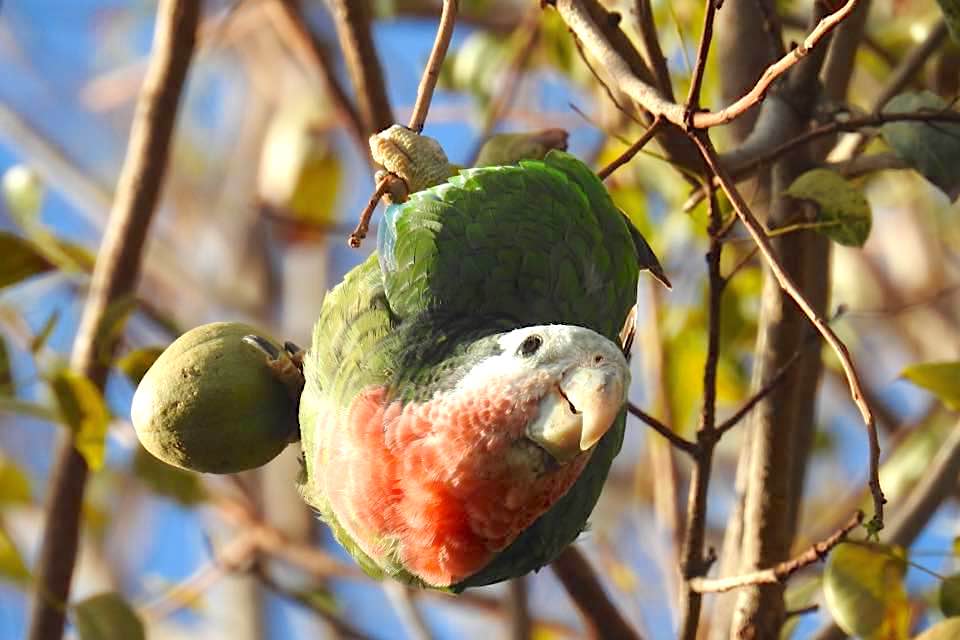
ABACO (CUBAN) PARROTS: GETTING FRUITY


Abaco (Cuban) Parrots, Bahamas (Melissa Maura)

ABACO (CUBAN) PARROTS: GETTING FRUITY

To be honest, the header image is not the sort of ‘fruity’ I had in mind, which was intended to have an entirely dietary connotation. I’m not quite sure what these two are up to – not procreation, I think, in that precarious situation. It looks non-aggressive… so maybe just having fun and… er… hanging out together.

Here are some Abaco parrots doing what they love to do in between group squawking sessions: gorge themselves on fruit, and getting at it any which way. 

Upside down is really just a different angle to get at fruitAbaco (Cuban) Parrots, Bahamas (Melissa Maura)

Noshing on berries

One in the beak, next one ready in the claw

Tackling something more substantial

More acrobatics

And eventually out on a limb…

All great parrot photos by Melissa Maura, with thanks as always for use permission

Unknown's avatar

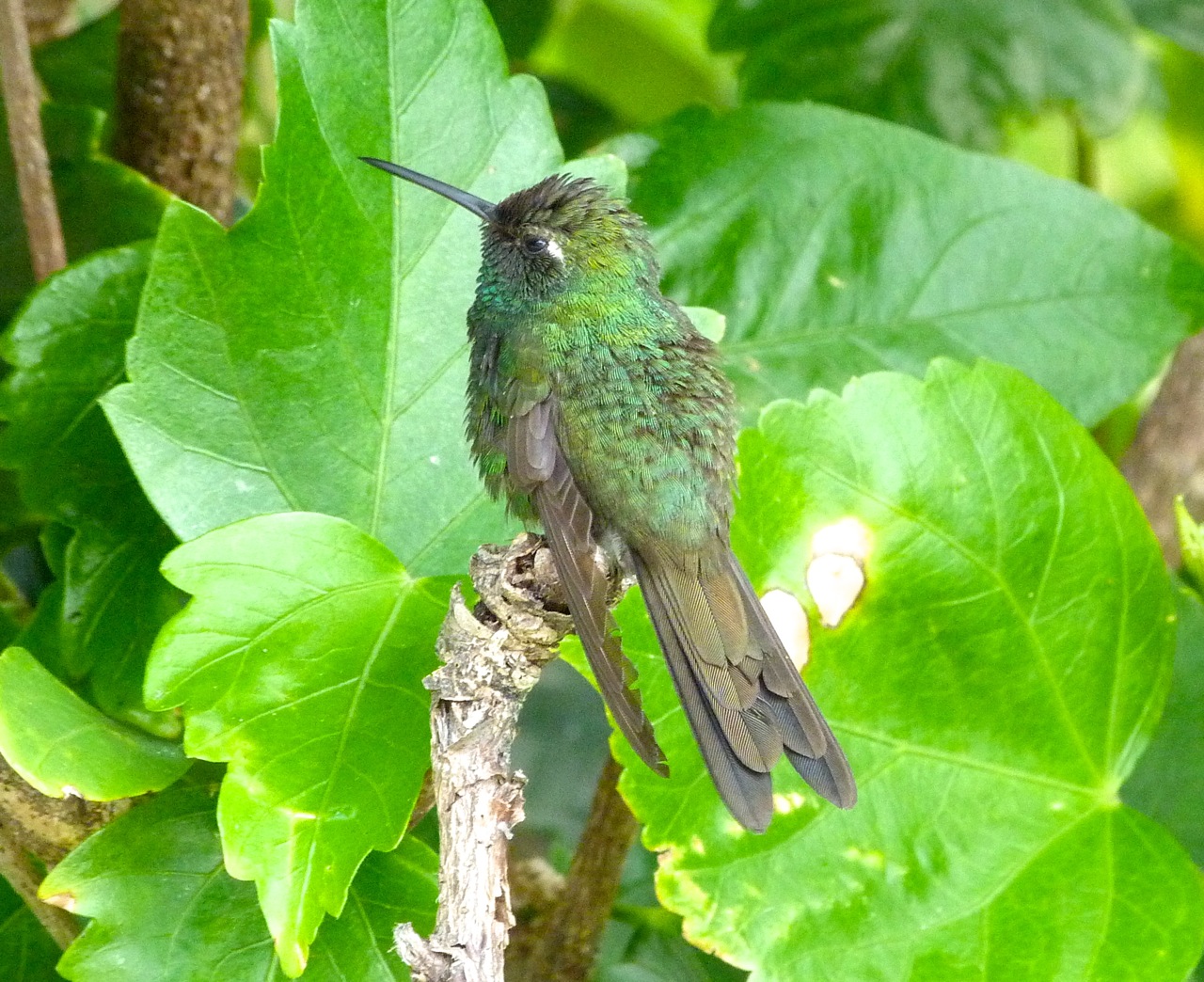
CUBAN EMERALDS ON ABACO: JEWELS BEYOND PRICE


CUBAN EMERALDS ON ABACO: JEWELS BEYOND PRICE

Well I don’t want to overstate it, but there cannot be anyone on the planet who has anything but love for hummingbirds. There’s no existing word for ‘fear of hummingbirds’ – ‘colibriphobia‘ is not a ‘thing’. There’s fear of almost everything else, from grass to clouds to plastic bags**… but, surely, not hummers. Here are a few to enjoy.

The females have a wonderful metallic sheen that makes them shimmer in the sunshine. Males are darker: a gorgeous, handsome green. The Emeralds are one of those bird species where it is hard to decide between the sexes which is the more beautiful…

All photos: Keith Salvesen / Rolling Harbour

** Plastybolsaphobia (nb despite the apparent Greek derivation of this word, the Ancient Greeks were strangers to the world of these handy carriers / vile polluters / dealing wildlife killers)


Unknown's avatar

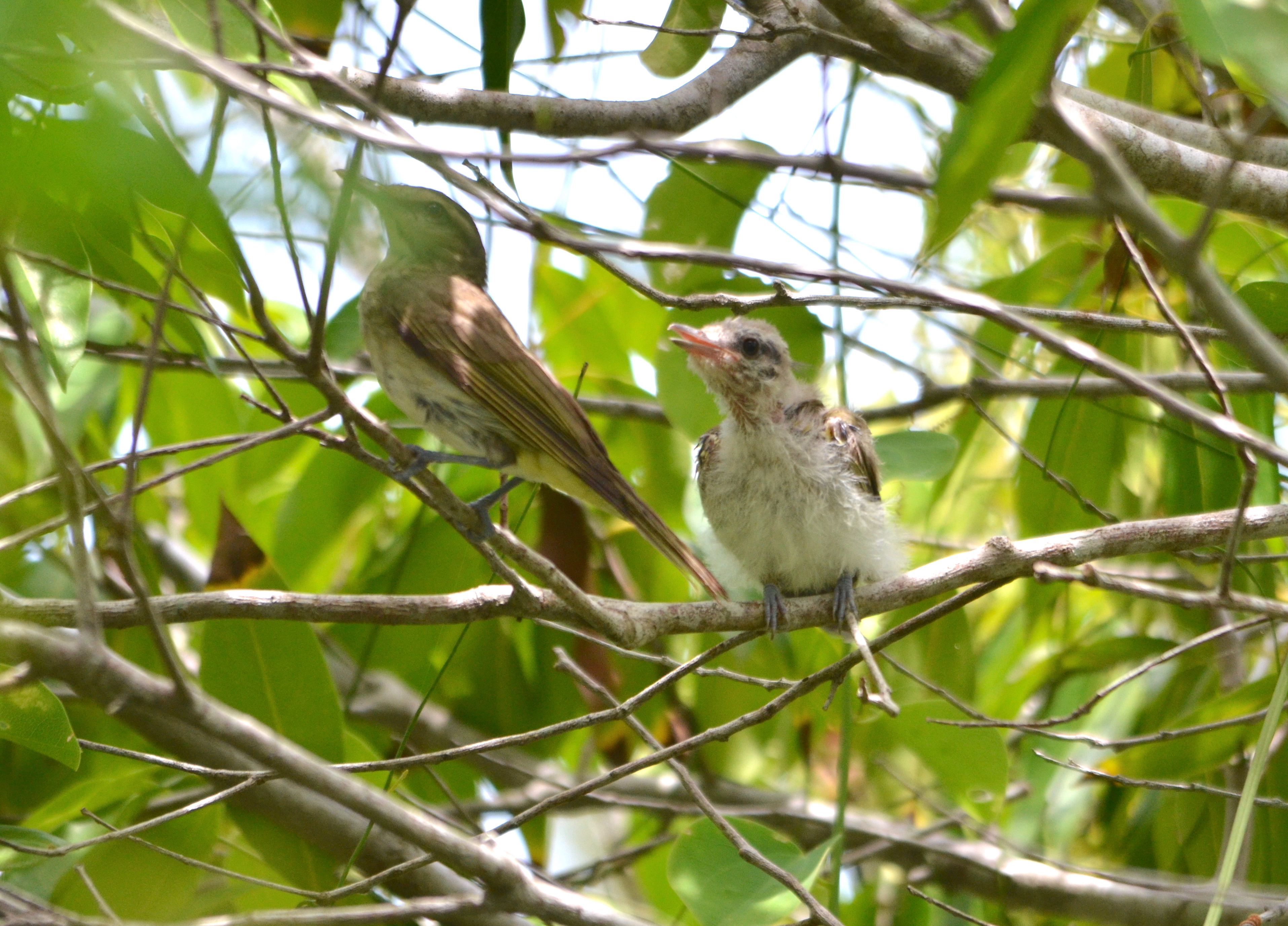
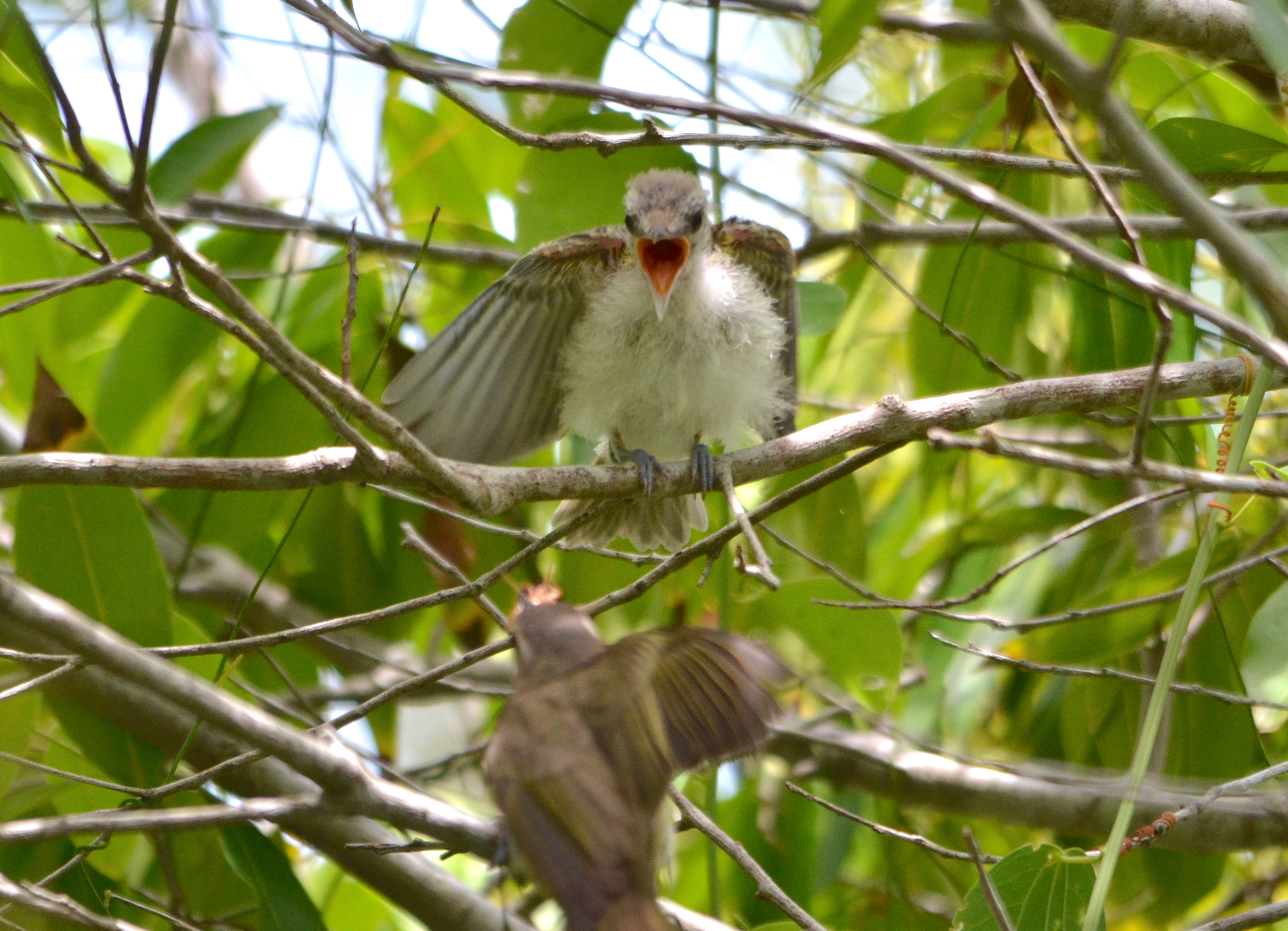
VORACIOUS VIREOS: A TALE OF GREED ON ABACO


Black-whiskered Vireo (juvenile), Abaco (Charles Skinner)

VORACIOUS VIREOS: A TALE OF GREED ON ABACO

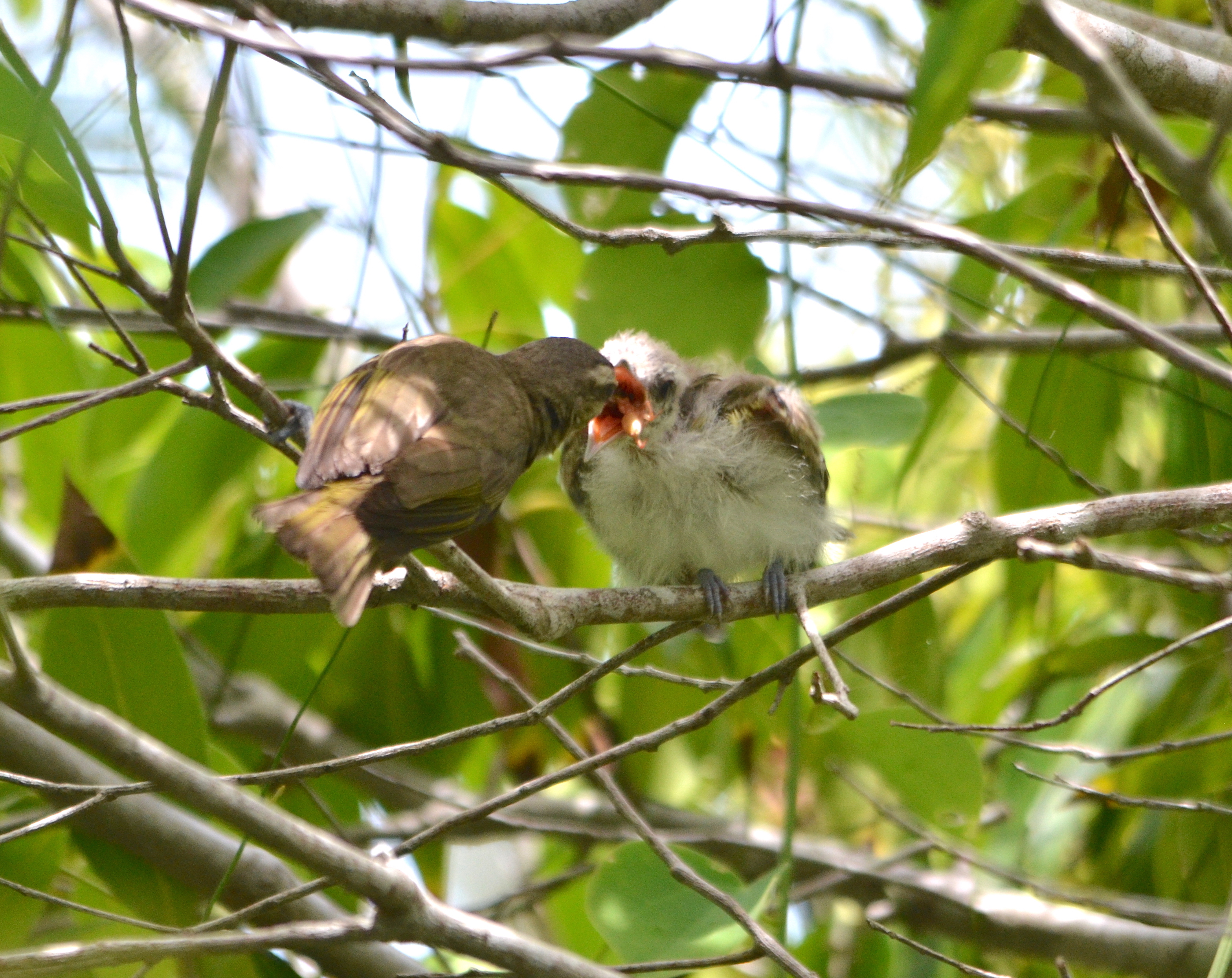
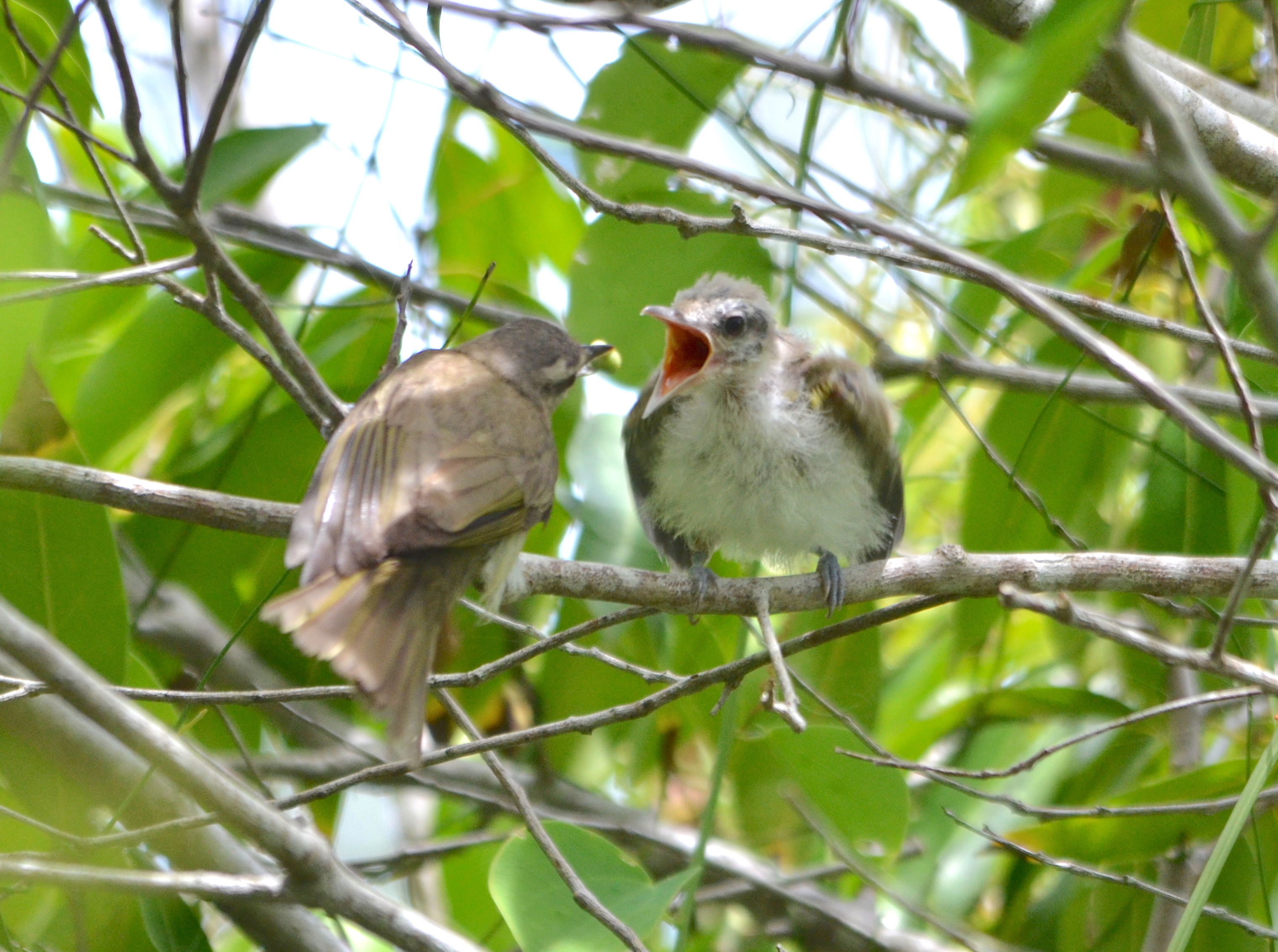
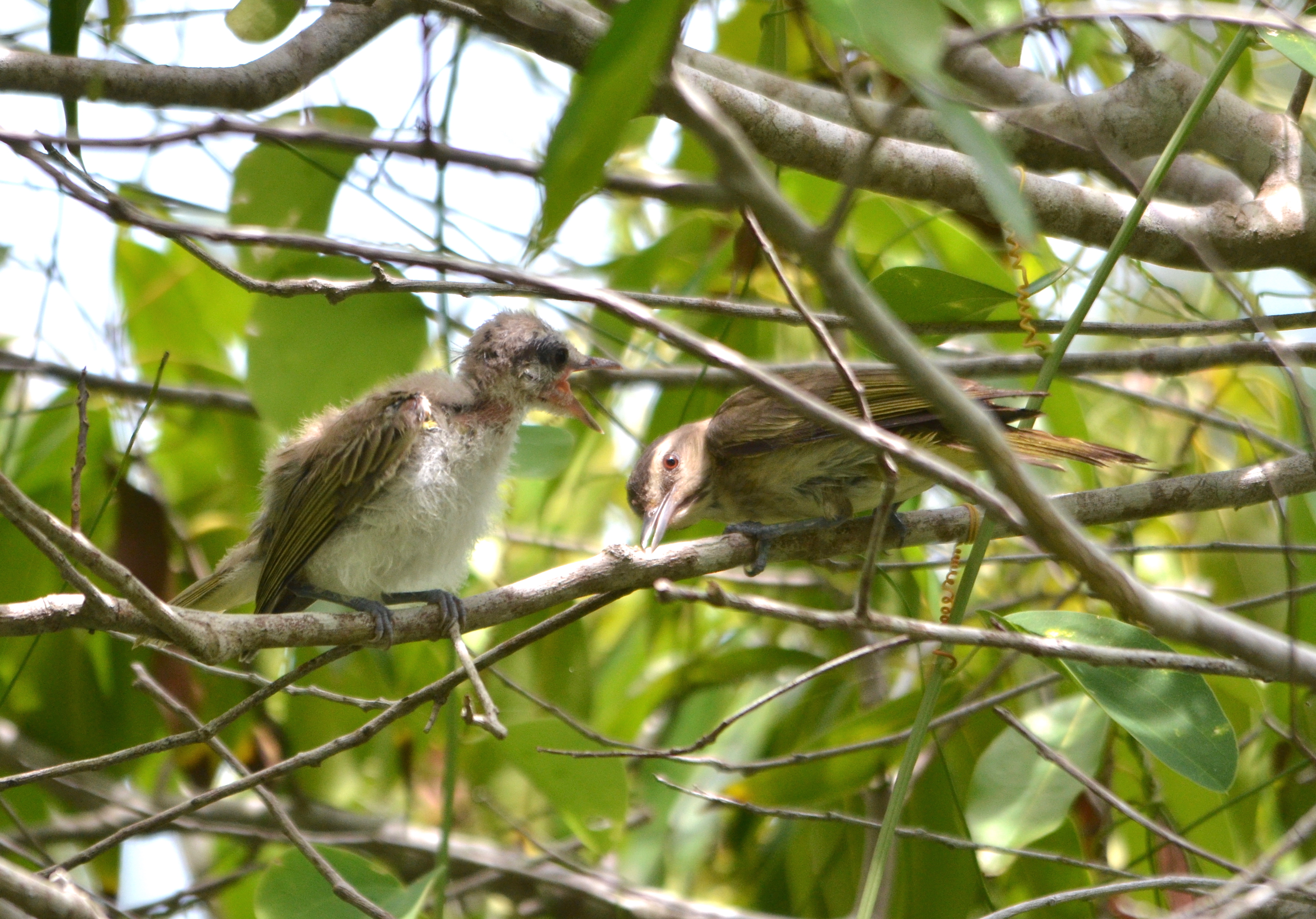
Lo, the tiny fluffy BLACK-WHISKERED VIREO fledgling, so innocent and coming close to aborbs (but for being frankly a little unkempt). Yet few would guess that beneath that delightfully virtuous exterior rages the appetite of a  MONSTER

Excuse me, I’m getting a little peckish…Black-whiskered Vireo (juvenile), Abaco (Charles Skinner)

That’s fine, son, I’ll go and get you a little snack…

Whaaaaa… Hungreeeee…Black-whiskered Vireo (juvenile), Abaco (Charles Skinner)

Whaaaaa…. want MORE…

Black-whiskered Vireo (juvenile), Abaco (Charles Skinner)Black-whiskered Vireo (juvenile), Abaco (Charles Skinner)

And more…

And another one… keep ’em coming

Whaaaaa… more…               NO, son, you’ve had quite enough for one meal…Black-whiskered Vireo (juvenile), Abaco (Charles Skinner)

This one’s ALL for me…

All great photos by Charles Skinner, who must have had a fun time watching the entertainment. Although we intentionally featured very few juveniles in THE BIRDS OF ABACO, one of these shots insisted on being included…

Unknown's avatar

MARK CATESBY, PIONEER NATURALIST: NEW BOOK


MARK CATESBY, PIONEER NATURALIST: NEW BOOK

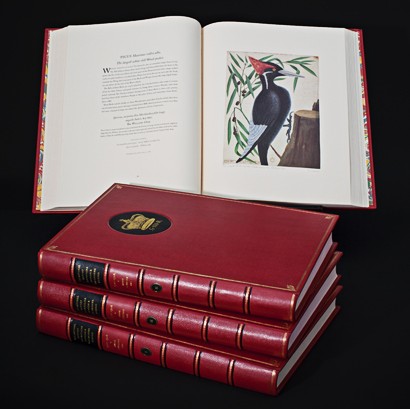
Exactly two years ago, I wrote about the publication of a lavish limited edition facsimile of Mark Catesby’s renowned work The Natural History of Carolina, Florida and the Bahama Islands in 4 volumes to mark the 300th anniversary of Catesby’s arrival in the New World. Unsurprisingly, the cost of the set was prodigious (a rather nice car) – but only a fraction of the cost of a vanishingly rare original set (a rather nice house). Reader, I didn’t buy one.

Now the CATESBY MEMORIAL TRUST has produced an excellent and inexpensive illustrated introduction to Catesby’s great work that will transport you back through the centuries to the earliest days of natural historical research by Europeans abroad. It’s worth remembering that Catesby antedated the more famous John James Audubon (1785-1851) by a whole century.

Catesby’s signature

The new book has over 40 illustrations from Catesby’s The Natural History of Carolina, Florida and the Bahama Islands. These are paired with relevant extracts from the work, and there is additional commentary. Click on Catesby’s Tropicbird below for a sample of the book.

Click me for book sample!

To buy the book – it’s $25 – click HERE

Mark Catesby - 'Bahama Titmous' (Bananaquit)

Mark Catesby – ‘Bahama Titmous’ (Bananaquit)

MARK CATESBY? JUST REMIND ME…

Mark Catesby (1683 – 1749) was a pioneering English naturalist and artist who published his magnum opus based on a number of expeditions he undertook from 1712 onwards. His was the first ever published account of the flora and fauna of North America, and the 2 volumes (with a supplement) included some 220 colour plates of the creatures and plants of land and sea that he had come across. After his travels, Catesby spent some 20 years producing his masterwork and died soon after, perhaps from the sheer effort of it all.

Red-legged Thrush in Gumbo Limbo Tree (HM QE2)

Red-legged Thrush in Gumbo Limbo Tree

AND HIS RELEVANCE TO THE BAHAMAS IS…?

On behalf of the Royal Society Catesby undertook expeditions, first to Carolina and then more widely in America and eventually in the Bahamas. On these trips he drew and painted detailed pictures of birds, fish, turtles, flowers and corals, many of which are familiar in the Bahamas to this day – and a few of which are included here.

Mark Catesby - Angelfish

Mark Catesby – Angelfish

Flamingo Head + Gorgonian Coral (HM QE2)

Flamingo Head & Gorgonian Coral

Mark Catesby - plate 139 Hawksbill Turtle

Mark Catesby – Hawksbill Turtle

Mark Catesby (Black-faced Grassquit)

Mark Catesby (Black-faced Grassquit)

RELATED POSTS

CHARLES CORY & ABACO 1891

THE PIONEERS (Wilson, Audubon, et al)  

MR SWAINSON (on his 224th Birthday)

Bahama Finch (Western Spindalis)

RELATED BOOK

51C+Zz+7CSL._SX363_BO1,204,203,200_

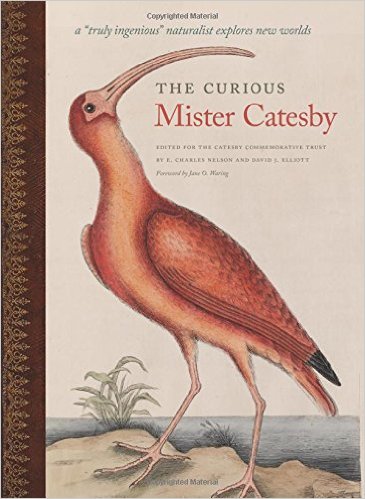
Information about the Catesby Commemorative Trust and the book The Curious Mister Catesby can be found HERE. I have the book: it is wonderful, but as an amateur I find it quite a difficult read, and I have to take it in small chunks.

For anyone tempted to look further into the importance of this ground-breaking naturalist, the CCT produced a 50 minute film that is well worth watching if you are interested to know more.

Credits: HM QE2, Catesby Commemorative Trust, National Geographic, Mariners’ Museum Library, sundry open source info-&-pic-mines inc. Wiki, Addison Publs, 

“Illuminating natural history is so particularly essential to the perfect understanding of it”   (Mark Catesby)

Unknown's avatar

ANTILLEAN NIGHTHAWKS REVISITED


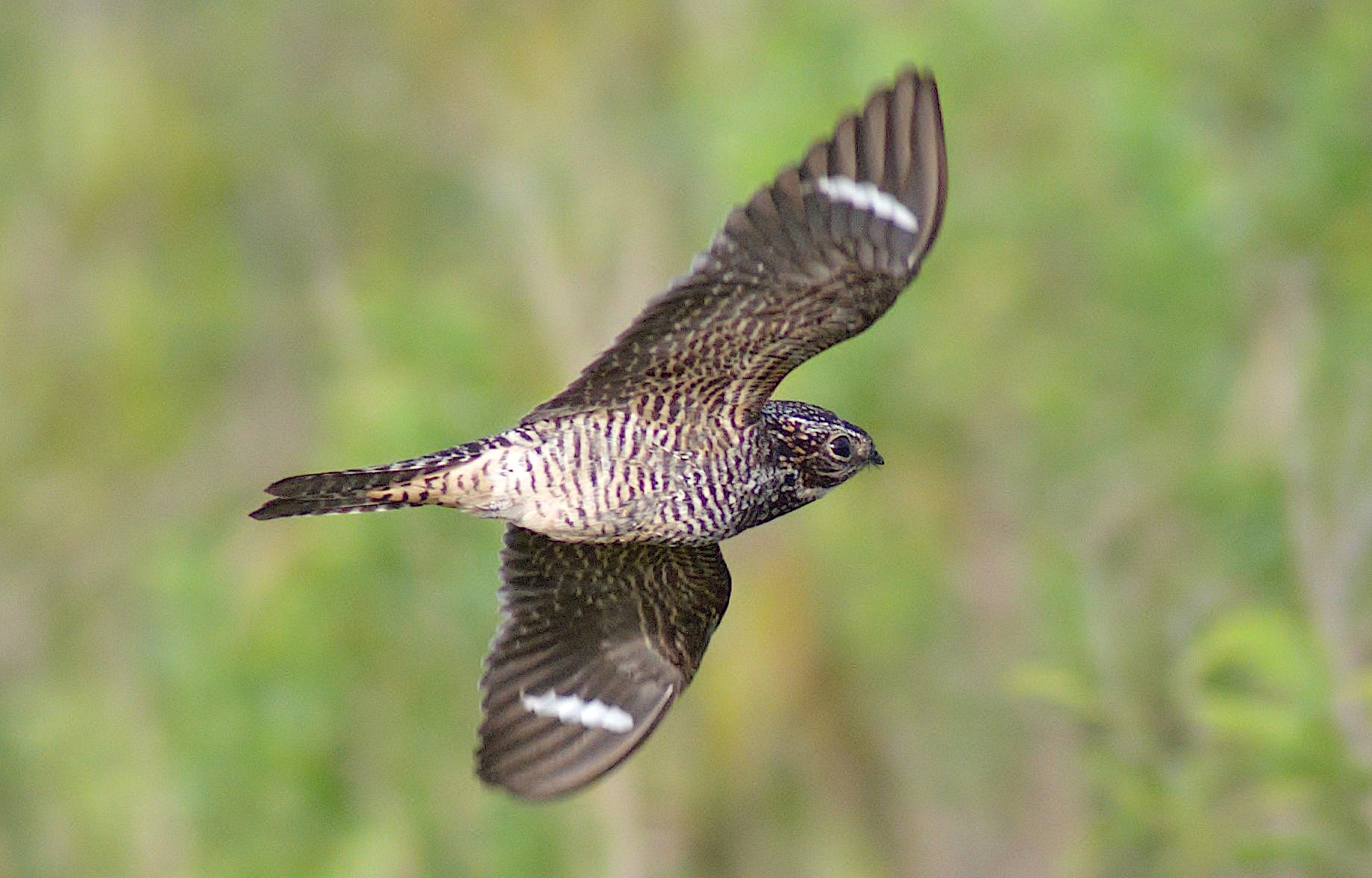
Antillean Nighthawk, Abaco (Sandy Walker)

ANTILLEAN NIGHTHAWKS REVISITED

In 2014 I wrote about finding myself – with others on a birding expedition – in the midst of dozens of nighthawks as they swooped and dived (dove?) while hawking for flies. “The birds were quite unperturbed by our presence, and from time to time would zoom past within inches of our heads, making a swooshing noise as they did so”. You can find the post at FAST FOOD ON THE WING.

Antillean Nighthawk, Abaco (Stephen Connett)

Nighthawks catch flying insects on the wing, and mostly forage at dawn and dusk – or (more romantically) at night in a full moon. 

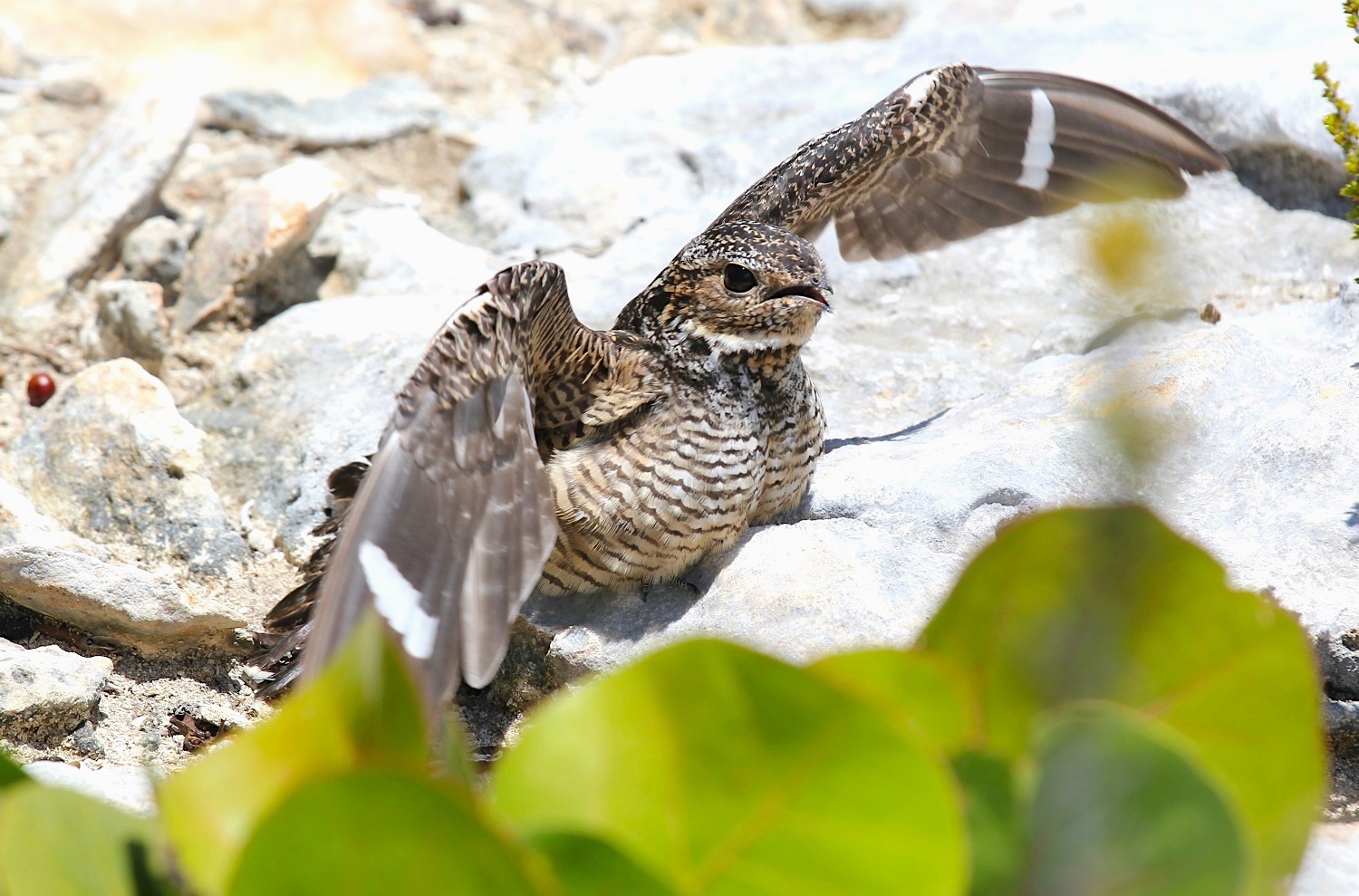
Antillean Nighthawk (Stephen Connett)

Besides aerial feeding displays, nighthawks may also be seen on the ground, where they nest. I say ‘nest’, but actually they hardy bother to make an actual nest, but just lay their eggs on bare ground. And, more riskily, this may well be out in the open rather than concealed. The eggs – usually 2 – hatch after 3 weeks or so, and after another 3 weeks the chicks fledge.

  Antillean Nighthawk Egg (Stephen Connett) Antillean Nighthawk Egg (Stephen Connett)

Fortunately their colouring enables them to blend in with the landscape – a good example of bird camouflage in natural surroundings.

Antillean Nighthawk, Abaco (Bruce Hallett)

The photos above are from Sandy Walker (header), Stephen Connett – to whom special thanks for use permission for his great nighthawk and egg images – and the last one by bird legend and author of the locus classicus The Birds of the Bahamas (without which no trip to the Bahamas is complete), Bruce Hallett.

Antillean Nighthawk Chordeiles gundlachii, is a species of nightjar. These birds have local names such as ‘killa-ka-dick’, ‘pi-di-mi-dix’, ‘pity-pat-pit’, or variations on the theme, presumably onomatopoeic. Pikadik-(dik) will do for me. See what you reckon from these recordings (excuse the thick-billed vireo – I think – in the background):

Andrew Spencer / Xeno-Canto

ODD FACT

I have read in several sources that no one knows where these migratory birds spend winter; or else that winter season data is ‘scarce’. So no sensible range maps exist, for example. If you read this, and have antillean nighthawks (as opposed to common nighthawks) all round you in winter, please tell someone – you may hold the key to an ornithological mystery…

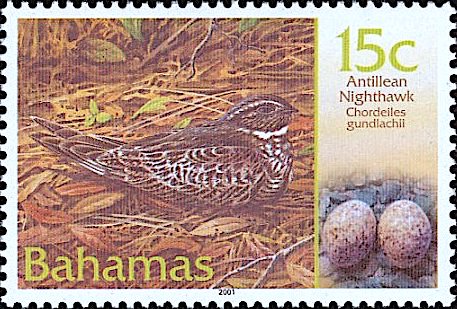
As so often, the Bahamas Philatelic Bureau leads the way with natural history stamps. The 15c Antillean Nighthawk above featured in a 2001 bird set. You can see dozens more very excellent Bahamas bird, butterfly, fish, flower and other wildlife stamps HERE.

Find out about Juan Gundlach, Cuban Natural Historian (he of the Antillean Nighthawk and the Bahama Mockingbird for example) HERE


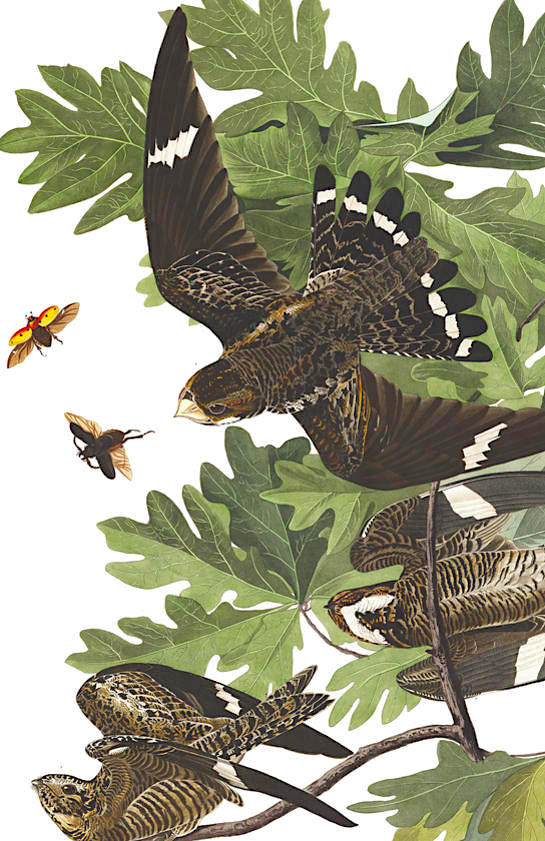
Credits: Sandy Walker (1);  Stephen Connett (2, 3, 4, 5); Bruce Hallett (6); Andrew Spencer / Xeno-Canto (audio files); Audubon (7); Sibley / Audubon (8)

Unknown's avatar

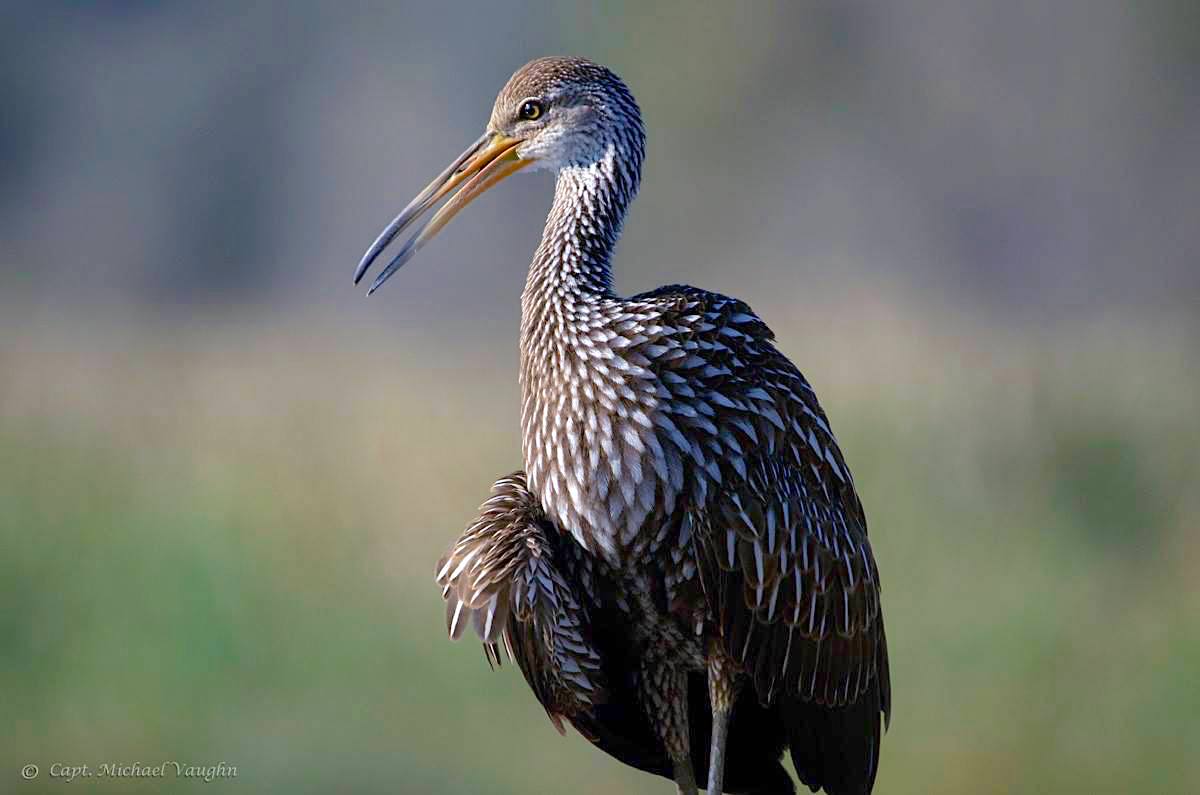
IN A CLASS OF ITS OWN: THE LIMPKIN


Limpkin wading (Michael Vaughn)

IN A CLASS OF ITS OWN: THE LIMPKIN

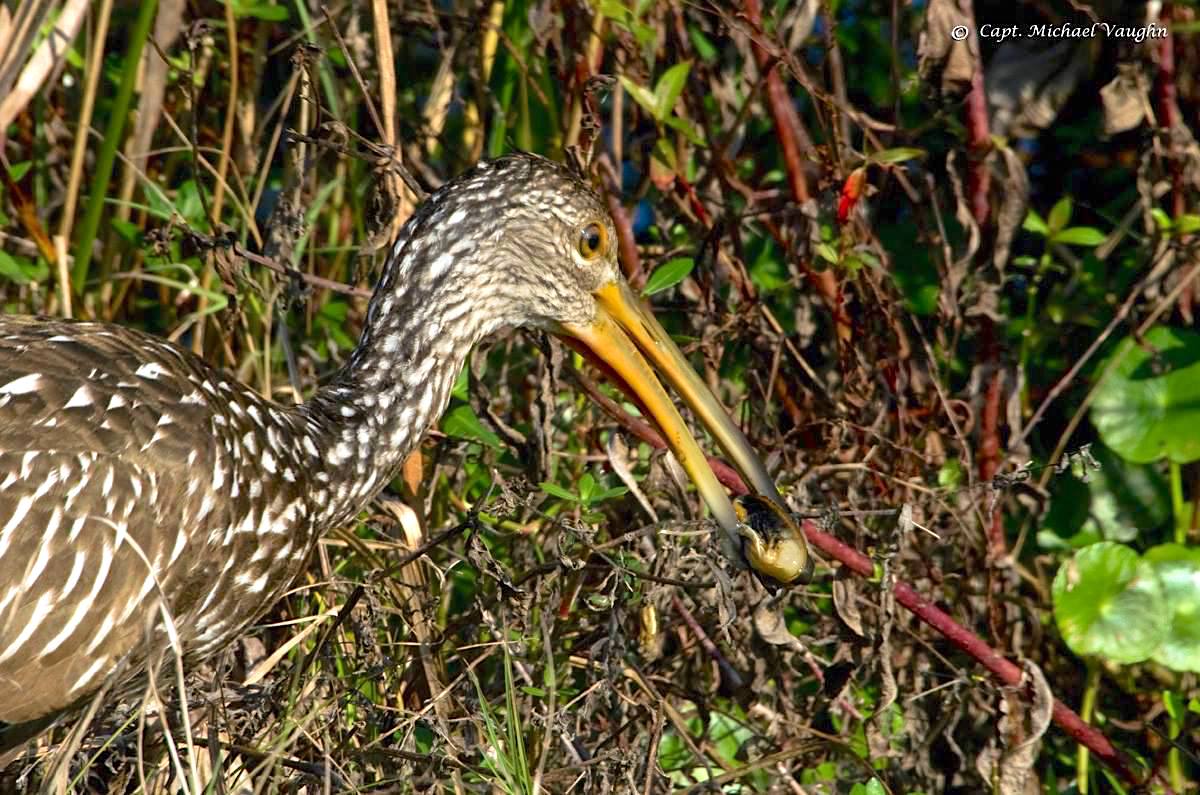
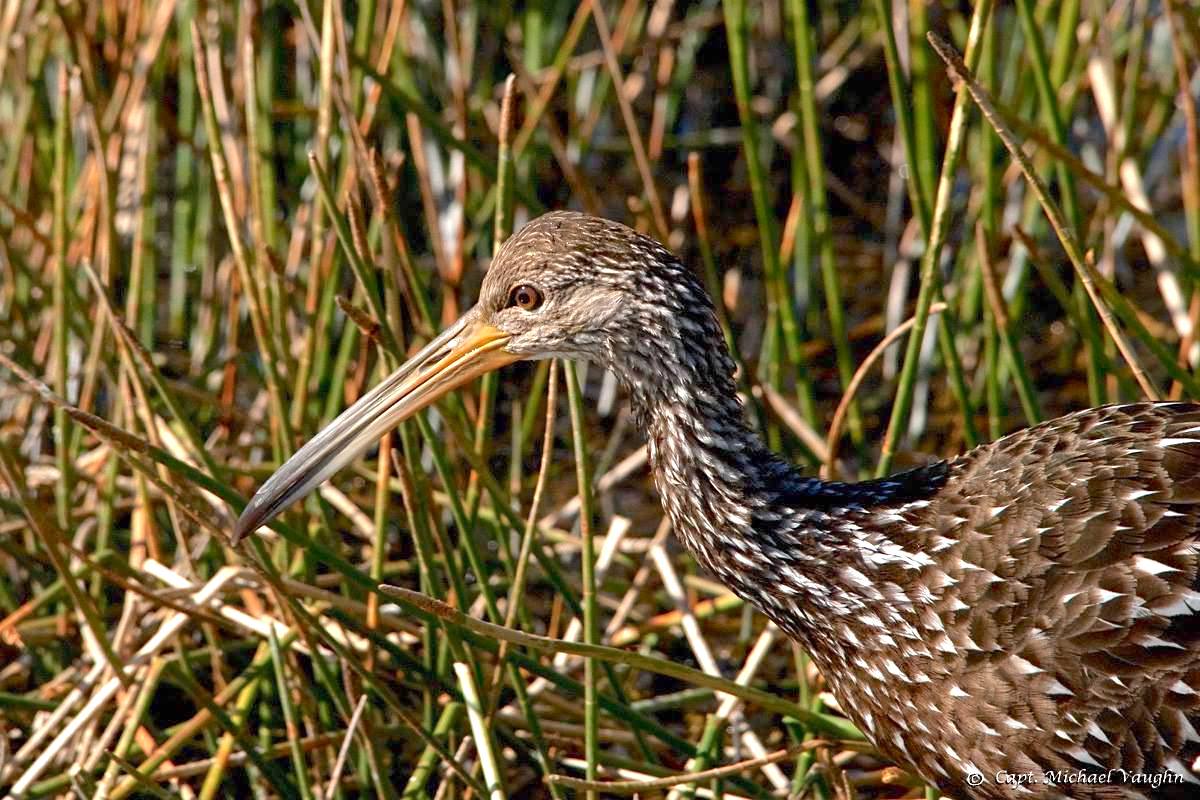
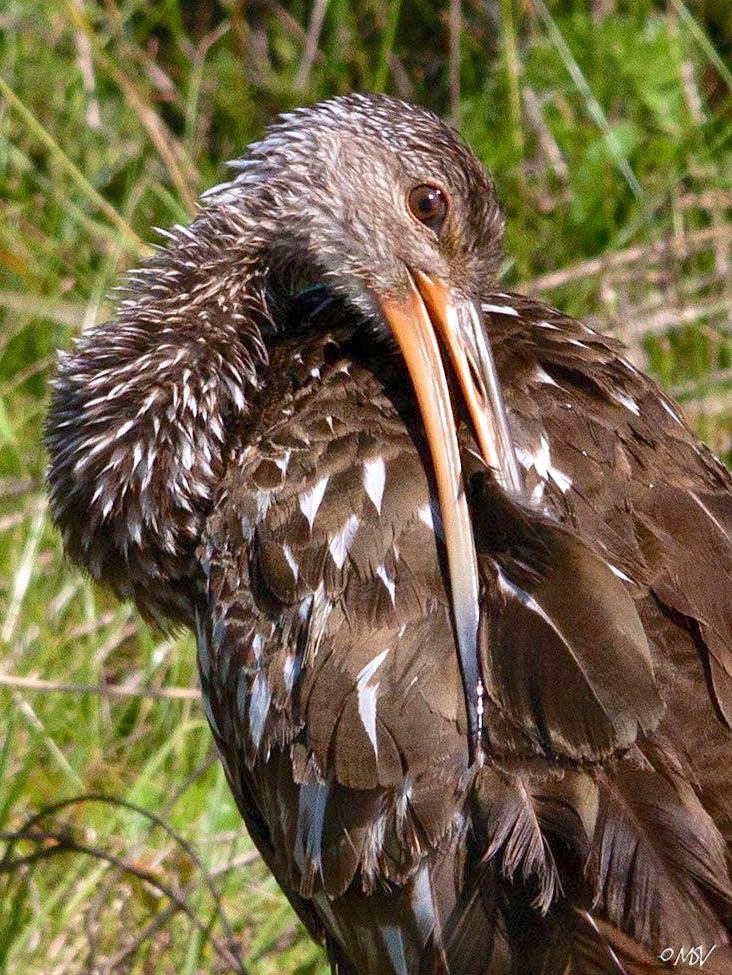
The Limpkin has a special status: it is in a Class of its own. Actually, it is in a Family of its own in terms of strict Linnean classification. It is in the Class ‘bird’ and the Order ‘crane and rail’. But there is no other creature in its Family or Genus. So it’s on its own, bird-wise. None like it anywhere. It is ‘monotypic’. 

Limpkin (Michael Vaughn)

These snail eaters are said to be named for their somewhat lame walking method on their long legs. Their long downcurved bills are shaped to act rather like tweezers when feeding on snails. I’ve never managed to get very close to one – they seem to be quite secretive. But boy, can you hear them when they decide to go for it. If you ever hear this sound – quite possibly at night – now you’ll know what creature is making it…

Jerome Fischer / Xeno-Canto

Limpkin wading (Michael Vaughn)

TEN LIMPID LIMPKIN FACTS TO ENTHRAL YOUR FRIENDS

  • The Limpkin has its own ‘monotypic’ family – a one-off species of bird
  • They eat snails and molluscs (also insects, worms & frogs), using their beaks to snatch them
  • They may leave piles of discarded shells in their favourite feeding sites
  • The birds are ungainly and awkward: ‘limpkin’ probably derives from their limping gait
  • Males and females have the same plumage (males being slightly larger)
  • The beak acts like tweezers – slightly open and closing at the tip – for tweaking snails etc
  • Territory is defended aggressively, with ‘ritualized charging and wing-flapping’ at intruders
  • Sex lives: they are monogamous; or polyandrous (a male and more than one female. Tsk.)
  • They use ‘courtship feeding’ – males will catch and shell a snail and then feed it to a female
  • They are also known as the ‘Crying Bird’ for their bizarre shrieking call, as used in films**

Limpkin (Michael Vaughn)

** Specifically, as a generic jungle noise in Tarzan films; and apparently for the hippogriff in one of the Harry Potter films.

 Credits: All main photos, Michael Vaughn taken in Florida – with thanks for use permission; teaching resource Schmoop for the Linnean infographic; audio file Jerome Fischer / Xeno-Canto
Limpkin (Michael Vaughn)
Unknown's avatar

SCOOP (2): AMAZING BLACK SKIMMERS & CHICKS


Black Skimmers and chicks - Danny Sauvageau

SCOOP (2): AMAZING BLACK SKIMMERS & CHICKS

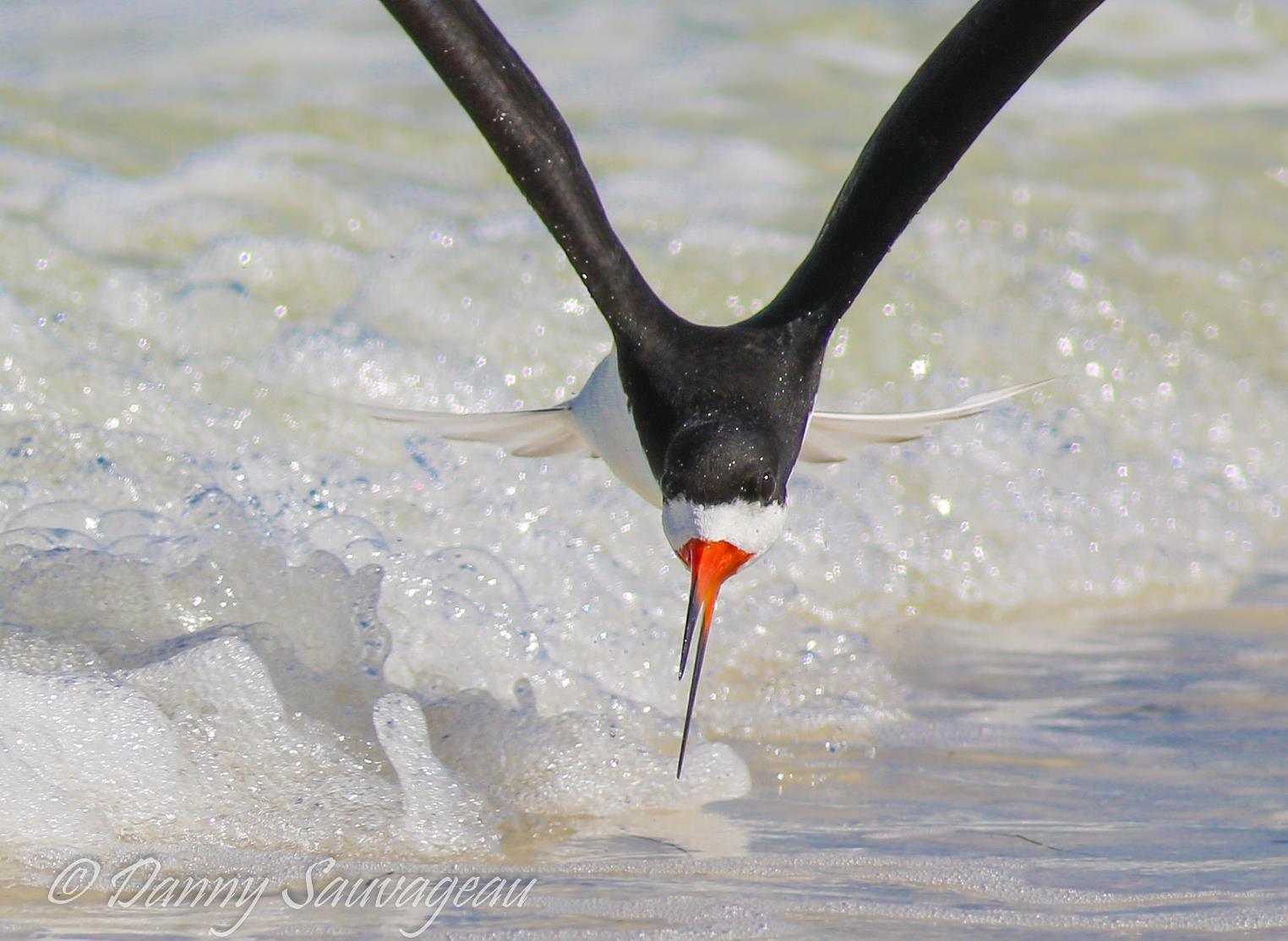
Last year I posted about an avian scoop, when black skimmers (Rynchops niger) were actually photographed on Abaco. These wonderful birds are classified WR 4 for Abaco, which means uncommon winter residents (ie roughly September until April). Now I look into it further on the indispensable eBird, there are actually quite a few reported sightings most years on Abaco – especially on the Cays. Furthermore the sightings cover most months except midsummer. So maybe they aren’t so rare after all. But I couldn’t track down any workable Abaco skimmer photographs until Charmaine Albury managed to take a few last Autumn, which led to the gift post title SCOOP. Because that is just how they feed. 
Black Skimmer feeding - Danny Sauvageau

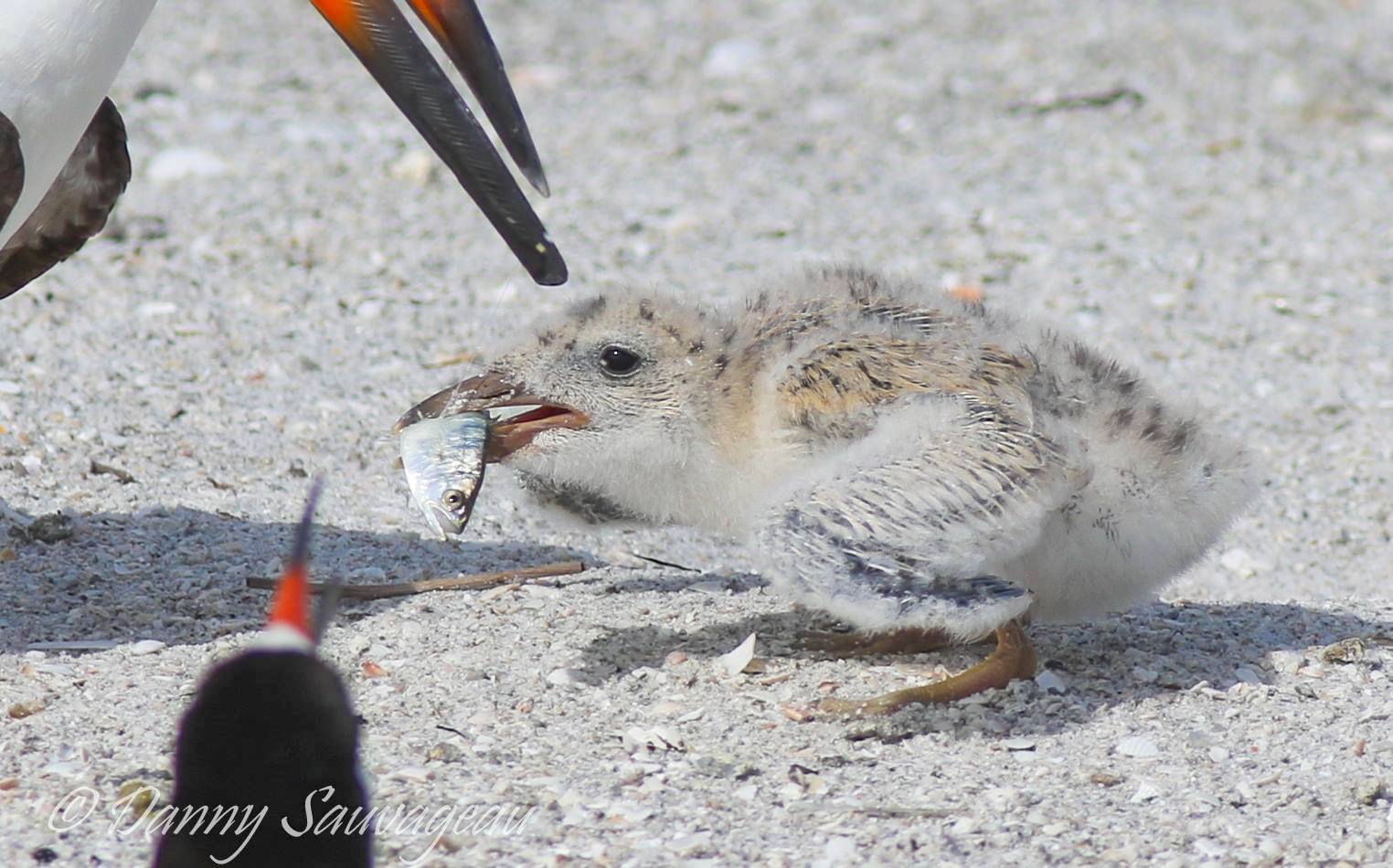
Danny Sauvageau is a dedicated birder in Florida, and a brilliant photographer with it. From time to time I feature his work when his camera skills cover a species found on Abaco but for which Abaco images are scarce (or non-existent). All these photographs were recently taken in Pinellas County, Fl., and I’m really grateful to Danny for permission for occasional use of his exceptional photos. 

Black Skimmers - Danny Sauvageau

At the moment, the breeding season is well under way, with the hungry chicks being fed as fast as they can swallow. And this is how that looks, thanks to Danny and his immense talent. 

Black Skimmers and chicks - Danny SauvageauBlack Skimmers and chicks - Danny SauvageauBlack Skimmers and chicks - Danny SauvageauBlack Skimmers and chicks - Danny SauvageauBlack Skimmers and chicks - Danny SauvageauBlack Skimmers and chicks - Danny SauvageauBlack Skimmers and chicks - Danny Sauvageau

All photos by © Danny Sauvageau, with thanks

And finally… I’d be really pleased to hear about any Abaco skimmer sightings (and I’ll keep an eye on eBird). Bonus points and a theoretical Kalik for photographs!

Black Skimmers skimming - Danny Sauvageau

Unknown's avatar

RED-LEGGED THRUSHES: MAKING EYE-CONTACT ON ABACO


Red-legged Thrush, Abaco, Bahamas (Tom Sheley)

RED-LEGGED THRUSHES: MAKING EYE-CONTACT ON ABACO

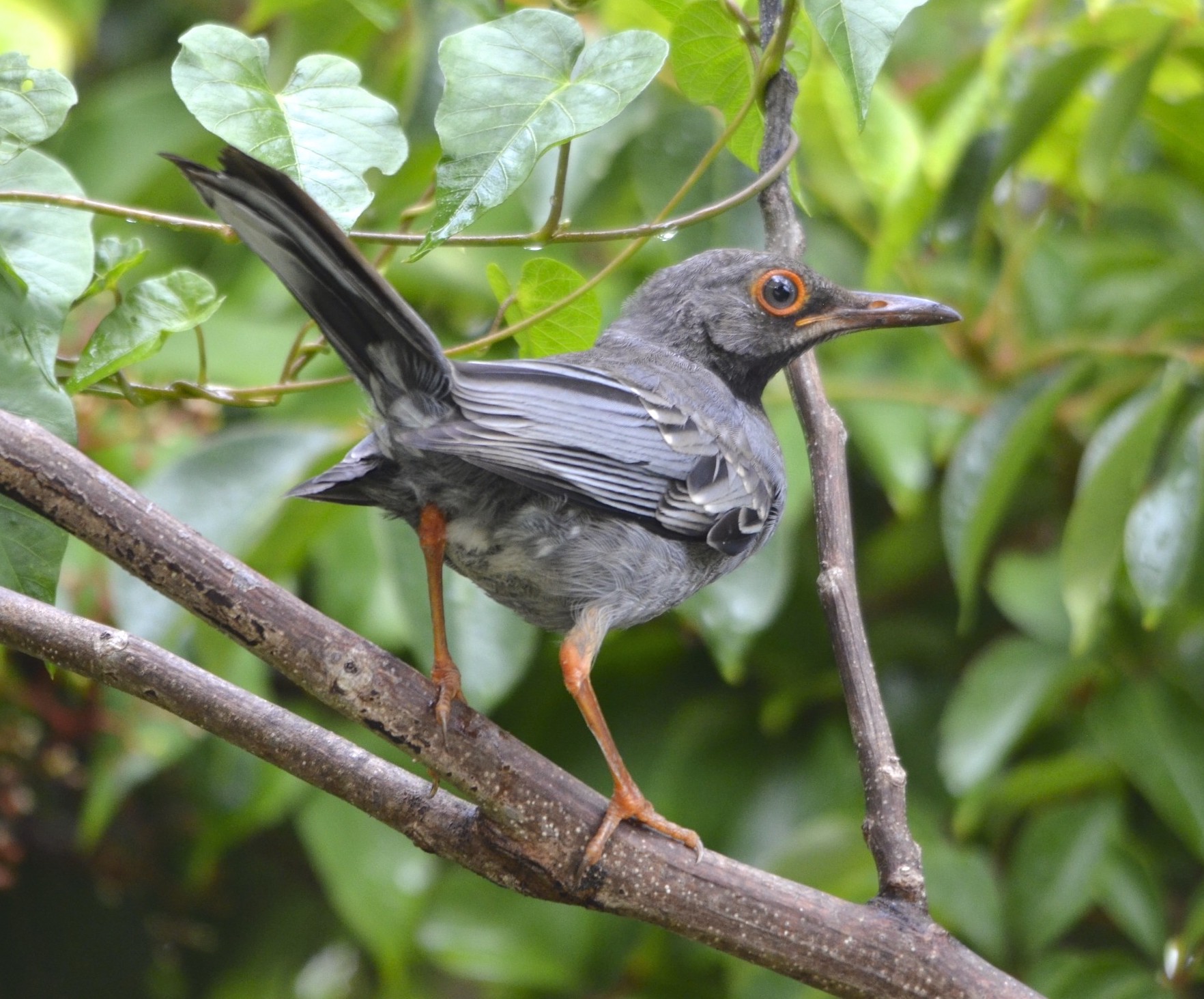
I see it is ‘literally’** years since I last wrote about these lovely, accessible birds, the only permanent resident breeding thrush species on Abaco (out of 8). The post – OL’ RED-EYES IS BACK – featured mainly my own photos, plus one by Mrs RH. With a whole lot of more recent photos, it’s time to revisit these cheery birds. I promised something brighter after two rather sombre shearwater die-off posts – (incidentally, a far wider problem than just in the Bahamas, including NC & Cape May). Here it is.

A RED-LEGGED, RED-EYED GALLERY

Red-legged Thrush, Abaco, Bahamas (Peter Mantle)

Red-legged Thrush, Abaco, Bahamas (Gerlinde Taurer)

Red-legged Thrush, Abaco, Bahamas (Peter Mantle)

Many of the birds shown here were photographed in or around the grounds of Delphi. More recently, they have to an extent been displaced by red-winged blackbirds which are of course very fine birds but in large numbers sound (may I say this? Is this just me?) quite irritating after a while. Whereas the thrush of course has a sweet and melodious song, like this (my own recording – turn up the vol):

Mr & Mrs Harbour’s Handiwork at DelphiRed-legged Thrush, Abaco, Bahamas (Keith Salvesen)

Red-legged Thrush, Abaco, Bahamas (Keith Salvesen)

Red-legged Thrush, Abaco, Bahamas (S Salvesen)

As I may have mentioned before (impatient reader: ‘yes, yes, you did’), the eyes of the RLT are at least as prominent a feature as their legs. Lots of birds have red legs. Very few have such remarkable bright, fiery eye-rings, even in a youngster.

Red-legged Thrush, Abaco, Bahamas (Charles Skinner)Red-legged Thrush, Abaco, Bahamas (Charles Skinner)

Red-legged Thrush, Abaco, Bahamas (Erik Gauger)

This photo from birdman Tom Sheley is my favourite – a perfect compositionRed-legged Thrush, Abaco, Bahamas (Tom Sheley)

** This means it really is literally years (4), not in the modern modified sense of ‘not actually literally’, as  in “I am literally dying of hunger”. Unless you are exceptionally unfortunate, while you have the breath to say you are, you are literally not doing so…

FUN FACT

There is quite literally no song since 1950 with the word ‘thrush’ in the title. Hard to fathom why… One or two songs have a thrush buried away in the lyrics somewhere. Blackbirds have done rather better in this respect… 

Photo Credits: Tom Sheley (1, 11); Peter Mantle (2, 4); Gerlinde Taurer (3); Mr & Mrs Harbour (5, 6, 7); Charles Skinner (8, 9); Erik Gauger (10). Lo-fi audio recording: RH

Unknown's avatar

SHEARWATER DIE-OFF ON ABACO: UPDATE


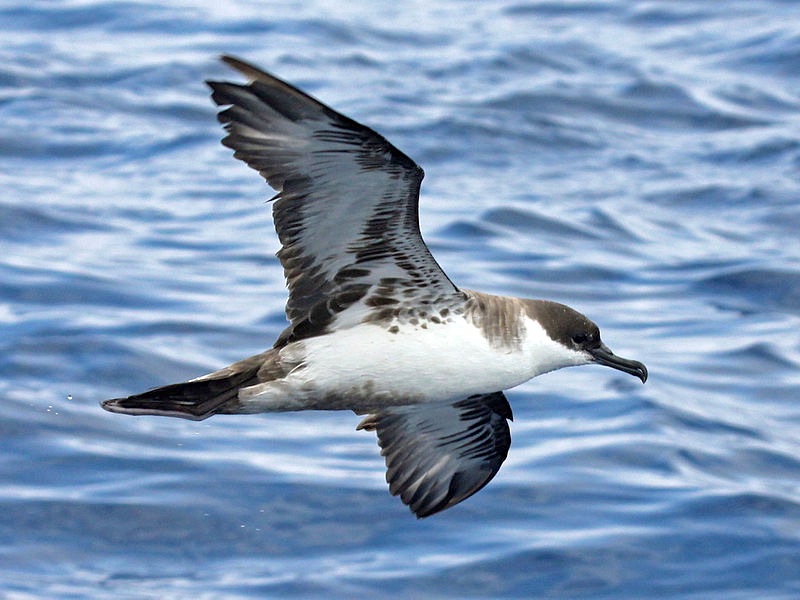
Great Shearwater (part of a die-back event on Abaco) - Dick Daniels

SHEARWATER DIE-OFF ON ABACO: UPDATE

A week ago I posted about the reports of dead and dying Audubon’s shearwaters being washed up on various beaches on the Abaco mainland in and around Cherokee Sound and down to Bahama Palm Shores. I included some advice about how to deal with these poor birds. You can find the post HERE.

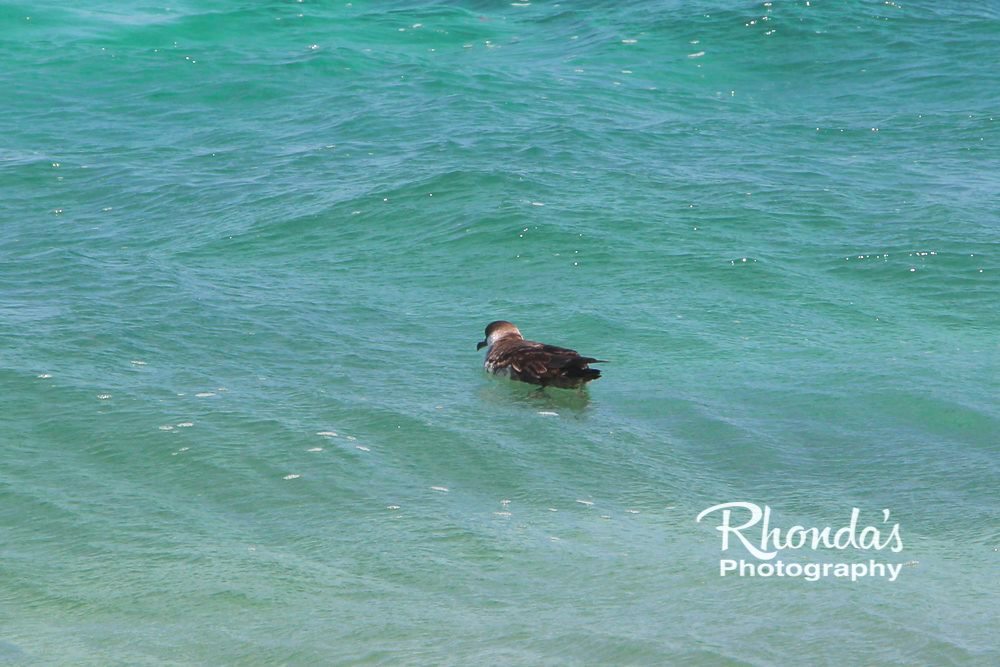
Piping plover monitor Rhonda Pearce found a couple of struggling shearwaters in the seaAudubon's Shearwater - part of a die-back event on Abaco (Rhonda Pearce)

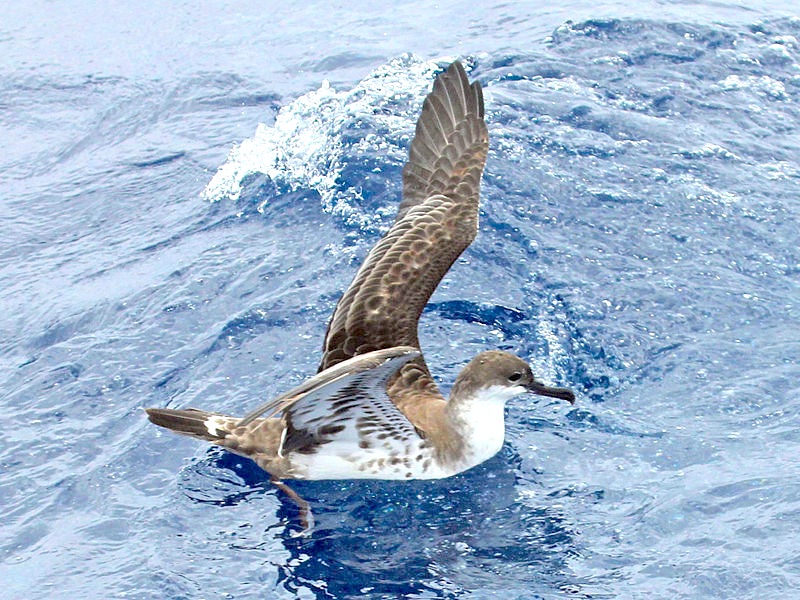
The very next day, reports began to emerge of another species, great shearwaters, being found dead or in a distressed state just off-shore or washed up on beaches. Reports were fewer, but covered a wider area, including a bird in a very poor condition at Delphi. Great shearwaters were the ones involved in the die-back event 2 years ago. 

Audubon's Shearwater - part of a die-back event on Abaco (Rhonda Pearce)

Keith Kemp, who made one of the earlier Audubon shearwater reports, found a young great shearwater in trouble in the sea while he was out in a kayak off Cherokee Point. He rescued it and took all sensible precautions to nourish it and make it comfortable but sadly it did not last the night. He has frozen the bird as a specimen in case analysis will help to explain this die-off event.

Great Shearwater - part of a die-back event on Abaco (Keith Kemp)

As I wrote before, these birds of the open ocean may become weakened and exhausted if fishing conditions become adverse. They will drift weakly with the tide, dying at sea or washing up in a very poor state in the tideline or on beaches.  Their prospects of survival if rescued is sadly very slim – I have not yet heard of a success, though I would love to…

Great Shearwater (part of a die-back event on Abaco) - Dick Daniels

Thankfully, during the past week, reports have gradually diminished. I’ve not seen one for a couple of days. With any luck, the current die-off is now over and will not be repeated for several years. However, another one will certainly happen, I’m afraid – maybe in 5 to 10 years time, the usual gap. Twice in two years has made for very bleak, distressing news.

A more cheerful post will be next, I promise. Meanwhile, any further reports or comments would be welcome.

Photo credits: Dick Daniels (1, 5), Rhonda Pearce (2, 3); Keith Kemp (4)

Unknown's avatar

AUDUBON’S SHEARWATER (DUSKY PETREL): SAD NEWS FROM ABACO


Audobon's_Shearwater - Dominic Sherony wiki

AUDUBON’S SHEARWATER (DUSKY PETREL): SAD NEWS FROM ABACO

Just 2 short years ago, Abaco experienced a shearwater die-off event, when during a period of a week or so numerous dead and dying Great Shearwaters were washed up on many of Abaco’s beaches. You can read about it HERE and a follow-up HERE. This map shows the affected area in 2015.

Now comes news of another such sad event, with a large number of Audubon’s shearwaters (Puffinus lherminieri) appearing in the tideline and on beaches at Bahama Palm Shores, Casuarina, Winding Bay and doubtless elsewhere. Many are already dead. Some are still alive, but in a very poor state. 

Audubons Shearwater from Crossley ID Guide (Eastern Birds) - Richard Crossley : Crossley Guides CCL

SHEARWATER DIE-OFF
These upsetting beach finds seem to be a periodic phenomenon, and very likely result from climate conditions or shortage of food out in the ocean – or a combination. Although most will unavoidably have ingested plastics, that would not explain the simultaneous deaths. Poor fishing conditions – they eat fish and squid – will weaken and exhaust the birds as they try to find food. Woody Bracey thinks this the most likely cause, having noticed recent poor deep-sea fishing conditions and an unusual absence of the frigatebirds that are a sure sign of fish.
Pétrel de Barau - wiki .jpg
WHAT CAN BE DONE?
The dead birds will be quickly removed by the turkey vultures. If you do find one, you might want to bury it. The prognosis for sick birds, sadly, is not good. They may have been carried a long way from open sea and they will be exhausted and starved. Those that are strong enough may recover naturally; but most will sadly die, being too weak and emaciated to survive. There is no available facility able to deal with a large number of very poorly or dying birds. 
The most practical advice I can give is:
(1) move the bird gently into the shade if in the sun
(2) provide water in a shallow dish
(3) offer finely chopped fish BUT no bread – it’s very bad for birds…
(4) if it seems to be working, then carry on until the bird is strong enough to fly (this may be quite a commitment).
(5) do not reproach yourself if a bird you try to help dies. Many will be in such bad shape by the time they are washed up that they are unlikely to survive whatever steps you take.
 
Audubon's Shearwater Stamp) OS
WHAT DO I LOOK OUT FOR?
This poor shearwater was one of a number of dead birds found by Keith Kemp at Casuarina yesterday. I realise such images can be upsetting, so I am confining photos of the birds to just two so you will recognise one if you see it.
Audubon's Shearwater, Abaco (Keith Kemp)Audubon's Shearwater, Abaco (Keith Kemp)
 AUDUBON’S SHEARWATERS IN AN EGGSHELL
  • Belong to the petrel family
  • Named ‘Puffinus lherminieri’ after French naturalist Felix Louis L’Herminier
  • Also known as the Dusky-backed Shearwater – or by Audubon as the Dusky Petrel
  • Forages by diving out of flight or from the surface; or by surface-feeding
  • Colony breeders, nesting in rock crevices, in burrows, or under thick vegetation
  • Mated pairs spend much time together at nest site. They like rubbing bills together
  • Their ‘twittering calls and mewing’ are usually only heard at night 

Audubon’s ‘Dusky Petrel’

Audubon's Shearwater (Dusky Petrel) - Audubon.org

I’d be interested to hear any other accounts of the current event, especially of any recovery stories. By all means do this as a comment, or email me  / PM on FB

Finally, for those who wonder how pioneer naturalists went about their work observing a species, collecting specimens and recording their findings, here is Audubon’s own account for the ‘Dusky Petrel’, Plate 299 in his magisterial work.

Dusky Petrel (Plate 299)

On the 26th of June, 1826, while becalmed on the Gulf of Mexico, off the western shores of Florida, I observed that the birds of this species, of which some had been seen daily since we left the mouth of the Mississippi, had become very numerous. The mate of the vessel killed four at one shot, and, at my request, brought them on board. From one of them I drew the figure which has been engraved (see above). The notes made at the time are now before me, and afford me the means of presenting you with a short account of the habits of this bird.

They skim very low over the sea in search of the floating bunches of marine plants, usually called the gulf weed, so abundant here as sometimes to occupy a space of half an acre or more. In proceeding, they flap their wings six or seven times in succession, and then sail for three or four seconds with great ease, having their tail much spread, and their long wings extended at right angles with the body. On approaching a mass of weeds, they raise their wings obliquely, drop their legs and feet, run as it were on the water, and at length alight on the sea, where they swim with as much ease as Ducks, and dive freely, at times passing several feet under the surface in pursuit of the fishes, which, on perceiving their enemy, swim off, but are frequently seized with great agility. Four or five, sometimes fifteen or twenty of these birds, will thus alight, and, during their stay about the weeds, dive, flutter, and swim, with all the gaiety of a flock of Ducks newly alighted on a pond. Many Gulls of different kinds hover over the spot, vociferating their anger and disappointment at not being so well qualified for supplying themselves with the same delicate fare. No sooner have all the fishes disappeared than the Petrels rise, disperse, and extend their flight in search of more, returning perhaps in awhile to the same spot. I heard no sound or note from any of them, although many came within twenty yards of the ship and alighted there. Whenever an individual settled in a spot, many others flew up directly and joined it. At times, as if by way of resting themselves, they alighted, swam lightly, and dipped their bills frequently in the water, in the manner of Mergansers.

I preserved the skins of the four specimens procured. One of them I sent to the Academy of Natural Sciences of Philadelphia, by Captain JOHN R. BUTLER, of the ship Thalia, then bound from Havana to Minorca. Two others were presented to my excellent friend Dr. TRAILL, on my first becoming acquainted with him at Liverpool.

I found the wings of this species strong and muscular for its size, this structure being essentially requisite for birds that traverse such large expanses of water, and are liable to be overtaken by heavy squalls. The stomach resembles a leather purse, four inches in length, and was much distended with fishes of various kinds, partially digested or entire. The oesophagus is capable of being greatly expanded. Some of the fishes were two and a half inches in length, and one in depth. The flesh of this Petrel was fat, but tough, with a strong smell, and unfit for food; for, on tasting it, as is my practice, I found it to resemble that of the porpoises. No difference is perceptible in the sexes.

While on board the United States revenue cutter Marion, and in the waters of the Gulf Stream opposite Cape Florida, I saw a flock of these birds, which, on our sailing among them, would scarcely swim off from our bows, they being apparently gorged with food. As we were running at the rate of about ten knots, we procured none of them. I have also seen this species off Sandy Hook.

Audubon’s Range Map for the species
Audubon's-Shearwater_map (audubon.org)

Credits: thanks to those  on Abaco who have been reporting this sad event over the last few days, and to Woody Bracey for his views; Dominic Sherony (wiki) for the header image; Keith Kemp for photos from Casuarina; Audubon.org for images, quote & range map; Richard Crossley / Crossley Guides for the composite picture; Audubon, wiki and random pickings for info about these birds