Unknown's avatar

‘A SADNESS OF SHEARWATERS’ ON ABACO: UNWELCOME NEWS


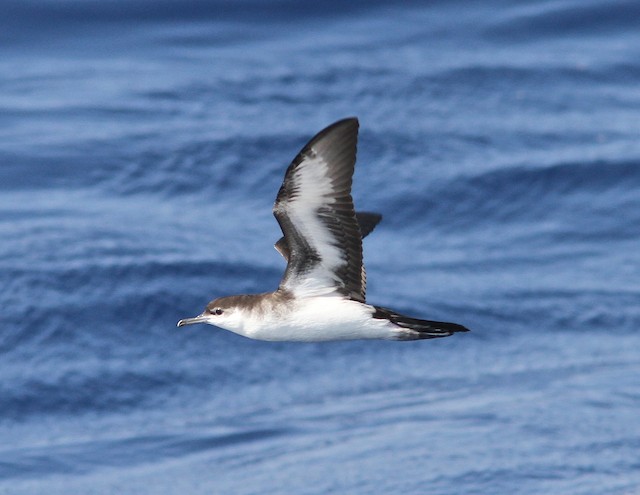
Audobon's_Shearwater - Dominic Sherony wiki

‘A SADNESS OF SHEARWATERS’ ON ABACO

If you are walking your favourite beach on Abaco right now, it’s quite possible you may see – or may already have seen – a very poorly seabird. Or one that is dead, I’m afraid. These are Audubon’s Shearwaters, also known as Dusky Petrels. They are the only permanent resident shearwater species on Abaco. Three others (Cory’s, Great and Sooty) are rare transients; and the last – the Manx – is a very rare off-course vagrant.

Each sad bird is part of a tragic and recurrent phenomenon, a so-called die-off event. As in previous years, a few of the birds that succumb may be Great Shearwaters mixed in with the Audubon’s. I first became aware of this problem in June 2015 and wrote two detailed posts about the situation. This bleak time lasted for about a week, and many reports came in from the mainland and the cays from Green Turtle Cay right down to Crossing Rocks, all duly mapped to get the overall picture. 

audubons-shearwater-abaco-keith-kemp

There was thankfully no such problem in 2016, but in 2017 – also in June – there was another die-back event involving a large number of Audubon’s shearwaters (Puffinus lherminieri) appearing in the tideline and on beaches. Many were already dead. Some are still alive, but in a very poor state. The prospects for recovery for birds that were captured and cared for were not good.
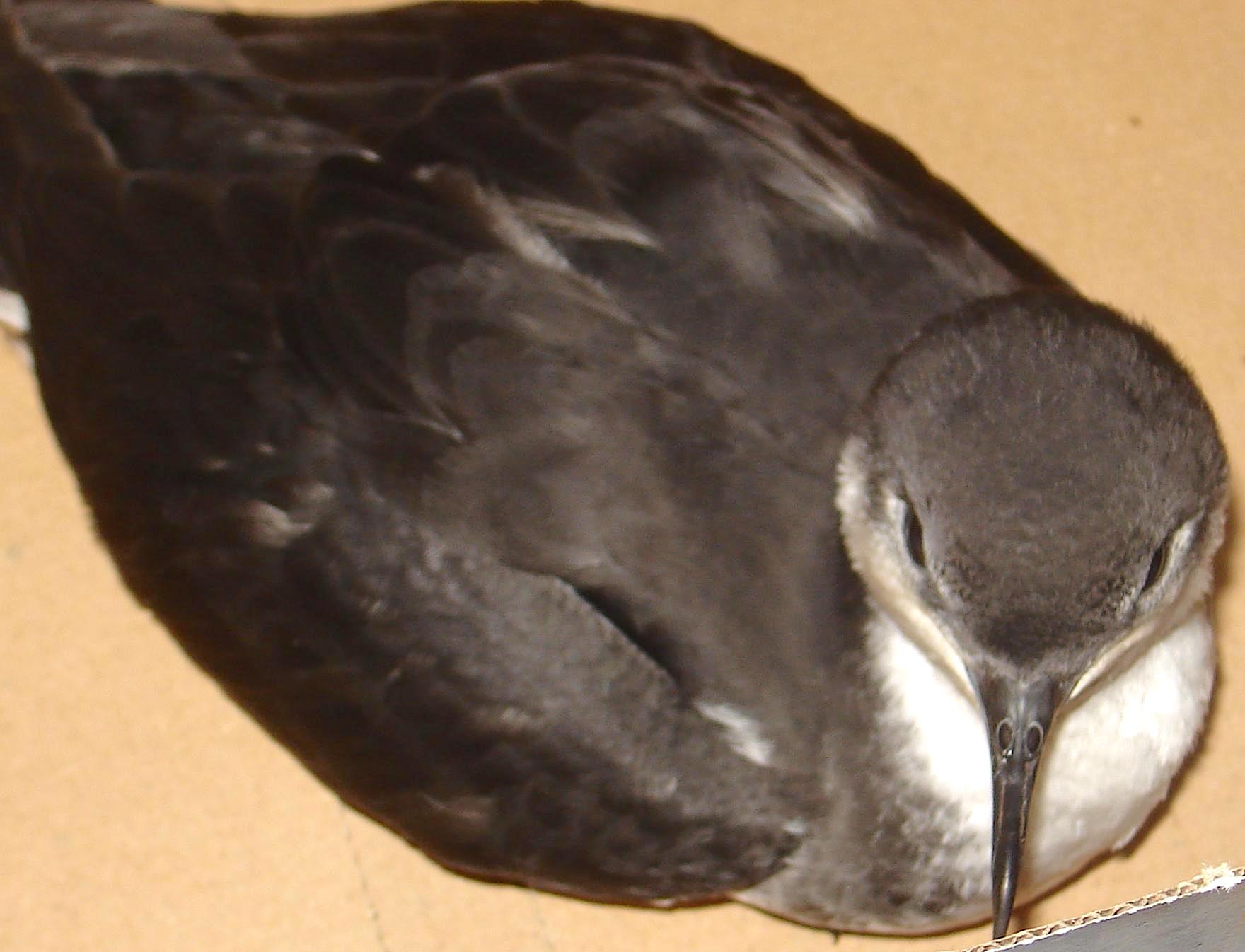
Audubon's shearwater - Kinlarak / wiki

Two years on, and the melancholy cycle is repeating itself. A few days ago, Melissa Maura, an expert in the care and recovery of creatures of all kinds, posted an alert and some sound advice:

A heads-up to all Island folk that it appears to be a summer when exhausted Shearwaters (pelagic seabirds) are washing up on our beaches in Eleuthera and Abaco. I have had two calls in 24 hours. Should you find one, understand that it will be in a severe state of exhaustion and stress and that excessive handling will kill it. Please put in a safe pen on a sandy surface, with shallow pan of fresh water and try locate either fresh fish (important) or squid from a bait shop. This may have to be administered by gently opening the beak and inserting one inch long piece of fish every couple of hours until stable. Ideally they need tube feeding, but very few folk can do this. Please contact me on private message if you find any…

An exhausted Audubon’s Shearwater, now being cared for by Melissa Maura

WHY DOES THIS SHEARWATER DIE-OFF HAPPEN?
This is a periodic phenomenon that looks to be settling into a 2-year cycle in the Northern Bahamas (Eleuthera is also affected). The cause is probably a combination of factors, very likely stemming from prevailing mid-summer climate conditions and/or the effect of climate change. This can lead to a shortage of food far out in the ocean where the birds spend their days. This in turn leads to weakness and exhaustion as the birds try to find food. The birds may then land (or fall) in the sea, to be washed ashore in a very bad state, or dead. In 2017, well-known bird expert Woody Bracey noted a correlation between poor fishing conditions out at sea, and an unusual absence of the frigatebirds that are a sure sign of a healthy fish population.
Shearwater washed up on the beach at Winding Bay a couple of days ago
ARE PLASTICS A CONTRIBUTORY FACTOR?
As we must all accept by now, most if not all these birds will unavoidably have ingested some of our discarded plastic.  However, that in itself would not explain the simultaneous deaths of many birds of one type in a specific area, at exactly the same time of year, and for a few days only. 
Audubon's Shearwater (Neotropical Birds / Cornell / Brian Sullivan)
WHAT ELSE CAN BE DONE?
The dead birds will be quickly removed by the turkey vultures. If you do find one, you might want to bury it. The prognosis for sick birds is not that good. They may have been carried a long way from open sea and they will be exhausted and starved. Those that are strong enough may recover naturally; but most will sadly die, being too weak and emaciated to survive. There is no available facility able to deal with a large number of very poorly or dying birds.
The most practical advice I can give is:
(1) move the bird gently into the shade if in the sun
(2) provide clean water in a shallow dish
(3) offer finely chopped fish BUT no bread (it’s very bad for birds)
(4) if this seems to be working, then carry on until the bird is strong enough to fly (this may be quite a commitment)
(5) do not reproach yourself if a bird you try to help dies. Many will be in such bad shape by the time they are washed up that they are unlikely to survive whatever steps you take
(6) remember that this a part – a sad part – of the life-cycle of these birds, and (as with other species), a degree attrition is an inevitable aspect of natural life
I’d be interested to hear any other accounts of this year’s dieback, especially of any recovery stories. By all means do this as a comment, or email me, DM, or FB.
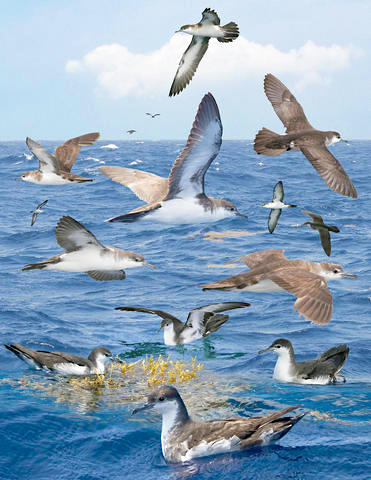
Credits: thanks to those  on Abaco who have been reporting this event over the last few days; Dominic Sherony (1); Melissa Maura (2, 5); Keith Kemp (3); Kinlarak / wiki (4); Rhonda Pearce (6); Brian Sullivan / Neotropical Birds / Cornell  (7); )Richard Crossley / Crossley Guides for the composite picture
Unknown's avatar

ROCK BEAUTY: BAHAMAS REEF FISH (52)


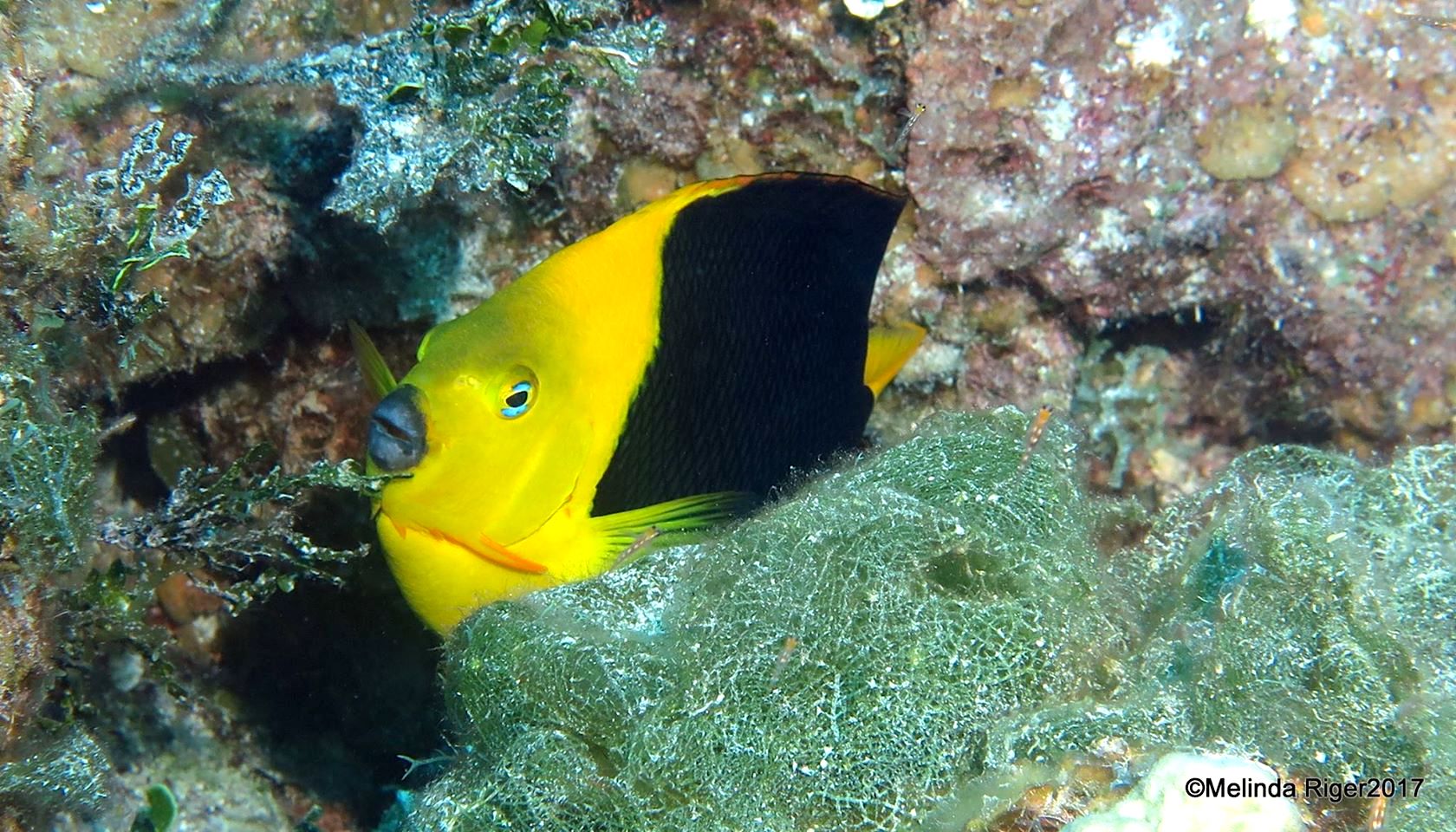
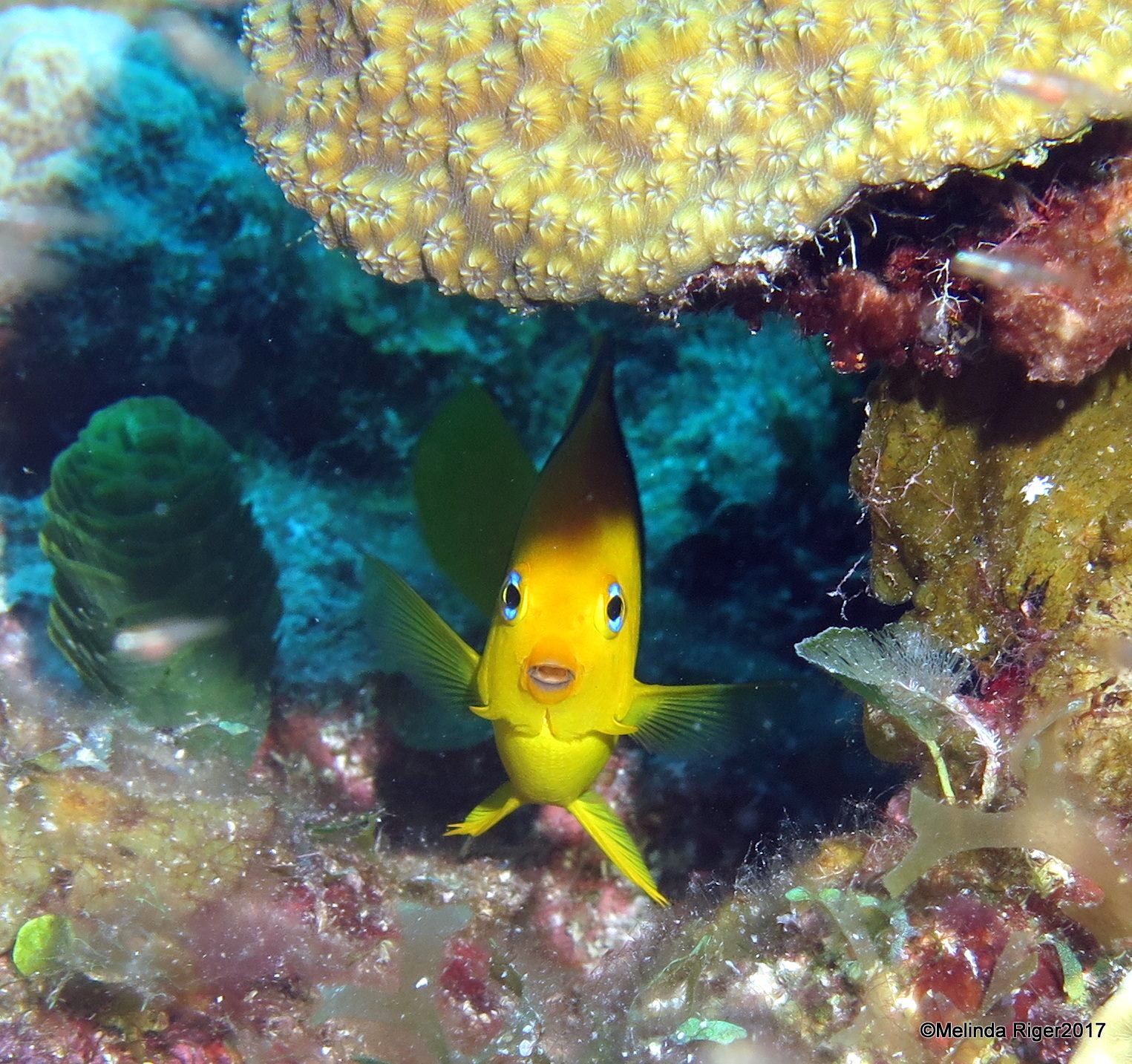
ROCK BEAUTY: BAHAMAS REEF FISH (Melinda Riger / GB Scuba)

ROCK BEAUTY: BAHAMAS REEF FISH (52)

I last featured the cheerfully-coloured Rock Beauty Holacanthus tricolor 2 or 3 years back. Time has passed; new photos exist; new people have signed up to follow this eclectic menagerie (thank you both). Time for another look at these beauties, which also happen to be cuties.

ROCK BEAUTY: BAHAMAS REEF FISH (Melinda Riger / GB Scuba)

Look at the little guy above –  posing for Pixar, adorably hoping to star in Part 3 of the Nemo / Dory trilogy

ROCK BEAUTY: BAHAMAS REEF FISH (Melinda Riger / GB Scuba)

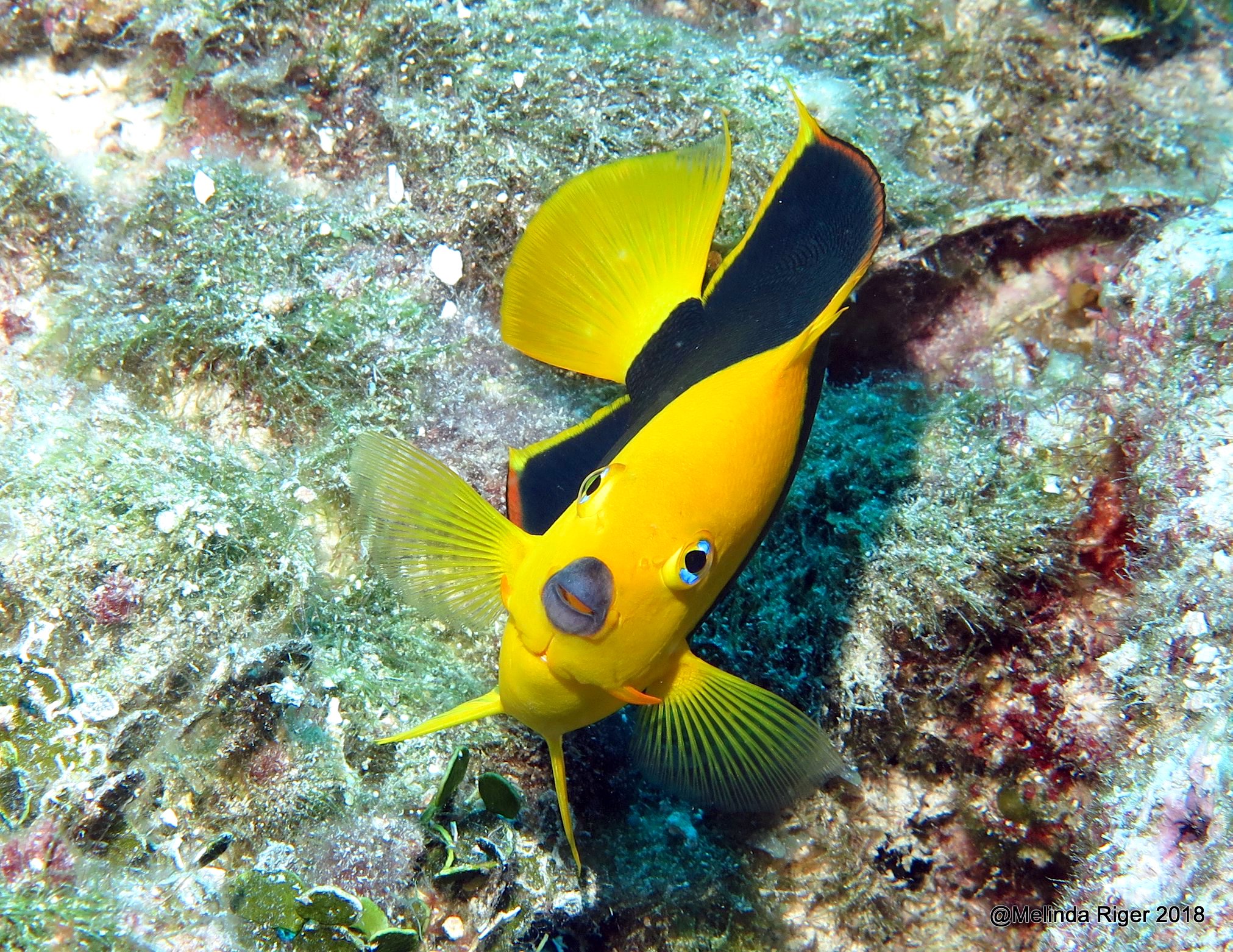
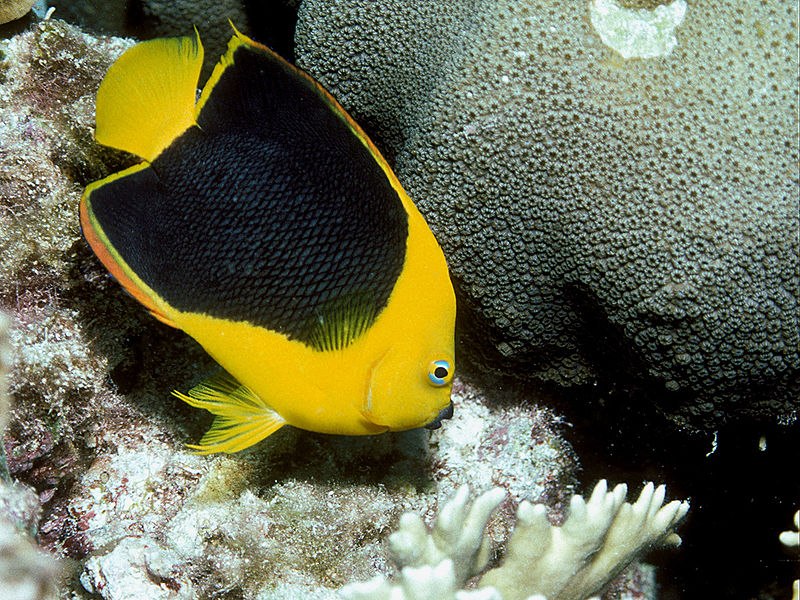
These fish are a small species of angelfish. Seen swimming around the reefs they are unmistakeable, not least because of their bright yellow hi-viz jackets, remarkable blue eyeliner and blue-black lippy. 

ROCK BEAUTY: BAHAMAS REEF FISH (Melinda Riger / GB Scuba)

Rock Beauties look like prime candidates for anyone’s aquarium, but their picky dietary requirements and tendency for aggression make them unsuitable.

ROCK BEAUTY: BAHAMAS REEF FISH (Melinda Riger / GB Scuba)

They are highly specialised feeders, needing marine sponge in their daily diet. They are also prone to chase their tank-mates and nip them. On balance, they look more fetching nosing about the coral anyway.

ROCK BEAUTY: BAHAMAS REEF FISH (Melinda Riger / GB Scuba)

WHAT DO JUVENILES LOOK LIKE?

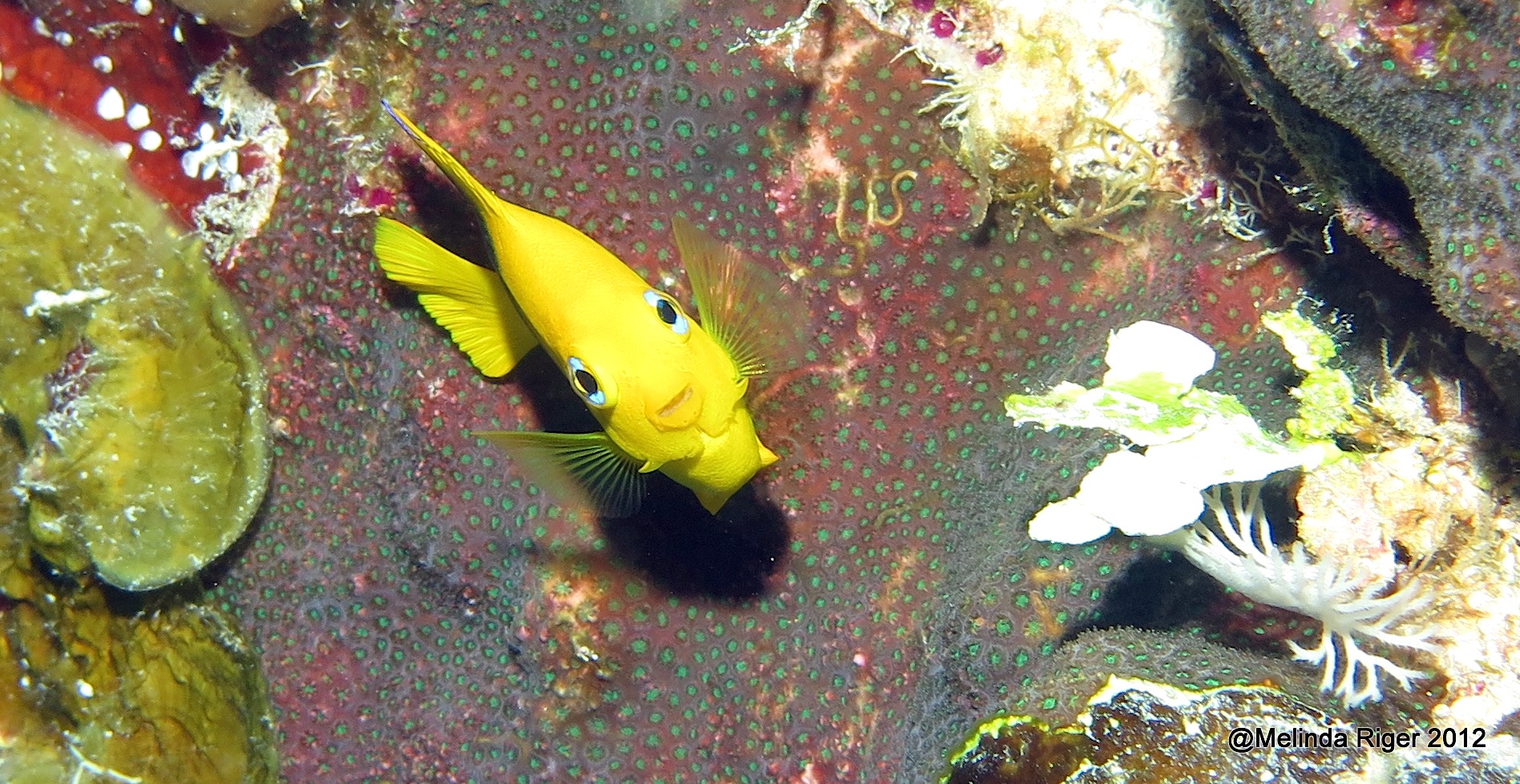
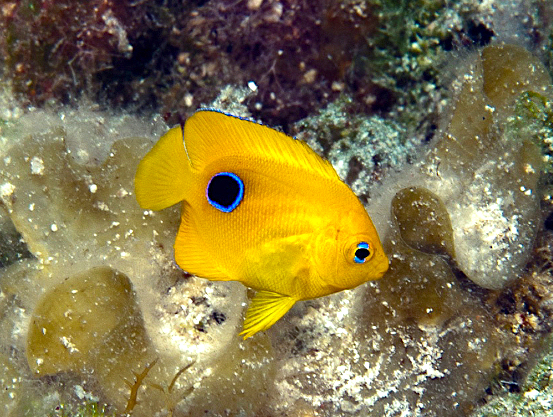
Juvenile rock beauties are cute mini-versions of the adults, only more yellow and with yellow lips. In some development stages, they have a smart blue circle around the dark patch on their sides (bottom image).

ROCK BEAUTY: BAHAMAS REEF FISH (Melinda Riger / GB Scuba)

Rock Beauty, Bahamas (Living Oceans Foundation))

NOTE Rock Beauties have no known kinship with Chrissie, Debbie, Lita, Joan, Jennifer, Stevie, Madge and the rest of the accredited ‘Rock Beauties aka Chicks’ 

NOT A TRUE ‘ROCK BEAUTY’ (no offence, Lita)

A TRUE ROCK BEAUTY

Credits: Melinda Riger, Grand Bahama Scuba; WP

Unknown's avatar

FLAMINGO TONGUE SNAILS: DECORATIVE CORAL-DWELLERS


Flamingo Tongue Snails (Melinda Rogers, Dive Abaco, Bahamas)

FLAMINGO TONGUE SNAILS: DECORATIVE CORAL-DWELLERS

FLAMINGO TONGUE SNAILS Cyphoma gibbous are small marine gastropod molluscs related to cowries. The living animal is brightly coloured and strikingly patterned, but that colour only exists in the ‘live’ parts – the so-called ‘mantle’. The shell itself is usually pale, and characterised by a thick ridge round the middle. These snails live in the tropical waters of the Caribbean and the wider western Atlantic. Whether alive or dead, they are gratifyingly easy to identify.

Flamingo Tongue Snails (Melinda Rogers, Dive Abaco, Bahamas)

THE IMPORTANCE OF CORAL

Flamingo tongue snails feed by browsing on soft corals. Often, they will leave tracks behind them on the coral stems as they forage (see image below). But corals are not only food – they provide the ideal sites for the creature’s breeding cycle.

Flamingo Tongue Snails (Dive Abaco, Bahamas)Flamingo Tongue Snails (Melinda Rogers, Dive Abaco, Bahamas)

Adult females attach eggs to coral which they have recently fed upon. About 10 days later, the larvae hatch. They eventually settle onto other gorgonian corals such as Sea Fans. Juveniles tend to live on the underside of coral branches, while adults are far more visible and mobile. Where the snail leaves a feeding scar, the corals can regrow the polyps, and therefore the snail’s feeding preference is generally not harmful to the coral.

The principal purpose of the patterned mantle of tissue over the shell is to act as the creature’s breathing apparatus. The tissue absorbs oxygen and releases carbon dioxide. As it has been (unkindly?) described, the mantle is “basically their lungs, stretched out over their rather boring-looking shell”

Flamingo Tongue Snails (Melinda Rogers, Dive Abaco, Bahamas)

THREATS AND DEFENCE

The species, once common, is becoming rarer. The natural predators include hogfish, pufferfish and spiny lobsters, though the spotted mantle provides some defence by being rather unpalatable. Gorgonian corals contain natural toxins, and instead of secreting these after feeding, the snail stores them. This supplements the defence provided by its APOSEMATIC COLORATION, the vivid colour and /or pattern warning sign to predators found in many animal species.

Flamingo Tongue Snails (Melinda Rogers, Dive Abaco, Bahamas)

MANKIND’S CONTRIBUTION

It comes as little surprise to learn that man is now considered to be the greatest menace to these little creatures, and the reason for their significant decline in numbers. The threat comes from snorkelers and divers who mistakenly / ignorantly think that the colour of the mantle is the actual shell of the animal, collect up a whole bunch from the reef, and in due course are left with… dead snails and “boring-looking shells” (see photos below). Don’t be a collector; be a protector…

Flamingo Tongue Snails (Melinda Rogers, Dive Abaco, Bahamas)

The photos below are of nude flamingo tongue shells from the Delphi Club Collection. Until I read the ‘boring-looking shell’ comment, I believed everyone thought they were rather lovely… I did, anyway. You decide!

Flamingo Tongue Snail Shell, Keith Salvesen AbacoFlamingo Tongue Snail Shell, Keith Salvesen Abaco

Image Credits:  Melinda Rogers / Dive Abaco; Keith Salvesen / Rolling Harbour

Flamingo Tongue Snails (Melinda Rogers, Dive Abaco, Bahamas)

Unknown's avatar

FILLYMINGOS: ELEGANT NATIONAL BIRD OF THE BAHAMAS


Flamingos & Chicks, Inagua Bahamas (Melissa Maura)

FILLYMINGOS: ELEGANT NATIONAL BIRD OF THE BAHAMAS

FEAT. FINE-FEATHERED FABULOUSNESS FOR FRIDAY

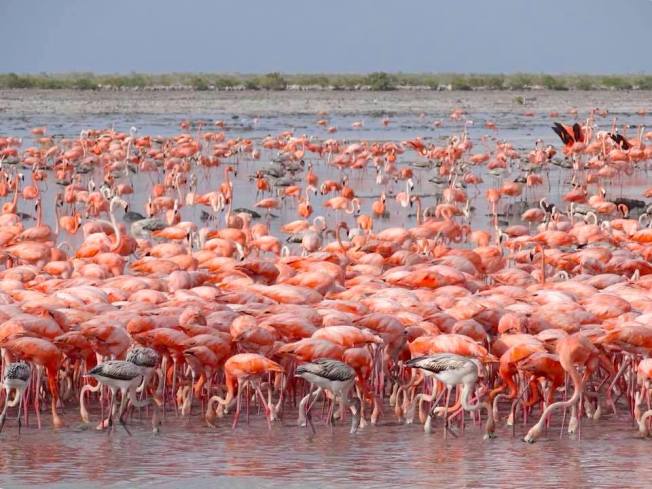
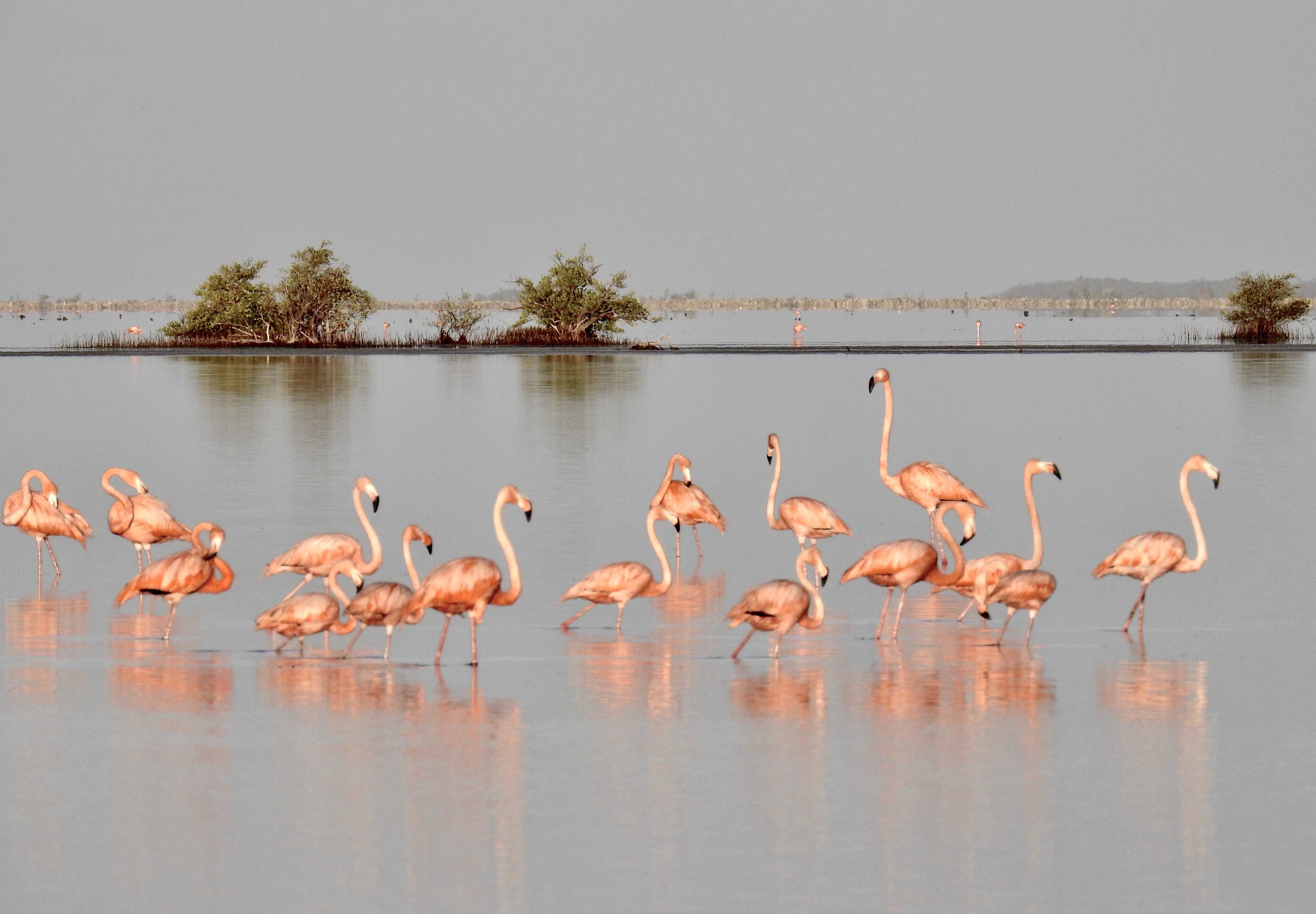
A flock of adult flamingos on InaguaFlamingos & Chicks, Inagua Bahamas (Melissa Maura)

A flock with some grey juveniles in the mixFlamingos & Chicks, Inagua Bahamas (Melissa Maura)

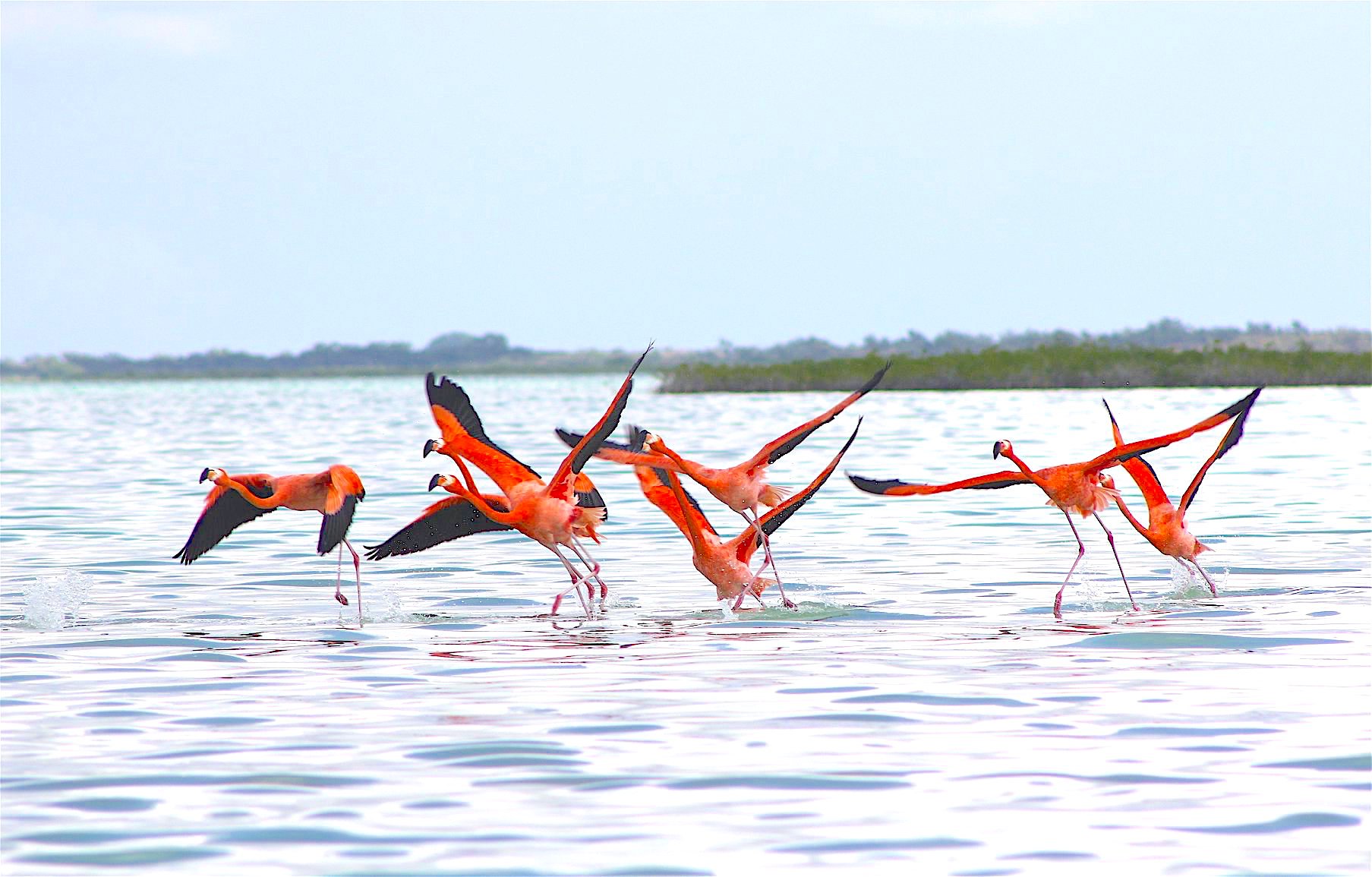
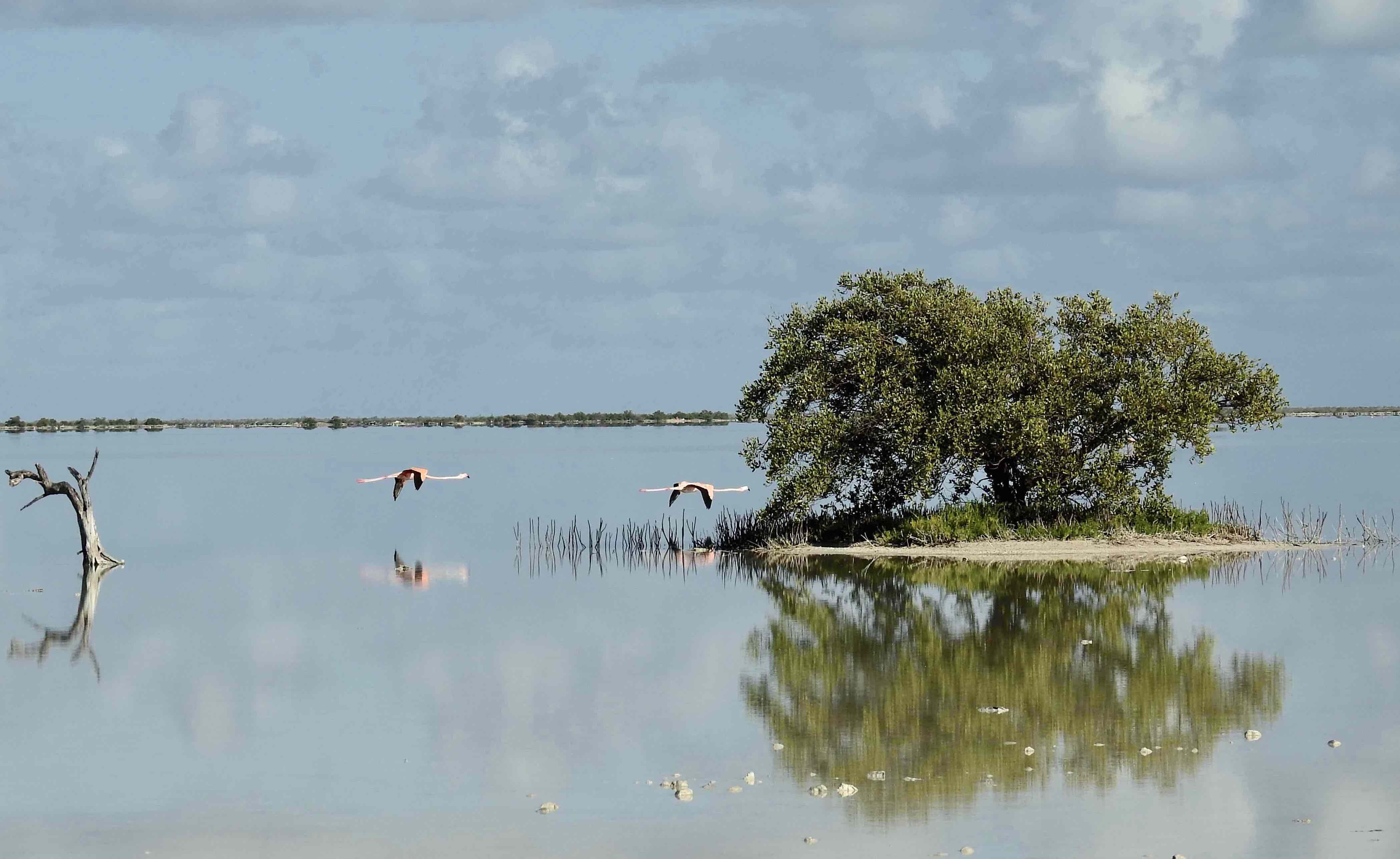
Flamingos in Flight

Flamingos sticking their necks out…

Preparing for take-off

Flamingo chick, InaguaFlamingos & Chicks, Inagua Bahamas (Melissa Maura)

Abstract Flamingos

It is an ill-concealed secret that I don’t have an artistic bone in my body – I get acute angst if asked to draw a stickman. As I was looking through photos of large pink flamingo groups, I suddenly realised that I was getting some sort of abstract vision of them. Whoooh! Art-talk. Anyway, I wondered how a legion of flamingos might look in B&W. Add a bit of highlight and… does it work at all? Whether yes or no, this may be the only B&W photo of flamingos since the invention of colour film. Why would you? [Impatient reader: ‘Why did you?]

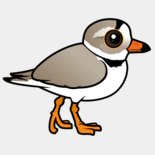
All great photos courtesy of Melissa Maura (1, 2, 3, 9, 10); Mary Kay Beach (4, 5, 6, 7, 8); Michael Vaughn (11), with many thanks for use permission; Cartoon, Birdorable

Flamingos & Chicks, Inagua Bahamas (Melissa Maura)


Unknown's avatar

BAHAMAS REEF FISH (48): SCHOOLMASTER SNAPPER


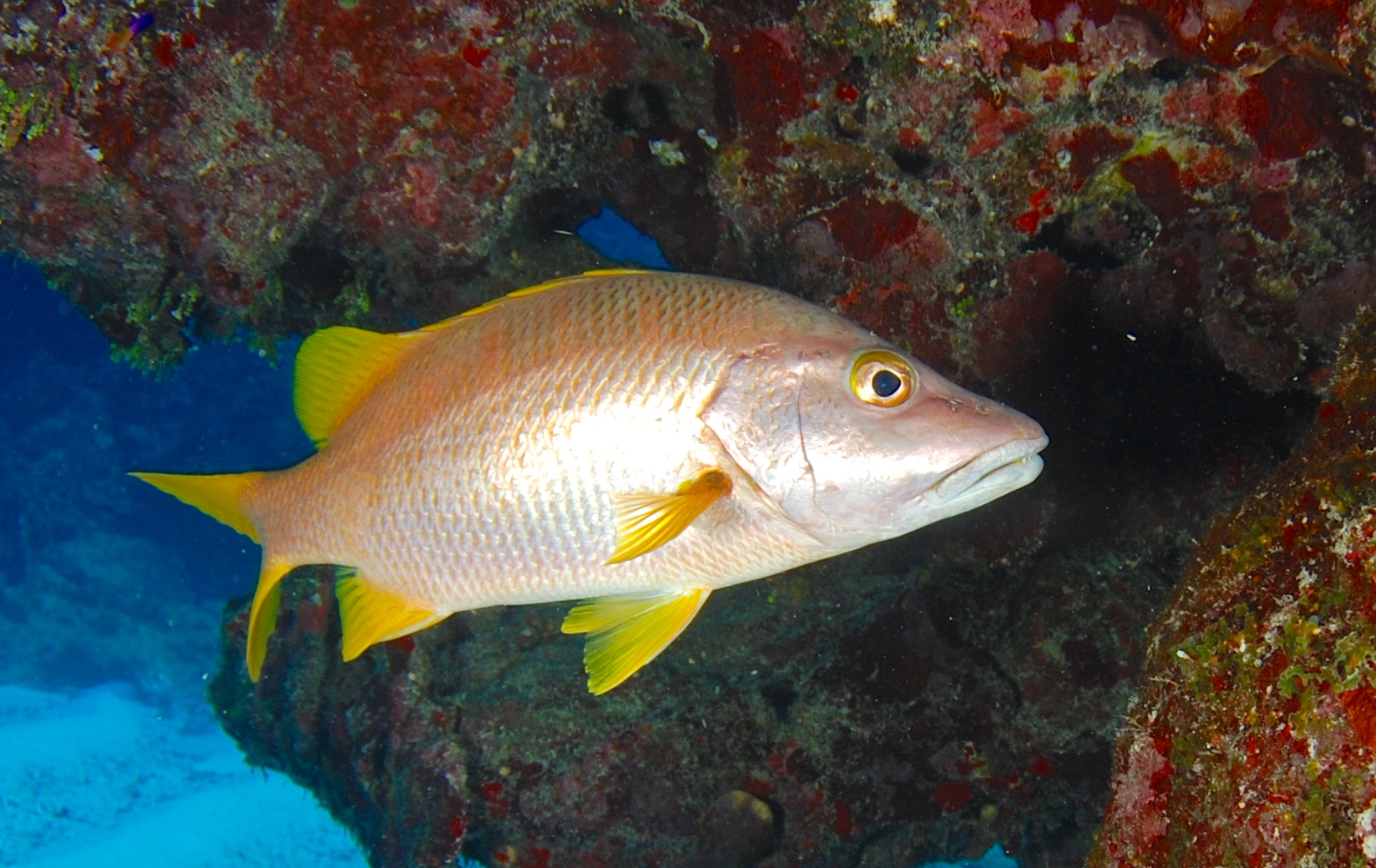
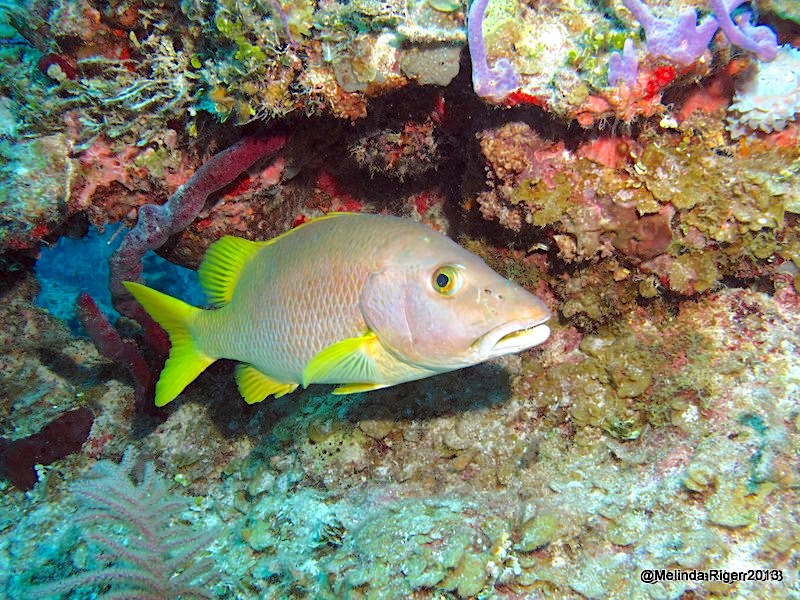
Schoolmaster Snapper (Melinda Riger @ G B Scuba)

BAHAMAS REEF FISH (48): SCHOOLMASTER SNAPPER

November 1st already, and the first time I am prepared to consider the possibility of the onset of Christmas, with its attendant joys yet complications… Meanwhile, I thought I might have run out of types of reef fish to feature in this series long before I got to 50. Yet here we are, two short of that target, with a species of snapper I haven’t even mentioned before. I am (frankly) a rather feeble swimmer, and do not possess a viable underwater camera. So there’s no way I could show these denizens of the not-especially-deep without heavy reliance on others, in particular the outstanding photos of diver Melinda Riger of Grand Bahama Scuba; and the memorable ones from Adam Rees of Scuba Works that include some of the more obscure species that appear in my WTF? (What’s That Fish) series. 

Schoolmaster Snapper (Melinda Riger @ G B Scuba)

The schoolmaster snapper (Lutjanus apodus) lives among the coral reefs and mangroves of the Caribbean and further north to the northern Bahamas and Florida. Generally they are quite small, not much more than 12- 18 inches. They tend to hang out in ‘schools’, which several sources suggest as the reason they got their common name. But schoolmasters don’t really move around in large groups, do they? It’s school pupils that do that, but ‘Pupil Snapper’ wouldn’t cut it as a fish name I guess.

Schoolmaster Snapper (Melinda Riger @ G B Scuba)

10 SCHOOLMASTER SNAPPER FACTS TO PONDER

  • One pair of upper teeth are so large they protrude when the fish shuts its mouth
  • Their side scales are so arranged that diamond shapes are produced
  • There’s plenty to learn about their fin arrangements, but not necessarily to remember
  • Their jaws don’t open very wide, so their prey tends to be quite small
  • Unlike fish that change sex as they grow, these ones retain their birth gender for life
  • When they spawn they produce their gametes simultaneously, and swim away
  • The fertilised eggs sink to the bottom, where they have to take their chances
  • Though small, they are good to eat and are fished for recreation and commercially
  • Regionally there are specific regulations as to catch length & limits, hook type, bait etc
  • Like all snappers and many other fish species, these fish are associated with ciguatera
Schoolmaster Snapper (Melinda Riger @ G B Scuba)

RECIPES

For those who enjoy cooking (whatever that is), you probably know exactly how you like to cook your snappers. For anyone else, here’s a site that proposes several different ways to cook them, with helpful tips. These seem to apply to all snapper species, most of which are available free in the Bahamas. http://www.allfishingbuy.com/Fish-Recipes/Snapper-Recepies.htm

My favourite schoolmaster snapper photo of those featured hereSchoolmaster Snapper (Melinda Riger @ G B Scuba)

POSSIBLE MEDICAL BENEFITS FROM EATING SNAPPERS

These are alleged to include (except when fried): protection against certain types of stroke, reduction of heart arrhythmia, and defence against certain types of cancer. Don’t take my word for it, though. And definitely don’t rely on a snapper-based diet regime. I think the most that can safely be said is that eating snapper will do you no harm (except when fried) and may conceivably have a marginal benefit on health along with a balanced diet, exercise, minimal alcohol intake and all the routines that we strictly adhere to for a healthy life. In our dreams, anyway.

Schoolmaster Snapper (Albert Kok)

Credits: All great pics by Melinda Riger / GB Scuba except #6 Albert Kok; range map, Wiki. Magpie pickings.

Schoolmaster Snapper (Melinda Riger @ G B Scuba)


Unknown's avatar

BAHAMAS SEA TURTLES: IN THEIR ELEMENT


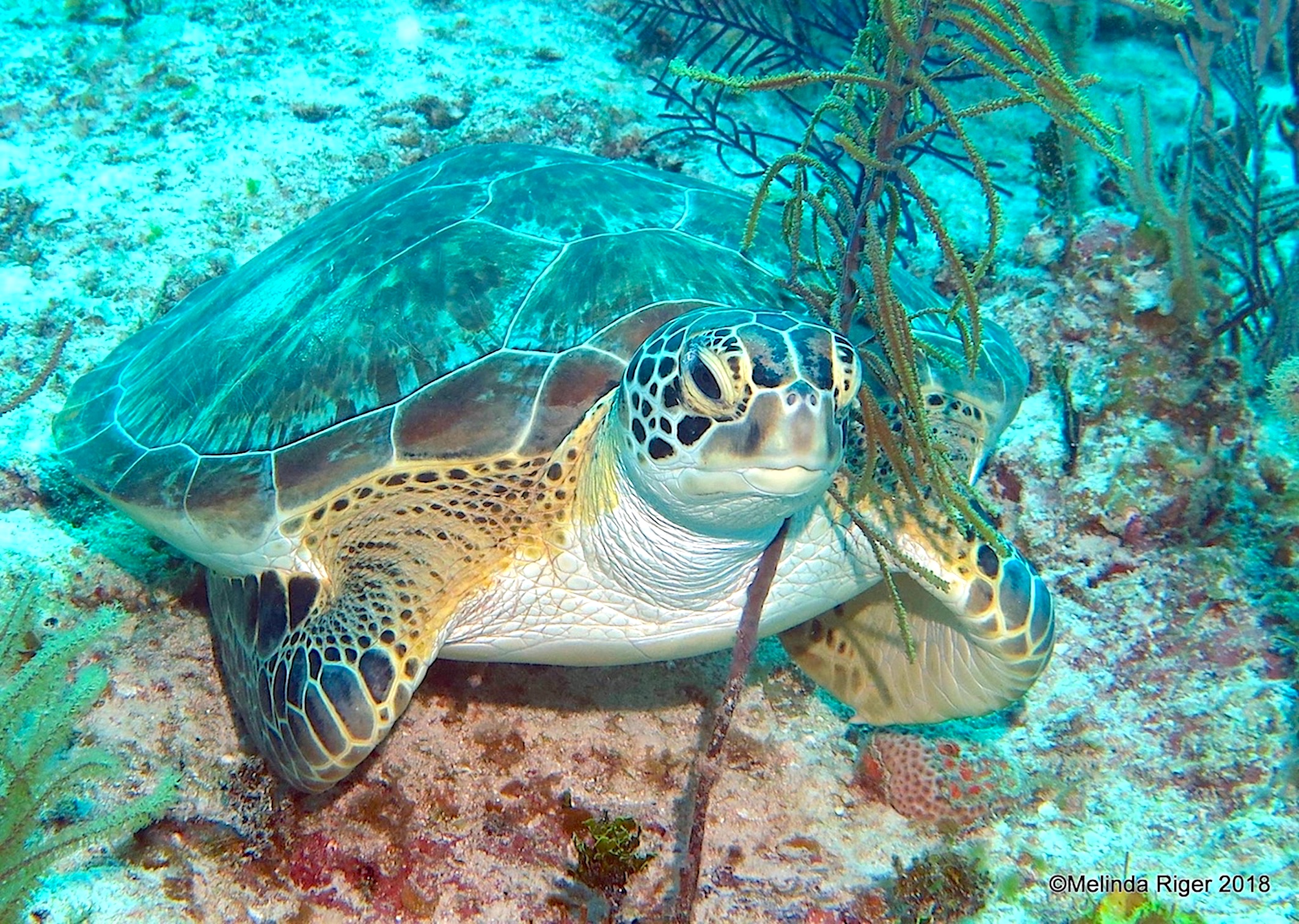
Green Turtle, Bahamas (Melinda Riger / Grand Bahama Scuba)

Green Turtle

BAHAMAS SEA TURTLES: IN THEIR ELEMENT

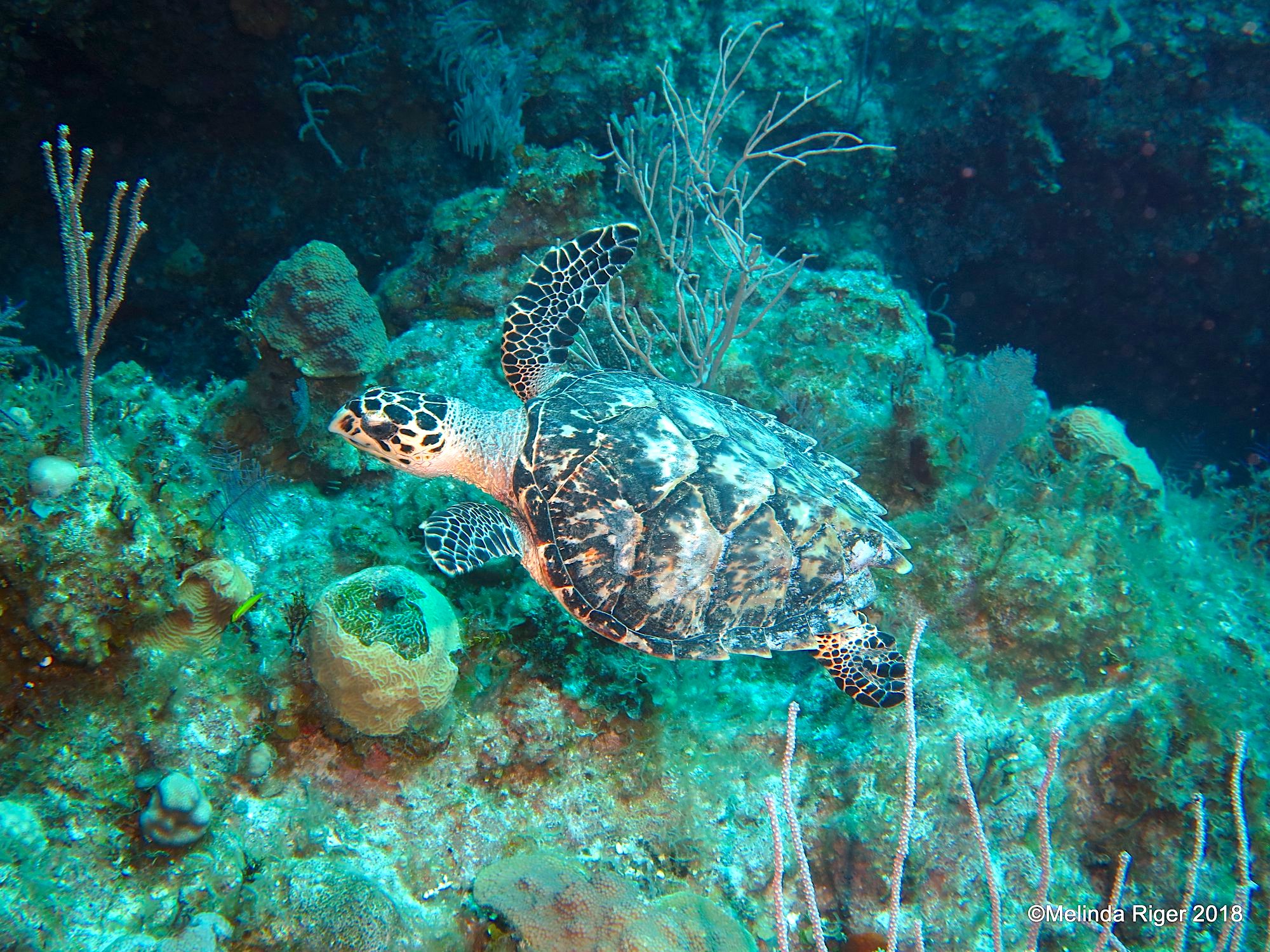
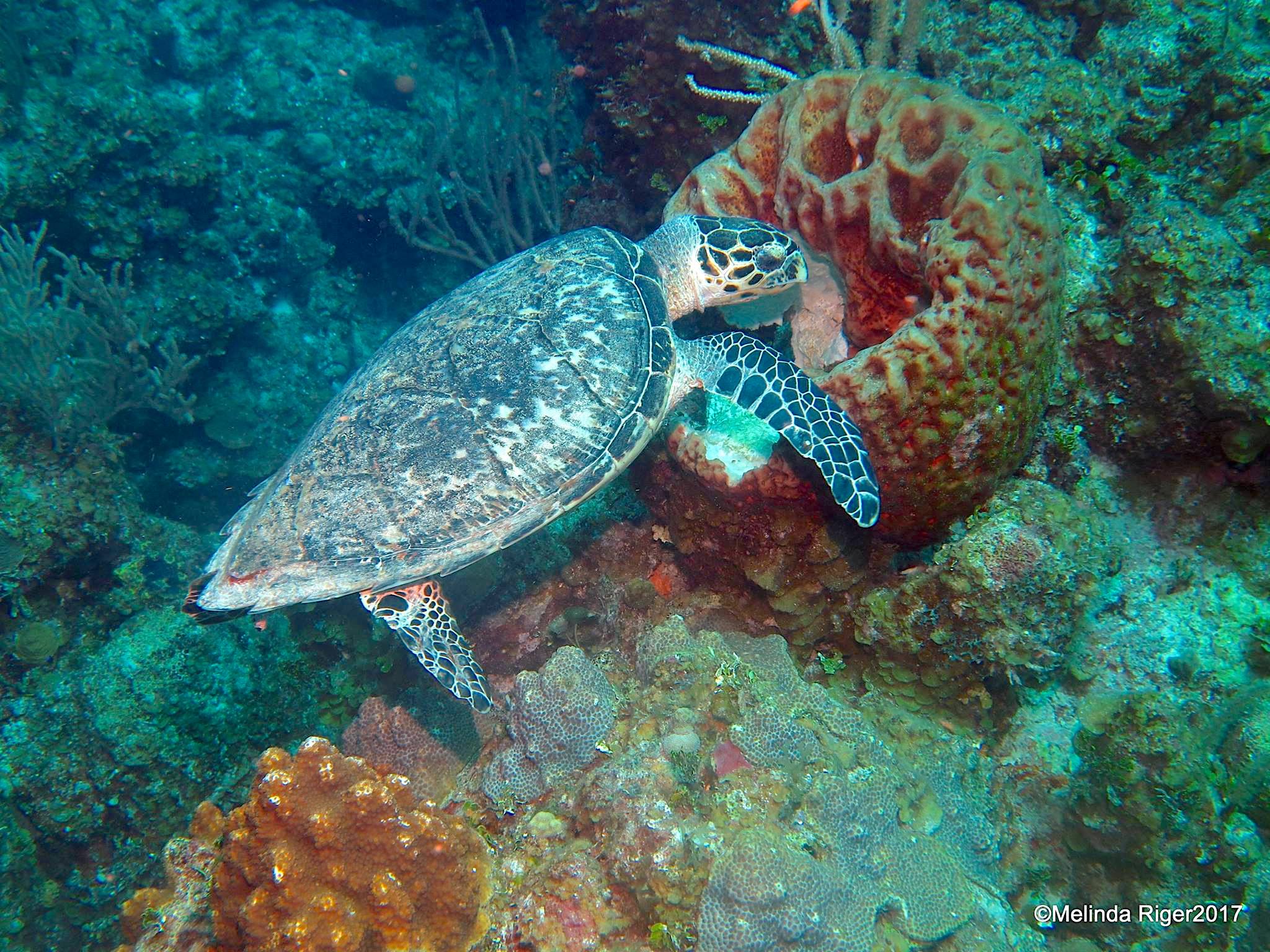
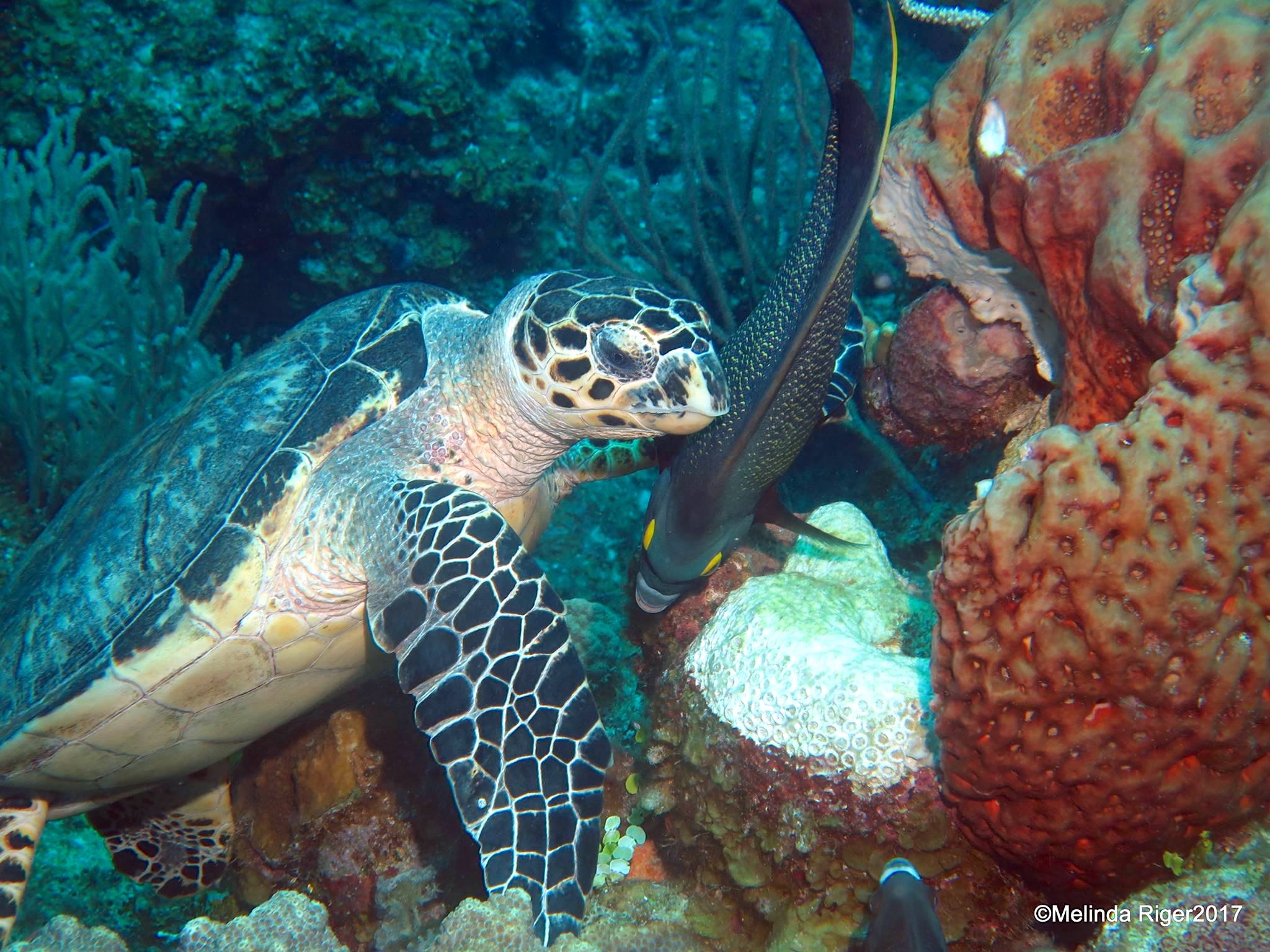
Of all the sea creatures in the limpid waters of the Bahamas, turtles are rightly among the most loved. These days, what with habitat degradation below the waves and the destruction of nesting sites on land, turtles have a hard time simply fighting for survival. And that’s before they have ingested the plastic garbage that mankind pours into their living quarters, by now probably beyond effective remedial action forever. So here are some gorgeous turtles to admire, while stocks last…

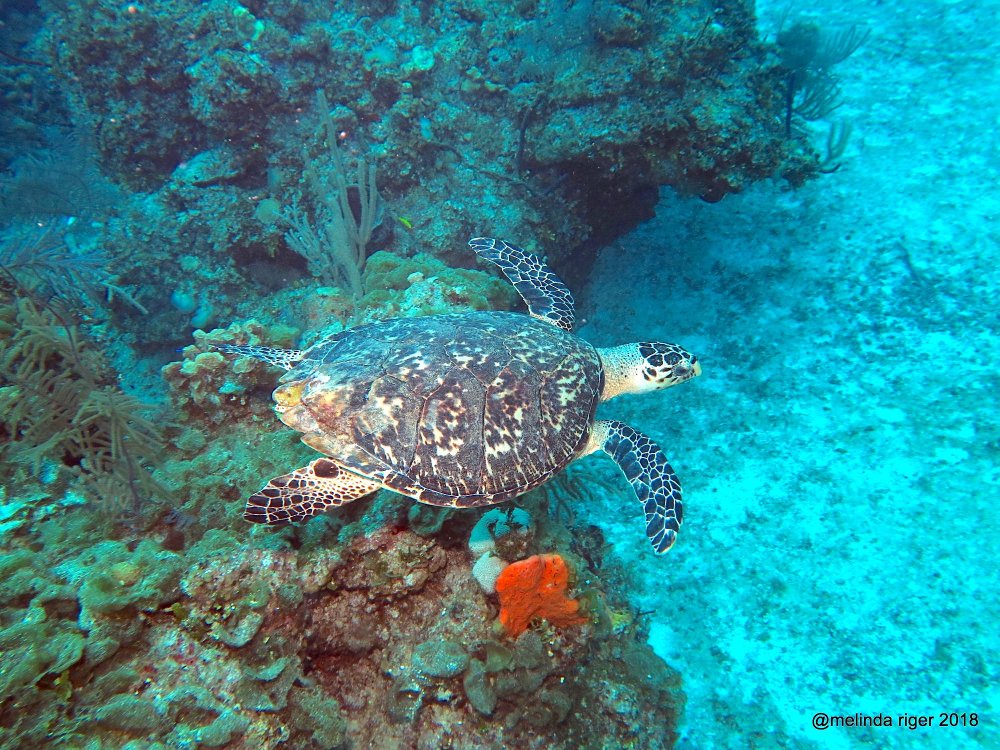
Hawksbill Turtles enjoying life around a still-healthy reefHawksbill Turtle, Bahamas (Melinda Riger / Grand Bahama Scuba) Hawksbill Turtle, Bahamas (Melinda Riger / Grand Bahama Scuba)

A hawksbill snacking on a spongeHawksbill Turtle, Bahamas (Melinda Riger / Grand Bahama Scuba)

Interaction with other underwater species: gray angelfish and a rock beautyHawksbill Turtle, Bahamas (Melinda Riger / Grand Bahama Scuba) Hawksbill Turtle, Bahamas (Melinda Riger / Grand Bahama Scuba)

If you are concerned about the plight of turtles and indeed other denizens of the thickening plastic soup we still call ‘ocean’, you could investigate the work some of the organisations that tackle the problem in the Bahamas and beyond. To name but a few, our own FRIENDS OF THE ENVIRONMENT; the BAHAMAS NATIONAL TRUST; the Bahamas Reef Environmental, Educational Foundation BREEF; the CAPE ELEUTHERA FOUNDATION; and the SEA TURTLE CONSERVANCY

Photo credits: all great photos by Melinda Riger / Grand Bahama Scuba

Unknown's avatar

REAL THREATS, ALARMING PHOTOS: OSPREYS IN PERIL


THE THREATS ARE REAL AND THESE PHOTOS SHOULD ALARM YOU!

I rarely – in fact almost never – lift an entire article from elsewhere and plant it wholesale here. I make an exception today. Ben’s article is so relevant, so well put together, so compelling and so scary in its implications that it can’t be ignored. No individual is to blame. We all are. Mankind generally – and pretty much all of it in my lifetime. Walk any beach in Abaco, however secluded. There it all is, under your feet. Find a dead seabird? Chances are it will have significant amounts of plastic inside it. Seen those wretched images of turtles with plastic bags hanging out of their mouths? It’s going to get worse…

Now see how things are with our bird partners in New Jersey and their beautiful ospreys.

DOCUMENTING THE PRESENCE OF PLASTICS IN OSPREY NESTS

by Ben Wurst, Habitat Program Manager http://www.conservewildlifenj.org

U.S. Coast Guard assists NJ Fish & Wildlife with recovering an entangled osprey on a channel marker in Cape May Harbor, Summer 2018. photo by Kathy Clark/ENSP

BEN WURST WRITES As I work to finalise data from this summer’s osprey surveys, I wanted to look back and highlight an important observation: more plastic is being found and recovered from active osprey nests. I guess it’s no surprise when you hear that “18 billion pounds of plastic waste flows into the oceans every year from coastal regions.

The alarming trend is also becoming more deadly for ospreys, and other marine life who ingest it. While it might not seem like a lot, this year a total of four young ospreys were found dead from being entangled in plastic. In my books, one dead osprey is too many! This is not a natural cause of death! Luckily, there were several other entanglements that were prevented, but this trend is likely to get worse. We hope that these photos will help you to do all that you can to help prevent it from becoming a growing threat to ospreys and other marine wildlife, who might ingest plastics.

Ospreys are an indicator species. We can’t stress that enough. The health of their population can be directly linked to their surrounding environment. When we poisoned the land with persistent pesticides, the ospreys told us. When we overfished menhaden, the primary prey item of ospreys during the nestling period, the ospreys told us. When we use and discard plastics with no care, the ospreys will tell us…

From the land, where they collect nesting material, to the water, where they forage for prey. The growing presence of plastics on land and in water, highlights need to restrict single use plastics, balloon releases, and for any single use plastic fee to directly fund cleanups of plastic waste. It’s no surprise that ospreys use plastic items in their nests. It’s now become a common resource for them which looks similar to natural nesting material and collects in the same areas where they gather nest material. The more plastics in the world means more plastics in osprey nests!

When out on the marsh or on the beach, if you look around you’ll find plastic. According to the Clean Ocean Action 2017 Beach Sweep report (for the first time since the sweeps began in 1985) 84.45% of items collected on the beach were plastic (including foam). Another alarming trend is the growth in balloons found on the beach. In 2017, a total of 4,137 were found. Next time your down the shore, try to determine the difference between a white single use plastic bag and bleached sea lettuce, or white balloon ribbon and bleached eelgrass… Please don’t ever release balloons!

The most deadly piece of plastic litter for ospreys this year was monofilament or fishing line. The four ospreys that were found dead died from being entangled in monofilament. Fishing line is typically brought into a nest while attached to a stick or branch. It then becomes part of the nest and can easily get wrapped around a nestlings leg, foot or wing. This is not an isolated event. It happens throughout the range of ospreys (here are just a few that made the news). Please dispose of your fishing line appropriately! Single strand monofilament can even be collected and mailed to Berkley (a manufacturer of fishing line) for recycling/reuse!

Sadly, this is only the beginning. Plastics don’t biodegrade and this is becoming a chronic issue. Almost all osprey nests in New Jersey contain some type of plastic (next year we are planning to add data fields to our nest survey datasheets to keep better track of how many nests contain plastic). It’s still too early to see the effects of plastics as as they bioaccumulate in the food chain of predatory animals, like the osprey, but we hope that we can prevent this. We can all help by reducing our use of single use plastics. Here are some simple ways that you can help:

  1. Never release balloons! Talk to your friends/family about where balloons actually wind up.
  2. Reduce your dependence/consumption of single use plastics: bring your own reusable bag, water bottle, and coffee cups. Buy beverages in glass or aluminum containers. When eating out or getting take out, ask for no single use plastic items and/or bring your own container for leftovers. Support a Surfrider Foundation Ocean Friendly Restaurant!
  3. Reuse or repurpose things that can’t be recycled. Opt into free recycling programs for hard to recycle items through Terracycle, a NJ based waste reduction company.
  4. Pick up plastic litter. Participate in coastal cleanups (the next COA Beach Sweep is on 10/20!). Dispose of trash responsibly.

Thank you to all of our volunteers, especially our Osprey Project Banders, and those who’ve helped to reduce plastic debris in our environment!

CREDIT: Ben Wurst and his team at http://www.conservewildlifenj.org for the article. Photos as credited in the text. We are Bahamas partners of this organisation in Piping Plover research on the shores of Abaco and our annual Abaco Piping Watch

https://www.facebook.com/Abaco.Piping.Plovers

Unknown's avatar

PLOVER APPRECIATION DAY 2018: ABACO’S 6 TREASURES


Wilson's Plover Chick, Abaco, Bahamas (Tom Sheley)

PLOVER APPRECIATION DAY 2018: ABACO’S 6 TREASURES

Every day of the year, or so it seems, at least one worthy creature has been awarded an ‘Appreciation Day’, a special day when a particular species has its profile raised and awareness spread around. It certainly seems to be the case with birds; I’m going to assume that it applies to all the other classes of animal – mammals, fish, reptiles, amphibians and invertebrates, each with their own worthy candidates for recognition. Except for no-see-ums, obviously. And fire ants, I hope. You’d think standing on a nest while taking photos just once in a lifetime would be a lesson. I’ve done it twice… Anyway, yesterday was Plover Appreciation Day 2018.

PLOVERS ON ABACO

Until recently Abaco had 33 recorded shorebird species but since the first-ever sightings of a BUFF-BREASTED SANDPIPER in 2016, the number has risen to 34. Of these, a mere 6 are plovers: 

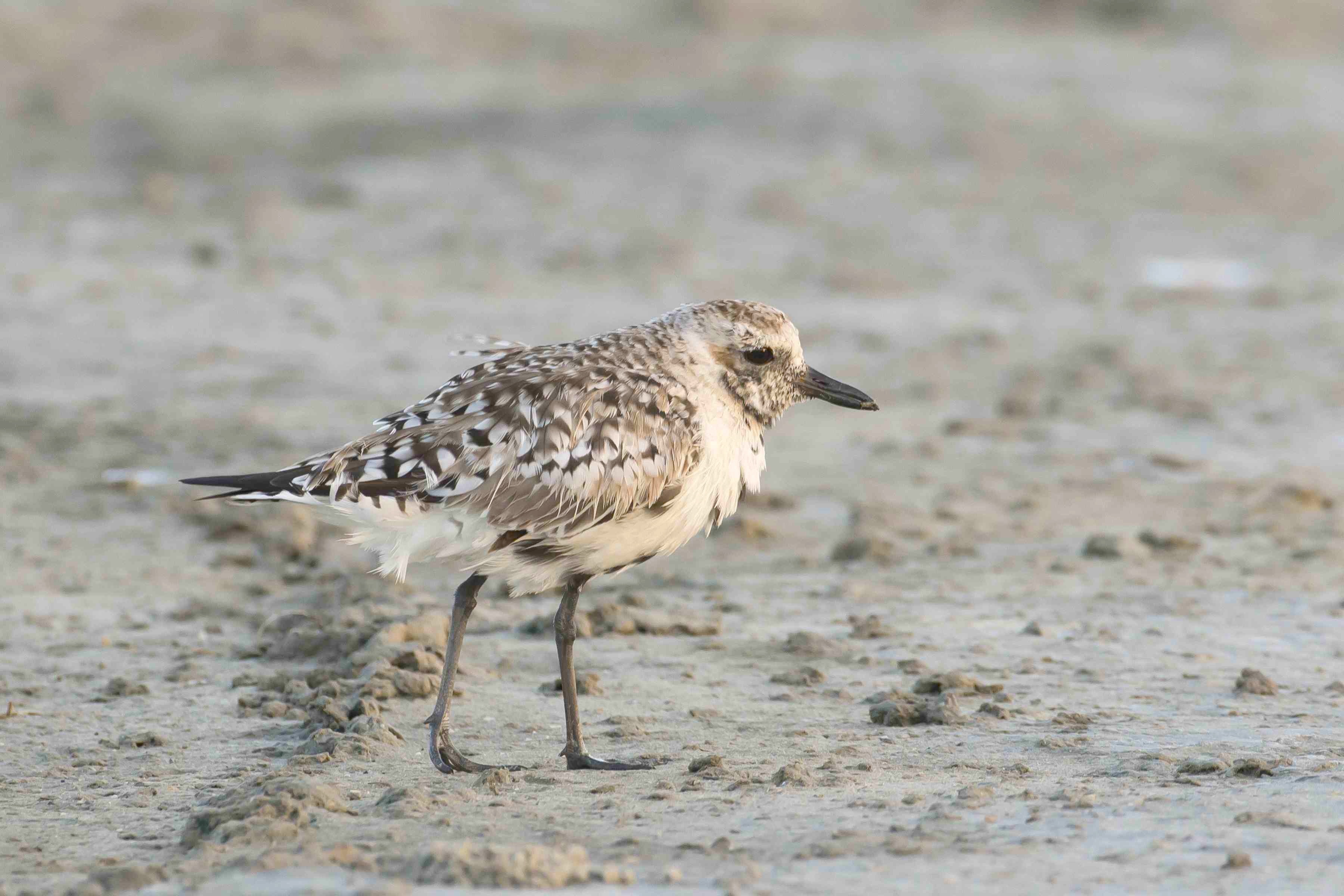
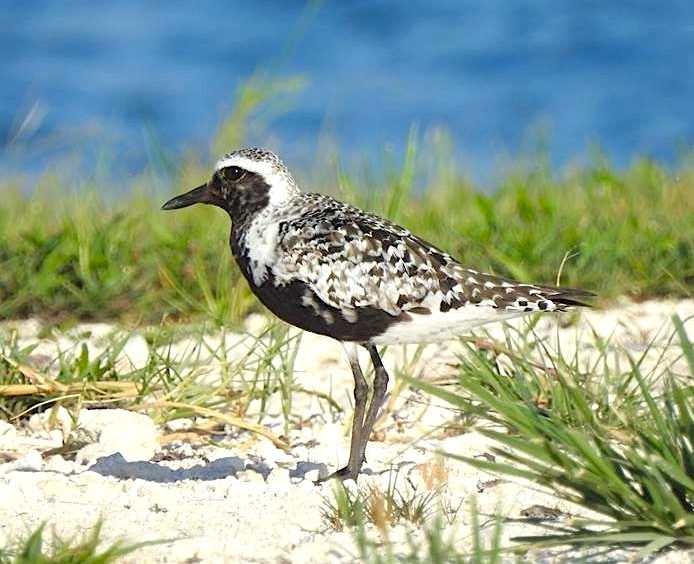
  • Black-bellied Plover                        Pluvialis squatarola                      WR 1
  • American Golden Plover                 Pluvialis dominica                         TR 4
  • Wilson’s Plover                                Ochthodromus wilsonia             PR B 2
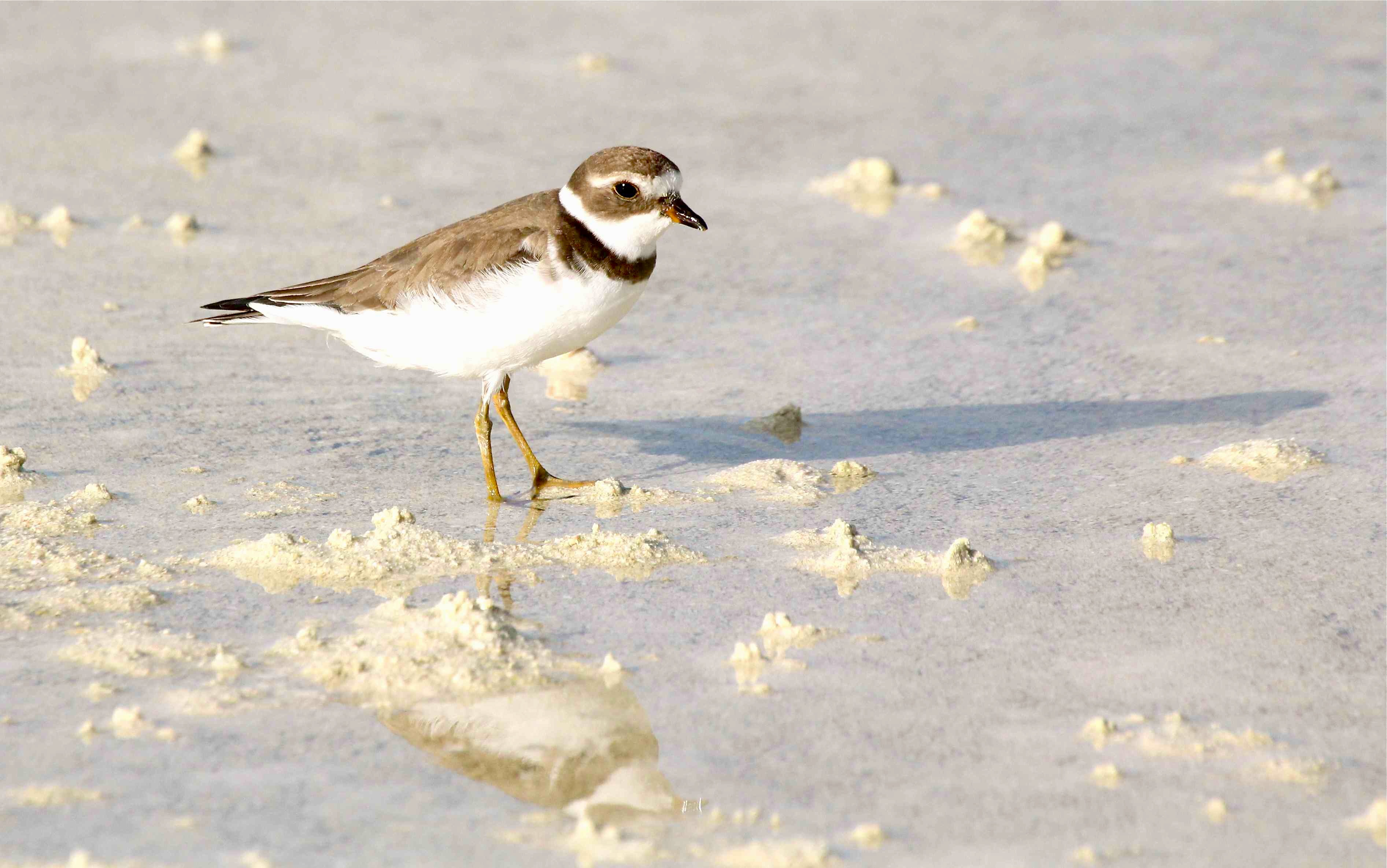
  • Semipalmated Plover                     Charadrius semipalmatus            WR 2
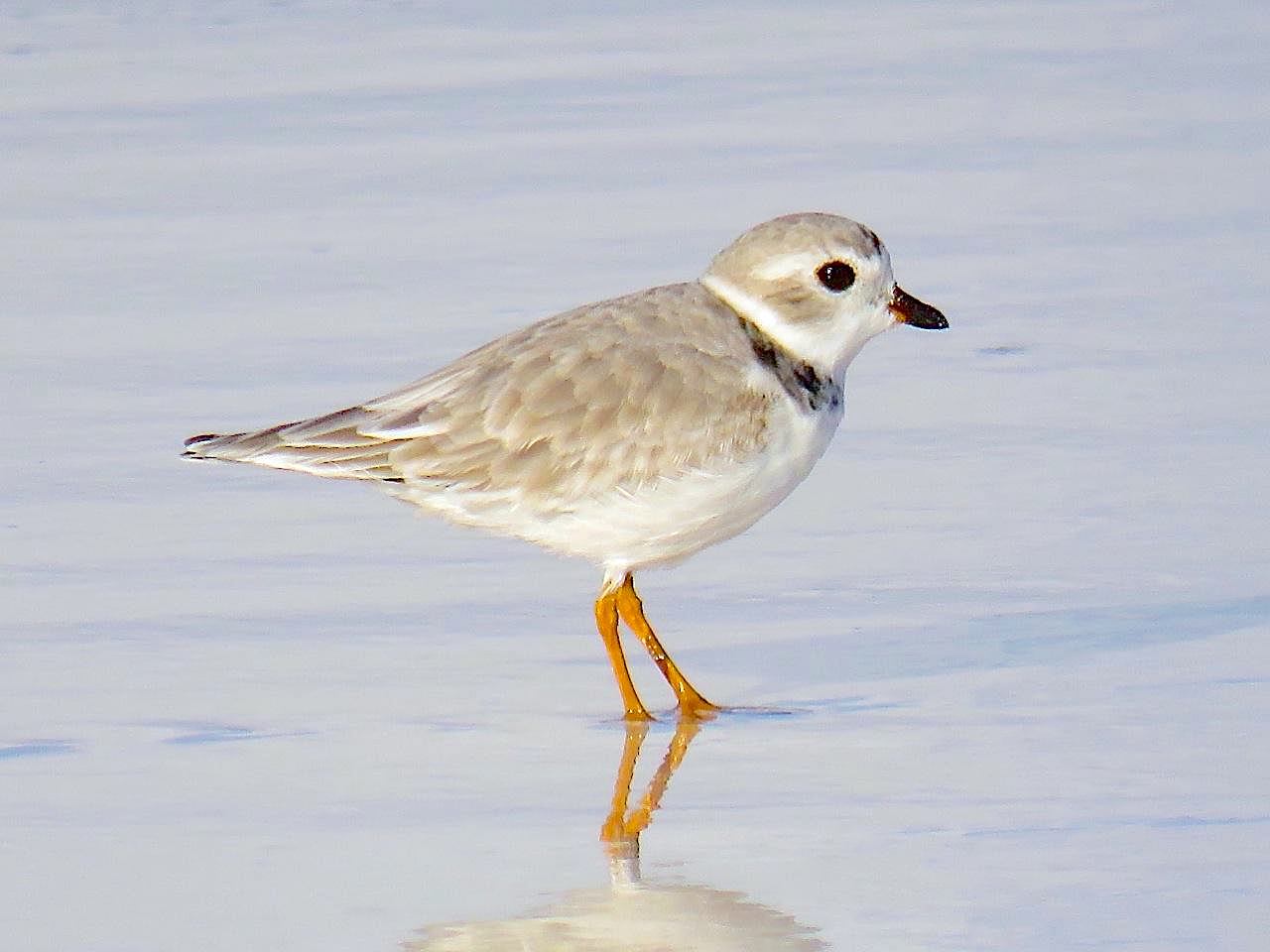
  • Piping Plover                                    Charadrius melodus                     WR 3
  • Killdeer                                              Charadrius vociferus                    WR 2

The codes tell you, for any particular bird, when you may see it (P = permanent, WR = winter resident, TR = transient); whether it breeds (B) on Abaco; and your chance of seeing it, graded from easy (1) to vanishingly unlikely (5)

The best-known of the 6 Abaco plover species is the Wilson’s Plover, because it is the only permanent resident. The American Golden Plover is a rare transient, but we luckily have a photo of one (below) taken on Abaco. All the others are winter residents and easy to middling hard to find.

The Piping Plover is the most interesting species, with a mere 8000 left in the world. There is a vigorous conservation program to protect them and their habitat, both in their breeding grounds in the North and their southern overwintering grounds. Their summer breeding range is in Canada and the Great Lakes, north-central US, and the eastern seaboard. In winter they migrate south, many to the Bahamas – and Abaco is one of their preferred homes. We count as many as we can between August and February, report the banded ones, and find out their origins and histories

BLACK-BELLIED PLOVER  Pluvialis squatarola   WR 1

Non-breeding plumage (as you would see normally it on Abaco, without the black belly)Black-bellied Plover intermediate plumage. Marls. Abaco Bahamas. Tom Sheley

 Breeding plumage – and the reason for the nameBlack-bellied Plover (breeding plumage), Bahamas (Linda Barry-Cooper)

AMERICAN GOLDEN PLOVER  Pluvialis dominica  TR 4

American Golden Plover, Bahamas (Tony Hepburn)

 SEMIPALMATED PLOVER Charadrius semipalmatus WR 2

Semi-palmated Plover, Bahamas (Tony Hepburn)Semipalmated Plover (f nb), Abaco - Bruce Hallett

KILLDEER Charadrius vociferus WR 2

Kildeer, Abaco - Bruce Hallett

PIPING PLOVER  Charadrius melodus WR 3

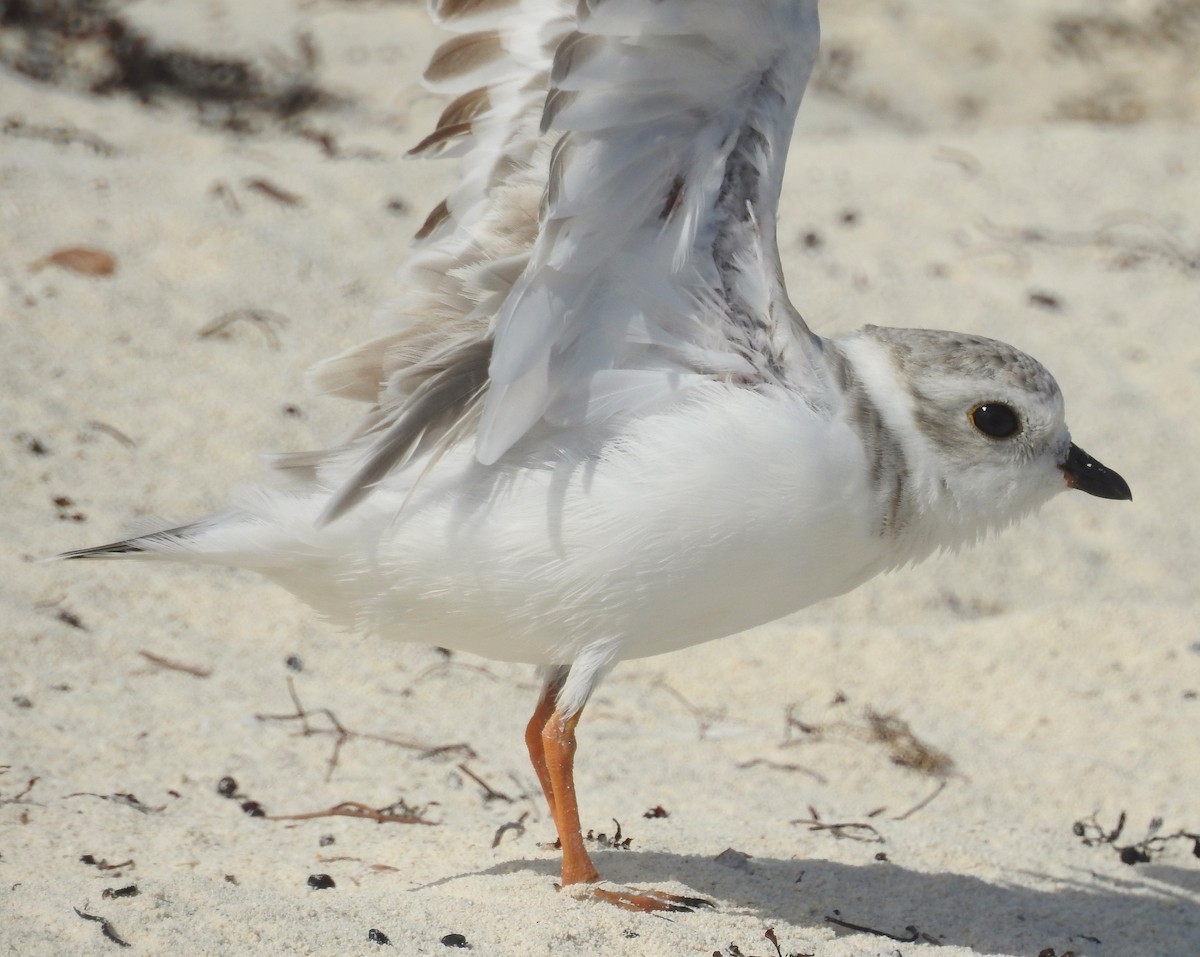
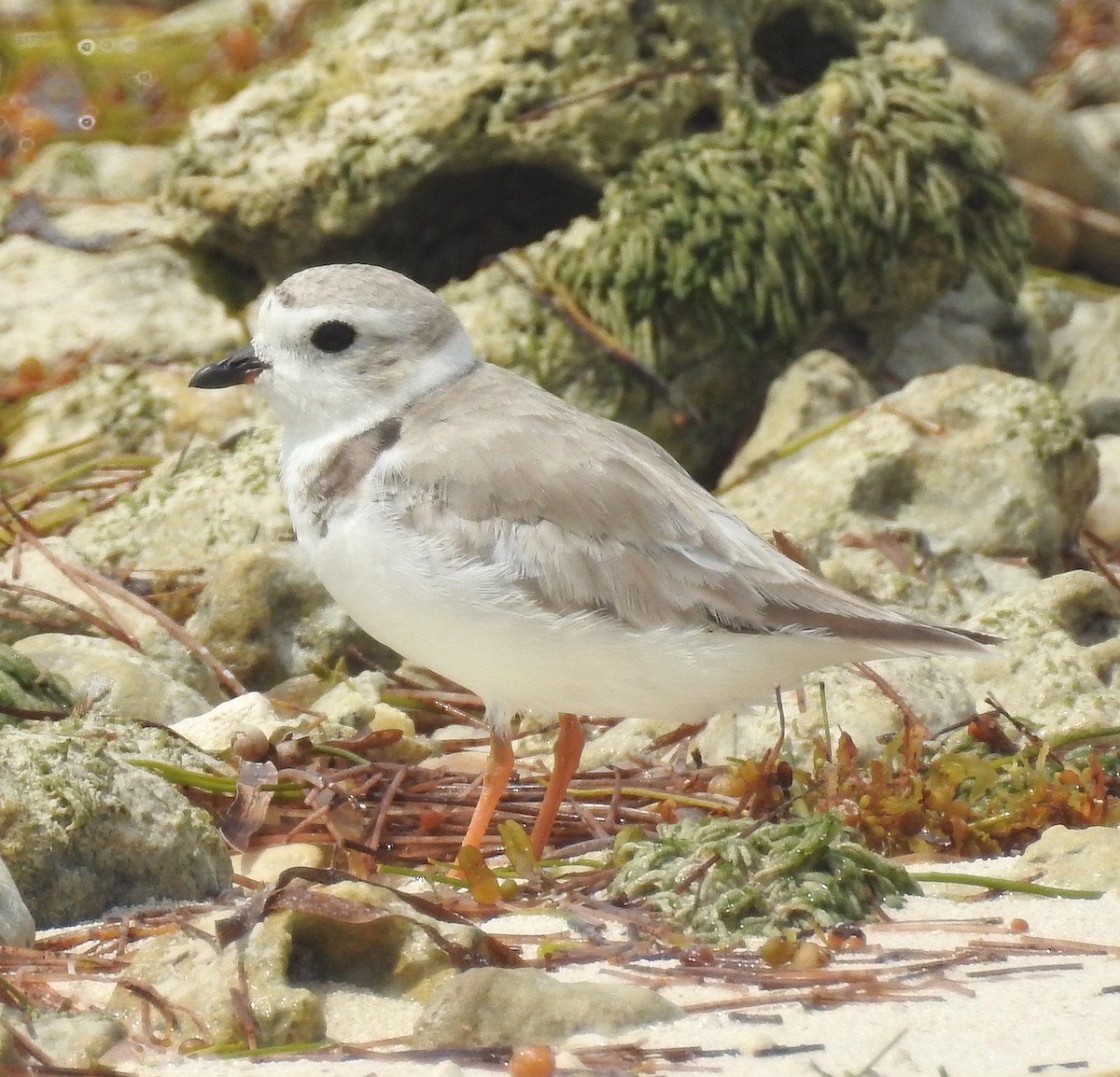
Piping Plover, Bahamas (Tony Hepburn)Piping Plover, Abaco Bahamas (Peter Mantle)Piping Plover, Abaco Bahamas (Keith Salvesen)

WILSON’S PLOVER Ochthodromus wilsonia  PR B 2

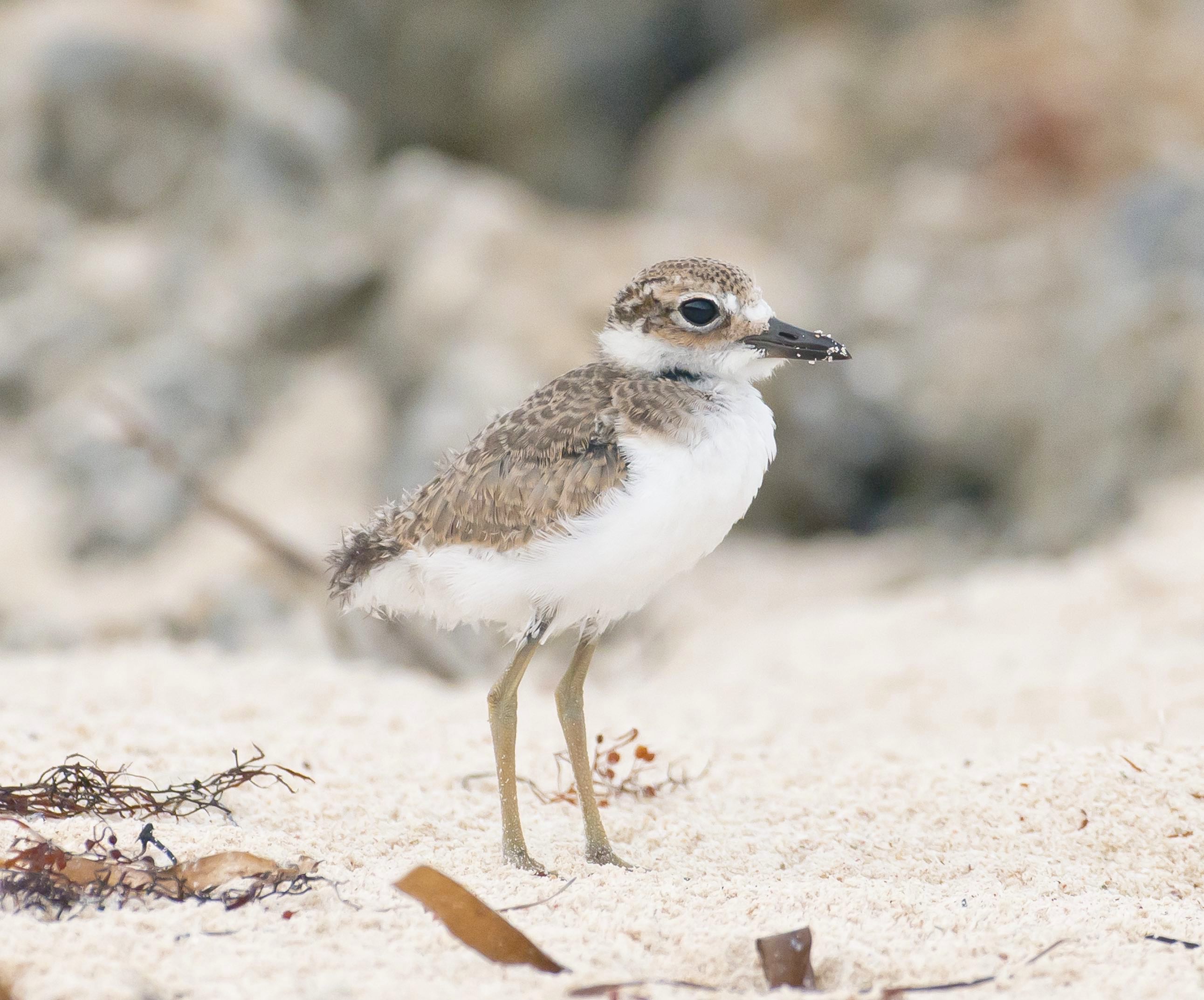
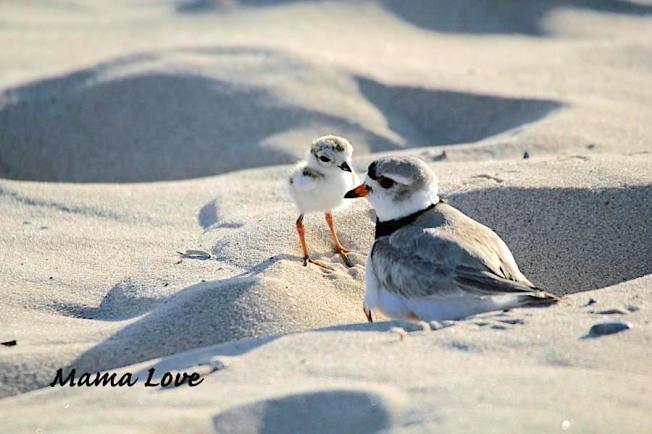
This permanent resident plover is a year-round presence on the Delphi Club beach, where in summer they nest and raise their tiny fluffball chicks. They are especially significant on Abaco as the only breeding plover species – it’s the only chance we get to see plover nests and chicks… (see header image and below).

Wilson's Plover, Delphi Club Beach, Abaco - Craig NashWilson's Plover, Abaco 12

RELATED POSTS

PIPING PLOVERS

50 WAYS TO PLEASE YOUR PLOVER

WILSON’S PLOVERS (1) ‘Dream Plover’

 WILSON’S PLOVERS (2) Nest Protection

 WILSON’S PLOVERS (3) Scrapes, Chicks & Broken Wings

SEMI-PALMATED PLOVERS

Photo credits: Tom Sheley (1, 2); Linda Barry-Cooper (3); Tony Hepburn (4, 5, 8); Bruce Hallett (6, 7); Peter Mantle (9); Keith Salvesen (10, 13); Sandy Walker (11); Craig Nash (12); Charmaine Albury (14)

Piping Plover, Abaco Bahamas (Charmaine Albury)

Unknown's avatar

THE BAHAMA NUTHATCH & THE BRINK OF EXTINCTION


Bahama Nuthatch, Grand Bahama (Bruce Purdy)

THE BAHAMA NUTHATCH & THE BRINK OF EXTINCTION

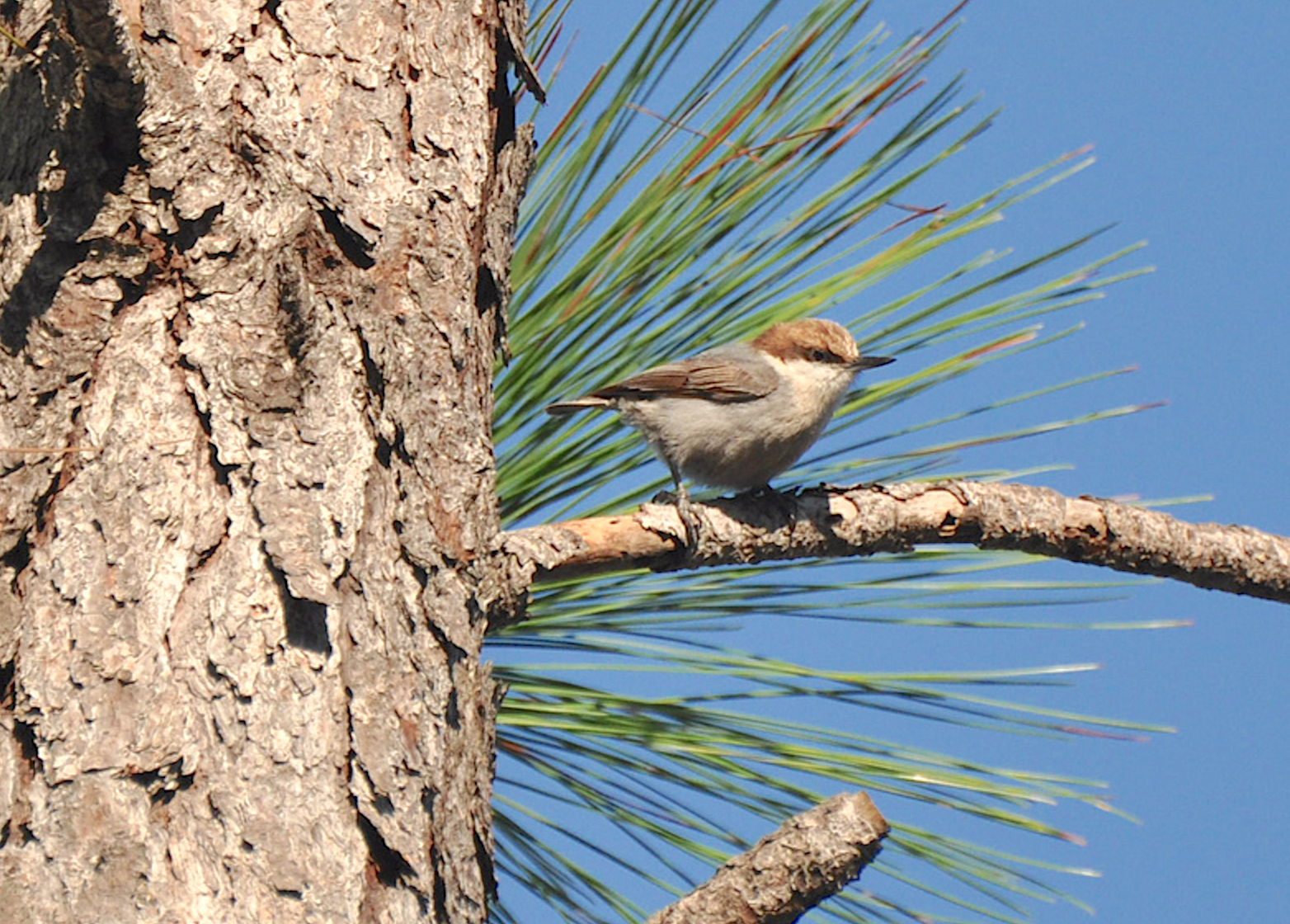
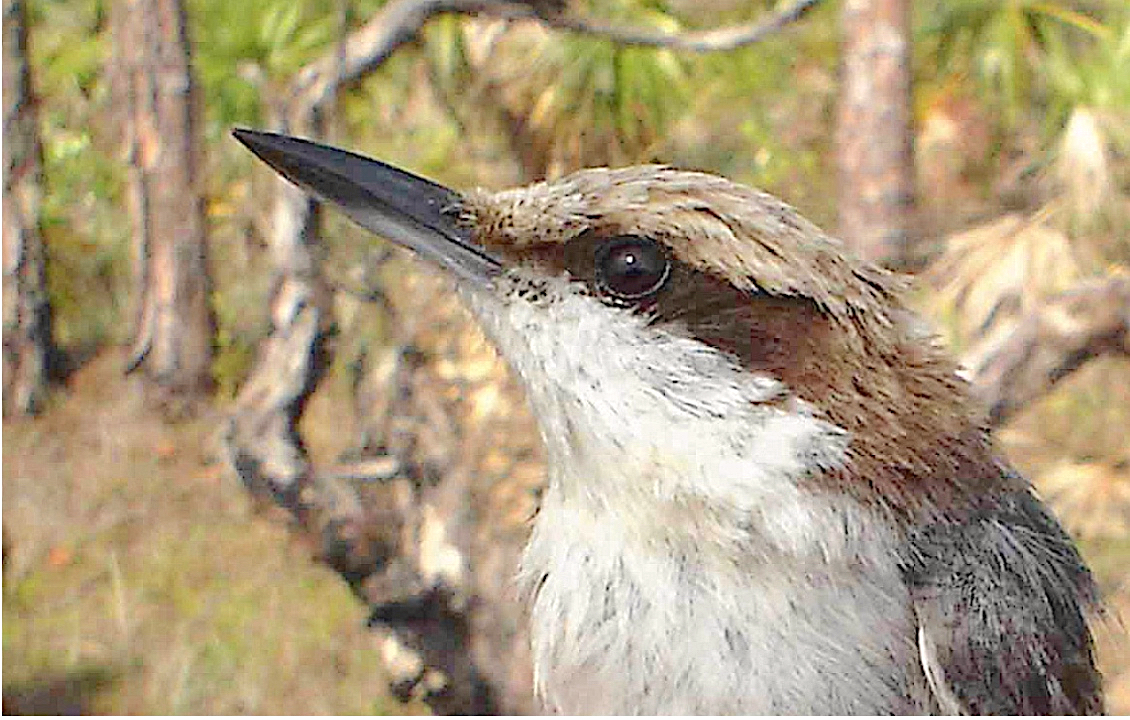
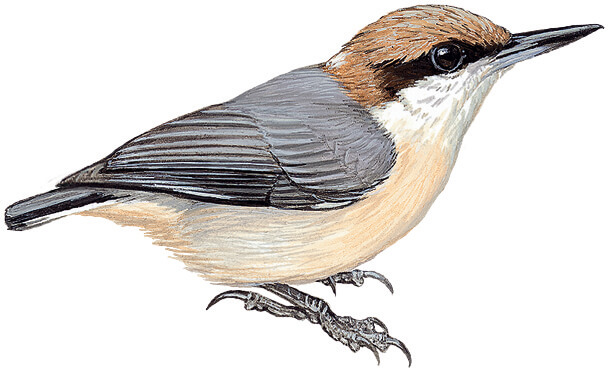
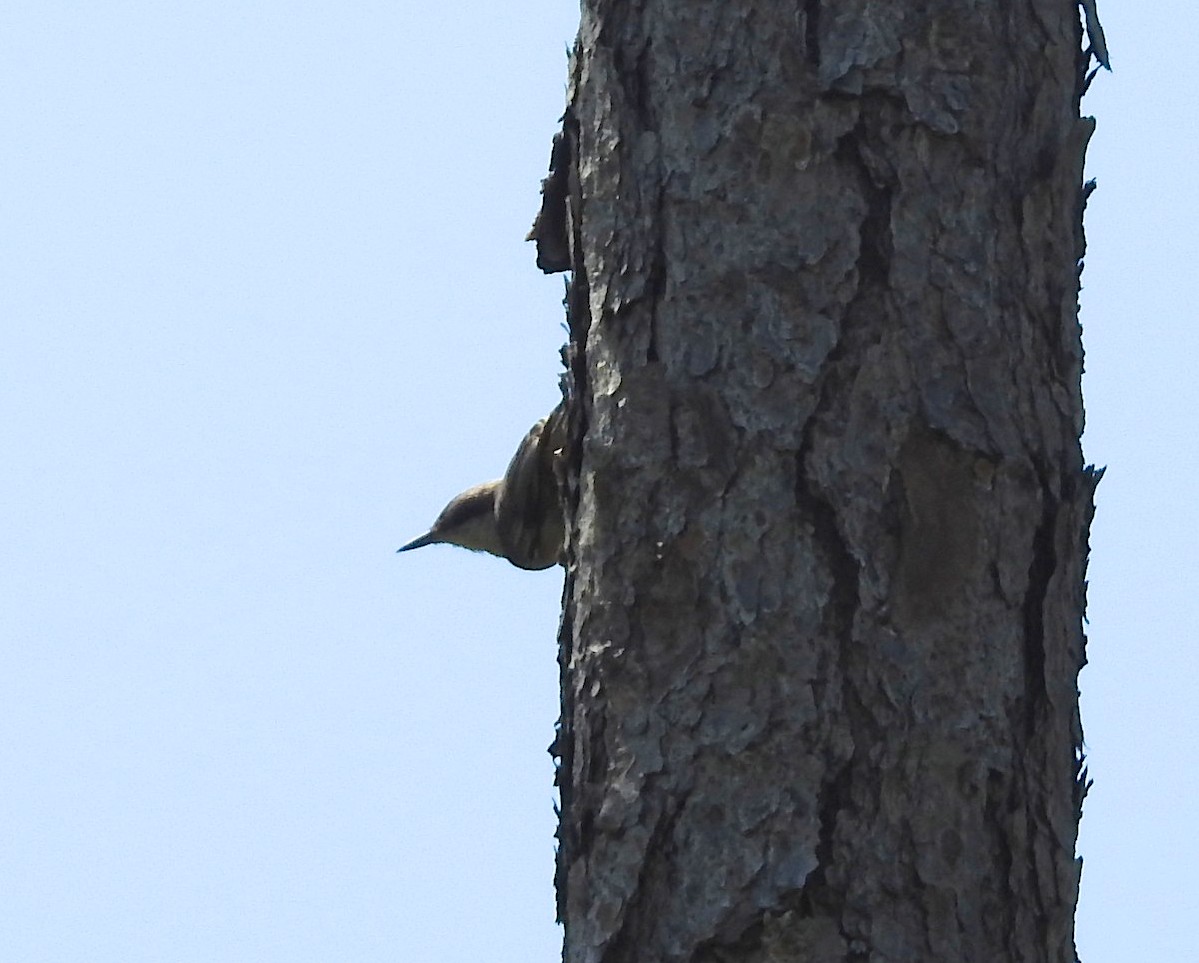
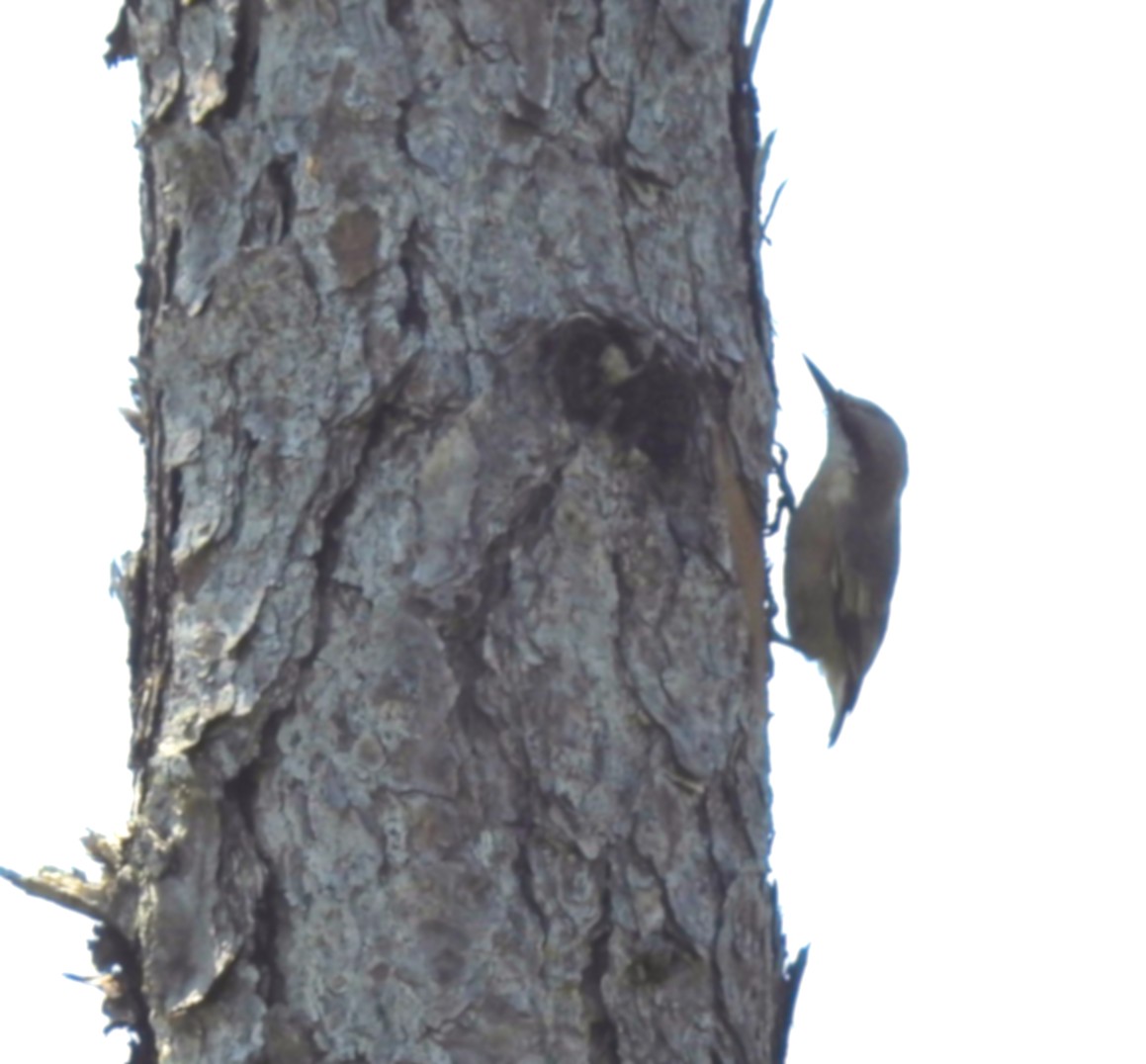
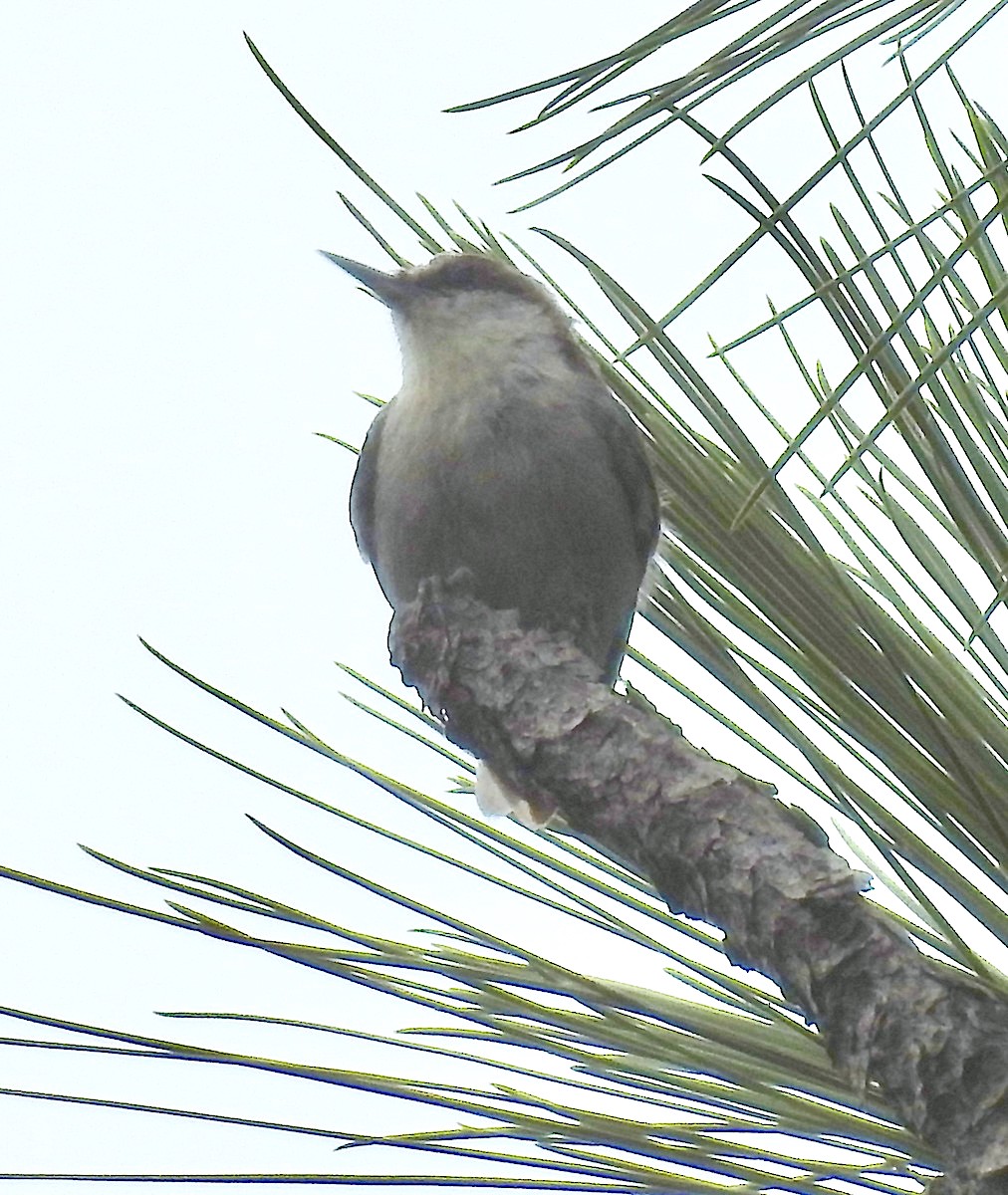
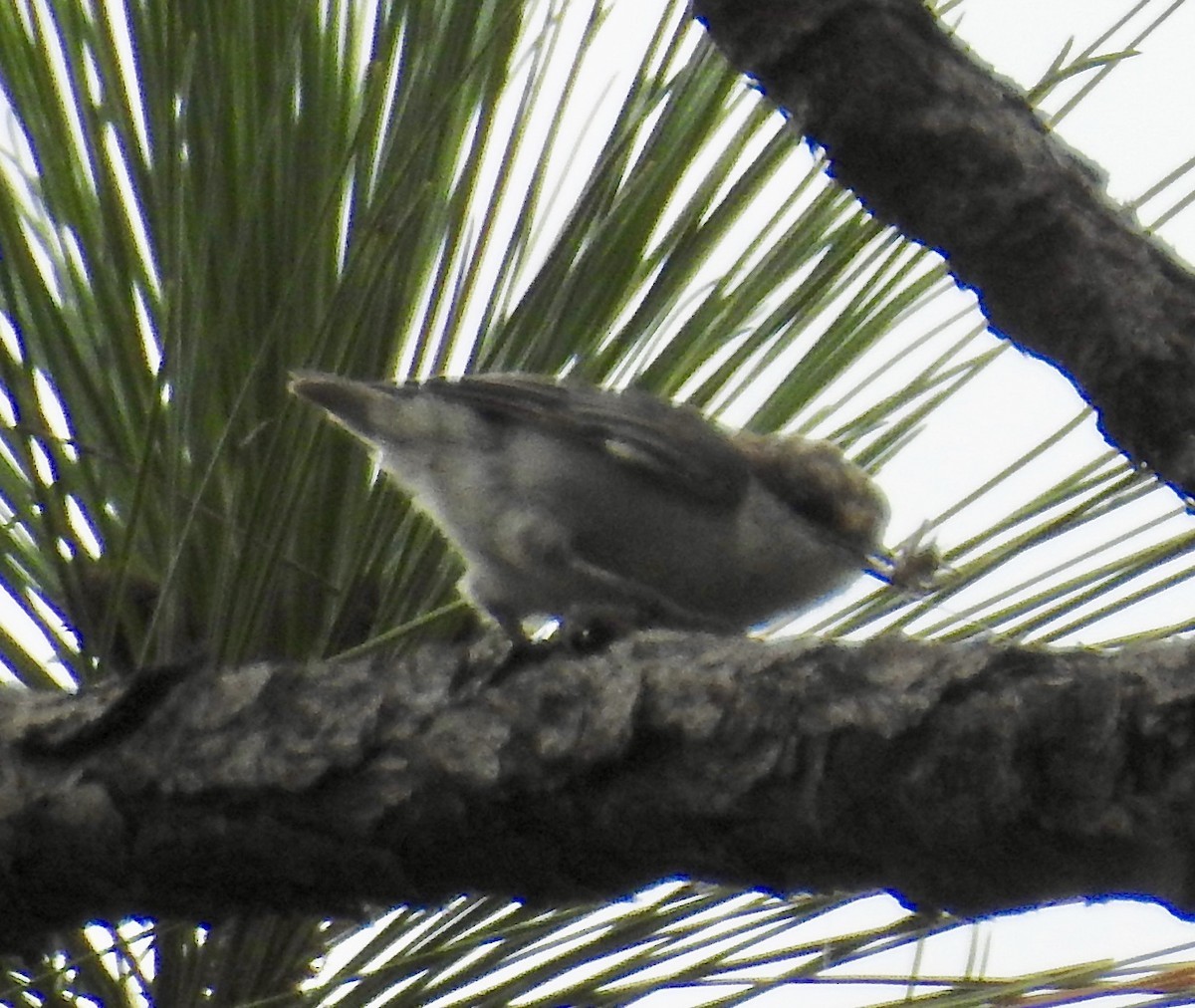
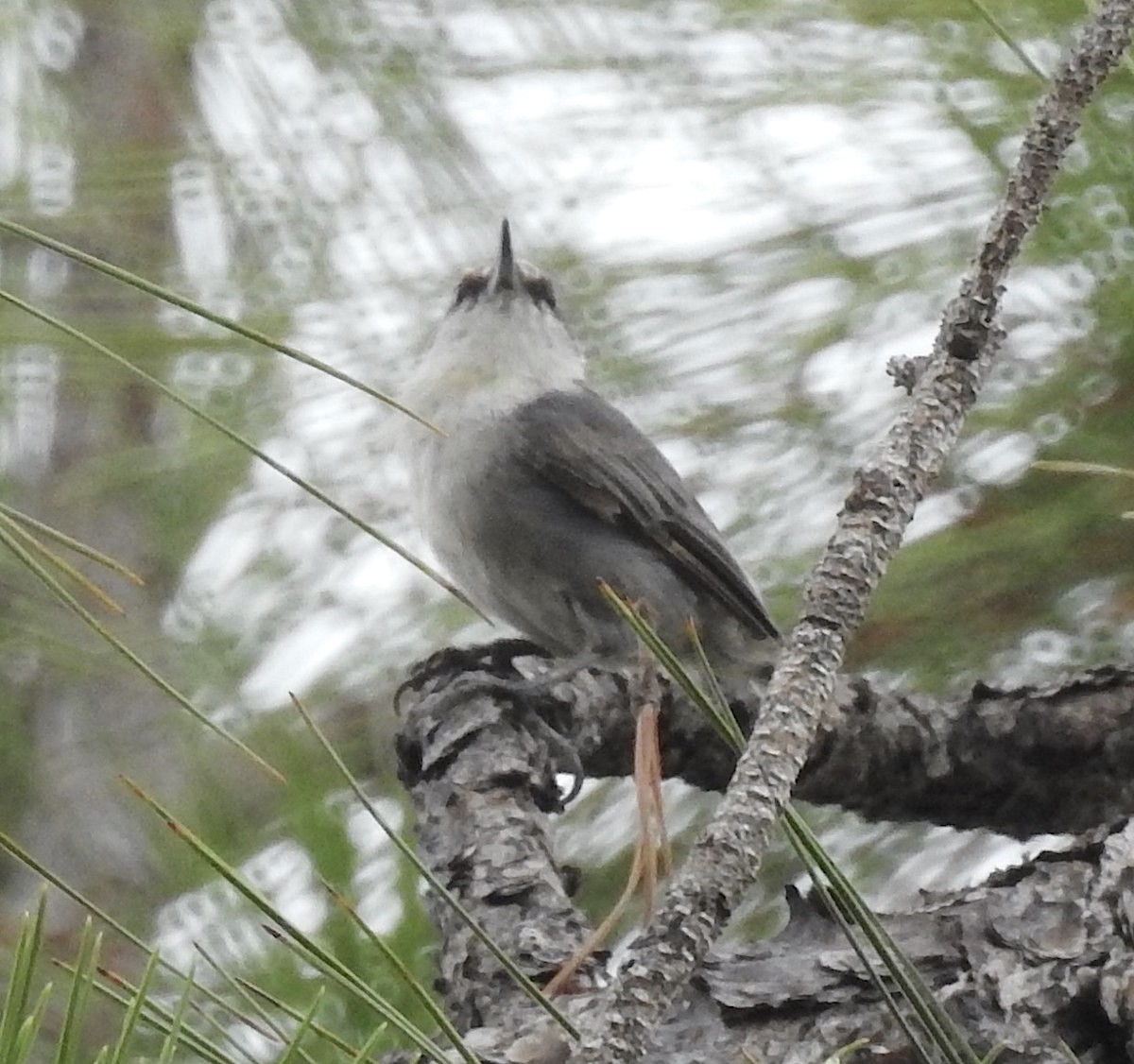
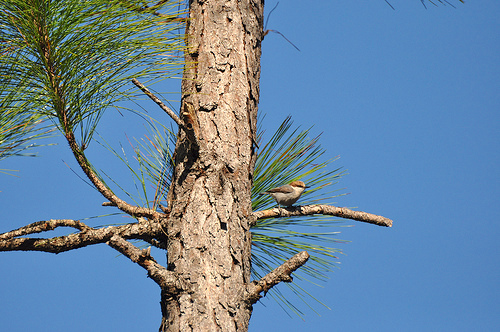
It’s quite a while since I posted about the Bahama Nuthatch (Sitta pusilla insularis) and the separation of its status from its cousin the Brown-headed Nuthatch HERE. I started by saying that it was one of the rarest birds in the Bahamas (or indeed anywhere), with a tiny population living only on Grand Bahama. It’s extraordinary to think that until the 1960s, these birds were common on the island. Then, for all the usual reasons, the  population began to decline “precipitously” (Tony White). By the 2000s, the most optimistic estimates suggested that about 1000 – 1200 mature birds might inhabit the pine forests. Other surveys showed far lower numbers. By now, the species had become highly vulnerable. Reports dwindled annually, and in some years only a handful sightings were recorded.

Bahama Nuthatch (Birdlife International, from Loma Linda Uni / Gary Slater)

Then in October 2016, Grand Bahama received a direct hit from Hurricane Matthew. It was as destructive as you might expect a violent Cat 5 storm could be. Without in any way seeking to diminish the far-reaching and devastating impact of the hurricane on the island (and elsewhere), I have to stick to the matter in hand here. The fact is that for nearly 2 years after Matthew and its trashing of the habitat, not a single BANU was sighted – this, despite many efforts to track one down in the known hotspot areas. It began to seem likely that  the little bird had simply been wiped out of existence. Since it is known nowhere else – not even on nearby Abaco – the Bahama Nuthatch had very probably become extinct.

Bahama Nuthatch (Erika Gates / Bahamas Weekly Article)

Fast forward nearly two years and suddenly there is the first hint of a glimmer on the horizon for these little birds. Finding one is already a needle-in-a-haystack quest. The target is shy and tiny – about 4 ins long and 10 grams; and the search area is vast – more than 30,000 hectares. Yet this summer, amazingly, some Bahama Nuthatches have been found and photographed, a most happy – and perhaps optimistic – outcome, and a deserved return for some serious survey work. Excited publicity has spread well beyond the usual online birding resources and into the mainstream press.

Bahama Nuthatch (Birdlife International)

THE KEY SIGHTINGS

JUNE 2016

The last recorded sighting of the Bahama Nuthatch (2 birds) before Hurricane Matthew was made in June 2016 by well-known Grand Bahama bird expert and guide, Erika Gates.

Bahama Nuthatch, Grand Bahama (Erika Gates) Bahama Nuthatch, Grand Bahama (Erika Gates)

MAY 2018

The May sightings involved a team of ornithologists from the University of East Anglia, together with experts from Birdlife International and the Bahamas National Trust. They planned a 3-month expedition to locate this species, among others. Meanwhile another team of local scientists and students also carried out a search, led by Dr. Zeko McKenzie of the University of The Bahamas (North) with the American Bird Conservancy.

The first team eventually made a sighting in May 2018, and the elusive bird was captured by Matthew Garner of UEA on camera. They also obtained brief and tantalising video footage (below). In all, the UEA team made six nuthatch sightings, and Bahamian team independently made five sightings (including seeing what appeared to be two together). 

Bahama Nuthatch (Matthew Gardner UEA)

JULY 2018

Erika Gates, with Martha Cartwright  and Zeko McKenzie, again managed to locate a single nuthatch to add to the earlier 2018 sightings. She too managed to get some photos of the bird.

WHAT OF THE FUTURE?

Among the May birds – however many there were in total – one was a juvenile. Combined with 2 adults seen at one time, that makes 3 birds. The extent of the period of study and search area of the May sightings (11 in all) make it likely that more than 3 birds were seen overall. Erika’s July bird, in a slightly different location, suggests another. Perhaps no more can be said than that there may be half-a-dozen Bahama Nuthatches extant in the world. It’s some comfort.

 Bahama Nuthatch (Birdlife International)However, as the May operation noted, ‘We also don’t know the sex of the birds. In many cases when birds dwindle to such small numbers, any remaining birds are usually male.’ The consensus of the articles I have read is that the handful of birds seen this summer, while a thrilling discovery, should not be seen as any guarantee against extinction. Further habitat degradation, more development, another hurricane, any one of these could be fatal to the species. The recent sightings are cause for some optimism but these little, highly vulnerable birds remain on the very brink of extinction. Those few people who have seen one in the wild have had a precious experience.

Bahama Nuthatch, Grand Bahama (Bruce Purdy)

THREATS TO THE SPECIES

  • Habitat loss / degradation from development, logging, forest fires & hurricanes
  • Invasive / introduced / feral species such as corn snakes, raccoons & cats
  • Competition from other more prolific species in a limited habitat

The Bahamas National Trust has produced an excellent video account of the whole story from Shelley Cant-Woodside HERE 

SOME LINKS TO THE STORY 

Photo credits: Bruce Purdy (1, 11); Gary Slater / Birdlife.org (2); Erika Gates / Bahamas Weekly (3); Erika Gates (4, 5, 7, 8, 9, 10); Matthew Gardner (6); Birdlife International (drawing); UEA & team (video)

Research credits include: Birdlife International / Birdlife.org; Lisa Sorenson; Tony White; Research Gate; IUCN; Bahamas National Trust; The Bahamas Weekly / Erika Gates; eBird; Loma Linda U; Science News; Sundry online publications; American Birding Association (and a bonus point for its brown-headed nuthatch behaviour article wittily entitled “Sex in the Sitta”)

Unknown's avatar

MARINE POSTER COMPETITION FOR ABACO KIDS


BMMRO children's poster competition winners

MARINE POSTER COMPETITION FOR ABACO KIDS

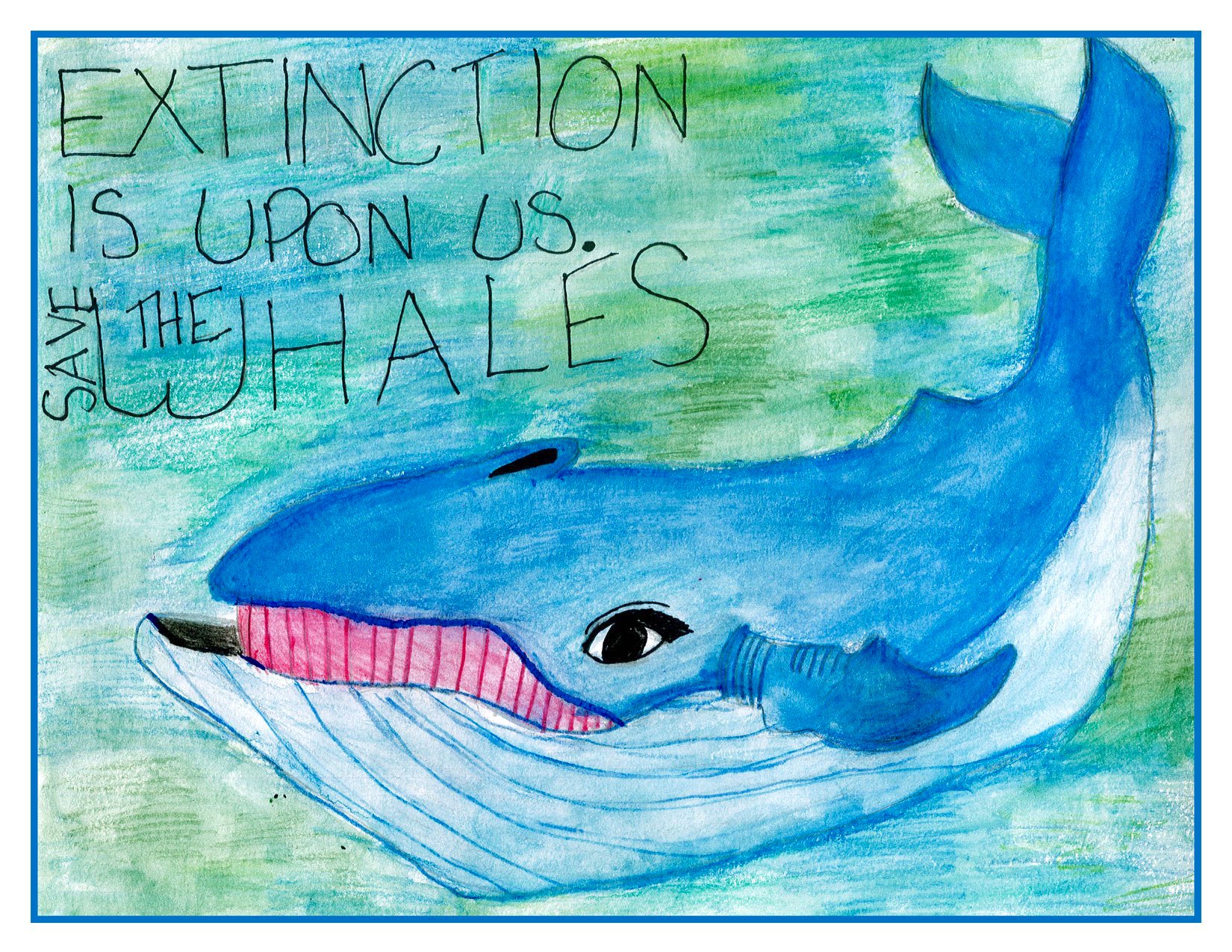
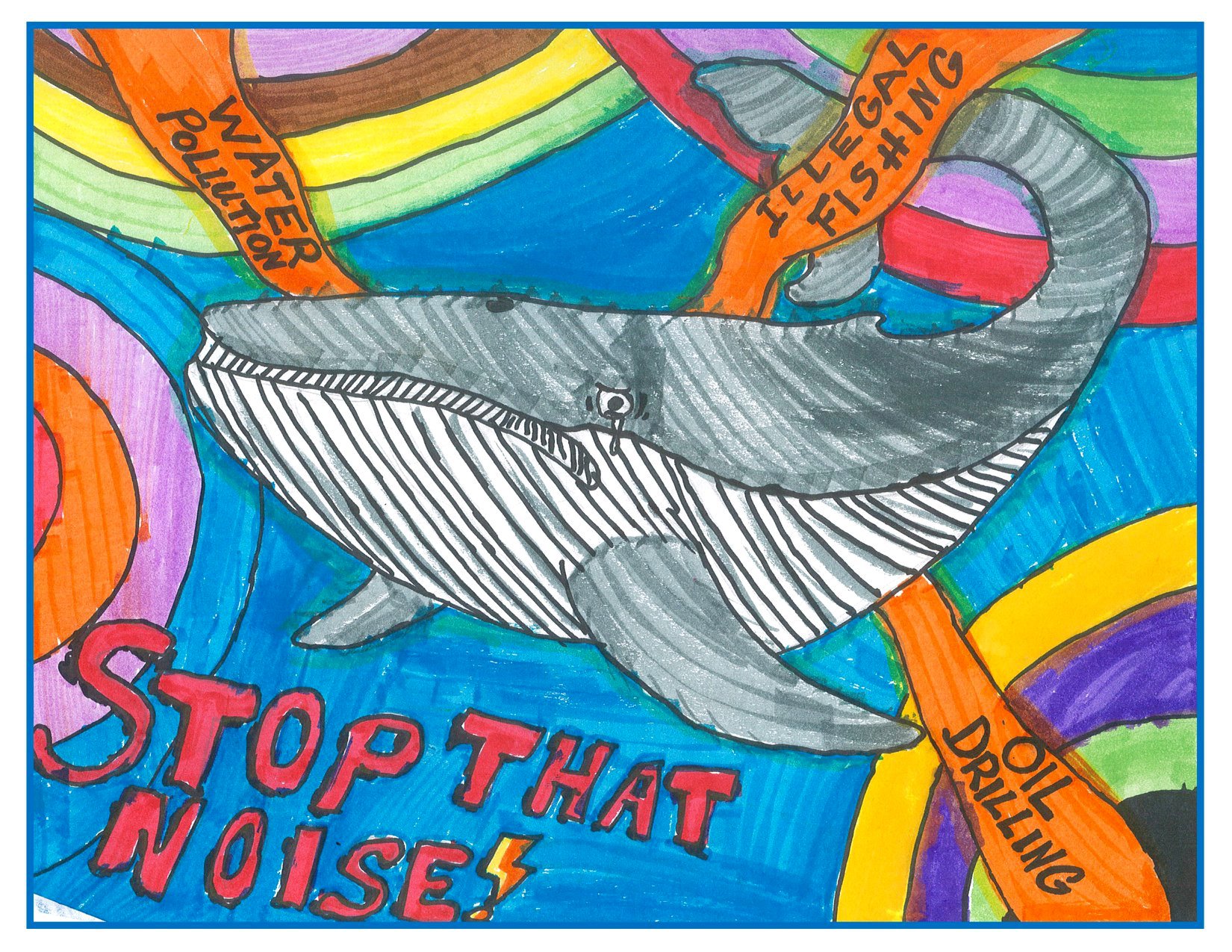
BMMRO recently collaborated with Dolphin Encounters Marine Education Poster Contest in a competition for schoolchildren on Abaco. There were 3 age groups, 3 -5, 6 – 8, and 9 – 12. The young participants received the excellent BMMRO marine educational poster as a prize, though I suspect they were motivated not so much by a prize but by the fun possibilities of the challenges set for them. 

BMMRO children's poster competition winners

And how well they met them. I am featuring a selection of the prizewinners as posted by BMMRO on FB and Insta. Bearing in mind the ages of the artists, the results are astounding. As someone for whom the task of drawing a stickman presents insurmountable difficulties of perspective, proportion, form and accuracy, I am in awe of the inventiveness of these young minds and their artistic skills. They’ve done a fantastic job in highlighting the critical conservation issues facing all marine creatures large and small, with an awareness that I hope will help stay with them into adulthood.

BMMRO children's poster competition winnersBMMRO children's poster competition winnersBMMRO children's poster competition winnersBMMRO children's poster competition winnersBMMRO children's poster competition winnersBMMRO children's poster competition winnersBMMRO children's poster competition winnersBMMRO children's poster competition winnersBMMRO children's poster competition winnersBMMRO children's poster competition winners

Do I have a favourite, I asked myself. Actually, no – I’d just be proud to have any of these on my wall. And I bet the teachers and the families involved all feel the same.

HUGE CONGRATULATIONS TO ALL THE WORTHY WINNERS

BMMRO children's poster competition winnersBMMRO children's poster competition winners


Unknown's avatar

BAHAMA MAMA: BIG NEWS ABOUT A TINY BIRD


Piping Plover Bahama Mama, Michigan / Abaco (Carol Cooper)

BAHAMA MAMA: BIG NEWS ABOUT A TINY BIRD

The bird in the header image is the presciently named Bahama Mama in Muskegon State Park, Michigan – so, one of the rare Great lakes piping plovers. She originally hatched and was banded as a chick in 2014 at Tawas MI, some distance away from Muskegon. When later named in 2015 by Muskegon monitor Carol Cooper, no one could possibly have known then where she would chose to overwinter. The Bahamas, as it turned out – the avian equivalent of nominative determinism.

Piping Plover Chick (MDF / Wiki)

This little bird is the perfect example to demonstrate the success of (a) an organised monitoring and recording system in the breeding grounds of these rare birds; (b) the use of easily identified coded banding and (c) the deployment of ‘citizen scientists’ to back up the professionals in the overwintering grounds such a Abaco.

A combination of the three factors leads over time to the compilation of a life story. Invariably there will be gaps, but let’s take a look at what we know about Bahama Mama, in her own dedicated timeline. Note two things: her beach fidelity; and the evidence of mate infidelity…

  • 2014 Born Muskegon State Park, MI
  • 2015 Nested with Little Guy and raised chicks. Winter location unknown
  • 2016 Returned to Muskegon and again successfully nested with a new male, Bear, from Sleeping Bear Dunes Park MI. (Little Guy went off with another female on the same beach…)
  • 2016 Resighted in October on Long Beach Abaco and stayed for several months
  • 2017 Back at Muskegon and raised chicks again with Little Guy
  • 2017 Again resighted  in October on Long Beach Abaco and overwintered
  • 2018 Back at Muskegon, initially back with Little Guy, eventually nested with Enforcer

The official record of the latest union – evidence of fickleness

This summer 4 chicks  were hatched. Sadly, one of them (Ringo, 2 pics below) was lost, presumed predated, leaving 3 to fledge.

Bahama Mama with one of her chicksBahama Mama & Chick, Muskegon MI (Carol Cooper)

Little Ringo RIPRingo Piping Plover, Muskegon MI (Carol Cooper)

Another of the chicks

These are rare and threatened birds, vulnerable at both ends of their migration for all the usual reasons. The studies undertaken at both ends of the migration have revealed astonishing beach loyalty in these little birds that travel up to 1500 miles (sometimes more) every Spring and every Fall to be somewhere safe to nest and breed; and then to overwinter. In Michigan, Carol Cooper is Bahama Mama’s mama, watching over her, recording the details, checking when she has left the beach, and anxiously watching each Spring for her arrival home.

On Abaco, these duties – pleasures, even – are undertaken by ABACO PIPING PLOVER WATCH and the team of citizen scientists who keep an eye on the beaches, count the birds, note the banded birds and photograph them for ID, and pass the info on to HQ (which happens to be me). The data from all sightings is collated and then the season’s stats are compiled and provided to the scientists involved. Here’s a summary of stats for last season: 

Abaco Piping Plover Watch Stats 2017-18 (Keith Salvesen)

Bahama Mama, first sighting on Long Beach Abaco Oct 2017Bahama Mama Piping Plover, Long Beach Abaco (Keith Kemp)

Photo Credits: Carol Cooper (1, 3, 4, 5, 6); MDF (2); Keith Kemp (7). Special thanks to Carol Cooper, monitor in Michigan; and to Keith Kemp, primary monitor on Abaco. Also to Todd Pover CWFNJ and all the other real scientists involved for the last 3 years

POLITE REQUEST

If you live on Abaco or its cays anytime between August and March and might be interested in helping with piping plover research by becoming a monitor, please get in touch with me. It’s very simple and undemanding. A beach stroll from time to time – even as little as once a month – with a notebook, pencil, binoculars, a chocolate bar and (preferably for accurate ID of banded birds) a camera. Not a dog, though. Not on this walk anyway! Every report, even of a single bird, adds to the picture. Last season there was more than one ‘citizen scientist’ sighting of a plover where none had been seen before. 

Unknown's avatar

GREEN TURTLES & TURTLE AWARENESS ON ABACO


Green Turtle, Bahamas (Adam Rees)

GREEN TURTLES & TURTLE AWARENESS ON ABACO

There’s something slightly unsettling about the perspective of the header image, with foreshortening suggesting that the turtle is actually a gigantic creature with a tiny diver swimming close to it…

I don’t seem to have given green turtles much space in the past, the most frequently photographed (and therefore featured) species being the hawksbill. This post is both to right the wrong, and to provide some information about the species.

Green Turtle, Bahamas (Adam Rees)

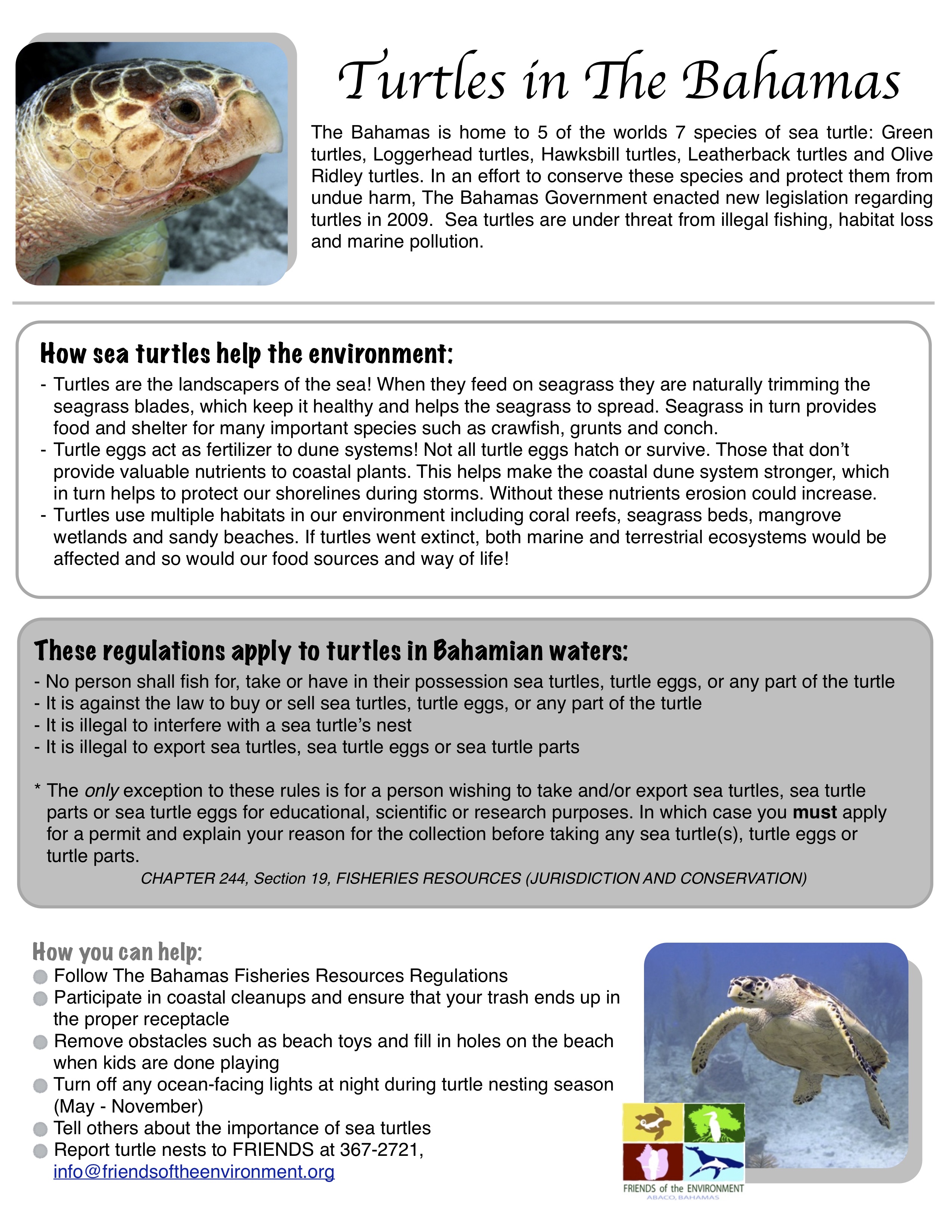
Friends of the Environment has produced an interesting short guide to the sea turtles of the Bahamas. One of the many facts included is that 5 of the 7 sea turtle species in the world can be found in Bahamian waters. The turtle protection law is also given – also the way to report turtle nests so they can be watched and protected.

Green Turtle, Bahamas (Adam Rees)

The 4 main species are the hawksbill, green, loggerhead and leatherback. The 5th and lesser known one is the Olive Ridley turtle. The differences between most of these is considerable, as can be seen from this IUCN-produced Identification Chart (credits as shown).

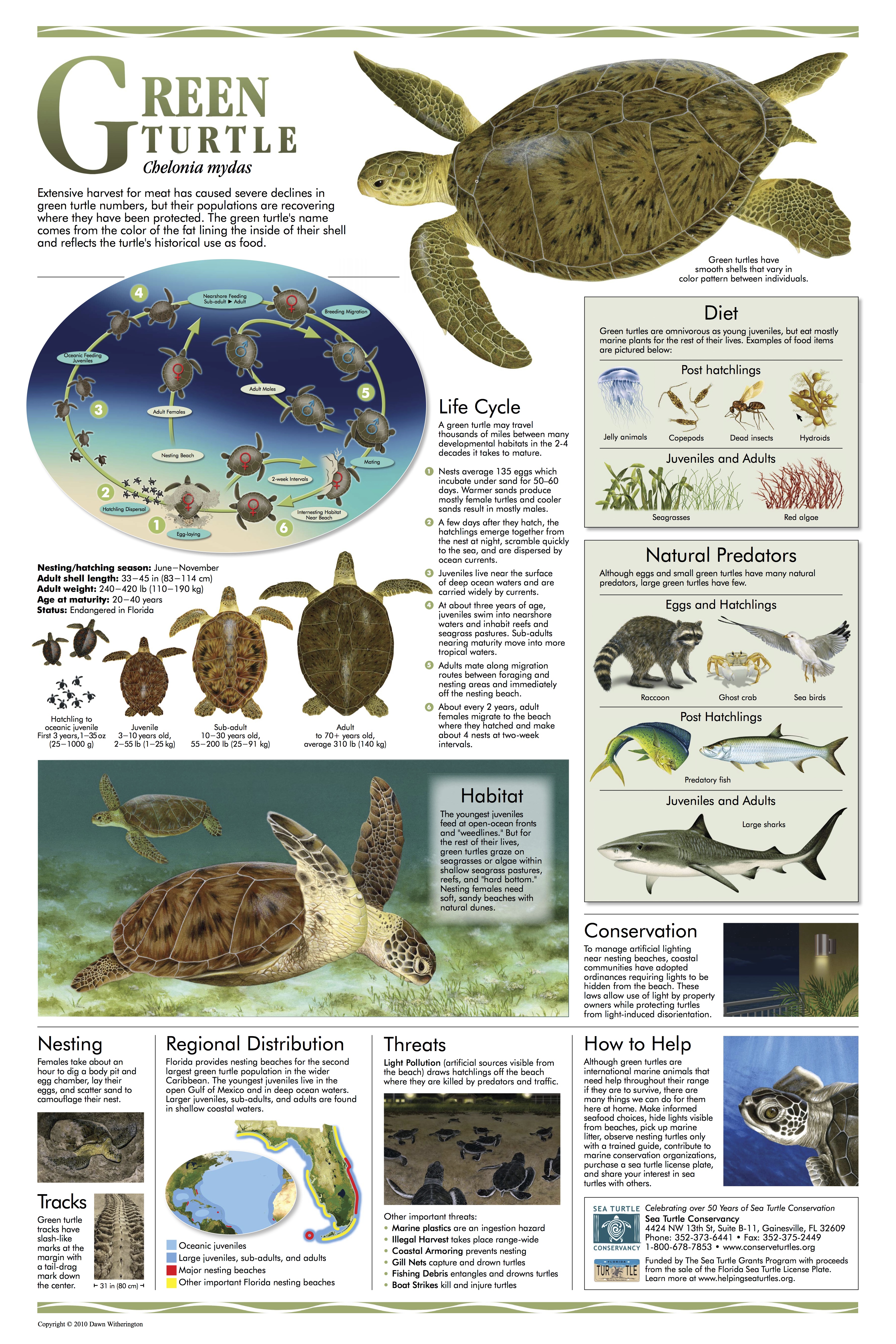
Another useful source of information for green turtles is this extremely well produced poster illustrated by the excellent Dawn Witherington, who has somewhat (and deservedly) cornered the market with this kind of large-scale infographic. The sea turtle series is so helpful that I have dedicated a whole page to them HERE. Dawn also created the LOXAHATCHEE poster series covering such topics as Lionfish, Sea Grasses, Land Crabs, Bonefish, Coral Reefs and more

Green Turtle, Bahamas (Adam Rees)

All photos: Adam Rees Photography, with thanks for use permission here and elsewhere

Unknown's avatar

‘FILLYMINGOS’, BIRD BOOKS & JAMES BOND


Flamingos & Chicks, Inagua Bahamas (Melissa Maura)

‘FILLYMINGOS’, BIRD BOOKS & JAMES BOND

My favourite bird book, in a fairly large collection, is my treasured 1947 ‘first printing’ edition of James Bond’s Field Guide of Birds of the West Indies. It is not especially rare, and one can still be had for under $200. The price is rising – about 5 years ago mine cost $80, in excellent condition, with intact dust jacket and protective cover.

Flamingos & Chicks, Inagua Bahamas (Melissa Maura)

This renowned reference book has since had many subsequent incarnations – if you are interested, you can find the whole story including how Ian Fleming chose to name his Double-O hero after an ornithologist HERE. I have several later versions, including 1960 and 1985, where the source material forms the basis. However the latest book of the same name, by Norman Arlott published in 2010, is a completely new offering with a wealth of useful detail. It is good – but it isn’t Bond!

Flamingos & Chicks, Inagua Bahamas (Melissa Maura)

The 1947 Bond is commonly described as the First Edition, and sold as such. But as some will know, it is in truth the second edition of Bond’s famous book, which was originally published in 1936. This was made clear in the copyright info to the 1947 edition; but seems to be rather less prominent in later editions.

Flamingos & Chicks, Inagua Bahamas (Melissa Maura)

A true first edition – very rarely on the market –  now comes in well north of $2000, unless in poor condition and without the all-important dust jacket (with rare books, the “DJ” seems to be almost as important as the book itself, especially if in “VGC”).

Flamingos & Chicks, Inagua Bahamas (Melissa Maura)

My edition of Bond’s book has a strange quirk in the title. It’s not exactly a misprint, more of a variation that was probably unintentional. The jacket proclaims it to be a field guide of  birds of the West Indies, as does the book’s front cover and frontispiece. However the book’s spine and the page preceding the Introduction state that it is a field guide to birds of the West Indies.

Flamingo nests, Inagua Bahamas (Melissa Maura)

One of the great charms of ‘Bond’, besides the elegance of his writing, is that he includes the Caribbean-wide local names for the birds he features. Thus the mangrove cuckoo is variously known as a rain bird, rain crow, four o’clock bird, and coffin bird. The black-faced grassquit might be a blue-black, a see-see, or a johnny-jump-up. And a flamingo could be a flamenco, a flamant – or a fillymingo.

Flamingos & Chicks, Inagua Bahamas (Melissa Maura)

These reflections on one of the great bird books of the 20th century were prompted by a request I received from someone wanting a good image of a Bahamas flamingo Phoenicopterus ruber (the National Bird) to illustrate what is effectively a research paper about Bahamas natural history. Often with such inquiries – I get quite a few – I can supply images from my own archive.  Other times I am able to source images from generous people who give use permission (non-commercial) in return for a credit.

Flamingos & Chicks, Inagua Bahamas (Melissa Maura)

For the flamingos, I only had images of a single vagrant bird that turned up at Gilpin Pond, Abaco a few years ago (Birds of Abaco p25). It looks rather sad and lonesome in the photos; within a matter of weeks it was gone. 

Flamingos & Chicks, Inagua Bahamas (Melissa Maura)

None has been reported on Abaco since, though once they were plentiful. Before this lone specimen, there was an attempt to reintroduce the species on the brackish ponds at the fishing lodge ‘Different of Abaco’, Casuarina. The lodge is long-since defunct, as are the flamingos (the PEACOCKS are flourishing however).

Flamingos & Chicks, Inagua Bahamas (Melissa Maura)

Luckily I knew who to turn to for flamingo pictures: Nassau resident Melissa Maura, a person deeply involved with the wildlife of the Bahamas and far beyond. Melissa has spent time with the flamingos of Inagua which has one of the world’s largest breeding colonies  – well over 50,000 – of these gorgeous birds in its National Park, overseen by the Bahamas National Trust.

Flamingos & Chicks, Inagua Bahamas (Melissa Maura)

The flamingos of Inagua now thankfully receive the protection that was sadly lacking in c19 Bahamas, when their vast numbers were radically reduced by mankind, leading to extirpation on many islands where they had been plentiful. Hunted for meat and for ornamental feathers; taken for trading, for collections, for zoos: there were no limits. CHARLES CORY noted at the end of c19 that masses of chicks were being killed before they even fledged; and that large numbers were sold to passing ships, on which they were simply left to die.

Flamingos & Chicks, Inagua Bahamas (Melissa Maura)

Melissa has been fortunate enough to be on Inagua during the breeding season when banding takes place. So besides the adult birds in their orange-pink finery, she has been able to photograph the strange ‘mini-volcano’ nests (above) and the sweet, awkward-looking grey chicks. And with her kind permission, Melissa’s superb ‘fillymingo’ photos adorn this article. I believe the real James Bond would have been delighted to admire them; I hope that goes for you too.

All great photos courtesy of Melissa Maura, with many thanks

Flamingos & Chicks, Inagua Bahamas (Melissa Maura)

Unknown's avatar

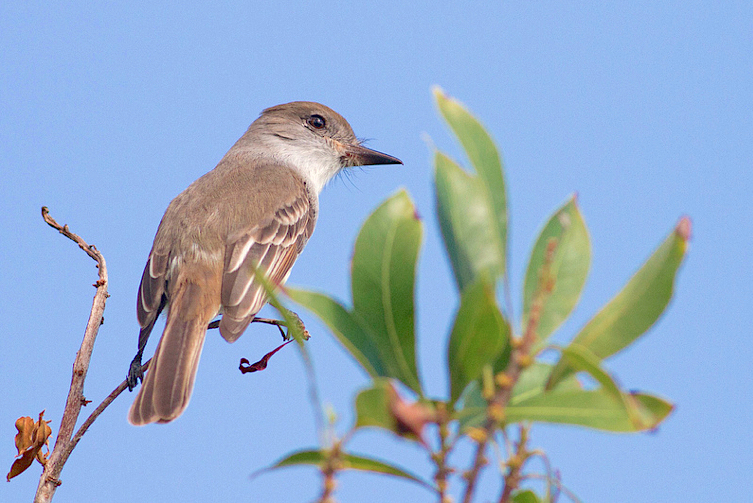
LA SAGRA’S FLYCATCHERS REVISITED ON ABACO


LA SAGRA’S FLYCATCHERS REVISITED ON ABACO

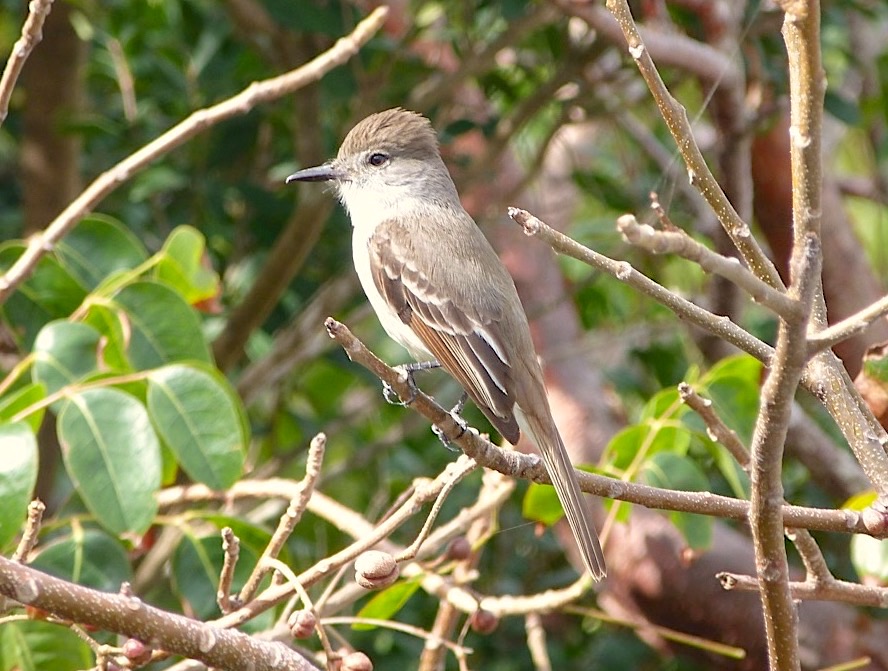
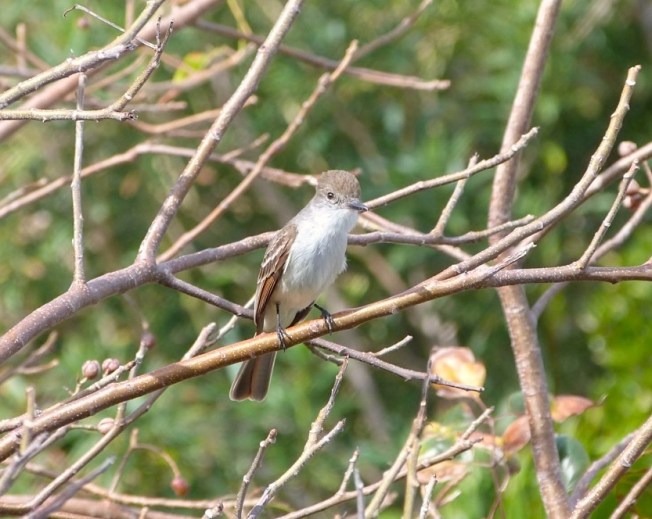
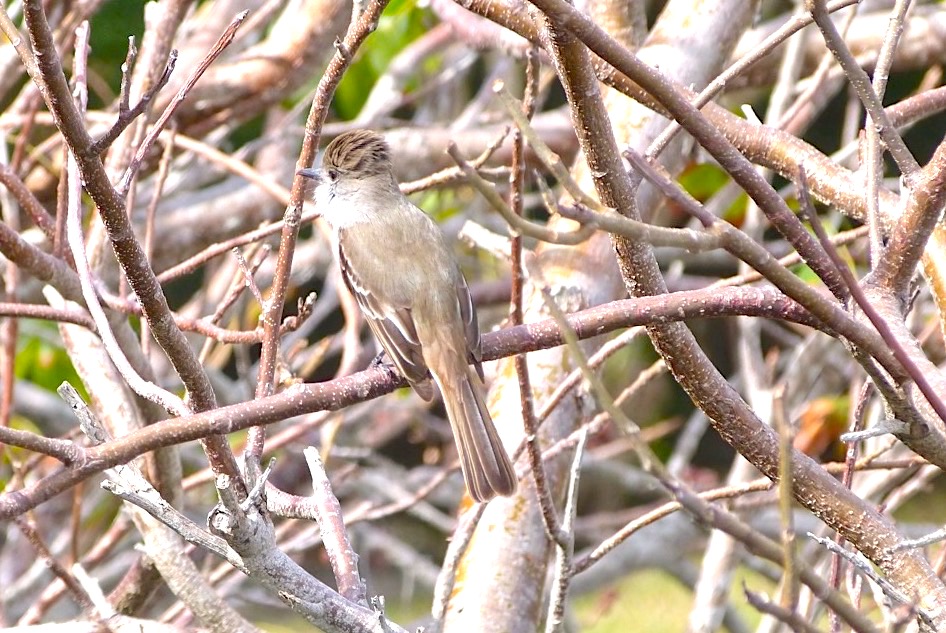
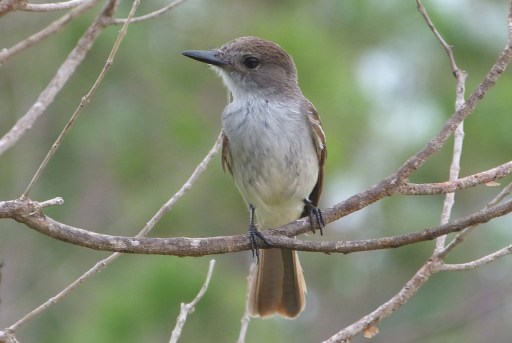
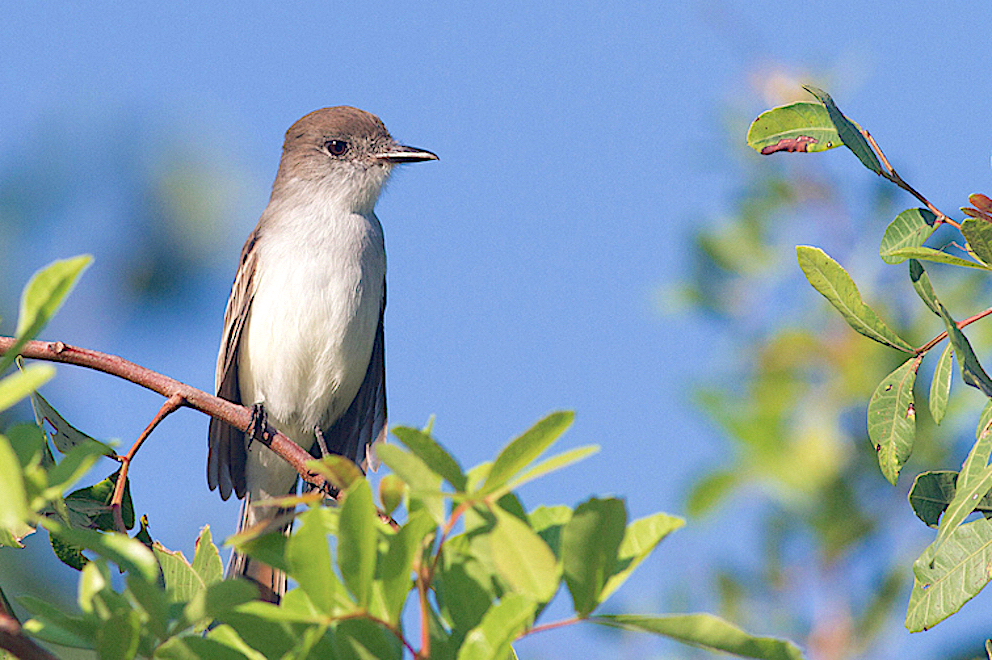
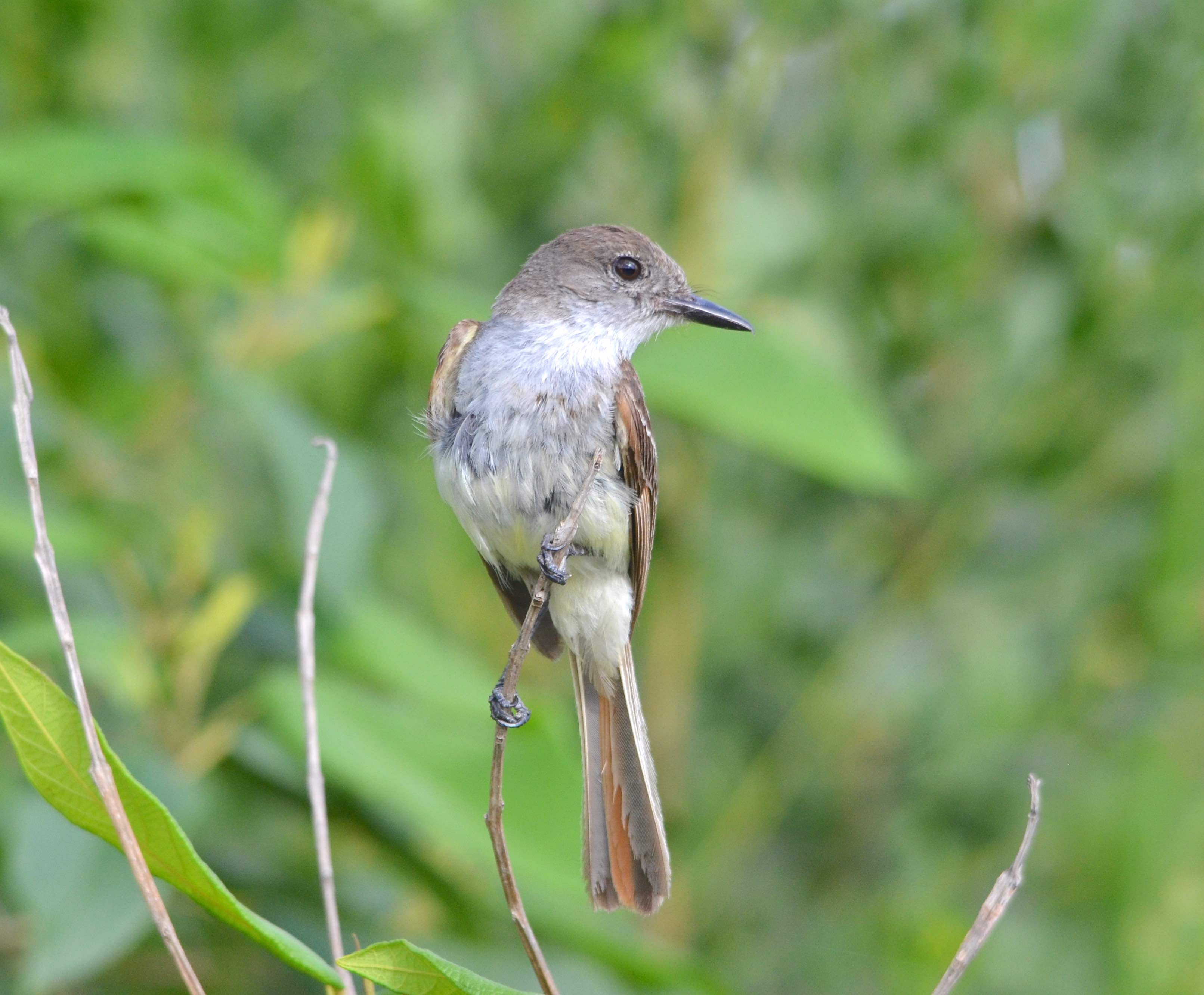
LA SAGRA’S FLYCATCHER Myiarchus sagrae is one of 3 permanent resident ‘tyrant’ flycatchers found on Abaco, the others being the CUBAN PEWEE and the LOGGERHEAD KINGBIRD. In the summer, they are joined by another commonly-found species, the GRAY KINGBIRD. There are other flycatchers, but they are seasonal, transient or vagrant, and far less common. 

Two classic LSF poses: ‘head-on-one-side’ & ‘watching-for-insects’

I have just been watching one of these frankly rather very cute little birds as it patiently watched me watching it. I wasn’t very close, and I kept my distance because it seemed a little wary and I didn’t want to blow the chance of a couple of photos – the familiar ‘bird-flies-off-just-as-shutter-pressed’ syndrome.

Sized between the little cuban pewee, with its diagnostic crescent eyes, and the larger loggerhead kingbird (see below), the LSF shares with them the ability to raise its crest. I was luckily able to catch this on camera – and also some singing.

As the name suggests, the species is primarily insectivore, fly-catching in the undergrowth and low scrub or ‘hawking’ from branches. However these birds also eat berries and seeds. Their call is a high pitched single or double noted sound described as ‘wink’. Here’s a Bahamian example.

Paul Driver / Xeno-Canto

The LSF’s natural habitat is coppice and rough scrubland. It builds its nest in a tree cavity or similar natural hole, and usually lays a clutch of two to four eggs. And this morning by coincidence, Abaco birder Rhonda Pearce posted a photo of a LSF nest with its eggs.

ID CONFUSION

Here are the two flycatcher species, mentioned above, that might cause confusion:

CUBAN PEWEE

LOGGERHEAD KINGBIRD

Ramón Dionisio José de la Sagra y Peris (1798–1871)

For those who may be wondering who – or what – a ‘La Sagra’ is, the answer is: a multi-talented Spanish botanist. He was also a writer, economist, sociologist, politician, anarchist, and founder of the world’s first anarchist journal El Porvenir (“The Future”). At one time he lived in Cuba and became director of Havana’s Botanical Garden. His name lives on arguably more significantly in ornithological than in anarchist circles (actually, an ‘anarchist circle’ must surely be an oxymoron…)

[I note in passing that La Sagra is a provincial area in Spain, an Italian festive celebration, a chocolatier, or a small comet – all of which meanings may have to be negotiated online before you get to the flycatcher…]

To continue with the occasional PHILATELIC theme of this blog, here are stamps from the Cayman Islands and Cuba featuring the La Sagra’s Flycatcher. The Cuban stamp commemorates the death of Juan Gundlach, the man who chose La Sagra’s name to bestow on the LSF. The colouring is… somewhat unrealistic!

Credits: All photos Keith Salvesen except nest (Rhonda Pearce) and loggerhead kingbird (Mrs RH); recording by Paul Driver / Xeno-Canto; stamps O/S

Unknown's avatar

NEW BIRD FOR ABACO, BAHAMAS: SCALY-NAPED PIGEON


Scaly-naped Pigeon (Jean Lopez YT)

NEW BIRD FOR ABACO, BAHAMAS: SCALY-NAPED PIGEON

The scaly-naped pigeon (Patagioenas squamosa), also known as the red-necked pigeon, is found throughout most of the Caribbean. Except for the Bahama islands – if indeed they are considered Caribbean, which strictly and geographically they are not – even though for some purposes such as passport requirements they may be.

Scaly-naped Pigeon (Dick Daniels, Carolina Birds.org)

Until the last year or so, this pigeon species had not been recorded in the Bahamas. Then sightings began to be recorded on Inagua and TCI – not so very far north of their normal range – and mostly within the last 4 weeks. Since bird records began, they had never been reported further north in the Bahamas, until a few days ago on Abaco.Scaly-necked pigeon (postdlf wiki)

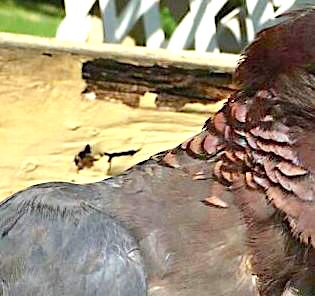
The scaly-naped pigeon is so called because the plumage on the back of its maroon-coloured neck looks somewhat… erm… scaly (hence the Latin squamosa in the binomial name): close-up below.  Notice also the bright, ringed eyes. 

 Scaly-necked pigeon's scaly neck, Abaco, Bahamas

These pigeons mainly feed on fruits and seeds, and usually hang out in small groups or mix in with other dove and pigeon species. They can be wary and flighty, like many of the family Columbidae. Here’s a short (30 secs) video of one preening.

IS THERE PHOTOGRAPHIC PROOF OF AN ABACO ONE?

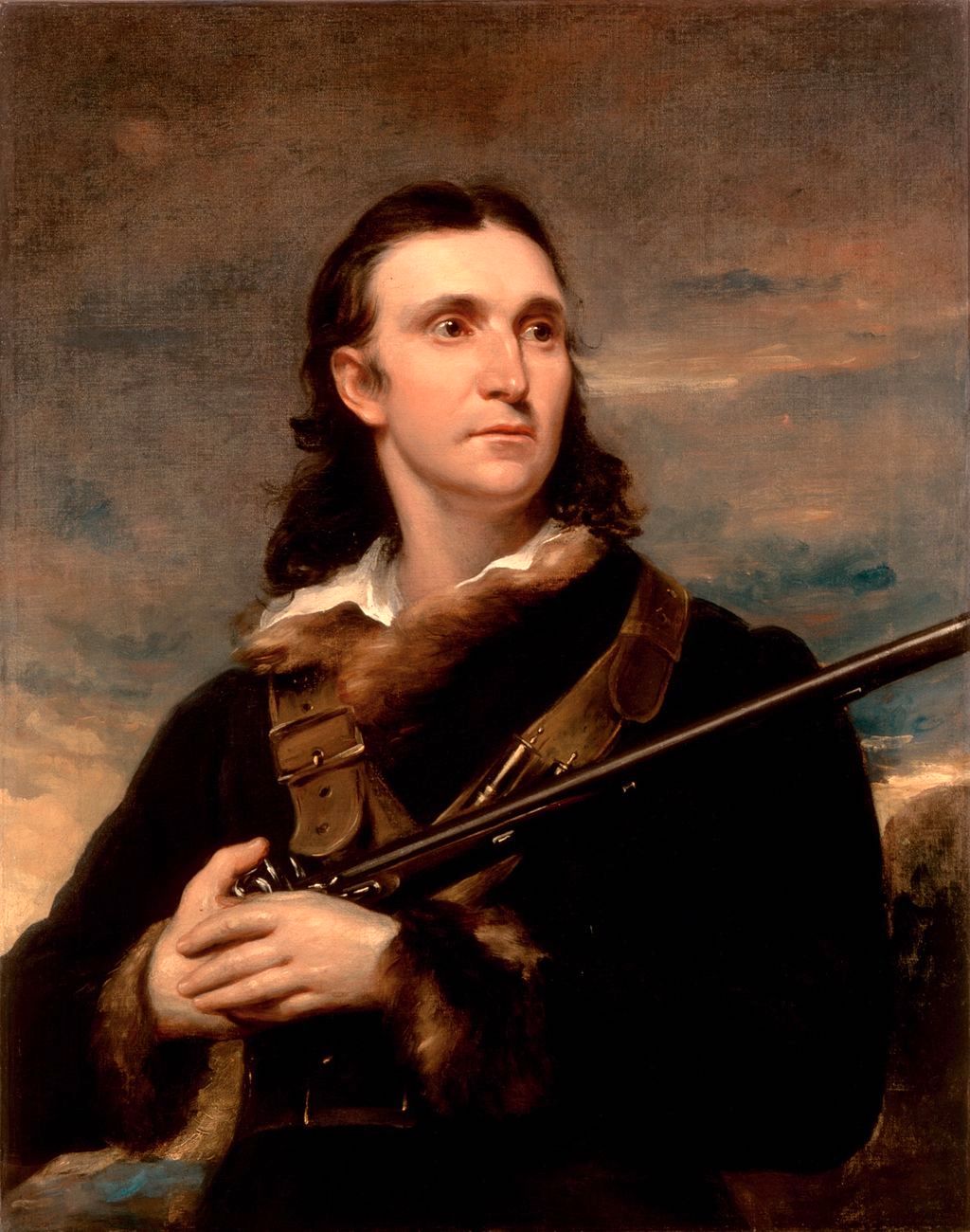
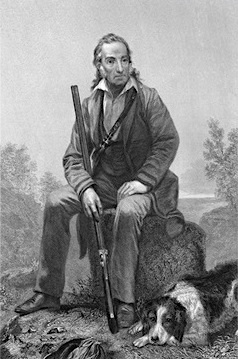
This is slightly tricky, I’m afraid. Right now, it is pigeon shooting season on Abaco. Several birds shot in South Abaco turned out not to be white-crowned pigeons or a WCP / dove cross,  and Woody Bracey was asked to ID photos taken of the deceased birds. The neck close-up above is from one of them… The full photos are a bit sad for a generally cheerful blog so I’ve not used them. At times like these, I have to remind myself that historically, natural historians obtained their specimens of our feathered friends by shooting them. Here are 3 portraits of John James Audubon as a young, middle-aged, and elderly man with his specimen-collecting equipment of choice.

 John James Audubon & gun John James Audubon & gun John James Audubon & gun

WHY HAVE THESE PIGEONS TURNED UP ON ABACO NOW?

The likeliest cause of the sightings this year on Inagua / TCI, and the current influx on South Abaco, is the recent extreme weather, especially Hurricanes Irma and Jose. It seems improbable that a mere whim to fly several hundred miles north from Hispaniola or Puerto Rico would account for the presence of these birds. One of the SNPs shot on Abaco has been retained as a specimen and preserved in a freezer. Woody is contemplating risking an expedition into the target area – a dangerous mission during the shooting season. He has invited any takers to join him, advising people to wear orange clothing to distinguish them from pigeons…

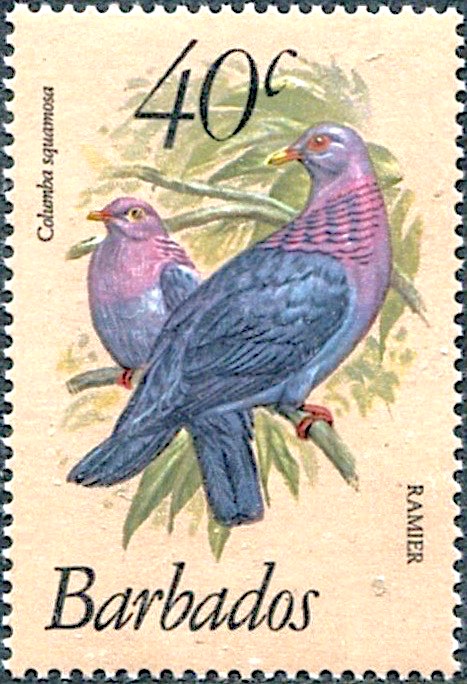
Scaly-naped Pigeon - Barbados

Scaly-naped pigeons are featured on stamps from Barbados (shown) and Barbuda. Like the Bahamas, the Caribbean countries have an excellent record for featuring their wildlife on stamps. You can read more about Bahamas wildlife stamps HERE

Scaly-naped Pigeon

Credits: Woody Bracey for the heads-up for the Abaco sightings; Jean Lopez (header still from a Youtube video); Dick Daniels / Carolinabirds.org; Cornell Lab / Neotropical Birds (range map); neck close-up from Abaco via Woody Bracey; ‘postdlf’ wiki; Felipe at Aves Puerto Rico; open source & wiki for all else 

Scaly-naped Pigeon (Jean Lopez)

Unknown's avatar

PIPING PLOVERS ON GRAND BAHAMA (for a change…)


Piping Plover, Grand Bahama (Erika Gates)

PIPING PLOVERS ON GRAND BAHAMA (for a change…)

I used to go on a bit about piping plovers*, because they are so special. Rare. Endangered. Creatures rewarding observation, and deserving research and conservation. Most of all, they favour the Bahamas for their winter migration destination.  The islands – especially Abaco, Grand Bahama and Andros – provide a safe and unspoiled habitat for them in winter. The photographs shown here are piping plovers taken on Grand Bahama in early September by well-known birding guide Erika Gates, who has kindly given me use permission.

Piping Plover, Grand Bahama (Erika Gates)

These days, ABACO PIPING PLOVER WATCH diverts PIPL from these pages to a dedicated Facebook page. Now in its 3rd season, useful data is being collected for the research teams in the breeding grounds in North America by volunteer beach monitors**. Some are regular, some are occasional, some are one-off reporters: all contribute to the overall picture. In particular we are able to identify individual banded birds and track them back to their summer locations.

Piping Plover, Grand Bahama (Erika Gates)

WHAT USE IS THAT?

Almost every banded bird resighted this season is a returner to exactly the same beach as before. Some are here for their third or even fourth year. These tiny birds are therefore surviving a journey of between 1000 and 2000 miles each autumn and again each spring – and locating their favourite beaches with unerring accuracy. A few are resighted en route during their migration; often we get reports of their nesting and breeding news during the summer.  Their little lives can be pieced together.

Piping Plover, Grand Bahama (Erika Gates)

AND THE CONCLUSION TO BE DRAWN?

The summer breeding grounds generally have conservation programs that help to protect the nesting birds from danger and disturbance. Those are the most vulnerable weeks for the adults and their chicks. The arrival of the plovers each autumn on Grand Bahama, Abaco and elsewhere in the Bahamas demonstrates their ‘beach fidelity’. They are confident that the beaches offer a safe and secure winter habitat where they are left alone. And when the time comes in Spring, they will be ready to make the long journey north again for the breeding season.

Piping Plover, Grand Bahama (Erika Gates)

* uncouth reader “you certainly did…

** additional volunteers welcome! If you walk a beach once a fortnight or even a month, own a piece of paper & a pencil, can count, and ideally have a camera or even a phone, you too can be a citizen scientist!

Photo credits: all photos, Erika Gates, with many thanks. Erika’s related websites are 

Unknown's avatar

ROCK BEAUTY: BAHAMAS REEF FISH (37)


Rock Beauty, Bahamas (Melinda Riger / Grand Bahama Scuba)

 ROCK BEAUTY: BAHAMAS REEF FISH (37)

The Rock Beauty Holacanthus tricolor is a small species of Angelfish. Seen swimming around the reefs they are unmistakeable, not least because of their bright yellow hi-viz jackets, remarkable blue eyeliner and blue-black lippy. They featured near the start of this series HERE, and a recent online search (for something else completely, as is often the way) reminded me to give them another swim round Rolling Harbour.

Rock Beauty, Bahamas (Melinda Riger / Grand Bahama Scuba)

In addition to the hi-viz-and-eyeliner combo, the Beauty above has chosen a fetchingly cheeky pair of matching ISOPODS (crustacean parasites) to adorn its face –  possibly the piscine equivalent of a tat…

Rock Beauty, Bahamas (Melinda Riger / Grand Bahama Scuba)

Rock Beauties look like prime candidates for anyone’s aquarium, but their dietary requirements and tendency for aggression make them unsuitable. They are highly specialised feeders, needing marine sponge in their daily diet. They are also prone to chase their tank-mates and nip them. On balance, they look more fetching nosing about the coral anyway.

WHAT DO JUVENILES LOOK LIKE?

Juvenile rock beauties are cute mini-versions of the adults, only more yellow (including the lips). In some development stages, they have a smart blue circle in the middle of the dark patch on their sides (bottom image).


Rock Beauty (Juvenile)

NOTE Rock Beauties have no known relationship to Chrissie, Debbie, Lita, Stevie, Joanna, Madge and the rest of the accredited ‘Rock Beauties aka Chicks’.  

NOT A TRUE ‘ROCK BEAUTY’ (no offence, Lita)

A TRUE ROCK BEAUTY
800px-Holacanthus_tricolor_1

Credits: Melinda Riger, Grand Bahama Scuba,Wiki

Unknown's avatar

AUDUBON’S SHEARWATER (DUSKY PETREL): SAD NEWS FROM ABACO


Audobon's_Shearwater - Dominic Sherony wiki

AUDUBON’S SHEARWATER (DUSKY PETREL): SAD NEWS FROM ABACO

Just 2 short years ago, Abaco experienced a shearwater die-off event, when during a period of a week or so numerous dead and dying Great Shearwaters were washed up on many of Abaco’s beaches. You can read about it HERE and a follow-up HERE. This map shows the affected area in 2015.

Now comes news of another such sad event, with a large number of Audubon’s shearwaters (Puffinus lherminieri) appearing in the tideline and on beaches at Bahama Palm Shores, Casuarina, Winding Bay and doubtless elsewhere. Many are already dead. Some are still alive, but in a very poor state. 

Audubons Shearwater from Crossley ID Guide (Eastern Birds) - Richard Crossley : Crossley Guides CCL

SHEARWATER DIE-OFF
These upsetting beach finds seem to be a periodic phenomenon, and very likely result from climate conditions or shortage of food out in the ocean – or a combination. Although most will unavoidably have ingested plastics, that would not explain the simultaneous deaths. Poor fishing conditions – they eat fish and squid – will weaken and exhaust the birds as they try to find food. Woody Bracey thinks this the most likely cause, having noticed recent poor deep-sea fishing conditions and an unusual absence of the frigatebirds that are a sure sign of fish.
Pétrel de Barau - wiki .jpg
WHAT CAN BE DONE?
The dead birds will be quickly removed by the turkey vultures. If you do find one, you might want to bury it. The prognosis for sick birds, sadly, is not good. They may have been carried a long way from open sea and they will be exhausted and starved. Those that are strong enough may recover naturally; but most will sadly die, being too weak and emaciated to survive. There is no available facility able to deal with a large number of very poorly or dying birds. 
The most practical advice I can give is:
(1) move the bird gently into the shade if in the sun
(2) provide water in a shallow dish
(3) offer finely chopped fish BUT no bread – it’s very bad for birds…
(4) if it seems to be working, then carry on until the bird is strong enough to fly (this may be quite a commitment).
(5) do not reproach yourself if a bird you try to help dies. Many will be in such bad shape by the time they are washed up that they are unlikely to survive whatever steps you take.
 
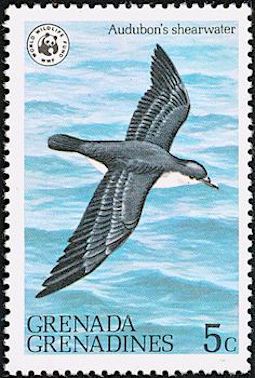
Audubon's Shearwater Stamp) OS
WHAT DO I LOOK OUT FOR?
This poor shearwater was one of a number of dead birds found by Keith Kemp at Casuarina yesterday. I realise such images can be upsetting, so I am confining photos of the birds to just two so you will recognise one if you see it.
Audubon's Shearwater, Abaco (Keith Kemp)Audubon's Shearwater, Abaco (Keith Kemp)
 AUDUBON’S SHEARWATERS IN AN EGGSHELL
  • Belong to the petrel family
  • Named ‘Puffinus lherminieri’ after French naturalist Felix Louis L’Herminier
  • Also known as the Dusky-backed Shearwater – or by Audubon as the Dusky Petrel
  • Forages by diving out of flight or from the surface; or by surface-feeding
  • Colony breeders, nesting in rock crevices, in burrows, or under thick vegetation
  • Mated pairs spend much time together at nest site. They like rubbing bills together
  • Their ‘twittering calls and mewing’ are usually only heard at night 

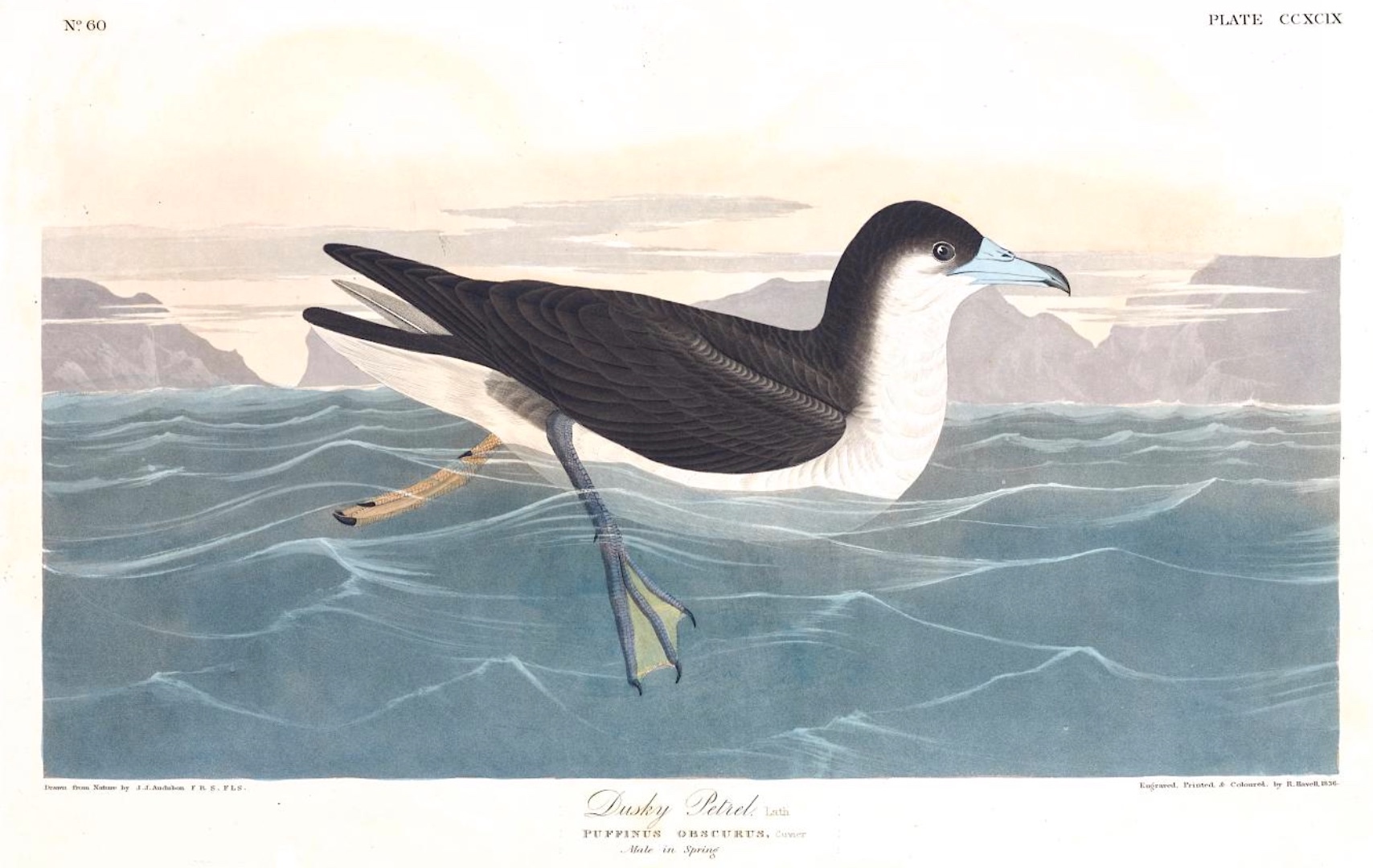
Audubon’s ‘Dusky Petrel’

Audubon's Shearwater (Dusky Petrel) - Audubon.org

I’d be interested to hear any other accounts of the current event, especially of any recovery stories. By all means do this as a comment, or email me  / PM on FB

Finally, for those who wonder how pioneer naturalists went about their work observing a species, collecting specimens and recording their findings, here is Audubon’s own account for the ‘Dusky Petrel’, Plate 299 in his magisterial work.

Dusky Petrel (Plate 299)

On the 26th of June, 1826, while becalmed on the Gulf of Mexico, off the western shores of Florida, I observed that the birds of this species, of which some had been seen daily since we left the mouth of the Mississippi, had become very numerous. The mate of the vessel killed four at one shot, and, at my request, brought them on board. From one of them I drew the figure which has been engraved (see above). The notes made at the time are now before me, and afford me the means of presenting you with a short account of the habits of this bird.

They skim very low over the sea in search of the floating bunches of marine plants, usually called the gulf weed, so abundant here as sometimes to occupy a space of half an acre or more. In proceeding, they flap their wings six or seven times in succession, and then sail for three or four seconds with great ease, having their tail much spread, and their long wings extended at right angles with the body. On approaching a mass of weeds, they raise their wings obliquely, drop their legs and feet, run as it were on the water, and at length alight on the sea, where they swim with as much ease as Ducks, and dive freely, at times passing several feet under the surface in pursuit of the fishes, which, on perceiving their enemy, swim off, but are frequently seized with great agility. Four or five, sometimes fifteen or twenty of these birds, will thus alight, and, during their stay about the weeds, dive, flutter, and swim, with all the gaiety of a flock of Ducks newly alighted on a pond. Many Gulls of different kinds hover over the spot, vociferating their anger and disappointment at not being so well qualified for supplying themselves with the same delicate fare. No sooner have all the fishes disappeared than the Petrels rise, disperse, and extend their flight in search of more, returning perhaps in awhile to the same spot. I heard no sound or note from any of them, although many came within twenty yards of the ship and alighted there. Whenever an individual settled in a spot, many others flew up directly and joined it. At times, as if by way of resting themselves, they alighted, swam lightly, and dipped their bills frequently in the water, in the manner of Mergansers.

I preserved the skins of the four specimens procured. One of them I sent to the Academy of Natural Sciences of Philadelphia, by Captain JOHN R. BUTLER, of the ship Thalia, then bound from Havana to Minorca. Two others were presented to my excellent friend Dr. TRAILL, on my first becoming acquainted with him at Liverpool.

I found the wings of this species strong and muscular for its size, this structure being essentially requisite for birds that traverse such large expanses of water, and are liable to be overtaken by heavy squalls. The stomach resembles a leather purse, four inches in length, and was much distended with fishes of various kinds, partially digested or entire. The oesophagus is capable of being greatly expanded. Some of the fishes were two and a half inches in length, and one in depth. The flesh of this Petrel was fat, but tough, with a strong smell, and unfit for food; for, on tasting it, as is my practice, I found it to resemble that of the porpoises. No difference is perceptible in the sexes.

While on board the United States revenue cutter Marion, and in the waters of the Gulf Stream opposite Cape Florida, I saw a flock of these birds, which, on our sailing among them, would scarcely swim off from our bows, they being apparently gorged with food. As we were running at the rate of about ten knots, we procured none of them. I have also seen this species off Sandy Hook.

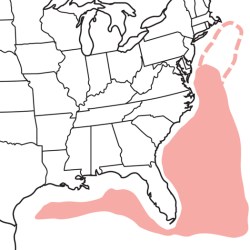
Audubon’s Range Map for the species
Audubon's-Shearwater_map (audubon.org)

Credits: thanks to those  on Abaco who have been reporting this sad event over the last few days, and to Woody Bracey for his views; Dominic Sherony (wiki) for the header image; Keith Kemp for photos from Casuarina; Audubon.org for images, quote & range map; Richard Crossley / Crossley Guides for the composite picture; Audubon, wiki and random pickings for info about these birds

Unknown's avatar

LA SAGRA’S FLYCATCHER: SMALL TYRANTS ON ABACO


La Sagra's Flycatcher, Abaco - Gerlinde Taurer

LA SAGRA’S FLYCATCHER: SMALL TYRANTS ON ABACO

The LA SAGRA’S FLYCATCHER (Myiarchus sagrae) is a common resident breeding species of flycatcher on Abaco, and these very pretty small birds can be seen in many habitats – pine forest, scrubland, coppice and gardens, for example. They are insectivores, as the name suggests, but they also eat seeds and berries. 

La Sagra's Flycatcher, Abaco - Tom Reed

As a ‘tyrant flycatcher’, this little bird is a member of the large passerine order that includes kingbirds, pewees and phoebes, with which they are sometimes confused. I last wrote about LSFs in the infancy of this blog, illustrated with my own rather… ahem… ‘simple’** photos. Time to revisit them and to do them justice with some new, improved images.

‘Simple’ photo from a less complex era, taken with a 2mp ‘Cheepo’™ cameraLa Sagra's Flycatcher, Abaco - Keith Salvesen

Magnificent photo by Gelinde Taurer that you can actually enlarge (click pic see?)La Sagra's Flycatcher, Abaco - Gerlinde Taurer

Unlike many bird species, adult LSFs are very similar in appearance in both sexes. Whatever the gender, they are sometimes confused with their cousins the Cuban Pewees, but those have a very distinctive eye-crescent.

Cuban Pewee – note eye-crescent, absent in the LSFCuban Pewee, Abaco - Keith Salvesen

Both species have a tiny hook at the end of the (upper) beak – to help trap insects, I assumeLa Sagra's Flycatcher, Abaco - Tom Reed

Another thing to notice about LSFs is the amount of rufous brown in their plumage, particularly on the wings and tail – and even at the base of the beak. This coloration is absent from their larger cousin kingbirds, the loggerhead and the gray.La Sagra's Flycatcher, Abaco - Charles SkinnerLa Sagra's Flycatcher, Abaco - Charles Skinner

WHAT SHOULD I LISTEN OUT FOR?

“A high pitched single or double noted sound described as ‘wink’... ” Or it might be ‘bip‘. Or ‘weep‘. Or (on one recording I listened to, complete with sonograph) it sounded like ‘chi-chitty chew‘. But it may have been a misID.

 Hans Matheve @ Xeno-Canto

A hint of a crest is visible in this photoLa Sagra's Flycatcher, Abaco - Peter Mantle

ANY IDEA WHAT LA SAGRA CHICKS LOOK LIKE?

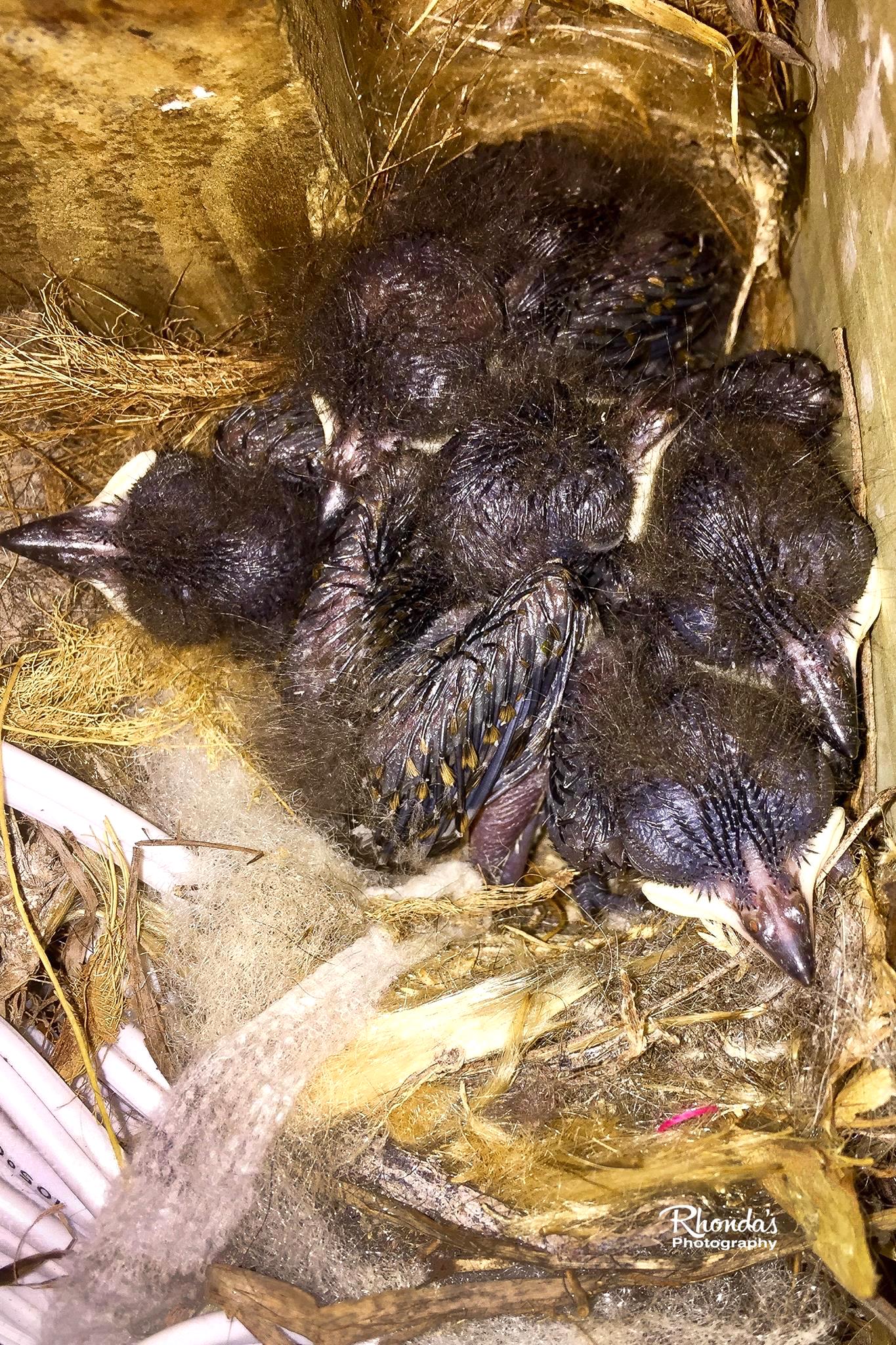
Well, as it happens, yes. By good fortune Abaco photographer and piping plover monitor Rhonda Pearce happens to have had a nest at hand this very season. So, happy to oblige… La Sagra's Flycatcher chicks in nest, Abaco - Rhonda Pearce

WHO OR WHAT IS A ‘LA SAGRA’ WHEN IT’S AT HOME?

Mr La Sagra was a multi-talented Spanish botanist. Ramón Dionisio José de la Sagra y Peris (1798–1871) was also a writer, economist, sociologist, politician, anarchist, and founder of the world’s first anarchist journal El Porvenir (‘The Future’). At one time he lived in Cuba and became director of Havana’s Botanical Garden. His name lives on more significantly in ornithological than in anarchist circles (actually, ‘anarchist circles’ must be a contradiction in terms… that should be ‘anarchist disorganised squiggles’)

I note in passing that La Sagra is a provincial area in Spain, an Italian festive celebration, a chocolatier, and a small comet… All these meanings may have to be negotiated online before you get to the flycatcher…

Ramón Dionisio José de la Sagra y Peris

La Sagra's Flycatcher, Abaco - Tom Sheley

Continuing this blog’s philatelic natural history theme, here are stamps from the Cayman Islands and Cuba featuring the La Sagra’s Flycatcher. The Cuban stamp commemorates the death of Juan Gundlach, the man who chose La Sagra’s name to bestow on this bird. And Gundlach’s name lives on in the Bahama Mockingbird Mimus gundlachii…La Sagra's Flycatcher, Abaco - Keith Salvesen

** ‘Simple’, as in ‘not completely disastrous for an amateur effort but frankly not the sort of standard we have come expect around here’.

Photo Credits: Gerlinde Taurer (1, 4); Tom Reed (2, 6); Keith Salvesen (3 [!], 5, 12); Charles Skinner (7, 8); Peter Mantle (9); Rhonda Pearce (chicks) 10; Tom Sheley (11); Ramon and stamps, open source

Unknown's avatar

ONE GOOD INTERN DESERVES ANOTHER (Part 1)


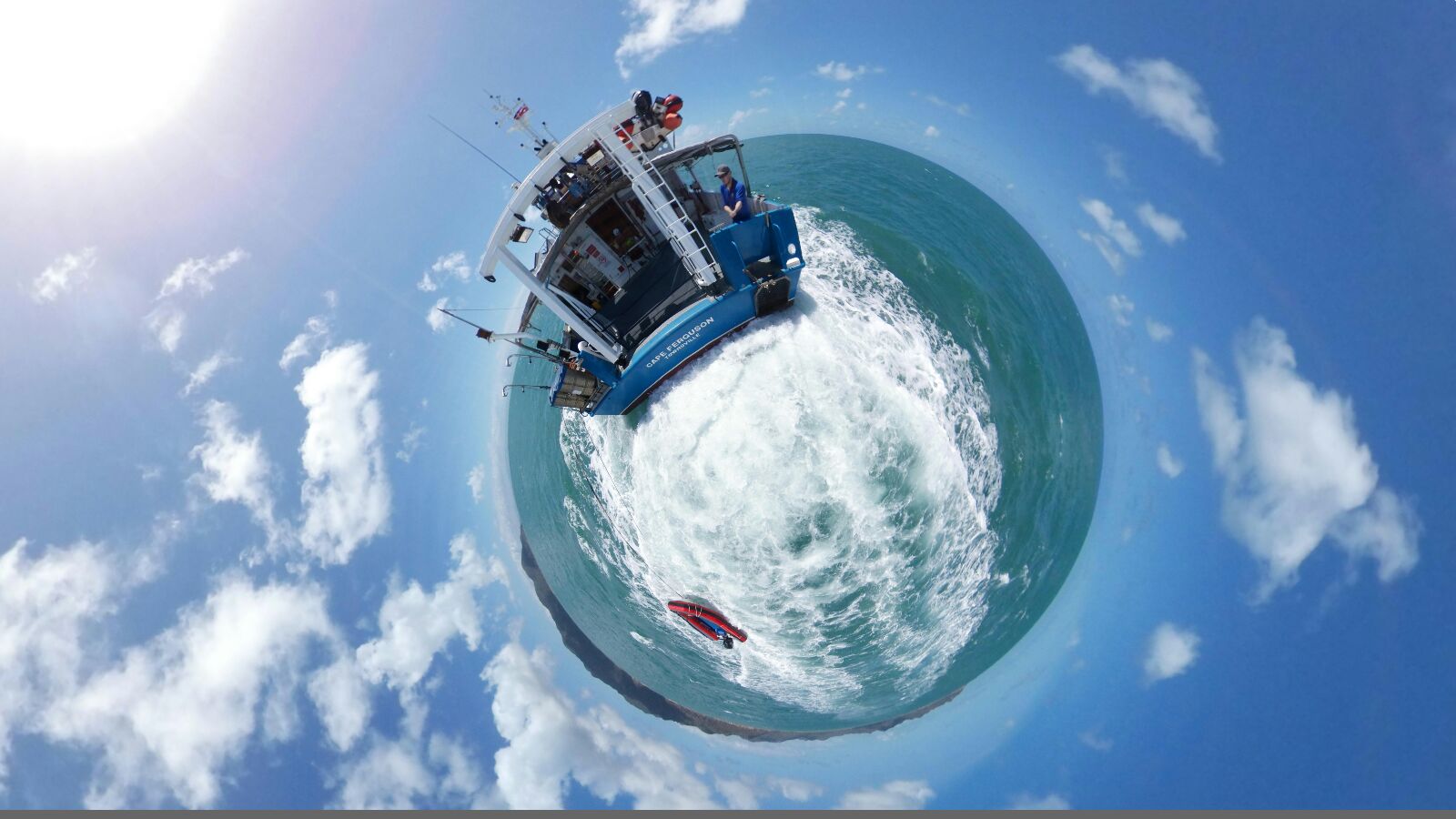
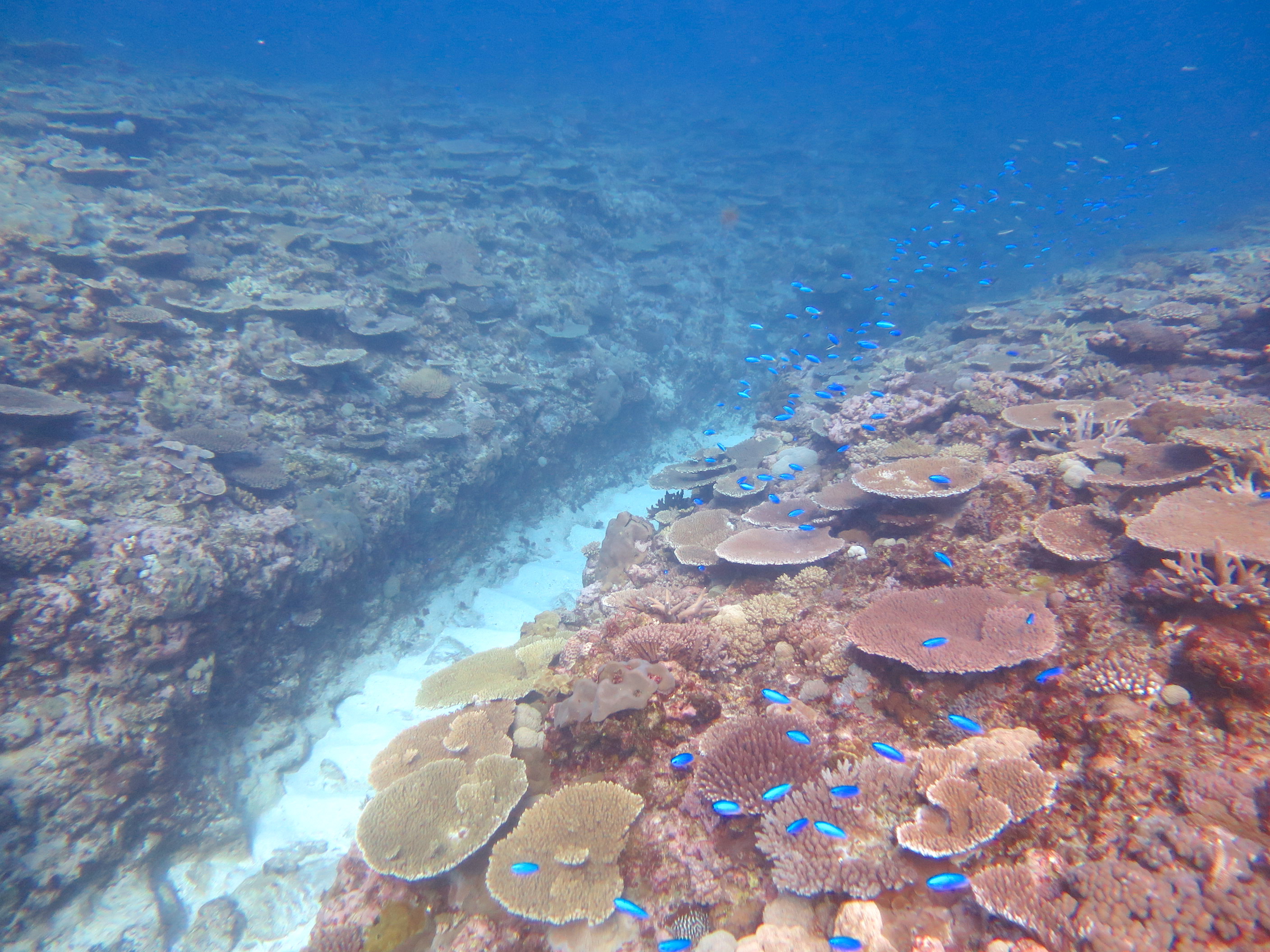
Coral reef research, Australia (Oscar Ward)

ONE GOOD INTERN DESERVES ANOTHER (Part 1)

Four years ago a young English friend of ours, Oscar Ward, was lucky enough to be offered an internship with the Bahamas Marine Mammal Research Organisation (BMMRO). At the time, he was post-school, and waiting to start a degree course in marine biology at university. He had no practical experience at all, so he had to progress from the menial tasks (scraping barnacles off the bottom of the research boat) to the more adventurous (whale poop-scooping) to the scholarly (collection and analysis of samples and data, including audio file matching of whale calls for identification). The need for hard work, concentration and accuracy were made clear from the outset… and as you will see, Oscar’s short internship has stood him in very good stead during his university course.

Oscar weekending at Gilpin Point – self-sufficientBMMRO Internship - weekend off (Oscar Ward)

From a promising start on Abaco, and with 2 year’s study behind him, Oscar is currently spending the 3rd year of his 4-year course in Australia, working with The Australian Institute of Marine Science. He has been involved in a number of complex projects focussed on corals and reef life – as we all know, a matter of huge concern – and the projections for the future of the reef systems in a time of warming seas and raised acid levels. Oscar also assists PhD students, for example examining the damaging effects of parasitic worms on coral; and the effect of changing light conditions on corals.

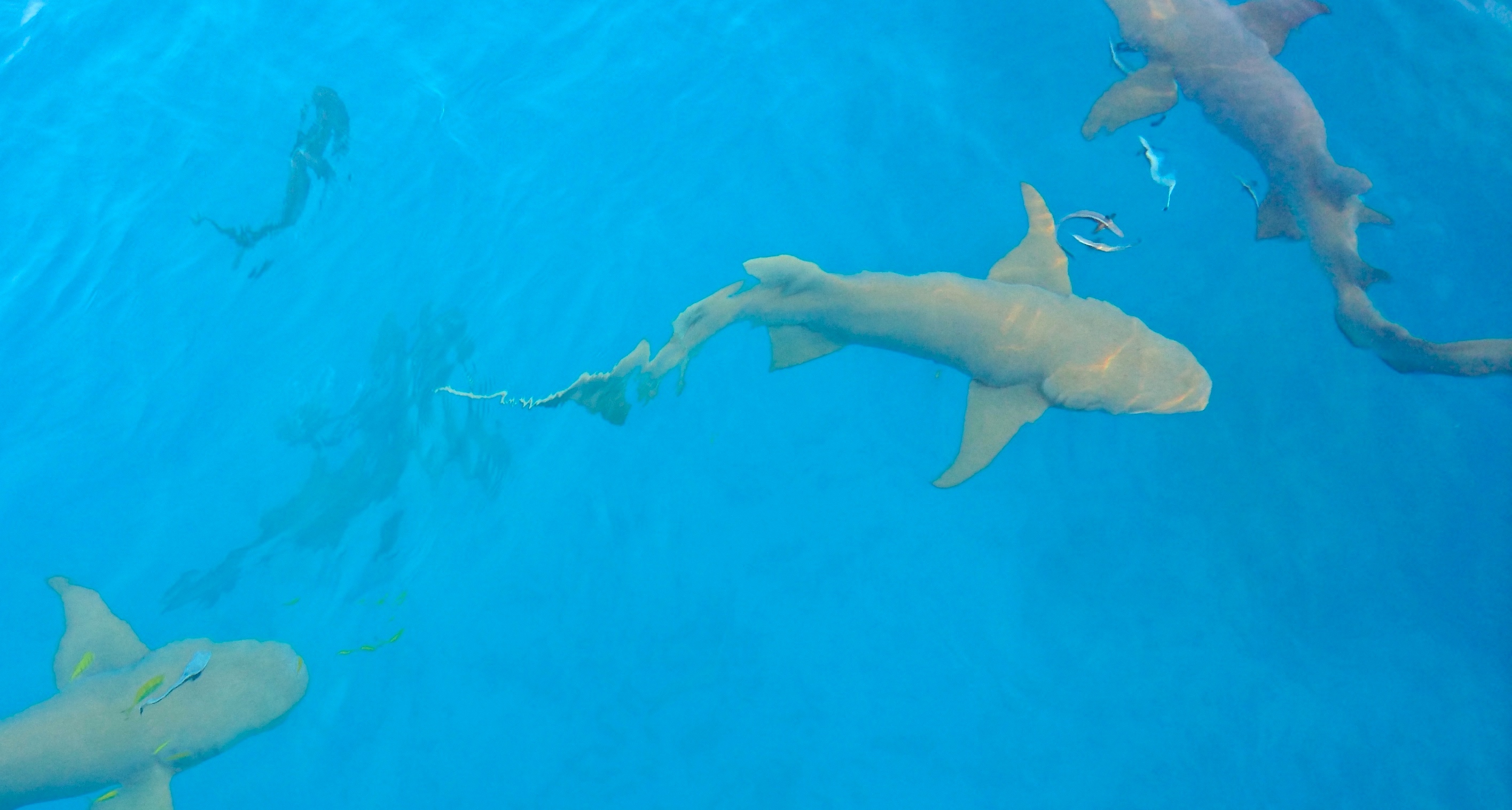
Nurse Sharks, Great Barrier Reef (Oscar Ward)

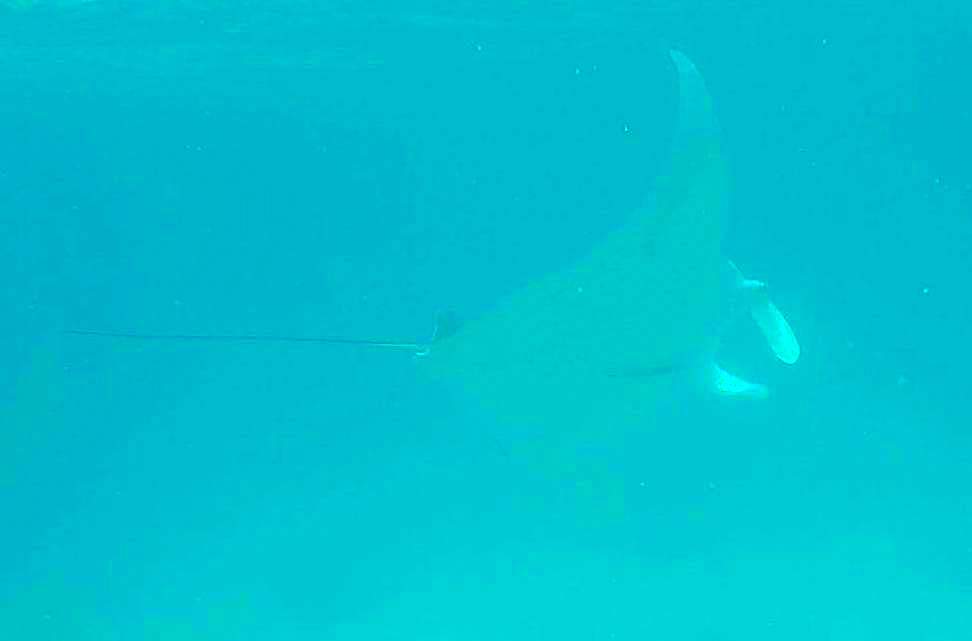
Much of Oscar’s time has been spent doing fieldwork. Often he is at sea, monitoring and collecting samples in the Southern Great Barrier Reef, diving two or three times a day. This work is often carried out in restricted or preservation zones, and with ever-present manta rays, sharks and sea turtles around him.

Manta Ray, Great Barrier Reef (Oscar Ward)

Right now Oscar is involved with the investigations into the recent bleaching events, work that is at the forefront of serious concern for the GBR and far beyond. I have recently corresponded with him – he has definitely not forgotten that his grounding for the fieldwork and studies that he is engaged in – and very likely his career – came from his time on Abaco and the lessons he learned during his time with the BMMRO at Sandy Point.  (In part 2: another good intern, currently at Sandy Point)

Coral reef research, Australia (Oscar Ward)

All photos: Oscar Ward (the header image is taken from a research vessel – no idea how, maybe a drone with fish-eye lens?)