Unknown's avatar

ATALA HAIRSTREAK – ABACO’S LOVELIEST BUTTERFLY


Back safely in Blighty at last, and 17 cups of coffee down the line it’s time to take caffeine-trembling hands to the computer. A quick skim through the new batch of Abaco wildlife photos has shown that at least 3 out of (say) 987 have came out adequately, so new material will now be appearing – parrots and other birds, reef fish, plants, bonefishing, and a lot more (including some videos). I’ll make a start with an Atala Hairstreak, a small but unmistakable butterfly that is a creature of delicacy and beauty. It is the one that features in the RH logo above. Here is a live specimen taken deep in the pine forest  a few days ago at the Blue Hole known as Sawmill Sink. The colouring is just as it is in real life – there’s been no ‘work’ done on this image. Its little curly tongue shows that it is busy feeding. Click on it to enlarge it.

Unknown's avatar

TRAVEL TRIVIA & WORLD OCEANS DAY


We rebooked our storm-tossed flights. We spent an extra night at Delphi and one in Marsh Harbour. We went to check in online. Zilch. Nada. Niente. No trace of Mr & Mrs Harbour. One hour on the phone and it’s sorted, and with an upgrade to World International Club Class Traveller Special Plus or similar ( = more leg room? An extra bacon roll? We’ll see…)

More importantly, though, today is WORLD OCEANS DAY

20120608-081748.jpg

You can find 100 Ocean-related quotes to sprinkle into your conversation if you tune in to the excellent BEACH CHAIR SCIENTIST from whom I have ‘borrowed’ this sea-loving image

20120608-083300.jpg Quote 33 is slightly disturbing…

Apologies for premature publication omitting title and later tweaks. Posting on an iPhone is a fiddly business.

Unknown's avatar

A KIND OF HOMECOMING & A RISING SUN


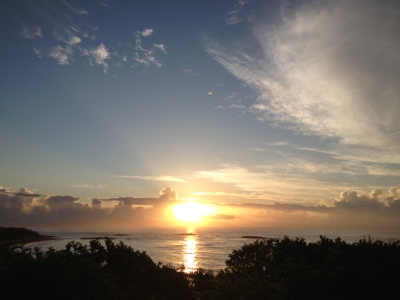
Well hello again! We should have landed at Heathrow a few hours ago. However a massive but localised storm yesterday left us stranded on the island. And here we remain for two somewhat “limbo” days, all packed up awaiting our rebooked flights. In the meantime, here is another fine sunrise to be going on with… see you in 4250 miles’ time

20120607-162047.jpg

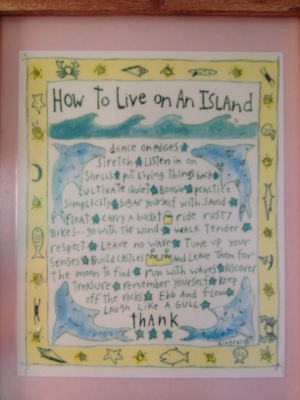
Oh! I’ve just found this. I can’t decide if it is philosophically profound, an aid to serenity, a cute item or faintly annoying. But I like the drawings anyway – just about my skill level

20120607-163616.jpg

Unknown's avatar

ROLLING HARBOUR: THE ABACO VACATION SETTINGS ARE NOW ON


NORMAL SERVICE WILL BE RESUMED IN TWO WEEKS, IF YOU CAN EVER CALL IT ‘NORMAL’
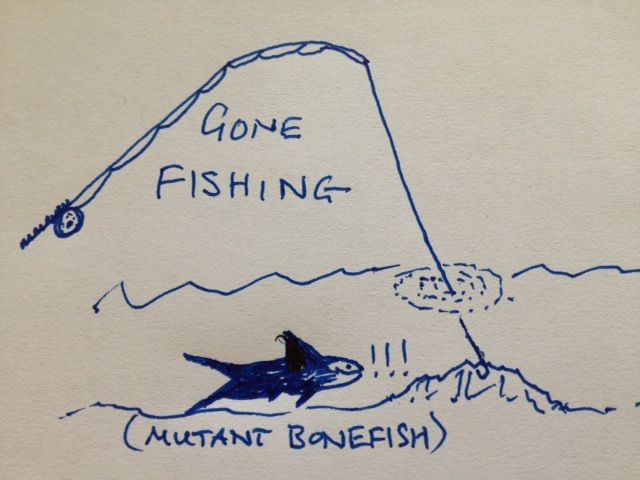
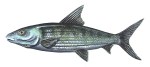
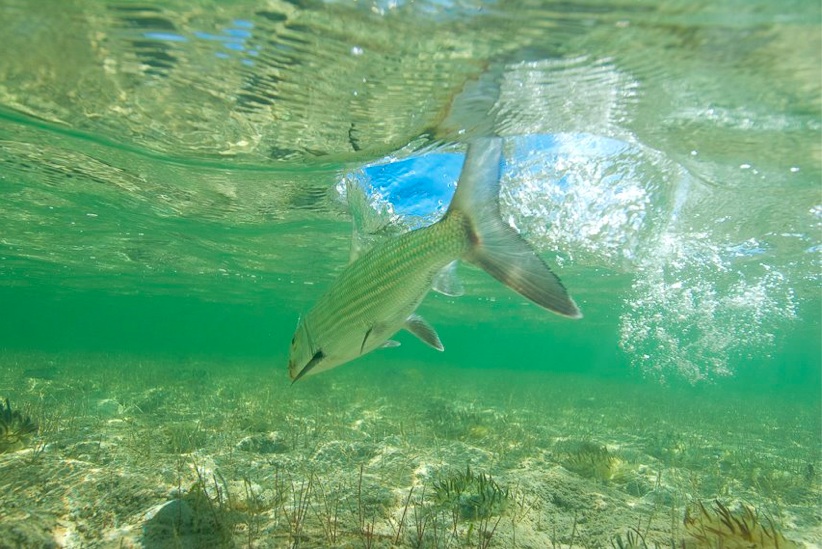
Actually, apologies for the drawing. No, really. At one time in this blog, I did say that I struggle to draw a stickman. And ain’t that the truth. Click on the Soundcloud thing below for suitable vacation music, composed and played by me (tip of the hat to an iPhone app). Oh good grief. It’s just as feeble as my drawing. Just as well I’m off to Abaco for R & R… Meanwhile, here’s what a bonefish really looks like – the weight / strength ratio makes it one of the world’s most powerful fishes. Hook one and prepare to have your reel stripped to the backing. All caught bones are quickly released to ensure stocks are not depleted.
Why thank you, nice Lubbers Quarters sign, I do believe we are…
Unknown's avatar

COMPARING SEABIRDS, SHOREBIRDS, AND WADING BIRDS


Here is an excellent resource from the laid-back BEACH CHAIR SCIENTIST with extremely useful comparisons between sea birds, shore birds and wading birds. The ‘top tens’ format is always a helpful way to get factual info across without blocks of text. Say goodbye to ‘Is that a stilt or a rail?’ misery now.

Beach Chair Scientist's avatarBeach Chair Scientist

Here is a general overview of 10 characteristics of seabirds (birds that spend most of their life out at sea), shorebirds (migratory birds that scurry along the shore looking for food), and wading birds (taller birds that wade in wetlands for their food).

10 characteristics of seabirds (Examples include albatross, auk, booby, frigatebird, fulmar, gannet, murre, penguin, petrel, puffin, shearwater, and tropicbirds)

1. Seabirds are pelagic, spending most of their lives far out at sea.
2. Seabirds move toward to coastal areas to breed or raise young for a minimal amount of time.
3. Seabirds are light on their undersides and dark on top (an adaptation known as countershading).
4. Seabirds have more feathers than other types of birds for more insulation and waterproofing.
5. Seabirds have flexible webbed feet to help gain traction as they take off for flight from the sea.
6. Some seabirds have unusually…

View original post 521 more words

Unknown's avatar

HOLE-IN-THE-WALL ABACO: HISTORIC 1803 DESCRIPTION & AQUATINT


HOLE-IN-THE-WALL, ABACO: A HISTORIC DESCRIPTION & AQUATINT FROM 1803

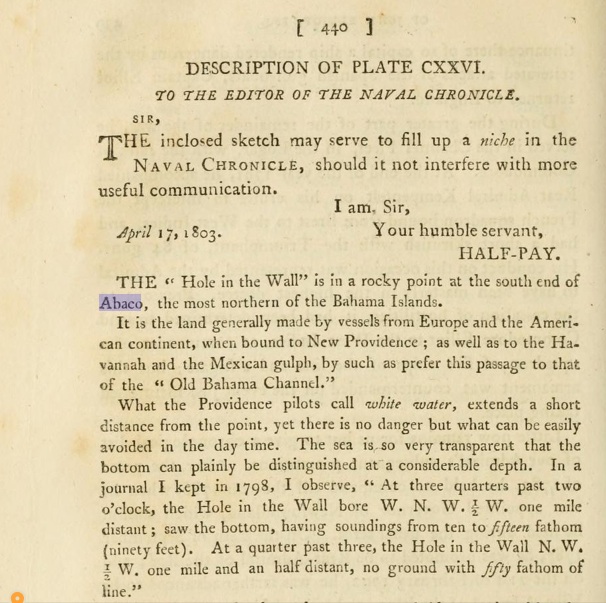
I recently traced the history of Hole-in-the-Wall, Abaco through maps from the 16th century onwards – its significance, the name changes, and so on. To see that post CLICK HERE . I have just come across some historical material about HITW that is so fascinating that I have awarded the accolade of a separate post, rather than lumping it in with the earlier one. The extract below is from THE NAVAL CHRONICLE (Vol 9) * for January – July 1803. It gives a short but detailed description of the Hole in the Wall in the context of a remarkable sketch (reproduced as a Plate in the book) submitted by the contributor, who signed himself  ‘Half-Pay’. That was the name traditionally used in both Navy and Army to refer to the pay or allowance an officer received when in retirement or not in actual service – or, metonomously, to the officer receiving the reduced pay. I greatly like the charming deference with which the contribution is offered.

The whole book is well worth examining for the light it sheds on Naval matters at the very start of the c19. The comprehensive personnel and other lists hold plenty of interest. This was an era of almost continuous major military and naval campaigns on both sides of the Atlantic. The Battle of Trafalgar was still 2 years away when this book was published. If you want to see the downloadable online version CLICK HERE  [I had to zoom the page and clip it in two to make it easily readable  – hence the gap. And apologies for the purple highlight – it was my place-mark…]


Here is the amazing aquatint  by J. Wells of Half-Pay’s sketch, published in the 1803 Naval Chronicle by founder J.Gold of Shoe Lane, London. It’s quite small, measuring 5½” x 9″. You may even be looking at a screen clip of a scan of the book plate of the earliest surviving depiction of Hole-in-the Wall. If anyone knows of an older one, please get in touch. And can anyone identify what kind of sailing vessels these are (I wouldn’t know a brigantine from a clipper…)?

To answer queries arising from my earlier post, I added a map and photos showing exactly where the actual Hole at HITW is, and how to get there (if you are wearing the right shoes). It’s worth revisiting the topic. People are always fascinated by the extremities of land – ‘Land’s End’, ‘Finisterre’, ‘Finistère’ and so on – especially where they are remote and relatively inaccessible. I think HITW qualifies. As far as I am aware, apart from the lighthouse its abandoned outbuildings at the southeast corner of the first map below, there is no other building in the area covered by this map. The nearest road is 15 miles up the inhospitable track to the north of the lighthouse.

Here is the map showing the location of the actual Hole in the Wall, and below that, a distance shot taken at sea

 * According to The Philadelphia Print Shop “Between 1799 and 1818, The Naval Chronicle, was the pre-eminent maritime journal reporting news about the British navy. Issued twice a year, it was published during a period in which the British navy fought the Napoleonic Wars and the War of 1812, and came to “rule the waves.” This wonderful journal included action reports, intelligence on various matters related to the British and other navies, and biographies of naval officers. Many of the reports were accounts by officers directly involved, such as Lord Horatio Nelson. Included with the articles were portraits, images of naval action, and views of the many ports in which the navy called. These are important, first-hand images of this turbulent period”
Unknown's avatar

INTERNATIONAL MARINE BIODIVERSITY DAY – MAY 22


INTERNATIONAL MARINE BIODIVERSITY DAY – MAY 22

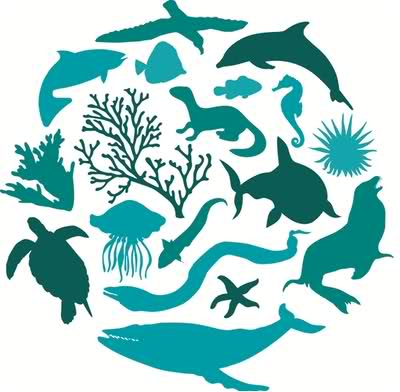
Yesterday was an important day in the marine conservation and research calendar. Me neither! I had a heads up from the redoubtable SEAMONSTER late last night. So at least I found out on the right day. I am posting the excellent logo to help to raise awareness retrospectively… I ‘get’ everything depicted in this clever sea creature globe – except for the tiny dinosaur… or is it a sea otter?

CLICK this large logo to link the the relevant website, where there are articles catering for every conceivable marine interest

Unknown's avatar

RITA & GEORGIE’S BIG ADVENTURE: BAHAMAS MANATEES TAKE A TRIP


RITA & GEORGIE’S BIG ADVENTURE

It’s Week 4 since mother and calf were released. Since then, they have made some manatee friends and gradually increased their range of exploration as their confidence continues to grow. The week’s big news is that in five days, Rita and Georgie travelled over 70 miles around Great Harbour Cay, extending their interest further south than ever before. Here are the other mother and calf pair from the area, Gina & JJ

The logo at the top is clickable straight through to the excellent BMMRO weekly reports of the lives of these gentle creatures, where you will find all the details of their progress. I have also add a click-thru’ logo near the top of the sidebar so that manatee-watchers can go straight there from this blog at any time.

So may I encourage all you nice followers out there to keep an eye on the developing story; and remind you in a subtle – oh, ok then, rather direct way – that this kind of vital conservation research in our oceans can only be carried out with support. That could include direct support for the BMMRO’s work… and / or maybe even adopting a manatee (details on the Manatee blog)

Rita and Georgie Tracking Map  Week 4 

Unknown's avatar

LIONFISH: FACTS, VENOM & CRISIS CONTROL IN THE BAHAMAS – & A COUNTER-VIEW


Lionfish, Abaco (FotE)

LIONFISH: UNINVITED GUESTS IN THE BAHAMAS

I recently put some lionfish details and images on my MARINE LIFE page. I wrote: “…their existence and rapid increase in the waters of the Bahamas is a cause of great concern, and they are keenly hunted. Last year’s inaugural Lionfish Derby on Green Turtle Cay brought in more than 1400 of these creatures in the day, ranging in size from  a 57mm juvenile to a 349mm fish. Here, from THE ABACO SCIENTIST is where in the world the 2 species of Lionfish ought by rights to be. Well away from the Caribbean, that’s where!

 Photo credit: Brigitte Carey of Tilloo Cay

Two great lionfish photos from GRAND BAHAMA SCUBA  (thanks to Fred & Melinda Riger )

———————————————————

LIONFISH Pterois

1o UNCOMFORTABLE LIONFISH FACTS

  • A genus of  spiny venomous fish indigenous to the Indo-Pacific area, of which there are 9 species
  • In the mid 1990s 2 species were introduced to the US Atlantic coast and Caribbean (see below)
  • Unaccountably popular as aquarium fish; cooked and eaten by people (though not by me)
    For recipes see LIONFISH HUNTER
  • An adult can weigh 1/2 kilo and may live up to 15 years
  • They have ‘complex courtship and mating behaviour’, presumably to avoid each other’s spines
  • Females release two egg cluster bombs every month containing up to fifteen thousand eggs…
  • Lionfish prey voraciously on small fish, invertebrates and molluscs which they gooble up in one gulp
  • They have bilateral swim-bladder muscles to alter their centre of gravity to attack their prey better
  • Apart from a tendency to species cannibalism, they have very few predators. The spines work well…
  • Sharks are not affected by the venom, and attempts have been made to train them to feed on lionfish 

LIONFISH STINGS are painful and can take several days to resolve. Tests on frogs, clams and rabbits… well, you don’t want to hear about those. In humans the venom causes systemic symptoms ranging from nausea, vomiting, fever, breathing difficulties and dizziness to convulsions and paralysis. For the very young, the elderly, the allergic or those with immune system weakness the sting can be fatal. TREATMENT: If stung it is recommended that you remove the spine(s) if possible and immerse the wound in hot water for at least 15 minutes… and seek medical treatment as soon as possible

THE CARIBBEAN INVASION supposedly started in the mid-1990s, perhaps following hurricane damage to an aquarium in southern Florida. A few earlier sightings had been recorded, possibly the result of  deliberate aquarium releases. Two of the 9 species are involved: the red lionfish P. volitans (93%) and the common lionfish P. miles (7%). It’s a measure of their rapid breeding, habitat adaptability and near-immunity from predation that the first recorded lionfish in the Bahamas was as recent as 2004. A mere 8 years later they’ve spread throughout the region. 

POPULATION INCREASE AND CONTROL The population is increasing exponentially despite efforts at control. Their voraciousness and territorial aggression must certainly be affecting the indigenous populations of reef marine life. The problem is already extreme. It is now unlikely that lionfish can ever be eradicated. Even to confine the population to its current level would require more than a quarter of the adult population to be killed monthly. Lionfish are able to reproduce throughout the year, so there is no seasonal respite. In this conservation-minded era,  official encouragement of  organised hunting bucks the trend towards creature protection. Lionfish do have food value, if natural human reluctance to eat a venomous species can be overcome, and there are now many lionfish recipes. Whether killing lionfish for sport or for food, humans are their only effective predators. Below is an example, from Oceans Watch, of the sort of campaign that will surely become commonplace throughout the region. Time to reach for the speargun…

THE COUNTER-ARGUMENT

The above is the orthodox view, widely held throughout the region. Some will ask whether the arrival of the lionfish in the Caribbean has any positives; whether they actually make a contribution to the ecology of the area; whether there is a convincing case to put forward in favour of the species; whether there is evidence to back it up. So to redress the balance I commend these 4 short videos from the enormously experienced Grand Bahama diver Fred Riger, in which he cogently demonstrates the value of this imported species. In short, the videos reveal that the adverse effect on endemic fish populations is not merely overstated but wrong; that the spreading menace to the coral reefs of choking algal growth is actually reversed by lionfish; and that important grazing crab species are thriving as a result. 
I posted the bad lionfish stuff last night; by this morning Fred had rightly taken me to task for only giving one side of the story: “Far from being a pest, lionfish are solving a huge problem created by the mother of all invasive species HUMANS, who have over fished the ocean, wiped numerous species out of existence, killed most of the world’s coral, the very stuff we in the Bahamas live on. Targeting lionfish sets conservation efforts back thirty years or more and contributes to the decline of the coral reef”. So here are the videos giving the case in favour of lionfish, and they certainly provide a fresh perspective and plenty of food for thought…
 
“LIONFISH IMPACT: THEY ARE NOT SO EVIL AFTER ALL”
Unknown's avatar

BONEFISHING (ABACO) v TROUT FISHING (DORSET)


BONEFISHING (ABACO) v TROUT FISHING (DORSET)

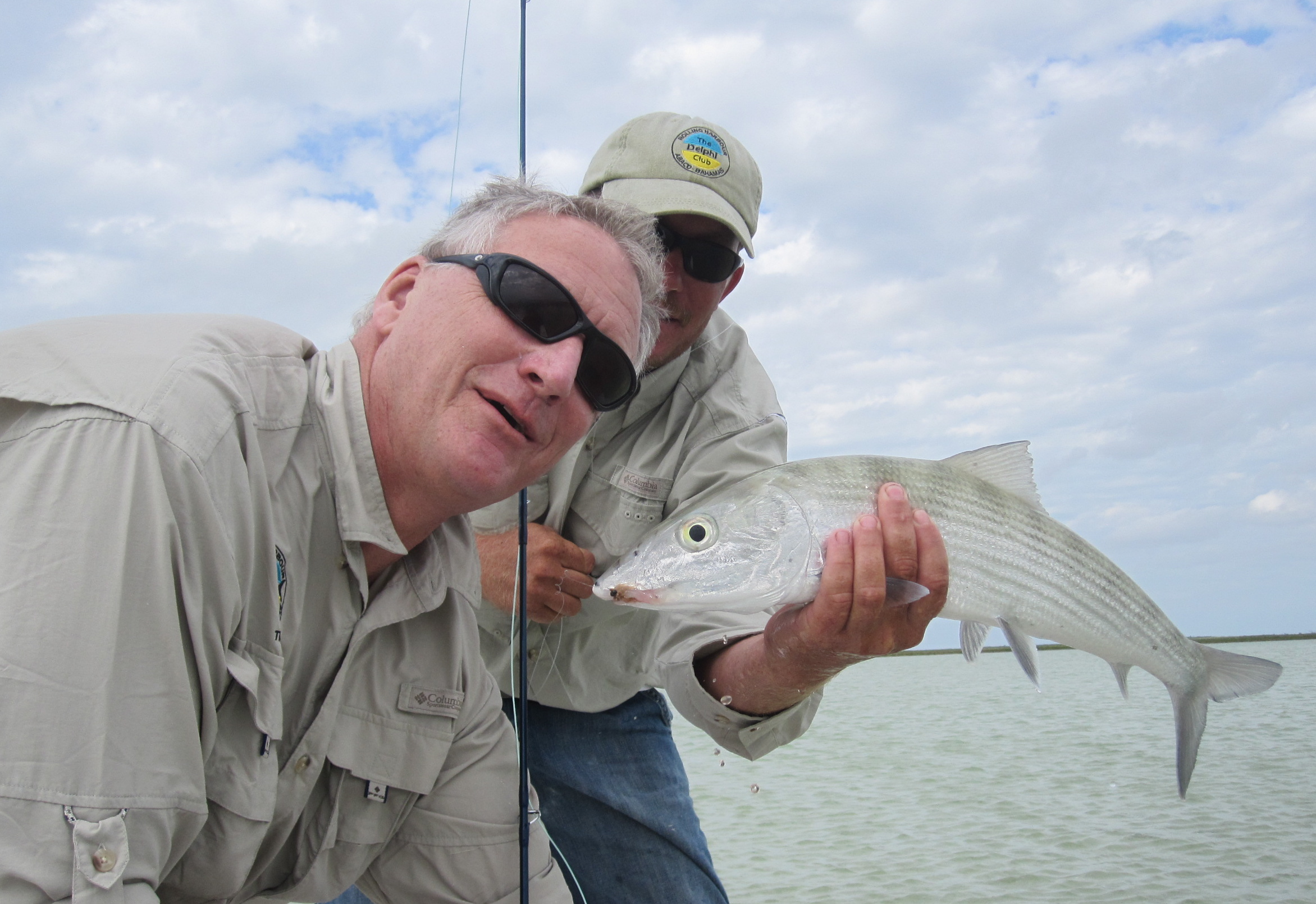
BONEFISHING! We will soon be back at the Delphi Club at last and out on the Marls in 10 days time. The slow-poled movement through the shallow waters. Keen eyes searching for moving shadows on the sand. The urgent half-whispered directions as bones are sighted. The swift confident raise of the arm and flick forward of the cast… and the tangled mass that lands 15 feet short and well behind the vanishing fish. I love it! The guides don’t, of course, but they are generally kind enough to keep their muttered imprecations barely audible. And occasionally there is a fortuitous hook-up. If exceedingly lucky, the obstacle of playing and bringing in the fish without it self-releasing prematurely is surmounted, and RH eventually boats a bone (see above).

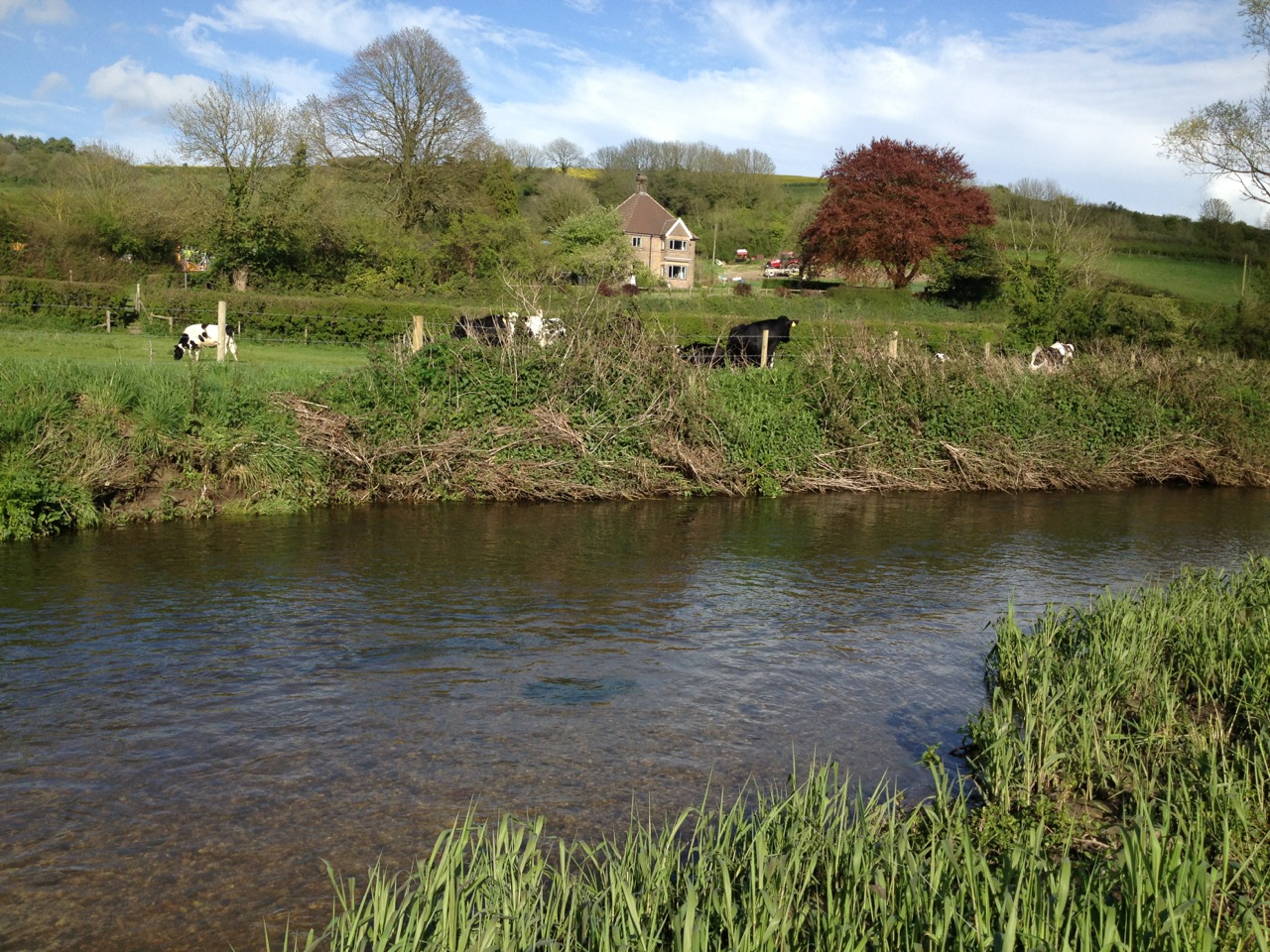
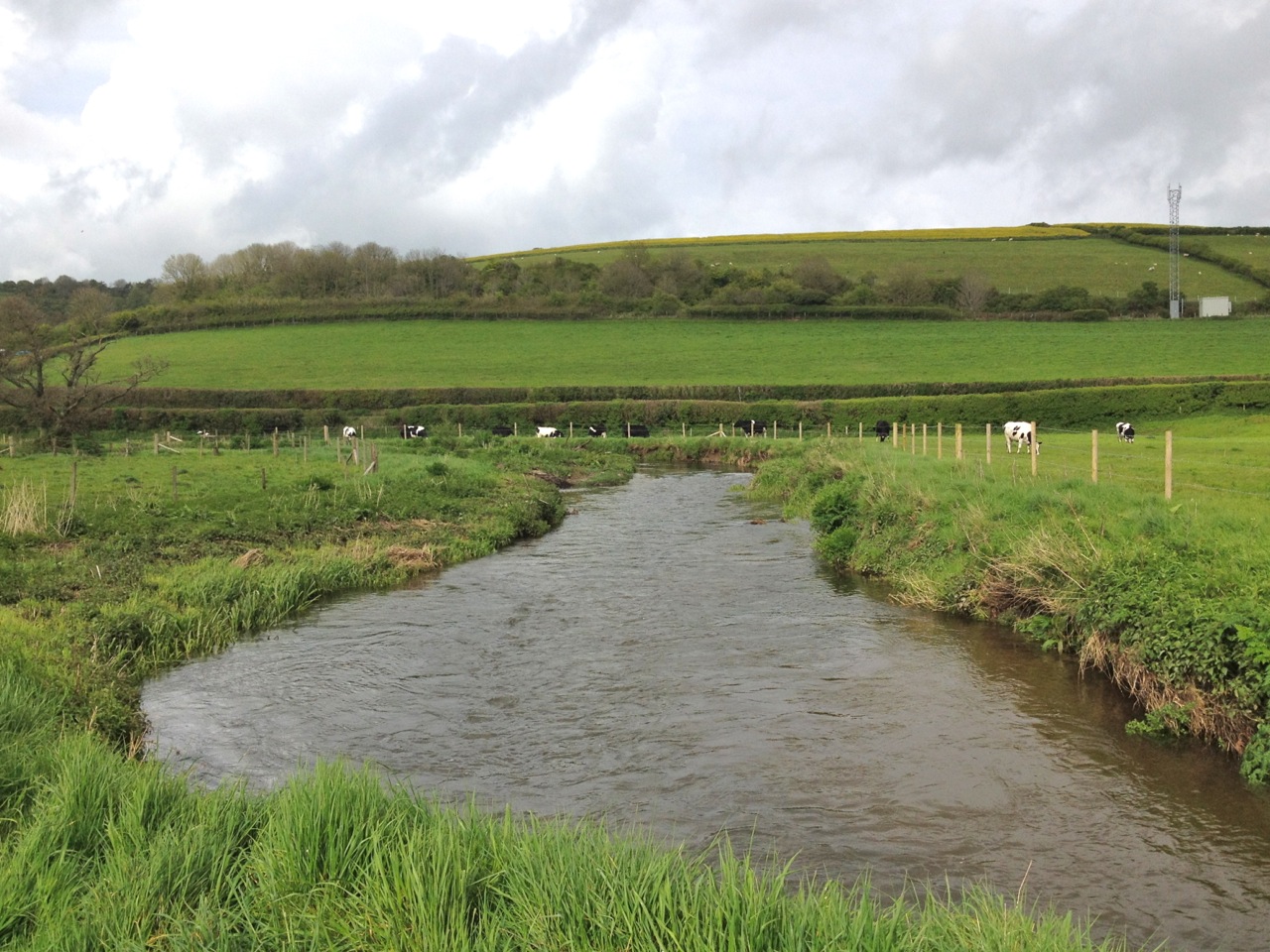
TROUTFISHING! At the moment I am sporadically fishing on the River Frome, the westernmost of the southern English chalk rivers. I’m after small wild brown trout, though the river also has sea trout and salmon. The weather has been cold, wet (hail!) and windy, and I have had roughly the same rate of success as with the bones. There have been experimental tugs at the fly. Times when, as I watch swallows skimming the water surface, a fish takes the fly and has spat it out by the time I have turned round to glimpse it dive below. And, as happened yesterday, it’s ‘Fish On’ – until it leaps clear of the water, effortlessly shakes out the (barbless) hook, and fins me a rude gesture as it plunges back. Plainly I need a brand new rod. And reel. And line. And jacket. And… It can’t possibly be operator error, can it? Anyway, this is all a world away (4,250 miles, in fact) from the Marls. It is pastoral fishing at its finest, even if  the fish come out on top. Practice makes perfect, as they say… out with the willows, bring on the mangroves

(All exaggerations are strictly for comic effect. Except, tragically, there aren’t really any…)

Unknown's avatar

BAHAMAS MANATEE UPDATE – CHECK OUT RITA & GEORGIE’S PROGRESS


The BMMRO’s brilliant new  charting the progress of mother Rita and calf Georgie after their release (and showing wonderful pictures) is becoming addictive. How far have they ventured this week? Are there any more out there? 

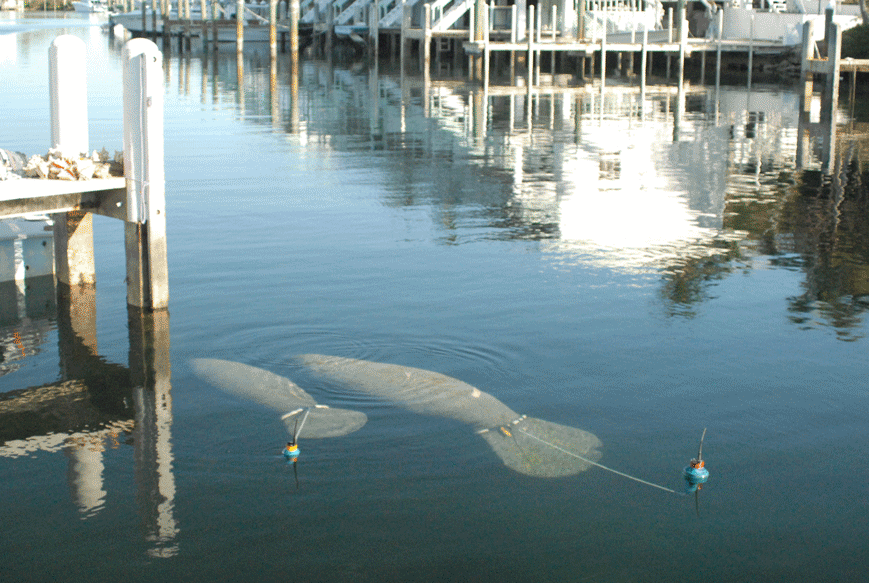
Here, Rita and Georgie are wearing their tags. I really recommend a visit to the  for the full reports, but here’s a quick review of the highlights of weeks 2 and 3 since their release:

WEEK 2

  • Rita & Georgie are beginning to attract a bit of a following
  • During the week their confidence grew and they undertook a longer expedition (see map below)
  • During their travels they were joined by 2 other manatees, first a juvenile male, then an adult male
  • Rita’s tag became disconnected. It was retrieved, the data downloaded, and it was successfully reattached
  • Audio recordings were made of underwater manatee communication
  • At one stage there were six manatees seen together, with manatees Gina and JJ joining the 4 others

Rita nurses Georgie


WEEK 2 ADVENTURES

A far more complicated pattern than the simple explorations in WEEK 1

WEEK 3 

  • Continued careful monitoring of more complex (= braver) exploration
  • A great deal of local interest generated. 
  • A ‘Save the Manatee’ campaign started
  • Presentations for groups of school students, including involving them in actual monitoring. 
  • The juvenile male has stayed with Rita and Georgie.

——————————

Rita examines the camera. Meanwhile Georgie checks out the bottom of the BMMRO boat…    

                                               A tender moment between calf and mother                                                                   

 WEEK 3 EXPEDITIONS 
Confidence growing, and more interest in investigating to the south


Unknown's avatar

BRIGHT & BEAUTIFUL: SUMMER BIRDS AT THE DELPHI CLUB, ABACO


BRIGHT & BEAUTIFUL: SUMMER BIRDS AT THE DELPHI CLUB, ABACO

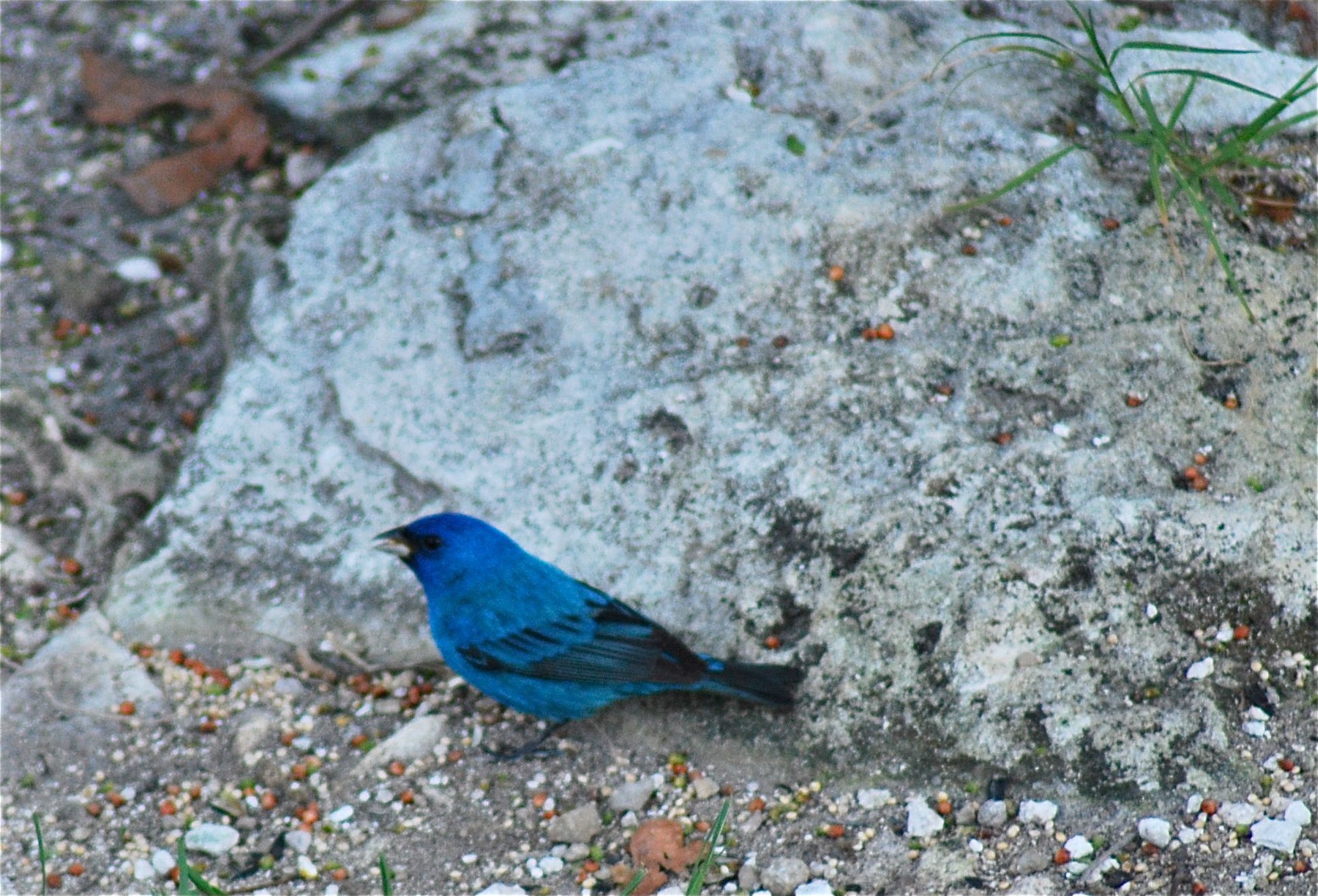
Peter Mantle reports that some colourful birds have arrived at Delphi to take advantage of the feeders and fresh water provided. Indigo Buntings have been around for a while, as they have been a little further north at BAHAMA PALM SHORES; and Rose-fronted / Red-breasted Grosbeaks (I’m not sure which is correct – the terms seem to be used interchangeably) have been seen all round the Club grounds for a week or more. They haven’t been recorded at Delphi before, so they have now been added to the ever-growing official list of the ‘Birds of Delphi’. How long before an elusive Kirtland’s Warbler puts in an appearance? And will anyone recognise it if it does..?

Unknown's avatar

HOOKED! A FANATICAL FISHERMAN’S WIFE TAKES TO THE BONEFISH FLATS


HOOKED! A FANATICAL FISHERMAN’S WIFE TAKES TO THE BONEFISH FLATS

I’m married to a Fanatical Fisherman. I have never shared his enthusiasm, though I have always loved the places where his fishing takes us. However the chance to spend two weeks at the Delphi Club Bahamas on Abaco every year has changed my perspective. This year I thought to myself (in non-fishing terminology, of course) ‘How about giving it a try?’

We waited for a day that was not windy and that would suit the FF’s own fishing convenience. One of the other guests was a kind and patient, not to say a highly eminent fisherperson and she gave me my first ever lesson on the lawn. With much encouragement I went forth. It was a lovely day with the sun beating down, so it was ‘sun block on and all parts covered’. 

Skiffs on their way to the bonefishing grounds

We set out in the skiff and after an exhilarating ride we glided to a stop in shallow water. I sat enchanted for a moment, taking in the incredible beauty of the place. Guide Tony provided suitable footwear for me (his son’s); and the relative merits of a ‘Crazy Charlie or a ‘Delphi Special’ were debated. Soon I was wading on the flats, rod in hand. This was my first-ever experience of my husband’s lifetime obsession…

Poling to a good place for wading

Within minutes Tony pointed to a shoal of bonefish… I cast (in a manner of speaking)! I struck! I hooked! I played! And… I lost!  

FISH ON!

But that was enough. From then on I was on a mission. I saw the ‘nervous water’ – great shoals of bonefish causing a subtle ripple 0n the surface of the water. When they turned and moved towards me I could hardly contain my excitement. I knew I had to tread carefully underfoot and to keep still as I cast. Silver flashes glinted in the sunlight as the fish started ‘tailing’.

Watch out for ‘Nervous Waters’

Meanwhile the sharks lazily circled us waiting for a chance to grab a prize before we could reel it in. I did hook another bone but it too managed to evade capture. And then suddenly the day was over. How did that happen? In the end I landed no fish but as the skiff sped back across the blue water I knew this was, for me, the start of something wholly absorbing. FF had better look to his laurels.

Lorna Jarman

(All illustrative photos by RH – Lorna was otherwise engaged!)

Unknown's avatar

BONEFISH RESEARCH: THE IMPACT OF HOOK RETENTION


THE IMPACT OF HOOK RETENTION ON RELEASED BONEFISH

Anyone committed to catch and release for bonefish will have wondered about the hooks that from time to time are left in a fish. The issue has now been the subject of a detailed scientific report from ELSEVIER highlighted in the ever-useful THE ABACO SCIENTIST (thanks to Craig Layman). The report’s main conclusions can be summarised as follows:

  • Hooks, especially shallow ones, are expelled fairly quickly
  • For deep-hooked fish, barbless hooks are significantly easier for the fish to deal with
  • The presence of a hook does not appear to interfere with feeding
  • Hook size is not a material factor
  • All the test sample fish survived
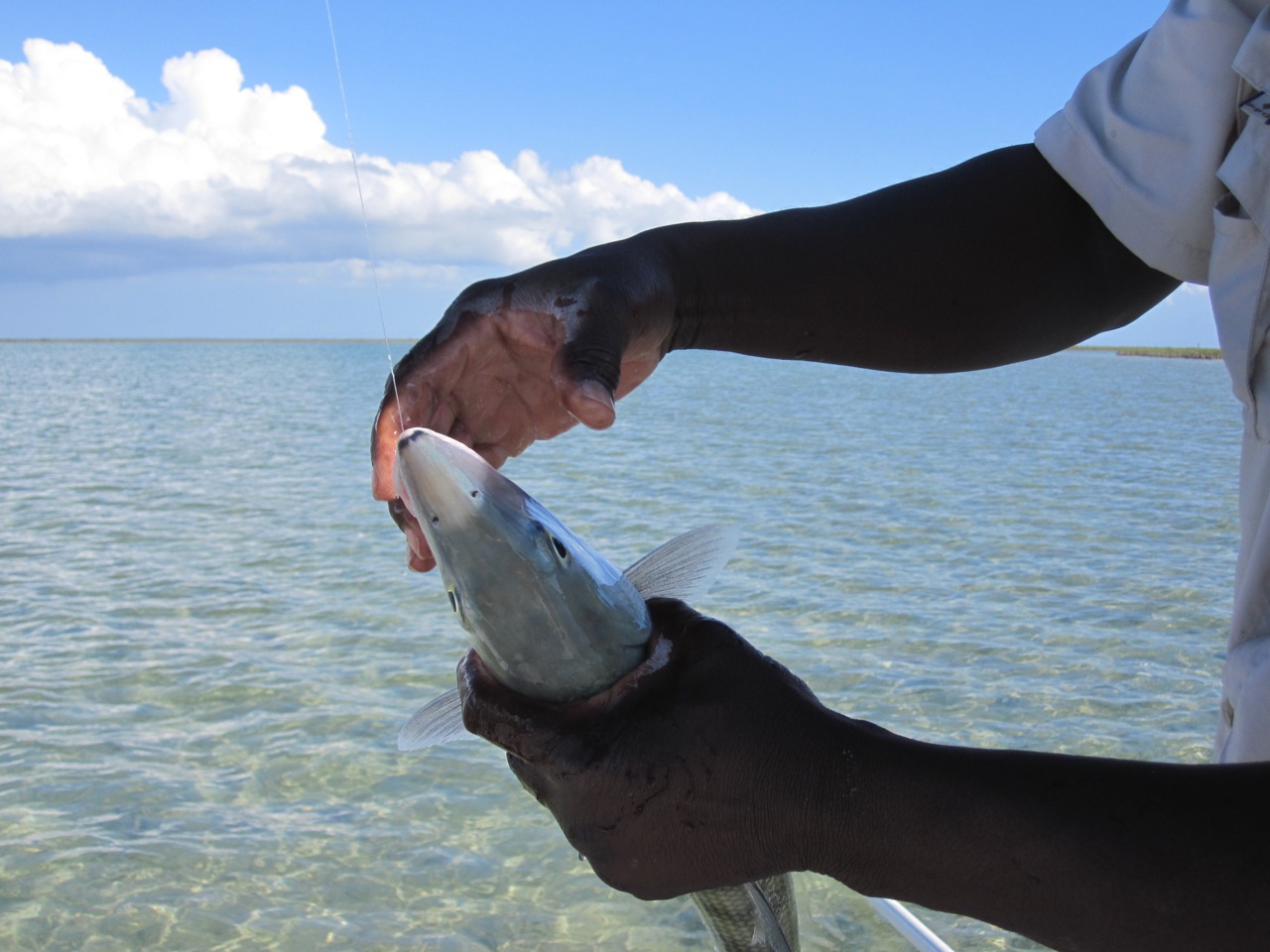
Overall, therefore, this is a vindication for the policy of barbless hook use for C&R. The report concludes that it’s best simply to leave a difficult-to-remove hook in the fish. Here, guide Ishi prepares to remove a barbless hook from one of my fish caught on the Abaco Marls.
I have included a clip of the report’s front page and Abstract; and the link to a PDF of the full report for those interested in checking out the detailed scientific aspects of this research. To go direct to the general Fisheries Research section click ELSEVIER. The astounding photo is courtesy of Abaco’s conservation organisation FRIENDS OF THE ENVIRONMENT

REPORT PDF

NEW in June 2012 see later post + video CATCH & RELEASE DEMO ON THE ABACO MARLS for a quick release method with a barbless hook involving minimal contact with the fish. It isn’t suitable for deep-hooked fish or large ones, but it shows how quick the operation can be

Unknown's avatar

ABACO WARBLERS: NEW “WHICH?” GUIDE TO I.D.


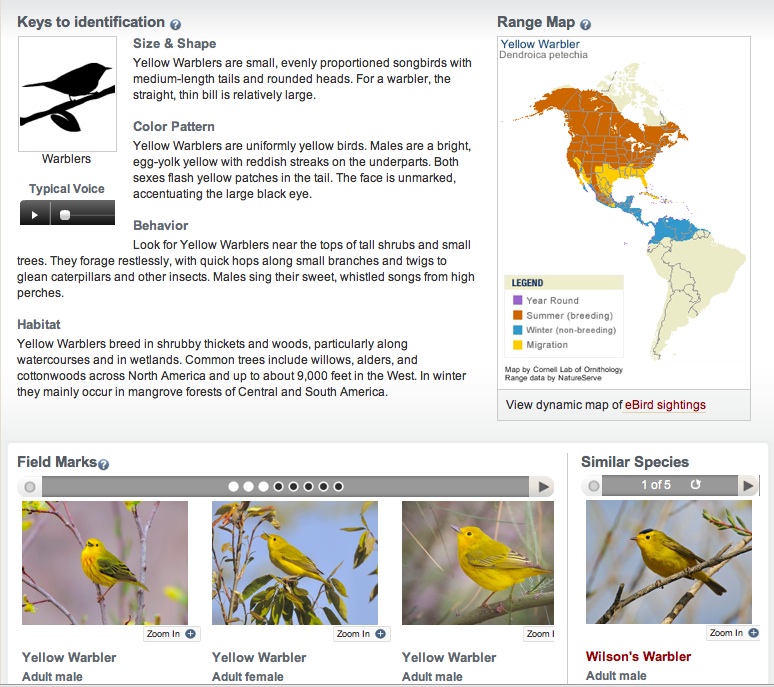
YELLOW WARBLER ©Cornell Lab

BANISH “WHAT WARBLER???” MISERY NOW WITH CORNELL LAB

I’ve written before about the problems of ID of the multitude of small yellow birds on Abaco. They are mostly (but not all) warblers. The issue is further confused by the differences in each species between males, females and juveniles; and also, I expect, by colour variations during the season. YW song courtesy of Xeno-Canto

The CORNELL LAB OF ORNITHOLOGY has again come to the rescue with a helpful article. The link below takes as the starting point Yellow Warblers. Here is a grab of the page so you can see the well-thought-out format. You get

  • Keys to ID – size, shape, colour pattern, behaviour and habitat
  • Range Map
  • Audio clip of Call
  • Field marks (zoomable) including M & F
  • Similar species for comparison
  • Further down the page, other similar species and their details (e.g. American Goldfinch, Yellowthroats)

CLICK LINK===>>>  CORNELL LAB WARBLER ID

Unknown's avatar

A PIED WAGTAIL’S EVENING PREENING ROUTINE


A PIED WAGTAIL PREENING IN EVENING SUNSHINE

In a departure from the usual strictly Abaco-centric blog principles that apply around here, and because a number of birding folk are tolerant enough to follow this blog regularly, I am migrating a euro-bird post from my side-project non-Abaco blog at ROLLING HARBOUR LIFE (check out the bees there!). I think this photo sequence of the evening ablutions of a small bird may be of wider interest, or amusement at the least. Also, it’s a cute little creature – some of its pale grey downy feathers are incredible soft and delicate. And anyway, what the heck – we’re in England (flood alerts!), we’ll be on Abaco in less than 4 weeks, and tomorrow is May 1st.

This preening is a complicated routine involving a great deal of busy activity, from 180° head rotation to elaborate fluffing up to pauses for admiration. I watched this bird, one of a pair, for several minutes. The photos (taken in Dorset) have been cropped but not in any way photoshopped or adapted… I’m pleased at how well they turned out, considering that I was filming from the ground 20 feet below, and the bird was moving most of the time. I’ve put  a few individual pictures up first, then a slideshow of some highlights of the performance

This was a serious feat of balance, with a very vigorous shake-down with only one foot on the wire

This slideshow requires JavaScript.

Unknown's avatar

BAHAMAS MANATEES: INTRODUCING RITA & GEORGIE – FOLLOW THEIR BLOG


BMMRO MANATEE BLOG

A couple of weeks ago I posted about the Manatees of the Bahamas, including the news that a female manatee and her calf had recently been reintroduced into the wild. To see that post CLICK===>>> RITA & GEORGIE

The BMMRO have now set up a Rita and Georgie blog so that the news of their progress and tracking reports can be seen by all. This will be a regular feature on the BMMRO site, and I reproduce with permission the first report below so that you can see what is involved. 

To follow the tale of Rita and Georgie CLICK LOGO===>>>     I will repeat this logo link in future monthly cetacean sighting reports, with a short summary, so you can get the latest on the sirenian situation. At the end of this page is a map showing their movements for the last week. Here also is a clip of the blog headings so you can see what is covered. Hint-laden note: there is a way to help this valuable research by means of adoption. You don’t get to keep one (or both) in the bath, of course, but you get a certificate and you will know you are helping to protect a species that is all too rare in the Bahamas

_____________________________________

RITA AND GEORGIE ARE RELEASED!

This blog was created to allow the public to follow two manatees, Rita and her calf Georgie, as scientists track them after their release back into the wild. Please return for weekly updates

NOTES FROM THE FIELD – WEEK 1
19-April-2012
At 10:30 am, Rita and Georgie arrived at the Great Harbour Cay Marina in Bullock’s Harbour on the Atlantis vessel Sea Keeper. High school students and interested locals had gathered at the marina for this exciting event. At 11:00 am, Dolphin Cay-Atlantis Animal Rescue Team carefully lowered Georgie into the water, and then Rita followed as quickly as possible. Both animals immediately paired up underwater and surfaced swimming towards the mangroves at the east end of the marina.
During the time of the release, two male manatees were observed in the marina and later paired up with the tagged animals. All four manatees were observed socialising as they slowly travelled out of the marina. Jim Reid (USGS) set up the VHF tracking gear and the tracking team started to track Rita and Georgie from land.
After a few detours through the bush, we found all four animals at the northern end of the T-canal; which is a ‘T’ shape cut in the harbour. We observed both males interacting with Rita while Georgie milled nearby. All four were seen feeding on algae on the canal wall. We left them at 4:30 PM.
20-April-2012
In the early morning, the juvenile male was seen in the marina and came very close to one of our vessels. The single animal remained in the harbor for more than 3 hours. This was a great opportunity for Matt McCoy (Loggerhead Productions) to get underwater footage of the juvenile male, which will be used in an educational film about ‘Manatees in The Bahamas.’
Rita and Georgie were later found in the marina but Rita’s tag was missing! Jim successfully placed a temporary tag on Rita and the original tag was found and later reattached. Kendria Ferguson (BMMRO) made acoustic recordings of both animals, which will be used to identify individuals from their vocalisations.
Later Jim collected genetic samples from both the adult and juvenile males. These samples will be used to determine if these individuals are both offspring of Gina and help to develop a family tree of Great Harbour Cay manatees.
21-April-2012
At 8:30 am GPS locations from the tags showed that Rita and Georgie were in Shark Creek along the west side of Great Harbour Cay, about 2 miles south of the harbour. When the tracking team arrived they found mother and calf both in good health and feeding on seagrass beds in the creek system.
22-April-2012  
With winds up to 20 knots the weather was not favorable for the tracking team to hit the open waters in search of Rita and Georgie so we decided to put up manatee warning signs. These signs were provided by Florida’s Save the Manatee Club, along with other educational material that will distribute throughout the island to raise awareness of the local population of manatees.
The tracking team was able to track them by land and both animals were found on the east side of the island swimming along the beach. The tracking team stayed with them for over 3 hours and monitored their breathing and movement patterns. We also got some underwater photos!!
23-April-2012
At 10:40 am local residents of Great Harbour Cay notified the “manatee lady” (Kendria) that four manatees were in front of the marina office. Gina and her calf JJ were both observed feeding on algae on the pilings and JJ was seen nursing occasionally. Both the adult male and juvenile male were there and remained close to Gina and JJ during their stay in the marina.
Jim was able to collect a genetic sample from JJ and also confirm that she is in fact a female calf. Both males continued to remain close and watched Jim constantly!
GPS locations from Rita and Georgie tags showed that they traveled as far south as Ambergris Cays. During the night, the tracking team closely monitored their movements as they were received via satellite. They entered Shark Creek shortly after 6pm from the west side of the island and remained there for approximately 5 hours. During this time, scientists believe that they were feeding and resting, as this area has extensive seagrass bed coverage. The tracking team continued to monitor their movements throughout the night and hoped that they turned to head back north very soon!
24-April-2012
At 4:30am, GPS locations showed that Rita and Georgie took ‘the channel’ cut and headed back north into the harbour of Great Harbour Cay.
At 8am we located both mother and calf under Al’s dock (our local fish provider). Both animals were resting and Georgie was observed nursing. The tracking team obtained photos, videos and acoustic recordings of both animals during this 3.5 hour encounter.
From their departure from the harbour early Sunday morning to their return Monday morning, they managed to complete a 50 mile trip around Great Harbour. A very happy ending to a very long journey!
25-April-2012
Rita and Georgie remained in the marina overnight and at 7:15am were found just a few houses down from the tag team’s home. Both animals swam towards our tracking vessel, “Feresa” and remained in the area for 15 minutes. Georgie has quite the personality! She began sucking on Feresa’s inflatable tubes and eating the algae off another inflatable boat a few feet away.
Both animals remained very close and traveled under the docks towards the end of the marina towards the mangroves. The local residents occasionally report seeing Gina and the other manatees at these mangroves and believe there is a fresh water discharge. This is also very close to the area of Rita and Georgie’s initial release back into the wild.
WEEK 1
‘An Awfully Big Adventure’ (© P.Pan)
Unknown's avatar

BIRDS OF BAHAMA PALM SHORES, ABACO: FEEDER, COPPICE & BEACH


BIRDS OF BAHAMA PALM SHORES

I posted a while ago about a wonderful afternoon spent at BPS with nature guide and all-round Abaco knowledge mine Ricky Johnson. Three posts (Abaco Parrots; other birds; flower and plants) were later combined into the page ABACO ECO-TOUR (if you visit, apologies that the formatting is still out of whack after a blog format change)
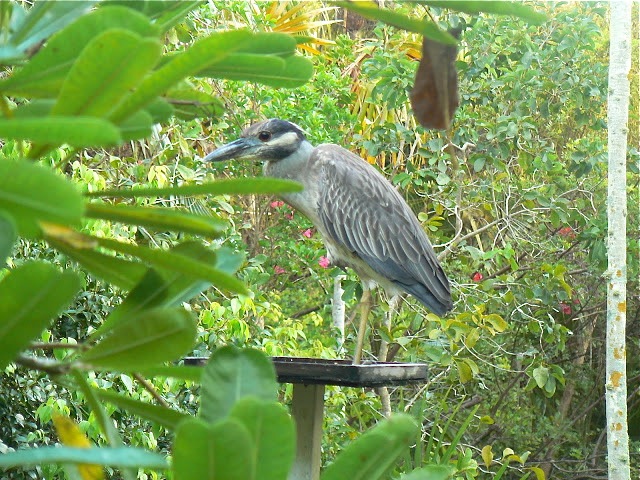
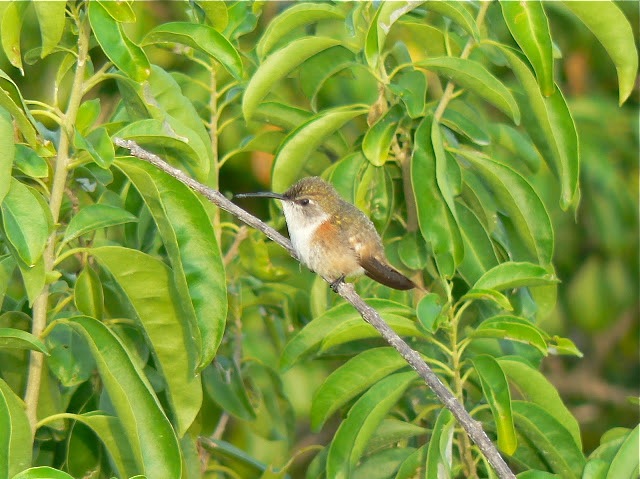
Resident ANN CAPLING has kindly sent some photos of birds on her feeder, prompted by my post of her recent sighting of a PROTHONOTARY WARBLER, a bird not often encountered at BPS. The feeder photos were taken from indoors through glass, considering which they have come out very well. She also sent a brilliant photo of a tiny female Bahama Woodstar looking totally cute (not a word I normally use, but completely apt here, I think); and of 2 American Oystercatchers strutting along the BPS shoreline

PROTHONOTARY WARBLER

YELLOW-CROWNED NIGHT HERON

INDIGO BUNTING (and 2 more dowdy admirers)

INDIGO BUNTING (2)

GREATER ANTILLEAN BULLFINCH

BAHAMA WOODSTAR HUMMINGBIRD

AMERICAN OYSTERCATCHERS

Unknown's avatar

EIGHT BIRDIES (BUT NO EAGLES) AT TREASURE CAY GOLF COURSE, ABACO, BAHAMAS


GARETH & KASIA’S GUIDE TO THE BIRDIES OF TREASURE CAY GOLF COURSE

Gareth Reid, master chef of the Delphi Club and Kasia of ABACO BEACHCOMBING fame have put together some excellent material about the bird-life to be found on Treasure Cay golf course. I’ve never been there myself, but I already knew from a recent comment from Dr Elwood Bracey of TC that the birdlife on the golf course is very varied and exciting. 

Gareth writes: I am a keen golfer and my girlfriend loves nature and wildlife so sometimes to cover both bases we spend our day off at Treasure Cay Golf Club.  Whilst I play, Kasia twitches! 

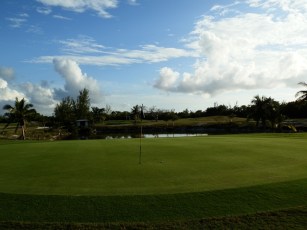
Treasure Cay golf course is 20 odd miles north of Marsh Harbour a challenging little track with a lovely mixture of short Par 4s interesting par 5s and a couple of really testing Par 3s. It was designed by Dick Wilson of Doral fame and has matured into today’s layout of tight fairways framed by dense island vegetation.

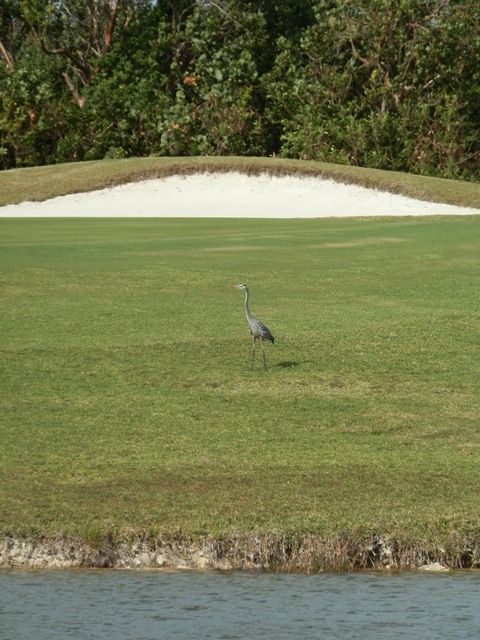
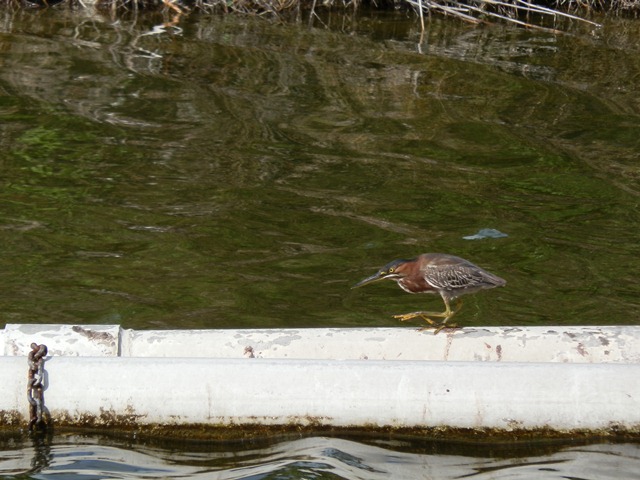
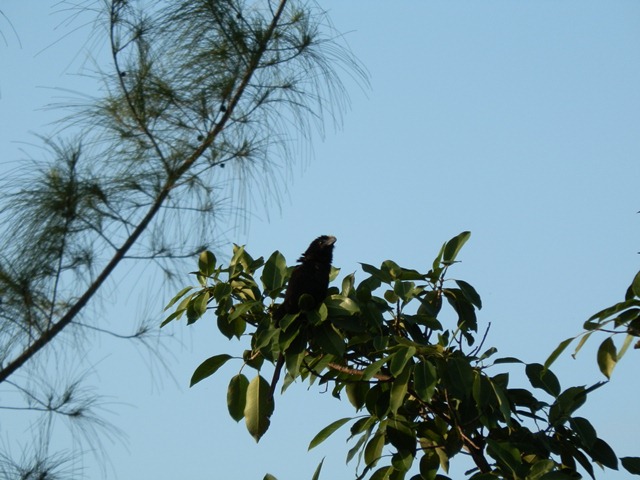
Birdlife on the course is supported by the three lakes, beside the fourth and fifteenth greens and to the right of the eleventh fairway. Species  include North American Coots, Moorhens, Canada Geese, Snow Geese, Mallard Ducks, White Cheeked Pintails, Anis, Northern Mocking Birds, Ibis  and Palm Warblers. We have also spotted a Belted Kingfisher and an Osprey both enjoying  a light lunch of fresh fish.

So next time you come visit Abaco why not take the trip to Treasure Cay with a bag full of sticks a few balls and tees, hopes of birdies and dreams of eagles and if your swing lets you down at least you got those cute coots. The Delphi Club can provide packed lunches, or you can eat at TC – try Coco Bar (fish and chips, burgers etc) or Treasure Sands (upmarket  bar restaurant with pool) 

BAHAMA (WHITE-CHEEKED) PINTAILS AT TC GC & OTHER SPECIES

(The slideshow was meant to showcase just Pintails but apparently has to include all the other images)

This slideshow requires JavaScript.

CANADA GOOSE

GREAT BLUE HERON

GREEN HERON

WHITE IBIS  

SMOOTH-BILLED ANI

NORTHERN MOCKINGBIRD

PALM WARBLER 


KASIA PERFECTS HER DRIVING AT TC GC