Caroline Stahala has emailed me with some excellent parrot news of daily sightings around the Club and in the coppice along the drives. It sounds as though, if we are very lucky, Caroline might take us to the nest sites when we are at Delphi in May…
TWO ABACO PARROTS ON THE DEAD TREE BY THE DELPHI FRONT DRIVE
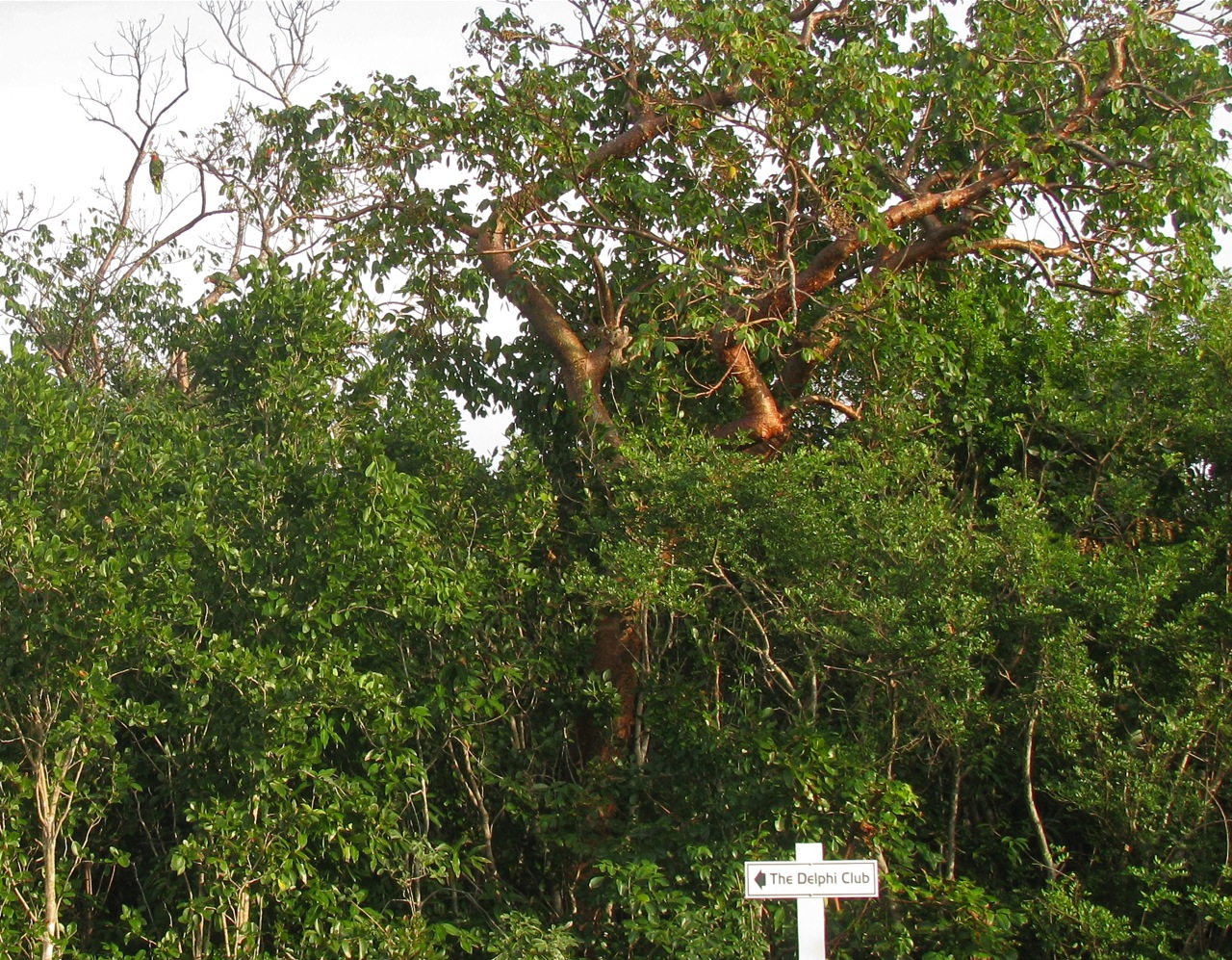
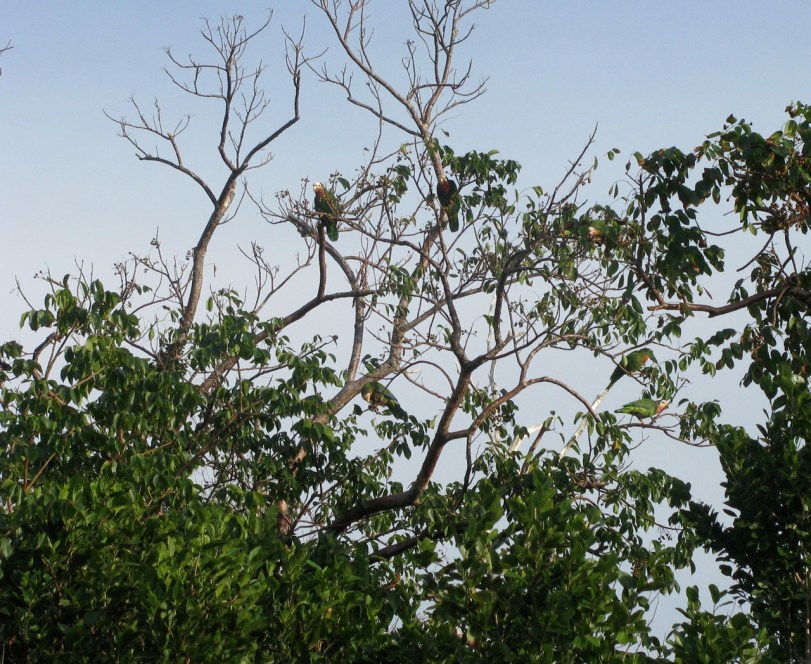
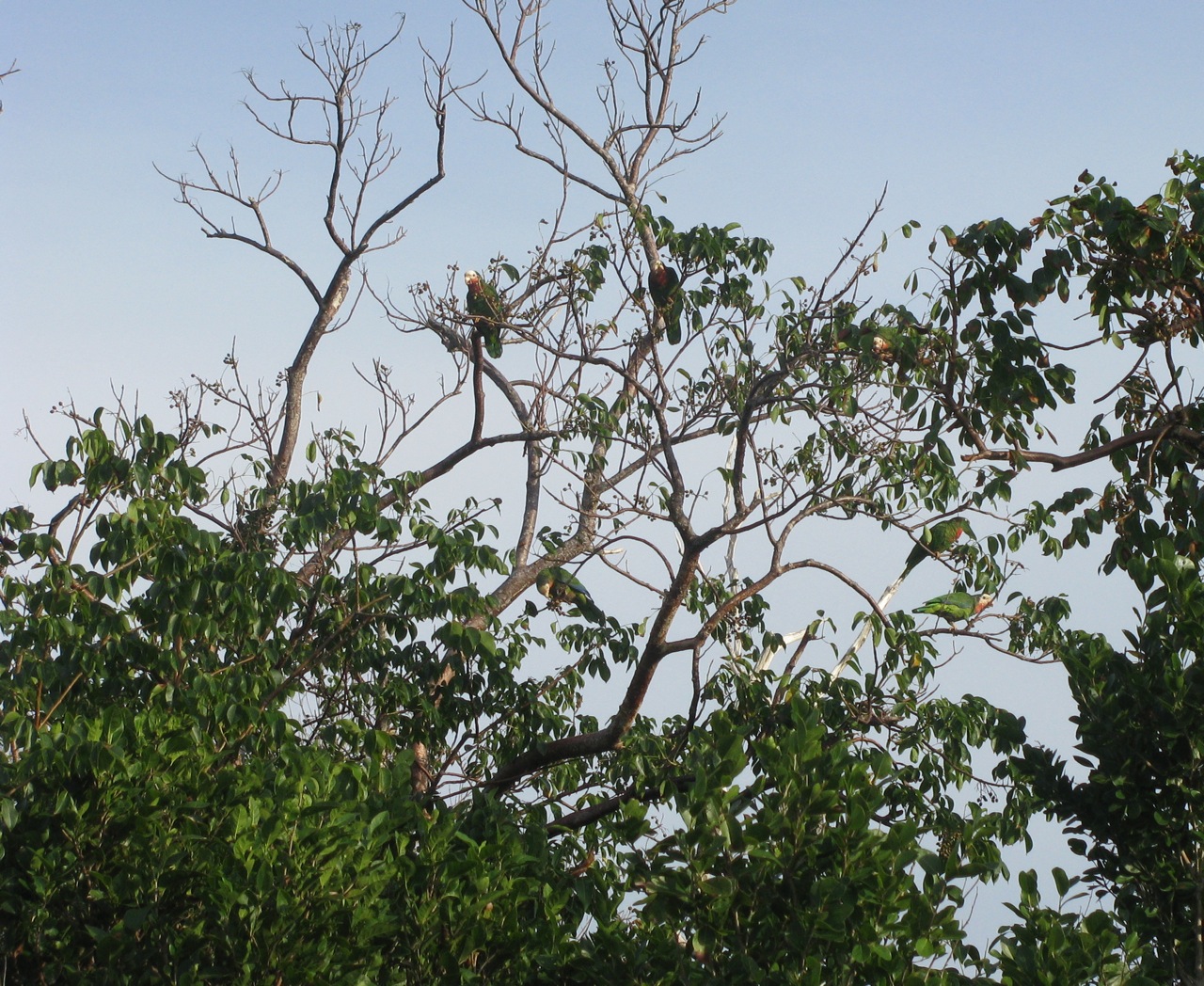
“As far as current parrot news. Well, they are all around the lodge at the moment. I can hear the parrots each day right on cue at 7:30 in the morning and then again just after 4pm. They have been foraging in the fruiting hardwoods in the area, especially the Gumbo Limbo (Bursera simaruba). I am attaching a picture of a small flock I saw right on the drive in front of the house. A couple of pictures are close up of the parrots and the ones with the Delphi signs do have parrots in them, see if you can find them. They have even been spotted just behind the pool. Let’s hope they decide to make this a habit. I am currently working on getting the summer field season organized… writing reports and grant applications is the necessary evil in order to have a summer field season”
PARROTS IN THE COPPICE BY THE DELPHI DRIVE (TOP LEFT)
A CLOSE-UP OF THE FLOCK – THERE ARE 6 VISIBLE (ONE IS PEEPING)
BAHAMA WOODSTARS LEAD VOTE NOW POLL CLOSES 29 FEBRUARY
This could be fun. Unless no one bothers to participate. I’ve just found out how to do this, having wondered for a while what the little widget did. There may be some way for you to put your own choice, but I am a slow learner. Another time maybe. For now, you can positively opt out of the nominated birds – your very own protest vote. Or you can all just ignore the whole thing, as I rather fear may happen… If this prototype bombs, I’ve only wasted a couple of hours, after all…
UPDATE:After a week, the order is (1) Bahama Woodstar (2) Abaco Parrot (3) Western Spindalis (4=) Banaquit and ‘Sorry…’The poor Tropicbird got no votes and has been removed…
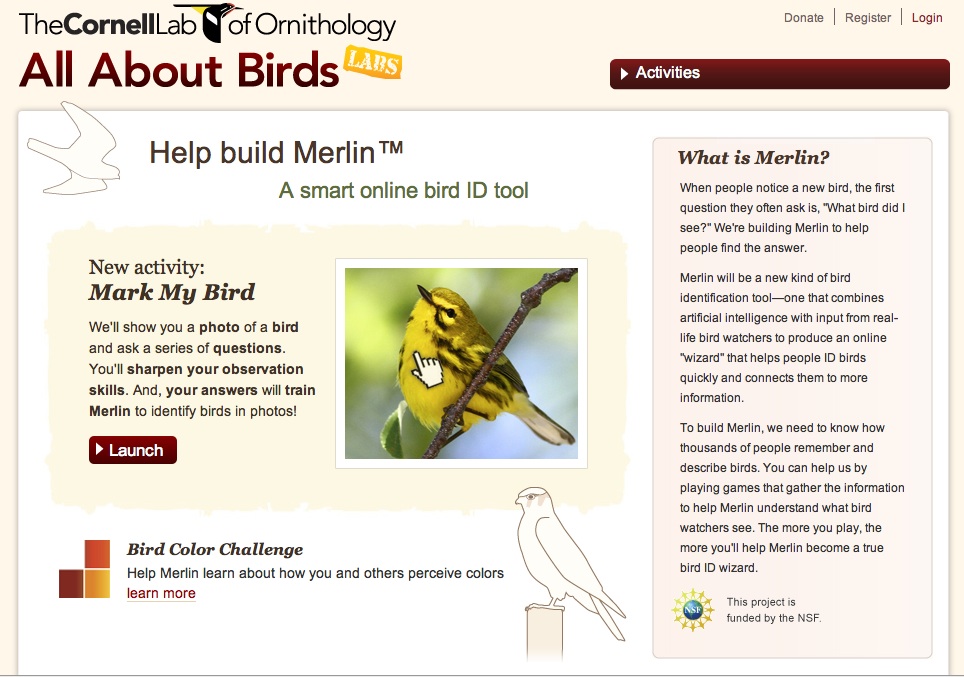
Cornell are now re-promoting ‘MERLIN’ with a free App and a video to go with it.
[youtube http://youtu.be/OkH11ZiIL9E]
has produced a new proactive bird identification gizmo calledMERLIN (CLICK for direct link). They are trying to build up a user-friendly ID ‘wizard’ using the sort of variable descriptions that people like me use to describe birds they don’t recognise. Perhaps we’ve all been there – “well, it was a medium-size greyish bird, but I think it had white under the wings. Or maybe a lighter grey. And a sort of white streak on its head. Actually the bird was more bluey-grey…”etc. Merlin seeks to iron out the variations using AI, by showing a bird and asking a number of questions to get users to describe the colouring they are looking at. I tried it with a teal, and it worked first time.
Gradually, the input of descriptions for each bird will be analysed, so that future users are more like to get a correct ID based on their description, even if others might describe the bird differently. With any luck it will also improve the chance to ID that pretty bird seen fleetingly at a distance. It’s worth trying this out even if you are a serious birder, because each ‘attempt’ adds to the picture. And anyway, there’s a very slight element of a game here – will the computer get it right?
The images below tell you all you need to know about this excellent festival presented by the BNT in conjunction with the Abaco Beach Resort. From this blog’s point of view, the highlights are:
PRESENTATIONS by Nancy Albury on ‘The Blue Holes of Abaco’; by Ricky ‘Blue’ Jones on Bush Medicines / teas; and by Caroline Stahala on the Breeding & Behaviour of Abaco Parrots
ART The Art. Yes, all of it. Ok?
PRODUCE Something of everything, please.
OTHER Everything else on offer…
The very best of luck with this event and best wishes for successful fundraising from Rolling Harbour
In August 2011 the Bahamas National Trust published a documentary about the resident Abaco and Inagua populations of this Cuban Parrot subspecies. It features research scientist Caroline Stahala, and contains plenty of information about these birds, their nesting and breeding habits, and the problems they face from predation. In places, some of the devastation caused by the extensive forest fires in March 2011 is still evident (see images in earlier POST). If you want to know more about these attractive (but noisy) birds, the documentary video below covers a great deal in 8 minutes…
A 5 minute PODCAST from ABC Radio’s ‘The Science Show’ featuring Caroline Stahala, research scientist and Abaco Parrot expert, and David Knowles of the Bahamas National Trust, Chief Park Warden for Abaco
The online report is headed by this: “Holiday homes and resorts are replacing the forests in which the Bahamian parrot of Great Abaco Island breeds. When Christopher Columbus discovered the beautiful Bahamian islands in 1492, he wrote in his journal ‘the flocks of parrots obscure the sun’. Now the Bahamian parrot is confined to just two islands and they’re a protected species. On Great Abaco Island Bahamian parrots breed in the pine forests of the south and, as Pauline Newman discovered, their nesting behaviour is quite extraordinary”
ABACO PARROT SUPPORTER ‘DOU DOU BIRDS’ runs a monthly bird-centric writing contest. Not content with sculpting a cute miniature clay ABACO PARROT with all proceeds of sale going to the parrots, she has now showcased the AP for her New Year writing competition. To see her Post, & indeed if you want to take part CLICK LOGO==>>& to see the AP in her shop window CLICK LOGO==>>
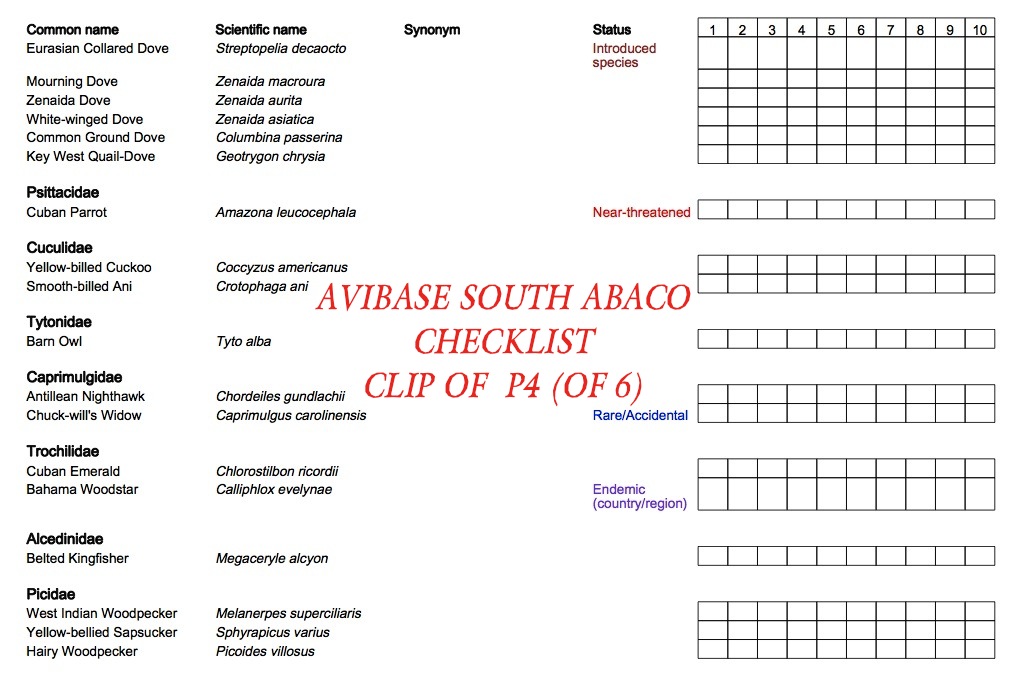
The superb AVIBASE is a massive world-wide bird database – an essential reference point for birders, even the occasional enthusiast. Checklists, range maps, bird links, photos, bird sounds, and even the facility to make your own contribution, all in one place. AVIBASE has been a work in progress for 20 years and now contains over 5 million records of about 10,000 species and 22,000 subspecies of birds, including distribution information, taxonomy, synonyms in several languages, and much more
Here is the CHECKLIST FOR SOUTH ABACO, the area that I am most familiar with. It probably holds good for the whole of Abaco and the Cays. If you are staying at the Delphi Club, Rolling Harbour, you need this – and especially if you are planning a birding adventure with Ricky Johnson… Be prepared! The plan is that you can download it or print it out from here
Here is an illustrative clip of one of the 6 pages
If you have a problem printing it from here – or for access to photos of a great many of the birds listed, with clips of their calls and songs – use this direct link CLICK LOGO===>>>
CREDITS: The Avibase website is managed by Denis Lepage and hosted by Bird Studies Canada, Canadian copartner of Birdlife International
WELCOME BACK! Normal service is resumed after the family festivities of Christmas, with only the precious gift of a fractured wrist for rh to spoil an otherwise lovely few days. Immediately, I can report excellent parrot news… DOU DOU, an avid birder and sculptor of most engaging miniature birds, has taken up the cause of the Abaco Parrot. We have been corresponding for a while about this, and I now reproduce her latest post, with the link to her site below
BIRD SCULPTURE – ABACO PARROT
“Help, the cats are eating my babies!” said the parrot. And it’s true. These parrots are endangered – only 1000 of them left. A woman named Caroline is trying to save them from the feral cats that have invaded their island in the Bahamas. Let’s help her out! All proceeds from the sale of this parrot are going to Parrots International, which supports Caroline’s work.
This little parrot measures 3.5 x 1.5 x 1.5 inches. You can buy itHERE from me and I will send the money to Parrots International or you can use “Other” to check out, send me proof you donated at least $30 to Parrot’s International, and I will send you a code that gives you $30 discount on this parrot so you will just pay for shipping – I will verify that a donation was made.
More about this exciting development in due course – other ideas are afoot… Abaco Parrot conservation is strongly supported by the Delphi Club, Abaco; and the research scientist heading the project, Caroline Stahala, is delighted with dou dou’s initiative in helping to raise the profile of her conservation work and in contributing to the funding received throughPARROTS INTERNATIONAL
This organisation allocates funding for the research into the Abaco Parrots and their conservation. You can now pay direct by Paypal or Credit Card (with gift tax benefits depending where you live). Please remember use the “Note to Seller” box to specify‘ABACO PARROTS / CAROLINE STAHALA’
Here is a clip taken from the excellent websiteTHE ABACO SCIENTIST, with the kind permission of Dr Craig Layman of FIU. The brief summary of the South Abaco Bird Count 2011 by Elwood D. Bracey is of great interest, not least for the Delphi Club, from where guided Nature Tours take place and where there is a lot of enthusiasm for the birdlife of the island. 75 separate species were recorded this year, including all the known Abaconian endemics.
It is also a very fine photo of a male Bahama Woodstar courtesy ofBIRD FORUM
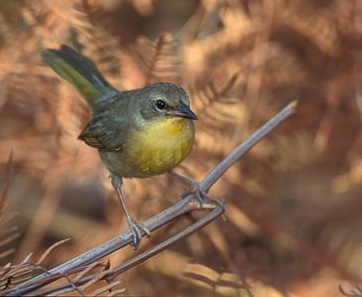
The Bahama Yellowthroat (Geothlypis rostrata) is a resident breeder species of warbler endemic to the Bahamas, closely related to the migratory Common Yellowthroat. The other birds endemic to Abaco / Bahamas are the Bahama Swallow, BAHAMA WOODSTAR and ABACO PARROT
HABITAT Dense low scrub, usually in drier areas than used by wintering Common Yellowthroats. It builds a cup nest low in dense vegetation and lays two eggs. Like other yellowthroats it feeds on insects and other small invertebrates in low vegetation
THE 3 VARIETIES The adult Bahama Yellowthroat is 15 cm long with a large bill. There are 3 subspecies: G. r. rostrata on Andros and New Providence islands (uncommon to rare); G. r. tanneri on Grand Bahama, Great Abaco and associated islands (common); and G. r. coryi on Eleuthera and Cat islands (common). The noticeable distinction between these 3 types seems to be in the forecrown colour (not one I myself would readily spot…)
DIFFERENCES FROM COMMON YELLOWTHROAT The Bahama Yellowthroat is slightly larger than wintering Common Yellowthroat and has a heavier bill and ‘slower, more deliberate movements’. Males have ‘more extensively yellow underparts, a larger facemask extending onto the nape, and in the case of coryi the distinctive yellow forecrown. Females have a grey wash to the head not shown by Common Yellowthroat’.
SONG Described as a loud wichety wichety wichety wich, similar to that of Common Yellowthroat, with the call a softer jip than that of Common Yellowthroat. This is meaningless to me – lots of warblery birds sound like that as far as I can make out. Here is a very short recording of a BY on Abaco courtesy of Xeno-Canto, but it’s not saying wichety to me – more like whee-hew
Below is a short self-crediting video to illustrate the song of a Bahama Yellowthroat on Grand Cayman. There’s a hint of wichety there.
CONSERVATION The Bahama Yellowthroat population overall is quite small and is outnumbered in winter by migrant Common Yellowthroats. It appears not to be endangered. Its conservation is currently listed as ‘Least Concern’ (see Wiki-Box above). The population may be decreasing slightly due to habitat destruction, but not yet sufficiently to bring the species within the ‘vulnerable’ classification.
Here is an excellent clear image of an adult male by Craig Nash who has taken many wonderful photos around Delphi and further afield – see the 4 ‘Peregrine’s Blog’ links under the Blogroll in the SIDEBAR Highly recommended. [I am also clearing copyright permission to add a few other photos – I haven’t taken my own BY photo yet…]Photo credit: Craig Nash
Sources: various, including relevant books (see reviews inBOOKS) BirdLife International and good old Wiki
At last I have got round to the hummingbirds. It’s quite simple. There are only two species of hummingbird on Abaco. The endemic variety is the Bahama Woodstar, one of only 3 endemic bird species on Abaco (the others are the Bahama Yellowthroat and the Bahama Swallow). The settled migrant is the Cuban Emerald.
BAHAMA WOODSTAR
Calliphlox evelynae
Male and female Bahama Woodstars (Photo Credit: Phil Brown – and VG too)
These hummingbirds are found throughout the Bahamas. They do not migrate, although are occasional vagrants in SE Florida. They breed all year round, the main season being in April. The female lays 2 elliptical white eggs, which she incubates for 15-18 days. As with humans, the female is mainly responsible for childcare while males go drinking at the nectar bar and hang out with their mates.
This BW was one of a small group at Hole-in-the-Wall. They were completely unconcerned by our presence, and we could get within arm’s length of them. Woodstars, though tame in human terms, can be aggressive and territorial. They are plentiful throughout the Bahamas except on Grand Bahama, Abaco and Andros. Significantly those are the only islands where the Cuban Emerald is found in any numbers. As with the native red and import grey squirrel problem in the UK, the migrant emerald is aggressive towards the woodstar, which is consequently rare where emeralds are abundant.
Here is their call (credit Jesse Fagan Xeno-canto)
Addition April 2012Here is a seriously cute female Woodstar photographed by Ann Capling at Bahama Palm Shores, close to Ocean Drive – a really pretty little bird
At Delphi, you’ll frequently see emeralds, especially now that feeders with sugar water have been hung up for them. The pool area is a very good place to watch them. But there are occasional woodstars to be seen as well – in the coppice on the drives for example, and even on the feeders. The vague blur to the left of the feeder below is a woodstar in the millisecond between me pointing the camera and it flying away… Don’t bother to click to enlarge it – it’s a useless photo, I know, but it is evidence even at the lowest level
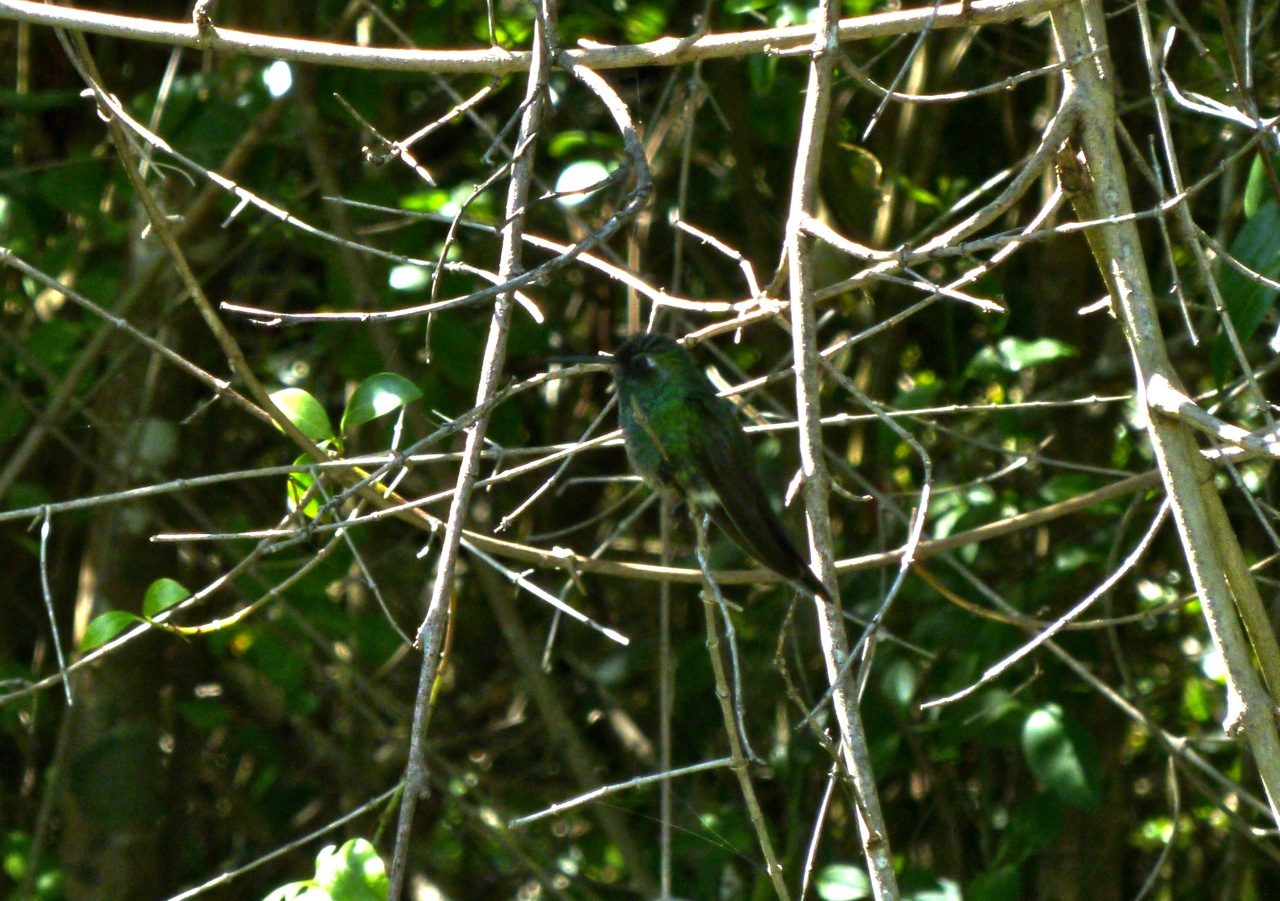
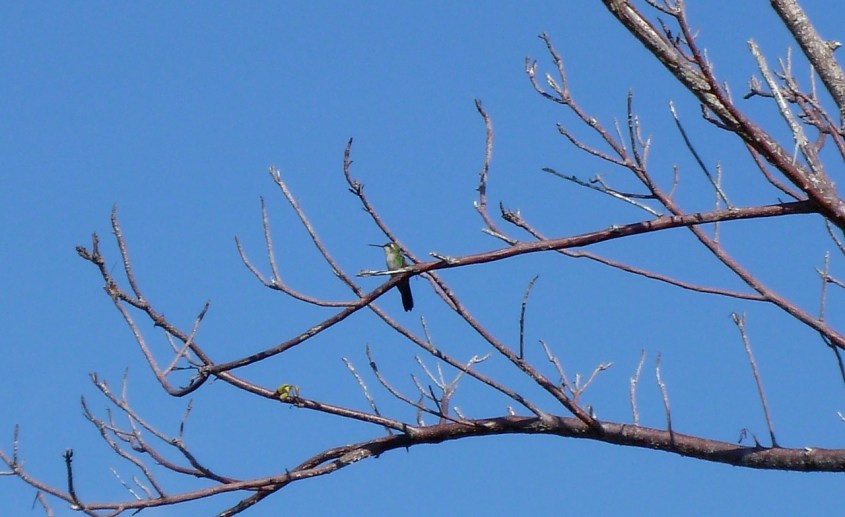
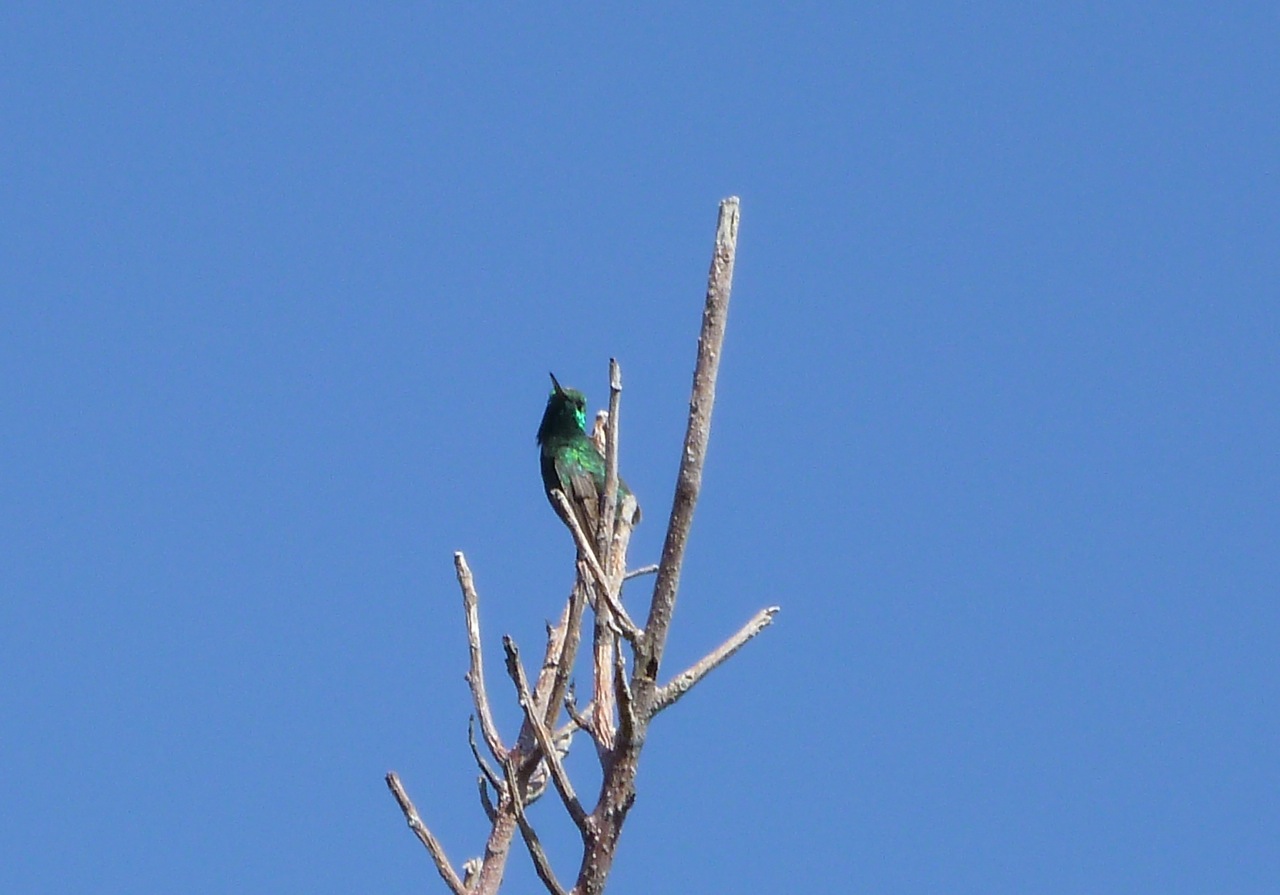
CUBAN EMERALDChlorostilbon ricordii
There’s probably a great deal to be written about the emeralds, but not by me. Or not now, anyway. The little you need to know from me is already covered above, and I haven’t yet discovered whether their childcare arrangements differ significantly from the woodstars. Probably not. So I’ll put in a selection of photos, and remark that it is strange how quickly they can change from sleek and slender birds to small rather cold and dispirited looking bundles of feathers. Both states are depicted below. Here’s what to listen for (credit Xeno-canto.org)
Delphi – pool feeder
Delphi – pool feeder
Delphi – pool feeder
Delphi – far side of pool
Delphi – near pool
Delphi – front drive
Delphi – front drive
All the above birds were photographed at Delphi. We saw emeralds elsewhere, of course – in the pine forest, flicking across the logging tracks; on other Cays. The best sighting was during our day trip reef-snorkelling and island-hopping with Kay Politano, when we had an excellent lunch for 14 at Cracker P’s on Lubbers Cay (see future post about this and the island-hops). There was a bird feeder by our table, to which emeralds came and went throughout the meal. Here are some photos – I wanted to get them hovering, and kind of succeeded. More or less.
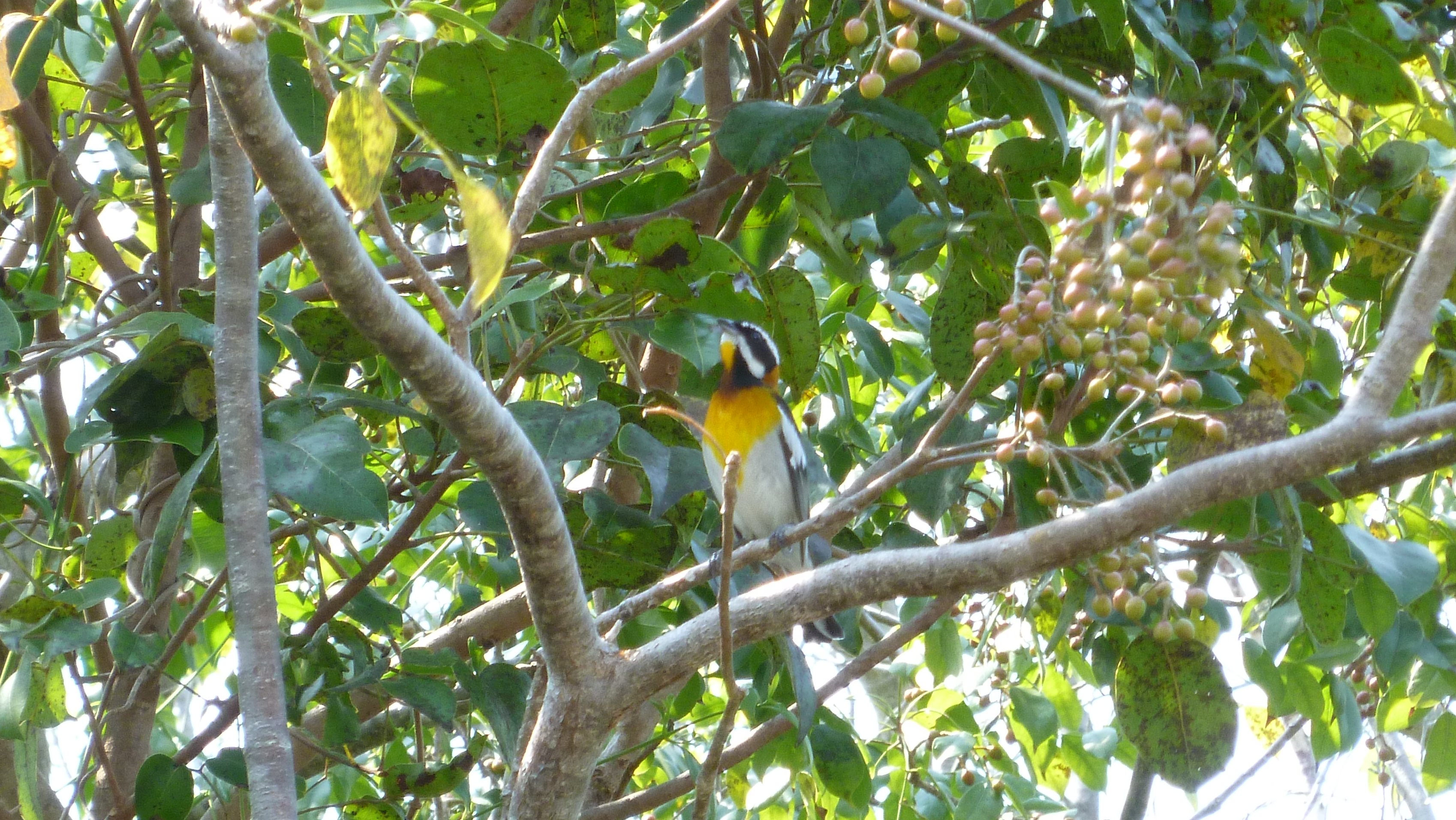
During our parrot observations, we had plenty of opportunity to see other birdlife. We were especially fortunate to be able to visit a large and very beautiful private garden on the shoreline at Bahama Palm Shores which Ricky showed us round; and to meet the benevolent owner who permits this intrusion. We saw between us a wide variety of birds in or near the garden, of which these are a small sample – starting with my favourite bird of all
Western Spindalis / Stripe-headed Tanager
Western Spindalis / Stripe-headed Tanager
POINTING AND SHOOTING THE TEAM PHOTO
Black-faced Grassquit
Black-faced Grassquit (?juvenile)
Red-legged Thrush
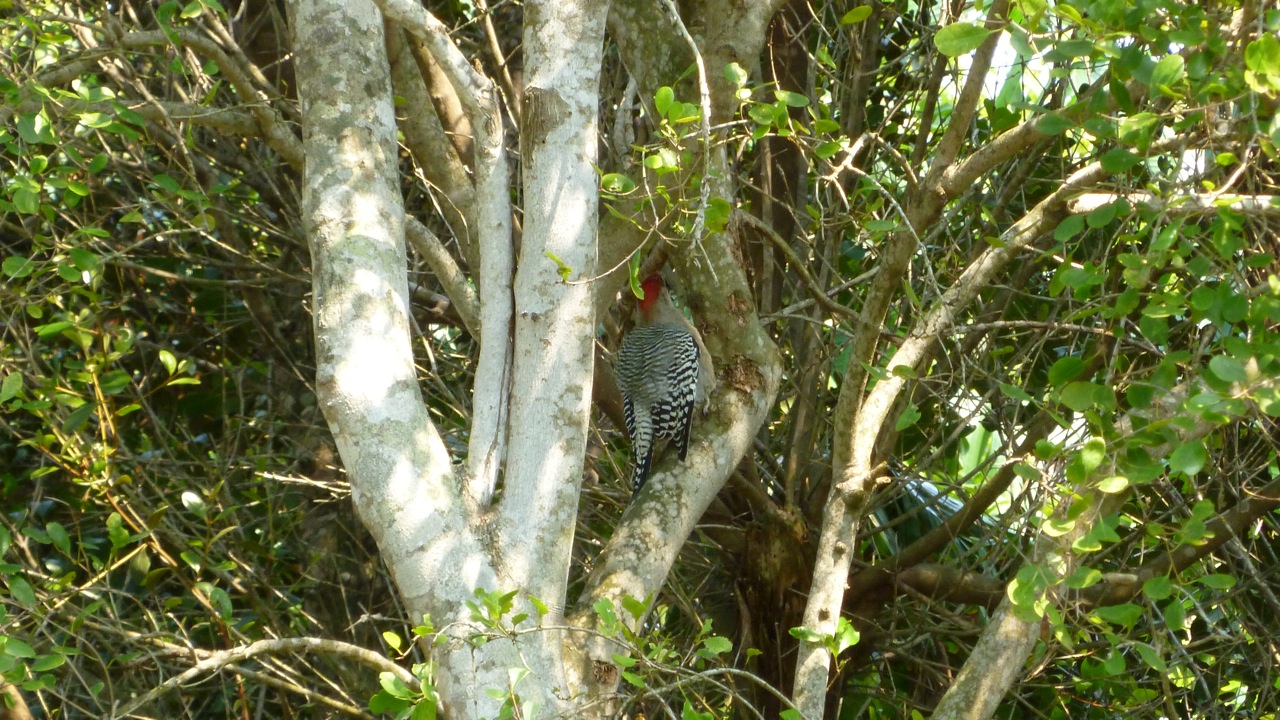
West Indian Woodpecker
I’ve no idea. Small. Dark. Finchy. Grassquit? Hard to see. Any ideas? Sorry
Ricky ushers us into his spacious, comfortable truck: 6 denizens of Delphi eager for adventure. Most have already been on a morning trip to see the Abaco Barbs (wild horses) of which more in a separate post. rollingharbour suffers from an unfortunate but mild form of equine indifference disorder, so gave it a miss.
We set off north on the highway, checking cameras, binoculars and other essential expeditionary impedimenta. Meanwhile, Ricky reveals his knowledge, experience and huge enthusiasm… this extends way, way beyond mere birds to the trees and plants, to poisons and herbal remedies, to geology and speleology, to geography and history. Soon we reach our destination, confident in Ricky’s renowned ability to know where the parrots (and many more birds besides) are to be found. We don’t have to wait very long – about two minutes after we turn off the highway, in fact… The parrots favour the Gumbo Limbo Tree (Bursera simaruba) as pictured, which invariably and most conveniently grows next to the Poisonwood tree (Metopium Toxiferum) and is its antidote. That’s the first place to look.
ABACO PARROTS(Amazona leucocephala bahamensis)Here is a selection of our photos of these fantastic birds. I hadn’t expected to see so many, for so long, and at such close quarters. Their colouring was extraordinarily vivid, with a slash of blue on the wings. This was especially dramatic in flight. One parrot, shown below, had red frontal markings that extended almost to its tail. Ricky hadn’t seen one like it before.
CLICK on the images to enlarge them significantly [Mrs rollingharbour reports that this is as yet a theory and may not work in practice]
CAPTION COMPETITION (NON-COMPETITIVE): 3rd image down – what did parrot (a) say to parrot (b)?
To be continued… (I’m going to do this post piecemeal – other birds, flowers etc to follow)
You will need: binoculars; camera; picnic lunch OR willingness to eat ‘local’ (see below); swimming kit – and a car, of course, e.g. the club Toyota
Map extract courtesy of ‘Abaco Life’ (the best, indeed the only, road map of the Island I have come across…)
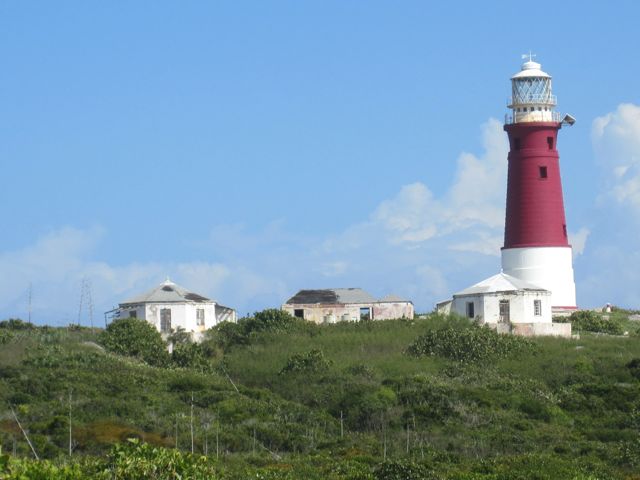
SANDY POINT is a small settlement about 30 miles / 1/2 hr drive south west of Delphi. There’s only one choice of route: turn left at the end of the drive, and keep right on to the end of the road. Having commandeered the club car from Sandy, you drive due south until you get to a long right-hand bend. There is an important junction here: if you drive straight on, you enter the National Park nature reserve proper – breeding ground for the Abaco parrots – and are on the track to Hole in the Wall and its lighthouse…
Do not be tempted to try this – it is 15 miles each way on a deteriorating track, and the club car will soon be a wreck. Rental cars are forbidden. I will post separately about this adventure, which we have done in a truck. We may not repeat the experience.
Bird Alert 1During the journey, look out for birds on the telegraph posts / wires. You may see American kestrels, turkey vultures and Bahama swallows. Small birds will flick across the road, and you may find yourself readily placing them in the ‘unidentifiable’ category. If in doubt, best settle for ‘warbler’ and there’s a fair chance you will be right. Alongside the road, look out for groups of smooth-billed Anis aka cemetery birds. These largish black birds are noisy and sociable, nest communally and look after each other’s nestlings. Continue reading →
Say what you like about Wikipedia – no, not that, please – but in many fields it is very hard to beat. CLICKLINKON BLOGROLL IN SIDEBAR–––>>>> ‘ULTIMATE LIST OF BIRDS…’ for as comprehensive a list in accessible form as you could wish to find. Even allowing for a few ‘wiki-errors’ (is “Elton John” really a species of Gnatcatcher?), it’s an awesome basic resource a mere click away. There are click-throughs to individual birds, where you will find photos and all the other types of species information you need. Well worth a quick look, anyway, and you may find it extremely helpful to give it more attention.
This guide was compiled after our visit to Delphi in February 2010. It was originally intended purely for domestic consumption, as a light-hearted personal record and aide memoire. However, others suggested it might be useful for people wanting to make a quick identification of a bird they have seen around the Club or further afield. I was persuaded to put a copy on the desktop of the computer in the Club Library, and there’s now a hard copy around as well. I am currently revising it to include our 2011 visit. And now here it is in blog format. I.T. progress.
Some of the images are my own; others are from freely-available resources – due thanks are given to those too numerous to mention individually (never mind being completely unidentifiable) whose images are featured…















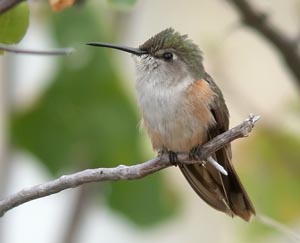
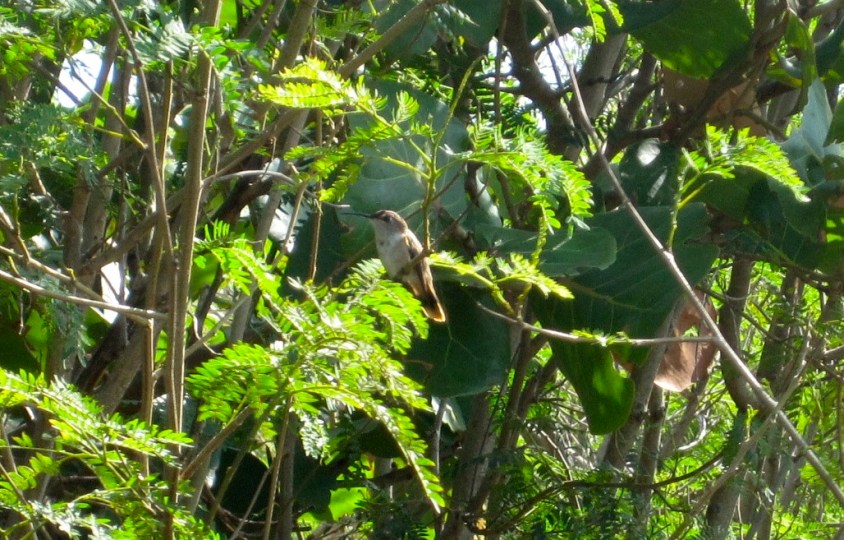
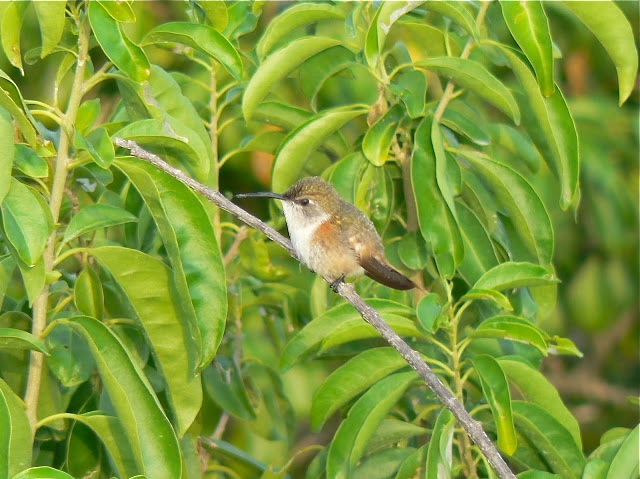

 CUBAN EMERALD


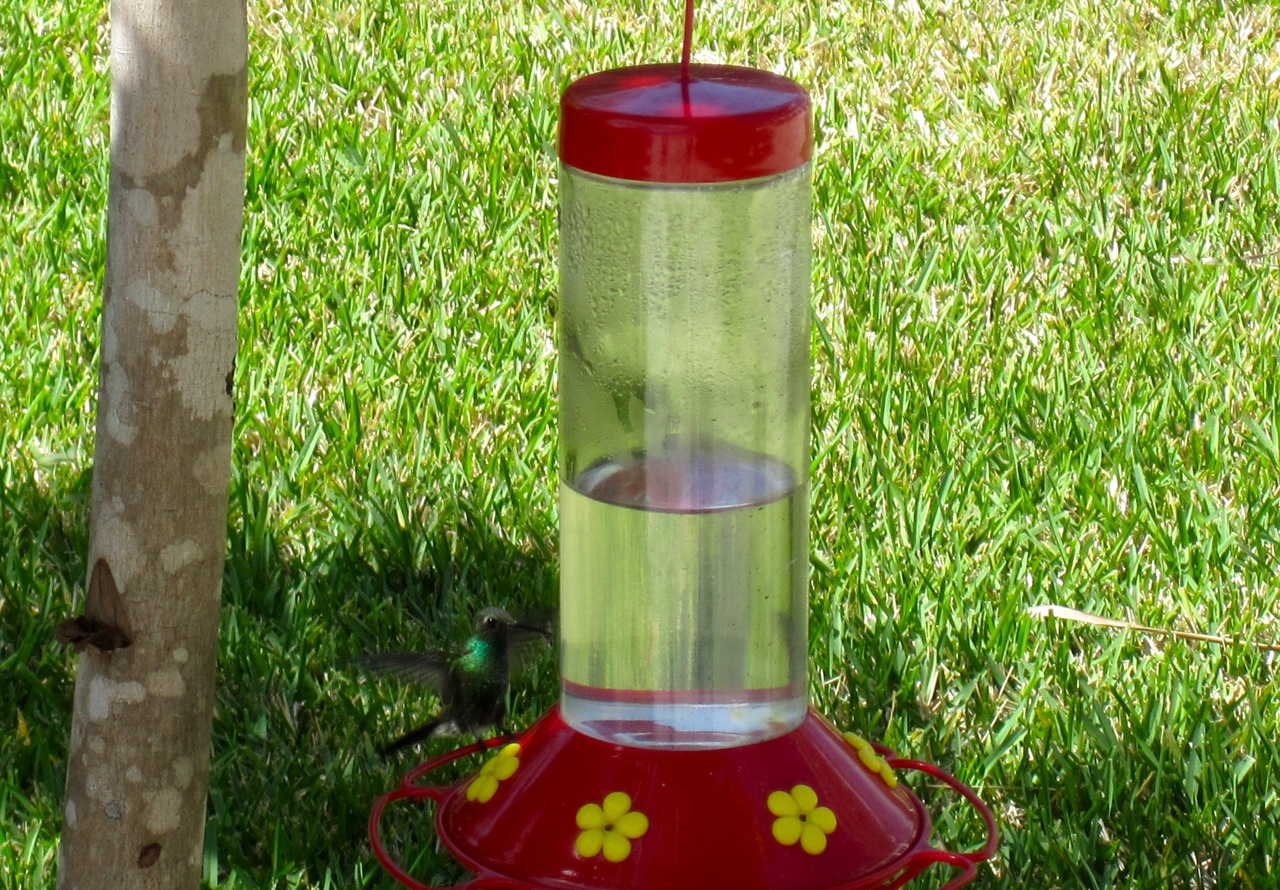






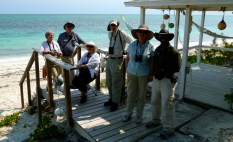 POINTING AND SHOOTING THE TEAM PHOTO




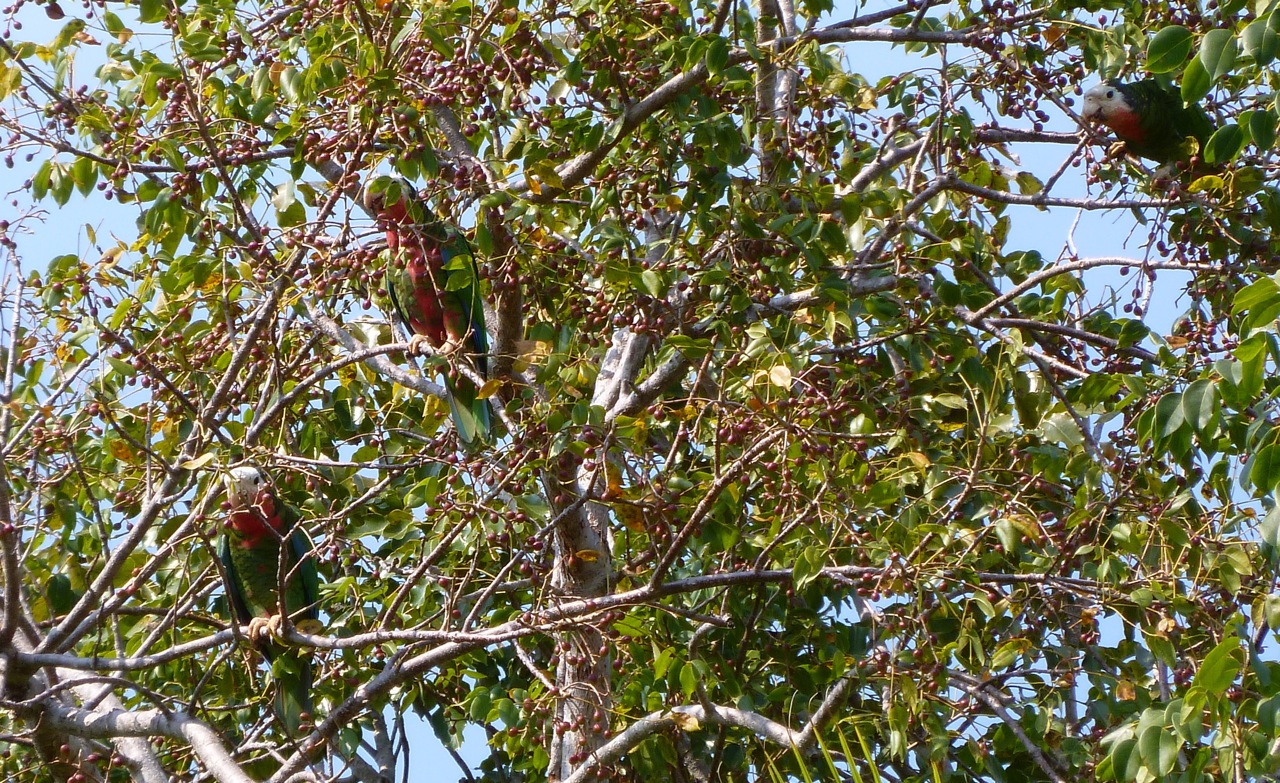


 CAPTION COMPETITION (NON-COMPETITIVE): 3rd image down – what did parrot (a) say to parrot (b)?








 ROLLING HARBOUR ABACO
You must be logged in to post a comment.