Unknown's avatar

OSPREY ID GUIDE: THE BAHAMAS SUBSPECIES REVISITED


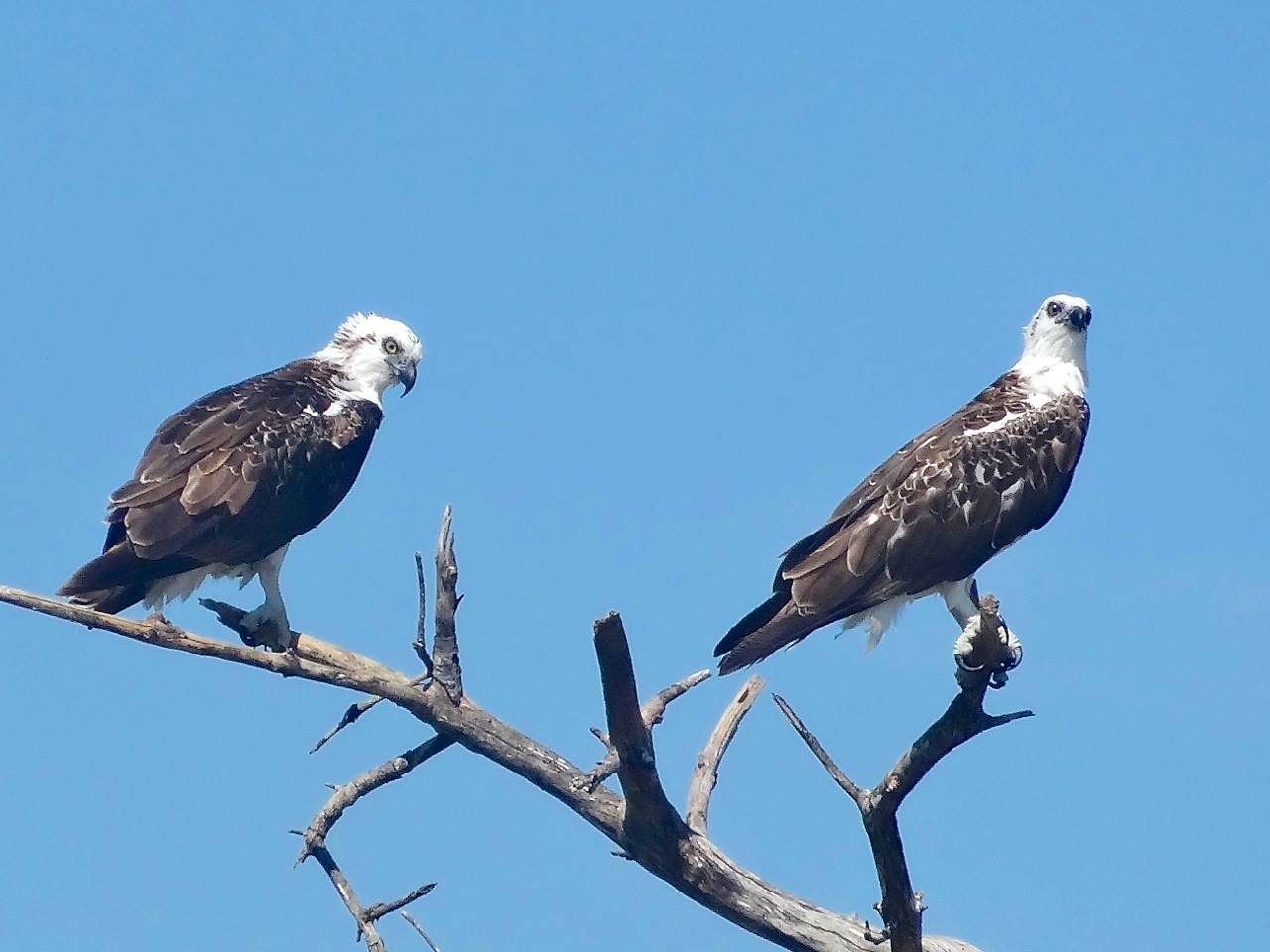
Osprey, Abaco Bahamas (Tom Sheley)

OSPREY ID GUIDE: THE BAHAMAS SUBSPECIES REVISITED

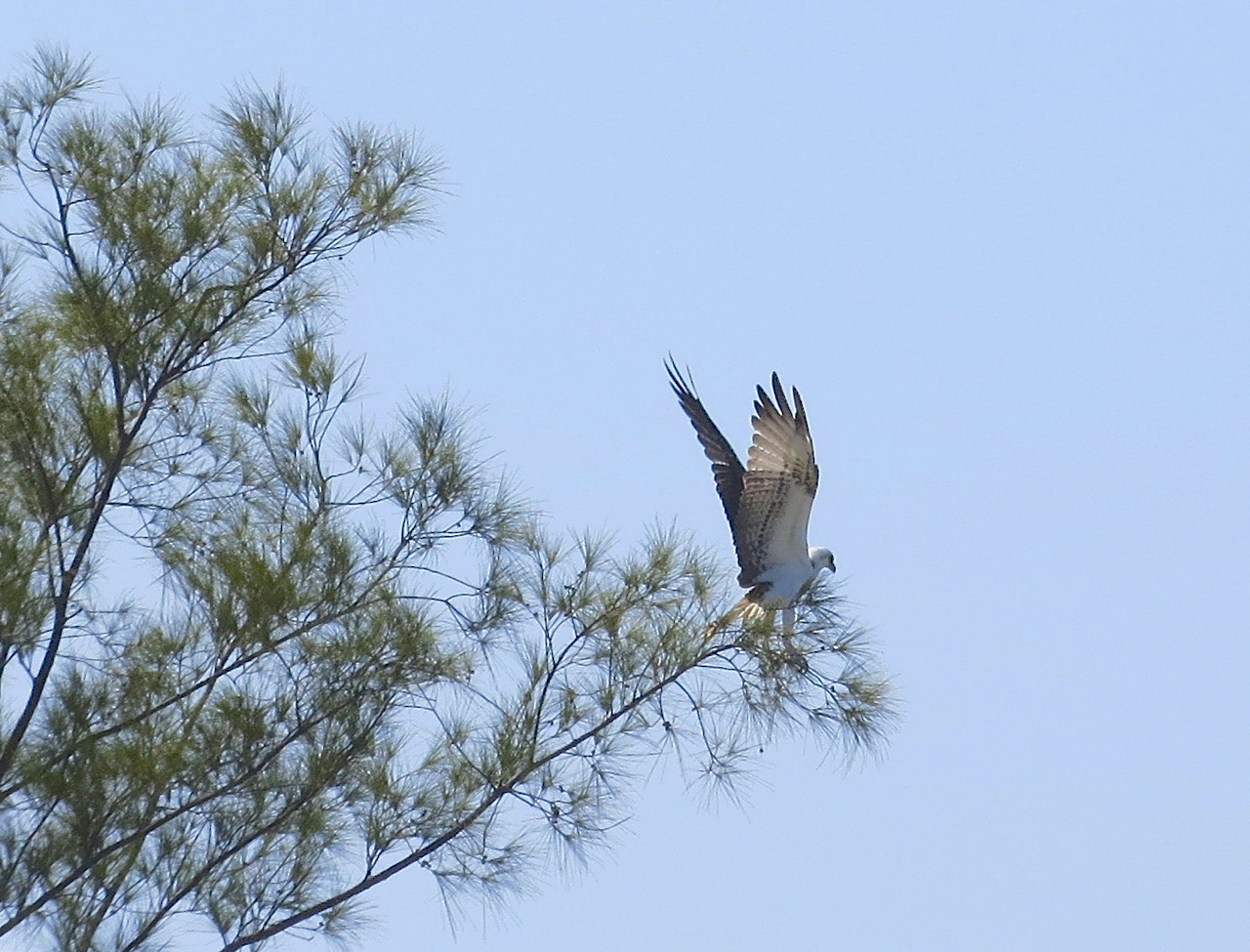
I am reposting this article in the wake of a recent Bird Club of New Providence bird of prey ID query featuring distant but still helpful photos that enabled the ID as an osprey. As far as I can tell from the visible evidence (the images pixellate when enlarged) this is the ‘local’ Bahamian subspecies that differs in subtle ways from the standard North American version. Both types are found in the northern Bahamas; it would definitely be a great ‘get’ to locate one of each on the same day…

I sometimes feature bird comparatives, not least because there is so much scope for confusion that I have to keep checking for myself. Tyrant flycatchers; a number of superficially similar warbler species (all with yellow bits); those vireos; all those heron-y / egret-y types and their disconcerting morphs (hello, white reddish egret).

Osprey P.h.carolinensis (CWFNJ)

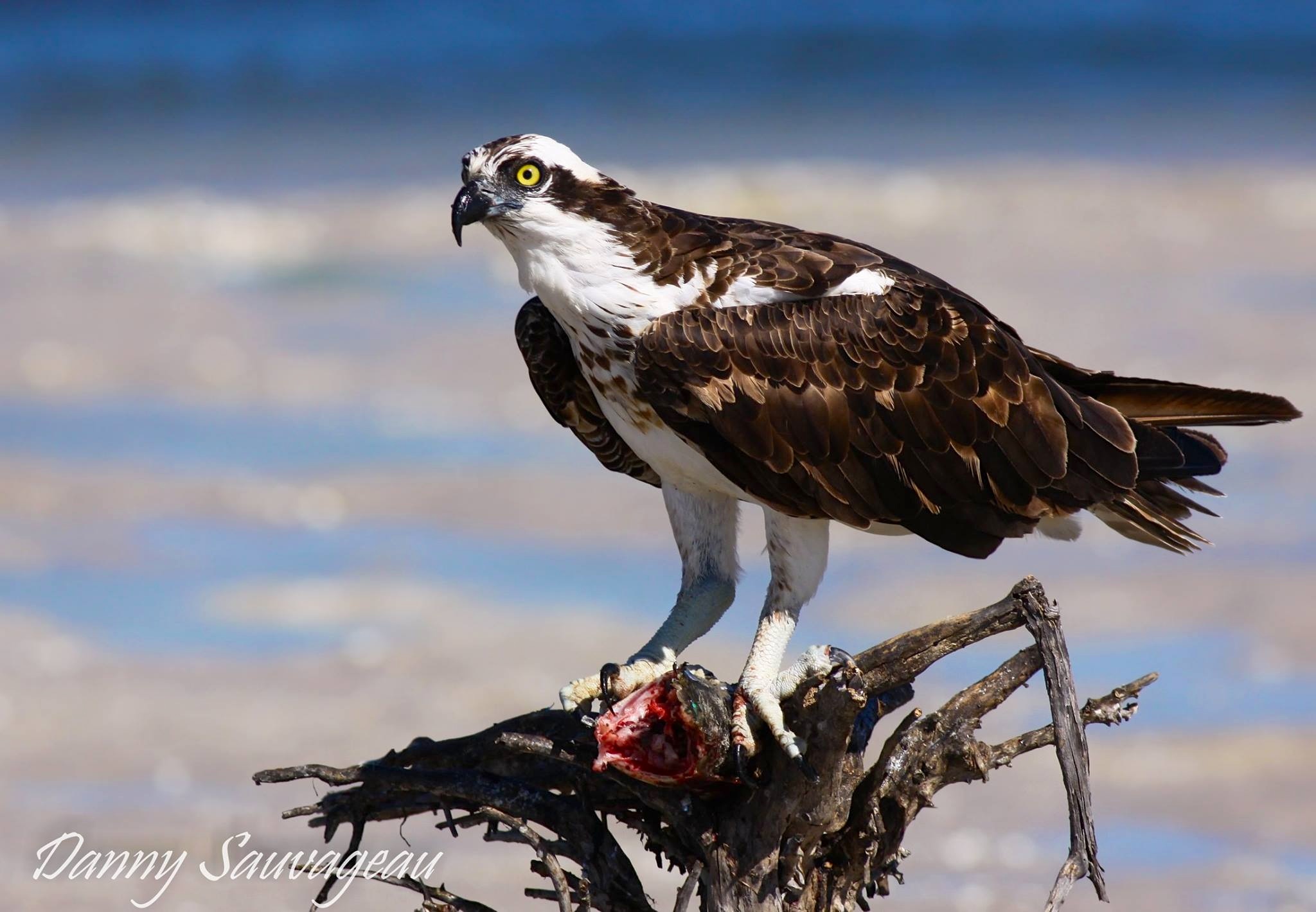
And so to the magnificent osprey Pandion haliaetus. This time, the comparison is between two subspecies, broadly the North American P. h. carolinensis and the Caribbean P.h. ridgwayi. There is some overlap in Florida, and some evidence of interbreeding. In the northern Bahamas in particular there is also an overlap, so an osprey seen on Abaco could be either variety. You’ll probably be too excited watching it to care much which type it is, but this article will help you if you do…

The two ospreys shown below were recently photographed at Spanish Wells, Eleuthera by Barbara Crouchley. This is a ‘bingo’ photographic scoop, because each type of bird was found in the same region; now we can check out the differences between the two birds. 

The first is a North American bird. Note in particular its distinctive eye mask, and the clearly marked upper breast, more so in the female than the male (which may even be white). The overall impression of the upper-parts is dark brown. They are slightly larger than their cousins in the south.

Osprey P.h. Carolinensis, Eleuthera Bahama (Barbara Crouchley)

Osprey P.h. carolinensis

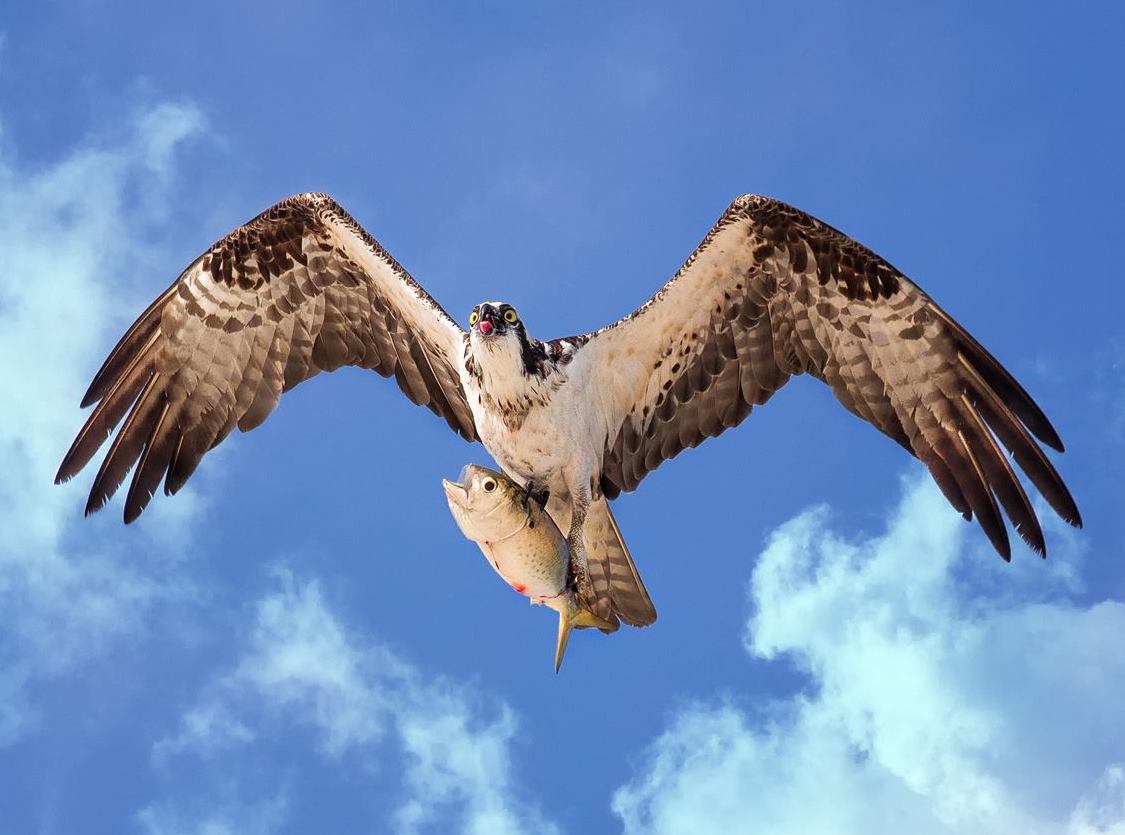
In this Caribbean bird with its trophy fish, the eye-mask is absent, and the facial / nape markings are less pronounced. Furthermore, the breast and under-parts are white in both sexes (though slight marking may be apparent in some birds). And  the impression is of lighter upper-parts, even allowing for variable lighting and distance when the photos were taken. Conveniently, there’s not much detectable difference between male and females in the respective populations.

Osprey P.h. Ridgwayi, Eleuthera Bahama (Barbara Crouchley)

Osprey P.h. ridgwayi

EXAMPLES OF P. h. carolinensis

Osprey P.h. Carolinensis, Florida (Danny Sauvageau)Osprey P.h. Carolinensis, Florida (Danny Sauvageau)Osprey P.h. Carolinensis, Florida (Danny Sauvageau)

EXAMPLES OF P. h. ridgwayi

Osprey P.h. ridgwayi, Grand Bahama (Linda Barry Cooper)Osprey P.h. ridgwayi, Abaco (Jim Todd)Osprey P.h. ridgwayi, Abaco (Woody Bracey)

I’m going to stick my neck out here – I’ve not seen this mentioned anywhere, and I need to do some more comparative research. When I saw Barbara’s pair of photos, I immediately noticed that the eyes of the P.h.r were paler than the bright orangey-yellow of P.h.c. This distinction carries on through the comparative photos above: the P.h.cs were photographed in Florida and further north and have strikingly vivid eyes. The P.h.rs were photographed on Abaco and Grand Bahama at different times by different people. All have noticeably paler irises, more a light greeny-yellow. 

I’d welcome any views on this rash amateur theory. Preferably supportive ones…

UNDERWING DIFFERENCES

There’s a further comparison that can be made with the two subspecies in flight. Without going into technical and linguistic detail, the underwings of the P.h.cs are much darker than the Bahamas birds, whereas P.h.rs are notably paler and in some cases mostly white.  As an example, below is a distance shot I took when bonefishing out on the Abaco Marls, using a pocket camera. This is definitely a local bird! Compare with the dramatic image below it, where the strong darker markings are all too evident. It’s a great shot with which to bring the lesson to an end.

Osprey P.h. ridgwayi, Abaco Marls (Keith Salvesen)

Osprey in flight with fish (Northside Jim)

Photo credits: Tom Sheley (1); CWFNJ (2); Barbara Crouchley (3, 4); Danny Sauvageau (5, 6, 7); Jim Todd (8); Linda Barry Cooper (9); Woody Bracey (10); Keith Salvesen (11); the inimitable Northside Jim (12); Cute-toon, Birdorable. Thanks for all use permissions – also to Steve Connett for the idea!

Unknown's avatar

NORTHERN MOCKINGBIRDS: NEST + CHICKS = BUSY MAMA**


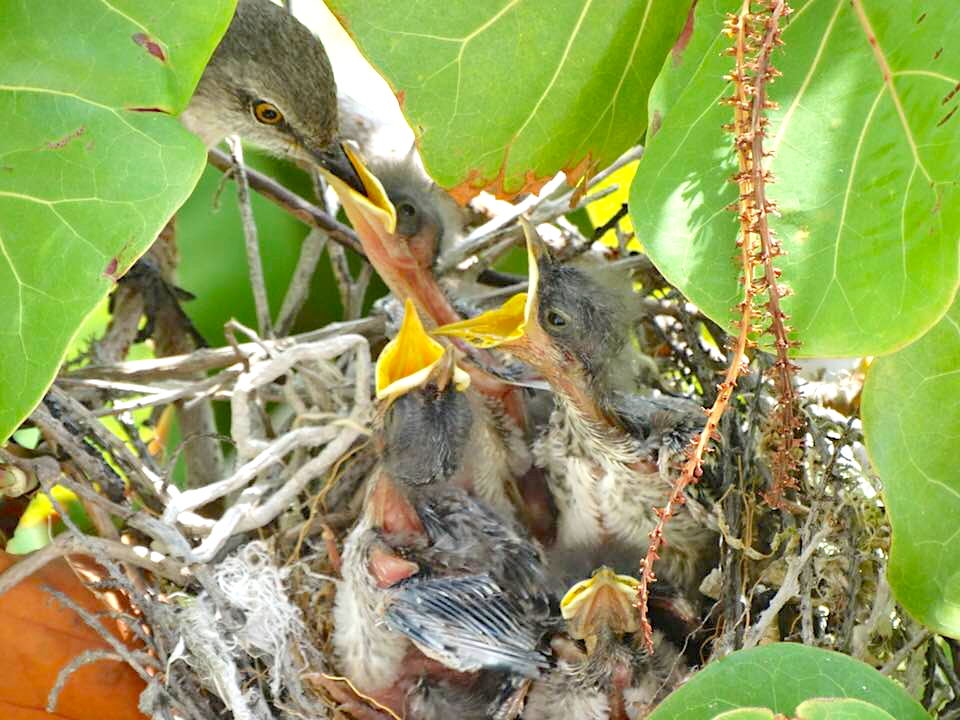
Northern Mockingbird Chicks being fed in nest, Abaco Bahamas (Melissa Maura)

NORTHERN MOCKINGBIRDS: NEST + CHICKS = BUSY MAMA**

Anyone who has watched – and indeed heard – the behaviour of new chicks in a nest will recognise what is going on here. Four tiny Northern mockingbird chicks are passive and apparently dozy in the nest while they wait for one or other parent to fly back to fill their little faces.

Northern Mockingbird Chicks being fed in nest, Abaco Bahamas (Melissa Maura)

As soon as they see or sense the imminent arrival of parent, the clamour begins. Me me me. Feed me first. “Fill-a-mi-beek”. Straining and craning forwards and upwards, with gaping yellow mouths. Pushing and shoving for optimum positioning. It’s all a bit frantic in that confined space.

Northern Mockingbird Chicks being fed in nest, Abaco Bahamas (Melissa Maura)

Quite often, there’ll be a slightly smaller, less active chick at the back of the screeching pack… the best hope may be some leftovers or some food sprayed around in the mayhem. Then the parent bird flies off and the riot subsides. For a few minutes, anyway.

Northern Mockingbird Chicks being fed in nest, Abaco Bahamas (Melissa Maura)

The 2 chicks at the back haven’t quite got the hang of the tactics yet…

Northern Mockingbird Chicks being fed in nest, Abaco Bahamas (Melissa Maura)

The chick at the front – see him? – is out of the game..

As the photographer Melissa Maura wrote of this sequence: “A local avian staple seen in every Bahamian garden – the brilliantly musical Mockingbird. I followed this diligent Mamma for a few days in Abaco continually foraging for her 4 babies. Exhausting!”

* * Title / header: from the word ‘Mama’ onwards, there’s a notable absence of the role of `Papa’ in all this. He will have been the one to choose the territory and build the nest. His work complete, he can relax a bit in the knowledge that the chicks will fledge after only about a fortnight. Any Mama can cope with that, surely? Why interfere when it’s all going so well…

All great photos: Melissa Maura

Unknown's avatar

LOGGERHEAD KINGBIRD: LORD OF THE FLIES


Loggerhead Kingbird, Sandy Point, Abaco Bahamas (Keith Salvesen)

LOGGERHEAD KINGBIRD: LORD OF THE FLIES

Four principal so-called ‘tyrant flycatchers’ (Tyrannidae) are found on Abaco: the loggerhead kingbird, the gray kingbird, the La Sagra’s flycatcher and the Cuban pewee. These are common permanent residents, except for the gray kingbird which is a summer resident only. Several other flycatcher species are found on Abaco, but they are very uncommon winter residents, rare transients, or vagrants. 

Loggerhead Kingbird, Sandy Point, Abaco Bahamas (Keith Salvesen)

The loggerhead featured here became quite a good companion when I was staying in Sandy Point recently. Like other flycatchers – and indeed the cute little blue-gray gnatcatchers – loggerheads are curious and inquisitive.

Loggerhead Kingbird, Sandy Point, Abaco Bahamas (Keith Salvesen)

Loggerheads seem to have two methods of observing humans and their mysteries. One is by perching on a branch or in a shrub, watching intently. They stay quite still… until suddenly launching into the air to intercept some passing insect with their hooked beaks (so-called ‘hawking’), before returning to their perch. And staring at you again. The other method is to follow you round, either flying slightly ahead as you progress; or fluttering in the coppice alongside you; or playing catch-up from behind. 

Loggerhead Kingbird, Sandy Point, Abaco Bahamas (Keith Salvesen)

A typical quizzical loggerhead sideways look… all flycatchers do this

Loggerhead and gray kingbirds are similar in size, and can be quite easy to confuse. Top seasonal tip: because the grays are summer visitors only, it’s a fairly safe bet that any kingbirds seen between, say, October and April will be the resident loggerheads.

Loggerhead Kingbird, Sandy Point, Abaco Bahamas (Keith Salvesen)

MEMORABLE FACT TO DEPLOY IN CONVERSATION

The collective names for a group of kingbirds are: a Court, a Coronation, or a Tyranny

Loggerhead Kingbird, Sandy Point, Abaco Bahamas (Keith Salvesen)

Photo Credits: Keith Salvesen at Sandy Point, Abaco Bahamas; ‘Lordy’ the Loggerhead

Unknown's avatar

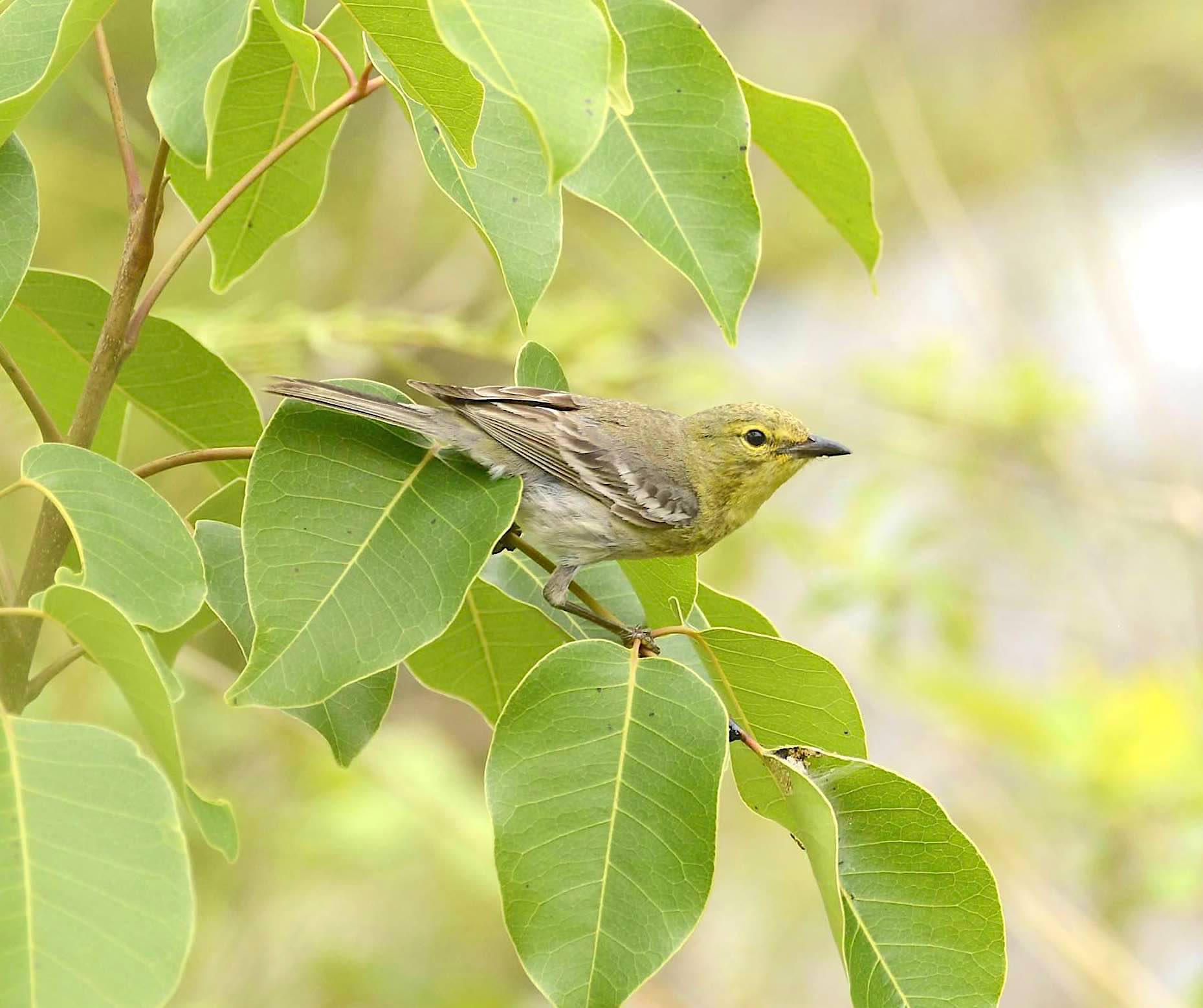
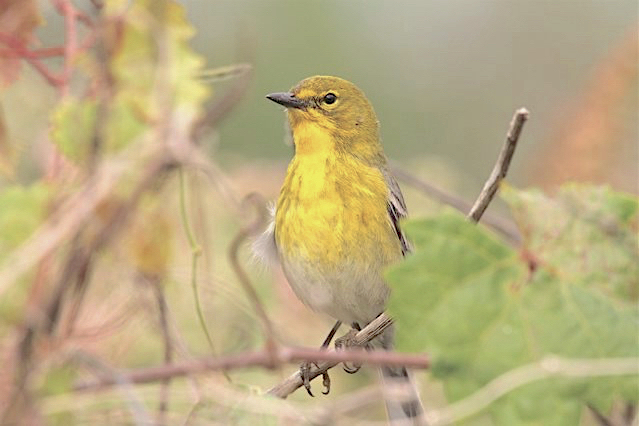
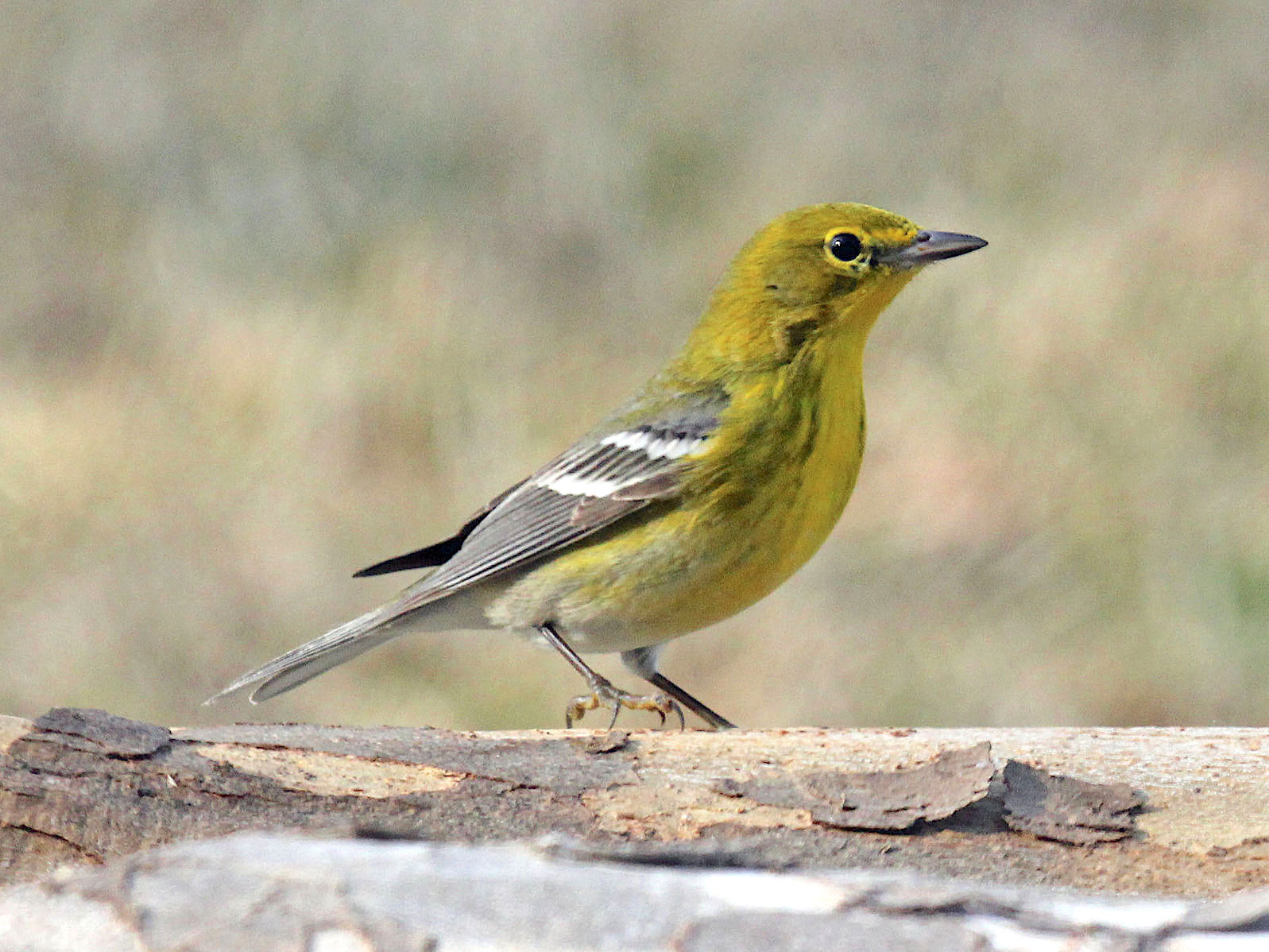
PINE WARBLERS ON ABACO and PINUS ENVY


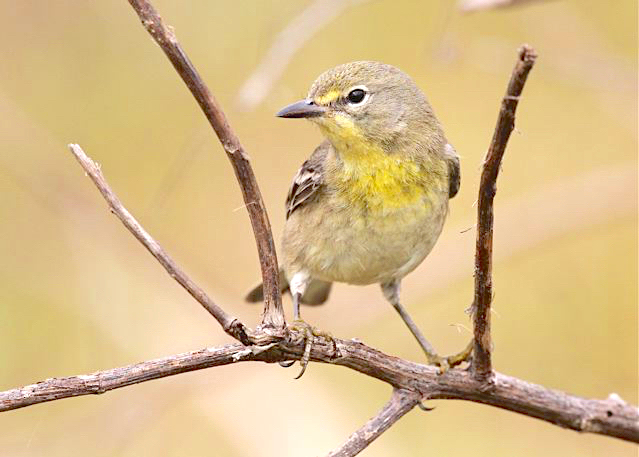
Pine Warbler, Abaco Bahamas (Bruce Hallett)

PINE WARBLERS ON ABACO and PINUS ENVY

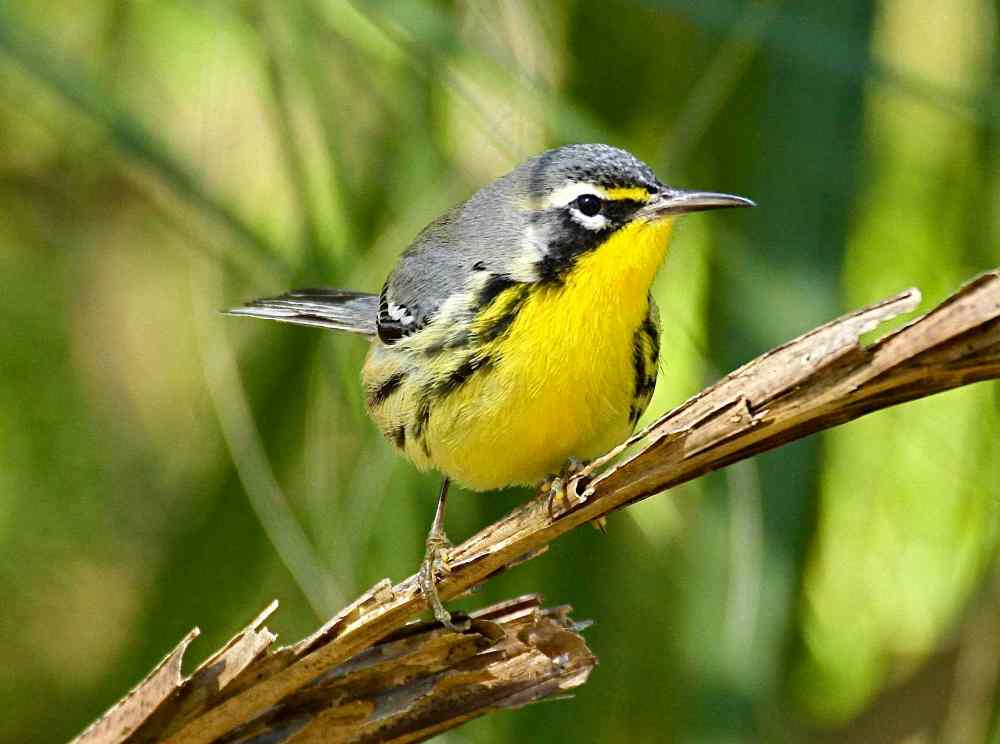
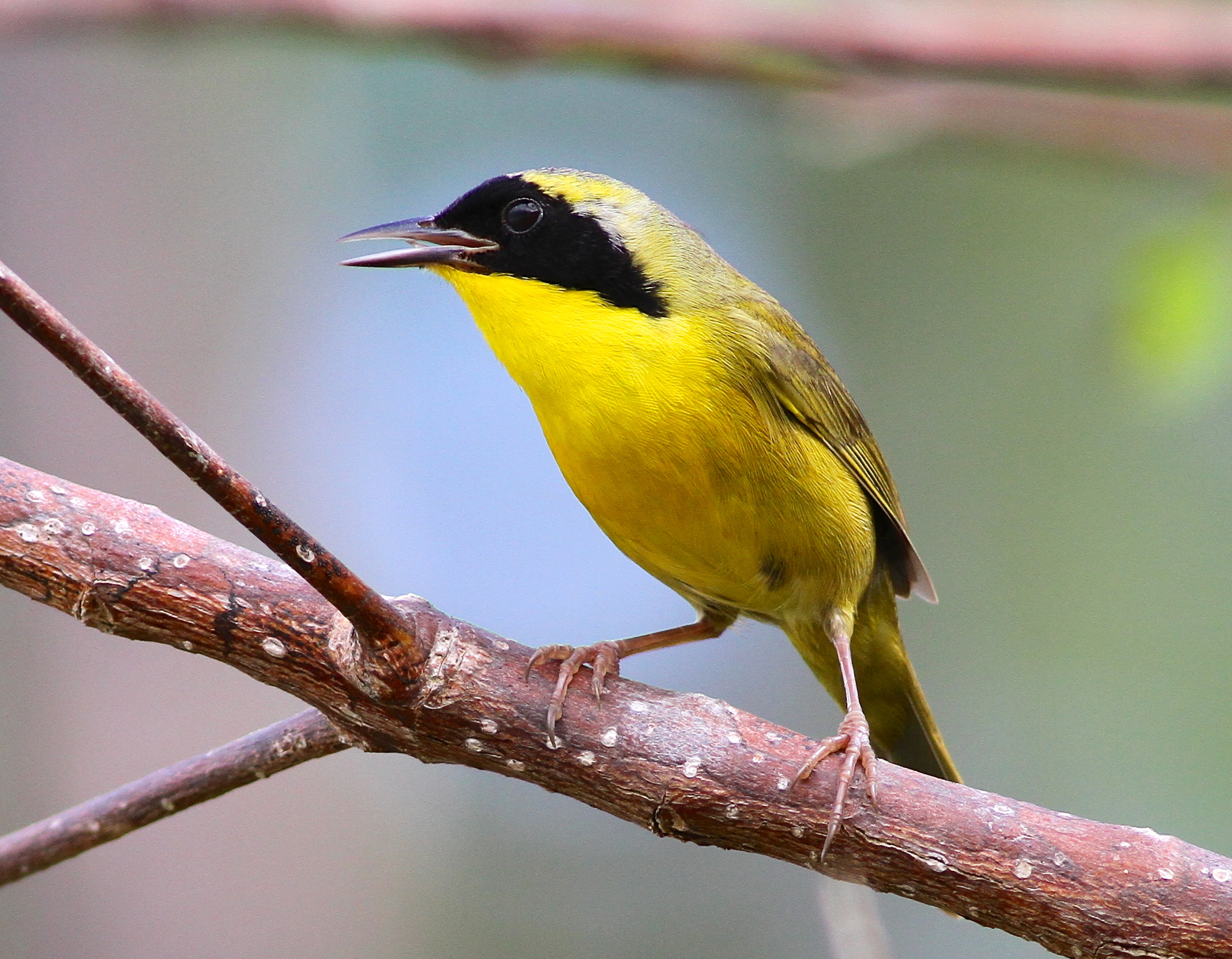
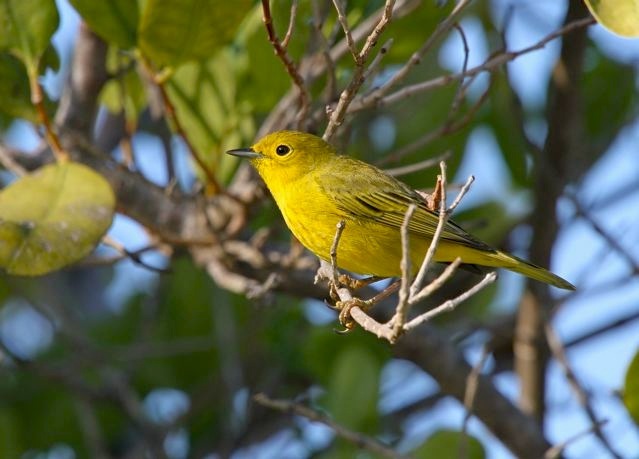
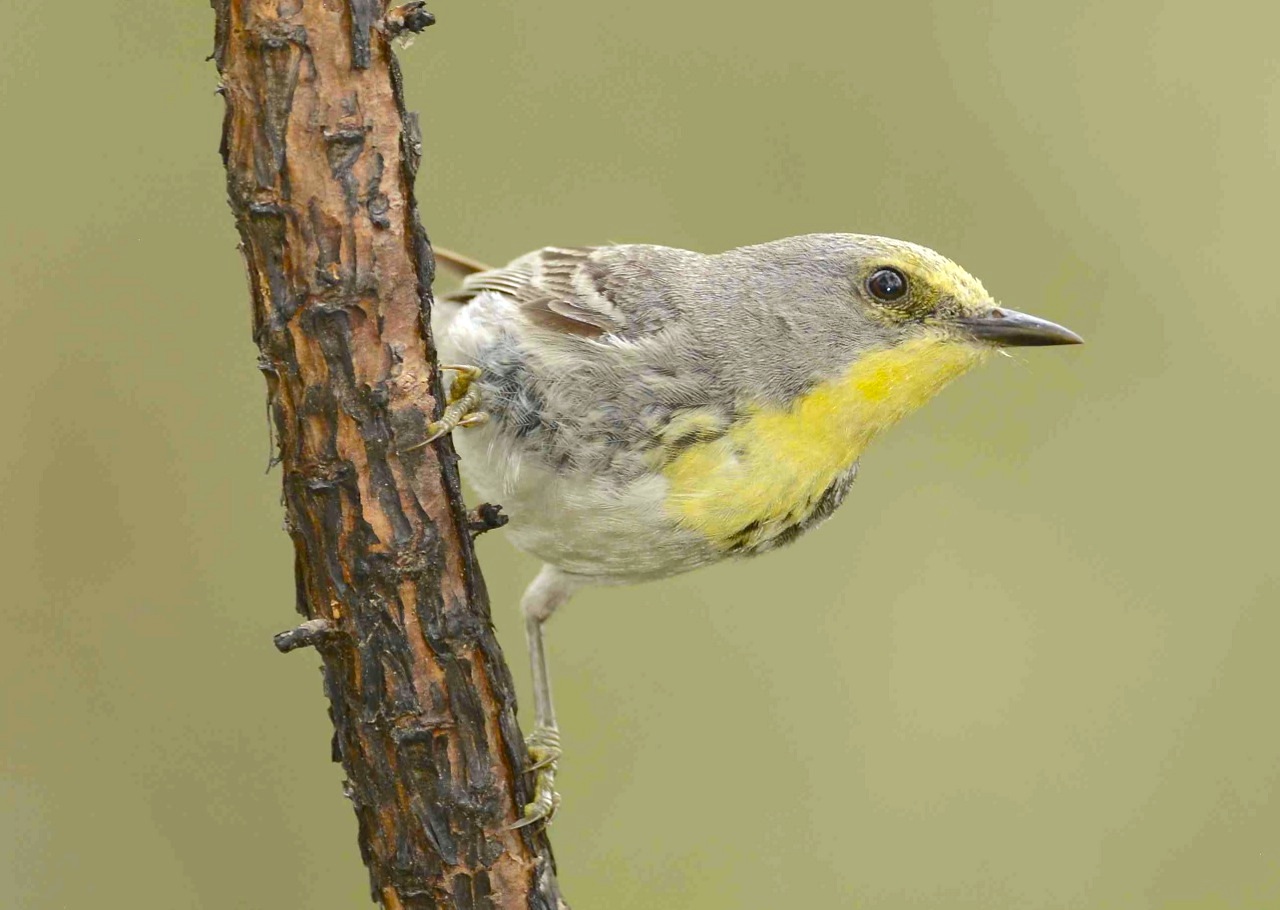
The Pine Warbler Setophaga pinus is one of 5 year-round resident warblers on Abaco. The other 33 warbler species (including the recently recorded CANADA WARBLER) are migratory and at this time of year they will be in their summer breeding grounds. The co-resident warblers are the 2 endemics – Bahama warbler and Bahama Yellowthroat – plus the olive-capped warbler and the yellow warbler. You can see all 5 HERE. In fact, all are to be envied and admired. First, they are all bright, attractive birds. Secondly, they live in the Bahamas all year round, without needing to undertake a long exhausting flight twice a year, unlike the rest of their warbler compadres. And indeed, unlike many of the human inhabitants of Abaco.

Pine Warbler, Abaco Bahamas (Alex Hughes)

As the name strongly hints, the pine warbler is primarily a bird of the pine forests, of which Abaco has an abundance. The tall, straight trees were a vital local source of timber (cf SAWMILL SINK). As a historical note, felled pines were also exported to the UK to be made into the strong pit-props needed for coal-mines. 

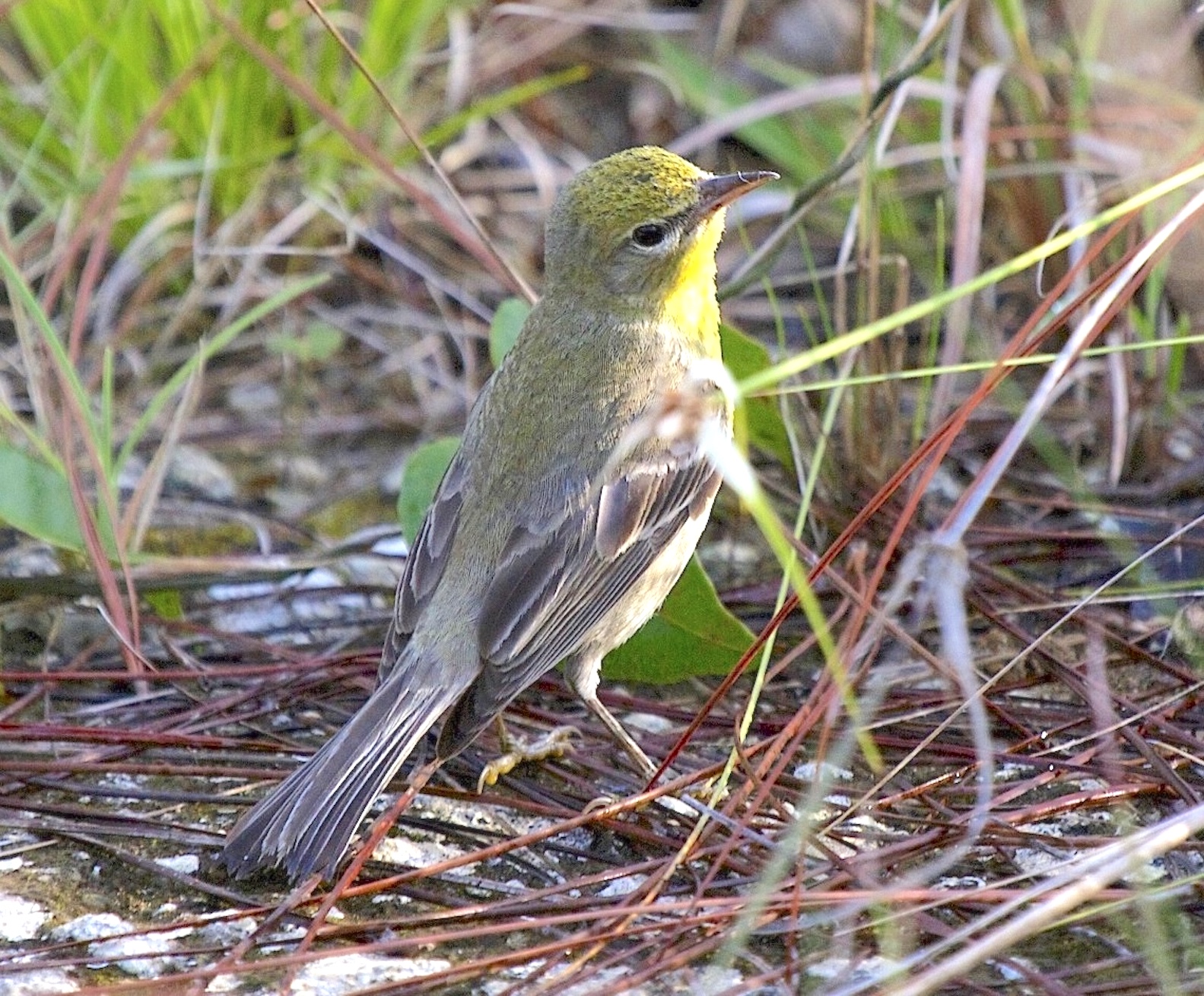
Pine Warbler (immature), Abaco Bahamas (Bruce Hallett)

Q. WHAT IS THE NORMAL RANGE OF THIS BIRD? A. THIS IS!

Pine Warbler, Abaco Bahamas (Tom Reed)

Pine warblers have a broad diet and forage methodically. Pine cones are a fertile source for food,  and those robust, stabby, slightly down-curved beaks are ideal for getting the seeds out of the cones. Equally, these warblers use their beaks to prise out insects from the rough pine trunks and branches.

Pine Warbler, Abaco Bahamas (Tom Sheley)

WHAT OF THEIR NIDIFICATION?

The pine forest is obviously the preferred nesting habitat for these birds. On Abaco there are vast acres of forest for them, but the warblers also nest in the smaller groups of pines found (for example) in or near some of the settlements; or around the edges of former sugar cane fields and the like. One nesting habit is slightly unusual – pine warblers tend to build their nests near the end of branches rather than near the trunk, a position that seems far less secure. Milton Harris has helpfully pointed out: “One theory on pine warbler nest location is that they are safer from predators by building at the end of a small branch.  Some other birds do the same.”

Pine Warbler (immature), Abaco Bahamas (Bruce Hallett)

DO YOU HAVE ANY ‘FUN FACTS’?

  • One source states that “The song of this bird is a musical trill. Their calls are slurred chips. I think we’ve all been there at some time, possibly when lunching at Pete’s Pub.

MUSICAL TRILL Paul Driver / Xeno Canto

SLURRED CHIP Don Jones / Xeno-Canto

  • The longest pine in the world is the Benzodiazepine (14 letters)

Photo Credits: Bruce Hallett (1, 3, 6); Alex Hughes (2); Tom Reed (4); Tom Sheley (5); Dick Daniels (7); Wiki (range map); Nat Geo (species drawings); Paul Driver / Xeno Canto – call; Don Jones / Xeno Canto – chips

Pine Warbler (Dick Daniels wiki)

Unknown's avatar

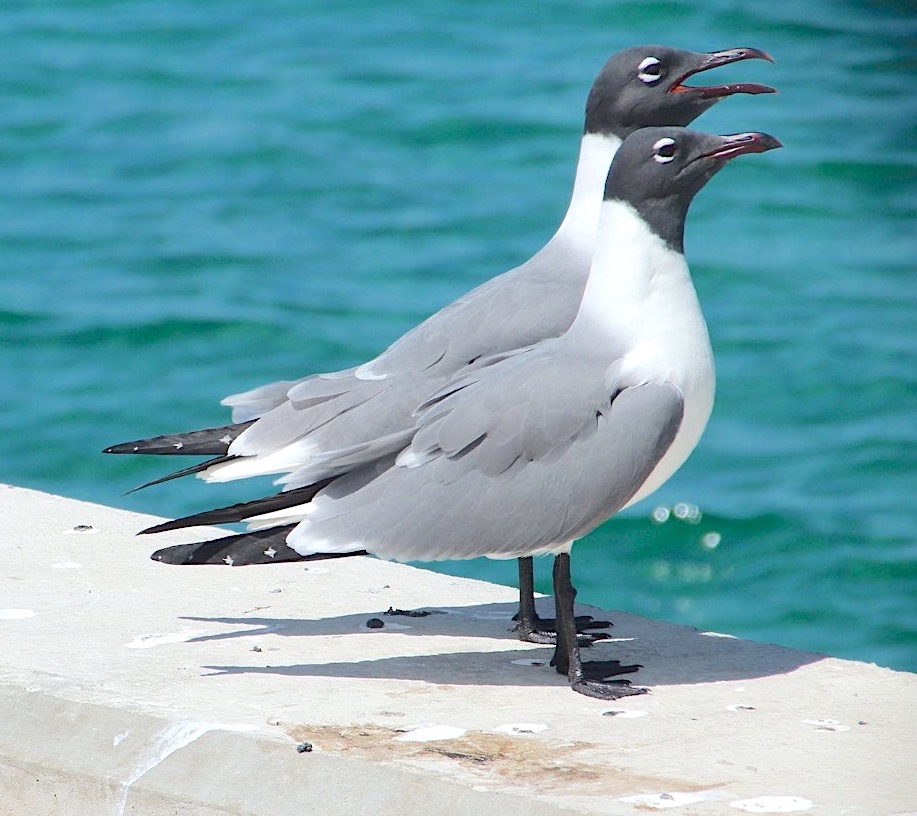
LEUCOPHAEUS ATRICILLA: LAUGHING STOCK ON ABACO


PSSSST! WANNA HEAR A JOKE?

LEUCOPHAEUS ATRICILLA: LAUGHING STOCK ON ABACO

KNOCK KNOCK!


WHO’S THERE?


TWITTER!


TWITTER WHO?


HAR HAR! MADE YOU SOUND LIKE AN OWL…!

Photos & vid, Keith Salvesen; Joke, most people on Earth (though not with illustrative pics)

Unknown's avatar

ABACO WARBLERS: THE FAMOUS 5 (PERMANENT RESIDENTS)


Bahama Warbler, Abaco Bahamas (Bruce Hallett)

Bahama Warbler, Abaco Bahamas (Bruce Hallett)

ABACO WARBLERS: THE FAMOUS 5 (PERMANENT RESIDENTS)

There are 37 warbler species recorded for Abaco. They fall into three distinct categories. Surprisingly perhaps, only 5 species are permanently resident on Abaco, ie non-migratory. Then there are warblers that commute from the breeding grounds of North America to warmer climes in the Fall, returning in the Spring to breed. Some will be familiar – PALM WARBLER, AMERICAN REDSTART, BLACK-AND -WHITE WARBLER. Others, like the HOODED WARBLER, are less common. One or two are very rare indeed, such as the KIRTLAND’S WARBLERS that choose Abaco as a winter destination. Finally there are the so-called transients, warbler species that use the northern Bahamas as a stopover during their longer migratory flights, such as the BLACKPOLL WARBLER.

The 5  permanent residents obviously don’t migrate, so there is a chance to find them throughout the year. The pine forests would generally be the best place to start the quest. Importantly, 2 of the 5 species are endemic birds to the Bahamas and can be found nowhere else: BAHAMA YELLOWTHROAT and BAHAMA WARBLER. The latter and the OLIVE-CAPPED WARBLER, are very range-restricted, and only found on Abaco and Grand Bahama.

Yellow Warbler at sunrise.Abaco Bahamas.6.13.Tom Sheley copy copy

THE 5 PERMANENT RESIDENTS

BAHAMA YELLOWTHROAT Geothlypis rostrata PR B 1  ENDEMIC

Bahama Yellowthroat, Abaco Bahamas (Gerlinde Taurer)Bahama Yellowthroat, Abaco Bahamas (Bruce Hallett)

Yellow Warbler at sunrise.Abaco Bahamas.6.13.Tom Sheley copy copy

YELLOW WARBLER Setophaga petechia PR B 1 

Yellow Warbler, Abaco Bahamas (Tom Sheley)Yellow Warbler (f), Abaco Bahamas (Bruce Hallett)

Yellow Warbler at sunrise.Abaco Bahamas.6.13.Tom Sheley copy copy

OLIVE-CAPPED WARBLER Setophaga pityophila PR B 1 

Olive-capped Warbler, Abaco Bahamas (Tom Sheley)Olive-capped Warbler, Abaco Bahamas (Tom Sheley)

Yellow Warbler at sunrise.Abaco Bahamas.6.13.Tom Sheley copy copy

PINE WARBLER Setophaga pinus PR B 1 

Pine warbler (m) Abaco Bahamas (Bruce Hallett)

Pine warbler (m) Abaco Bahamas (Tom Reed)

Yellow Warbler at sunrise.Abaco Bahamas.6.13.Tom Sheley copy copy

BAHAMA WARBLER Setophaga flavescens PR B 1 ENDEMIC

Bahama Warbler, Abaco Bahamas - Alex HughesBahama Warbler, Abaco Bahamas - Alex Hughes

Yellow Warbler at sunrise.Abaco Bahamas.6.13.Tom Sheley copy copy

PHOTO CREDITS Bruce Hallett (1, 3, 5, 8, 11); Gerlinde Taurer (2); Tom Sheley (4, 6, 7); Tom Reed (9); Alex Hughes (10, 11)

CHECKLIST CODES based on the complete checklist and codes for Abaco devised by Tony White with Woody Bracey for “THE DELPHI CLUB GUIDE TO THE BIRDS OF ABACO” by Keith Salvesen

Unknown's avatar

NO LAUGHING MATTER: A DISHEVELLED GULL ON ABACO


Laughing Gull (non-breeding adult) Sandy Point, Abaco Bahamas (Keith Salvesen)

NO LAUGHING MATTER: A DISHEVELLED GULL ON ABACO

By the end of day 2 during my recent stay at Sandy Point, I thought that I had had just about enough of the laughing gulls Leucophaeus atricilla. They are delightful of course, and (in small doses) a joy to listen to. But their incessant outbursts of humour were getting beyond a joke.

Laughing Gull (non-breeding adult) Sandy Point, Abaco Bahamas (Keith Salvesen)

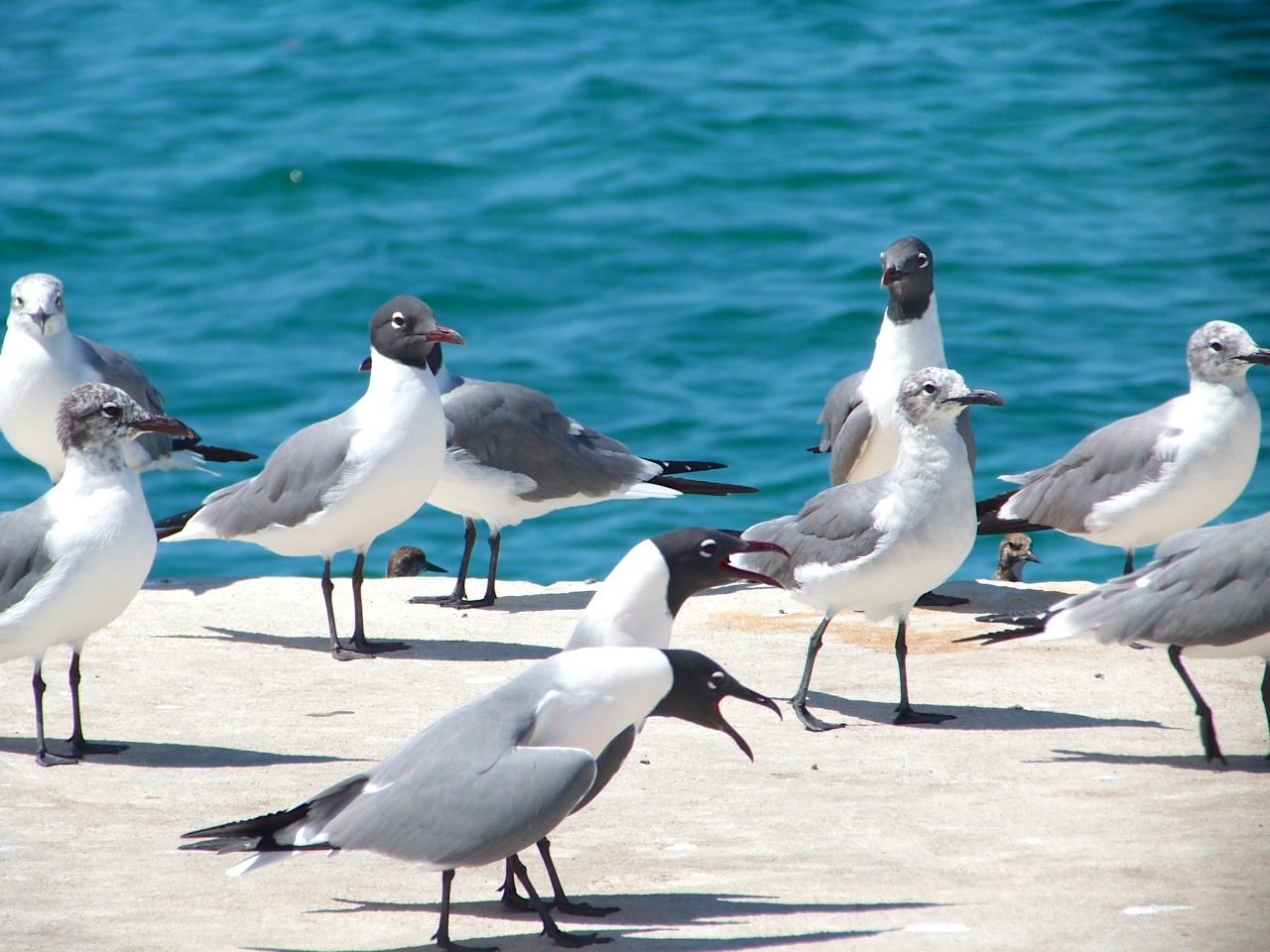
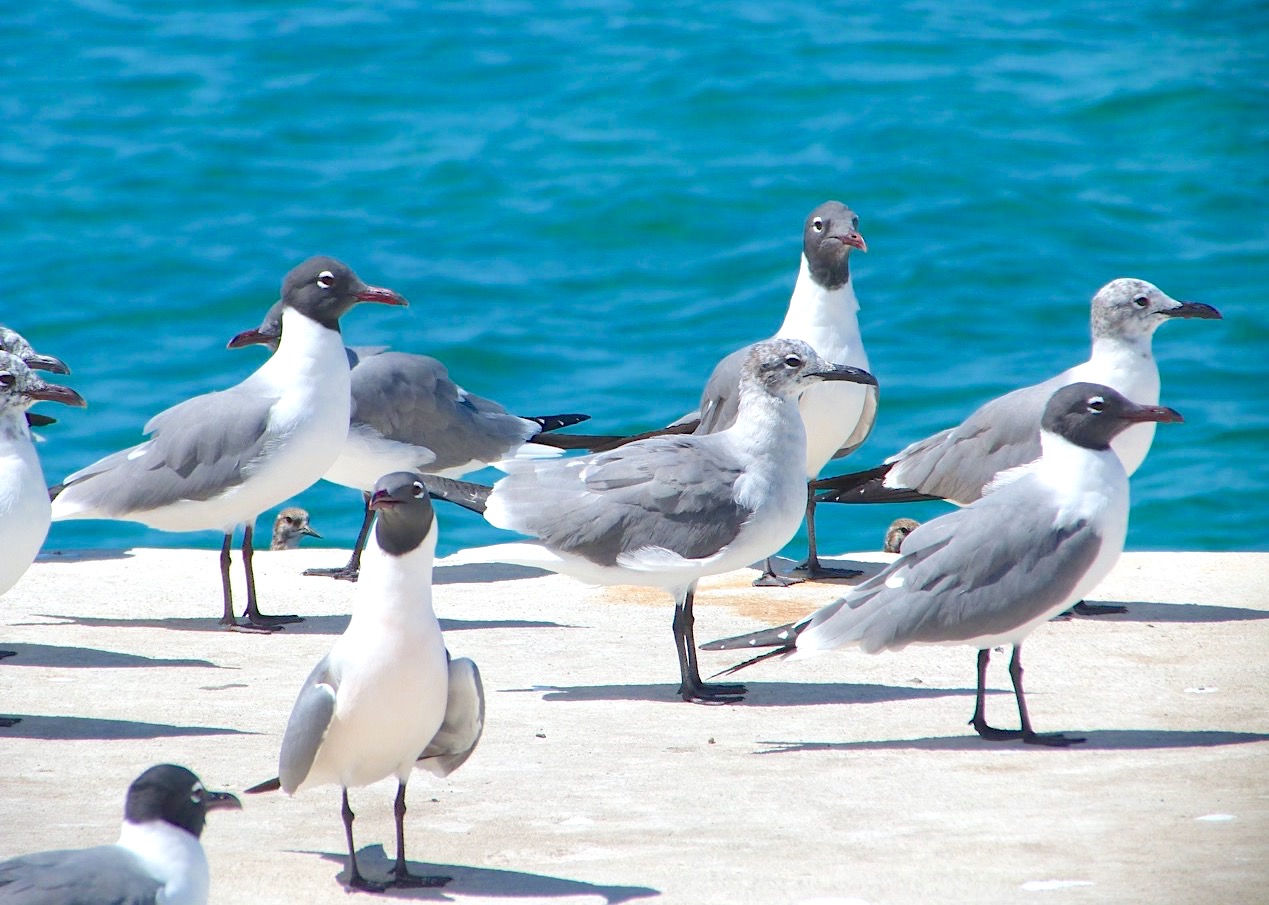
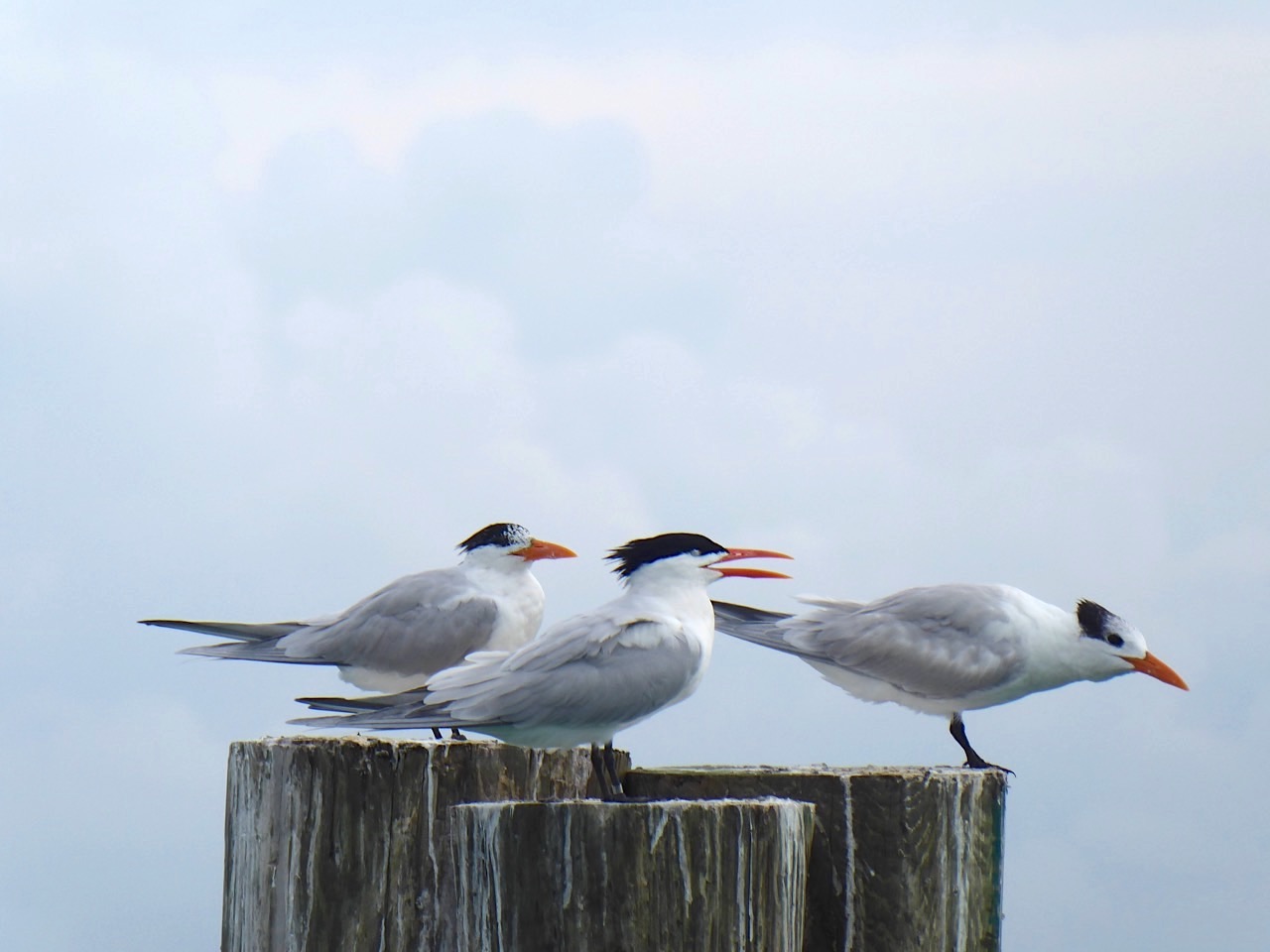
The next day, on the nearby jetty, the gulls were in full cry. A lone brown pelican stood on top of a piling, looking out to sea. A few Royal Terns turned their faces, characteristically, into the light wind. I wandered over and slowly walked down the jetty. This generated some laughter, but the birds were quite content to watch me edge slowly towards them.

Laughing Gull (non-breeding adult) Sandy Point, Abaco Bahamas (Keith Salvesen)

Probably, the gulls feel safety in numbers. Maybe they hope the din will send you away. Or perhaps, if approached very carefully, they are simply curious. I got close to the birds, and one in particular caught my eye. It was plainly having a bad-feather day. I took it to be a non-breeding adult, but it lacked the white spots on the tail-feathers (primaries). Maybe it was a first winter juvenile. Whichever, it was happy to pose for me.

Laughing Gull (non-breeding adult) Sandy Point, Abaco Bahamas (Keith Salvesen)

I realised, of course, that the jetty belonged to the birds, including the ruddy turnstones that had just joined the gang at the end of the jetty. I was the intruder in their world, and I had willingly visited their territory. So their racket was entirely their business, and absolutely none of mine**.

Laughing Gull (non-breeding adult) Sandy Point, Abaco Bahamas (Keith Salvesen)

WHAT DO LAUGHING GULLS SOUND LIKE? ARE YOU OVERSENSITIVE?

I made a couple of short recordings of the gulls in full humour mode. If you have never heard them before, you might want to listen to the full 30 seconds. For anyone else there’s a convenient lull at around 15 secs before they kick off again.

Breeding adult (Birdorable)

**In the UK there’s a thing where someone buys an attractive cottage next to the c15 village church. Then they discover that the clock chimes. And the bell-ringers practise their art on Monday and Thursday evenings. And on Sunday all hell breaks loose, especially if there is Sunday cricket on the village green in the mix. And the occasional ball being hit into the flowerbed. So, complaints are made to the Council, noise abatement orders are sought, legal letters fly round the Parish. And everyone hates the newcomers. Adopting village life with no research? Way to go!

All photos + audio clip: Keith Salvesen / Rolling Harbour

Laughing Gull (non-breeding adult) Sandy Point, Abaco Bahamas (Keith Salvesen)

Unknown's avatar

‘BIRD ON THE WIRE’: LOGGERHEAD KINGBIRD ON ABACO


Loggerhead Kingbird, Sandy Point Abaco Bahamas (Keith Salvesen)

‘BIRD ON THE WIRE’: LOGGERHEAD KINGBIRD ON ABACO

I’m just back from Abaco. Mostly, it was about Marine Mammals (i.e. whales, dolphins, manatees) and the biennial Retreat for the Bahamas Marine Mammal Research Organisation (BMMRO). There was still time for some birding in Sandy Point, though. It’s a good place at any time for bird-watching BUT the settlement is rather remote. Specifically it is the terminus of the single 120-mile Highway that stretches south from Little Abaco in the north. Then the tarmac abruptly runs out and gives way at once to white sand. If that doesn’t halt you, you’ll wish your vehicle was amphibious… 

Loggerhead Kingbird, Sandy Point Abaco Bahamas (Keith Salvesen)

Loggerhead kingbirds, with their hooky flycatcher beaks, cresty hair and dashing yellowish undersides, are intriguing companions. If they get interested in you (or maybe your camera bleep, as I have discovered), they will accompany you on a walk, flying ahead until you catch up, then doing it again. And if they are ‘hawking’ for flies from a favourite perch, they are fun to watch and… a big bonus… they won’t stop because you are spectating.

Loggerhead Kingbird, Sandy Point Abaco Bahamas (Keith Salvesen)

Like all the Bahamas flycatchers, from the little cuban pewee upwards, the Kingbirds have a charming way of cocking their head to one side or dropping it down towards their chest. Slightly posey, always endearing.

OPTIONAL MUSICAL DIGRESSION

‘Bird on the Wire’ was originally sung by Judy Collins, though written by Leonard Cohen. His own definitive version from 1968’s ‘Songs from a Room‘ is arguable the best known recording and preceded several hundred later cover versions. LC is a really “difficult” artist, however. Many will agree with his expressed view that the song is ‘a prayer and an anthem’. Others might say that it is simply growly dirge-like maundering. The (then-modish) mouth-harp twangling in the background may also be an opinion-divider. Since I have shoehorned Cohen’s song title into my blog title, you might as well have the song too, for contemplation. Is it a life-affirming ‘upper’ or a funereal ‘downer’? You be the judge!

Photos: Keith Salvesen / Rolling Harbour, Sandy point, Abaco.

Loggerhead Kingbird, Sandy Point Abaco Bahamas (Keith Salvesen)

Unknown's avatar

“MEET THE FLOCKERS…” ON ABACO


Ruddy Turnstones, Sandy Point, Abaco, Bahamas (Keith Salvesen)

“MEET THE FLOCKERS…” ON ABACO

I’ve been checking out jetties at Sandy Point, of which there are several. They look a bit rickety but are in fact sound except for having to step rounds piles of (empty) conch shells and occasional evidence on the timbers of recent fish-cleaning. This is a time of Laughing Gulls, and I have been recording their raucous hilarity. I may add a couple of sound files when I’ve downloaded them.

Sharing a joke

Laughing Gulls, Sandy Point, Abaco, Bahamas (Keith Salvesen)

Right now, ruddy turnstones and laughing gulls seems to have formed a team of jetty birds, with a few royal terns in the mix and (as here) a random sanderling. The turnstones like to lie down in the hot sun on the jetty, possibly because it’s a bit breezier than on the burning sand of the beach.

Exhausted from turning stones

Random sanderlingRuddy Turnstones, Sandy Point, Abaco, Bahamas (Keith Salvesen)

These jokers are wild…Laughing Gulls, Sandy Point, Abaco, Bahamas (Keith Salvesen)

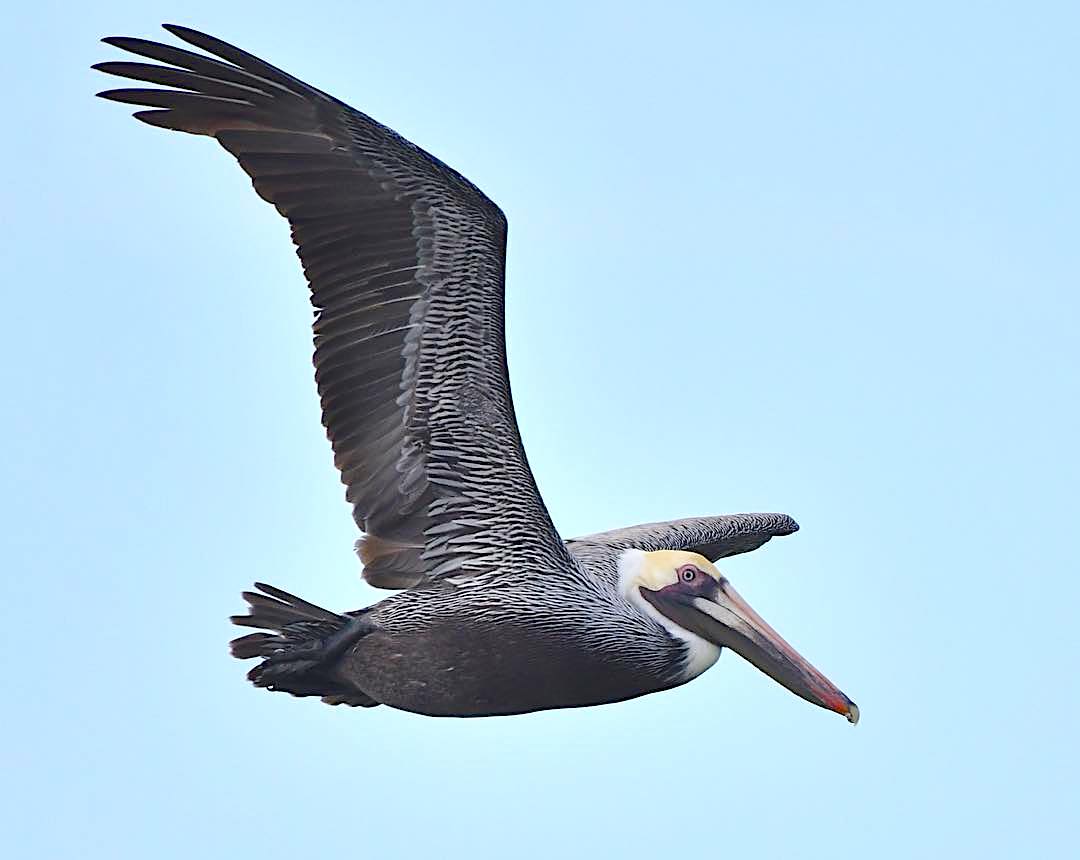
The jetties also attract pelicans, which use them to sun themselves and also to fish from. I will post about these remarkable birds another time. The largest flock of them I have seen so far is 5, one with a gold ‘breeding crown’.

Ruddy Turnstones, Sandy Point, Abaco, Bahamas (Keith Salvesen)

The gulls also spend time on the beach, and flock on the sandbars that emerge at low tideLaughing Gulls, Sandy Point, Abaco, Bahamas (Keith Salvesen)

All photos: Keith Salvesen

Laughing Gulls, Sandy Point, Abaco, Bahamas (Keith Salvesen)
Unknown's avatar

TAKING TERNS KISSING: AN ABACO ROMANCE


Royal Terns, Sandy Point, Abaco Bahamas (Keith Salvesen)

TAKING TERNS KISSING: AN ABACO ROMANCE

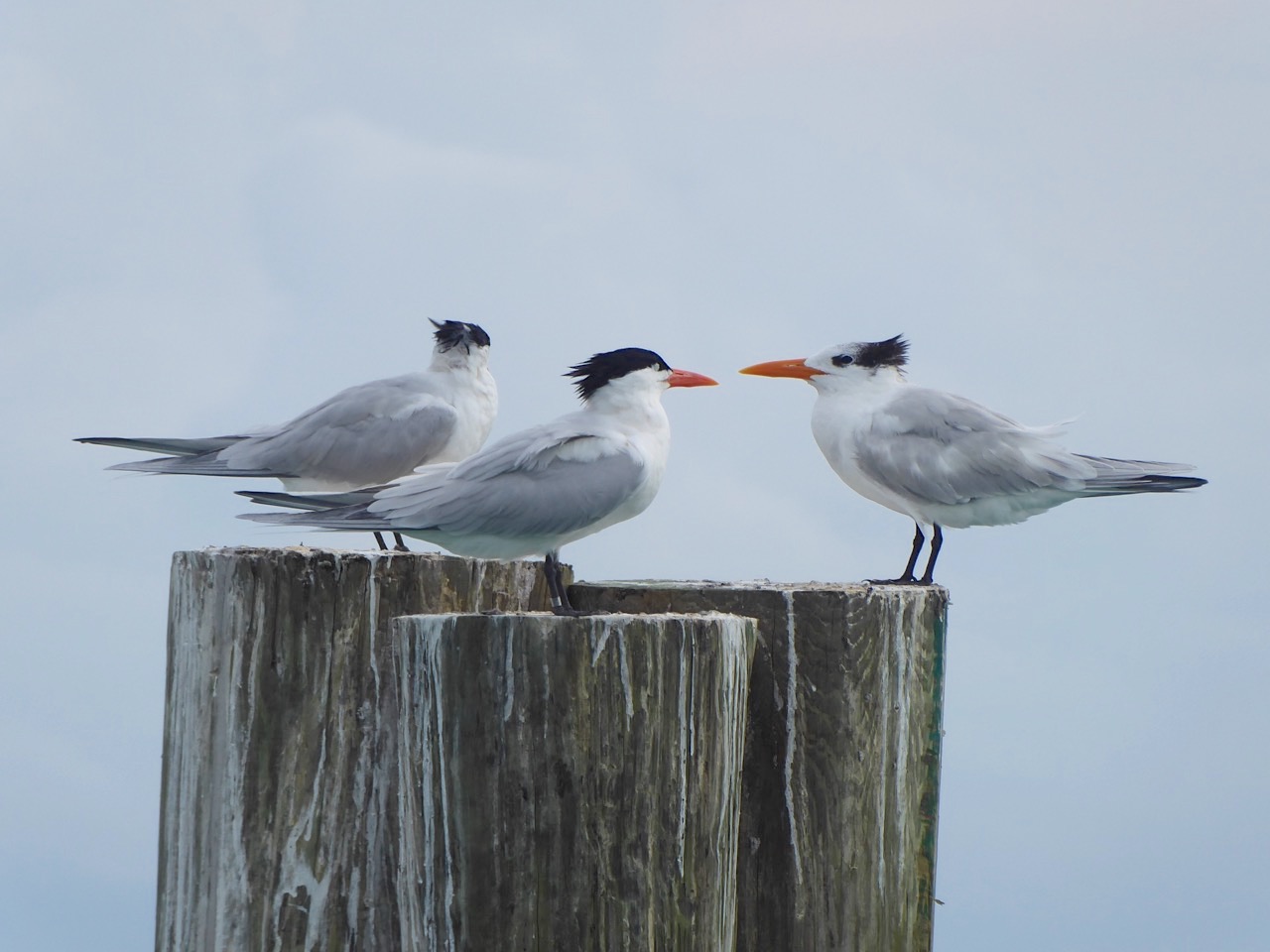
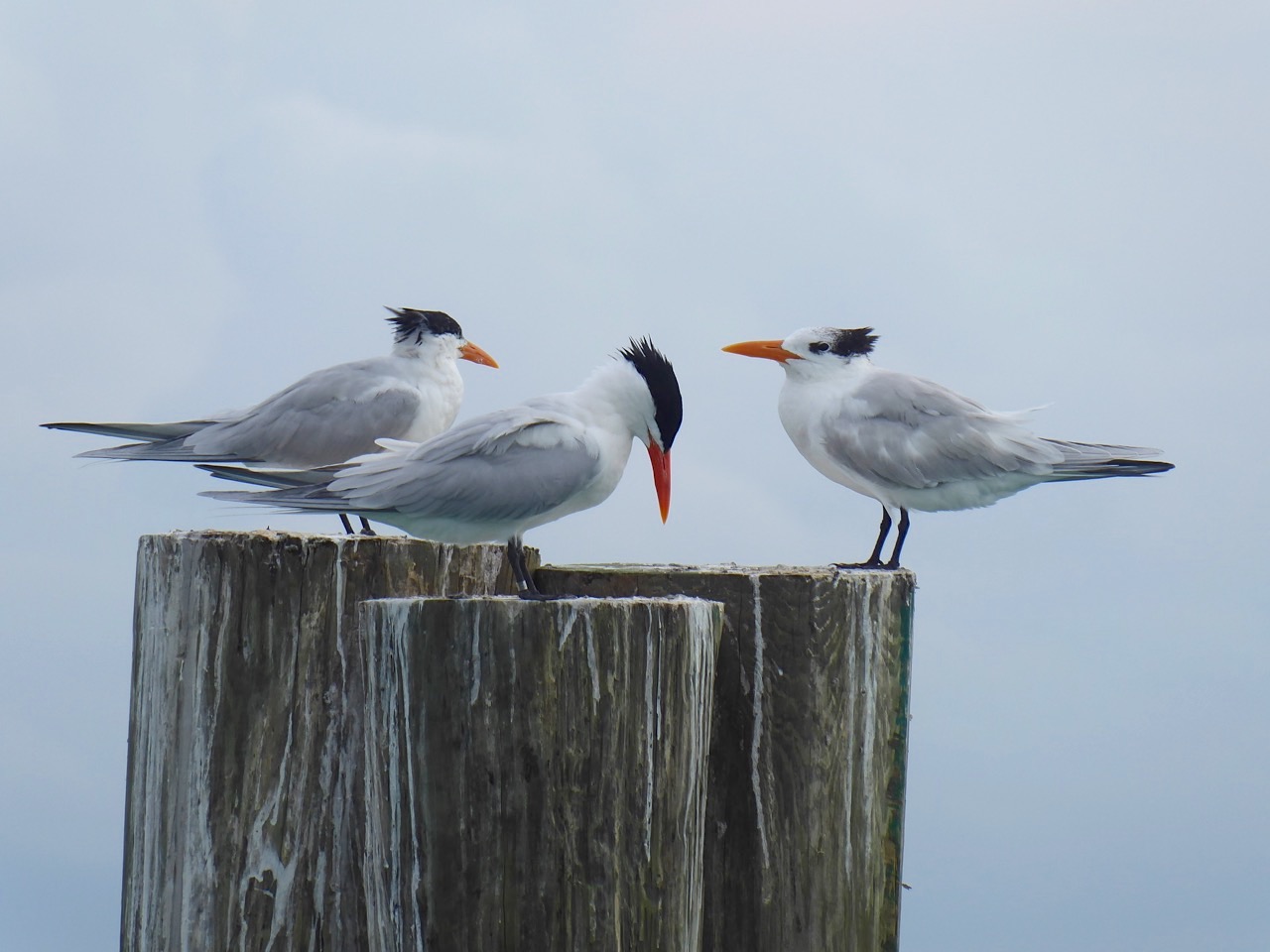
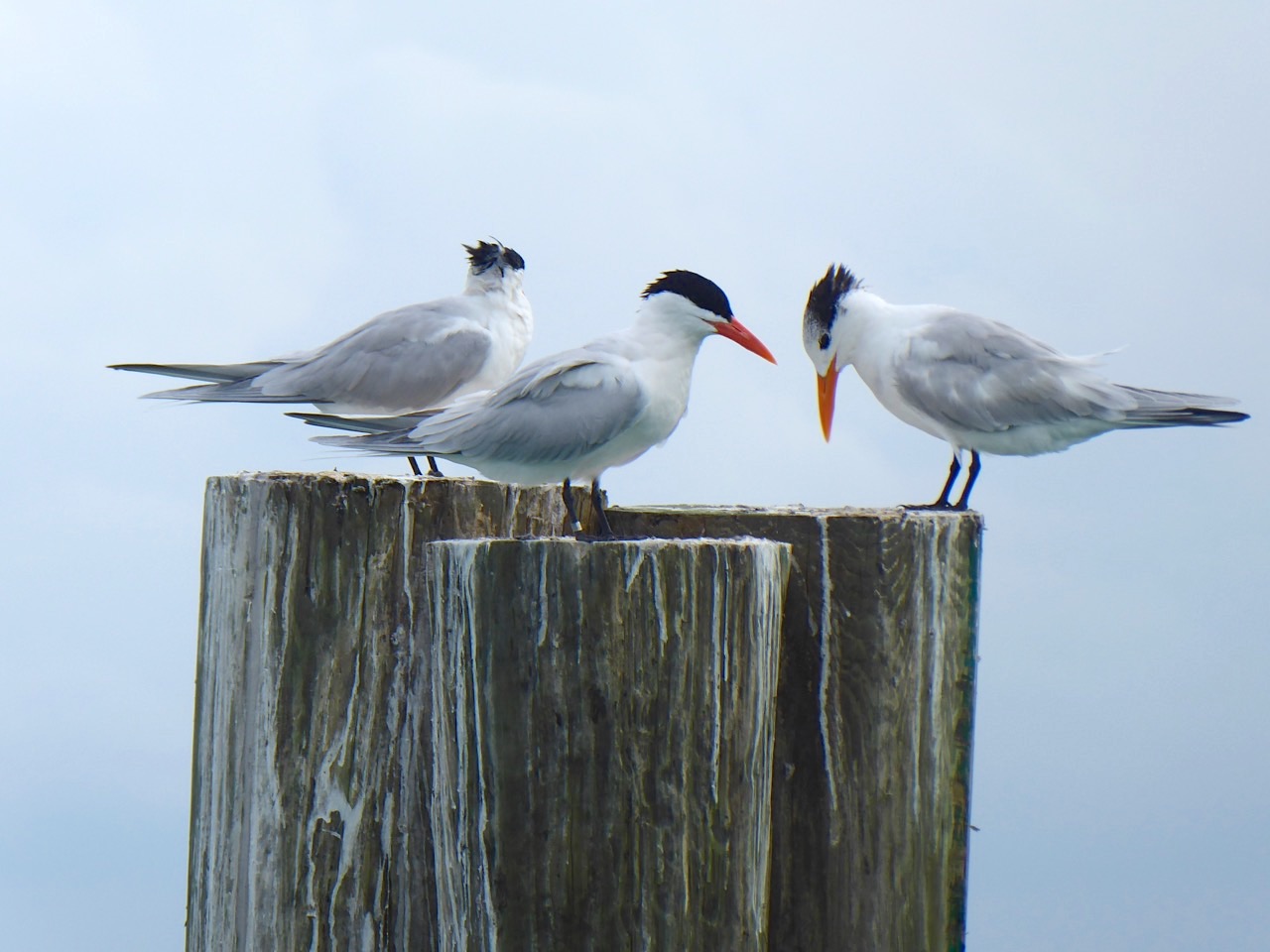
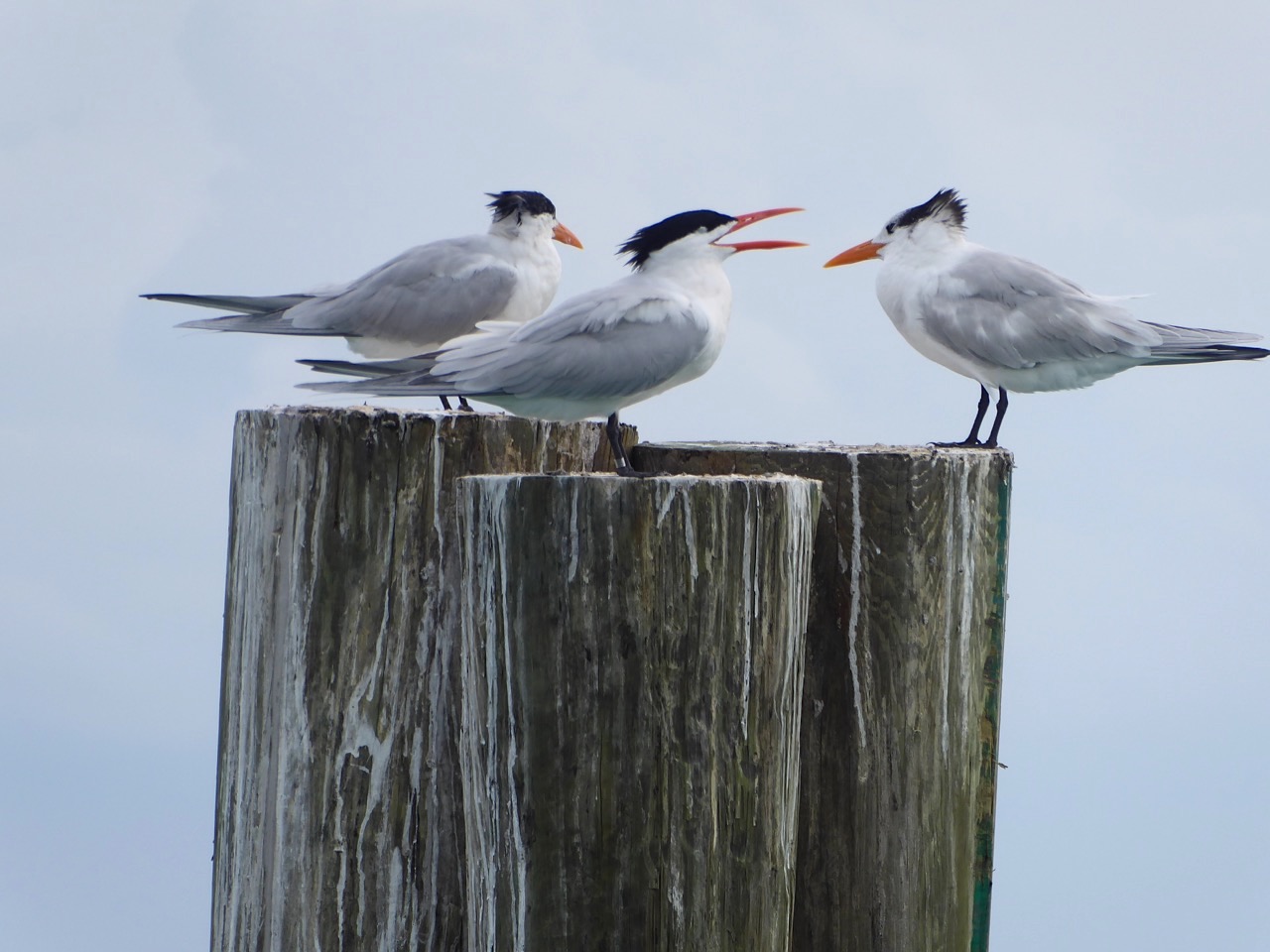
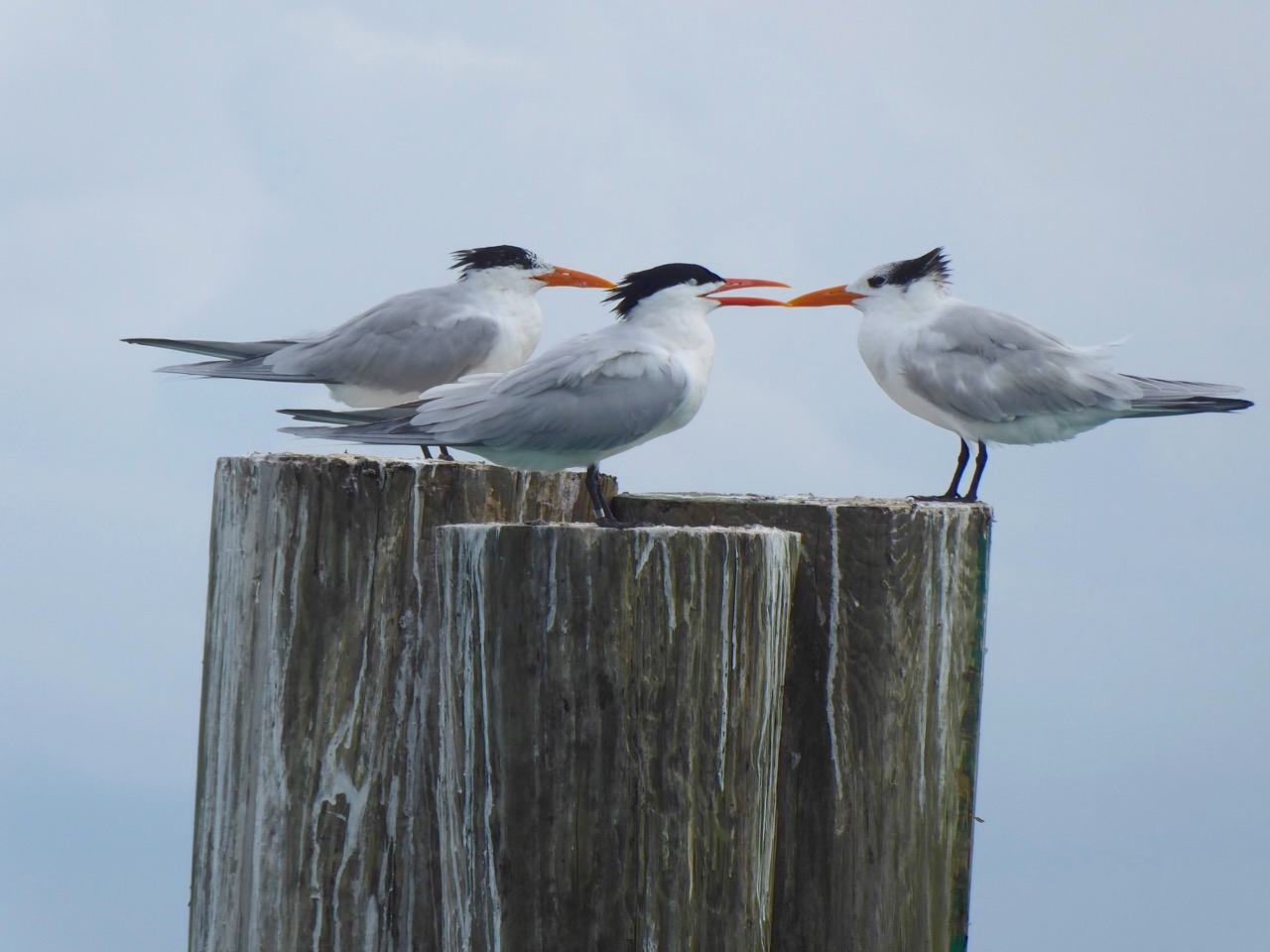
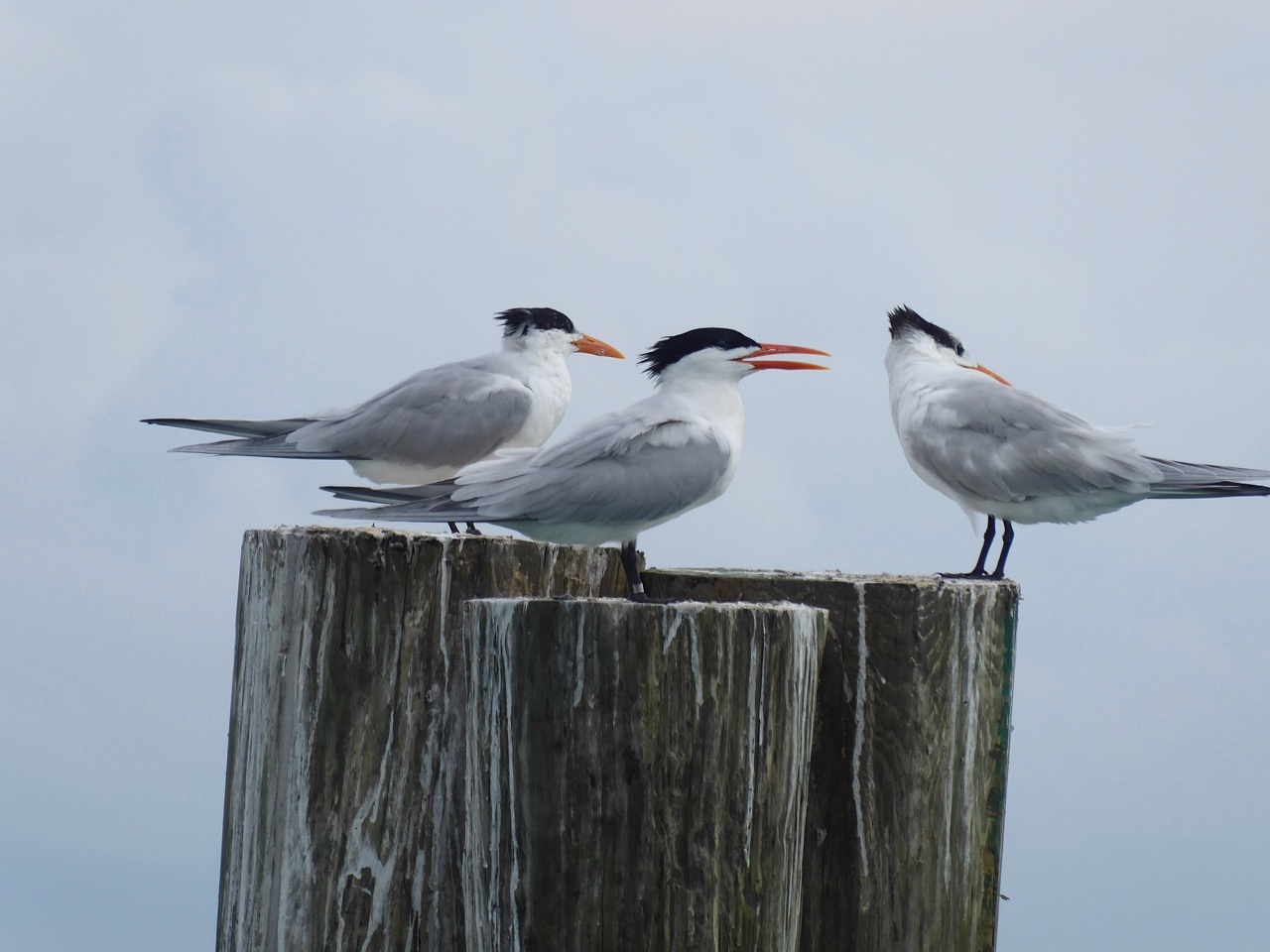
There’s a time and a place for anthropomorphising animal behaviour in terms of human responses. Usually it’s best done with caution or not at all… I’m going to press ahead, though, with a romantic encounter between two Royal terns today at Sandy Point, Abaco. Ultimately, this appeared to be an approach, a come-on, a poorly executed attempt at intimacy, and ultimately a rejection. Or else it’s just bird interchange that we should not read too much into…

Good afternoon, I should like to get to know you better…Royal Terns, Sandy Point, Abaco Bahamas (Keith Salvesen)

Would you do me the honour of commencing a relationship?Royal Terns, Sandy Point, Abaco Bahamas (Keith Salvesen)

Indeed I would, kind Sir!Royal Terns, Sandy Point, Abaco Bahamas (Keith Salvesen)

*Boastfully* I happen to be the most handsome and regal tern this side of Marsh HarbourRoyal Terns, Sandy Point, Abaco Bahamas (Keith Salvesen)

I’m going to give you a peck that you’ll never forget…Royal Terns, Sandy Point, Abaco Bahamas (Keith Salvesen)

Whaaaaaa? Wait… Too much, too soon. I hardly know youRoyal Terns, Sandy Point, Abaco Bahamas (Keith Salvesen)

You’ve moved as far away as possible on this post – you have no idea what you’re missingRoyal Terns, Sandy Point, Abaco Bahamas (Keith Salvesen)

 I’ll be the judge of that. I’m off, don’t try to follow me…Royal Terns, Sandy Point, Abaco Bahamas (Keith Salvesen)

Credits: all photos (artfully taken in fairly poor light), corny storyline, inappropriate anthropomorphism – Keith Salvesen

Unknown's avatar

GREEN HERON FISHING: GILPIN POND, ABACO, BAHAMAS


GREEN HERON FISHING, GILPIN POND, ABACO, BAHAMAS (Keith Salvesen Photography)

GREEN HERON FISHING

GILPIN POND, ABACO, BAHAMAS

The brackish pond at Gilpin Point near Crossing Rocks is generally a reliable place to find waterbirds. For those birding on South Abaco (in many respects, one big hotspot) Gilpin is definitely worth a visit at almost any time. Bear in mind it is (a) a longish private road (we got a puncture down there once…**) and (b) it is private land. However, the owner Perry Maillis is always welcoming to tidy birders who bring only enthusiasm and take only pictures. Plus he very kindly changed our wheel!

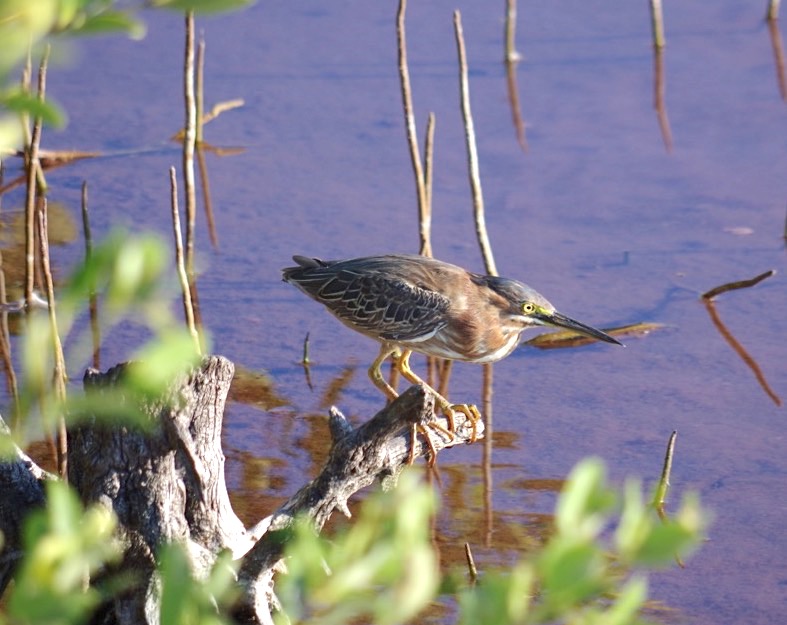
We found this small Green Heron quite easily. We’d watched it fly onto a stump in the pond near the jetty, then fly closer to the shoreline. By tiptoeing onto the jetty, we could see the bird perched close to the water, inspecting it with a fierce and predatory eye. Both eyes, in fact. 

GREEN HERON FISHING, GILPIN POND, ABACO, BAHAMAS (Keith Salvesen Photography)

The hunting technique is deceptively simple. Note the long sharp stabbing beak. Note the large feet and claws for gripping securely Here’s how it is done. As a fish is sighted, so the heron leans gradually forwards, beak dipping closer to the water, the body more streamlined to look at. The procedure is beginning in the image above.

The stance means ‘small fish – 5 feet off – moving left and closing – prepare to strike‘. As the prey unwittingly approaches, the bird slowly tilts further forward unless its beak almost touches the water, the quicker and closer to strike.

GREEN HERON FISHING, GILPIN POND, ABACO, BAHAMAS (Keith Salvesen Photography)

The actual strike is so rapid that it is barely possible to see with the naked eye, let alone to photograph it clearly (not on my type of camera anyway). But the end result is rarely in doubt, with a small fish struggling but securely held in that long, clamping beak. It will be down the heron’s gullet in a matter of seconds.

GREEN HERON FISHING, GILPIN POND, ABACO, BAHAMAS (Keith Salvesen Photography)

I left the heron as it settled slowly back into ‘scanning the water mode’ while I went to watch some lesser yellowlegs nearby. Some minutes later, the heron was still contentedly fishing from its vantage point. 

GREEN HERON FISHING, GILPIN POND, ABACO, BAHAMAS (Keith Salvesen Photography)

ROUGH GILPIN CHECKLIST

Species we have found on and around the pond include black-necked stilts, little blue heron, great blue heron, tricolored heron, snowy egret, reddish egret, yellow-crowned night heron, the relatively rare and very shy sora, hordes of white-cheeked pintails, northern pintails, lesser yellowlegs, belted kingfisher, turkey vulture, smooth-billed ani, American kestrel, Bahama woodstar, Cuban emerald, Mucovy duck (Perry’ pet!) – and the green heron of course.

As a bonus, Gilpin has become an increasingly regular stop for raucous flocks of Abaco parrots. Rarer species found there include American flamingo (rare vagrant), brown pelican, double-crested cormorants, and limpkins. On the beach 5 minutes walk away, there are usually shorebirds including rare piping plovers, Wilson’s plovers, turnstones; gull and tern species; and passing tropicbirds & magnificent frigatebirds flying high over the water.

FOR MORE ABOUT GREEN HERONS: SHARP-EYED SHARP BILLED

** I realise that strictly I should be saying ‘flat’ here, but that might be confusing for Euro-readers, who would understand that to mean that we had rented (or purchased) an apartment in a larger dwelling house containing similar accommodation. 

All photos, Keith Salvesen except the cute chick, Charlie Skinner; and the cute cartoon GH, Birdorable…

GREEN HERON FISHING, GILPIN POND, ABACO, BAHAMAS (Charles Skinner)

Unknown's avatar

WHITE-TAILED TROPICBIRDS: EFFORTLESS ELEGANCE


White-tailed Tropicbird Phaethon lepturus catesbyi, Abaco Bahamas (Sally Chisholm)

WHITE-TAILED TROPICBIRDS: EFFORTLESS ELEGANCE

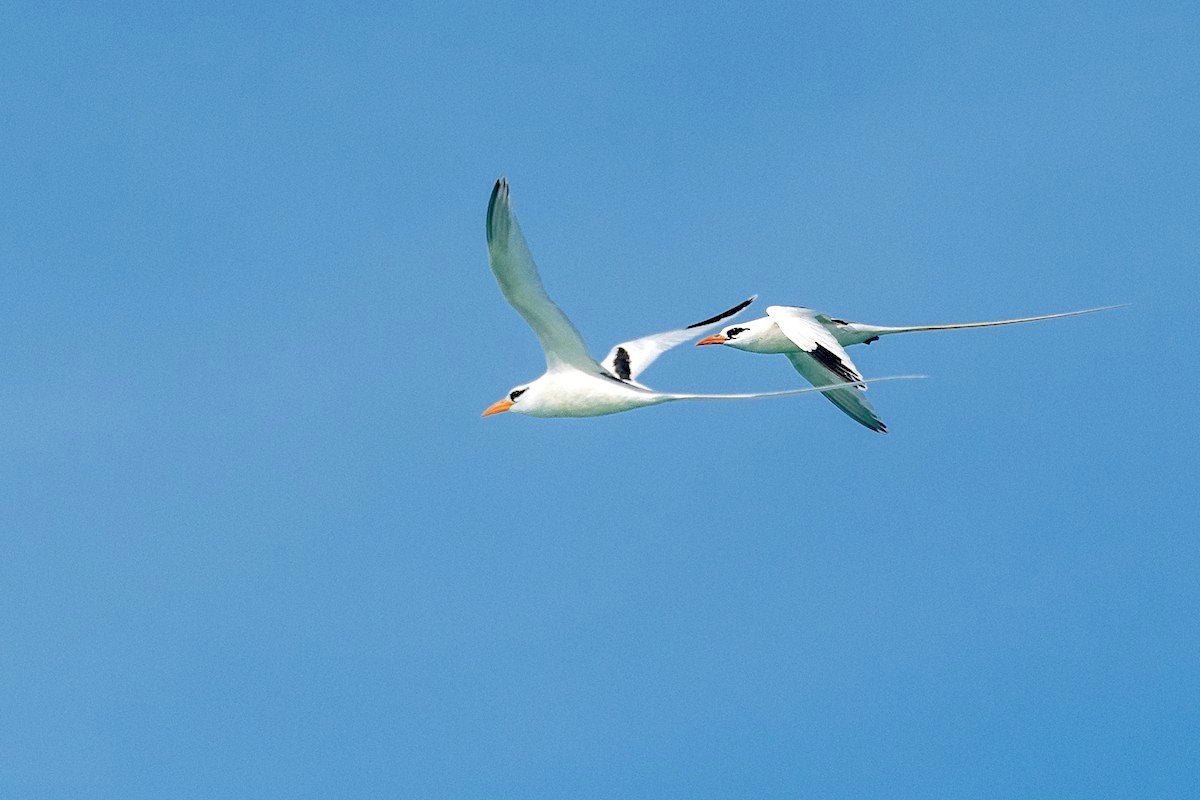
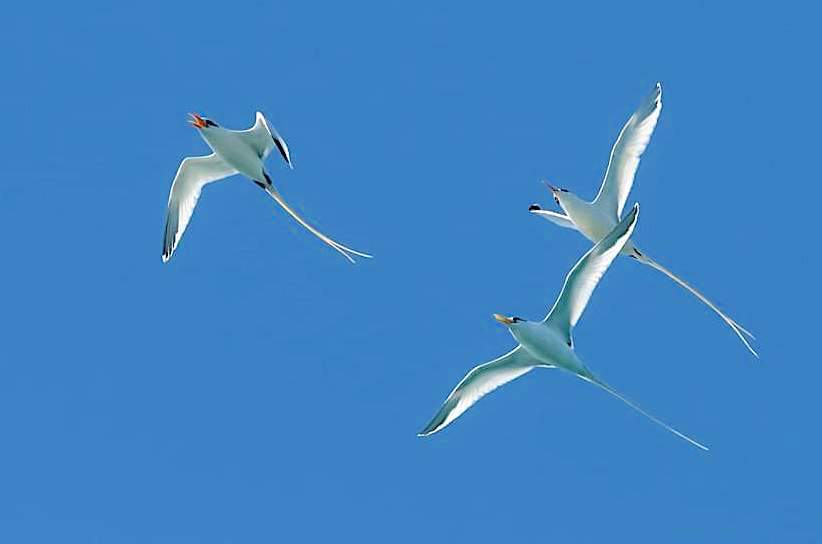
I am interrupting my intended sequence of posts (I try to plan ahead a bit…) to bring you some gorgeous white-tailed tropicbirds (Phaethon lepturus catesbyi) seen within the last week near the Low Place on Man-o-War Cay. There were 6 in the group, flying high, flying low, circling, dipping down, flirting  – all of this taking place just offshore.

White-tailed Tropicbird Phaethon lepturus catesbyi, Abaco Bahamas (Sally Chisholm)

Sally Chisholm, Abaco birder and photographer, was with Todd Pover of CWFNJ, engaged in the final piping plover count of the season before the birds return to their summer breeding grounds [check out ABACO PIPING PLOVER WATCH if you are interested]. Sally and Todd were distracted from the matter in hand as the group of tropicbirds glided and swooped through the air. It was a free demonstration of beautiful flying skills that can be matched by few other species.

White-tailed Tropicbird Phaethon lepturus catesbyi, Abaco Bahamas (Sally Chisholm)

It became obvious that courtship was involved. As Sally vividly describes it, “The birds were observed for more than 15 minutes making wide circles, at times flying out of sight across towards Great Abaco and coming back flying low over the same area on MOW. Two birds would interact with a lot of “keck-keck-keck”, and then one of the pair flew down to land several times in the same crevice of the iron shore. It first appeared that the bird was landing for food but none of the photos showed anything carried. The display looked to be one of courtship and was amazing to watch”.

White-tailed Tropicbird Phaethon lepturus catesbyi, Abaco Bahamas (Sally Chisholm)

TROPICAL TOPICS

  • WTTR plunge-dive for fish and squid, sometimes submerging completely
  • Or they swoop and skim their prey from the surface
  • Another technique to take flying fish in the air (I’d love to see that…)
  • WTTR have no fixed breeding season, and may nest year-round
  • Nesting is colonial or in pairs in a particular area, or even in isolation
  • Pre-mating behaviour involves courtship displays (as here)
  • A pair will fly together, one above the other then…
  • …the higher bird bends its tail down to touch tail of lower bird and [veil drawn]
  • They nest in crevices, holes in rock, on ledges, on the ground under vegetation
  • Chicks are fed by both parents using regurgitation
  • The same site may be re-used for several years by the same pair

White-tailed Tropicbird Phaethon lepturus catesbyi, Abaco Bahamas (Sally Chisholm)

Credits: All photos, Sally Chisholm except the fantastic nest shot, Melissa Maura (many thanks to both for use permission – I’ve never got a decent photo of one); Audubon NA

White-tailed Tropicbird Phaethon lepturus catesbyi, Abaco Bahamas (Melissa Maura)

Unknown's avatar

CUBAN PEWEE: ‘NATURE’S LEAST SCARY TYRANT’


Cuban Pewee, Contopus caribaeus bahamensis, Casuarina Abaco Bahamas (Keith Salvesen Photography)

CUBAN PEWEE: ‘NATURE’S LEAST SCARY TYRANT’

The small bird featured here is a CUBAN PEWEE Contopus caribaeus bahamensis (sometimes called the Crescent-eyed Pewee – see image for why this is so). It is without a doubt a tyrant. At barely 6″ long, it is the smallest tyrant you are likely to encounter in the Bahamas or indeed anywhere else. However it does happen to be a member of the family Tyranidae. These are the flycatchers, and on Abaco they include the larger LA SAGRA’S FLYCATCHERthe still larger LOGGERHEAD KINGBIRD and (a summer visitor only) the GRAY KINGBIRD (this last link explains the difference between the two kingbirds).

Cuban Pewee, Contopus caribaeus bahamensis, Casuarina Abaco Bahamas (Keith Salvesen Photography)

The Cuban Pewee is permanently resident on Abaco, and can be found in both pine woods and coppice. When returning to its perch after a fly-catching sortie – ‘hawking’ on the wing – this wee bird gives a characteristic flick of the tail. The bird featured here was in the rough scrub behind the beach of the beautiful bay at Casuarina. It became a favourite of mine simply by being completely unafraid of me, and accepting my extremely slow approach (3 inches at a time) with apparent interest mixed in with an endearing willingness to pose, even when I could almost have reached out and touched it.

Cuban Pewee, Contopus caribaeus bahamensis, Casuarina Abaco Bahamas (Keith Salvesen Photography)

Unlike many creatures, it did not seem concerned by eye-contact. It responded when I made a faint clicking sound by rather sweetly putting its head on one side. However, as I got as close to it as I dared, it began to fidget slightly (possibly feeling camera-shy). So I shuffled slowly back, so as not to disturb it in its own territory, where it was the resident and I was the intruder.

Cuban Pewee, Contopus caribaeus bahamensis, Casuarina Abaco Bahamas (Keith Salvesen Photography)

These close-ups clearly show the tiny hooked tip at the end of the upper beak, which (as in other tyrant species) relates to the business of catching flies. Also like other flycatchers, the Cuban Pewee has very distinctive whiskers around the base of the beak. In fact, these are not whiskers as such – not hairs so much as feathers that have modified into bristles. These act as ‘tactile sensors’ to assist the detection and targeting of aerial insects as the bird darts from a perch to intercept some passing tasty winged morsel. 

Cuban Pewee, Contopus caribaeus bahamensis, Casuarina Abaco Bahamas (Keith Salvesen Photography)

The range of the Cuban Pewee is limited almost entirely to Cuba and the Bahamas, so it is very region specific. And how lucky we are to have these cute little specimens on Abaco. I note that the Audubon site calls them drab, which I think is a little unfair. Merely because a bird is not decked out like a PAINTED BUNTING or startlingly marked like a male RED-WINGED BLACKBIRD does not make it drab. I prefer the word ‘subtle’.  I like GRASSQUITS too, for the same reason: too often maligned as ‘dull’.

Cuban Pewee, Contopus caribaeus bahamensis, Casuarina Abaco Bahamas (Keith Salvesen Photography)

It is sometimes tempting to anthropomorphise such close encounters in terms of imputed human / creature empathy. It is probably best to try to resist that attitude (‘inter-species condescension’, as you might term it). But as I withdrew, leaving this little bird undisturbed on its branch, I did experience a strange feeling of mutual understanding and… [I must interrupt myself here. I’m a lawyer, so that’s quite enough of that sort of emotive nonsense]

All photos: Keith Salvesen; Range Map, Cornell

Cuban Pewee, Contopus caribaeus bahamensis, Casuarina Abaco Bahamas (Keith Salvesen Photography)

Unknown's avatar

‘CARRION SCAVENGING’: TURKEY VULTURES ON ABACO


‘CARRION SCAVENGING’: TURKEY VULTURES ON ABACO

turkey-vulture

Turkey Vultures Cathartes aura [TUVUs, to use their Alpha Bird Code for brevity] are a familiar sight flying over Abaco, wheeling effortlessly overhead on thermals or gliding with the wind in singles, pairs, or flocks. Statistically, 83% of all photographs of turkey vultures are taken from below and look like this: 

Turkey Vulture, Abaco Bahamas (Bruce Hallett)

A very good cameraman with a very good camera and very good luck might catch this

Turkey Vulture, Abaco Bahamas (Nina Henry)

Of in-flight shots, 57% are taken in unhelpful light or conditions, and look like the image below (mea maxima culpa). On a positive note, this picture shows the extreme delicacy of the wing-tip feathering (starboard wing, anyway) that enables these birds to adjust their direction and speed with minimal effort.Turkey Vulture Abaco Bahamas (Keith Salvesen)

TUVUs have a wide range in the Americas and the Caribbean, and will prosper in almost any type of habitat. This is mainly because these large birds are almost exclusively carrion feeders, and carrion is everywhere. They spend their days scavenging, or thinking about scavenging, or recalling successful locations to re-scavenge. They do not generally kill live creatures.turkey-vulture

The word ‘vulture’ derives from the latin word ‘vulturus‘ meaning ‘ripper’, ‘shredder’, or in more recent times, ‘very loud Metallica song*‘. TUVUs have very good eyesight, and an acute sense of smell that enables them to detect from a considerable distance the scent of decay and consequent release of the chemical ethyl mercaptan. The smell is variously described as ‘persistent penetrating decayed cabbage’ or a ‘pungent malodorous skunk-like odour’. A breeding pair will raise two chicks, which revoltingly are fed by the regurgitation of all the rank and foul… excuse me a moment while I… I feel a little bit… ~~~~~~~~~~~ …alright, fine again now.

Turkey Vulture Abaco Bahamas (Craig Nash)

When they are not flying, feeding, breeding or nourishing their young, TUVUs like best to perch on a vantage point – a utility post is ideal. But unusually for a bird, you won’t ever hear them sing or call. They lack a SYRINX (the avian equivalent of a larynx), and their vocalisation is confined to grunting or hissing sounds. Here’s a single hiss (at 10 / 15 secs).

turkey-vultureThese vultures are often seen in a spread-winged stance, which has several functions that include drying the wings, warming the body, and baking bacteria. Possibly it also reduces the miasma of rotting meat that may surround them after a good meal.

Turkey Vulture Abaco Bahamas (Keith Salvesen)

Equally happy to spread their wings on a debris-strewn shoreline

Turkey Vulture Abaco Bahamas (Keith Salvesen)10 SCAVENGED TURKEY VULTURE FACTS FOR YOU TO PICK OVER

  • One local name for a TUVU is ‘John Crow’
  • An adult  has a wingspan of  up to 6 feet
  • Sexes are identical in appearance, although the female is slightly larger
  • The eye has a single row of eyelashes on the upper lid and two on the lower lid
  • TUVUs live about 20 years. One named Nero had a confirmed age of 37 
  • LEUCISTIC (pale, often mistakenly called “albino”) variants are sometimes seen

Leucistic (white) Turkey Vulture, Florida Keys (amy-at-poweredbybirds)

  • The TUVU is gregarious and roosts in large community groups
  • The TUVU has few natural predators
  • Though elegant in flight, they are ungainly on the ground and in take-off
  • The nostrils are not divided by a septum, but are perforated – from the side one can see through the beak [some humans also suffer from this condition. They tend to ‘sniff’ a lot]

Turkey Vulture Abaco Bahamas (Craig Nash)Turkey Vulture headshot Wiki

REVOLTING CORNER / DEPT OF ‘WAY TOO MUCH INFORMATION’ 

SQUEAMISH? THEN LOOK AWAY NOW

UNATTRACTIVE HABITS The Turkey Vulture “often defecates on its own legs, using the evaporation of the water in the feces and/or urine to cool itself, a process known as UROHIDROSIS. This cools the blood vessels in the unfeathered tarsi and feet, and causes white uric acid to streak the legs”. The droppings produced by Turkey Vultures can harm or kill trees and other vegetation. Maybe don’t park your nice car under one of their perching posts…


HORRIBLE DEFENCES The main form of defence is “regurgitating semi-digested meat, a foul-smelling substance which deters most creatures intent on raiding a vulture nest. It will also sting if the predator is close enough to get the vomit in its face or eyes. In some cases, the vulture must rid its crop of a heavy, undigested meal in order to take flight to flee from a potential predator”

Turkey Vulture in flight, Abaco Bahamas (Charlie Skinner)

DIETARY NOTES TUVUs tend to prefer recently dead creatures, avoiding carcasses that have reached the point of putrefaction. They will occasionally resort to vegetable matter – plants and fruit (you could view this as their side-salad). They rarely, if ever, kill prey – vehicles do this for them, and you’ll often see them on roadsides feeding on roadkill. They also hang around water, feeding on dead fish or fish stranded in shallow water. 

ECO-USES If you did not have birds like this, your world would be a great deal smellier and less pleasant place, with higher chance of diseases from polluted water and bacterial spread. TUVUs kept the highways clear and work their way round the town dumps recycling noisome items. 

turkey-vulture

FORAGING TUVUs forage by smell, which is uncommon in birds. They fly low to the ground to pick up the scent of ethyl mercaptan, a gas produced by the beginnings of decay in dead animals. Their olfactory lobe in the brain is particularly large compared to that of other animals.

SEX TIPS Courtship rituals of the Turkey Vulture involve several individuals gathering in a circle, where they perform hopping movements around the perimeter of the circle with wings partially spread. In humans, similar occasions are called ‘Dances’. A pair will fly, with the female closely following the male while they flap & dive… then they land somewhere private and we draw the veil…

Turkey Vulture Abaco Bahamas (Keith Salvesen)

turkey_vulture2

My favourite graphic of all time

Credits: Nina Henry (1); Bruce Hallett (2); Keith Salvesen (3, 4, 5, 11); Clare Latimer (4, 6); amy-at-poweredbybirds (7);  Wiki, small pics 8, 9); Charlie Skinner (10); Craig Nash (12); Xeno-Canto / Alvaric (sound file); Info, magpie pickings; Birdorable (cartoon); RH (Keep Calm…); depressingnature.com (puking TUVU)

*As Metallica so appropriately wrote and sweatily sang (luckily there’s no verse referencing urination, defecation and puking). ALERT don’t actually play the video – the song hasn’t aged well! In fact… it’s terrible. Woe woe indeed…

The vultures come
See the vultures come for me
Fly around the sun
But now too late for me
Just sit and stare
Wait ’til I hit the ground
Little vultures tear
Little vultures tear at flesh

Warts and all… the gorgeous, hygienic, roadkill-ridding vulture, with a few dirty habitsTurkey Vulture Abaco Bahamas (Craig Nash)

Unknown's avatar

BUNTING(S) FOR AN ABACO CHRISTMAS: AN OLD TRADITION


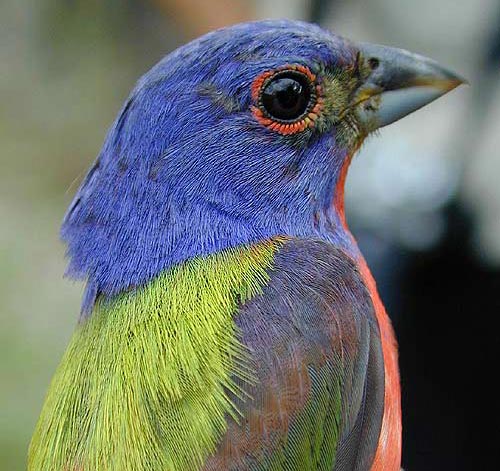
Painted Bunting, Abaco Bahamas (Tom Sheley)

painted-buntingimagesimagesimagespainted-bunting copy

 BUNTING(S) FOR AN ABACO CHRISTMAS: AN OLD TRADITION

painted-bunting copy

BUNTING  /ˈbʌntɪŋ/  (Noun)

[A Christmas gift of a puntastic avian / festive double-meaning]
  1. A small New World songbird of the cardinal subfamily
  2. Flags and other colourful festive decorations

painted-buntingimagesimagesimagespainted-bunting copy

PAINTED BUNTINGPainted Bunting, Abaco (Erik Gauger)

One of the Winterval traditions at Rolling Harbour HQ – that haven of unreliable natural science powered by lazy insouciance and characterised by a regrettably unserious approach – is to break the rule that (mostly) forbids reposting old material without good reason (which there occasionally is). This means marking the imminence of Christmas with bunting. And indeed buntings, those lovely birds beautifully painted by nature. Nothing says ‘Happy Christmas’ better than a flock of PABU!

painted-buntingimagesimagesimagespainted-bunting copyPainted Bunting, Abaco (Tara Lavallee)

painted-buntingimagesimagesimagespainted-bunting copy

Painted Bunting, Abaco (Tara Lavallee)

It’s hard to imagine a more Christmassy little bird than the Painted Bunting. Bright blue, red, green primary colours straight from a child’s paintbox make for a spectacular bird to grace the festive season. These are migratory winter residents, and the first reports of the bright and beautiful males on Abaco started to appear in late October. Some will stay around until March.

                                                           painted-buntingimagespainted-bunting copy

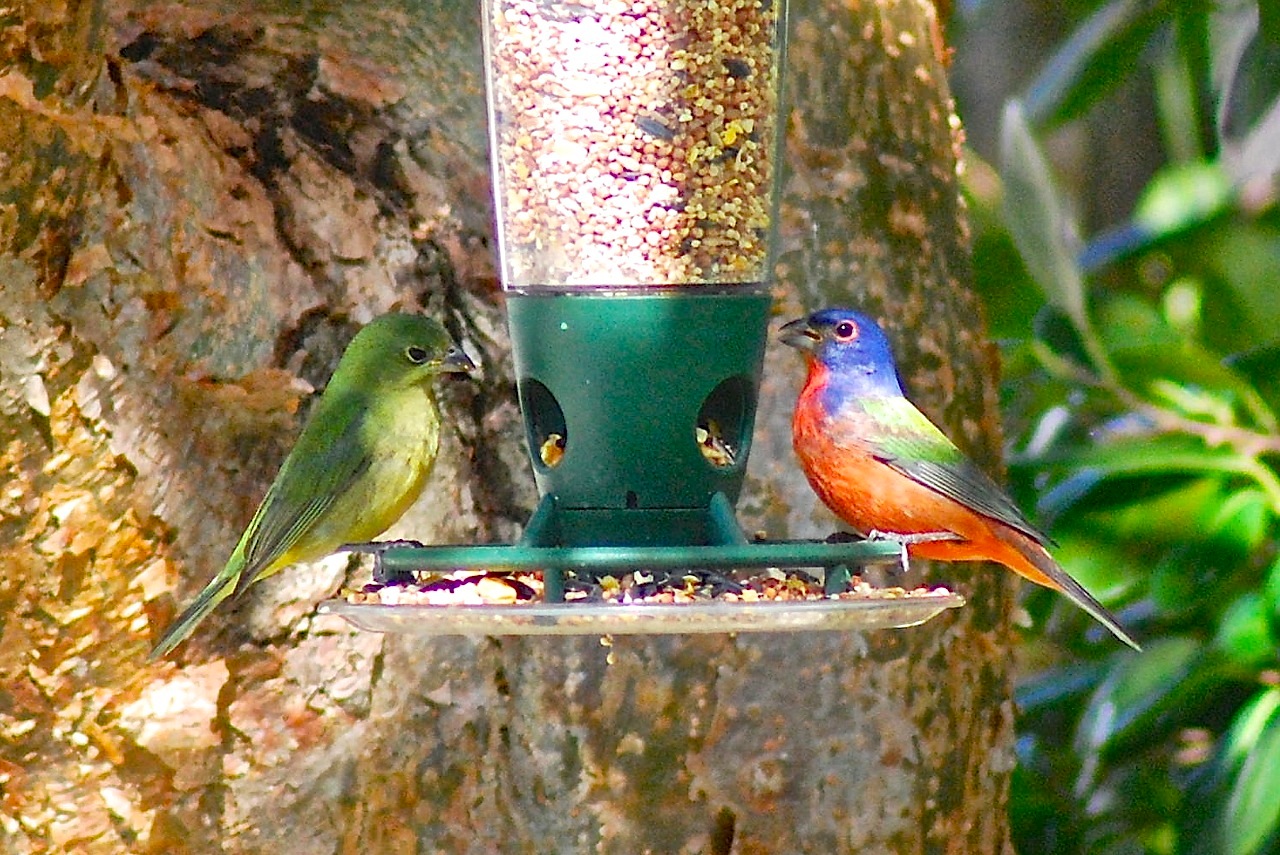
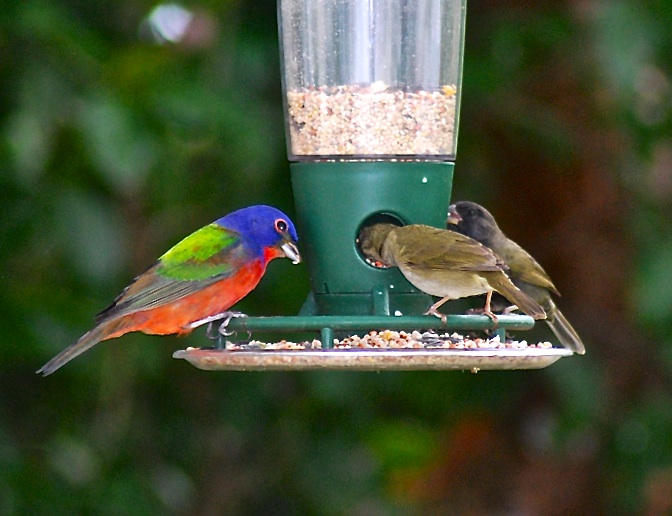
A female & a male PABU feeding together, and a male with a pair of black-faced grassquitsPainted Buntings (M & F), Delphi, Abaco (Keith Salvesen)Painted Bunting, Delphi, Abaco (Sandy Walker)

                                                        painted-buntingimagespainted-bunting copy

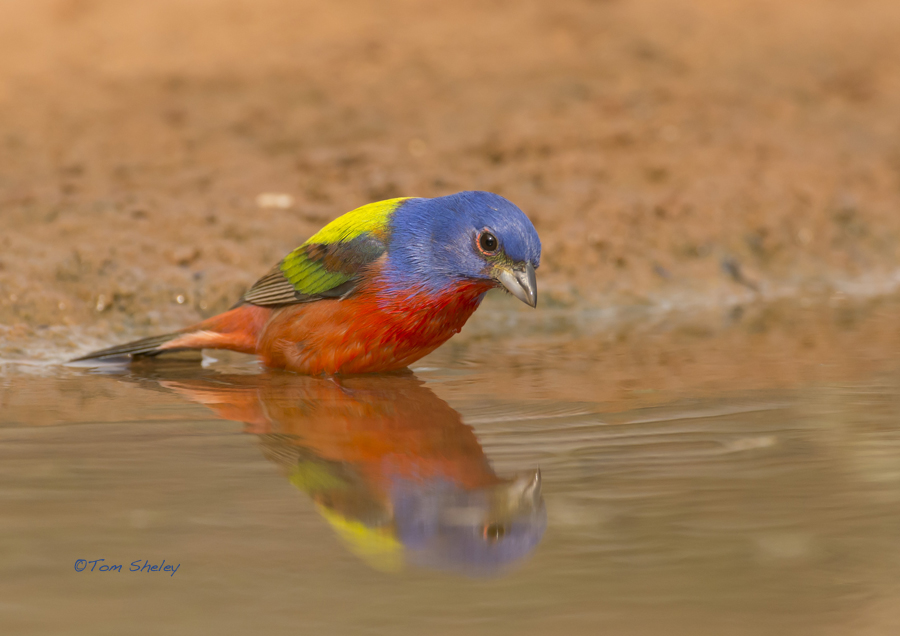
The two wonderful photos below are by Tom Sheley, a major photographic contributor to THE BIRDS OF ABACO. They were actually taken in Texas, but I include them because of Tom’s strong connection with the birdlife of Abaco; and also because they are fantastic shots…
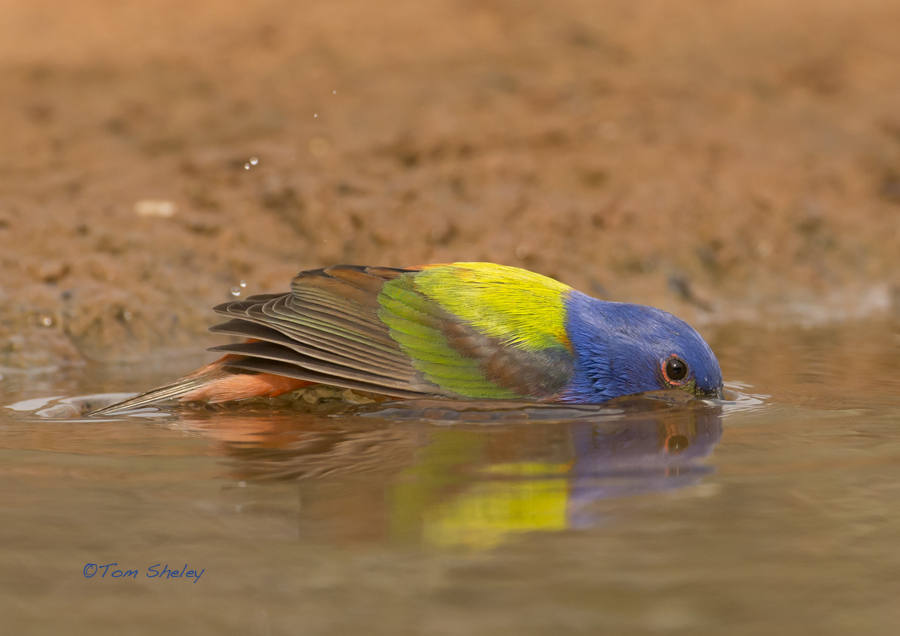
Painted Bunting reflection, Laguna Seca.South TX Tom SheleyPainted Bunting dip reflection LR.Laguna Seca.South TX. 4.16.13.Tom Sheley

painted-bunting copy

This is my opportunity to wish a very Happy Christmas or [insert preferred seasonal appellation] to everyone who visits Rolling Harbour and especially those who, having done so, return for more! There could of course be anything from 600,000+ individuals who called in once, were put-off and never came back… to one sadly crazed person who has been pressing the ‘read’ button 600,000+ times over the last few years. If the former, thanks for trying, sorry to disappoint. If the latter, keep up the good work, buddy.

Credits: Tom Sheley (1, 7, 8), Erik Gauger (2), Tara Lavallee (3, 4), Keith Salvesen (5); Sandy Walker (6); Birdorable Cartoons

painted-buntingimagesimagesimagespainted-bunting copy

Painted Bunting.Bahama Palm Shores.Abaco Bahamas.Tom Sheley

Unknown's avatar

STAR ANIS ON ABACO


Smooth-billed Anis, Bahamas (Paul Harding)

STAR ANIS ON ABACO

The Smooth-billed Ani (Crotophaga ani) – aka Cemetery Bird – is the third member of the cuckoo family found on Abaco, the others being the MANGROVE CUCKOO and the YELLOW-BILLED CUCKOO. You can (it’s voluntary) find out more about them in an earlier article HERE. 

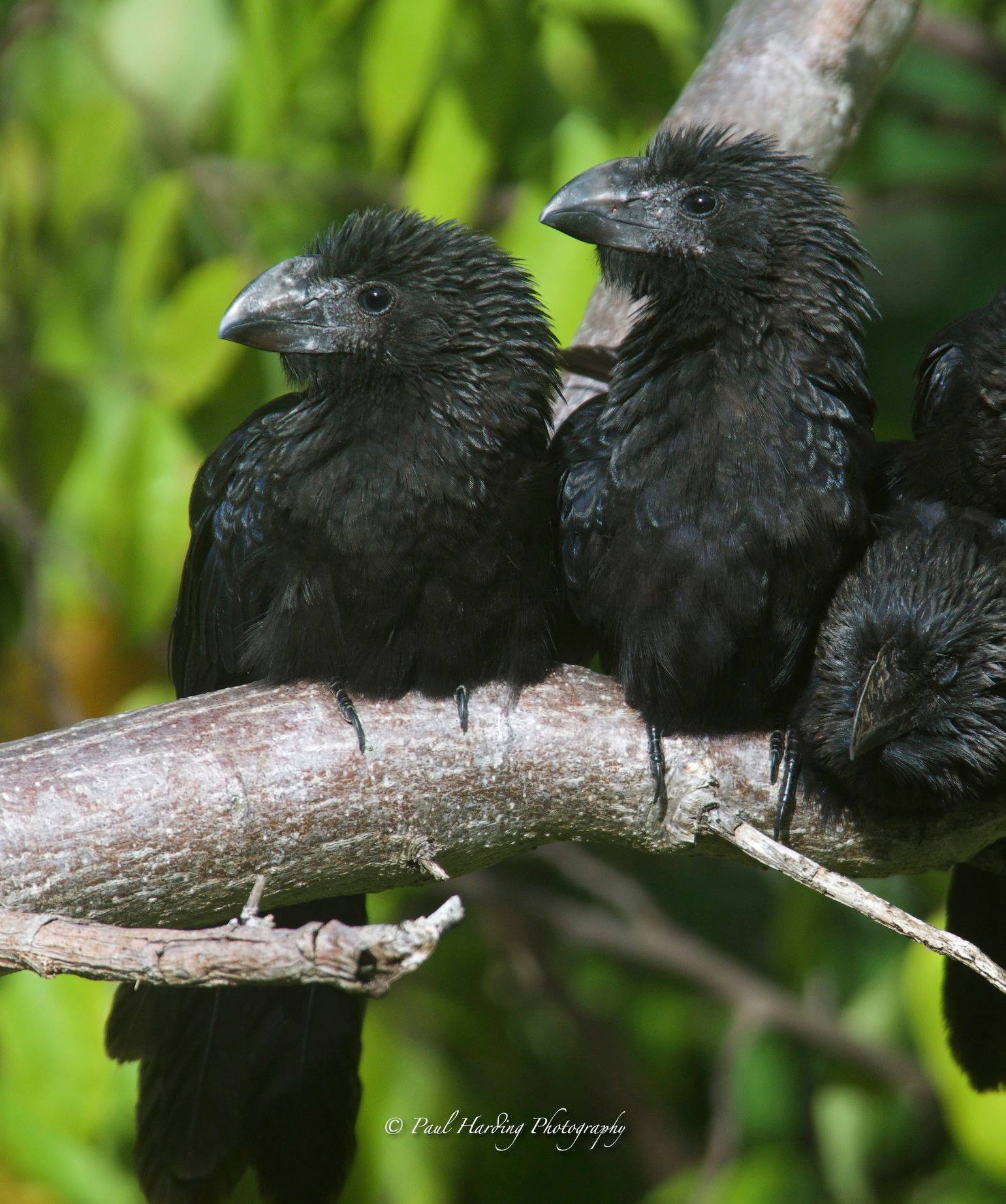
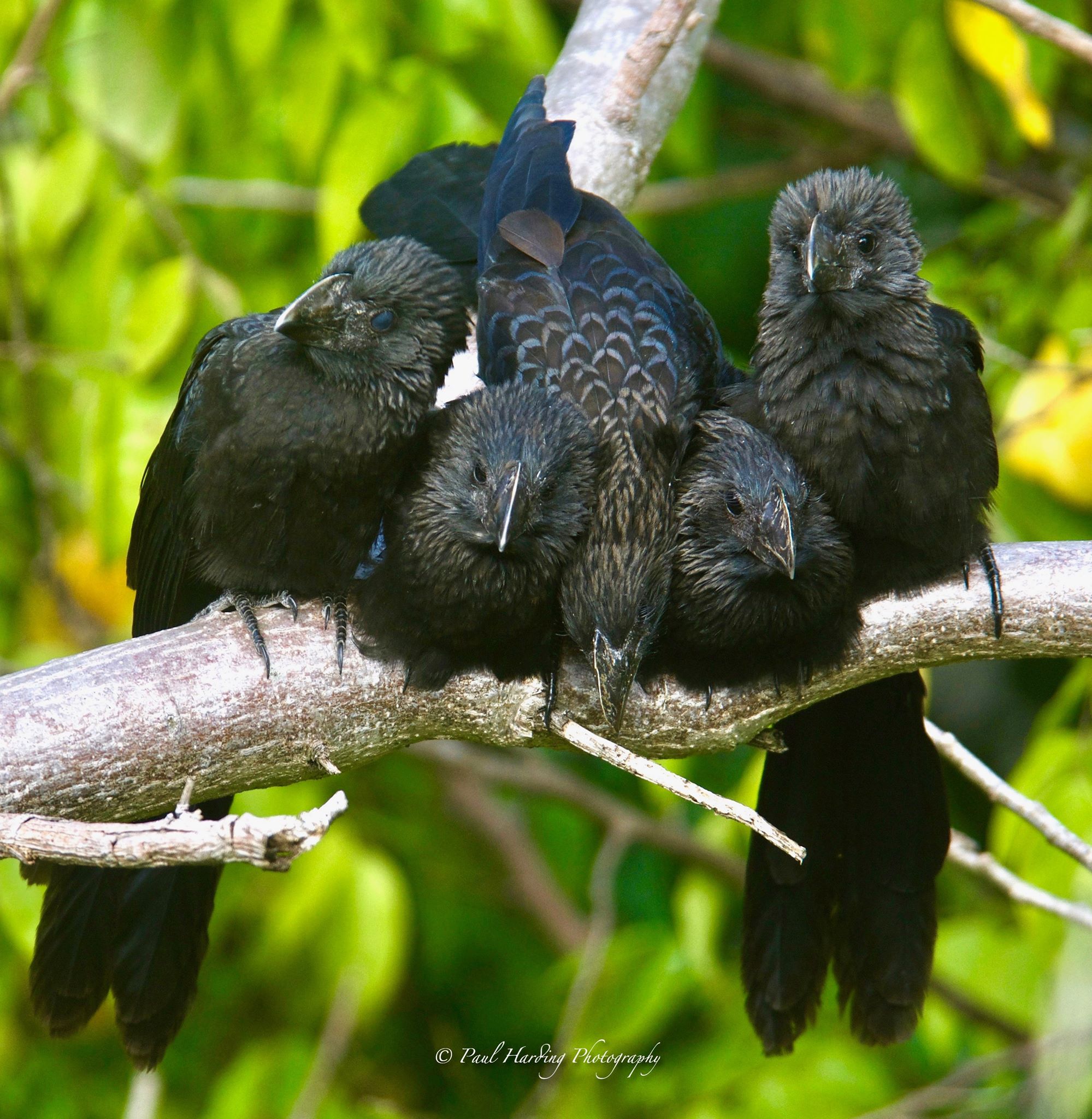
I have returned to these engagingly gregarious birds and their raucous ways because Paul Harding has recently captured a sequence of  a small group of anis behaving so endearingly that they are irresistible. Not for them the oddly incompetent fluttering flight, nor the disorganised, unbalanced landing technique. It’s simply a matter of getting settled on a branch, and then making room for one more in the middle (or perhaps resisting it…).

‘A COMMOTION OF ANIS’

There were 4 on the branch…Smooth-billed Anis, Bahamas (Paul Harding)

Hey – make room for another one…Smooth-billed Anis, Bahamas (Paul Harding)

Budge up, guys, I mean C’mon…Smooth-billed Anis, Bahamas (Paul Harding)

Yay, I’m in… a bit squished but…Smooth-billed Anis, Bahamas (Paul Harding)

Um… guys, I can’t breathe…Smooth-billed Anis, Bahamas (Paul Harding)

 That’s better… all settled now….Smooth-billed Anis, Bahamas (Paul Harding)

Let the racket begin!

Credits: all terrific pics, Paul Harding; sound files, Xeno Canto

Unknown's avatar

BAHAMAS BIRDS FOR A NEW GENERATION


Red-tailed Hawk, Bahamas (Chris Johnson)

Red-tailed Hawk

BAHAMAS BIRDS FOR A NEW GENERATION

It is axiomatic that people tend towards birding – if at all – in later life. Not the scientists, of course: they must commit themselves to the study of natural history at an early age, collecting qualifications by degrees (as it were), through Masters, Field Work, their first posts, PhDs and beyond.

American Redstart (m), Bahamas (Chris Johnson)

American Redstart (m)

I didn’t take a very active interest in birds until the first time I investigated Central Park NYC and saw a blue jay. Followed by a cardinal… a red-tailed hawk… chickadees… American robins (or ‘Mercan rubbins‘, as I was informed). These were alien species for a European, and they awoke my interest.

Brown Pelican, Bahamas (Chris Johnson)

Brown Pelican

On later trips to NYC I have always spent a day in CP, wandering from end to end, spending time in the hotspots like The Ramble, the JO Reservoir, and the pretty Loch trail to the north, and wondering at the huge and expensive birding hardware toted by those around me (while knowing I didn’t want it). And then a visit to Prospect Park Brooklyn too, if I have the time. More recently came Abaco, and a whole new world of wildlife that has captivated me…

Hermit Thrush, Bahamas (Chris Johnson)

Hermit Thrush

This reminiscence by an oldster brings me to Chris Johnson, a young Bahamian man who will be familiar to many readers of this blog. I first encountered him when I was researching the Bahama Oriole and discovered that he, in his early teens, had found one on a trip to Andros and photographed it. It was a pleasure to be able to include the image in my article. 

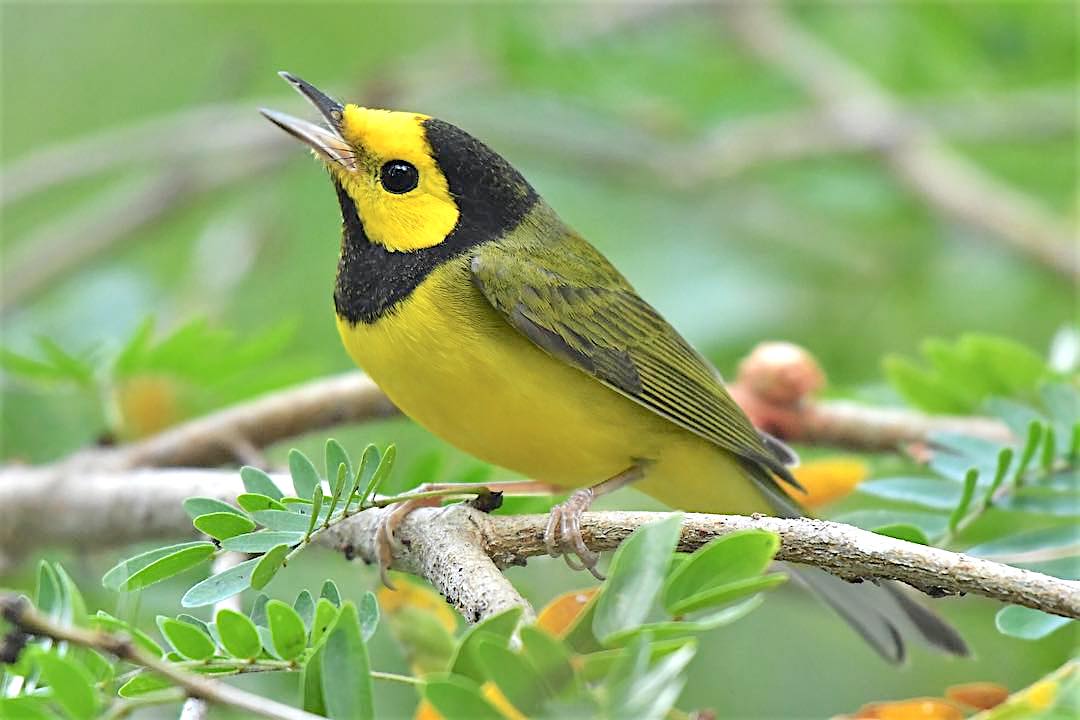
Hooded Warbler, Bahamas (Chris Johnson)

Hooded Warbler

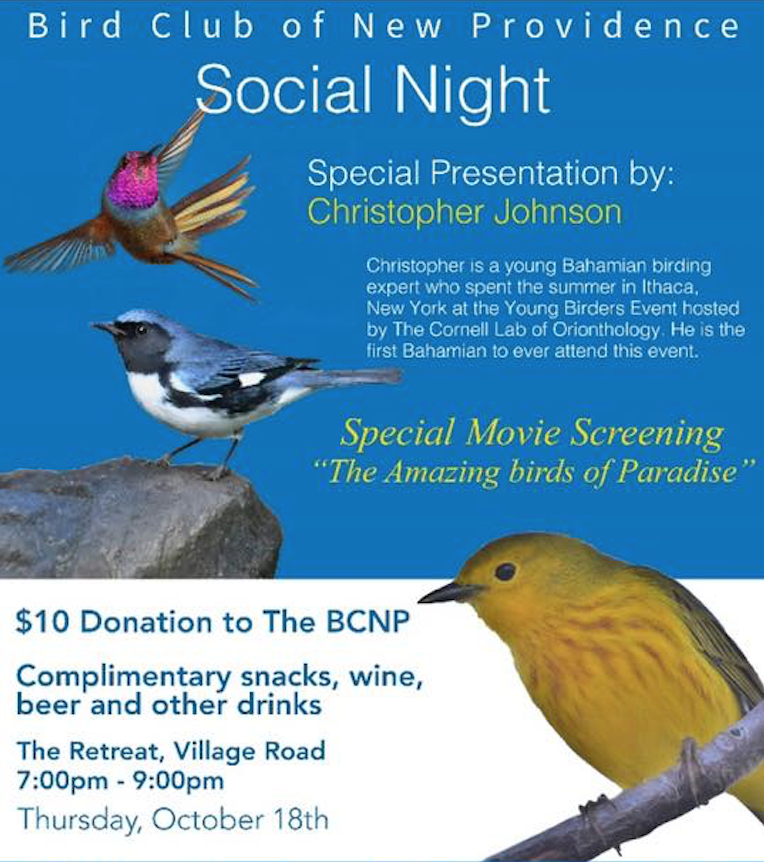
Since then, Chris’s birding and photographic skills have rapidly developed and his reputation is growing too. This summer he was one of 12 students chosen to attend Cornell University Lab of Ornithology for their Young Birder’s Event in Ithaca NY, a great tribute to his accomplishments and a wonderful opportunity too. It is worth noting that Chris is the first Bahamian to be invited to attend this event.

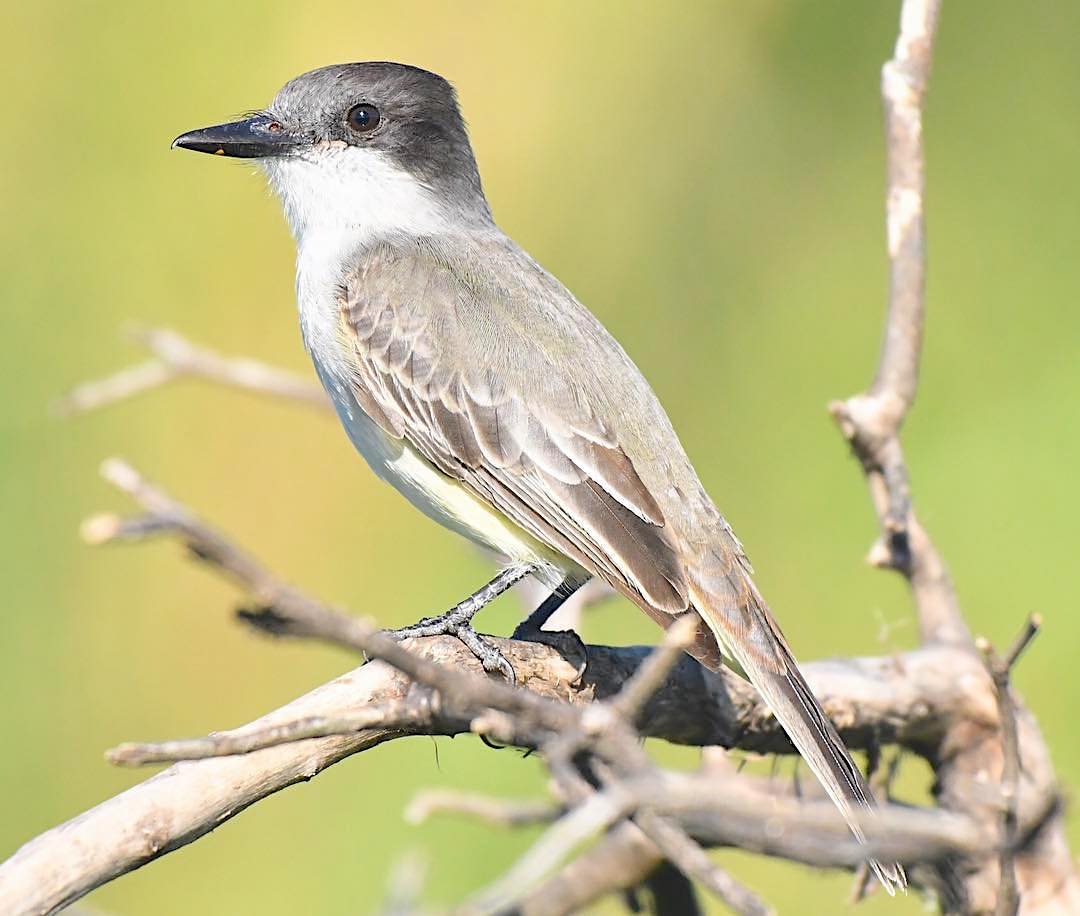
Loggerhead Kingbird, Bahamas (Chris Johnson)

Loggerhead Kingbird

Chris is also beginning to make his own presentations, as he did recently to the Bird Club of New Providence. It won’t be long before he is leading bird groups – in fact, he is probably doing this already.

Another impressive feature of Chris’s birding is his photography. I have watched the progression online with interest. The crispness of his images, the composition and the right ‘take’ to make the best of each bird is wonderful, and he has a great eye for a neat shot – for example in the header image I have chosen, with its awareness of the effective use of dark and light.

Black-and-white Warbler, Bahamas (Chris Johnson)

Black-and-white Warbler

I should say that I have never met Chris, although we have occasionally been in touch. I am featuring him because I believe he and other young people of his age – Chris is 17 – are the future for birding, for wildlife, for species protection and for habitat conservation. The older generation will move on and the ‘middles’ may begin to take an interest in the birds around them. But Chris’s generation are the ones who can make a difference in the future. As things stand right now, they may have to. It’s a huge responsibility for them, but it’s one our generation is in the process of transferring to them.

Red-legged Thrush, Bahamas (Chris Johnson)

Red-legged Thrush

I hope you have enjoyed the small gallery of Chris’s photographs displayed here. If you are interested in the birds of the Bahamas, keep an eye on him and others like him. They need all the encouragement we can give them.

All photos: Chris Johnson, with thanks for use permission. Please do not ‘borrow’ any of these images without asking first. That would only be fair.

Antillean Nighthawk Chick (one of my favourites)Antillean Nighthawk chick, Bahamas (Chris Johnson)

Unknown's avatar

ABACO BALD EAGLE(S): AN EYRIE COINCIDENCE (GEDDIT?)


Bald Eagle Juvenile (Audubon)

ABACO BALD EAGLE(S): AN EYRIE COINCIDENCE (GEDDIT?)

I absolutely knew this would happen. In a sense, I rather wanted it to happen. And now it has, and I have got my comeuppance. Bigly. Hugely. No sooner had I pressed ‘send‘ on my post 2 days ago bemoaning the absence of bald eagles in 2018 than corrections began to come in.

  • Harsh Judgemental Reader: “Do you mean you were wrong?”
    • Contrite Writer: “Yes.”
  • HJR: “Did you check eBird before you fired off your intemperate post?”
    • CW (in a small apologetic voice): “No.”
  • HJR: Well then, what have you got to say for yourself?”
    • CW (*hangs head*): I’m very sorry, everyone. I’ll try to do better this time. Here goes:”

THE ABACO BALD EAGLE(S) OF 2018: IN NO WAY AWOL!

SIGHTING ONE

On October 25th legendary Bahamas birder Elwood Bracey and a party of 4 were looking out over the Marls from Sunset Ridge when they saw 4 birds flying high. Two were unmistakably turkey vultures; one was a magnificent frigatebird (ie totally non-eagle-ish); and the fourth was much larger, looking like a juvenile bald eagle. Any remaining doubts were dispelled when it dropped into a steep dive and smashed into the water, catching a fish in its talons, much like an osprey. There’s no room for confusion here: Woody has vast experience on Abaco and beyond – and besides, he had a powerful spotting scope and 4 birding witnesses. The ID is, as they say, solid. And it was posted on eBird. Which I should have checked. But didn’t. As Julia Roberts (qua Vivian Ward) actually did say, “Big Mistake. Huge!

Bald Eagle Juvenile (Wiki)

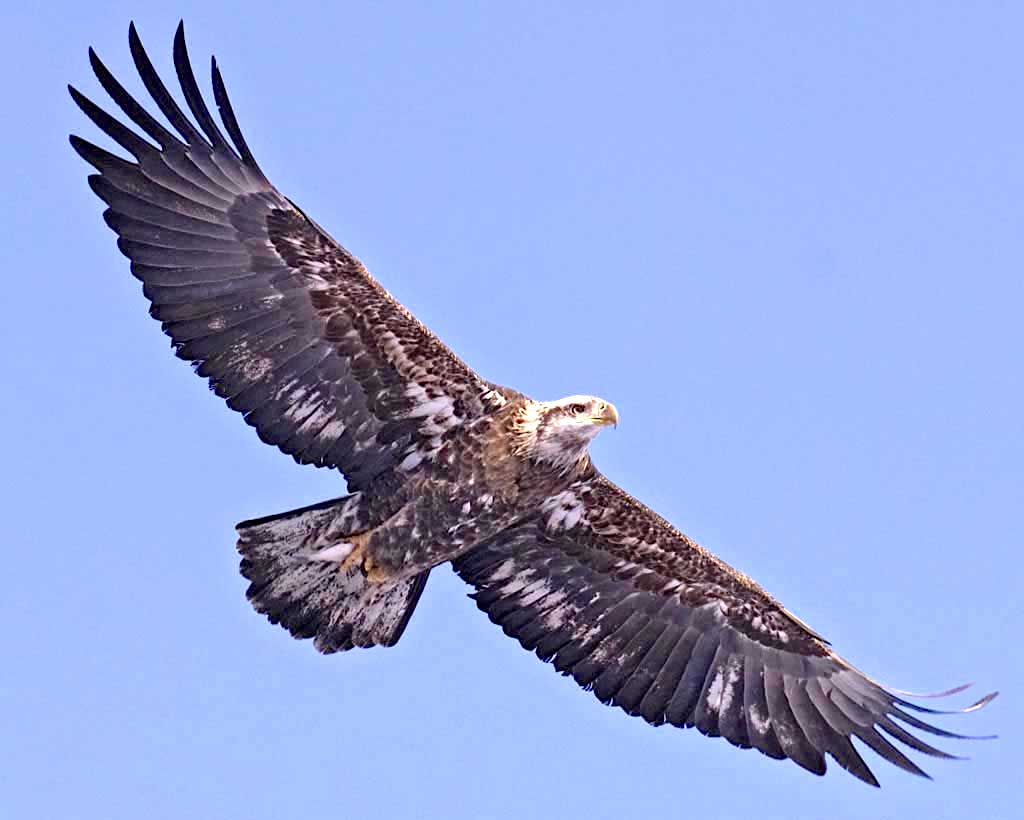
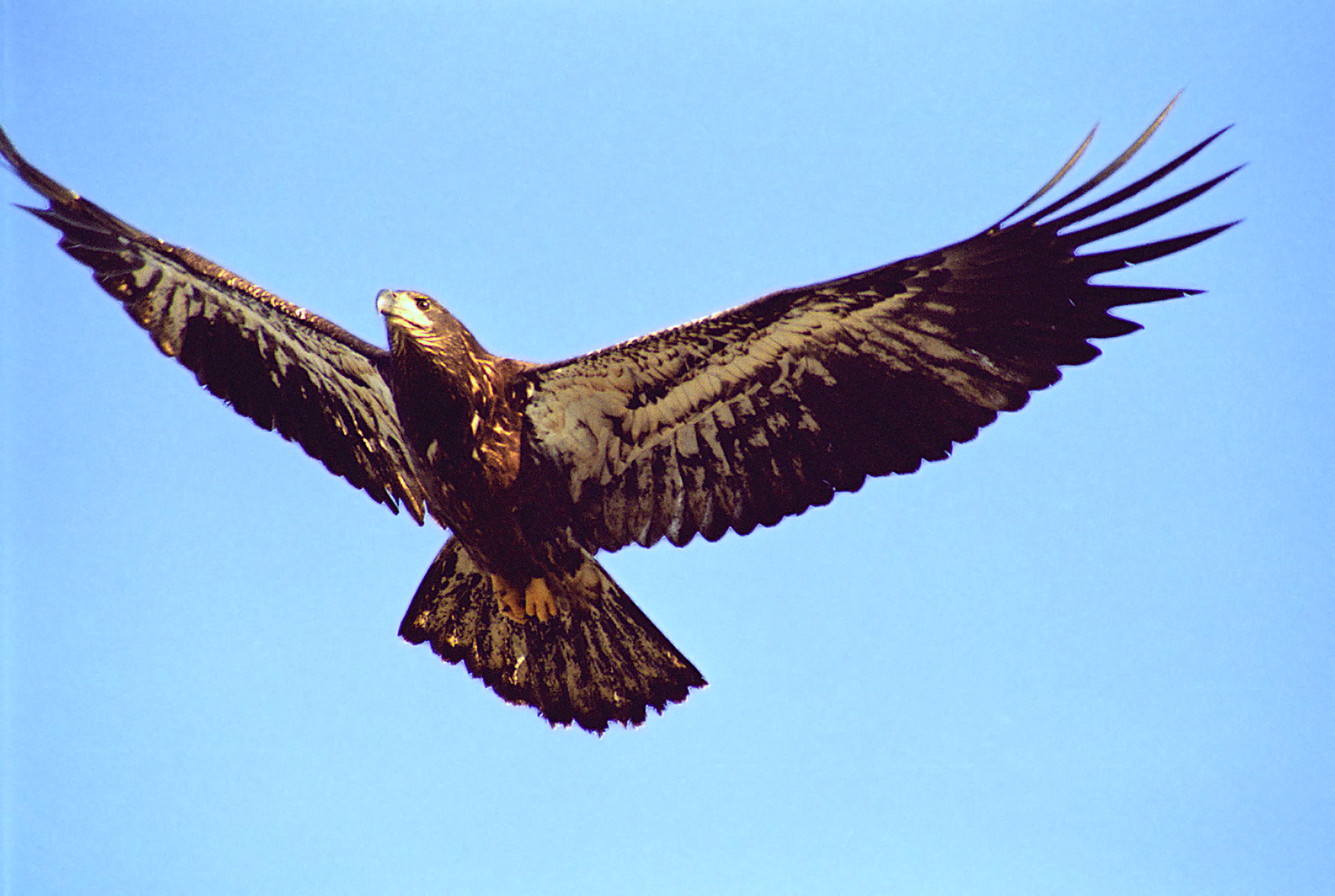
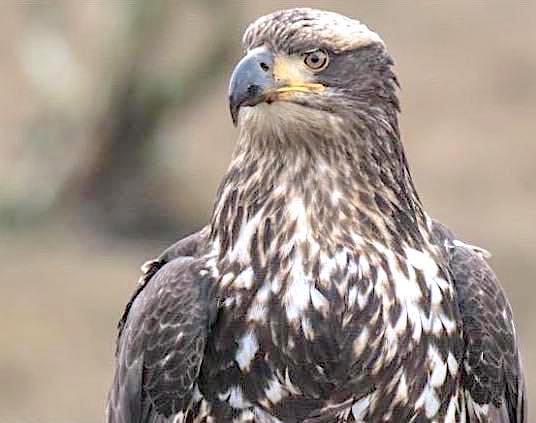
The problem here – you are ahead of me, aren’t you – is that a juvenile bald eagle does not resemble an adult. Rather than the familiar and symbolic look, they are dark brown with white flecks and mottling that changes as they grow older. A juvenile won’t even begin to look like a bald-headed adult until it is around 4 years old. Here are two comparisons of the confusing ages and stages.

SIGHTING 2

Within the last couple of weeks, a resident of Man-o-War Cay saw a huge brown bird – not an osprey, turkey vulture or red-tailed hawk – hunting chickens in the area. He told his family and identified the bird from looking at a photo of a juvenile bald eagle. I received this report – the first in time – from Charmaine Albury. Her brother was the sharp-eyed spotter. Had that been the only report, in the absence of a photo I might have had at least some doubt. Then Woody’s report arrived, a definite juvenile bald eagle only 3 weeks before, over the Marls. From there, with its spectacular eyesight it could practically have seen the individual chickens on Man-o-War. So it’s a good fit for ID.

WHAT’S THE CONCLUSION?

I’d say that right now on Abaco we have a single juvenile bald eagle. It’s a vagrant, away from its usual hunting ground but unchallenged in the skies where it has ended up. There has been the usual autumn extreme weather (though Abaco has dodged the worst of it) to throw a young bird of course in the last couple of months. So, rather late in the day, we really do have an Abaco Bald Eagle for 2018.

A juvenile bald eagle – not at all like its parents to look at

Credits: Woody and Char for the sighting reports; header image (1), Audubon; (2) wiki; (3) Allaboutbirds.com; comparative drawing, Birdwatchers’ Digest; (4) FB, source unknown (and a credit or take-down as you wish if it’s yours); cute cartoon, the most excellent Birdorable

Unknown's avatar

THE ABACO BALD EAGLE(S): AWOL IN 2018


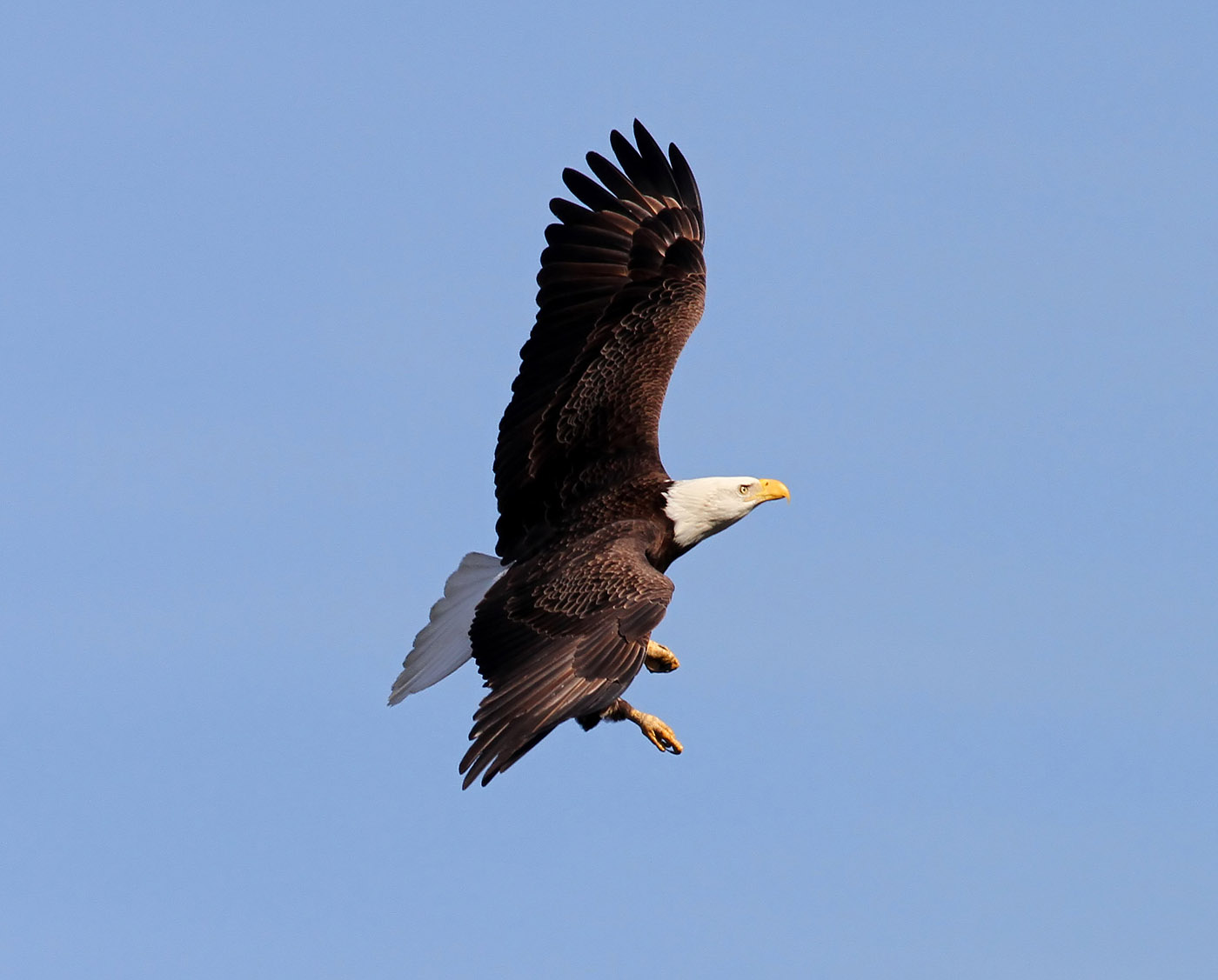
Bald Eagle in flight (Phil Lanoue)

THE ABACO BALD EAGLE(S): AWOL IN 2018

It is a year since I last wrote about the Abaco Bald Eagle(s) of 2017. The bracketed ‘s’ signifies the absence of firm evidence that there was just the one. Equally, there was no indication that there were ever two. All reported sightings were of a single bird, seen at a distance. The likelihood is that it was a lone visitor. The bald eagle is classified as a very rare vagrant on Abaco, and I gathered together as many reports since 2000 as I could find (see below). Not many, in summary, and never two.

Bald Eagle (Phil Lanoue)

Last year, a bald eagle was sighted around to coast of Abaco over a period of several months. There were 8 sightings in all, and I had hoped that the bird might stay around for 2018. Sadly, not so. The photos featured here come from a sequence by photographer Phil Lanoue. They were not taken on Abaco of course, so don’t be confused. But they illustrate the magnificence of this iconic bird as it prepares for its landing in a pine tree. We do have wonderful ospreys of course, but the occasional eagle makes for a rare treat.

Bald Eagle (Phil Lanoue) Bald Eagle (Phil Lanoue) Bald Eagle (Phil Lanoue) Bald Eagle (Phil Lanoue)

As I said last year, the 2017 sightings were most likely all of the same lone bird that had somehow strayed over to Abaco and found the available prey good, and the location congenial. As undisputed king of the skies, its daily hunting range was a wide one which would explain the varied sighting locations.  I ended: “I’m sticking with this theory unless and until 2 eagles are seen together”. 

BALD EAGLE SIGHTINGS REPORTED ON ABACO SINCE c1950 (= ‘ever’)

Here is the list of sightings. They start in 2000, because there are no known reports for Abaco prior to that from when they started to be kept in the 1950s. If anyone has others, I’d be pleased to hear from you.

  • 2000 December, location unknown – info from Woody Bracey
  • 2001  December – Chicken Farm area – Betsy Bracey
  • 2002 December – over Marls opposite Treasure Cay – Woody Bracey
  • 2004 Autumn – south of Lynard Cay (after hurricane) – Cheryl Noice
  • 2014  Date unknown – circling the power plant – LC
  • ===================================
  • 2017  March – Big Pine Point, Marls – James Cheesewright
  • 2017  Early May – Power plant area – LC
  • 2017  May – Marls – Danny Sawyer
  • 2017  May  – Lubbers / Tahiti Beach area – ‘Kelly’s mom’
  • 2017  September – Cross Harbour – Carol Rivard Roberts (with photo)
  • 2017  November – Cherokee Road – Howard Pitts
  • 2017 November – Bahama Palm Shores / 8-mile beach – Steve Roessler
  • 2017 November – Tilloo Bank – Laurie Schreiner (with photo)

Italics = report in comments on Danny Sawyer’s FB page; Blue = added reports to me

The first-ever bald eagle photo on Abaco Sept 2017

Carol Rivard Roberts

The last bald eagle photo on Abaco Nov 2017

Laurie Schreiner

Credits: all brilliant ‘eagle landing’ photos, Phil Lanoue with many thanks for use permission; Abaco eagles by Carol Rivard Roberts and Laurie Schreiner; amusing cartoon, Birdorable; thanks to all spotters and reporters.

Bald Eagle (Phil Lanoue)

Unknown's avatar

ROYAL TERNS ON THE LONG DOCK, CHEROKEE


Royal Tern, Long Dock Cherokee Abaco Bahamas (Keith Salvesen)

ROYAL TERNS ON THE LONG DOCK, CHEROKEE

Royal terns Thalasseus maximus seem to have a great liking – quite rightly – for the charms of Cherokee, Abaco. Of the 12 tern species recorded for Abaco, ROTEs are the only permanent residents. Most of the others are summer visitors; a couple are winter visitors; and the rest pass through as migrating ‘transients’, stopping to rest and refuel on their long journeys. So ROTEs are undoubtedly the most commonly found terns on Abaco, and some might say the finest. And Cherokee Long Dock is one place to find them.

Royal Tern, Long Dock Cherokee Abaco Bahamas (Keith Salvesen)

The historic LONG DOCK at Cherokee stretches far out into the sea to accommodate the varying tide levels of the area – click the link for more information and photos. It is a memorable feature for visitors, and much loved by locals. Also by the royal terns. 

Royal Tern, Long Dock Cherokee Abaco Bahamas (Keith Salvesen)

The dock provides an ideal safe platform for ROTEs to congregate and hang out. They have a perfect view of the small fishes that make up their diet as they swim in the clear turquoise waters a few feet below. Watching these birds diving off the dock after a fish is nearly as entertaining as watching brown pelicans dive off the jetty at Sandy Point.

Royal Tern, Long Dock Cherokee Abaco Bahamas (Keith Salvesen)

There are buoys in the bay as well, and individual birds will fly from the dock to perch on a buoy and check out the fishing round it, before returning to the dock – hopefully with a fish in its beak. And the juveniles, with their endearing beginner ‘hair’styles (see #3) can learn the ropes from their elders and betters.

Royal Tern, Long Dock Cherokee Abaco Bahamas (Keith Salvesen)

People often stroll the length of the dock, or pause on it to pass the time of day and watch the optimistic bonefishers casting hopefully at their silver prizes. These fish are often easier to see from the dock than from wading level – people sometimes shout helpful encouragement: “There… going left…look!… 20 feet in front of you… no, THERE…” and so on. The terns take little notice of all this. A group of people, especially with a dog, might persuade the birds to take flight, but they return as soon as they can; or simple move along the dock and settle in a different place.

Royal Tern, Long Dock Cherokee Abaco Bahamas (Keith Salvesen)

The plaque for the long dock shows its importance to the community

The dock is so long that it tapers to a vanishing point on the horizon

KNOW YOUR TERNS (WITH THE ADMIRABLE BIRDORABLE)

Abaco has these species plus three moreBirdorable: Tern Species

Credits: Keith Salvesen Photography; BIRDORABLE, with thanks for their wit and amazingly effective highlighting of the essential distinguishing features of bird species

Springboard…Royal Tern, Long Dock Cherokee Abaco Bahamas (Keith Salvesen)