Unknown's avatar

ABACO’S FOUR PROTECTED AREAS: THE PROPOSALS


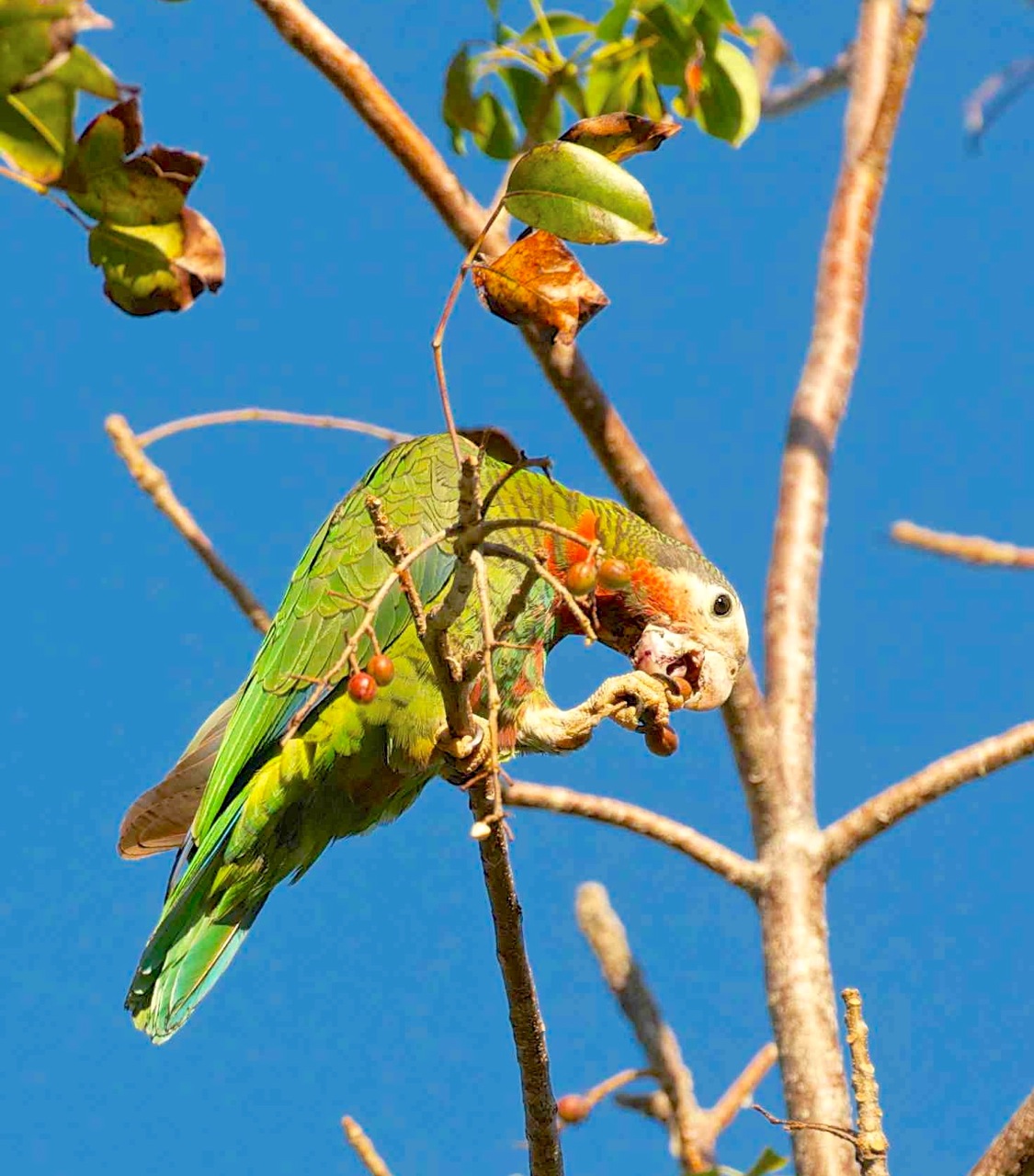
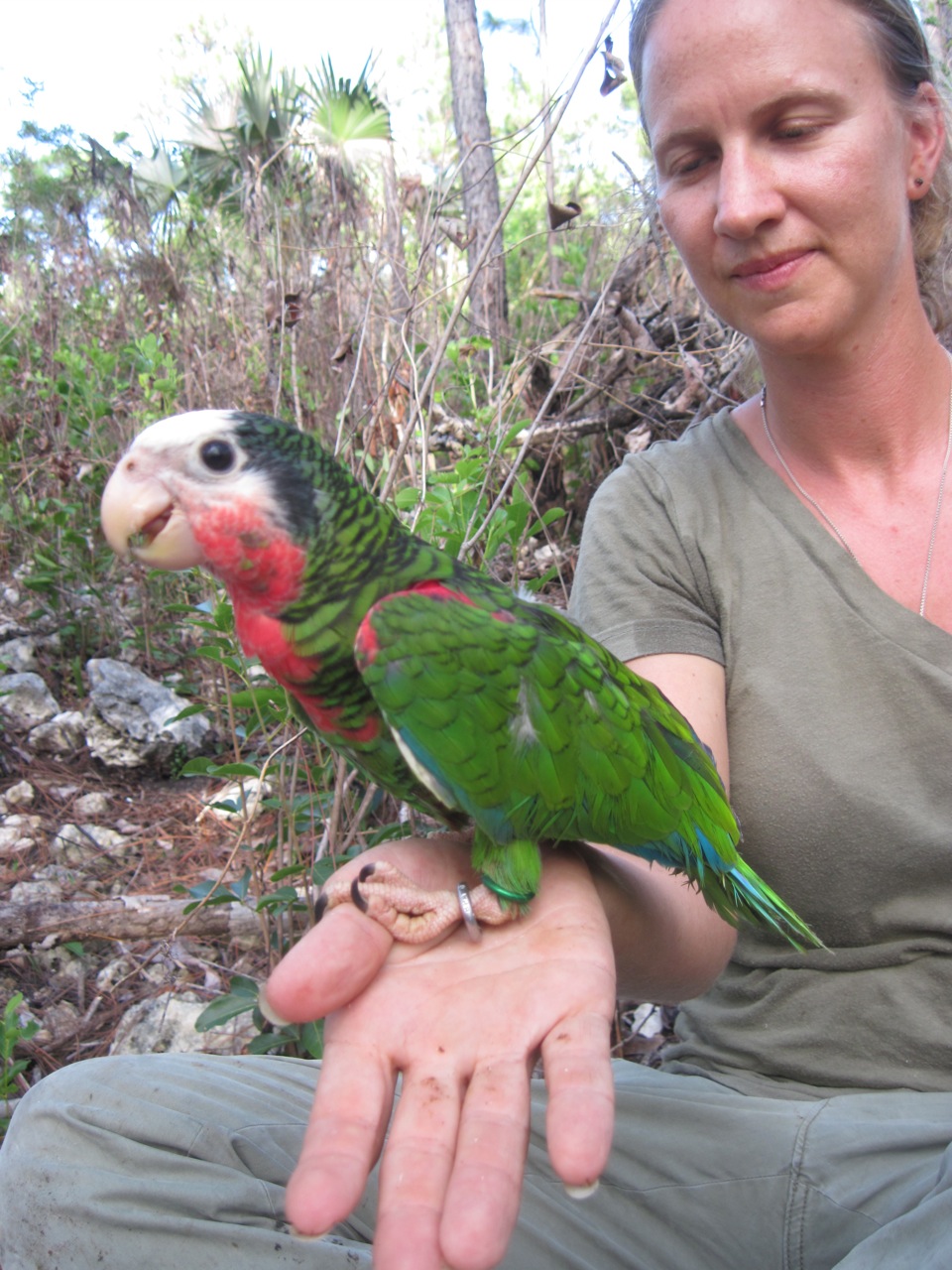
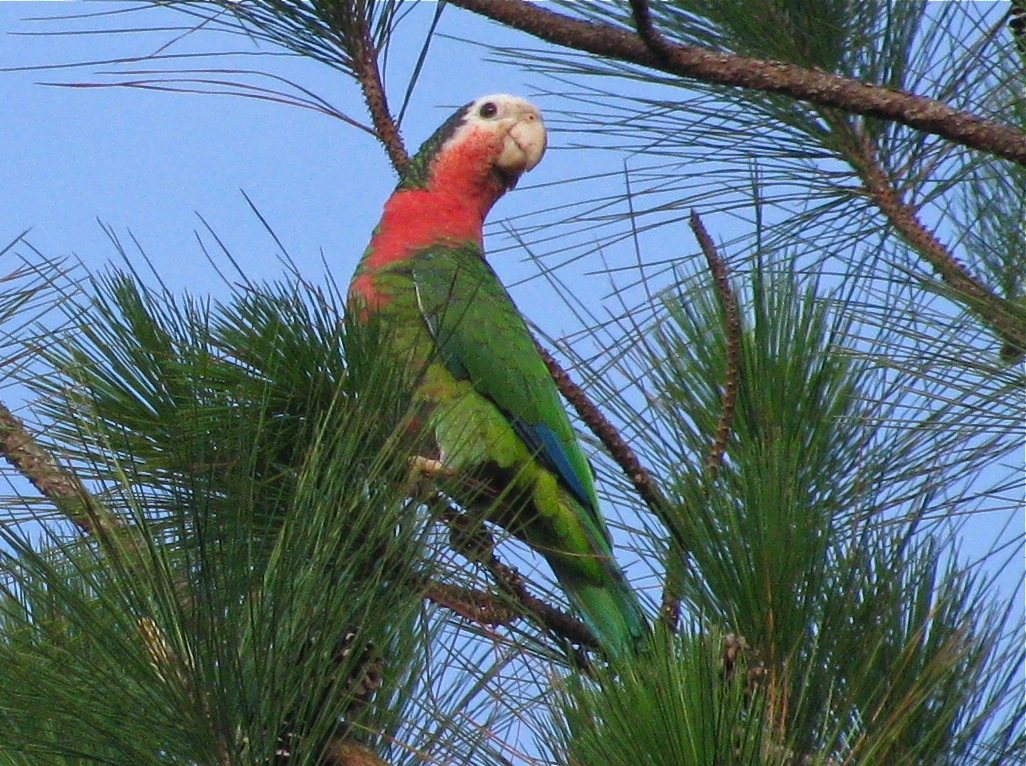
ABACO (CUBAN) PARROT (Caroline Stahala)

ABACO’S FOUR PROTECTED AREAS: THE PROPOSALS

The latest version of the 40TH ANNIVERSARY OF THE BAHAMAS PROPOSAL FOR THE EXPANSION OF THE PROTECTED AREA SYSTEM OF THE COMMONWEALTH OF THE BAHAMAS has been published. It is a joint proposal by the Bahamas Government, The Nature Conservancy and the Bahamas National Trust. The breadth of the scheme is very ambitious, affecting all the principal Bahama Islands. To understand the objectives and scope of the project, you can see the whole 34-page project by clicking BAHAMAS PROPOSED PROTECTED AREAS 2014 It is in pdf format, so you should be able to save it if you wish to.

Many people will be familiar with the proposals as they affect Abaco. However since the latest version appears to be a final draft, I thought it might be helpful to show the 4 proposed areas of protection and conservation in their present form. These are, in summary:

  1. THE ABACO MARLS NATIONAL RESERVE A vast area of nearly 200,000 acres (300 square miles) of mangrove flats, sandbanks, creeks and wetland habitat
  2. EAST ABACO CREEKS NATIONAL PARK 13,000 acres (20 square miles) of wetland habitat that provides a vital wildlife nursery, and includes blue holes, creeks and a significant area for recreational activities (though Pete’s Pub at Little Harbour may be just outside the zone…)
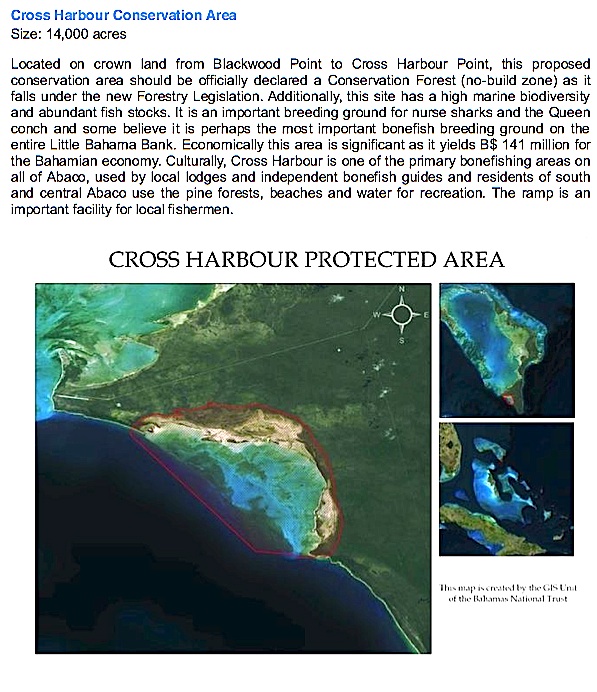
  3. CROSS HARBOUR PROTECTED AREA 14,000 acres (21 square miles) in South West Abaco, a crucial breeding area for a number of species,including bonefish
  4. SOUTH ABACO BLUE HOLES CONSERVATION AREA  A huge 34,000 acre (53 square miles) swathe of South Abaco to the west of the E D Highway, incorporating 4 inland blue holes and important cave systems, and 13 offshore blue holes. This is an area of mainly pine forest on land and low waters at sea, with an anticipated value for eco-tourism

Here are the BNT maps showing the extent of each area. Far more information will be found via the link to the report given above. 

THE ABACO PROPOSALS

Abaco Preserves 1 copy

Abaco Preserves 2 copyjpg Abaco Preserves 3 copyjpg Abaco Preserves 4 copyjpg

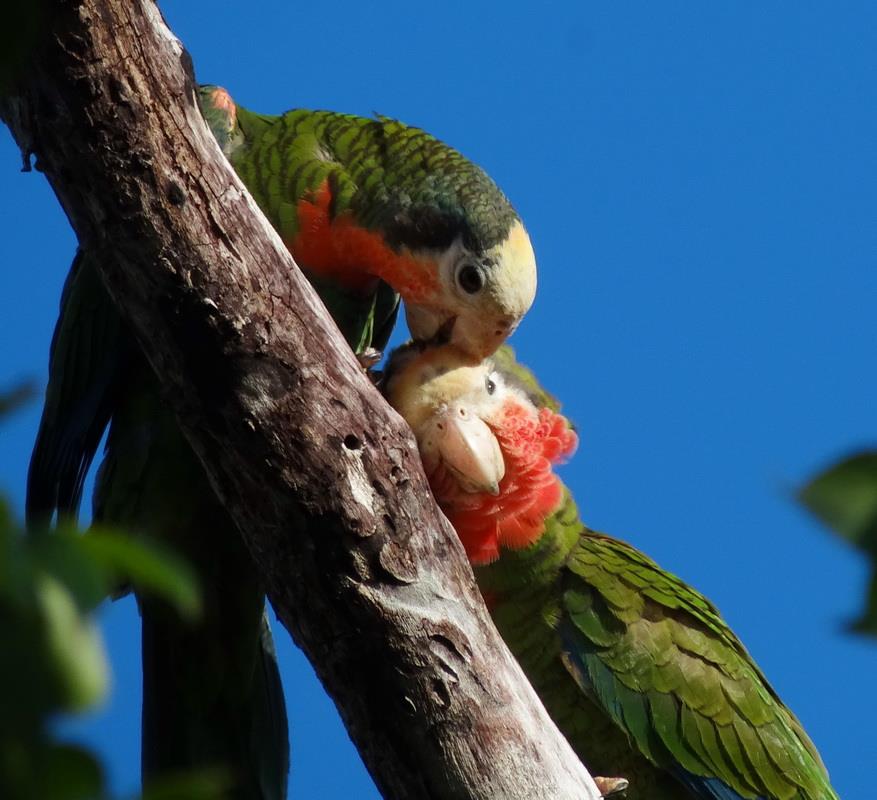
Credits: Parrot, (ex-)parrot protector Caroline Stahala; Maps, BNT; acres to sq m conversion, Gizmo!

Unknown's avatar

“50 WAYS TO PLEASE YOUR PLOVER”: PIPING PLOVERS ON ABACO (2)


Piping Plover - Danny Sauvageau

 “50 WAYS TO PLEASE YOUR PLOVER”: PIPING PLOVERS ON ABACO (2)

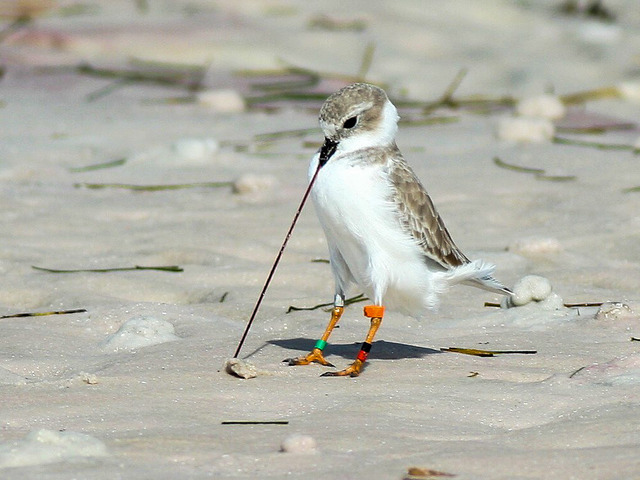
There must be 50 ways at least, most of them amounting to leaving Piping Plovers alone and respecting their habitat. So, in many cases simply NOT doing things . Refraining from driving your  SUV around on the beaches exactly where they are resting (with other shorebirds) during migration (yes, this very scenario is captured on film). Discouraging your canine friends from investigating their scrapes, eggs and chicks. Not building a concrete block on their favourite beach. Avoiding dumping quantities of oil in their vicinity. That kind of thing. Make a new plan, Stan! Watch where you drive, Clive! Find a new place, Grace! Safeguard your oil, Doyle! And leave the birds free…

Piping Plover - Danny Sauvageau

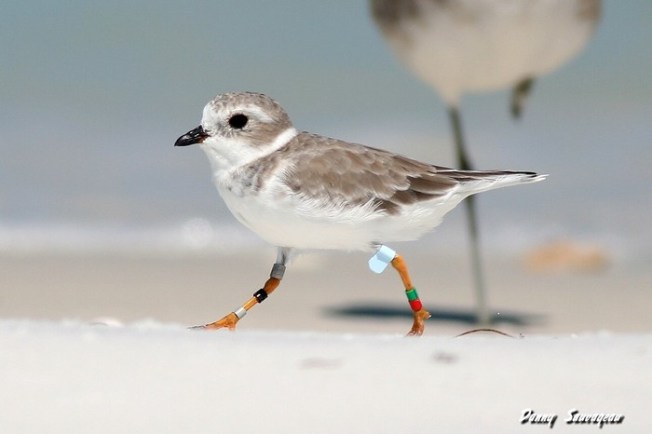
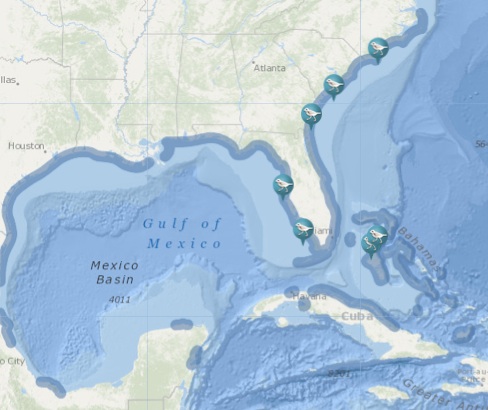
MIGRATION & CONSERVATION I’m returning to Piping Plovers at a time when concerns for their diminished population has led to intensive research and protection programs at both ends of their migration routes. For a long time, their winter destination was a mystery. Recent investigations have helped to pinpoint the wintering grounds, which include Abaco. Ringing programs in the summer breeding areas mean that birds can be identified in winter and traced back to their origin. So if you are out and about and see one of these little guys – let’s say, on the beach at Casuarina – and you happen to have a camera with you, can I repeat the request to please take a photo, if possible showing the leg bling, and let one of the island birders (or me) know…

You can see how the PIPLs live through the seasons and their migrations in an excellent Audubon interactive presentation I have featured previously entitled “Beating the Odds: A Year in the Life of a Piping Plover”. CLICK BEATING THE ODDS

Piping Plover - Danny Sauvageau

PIPL ON ABACO I shared this wonderful video from the reliably excellent CONCH SALAD TV on my FB page, but it’s such a great 15 minutes worth of Piping Plover information that I am including it in this post, not least because many of the the subscribers are different. The Bahamas in general and Abaco in particular are favoured by these delightful but rare and vulnerable birds for their winter habitat (sensible creatures). If you can spare 15 minutes and are interested in the importance of Abaco as a vital component in the conservation of migratory birds, do watch the video. Presenters include Todd Pover and Stephanie Egger of CONSERVE WILDLIFE NEW JERSEY, David Knowles of the BNT and Olivia Patterson of FOTE (Friends of the Environment, Abaco). One of the most heartening features is to see the responses of  the young children who were encouraged to participate in the project, and who take to it with huge enthusiasm.  

Piping Plover - Danny Sauvageau

A while back, well-known and much missed Abaco naturalist Ricky Johnson made his own Piping Plover film incorporating his own trademark style and sense of humour. My original post about it can be seen HERE, but far better to go straight to Ricky’s video. It’s good to recall his infectious enthusiasm for the wildlife of Abaco. Impossible to watch without smiling…

Piping Plover - Danny Sauvageau

Piping Plover - Danny Sauvageau

The PIPL in this post all have two things in common. The wonderful photos are all taken by Danny Sauvageau; and all of the birds are differently ringed, reflecting their various summer habitats. So this brings me to Danny’s Kickstarter project “Saving Endangered Piping Plovers through Photography”. He has put together a superb presentation explaining his project, and how his photography in prime PIPL resting areas during their migrations back and forth can help to map and complete the picture of this vulnerable species to enable their protection.

You can reach Danny’s film by clicking the link DANNY’S FILM (there’s no obligation to go further and contribute) and you will see some fabulous footage of these little birds scuttling around on the beach, looking enchanting; and the commentary will explain the importance of the the birds and the research into their conservation.

RELATED POSTS

RARE GEMS: PIPL ON ABACO 1

“GIVE PEEPS A CHANCE ” (I know, I know…)

Credits: All photos, Danny Sauvageau; Videos – Audbon, Conch Salad TV, Ricky Johnson, Danny Sauvageau; Tip of the Hat, Paul Simon

Piping-Plover Artmagenta          Piping-Plover Artmagenta          Piping-Plover Artmagenta          Piping-Plover Artmagenta          Piping-Plover Artmagenta          Piping-Plover Artmagenta

Unknown's avatar

ABACO PARROTS: A GALLERY OF GORGEOUS


'Over the Moon'

‘Over the Moon’

ABACO PARROTS: A GALLERY OF GORGEOUS

It’s been a while since the parrots of Abaco got a look-in hereabouts. Time to put that right. At the end of this gallery I will add some links to posts about the unique ground-nesting parrots of Abaco. Newcomers to this blog (I thank you both) may be interested to know that intensive conservation measures have brought this subspecies of the Cuban Parrot back from the brink of extinction – fewer than 1000 – to a sustainable and expanding population of around 4000.

For an overview of these lovely birds, I’ve made a slideshow presentation of a small booklet I put together in conjunction with scientist Caroline Stahala, who devoted several years to the research and protection of the parrots. Contents: parrots, nests, eggs, cute chicks, info, Sandy Walker with a fledgling on his lap.

Bahamas-Great Abaco_6419_Rose-throated Parrot_Cuban Parrot_Gerlinde Taurer Abaco Parrot Craig Nash.Cuban Parrot Abaco Abaco Parrot eating Gumbo Limbo fruit. Abaco Bahamas 2.12 copy

Here is the noise of a flock of parrots at Bahama Palm Shores, an excellent place to find them. It’s one of the less raucous recordings that I have made! We normally go to the main (north) turning, drive straight down to the end, cut the engine and listen. I’ve usually been lucky in that immediate area around 5.00 p.m., though others may have discovered other good times of day.

Abaco Parrot, Peter Mantle Abaco Parrot Keith Salvesen.Rolling Harbour Abaco
Bahama Parrot 1-Nina Henry sm Cuban Parrot Bruce Hallett IMG_7681ABACO (CUBAN) PARROT Abaco (Cuban) Parrot -  Charlie SkinnerAbaco (Cuban) Parrot -  Charlie SkinnerABACO PARROTS Unique parrots in pictures, video & sound

ABACO PARROTS Rare nesting footage

ABACO PARROTS Conservation & anti-predation programs 

Credits: Melissa Maura (brilliant header!), Gerlinde Taurer, Craig Nash, Tom Sheley, Peter Mantle, RH, Nina Henry, Bruce Hallett, Charlie Skinner, and Caroline Stahala

Unknown's avatar

RARE GEMS: PIPING PLOVERS ON ABACO (1)


Piping Plover (non-breeding), Abaco (Bruce Hallett)

Piping-Plover Artmagenta  RARE GEMS: PIPING PLOVERS ON ABACO (1) Piping-Plover Artmagenta

8000 

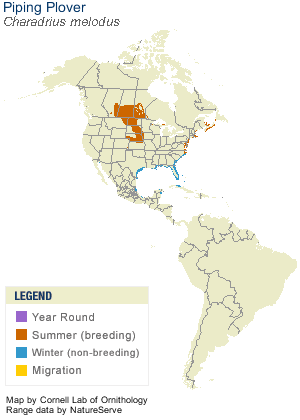
That’s the total number of all the piping plovers (Charadrius melodus) left in the world. Like many other rare and vulnerable species (e.g. the Kirtland’s Warbler), the habitat at both ends of their migration routes is under threat. And, as with the Kirtland’s, vigorous conservation campaigns are underway. Problems such as habitat loss at one end are bad enough – if at both ends, population decline is a certainty and extinction looms. The summer breeding range of PIPLs takes in Canada, central US and the eastern seaboard. In winter they join the mass migration of other birds south to warmer climes. Abaco is lucky enough to receive these little winter visitors; and at Delphi we are fortunate that every year some choose the beach for their winter retreat.

char_melo_AllAm_map

Piping Plover, Abaco (Tony Hepburn)

This is the first of a planned Piping Plover series that I have been working on. The reason for beginning now is because the autumn migrations are starting, and before long a few of this precious species will be on a beach near you on Abaco. Many of them will be ringed as part of the ongoing conservation projects. One of the best ways to monitor success is to follow the migratory lives of these birds; and this can very easily be done by taking photographs of a piping plover that show its rings. The number and colours of the rings on each leg tell the conservationists a great deal about an individual bird. Here is a photo by Don Freiday that shows what to look out for – these 4 items of plover-bling are an integral part of the preservation efforts for this species.

PIPLfledge_banded_Meb_DF

The Audubon Society has produced a wonderful interactive demonstration of the PIPL’s year-round life  that can be found at BEATING THE ODDS. For anyone interested in these fascinating little birds, I highly recommend a click on the link. Some clips are shown below.

A good example of one of the organisations involved in the conservation of PIPLs is CONSERVE WILDLIFE NEW JERSEY, of which Todd Pover and Stephanie Egger are also directly involved on both Abaco and with the CAPE ELEUTHERA INSTITUTE.

With due acknowledgement to Audubon, here are a couple of outstanding photos by Shawn Carey from the site; and below them, details of the range of the Piping Plovers and their 4000-odd mile two-way trip made in the course of each year.

TWO LEGS                                                                SIX LEGS

ShawnCarey[3] ShawnCarey.crop[1}

SUMMER                                                                      FALL

PIPL range Summer jpgPIPL range Fall jpg

WINTER                                                                         SPRING

PIPL range Winter jpgPIPL range Spring jpg

THE PIPING OF THE PLOVER Originator Lang Elliot, as featured by Audubon, eNature, Birdwatchers Digest etc

That’s enough to begin with. I will return to PIPLs soon, with more photos, information and links. Meanwhile, here is a great 4-minute video from Plymouth Beach MA. And if you see a Piping Plover on Abaco this autumn and are not part of the ‘bird count community’, please let me know the location; if you can, describe the rings – how many, which legs, what colour; if possible, photograph the bird (and – a big ask – try to include the legs). Whether ringed or not, all data is invaluable and I’ll pass it on.

 Migration ProductionsMigration Productions

Piping Plover Chick (Beaun -Wiki)

Credits with thanks: Bruce Hallett, Cornell Lab, Tony Hepburn, Don Freiday, Shawn Carey, Audubon, Beaun/wiki, Lang Elliott (audio) Migration Productions (video), Artmagenta (mini drawings)

Piping-Plover Artmagenta          Piping-Plover Artmagenta          Piping-Plover Artmagenta          Piping-Plover Artmagenta          Piping-Plover Artmagenta          Piping-Plover Artmagenta

Unknown's avatar

“FAIR GAME” ON ABACO: THE ATTRACTIVE BUT SADLY DELICIOUS WHITE-CROWNED PIGEON


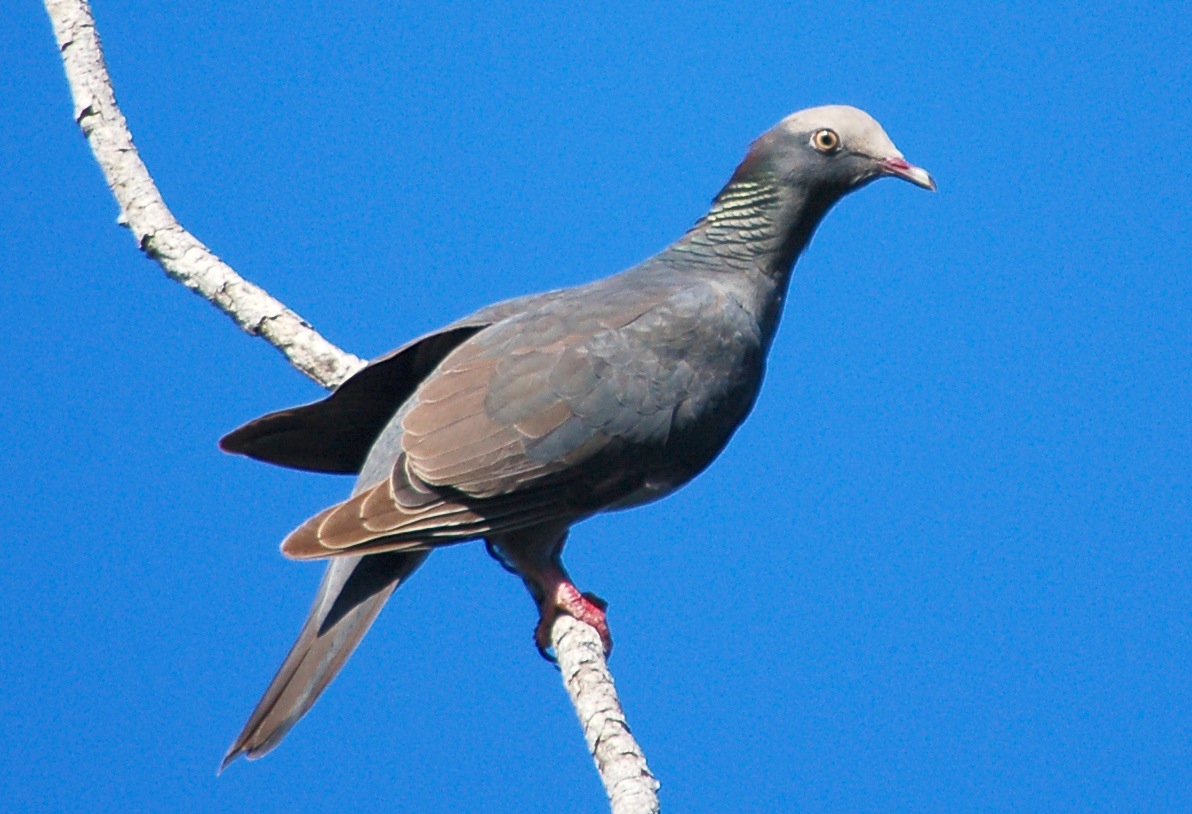
White-crowned Pigeon, Abaco, Bahamas (Tony Hepburn)

 “FAIR GAME” ON ABACO: THE ATTRACTIVE BUT SADLY DELICIOUS WHITE-CROWNED PIGEON

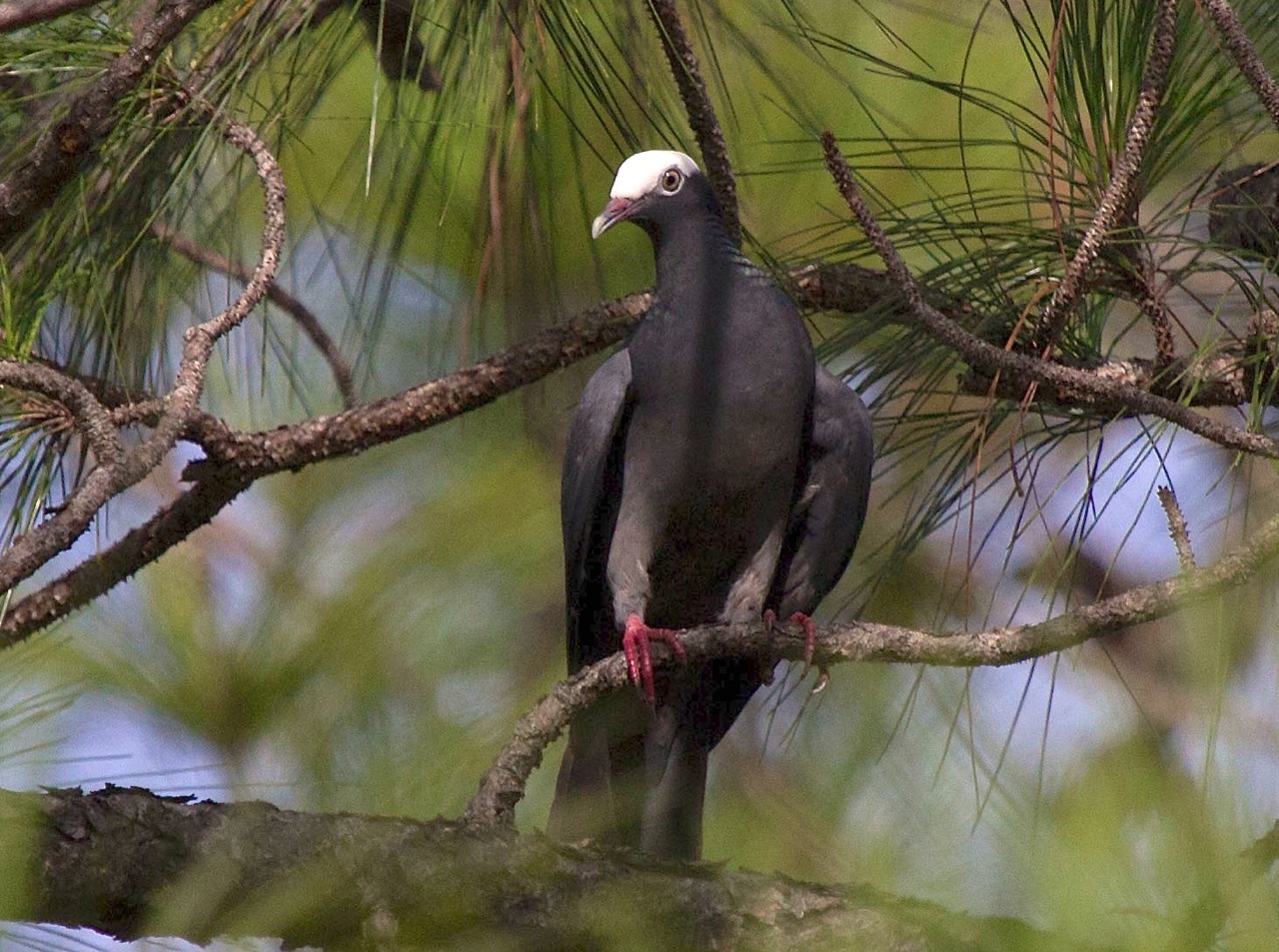
Fishing is the mainstay of Abaco’s sporting life, but hunting runs it a close second. Whether it’s the hog hunters plunging down remote backcountry tracks with their dogs or the shooters plying their trade, there is plenty on the hunter’s menu. The WHITE-CROWNED PIGEON Patagioenas leucocephala is one of the species that’s fair game in season. The bright white of its crown rather gives away its position. A permanent resident on Abaco, this pigeon is quite commonly found.

White-crowned Pigeon, Abaco, Bahamas (Gerlinde Taurer)

The Bahamas hunting season for this species is between the end of September and March. Here is the relevant extract from the excellent BNT HUNTERS GUIDE, a very useful publication packed with information that is well worth a look at. WCP BNT Hunters Guide

220px-Status_iucn3.1_NT.svg

Unfortunately, this pigeon is no longer as prolific as it once was, and is now IUCN-listed ‘near-threatened’. Hunting is one reason. Habitat loss is another. And apparently in Florida (the only US State that has these birds), car-strike is a major cause of population decline (with time, they may learn to fly higher. Unless it’s too late for the species by then…).

White-crowned Pigeon, Abaco (Alex Hughes)

The balance of species preservation and the perceived need of humans to encroach on habitat or their wish to shoot for the pot, is a always a hard one to judge. ‘Near-threatened’ sounds bad, but it’s probably not until the next stage is reached – ‘vulnerable’ or ‘endangered’ – that there is real cause for concern. But as the title says (props to Peter Mantle for this pithy observation, duly incorporated into the WCP entry in THE BIRDS OF ABACO) these inoffensive pigeons are indeed ‘sadly delicious…’

White-crowned Pigeon, Abaco, Bahamas (Gerlinde Taurer)Photo credits: Gerlinde Taurer, Alex Hughes, Tony Hepburn plus BNT for the hunters guide


Unknown's avatar

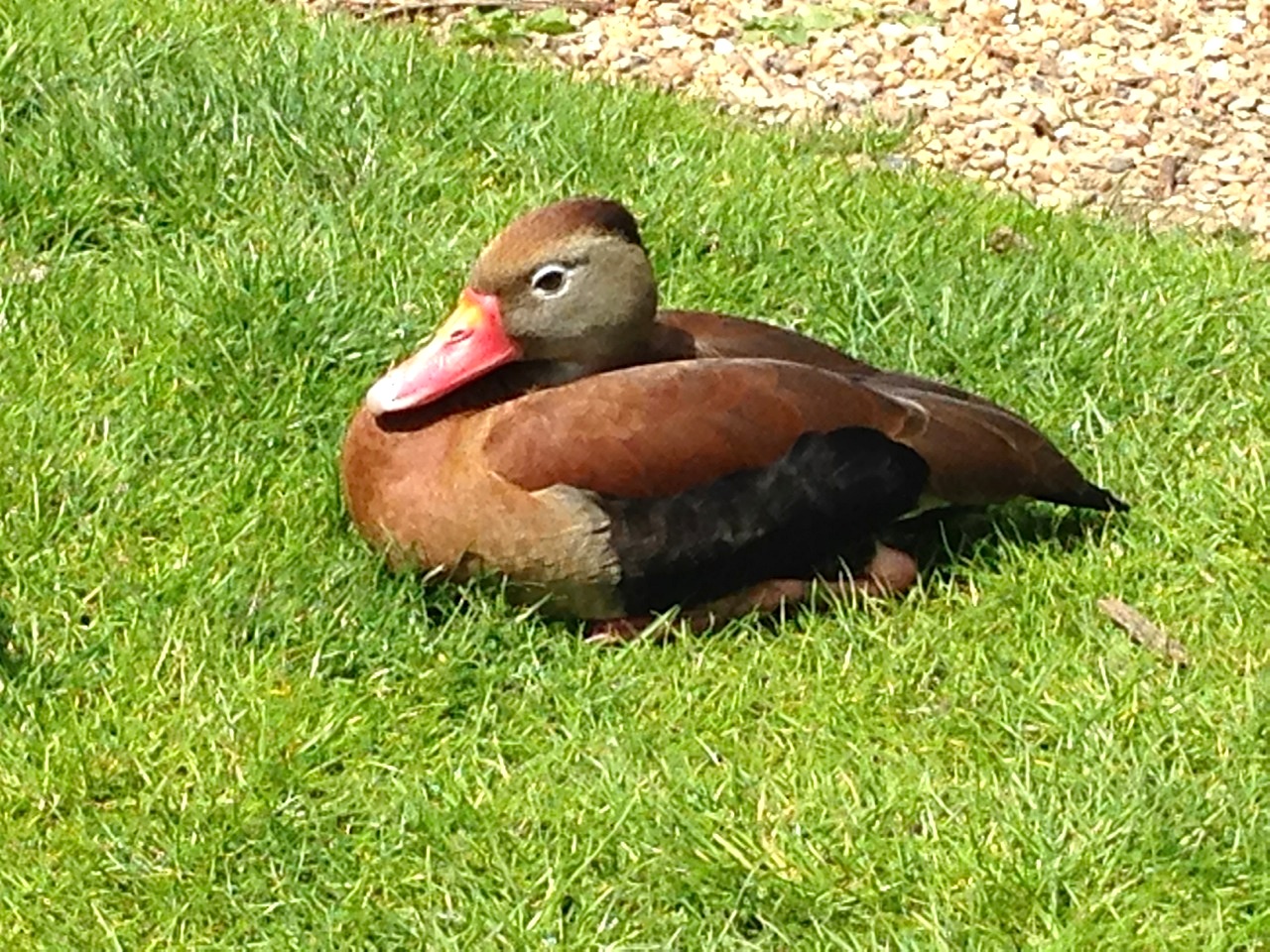
BLACK-BELLIED WHISTLING DUCKS ON ABACO: MORE SIGHTINGS & IMAGES


Black-bellied Whistling Ducks, Abaco - Liann Key Kaighin

BLACK-BELLIED WHISTLING DUCKS ON ABACO: MORE SIGHTINGS & IMAGES

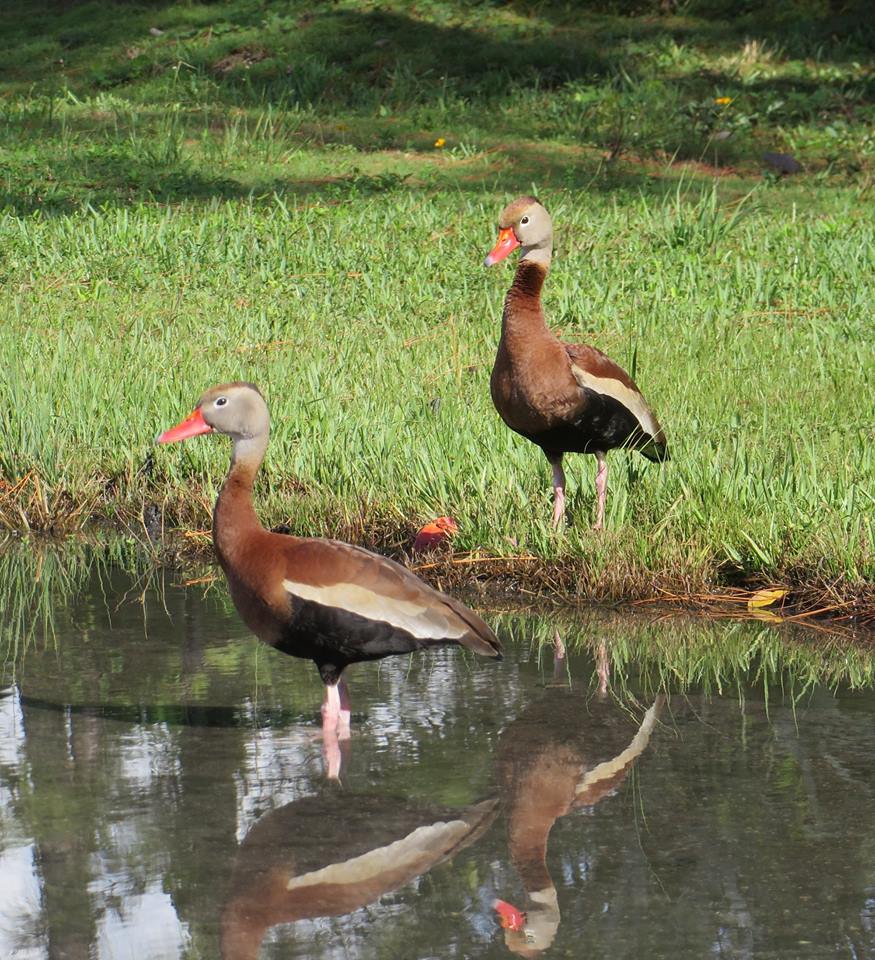
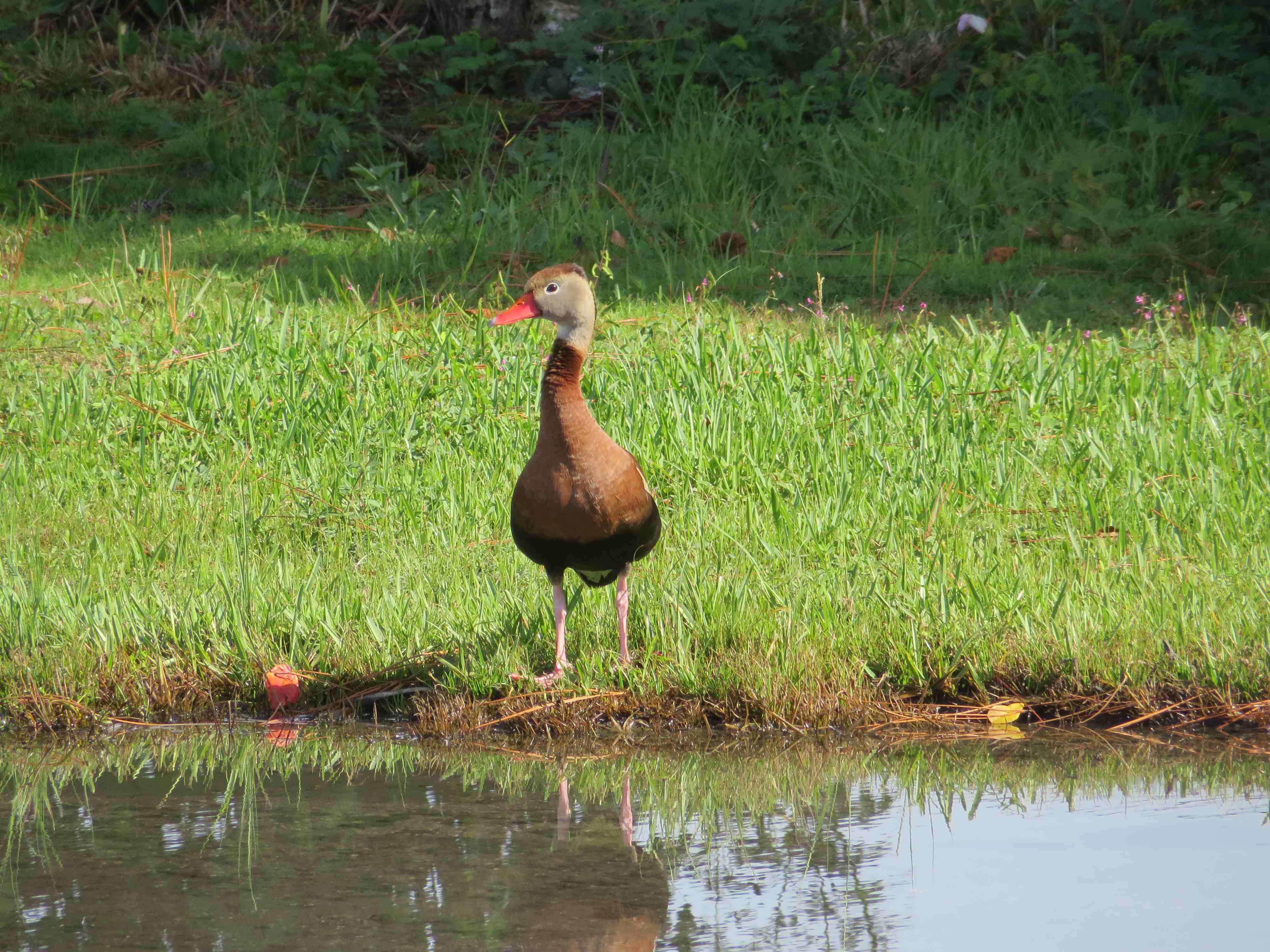
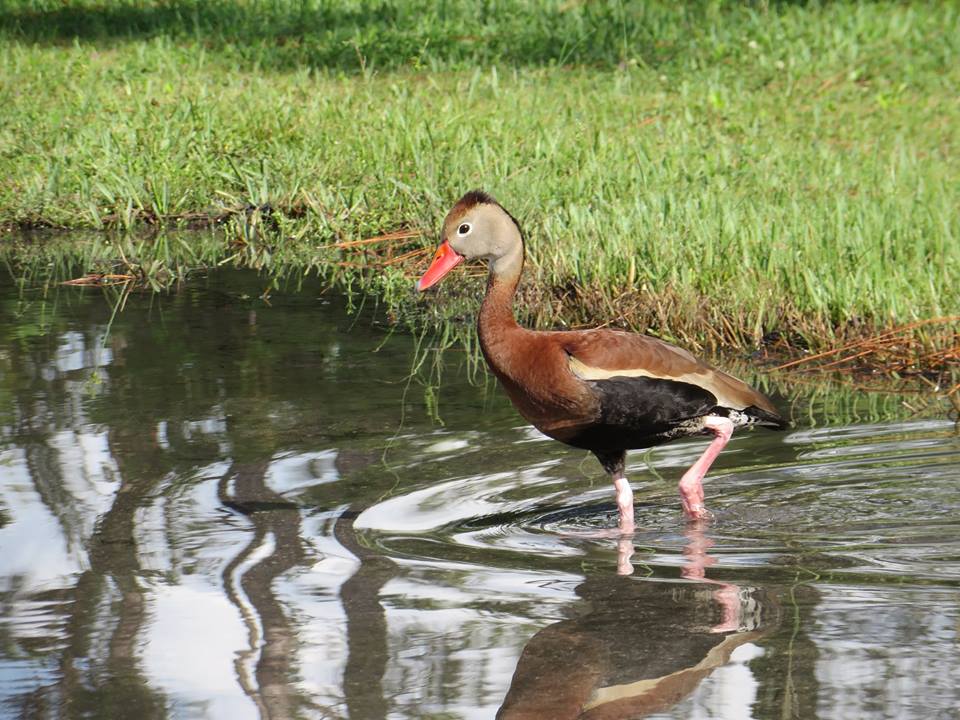
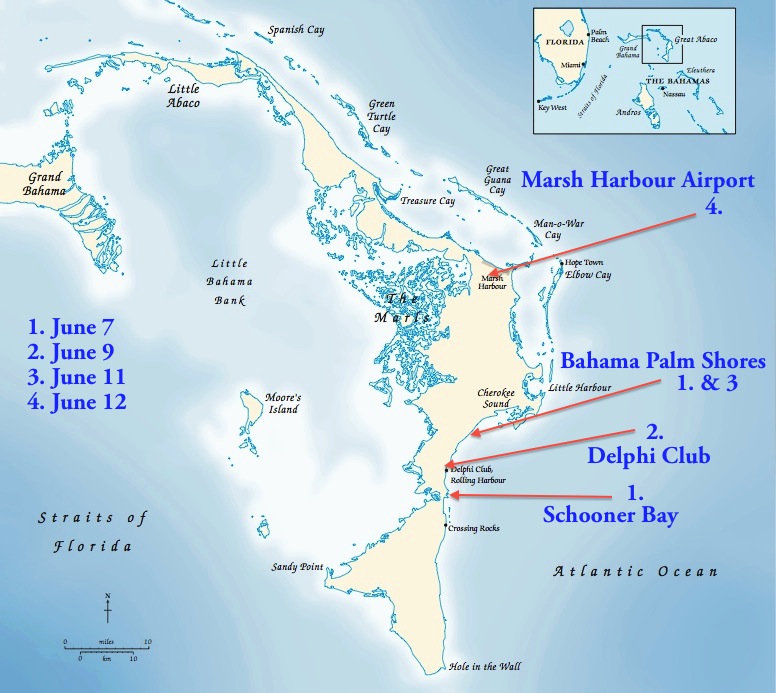
I have only just posted about this new duck species for Abaco HERE. Yesterday Liann Key Kaighin encountered a pair of these ducks at Marsh Harbour Airport. She took some great shots of them. They certainly look very appealing little birds. Her first report was Thursday June 12, 2014, around 9am, this pair flew in together to hang out in the water puddle. They were very unafraid. AZigZag Airways, MH Airfield, Abaco”. Since previous sightings have been of 6 birds together, either the original group has split up as they have travelled north over the week; or another pair have chosen to inaugurate the new airport with a new bird species by landing there. I asked Liann about the numbers and she says that this could be the case: “These two came in on the wing from south and I watched them for half an hour. No more showed up”.

There have been a few other reports from the same general area, and I expect there’ll be quite an archive of photos building up. Woody Bracey is the person to report sightings to. That way, he can build the picture of how many of these visitors there are, and how they are moving around the island. Contact him at edb64 [at] hotmail.com

Black-bellied Whistling Ducks, Abaco - Liann Key KaighinBlack-bellied Whistling Ducks, Abaco - Liann Key Kaighin Black-bellied Whistling Ducks, Abaco - Liann Key KaighinBlack-bellied Whistling Ducks, Abaco - Liann Key Kaighin

CHART OF REPORTS OVER THE WEEK SINCE THE DUCKS WERE FIRST SPOTTED

Map for desktop jpg

Photo Credit: Liann; Map by cartographer Martin Brown drawn specially for “The Birds of Abaco”

A STRANGE COINCIDENCE

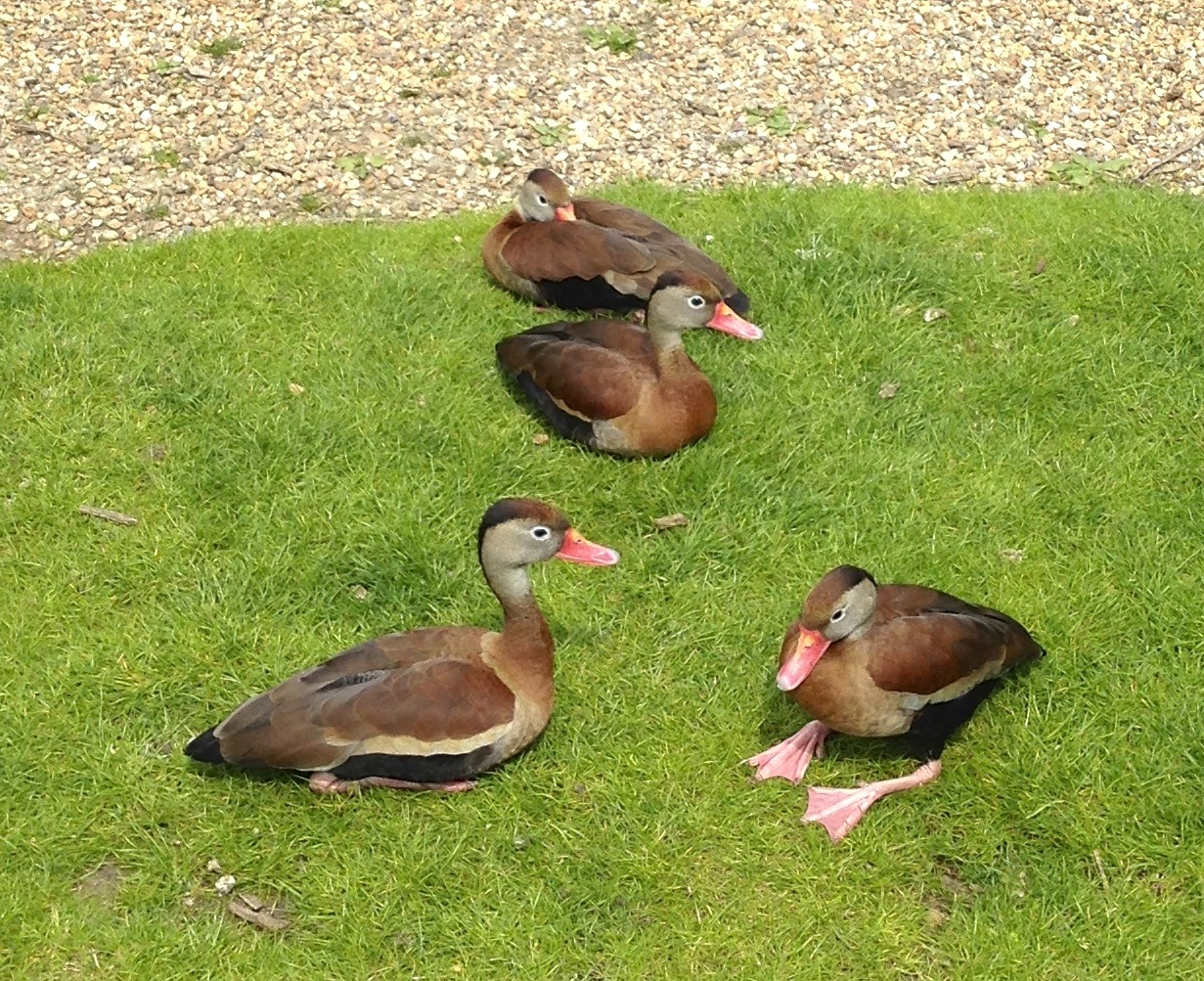
In my last BBWD post I added a photo from Wiki and saw it was actually taken at the WWT Wetland Centre, Barnes in West London UK. I am briefly back in London (quite close to Barnes), though without my camera. Any camera at all. Except on my phone. So today I paid a quick visit to see if the BBWDs were in residence. They were, and I took a few shots of them and various other species. Frankly the ones I took when the sun was behind the clouds are useless; the ones in the sun are OK. So here are a few. But they are NOT the Abaco ducks, just cousins. And I’ll definitely be going back at the end of the month, with a proper camera!

I made a couple of sound recordings but one is ruined by an emergency vehicle siren that started up; and the other by a low-flying aeroplane making its descent to Heathrow Airport. The Wetlands Centre is a rural oasis ingeniously built round huge disused gravel pits by the Thames; but it has the drawback of being right on the flight path…  Not sure if they are usable, thought the whistles are clear!

Black-bellied Whistling Ducks, Abaco : WWT - RH 2NOTE EPONYMOUS BLACK BELLY…Black-bellied Whistling Ducks, Abaco : WWT - RH 3 Black-bellied Whistling Ducks, Abaco : WWT - RH 4 Black-bellied Whistling Ducks, Abaco : WWT - RH 5 Black-bellied Whistling Ducks, Abaco : WWT - RH

I took a brief (20 secs of your time…) phone video of the pond with a number of different waterbirds in and around it. The BBWDs are in the foreground. The interaction between the species was quite amusing. The moorhen was clearly in charge of them all…  You’ll hear a bit of whistling – more a feeble squeak, really (and an aeroplane passing overhead). You’ll see that when the moorhen starts its casual harassment, the underside of the wing of the startled duck is completely black.

Unknown's avatar

ABACO’S ENDEMIC BIRDS: MAKING A CASE FOR PROTECTION


Bahama Yellowthroat on Abaco - Tom Reed

Bahama Yellowthroat on Abaco – Tom Reed

 ABACO’S ENDEMIC BIRDS: MAKING A CASE FOR PROTECTION

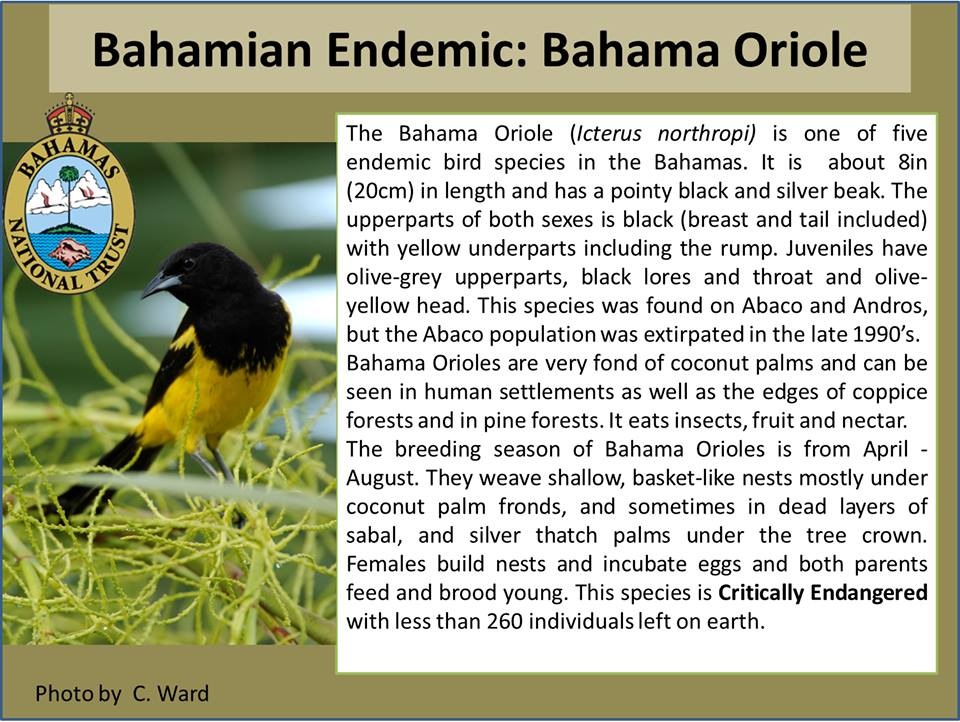
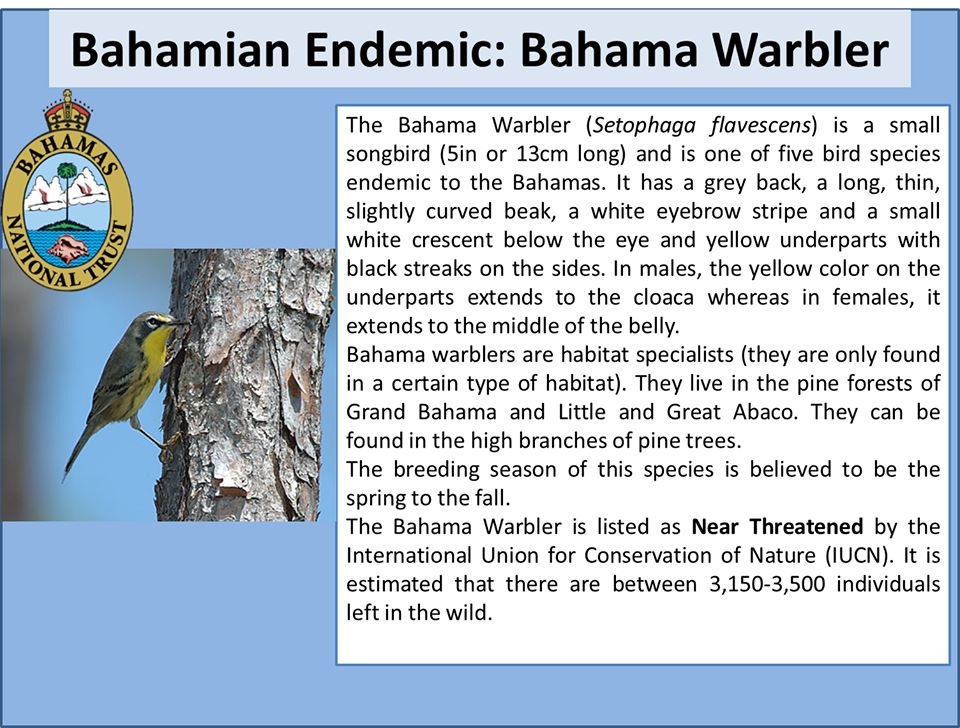
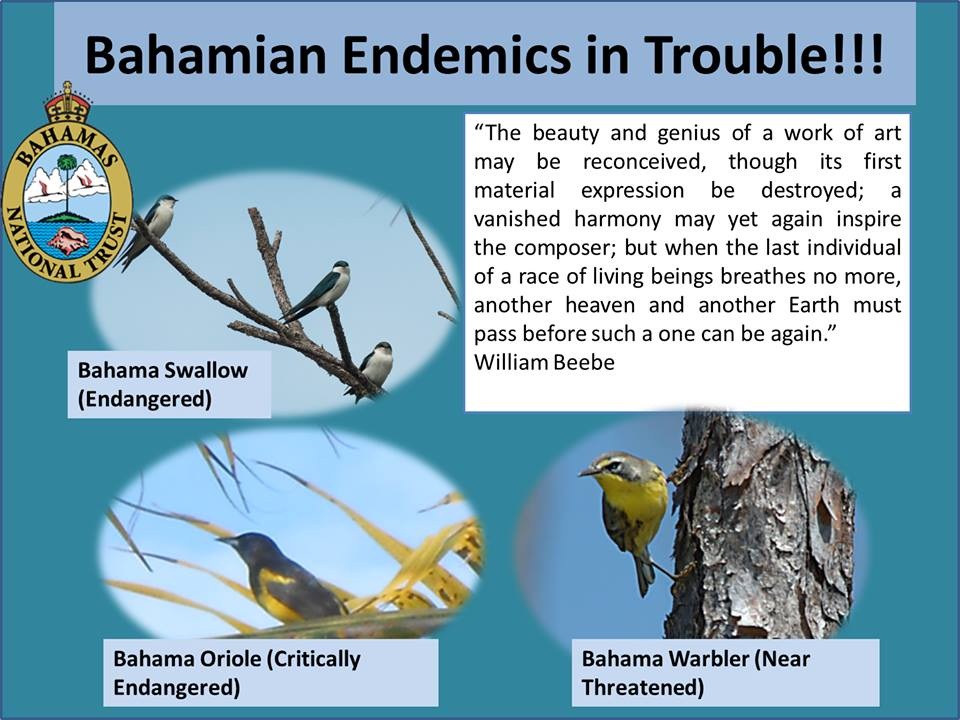
I recently wrote a post showcasing the 4 Bahamas endemic bird species found on Abaco: swallow, warbler, woodstar hummingbird, and yellowthroat. You can read it and see some great photos HERE. Sadly, the magnificent oriole, extant on Abaco for centuries, was extirpated in the 1990s. You can still see them but only on Andros; and the population there is barely sustainable – there are only 260 remaining. Still, on Abaco there remain four of the endemic species to conserve and care for.

The Bahamas National Trust BNT has produced 6 brief but informative illustrated ‘cards’ about the Bahamas endemics. They deserve a wide audience, especially in view of the threats to some species for reasons that include habitat loss and increasing development. New Providence lost its subspecies of Bahama Yellowthroat within the last 20 years. Let’s hope that Abaco can hold onto its speciality birds for the future. 

IMG_1613IMG_1618IMG_1801IMG_1617IMG_1713IMG_1707

Unknown's avatar

THE UNIQUE ABACO PARROT: ITS PAST, PRESENT & FUTURE


APB 1

THE UNIQUE ABACO PARROT: ITS PAST, PRESENT & FUTURE

Image Credits: RH, Caroline Stahala, Melissa Maura. Based on an information booklet ©Rolling Harbour. You are welcome to use or share this slideshow but please credit and link. Booklets are available at the Delphi Club, Abaco for a small donation to parrot research. The music is from astounding guitar virtuoso Erik Mongrain – he has all the tricks, and sounds as if he plays with 2 pairs of hands…

Unknown's avatar

THE CONCH QUEST OF ABACO…


Conch ©Melinda Riger @G B Scuba

THE CONCH QUEST OF ABACO…

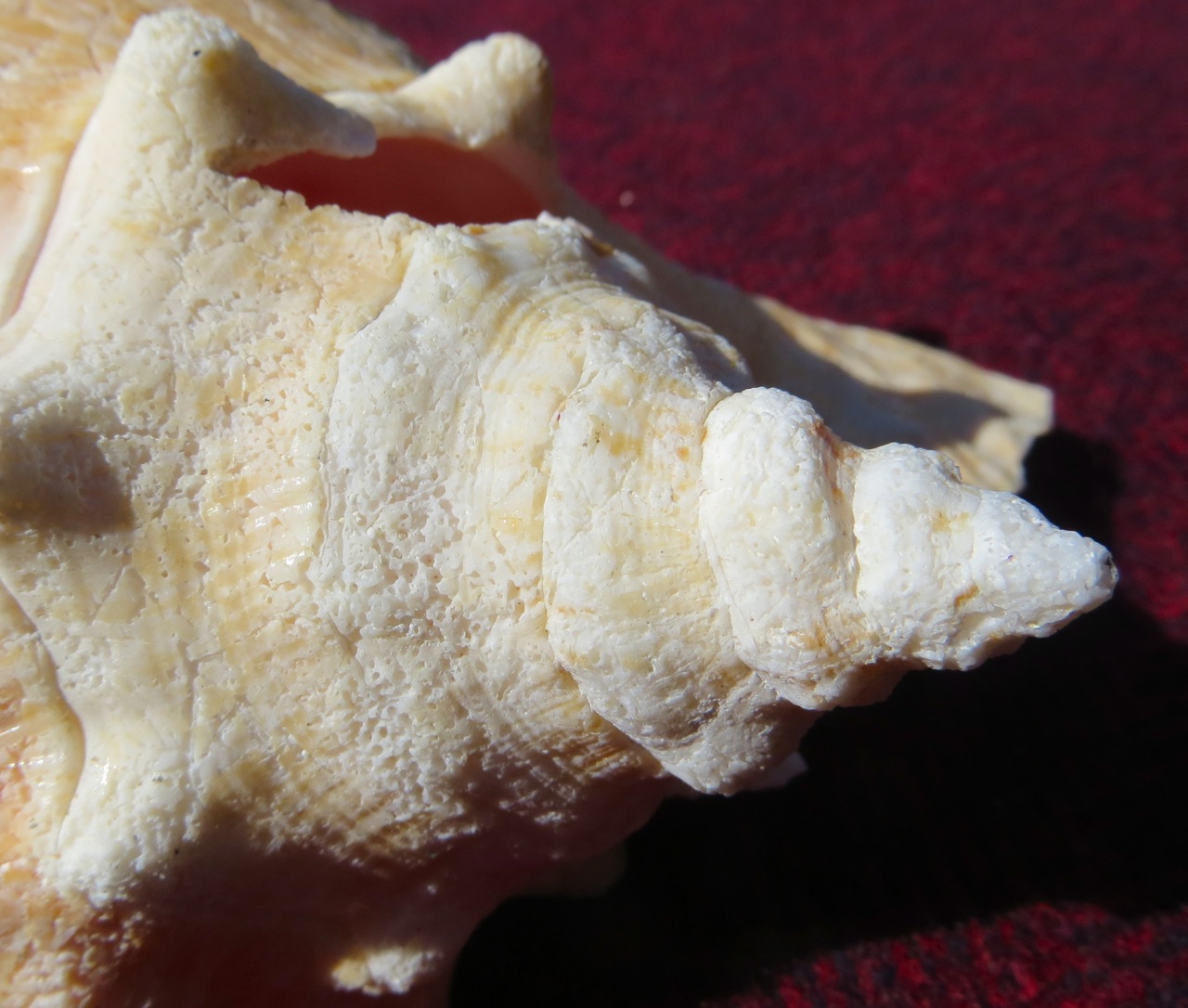
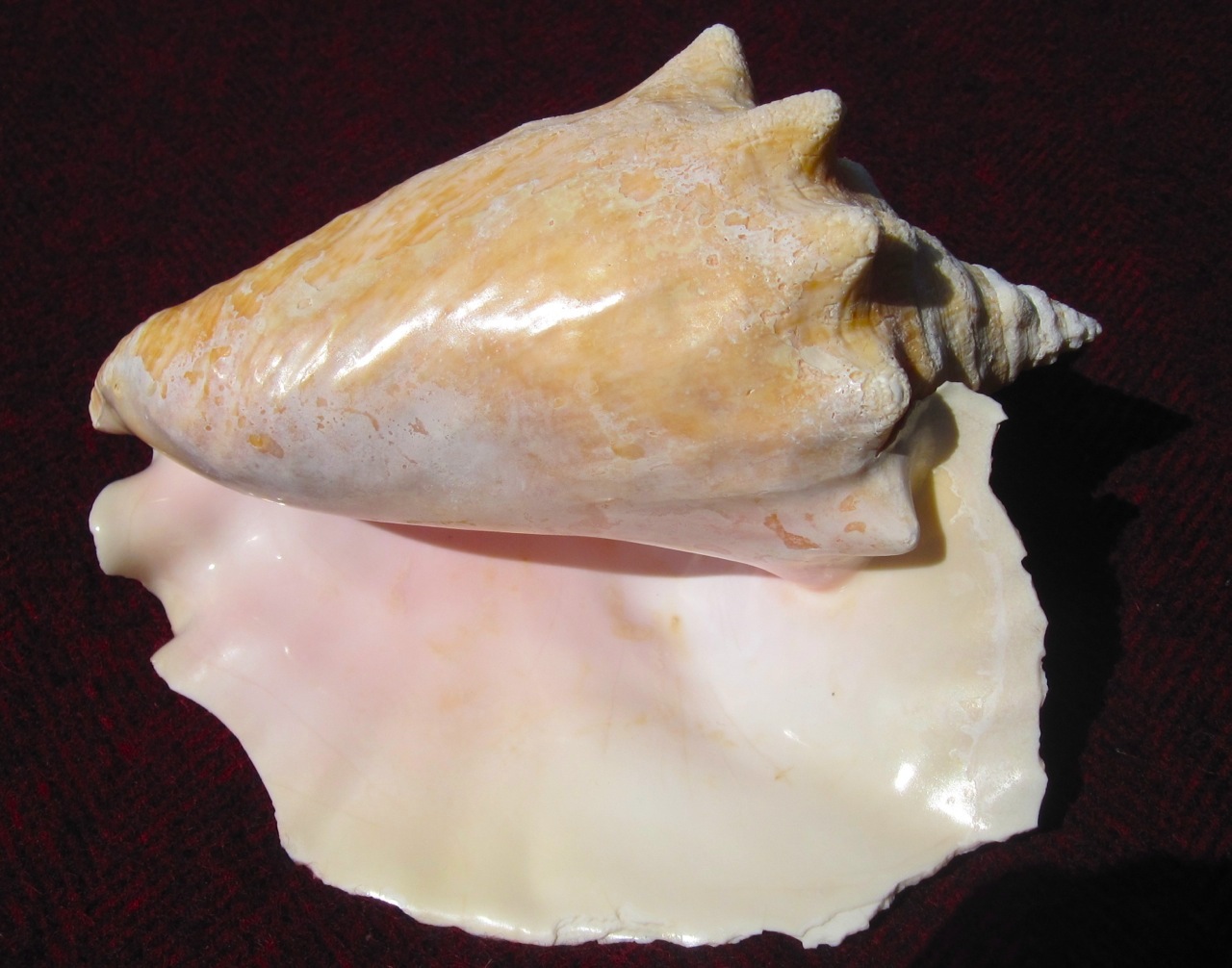
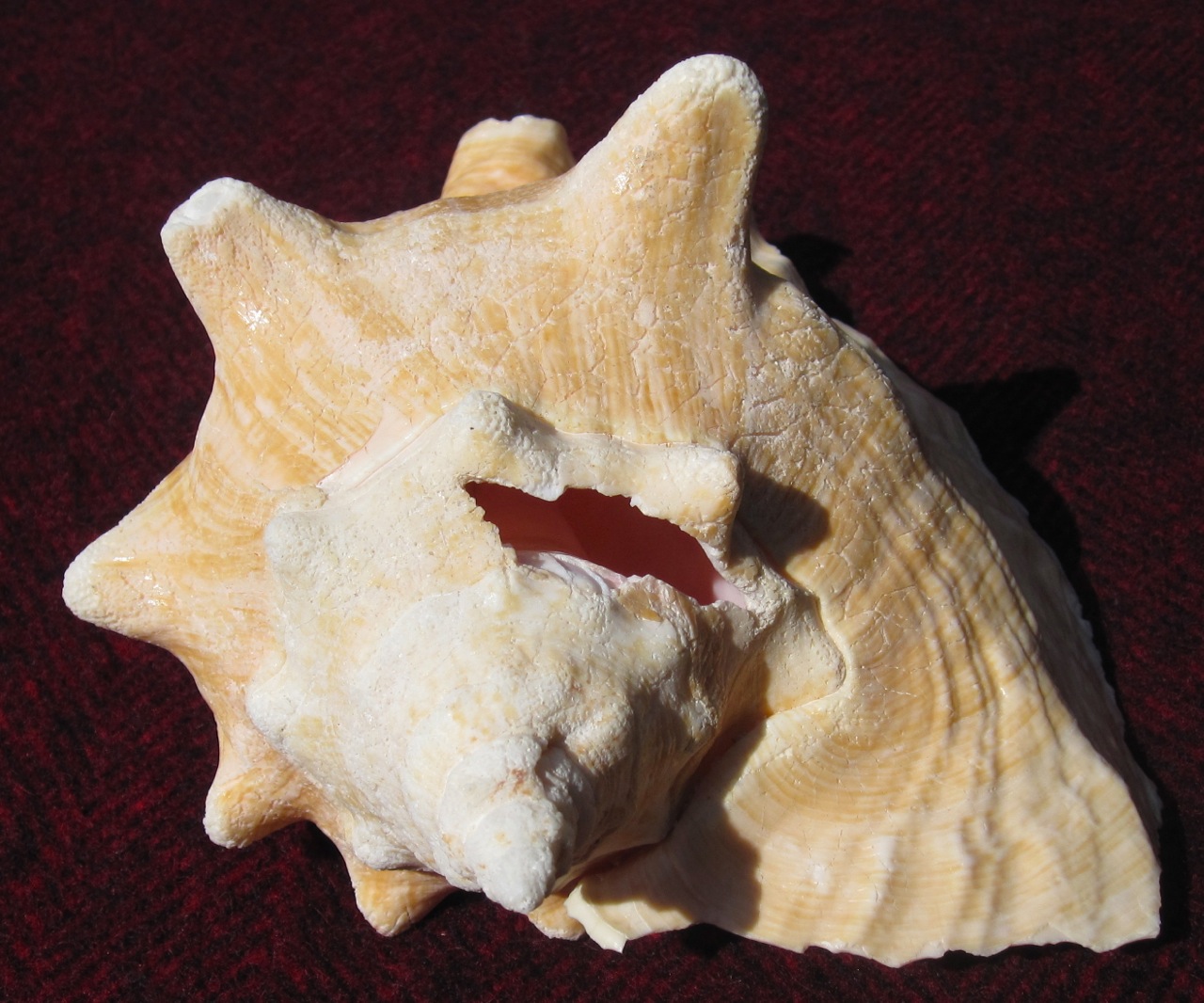
Conchs are gastropods. They are food. They are decoration (anyway, the shells are). For some, they are a living. And on Abaco they are everywhere – alive in the waters, and as shells scattered on  beaches or piled up outside restaurants. So the quest for conch is an easy one. There are fears of overfishing, however, and an active organisation The Bahamas National Conchservation Campaign exists to protect them. Another similar Bahamas organisation is Community Conch.conchs-at-sandy-point-1 We found a nice half-buried conch shell at Sandy Point. It was full of sand grains and tiny shells – mini gastropods and bivalves – that took some time to wash out of the spiralling internal structure. Here are some studies of the shell. IMG_2438IMG_2442IMG_2444IMG_2445IMG_2448IMG_5279IMG_5278 The damage to the shell above is the place where it has been bashed in to enable removal of the occupant. In order to do so, it is necessary to break the strong vacuum that would prevent extraction if you tried by the conventional route. Effectively the conch anchors itself to its shell and must be cut out. The best way to make the hole is with the spiral tip of another conch. This breaks the suction and enables you to prise out the occupant…

935327_499742893413409_191944192_n                                                               CC_logo2

Finally, you can usually rely on me to go off-piste. So here is a video of how to make a conch horn to annoy your friends and neighbours with…

[youtube https://www.youtube.com/watch?v=ebzN79oNTJg]

Unknown's avatar

ABACO: AN IMPORTANT BIRDING AREA IN THE BAHAMAS


Abaco (Cuban) Parrot 2013 11

Abaco (Cuban) Parrot

ABACO: AN IMPORTANT BIRDING AREA IN THE BAHAMAS

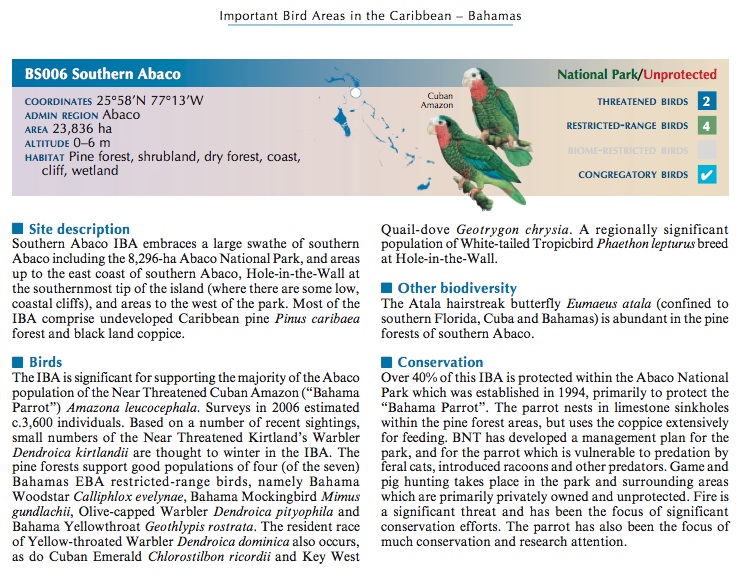
The Bahamas National Trust BNT is one of several organisations in the Bahamas responsible for conservation across the widely scattered islands of the Bahamas. One of its tasks is to look after the birds and their habitat, and from time to time the Trust publishes articles about their work. The Abaco-related material below is taken from a much longer article by Predensa Moore and Lynn Gape that covers the whole area, and concerns the importance of Abaco as a prime Bird Area. This applies in particular to Little Abaco and the Northern Cays; and to the large area of South Abaco that incorporates the National Park. The bird images used show some Abaco speciality birds mentioned by the BNT in their material. 

BNT BIRD ARTICLE 2 JPG copy

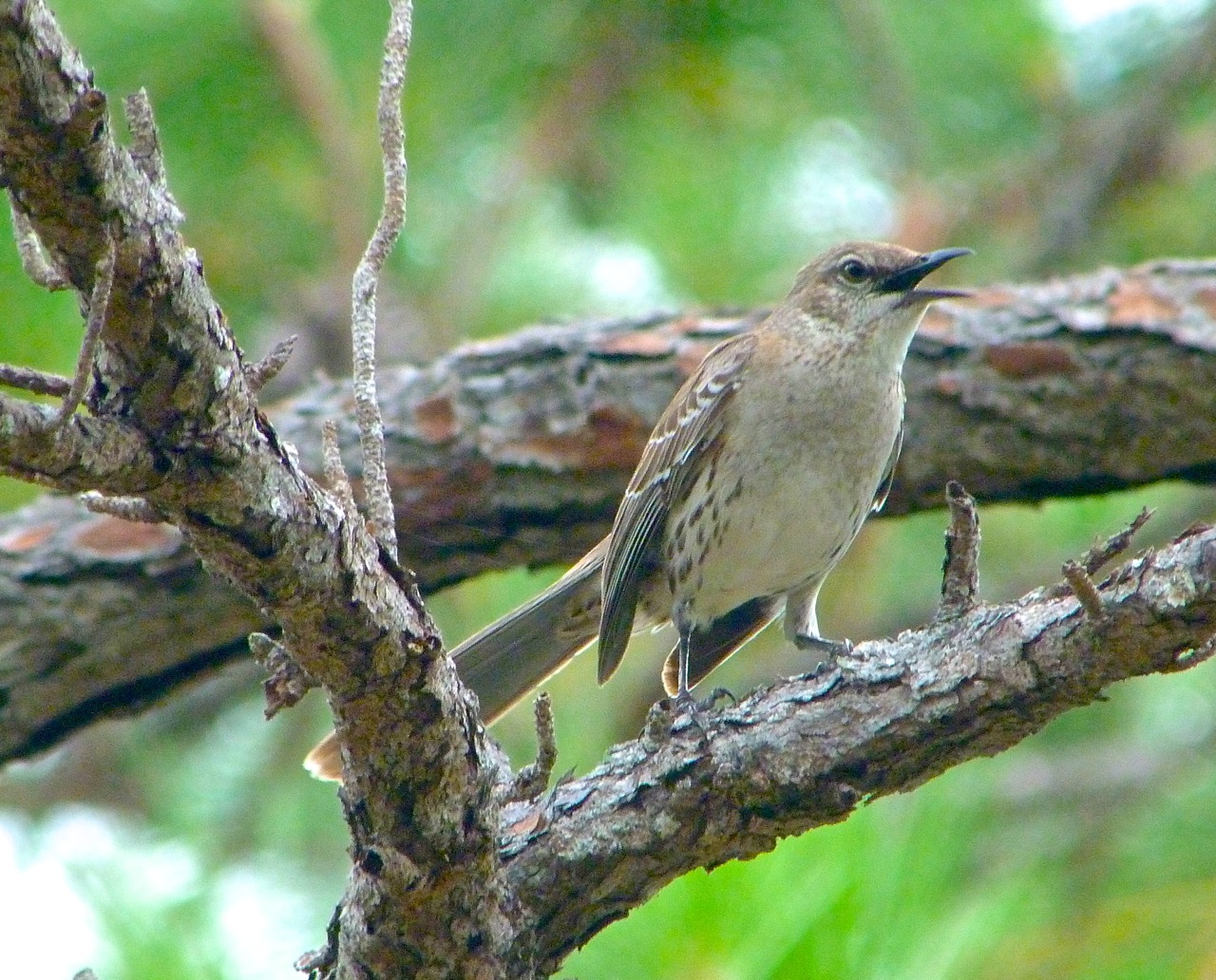
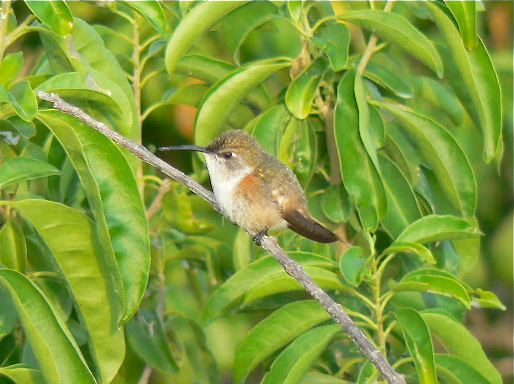
BAHAMA MOCKINGBIRD Mimus gundlachiiBahama Mockingbird, Abaco 3BNT BIRD ARTICLE 3 JPGBAHAMA WOODSTAR Calliphlox evelynae              Bahama Woodstar BPS BNT BIRD ARTICLE 4 JPGBAHAMA YELLOWTHROAT Geothlypsis rostrataBahama Yellowthroat Abaco 8 BNT BIRD ARTICLE 5 JPG

CUBAN EMERALD Chlorostilbon ricordiiCuban Emerald Hummingbird, Delphi, Abaco 1Credits: BNT; Bahama Woodstar, Ann Capling with thanks; the rest, RH

Unknown's avatar

ABACO PARROTS TO CELEBRATE A MODEST LANDMARK


Abaco Parrot

Abaco Parrot

ABACO PARROTS TO CELEBRATE A MODEST LANDMARK

‘Rolling Harbour: The Blog’ had humble beginnings – a dodgy structure built on foundations formed of an unpromising mix of ignorance and incompetence. Gradually it has come together, to the extent that it has just passed the 125,000 visits mark. Abaco is a small and uncrowded island, so the audience demographic [to use biz-speak] isn’t large. However the wildlife, scenery and lifestyle have turned out to have a wider appeal. 1/8 of a million people (or perhaps 1 crazy punter with repetitive strain injury from checking in unhealthily often) deserve a few of Abaco’s unique parrots in return.

I THANK YOU ALLAbaco (Cuban) Parrot 2013 4a

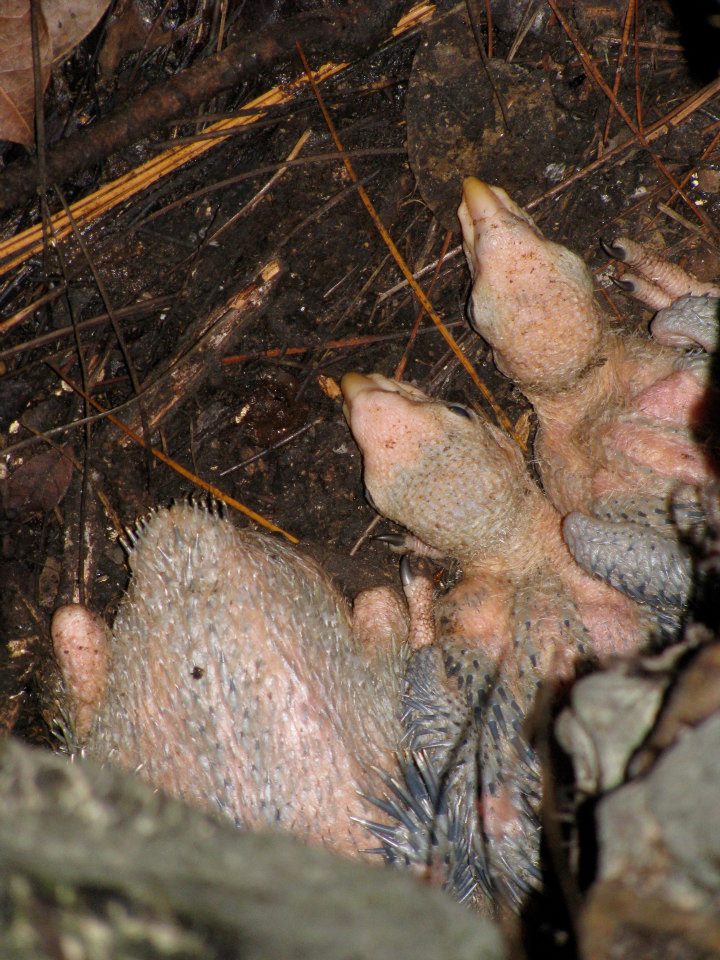
WHERE IT ALL BEGINS – AN UNDERGROUND NEST DEEP IN THE NATIONAL FORESTAbaco Parrot Nest 2

EVENTUALLY THE CHICKS HATCH…Abaco Parrot Nest 4

…AND GROWAbaco Parrot Nest 5

IN DUE COURSE THEY ARE READY TO BE CHECKED OVER AND RINGEDAbaco Parrot Chick Ringing 1

THEY HAVE NO FEAR OF THE ‘PARROT LADY’, SCIENTIST CAROLINECS with Abaco parrot chick

SOON THEY ARE INDEPENDENT AND DISCOVERING THE JOYS OF GUMBO LIMBO BERRIESABACO PARROT ©CS 2012 3

KEEPING A BEADY EYE OUT…ABACO PARROT ©CS 2012 7

DOMESTIC HARMONY…ABACO PARROTS MM 3ABACO PARROTS MM 8

…BUT NOT ALL THE TIMEAbaco Parrots MM 10

‘HOW DO I LOOK AGAINST A BRIGHT BLUE SKY?’Abaco (Cuban) Parrot 2013 13

PARROTS HAVING AN EARLY EVENING GET-TOGETHER AT BAHAMA PALM SHORES

‘GOODNESS ME, IS THAT THE TIME? I MUST FLY…’

parrot crossingCredits: Caroline Stahala, Melissa Maura, RH; recording and video RH

Unknown's avatar

GEORGIE THE (FORMER) ABACO MANATEE RETURNS TO THE BERRY IS.


Georgie the Manatee, Hope Town, Abaco (© Stafford Patterson) 1

GEORGIE THE (FORMER) ABACO MANATEE RETURNS TO THE BERRY IS.

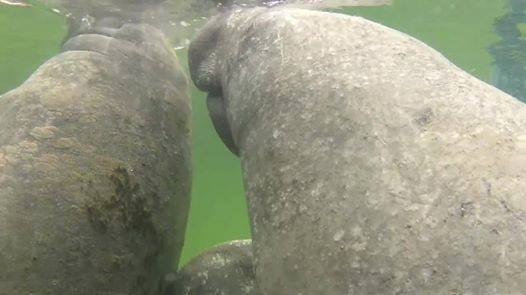
Last year I posted about Georgie, the young manatee that made Abaco her home for several months. Georgie was born in Spanish Wells. She and her mother Rita travelled to Nassau Harbour, where in April 2012 they were rescued from the multiple shipping hazards and  released in Great Harbour Cay, Berry Is. Both were equipped with tags to monitor their movements. In June, the newly-weaned Georgie embarked on a big solo adventure by swimming to Abaco. Her tracking device showed that she called in at the Marls, before continuing right round the top of Abaco and down the east side, calling in at various Cays on the way. In all, her journey was some 200 miles long. She eventually settled down in the Cherokee and Casuarina area, and in a modest way became a lettuce-chomping celebrity.  DANA & TRISH FEEDING GEORGIE (2)

Georgie-related posts include these:

WEST INDIAN MANATEES AND THE BAHAMAS: THE FACTS

GEORGIE THE ABACO MANATEE – CHEROKEE’S SIRENIAN VISITOR STAYS ON…

GEORGIE THE ABACO MANATEE: FAREWELL CHEROKEE, HELLO ATLANTIS

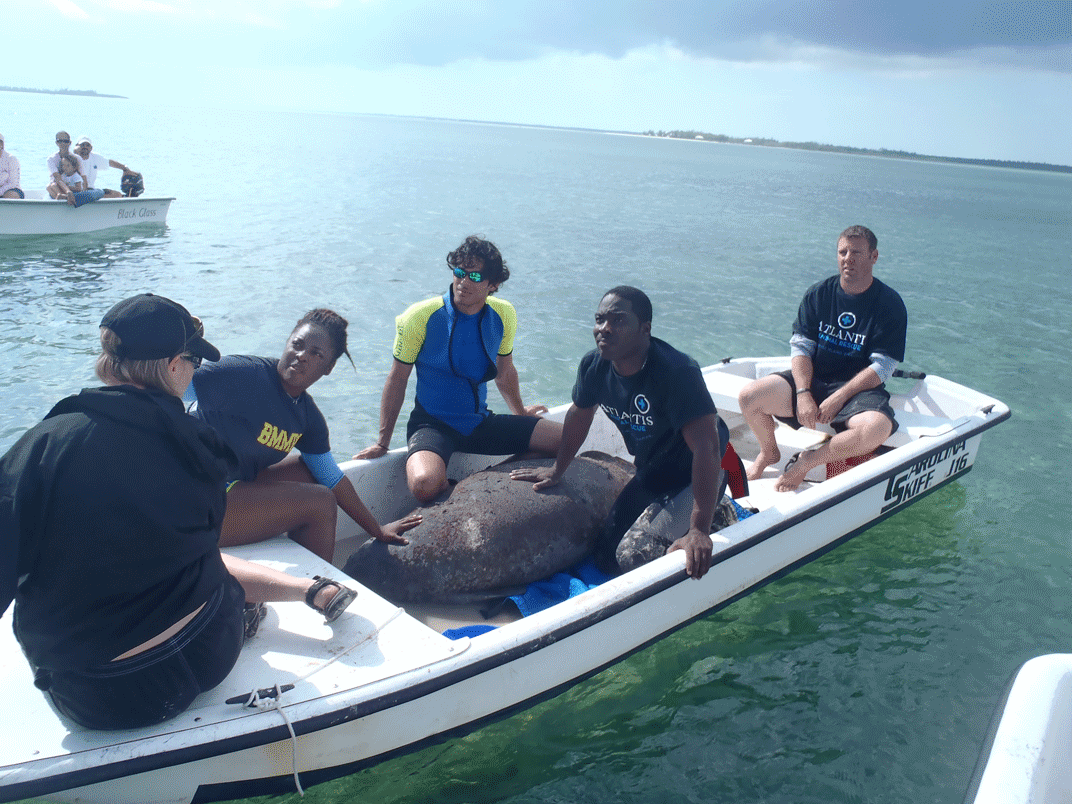
The BMMRO has recently updated Georgie’s story: “Georgie remained in Cherokee Sound throughout the fall, including during hurricane Sandy but in January she was beginning to look slightly underweight. Concern was raised about her general appearance and the decision was made… to conduct a field health assessment and relocate her to the Atlantis Marine Mammal Rescue Center. “recap1

“Georgie underwent a series of general health evaluations and was fed approximately 75 pounds of lettuce each day. She gained more than 200 pounds during the course of her care and weighed 569 pounds upon her recent release”. recap4

“We are pleased to announce that Georgie has now been released once more to Great Harbour Cay in the Berry Islands after a successful rehabilitation at Atlantis’ Dolphin Cay. She was successfully released on Wednesday 14th August by the Atlantis Animal Rescue Team from the Atlantis Dolphin Cay Marine Mammal Rescue Center, with the help of the Bahamas Marine Mammal Research Organisation (BMMRO). She has a satellite tag attached to her which will help post-release monitoring, currently being conducted by representatives from BMMRO and Dolphin Cay.”

Georgie being let down from the boat, back into Great Harbour Cay (K. Ferguson)
Georgie with her tag shortly after release (K. Ferguson)

Georgie socialising with a young male manatee in Great Harbour Cay a few days later (K. Ferguson)

safe_image.php

“The first 3 weeks of Georgie’s release  showed her venturing on longer and longer journeys, with the blue circles showing her first weeks’ movements, the red her second, and finally the yellow circles her locations up to Saturday. She is doing very well and often seen with the other manatees in the area.”

1240329_651667491519147_1896477103_n

GEORGIE: THE MOVIE OF THE MOVIE

Apologies for using an iPh*ne to capture the movie – I wasn’t able to embed it directly. Updates on Georgie will be posted on BMMRO’s FACEBOOK PAGE

Credits and thanks to BMMRO and Kendria Ferguson for use of photos and the maroon text…

Unknown's avatar

‘JUMPING FOR JOY’: CHEERFUL DOLPHINS IN ABACO WATERS


Dolphin, one of a pod of 50

‘JUMPING FOR JOY’: CHEERFUL DOLPHINS IN ABACO WATERS 

To be totally accurate, one or two of these photographs may have be take from the BMMRO research vessel at some point during an expedition to Andros. But since the boat set off from and returned to Abaco, with an Abaconian team on board, I have stretched a point  with the title… 

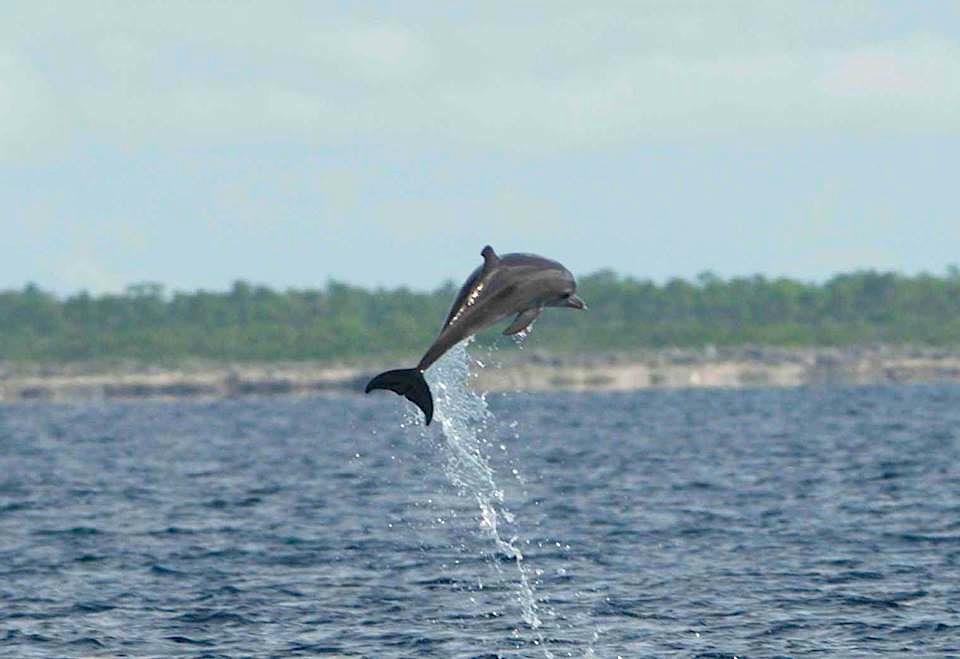
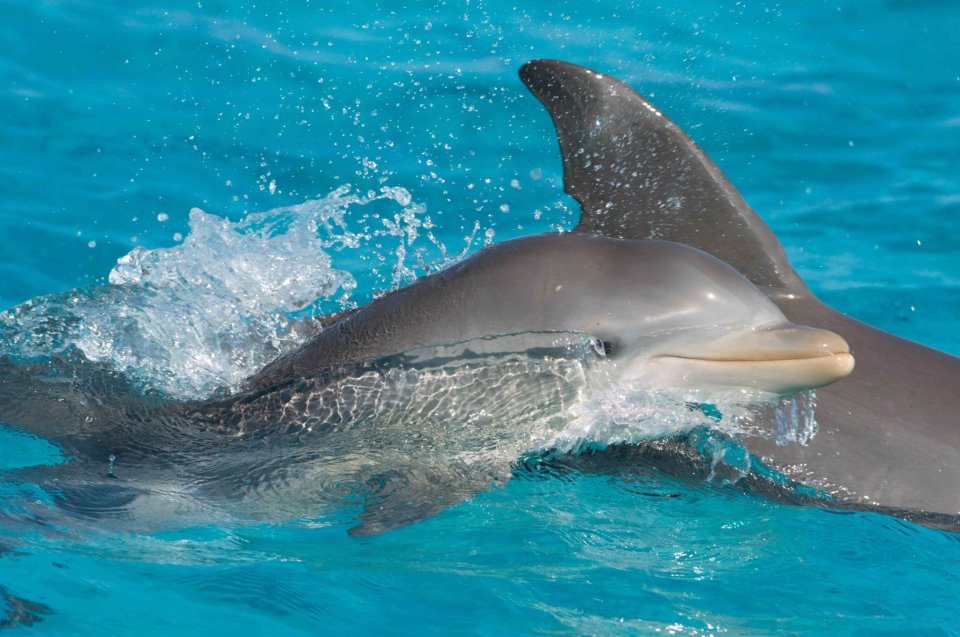
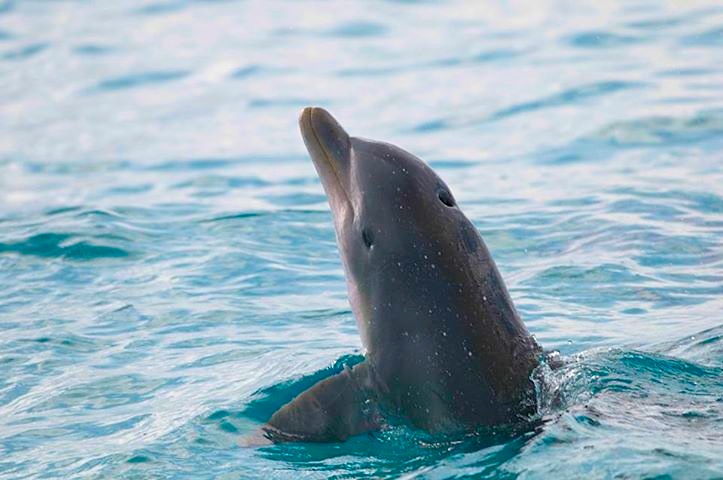
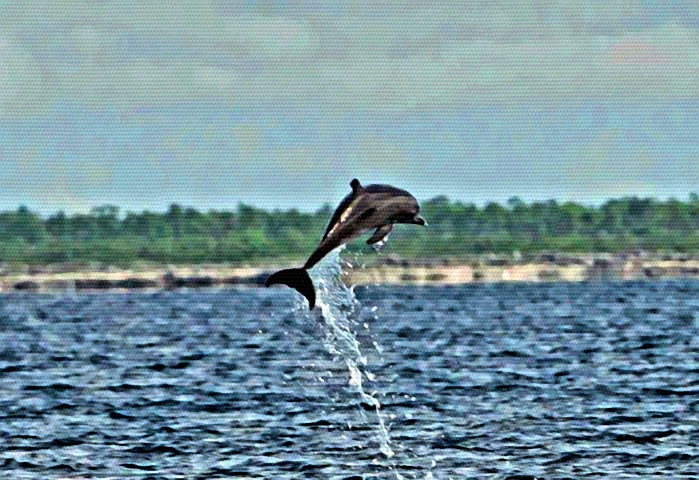
It would be hard to view a dolphin leap as high as this (top photo) as anything other than an expression of pure enjoyment. Difficult to tell the exact height, but it’s fairly spectacular. Dolphins always seem to be looking, or acting, happy. Here are a few more, a mix of bottlenose and spotted dolphins,  to spread some cheer… 

Dolphin Leap Abaco ©BMMROSpotted Dolphin, Abaco ©BMMROSpotted Dolphin Abaco ©BMMROHappy Dolphin Abaco ©BMMRO

This dolphin was one of a large pod of 28 seen on a recent BMMRO research tripOne of a large pod of 28 dolphins

Time to get my… erm… paintbox outLeaping DolphinPhoto credits: Bahamas  Marine Mammal Research Organisation BMMRO

In an earlier post I name-checked BMMRO intern Oscar Ward’s blog SeventyPercentBlue.  You can read Oscar’s account of his continuing adventures HERE

Unknown's avatar

BANANAQUIT BABIES ON ABACO: AWWWWWW…SOME BIRDS


Bananaquit (juv) Abaco, Bahamas 4

BANANAQUIT BABIES ON ABACO: AWWWWWW…SOME BIRDS

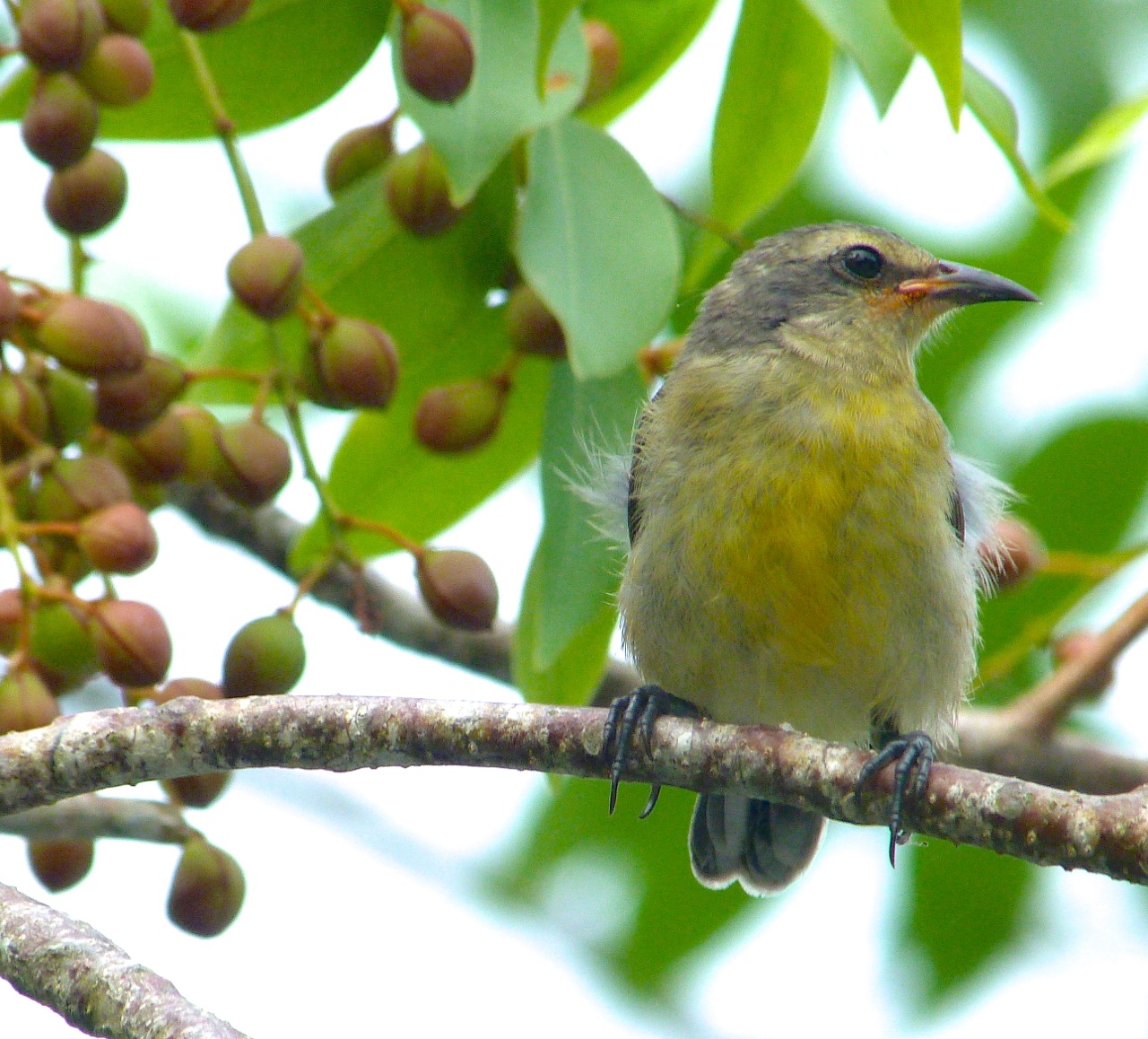
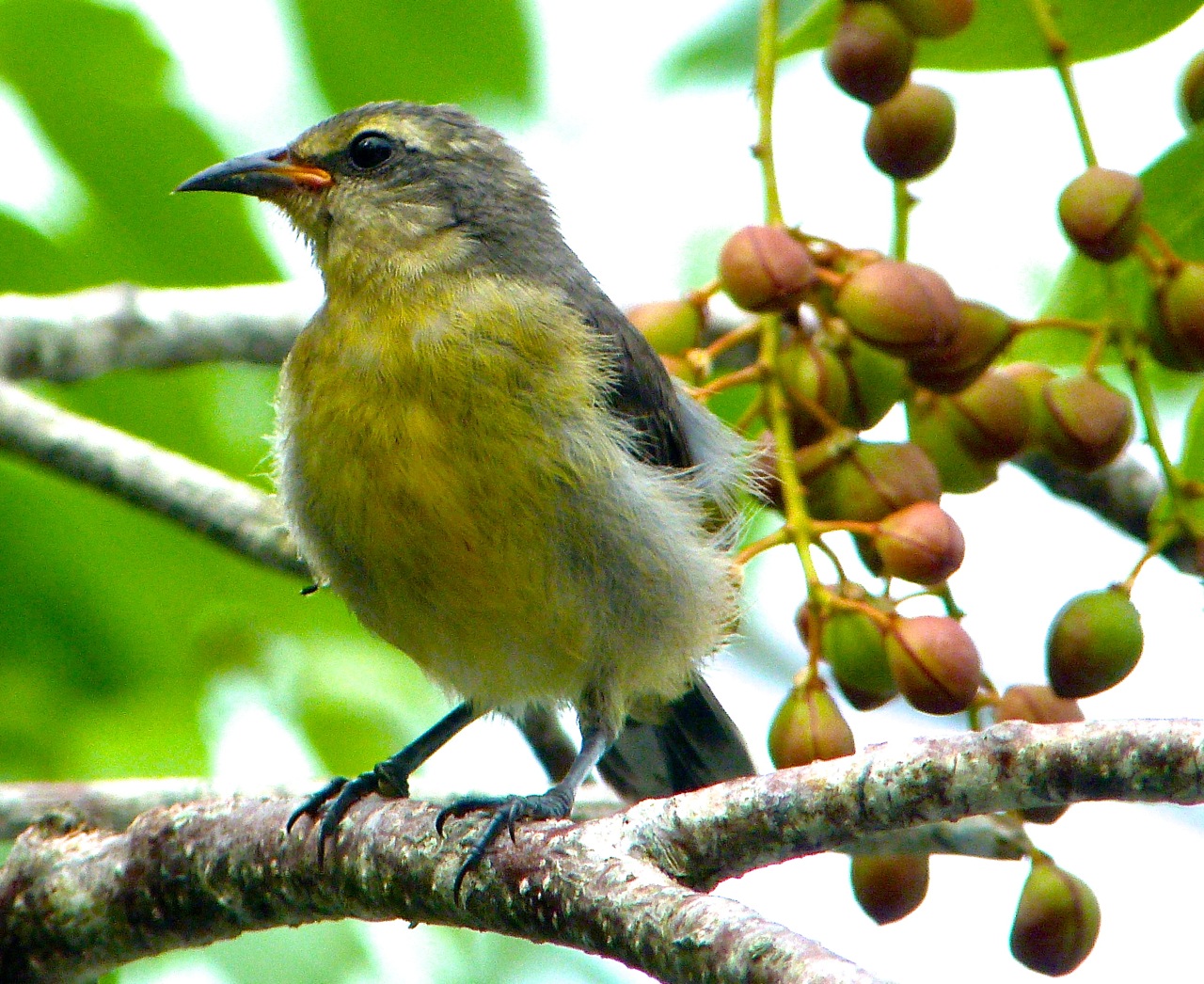
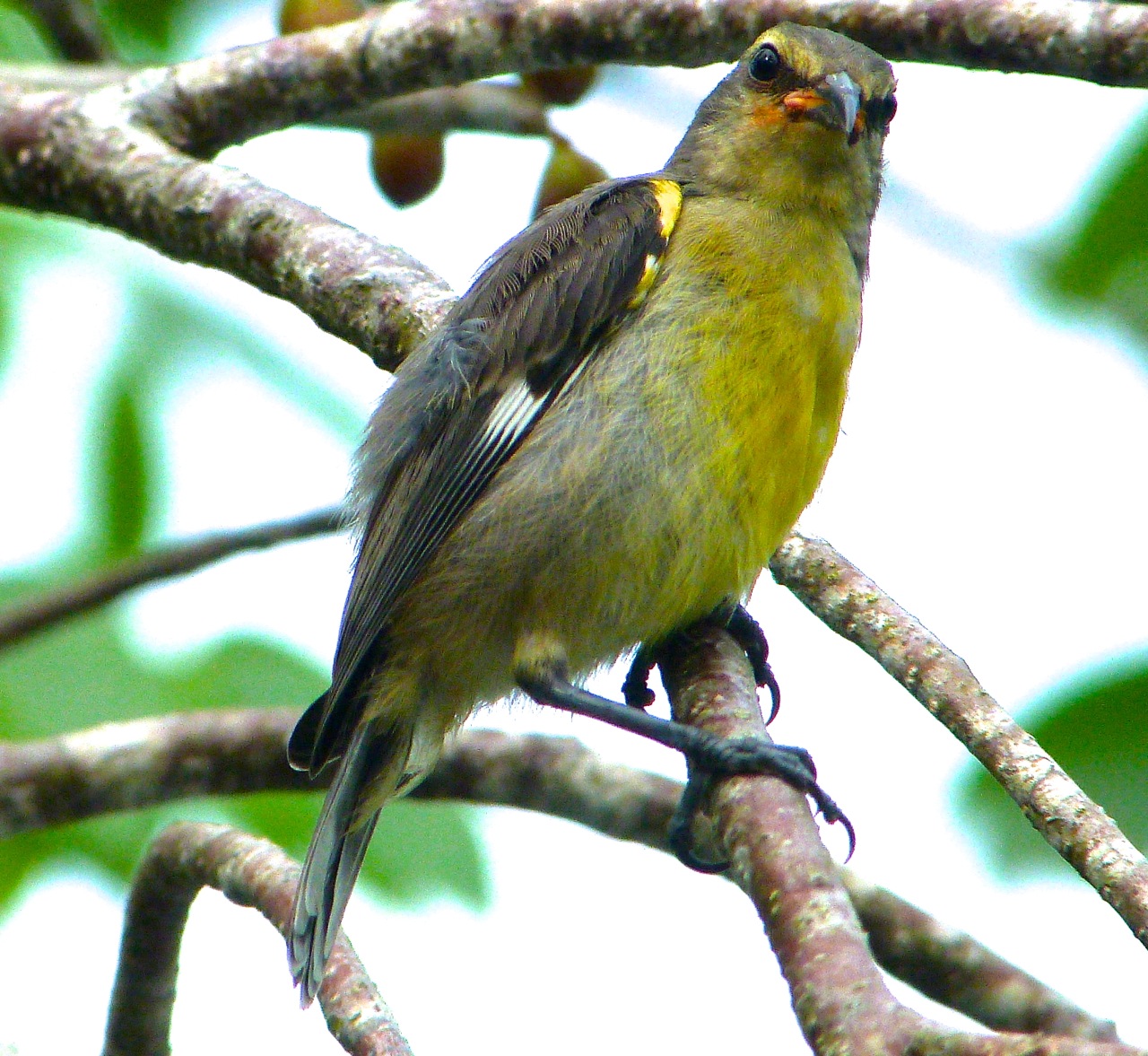
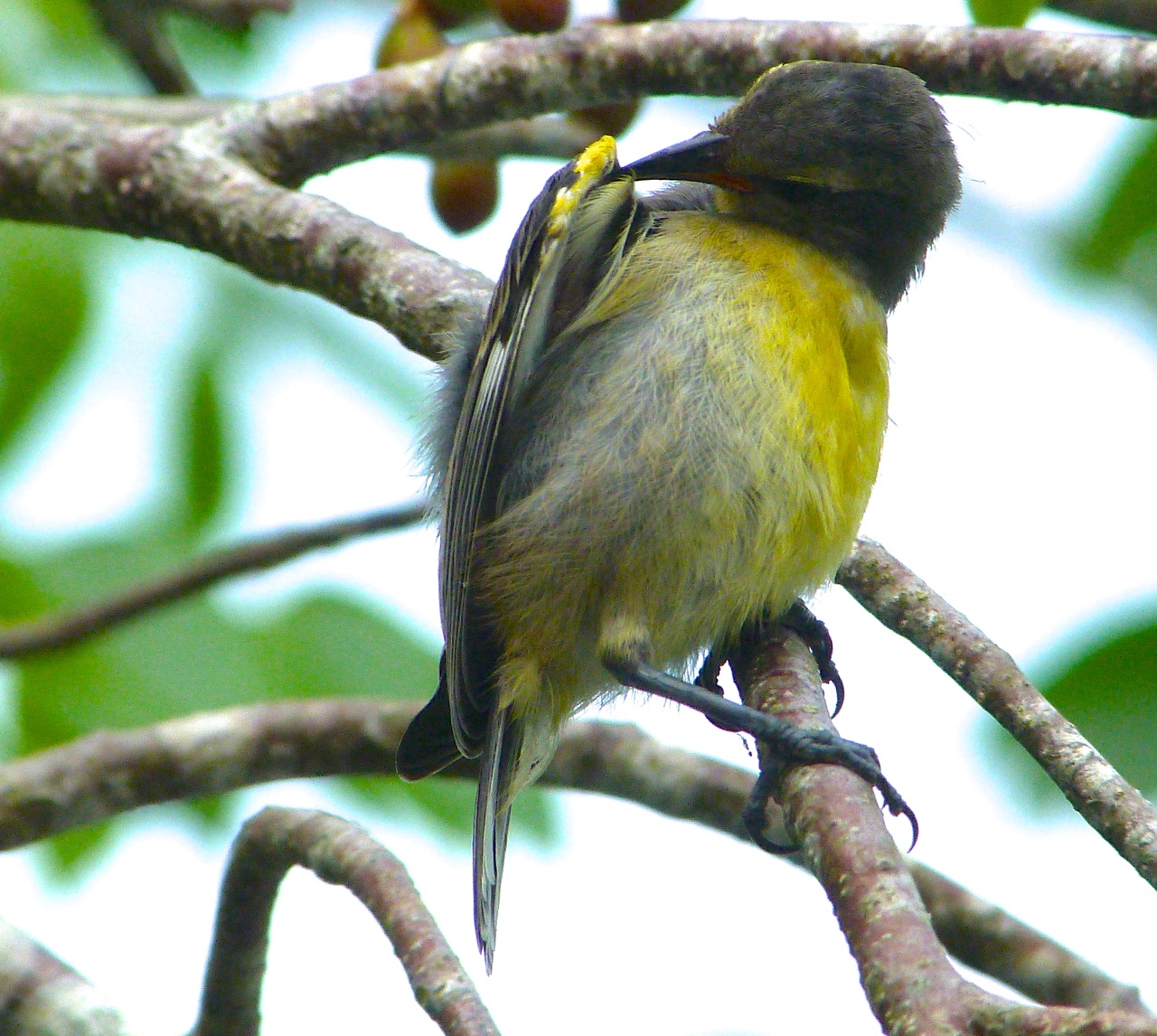
I’m not generally into whimsy and such stuff BUT… I can’t get enough of small bananaquits (Coereba flaveola). I’ve featured them before HERE and HERE AGAIN, but then I see another one, take some photos, and awwwwww – look at its little fluffy feathers… and its tiny sharp claws! The two shown below are summer babies. They aren’t really babies, though, are they? Teenagers, more like. Like many Abaco birds – especially the parrots – they are keen on the fruit of the Gumbo Limbo tree Bursera simaruba shown here. They also love flowers, piecing the base with their beaks to get at the nectar. They are quite as happy on a feeder – or indeed sipping sugar water from a hummingbird feeder, living up to their nickname ‘sugar bird’. 

Bananaquit (juv) Abaco, Bahamas 1Bananaquit (juv) Abaco, Bahamas 7“Watching you watching me…”Bananaquit (juv) Abaco, Bahamas 3

This second bird is a bit older, and has developed some smart citrus lemon shoulder flashes. Bananaquits have many regional variations throughout the caribbean and beyond. These birds are, or were, generally lumped in with the tanager species. They have an official classification of ‘uncertain placement’ in the taxonomic scheme for now, while their exact status is debated. Not that anyone watching them worries about that sort of technicality.Bananaquit (juv) Abaco, Bahamas 6Bananaquit (juv) Abaco, Bahamas 5

Here is what a Bahamas bananaquit sounds like, recorded on Andros (Credit: Paul Driver at Xeno-Canto)

A pair of adult bananaquits

Unknown's avatar

ELEGANT COOT CABARETS (6,6,2,5 anag.): CATTLE EGRETS ON ABACO


“ELEGANT COOT CABARETS” (6,6,2,5 anag.): CATTLE EGRETS ON ABACO

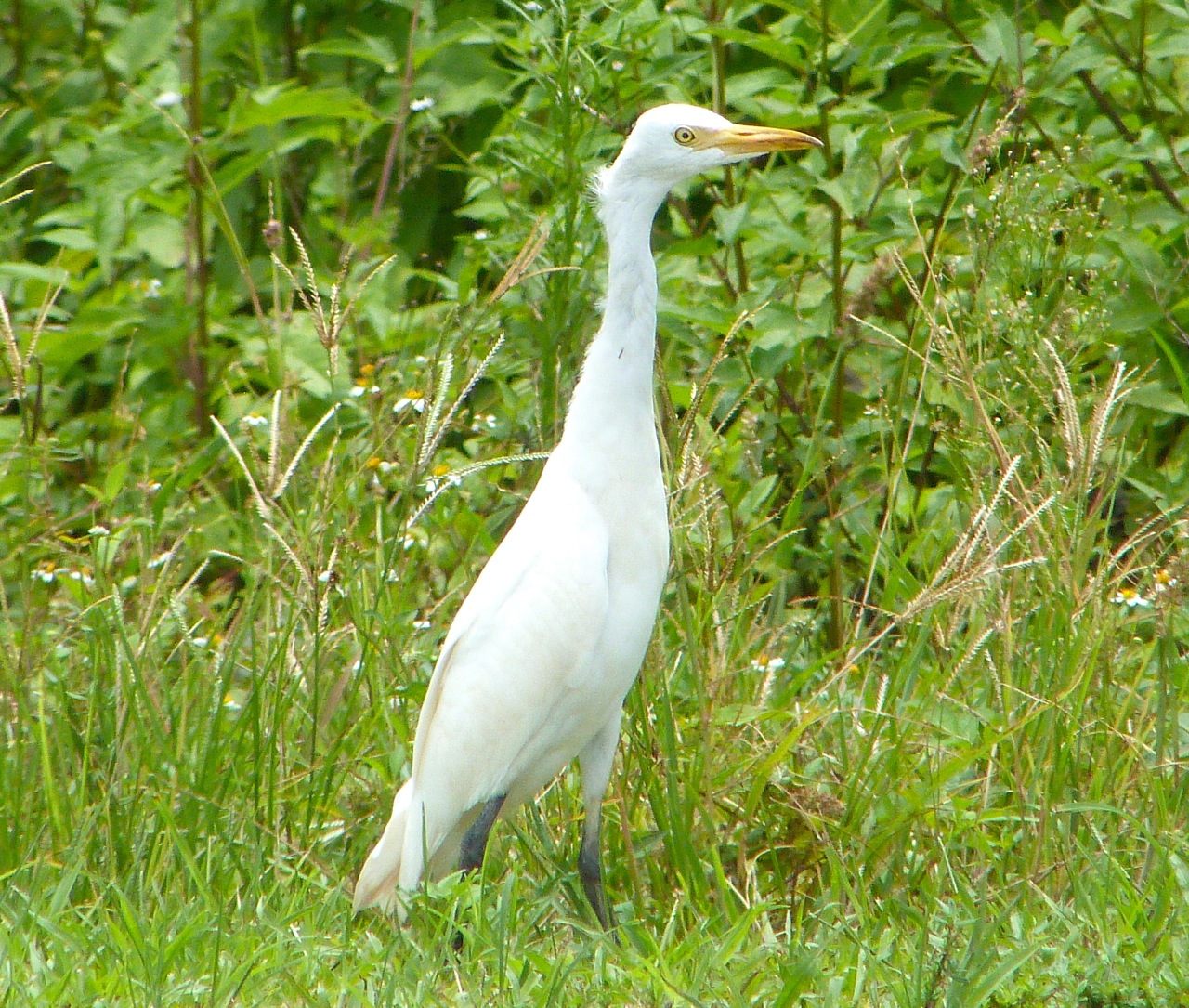
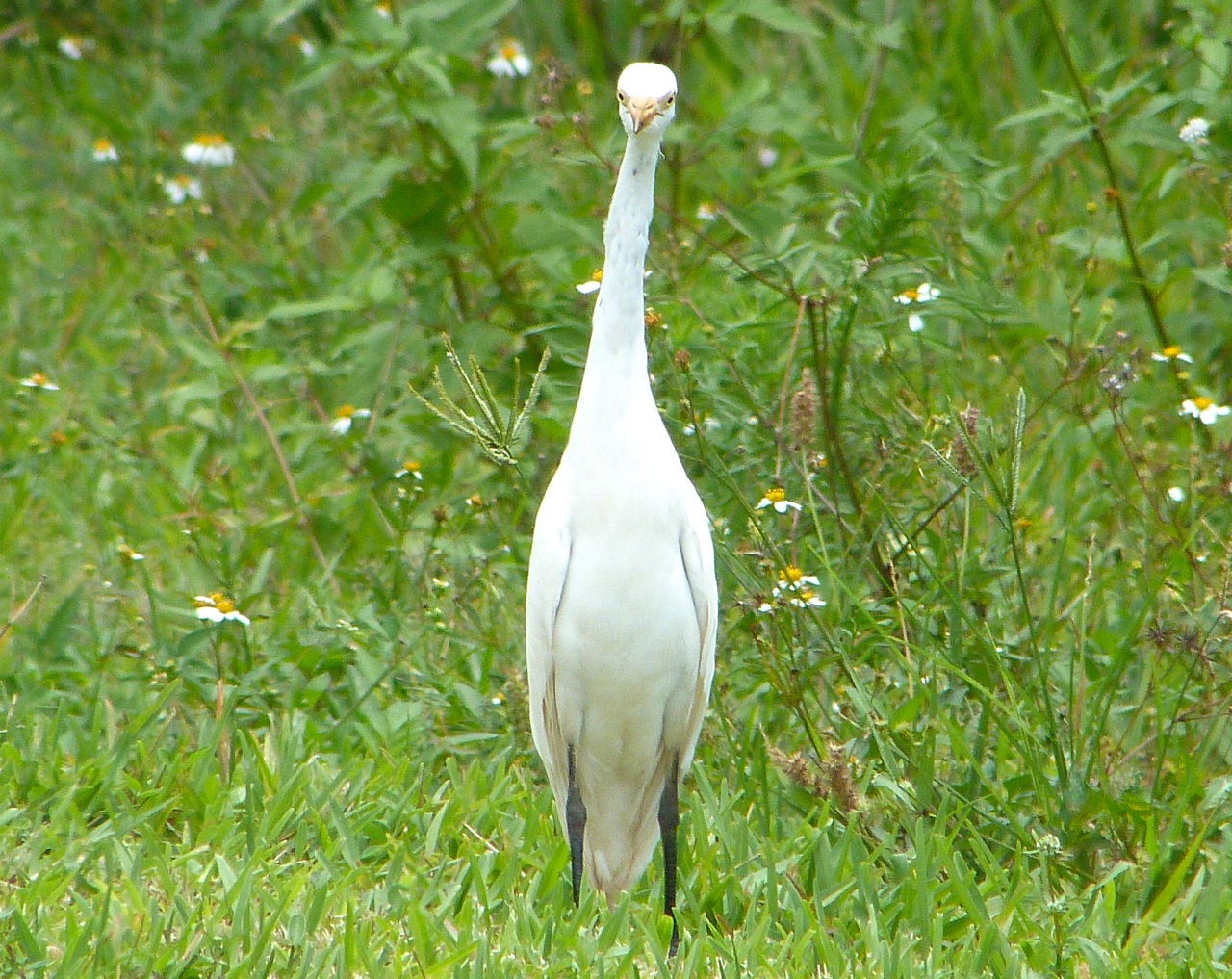
The CATTLE EGRET Bubulcus ibis is a species of heron with an affinity with cattle and other grazing animals. It’s a two-way thing – they relieve a cow of its ticks and flies, and get a ready meal return. Their name is the latin for ‘herdsman’.

Originating in Africa, these birds have proved to be one of the most successful and resilient bird species at expanding their breeding populations around the globe.

Range map – yellow: breeding – green: year-round –  blue: non-breeding                     

The first sightings in North America were in 1941, then assumed to be escapees. Far from it. They flew in and multiplied. By 1953 they were breeding in Florida; in Canada in 1962; and in the Bahamas in the 1960s. Now they are everywhere – though (depending, like, how old you are) your grandparents might never have seen one… Here’s a helpful wiki-graphic 

Range expansion in the Americas

In the breeding season, cattle egrets develop pinkish-buff patches on their front, back and crown, and grow matching head-plumes

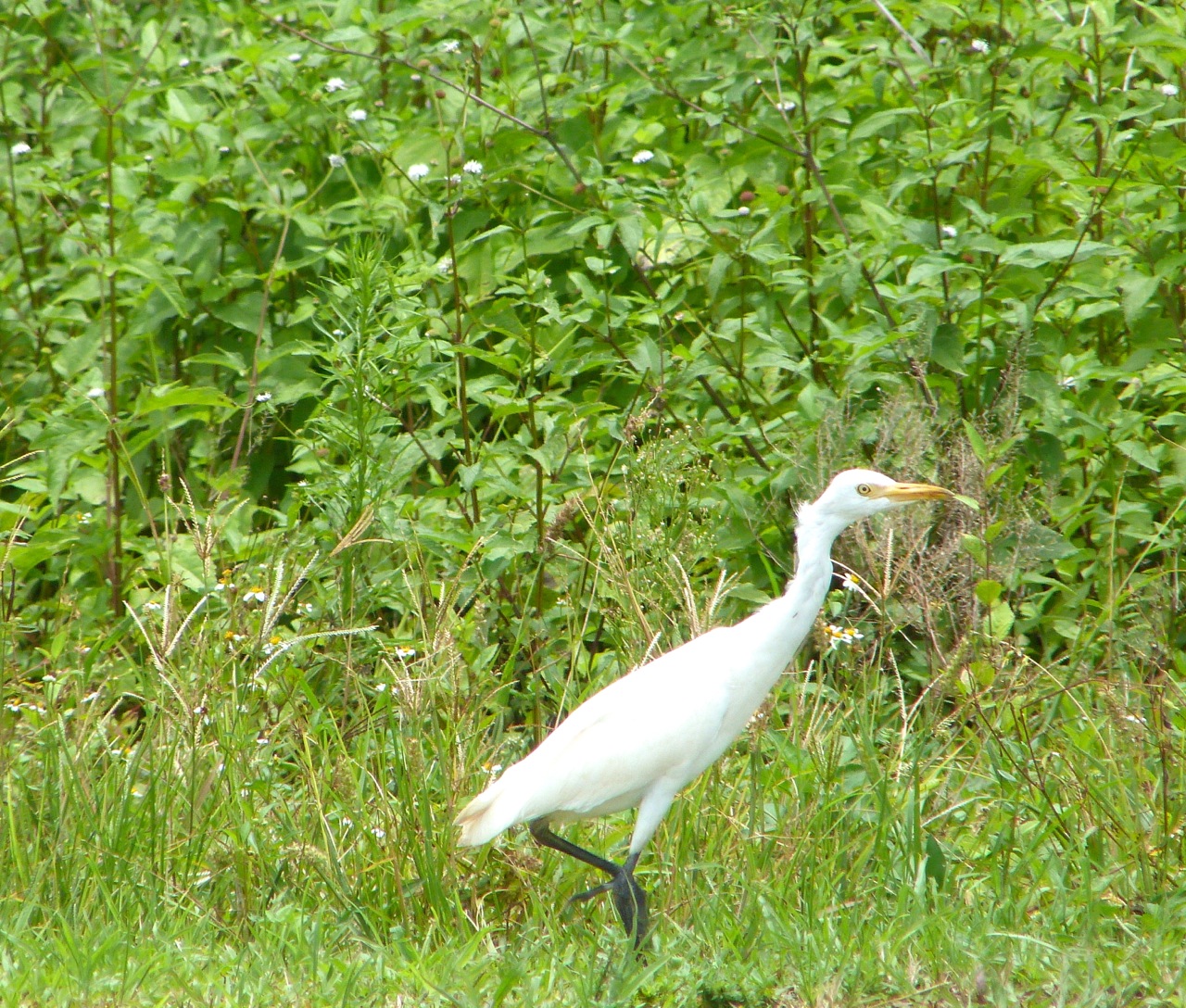
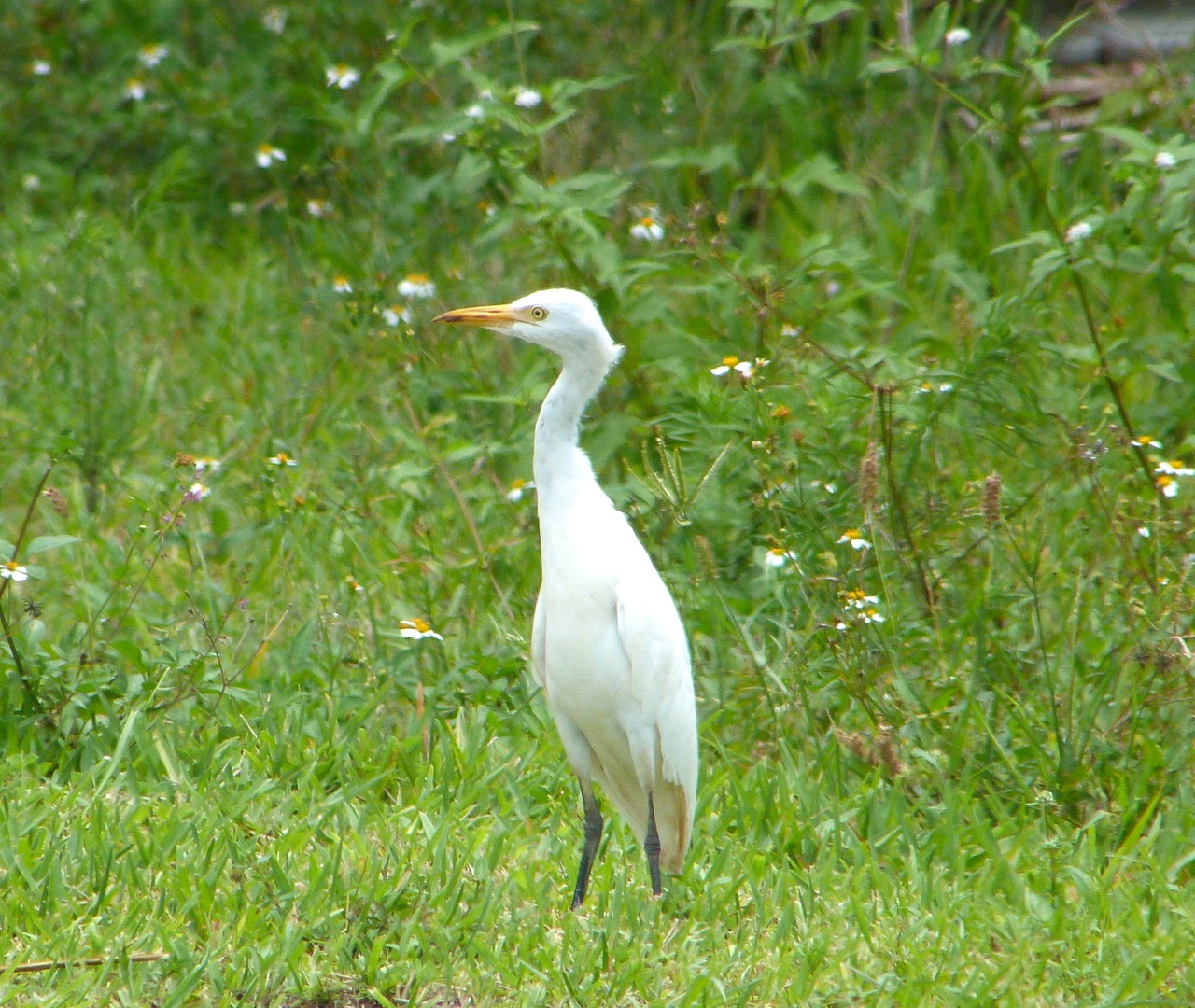
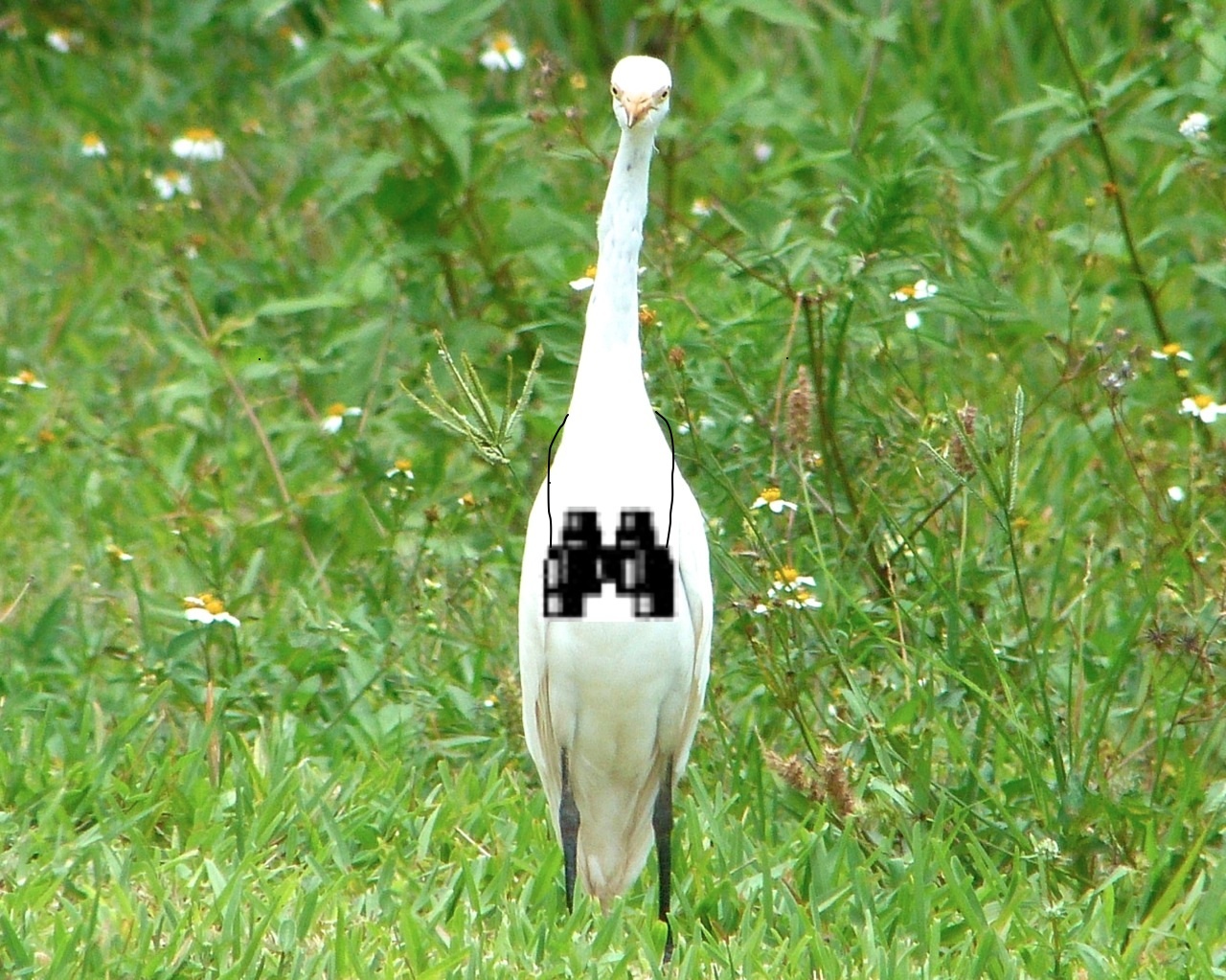
Recently we saw one at Sandy Point when photographing kestrels. It’s no longer in full breeding plumage, but traces of a pinkish tinge can still be seen.Cattle Egret Abaco 8The cattle egret’s eyes are positioned so that while they are feeding they have binocular vision. I’m not quite sure why that would be advantageous; you might think they’d prefer one eye on their food, and one on the look out for predatorsCattle Egret Sandy Point Abaco 12

When on the move the egrets may adopt a stooping, creeping stanceCattle Egret Abaco 7

These birds have capacious mouths, which enable them to vary their diet from small maggoty things to larger insects, then through snails to small frogs and the likeCattle Egret Abaco 5

Although the neck generally looks slim, they appear to have an expandable gullet which no doubt helps with larger food itemsCattle Egret Abaco 4

Now. Time to get back to the Crossword…Cattle Egret Abaco 2

BINOCULAR VISIONce_sp1Graphics, breeding plumage & header: redoubtable wiki; other images RH

ADDENDUM The redoubtable dou dou, creator of tiny and cute handmade bird models, has been inspired by these fine creatures to make a handsome pair. Check out her site with the link above… and you can even buy your very own cattle egrets there

cattle-egret-birds

Unknown's avatar

POSTING POSTERS: 5 OUTSTANDING ECO-EDUCO-INFO POSTERS


LRE Logo

LOXAHATCHEE RIVER DISTRICT POSTERS

EXCELLENT ECO POSTERS FROM LRD: FOR WEBSITE CLICK HERE

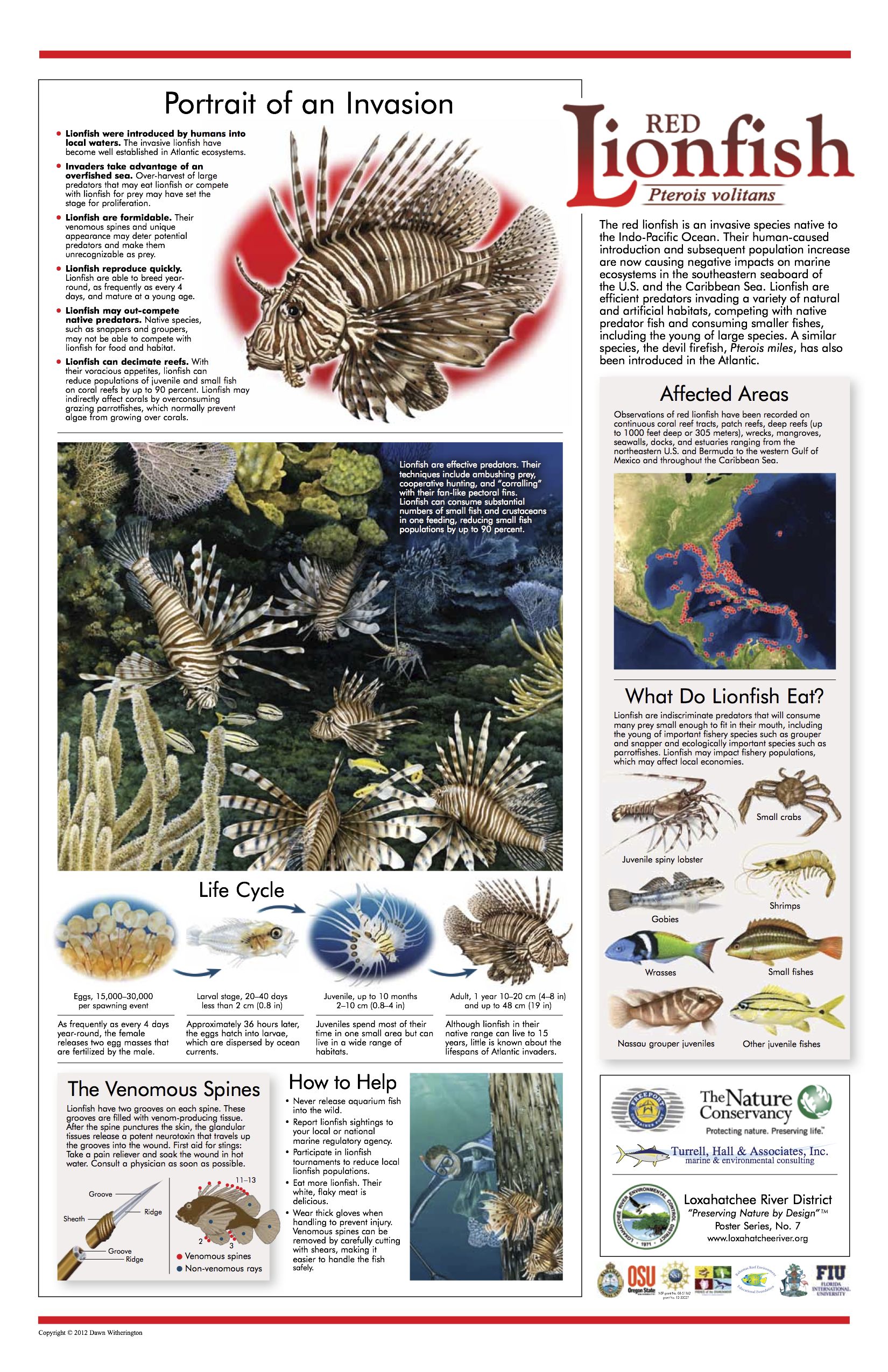
TO ENLARGE (CONSIDERABLY), DOUBLE-CLICKLoxahatchee River District Coral Reef Poster

Loxahatchee River District Bonefish Poster

Loxahatchee River District Lionfish Poster tarponposter.inddseagrasses_poster_8.5x11

CREDIT thanks to Loxahatchee River District for use permission for this website. Please note that these posters are ©Loxahatchee River District, and may not be used without permission. Especially not for commercial purposes. Please resist any temptation to drag them out and use them without contacting LRD first (website link at top of page). RH

BTT LOGOClick me for Bonefish & Tarpon Trust

Nature Conservancy Logo

Click me for Nature Conservancy, Bahamas

Unknown's avatar

CONSERVATION PIECE: AN ABACO ECO-MISCELLANY


CONSERVATION PIECE: AN ABACO ECO-MISCELLANY

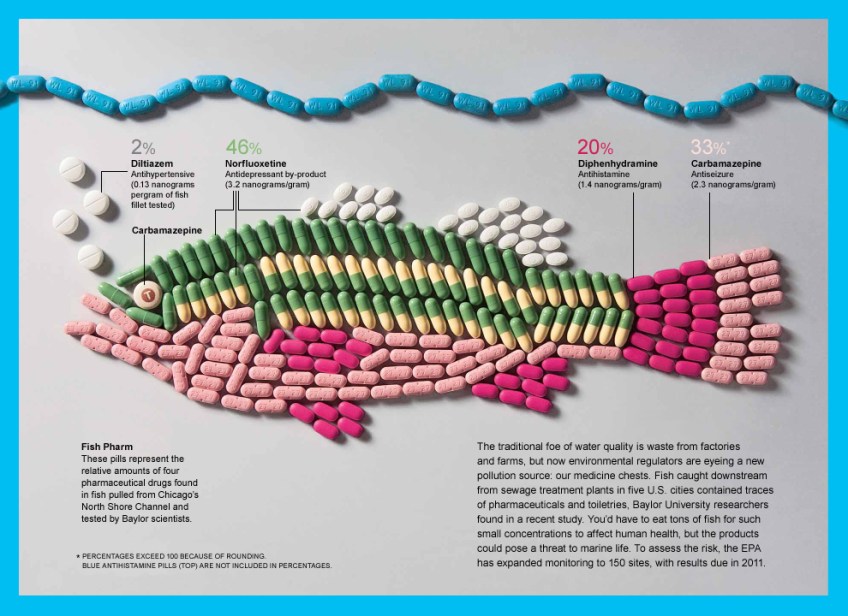
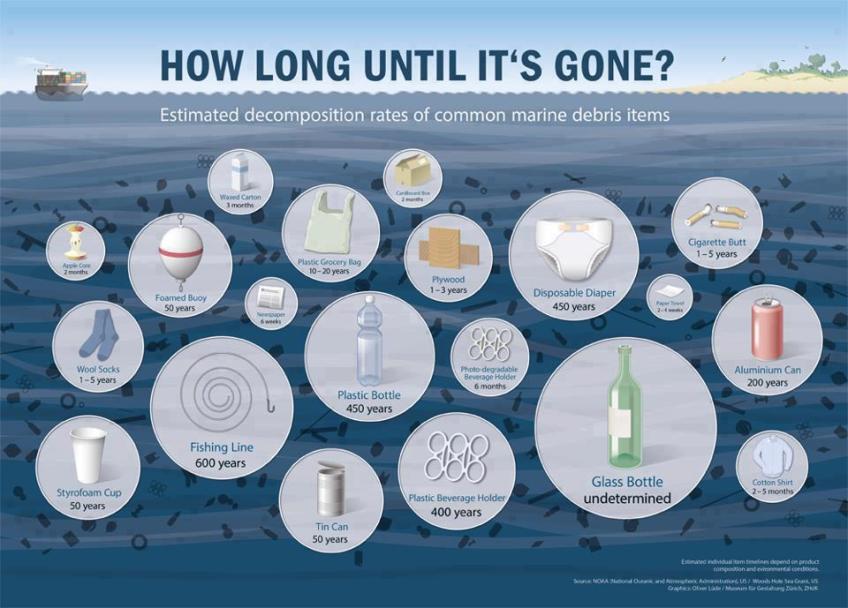
From time to time I post individual items on the CONSERVATION page. This comprises an assortment of articles, photos, videos and graphics with an eco-message relevant to Abaco and its waters. They accumulate gradually, and occasionally it is good to post a selection for consideration. What is the most frequently found item of detritus on a beach? Is it ok to eat striped bass? How many uses does a coconut have? How quickly does the invasive lionfish population spread? What is Fish Pharm? How many years does it take for an aluminium can to decompose? These and many other questions are answered below.

184790_196532023698608_1805444_aClick logo for website!

NOAA MARINE DEBRIS PROGRAM

Keepin’ the Sea Free of Debris!

ICC volunteers clean 10 million lbs of trash from our coasts
May 16, 2013 by NOAA Marine Debris Program

By: Dianna Parker

One rubber chicken, 117 mattresses, 4,159 candles, and 689,274 utensils. What do all of these things have in common?

They’re all marine debris collected last September at the Ocean Conservancy’s 2012 International Coastal Cleanup®, sponsored in part by the NOAA Marine Debris Program.The numbers are in: more than 550,000 volunteers came together to collect 10 million pounds of marine debris.  In the United States, volunteers found enough bottles that, when stacked end to end, equal the height of 1,000 Empire State Buildings. That’s a lot of trash on our beaches and in our waterways!This litter is threatening our marine environment, economy, and health, and the problem will only get worse unless we change the way we consume and dispose of products. There are solutions, and we can prevent litter from ending up in the ocean.So here’s a challenge: the next time you use a throw-away item: a bag, bottle, or utensil, answer the question, “Where it’s going?” How will you keep your items from becoming litter in our oceans, rivers, and streams? Head to Ocean Conservancy’s data release page for some neat infographics on last year’s trash haul. Here are the top 10 types volunteers found this year

top-10-items-found

THE PELAGIC OCEAN: AN INVESTIGATION INTO POLLUTION – BY KIDS

Prepare to be astounded – and horrified – by the cruel damage inflicted on sea life by humans and their prolific plastic trash. Credit: Friends of the Environment, Abaco

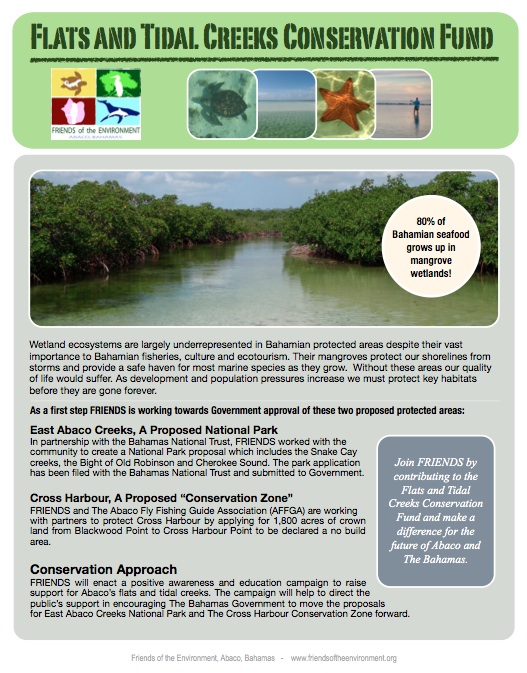
PROPOSED MARINE PROTECTED AREAS / EAST ABACO CREEKS VIDEOAbaco-park
coconut-uses 2Bahamas Lighthouse Pres Soc Logo

BAHAMAS LIGHTHOUSE PRESERVATION SOCIETY

BLPS NEWSLETTER JAN 2013 FINAL

LIONFISH

IMG_0383e.img_assist_custom-246x336

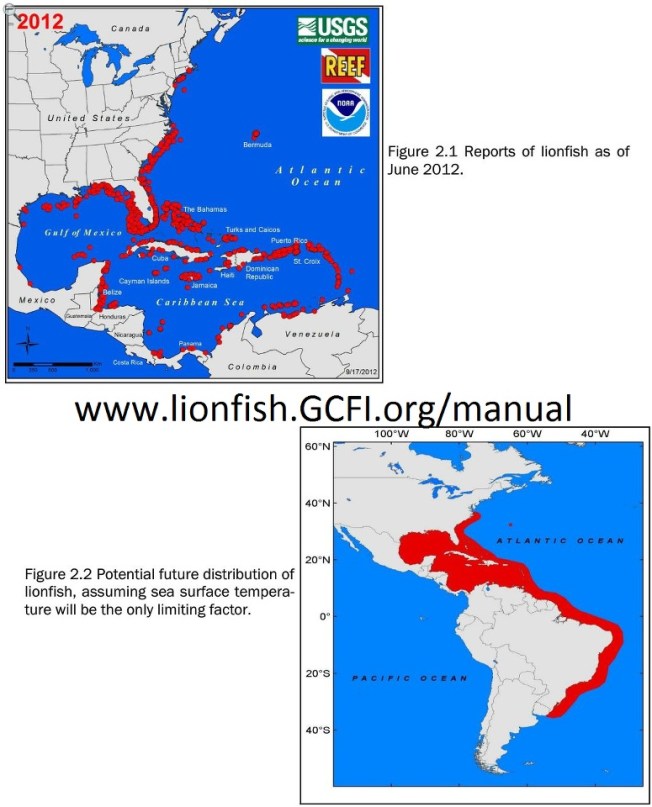
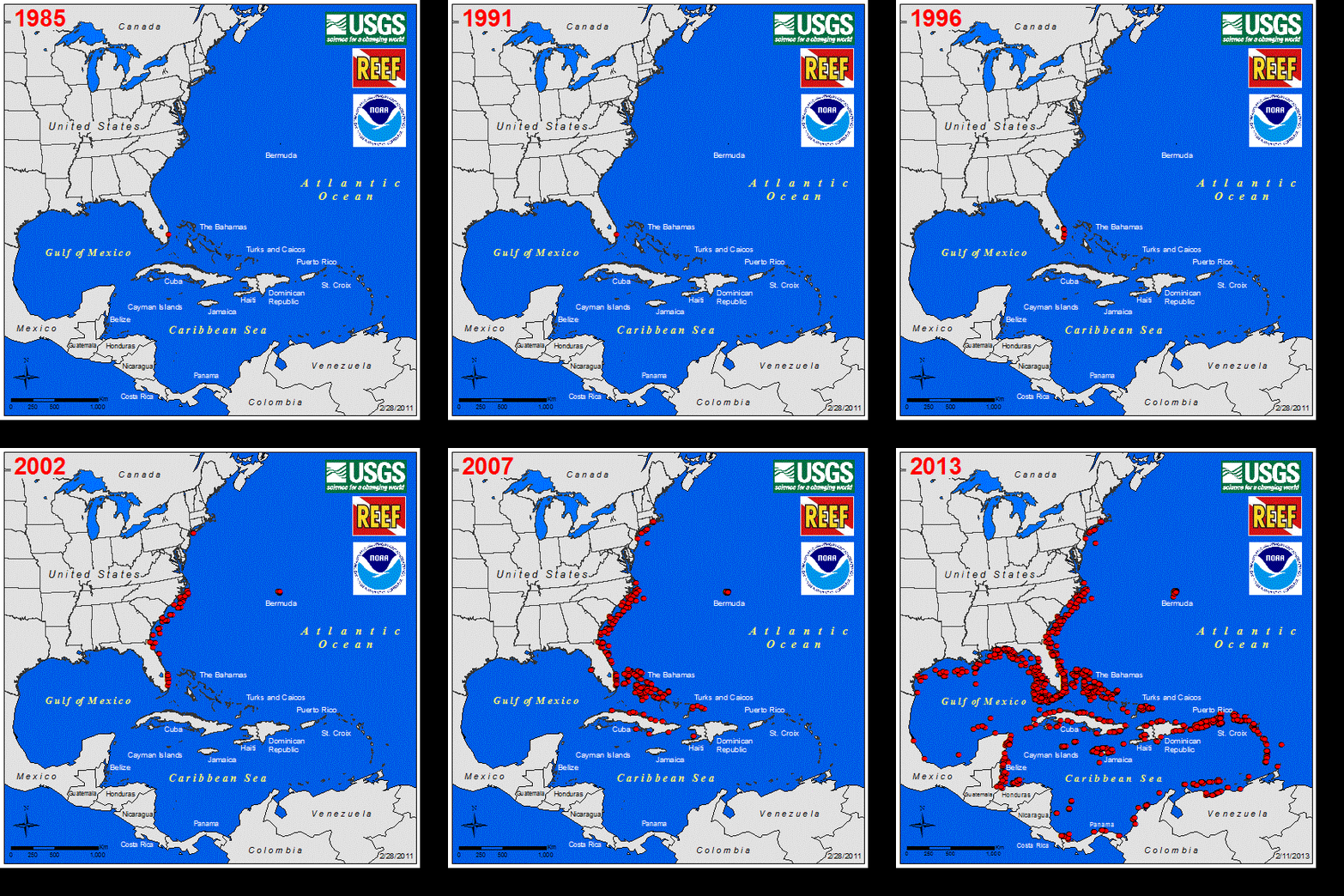
The debate about the seemingly unstoppable spread of the invasive lionfish species is well known. There are some who argue strongly that lionfish have their uses, and not merely as a food source. To see ongoing lionfish research by the organisation REEF click HERE To supplement the static projection graphic for lionfish spread (below), here is an active graphic that vividly shows how the species (love them or hate them) has expanded exponentially in numbers and range over a very short period

lionfishanimation 2013

 REEF lionfish progam graphics Conch Conservation Notice EGO -ECO graphic fishNational Geographic

Abaco Crawfish Logo

LOBSTERS – WE GOTTEM! OVERFISH THEM – WE AIN’T!

Video courtesy the fabulous CONCH SALAD TV; heads-up from ABACO SCIENTIST; campaign by SIZE MATTERS

BLPS LOGO

BAHAMAS LIGHTHOUSE PRESERVATION SOCIETY Read the Society’s 4-page January 2013 Newsletter HERE BLPS NEWSLETTER JAN 2013 

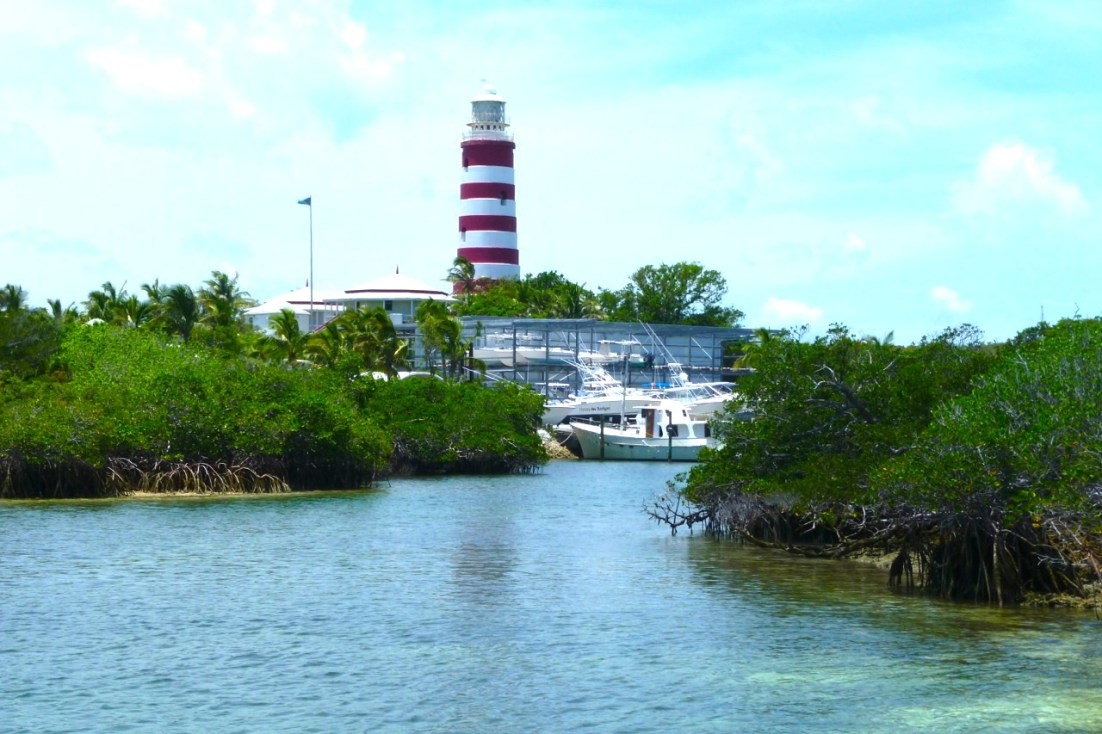
The Society was founded in 1995, and it has already achieved much to preserve and protect the lighthouses of the Bahamas. Of particular interest to Abaconians will be the news about the Hope Town lighthouse, and about the work done at Hole-in-the-Wall. If you’d like to support this hard-working not-for-profit organisation and help to preserve a part of Abaco’s maritime history, the email address is blps.bah@gmail.com  Hope Town Lighthouse
bpa_logo

A new environmental organisation has been announced: to find out more

CLICK===>>> BPFA 

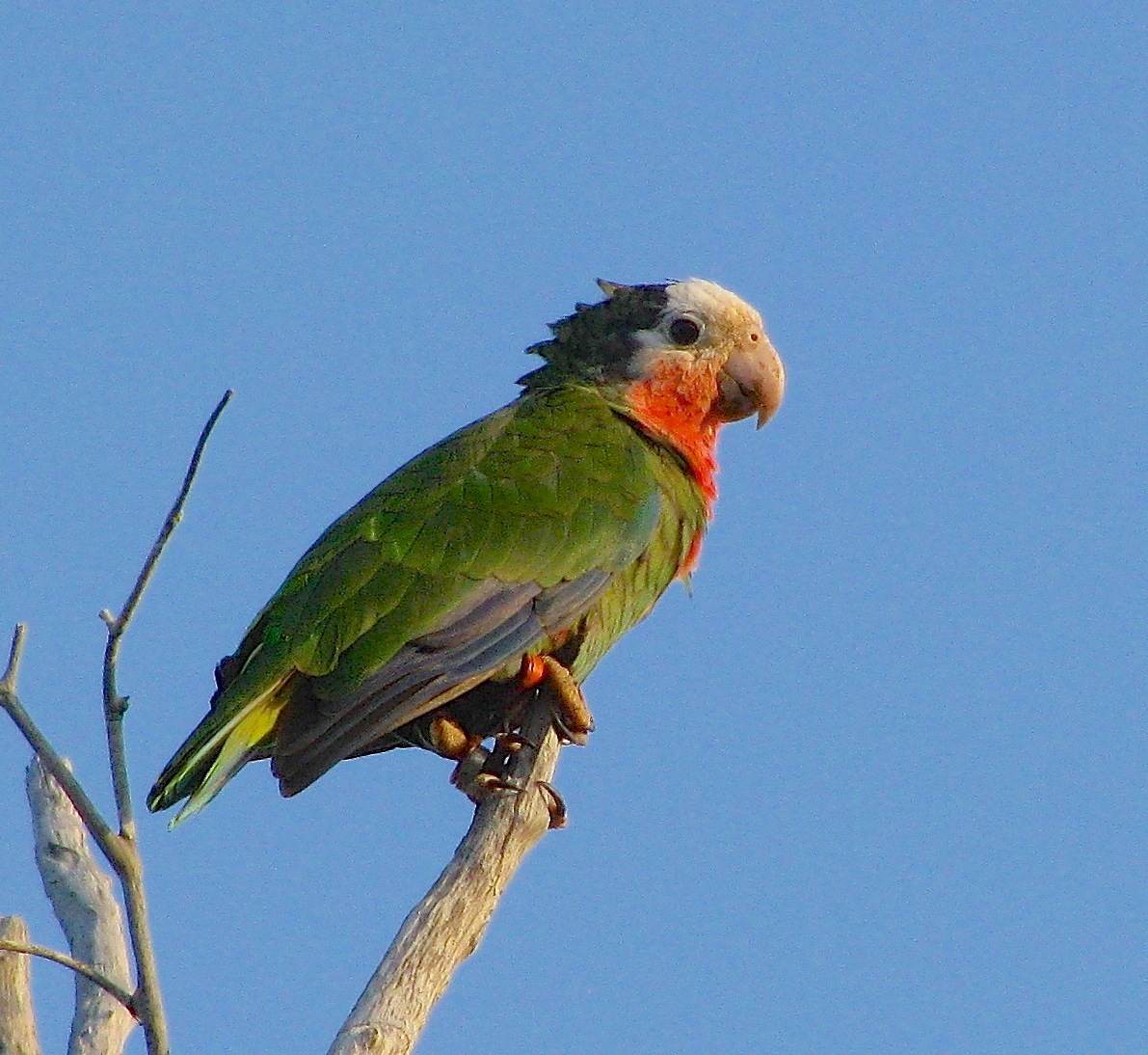
IUCN CUBAN PARROT RED LIST RANGE MAP FOR AT RISK SPECIES
I have annotated this IUCN map of the Cuban Parrot population range. It’s worth noting that the Bahamian subspecies is now found only as a breeding population on Abaco and Inagua, being defunct on all other islands since the mid-c20. Of these populations, only the Abaco parrot breeds underground, a unique feature among the whole species.
I am puzzled by the suggestion of an ‘extant (resident)’ population on the Bimini Is. That would suggest that they breed there. I don’t know the date of the map, but I have checked with the Avibase bird database, and the Cuban parrot is indeed included in the list of Bimini birds. I’ve put a query on the map because I don’t know what the position is in 2012.
Click me!
FRIENDS OF THE ENVIRONMENT (ABACO)
This conservation organisation has recently completely redesigned its website (click logo above), and presents comprehensive and easily navigated information about a myriad aspects of conservation on Abaco and its fragile ecology. The fragility is mostly directly or indirectly caused by mankind (a broad statement, I know, but it’s an arguable stance), so it’s worth checking out the measures that are being undertaken to preserve the natural resources of the island and its cays. Below is a post about one feature highlighted on the FotE site that I am particularly interested in. Overall all the new website is definitely one for any Abaconian (or, like me, regular visitor) to study. If you want to contribute your support (either generally or to a specific cause) go to the FotE website (click logo) or visit the Rolling Harbour wildlife charity page HERE

THE EFFECT OF RISING SEA LEVELS IN THE CARIBBEAN

This map has been posted by the SCSCB, with the very interesting and definitely worrying text “The map shows projected impacts of a 2 meter sea level rise in the Caribbean. The orange is the impact of 2 meters, while the yellow is the 25 meter line. The last time the ice caps melted the sea rose between 18 and 25 meters. The most conservative estimates indicate a 1-meter rise by the end of the century (concurrent with a 2 degree C rise in temperature). From the position of planning, I am curious about the estimates being used by Caribbean resource managers in their long-range planning. For example, what percentage of Caribbean seabirds nest below 2 meters…”

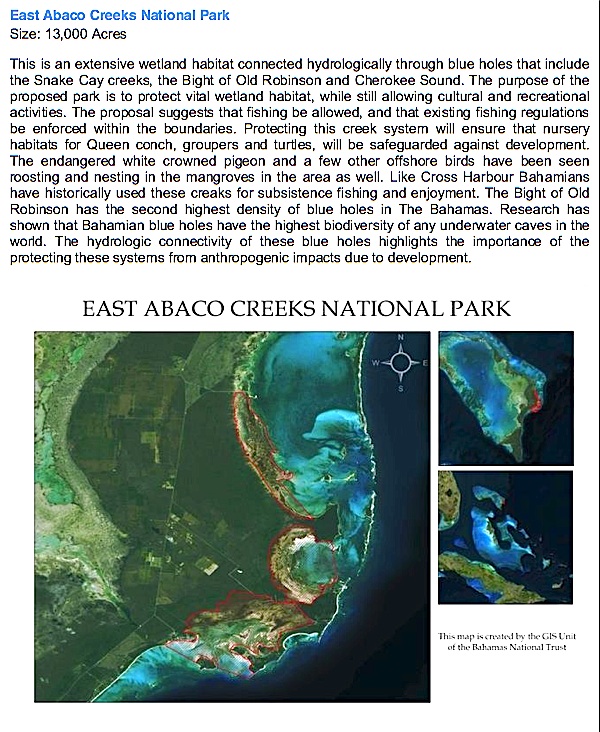
EAST ABACO CREEKS NATIONAL PARK PROPOSAL

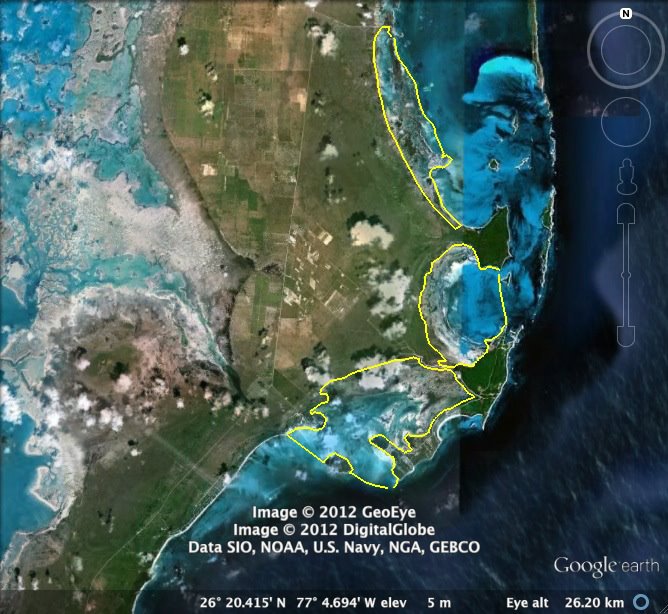
Click on the title above to see the BNT’s proposal for this major conservation proposal for the east Abaco creeks. It’s in .pdf form and you can (probably) copy / save it if you wish. The map below shows the 3 areas concerned. You can check out more details – and photos – on Facebook at EACNP

A VISUAL TO PONDER FROM ‘SCIENCE IS AWESOME’
CONSERVATION ON ABACO AND IN THE BAHAMAS

This new page (June 2012) is intended to showcase the achievements of the various organisations and individuals involved with the protection and conservation of the fragile ecology and wildlife in a small and rapidly developing area. A number of posts and articles from other pages will gradually migrate to this page.

I have posted on Facebook a statement by the new Environment Minister which praises the environmental work carried out in the Bahamas and pledges Government support MINISTER’S STATEMENT Let’s hope it’s forthcoming…

community conch logo

CONCH CONSERVATION

The supply of conchs is not infinite. Overfish them, take them before maturity  or pollute their habitat and this valuable marine resource depletes – and conchs, as with so many marine species, will become threatened. Fortunately there is a Bahamas-wide conservation organisation with a website packed with interest.  COMMUNITY CONCH is “a nonprofit organization that aims to protect queen conchs in the Bahamas, a species of mollusk threatened by aggressive over-fishing. We promote sustainable harvest of queen conch through research, education and community-based conservation”

“Helping to sustain a way of life in the Bahamas”

Much of the research has been carried out in Berry Is, Andros and Exuma Cays. However the team has recently been based at Sandy point, Abaco CLICK===>>> ABACO EXPEDITION  The full Conch Conservation post can be found at CONCH QUEST

BAHAMAS MARINE MAMMAL RESEARCH ORGANISATION (BMMRO)

The BMMRO is featured many times in this blog, in particular in the pages WHALES & DOLPHINS and MANATEES. They now have a Facebook page with all the latest news, photos, newsletters links and cetacean / sirenian goss in one easily-digested timelined place. To reach it CLICK ===>>> BMMRO FACEBOOK PAGE

For the latest quarterly newsletter, just published, CLICK ===>>> BMMRO NEWSLETTER JULY 2012

A RECENT FLYER FOR THE ‘SIZE MATTERS’ CRAWFISH CAMPAIGN

BAHAMAS NATIONAL TRUST PRESS RELEASE JUNE 2012

ABACO PARROT POPULATION ON THE RISE
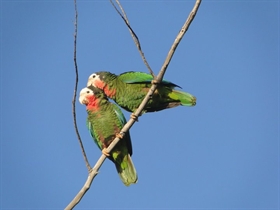
The Bahamas National Trust  in conjunction with Dr. Frank Riviera and Caroline Stahala recently conducted an intensive survey of the Bahama Parrot on Abaco Population surveys conducted in 2002 resulted in estimates of the Abaco parrot population of about 2,500 parrots with similar values in the following years. This year Dr. Frank Rivera and Caroline Stahala, who took part in the initial surveys, helped by  BNT wardens and volunteers, conducted a 10 year follow up survey to determine the change in the Abaco parrot population since management began. The results indicate that the Abaco parrot population has increased since the BNT’s management efforts were implemented with a new estimate of just over 4,000 parrots on Abaco. The BNT has been concerned about the Bahama Parrot Population since the 1980’s. Studies indicated that the major threat to the parrots were feral cats who cause serious problems to the parrots during the nesting season by entering the underground nesting cavities and killing the breeding adults and chicks. The BNT implemented an intensive predator control effort in 2009 throughout the parrot nesting area culminating in the hiring of Marcus Davis as Deputy Park whose primary responsibility is to oversee the predator control program. During the breeding seasons the BNT has seen a decrease in the number of breeding parrots killed and nest success increase. The question, though, remained whether this effort would translate into an increase in the Abaco parrot population size. Survey results indicated that predator control has led to an increase in nest success.  In addition, the Abaco parrots have weathered several hurricanes (Frances, Jean and Irene) over the last 10 years and still appear to show  a population increase. Hopefully with continued management efforts a healthy and viable  endemic parrot population on Abaco will continue to thrive. According to David Knowles, BNT Director of Parks “This gives us hope that with continued management efforts we can continue to have a healthy and viable endemic parrot population on Abaco.”

Unknown's avatar

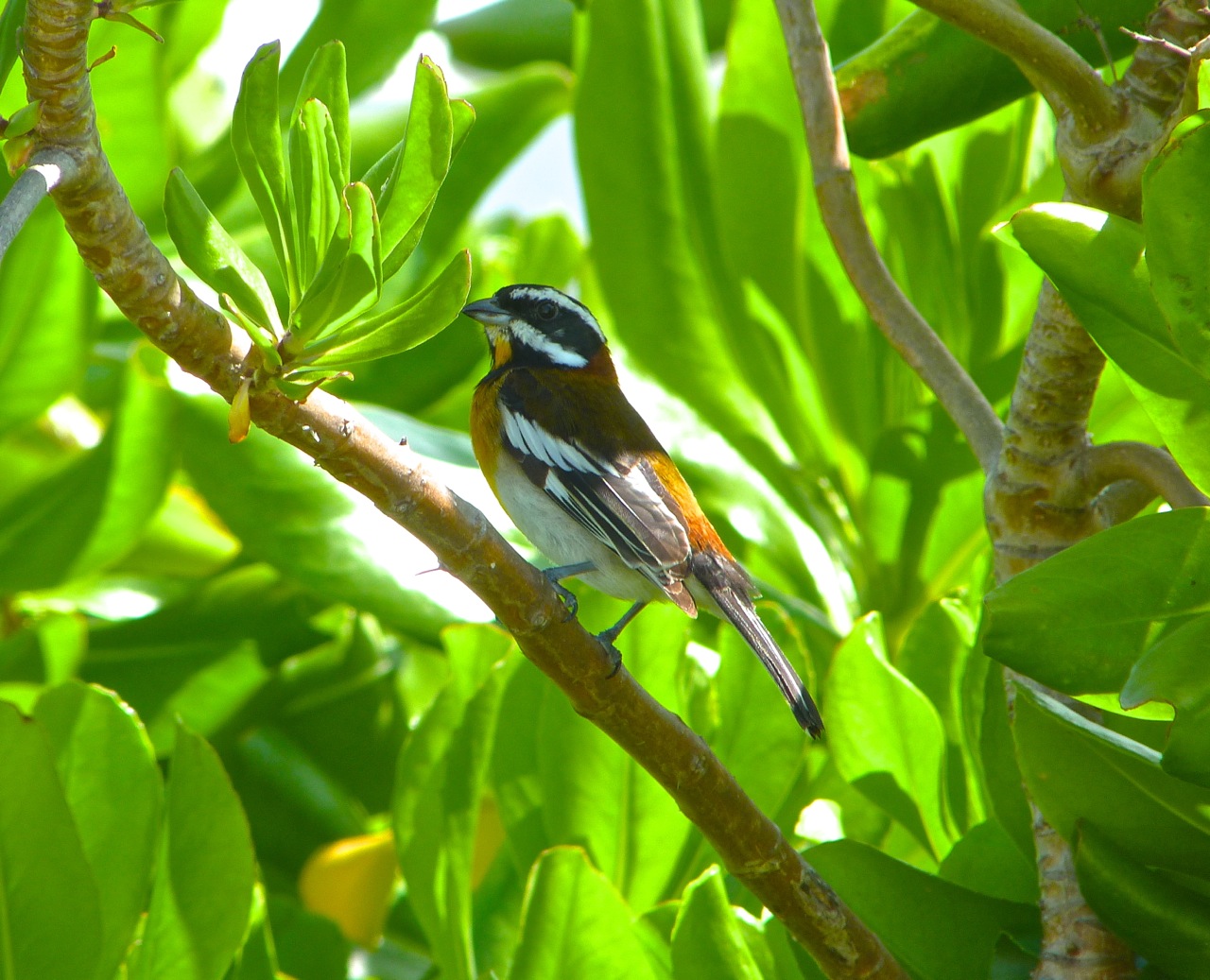
HELLO, HANDSOME! WESTERN SPINDALIS IN THE MOOD FOR LURVE…


Western Spindalis Abaco 4

HELLO, HANDSOME! WESTERN SPINDALIS IN THE MOOD FOR LURVE…

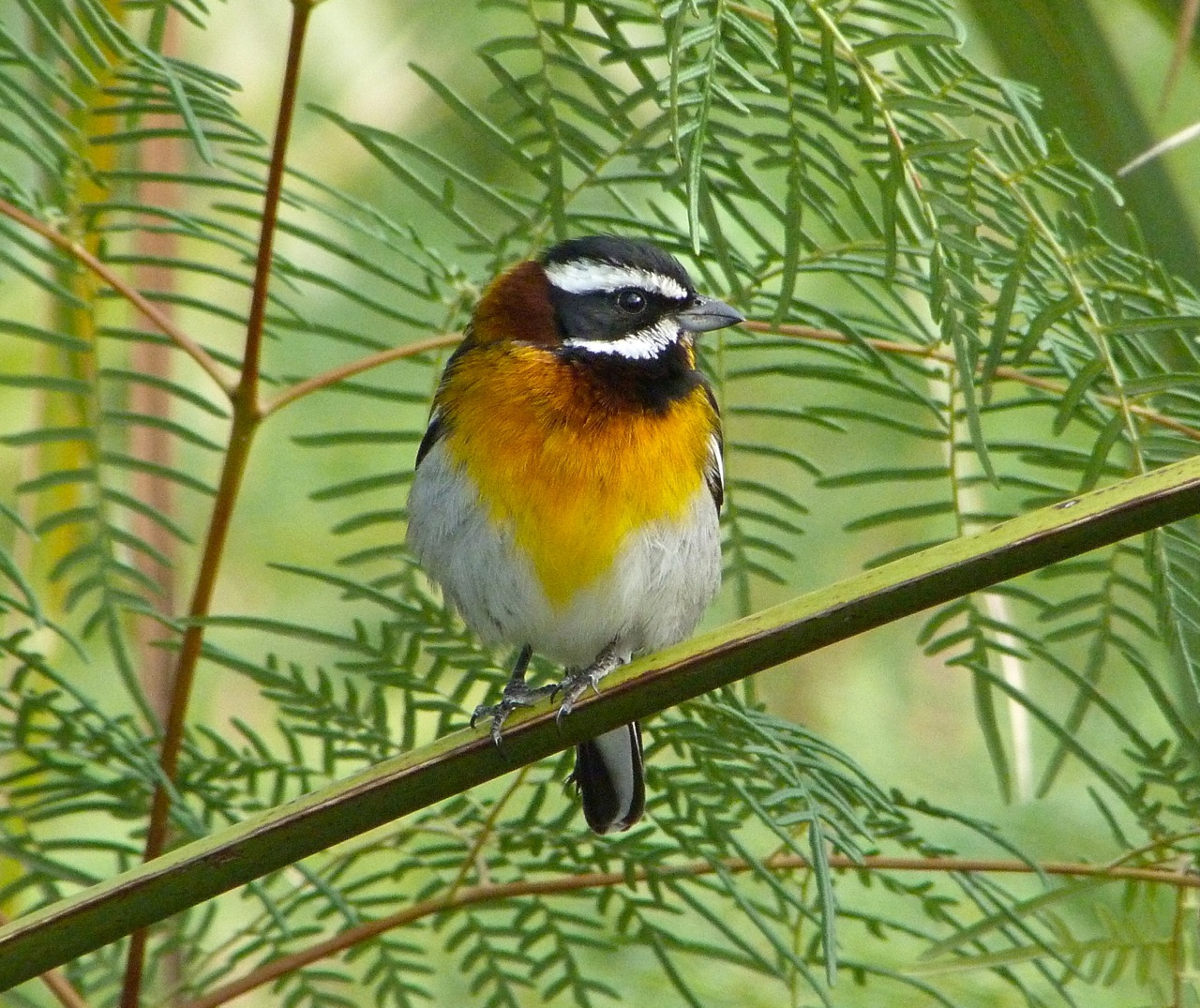
Nearly two years ago, when this blog was still in its mewling infancy, I posted about one of my favourite small birds on Abaco, the WESTERN SPINDALIS (Spindalis zena, formerly known as the Stripe-headed Tanager). It is a strikingly handsome creature by any standards, often seen posing ‘tall’ on a branch looking splendid in its orange, black and white livery.

Perching proudly…Western Spindalis Abaco 1… or dining elegantly…Western Spindalis Abaco 2

The  spindalis is one of the birds to look out for if you are walking along one of the drives at Delphi, or (*recommended 1/2 hour stroll*) walking the drive circuit. You’ll see them in the coppice or in the undergrowth alongside the drives in the pine forest area, almost certainly a little way in from the front. We spotted one quite close to the Highway, looking most decorative in the greenery. This one had an uncharacteristic hunched look about him, and we soon discovered why – he was courting. Not the black-faced grassquit near the bottom of the photo, but a female spindalis well-hidden low down and further back in the undergrowth to the left. So we edged nearer to get a better look.Western Spindalis Abaco 7

You’ll see that this male bird’s hunched posture has produced a rather impressive neck ruff, an adornment presumably irresistible to female spindalises. Both birds were ‘chucking’ softly to each other, and the male turned his head regularly to show off his glories from all angles. Western Spindalis Abaco 6Western Spindalis Abaco 8I can’t unfortunately reveal the outcome of this encounter. We never saw the female, and we had probably got too close for her to feel comfortable about breaking cover. The male, however, was too absorbed refining his pulling techniques to be greatly bothered by our presence, though he did keep a beady black eye on us. Is this male preoccupation when courting found in other animal species, I wonder? Reader, we made our excuses and left…

Unknown's avatar

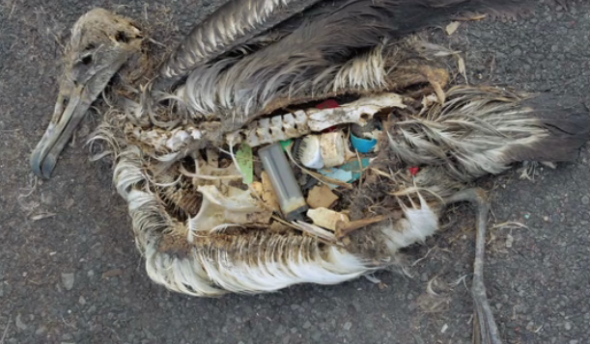
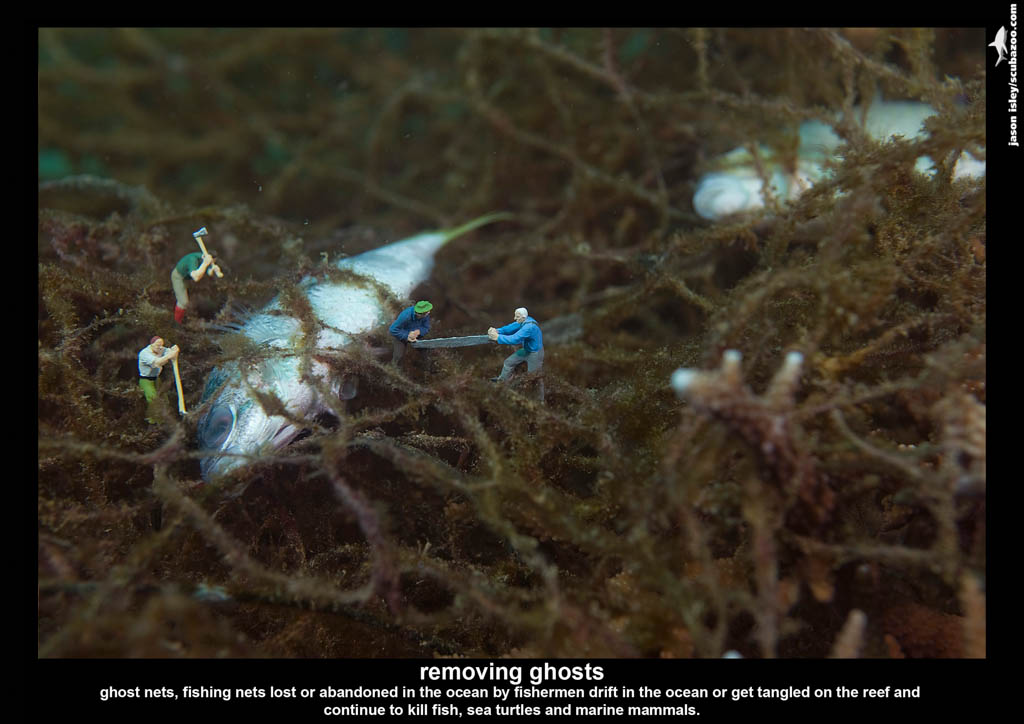
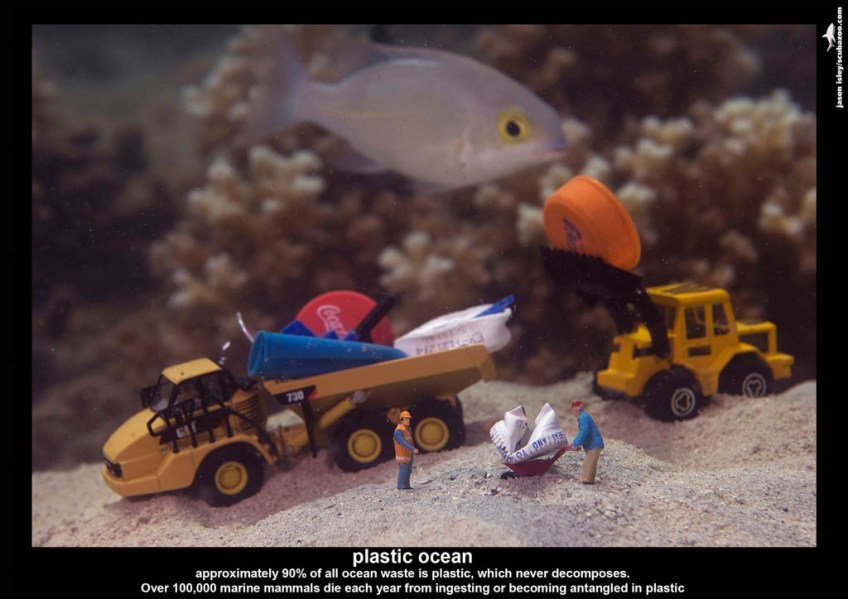
‘MEN AT WORK’: CLEANING UP MAN’S DEBRIS IN THE OCEAN


bird1

‘MEN AT WORK’: CLEANING UP MAN’S DEBRIS IN THE OCEAN

I keep an eye on the website SCUBAZOO. As ever, the alert ABACO SCIENTIST (highly recommended to follow) has beaten me to this latest post from Jason Isley, diver / photographer and creative thinker. He demonstrates the wonders and (human) blunders of the deep with wit and style. In the gallery below, he tackles the issue of man’s pollution of pristine waters. In a simple way, he manages to use humour to get across a message  that can easily become obscured by lengthy sermonising. See what you think.            
Pollution01Pollution02Pollution04Pollution03pollution06pollution05

Unknown's avatar

ART FOR THE [NATIONAL] PARKS: 3 DAY EVENT IN AID OF ABACO’S WILDLIFE


Atala Hairstreak LogoSUPPORT ABACO WILDLIFE CONSERVATION AND THE WORK OF THE BNT

LOCAL ARTISTS & ARTISANS; LECTURES; ENVIRONMENTAL GAMES; FRESH MARKET

(Help to make sure that the creatures pictured below stay off the IUCN ‘threatened species’ list) 

Art for the Parks: Abaco National Parks