Unknown's avatar

ABACO’S BIRDING HOTSPOTS (42 OF THE BAHAMAS TOP 100)


Black-necked Stilt, Abaco (Tom Sheley)

ABACO’S BIRDING HOTSPOTS (42 OF THE BAHAMAS TOP 100)

Right now, I’m doing daily checks on the indispensable EBIRD CARIBBEAN in relation to the ABACO PIPING PLOVER WATCH project (and incidentally if you encounter one or more on a beach near you, details would be very welcome – below is what to look out for!).

Piping Plover, Abaco - Bruce Hallett

It occurred to me to check out the contention that Abaco is Numero Uno birding destination in the Bahamas (though sadly lacking the flamingoes, except for vagrants; and the Bahama oriole, now extirpated and confined to select areas of Andros). Sure enough, Abaco has 42 out of the top 100 birding hotspots. In the map below, gray pointers indicate a few observations, blue means 50+ and green represents 100+. Nowhere has yet achieved the flame-red pointer – the ultimate hotspot accolade…

Abaco Birding Hotspots Map (eBird)

People often ask where best to go for quality birding on Abaco. The answer depends of course on the season and on what they are after – for example shorebirds or warblers; parrots or absence of parrots and so on. The Abaco 42 are listed below. There are a couple points to make about the hotspot list:

  • There is a degree of duplication, eg Gorda Cay / Castaway Cay being shown as separate entries, as is Angelfish Point / Angel Fish Point
  • Also, the data gathered by eBird is entirely dependent on regular uploads of checklists. Inevitably the birders will mostly be regulars, with their own preferred beats or perhaps with an interest limited to the area where they live. Some records show long gaps – sometimes a couple of years – between reports. So the eBird data can only give an overview, not a precise record of actual observations or birding effort and success. 

Bahama Woodstar male 3.1.Abaco Bahamas.2.12.Tom Sheley copy

In very general terms, and assuming a broad birding interest, I would recommend the Treasure Cay area; in and around Marsh Harbour; the stretch east of the Highway that takes in Bahama Palm Shores, the Abaco Neem Farm, Delphi, Crossing Rocks & Gilpin Point; the National Park; and Sandy Point. I’m sure there will be other views, but I am thinking primarily of the visitor who has but a single day to spare from a packed schedule of fishing, swimming, sunbathing, eating and drinking… [nb as a soi-disant photographer I’m not so keen on the dumps and landfill. Yes, the birding can be good. No, I don’t want to feature rubbish in my already rubbish photos…]
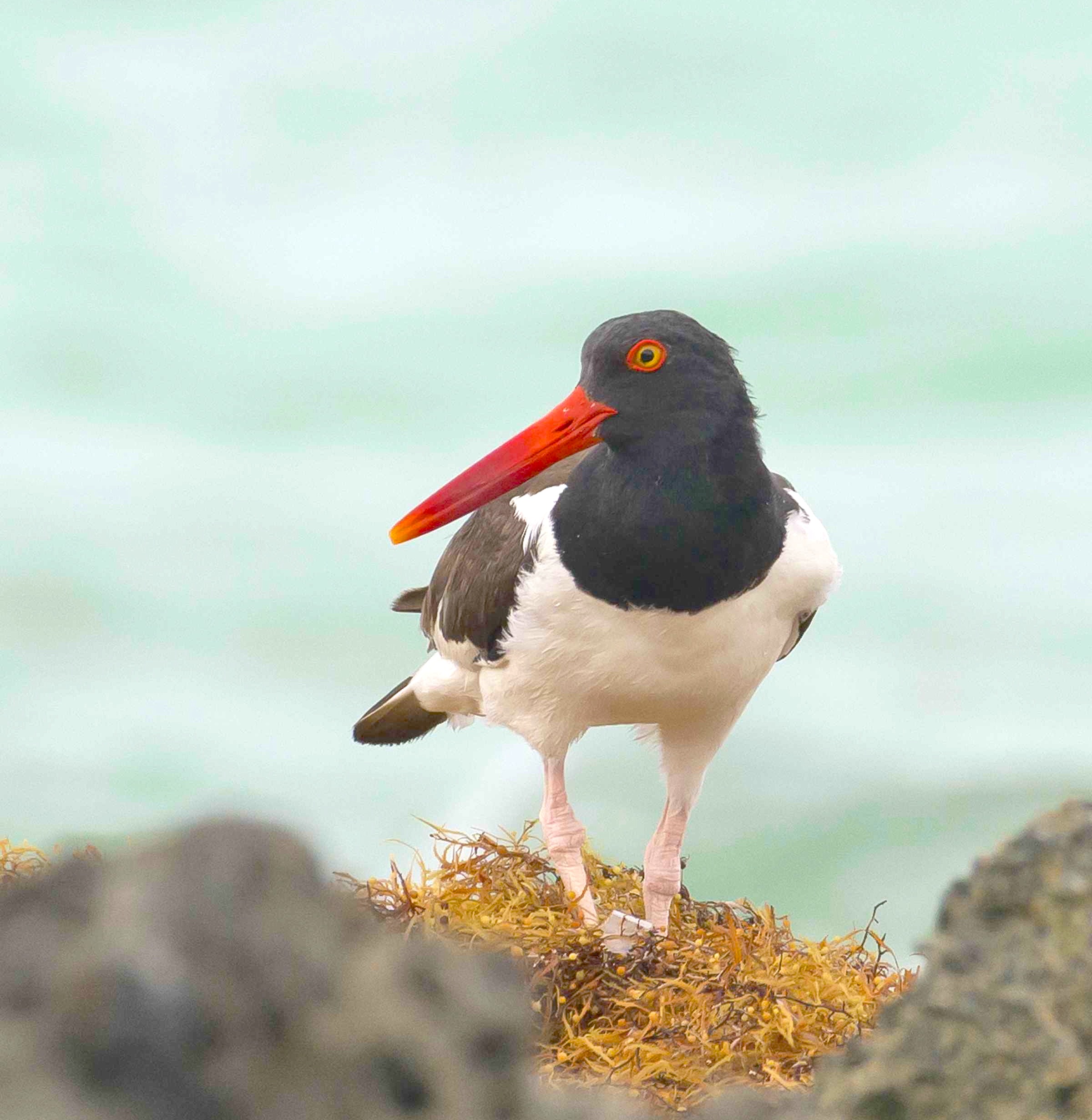
American Oystercatcher4.1.Delphi Club.Abaco Bahamas.6.13.Tom Sheley RH 2

Here’s the eBird list, omitting all the non-Abaconian hotspots. Clicking on the links will take you straight to the relevant location’s latest reports and show some of the species seen there. I haven’t checked every link, but spot-checks suggest they work ok…

3 Treasure Cay GC

4 Abacos–Citrus Farm near Treasure Cay

5 Abaco–Sandy Point

8 Angel Fish Point

10 Marsh Harbour

12 Abaco–Crossing Rocks

13 Abacos–Treasure Cay Dump

14 Abacos–Treasure Cay West Side

18 Abaco Cays IBA–Great Guana Cays

20 Abacos–Treasure Cay Sunset Ridge and vicinity

22 Robert’s nursery, ponds and marls overlook

23 Abaco–Bahama Palm Shores

28 Abaco Cays IBA–Green Turtle Cay

32 Gilpin Point

35 Hope Town, Elbow Cay

37 Big Bird

38 Castaway Cay

41 Man-o-war Cay

44 Abaco National Park IBA

45 Marsh Harbour–Landfill

52 Island Homes–Beach

57 Abaco Beach Resort

60 North Atlantic Abaco Cays IBA

62 North dump (Abaco)

65 Marsh Harbour

69 Cherokee Sound

70 Great Guana Cay

72 Green Turtle Cay Sand Spit

73 Angelfish Point

81 Green Turtle Cay

82 Track north of Hwy

86 Southern Abaco IBA

87 Abaco Neem farm

88 Marsh Harbor Airport

89 Abaco–Crown Haven

91 Little Abaco IBA

92 Abaco–Hole-in-the-Wall

93 Camp Abaco

94 Little Harbour

96 Castaway Cay

97 Cooper’s Town

98 Crossing Rock / Island Homes

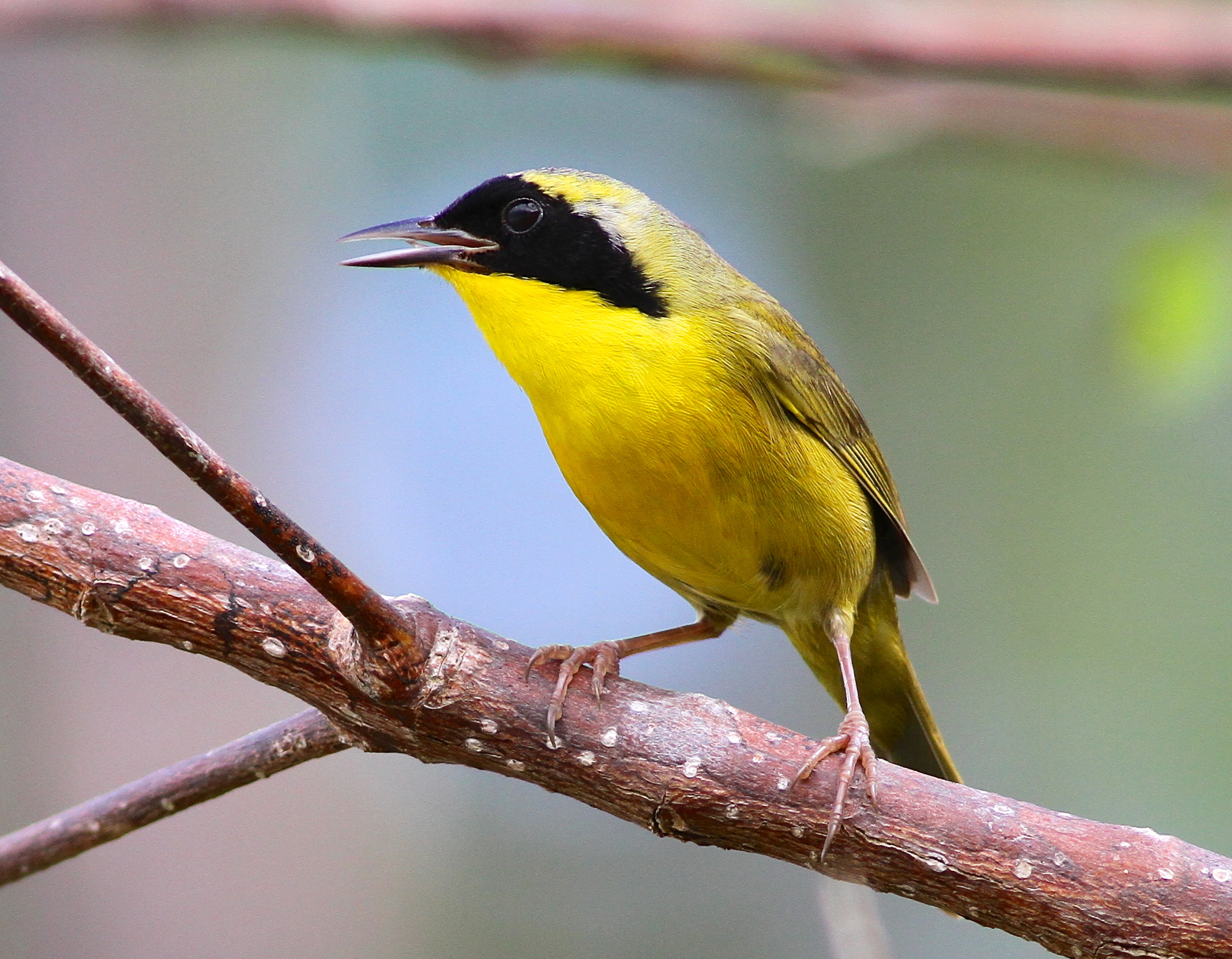
Bahamas-Great Abaco_4846_Bahama Yellowthroat_Gerlinde Taurer copy

RELATED POSTS

AUDUBON’S ‘PRIORITY BIRDS’ ON ABACO

ABACO BIRDS FOUND IN NYC (& VICE VERSA)
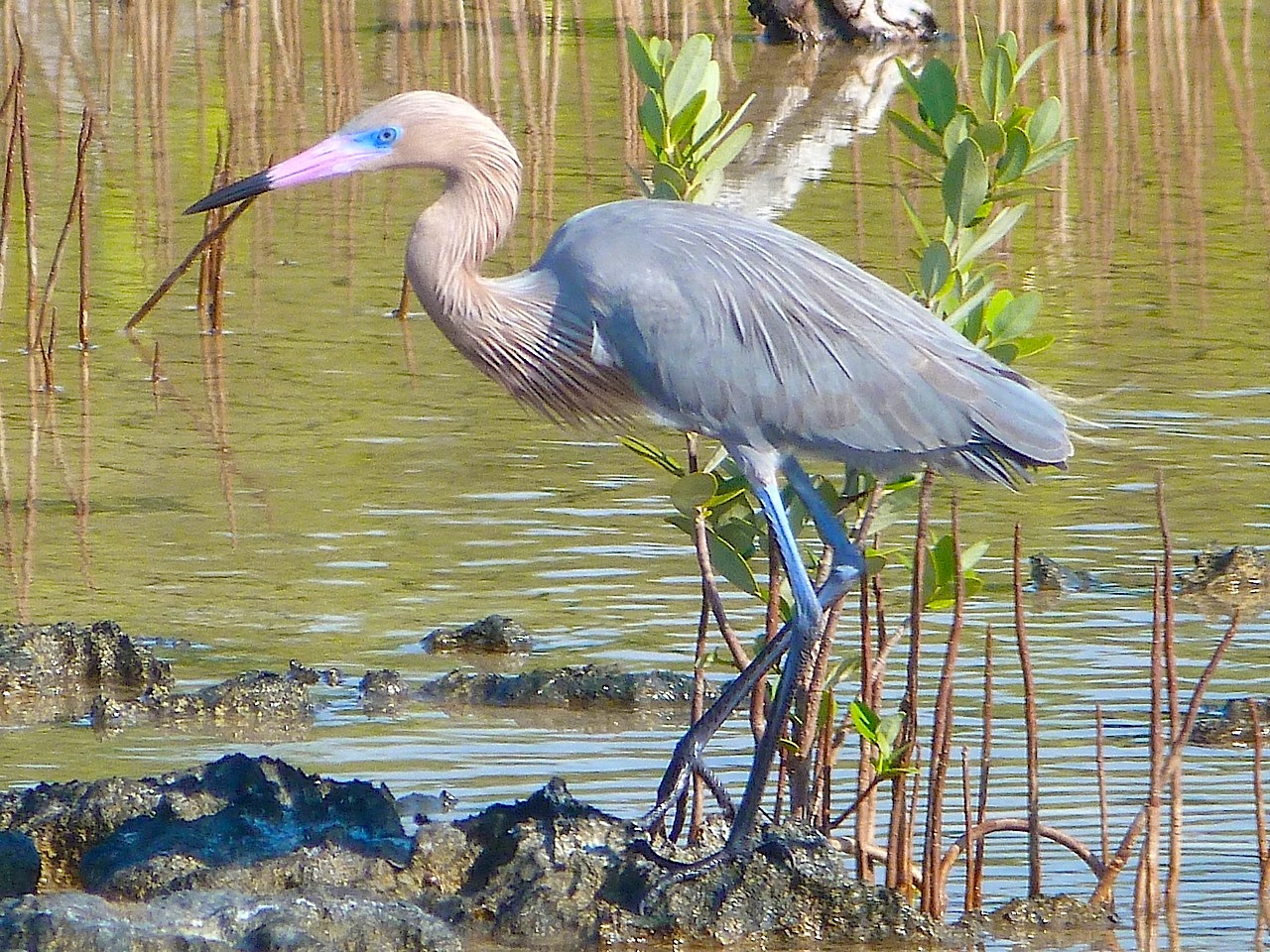
THE BIRDS OF ABACO”

Reddish Egret, Crossing Rocks, Abaco (Keith Salvesen)11

Credits: Tom Sheley, Bruce Hallett, Gerlinde Taurer, RH

Unknown's avatar

BAHAMA PINTAILS ON ABACO (WITH YELLOWLEGS PHOTOBOMB)


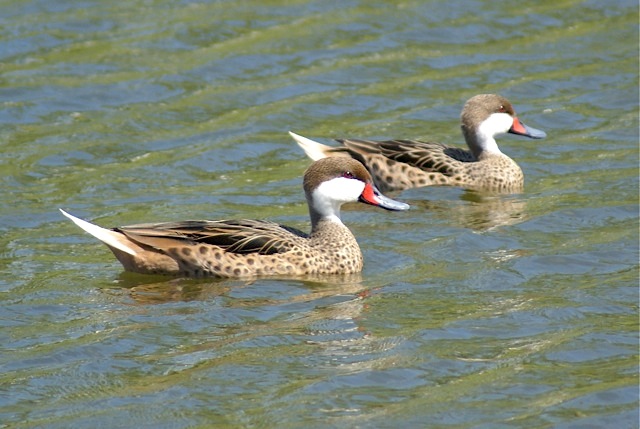
Bahama (Whitecheeked) Pintail with Lesser Yellowlegs, Gilpin Point, Abaco

BAHAMA PINTAILS ON ABACO (WITH YELLOWLEGS PHOTOBOMB)

I’m not going to pretend that these are particularly meritorious bird photos in any way. We were at Gilpin Point pond, always a good place to see birds and now an area that has regular parrot fly-pasts (and hang-around-squawkings). It’s the only place we have found a furtive little sora creeping guiltily around the reedy margins. It’s a reliable spot for herons and egrets of all kinds, white-cheeked (bahama) pintails by the score, black-necked stilts and lesser yellowlegs. Occasionally a northern pintail. I’ve seen belted kingfishers, bahama woodstars, cuban emeralds, american kestrels, spindalis and many more coppice birds besides. Pelicans have been seen on the rocks on the beach. Always worth a try! One day perhaps I’ll make a checklist… **

A ‘Preening of Pintail’ with a lesser yellowlegs feeding happily (if blurrily) behind themBahama (Whitecheeked) Pintail with Lesser Yellowlegs, Gilpin Point, Abaco

Less than a minute earlier… PHOTOBOMBBahama (Whitecheeked) Pintail with Lesser Yellowlegs, Gilpin Point, Abaco

The photobomb was a complete surprise, but I managed to snap the more elegant landing…Bahama (Whitecheeked) Pintail with Lesser Yellowlegs, Gilpin Point, Abaco

** As a postscript, I see that Pericles Maillis posted on eBird his very brief bird count at Gilpin pond and on the beach a couple of days after I posted this. He saw

  • 3 Blue-winged Teal (‘first sighting of bw teal for 2015 migration’)
  • 20 White-cheeked (Bahama) Pintail
  • 1 Great Blue Heron
  • 1 Snowy Egret
  • 2 Tricolored Heron
  • 5 Green Heron
  • 2 Killdeer
  • 2 Ruddy Turnstone
  • 10 Laughing Gull
  • 1 Caribbean Dove
  • 8 House Sparrow

Pics: RH

Unknown's avatar

LIMESTONE CAVES ON ABACO: WELL WORTH LOOKING INTO…


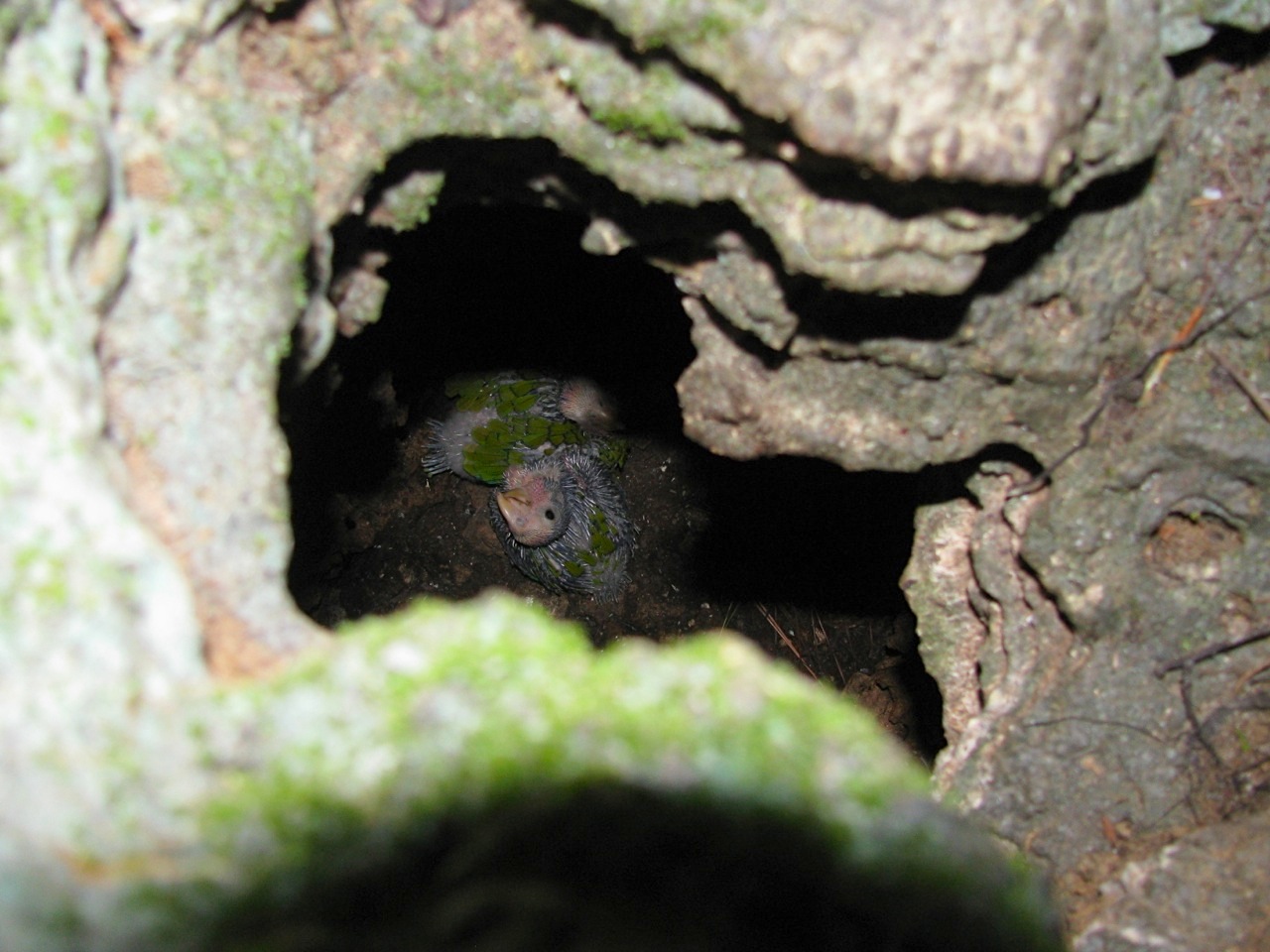
Abaco Parrot nest (Caroline Stahala)

LIMESTONE CAVES ON ABACO: WELL WORTH LOOKING INTO…

I have written several posts in the last few months featuring Brian Kakuk’s amazing photos of the underwater caves of Abaco. These caves, mostly beneath Abaco’s pine forests, are fabulous treasures of rock and crystal. A recent post example can be seen HERE. I have also featured some of the famous Blues Holes of Abaco from time to time, for example HERE. So now it’s time to turn attention to ‘land caves’, the dry(ish) limestone holes and caverns that are dotted around Abaco, especially in the South, and bear witness to aeons of geological development through erosion.

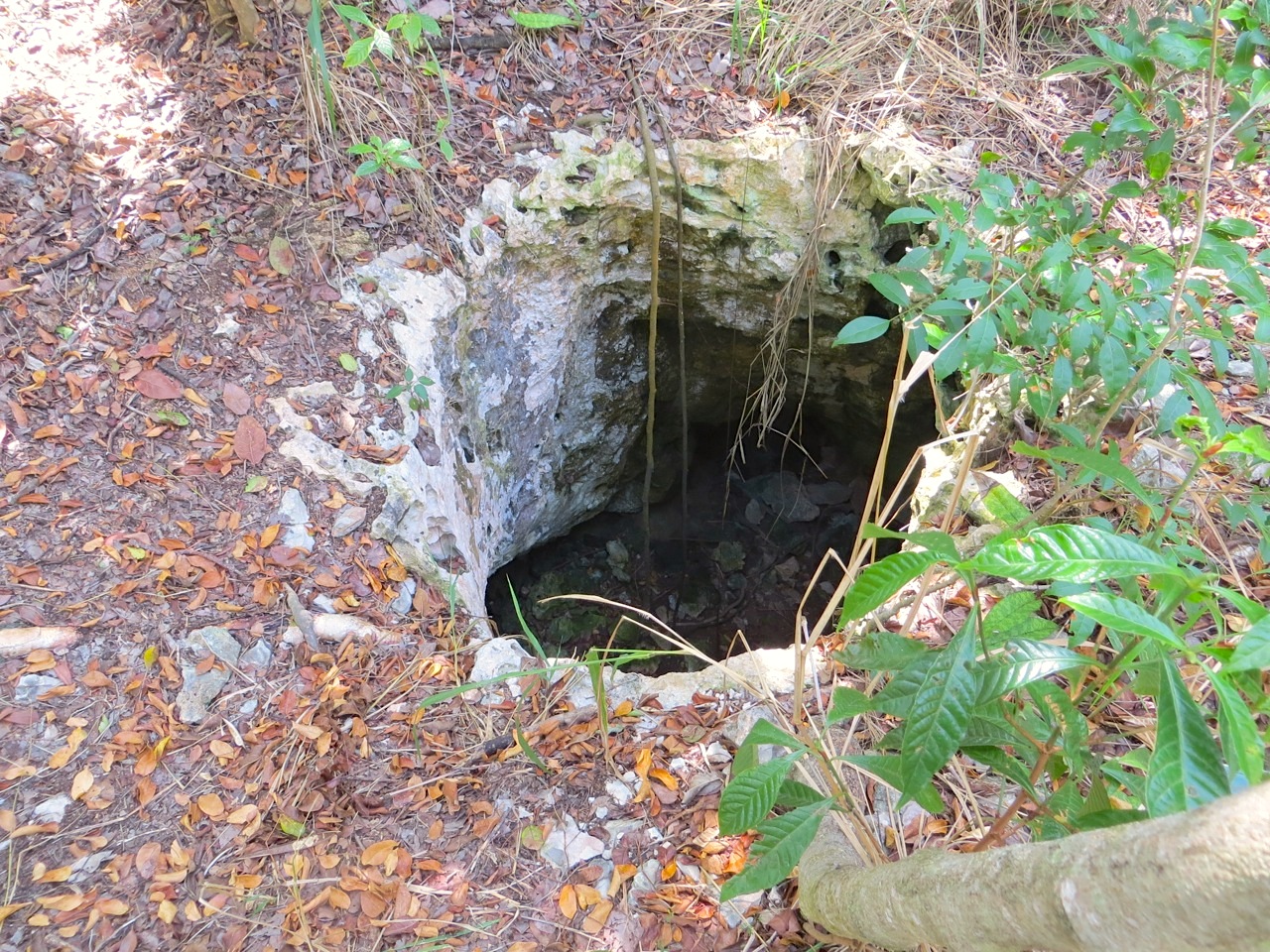
The coppice and extensive pine forests are pitted with holes of widely varying sizes. I’m way out of my depth here, geology-wise (polite corrections invited), but this sort of landscape is I believe known as KARST. This term presumably includes Abaco’s ‘dry’ holes, the blue holes and the substantial network of underwater caverns. Small examples can readily be found in easily accessible places such as non-dense coppice. We were very surprised when we pushed our into the coppice bordering the Delphi Club guest drive and took a closer look at a hole. Although the weather was hot and dry at the time, you will see that the hole has some form of micro-climate, with damp walls and interior and wet-climate plants like small ferns and forms of what I take to be moss and algae.

ONE OF MANY LIMESTONE HOLES BESIDE THE DRIVES AT DELPHILimestone Hole, Delphi, Abaco (Keith Salvesen)

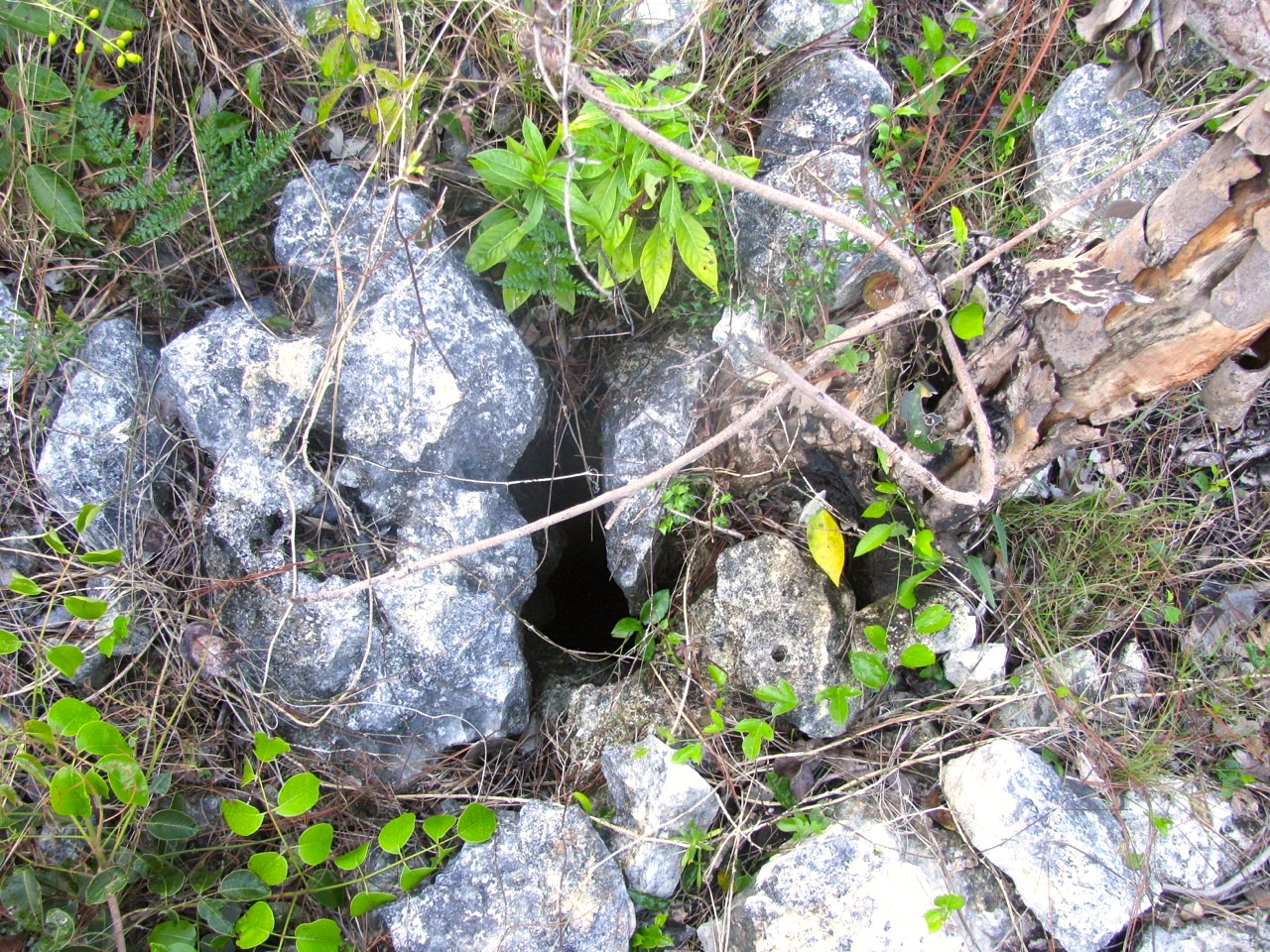
A HOLE NEAR HOLE-IN-THE -WALL – LARGER INSIDE THAN IT LOOKS 

Limestone Hole, Hole-in-the-Wall Abaco01  Limestone Hole, Hole-in-the-Wall Abaco03

THE CAVE-DWELLERS OF ABACO: THE FABULOUS PARROTS

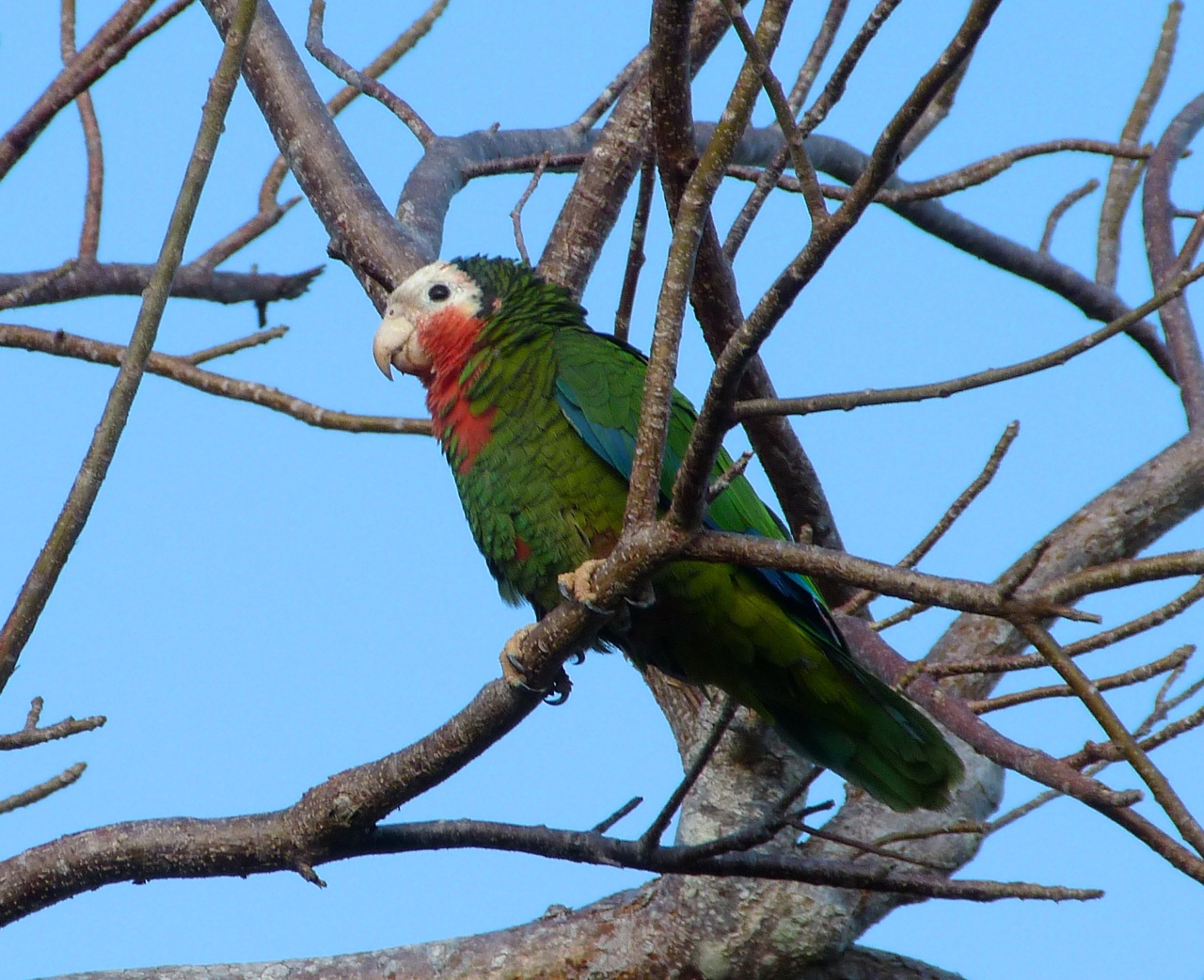
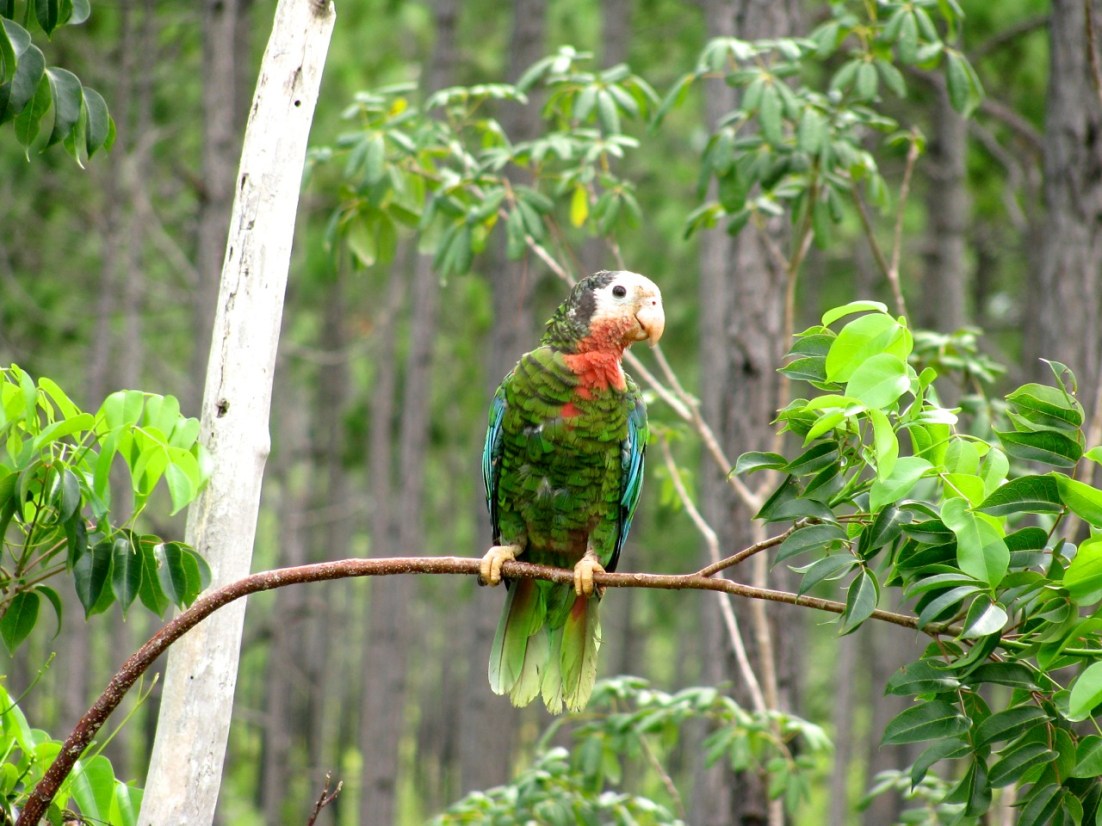
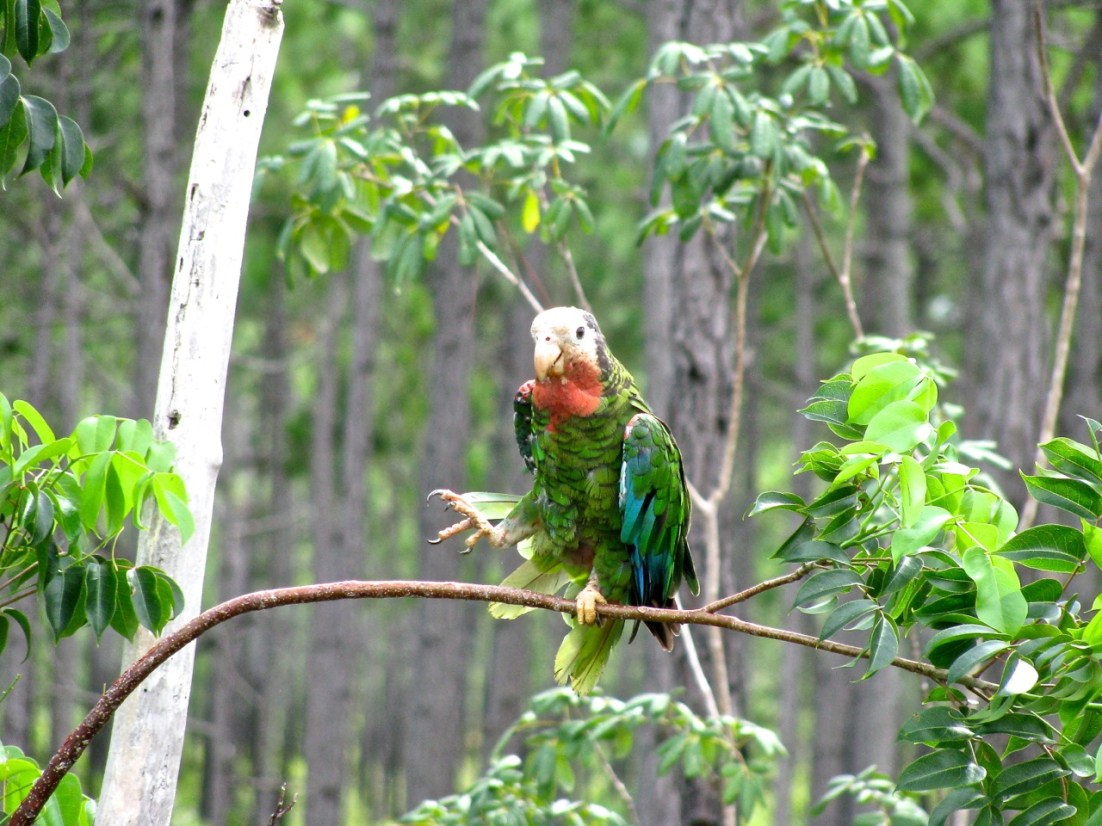
Among the best-known special residents of Abaco are the ground-nesting parrots, gorgeous birds that I have often featured in the past – see the parrot page HERE. Not so long ago, their numbers had reduced to an unsustainable population – fewer than 1000 – that faced extinction. The creation of the National Park covering the pine forests where they breed, coupled with a vigilant and intensive conservation program, have reversed the trend. There is now a sustainable breeding population again, exceeding 3000 birds.  

The only other breeding Cuban parrot population in the Bahamas is found on Inagua, where they nest conventionally in trees. There is a very small non-breeding population on New Providence. Abaco’s cave-dwelling subspecies of the cuban parrot is unique. Here’s an insight into how they live, deep in the pine forest, during the summer breeding season, with many thanks to Caroline Stahala, the scientist who spent some 10 years researching and protecting the parrots.

PARROT NEST HOLES: VULNERABLE TO PREDATORS, PROTECTED FROM FOREST FIRESLimestone Holes & Abaco Parrots (Caroline Stahala) Limestone Holes & Abaco Parrots (Caroline Stahala)

PARROTS MAY NEST DEEP – OR SHALLOW. Limestone Holes & Abaco Parrots (Caroline Stahala)Limestone Holes & Abaco Parrots (Caroline Stahala)

THE BREEDING SEASON: NEST, EGGS, HATCHLINGS, FLEDGELINGS…Limestone Holes & Abaco Parrots 08Limestone Holes & Abaco Parrots (Caroline Stahala)Limestone Holes & Abaco Parrots (Caroline Stahala)Limestone Holes & Abaco Parrots (Caroline Stahala)

HOW BIG DO THE ‘DRY’ HOLES GET?

TBH my personal experience is somewhat limited. I believe there are large, sea-scoured caves along rocky parts of the south coast, but those are rather different from the eroded ground holes discussed here. As so often I rely on Mrs RH – far more intrepid than me – and her exploring skills. The cave shown below is right down at the far south of Abaco, at Hole-in-the-Wall, hidden in the coppice along the ‘Soldier Road’ from the T-junction (we are talking rough tracks here – very – not proper roads) towards the lighthouse. 

Soldier Road Sign, Hole-in-the-Wall Abaco

Limestone Hole, Hole-in-the-Wall Abaco15Limestone Hole, Hole-in-the-Wall Abaco16Limestone Hole, Hole-in-the-Wall Abaco06Limestone Hole, Hole-in-the-Wall Abaco13

The rock is far more colourful than you  might expectLimestone Hole, Hole-in-the-Wall Abaco09

Credits: Caroline “The Parrot Lady” Stahala; Mrs RH for investigating the last cave and taking the camera with her; RH the rest; Woody Bracey for our great day of birding at Hole-in-the-Wall and his local knowledge of the area… 

Unknown's avatar

CARIBBEAN ENDEMIC BIRD FESTIVAL: NASSAU BIRDERS VISIT ABACO


DSC00298_3

CARIBBEAN ENDEMIC BIRD FESTIVAL: NASSAU BIRDERS VISIT ABACO

THE CARIBBEAN ENDEMIC BIRD FESTIVAL (CEBF) is a Caribbean-wide festival that aims to heighten awareness for birds generally in the region. It is sponsored by the excellent BIRDS CARIBBEAN organisation – click the link to see what it is all about. Birds, obviously, but from the points of view both of promoting and of preserving the rich avian variety throughout the Caribbean.

As part of the CEBF celebrations this month, a birding group from New Providence came to Abaco to explore the birdlife. The expedition group included several well-known local bird experts, all the better for locating and identifying species and ensuring a comprehensive checklist could be compiled. Also in the group was photographer Linda Huber, whose photos you will undoubtedly have seen in Bahamas publications, including the recently published small guide BEAUTIFUL BAHAMA BIRDS (click to see my review and further details – highly recommended for any birder from novice up). Here are a few of Linda’s photos of some of the birds seen during the expedition, a gallery that shows the extraordinary diversity of species to found in a short time on Abaco.

Apologies to those who received a ‘false start’ draft of this post. It was lunchtime, I was hungry, I pressed ‘Save Draft’… or thought I had. Why is the ‘Publish’ button so close? Oh. Right. I see. It’s not its fault, it’s mine…

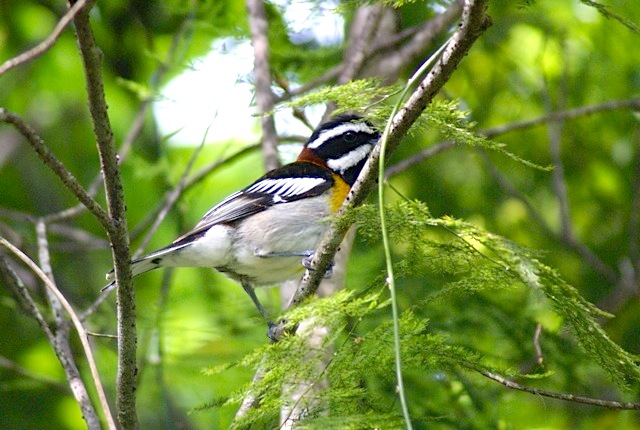
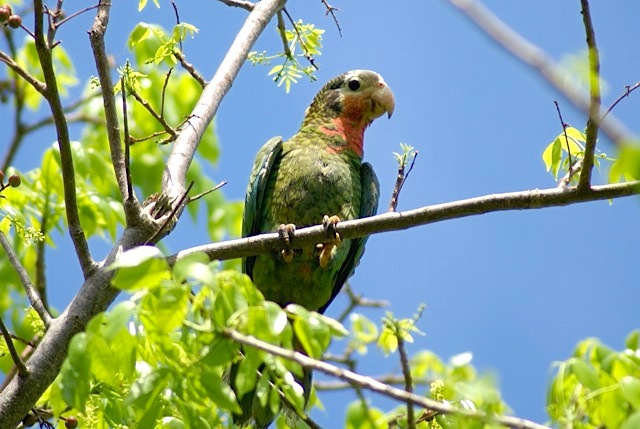
Western Spindalis Spindalis zena             Abaco Parrot Amazona leucocephala bahamensis                       DSC00210_2  DSC00216_2

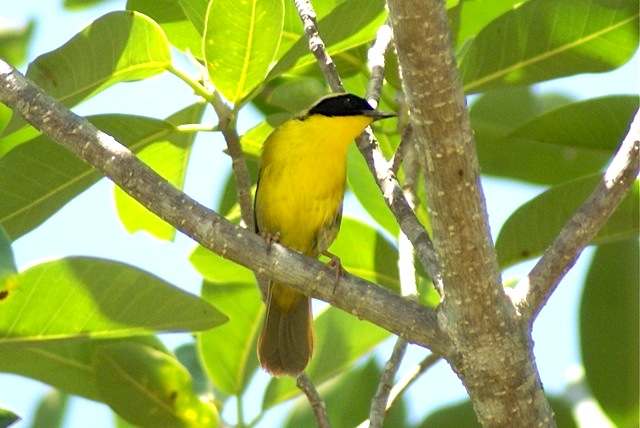
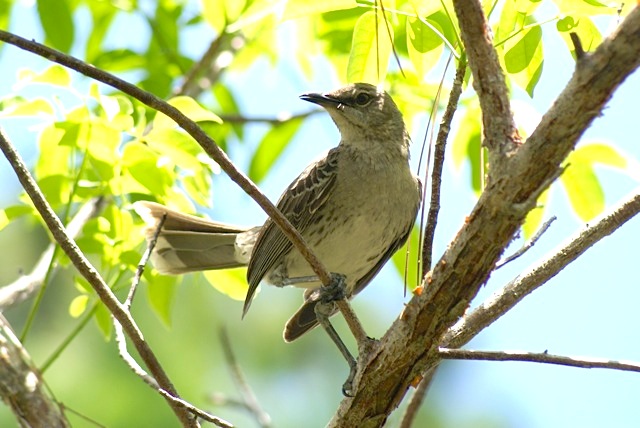
Bahama Yellowthroat Geothlypis rostrata                   Bahama Mockingbird Mimus gundlachiiDSC00298_3 DSC00317_2

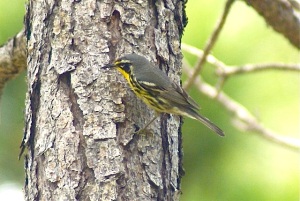
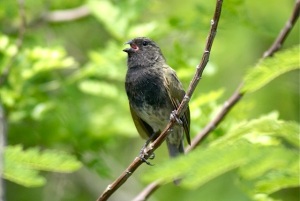
Bahama Warbler Setophaga flavescens                         Black-faced Grassquit Tiaris bicolorDSC00356_3 DSC00381_3

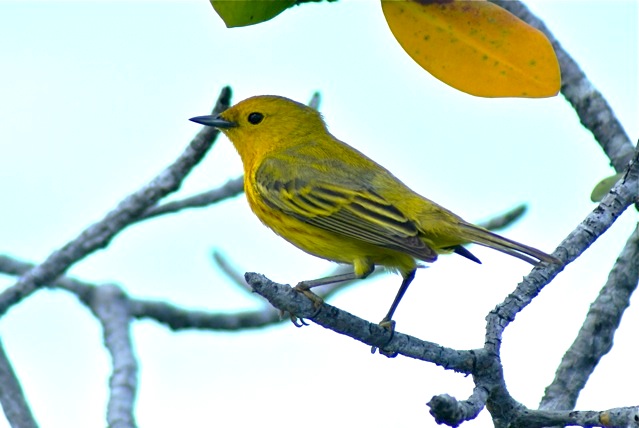
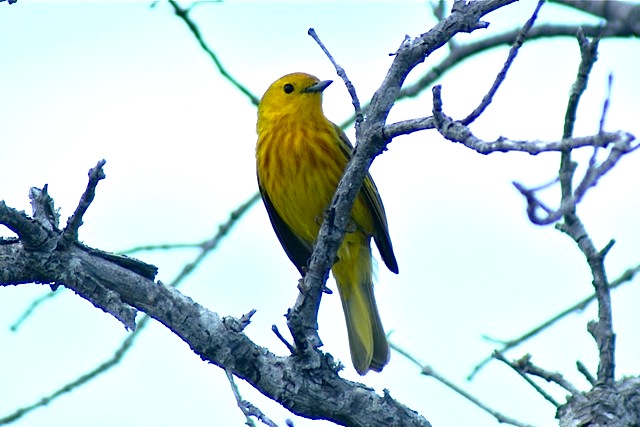
                                                        Yellow Warbler Dendroica petechia                                                                DSC00371_2 DSC00378_2

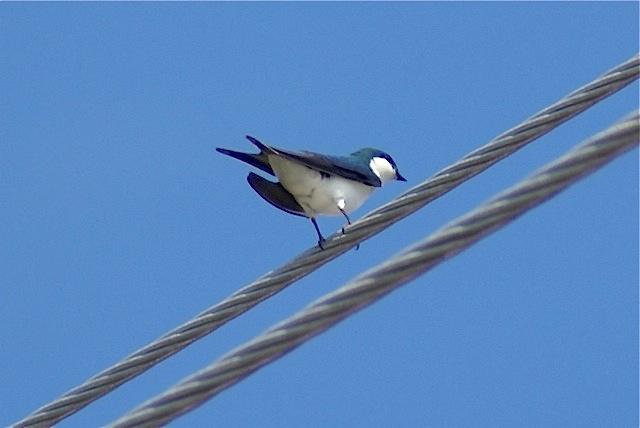
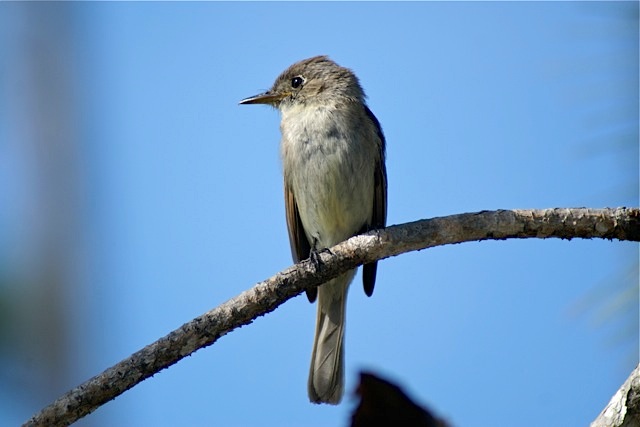
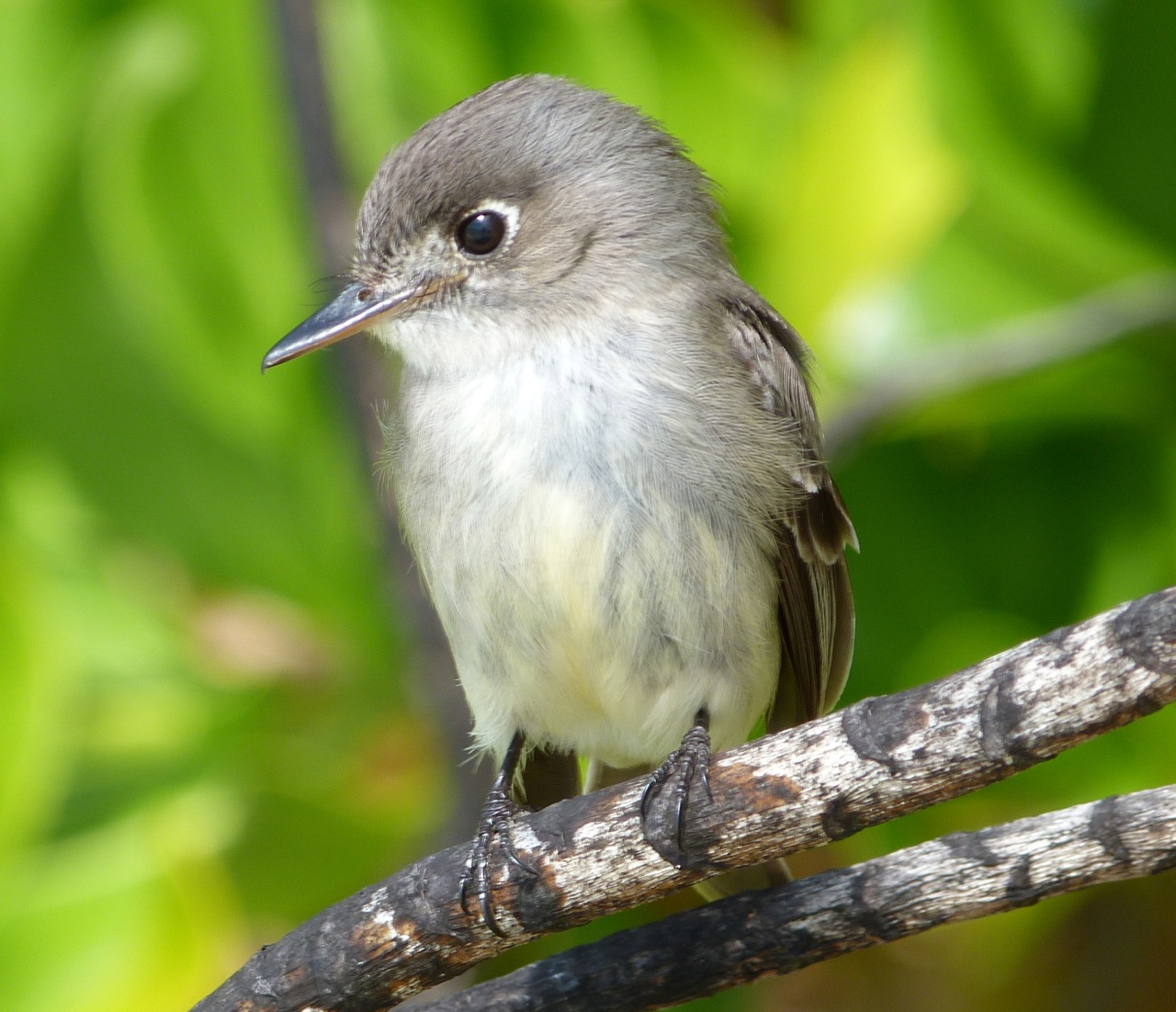
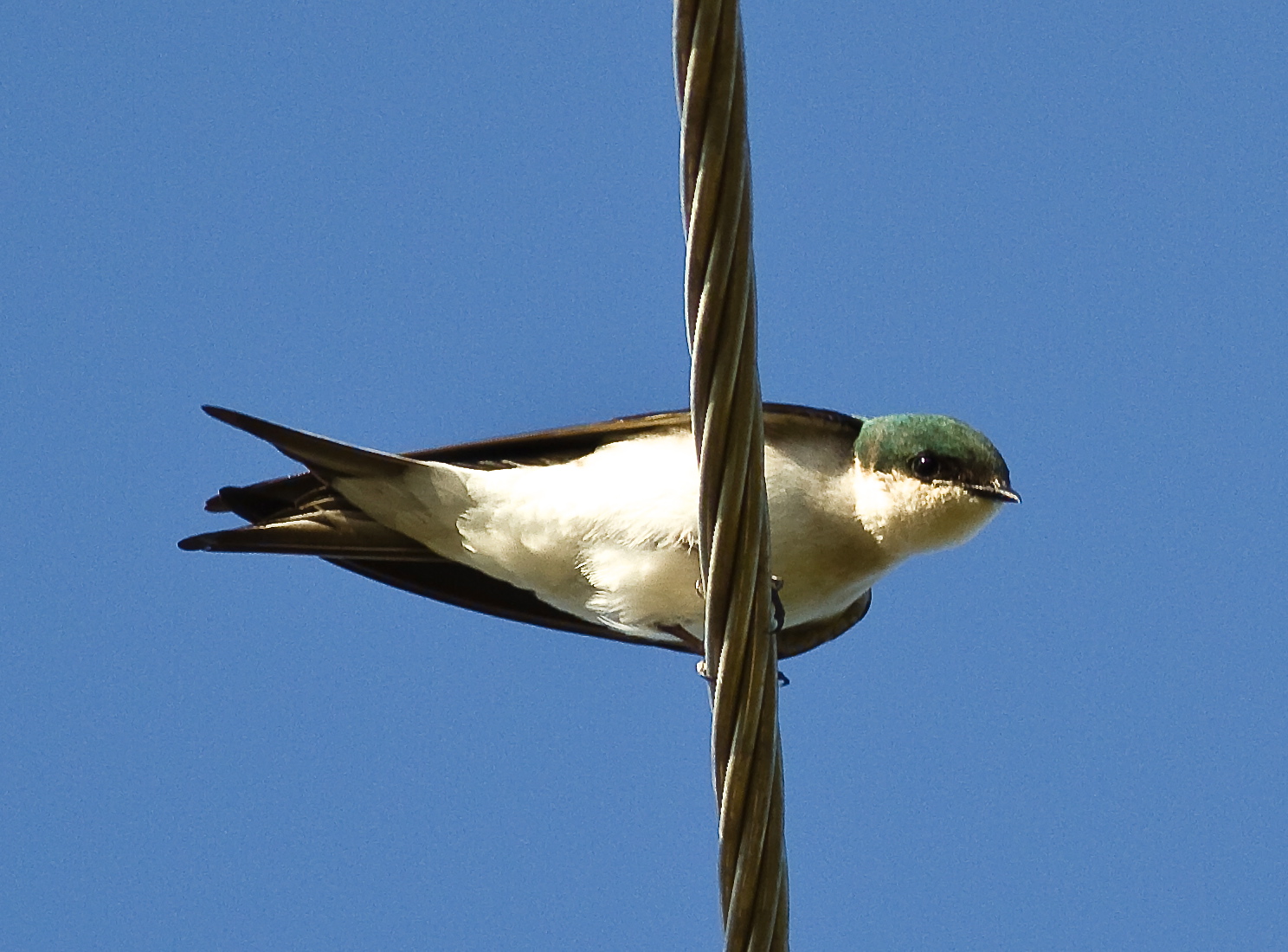
Bahama Swallow Tachycineta cyaneoviridis              Cuban Pewee Contopus caribaeus bahamensis  DSC00399_3 DSC00413_2

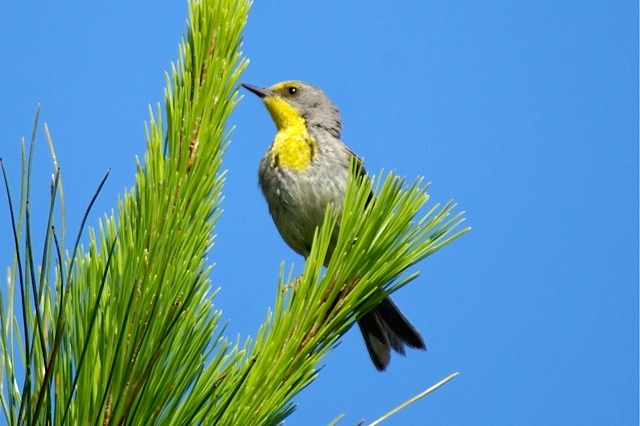
Olive-capped Warbler Dendroica pityophila            Pearly-eyed Thrasher Margarops fuscatusDSC00422_2 DSC00501_3

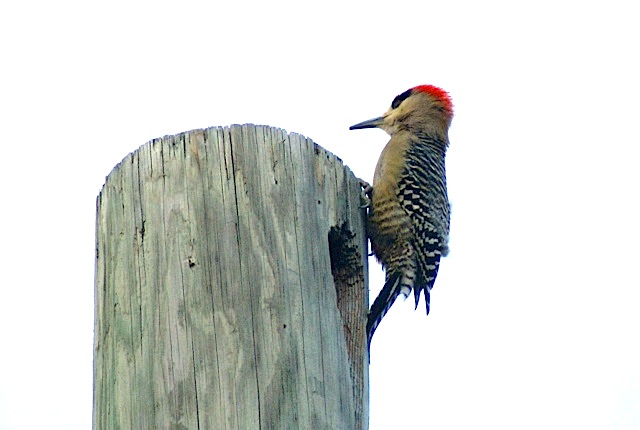
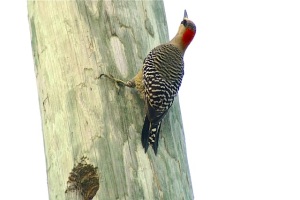
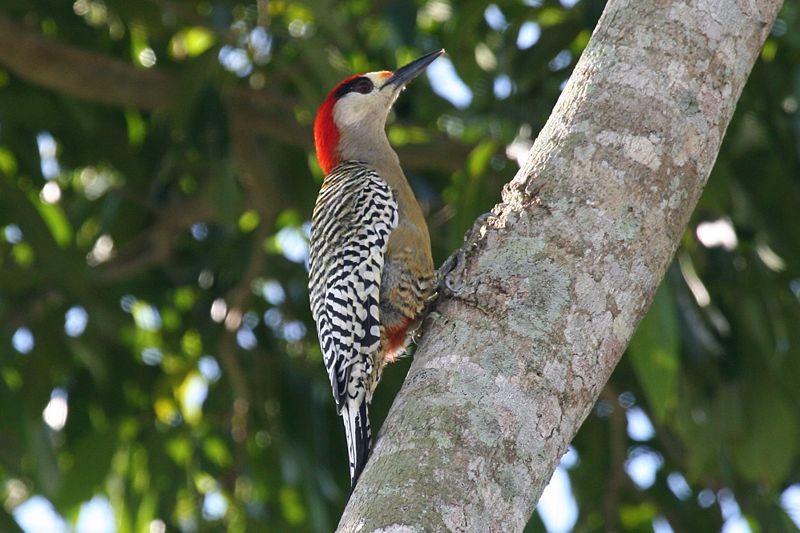
                              West Indian Woodpecker Melanerpes superciliaris                                             DSC00475_2  DSC00278_3

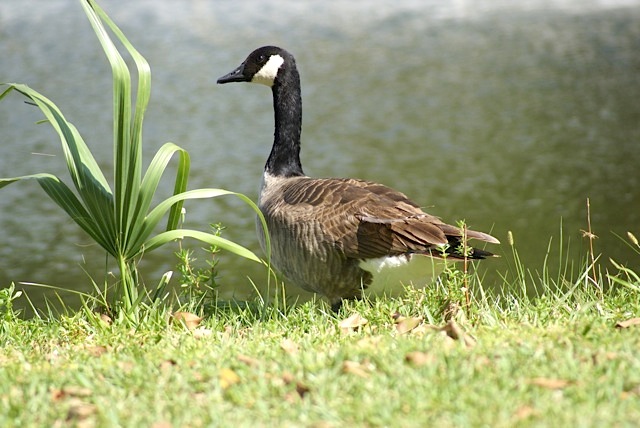
                                                      Canada Goose Branta canadensis                                                                             DSC00566 DSC00642_2

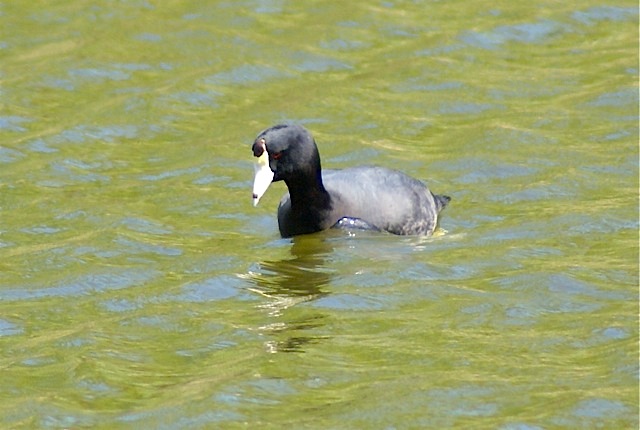
White-cheeked Pintails Anas bahamensis                   Caribbean Coot Fulica caribaea     DSC00612_2 DSC00627_3

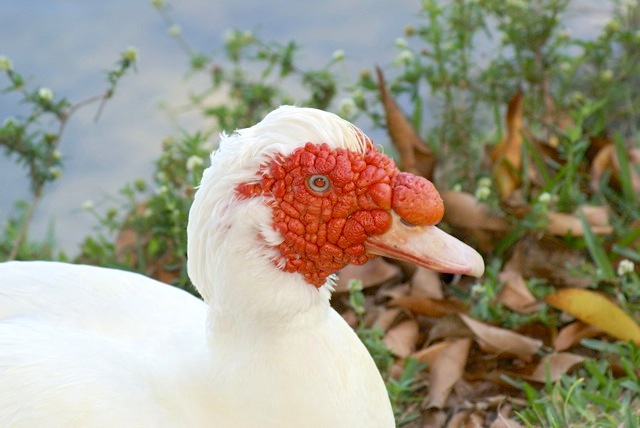
Muscovy Duck Cairina moschata                                   European Starling Sturnus vulgaris        DSC00639_2  DSC00524_2

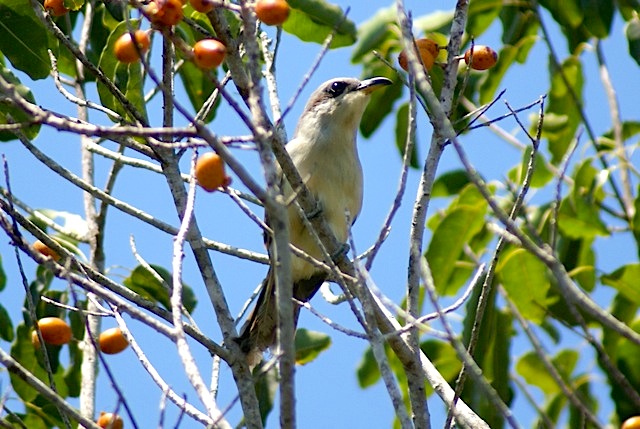
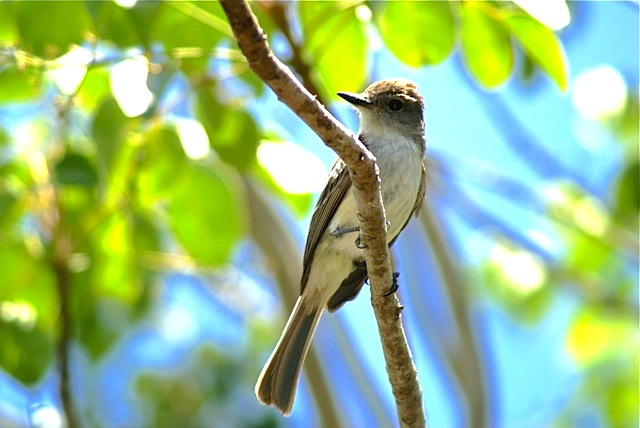
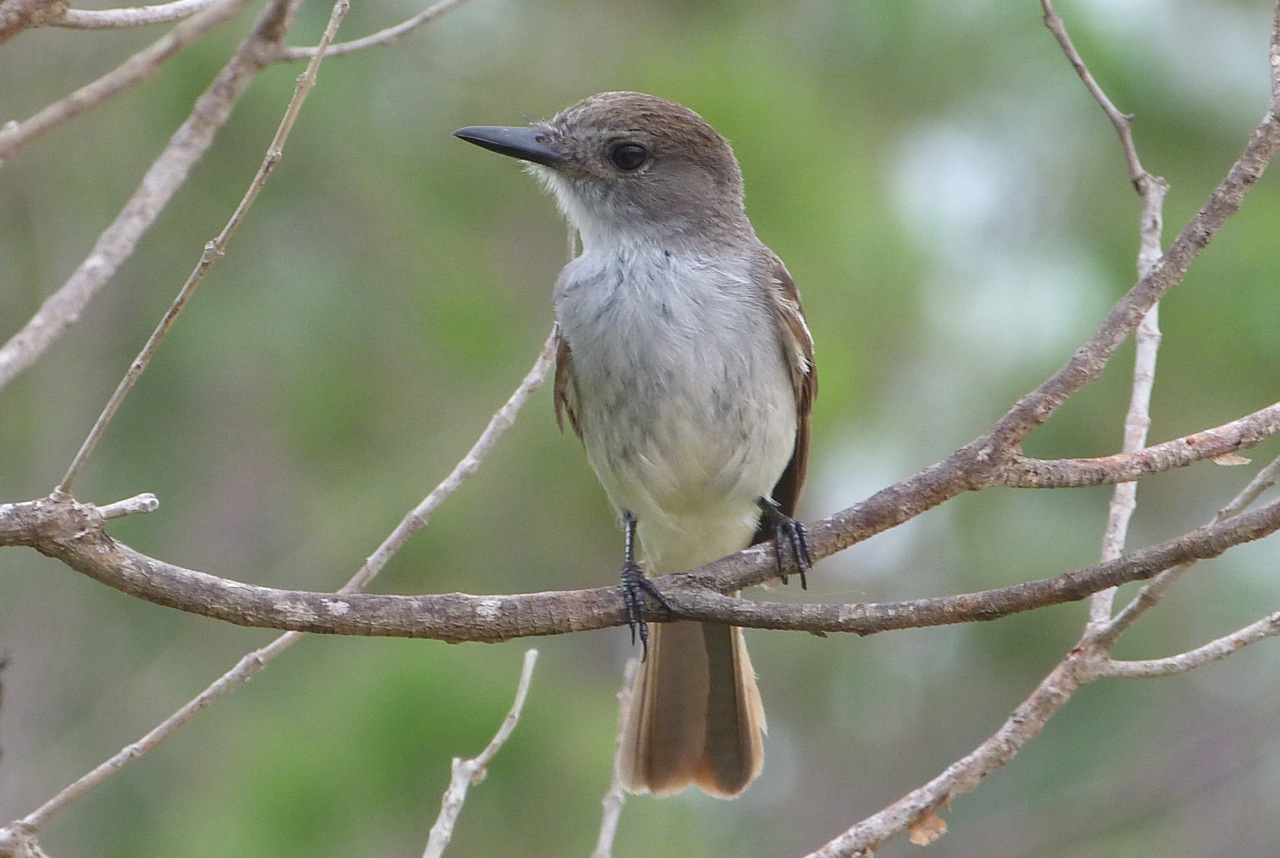
Mangrove Cuckoo Coccyzus minor                    La Sagra’s Flycatcher Myiarchus sagrae lucaysiensisDSC00675_2 DSC00694_2_2

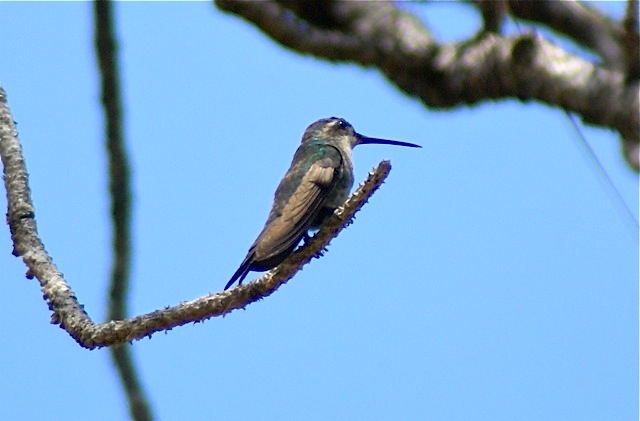
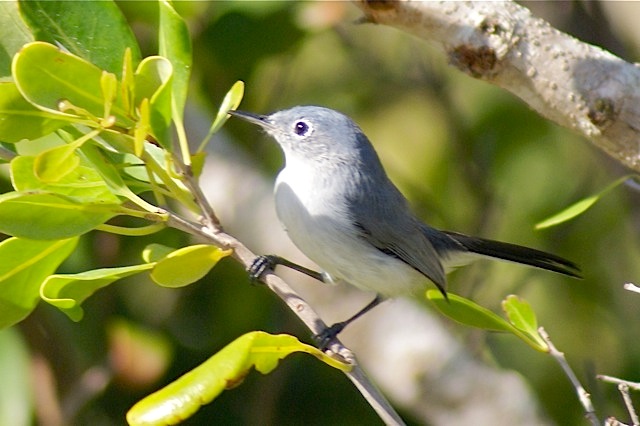
Cuban Emerald Chlorostilbon ricordii                        Blue-gray Gnatcatcher Polioptila caerulea DSC00721_2 DSC09484_2

The gallery above includes a number of specialist birds and others of particular interest. In brief:

  • 3 of the 4 ENDEMIC SPECIES found on Abaco (omitting only the Bahama Woodstar)
  • The famous, incomparable and indeed unique ground-nesting ABACO PARROT
  • 4 ‘local’ subspecies of birds also found beyond the Bahamas
  • 1 of only 5 resident warblers, the Olive-capped (of 37 recorded for Abaco)
  • The most recent addition to the birds recorded for Abaco PEARLY-EYED THRASHER
  • The WEST-INDIAN WOODPECKER, now found only on Abaco and (rarely) San Salvador
  • 2 or 3 introduced or domestic species (if that Muscovy Duck was at Gilpin Point it’s a pet!)
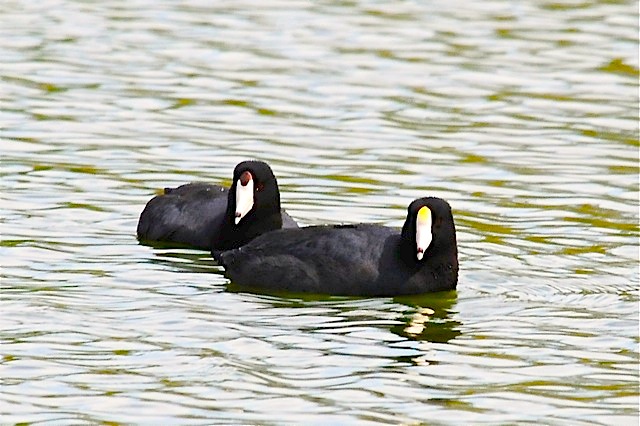
  • The debatable ‘Caribbean Coot’, about which it has been written**  The American Coot is familiar to all, but controversy surrounds the Caribbean Coot with its all-white frontal shield. Some authorities say it is a separate species; others say it is a true subspecies of the American Coot; some claim it is simply a local variant. Bond (1947) treats them as distinct species. The image below shows the two species together. They coexist contentedly and are indifferent to the debate.

American & 'Caribbean' Coot (Tony Hepburn)

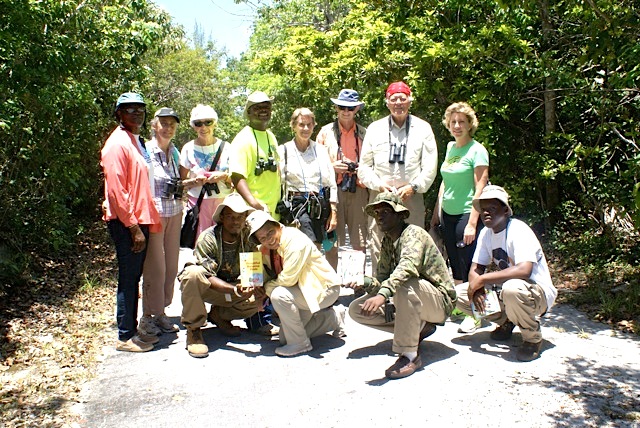
The group on a Logging Track in the Abaco National ParkDSC00349

The New Providence Birding Group Expedition to AbacoDSC00706_3

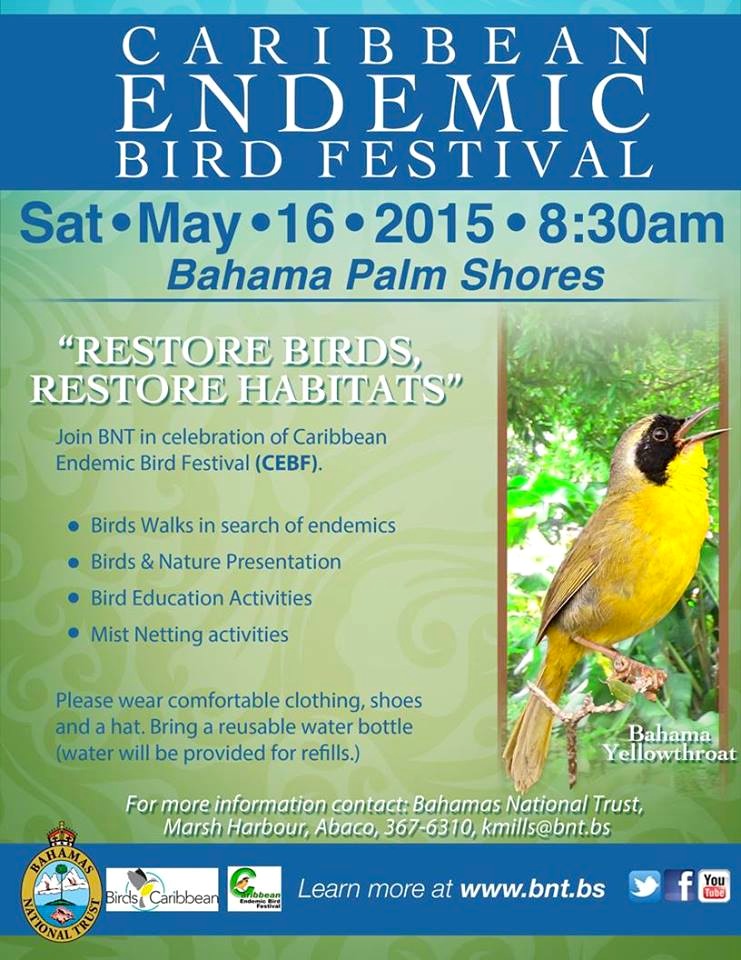
 Caribbean Endemic Bird Festival Flyer

CREDITS All photos Linda Huber (with many thanks for use permission) except the pair of coots (Tony Hepburn) and the singing Bahama Yellowthroat in the BNT Flyer (Bruce Hallett)

** Keith Salvesen, The Birds of Abaco p22

Unknown's avatar

HOPE TOWN BIRDERS SPOT 44 SPECIES ON SOUTH ABACO


Abaco (Cuban) Parrot, Bahama Palm Shores (Keith Salvesen)

Abaco (Cuban) Parrot, Bahama Palm Shores (Keith Salvesen)

HOPE TOWN BIRDERS SPOT 44 SPECIES ON SOUTH ABACO

South Abaco – the tract of land south of Marsh Harbour – has some of the richest birding in the Bahamas. Besides 4 of the 5 Bahamas ENDEMIC SPECIES, it contains some of the most interesting speciality birds. The unique ABACO PARROT for a start, with a population that is gradually increasing following a drastic decline and conservation intervention. Rare PIPING PLOVERS on the eastern shores that overwinter, as do the endangered KIRTLAND’S WARBLERS, of which more soon. In the Bahamas the WEST INDIAN WOODPECKER is common on Abaco, but elsewhere it is rare on San Salvador and is no longer found on Grand Bahama (missing, presumed extirpated). If you want to learn more about them and their engaging ways read Caroline Stahala’s fascinating article HERE
Olive-capped Warbler, Abaco (Bruce Hallett)

Olive-capped Warbler, one of 5 permanent resident warblers (of 37 species in all) Bruce Hallett

January was an excellent time for the Hope Town Birding Group to take the ferry over for a quality day of birding on south Abaco. In all, 44 species were identified, ranging from expected feathery denizens to what are sometimes described as ‘Good Gets’. The group was led by Bruce Wolck. Jan Metcalf contacted me to arrange for Delphi – a notable birding hotspot – to be on the itinerary. And as she wrote to me afterwards in summing up the day:
“Amazing birds, amazing day, amazing Delphi (where we saw the Bullfinch)”
Sally Chisholm has since emailed that among places visited were the “[town] dump, locations along the highway south to the Y, Sandy Point, the south ferry dock, Gilpin Point, Bahama Palm Shores and Delphi” I’ve never been to the dock, so that’s one for us to try out in March…
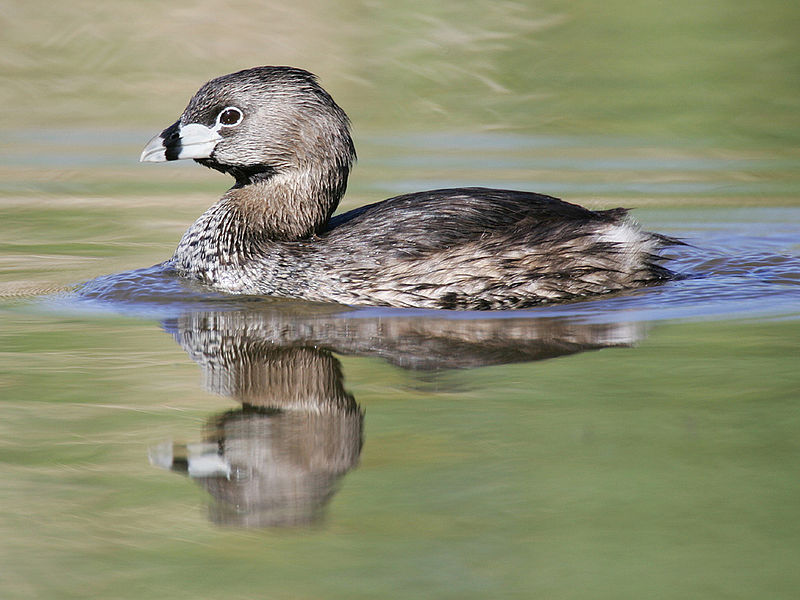
Here is the group’s checklist of the 44 species. I have added thumbnail images, almost all taken on Abaco by contributors to THE DELPHI CLUB GUIDE TO THE BIRDS OF ABACO, including some used in the book. “Good Gets” include the Pied-billed Grebe, a permanent resident but quite scarce; the Bonaparte’s Gull; the Great Black-backed Gull; and the White Ibis. The last 3 are what are termed ‘casual’ winter residents – rarely seen and so irregularly reported.
HOPE TOWN BIRDING GROUP CHECKLIST – JANUARY 2015
CLICK on a thumbnail to enlarge it. That’s the idea anyway, but I’m a bit ‘casual’ myself in checking links. The ones I spot-checked worked so I am hoping for the best with the remainder…
Pied-billed- Grebe Podilymbus podiceps (Wiki)Pied-billed Grebe
Pelican Sandy Point Abaco (Keith Salvesen)Brown Pelican
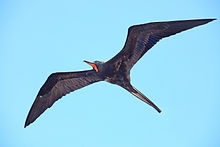
Magnificent Frigate male wikipicsMagnificent Frigatebird
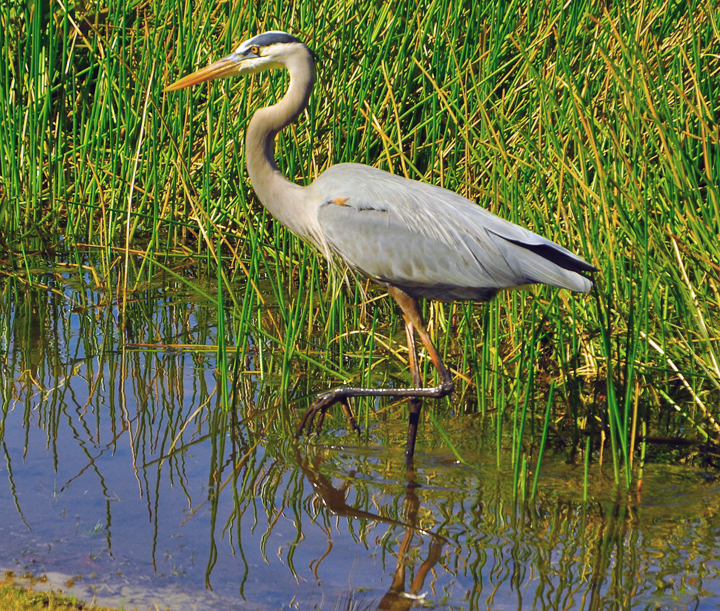
Great_Blue_Heron_Wading_2Great Blue Heron 
Great Egret Abaco - Treasure Cay Ponds (Keith Salvesen)Great Egret
Little Blue Heron, Abaco - Bruce HallettLittle Blue Heron
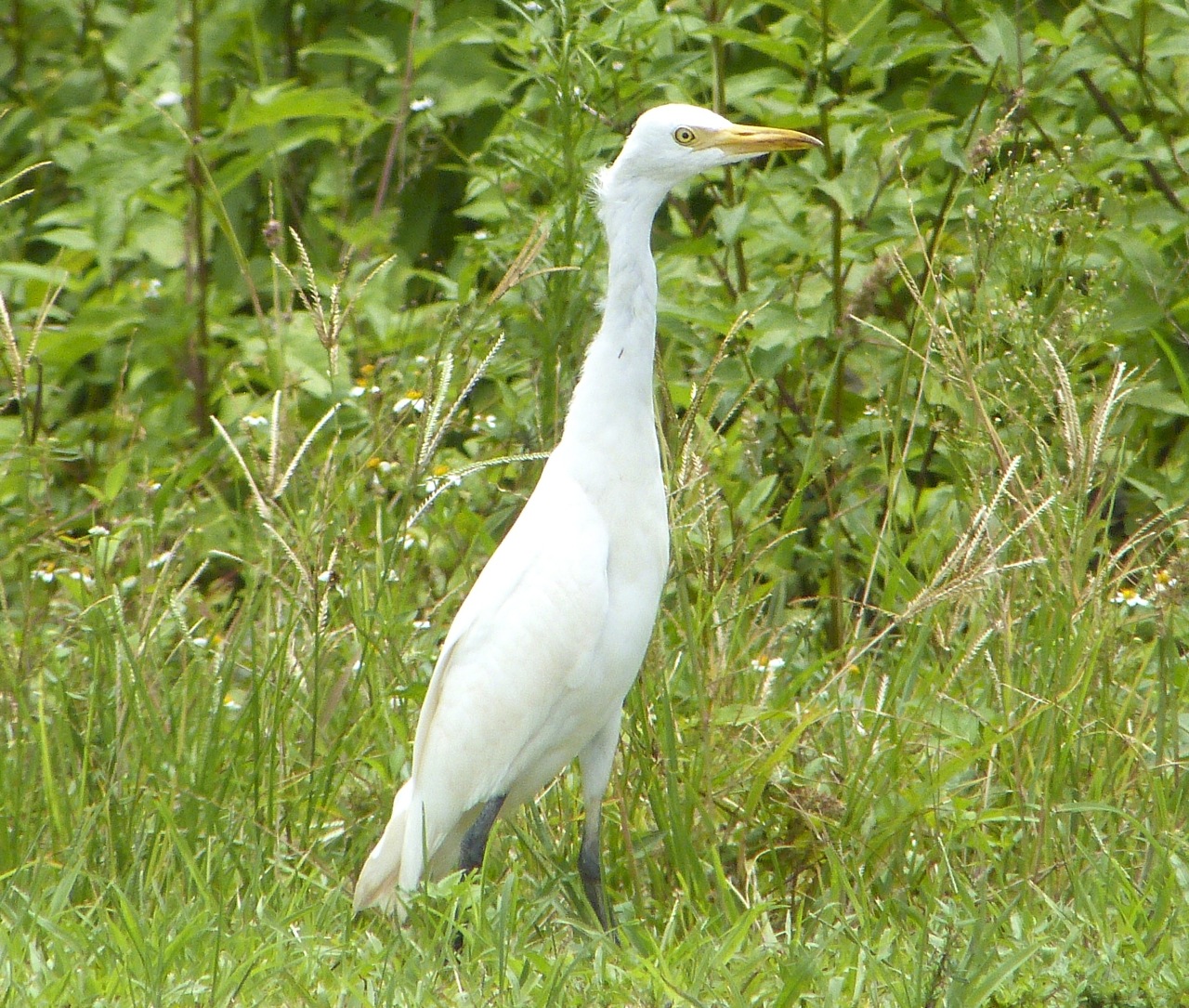
Cattle Egret, Sandy Point, Abaco - Keith SalvesenCattle Egret
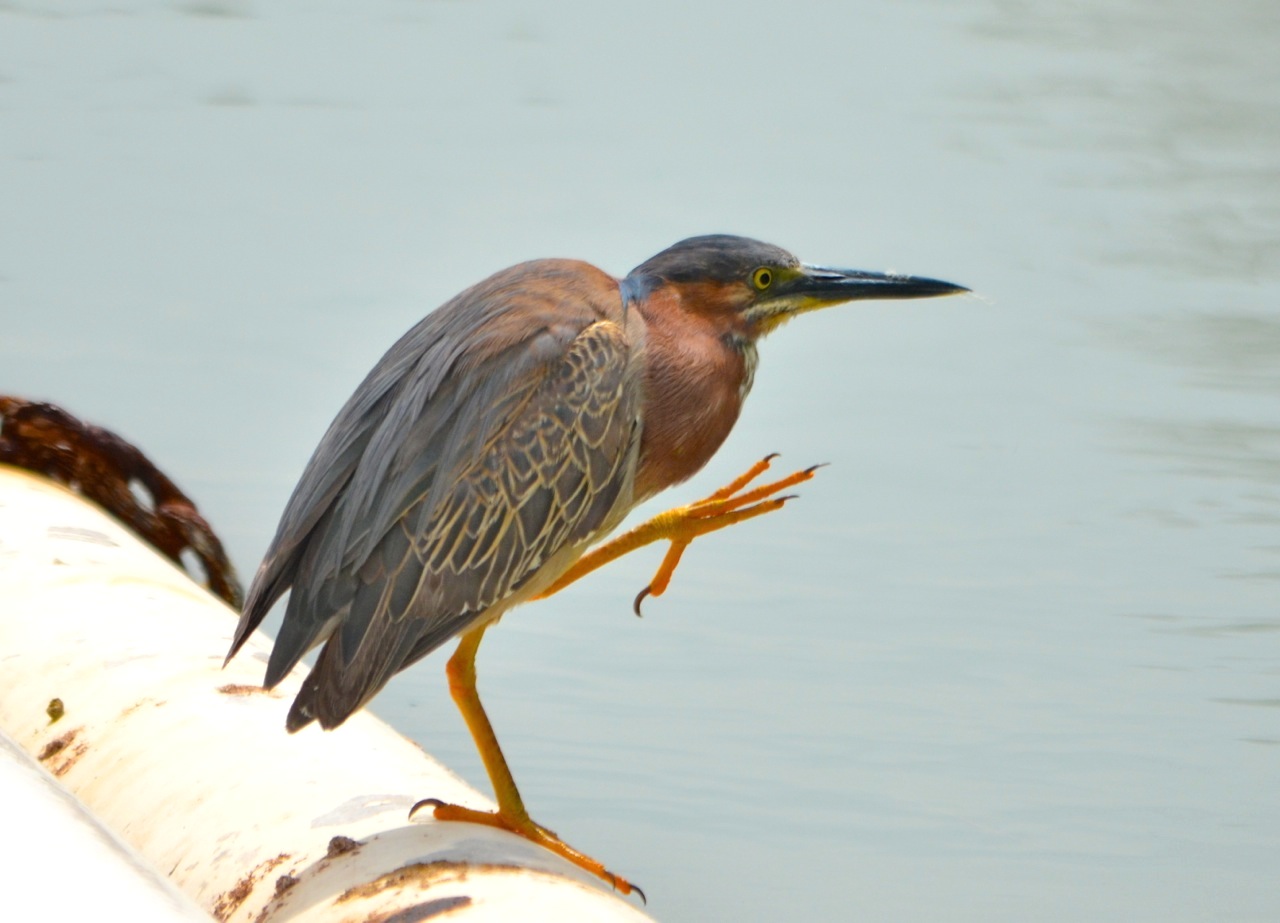
Green Heron, Abaco - Treasure Cay GC - Charlie SkinnerGreen Heron
White Ibis, Treasure Cay Abaco - Kasia ReidWhite Ibis
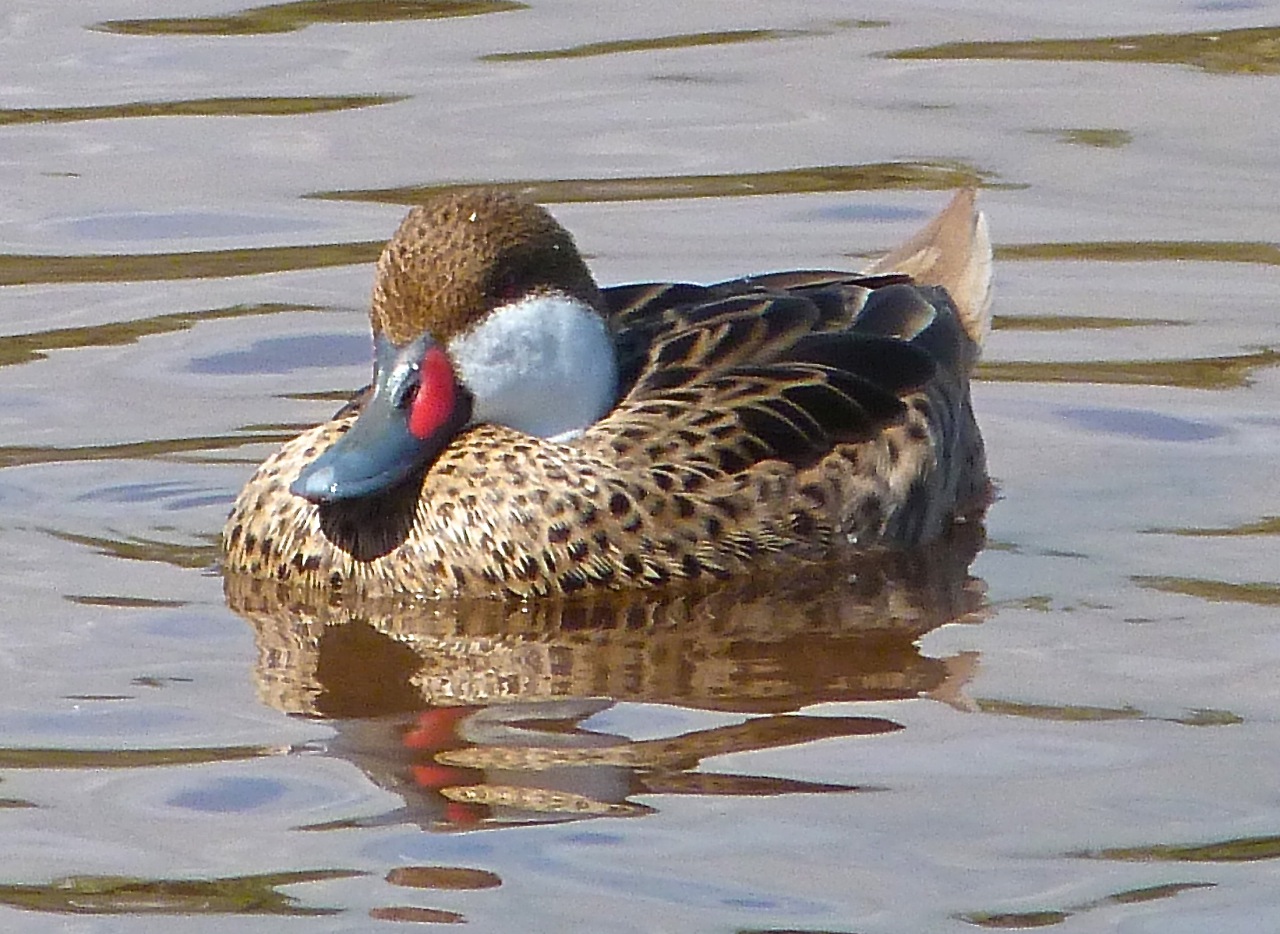
White-cheeked Pintail, Abaco - Gilpin Pond - Keith SalvesenWhite-cheeked Pintail
Turkey Vulture Abaco - Delphi  (Keith Salvesen)Turkey Vulture
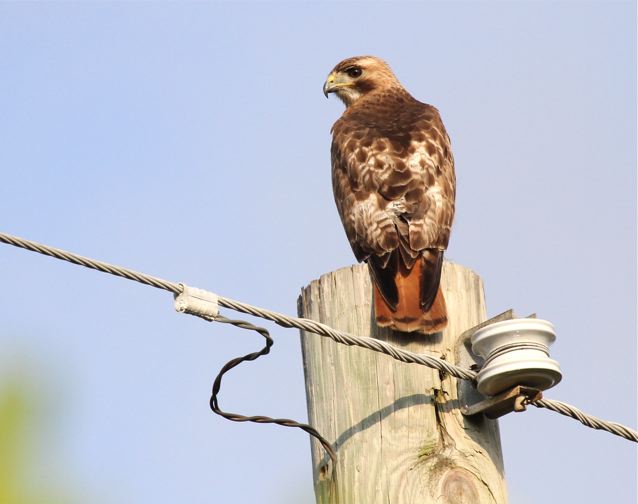
Red-tailed Hawk Abaco - Bruce HallettRed-tailed Hawk
American Kestrel Abaco - Sandy Point - Keith SalvesenAmerican Kestrel
1009BlackBelliedPloverBlack-bellied Plover
American Oystercatcher Abaco -  Jim ToddAmerican Oystercatcher
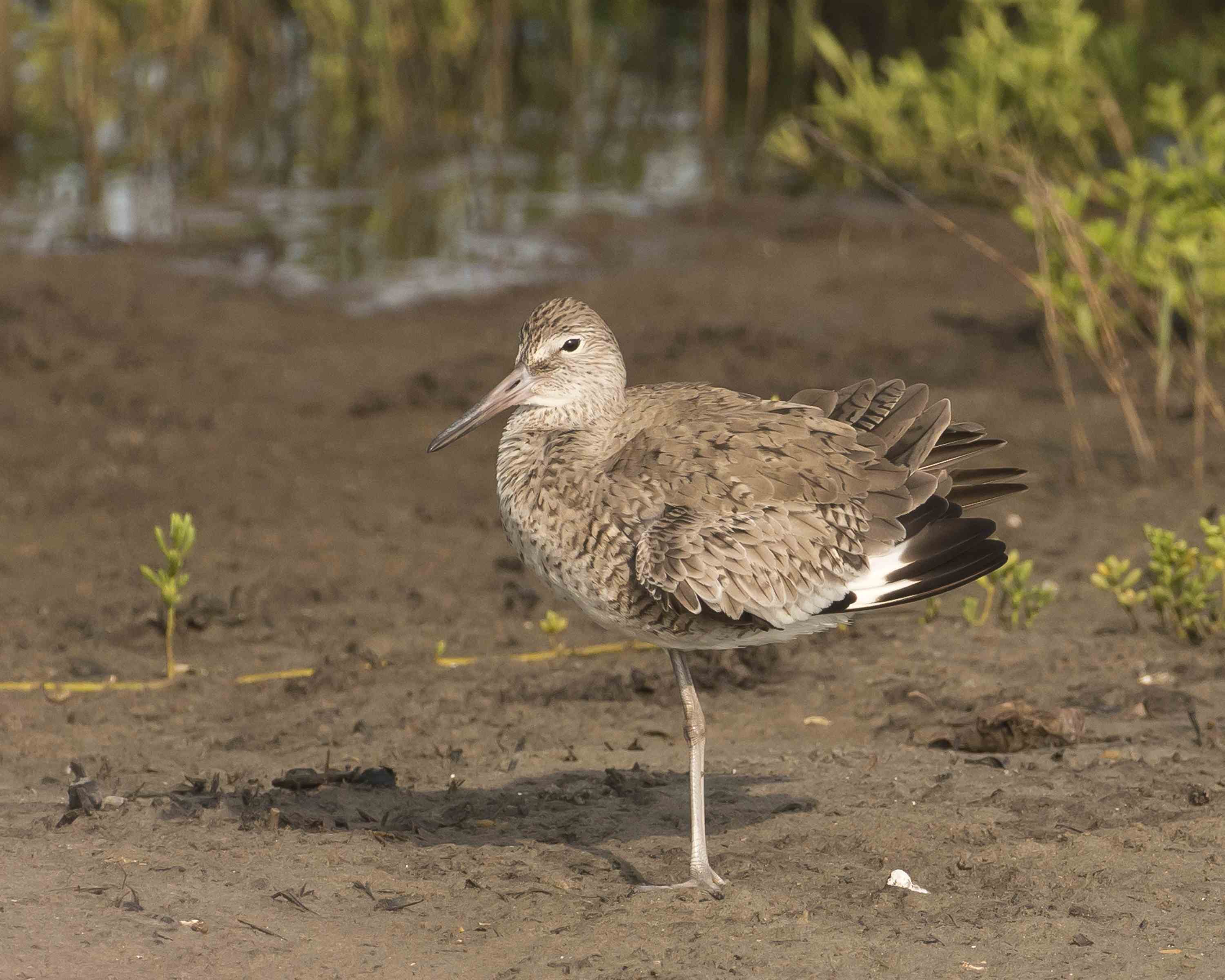
Willet.Abaco Bahamas.2.13.Tom Sheley smallWillet
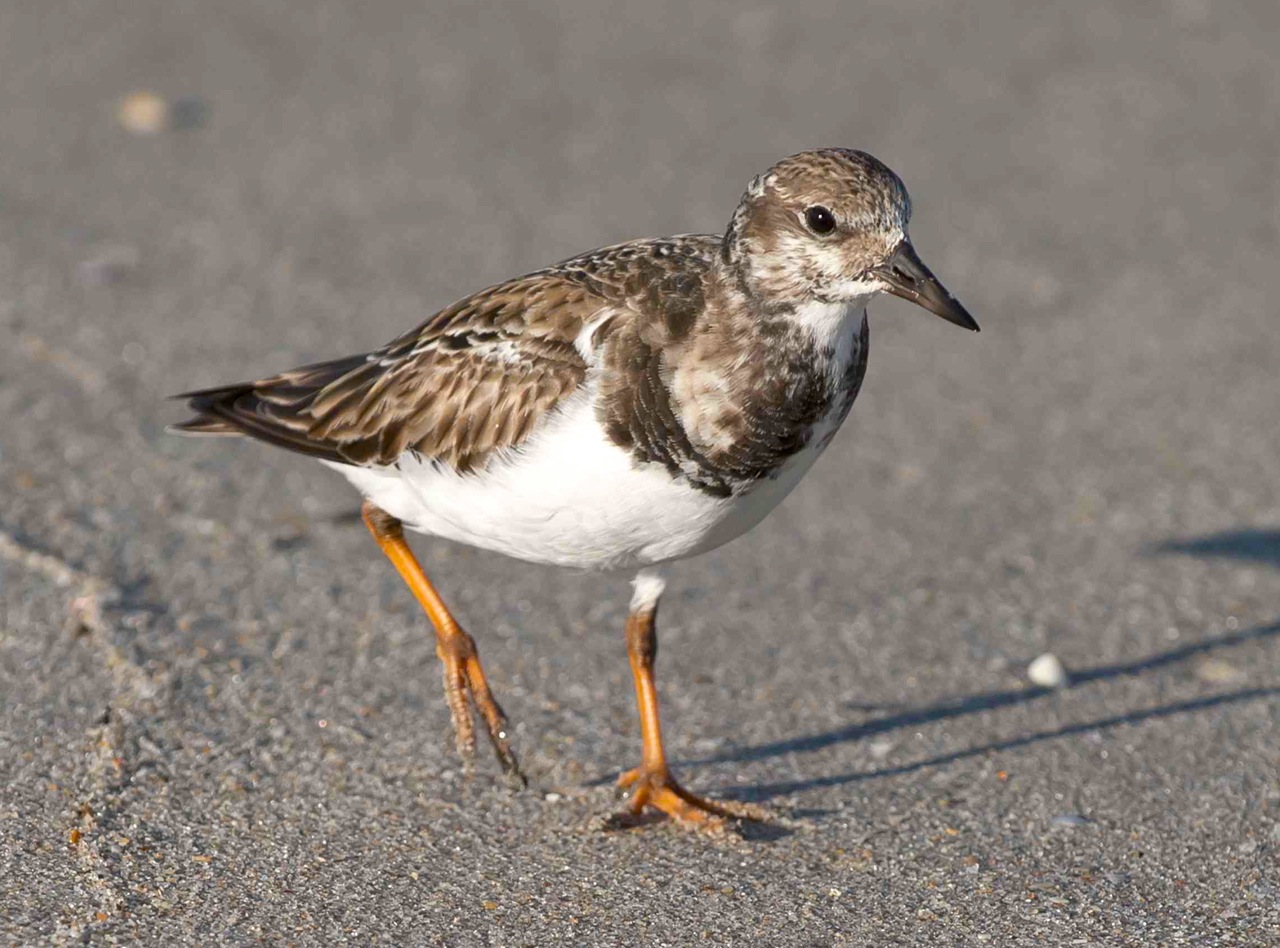
Ruddy Turnstone winter plumage.Abaco Bahamas.2.13.Tom Sheley eRuddy Turnstone
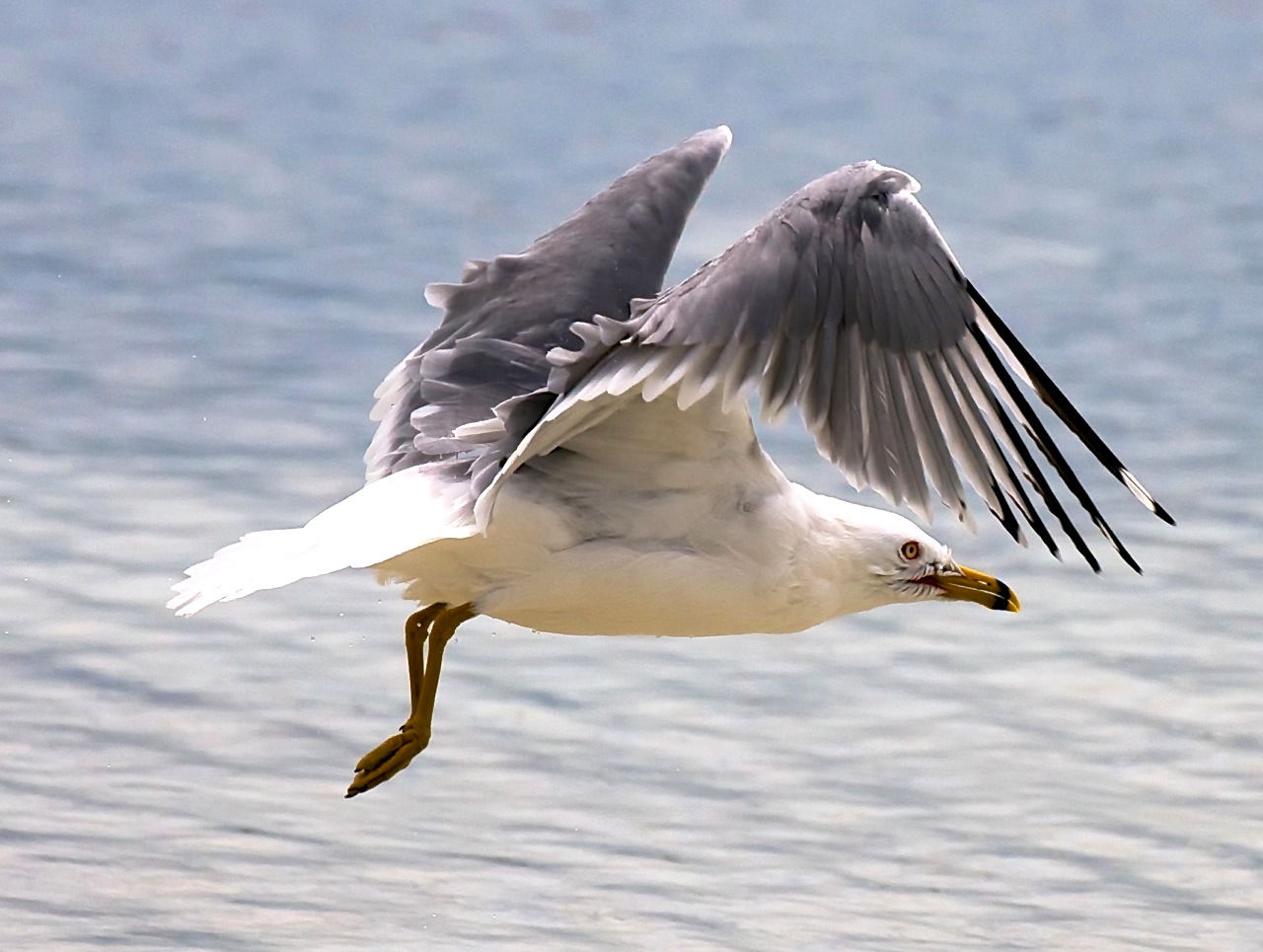
Laughing Gull, Abaco - Nina HenryLaughing Gull
Bonaparte's Gull (Ad NB), Abaco - Bruce HallettBonaparte’s Gull
Ring-billed Gull, Abaco (Nina Henry : DCB)Ring-billed Gull
800px-Great_Black-backed_Gull_Larus_marinusGreat Black-backed Gull
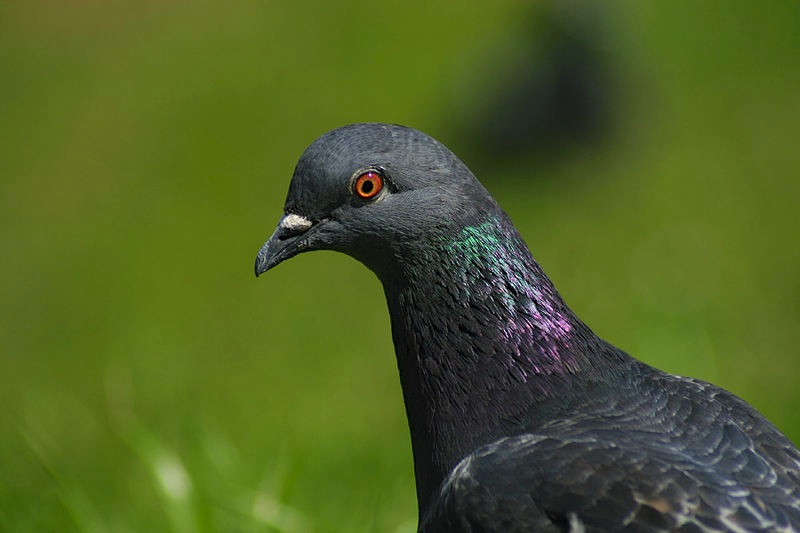
Rock_Dove_close-upRock Dove
Eurasian Collared Dove, Abaco - Bruce HallettEurasian Collard Dove
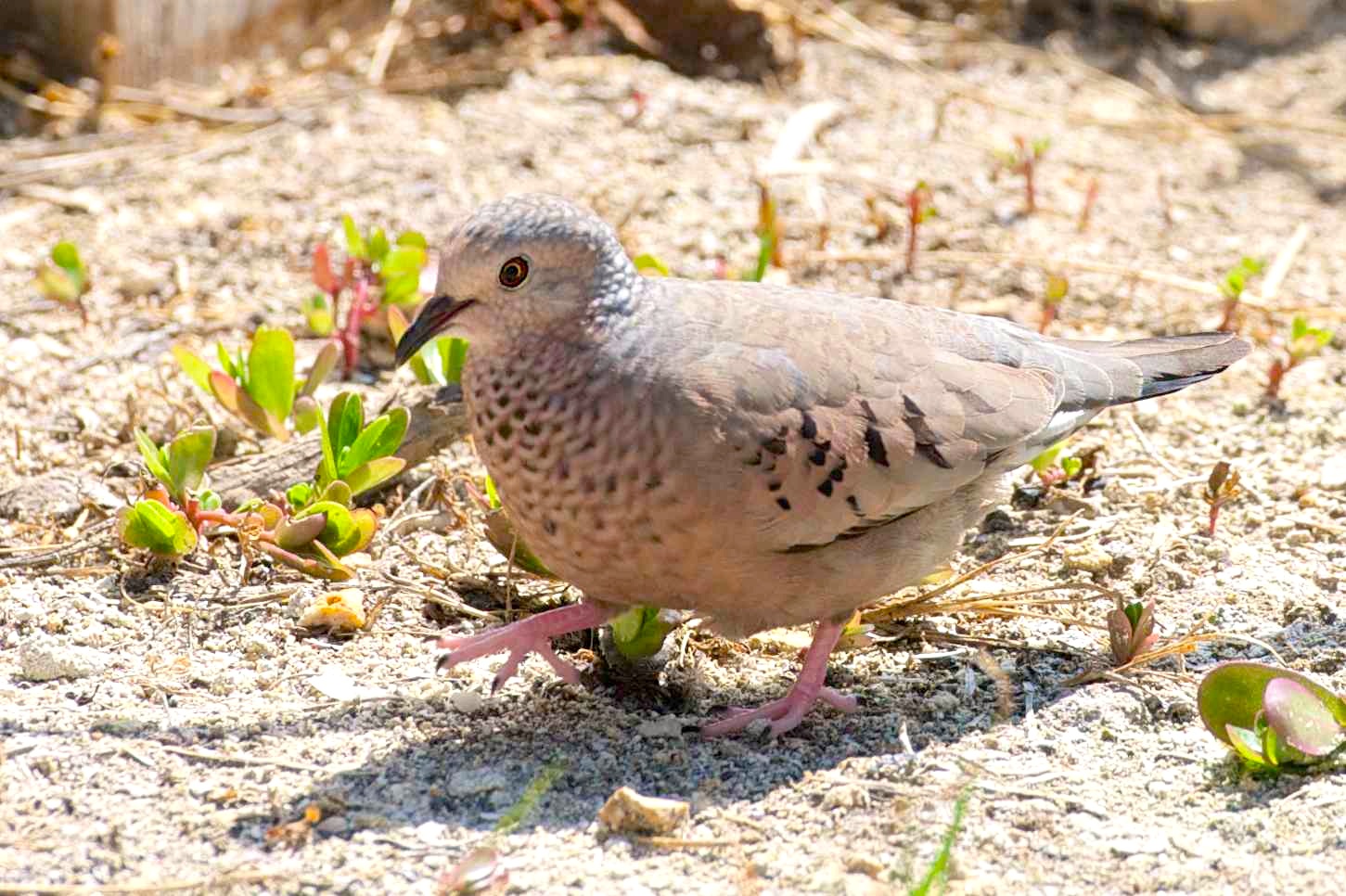
Ground Dove, Abaco -Nina Henry Common Ground Dove
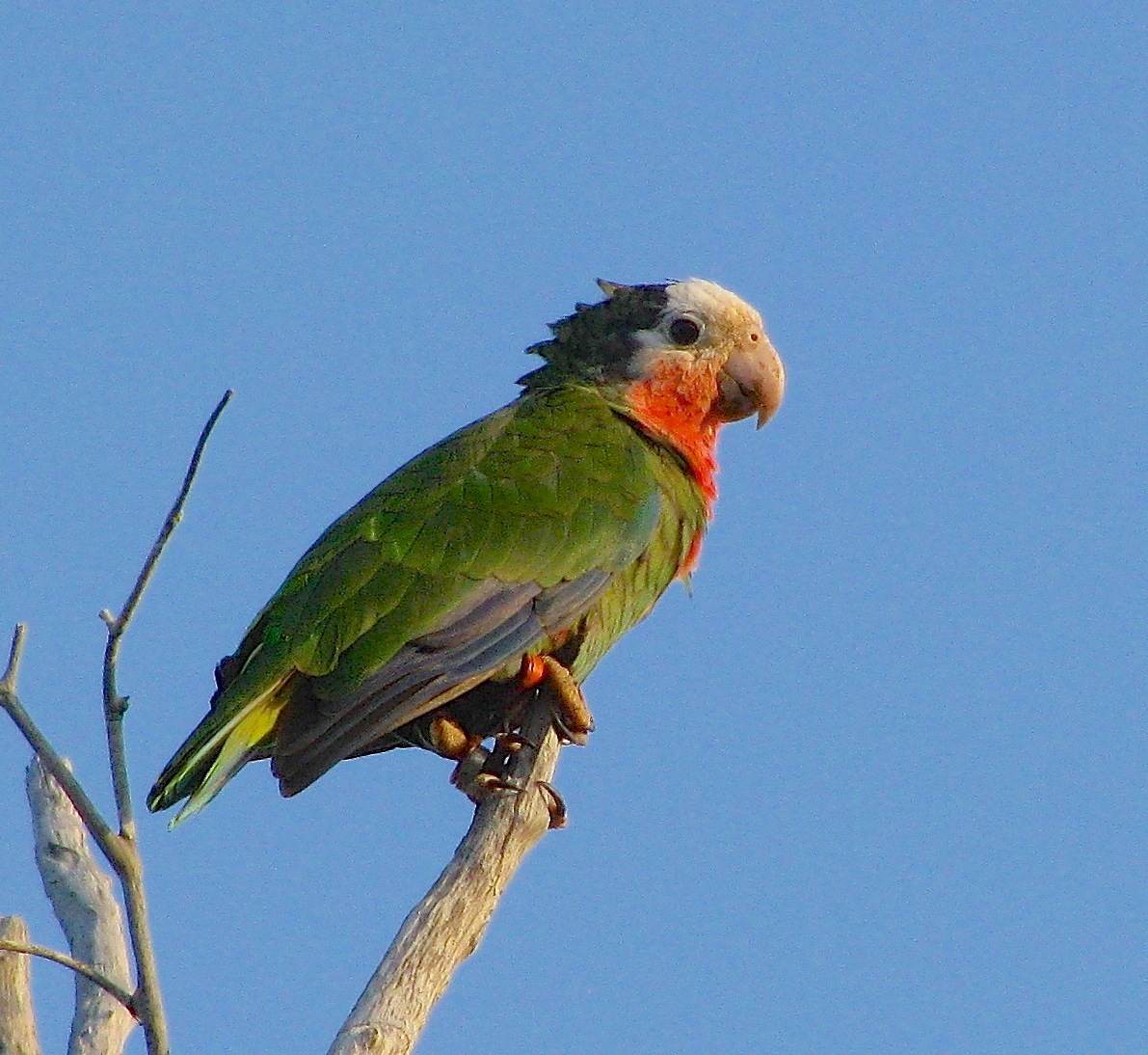
ABACO (CUBAN) PARROT, Abaco (Caroline Stahala)Cuban Parrot
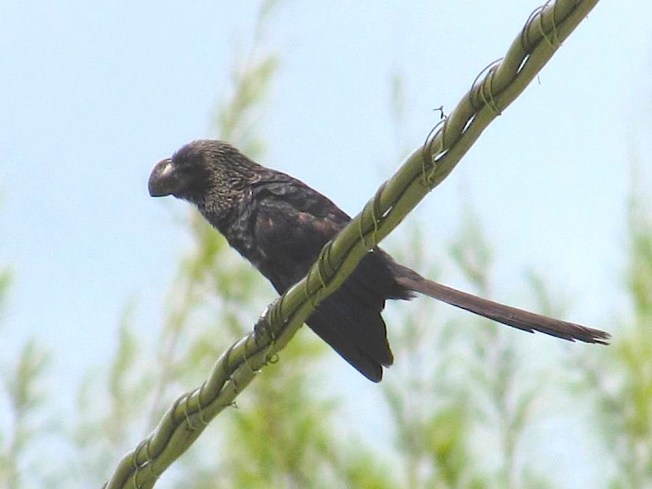
Smooth-billed Ani, Abaco - Roselyn PierceSmooth-billed Ani
Cuban Emerald, Delphi, Abaco - Keith SalvesenCuban Emerald
800px-Belted_Kingfisher_with_preyBelted Kingfisher
800px-West_Indian_Woodpecker_(Melanerpes_superciliaris)West Indian Woodpecker
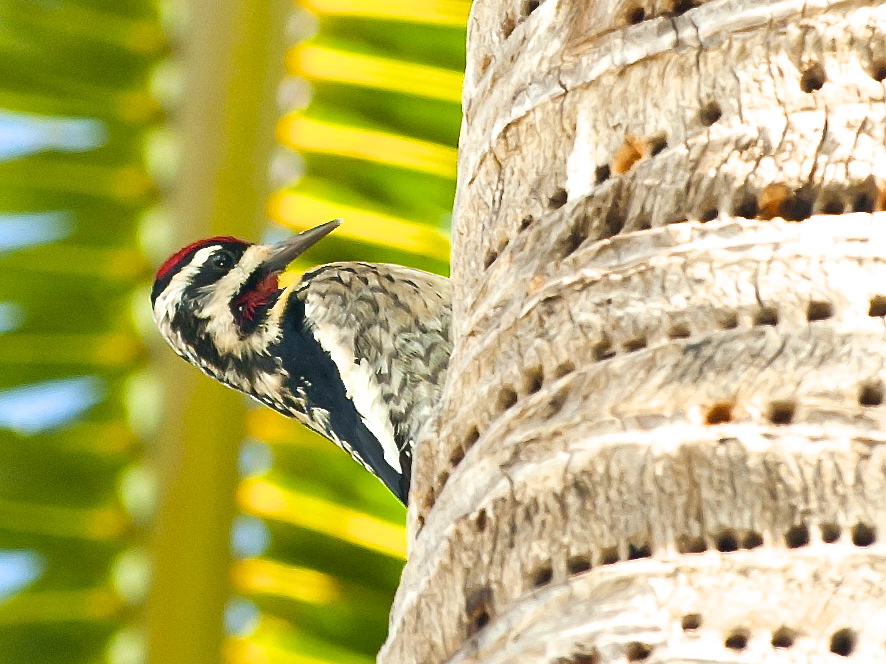
Yellow-bellied Sapsucker. Abaco Bahamas 2.12.Tom SheleyYellow-bellied Sapsucker
Cuban Pewee Abaco - Casuarina - Keith SalvesenCuban Peewee
La Sagra's Flycatcher - Delphi,  Abaco - Keith SalvesenLa Sagra’s Flycatcher
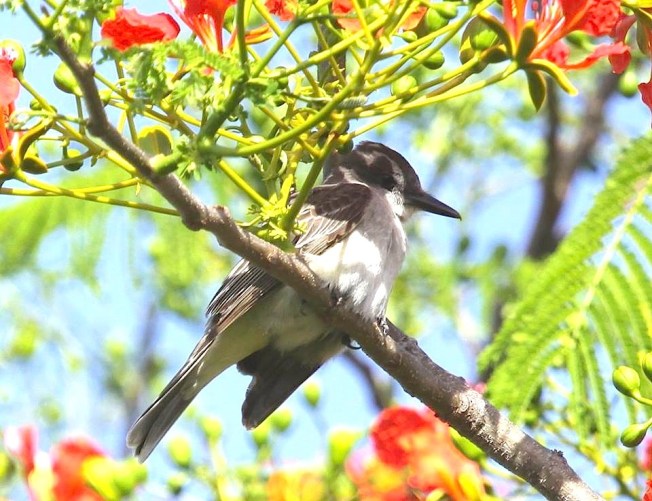
Loggerhead Kingbird, Abaco - Peter Mantle Loggerhead Kingbird
Bahama Swallow, Abaco - Craig NashBahama Swallow
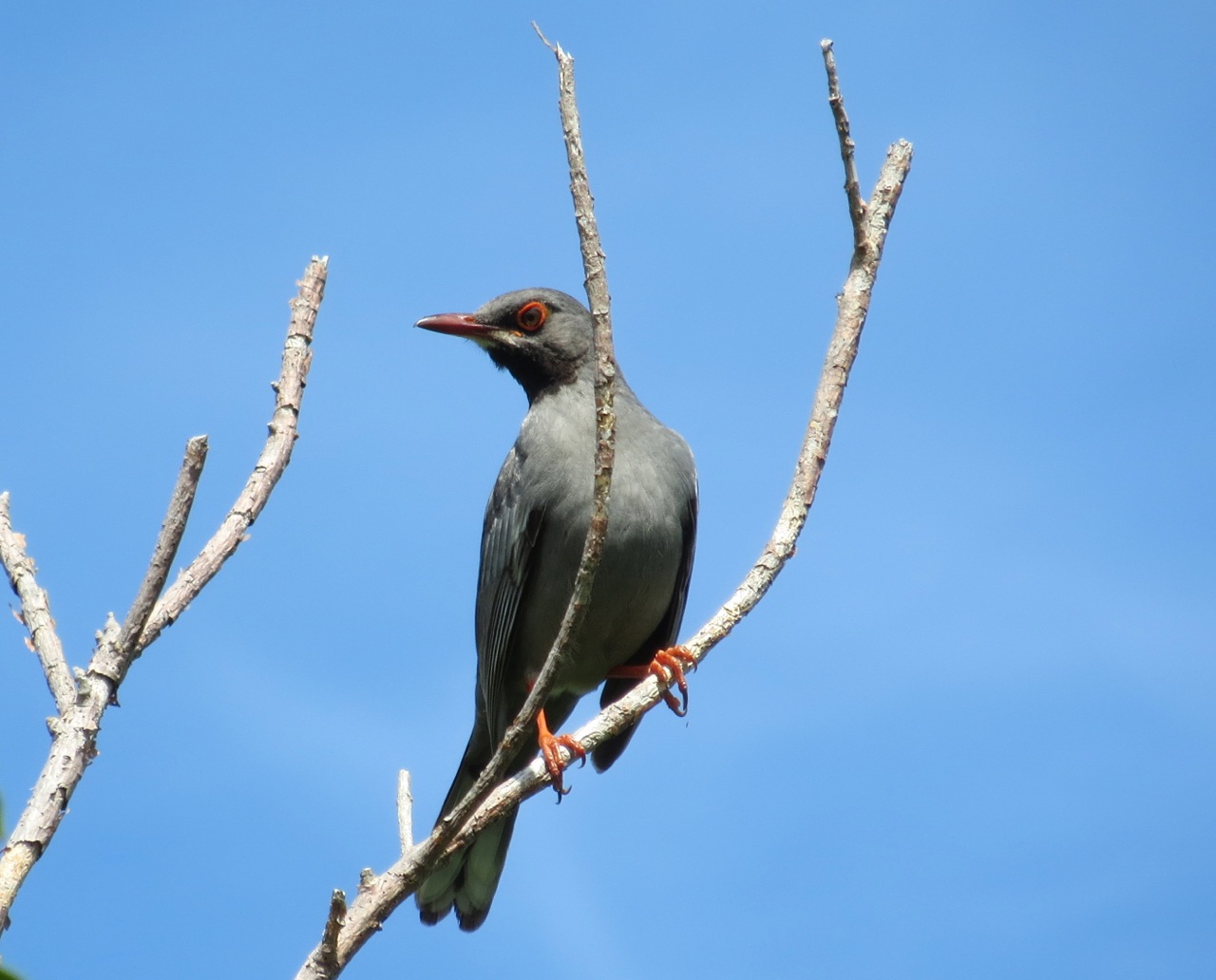
Red-legged Thrush, Delphi,  Abaco - Keith SalvesenRed-legged Thrush
Northern Mockingbird, Delph, Abaco  - Keith SalvesenNorthern Mockingbird
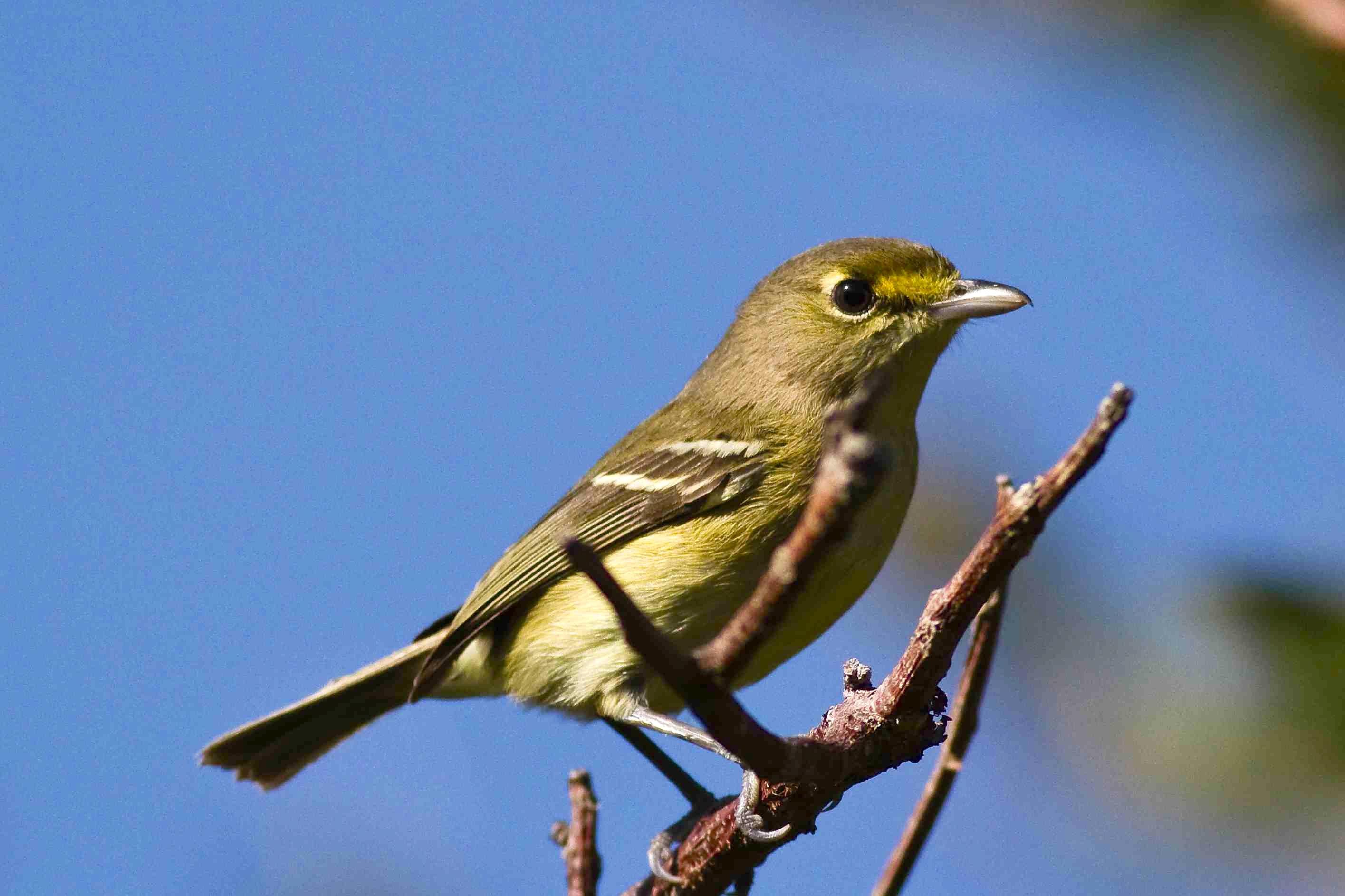
Thick-billed Vireo, Abaco (Craig Nash)Thick-billed Vireo
Northern Parula, Abaco - Craig NashNorthern Parula
Yellow-throated Warbler, Abaco - Bruce HallettYellow-throated Warbler
Olive-capped Warbler, Abaco - Bruce HallettOlive-capped Warbler
Pine Warbler, AbacoPine Warbler
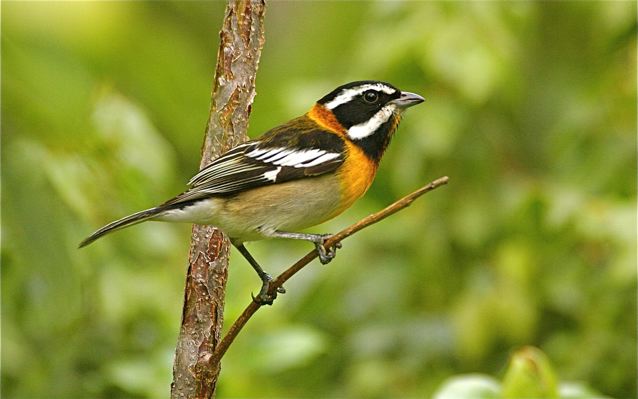
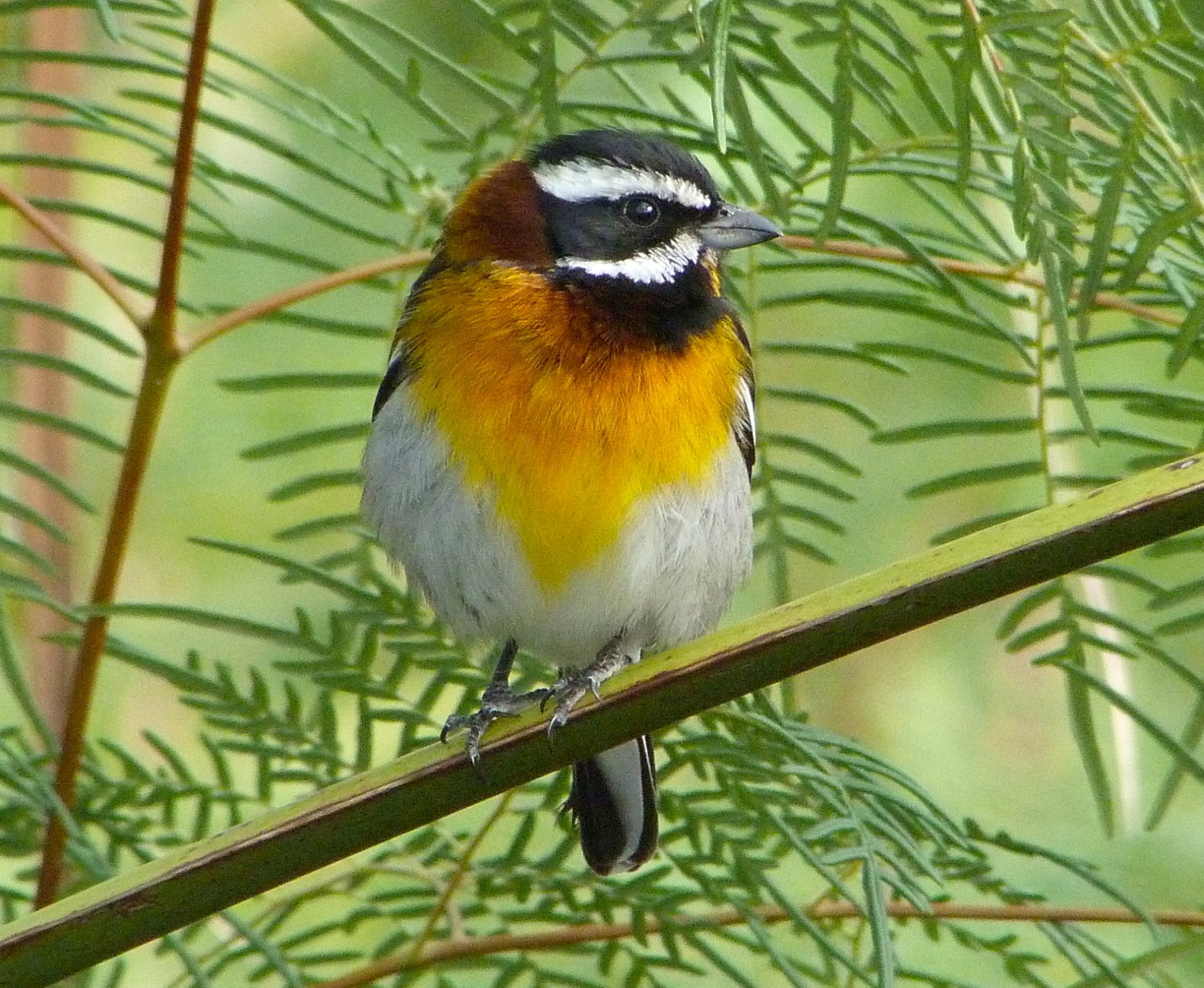
Western Spindalis, Abaco - Bruce HallettStripe-headed Tanager

Black-faced Grassquit (m), Abaco - Bruce HallettBlack-faced Grassquit
Greater Antillean Bullfinch, Abaco - Tony HepburnGreater Antillian Bullfinch
If any Birding Groups are interested in birding the one-mile drives (wonderful pine and coppice habitats), gardens and one-mile white sand beach at Delphi, let me know. It can easily be arranged, but there are times when it is not convenient or that some areas are not open for access. Email me as first contact at rollingharbour.delphi[AT]gmail.com
Western Spindalis Abaco (Keith Salvesen)

Western Spindalis, Abaco -Delphi Club Drive (Keith Salvesen)

Unknown's avatar

FESTIVE BIRDING ON ABACO WITH GUEST BIRDER VELMA


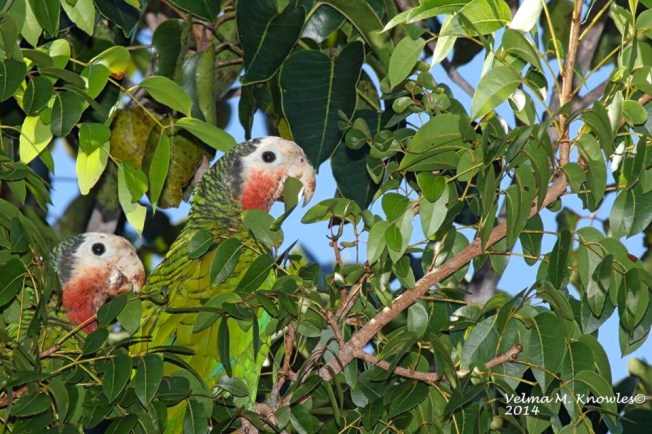
Abaco Parrot, Abaco (Velma Knowles)

FESTIVE BIRDING ON ABACO WITH GUEST BIRDER VELMA

Velma Knowles is a resident of Nassau but originates from Abaco, where her grandparents lived. She is a keen photographer and birder, and recently spent a few days ‘back home’ on Abaco, staying on Man-o-War Cay during that strange ‘Christmas to New Year’ period that people have begun to refer to uncomfortably as ‘Twixmas’. Which I guess goes well with ‘Winterval’, if that neologism to describe the festive season rocks your sleigh. 

Obviously, Velma had her camera with her; and a bit of quality birding was built into her schedule. Man-o-War has been having a prolific winter season, birdwise, with plenty of interesting migratory species passing through or settling there till Spring. But who would be content with a random warbler from the North, when there are Abaco’s specialist birds to encounter. Many of the birds featured – all are permanent residents – were seen on Man-o-War; others on the main island, though not actually at Delphi. Every bird shown can readily be found at Delphi, except perhaps for the Royal Tern, hence a few mentions. Let’s see how Velma did during her brief visit. (Spoiler Alert: very well indeed!).

ABACO PARROTS

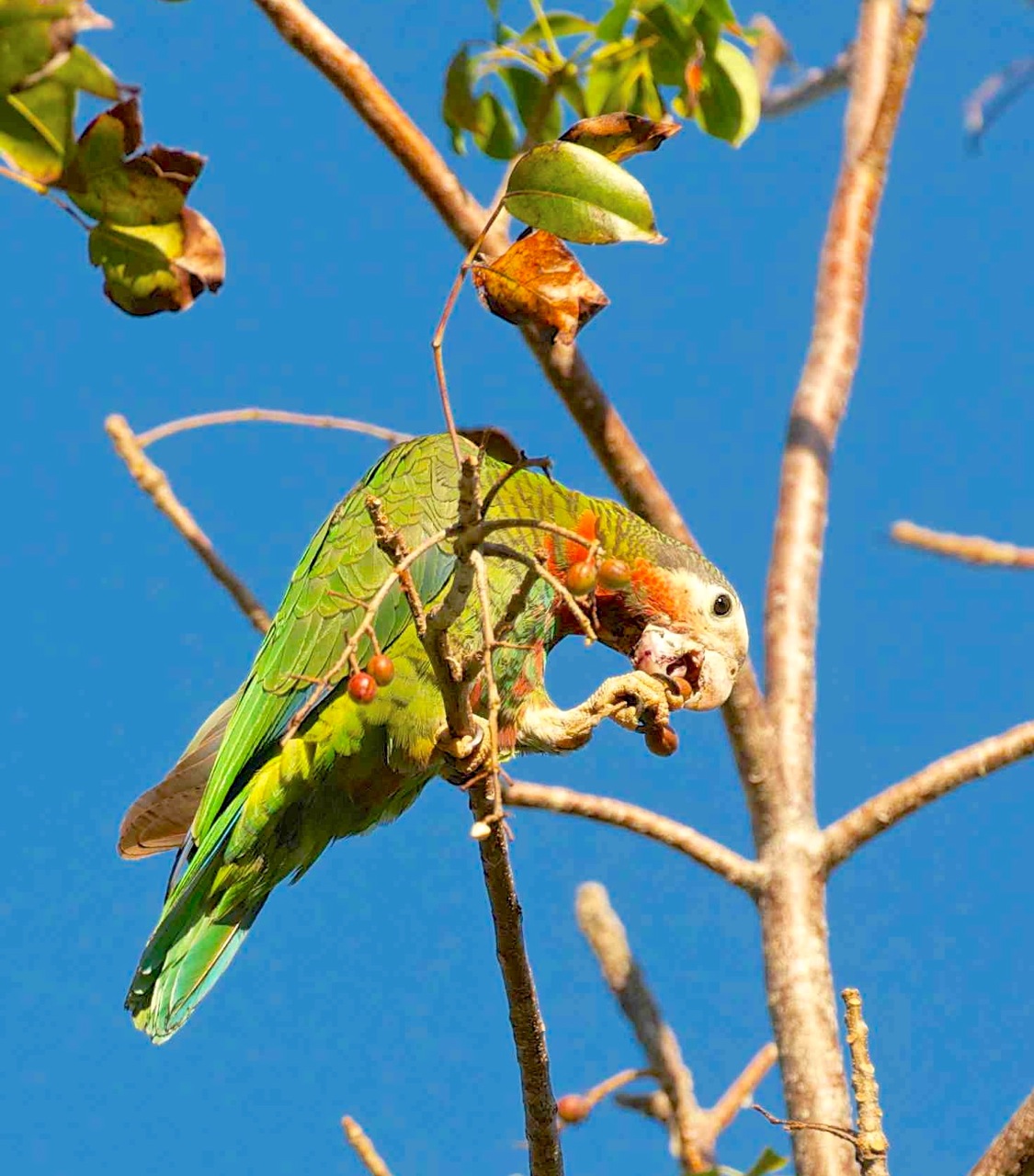
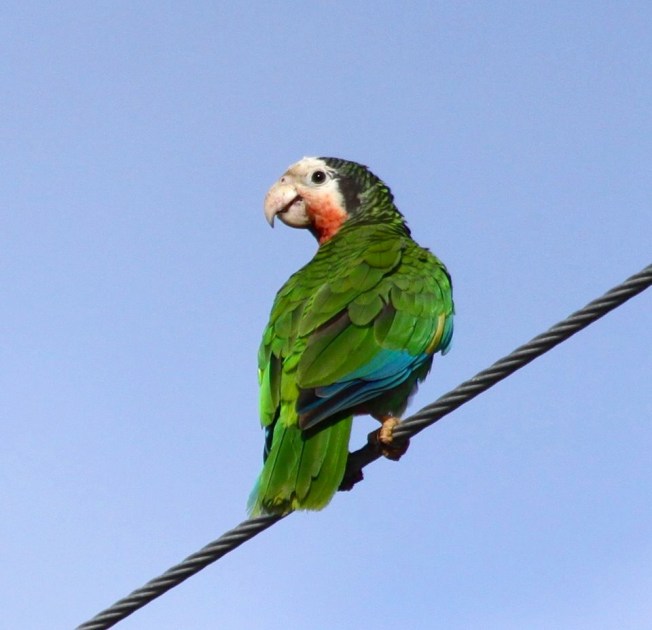
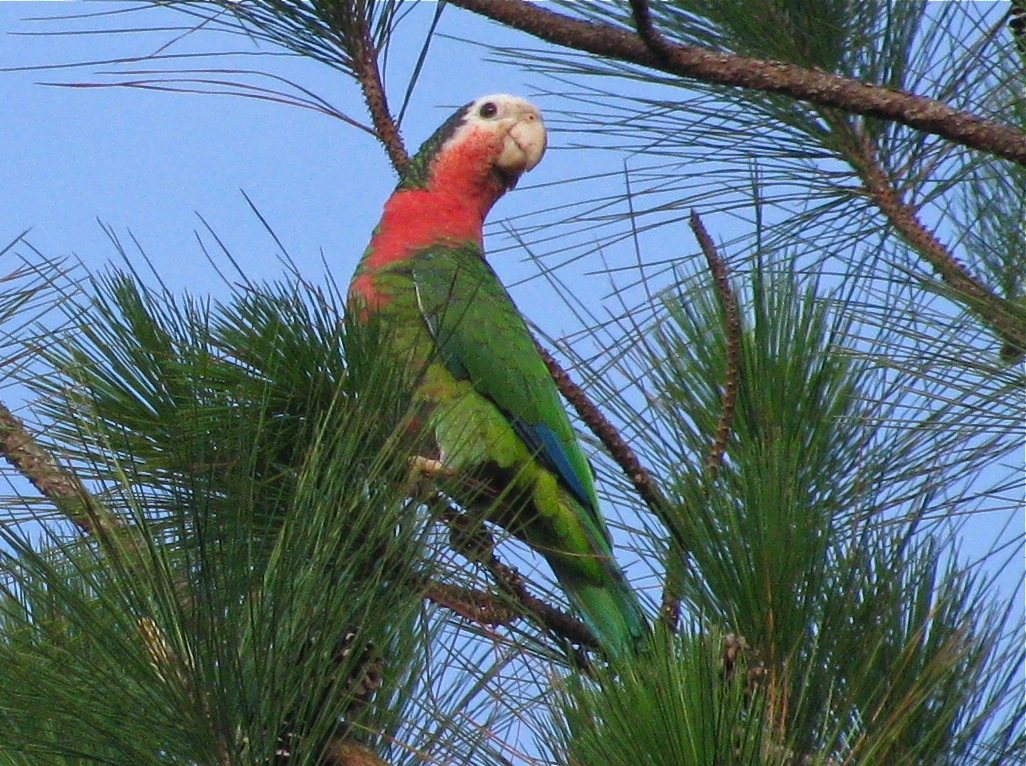
A first ‘get’ for anyone’s Abaco checklist, and hence the header image. Not available on the Cays, so a trip to the ‘mainland’ and the wild pine forest and coppice of South Abaco is called for (they don’t venture north of Marsh Harbour). Rescued from the brink of extinction by careful conservation measures, the newly regenerating population of these unique underground-nesting parrots is gradually spreading, making them easier to find. During the day, Bahamas Palm Shores is a likely spot, as are locations to the south, including Delphi and the area around Crossing Rocks down to Gilpin Point. 

Abaco Parrot, Abaco (Velma Knowles)Abaco Parrot pair, Abaco (Velma Knowles)

BAHAMA WOODSTAR

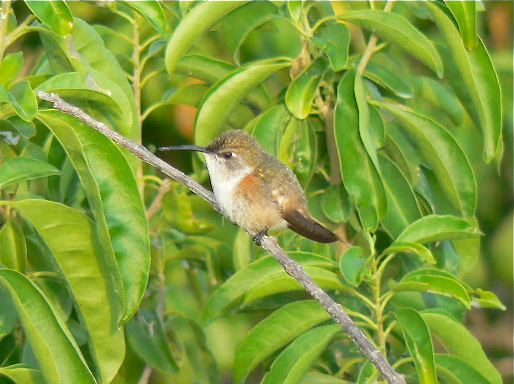
Abaco’s lovely endemic hummingbird, rather pushed around by the brash incomer Cuban Emerald and therefore tending to avoid  them (though both can be found at Delphi). The MALE CUBAN EMERALD has a striking purple throat aka ‘gorget’; the female (below) encountered by Velma has a more delicate colouring.

Bahama Woodstar, Abaco (Velma Knowles)Bahama Woodstar, Abaco (Velma Knowles)

CUBAN EMERALD

Unlike the Woodstar, these pretty iridescent green hummers are not endemic yet are more frequently encountered. They fly and change direction with astonishing speed, and are feeder-keen! Your sugar-water feeder will also attract Bananquits (pointy curved beak for the little holes) and West Indian Woodpeckers (long tongue) – and possibly Woodstars.Cuban Emerald, Abaco (Velma Knowles)Cuban Emerald, Abaco (Velma Knowles)

WEST INDIAN WOODPECKER   

Splendid and occasionally noisy birds that nest in boxes under the eaves at Delphi. They produce two families a year. Velma writes “It has been a long wait but I finally saw this lifer, the West Indian Woodpecker. This bird is only found in The Bahamas, Cuba and the Cayman Islands. Awesome call!”West-Indian Woodpecker, Abaco (Velma Knowles)

WESTERN SPINDALIS

Velma writes “One of my targeted birds, the Western Spindalis, formerly called the stripe-headed tanager. On the way from the airport we spotted him on the side-of-the-road. Now that’s island-birding!”Western Spindalis, Abaco (Velma Knowles)

 BANANAQUIT

One of my own  favourite small birds. Irresistably cheery, busy and ubiquit(-ous) Bananaquit, Abaco (Velma Knowles)

THICK-BILLED VIREO

Velma writes “Such a beautiful call… the Thick-billed Vireo. We heard a number of these guys on our bird-walks. The Thick-billed Vireo is a Caribbean endemic, being restricted to The Bahamas, the Caymans, the Turks and Caicos, two islands off of Cuba and one off of Haiti (though it has been reported in Florida)”Thick-billed Vireo, Abaco (Velma Knowles)

GREATER ANTILLEAN BULLFINCH

The adult male’s striking colour patches are orange-red; the female’s are more yellow. They are greedy at the feeder and rank high up in the pecking order, where smaller birds defer to them. One local name for them is ‘Police Bird’: the adult male’s colouring matches that of a Bahamian Police Officer’s uniform.

Greater Antillean Bullfinch, Abaco (Velma Knowles)

YELLOW-CROWNED NIGHT HERON (juvenile)  Yellow-crowned Night Heron, Abaco (Velma Knowles)

ROYAL TERNRoyal Tern, Abaco (Velma Knowles)

ROYAL TERN SYNCHRONISED DIVING SCHOOL, LONG DOCK, CHEROKEE

At 770 feet, this dock is the longest in the entire BahamasRoyal Terns at Long Dock, Cherokee, Abaco (Velma Knowles)

All photos: Velma Knowles, with thanks for use permission

Unknown's avatar

ABACO PARROTS: A GALLERY OF GORGEOUS


'Over the Moon'

‘Over the Moon’

ABACO PARROTS: A GALLERY OF GORGEOUS

It’s been a while since the parrots of Abaco got a look-in hereabouts. Time to put that right. At the end of this gallery I will add some links to posts about the unique ground-nesting parrots of Abaco. Newcomers to this blog (I thank you both) may be interested to know that intensive conservation measures have brought this subspecies of the Cuban Parrot back from the brink of extinction – fewer than 1000 – to a sustainable and expanding population of around 4000.

For an overview of these lovely birds, I’ve made a slideshow presentation of a small booklet I put together in conjunction with scientist Caroline Stahala, who devoted several years to the research and protection of the parrots. Contents: parrots, nests, eggs, cute chicks, info, Sandy Walker with a fledgling on his lap.

Bahamas-Great Abaco_6419_Rose-throated Parrot_Cuban Parrot_Gerlinde Taurer Abaco Parrot Craig Nash.Cuban Parrot Abaco Abaco Parrot eating Gumbo Limbo fruit. Abaco Bahamas 2.12 copy

Here is the noise of a flock of parrots at Bahama Palm Shores, an excellent place to find them. It’s one of the less raucous recordings that I have made! We normally go to the main (north) turning, drive straight down to the end, cut the engine and listen. I’ve usually been lucky in that immediate area around 5.00 p.m., though others may have discovered other good times of day.

Abaco Parrot, Peter Mantle Abaco Parrot Keith Salvesen.Rolling Harbour Abaco
Bahama Parrot 1-Nina Henry sm Cuban Parrot Bruce Hallett IMG_7681ABACO (CUBAN) PARROT Abaco (Cuban) Parrot -  Charlie SkinnerAbaco (Cuban) Parrot -  Charlie SkinnerABACO PARROTS Unique parrots in pictures, video & sound

ABACO PARROTS Rare nesting footage

ABACO PARROTS Conservation & anti-predation programs 

Credits: Melissa Maura (brilliant header!), Gerlinde Taurer, Craig Nash, Tom Sheley, Peter Mantle, RH, Nina Henry, Bruce Hallett, Charlie Skinner, and Caroline Stahala

Unknown's avatar

ABACO: THE PERFECT PLACE FOR BAHAMAS BIRDING


ABACO: THE PERFECT PLACE FOR BAHAMAS BIRDING

I’ve  fairly very often mentioned the remarkable diversity of the bird species on Abaco. This small island has a wide variety of permanent resident species and the advantage of being on a primary migration route so that it has both winter and summer migratory visitors. Here’s an example of some of the species a visitor might reasonably expect to find during a day’s birding. This isn’t an ‘invented inventory’, easy though that would be to compile. It records a birding outing by Abaco visitor Susan Daughtrey, guided by the legendary Woody Bracey, with sightings of 53 species from A (baco Parrot) to Z (enaida Dove). Here are some of Susan’s photos of the birds she encountered. At the end is the full list of the 34 species she photographed.There’s nothing very rare – most of those shown are permanent residents (PR), breed on Abaco (B) and are commonly found (1). Hence the code* PR B 1. SR is for the 2 summer residents, I is for the introduced collared dove. The best ‘get’ is the Bahama Mockingbird (PR B 3), a bird mainly of the pine forests and not so easy to find.

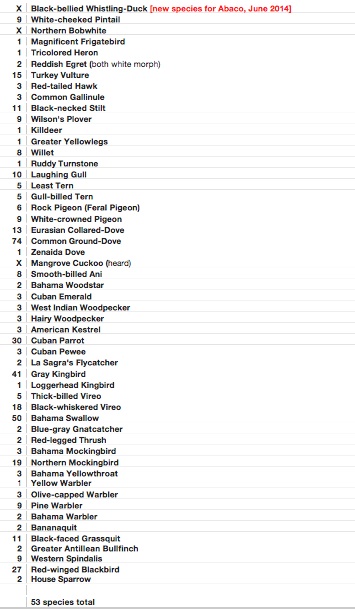
ADDENDUM Susan has now sent me her complete record for a great day out in which 53 species were seen. The list shows the numbers seen for each species. I have had to reformat the list from the original to make it work in this blog. I have added links for the first bird, the Black-bellied Whistling Duck, which was recorded on Abaco for the first time in early June. Of the six seen at any one time to begin with (including at Delphi), the reported numbers dropped to 2, then 1. The latest news is an unconfirmed sighting of a single bird at Treasure Cay Golf Course.

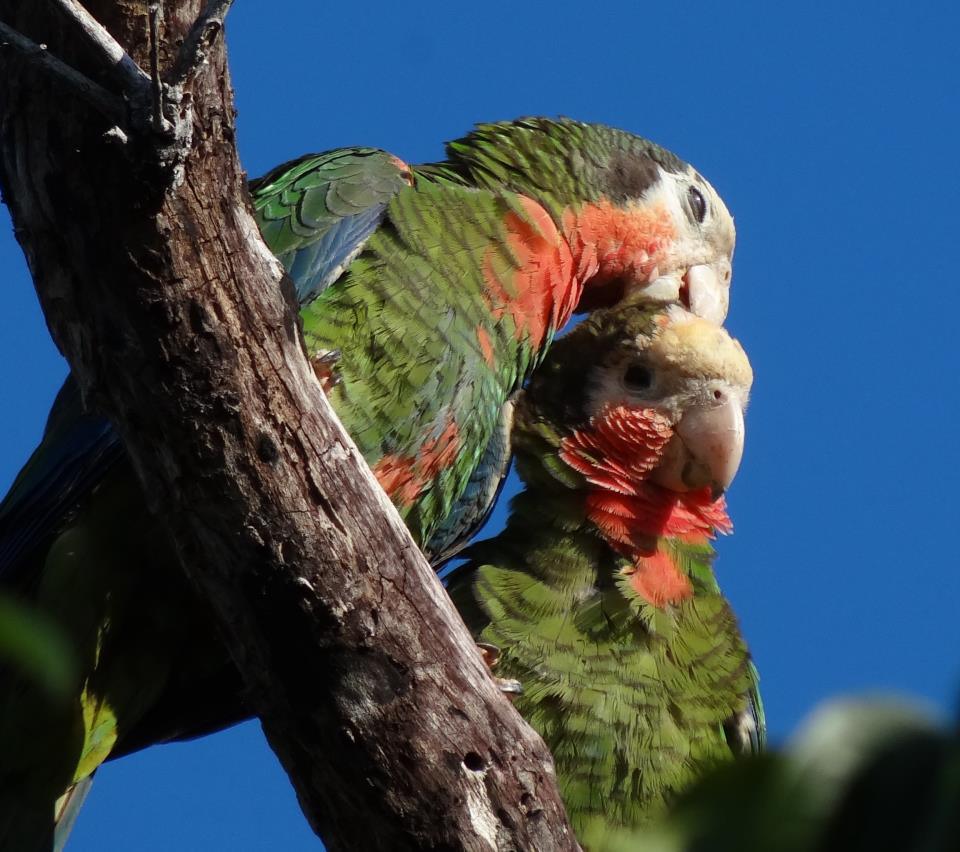
ABACO (CUBAN) PARROT Amazona leucocephala PR B 1

ANTILLEAN NIGHTHAWK Chordeiles gundlachii SR 1Amazon (Cuban) Parrot, Abaco (Susan Daughtrey)Antillean Nighthawk, Abaco  (Susan Daughtrey)

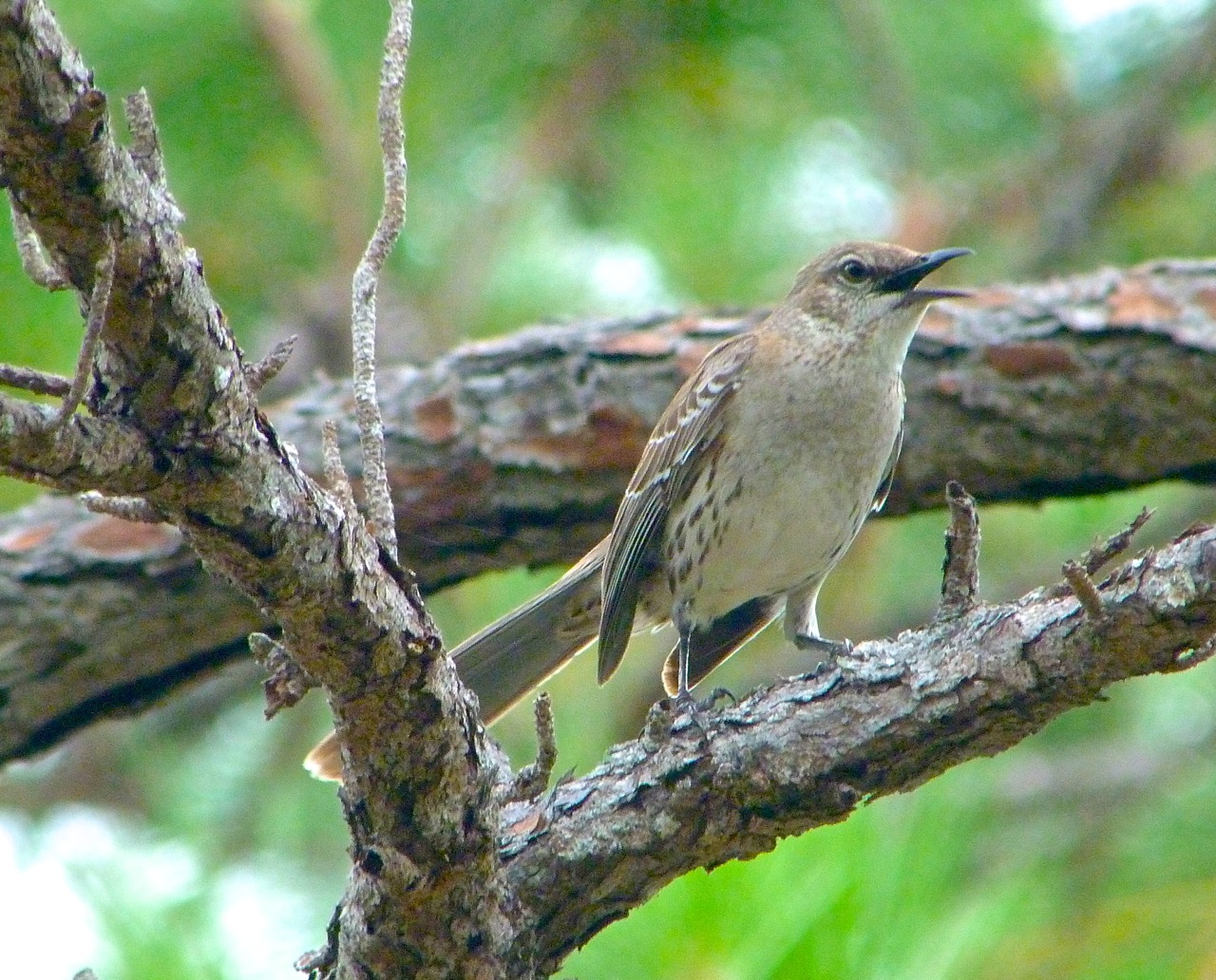
BAHAMA MOCKINGBIRD (ENDEMIC) Mimus gundlachii PR B 3Bahama Mockingbird, Abaco  (Susan Daughtrey)

BAHAMA SWALLOW (ENDEMIC) Tachycineta cyaneoviridis PR B 1Bahama Swallow, Abaco  (Susan Daughtrey)

BAHAMA PINTAIL (WHITE-CHEEKED PINTAIL) Anas bahamensis PR B 1
Bahama (White-cheeked) Pintail, Abaco  (Susan Daughtrey)

BLUE-GRAY GNATCATCHER Polioptera caerulea PR B 1Blue-gray Gnatcatcher, Abaco  (Susan Daughtrey)

CUBAN PEWEE Contopus caribaeus PR B 1Cuban Pewee, Abaco  (Susan Daughtrey)

EURASIAN COLLARED DOVE Streptopelia decaocto  I PR B 1Eurasian Collared Dove, Abaco  (Susan Daughtrey)

HAIRY WOODPECKER Picoides villosus PR B 1Hairy Woodpecker, Abaco  (Susan Daughtrey)

LEAST TERN Sternula antillarum SR B 1Least Tern, Abaco  (Susan Daughtrey)

LOGGERHEAD KINGBIRD Tyrannus caudifasciatus PR B 1Loggerhead Kingbird, Abaco  (Susan Daughtrey)

MAGNIFICENT FRIGATEBIRD (female)  Fregata magnificens PR B 1Magnificent Frigatebird, Abaco  (Susan Daughtrey)

OLIVE-CAPPED WARBLER Setophaga pityophila PR B 1                                            Olive-capped Warbler, Abaco  (Susan Daughtrey)

RED-LEGGED THRUSH  Turdus plumbeus PR B 1Red-legged Thrush, Abaco  (Susan Daughtrey)

RED-WINGED BLACKBIRD Agelaius phoeniceus PR B 1Red-winged Blackbird, Abaco  (Susan Daughtrey)

SMOOTH-BILLED ANI Crotophaga ani PR B 1Smooth-billed Ani, Abaco (Susan Daughtrey)

THICK-BILLED VIREO Vireo crassirostris PR B 1
Thick-billed Vireo, Abaco  (Susan Daughtrey)

WESTERN SPINDALIS Spindalis zena PR B 1Western Spindalis, Abaco  (Susan Daughtrey)

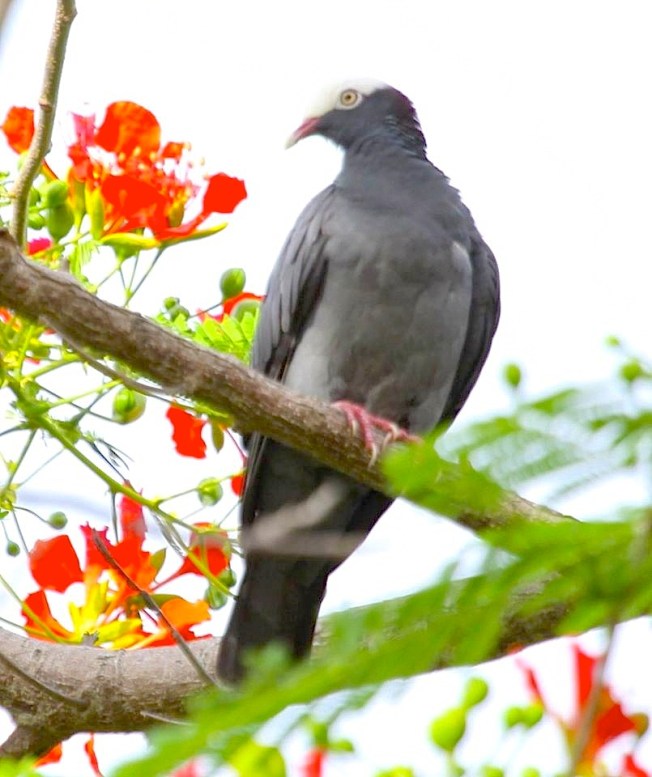
WHITE-CROWNED PIGEON Patagioenas leucocephala PR B 1White-crowned Pigeon, Abaco  (Susan Daughtrey)

SUSAN’S LIST OF BIRDS PHOTOGRAPHED

SUSAN'S SPECIES jpg

SUSAN’S COMPLETE LIST FOR THE DAY – 53 SPECIES

To learn about Abaco’s latest new species the Black-bellied Whistling Duck click HERE & HERE

Susan's fuller list JPG

Credits: all photos, Susan Daughtrey; *the excellent birding code was devised by ornithologist Tony White with Woody Bracey

Unknown's avatar

THE ABACO PARROT: BEAUTIFUL, NOISY AND UNIQUE [Video]


 Abaco (Cuban) Parrot 2013 (Keith Salvesen)

THE ABACO PARROT: BEAUTIFUL, NOISY AND UNIQUE [Video]

I’ve posted quite often about Abaco’s unique ground-nesting parrots. They have their own page at ABACO PARROTS; and there’s a link in the right sidebar to a small illustrated booklet about them wot I writ in conjunction with Caroline Stahala. I have just found a very short bit of video footage that’s ideal for anyone who is extremely busy and /or has a short attention span. Spend a happy 10 seconds to  (a) admire the bright colours and (b) listen to the raucous cries of a flock of Abaco parrots. 

Abaco Parrots (Melissa Maura)Credits: Header photo & video RH; 2-parrot pic Melissa Maura with thanks


Unknown's avatar

THE UNIQUE ABACO PARROT: ITS PAST, PRESENT & FUTURE


APB 1

THE UNIQUE ABACO PARROT: ITS PAST, PRESENT & FUTURE

Image Credits: RH, Caroline Stahala, Melissa Maura. Based on an information booklet ©Rolling Harbour. You are welcome to use or share this slideshow but please credit and link. Booklets are available at the Delphi Club, Abaco for a small donation to parrot research. The music is from astounding guitar virtuoso Erik Mongrain – he has all the tricks, and sounds as if he plays with 2 pairs of hands…

Unknown's avatar

ABACO: AN IMPORTANT BIRDING AREA IN THE BAHAMAS


Abaco (Cuban) Parrot 2013 11

Abaco (Cuban) Parrot

ABACO: AN IMPORTANT BIRDING AREA IN THE BAHAMAS

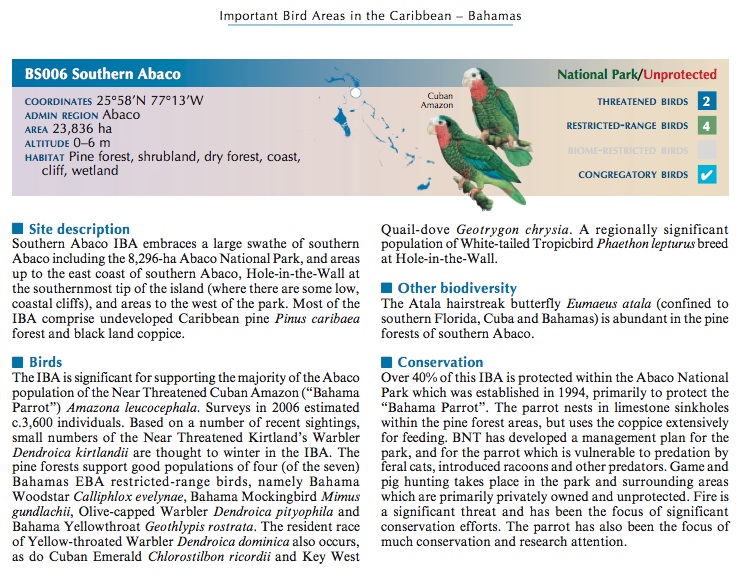
The Bahamas National Trust BNT is one of several organisations in the Bahamas responsible for conservation across the widely scattered islands of the Bahamas. One of its tasks is to look after the birds and their habitat, and from time to time the Trust publishes articles about their work. The Abaco-related material below is taken from a much longer article by Predensa Moore and Lynn Gape that covers the whole area, and concerns the importance of Abaco as a prime Bird Area. This applies in particular to Little Abaco and the Northern Cays; and to the large area of South Abaco that incorporates the National Park. The bird images used show some Abaco speciality birds mentioned by the BNT in their material. 

BNT BIRD ARTICLE 2 JPG copy

BAHAMA MOCKINGBIRD Mimus gundlachiiBahama Mockingbird, Abaco 3BNT BIRD ARTICLE 3 JPGBAHAMA WOODSTAR Calliphlox evelynae              Bahama Woodstar BPS BNT BIRD ARTICLE 4 JPGBAHAMA YELLOWTHROAT Geothlypsis rostrataBahama Yellowthroat Abaco 8 BNT BIRD ARTICLE 5 JPG

CUBAN EMERALD Chlorostilbon ricordiiCuban Emerald Hummingbird, Delphi, Abaco 1Credits: BNT; Bahama Woodstar, Ann Capling with thanks; the rest, RH
Unknown's avatar

ABACO PARROT CHICKS FOR 2014, TOP POSTS & A DODO…


Abaco (Cuban) Parrot 2013 8

ABACO PARROT CHICKS FOR 2014, TOP POSTS & A DODO…

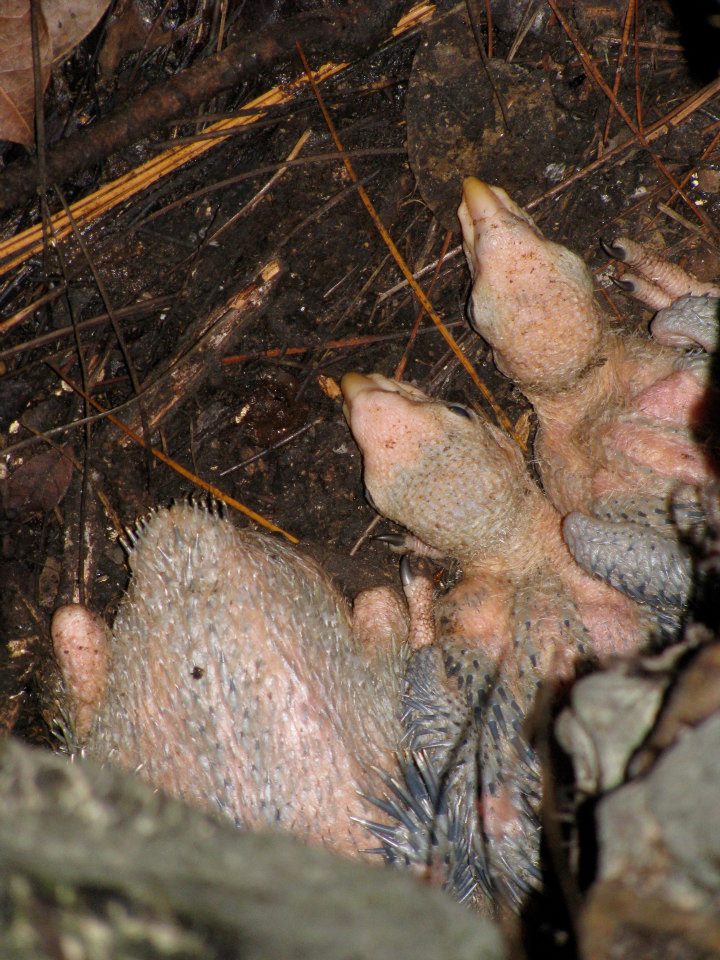
The dawn of a New Year shimmers just below the horizon, with all its bright promise for the future. It  provides a convenient excuse to peer symbolically into the limestone holes of the remarkable ABACO PARROT to take a peek at some newly hatched eggs and the tiny chicks that will, by next spring, look like the handsome bird at the top of the page…Abaco Parrot Nest 3 Abaco Parrot Nest 4 Abaco Parrot Nest 5

This website is not overly preoccupied with stats, but I have had a quick look to see which posts were the most popular during 2013. Here, for better or worse (I didn’t make the choices…), are the top dozen, introduced by the cutest chick of the year, a Wilson’s plover calling for its mum…Tiny Wilson's Plover for 2014

ABACO ARTS & CRAFTS    
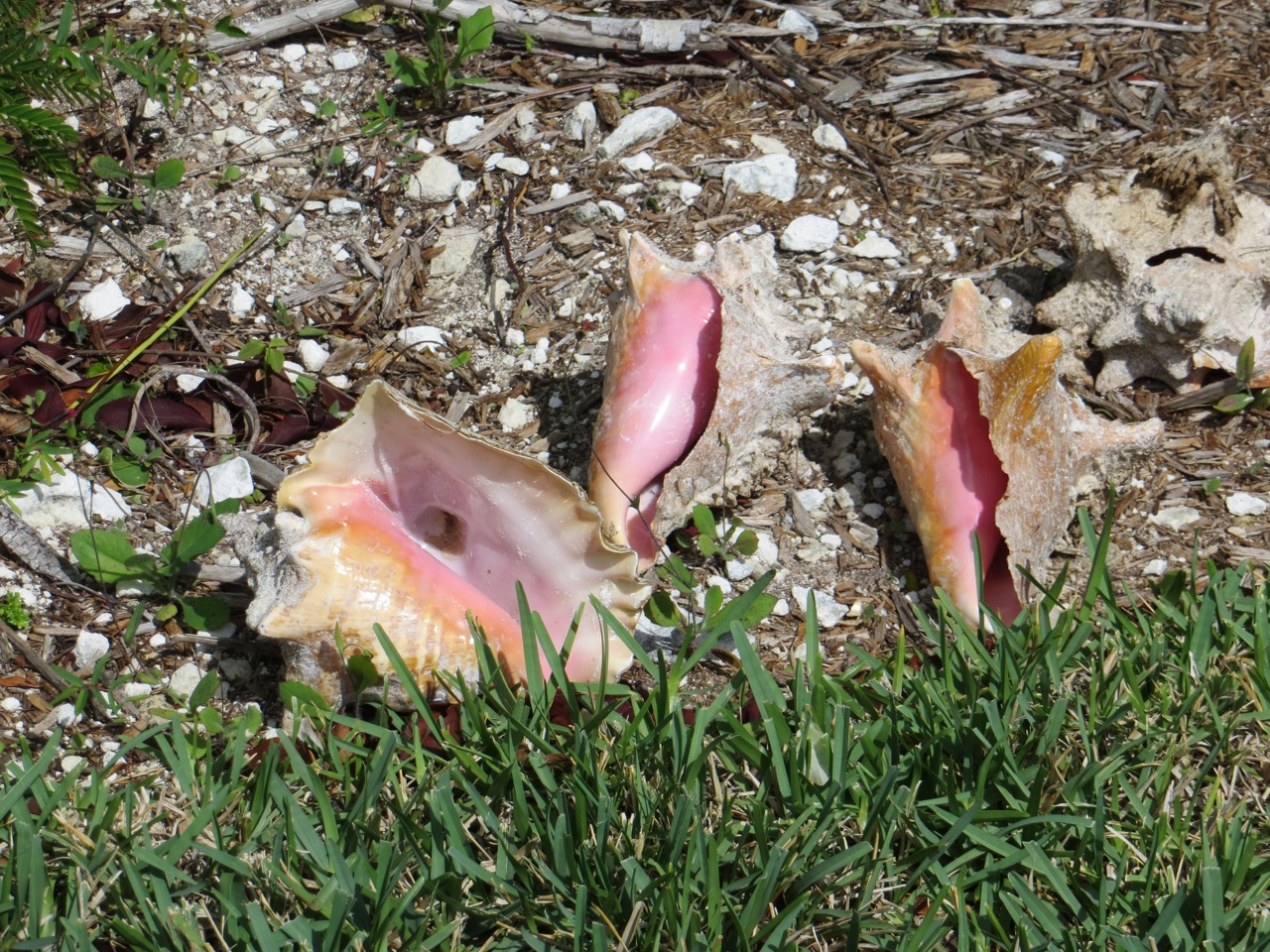
SEA SHELLS    
LIGNUM VITAE – BAHAMAS NATIONAL TREE    
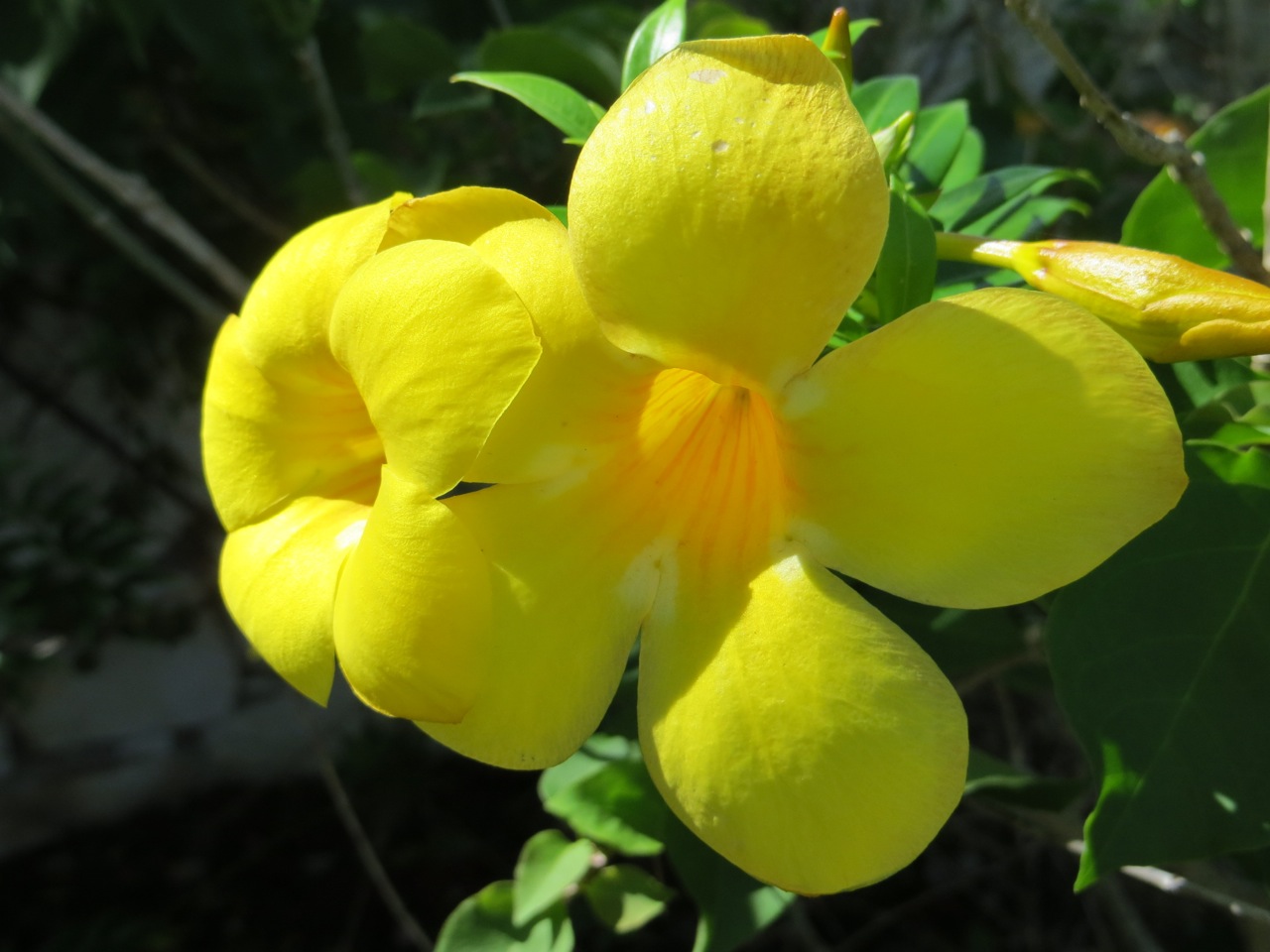
YELLOW ELDER – THE BAHAMAS NATIONAL FLOWER    
ABACO FOOD & DRINK (cook hog / bonefish; clean a conch; sip an Abaco cocktail / Goombay Smash)    
FLORA    
ABACO MAPS    
SPIDER WASPS & TARANTULA HAWKS: DON’T MESS WITH THESE GUYS    
PINEAPPLES: SYMBOLS OF WELCOME & WEALTH (ALSO, DELICIOUS)    
SHARKS & RAYS    
ABACO & HOLE-IN-THE-WALL, BAHAMAS: A SHORT HISTORY IN MAPS    
ABACO PARROTS    
 

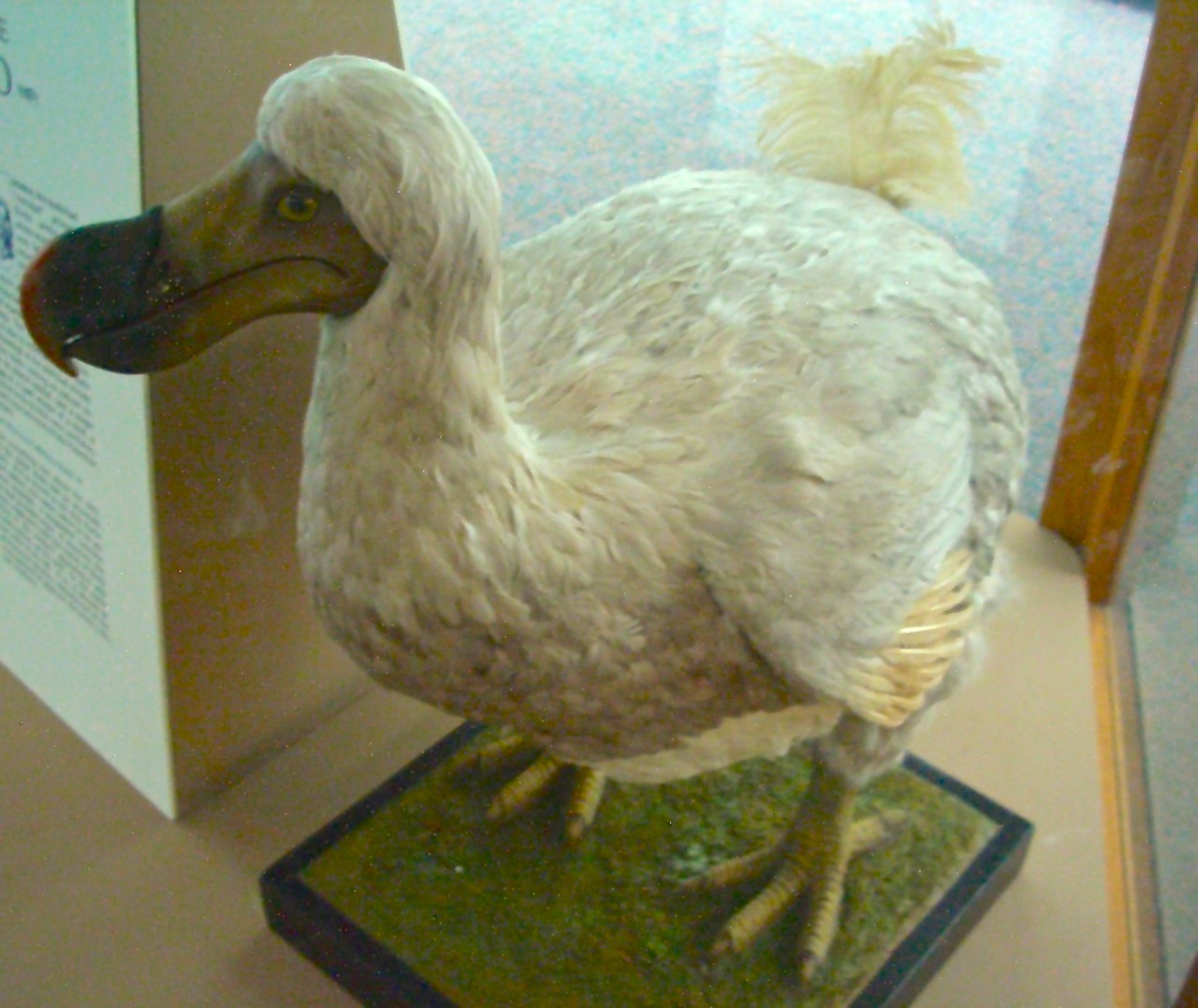
So! Farewell then 2013. Like the Curate’s egg, you were good in parts – indeed, many parts of you were excellent. Now, like Raphus cucullatus, you will become extinct, leaving remains and memories behind you… Thanks to all loyal followers of this site for sticking with it and its eccentricities (especially the musical digressions). If you wound up here by chance, mistyped g@@gle search or sheer misfortune, cheers… A very Happy New Year to you all! 

Dodo AMNH NYCPhoto taken at the American Museum of Natural History – there’s also a dodo skeleton in the Oxford University Museum of natural History

Credits: Parrot nests – Caroline Stahala (the scientist i/c parrots); the rest – RH
Unknown's avatar

ABACO PARROTS TO CELEBRATE A MODEST LANDMARK


Abaco Parrot

Abaco Parrot

ABACO PARROTS TO CELEBRATE A MODEST LANDMARK

‘Rolling Harbour: The Blog’ had humble beginnings – a dodgy structure built on foundations formed of an unpromising mix of ignorance and incompetence. Gradually it has come together, to the extent that it has just passed the 125,000 visits mark. Abaco is a small and uncrowded island, so the audience demographic [to use biz-speak] isn’t large. However the wildlife, scenery and lifestyle have turned out to have a wider appeal. 1/8 of a million people (or perhaps 1 crazy punter with repetitive strain injury from checking in unhealthily often) deserve a few of Abaco’s unique parrots in return.

I THANK YOU ALLAbaco (Cuban) Parrot 2013 4a

WHERE IT ALL BEGINS – AN UNDERGROUND NEST DEEP IN THE NATIONAL FORESTAbaco Parrot Nest 2

EVENTUALLY THE CHICKS HATCH…Abaco Parrot Nest 4

…AND GROWAbaco Parrot Nest 5

IN DUE COURSE THEY ARE READY TO BE CHECKED OVER AND RINGEDAbaco Parrot Chick Ringing 1

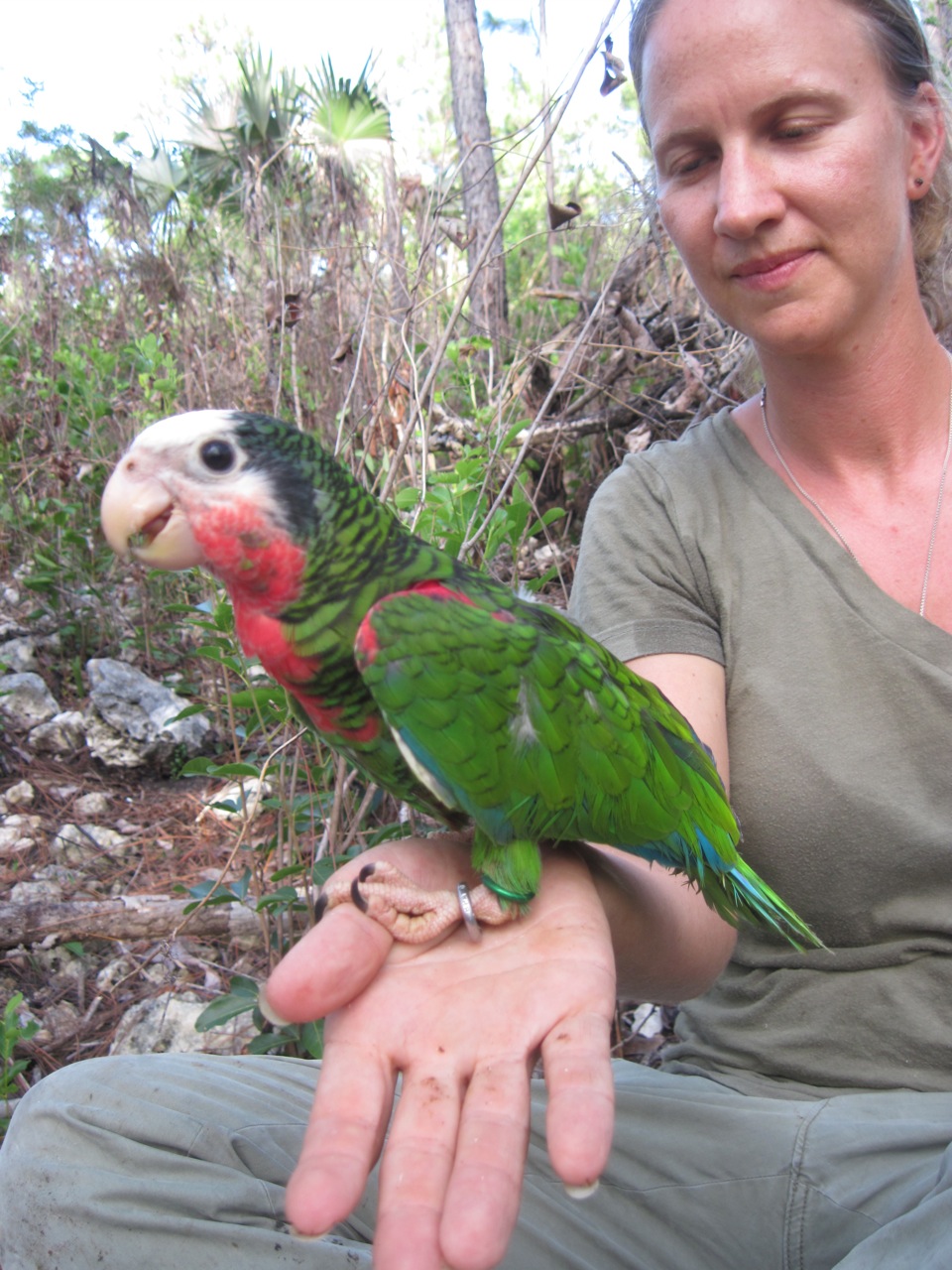
THEY HAVE NO FEAR OF THE ‘PARROT LADY’, SCIENTIST CAROLINECS with Abaco parrot chick

SOON THEY ARE INDEPENDENT AND DISCOVERING THE JOYS OF GUMBO LIMBO BERRIESABACO PARROT ©CS 2012 3

KEEPING A BEADY EYE OUT…ABACO PARROT ©CS 2012 7

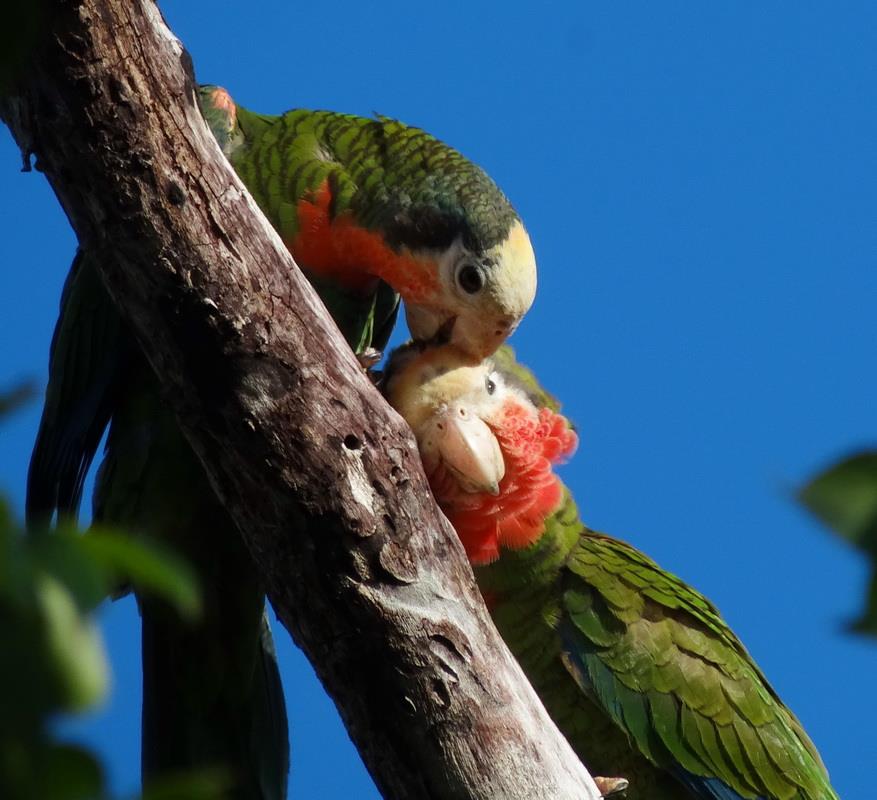
DOMESTIC HARMONY…ABACO PARROTS MM 3ABACO PARROTS MM 8

…BUT NOT ALL THE TIMEAbaco Parrots MM 10

‘HOW DO I LOOK AGAINST A BRIGHT BLUE SKY?’Abaco (Cuban) Parrot 2013 13

PARROTS HAVING AN EARLY EVENING GET-TOGETHER AT BAHAMA PALM SHORES

‘GOODNESS ME, IS THAT THE TIME? I MUST FLY…’

parrot crossingCredits: Caroline Stahala, Melissa Maura, RH; recording and video RH
Unknown's avatar

“PISHING IN THE WIND”: BIRDING IN A BREEZE AT DELPHI


Abaco Cloud Map 5:29

“PISHING IN THE WIND”: BIRDING IN A BREEZE AT DELPHI

The Bahamas weather has been uncharacteristically dire. Rain and cloud for the past week, and a poor forecast for the next week (see above). I arrived on Abaco yesterday, with the short internal flight from Nassau last night nearly cancelled due to a humungous downpour. Instead, people were boarded in bare feet, having had to wade through 3 inches of water to get to the small plane floating on the undrained concrete. Yet today, there was sunshine at Delphi this morning (though cloud to both north and south). A stiff breeze was keeping the clouds off-shore. The weather is fickle and very local.

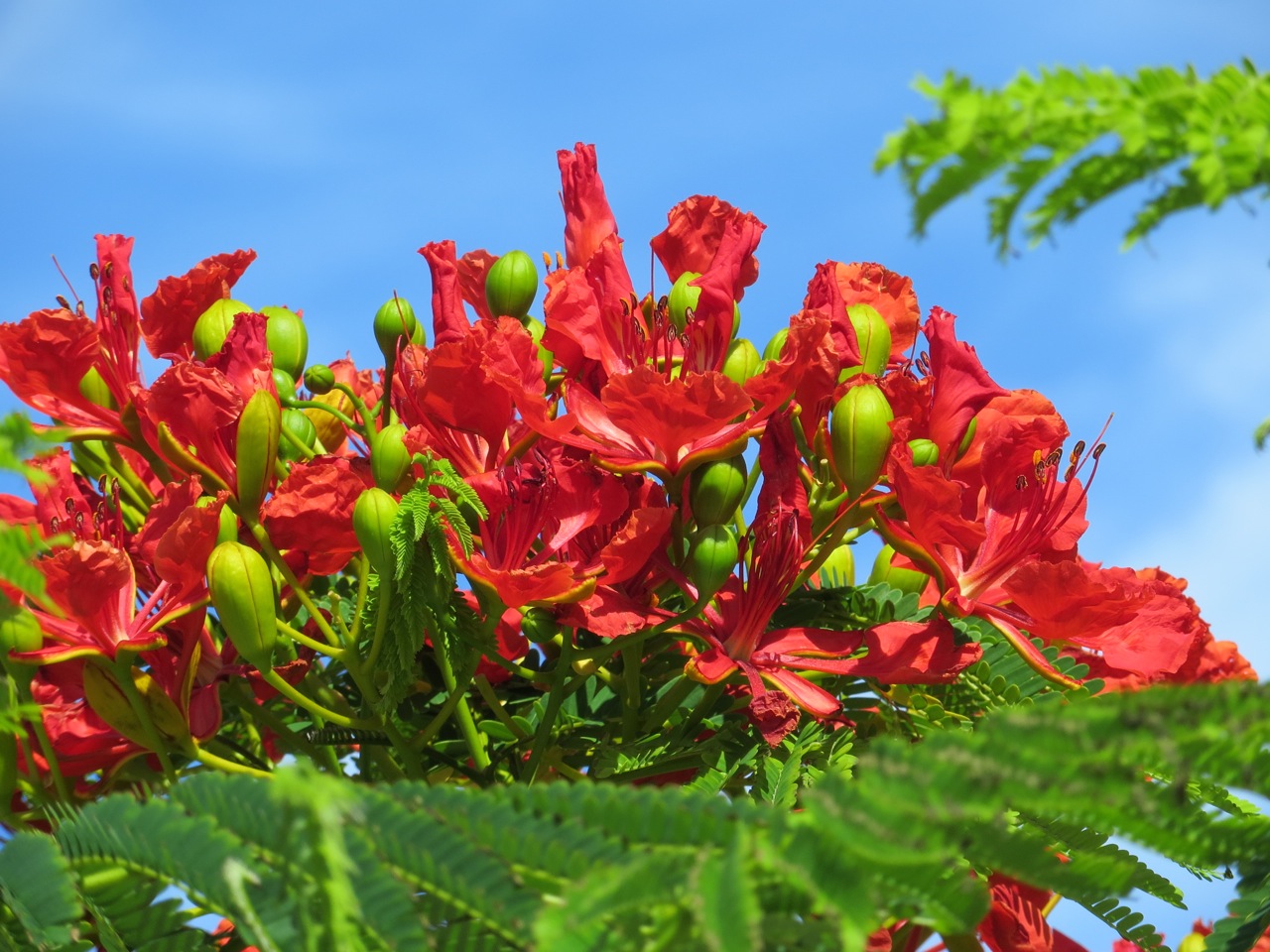
ROYAL POINCIANADCB 1.10

I took a small camera and strolled for half and hour for about 200 yards along the Delphi drive and back (for those that know it, to the first corner of the guest drive) to see what the first of June had to offer in the way of wildlife. The birds were clearly enjoying some unaccustomed sunshine, and I have listed those I saw below. Not all were photogenically posed, and many were flicking around the coppice too quickly to capture.

RED-LEGGED THRUSHDCB 1.2

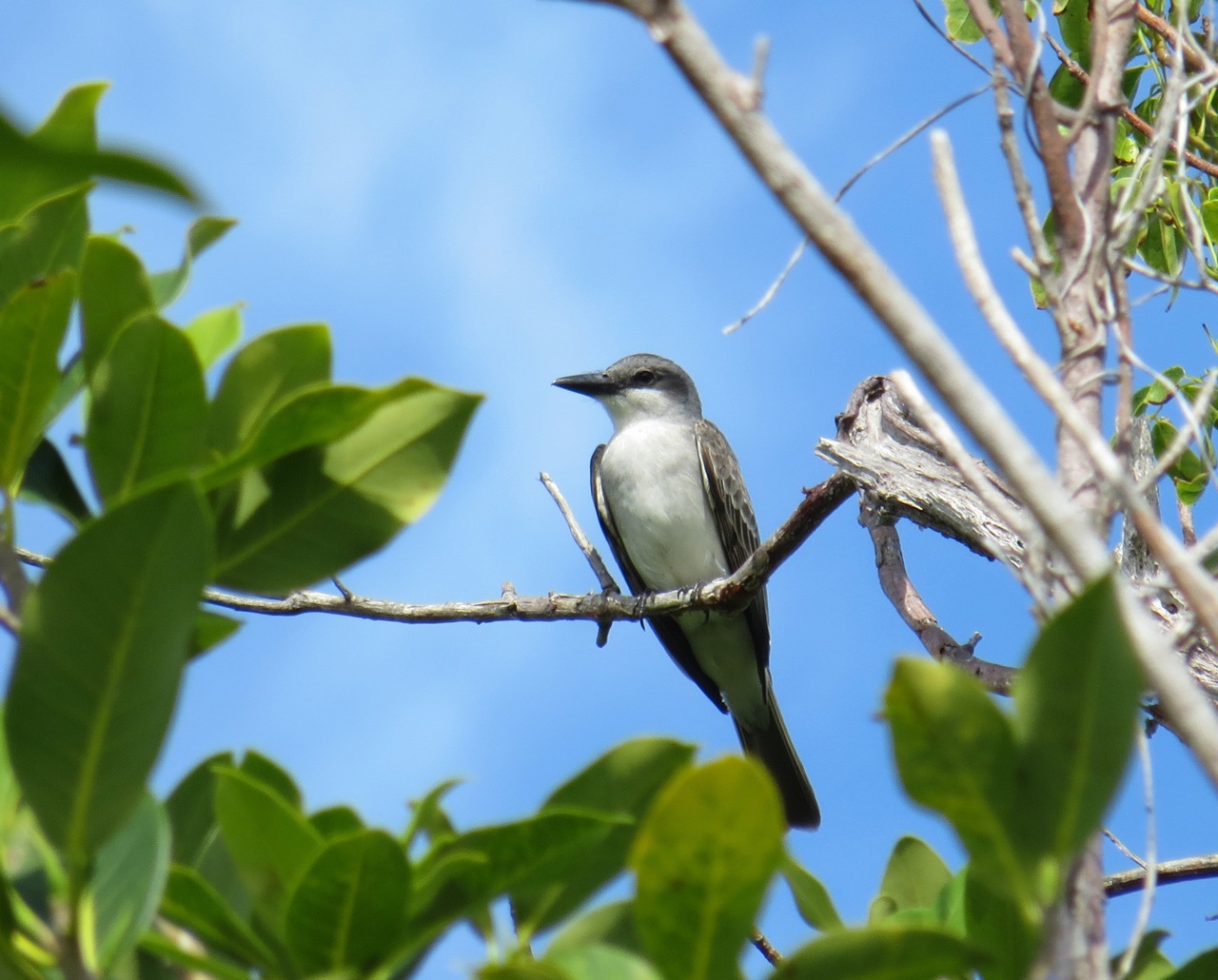
GRAY KINGBIRDDCB 1 3

The smaller birds were unusually responsive to ‘pishing’, the unattractive but effective noise that can bring a bird to the front of woodland or scrub to investigate. A black-whiskered vireo was interested, but flew off just as I pressed the button. He was immediately replaced on the branch by a

BLUE-GRAY GNATCATCHERDCB 1 5

A pair of Western Spindalises (see recent post HERE) joined it in the adjacent treeDCB 1.4

DELPHI 30 MINUTE STROLL BIRD LIST 1.06.13

  • Red-legged Thrush 3
  • Western Spindalis  3
  • West Indian Woodpecker 2
  • Black-whiskered Vireo 2
  • Cuban Emerald 2
  • Turkey Vulture 2
  • Bahama Swallow 1
  • Gray Kingbird 1
  • Loggerhead Kingbird 1
  • Greater Antillean Bullfinch 1
  • Blue-gray Gnatcatcher 1
  • Bananaquit 1
  • {Heard only} Abaco Parrots 2

The flowers were also enjoying some sunshine after the rainDCB 1.8DCB 1.9DCB 1.12DCB 1.11A couple of other things caught my eye, including a cute baby lizard, before I headed for some restDCB 1.7DCB 1.6DCB 1.1

Unknown's avatar

HOW TO RECORD BIRDS EASILY ON ABACO (OR ANYWHERE ELSE…)


Red-winged Blackbird Abaco 3

RECORDING BIRDS: A LAYMAN’S GUIDE

YOU WILL NEED: an iPh@ne or similar  smartphone with a voice memo facility; patience; minimal non-natural background noises (traffic, yelling people, barking dogs, heavy machinery); a steady-ish hand; one or more birds nearby

RECORDING

  • Use the Voice Memo app on an iPh@ne (I presume most other smart phones have a similar app).
  • Once you have it onscreen, turn the phone round 180 deg and the image will swivel round too. Now you can point the microphone at the sound and have the controls the right way up facing you.
  • Turn the volume up to max before you record.
  • Handle the phone carefully so it doesn’t record you touching it as well. It probably won’t pick up pressing ‘record’, but it may when you press ‘stop’. But you can trim the end of the saved file on the file very simply.
  • The recording saves in m4p format, and you can email it to your computer direct from the app (or to anywhere or anyone else).
  • Drag / save the file onto your desktop from the email. When you open it, it will (a) play and (b) appear in your iTunes library (or whatever music storage system you use).

CONVERTING RECORDINGS TO MP3

  • Having opened the recording, to convert the file to an mp3 (generally the preferred version for uploading elsewhere) in iTunes, go to Songs in your iTunes library and search for Memo. There it is!
  • You can rename it at this stage if you wish.
  • Then go to File on the top bar, and in the drop-down menu, near the bottom, go to Create new version. It will offer you mp3.
  • Click mp3 and a second recording file will appear in your library. That’s your mp3.
  • Drag it onto your desktop and do what you want with it.

Apologies if this is all blindingly obvious and written in the elementary computer language ‘eggy-peggy’. It took me a while to get it sorted out, and I hope the details above will help the lo-tek computer user to record birds and use the results painlessly.

FIELD NOTES

  • I recommend recording for about 20 – 30 seconds max. The iPh@ne  allows easy trimming at the start and end of the saved file, but there’s no easy way to edit the middle to take out the barking dog.
  • Several short recordings of each bird will give a better choice of results than one or 2 long recordings.
  • The iPh@ne mic is surprisingly sensitive. It will pick up all nearby sounds – someone whispering at you “is it recording yet?”, for example. So ideally this is best done in the pine forest or coppice, away from the Highway. And maybe the loud whisperer.
  • Wind can be a problem. Not just for humans. The mic will pick up gusts of wind, or wind blowing across it if you change the direction you are pointing the phone as you record. So this is best done on a calm day.

Red-winged Blackbird Abaco 1

Here are two practice recordings I made in March. The first is the female red-winged blackbird above (and header) at Casuarina beach. The distinctive call is rather like a rusty hinge on a swinging gate, often heard far out in the mangrove swamps of the Marls. You’ll hear background noises from collared doves and also the sea lapping on the shore.

The second is thick-billed vireo in the coppice at Delphi. You’ll hear an answering vireo – and also some wind noise. I find these little birds frustratingly hard to see – they always seem to be lurking further back in the bushes than I think. I’ve never managed to take a good photo of one, so I’ll upload an illustrative poor one to be going on with. I am back on Abaco in a week, and a better TBV photo is on my avian hit list.

Thick-billed Vireo, AbacoFinally, you’ll find a longer recording I made of Abaco parrots squabbling noisily at Bahama Palm Shores near the end of a recent post HERE. I made an mp3 using the method described above, and uploaded it to the excellent Xeno-Canto bird sounds website, which is well worth exploring. You can find my recordings of the parrots and the birds in this post, plus sonograms, on my XC page, such as it is, HERE 

But if you just want to hear the parrots, here they are. Like schoolkids, only louder.

Abaco (Cuban) Parrot 2013 13Why do I do that annoying ‘iPh@ne’ thing? It’s a statistical fact that I have just made up that 373,597 people a minute world-wide g@@gle the correct word. Imagine the meta-crawlers and spam-splurgers that lock onto that word. I don’t want to cyber-meet them. I also use the form Am@z@n but for different reasons relating to their ingenious tax arrangements (alleged, obviously). Thus  with G@@gle as well (again, merely alleged – as Dusty Springfield memorable sang, “Nothing is proved…)

Unknown's avatar

ABACO’S UNIQUE PARROTS IN PICTURES, VIDEO & SOUND


Abaco (Cuban) Parrot 2013 4a

ABACO’S UNIQUE PARROTS IN PICTURES, VIDEO & SOUND

Abaco parrots. The only ground-nesting parrot species in the Bahamas. In the world, in fact. I’ve posted quite often about them – indeed they have their own page HERE – because, frankly, they are special and their story is one of encouraging success for intensive research and conservation programs. In 1492, Christopher Columbus was amazed by the vast number of parrots he saw in the Bahamas (not that the islands were called that then). In his journal he noted: “flocks of parrots darken the sun…”  Not many years ago, parrot numbers on Abaco had dwindled to fewer than 1000 – below the critical point for sustaining a viable population. Extinction of the Abaco parrot loomed, accelerated by increasing habitat change, predation, and (*euphemistically*) ‘human intervention’.  Thanks to the campaign of conservation, habitat preservation, anti-predation measures and vigilance, numbers have been restored to a sustainable level, perhaps as many as 4000. They are now a fairly common sight – and sound – in South Abaco. But not everyone who looks for them finds them, or even hears them. Especially not if they take pot luck in the vast areas of pine forest in the National Park, where they breed…

I’ve covered much of this ground before, but there is a slightly wider audience these days, so a few newcomers may be interested to learn about these lovely birds. The best thing is to have a look. All photos were taken by me during two early evenings in March.

Abaco (Cuban) Parrot 2013 1Abaco (Cuban) Parrot 2013 2 Abaco (Cuban) Parrot 2013 4aAbaco (Cuban) Parrot 2013 5

The parrots are extremely agile, and have very strong feet and claws that enable them to move around in the tree-tops – or to hang upside down if they choose to. The next photo is a close-up a foot; below that is short video showing a parrot manoeuvring itself in a tree. You’ll also see how the birds use their beaks as an extra limb, so to speak. The uninspiring title shown is only because I forgot to label it ‘Abaco Parrot’ in the first place, and can’t find how to edit it…Abaco (Cuban) Parrot 2013 6

In this image you can clearly see how their ‘opposable’ claws wrap round a branchAbaco (Cuban) Parrot 2013 8

If you suspect that this one has had some ‘work’ done, you’d be right. I normally leave my photos largely alone, apart from cropping and maybe basic light balancing where needed. Sometimes an image is nearly there, but needs a bit of extra cosmetic business – but one can usually tell. The left wing? Hmmmmm (users of ‘noise reduction’ will know what I am talking about!).Abaco (Cuban) Parrot 2013 9 Abaco (Cuban) Parrot 2013 10 Abaco (Cuban) Parrot 2013 11 Abaco (Cuban) Parrot 2013 12

The flocks of parrots are incredibly noisy. Sometimes they split into two or three groups, close together, and seem to compete in raucousness. Around 5.00 pm seemed to be the noisiest time. I took recordings of the racket, using the voice memo app on an iPh*ne, simply holding the phone with the speaker / mike end towards the parrots. Some come out pretty well – good enough to post on the excellent XENO-CANTO bird sound site. Here is a recording, with the first few seconds transcribed into a sonogram. I made a ring tone from this recording for Caroline Stahala, the scientist who, with her team, looks after the birds. She’s been too polite to say whether she uses it or (more likely) not!

Abaco (Cuban) Parrot 2013 13Abaco (Cuban) Parrot 2013 14Abaco (Cuban) Parrot 2013 15I find the parrots very hard to nail in flight (see above), possibly because of a shutter-speed issue (mine, not the camera’s). I nearly junked the picture below, but I liked the clash of the parrot colours with the purple bougainvillea, so I spared it.Abaco (Cuban) Parrot 2013 16B

If anyone is interested in making a small contribution towards the continuing research into and protection of these birds, please have a look at my ABACO WILDLIFE CHARITIES  page, where the relevant link to Parrots International can be found. Or visit doudoubirds, where you will find endearing Abaco Parrot prints by dou dou herself for sale in aid of the parrots. Or contact me at rollingharbour.delphi@gmail.comAbaco (Cuban) Parrot 2013 7

If anyone had a problem with the Xeno-Canto sound file above, here is a simplified version of the recording

Unknown's avatar

A RARE ABACO PARROT DISPLAYS A RARE TALENT…


DCB GBG Cover Logo

A RARE ABACO PARROT DISPLAYS A RARE TALENT…

WOULD YOU LIKE TO SEE MY LITTLE TRICK?ABACO PARROT CS 13-3

I’M A BIT CAMERA-SHY – I’LL JUST TURN ROUNDABACO PARROT CS 13-4

THAT’S BETTER. ARE YOU SURE YOU ARE READY FOR THIS?ABACO PARROT CS 13-2

TA DAAAAAAAAAAAAAAAAAAAABACO PARROT CS 13-1

The Abaco Parrot is a unique subspecies of Cuban Parrot found on only Abaco. They are the only parrot to nest underground, in limestone caves in the pine forest. Their numbers have increased from near extinction to a sustainable population as the result of an intensive program of conservation and anti-predation. They get plenty of publicity hereabouts, and have their own page HERE. We normally avoid too much whimsy in these parts, but I am in parrot territory right now, so I have given myself permission to break my own rule. Photos: ©Caroline Stahala (who looks after them)

Unknown's avatar

THE CUBAN AMAZON PARROT: A WORK OF ART & NATURE


THE CUBAN AMAZON PARROT: A WORK OF ART & NATURE

FEATURED BY ‘ARTMAGENTA

I have just posted a gallery of bird art by Artmagenta, showing varous species from his global ‘Bird of the Day’ series that can be found on Abaco. He asked for further suggestions, so naturally I suggested the avian symbol of the Abacos. A few days later, it has flown in, in all its glory, with his description below it. So I’ll step back and let the bird do the talking.Abaco-Parrot

“The Cuban Amazon (Amazona leucocephala) also known as Cuban Parrot or the Rose-throated Parrot, is a medium-sized mainly green parrot found in woodlands and dry forests of Cuba, the Bahamas and Cayman Islands in the Caribbean. The Cuban Amazon lives in different habitats on different islands. It was once found throughout Cuba, but it is now mainly confined to the forested areas of the main island and Isla de la Juventud. On the Cayman Islands the parrot lives in dry forest and on agricultural land. Cuban Amazons nest in tree cavities throughout most of its range, the only exception being that the parrots living on the Abaco Islands nest underground in limestone solution holes, where they are protected from pineyard wildfires.”

Unknown's avatar

TAKING THE PSITTACIDAE: DISTANT COUSINS OF THE ABACO PARROT?


ABACO PARROTS MM 4 ©Melissa Maura
Abaco Parrot

TAKING THE PSITTACIDAE: DISTANT COUSINS OF THE ABACO PARROT?

Geographical boundaries are an elastic concept at Rolling Harbour and occasionally extend to other parts of the globe, especially the UK. Sometimes this is for comparative purposes: bonefishing -v- trout fishing, for example (“no contest” – yes, I hear you, Abaconian piscators! BUT…).

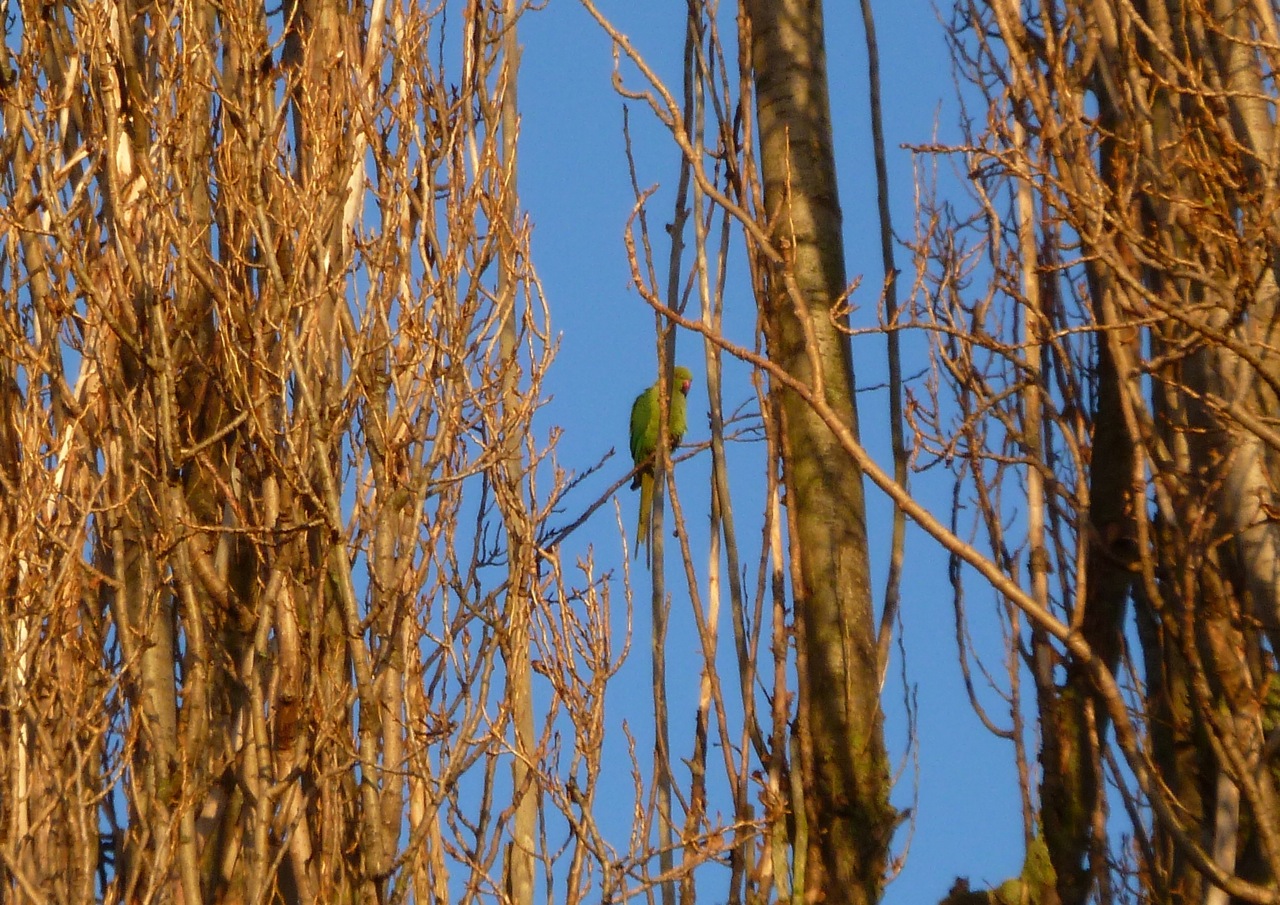
*Lyrical / Pastoral Mode* Yesterday, the first sunny day for a while, I was ambling round the park at the end of our London street taking a ‘computer break’. It was late afternoon (ie just after lunch, in winter in the UK), and the sun was beginning to sink. Suddenly a terrific row erupted in the trees along the park’s edge. It sounded so like a heated parrot debate in the coppice at Delphi or at BPS that I stopped to look. Not quite so loud, more shrill and, well, insistently nagging. Here is a participant taking a short rest from the discussions

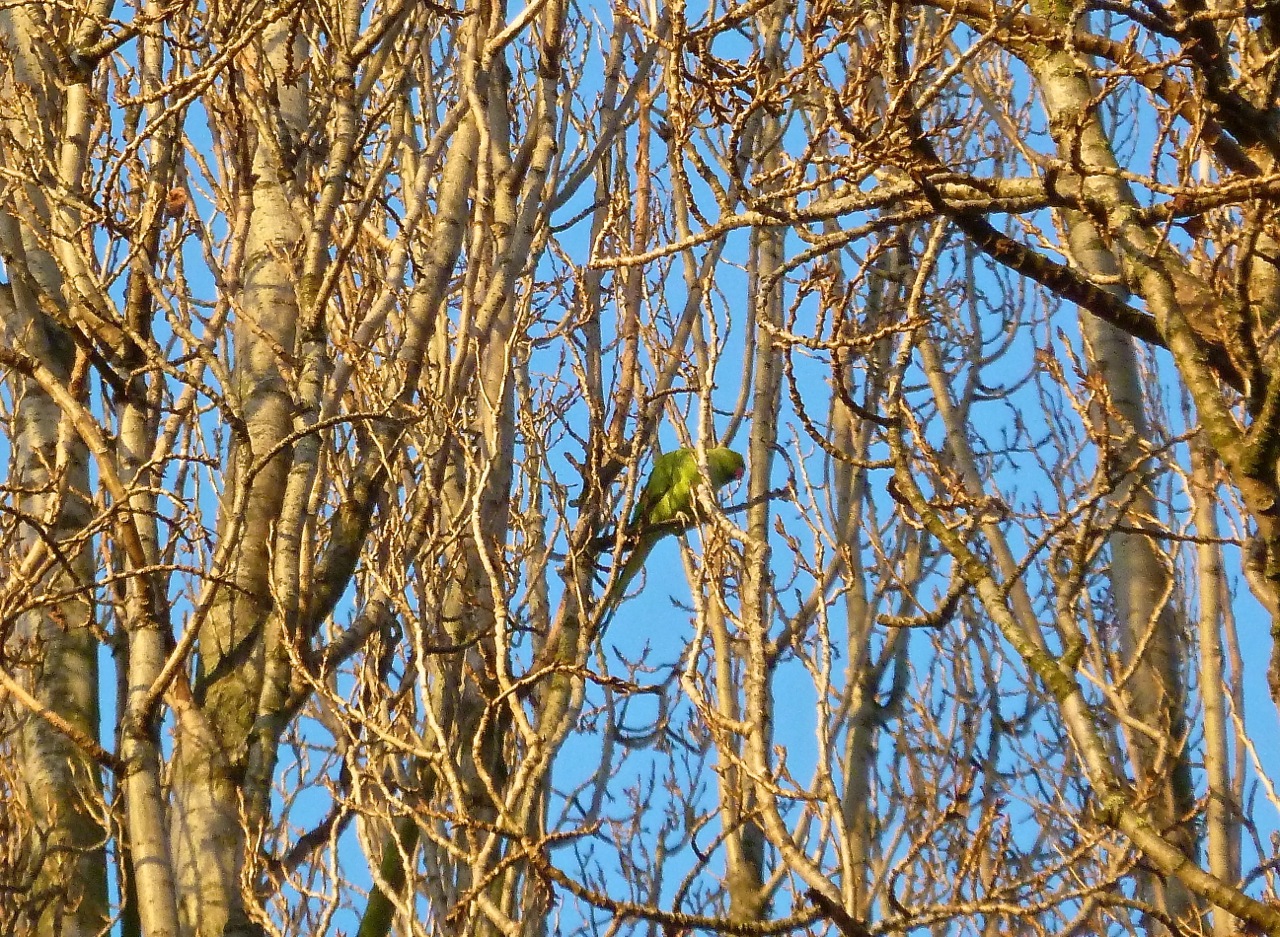
Parakeet 1It’s not a great shot, I realise, taken from street level to tree-top with a very small camera. This was one of a flock of 20 or so ROSE-RINGED (RINGNECKED) PARAKEETS, coming back to roost. There are many thousands of these birds in the London suburbs forming massive flocks, roosting in their hundreds in parks and green areas. They are the feral offspring of parakeets that escaped into the wild some 30 years ago. The population is gradually spreading round the south of England; they are a hardy breed, well able to withstand the whims and vagaries of the British weather of which we Brits are so proud. And they surely do make a racket. On Abaco, the population density is such that a bit of rawking by parrots may cause some problems, but in fairly limited areas only (I stand to be corrected by people driven nearly mad by the sound). Now imagine all that noise in a city of over 8 million people. Calls for selective culls of these non-indigenous birds are becoming more insistent; some flocks are so huge that besides all the squawking causing a nuisance, car paintwork and so forth takes a bit of a hit, if I may put it like that.

Parakeet 4

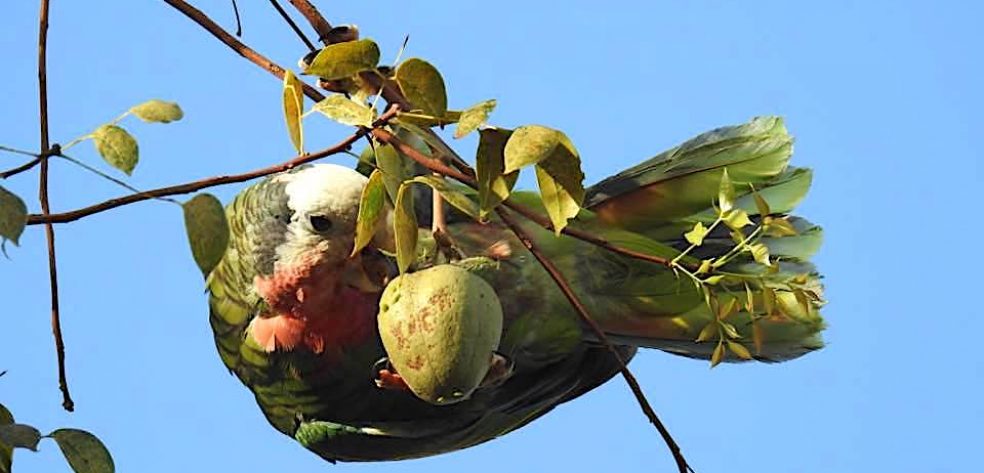
We frequently get the parakeets in the garden, normally singly or in pairs – especially when the feeders are full. They prefer to feed at awkward-seeming angles, upside down being a particular favourite. Until yesterday I’d never really made a connection with the Abaco parrot. I know which species I’d prefer to have in our garden, but I’m not saying, of course. Despite its ill-defined boundaries, this blog is a strictly opinion-neutral and controversy-free territory…

Parokeets Wiki

“A word in your ear – don’t trust those two above… they’re, like, soooooooo FERAL” 

ABACO PARROTS © BNT