Unknown's avatar

WHITE IBISES ON ABACO: UNCOMMONLY EXCITING SIGHTING


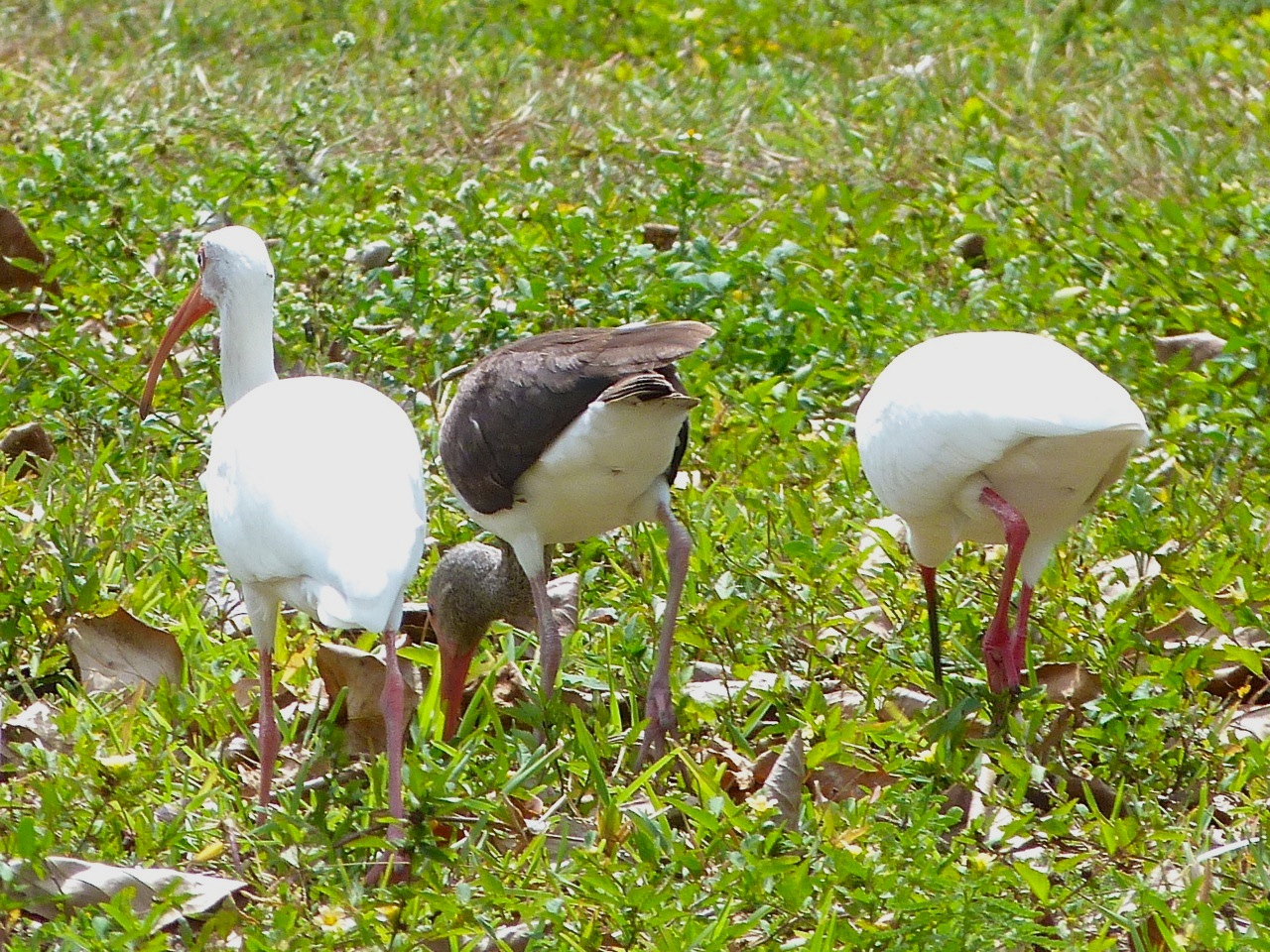
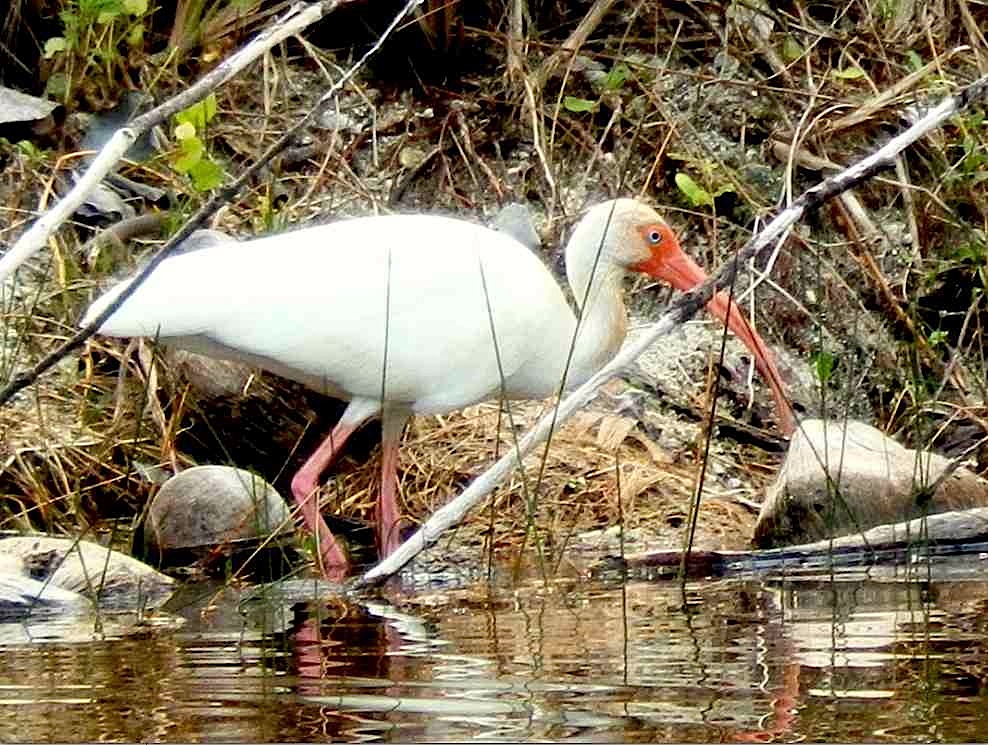
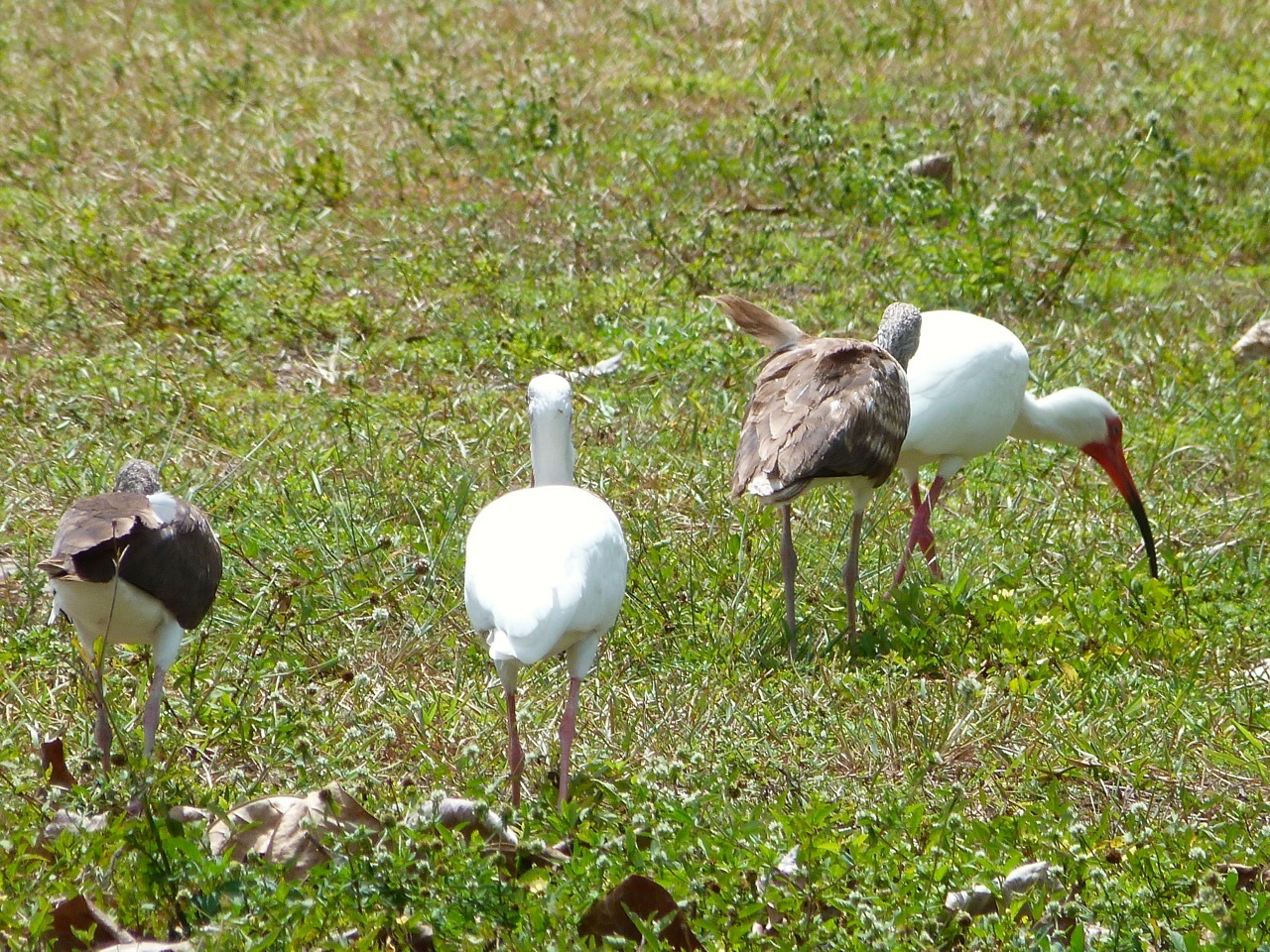
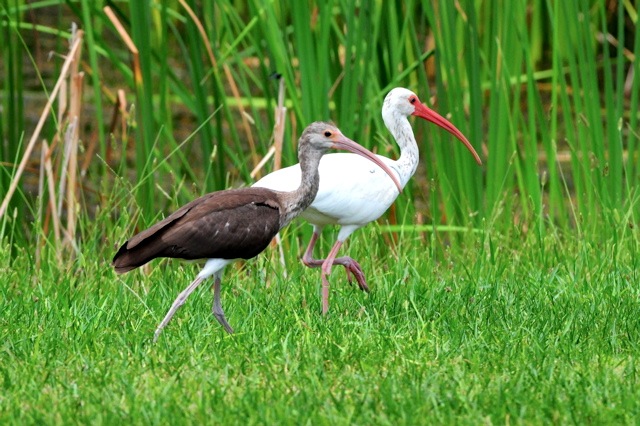
White Ibises (adult & juvenile), Sandy Point, Abaco (Keith Salvesen)

 WHITE IBISES ON ABACO: UNCOMMONLY EXCITING SIGHTING

“STOP THE CAR!” The shout was embarrassingly loud, amplified by being yelled inside a vehicle. Loud, because it seemed to emanate from very close indeed to my ear. Embarrassing, because it appeared to come out of my own mouth. Good grief! It was me. And I’d seen White Ibises. There they were, 2 adults and 2 juveniles, strolling and feeding their way across an open grassy area right in the middle of Sandy Point, as casual as you please.

P1200740White Ibises (adult & juvenile), Sandy Point, Abaco (Keith Salvesen)

So I leapt out of the car (it had conveniently and fortunately stopped by this stage), remembered to remove the lens cap for once, and took some photos. Unfortunately we had driven slightly past them which inevitably increased the risk of bird-butt shots (as the birds were moving away from me) to add to my already impressive ‘aves-ass’ collection

White Ibis, Sandy Point, Abaco (Keith Salvesen)

The reason for the excitement was that the White Ibis is classed on Abaco as a ‘WR4‘, that is to say a Winter Resident that is both uncommon to rare and irregularly reported. Some years, maybe none will be seen at all. When I was collecting the images – hundreds and hundreds of them – for THE BIRDS OF ABACO, I rejected any that had not actually been taken on Abaco. That was part of the point of the enterprise, to showcase Abaco’s birds, not “birds from other islands that you may also encounter on Abaco”. So although we had some wonderful White Ibis pics from Nassau, they were ineligible for the book…

We ended with just the one, taken by Kasia Reid at the Treasure Cay Golf course ponds. In the course of the 16 months it took to produce the book, we never obtained another Abaco White Ibis photo, which meant that Kasia’s image did not qualify for a spread and sadly had to be relegated to the supplement… (bird 159 on page 262!). Here it is.

White Ibis, Treasure Cay, Abaco (Kasia Reid)

Meanwhile, returning swiftly to Sandy Point, the 4 Ibises (Ibi?) were working their way slowly and systematically over the greenery, picking through it for morsels of food.

White Ibises (adult & juvenile), Sandy Point, Abaco (Keith Salvesen) White Ibis, Sandy Point, Abaco (Keith Salvesen) White Ibis, Sandy Point, Abaco (Keith Salvesen) White Ibises (adult & juvenile), Sandy Point, Abaco (Keith Salvesen) White Ibises (adult & juvenile), Sandy Point, Abaco (Keith Salvesen)

Then they were gone, and I got back into the car feeling that I had seen something special. I may have been the only occupant who felt that way, but such is life. For all I know, the birds may have been there for weeks. Or forever. But I have never seen them there before, nor seen reports of them. The sighting further confirms the excellence of Sandy Point as a birding location on land, shoreline and out to sea.

And then it was off to the legendary Nancy’s for lunch (fresh snapper, Kalik). Here are some of the Ibi (that sounds a much better plural) that had to be ruled out of the book for being non-Abaconian.

THE SALON DES REFUSÉS OF THE NASSAU EUDOCIMUS ALBUS

White Ibis, Bahamas (Tony Hepburn) White Ibis, Bahamas (Tony Hepburn) White Ibis (adult & juvenile), Bahamas (Tony Hepburn) White Ibises, Bahamas (Woody Bracey)

Credits: RH, Kasia Reid, Tony Hepburn, Woody Bracey

Unknown's avatar

“THE ABACO BACKCOUNTRY – AN APPRECIATION” by JIM TODD


Click to preview The Abaco Backcountry photo book

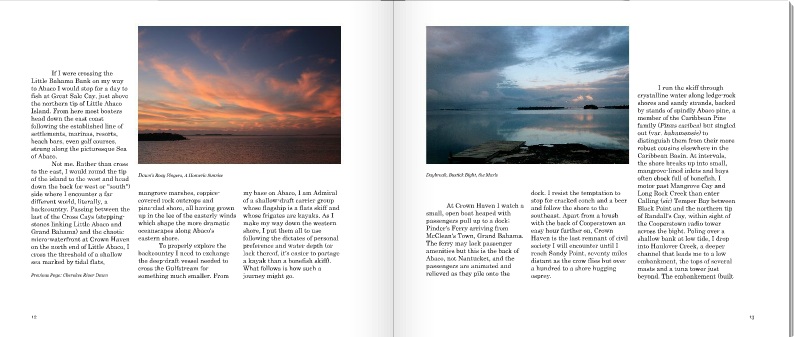
Jim Todd has produced an attractive self-published book, available in 3 formats, showcasing some of the outstanding features of the less-frequented areas of Abaco and its waters. It contains many excellent photographs, with interesting notes and observations. There are places and facts in the book that may not be known even to locals! Below are some sample pages. 

Abaco Backcountry Grab 2 Abaco Backcountry Grab 3 Abaco Backcountry Grab 4 Abaco Backcountry Grab 5Abaco Backcountry Grab 7 Abaco Backcountry Grab 6Abaco Backcountry Grab 1

Anyone who loves Abaco, its natural surroundings, its ecology and its wildlife will love this book. If this post has whetted your appetite, here are some further details:

Available exclusively on BLURB (this is the direct link)

“The Abaco Backcountry draws on the author’s extensive exploration of the area to describe a hypothetical traverse of its length in words and pictures. It is not a guidebook but an appreciation of a unique Bahamian marine ecosystem”

56 pp, available softcover ($35), Hardcover, Dustjacket ($38.99) and Hardcover, Image Wrap ($40.99)

STOP PRESS In answer to a UK query, the Blurb price is shown in $$$. When you go to the checkout, the shipping is added e.g. $10.99 to ship the PB version to the UK. You can pay by CC or Paypal. The conversion to sterling (or presumably euros) happens… by magic

Unknown's avatar

REDDISH EGRET ON ABACO, LOVES FISHING, STILL SEEKS ‘THE ONE’


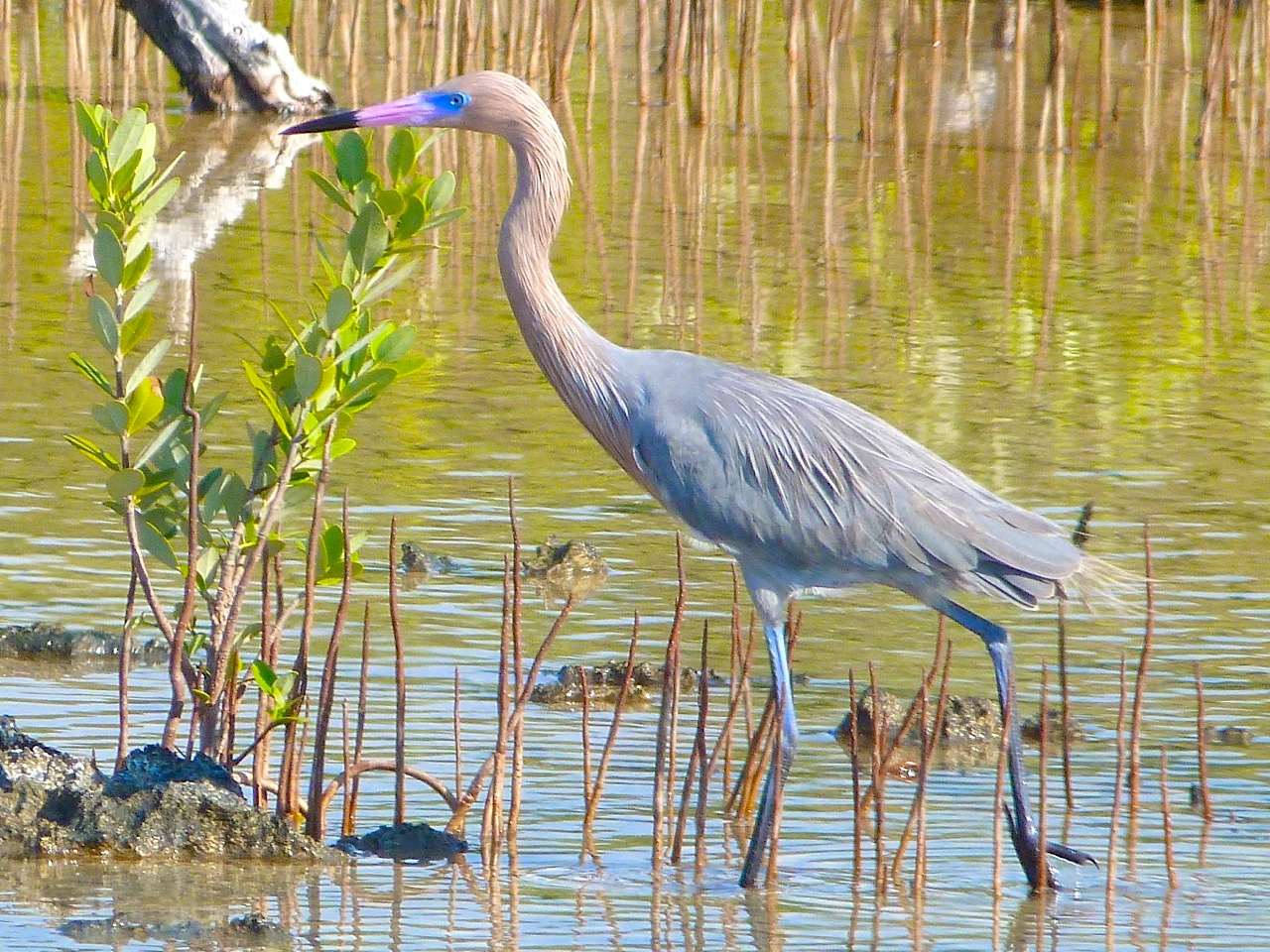
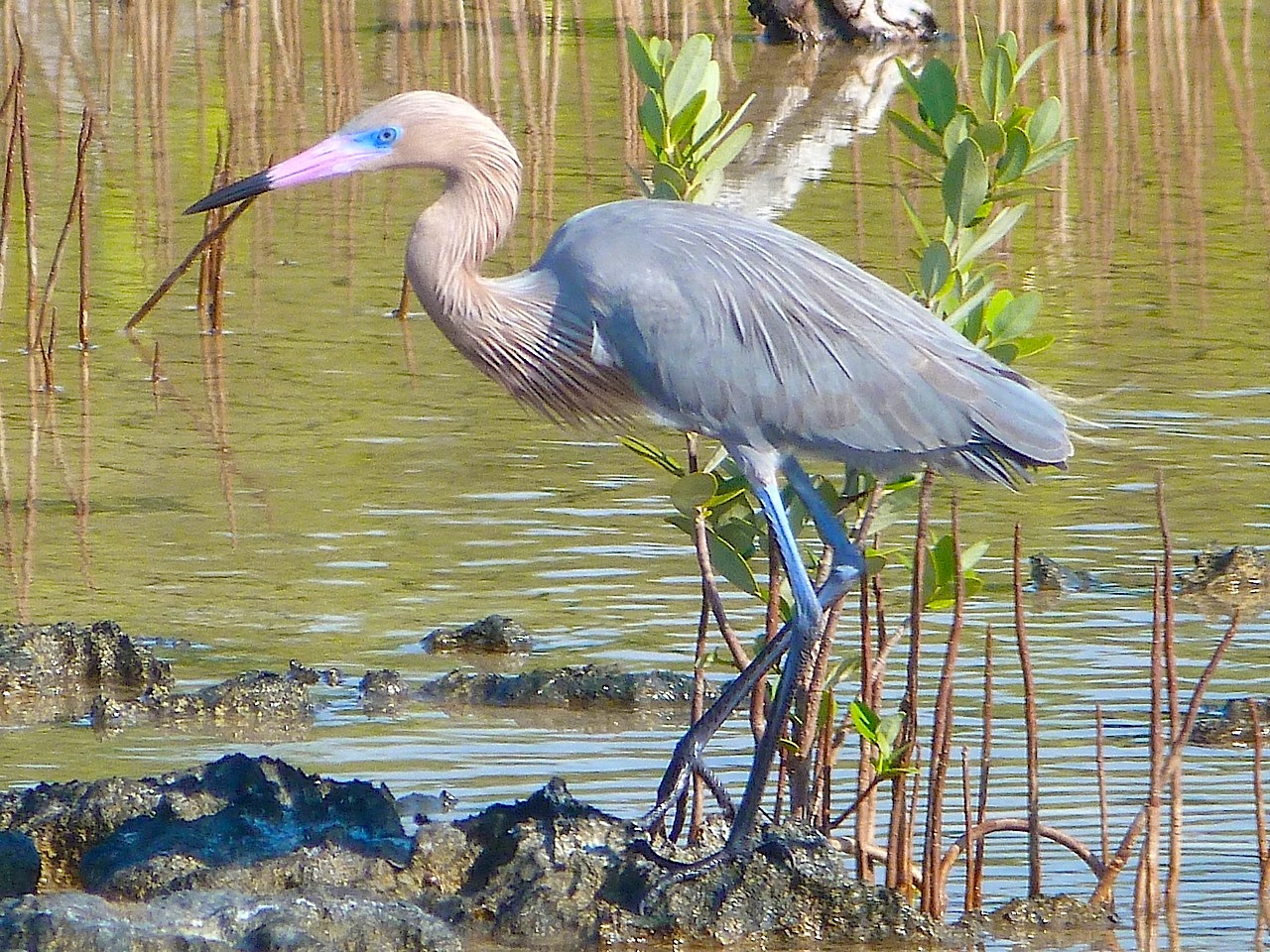
Reddish Egret, Crossing Rocks, Abaco (Keith Salvesen)09

REDDISH EGRET ON ABACO, LOVES FISHING, STILL SEEKS ‘THE ONE’

A couple of weeks ago I wrote about a wonderful male reddish egret in his splendid breeding colours. He was hanging out in the brackish ponds opposite the Crossing Rocks jetty, ‘spear fishing’ from a standing position and ‘chase-fishing’ frantically through the water. You can see that post HERE. Unsurprisingly, we decided to take another look down there – easily done, since we had spent the morning out bonefishing on the west side. We’d earlier seen a tri-colored heron in the ponds, and a reddish egret WHITE MORPH, so it was worth having a (different) camera to hand…

Reddish Egret, Crossing Rocks, Abaco (Keith Salvesen)11

We were in luck. The RE was still there, looking every bit as handsome as before (though not the entire time – see below) So here are some more shots of this gorgeous bird.

Reddish Egret, Crossing Rocks, Abaco (Keith Salvesen)12Reddish Egret, Crossing Rocks, Abaco (Keith Salvesen)13Reddish Egret, Crossing Rocks, Abaco (Keith Salvesen)01Reddish Egret, Crossing Rocks, Abaco (Keith Salvesen)02Reddish Egret, Crossing Rocks, Abaco (Keith Salvesen)14Reddish Egret, Crossing Rocks, Abaco (Keith Salvesen)05

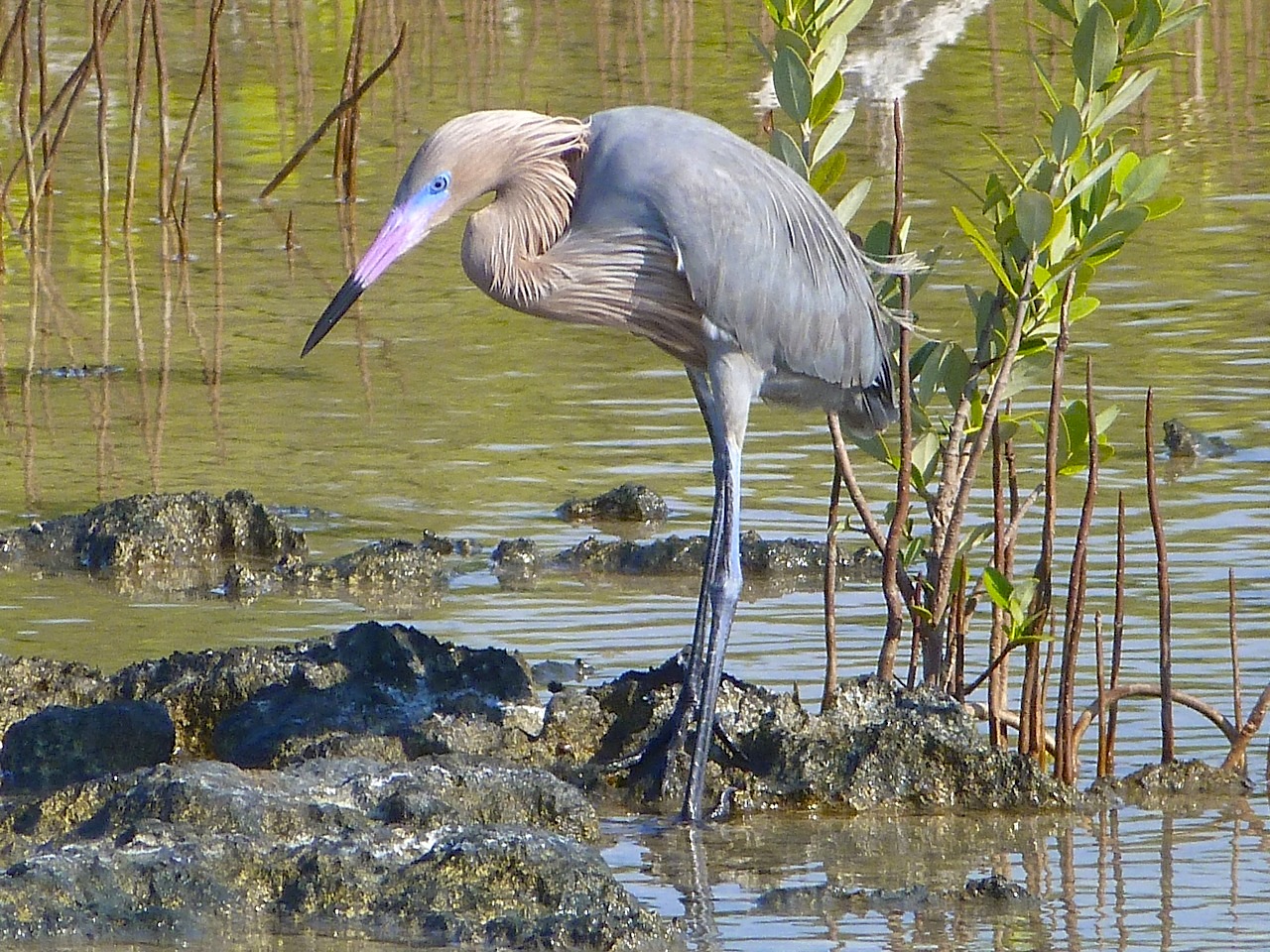
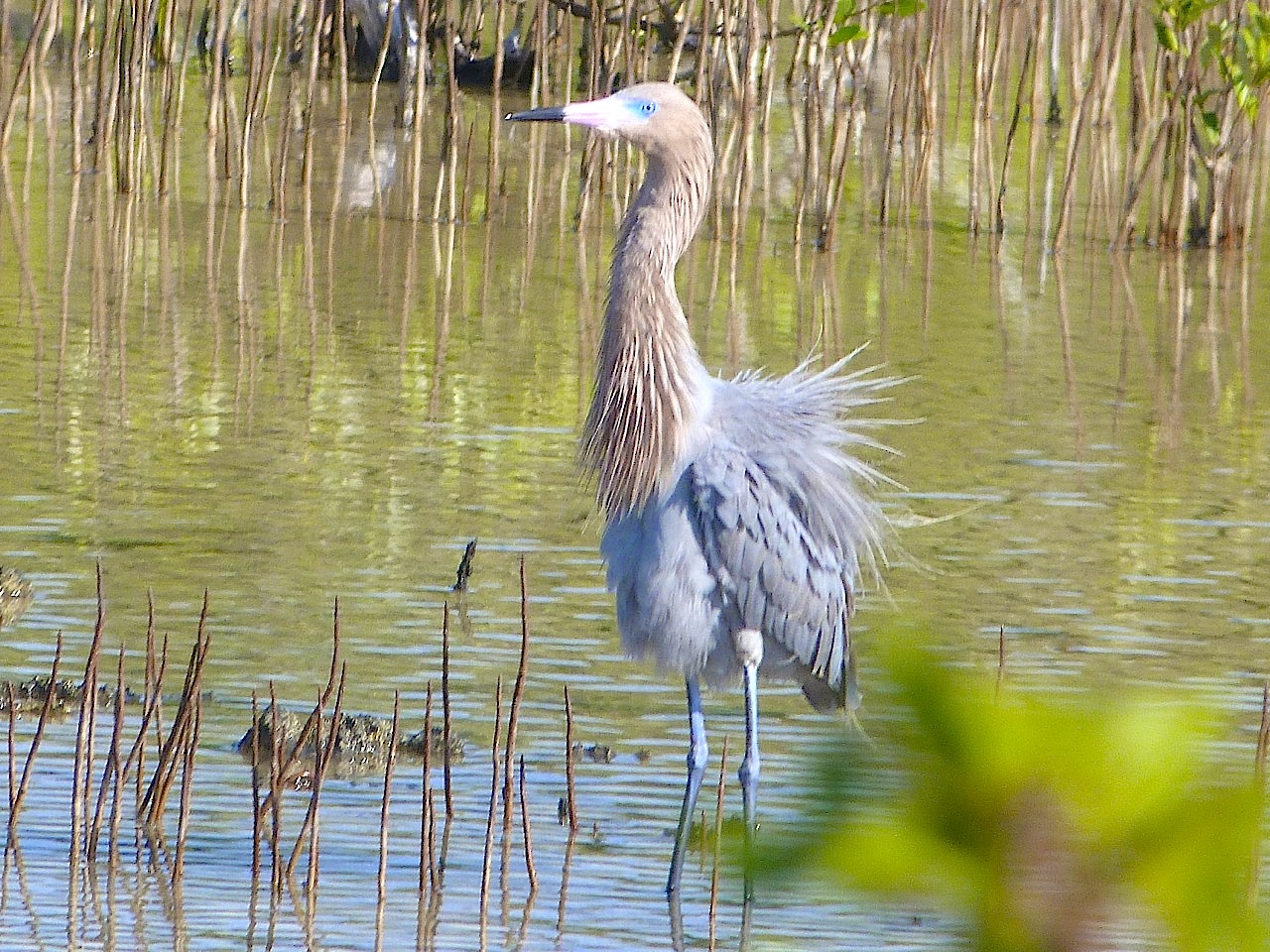
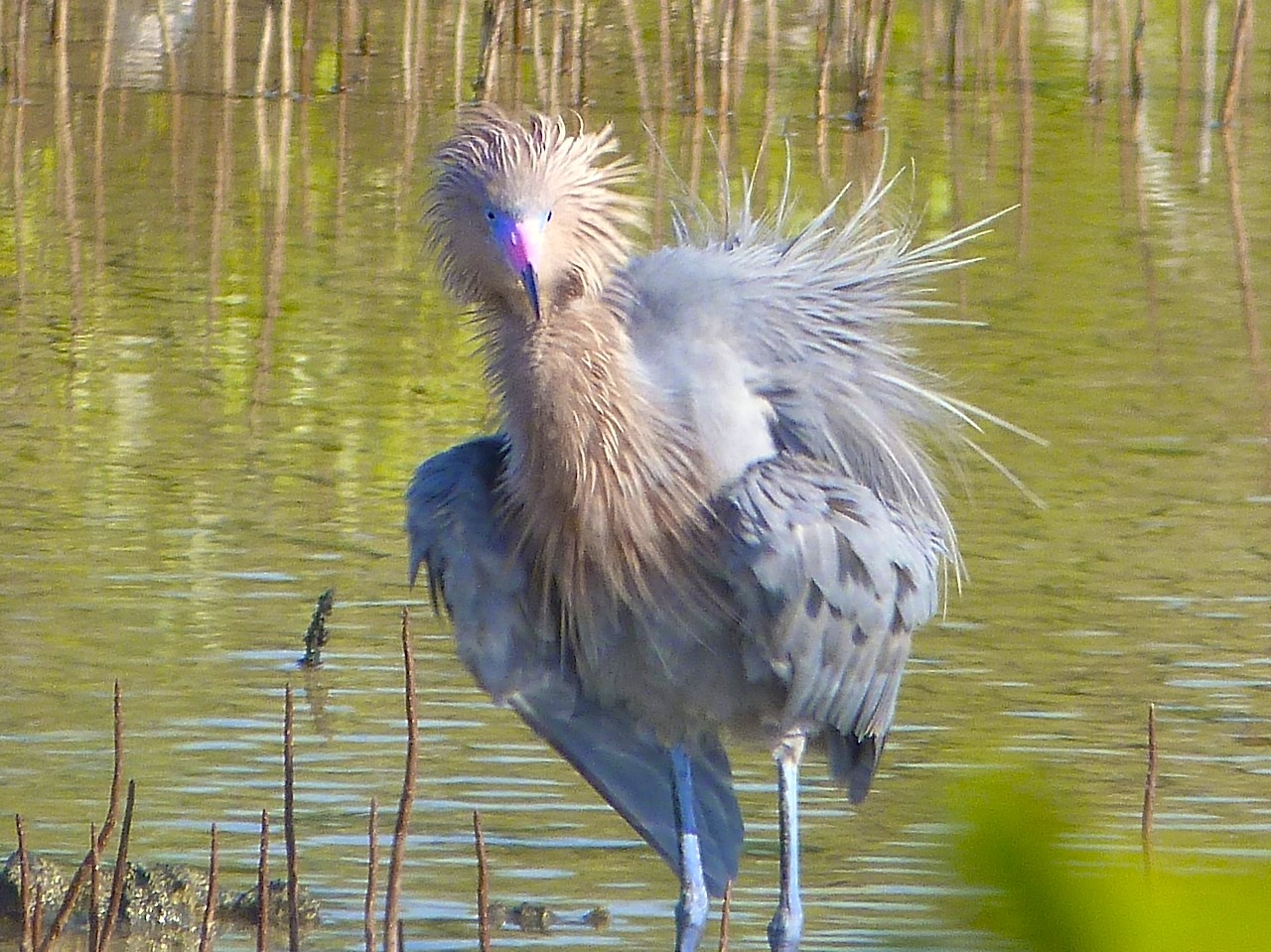
Mostly, the RE was sleek and elegant. There were times however when the wind ruffled him up a bit, and he lost some of his composure… not the ideal look should a female RE arrive looking for her perfect partner at that very moment. A bit ‘morning after’ rather than ‘evening before’…Reddish Egret, Crossing Rocks, Abaco (Keith Salvesen)07

…and does this (unfairly undignified) view reveal a touch of early baldness’?Reddish Egret, Crossing Rocks, Abaco (Keith Salvesen)06

This turned out to be our last opportunity to see the RE. Let’s hope he has paired off happily, and that his offspring will be at the ponds next year.

I posted this photo on FB, because the bird strongly reminded me of someone. A very small amount of digging produced the human likeness and inspired a bit of creativity – see below (with apologies to both parties).Reddish Egret, Crossing Rocks, Abaco (Keith Salvesen)08

RODDISH EGRET MEETS RED STEWART…

                     Rolling Harbour Abaco's photo.Rolling Harbour Abaco's photo.
To coin a phrase, Every Picture tells a Story! Oh. Someone’s come up with that already, have they? Well here’s a reminder of the original – complete with Sir Roderick’s personal grooming advice near the start: “…standing in front of my mirror… combed my hair in 1000 ways, but it came out looking just the same…”
All photos: RH, with Mrs RH
Unknown's avatar

IT’S A WARBLER. WITH A YELLOW THROAT. ON ABACO. SIMPLE?


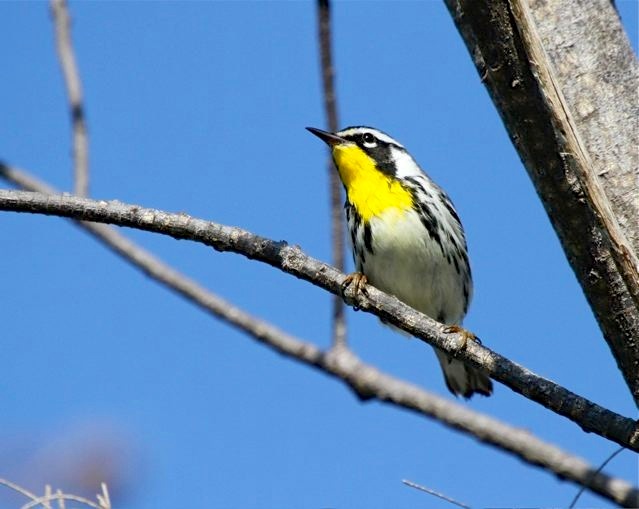
Yellow-throated warbler, Abaco  (Keith Salvesen)

IT’S A WARBLER. WITH A YELLOW THROAT. ON ABACO. SIMPLE?

The Yellow-throated Warbler (Setophaga dominica) is a most helpful warbler, in that what you see is what you get. You needn’t go to embarrassing lengths to determine whether it has a Yellow Rump. It doesn’t make extravagant geographical claims like the Cape May, Kentucky, Tennessee, Nashville or Connecticut warblers. It doesn’t disguise its warblerdom with a confusing name like ‘American Redstart’ or ‘Ovenbird’. Nor with a weird warbler name that is completely obscure like the Prothonotary. It’s a winter resident only, so it won’t try to puzzle you in the summer. The males and females are roughly similar in appearance, unlike so many species. All-in-all, a most agreeable and obliging little bird. Here are a few to enjoy, before I spoil the magic slightly…

Yellow-throated Warbler, Abaco (Bruce Hallett)Yellow-throated Warbler, Abaco (Bruce Hallett) 2Yellow-throated warbler, Abaco (Erik Gauger)

YTWs are quite pose-y birds, and tend to strike attitudes. One is the ‘head-in-the-air’, as below and further above. There’s the ‘butt-in-the-air’ too, immediately above (one of my favourite photos)Yellow-throated Warbler, Abaco (Becky Marvil) Yellow-throated Warbler, Abaco - Becky MarvilYellow-throated warbler, Abaco  (Keith Salvesen)

This shape is both characteristic and characterful. You might call it the ‘sag-in-the-middle’Yellow-throated warbler, Abaco  (Keith Salvesen)

This year I saw my first YTW in the Delphi Gardens, skulking around in a Gumbo Limbo tree. Having taken a number of rather poor shots – partly due to the intervention of branches, twigs, leaves, berries, shaky hands and so forth – I got some clearer shots at it, the two above and below being the best of an indifferent bunch.Yellow-throated warbler, Abaco  (Keith Salvesen)Yellow-throated warbler, Abaco  (Keith Salvesen)

I said earlier that the magic of the apparently simple ID of a warbler that lives up to its name would have to be spoiled. I’m afraid this little gallery rather undoes the certainties I’d promised… two more species common to Abaco, also named for their yellow throats (yet it’s more extensive than just the throat, anyway) . 
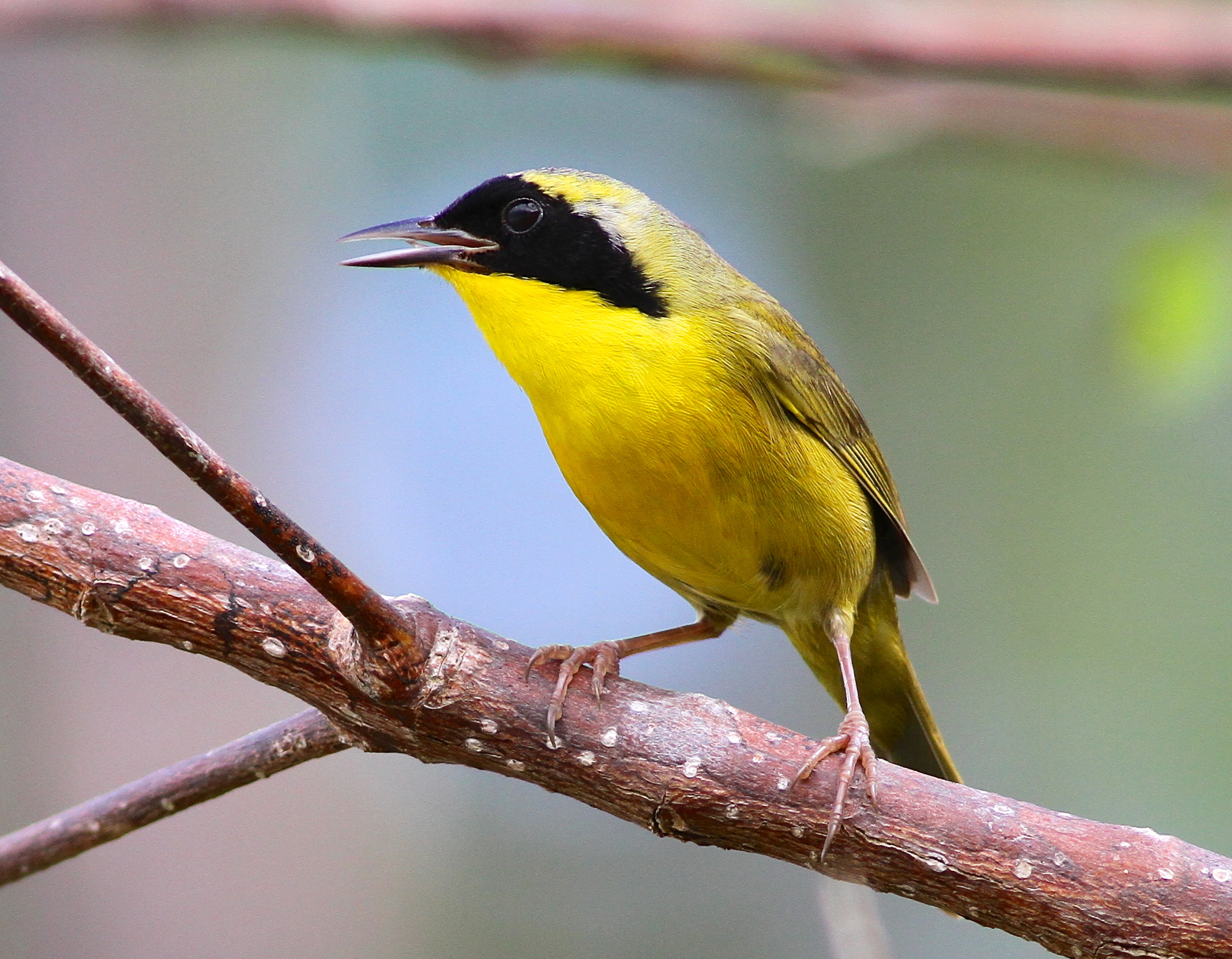
BAHAMA YELLOWTHROAT
                                                     20130106_Bahamas-Great Abaco_4846_Bahama Yellowthroat_Gerlinde Taurer copy Bahama Yellowthroat (m) Bruce Hallett
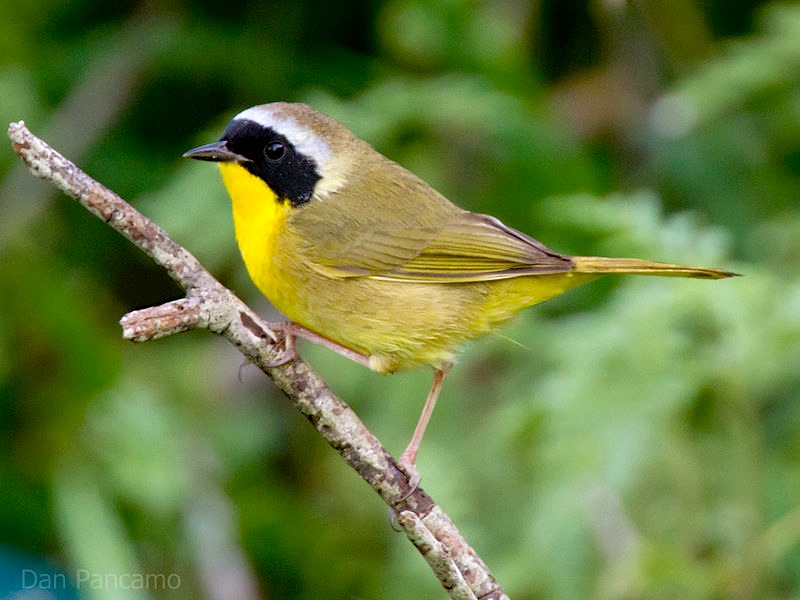
COMMON YELLOWTHROAT
800px-Common_Yellowthroat_by_Dan_Pancamo Common Yellowthroat, Gilpin Pond, Abaco Bahamas (Tom Sheley)
You’d really think that someone at Audubon Towers or Cornell Castle might have thought of calling these two species ‘Bahama’ and ‘Common’ Masked Warblers, wouldn’t you – after all there’s a Hooded Warbler, which indeed has a hood. No other warbler has a mask like these 2. Then any confusion could be avoided. So remember: the Yellow-throated Warbler has a yellow throat AND is otherwise black and white, with streaks. Erm, just like a…
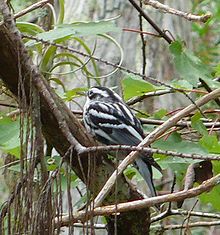
BLACK AND WHITE WARBLER

Black & White Warbler (Wiki)

RELATED POSTS
 
Credits: RH (1,7,8,9,10); Bruce Hallett (2, 3); Erik Gauger (4); Becky Marvil (5, 6). Thumbnails: Gerlinde Taurer, Bruce Hallett, Dan Pancamo, Tom Sheley, Wiki
Unknown's avatar

ABACO, HERE WE COME – READY OR NOT…


Pelangi Store, eBay

ABACO, HERE WE COME – READY OR NOT…

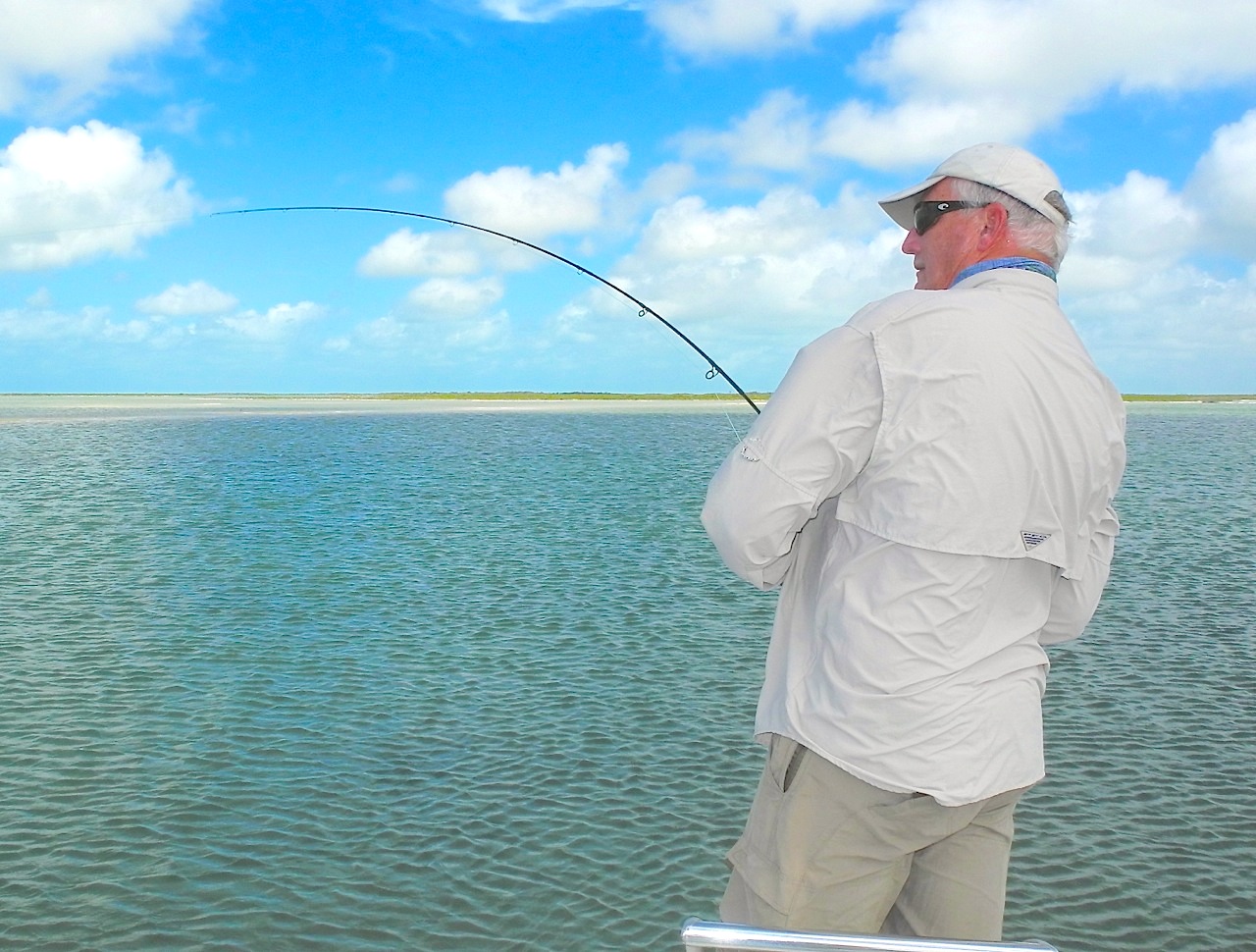
The seats are chosen, the online check-in done, the die is cast… Mr and Mrs Harbour are on their way in the BA cattle truck. Laptops are to be abandoned for the duration, but I intend to post occasional things of interest by iPhone – a Kirtland’s warbler sighting, maybe (I wish!) or a fish that has stupidly managed to impale itself on my hook perhaps. Normal blogging service, if there is such a thing round here, will be resumed in due course… 

Fish on! Abaco Marls RH

FISH ON!

“THE BIRDS OF ABACO”

The book was launched at the Delphi Club exactly one year ago. We have been really delighted by the huge interest in it and the enthusiasm for it shown by so many people – residents, migratory residents and transients. There are still copies available*. If anyone would like a signed copy while we are at Delphi, I’m sure that can be arranged. I shall bring my special signing pen (it doesn’t smudge!) just in case…

flyer 2 copy

It’s possible – by which I mean highly likely, of course – that perceived ‘downtime’ on Abaco will in fact be quite busy. Fishing. Birding. Beaching. Pooling. Talking. Drinking. Eating. Sleeping. So apologies in advance if I’m not so responsive to comments, Facebook stuff and general soshul meeja matters. No offence meant and I hope none taken – I’ll try to keep up with it or play catch up in due course. Anyway, for those who kindly stick with Rolling Harbour or drop in occasionally, much appreciated… 

DELPHI SUNDOWNDelphi Club Abaco Portrait FV

*The price shown in the flyer for the book is now $150 to take account of the VAT. The publisher has absorbed the balance

Fishing sign pic: Pelangi Store, eBay. I ‘borrowed’ it, but who knows, they might make a sale as a result…

Unknown's avatar

HUMBLE HOUSE SPARROWS ON ABACO… & EVERYWHERE ELSE!


House Sparrow, Abaco  - Nina Henry

HUMBLE HOUSE SPARROWS ON ABACO… & EVERYWHERE ELSE!

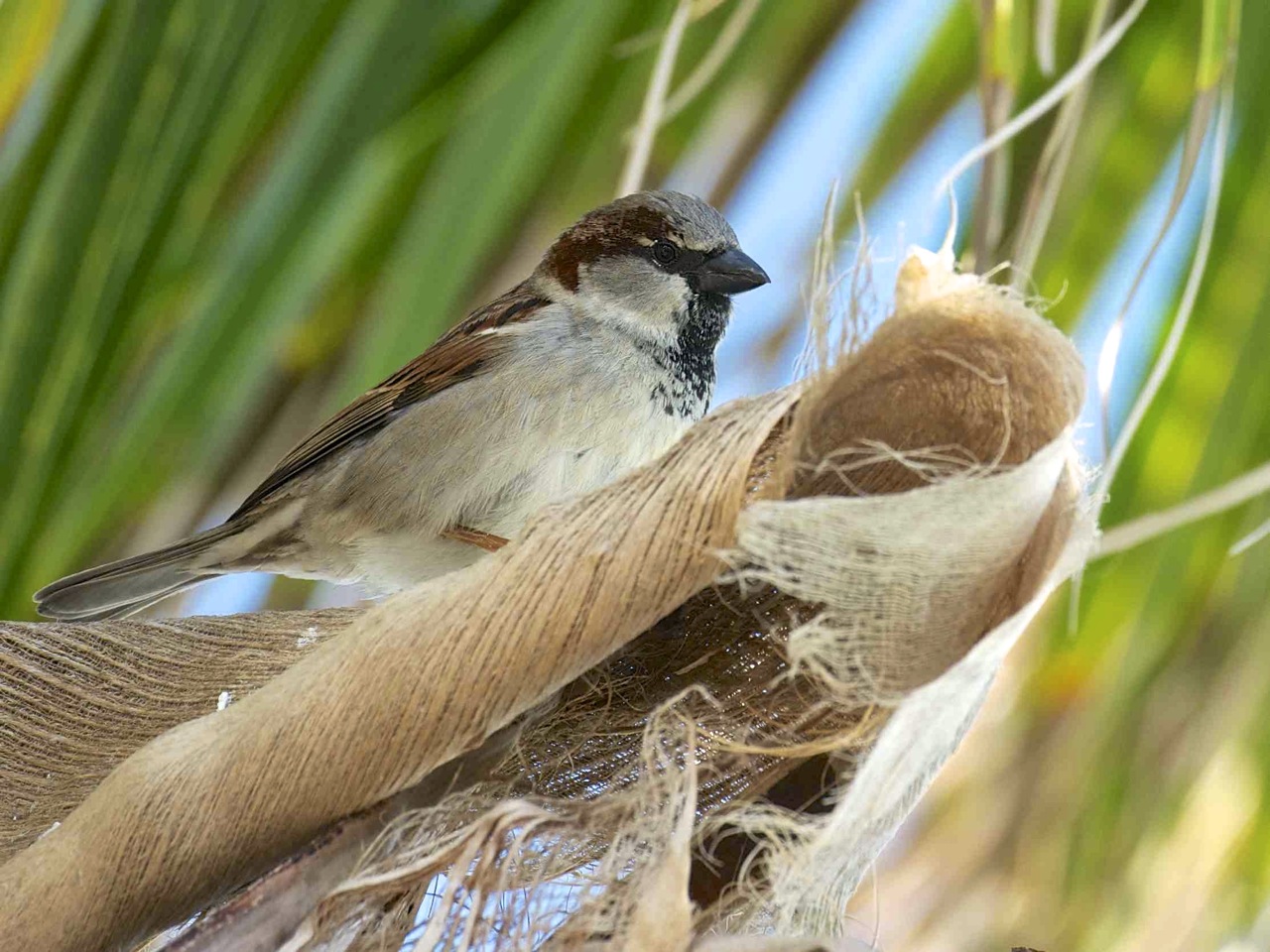
The House Sparrow is one of the most successful, adaptive and prolific species in the world. THE most, in fact. It is found on every continent (except Antarctica… but I bet there are in fact a few of them pecking around the Ross Ice Shelf for crumbs). It is indigenous to Europe and Asia, and has been introduced elsewhere.  So to any birds or people  that say house sparrows are boring and common, I would point out that they are world record-holders… 

People tend not to photograph house sparrows. Their domesticity and familiarity have rather tended to breed contempt. Besides, there are more impressive birds to capture. In compiling BIRDS OF ABACO, it was surprisingly hard to get hold of sparrow images. We had to take some ‘in-house’ photos as back-up. Although the house sparrow comes into the broad birding category ‘LBJ’ (‘Little Brown Job’), it’s really a bit unfair. The males in particular deserve a second look (then you can go and find some painted buntings if you wish…).House Sparrow, Abaco - Nina Henry

One of the strangest birding features in the UK in the last 20 years has been the virtual elimination of the house sparrow from London and its inner suburbs. Until recently, there were loveable ‘Cockerny Sparrers’ everywhere. Then suddenly the population began to decline, and the rate of loss accelerated quickly. I haven’t seen one in London for years – not in our garden, not in the green squares, not in the trees, not in noisy squawking crowds in Trafalgar Square and Piccadilly Circus. Suddenly a bird that was so common that its presence was taken completely for granted has now become high on any birder’s ‘get’ list for London, and a joy to see…  To read a short article on the possible reasons for the decline CLICK HERE. The trouble is that most theories could be applied to other major cities where there are still thriving populations – New York, for example.

House Sparrow, Abaco - Peter Mantle

It has to be said that the female house sparrow is undeniably less… er… flamboyant than the male, as is the case with most (all?) avians. But they are still pretty birds, in much the same way that a female black-faced grassquit has subtle coloration if you look closely. I took the photo below at MH Airport while hanging around for a plane. The bird wasn’t perched at a very good angle for a memorable shot, or so I thought until I noticed its little wrinkly feet and sharp claws…

House Sparrow (f), Abaco Keith Salvesen

The delicate patterns of the female house sparrow 
House Sparrow (f), Abaco Bruce Hallett copy

A juvenile. Cute, yes, but I’m sorry, it really is quite dull at this stage…House Sparrow (juv), Abaco (Charles Skinner)

Credits: Nina Henry x 2, Peter Mantle, Moi, Bruce Hallett, Charles Skinner

Unknown's avatar

THICK-BILLED VIREOS: ABACO’S ONLY PERMANENT RESIDENT VIREO


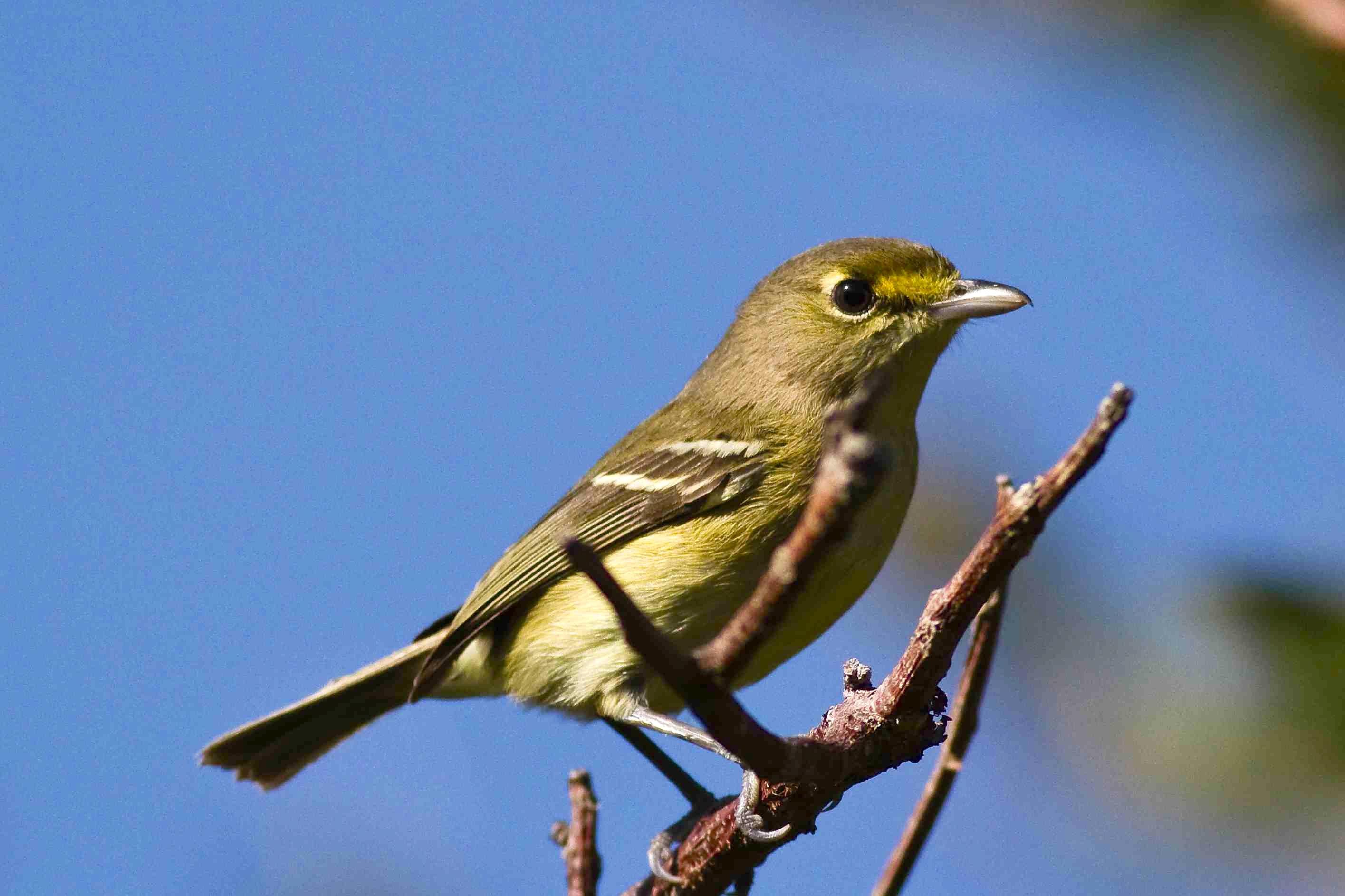
Thick-billed Vireo, Abaco 2 Tom Reed

THICK-BILLED VIREOS: ABACO’S ONLY PERMANENT RESIDENT VIREO

Hard to know why I haven’t got round to featuring these little vireos before. Unlike the other 7 vireo species found on Abaco seasonally or as transients, the Thick-billed Vireo Vireo crassirostris is an ever-present permanent resident of the coppice and scrub; and their unmistakeable repeating song can be heard almost everywhere. It was the first bird song I heard on Abaco, and therefore the TBV was the first bird I learned to ID. I’ve got quite a soft spot for them, really.Thick-billed Vireo, Abaco (Craig Nash)

Although TBVs are very easy to hear and track to a general area of coppice, I find actually seeing the bird creating the noise quite hard – let alone getting a clear camera shot. They always seem to be lurking several feet further away, deeper in the foliage, than the sound suggests. I’ve had some fun making TBV song iPhone recordings along the Delphi drive, practising the technique. If you want to know more about recording and converting to MP3 CLICK HERE.

One of my favourite images, from Gerlinde Taurer: a ‘shouty’ bird. We used it for ‘BIRDS OF ABACO‘.Thick-billed Vireo, Abaco  (Gerlinde Taurer 2)

I also love this perky little guy with a great beady-eyed pose taken by Bruce HallettThick-billed Vireo, Abaco (Bruce Hallett 2)

Here’s a clip of song, which I’m sure will be immediately familiar to Bahamians:

Paul Driver / Xeno Canto

Thick-billed Vireo, Abaco Bahamas.Tom Sheley

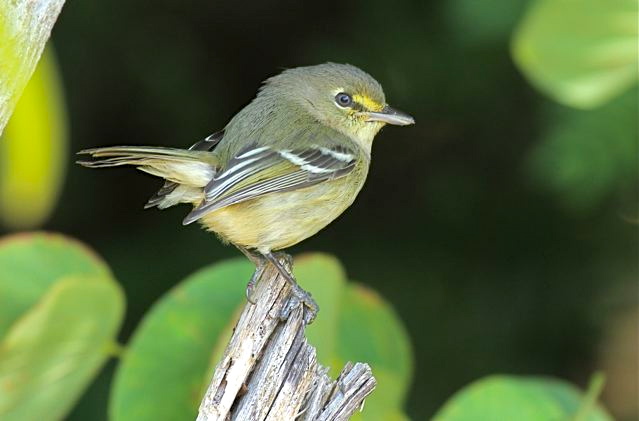
The main signifiers for this species, which in combination distinguish the TBV from the other vireo species on Abaco, are:

  • Two white wing bars
  • Yellow patch – usually quite prominent – between eye and beak
  • Thick bill – which immediately rules it out of being one of the 37 warbler species on Abaco…

Text book TBVThick-billed Vireo, Abaco (Becky Marvil 2).jpg

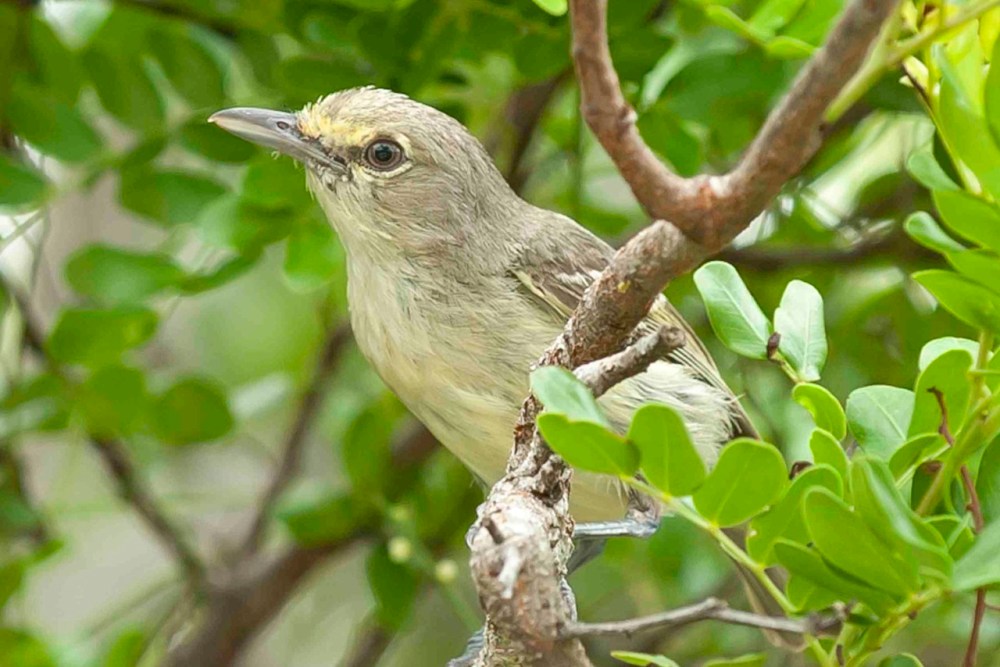
There are marked colour variations in the species according to maturity, season and to an extent gender (though m & f are quite similar). Here’s one that is causing wing-bar confusion by only showing traces. It also has quite dark upper parts.

Thick-billed Vireo, Abaco (Alex Hughes)

This is a very yellow TBVThick-billed Vireo, Abaco (Bruce Hallett 1)Whereas this one has rather anaemic colorationThick-billed Vireo, Abaco Bahamas .Tom SheleyFinally, this pretty TBV is very delicately markedThick-billed Vireo, Abaco (Tony Hepburn)

RELATED POSTS

BLACK-WHISKERED VIREO

PHILADELPHIA VIREO

Credits: Tom Reed (1), Craig Nash (2), Gerlinde Taurer (3), Bruce Hallett (4, 8), Tom Sheley (5, 9), Becky Marvil (6), Alex Hughes (7), Tony Hepburn (10); Paul Driver / Xeno Canto

Unknown's avatar

WORLD SHOREBIRDS DAY – ABACO’S 33 SHORE SPECIES (3): PLOVERS


Wilson's Plover & Chick, Delphi Beach, Abaco - Sandy Walker

Wilson’s Plover & Chick, Delphi Club Beach, Abaco (Sandy Walker)

 WORLD SHOREBIRDS DAY – ABACO’S 33 SHORE SPECIES (3): PLOVERS

Over the last 2 days, 20 of Abaco’s 33 shorebird species have been featured, LARGER SHOREBIRDS followed by SANDPIPERS. The third part of the series concentrates on the 6 plover species found on Abaco. First, I’ve repeated the main Abaco shorebird checklist of 26 species (birds previously featured in bold), with each bird’s ‘availability’ code. I am disregarding the 7 species listed under the checklist because (1) they are transients or vagrants and your chances of encountering one are slim to remote; and (2) because in 16 months I was unable to obtain photos of any of them taken on Abaco, which can’t simply be because they are not photogenic. I still haven’t managed to deal with the shonky formatting, so I’ve given up on that…

The codes will tell you, for any particular bird, when you may see it (P = permanent, WR = winter resident, TR = transient, V = vagrant); whether it breeds (B) on Abaco; and your chance of seeing it, graded from easy (1) to vanishingly unlikely (5).

  • Black-necked Stilt                         Himantopus mexicanus              PR B 3
  • American Avocet                           Recurvirostra americana           WR 4
  • American Oystercatcher          Haematopus palliatus                 PR B 2
  • Black-bellied Plover                          Pluvialis squatarola                      WR 1
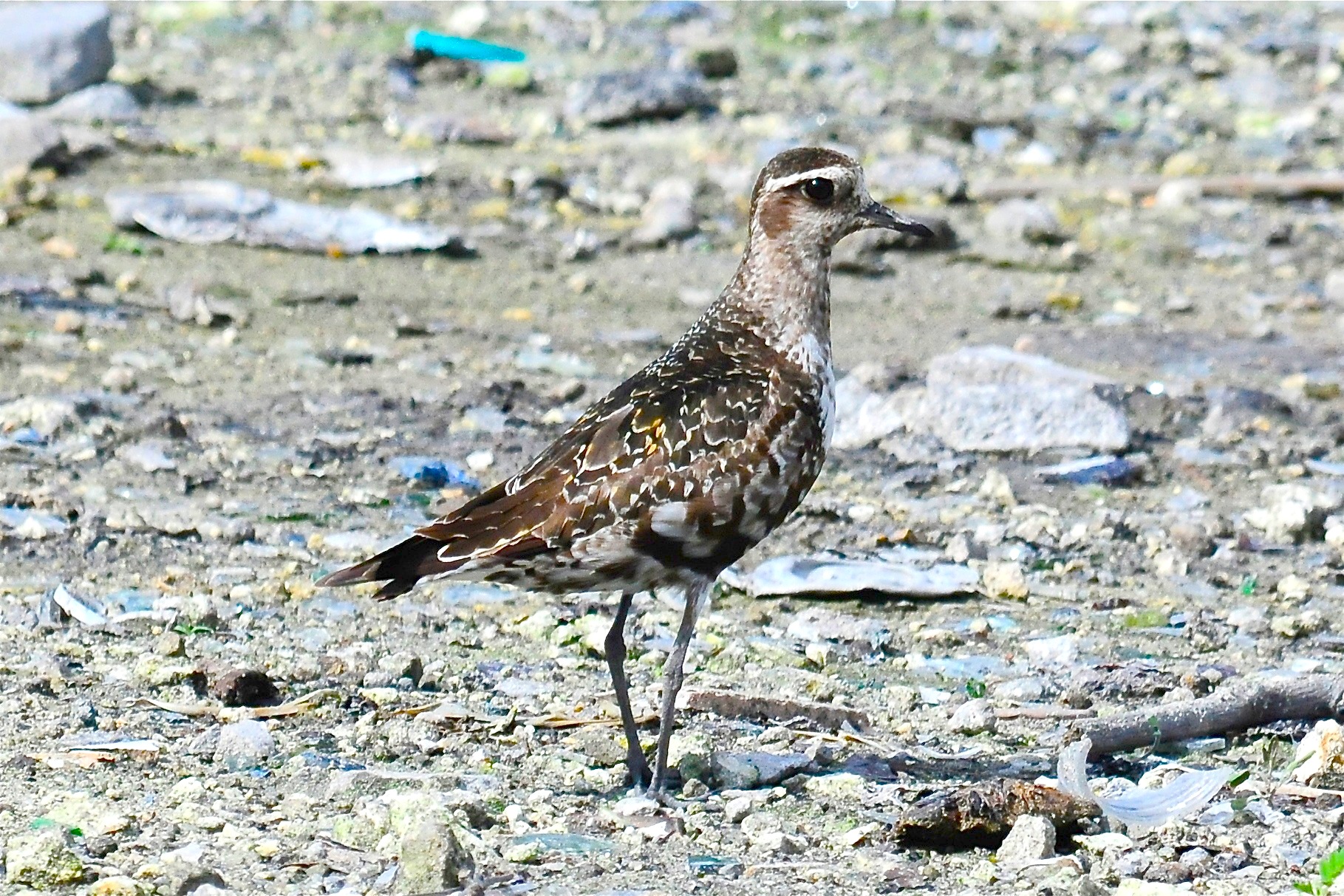
  • American Golden Plover                 Pluvialis dominica                         TR 4
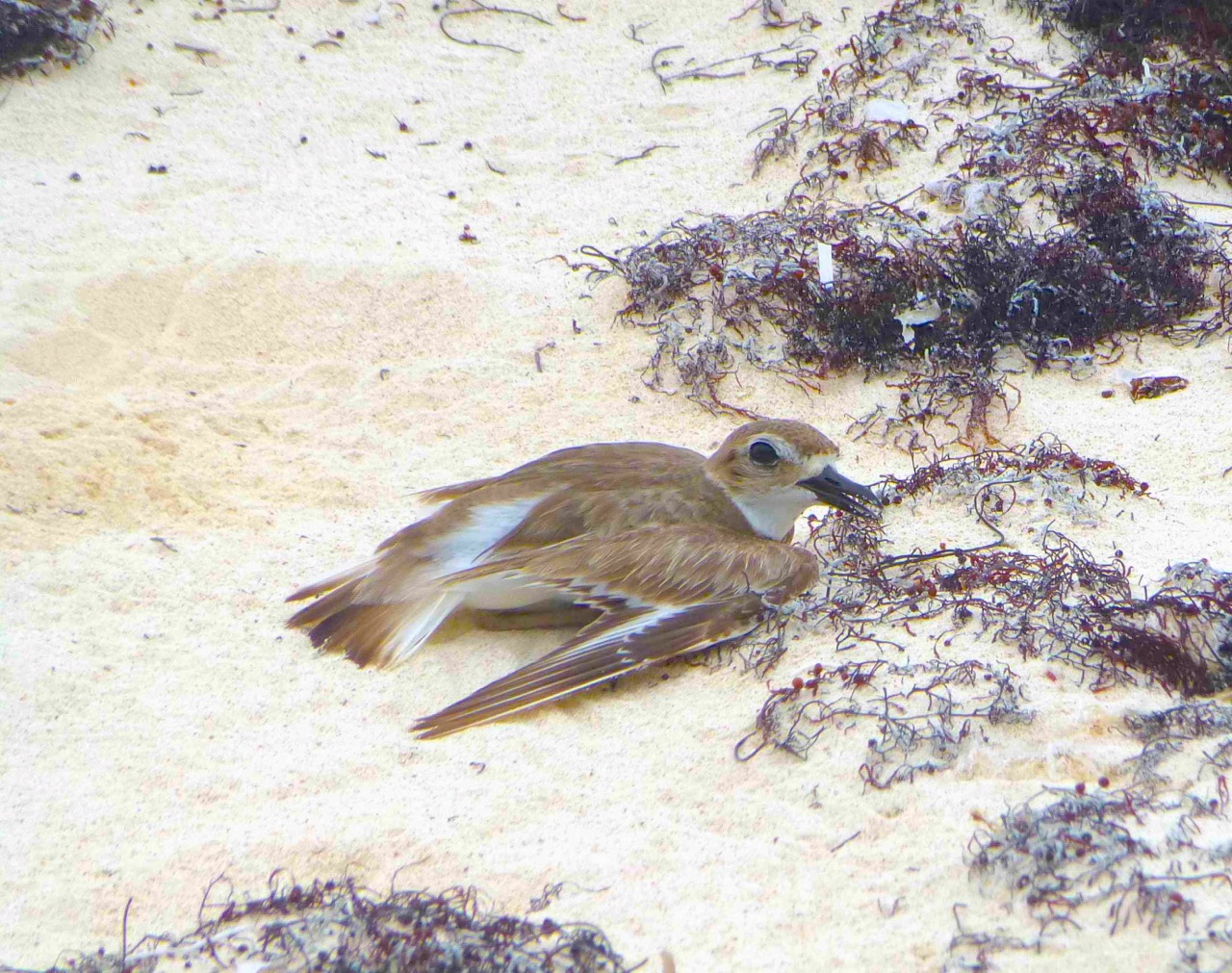
  • Wilson’s Plover                                  Ochthodromus wilsonia              PR B 2
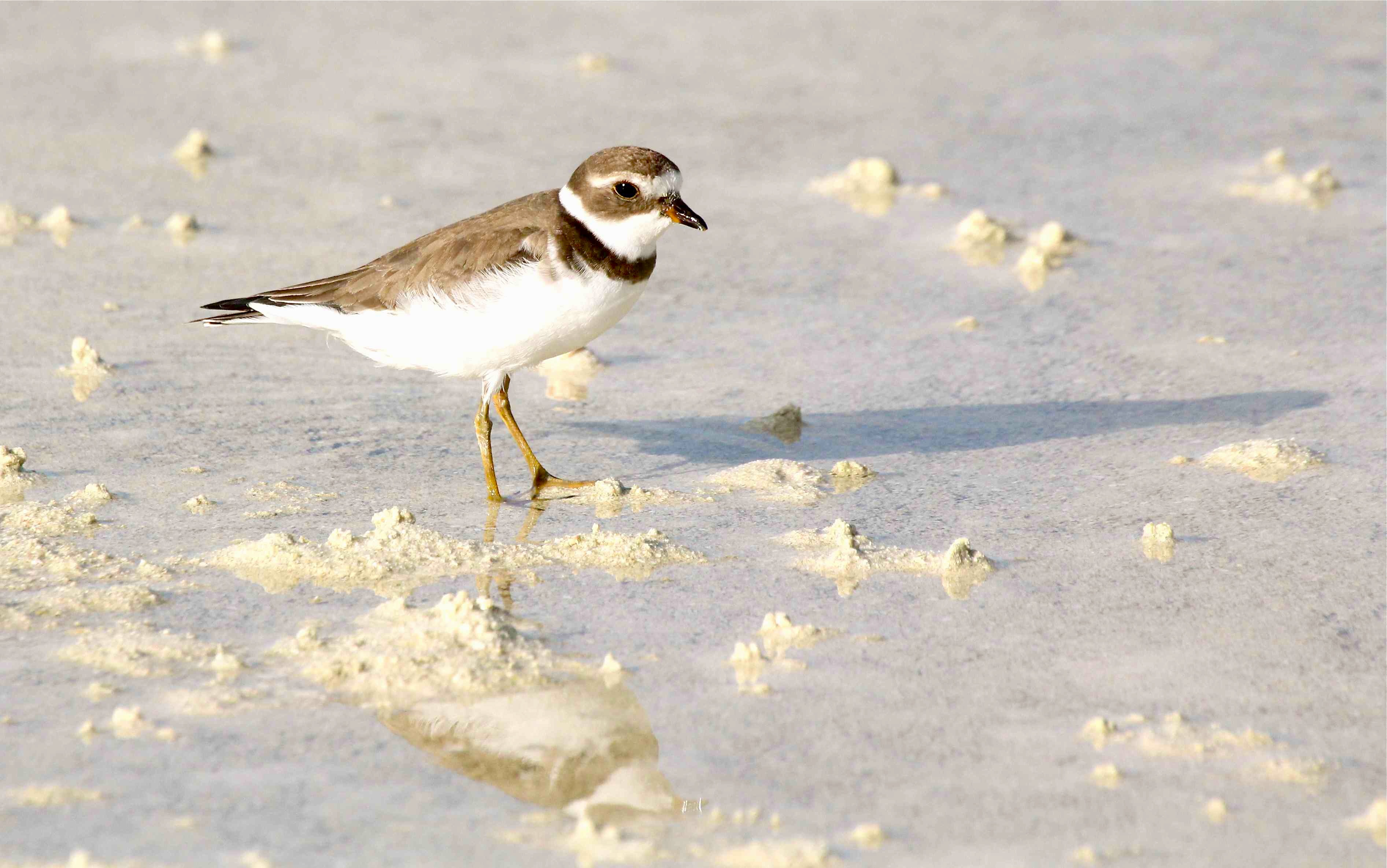
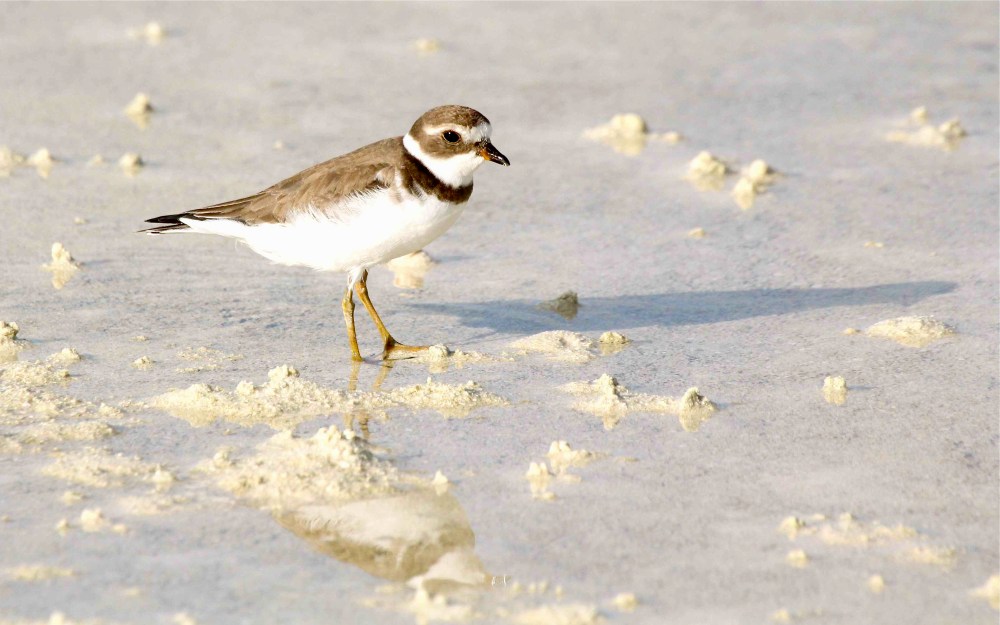
  • Semipalmated Plover                        Charadrius semipalmatus          WR 2
  • Piping Plover                                      Charadrius melodus                      WR 3
  • Killdeer                                                 Charadrius vociferus                    WR 2
  • Spotted Sandpiper                      Actitis macularius                         WR 1
  • Solitary Sandpiper                       Tringa solitaria                            WR 2
  • Greater Yellowlegs                       Tringa melanoleuca                      WR 2
  • Willet                                                   Tringa semipalmata                    PR B 2
  • Lesser Yellowlegs                          Tringa flavipes                              WR 3
  • Ruddy Turnstone                          Arenaria interpres                      PR 2
  • Red Knot                                            Calidris canutus                           WR 3
  • Sanderling                                        Calidris alba                                  WR 1
  • Dunlin                                                 Calidris alpina                              WR 2
  • Least Sandpiper                            Calidris minutilla                         WR 2
  • White-rumped Sandpiper       Calidris fuscicollis                        TR 3
  • Semipalmated Sandpiper         Calidris pusilla                              TR 2
  • Western Sandpiper                      Calidris Mauri                                TR 2
  • Short-billed Dowitcher               Limnodromus griseus                  WR 1
  • Long-billed Dowitcher                Limnodromus scolopaceus         WR 4
  • Wilson’s Snipe                                 Gallinago delicata                         WR 3
  • Wilson’s Phalarope                      Phalaropus tricolor                        V 4

The other 7 species of shorebird recorded for Abaco – all transients or vagrants – are: Upland Sandpiper TR 4, Whimbrel  TR 4, Hudsonian Godwit V5, Marbled Godwit V5, Buff-breasted Sandpiper V5, Pectoral Sandpiper  TR 3, Stilt Sandpiper TR 3

PLOVERS ON ABACO

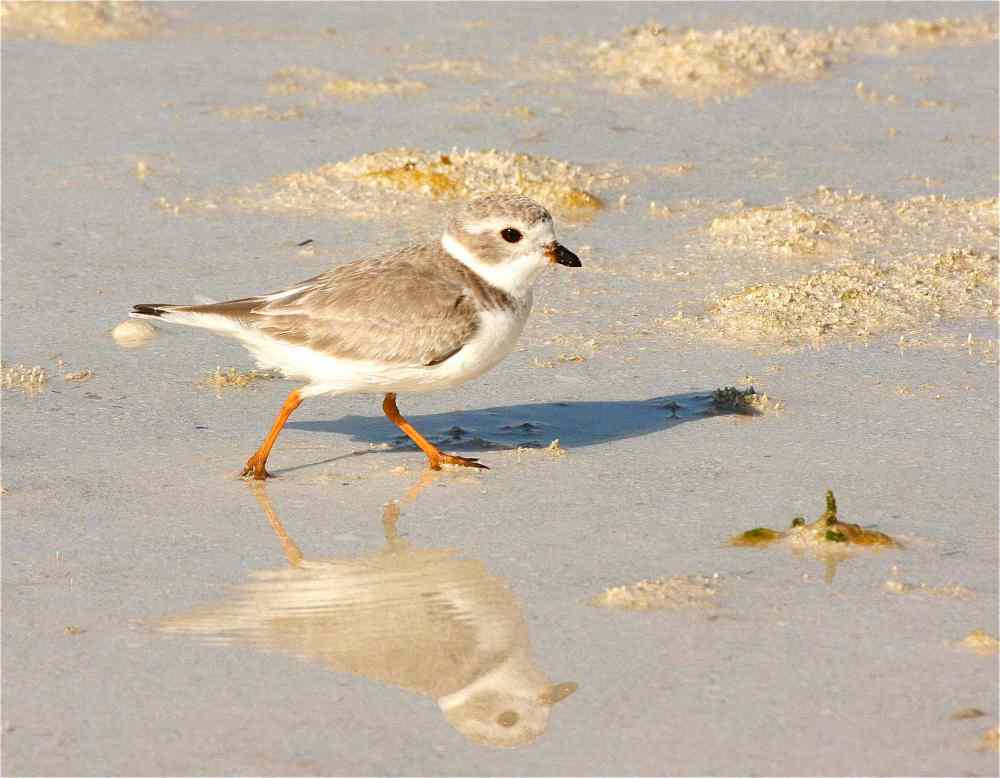
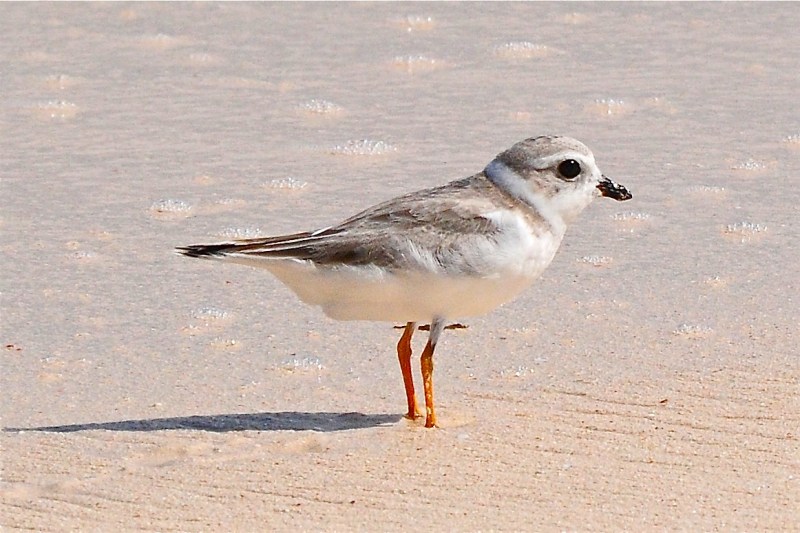
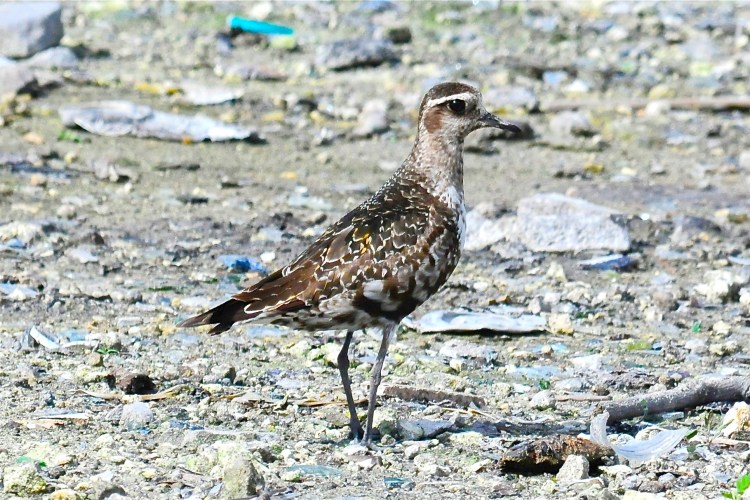
The best-known of the 6 Abaco plover species is the Wilson’s Plover, because it is the only permanent resident. The American Golden Plover is a rare transient, but we luckily have one taken on on Abaco. All the others are winter residents and easy to middling hard to find. All except the American Golden Plover may be found on the beach at Delphi or the rocks at either end. The Piping Plover is the most interesting species, with a mere 8000 left in the world and a vigorous conservation program to protect them and their habitat. Their summer breeding range is in Canada, central US and the eastern seaboard. In winter they migrate south, and Abaco is one of their homes. At Delphi we are very fortunate that every year some choose the beach for their winter retreat.

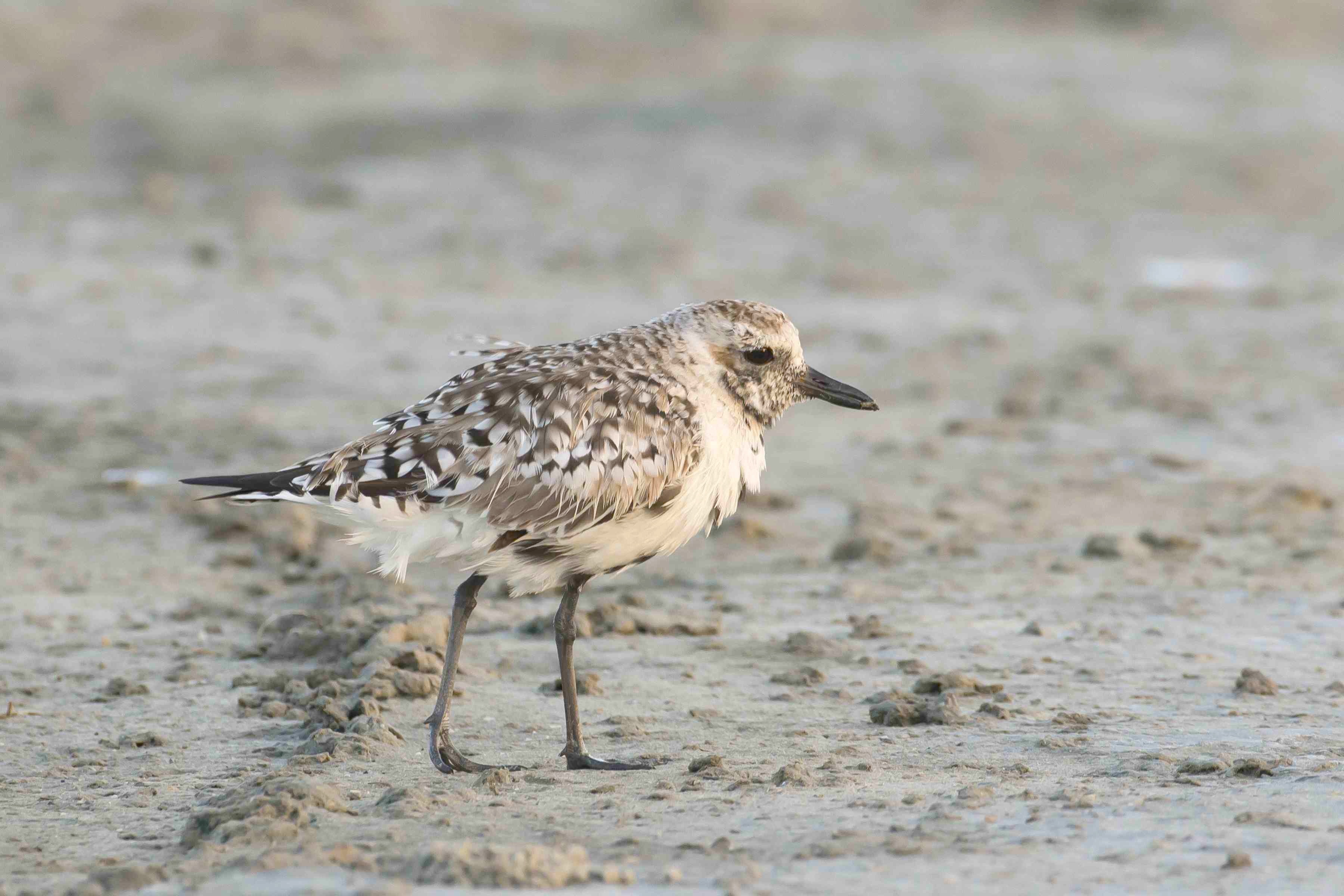
BLACK-BELLIED PLOVER  Pluvialis squatarola   WR 1Black-bellied Plover intermediate plumage.Marls.Abaco Bahamas.3.12.Tom Sheley edit

You  may well wonder why a bird with such a very specific belly-related colour designation has a white one in the photo. It’s because this is the non-breeding plumage (in fact, intermediate), so I have borrowed from Audubon Magazine (‘tip of the hat’) to show a non-Abaco bird in its breeding plumage. Black- Bellied Plover (Audubon Magazine)

AMERICAN GOLDEN PLOVER  Pluvialis dominica  TR 4American Golden Plover, Abaco - Tony Hepburn
 SEMIPALMATED PLOVER Charadrius semipalmatus WR 2Semipalmated Plover (f nb), Abaco - Bruce Hallett
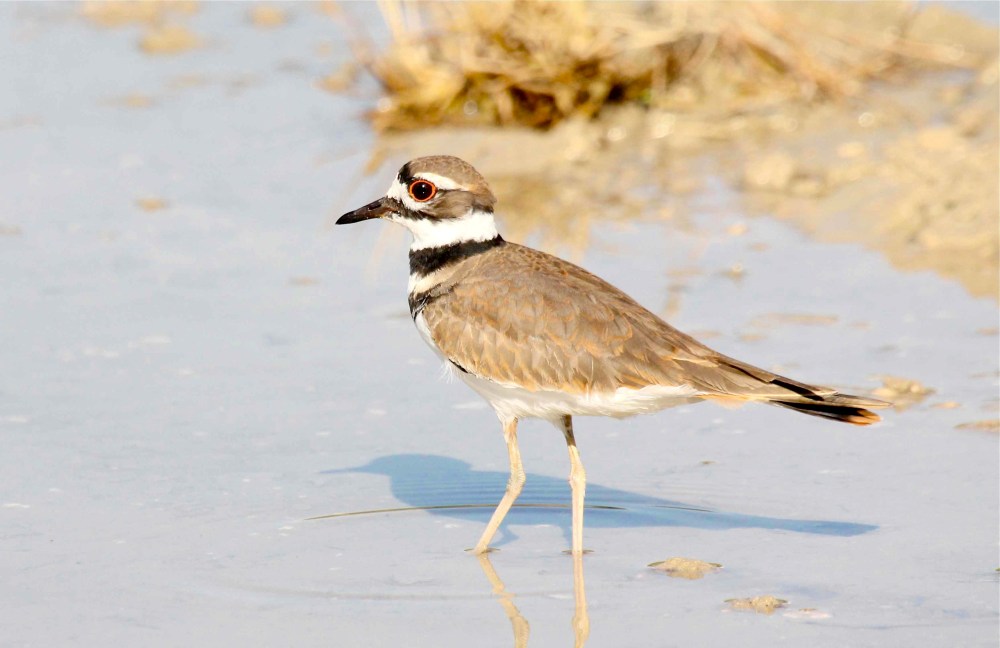
KILLDEER Charadrius vociferus WR 2Kildeer, Abaco - Bruce Hallett

PIPING PLOVER  Charadrius melodus WR 3Piping Plover, Abaco - Bruce HallettPiping Plover, Abaco - Tony HepburnPiping Plover, Abaco  - Tom Reed

WILSON’S PLOVER Ochthodromus wilsonia  PR B 2

This permanent resident plover is a year-round presence on the Delphi Club beach, where in summer they nest and raise their tiny fluffball chicks (see Sandy Walker’s wonderful header image). I’m posting in some detail about these because it’s a while since I featured them. Links to other relevant posts are given below. All the following photos bar 1 were taken on the beach at Delphi.Wilson's Plover, Delphi Club Beach, Abaco - Craig Nash

The photo below was taken by Tom Sheley at Nettie’s Point, the skiff launching point for the day’s bonefishing on the Marls. The plover pair had made a scrape and nested there. They chose a tricky place to do so –  it was just where the trucks are turned after off-loading the skiffs. So the guides built a protective driftwood enclosure to protect the nest and prevent tragedy. The plovers, unfazed by the human proximity and activity, raised their family safely. I mostly saw the female on the nest within the square wooden pen, with the male usually close by, standing guard protectively. 
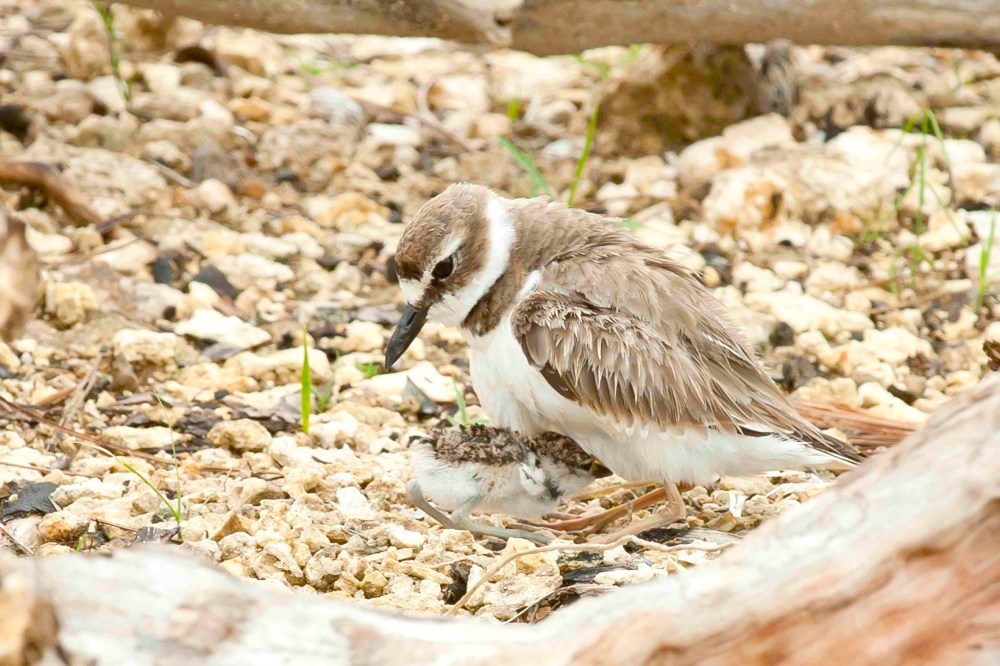
Wilson's Plover, Abaco Bahamas - Tom Sheley

This plover, photographed on the Delphi beach, is performing a typical ‘broken wing’ display, a tactic used to draw predators away from a nest site. The bird makes itself appear to be wounded and vulnerable, and flaps pathetically about on the ground… gradually getting further from the nest. If the going gets tough and the predator gets too close for comfort,  the plover gets going by unexpectedly flying off. Wilson's Plover, Abaco (broken wing display) Clare Latimer - Version 2

TWO MORE FROM THE DELPHI BEACHWilson's Plover, Abaco 12 Wilson's Plover, Abaco 11

RELATED POSTS

PIPING PLOVERS

WILSON’S PLOVERS (1) ‘Dream Plover’

 WILSON’S PLOVERS (2) Nest Protection

 WILSON’S PLOVERS (3) Scrapes, Chicks & Broken Wings

Photo credits: Sandy Walker, Tom Sheley, Audubon, Tony Hepburn, Bruce Hallett, Tom Reed, Craig Nash, Clare Latimer, RH

Unknown's avatar

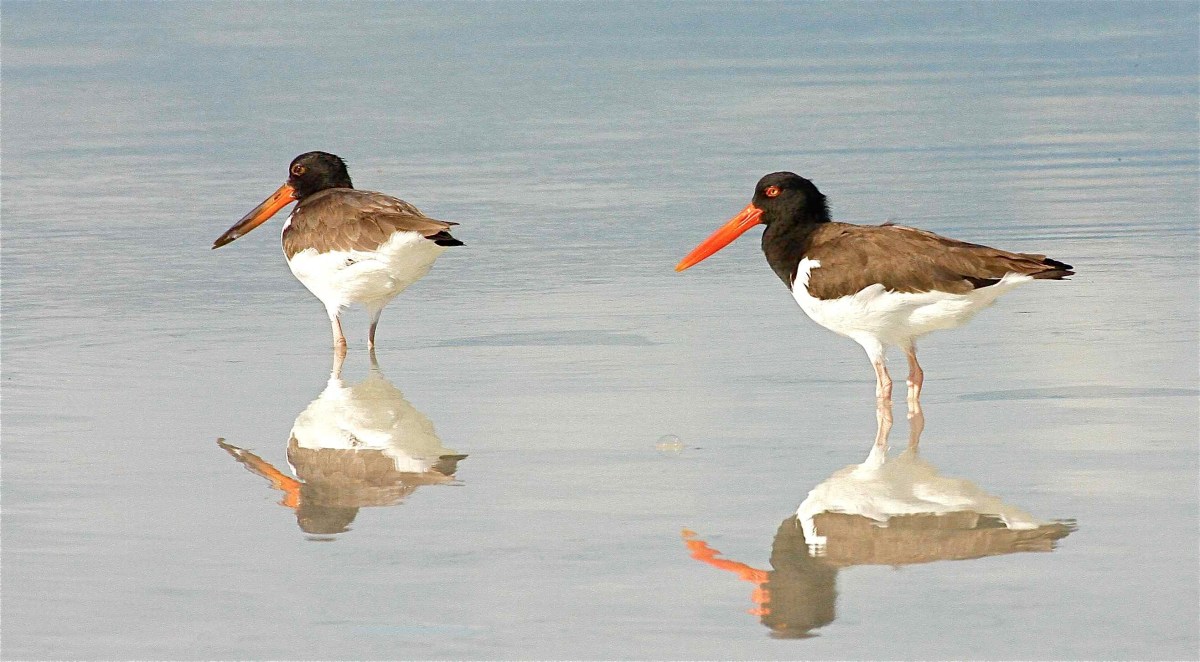
‘AMOY’ THERE! AMERICAN OYSTERCATCHERS ON ABACO


American Oystercatcher.Delphi Club.Abaco Bahamas.Tom Sheley

‘AMOY’ THERE! AMERICAN OYSTERCATCHERS ON ABACO

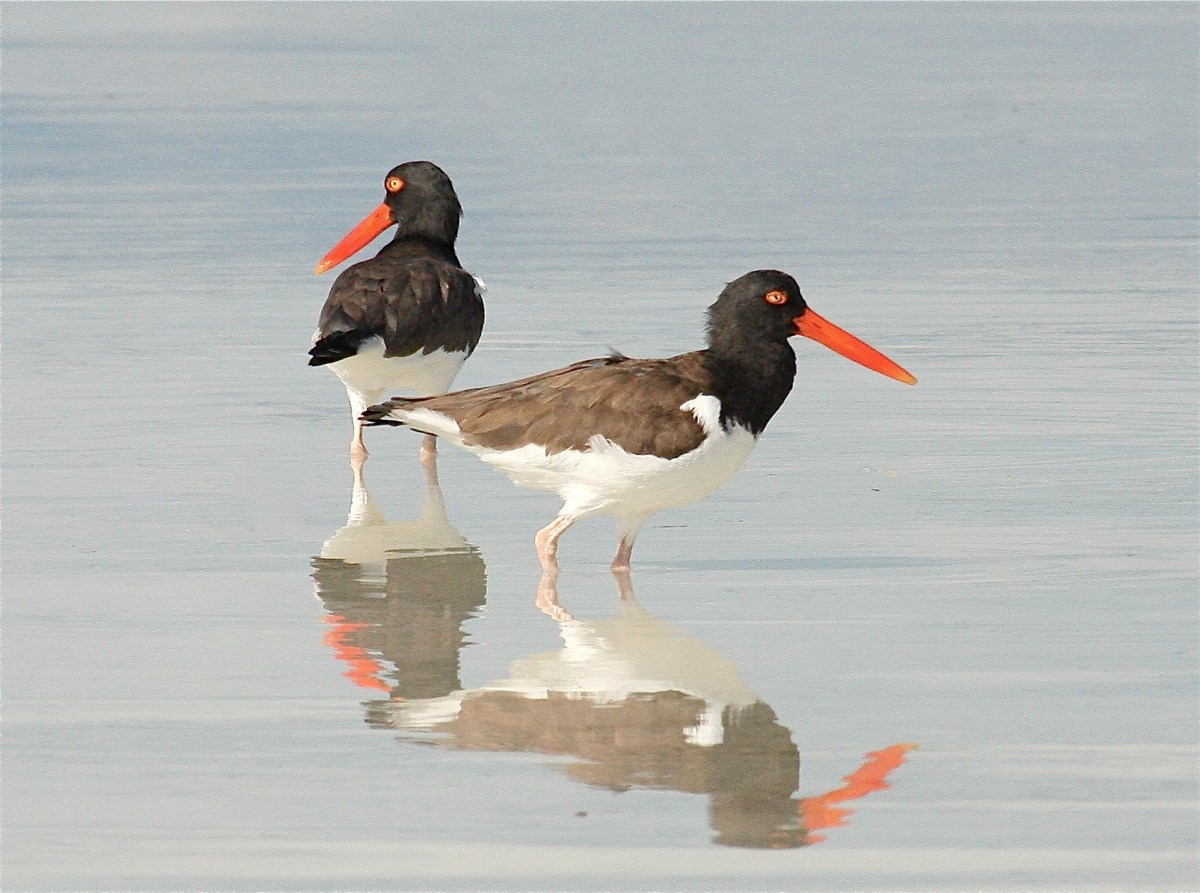
The American Oystercatcher Haematopus palliatus is a familiar shorebird, with the significant advantage that it cannot be mistaken for any other shore species either to look at or to hear. All those little sandpipers and plovers can be very confusing; the handsome AMOY stands out from the crowd. I am posting about this species now as a prelude to WORLD SHOREBIRDS DAY on September 6th. The link will take you to the official Facebook Page where you will find more information, including how to sign up for a pleasant day’s birding, with the chance to report your sightings.world-shorebirds-day1000

The header picture and the next 2 were taken by photographer and ace birder Tom Sheley on the Delphi Club beach. Unsurprisingly, we used one of these wonderful photographs as a full-page image in The Delphi Club Guide to THE BIRDS OF ABACO.

American Oystercatcher.Delphi Club.Abaco Bahamas.Tom Sheley American Oystercatcher.Delphi Club.Abaco Bahamas.Tom Sheley

Bruce Hallett, author of the essential field guide ‘Birds of the Bahamas and the TCI’ (featured in the sidebar) was a major contributor to the book. Not just with his excellent photographs, either, such as the two below. His knowledge, his patience with my queries, and his scrupulous reading of the final draft to eliminate my errors were vital to the project. American Oystercatcher.Abaco Bahamas.Bruce HallettAmerican Oystercatcher.Abaco Bahamas.Bruce Hallett163952

Here are two recordings of oystercatchers, unmistakeable call sounds that will probably be instantly familiar.

Lopez Lanus / Xeno-Canto

Krzysztof Deoniziak / Xeno-Canto

I like the rather dishevelled appearance of this AMOY from Jim Todd, fly fisherman, author of ‘The Abaco Backcountry’, and intrepid kayak explorer around the coast of Abaco.American oystercatcher Abaco (Jim Todd)

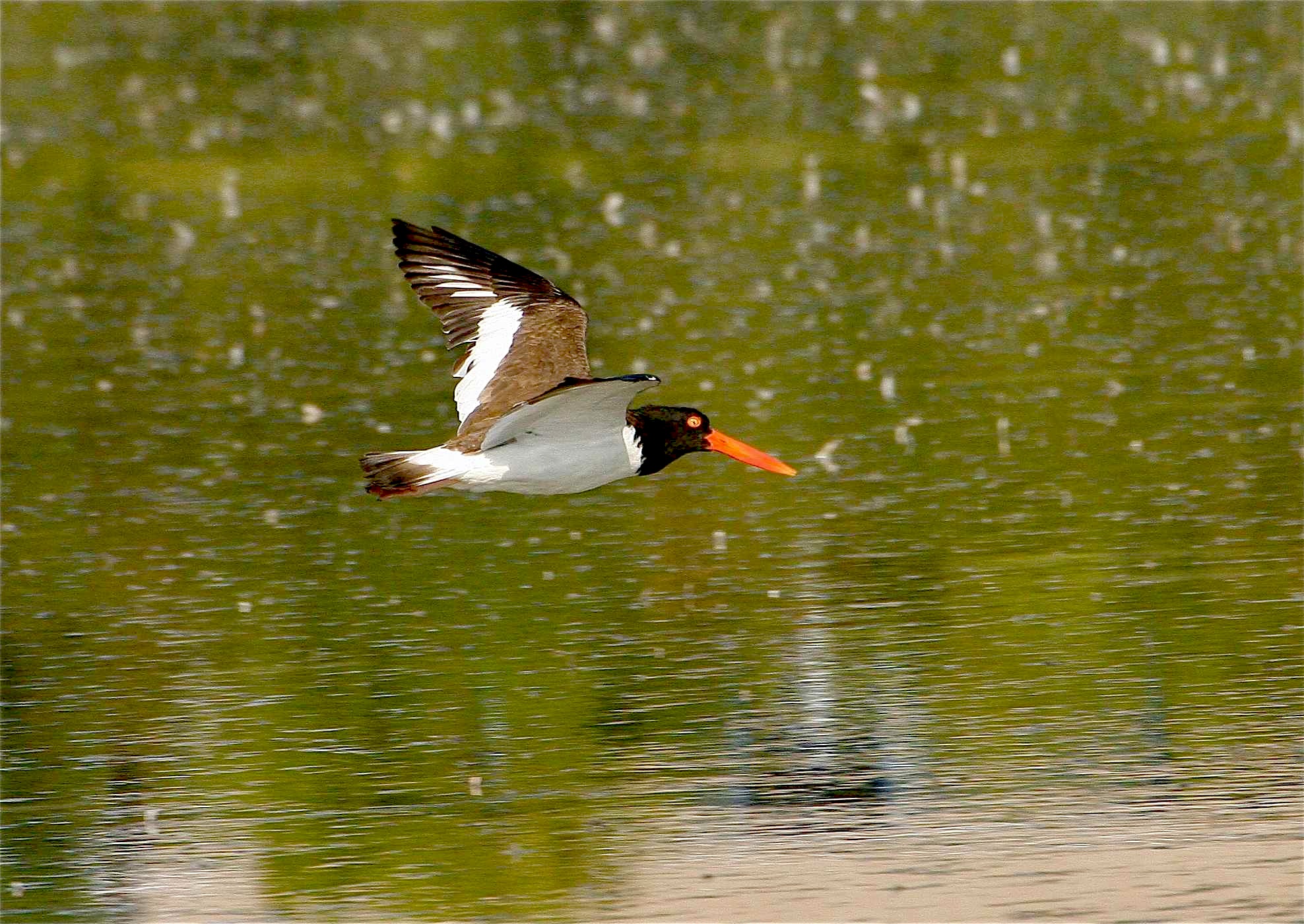
The next two photos were taken on the Delphi beach by Charlie Skinner, another contributor to the book. Below them is an ‘in-flight’ shot by Bruce Hallett.American Oystercatcher, Abaco (Charlie Skinner)American Oystercatcher, Abaco (Charlie Skinner)     American Oystercatcher.Abaco Bahamas.Bruce Hallett

This fine video from Audubon shows close-up views of the American Oystercatcher, and unleashes more of the distinctive call-sounds – an insistent wittering – of the species. [vimeo https://vimeo.com/48479131%5D

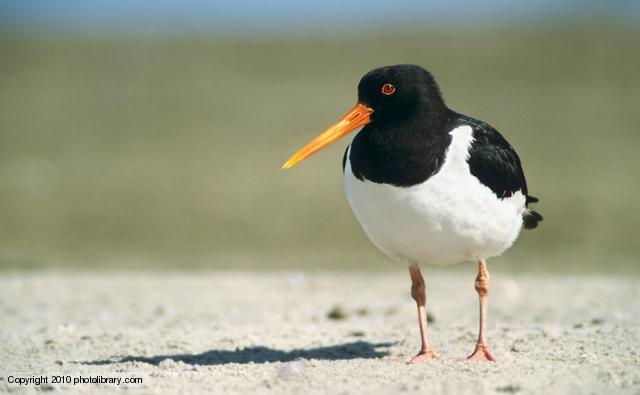
For some time, I found it difficult to distinguish American and Eurasian Oystercatchers. The markings of both species are variable according to gender, age, season and so on, but are generally very similar. Mrs RH noticed the salient difference at once – the eyes. The AMOY has bright orange eyes with red eye-rings; the EUROY’s eyes are the reverse colouring, as this example shows.Eurasian Oystercatcher. BBC
 Credits: Tom Sheley, Bruce Hallett, Jim Todd, Charlie Skinner, Xeno-Canto, Audubon, BBC
world-shorebirds-day1000

Unknown's avatar

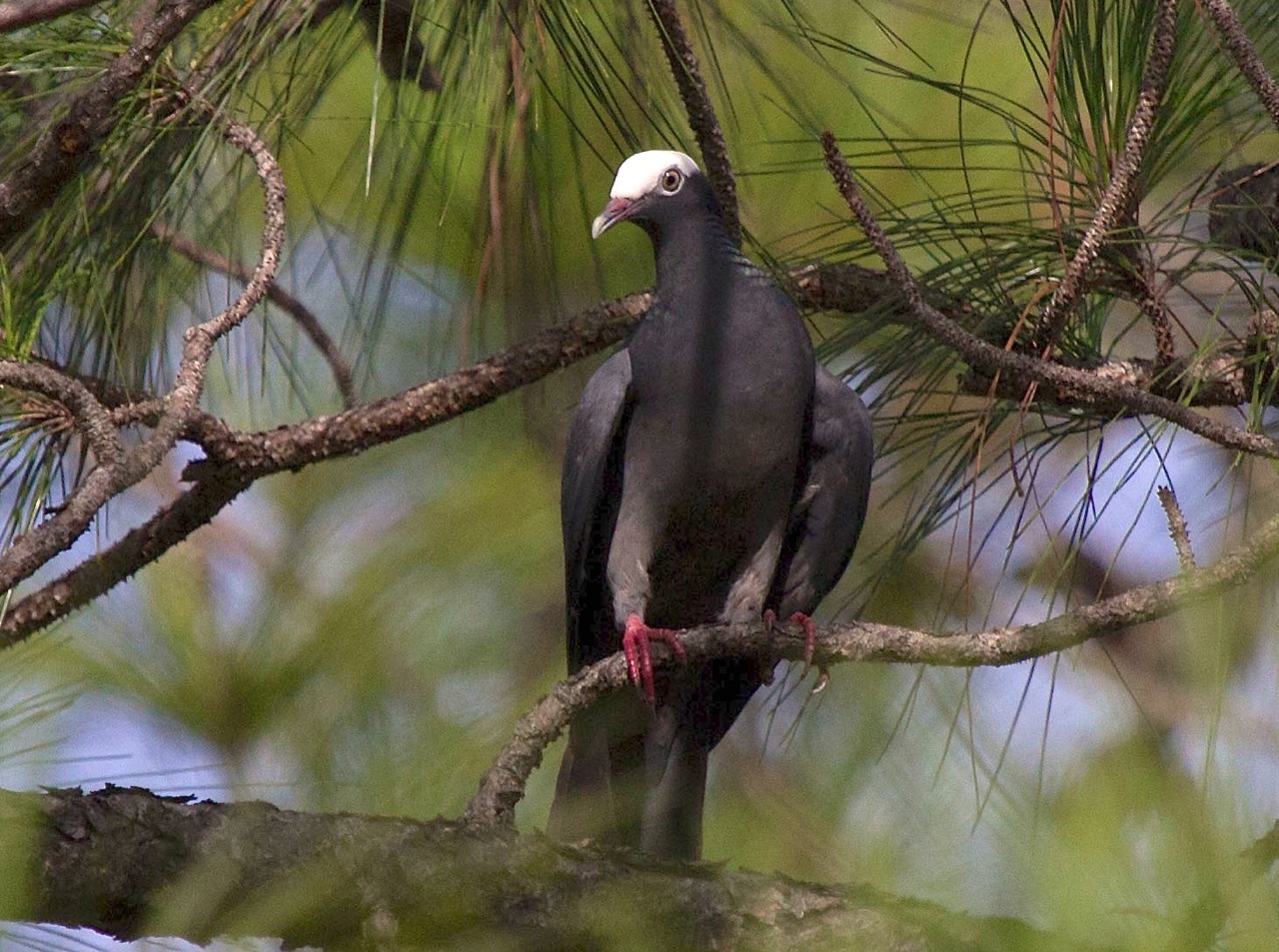
“FAIR GAME” ON ABACO: THE ATTRACTIVE BUT SADLY DELICIOUS WHITE-CROWNED PIGEON


White-crowned Pigeon, Abaco, Bahamas (Tony Hepburn)

 “FAIR GAME” ON ABACO: THE ATTRACTIVE BUT SADLY DELICIOUS WHITE-CROWNED PIGEON

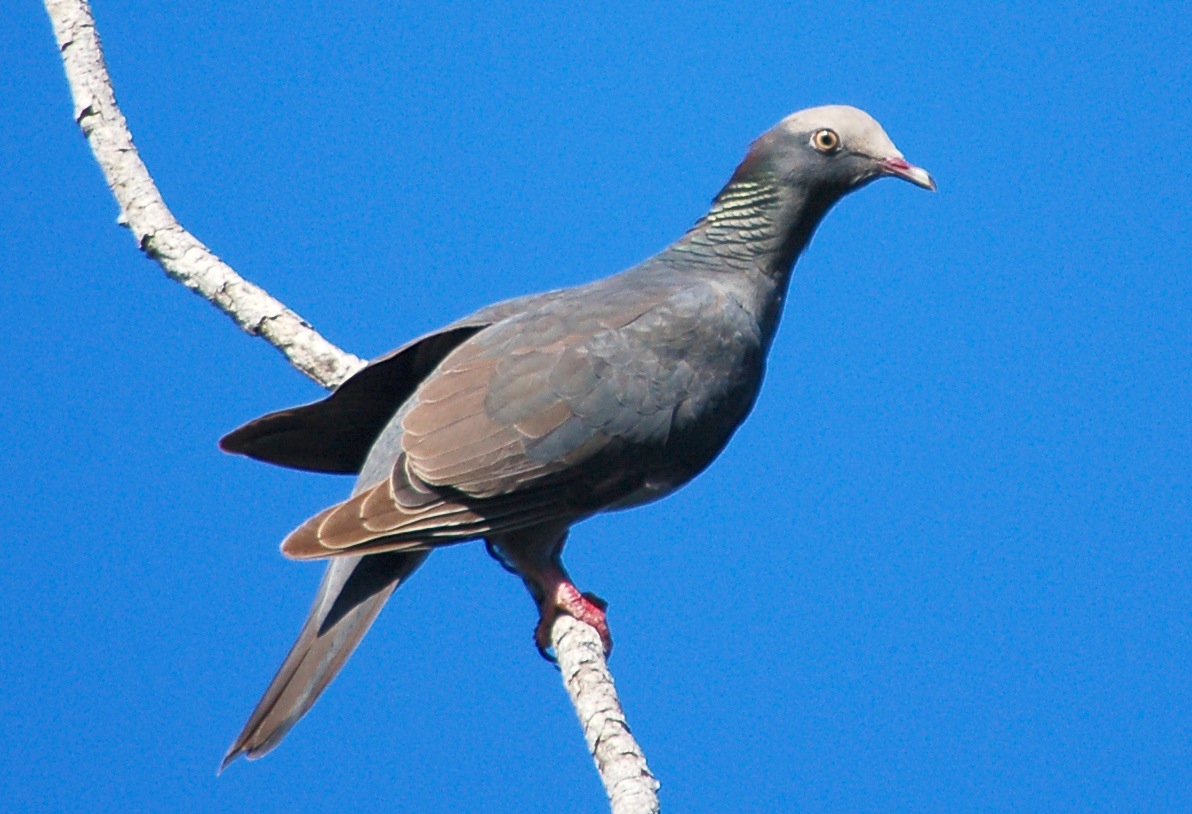
Fishing is the mainstay of Abaco’s sporting life, but hunting runs it a close second. Whether it’s the hog hunters plunging down remote backcountry tracks with their dogs or the shooters plying their trade, there is plenty on the hunter’s menu. The WHITE-CROWNED PIGEON Patagioenas leucocephala is one of the species that’s fair game in season. The bright white of its crown rather gives away its position. A permanent resident on Abaco, this pigeon is quite commonly found.

White-crowned Pigeon, Abaco, Bahamas (Gerlinde Taurer)

The Bahamas hunting season for this species is between the end of September and March. Here is the relevant extract from the excellent BNT HUNTERS GUIDE, a very useful publication packed with information that is well worth a look at. WCP BNT Hunters Guide

220px-Status_iucn3.1_NT.svg

Unfortunately, this pigeon is no longer as prolific as it once was, and is now IUCN-listed ‘near-threatened’. Hunting is one reason. Habitat loss is another. And apparently in Florida (the only US State that has these birds), car-strike is a major cause of population decline (with time, they may learn to fly higher. Unless it’s too late for the species by then…).

White-crowned Pigeon, Abaco (Alex Hughes)

The balance of species preservation and the perceived need of humans to encroach on habitat or their wish to shoot for the pot, is a always a hard one to judge. ‘Near-threatened’ sounds bad, but it’s probably not until the next stage is reached – ‘vulnerable’ or ‘endangered’ – that there is real cause for concern. But as the title says (props to Peter Mantle for this pithy observation, duly incorporated into the WCP entry in THE BIRDS OF ABACO) these inoffensive pigeons are indeed ‘sadly delicious…’

White-crowned Pigeon, Abaco, Bahamas (Gerlinde Taurer)Photo credits: Gerlinde Taurer, Alex Hughes, Tony Hepburn plus BNT for the hunters guide


Unknown's avatar

BAHAMAS STAMPS & ABACO BIRDS: ‘IMITATION IS THE SINCEREST FORM OF PHILATELY’


BAHAMAS STAMPS & ABACO BIRDS: ‘IMITATION IS THE SINCEREST FORM OF PHILATELY’ 

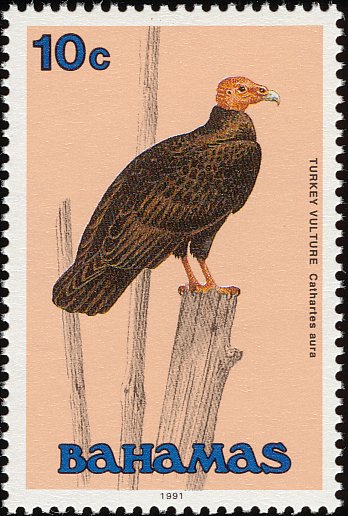
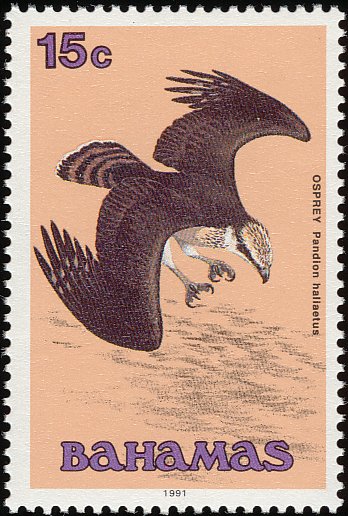
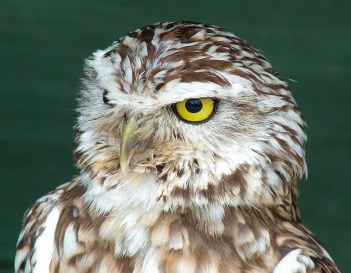
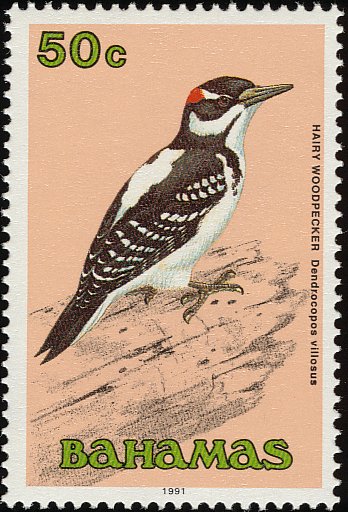
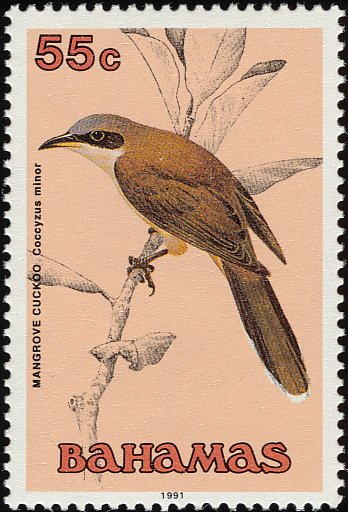
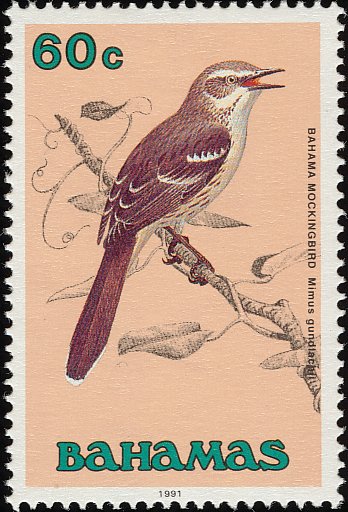
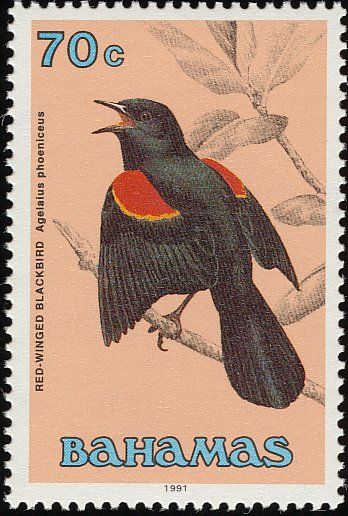
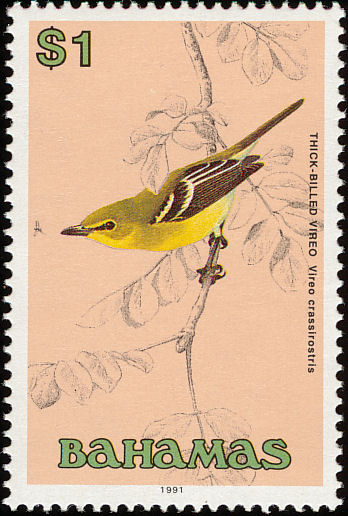
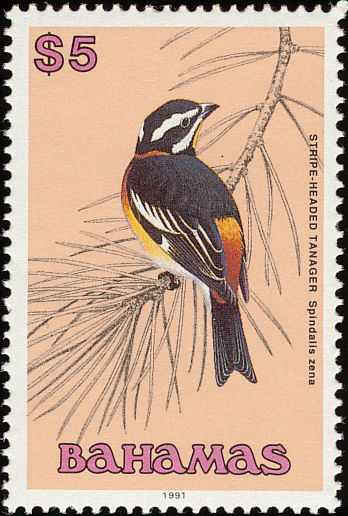
The Bahamas produces frequent issues of wildlife stamps. Mostly birds, but also reef fish and sea creatures, animals, butterflies and flowers. I am gradually collecting an album of Bahamas wildlife stamps on a PHILATELY page. I’ve been having a look at a 16-bird issue from 1991 which reflects the wide diversity of species extremely well. Here is the set, with comparative photos of each bird. All but one were taken on Abaco, the rare Burrowing Owl being the exception. All the other 15 birds may be found on Abaco as permanent residents, either easily or with a bit of a look and some luck. I personally have not seen the Clapper Rail (though I saw a SORA) or the rarer Key West Quail-Dove.

bah199101l                       GREEN HERON, Abaco (Nina Henry)


bah199102l                       Turkey Vulture Abaco (Keith Salvesen)

bah199103l                      Osprey - Abaco Marls (Keith Salvesen)

bah199104l                      Clapper Rail, Abaco (Erik Gauger)

bah199105l                     Royal Tern Abaco (Keith Salvesen)

bah199106l                     BAHAMAS - Key West Quail-dove (Becky Marvil)

bah199107l                    Smooth-biled Ani, Abaco (Bruce Hallett)

bah199108l                    Burrowing Owl (Keith Salvesen)

bah199109l                  Hairy Woodpecker, Abaco (Tony Hepburn)

bah199110l                   Mangrove Cuckoo, Abaco, Bahamas (Tony Hepburn) copy

bah199111l                   Bahama Mockingbird, Abaco (Keith Salvesen)

bah199112l                 Red-winged Blackbird Abaco Bahamas (Keith Salvesen)

bah199113l                 Thick-billed Vireo, Abaco (Susan Daughtrey)

bah199114l                 Bahama Yellowthroat vocalizing.Abaco Bahamas.Tom Sheley

bah199115l                 Western Spindalis Abaco (Janene Roessler)

bah199116l                  Greater Antillean Bullfinch, Abaco (Bruce Hallett)

 The bird list and image credits

 Green Heron                     Butorides virescens               Nina Henry

Turkey Vulture                   Cathartes aura                     Keith Salvesen / RH (Delphi)

Western Osprey                Pandion haliaetus                 Keith Salvesen / RH (Marls)

Clapper Rail                      Rallus longirostris                 Erik Gauger

Royal Tern                         Thalasseus maximus            Keith Salvesen / RH (Marls)

Key West Quail-Dove      Geotrygon chrysia                 Becky Marvil

Smooth-billed Ani            Crotophaga ani                      Bruce Hallett

Burrowing Owl                  Athene cunicularia              Keith Salvesen / RH (UK)

Hairy Woodpecker             Picoides villosus                   Tony Hepburn

Mangrove Cuckoo             Coccyzus minor                     Tony Hepburn

*Bahama Mockingbird     Mimus gundlachii              Keith Salvesen / RH (National Park)

Red-winged Blackbird      Agelaius phoeniceus       Keith Salvesen / RH (Backcountry Abaco)

Thick-billed Vireo              Vireo crassirostris               Susan Daughtrey

*Bahama Yellowthroat       Geothlypis rostrata            Tom Sheley

Western Spindalis              Spindalis zena                       Janene Roessler

Greater Antillean Bullfinch  Loxigilla violacea            Bruce Hallett

* Endemic species for Bahamas

STAMPS            http://freestampcatalogue.com            Tony Bray

Unknown's avatar

SAW A SORA? SURE? RAIL TRACK ON ABACO


BAHAMAS - Sora 2 - Oct 2010 copy 2

SAW A SORA? SURE? RAIL TRACK ON ABACO

‘Furtive’. ‘Secretive’. ‘Skulking’. These are harsh epithets to chuck at a small inoffensive bird that just goes about its daily routine in watery places. And look at it from the Sora’s point of view: ‘intrusive’; ‘prying’; invasive’; ‘nosy’… That’s you with your camera, disturbing its quiet life in the reeds and on the margins of marsh and lake. And for that matter your careful attempts to get close to the shy sora without startling it could also be described as furtive, secretive and skulking. See how it feels?

Sora.Marsh Harbour.Abaco Bahamas.6.13.Tom Sheley copy

The Sora Porzana carolina is a species of rail, a winter resident on Abaco. The island also has the CLAPPER RAIL, Virginia Rail and the Black Rail. There are no recorded sightings of this last one, and certainly no photographs. But their distinctive call has been heard in several locations over the last few years –  for example, by two people in different places last June when we were in full bird mode for “THE BIRDS OF ABACO”.

Sora, Gilpin Point Abaco RH 1

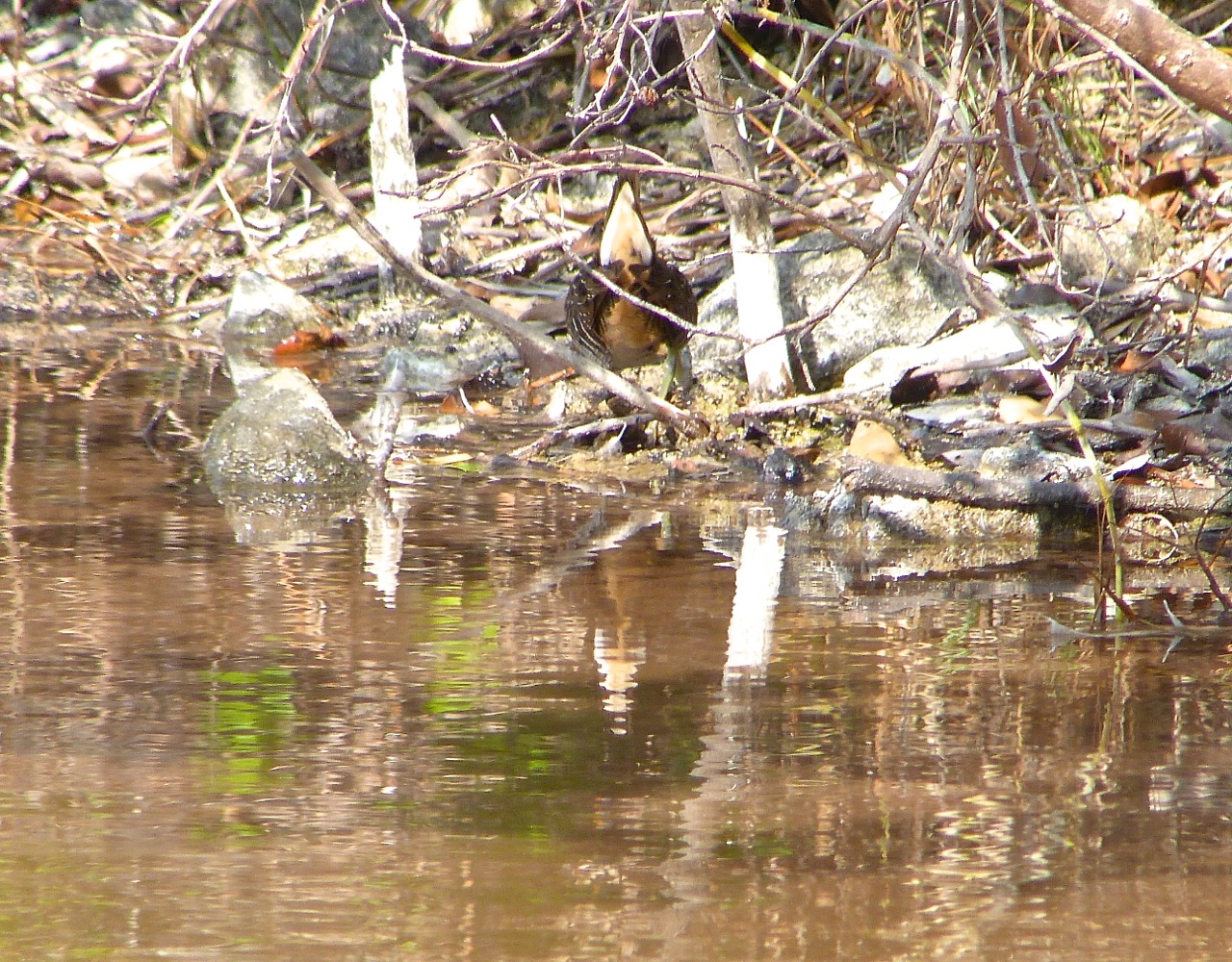
Although not uncommon, the sora is relatively hard to find; and if found, to photograph. As I wrote in the book, ‘these are most inconspicuous birds, so it is quite a coup if you manage to locate one. Their creamy beak and upturned tail may give their presence away as they work their way along the water’s edge, feeding intently’. Tom Sheley took the magnificent photo above of a sora peering out from cover – he’s a very patient man. Often, the best sight you’ll get is of the bird half-hidden in the reeds at a distance, as in my feeble effort above. Spot the Sora… I tracked the same bird, and later got a more open shot as the sora picked its way along the edge of a pond before disappearing again into the reeds. The bird was moving away from me. I was crouched on a small jetty, with a little blue heron nearby looking at me in puzzlement. Or sympathy. My best (ha!) shot below (beak and tail both visible? Check!) is followed by much the most usual view of a sora in my experience, the less photogenic end with the white… stern.
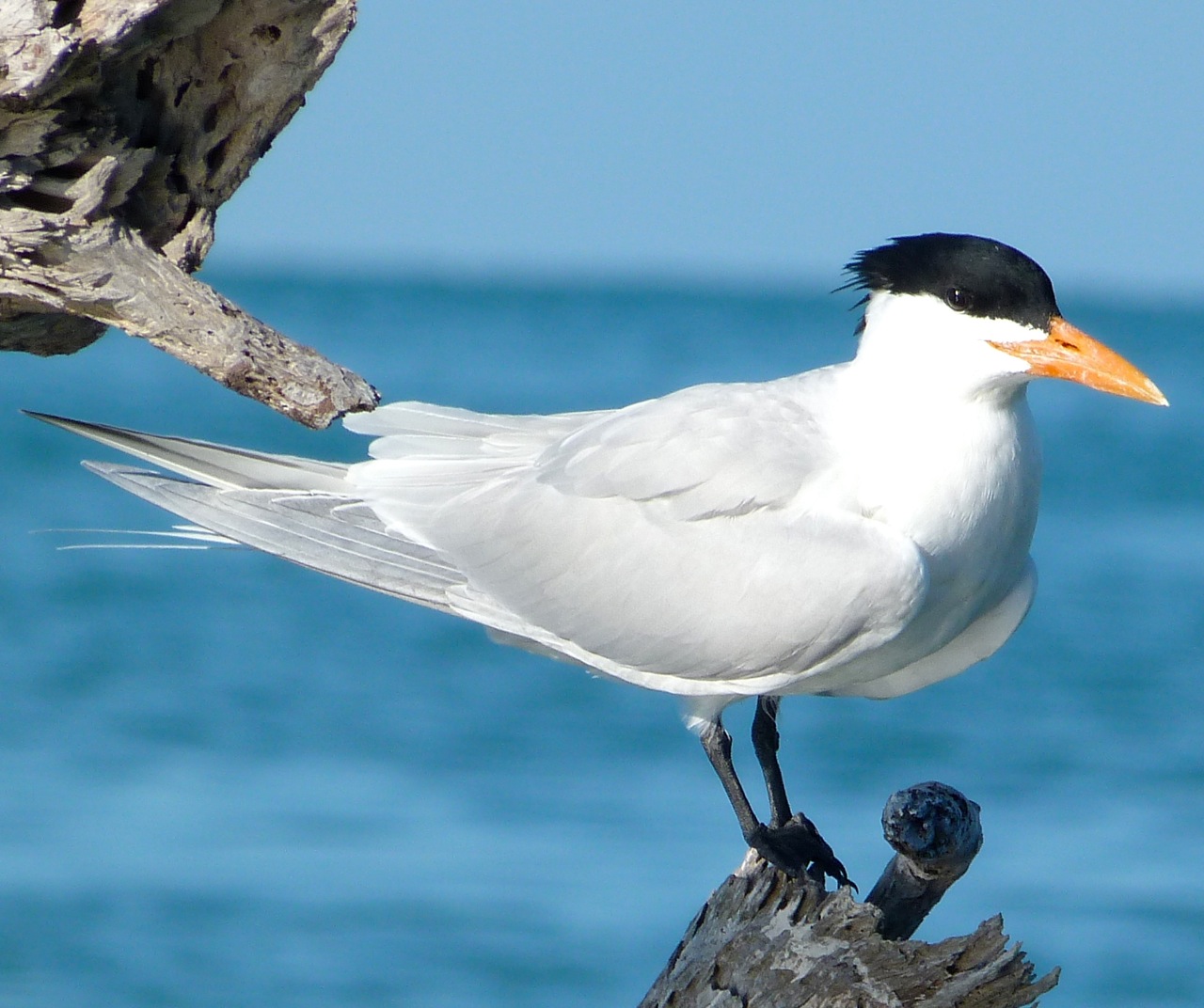
Sora, Gilpin Point Abaco RH 3Sora, Gilpin Point Abaco RH 4

I can’t improve on good old Wiki in summarising the diet of this little rail: “Soras are omnivores, eating seeds, insects and snails. Animals that are commonly reported as sora food items include snails, crustaceans, spiders, and insects – mainly beetles, grasshoppers, flies, and dragonflies. Soras often eat plant seeds. Plants in the sora’s diet include duckweed, pondweeds, and grasses.” Wiki’s own image is shown next.

Sora, Birding Center, Port Aransas, Texas

We were with our friend the ornithological scientist Caroline Stahala* when we – I should say she – saw my first sora at the pond at Gilpin Point near Crossing Rocks. She grabbed my camera and plunged into the rather thick undergrowth at the water’s edge. Actually, she had to plunge into the water itself at one stage. Here are 2 shots that further demonstrate how hard it can be to photograph these wretched creatures. They don’t pose prettily on a branch in the sunshine like a Spindalis, for example. They forage about in places where low light and thick vegetation combine to make focus and clarity difficult to achieve. *’The Parrot Lady’  Sora, Gilpin Point Abaco - Caroline Stahala 1 Sora, Gilpin Point Abaco - Caroline Stahala 2 The remarkable calls of the sora can be heard in the very short clips below, from the invaluable Xeno-Canto archive. They make three distinct types of sound, one described as “a descending whinny”. Apparently the use of ‘call broadcasts’ greatly increases the chances of hearing a sora. They also increase the chances of seeing a sora, as the bird will often investigate the source of the call. The propriety of using a recording to attract a bird is open to debate, but there’s no doubt that it can be far more effective than simply going ‘pish-wish’ repeatedly… CALL Ted Floyd ‘WHINNY’ CALL   Micah Riegner ‘WEEP CALL’  Todd Wilson This is a second Wiki image of a sora foraging in water. I like the fact that, as with Tom’s photo, you can see the feet.1024px-Porzana_carolina “SORA”. Where does the word come from? What does it mean? It sounds like some uninviting butter-style spread. Or is that ‘Flora’? I did some research and for a start it means ‘Sky’ in Japanese and ‘Seashell’ in Korean – both used as names. Six countries worldwide have places called Sora. There are various obscure usages (e.g. a little-known video game). Disappointingly, however, the best etymology I can find in a birding context is that the origin is ‘unknown’. I was too disheartened to explore the derivation of ‘Porzana’. Could so easily be a second-tier female character in a Shakespeare comedy: “Haply, Porzana, hast seen the Sora of the Prince, withal?”. Having started this post with a header shot by Becky Marvil, I’ll end with the etymological mystery and another photo by Becky of the same bird going for some underwater delicacy. Sora, Abaco - Becky Marvil 2.1

STOP PRESS Uli Nowlan has kindly sent a photo of a Sora taken at ponds north of Treasure Cay (below). It’s a timely reminder to me that this blog is somewhat South Abaco oriented. More than somewhat, in fact. That’s inevitable I’m afraid, owing to my base camp being south of MH. Also, I think it’s generally accepted that South Abaco is the place to find the best birding. I do include birds from the TC area – the golf course ponds and the creeks – but perhaps not enough. Contributions welcome!

Sora, Abaco (Treasure Cay area) - Uli Nowlan

Credits: Header and last image – Becky Marvil; Tom Sheley, RH, Wiki, Caroline Stahala; Uli Nowlan. Wiki-nod for some info also.

Unknown's avatar

“THE DELPHI CLUB GUIDE TO THE BIRDS OF ABACO” HAS LANDED…


JACKET GRAB JPG

WHAT HAS THE GESTATION PERIOD OF A WALRUS (16 MONTHS) AND WEIGHS THE SAME AS A PAIR OF FULLY GROWN PINEAPPLES (2 KILOS)?

“THE DELPHI CLUB GUIDE TO THE BIRDS OF ABACO”

A unique bird book is  been published and has arrived on Abaco today. Printed in Italy at the end of January, it has made its way from Florence via Bologna, Leipzig, Brussels, Cincinnati, Miami and Nassau. Having spent an unexpectedly long sojourn in Nassau,  2 pallets of books are now safely at the Delphi Club… at last!Cuban Pewee on Abaco

The Guide showcases the rich and varied bird life of Abaco, Bahamas and features both resident and migratory species including rarities and unusual sightings. It is available for sale now from the Delphi Club in a limited edition of 500.  The main features are as follows:

  • 272 pages with more than 350 photographs
  • 163 species shown in vivid colour – nearly two-thirds of all the bird species ever recorded for Abaco
  • Every single photograph was taken on Abaco or in Abaco waters
  • All birds are shown in their natural surroundings – no feeders or trails of seed were used
  • Several birds featured are the first ones ever recorded for Abaco or  even for the entire Bahamas

Clapper Rail Abaco Bahamas Tom Sheley

  • A total of 30 photographers, both experienced and amateur, have contributed to the project
  • The book has had the generous support of many well-known names of Abaco and Bahamas birding
  • Complete checklist of every bird recorded for Abaco since 1950 up to the date of publication
  • Specially devised codes indicating when you may see a particular bird, and the likelihood of doing so
  • Specially commissioned cartographer’s Map of Abaco showing places named in the book

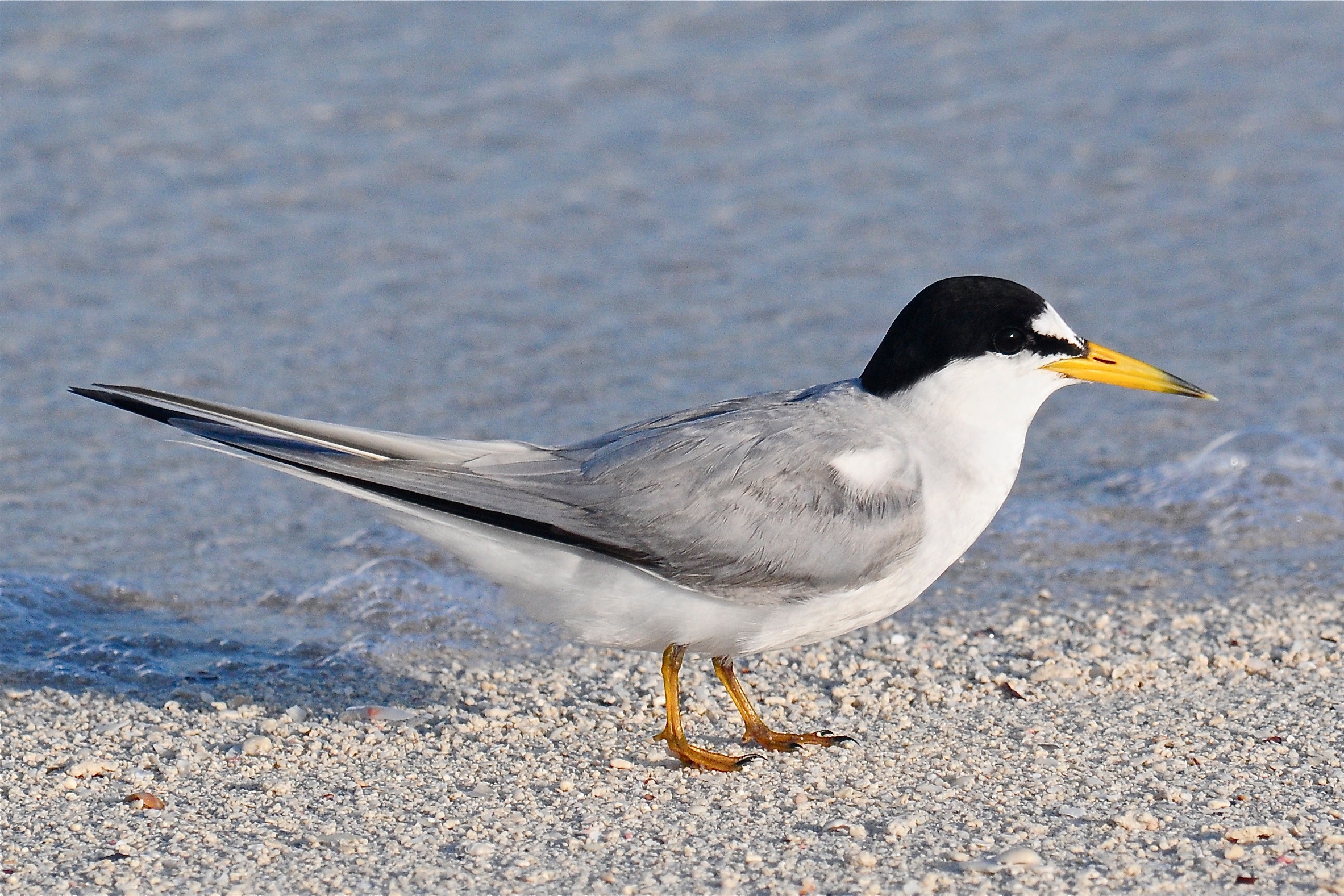
Least Tern_ACH3672 copy

  • Informative captions intentionally depart from the standard field guide approach…
  • …as does the listing of the birds in alphabetical rather than scientific order
  • Say goodbye to ’37 warbler species on consecutive pages’ misery
  • Say hello to astonishing and unexpected juxtapositions of species

Abaco_Bahama Yellowthroat_Gerlinde Taurer copy

  • The book was printed in Florence, Italy by specialist printers on grade-1 quality paper
  • Printing took pairs of printers working in 6 hour shifts 33 hours over 3 days to complete
  • The project manager and the author personally oversaw the printing

Smooth-billed Ani pair GT

  • The book is dedicated to the wildlife organisations of Abaco
  • A percentage of the proceeds of sale will be donated for the support of local wildlife organisations
  • A copy of the book will be presented to every school on Abaco

Piping Plover BH IMG_1919

The book is published by the Delphi Club (contact details below). The project was managed by a publishing specialist in art books. The author is the wildlife blogger more widely known on Abaco and (possibly) beyond as ‘Rolling Harbour’. Oh! So that would in fact be Mrs Harbour and myself. Well well. What are the chances?

cuban-emerald-delphi-abaco-3

The Delphi Club at Rolling Harbour
PO Box AB-20006, Marsh Harbour, Abaco, Bahamas
Tel: +1-242-366-2222
General Manager – Sandy Walker: +1-242-577-1698
delphi.bahamas@gmail.com

American Oystercatchers BH IMG_2000 copy 2Images by Tom Sheley,  Bruce Hallett, Gerlinde Taurer, Tony Hepburn, RH