Unknown's avatar

BAHAMAS SEA TURTLES: IN THEIR ELEMENT


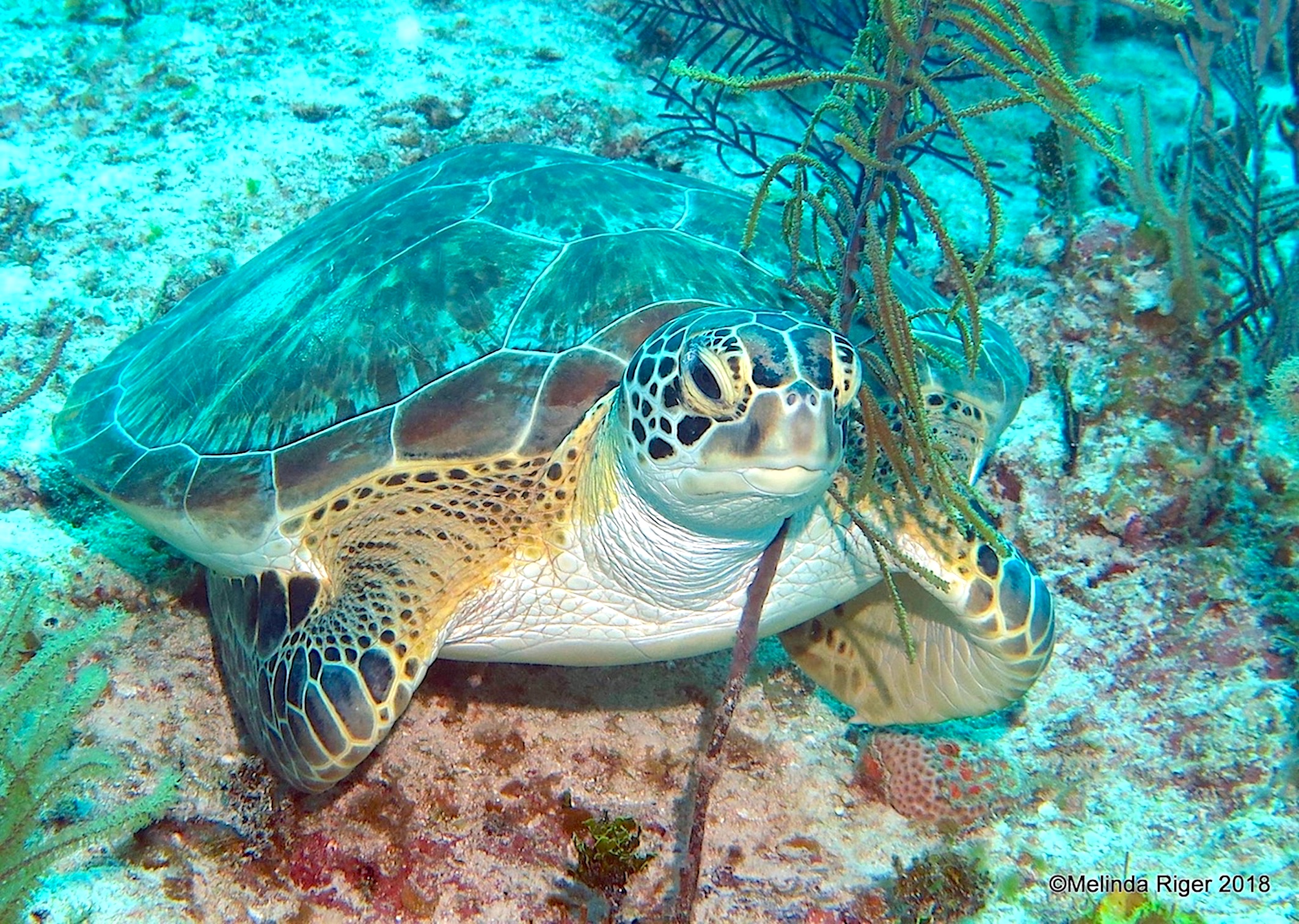
Green Turtle, Bahamas (Melinda Riger / Grand Bahama Scuba)

Green Turtle

BAHAMAS SEA TURTLES: IN THEIR ELEMENT

Of all the sea creatures in the limpid waters of the Bahamas, turtles are rightly among the most loved. These days, what with habitat degradation below the waves and the destruction of nesting sites on land, turtles have a hard time simply fighting for survival. And that’s before they have ingested the plastic garbage that mankind pours into their living quarters, by now probably beyond effective remedial action forever. So here are some gorgeous turtles to admire, while stocks last…

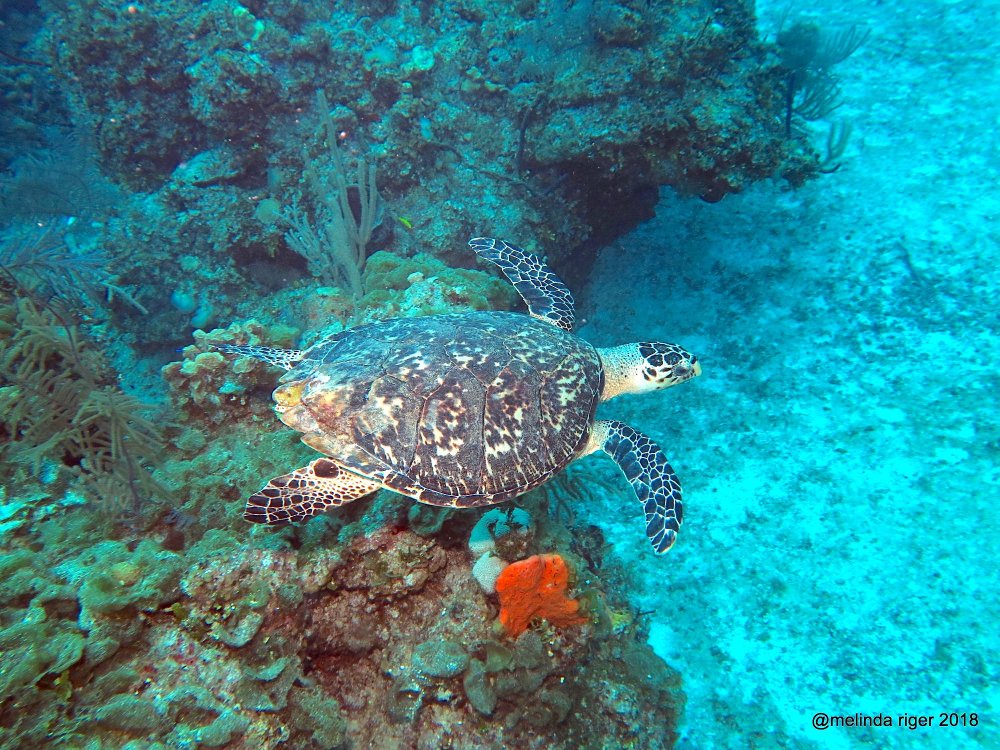
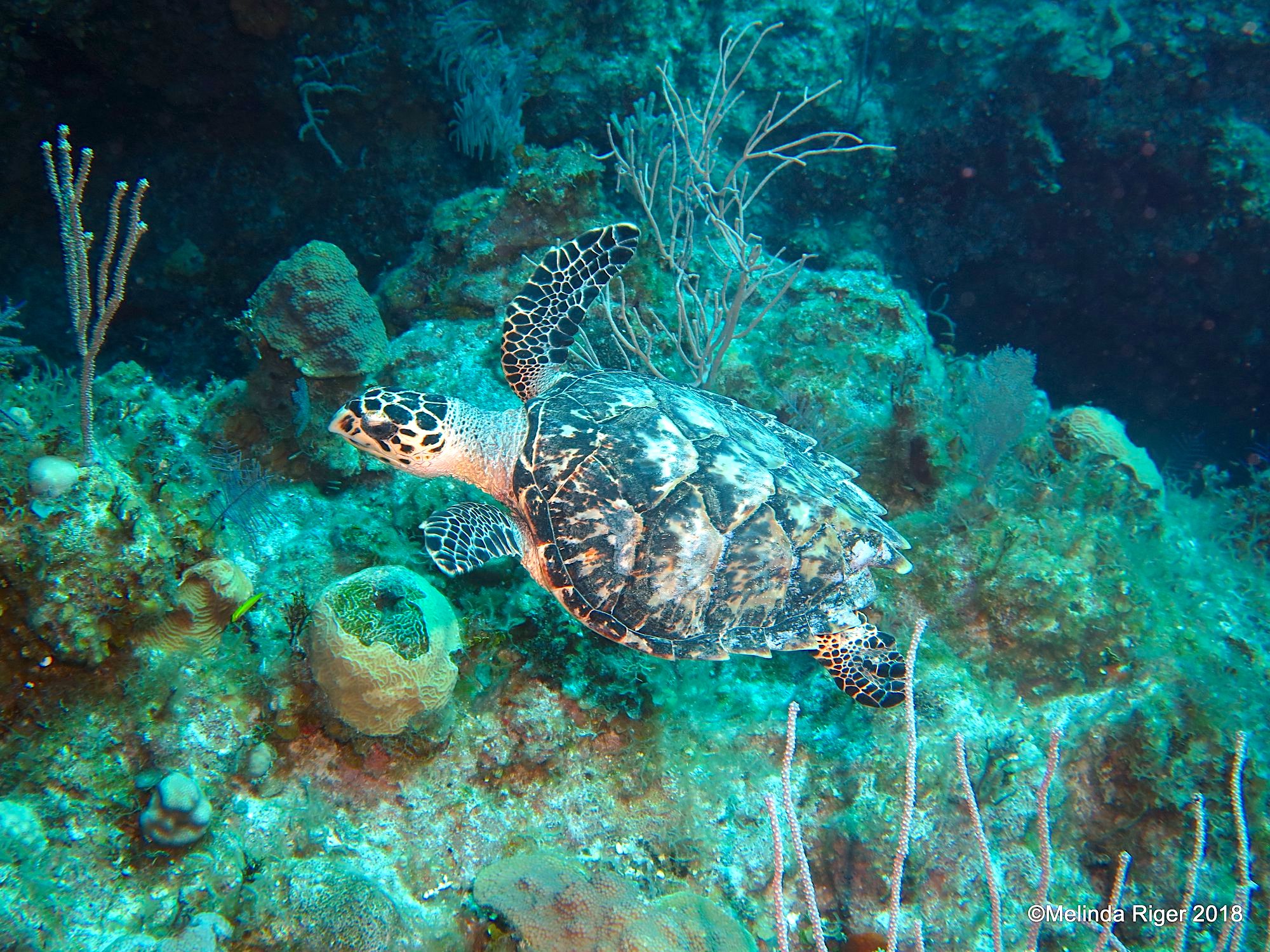
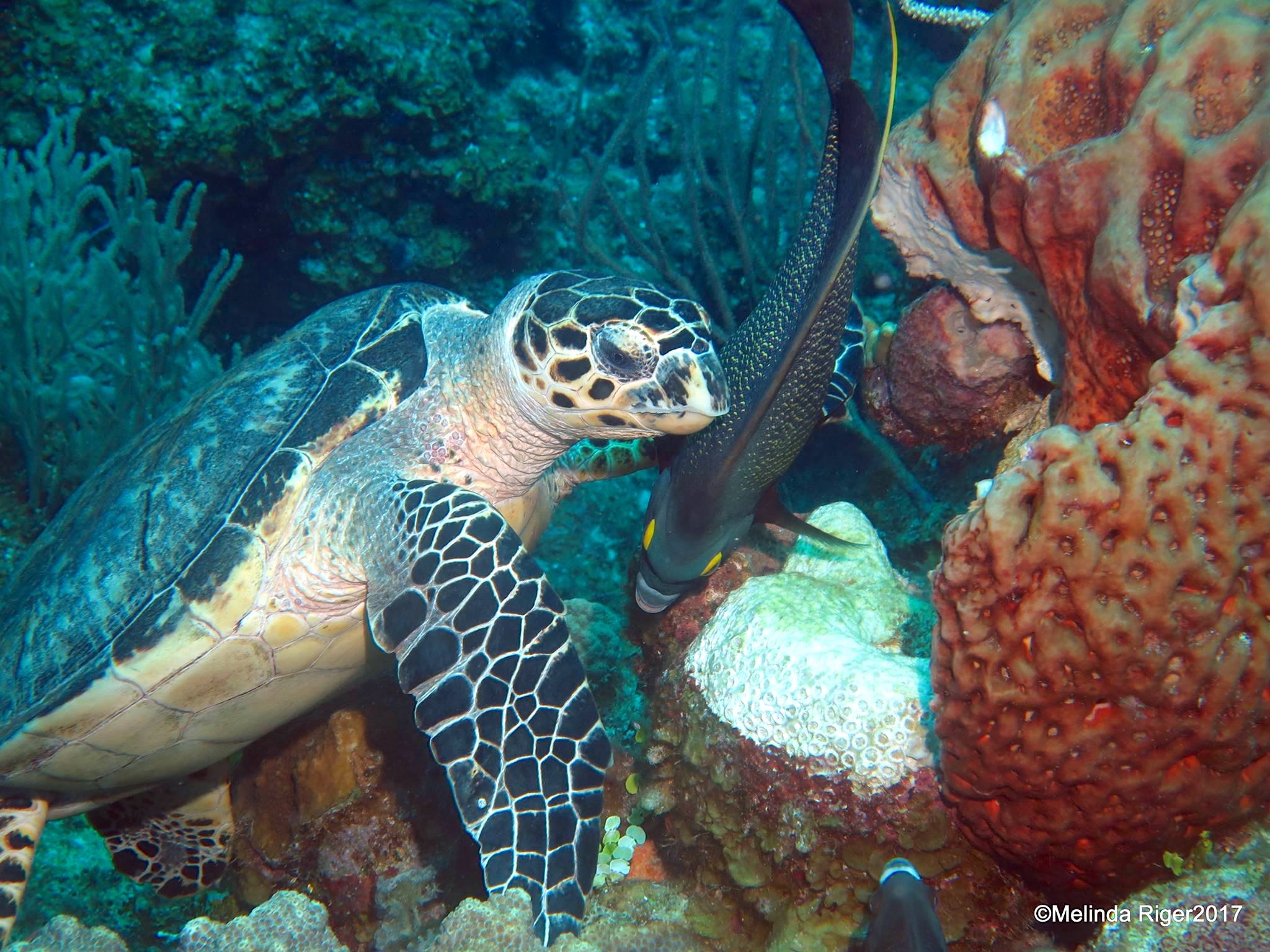
Hawksbill Turtles enjoying life around a still-healthy reefHawksbill Turtle, Bahamas (Melinda Riger / Grand Bahama Scuba) Hawksbill Turtle, Bahamas (Melinda Riger / Grand Bahama Scuba)

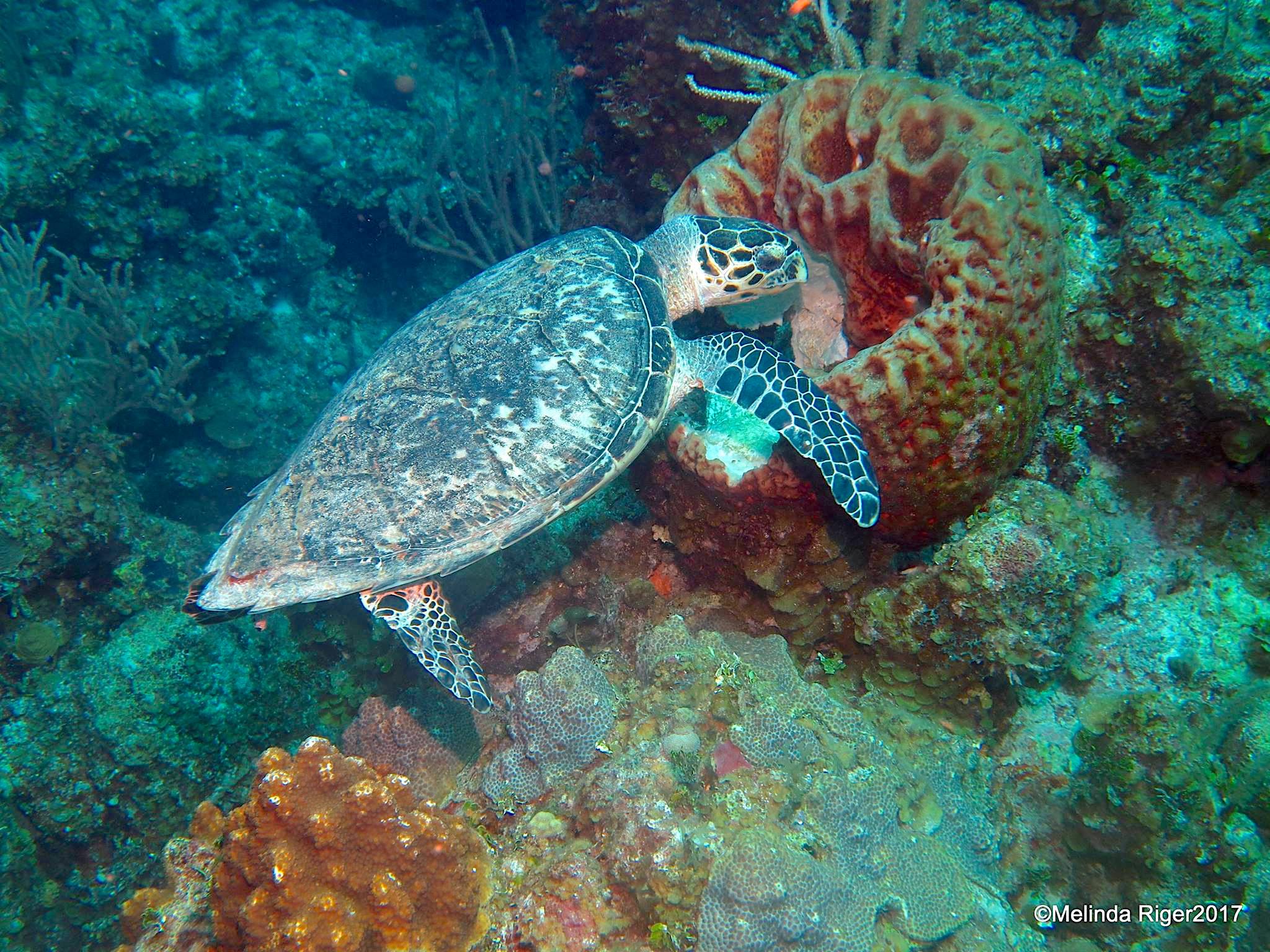
A hawksbill snacking on a spongeHawksbill Turtle, Bahamas (Melinda Riger / Grand Bahama Scuba)

Interaction with other underwater species: gray angelfish and a rock beautyHawksbill Turtle, Bahamas (Melinda Riger / Grand Bahama Scuba) Hawksbill Turtle, Bahamas (Melinda Riger / Grand Bahama Scuba)

If you are concerned about the plight of turtles and indeed other denizens of the thickening plastic soup we still call ‘ocean’, you could investigate the work some of the organisations that tackle the problem in the Bahamas and beyond. To name but a few, our own FRIENDS OF THE ENVIRONMENT; the BAHAMAS NATIONAL TRUST; the Bahamas Reef Environmental, Educational Foundation BREEF; the CAPE ELEUTHERA FOUNDATION; and the SEA TURTLE CONSERVANCY

Photo credits: all great photos by Melinda Riger / Grand Bahama Scuba

Unknown's avatar

FORAYS WITH MORAYS (5): THE GOLDENTAIL


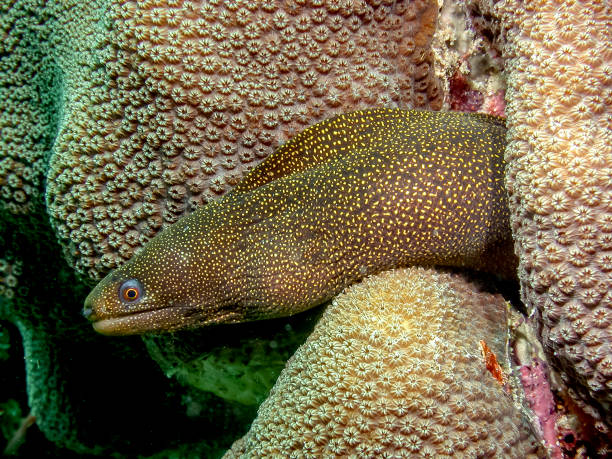
Goldentail Moray Eel (Melinda Riger / G B Scuba)

FORAYS WITH MORAYS (5): THE GOLDENTAIL

The Goldentail Moray Eel Gymnothorax miliaris is one of the half-dozen moray species found in Bahamas waters. Adults range in length from about 1.5 to 2.5 feet, and they are creatures of the reefs and rocks of the western Atlantic. As far as I can make out, the goldentails are rather less common than green or spotted morays, the two main eel species of the Bahamas.

Goldentail Moray Eel (Melinda Riger / G B Scuba)

Like their moray cousins, goldentails likes to keep themselves to themselves, and lead largely solitary lives. That said, sometimes they have been observed hunting in a group. They live in holes, clefts, and caverns which they leave both during the day and at night to hunt for prey along the reefs, aided by an acute sense of smell. Their diet is mainly of crustaceans, mollusks, and small fishes. 

goldentail-moray-eel-istock-getty-images-2

ARE GOLDENTAILS DANGEROUS?

Like many other eels, goldentails secrete a protective mucus that contains a toxin, making them unattractive prey for large predators such a groupers and barracudas. They are also associated with ciguatera poisoning, the active ingredients of which are found in the mucus coating. They are sometimes found in aquariums – the associated sites give a warning of painful bites, because they have backwards-pointing teeth (aka prey traps) – see header image for a clear view of this.

Goldentail Moray Eel (Melinda Riger / G B Scuba)
 
CAN YOU EAT THESE FISH?

Well I wondered that too, so I checked. The answer seems to be yes, if you real really want to. Comments on forums include:

  • “Yes they are edible, I just ate one few weeks ago. Some parts are little bony and skinning it is a bitch. But the meat is very soft and white, delicious. Deep fry works”. 
  • “After eating our moray eel something changed. The next morning, we were decidedly feeling ill. I won’t get into the details, but let’s just say that “gastrointestinal effects”
  • “…symptoms (of ciguatera) include gastronomic effects, and neurological effects which include headaches, numbness, paresthesia, muscle ache, and even hallucinations”.
  • “Before you can eat one you have to kill it. They are amazingly hard to kill. I would skip it.”
  • “I would rather eat a shoe”

So I’ll be moving straight on to the next course, please. Or just a Kalik would do, thanks.

goldentail-moray-eel-istock-getty-images-3

RELATED POSTS

SPOTTED MORAY EELS

GREEN MORAY EELS

goldentail-moray-eel-istock-getty-images-1.

Credits: Melinda Riger / Grand Bahama Scuba (1, 2, 4); iStock / Getty Images (3, 5, 6)


Unknown's avatar

GET ME A ‘CUDA – AND MAKE IT SNAPPY…


Barracuda, Bahamas (Melinda Riger / Grand Bahama Scuba)

GET ME A ‘CUDA – AND MAKE IT SNAPPY…

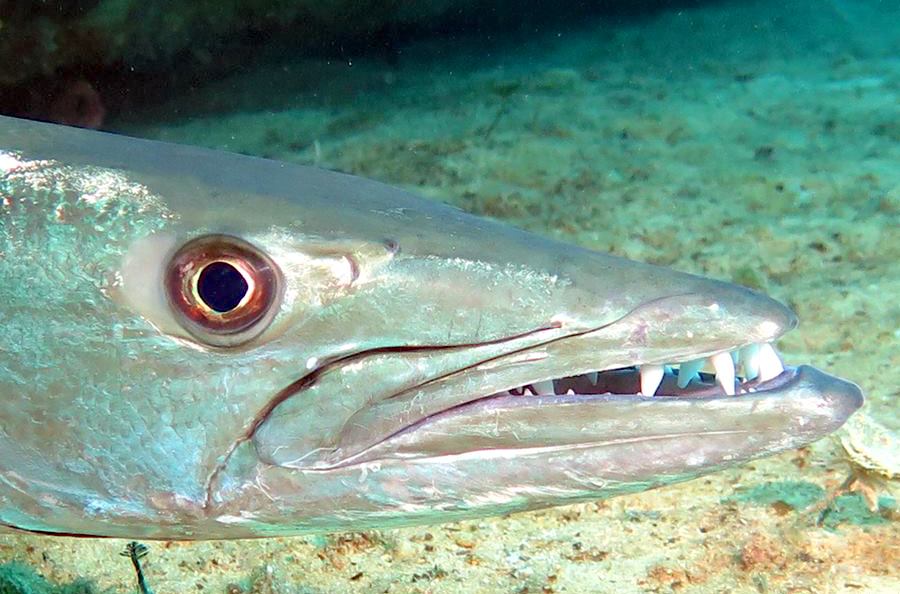
It’s probably fair to say that barracudas are among the less kindly-disposed of the denizens of the flats and reefs of the Bahamas. They certainly rank high on the Rolling Harbour Tooth Avoidance Scale. The seemingly random nature of the razor sharp dental arrangements – different sizes, different angles, different directions – does not inspire confidence. 

Barracuda, Bahamas (Melinda Riger / Grand Bahama Scuba)

The worst fishing injury I have picked up so far – aside from multiple terrible injuries to pride from botched casts, mistakes, missed takes and lost fish – has come from a large ling. What I didn’t know until I had been cut when my finger went into its mouth was that the teeth are coated in anticoagulant. I bled all over the boat and spent the rest of the day getting through a large roll of paper towel and several improvised bandages (J-cloths). That wiped the smug smile off my face – pride in the catch came before a notable fall in my standard-issue blood quota.

Ling caught off the Dorset coast (Keith Salvesen)

Barracuda, Bahamas (Melinda Riger / Grand Bahama Scuba)

When bonefishing in the shallow waters around the coast of Abaco, there are always ‘cudas to be seen. They are not the main target fish, but the boats always have a spinning rod in them, just in case… At some stage in the day, some people find it hard to resist the urge to chuck out a lure when ‘cudas are about. It’s not something I generally do, though occasionally my fly gets intercepted by a practice-sized ‘cuda. 

A learner ‘cuda that took a bonefish fly

Earlier this year I was in a boat fishing with the legendary Robin Albury, a guide who generally doubles my usual modest catch rate. My boat partner and I were taking a lunch break, with an open cool box of snacks between us and a Kalik in our hands. Robin went to the sharp end with the spinning rod on the off-chance. In a flash he had seen a big ‘cuda, chucked out the lure onto the creature’s nose and caught it, almost in one movement. I put down my beer to watch the entertainment. Robin decided otherwise, and simply handed me the rod to play the thing. And boy, was that fun. I didn’t get the kudos of making the hook-up, but I had plenty of work to do… It took an excitingly long time to bring the strong and vigorous fish to the boat. Robin got to hold the fish, of course – after my ling experience, I was happy enough to let him mess with the dental arrangements.

Barracuda, Abaco Marls, Bahamas (Keith Salvesen)

Barracuda, Bahamas (Melinda Riger / Grand Bahama Scuba)

Barracuda, Bahamas (Melinda Riger / Grand Bahama Scuba)

Credits: Melinda Riger / Grand Bahama Scuba (1, 2, 4, 6, 7); Keith Salvesen / Rolling Harbour (3, 5, 6)


Unknown's avatar

SHARPNOSE PUFFER FISH: BAHAMAS REEF FISH (47)


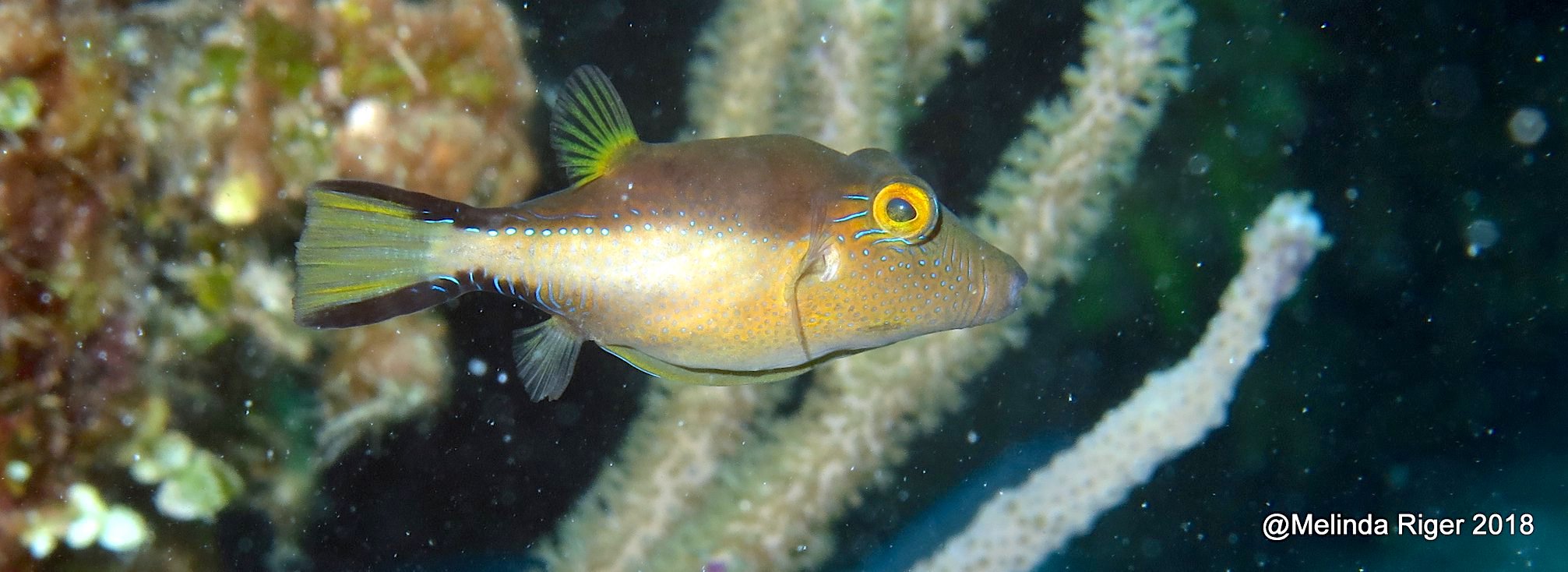
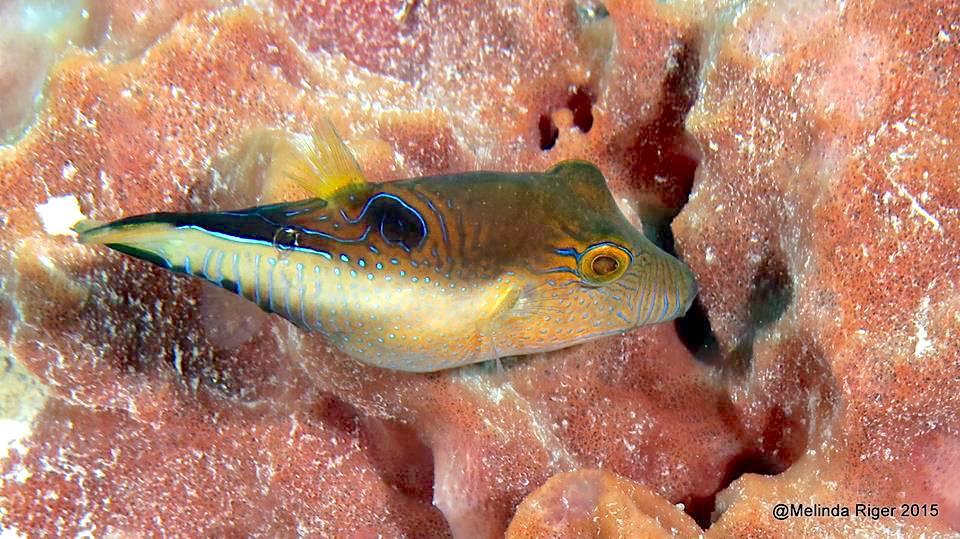
Sharpnose Puffer Fish (Melinda Riger / G B Scuba)

SHARPNOSE PUFFER FISH: BAHAMAS REEF FISH (47)

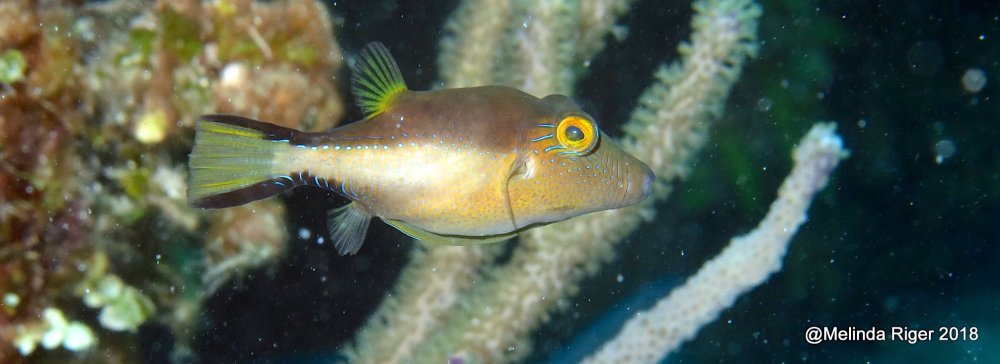
It’s more than 4 years since I last wrote about these intriguing creatures and their endearing ways. It’s time for another look, with a new batch of great photos too. This is a species that lends itself to the ‘Fun Fact’ treatment, a method that tells you at least as much as you probably need – or want – to know about puffers. The message to take away is, best not to handle one – let alone eat one – unless you know exactly what you are doing…
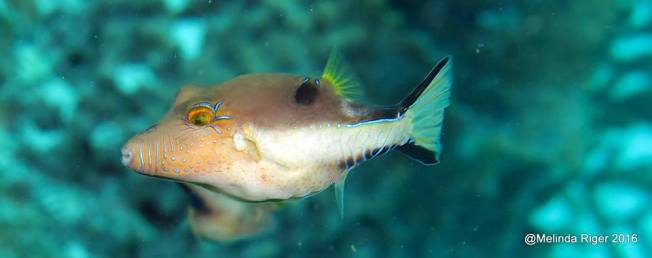
Sharpnose Puffer Fish (Melinda Riger / G B Scuba)

10 PUFFER FISH FACTS TO ASTONISH YOUR FAMILY & FRIENDS

1. Puffers can inflate their bodies in an instant by ingesting huge amounts of water and becoming water-filled balloons. Then their tiny spines stick out. 

2. They need a startling form of defence (or ‘piscatorial superpower’ Linnaeus 1763*) like this because they can’t swim very well to escape from predators: it’s surprising and intimidating – and it also makes them hard to eat.

3. However, a persistent predator undeterred by the trick will find that the puffer contains a toxin (tetrodotoxin TTX) that is said to be ‘1,200 times stronger than cyanide’. One puffer fish has enough toxin to kill up to 30 humans (National Geographic).

Sharpnose Puffer Fish (Melinda Riger / G B Scuba)

4. Notwithstanding the risks, selected parts of a puffer fish are a delicacy in some cultures (known as ‘fugu’ in Japan). Specially trained chefs are used to avoid mass deaths among diners. The insurance premiums must be huge.

5. Sharks are thought to be the only species immune to the puffer fish, and are not much bothered by a small fish that can blow itself up.

6. Puffers have skin, not scales; most have toxic fins or spines of some sort, besides toxic innards. Bright coloured kinds are likely to be more toxic than their duller cousins. This warning colouration in creatures is known as aposematism.

Sharpnose Puffer Fish (Melinda Riger / G B Scuba)

7. It’s worth finding out what an uninflated puffer looks like before you try to pet a random passing fish and have a toxic encounter. There is as yet no known antidote.

8. In all, there are more than a hundred puffer species in the world, all found where there are warm shallow waters. At least 3 main species – sharpnose, band-tail and chequered – are found in the Bahamas.
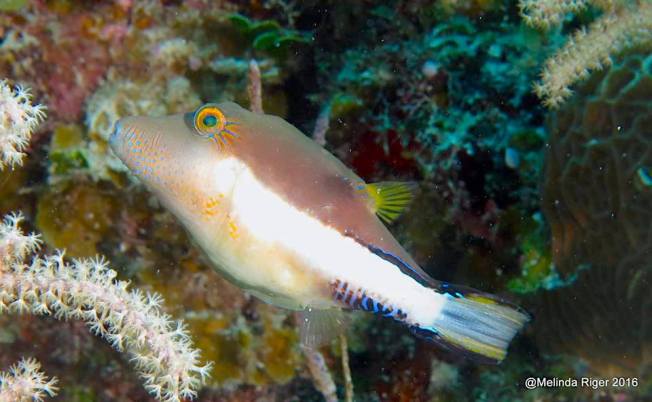
Sharpnose Puffer Fish (Melinda Riger / G B Scuba)

9. Some puffer species are not toxic at all; and some – especially in Pacific waters – are far more toxic than others. That’s the region where they are treated as a delicacy.

10. I’ve checked several research papers but I can’t find an evaluation of the relative toxicity as between the Bahamas puffer species. However it’s clear that the sharpnose is certainly not one play with. Take care!

Q. SO WHAT DOES AN INFLATED PUFFER LOOK LIKE? A. THIS!

Brian Lockwood took his life in his hands to get this fantastic shot…Sharpnose Puffer Fish (Brian Lockwood)

* Not really

RELATED POST: PORCUPINE FISH

Photo Credits: All puffer fish taken by Melinda Riger of Grand Bahama Scuba except for the photo of an inflated one from recent Abaco permanent resident Brian Lockwood
Unknown's avatar

CARIBBEAN REEF SQUID REVISITED: SUPERPOWERS & SQUID SEX


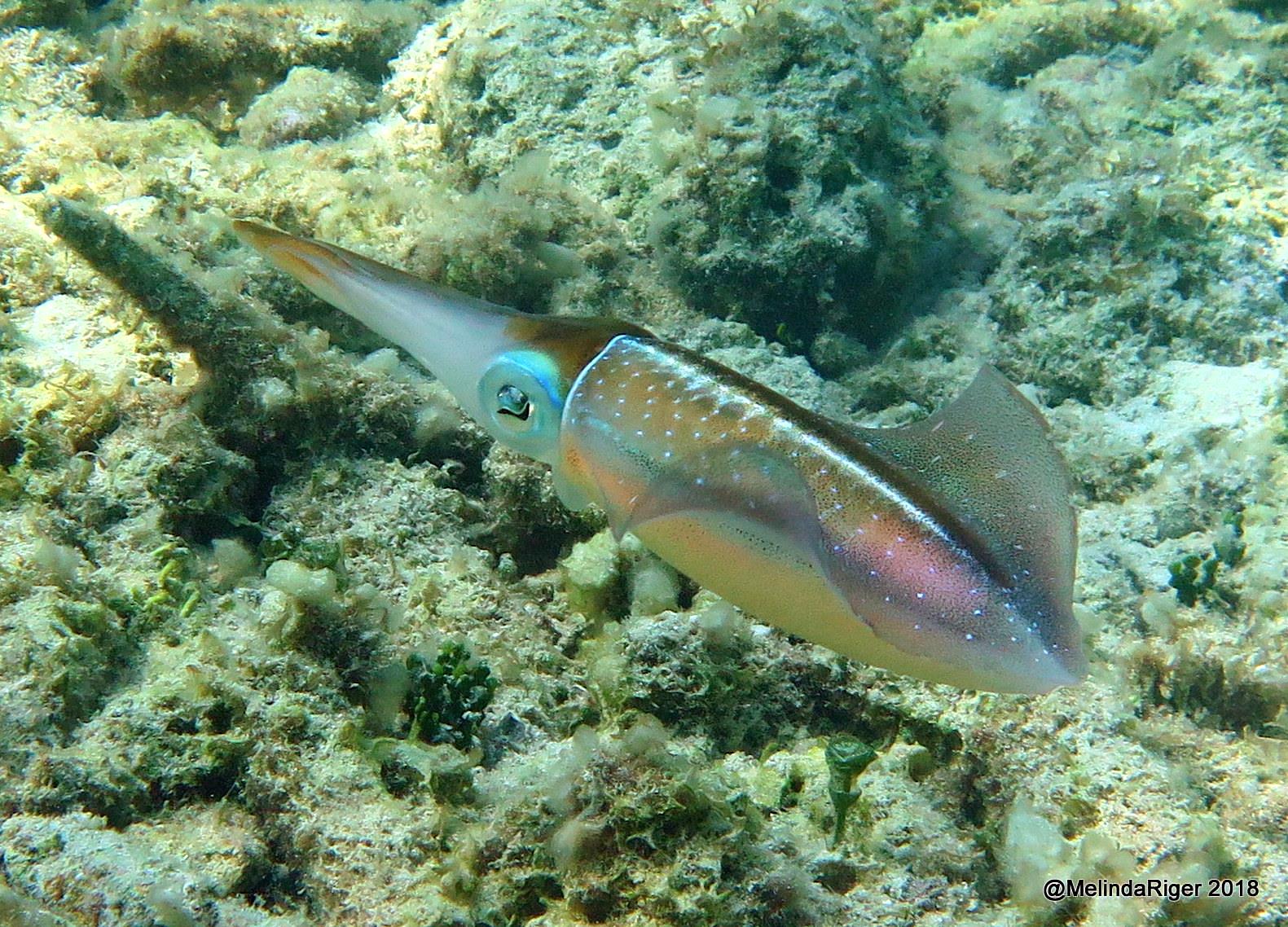
Caribbean Reef Squid, Bahamas (Melinda Riger / G B Scuba)

CARIBBEAN REEF SQUID REVISITED: SUPERPOWERS & SQUID SEX  

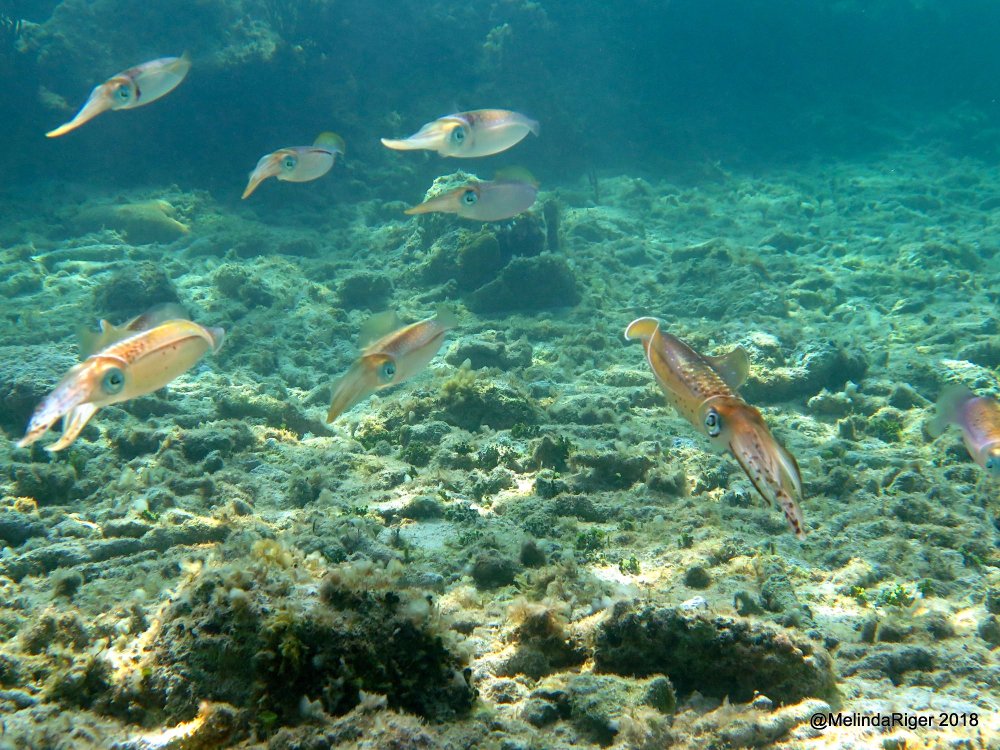
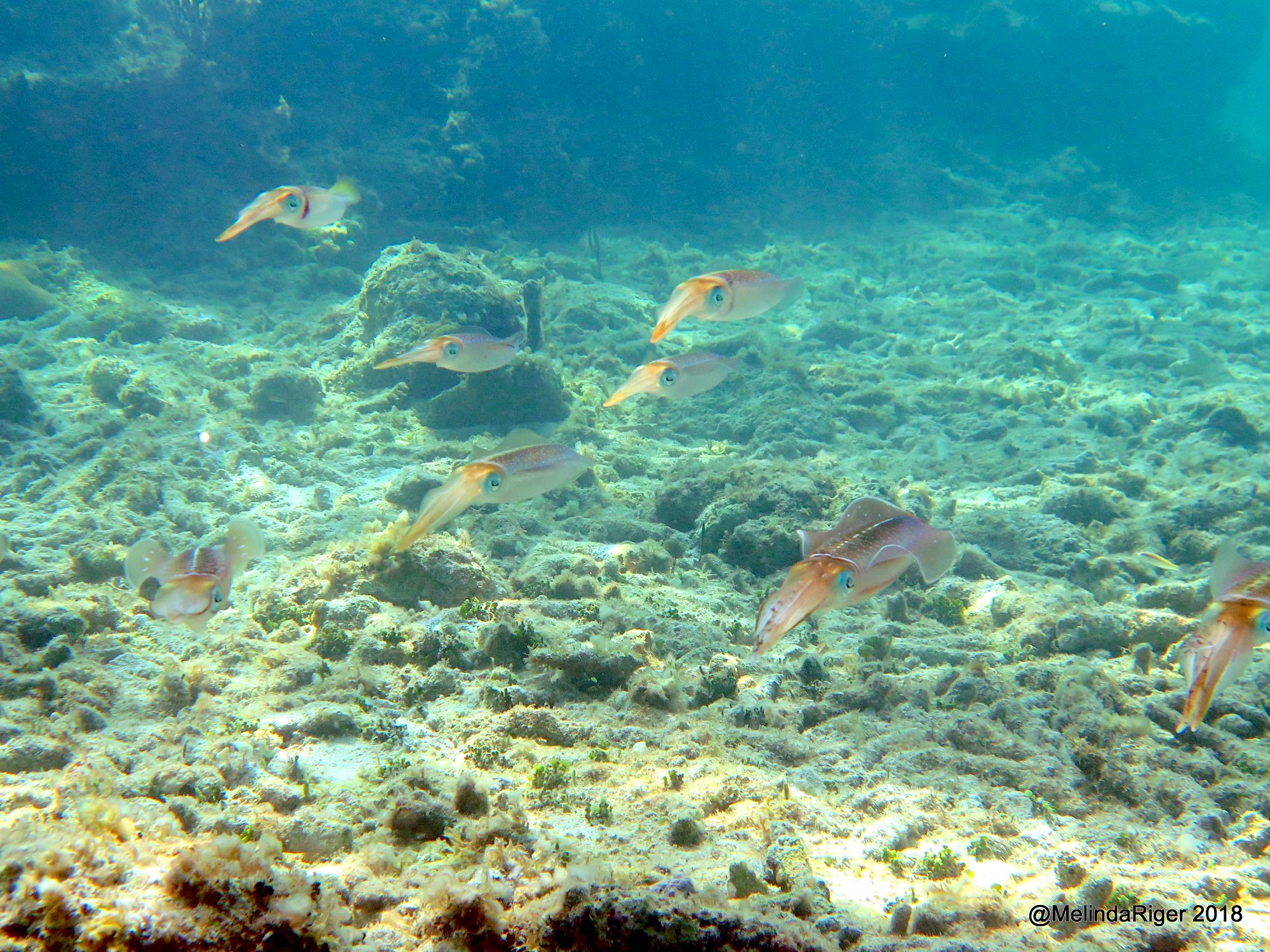
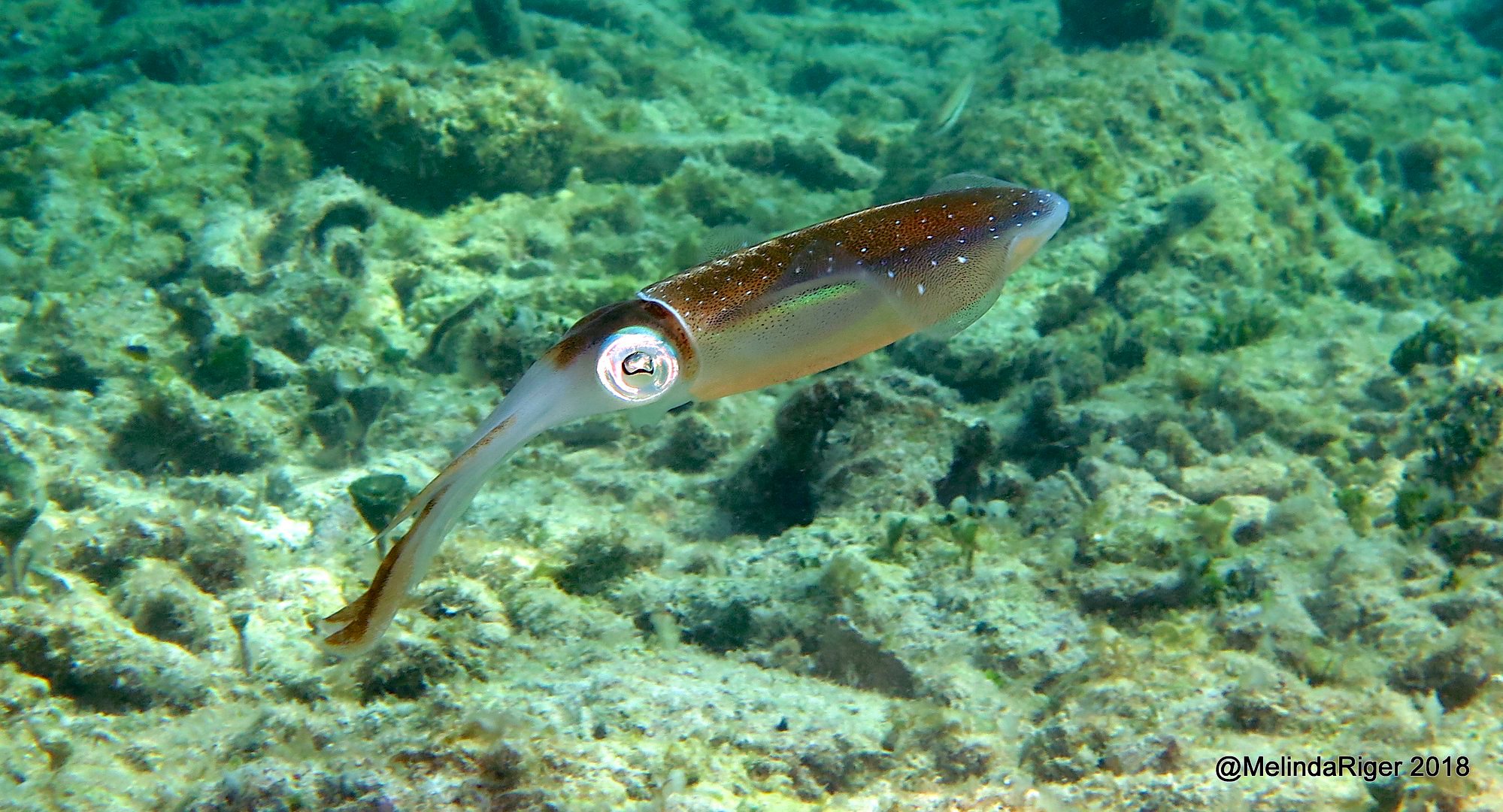
The Caribbean reef squid Sepioteuthis sepioidea is a small squid species of (mainly) the Caribbean Sea and the Floridian coast, and the most common in its range. These squid tend to form small shoals in and around reefs. Right now, in June, is a good time to find these creatures swimming in groups – all these photos were taken during the last fortnight. I wrote about squid a while back (3 years, maybe)? This post includes some parts of the earlier one, with all-new images. Squidmages, even.
Caribbean Reef Squid, Bahamas (Melinda Riger / G B Scuba)

Squid are voracious eaters, dragging their prey to their mouths with some or all of their 10 limbs and using their beak to cut it up. The target species are small fish, molluscs and crustaceans. The squid have a ‘raspy tongue’ known as a radula which further breaks up the food for easy consumption.

Caribbean Reef Squid, Bahamas (Melinda Riger / G B Scuba)

REEF SQUID SUPERPOWERS (SUPERCOOL)

  • Squid are capable of brief flight out of the water (a fairly recent discovery)
  • They can also hide from / confuse predators by ejecting a cloud of black ink
  • Squid can change colour, texture and shape, and can even match their surroundings
  • This enviable power is used defensively as camouflage or to appear larger if threatened
  • It is also used in courtship rituals (something that humans might find most disconcerting)
  • Colour patterns are also used for routine squid-to-squid communication AND GET THIS:
  • A squid can send a message to another on one side, and a different one to a squid on the other side

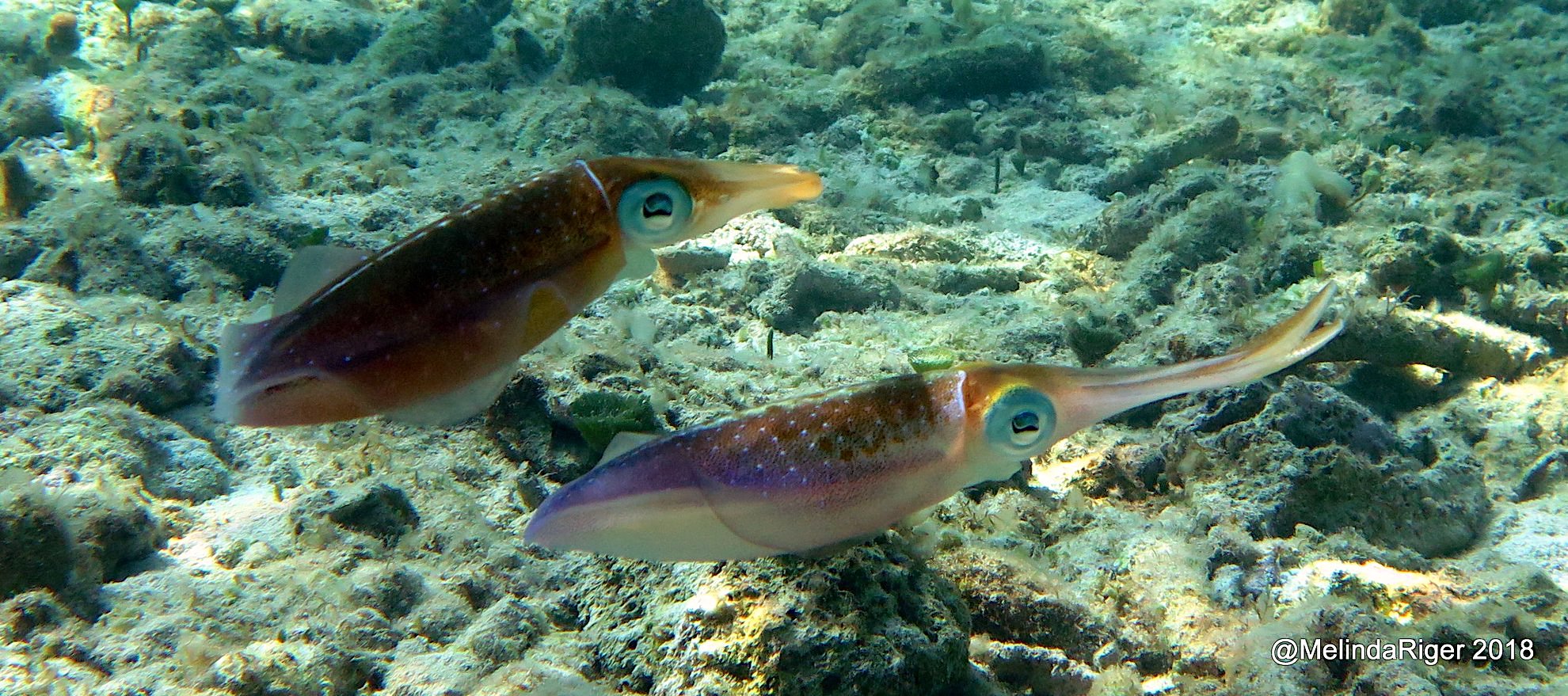
Caribbean Reef Squid, Bahamas (Melinda Riger / G B Scuba)

SQUID SEX (1) “ROMANCING THE SQUID”

  • A male will gently stroke a female with his tentacles
  • The female will (most likely) flash an ‘alarm’ pattern. She’s hard to get.
  • The male soothes her (don’t try this at home, guys) by blowing and jetting water at her
  • If this doesn’t go well, he’ll move off, then repeat the routine until she sees his good points
  • However this on / off courtship can last for hours until at last he succeeds and then…
  • … he attaches a sticky packet of sperm onto the female’s body (romance is not dead on the reef)
  • She then reaches for it and moves it to her seminal receptacle
  • Meanwhile he stays close, emitting a pulsing pattern, as well he might after all that palaver
  • She then finds a safe place to lay her eggs. Job done.

Caribbean Reef Squid, Bahamas (Melinda Riger / G B Scuba)

SQUID SEX (2) IT ALL ENDS BADLY. VERY BADLY.

  • As soon the female squid has laid her eggs, she dies at once
  • The male squid lives a bit longer and… may have other packets to stick on other lady squid
  • But then in the end he dies too
  • It’s all horribly reminiscent of Romeo and Juliet. The lovers die. But no the balcony scene

Caribbean Reef Squid, Bahamas (Melinda Riger / G B Scuba)

THE CORRECT PLURAL OF SQUID

I had an unwise look online, always a hotbed of conflicting opinions. Inserting an algorithm into the interstices of the internet proves conclusively that the plural of squid is… squid. One squid, ten squid, a group of squid, a plate of squid. Unless, that is, you are talking about more than one of the many squid species, when you could also have ‘I collect both reef and giant squids’. “Squidses” sounds fun but is sadly not permitted.

Caribbean Reef Squid, Bahamas (Melinda Riger / G B Scuba)

RELATED POSTS

THE PLURAL OF OCTOPUS

Credits: As ever (for fabulous underwater pics) Melinda Riger of Grand Bahama Scuba; research sources include MarineBio; Animal Diversity Web (Michigan Uni)

Unknown's avatar

GREEN TURTLES & TURTLE AWARENESS ON ABACO


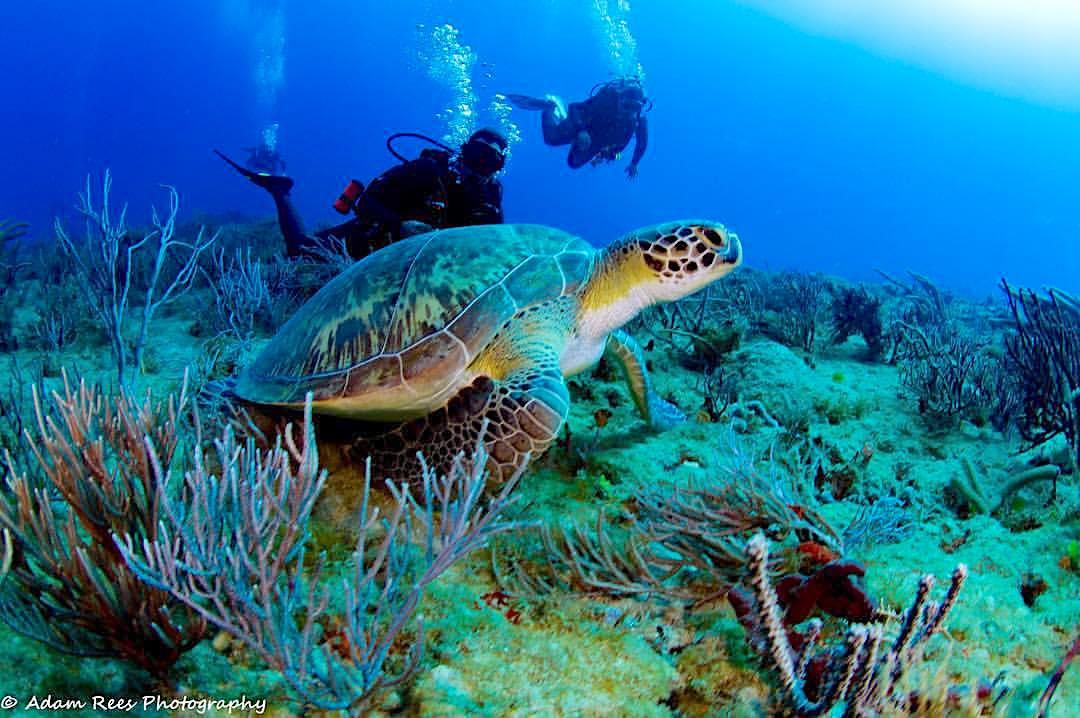
Green Turtle, Bahamas (Adam Rees)

GREEN TURTLES & TURTLE AWARENESS ON ABACO

There’s something slightly unsettling about the perspective of the header image, with foreshortening suggesting that the turtle is actually a gigantic creature with a tiny diver swimming close to it…

I don’t seem to have given green turtles much space in the past, the most frequently photographed (and therefore featured) species being the hawksbill. This post is both to right the wrong, and to provide some information about the species.

Green Turtle, Bahamas (Adam Rees)

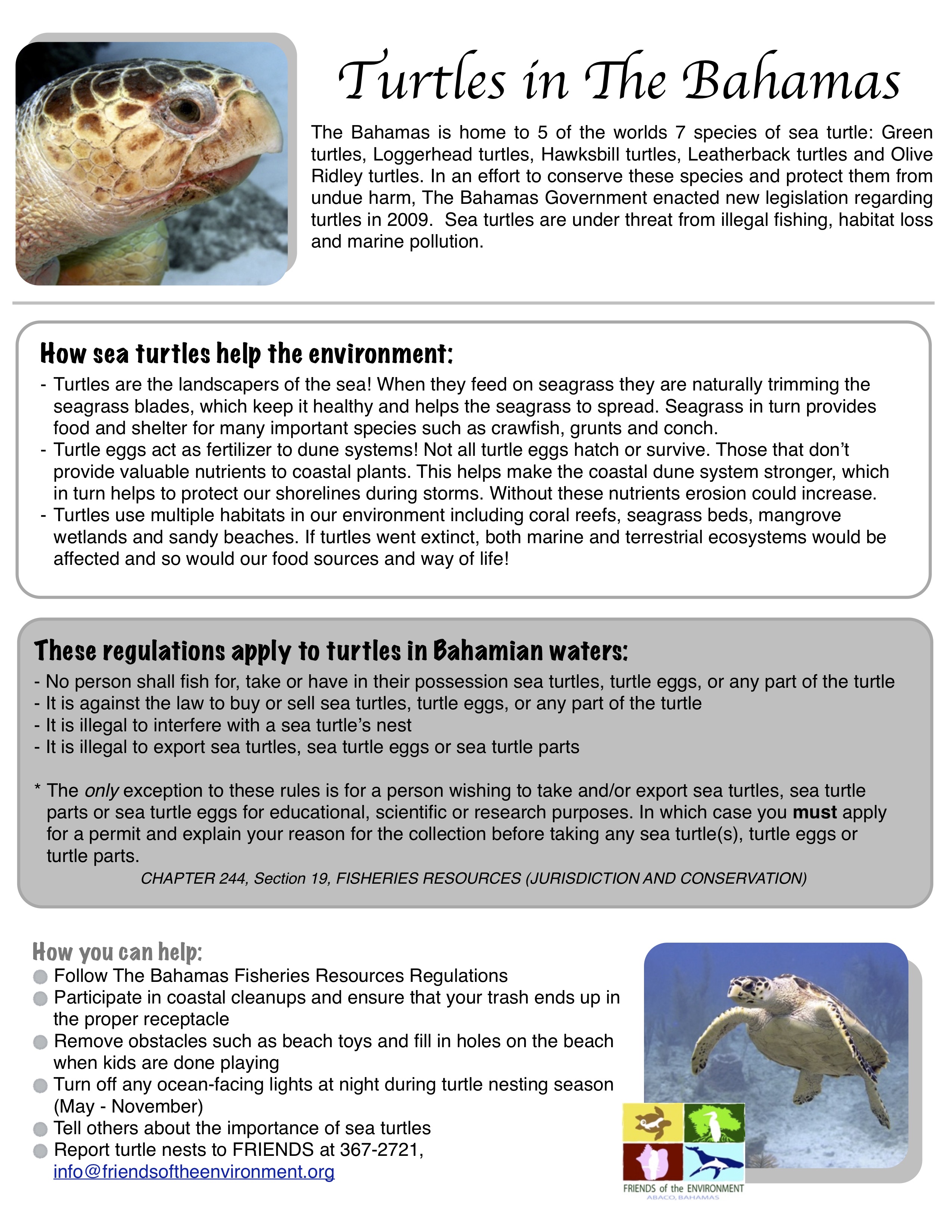
Friends of the Environment has produced an interesting short guide to the sea turtles of the Bahamas. One of the many facts included is that 5 of the 7 sea turtle species in the world can be found in Bahamian waters. The turtle protection law is also given – also the way to report turtle nests so they can be watched and protected.

Green Turtle, Bahamas (Adam Rees)

The 4 main species are the hawksbill, green, loggerhead and leatherback. The 5th and lesser known one is the Olive Ridley turtle. The differences between most of these is considerable, as can be seen from this IUCN-produced Identification Chart (credits as shown).

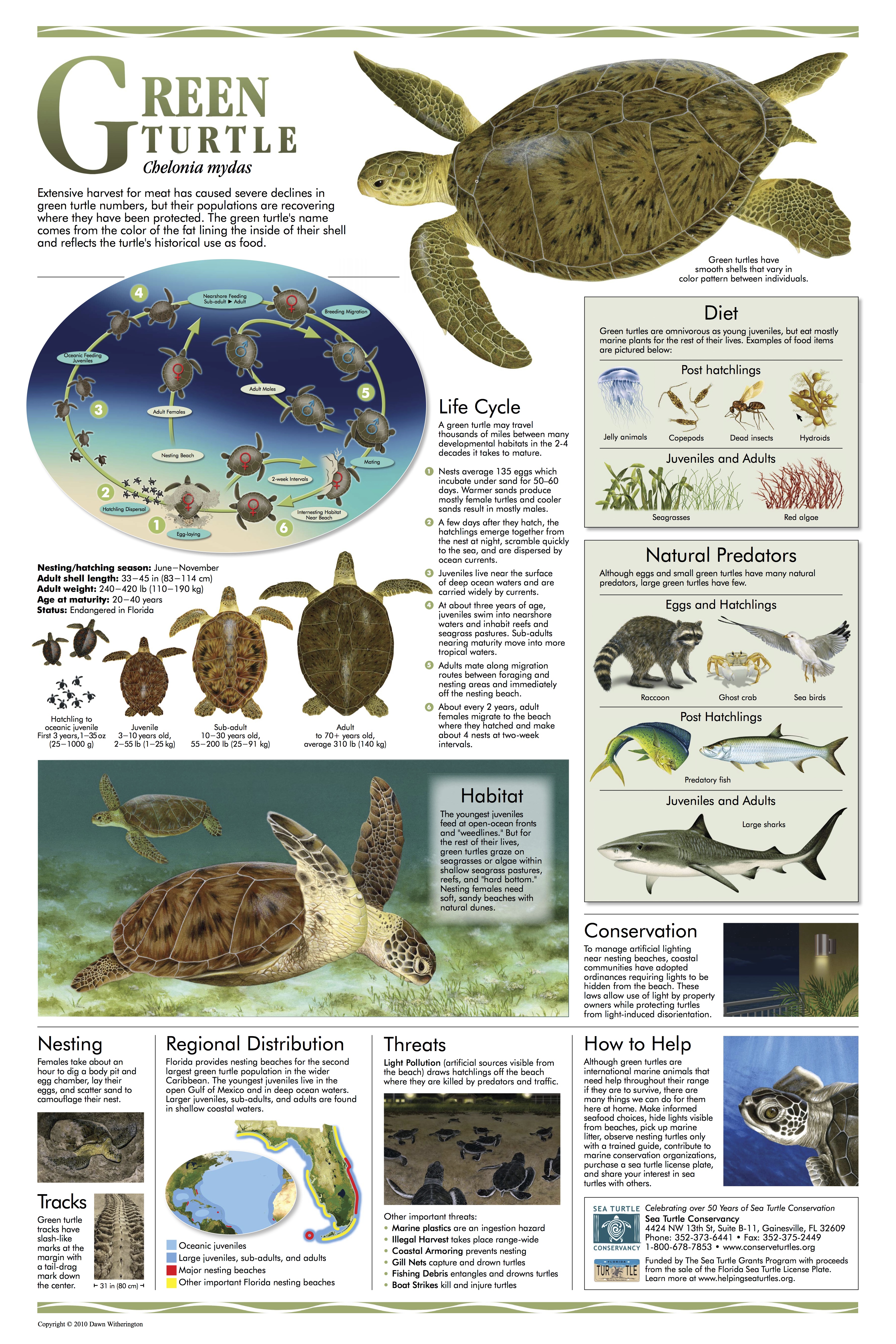
Another useful source of information for green turtles is this extremely well produced poster illustrated by the excellent Dawn Witherington, who has somewhat (and deservedly) cornered the market with this kind of large-scale infographic. The sea turtle series is so helpful that I have dedicated a whole page to them HERE. Dawn also created the LOXAHATCHEE poster series covering such topics as Lionfish, Sea Grasses, Land Crabs, Bonefish, Coral Reefs and more

Green Turtle, Bahamas (Adam Rees)

All photos: Adam Rees Photography, with thanks for use permission here and elsewhere

Unknown's avatar

‘SOCIABLE DOLPHINS’: MELON-HEADED WHALES


Melon-headed whales, Bahamas (BMMRO / Field School)

‘SOCIABLE DOLPHINS’: MELON-HEADED WHALES

Last month, BMMRO undertook a joint expedition with FIELD SCHOOL to carry out research on sperm whales. This took them out into deep water, where another, quite different, cetacean species was also encountered on the final day – a huge pod of more than 100 melon-headed whales Peponocephala electra.

Melon-headed whales, Bahamas (BMMRO / Field School)

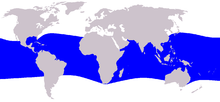
The melon-headed whale is in fact – like the FALSE KILLER WHALE I recently wrote about – a species of dolphin. It is sometimes more accurately called the melon-headed dolphin, which removes any confusion. These creatures are oceanic, preferring deeper waters. For that reason they are not often encountered, despite being quite common in tropical and sub-tropical waters around the world.

Cetacea range map Melon-headed Whale.PNG

Melon-headed whales, Bahamas (BMMRO / Field School)

The MHW belongs to a dolphin species commonly known as blackfish. Other dolphins in this group included, for the Bahamas, the pygmy killer whale and the more frequently encountered pilot whale, a species than can be seen in the Sea of Abaco.

In some of these photos you can see the distinctive white lips of the MHW Melon-headed whales, Bahamas (BMMRO / Field School)

Melon-headed whales are notably social animals. They live in large groups – often more than 100-strong (as the expedition found), up to as many as 1000 individuals. Within these large groups, smaller groups of a dozen or so form and stay close as they swim.

Note the ‘Rainbow Blow’ caught in this photoMelon-headed whales, Bahamas (BMMRO / Field School)

MHWs appear to communicate or perhaps to bond by touching flippers. MHWs also associate with other dolphin species, and they have even been recorded with large whales such as humpbacks.

Melon-headed whales, Bahamas (BMMRO / Field School)

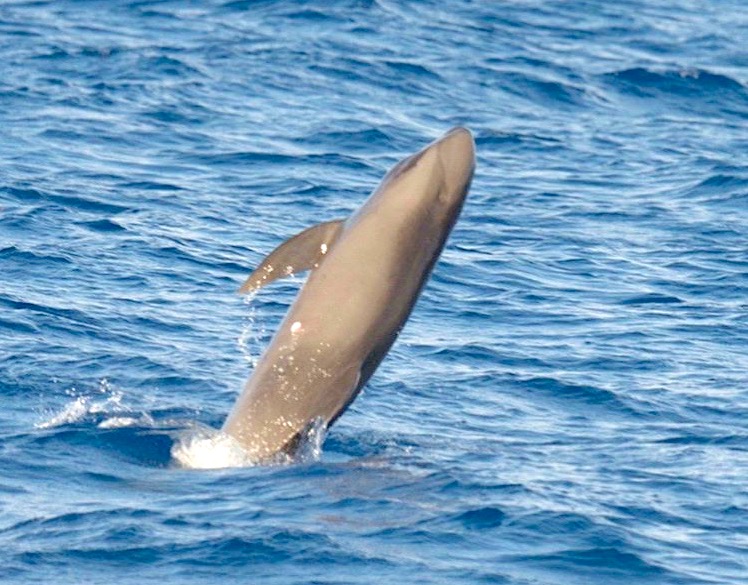
Other observed behaviour includes sub-surface resting in numbers, boat-wave riding, and so-called ‘spy hopping’ (above). This last activity may be carried out by several resting animals,  which jump vertically out of the water and splash back again into the ocean (see also the Header image).

Melon-headed whales, Bahamas (BMMRO / Field School)

This video was recorded during the expedition. You’ll get a very good idea of the size of the group from the drone shots as they pull out. I doubt that many people would expect to see such large sea creatures in such numbers – it must be an awesome** sight.

10 MELON-HEADED FACTS WITH WHICH TO ASTOUND YOUR LOVED ONES
  • The MHW’s head is rounded, lacking the obvious beak of more familiar dolphins
  • The darker grey face is sometimes called a ‘mask’
  • Their distinctive white lips are a good identifying feature
  • They are capable of swimming at very fast speeds
  • Like other dolphins, they make series of low jumps out of the water as they swim
  • Their groups often contain 100 individuals, up to as many as 1000
  • An adult grows to around 3m / 10′ long
  • They live for at least 20 years, and females may live as long as 30 years
  • As with many certaceans, their favourite food is squid
  • Oh, did I mention that they are really dolphins and not whales at all?

CREDITS: all fantastic photos & the original of the video clip – © BMMRO /  Field School

** In its true and original meaning of ‘inspiring wonder and awe’ (historically, in a religious sense), rather than the diluted modern usage as in ‘awesome pizza’ or ‘awesome selfie’

Unknown's avatar

SHARKS! APEX PREDATORS IN THE BAHAMAS


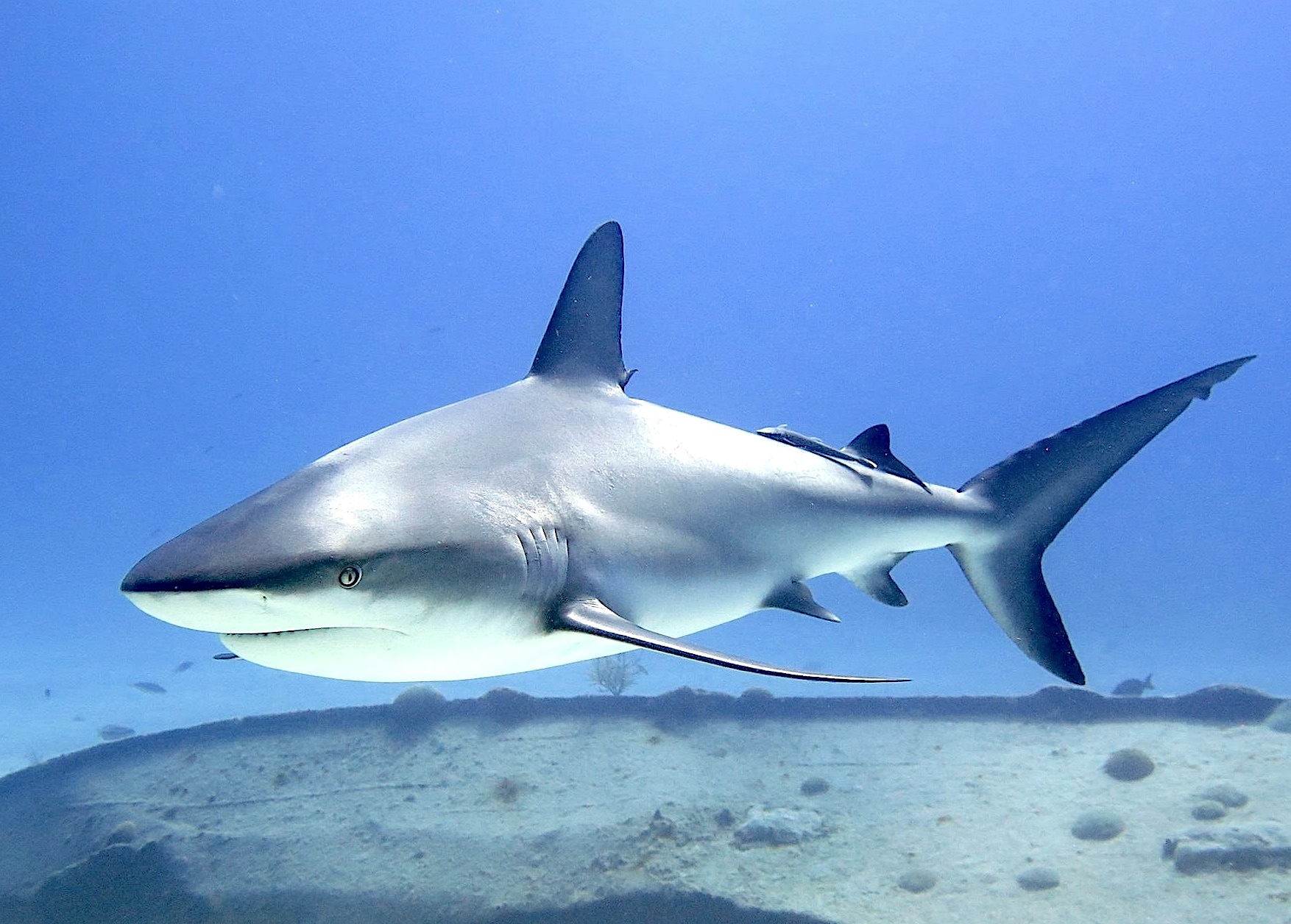
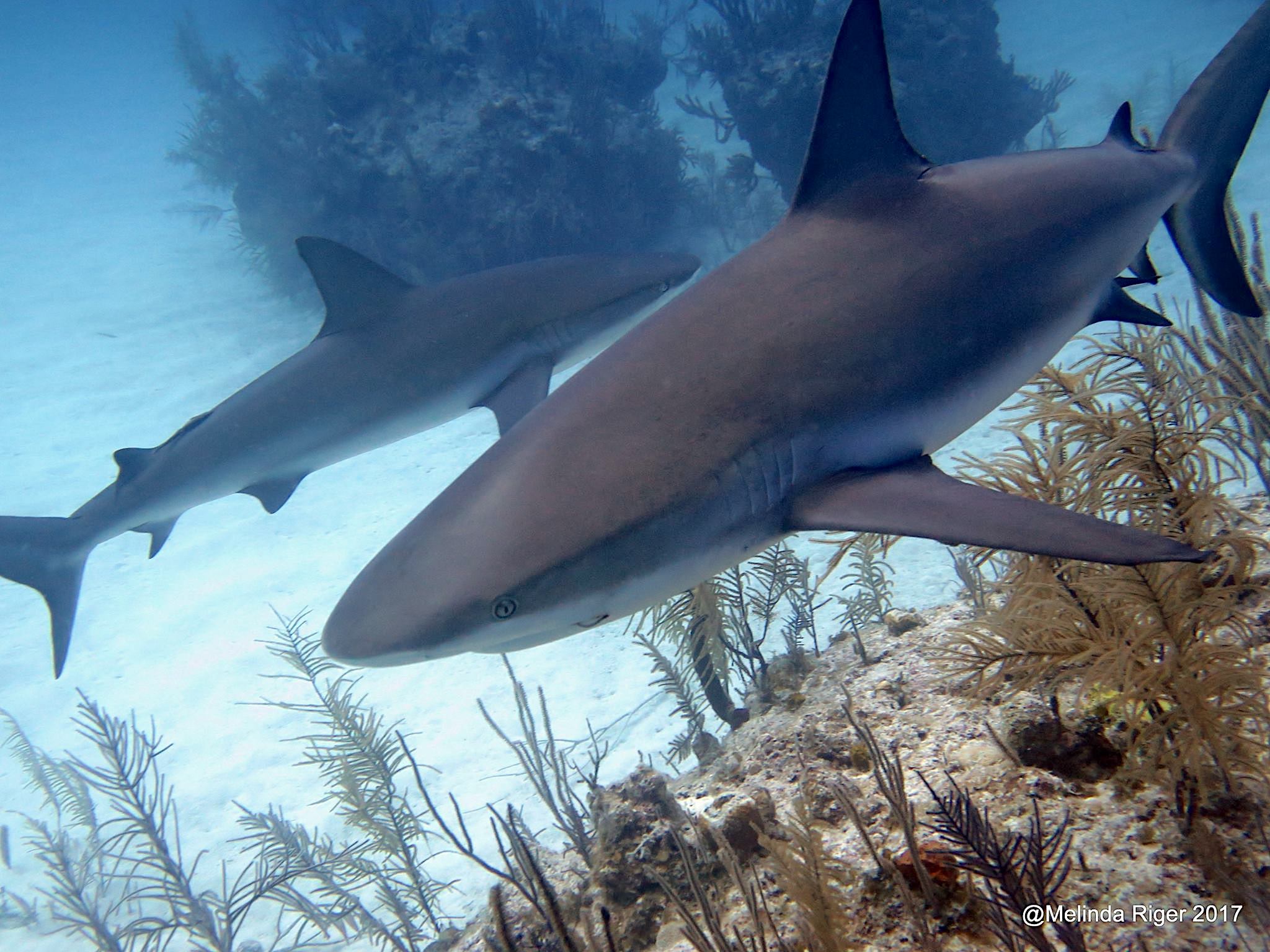
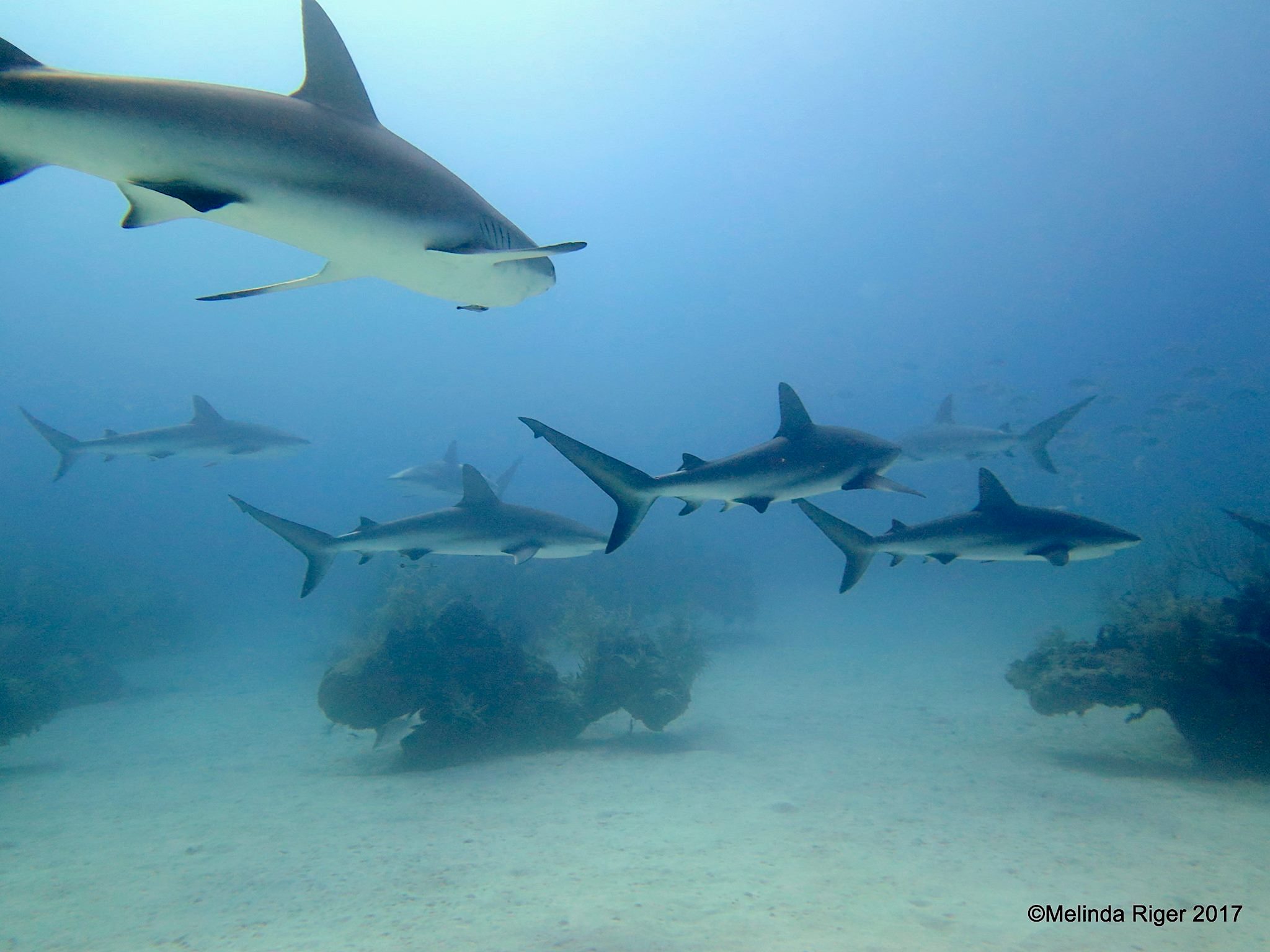
Sharks in the Bahamas (Melinda Riger / Grand Bahama Scuba)

SHARKS! APEX PREDATORS IN THE BAHAMAS

Immersion in current affairs these days brings inevitable acquaintance with sharks of various kinds, and all best avoided. Let’s have a look the real thing, the apex marine predators that in the Bahamas are all around you once you leave the safety of the shore. I haven’t featured them for ages, and it’s always a pleasure – a slight thrill, even.

Sharks in the Bahamas (Melinda Riger / Grand Bahama Scuba)Sharks in the Bahamas (Melinda Riger / Grand Bahama Scuba)

I don’t do scuba, indeed my swimming would easily be outclassed by a competent four-year old. But I see these creatures when I’m out fishing; or as they hang in the breaking waves off the Delphi beach, watching intently for a meal.

Sharks in the Bahamas (Melinda Riger / Grand Bahama Scuba)

We watch them (and stingrays) from the balcony as they lazily make their way round the margins of the wide bay, from little ‘uns to (recently) a huge bull shark. We watch as, when someone is in the water, they change course slightly to pass by them. So far, anyway…

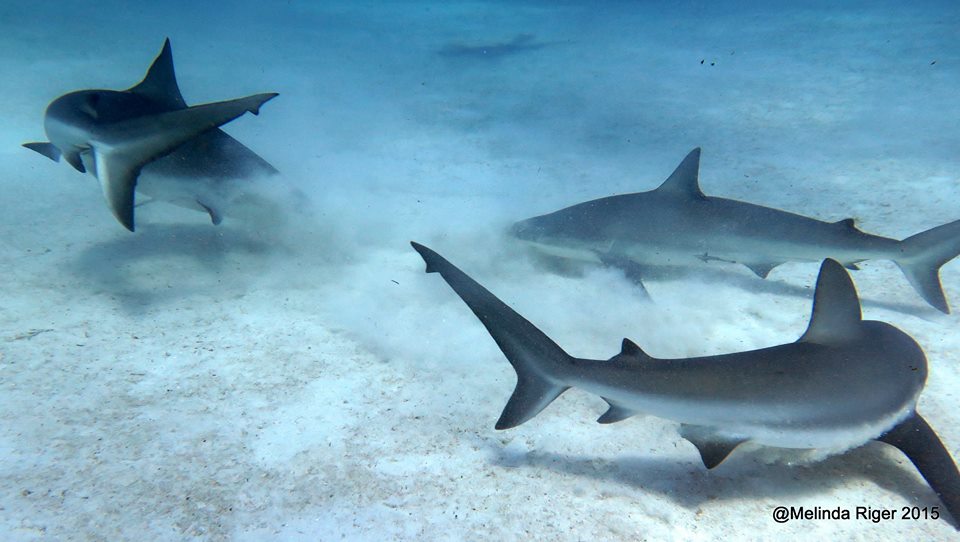
Feeding sharksSharks feeding in the Bahamas (Melinda Riger / Grand Bahama Scuba)

The one that got away… (a sad sight)Sharks in the Bahamas (Melinda Riger / Grand Bahama Scuba)

I once took a rather primitive underwater camera with me while snorkelling in Fowl Cays National Park. This was several years ago, when I believed a cheap 2mb camera might turn me into one of the Blue Planet team. I was wrong. The shark I saw, apparently some 20 miles away (when I examined the image) – well, that’s its tail, top left…

Sharks in the Bahamas (Melinda Riger / Grand Bahama Scuba)Sharks in the Bahamas (Melinda Riger / Grand Bahama Scuba)

Just to look at these images is to understand that when you are in the sea, you are in the sharks’ environment. They are the masters of it. They have their rules, and they are not much interested in you… unless you break them. Or so the theory goes.

Sharks in the Bahamas (Melinda Riger / Grand Bahama Scuba)Sharks in the Bahamas (Melinda Riger / Grand Bahama Scuba)

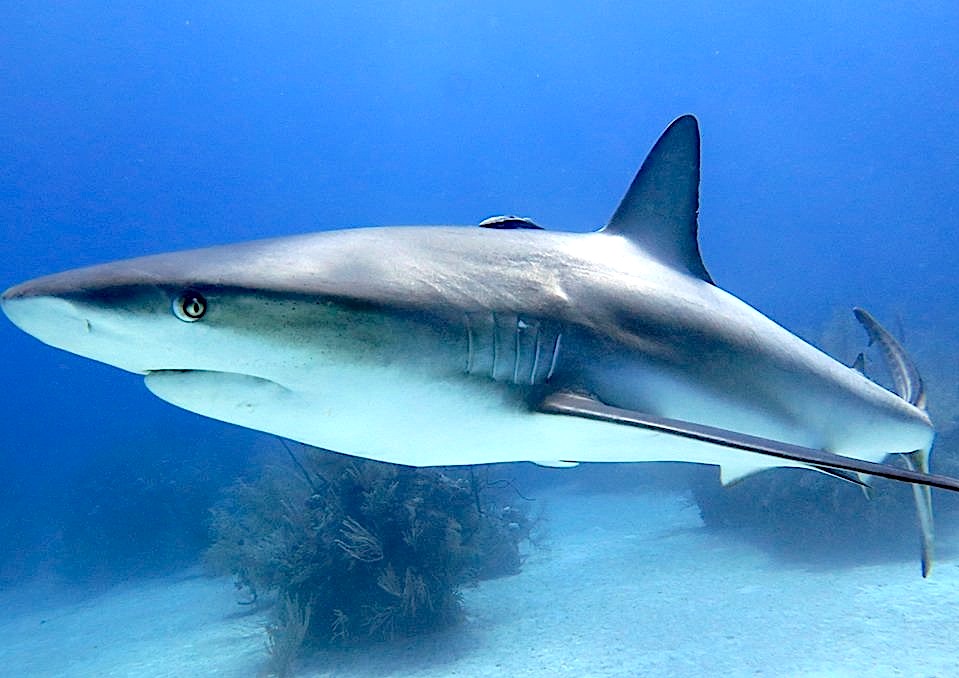
This fine shark below exemplifies the power and the menace of the shark. A creature to be admired, but also to be respected.

Sharks in the Bahamas (Melinda Riger / Grand Bahama Scuba)

All fantastic photos: Melinda Riger / Grand Bahama Scuba

Unknown's avatar

BAHAMAS REEF FISH (43): CUBERA SNAPPER


BAHAMAS REEF FISH (43): CUBERA SNAPPER

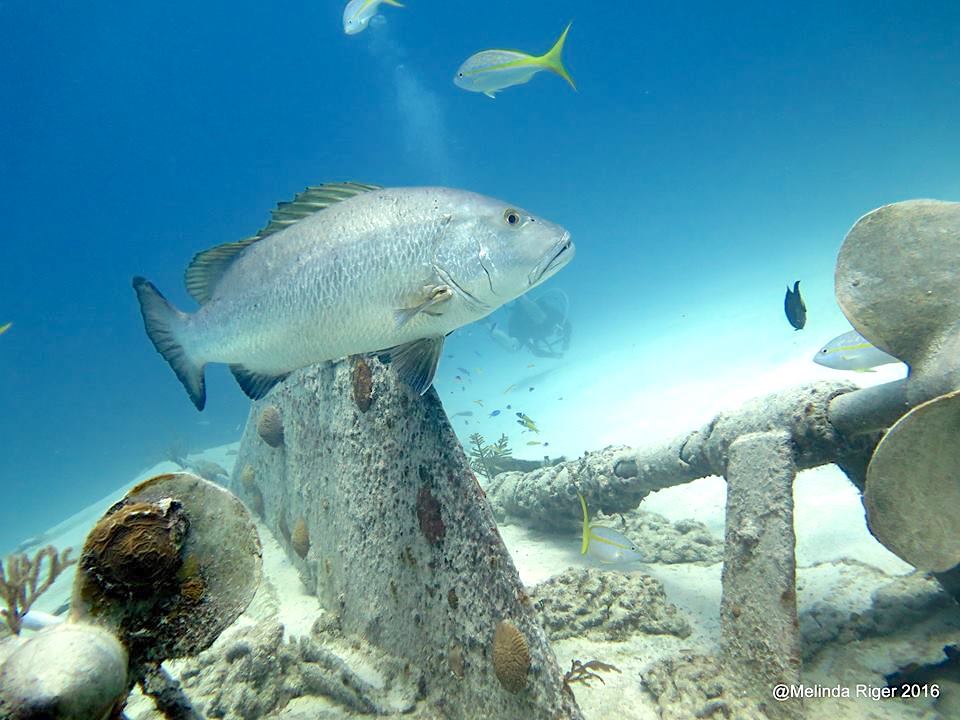
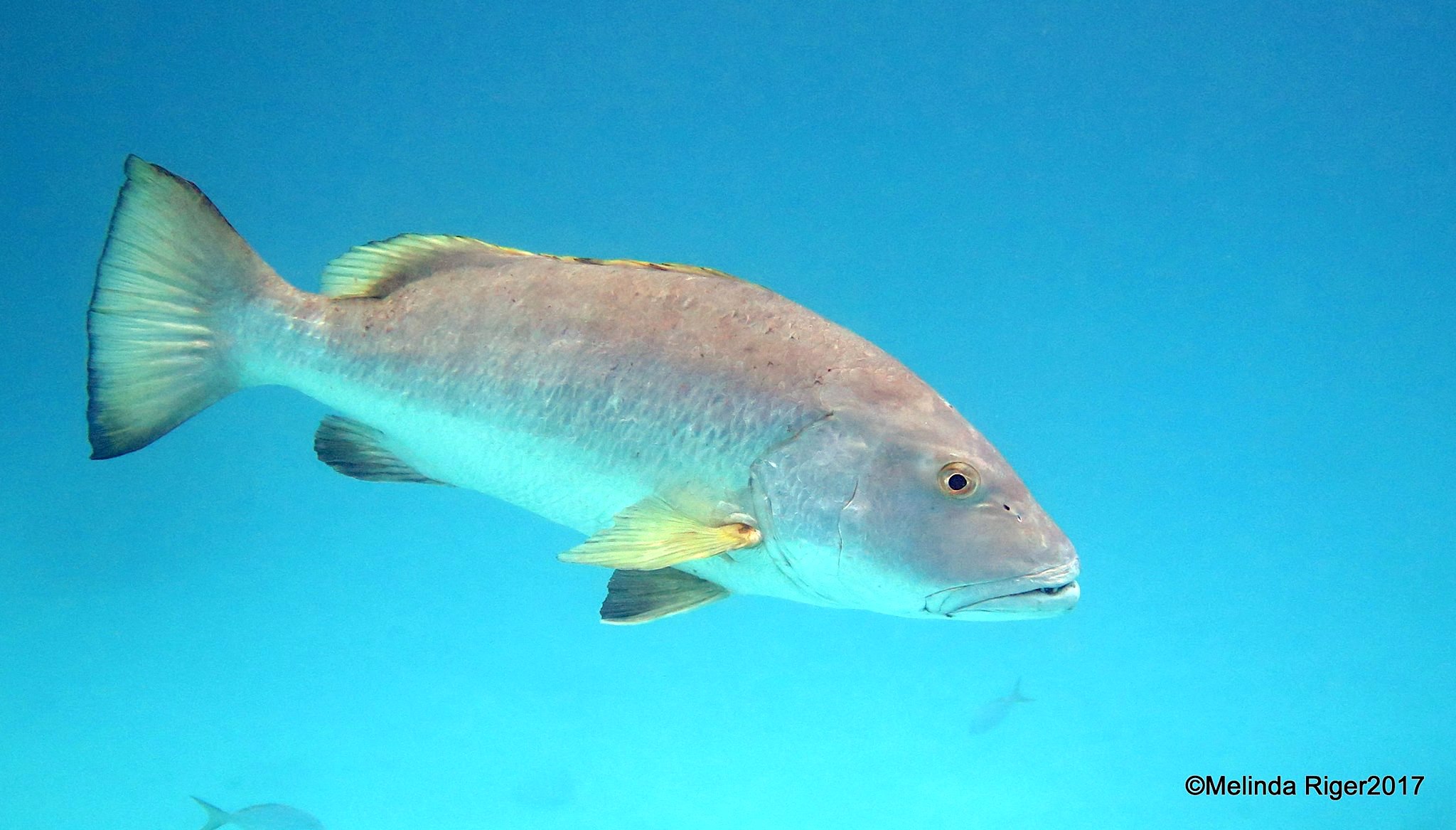
The cubera snapper (Lutjanus cyanopterus) is the largest snapper species. Adults may grow to 5′ long but they average around 3′ long and weigh 40 lbs or so (the record apparently stands at a massive 126 lbs). These are game fish, and they are a commercially important species. They are also IUCN listed as vulnerable, perhaps for that very reason. 

10 CUBERA SNAPPER SNAPPY  FACTS

  • The largest of a large number of snapper species in the western Atlantic
  • Feed on fish, shrimps & crabs, with large strong teeth (see pics) and jaws
  • Among their (few) predators are sharks, barracuda, and moray eels
  • Edible, but beware of the danger of CIGUATERA poisoning
  • In summer months, spawning is governed by lunar cycles
  • Cuberas form huge spawning masses (to 10k) in offshore shallows
  • Sadly the resulting eggs and larvae are rich pickings for predators…
  • Youngsters live in sea grass or mangroves for protection
  • Cuberas are game fish with commercial importance
  • IUCN listed as vulnerable – largely courtesy of mankind (see »)

RANGE FINDER

Cubera Snapper Range Map (wiki)

CONSERVATION MATTERS

Overfishing is one of the greatest threats to the species. Those young fish that are not predated naturally and grow to adulthood are targets for fishermen. There’s no prissy ‘catch & release’, as with bonefish. At spawning time, as the fish instinctively (and predictably) mass as the moon dictates, so do the human predators. The spawning sites are where the best protection can be given, to ensure the annual reproductive cycle is uninterrupted. If not, ‘vulnerable’ will soon give way to ‘endangered’…

I’d been going to pull apart a long recipe for the “wonderfully sweet white meat ” of this fish for the tastiest morsels of info, then (not being a cook) I quickly tired of the idea. Sorry to disappoint. 

Credits: Melinda Riger for the wonderful photos; range map from wiki; magpie research pickings, including (but not limited to ) Nat Geo

Unknown's avatar

SOUTHERN STINGRAYS: BAHAMAS REEF FISH (41)


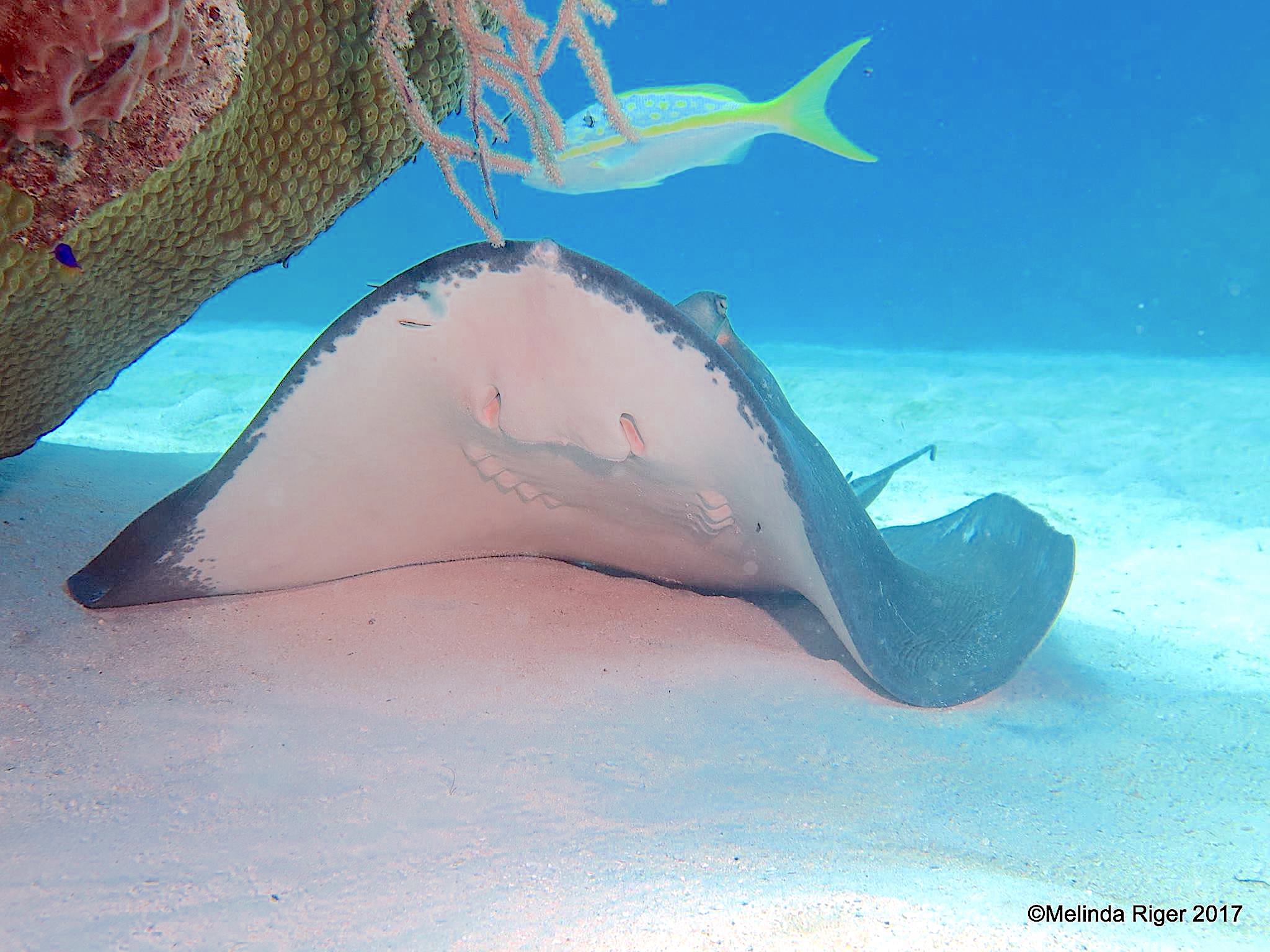
Southern Stingrays, Bahamas (Melinda Riger / Grand Bahama Scuba)

SOUTHERN STINGRAYS: BAHAMAS REEF FISH (41)

Anyone who has scuba-dived or snorkelled around the bright coral reefs of the Bahamas, or hunted bonefish out on the Abaco Marls will have come across Southern Stingrays Dasyatis americana. And there are certain places (eg Manjack Cay) where you can actually feed them – and not come to any harm

Southern Stingrays, Manjack Cay, Bahamas (Samantha Regan)

FEED THEM? AREN’T THESE GUYS LETHALLY DANGEROUS CREATURES?

Southern Stingrays, Bahamas (Melinda Riger / Grand Bahama Scuba)

The name that always comes to mind in connection with stingrays is poor Steve Irwin, the charismatic Australian wildlife expert who was tragically ‘stung’ over his heart as he swam close over a ray while filming underwater. But this was, it would appear, a dreadful combination of circumstances with a terrible outcome.

Southern Stingrays, Bahamas (Melinda Riger / Grand Bahama Scuba)

The ray’s stinger is in fact an erectile venomous barbed spine near the base of the tail and not on the end of it (as one might expect). But these creatures are not out to harm you – though of course when you are in their environment you should accord them the respect that they merit.

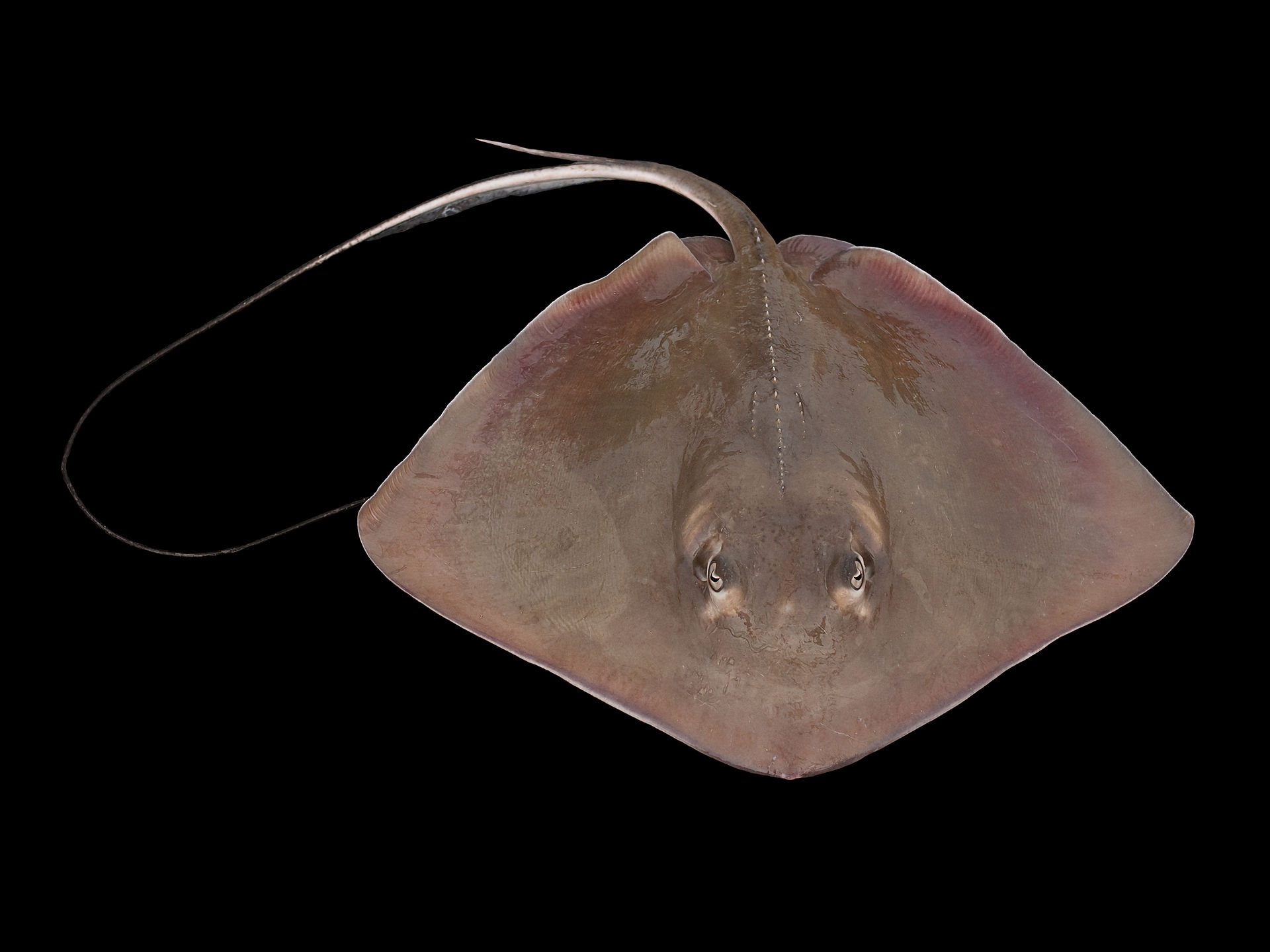
Southern Stingray (Tomas Willams, wiki)

If you are walking / wading in the water, avoid the risk of accidentally treading on a ray. Best to shuffle your feet forward in the sand; if there’s a half-concealed ray feeding or resting on the bottom nearby, it will swim away peacefully. I took the photo below while bonefishing on the Marls; the ray directly ahead slowly makes off as the skiff drifts closer. The next one is of a ray with its young – completely aware of us as we glide past to one side, but not especially bothered.

Southern Stingrays, Bahamas  (Keith Salvesen)Southern Stingray adult and young, Bahamas  (Keith Salvesen)

If you are swimming, snorkelling or diving, don’t get too close – especially by swimming directly over a ray (apparently Steve Irwin’s mistake, so that he was struck right in the chest by the stinger when the ray reacted).

Southern Stingrays, Bahamas (Melinda Riger / Grand Bahama Scuba)

Enough of the potential dangers. The southern stingray is a magnificent creature, as Melinda’s wonderful photographs show. She spends half her life underwater and I’m not aware that she has had a problem with a ray. 

Southern Stingrays, Bahamas (Melinda Riger / Grand Bahama Scuba)

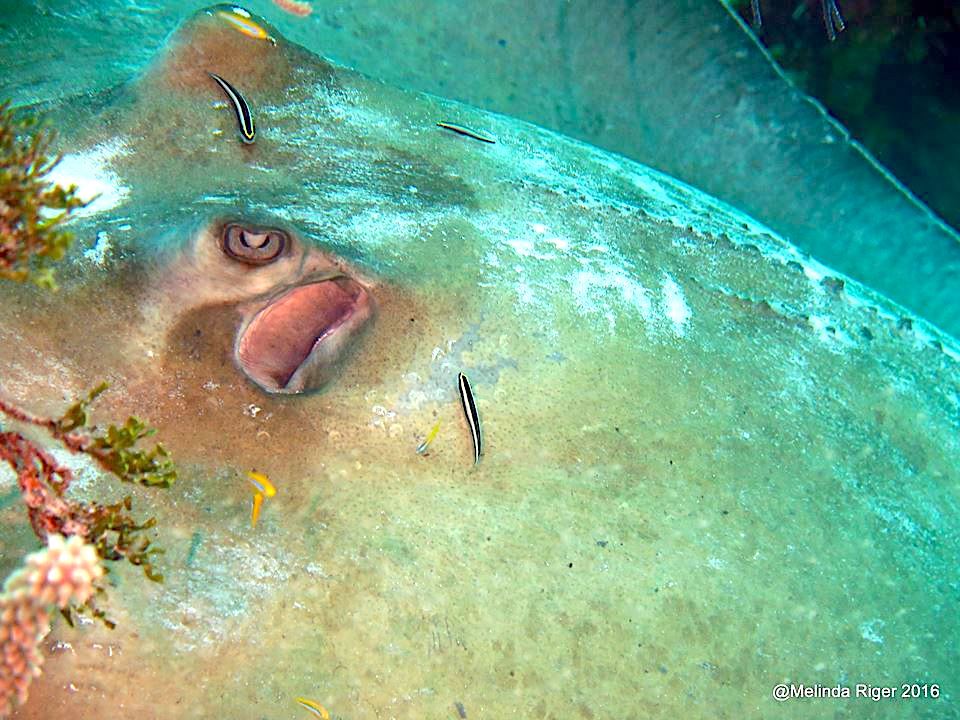
Like many larger sea creatures, stingrays need help with their personal care – the removal of parasites, dead skin and so forth. And so they make use of the services offered by small fish like gobies, wrasses and shrimps at a CLEANING STATION. Here are 2 photos of rays doing just that. You can see the tiny fish by the reef, going about their work. There’s a mutual benefit in this symbiotic relationship, in which it is understood that the cleaners are unharmed. Indeed, they will often enter the mouths and gills of a fish to clean… including the teeth. So there’s dental hygiene on offer too…

Southern Stingrays, Bahamas (Melinda Riger / Grand Bahama Scuba)

Southern Stingrays, Bahamas (Melinda Riger / Grand Bahama Scuba)

RELATED POSTS

YELLOW STINGRAY

GRACE WITH ATTITUDE

TAKEN TO THE CLEANERS

Photo Credits: Melinda Riger / Grand Bahama Scuba, except for the feeding photo (cheers, Samantha Regan), the ‘specimen’ from Tomas Willems (Wiki) and my two noted above

Unknown's avatar

CHRISTMAS TREE WORMS: SEASONAL SPIROBRANCHES


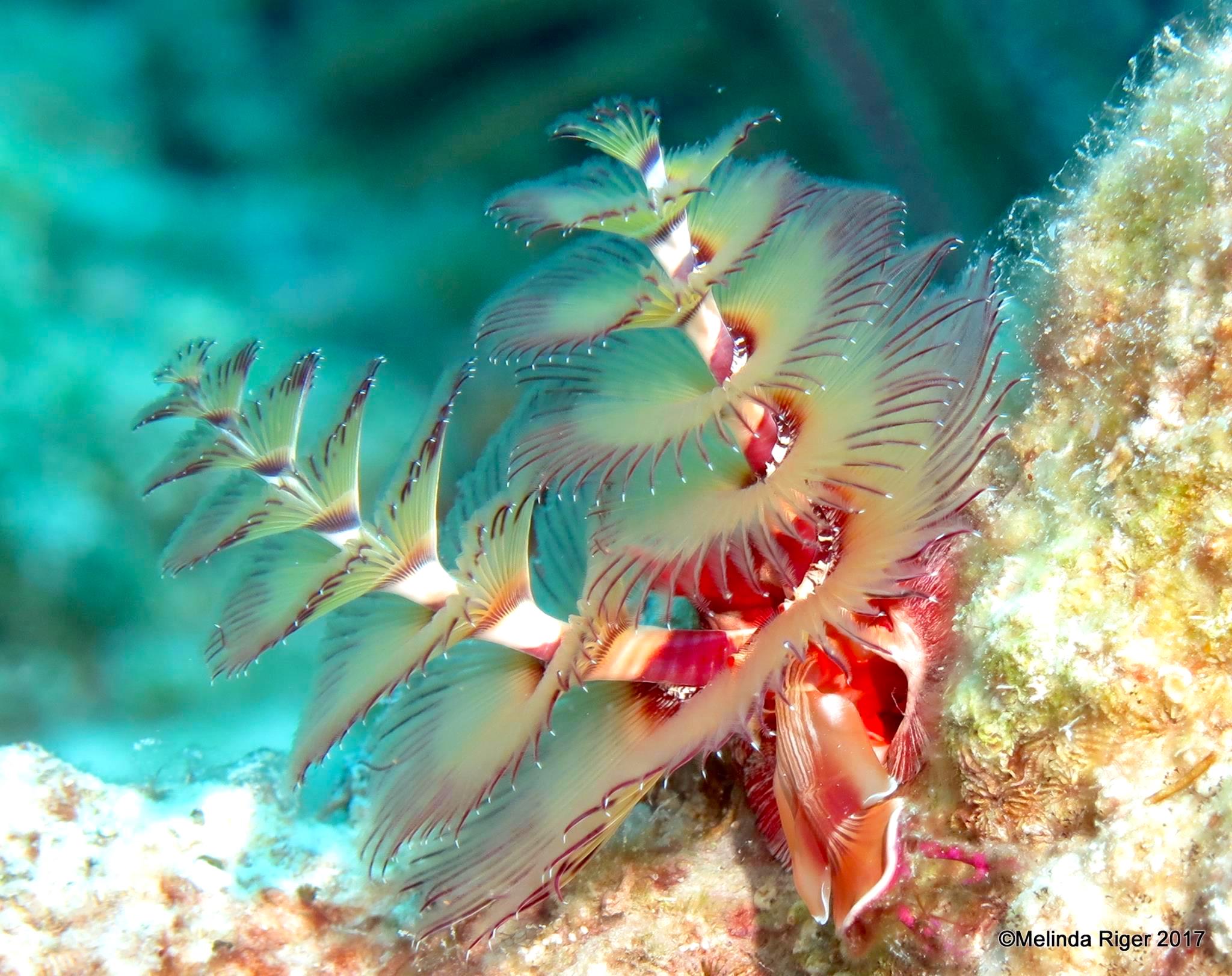
Christmas Tree Worm (Melinda Riger / Grand Bahama Scuba)

CHRISTMAS TREE WORMS: SEASONAL SPIROBRANCHES

music-notes-clip-art-png-musicDeck the Reefs with Worms Like Christmas Trees… Fal-La-La-etc-etc ” is a traditional Carol familiar to all. Well, most. Ok, some, then. Oh right – maybe with different words? Anyway, now is the perfect time to take another look at these remarkable subsurface symbols of seasonal good cheer (nb they are animals not plants).

christmas-tree-worm-melinda-riger-g-b-scuba

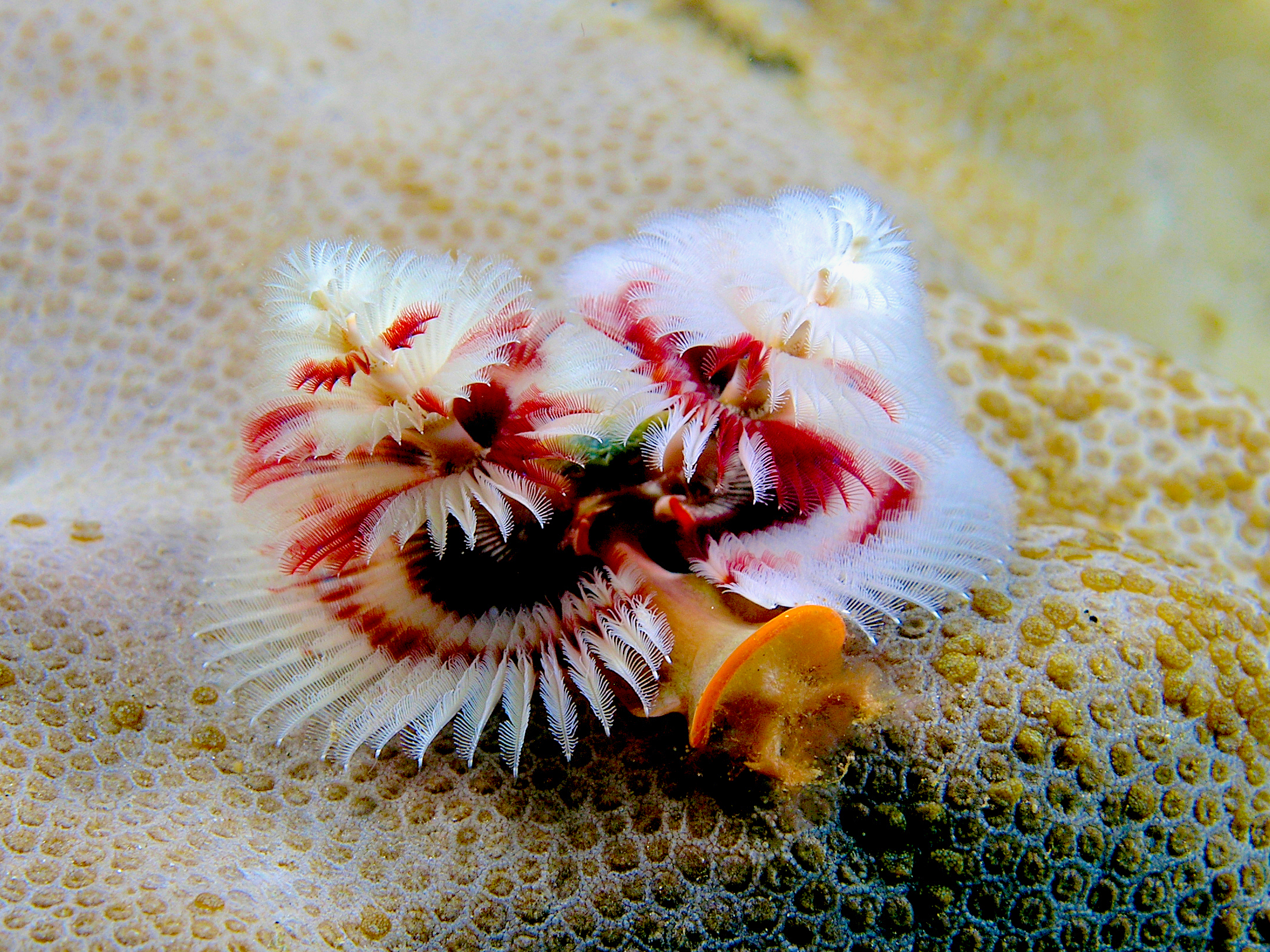
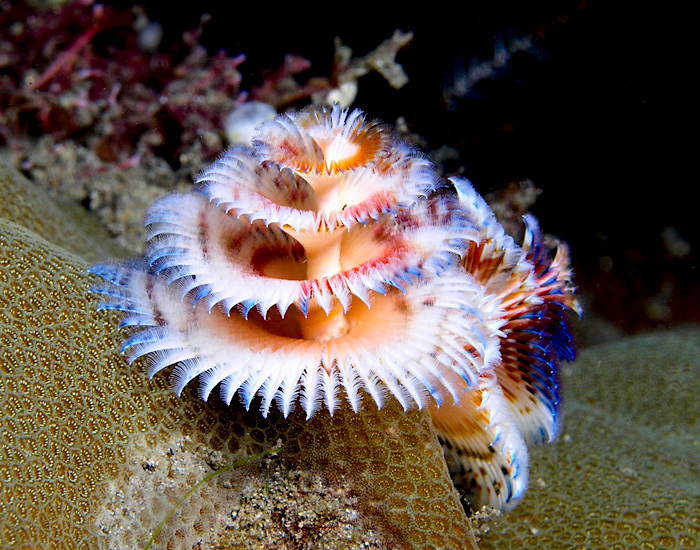
10 CHRISTMAS TREE WORM FACTS TO PONDER

  • The 2 colourful spirals are not the worm, but complex structures for feeding & respiration
  • The spirals act as specialised mouth extensions for ‘filter-feeding’
  • Prey is trapped by the feathery tentacles & guided by cilia (microscopic hairs) to the mouth
  • The tentacle things are radioles and act as gills for breathing as well as prey traps
  • It is not believed that prey slide down the spiral to their doom, like on a helter-skelter

Christmas Tree Worm (Neil Hobgood Wiki)Christmas Tree Worm (Melinda Riger / Grand Bahama Scuba)

  • The actual worm lives in a sort of segmented tube, with extremely limited mobility skills
  • It contains digestive, circulatory & nervous systems – and a brain in the middle of it all
  • The worm also has a tiny drainage tube (I think I have this right) for excretion etc
  • They embed themselves into heads of coral such as brain coral. And stay there
  • And yes, the Christmas trees are retractable… (see below for some action)

spirobranchus_giganteus_orange_christmas_tree_worm-nick-hobgood-wiki

HOW DO THE WORMS… YOU KNOW…  ERM… REPRODUCE?

This is a delicate area. They don’t tend to talk about it much, but as far as I can make out they eject gametes from their what-I-said-above. There are mummy and daddy worms, and their respective gametes (eggs and spermatozoa) drift in the current and presumably into each other to complete the union. The fertilised eggs develop into larvae, which settle onto coral and burrow into it, build their protective tubes and the process begins again.

christmas_tree_worm-nick-hobgood-wiki

YOU DON’T REALLY UNDERSTAND THESE CREATURES, DO YOU?

I won’t lie. I found it hard to work out how the CTWs function in practice. There are plenty of resources showing them in their full glory, but that only takes one so far. Then I came across a short video that shows it all brilliantly simply (except for the reproduction part).

The worms, in their coral burrows, hoist their pairs of ‘trees’. You can easily see small particles – possibly zooplankton – drifting in the water, and the radioles swaying to catch potential food. Suddenly it all makes sense (except the repro bit – I haven’t found footage of that).  Next: the New Year Worm (there is no Easter worm).

A WHOLE FESTIVAL OF CHRISTMAS TREE WORMSChristmas Tree Worms (Neil Hobgood Wiki)

Credits: Melinda Riger (G B Scuba); Nick Hobgood; Betty Wills; Video by ‘Super Sea Monkey’;Reef Collage by RH; MarineBio; Wikibits & Magpie Pickings

Happy Christmas to all those who put up with RH with such fortitude
blue_christmas_tree_worm-betty-wills-wiki

Unknown's avatar

BAHAMAS REEF FISH (39): YELLOWTAIL DAMSELFISH


Yellowtail Damselfish (©Melinda Riger / Grand Bahama Scuba)

BAHAMAS REEF FISH (39): YELLOWTAIL DAMSELFISH

Yellowtails are just one of several damselfish species in Bahamas waters. These small fish are conspicuous not just for the bright tails that give them their name. More striking if anything – especially if seen underwater in sunlight against the coral – are the electric blue spots visible in both adults and juveniles.

Yellowtail Damselfish (©Melinda Riger / Grand Bahama Scuba)

The body of adults is dark blue to brownish to almost black 

The body of juveniles is blue

Yellowtails are a common and widespread variety of damselfish. They have a limited ability to change colour according to their surroundings, but with their bright tails and luminous blue flecks, it’s hard to see how they can look, to a predator, anything other than a tasty snack.

I have enjoyed seeing these little fish at Fowl Cay Marine Preserve, Abaco. The reef there makes for easy and rewarding snorkelling, with a wide variety of small and medium-size reef fishes to be seen. It’s an expedition I would definitely recommend to anyone wanting to see a healthy and active reef in a completely natural protected area.

I found that a video I took with a tiny camera was sadly of use only to myself. No one else would be able to make anything out due to the marked camera shake. Novices, huh? You are spared that: here’s a brief example of yellowtails swimming instead, showing the difference between juveniles and adults.

Credits: all photos, Melinda Riger / Grand Bahama Scuba; video from Desert Diving

Unknown's avatar

BLAINVILLE’S BEAKED WHALES IN ABACO WATERS


Blainville's Beaked Whale, Abaco (BMMRO)

BLAINVILLE’S BEAKED WHALES IN ABACO WATERS

It’s hard to believe that the seas around Abaco and its cays are home to a number of whale species, from huge sperm and humpback whales down to so-called dwarf or pygmy species. In the middle of this range come the beaked whales, the most common being the Blainville’s Beaked Whale. I say ‘most common’, but in fact they are rare in the world, being found in only two other main locations on earth. 

Blainville's Beaked Whale, Abaco (BMMRO)

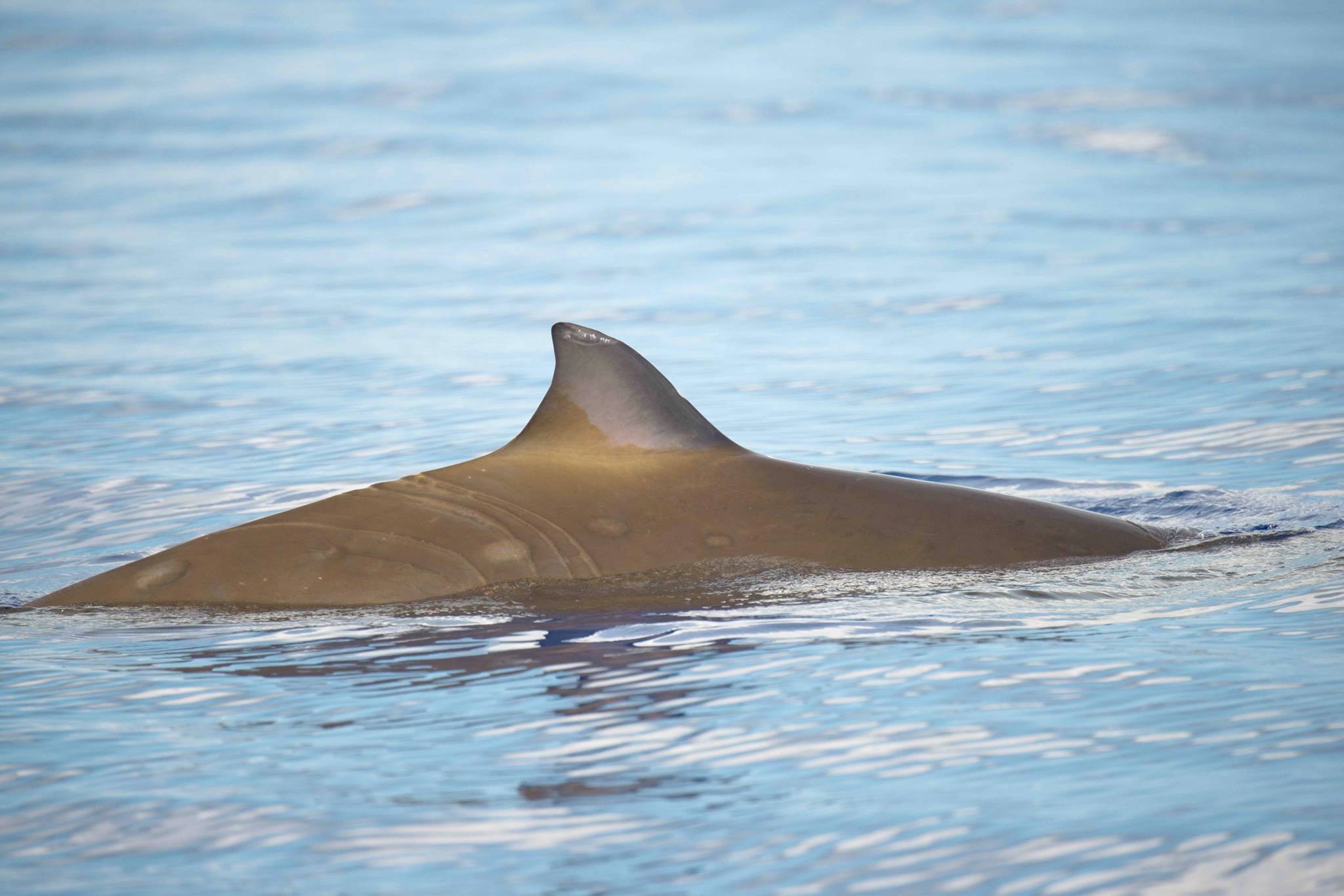
These whales are carefully monitored by the Bahamas Marine Mammal Research Organisation (BMMRO), and there is a tagging program to keep track of them. As with dolphins, individuals are identified by markings on the dorsal fin, which vary for each whale. The one above has distinctive scarring at the tip. There are also striations on the body, and conspicuous circular marks that are healed wounds caused by cookie-cutter sharks.

Blainville's Beaked Whale, Abaco (BMMRO)

To the untrained eye, there are no noticeable marks on the dorsal fin of the whale above. However, the whale’s back has a prominent pattern of scarring and healed cookie-cutter wounds. The whale below really looks as though it has been in the wars, with long deep healed wounds behind the head.

Blainville's Beaked Whale, Abaco (BMMRO)

I can’t tell without seeing the head, but I wonder if it is a male and the scars have been caused in a fight with another male – adult males have prominent tusks with which they do battle. Here is an photo that I took from the research boat on a different occasion. The tusks protrude upwards from the lower jaw, and are often covered in barnacles. They are capable of causing serious injury.

Blainville's Beaked Whale male, Abaco (Keith Salvesen)

Blainville’s beaked whales are amongst the deepest divers of all whales. But that and other whale topics will have to wait for another day… My computer malware / virus has been removed professionally with no data loss, and I have some catching up to do. Cost in terms of panic and stress: huge. Cost in real terms: $90.

Blainville's Beaked Whale, Abaco (BMMRO)

All photos BMMRO except the tusked male, Keith Salvesen

Unknown's avatar

‘RAISE AWARENESS’: SPOTTED EAGLE RAYS


Spotted Eagle Rays, Abaco, Bahamas (Gabrielle Manni)

Spotted Eagle Rays – Abaco, Bahamas

‘RAISE AWARENESS’: SPOTTED EAGLE RAYS

Mention of rays may conjure up thoughts of the familiar southern stingrays that populate the bright shallows and colourful reefs of the Bahamas. But there are other ray species out there gracefully patrolling the coral reefs – and one of these species is the spotted eagle ray (Aetobatus narinari).

Spotted Eagle Rays, Abaco, Bahamas (Catherine / Tara Pyfrom)

These fish (for that is what they are) are not uncommon. In fact they are found in tropical oceans worldwide (though there is a taxonomic distinction between the Atlantic version and the Pacific / Indo-Pacific ones). Note the concentration in the Caribbean sea.

Spotted Eagle Rays, Grand Bahama, Bahamas (Melinda Riger / GB Scuba)

Spotted eagle rays obviously have spots, but they are not notably eagle-like to look at. In fact, their snouts resemble a duck’s bill, and in some place they are less glamorously known as the duckbill ray. The ‘eagle’ part relates to the way in which they use their wings and appear to be soaring as they glide effortlessly through the water (see videos below).

Spotted Eagle Rays (Lazlo-photos Wiki)

Despite their global presence, these rays are categorised as ‘near-threatened’ on the IUCN Red List. Aside from vulnerability to predators including many types of shark, the rays may be caught as bycatch. In some areas they suffer entanglement in shark nets. And unsurprisingly there is a trade for them for large commercial aquariums. For the Atlantic species, Florida has taken a lead by banning fishing for, landing, buying or trading in spotted eagle rays. 

Spotted Eagle Rays, Abaco, Bahamas (Gabrielle Manni)

10 ESSENTIAL FACTS ABOUT SPOTTED EAGLE RAYS

  • They have 2 – 6 venomous barbed spines at the base of the tail
  • Adults are among the largest rays, with a 10 ft wingspan
  • They can leap clear of the water, and may do this more than once at a time
  • Occasionally they land in boats, to the consternation of all concerned
  • Their main diet is small fish and crustaceans, & sometimes octopuses
  • Their broad snouts are used to dig food out of the seabed as they forage
  • The rays are basically shy but may be curious of divers & snorkellers
  • They suffer from parasites, both externally and in their gills
  • Ray sex is quite physical, yet actual mating is brief (up to 90 secs…)
  • The female hatches her eggs internally, then her ‘pups’ are born live a year later

SPOTTED EAGLE RAY PUP


Spotted Eagle Ray (John Norton Wiki)

 VIDEO SHOWCASE
These 3 short videos demonstrate the grace and beauty of spotted eagle rays as they glide elegantly around the reefs. The first (50s) was taken off Grand Bahama by Fred Riger (Melinda’s husband, for those who follow the underwater forays hereabouts); then one by Stephen Dickey (2:12) ; and finally one from Wildscreen Arkive (2:00).

WEIRD CREATURE CORNER

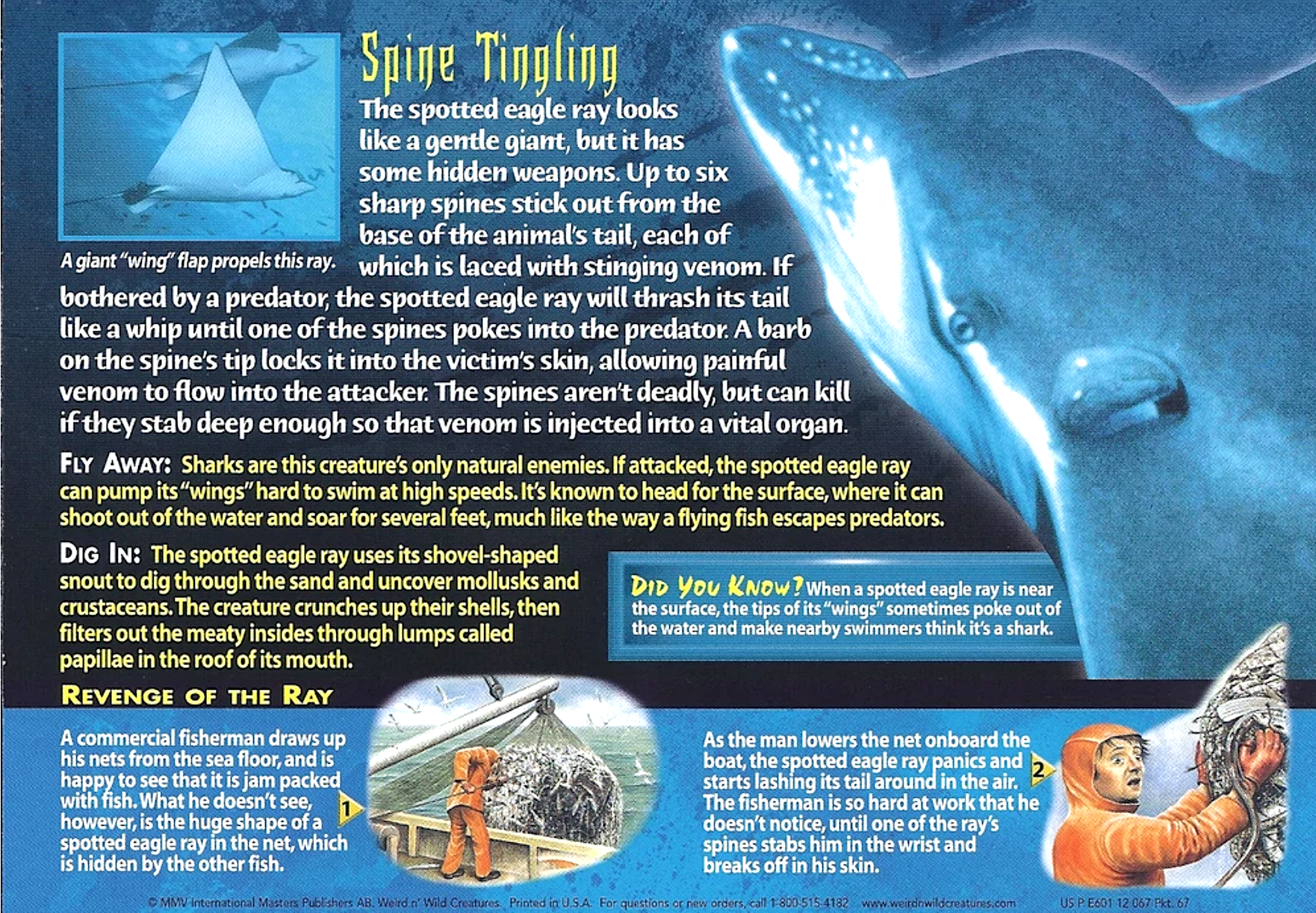
I have a lot of time for these cards produced by ‘Weird ‘n’ Wild Creatures’. In their unique style they are simple, educative and often give information nuggets not found elsewhere. The link is to their 4th series, Monsters of the Deep.


Photo credits: Gabrielle Manni (1), (5); Catherine & Tara Pyfrom (2); Melinda Riger / Grand Bahama Scuba (3); Lazlo-photos Wiki (4); Wiki (baby ray thumbnails); John Norton Wiki (6); Jacob Robertson Wiki (7); Weird ‘n’ Wild Creatures – card images. Videos as credited in text.

Spotted Eagle Ray, TCI (Jacob Robertson, Wiki)
Unknown's avatar

HAWKSBILL TURTLES: DIVERS VIEWS…


Hawksbill Turtle (Adam Rees / Scuba Works)

HAWKSBILL TURTLES: DIVERS VIEWS…

Daydream for a moment. Imagine that you had a different occupation. And your new one involved daily contact with spectacular wildlife underwater (this assumes you can swim – debatable in my case). And access to some upmarket camera equipment. And the ability to use it effectively. Oh, and use of a reliable boat. And some sea.

Hawksbill Turtle (Adam Rees / Scuba Works)

Say, for example, you joined a dive operation. Then the chances are very high that these wonderful creatures would be a part of your daily 9-to-5. 

Hawksbill Turtle (Adam Rees / Scuba Works)

You wake up with a start. Oh no! Half an hour gone, and that crucial email still half-written… Where did the time go?

Hawksbill Turtle (Adam Rees / Scuba Works)

All gorgeous turtles taken by Adam Rees of Scuba Works (slogan: “Land is so overrated”) in the course of his everyday working life. Some people, eh?

Hawksbill Turtle (Adam Rees / Scuba Works)

Unknown's avatar

AN ‘EXHILARATION’ OF ABACO DOLPHINS


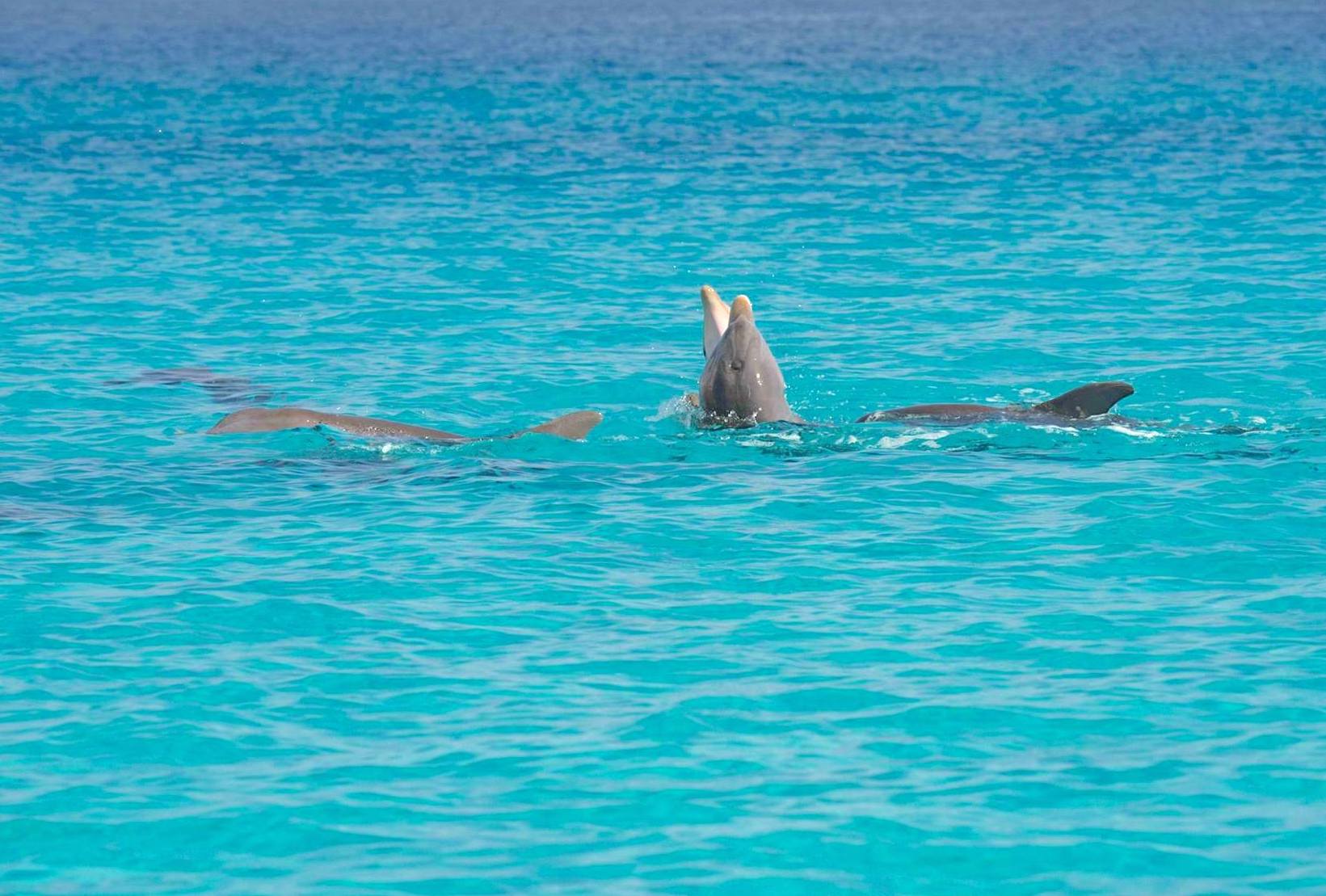
Bottlenose Dolphins, Abaco Bahamas (BMMRO)

AN ‘EXHILARATION’ OF ABACO DOLPHINS

Bottlenose dolphins! Tursiops truncatus! These engagingly playful show-offs of the inshore waters round Abaco are 99.99% adorable**. It’s been a harrowing few weeks in the western Atlantic, and everyone is hoping that the 2017 hurricane season has had enough of causing death and destruction over vast swathes of vulnerable islands and on the US mainland. Some cheer is needed.

Bottlenose Dolphins, Abaco Bahamas (BMMRO)

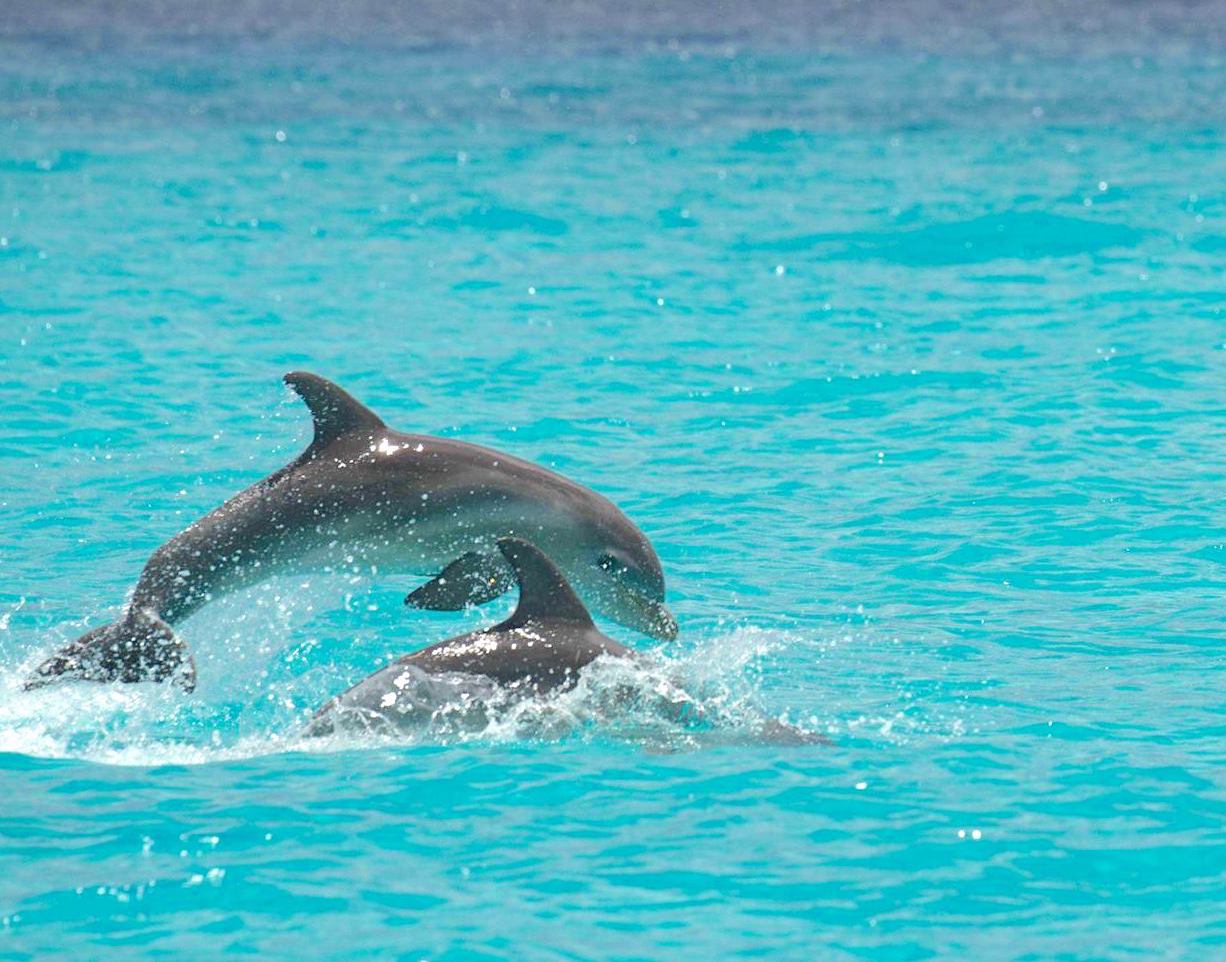
Dolphins are good for the soul. And if you are out on a boat watching them – and especially tracking them for a whole day – every encounter reinforces the impression that all the leaping, bow-wave riding, boat under-swimming, and general sociability and interaction is often as much for sheer enjoyment as anything else. 

Bottlenose Dolphins, Abaco Bahamas (BMMRO)

Abaco is fortunate in having the HQ of the Bahamas Mammals Research Organisation (BMMRO) based at Sandy Point. That just happens to be an excellent area for bottlenose dolphin spotting in the turquoise shallows. Many sightings are made within clear sight of land. Further south, where the bright blue gives way to darker and deeper water, live the equally frolicsome Atlantic spotted dolphins. The 3 photos above were all taken on the margins of where the colour of the sea changes from light to dark.

Bottlenose Dolphins, Abaco Bahamas (BMMRO)

I’m a bit of a collector of collective nouns. For dolphins, apart from the matter-of-fact ‘group’ or ‘pod’, there is no exotic word to describe a number of them when they are having fun. No equivalent of ‘exaltation’ (larks), ‘charm’ (goldfinches) or ‘parliament’ (owls). So I’m nominating an ‘exhilaration’ as a candidate to fill the gap…

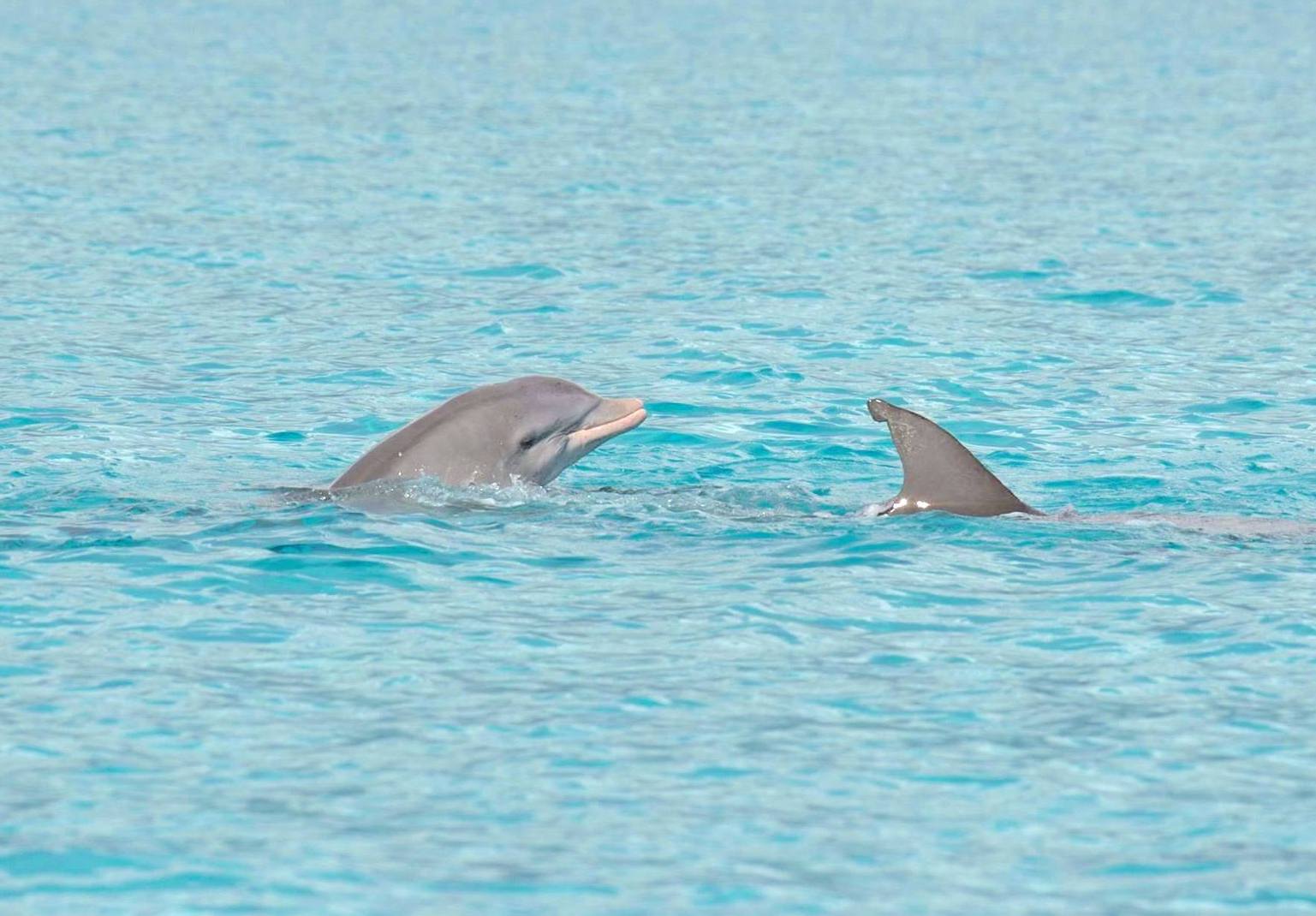
The photo above shows clearly how individual dolphins can be identified by researchers. All tend to have scars or tears to their dorsal fins that enable them to be distinguished. The closest has distinctive scars near the tip. The furthest has a W-shaped nick at the back. In fact, it could even be Rocky, a well-known dolphin on Abaco that has been sighted over many years. There are regular reports annually. I saw him myself once, in 2012, playing about in Hopetown harbour. 

STOP PRESS To demonstrate how the ID methods work, I’ve now cross-checked with the BMMRO photo ID archive. Here is Rocky’s original dorsal fin ID image (“Tt15”) from October 2010. There’s a W-shaped nick, sure, but my speculation above was wrong because overall the two fins are clearly different…

Rocky the Dolphin Tt15, from BMMRO ID photo archive

** The 0.01%? Dolphins may, rarely, be alarming for divers in circumstances I won’t repeat here (hint: to do with over-friendliness, ok? Yes, the thing that dogs do)

Credits: all photos BMMRO – and taken in the last 2 months

Unknown's avatar

QUEEN TRIGGERFISH AND GOOD RIDDANCE TO MARIA


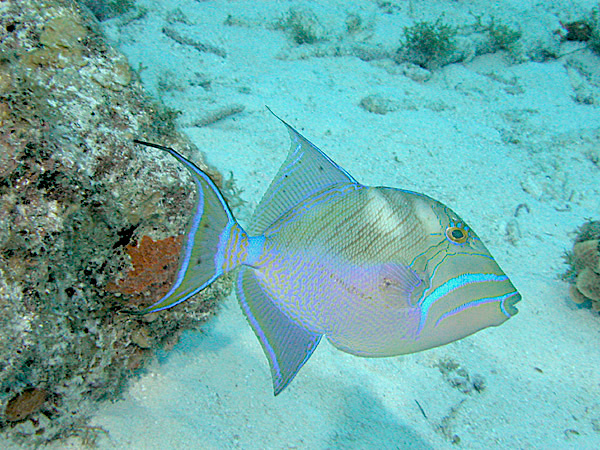
Queen Triggerfish Bahamas (Melinda Riger / Grand Bahama Scuba)

QUEEN TRIGGERFISH AND GOOD RIDDANCE TO MARIA

I can think of no sensible connection between the colourful yet undoubtedly strange and grumpy-looking looking queen triggerfish Balistes vetula, and a hurricane. However, Hurricanes Irma and Maria have been rightly dominating the news and everyone’s thoughts for nearly 3 weeks now. And most of the recent posts from Rolling Harbour, for that matter. It’s not been a great time for looking at the birds, beasts and fishes. So, as Maria drifts eastwards and away from the Bahamas into the open ocean, it’s time for a splash of colour – and a fish I have not featured before. 

Hurricane Maria tracking at 11.00 EST on Sept 22

Queen Triggerfish Bahamas (Melinda Riger / Grand Bahama Scuba)Queen Triggerfish Bahamas (Melinda Riger / Grand Bahama Scuba)

The queen triggerfish, sometimes known as an Old Wife, is an Atlantic reef fish. This species is sometime fished for as game, and I know that a few have been taken from off the rocks at the south end of Delphi beach over the years – though perhaps not exactly on purpose.

Queen Triggerfish Bahamas (Mark Peter, Wiki)Queen Triggerfish Bahamas (Melinda Riger / Grand Bahama Scuba)

This fish typically is coloured with shades of  blue, purple, turquoise and green with a yellowish throat, with pale blue lines fins on head and fins. It’s minor superpower is to be able to change its coloration to some extent to match its reef surroundings and assist camouflage. Its favourite food is the sea urchin.

Queen Triggerfish Bahamas (Clark Anderson / Aqua-images)

Let’s hope this is the last post to feature anything about hurricanes for a good long time, as we think of all those still struggling to make sense of the terrible destruction they have recently experienced – in some places, twice over.

Credits: Melinda Riger / Grand Bahama Scuba; Mark Peter, Wiki; Clark Anderson / Aqua-images

Unknown's avatar

CLEANING UP IN THE BAHAMAS: PEDERSON SHRIMPS


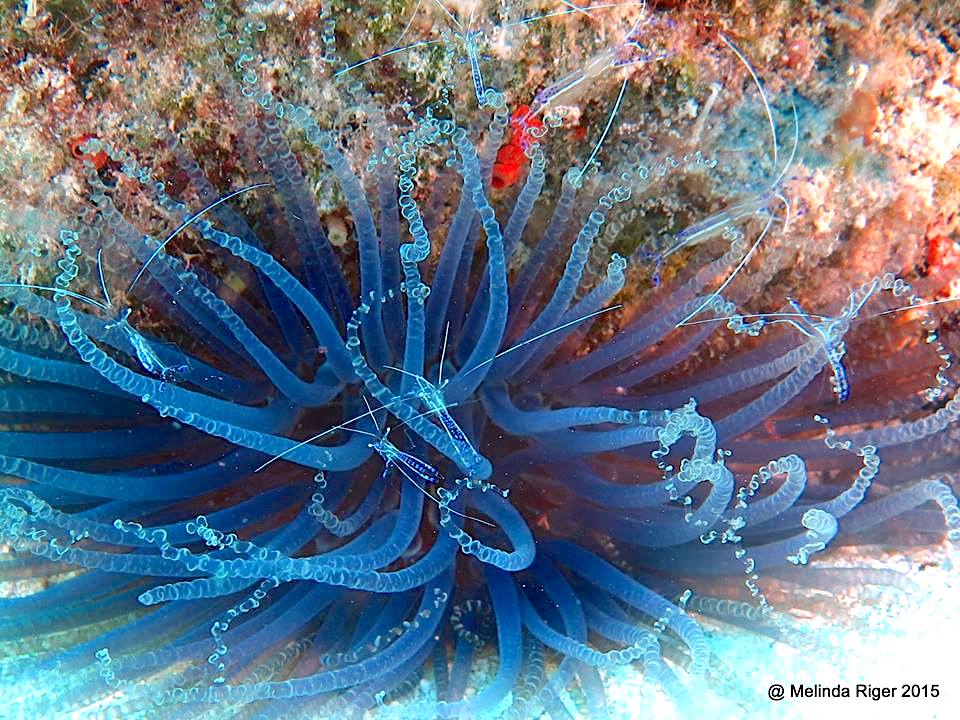
Pederson's Cleaning Shrimp, Bahamas (Melinda Riger, GB Scuba)

CLEANING UP IN THE BAHAMAS: PEDERSON SHRIMPS 

Pederson’s Shrimps Ancylomenes pedersoni (also known locally as Peterson’s shrimps), are one of several species of cleaner shrimp found in The Bahamas and more generally in the Caribbean seas. The species was named in 1958 by a multifaceted medico-oceanologist-zoologist Fenner A. Chace. He seems to have specialised in shrimps, finding distinct and differing species and naming them (not unreasonably) after himself (chacei);or colleagues and people he knew / admired; and in one case his wife. Mr Pederson was among them.

Pederson's Cleaning Shrimp, Bahamas (Melinda Riger, GB Scuba)

This tiny transparent creature with its vivid blue / purple markings and straggling pale antennae is unmistakeable, and helpfully cannot be confused with any other locally found shrimp species. Here’s an idea of its size, compared with a human finger and a blue parrotfish.

Pederson's Cleaning Shrimp, Bahamas (Melinda Riger, GB Scuba)

WHERE DO THESE SHRIMPS LIVE?

Their preferred home is… and it’s certainly a left field choice among sea creatures… in amongst the stinging tentacles of certain sea anemones. Not only do they not get stung, but of course they are well-protected by the defensive pain that their hosts can inflict. They are usually found singly or in pairs, but sometimes a whole colony may inhabit the same anemone.

SO EXPLAIN HOW THEY DON’T GET STUNG

Ok. The shrimps gradually build up a kind of resistance by pressing their bodies and antennae against the tentacles of the host anemone for increasing lengths of time, until they become immune. It’s like one of those kids’ electric buzzer / rheostat machines. Or a TENS machine (for those who know about backache).

 IS THERE A DOWNSIDE TO ALL THIS?

Yes indeed. If a shrimp moves away from its host for a few days, it has to start the process of immunisation all over again. So presumably they tend to stay home-lovin’.

Home sweet home for the Pederson shrimpsPederson's Cleaning Shrimp, Bahamas (Melinda Riger, GB Scuba)

SOMETHING ABOUT THE CLEANING, PLEASE

These shrimps offer ‘cleaning services’ to passing fish. When on duty, as it were, they wave their antennae vigorously to attract attention. A fish being cleaned will remain stationary and passive while external parasites and dead skin are removed. Many fish will open their mouths and gill covers for internal cleaning, with the tacit agreement that the cleaner will not become a snack. Shrimps often work in conjunction with small cleaner fish such as some species of goby and wrasse – see the links below for more on this topic, with copious images…

Pederson's Cleaning Shrimp, Bahamas (Melinda Riger, GB Scuba)

RELATED POSTS

CLEANING STATIONS

CLEANER FISH

Credits: all photos by Melinda Riger / Grand Bahama Scuba

Unknown's avatar

EYES ON STALKS: CONCH WATCH ON ABACO


Conch Man-o-War Cay, Abaco, Bahamas (Charmaine Albury)

EYES ON STALKS: CONCH WATCH ON ABACO

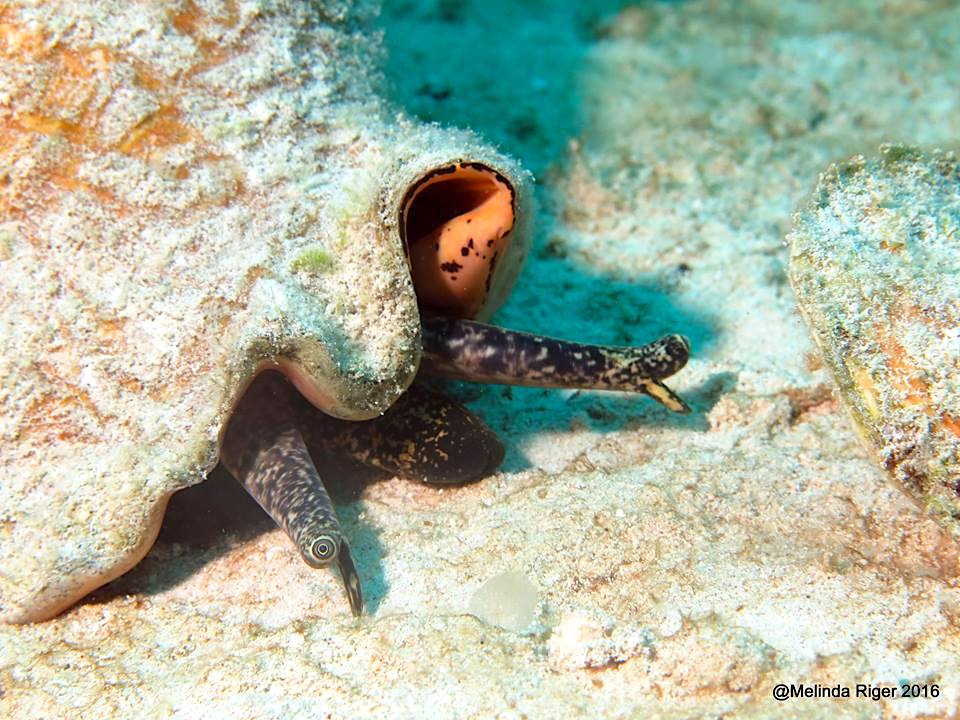
This is not so much about you looking at, and admiring (without salivating too much, I trust) conchs in their natural element. More about them watching you watching them – and focusing on their rather remarkable stalk-based eyes. Take a look at these examples of the ‘watcher in the shallows‘ (to misquote a well-known book title).

Conch and their eyes, Bahamas (Melinda Riger)Conch and their eyes, Bahamas (Melinda Riger)

HALF A DOZEN CONCH EYE FACTS TO PONDER

  • The eyestalks are attached to an extendable ‘snout’
  • The two eyestalks (ommatophores) are retractable within the shell
  • Their purpose is to provide a wider field of vision around the shell
  • The eyes at the tip of each eyestalk have ‘proper’ lenses, pupils and irises 
  • Amazingly, amputated eyes normally regenerate completely
  • The small projection below the eye is a ‘sensory tentacle’ or feeler

Conch and their eyes, Bahamas (Melinda Riger)Conch and their eyes, Bahamas (Melinda Riger)

CAUTIONARY WARNING

For a rather depressing view of the current state of conch populations, check out this recent article in the MIAMI HERALD. Not a great deal to be optimistic about…

I’M WATCHING YOU…

CREDITS: All remarkable ‘conch watching’ photos by Melinda Riger / Grand Bahama Scuba – except for the wonderful header image by Charmaine Albury (contributor the The Birds of Abaco), taken on Man-o-War Cay; Cindy James Pinder for the heads-up for the Miami Herald article

Unknown's avatar

DOLPHINS DISPORTING IN THE BAHAMAS


Atlantic Spotted Dolphin, Bahamas (BMMRO)

DOLPHINS DISPORTING IN THE BAHAMAS

‘Disporting’. Not a word I’ve used very often. Or possibly ever. It looks a bit like ‘unsporting’, which is emphatically what dolphins are not. Basically, it just describes what dolphins are doing when you see them on the surface: amusing themselves, frolicking around in the waves, and simply enjoying themselves.Bottlenose Dolphin, Bahamas (BMMRO)

True, they are probably keeping an eye out for food… But when you have a group sociably following alongside the boat your are in, moving in front, dropping behind, diving under, and generally playing around, it’s quite hard to believe that these are completely wild creatures. They seem to be performing just for you, simply because they want to. You don’t even have to throw fish at them to earn this free display.

Atlantic Spotted Dolphin, Bahamas (BMMRO)Atlantic Spotted Dolphin, Bahamas (BMMRO) Atlantic Spotted Dolphin, Bahamas (BMMRO)

As is well-known, the BAHAMAS MARINE MAMMAL RESEARCH ORGANISATION (BMMRO) is the custodian for the welfare of these beautiful creatures for the entire Bahamas. However, being based on Abaco and carrying out the majority of the research from the HQ at Sandy Point means that many of the great images that get taken are from Abaco waters. Indeed some are taken within swimming distance (not mine) of the shore.  Bottlenose Dolphin, Bahamas (BMMRO)Bottlenose Dolphin, Bahamas (BMMRO)Bottlenose Dolphin, Bahamas (BMMRO)Bottlenose Dolphin, Bahamas (BMMRO)

The photographs featured here were taken during the last few weeks. Some are of the familiar bottlenose dolphins. The others – with speckled undersides clearly visible in the header image & below – are of Atlantic spotted dolphins. There’s even one of my own taken from the research vessel. Atlantic Spotted Dolphin, Abaco Bahamas (Keith Salvesen)Atlantic Spotted Dolphin, Bahamas (BMMRO)

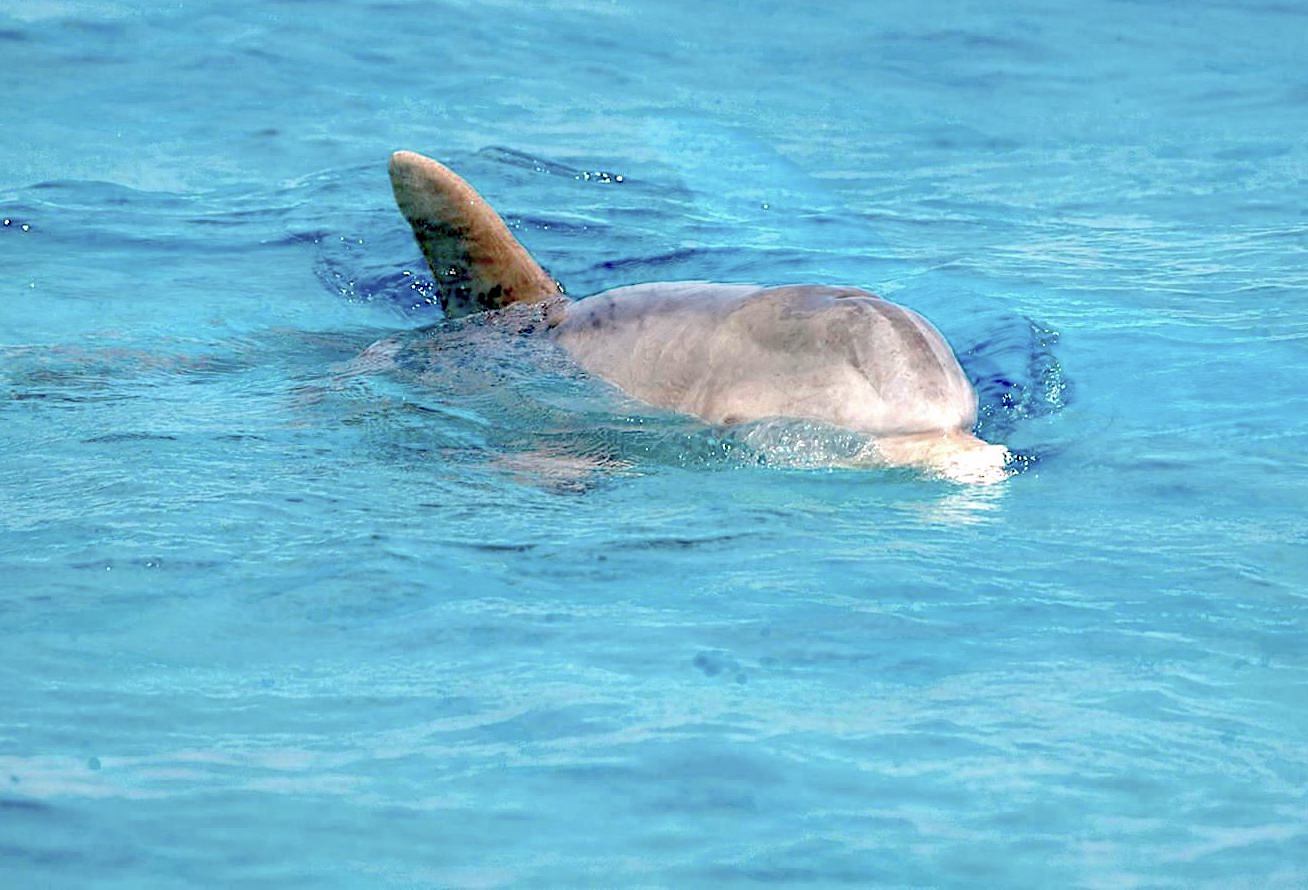
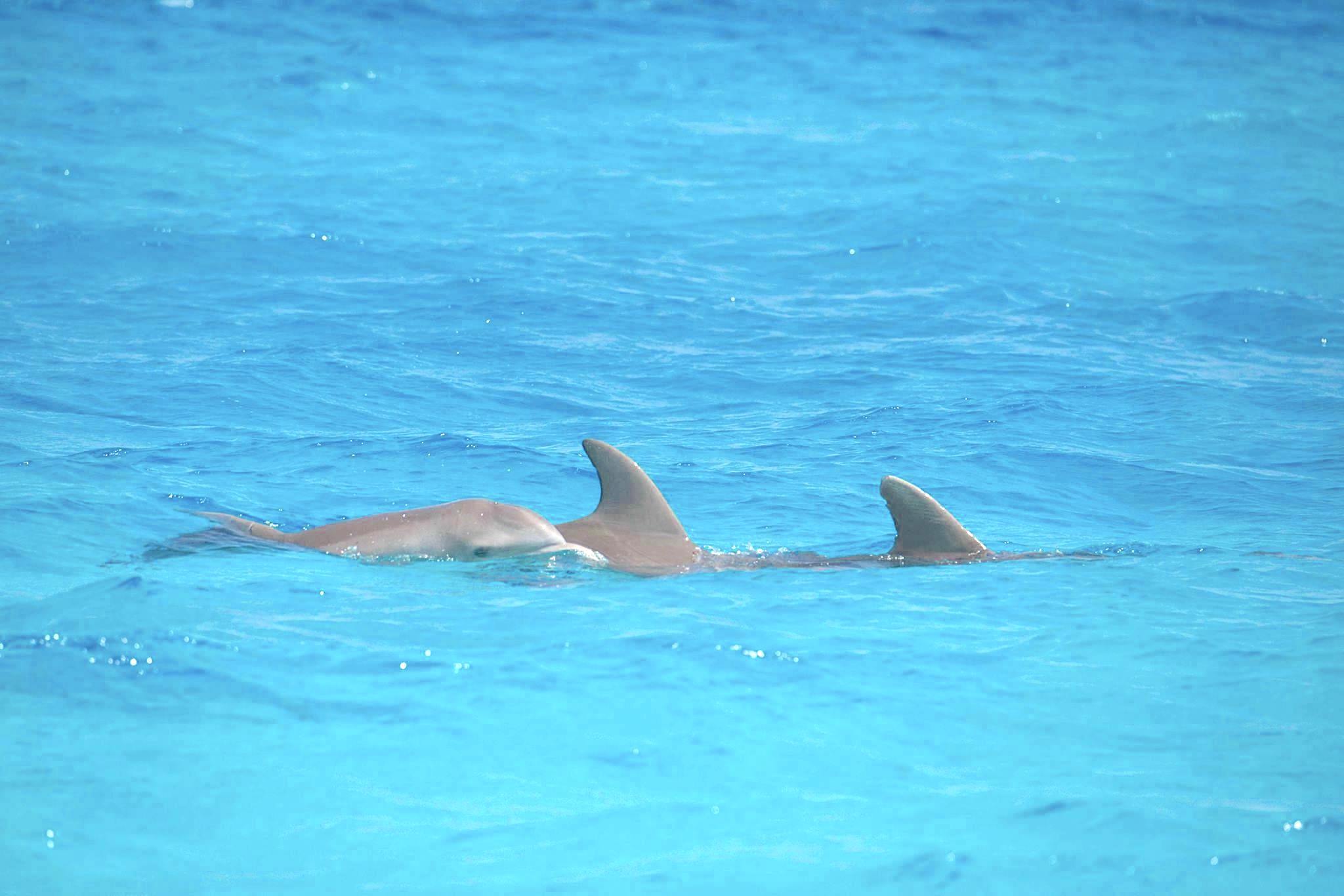
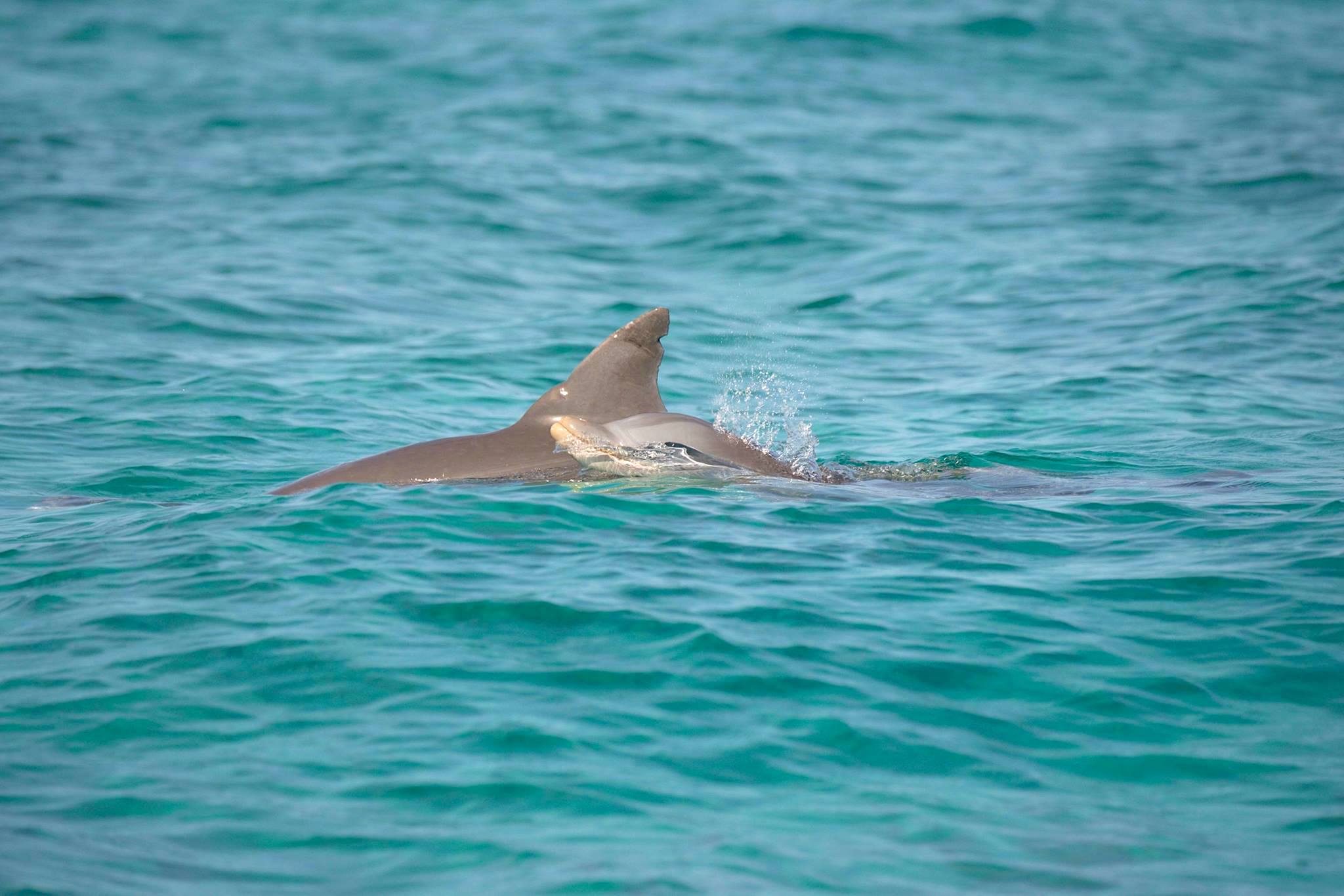
For the researchers, the most important part of an individual dolphin is its dorsal fin. Unique patterns of cuts and scars mean that each dolphin sighted can be logged and their profiles built up. Some have been found in the same area for many years. They are not usually given jocular names – ‘Davy Jones’, ‘Finny Phil’ or whatever. The first time we went out on the research vessel we were slightly surprised by the practical, scientific calls during a sighting of a dolphin group: “there’s B4 again” and “over there – D5 is back”. All said fondly however – many of the dolphins are old friends.

This dolphin has a notable notch on the dorsal fin with a nick below, & a scar line – with a prominent white scar on the lower front edge Bottlenose Dolphin, Bahamas - Dorsal Fin Damage (BMMRO)

Notice how these 3 dolphins all have quite different fin profiles.  The nearest one’s fin looks unblemished, but has a paler tip. Powerful binoculars and a serious camera can pick out small  differences at a distance that the eye could notBottlenose Dolphin, Bahamas - Dorsal Fin Damage (BMMRO)

Coming soon: Manatees & Man in the Bahamas

All photos (bar one by me) BMMRO, with thanks to Diane & Charlotte, and a tip of the hat to the current interns involved in the research projects (Hi, UK Thomas!)