BEAUTIFUL BIRDS OF ABACO, BAHAMAS (1): PRAIRIE WARBLER
The increasing flow of reports of recent bird sightings on Abaco seems to confirm the theory that in times of crisis and of recovery from disaster, people gain strength from the natural world that surrounds them. The bright flash of a parrots wings; the hoarse squawk of a West Indian Woodpecker; the unmistakable cheery call of the thick-billed vireo; the ‘peep’ of a shore-bird – all these can bring comfort in troubled times.
Right now, social media on Abaco, and radiating far beyond, is alive with more encouraging news after the storm, not least about the gradual re-establishment of normality as utilities and services are restored, movement becomes more possible, and plans for repairing the past and designing the future can begin to be made.
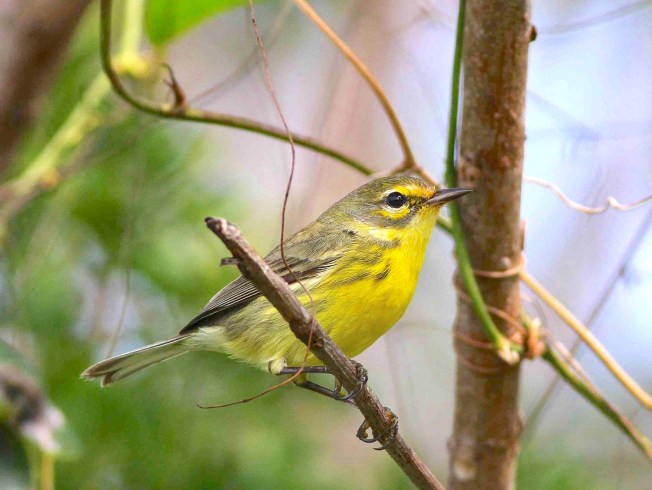
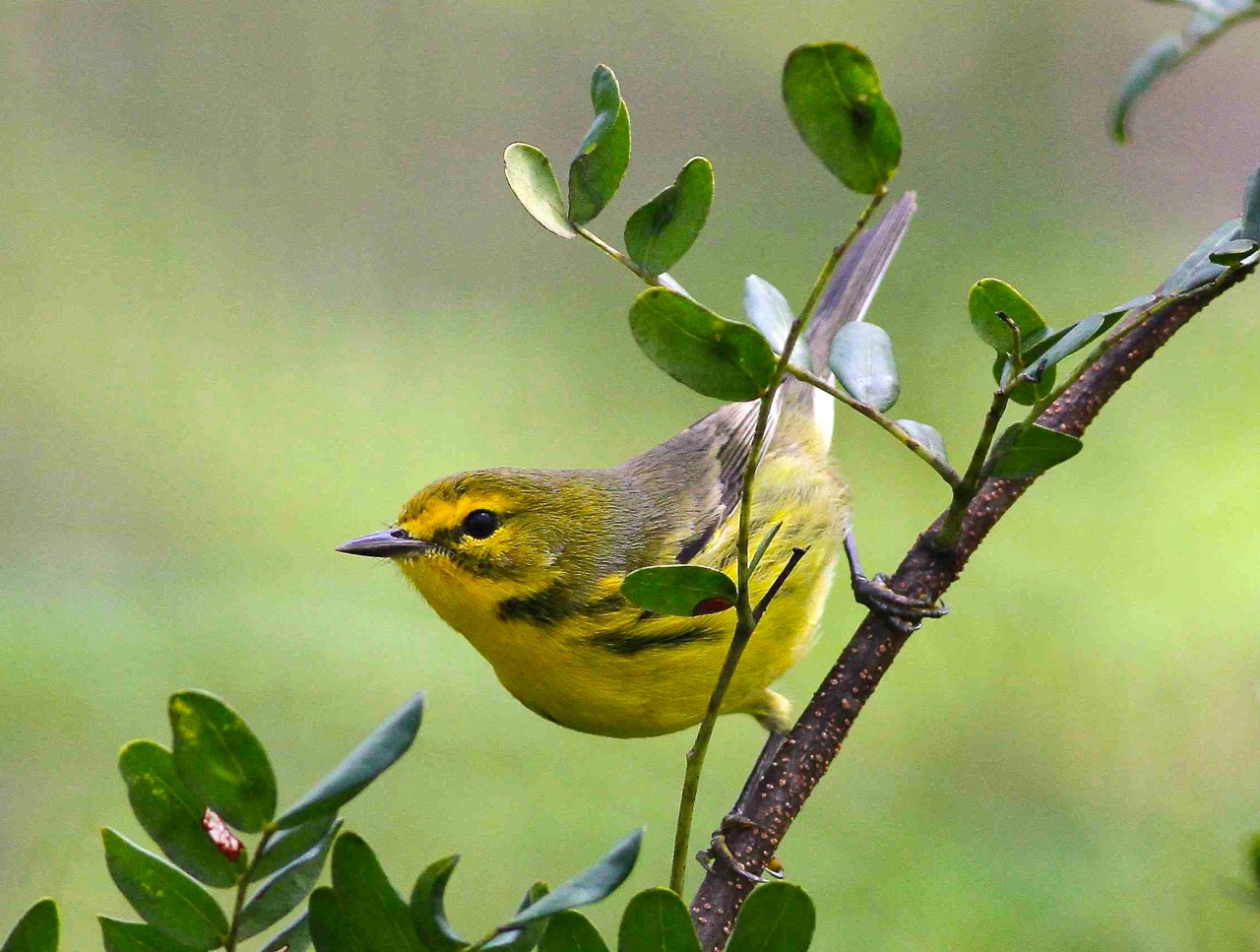
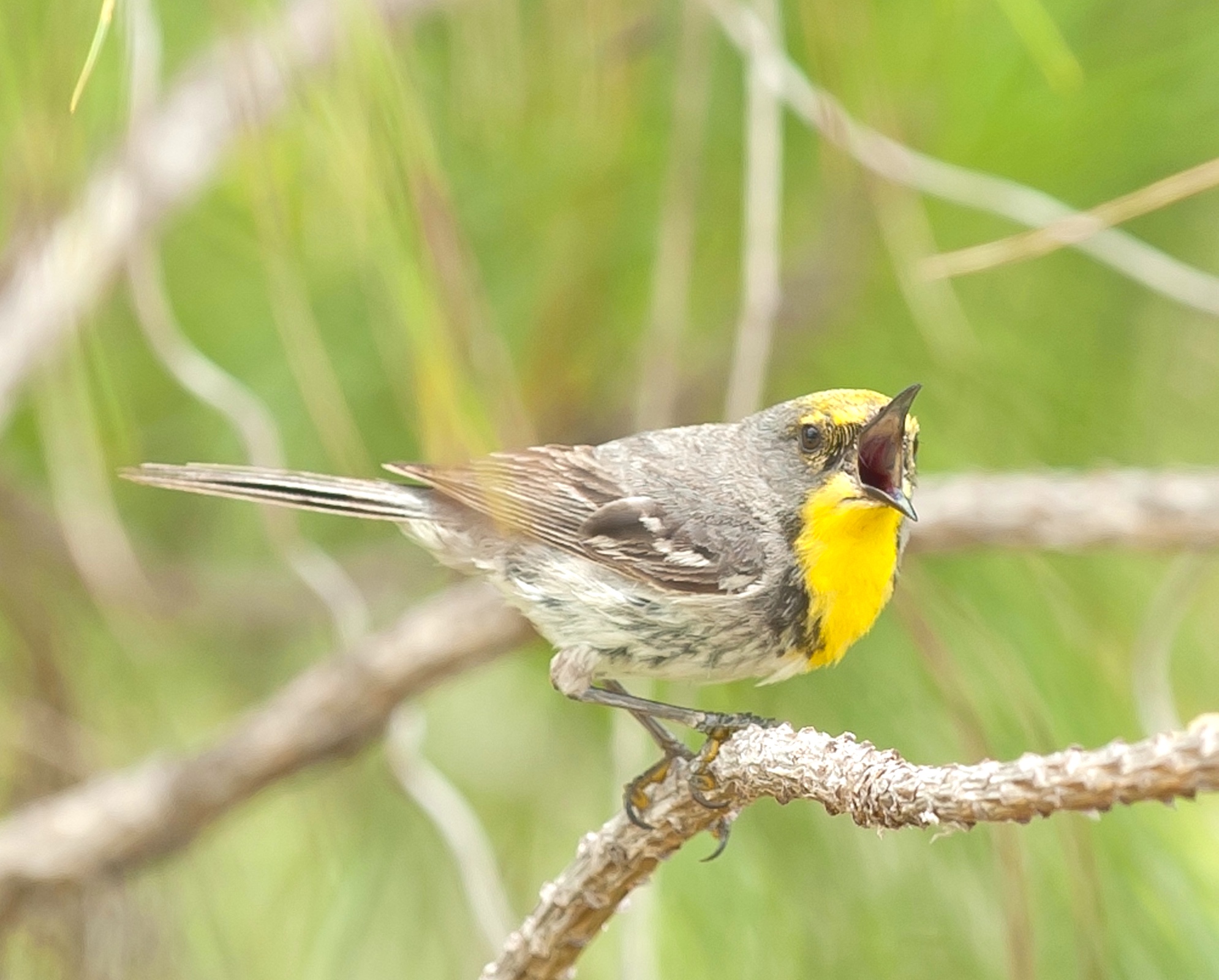
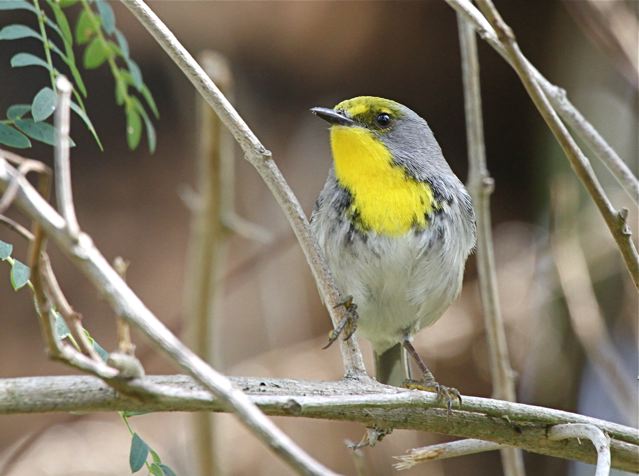
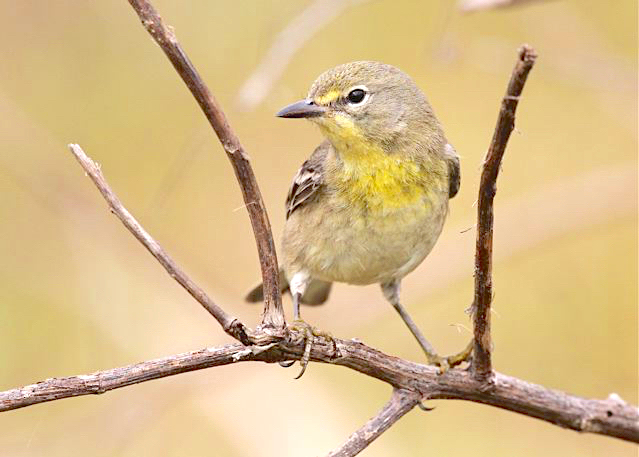
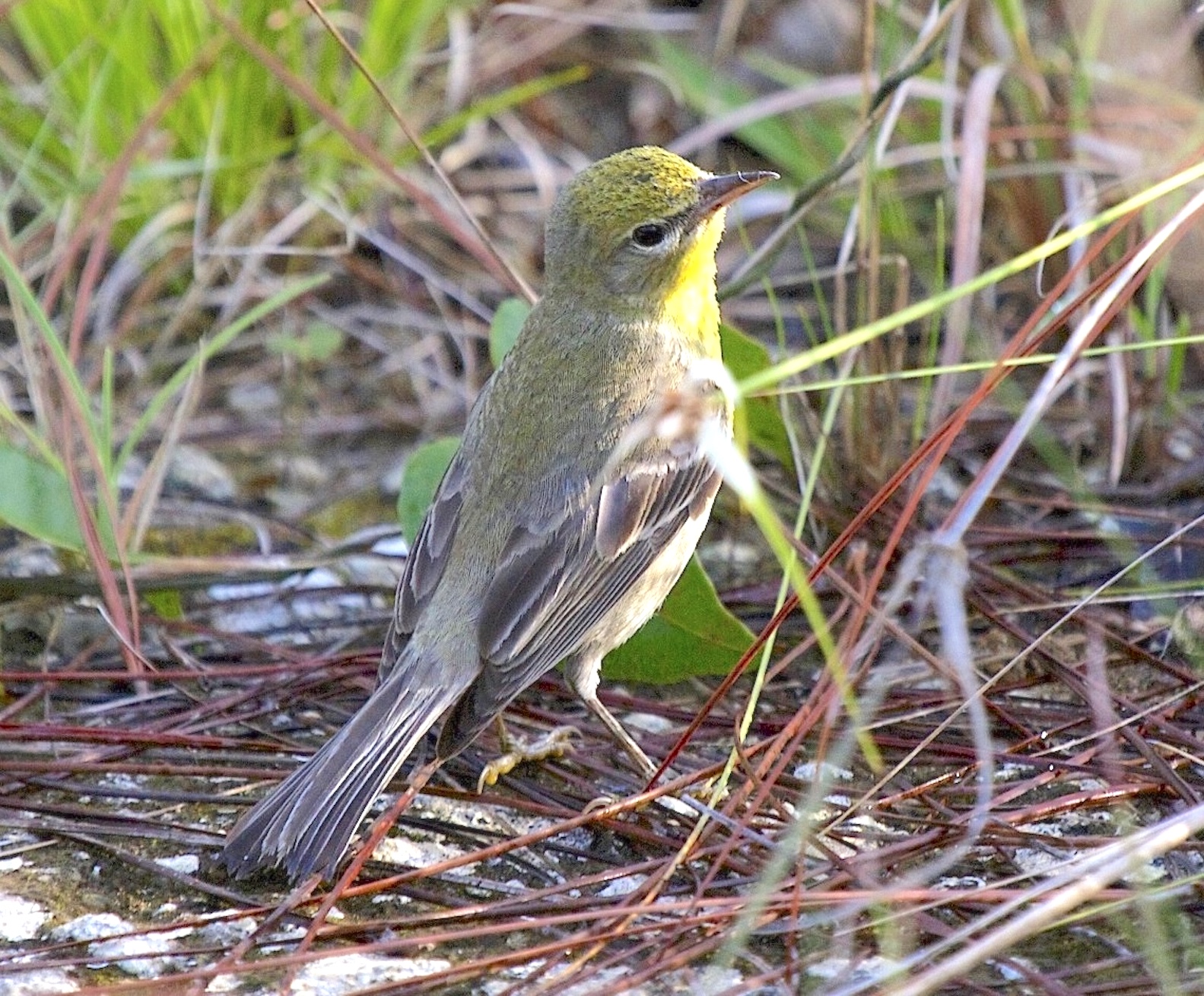
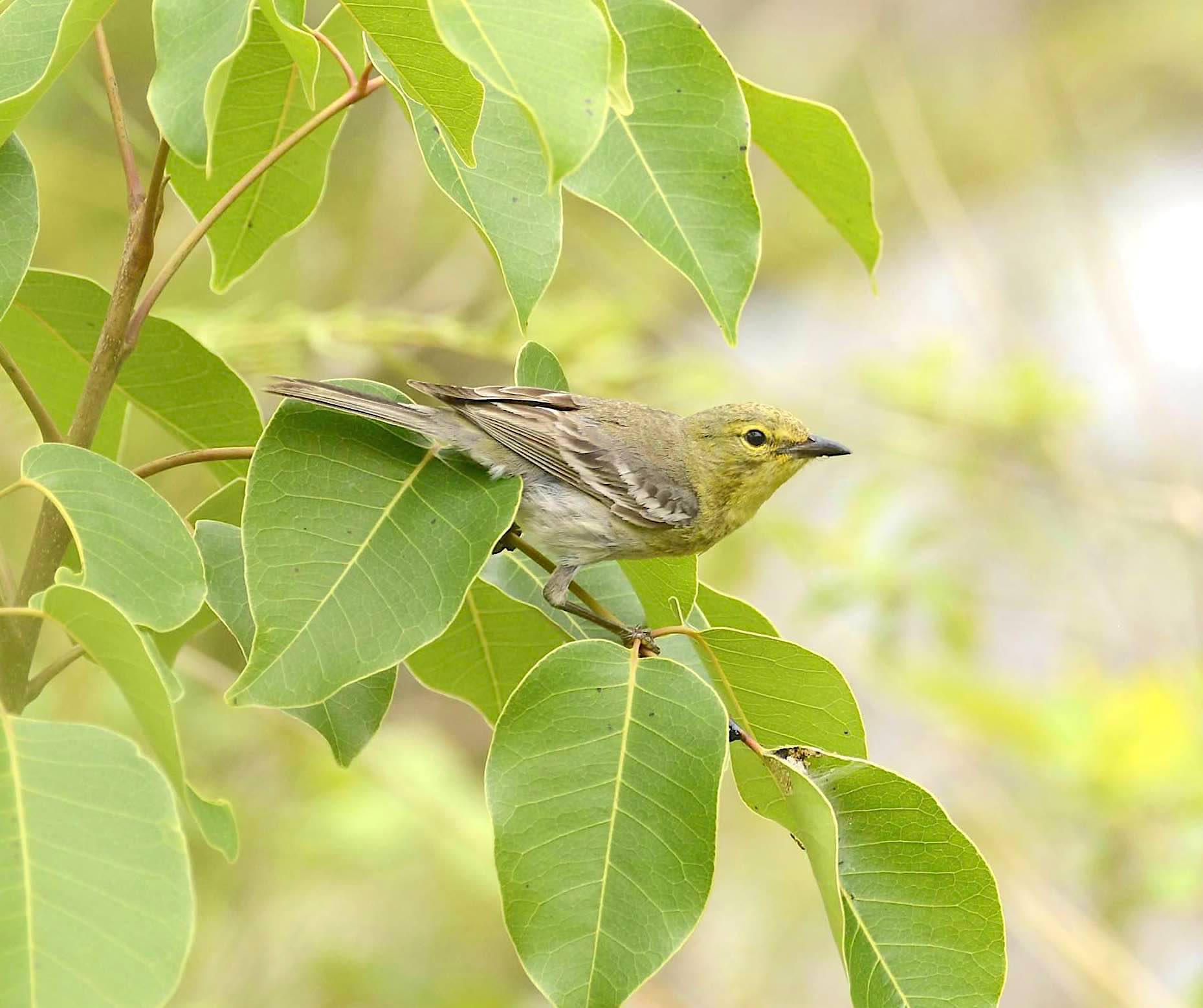
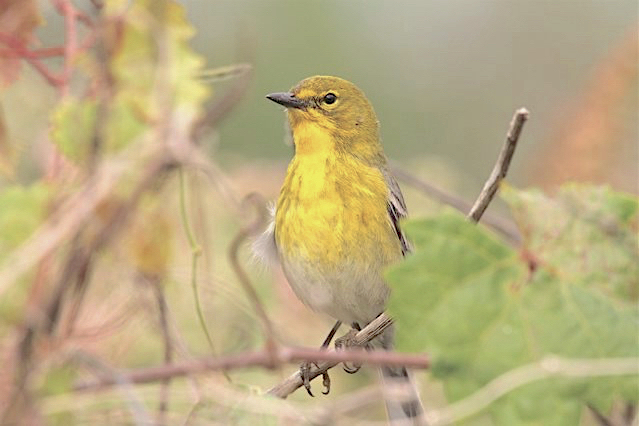
This post features photos of Prairie warblers taken on Abaco by Gerlinde Taurer, contributor to THE BIRDS OF ABACO. It is the start of a short series that will focus on a single species and feature gorgeous photos, all taken on Abaco. These bright little warblers are common winter residents and in normal times their Fall arrival would be well under way – along with some 30 other species of warbler that make Abaco – and the Bahamas generally – their winter home.
The rich diversity of the avian life of Abaco is truly astonishing: from residents to migratory species, from tiny to huge, from frequently encountered to very rare. Every bird (yes, even the reputedly ‘dull’ black-faced grassquits) has its own beauty and character. Even a small brown bird may have a lovely song. In non-storm circumstances, it would not be unusual for an amateur birder to encounter upwards of 40 species during half a day in the field – especially with binoculars. I hope that on a shattered island, appreciation of the lively and varied birdlife is already making a small yet positive contribution to the recovery.
Credits: All photos taken by Gerlinde Taurer on Abaco (my own are suppressed for being, frankly, dross in comparison)
ABACO BAHAMAS POST-DORIAN: HOPE & THE ICONIC PARROTS
As the intensive Hurricane Dorian relief operation continues on a devastated Abaco, the extent of the destructive power of the huge storm is all too evident. Gradually restored communications and the availability of social media have circulated far and wide the awful photos and aerial views of the smashed island, and the tragic stories of loss and desolation. Accounts of astonishing courage, determination and generosity are for all to see. And, nearly 4 weeks later, we have early signs of recovery and grounds for hope in a stricken land.
For the last 10 days or so, inquiries about Abaco’s birds and other wildlife have begun and are increasing daily. I take this as a sign that people are at last able to look slightly beyond the immediate horrors of the storm to the brighter horizon of the future. The iconic parrots are the principle concern, and finally – finally – I have some good news to bring. Here it is, in all its glory.
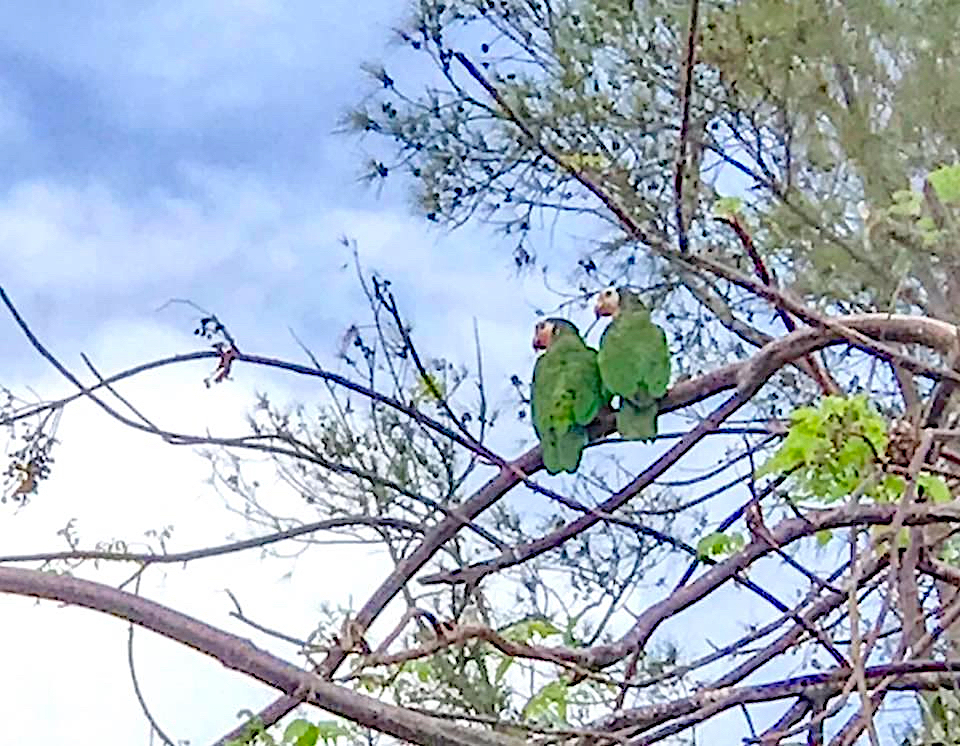
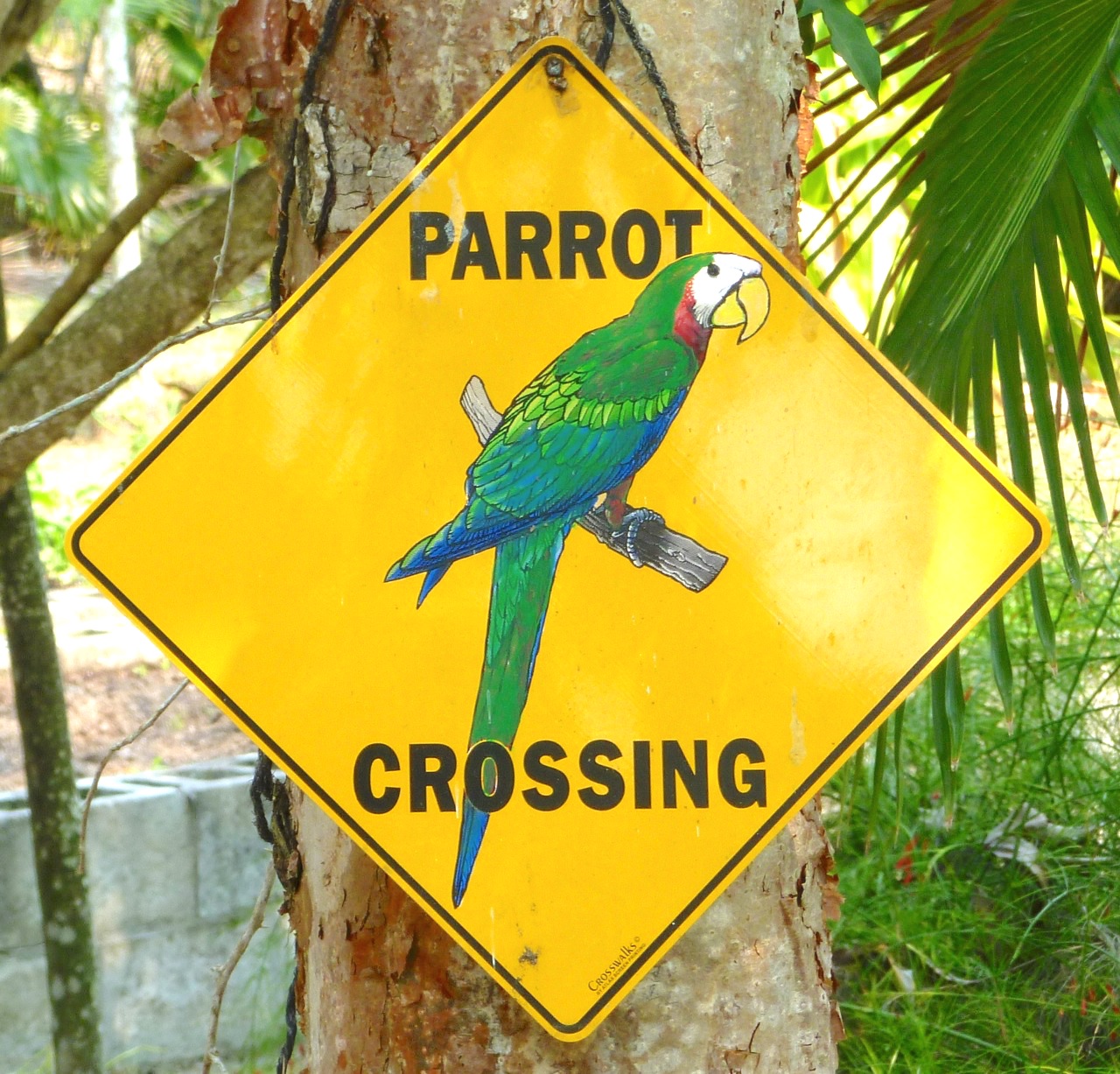
I have been waiting anxiously to pick up the first reports of parrot sightings – or even of their raucous squawks. This iPhone photo was taken yesterday at Bahama Palm Shores by Tara Lavallee. You are looking at the first photograph of the parrots since the end of last month. This pair were apparently wary and jumpy – quite unlike the unselfconscious rowdy birds with which we are so familiar. There was a sighting near Casuarina, too. It looks as though the parrots are returning.
WHERE HAVE THE PARROTS BEEN IN THE MEANTIME?
The parrots live and breed in the Abaco National Park right down in the south of the island. This is a vast area of pine forest that gives way to scrubland as it nears the coast. The assumption is that the approaching storm will have driven the parrots deep into the forest where, happily, they will have been some distance away from the destructive path of the hurricane. Many creatures can sense the approach of bad weather from changes in the air around them. This may trigger an instinct to head for home some time before the threat arrives.
ONCE THEY GET THERE, WHAT DO THEY DO?
They lie low. The parrots have an additional and most unusual way to stay safe. They can avoid the dangers of adverse weather and even forest fires because they live and nest underground in limestone caves deep in the National Park.
HOW RARE IS THAT?
The Abaco parrot (as opposed to its tree-nesting cousins in Inagua and in small numbers in Nassau) is unique in this respect, certainly in the northern hemisphere. There are half-a-dozen mostly inter-related species in the Antipodes that nest underground, but that is all. Even if the caves get flooded, limestone is a permeable rock and water will dissipate. And as for fires, the holes are deep enough for the flames to pass over them. Tree-dwellers are far more vulnerable.
DOES THIS MEAN THE PARROTS ARE ALL SAFE?
It’s much too early to judge, because there is another vital component in their survival: the availability and sufficiency of suitable food. This is the factor that most worries those concerned with the parrots’ welfare – the BNT, the scientists and naturalists who helped to bring the species back from the edge of extinction, and organisations further afield such as Birds Caribbean. So it’s a question now of where they will find to feed; and beyond that, how they respond if they find their usual feeding haunts trashed.
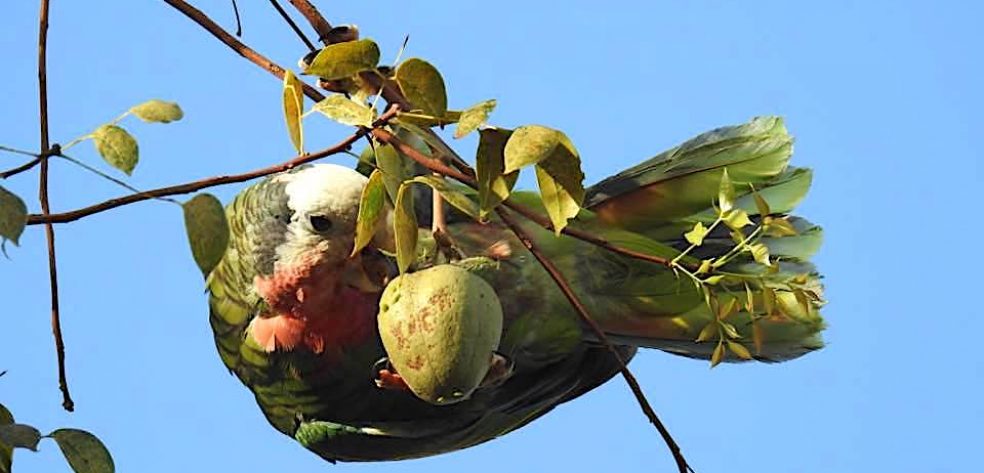
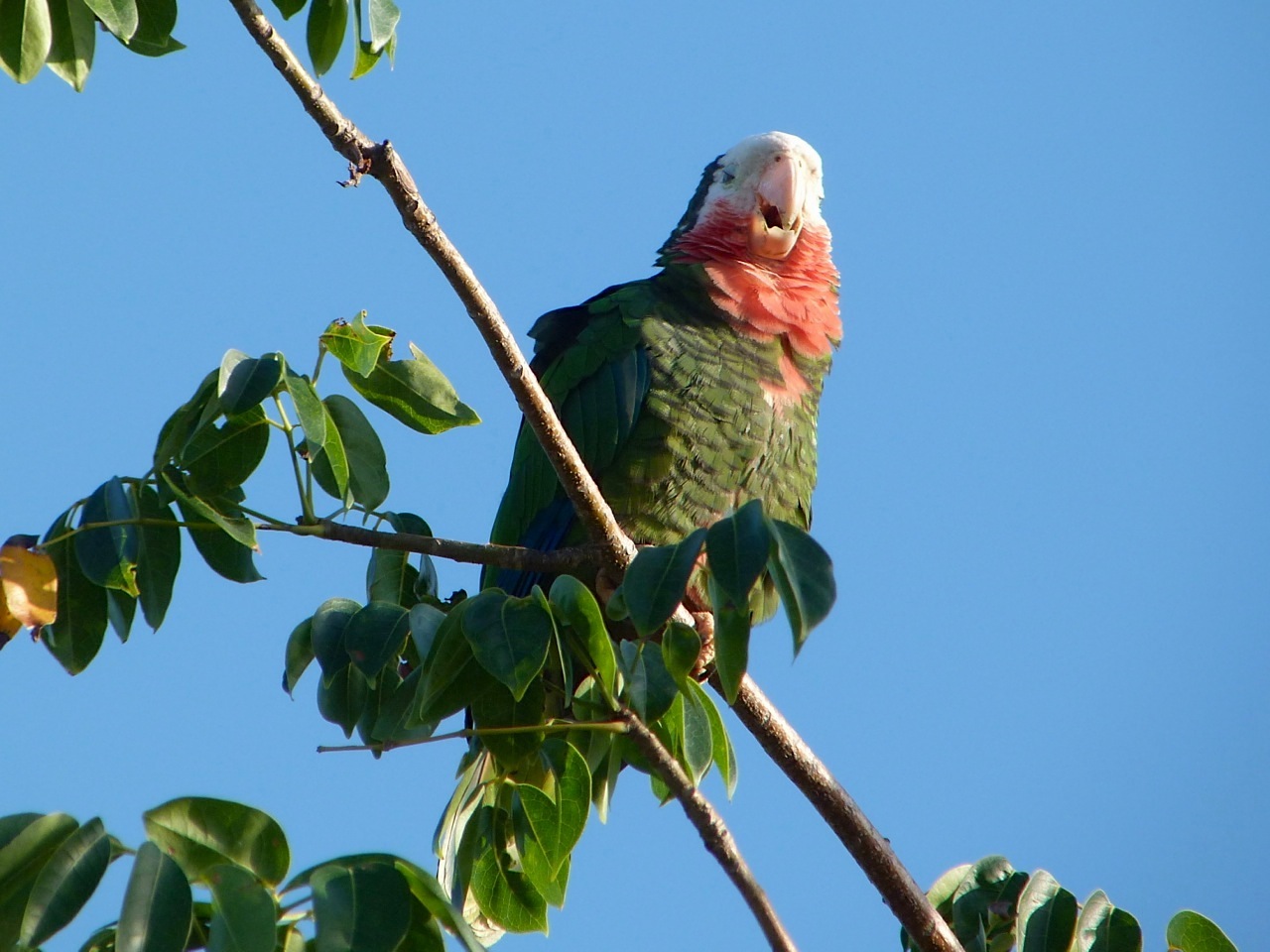
Feeding on Gumbo Limbo berries, a favourite snack
SIGHTING REPORTS
The signs are that the parrots are now emerging and looking for food. With luck their presence will become more noticeable. This is an important moment for collecting stats. They will help research into the effect of Dorian on the population including the wellbeing of the birds, their flocking behaviour, and the locations they now find to their liking. The fact that parrots have been seen at BPS, the parrot hotspot, is encouraging.
If anyone sees or even hears parrots over the next couple of weeks I’d welcome a report either directly or indirectly. The most helpful details are date, time, location and approx numbers (1, pair, a few, lots). Beyond that, behaviour notes are of interest – feeding, chattering, hanging round, being unsettled and so on. A photo is always a bonus, even a phone one.
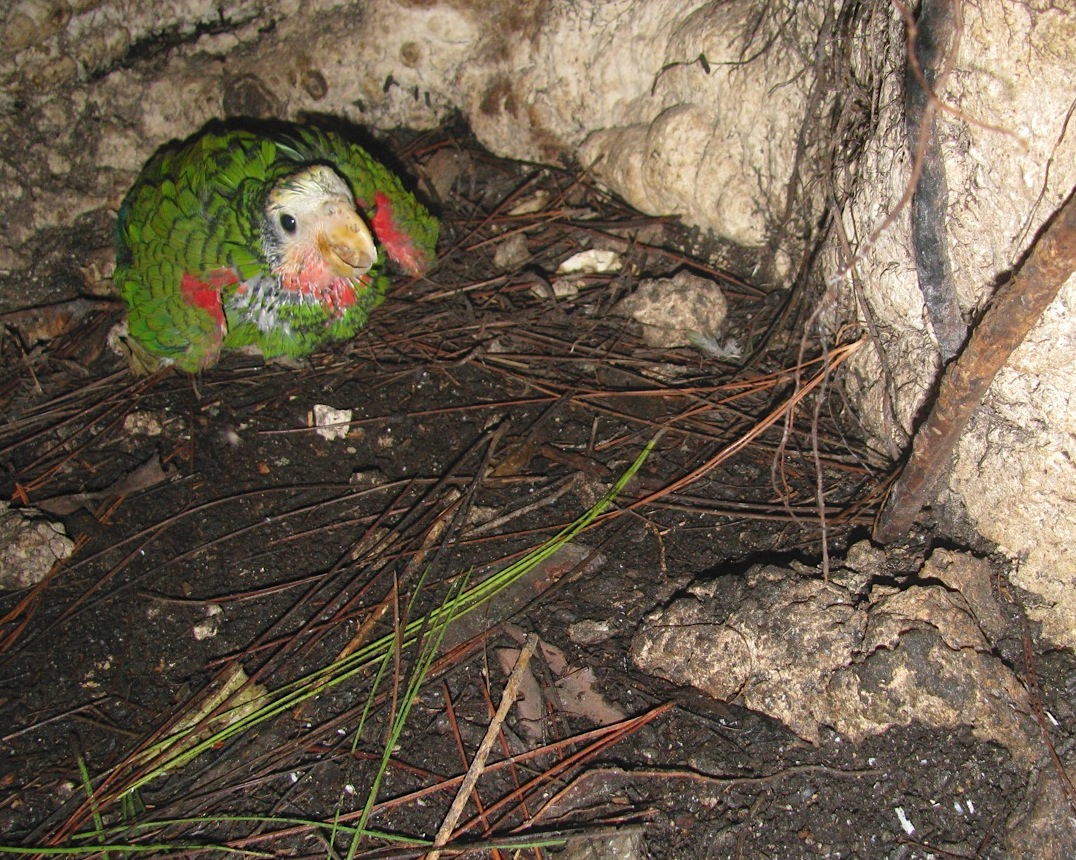
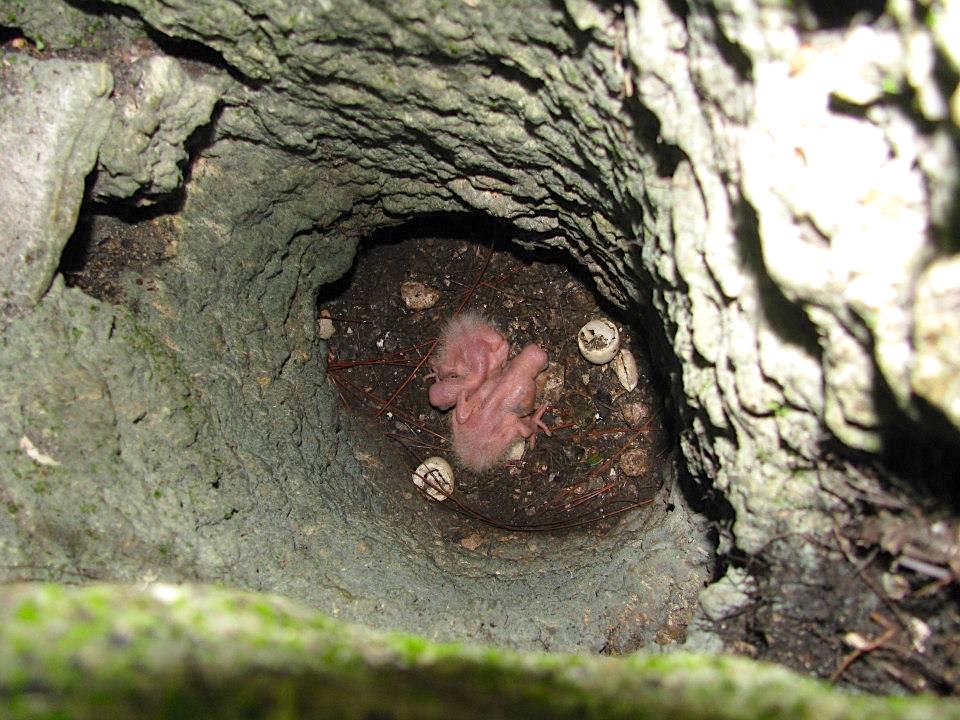
Do not doubt the resilience of these beautiful birds. Now that the threat of extinction has been removed through skilled conservation, management and predator control, they will win through. If you doubt it, just look at this image below. It shows a nest in the immediate aftermath of hurricane Irene, with its occupant safe and sound as the parents forage for food and parrot scientist Caroline nips in with her camera.
In times of trouble, of grief and of despair, humans have an instinct to rally round for the greater good. Right now, I am very conscious that on Abaco – and indeed Grand Bahama – there is little or no time or mental space for overmuch concern about the wildlife. I am safely distanced from the tragedies and dire misfortunes of the countless individuals, families and communities affected by Hurricane Dorian. In this post I simply offer some images of birds – all photographed on Abaco – that are bonded together as adults or adult and chick, as symbolic of the huge combined human efforts on Abaco to comfort, restore, and rebuild a shattered island.
Northern Bobwhites, Abaco backcountry – Tom Sheley
Piping Plover, Delphi Beach Abaco – Keith Salvesen
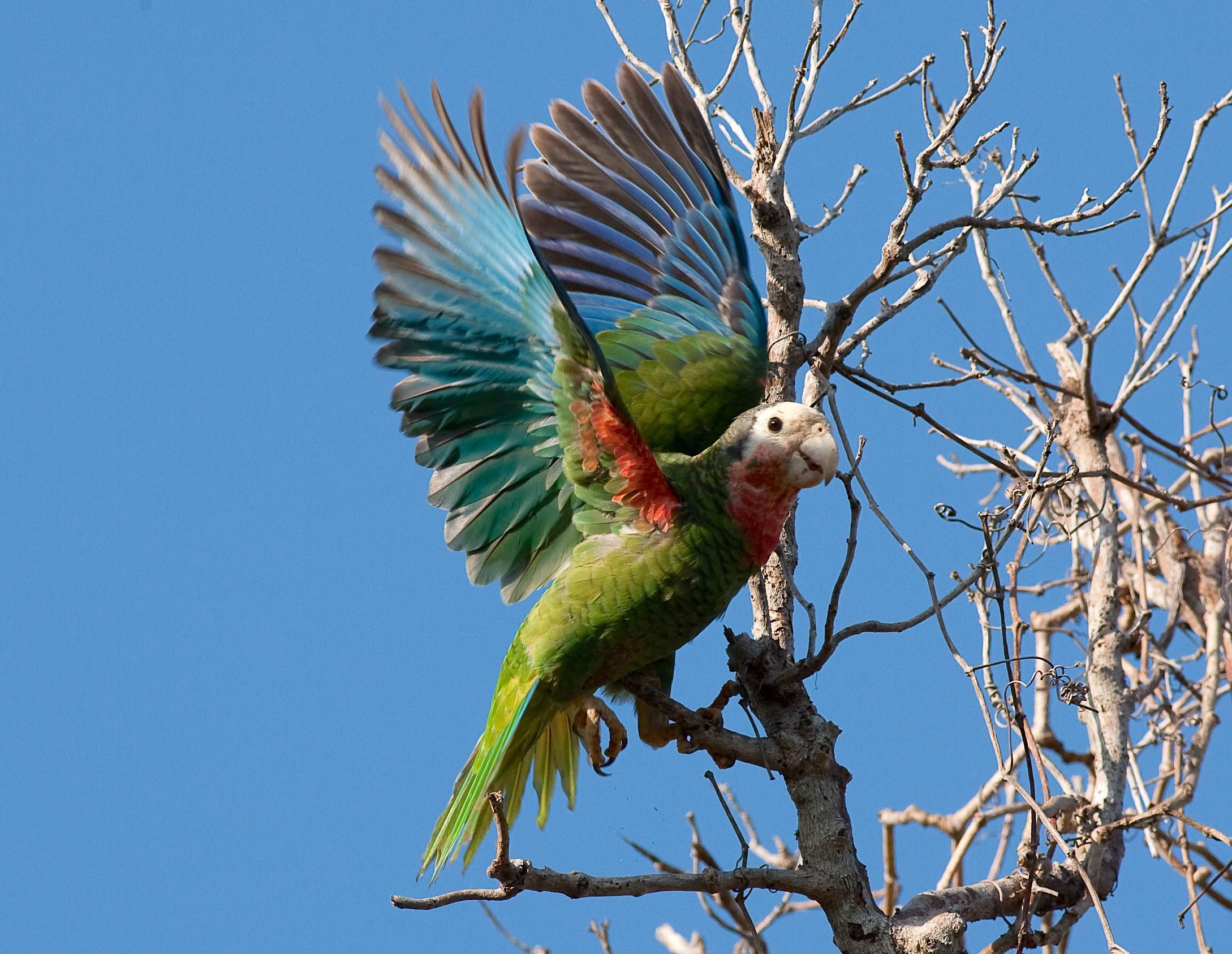
Abaco Parrots – Peter Mantle
Neotropic Cormorants, Treasure Cay, Abaco – Bruce Hallett
Common Gallinule adult & chick, Abaco – Tom Sheley
ABACO, BAHAMAS has been all but destroyed by Hurricane Dorian. The horrendous scale of the disaster in human terms alone is only now becoming clear as the days pass and new tragedies are revealed. Many established relief funds – international, national and local – are being very generously supported for the benefit of those who have suffered so grievously. I am adding to the number through my specific link to Abaco and its wildlife.
For obvious reasons, the GFM page (in edited form here) has a rather more formal , explicatory tone than I would usually use.
Sally and I were founder members of the Delphi Club, Abaco and retain strong connections with the island and the community. I run a conservation program for rare migratory plovers that overwinter on Abaco; and I am involved with BMMRO & its marine mammal research.
‘THE BIRDS OF ABACO’, of which I am the author, was published in 2014. The book was designed by Sally and published by Peter Mantle / The Delphi club. By the end of last year the edition had sold out, and all planned educational donations to schools, libraries and relevant organisations had been completed.
However, I have a couple of dozen books left in the UK. Through this fundraiser, I am offering a copy of the book in exchange for a donation of $150 (or the equivalent). The resulting fund (minus the cost of fulfilment from the UK) will be added to the funds achieved by the Delphi Club through theirDORIAN RELIEF FUND .
A higher donation is of course encouraged; and please note, it is not compulsory to receive a bird book. Smaller donations are extremely welcome too, and for those of $50+ I will offer the donors a high-res PDF of a bird of their choice from a selection of several significant species found on Abaco; or a PDF of the complete bird species checklist for Abaco. That’s voluntary too.
The original price of this large photographic book was $145. It showcases the wonderful birds of Abaco with contributions from 30 photographers. Almost all are either residents of Abaco, or have strong connections with – and affection for – the island and its cays.
The books can be sent to Bahamas, USA, Canada and Europe. For any other destination, please contact me before you make a donation. Books will not be dispatched before October.
Please note that the Delphi Club does not have a stock of books and is not directly involved with this fundraiser. Please contact me with any inquiries, even though the Club details are shown on the pre-publication flyer below.
ABACO’S 38 WARBLERS: AN ILLUSTRATED ID GUIDE (Pt 1)
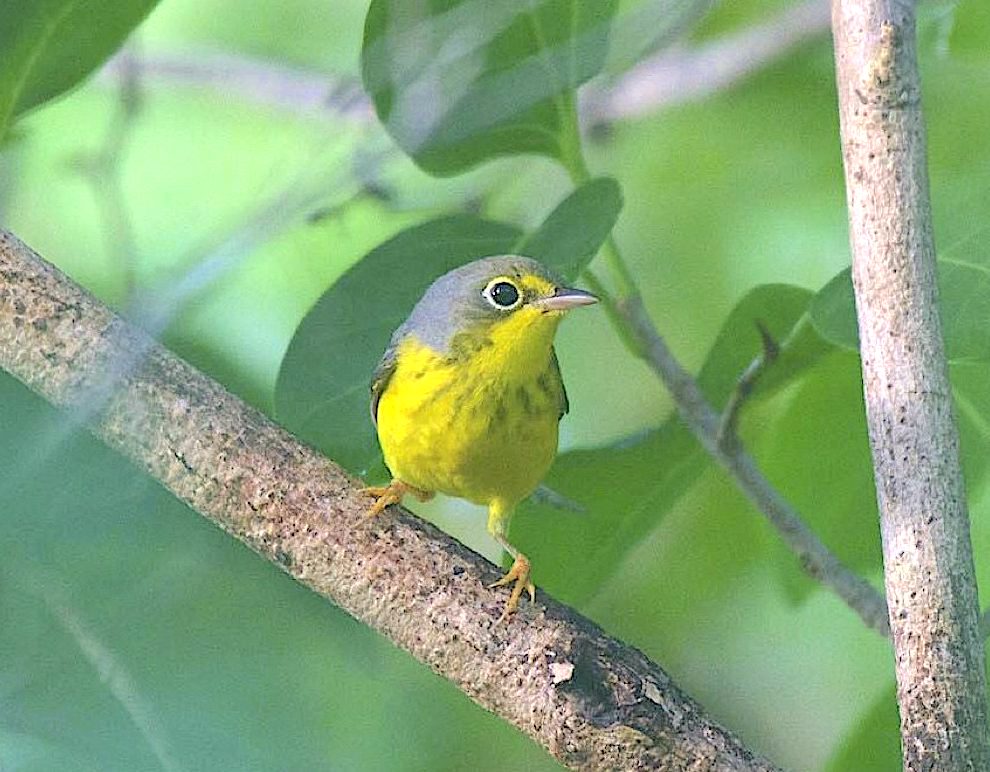
IT’S STARTED The great winter migration of warblers and their imminent arrival in The Bahamas is underway. Any day now – if not already – the ‘winter’ / ‘Fall’ (late summer & early spring as well) warblers will be arriving on Abaco. There are 38 warbler species recorded for the main island and the cays. For years, it was just 37. Exactly a year ago, a CANADA WARBLER was seen and photographed by well-known birder Chris Johnson. It was a first for Abaco – and the first-ever report for the Bahamas as well. You’ll find the story HERE.
First-ever Canada Warbler for Abaco & the entire Bahamas: Aug 2018 (Chris Johnson)
This post is the first of 3 warbler posts for the Fall. A while back I compiled a basic (in retrospect) guide to Abaco’s warbler species. I’ll give a link and pdf in due course once I have rechecked (improved? rewritten?) it. [Note: of no value on eBay, @m@z@n or anywhere else]. Many of the warblers are far from easy to distinguish from each other. For example, many males have yellow or yellow-and-black plumage. The females are invariably less colourful – often brownish or olive – than the males (as are juveniles), and that can lead to confusion – and not only by me, I think.
Hooded Warbler, Abaco Bahamas (Chris Johnson)
The guide divides the original 37 species into categories, with a code for each bird to show. You’ll see below the codes relating to each of the 5 resident species:
Resident status – permanent / breeding, migratory or transient
Frequency – likelihood of seeing each species in its season, rated from 1 (very likely) to 5 (extreme rarities, maybe recorded once or twice since c1950
Numerically, the division of the 38 breaks down into 3 categories:
5 permanent residents (PR) that breed on Abaco (B), of which two are ENDEMIC
21 winter residents (WR) ranging from ‘everyday’ species to rarities like the rare, vulnerable Kirtland’s Warbler (now under threat from proposed development)
12 transients, most of which you will be very lucky to encounter
Palm Warbler, Abaco Bahamas (Nina Henry)
The photos used in this series were almost all taken on Abaco / the Cays. There’ll be examples of the male of each warbler species, with some females for contrast. Where I have no Abaco / Baha images – especially with the transients – I have used other mainstream birding resources and Wiki. All due credits will be given at the foot of each post.
The warblers shown above are a mix of warbler species on Abaco: resident / endemic, winter migrants, and transient / vagrant. Time to take a look at the first category, the Bahamas-loving resident species that live and breed on Abaco
5 PERMANENT RESIDENTS
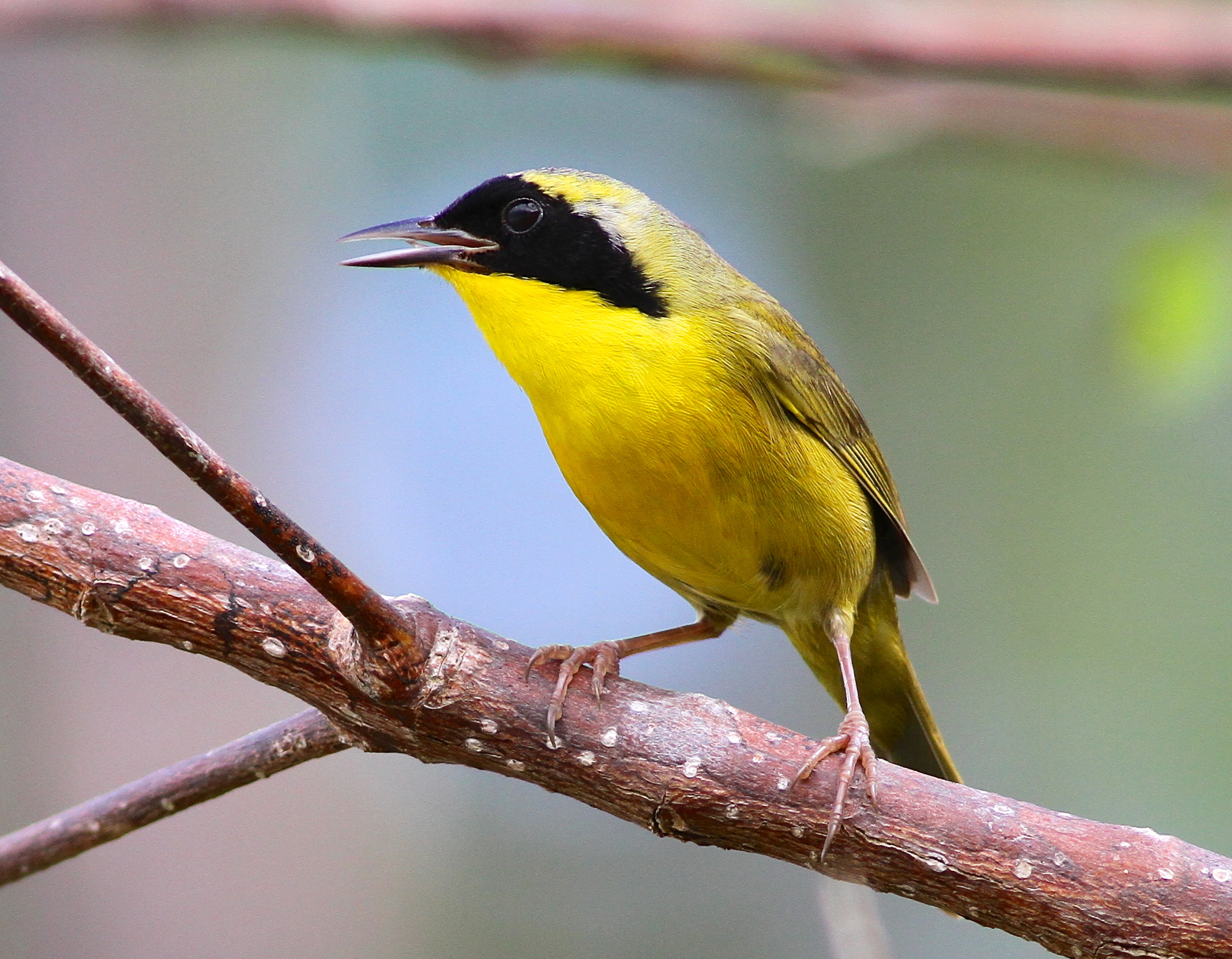
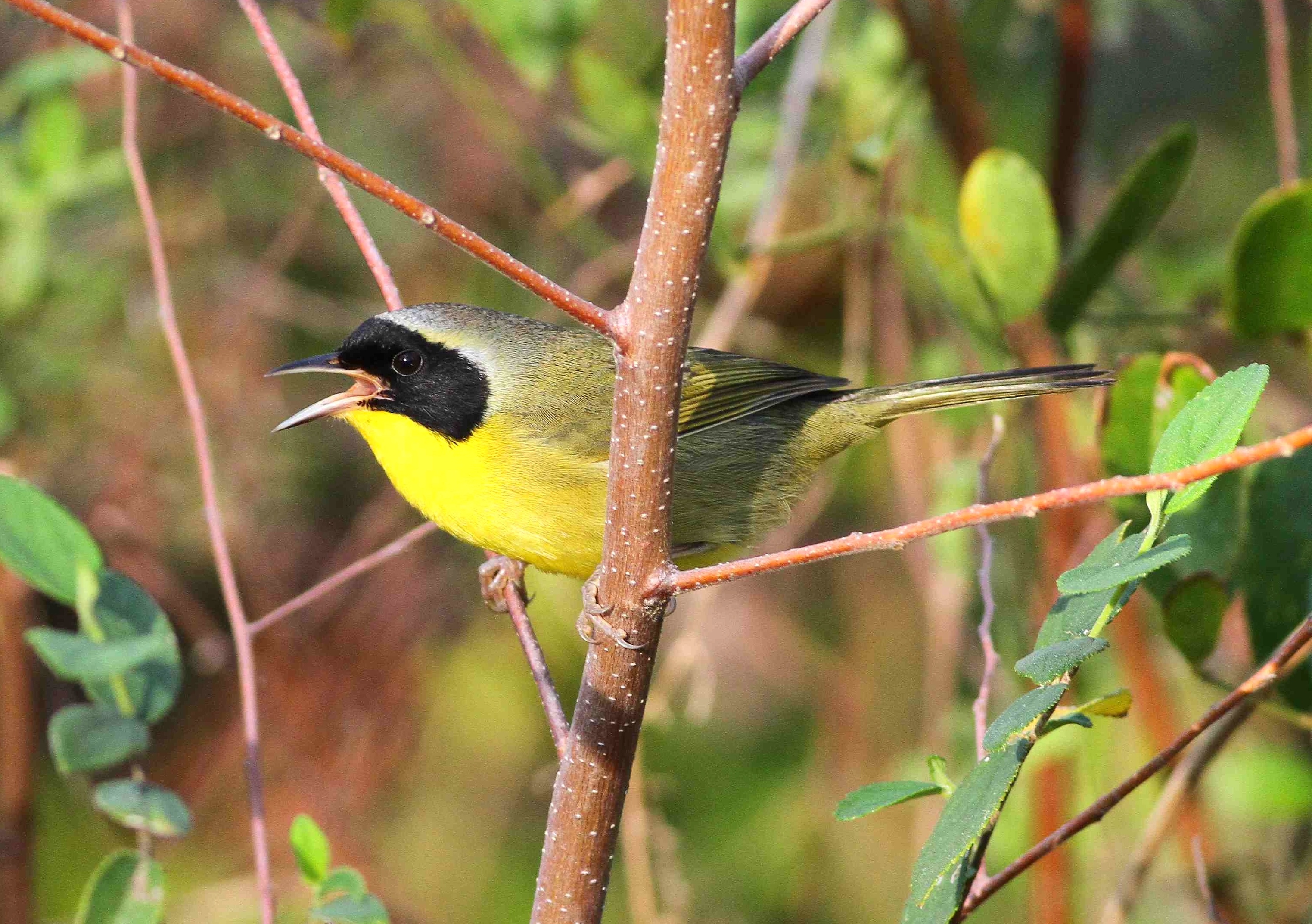
BAHAMA YELLOWTHROAT Geothlypis rostrata PR B 1 ENDEMIC
PHOTO CREDITS Tom Sheley (1, 9, 11); Chris Johnson (2, 3); Alex Hughes (4); Nina Henry (5); Gerlinde Taurer (6, 7); Bruce Hallett (8, 10); Photos mainly from the archive collected for“THE DELPHI CLUB GUIDE TO THE BIRDS OF ABACO”by Keith Salvesen
GULAR SACS: SCRATCHING THE SURFACE OF AN IN-DEPTH VIEW…
A half-way intelligent microbe would make a better job of getting the internet into our home than the current ISP that nominally serves, at some expense, Maison Harbour. So I am restricted to posting 2 fantastic photos of gular pouches as a tempter for things to come when the dimwits in charge of the ‘provision’ of ‘service’ of ‘internix’ locate the act that they need to get together.
Spoiler Alert: ‘Gular Sacs’ has nothing to do with modern jazz. You need to go somewhere else for that…
Photo credits (if they load in the next fortnight or so): Phil Lanoue; Franz Delcroix – with thanks for use permission
It’s often a hard decision whether to include a short piece of video footage in a post. By short, I mean less than a minute. On the one hand, there is usually a good reason for inclusion, even if only aesthetic. On the other, it simply takes up more time for busy people who may prefer to flick through an article and enjoy some nice images along the way. Today, you can have the best of both worlds.
Sanderlings are definitively ‘peeps’, a group name that embraces the smallest and squeakiest sandpiper species. They are the wave chasers, the tiny birds that scuttle along the beach, into the retreating tide for a snack from the sand, and back to the beach again as the waves creep in. Their little legs and feet move in a blur, and many people immediately think of wind-up clockwork toys as they watch the birds in action.
One of the joys of being a sanderling is that rock pools fill and empty diurnally. At some time during daylight, there’s the certainty of a quick dip. I was lying on the beach when I took this short video, so that I didn’t spook the birds. I was equipped with a smallish camera (I drowned it the following day. By mistake I mean) but I kept my distance rather than try to get closer and spoil their joyful bathing.
I caught these little birds at a critical moment. You can tell that the tide is coming in fast. The peeps are becoming edgy, and weighing up the joys of immersion in a pool with the less enjoyable prospect of being washed out of the pool by the next wave. Within a minute or so, they had all flocked down the shoreline for a foraging session.
Waves and incoming tide getting a little too close for comfort on the edge of the pool…
Next to the migratory PIPING PLOVERS that favour Abaco as their winter home, the wave chasers are my favourite shorebirds. My keenness on them killed my camera. I went out into the incoming waves to get shots back at the beach with the sun behind me. Great idea until I lost my balance with, as they say, hilarious consequences. Lesson learnt – never turn your back on waves.
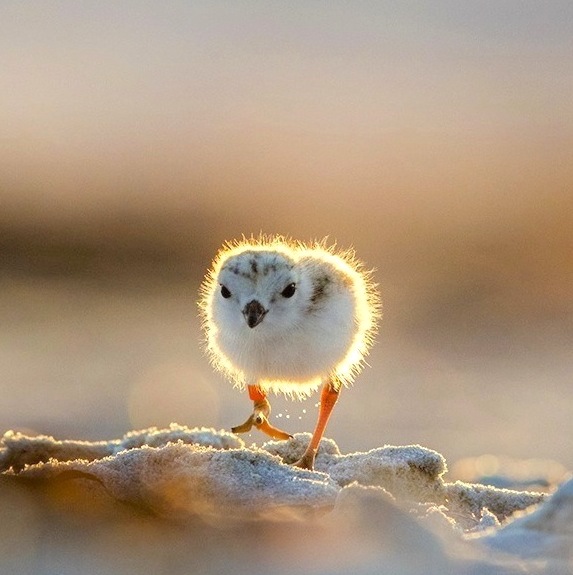
Birds never cease to astonish and delight. Baby birds contain additional magic ingredients such as adorbium and cuteite. Ten days ago, a whole new level of spectator infatuation was effortlessly induced in the piping plover conservation team at Good Harbor Beach in Gloucester, Massachusetts.
The episode took a grand total of 35 seconds… For that is the time it took for three tiny piping plover chicks to get from one side of a small stretch of water to the other. By swimming! They had been spotted doing this the previous day, so the team were prepared. This was no one-off water-based miracle.
WATCH THIS CLIP AND BE UTTERLY ASTOUNDED AND ENCHANTED…
WHY DID THE PLOVER CHICKS CROSS THE WATER?
Alicia Pensarosa, amazed conservationist and photographer, later posted her video captioned “Mom and Dad plover fly to the other side first and then pipe at them to swim over. I think they do this to get to a better foraging area and to be less disturbed from beach crowds. They have been making their trek over in the morning and then come back in the afternoon (both on busy and quiet beach days)“.
WHY THE BIG SURPRISE ABOUT SWIMMING SHORE BIRDS?
Because as it turns out, very very few people have seen this behaviour before with the tiniest shorebirds. Alicia’s post on FB unsurprisingly has racked up loads of Likes, Loves, WOWs, OMGs and other enthusiastic emoticons. Plus plenty of shares. Plus a whole lot of comments and replies. In the interests of research I have examined these. One person once saw snowy plover chicks take a dip. Only two people had seen PIPL chicks do so. I’m pretty sure Michelle Stantial, pre-eminent PIPL scientist, has seen this phenomenon too. But overwhelmingly the responses can be summarised by the words ‘Who Knew?’
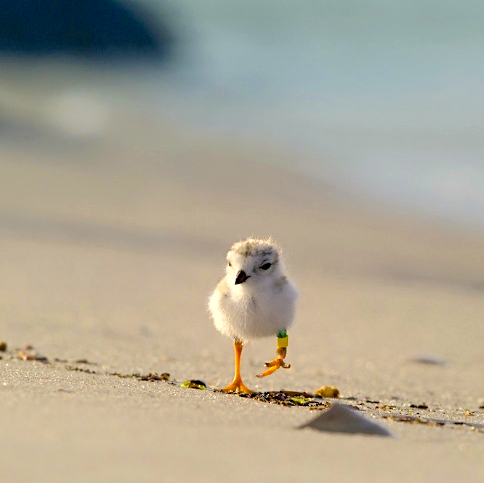
And now, assuming you watched the video (and if not, why not? and please scroll back and do so forthwith), you know it too. Here’s my current favourite chick to end with.
Keith, son of Squid and Sophie, sibling of Abaco and Cherokee (for which, see HERE)
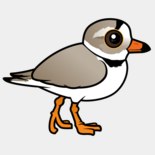
CREDITS: Alicia Pensarosa for the report, the great video and her work with PIPL; Illustrative chicks courtesy of ace PIPL photographer Northside Jim Verhagen of LBI; and Todd Pover / Conserve Wildlife Foundation New Jersey
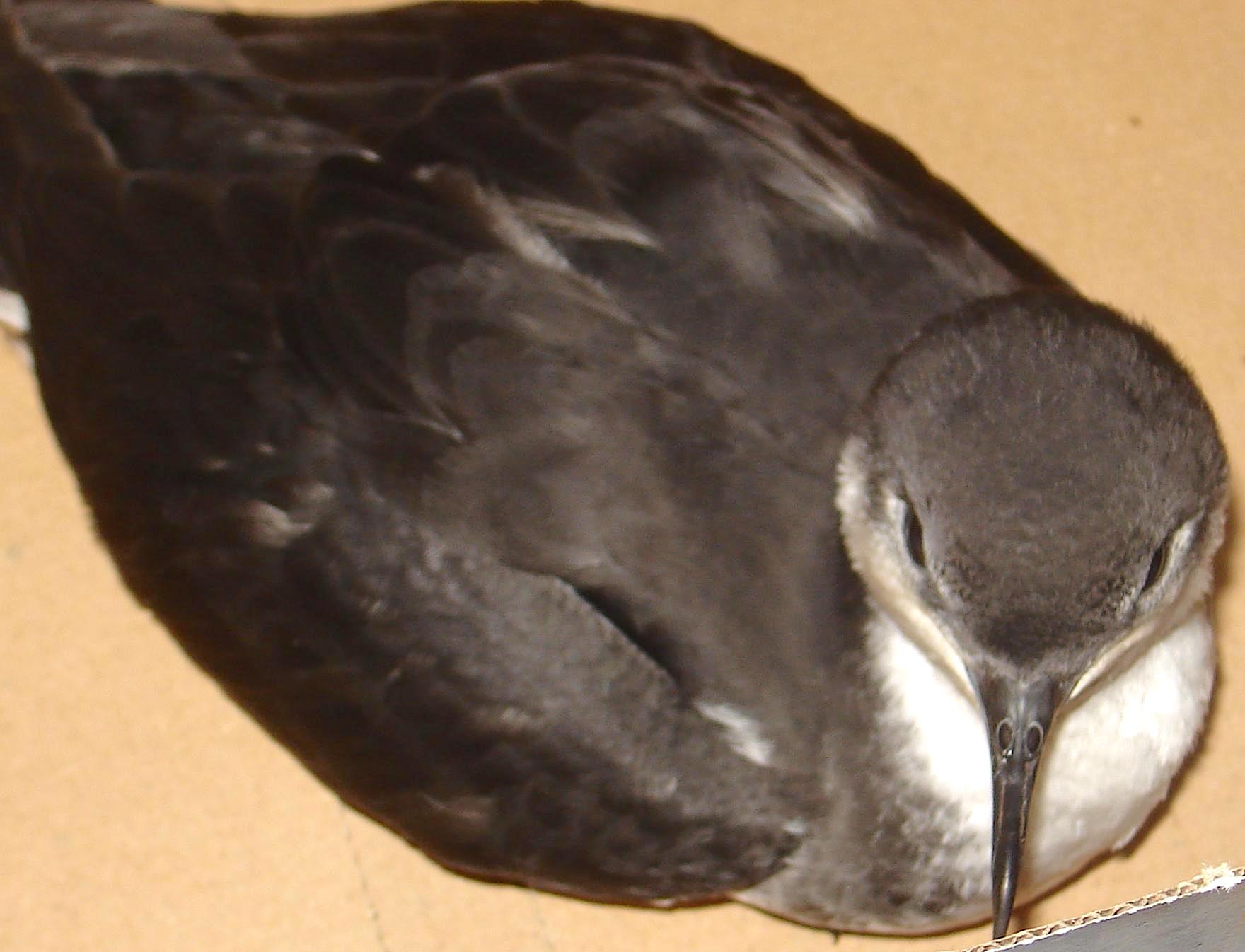
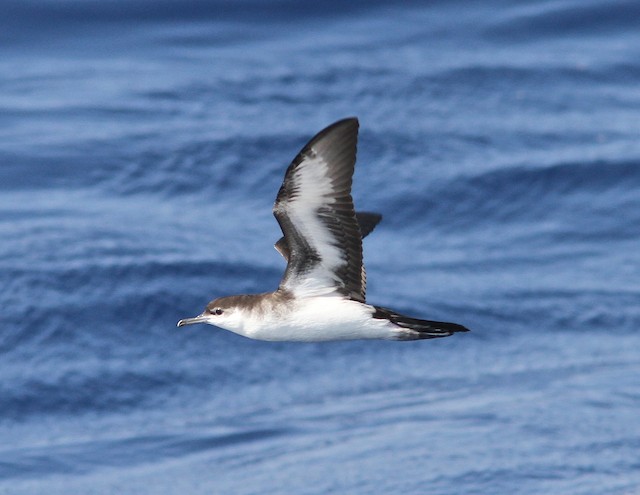
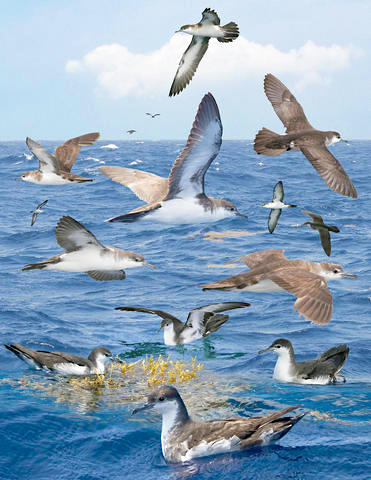
If you are walking your favourite beach on Abaco right now, it’s quite possible you may see – or may already have seen – a very poorly seabird. Or one that is dead, I’m afraid. These are Audubon’s Shearwaters, also known as Dusky Petrels. They are the only permanent resident shearwater species on Abaco. Three others (Cory’s, Great and Sooty) are rare transients; and the last – the Manx – is a very rare off-course vagrant.
Each sad bird is part of a tragic and recurrent phenomenon, a so-called die-off event. As in previous years, a few of the birds that succumb may be Great Shearwaters mixed in with the Audubon’s. I first became aware of this problem in June 2015 and wrote two detailed posts about the situation. This bleak time lasted for about a week, and many reports came in from the mainland and the cays from Green Turtle Cay right down to Crossing Rocks, all duly mapped to get the overall picture.
There was thankfully no such problem in 2016, but in 2017 – also in June – there was another die-back event involving a large number of Audubon’s shearwaters (Puffinus lherminieri) appearing in the tideline and on beaches. Many were already dead. Some are still alive, but in a very poor state. The prospects for recovery for birds that were captured and cared for were not good.
Two years on, and the melancholy cycle is repeating itself. A few days ago, Melissa Maura, an expert in the care and recovery of creatures of all kinds, posted an alert and some sound advice:
A heads-up to all Island folk that it appears to be a summer when exhausted Shearwaters (pelagic seabirds) are washing up on our beaches in Eleuthera and Abaco. I have had two calls in 24 hours. Should you find one, understand that it will be in a severe state of exhaustion and stress and that excessive handling will kill it. Please put in a safe pen on a sandy surface, with shallow pan of fresh water and try locate either fresh fish (important) or squid from a bait shop. This may have to be administered by gently opening the beak and inserting one inch long piece of fish every couple of hours until stable. Ideally they need tube feeding, but very few folk can do this. Please contact me on private message if you find any…
An exhausted Audubon’s Shearwater, now being cared for by Melissa Maura
WHY DOES THIS SHEARWATER DIE-OFF HAPPEN?
This is a periodic phenomenon that looks to be settling into a 2-year cycle in the Northern Bahamas (Eleuthera is also affected). The cause is probably a combination of factors, very likely stemming from prevailing mid-summer climate conditions and/or the effect of climate change. This can lead to a shortage of food far out in the ocean where the birds spend their days. This in turn leads to weakness and exhaustion as the birds try to find food. The birds may then land (or fall) in the sea, to be washed ashore in a very bad state, or dead. In 2017, well-known bird expert Woody Bracey noted a correlation between poor fishing conditions out at sea, and an unusual absence of the frigatebirds that are a sure sign of a healthy fish population.
Shearwater washed up on the beach at Winding Bay a couple of days ago
ARE PLASTICS A CONTRIBUTORY FACTOR?
As we must all accept by now, most if not all these birds will unavoidably have ingested some of our discarded plastic. However, that in itself would not explain the simultaneous deaths of many birds of one type in a specific area, at exactly the same time of year, and for a few days only.
WHAT ELSE CAN BE DONE?
The dead birds will be quickly removed by the turkey vultures. If you do find one, you might want to bury it. The prognosis for sick birds is not that good. They may have been carried a long way from open sea and they will be exhausted and starved. Those that are strong enough may recover naturally; but most will sadly die, being too weak and emaciated to survive. There is no available facility able to deal with a large number of very poorly or dying birds.
The most practical advice I can give is:
(1) move the bird gently into the shade if in the sun
(2) provide clean water in a shallow dish
(3) offer finely chopped fish BUT no bread (it’s very bad for birds)
(4) if this seems to be working, then carry on until the bird is strong enough to fly (this may be quite a commitment)
(5) do not reproach yourself if a bird you try to help dies. Many will be in such bad shape by the time they are washed up that they are unlikely to survive whatever steps you take
(6) remember that this a part – a sad part – of the life-cycle of these birds, and (as with other species), a degree attrition is an inevitable aspect of natural life
I’d be interested to hear any other accounts of this year’s dieback, especially of any recovery stories. By all means do this as a comment, or email me, DM, or FB.
Credits: thanks to those on Abaco who have been reporting this event over the last few days; Dominic Sherony (1); Melissa Maura (2, 5); Keith Kemp (3); Kinlarak / wiki (4); Rhonda Pearce (6); Brian Sullivan / Neotropical Birds / Cornell (7); )Richard Crossley / Crossley Guides for the composite picture
There are twelve (12!) species of tern – ‘swallows of the sea’ – that to a greater or lesser extent may be found on Abaco. Whether they will actually be visible at any given time is less certain, though. For a start, the only resident species is the lovely Royal Tern, available at many locations on Abaco and the cays throughout the year.
ROYAL TERNS Thalasseus maximus PR1
In the slightly less commonly-found category are the summer migrant terns that, by definition, are only in residence for around half the year. Four of these are fairly common in certain areas, and actually breed on Abaco; these include arguably the prettiest of all, the bridled tern. The other two tern species (gull-billed and sandwich) are more rare and as far as I can make out do not breed locally; or perhaps only rarely.
LEAST TERN Sternula antillarum SR B 1
BRIDLED TERN Onychoprion anaethetus SR B 2
ROSEATE TERN Sterna Dougallii SR B 2
SOOTY TERN Onychoprion anaethetus SR B 2
GULL-BILLED TERN Gelochelidon nilotica SR 3
SANDWICH TERN Thalasseus sandvicensis SR 4
There is one rare winter resident migratory tern species. I had to check when the last one was recorded for Abaco. It was of course only in January this year, when ace birder-photographer Sally Chisholm saw one at Treasure Cay and managed to photograph it for posterity.
FORSTER’S TERN Sterna forsteri WR 4
The final four ‘Abaco’ terns are very much the occasional visitors. Three of them pass over the Bahamas on their longer migration, but may make a pit-stop around Abaco to take on fuel. Likelihood of sighting one? Slender but not impossible… The fourth, the Arctic Tern, is a very rare vagrant, a bird well away from its usual home or migration route as the result of storms or faulty satnav or sheer happenstance. Don’t travel to the Bahamas intent on seeing one.
CASPIAN TERN Hydroprogne caspia TR 4
As for the remaining three species, they are the transient black tern and common tern; and the vanishingly rare vagrant Arctic tern (the clue is in the name). No photos of any of these I’m afraid, so here’s a handy checklist instead.
ELECTIVE MUSICAL DIGRESSION
Written by Peter Seeger a few years earlier, Turn x 3 was released in 1965, the title track on the second album from the Byrds. At a rather febrile time in US history (Vietnam, draft riots, black civil rightists v cops and so on), this unusually palliative and thoughtful song with its religious connotations to some extent stood for peace and hope in a time of turmoil.
PS the somewhat laboured title of this post shoehorns in the name of another Byrds album, ‘The Notorious Byrd Brothers’
Photo credits: Keith Salvesen (1, 2, 3, 5, 18); Tony Hepburn (4); Alex Hughes (10, 11); Bruce Hallett (6, 7, 12); Woody Bracey (8, 13, 16); Duncan Wright (9); Dick Daniels (14); Sally Chisholm (15); Keith Kemp (17)
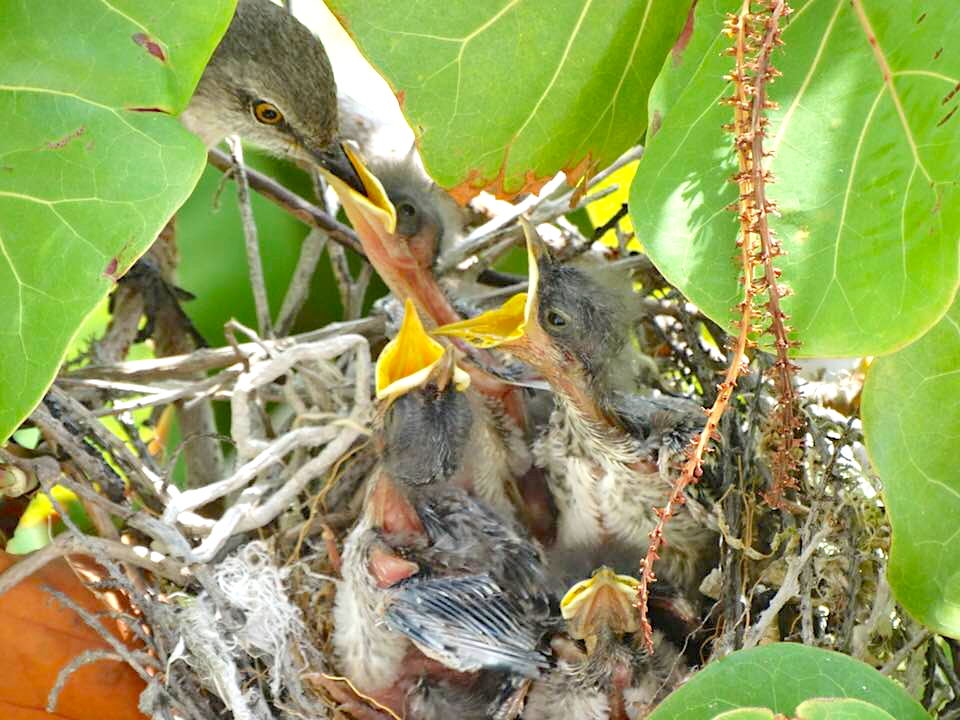
Anyone who has watched – and indeed heard – the behaviour of new chicks in a nest will recognise what is going on here. Four tiny Northern mockingbird chicks are passive and apparently dozy in the nest while they wait for one or other parent to fly back to fill their little faces.
As soon as they see or sense the imminent arrival of parent, the clamour begins. Me me me. Feed me first. “Fill-a-mi-beek”. Straining and craning forwards and upwards, with gaping yellow mouths. Pushing and shoving for optimum positioning. It’s all a bit frantic in that confined space.
Quite often, there’ll be a slightly smaller, less active chick at the back of the screeching pack… the best hope may be some leftovers or some food sprayed around in the mayhem. Then the parent bird flies off and the riot subsides. For a few minutes, anyway.
The 2 chicks at the back haven’t quite got the hang of the tactics yet…
The chick at the front – see him? – is out of the game..
As the photographer Melissa Maura wrote of this sequence: “A local avian staple seen in every Bahamian garden – the brilliantly musical Mockingbird. I followed this diligent Mamma for a few days in Abaco continually foraging for her 4 babies. Exhausting!”
* * Title / header: from the word ‘Mama’ onwards, there’s a notable absence of the role of `Papa’ in all this. He will have been the one to choose the territory and build the nest. His work complete, he can relax a bit in the knowledge that the chicks will fledge after only about a fortnight. Any Mama can cope with that, surely? Why interfere when it’s all going so well…
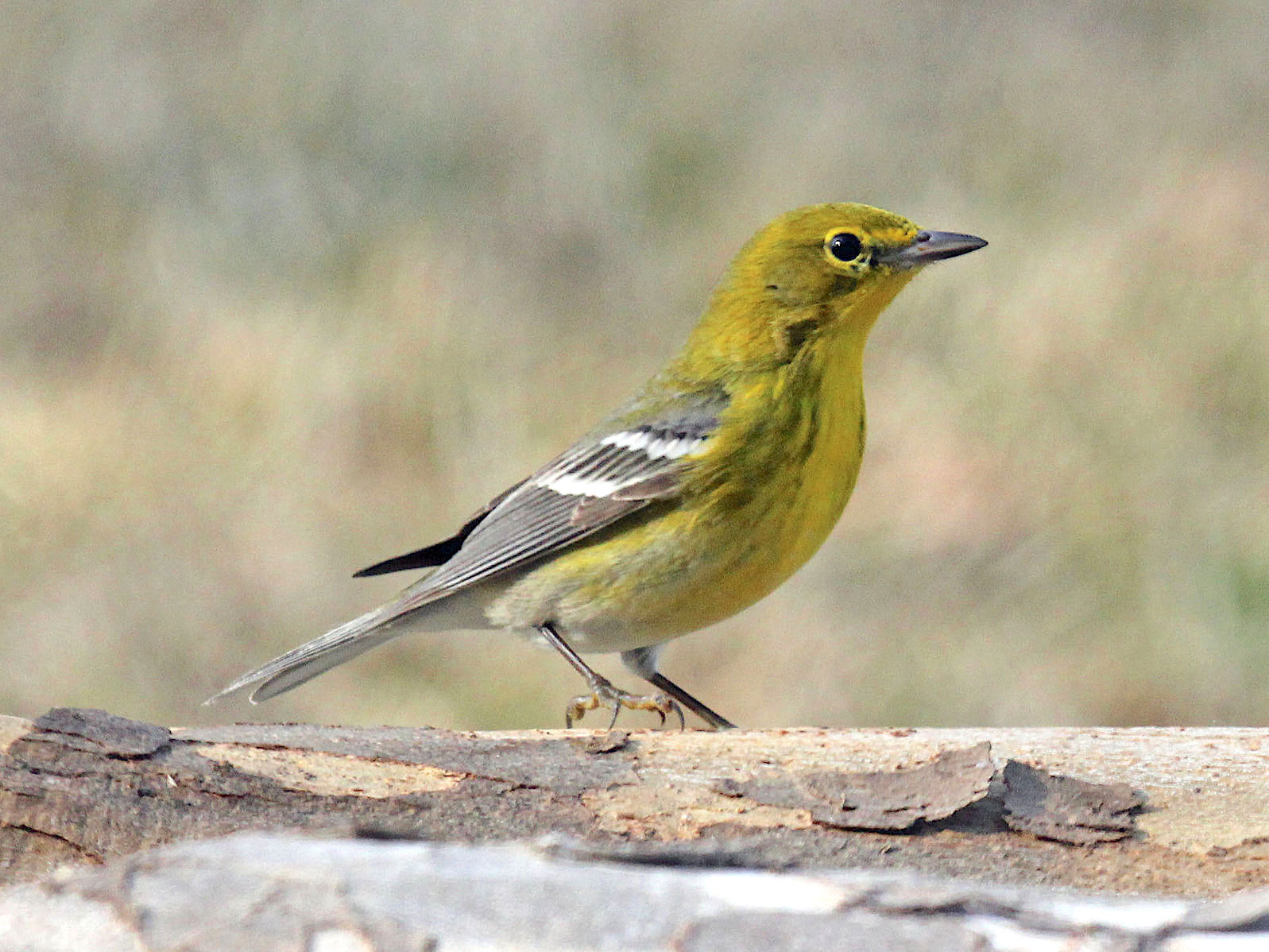
The Pine Warbler Setophaga pinus is one of 5 year-round resident warblers on Abaco. The other 33 warbler species (including the recently recordedCANADA WARBLER) are migratory and at this time of year they will be in their summer breeding grounds. The co-resident warblers are the 2 endemics – Bahama warbler and Bahama Yellowthroat – plus the olive-capped warbler and the yellow warbler. You can see all 5HERE. In fact, all are to be envied and admired. First, they are all bright, attractive birds. Secondly, they live in the Bahamas all year round, without needing to undertake a long exhausting flight twice a year, unlike the rest of their warbler compadres. And indeed, unlike many of the human inhabitants of Abaco.
As the name strongly hints, the pine warbler is primarily a bird of the pine forests, of which Abaco has an abundance. The tall, straight trees were a vital local source of timber (cf SAWMILL SINK). As a historical note, felled pines were also exported to the UK to be made into the strong pit-props needed for coal-mines.
Q. WHAT IS THE NORMAL RANGE OF THIS BIRD? A. THIS IS!
Pine warblers have a broad diet and forage methodically. Pine cones are a fertile source for food, and those robust, stabby, slightly down-curved beaks are ideal for getting the seeds out of the cones. Equally, these warblers use their beaks to prise out insects from the rough pine trunks and branches.
WHAT OF THEIR NIDIFICATION?
The pine forest is obviously the preferred nesting habitat for these birds. On Abaco there are vast acres of forest for them, but the warblers also nest in the smaller groups of pines found (for example) in or near some of the settlements; or around the edges of former sugar cane fields and the like. One nesting habit is slightly unusual – pine warblers tend to build their nests near the end of branches rather than near the trunk, a position that seems far less secure. Milton Harris has helpfully pointed out: “One theory on pine warbler nest location is that they are safer from predators by building at the end of a small branch. Some other birds do the same.”
DO YOU HAVE ANY ‘FUN FACTS’?
One source states that “The song of this bird is a musical trill. Their calls are slurred chips“. I think we’ve all been there at some time, possibly when lunching at Pete’s Pub.
MUSICAL TRILL Paul Driver / Xeno Canto
SLURRED CHIP Don Jones / Xeno-Canto
The longest pine in the world is the Benzodiazepine (14 letters)
Photo Credits: Bruce Hallett (1, 3, 6); Alex Hughes (2); Tom Reed (4); Tom Sheley (5); Dick Daniels (7); Wiki (range map); Nat Geo (species drawings); Paul Driver / Xeno Canto – call; Don Jones / Xeno Canto – chips
RARE, PRECIOUS – AND FOUND ONLY ON ANDROS, BAHAMAS
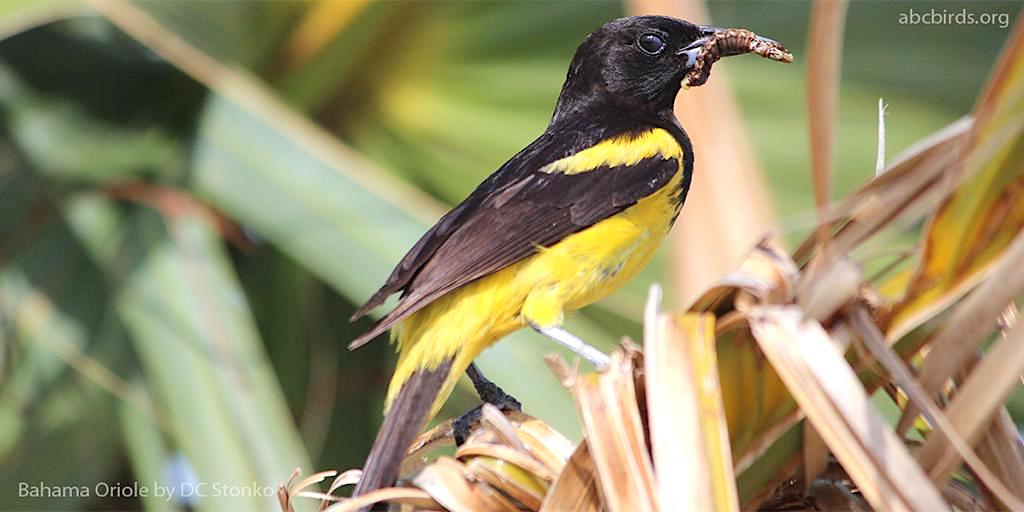
The future of the gorgeous endemic Bahama Oriole (Icterus northropi) hangs in the balance. IUCN Red Listed as ‘Critically Endangered’, the Oriole once lived on both Abaco and Andros. As recently as the 1990s, the species became extirpated on Abaco, leaving a small and fragile population in fairly specific areas of Andros. These are places where the habitat is conducive to the orioles’ well-being, and in particular where they can safely breed and (with luck) replenish their depleted population.
We hear a lot about habitat loss as a grave worldwide problem for an increasing number of species. Narrow that down to one species, one island, a few defined areas, then add mankind and his needs to the mix. The wrong mix of habitat degradation, clearances, predation or disease could cause the Andros population to disappear as well.
Which is where conservation and science come into play. The Bahamas archipelago benefits from an astonishing number of (broadly-speaking) environmental organisations that are involved in species and habitat protection, both terrestrial and marine. They range from international to Bahamas-wide and Governmental, to NFP organisations on the main islands, and on through local communities via citizen scientists to dedicated individuals. All are fighting a specific battle with a single aim; all face an increasing array of metaphorical weapons being deployed against them.
SO, ANY GOOD NEWS THEN?
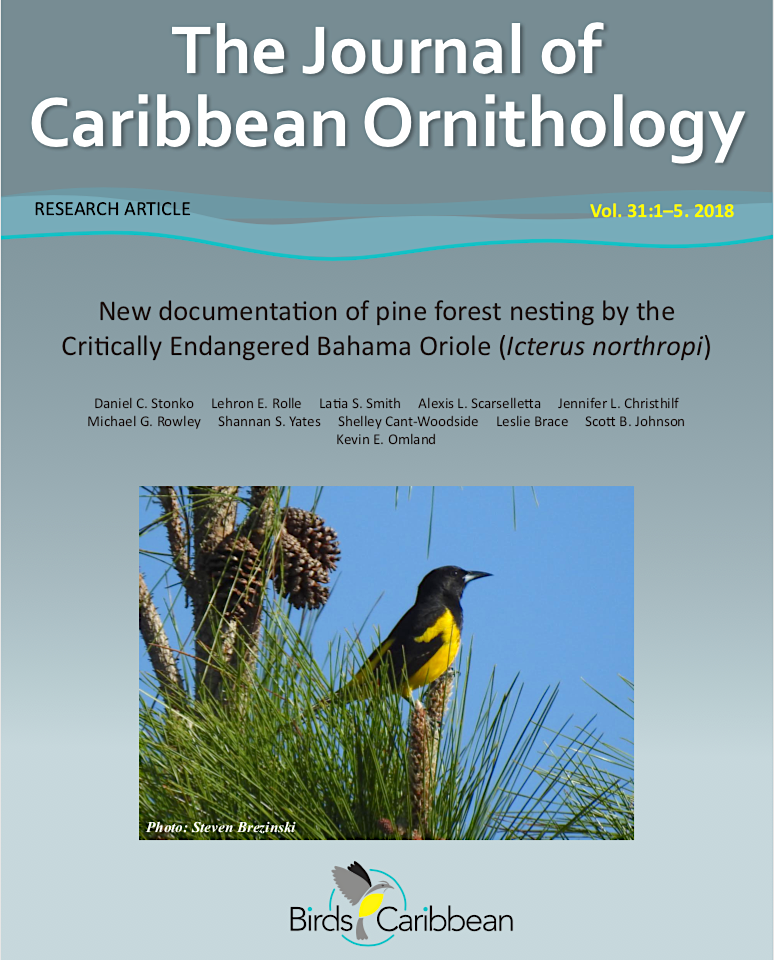
Returning to the orioles – in many ways a perfect indicator bird species – recent research has led to an encouraging discovery. A new study in The Journal of Caribbean Ornithology published by researchers from the University of Maryland, Baltimore County and Bahamas National Trust collaborating on the Bahama Oriole Project (@BahamaOrioleProject) reveals new evidence about the nesting habits and habitats of the orioles that will have “…major implications for future conservation” (this work was funded in part by the American Bird Conservancy and Birds Caribbean).
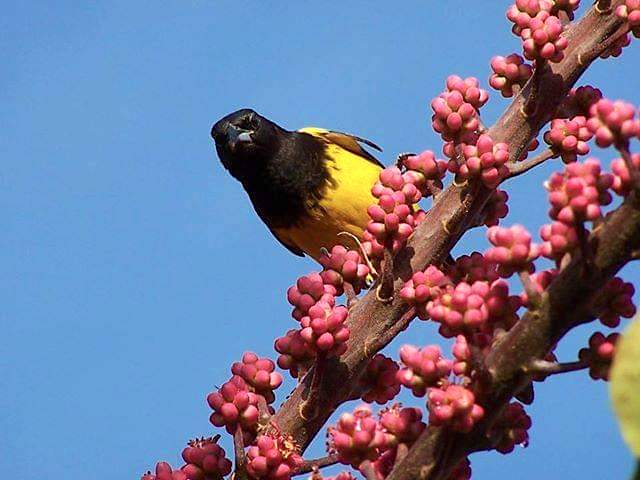
The study is the outcome of the work of a dozen conservation specialists. In a coconut-shell, the orioles were thought to nest only in the coconut palms found near the coast. However the recent intensive research program reveals that ‘multiple pairs’ breed in the pines and the thatch palms of the forests, away from the coast. Indeed, these may prove to be the primary nesting locations. The implications of these new findings are significant, not least for a possible uplift in numbers and the way in which conservation measures can be adapted to the new discovery. For those wanting something more authoritative, the short Abstract of the study is given at the end. And if you’d like to read the whole article, click on the link below.
Lethal Yellowing Diseaseof the coastal coconut palms, until very recently (see above) believed to be the prime nesting habitat for the oriole. In some areas the palms have been all but wiped out. The recent findings in the forests have clearly reduced the impact of this specific problem
The arrival in the 1990s and spread of the Shiny Cowbird Molothrus bonariensis, abrood parasitethat lays its eggs in the nests of other bird species*
Habitat loss / development
Forestry work / forest fires
Feral cats and rodents
Disease within the population is also cited as a contributory cause
*The date of this arrival seems to correspond to when the orioles were extirpated from Abaco. However, see next para.
WHEN & WHY DID THE ORIOLES VANISH FROM ABACO?
This is a classic ‘riddle wrapped in a mystery inside an enigma’. Various sources I have looked at use a formula such as “…became extirpated from Abaco in the 1990s”, or “disappeared for unknown reasons in the 1990s”. However, Abaco birding expert Elwood ‘Woody’ Bracey comments (see below) that Bahama Orioles were last formally recorded on Abaco in 1973 by researcher Duncan Everette and his partner who were banding warblers in Southern Abaco in what is now the Abaco National Park. At that time, the Shiny Cowbird was only rarely found on Abaco, if at all.
I’ve found no clear clue as to the cause – nor even when the last evidences sighting of an oriole on Abaco was made. I haven’t found a single photo of one taken on Abaco at any time in history. To be fair the option of snapping everything with wings multiple times using a digital camera with a huge chip didn’t exist then. As to past history, Kevin Omland of @BahamaOrioleProject says that there are at least 9 specimens in museums around the world collected from Abaco in the 1800s and early 1900s.
eBird map showing Bahama Oriole sightings distribution in c21
ABSTRACT
The Bahama Oriole (Icterus northropi) is a Critically Endangered species endemic to The Bahamas and currently found only on the Andros island complex. With the elevation of the Bahama Oriole to full species status in 2011, research suggested that there were fewer than 300 individuals remaining in the global population. The Bahama Oriole was also termed a “synanthropic species” based on data suggesting that the species nested almost exclusively within anthropogenic residential and agricultural habitats in introduced coconut palms (Cocos nucifera). These conclusions were based on population surveys primarily confined to settled areas near the coasts. However, we documented multiple pairs of orioles with breeding territories deep in pine forests, and we present the first records of Bahama Orioles nesting in pine forests—in both a Caribbean pine (Pinus caribaea) and native understory Key thatch palms (Leucothrinax morrisii). Given the predominance of the pine forests on Andros, this newly documented breeding habitat has important implications for developing population estimates and future conservation plans for the Bahama Oriole.
Credits: Dan Stonko / American Bird Conservancy, Michael Baltz / Bahama Oriole Project / Kevin Omland; Mary Kay Beach; Bahama Oriole Project FB header; C Ward / BNT; Thomas Nierle / Bahama Oriole Project; Bahamas Postal Service; BNT; D Belasco / American Bird Conservancy; Handbook of World Birds (drawing)
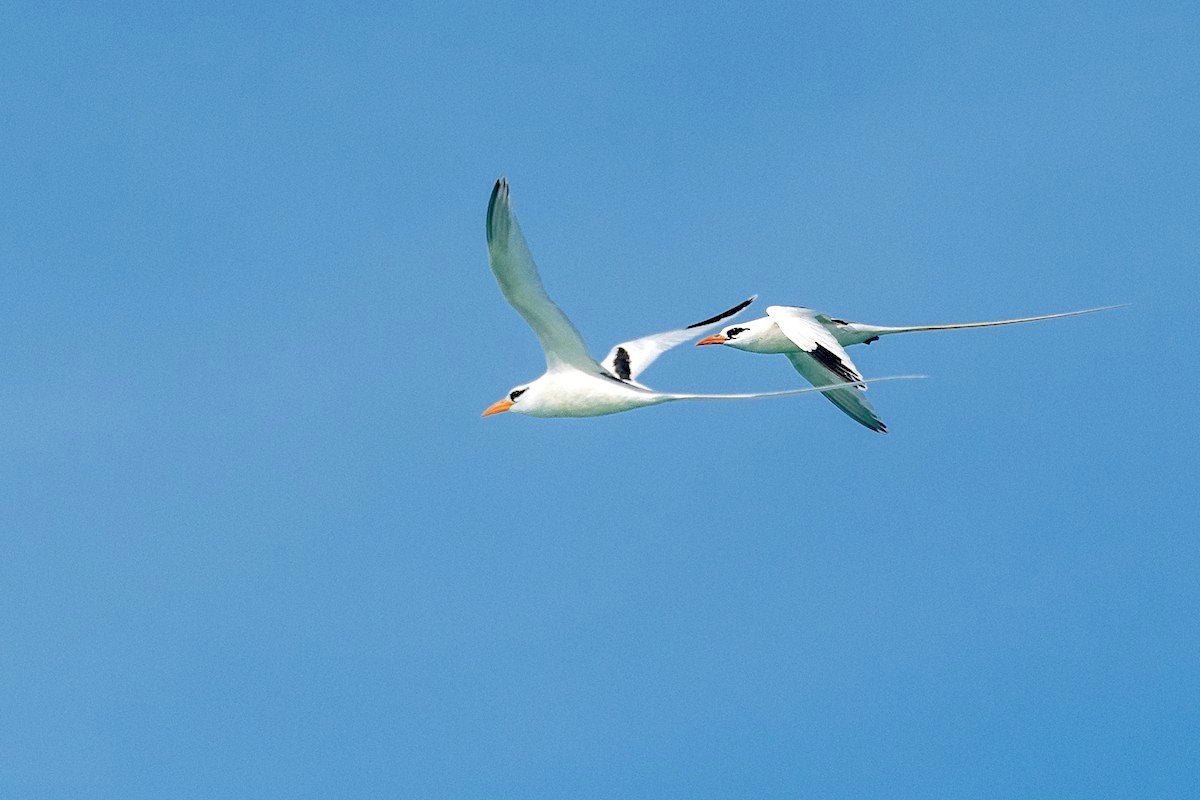
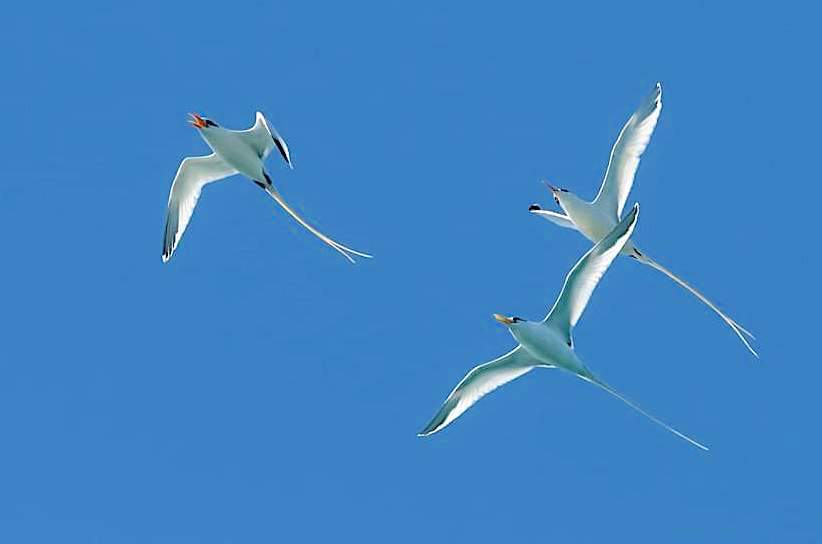
I am interrupting my intended sequence of posts (I try to plan ahead a bit…) to bring you some gorgeous white-tailed tropicbirds (Phaethon lepturus catesbyi) seen within the last week near the Low Place on Man-o-War Cay. There were 6 in the group, flying high, flying low, circling, dipping down, flirting – all of this taking place just offshore.
Sally Chisholm, Abaco birder and photographer, was with Todd Pover of CWFNJ, engaged in the final piping plover count of the season before the birds return to their summer breeding grounds [check out ABACO PIPING PLOVER WATCH if you are interested]. Sally and Todd were distracted from the matter in hand as the group of tropicbirds glided and swooped through the air. It was a free demonstration of beautiful flying skills that can be matched by few other species.
It became obvious that courtship was involved. As Sally vividly describes it, “The birds were observed for more than 15 minutes making wide circles, at times flying out of sight across towards Great Abaco and coming back flying low over the same area on MOW. Two birds would interact with a lot of “keck-keck-keck”, and then one of the pair flew down to land several times in the same crevice of the iron shore. It first appeared that the bird was landing for food but none of the photos showed anything carried. The display looked to be one of courtship and was amazing to watch”.
TROPICAL TOPICS
WTTR plunge-dive for fish and squid, sometimes submerging completely
Or they swoop and skim their prey from the surface
Another technique to take flying fish in the air (I’d love to see that…)
WTTR have no fixed breeding season, and may nest year-round
Nesting is colonial or in pairs in a particular area, or even in isolation
A pair will fly together, one above the other then…
…the higher bird bends its tail down to touch tail of lower bird and [veil drawn]
They nest in crevices, holes in rock, on ledges, on the ground under vegetation
Chicks are fed by both parents using regurgitation
The same site may be re-used for several years by the same pair
Credits: All photos, Sally Chisholm except the fantastic nest shot, Melissa Maura (many thanks to both for use permission – I’ve never got a decent photo of one); Audubon NA
As I have mentioned before, theBAHAMAS POSTAL SERVICEhas an exceptionally good record for producing wonderful, colourful stamps showcasing the abundant wealth of natural history in the archipelago. Birds, reef fish, turtles, marine mammals, butterflies, plants and flowers – all these and more have featured on the stamps of the Bahamas for many years. There’s quite a collection of them on a display page of their own HERE.
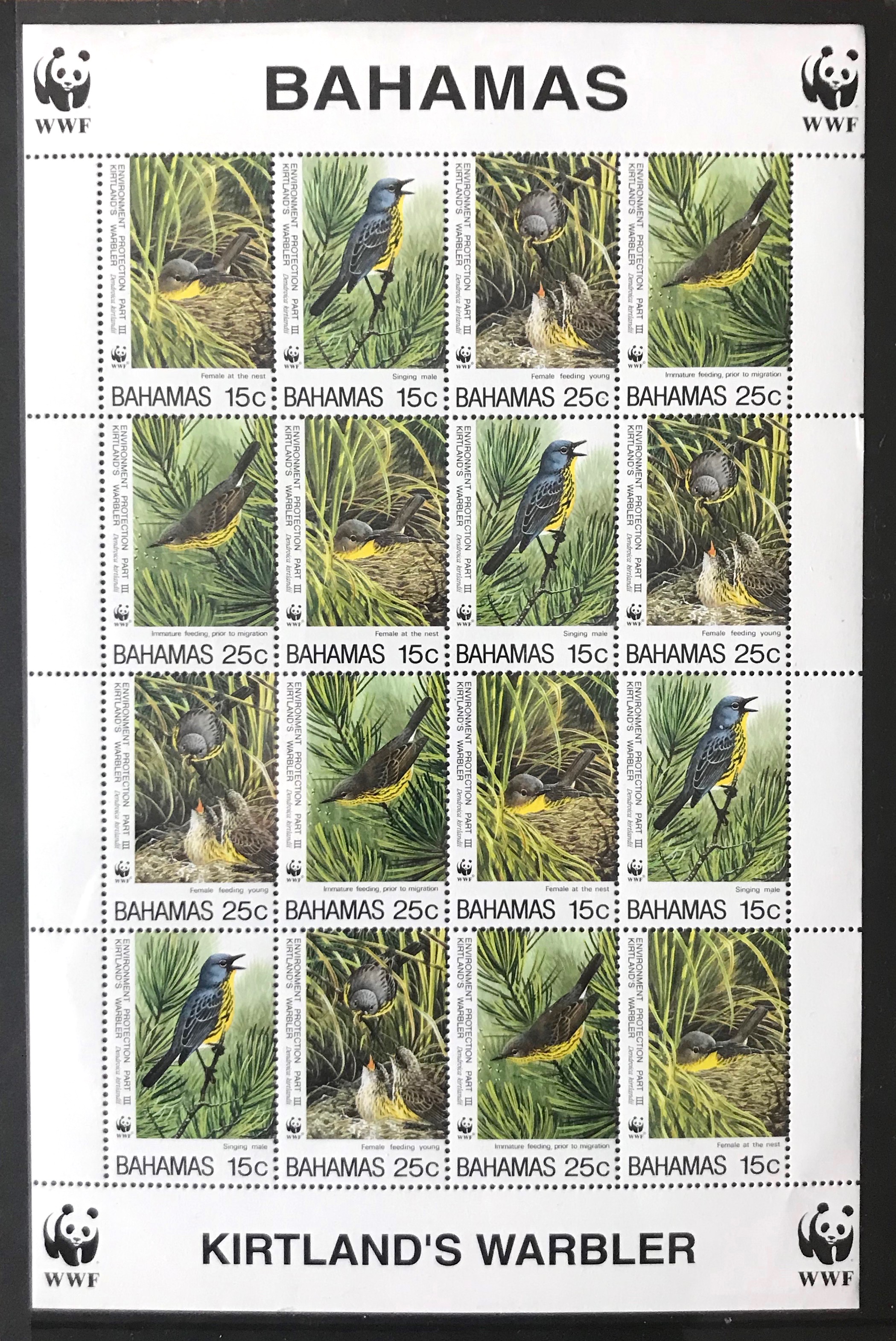
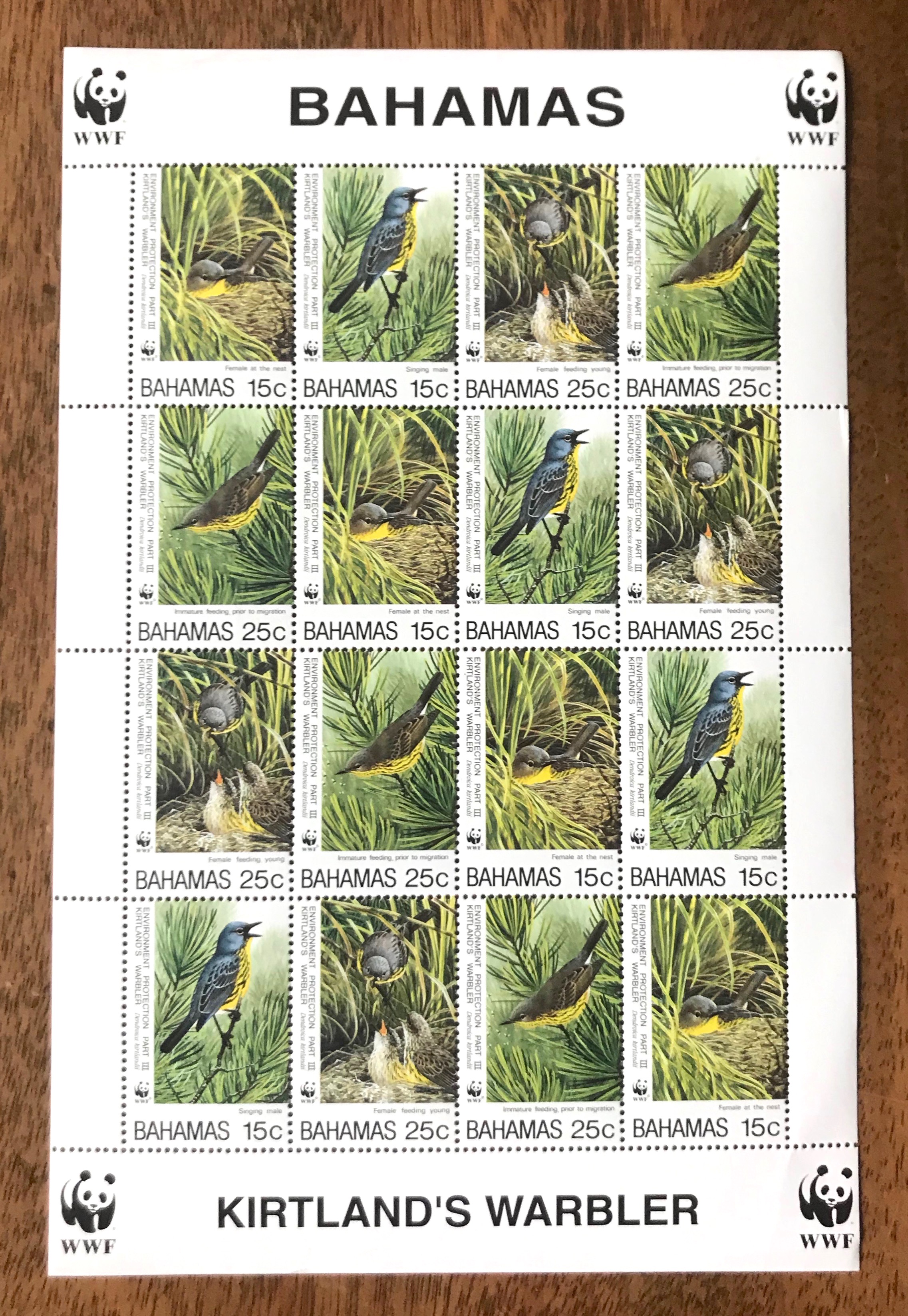
Quite by chance I recently came across a significant philatelic tribute to one of the rarest Bahamas winter visitors, the Kirtland’s Warbler (Setophaga kirtlandii): a complete commemorative sheet of stamps. Reader I bought it (= ‘won’ it on eBay – $2.75!). Produced in conjunction with the WWF, it is a model of conservationist sensitivity.
The sheet of 16 stamps depicts 4 x 4 KIWA variations: a female at the nest; a singing male; a female feeding young; and a juvenile feeding in the Jack pines of its summer habitat, prior to its long Fall migration to Abaco and the Bahamas.
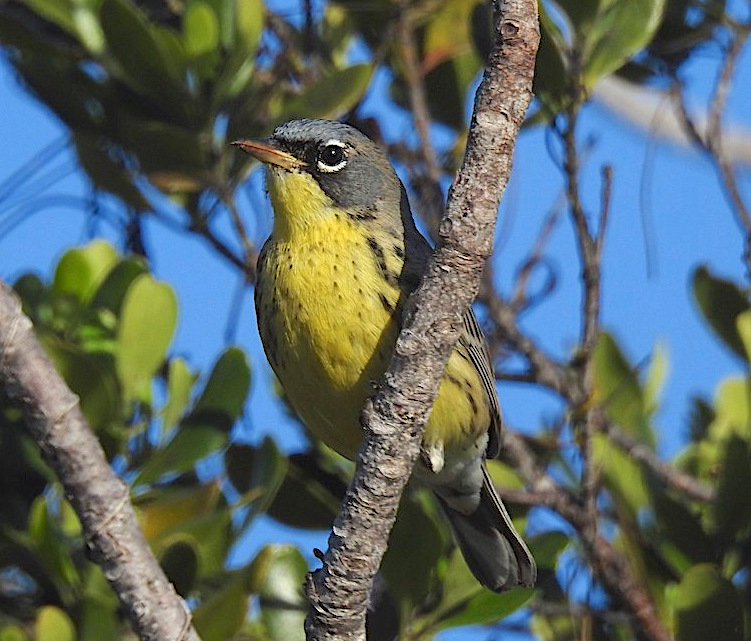
Kirtland’s Warbler in the Abaco National Park: you need to know where to look to find one
I am not a stamp collector, but I do appreciate it when countries take the trouble to showcase their flora and fauna among the notable people, sporting heroes, modes of transport and Harry Potter characters. As I say, the Bahamas is very good in this respect.
A Kirtland’s Warbler on Green Turtle Cay: the first recorded sighting on one of the Cays
You can find out more about these rare and vulnerable little warblers, including the first ever recorded on a Cay in Abaco, using these links:
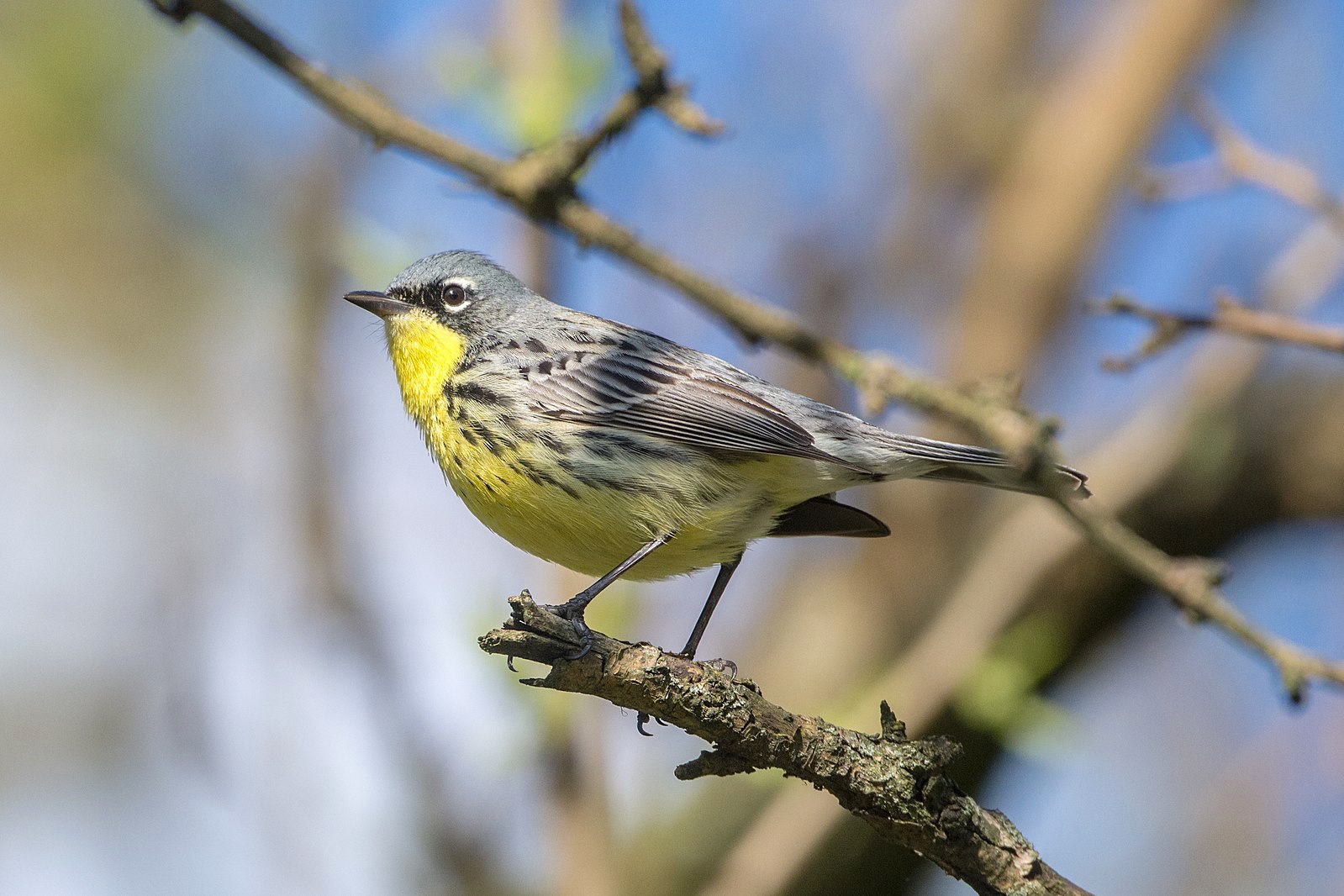
In the breeding grounds in very limited areas of Michigan and Ohio, the KIWAs are carefully monitored. Vince Cavalieri is a bird expert in those parts, and his bird below was photographed in the heartland of their preferred summer habitat. Vince wrote the following caption:
In 1987 the Kirtland’s Warbler was a hair’s breadth from extinction. A century of fire suppression and encroachment into their habitat by the brown-headed cowbird had reduced its already small population to a tiny number of birds in just a few Michigan counties. A prescribed fire that got out of control may have saved them, creating enough habitat that it gave conservationists enough time to figure out how to save them (highly prescriptive habitat creation and cowbird control). Today their comeback has been so successful that they have been proposed for removal from the endangered species list. They still remain the stuff of birding legend. A tiny range mostly restricted to north central Michigan, a big beautiful warbler with a loud and cheerful song, easy to see and confiding once found. A bird worthy of long travel to check off your list.
Here are a couple more ‘summer birds’ to admire
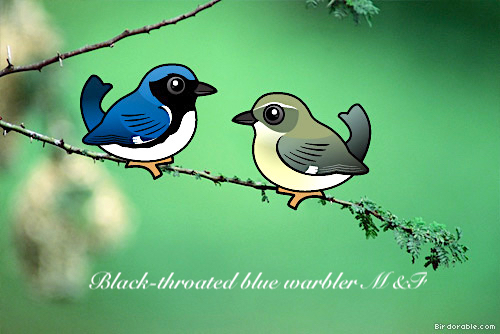
Credits: Woody Bracey (1, 2); Sally Chisholm (3); Vince Cavalieri (4); Joel Trick FWSH (5); Andrew C (Wiki) (6); Birdorable (cartoon); BPS and eBay (KIWA stamps)
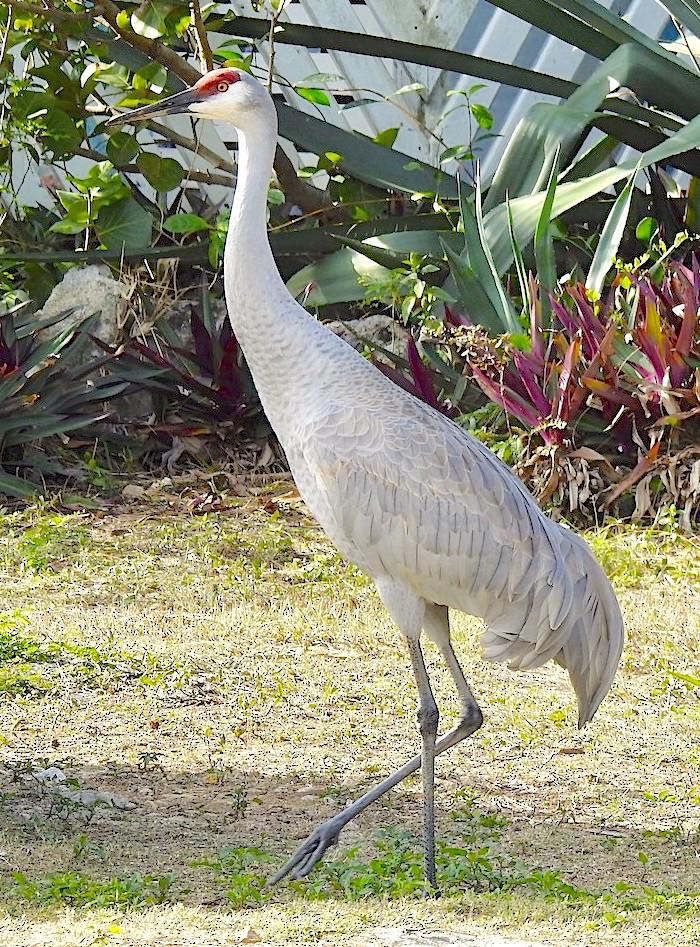
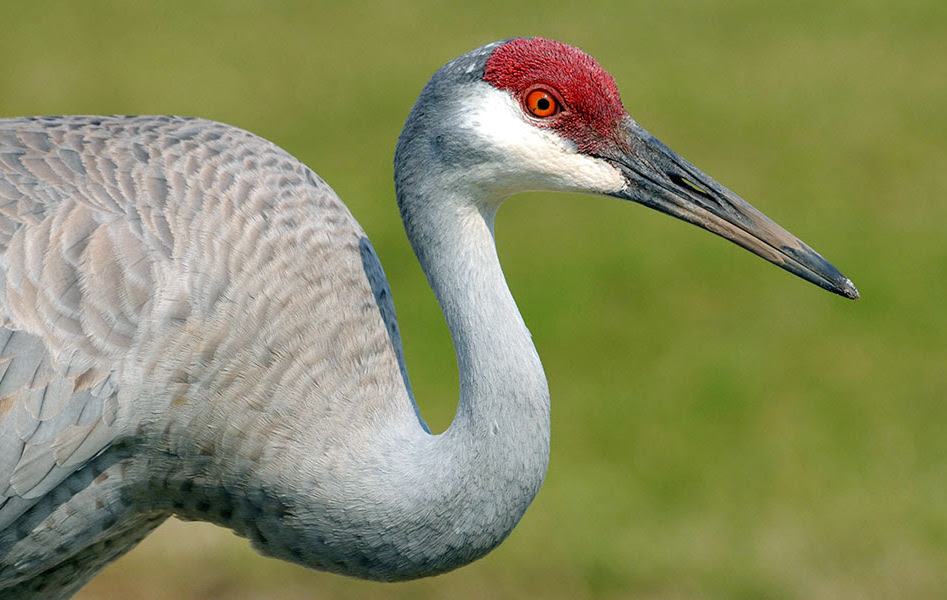
In mid-December, Kaderin Mills of the Bahamas National Trust saw Abaco’s first-ever reported Sandhill Crane (Antigone canadensis) in the Fox Town area of North Abaco. Woody Bracey was quickly onto the news and in the afternoon he took photos of the bird. I posted about this exciting (because a new species is always exciting) event, with details about its significance plus facts, maps etcHERE
Six weeks later, the crane is still in residence. In the meantime a number of birders have been to see the new novelty bird for Abaco in what has become a small but significant birding hotspot right at the top end of the island, in area round the Church, the Primary School, and the Clinic. The crane is now firmly on the eBird map for the Bahamas.
This elegant visitor seems to be quite tame and unfazed by its new fame. People watch while it forages for invertebrates in the grass, pausing to check on bystanders before resuming its feeding. It tolerates the presence of humans without showing fear, let alone flying away.
The call of the Sandhill Crane sounds like this:
To test its reaction, a recording was played and immediately the crane responded and called out to the (apparent) co-crane. The bird has also (rather sadly?) been seen by locals by the door of the Church, looking at its reflection and even making pecking motions at it. A lonely crane, maybe.
This bird is likely to remain disappointed by any expectation or hope of company. With any luck in the Spring, the instinctive call to the north (Canada and nearby US) will persuade it to migrate back to sandhill habitat to join a flock in the summer breeding grounds.
It is always a somewhat melancholy occurrence when a fine bird like this – or like last season’s lone BALD EAGLE– takes a wrong turn on their migration or perhaps get blown off course and finds itself on its own, species-wise. This bird seems to be taking it in its (longish) stride, however, and it has become something of a celebrity avian for the local folk. It will be interesting to find out when the migration urge finally encourages its flight away from its unusual overwintering habitat.
Credits: Chris Johnson (1); Erika Gates / Martha Cartwright (2, 4); Elwood ‘Woody’ Bracey (3, 5, 6); Audubon (7); Ian Cruickshank / Xeno Canto (audio); Birdorable (cartoon); and a tip of the hat to the School Principal, to Kadie Mills, and to Uli Nowlan who uploaded her sighting to eBird.
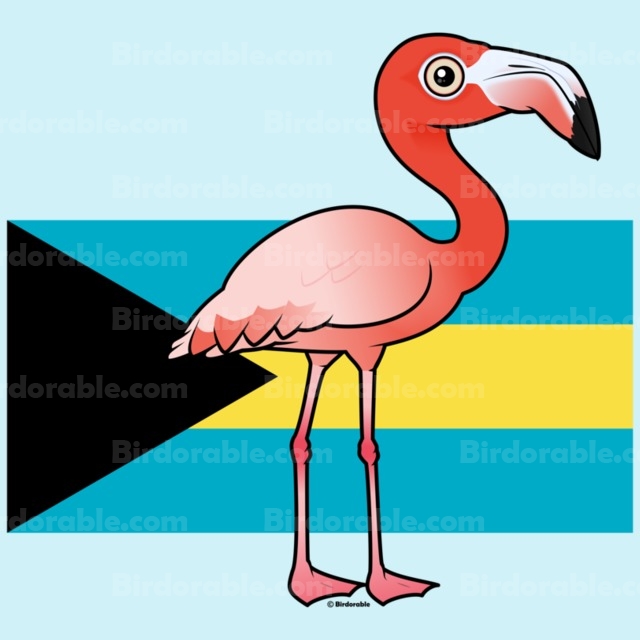
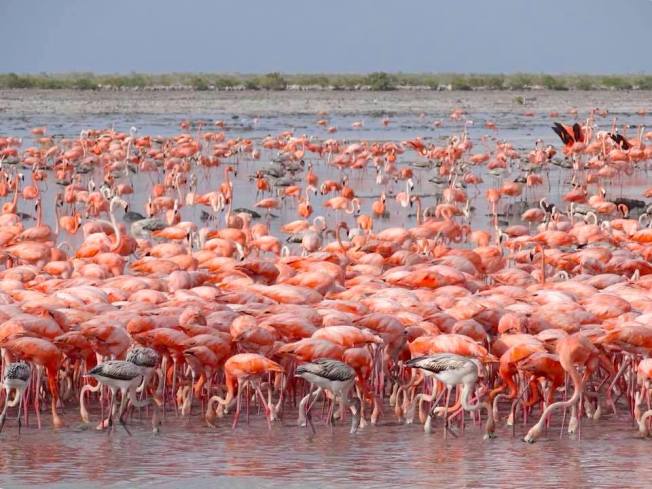
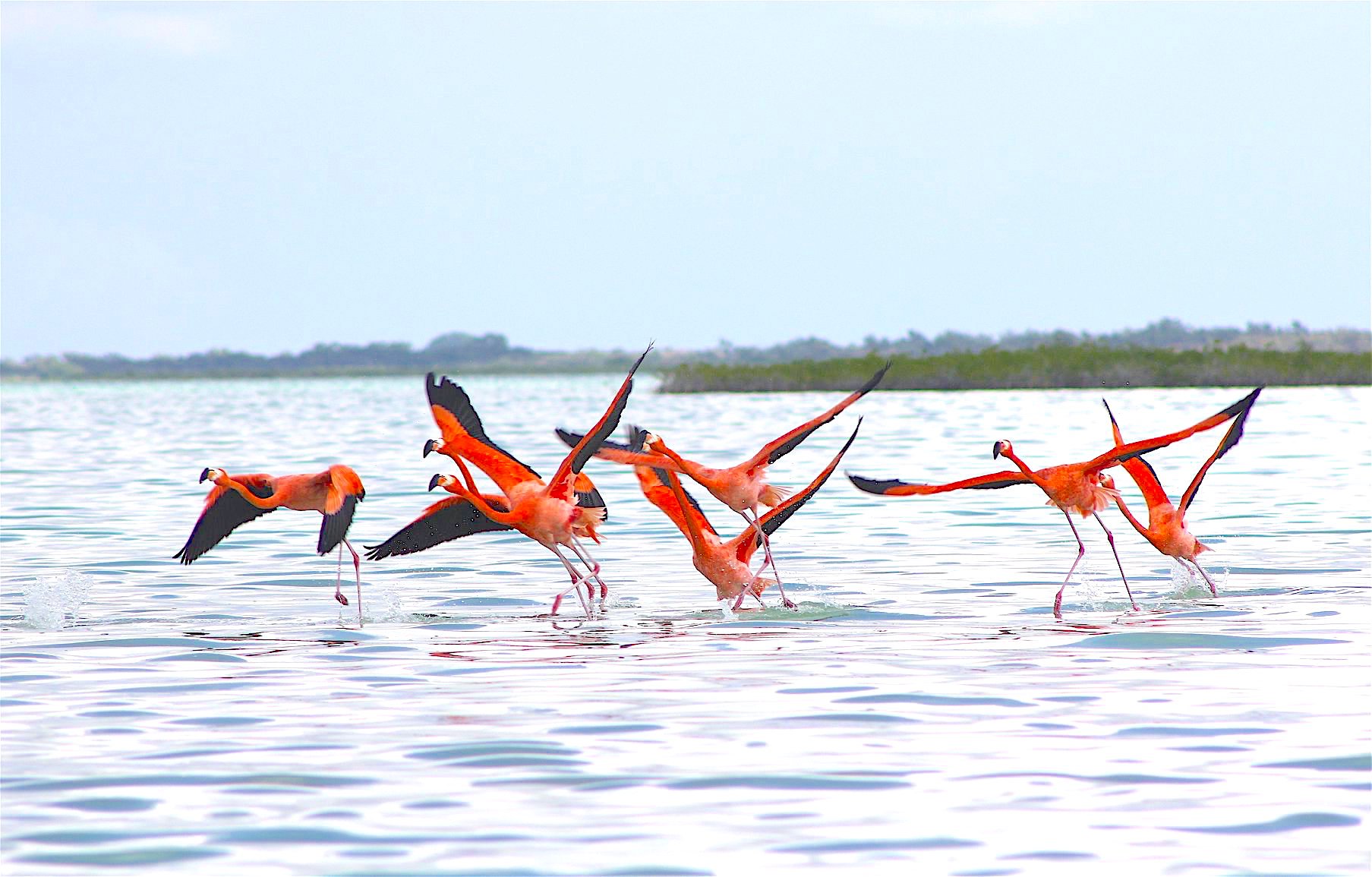
It is an ill-concealed secret that I don’t have an artistic bone in my body – I get acute angst if asked to draw a stickman. As I was looking through photos of large pink flamingo groups, I suddenly realised that I was getting some sort of abstract vision of them. Whoooh! Art-talk. Anyway, I wondered how a legion of flamingos might look in B&W. Add a bit of highlight and… does it work at all? Whether yes or no, this may be the only B&W photo of flamingos since the invention of colour film. Why would you? [Impatient reader: ‘Why did you?]
All great photos courtesy of Melissa Maura (1, 2, 3, 9, 10); Mary Kay Beach (4, 5, 6, 7, 8); Michael Vaughn (11), with many thanks for use permission; Cartoon, Birdorable
Turkey Vultures Cathartes aura [TUVUs, to use their Alpha Bird Code for brevity]are a familiar sight flying over Abaco, wheeling effortlessly overhead on thermals or gliding with the wind in singles, pairs, or flocks. Statistically, 83% of all photographs of turkey vultures are taken from below and look like this:
A very good cameraman with a very good camera and very good luck might catch this
Of in-flight shots, 57% are taken in unhelpful light or conditions, and look like the image below (mea maxima culpa). On a positive note, this picture shows the extreme delicacy of the wing-tip feathering (starboard wing, anyway) that enables these birds to adjust their direction and speed with minimal effort.
TUVUs have a wide range in the Americas and the Caribbean, and will prosper in almost any type of habitat. This is mainly because these large birds are almost exclusively carrion feeders, and carrion is everywhere. They spend their days scavenging, or thinking about scavenging, or recalling successful locations to re-scavenge. They do not generally kill live creatures.
The word ‘vulture’ derives from the latin word ‘vulturus‘ meaning ‘ripper’, ‘shredder’, or in more recent times, ‘very loud Metallica song*‘. TUVUs have very good eyesight, and an acute sense of smell that enables them to detect from a considerable distance the scent of decay and consequent release of the chemical ethyl mercaptan. The smell is variously described as ‘persistent penetrating decayed cabbage’ or a ‘pungent malodorous skunk-like odour’. A breeding pair will raise two chicks, which revoltingly are fed by the regurgitation of all the rank and foul… excuse me a moment while I… I feel a little bit… ~~~~~~~~~~~ …alright, fine again now.
When they are not flying, feeding, breeding or nourishing their young, TUVUs like best to perch on a vantage point – a utility post is ideal. But unusually for a bird, you won’t ever hear them sing or call. They lack aSYRINX(the avian equivalent of a larynx), and their vocalisation is confined to grunting or hissing sounds. Here’s a single hiss (at 10 / 15 secs).
These vultures are often seen in a spread-winged stance, which has several functions that include drying the wings, warming the body, and baking bacteria. Possibly it also reduces the miasma of rotting meat that may surround them after a good meal.
Equally happy to spread their wings on a debris-strewn shoreline
10 SCAVENGED TURKEY VULTURE FACTS FOR YOU TO PICK OVER
One local name for a TUVU is ‘John Crow’
An adult has a wingspan of up to 6 feet
Sexes are identical in appearance, although the female is slightly larger
The eye has a single row of eyelashes on the upper lid and two on the lower lid
TUVUs live about 20 years. One named Nero had a confirmed age of 37
LEUCISTIC (pale, often mistakenly called “albino”) variants are sometimes seen
The TUVU is gregarious and roosts in large community groups
The TUVU has few natural predators
Though elegant in flight, they are ungainly on the ground and in take-off
The nostrils are not divided by a septum, but are perforated – from the side one can see through the beak [some humans also suffer from this condition. They tend to ‘sniff’ a lot]
REVOLTING CORNER / DEPT OF ‘WAY TOO MUCH INFORMATION’
SQUEAMISH? THEN LOOK AWAY NOW
UNATTRACTIVE HABITS The Turkey Vulture“often defecates on its own legs, using the evaporation of the water in the feces and/or urine to cool itself, a process known asUROHIDROSIS.This cools the blood vessels in the unfeathered tarsi and feet, and causes white uric acid to streak the legs”. The droppings produced by Turkey Vultures can harm or kill trees and other vegetation. Maybe don’t park your nice car under one of their perching posts…
HORRIBLE DEFENCES The main form of defence is“regurgitating semi-digested meat, a foul-smelling substance which deters most creatures intent on raiding a vulture nest. It will also sting if the predator is close enough to get the vomit in its face or eyes. In some cases, the vulture must rid its crop of a heavy, undigested meal in order to take flight to flee from a potential predator”
DIETARY NOTES TUVUs tend to prefer recently dead creatures, avoiding carcasses that have reached the point of putrefaction. They will occasionally resort to vegetable matter – plants and fruit (you could view this as their side-salad). They rarely, if ever, kill prey – vehicles do this for them, and you’ll often see them on roadsides feeding on roadkill. They also hang around water, feeding on dead fish or fish stranded in shallow water.
ECO-USES If you did not have birds like this, your world would be a great deal smellier and less pleasant place, with higher chance of diseases from polluted water and bacterial spread. TUVUs kept the highways clear and work their way round the town dumps recycling noisome items.
FORAGING TUVUs forage by smell, which is uncommon in birds. They fly low to the ground to pick up the scent of ethyl mercaptan, a gas produced by the beginnings of decay in dead animals. Their olfactory lobe in the brain is particularly large compared to that of other animals.
SEX TIPS Courtship rituals of the Turkey Vulture involve several individuals gathering in a circle, where they perform hopping movements around the perimeter of the circle with wings partially spread. In humans, similar occasions are called ‘Dances’. A pair will fly, with the female closely following the male while they flap & dive… then they land somewhere private and we draw the veil…
My favourite graphic of all time
Credits: Nina Henry (1); Bruce Hallett (2); Keith Salvesen (3, 4, 5, 11); Clare Latimer (4, 6); amy-at-poweredbybirds (7); Wiki, small pics 8, 9); Charlie Skinner (10); Craig Nash (12); Xeno-Canto / Alvaric (sound file); Info, magpie pickings; Birdorable (cartoon); RH (Keep Calm…); depressingnature.com (puking TUVU)
*As Metallica so appropriately wrote and sweatily sang (luckily there’s no verse referencing urination, defecation and puking). ALERT don’t actually play the video – the song hasn’t aged well! In fact… it’s terrible. Woe woe indeed…
The vultures come See the vultures come for me Fly around the sun But now too late for me Just sit and stare Wait ’til I hit the ground Little vultures tear Little vultures tear at flesh
Warts and all… the gorgeous, hygienic, roadkill-ridding vulture, with a few dirty habits
YELLOWLEGS (LESSER) ON ABACO: OUT STANDING IN THE WATER
It’s always helpful when a bird ends up with a descriptive name (after translation from the Latin binomial) that actually matches the creature. Burrowing owl, Roseate Spoonbill, White-crowned pigeon, Red-legged Thrush, Black-and-white Warbler – you know where you are at once. So it is with the Yellowlegs, the only question being whether the one you are looking at is ‘greater’ (Tringa melanoleuca) or ‘lesser’ (Tringa flavipes). Both are found on Abaco, and a single bird on its own – with no size comparison – can be a potential source of confusion.
This last post for 2018 features the lesser yellowlegs, a winter resident, a rather off-beat choice you may think. The reason is that in clearing out some archive folders, I found some LEYE images in the wrong album. They reminded me what lovely birds they are when photographed well (so, not by me), with the subtle sheen of their plumage contrasting with their Malvolio-yellow legs.
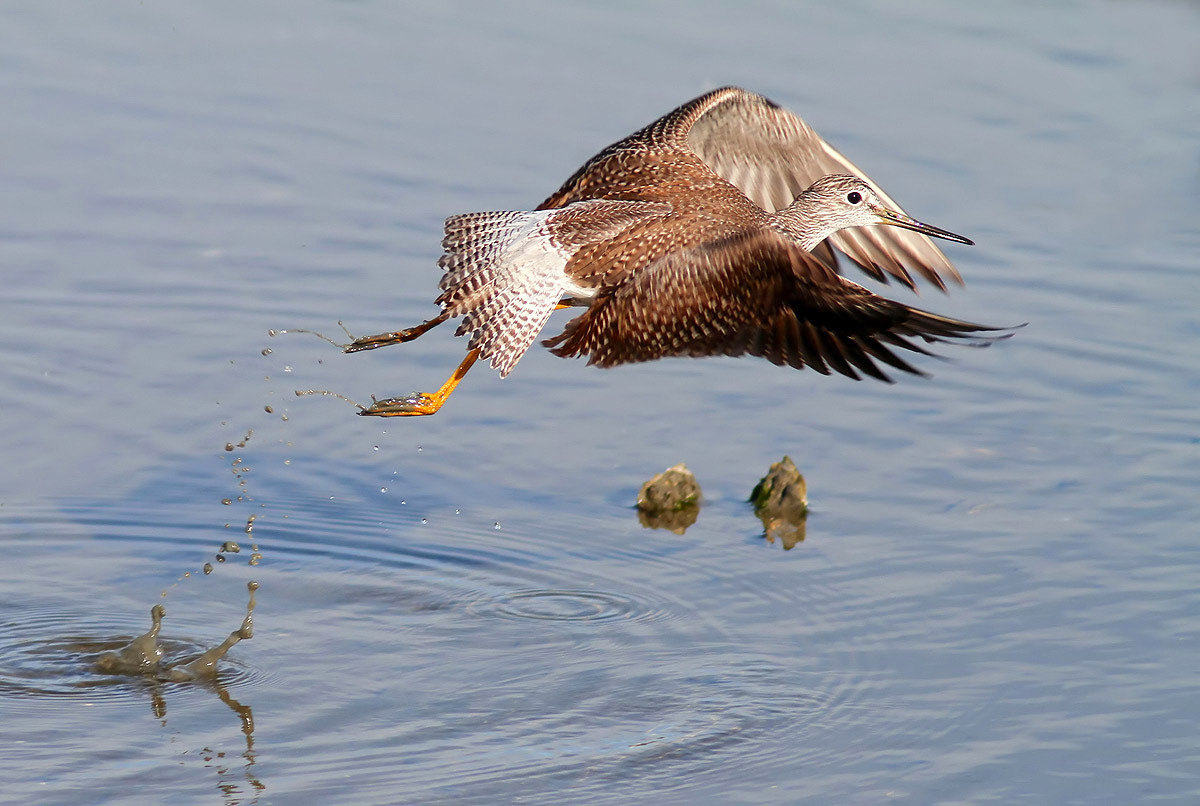
Taking flight… we have lift-off
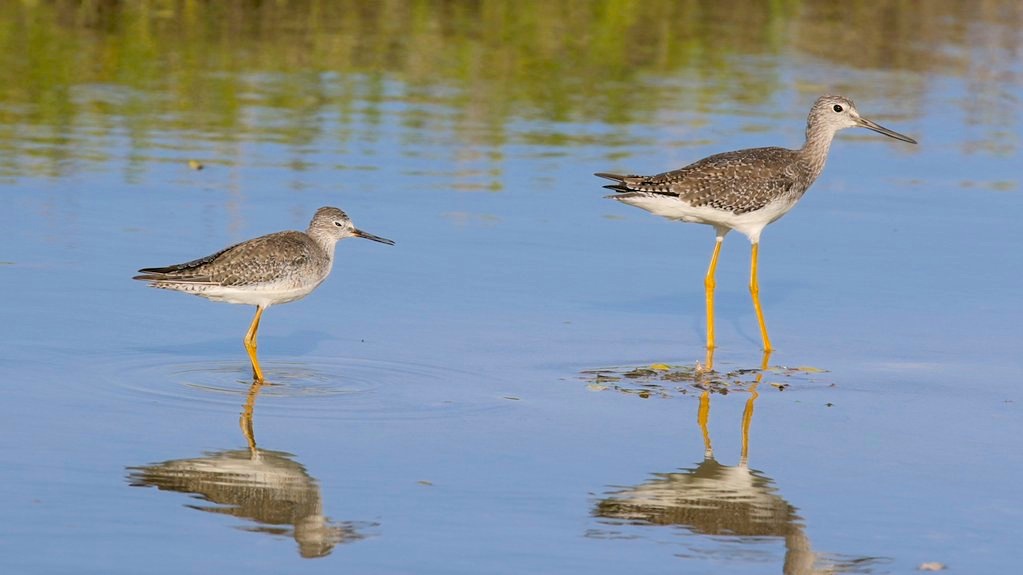
Apart from size, the greater and lesser yellowlegs have some not-necessarily-very-noticeable differences in bill length (in comparison with head-size), plumage and vocalisation. Here is an excellent example of the yellowlegs cousins together, to give you a comparison.
Little and Large
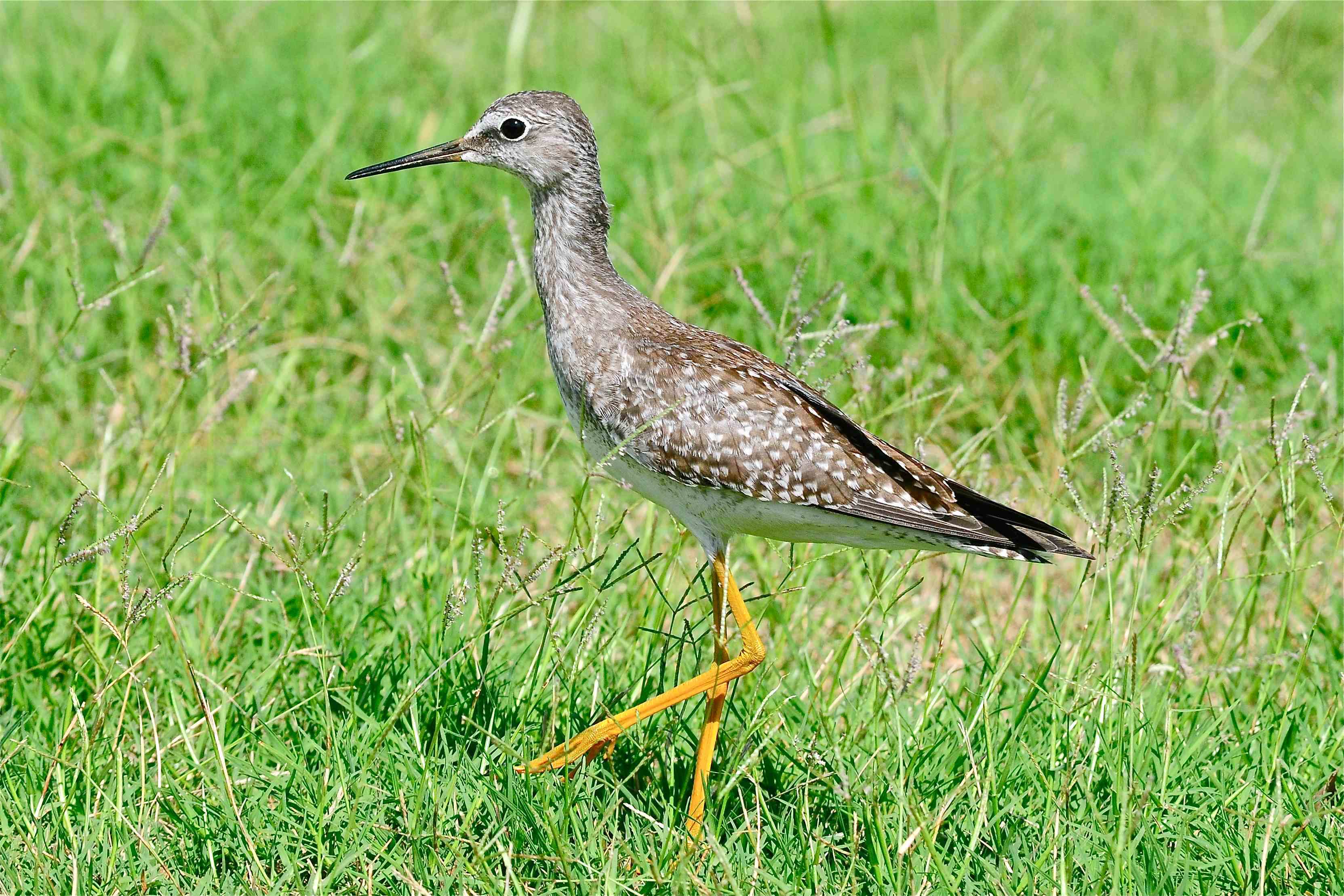
DO THESE SHOREBIRDS EVER GO ON LAND?
A: YES
*ALERT* AMATEUR PHOTOGRAPHY CORNER *ALERT*
DO YOU HAPPEN TO HAVE A PHOTO OF THE LEYE WING UNDERSIDES?
Yup. This bird was at Gilpin Pond. There aren’t many ‘underside’ photos out there. Will this do?
Q: DO THEY EVER DO PHOTOBOMBS?
A: INDEED! (BOMBING A BAHAMA DUCK)Weird blue tint due to radical colour correction for bad red algal bloom on the pond
Credits: Tom Sheley (1, 2, 9); Phil Lanoue (3); Matt Scott (4); Tony Hepburn (6); ID concealed to protect the guilty (7, 8)
































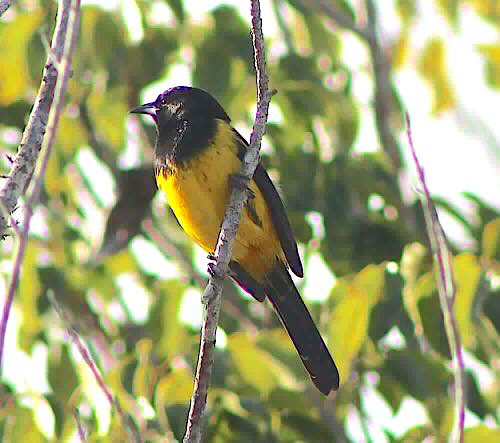


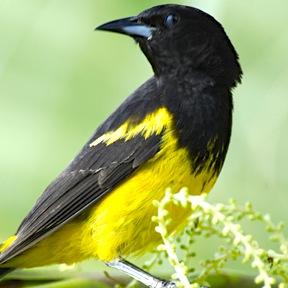


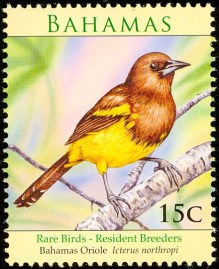 Credits: Dan Stonko / American Bird Conservancy, Michael Baltz / Bahama Oriole Project / Kevin Omland; Mary Kay Beach; Bahama Oriole Project FB header; C Ward / BNT; Thomas Nierle / Bahama Oriole Project; Bahamas Postal Service; BNT; D Belasco / American Bird Conservancy; Handbook of World Birds (drawing)

















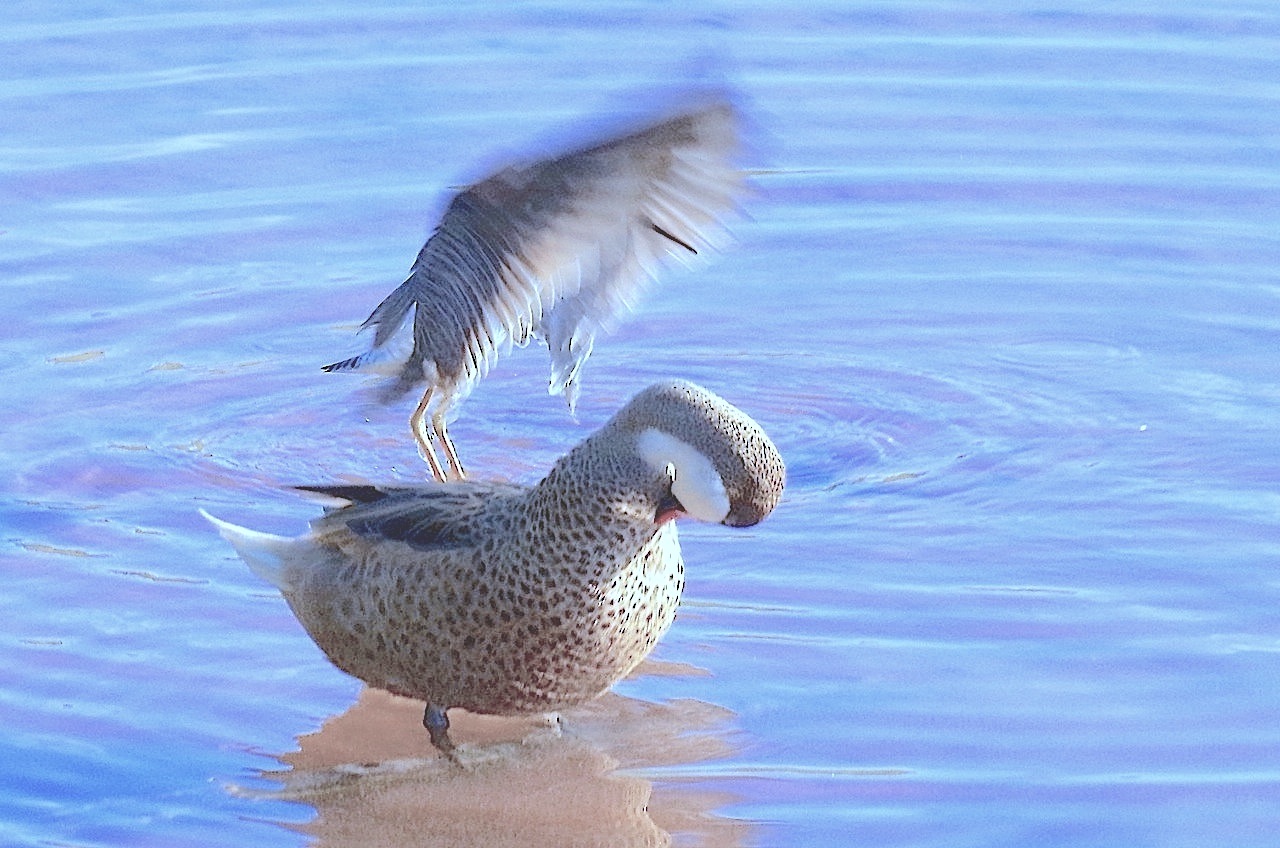 Weird blue tint due to radical colour correction for bad red algal bloom on the pond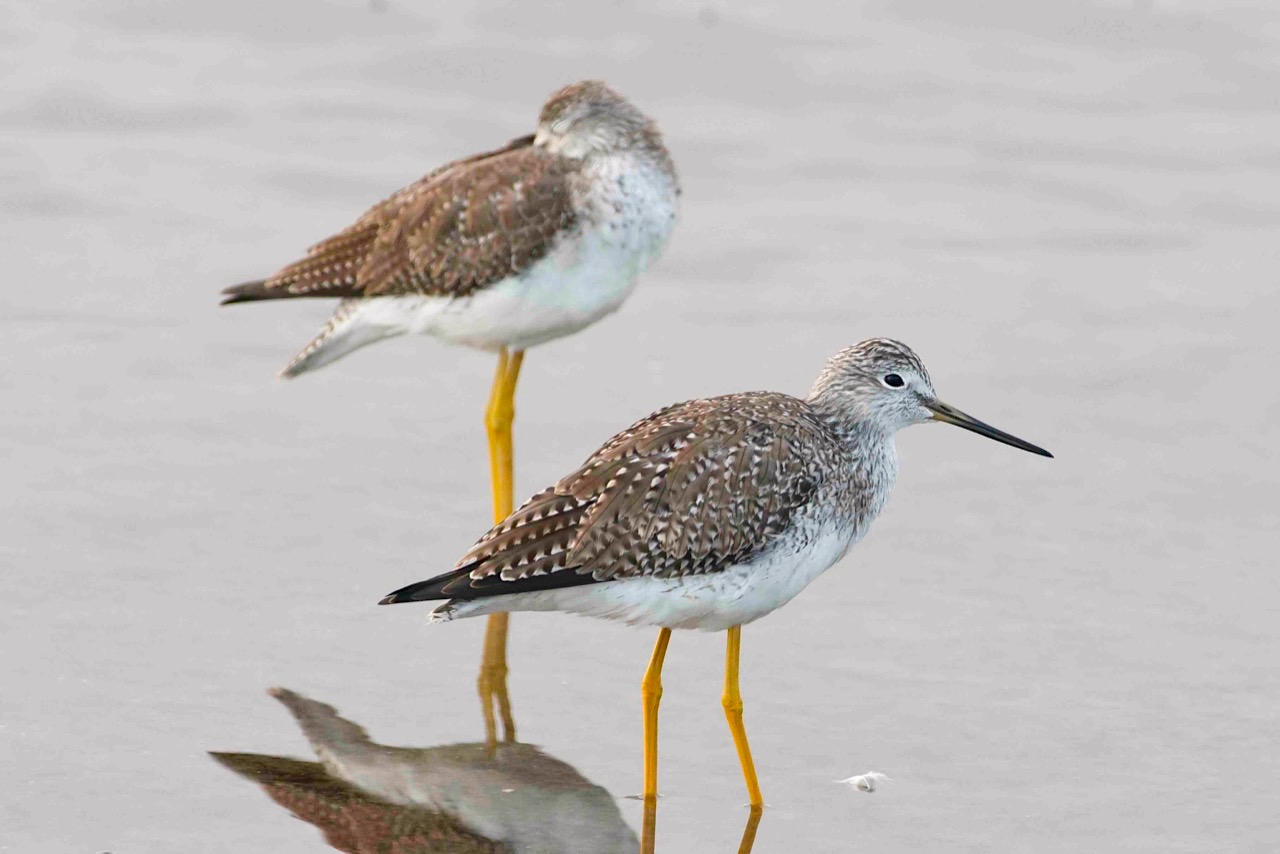
 ROLLING HARBOUR ABACO
You must be logged in to post a comment.