Unknown's avatar

THE PLURAL OF ‘OCTOPUS’ & RELATED CEPHALOPOD MYSTERIES…


Octopus (Melinda Riger / G B Scuba)


THE PLURAL OF ‘OCTOPUS’ & RELATED CEPHALOPOD MYSTERIES

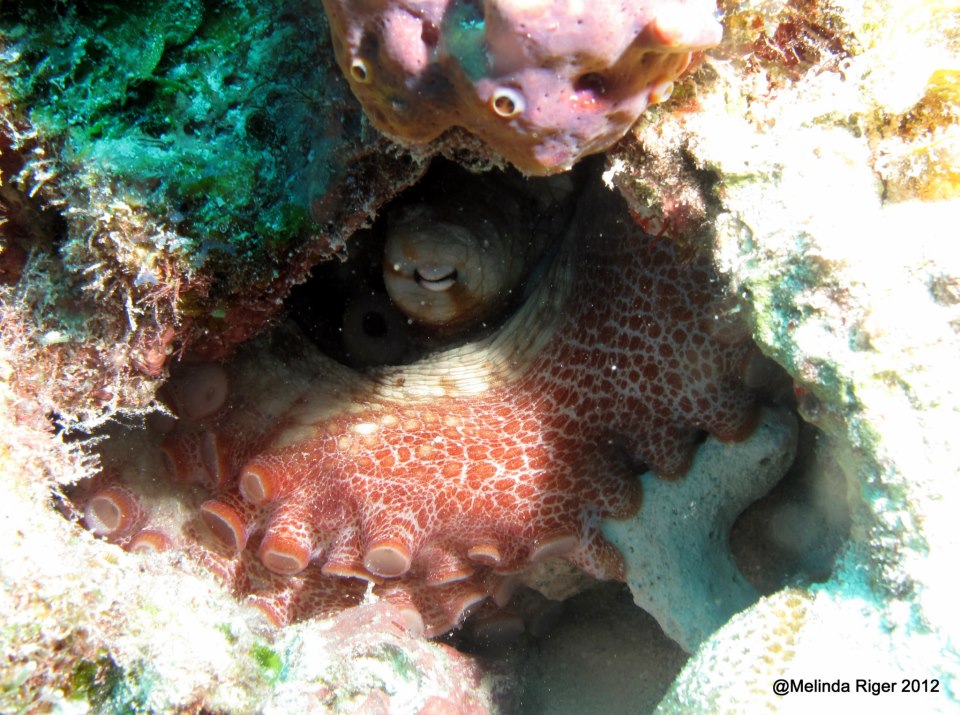
The correct plural of ‘octopus’ is a singular mystery wrapped in tentacles and hidden beneath a rock. Shall we have the grammatical discourse first, or save it for later? Let’s have some octopi  octopuses octopodes to look at first… [oh, and it’s definitely not ‘octopussies’, not even for 007] 

 Melinda Riger GRAND BAHAMA SCUBAOctopus 2 ©Melinda Riger GB Scuba

12 TASTY OCTOPUS FACTS TO ASTOUND YOUR FAMILY & FRIENDS

  • Their 8 ‘arms’ come in pairs ( the back two act more like legs) and they are bilaterally symmetric
  • Their beak is hard, but they have no internal or external skeleton (so they can squeeze into tight crannies)
  • They paralyse their prospective meals with saliva from their beak; or drill holes in molluscs, stun them with venom and rip them out
  • They defend themselves with squirted ink, jet propulsion, camouflage or venom
  • All species are venomous; only one species is deadly to humans (not found in the Bahamas)
  • They are able to detach an arm (autotomy) to distract predators with the wriggling shed limb
  • The male’s 3rd right arm is the one used for reproduction… (stop giggling at the back)
  • Well, you asked: 1. special hidden extra arm 2. packets of sperm 3. into the female’s ‘mantle cavity’
  • No, I don’t know any more than that – ask your father.
  • Oh, and the males tend to die within months of mating, deftly using death to sidestep parenting 8-limbed offspring
  • They are unlikely to make a good pet for your family. Those who try, fail
  • They are eaten throughout the world, sometimes alive (e.g. Korea)

Another photo of Melinda’s, showing how an octopus can tuck itself away inside a small gap in the rocks.  It can still keep an eye on you, thoughOctopus ©Melinda Riger GB Scuba
THE CORRECT PLURAL OF ‘OCTOPUS’

There’s much debate about this comparatively unimportant question. Not even an octopus would care. The viable candidates are: octopuses; octopodes; and octopi.  Since all are in common usage, none is ‘wrong’, though some are more correct than others…

1. OCTOPUSES An anglicised grammatical progression of a latin-sounding word to a logical plural, similar to ‘virus’ and viruses’. Only an extreme pedant would want to argue for ‘viri’ or ‘virii’. Similarly with bonus: “We all got boni for Christmas”. No, you didn’t. They were bonuses.

2. OCTOPODES the origin of ‘octopus’ is a Greek word ὀκτάπους, later latinised. The correct plural in Athens would have been ‘octopodes’. It is not derived from a 2nd declension latin noun, as often assumed, in which case the plural might indeed be ‘octopi’ (cf annus / anni; year / years). Using this etymologically accurate form in conversation might lead to a lonely life as people begin to move away from you. But you would still be in the right, if that matters to you so much…

3. OCTOPI see above. In a picky world, this is the least correct of the 3, being a pluralisation based on the wrong root origin (i.e. on latin, not greek), and therefore etymologically unsound. In practice, it’s quick and easy, and everyone knows what you mean, which is largely the point of language, I guess. Personally, I’d use octopuses if I ever used the word.

SUMMARY: 2 is the most technically correct, and also the most likely to get you chucked off the side of the boat. Fully clothed. 1 is a logically correct anglicisation. 3 is a technically incorrect form, but long usage has made it acceptable to all but verbal Luddites. Push them off the boat too.

ADDENDUM This was never going to be easy! What about ‘cactus / cacti’, do I hear? Yes, cactus was known to Greeks as κάκτος (kaktos); but it was equally known to the Romans as ‘cactus’, not as a word that had to be imported by them from the Greeks and adapted. So the word’s root is as much latin as greek. No doubt that explains similar latin-origin ‘i’ plurals such as alumnus / alumni and stimulus / stimuli.

Octopus (Adam Rees)

Massive thanks as ever to Melinda and Fred Riger of GRAND BAHAMA SCUBA, who in 2011 got me started on the fish, rays, sharks etc to be found in northern Bahamas waters. This entire blog – 15 years-worth – is to a considerable extent shaped by their generosity with their knowledge and wonderful photos from those early days.
Unknown's avatar

‘SEXING THE HUMMER’: A GENDER GUIDE TO ABACO’S HUMMINGBIRDS


Keith Salvesen / Rolling Harbour / Abaco Bahamas

‘SEXING THE HUMMER’

A GENDER GUIDE TO ABACO’S HUMMINGBIRDS

Cuban Emerald (m) Abaco (Charlie Skinner)

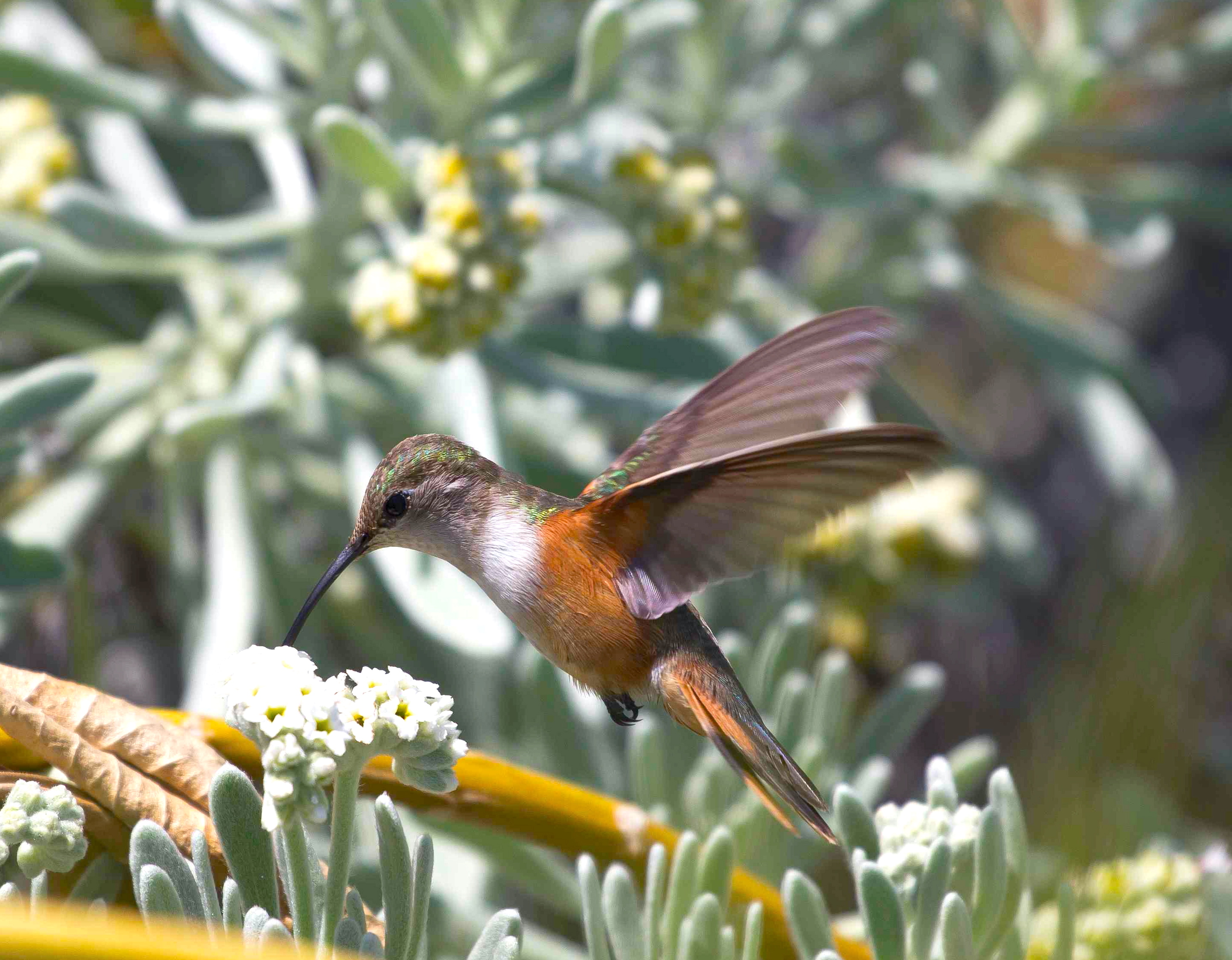
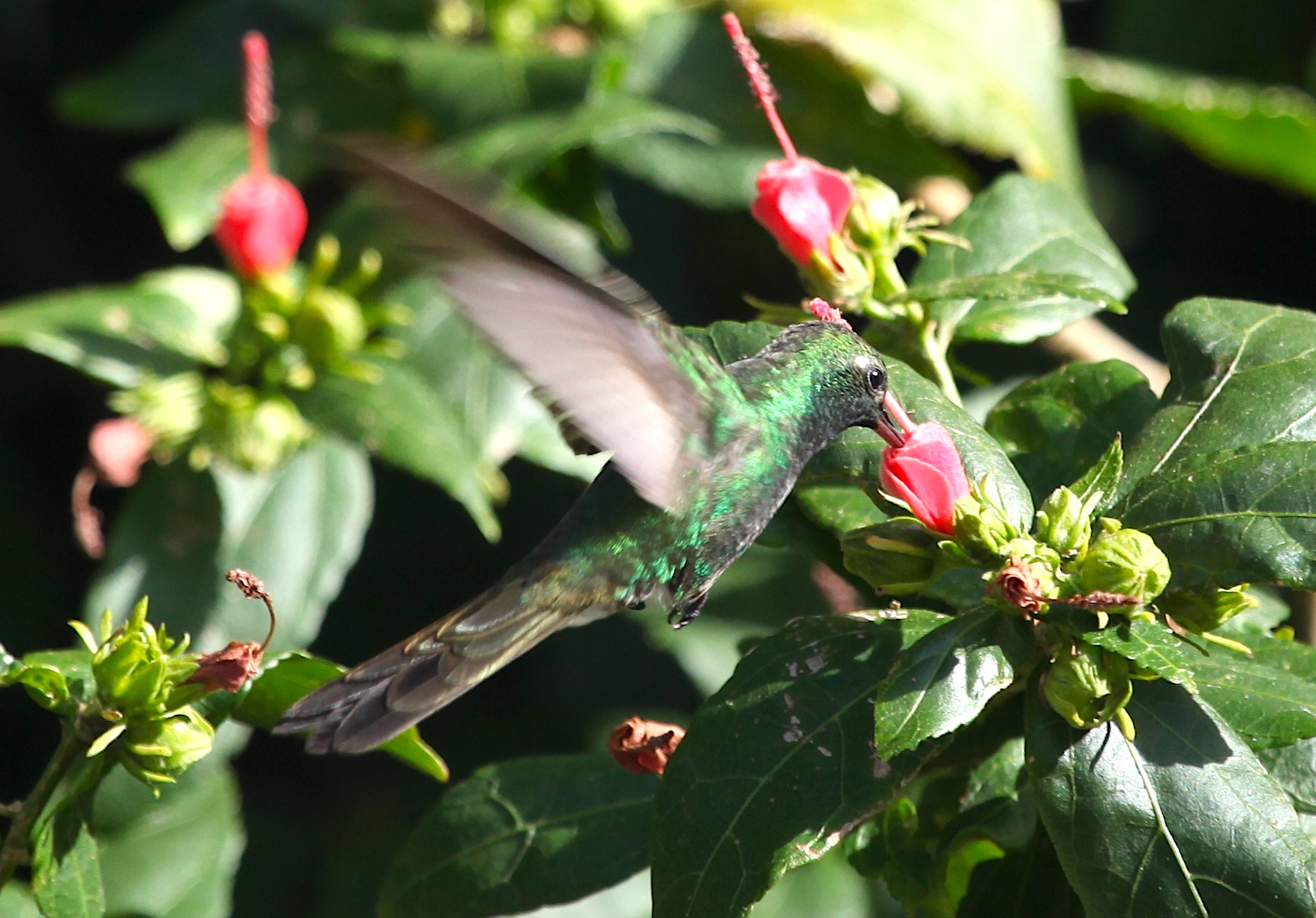
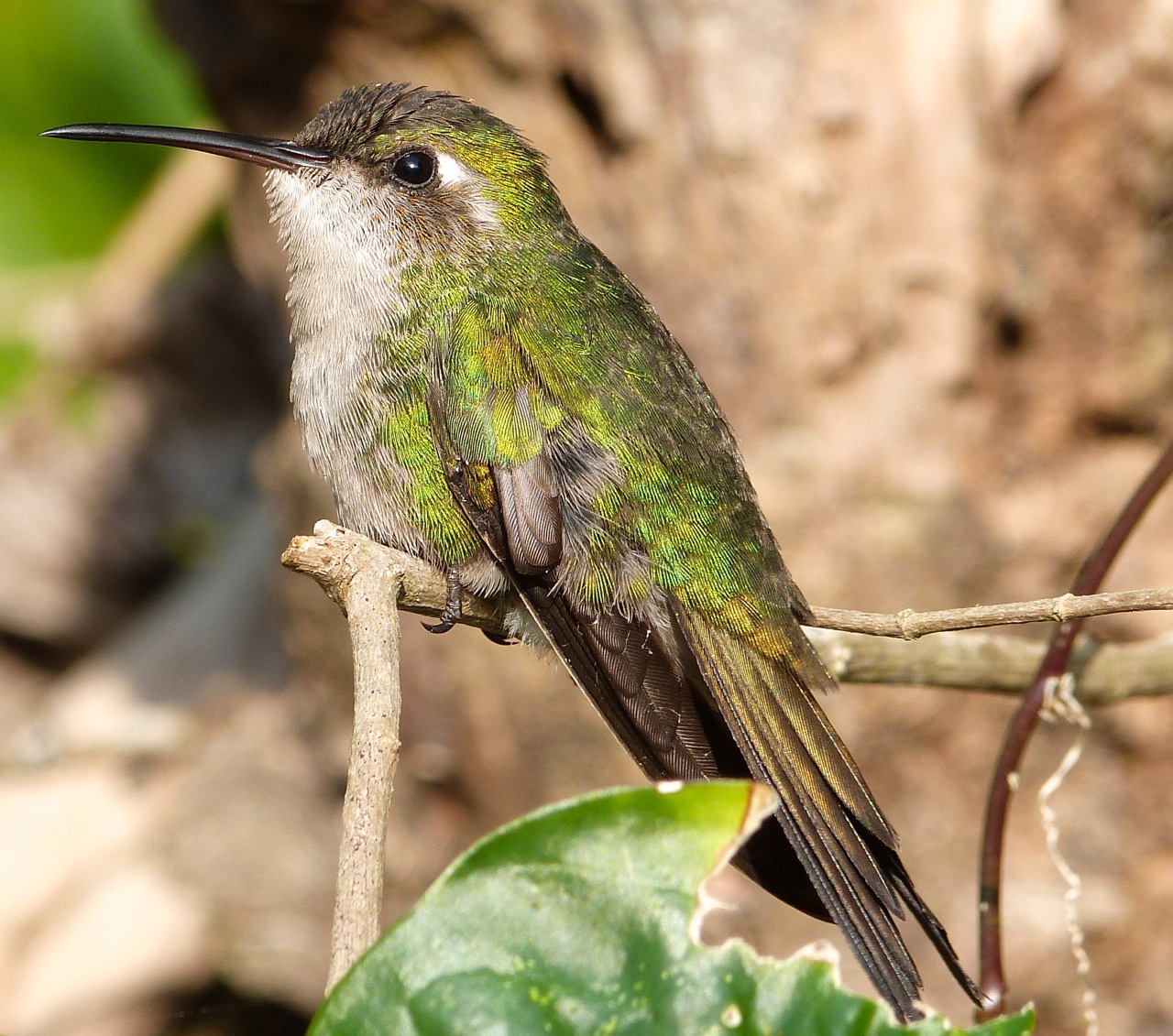
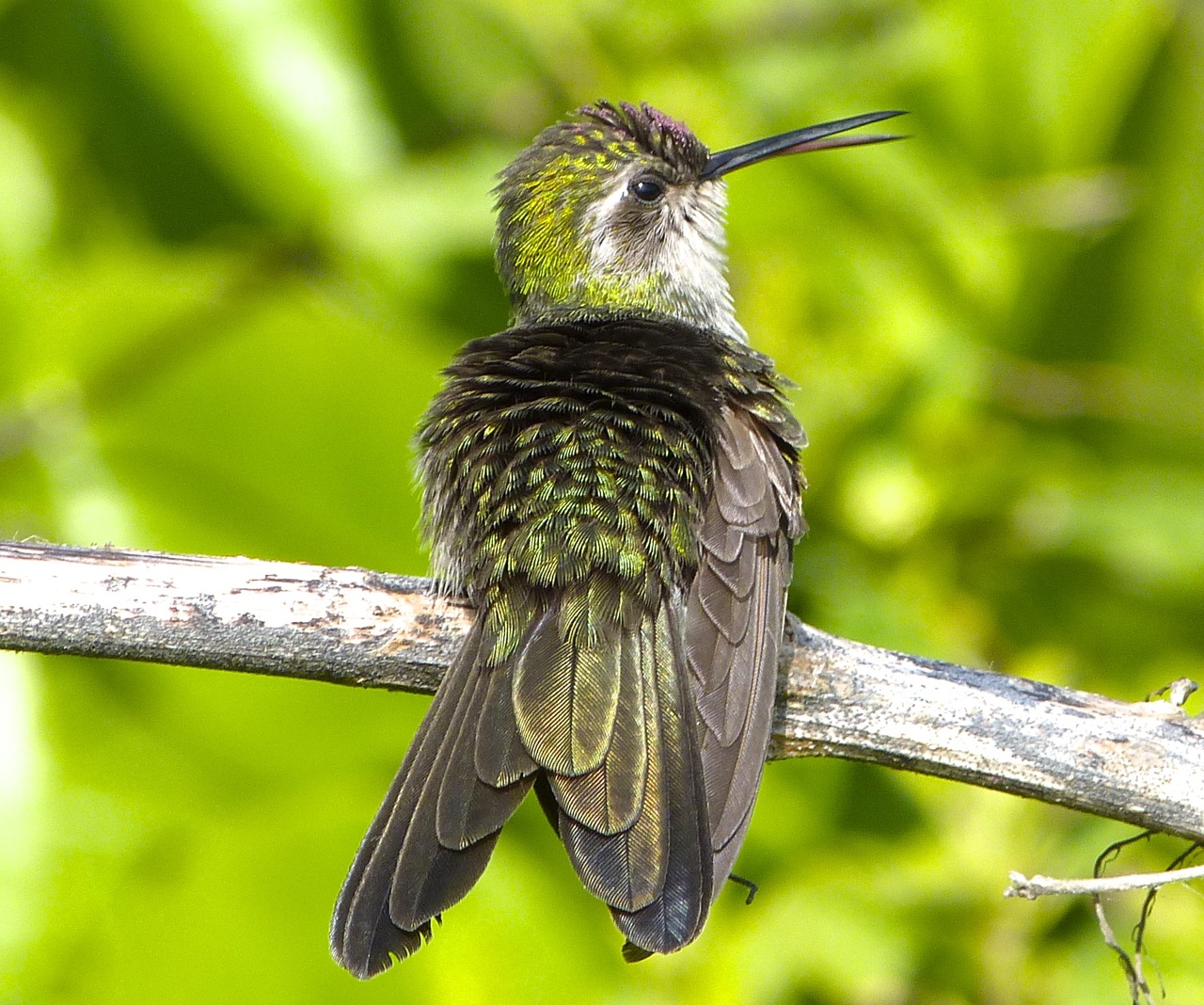
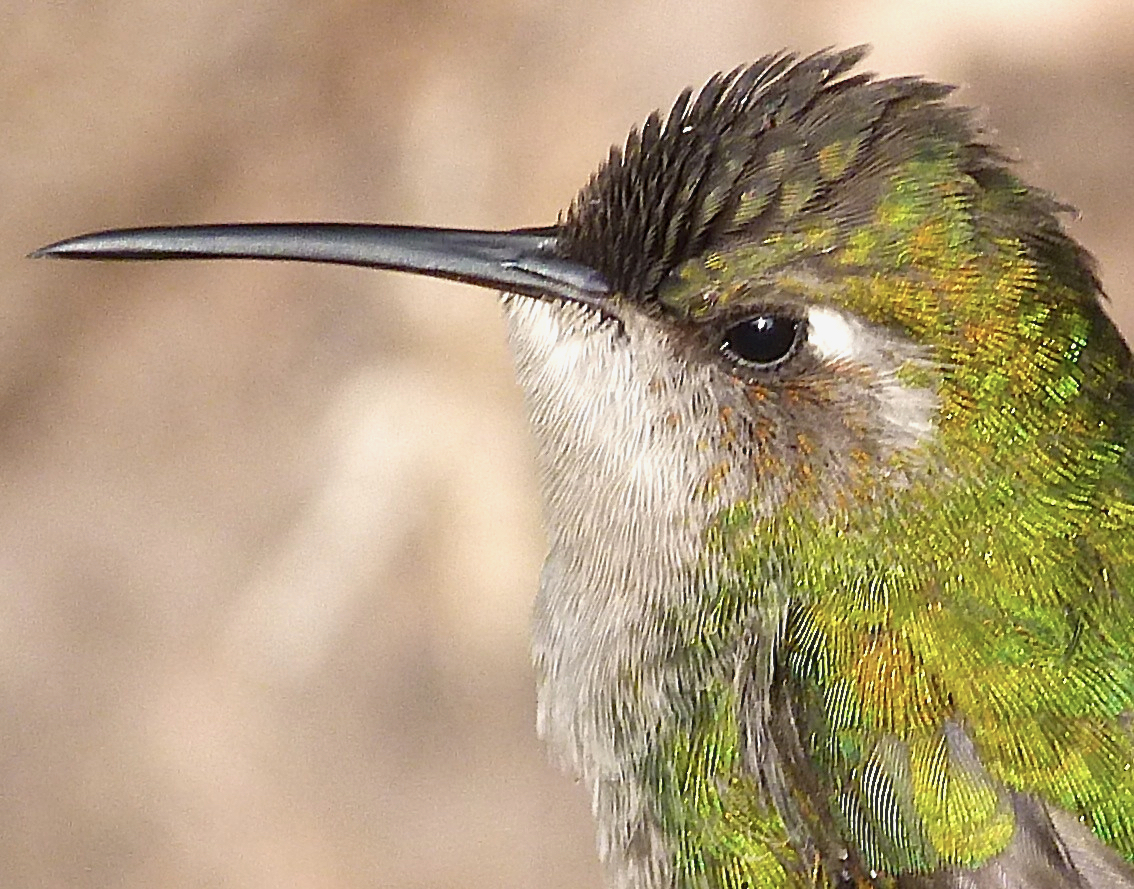
This post is not as indelicate as the title might imply. It is not a practical guide for intimate examinations of tiny birds. Nor does refer to some louche activity involving large motor vehicles. It’s all about plumage and recognition. And there are only two species – and two genders for each one – to wrestle with*. So here are the adult male and female Bahama Woodstars and Cuban Emeralds in all their glory…

BAHAMA WOODSTAR (Calliphlox evelynae)

Bahama Woodstar (m), Abaco (Bruce Hallett)
Bahama Woodstar (m), Abaco Bahamas (Tom Sheley)

Bahama Woodstar (f), Bahama Palm Shores, Abaco (Tara Lavallee)
Bahama Woodstar (f), Abaco (Tom Sheley)


CUBAN EMERALD (Chlorostilbon ricordii)

Cuban Emerald (male), Delphi Club, Abaco (Keith Salvesen)
Cuban Emerald (m) Delphi, Abaco (Keith Salvesen)
Cuban Emerald (m), Delphi, Abaco (Peter Mantle)

Cuban Emerald (female), Delphi Club, Abaco (Keith Salvesen)
Cuban Emerald (f), Delphi, Abaco (Keith Salvesen)
Cuban Emerald (female) Gilpin Point, Abaco (Keith Salvesen)
Cuban Emerald (f) Gilpin Point, Abaco (Keith Salvesen)

And finally, a brilliant Woodstar photo taken by Tom Sheley, birdman and generous fishing partner, that spans the boundary between wildlife photography and art. 

Bahama Woodstar female. Abaco Bahamas . Tom Sheley

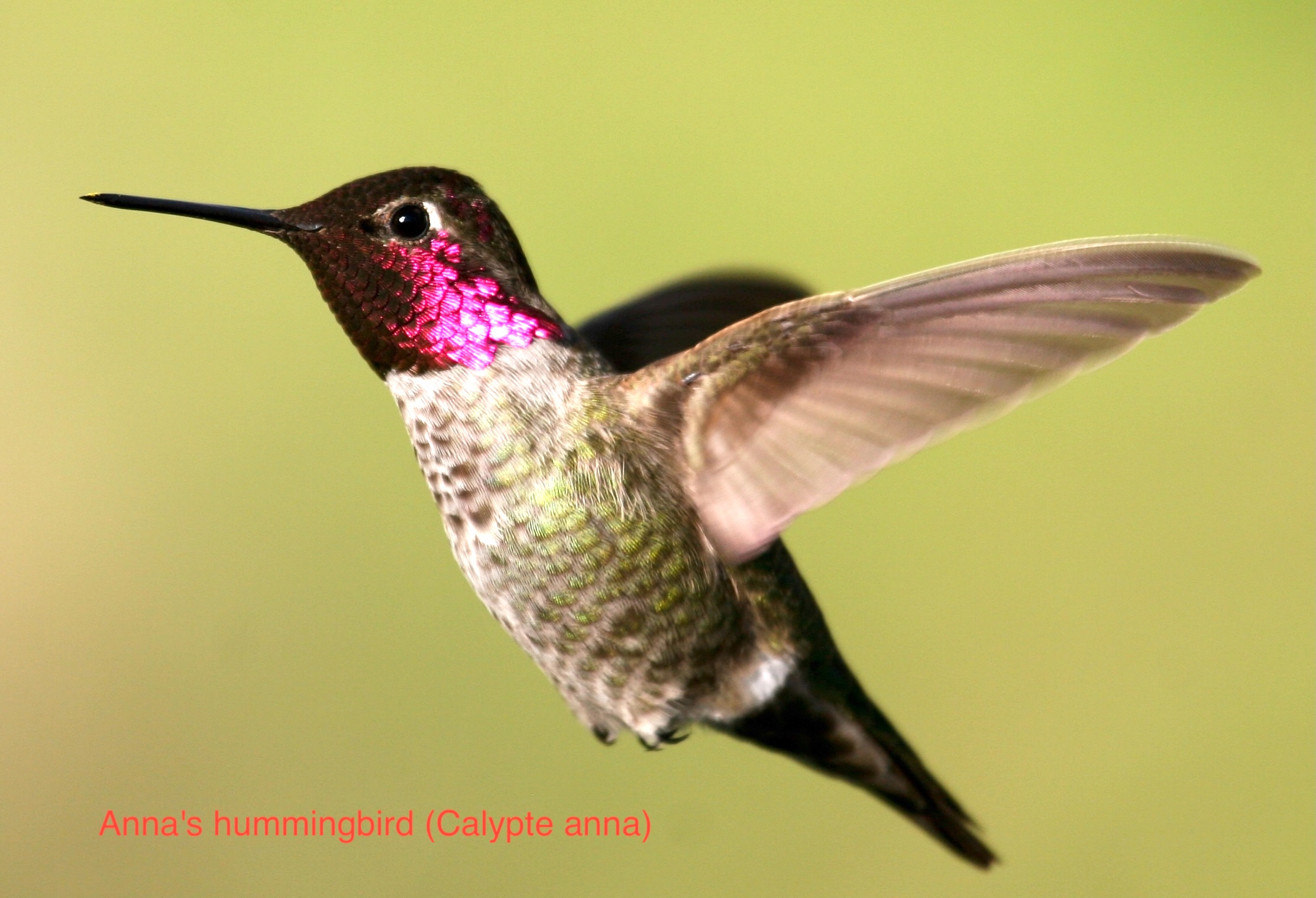
There have been very rare reports of vagrant sightings, in particular Anna’s Hummingbird

Unknown's avatar

FLAMINGO TONGUE SNAILS: DECORATIVE CORAL-DWELLERS


Flamingo Tongue Snails (Melinda Rogers, Dive Abaco, Bahamas)


FLAMINGO TONGUE SNAILS: DECORATIVE CORAL-DWELLERS

FLAMINGO TONGUE SNAILS Cyphoma gibbous are small marine gastropod molluscs related to cowries. The living animal is brightly coloured and strikingly patterned, but that colour only exists in the ‘live’ parts – the so-called ‘mantle’. The shell itself is usually pale, and characterised by a thick ridge round the middle. Whether alive or as shells, they are gratifyingly easy to identify. These snails live in the tropical waters of the Caribbean and the wider western Atlantic. 

Flamingo Tongue Snails (Melinda Rogers, Dive Abaco, Bahamas)

THE IMPORTANCE OF CORAL

Flamingo tongue snails feed by browsing on soft corals. Often, they will leave tracks behind them on the coral stems as they forage (see image below). But corals are not only food – they provide the ideal sites for the creature’s breeding cycle.

Flamingo Tongue Snails (Dive Abaco, Bahamas)Flamingo Tongue Snails (Melinda Rogers, Dive Abaco, Bahamas)

Adult females attach eggs to coral which they have recently fed upon. About 10 days later, the larvae hatch. They eventually settle onto other gorgonian corals such as Sea Fans. Juveniles tend to live protectively on the underside of coral branches, while adults are far more visible and mobile. Where the snail leaves a feeding scar, the corals can regrow the polyps, and therefore the snail’s feeding preference is generally not harmful to the coral.

The principal purpose of the patterned mantle of tissue over the shell is to act as the creature’s breathing apparatus. The tissue absorbs oxygen and releases carbon dioxide. As it has been (unkindly?) described, the mantle is “basically their lungs, stretched out over their rather boring-looking shell”. There’s more to them than that!

Flamingo Tongue Snails (Melinda Rogers, Dive Abaco, Bahamas)

THREATS AND DEFENCE

The species, once common, is becoming rarer. The natural predators include hogfish, pufferfish and spiny lobsters, though the spotted mantle provides some defence by being (a) startling in appearance and (b) on closer inspection by a predator, rather unpalatable. Gorgonian corals contain natural toxins, and instead of secreting these after feeding, the snail stores them. This supplements the defence provided by its APOSEMATIC COLORATION, the vivid colour and /or pattern warning sign to predators found in many animal species.

Flamingo Tongue Snails (Melinda Rogers, Dive Abaco, Bahamas)

MANKIND’S CONTRIBUTION

It comes as little surprise to learn that man is considered to be the greatest menace to these little creatures, and the reason for their significant decline in numbers. The threat comes from snorkelers and divers who mistakenly / ignorantly think that the colour of the mantle is the actual shell of the animal, collect up a whole bunch from the reef, and in due course are left with… dead snails and their allegedly dull shells Don’t be a collector; be a protector…

Flamingo Tongue Snails (Melinda Rogers, Dive Abaco, Bahamas)

The photos below are of nude flamingo tongue shells. Until I read the ‘boring-looking shell’ comment, I believed everyone thought they were rather lovely… I did, anyway. I still do. You decide!

Flamingo Tongue Snail Shell, Keith Salvesen AbacoFlamingo Tongue Snail Shell, Keith Salvesen Abaco

Flamingo Tongue Snails (Melinda Rogers, Dive Abaco, Bahamas)

Image Credits:  Melinda Rogers / Dive Abaco; Keith Salvesen / Rolling Harbour; Wiki Leopard

Unknown's avatar

SAWMILL SINK, ABACO: INDUSTRIAL ARCHAEOLOGY IN A POST-APOCALYPTIC LANDSCAPE


Sawmill Sink Abaco 8

SAWMILL SINK, ABACO

INDUSTRIAL ARCHAEOLOGY IN A POST-APOCALYPTIC LANDSCAPE

This article was written quite some time ago but I reckoned that, several years on, it might still be of interest. I haven’t changed much because it is what it was, so please ignore the time-slip. This was by chance a fire-fuelled opportunity to uncover a relic of Abaco’s industrial past.

The Blue Holes of Abaco are geological wonders about which much has been written. Sawmill Sink is one of the best-known inland ones. These are deep chasms in the limestone rock, some leading to extensive and complex cave systems under the island. Divers exploring Sawmill Sink have found many prehistoric fossils, including those of an extinct giant tortoise, and land crocodiles. The sink area was also a location for such finds.

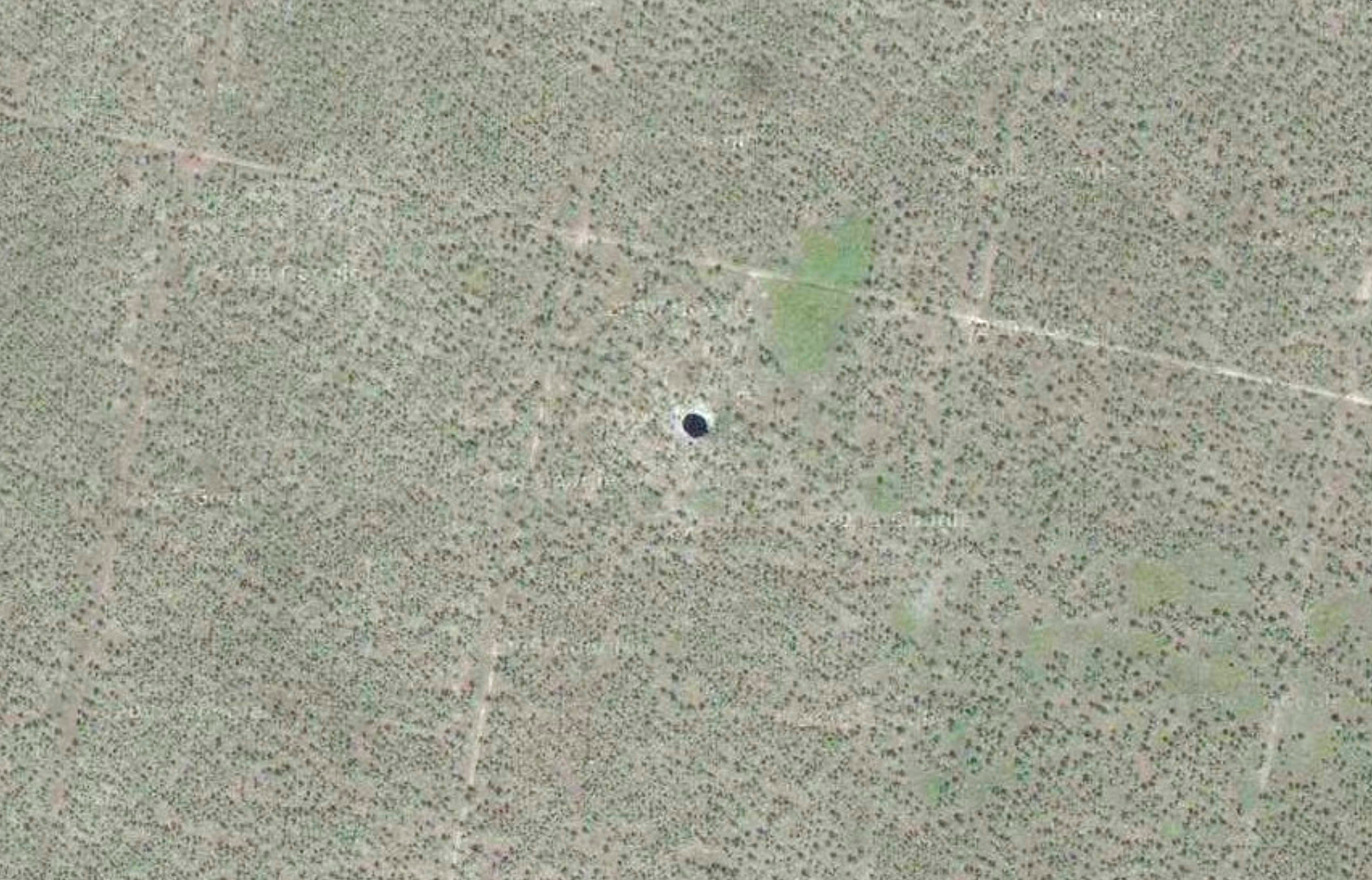
AERIAL VIEW OF SAWMILL SINK DEEP IN THE PINE FOREST

Screenshot 2024-11-16 at 17.15.58

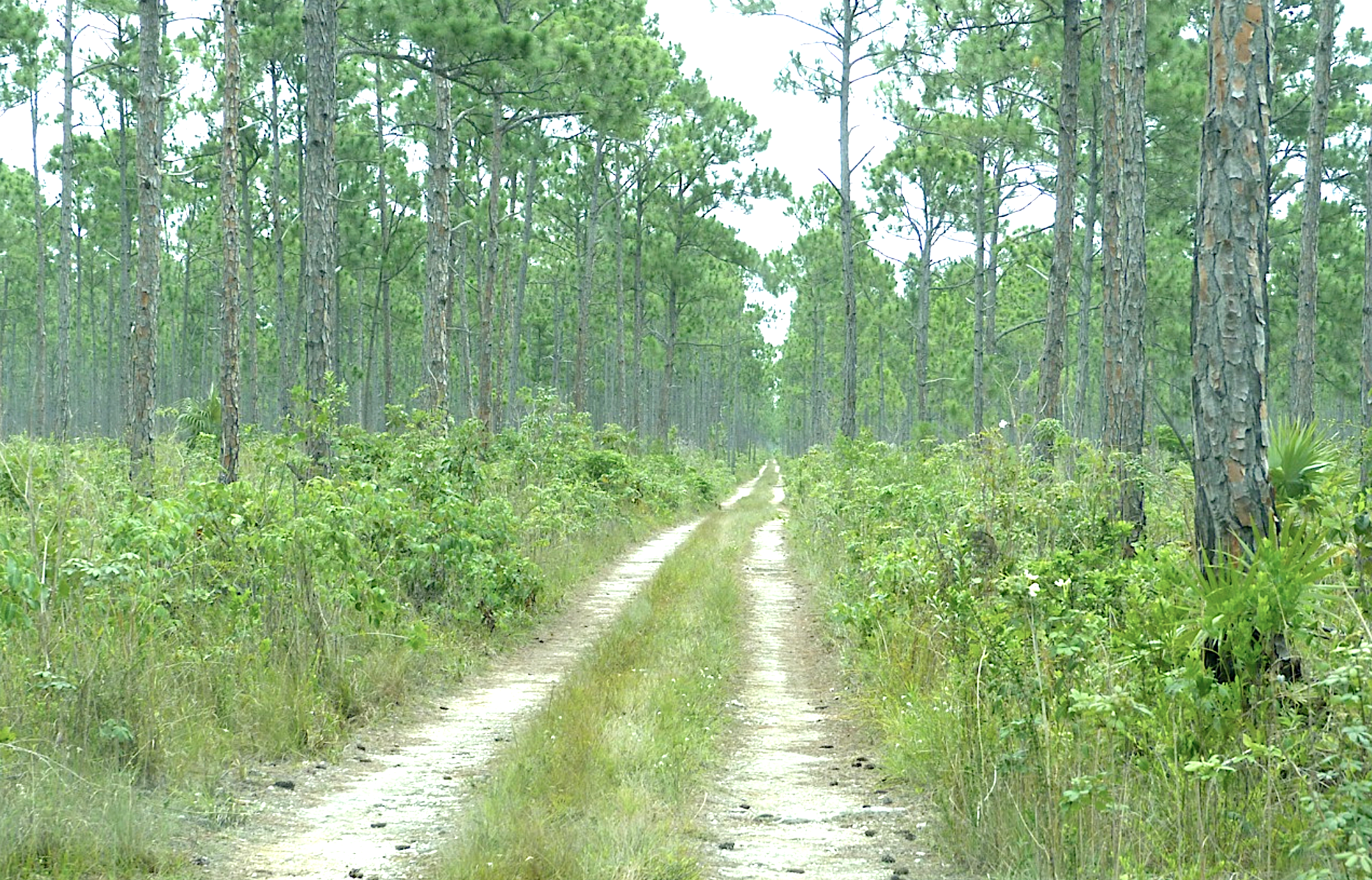
LOGGING TRACK TO SAWMILL SINK BLUE HOLE

Screenshot 2024-11-16 at 17.15.30

LOGGING HISTORY

South Abaco – defined loosely as the area south of Marsh Harbour – is dominated by pine forest. There are a few settlements and individual residences, all by the coast. The forested swathes are criss-crossed by an extensive system of logging tracks, many now all but impassable. They are reminders of Abaco’s historic importance as a source of wood deriving from the ubiquitous tall, slim pines. One use to which they were put was as mine pit props in the collieries of Wales.

 1996.2039.db

TRACKING RAILS

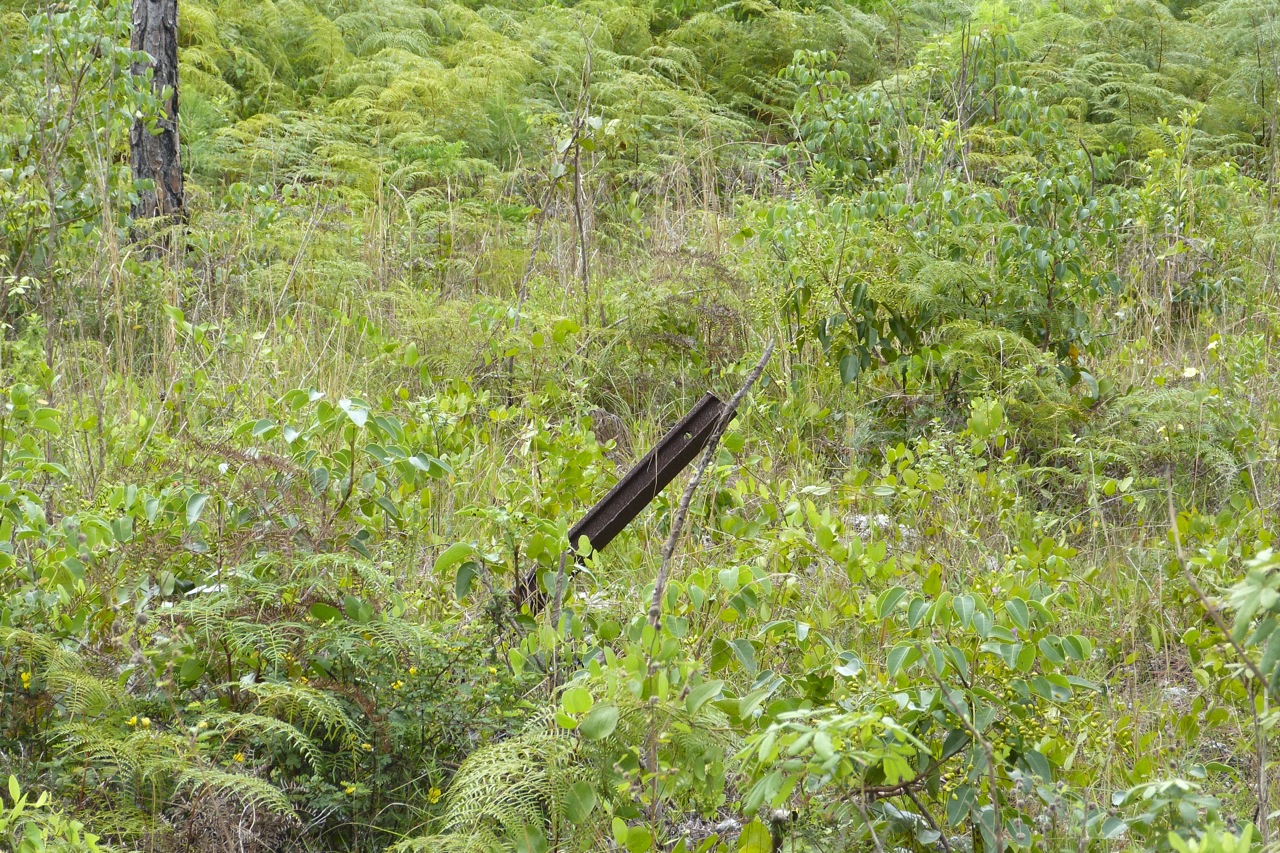
During a walk to Sawmill Sink, we noticed a rusty rail sticking up from the undergrowth. This was a remnant of the light railway tracks that had been laid through the forest to carry felled timber to the highway. From there it was transported to the coast to be loaded onto ships.

Sawmill Sink Abaco 17

Later, we went back to Sawmill Sink at a time when the south part of the island was enduring the annual outbreak of forest fires, some natural and some set to clear undergrowth. While the occasional natural fire is actually good for regeneration of a forest (cf burning moorland), a fire out of control and fuelled by wind can very quickly damage a vast area. Thick palls of smoke drift across the island and out to sea. Even while we were fishing far out on the Marls, flames were visible as tall pines burned, with the acrid smell of the blaze was carried on the wind.

REMEMBERED EMBERS

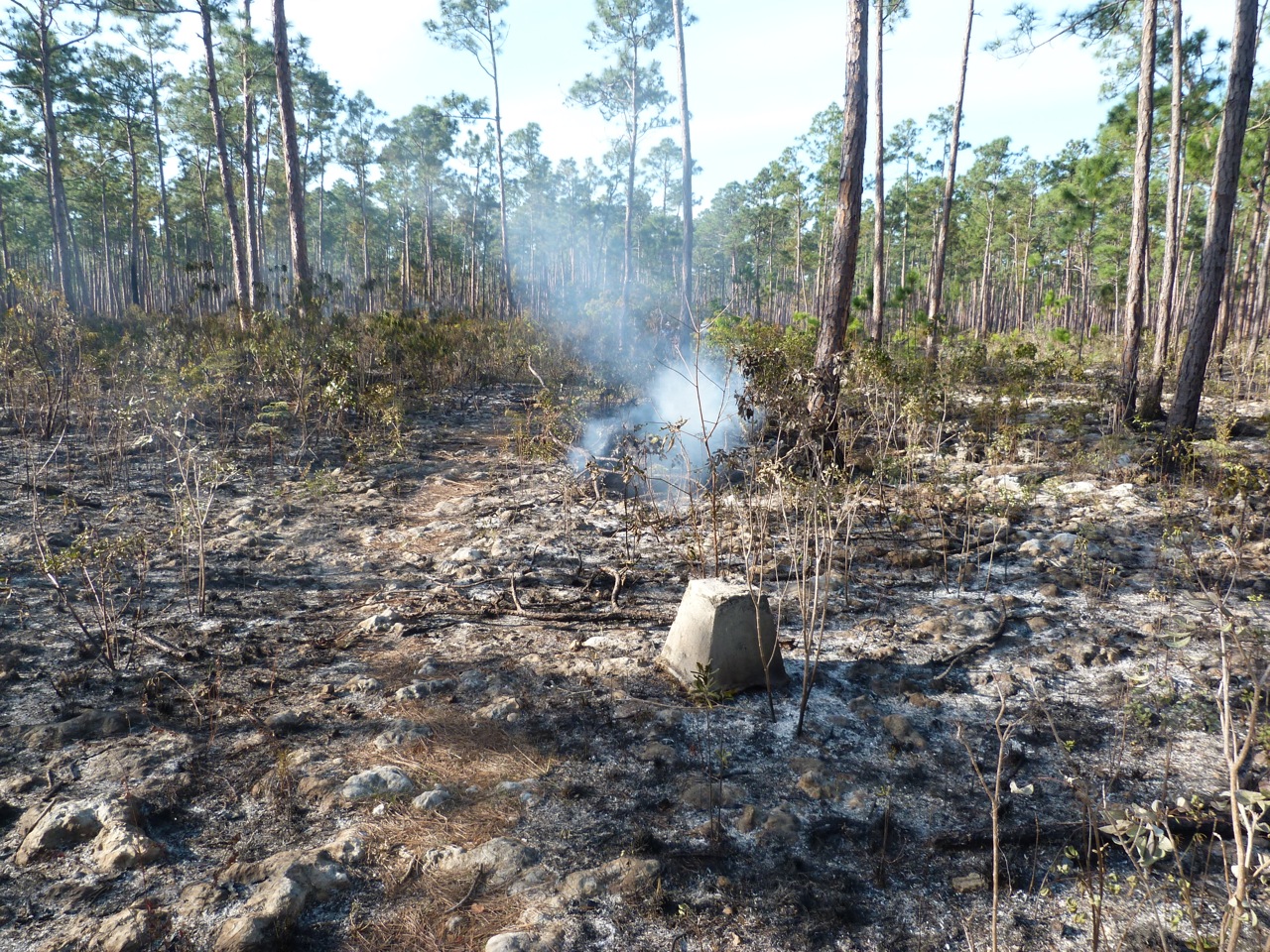
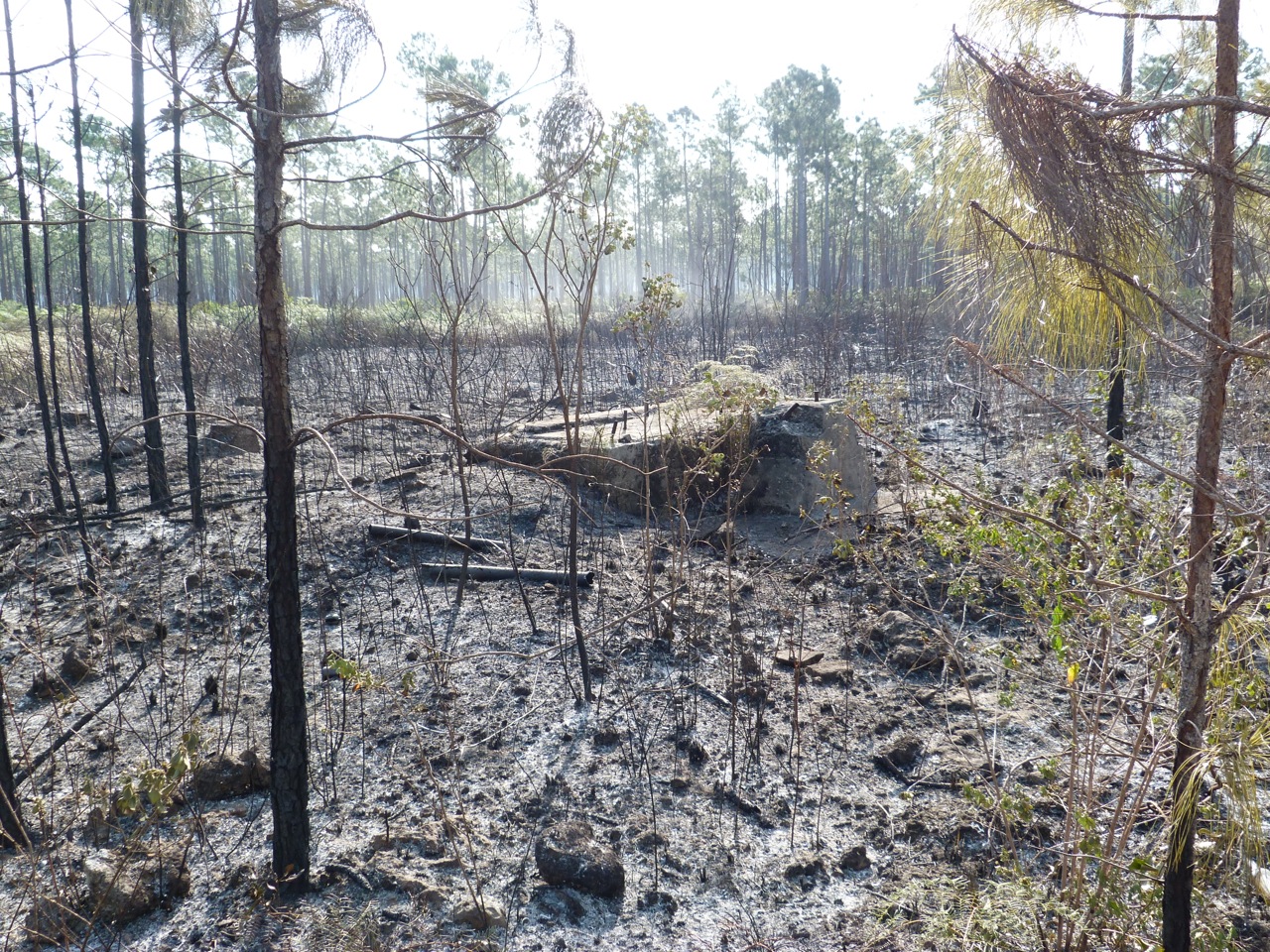
The photos that follow show the area round Sawmill Sink immediately after a fire had swept through the area, revealing the past. Trees were still smouldering and in places the ground was still hot to the touch. The evidence of the former usage had been laid bare. Some images below  show the paved path that leads from the logging track to the Sink. I never found out if these were the first detailed images of so many visible remains of the logging trade revealed by the burnt-off undergrowth. 

Sawmill Sink Abaco 1 Sawmill Sink Abaco 2 Sawmill Sink Abaco 3 Sawmill Sink Abaco 5 Sawmill Sink Abaco 6 Sawmill Sink Abaco 7 Sawmill Sink Abaco 9 Sawmill Sink Abaco 10 Sawmill Sink Abaco 11 Sawmill Sink Abaco 12 Sawmill Sink Abaco 13 Sawmill Sink Abaco 14

PREHISTORY

We found this rock close to the Sink. Are those plant fossils? Bearing in mind that in prehistory the ocean covered this area entirely (the highest point on Abaco is a mere 134 feet ASL), might these be anemones or sponge fossils of some sort? As I said then, ‘comments from fossilologists welcome’, and a kind follower FOSSIL LADY (aka Kathi) reponded:  Those don’t look like plant fossils to me, they remind me of stromatolites, a sponge like creature that first dominated the earth billions of years ago. Some varieties still survive today. It would be worth it to have a geologist have a look see. ps the sinkhole is awesome!

Sawmill Sink Abaco 15

Photo credits: all RH except pit props (Scottish Mining Museum); aerial view (Gmaps)

Unknown's avatar

SHOREBIRDS, WADERS & SEABIRDS: 30 WAYS TO DISTINGUISH THEM


Sanderling Trio, Delphi Beach, Abaco (Keith Salvesen) 5


SHOREBIRDS WADERS & SEABIRDS: 30 WAYS TO DISTINGUISH THEM 

Today, September 6th, is World Shorebirds Day. Every year I look forward to scrolling back through the archives of ‘Birds of Abaco‘ for the occasion. It reminds me of the wonderful and plentiful varieties of birds that lead semi-aquatic or aquatic lives on and around the shores of Abaco. Some are permanent, others are migratory visitors.

.They can be broadly categorised as shorebirds, wading birds, and seabirds. With some bird species there may be doubt as to which category applies. In different parts of the world, the categories themselves may be named differently. 

There is the strict Linnaean ordering of course, but in practice there is a degree of informal category overlap and some variation in the various bird guides. This is especially so between shorebirds and the smaller wading birds. Shorebirds may wade, and wading birds may be found on shores.  Even if you have no problem distinguishing birds in the 3 categories, there are avian characteristics within each list that are interesting observations in themselves. 


10 CHARACTERISTICS OF SHOREBIRDS 

American Oystercatcher, Delphi, Abaco (Tom Sheley)

(Examples include avocet, black skimmer, oystercatcher, plover, sandpiper, and stilt)

1. Shorebirds have long legs, pointed beaks, and long pointed wings.

2. Most are migratory. Some shorebirds fly non-stop for 3-4 days to reach base.

3. Shorebirds are small to medium size birds. The shoreline is their main foraging ground.

4. They often feed close to the waterline and poke their bills into the ground in search of food.

5. Shorebirds also frequent wetlands and marshes and are biological indicators of these environmentally sensitive lands.

6. They are of the order Charadriiformes.

7. Shorebirds are very well camouflaged for their environment and their appearance may vary from place to place as plumage (feather colors) are gained or lost during breeding.

8. Shorebirds typically range in weight from 0.06 to 4.4 pounds.

9. Oystercatchers have a unique triangular bill that is a cross between a knife and a chisel.

10. The black skimmer is the only native bird in North America with its lower mandible larger than the upper mandible, which helps the bird gather fish as it skims the ocean surface.


10 CHARACTERISTICS OF WADING BIRDS 

Great Egret, Abaco - Tom Sheley

(Examples include crane, egret, flamingo, herons, ibis, rail, spoonbill, and stork)

1. Wading birds are found in freshwater or saltwater on every continent except Antarctica.

2. They have long, skinny legs and toes which help them keep their balance in wet areas where water currents may be present or muddy ground is unstable. Also, longer legs make it easier for them to search for food (forage) in deeper waters.

3. Wading birds have long bills with pointed or rounded tips (depending on what is more efficient for the types of food the bird consumes).

4. Wading birds have long, flexible necks that can change shape drastically in seconds, an adaptation for proficient hunting.

5. Herons have sophisticated and beautiful plumes during the breeding season, while smaller waders such as rails are much more camouflaged.

6. Wading birds may stand motionless for long periods of time waiting for prey to come within reach.

7. When moving, their steps may be slow and deliberate to not scare prey, and freeze postures are common when these birds feel threatened.

8. Adult wading birds are quiet as an essential tool for hunting. Wading birds may be vocal while nestling or while in flocks together.

9. Many wading birds form communal roosts and breeding rookeries, even mixing flocks of different species of wading birds or waterfowl.

10. Wading birds fully extend their legs to the rear when flying. The neck may be extended or not while in flight, depending on the species.


10 CHARACTERISTICS OF SEABIRDS 

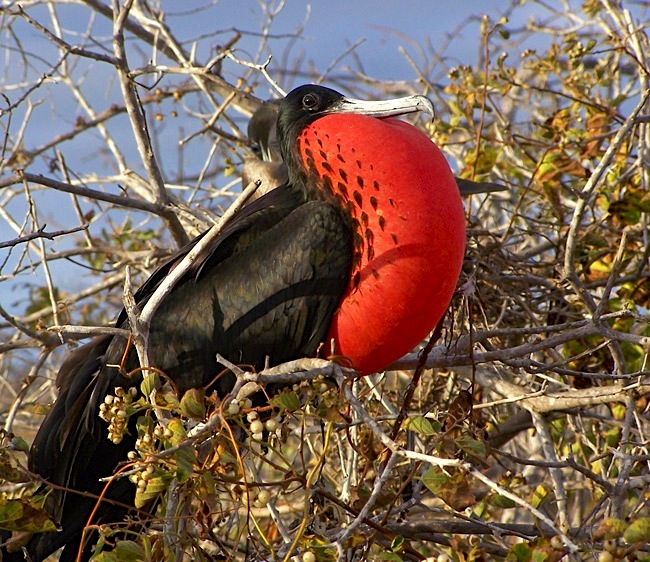
Magnificent Frigatebird (inflated-throat) (Michael Vaughan)

(Examples include albatross, auk, booby, frigatebird, fulmar, gannet, petrel, shearwater, and tropicbirds)

1. Seabirds are pelagic, spending most of their lives far out at sea.

2. Seabirds move toward to coastal areas to breed or raise young for a minimal amount of time.

3. Seabirds are light on their undersides and dark on top (an adaptation known as countershading).

4. Seabirds have more feathers than other types of birds for more insulation and waterproofing.

5. Seabirds have flexible webbed feet to help gain traction as they take off for flight from the sea.

6. Some seabirds have unusually sharp claws used to help grasp fish under the water.

7. Some larger seabirds (e.g. albatross) have long, slim wings allowing them to soar for long distances without getting tired.

8. Some smaller seabirds have short wings for maneuvering at the surface of the water.

9. Seabirds have specialised glands to be able to drink the saltwater and excrete salts.

10. Some seabirds (e.g. gannets) have a head shape that is usually tapered for more efficiency in plunge diving.

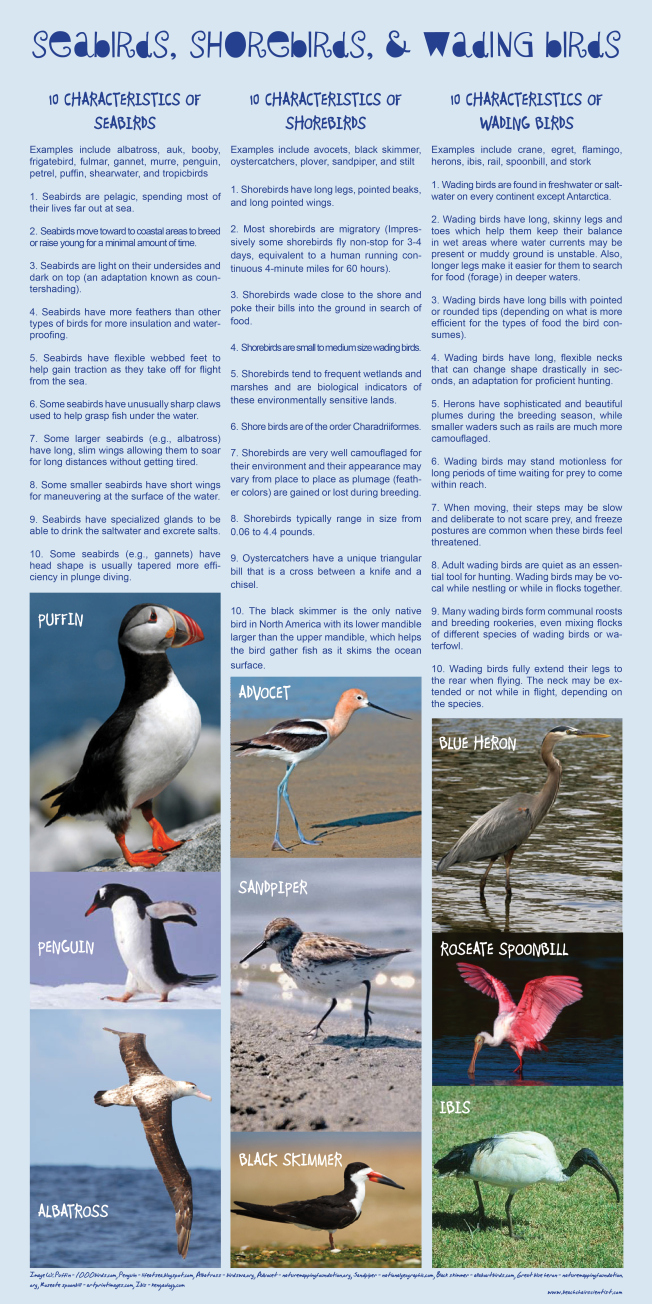
These lists were put together in useful chart form by the excellent Beach Chair Scientist

seabird shorebird wading bird chart ©beachchairscientistTable ©Beach Chair Scientist, with thanks for use permission;

Image Credits: Keith Salvesen, Michael Vaughn, Tom Sheley

Unknown's avatar

YELLOWTAIL PARROTFISH: BAHAMAS REEF FISH (54)


Yellowtail (Redfin) Parrotfish (Melinda Rogers / Dive Abaco)

YELLOWTAIL (REDFIN) PARROTFISH: BAHAMAS REEF FISH (54)

The yellowtail parrotfish (sometimes known as a redfin) is one of around half-a-dozen kinds of parrotfish found among the coral reefs of the Bahamas, and sometimes in seagrass areas. There are many other related species worldwide (about 80). Parrotfish are among the most important fishes on the reef because they play a major role in BIOEROSION , a vital process for the health of the reef.

Yellowtail (Redfin) Parrotfish (Melinda Rogers / Dive Abaco)

A. FEEDING & BEACH BUILDING

  • Their dental arrangements – a mouthful of meshing teeth – form the characteristic ‘beak’
  • Primarily herbivores but also snack on small creatures, organisms, or even molluscs
  • As they feed on their favourite algae, their teeth grind up the coral which they ingest
  • They digest the coral & excrete it as sand, becoming a component of your favourite beach
  • The teeth grow continuously, replacing ones worn away by grinding coral as they graze
  • They are a vital species in preventing algae from choking coral: essential reef cleaners

Yellowtail (Redfin) Parrotfish (Melinda Rogers / Dive Abaco)

B. PARROTFISH: PERSONAL INFORMATION

  • Some secrete a protective mucous cocoon to sleep in or as concealment from predators
  • Mucous also helps to heal damage, repel parasites, & protect them from UV light
  • As they develop from the juvenile stage, most species change colour significantly
  • In some species, juveniles change colour temporarily for protective purposes
  • These are “sequential hermaphrodites”, turning from female to male (‘protogyny’)
  • Single males tend to have several lady friends, and aggressively defend their love rights
  • Parrotfish are PELAGIC SPAWNERS. Females release many tiny buoyant eggs into the water
  • The eggs float freely then eventually sink to the coral until they hatch
  • Unlike almost all other fishes, they use their pectoral fins to propel themselves
  • Feeding behaviour / dietary requirements make them (thankfully) unsuitable for aquariums (or aquaria, if you prefer)

Yellowtail (Redfin) Parrotfish (Melinda Rogers / Dive Abaco)

WHAT WAS THAT ABOUT CHANGING SEX?

  • Parrotfish may undergo sex reversal in which developing female fish become males
  • Parrotfish born male remain male throughout their lives (“primary males”)
  • Female-born fish may change sex & colour to become male (“secondary males”)
  • Secondary males are fertile and generally mate with a single female
  • Females that stay female live in harems protected by a dominant “supermale” BUT…
  • …if the supermale dies, the largest female in the group changes sex to become male…
  • …AND amazingly adopts the coloration of the supermale (best ‘astounding fact’ of all)

Yellowtail (Redfin) Parrotfish (Melinda Rogers / Dive Abaco)

ARE PARROTFISH EDIBLE? JUST ASKING…

  • Parrotfish skin is very tough but their flesh is soft and degenerates quickly
  • Some species (eg blue parrotfish) carry ciguatera toxins – to be avoided
  • They are not considered a fishing target in Bahamas, nor a food-fish
  • Parrotfish are eaten elsewhere in the world however, for example Jamaica (cooked)
  • In Hawaii they are eaten raw – at one time they were reserved for royalty

VIDEO LINK: PARROTFISH POOP

Credits: Melinda Rogers / Dive Abaco for her great illustrative images. All photographs were taken on the reefs of Abaco; Florida Museum to cross-check facts; VIDEO – Angari Foundation

Yellowtail (Redfin) Parrotfish (Melinda Rogers / Dive Abaco)

Unknown's avatar

THE DELPHI CLUB GUIDE TO THE BIRDS OF ABACO (1) – 10th Anniversary Flyers


FIRST FLYER

It is February 2014, and two pallets carrying 500+ heavy books in boxes have just arrived in Nassau. Printed in Italy at the end of January, the cargo had made its way from specialist printers in Florence via Bologna, Leipzig, Brussels, Cincinnati, Miami to Nassau. They spent an unexpectedly long sojourn in Nassau while formalities were unhurriedly dealt with, then made their way safely to the Delphi Club. In early March, the book was launched in the Great Room at Delphi.

Delphi Lodge 2014

The book was generously received. The Delphi years rolled by: happy years of amateur birding, incompetent bonefishing (me), adventures, companionship, conviviality, Kalik. Then a change of ownership at Delphi; the destructive power of Dorian; and the tentacles of Covid spreading round the world.

10 years on at Rolling Harbour Towers HQ, a plan is hatching like an Abaco parrot’s precious egg. Might there be an audience ready for some kind of e-Edition of the whole book, checklists and all? Technology has moved on since 2014. Even I have now read an eBook. There’ll be some tech-stuff involved to get the most practical way to proceed. I’ll need to check with the birds first, and we will get back to you.

SECOND FLYER

Sanderlings on the beach at Delphi – more interested in snacking than eBook stardom

Unknown's avatar

BRAIN WAVES: UNDERSEA CORAL MAZES & LABYRINTHS


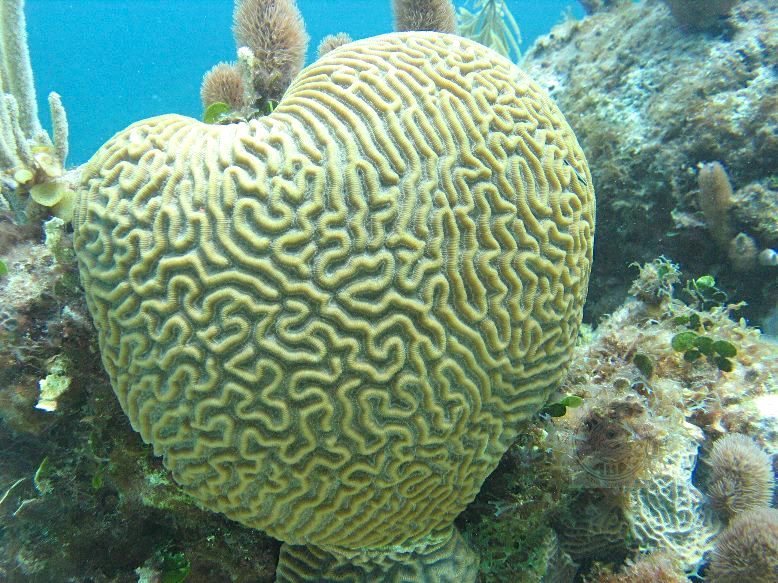
BRAIN CORAL Abaco Bahamas (Melinda Rogers / Dive Abaco)

BRAIN WAVES: UNDERSEA CORAL MAZES & LABYRINTHS

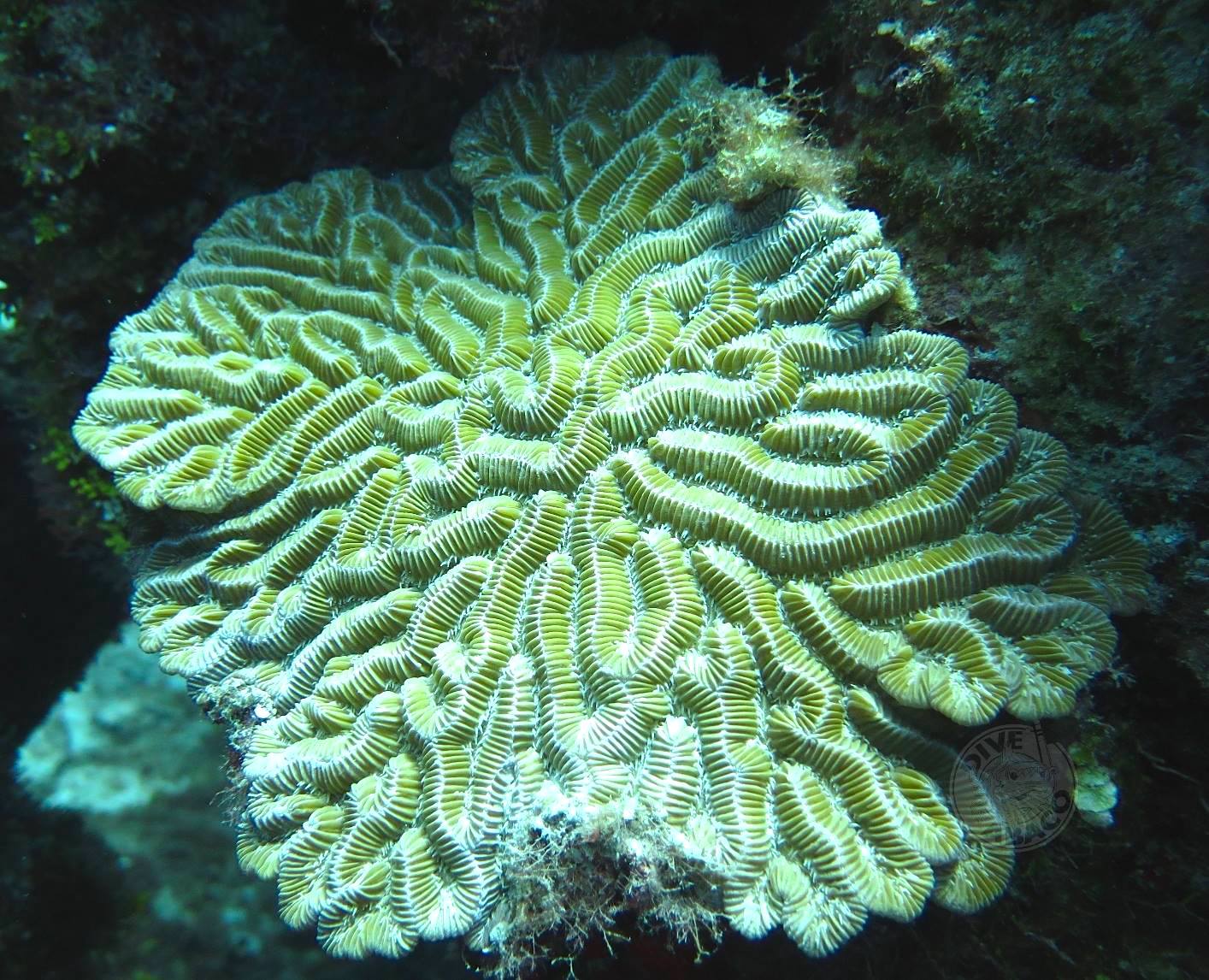
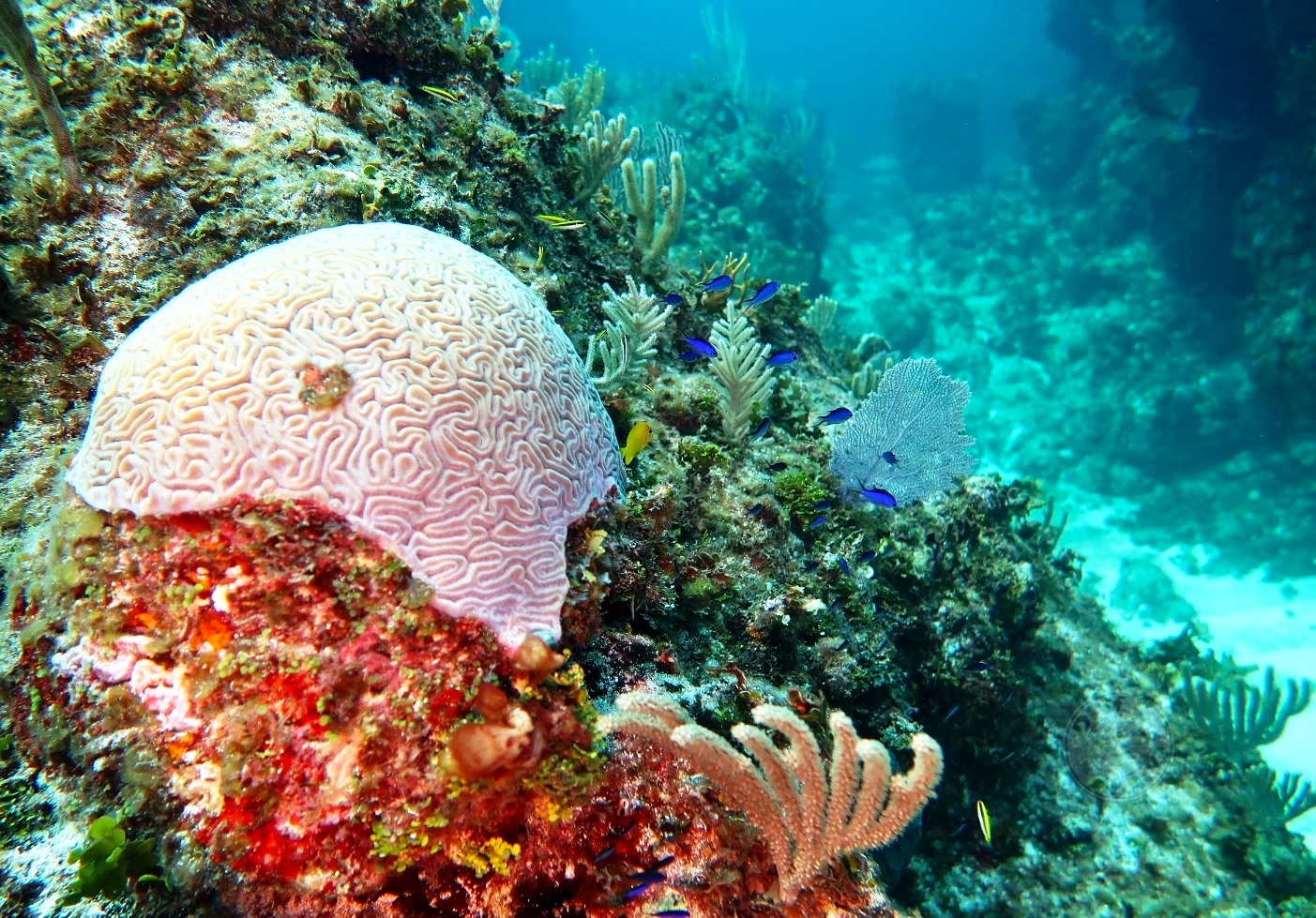
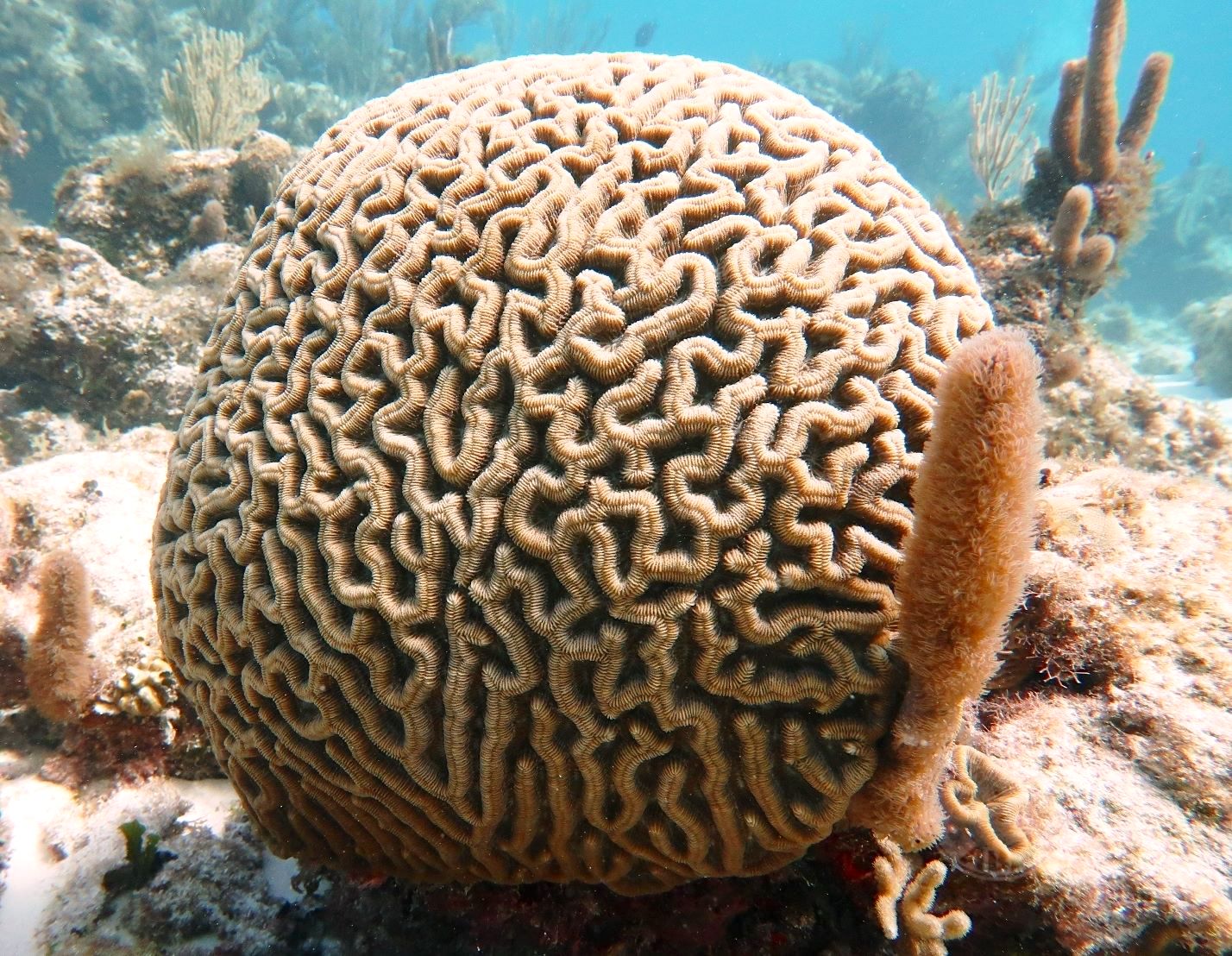
The most apposite description of brain coral Diploria labyrinthiformisis is essentially a no-brainer. How could you not call the creatures on this page anything else**. These corals come in wide varieties of shape and colour, and 4 types are found in Caribbean waters. They date from the Jurassic period.

BRAIN CORAL Abaco Bahamas (Melinda Rogers / Dive Abaco)

Each ‘brain’ is in fact a complex colony consisting of genetically similar polyps. These secrete CALCIUM CARBONATE which forms a hard carapace. This chemical compound is found in minerals, the shells of sea creatures, eggs, and even pearls. In human terms it has many industrial applications and widespread medicinal use, most familiarly in the treatment of gastric problems. 

BRAIN CORAL Abaco Bahamas (Melinda Rogers / Dive Abaco)

BRAIN CORAL Abaco Bahamas (Melinda Rogers / Dive Abaco)

The hardness of this type of coral makes it an important component of reefs throughout warm water zones world-wide. The dense protection also guarantees (or did until our generation began systematically to dismantle the earth) –  extraordinary longevity. The largest brain corals develop to a height of almost 2 meters, and are believed to be several hundred years old.

BRAIN CORAL Abaco Bahamas (Melinda Rogers / Dive Abaco)

BRAIN CORAL Abaco Bahamas (Melinda Rogers / Dive Abaco)

HOW ON EARTH DO THEY LIVE?

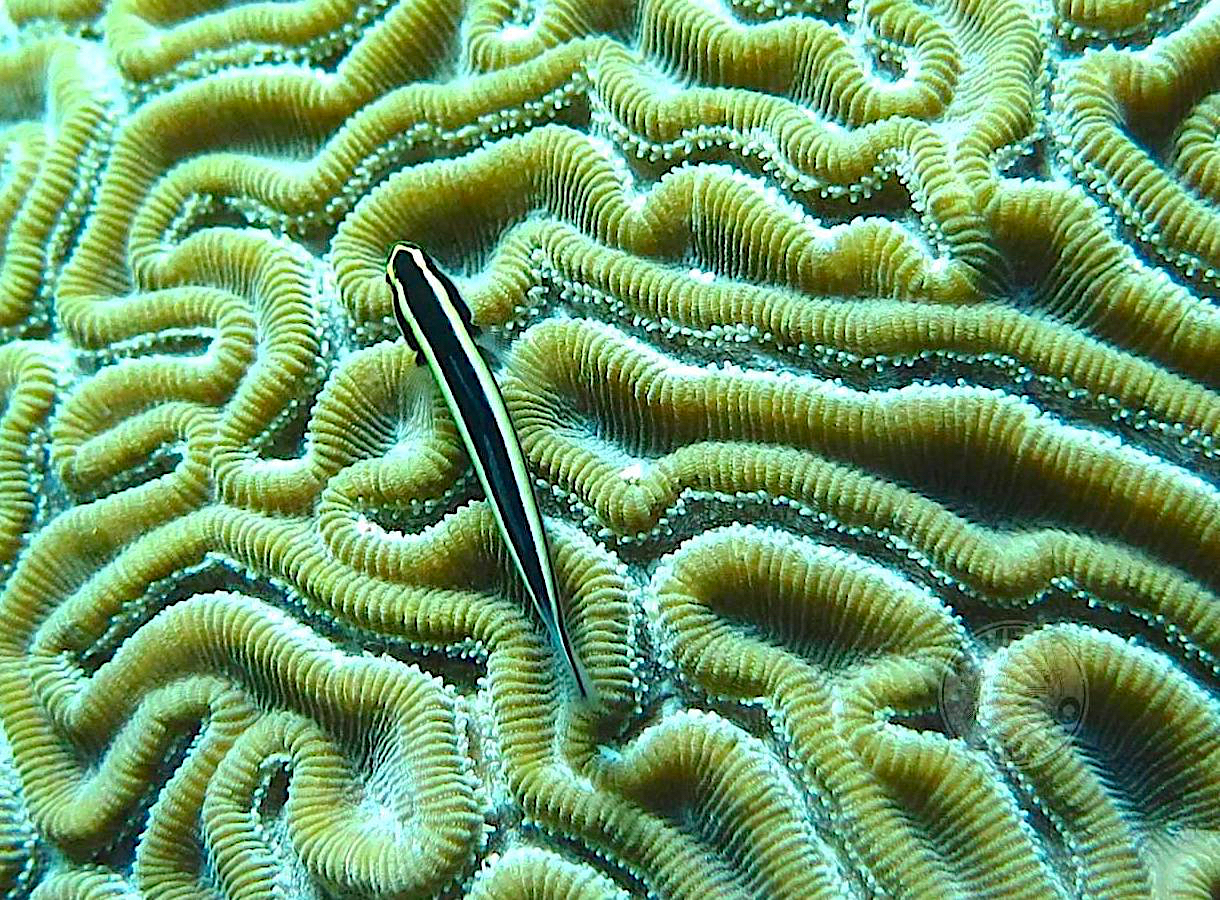
If you look closely at the cropped image below and other images on this page, you will see thousands of tiny tentacles nestled in the trenches on the surface. These corals feed at night, deploying their tentacles to catch food. Their diet consists of tiny creatures and their algal contents. During the day, the tentacles retract into the sinuous grooves. Some brain corals have developed tentacles with defensive stings. 

BRAIN CORAL Abaco Bahamas (Melinda Rogers / Dive Abaco)

THE TRACKS LOOKS LIKE MAZES OR DO I MEAN LABYRINTHS?

The difference between mazes and labyrinths is that labyrinths have a single continuous path which leads to the centre. As long as you keep going forward, you will get there eventually. You can’t get lost. Mazes have multiple paths which branch off and will not necessarily lead to the centre. There are dead ends. Therefore, you can get lost. Or never get to the centre at all. 

** On the corals shown here, you will get lost in blind alleys almost at once. Therefore in human terms these are mazes. The taxonomic labyrinthiformisis is Latin derived from Greek, and applied generally to this kind of structure, whether in actual fact a labyrinth or a maze.

BRAIN CORAL Abaco Bahamas (Melinda Rogers / Dive Abaco)

CREDIT: all amazing underwater brain-work thanks to Melinda Rogers / Dive Abaco; Lucca Labyrinth, Keith Salvesen / Rolling Harbour

Here is a beautiful inscribed labyrinth dating from c12 or c13 from the porch of St Martin’s Cathedral in Lucca, Italy. Very beautiful but not such a challenge.

Labyrinth (Maze), Porch Lucca Cathedral (Keith Salvesen)

BRAIN CORAL Abaco Bahamas (Melinda Rogers / Dive Abaco)

Unknown's avatar

ROCK BEAUTY: BAHAMAS REEF FISH


ROCK BEAUTY: BAHAMAS REEF FISH (Melinda Riger / GB Scuba)


ROCK BEAUTY . Holacanthus tricolor  . BAHAMAS REEF FISH 

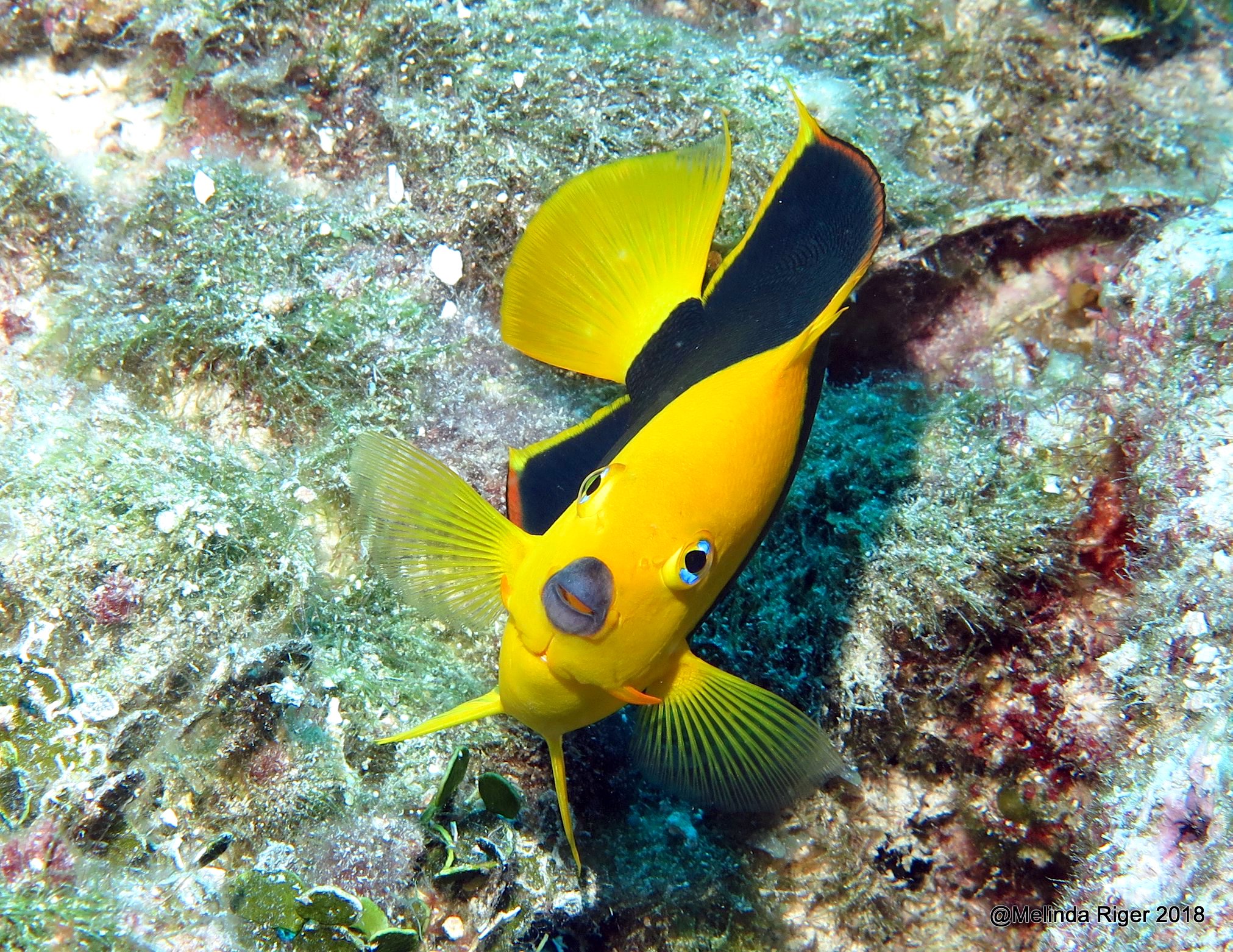
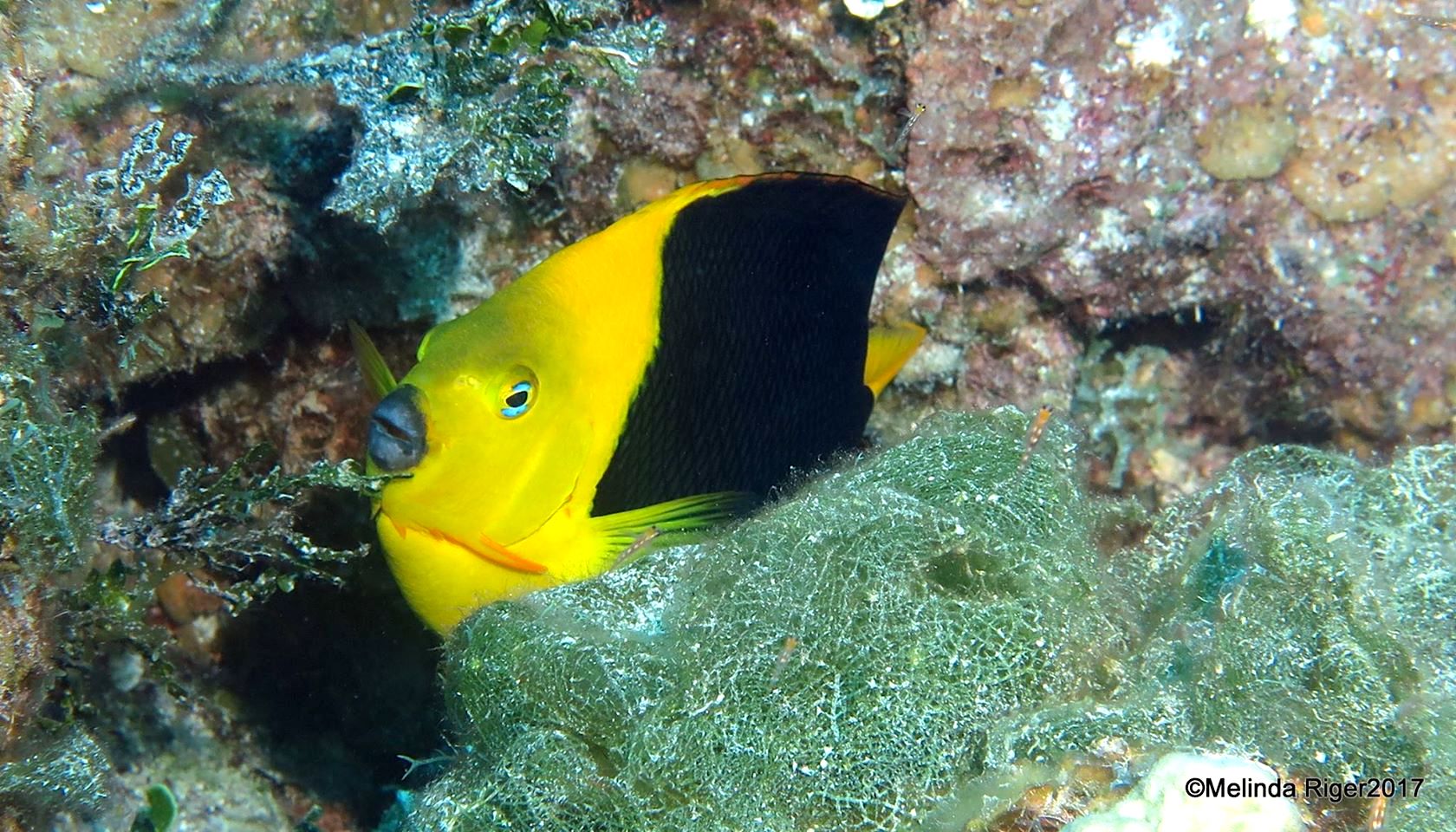
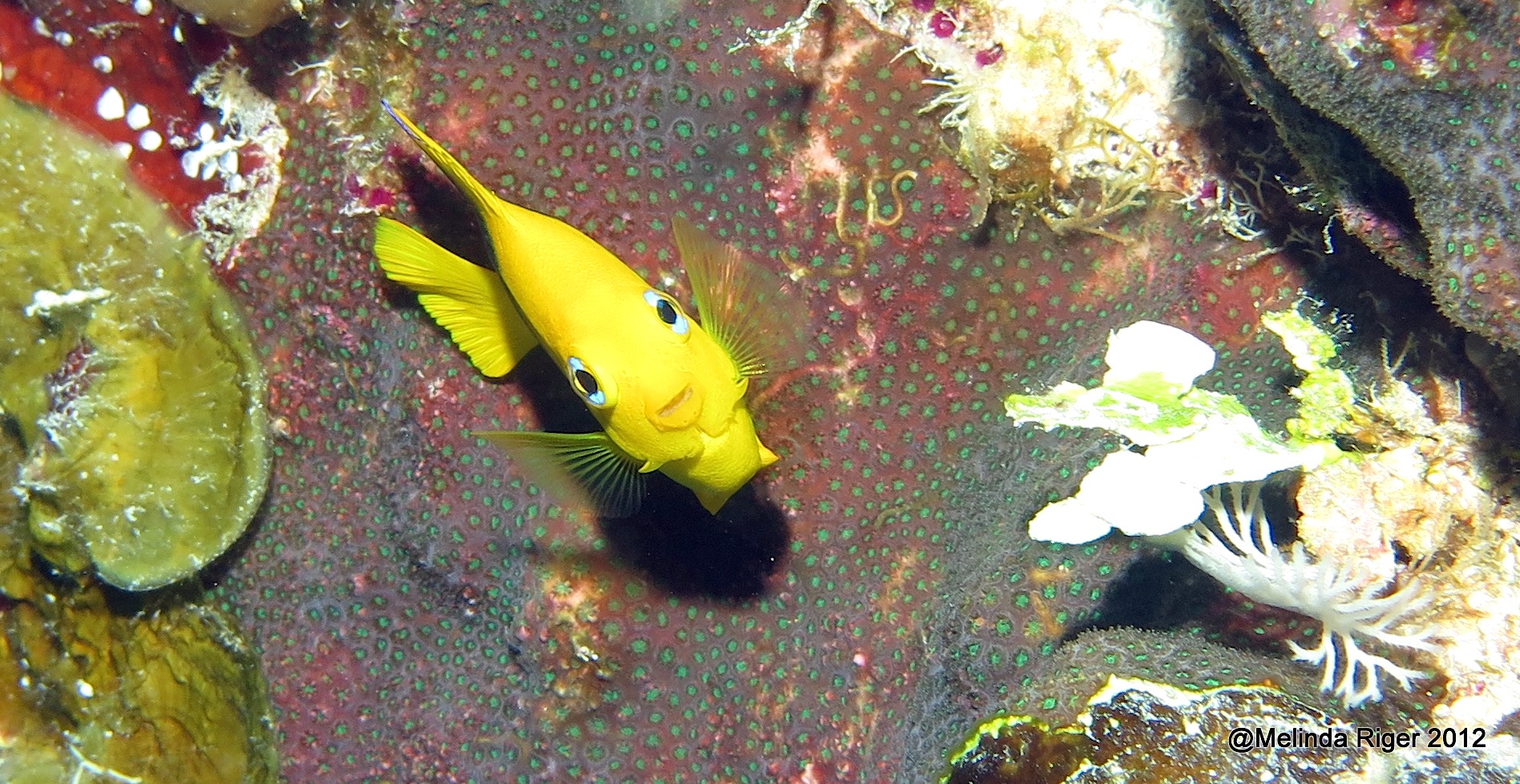
These creatures are a small species of angelfish. Seen swimming around the reefs they are unmistakeable, not least because of their bright yellow hi-viz jackets, remarkable blue eyeliner and blue-black lipstick. 

ROCK BEAUTY: BAHAMAS REEF FISH (Melinda Riger / GB Scuba)

Rock Beauties look like prime candidates for anyone’s aquarium, but they have picky dietary requirements and a tendency for aggression that make them unsuitable (fortunately for them).

ROCK BEAUTY: BAHAMAS REEF FISH (Melinda Riger / GB Scuba)

They are highly specialised feeders, needing marine sponges in their daily diet. They are also prone to chase tank-mates and nip them. On balance, they look more fetching nosing about the coral anyway.

ROCK BEAUTY: BAHAMAS REEF FISH (Melinda Riger / GB Scuba)

WHAT DO JUVENILES LOOK LIKE?

ROCK BEAUTY: BAHAMAS REEF FISH (Melinda Riger / GB Scuba)

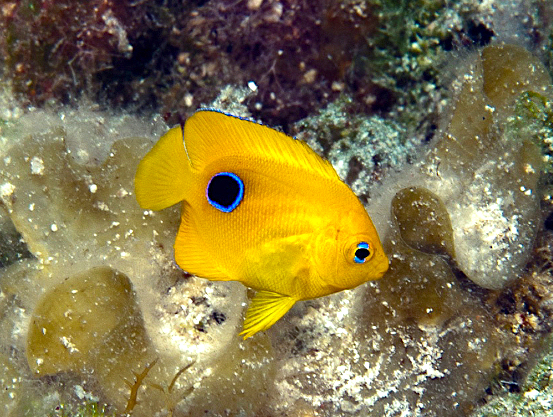
Juvenile rock beauties are cute mini-versions of the adults, only even more yellow and with yellow lips.

ROCK BEAUTY: BAHAMAS REEF FISH (Melinda Riger / GB Scuba)

In development stages, they may have a vivid blue and black circle in front of the tail fin…

Rock Beauty, Bahamas (Living Oceans Foundation))

… or a large dark patch on their sides

ROCK BEAUTY: BAHAMAS REEF FISH (Melinda Riger / GB Scuba)


NOT A TRUE ‘ROCK BEAUTY’ (no offence, Lita)

A TRUE ROCK BEAUTY

Credits: Melinda Riger, Grand Bahama Scuba; WP

Unknown's avatar

FLAMINGO TONGUE SNAILS: DECORATIVE CORAL-DWELLERS


Flamingo Tongue Snails (Melinda Rogers, Dive Abaco, Bahamas)

FLAMINGO TONGUE SNAILS: DECORATIVE CORAL-DWELLERS

FLAMINGO TONGUE SNAILS Cyphoma gibbous are small marine gastropod molluscs related to cowries. The living animal is brightly coloured and strikingly patterned, but that colour only exists in the ‘live’ parts – the so-called ‘mantle’. The shell itself is usually pale, and characterised by a thick ridge round the middle. Whether alive or as shells, they are gratifyingly easy to identify. These snails live in the tropical waters of the Caribbean and the wider western Atlantic. 

Flamingo Tongue Snails (Melinda Rogers, Dive Abaco, Bahamas)

THE IMPORTANCE OF CORAL

Flamingo tongue snails feed by browsing on soft corals. Often, they will leave tracks behind them on the coral stems as they forage (see image below). But corals are not only food – they provide the ideal sites for the creature’s breeding cycle.

Flamingo Tongue Snails (Dive Abaco, Bahamas)Flamingo Tongue Snails (Melinda Rogers, Dive Abaco, Bahamas)

Adult females attach eggs to coral which they have recently fed upon. About 10 days later, the larvae hatch. They eventually settle onto other gorgonian corals such as Sea Fans. Juveniles tend to live protectively on the underside of coral branches, while adults are far more visible and mobile. Where the snail leaves a feeding scar, the corals can regrow the polyps, and therefore the snail’s feeding preference is generally not harmful to the coral.

The principal purpose of the patterned mantle of tissue over the shell is to act as the creature’s breathing apparatus. The tissue absorbs oxygen and releases carbon dioxide. As it has been (unkindly?) described, the mantle is “basically their lungs, stretched out over their rather boring-looking shell”. There’s more to them than that!

Flamingo Tongue Snails (Melinda Rogers, Dive Abaco, Bahamas)

THREATS AND DEFENCE

The species, once common, is becoming rarer. The natural predators include hogfish, pufferfish and spiny lobsters, though the spotted mantle provides some defence by being (a) startling in appearance and (b) on closer inspection by a predator, rather unpalatable. Gorgonian corals contain natural toxins, and instead of secreting these after feeding, the snail stores them. This supplements the defence provided by its APOSEMATIC COLORATION, the vivid colour and /or pattern warning sign to predators found in many animal species.

Flamingo Tongue Snails (Melinda Rogers, Dive Abaco, Bahamas)

MANKIND’S CONTRIBUTION

It comes as little surprise to learn that man is considered to be the greatest menace to these little creatures, and the reason for their significant decline in numbers. The threat comes from snorkelers and divers who mistakenly / ignorantly think that the colour of the mantle is the actual shell of the animal, collect up a whole bunch from the reef, and in due course are left with… dead snails and their allegedly dull shells Don’t be a collector; be a protector…

Flamingo Tongue Snails (Melinda Rogers, Dive Abaco, Bahamas)

The photos below are of nude flamingo tongue shells. Until I read the ‘boring-looking shell’ comment, I believed everyone thought they were rather lovely… I did, anyway. I still do. You decide!

Flamingo Tongue Snail Shell, Keith Salvesen AbacoFlamingo Tongue Snail Shell, Keith Salvesen Abaco

Flamingo Tongue Snails (Melinda Rogers, Dive Abaco, Bahamas)

Image Credits:  Melinda Rogers / Dive Abaco; Keith Salvesen / Rolling Harbour; Wiki Leopard

Unknown's avatar

ABACO PARROT FOR A CHEERFUL YULETIDE & OPTIMISM FOR 2023


Thanks to all followers, likers, commenters, regular visitors, one-offs, local wildlife organisations, and friends of Rolling Harbour in general. This year we passed 1 million hits over the ten years of this blog. Proving that people love Abaco, the Bahamas, birds, marine mammals, manatees, reef fish, sharks, turtles, shore-life, shells, insects, plant life, bonefishing, lighthouses, local history, maps, conservation and a whole lot more; and are prepared to tolerate bad puns, haphazard presentation, and a less than rigourous scientific approach to it all.

Weirdest search term ever: How to dispose of dead bodies?

Unknown's avatar

BRAIN WAVES: UNDERSEA CORAL MAZES & LABYRINTHS


BRAIN CORAL Abaco Bahamas (Melinda Rogers / Dive Abaco)

BRAIN WAVES: UNDERSEA CORAL MAZES & LABYRINTHS

The most apposite description of brain coral Diploria labyrinthiformisis is essentially a no-brainer. How could you not call the creatures on this page anything else**. These corals come in wide varieties of shape and colour, and 4 types are found in Caribbean waters. They date from the Jurassic period.

BRAIN CORAL Abaco Bahamas (Melinda Rogers / Dive Abaco)

Each ‘brain’ is in fact a complex colony consisting of genetically similar polyps. These secrete CALCIUM CARBONATE which forms a hard carapace. This chemical compound is found in minerals, the shells of sea creatures, eggs, and even pearls. In human terms it has many industrial applications and widespread medicinal use, most familiarly in the treatment of gastric problems. 

BRAIN CORAL Abaco Bahamas (Melinda Rogers / Dive Abaco)

BRAIN CORAL Abaco Bahamas (Melinda Rogers / Dive Abaco)

The hardness of this type of coral makes it an important component of reefs throughout warm water zones world-wide. The dense protection also guarantees (or did until our generation began systematically to dismantle the earth) –  extraordinary longevity. The largest brain corals develop to a height of almost 2 meters, and are believed to be several hundred years old.

BRAIN CORAL Abaco Bahamas (Melinda Rogers / Dive Abaco)

BRAIN CORAL Abaco Bahamas (Melinda Rogers / Dive Abaco)

HOW ON EARTH DO THEY LIVE?

If you look closely at the cropped image below and other images on this page, you will see thousands of tiny tentacles nestled in the trenches on the surface. These corals feed at night, deploying their tentacles to catch food. Their diet consists of tiny creatures and their algal contents. During the day, the tentacles retract into the sinuous grooves. Some brain corals have developed tentacles with defensive stings. 

BRAIN CORAL Abaco Bahamas (Melinda Rogers / Dive Abaco)

THE TRACKS LOOKS LIKE MAZES OR DO I MEAN LABYRINTHS?

The difference between mazes and labyrinths is that labyrinths have a single continuous path which leads to the centre. As long as you keep going forward, you will get there eventually. You can’t get lost. Mazes have multiple paths which branch off and will not necessarily lead to the centre. There are dead ends. Therefore, you can get lost. Or never get to the centre at all. 

** On the corals shown here, you will get lost in blind alleys almost at once. Therefore in human terms these are mazes. The taxonomic labyrinthiformisis is Latin derived from Greek, and applied generally to this kind of structure, whether in actual fact a labyrinth or a maze.

BRAIN CORAL Abaco Bahamas (Melinda Rogers / Dive Abaco)

CREDIT: all amazing underwater brain-work thanks to Melinda Rogers / Dive Abaco; Lucca Labyrinth, Keith Salvesen / Rolling Harbour

Here is a beautiful inscribed labyrinth dating from c12 or c13 from the porch of St Martin’s Cathedral in Lucca, Italy. Very beautiful but not such a challenge.

Labyrinth (Maze), Porch Lucca Cathedral (Keith Salvesen)

BRAIN CORAL Abaco Bahamas (Melinda Rogers / Dive Abaco)

Unknown's avatar

‘SEXING THE HUMMER’: A GENDER GUIDE TO ABACO’S HUMMINGBIRDS


 ‘SEXING THE HUMMER’
A GENDER GUIDE TO ABACO’S HUMMINGBIRDS

The drastic effects of Hurricane Dorian on Abaco’s birdlife continue, with recent reports suggesting that all species remain affected, and some severely so. However there are signs of a slow improvement, and this good news includes the two hummingbird species, the endemic Bahama Woodstar and the Cuban Emerald. A couple of recent posts on FB indicate that sightings of both these species have been a very welcome surprise. So, a good time to write about them and to show their beauty.

Cuban Emerald (male) Abaco (Charlie Skinner)

The subject matter of this post is not as indelicate as the title might imply; nor is it a ‘hands-on’ practical guide for intimate examinations of tiny birds. In particular it does not publicise some recently discovered louche activity involving unfeasibly large motor vehicles. It’s all about plumage and recognition. And there are only two species – and two genders for each one – to wrestle with. So here are the adult male and female Bahama Woodstars and Cuban Emeralds in all their glory…

BAHAMA WOODSTAR (Calliphlox evelynae)

Bahama Woodstar (male), Abaco (Bruce Hallett)
Bahama Woodstar male, Abaco Bahamas (Tom Sheley)
Bahama Woodstar (female), Bahama Palm Shores, Abaco (Tara Lavallee)
Bahama Woodstar (female), Abaco (Tom Sheley)


CUBAN EMERALD (Chlorostilbon ricordii)

Cuban Emerald (male), Delphi Club, Abaco (Keith Salvesen)
Cuban Emerald (male), Delphi, Abaco (Keith Salvesen)
Cuban Emerald (male), Delphi, Abaco (Peter Mantle)

Cuban Emerald (female), Delphi Club, Abaco (Keith Salvesen)
Cuban Emerald (female), Delphi, Abaco (Keith Salvesen)
Cuban Emerald (female) Gilpin Point, Abaco (Keith Salvesen)

And finally, a brilliant Woodstar photo taken by Tom Sheley, birdman and generous fishing partner, that I spans the boundary between wildlife photography and art. 

Bahama Woodstar female. Abaco Bahamas . Tom Sheley

Header Image: Keith Salvesen

Unknown's avatar

SPERM WHALE CALF, ABACO, BAHAMAS: WHY WORLD WHALE DAY MATTERS


Sperm Whale baby (neonate) Abaco Bahamas (Charlotte Dunn / BMMRO)

WORLD WHALE DAY 2022

NEONATE SPERM WHALE CALF, ABACO, BAHAMAS


After many decades of the savage depletion of the global whale population, the tide turned in their favour in the 1960s. It was fair to assume that, gradually, a new era of cetacean recovery must follow and that whales would be accorded the respect they deserve. Over time, many organisations were formed with the specific aim of protecting and conserving marine mammals, the Bahamas Marine Mammal Research Organisation (BMMRO) based on Abaco among them.

The struggle to fulfil that aim in the face of entirely man-made environmental damage has become increasingly difficult. However, there have more recently been encouraging reports of population recovery in some seas, a good reason to celebrate WORLD WHALE DAY and to consider supporting the many organisations that work to preserve marine mammals. 

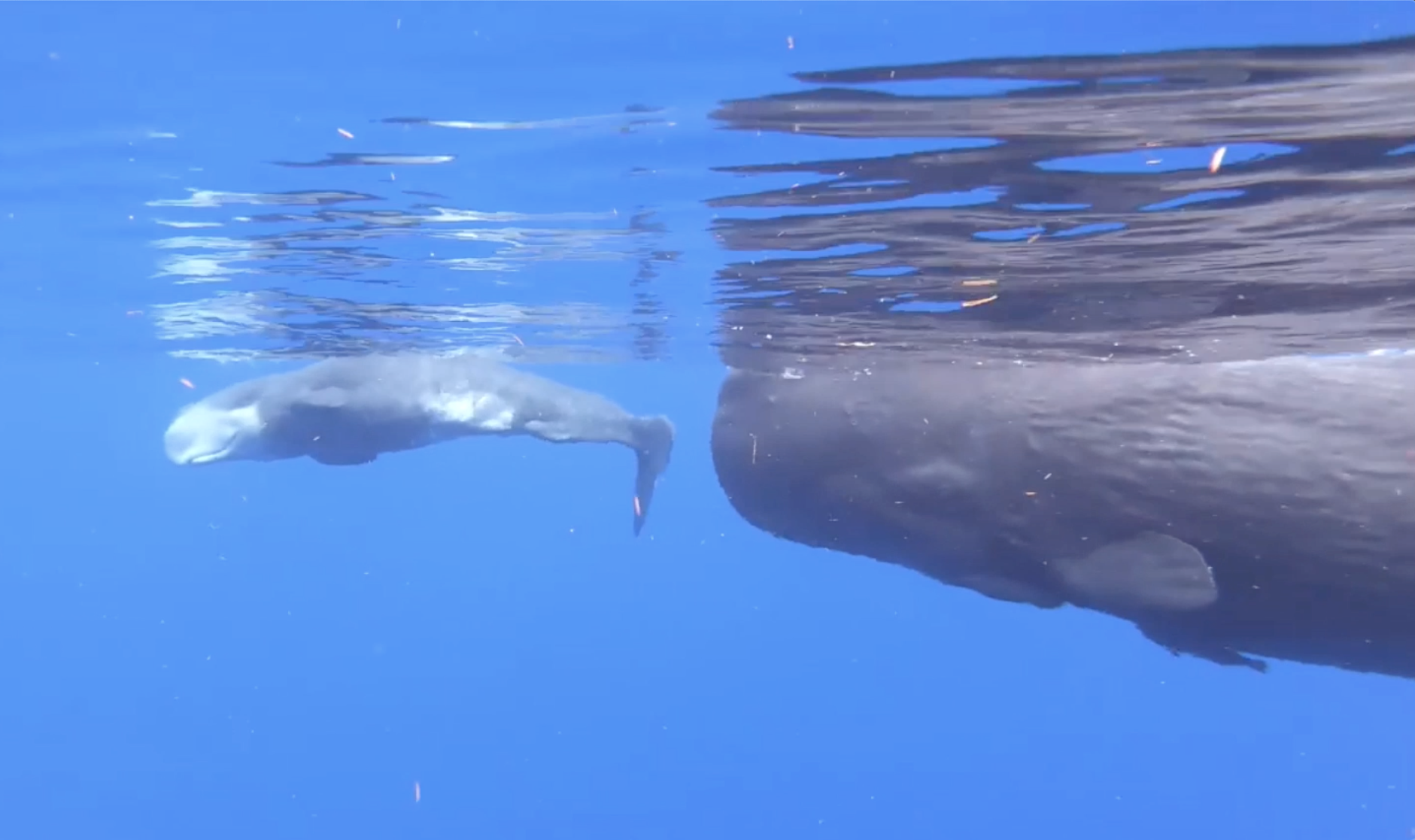
The photographs and the 2 very moving videos below are of an adult sperm whale and new-born calf. They were taken by BMMRO in Bahamas waters. There’s optimism in these images. I’d like to think that a smiling baby whale holds out hope for the future. Hopefully it will flourish and live for decades. If it does not, the overwhelmingly likely cause will be mankind, either directly or indirectly.

Sperm Whale baby (neonate) Abaco Bahamas (Charlotte Dunn / BMMRO)

Sperm Whale baby (neonate) Abaco Bahamas (Charlotte Dunn / BMMRO)

Sperm Whale baby (neonate) Abaco Bahamas (Charlotte Dunn / BMMRO)

Sperm Whale baby (neonate) Abaco Bahamas (Charlotte Dunn / BMMRO)

CREDITS: Close-up footage plus the clips I have taken from it – Charlotte Dunn / Diane Claridge / BMMRO 

DONATE: If you are touched by the magic of this little Bahamas sperm whale, may I invite you to consider making a donation to BMMRO for its research and conservation work – a scientific commitment that reaches far beyond the waters of the Bahamas. The system is set up to process donations from just $10 upwards, and every cent is used to further the work of BMMRO. Please click the logo below to reach the right page directly.

Unknown's avatar

ABSORBING SPONGES ON THE BAHAMAS REEFS…


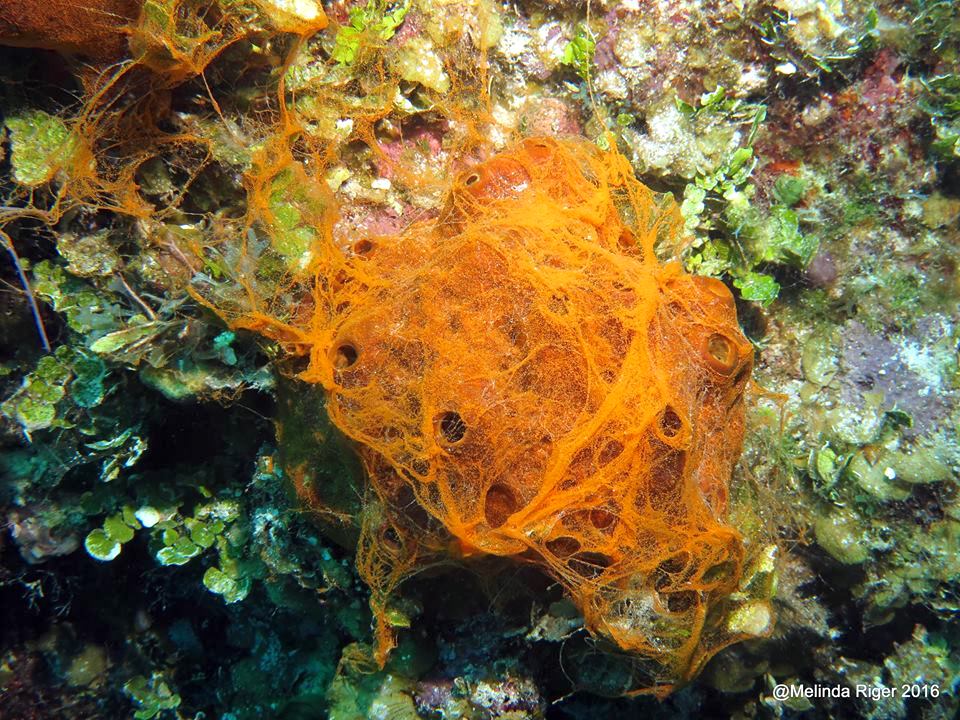
sponge-melinda-riger-gb-scuba

ABSORBING SPONGES ON THE BAHAMAS REEFS…

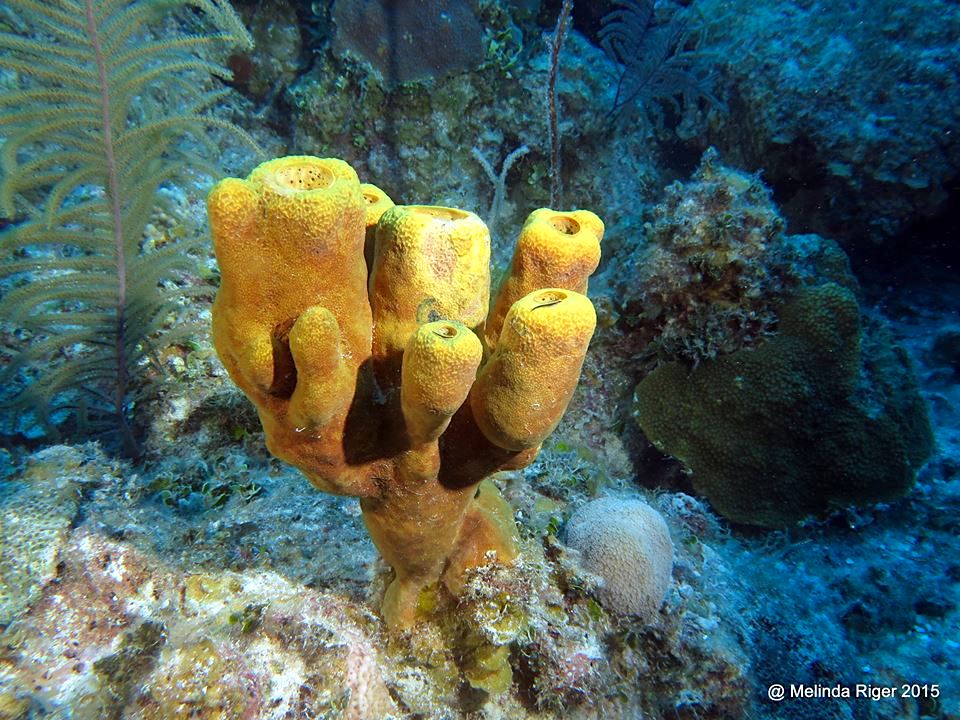
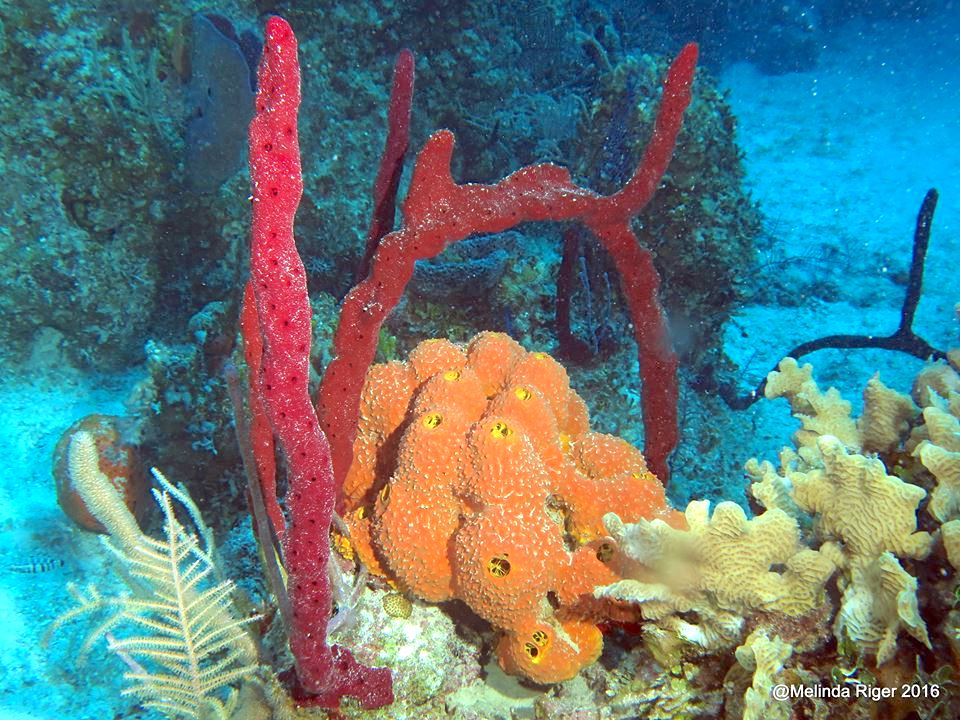
It is a rather special and indeed specialist day today: it is #spongethursday, a component of the 11th World Sponge Conference (I’d add the logo, but it closely resembles a pink Covid symbol). Poriferaphiles everywhere should be celebrating these beautiful creatures today. Here are some gorgeous examples. Now you know why sponges deserve a day of their own.

sponges-melinda-riger-g-b-scuba

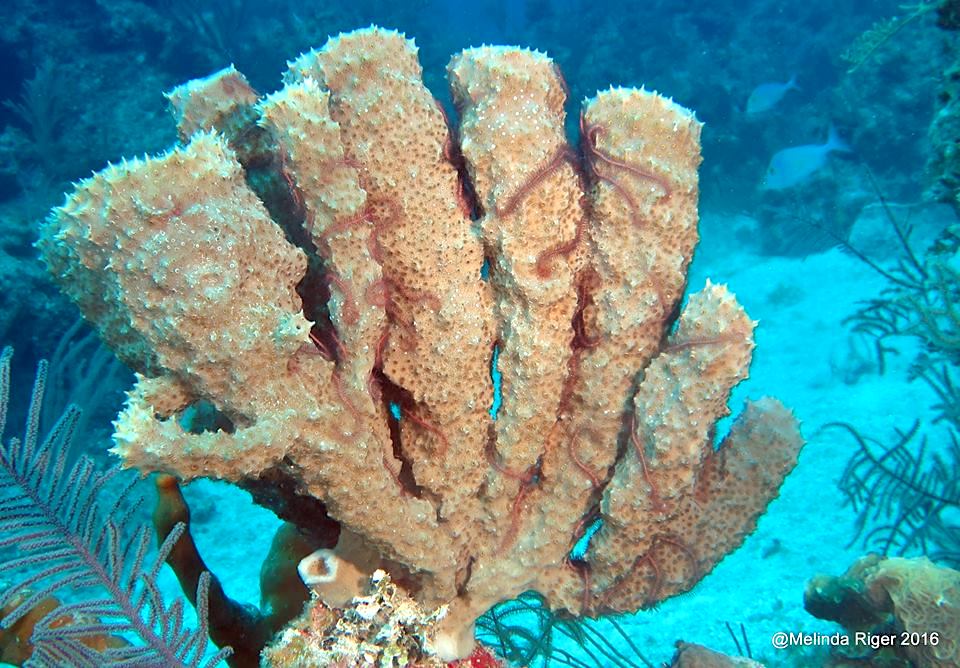
Candelabra Songe (with brittle stars attached)candelabra-sponge-melinda-riger-g-b-scubasponge-melinda-riger-g-b-scuba

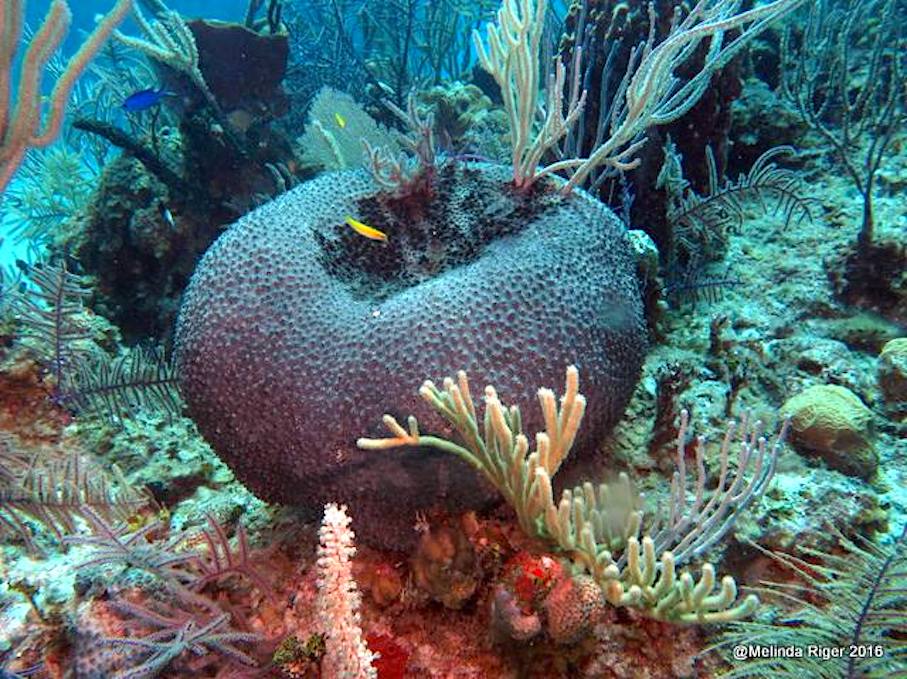
Black Ball Spongesblack-ball-sponge-melinda-riger-g-b-scuba-copy

One for Valentine’s Dayheart-shaped-sponge-melinda-riger-gb-scuba

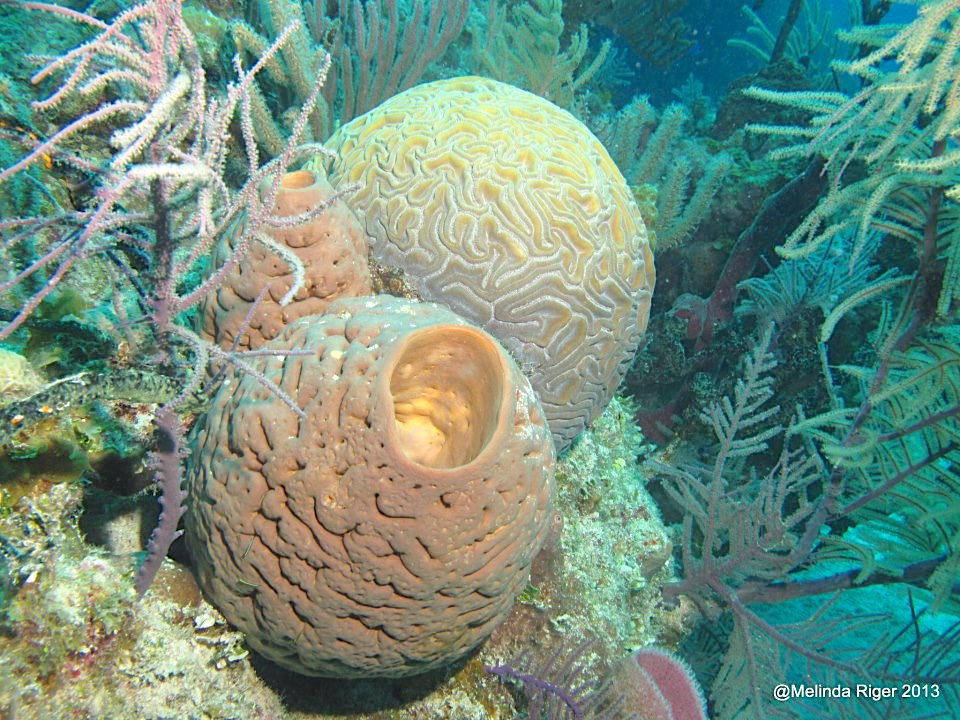
Vase Spongesvase-sponge- pink-melinda-riger-gb-scubavase-sponge-melinda-riger-g-b-scuba

sponges-and-coral-on-the-reef

Spawning Brown Encrusting Spongebrown-encrusting-sponge-spawning-melinda-riger-g-b-scuba

All photos: Melinda Riger, Grand Bahama Scuba – with thanks as ever

Unknown's avatar

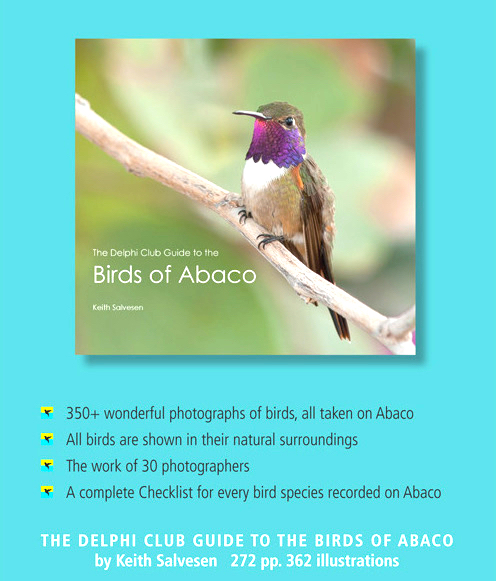
THE DELPHI CLUB GUIDE TO THE BIRDS OF ABACO by KEITH SALVESEN: final copies available


Delphi Club Guide to the Birds of Abaco (Jacket)

THE DELPHI CLUB GUIDE TO THE BIRDS OF ABACO

NEW! UNEXPECTED!

There’s nothing like a massive house clear-out (after 42 years) to reveal lost possessions, forgotten treasures, and (for that matter) a few things best forgotten… Last Spring we began to prepare for a house-move, during which I found a box of bird books that I duly reported here (and happily sold). Recently, sorting through a packed shipping container parked in the unlikely setting of a local farm has revealed plenty of surprises, including a couple more boxes of BIRDS OF ABACO. There definitely aren’t any more. There may be one or two people who might like one / who lost their copy during Dorian / who are new to Abaco and its wonderful birdlife. Here is a chance to own one… 

In the spirit of recycling I am reusing the original blurb because it still holds good today. The book is only ‘out of date’ to the extent that since publication about a dozen new species have been reported. Most were seen just the once, some for a few weeks at most. So although exciting, the newcomers were more ‘Birds Passing Through…’ than ‘Birds Of…’ Abaco  

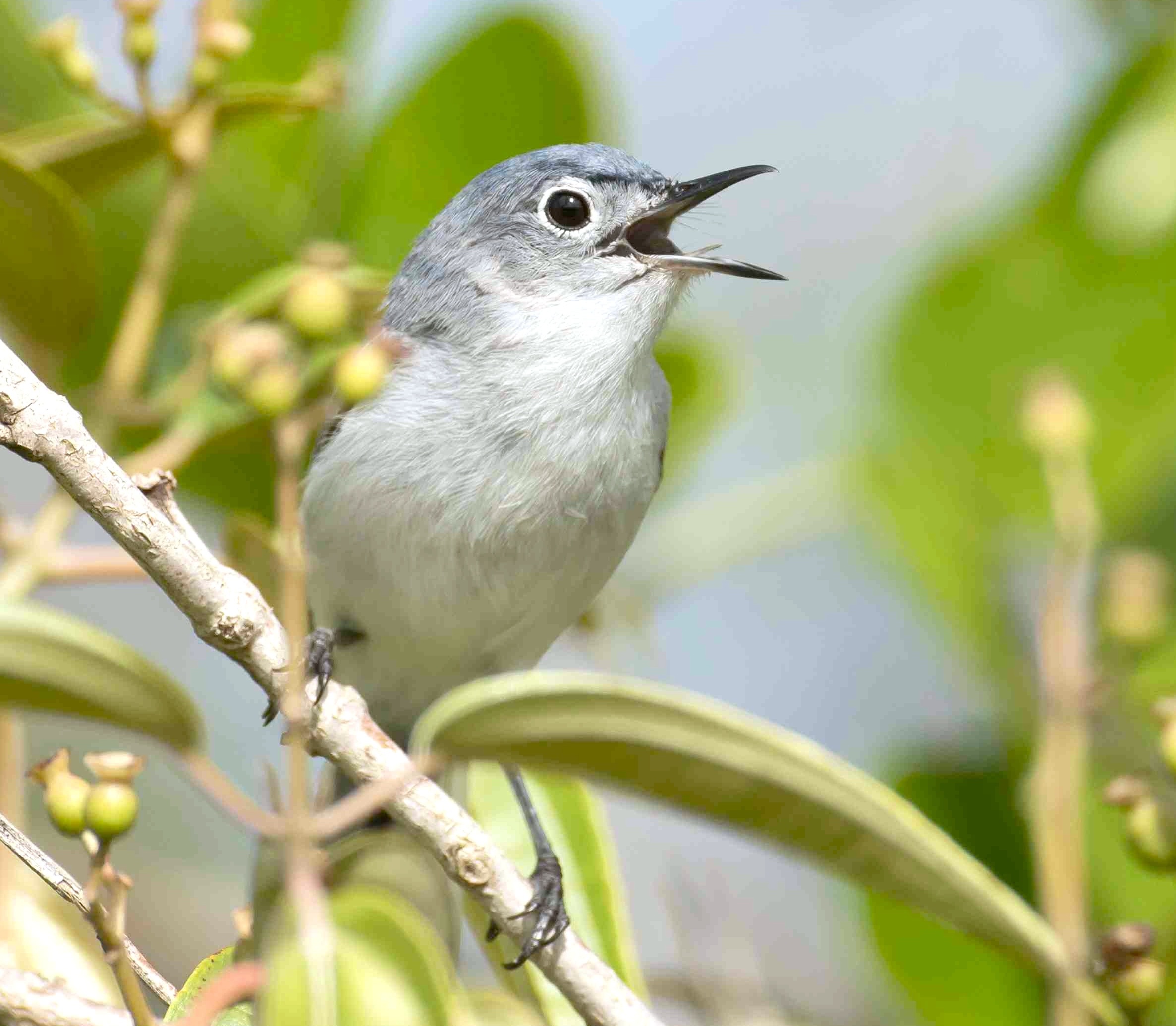
Blue-gray Gnatcatcher vocalizing.Abaco Bahamas.6.13.Tom Sheley a

The originator of the idea for the book – as with the entire Delphi Club project – was Peter Mantle, the publisher. He took a risk based on my (then) quite feeble Rolling Harbour blog about the birds and other attractions of the island. The 2kg book took 16 months from conception to the arrival of three pallets of printed books on the dockside in Marsh Harbour, having travelled by a tortuous route from specialist printers in Italy.

Cuban Emerald Hummingbird, Delphi, Abaco (Keith Salvesen)

As part of the project, Abaco schools, libraries and wildlife organisations were given copies for educational purposes. A percentage of profits was given to local wildlife causes. We quickly sold a great many copies,  and couldn’t have been more pleased with the response to the book, a unique publication for the Bahamas. The captions (below) about the book and content were written much nearer the time, so I’ll leave them as they are. I hope you enjoy the photos even if you don’t want a copy!

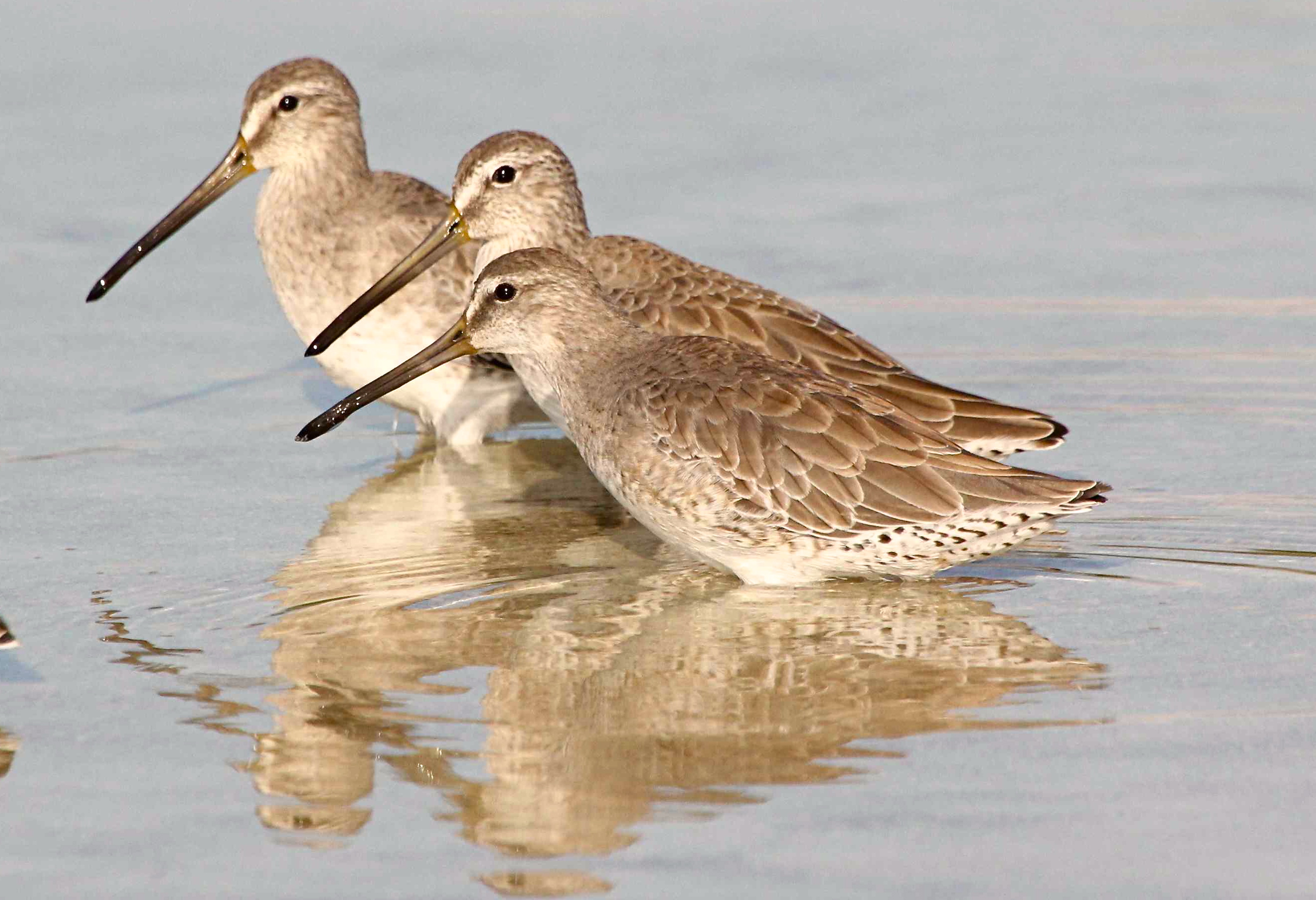
Short-billed Dowitcher, Abaco (Bruce Hallett)

The Guide showcases the rich and varied bird life of Abaco, Bahamas and features both resident and migratory species including rarities and unusual sightings. The main features are as follows:

  • 272 pages with more than 350 photographs
  • 163 species shown in vivid colour – nearly two-thirds of all the bird species ever recorded for Abaco
  • Every single photograph was taken on Abaco or in Abaco waters
  • All birds are shown in their natural surroundings – no feeders or seed trails were used
  • Several birds featured are the first ones ever recorded for Abaco or even for the entire Bahamas

Clapper Rail Abaco Bahamas Tom Sheley

  • A total of 30 photographers, both experienced and amateur, contributed to the project
  • The book has had the generous support of many well-known names of Abaco and Bahamas birding
  • A complete checklist of every bird recorded for Abaco since 1950 up to the date of publication was compiled specially for the book.
  • A neat code was devised to show at a glance when you may see a particular bird, and the likelihood of doing so. Birds found at Delphi are also marked.
  • Specially commissioned cartographer’s Map of Abaco showing places named in the book

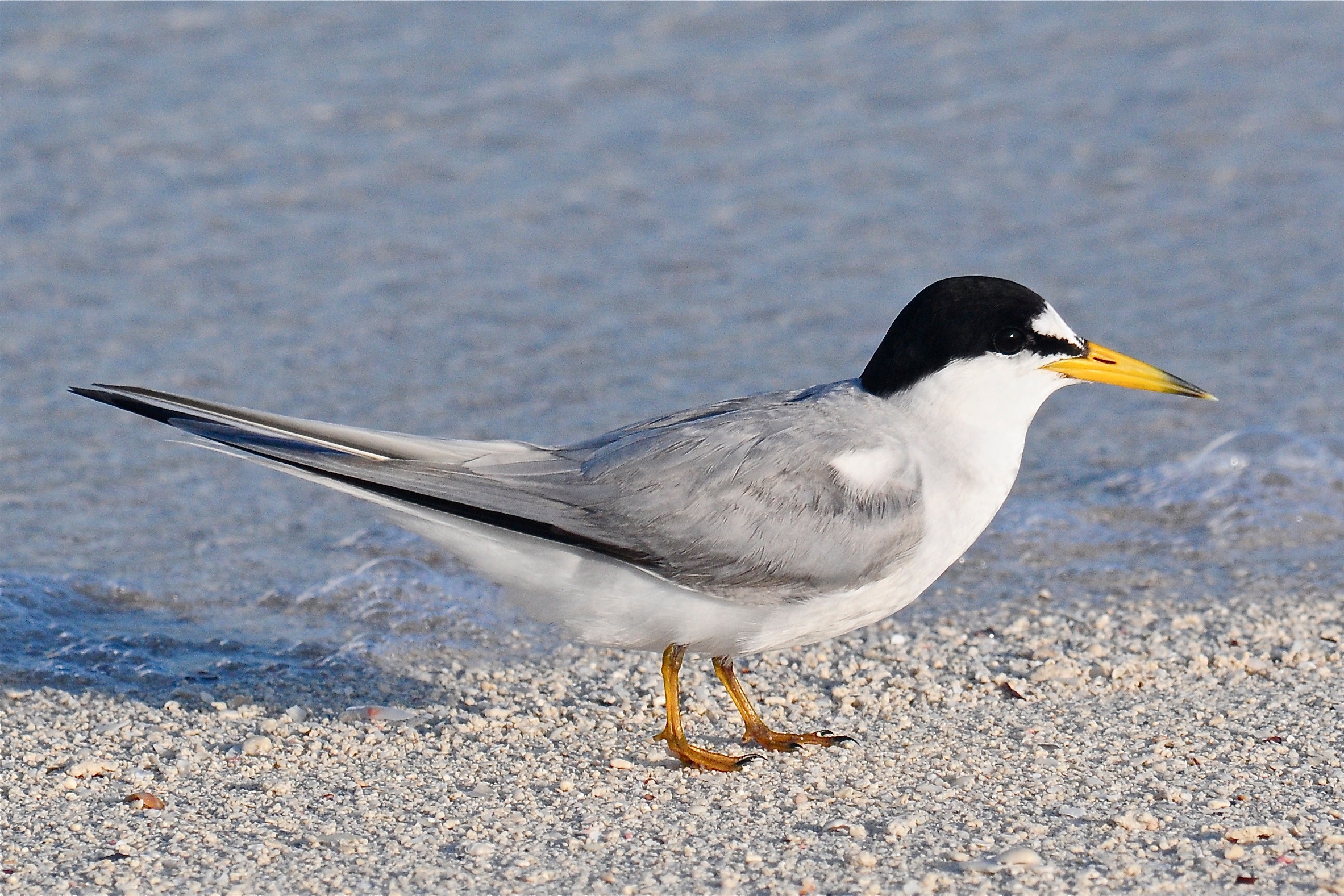
Least Tern_ACH3672 copy

  • Informative captions intentionally depart from the standard field guide approach…
  • …as does the listing of the birds in alphabetical rather than scientific order
  • Say goodbye to ’37 warbler species on consecutive pages’ misery
  • Say hello to astonishing and unexpected juxtapositions of species

Abaco_Bahama Yellowthroat_Gerlinde Taurer copy

  • The book was printed in Florence, Italy by specialist printers on Grade-1 quality paper
  • Printing took pairs of printers working in 6 hour shifts 33 hours over 3 days to complete
  • The project manager and the author personally oversaw the printing

Smooth-billed Ani pair GT

  • The book is dedicated to the wildlife organisations of Abaco
  • A percentage of the proceeds of sale will be donated for the support of local wildlife organisations
  • A copy of the book has been presented to every school and library on Abaco

Piping Plover BH IMG_1919

The book is published by the Delphi Club. The project was managed by a publishing specialist in art and architecture books. The author is the wildlife blogger more widely known on Abaco and (possibly) beyond as ‘Rolling Harbour’. Oh! So that would in fact be Mrs Harbour and myself. Well well! What were the chances?

BOOK LAUNCH BAHAMAS BIRDING ROYALTY (Tony White, Bruce Hallett, Woody Bracey), A COMMONER… & AN EMBARRASSING AMOUNT OF REFRESHMENT

Painted Bunting male.Abaco Bahamas.Tom Sheley

BOOK SALE DETAILS
 
I am pricing the books at $120 inc. shipping. They are in England, heavy, and expensive to post. 1/3 of the price will be the flight of the birds across the Atlantic. If you would like a copy and do not already have my contact details, email me at rollingharbour.delphi@gmail.com
 
 
American Oystercatchers BH IMG_2000 copy 2

Photos: Tom Sheley (3,4,9,10),  Bruce Hallett (6,8), Gerlinde Taurer (1,7), Tony Hepburn (5), Keith Salvesen (2,11)

Cuban (Crescent-eyed) Pewee, Delphi, Abaco (Keith Salvesen)

THE ORIGINAL FLYER

"Birds of Abaco" flyer

Unknown's avatar

PLOVER APPRECIATION DAY 2021


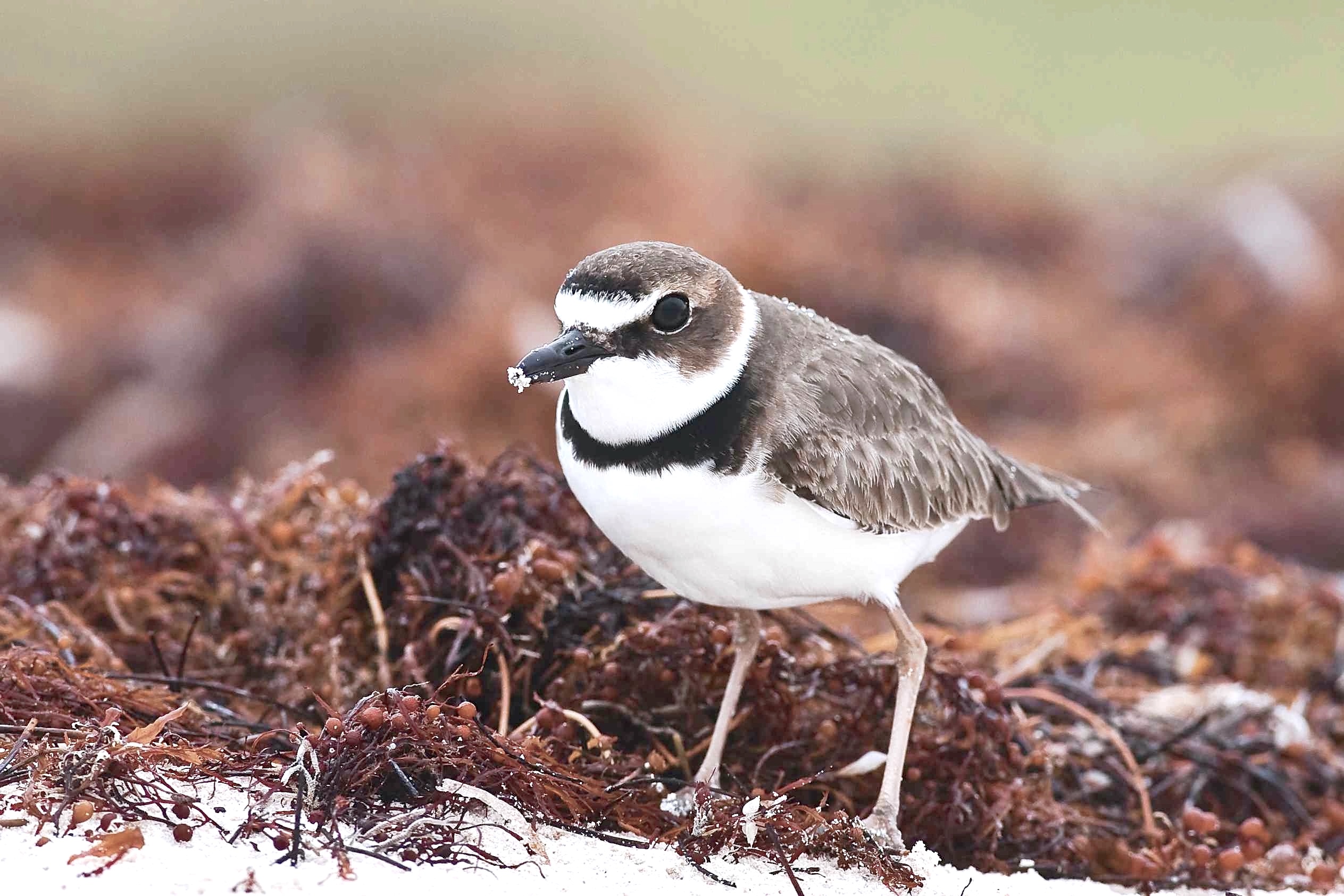
Wilson’s Plover . Abaco . Bahamas (π Craig Nash)

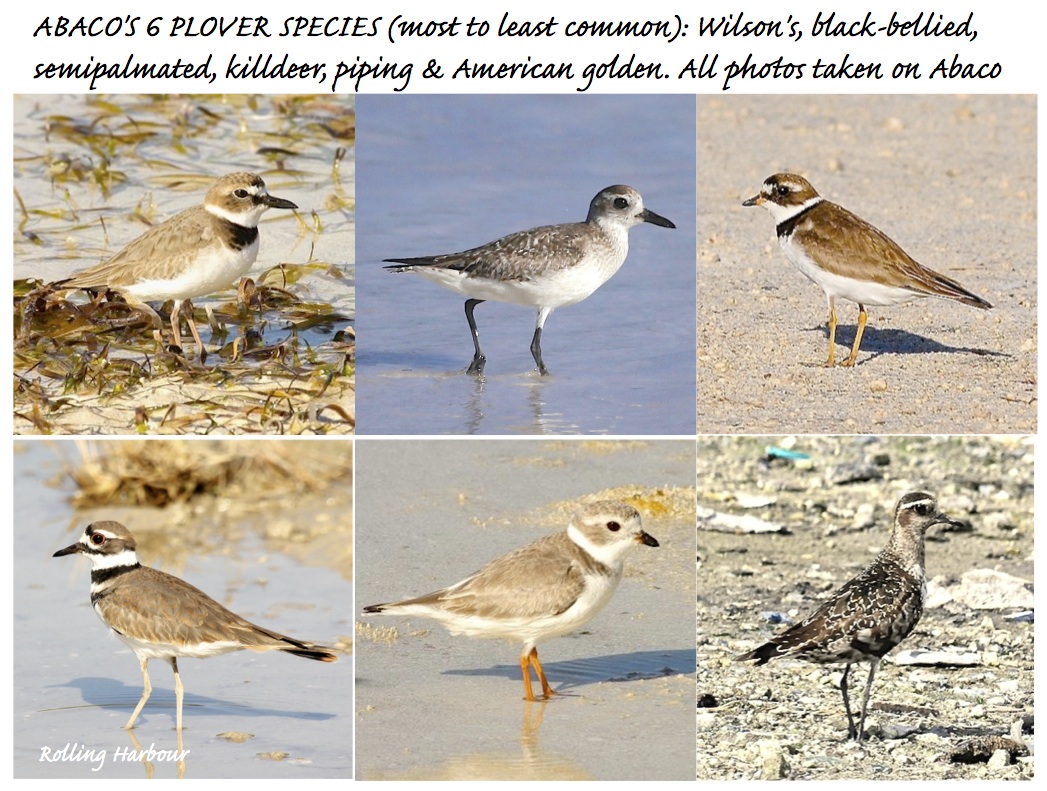
As so often I have missed by 2 days a crucial ‘International Day of the… Whatever’. This time we are celebrating plovers. This group of little shorebirds is appreciated every September 16, and they are high up in my favourites list. Here are examples of the 6 species that you will find on Abaco. Of these, most significant are the piping plovers that chose Abaco beaches – more than 1000 miles from their home beaches in the north – as their migration destination for overwintering (in fact, they start to arrive from the end of July and have left by mid- March).

PLOVER GALLERY

PIPING PLOVER

Piping Plover . Abaco . Bahamas (π Sally Chisholm)

WILSON’S PLOVER

Wilson’s Plover . Abaco . Bahamas (π Nina Henry)
Wilson’s Plover . Abaco . Bahamas (π Chris Johnson)

BLACK-BELLIED PLOVER

Black-bellied Plover (winter plumage) . Abaco . Bahamas (π Tom Sheley)

SEMIPALMATED PLOVER

Semipalmated Plover . Abaco . Bahamas (π Alex Hughes)

KILLDEER

Killdeer . Abaco . Bahamas (π Bruce Hallett)

AMERICAN GOLDEN PLOVER

American Golden Plover . Abaco . Bahamas (π Alex Hughes)

PIPING PLOVERS

These rare little birds were the subject of a 5-year citizen science project on Abaco involving tracking banded birds sighted on Abaco beaches and tracing their origins to their home beach where the birds had hatched and and fledged. Much remarkable data was recorded, not least that many of the birds made the same journey from their home beach to Abaco and back in the spring 2, 3 and even 4 years running. Each time and at each end of the migration, they chose the same beach. Often the dates almost matched as well. You can find out more HERE

Unknown's avatar

THE DELPHI CLUB GUIDE TO THE BIRDS OF ABACO by KEITH SALVESEN – a few copies now available


Delphi Club Guide to the Birds of Abaco (Jacket)

THE DELPHI CLUB GUIDE TO THE BIRDS OF ABACO

BIRDS OF ABACO was launched at the Delphi Club, Abaco, Bahamas in March 2014. I thought all copies had been sold or donated ages ago. In the aftermath of Hurricane Dorian in 2019, a number of Abaconians asked if I could replace their ruined copies. Sadly I could not. Or so I thought. A current blitz to clear our house (40 years-worth of stuff) has unearthed 2 boxes of the book, so I have decided to sell them. Scroll to the end for further details. First, though, check out these birds… Blue-gray Gnatcatcher vocalizing.Abaco Bahamas.6.13.Tom Sheley a The originator of the idea for the book – as with the entire Delphi Club project – was Peter Mantle, the publisher. He took a risk based on my (then) quite feeble Rolling Harbour blog about the birds and other attractions of the island. The 2kg book took 16 months from conception to the arrival of three pallets of printed books on the dockside in Marsh Harbour, having travelled by a tortuous route from specialist printers in Italy. Cuban Emerald Hummingbird, Delphi, Abaco (Keith Salvesen) As part of the project, Abaco schools, libraries and wildlife organisations were given copies for educational purposes. A percentage of profits was given to local wildlife causes. We quickly sold a great many copies,  and couldn’t have been more pleased with the response to the book, a unique publication for the Bahamas. The captions (below) about the book and content were written much nearer the time, so I’ll leave them as they are. I hope you enjoy the photos even if you don’t want a copy! Short-billed Dowitcher, Abaco (Bruce Hallett) The Guide showcases the rich and varied bird life of Abaco, Bahamas and features both resident and migratory species including rarities and unusual sightings. The main features are as follows:
  • 272 pages with more than 350 photographs
  • 163 species shown in vivid colour – nearly two-thirds of all the bird species ever recorded for Abaco
  • Every single photograph was taken on Abaco or in Abaco waters
  • All birds are shown in their natural surroundings – no feeders or seed trails were used
  • Several birds featured are the first ones ever recorded for Abaco or even for the entire Bahamas
Clapper Rail Abaco Bahamas Tom Sheley
  • A total of 30 photographers, both experienced and amateur, contributed to the project
  • The book has had the generous support of many well-known names of Abaco and Bahamas birding
  • A complete checklist of every bird recorded for Abaco since 1950 up to the date of publication was compiled specially for the book.
  • A neat code was devised to show at a glance when you may see a particular bird, and the likelihood of doing so. Birds found at Delphi are also marked.
  • Specially commissioned cartographer’s Map of Abaco showing places named in the book
Least Tern_ACH3672 copy
  • Informative captions intentionally depart from the standard field guide approach…
  • …as does the listing of the birds in alphabetical rather than scientific order
  • Say goodbye to ’37 warbler species on consecutive pages’ misery
  • Say hello to astonishing and unexpected juxtapositions of species
Abaco_Bahama Yellowthroat_Gerlinde Taurer copy
  • The book was printed in Florence, Italy by specialist printers on Grade-1 quality paper
  • Printing took pairs of printers working in 6 hour shifts 33 hours over 3 days to complete
  • The project manager and the author personally oversaw the printing
Smooth-billed Ani pair GT
  • The book is dedicated to the wildlife organisations of Abaco
  • A percentage of the proceeds of sale will be donated for the support of local wildlife organisations
  • A copy of the book has been presented to every school and library on Abaco
Piping Plover BH IMG_1919

The book is published by the Delphi Club. The project was managed by a publishing specialist in art and architecture books. The author is the wildlife blogger more widely known on Abaco and (possibly) beyond as ‘Rolling Harbour’. Oh! So that would in fact be Mrs Harbour and myself. Well well! What were the chances?

BOOK LAUNCH BAHAMAS BIRDING ROYALTY (Tony White, Bruce Hallett, Woody Bracey), A COMMONER… & AN EMBARRASSING AMOUNT OF REFRESHMENT 

Painted Bunting male.Abaco Bahamas.Tom Sheley

BOOK SALE DETAILS 2021
I am pricing the books at $120 inc. shipping. They are in England, heavy, and expensive to post. 1/3 of the price will be the flight of the birds across the Atlantic. If you would like a copy and do not already have my contact details, email me at rollingharbour.delphi@gmail.com
American Oystercatchers BH IMG_2000 copy 2

Photos: Tom Sheley (3,4,9,10),  Bruce Hallett (6,8), Gerlinde Taurer (1,7), Tony Hepburn (5), Keith Salvesen (2,11)

Cuban (Crescent-eyed) Pewee, Delphi, Abaco (Keith Salvesen)

THE ORIGINAL FLYER

"Birds of Abaco" flyer

Unknown's avatar

FLAMINGO TONGUE SNAILS: DECORATIVE CORAL-DWELLERS


Flamingo Tongue Snails (Melinda Rogers, Dive Abaco, Bahamas)

FLAMINGO TONGUE SNAILS: DECORATIVE CORAL-DWELLERS

FLAMINGO TONGUE SNAILS Cyphoma gibbous are small marine gastropod molluscs related to cowries. The living animal is brightly coloured and strikingly patterned, but that colour only exists in the ‘live’ parts – the so-called ‘mantle’. The shell itself is usually pale, and characterised by a thick ridge round the middle. These snails live in the tropical waters of the Caribbean and the wider western Atlantic. Whether alive or dead, they are gratifyingly easy to identify.

Flamingo Tongue Snails (Melinda Rogers, Dive Abaco, Bahamas)

THE IMPORTANCE OF CORAL

Flamingo tongue snails feed by browsing on soft corals. Often, they will leave tracks behind them on the coral stems as they forage (see image below). But corals are not only food – they provide the ideal sites for the creature’s breeding cycle.

Flamingo Tongue Snails (Dive Abaco, Bahamas)Flamingo Tongue Snails (Melinda Rogers, Dive Abaco, Bahamas)

Adult females attach eggs to coral which they have recently fed upon. About 10 days later, the larvae hatch. They eventually settle onto other gorgonian corals such as Sea Fans. Juveniles tend to live on the underside of coral branches, while adults are far more visible and mobile. Where the snail leaves a feeding scar, the corals can regrow the polyps, and therefore the snail’s feeding preference is generally not harmful to the coral.

The principal purpose of the patterned mantle of tissue over the shell is to act as the creature’s breathing apparatus. The tissue absorbs oxygen and releases carbon dioxide. As it has been (unkindly?) described, the mantle is “basically their lungs, stretched out over their rather boring-looking shell”

Flamingo Tongue Snails (Melinda Rogers, Dive Abaco, Bahamas)

THREATS AND DEFENCE

The species, once common, is becoming rarer. The natural predators include hogfish, pufferfish and spiny lobsters, though the spotted mantle provides some defence by being rather unpalatable. Gorgonian corals contain natural toxins, and instead of secreting these after feeding, the snail stores them. This supplements the defence provided by its APOSEMATIC COLORATION, the vivid colour and /or pattern warning sign to predators found in many animal species.

Flamingo Tongue Snails (Melinda Rogers, Dive Abaco, Bahamas)

MANKIND’S CONTRIBUTION

It comes as little surprise to learn that man is now considered to be the greatest menace to these little creatures, and the reason for their significant decline in numbers. The threat comes from snorkelers and divers who mistakenly / ignorantly think that the colour of the mantle is the actual shell of the animal, collect up a whole bunch from the reef, and in due course are left with… dead snails and “boring-looking shells” (see photos below). Don’t be a collector; be a protector…

Flamingo Tongue Snails (Melinda Rogers, Dive Abaco, Bahamas)

The photos below are of nude flamingo tongue shells from the Delphi Club Collection. Until I read the ‘boring-looking shell’ comment, I believed everyone thought they were rather lovely… I did, anyway. You decide!

Flamingo Tongue Snail Shell, Keith Salvesen AbacoFlamingo Tongue Snail Shell, Keith Salvesen Abaco

Image Credits:  Melinda Rogers / Dive Abaco; Keith Salvesen / Rolling Harbour

Flamingo Tongue Snails (Melinda Rogers, Dive Abaco, Bahamas)

Unknown's avatar

“I GET AROUND”: PIPING PLOVER TUNA’S GUEST POST (3)


Piping Plover Tuna. Abaco. Oct 10. Rhonda Pearce

“I GET AROUND”: PIPING PLOVER TUNA’S GUEST POST (3)

ABACO PIPING PLOVER WATCH was an amateur ‘citizen science’ conservation program to help investigate the winter season migrations of a tiny shore bird. It started in August 2015 and ended with Hurricane Dorian Sept 1st 2019. TUNA was the first banded bird we found, a summer chick that had completed a 1000+ mile flight when aged about 3 months. During the season, Tuna’s life on Abaco was monitored, in particular by Rhonda Pearce who bonded with the little bird and took lots of photos. Tuna asked, in a whimsical way, if I would make space for a Guest Post. I recently re-posted the first HERE . This is the third instalment.

Hi again, readers of Mr Harbour’s blog. Tuna still here. This is part 3 of my diary.  I’m 4½ months old now, and getting on famously here on Abaco. Especially now the big wind and waves have gone away [Hurricane Joaquin – ed]. Someone called me ‘Abaco’s favourite plover’, which really fluffed up my feathers. I’ve started to explore a bit and meet more birds just like me*. Turns out they are all Travellers from the North too – what are the chances? [in winter, 100% – ed]

Piping Plover Tuna. Abaco. Rhonda Pearce 1

*How do I know what I look like? Well it’s easy. When I am chomping meat strings in the sunshine on the edge of the water, there’s a picture of me in the water doing the exactly same thing at the same time only upside down. Like these two friends of mine here.

PiPl 5x WB 23.10.15 min

I do a lot of running about on the beach. Back and forth. Up and down. Into the water and out again. It’s a busy life. And I’ve only got little legs. In case anyone worries that Michelle’s 4 smart rings hurt me or get in the way, I never feel them. They are just a part of who I have always been since she picked me up the day after I cracked out and added the bird-bling.

Piping Plover Tuna. Abaco. Rhonda Pearce 2

I’ve met lots of birds that are different from me, too. Some live here all the time, others are Travellers from the North as well. I’m relying on Mr RH here to show you some of the guys I hang out with these days. We all kind of mix up and if you don’t try to find meat strings where the bigger birds want to find them, it’s very friendly. Actually they are all bigger than me!

Sandpiper, Semipalmated Plover, Ruddy Turnstone, Wilson’s Plover (all on Abaco)Sanderling, Abaco (Craig Nash) Semi-palmated Plover, Abaco (Tony Hepburn) Ruddy Turnstones at Delphi, Abaco (Keith Salvesen)  Wilson's Plover, Abaco (Keith Salvesen)

I’ve made my first trip to a different beach. I decided to fly round and explore, and I saw lots more sand so I flew there and stayed a couple of days. Like a little holiday. A nice man [monitor Keith Kemp] saw me there and told Mr RH about my coloured bands. That’s how he knew I’d moved and he told my friend Rhonda so she didn’t go looking for me on my home beach and get worried that I wasn’t there. Then I flew back there after a couple of days and Rhonda found me there again yesterday.
PiPl r band wb 22.10.15 b V2 copy


Tuna on his vacation from Watching Bay to Winding Bay. Note meat string in #1PiPl l band wb 22.10.15 b - V2 copy

                                                     piping-plover                   piping-plover                  piping-plover

I’ve got a new game I’ve been playing when Rhonda comes to see me. She sits down on the beach and puts shells all round her in the sand. So I come over and have a look at them (once I pecked the cloth thing she sits on. Urrch! It wasn’t food). Then she uses that thing that makes a plover noise [the focus sound on her camera – ed] and I put my head on one side to listen. Piping Plover Tuna. Abaco. Rhonda PearcePiping Plover Tuna. Abaco. Rhonda Pearce 1Piping Plover Tuna. Abaco. Rhonda Pearce 1

There’s another reason I put my head on one side. Sometimes really really big birds fly over the beach. Huge dark ones. I like to keep an eye on them. I think they may be trouble. So I put my head on one side so I know exactly where they are in the sky until I feel safe.

This is me back on my beach after my trip. Green on Blue (L); Black on Grey (R) = TUNAPiping Plover Tuna. Abaco. Rhonda Pearce 1

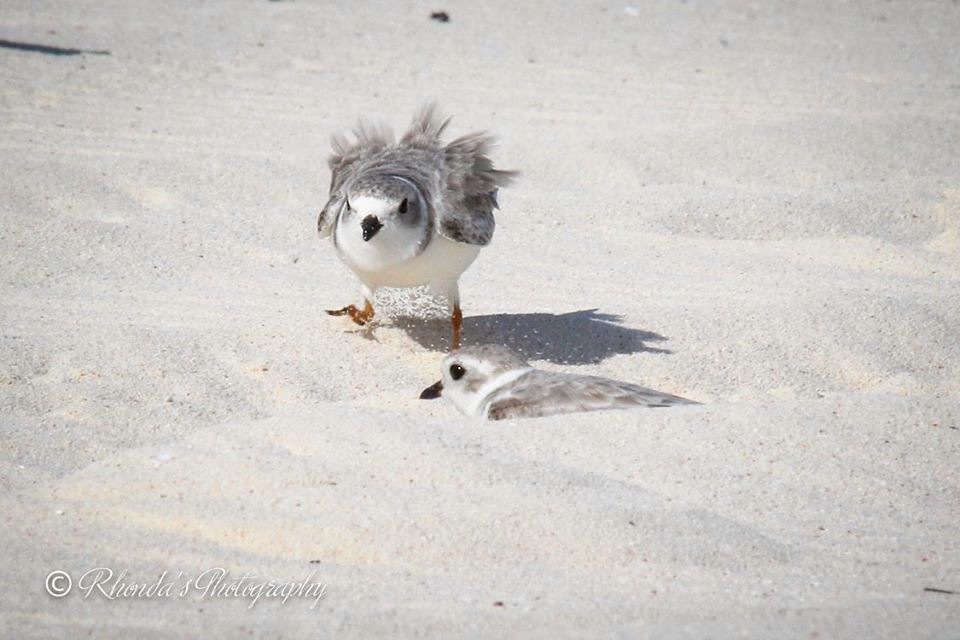
This is a New Friend on my beach, one of 3. They don’t have smart legs  but they are Travellers from the North like me. In this game I lie low in a hole in the sand and my NF rushes at me kicking sand up like a crazy bird. Fun, huh?Piping Plover Tuna. Abaco. Rhonda Pearce 1

More news from me soon. Cheeps from Tuna.


TUNA’S FIRST 4½ MONTHS

  • JUN 10        Hatched Edwin B. Forsythe NWR (Holgate Center), New Jersey
  • JUN 11         Banded & measured by Michelle Stantial
  • JUL 05         Fledged
  • AUG 28       First sighted on Abaco – preliminary ID
  • SEP 16         Seen again on the same beach – ID confirmed
  • SEP 22         Last sighting before Hurricane Joaquin
  • SEP 28         Paula (Tuna’s mother) re-sighted on Joulter Cays, Andros
  • OCT 03        Tuna safely back on the beach again after Hurricane Joaquin
  • OCT 20-23  Expedition to Winding Bay (ID there on Oct 22)
  • OCT 24        Found back on Watching Bay beach

PIPL Watching Bay, Cherokee, Abaco. 1 bird. Banded. Rhonda Pearce 2 copy copy

NOTE If you ever wondered why birds are banded and what on earth use it is, the answer is in this story. Banding & tagging enables detailed research at both ends of the migration which in turn enables protection of the species and conservation of threatened habitats. There are only 8000 PIPL left. Degradation of the breeding grounds or the overwintering grounds – let alone both – may result in extinction. This seems to have been a good summer for the piping plover; let’s hope the winter treats them well so that this summer’s chicks like Tuna will be able to breed safely next year.

This Diary extract shows how an individual banded bird’s movements can be monitored within its chosen area, so that a picture can be formed of its habitat choices, location changes, and range.

Credits: photos Rhonda Pearce, Keith Kemp, Craig Nash, Tony Hallett, Keith Salvesen; thanks to bander Michelle Stantial, birder & ‘Tuna Watcher’ Rhonda Pearce, CWFNJ & cohorts, Matt Jeffery and all other providers of info snippets; Birdorable for the cartoon; and Xeno-Canto for the recording