Unknown's avatar

“GLIMPSES OF LIFE ALONG A CORAL REEF” A c19 NATURALIST VISITS ABACO


GLIMPSES OF LIFE ALONG A CORAL REEF by F. H. HERRICK

This post is aimed at those with a particular interest in the flora and fauna – especially avifauna – of Abaco and its Cays. It is a naturalist’s account from 1886 of an expedition to Abaco, interspersed with a few line drawings. It’s an easy read if you are interested in Abaco, its history, and the state of natural life on the islands 125 years ago. Those who have come to this site for the photos and / or even the occasional jest are warned to expect neither. However, to tempt waverers I’ll highlight below (by way of a quiz) some intriguing aspects of the 9-page article. I have had to edit it to correct the many ‘literals’ in the open-source material; however the c19 spellings are retained. I’ve also added coloured subject-matter codes as follows: PLACE NAMES; BIRDS; PLANTS; FISH; CREATURES

In 1886, Herrick visited Abaco with a party of naturalists. This trip predated by 3 years the publication of Charles Cory’s groundbreaking ‘Birds of the West Indies‘. There would have been scant readily-available published material about the natural history of the Bahamas, let alone of Abaco itself. Herrick and a friend left the main party and went on their own wider explorations of Abaco with two local guides. Herrick recorded their findings, which were subsequently published in ‘Popular Science Monthly‘ in 1888. In Herrick’s wide-ranging account of the adventure you will find the answers to the following 15 questions. If any one of them whets your appetite to read this historic account, press the link below the quiz!

  • What fruit might you have found growing in fields on Abaco in 1886?
  • What was the local name for the perforated rock at Hole-in-the-Wall?
  • What is an “egg-bird”?
  • What was causing “the gradual extermination” of flamingos?
  • What were “shanks” and “strikers”?
  • To what human use were Wilson’s Terns put?
  • How many eggs does a tropic-bird lay?
  • What law prevented the shooting of tropic-birds, and indeed any other bird, by naturalists?
  • What sort of creature is a “sennet”?
  • Which was rated the better for eating – grouper or ‘barracouta’ (sic)?
  • Who or what is or are “grains”?
  • What common creature had a burning touch like a sharp needle?
  • What bird was reckoned to have the call ‘loarhle-ee’ ?
  • What – or indeed who – was described as a “pilepedick”?
  • What creature laid 139 eggs?

ABACO NATURAL HISTORY Popular Science Monthly Volume 32 January 1888

Unknown's avatar

PINEAPPLES: SYMBOLS OF WELCOME & WEALTH (ALSO, DELICIOUS)


PINEAPPLES – A SHORT BUT FRUITY HISTORY

This post is intended in part as a celebration of passing the 50,000 hits mark today. So much interest in the wildlife of one small island – thanks to all those who have visited during the last year or so

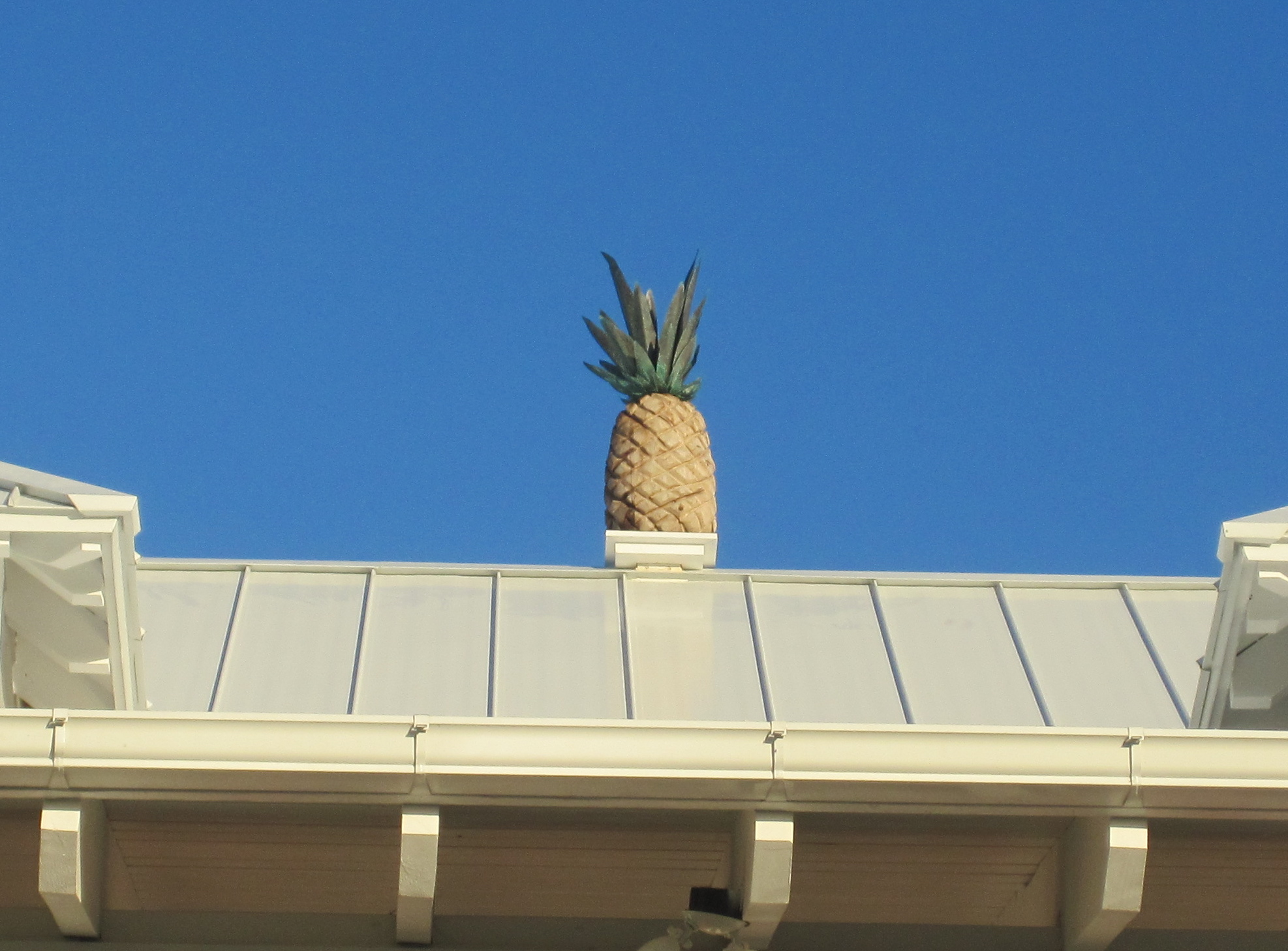
The first image below is of the handsome locally hand-carved pineapple that surmounts the roof of the Delphi Club, Abaco. The fruit lost a few leaves in Hurricane Irene last August, which scored a direct hit on the Club. As posted on the ABACO FACTS page (under RANDOM main menu) “the precise Longitude & Latitude coordinates of the Pineapple [on] the Delphi Club roof are respectively 77.1787834167480  &  26.20450323936187 “. But why is it there? Time for a Short Voyage around the Pineapple…

PINEAPPLE FACTS TO ENLIVEN YOUR CONVERSATION

HISTORICAL & SOCIAL CONTEXT

  • Brought back to Europe by Christopher Columbus in 1493 on his return from his second voyage
  • Taken on long voyages as a protection against scurvy and because of its long life
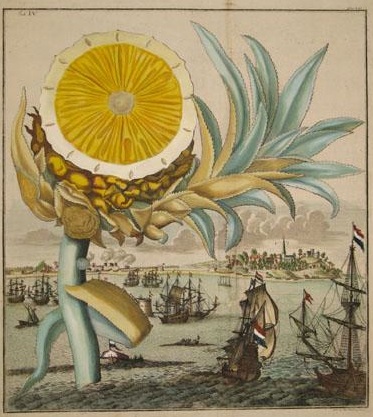
  • By the c17 royalty & aristocracy grew them in hot-houses (or rather, their gardeners did). King Charles II tried one, an event so important it was recorded by the Court painter Hendrik Danckerts 
  • By c18 considered a great delicacy and a status symbol of wealth, often the centre-piece of a feast.
  • If you couldn’t afford to buy one, you could rent one and return it afterwards. Someone richer than you would then buy it.
  • Pineapples were grown in pits of fermenting manure. In England Queen Victoria was not amused and soon put an end to that unpleasant nonsense
  • In the c19 pineapples were one of the most significant exports from Abaco
  • The Earl of Dunmore built a huge pineapple folly in Scotland in 1761, which you can stay in (We have. It’s a lot of fun)


CULTURAL SYMBOLISM

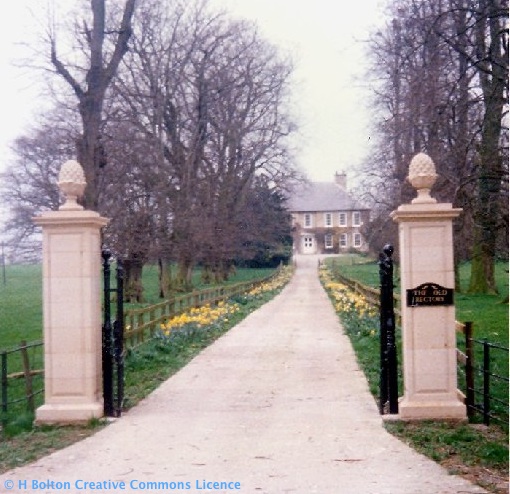
  • Pineapples symbolise welcome and hospitality, placed at the entrance to villages or plantations. The tradition spread to Europe where they were carved as gateposts; staircase finials; and incorporated into wooden furniture (including bedposts at the Delphi Club)

  • Seafarers put pineapples outside their homes on their return to show that they were back from their travels and ‘at home’ to visitors
  • An expensive fruit to grow & to transport; remained a luxury until the arrival of steamships
  • Their costliness made them status symbols / indicators of wealth and rank. Displaying or serving pineapple showed that guests were honoured
  • In the 1920s the grandest dinners apparently needed both “a pineapple and Lady Curzon” (I have been asked whether this is Interwar Period code for some sort of disreputable activity… I need to check)
  • The future Queen Elizabeth was sent 500 cases of canned pineapple as a wedding present from Australia. She asked them “Hev you come far?” Prince Phillip’s reaction was – apart from the word ‘pineapple’ – unprintable
  • In the play Abigail’s Party (Mike Leigh) pineapple chunks on cocktail sticks were used as a plot device to highlight the desperate social ambitions of a hellish hostess trying to impress & outclass her guests
  • A 1930s ad promised that by baking a pineapple pie a wife would make her man “smack his lips in real he-man enjoyment” (NB This may not work so well in the 2010s) 

By Appointment to HM the Queen

ARTS & CRAFTS

  • Used on Wedgwood pottery designs as early as the 1760s; others soon followed suit
  • Became widely used decoratively as a motif for gateposts, weather vanes, door lintels, wallpaper, table linen & curtains, and incorporated into furniture
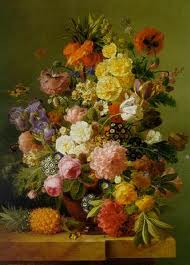
  • Featured in still life paintings as a crowning example of opulence


  • Depicted in plant and fruit studies, for example these by Johann Christoph Volckamer, very early c18        
  • Featured in music e.g. Pineapple Rag (Scott Joplin); Pineapple Head (Crowded House); Escape – The Piña Colada Song (Rupert Holmes); Pineapple Express (Huey Lewis); Pineapple (Sparks) 
  • Used as a motif on shutters in Marsh Harbour 
  • The Men’s Singles Trophy at  Wimbledon is a silver gilt cup with a gilded pineapple on top of the lid. These days its meaning is “Welcome back, Roger!”

10 MISCELLANEOUS PINEAPPLE CHUNKS

  • The cocktail Afterglow is 1 part grenadine, 4 parts orange juice & 4 parts pineapple juice on ice
  • Piña Colada is rum, coconut milk & crushed pineapple. Omit the rum for a Virgin Colada
  • It is impossible, for chemical reasons, to make jelly with fresh pineapple
  • “Pineapple heat” was once a standard marking on thermometers
  • A pineapple grows as two interlocking helixes (8 one way, 13 the other – each being a Fibonacci number)
  • A pineapple will never become any riper than it was when harvested
  • Workers who cut up pineapples eventually have no fingerprints – a gift fact for crime writers
  • Pineapple stems are being tested for anti-cancer properties
  • Pine Apple, a small Alabama town full of pineapple symbols, was originally named “Friendship” but there turned out to be another town called that, so they changed it
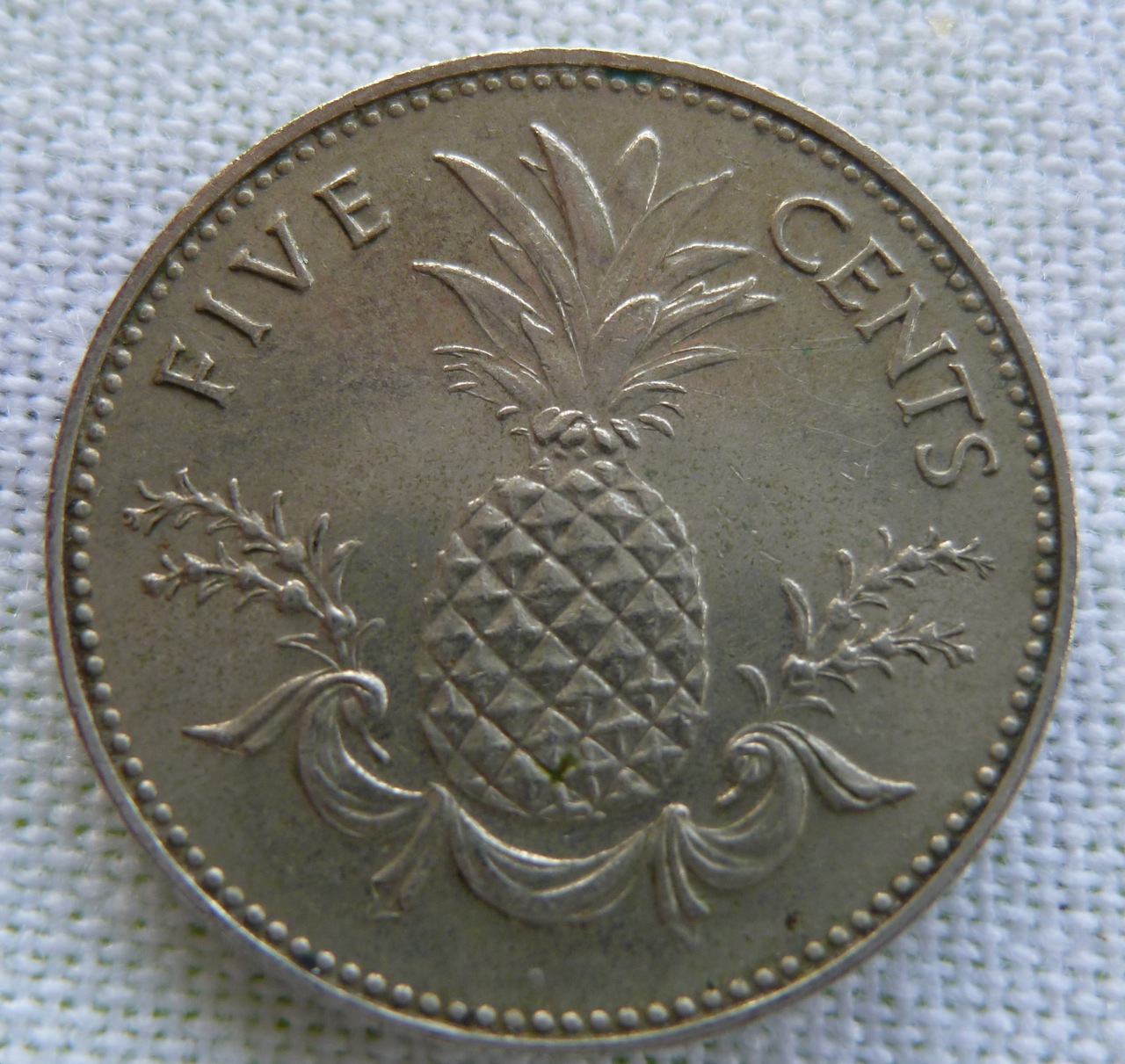
  • Features on the Bahamian 5 cents coin…

  • …and (later addition) a $1 stamp

BAHAMAS PINEAPPLE STAMP

STOP PRESS read Jim Kerr’s interesting article in ABACO LIFE on Abaco’s pineapple past HERE

FRANCESCA BEAUMAN 2006

THE PINEAPPLE – KING OF FRUITS

If you want to find out more about pineapples, their  history and social significance, you should be able to pick up a copy of this book on Am@z%n, Abe or ALibris for a few dollars

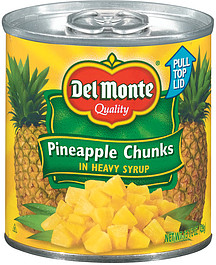
“What?” I hear you cry, “you’ve managed a whole page about pineapples without mentioning modern advertising”. Shall I do so now? The man from Del Monte, he says YES

[youtube http://www.youtube.com/watch?v=YqmpVWzH4FM]

THIS POST HAS BEEN REVISED AND UPDATED HERE

Sources: Own ideas + some magpie-thieving-borrowing from a variety of online sources, many of which contain identical info and / or quote from the above book. Hope everyone is comfortable with that…

NB Not every fact above is strictly 100% true, so expect to be challenged if you roll one out. In particular Prince Phillip is of course naturally docile and gentle-mouthed…

POST SCRIPT The first 21 Fibonacci numbers (just add 2 successive numbers to produce the next) are

F0 F1 F2 F3 F4 F5 F6 F7 F8 F9 F10 F11 F12 F13 F14 F15 F16 F17 F18 F19 F20
0 1 1 2 3 5 8 13 21 34 55 89 144 233 377 610 987 1597 2584 4181 6765


Unknown's avatar

HUMMINGBIRD MOTHS AT THE DELPHI CLUB, ABACO


HUMMINGBIRD MOTHS Hemaris Thysbe

Apart from the plentiful bird species to found all around the Delphi Club, there’s the strange half-way house between insect and bird that is the HUMMINGBIRD MOTH Hemaris Thysbe, also known as Hummingbird Clearwings. These can be seen – and heard – especially at dusk hovering around the flowers in the garden, sipping nectar. In the half-light they are sometimes confused for tiny birds. I have seen them most clearly when they are busy among the flowers in the beds on either side of the lit main staircase. So far I have not managed to get a reasonable photo of one – a situation I hope to put right in May. Meanwhile, I have found some wonderful pictures, not from Abaco, on a website related to a Research Program at Miami University . They were taken by Dr Hays Cummins, to whom thanks for use permission. These and other outstanding images can be found at his comprehensive website, for which CLICK===>>> HERE  

This slideshow requires JavaScript.

Unknown's avatar

BIRD OF PARADISE FLOWER: ABACO’S EXOTIC ‘BLOW-IN’


THE BIRD OF PARADISE FLOWER

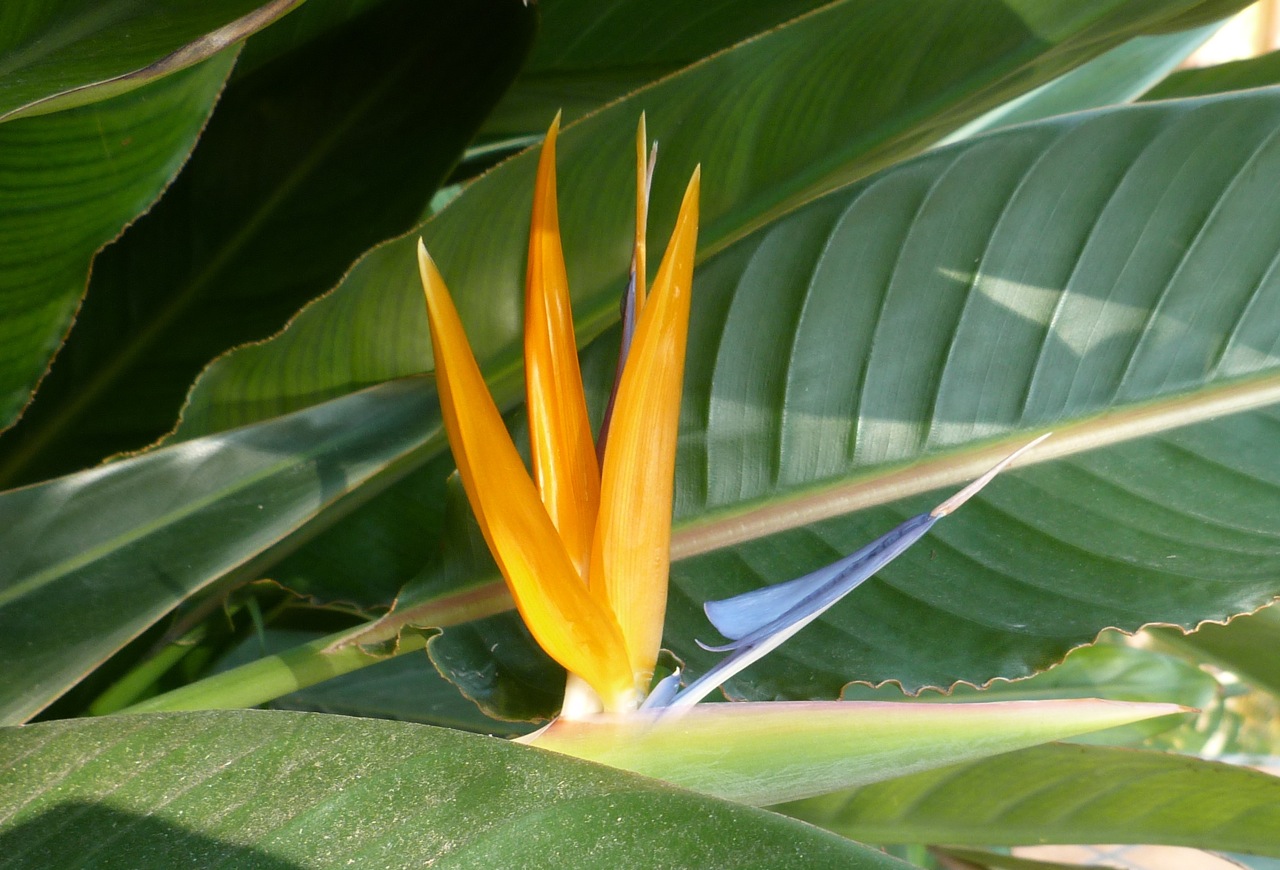
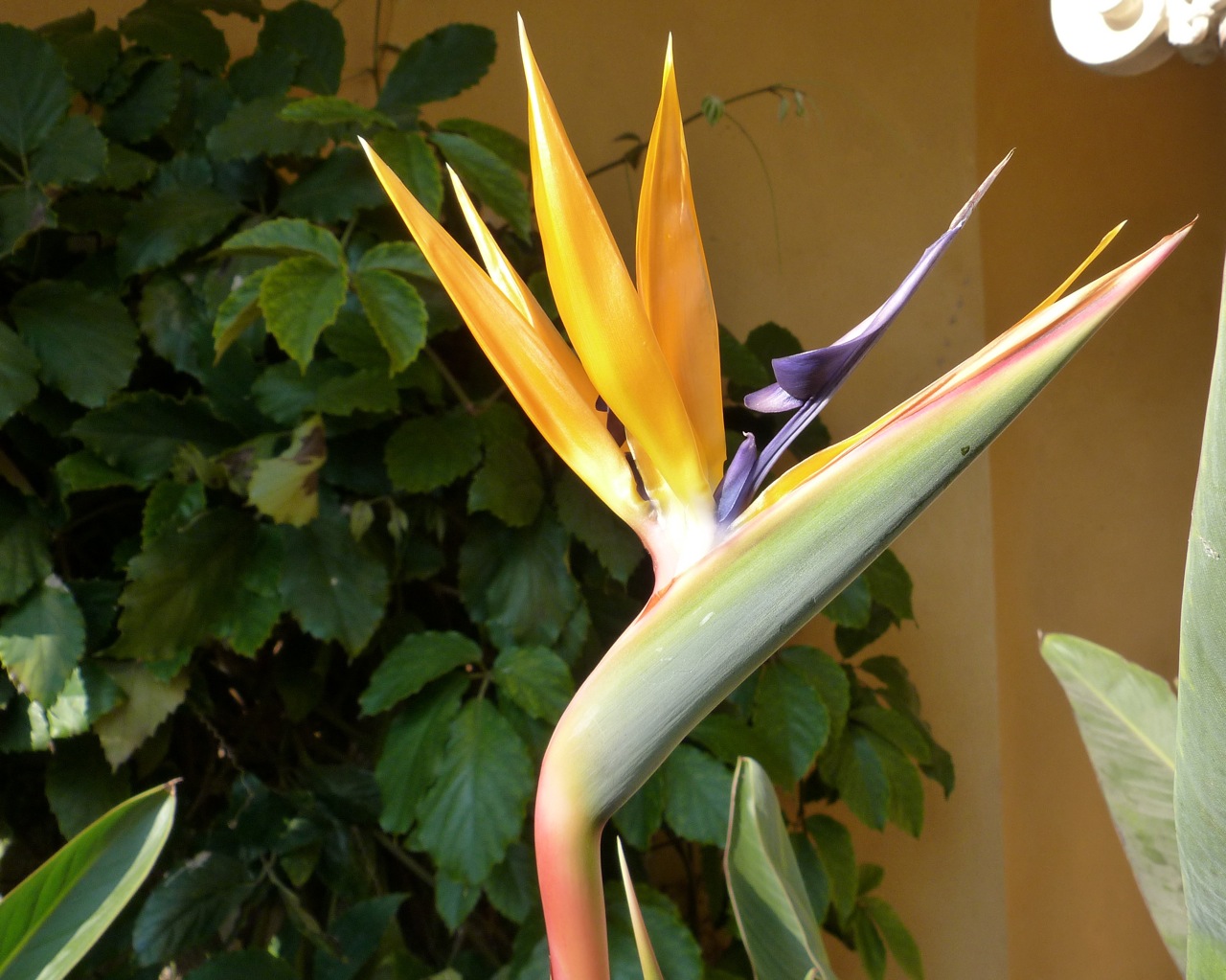
The Bird of Paradise Plant Strelitzia is a native of South Africa, but its exoticism and all-round fabulousness has ensured its export to other parts of the world with suitable climates. These plants can be found throughout the Bahamas, including Abaco. It’s fortunately a plant that is impossible to confuse with any other, an added attraction for non-floral people… Here are a couple of my images of the plant about to flower, and having burst into flower 

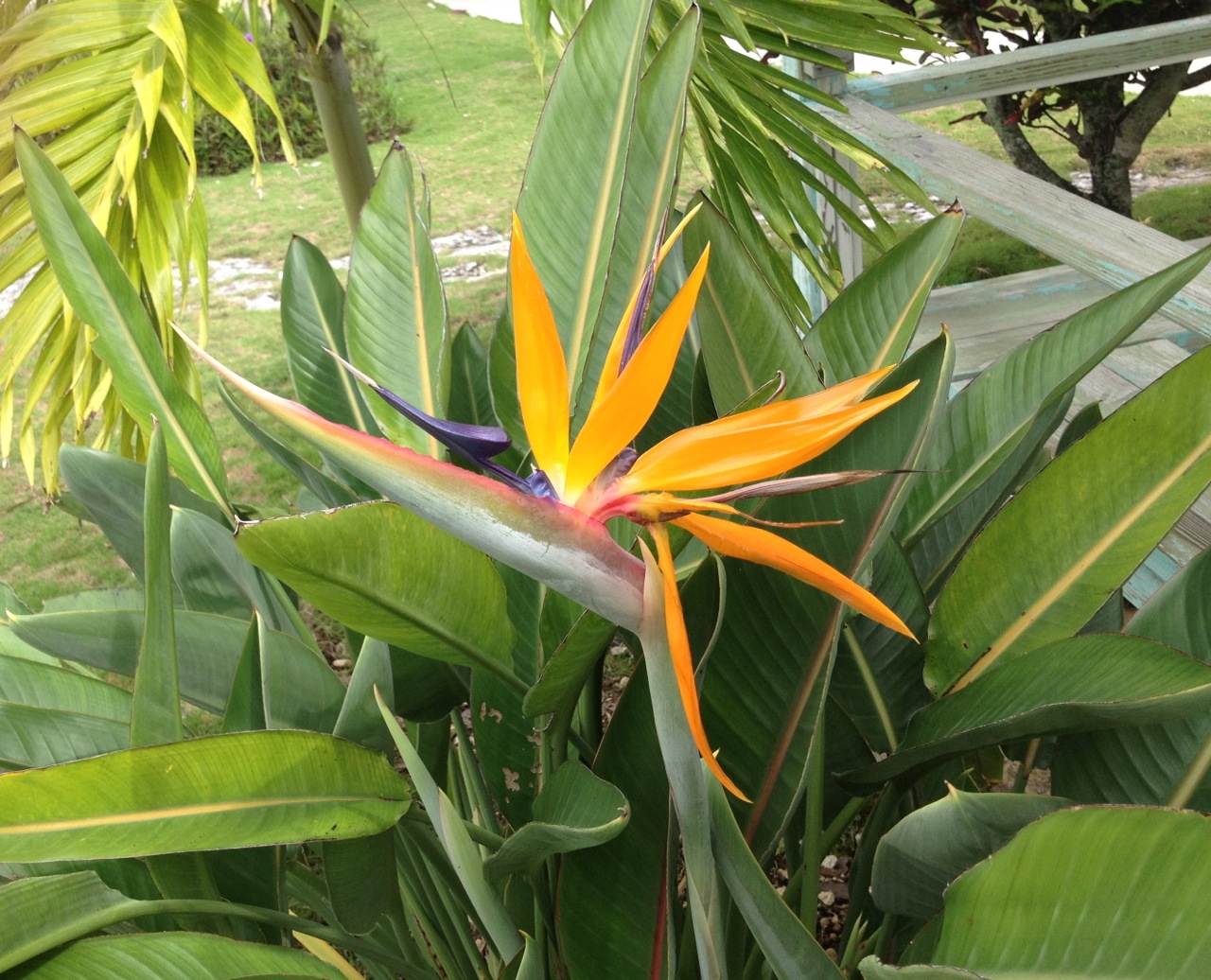
And here is a flower recently photographed (June 2012) in Marsh Harbour, Abaco 

Unknown's avatar

PINE FOREST REGENERATION AFTER FIRES ON ABACO IN 2011


Abaco Forest Fire 13

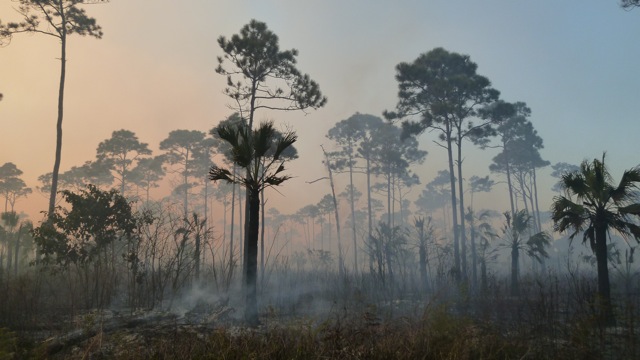
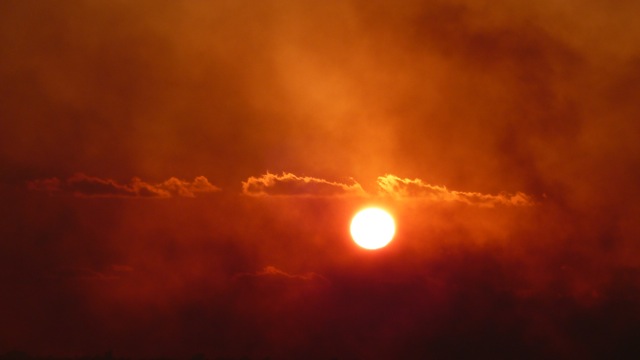
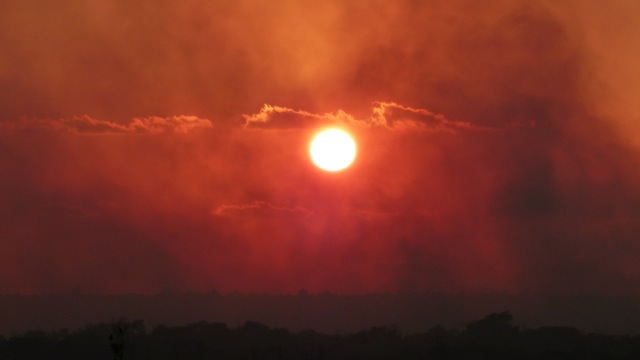
MARCH 2011 Fires swept through large areas of South Abaco, spreading rapidly and jumping the firebreak of the Highway in several places. At any one time, there were several ‘non-natural’ seats of fire. For 3 days the flames were uncomfortably close to the Delphi Club, halted only by the natural boundary between the flammable pine forest and the damper less combustible coppice. The smoke caused some amazing visual effects, especially at sunset. The first image was taken looking east from the Club verandah one evening as the fire got nearer

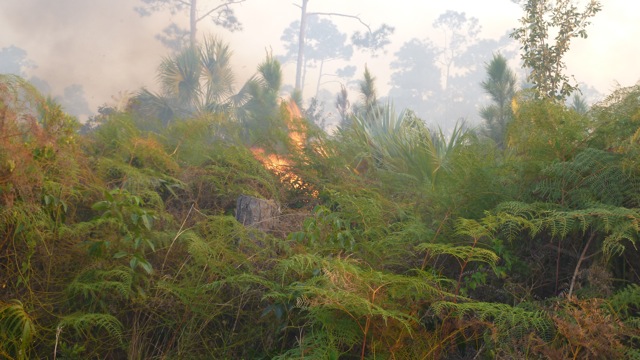
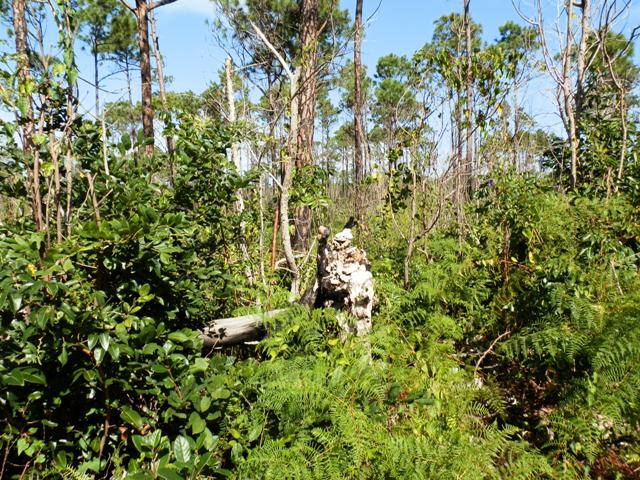
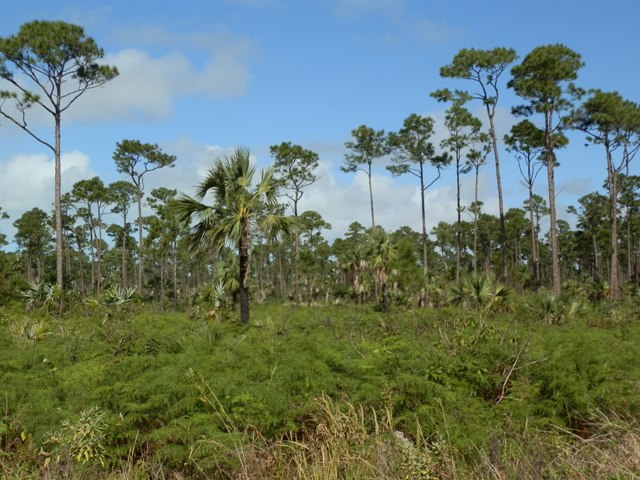
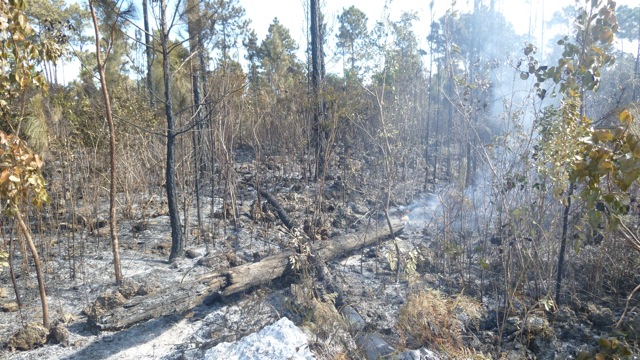
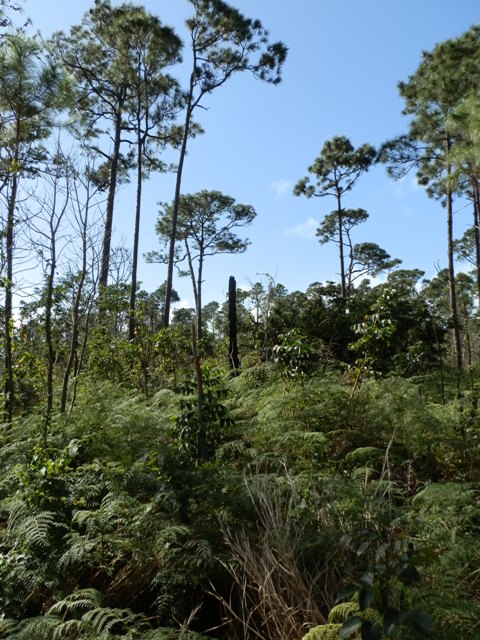
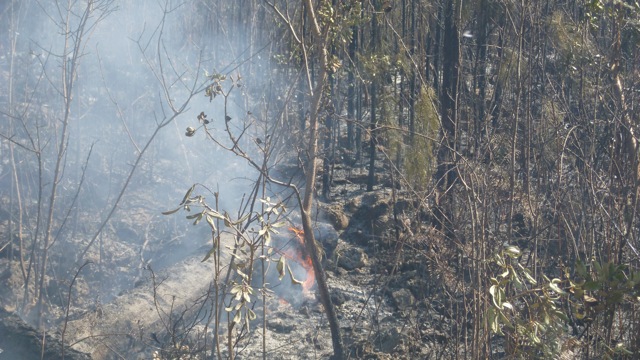
The vegetation alongside and between the drives was dense and lushly green before the fires. Here is a photo as fire began to take hold near the top of the drives towards the road, having jumped the Highway in the night…

As the fire rapidly spreads, this tall dead tree is actually flaming from the top

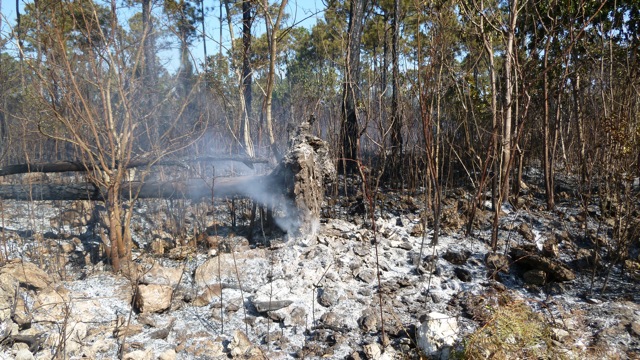
During the next couple of days, we took photographs along the drives of the apocalyptic scenes where there had so recently been impenetrable vegetation. Nearly a year later, indispensable beachcomber and photographer Kasia has taken some pictures of the drives as they are now. First, two ‘then and now’ views of the same scenes to illustrate the extent of forest regeneration

2011

2012

2011

2012

2011 The burnt-out forest between the drives

2012 A wander round the drive circuit

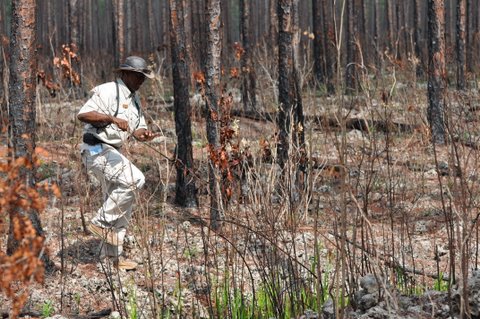
In some places the undergrowth has returned but trees have not recovered

Elsewhere, blackened stumps are visible in amongst the vigorous regrowth


Unknown's avatar

ABACO NEWS: ART FOR THE PARKS / BAHAMAS NATIONAL TRUST DAY


SATURDAY 28 JANUARY 2012 – A DATE FOR THE DIARY

CLICK LOGO!

The images below tell you all you need to know about this excellent festival presented by the BNT in conjunction with the Abaco Beach Resort. From this blog’s point of view, the highlights are:

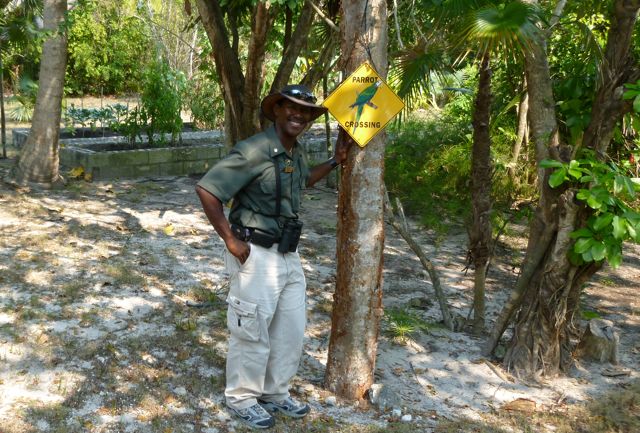
PRESENTATIONS by Nancy Albury on ‘The Blue Holes of Abaco’; by Ricky ‘Blue’ Jones on Bush Medicines / teas; and by Caroline Stahala on the Breeding & Behaviour of Abaco Parrots

ART The Art. Yes, all of it. Ok?

PRODUCE Something of everything, please. 

OTHER Everything else on offer…

The very best of luck with this event and best wishes for successful fundraising from Rolling Harbour

Unknown's avatar

ABACO NATURE TOURS WITH RICKY JOHNSON


ABACO NATURE TOURS with Ricky Johnson

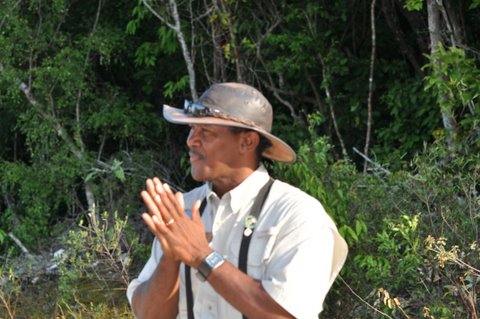
Reluctant as I am to give Ricky even more publicity that he gets already – including passim in this blog – his Nature Tours are seriously good, and his  knowledge and enthusiasm for the flora, fauna, geology and history of Abaco are unrivalled. If you want to see a parrot close-up, understand a blue hole or learn which trees and shrubs are poisonous  (and which are the antidotes) he is undoubtedly your man. He will even show you birds where you have completely failed to see any & believe there are none  

To reach Ricky’s A N T website CLICK LOGO===>>> 

Advert ends (that will be $50 please Ricky)


Unknown's avatar

LIGNUM VITAE – BAHAMAS NATIONAL TREE


LIGNUM VITAE

NATIONAL TREE OF THE BAHAMAS & THE WOOD OF CRICKET BAILS

LIGNUM VITAE The “tree of life” (Guaiacum sanctum) is a very heavy wood with clusters of small blue flowers at the branch tips. Its strength, density and durability made it a valuable trade wood historically. It easily sinks in water and is the densest of all trade woods. As alternative materials and compounds have been discovered, the demand for LV has fallen… which is fortunate, since Lignum Vitae (also commonly known as Greenheart and Ironwood) is now considered a potentially endangered tree species. 

LIGNUM VITAE TREE IN HOPE TOWN, ELBOW CAY, ABACO

The wood had – and still has – many important uses. All cricketers know that bails of lignum vitae are used in windy conditions to forestall any “…and the bowler charges in… reaches his delivery stride and… oh my goodness the bails have blown off…” dramas.  The wood is also used in other sports: for bowls and skittle balls, and croquet mallets  Flower Image Credit Grooko 

LIGNUM VITAE TREE ON MAN-O-WAR CAY, ABACO       

Photo credit: Eric Forsyth of the Yacht Fiona    

10 MEMORABLE FACTS ABOUT LIGNUM VITAE

  • Traditionally, it was used for making British Police Truncheons (now made of soft fluffy pink fabric to reflect new caring policing methods)
  • Its physical qualities made it widely used in shipbuilding (though presumably not the whole ship, which would sink instantly)
  • Cabinet-makers, stone-carvers and gem-cutters all use the wood in their crafts
  • LV has many engineering uses. The wood is self-lubricating and is ideal for bearings. The 1st nuclear submarine had some of these
  • The world-renowned  UK fishing rod maker Hardy’s made a famous ‘Greenheart’ rod
  • LV has medical uses, including for arthritis; and its bark / shavings allegedly make a nice cup of “tea”… (Any evidence of this?)
  • A 1920’s calypso song “LignumVitae” was sensationally saucy for its allusions to the bark tea’s prophylactic quality in addition to exploiting the phallic connotations
  • Gabriel Garcia Márquez incorporates uses for the wood in two of his novels (neither of which I have read. Oh dear. The guilt)
  • Pete Seeger, singer / songwriter, made the neck of his banjo from LV
  • The wood is also connected to mauve tiling, vitamin glue, anti-evil gum and the ‘vigilant emu’ by anagrammatic chance 

A Lignum Vitae tree at Bahama Palm Shores, Abaco, with a camera-shy juvenile black-faced grassquit

JANKA HARDNESS TEST

The Janka Hardness Test is an international test of the hardness of a given wood  by measuring the force needed to embed a steel ball to half its diameter. The size of the ball is internationally standardised, though the reading may be given in ‘local’ units. The hardest wood (using pounds/force units) is the Australian Buloke (5060); Lignum Vitae is the second hardest (4500). Other examples are Ebony (3220); Satinwood (1820); Zebrawood (1575); Caribbean Pine (1280); Teak (1000); Mahogany (800) Balsa (100).

A single lignum vitae flower                     

Some examples of items traditionally made from lignum vitae: gavels (auctioneers, TV Judiciary eg in Perry Mason); bowls; pestle & mortar; and (for dudes) a seriously cool guitar pick (less than $5 too)


PS 2012: I now have 2 hardwood plectrums (plectra?) to try out. The Lignum is nearly 3 times as hard as the Zebra wood. This does not imply that I am a dude (or even a superannuated one), but merely that I haven’t had the heart to dispose of my guitars. Mrs RH has a view about that… a strong one, I think

Info Card by Scott Johnson of the Bahamas National TrustLignum Vitae (Scott Johnson)

The above is cobbled together from Wiki and other snippets. Ta to all. An interesting site for a look at LV’s practical uses and some helpful information is Lignum-Vitae.com  CLICK LOGO===>>> 

The mention of cricket has made me nostalgic for the season just ended… UK – indeed any – cricket nuts will know exactly where I am coming from with this…

Unknown's avatar

TILLOO CAY ABACO: UPDATE & IMAGES POST HURRICANE IRENE


                                                           Click me!                                                                                                          ©Brigitte Bower Carey

I have been in touch with Brigitte Bower Carey from Tilloo Cay, whose cheerful painting of a Sergeant Major graces the usual rh Logo space above. She has kindly sent an update on the post-Irene situation on Tilloo, and a couple of images showing the effects of the storm on foliage. Luckily, it sounds as though the birdlife is ok in the aftermath. But no phone, a month after…

“Everything is good here – the house and we weathered the storm just fine. The dock is a mess, but is repairable. Nothing at all like most of the south facing docks on our island and our neighbouring island, Lubber’s Quarters – only the poles survived there. So we are grateful. Still cleaning up, the yard was in bad shape, but it is coming along… Communications are a weak point here after the storms – we still don’t have our phone back.

Abaco is starting to look like in spring time now, because a lot of the foliage got burned in the 140 mph gusts of Irene. So now all of the surviving trees are pushing out new leaves, plus all the rain has helped revive things. But nothing at all like after Floyd – when we came home in November ’99 there was not a leaf on any tree, and no birds at all. So we are considering ourselves very lucky now”. 

BAHAMIAN MAHOGANY REGENERATING AFTER IRENE

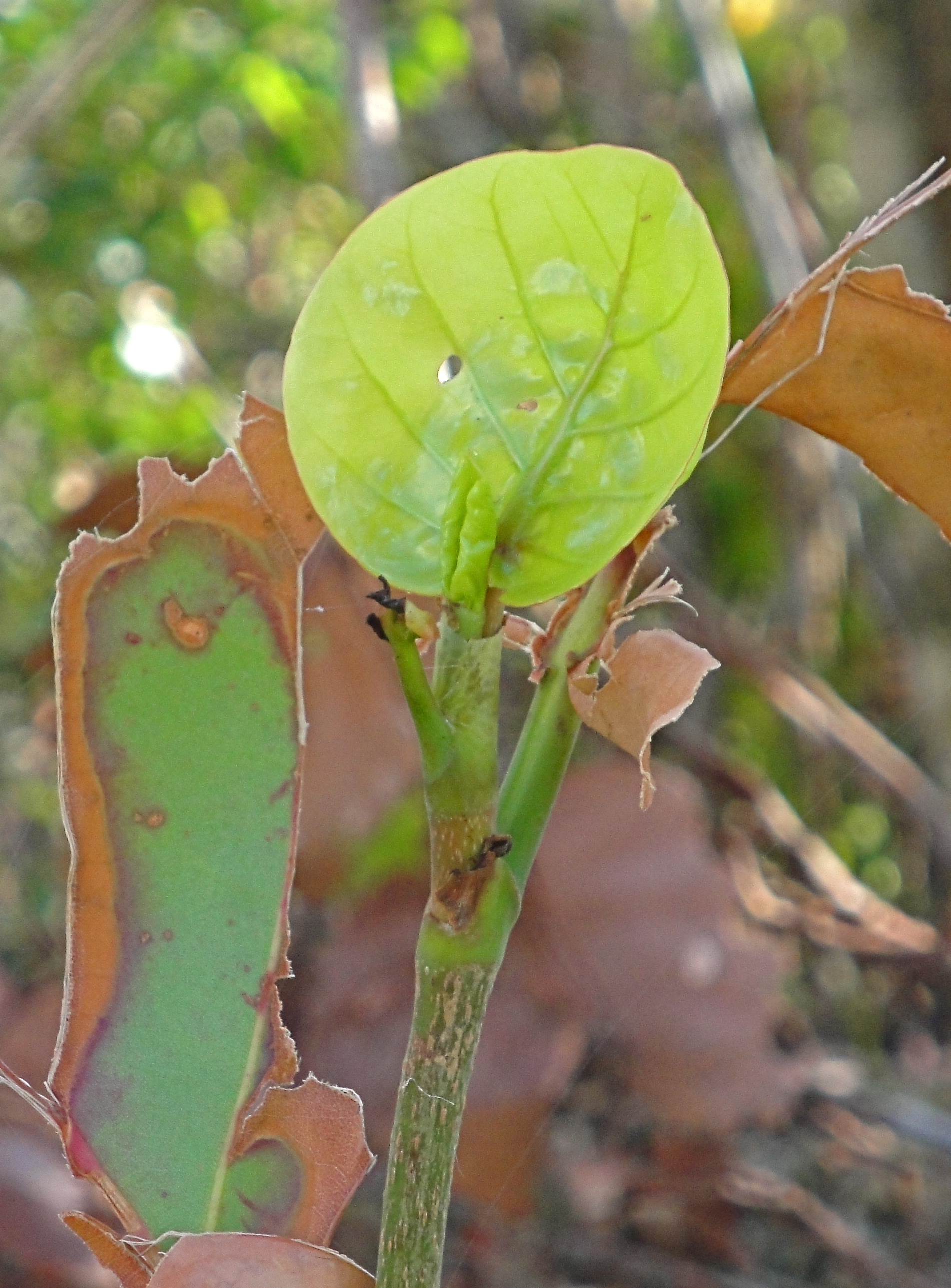
A WIND-BURNED SEA GRAPE PLANT PRODUCING NEW LEAVES

Both images © Brigitte Bower Carey
www.islandwatercolors.com
www.abacoislandartists.blogspot.com

Unknown's avatar

YELLOW ELDER – THE BAHAMAS NATIONAL FLOWER


Yellow Elder Hope Town, Abaco 2

YELLOW ELDER – THE BAHAMAS NATIONAL FLOWERYellow Elder Hope Town, Abaco 1

Thanks, Wiki!

YELLOW ELDER (Tecoma stans) is a flowering perennial shrub of the trumpet vine family. Common names include Yellow Trumpetbush, Yellow Bells, Yellow Elder, Ginger-Thomas, and Esperanza. Tecoma stans is the National Flower of The Bahamas.

The plant is cultivated as an ornamental and blooms throughout the year. It has characteristic sharply-toothed, lance-shaped green leaves and large bright yellow trumpet-shaped flowers. It is drought-tolerant and grows well in warm climates. The flowers attract bees (nb see below), butterflies and hummingbirds. Yellow Elder produces pods containing yellow seeds with papery wings. The plant is apparently desirable fodder in fields grazed by livestock. It also readily colonises rocky, sandy and cleared land, occasionally becoming invasive.

The leaves and roots of the plant contain “bioactive compounds which may have medicinal uses” (unspecified – more research needed?). Honey bees are attracted to the flowers but “unlike most flowering plants, the honey produced from Yellow Elder’s nectar / pollen is poisonous”.

 [rh note – so many questions arise here: Poisonous to the bees?  Can the bees tell? What if they mix it up with non-toxic honey back at the ranch? Can the beekeepers tell if their product is toxic? How? Do they bother? Why not? What are the effects? What’s the antidote? What “medicinal use” can there be? Is there a PhD for someone in this: “An impact survey into the effects of pollinic toxicity in honey derived from Tecoma Stans“?]


Selection of the yellow elder as National Flower over many other flowers was made by the vote of members of New Providence’s garden clubs of the 1970s: the Nassau Garden Club; Carver Garden Club; International Garden Club; and YWCA Garden Club. Other flowers – such as the bougainvillea, hibiscus, and poinciana – had already been chosen as the national flowers of other countries. The yellow elder was then unclaimed (although it is now also the national flower of the United States Virgin Islands).

(Floral tribute to TopTropicals)

Yellow Elder Hope Town, Abaco 2Yellow Elder  Abaco (Rhonda Pearce)


Photo credits as shown + RH

Unknown's avatar

SANDY VERNON’S DELPHI CLUB GALLERY


SANDY & BILL VERNON
have provided a number of wonderful photos from their stay at Delphi earlier this year. The images conveniently coincide with various categories already posted, to which the headings below link (supposedly – I will sort out any problems in due course, the general rh policy being to upload pictures first then worry about details later…)

ABACO PARROTS  (including some extraordinary acrobatics)


FLOWERS

Angel’s Trumpet (Datura Candida)

Bougainvillea

OLEANDER (Nerium Oleander)

BUTTERFLIES

POLYDAMUS SWALLOWTAIL

FOREST FIRE DAMAGE AT DELPHI (Ricky Johnson gets involved)


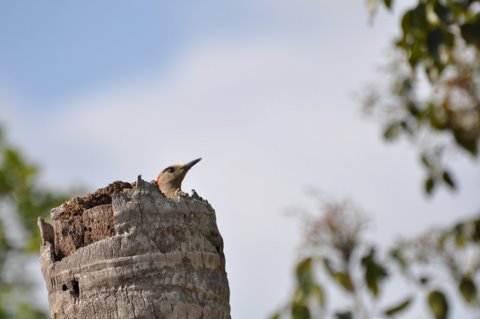
THOSE WEST INDIAN WOODPECKERS AGAIN

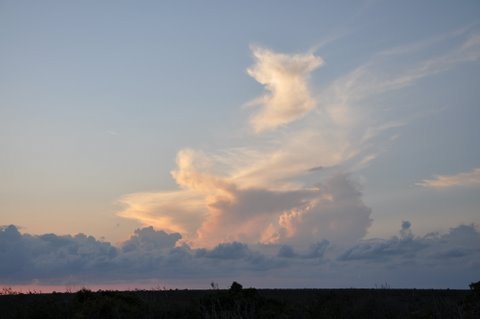
CLOUD FORMATIONS

SANDY, unable to contain himself at one of his own jokes, being comforted by a guest, while PM and other guests tactfully look away


Unknown's avatar

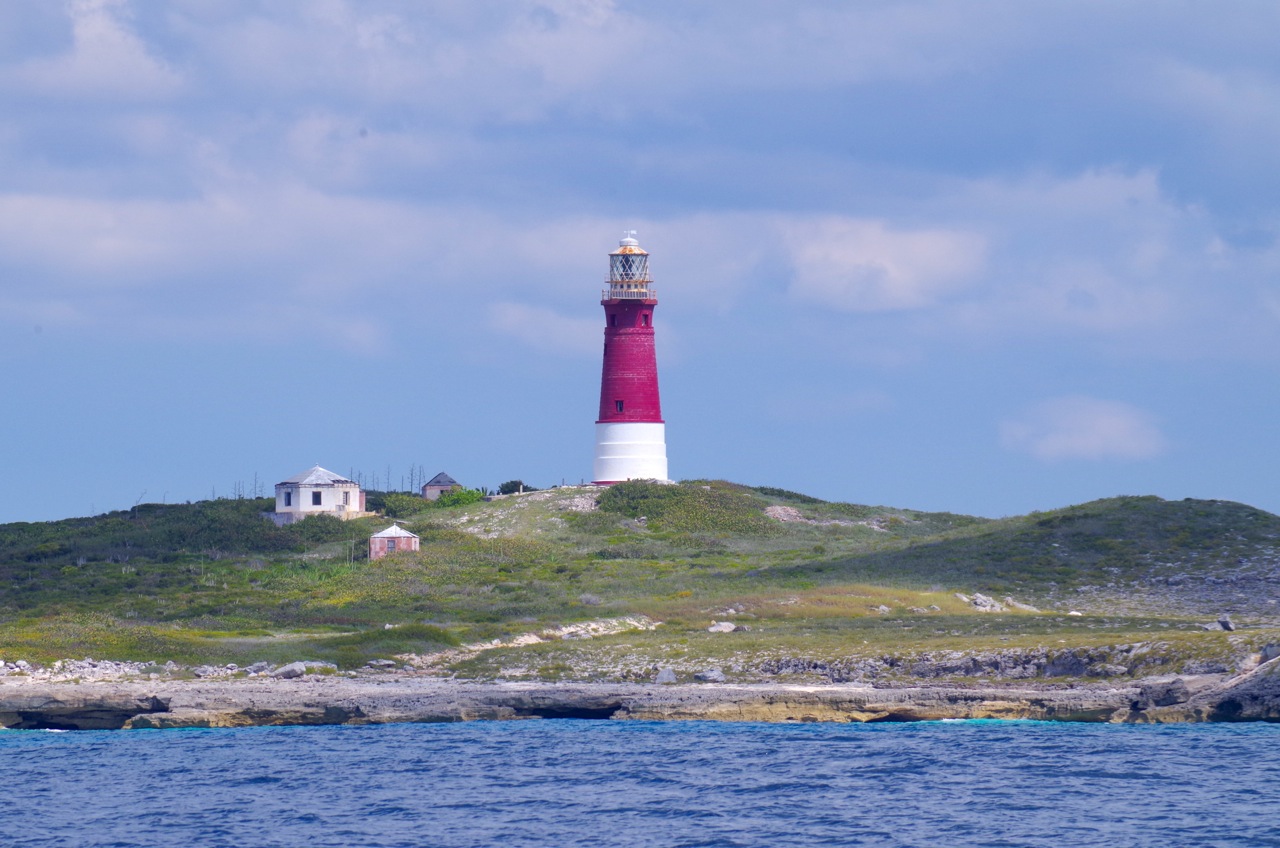
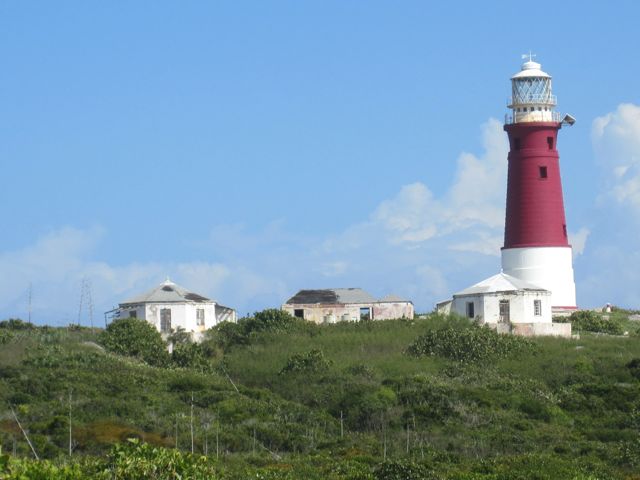
“TO THE LIGHTHOUSE…” A TRIP TO HOLE-IN-THE-WALL, ABACO


Hole-in-the-Wall Lighthouse Abaco (se view)

A TRIP TO HOLE-IN-THE-WALL THROUGH THE NATIONAL PARK

You will need: One truck with plenty of fuel (for the return journey); courage, patience and determination; picnic; bird book – borrow the HALLETT (KS copy) from Club library; camera / binoculars; willingness to cope with and explore derelict buildings; good shoes if you want to walk from the lighthouse; life insurance if you want to climb the uninvitingly hazardous lighthouse stairs

Map credit as elsewhere

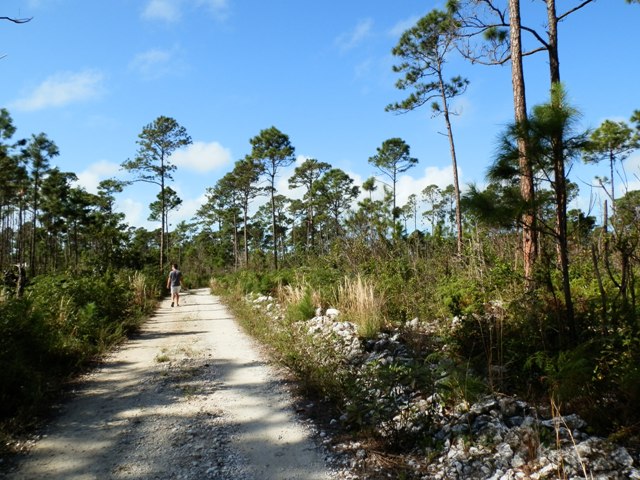
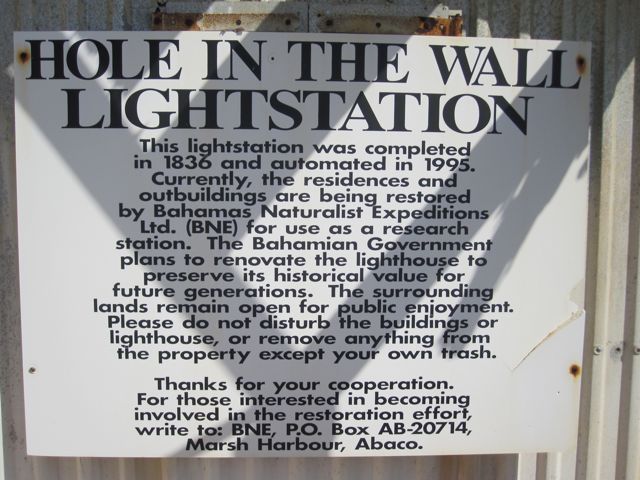
Like marriage, this expedition is not by any to be undertaken lightly or ill- advisedly… Driving to the lighthouse at Hole-in-the-Wall involves a 15-mile (each way) return journey on a track south from the Highway. It starts promisingly but gradually turns nasty as the track degenerates. Rental cars are banned; Sandy will have strong views about using the Club car… Realistically, it can only be done in a truck. We took a truck… I don’t want to be unduly off-putting but we were still considering turning back at mile 14. Especially at mile 14. The view is as shown below for most of the way, the trees thinning out as one nears the coast.An optimistically good stretch of track

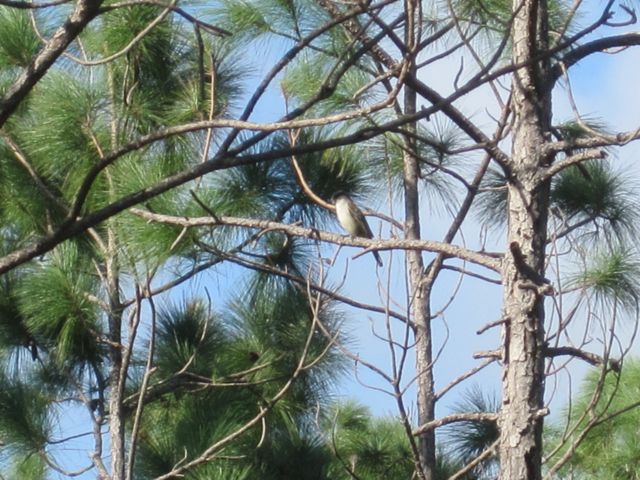
During the journey, you pass through the heart of the National Park, breeding ground for the Abaco Parrots. Uniquely for this species, they nest on the ground in limestone holes, making them vulnerable to predators. Logging roads cross the track at regular intervals, and are a good place to pull in and look for the birds of the pine forest –from large red-tailed hawks through gray catbirds, loggerhead kingbirds and hairy woodpeckers down to small warblers. If you take a picnic with you, you’ll have an excellent opportunity to bird watch.Loggerhead Kingbird in the National Park

This is what you will find when (if?) you reach the end of the road…

Park here. Mind the rocks. Far from advisable to continue further…


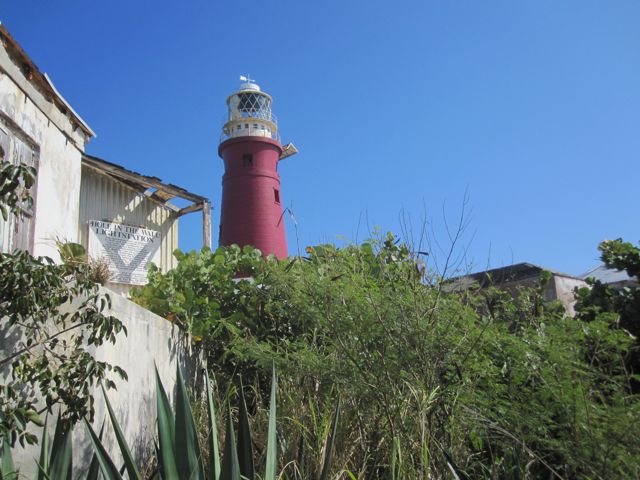
Hole-in-the-wall Lighthouse and outbuildings

The Entrance

No sign of renovation in Spring 2010

Land’s End – the southern tip of Great Abaco, and a good place for whale-watching

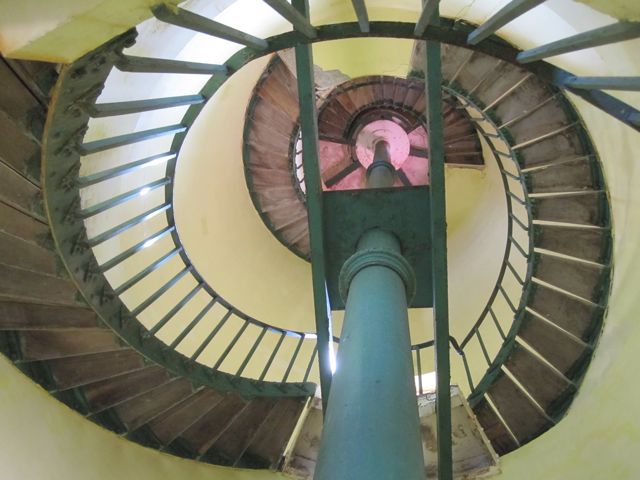
The internal staircase – access is easy, the door isn’t even kept shut let alone locked

THE UNEXPECTED REWARD for our endurance was to find, beside the path back to the car, a small group of Bahama Woodstars. This is the endemic species of hummingbird, and they are rare where there are the Cuban Emerald imports (at Delphi, for example). The ones we saw were all female – the males are iridescent green with a purple front. They were amazingly unafraid of us, flying back and forth around us,  and quite happy to perch almost within arms’ reach and watch us watching them. They were completely enchanting, and cheered us up for the forthcoming journey back – fortunately it gets easier – and a picnic by a logging road once the track-terror had subsided.

STOP PRESS: Courtesy of batfa242 / Panoramio who braved the dodgy-looking spiral staircase in the lighthouse, here is a fantastic shot of ‘Land’s End’ taken across the lamp and through the glass. Many thanks for permission to use this – it makes me regret not having had the spirit of adventure to make the climb… Double-click for a very detailed view, including the in-built fresnel lens… (and see HOPE TOWN LIGHTHOUSE post)

POST SCRIPT: I am very grateful to Marinas.com for permission to download this wonderful aerial image of Hole-in-the-Wall lighthouse and its outbuildings, looking towards the southern tip of Abaco. They have generously enabled a completely cost and watermark-free download. I have added the © detail. Thanks, guys. 

Unknown's avatar

FLOWERING ON ABACO: EXPLORING WITH RICKY JOHNSON


RJ’s eco-tour is not just about parrots and other avians. He is also an expert in the plant and tree life, and a great deal else. Here are some of the flower / tree images from the day, to which I will (may?) put names in due course. But frankly the pictures are far more satisfying than the knowledge that something is or is not a variant of a Cuban Popcata Petal Tree. Or whatever. If you feel like it, fast forward to the end of this post for a blue hole, a butterfly and a team photo…

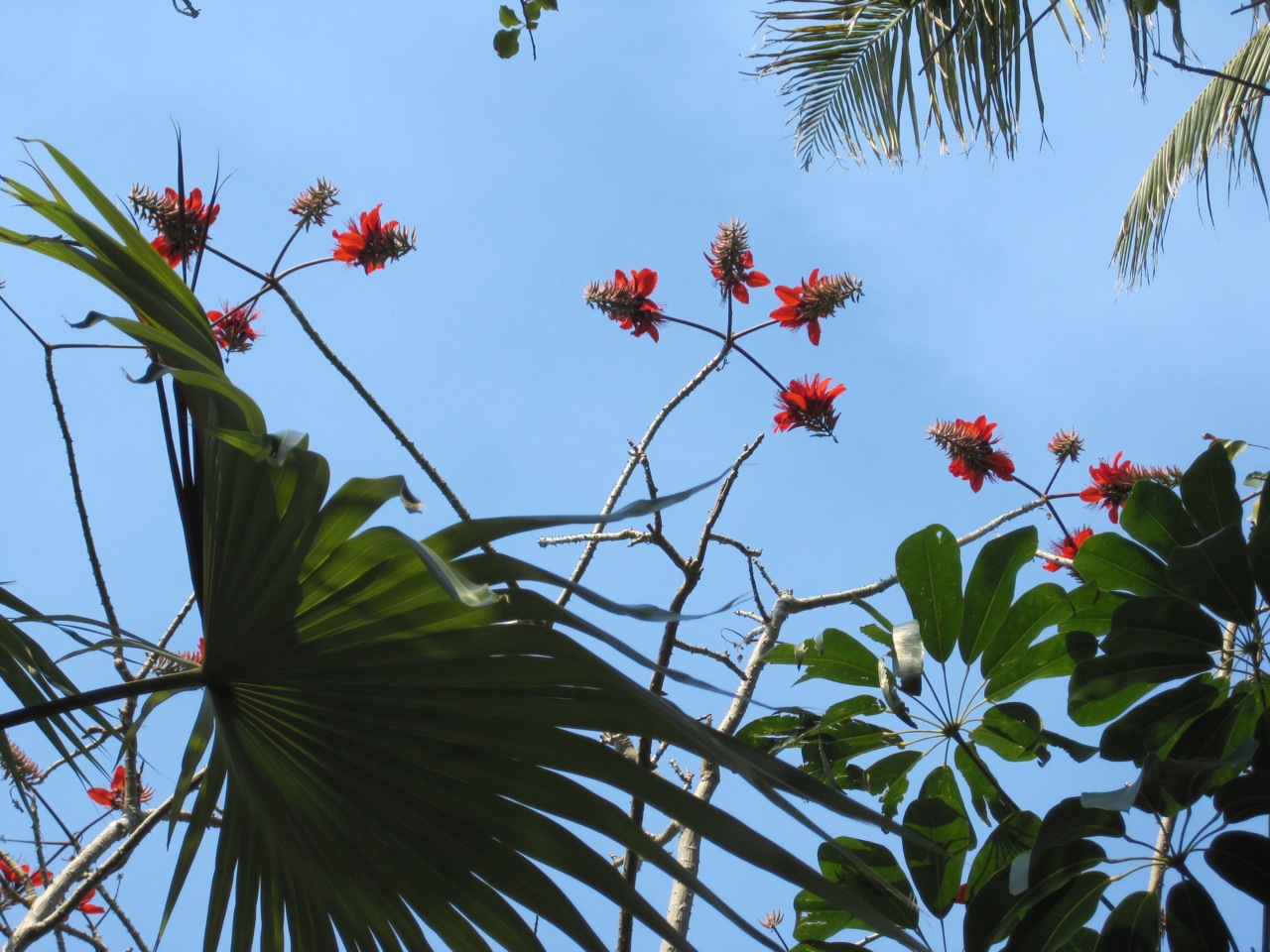
TIGER’S CLAW or INDIAN CORAL or SAMOAN SUNSHINE TREE
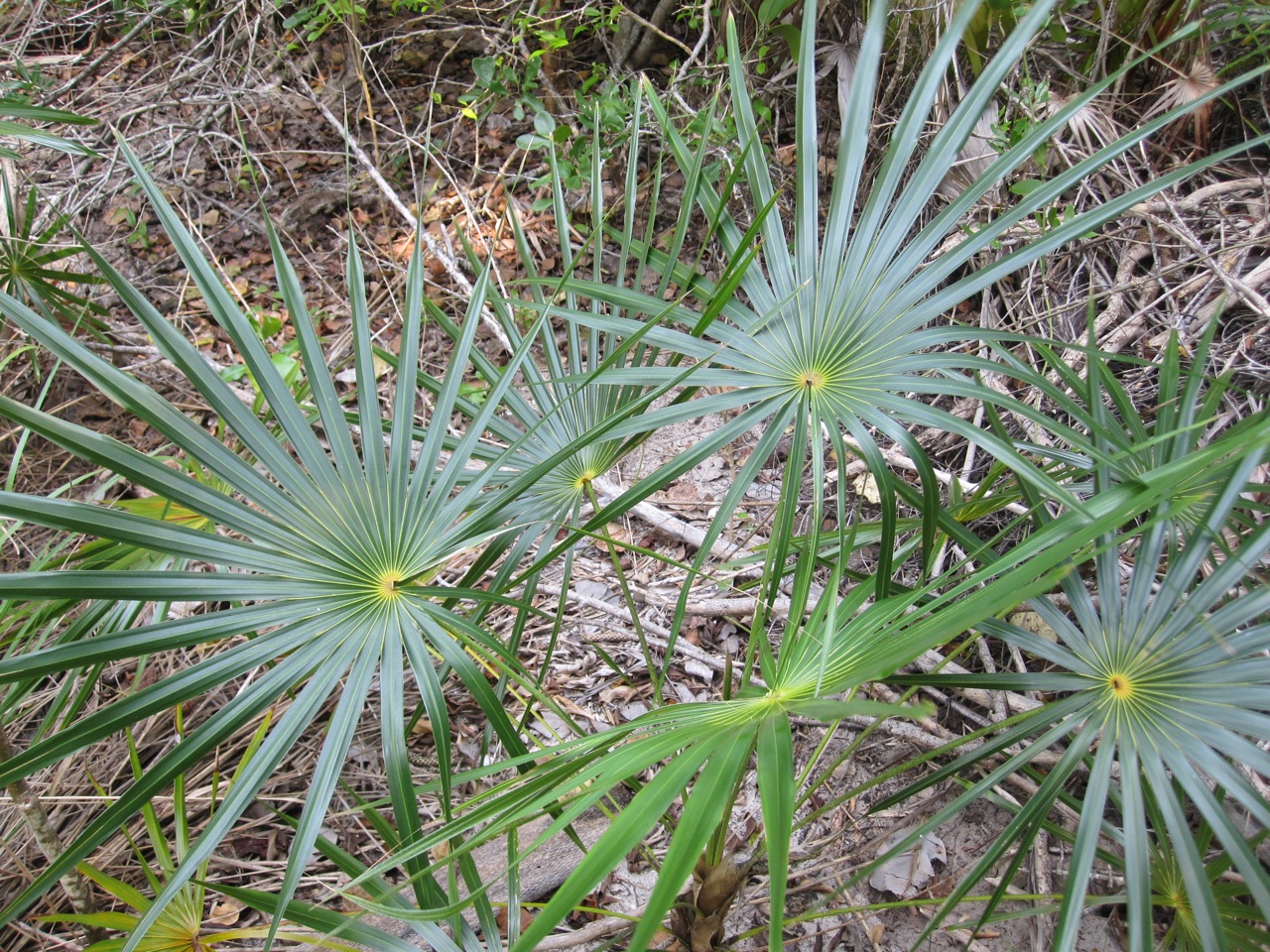
THATCH PALM Thrinax radiata

 CORAL HIBISCUS Hibiscus schizopetalus

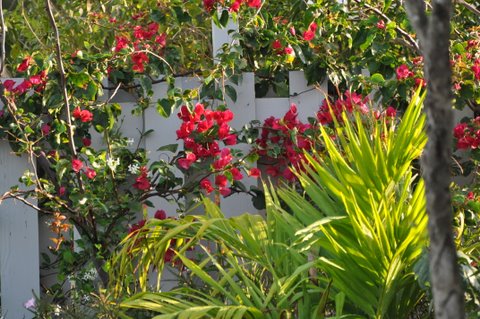
BOUGAINVILLEA Bougainvillea Spectabilis

SAPODILLA Manilkara zapota

Three images of a STAGHORN FERN Platycerium bifucatum, an epiphyte or ‘air plant’: one that grows upon another plant non-parasitically

Having left the parrots and the very lovely private garden we were shown round (where most of the plant shots were taken), Ricky took us to a blue hole nearby. The choice of 3 was narrowed down by the forest fires raging in the area (see FOREST FIRE post. The 2 largest were in a part of the pine forest that was busily engulfed in flame and dark smoke. So we went to the smallest.

However, what we could see was merely the entrance to a large and deep cave system in the limestone rock, the extent of which is still being explored (though not by me, thank heavens). The rock to the left was actually covered by 6 inches of water so clear that you could not see it – as one of our group discovered when he stepped onto the rock…

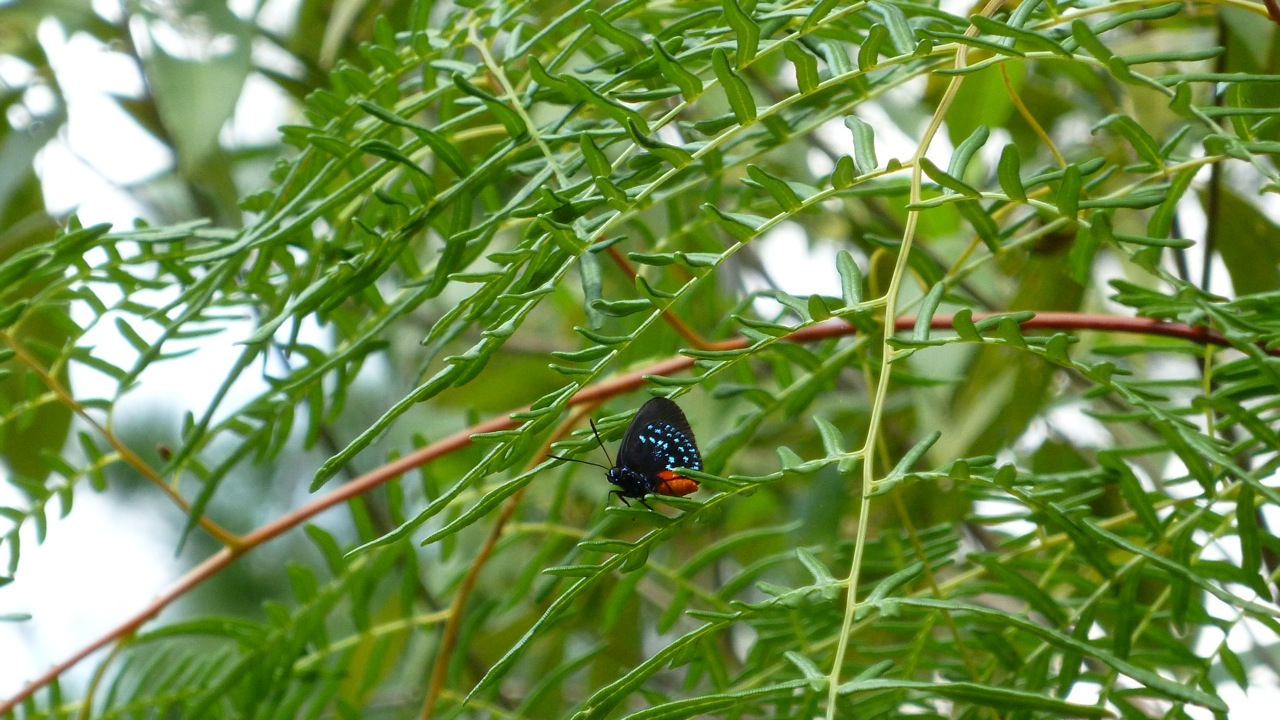
It was here that we saw ATALA HAIRSTREAK butterflies. This one is a different one from the one in the main BUTTERFLY post… but even their mothers can’t tell

ATALA HAIRSTREAK

And so to the final photo of the day, taken as we sustained ourselves… before having to leave rather sharpish when the wind changed direction and the smoke and fire decided we might be worth incinerating. Possibly Ricky, in the background on his cellphone, is calling for help…

Unknown's avatar

ABACO BUTTERFLIES AT DELPHI / CONTRIBUTIONS / BLOG FORMAT CHANGES


As a change from birds, here are some other flying items, mostly from around Delphi itself, with a redesigned logo in their honour.

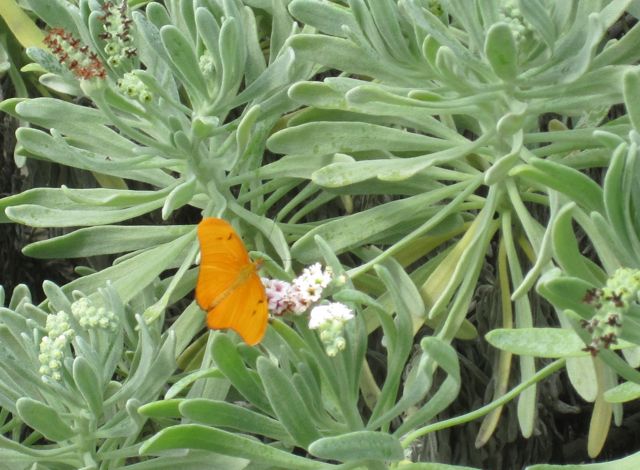
JULIA LONGWING Dryas Julia (Delphi Beach – plant now ID’d as a Bay Cedar Suriana maritima, much enjoyed by butterflies and bees)

HAMMOCK SKIPPER Polygonus Leo (Delphi Service Drive)


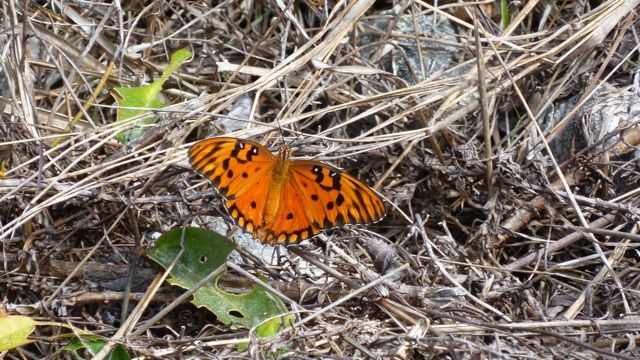
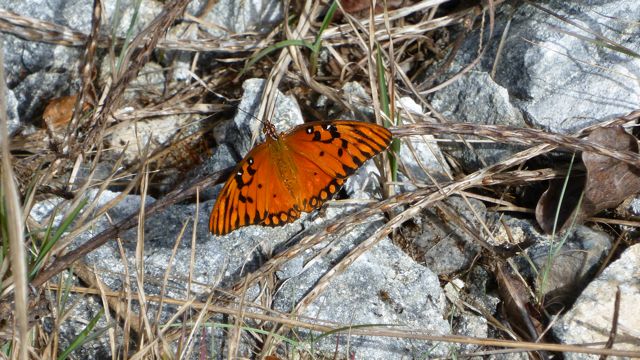
GULF FRITILLARY Agraulis vanillae (Delphi Guest Drive)


I haven’t nailed the ID of this one yet. Any ideas appreciated. [See later post for ID as GOLD RIM SWALLOWTAIL / POLYDAMUS SWALLOWTAIL     (Battus Polydamus Lucaeus) ]
Seen all round Delphi this March. These are on the move the whole time, and are surprisingly hard to pin down (not a very sensitive way to put it for a butterfly…) The bottom photo looks like a rubbish picture, I know, but in fact the butterfly is at rest (the body / legs / feelers aren’t blurred) while the wings beat fast and constantly while it feeds

AND FINALLY… Pride of place goes to this Atala Hairstreak, photographed during a Delphi outing with Ricky Johnson to one of the Blue Holes in the pine forest. It’s the only place I have seen these small butterflies, and there were only four or five. This one stayed still for just long enough

ATALA HAIRSTREAK Eumaeus Atala

===========================================

BLOG NEWS UPDATE 

23.04.11

  • Email Share added to the main pages
  • Pages Menu added to sidebar
  • Contributions received now posted on the appropriate page…

Note I am trying to reorganise this blog to increase accessibility of categories and sub-categories. Struggling a bit… one major accidental deletion so far… proposed pages under construction or at least under contemplation… please bear with me!  

============================================

Unknown's avatar

FLORA OF ABACO: ALL YOU NEED TO KNOW IN ONE HIT


The ‘Flora’ part of ‘Flora and Fauna’ is a bit of a blind spot for me except in a very basic daffodils-tulips-roses english gardening sense. So it was with a massive sense of relief that, browsing through (namecheck here) ‘Dr Ralph’s Abaco Forum’, I stumbled across a comprehensive blog about the flora of Abaco with excellent pictures and very informative descriptions, posted by Iris Spikes. She includes notes about the plants that are poisonous, and those that have medicinal / antidotal properties. For example poisonwood and gumbo limbo trees grow side by side, as poison and antidote – you can find them growing together along the Delphi drives (the gumbo limbo fruit is especially popular with the Abaco Parrots).

With thanks for permission, I have added the web link to the Blogroll list so that you can get to it straight away. Please note that there are two linked posts – you get to part 2 from the link at the end of part 1.

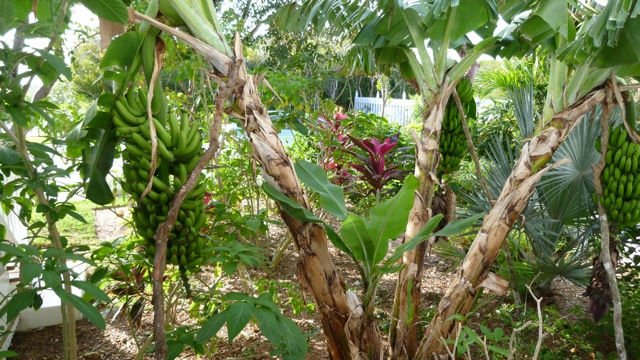
Here are a few random flora images of ours, most now readily identifiable… Almost all (including the bananas outside our room) are from the Delphi gardens or beside the drives – and one cheat that is much more Abaco than UK

Powder Puff Tree - Calliandra haematocephala

Bananas (outside rooms 1 - 4)

Hibiscus

Coral or fringed hibiscus

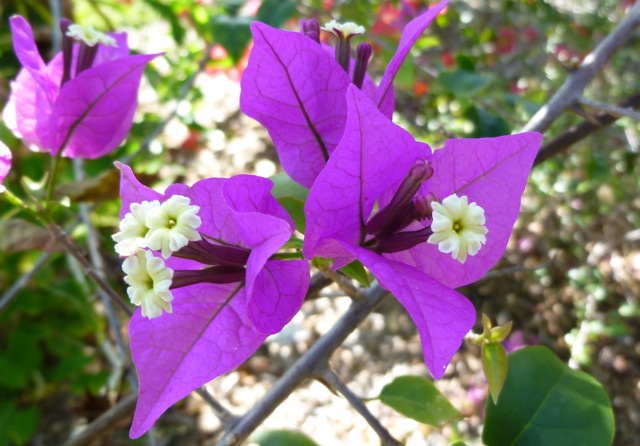
Bougainevillea (pool area)

Bougainevillea (pool area)

Camelia

Thatch Palm
Bottle-brush tree (a cheat – in neighbours’ garden, London!)
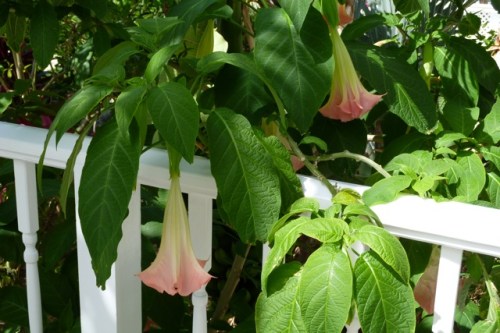
Angel’s Trumpet (Datura Candida)

An epiphytic bromeliad (see below) on the guest drive

Staghorn Fern (Platycerium bifucatum) - also epiphytic

An epiphyte (or air plant) is a plant that grows upon another plant (such as a tree) non-parasitically or sometimes upon some other object (such as a building or a telegraph post), deriving its moisture and nutrients from the air and rain and sometimes from debris accumulating around it and not from its host

Unknown's avatar

FOREST FIRES ON ABACO: A BIT TOO CLOSE TO DELPHI HQ…


Mid-March saw the outbreak of an unnaturally large number of fires in the pine forests on (mainly) the west side of Abaco. Suspicion mostly fell on hog hunters wanting to clear the thick undergrowth. Many fires spread rapidly in the wind and some jumped the highway. For a couple of days there was increasing anxiety at Delphi, not wholly allayed by Sandy’s robust enthusiasm for driving guests intothe heart of the fires: “Look, I promise you, it’s perfectly safe ”. The big question: would the coppice stop the fire in its tracks as expected, or would the fire sweep through to the Club grounds and buildings? And (a members’ concern, this) were they adequately insured?

In the event, the Club was spared. However, much of the area between the road and the coppice in front of the Club was badly burned. The effect on the bird liferemains to be seen, though even after a few days there was evidence of greening up of foliage – an encouraging sign. Any hogs presumably managed to escape…

Here are some images, all of them taken from the Club or along the drives. Most (all but 2 now – I’ve fixed the rest) will enlarge with a click.

Setting sun from the Club verandah. At least 3 fire seats are visible

This tree along the guest drive kept smouldering for 3 or 4 days

A somewhat apocalyptic  sky

This area along the drives was dense bright green undergrowth two days earlier

A milky morning sun filters through onto snowy ash

Click to enlarge this image: you’ll see a flame at the top of the tall dead tree, like an oil refinery flare stack

Fire spreading in the wind and taking hold of a new area between the drives 


Another area that had been thickly wooded, with dense green undergrowth


Unknown's avatar

THE GOOD BOOK GUIDE – DELPHI CLUB, ABACO


Selected Birdyographyplease see the BOOKS page for full details – starting with the ‘Go-To’ reference book

Bruce Hallett

Birds of the Bahamas and the Turks & Caicos Islands

James Bond

Birds of the West Indies (Collins Field Guide)

Birds of the West Indies Norman Arlott

Birds of the West Indies (Collins Field Guide)

P G C Brudenell-Bruce

The Birds of New Providence and the Bahama Islands (1975) 

 Flieg and Sander

A Photographic Guide to Birds of the West Indies

 Herbert Raffaele et al

Field Guide to the Birds of the West Indies (Helm Field Guides)