CHRISTMAS-COLOURED BIRDS 2: ABACO PARROT
A VERY HAPPY TO ALL FOLLOWERS OF ROLLING HARBOUR…
…AND TO EACH AND EVERY RANDOM DROP-BY TOO!
SEE YOU NEXT DECADE!
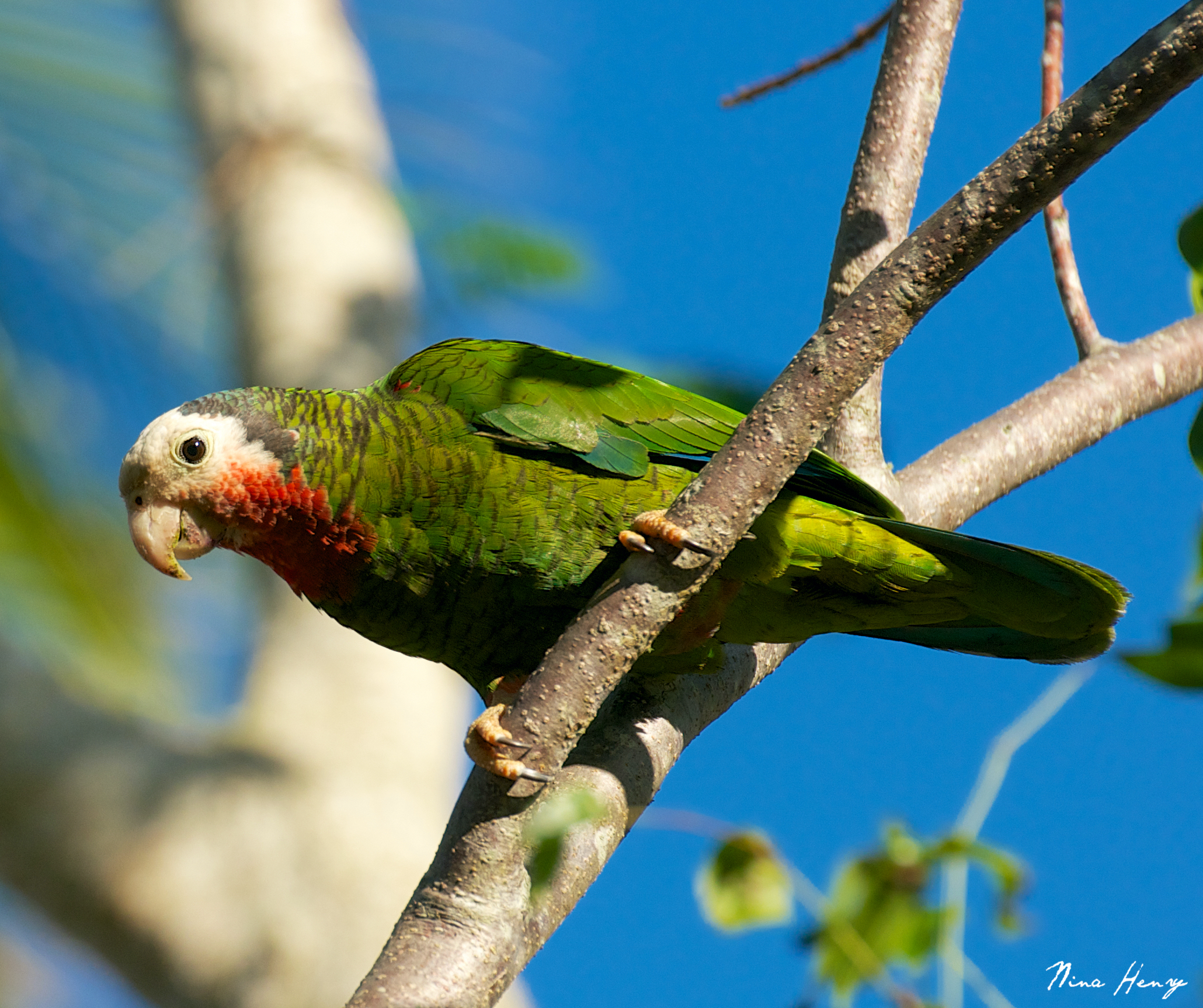
Credit: Nina Henry, photographed on Abaco, Bahamas for “The Birds of Abaco”

A VERY HAPPY TO ALL FOLLOWERS OF ROLLING HARBOUR…
…AND TO EACH AND EVERY RANDOM DROP-BY TOO!
SEE YOU NEXT DECADE!
Credit: Nina Henry, photographed on Abaco, Bahamas for “The Birds of Abaco”


Credit: Tom Sheley, photographed at Bahama Palm Shores, Abaco, Bahamas for “The Birds of Abaco”

CLAPPER RAILS Rallus crepitans are elusive birds of mangrove swamp and marsh, more frequently heard than seen. They tend to lurk around in foliage and are easy to overlook. They are creatures of the margins rather than open ground. You may come across one foraging secretively, beak-deep in the mud.

Tom Sheley’s wonderful photos featured here of a preening clapper rail were taken during our backcountry explorations to locate and photograph species for BIRDS OF ABACO. By being both patient and an early riser, Tom managed to capture this fine bird engaging in some quality grooming. The one below is ‘vocalising’ – known in rails as ‘rousing’ – in mid-preen.

Clapper rails are capable of swimming and even of flying if they choose to. However the most likely activities you are likely to observe will be skulking, picking their way through marginal vegetation, or (if you are lucky) doing some beak-deep foraging in the mud. Occasionally they run, a process that looks endearingly comical and which possibly gives rise to their name.


It almost goes without saying nowadays, but the biggest threat to these rather charming inoffensive birds is habitat loss. Which is to say, mankind either directly or indirectly. Drive the bulldozers through the mangroves and marshland of sub-tropical coastal areas, chuck down a few acres of concrete… and the clappers will very soon become clapped out. As they will if the climate we are unarguably changing ruins their unobtrusive lives.

COMPULSORY LINGUISTIC STUDY
When I last wrote about this species its binomial name was Rallus longirostris ie simply ‘long-beaked rail’. Since then the increasingly frenetic annual turmoil of official AOU shuffling species about and messing with their names has resulted in the clapper rail being re-designated Rallus crepitans or ‘rattling / rustling rail’, I assume from the call. There are other rail-name innovations that, reading about them just now, made me crack open a beer instead of wanting to tell you about them.
OPTIONAL LINGUISTIC DIVERSION
“TO RUN LIKE THE CLAPPERS”. This phrase seems to be fairly recent, most likely originating as military (?Air Force) slang early in WW2 or possibly from earlier conflicts. Some suggest it is a rhyming slang bowdlerisation of ‘run like hell’ with ‘clapper(s)’ standing for ‘bell’, along the lines of the Cockney “I bought a brand new whistle” (whistle and flute = suit). Almost all plausible explanations relate to bells, and some argue that it simply reflects the rapid speed of the clapper of a vigorously rung handbell. This derivation as a link to the bird seems tenuous at best.
Photo credits:Tom Sheley, Sandy Walker, Erik Gauger, University of Amsterdam (print).


In the aftermath of the awesome (in its original meaning) power of the hurricane, Abaco is slowly rising from the remnants of its peaceful slow-paced beauty. The loss of human life, and the damage to survivors, to animals, to property and to precious possessions is unimaginable. By way of contrast, in the UK a flood that inconveniences a SUV owner in an affluent area may well make the local paper*; and possibly local TV news if the wait for a tow-truck takes an hour or so.
BIRDS are providing some cheer and a welcome diversion for many islanders. On SocMed there are plenty of chats** going on daily about the parrots, emerging winter warblers, occasional shorebirds and so on. Feeders are back in use with seeds and nuts (nb please no peanuts). Photos are being taken, shared and enjoyed.
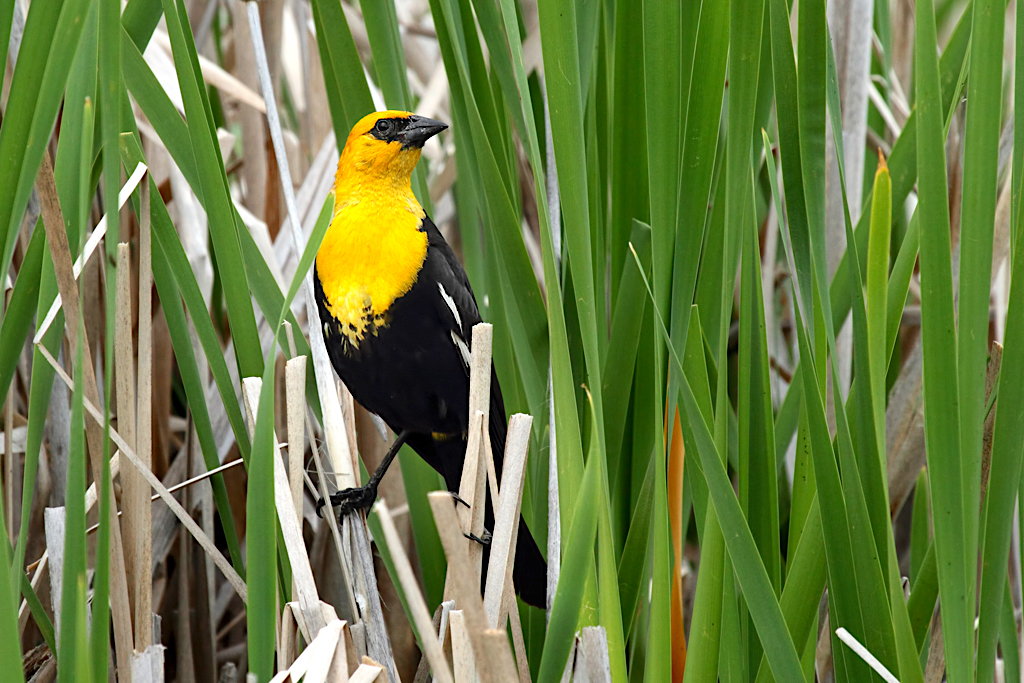
Over the last few days, red-winged blackbirds have been a visible and indeed audible presence in various settlements. Their characteristic ‘rusty gate-hinge’ call is unmistakeable, whether in the coppice or heard deep in the mangroves 4 miles off-shore from a skiff in the Marls. Let’s progress to a great discovery and a most perfect example of ‘birds of a feather’ literally ‘flocking together’.

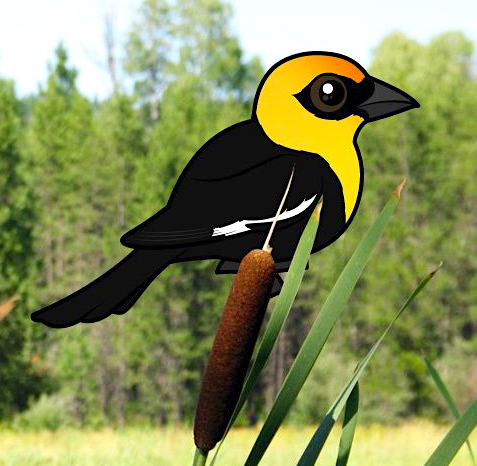
The photograph above was taken on October 20 in Little Harbour, Abaco by Bernard Albury. A pair of red-winged blackbirds, male and female, were on the feeder in his garden. With them was a rather more colourful blackbirdy-type bird – a juvenile yellow-headed blackbird Xanthocephalus xanthocephalus. Bernard’s photo is the perfect example of how a quick shot with a phone can make all the difference between a vague description of a bird for ID (oriole? bobolink? weird warbler?), and having clear visual clues to work with.

The news of this exciting sighting quickly reached bird scientist Ancilleno Davis of (among many organisations) Birds Caribbean. ID was established, and the news soon spread via FB shares. This bird was a very long way east of its normal range, and I thought that it might possibly be a first for the entire Bahamas; probably a first for Abaco itself; and almost certainly the first photo of a YHBL. Then it was a question of cross-checking data in books such as Tony White’s comprehensive guide; online in specialist bird websites; and with the Bahamas bird experts such as Woody Bracey and author Bruce Hallett.


Tony White, [random], Bruce Hallett, Woody Bracey
Simple. Bernard Albury has, in his own garden in Little Harbour, discovered the first Yellow-headed Blackbird ever recorded for Abaco. Furthermore, his photo is very probably the first-ever image (by which I mean only image) of a YHBL for the entire Bahamas.

The first step is to check an authoritative range map of the species in question. Audubon and Cornell are the go-to authorities for this purpose, though tbh there’s a great deal to be said for using Wiki as a first port of call for a new bird and its details. People rarely bother to mess with the avian articles on Wiki, there’s not a lot of fun it it. For the Yellow-headed Blackbird, the sheer distance to Abaco makes a visit from one highly unlikely.  The second step is to check online sightings reports uploaded to eBird by birders ranging from the enthusiastic amateur to the vastly experienced professional. For an unusual bird, the reports are invaluable in establishing relative rarity. The previous online reports for YHBL in the Bahamas were of a couple of sightings of single birds in the Freeport / West End area of Grand Bahama. These were in 2006 by bird expert Woody Bracey; and in 2012.

Finally, cross-check in the most thorough bird guides of the area. In this case, Tony White included GB sightings YHBLs in his meticulous chart but none for Abaco. No other authority – Bruce Hallett for example – has noted a sighting report for Abaco; Woody also believes this to be a first, and he should know, having found the first ever Bahamas one in 2006.
First, here’s the familiar call of a red-winged blackbird
Here are two examples of the much harsher call of the YHBL, described variously as “the worst song of any North American bird, a hoarse, harsh scraping”; and “an awful sounding raspy whine”.

Sample Headline* – ‘Deluge Ordeal “intolerable” says Local Financier’
Chats** – where the standard disclaimer ‘no pun intended’ would be wrong

CREDITS: First and foremost to Bernard Albury, but for whom… and Ancilleno Davis for his ID and initial shares; generally: Audubon, Cornell, eBird, Merlin, Xeno-Canto, Bird guys.
Images: R. Welker, Alan Vernon, Birdorable (cartoon), Bernard Albury, Tom Kerner, Sibley’s Guide online; Dan Hackley / Cornell / eBird, JJ Audubon, Brian Sullivan / Cornell / Macaulay Library
Sounds: Jim Berry, Xeno-Canto; Ted Floyd, Xeno-Canto


The increasing flow of reports of recent bird sightings on Abaco seems to confirm the theory that in times of crisis and of recovery from disaster, people gain strength from the natural world that surrounds them. The bright flash of a parrots wings; the hoarse squawk of a West Indian Woodpecker; the unmistakable cheery call of the thick-billed vireo; the ‘peep’ of a shore-bird – all these can bring comfort in troubled times.
Right now, social media on Abaco, and radiating far beyond, is alive with more encouraging news after the storm, not least about the gradual re-establishment of normality as utilities and services are restored, movement becomes more possible, and plans for repairing the past and designing the future can begin to be made.

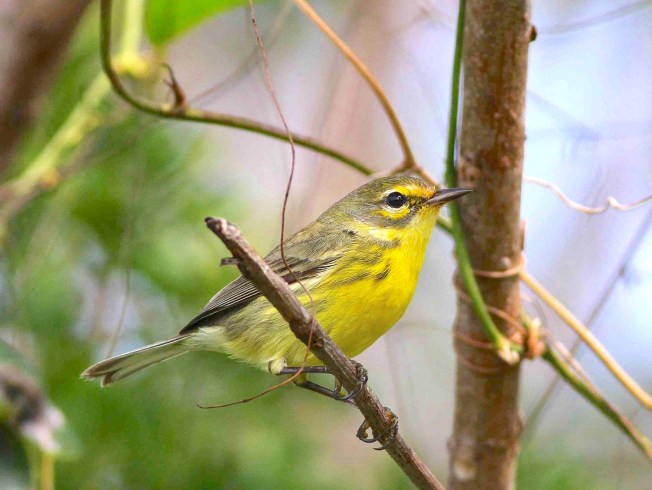
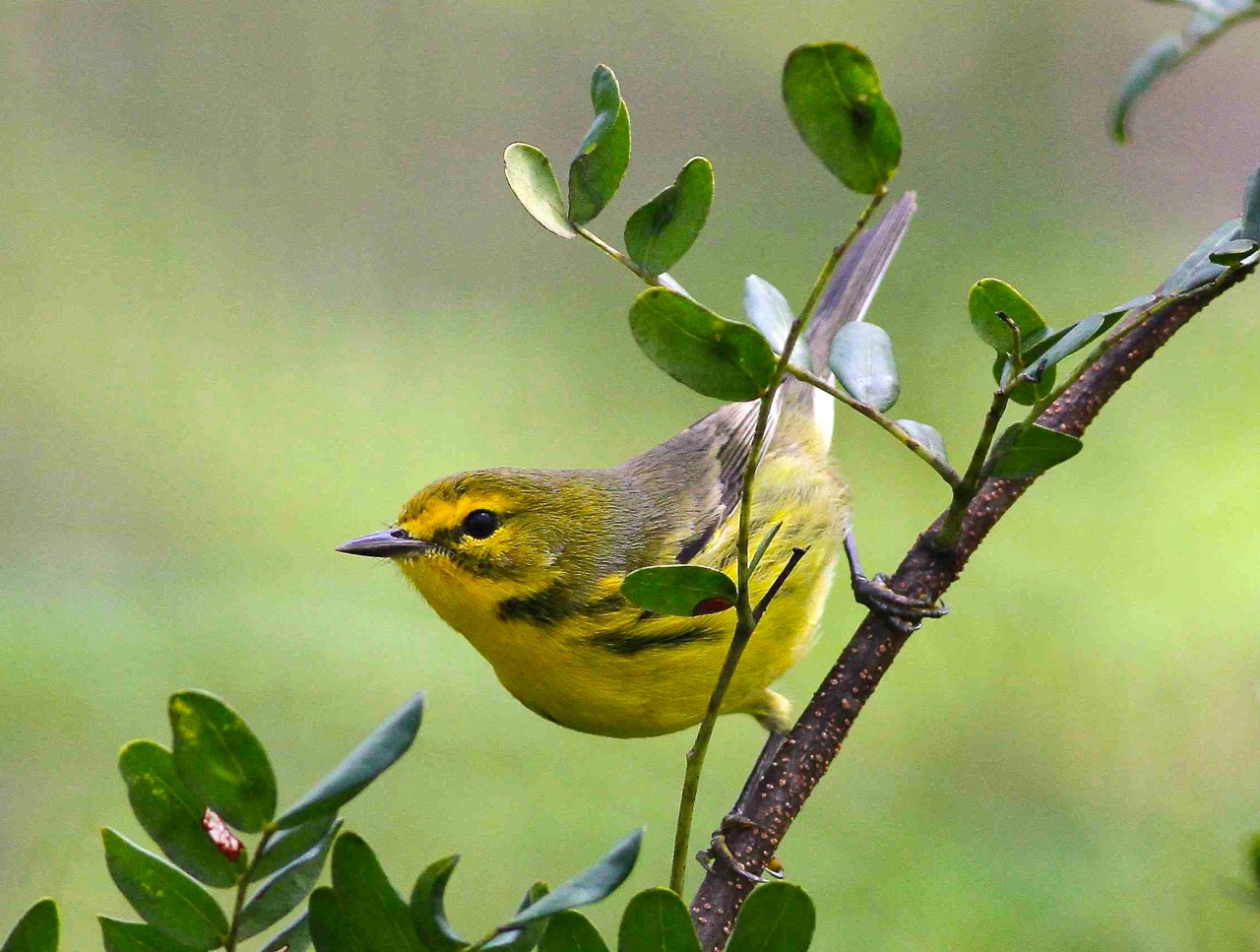
This post features photos of Prairie warblers taken on Abaco by Gerlinde Taurer, contributor to THE BIRDS OF ABACO. It is the start of a short series that will focus on a single species and feature gorgeous photos, all taken on Abaco. These bright little warblers are common winter residents and in normal times their Fall arrival would be well under way – along with some 30 other species of warbler that make Abaco – and the Bahamas generally – their winter home.

The rich diversity of the avian life of Abaco is truly astonishing: from residents to migratory species, from tiny to huge, from frequently encountered to very rare. Every bird (yes, even the reputedly ‘dull’ black-faced grassquits) has its own beauty and character. Even a small brown bird may have a lovely song. In non-storm circumstances, it would not be unusual for an amateur birder to encounter upwards of 40 species during half a day in the field – especially with binoculars. I hope that on a shattered island, appreciation of the lively and varied birdlife is already making a small yet positive contribution to the recovery.
Credits: All photos taken by Gerlinde Taurer on Abaco (my own are suppressed for being, frankly, dross in comparison)

ABACO, BAHAMAS has been all but destroyed by Hurricane Dorian. The horrendous scale of the disaster in human terms alone is only now becoming clear as the days pass and new tragedies are revealed. Many established relief funds – international, national and local – are being very generously supported for the benefit of those who have suffered so grievously. I am adding to the number through my specific link to Abaco and its wildlife.

For obvious reasons, the GFM page (in edited form here) has a rather more formal , explicatory tone than I would usually use.

Sally and I were founder members of the Delphi Club, Abaco and retain strong connections with the island and the community. I run a conservation program for rare migratory plovers that overwinter on Abaco; and I am involved with BMMRO & its marine mammal research.
‘THE BIRDS OF ABACO’, of which I am the author, was published in 2014. The book was designed by Sally and published by Peter Mantle / The Delphi club. By the end of last year the edition had sold out, and all planned educational donations to schools, libraries and relevant organisations had been completed.

However, I have a couple of dozen books left in the UK. Through this fundraiser, I am offering a copy of the book in exchange for a donation of $150 (or the equivalent). The resulting fund (minus the cost of fulfilment from the UK) will be added to the funds achieved by the Delphi Club through their DORIAN RELIEF FUND .
A higher donation is of course encouraged; and please note, it is not compulsory to receive a bird book. Smaller donations are extremely welcome too, and for those of $50+ I will offer the donors a high-res PDF of a bird of their choice from a selection of several significant species found on Abaco; or a PDF of the complete bird species checklist for Abaco. That’s voluntary too.

The original price of this large photographic book was $145. It showcases the wonderful birds of Abaco with contributions from 30 photographers. Almost all are either residents of Abaco, or have strong connections with – and affection for – the island and its cays.
The books can be sent to Bahamas, USA, Canada and Europe. For any other destination, please contact me before you make a donation. Books will not be dispatched before October.
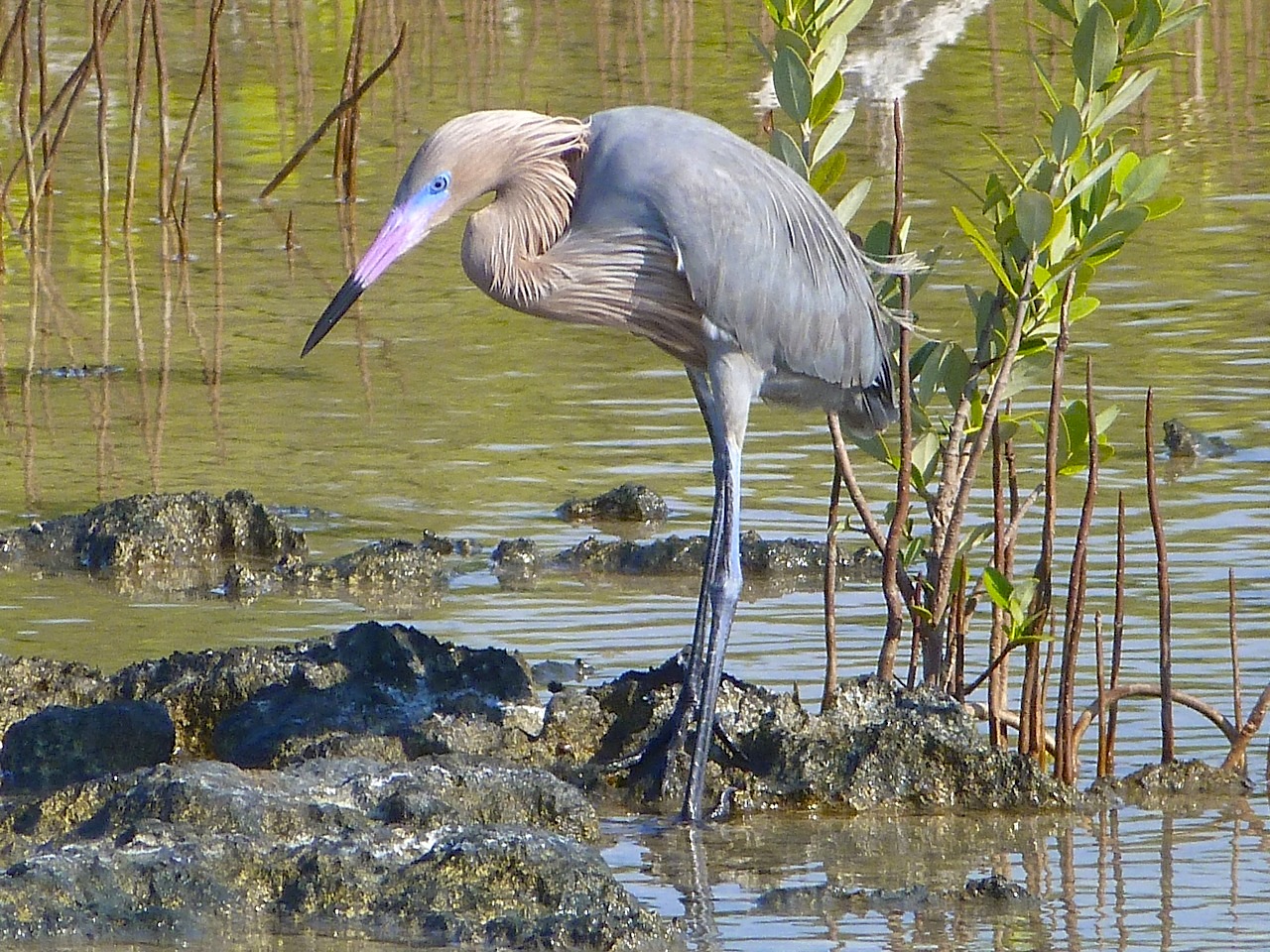
Please note that the Delphi Club does not have a stock of books and is not directly involved with this fundraiser. Please contact me with any inquiries, even though the Club details are shown on the pre-publication flyer below.
Keith Salvesen
Rolling Harbour Abaco
Photo Credits: Melissa Maura – Abaco Parrot (1); Alex Hughes – Black-necked Stilt (2); Sally Salvesen – book jacket (3); Tom Sheley – Olive-capped Warbler (4); Keith Salvesen – Cuban Pewee; Reddish Egret in breeding plumage (5, 6)


It’s often a hard decision whether to include a short piece of video footage in a post. By short, I mean less than a minute. On the one hand, there is usually a good reason for inclusion, even if only aesthetic. On the other, it simply takes up more time for busy people who may prefer to flick through an article and enjoy some nice images along the way. Today, you can have the best of both worlds.

Sanderlings are definitively ‘peeps’, a group name that embraces the smallest and squeakiest sandpiper species. They are the wave chasers, the tiny birds that scuttle along the beach, into the retreating tide for a snack from the sand, and back to the beach again as the waves creep in. Their little legs and feet move in a blur, and many people immediately think of wind-up clockwork toys as they watch the birds in action.

One of the joys of being a sanderling is that rock pools fill and empty diurnally. At some time during daylight, there’s the certainty of a quick dip. I was lying on the beach when I took this short video, so that I didn’t spook the birds. I was equipped with a smallish camera (I drowned it the following day. By mistake I mean) but I kept my distance rather than try to get closer and spoil their joyful bathing.
I caught these little birds at a critical moment. You can tell that the tide is coming in fast. The peeps are becoming edgy, and weighing up the joys of immersion in a pool with the less enjoyable prospect of being washed out of the pool by the next wave. Within a minute or so, they had all flocked down the shoreline for a foraging session.
Waves and incoming tide getting a little too close for comfort on the edge of the pool…
Next to the migratory PIPING PLOVERS that favour Abaco as their winter home, the wave chasers are my favourite shorebirds. My keenness on them killed my camera. I went out into the incoming waves to get shots back at the beach with the sun behind me. Great idea until I lost my balance with, as they say, hilarious consequences. Lesson learnt – never turn your back on waves.

All photos © Keith Salvesen / Rolling Harbour taken on the beach at Delphi, Abaco, Bahamas


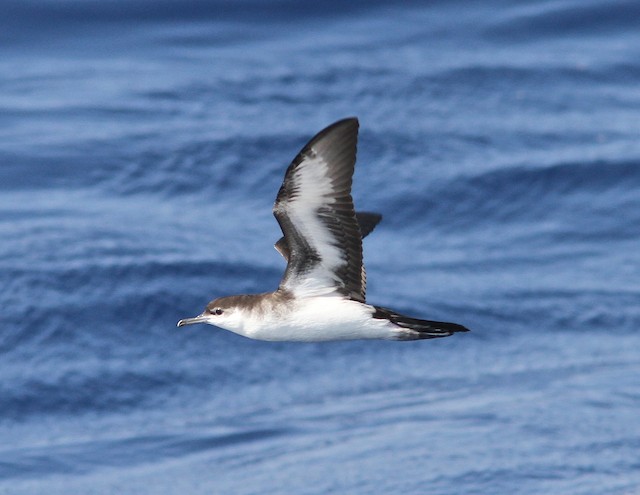
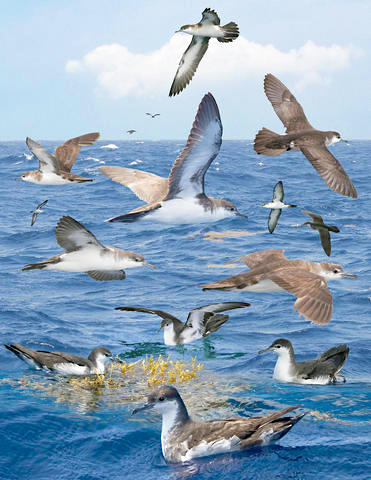
If you are walking your favourite beach on Abaco right now, it’s quite possible you may see – or may already have seen – a very poorly seabird. Or one that is dead, I’m afraid. These are Audubon’s Shearwaters, also known as Dusky Petrels. They are the only permanent resident shearwater species on Abaco. Three others (Cory’s, Great and Sooty) are rare transients; and the last – the Manx – is a very rare off-course vagrant.

Each sad bird is part of a tragic and recurrent phenomenon, a so-called die-off event. As in previous years, a few of the birds that succumb may be Great Shearwaters mixed in with the Audubon’s. I first became aware of this problem in June 2015 and wrote two detailed posts about the situation. This bleak time lasted for about a week, and many reports came in from the mainland and the cays from Green Turtle Cay right down to Crossing Rocks, all duly mapped to get the overall picture.


There was thankfully no such problem in 2016, but in 2017 – also in June – there was another die-back event involving a large number of Audubon’s shearwaters (Puffinus lherminieri) appearing in the tideline and on beaches. Many were already dead. Some are still alive, but in a very poor state. The prospects for recovery for birds that were captured and cared for were not good.
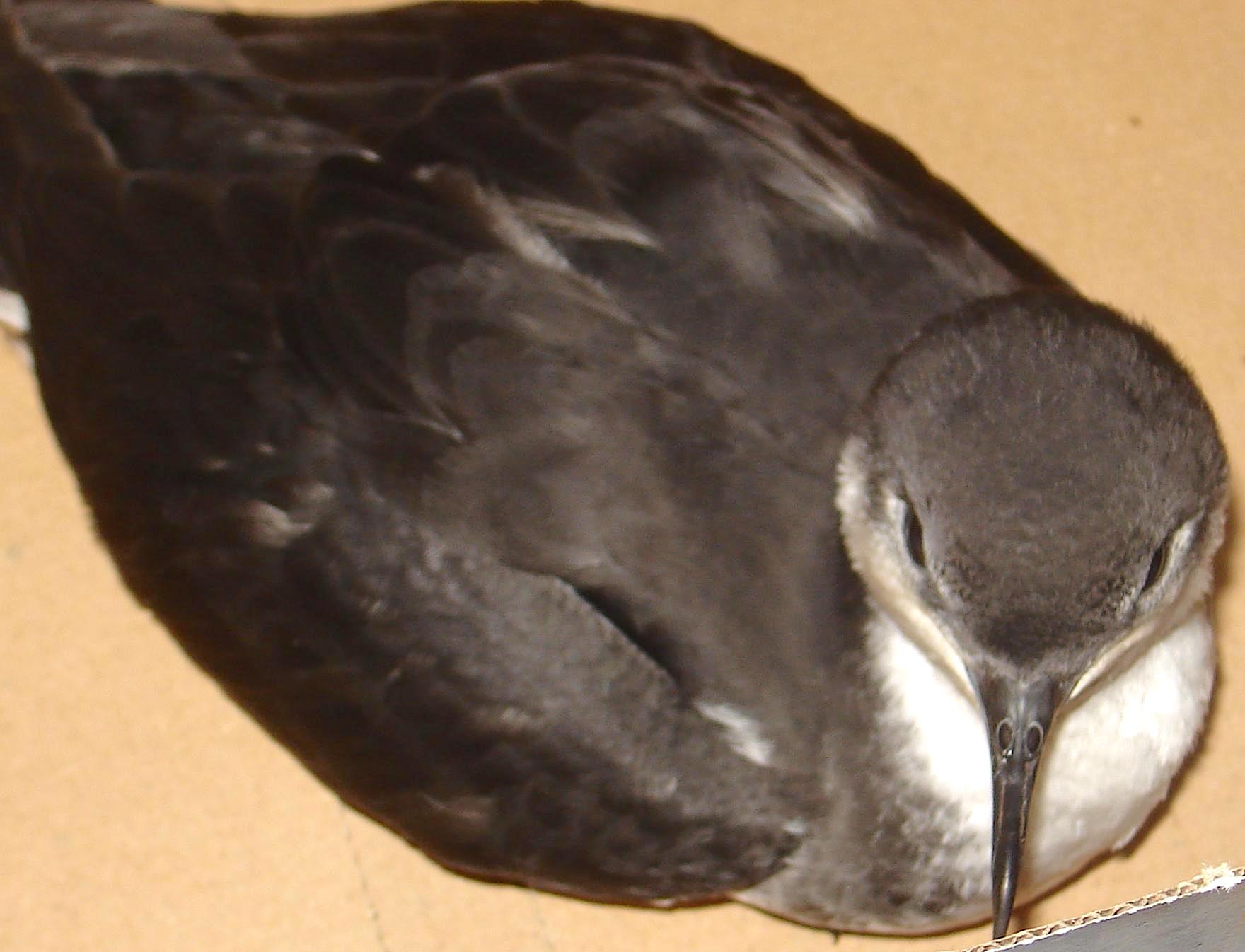
Two years on, and the melancholy cycle is repeating itself. A few days ago, Melissa Maura, an expert in the care and recovery of creatures of all kinds, posted an alert and some sound advice:
A heads-up to all Island folk that it appears to be a summer when exhausted Shearwaters (pelagic seabirds) are washing up on our beaches in Eleuthera and Abaco. I have had two calls in 24 hours. Should you find one, understand that it will be in a severe state of exhaustion and stress and that excessive handling will kill it. Please put in a safe pen on a sandy surface, with shallow pan of fresh water and try locate either fresh fish (important) or squid from a bait shop. This may have to be administered by gently opening the beak and inserting one inch long piece of fish every couple of hours until stable. Ideally they need tube feeding, but very few folk can do this. Please contact me on private message if you find any…
An exhausted Audubon’s Shearwater, now being cared for by Melissa Maura

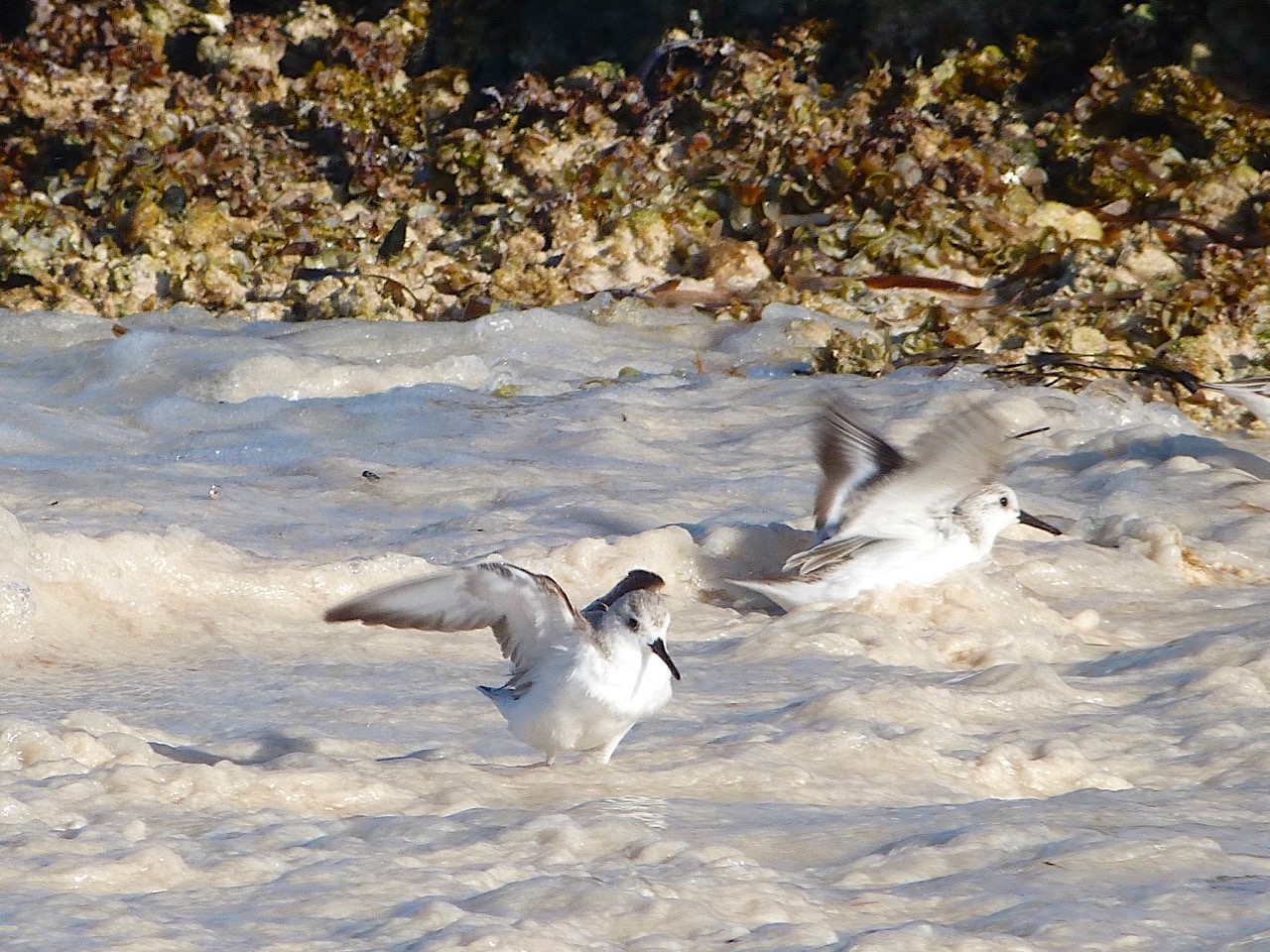
One of the pleasures of watching birds (as opposed to BIRDWATCHING, a more committed-sounding enterprise with its own Wiki entry, that may require equipment, books & mag subs…) is to spend some time observing them enjoying themselves. Perhaps you have a feeder, and like to watch the birds getting stuck into the seeds, carelessly flicking the husks around and throwing their ‘feeder shapes’ on the perches. Maybe you like to see the hummers, beaks deep into the little red plastic flowers on the rim of the sugar-water feeder, tiny bodies motionless and upright, wings a glistening blur of rapid movement in the sun.
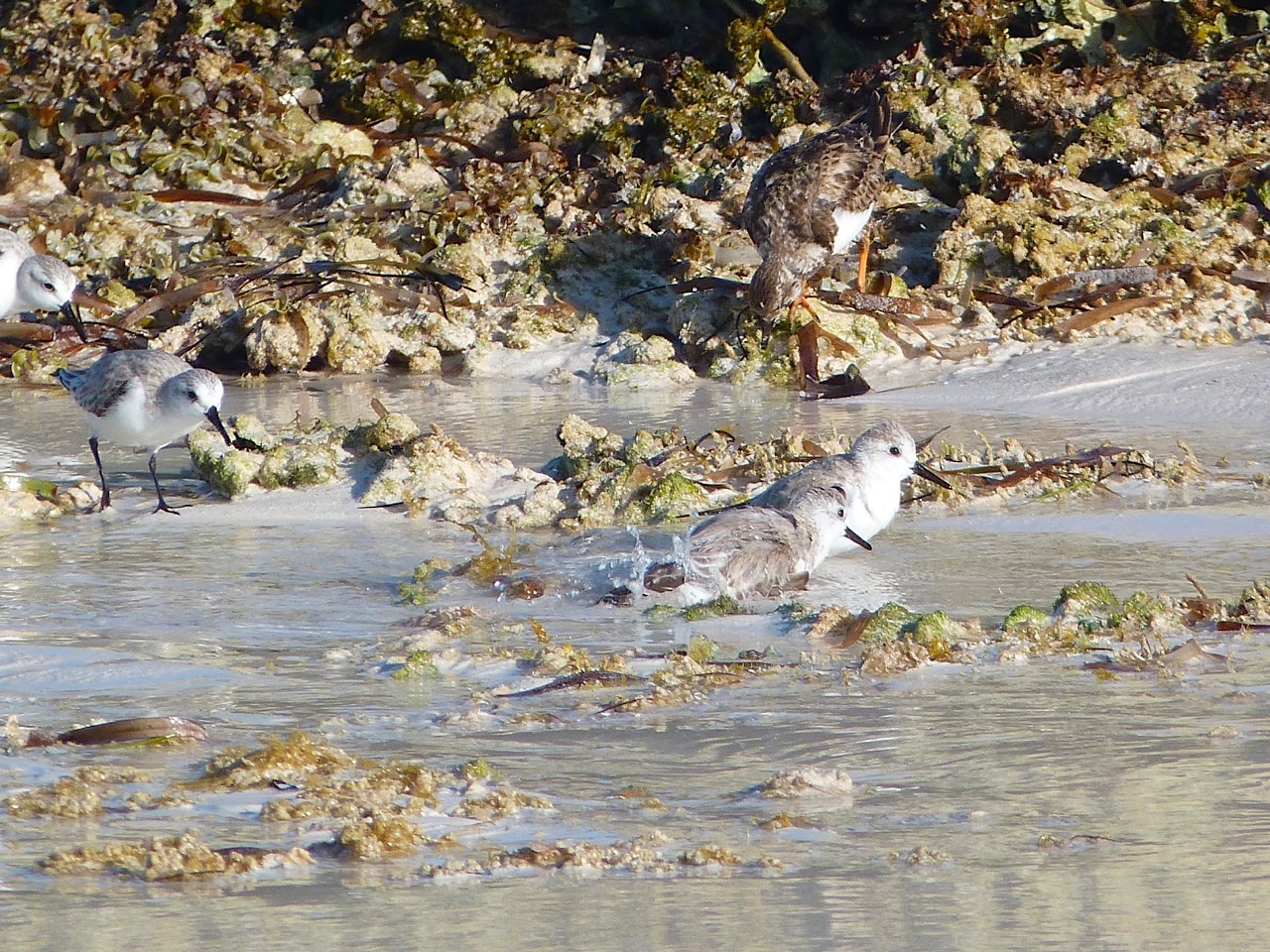
It is 5.30 pm. The sun is sinking in the early evening sky. The tide is on the rise at the north end of the Delphi beach where the reef joins the land. There is a small spit of sand that will be covered quite soon, but meanwhile two dozen sanderlings mixed in with assorted ruddy turnstones are doing their idiot feeding thing, rushing around on their tiny legs, stabbing in the sand, and generally behaving like clockwork toys on speed. Meanwhile a handful have found the fun to be had in the swirling tide as it pours round the head of the reef onto the sand spit. Yes, it’s sandpiper bath-time!
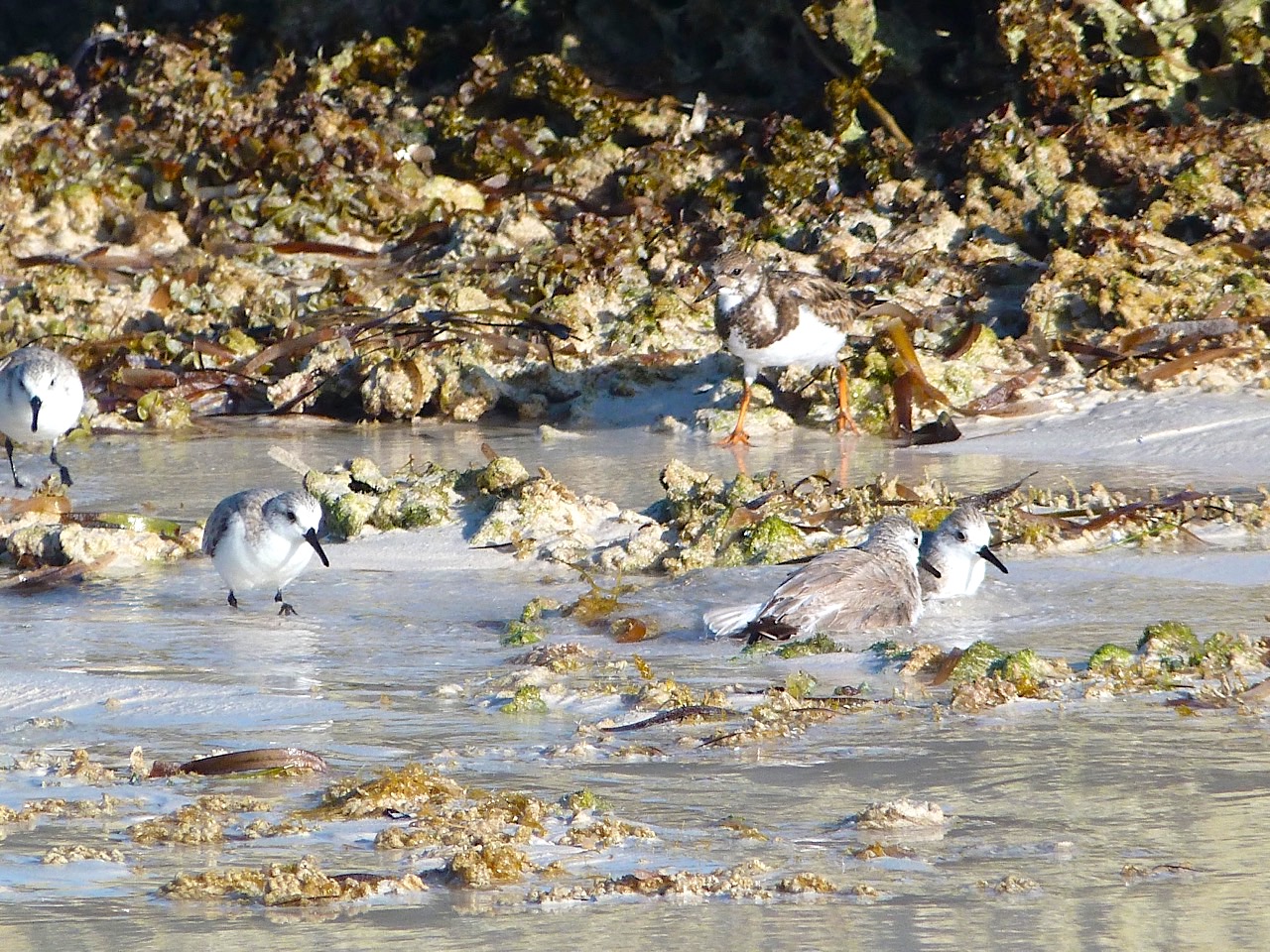
Towards mid-tide on the rise, the water begins to creep round the rocks and encroach onto the sandbar. At high tide, it is well under water and fish are back in residence. Small sharks sometimes hang in the waves just behind their breaking point over the shallow sand. And so the tidal process repeats.

For the sanderlings, the best part of the day is when the tide is rising. At ± mid-tide is the time for the shore birds to bathe in the tidal pools that form – and as the water pours in around the end of the rocks, it froths like an overenthusiastic bubblebath. Right then is an excellent time to sit peacefully on the beach and watch the entertainment…

Substantial immersion is not out of the question…

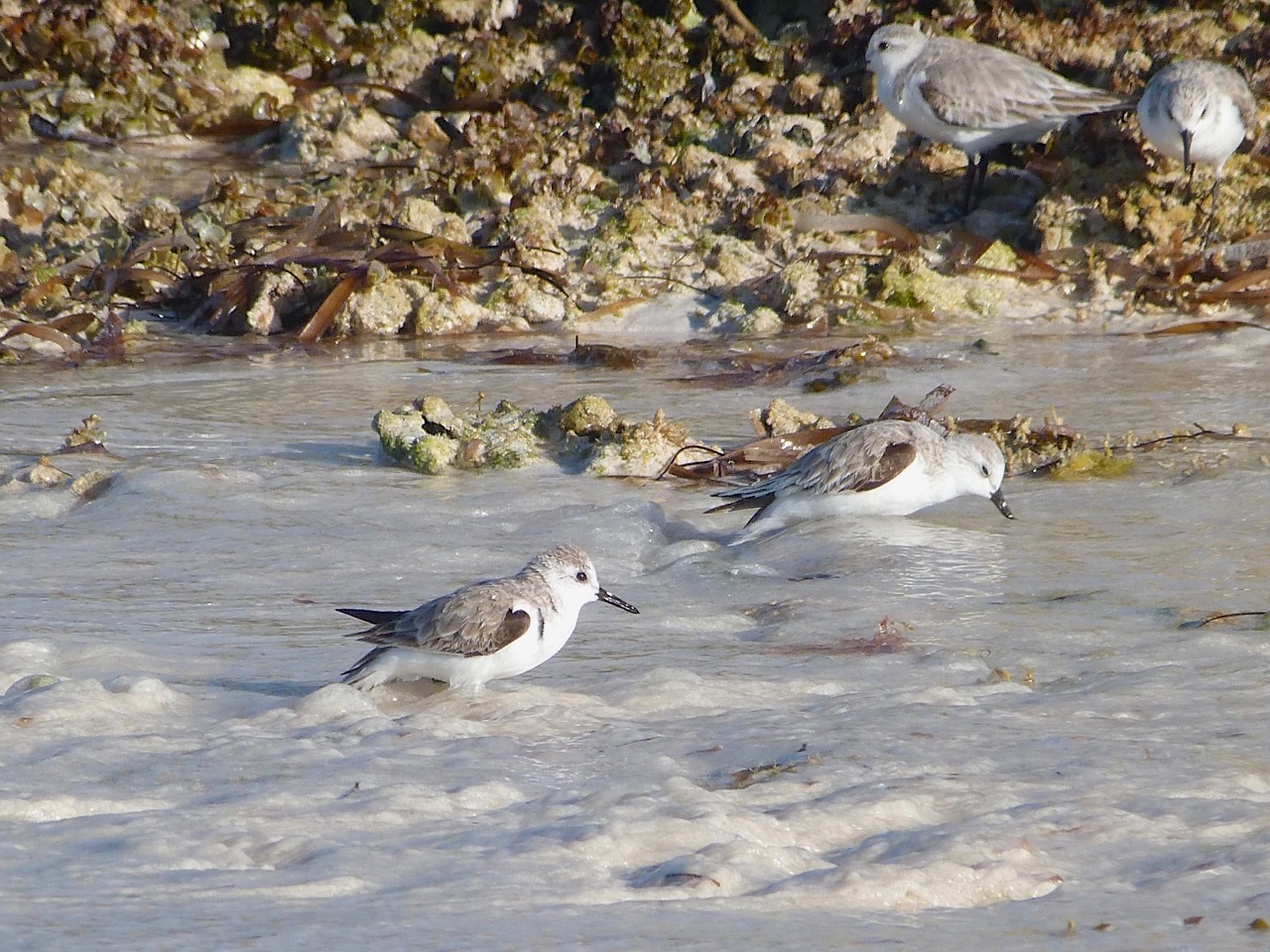
These moments don’t last long. Soon the increasing force and height of the water spoils the fun, and the flock will suddenly take flight and move south a little way along the beach, away from the rocks. There’s the incoming tideline to play with – and more importantly, food to be uncovered with each incoming and retreating wave…
All photos © Keith Salvesen / Rolling Harbour

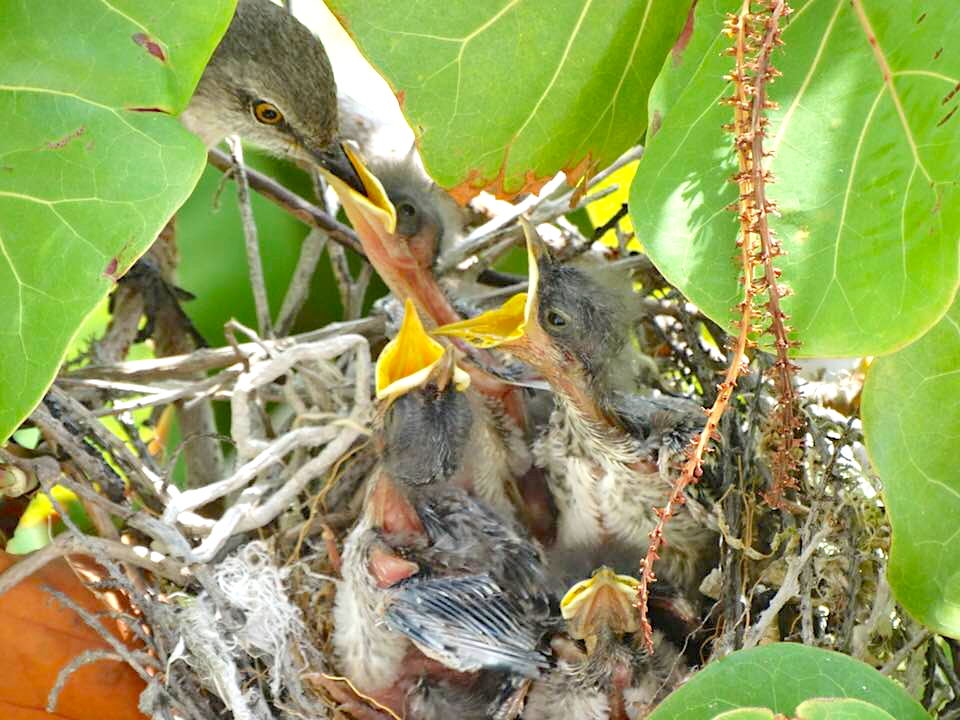
Anyone who has watched – and indeed heard – the behaviour of new chicks in a nest will recognise what is going on here. Four tiny Northern mockingbird chicks are passive and apparently dozy in the nest while they wait for one or other parent to fly back to fill their little faces.

As soon as they see or sense the imminent arrival of parent, the clamour begins. Me me me. Feed me first. “Fill-a-mi-beek”. Straining and craning forwards and upwards, with gaping yellow mouths. Pushing and shoving for optimum positioning. It’s all a bit frantic in that confined space.

Quite often, there’ll be a slightly smaller, less active chick at the back of the screeching pack… the best hope may be some leftovers or some food sprayed around in the mayhem. Then the parent bird flies off and the riot subsides. For a few minutes, anyway.

The 2 chicks at the back haven’t quite got the hang of the tactics yet…
The chick at the front – see him? – is out of the game..
As the photographer Melissa Maura wrote of this sequence: “A local avian staple seen in every Bahamian garden – the brilliantly musical Mockingbird. I followed this diligent Mamma for a few days in Abaco continually foraging for her 4 babies. Exhausting!”
* * Title / header: from the word ‘Mama’ onwards, there’s a notable absence of the role of `Papa’ in all this. He will have been the one to choose the territory and build the nest. His work complete, he can relax a bit in the knowledge that the chicks will fledge after only about a fortnight. Any Mama can cope with that, surely? Why interfere when it’s all going so well…
All great photos: Melissa Maura
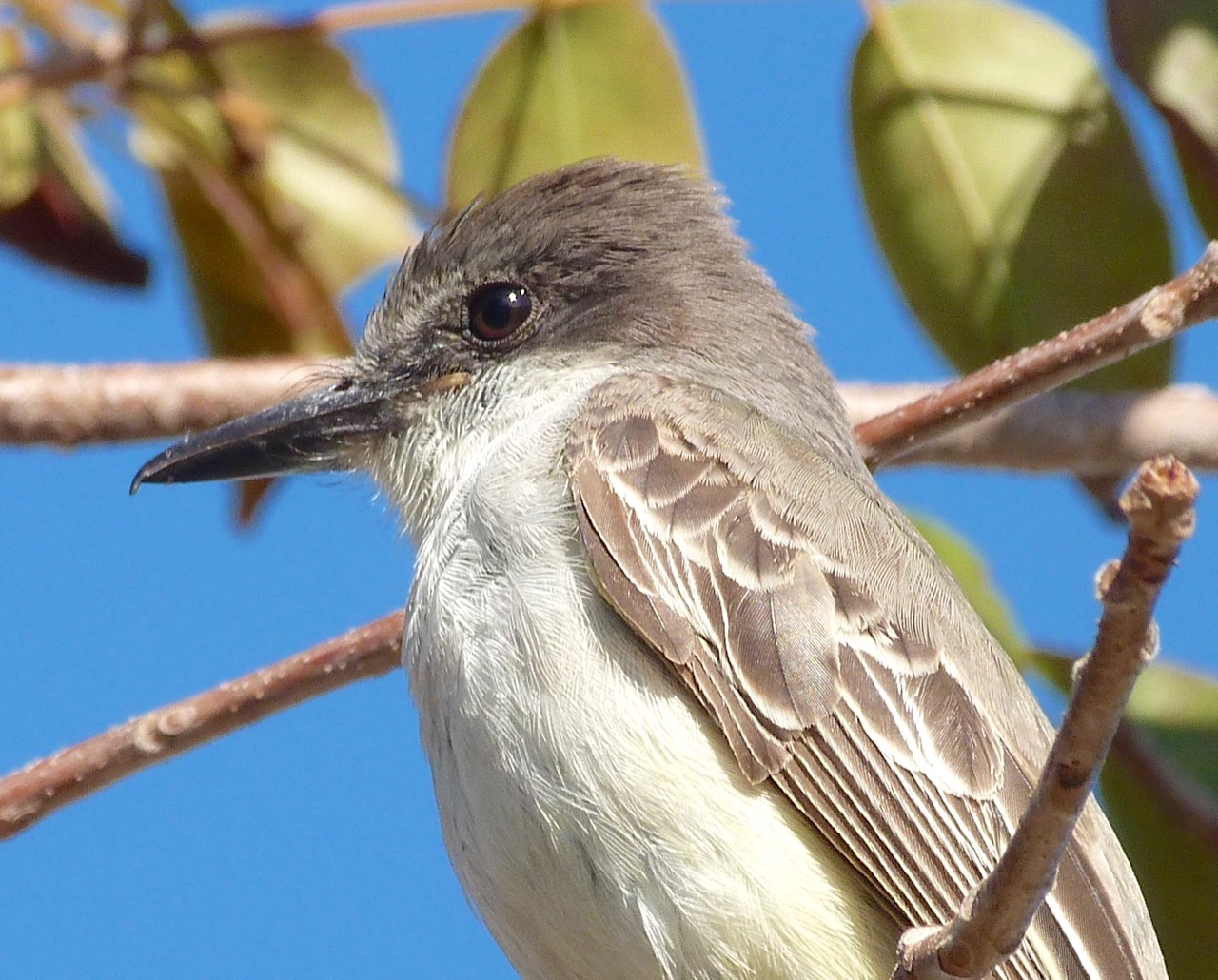
Four principal so-called ‘tyrant flycatchers’ (Tyrannidae) are found on Abaco: the loggerhead kingbird, the gray kingbird, the La Sagra’s flycatcher and the Cuban pewee. These are common permanent residents, except for the gray kingbird which is a summer resident only. Several other flycatcher species are found on Abaco, but they are very uncommon winter residents, rare transients, or vagrants.
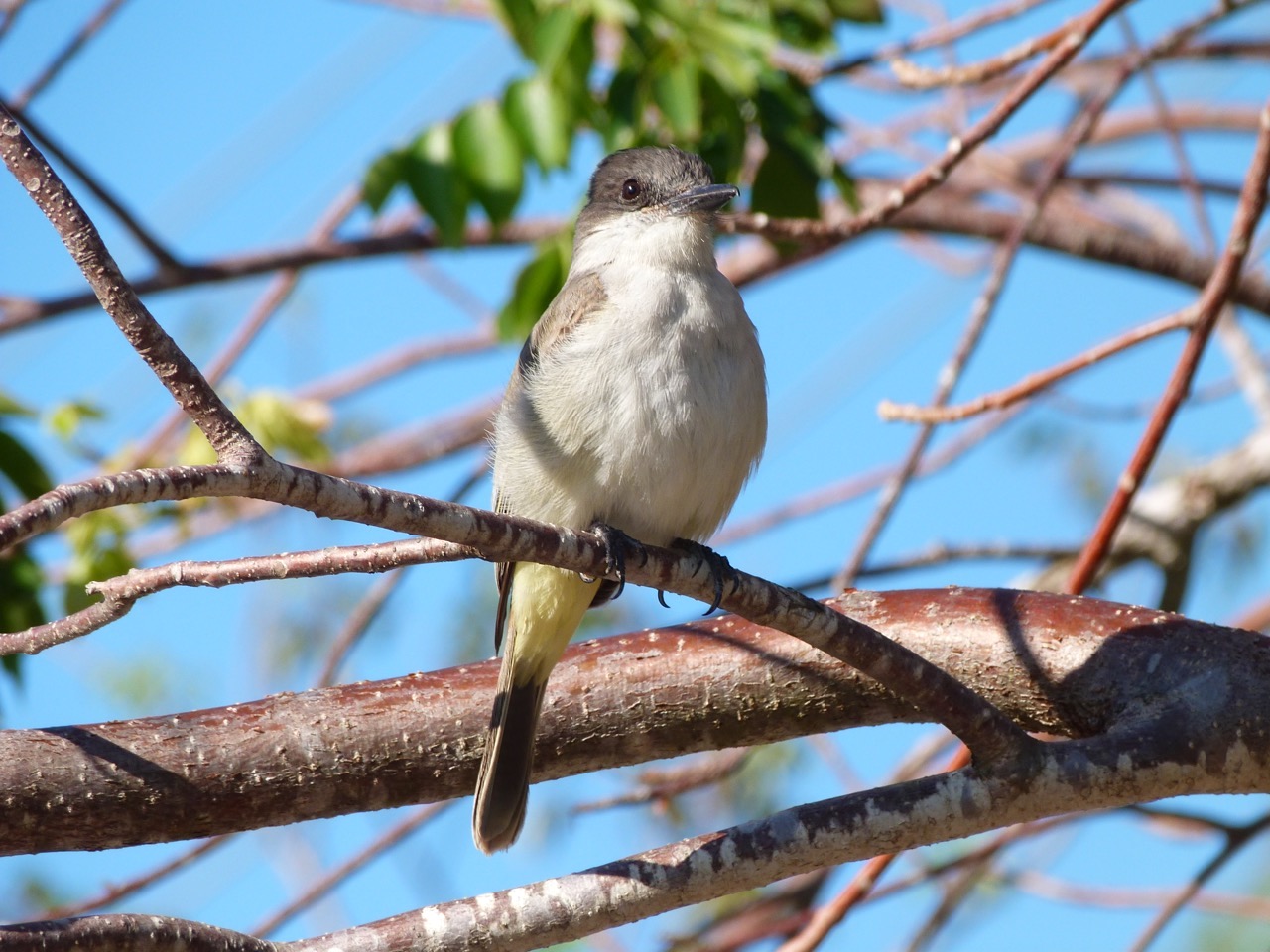
The loggerhead featured here became quite a good companion when I was staying in Sandy Point recently. Like other flycatchers – and indeed the cute little blue-gray gnatcatchers – loggerheads are curious and inquisitive.

Loggerheads seem to have two methods of observing humans and their mysteries. One is by perching on a branch or in a shrub, watching intently. They stay quite still… until suddenly launching into the air to intercept some passing insect with their hooked beaks (so-called ‘hawking’), before returning to their perch. And staring at you again. The other method is to follow you round, either flying slightly ahead as you progress; or fluttering in the coppice alongside you; or playing catch-up from behind.

A typical quizzical loggerhead sideways look… all flycatchers do this
Loggerhead and gray kingbirds are similar in size, and can be quite easy to confuse. Top seasonal tip: because the grays are summer visitors only, it’s a fairly safe bet that any kingbirds seen between, say, October and April will be the resident loggerheads.

MEMORABLE FACT TO DEPLOY IN CONVERSATION
The collective names for a group of kingbirds are: a Court, a Coronation, or a Tyranny

Photo Credits: Keith Salvesen at Sandy Point, Abaco Bahamas; ‘Lordy’ the Loggerhead
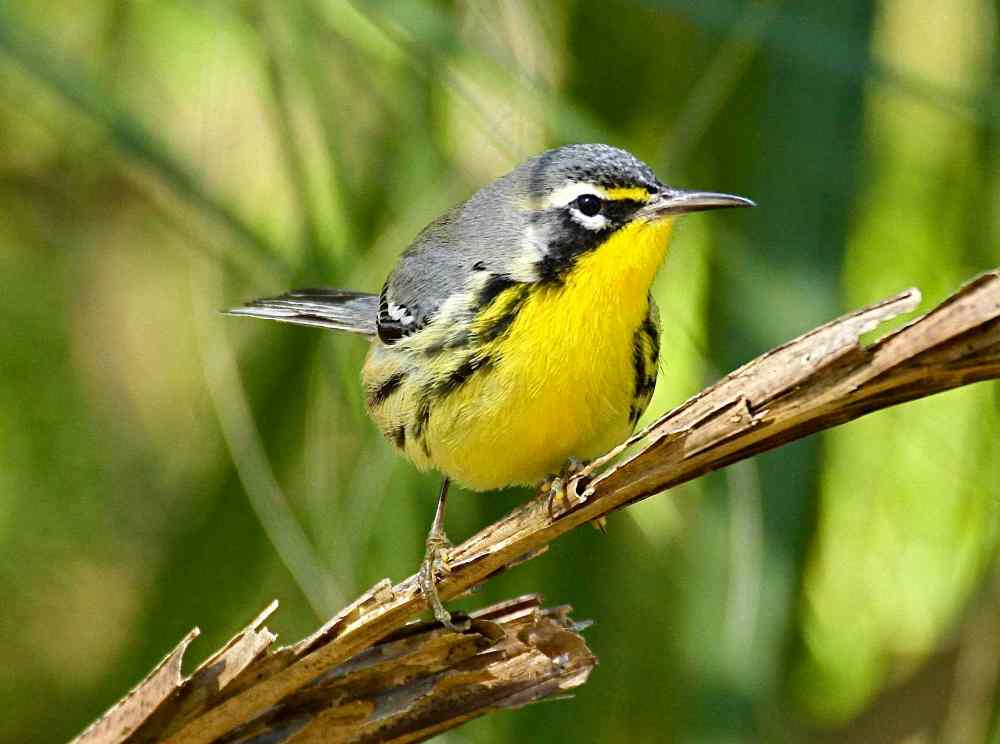
Bahama Warbler, Abaco Bahamas (Bruce Hallett)
There are 37 warbler species recorded for Abaco. They fall into three distinct categories. Surprisingly perhaps, only 5 species are permanently resident on Abaco, ie non-migratory. Then there are warblers that commute from the breeding grounds of North America to warmer climes in the Fall, returning in the Spring to breed. Some will be familiar – PALM WARBLER, AMERICAN REDSTART, BLACK-AND -WHITE WARBLER. Others, like the HOODED WARBLER, are less common. One or two are very rare indeed, such as the KIRTLAND’S WARBLERS that choose Abaco as a winter destination. Finally there are the so-called transients, warbler species that use the northern Bahamas as a stopover during their longer migratory flights, such as the BLACKPOLL WARBLER.
The 5 permanent residents obviously don’t migrate, so there is a chance to find them throughout the year. The pine forests would generally be the best place to start the quest. Importantly, 2 of the 5 species are endemic birds to the Bahamas and can be found nowhere else: BAHAMA YELLOWTHROAT and BAHAMA WARBLER. The latter and the OLIVE-CAPPED WARBLER, are very range-restricted, and only found on Abaco and Grand Bahama.

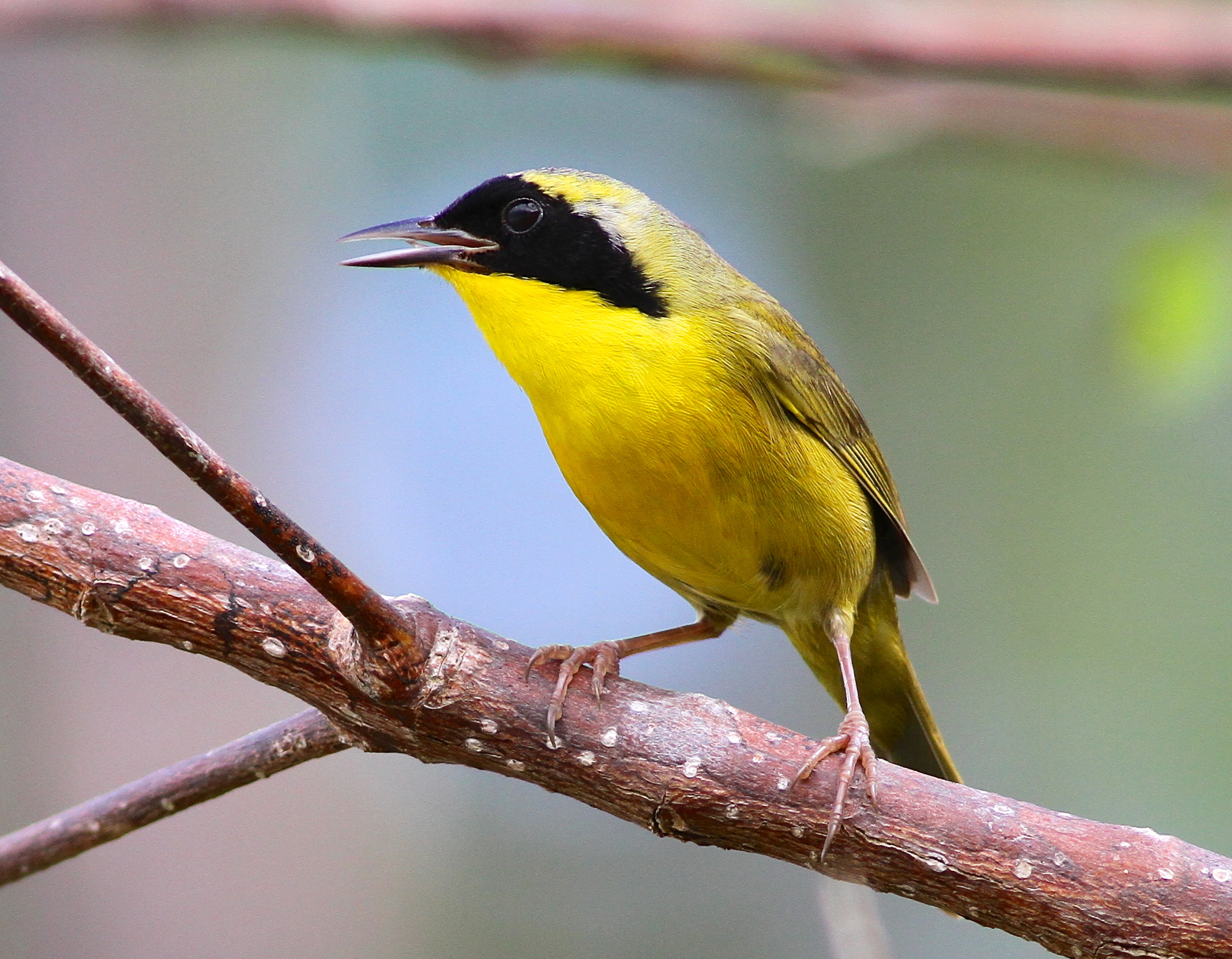


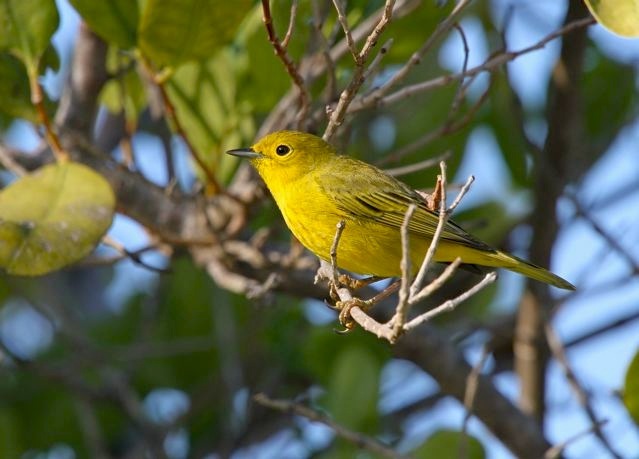
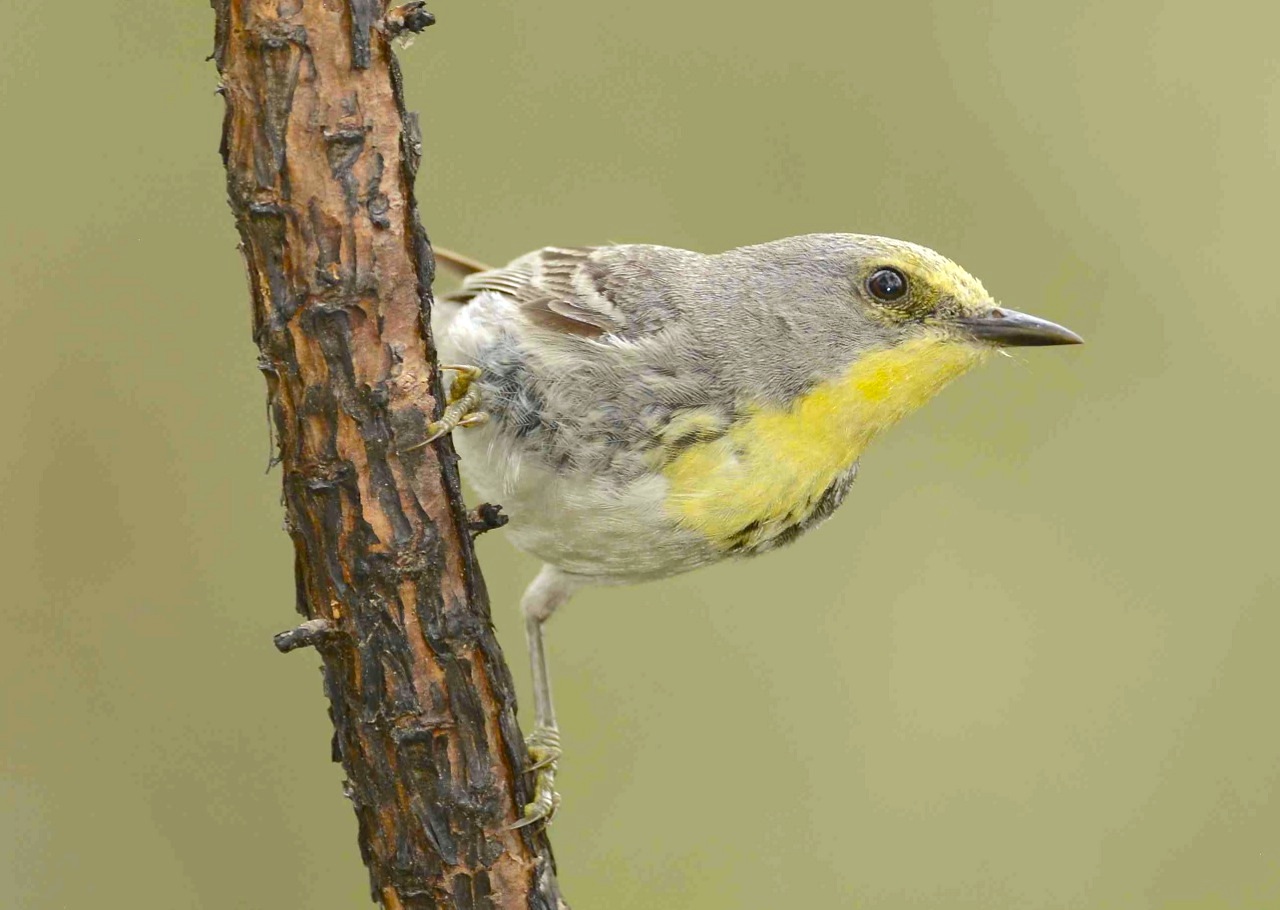
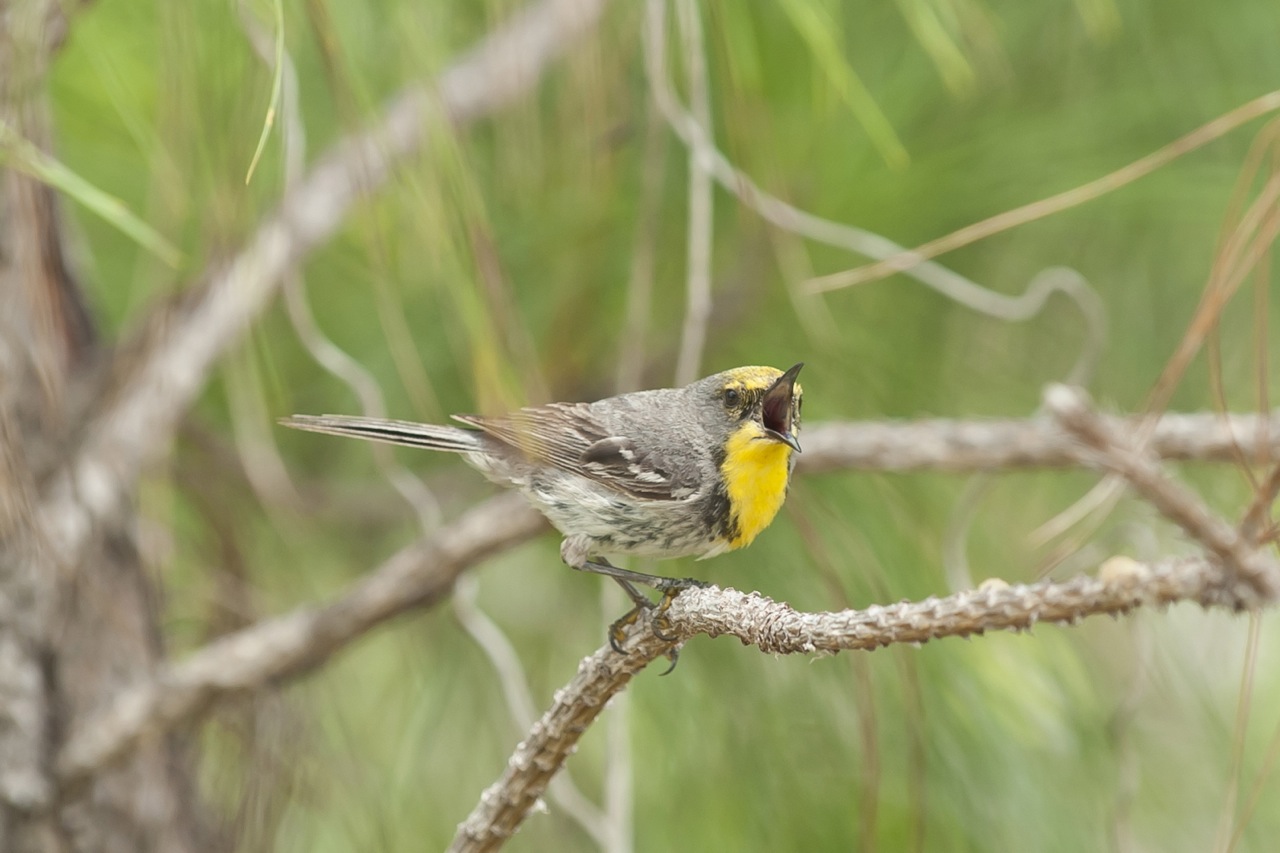
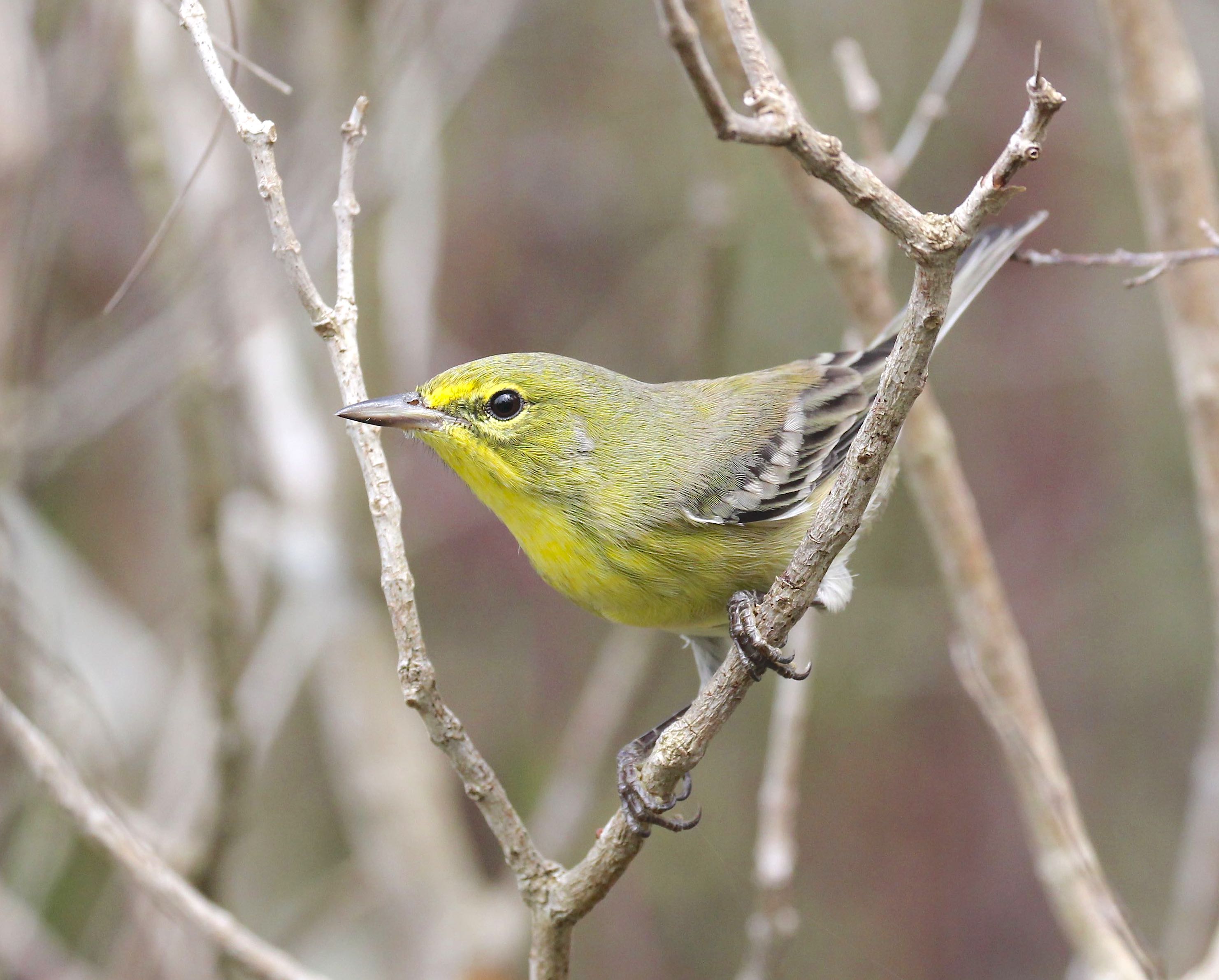
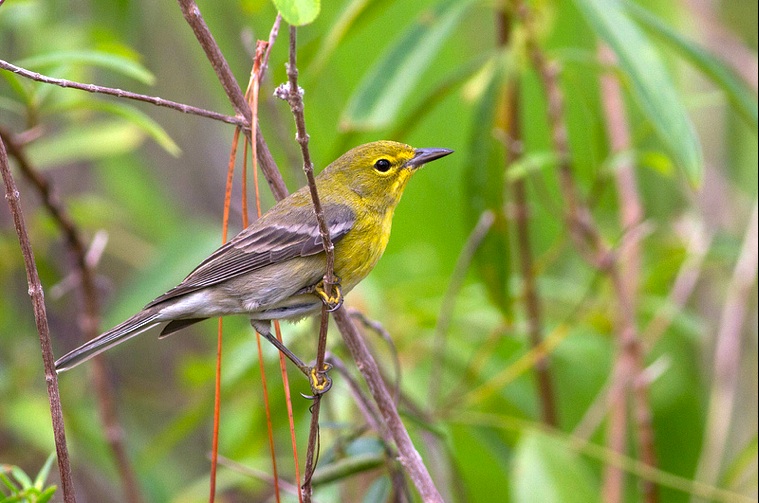


PHOTO CREDITS Bruce Hallett (1, 3, 5, 8, 11); Gerlinde Taurer (2); Tom Sheley (4, 6, 7); Tom Reed (9); Alex Hughes (10, 11)
CHECKLIST CODES based on the complete checklist and codes for Abaco devised by Tony White with Woody Bracey for “THE DELPHI CLUB GUIDE TO THE BIRDS OF ABACO” by Keith Salvesen
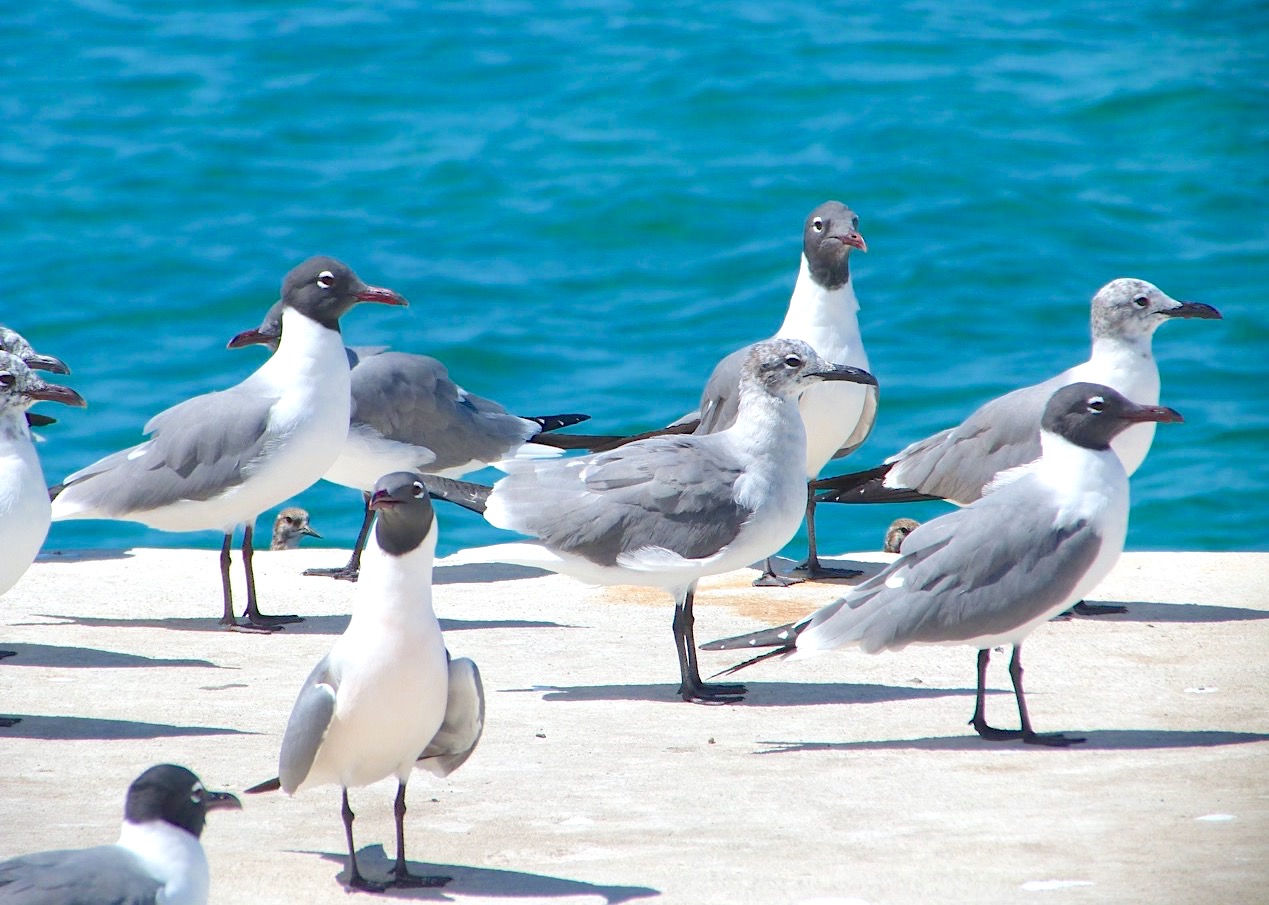
I’ve been checking out jetties at Sandy Point, of which there are several. They look a bit rickety but are in fact sound except for having to step rounds piles of (empty) conch shells and occasional evidence on the timbers of recent fish-cleaning. This is a time of Laughing Gulls, and I have been recording their raucous hilarity. I may add a couple of sound files when I’ve downloaded them.
Sharing a joke
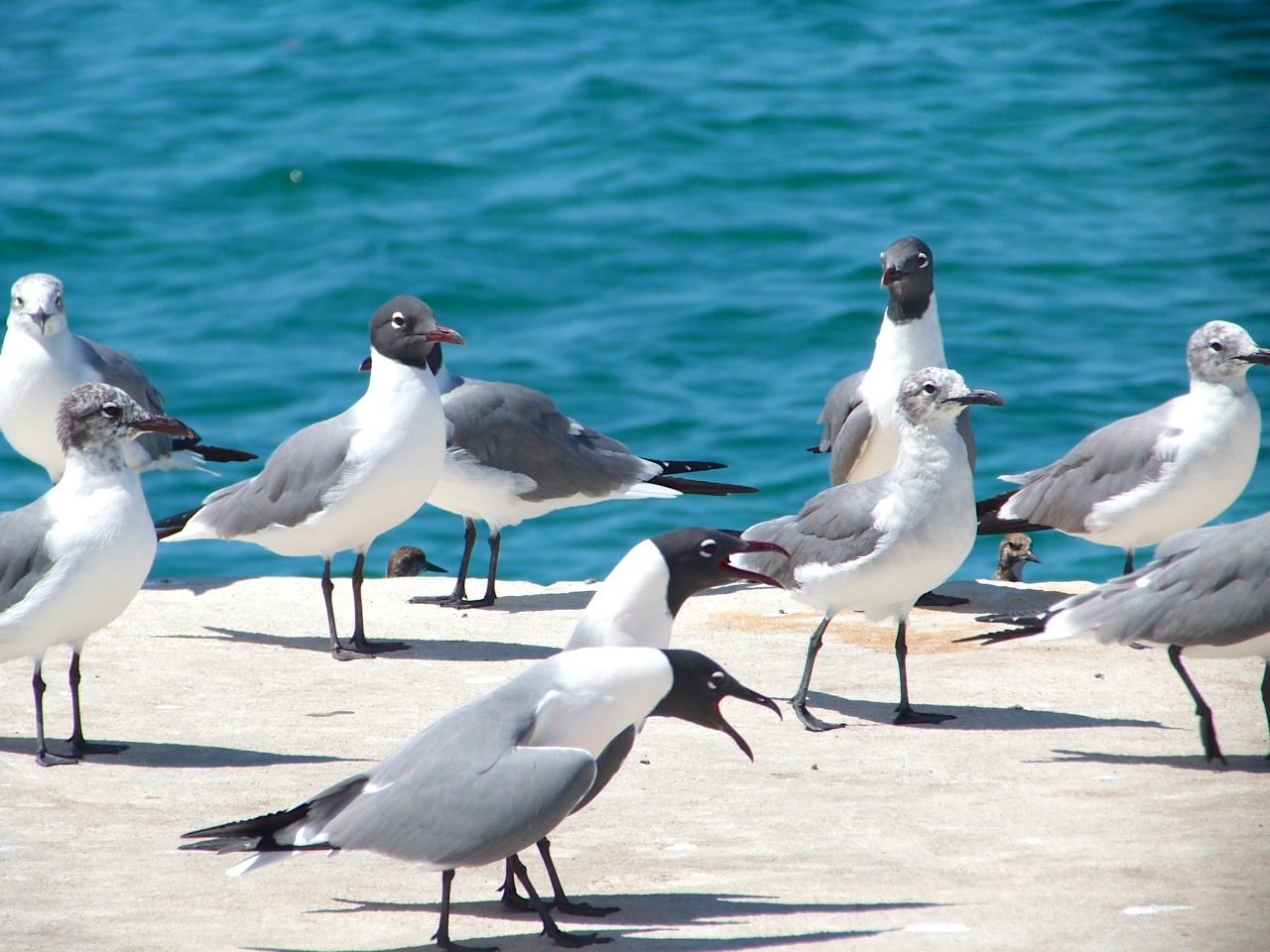
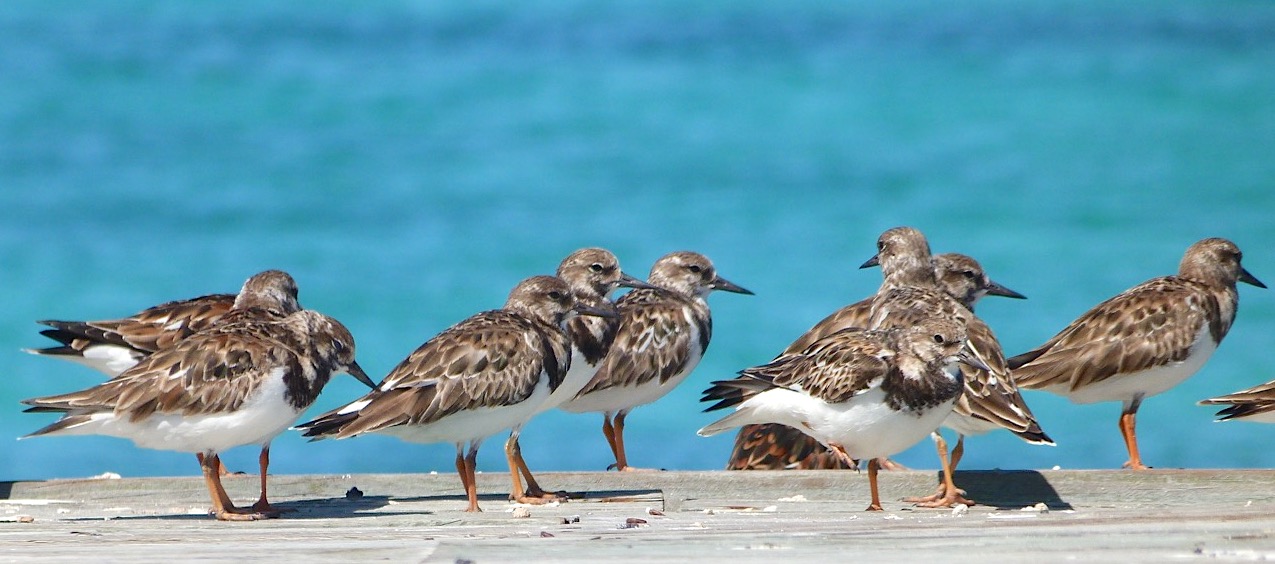
Right now, ruddy turnstones and laughing gulls seems to have formed a team of jetty birds, with a few royal terns in the mix and (as here) a random sanderling. The turnstones like to lie down in the hot sun on the jetty, possibly because it’s a bit breezier than on the burning sand of the beach.
Exhausted from turning stones
Random sanderling
These jokers are wild…
The jetties also attract pelicans, which use them to sun themselves and also to fish from. I will post about these remarkable birds another time. The largest flock of them I have seen so far is 5, one with a gold ‘breeding crown’.


The gulls also spend time on the beach, and flock on the sandbars that emerge at low tide
All photos: Keith Salvesen

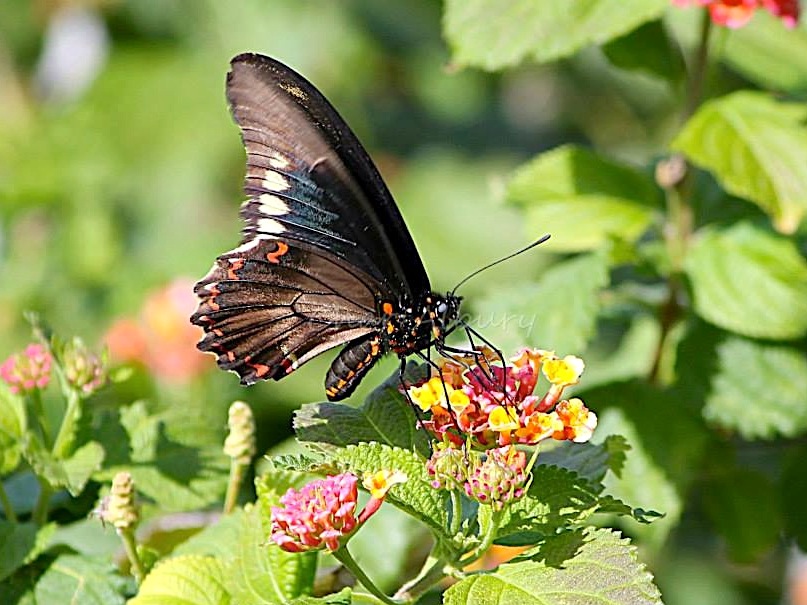
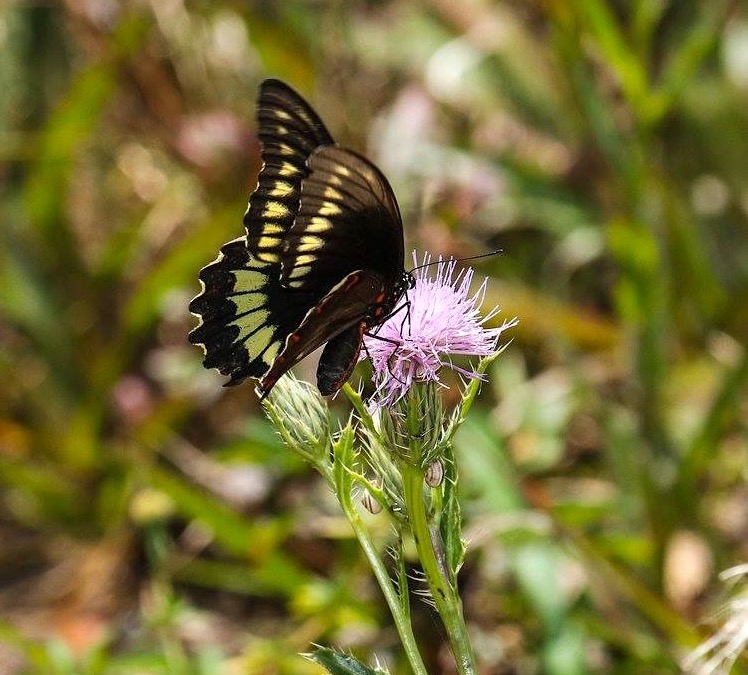
The Polydamus ‘Gold-rimmed’ Swallowtail Battus polydamas is a familiar sight in the Bahamas. It’s known by all the names above, though not all at once to be fair. This is the medium-sized black-brown butterfly with gold accessories and a tasteful selection of red ornamental jewellery. It’s one that hardly stays still for a moment. Its perpetual motion tendencies make it a right little… well, they are hard to photograph. I’ve never taken a totally still photo with no blurring from the creature’s rapid wingbeats.

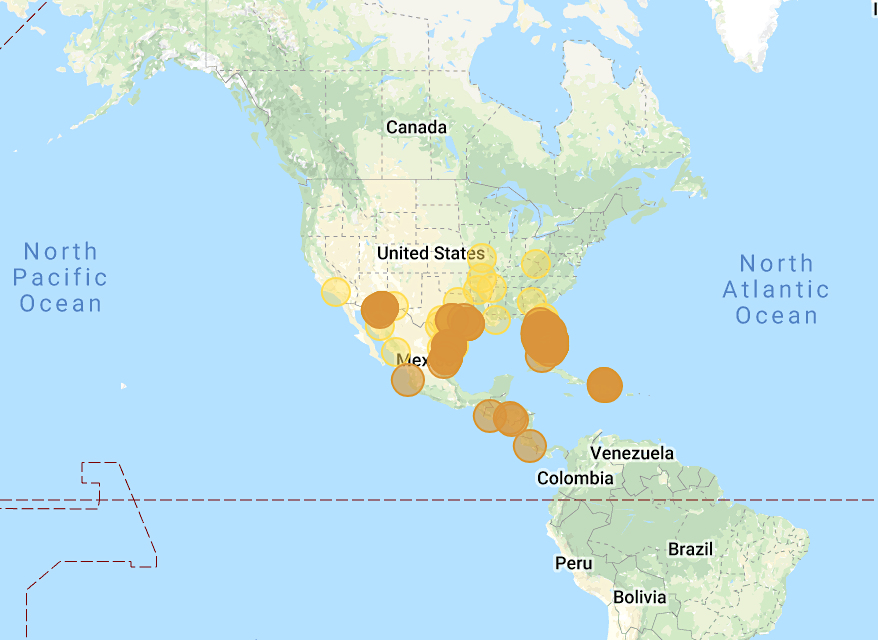
The subspecies Lucaeus found on Abaco (where these photos were all taken)and elsewhere in the Bahamas is not confined to the archipelago, and is commonly found in Florida. There it seems to be called (slightly possessively?) the Florida swallowtail. The main species is found more widely. Here’s a helpful range map that shows the butterfly’s range – quite a wide band but latitudinally limited in global terms.

Mostly, you will see the topside of these butterflies as they do the rounds of sweet-scented flowers, often pausing briefly while still frantically fluttering. Note the rather gorgeous red patterns on the underside of the creatures shown above. Now compare with the open-wing images below.
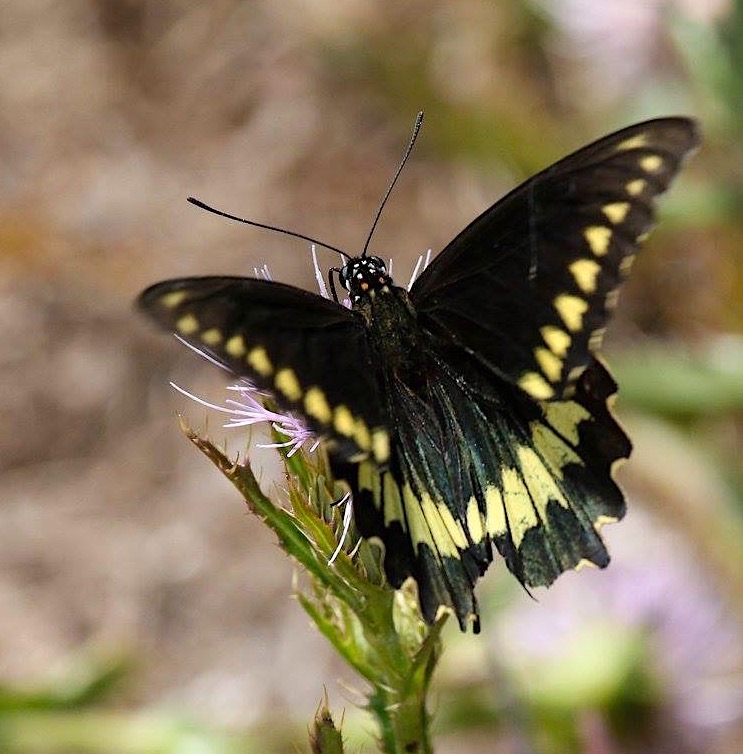

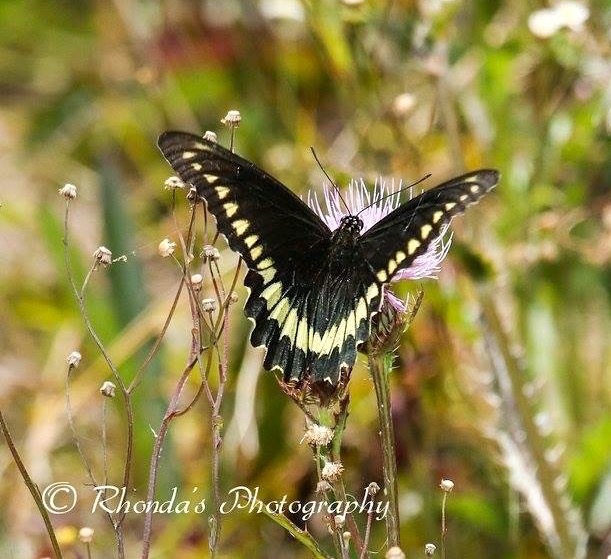
This butterfly flies year round in the Bahamas (in contrast to its northern range). It breeds throughout most of the year (except on the fringes of its range), which is probably why it is relatively common.

CAN YOU SHOW US ONE THAT YOU HAVE TAKEN, PLEASE?
Certainly (with reservations). Nice coral hibiscus; it’s a shame that the stamen (if that is the correct term for the sticky-out bit) is in the way. Plus the wretched thing is still on the move. From this weekend, I get the chance to nail one on Abaco, but I’m not optimistic. I think they mistrust me.

WHAT DOES ‘POLYDAMAS’ MEAN?
I anticipated that question, kind Reader. I had thought it was Graeco-Roman for ‘many’ something or other. Wingbeats, maybe. Not being able to consult Linnaeus who originally came up with the word, I did some research. It turns out that Polydamas was a Trojan warrior and friend of Hector. He features a lot in Homer’s Iliad as a kind of ‘Best Supporting Warrior’, though they seem to have differed about battle tactics. Of which digression, enough.
Polydamas tries to stop Hector from attacking the Greeks
Credits: Nina Henry; Charmaine Albury; Rhonda Pearce, Keith Salvesen
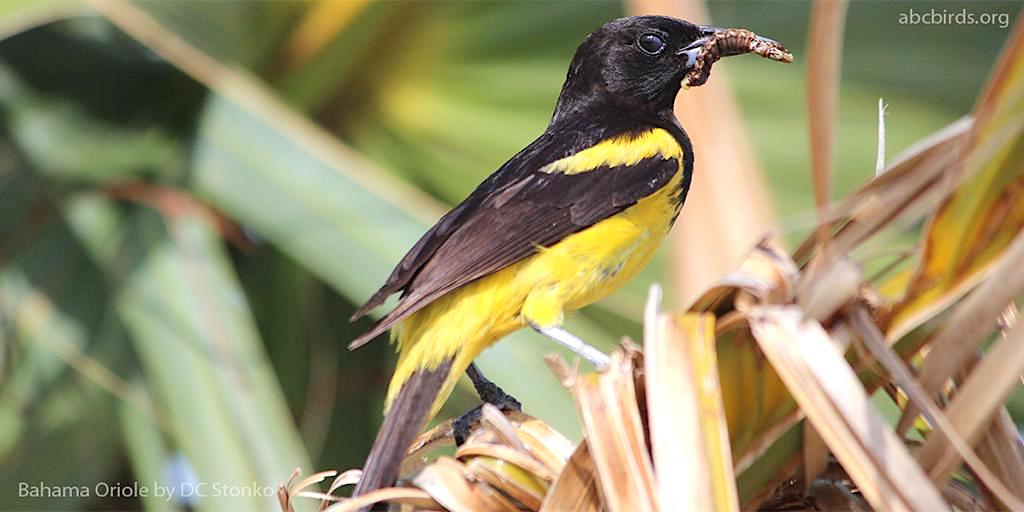
The future of the gorgeous endemic Bahama Oriole (Icterus northropi) hangs in the balance. IUCN Red Listed as ‘Critically Endangered’, the Oriole once lived on both Abaco and Andros. As recently as the 1990s, the species became extirpated on Abaco, leaving a small and fragile population in fairly specific areas of Andros. These are places where the habitat is conducive to the orioles’ well-being, and in particular where they can safely breed and (with luck) replenish their depleted population.
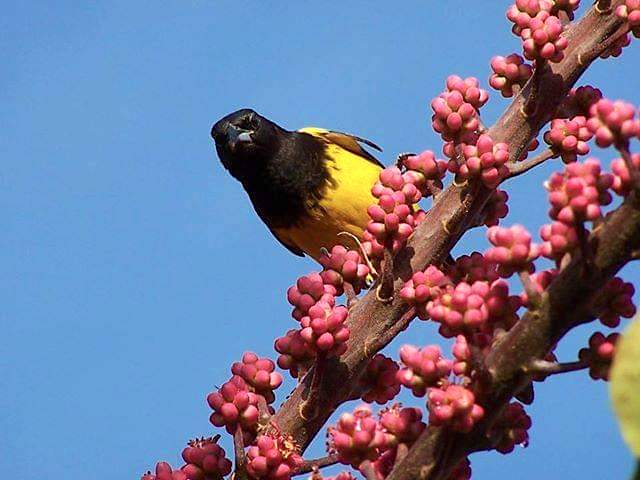
We hear a lot about habitat loss as a grave worldwide problem for an increasing number of species. Narrow that down to one species, one island, a few defined areas, then add mankind and his needs to the mix. The wrong mix of habitat degradation, clearances, predation or disease could cause the Andros population to disappear as well.
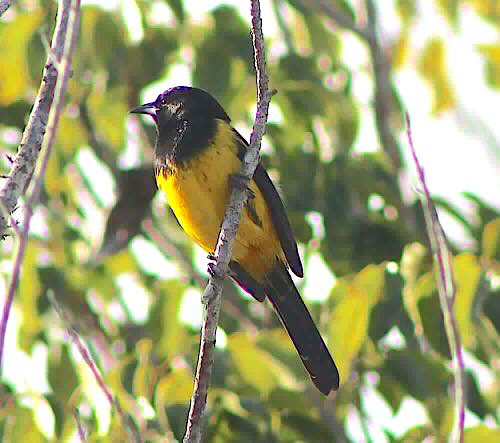
Which is where conservation and science come into play. The Bahamas archipelago benefits from an astonishing number of (broadly-speaking) environmental organisations that are involved in species and habitat protection, both terrestrial and marine. They range from international to Bahamas-wide and Governmental, to NFP organisations on the main islands, and on through local communities via citizen scientists to dedicated individuals. All are fighting a specific battle with a single aim; all face an increasing array of metaphorical weapons being deployed against them.

SO, ANY GOOD NEWS THEN?
Returning to the orioles – in many ways a perfect indicator bird species – recent research has led to an encouraging discovery. A new study in The Journal of Caribbean Ornithology published by researchers from the University of Maryland, Baltimore County and Bahamas National Trust collaborating on the Bahama Oriole Project (@BahamaOrioleProject) reveals new evidence about the nesting habits and habitats of the orioles that will have “…major implications for future conservation” (this work was funded in part by the American Bird Conservancy and Birds Caribbean).

The study is the outcome of the work of a dozen conservation specialists. In a coconut-shell, the orioles were thought to nest only in the coconut palms found near the coast. However the recent intensive research program reveals that ‘multiple pairs’ breed in the pines and the thatch palms of the forests, away from the coast. Indeed, these may prove to be the primary nesting locations. The implications of these new findings are significant, not least for a possible uplift in numbers and the way in which conservation measures can be adapted to the new discovery. For those wanting something more authoritative, the short Abstract of the study is given at the end. And if you’d like to read the whole article, click on the link below.
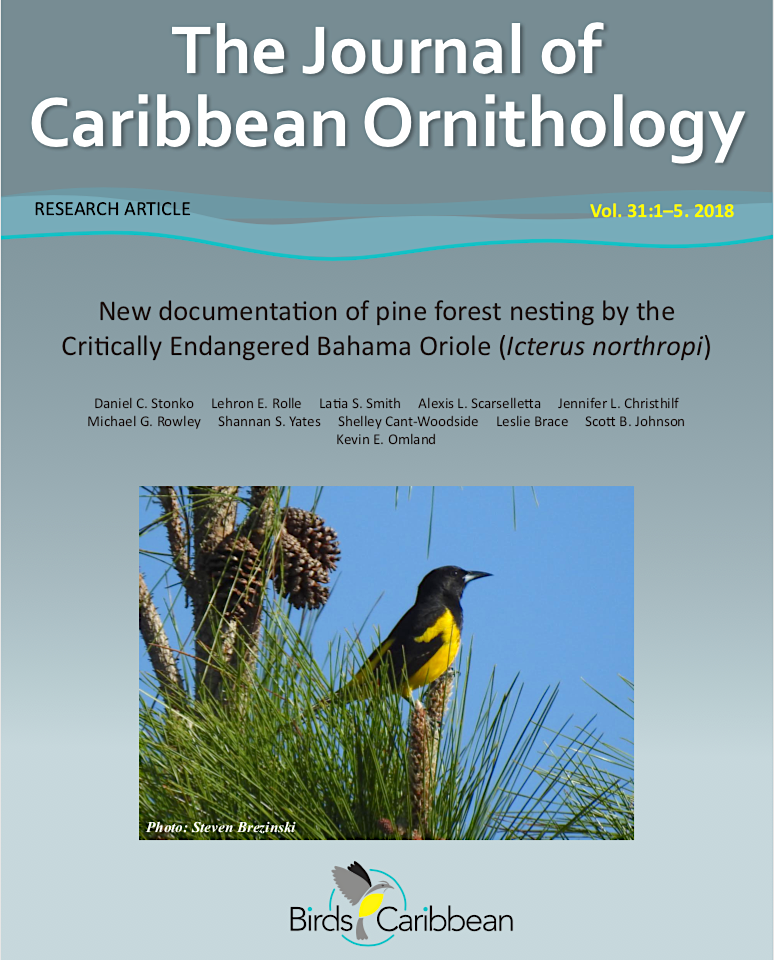 472-Article Text-1543-1-10-20180828
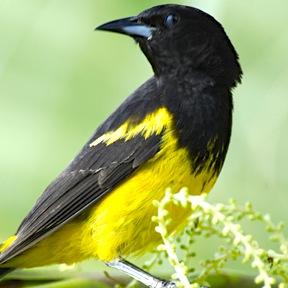
THE MAIN CAUSES OF THE CRITICAL DECLINE ON ANDROS
*The date of this arrival seems to correspond to when the orioles were extirpated from Abaco. However, see next para.

WHEN & WHY DID THE ORIOLES VANISH FROM ABACO?
This is a classic ‘riddle wrapped in a mystery inside an enigma’. Various sources I have looked at use a formula such as “…became extirpated from Abaco in the 1990s”, or “disappeared for unknown reasons in the 1990s”. However, Abaco birding expert Elwood ‘Woody’ Bracey comments (see below) that Bahama Orioles were last formally recorded on Abaco in 1973 by researcher Duncan Everette and his partner who were banding warblers in Southern Abaco in what is now the Abaco National Park. At that time, the Shiny Cowbird was only rarely found on Abaco, if at all.
I’ve found no clear clue as to the cause – nor even when the last evidences sighting of an oriole on Abaco was made. I haven’t found a single photo of one taken on Abaco at any time in history. To be fair the option of snapping everything with wings multiple times using a digital camera with a huge chip didn’t exist then. As to past history, Kevin Omland of @BahamaOrioleProject says that there are at least 9 specimens in museums around the world collected from Abaco in the 1800s and early 1900s.
eBird map showing Bahama Oriole sightings distribution in c21 
ABSTRACT
The Bahama Oriole (Icterus northropi) is a Critically Endangered species endemic to The Bahamas and currently found only on the Andros island complex. With the elevation of the Bahama Oriole to full species status in 2011, research suggested that there were fewer than 300 individuals remaining in the global population. The Bahama Oriole was also termed a “synanthropic species” based on data suggesting that the species nested almost exclusively within anthropogenic residential and agricultural habitats in introduced coconut palms (Cocos nucifera). These conclusions were based on population surveys primarily confined to settled areas near the coasts. However, we documented multiple pairs of orioles with breeding territories deep in pine forests, and we present the first records of Bahama Orioles nesting in pine forests—in both a Caribbean pine (Pinus caribaea) and native understory Key thatch palms (Leucothrinax morrisii). Given the predominance of the pine forests on Andros, this newly documented breeding habitat has important implications for developing population estimates and future conservation plans for the Bahama Oriole.

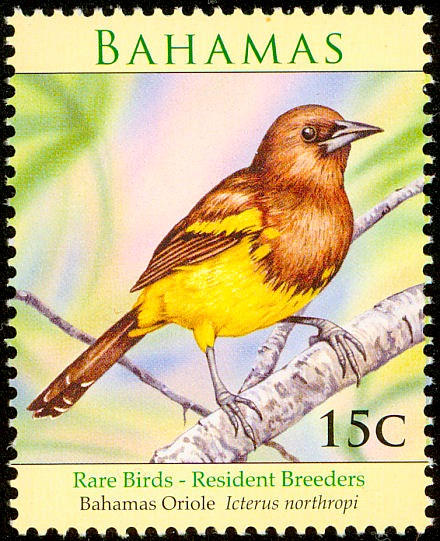 Credits: Dan Stonko / American Bird Conservancy, Michael Baltz / Bahama Oriole Project / Kevin Omland; Mary Kay Beach; Bahama Oriole Project FB header; C Ward / BNT; Thomas Nierle / Bahama Oriole Project; Bahamas Postal Service; BNT; D Belasco / American Bird Conservancy; Handbook of World Birds (drawing)
↑ Mr Northrop with his Bird


The brackish pond at Gilpin Point near Crossing Rocks is generally a reliable place to find waterbirds. For those birding on South Abaco (in many respects, one big hotspot) Gilpin is definitely worth a visit at almost any time. Bear in mind it is (a) a longish private road (we got a puncture down there once…**) and (b) it is private land. However, the owner Perry Maillis is always welcoming to tidy birders who bring only enthusiasm and take only pictures. Plus he very kindly changed our wheel!

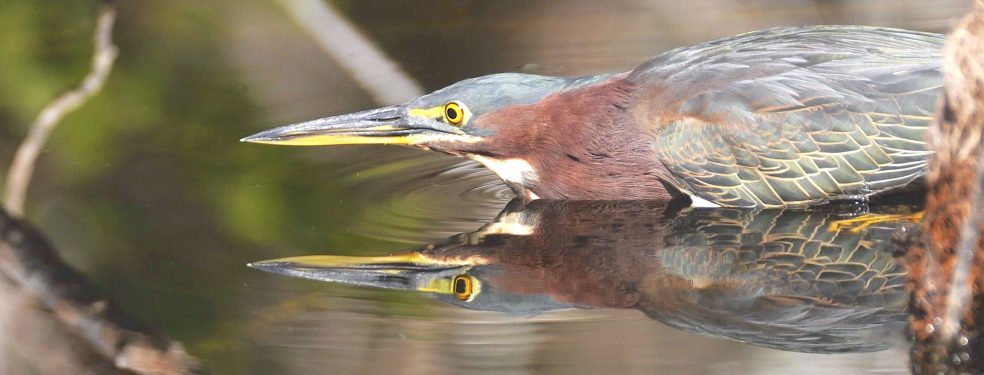
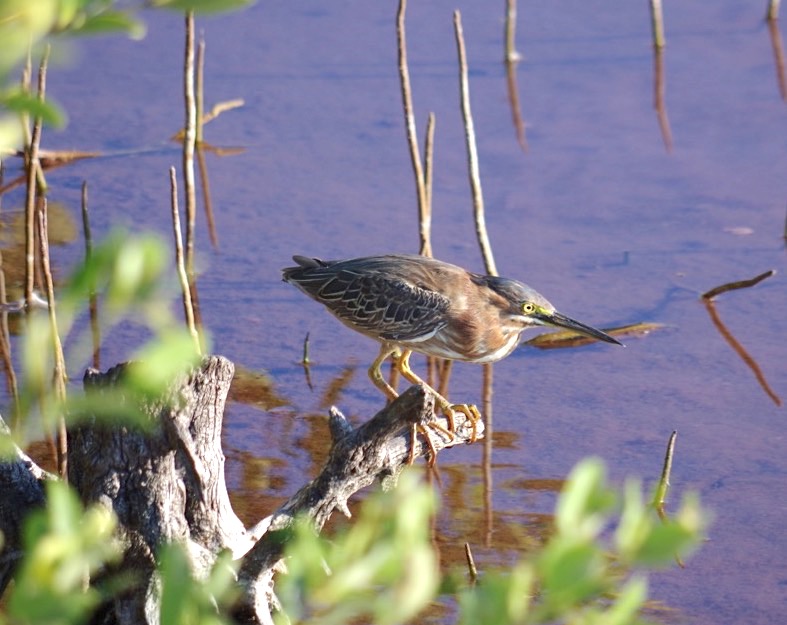
We found this small Green Heron quite easily. We’d watched it fly onto a stump in the pond near the jetty, then fly closer to the shoreline. By tiptoeing onto the jetty, we could see the bird perched close to the water, inspecting it with a fierce and predatory eye. Both eyes, in fact.

The hunting technique is deceptively simple. Note the long sharp stabbing beak. Note the large feet and claws for gripping securely Here’s how it is done. As a fish is sighted, so the heron leans gradually forwards, beak dipping closer to the water, the body more streamlined to look at. The procedure is beginning in the image above.

The stance means ‘small fish – 5 feet off – moving left and closing – prepare to strike‘. As the prey unwittingly approaches, the bird slowly tilts further forward unless its beak almost touches the water, the quicker and closer to strike.

The actual strike is so rapid that it is barely possible to see with the naked eye, let alone to photograph it clearly (not on my type of camera anyway). But the end result is rarely in doubt, with a small fish struggling but securely held in that long, clamping beak. It will be down the heron’s gullet in a matter of seconds.

I left the heron as it settled slowly back into ‘scanning the water mode’ while I went to watch some lesser yellowlegs nearby. Some minutes later, the heron was still contentedly fishing from its vantage point.
Species we have found on and around the pond include black-necked stilts, little blue heron, great blue heron, tricolored heron, snowy egret, reddish egret, yellow-crowned night heron, the relatively rare and very shy sora, hordes of white-cheeked pintails, northern pintails, lesser yellowlegs, belted kingfisher, turkey vulture, smooth-billed ani, American kestrel, Bahama woodstar, Cuban emerald, Mucovy duck (Perry’ pet!) – and the green heron of course.
As a bonus, Gilpin has become an increasingly regular stop for raucous flocks of Abaco parrots. Rarer species found there include American flamingo (rare vagrant), brown pelican, double-crested cormorants, and limpkins. On the beach 5 minutes walk away, there are usually shorebirds including rare piping plovers, Wilson’s plovers, turnstones; gull and tern species; and passing tropicbirds & magnificent frigatebirds flying high over the water.
FOR MORE ABOUT GREEN HERONS: SHARP-EYED SHARP BILLED
** I realise that strictly I should be saying ‘flat’ here, but that might be confusing for Euro-readers, who would understand that to mean that we had rented (or purchased) an apartment in a larger dwelling house containing similar accommodation.
All photos, Keith Salvesen except the cute chick, Charlie Skinner; and the cute cartoon GH, Birdorable…


PAINTED BUNTING
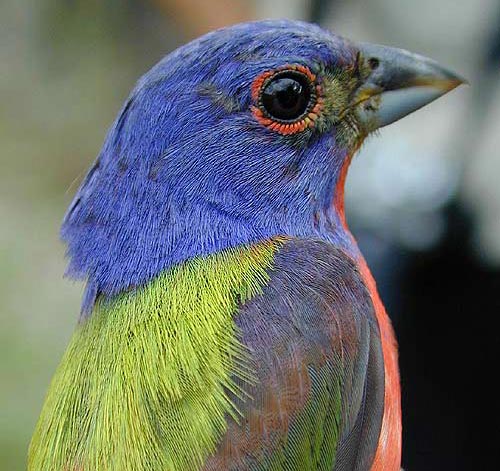
One of the Winterval traditions at Rolling Harbour HQ – that haven of unreliable natural science powered by lazy insouciance and characterised by a regrettably unserious approach – is to break the rule that (mostly) forbids reposting old material without good reason (which there occasionally is). This means marking the imminence of Christmas with bunting. And indeed buntings, those lovely birds beautifully painted by nature. Nothing says ‘Happy Christmas’ better than a flock of PABU!


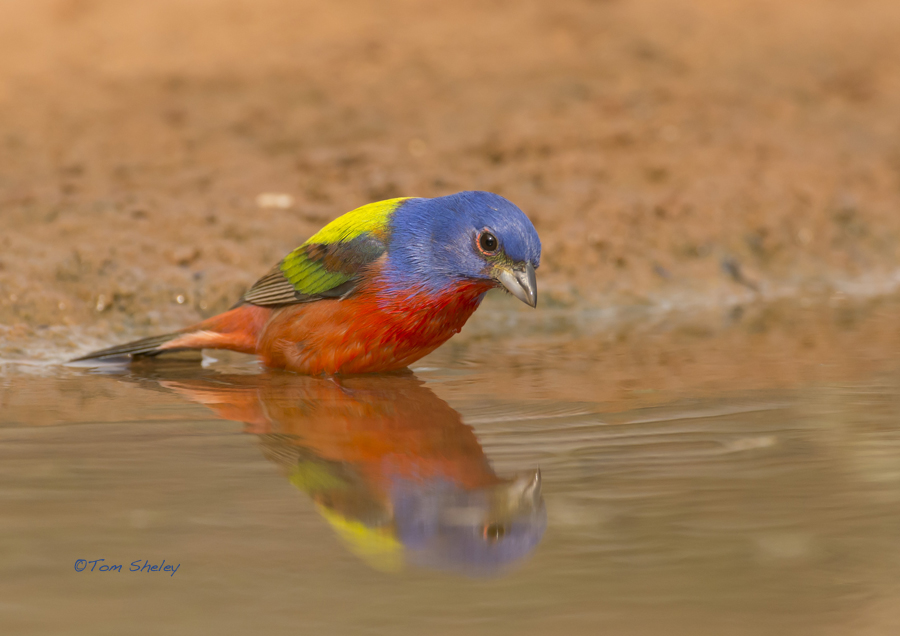
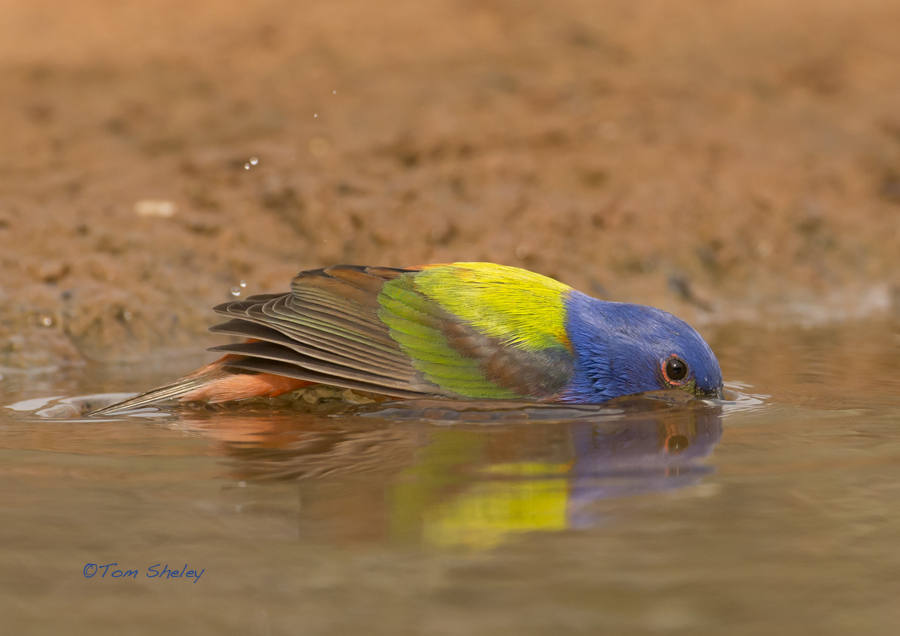
It’s hard to imagine a more Christmassy little bird than the Painted Bunting. Bright blue, red, green primary colours straight from a child’s paintbox make for a spectacular bird to grace the festive season. These are migratory winter residents, and the first reports of the bright and beautiful males on Abaco started to appear in late October. Some will stay around until March.
A female & a male PABU feeding together, and a male with a pair of black-faced grassquits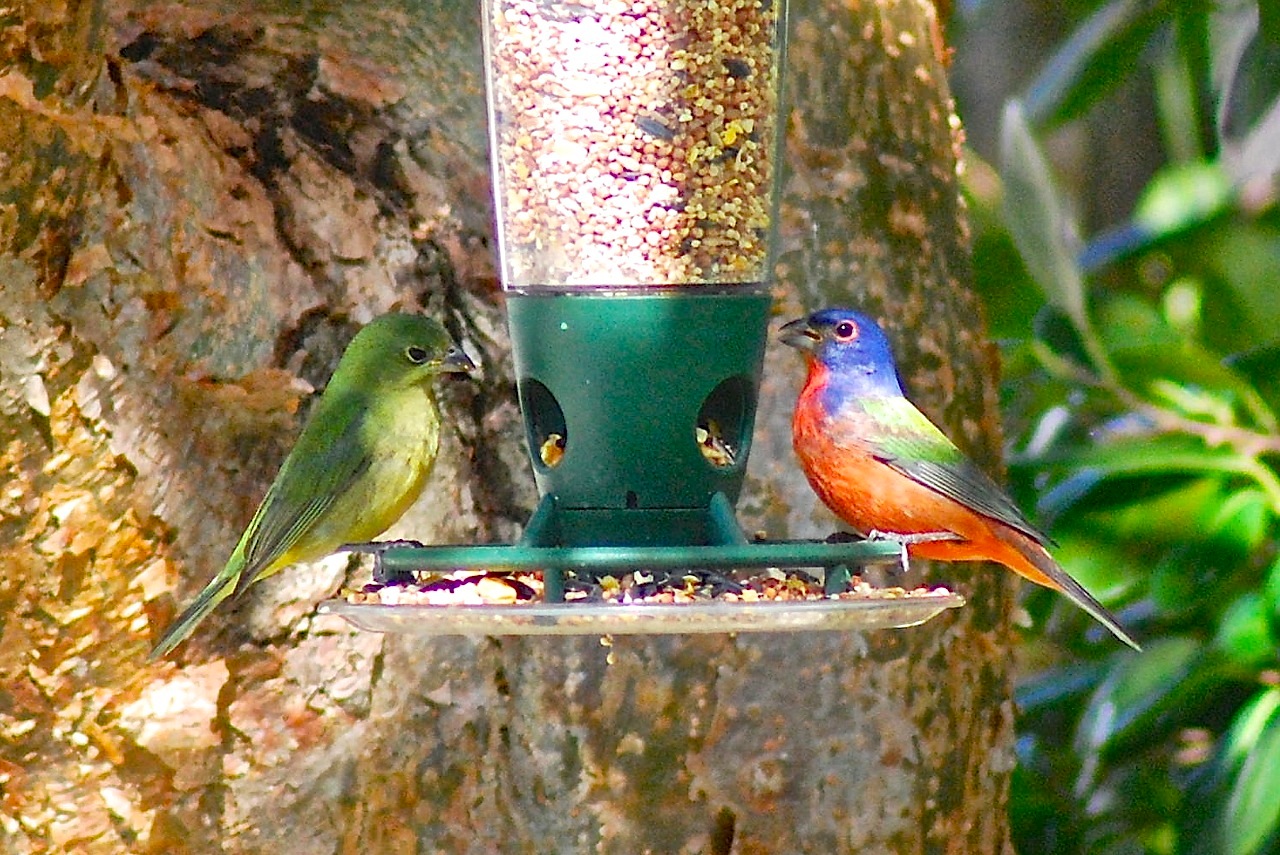
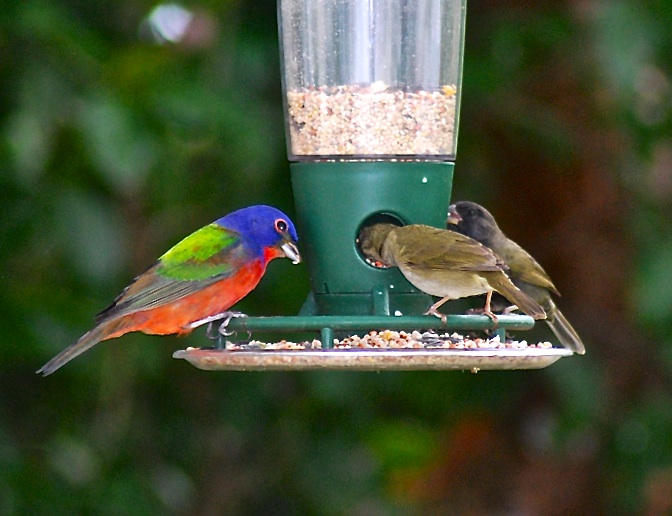
The two wonderful photos below are by Tom Sheley, a major photographic contributor to THE BIRDS OF ABACO. They were actually taken in Texas, but I include them because of Tom’s strong connection with the birdlife of Abaco; and also because they are fantastic shots…
This is my opportunity to wish a very Happy Christmas or [insert preferred seasonal appellation] to everyone who visits Rolling Harbour and especially those who, having done so, return for more! There could of course be anything from 600,000+ individuals who called in once, were put-off and never came back… to one sadly crazed person who has been pressing the ‘read’ button 600,000+ times over the last few years. If the former, thanks for trying, sorry to disappoint. If the latter, keep up the good work, buddy.
Credits: Tom Sheley (1, 7, 8), Erik Gauger (2), Tara Lavallee (3, 4), Keith Salvesen (5); Sandy Walker (6); Birdorable Cartoons
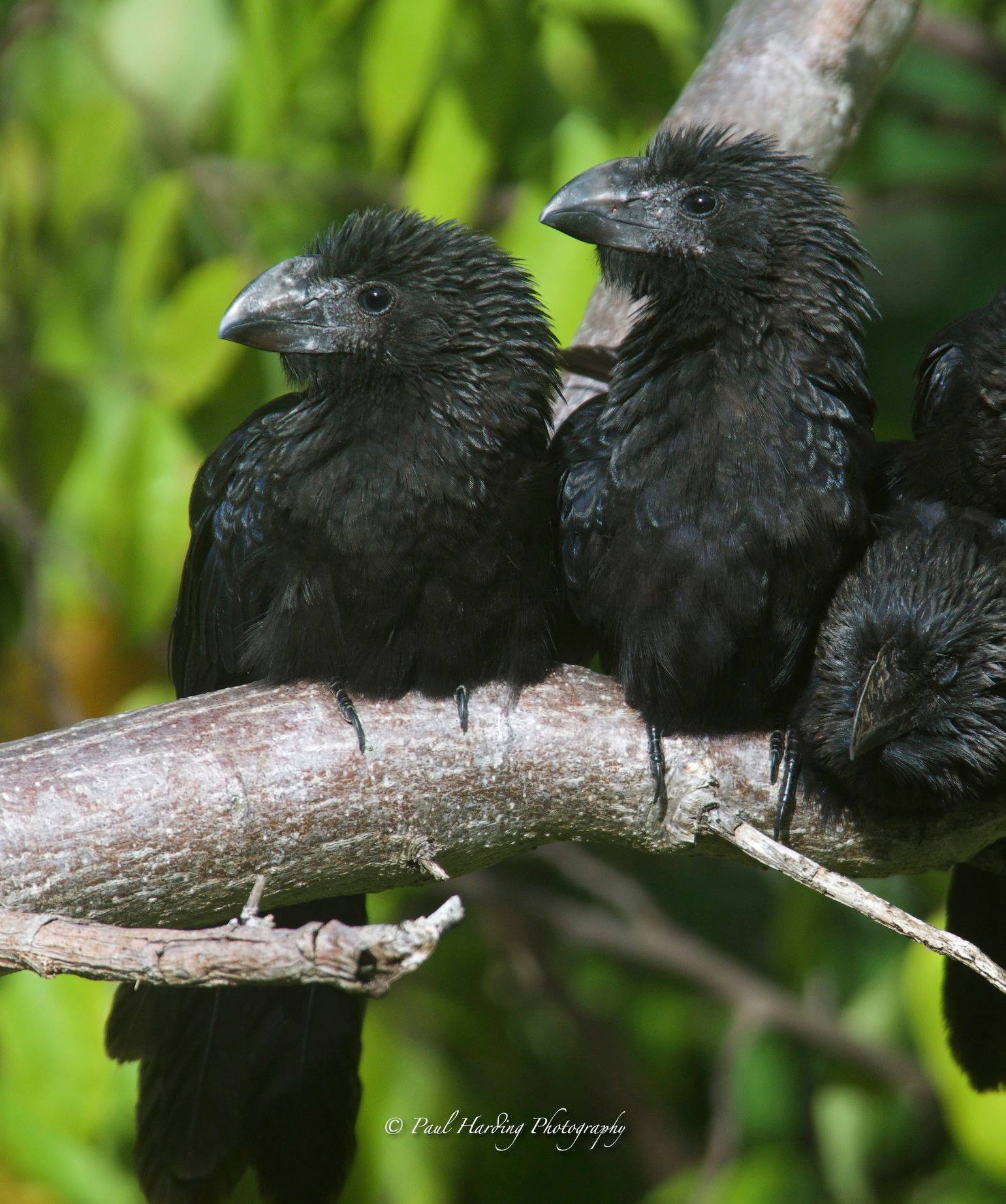
The Smooth-billed Ani (Crotophaga ani) – aka Cemetery Bird – is the third member of the cuckoo family found on Abaco, the others being the MANGROVE CUCKOO and the YELLOW-BILLED CUCKOO. You can (it’s voluntary) find out more about them in an earlier article HERE.
I have returned to these engagingly gregarious birds and their raucous ways because Paul Harding has recently captured a sequence of a small group of anis behaving so endearingly that they are irresistible. Not for them the oddly incompetent fluttering flight, nor the disorganised, unbalanced landing technique. It’s simply a matter of getting settled on a branch, and then making room for one more in the middle (or perhaps resisting it…).
There were 4 on the branch…
Hey – make room for another one…
Budge up, guys, I mean C’mon…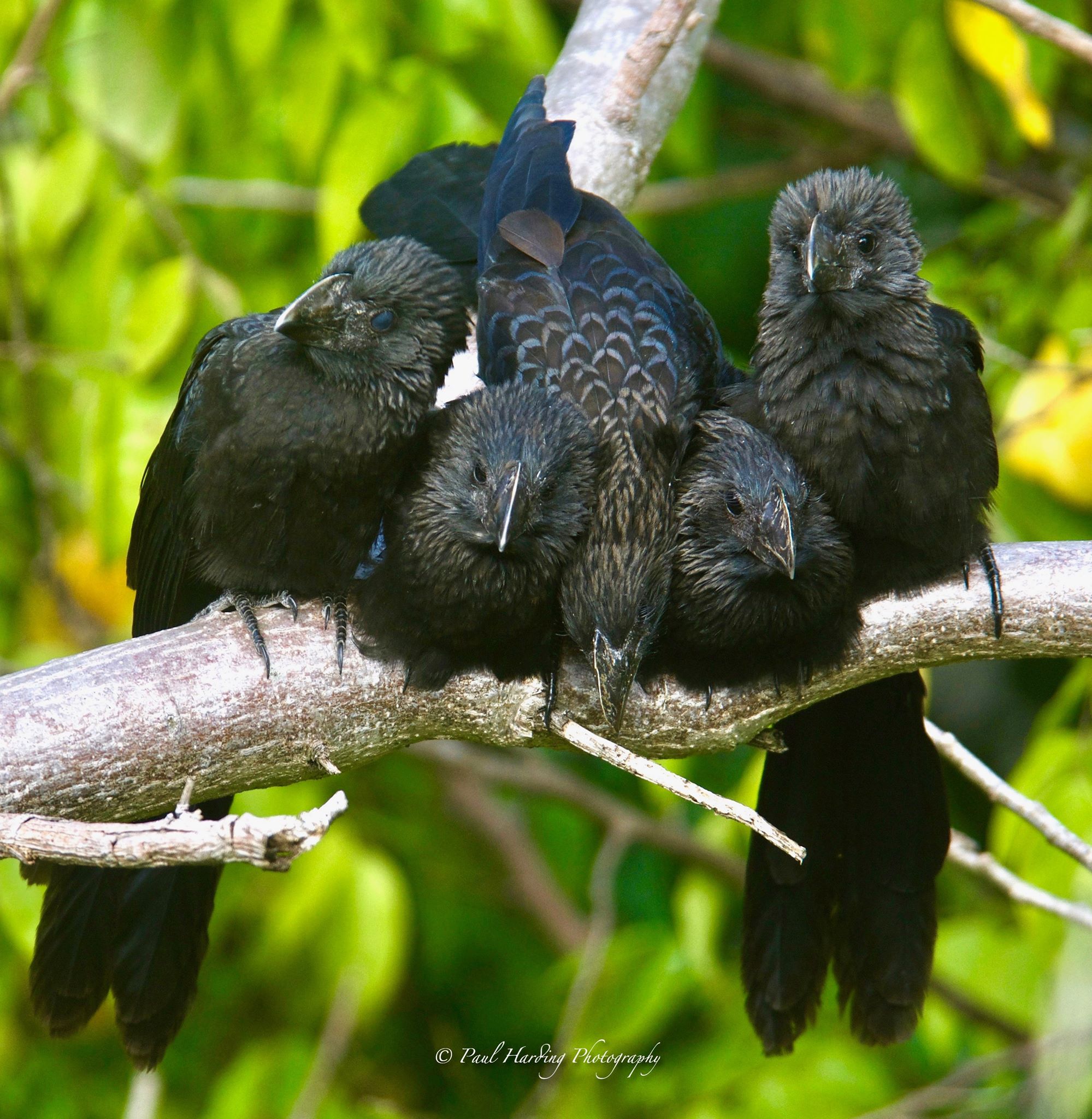
Yay, I’m in… a bit squished but…
Um… guys, I can’t breathe…
That’s better… all settled now….
Let the racket begin!
Credits: all terrific pics, Paul Harding; sound files, Xeno Canto
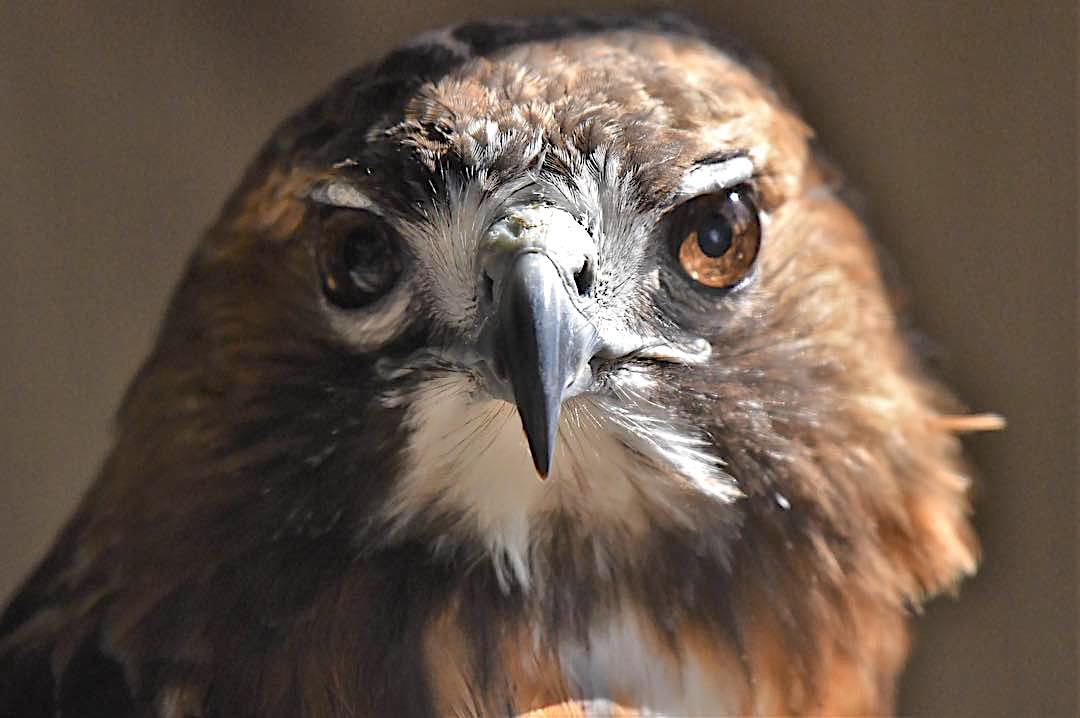
Red-tailed Hawk
It is axiomatic that people tend towards birding – if at all – in later life. Not the scientists, of course: they must commit themselves to the study of natural history at an early age, collecting qualifications by degrees (as it were), through Masters, Field Work, their first posts, PhDs and beyond.

American Redstart (m)
I didn’t take a very active interest in birds until the first time I investigated Central Park NYC and saw a blue jay. Followed by a cardinal… a red-tailed hawk… chickadees… American robins (or ‘Mercan rubbins‘, as I was informed). These were alien species for a European, and they awoke my interest.
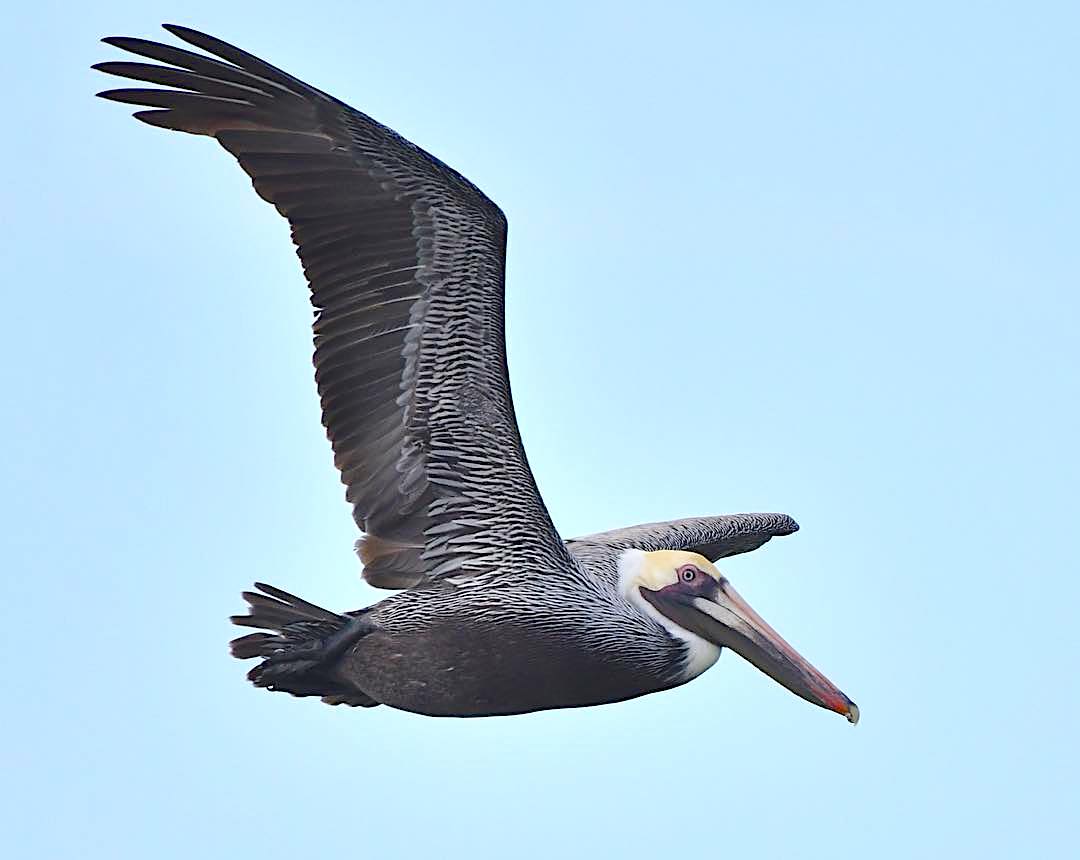
Brown Pelican
On later trips to NYC I have always spent a day in CP, wandering from end to end, spending time in the hotspots like The Ramble, the JO Reservoir, and the pretty Loch trail to the north, and wondering at the huge and expensive birding hardware toted by those around me (while knowing I didn’t want it). And then a visit to Prospect Park Brooklyn too, if I have the time. More recently came Abaco, and a whole new world of wildlife that has captivated me…

Hermit Thrush
This reminiscence by an oldster brings me to Chris Johnson, a young Bahamian man who will be familiar to many readers of this blog. I first encountered him when I was researching the Bahama Oriole and discovered that he, in his early teens, had found one on a trip to Andros and photographed it. It was a pleasure to be able to include the image in my article.
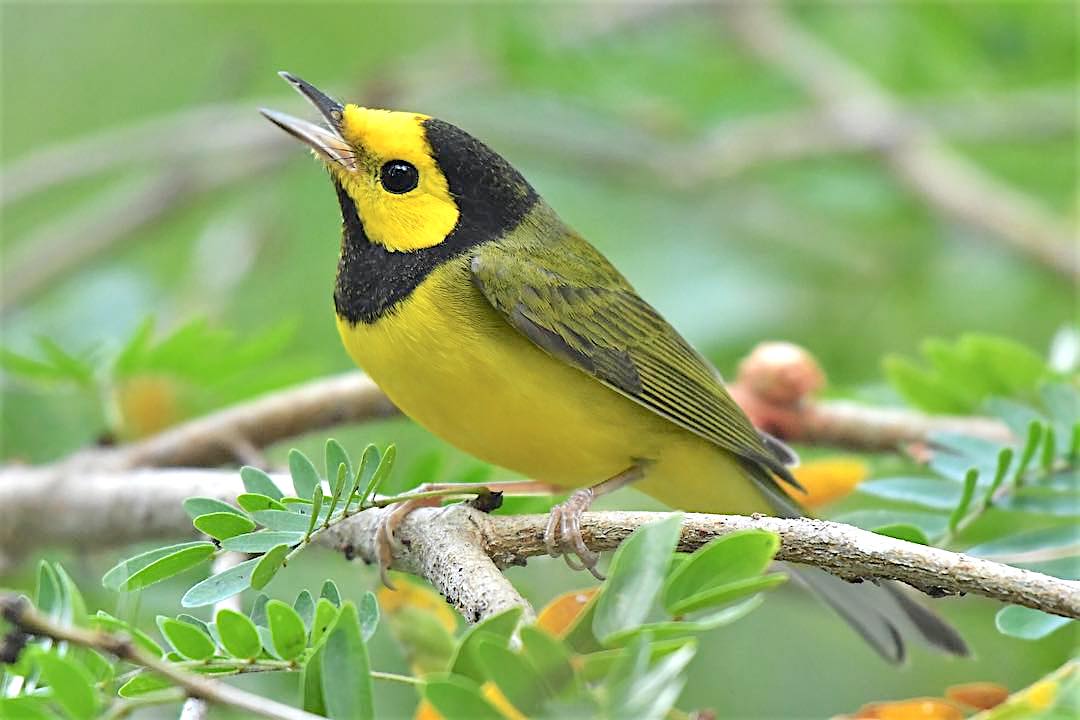
Hooded Warbler
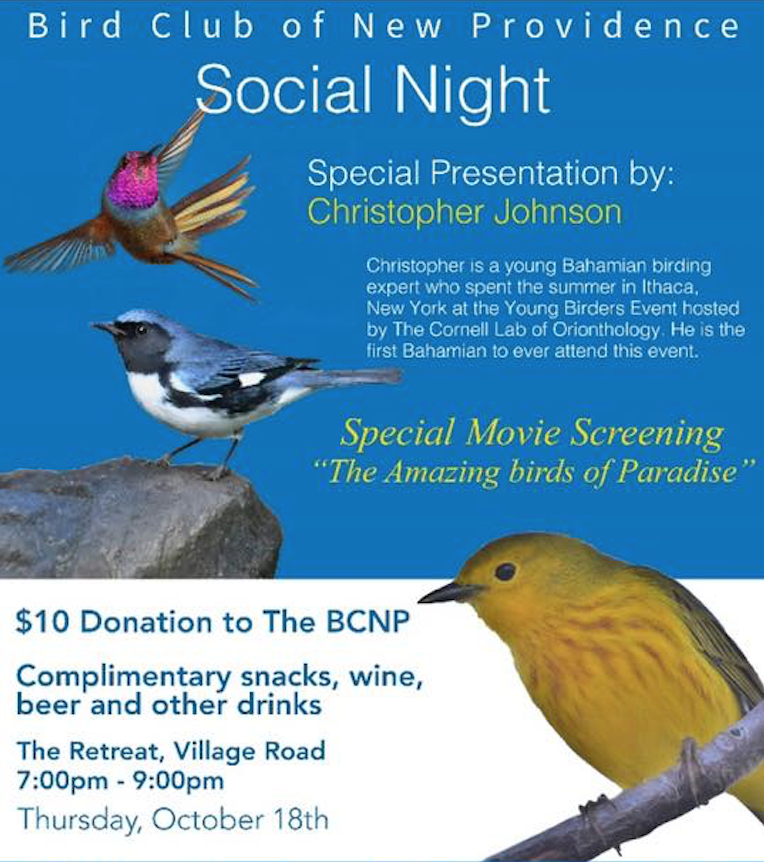
Since then, Chris’s birding and photographic skills have rapidly developed and his reputation is growing too. This summer he was one of 12 students chosen to attend Cornell University Lab of Ornithology for their Young Birder’s Event in Ithaca NY, a great tribute to his accomplishments and a wonderful opportunity too. It is worth noting that Chris is the first Bahamian to be invited to attend this event.
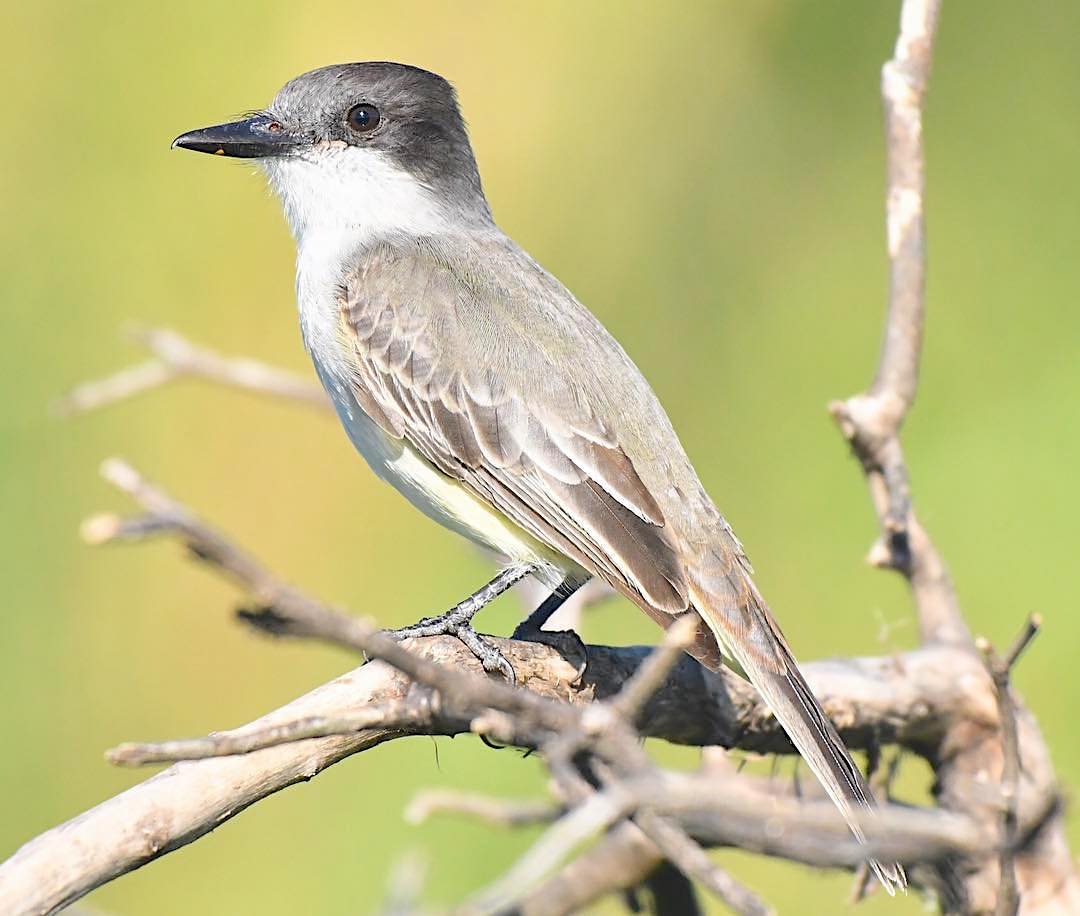
Loggerhead Kingbird
Chris is also beginning to make his own presentations, as he did recently to the Bird Club of New Providence. It won’t be long before he is leading bird groups – in fact, he is probably doing this already.
Another impressive feature of Chris’s birding is his photography. I have watched the progression online with interest. The crispness of his images, the composition and the right ‘take’ to make the best of each bird is wonderful, and he has a great eye for a neat shot – for example in the header image I have chosen, with its awareness of the effective use of dark and light.

Black-and-white Warbler
I should say that I have never met Chris, although we have occasionally been in touch. I am featuring him because I believe he and other young people of his age – Chris is 17 – are the future for birding, for wildlife, for species protection and for habitat conservation. The older generation will move on and the ‘middles’ may begin to take an interest in the birds around them. But Chris’s generation are the ones who can make a difference in the future. As things stand right now, they may have to. It’s a huge responsibility for them, but it’s one our generation is in the process of transferring to them.

Red-legged Thrush
I hope you have enjoyed the small gallery of Chris’s photographs displayed here. If you are interested in the birds of the Bahamas, keep an eye on him and others like him. They need all the encouragement we can give them.
All photos: Chris Johnson, with thanks for use permission. Please do not ‘borrow’ any of these images without asking first. That would only be fair.
Antillean Nighthawk Chick (one of my favourites)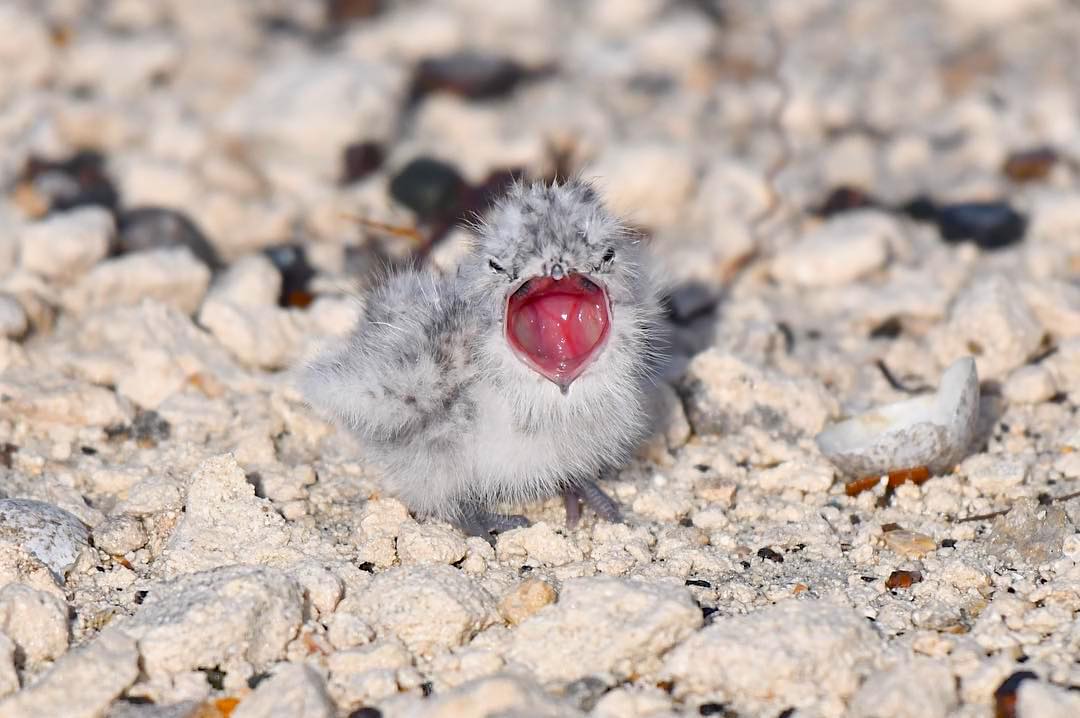

Royal terns Thalasseus maximus seem to have a great liking – quite rightly – for the charms of Cherokee, Abaco. Of the 12 tern species recorded for Abaco, ROTEs are the only permanent residents. Most of the others are summer visitors; a couple are winter visitors; and the rest pass through as migrating ‘transients’, stopping to rest and refuel on their long journeys. So ROTEs are undoubtedly the most commonly found terns on Abaco, and some might say the finest. And Cherokee Long Dock is one place to find them.
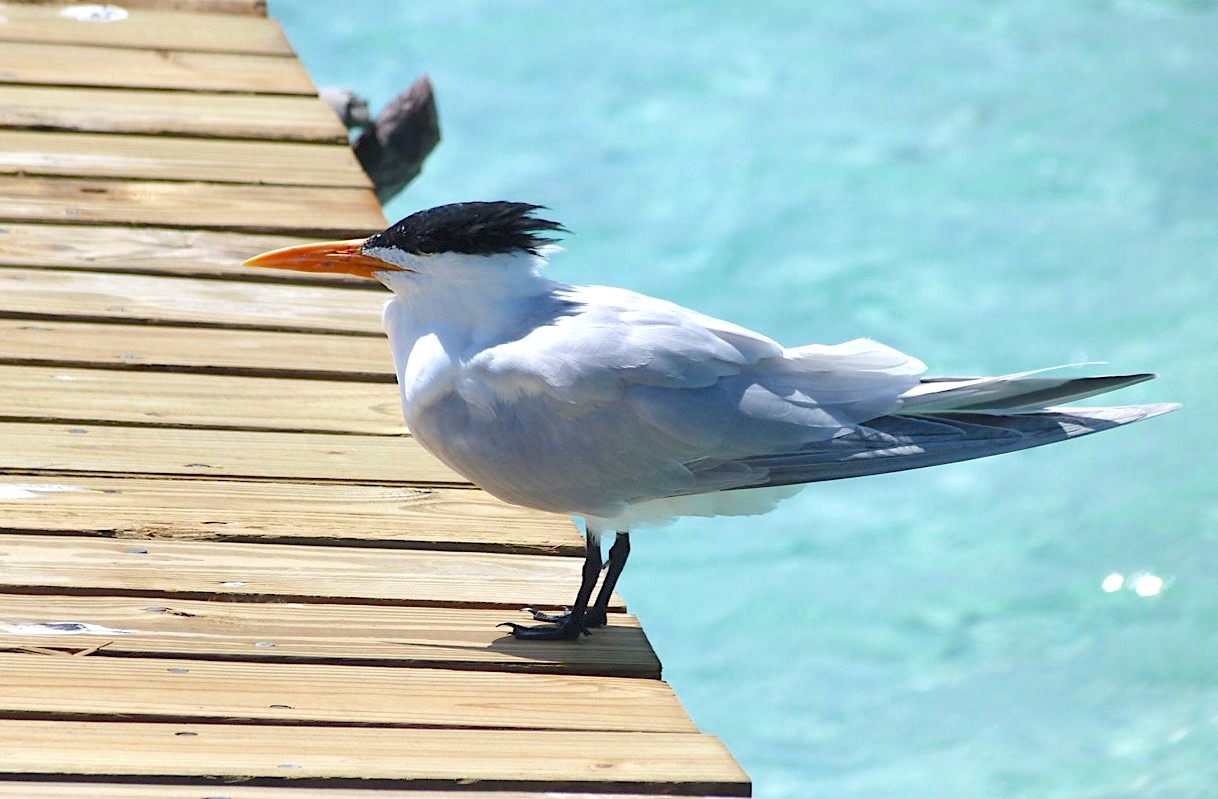
The historic LONG DOCK at Cherokee stretches far out into the sea to accommodate the varying tide levels of the area – click the link for more information and photos. It is a memorable feature for visitors, and much loved by locals. Also by the royal terns.

The dock provides an ideal safe platform for ROTEs to congregate and hang out. They have a perfect view of the small fishes that make up their diet as they swim in the clear turquoise waters a few feet below. Watching these birds diving off the dock after a fish is nearly as entertaining as watching brown pelicans dive off the jetty at Sandy Point.

There are buoys in the bay as well, and individual birds will fly from the dock to perch on a buoy and check out the fishing round it, before returning to the dock – hopefully with a fish in its beak. And the juveniles, with their endearing beginner ‘hair’styles (see #3) can learn the ropes from their elders and betters.

People often stroll the length of the dock, or pause on it to pass the time of day and watch the optimistic bonefishers casting hopefully at their silver prizes. These fish are often easier to see from the dock than from wading level – people sometimes shout helpful encouragement: “There… going left…look!… 20 feet in front of you… no, THERE…” and so on. The terns take little notice of all this. A group of people, especially with a dog, might persuade the birds to take flight, but they return as soon as they can; or simple move along the dock and settle in a different place.
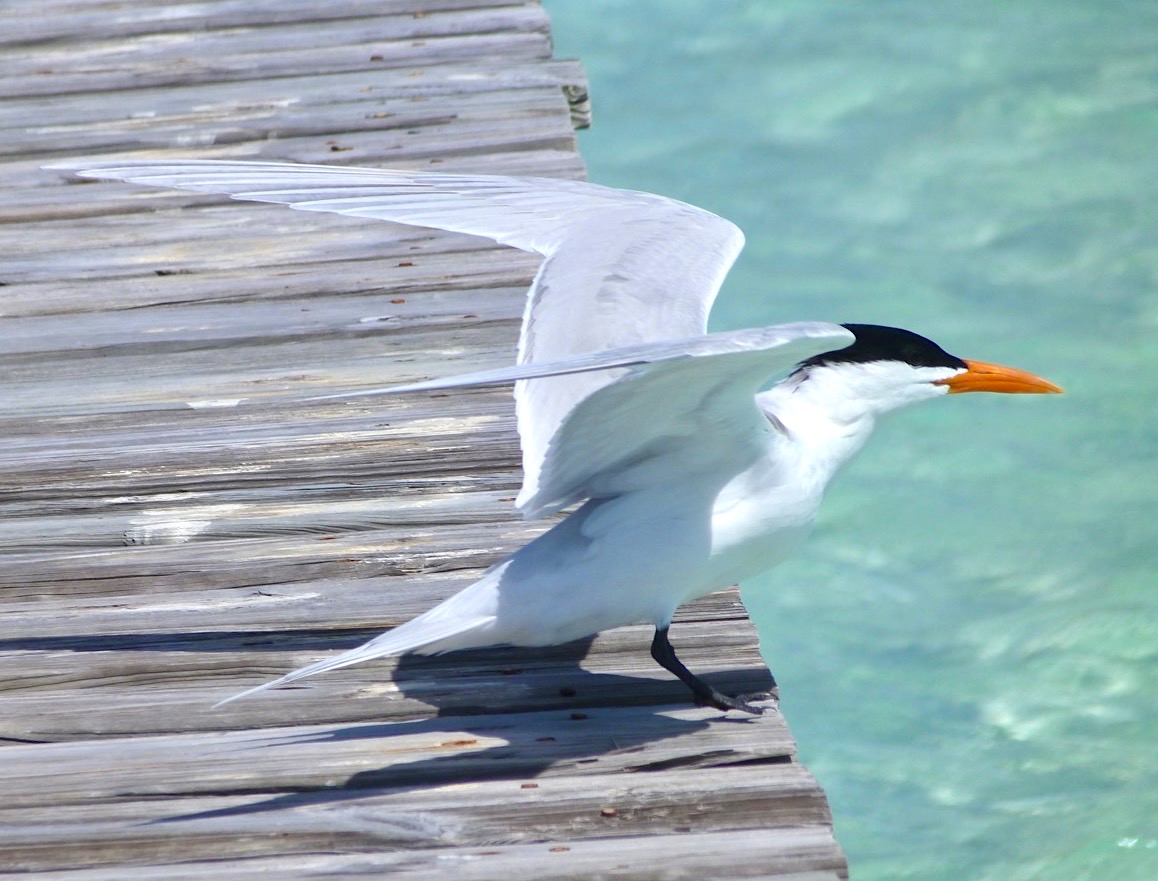
The plaque for the long dock shows its importance to the community
The dock is so long that it tapers to a vanishing point on the horizon
KNOW YOUR TERNS (WITH THE ADMIRABLE BIRDORABLE)
Abaco has these species plus three more
Credits: Keith Salvesen Photography; BIRDORABLE, with thanks for their wit and amazingly effective highlighting of the essential distinguishing features of bird species
Springboard…


You must be logged in to post a comment.