Unknown's avatar

WTF? (WHAT’S THAT FISH?) 15: SCORPIONFISH


Caribbean Scorpionfish, Bahamas (Melinda Riger / G B Scuba)

WTF? (WHAT’S THAT FISH?) 15: SCORPIONFISH

The WTF? series is aimed at shedding light on fishes that are unusual. Or very unusual. Or puzzling, dangerous and maybe less than elegant in appearance. The scorpionfish is one such. It belongs to a large family, the Scorpaenidae, and many types are found throughout the world, especially in the Pacific and Indian oceans. LIONFISH, the newcomers to the western Atlantic, are a species of scorpionfish. 

Just another rock on the seabed…Caribbean Scorpionfish, Bahamas (Melinda Riger / G B Scuba)

WHY ‘SCORPIONFISH’? THEY LOOK SCARY. ARE THEY DANGEROUS?

One feature common to many scorpionfish species is that they are highly venomous. As the name suggests, a sting is involved. Or several stings. These come from the creature’s sharp spines, which are coated with mucus, and are to be avoided. If you want to pet one, the dorsal, anal and pelvic fins are the ones to steer clear of – these all have venom glands at the base. The spines act like injection needles. Scorpionfish aren’t naturally aggressive (except to prey), but they know how to defend themselves if need be. If you get ‘got’, you are in for “extreme pain and burning sensation”.

Caribbean Scorpionfish, Bahamas (Melinda Riger / G B Scuba)

DO THEY HAVE ANY OTHER TRICKS TO WATCH OUT FOR?

As many have written, scorpionfish are ‘Masters of Camouflage’. They are able to disguise themselves very effectively. Their appearance is a remarkably adapted to their surroundings, as if covered in a raggle-taggle of colourful algae. They can change colour to aid concealment. They can flick sand over themselves as they settle on the seabed. These ploys enable them to lie motionless on a coral reef or on the seabed, ready to ambush their prey. This consists mainly of small fishes and crustaceans, but really anything edible that will fit in their mouths is fair game. 

Concealed against coralCaribbean Scorpionfish, Bahamas (Melinda Riger / G B Scuba)

HOW DO THEY FEED?

The large mouth of scorpionfishes has a particular function. They don’t have teeth because they have no need. A scorpionfish can open its mouth and its gills simultaneously, thereby creating an instant vacuum that will suck in its prey in a flash. I have seen this described as “a nearly imperceptible split-second movement (15 milliseconds)”

Caribbean Scorpionfish, Bahamas (Ocean Frontiers Dive Shop)

THESE SCARY MONSTERS MUST BE HUGE, RIGHT? I’M KEEPING OUT OF THE WATER

Not so fast. When all is said and done – and in my view, most disappointingly – adult Caribbean Scorpionfish grow in the range of… erm… 7 – 14 inches. So now you are reassured, here’s a great short video from Ocean Frontiers Dive Shop, who kindly shared it on YT. I’ve used a couple of illustrative stills from it too.

ANYTHING ELSE WE NEED TO KNOW?

I can do no better than to turn to Card 81 to the excellent Monsters of the Deep‘ series of trading cards (the link is to my MotD page). I do realise that this is a rather unscientific approach. On the other hand these guys pack memorable information into a very short space, and do it well. Note that you can get a reflex sting from a scorpionfish for up to a week after it has died. Eat dust, earthbound scorpions.
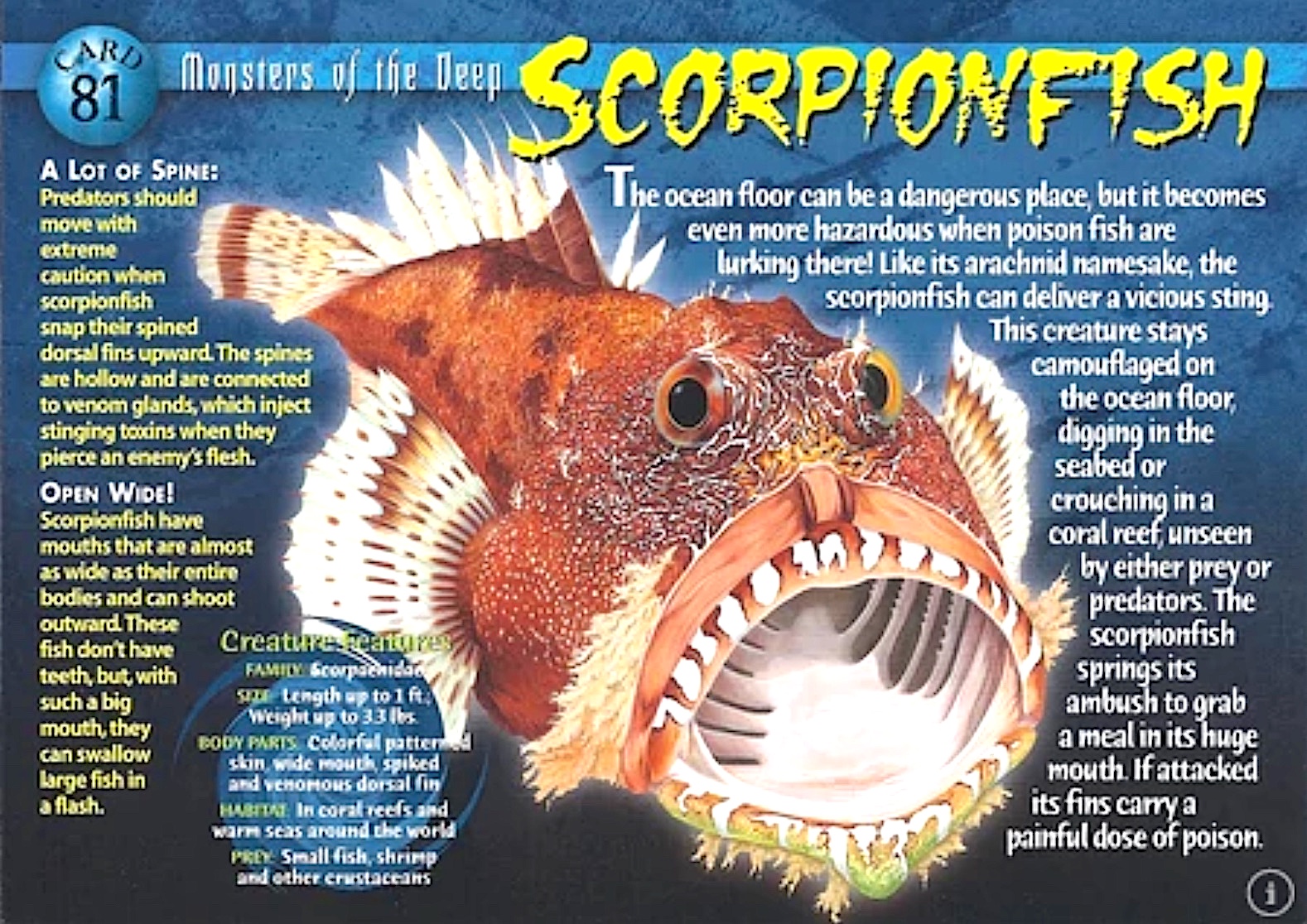
Credits: Melinda Riger / Grand Bahama Scuba (1, 2, 3, 4,); Ocean Frontiers Dive Shop (video from YT, 2 stills); Wierd (sic) Creatures / Monsters of the Deep (O/S)

Scorpionfish, Bahamas (Ocean Frontiers Dive Shop)

Unknown's avatar

FORAYS WITH MORAYS (5): THE GOLDENTAIL


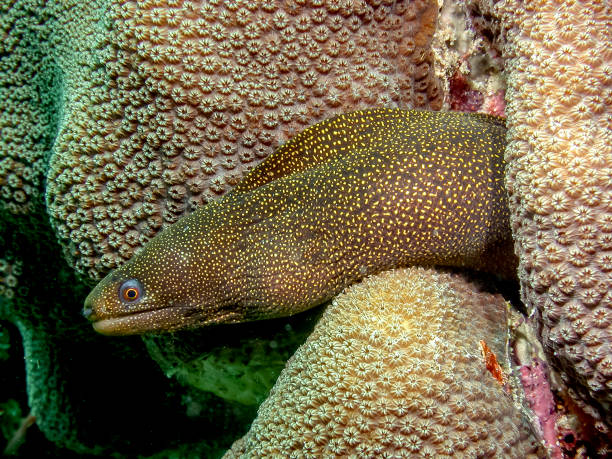
Goldentail Moray Eel (Melinda Riger / G B Scuba)

FORAYS WITH MORAYS (5): THE GOLDENTAIL

The Goldentail Moray Eel Gymnothorax miliaris is one of the half-dozen moray species found in Bahamas waters. Adults range in length from about 1.5 to 2.5 feet, and they are creatures of the reefs and rocks of the western Atlantic. As far as I can make out, the goldentails are rather less common than green or spotted morays, the two main eel species of the Bahamas.

Goldentail Moray Eel (Melinda Riger / G B Scuba)

Like their moray cousins, goldentails likes to keep themselves to themselves, and lead largely solitary lives. That said, sometimes they have been observed hunting in a group. They live in holes, clefts, and caverns which they leave both during the day and at night to hunt for prey along the reefs, aided by an acute sense of smell. Their diet is mainly of crustaceans, mollusks, and small fishes. 

goldentail-moray-eel-istock-getty-images-2

ARE GOLDENTAILS DANGEROUS?

Like many other eels, goldentails secrete a protective mucus that contains a toxin, making them unattractive prey for large predators such a groupers and barracudas. They are also associated with ciguatera poisoning, the active ingredients of which are found in the mucus coating. They are sometimes found in aquariums – the associated sites give a warning of painful bites, because they have backwards-pointing teeth (aka prey traps) – see header image for a clear view of this.

Goldentail Moray Eel (Melinda Riger / G B Scuba)
 
CAN YOU EAT THESE FISH?

Well I wondered that too, so I checked. The answer seems to be yes, if you real really want to. Comments on forums include:

  • “Yes they are edible, I just ate one few weeks ago. Some parts are little bony and skinning it is a bitch. But the meat is very soft and white, delicious. Deep fry works”. 
  • “After eating our moray eel something changed. The next morning, we were decidedly feeling ill. I won’t get into the details, but let’s just say that “gastrointestinal effects”
  • “…symptoms (of ciguatera) include gastronomic effects, and neurological effects which include headaches, numbness, paresthesia, muscle ache, and even hallucinations”.
  • “Before you can eat one you have to kill it. They are amazingly hard to kill. I would skip it.”
  • “I would rather eat a shoe”

So I’ll be moving straight on to the next course, please. Or just a Kalik would do, thanks.

goldentail-moray-eel-istock-getty-images-3

RELATED POSTS

SPOTTED MORAY EELS

GREEN MORAY EELS

goldentail-moray-eel-istock-getty-images-1.

Credits: Melinda Riger / Grand Bahama Scuba (1, 2, 4); iStock / Getty Images (3, 5, 6)


Unknown's avatar

GET ME A ‘CUDA – AND MAKE IT SNAPPY…


Barracuda, Bahamas (Melinda Riger / Grand Bahama Scuba)

GET ME A ‘CUDA – AND MAKE IT SNAPPY…

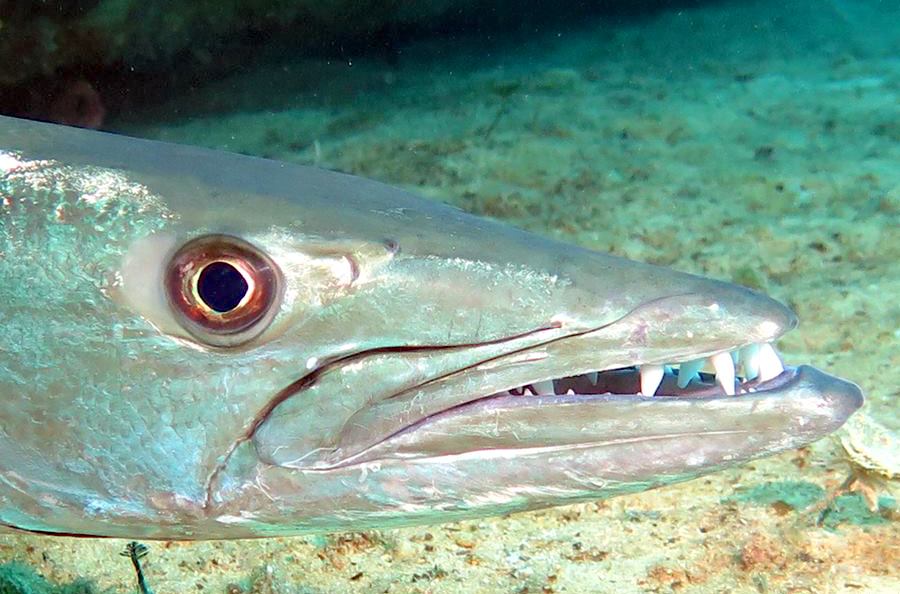
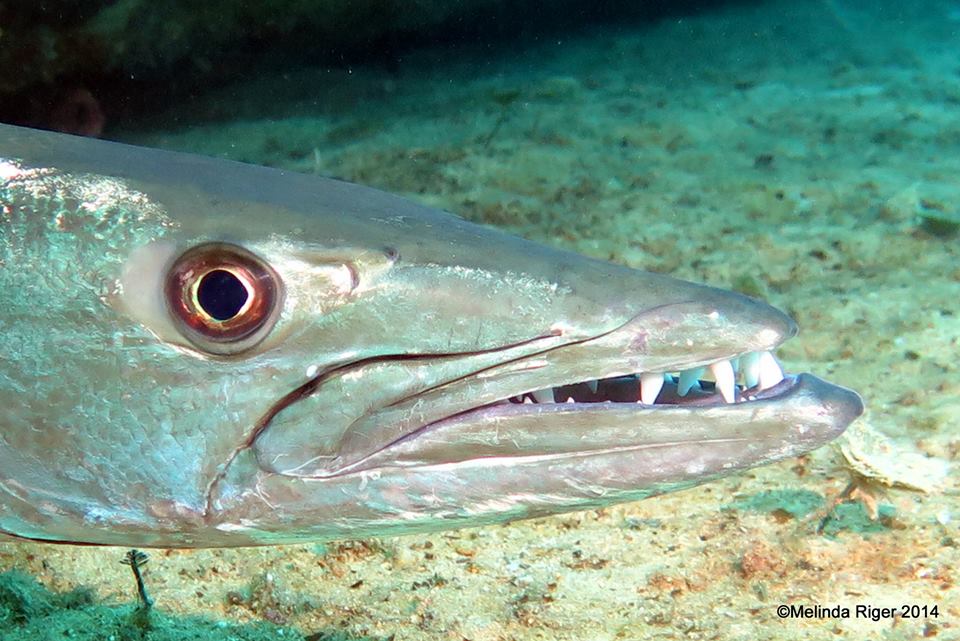
It’s probably fair to say that barracudas are among the less kindly-disposed of the denizens of the flats and reefs of the Bahamas. They certainly rank high on the Rolling Harbour Tooth Avoidance Scale. The seemingly random nature of the razor sharp dental arrangements – different sizes, different angles, different directions – does not inspire confidence. 

Barracuda, Bahamas (Melinda Riger / Grand Bahama Scuba)

The worst fishing injury I have picked up so far – aside from multiple terrible injuries to pride from botched casts, mistakes, missed takes and lost fish – has come from a large ling. What I didn’t know until I had been cut when my finger went into its mouth was that the teeth are coated in anticoagulant. I bled all over the boat and spent the rest of the day getting through a large roll of paper towel and several improvised bandages (J-cloths). That wiped the smug smile off my face – pride in the catch came before a notable fall in my standard-issue blood quota.

Ling caught off the Dorset coast (Keith Salvesen)

Barracuda, Bahamas (Melinda Riger / Grand Bahama Scuba)

When bonefishing in the shallow waters around the coast of Abaco, there are always ‘cudas to be seen. They are not the main target fish, but the boats always have a spinning rod in them, just in case… At some stage in the day, some people find it hard to resist the urge to chuck out a lure when ‘cudas are about. It’s not something I generally do, though occasionally my fly gets intercepted by a practice-sized ‘cuda. 

A learner ‘cuda that took a bonefish fly

Earlier this year I was in a boat fishing with the legendary Robin Albury, a guide who generally doubles my usual modest catch rate. My boat partner and I were taking a lunch break, with an open cool box of snacks between us and a Kalik in our hands. Robin went to the sharp end with the spinning rod on the off-chance. In a flash he had seen a big ‘cuda, chucked out the lure onto the creature’s nose and caught it, almost in one movement. I put down my beer to watch the entertainment. Robin decided otherwise, and simply handed me the rod to play the thing. And boy, was that fun. I didn’t get the kudos of making the hook-up, but I had plenty of work to do… It took an excitingly long time to bring the strong and vigorous fish to the boat. Robin got to hold the fish, of course – after my ling experience, I was happy enough to let him mess with the dental arrangements.

Barracuda, Abaco Marls, Bahamas (Keith Salvesen)

Barracuda, Bahamas (Melinda Riger / Grand Bahama Scuba)

Barracuda, Bahamas (Melinda Riger / Grand Bahama Scuba)

Credits: Melinda Riger / Grand Bahama Scuba (1, 2, 4, 6, 7); Keith Salvesen / Rolling Harbour (3, 5, 6)


Unknown's avatar

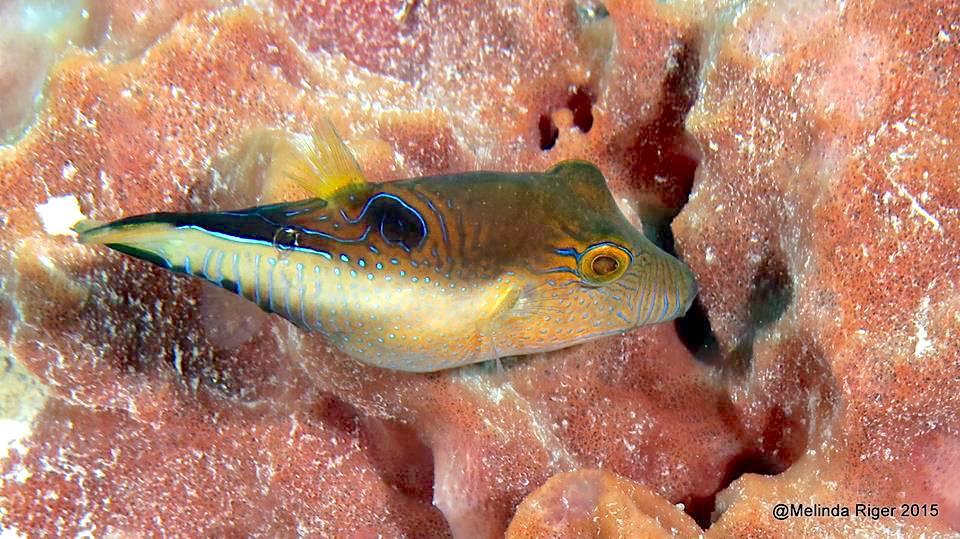
SHARPNOSE PUFFER FISH: BAHAMAS REEF FISH (47)


Sharpnose Puffer Fish (Melinda Riger / G B Scuba)

SHARPNOSE PUFFER FISH: BAHAMAS REEF FISH (47)

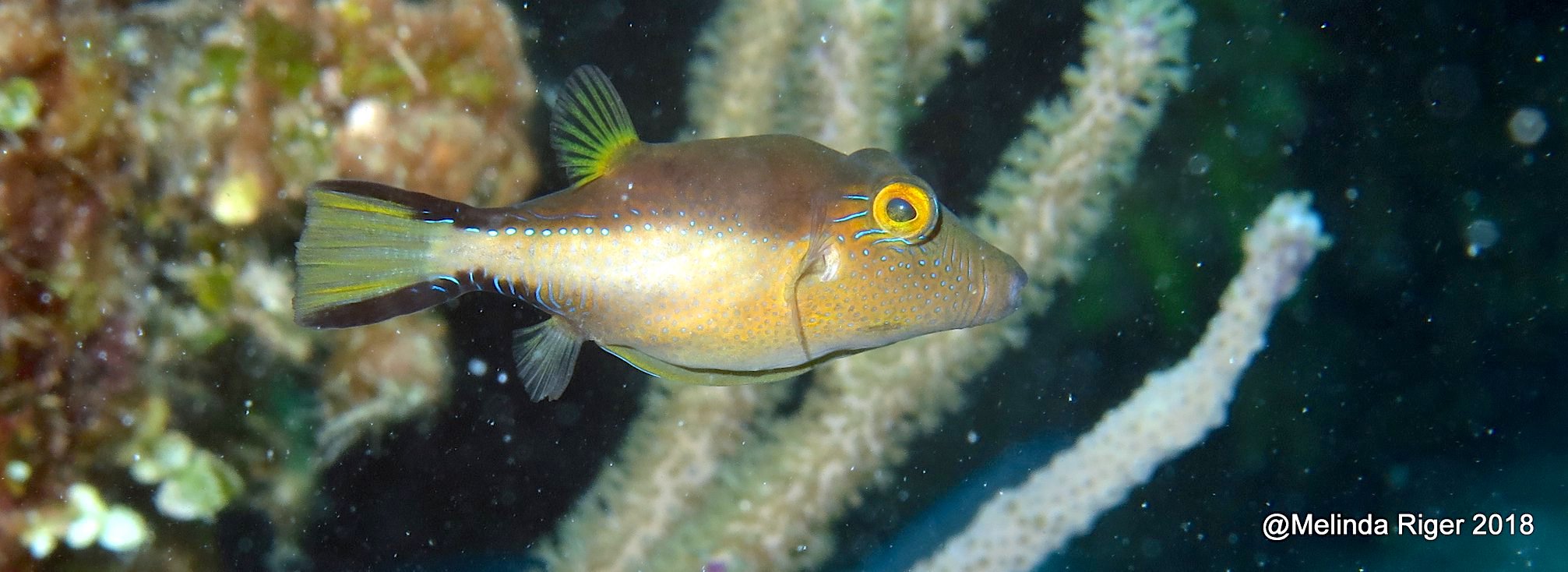
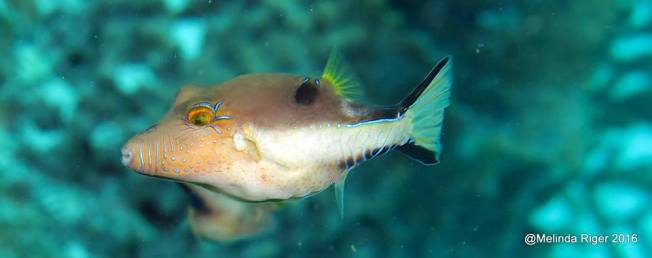
It’s more than 4 years since I last wrote about these intriguing creatures and their endearing ways. It’s time for another look, with a new batch of great photos too. This is a species that lends itself to the ‘Fun Fact’ treatment, a method that tells you at least as much as you probably need – or want – to know about puffers. The message to take away is, best not to handle one – let alone eat one – unless you know exactly what you are doing…

Sharpnose Puffer Fish (Melinda Riger / G B Scuba)

10 PUFFER FISH FACTS TO ASTONISH YOUR FAMILY & FRIENDS

1. Puffers can inflate their bodies in an instant by ingesting huge amounts of water and becoming water-filled balloons. Then their tiny spines stick out. 

2. They need a startling form of defence (or ‘piscatorial superpower’ Linnaeus 1763*) like this because they can’t swim very well to escape from predators: it’s surprising and intimidating – and it also makes them hard to eat.

3. However, a persistent predator undeterred by the trick will find that the puffer contains a toxin (tetrodotoxin TTX) that is said to be ‘1,200 times stronger than cyanide’. One puffer fish has enough toxin to kill up to 30 humans (National Geographic).

Sharpnose Puffer Fish (Melinda Riger / G B Scuba)

4. Notwithstanding the risks, selected parts of a puffer fish are a delicacy in some cultures (known as ‘fugu’ in Japan). Specially trained chefs are used to avoid mass deaths among diners. The insurance premiums must be huge.

5. Sharks are thought to be the only species immune to the puffer fish, and are not much bothered by a small fish that can blow itself up.

6. Puffers have skin, not scales; most have toxic fins or spines of some sort, besides toxic innards. Bright coloured kinds are likely to be more toxic than their duller cousins. This warning colouration in creatures is known as aposematism.

Sharpnose Puffer Fish (Melinda Riger / G B Scuba)

7. It’s worth finding out what an uninflated puffer looks like before you try to pet a random passing fish and have a toxic encounter. There is as yet no known antidote.

8. In all, there are more than a hundred puffer species in the world, all found where there are warm shallow waters. At least 3 main species – sharpnose, band-tail and chequered – are found in the Bahamas.

Sharpnose Puffer Fish (Melinda Riger / G B Scuba)

9. Some puffer species are not toxic at all; and some – especially in Pacific waters – are far more toxic than others. That’s the region where they are treated as a delicacy.

10. I’ve checked several research papers but I can’t find an evaluation of the relative toxicity as between the Bahamas puffer species. However it’s clear that the sharpnose is certainly not one play with. Take care!

Q. SO WHAT DOES AN INFLATED PUFFER LOOK LIKE? A. THIS!

Brian Lockwood took his life in his hands to get this fantastic shot…Sharpnose Puffer Fish (Brian Lockwood)

* Not really

RELATED POST: PORCUPINE FISH

Photo Credits: All puffer fish taken by Melinda Riger of Grand Bahama Scuba except for the photo of an inflated one from recent Abaco permanent resident Brian Lockwood

Unknown's avatar

OCTOPUSES: IN THEIR ELEMENT


Octopus, Bahamas (Melinda Riger / Grand Bahama Scuba)

OCTOPUSES: IN THEIR ELEMENT

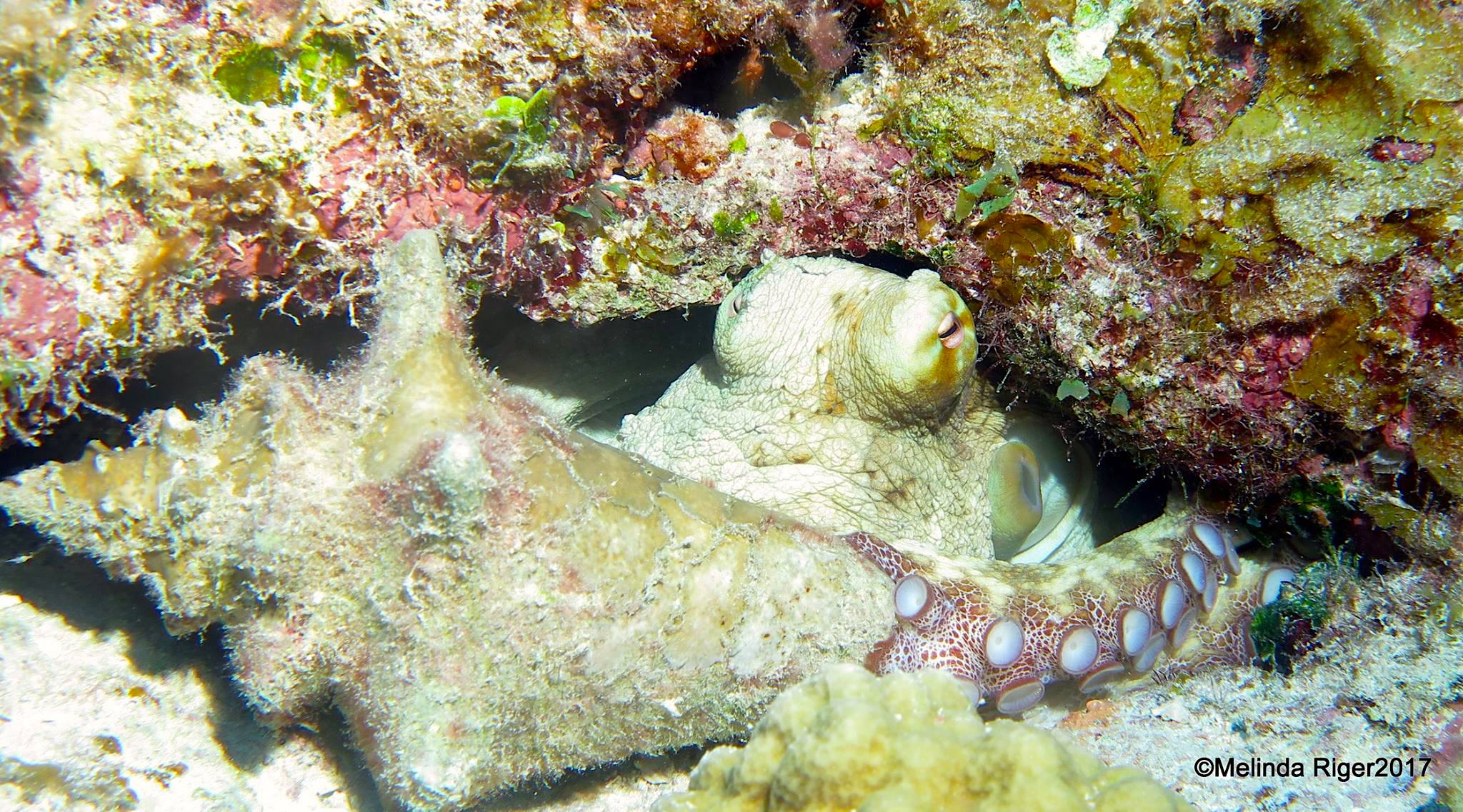
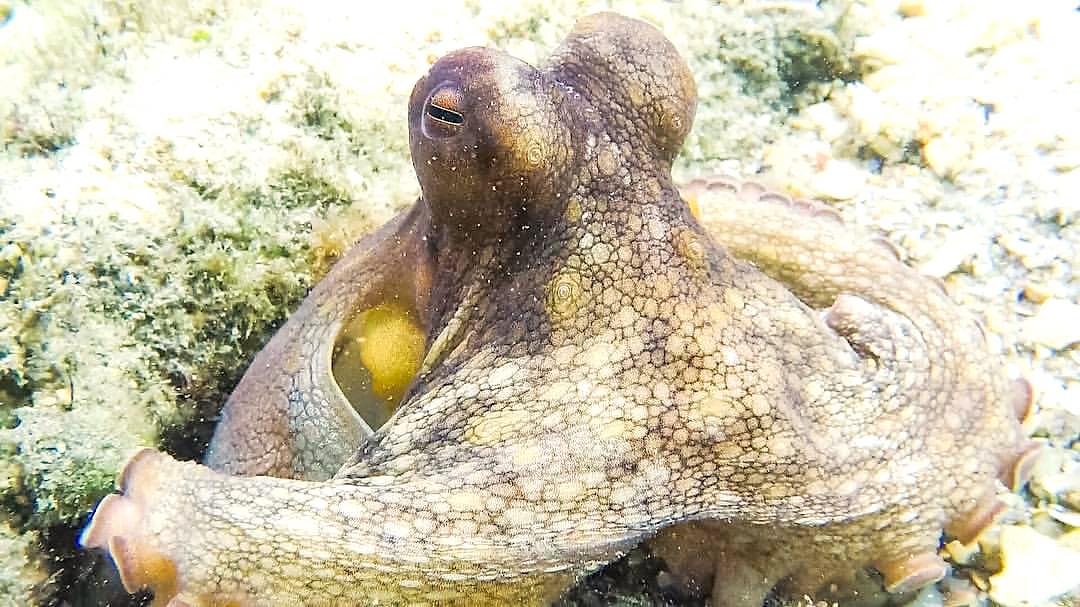
We haven’t seen many octopuses in these parts for quite a while. Time to put that right. The seas of the Bahamas teem with many many marine species, but few are as fascinating or indeed versatile as the octopus. Don’t take my word for it, just watch ‘Finding Dory’ to see how amazing Hank the… [what’s that, Skippy? It’s fiction?]. As you were. That these extraordinary creatures even exist let alone thrive in our waters is a truly wonderful thing. Here are a few to admire – or in the case of the one below, to admire you.

‘Here’s lookin’ at you…’Octopus, Bahamas (Melinda Riger / Grand Bahama Scuba)Octopus, Bahamas (Melinda Riger / Grand Bahama Scuba)Octopus, Bahamas (Melinda Riger / Grand Bahama Scuba)

You can find out some more about octopuses – including the correct plural for ‘octopus’ – by clicking the links below. More importantly, you’ll see more of them too.

THE PLURAL OF OCTOPUS & RELATED CEPHALOPOD MYSTERIES

MARINE BAGPIPES FILLED WITH INK

OCTOPUSES: WORTH LEARNING TO SCUBA FOR

Octopus, Bahamas (Adam Rees / Scuba Works)

All octopedal photos: thanks to Melinda Riger / Grand Bahama Scuba (1 – 4) and Adam Rees / Scuba Works (5)

Unknown's avatar

QUEEN ANGELFISH: BAHAMAS REEF FISH (46)


Queen Angelfish, Bahamas (Melinda Riger / Grand Bahama Scuba)

QUEEN ANGELFISH: BAHAMAS REEF FISH (46)

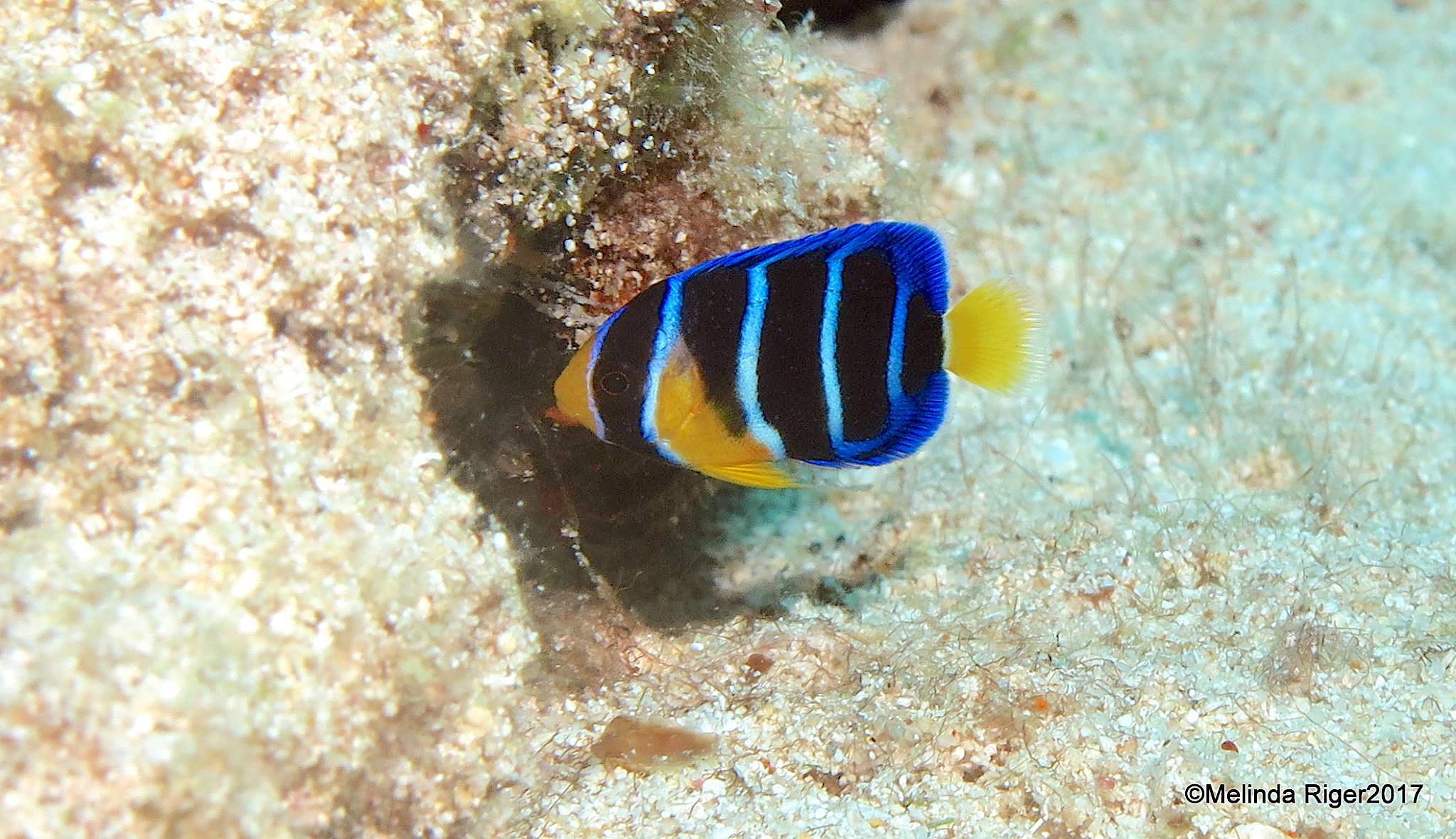
The Queen Angelfish Holacanthus ciliarisis is without doubt one of the most beautiful of all reef fishes in the Bahamas – and the competition is very strong. I have posted about them before, but to my surprise not for nearly 5 years. Too long: here are some much more recent photographs of adults and cute juveniles.

Queen Angelfish, Bahamas (Melinda Riger / Grand Bahama Scuba)Queen Angelfish, Bahamas (Melinda Riger / Grand Bahama Scuba)

The bright colours, the pouty expressions, the appealing poses – these fish are true Beauty Queens. And helpfully, they are unlikely to be mistaken for any other fish species.

Queen Angelfish, Bahamas (Melinda Riger / Grand Bahama Scuba)

TEENAGE QUEEN ANGELFISHQueen Angelfish (Juv), Bahamas (Melinda Riger / Grand Bahama Scuba)

JUVENILE QUEEN ANGELFISHQueen Angelfish (Juvenile), Bahamas (Melinda Riger / Grand Bahama Scuba) Queen Angelfish (Juvenile), Bahamas (Melinda Riger / Grand Bahama Scuba)

Photo Credit: ©Melinda Riger (Grand Bahama Scuba), with thanks as ever

Unknown's avatar

FLORAL CORAL: REEF GARDENS IN THE BAHAMAS


Reef Corals, Bahamas (Melinda Riger / G B Scuba)

FLORAL CORAL: REEF GARDENS IN THE BAHAMAS

Like many of the blues musicians who covered Robert Johnson’s originals, we got ramblin’ on our minds. Specifically to ‘Delphi East’ in Ireland, thus stupidly exchanging 82F sunshine in southern UK for 46F rain in the Emerald Isle. Good for the fishing, if nothing else… So (always remembering that corals are actually creatures and not plants) here’s a bouquet of coral to be going on with until we next meet with wifi!

Reef Corals, Bahamas (Melinda Riger / G B Scuba)Reef Corals, Bahamas (Melinda Riger / G B Scuba)Reef Corals, Bahamas (Melinda Riger / G B Scuba)Reef Corals, Bahamas (Melinda Riger / G B Scuba)Reef Corals, Bahamas (Melinda Riger / G B Scuba)Reef Corals, Bahamas (Melinda Riger / G B Scuba)

OPTIONAL MUSICAL RAMBLING

Robert Johnson’s output – a meagre 29 songs in all – formed the bedrock for later bluesmen and the blues / rock crossovers that followed. They mined Johnson’s talent and formed their own new material from it. Here’s the original – you’ve probably heard it or variations of it with different names, a thousand times – some good, some bad, most so-so. 

Entire coral pot pourri by Melinda Riger / Grand Bahama Scuba

Unknown's avatar

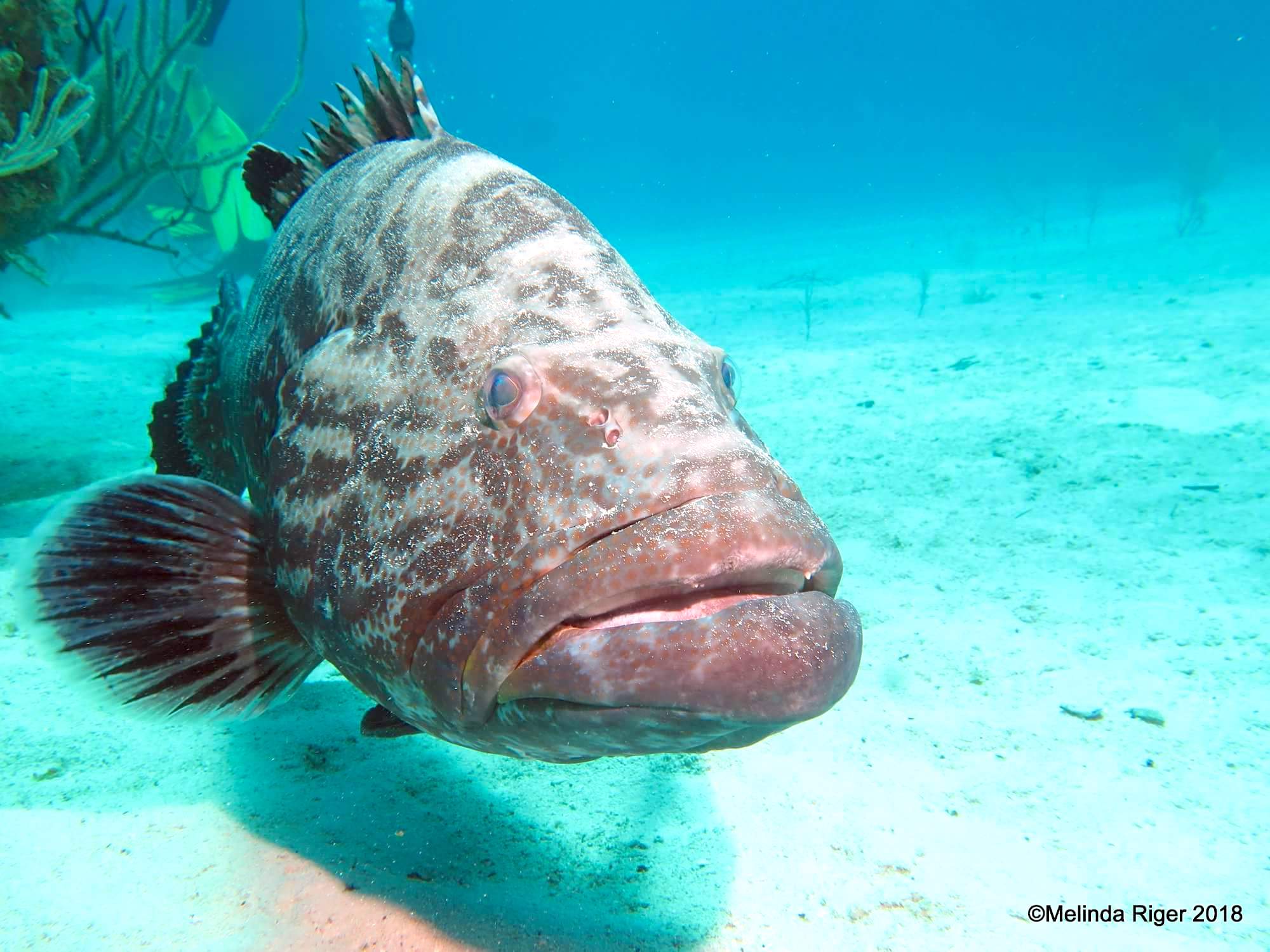
‘CURIOUS GEORGE’ THE INQUISITIVE BLACK GROUPER


Black Grouper Bahamas (Curious George) - Melinda Riger / GB Scuba

‘CURIOUS GEORGE’ THE INQUISITIVE BLACK GROUPER

Fish, like humans, have a wide variety of temperaments, or so it seems. Resorting to anthropomorphic analysis of animal behaviour is a favourite pastime for humans. Who really knows if a creature is actually feeling shy or confident or playful or aggressive or indeed inquisitive. Often it just seems that way and we are happy to categorise dolphins as playful, sharks as vicious, angelfish as serene, small darting fish as timid and so on. 

Black Grouper Bahamas (Curious George) - Melinda Riger / GB Scuba

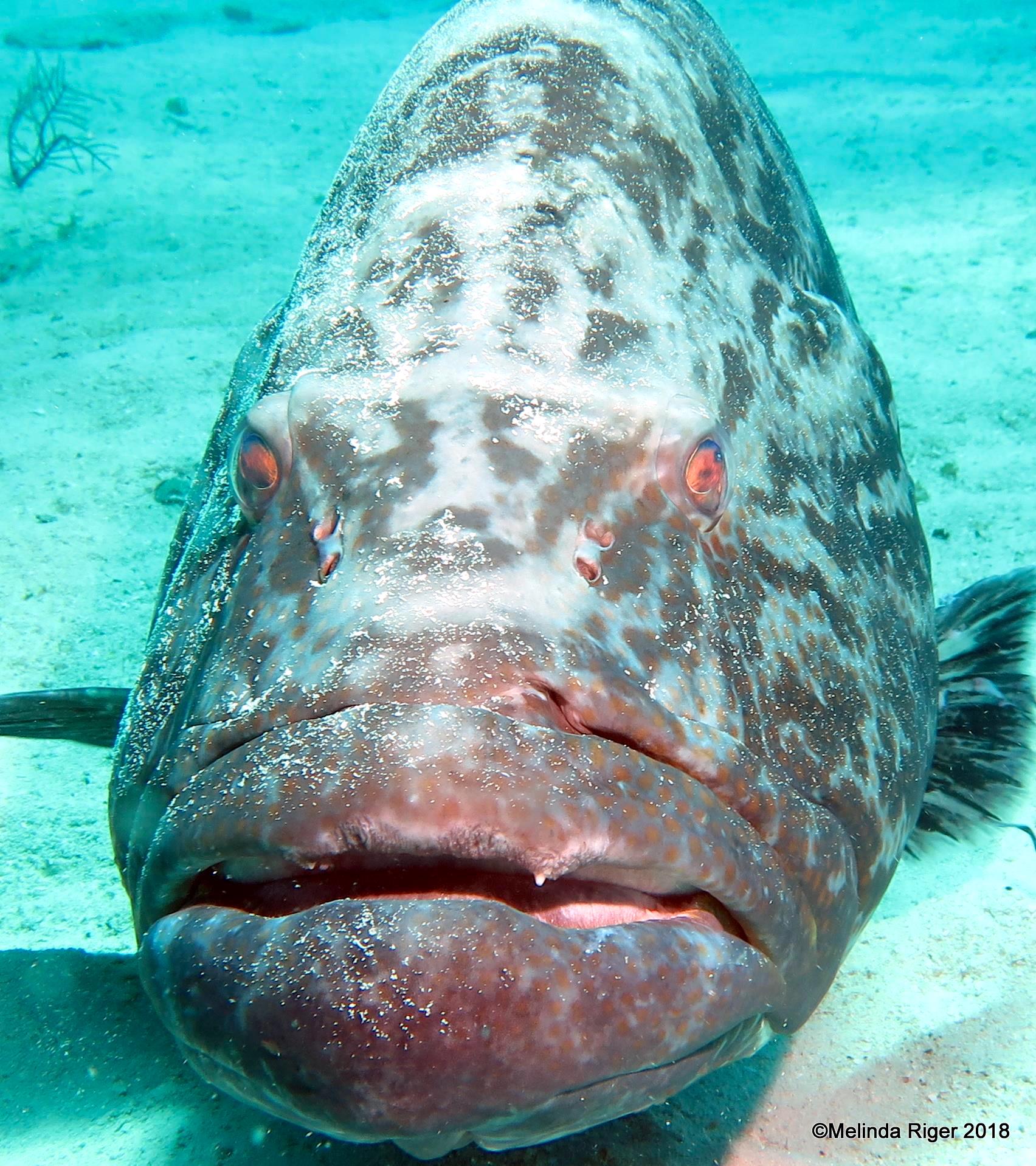
Occasionally a creature displays a ‘human’ characteristic that seems undeniable. One such is Curious George. He has become used to the divers around the reef where he lives, and greets them. He enjoys the photography sessions and the equipment, even though they may be for recording other fish. He demonstrates inquisitiveness for the strange-looking black-suited creatures that visit his patch. Like many groupers, he likes to be gently patted and stroked. 

Black Grouper Bahamas (Curious George) - Melinda Riger / GB Scuba

All this curiosity and friendliness evidences a benign interspecies relationship of symbiotic mutualism, through which both species (man and fish) benefit from the interaction. The mutually beneficial feeling might in broad terms be described as ‘pleasure’.

Black Grouper Bahamas (Curious George) - Melinda Riger / GB Scuba

Or maybe I am just indulging in a bit of over-anthropomorphisation (if there is such a word)…

All photos by one half of the symbiotic mutualism here, Melinda Riger (Grand Bahama Scuba)

Unknown's avatar

BAHAMAS REEF FISH (45) THREESPOT DAMSELFISH


Threespot Damselfish (Melinda Riger / GB Scuba)

BAHAMAS REEF FISH (45) THREESPOT DAMSELFISH

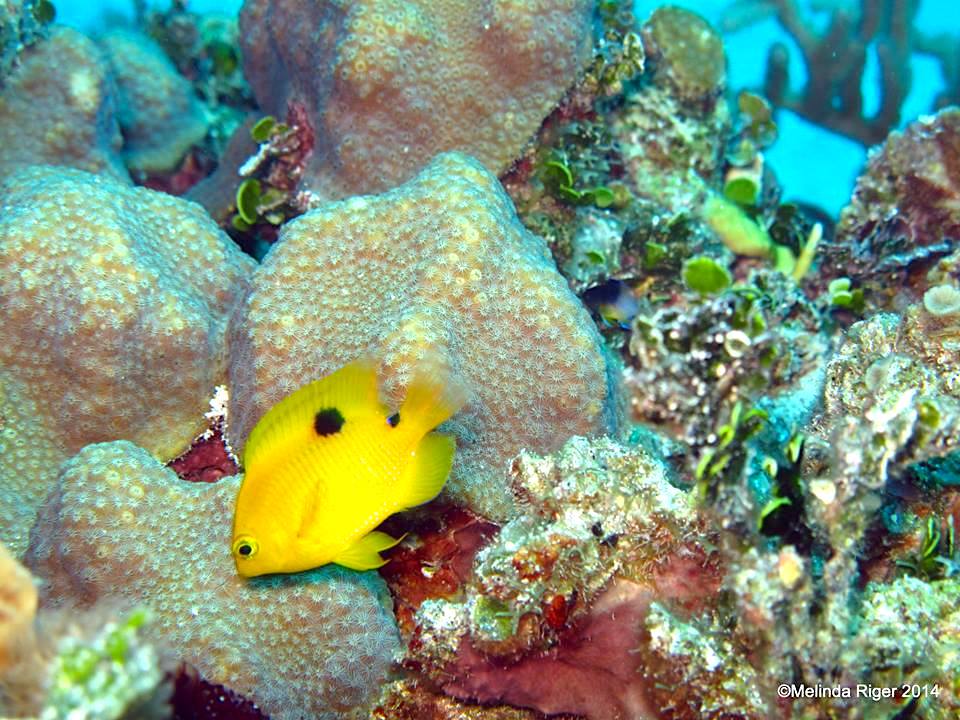
The threespot damselfish Stegastes planifrons is one of several damselfish types found in the Bahamas and more generally in the western Atlantic. As with so many reef species, there is a marked difference in coloration between juveniles (bright yellow) and darker-hued adults (above).

Threespot Damselfish (Melinda Riger / GB Scuba)Threespot Damselfish (Melinda Riger / GB Scuba)

These are bony little creatures, equipped with both spines and ‘soft rays’ on some of their fins. This perhaps make them unappealing to potential predators; and maybe the very brightness and ‘hi-viz’ of the juveniles is aposematic, a coloration thats acts as a warning or repellent to potential predators.

Threespot Damselfish (Melinda Riger / GB Scuba)

On the reef it seems threespots favour staghorn coral as a daytime base. Their diet is mainly seaweed, with small molluscs, gastropods and worms for variety. At night they retire to crevices and caves.

Threespot Damselfish (Melinda Riger / GB Scuba)

Adults are, for such small fish, vigorously protective of their territories. They will chase and nip intruders into their domains, even far larger creatures (up to and including humans).

Threespot Damselfish (Melinda Riger / GB Scuba)

A breeding pair will both be involved in egg care. Once the female has laid her eggs, they adhere to the lower reef and seabed. The male guards them and rather sweetly fans them with his fins to keep them oxygenated. And then another generation hatches and the threespot life cycle repeats.

Threespot Damselfish (Melinda Riger / GB Scuba)

Credits: All fantastic photos by Melinda Riger / Grand Bahama Scuba

Unknown's avatar

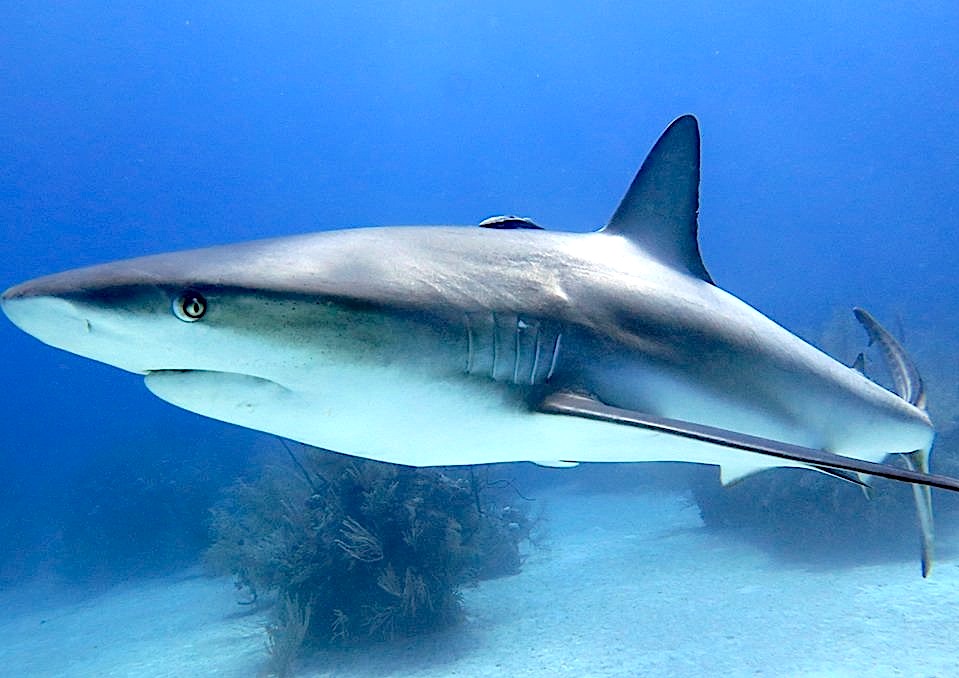
SHARKS! APEX PREDATORS IN THE BAHAMAS


Sharks in the Bahamas (Melinda Riger / Grand Bahama Scuba)

SHARKS! APEX PREDATORS IN THE BAHAMAS

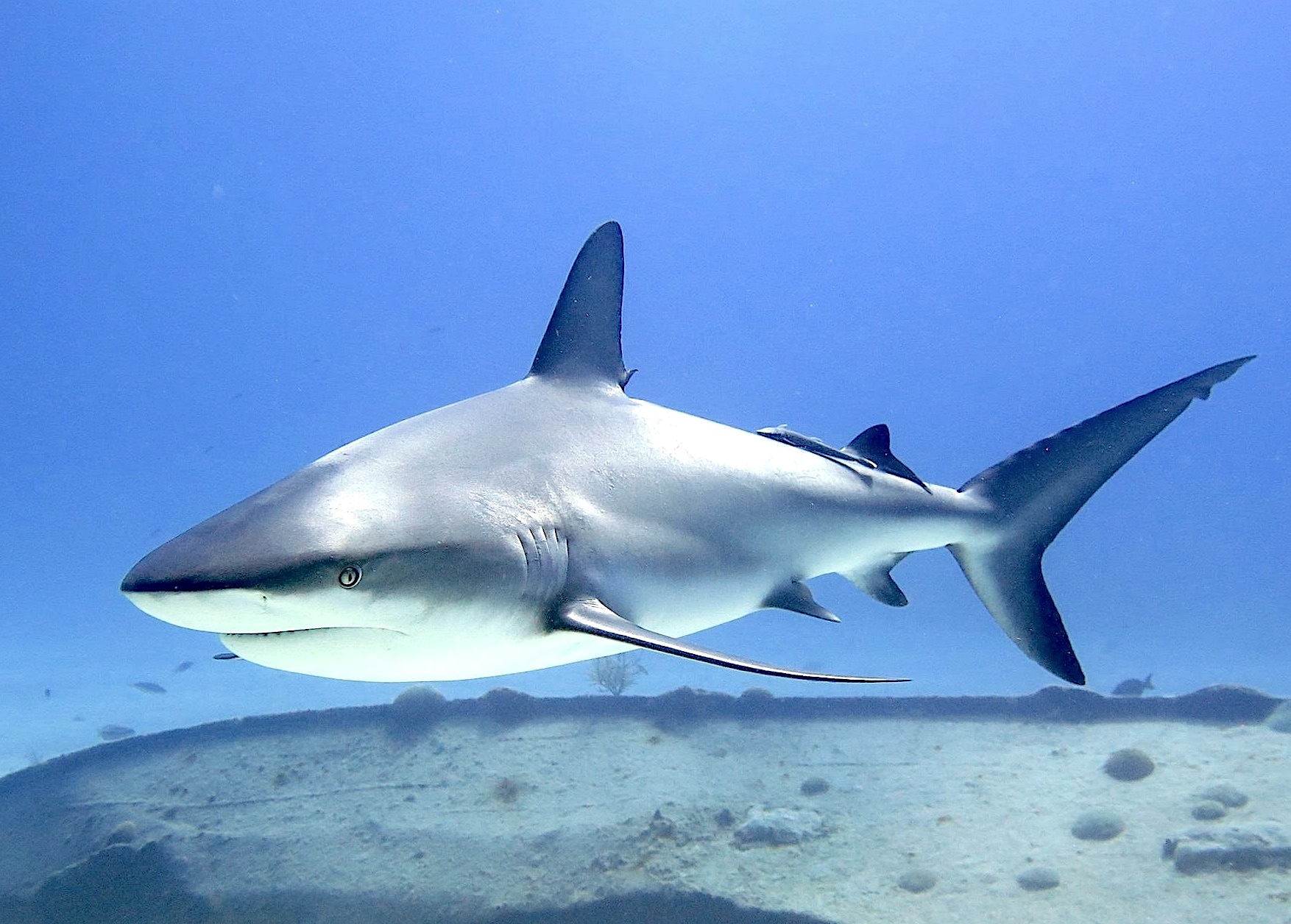
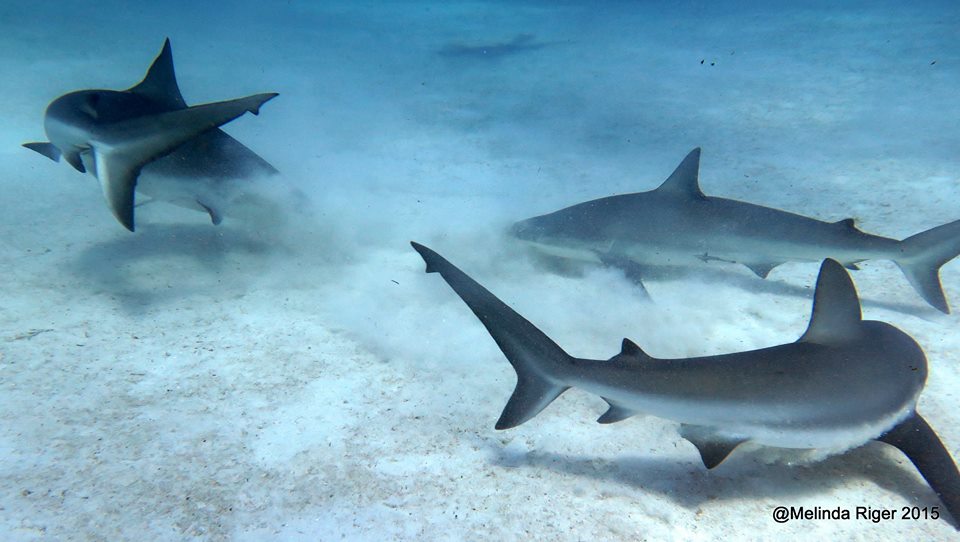
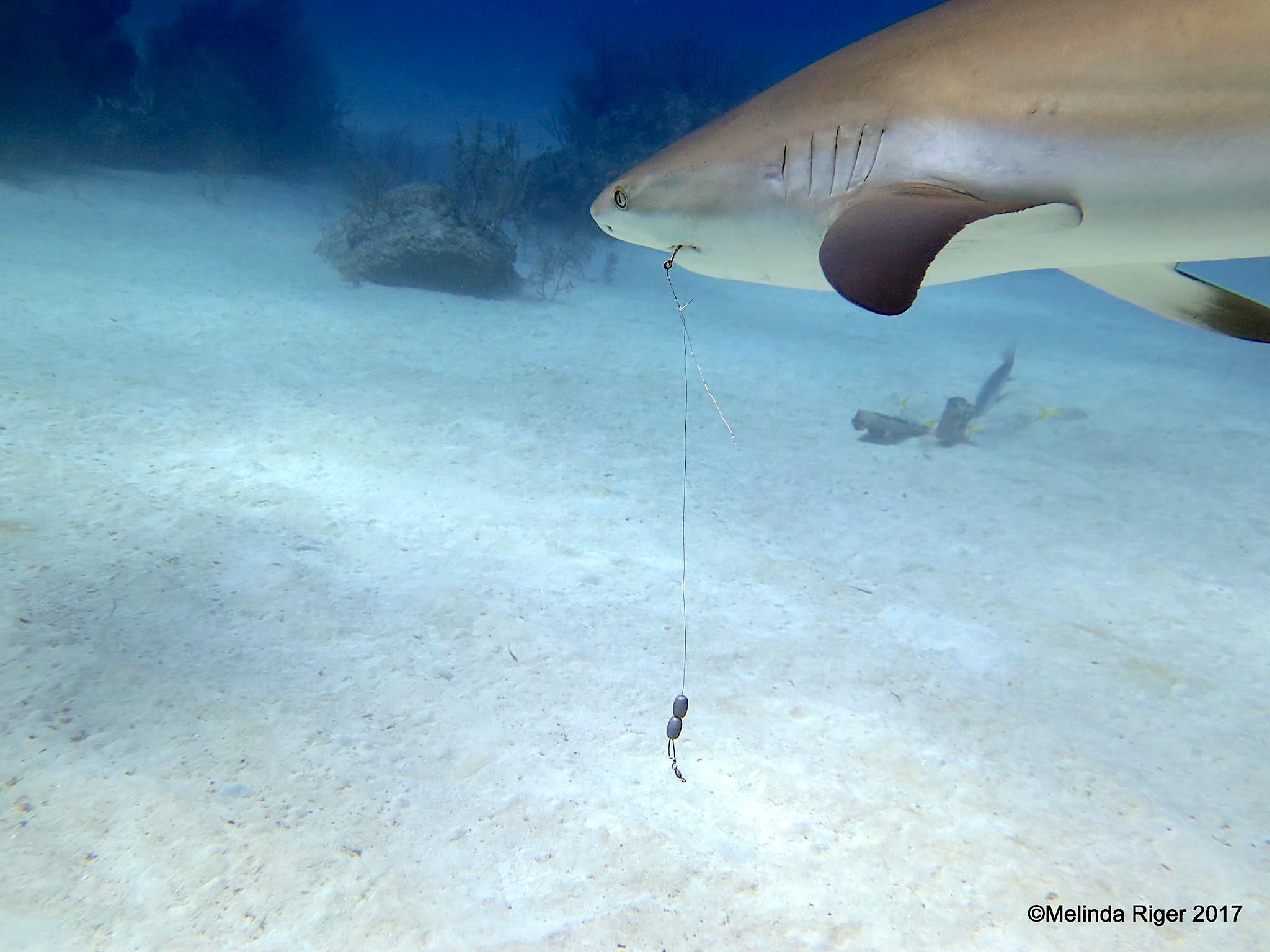
Immersion in current affairs these days brings inevitable acquaintance with sharks of various kinds, and all best avoided. Let’s have a look the real thing, the apex marine predators that in the Bahamas are all around you once you leave the safety of the shore. I haven’t featured them for ages, and it’s always a pleasure – a slight thrill, even.

Sharks in the Bahamas (Melinda Riger / Grand Bahama Scuba)Sharks in the Bahamas (Melinda Riger / Grand Bahama Scuba)

I don’t do scuba, indeed my swimming would easily be outclassed by a competent four-year old. But I see these creatures when I’m out fishing; or as they hang in the breaking waves off the Delphi beach, watching intently for a meal.

Sharks in the Bahamas (Melinda Riger / Grand Bahama Scuba)

We watch them (and stingrays) from the balcony as they lazily make their way round the margins of the wide bay, from little ‘uns to (recently) a huge bull shark. We watch as, when someone is in the water, they change course slightly to pass by them. So far, anyway…

Feeding sharksSharks feeding in the Bahamas (Melinda Riger / Grand Bahama Scuba)

The one that got away… (a sad sight)Sharks in the Bahamas (Melinda Riger / Grand Bahama Scuba)

I once took a rather primitive underwater camera with me while snorkelling in Fowl Cays National Park. This was several years ago, when I believed a cheap 2mb camera might turn me into one of the Blue Planet team. I was wrong. The shark I saw, apparently some 20 miles away (when I examined the image) – well, that’s its tail, top left…

Sharks in the Bahamas (Melinda Riger / Grand Bahama Scuba)Sharks in the Bahamas (Melinda Riger / Grand Bahama Scuba)

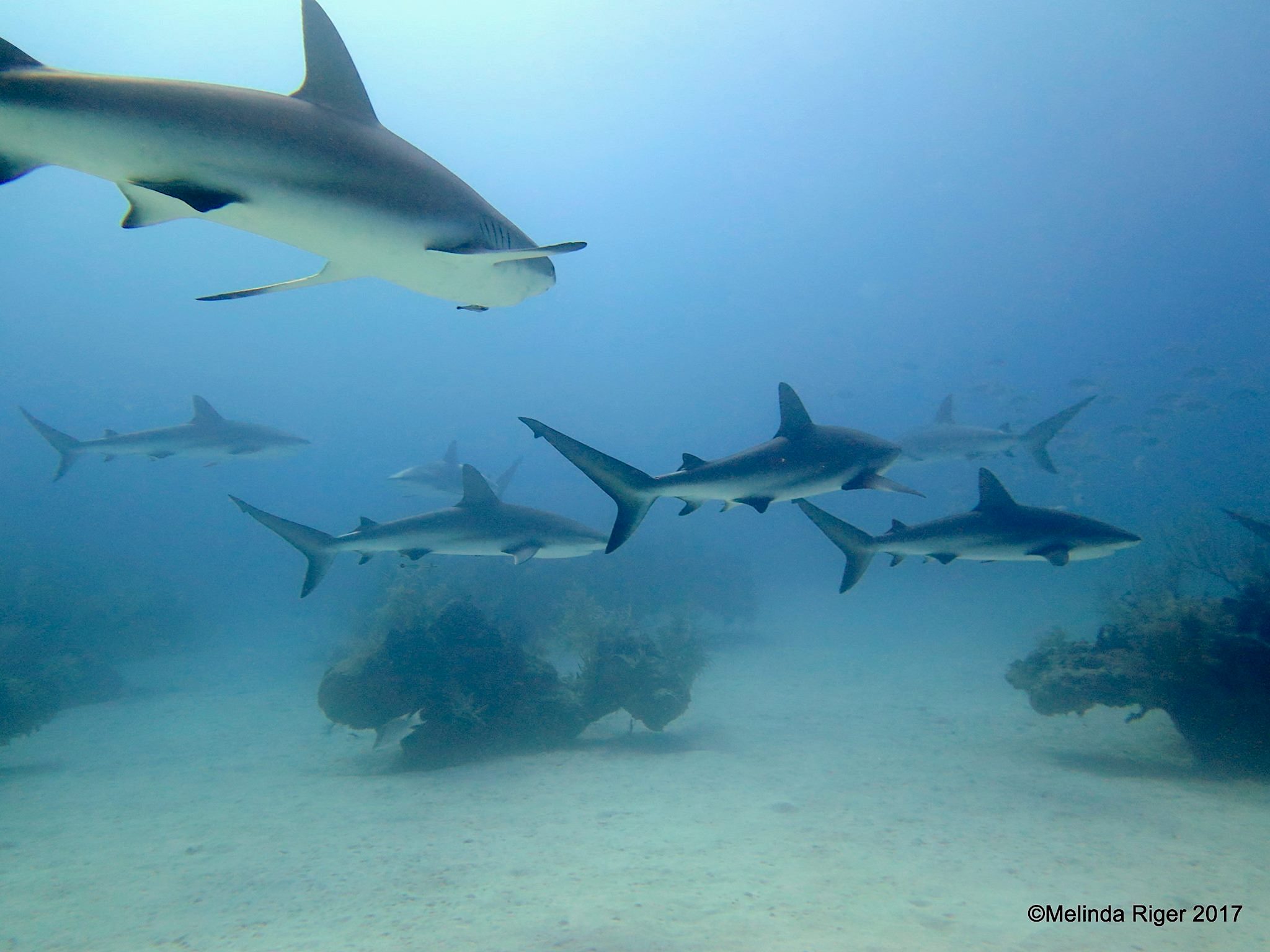
Just to look at these images is to understand that when you are in the sea, you are in the sharks’ environment. They are the masters of it. They have their rules, and they are not much interested in you… unless you break them. Or so the theory goes.

Sharks in the Bahamas (Melinda Riger / Grand Bahama Scuba)Sharks in the Bahamas (Melinda Riger / Grand Bahama Scuba)

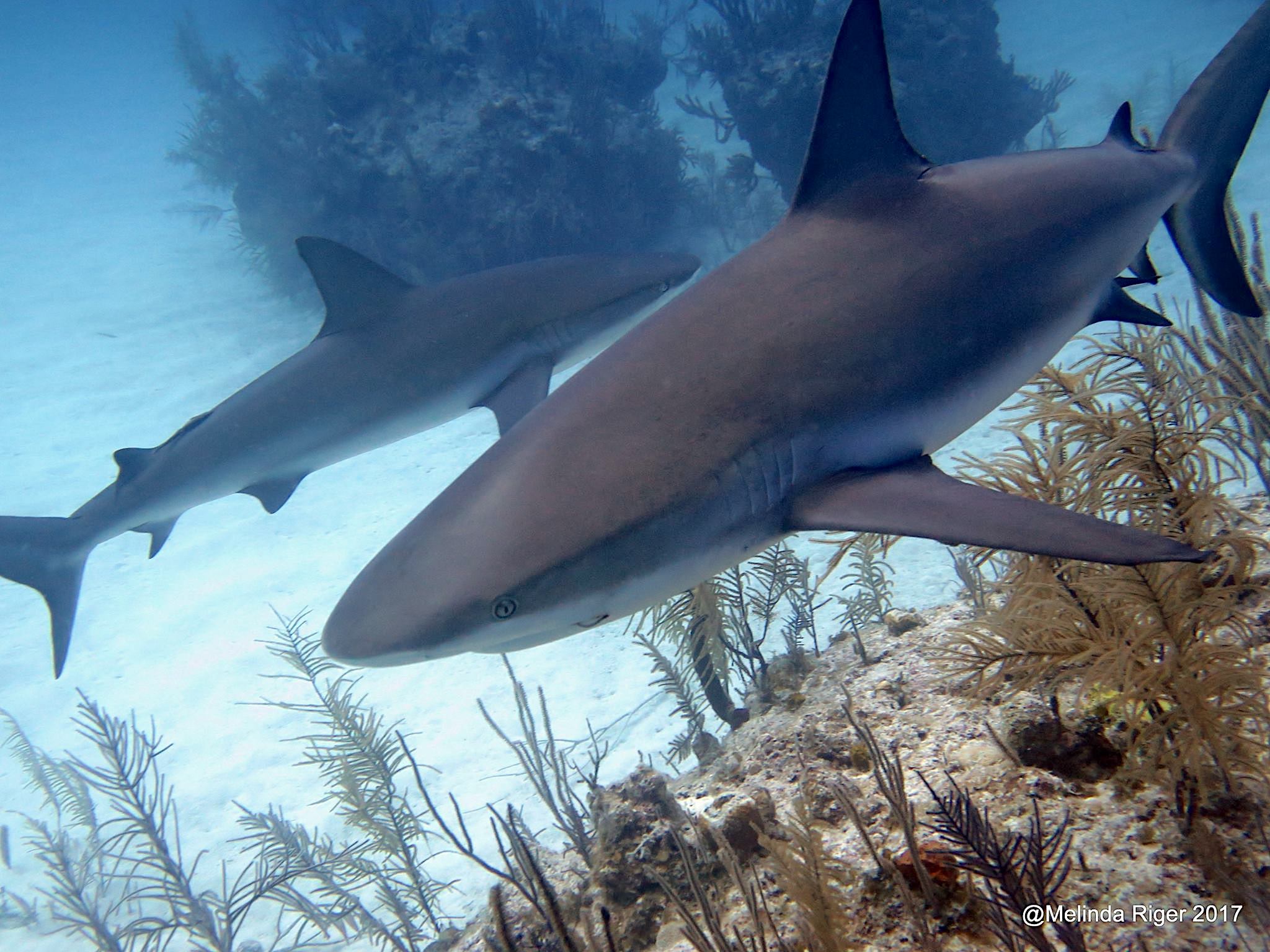
This fine shark below exemplifies the power and the menace of the shark. A creature to be admired, but also to be respected.

Sharks in the Bahamas (Melinda Riger / Grand Bahama Scuba)

All fantastic photos: Melinda Riger / Grand Bahama Scuba

Unknown's avatar

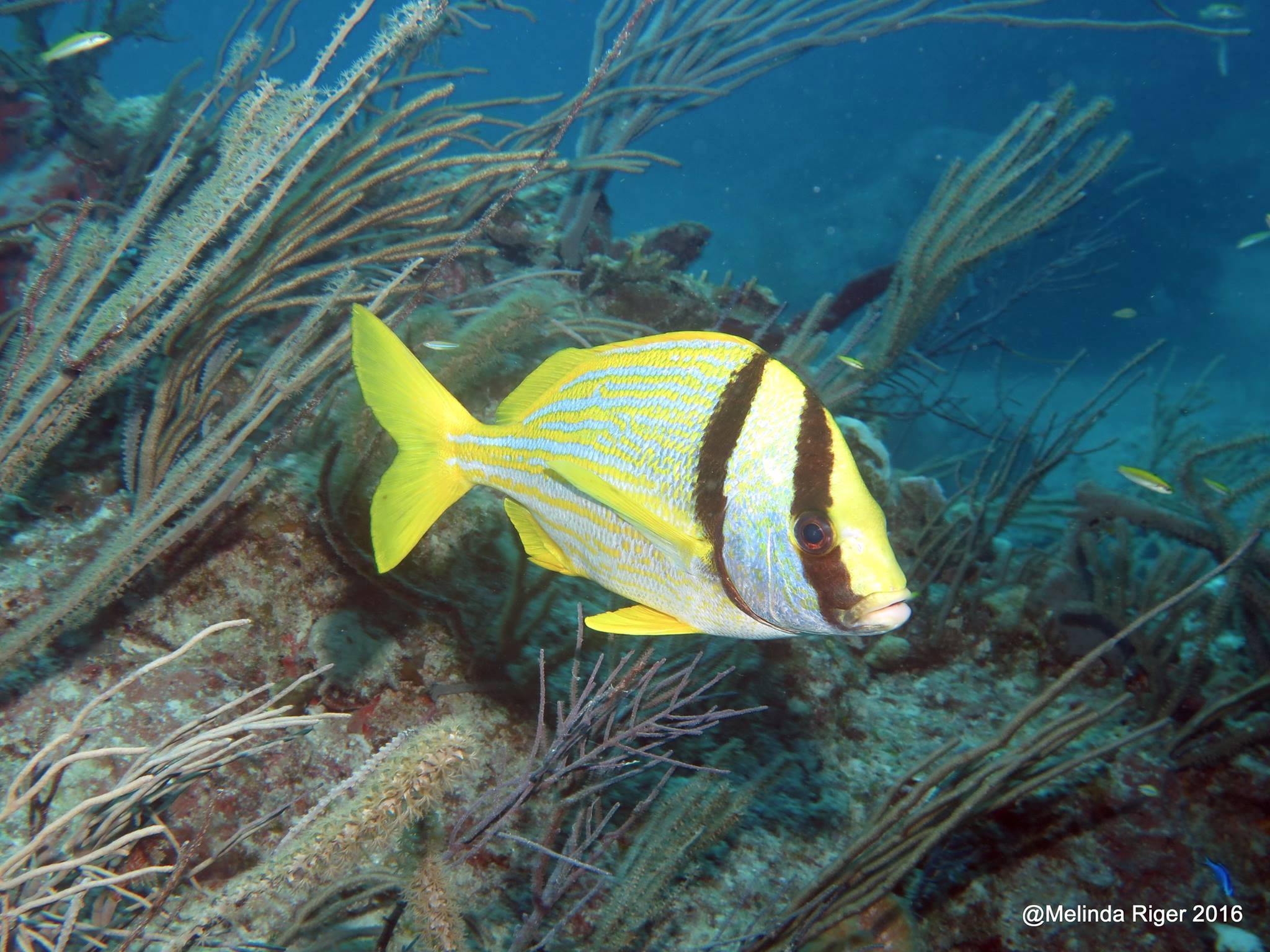
BAHAMAS REEF FISH (44): PORKFISH


Porkfish (Grunt), Bahamas - Melinda Riger / Grand Bahama Scuba

BAHAMAS REEF FISH (44): PORKFISH

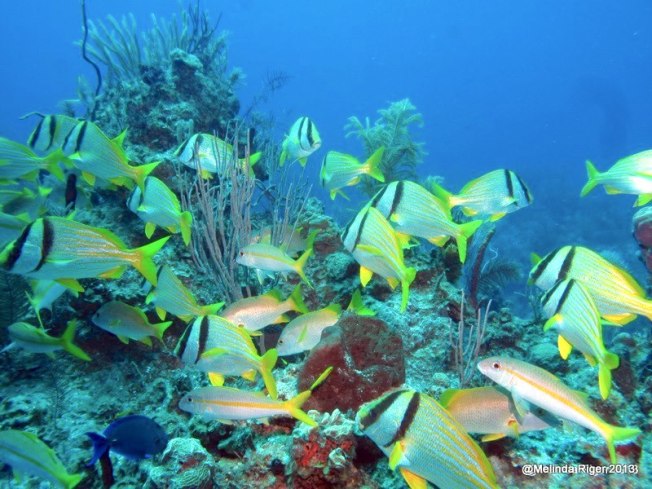
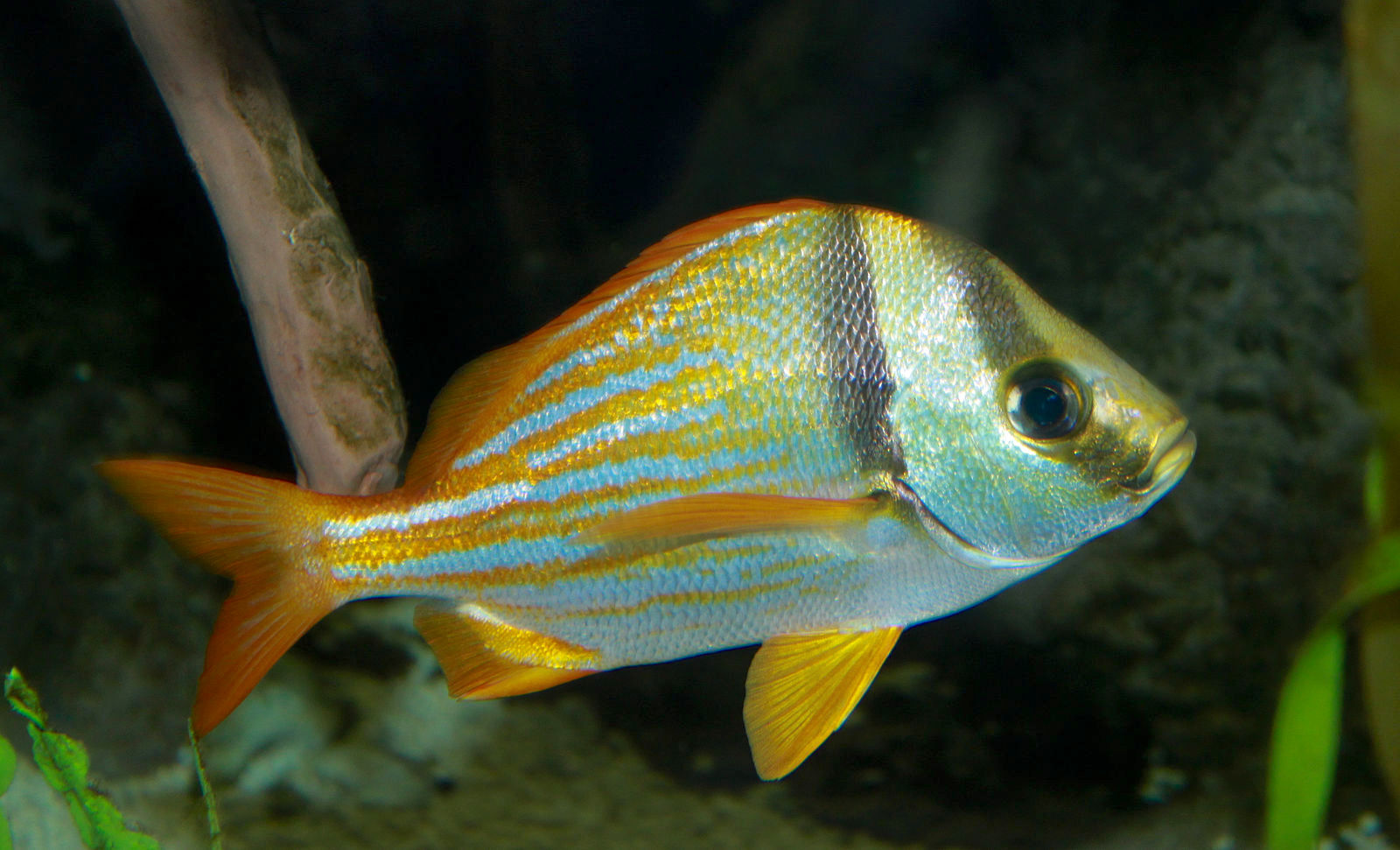
Behold the porkfish Anisotremus virginicus, the slightly unattractively named representative of the (arguably) even less attractively named grunt species. These small, bright-coloured reef dwellers are rarely more than 12 inches long. They are mainly nocturnal fish, feeding on small crustaceans, mollusks and so on. Juveniles have been observed acting as cleaners to larger species, feeding on parasites – an example of mutualism between species, in which both sides benefit from the arrangement.

Porkfish (Grunt), Bahamas - Melinda Riger / Grand Bahama Scuba

WHY IS A ‘PORKFISH’ A ‘GRUNT’

The terminology seems to be somewhat confused by local usages, but in general terms all porkfish are grunts; but not vice versa. Yet I notice that the term ‘porkfish’ is used to describe other types of grunt. A good rule of thumb is the the Atlantic Porkfish is the only grunt with two black vertical bars and yellow stripes… Note that grunts differ from their cousins the snappers by having a different dental arrangement – no canine teeth.

Porkfish (Grunt), Bahamas - Melinda Riger / Grand Bahama Scuba

AND WHY ‘GRUNT’ ANYWAY? DO THEY SOUND LIKE PIGS?

Well, perhaps a bit. All grunts, including porkfish, are capable of producing grunt-like sounds from some kind of grinding of their back teeth that is too technical to go into here**. The sound is associated with ‘situations of duress and danger’ – such as being caught and unhooked…

Porkfish (Grunt), Bahamas - Melinda Riger / Grand Bahama Scuba

DO YOU HAPPEN TO HAVE A RECORDING?

As it so happens I do. This is taken from a rather longer Youtube video in which a grunt was caught, unhooked and returned.You’ll hear a couple of grunts as the fish was unhooked, and some (perhaps understandable) hilarity on the boat. I guess you had to be there.

Porkfish are gregarious, and also mix with other speciesPorkfish (Grunt), Bahamas - Melinda Riger / Grand Bahama Scuba

ARE PORKFISH EDIBLE?

Like most if not all grunts, they are, with the proviso that there is some association with ciguatera. I’ve never knowingly eaten one myself, but I gather that “grits and grunts” is a popular culinary combo in some places. For those that might want to know more, a quick look at a couple of threads reveals the following:

  • They taste great, a bit like ham
  • Their white meat cooks very well
  • They taste better than black margates (another grunt species)
  • Eat them in enchilado or breaded fillets
  • ‘Big-ass head’ on them so not much if you filet
  • If you scale and cook whole you get a better yield on them
  • When fishing for supper, ‘shoot ’em up and hold off for the bigger ones’

Porkfish (Grunt) - Brian Gratwicke (wiki)

Credits: all great photos by Melinda Riger /  Grand Bahama Scuba, except the last by Brian Gratwicke (wiki); soundbite from Youtube video 2010 by peachyree; research from seaworld.org; britannica.com and the usual suspects…

** Subtle code for “I haven’t really understood it…”

Unknown's avatar

GRAYSBY (GROUPER): BAHAMAS REEF FISH (42)


Graysby (grouper) - Melinda Riger / Grand Bahama Scuba

GRAYSBY (GROUPER): BAHAMAS REEF FISH (42)

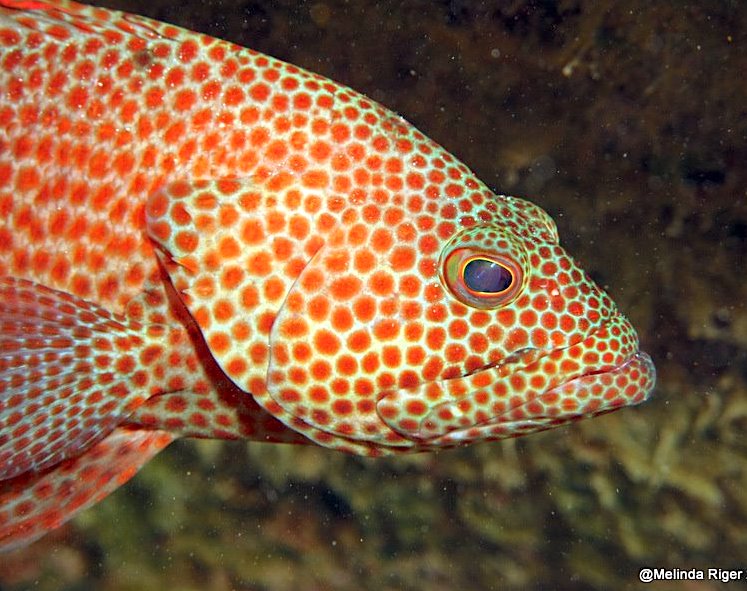
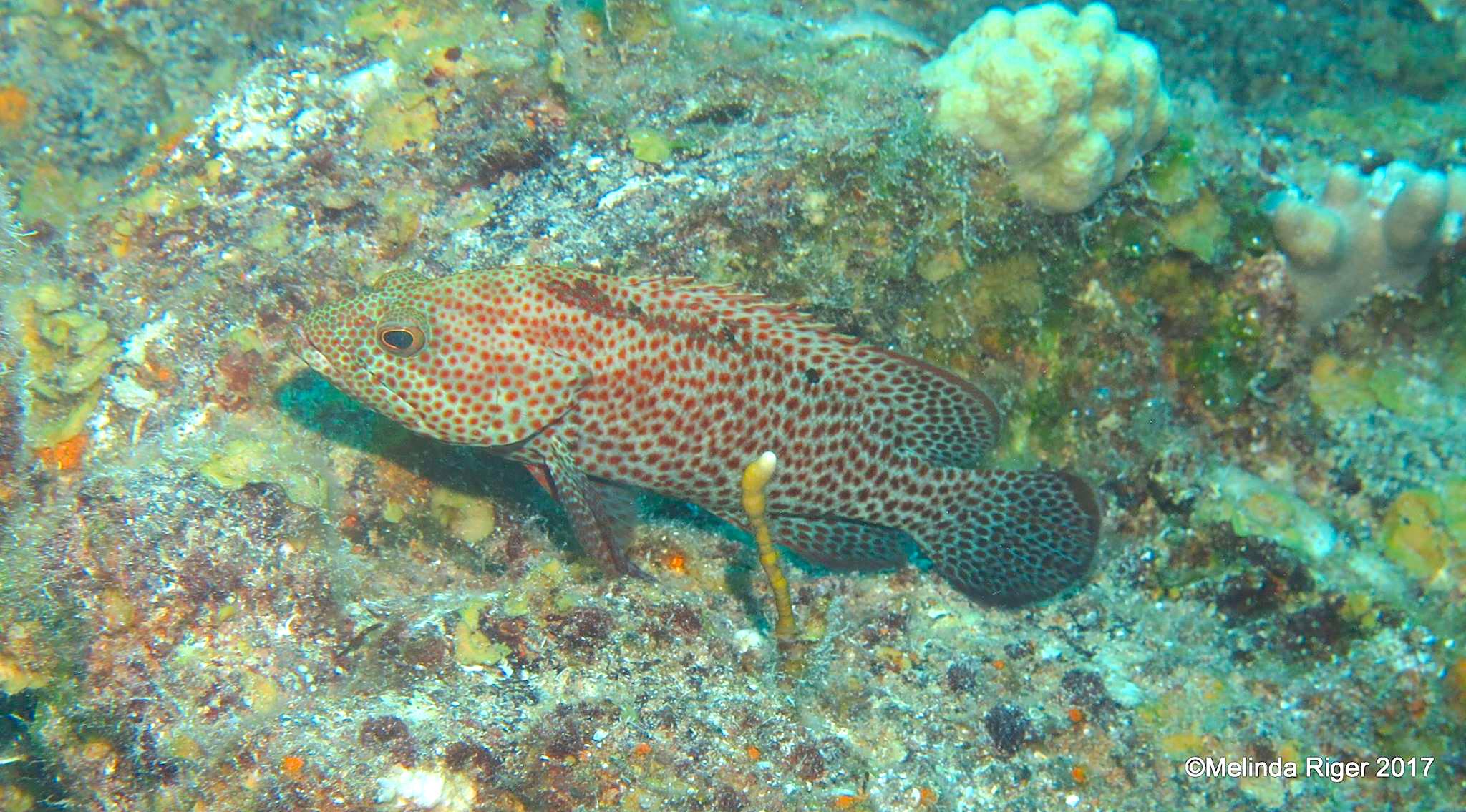
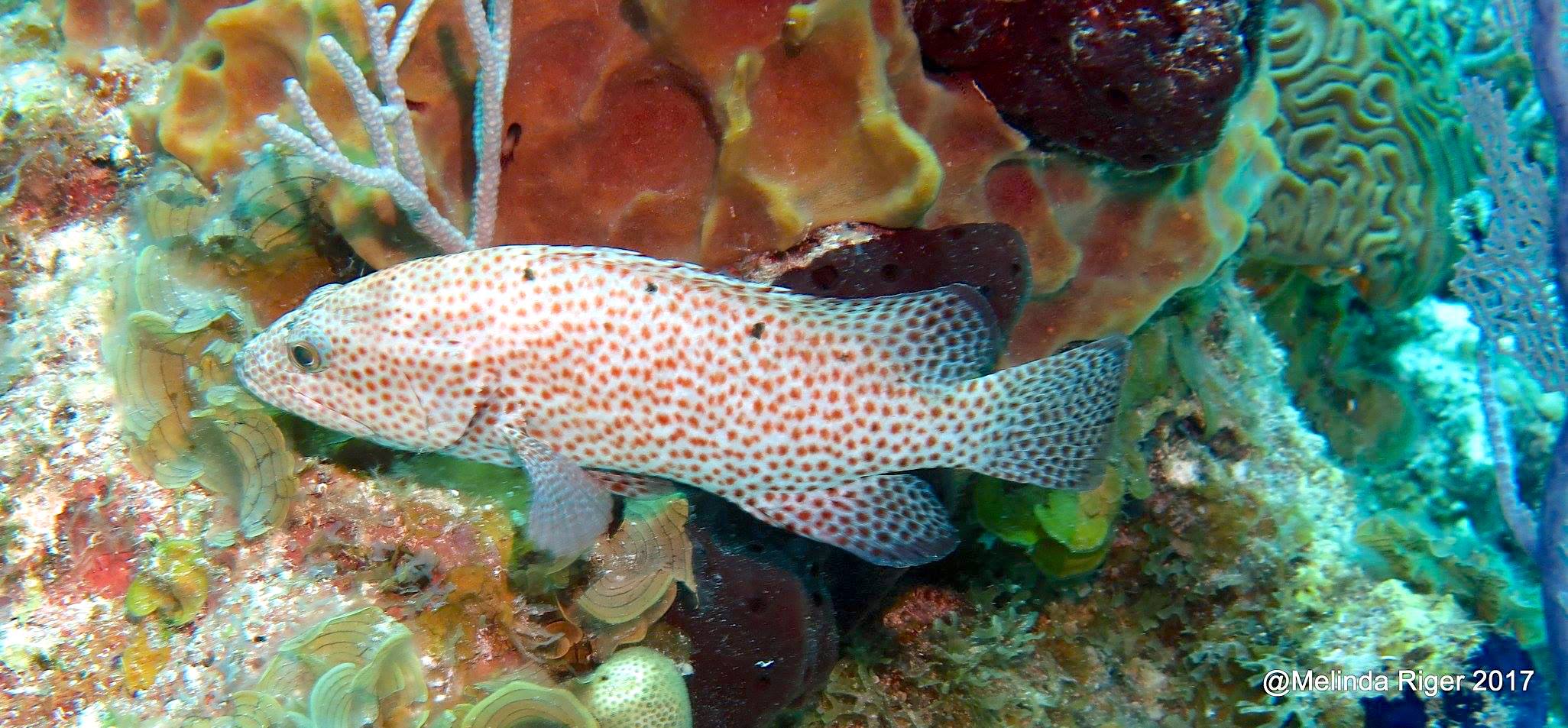
The Graysby Cephalopholis cruentata is a small, spotty grouper, which grows to a maximum of around 16 inches. These rather unassuming and solitary fish have a preference for coral reefs, where they can blend in with their surroundings on ledges and in caves and crevices during the day. At night, they become active – that’s when they feed on feed on small fish, crabs and shrimps. 

Graysby (grouper) - Melinda Riger / Grand Bahama ScubaGraysby (grouper) - Melinda Riger / Grand Bahama Scuba

The graysby has variable colouring in a range from light brown to pale gray, with all-over spots that may be red, orange or brownish. Often, they have 3 to 5 contrasting spots on their backs, along the base of the dorsal fin, as below:

Graysby (grouper) - Melinda Riger / Grand Bahama ScubaGraysby (grouper) - Melinda Riger / Grand Bahama Scuba

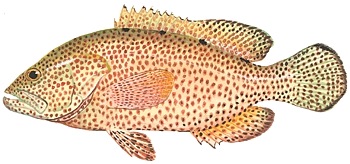
The long erectile dorsal fin comprises both spines and ‘rays’ – spines at the front, rays at the back. Like this:

The spots of a graysby can change in colour (at least to a limited extent), becoming either paler or darker. I imagine this is a protective feature to enable the fish to blend in more easily with its reef surroundings. 

Graysby (grouper) - Melinda Riger / Grand Bahama Scuba

Signalling to turn right…

I wondered if they are edible. I believe so – but then I also read that the larger adults carry the risk of ciguatera and raised mercury levels. So I’ll give it a miss thanks.

Photo & other credits: all photographs by Melinda Riger / Grand Bahama Scuba; aqua.org; SAMFC (drawing)

Unknown's avatar

BAHAMAS REEF FISH (39): YELLOWTAIL DAMSELFISH


Yellowtail Damselfish (©Melinda Riger / Grand Bahama Scuba)

BAHAMAS REEF FISH (39): YELLOWTAIL DAMSELFISH

Yellowtails are just one of several damselfish species in Bahamas waters. These small fish are conspicuous not just for the bright tails that give them their name. More striking if anything – especially if seen underwater in sunlight against the coral – are the electric blue spots visible in both adults and juveniles.

Yellowtail Damselfish (©Melinda Riger / Grand Bahama Scuba)

The body of adults is dark blue to brownish to almost black 

The body of juveniles is blue

Yellowtails are a common and widespread variety of damselfish. They have a limited ability to change colour according to their surroundings, but with their bright tails and luminous blue flecks, it’s hard to see how they can look, to a predator, anything other than a tasty snack.

I have enjoyed seeing these little fish at Fowl Cay Marine Preserve, Abaco. The reef there makes for easy and rewarding snorkelling, with a wide variety of small and medium-size reef fishes to be seen. It’s an expedition I would definitely recommend to anyone wanting to see a healthy and active reef in a completely natural protected area.

I found that a video I took with a tiny camera was sadly of use only to myself. No one else would be able to make anything out due to the marked camera shake. Novices, huh? You are spared that: here’s a brief example of yellowtails swimming instead, showing the difference between juveniles and adults.

Credits: all photos, Melinda Riger / Grand Bahama Scuba; video from Desert Diving

Unknown's avatar

QUEEN TRIGGERFISH AND GOOD RIDDANCE TO MARIA


Queen Triggerfish Bahamas (Melinda Riger / Grand Bahama Scuba)

QUEEN TRIGGERFISH AND GOOD RIDDANCE TO MARIA

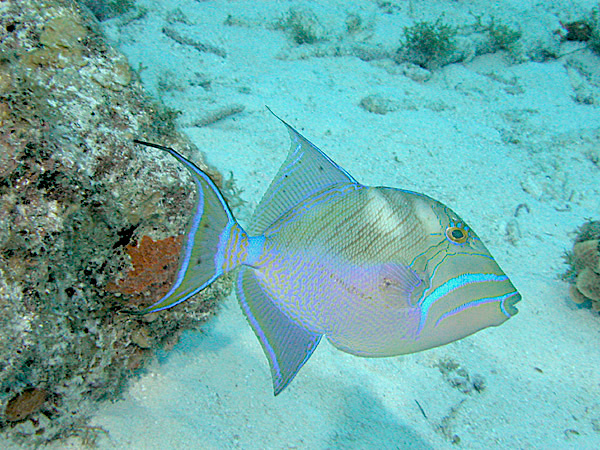
I can think of no sensible connection between the colourful yet undoubtedly strange and grumpy-looking looking queen triggerfish Balistes vetula, and a hurricane. However, Hurricanes Irma and Maria have been rightly dominating the news and everyone’s thoughts for nearly 3 weeks now. And most of the recent posts from Rolling Harbour, for that matter. It’s not been a great time for looking at the birds, beasts and fishes. So, as Maria drifts eastwards and away from the Bahamas into the open ocean, it’s time for a splash of colour – and a fish I have not featured before. 

Hurricane Maria tracking at 11.00 EST on Sept 22

Queen Triggerfish Bahamas (Melinda Riger / Grand Bahama Scuba)Queen Triggerfish Bahamas (Melinda Riger / Grand Bahama Scuba)

The queen triggerfish, sometimes known as an Old Wife, is an Atlantic reef fish. This species is sometime fished for as game, and I know that a few have been taken from off the rocks at the south end of Delphi beach over the years – though perhaps not exactly on purpose.

Queen Triggerfish Bahamas (Mark Peter, Wiki)Queen Triggerfish Bahamas (Melinda Riger / Grand Bahama Scuba)

This fish typically is coloured with shades of  blue, purple, turquoise and green with a yellowish throat, with pale blue lines fins on head and fins. It’s minor superpower is to be able to change its coloration to some extent to match its reef surroundings and assist camouflage. Its favourite food is the sea urchin.

Queen Triggerfish Bahamas (Clark Anderson / Aqua-images)

Let’s hope this is the last post to feature anything about hurricanes for a good long time, as we think of all those still struggling to make sense of the terrible destruction they have recently experienced – in some places, twice over.

Credits: Melinda Riger / Grand Bahama Scuba; Mark Peter, Wiki; Clark Anderson / Aqua-images

Unknown's avatar

BAHAMAS REEF FISH (38): SPOTFIN BUTTERFLYFISH


Spotfin Butterflyfish, Bahamas (Melinda Riger / G B Scuba)

BAHAMAS REEF FISH (38): SPOTFIN BUTTERFLYFISH

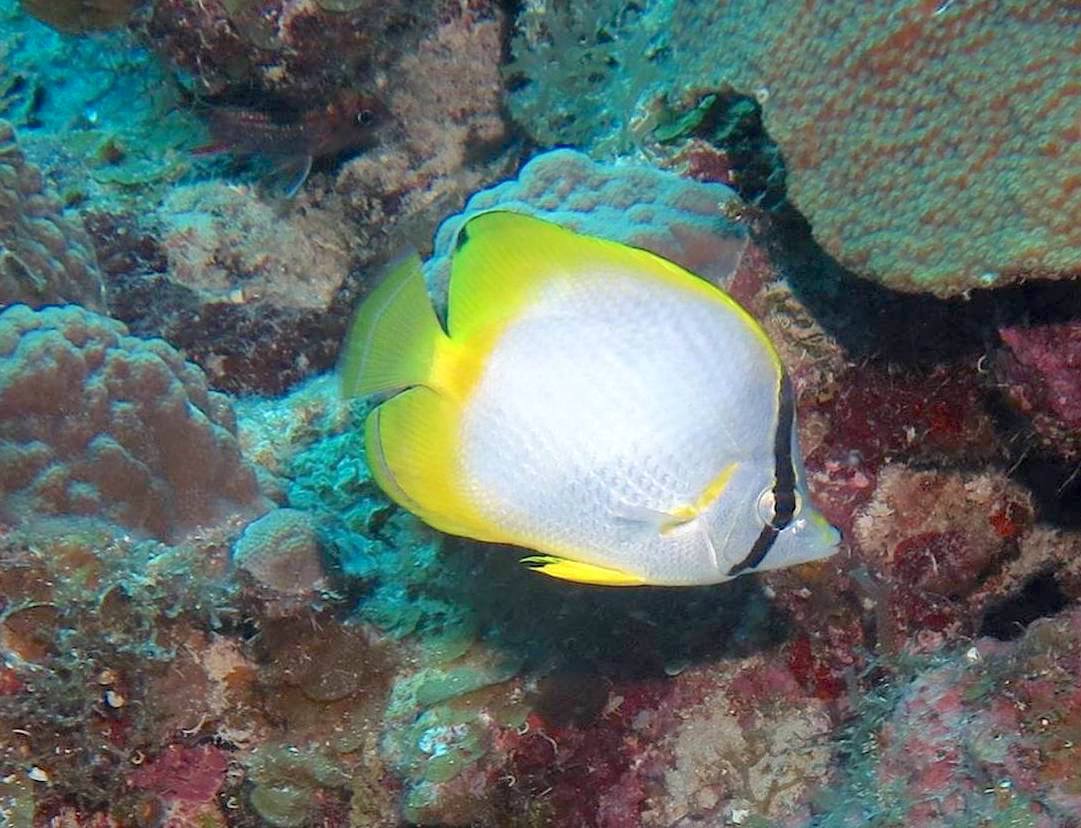
Butterflyfishes are a large family of mainly colourful small fish somewhat like mini-angelfish. The spotfin butterflyfish (Chaetodon ocellatus) is one of several types of butterflyfish found in the western Atlantic Ocean; and one of half a dozen or so you are likely to see nosing around the coral reefs of the Bahamas.

Spotfin Butterflyfish, Bahamas (Melinda Riger / G B Scuba)

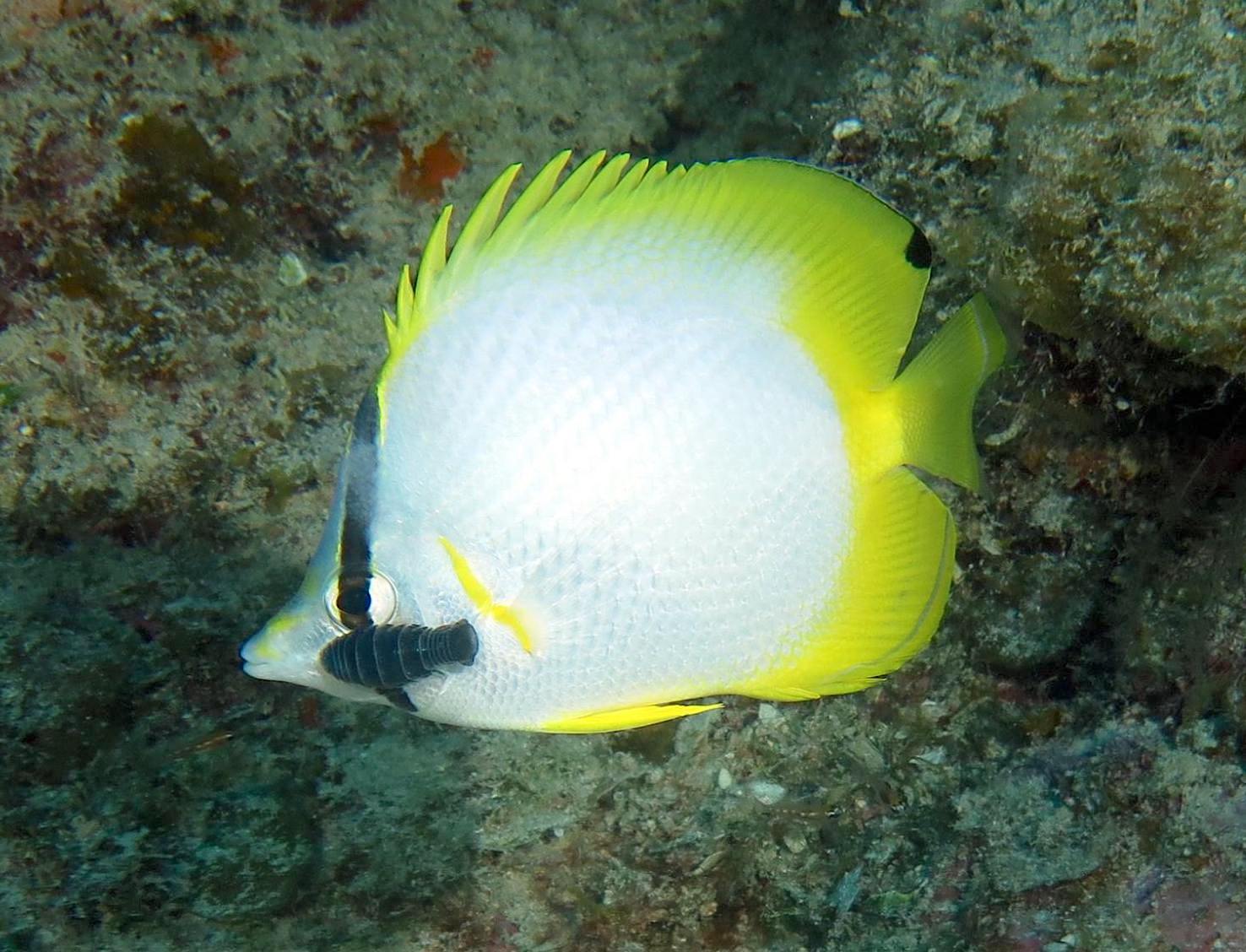
The name ‘spotfin’ derives from the dark spot on the dorsal fin. At the front end, there is a distinctive black vertical stripe that passes right through the eye. Combined with the vivid colouring, predators are in theory confused or warned off.  The spotfin’s superpower (on a modest scale) is that at night, a change of appearance occurs in adults. The dark patch on the dorsal fin increases in size, and dark bands appear on the body. This seems to be in order to provide further protection during the darker hours.

Spotfin Butterflyfish, Bahamas (Melinda Riger / G B Scuba)

The spotfin above has an isopod attached to it, a type of crustacean with a segmented body. Primitive fossils of these creatures have been dated back some 3m years. Want to know want this one is up to? These things “are mostly external parasites of fish or crustaceans and feed on blood, having piercing and sucking mouthparts and clawed limbs adapted for clinging onto their hosts”.

Soldierfish photobombs a spotfin. Or maybe it’s vice versa?Parasitic species are mostly external parasites of fish or crustaceans and feed on blood. The larvae of the Gnathiidae family and adult cymothoidids have piercing and sucking mouthparts and clawed limbs adapted for clinging onto their hosts.

Reading about this particular species of  butterfly fish, I discovered that the spotfin “is very common and very hard to maintain in a tank” –  as if the two facts are somehow connected. So might they be coarse or vulgar, and thus unsuitable companions for better bred and perhaps sensitive aquarium fish? As it turns out, it may be because they are vulnerable to predation, and so can coexist only with peaceable tank friends. 

Spotfins are perfectly happy swimming upside down; and their party trick apparently is to rise to the surface and squirt a jet of water in the air. Sadly, I couldn’t come up with a photo of this…

RELATED POSTS

LONGSNOUT BUTTERFLYFISH

REEF BUTTERFLYFISH

Credits: All fab photos by Melinda Riger / Grand Bahamas Scuba

Unknown's avatar

REDSPOTTED HAWKFISH: BAHAMAS REEF FISH (35)


Redspotted Hawkfish, Bahamas (Melinda Riger)

REDSPOTTED HAWKFISH: BAHAMAS REEF FISH (35)

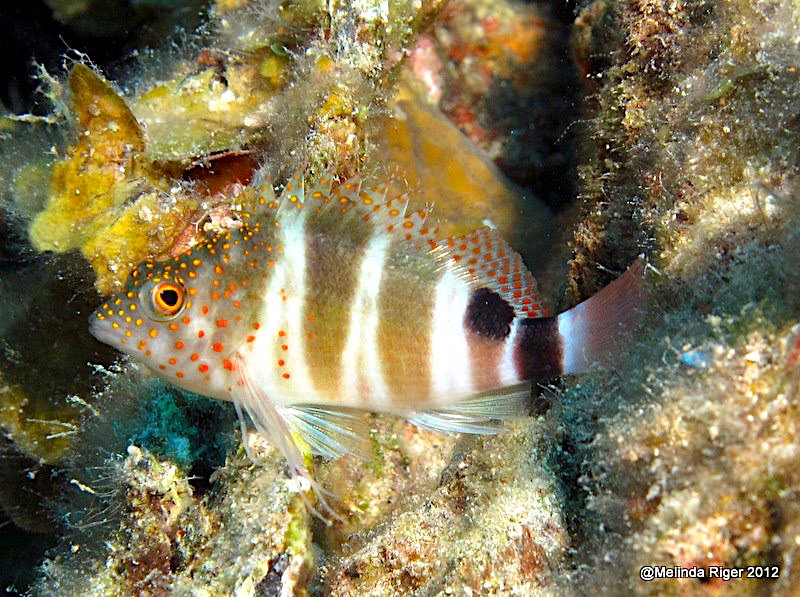
The redspotted hawkfish (Amblycirrhitus pinos) is one of a number of species of hawkfishes found worldwide. This one is found on the sub-tropical and tropical reefs of the Western Atlantic, and is therefore a fish you might see when out snorkelling or (more likely) scuba-ing in the Bahamas. These are small creatures – adults are unlikely to exceed 4 inches in length.

Redspotted Hawkfish, Bahamas (Melinda Riger)

There’s not a whole lot else to report about them. They have no medicinal superpowers, for example, nor wickedly toxic spines. A quick scroll through the highways and byways of the interweb reveals that redspotted hawkfish are considered (rightly, I think) to be attractive, tend to be shy, enjoy perching on coral ledges, and are generally benign, except to smaller fishes to which they may show aggression or – worse – an appetite. 

Redspotted Hawkfish, Bahamas (Melinda Riger)

As you might predict, these pretty little fish are popular in the aquarium trade, where on any view they should be kept safe from predators. But maybe captivity is a little limited in opportunities for travel and exploration. They can be bought for (I just checked) $29.99. Or else left alone on a reef to take their chances.

Photo Credits: Melinda Riger / Grand Bahama Scuba, with thanks as per…

Unknown's avatar

‘CUDAS: “WHAT BIG TEETH YOU’VE GOT…”


Barracuda - Melinda Riger / Grand Bahama Scuba

‘CUDAS: “WHAT BIG TEETH YOU’VE GOT…”

Or, if not exactly big then lethally lacerating. Their sharp fangs are all different sizes, which gives more of a mincing effect than a clean bite. Then there’s the underbite, involving more mincing. And the fact that the teeth are set at different angles. That’s a third mincing effect. Prey in those strong jaws? No chance. 

Three -way mincing machine. Avoid.Barracuda - Melinda Riger / Grand Bahama Scuba Barracuda - Melinda Riger / Grand Bahama Scuba

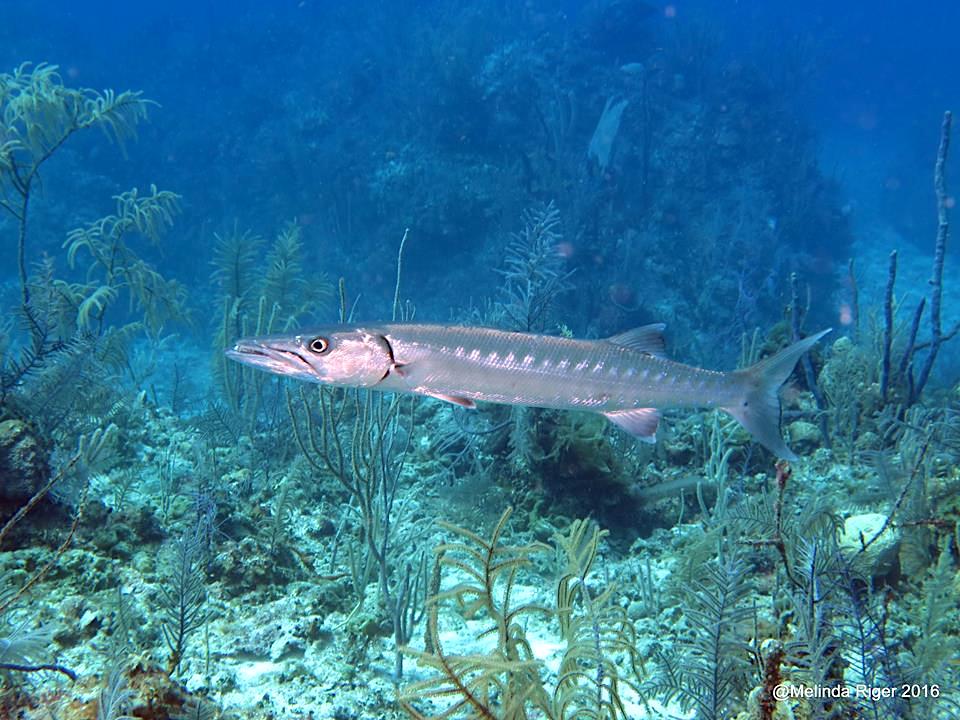
Teeth? Enough dentition already. It’s impossible not to admire these lean, mean eating machines as they glide around in their natural environment. The photos below are designed to redress the balance a bit. Sinister, yes. But mighty fine fish, without a doubt.

Barracuda - Melinda Riger / Grand Bahama ScubaBarracuda - Melinda Riger / Grand Bahama ScubaBarracuda - Melinda Riger / Grand Bahama ScubaBarracuda - Melinda Riger / Grand Bahama ScubaBarracuda - Melinda Riger / Grand Bahama Scuba

All photos: Melinda Riger, Grand Bahama Scuba, with thanks as ever for her terrific photos

Unknown's avatar

WATCHING NURSE SHARKS: BE PATIENT…


nurse-shark-8-16-melinda-riger-gb-scuba

WATCHING NURSE SHARKS: BE PATIENT…

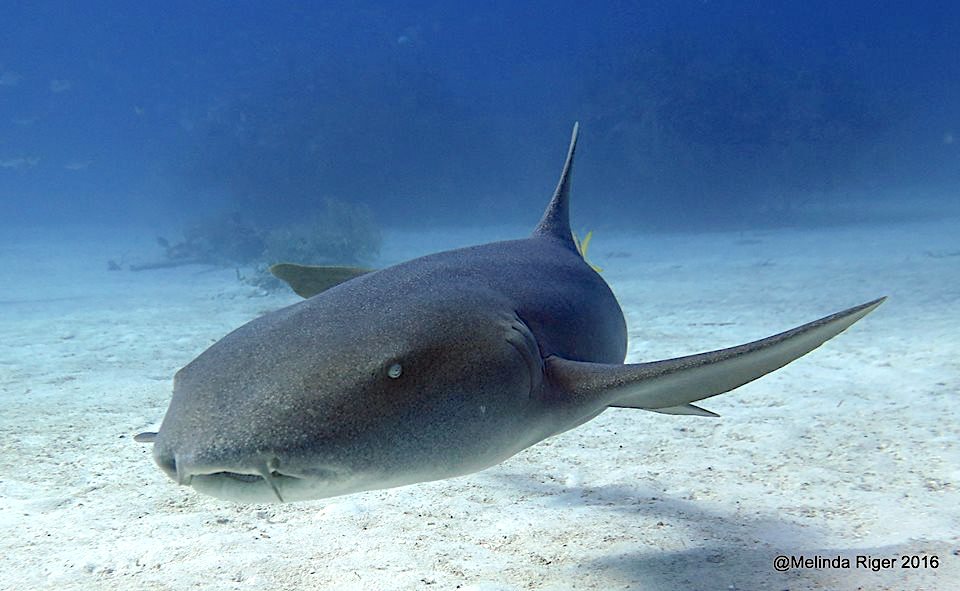
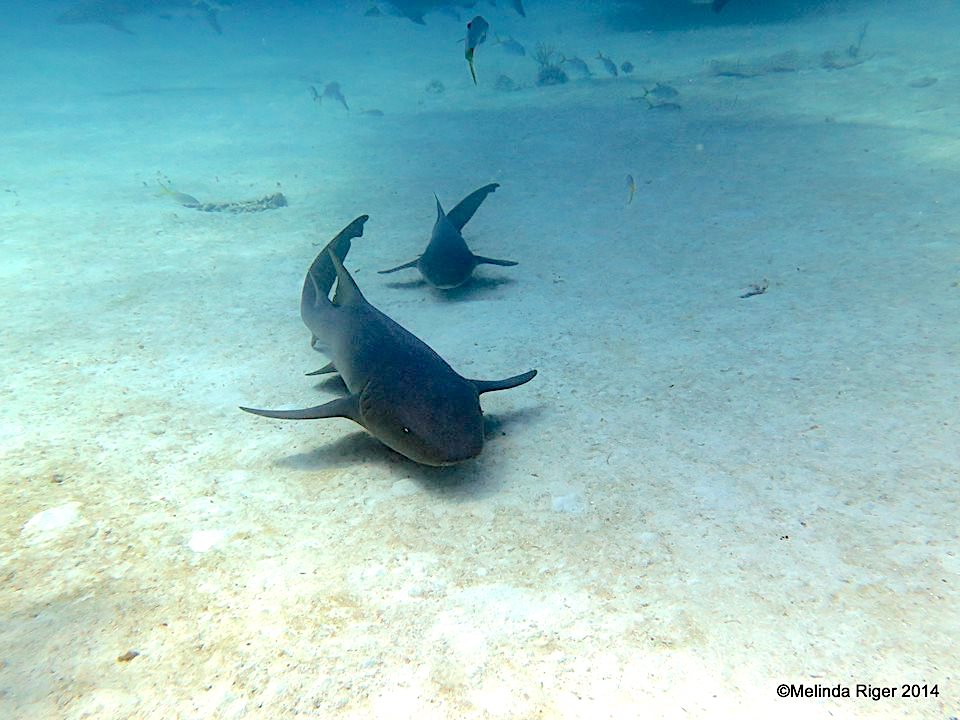
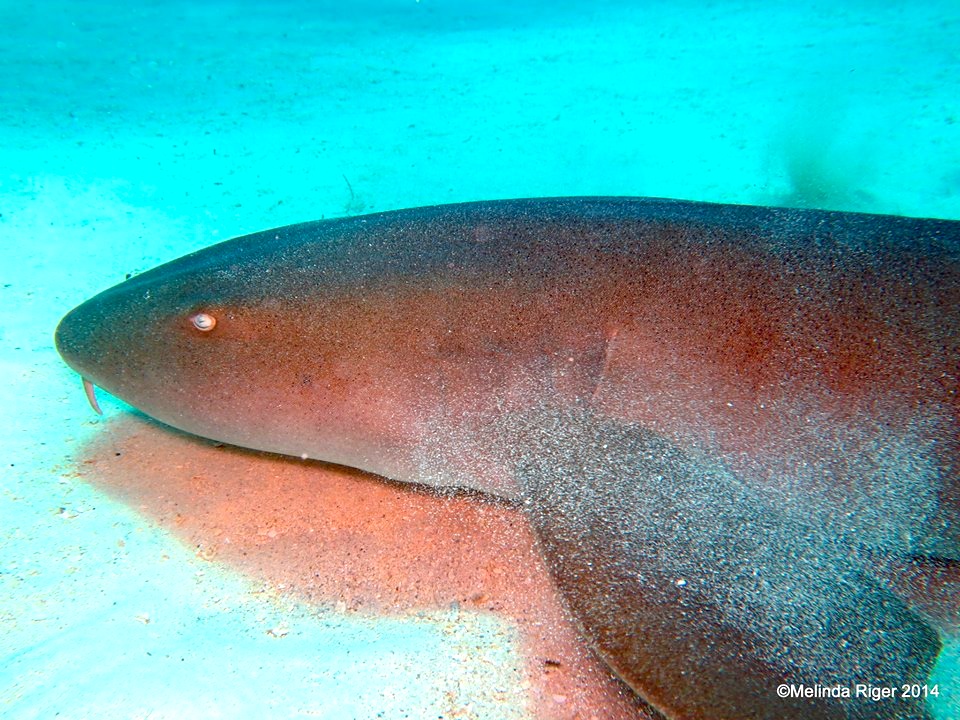
I last took a look at nurse sharks nearly 3 years ago HERE. Time to revisit these creatures. Indeed, time for a close-up look. If you want to know more about this fascinating species, just click the link above.

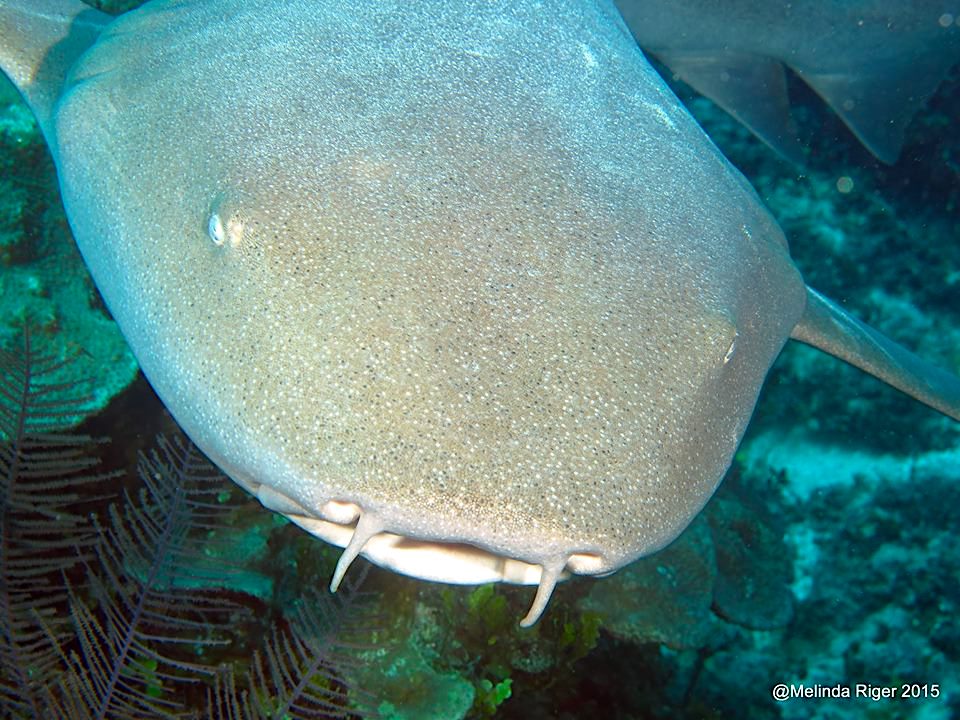
The two strange items hanging down from the upper lip are sensory barbels
nurse-shark-melinda-riger-g-b-scuba

This side-view shows the shark’s relatively small mouth (for a shark anyway)nurse-shark-a-melinda-riger-gb-scuba

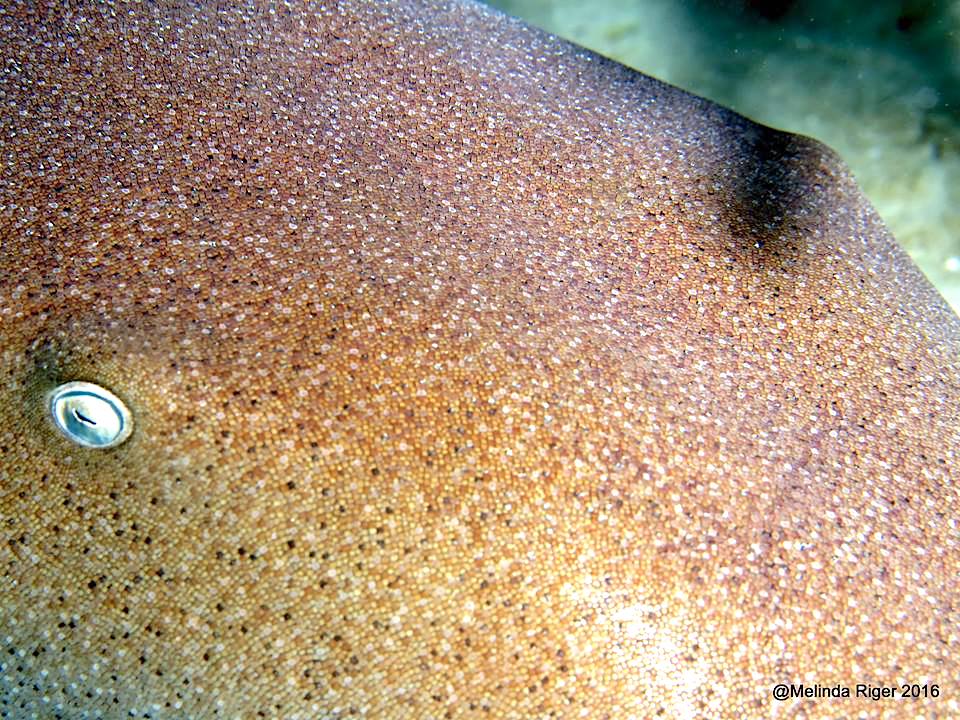
Admire the extraordinary texture of the the skin; and the tiny evil eye. Click or – better – double click on the image and you will see that the skin is in fact tessellated, made up of a mosaic of tiny squares and near-squares**nurse-shark-close-up-melinda-riger-g-b-scuba

This one is a baby nurse sharknurse-shark-baby-melinda-riger-gb-scuba

A juvenile nurse shark with a couple of grunts. Note the youngster’s paddle-like finnurse-shark-juv-melinda-riger-g-b-scuba

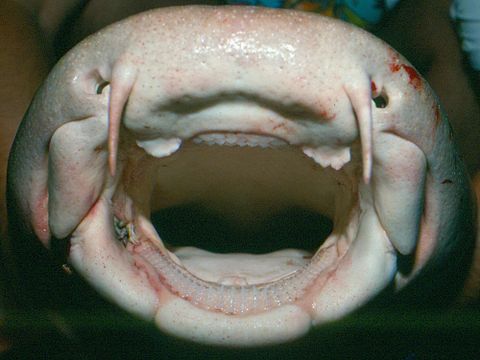
Head, mouth, jaws and teeth

 ginglymostoma_cirratum_head  

nurse-sharks-x2-plus-reef-sharks-melinda-riger-g-b-scuba

SO, THEY ARE SHARKS – ARE THESE GUYS DANGEROUS?

Not really, no. They aren’t looking to pick a fight; and they are not as territorially aggressive as the ‘bitey’ sharks are (or can be).  These slow-moving bottom-dwellers are generally harmless to humans. However, they can be huge—up to 4 metres —and have very strong jaws filled with thousands of tiny, serrated teeth. They will bite defensively if stepped on or bothered by divers who assume they’re docile. [As I said previously, “there are recorded instances of injuries caused to divers who have tried to pull nurse sharks by the tail. And serve them right, I say. Treat them with patience and respect!”] 

Nurse Shark ©Melinda Riger @ G B Scuba copy

**FUN FACT

M.C. ESCHER (the inspiration for Mr Hammer) was the master of tessellation in art. Click the link to explore the dedicated website. Maybe, sensationally, one day a shark will be found with skin like this… (Alert reader: “Actually, I think it most unlikely…”)

Escher fish

Credits: field photos by Melinda Riger, Grand Bahama Scuba; Wiki for the 4 mouth images & the Escher 

Nurse Shark ©Melinda Riger @ Grand Bahama Scuba

Unknown's avatar

FLORAL CORAL: BEAUTIFUL BAHAMIAN REEF LIFE


coral-soft-corals-melinda-riger-g-b-scuba

FLORAL CORAL: BEAUTIFUL BAHAMIAN REEF LIFE

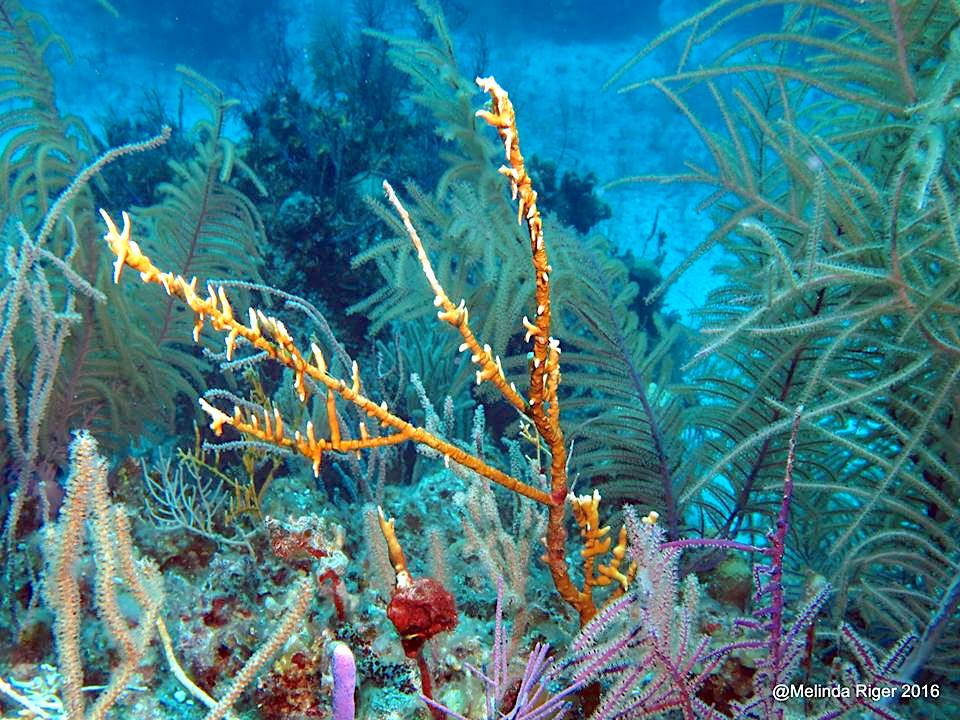
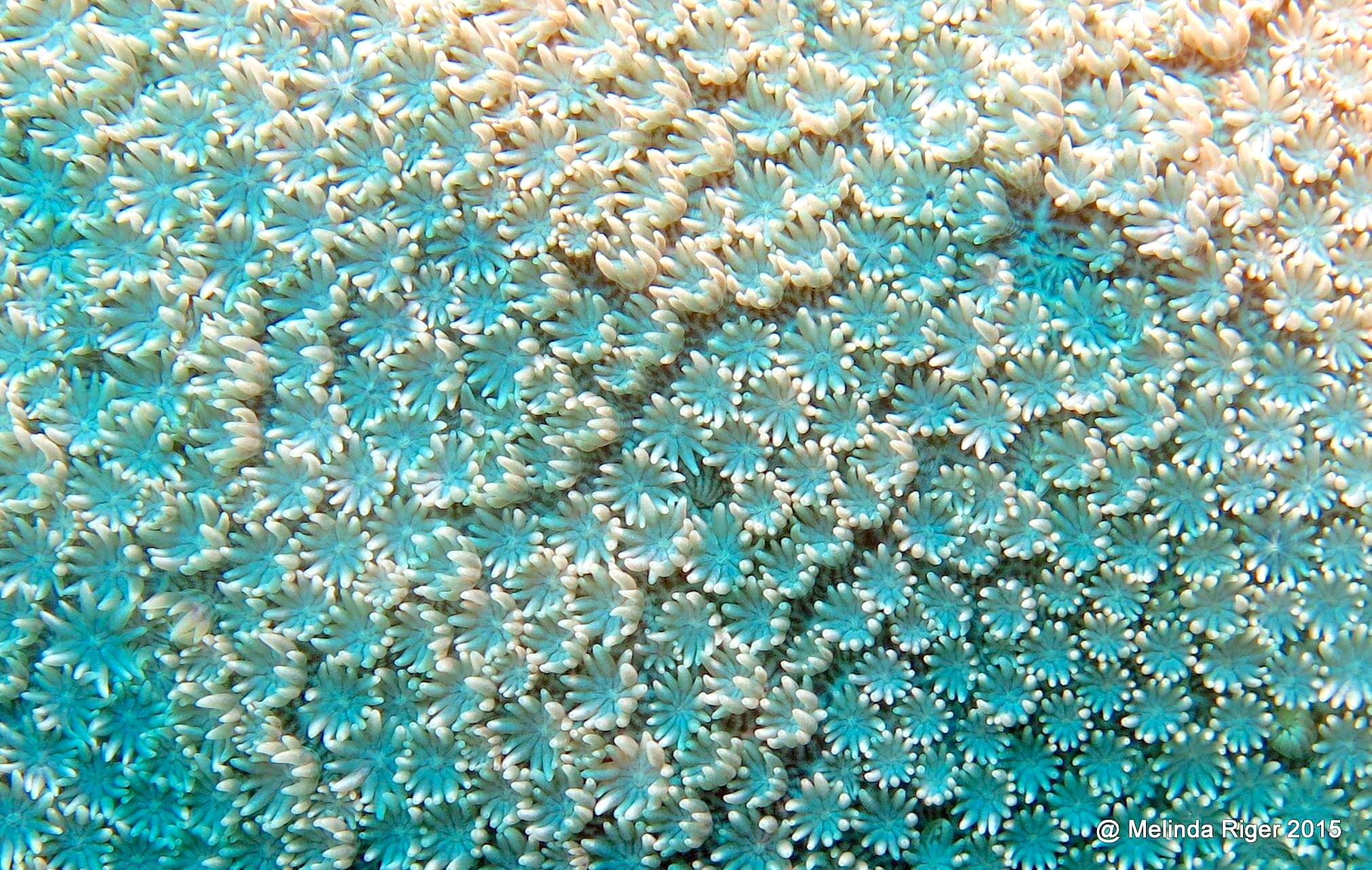
This post needs no commentary from me, nor my larky intrusions. These wonderful images from Melinda Riger speak for themselves. You’ll see a wide variety of soft and hard corals in the images below (prize** for the full list). If these superb photos don’t want to make you want to grab a snorkel, mask and flippers, then… well, that would be a very great shame.

coral-melinda-riger-g-b-scubacoral-melinda-riger-gb-scubacoral-reef-2-melinda-riger-g-b-scubafire-coral-melinda-riger-gb-scubapillar-coral-melinda-riger-gb-scubablushing-star-coralpurple-sea-fan-melinda-riger-g-b-scubapurple-sea-fan-melinda-riger-g-b-scuba-copy

**the prize is the usual legendary bottle of Kalik. Or do I mean mythical?

All wonderful photos by Melinda Riger, Grand Bahama Scuba. All corals also available in a wide range of colours in Abaco waters. See them there on the third largest barrier reef in the world (and in rather better nick that the greatest, by all accounts).

Unknown's avatar

WTF? (WHAT’S THAT FISH) (5): THE FILEFISH


Scrawled Filefish ©Melinda Riger @ GBS

WTF? (WHAT’S THAT FISH) 5: THE FILEFISH

The jocularly-named WTF? series is designed to shed an underwater spotlight on some of the odder denizens of the coral reefs and surrounding waters. I don’t want to earn a reputation for being ‘lookist’, but frankly the appearance of some of these creatures – I give you BATFISH or FROGFISH or REMORAS as examples – is baffling. The filefish group is not as extreme as some in the downright weird category, but if you see one you might just find yourself muttering into your facemask “wtf?”

Scrawled Filefish ©Melinda Riger @ G B Scuba

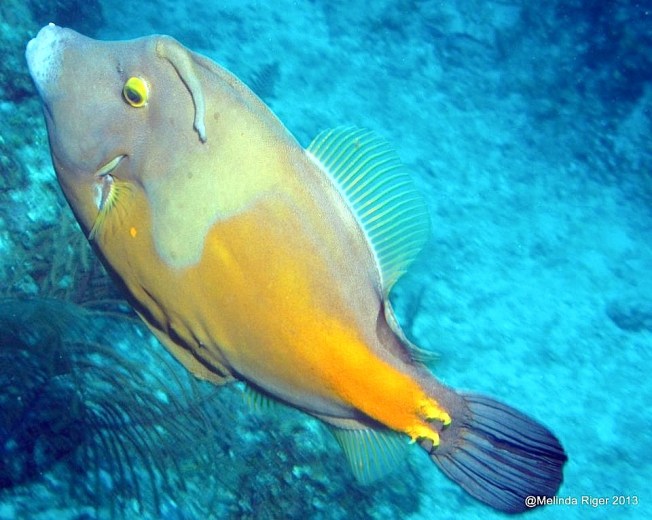
Filefish (Monacanthidae) are found in tropical and subtropical oceans worldwide. They are related to triggerfish, trunkfish and pufferfish, and have regional names that include leatherjacket, foolfish, and shingle. There are more than 100 species of filefish, of which only a few are found in Bahamian waters. The species featured here are a mix of scrawled, white-spotted and orange-spotted filefish.

Filefish White-spotted ©Melinda Riger @G B Scuba

HOW DID THEY GET THE NAME?

In the image above, you can just see a flattened spine on top, above the eye and pointing backwards. This is the ‘retracted’ state. There is a small secondary spine that serves to prop up the main spine when it is in the upright position. This is it seems, the file – although the Greek-derived family name Monacanthidae literally means ‘one thorn’. So why isn’t it a thornfish, you may well ask. And I may well not respond.

This filefish’s ‘spine’ seems to have flopped over to one sideWhite Spotted File fish

These fish have snouts with small mouths and specialized teeth with an inner and outer set on each jaw. They are to an extent shapeshifters, and can quickly make themselves appear larger for defensive purposes. In some individual species, there are marked differences in body shape and coloration.

An orange-spotted filefish with its spine erect, making for a cave – a place of safetyFilefish, Orange Spotted ©Melinda Riger @ GB Scuba

The fins of a filefish are small, and they are rather sedate swimmers. Sometimes they simply like to drift with their heads pointed downwards, eyeing patches of seagrass or seaweed for prey. Some species are largely vegetarian. Others eat small invertebrates. Some even feed on corals. Their predators – especially  the juveniles –  include tuna and dolphins (mahi-mahi).
ADDITION Capt Rick Guest has helpfully expanded on juvenile filefish: “The juveniles hang under sea weed and flotsam eating small shrimps and crabs there. They, in turn become food for Mahi and other pelagic fish. The main thing with these guys is that the bigger they are, the more likely they are to be Ciguateric”.
220px-Coryphaena_hippurus
At his suggestion I will write a post about the  problem of the Ciguatera disease when I have had some time to do the research.

Scrawled File Fish

ARE THEY EDIBLE?

Good question. The answer, broadly is yes, though I don’t know if that applies to all species of filefish. They are certainly eaten in large quantities in the Far East. I don’t know about the Bahamas or the wider Caribbean. If anyone does, could you very kindly add a comment to this post. Recipes welcome!

Scrawled Filefish

All photos: Melinda Riger of Grand Bahama Scuba